Slideshow · Viral
20 Driving Laws Americans Break Every Day Without Realizing, Ranked
From hanging air fresheners on rearview mirrors to driving in the left lane without passing, US motorists routinely violate state traffic statutes without realizing it. Discover twenty everyday driving habits that can earn you an unexpected traffic ticket.
By Most Viral Today
24 min ago

Driving Laws Americans Break Daily 
20. Hanging Items From Rearview Mirrors 
19. Cruising In The Highway Passing Lane 
18. Driving In Rain Without Headlights - AdvertisementSwipe or tap ▶ to continue countdown

17. Flashing Hazard Lights In Heavy Downpours 
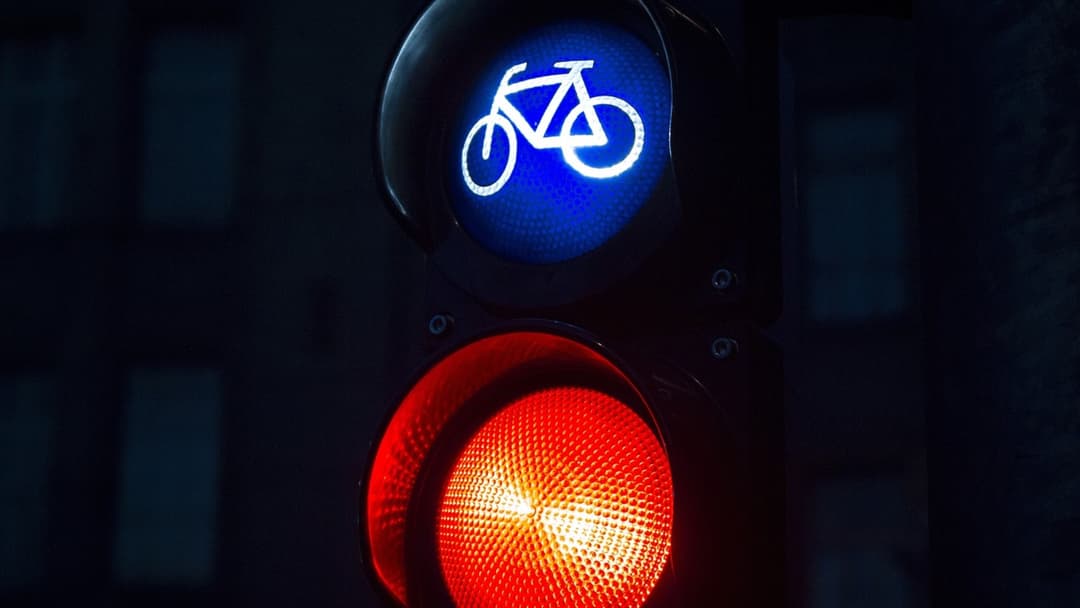
16. Failing To Stop Before Right On Red 
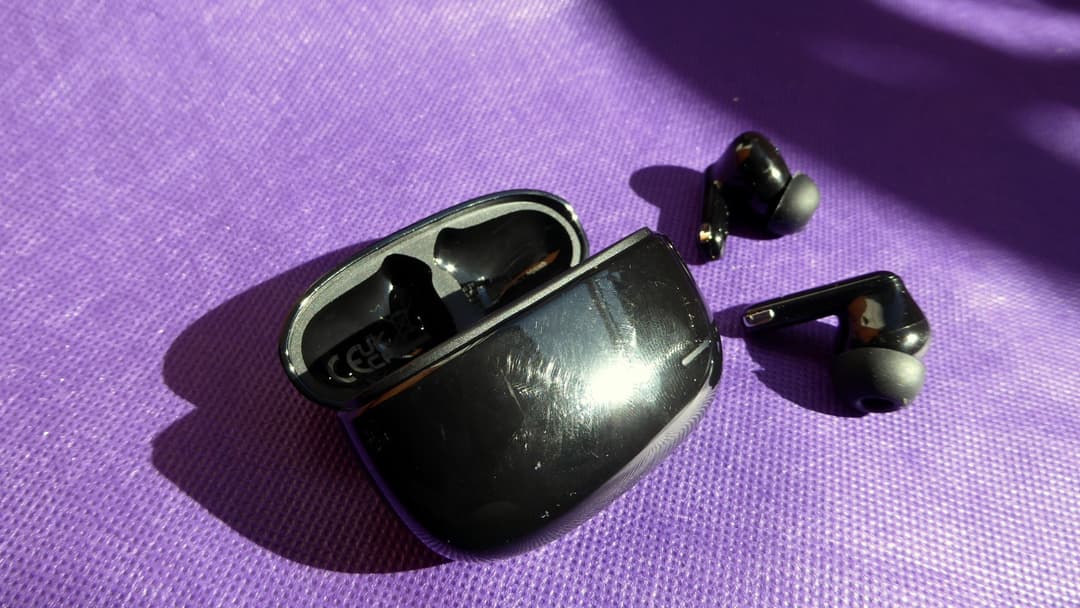
15. Wearing Headphones Behind The Wheel 
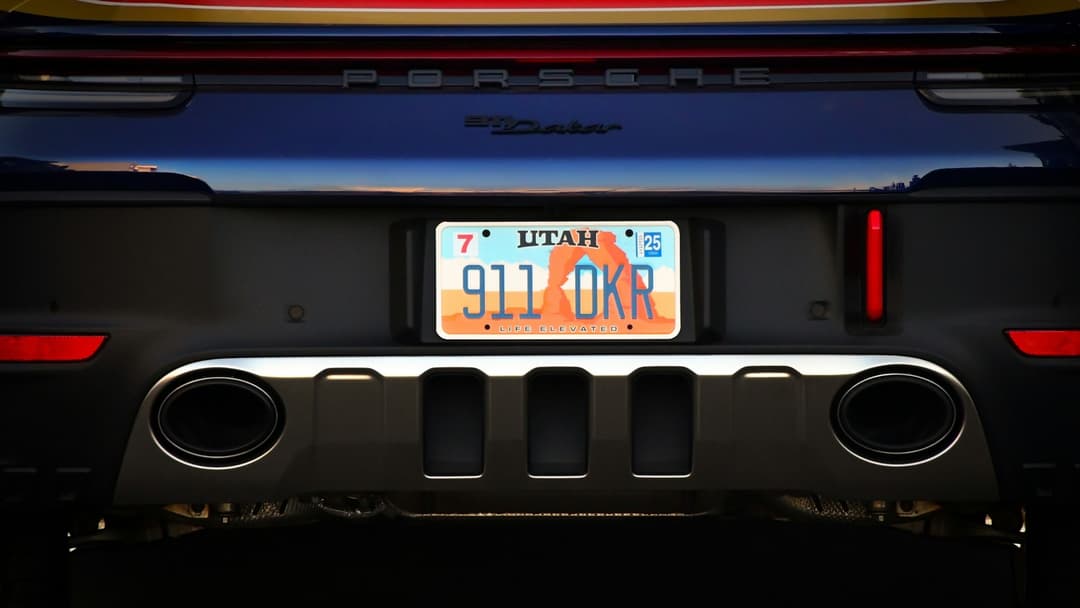
14. Obscuring License Plate Frames - AdvertisementSwipe or tap ▶ to continue countdown

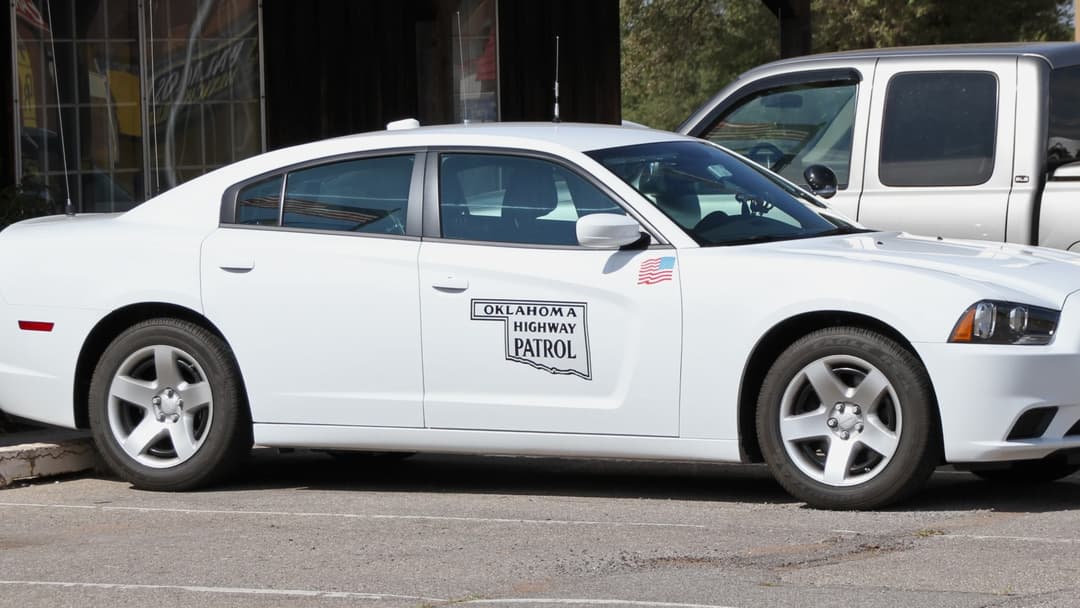
13. Failing To Move Over For Emergency Cruisers 
12. Leaving Vehicles Idling Unattended 
11. Driving With Heavy Snow Piled On Roofs 
10. Driving With Interior Dome Lights On - AdvertisementSwipe or tap ▶ to continue countdown

9. Following Vehicles Too Closely 
8. Honking Horns In Non-Emergency Moments 
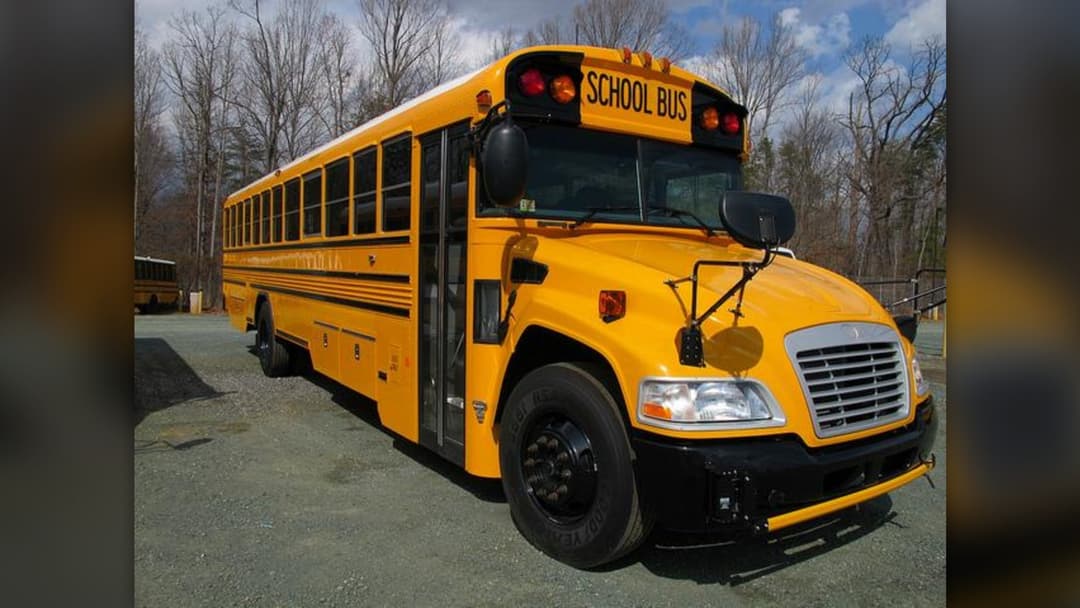
7. Passing Stopped School Buses 
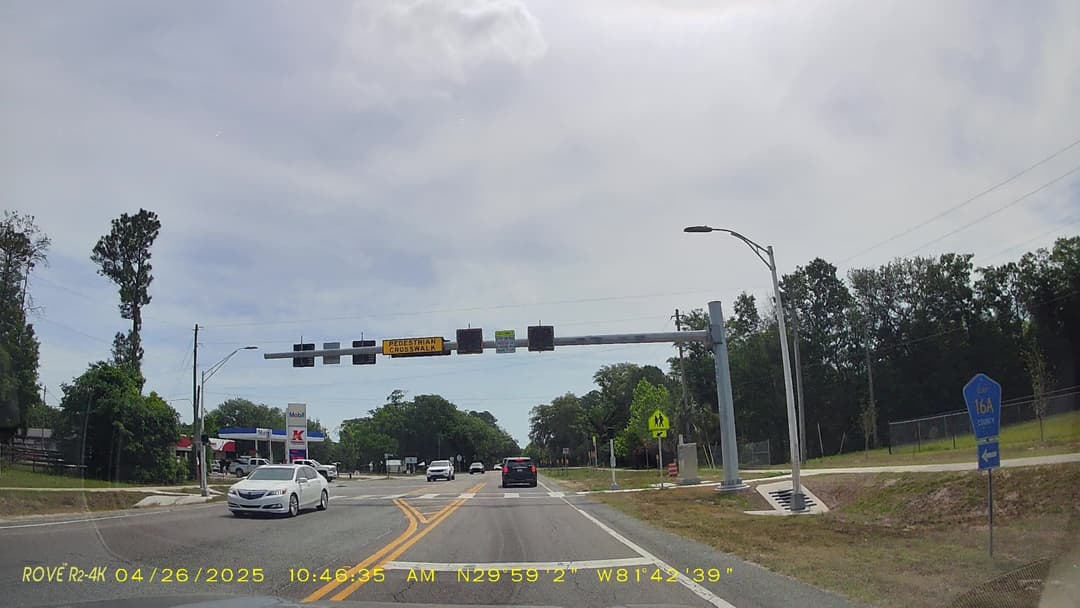
6. Blocking Pedestrian Crosswalks At Stops - AdvertisementSwipe or tap ▶ to continue countdown

5. Driving Unreasonably Below Speed Limits 
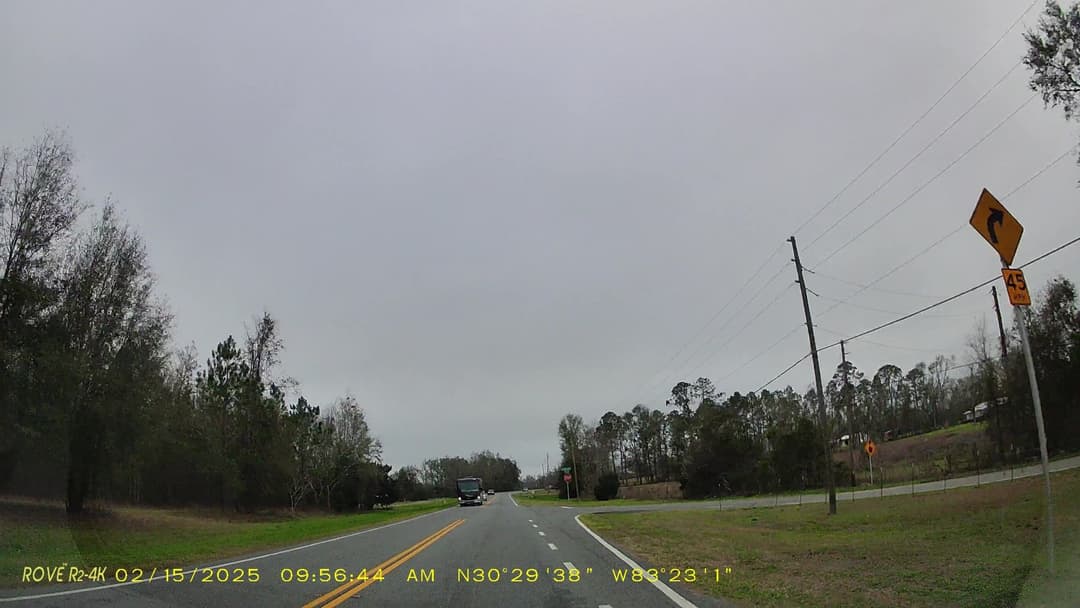
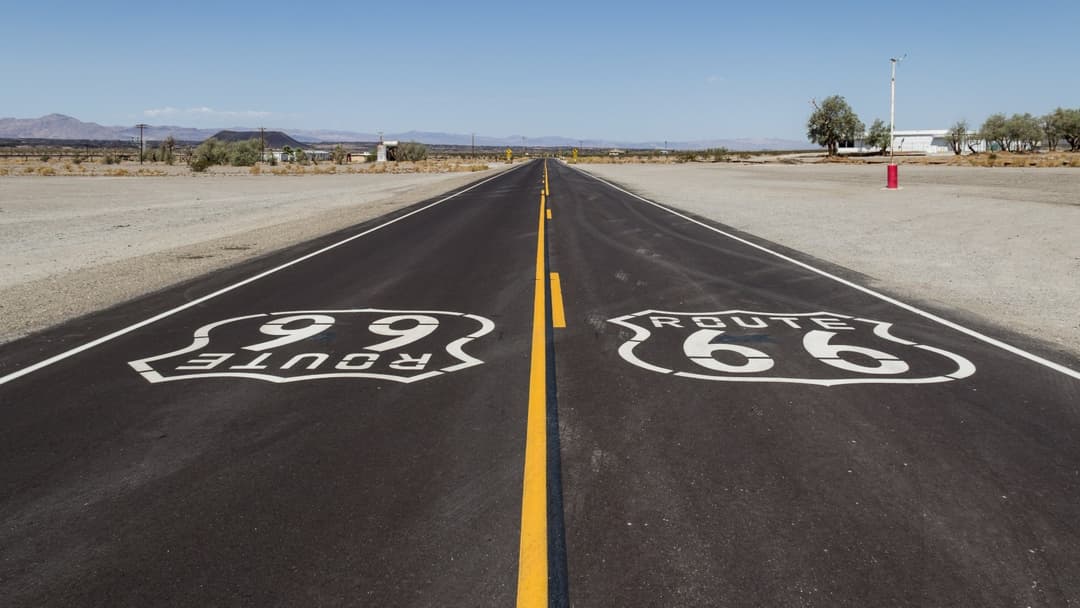
4. Crossing Solid Double Yellow Lines 
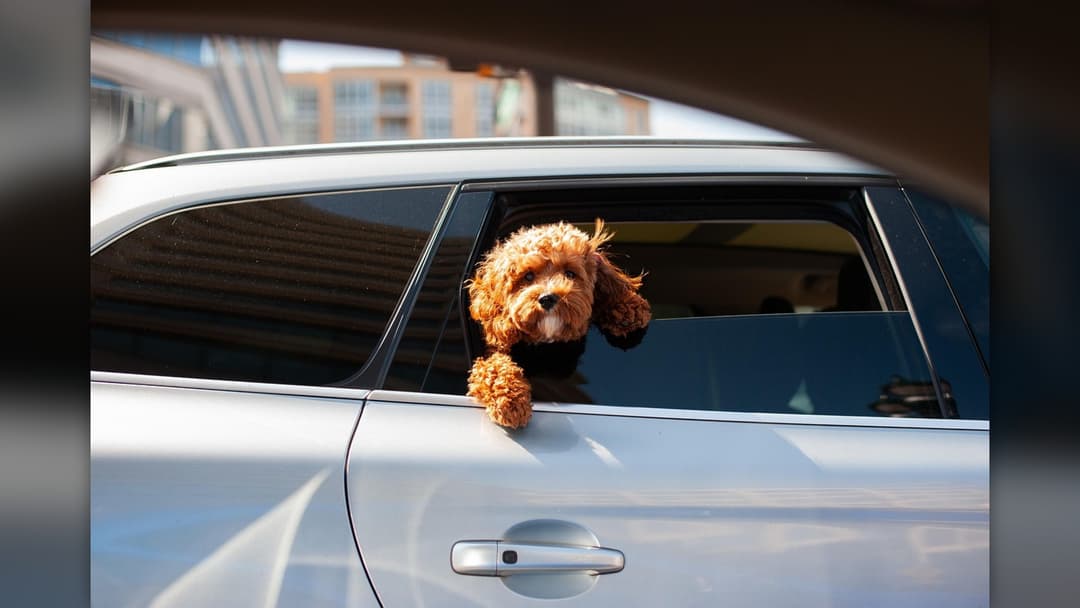
3. Driving With Pets Unrestrained On Laps 
2. Tossing Cigarette Butts Out Windows - AdvertisementSwipe or tap ▶ to continue countdown

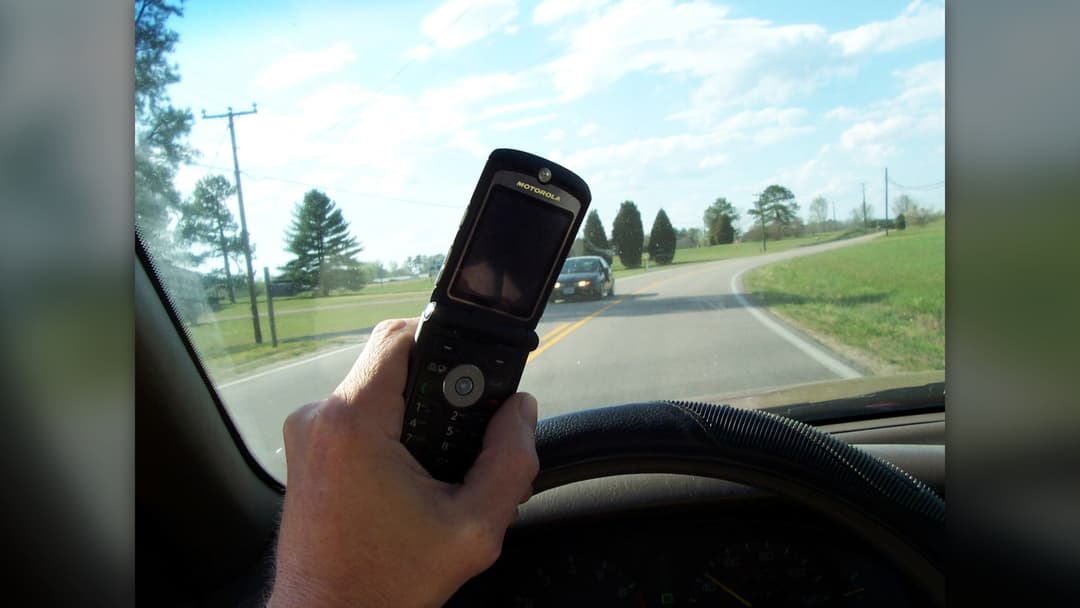
1. Handling Phones While Stopped At Red Lights - Advertisement🔥 UP NEXT IN THIS SERIES◫ 21 Slides

20 First Ladies Who Shaped White House History
Every single day across the United States, millions of well-intentioned drivers commit traffic offenses without realizing they are violating state motor vehicle codes. From hanging decorative items to lane habits, these twenty widespread driving customs can land you unexpected traffic tickets.
Swipe or tap ▶ to begin the countdown
©Pixabay / 阿波罗的口琴 & Pixabay / Alexas_Fotos
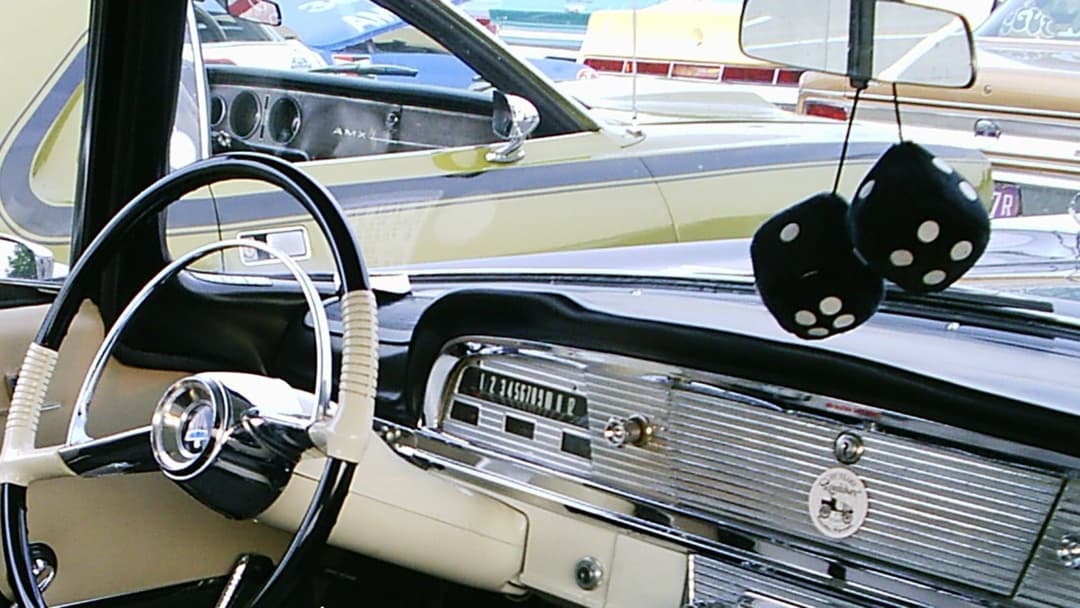
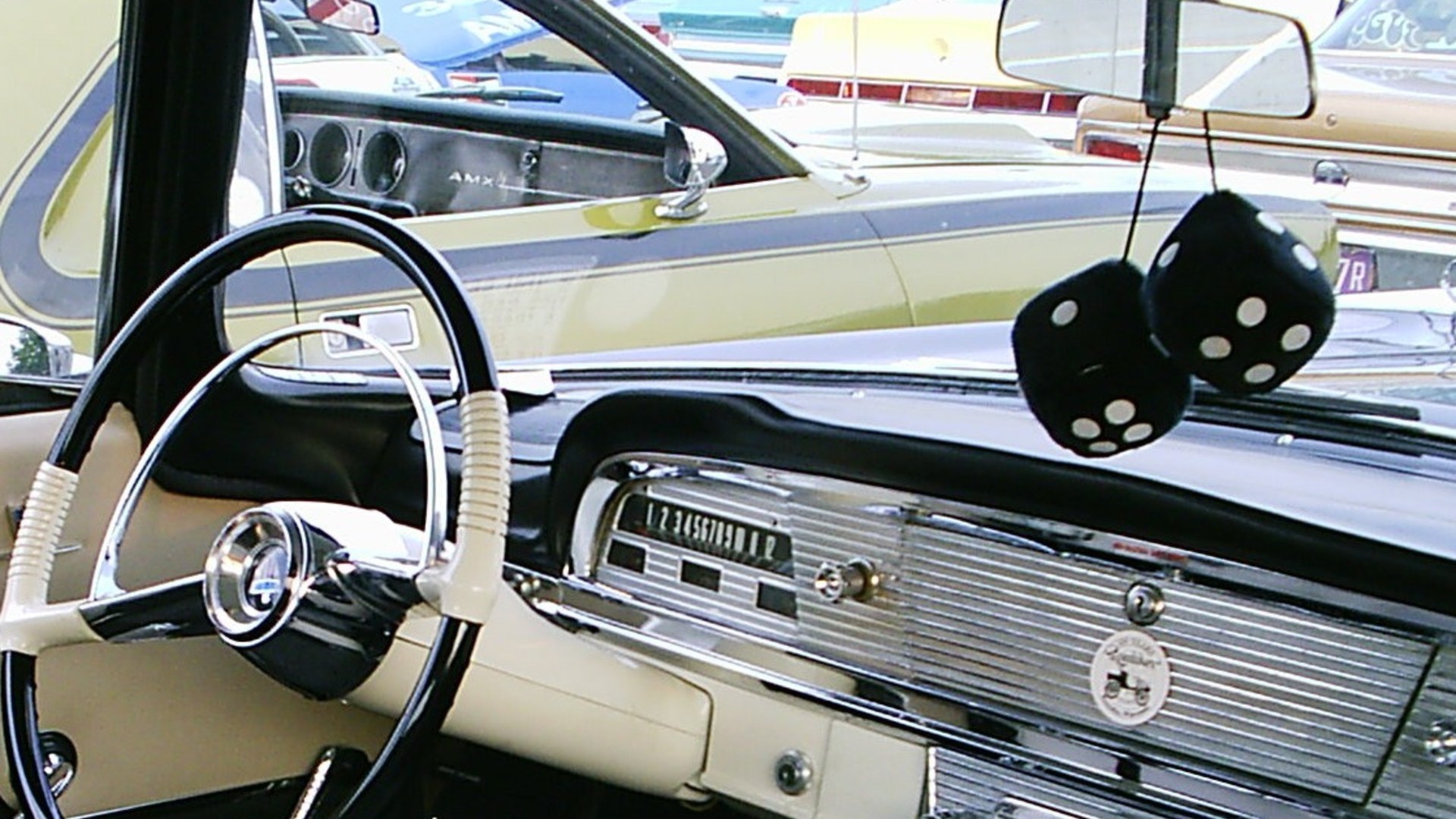
20. Hanging Items From Rearview Mirrors
More than thirty US states enforce strict windshield obstruction statutes that prohibit drivers from suspending objects from the rearview mirror. Even small air fresheners or handicap placards can block line of sight, giving officers legal grounds for a traffic stop and fine.
©Wikimedia / CZmarlin
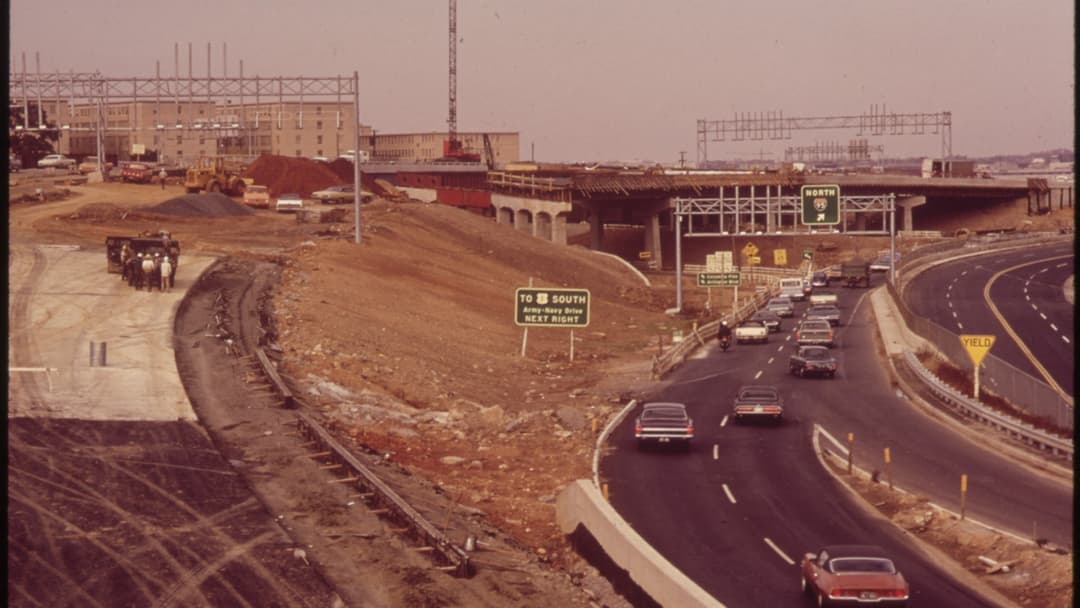
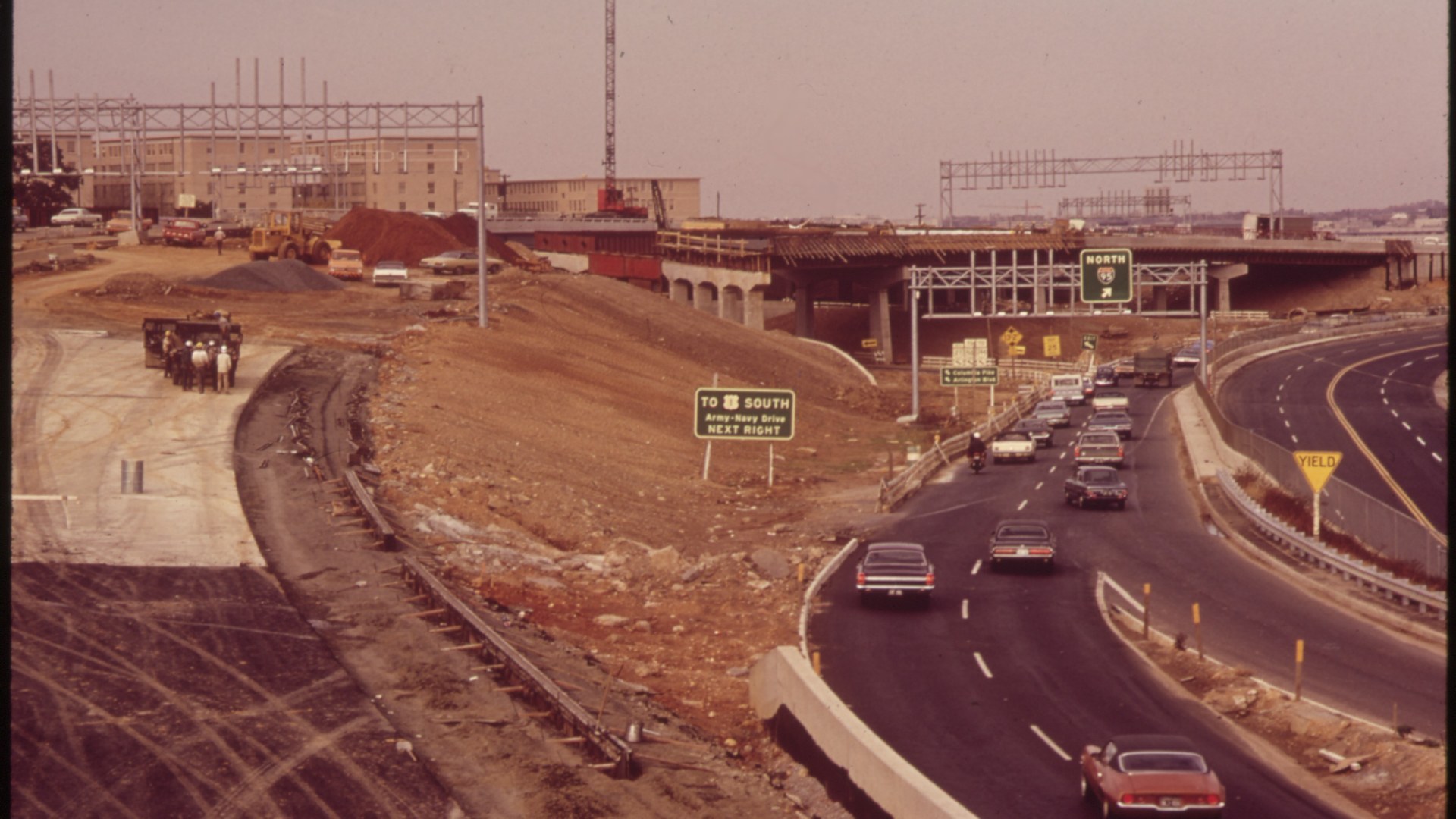
19. Cruising In The Highway Passing Lane
On multi-lane highways across America, the left lane is designated specifically for passing slower vehicles. Camping in the far-left lane while matching the speed of adjacent cars impedes general flow and violates state laws that mandate keeping right except to pass.
©Wikimedia / John Neubauer
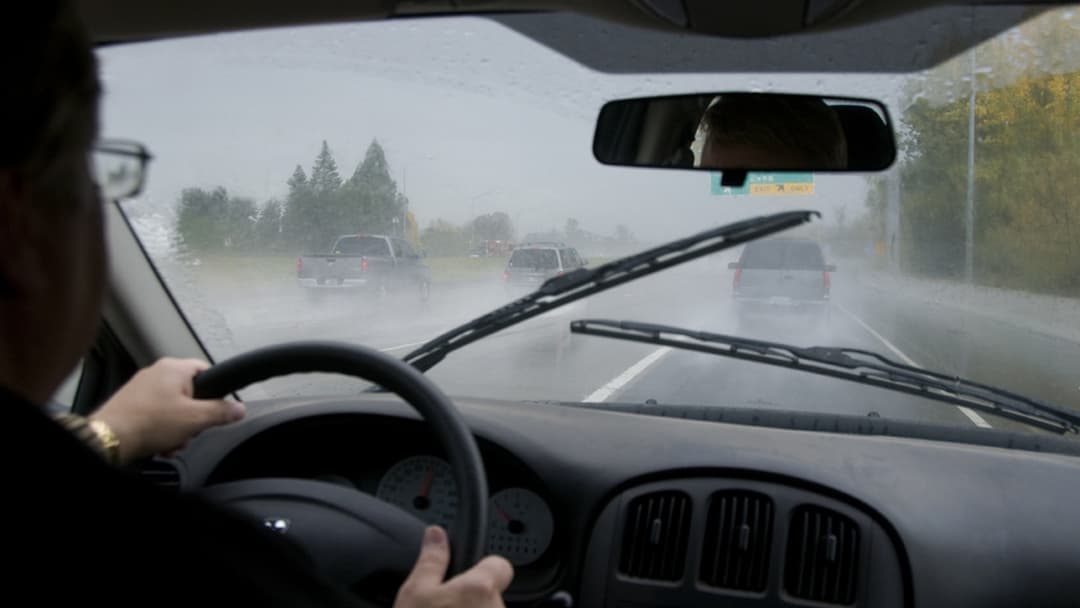
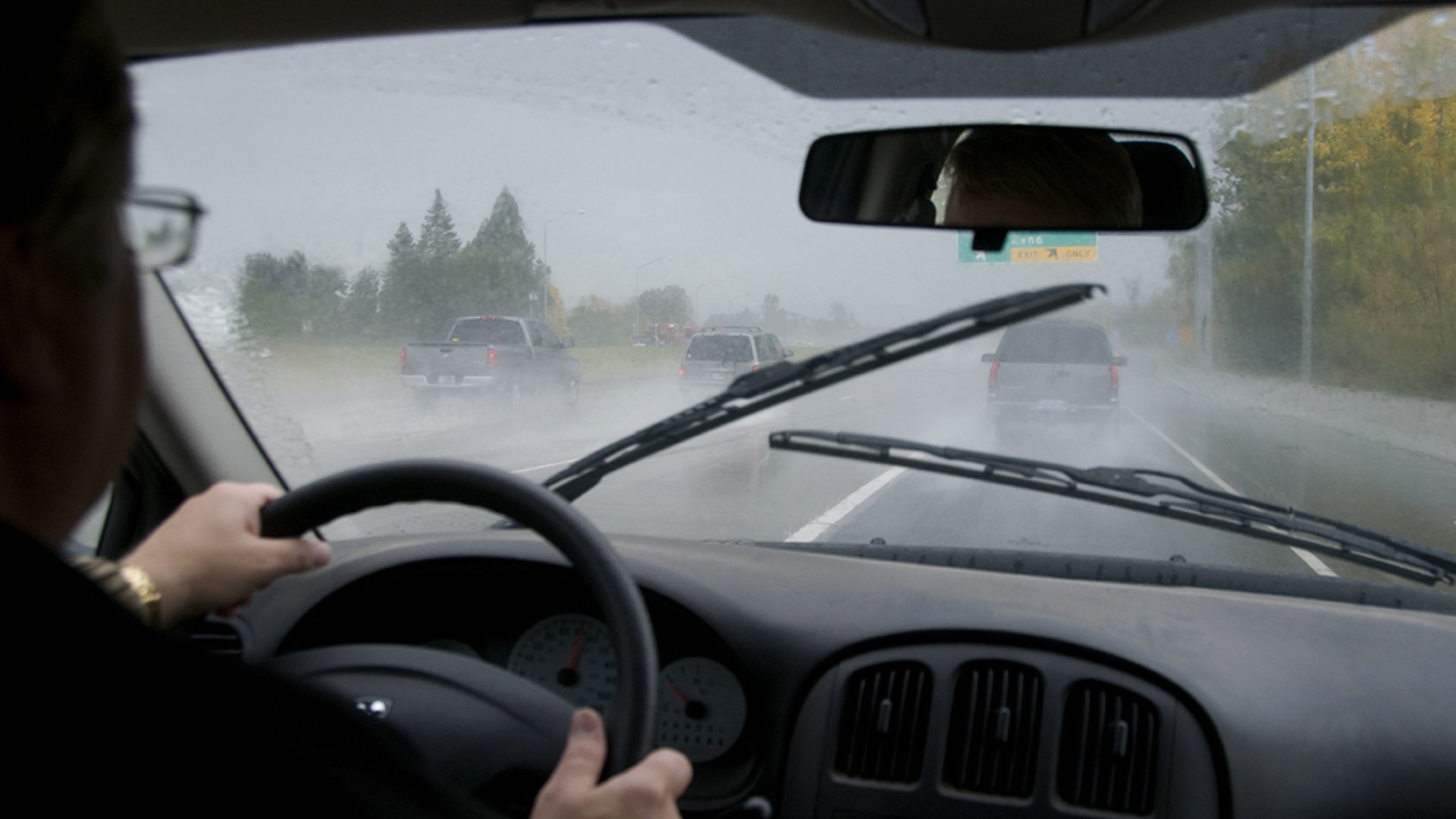
18. Driving In Rain Without Headlights
Over thirty states mandate that headlights must be activated whenever rainfall necessitates continuous windshield wiper operation. Relying solely on daytime running lights leaves your rear taillights completely dark, reducing visibility and risking a moving violation.
©Wikimedia / Oregon Department of Transportation
Advertisement
Swipe or tap ▶ to resume the countdown.
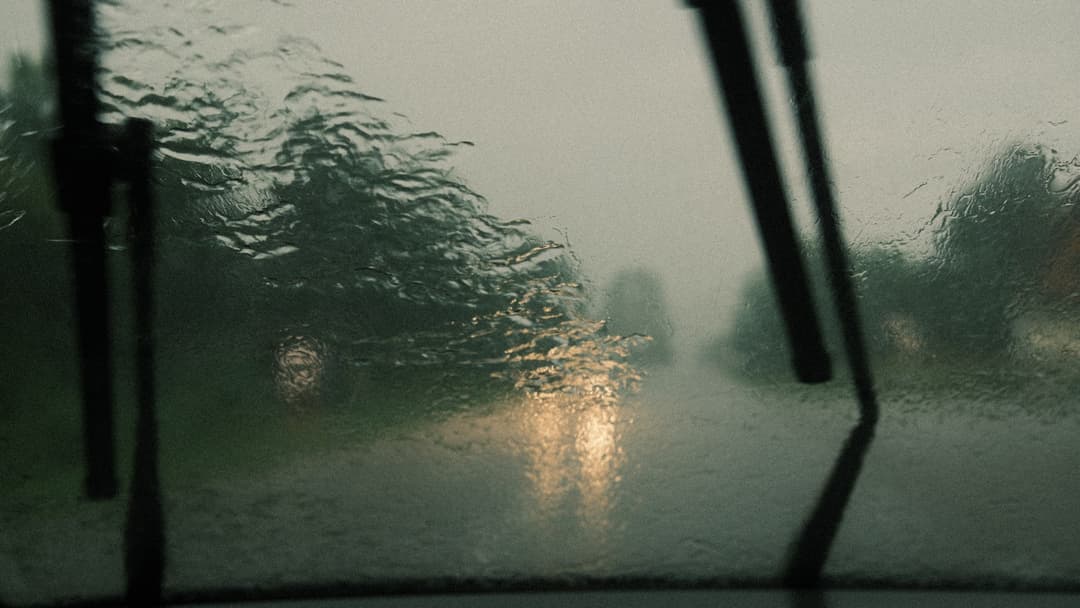
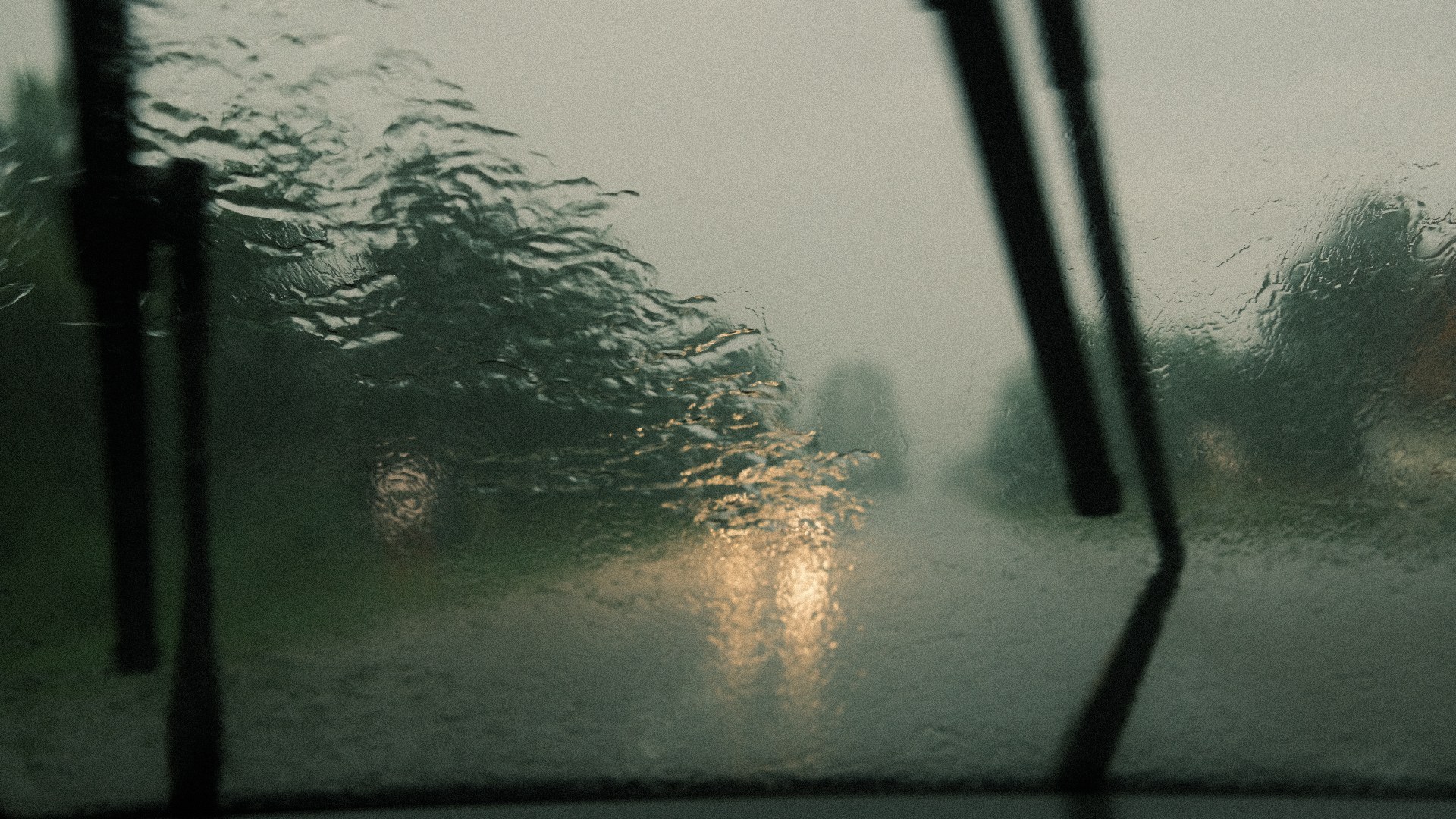
17. Flashing Hazard Lights In Heavy Downpours
Drivers often flip on hazard flashers during storms to alert others, but many state traffic codes forbid using hazard lights on moving vehicles. Hazard lights override your turn signals, confuse trailing motorists, and create dangerous optical illusions in blinding spray.
©Wikimedia / Shixart1985
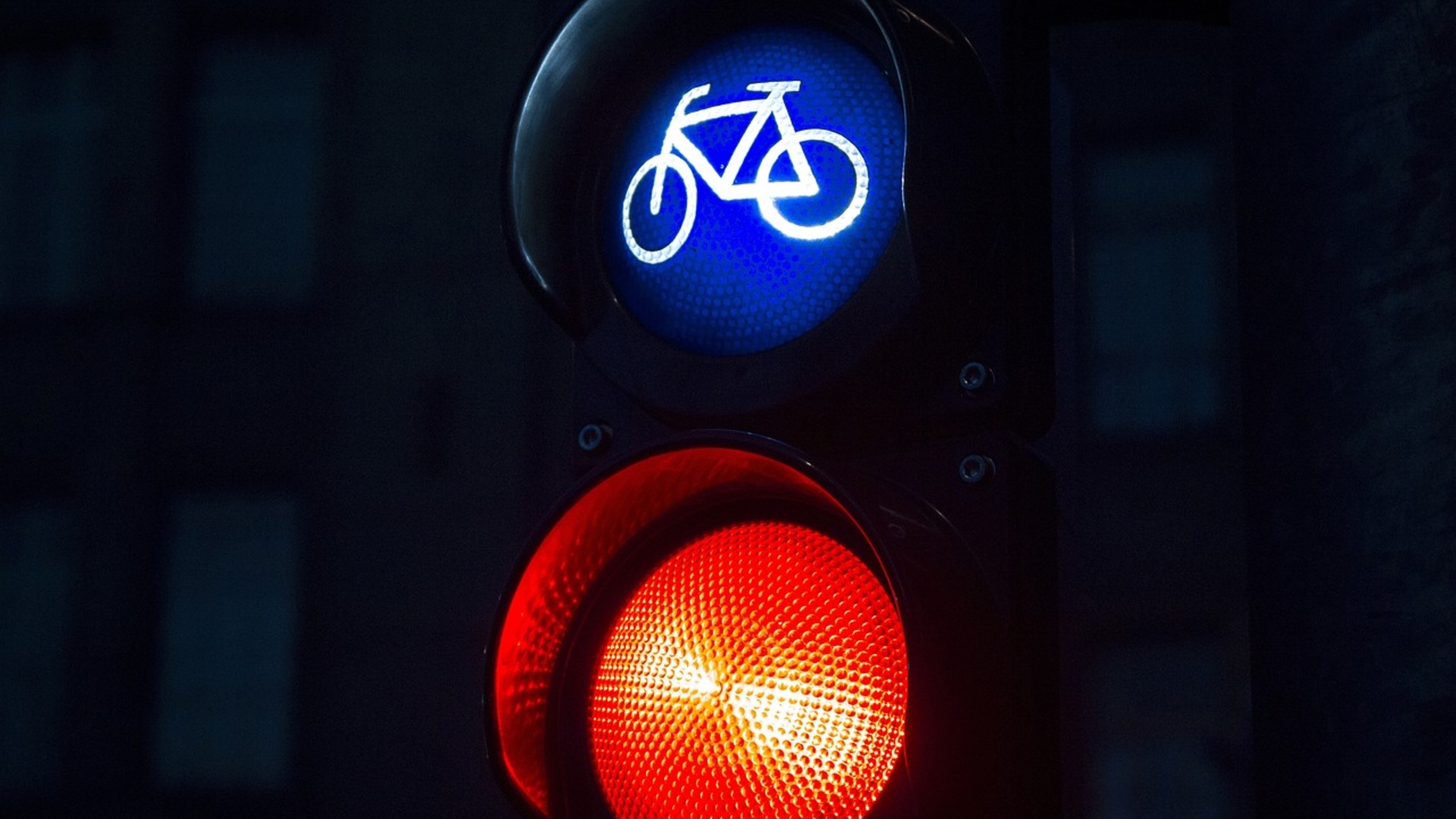
16. Failing To Stop Before Right On Red
Turning right on red is widely permitted across America, but motorists must first bring their vehicle to a complete stop behind the limit line. Rolling into a right turn without coming to a stationary halt constitutes running a red light, which triggers costly camera fines.
©Pixabay / paulsteuber
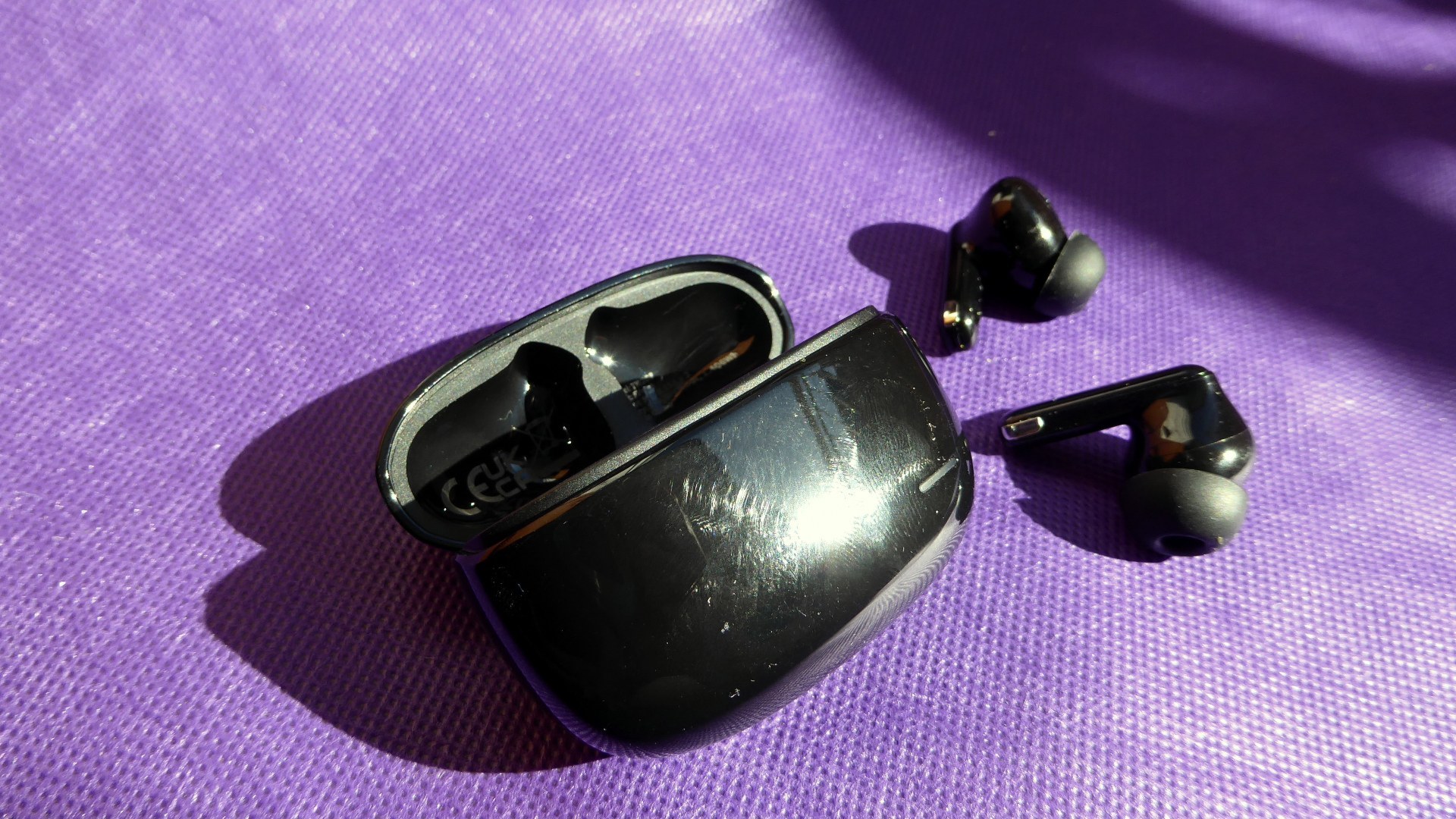
15. Wearing Headphones Behind The Wheel
Many drivers pop in noise-canceling earbuds to listen to podcasts or take phone calls while commuting. However, major states including California, Florida, and Illinois strictly ban wearing headphones in both ears while driving because it prevents motorists from hearing sirens and horns.
©Wikimedia / Chenspec
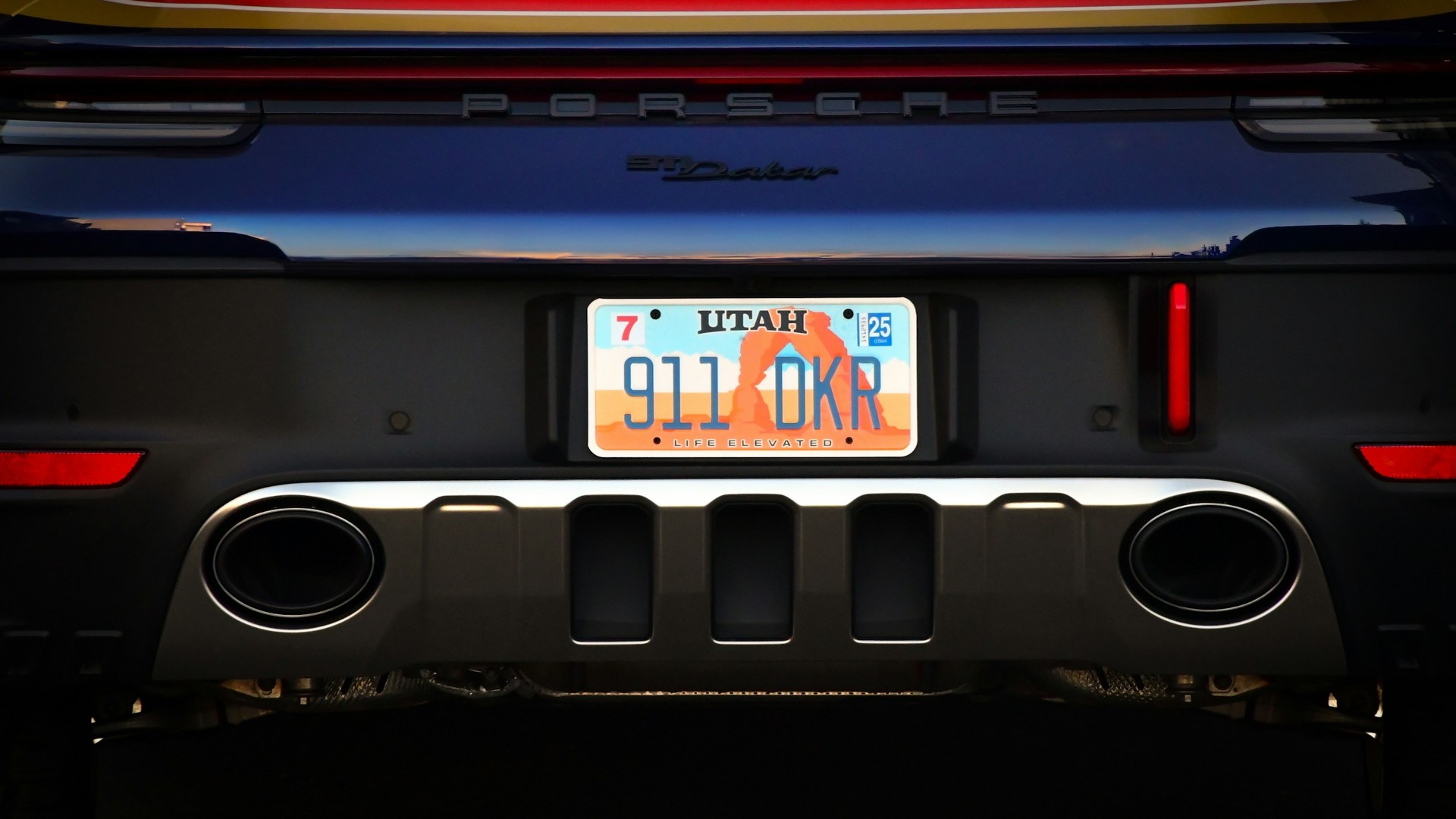
14. Obscuring License Plate Frames
Car dealerships often install decorative chrome frames that overlap the state name or registration expiration stickers. Even if the numbers remain visible, laws in states like Texas and New York treat any framing that obscures state lettering as an unlawful plate obstruction.
© Photo by Tory Hoffman on Unsplash
Advertisement
Swipe or tap ▶ to resume the countdown.
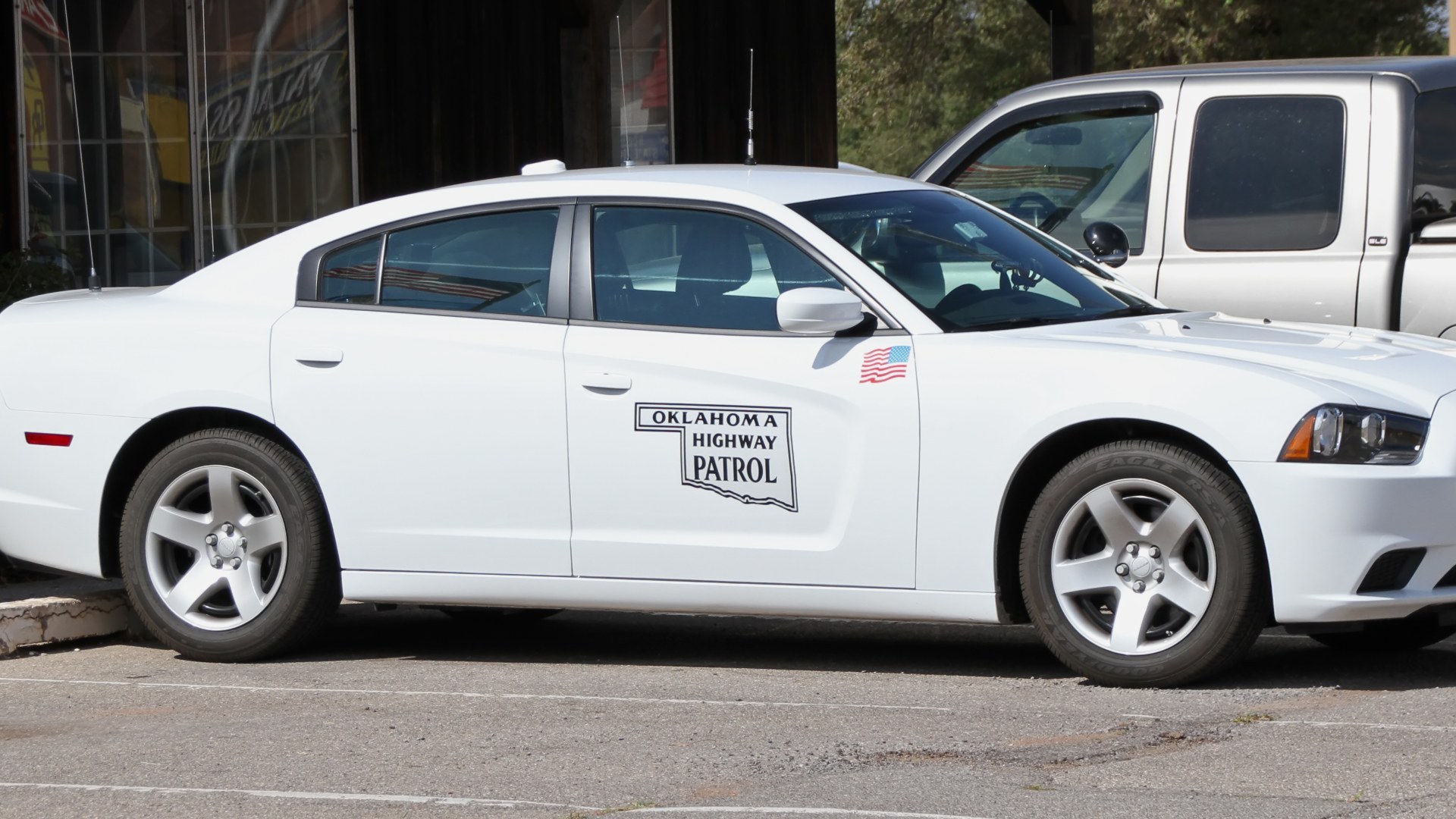
13. Failing To Move Over For Emergency Cruisers
Move Over laws across all fifty states require drivers to change lanes away from roadside emergency vehicles with flashing lights. If heavy highway traffic prevents a safe lane change, motorists are legally required to drop speed significantly below the posted limit.
©Wikimedia / Tony Hisgett
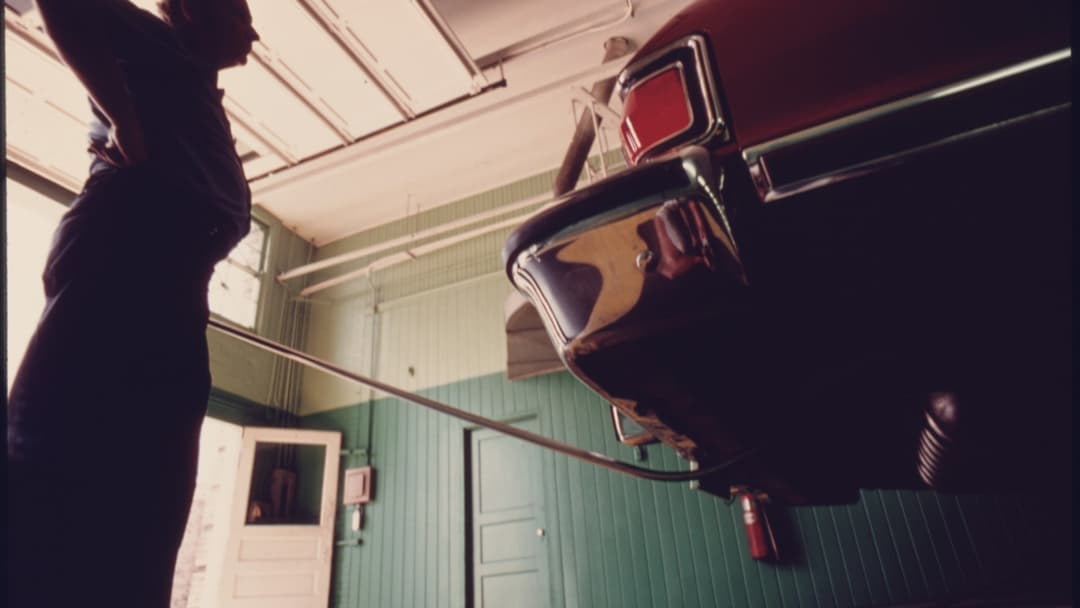
12. Leaving Vehicles Idling Unattended
Leaving a car running to warm the cabin during chilly mornings is common practice, but many jurisdictions prohibit unattended idling. Commonly known as anti-puffing laws, these regulations aim to prevent vehicle theft and curb unnecessary greenhouse emissions.
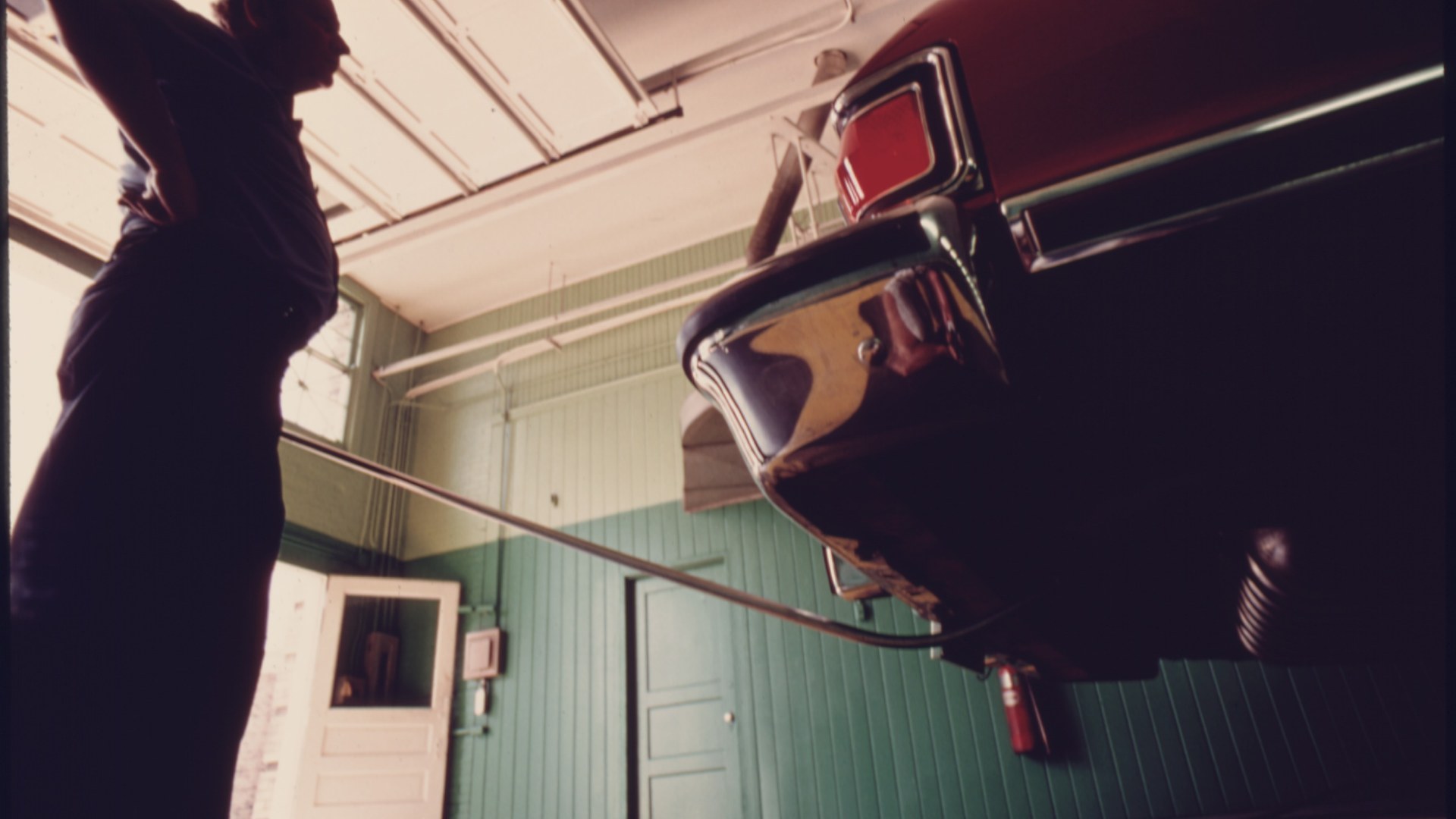
©Wikimedia / Lyntha Scott Eiler
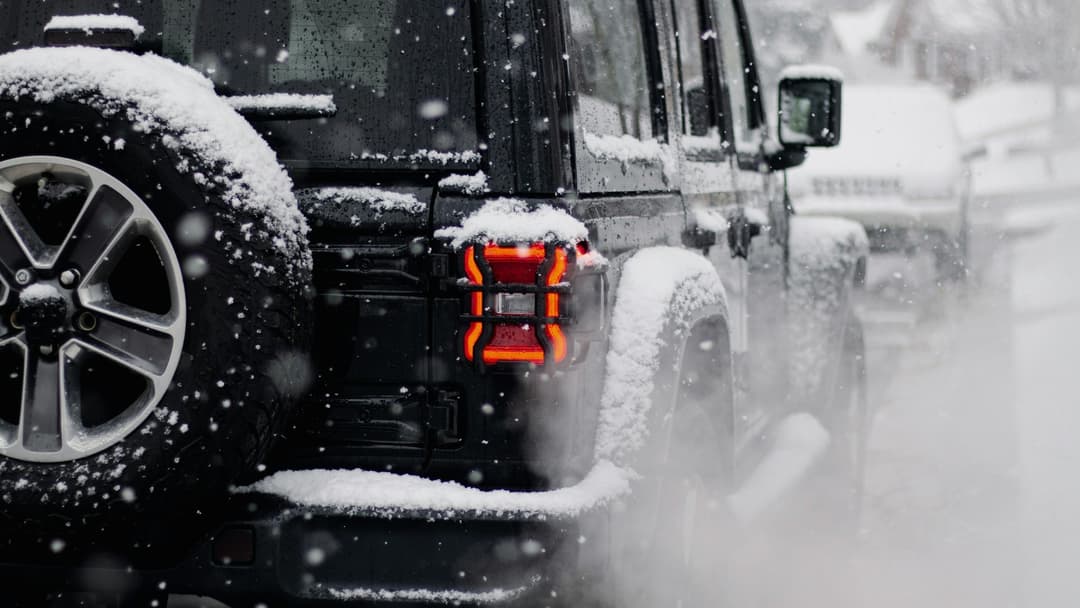
11. Driving With Heavy Snow Piled On Roofs
Clearing only your windshield and leaving sheets of hard-packed snow on your car roof violates road safety laws in northern states. Highway wind dislodges frozen slabs into following vehicles, shattering windshields and triggering severe fines under Jessica's Law.
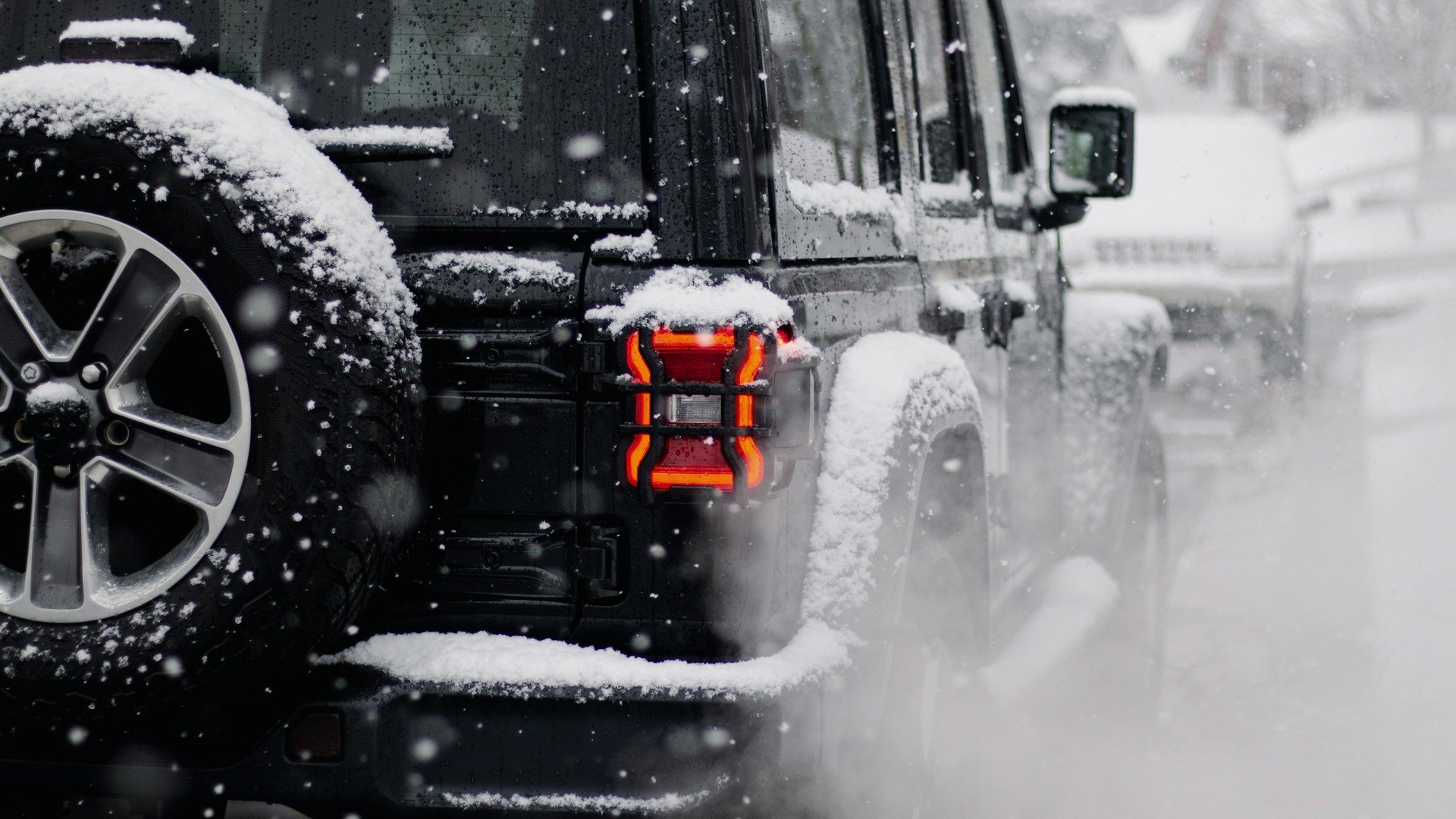
© Photo by David Nicolai on Unsplash
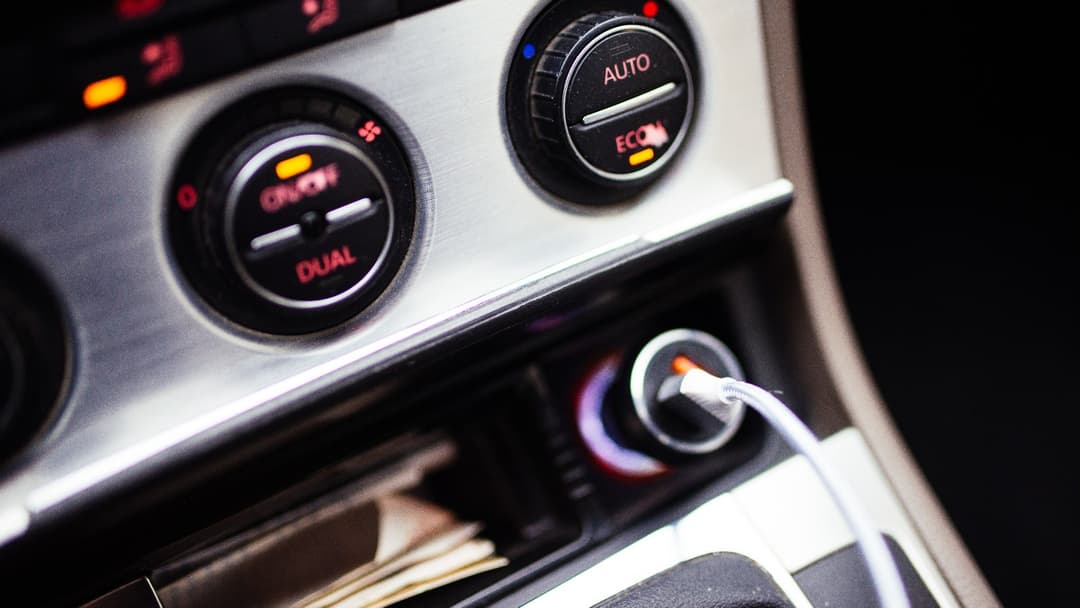
10. Driving With Interior Dome Lights On
While passengers frequently switch on overhead cabin lights to search for dropped items, driving with dome lights illuminated creates blinding windshield glare that degrades outside night vision. In many states, officers can cite drivers for operating with distracting internal illumination.
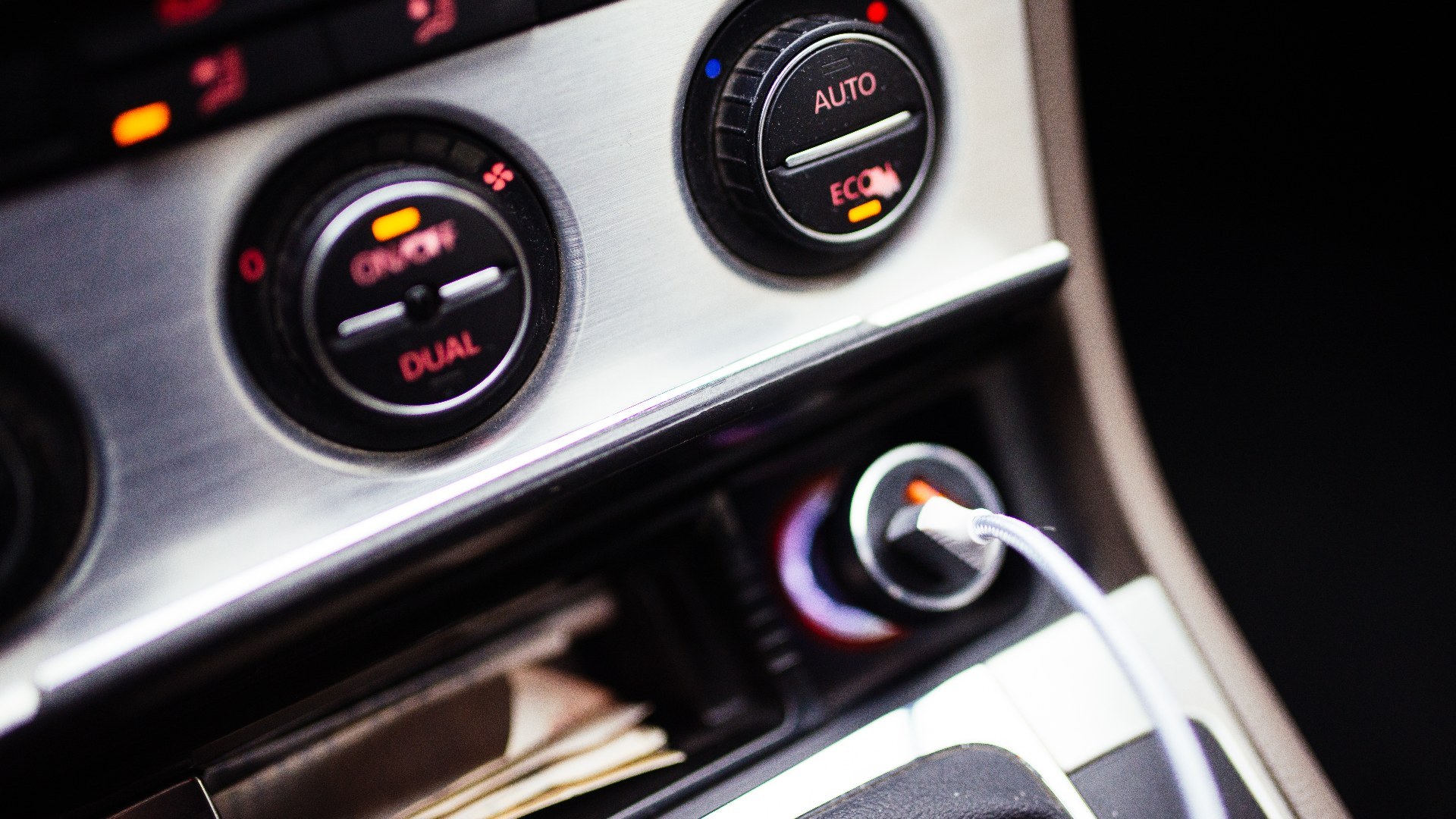
©Wikimedia / Shixart1985
Advertisement
Swipe or tap ▶ to resume the countdown.
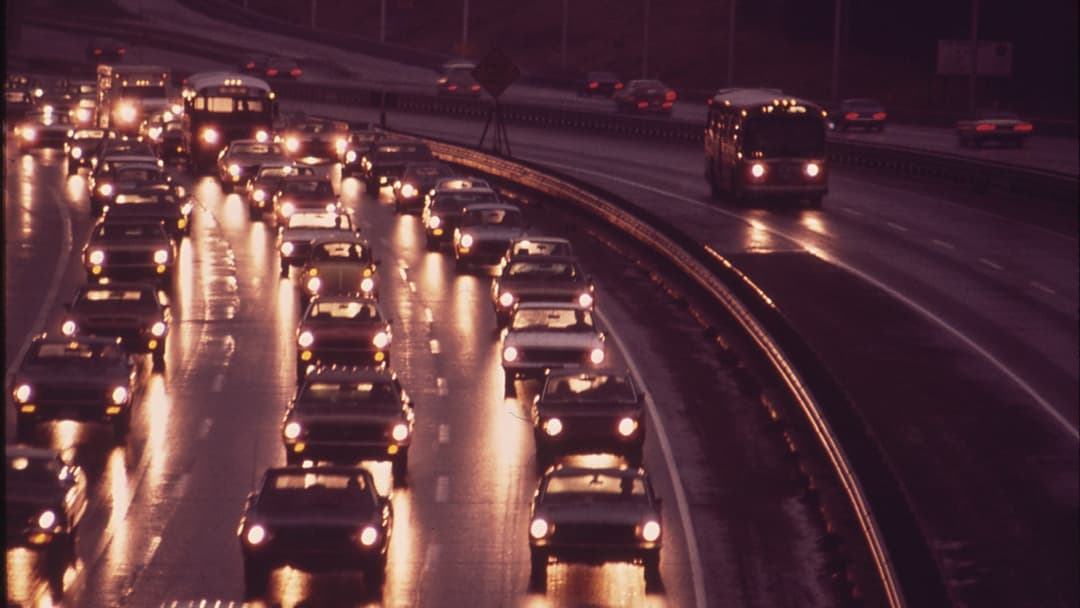
9. Following Vehicles Too Closely
State traffic statutes require motorists to maintain a reasonable and prudent distance behind preceding traffic, often defined as the three-second rule. Creeping close to a car bumper on highways deprives you of reaction time and routinely earns citations for following too closely.
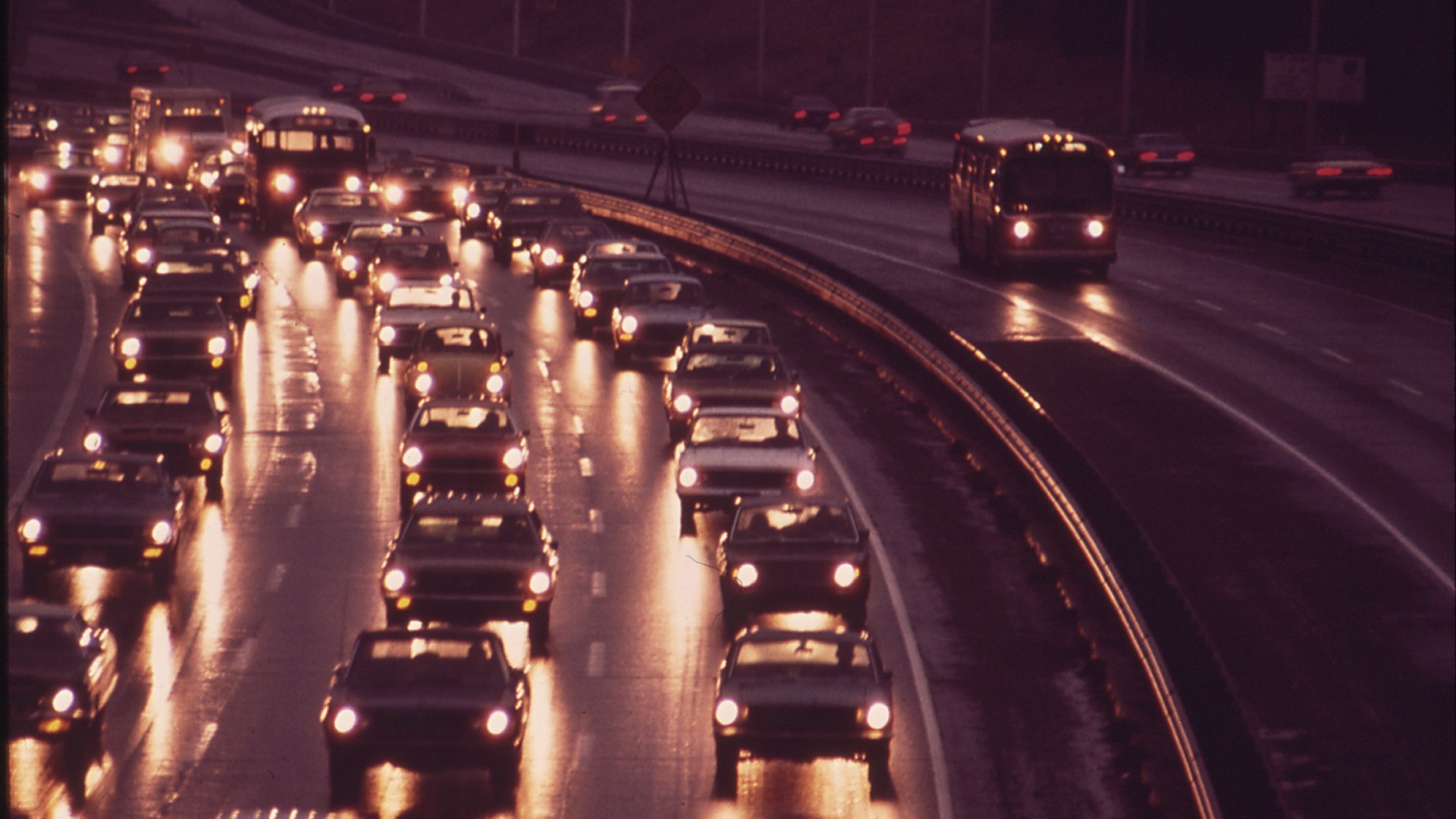
©Wikimedia / NARA
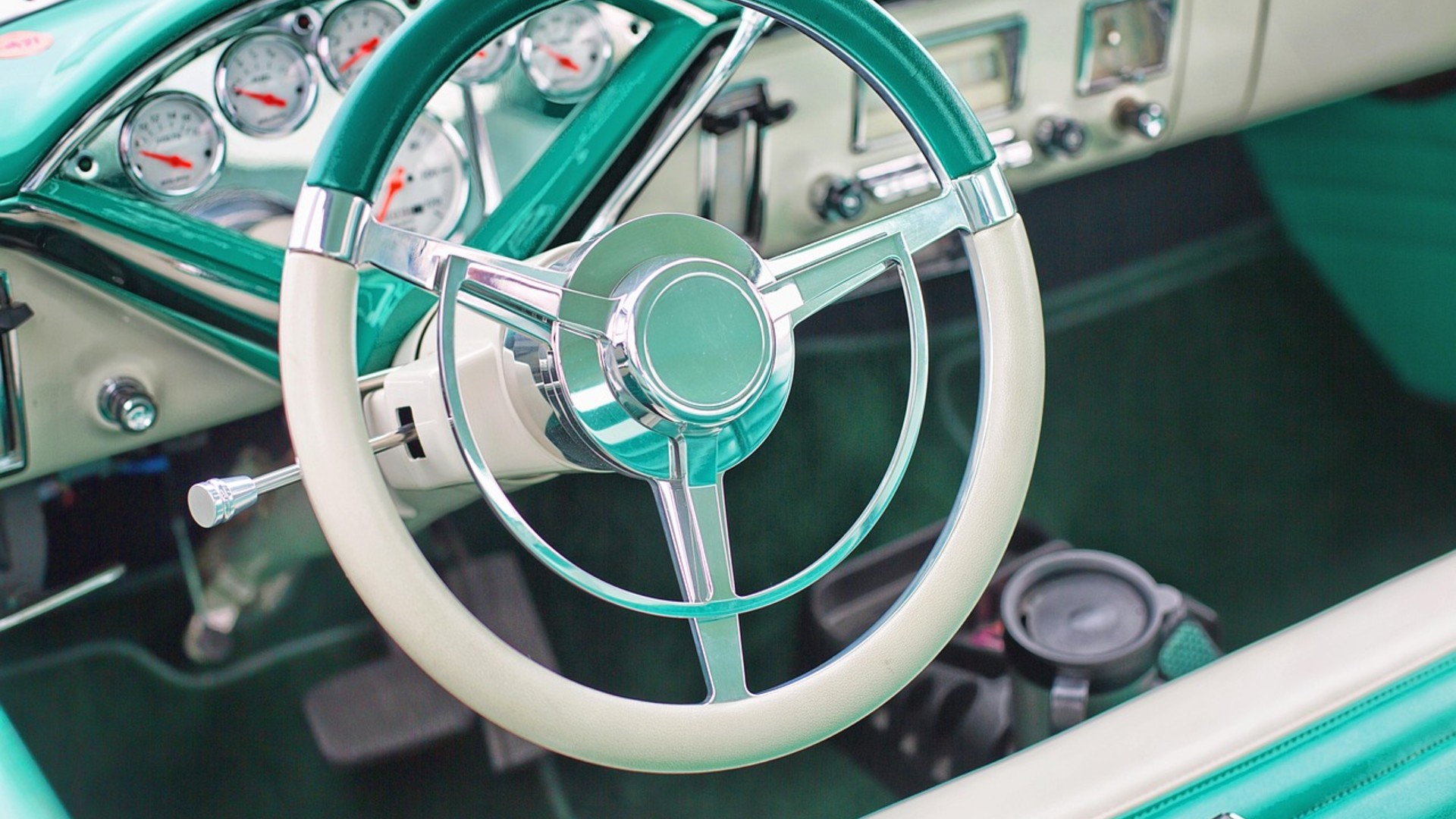
8. Honking Horns In Non-Emergency Moments
Vehicle horns are legally designed as emergency warning equipment to alert motorists to impending collisions. Blaring horns at distracted drivers when traffic lights turn green or tapping a farewell honk in residential neighborhoods breaks municipal noise ordinances and state codes.
©Pixabay / JillWellington
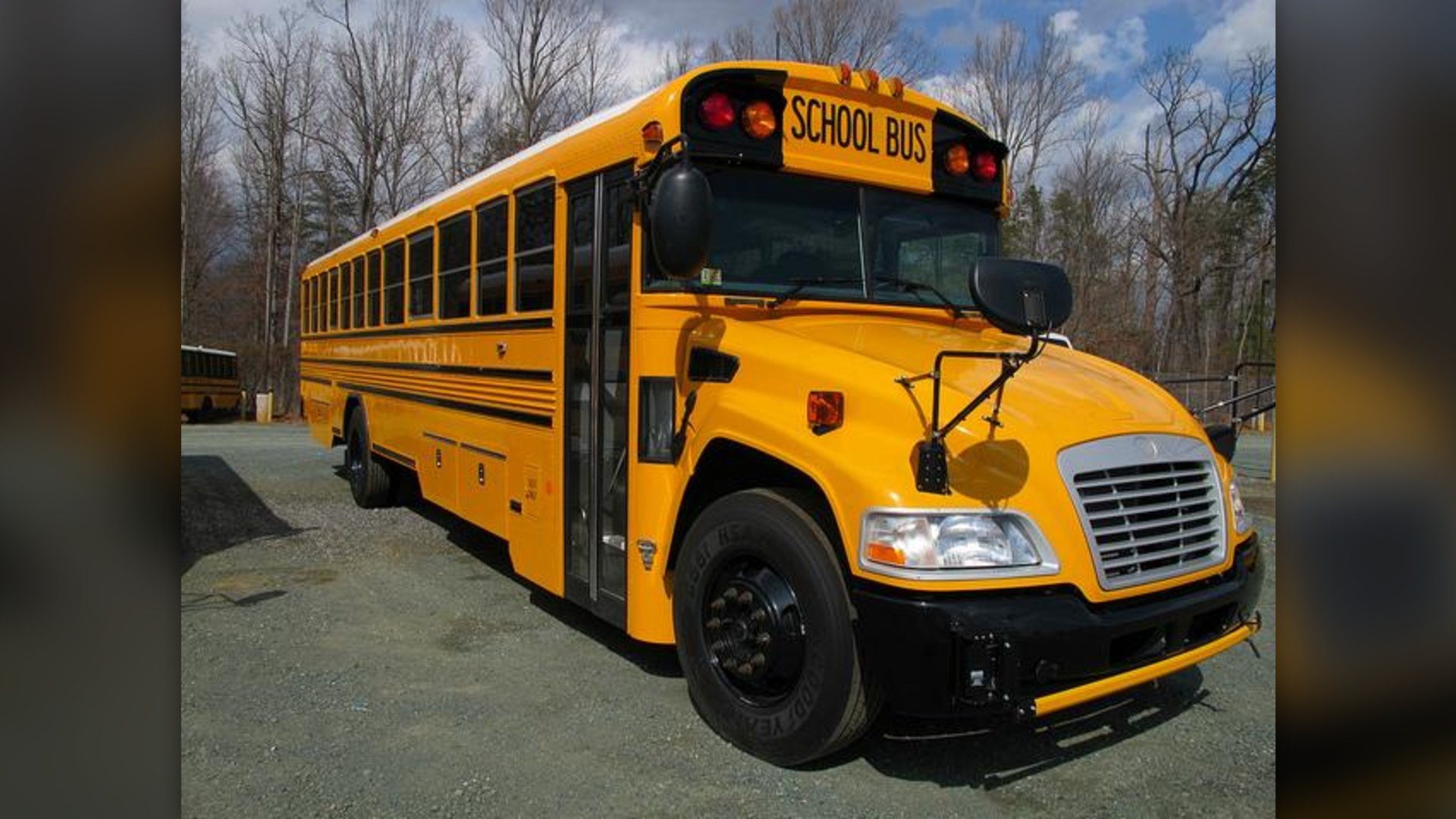
7. Passing Stopped School Buses
When a school bus deploys its stop arm and red lights, traffic traveling in both directions must come to a halt on undivided roads. Many drivers incorrectly believe divided roadways excuse them, but failing to stop unless separated by physical barriers brings heavy fines and points.
©Wikimedia / bsabarnowl
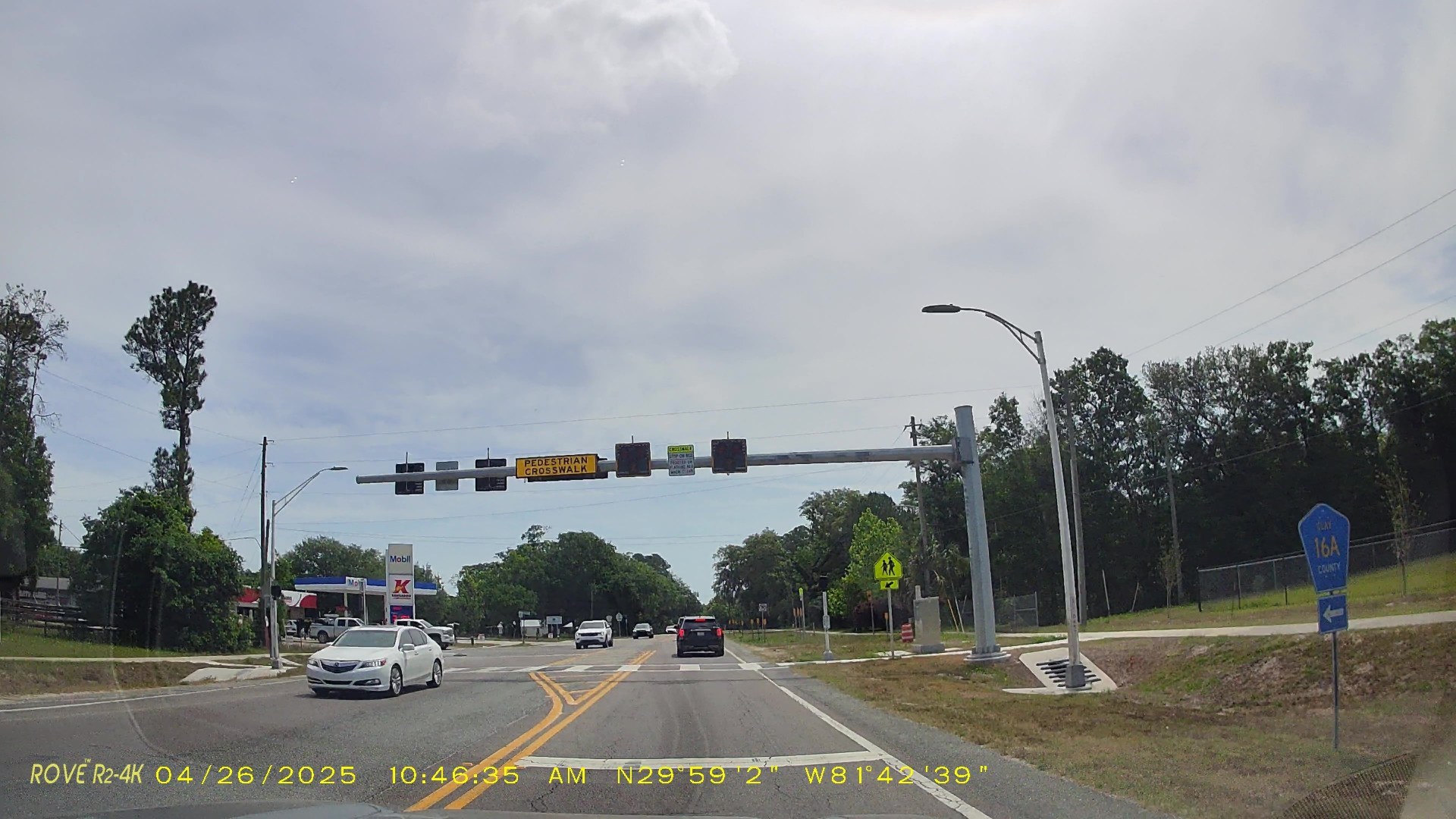
6. Blocking Pedestrian Crosswalks At Stops
Motorists frequently roll forward into painted pedestrian crosswalks while waiting for green lights or cross traffic gaps. Encroaching onto crosswalk markings forces walkers into active roadway traffic and constitutes an infraction under state pedestrian right-of-way statutes.
©Wikimedia / Michael Rivera
Advertisement
Swipe or tap ▶ to resume the countdown.
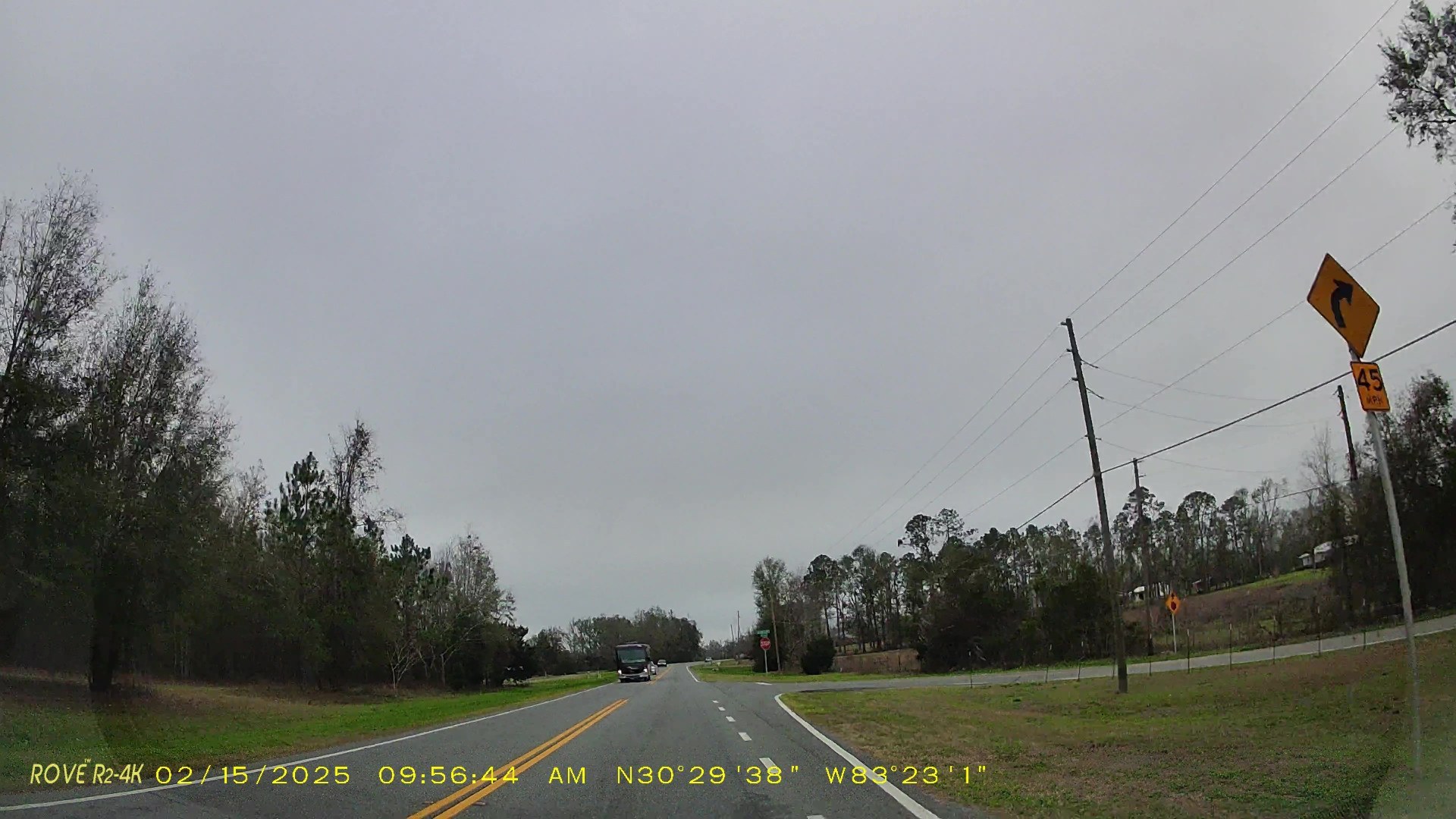
5. Driving Unreasonably Below Speed Limits
While exceeding speed limits draws common police radar stops, driving excessively slow on highways also violates state motor vehicle laws. Crawling below minimum posted speeds disrupts the normal flow of traffic, forcing rapid braking and causing hazardous lane changes.
©Wikimedia / Mjrmtg
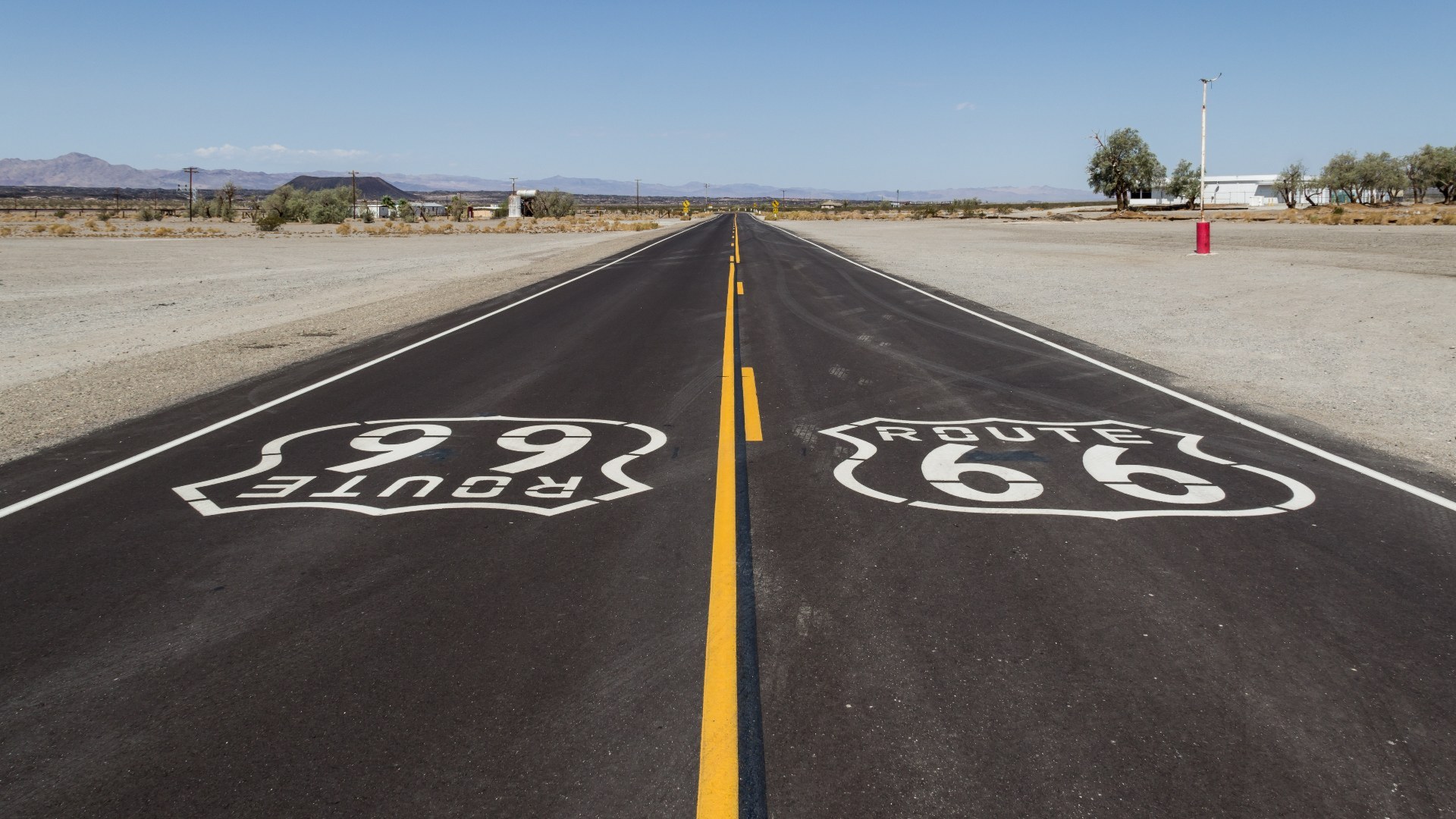
4. Crossing Solid Double Yellow Lines
Solid double yellow highway lines establish an absolute barrier separating opposing directions of vehicular traffic. Unless turning left into a private driveway or facing an officially marked road obstacle, crossing over unbroken double yellow lines constitutes an illegal lane departure.
©Wikimedia / Dietmar Rabich
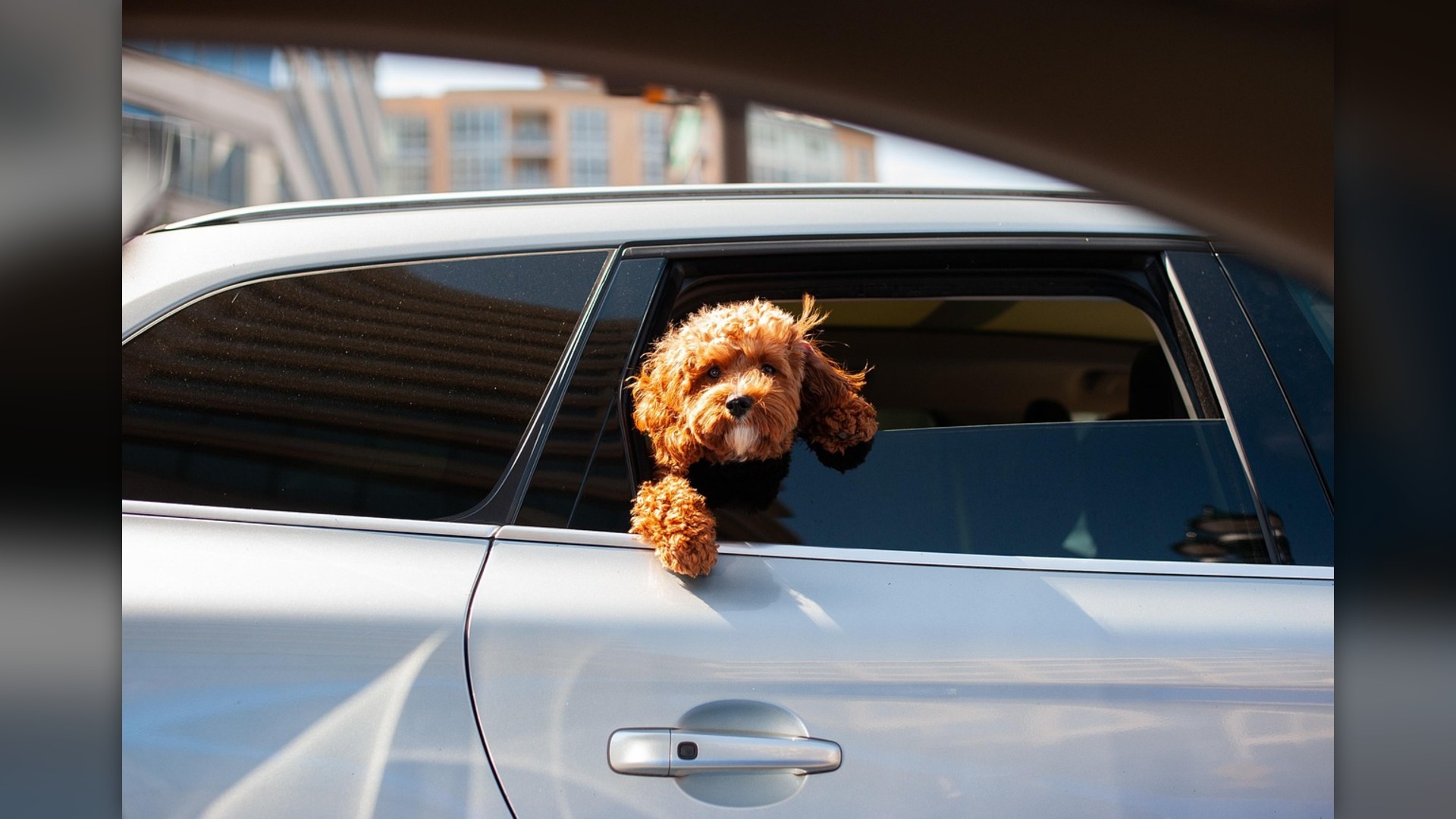
3. Driving With Pets Unrestrained On Laps
Cruising with a beloved family dog resting in your lap seems harmless, but several states classify it as careless or distracted driving. An unrestrained animal can interfere with the steering wheel, press brake pedals accidentally, or become a fatal projectile during sudden braking.
©Pixabay / EddieKphoto
2. Tossing Cigarette Butts Out Windows
Flicking a cigarette butt out of an open car window is among the most frequent driving violations seen across American highways. State laws classify discarding lit tobacco products as hazardous littering, carrying fines up to one thousand dollars and community service in fire-prone regions.

©Pixabay / NoblePrime
Advertisement
Swipe or tap ▶ to resume the countdown.
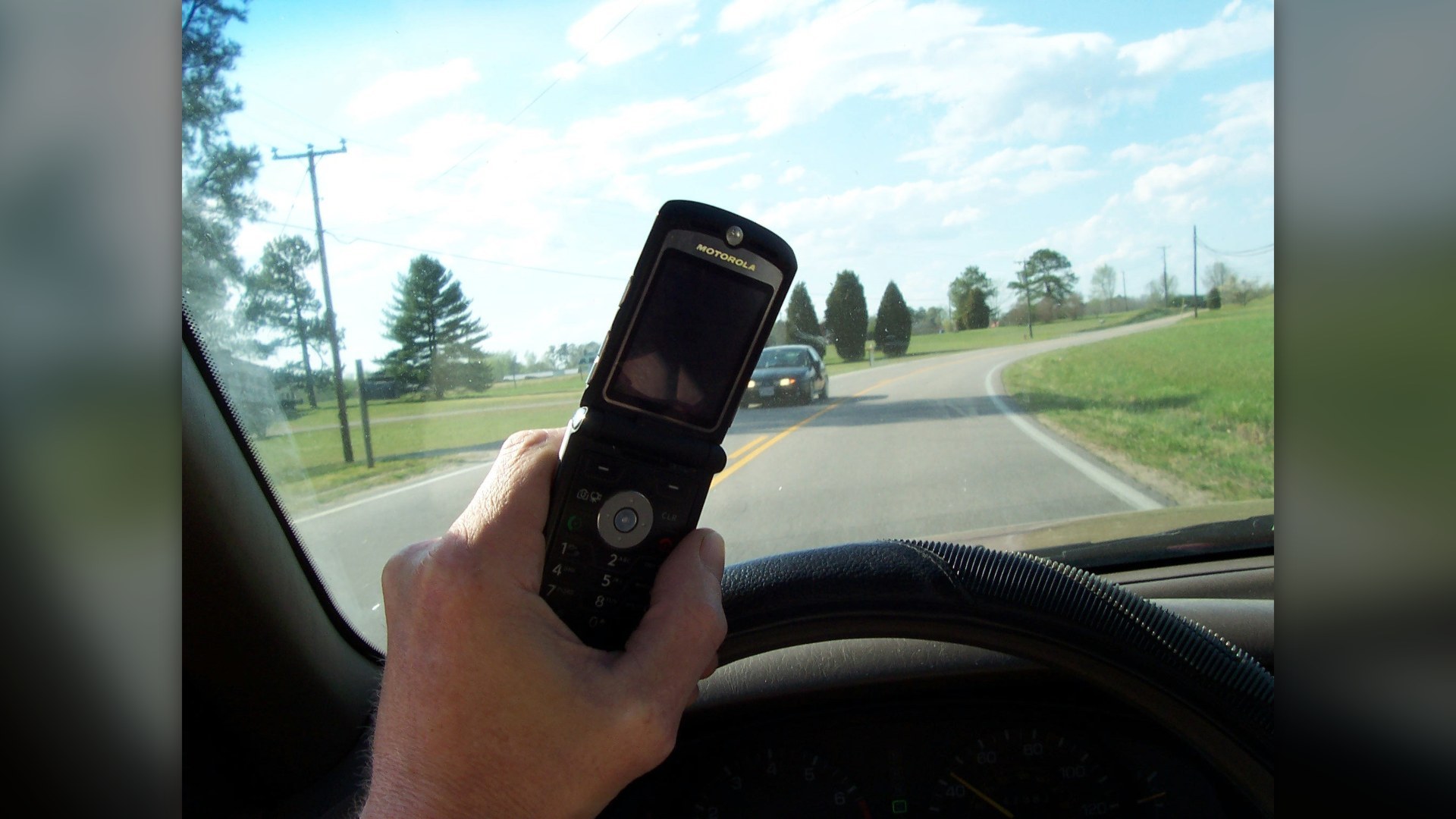
1. Handling Phones While Stopped At Red Lights
Many drivers assume picking up a smartphone to check notifications or send quick texts is permissible once their car stops at a red light. However, strict hands-free driving laws in over thirty states make holding a mobile device illegal anywhere on an active roadway, including stopped queues.
©Wikimedia / Ed Brown
Advertisement
You've reached the end of the story. Thanks for reading!

20 First Ladies Who Shaped White House History
All 20 Entries in this Story
20. Hanging Items From Rearview Mirrors
More than thirty US states enforce strict windshield obstruction statutes that prohibit drivers from suspending objects from the rearview mirror. Even small air fresheners or handicap placards can block line of sight, giving officers legal grounds for a traffic stop and fine.

19. Cruising In The Highway Passing Lane
On multi-lane highways across America, the left lane is designated specifically for passing slower vehicles. Camping in the far-left lane while matching the speed of adjacent cars impedes general flow and violates state laws that mandate keeping right except to pass.

18. Driving In Rain Without Headlights
Over thirty states mandate that headlights must be activated whenever rainfall necessitates continuous windshield wiper operation. Relying solely on daytime running lights leaves your rear taillights completely dark, reducing visibility and risking a moving violation.

17. Flashing Hazard Lights In Heavy Downpours
Drivers often flip on hazard flashers during storms to alert others, but many state traffic codes forbid using hazard lights on moving vehicles. Hazard lights override your turn signals, confuse trailing motorists, and create dangerous optical illusions in blinding spray.

16. Failing To Stop Before Right On Red
Turning right on red is widely permitted across America, but motorists must first bring their vehicle to a complete stop behind the limit line. Rolling into a right turn without coming to a stationary halt constitutes running a red light, which triggers costly camera fines.

15. Wearing Headphones Behind The Wheel
Many drivers pop in noise-canceling earbuds to listen to podcasts or take phone calls while commuting. However, major states including California, Florida, and Illinois strictly ban wearing headphones in both ears while driving because it prevents motorists from hearing sirens and horns.

14. Obscuring License Plate Frames
Car dealerships often install decorative chrome frames that overlap the state name or registration expiration stickers. Even if the numbers remain visible, laws in states like Texas and New York treat any framing that obscures state lettering as an unlawful plate obstruction.

13. Failing To Move Over For Emergency Cruisers
Move Over laws across all fifty states require drivers to change lanes away from roadside emergency vehicles with flashing lights. If heavy highway traffic prevents a safe lane change, motorists are legally required to drop speed significantly below the posted limit.

12. Leaving Vehicles Idling Unattended
Leaving a car running to warm the cabin during chilly mornings is common practice, but many jurisdictions prohibit unattended idling. Commonly known as anti-puffing laws, these regulations aim to prevent vehicle theft and curb unnecessary greenhouse emissions.

11. Driving With Heavy Snow Piled On Roofs
Clearing only your windshield and leaving sheets of hard-packed snow on your car roof violates road safety laws in northern states. Highway wind dislodges frozen slabs into following vehicles, shattering windshields and triggering severe fines under Jessica's Law.

10. Driving With Interior Dome Lights On
While passengers frequently switch on overhead cabin lights to search for dropped items, driving with dome lights illuminated creates blinding windshield glare that degrades outside night vision. In many states, officers can cite drivers for operating with distracting internal illumination.

9. Following Vehicles Too Closely
State traffic statutes require motorists to maintain a reasonable and prudent distance behind preceding traffic, often defined as the three-second rule. Creeping close to a car bumper on highways deprives you of reaction time and routinely earns citations for following too closely.

8. Honking Horns In Non-Emergency Moments
Vehicle horns are legally designed as emergency warning equipment to alert motorists to impending collisions. Blaring horns at distracted drivers when traffic lights turn green or tapping a farewell honk in residential neighborhoods breaks municipal noise ordinances and state codes.

7. Passing Stopped School Buses
When a school bus deploys its stop arm and red lights, traffic traveling in both directions must come to a halt on undivided roads. Many drivers incorrectly believe divided roadways excuse them, but failing to stop unless separated by physical barriers brings heavy fines and points.

6. Blocking Pedestrian Crosswalks At Stops
Motorists frequently roll forward into painted pedestrian crosswalks while waiting for green lights or cross traffic gaps. Encroaching onto crosswalk markings forces walkers into active roadway traffic and constitutes an infraction under state pedestrian right-of-way statutes.

5. Driving Unreasonably Below Speed Limits
While exceeding speed limits draws common police radar stops, driving excessively slow on highways also violates state motor vehicle laws. Crawling below minimum posted speeds disrupts the normal flow of traffic, forcing rapid braking and causing hazardous lane changes.

4. Crossing Solid Double Yellow Lines
Solid double yellow highway lines establish an absolute barrier separating opposing directions of vehicular traffic. Unless turning left into a private driveway or facing an officially marked road obstacle, crossing over unbroken double yellow lines constitutes an illegal lane departure.

3. Driving With Pets Unrestrained On Laps
Cruising with a beloved family dog resting in your lap seems harmless, but several states classify it as careless or distracted driving. An unrestrained animal can interfere with the steering wheel, press brake pedals accidentally, or become a fatal projectile during sudden braking.

2. Tossing Cigarette Butts Out Windows
Flicking a cigarette butt out of an open car window is among the most frequent driving violations seen across American highways. State laws classify discarding lit tobacco products as hazardous littering, carrying fines up to one thousand dollars and community service in fire-prone regions.

1. Handling Phones While Stopped At Red Lights
Many drivers assume picking up a smartphone to check notifications or send quick texts is permissible once their car stops at a red light. However, strict hands-free driving laws in over thirty states make holding a mobile device illegal anywhere on an active roadway, including stopped queues.