Slideshow · Viral
20 First Ladies Who Shaped White House History
By Most Viral Today
9 min ago

Discover how these pioneering women transformed the American presidency 
20. Melania Trump 
19. Laura Bush 
18. Barbara Bush - AdvertisementSwipe or tap ▶ to continue countdown

17. Rosalynn Carter 
16. Pat Nixon 
15. Lady Bird Johnson 
14. Nancy Reagan - AdvertisementSwipe or tap ▶ to continue countdown

13. Betty Ford 
12. Lou Henry Hoover 
11. Edith Wilson 
10. Helen Taft - AdvertisementSwipe or tap ▶ to continue countdown

9. Edith Roosevelt 
8. Sarah Polk 
7. Mary Todd Lincoln 
6. Martha Washington - AdvertisementSwipe or tap ▶ to continue countdown

5. Michelle Obama 
4. Hillary Clinton 
3. Abigail Adams 
2. Dolley Madison - AdvertisementSwipe or tap ▶ to continue countdown

1. Eleanor Roosevelt - Advertisement🔥 UP NEXT IN THIS SERIES◫ 21 Slides

20 Facts about the Devil in the Bible
20 Biblical Details on the Devil
From preserving priceless national treasures during wartime to shaping major domestic legislation and international human rights, presidential spouses have repeatedly altered the course of American history. Here is how twenty remarkable First Ladies redefined executive leadership.
Swipe or tap ▶ to begin the countdown
©Wikimedia / Editorial & Wikimedia / White House
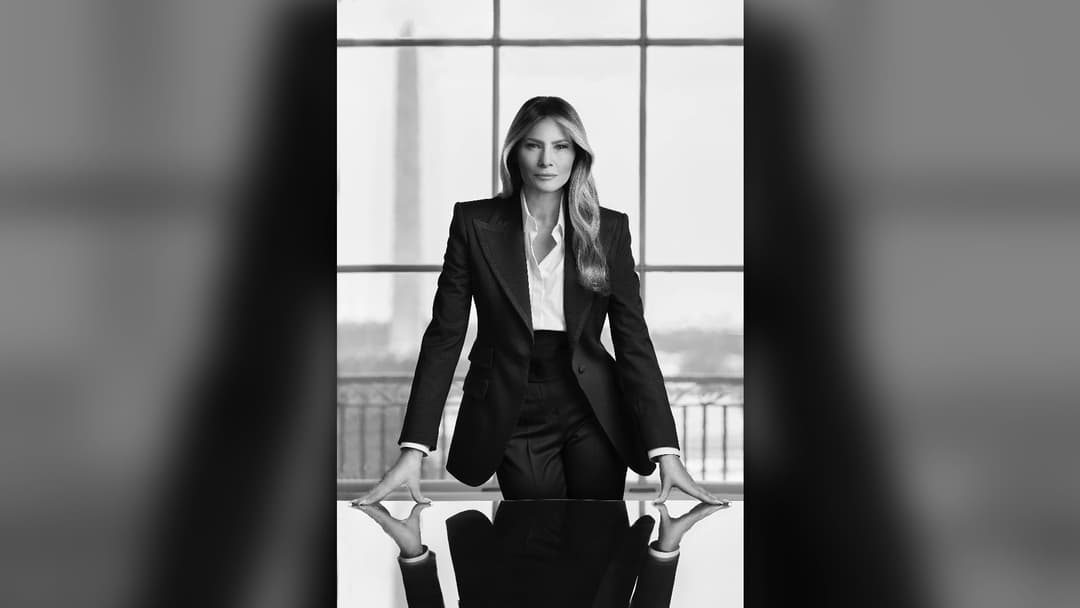
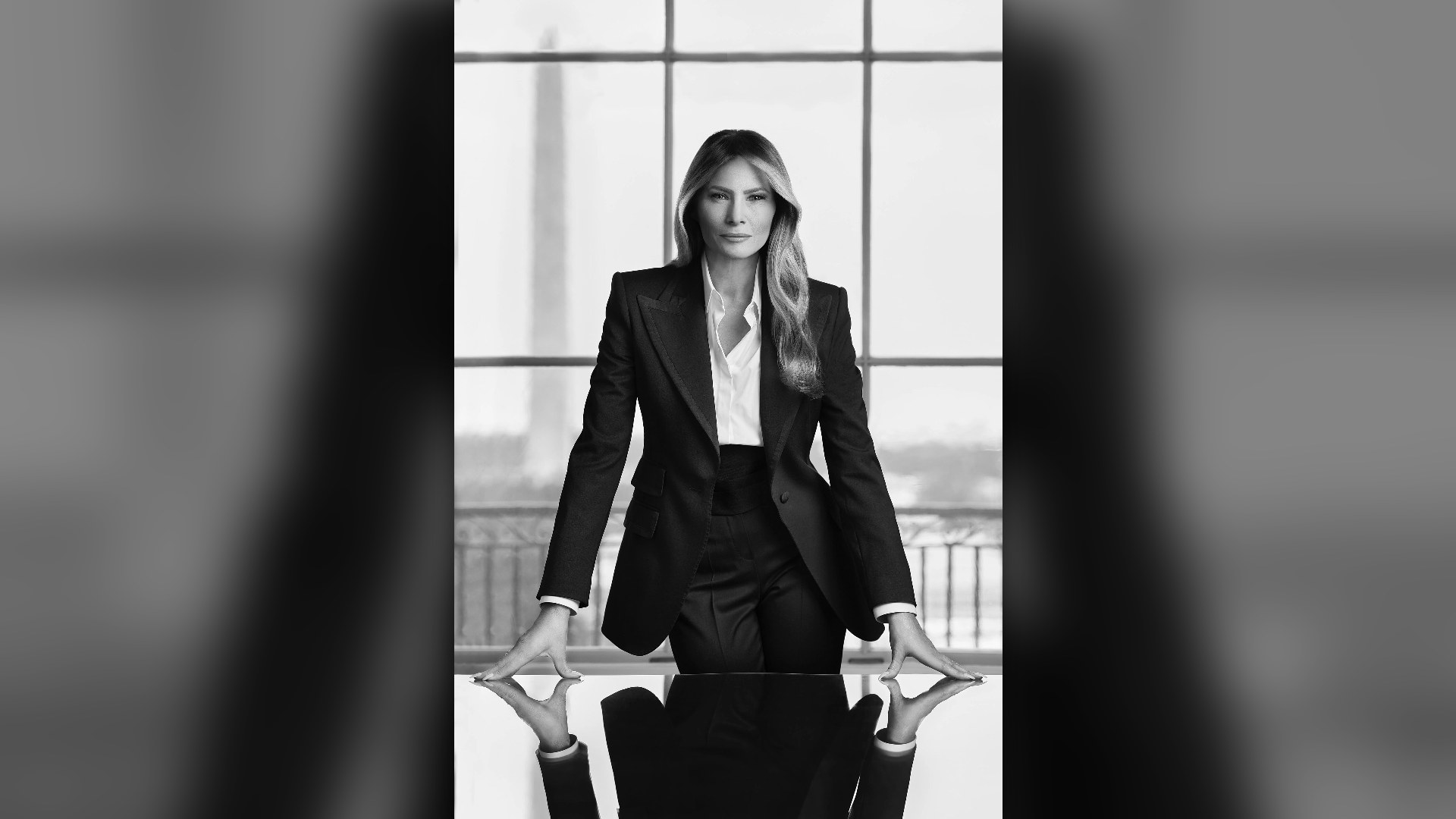
20. Melania Trump
Serving from 2017 to 2021, Melania Trump spearheaded the Be Best public awareness campaign focusing on youth well-being and combating online harassment. She oversaw major historic preservation projects across the executive residence, including extensive renovations to the White House Rose Garden.
©Wikimedia / White House
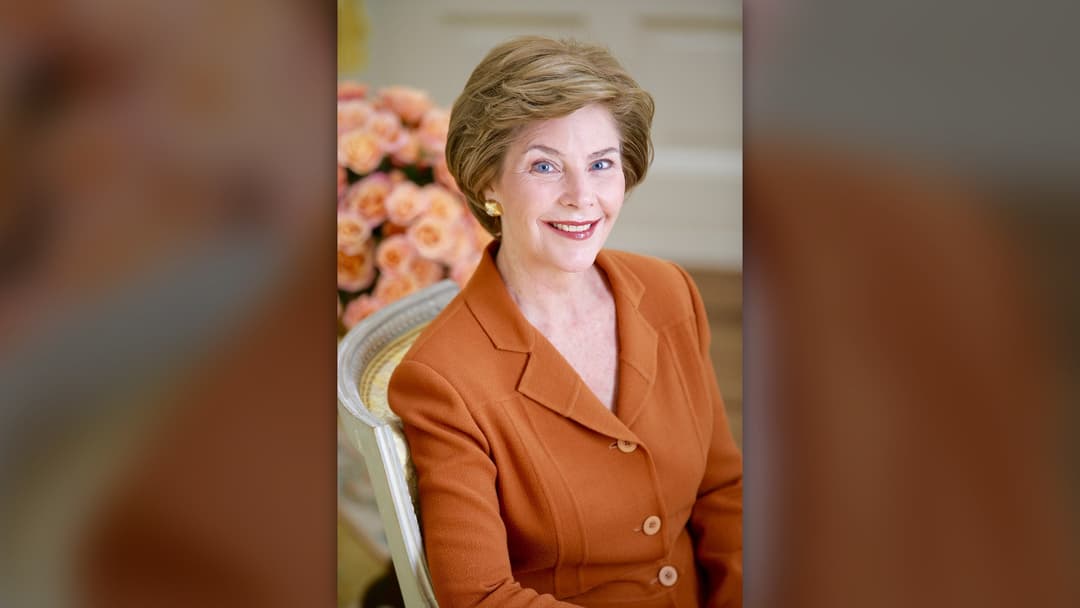
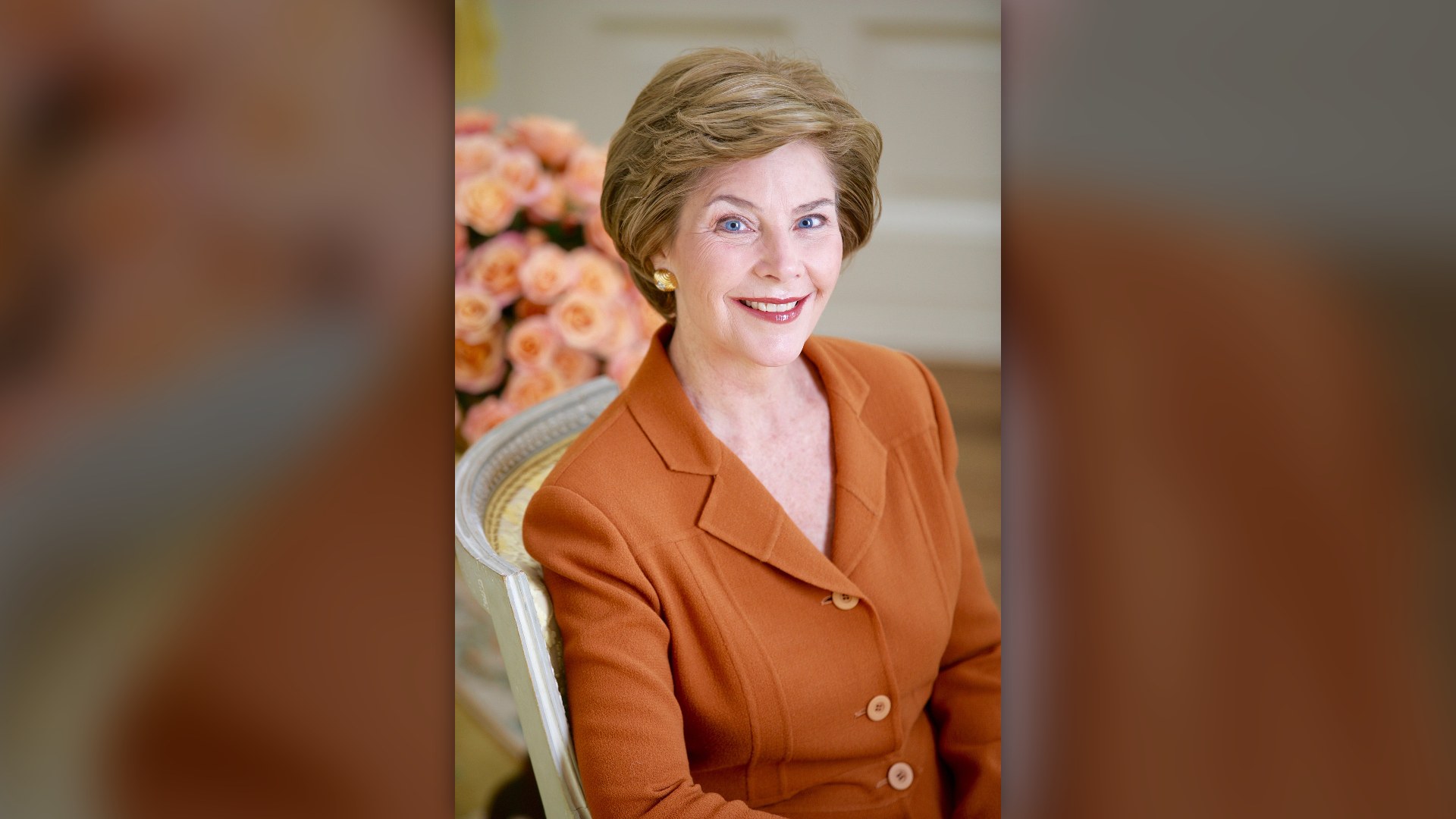
19. Laura Bush
A former librarian and public school educator, Laura Bush co-founded the National Book Festival in 2001 and championed worldwide women's rights. In the tense aftermath of the September 11 attacks, her calm presence provided reassurance to millions of anxious school children nationwide.
©Wikimedia / Eric Draper
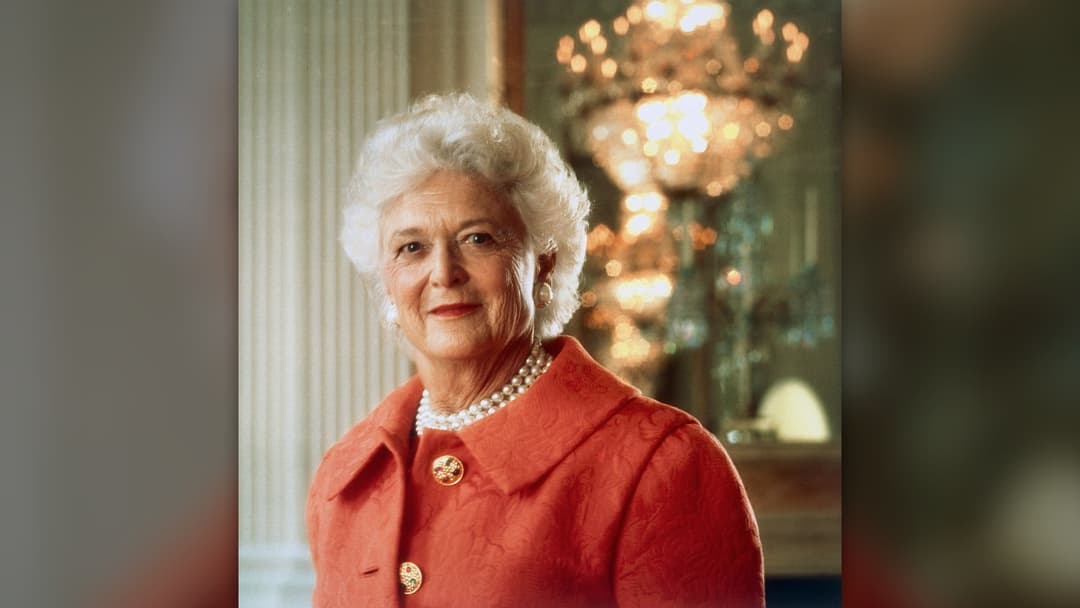
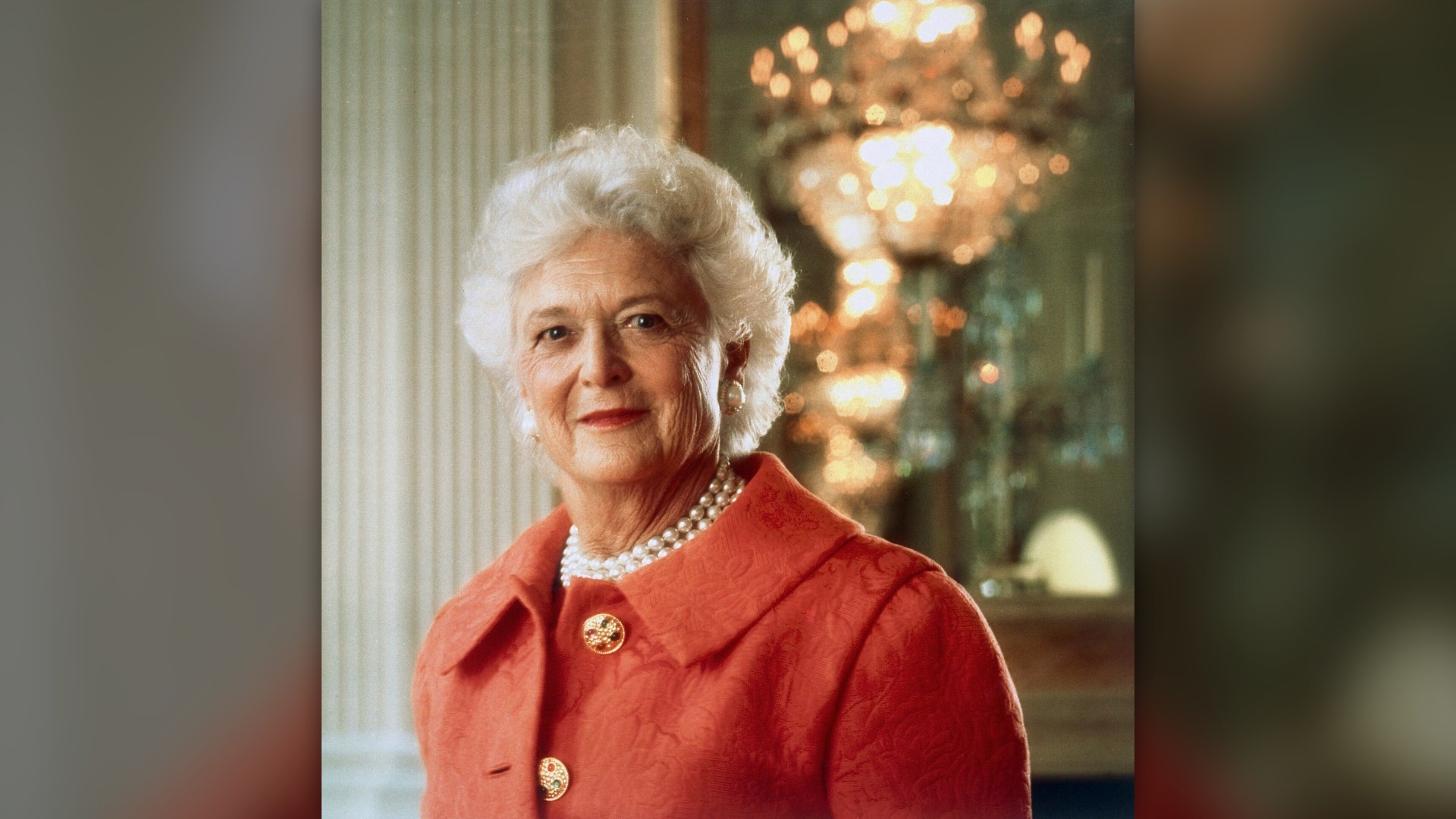
18. Barbara Bush
Barbara Bush established the Barbara Bush Foundation for Family Literacy in 1989, arguing that reading ability was essential for social equity. Known for her self-deprecating wit and direct demeanor, she remains one of only two women in American history married to one president and mother to another.
©Wikimedia / White House
Advertisement
Swipe or tap ▶ to resume the countdown.
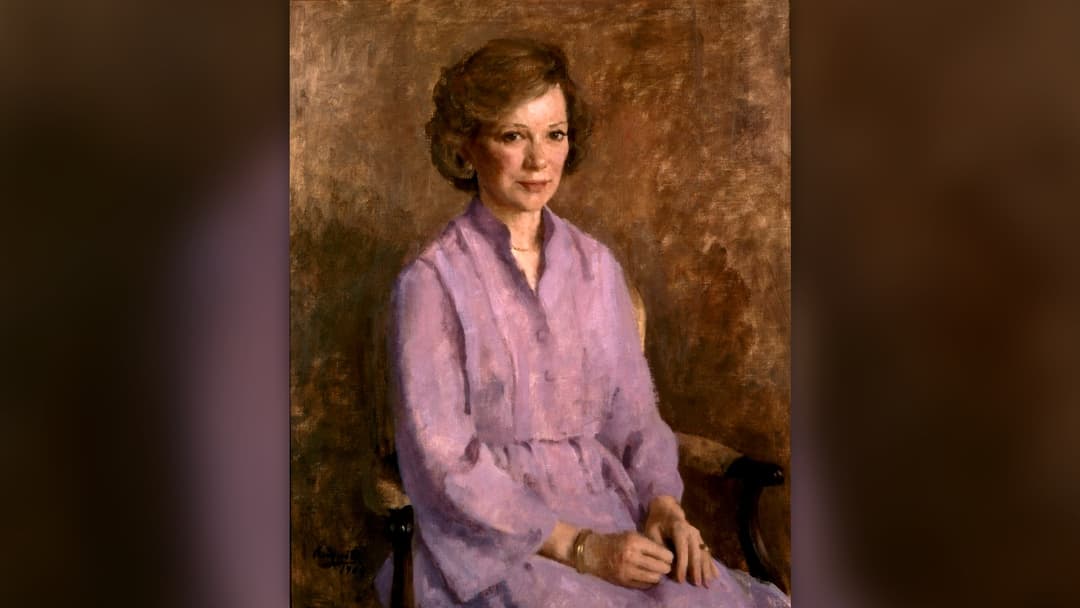
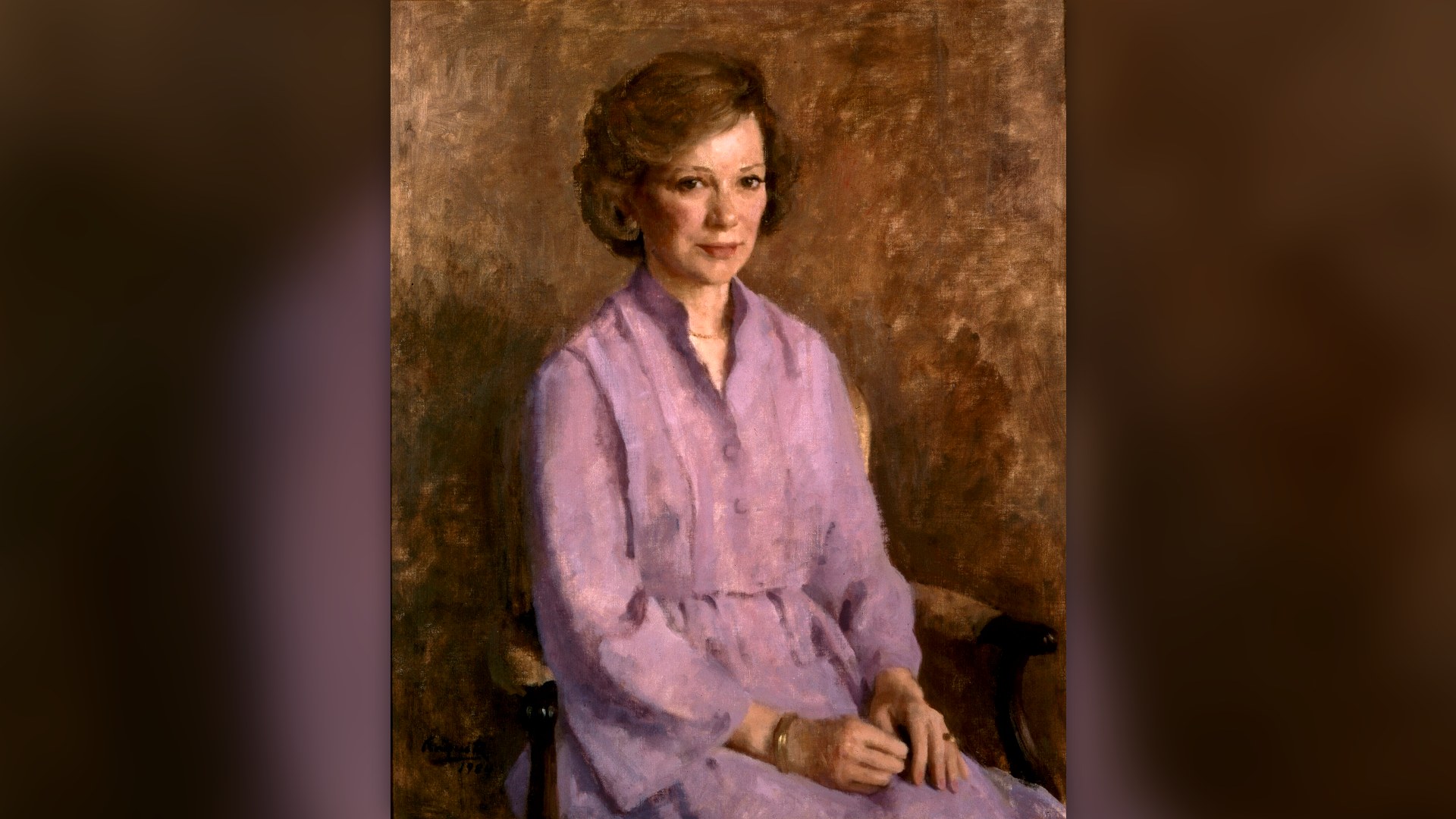
17. Rosalynn Carter
Rosalynn Carter sat in on cabinet meetings and served as honorary chair of the President's Commission on Mental Health. Her relentless lobbying helped pass the Mental Health Systems Act of 1980, creating community-based support networks across the United States.
©Wikimedia / White House
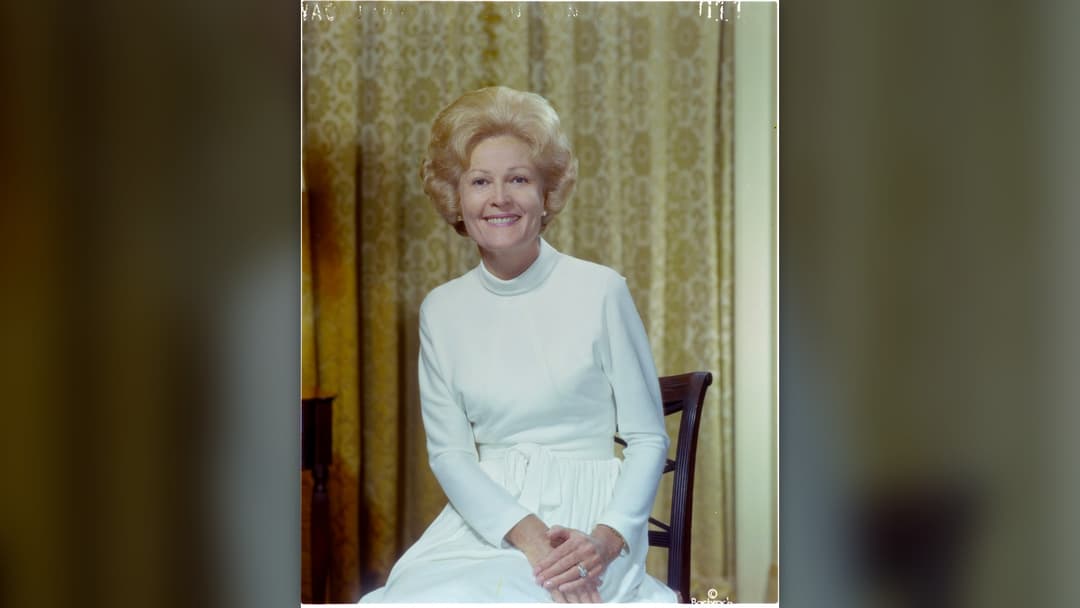
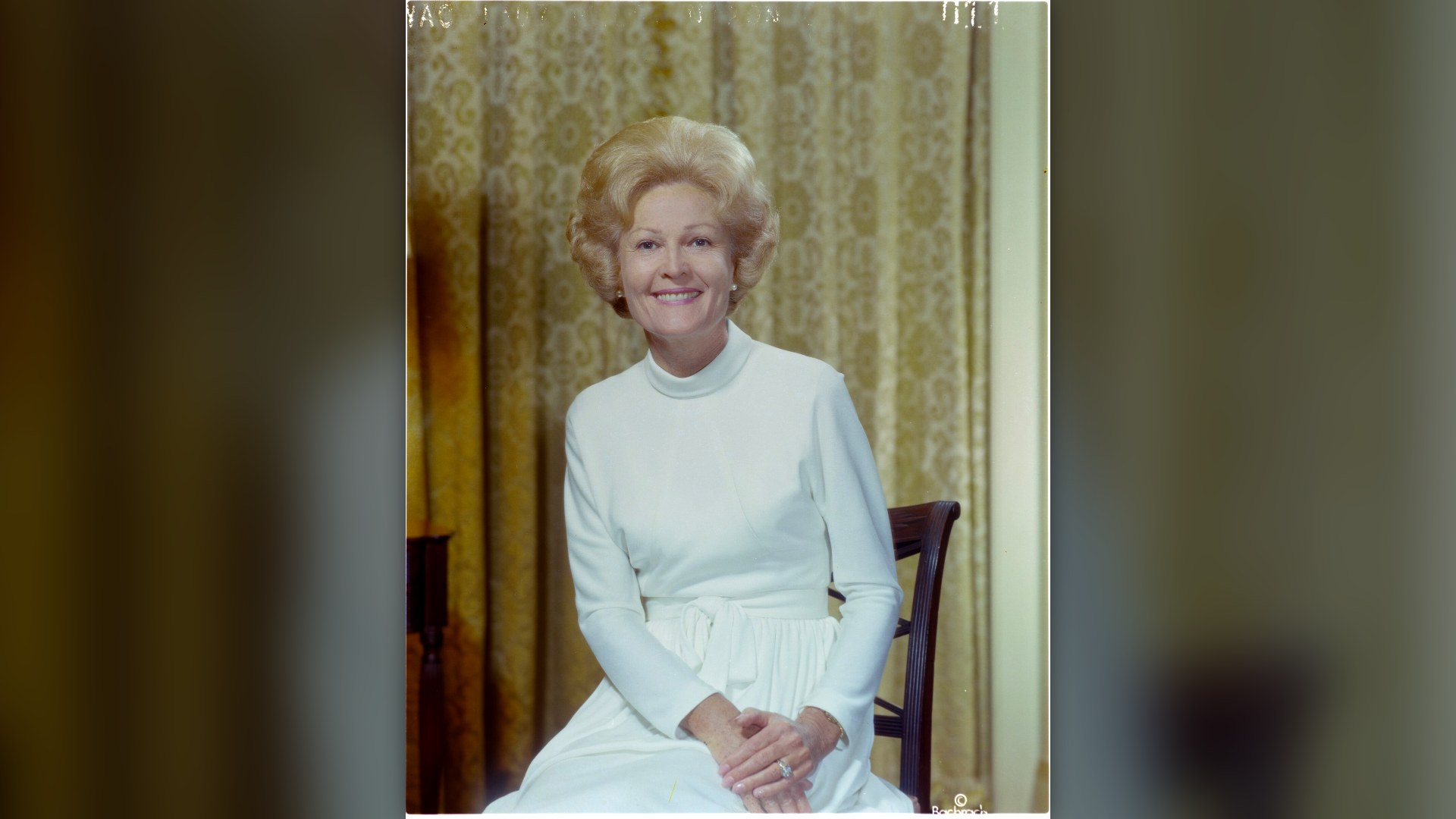
16. Pat Nixon
Pat Nixon visited dozens of foreign nations, often traveling solo into disaster zones and conflict areas across Africa and Asia. She acquired over six hundred historic antiques and museum-quality paintings for the White House, permanently enriching the national decorative collection.
©National Archives / White House Photo Office
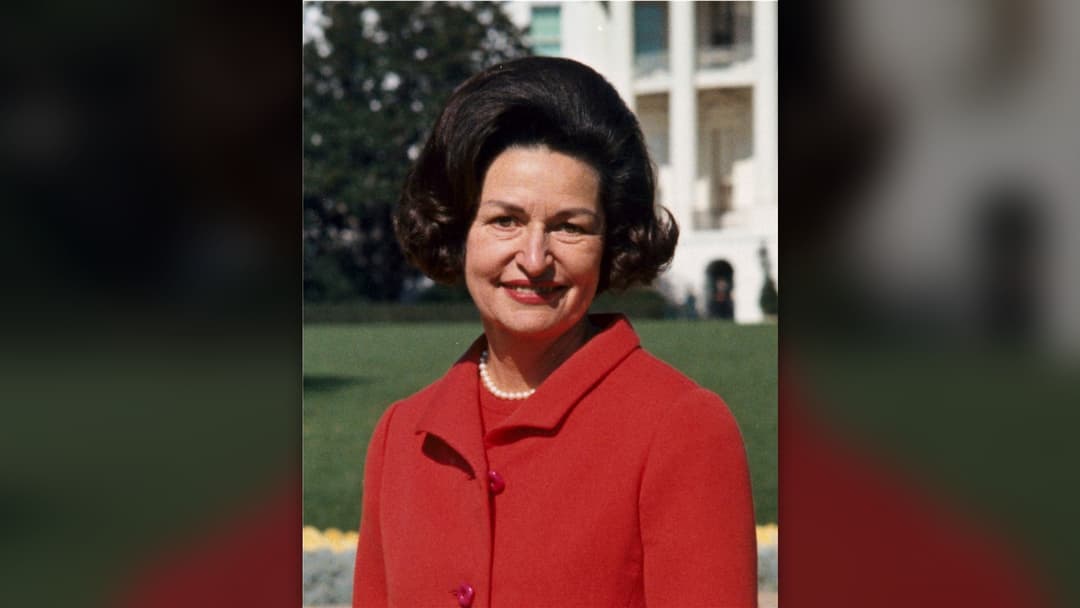
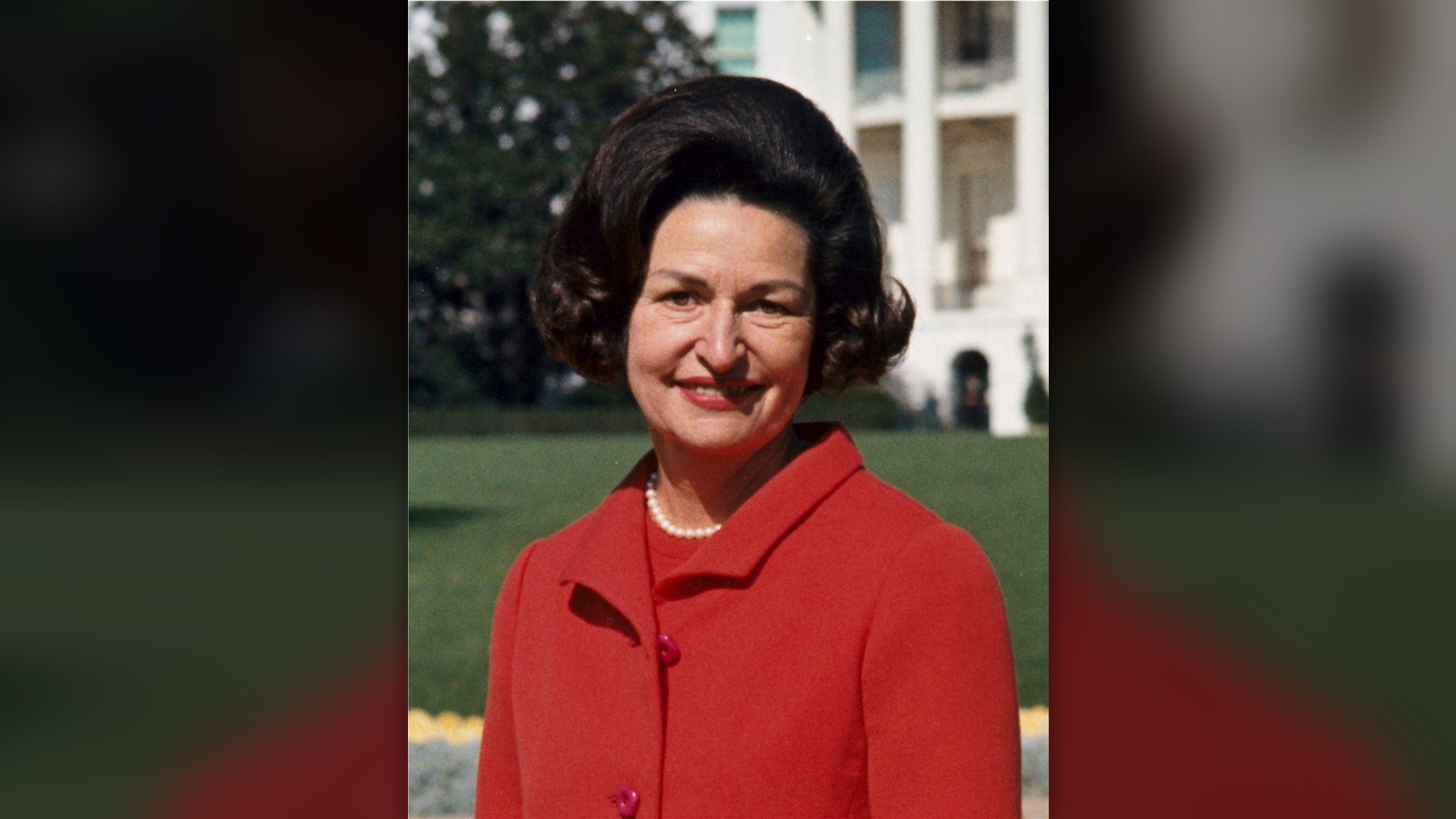
15. Lady Bird Johnson
Lady Bird Johnson leveraged her national platform to advance the Highway Beautification Act of 1965, linking urban renewal with wildland preservation. She also served as an essential strategist for Lyndon B. Johnson's War on Poverty and early childhood education initiatives.
©Wikimedia / Lady Bird Johnson
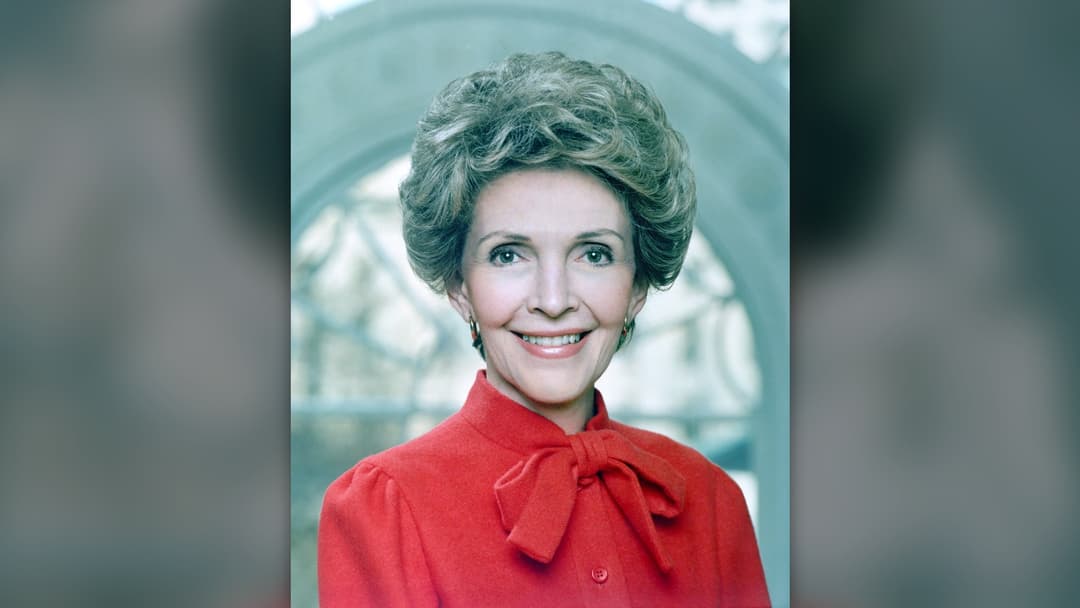
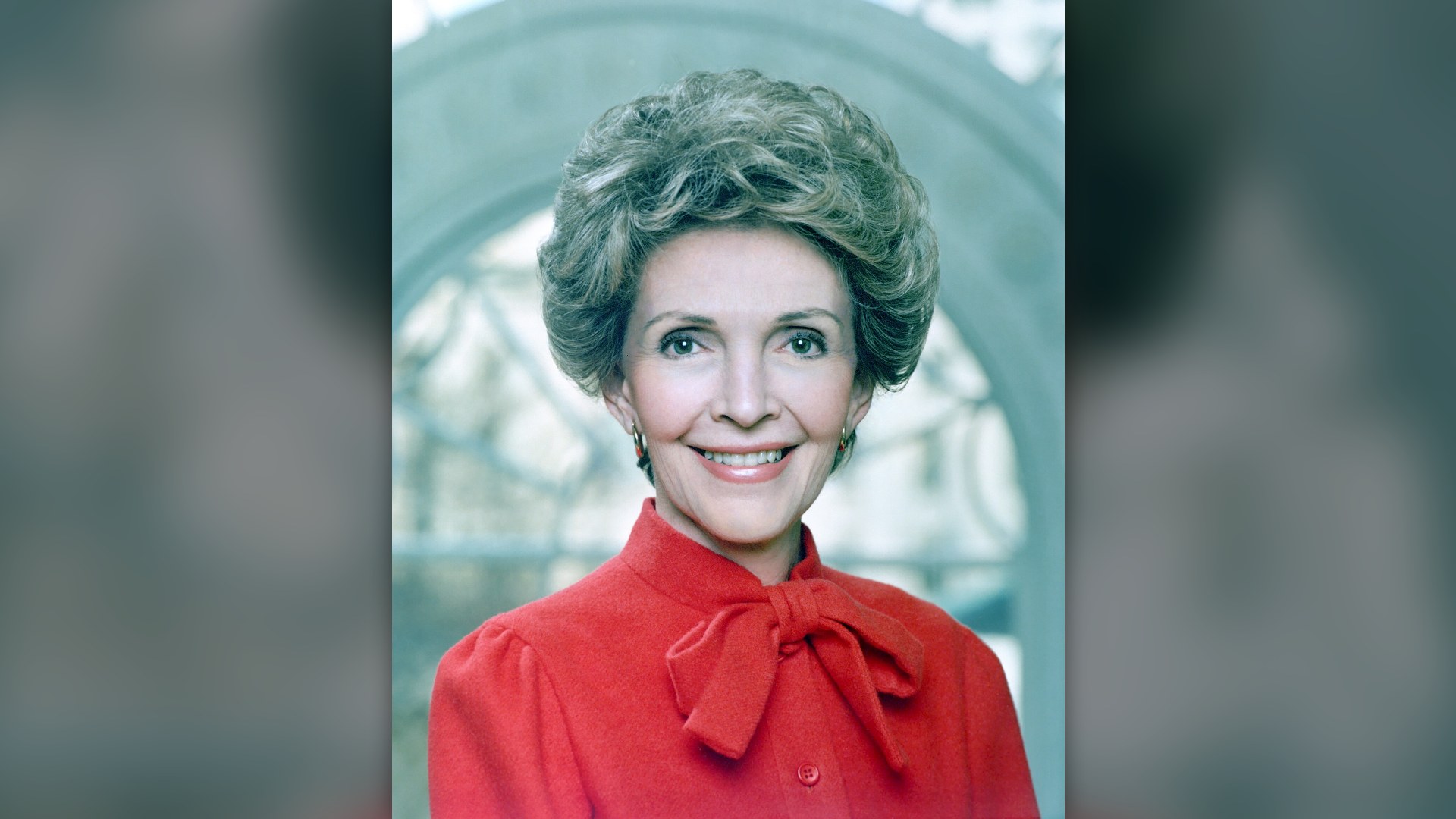
14. Nancy Reagan
Nancy Reagan played an influential role behind the scenes in White House personnel management and East-West diplomatic relations. Her international Just Say No campaign mobilized millions of youth and established thousands of youth anti-drug clubs worldwide.
©National Archives / Ronald Reagan Presidential Library
Advertisement
Swipe or tap ▶ to resume the countdown.
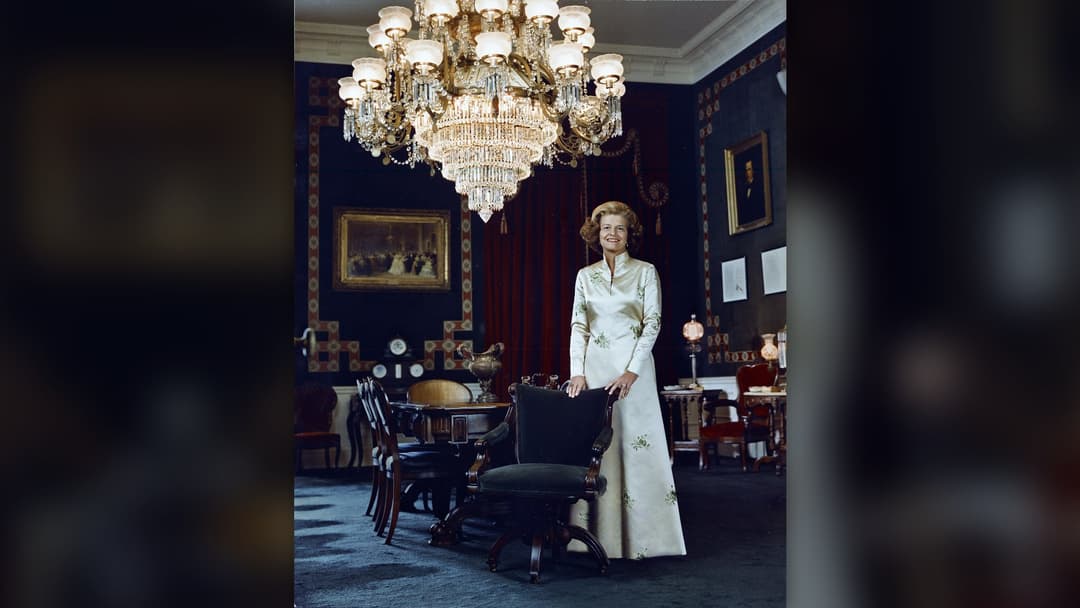
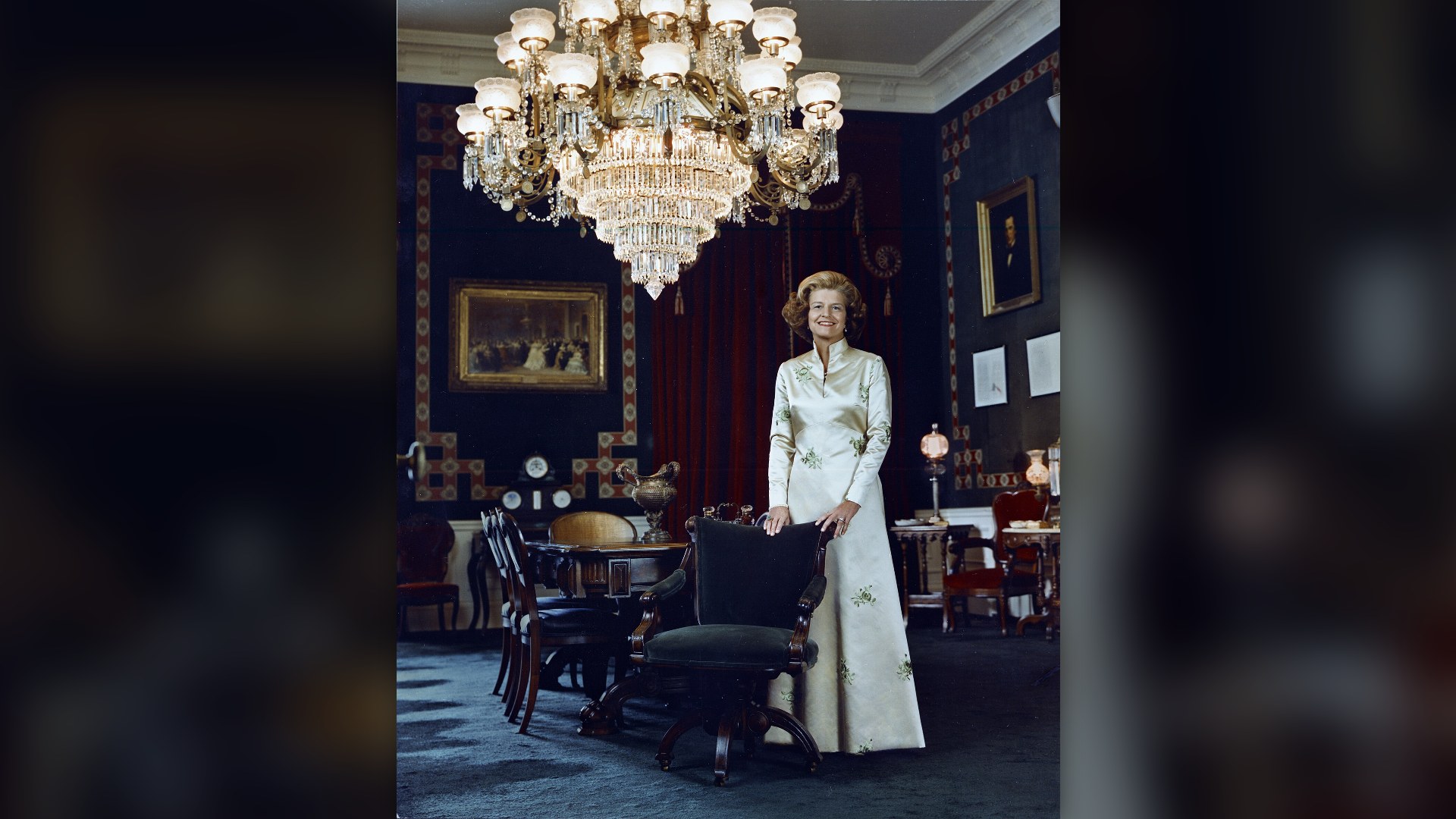
13. Betty Ford
Betty Ford shocked Washington by discussing her personal medical battles with breast cancer and addiction openly, dismantling long-held social stigmas. She forcefully championed the Equal Rights Amendment and later founded the renowned Betty Ford Center in 1982.
©National Archives / David Hume Kennerly
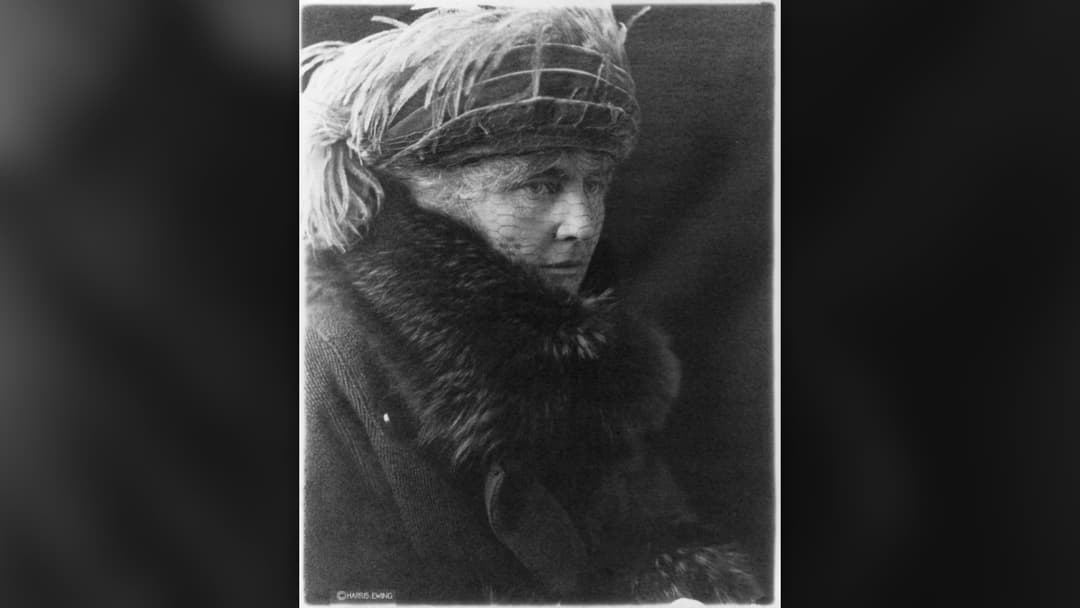
12. Lou Henry Hoover
A Stanford-educated geologist who spoke five languages, Lou Henry Hoover became the first presidential spouse to deliver nationwide radio addresses from the White House. She modernized administrative record-keeping in the East Wing and funded extensive historical furnishings with private donations.
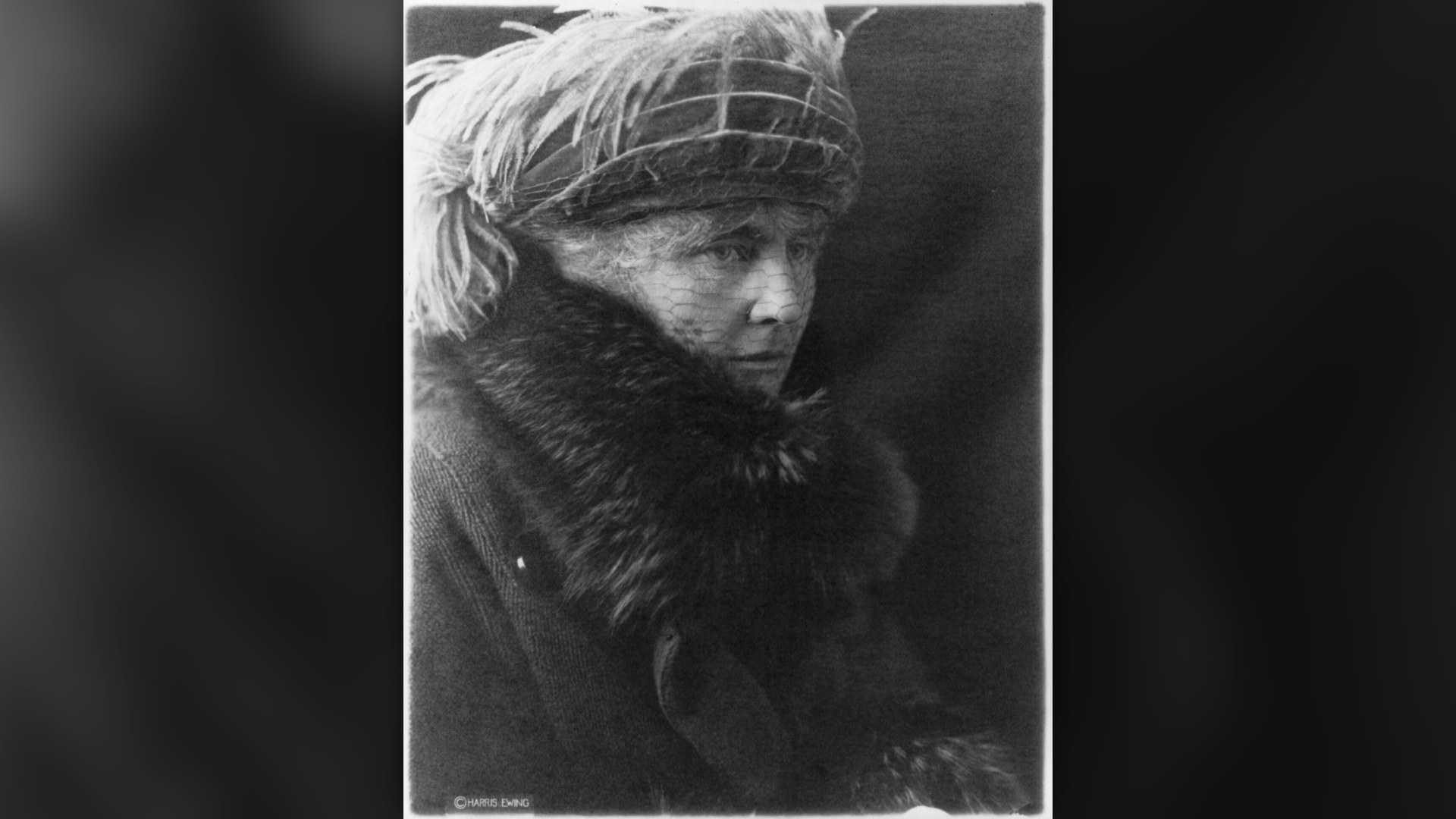
©Library of Congress / Harris & Ewing
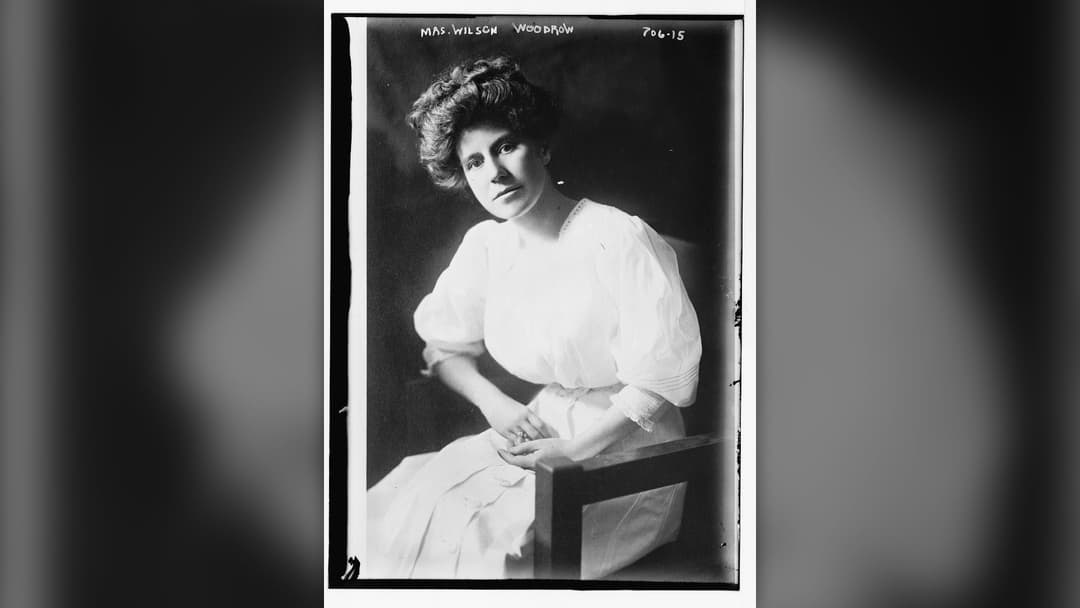
11. Edith Wilson
Following Woodrow Wilson's debilitating stroke in October 1919, Edith Wilson initiated what she termed her stewardship. For nearly a year and a half, she decided which official papers, cabinet secretaries, and congressional leaders reached the bedridden chief executive.
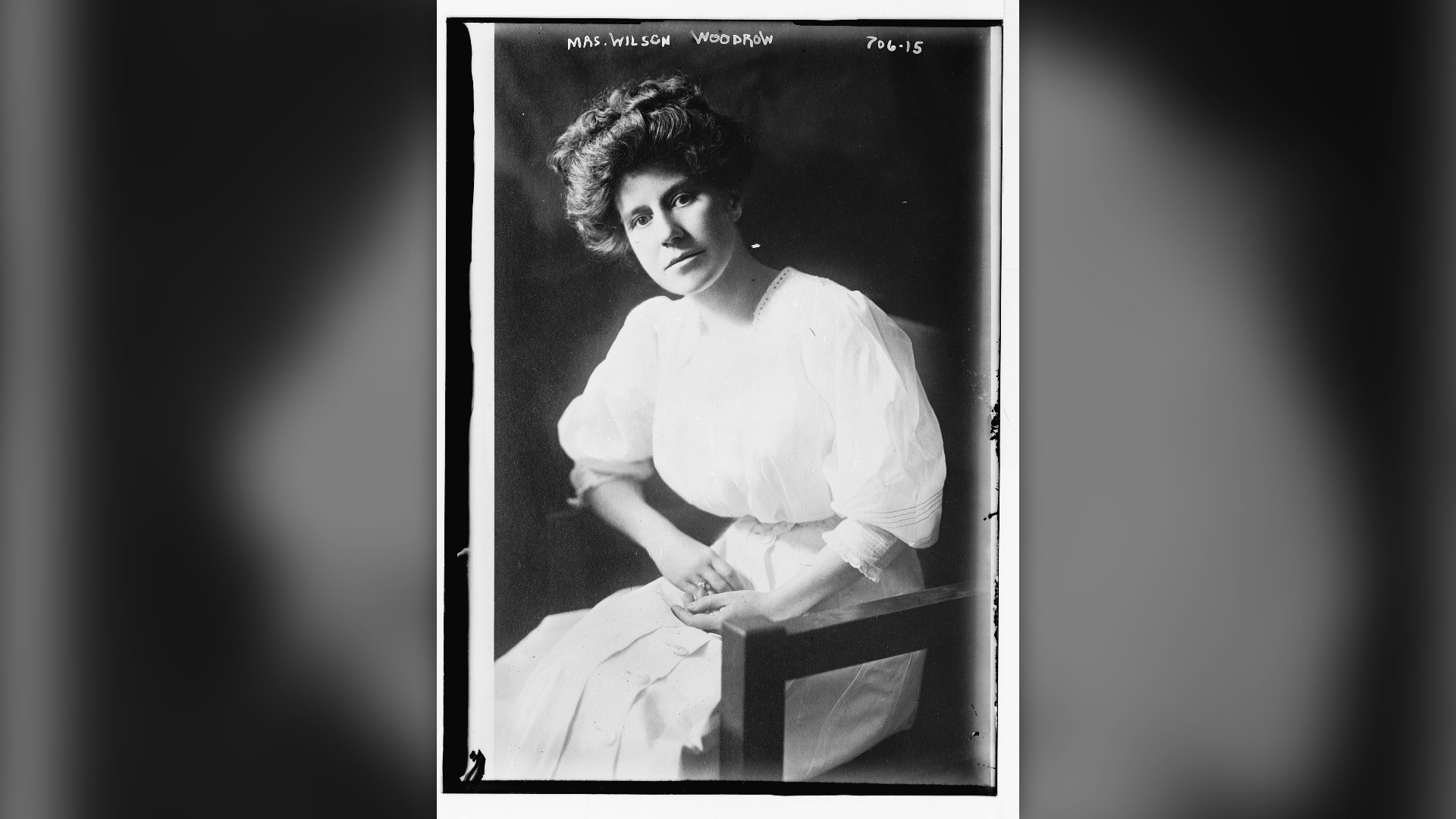
©Library of Congress / Bain News Service
10. Helen Taft
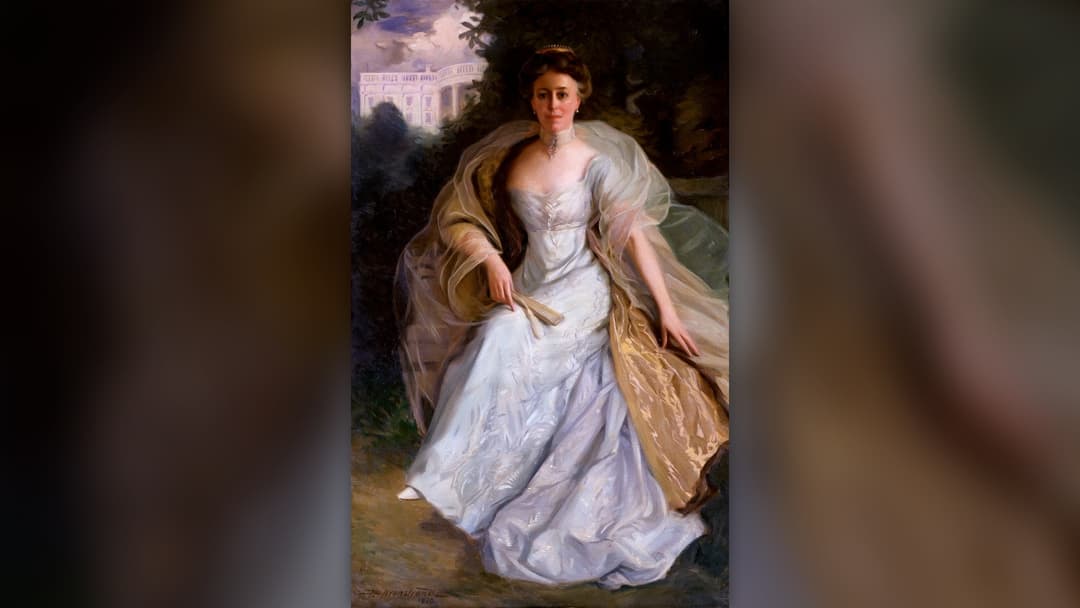
Helen Taft actively guided William Howard Taft's career trajectory toward the Oval Office and became the first First Lady to ride beside her husband in the inaugural parade. Her civic initiative led directly to the planting of three thousand Japanese cherry blossom trees across the Tidal Basin in 1912.
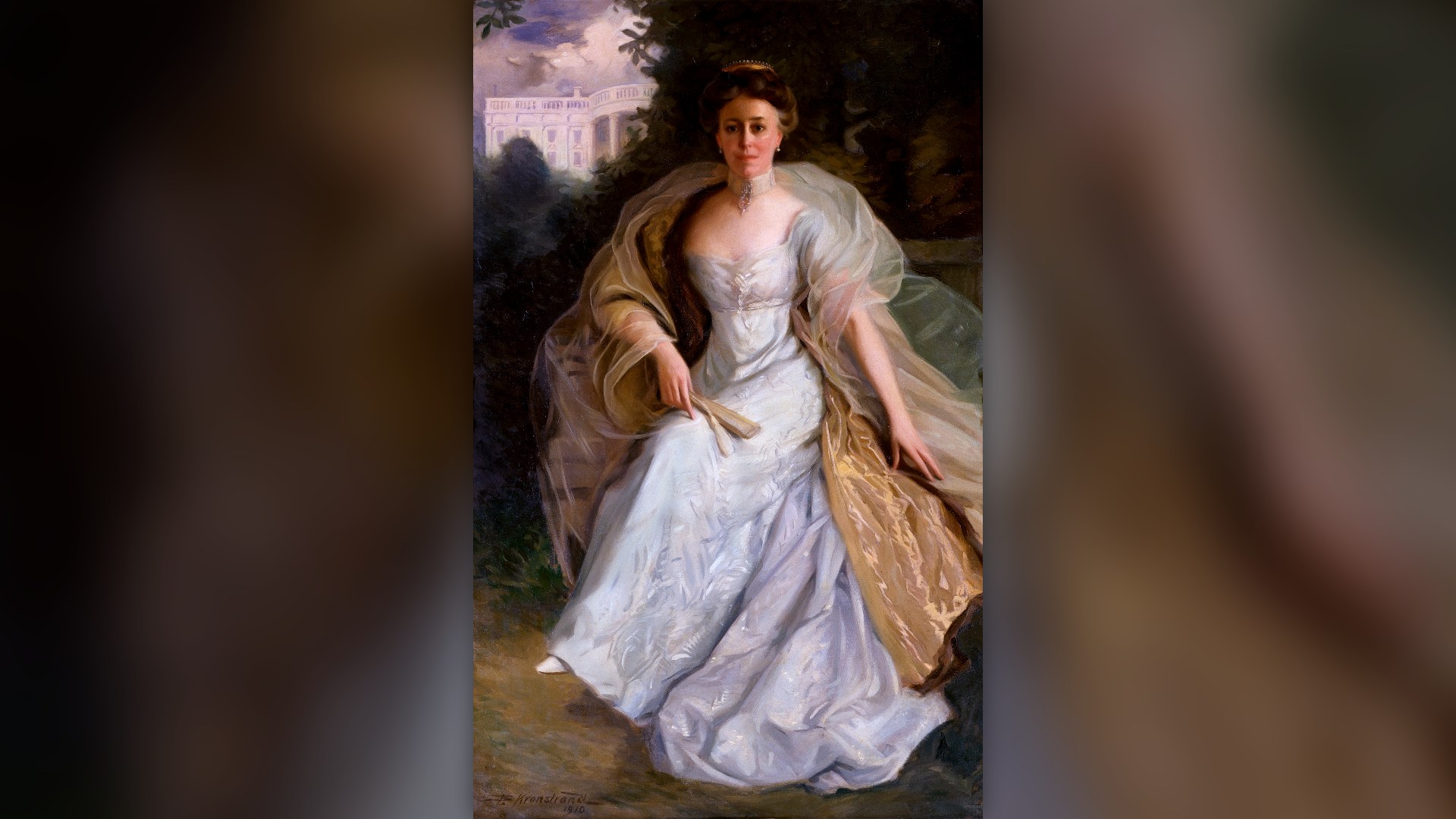
©Wikimedia / Botti Academy of Fine Art
Advertisement
Swipe or tap ▶ to resume the countdown.
9. Edith Roosevelt
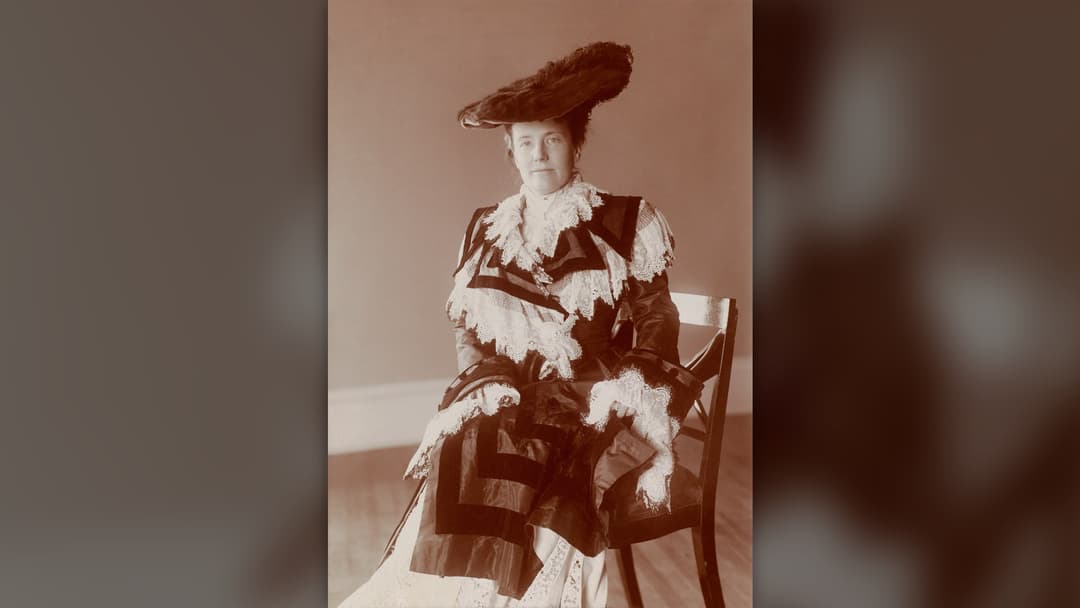
Edith Roosevelt directed the massive 1902 renovation that separated executive offices from the private presidential family quarters. She hired the first federally paid First Lady secretary, establishing the formal organizational structure of the modern East Wing staff.
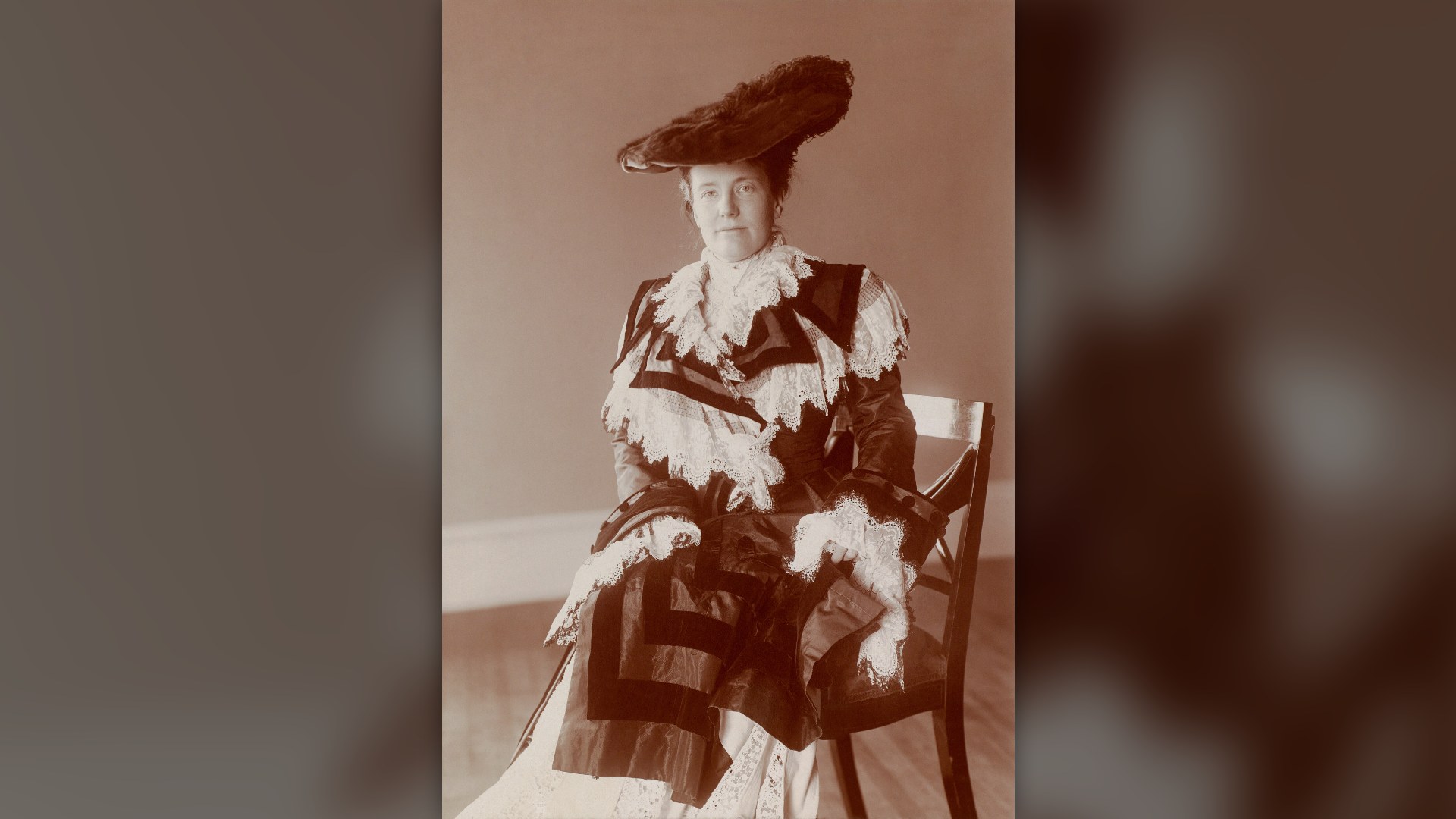
©Library of Congress / Frances Benjamin Johnston
8. Sarah Polk
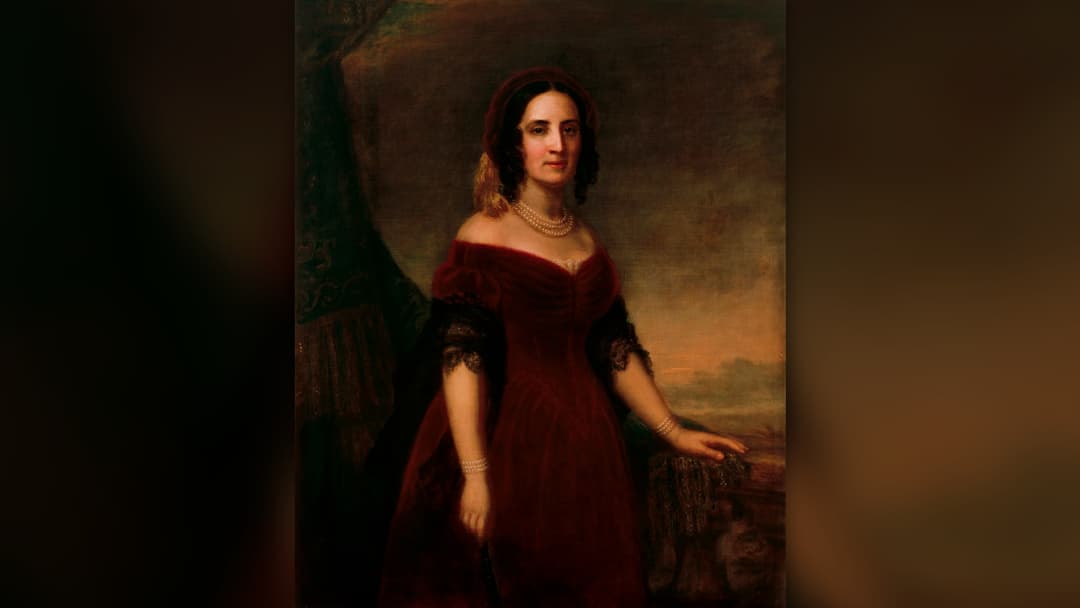
Sarah Childress Polk managed James K. Polk's official correspondence, political speeches, and press relations directly from the White House. Widely respected for her political instincts, she served as his closest policy sounding board throughout the Mexican-American War.
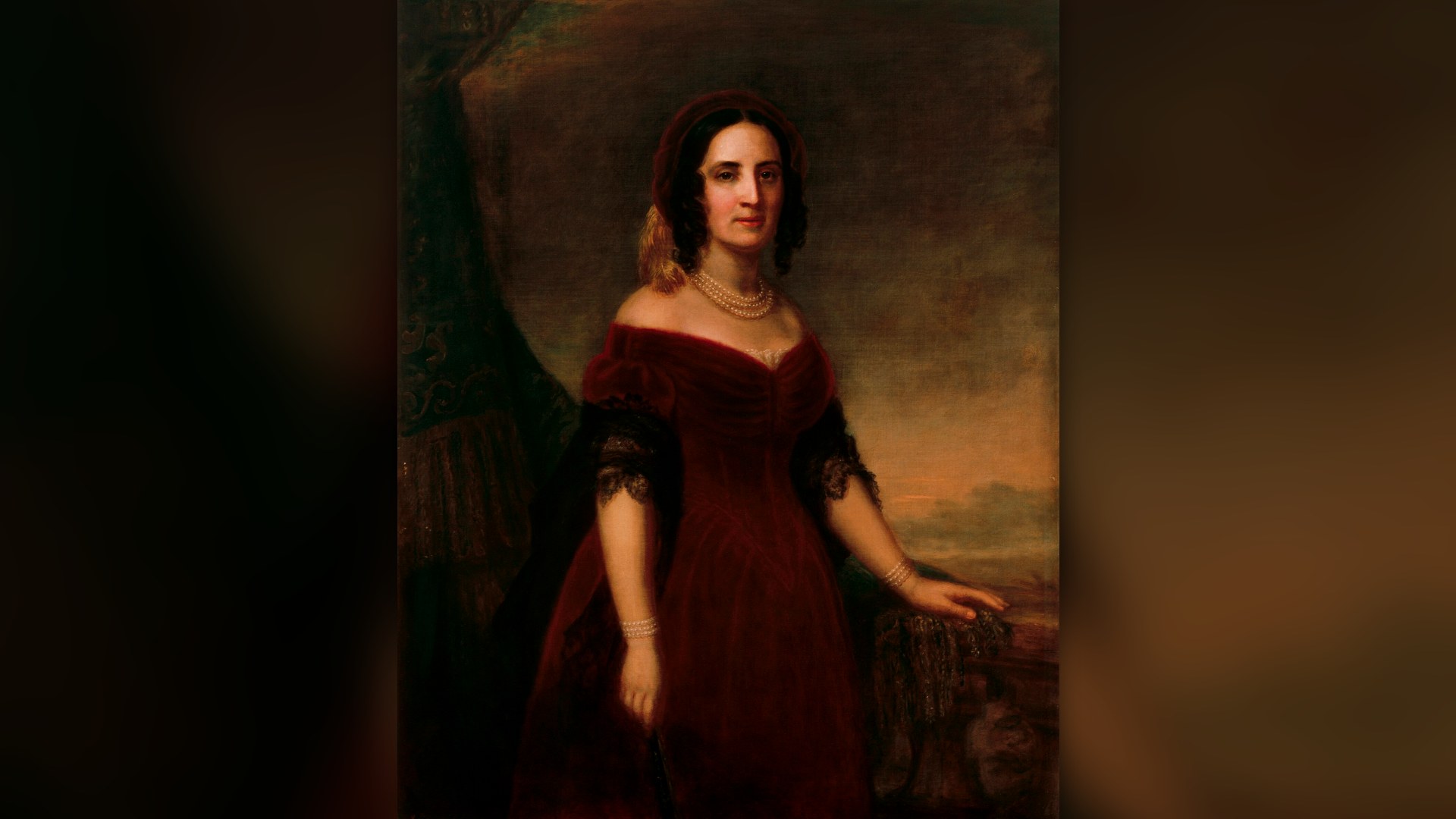
©Wikimedia / George Peter Alexander Healy
7. Mary Todd Lincoln
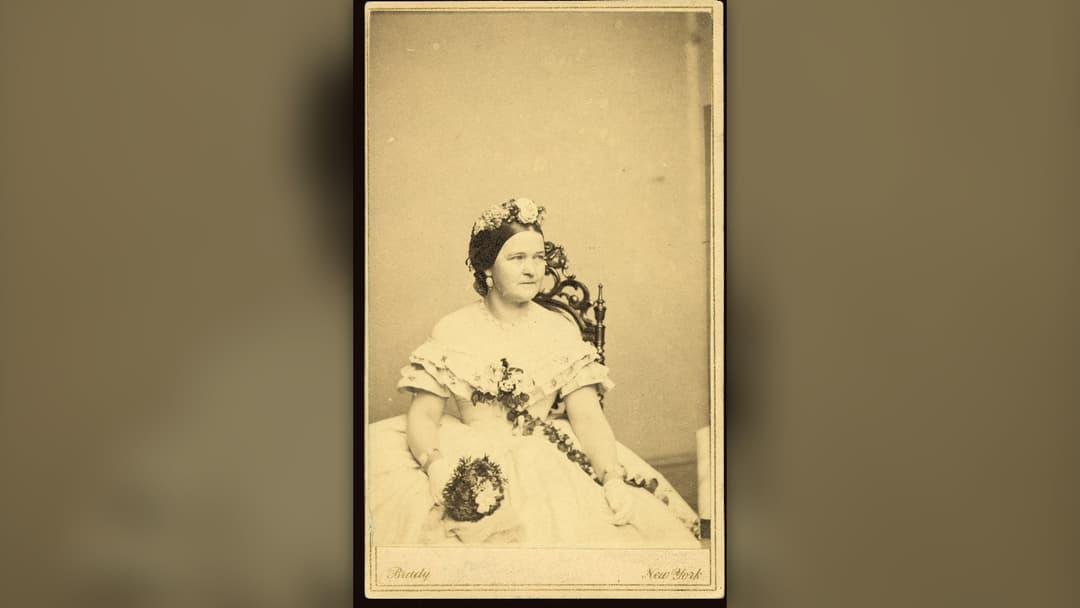
Despite enduring intense wartime grief and vicious partisan attacks, Mary Todd Lincoln served as an astute political advisor to Abraham Lincoln. She regularly toured Union army encampments, raised relief funds for wounded soldiers, and assisted emancipated refugees arriving in Washington.
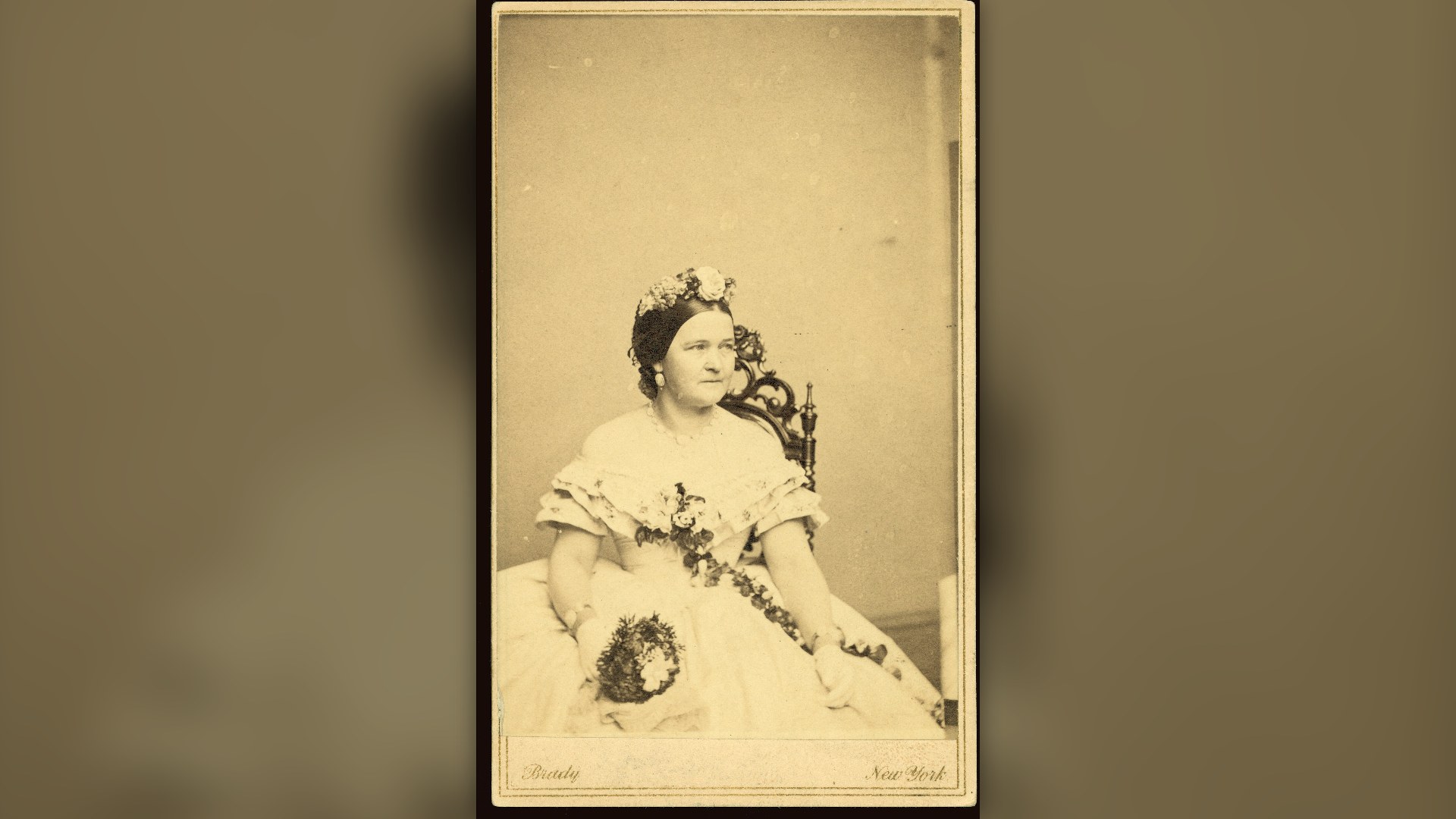
©Library of Congress / Mathew Brady
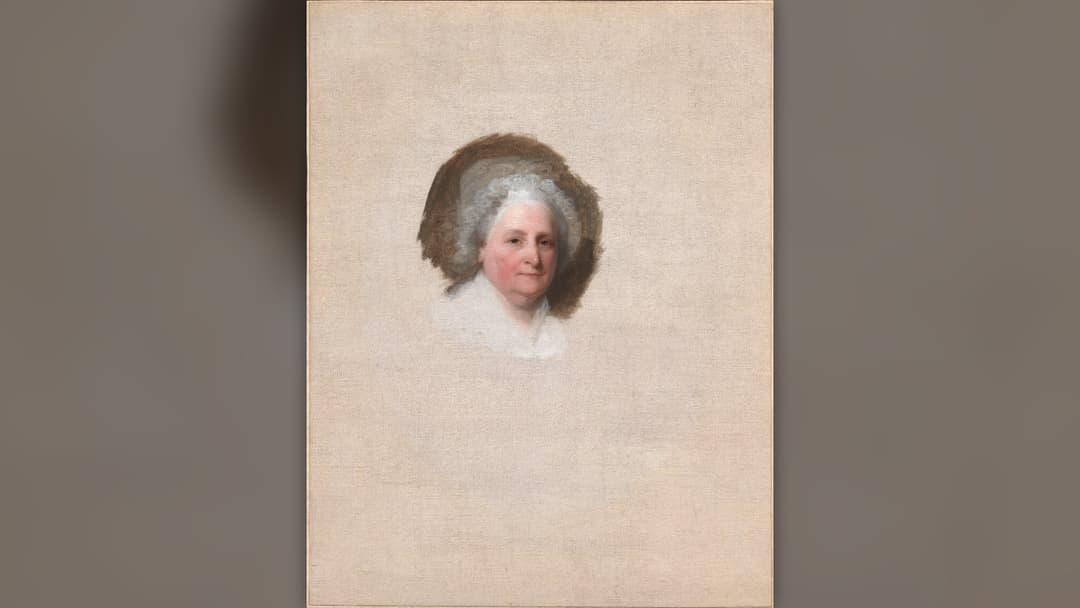
6. Martha Washington
Martha Washington set the early precedents of presidential hospitality, balancing republican simplicity with the dignity required for foreign dignitaries. Her weekly public receptions from 1789 to 1797 created the original template for presidential spouses.
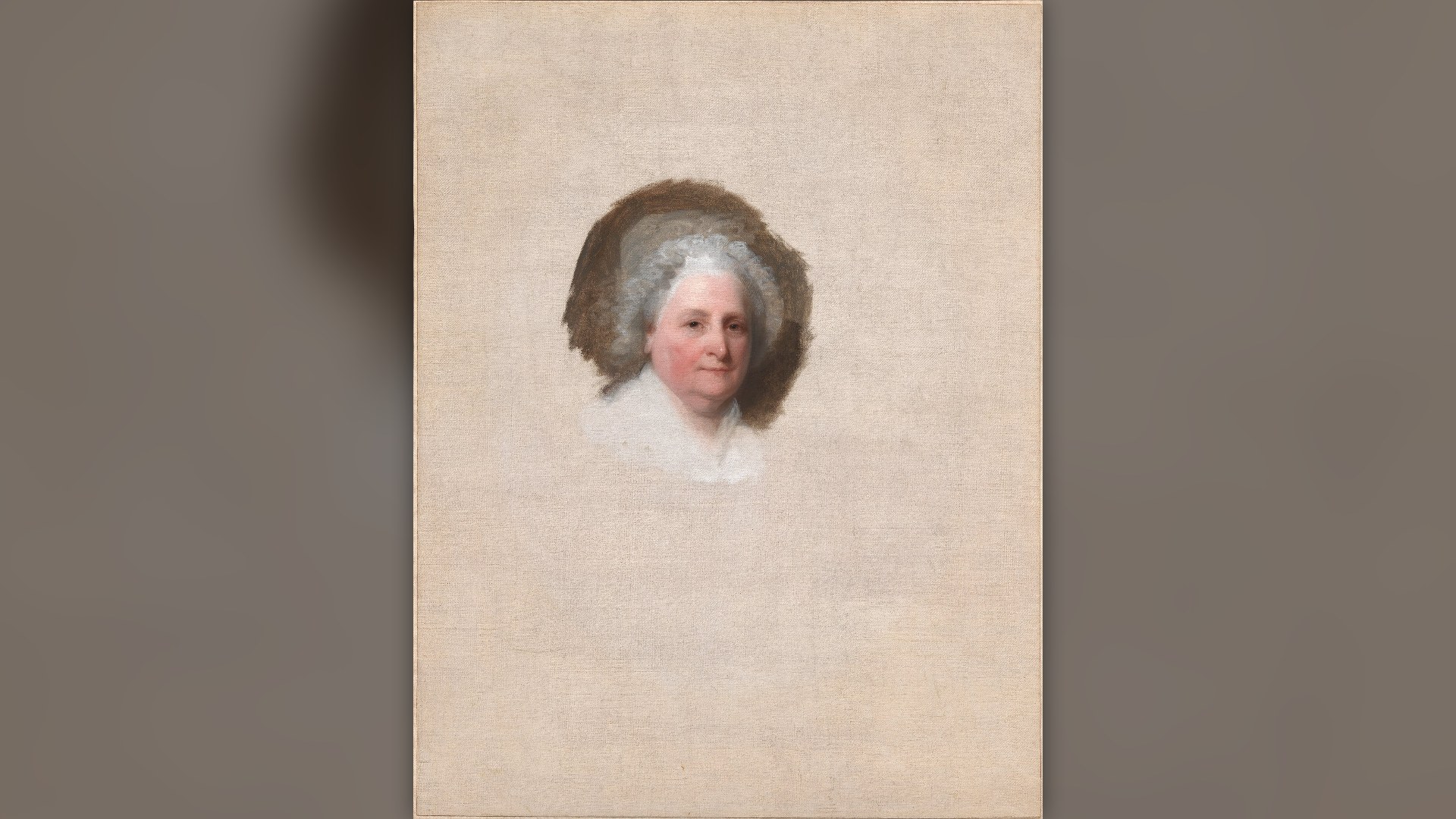
©National Portrait Gallery / Gilbert Stuart
Advertisement
Swipe or tap ▶ to resume the countdown.
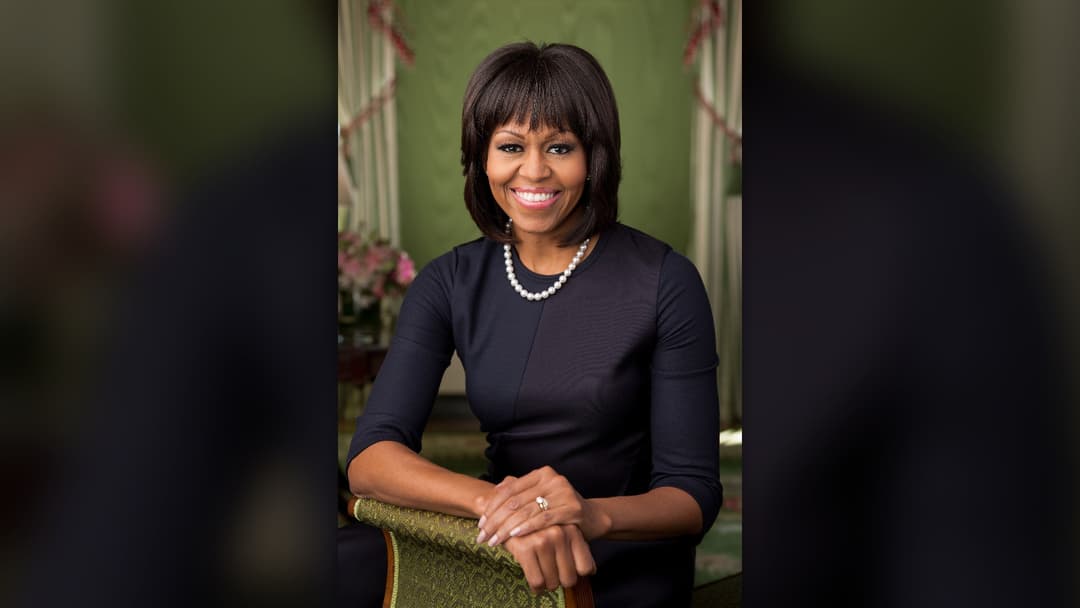
5. Michelle Obama
A Harvard-educated attorney, Michelle Obama launched the Let's Move! campaign in 2010 to combat childhood obesity and co-founded Joining Forces to assist veterans and military households. She transformed the East Wing into a dynamic platform for arts education and youth mentorship.
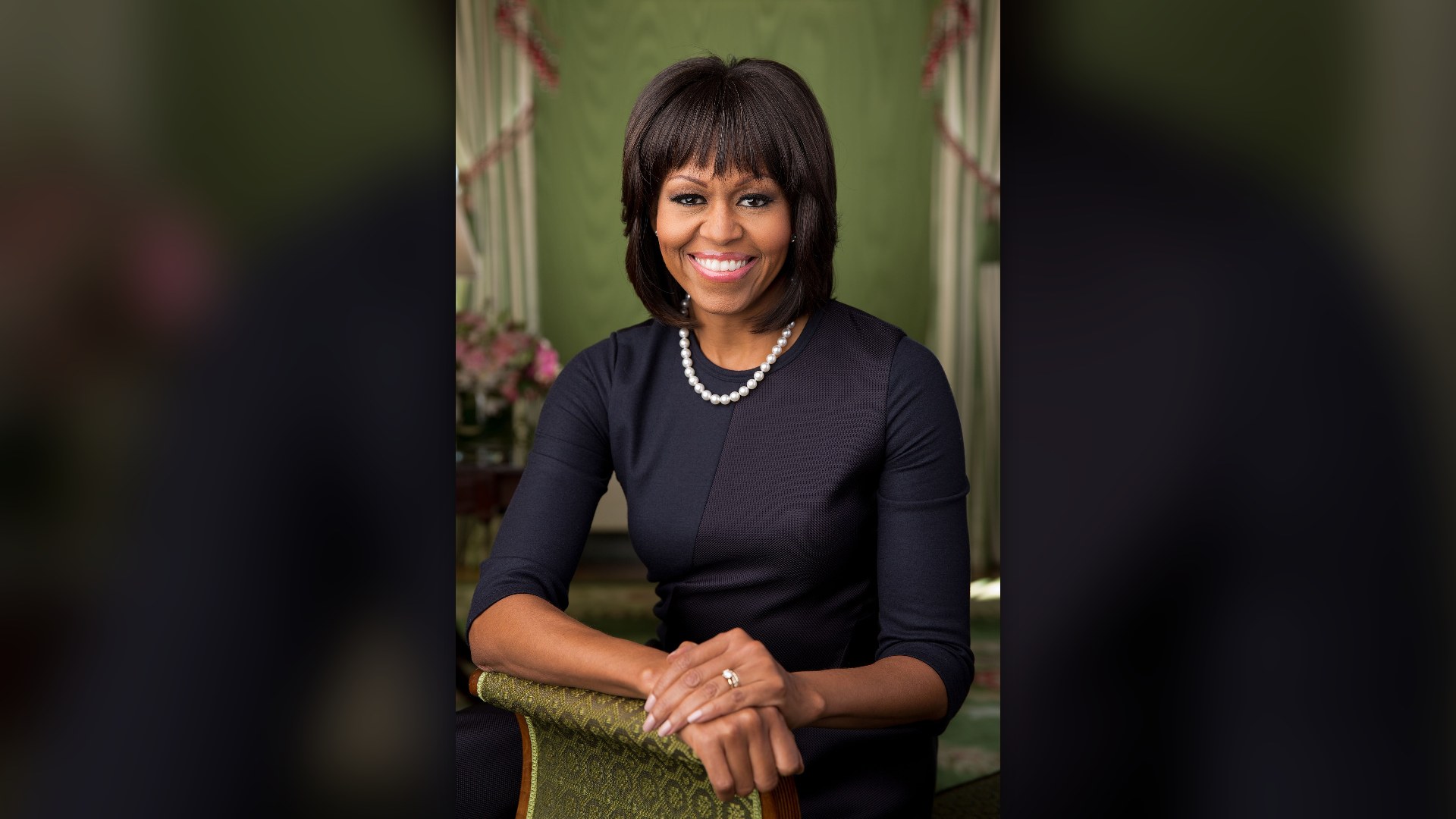
©Wikimedia / Chuck Kennedy
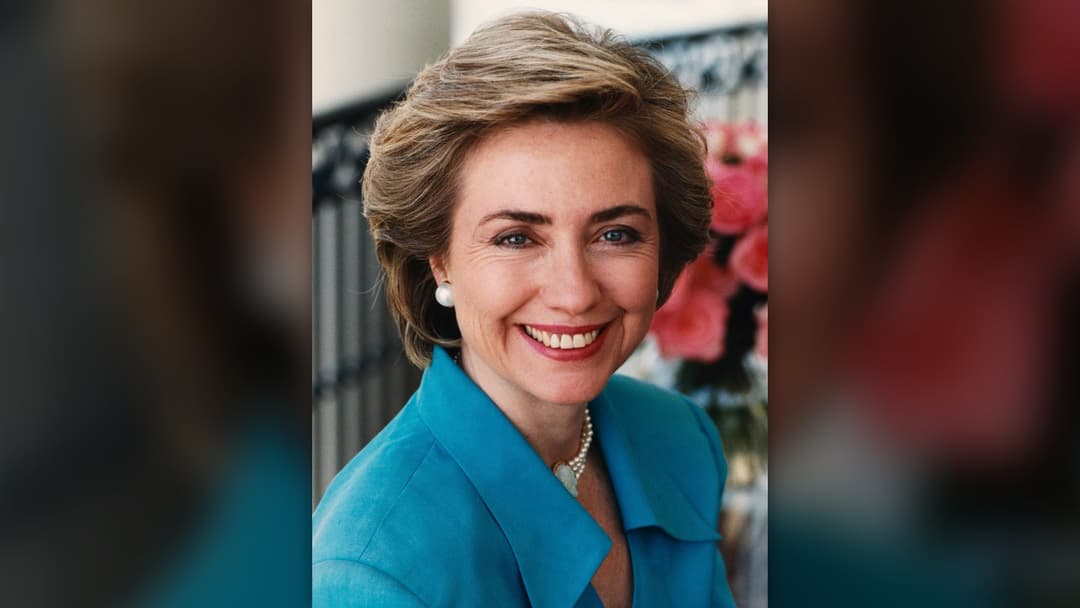
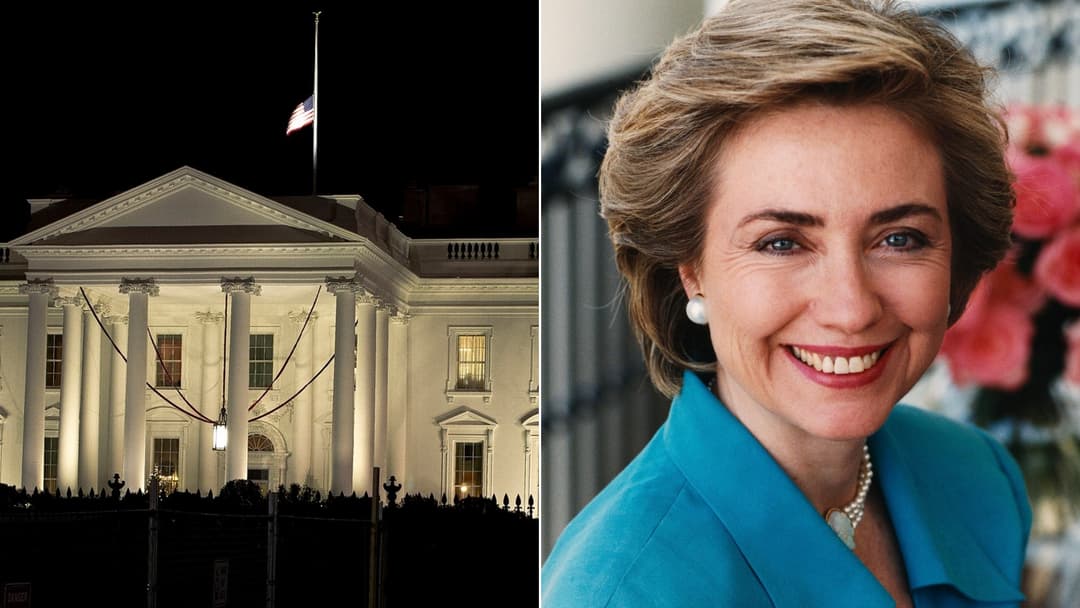
4. Hillary Clinton
Hillary Clinton broke precedent by taking an active role in policy formulation, chairing the Task Force on National Health Care Reform and helping create the Children's Health Insurance Program in 1997. Her 1995 Beijing speech declared that human rights are women's rights once and for all.
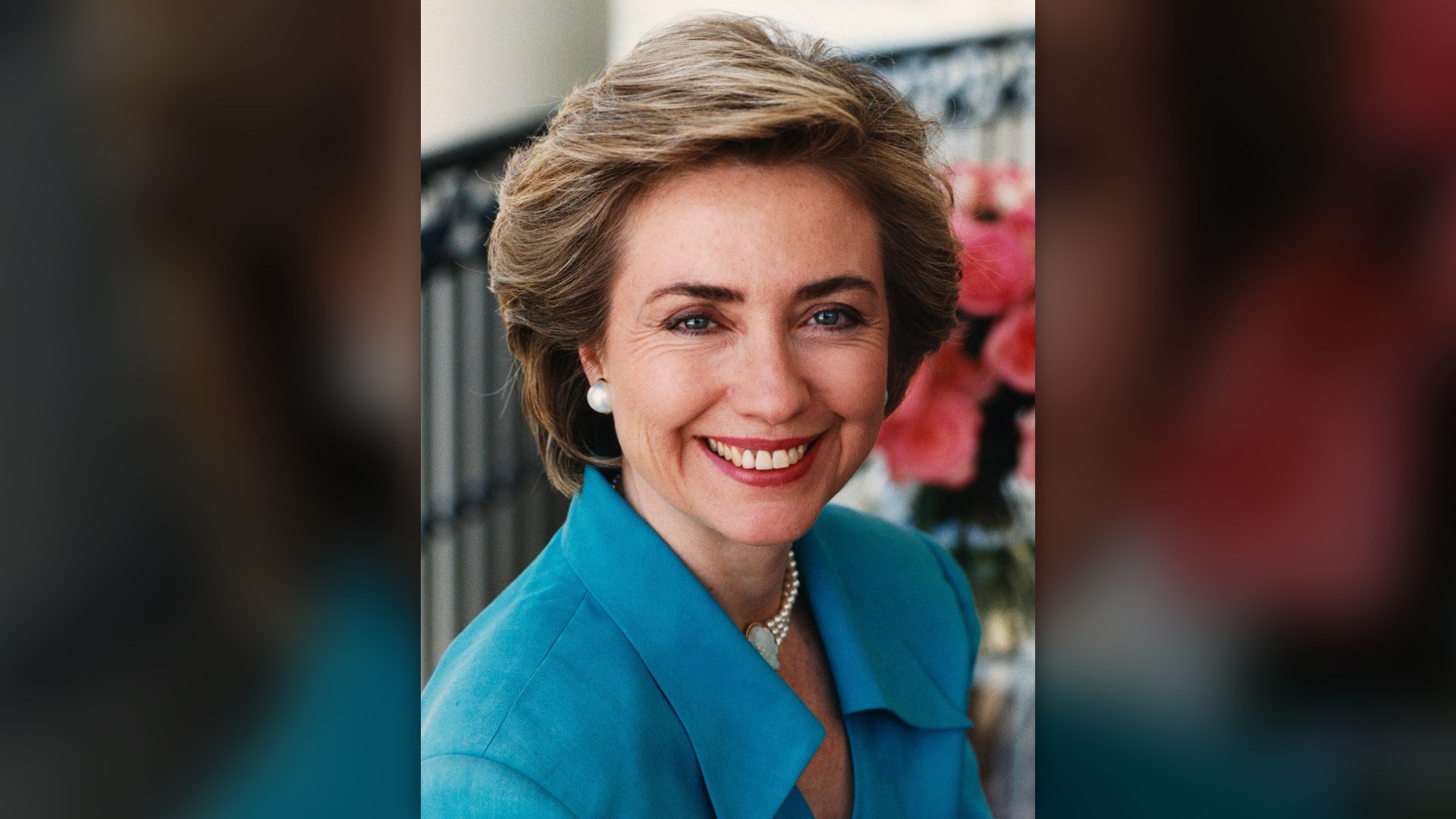
©Wikimedia / White House
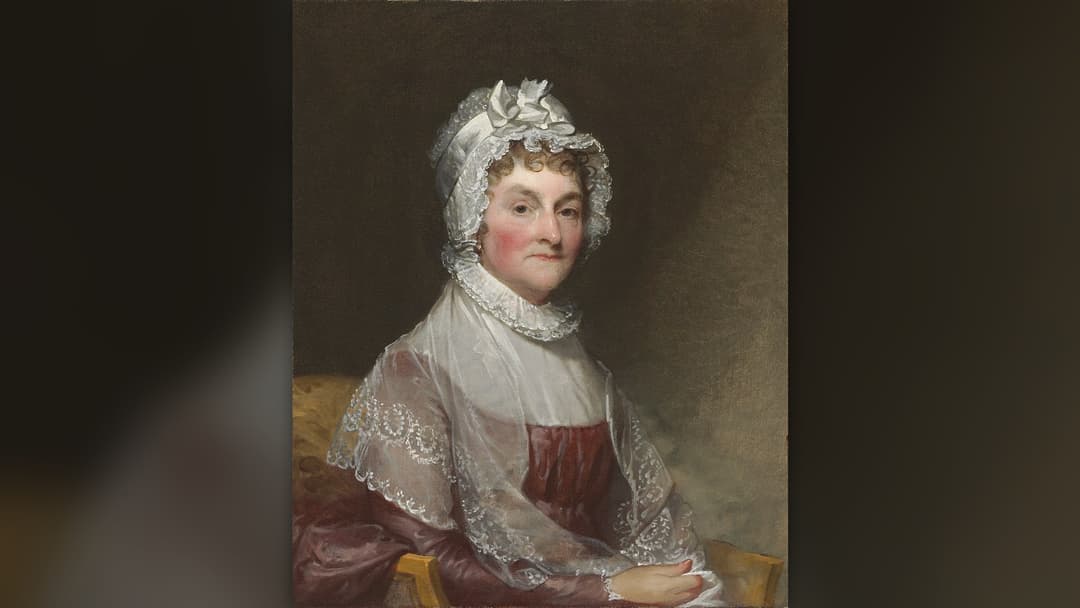
3. Abigail Adams
Abigail Adams served as John Adams's most influential counselor during the American Revolution and his presidency from 1797 to 1801. Her famous 1776 instruction to remember the ladies helped plant the intellectual seeds for the American women's rights movement.
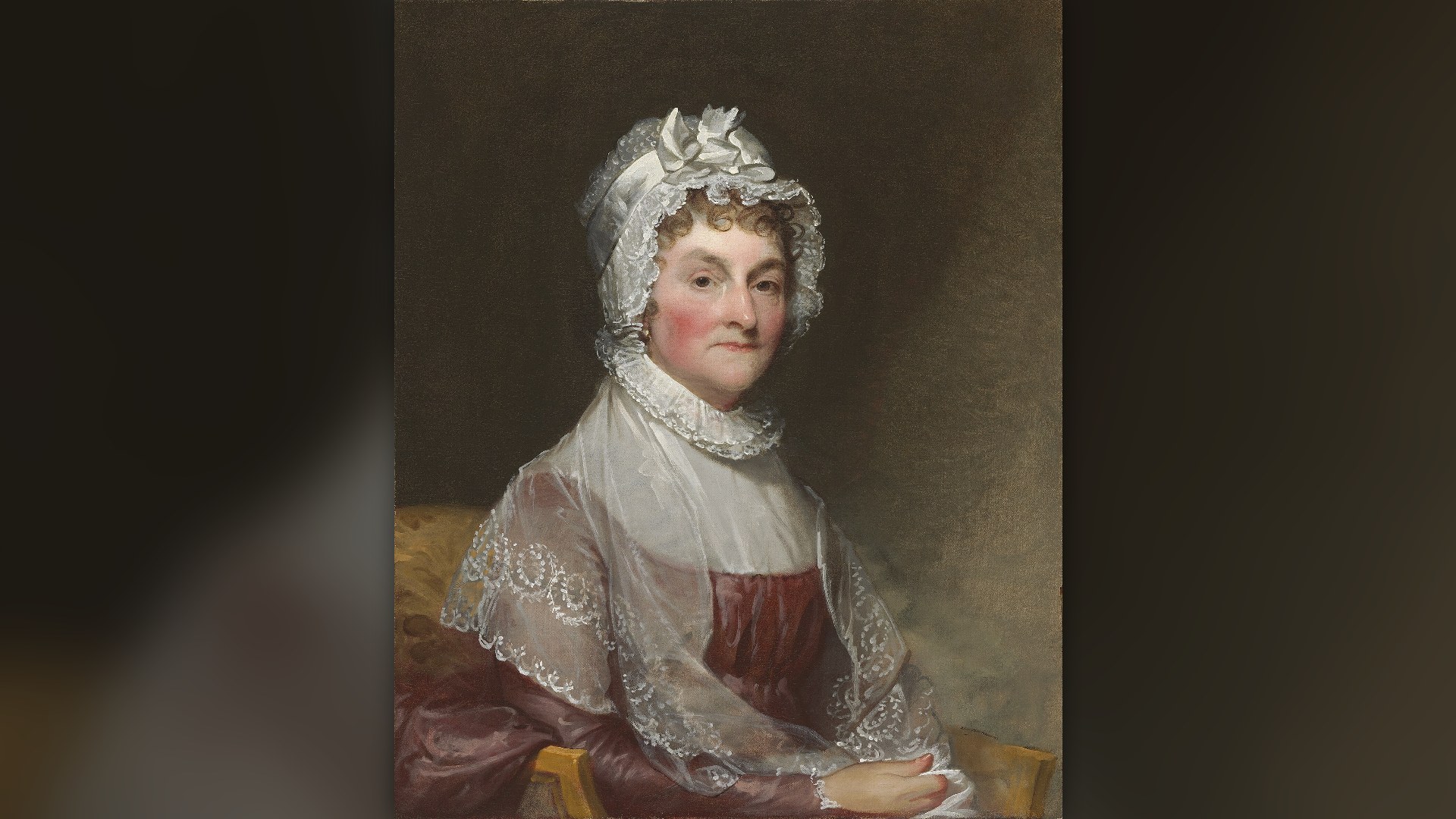
©National Gallery of Art / Gilbert Stuart
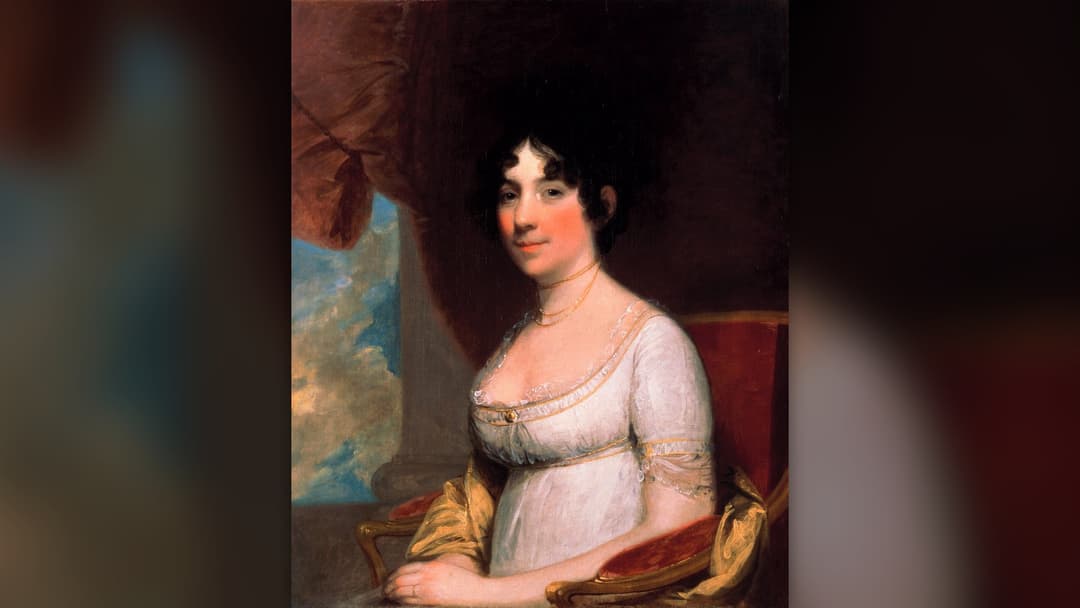
2. Dolley Madison
Dolley Madison pioneered the concept of bipartisan social gatherings, bringing feuding political factions together over dinner in the young capital. During the War of 1812, she refused to abandon the White House until George Washington's portrait was safely evacuated before British forces torched the building.
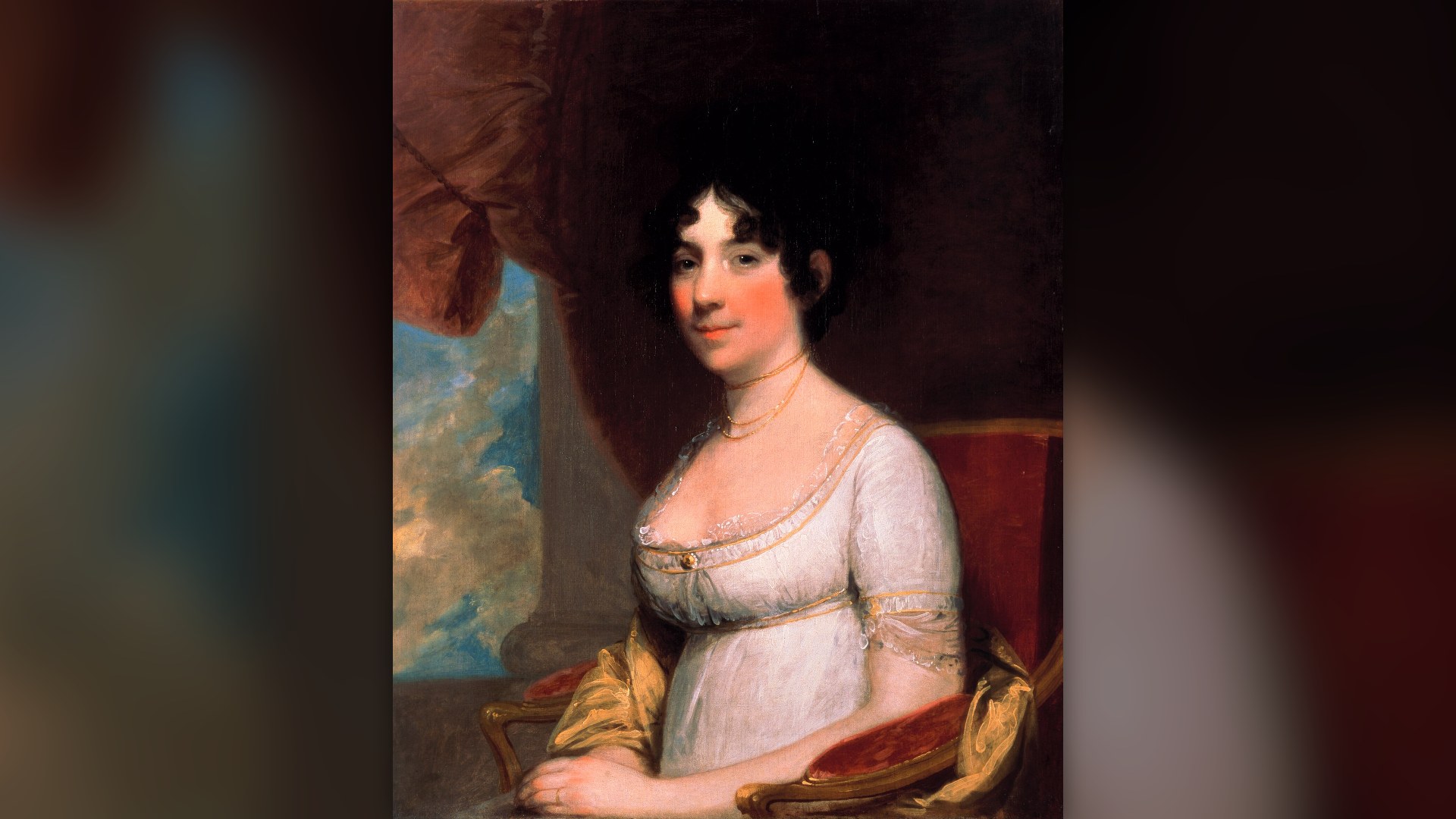
©Pennsylvania Academy of the Fine Arts / Gilbert Stuart
Advertisement
Swipe or tap ▶ to resume the countdown.
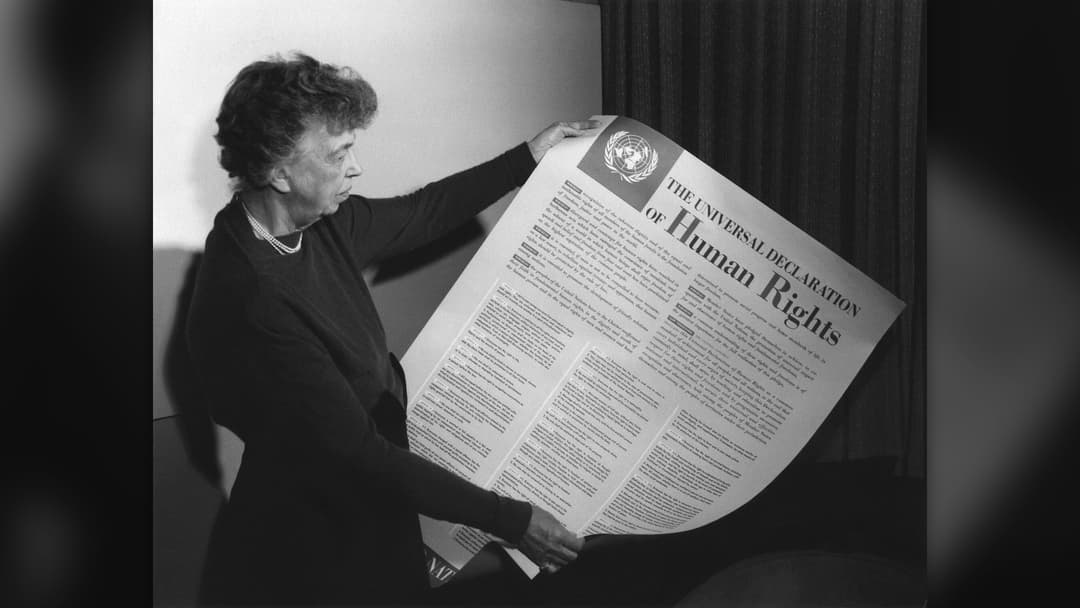
1. Eleanor Roosevelt
Holding regular press conferences, writing a daily syndicated column, and inspecting New Deal programs firsthand, Eleanor Roosevelt revolutionized the position of First Lady. She later chaired the United Nations committee that drafted the 1948 Universal Declaration of Human Rights.
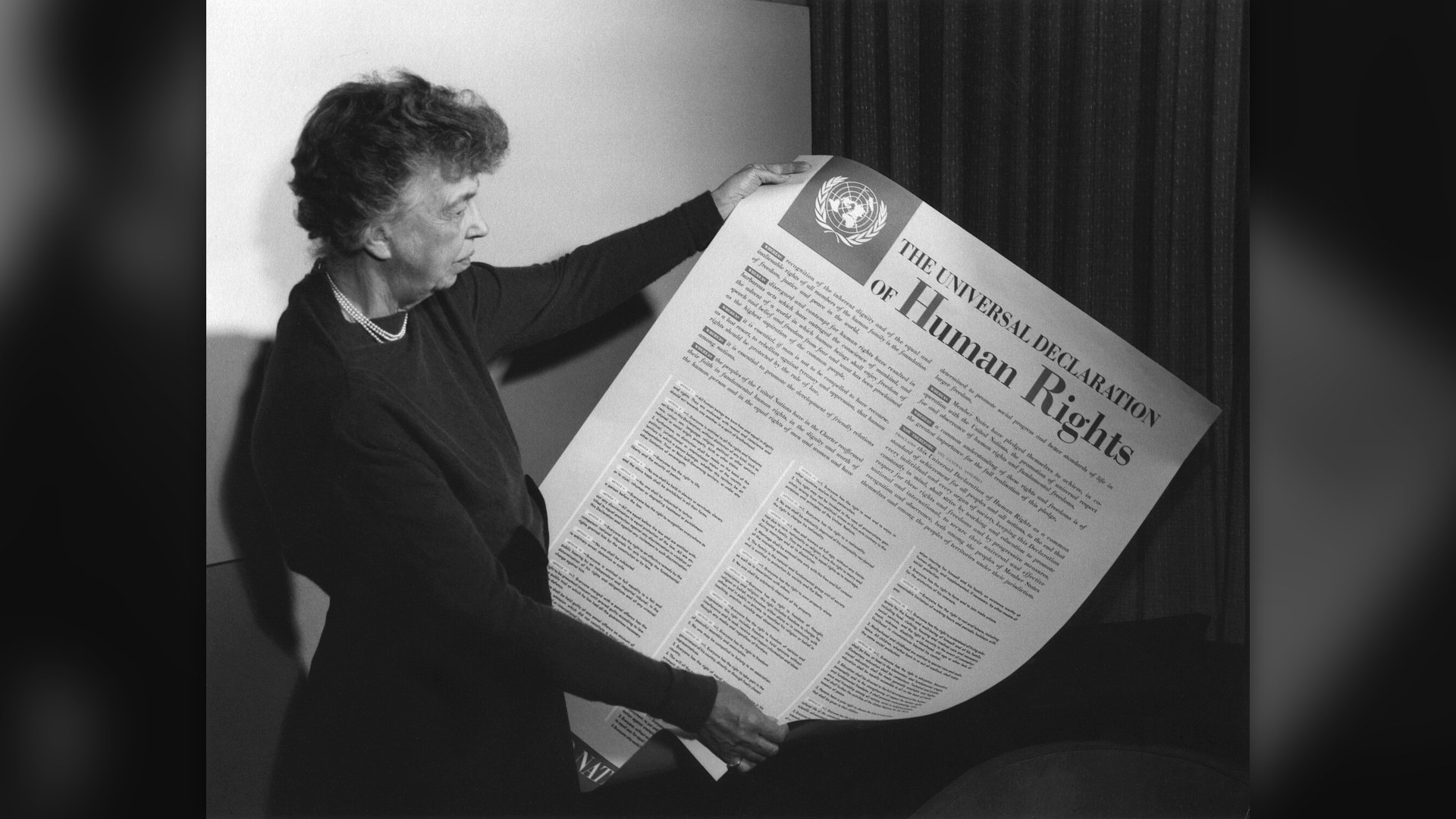
©National Archives / FDR Library
Advertisement
You've reached the end of the story. Thanks for reading!

20 Facts about the Devil in the Bible
20 Biblical Details on the Devil
All 20 Entries in this Story
20. Melania Trump
Serving from 2017 to 2021, Melania Trump spearheaded the Be Best public awareness campaign focusing on youth well-being and combating online harassment. She oversaw major historic preservation projects across the executive residence, including extensive renovations to the White House Rose Garden.

19. Laura Bush
A former librarian and public school educator, Laura Bush co-founded the National Book Festival in 2001 and championed worldwide women's rights. In the tense aftermath of the September 11 attacks, her calm presence provided reassurance to millions of anxious school children nationwide.

18. Barbara Bush
Barbara Bush established the Barbara Bush Foundation for Family Literacy in 1989, arguing that reading ability was essential for social equity. Known for her self-deprecating wit and direct demeanor, she remains one of only two women in American history married to one president and mother to another.

17. Rosalynn Carter
Rosalynn Carter sat in on cabinet meetings and served as honorary chair of the President's Commission on Mental Health. Her relentless lobbying helped pass the Mental Health Systems Act of 1980, creating community-based support networks across the United States.

16. Pat Nixon
Pat Nixon visited dozens of foreign nations, often traveling solo into disaster zones and conflict areas across Africa and Asia. She acquired over six hundred historic antiques and museum-quality paintings for the White House, permanently enriching the national decorative collection.

15. Lady Bird Johnson
Lady Bird Johnson leveraged her national platform to advance the Highway Beautification Act of 1965, linking urban renewal with wildland preservation. She also served as an essential strategist for Lyndon B. Johnson's War on Poverty and early childhood education initiatives.

14. Nancy Reagan
Nancy Reagan played an influential role behind the scenes in White House personnel management and East-West diplomatic relations. Her international Just Say No campaign mobilized millions of youth and established thousands of youth anti-drug clubs worldwide.

13. Betty Ford
Betty Ford shocked Washington by discussing her personal medical battles with breast cancer and addiction openly, dismantling long-held social stigmas. She forcefully championed the Equal Rights Amendment and later founded the renowned Betty Ford Center in 1982.

12. Lou Henry Hoover
A Stanford-educated geologist who spoke five languages, Lou Henry Hoover became the first presidential spouse to deliver nationwide radio addresses from the White House. She modernized administrative record-keeping in the East Wing and funded extensive historical furnishings with private donations.

11. Edith Wilson
Following Woodrow Wilson's debilitating stroke in October 1919, Edith Wilson initiated what she termed her stewardship. For nearly a year and a half, she decided which official papers, cabinet secretaries, and congressional leaders reached the bedridden chief executive.

10. Helen Taft
Helen Taft actively guided William Howard Taft's career trajectory toward the Oval Office and became the first First Lady to ride beside her husband in the inaugural parade. Her civic initiative led directly to the planting of three thousand Japanese cherry blossom trees across the Tidal Basin in 1912.

9. Edith Roosevelt
Edith Roosevelt directed the massive 1902 renovation that separated executive offices from the private presidential family quarters. She hired the first federally paid First Lady secretary, establishing the formal organizational structure of the modern East Wing staff.

8. Sarah Polk
Sarah Childress Polk managed James K. Polk's official correspondence, political speeches, and press relations directly from the White House. Widely respected for her political instincts, she served as his closest policy sounding board throughout the Mexican-American War.

7. Mary Todd Lincoln
Despite enduring intense wartime grief and vicious partisan attacks, Mary Todd Lincoln served as an astute political advisor to Abraham Lincoln. She regularly toured Union army encampments, raised relief funds for wounded soldiers, and assisted emancipated refugees arriving in Washington.

6. Martha Washington
Martha Washington set the early precedents of presidential hospitality, balancing republican simplicity with the dignity required for foreign dignitaries. Her weekly public receptions from 1789 to 1797 created the original template for presidential spouses.

5. Michelle Obama
A Harvard-educated attorney, Michelle Obama launched the Let's Move! campaign in 2010 to combat childhood obesity and co-founded Joining Forces to assist veterans and military households. She transformed the East Wing into a dynamic platform for arts education and youth mentorship.

4. Hillary Clinton
Hillary Clinton broke precedent by taking an active role in policy formulation, chairing the Task Force on National Health Care Reform and helping create the Children's Health Insurance Program in 1997. Her 1995 Beijing speech declared that human rights are women's rights once and for all.

3. Abigail Adams
Abigail Adams served as John Adams's most influential counselor during the American Revolution and his presidency from 1797 to 1801. Her famous 1776 instruction to remember the ladies helped plant the intellectual seeds for the American women's rights movement.

2. Dolley Madison
Dolley Madison pioneered the concept of bipartisan social gatherings, bringing feuding political factions together over dinner in the young capital. During the War of 1812, she refused to abandon the White House until George Washington's portrait was safely evacuated before British forces torched the building.

1. Eleanor Roosevelt
Holding regular press conferences, writing a daily syndicated column, and inspecting New Deal programs firsthand, Eleanor Roosevelt revolutionized the position of First Lady. She later chaired the United Nations committee that drafted the 1948 Universal Declaration of Human Rights.