Slideshow · Entertainment
20 Classic Horror Movie Mistakes Characters Keep Making
These twenty cinematic tropes highlight the most ill-advised choices made by characters in horror cinema. From investigating dark basements to splitting up in haunted woods, each decision demonstrates how classic screenplays build suspense through reckless human error. Here is how these mistakes rank.
By Most Viral Today
1 hour ago

Classic Survival Errors That Guaranteed Quick Horror Movie Demises 
20. Hiding In A Slatted Closet 
19. Dropping The Car Keys 
18. Running Up The Stairs - AdvertisementSwipe or tap ▶ to continue countdown

17. Investigating Strange Noises Alone 
16. Reading Ancient Texts Out Loud 
15. Assuming The Killer Is Dead 
14. Splitting Up To Search - AdvertisementSwipe or tap ▶ to continue countdown

13. Using A Ouija Board For Fun 
12. Backing Away Without Looking 
11. Ignoring Local Town Warnings 
10. Entering The Dark Basement - AdvertisementSwipe or tap ▶ to continue countdown

9. Buying Murder Houses On Discount 
8. Turning Back For Lost Items 
7. Answering The Landline At Night 
6. Picking Up Deserted Hitchhikers - AdvertisementSwipe or tap ▶ to continue countdown

5. Refusing To Turn On Lights 
4. Visiting Abandoned Asylums 
3. Keeping Cursed Relics At Home 
2. Entering Woods Without Flashlights - AdvertisementSwipe or tap ▶ to continue countdown

1. Saying I Will Be Right Back - Advertisement🔥 UP NEXT IN THIS SERIES◫ 21 Slides

20 Famous Film Roles Secretly Replaced Mid-Shoot, Ranked
When creative clashes, sudden injuries or performance mismatches erupt during filming, directors face expensive reshoots. This countdown explores twenty famous film roles secretly replaced mid-shoot, ranked from minor studio swaps to legendary recastings that altered cinematic history across global box offices.
Based on film archives from the American Film Institute, the British Film Institute, and reporting by Empire Magazine and Variety. These twenty classic horror tropes trace recurring character blunders across sixty years of cinema, ranked in ascending order from common errors to fatal survival mistakes.
Swipe or tap ▶ to begin the countdown
©Wikimedia / Gennady Grachev from & wikimedia / Mister_MaxX00
20. Hiding In A Slatted Closet
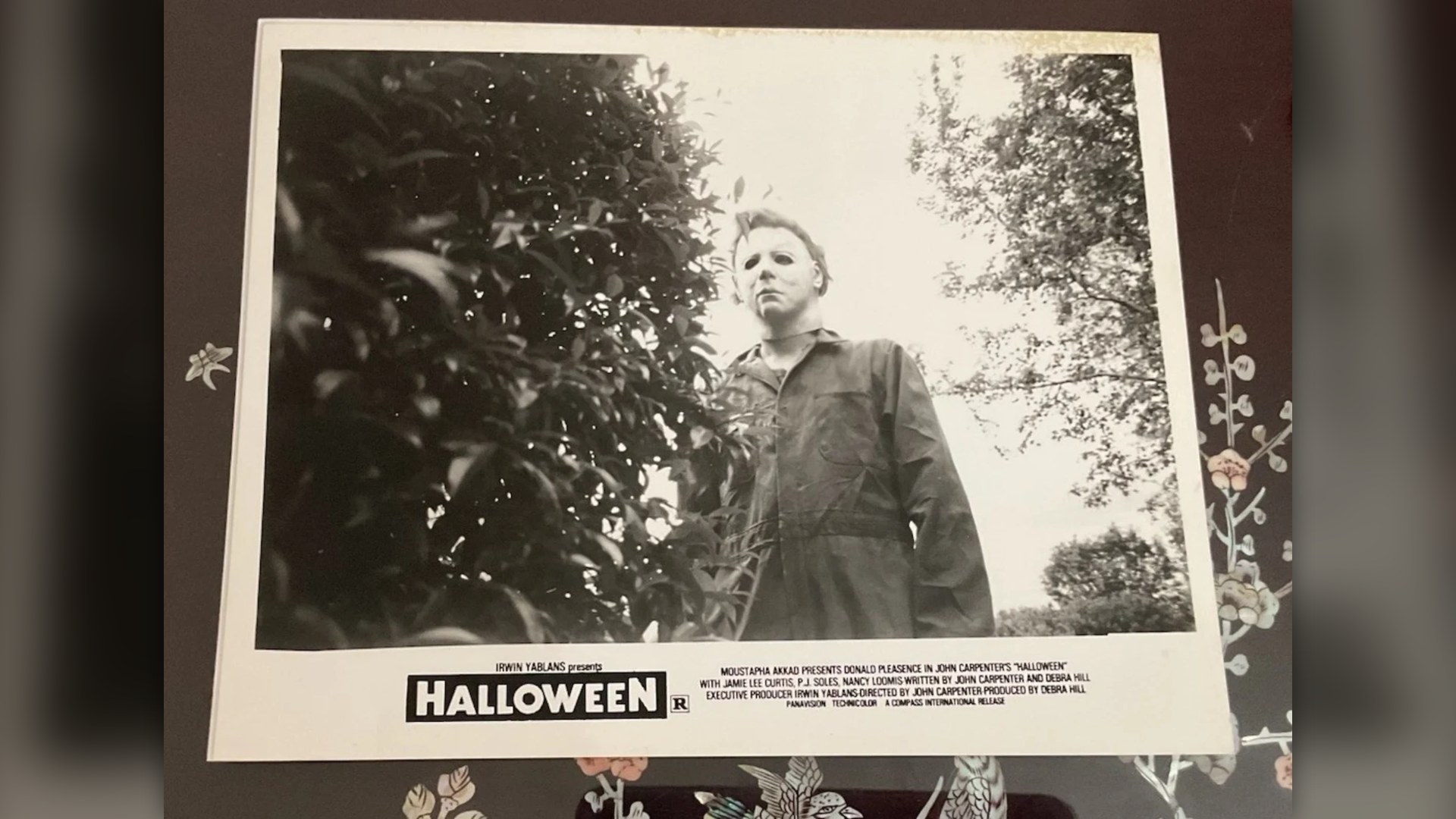
Characters often squeeze into louvered closets during home-invasion sequences, offering killers an easy target through slotted wooden panels. Director John Carpenter popularized this claustrophobic suspense beat in his 1978 classic Halloween, forcing Laurie Strode to defend herself with a wire hanger.
©Wikimedia / Owenglyndur
19. Dropping The Car Keys
Panicked drivers routinely drop car key rings onto muddy gravel or lose them beneath car pedals just as the engine needs to turn over. Director Wes Craven spoofed this ubiquitous convention in his 1996 meta-slasher Scream, contrasting real-world adrenaline rushes with cinematic motor-skill failure.
©Wikimedia / chen chin (ducktail964) from taipei, taiwan
18. Running Up The Stairs
Fleeing victims often sprint up domestic staircases when front doorways sit unobstructed only yards away. Screenwriter Kevin Williamson explicitly critiqued this instinctive tactical blunder through character dialogue in Scream, pointing out that upper-floor bedrooms offer no viable ground-level exit.
©Wikimedia / Pudelek
Advertisement
Swipe or tap ▶ to resume the countdown.
17. Investigating Strange Noises Alone
Solitary characters regularly walk straight toward clicking pipes or groaning floorboards in unlit sectors. Ridley Scott employed this fatal convention in his 1979 science-fiction horror masterpiece Alien, sending technician Brett into the cavernous Nostromo cargo bay alone to retrieve a missing cat.
©Pixabay / Tumisu
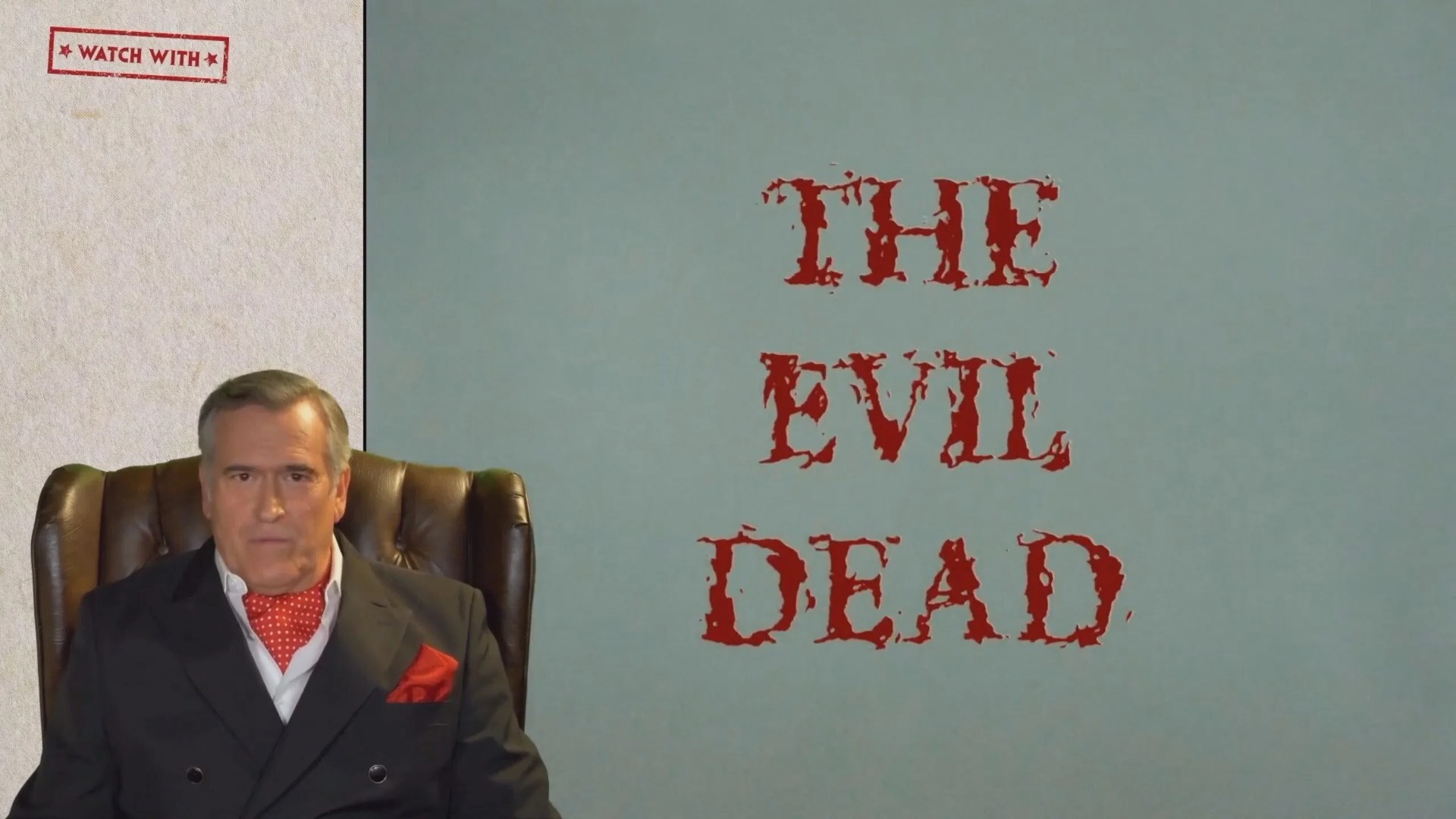
16. Reading Ancient Texts Out Loud
Unsuspecting scholars and teenagers consistently read mysterious passages phonetically, inadvertently awakening dormant demonic entities. Director Sam Raimi established this seminal supernatural trope in his 1981 low-budget hit The Evil Dead, using tape recordings of Sumerian incantations.
©TMDb / Renaissance Pictures
15. Assuming The Killer Is Dead
Survivors routinely discard heavy blunt objects or walk away immediately after knocking a masked assailant to the floorboards. John Carpenter cemented this jump-scare setup in 1978 with Michael Myers repeatedly sitting upright behind unsuspecting victims after seemingly receiving fatal injuries.
©Wikimedia / Unknwon, publicity photo
14. Splitting Up To Search
Group members frequently separate to cover more ground, directly dismantling their collective defense and allowing stalking threats to pick them off one by one. Director Drew Goddard lampooned this nonsensical decision-making in his 2011 satirical horror release The Cabin in the Woods.
©Pixabay / Pixabay Contributor
Advertisement
Swipe or tap ▶ to resume the countdown.
13. Using A Ouija Board For Fun
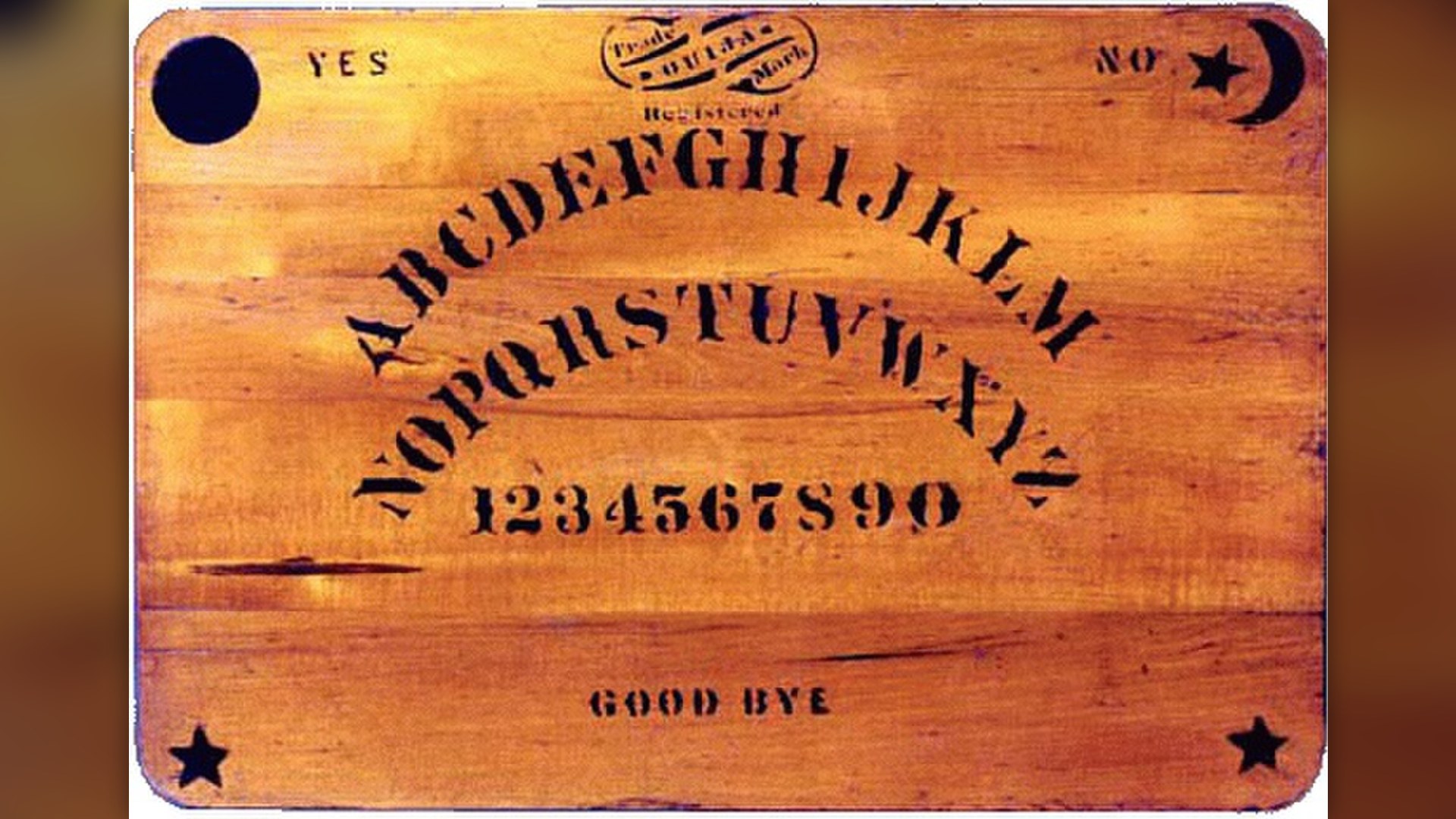
Curious youths frequently treat spirit-talking boards as harmless parlor entertainment, opening doors to possessive spiritual forces. Director William Friedkin brought this cautionary trope into mainstream cinema with his 1973 landmark The Exorcist, where young Regan MacNeil contacts Captain Howdy.
©Wikimedia / Uploader Nesnad
12. Backing Away Without Looking
Terrified victims frequently back away in terror, invariably tripping over tree roots or backing squarely into a secondary ambush. Director Tobe Hooper utilized this disorienting panic staging throughout his 1974 groundbreaking rural nightmare The Texas Chain Saw Massacre to generate claustrophobia.
©Wikimedia / Austex • Talk
11. Ignoring Local Town Warnings
Urban travelers consistently mock elderly locals who warn them against traveling toward abandoned camps or closed logging roads. The 1980 slasher Friday the 13th codified this foreshadowing device through the character Crazy Ralph, whose doom-laden prophecies were ignored by teenage camp counselors.
©Pixabay / TheOtherKev
10. Entering The Dark Basement
Flickering overhead bulbs unfailingly lure homeowners toward damp subterranean basements without dependable flashlights. Director Jonathan Demme built suffocating tension in his 1991 Oscar-winning thriller The Silence of the Lambs, sending Clarice Starling into Buffalo Bill's labyrinthine cellar.
©Wikimedia / PantheraLeo1359531
Advertisement
Swipe or tap ▶ to resume the countdown.
9. Buying Murder Houses On Discount
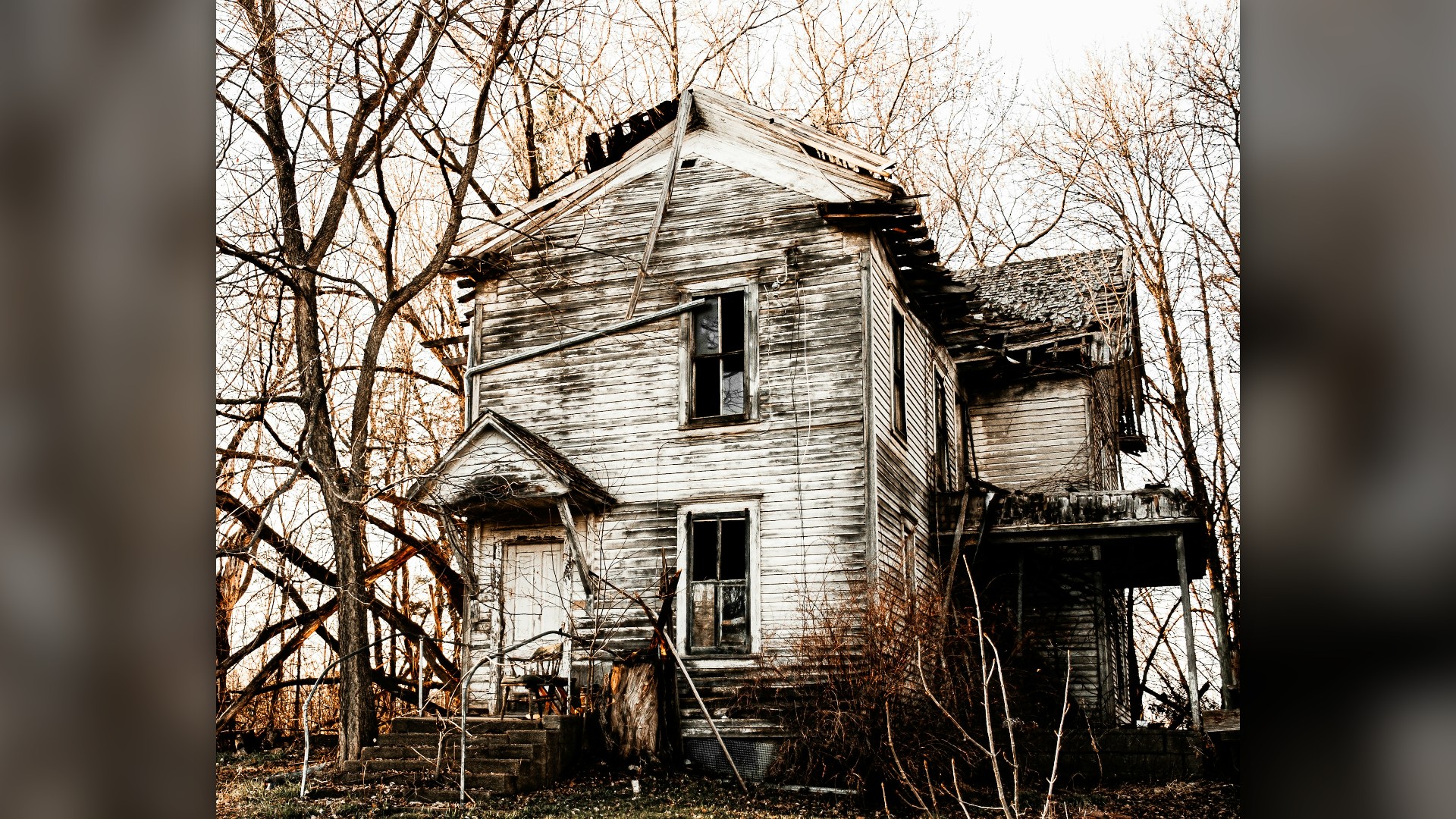
Optimistic couples regularly purchase palatial historic homes at bargain rates while willfully ignoring gruesome previous homicides. Director Stuart Rosenberg examined this real-estate obsession in his 1979 box-office hit The Amityville Horror, dramatizing the real-world 112 Ocean Avenue property.
© Photo by Jackson Simmer on Unsplash
8. Turning Back For Lost Items
Running victims often pause their flight to double back into perilous zones for dropped smartphones, stuffed animals, or family heirlooms. This recurring screenplay contrivance creates immediate vulnerability, converting successful escapes into deadly confrontations across countless teen slashers.
©Wikimedia / Sony Pictures Television, Amazon Studios
7. Answering The Landline At Night
Isolated residents frequently answer ringing telephones repeatedly despite receiving cryptic threats from disguised voices. Drew Barrymore and director Wes Craven turned this vulnerable domestic moment into cinematic history during the unforgettable twelve-minute opening sequence of Scream in 1996.
©Wikimedia / Shixart1985
6. Picking Up Deserted Hitchhikers
Drivers routinely compromise their secure vehicle cabin by welcoming sinister hitchhikers along deserted desert corridors. Director Robert Harmon explored the grim psychological consequences of this Samaritan impulse in his 1986 thriller The Hitcher, pairing C. Thomas Howell with Rutger Hauer.
©TMDb / Scenery
Advertisement
Swipe or tap ▶ to resume the countdown.
5. Refusing To Turn On Lights
Homeowners frequently creep through shadowy corridors in complete darkness instead of flicking convenient wall light switches. Director David F. Sandberg weaponized this counterintuitive habit in his 2016 supernatural film Lights Out, where creatures materialize exclusively within shadowed regions.
©Pixabay / Tama66
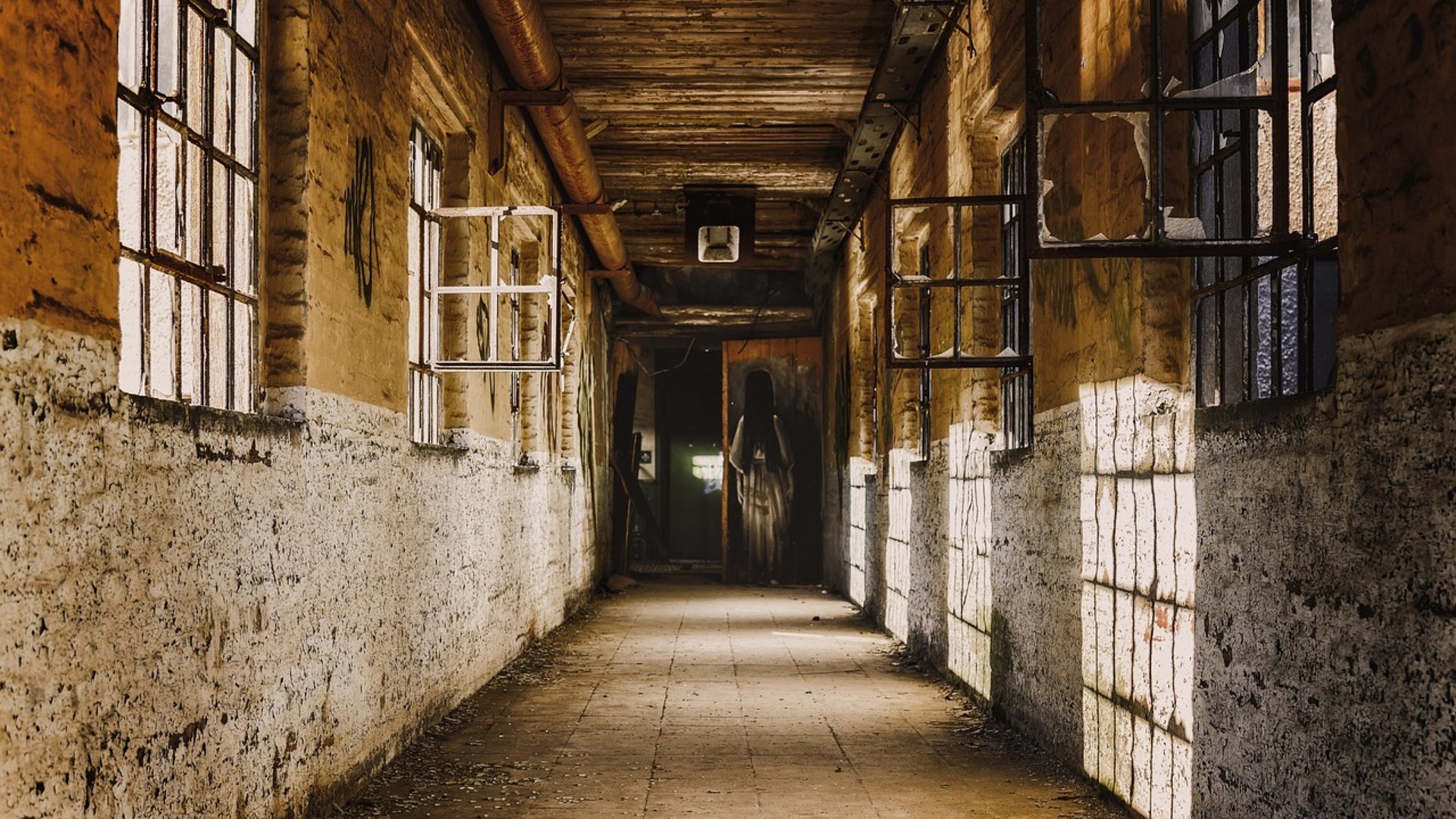
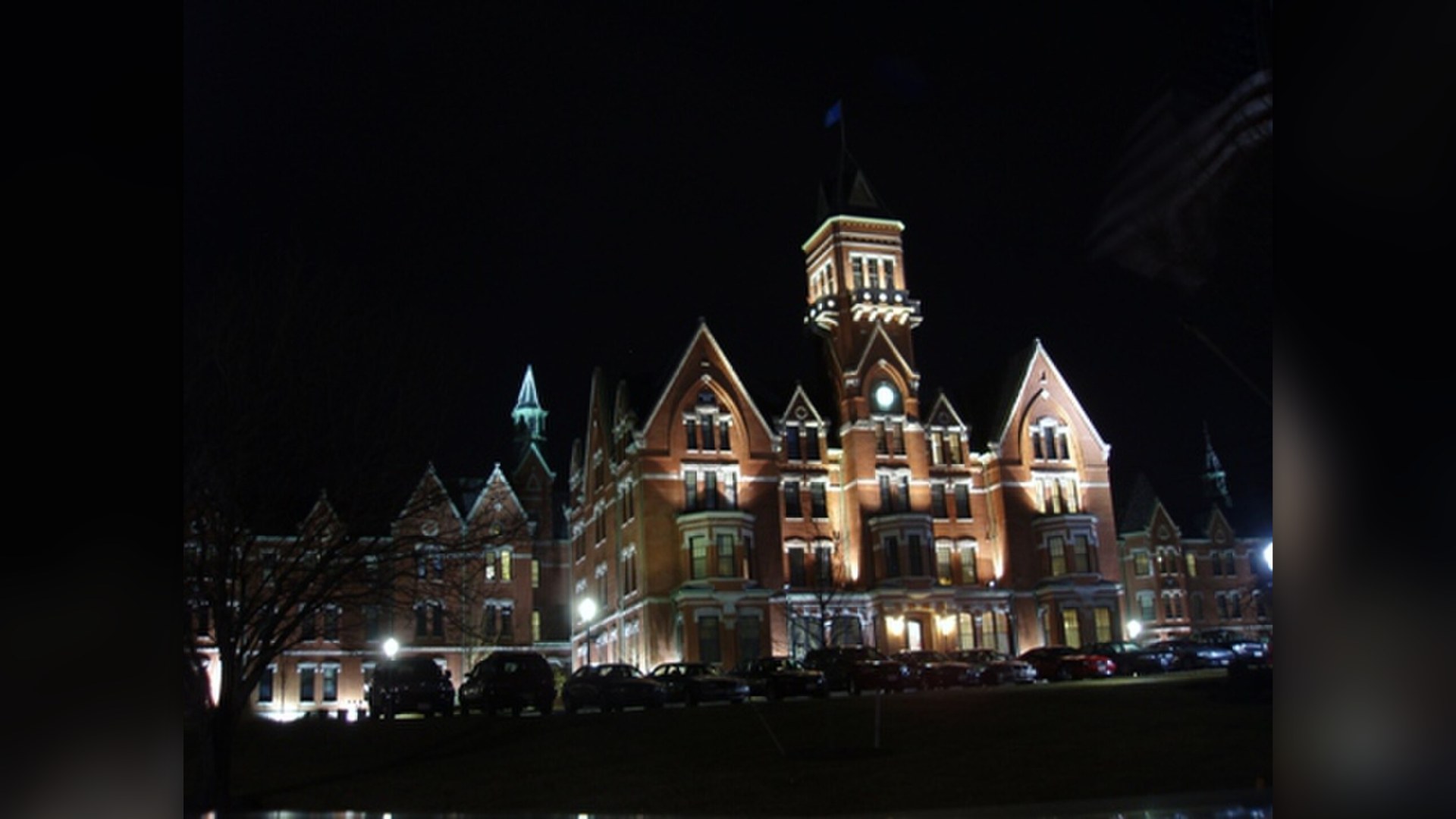
4. Visiting Abandoned Asylums
Thrill-seeking groups routinely trespass into condemned sanatoriums with extensive records of patient abuse and violent unrest. Director Brad Anderson captured the toxic atmospheric decay of Massachusetts' Danvers State Hospital in his 2001 psychological cult favorite Session 9.
©Wikimedia / Dhasson
3. Keeping Cursed Relics At Home
Collectors regularly place antique puzzle boxes or possessed ceramic dolls onto living room display shelves. Director James Wan framed his 2013 blockbuster The Conjuring around demonologists Ed and Lorraine Warren, who housed the notorious Annabelle doll inside an enclosed glass case in Monroe, Connecticut.
©Wikimedia / SherryRose
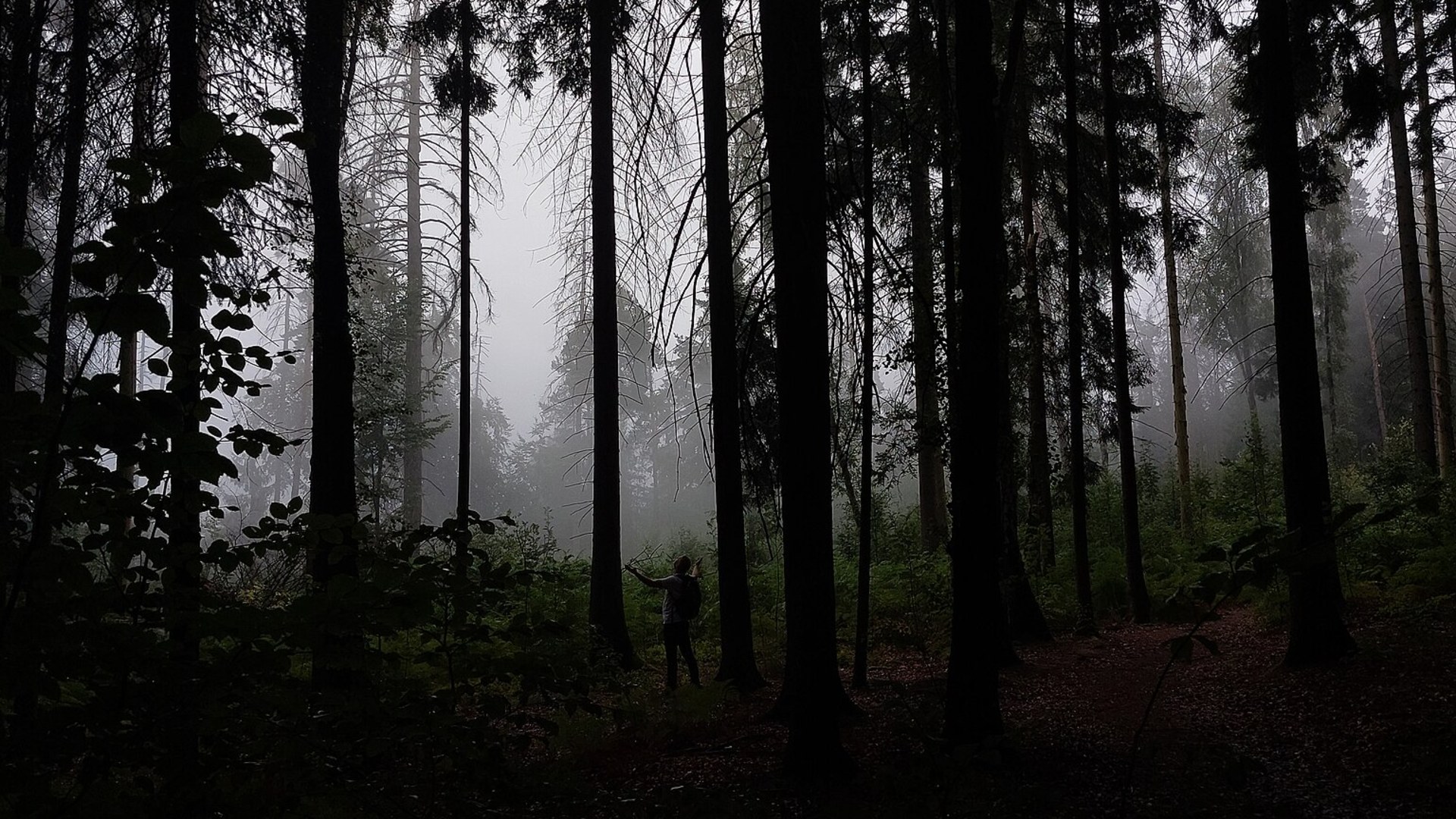
2. Entering Woods Without Flashlights
Campers routinely wander off marked nature trails after sunset without topographic maps, backup batteries, or emergency provisions. Directors Daniel Myrick and Eduardo Sanchez turned this basic survival failure into a cultural phenomenon in 1999 with The Blair Witch Project in Maryland's Black Hills.
©Wikimedia / Mister_MaxX00
Advertisement
Swipe or tap ▶ to resume the countdown.
1. Saying I Will Be Right Back
Characters who cheerfully announce their imminent return before stepping away to fetch refreshments almost never survive to the next scene. Character Randy Meeks formally codified this golden survival rule during an impromptu video seminar in Wes Craven's 1996 genre-defining classic Scream.
©Wikimedia / Gennady Grachev from Moscow, Russia
Advertisement
You've reached the end of the story. Thanks for reading!

20 Famous Film Roles Secretly Replaced Mid-Shoot, Ranked
When creative clashes, sudden injuries or performance mismatches erupt during filming, directors face expensive reshoots. This countdown explores twenty famous film roles secretly replaced mid-shoot, ranked from minor studio swaps to legendary recastings that altered cinematic history across global box offices.
All 20 Entries in this Story
20. Hiding In A Slatted Closet
Characters often squeeze into louvered closets during home-invasion sequences, offering killers an easy target through slotted wooden panels. Director John Carpenter popularized this claustrophobic suspense beat in his 1978 classic Halloween, forcing Laurie Strode to defend herself with a wire hanger.

19. Dropping The Car Keys
Panicked drivers routinely drop car key rings onto muddy gravel or lose them beneath car pedals just as the engine needs to turn over. Director Wes Craven spoofed this ubiquitous convention in his 1996 meta-slasher Scream, contrasting real-world adrenaline rushes with cinematic motor-skill failure.

18. Running Up The Stairs
Fleeing victims often sprint up domestic staircases when front doorways sit unobstructed only yards away. Screenwriter Kevin Williamson explicitly critiqued this instinctive tactical blunder through character dialogue in Scream, pointing out that upper-floor bedrooms offer no viable ground-level exit.

17. Investigating Strange Noises Alone
Solitary characters regularly walk straight toward clicking pipes or groaning floorboards in unlit sectors. Ridley Scott employed this fatal convention in his 1979 science-fiction horror masterpiece Alien, sending technician Brett into the cavernous Nostromo cargo bay alone to retrieve a missing cat.

16. Reading Ancient Texts Out Loud
Unsuspecting scholars and teenagers consistently read mysterious passages phonetically, inadvertently awakening dormant demonic entities. Director Sam Raimi established this seminal supernatural trope in his 1981 low-budget hit The Evil Dead, using tape recordings of Sumerian incantations.

15. Assuming The Killer Is Dead
Survivors routinely discard heavy blunt objects or walk away immediately after knocking a masked assailant to the floorboards. John Carpenter cemented this jump-scare setup in 1978 with Michael Myers repeatedly sitting upright behind unsuspecting victims after seemingly receiving fatal injuries.

14. Splitting Up To Search
Group members frequently separate to cover more ground, directly dismantling their collective defense and allowing stalking threats to pick them off one by one. Director Drew Goddard lampooned this nonsensical decision-making in his 2011 satirical horror release The Cabin in the Woods.

13. Using A Ouija Board For Fun
Curious youths frequently treat spirit-talking boards as harmless parlor entertainment, opening doors to possessive spiritual forces. Director William Friedkin brought this cautionary trope into mainstream cinema with his 1973 landmark The Exorcist, where young Regan MacNeil contacts Captain Howdy.

12. Backing Away Without Looking
Terrified victims frequently back away in terror, invariably tripping over tree roots or backing squarely into a secondary ambush. Director Tobe Hooper utilized this disorienting panic staging throughout his 1974 groundbreaking rural nightmare The Texas Chain Saw Massacre to generate claustrophobia.

11. Ignoring Local Town Warnings
Urban travelers consistently mock elderly locals who warn them against traveling toward abandoned camps or closed logging roads. The 1980 slasher Friday the 13th codified this foreshadowing device through the character Crazy Ralph, whose doom-laden prophecies were ignored by teenage camp counselors.

10. Entering The Dark Basement
Flickering overhead bulbs unfailingly lure homeowners toward damp subterranean basements without dependable flashlights. Director Jonathan Demme built suffocating tension in his 1991 Oscar-winning thriller The Silence of the Lambs, sending Clarice Starling into Buffalo Bill's labyrinthine cellar.

9. Buying Murder Houses On Discount
Optimistic couples regularly purchase palatial historic homes at bargain rates while willfully ignoring gruesome previous homicides. Director Stuart Rosenberg examined this real-estate obsession in his 1979 box-office hit The Amityville Horror, dramatizing the real-world 112 Ocean Avenue property.

8. Turning Back For Lost Items
Running victims often pause their flight to double back into perilous zones for dropped smartphones, stuffed animals, or family heirlooms. This recurring screenplay contrivance creates immediate vulnerability, converting successful escapes into deadly confrontations across countless teen slashers.

7. Answering The Landline At Night
Isolated residents frequently answer ringing telephones repeatedly despite receiving cryptic threats from disguised voices. Drew Barrymore and director Wes Craven turned this vulnerable domestic moment into cinematic history during the unforgettable twelve-minute opening sequence of Scream in 1996.

6. Picking Up Deserted Hitchhikers
Drivers routinely compromise their secure vehicle cabin by welcoming sinister hitchhikers along deserted desert corridors. Director Robert Harmon explored the grim psychological consequences of this Samaritan impulse in his 1986 thriller The Hitcher, pairing C. Thomas Howell with Rutger Hauer.

5. Refusing To Turn On Lights
Homeowners frequently creep through shadowy corridors in complete darkness instead of flicking convenient wall light switches. Director David F. Sandberg weaponized this counterintuitive habit in his 2016 supernatural film Lights Out, where creatures materialize exclusively within shadowed regions.

4. Visiting Abandoned Asylums
Thrill-seeking groups routinely trespass into condemned sanatoriums with extensive records of patient abuse and violent unrest. Director Brad Anderson captured the toxic atmospheric decay of Massachusetts' Danvers State Hospital in his 2001 psychological cult favorite Session 9.

3. Keeping Cursed Relics At Home
Collectors regularly place antique puzzle boxes or possessed ceramic dolls onto living room display shelves. Director James Wan framed his 2013 blockbuster The Conjuring around demonologists Ed and Lorraine Warren, who housed the notorious Annabelle doll inside an enclosed glass case in Monroe, Connecticut.

2. Entering Woods Without Flashlights
Campers routinely wander off marked nature trails after sunset without topographic maps, backup batteries, or emergency provisions. Directors Daniel Myrick and Eduardo Sanchez turned this basic survival failure into a cultural phenomenon in 1999 with The Blair Witch Project in Maryland's Black Hills.

1. Saying I Will Be Right Back
Characters who cheerfully announce their imminent return before stepping away to fetch refreshments almost never survive to the next scene. Character Randy Meeks formally codified this golden survival rule during an impromptu video seminar in Wes Craven's 1996 genre-defining classic Scream.