Slideshow · Animals
22 Wildlife Incidents That Changed How Parks Keep Visitors Safe
From bear raids in California to shark nets off Sydney, these 22 documented wildlife encounters forced governments and park rangers to rewrite public safety rules. Based on National Park Service archives, NOAA, state wildlife agencies and reporting by Reuters and BBC, see how each event reshaped coexistence.
All 22 Entries in this Story
22. South Lake Tahoe Black Bear Break-Ins
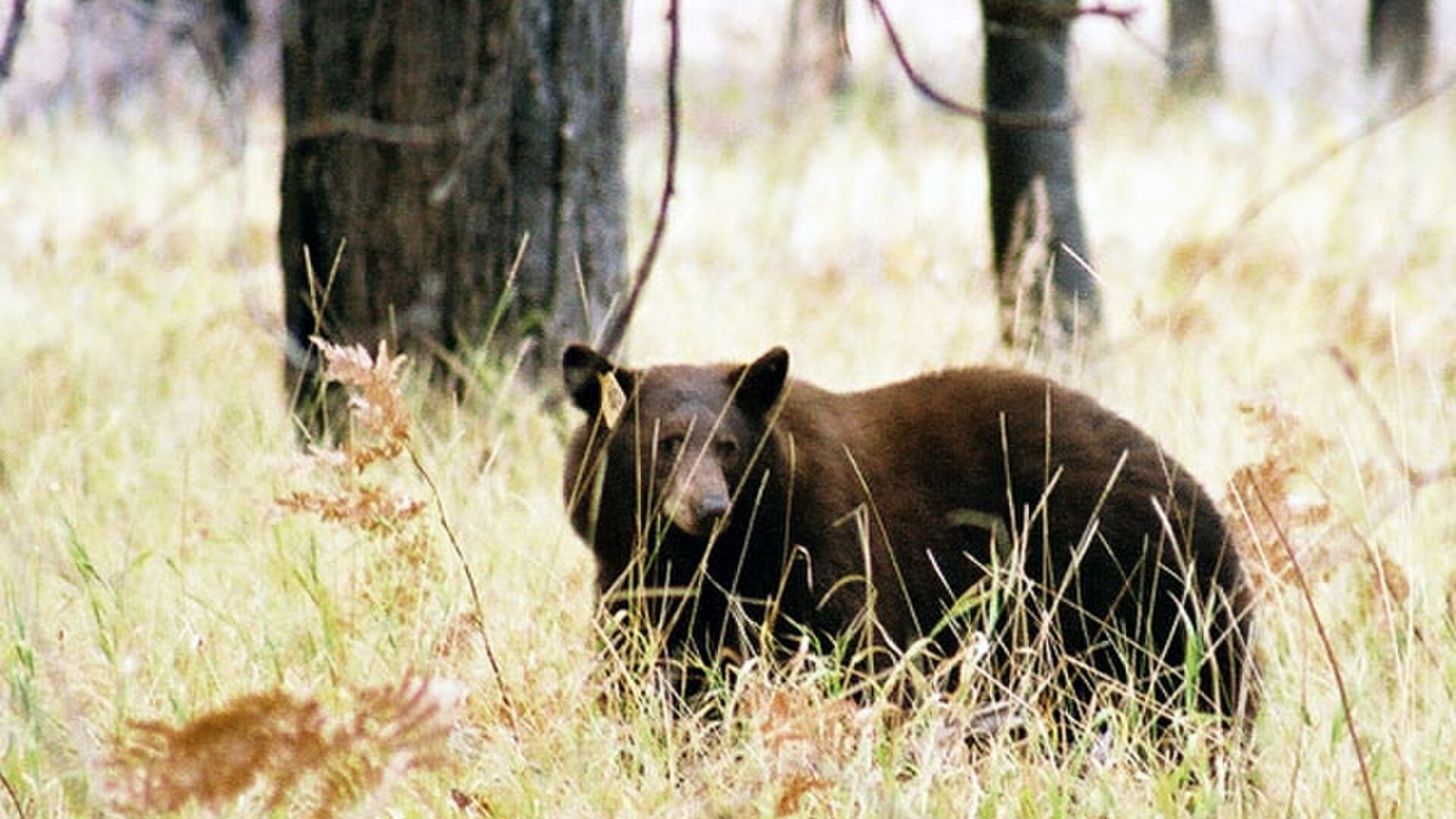
Between 2021 and 2023, break-ins blamed on a 500-pound bear called Hank the Tank prompted South Lake Tahoe to expand bear-proof dumpster rules. California officials used DNA forensics to identify Bear 64F across 21 break-ins, moving her to a Colorado sanctuary in 2023 while her cubs were later released.
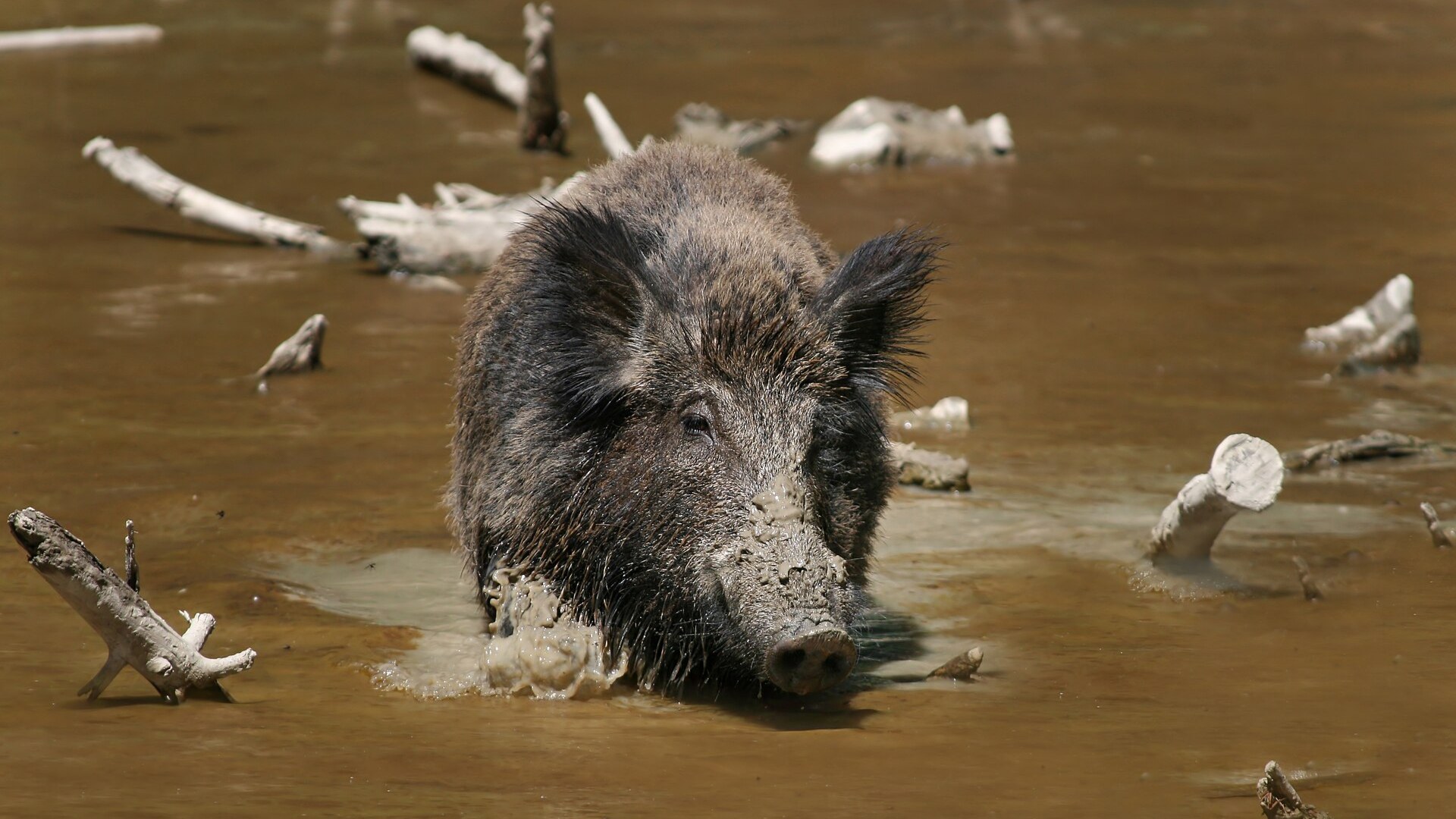
21. Hong Kong Urban Wild Boar Attacks
After a wild boar bit an auxiliary officer in Tin Hau in November 2021, Hong Kong's agriculture department ended its four-year capture, sterilize and release program for urban animals. Authorities began darting and euthanizing city-roaming boars while raising penalties for residents caught feeding them.
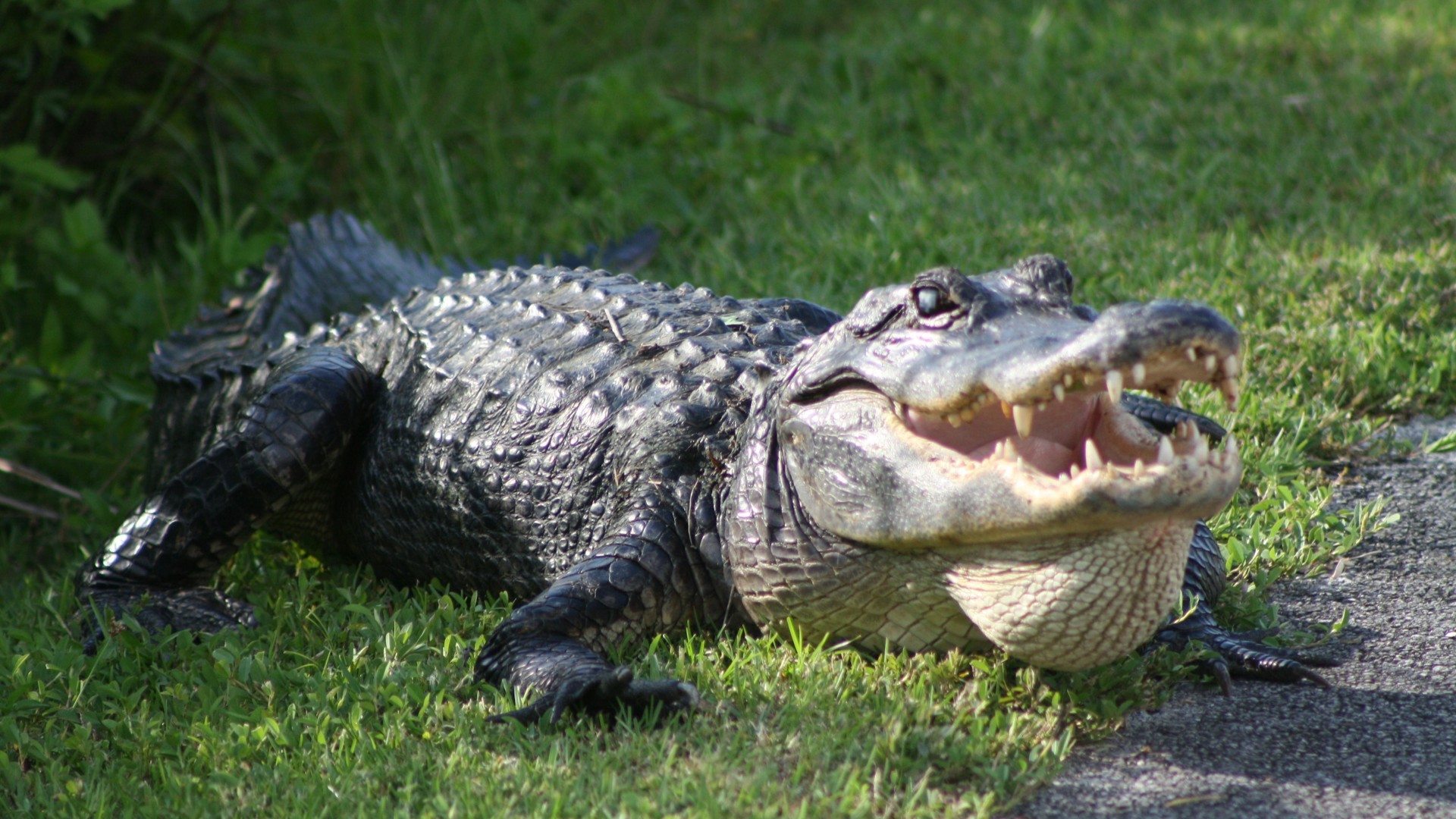
20. Seven Seas Lagoon Alligator Attack
Following the June 2016 death of two-year-old Lane Graves at Disney's Grand Floridian Resort, crews built stone retaining walls and rope fencing along resort beaches. Florida Fish and Wildlife Conservation Commission trappers also stepped up removals across Bay Lake and neighboring Orlando waterways.
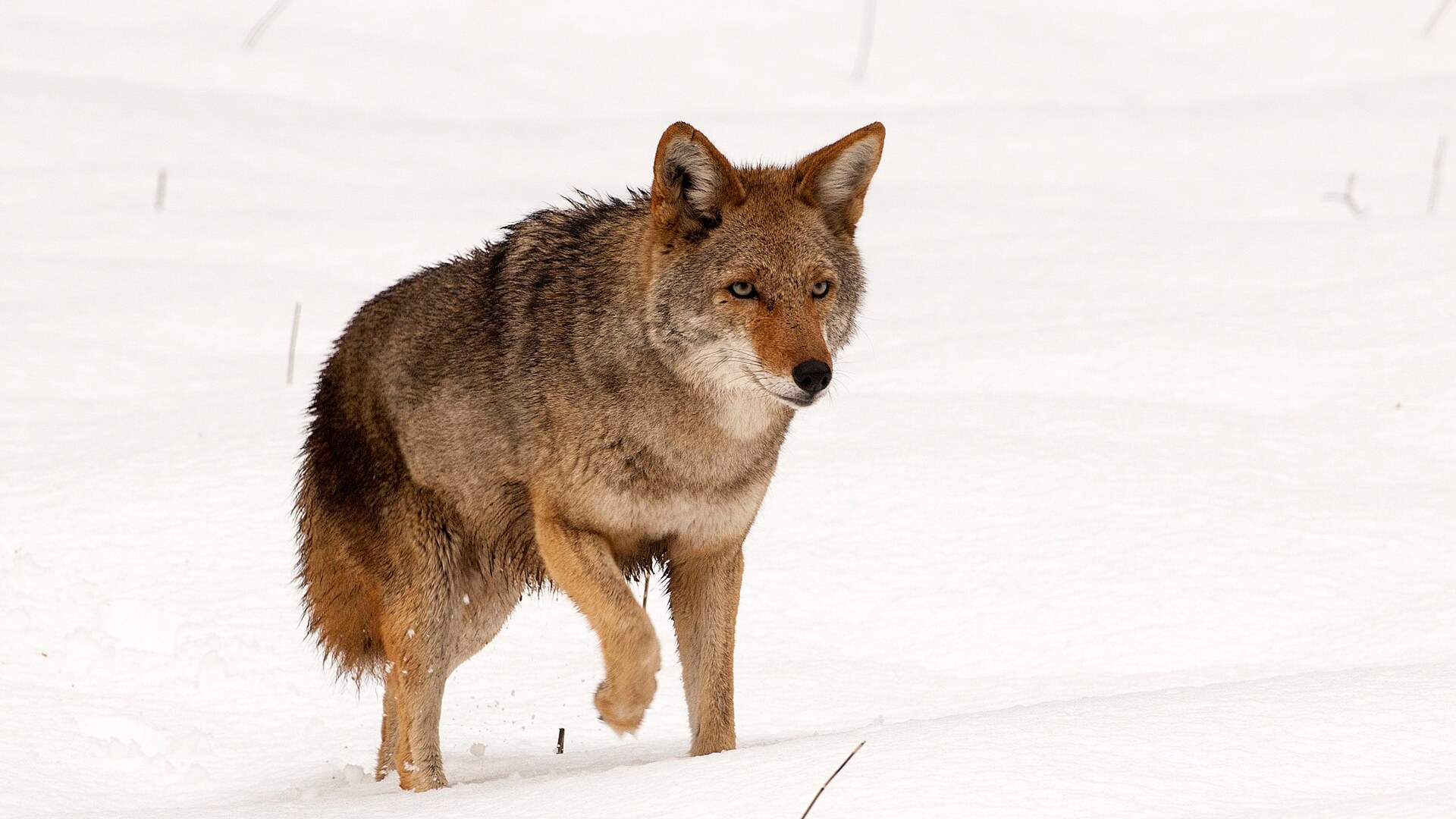
19. Stanley Park Coyote Attacks In Vancouver
Between December 2020 and September 2021, conservation officers logged 45 coyote attacks on joggers and visitors in Vancouver's Stanley Park. Investigators linked the aggression to illegal hand-feeding during pandemic crowds, leading officials to close trails at night and remove 11 habituated animals.
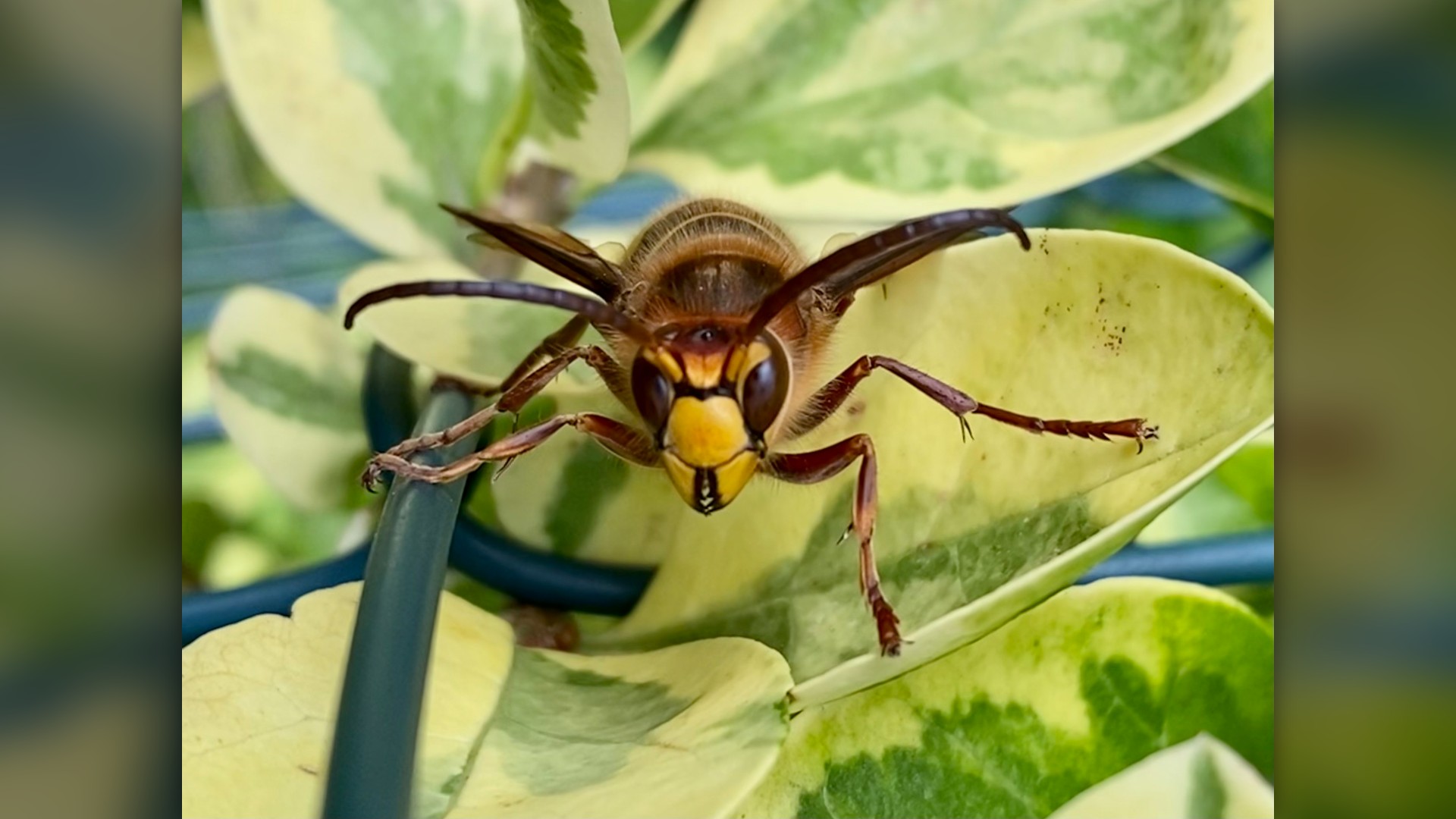
18. Northern Giant Hornet In Blaine, Washington
First spotted near Blaine in late 2019, northern giant hornets threatened Pacific Northwest honeybee colonies. State biologists attached radio trackers to captured hornets to locate and destroy four nests by 2021, and federal officials declared the species eradicated in December 2024 after three clean years.
17. New Delhi Rhesus Macaque Terrace Attacks
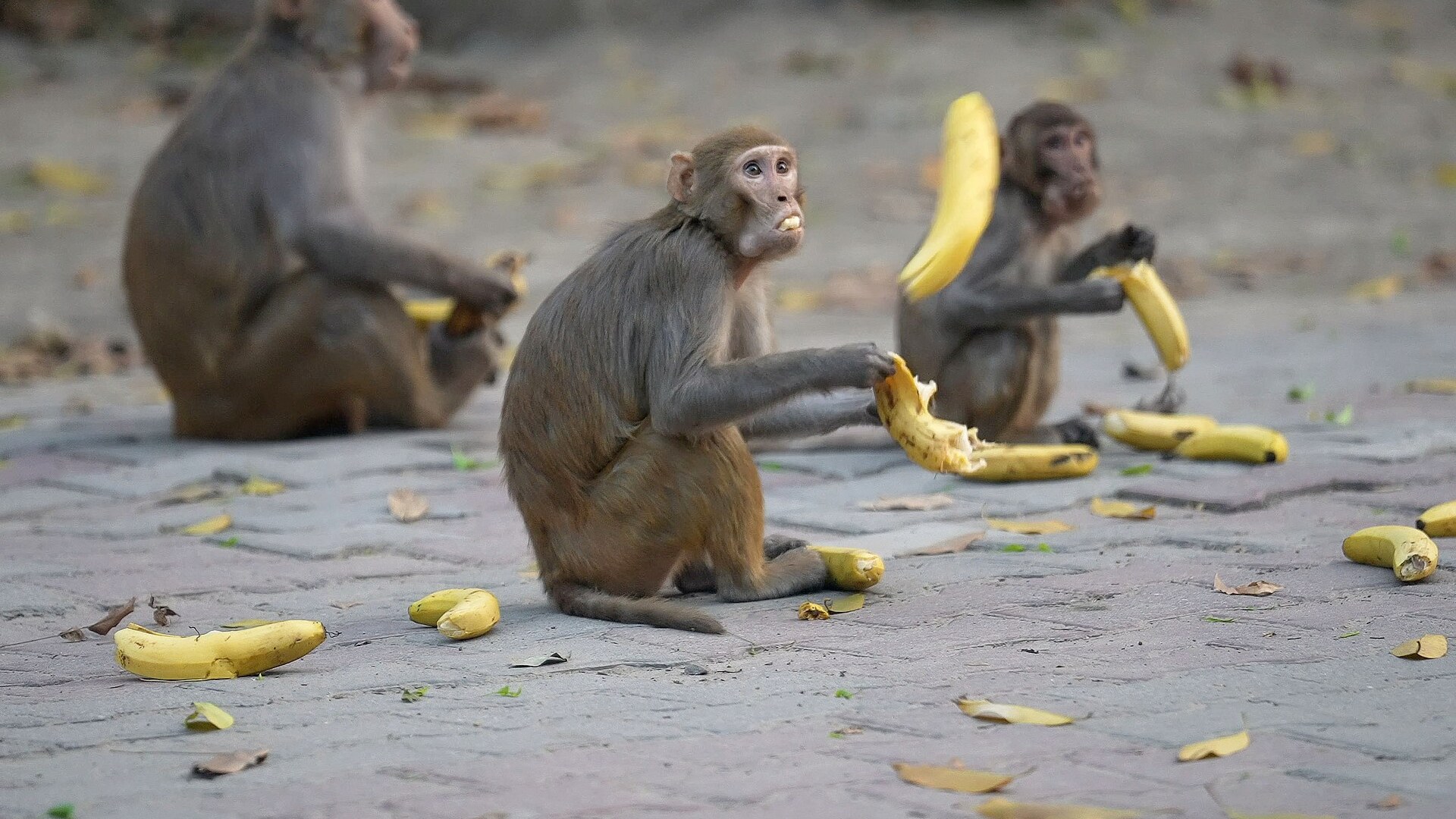
In October 2007, Deputy Mayor S.S. Bajwa fell from his terrace while fending off aggressive rhesus macaques in New Delhi. Municipal agencies expanded trained monkey-catching teams, moved thousands of primates to Asola Bhatti Wildlife Sanctuary and later turned to sterilization to curb urban troop growth.
16. Whiting Ranch Mountain Lion Attacks
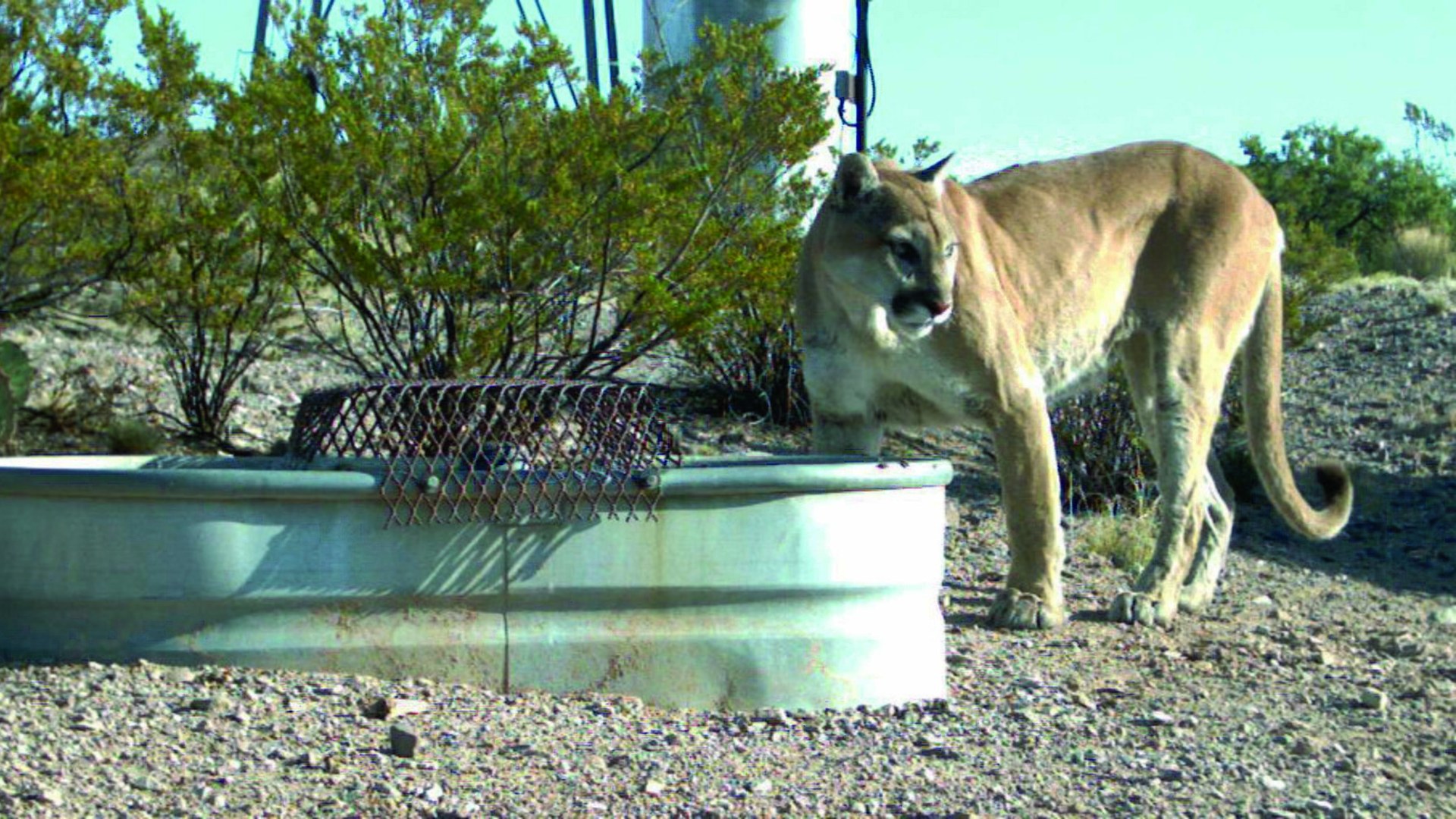
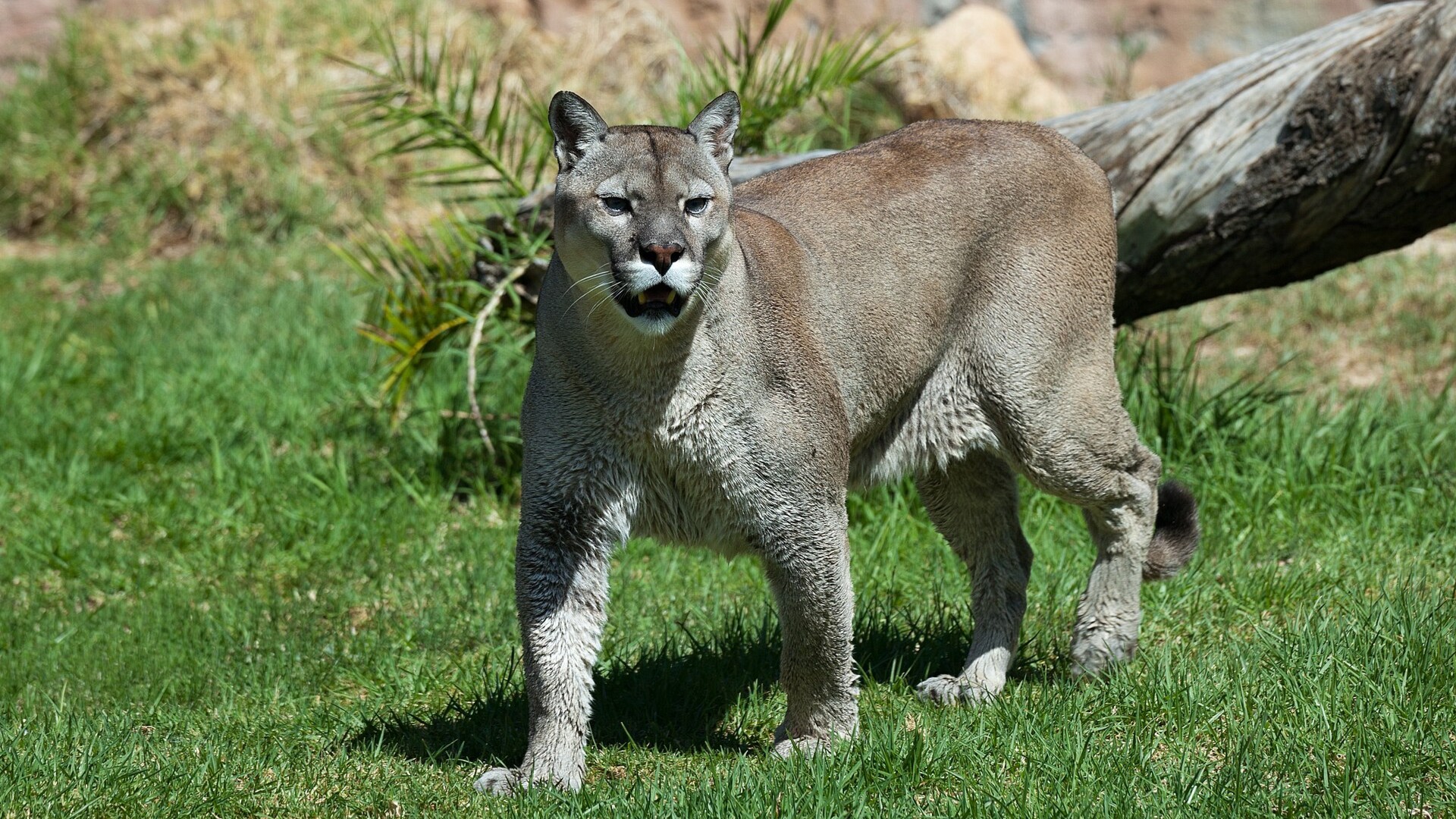
On January 8, 2004, a mountain lion killed cyclist Mark Reynolds and severely injured another rider hours later in Orange County's Whiting Ranch Wilderness Park. Officials shut the park for weeks, installed prominent trailhead cougar advisories and urged visitors never to hike or ride alone.
15. K'gari Dingo Attacks In Queensland
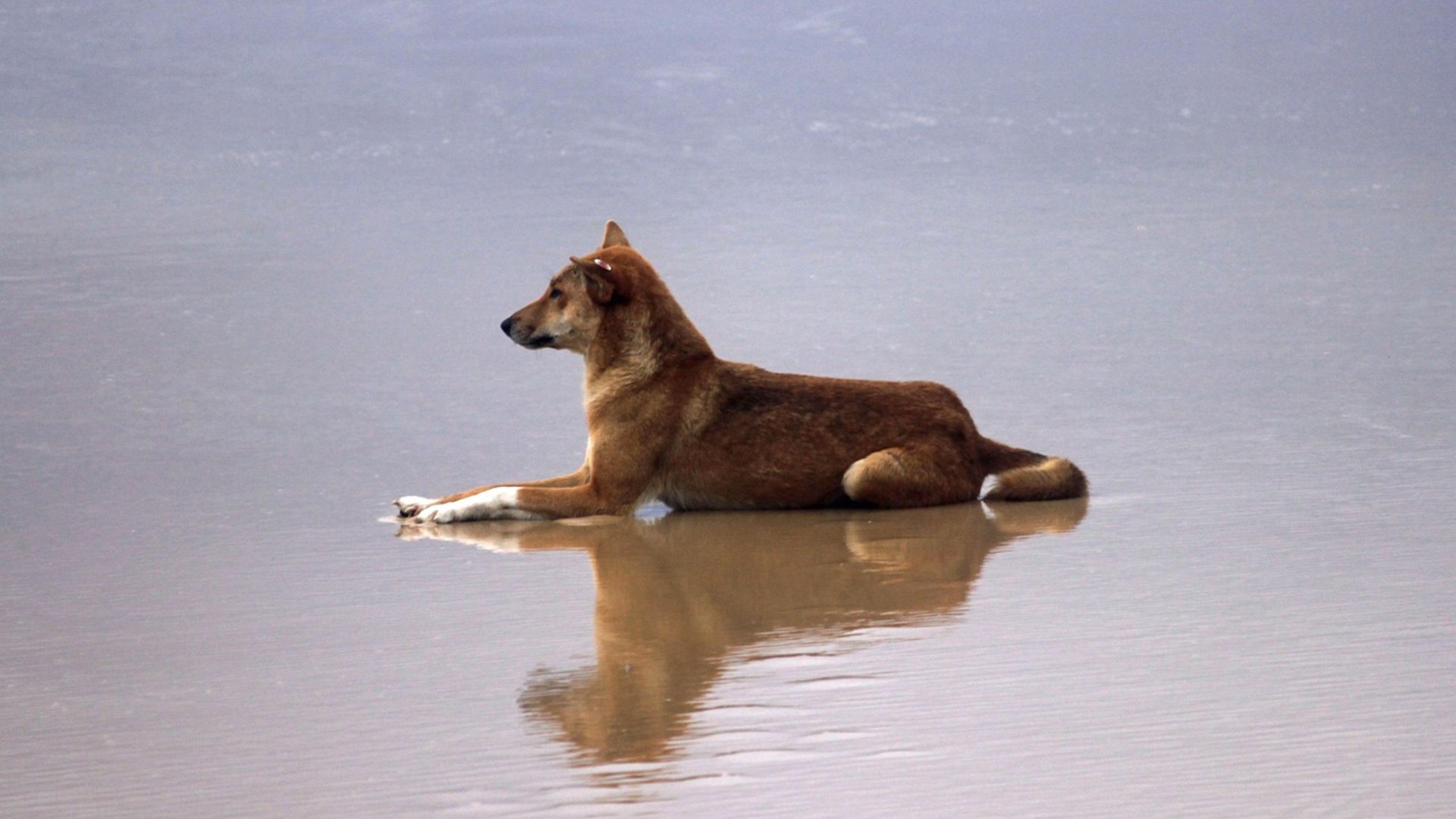
After nine-year-old Clinton Gage was killed by dingoes near Waddy Point in April 2001, Queensland rangers erected electric perimeter fences around major campsites on K'gari, formerly Fraser Island. Authorities also enforced stiff feeding fines and launched regular Be Dingo-Safe beach patrols.
14. Banff Bow Valley Food-Conditioned Wolves
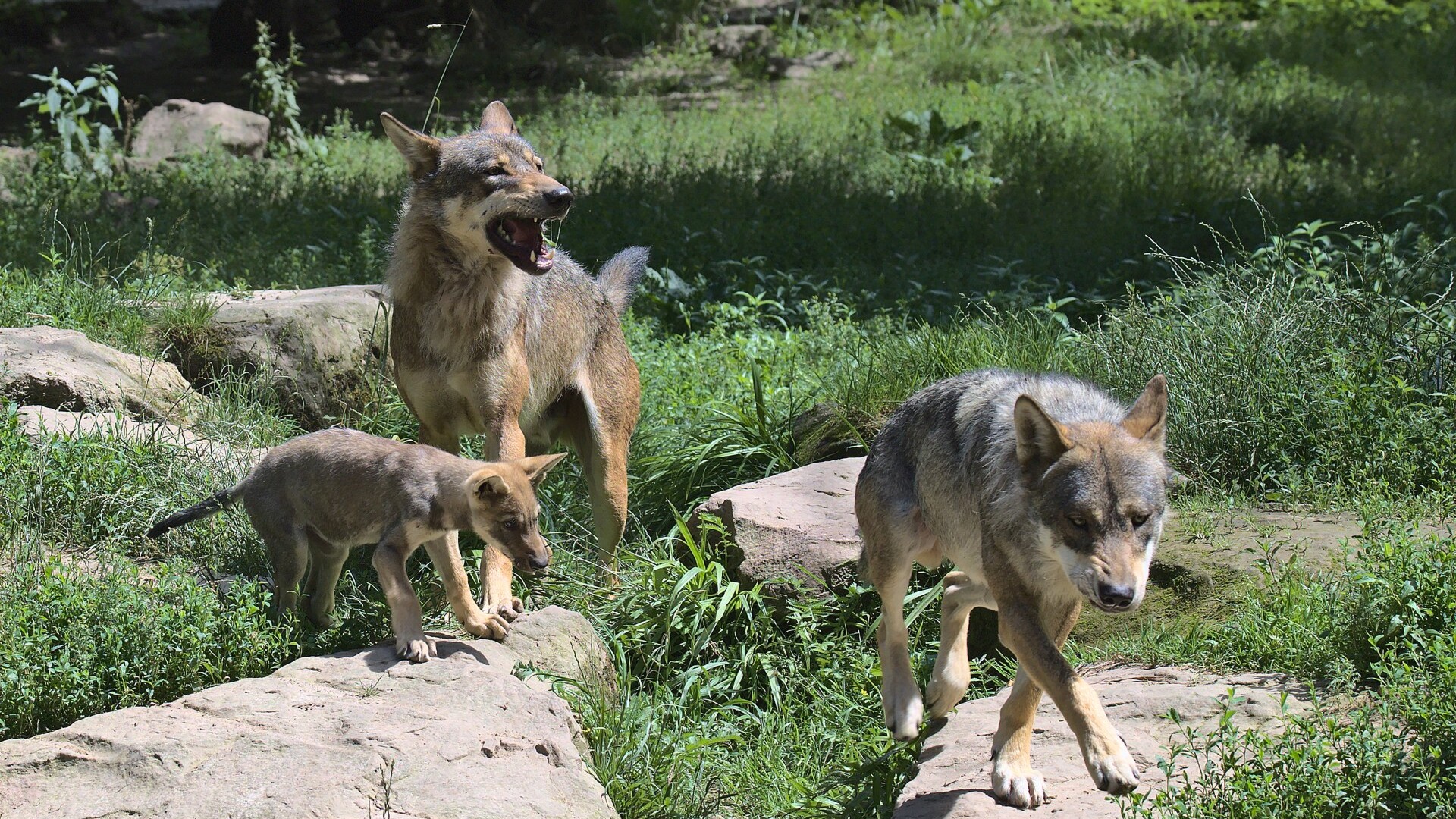
When two wolves in Banff's Bow Valley grew bold around campgrounds after eating unsecured human food in 2016, Parks Canada issued area closures and mandatory food-storage fines. Decades of wildlife fencing and vegetated overpasses along the Trans-Canada Highway also cut roadkills by over 80 percent.
13. Cape Town Peninsula Baboon Raids
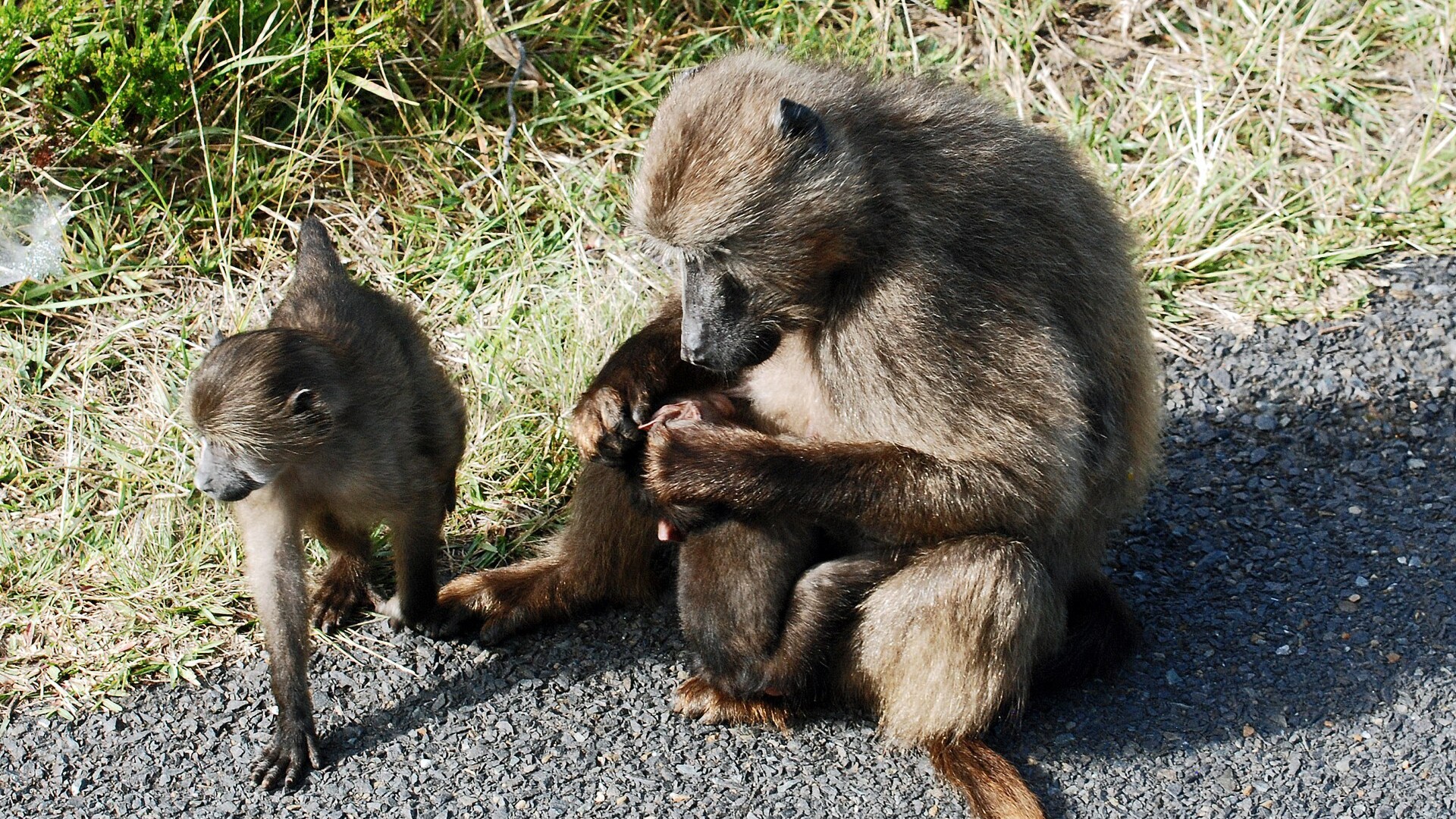
Chacma baboons raiding kitchens, cars and picnic tables around Cape Town prompted city officials and national park rangers to fund dedicated Baboon Management teams. Trained monitors track troops with non-lethal paintball markers and audible alerts to steer hungry baboons away from residential streets.
12. Mumbai Sanjay Gandhi National Park Leopards
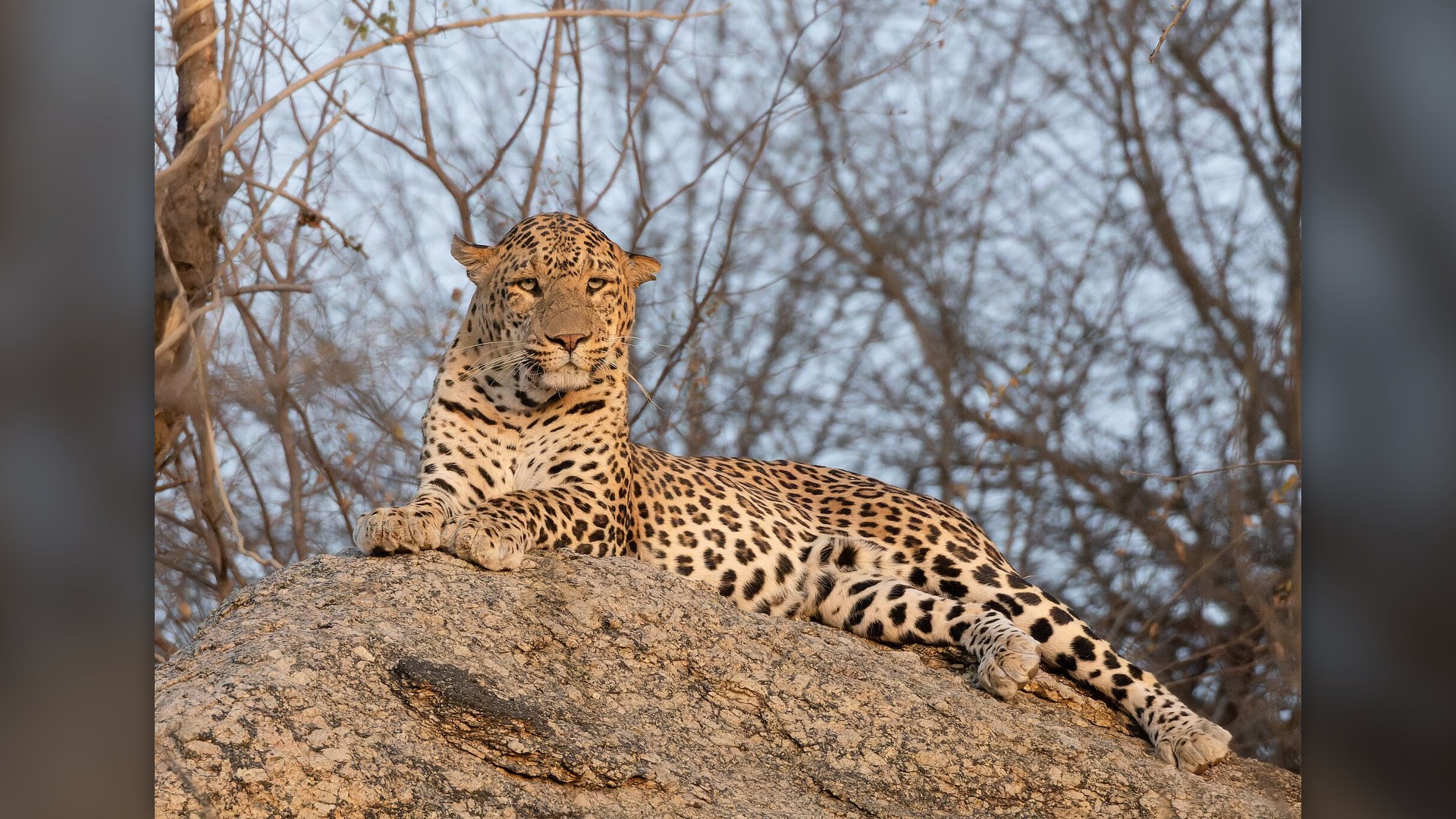
More than a dozen fatal leopard encounters near Sanjay Gandhi National Park in 2004 showed officials that trapping and moving big cats often worsened conflict. Forest managers teamed with scientists and volunteers under Mumbaikars for SGNP to clear open garbage, light alleyways and teach safe habits.
11. Ballard Locks Sea Lion Predation In Seattle
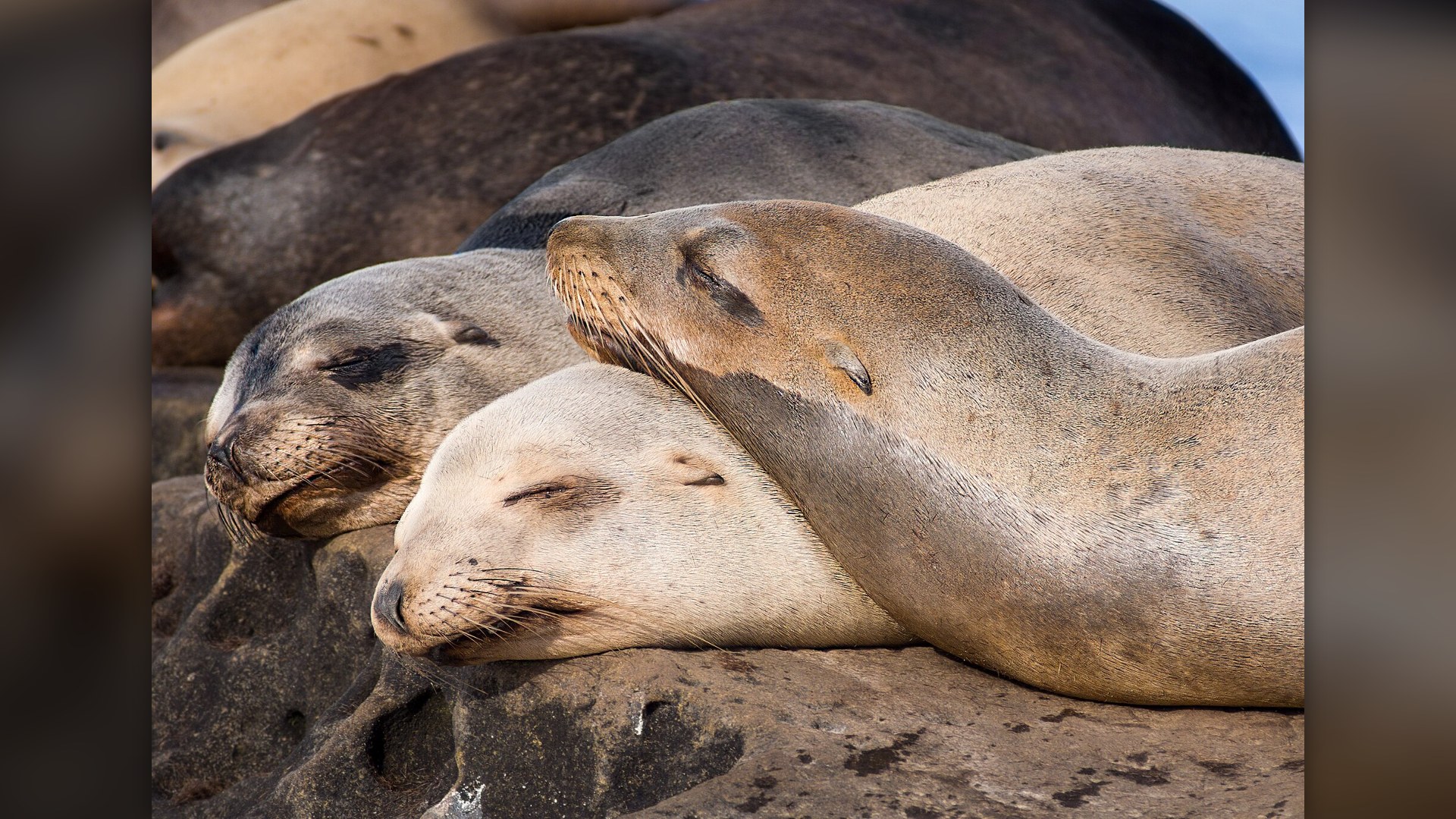
Through the 1980s, a bull California sea lion named Herschel and his peers camped outside Seattle's Ballard Locks fish ladder, eating much of the Lake Washington winter steelhead run. After acoustic alarms and fake orcas failed, Congress amended the Marine Mammal Protection Act in 1994 to permit removals.
10. Rocky Mountain National Park Elk Rut
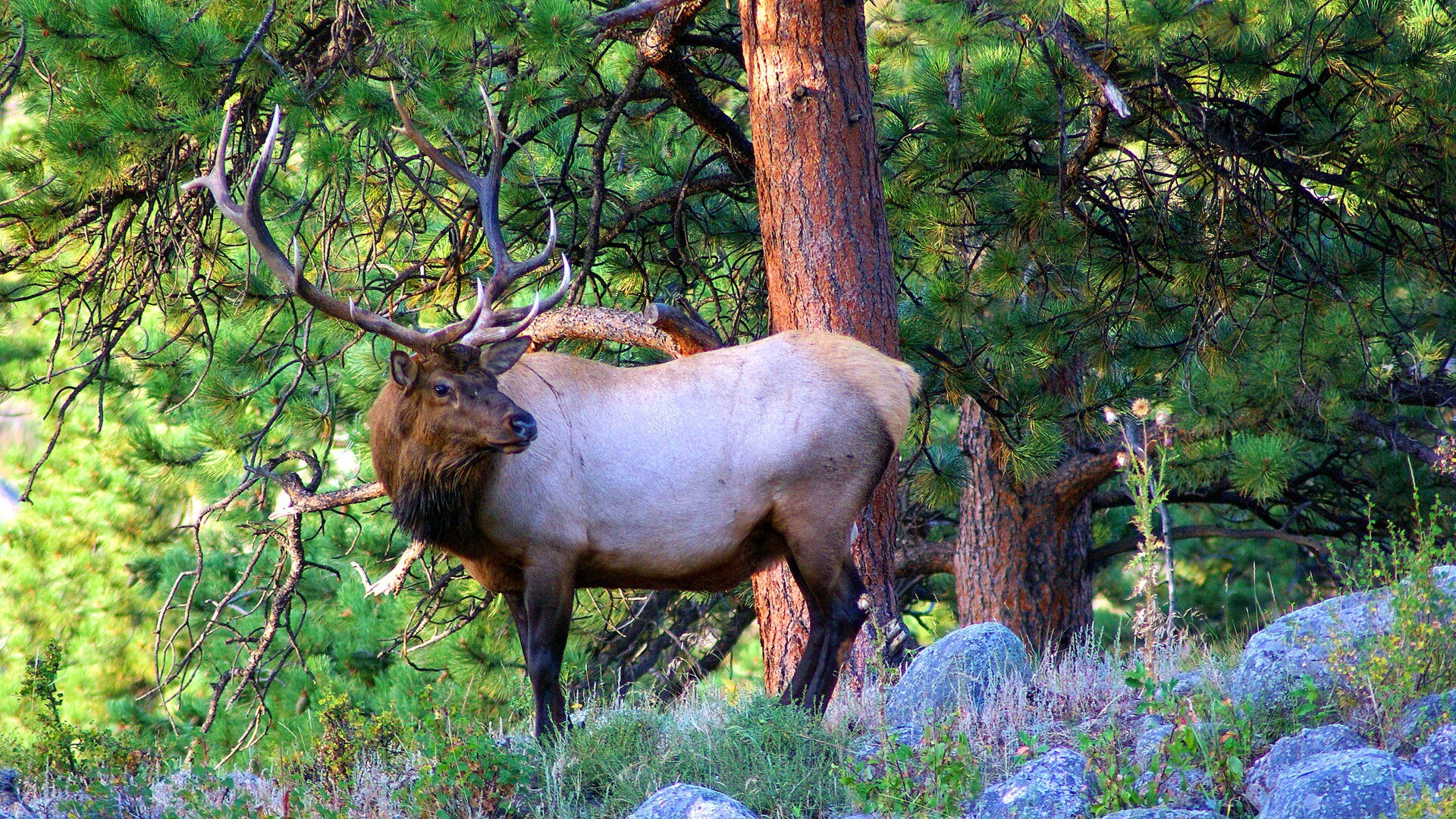
Every autumn, hundreds of elk gather in Rocky Mountain National Park meadows, drawing crowds that once sparked dangerous charges and traffic jams. Since 1990, the park's volunteer Elk Bugle Corps has patrolled viewing areas during the fall rut to keep visitors at least 25 yards back.
9. Churchill Polar Bear Holding Facility
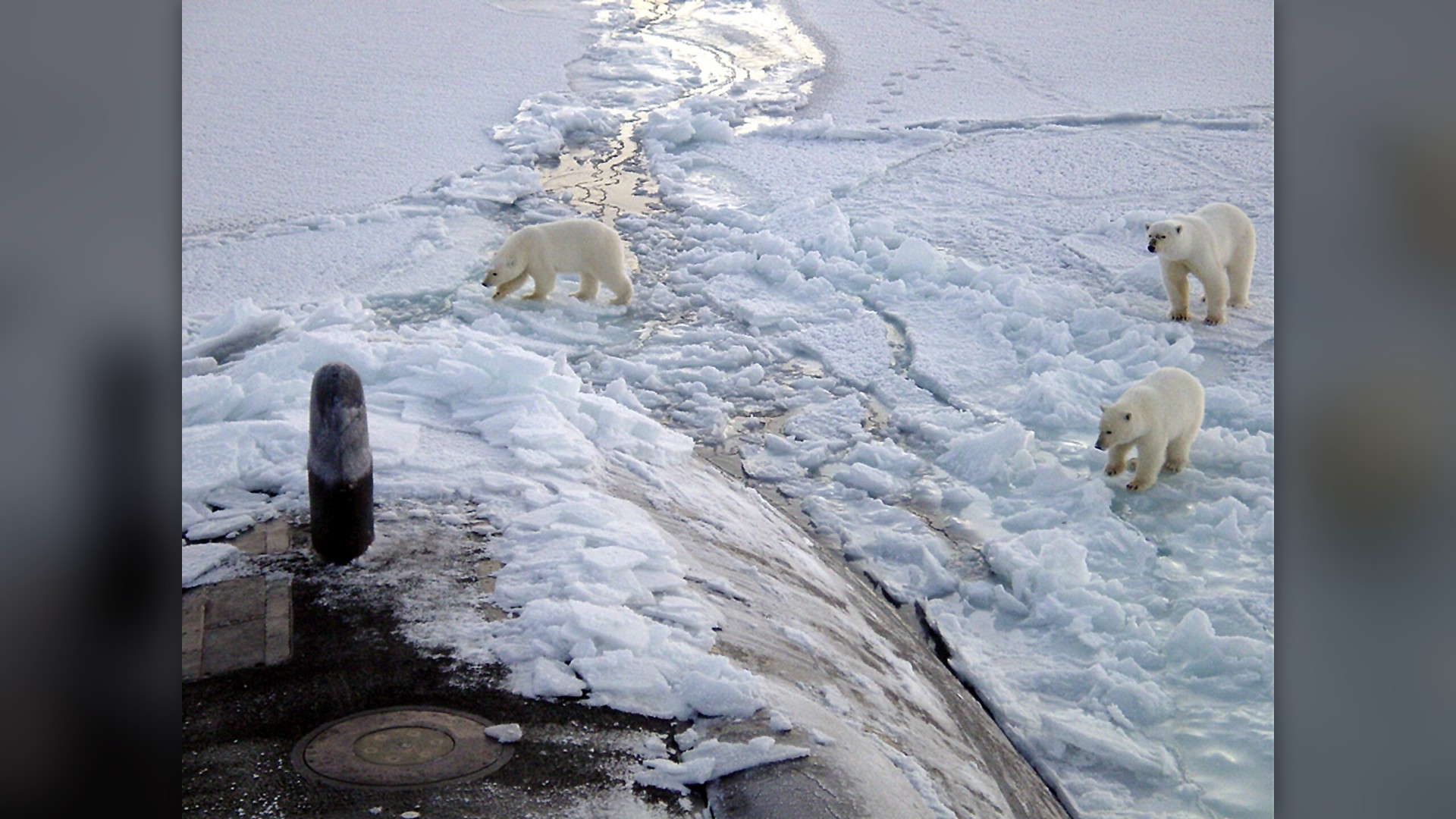
When a hungry polar bear killed a resident in downtown Churchill in November 1983, Manitoba created the Polar Bear Alert Program with round-the-clock patrols and Halloween safety sweeps. Problem bears waiting for Hudson Bay sea ice to freeze are held in a concrete facility before helicopter airlift.
8. Darwin Harbour Saltwater Crocodile Resurgence
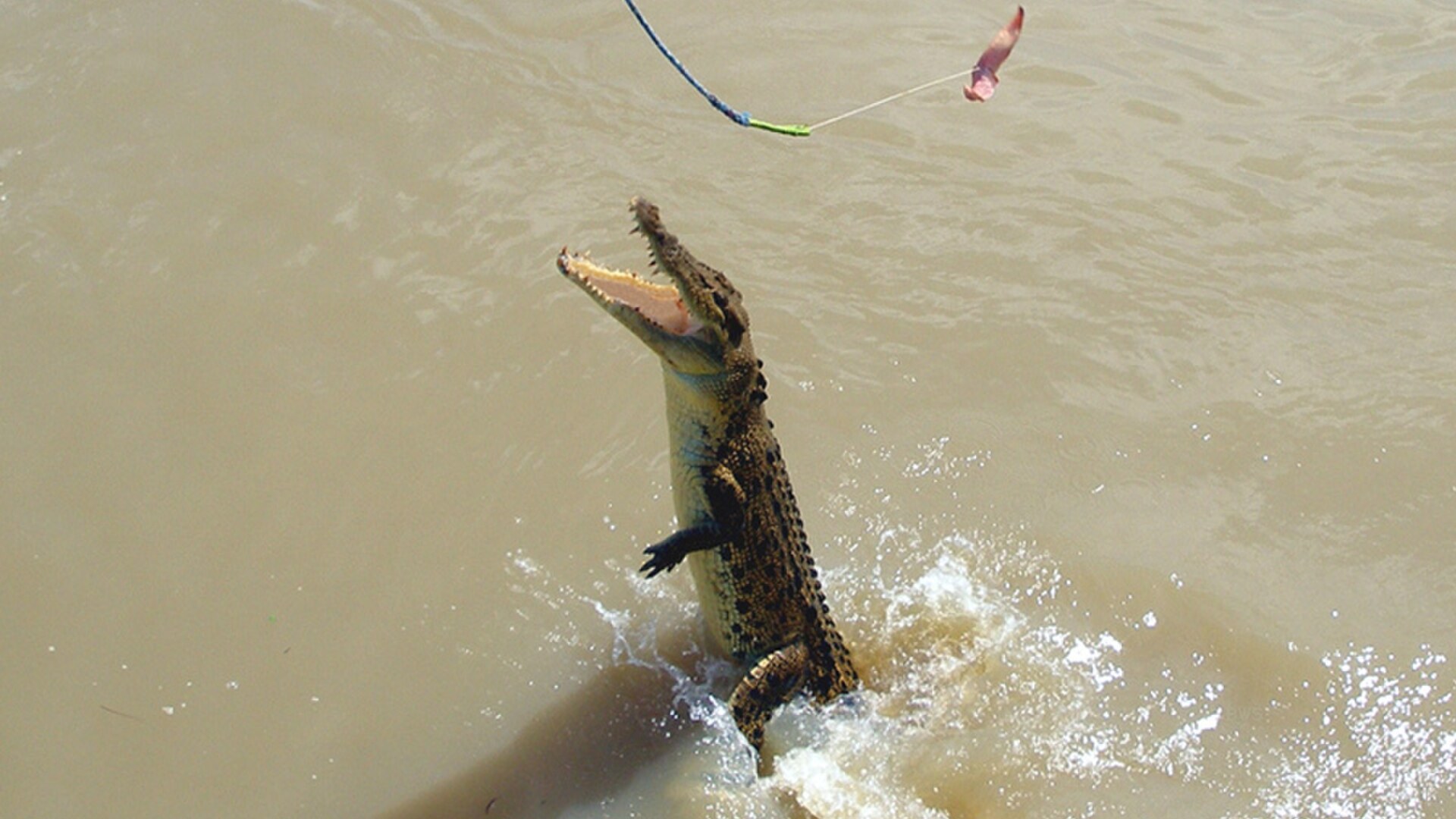
After the Northern Territory banned saltwater crocodile hunting in June 1971, populations recovered from roughly 3,000 animals to over 100,000 adults. Rising encounters near boats and beaches prompted wildlife teams to run floating cage traps across Darwin Harbour alongside the Be Crocwise campaign.
7. Everglades Burmese Python Invasion
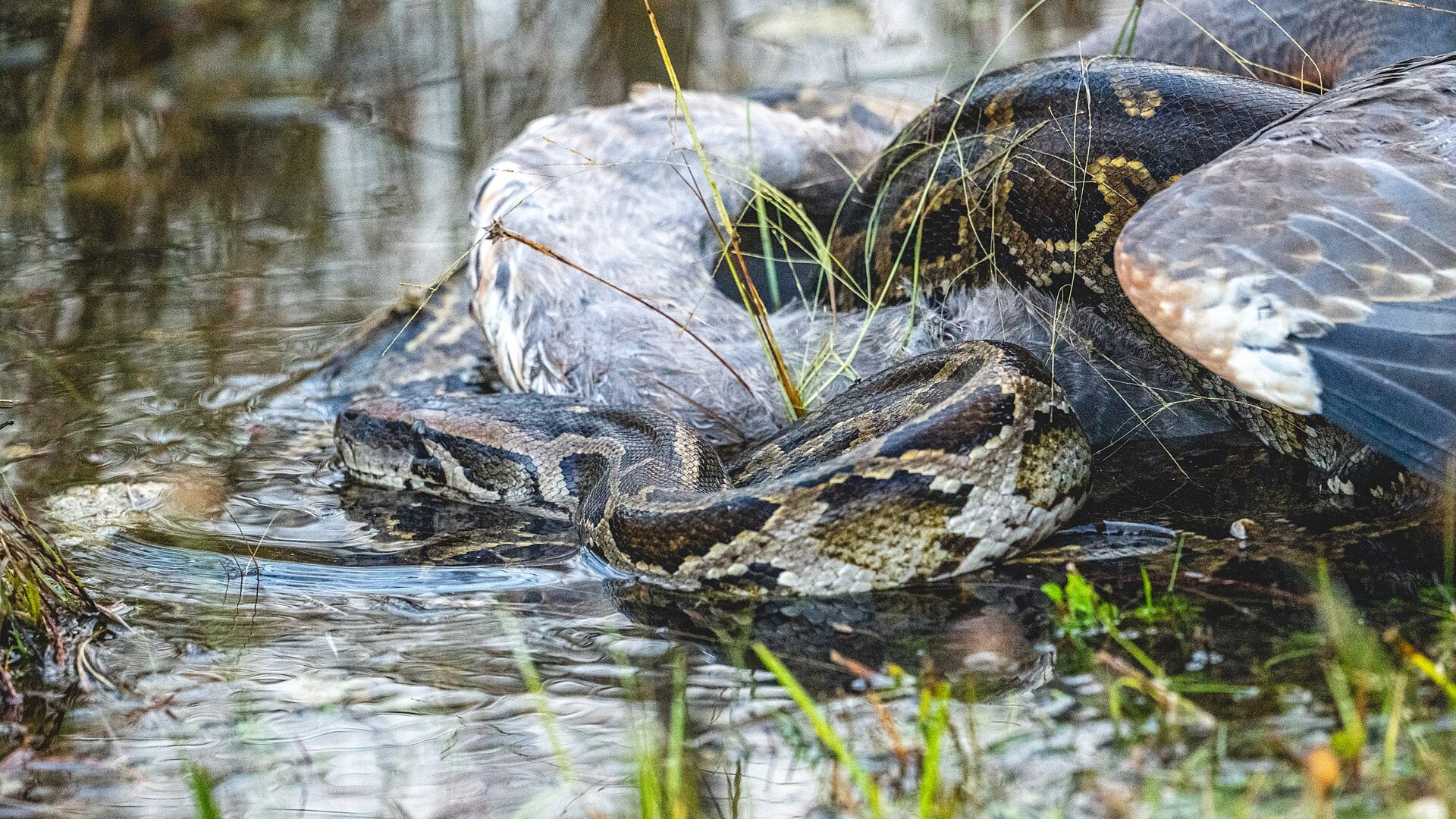
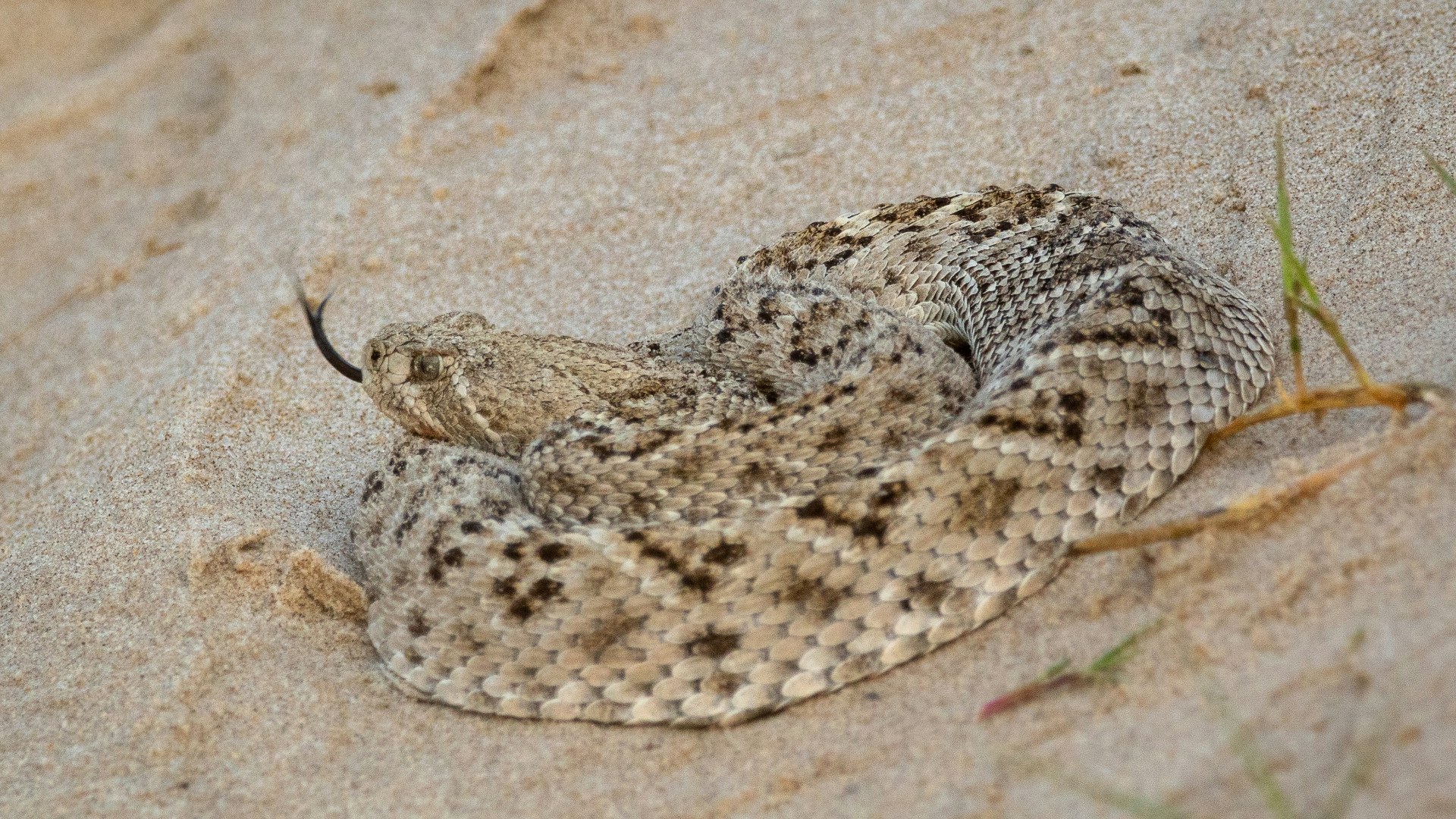
A 2012 scientific study linked Everglades Burmese pythons to drops exceeding 90 percent in local raccoon, opossum and bobcat sightings. Florida wildlife officials responded by launching the Florida Python Challenge in 2013 and hiring trained contractors to hunt invasive snakes along levee roads.
6. P-22 Mountain Lion In Los Angeles
In 2012, camera traps confirmed young cougar P-22 had crossed both the I-405 and US-101 freeways to reach Griffith Park. Though P-22 died in December 2022, his isolated life helped fund the Wallis Annenberg Wildlife Crossing at Liberty Canyon, set to open in December 2026 over ten lanes of traffic.
5. US Airways Flight 1549 Bird Strike
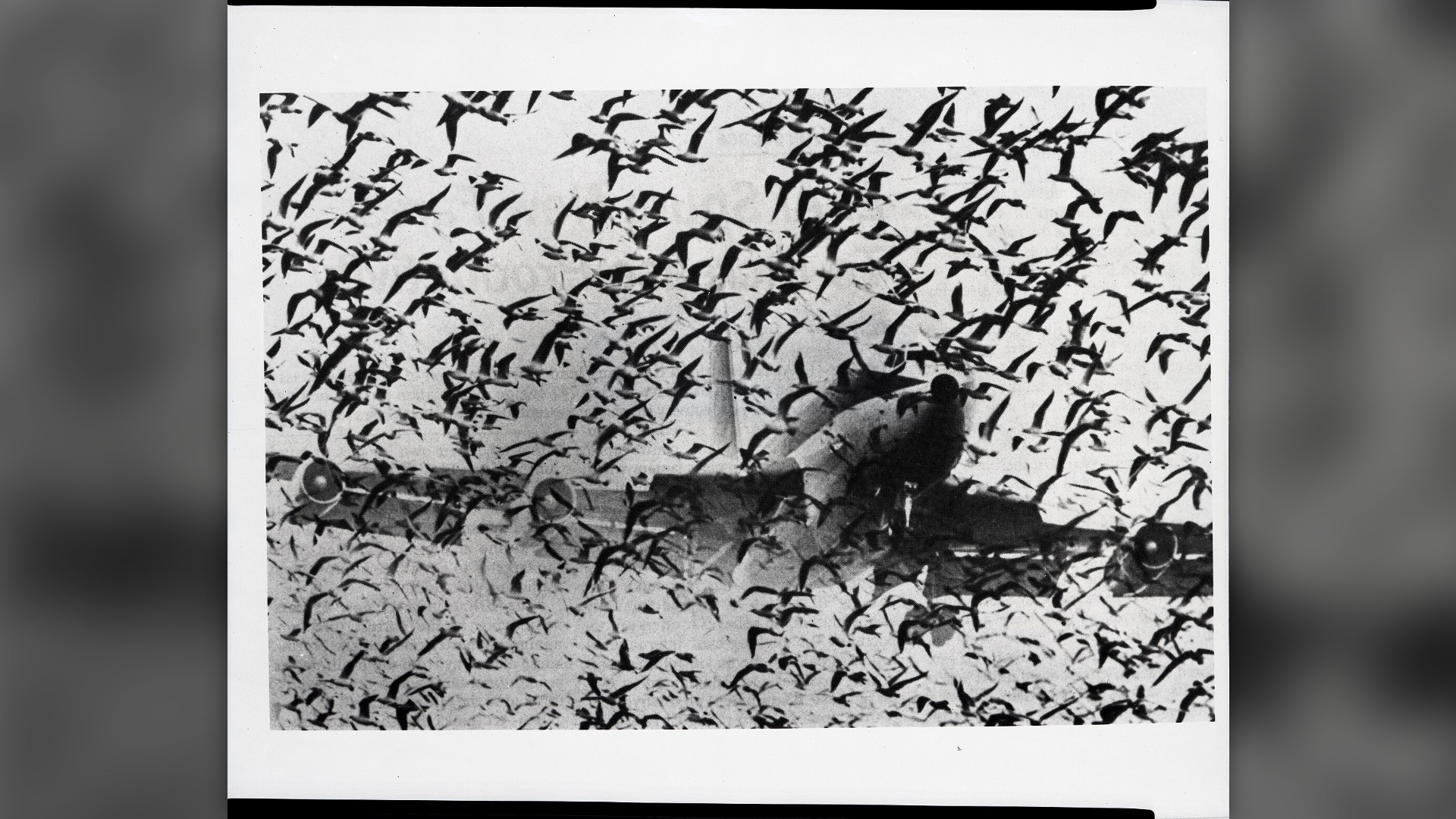
Minutes after lifting off from LaGuardia on January 15, 2009, Flight 1549 struck a flock of migratory Canada geese and lost both engines before landing safely on the Hudson River. Federal and city agencies expanded airport avian radar, habitat changes and goose management across New York City.
4. Sydney Beach Shark Attacks And 1937 Nets
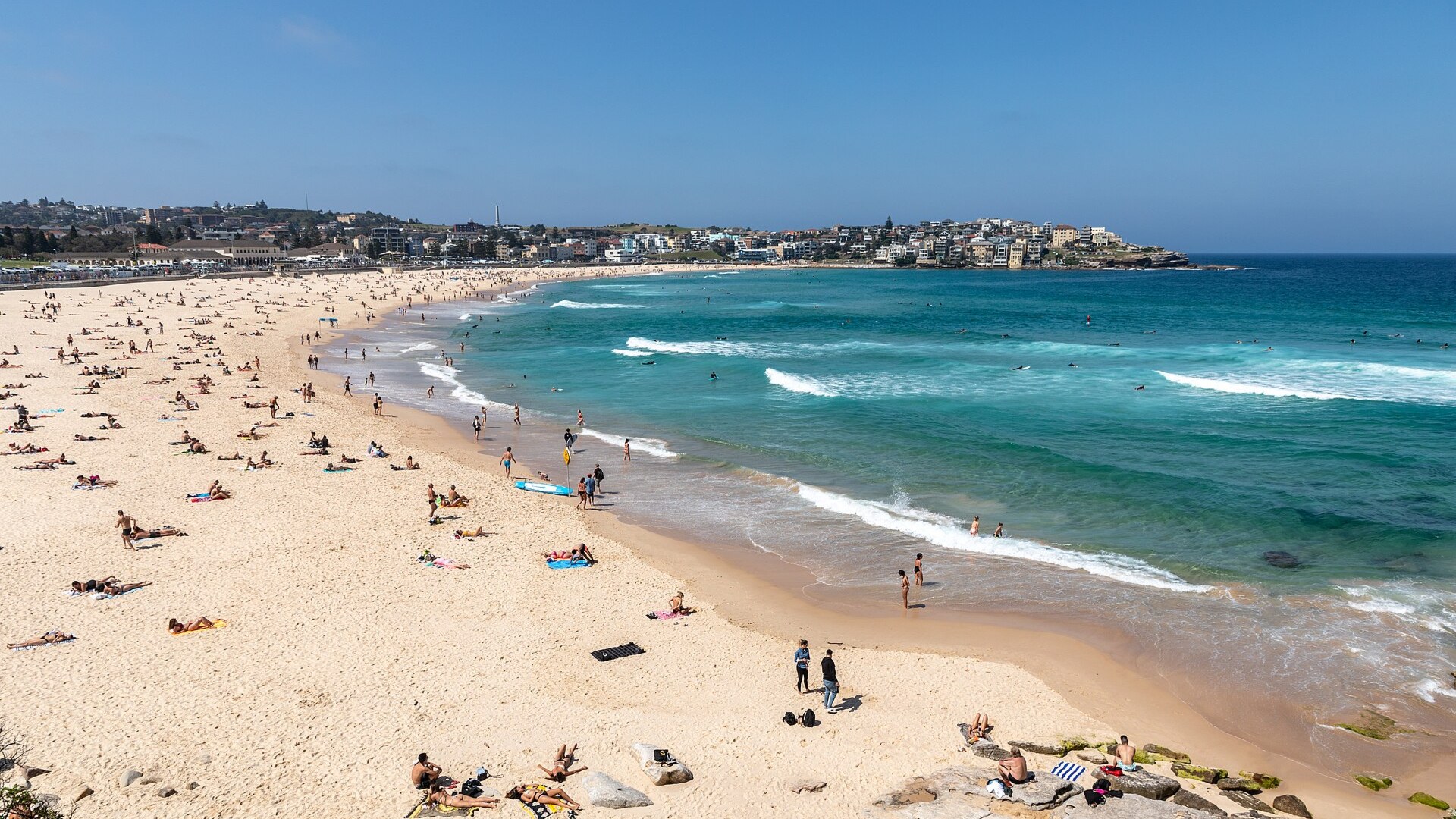
Following a wave of fatal shark bites off Bondi, Coogee and nearby beaches, New South Wales launched its Shark Meshing Program in October 1937. Today, Australia's oldest ongoing bather protection program pairs coastal monitoring with drones and SMART drumlines to reduce non-target marine bycatch.
3. 1916 Jersey Shore Shark Attacks
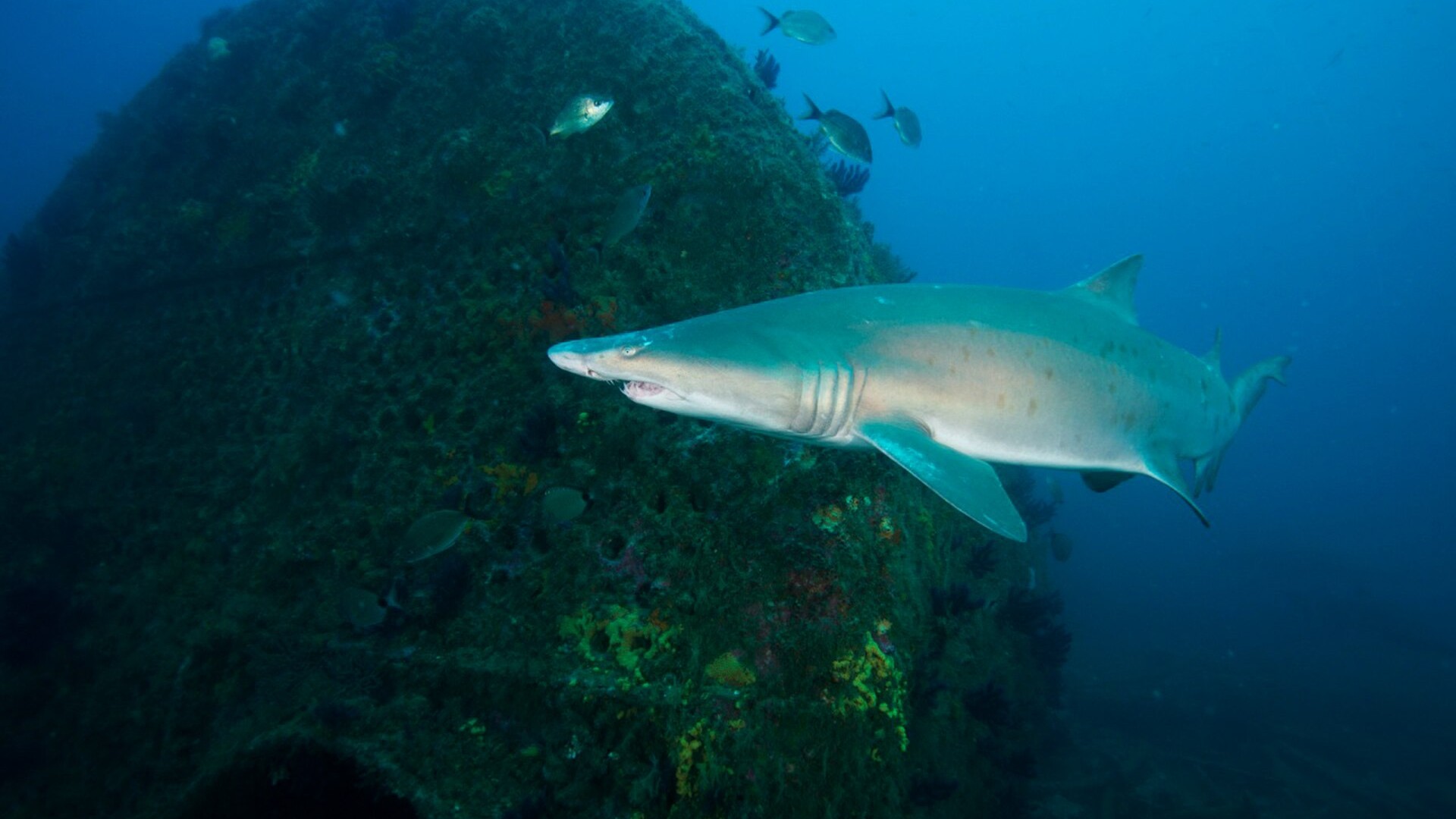
In July 1916, shark attacks at Beach Haven, Spring Lake and Matawan Creek killed four swimmers and shocked scientists who once doubted sharks attacked people in cool northern waters. Towns strung steel wire barriers across bathing beaches, armed boat patrols and posted lifeguards on high towers.
2. Yellowstone Bison Gorings And Distance Rules
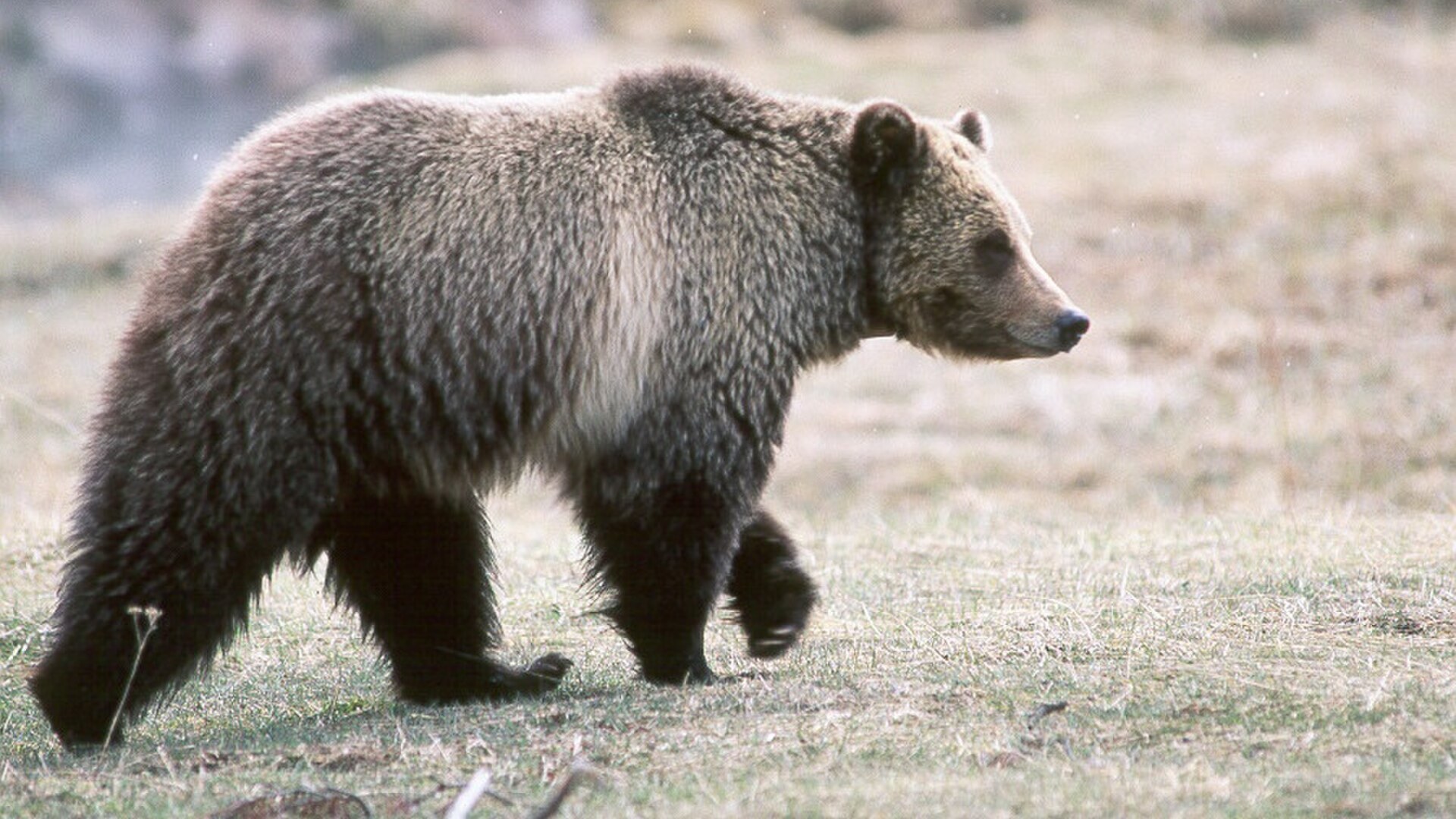
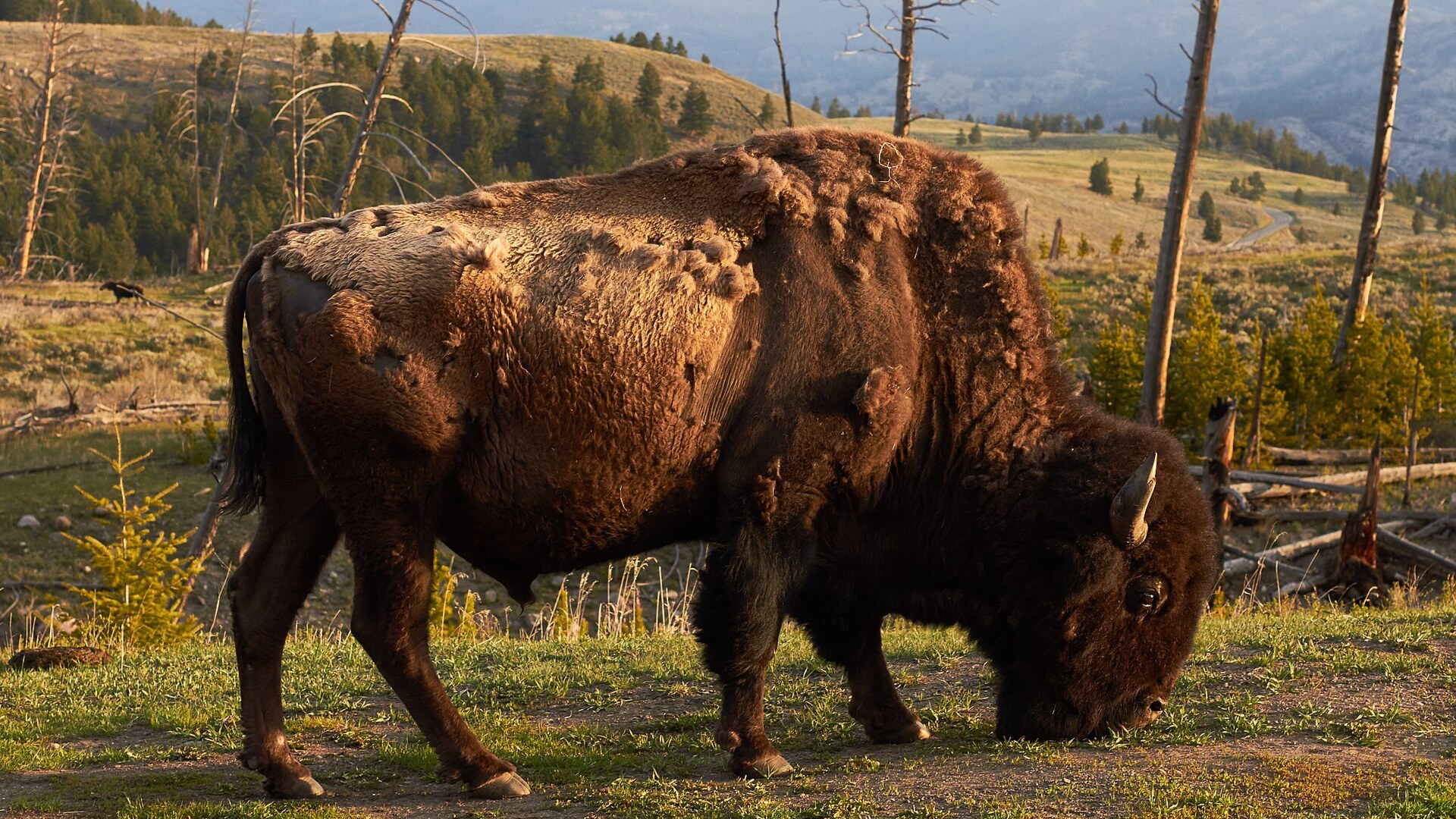
Bison injure more visitors in Yellowstone National Park than any other animal, often when crowds gather for photos on boardwalks and roads. Park rules require people to stay at least 25 yards from bison and elk and 100 yards from bears and wolves, with violators facing citations and court fines.
1. Glacier National Park 1967 Night Of The Grizzlies
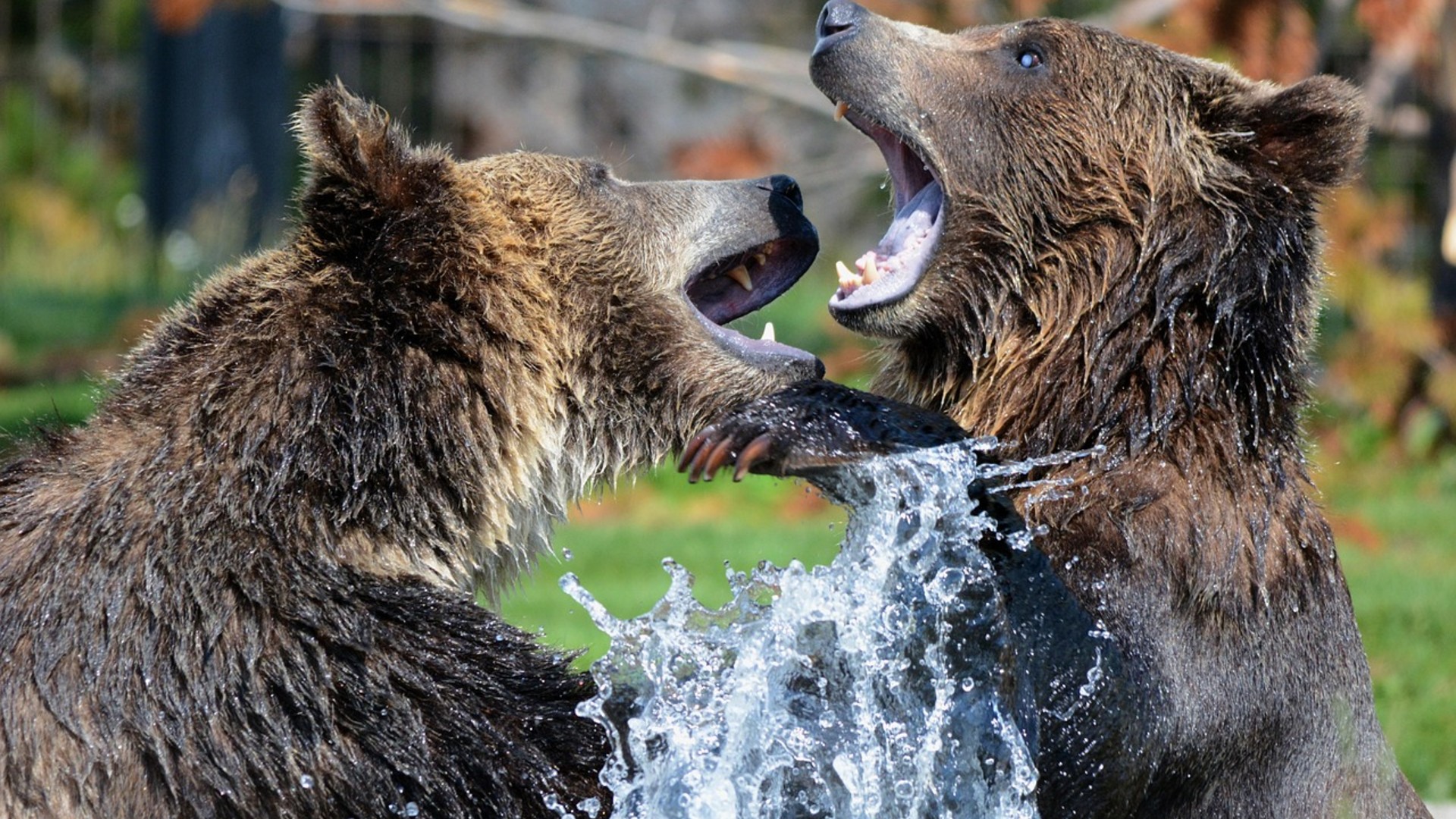
On August 13, 1967, food-habituated grizzlies killed two campers in separate attacks near Granite Park Chalet and Trout Lake in Glacier National Park. The tragedy pushed the National Park Service to shut down open garbage dumps across Glacier and Yellowstone and establish modern bear-smart rules.