Slideshow · Science
20 Everyday Household Items That Were Invented by Accident
From kitchen cupboards to medicine cabinets, common household staples often exist because an experiment went off course. Discover twenty familiar items originally developed as military hardware, failed industrial materials, or kitchen mishaps, ranked by how deeply their accidental creation reshaped daily life.
By Most Viral Today
47 min ago

20 Everyday Household Items Invented by Accident 
20. Silly String 
19. Aluminum Foil 
18. Cellophane - AdvertisementSwipe or tap ▶ to continue countdown

17. Tea Bags 
16. Coffee Filters 
15. Safety Pins 
14. Saccharin - AdvertisementSwipe or tap ▶ to continue countdown

13. Bakelite 
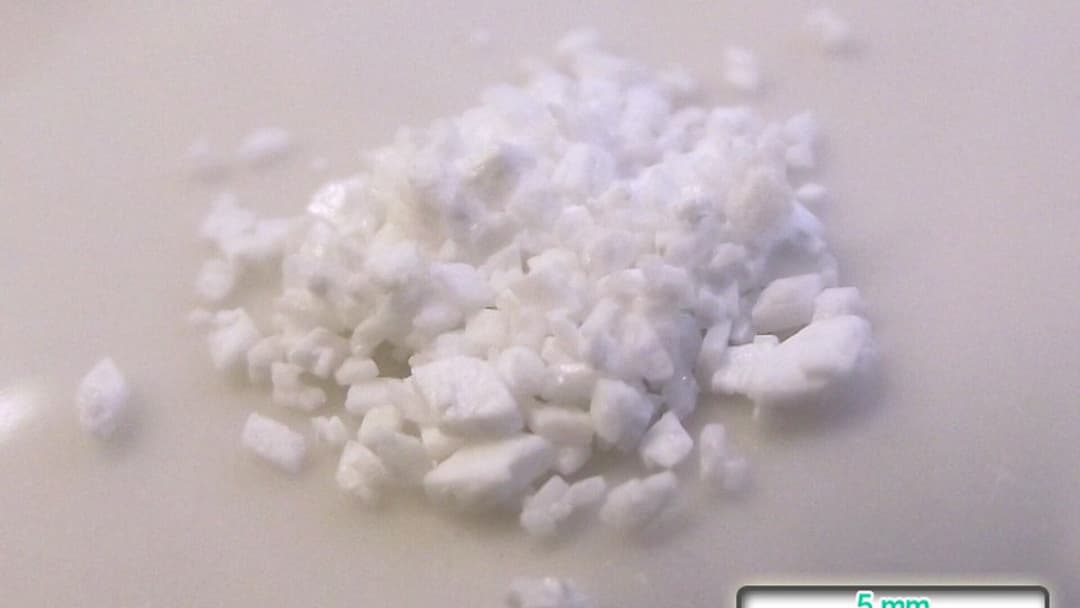
12. Pyrex Glassware 
11. Vulcanized Rubber 
10. Smoke Detectors - AdvertisementSwipe or tap ▶ to continue countdown

9. Ice Cream Cones 
8. Petroleum Jelly 
7. Mauveine Dyes 
6. Stainless Steel - AdvertisementSwipe or tap ▶ to continue countdown

5. Post It Notes 
4. Chocolate Chip Cookies 
3. Teflon 
2. Velcro - AdvertisementSwipe or tap ▶ to continue countdown

1. Microwave Oven - Advertisement🔥 UP NEXT IN THIS SERIES◫ 21 Slides

20 Countries With the Most Earthquakes, Ranked
Discover the 20 countries with the most earthquakes ranked by scientific monitoring records from global geological surveys. From the volatile Pacific Ring of Fire to complex continental fault lines, explore where tectonic forces collide and exactly where the United States lands among the most shaken nations.
Every room in modern homes holds items that were never supposed to exist. Scientists seeking weapons, chemists cleaning cookware, and cooks improvising treats created our daily tools by luck. Based on records from the Smithsonian Institution, the Science History Institute, and reporting from the BBC and Reuters.
Swipe or tap ▶ to begin the countdown
©Wikimedia / Dinkun Chen & Wikimedia / MarkBuckawicki
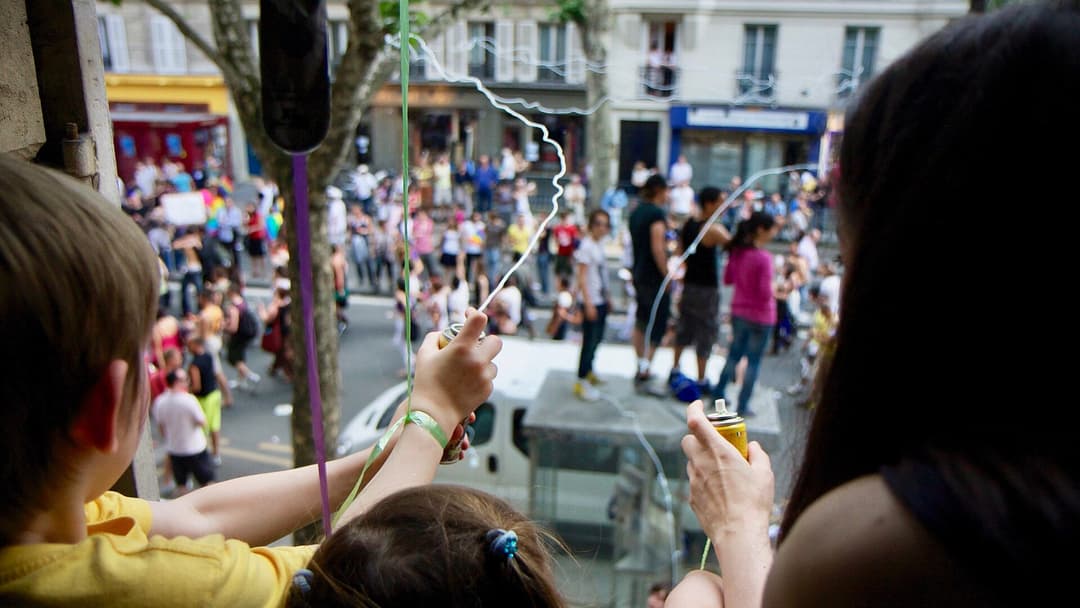
20. Silly String
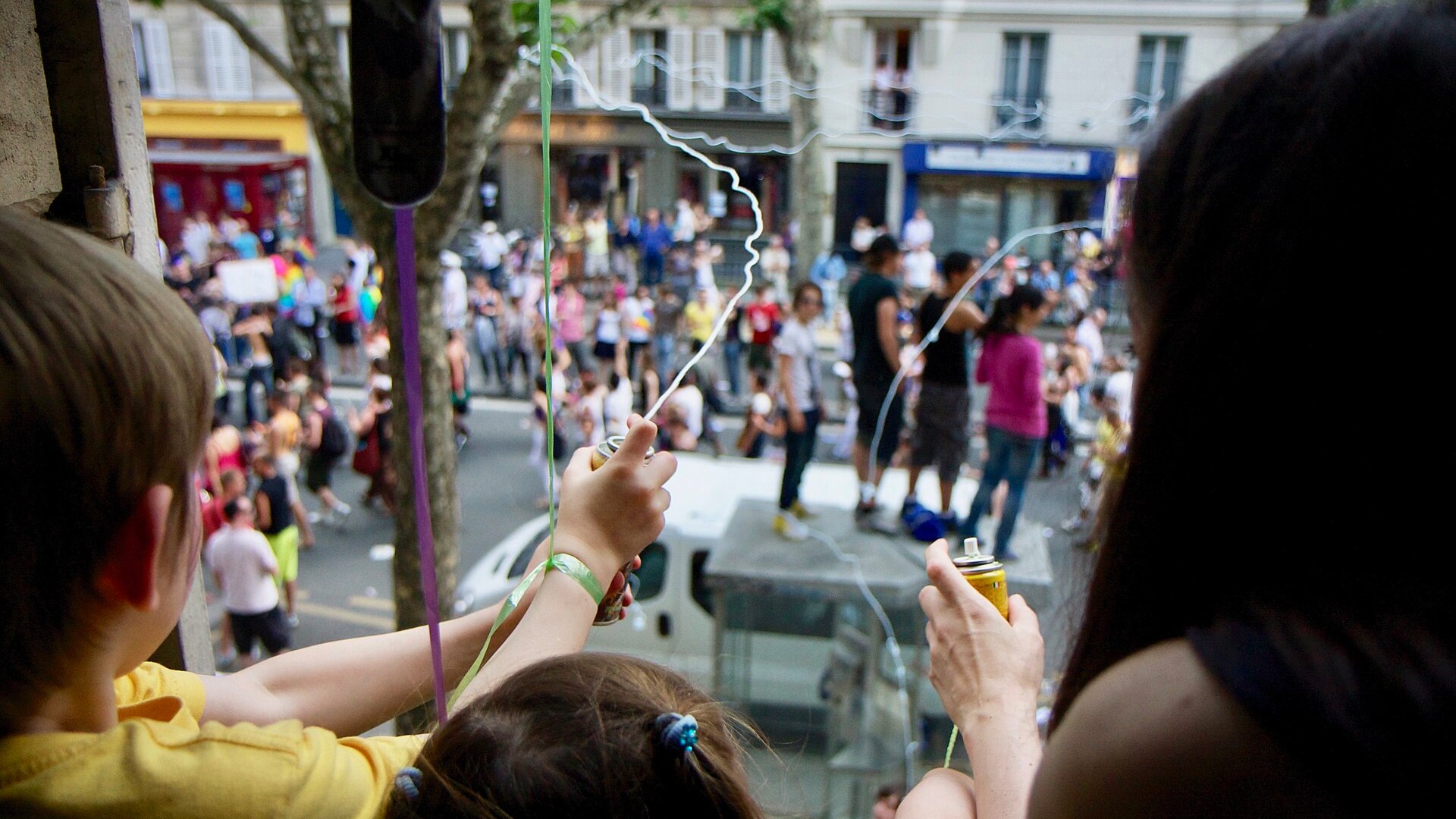
In 1972, chemist Leonard Fish and inventor Robert Cox tried designing an aerosol foam that could instantly set broken bones in the field. When their test nozzle sprayed a continuous rubbery strand across the laboratory instead of a stiff foam cast, they pivoted to novelty entertainment.
©Wikimedia / Jackster121212
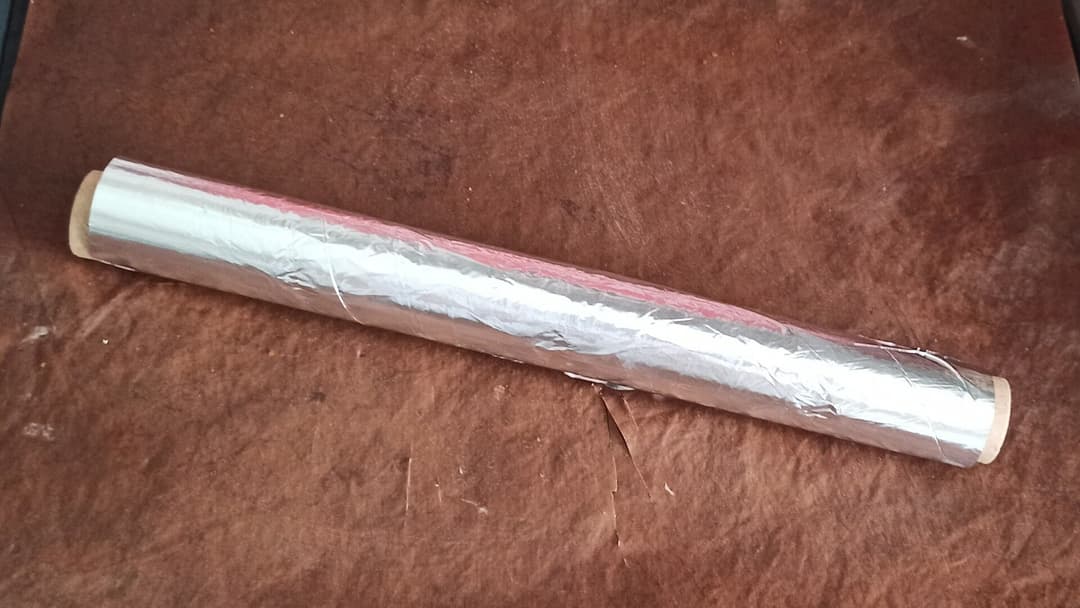
19. Aluminum Foil
In 1910, Swiss engineer Robert Victor Neher patented continuous aluminum rolling, seeking airtight wrappers for soup cubes and Toblerone chocolate. When commercial bakers discovered the thin metal resisted extreme oven temperatures without burning, kitchens adopted the pliable sheets worldwide.
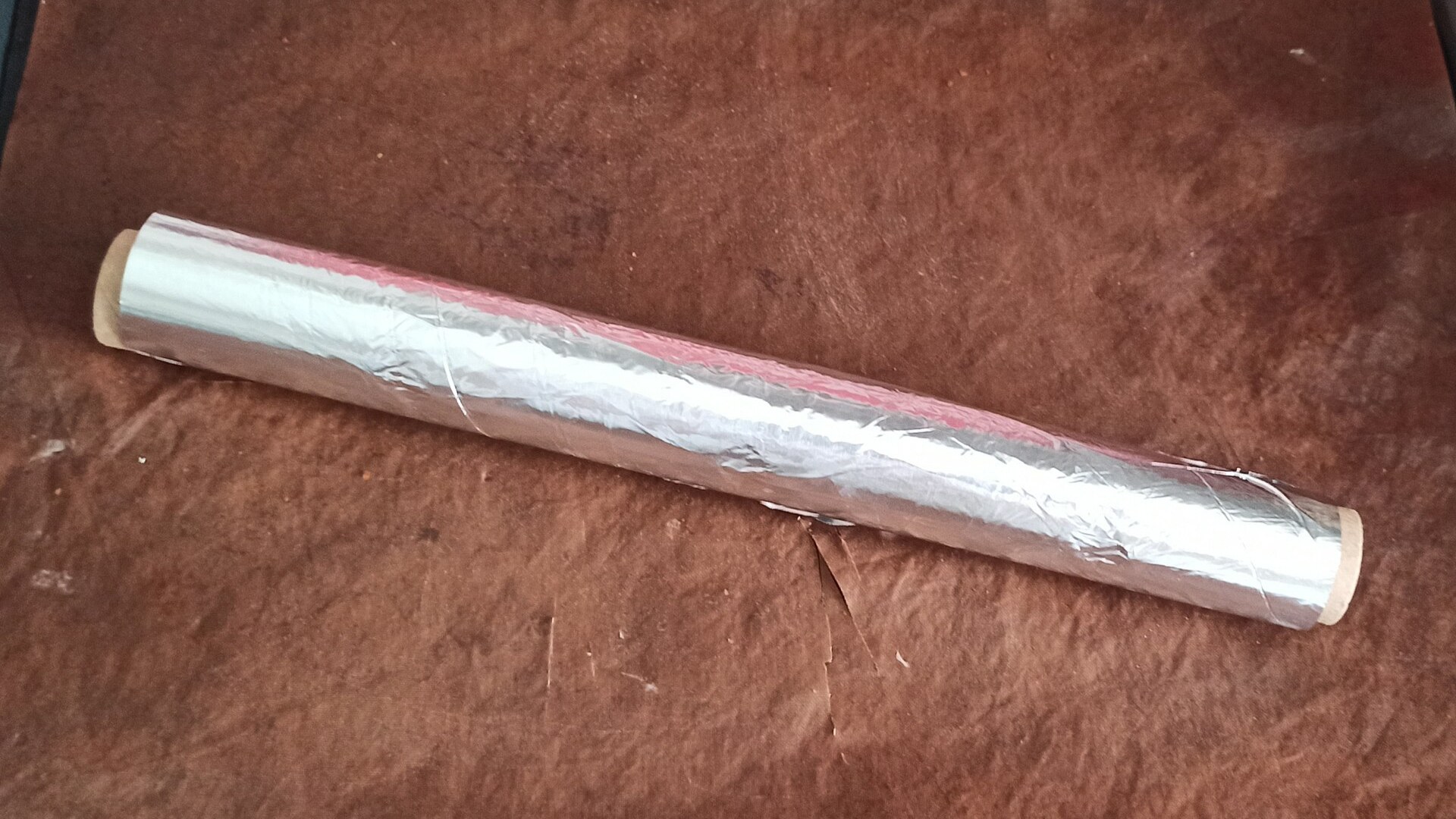
©Wikimedia / Sokolikmawwer0
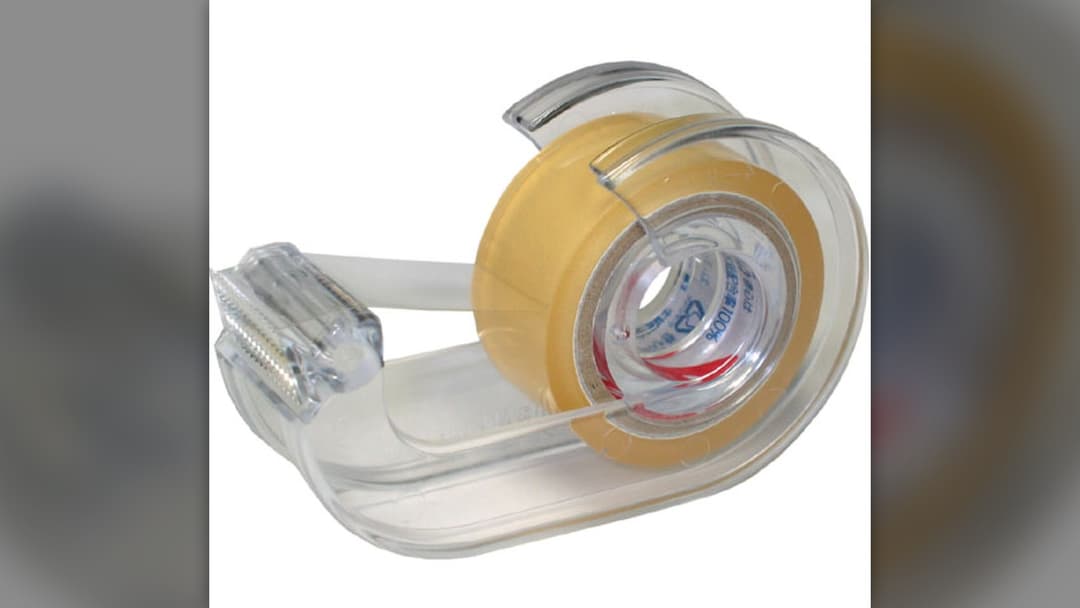
18. Cellophane
In 1908, Swiss textile chemist Jacques Brandenberger watched a guest spill red wine over a restaurant tablecloth. Seeking a clear liquid coating to repel liquids, he applied viscose to cloth. The coating peeled off in a transparent sheet, creating the first moisture-proof kitchen food wrap.
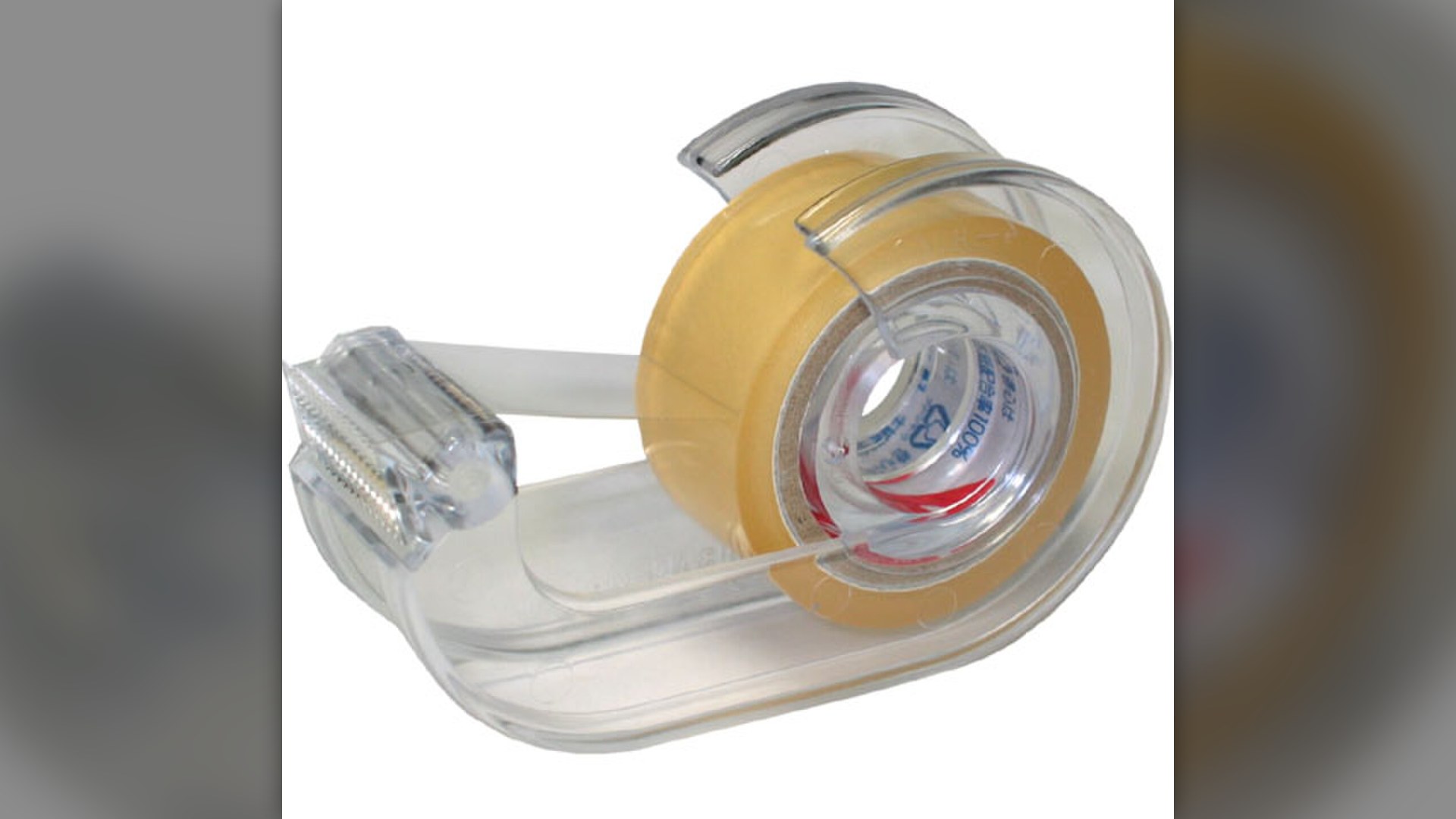
©Wikimedia / Uploader Shift
Advertisement
Swipe or tap ▶ to resume the countdown.
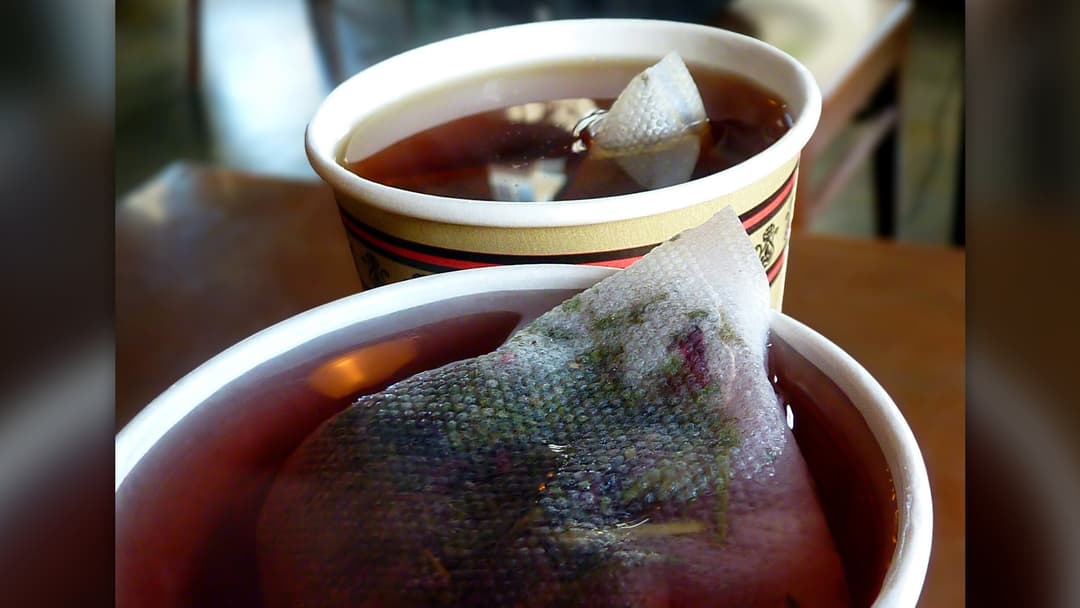
17. Tea Bags
In 1908, New York tea merchant Thomas Sullivan shipped tea samples to retail buyers in small silk pouches to cut packaging costs. Customers assumed the porous bags were intended for brewing and dropped the pouches directly into boiling water, sparking a global pantry staple that persists today.
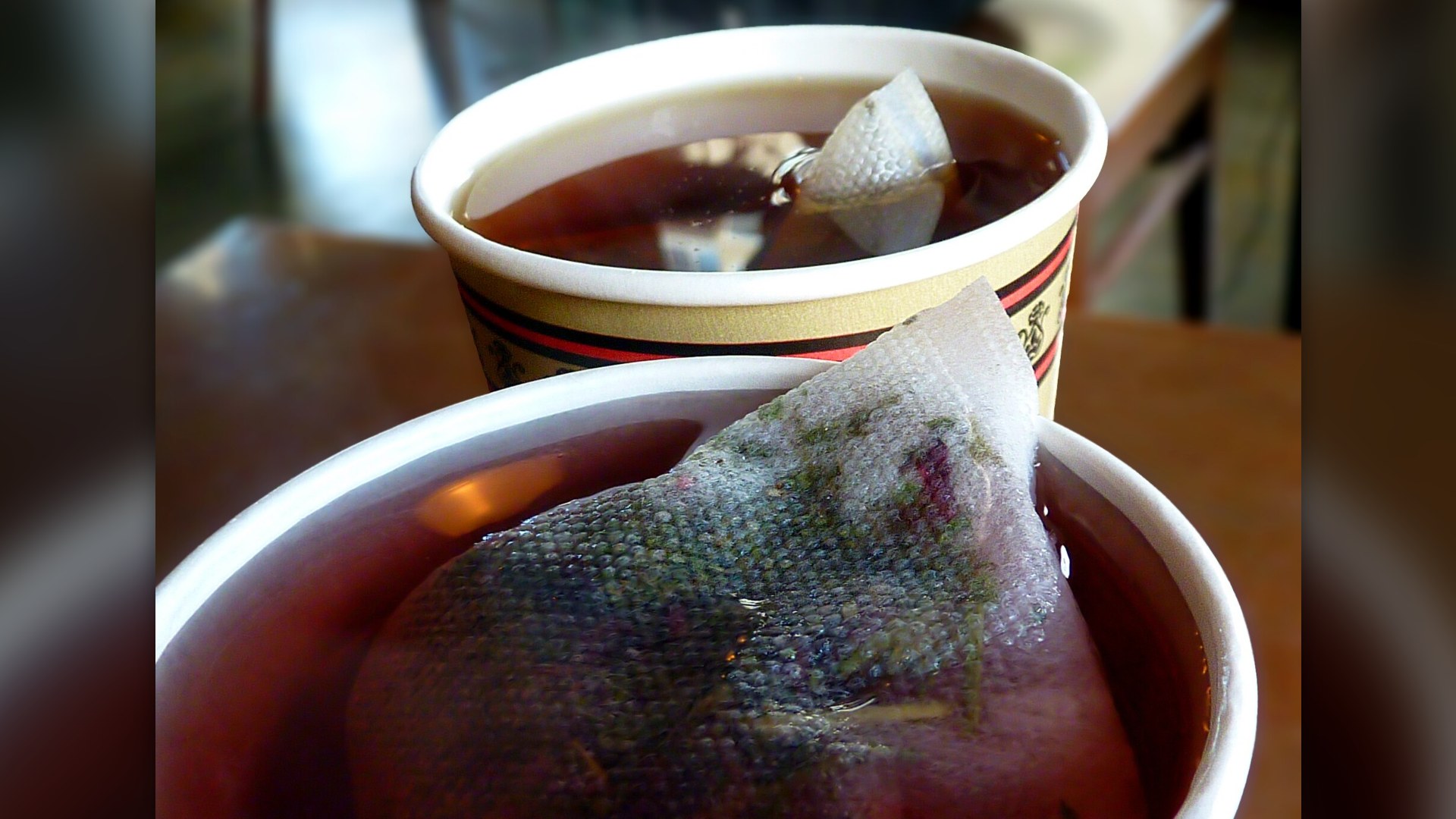
©Wikimedia / Lara604 from Seattle, WA
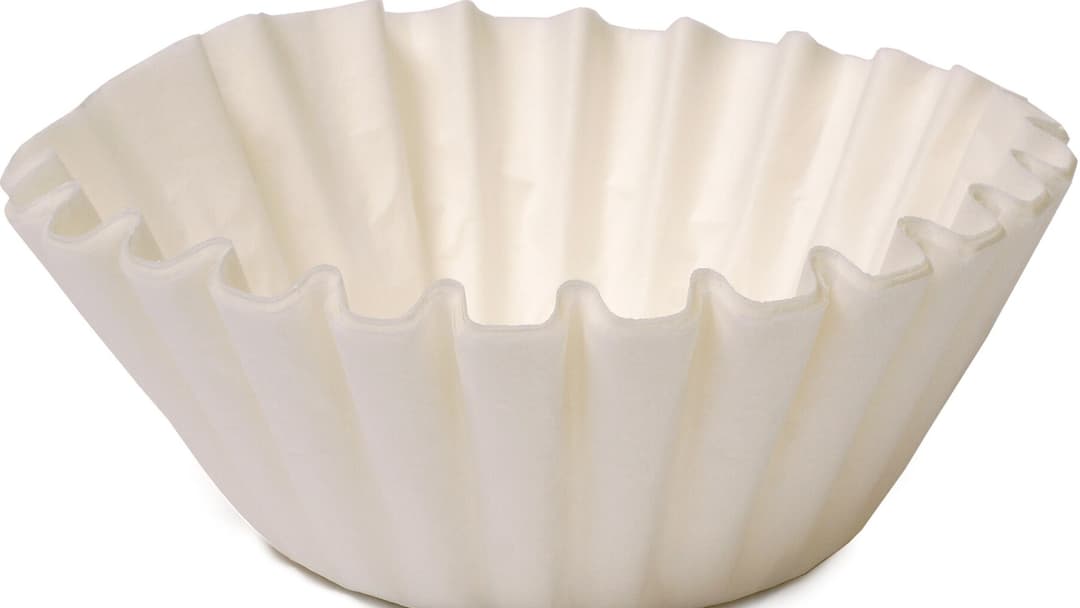
16. Coffee Filters
Frustrated by bitter grounds in linen percolator pots, Dresden homemaker Melitta Bentz punctured the bottom of a brass pot with nails in 1908. She lined it with blotter paper from her son Willi's school notebook. The filter produced clear coffee, winning an imperial patent that built a global brand.
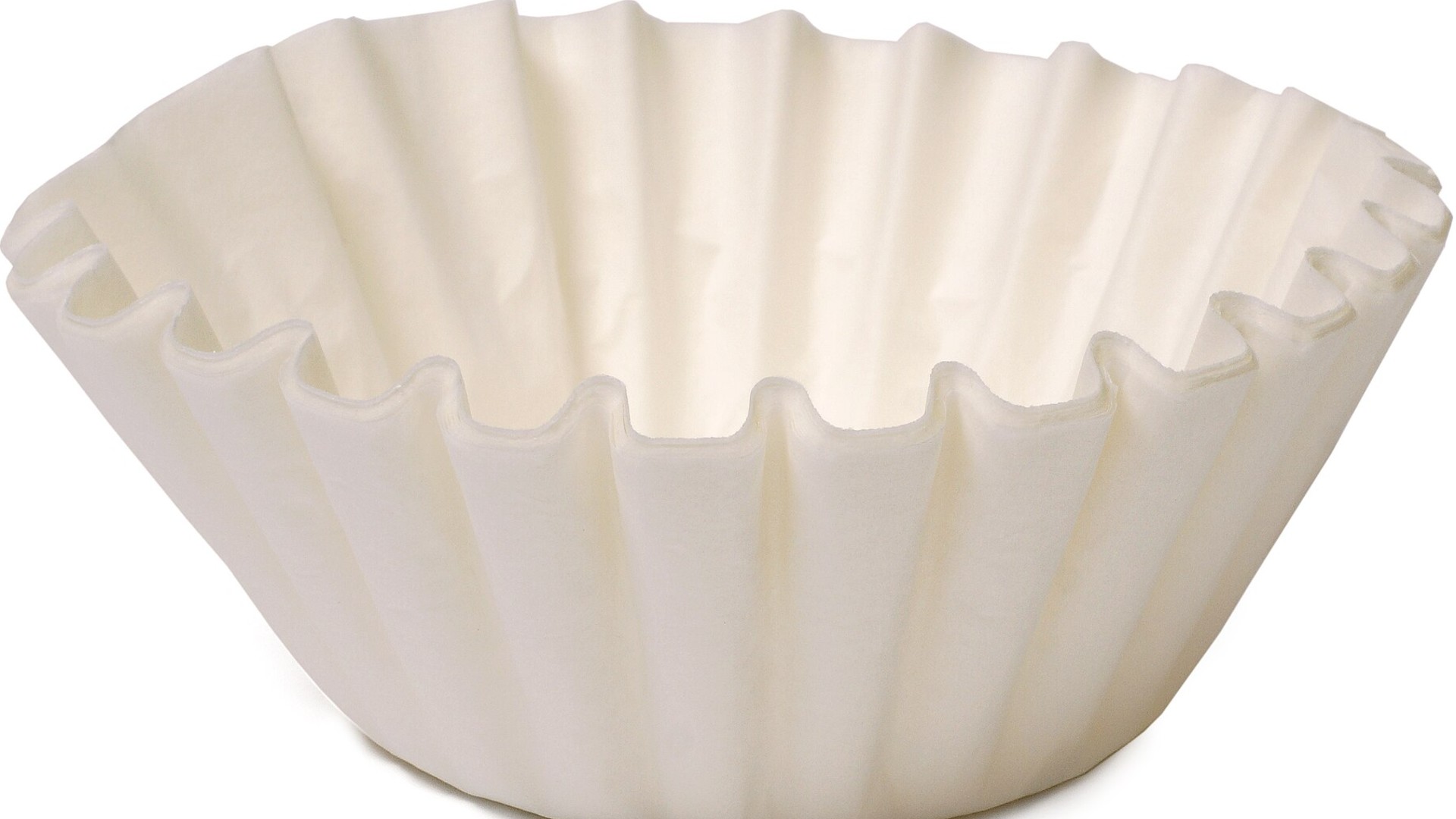
©Wikimedia / Evan-Amos
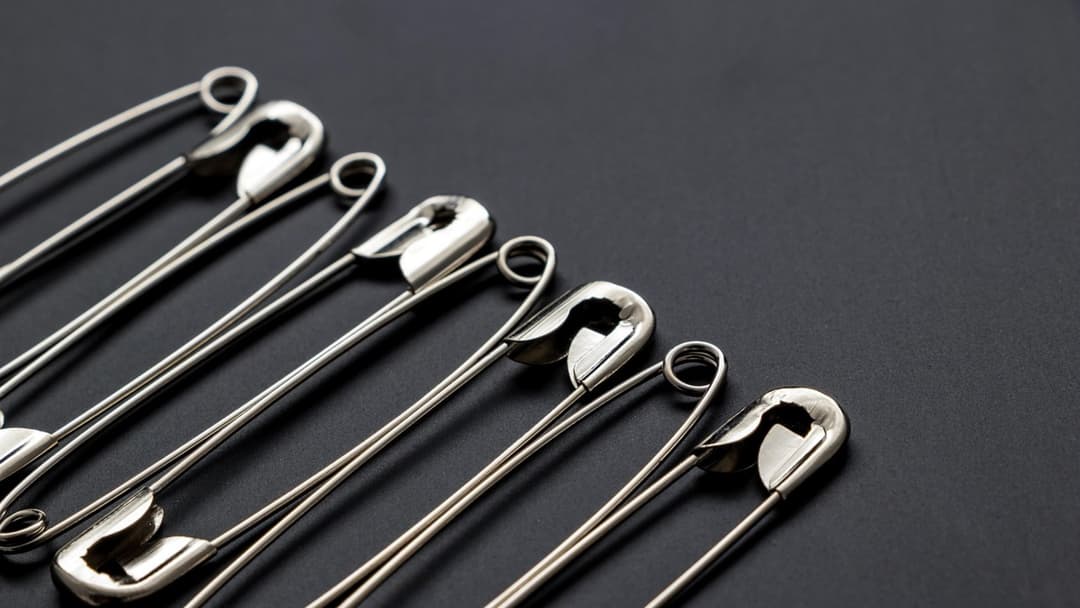
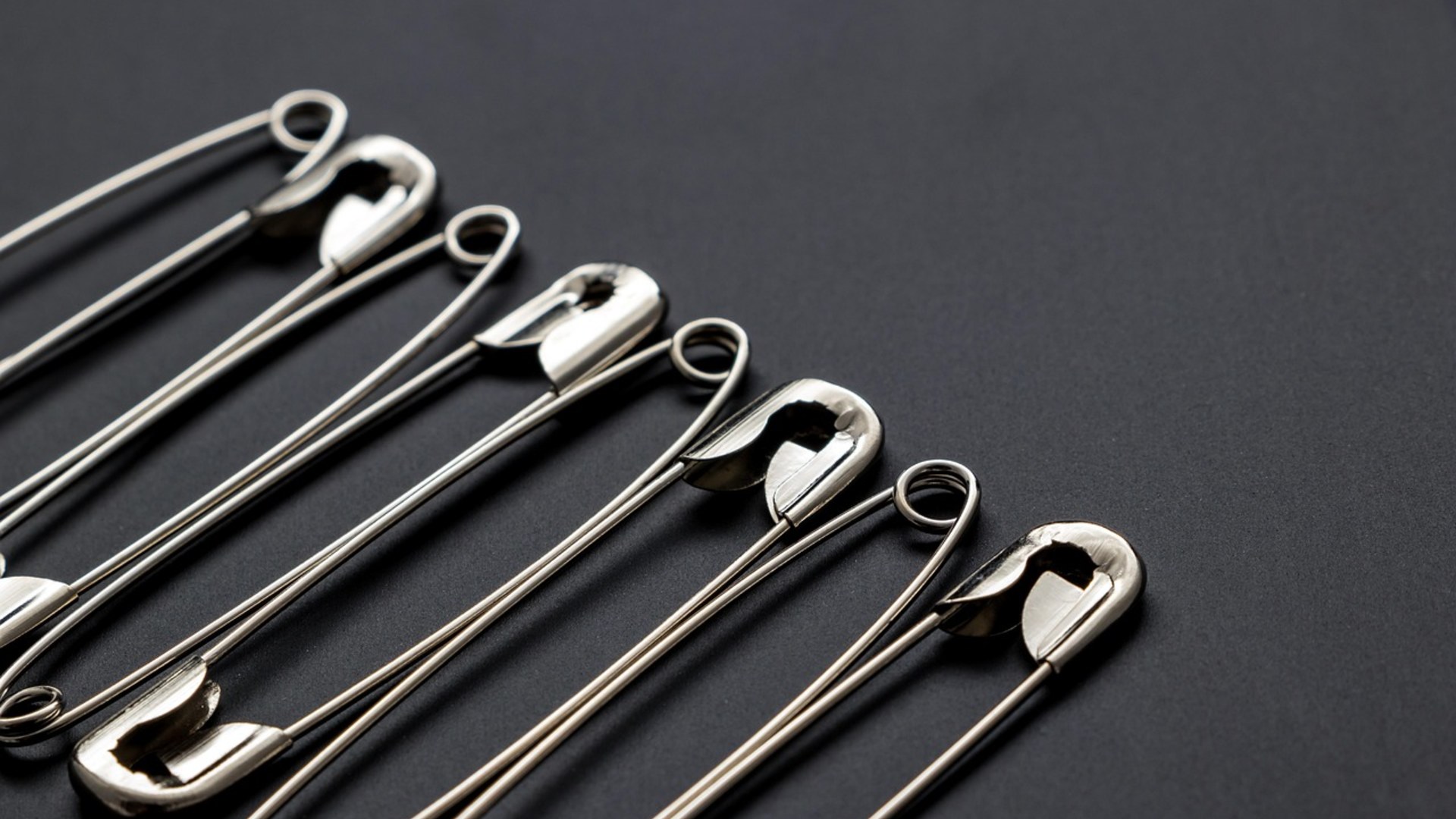
15. Safety Pins
In 1849, American mechanic Walter Hunt owed a draftsman fifteen dollars. While twisting an eight-inch piece of brass wire with his fingers to devise something marketable, he added a coiled spring and protective clasp. Hunt sold his patent rights for four hundred dollars to settle his obligation.
©Wikimedia / Jacek Halicki
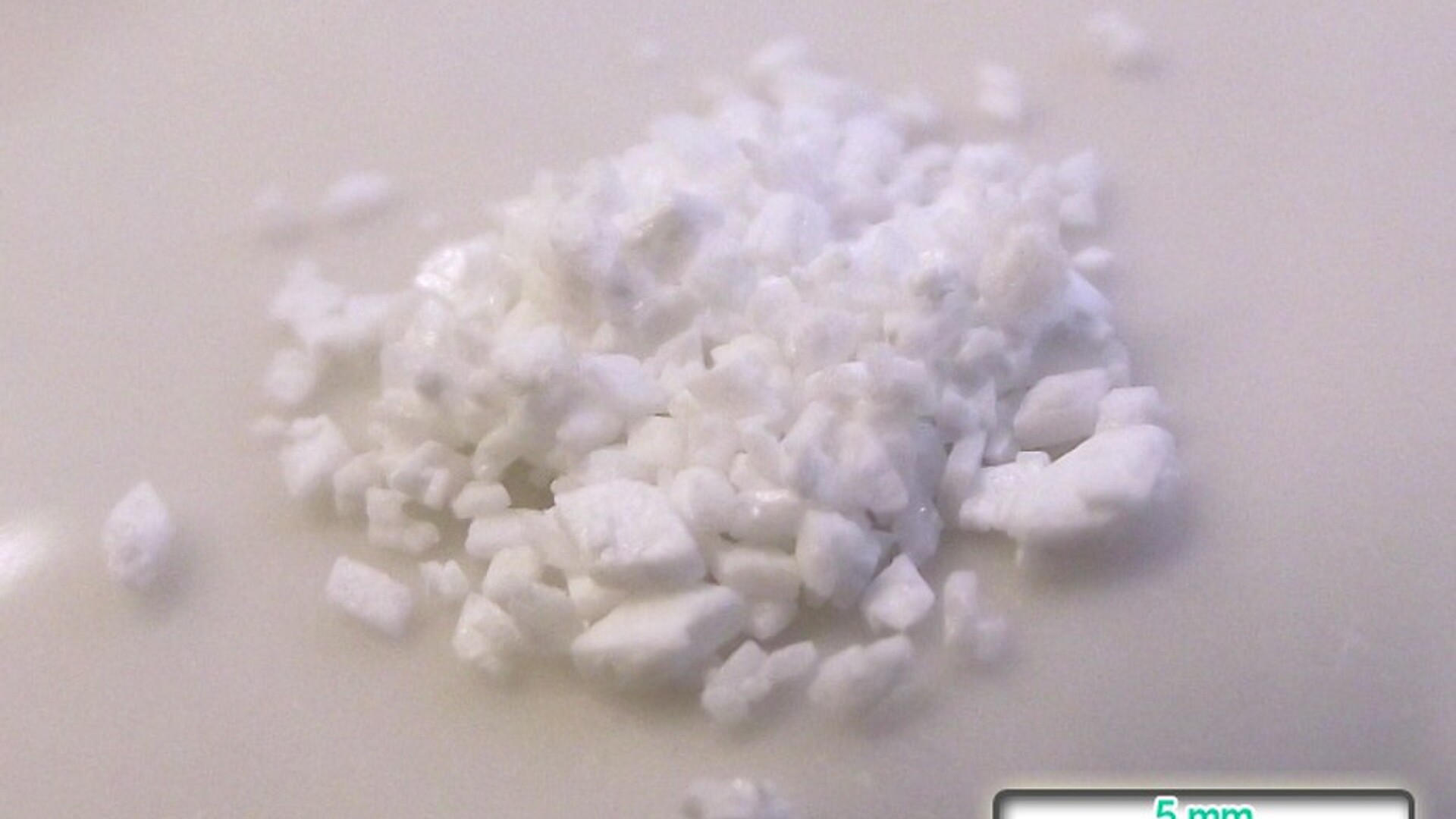
14. Saccharin
In 1879, Russian chemist Constantin Fahlberg was investigating coal tar derivatives at Johns Hopkins University. After leaving the laboratory without washing his hands, he tasted unexpected sweetness on a dinner roll. Tracing the taste back to ortho-sulfobenzoic acid, he patented the zero-calorie sweetener.
©Wikimedia / Rillke
Advertisement
Swipe or tap ▶ to resume the countdown.
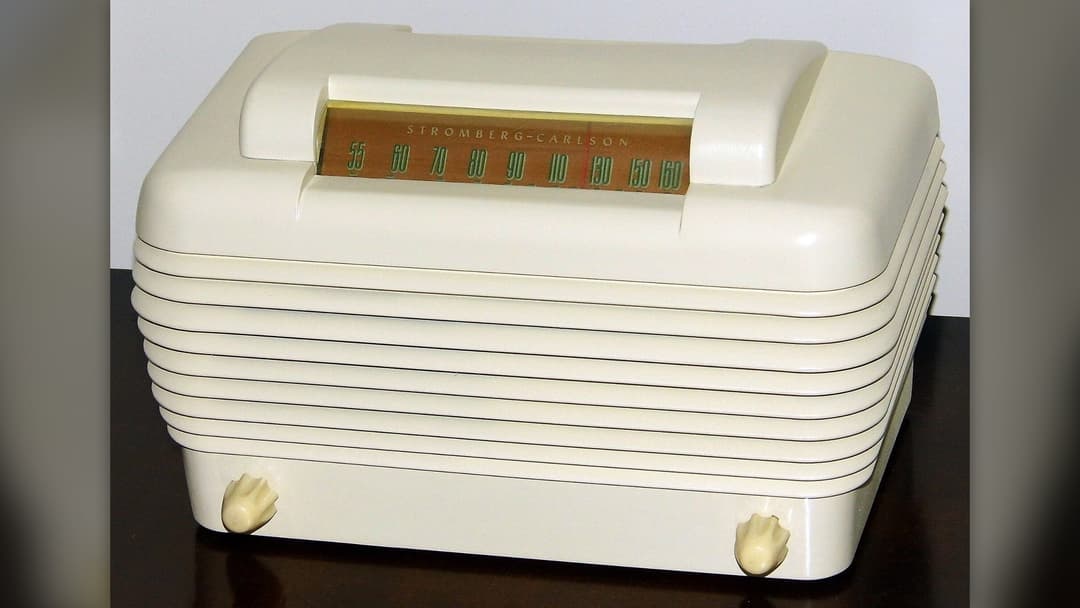
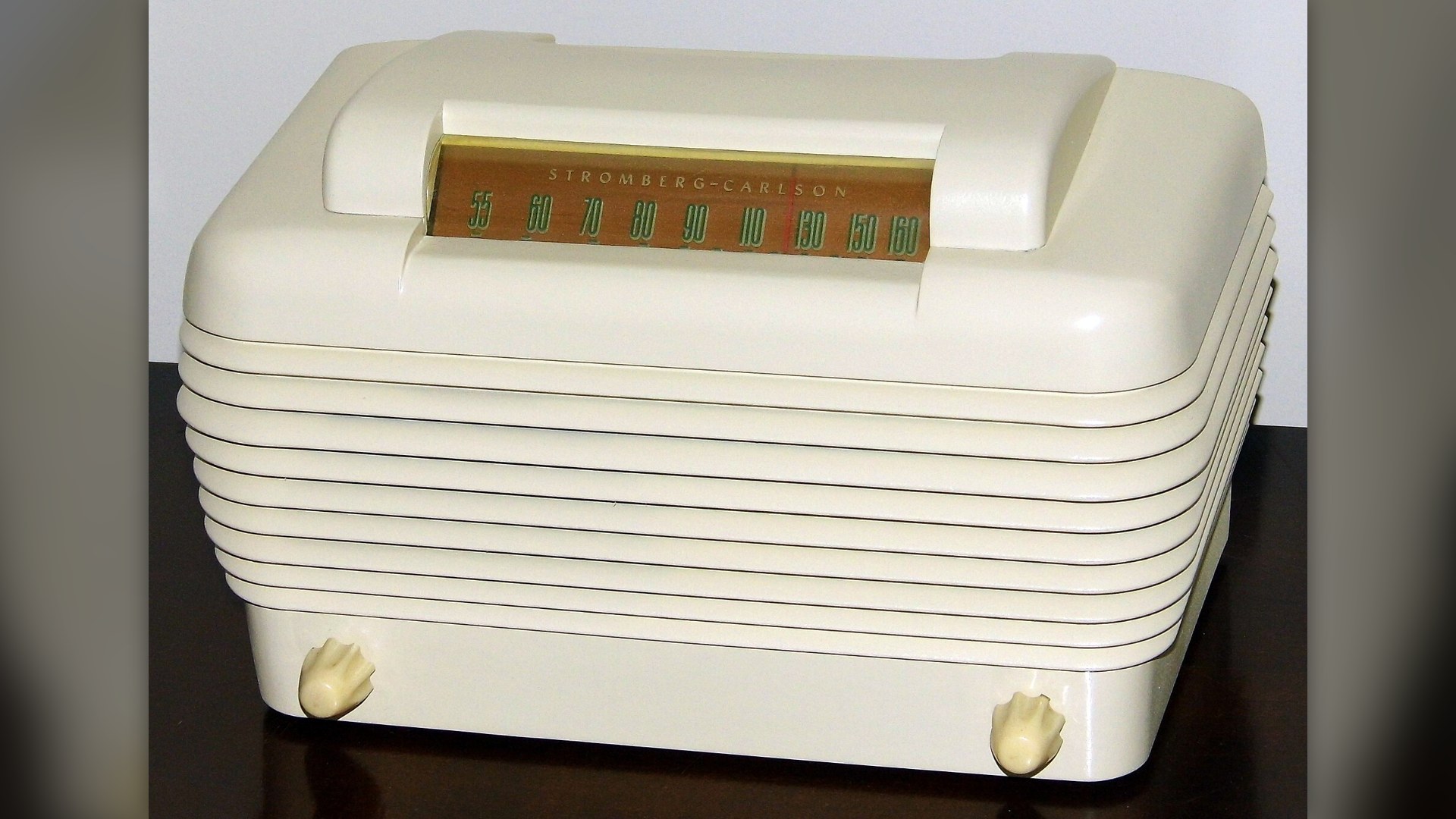
13. Bakelite
In 1907, Belgian chemist Leo Baekeland sought a replacement for natural shellac to insulate electrical equipment. By heating phenol and formaldehyde inside a pressurized autoclave called a Bakelizer, he formed a hard, heat-resistant polymer that soon molded kitchen radios, telephone housings, and pot handles.
©Wikimedia / Joe Haupt from USA
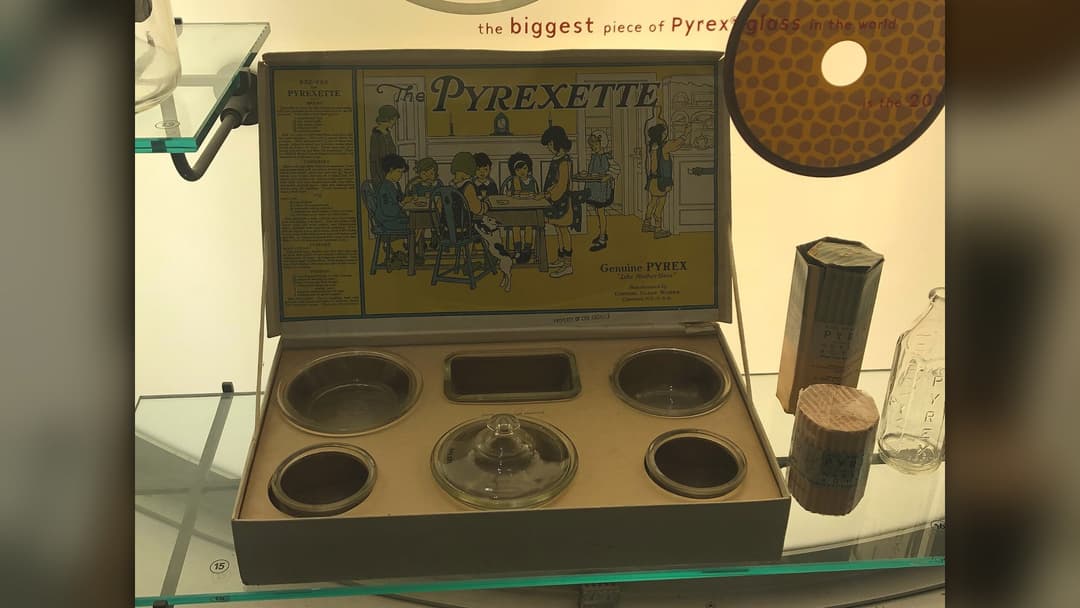
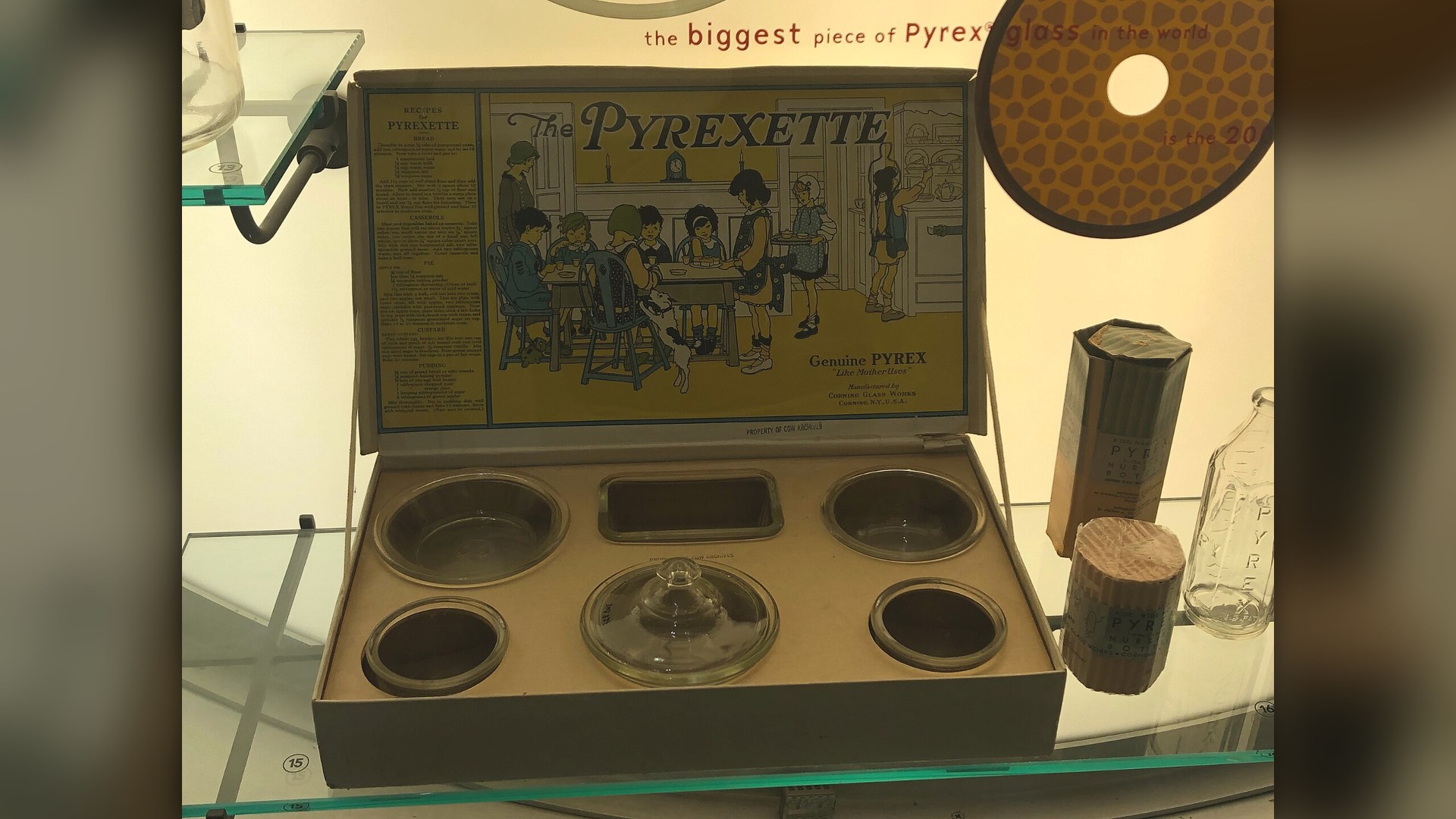
12. Pyrex Glassware
In 1915, Corning Glass Works physicist Jesse Littleton wanted to demonstrate the thermal endurance of nonox borosilicate glass. He brought home the sawn-off bottom of a battery jar, where his wife Bessie baked a sponge cake. The cake baked evenly without cracking the dish, launching Pyrex bakeware.
©Wikimedia / Dorevabelfiore
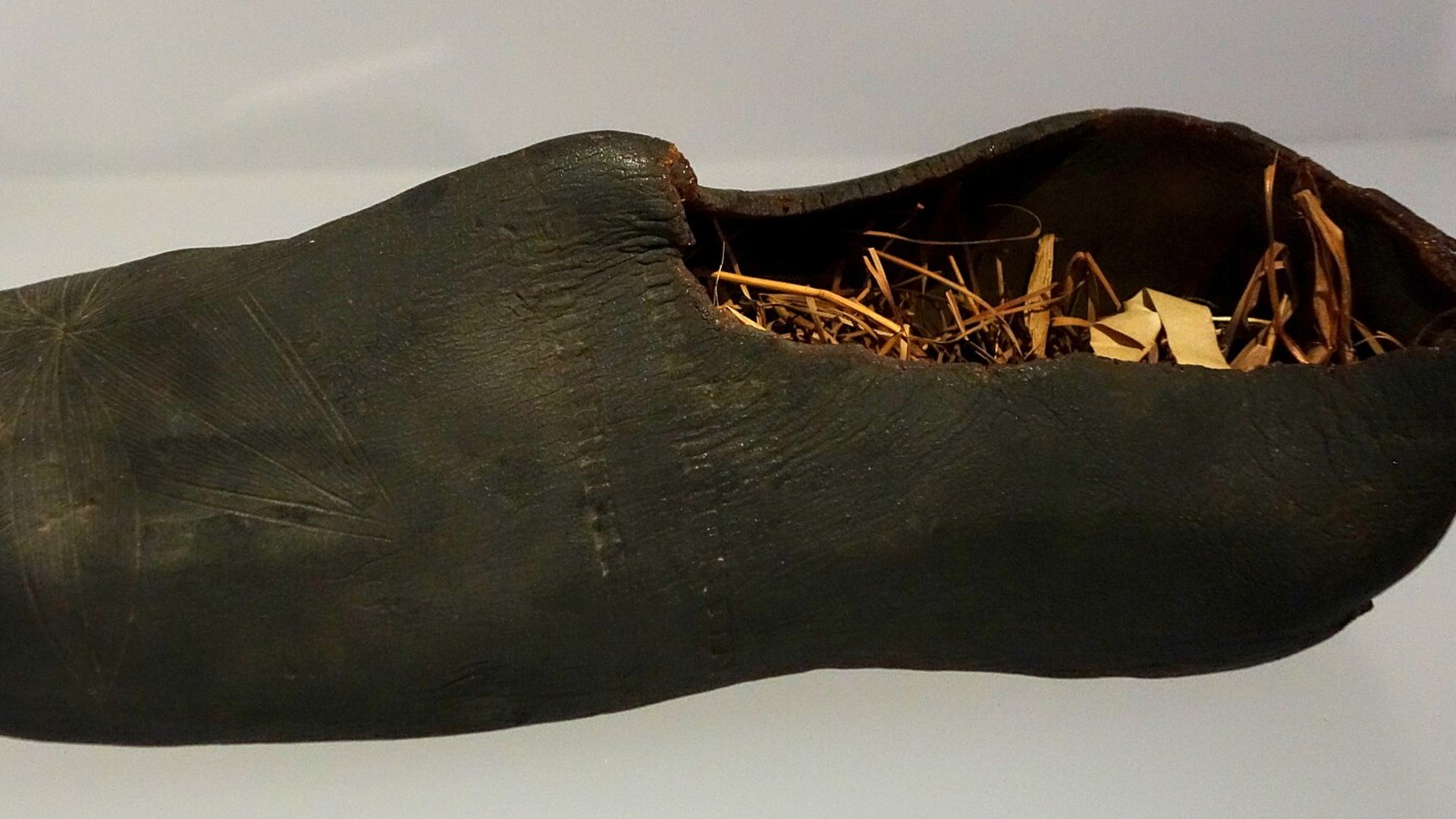
11. Vulcanized Rubber
Natural rubber was notorious for turning brittle in winter cold and sticky in summer heat. In 1839, Charles Goodyear accidentally dropped a mixture of raw India rubber, white lead, and sulfur onto a hot wood stove. The charred mass retained elasticity and water resistance, enabling weather-proof seals and boots.
©Wikimedia / Daderot
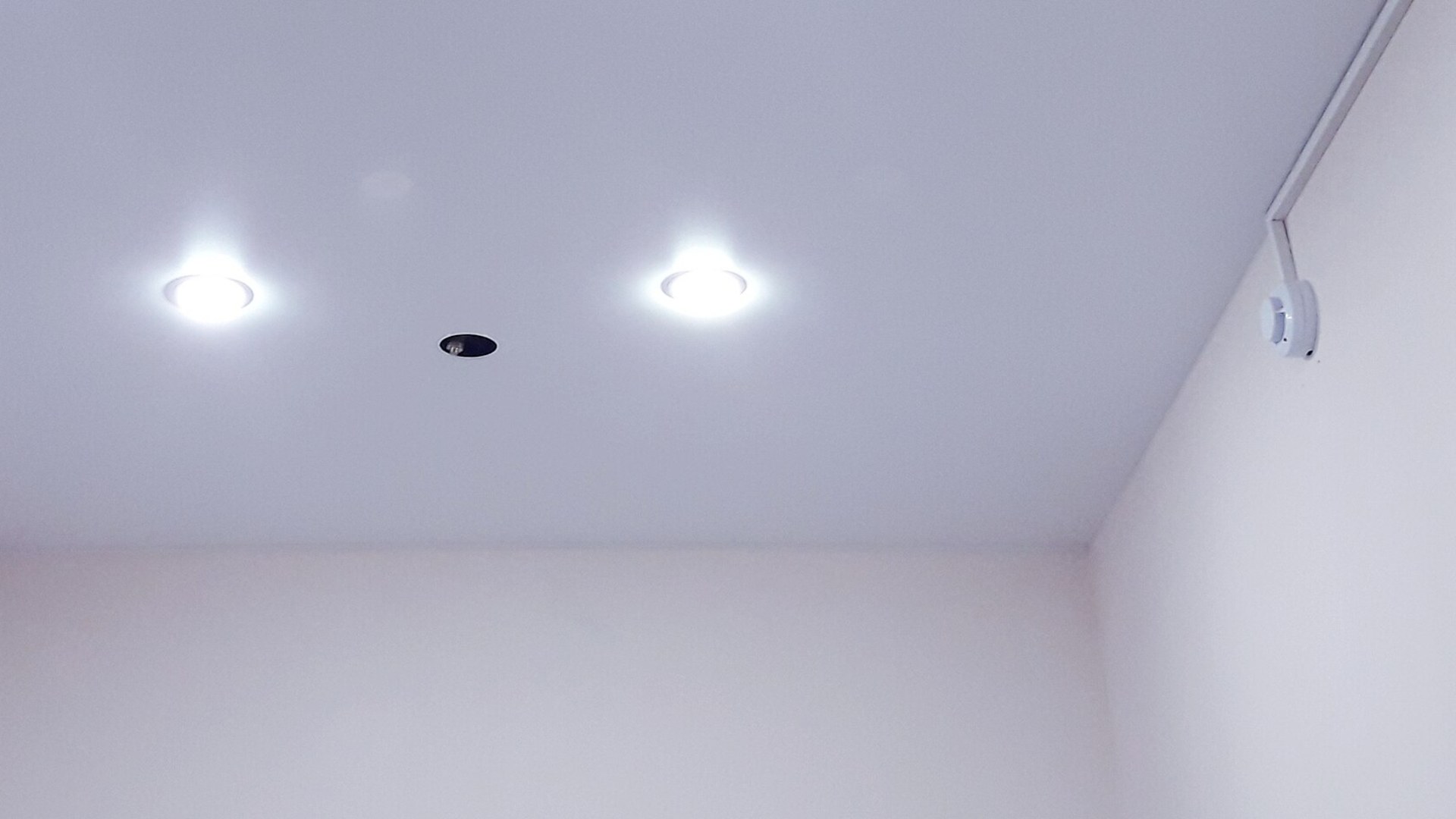
10. Smoke Detectors
In the late 1930s, Swiss physicist Walter Jaeger was building an ionization sensor to warn miners about toxic gas. His device registered nothing until Jaeger lit a cigarette, causing the meter needle to jump as smoke particles reduced the electrical current. Modern household fire alarms stem from that smoke test.
©Wikimedia / Georg Pik
Advertisement
Swipe or tap ▶ to resume the countdown.
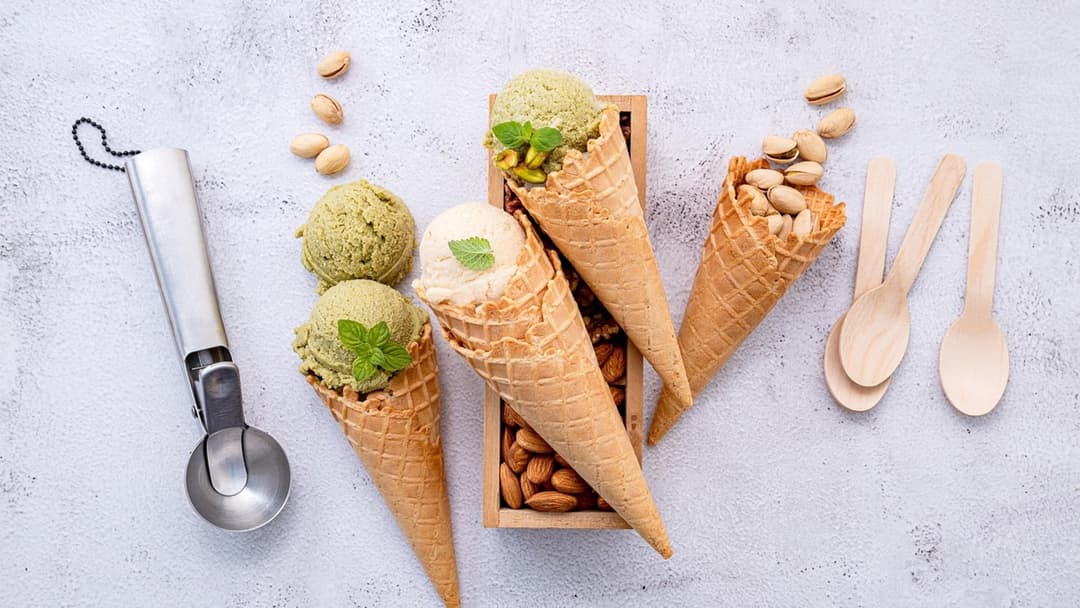
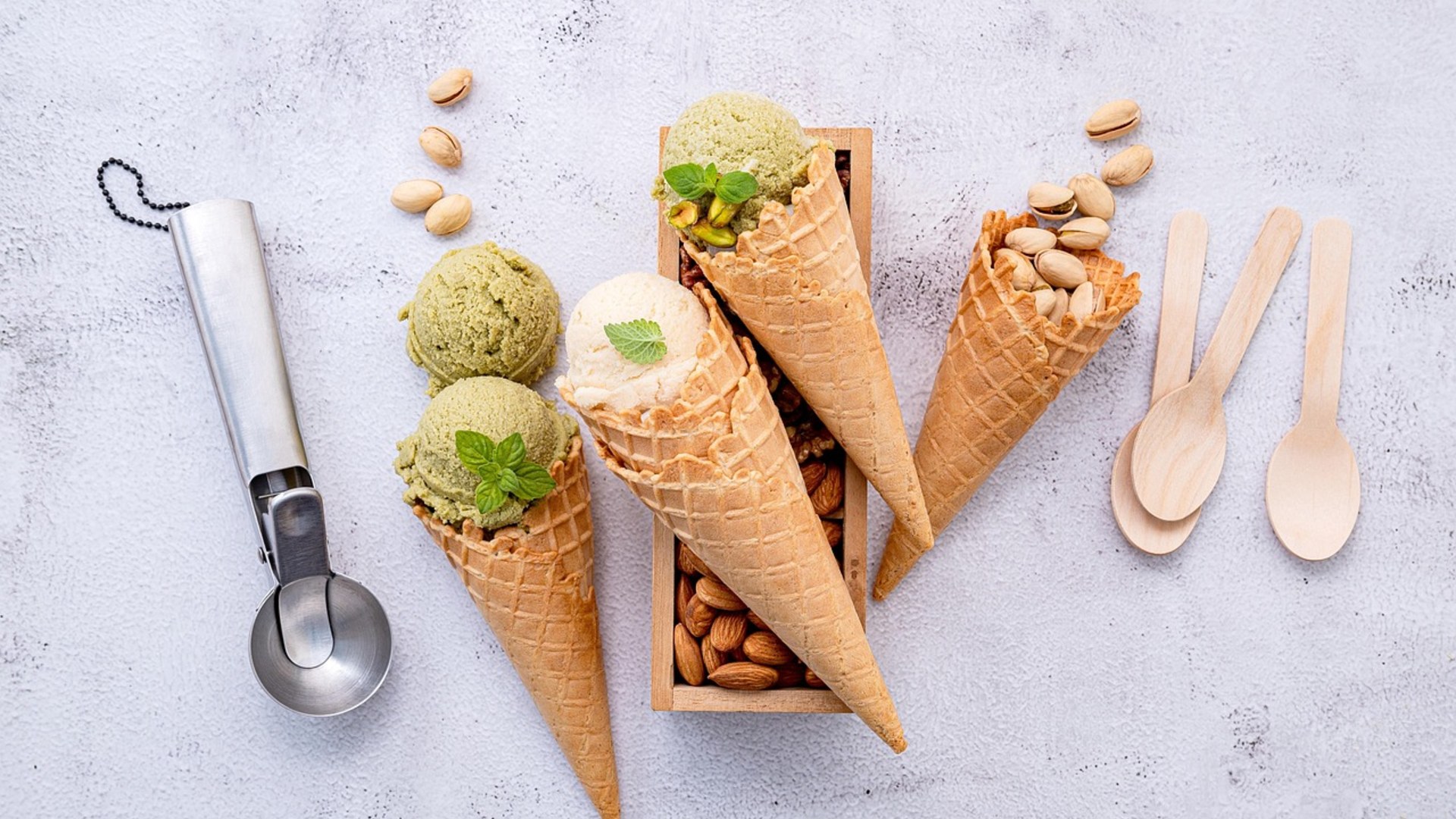
9. Ice Cream Cones
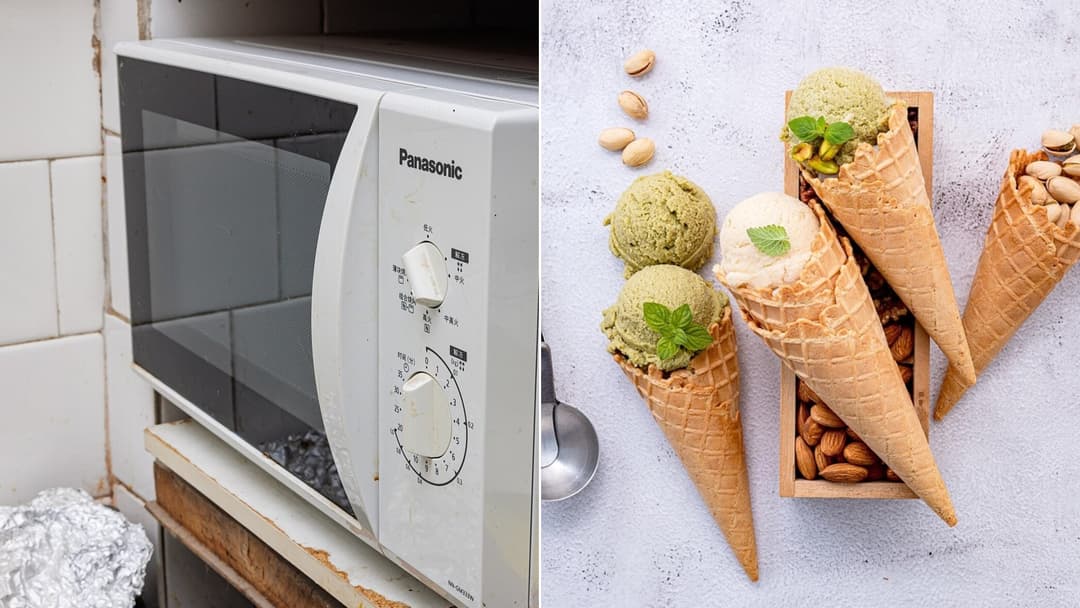
At the 1904 St. Louis World's Fair, ice cream seller Arnold Fornachou ran out of clean glass bowls during intense summer heat. Syrian pastry vendor Ernest Hamwi rolled warm zalabia waffles into hollow cones to hold the scoops, creating a handheld dessert staple sold across modern grocery freezers.
©Wikimedia / MarkBuckawicki
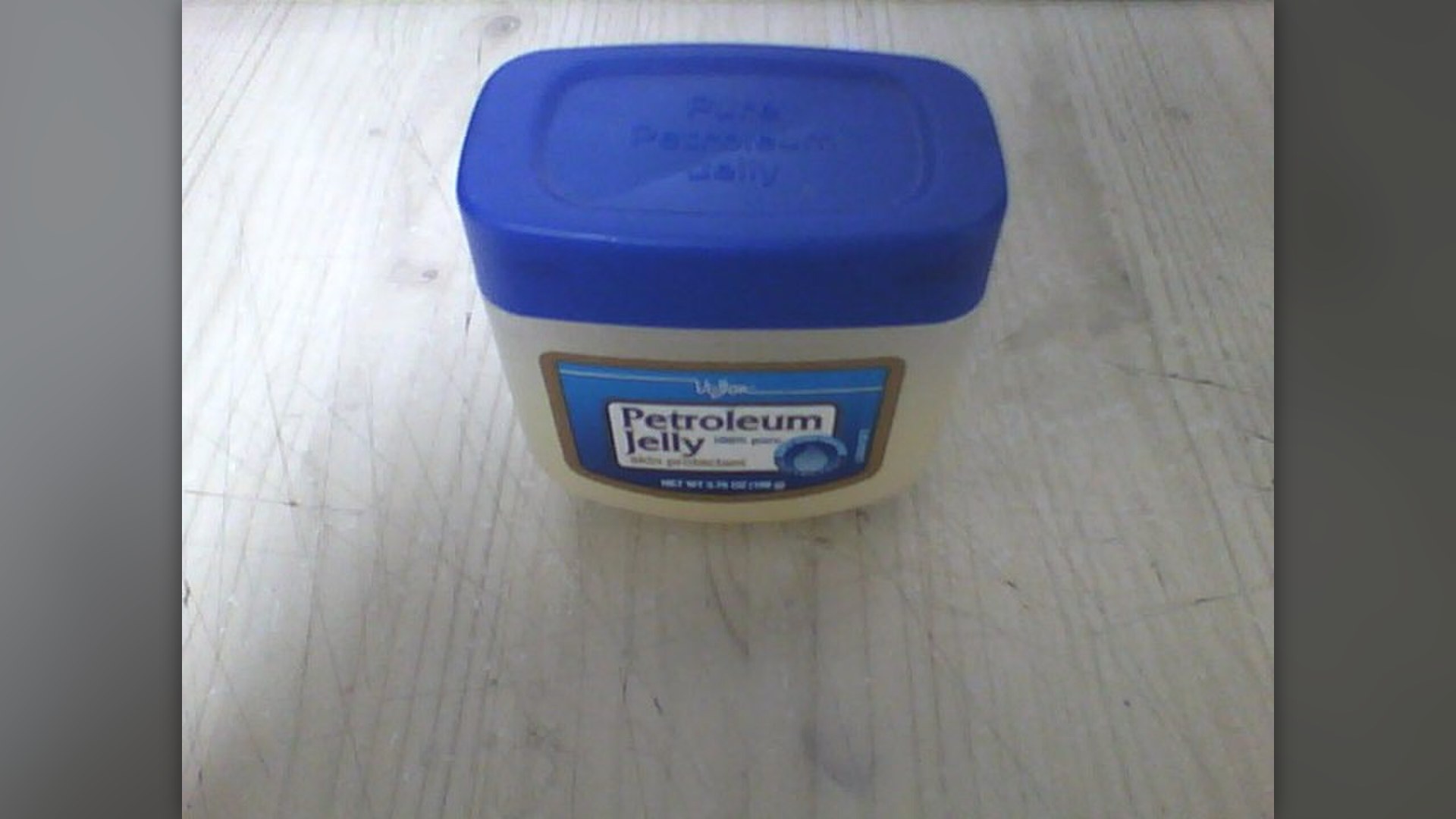
8. Petroleum Jelly
In 1859, young chemist Robert Chesebrough visited an oil field in Titusville, Pennsylvania. Workers complained about rod wax, a dark paraffin byproduct clogging drills, but noted it soothed minor cuts. Chesebrough purified the dark jelly into a translucent balm, patenting Vaseline in 1872 for household medicine.
©Wikimedia / Kgw1226
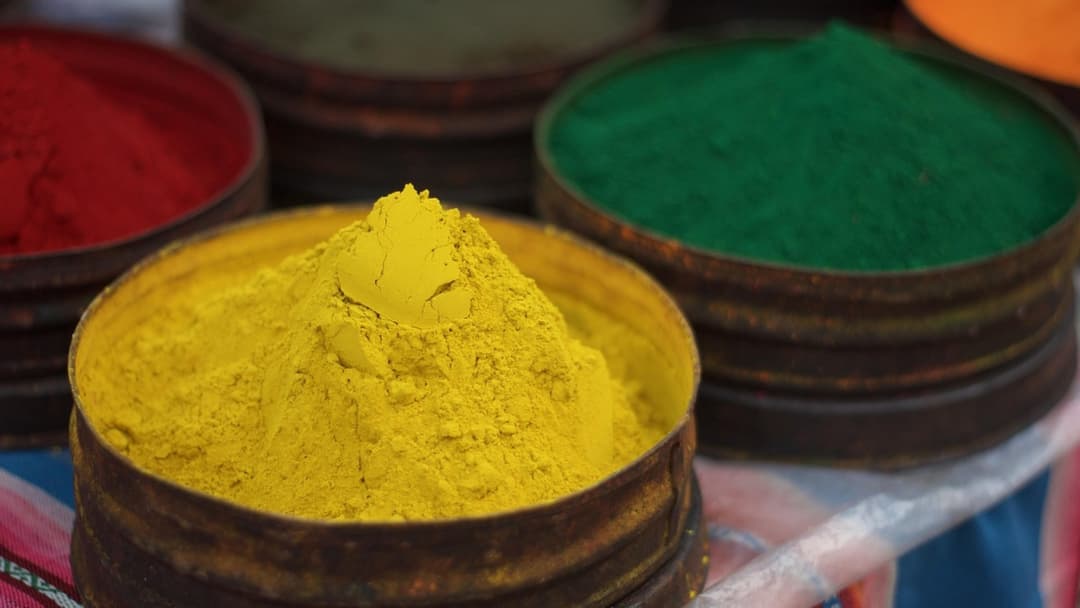
7. Mauveine Dyes
In 1856, teenage chemistry student William Henry Perkin attempted to synthesize artificial quinine to treat malaria in his London attic. His reactions produced a dark sludge instead, but washing it with alcohol yielded an intense purple solution that dyed silks permanently, founding synthetic domestic dyes.
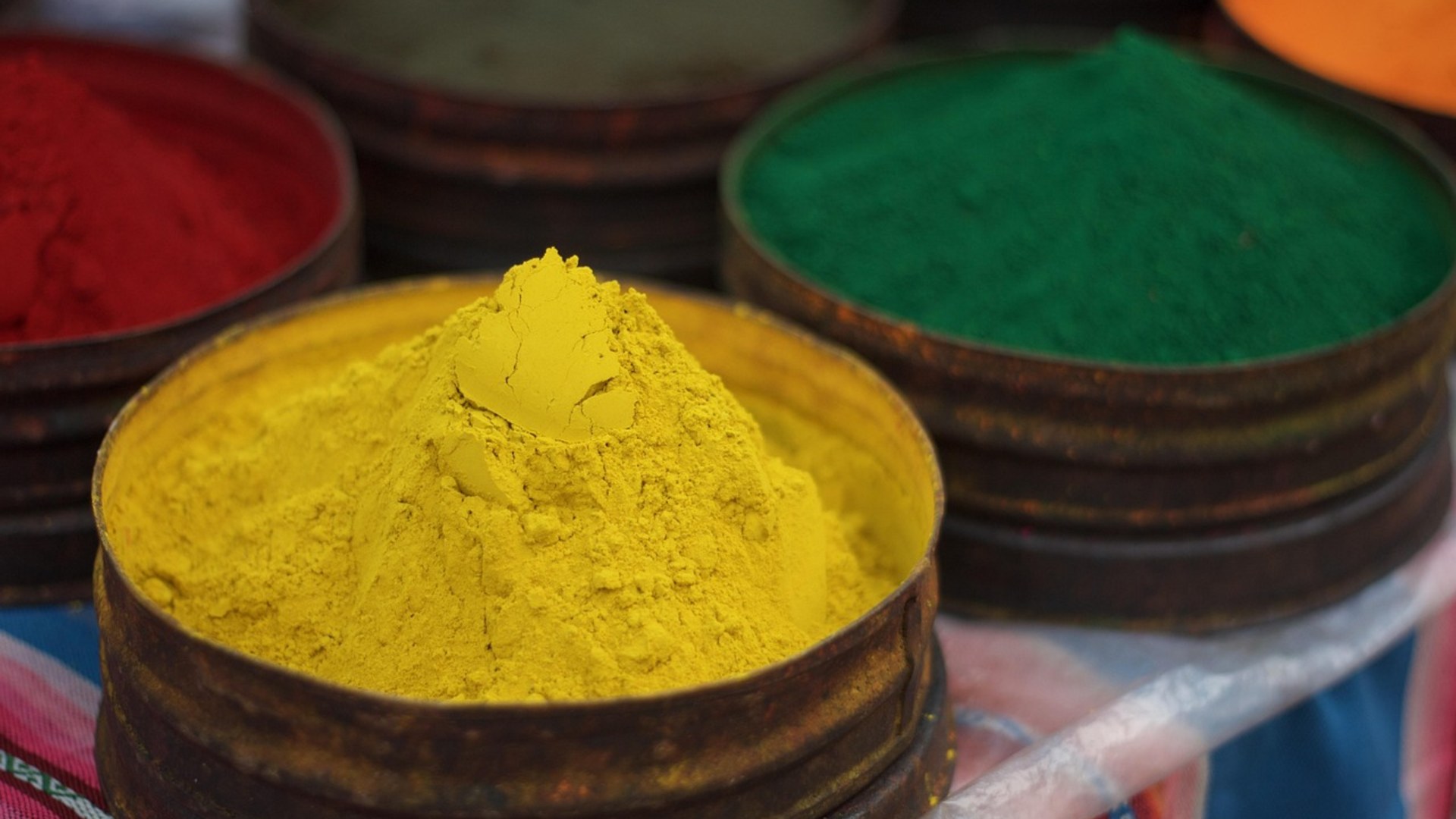
©Pixabay / imalabstudio
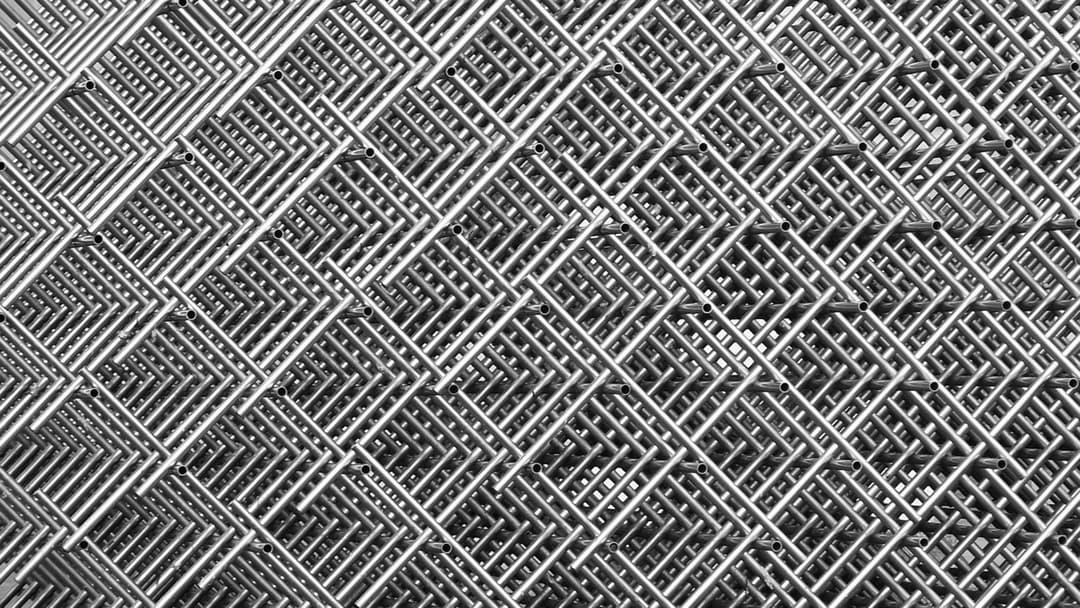
6. Stainless Steel
In 1913, Sheffield metallurgist Harry Brearley added chromium to iron to combat erosion in rifle barrels. The alloy proved too soft for weapons and was dumped in a scrap heap. Months later, Brearley observed the discarded steel remained mirror-bright, soon producing rust-proof kitchen cutlery and sinks.
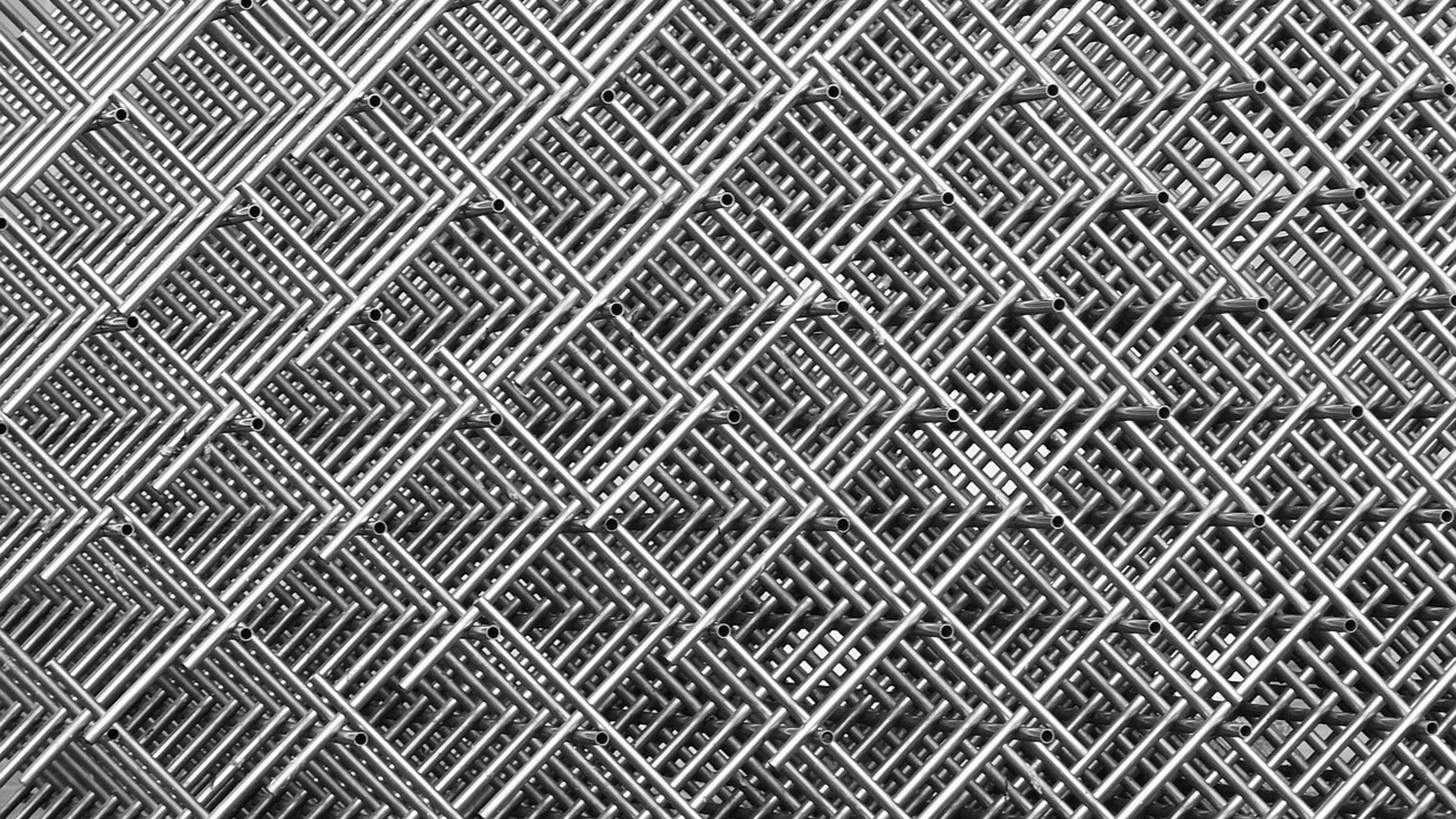
©Wikimedia / Franz van Duns
Advertisement
Swipe or tap ▶ to resume the countdown.
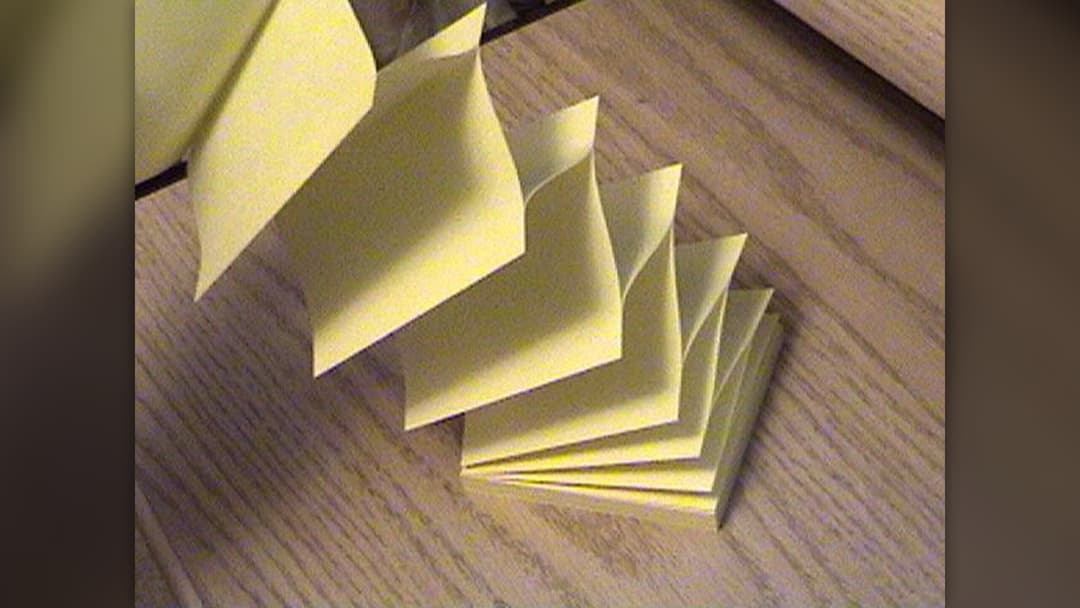
5. Post It Notes
In 1968, 3M researcher Spencer Silver sought an ultra-strong aerospace adhesive, but created microscopic acrylic spheres that stuck lightly to surfaces without tearing. In 1974, colleague Art Fry applied the gentle adhesive to paper slips to keep bookmarks from slipping out of his church choir hymnal.
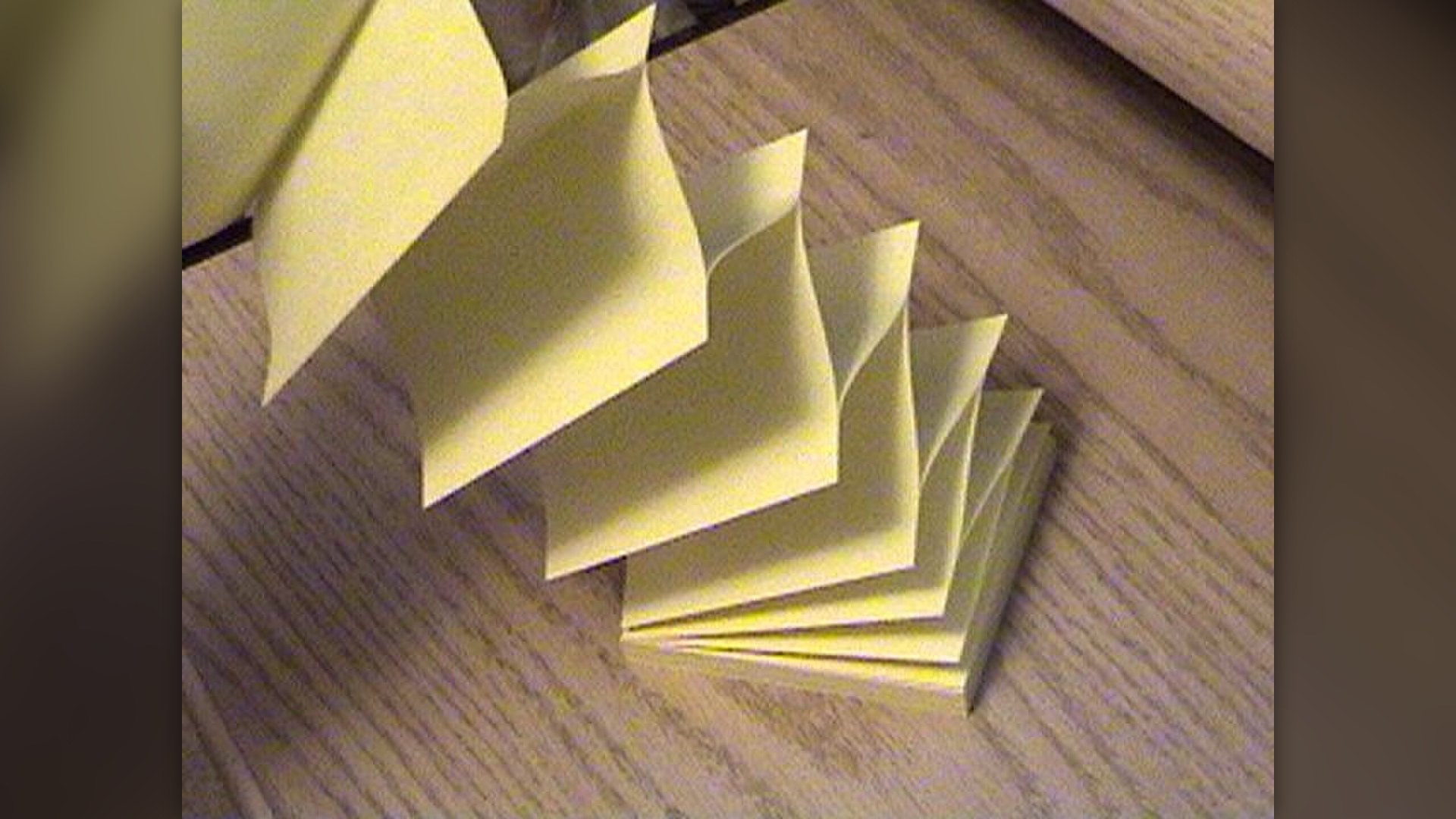
©Wikimedia / The original uploader was Consequencefree
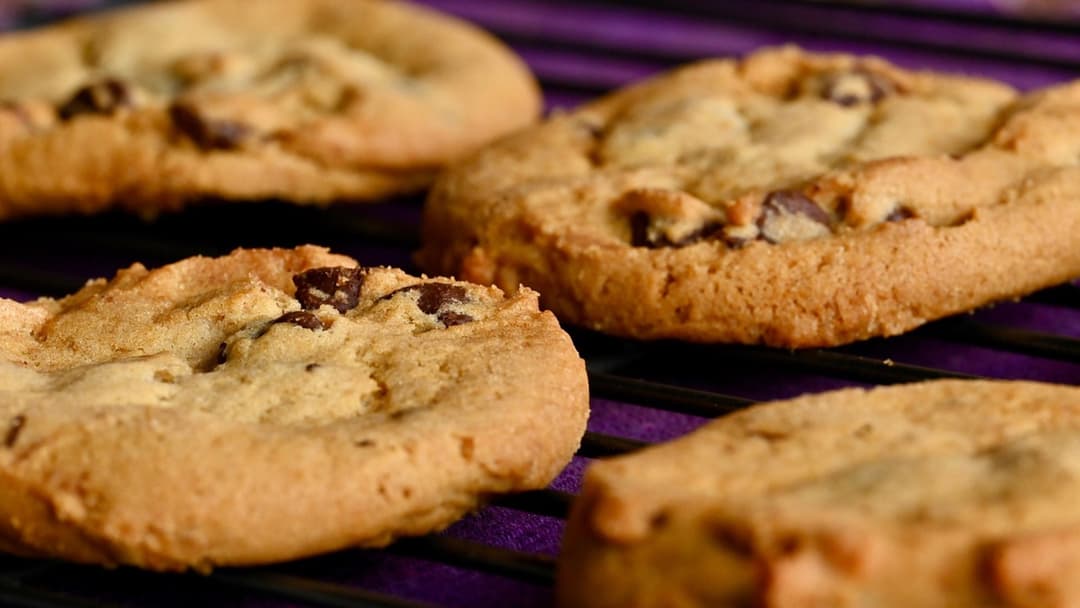
4. Chocolate Chip Cookies
In 1938, Ruth Wakefield was baking butter drop cookies for guests at the Toll House Inn in Whitman, Massachusetts. Lacking baker's chocolate, she chopped a Nestlé semi-sweet chocolate bar into small chunks, expecting the pieces to melt. Instead, the bits held their shape, creating a staple American dessert.
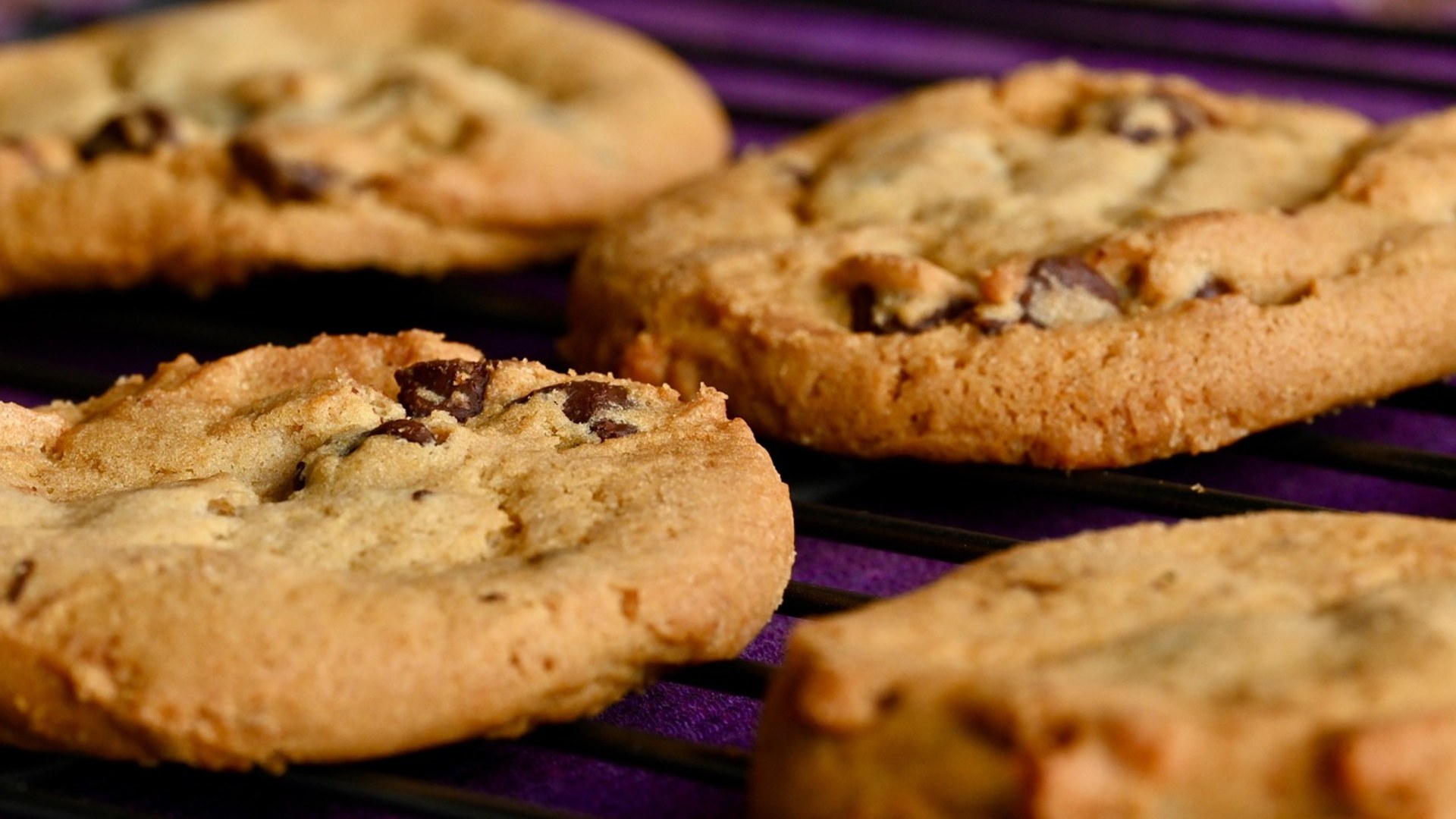
©Wikimedia / A. David Lewis
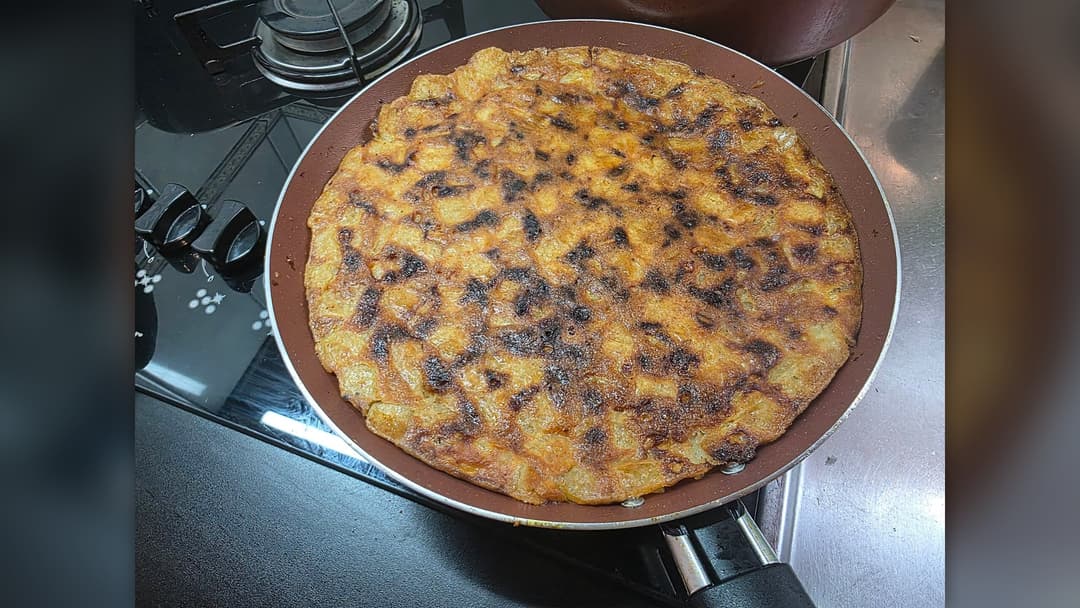
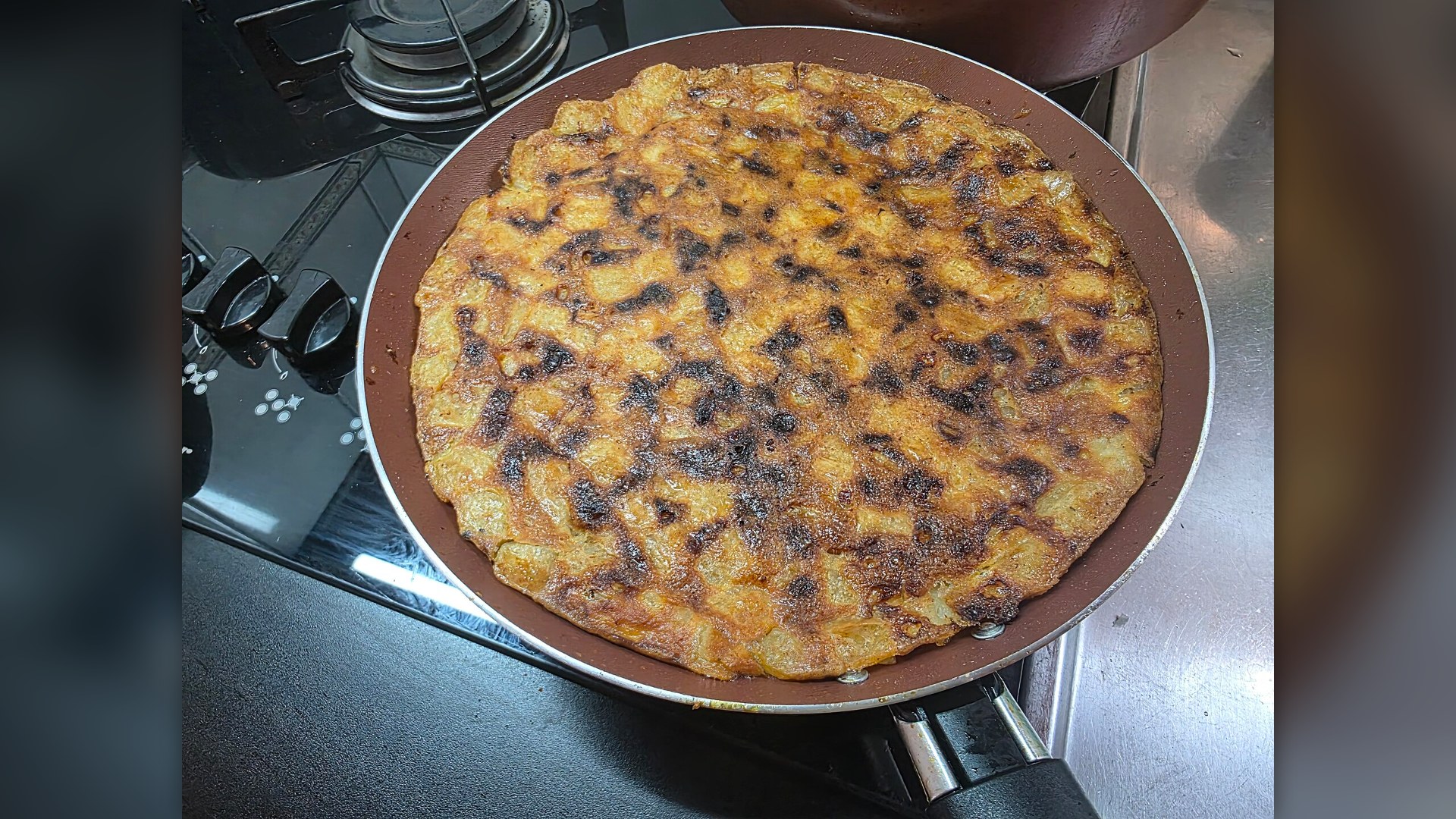
3. Teflon
In 1938, DuPont chemist Roy Plunkett stored tetrafluoroethylene gas in small steel cylinders packed in dry ice. When no gas escaped from a valve, he sawed the container open to find a slippery white powder that resisted heat and chemical corrosion, later applied to non-stick frying pans worldwide.
©Wikimedia / Horacio Cambeiro
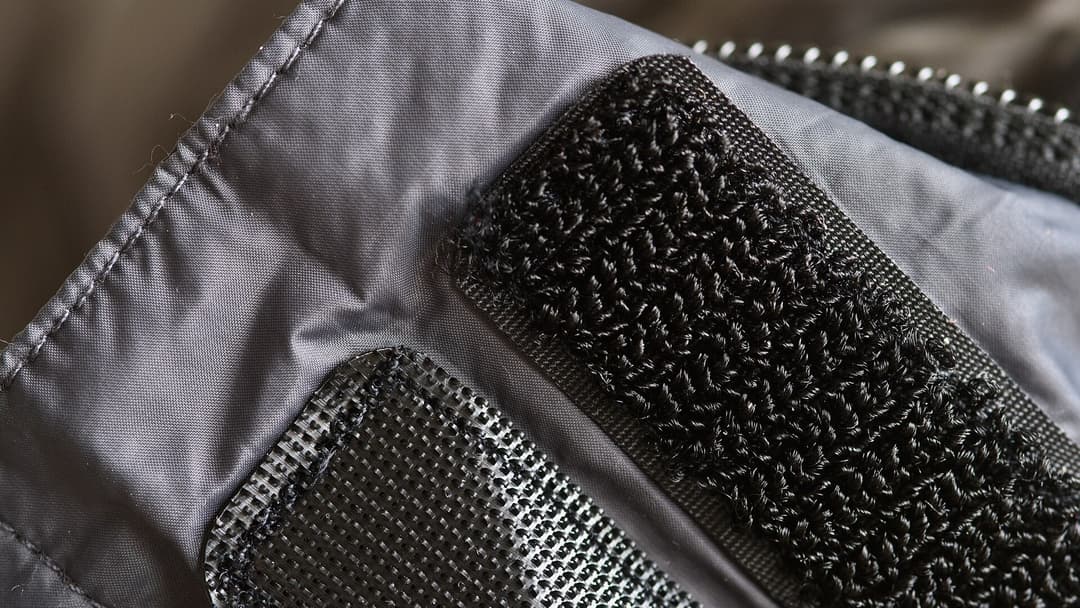
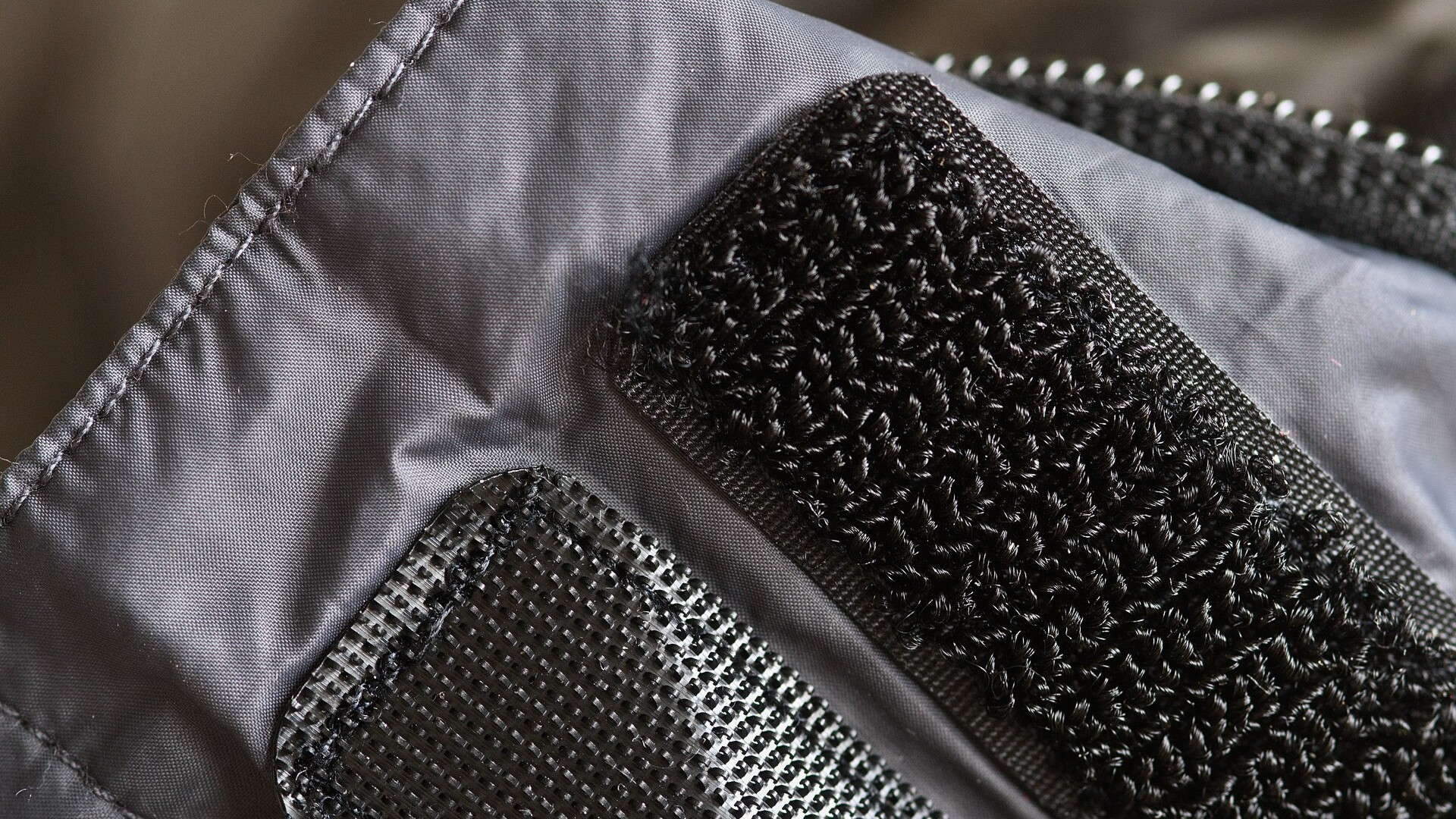
2. Velcro
In 1941, electrical engineer George de Mestral returned from a walk in the Swiss Alps and inspected burdock burrs clinging to his jacket and his Irish pointer's fur. Under a microscope, he identified thousands of microscopic hooks catching woven fabric loops, patenting the hook-and-loop fastener in 1955.
©Wikimedia / Topi Pigula
Advertisement
Swipe or tap ▶ to resume the countdown.
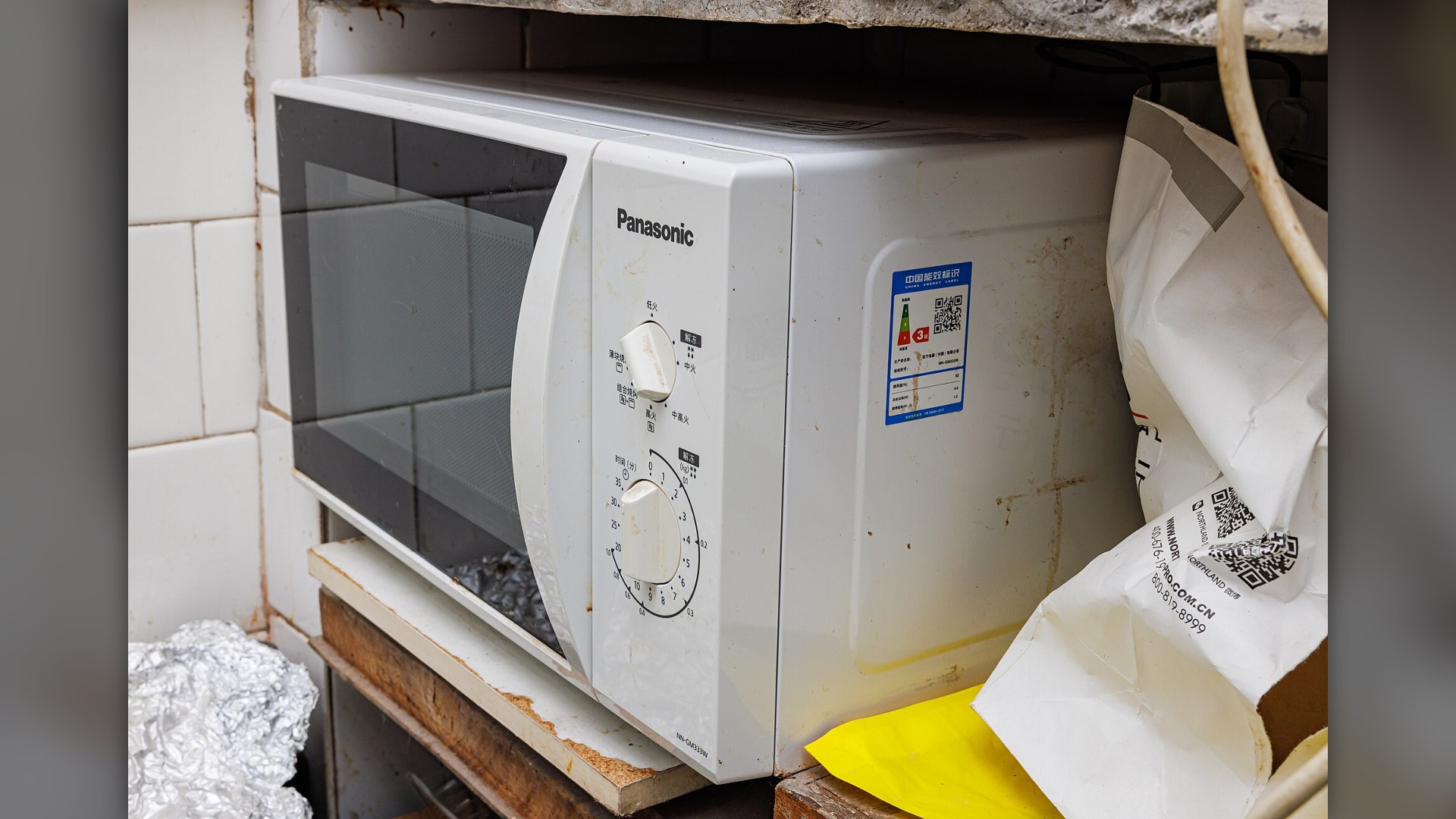
1. Microwave Oven
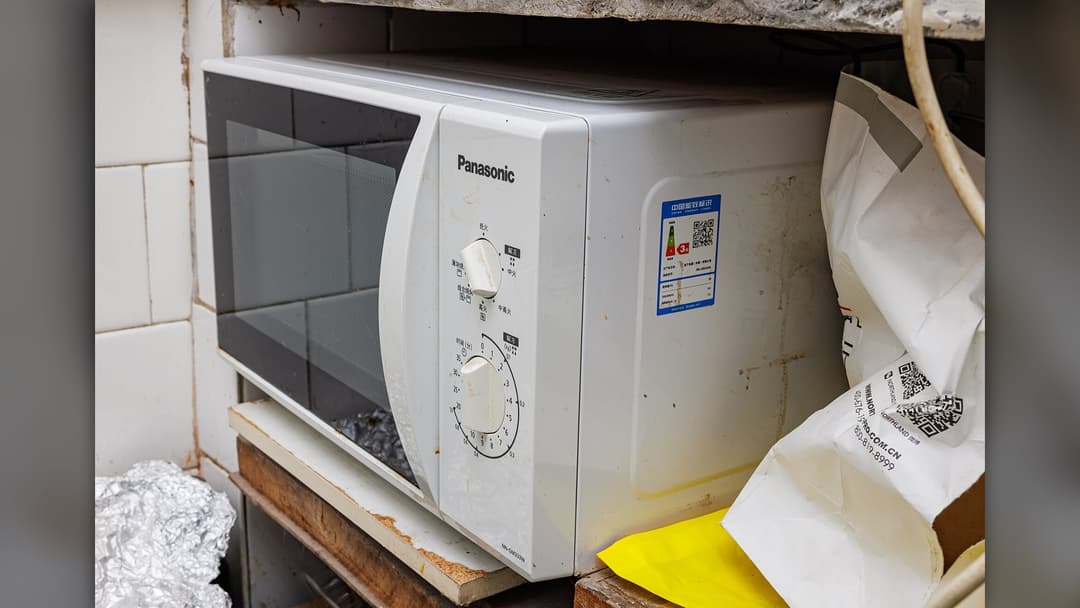
In 1945, Raytheon engineer Percy Spencer was testing an active magnetron tube for military radar systems. When a candy bar in his pocket melted without warming his clothes, he aimed the microwave beam at popcorn kernels and watched them burst, patenting the radar range that transformed kitchen cooking.
©Wikimedia / Dinkun Chen
Advertisement
You've reached the end of the story. Thanks for reading!

20 Countries With the Most Earthquakes, Ranked
Discover the 20 countries with the most earthquakes ranked by scientific monitoring records from global geological surveys. From the volatile Pacific Ring of Fire to complex continental fault lines, explore where tectonic forces collide and exactly where the United States lands among the most shaken nations.
All 20 Entries in this Story
20. Silly String
In 1972, chemist Leonard Fish and inventor Robert Cox tried designing an aerosol foam that could instantly set broken bones in the field. When their test nozzle sprayed a continuous rubbery strand across the laboratory instead of a stiff foam cast, they pivoted to novelty entertainment.

19. Aluminum Foil
In 1910, Swiss engineer Robert Victor Neher patented continuous aluminum rolling, seeking airtight wrappers for soup cubes and Toblerone chocolate. When commercial bakers discovered the thin metal resisted extreme oven temperatures without burning, kitchens adopted the pliable sheets worldwide.

18. Cellophane
In 1908, Swiss textile chemist Jacques Brandenberger watched a guest spill red wine over a restaurant tablecloth. Seeking a clear liquid coating to repel liquids, he applied viscose to cloth. The coating peeled off in a transparent sheet, creating the first moisture-proof kitchen food wrap.

17. Tea Bags
In 1908, New York tea merchant Thomas Sullivan shipped tea samples to retail buyers in small silk pouches to cut packaging costs. Customers assumed the porous bags were intended for brewing and dropped the pouches directly into boiling water, sparking a global pantry staple that persists today.

16. Coffee Filters
Frustrated by bitter grounds in linen percolator pots, Dresden homemaker Melitta Bentz punctured the bottom of a brass pot with nails in 1908. She lined it with blotter paper from her son Willi's school notebook. The filter produced clear coffee, winning an imperial patent that built a global brand.

15. Safety Pins
In 1849, American mechanic Walter Hunt owed a draftsman fifteen dollars. While twisting an eight-inch piece of brass wire with his fingers to devise something marketable, he added a coiled spring and protective clasp. Hunt sold his patent rights for four hundred dollars to settle his obligation.

14. Saccharin
In 1879, Russian chemist Constantin Fahlberg was investigating coal tar derivatives at Johns Hopkins University. After leaving the laboratory without washing his hands, he tasted unexpected sweetness on a dinner roll. Tracing the taste back to ortho-sulfobenzoic acid, he patented the zero-calorie sweetener.

13. Bakelite
In 1907, Belgian chemist Leo Baekeland sought a replacement for natural shellac to insulate electrical equipment. By heating phenol and formaldehyde inside a pressurized autoclave called a Bakelizer, he formed a hard, heat-resistant polymer that soon molded kitchen radios, telephone housings, and pot handles.

12. Pyrex Glassware
In 1915, Corning Glass Works physicist Jesse Littleton wanted to demonstrate the thermal endurance of nonox borosilicate glass. He brought home the sawn-off bottom of a battery jar, where his wife Bessie baked a sponge cake. The cake baked evenly without cracking the dish, launching Pyrex bakeware.

11. Vulcanized Rubber
Natural rubber was notorious for turning brittle in winter cold and sticky in summer heat. In 1839, Charles Goodyear accidentally dropped a mixture of raw India rubber, white lead, and sulfur onto a hot wood stove. The charred mass retained elasticity and water resistance, enabling weather-proof seals and boots.

10. Smoke Detectors
In the late 1930s, Swiss physicist Walter Jaeger was building an ionization sensor to warn miners about toxic gas. His device registered nothing until Jaeger lit a cigarette, causing the meter needle to jump as smoke particles reduced the electrical current. Modern household fire alarms stem from that smoke test.

9. Ice Cream Cones
At the 1904 St. Louis World's Fair, ice cream seller Arnold Fornachou ran out of clean glass bowls during intense summer heat. Syrian pastry vendor Ernest Hamwi rolled warm zalabia waffles into hollow cones to hold the scoops, creating a handheld dessert staple sold across modern grocery freezers.

8. Petroleum Jelly
In 1859, young chemist Robert Chesebrough visited an oil field in Titusville, Pennsylvania. Workers complained about rod wax, a dark paraffin byproduct clogging drills, but noted it soothed minor cuts. Chesebrough purified the dark jelly into a translucent balm, patenting Vaseline in 1872 for household medicine.

7. Mauveine Dyes
In 1856, teenage chemistry student William Henry Perkin attempted to synthesize artificial quinine to treat malaria in his London attic. His reactions produced a dark sludge instead, but washing it with alcohol yielded an intense purple solution that dyed silks permanently, founding synthetic domestic dyes.

6. Stainless Steel
In 1913, Sheffield metallurgist Harry Brearley added chromium to iron to combat erosion in rifle barrels. The alloy proved too soft for weapons and was dumped in a scrap heap. Months later, Brearley observed the discarded steel remained mirror-bright, soon producing rust-proof kitchen cutlery and sinks.

5. Post It Notes
In 1968, 3M researcher Spencer Silver sought an ultra-strong aerospace adhesive, but created microscopic acrylic spheres that stuck lightly to surfaces without tearing. In 1974, colleague Art Fry applied the gentle adhesive to paper slips to keep bookmarks from slipping out of his church choir hymnal.

4. Chocolate Chip Cookies
In 1938, Ruth Wakefield was baking butter drop cookies for guests at the Toll House Inn in Whitman, Massachusetts. Lacking baker's chocolate, she chopped a Nestlé semi-sweet chocolate bar into small chunks, expecting the pieces to melt. Instead, the bits held their shape, creating a staple American dessert.

3. Teflon
In 1938, DuPont chemist Roy Plunkett stored tetrafluoroethylene gas in small steel cylinders packed in dry ice. When no gas escaped from a valve, he sawed the container open to find a slippery white powder that resisted heat and chemical corrosion, later applied to non-stick frying pans worldwide.

2. Velcro
In 1941, electrical engineer George de Mestral returned from a walk in the Swiss Alps and inspected burdock burrs clinging to his jacket and his Irish pointer's fur. Under a microscope, he identified thousands of microscopic hooks catching woven fabric loops, patenting the hook-and-loop fastener in 1955.

1. Microwave Oven
In 1945, Raytheon engineer Percy Spencer was testing an active magnetron tube for military radar systems. When a candy bar in his pocket melted without warming his clothes, he aimed the microwave beam at popcorn kernels and watched them burst, patenting the radar range that transformed kitchen cooking.