Slideshow · Lifestyle
20 Classic Thanksgiving Dishes & Surprising History Behind Them
Every fourth Thursday of November, millions of families gather around a feast steeped in tradition. Yet few holiday staples arrived on the table by accident. From depression-era canned soups to indigenous trade routes, explore the documented histories and corporate inventions behind 20 classic Thanksgiving dishes.
By Most Viral Today
42 min ago

20 Traditional Thanksgiving Dishes and Their Recorded Origins 
20. Canned Cranberry Sauce 
19. Pumpkin Pie 
18. Turkey Gravy - AdvertisementSwipe or tap ▶ to continue countdown

17. Mashed Potatoes 
16. Macaroni And Cheese 
15. Cornbread Stuffing 
14. Pecan Pie - AdvertisementSwipe or tap ▶ to continue countdown

13. Sweet Potato Pie 
12. Roast Turkey 
11. Green Bean Casserole 
10. Parker House Rolls - AdvertisementSwipe or tap ▶ to continue countdown

9. Brussels Sprouts With Bacon 
8. Creamed Corn 
7. Cranberry Relish 
6. Candied Yams - AdvertisementSwipe or tap ▶ to continue countdown

5. Butternut Squash Soup 
4. Oyster Stuffing 
3. Creamed Onions 
2. Sweet Potato Casserole With Marshmallows - AdvertisementSwipe or tap ▶ to continue countdown

1. Ambrosia Salad - Advertisement🔥 UP NEXT IN THIS SERIES◫ 21 Slides

20 Childhood Fears Many Adults Still Have
Childhood fears often survive into adulthood because the human amygdala forms emotional memories before logic matures. Surveys from YouGov and the American Psychological Association show that common phobias, from dental drills to dark hallways, continue to influence adult habits across the globe every single day.
Historical reporting from the Smithsonian Institution, the Library of Congress, and the National Museum of American History reveals that many holiday essentials are modern inventions. While roast fowl and corn date back centuries, casseroles and canned jellies emerged through mid-century corporate test kitchens.
Swipe or tap ▶ to begin the countdown
©Wikimedia / Mashed potato & Wikimedia / theogeo
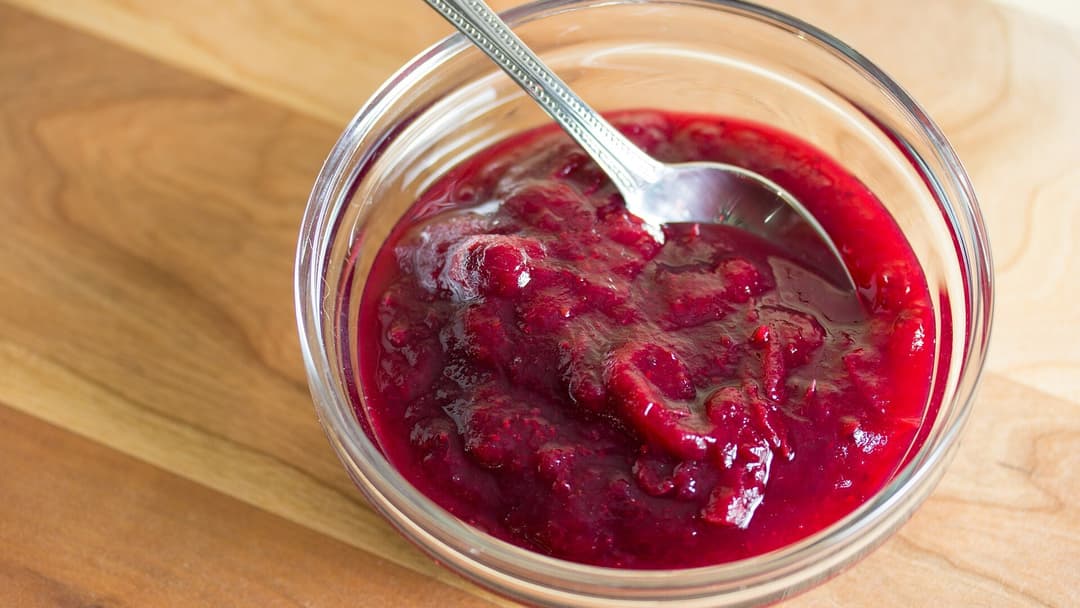
20. Canned Cranberry Sauce
Fresh cranberries spoiled quickly during rail shipment, limiting sales to a short six-week window. Urann bought a Massachusetts bog and began boiling damaged berries with pectin to create stable jellied cylinders. Ocean Spray distributed the iconic ribbed cans nationally starting in 1941.
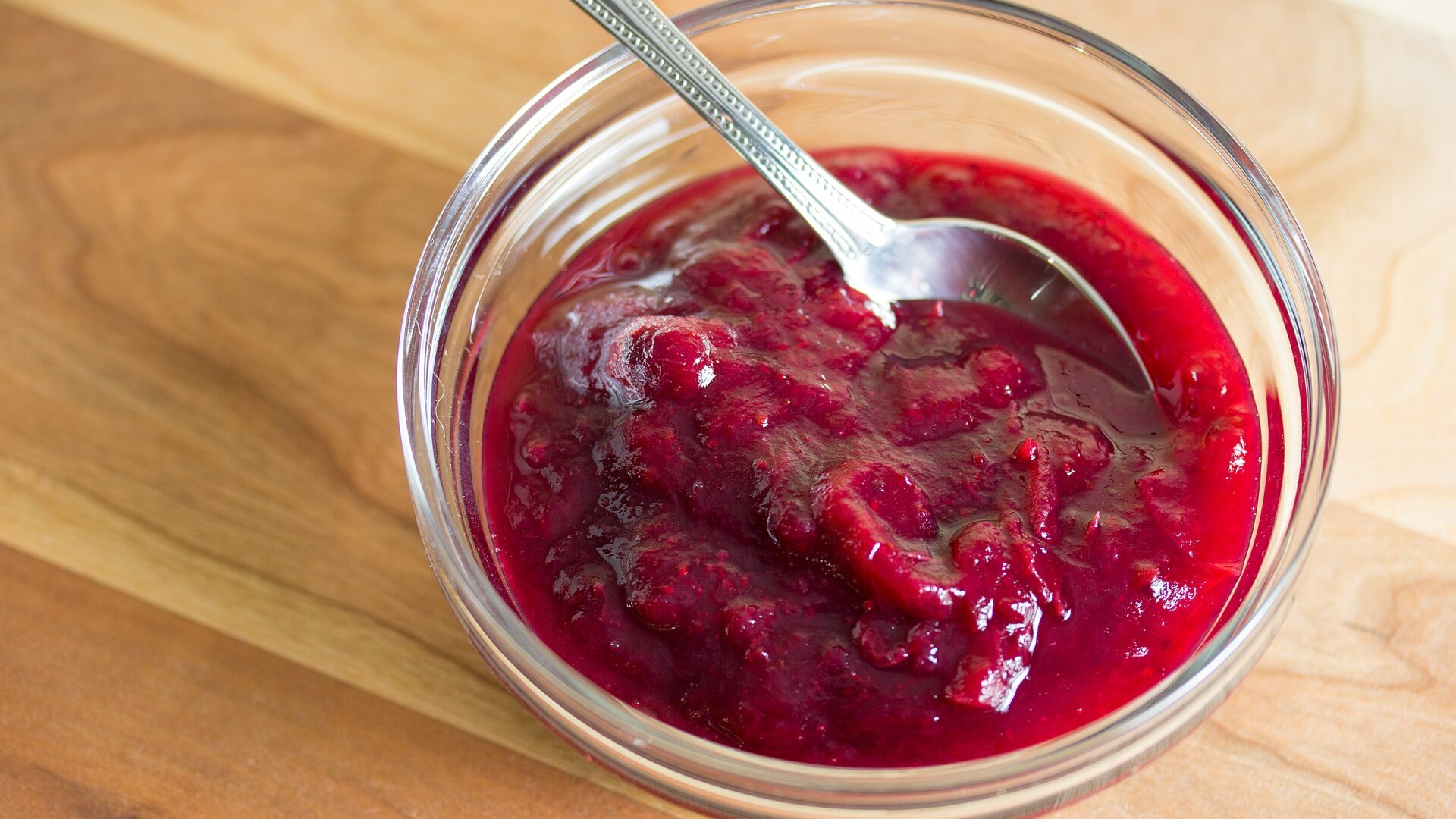
©Wikimedia / FoodCraftLab
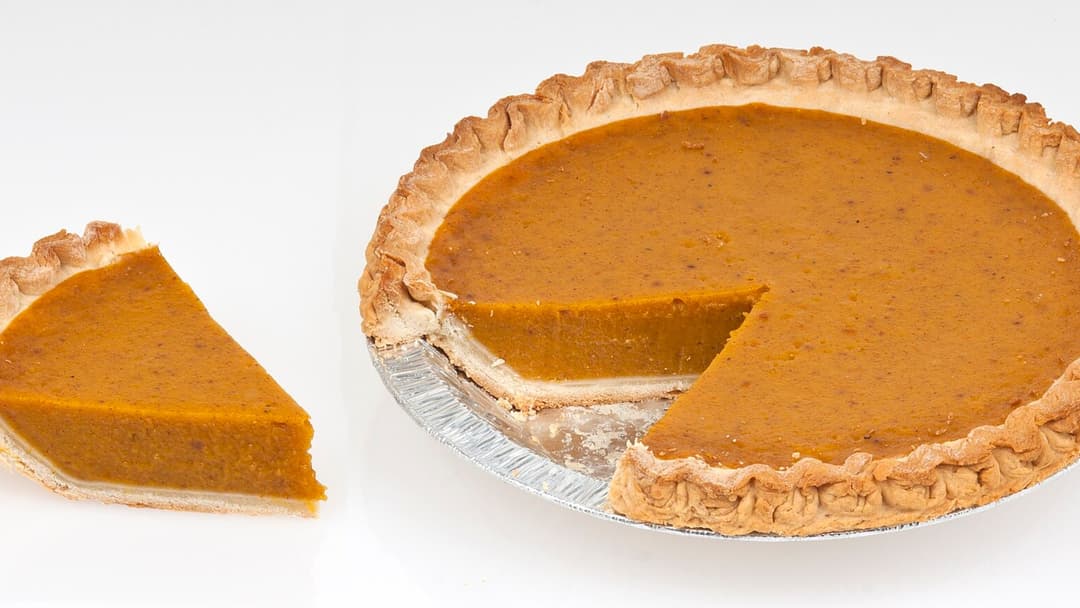
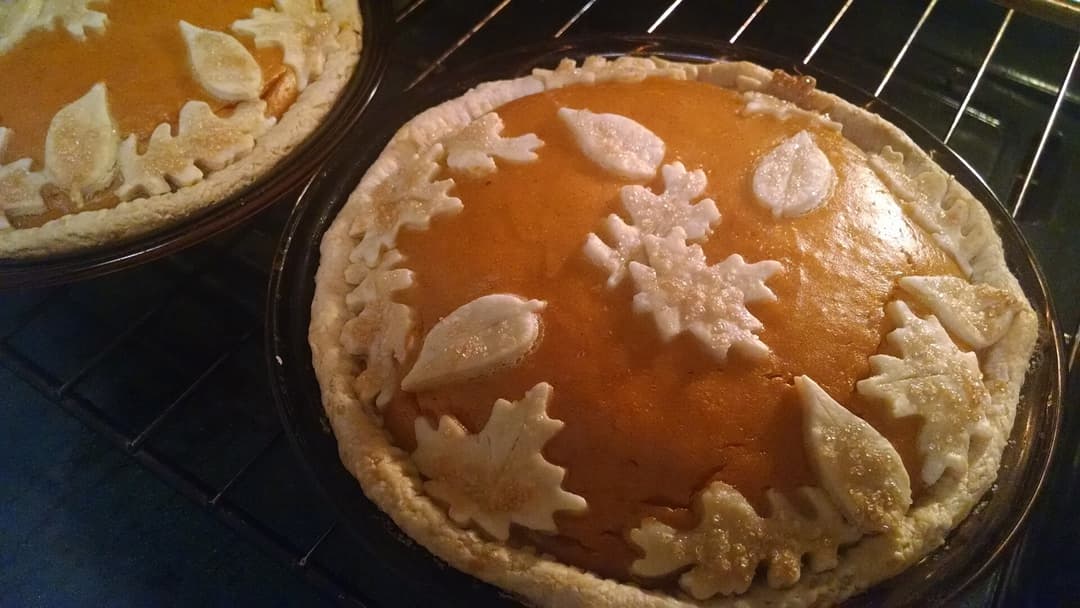
19. Pumpkin Pie
Seventeenth-century New England colonists lacked pastry pie crusts and specialized baking pans. Cooks hollowed whole pumpkins, filled the cavities with spiced milk, honey, and eggs, and roasted the gourds directly in hot ash embers. Amelia Simmons printed the first crust-based pumpkin pie recipe in 1796.
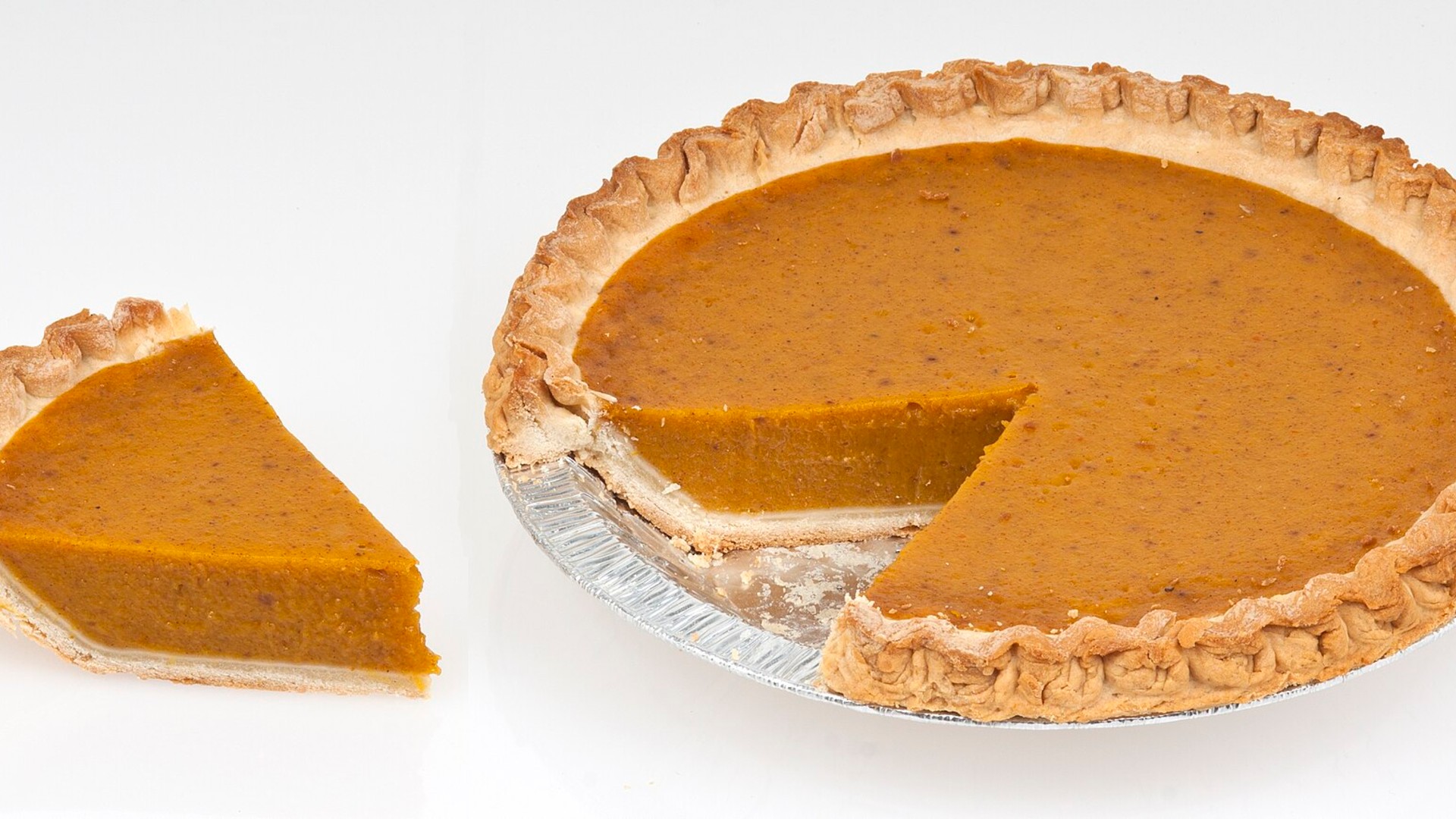
©Wikimedia / Pumpkin pie
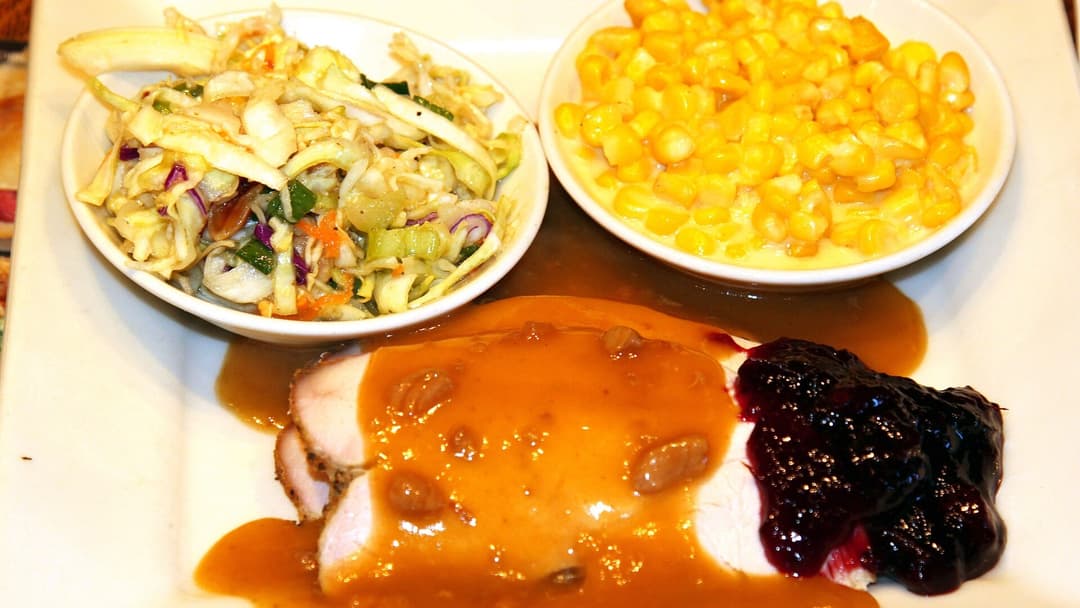
18. Turkey Gravy
Medieval European cooks used unthickened pan drippings called jus to moisten roasted game. American holiday cooks refined the sauce by adding a flour roux and simmered giblet stock to roasting pan remnants. The thickened gravy prevented dry roasted meat slices from losing flavor on dinner plates.
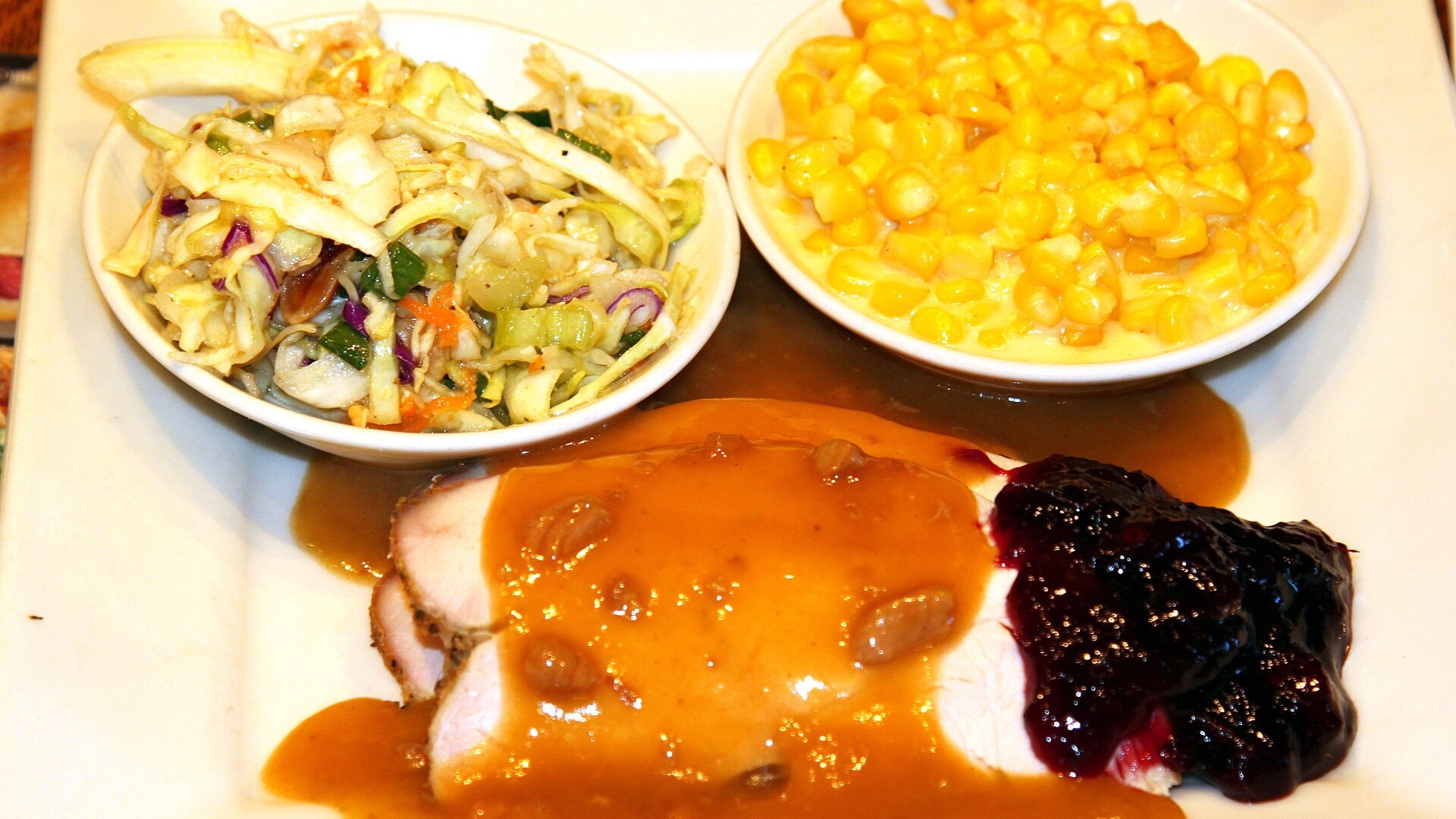
©Wikimedia / Prayitno, Thank you for (12 millions +)
Advertisement
Swipe or tap ▶ to resume the countdown.
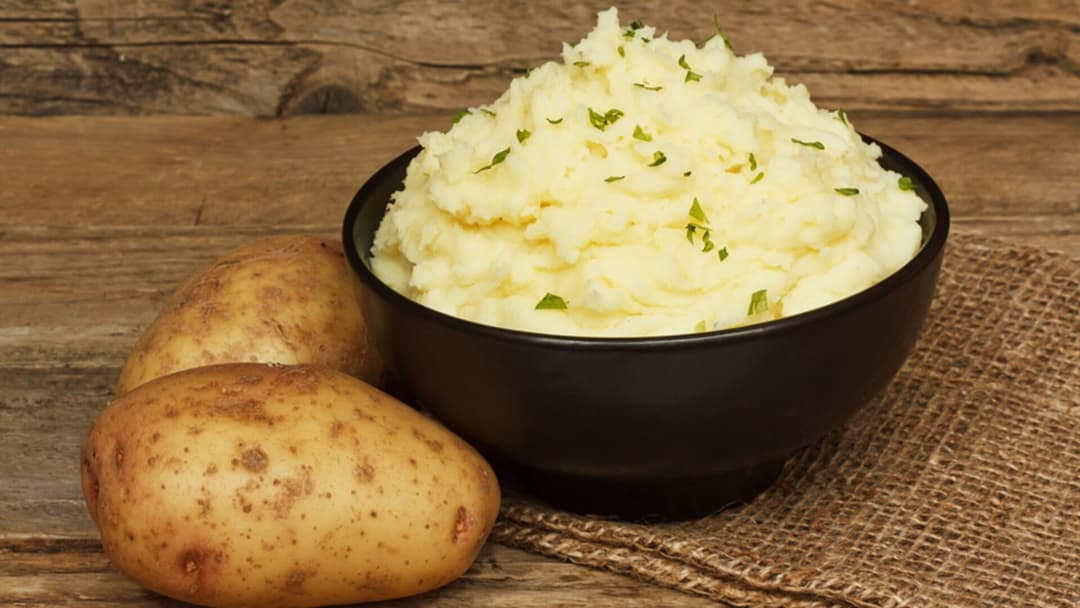
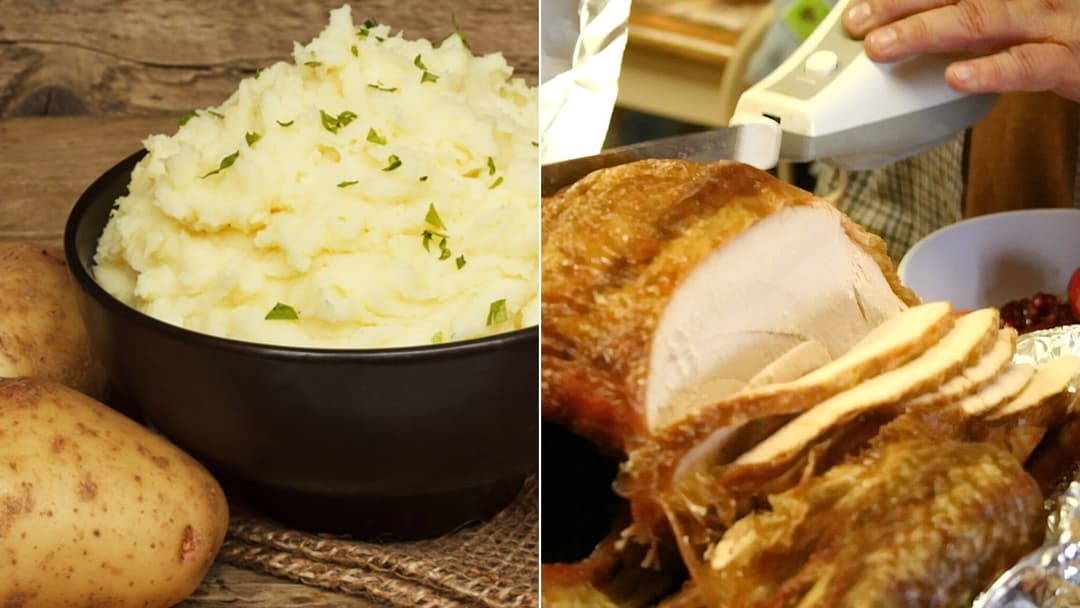
17. Mashed Potatoes
Indigenous farmers in the Andes domesticated potatoes thousands of years ago, but European tables resisted them for generations. Mary Randolph published the first American recipe for mashed potatoes with butter and milk in her 1824 guide, The Virginia House-Wife. The side became ubiquitous by the 1880s.
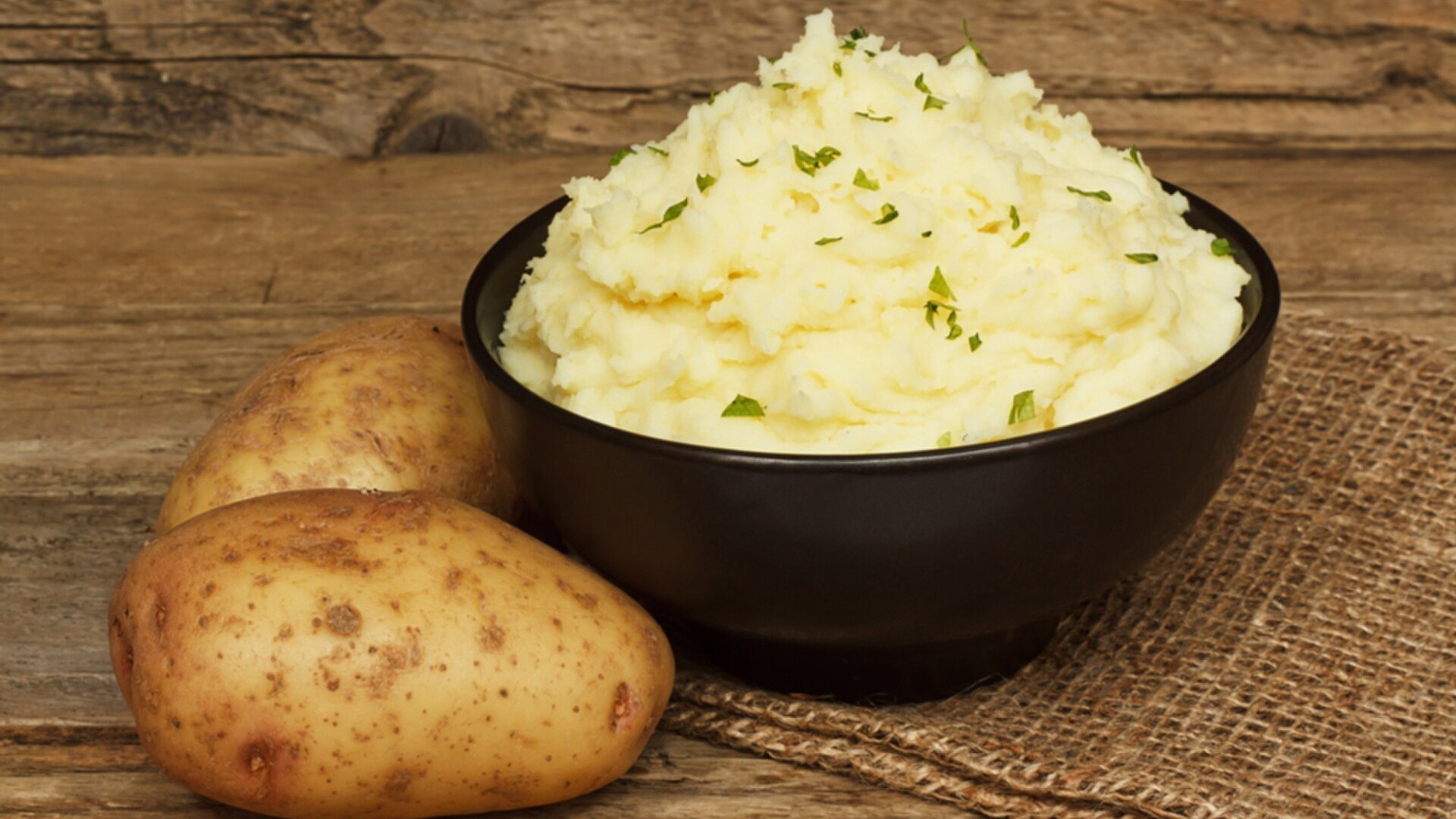
©Wikimedia / Mashed potato
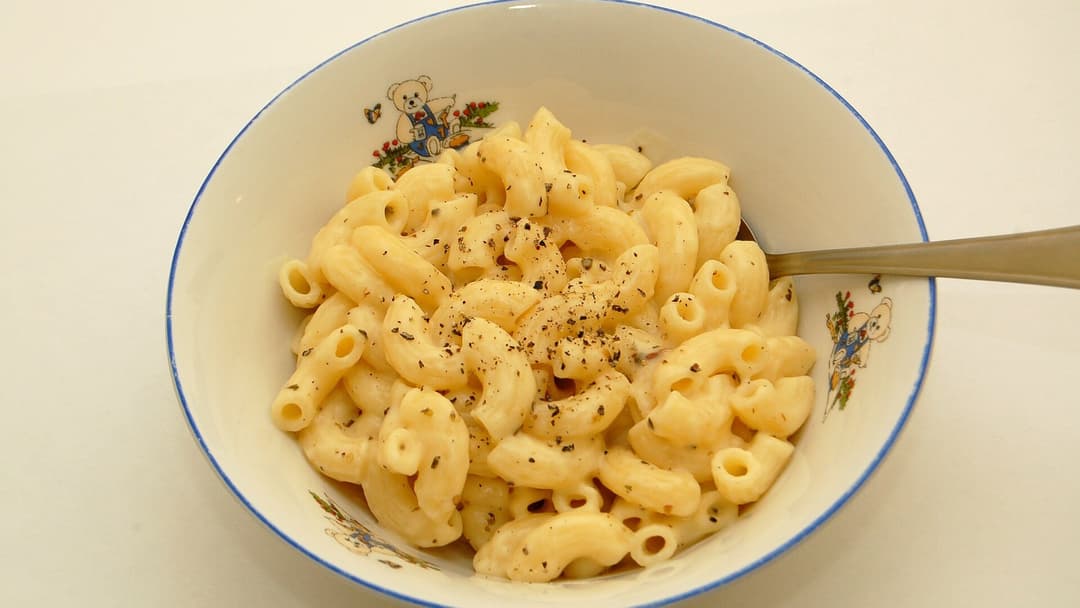
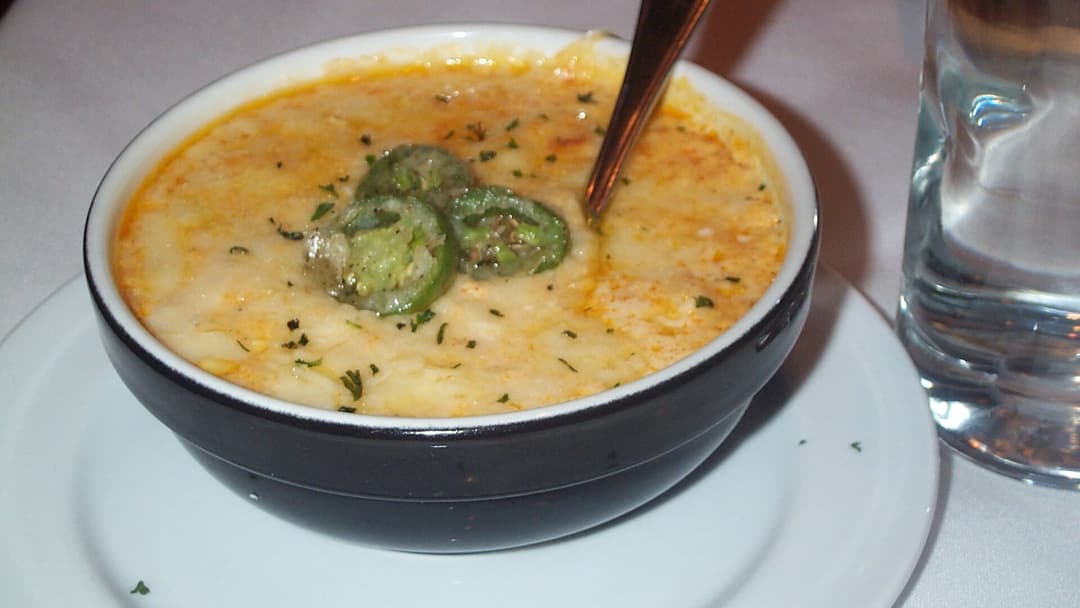
16. Macaroni And Cheese
Jefferson encountered baked macaroni in Paris and northern Italy during the 1780s. Enslaved chef James Hemings mastered the preparation, recreating baked macaroni with cheddar cheese for an 1802 White House dinner. The baked casserole spread through southern celebrations over the next two centuries.
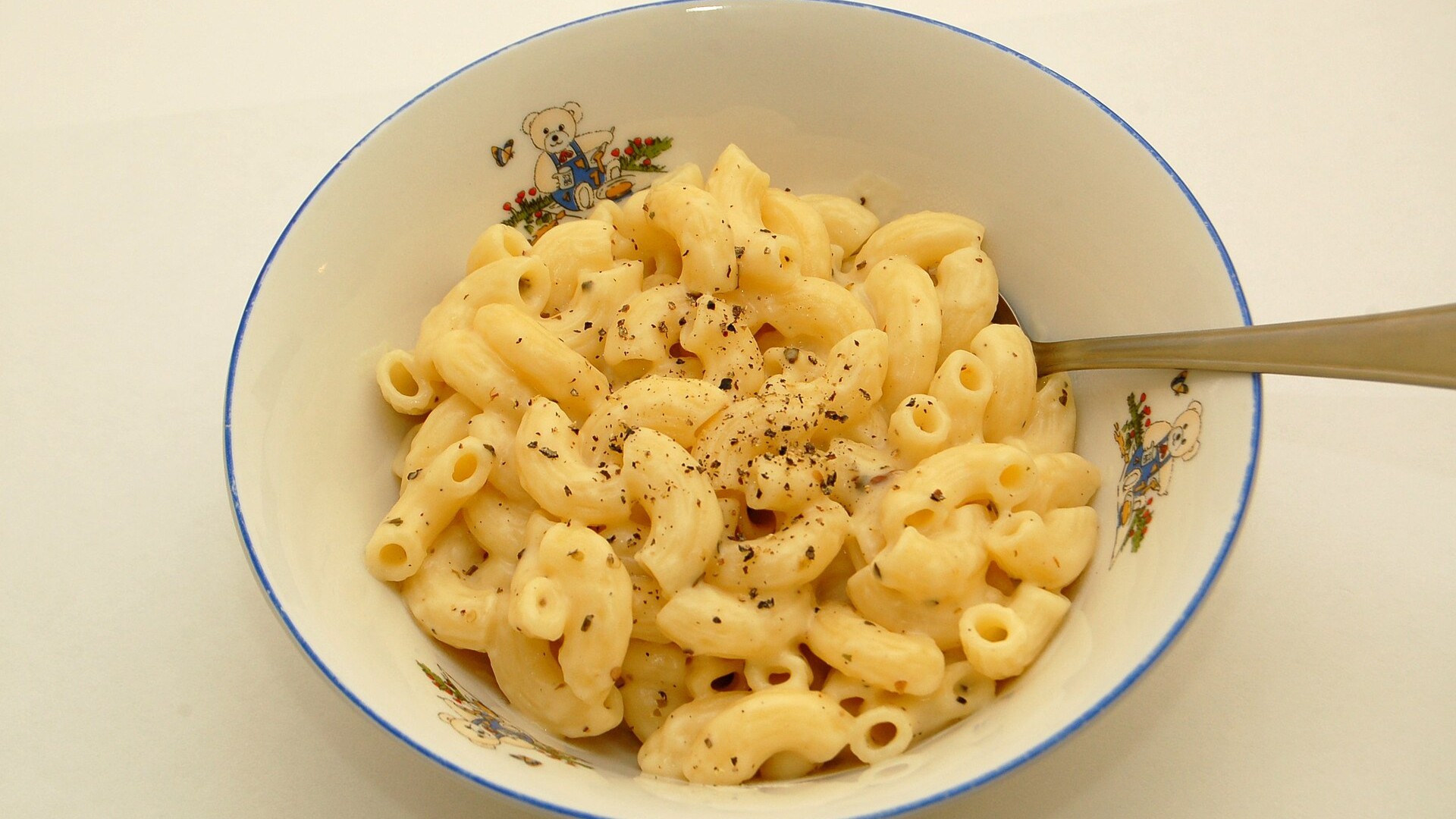
©Wikimedia / Antilived
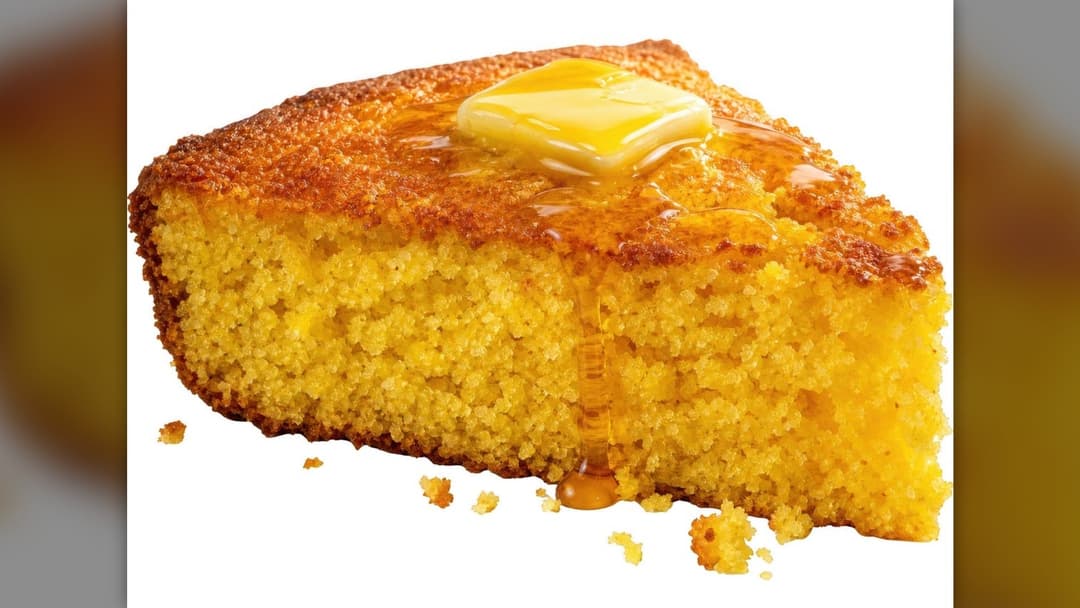
15. Cornbread Stuffing
While northern cooks favored stale wheat bread, southern cooks relied on coarse yellow cornmeal pans. After baking skillet cornbread, cooks crumbled and dried the pieces before tossing them with celery, sage, and giblet broth. The savory mixture became known simply as dressing throughout the South.
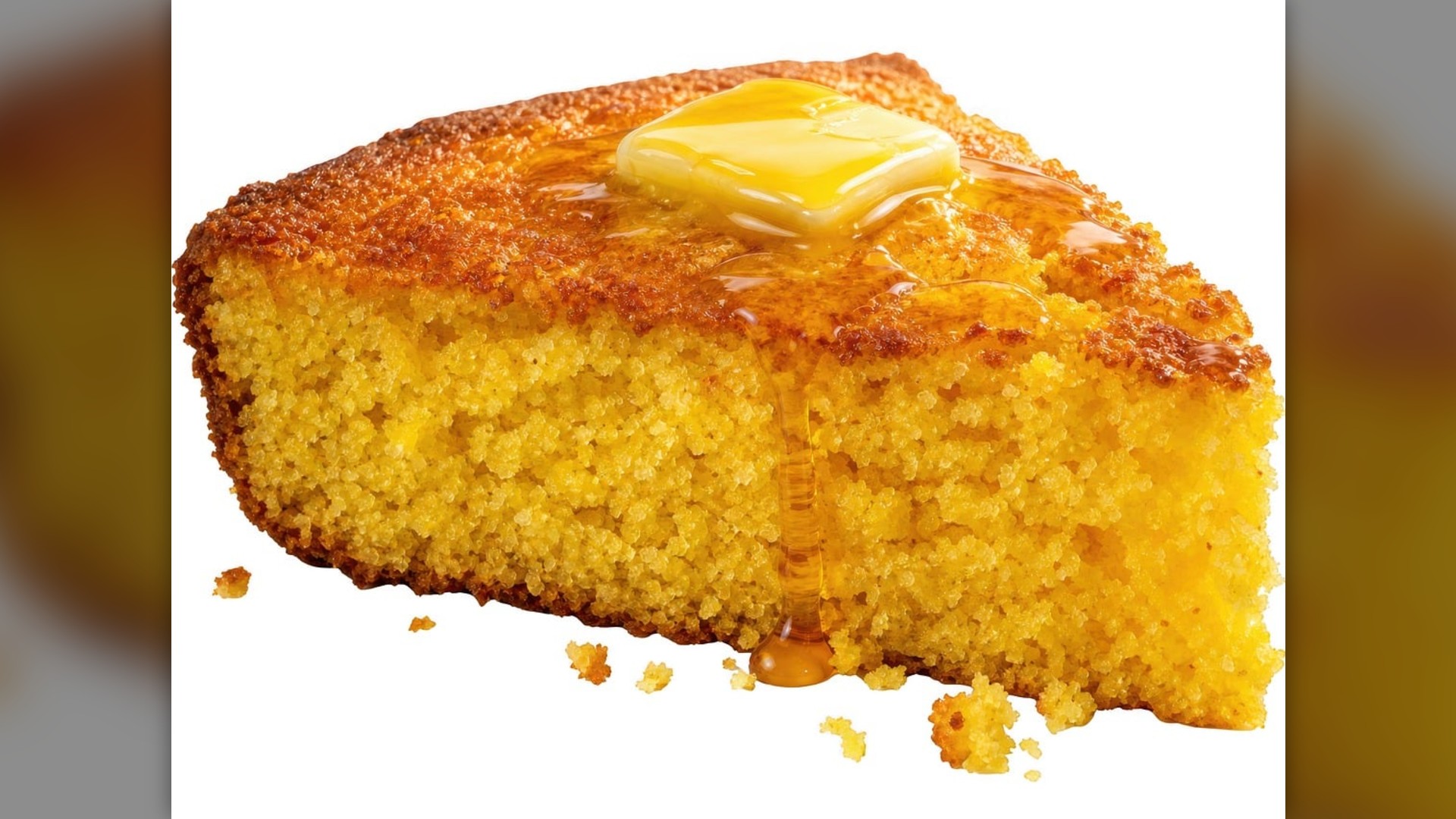
©Pixabay / IstiakHossen
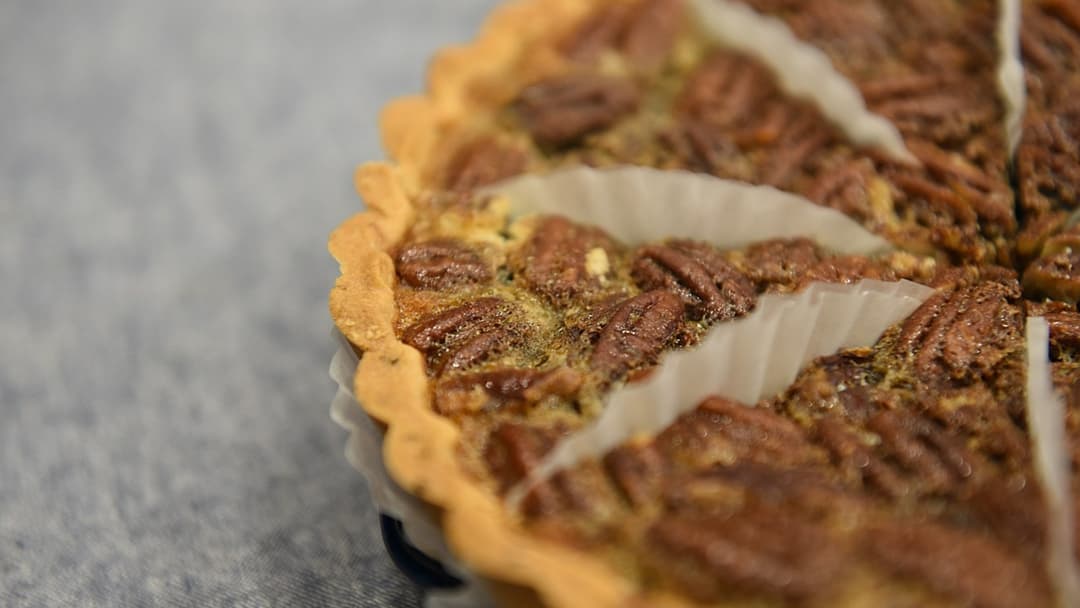
14. Pecan Pie
Native Americans along the Mississippi River harvested wild pecans for centuries. Nineteenth-century Texas cooks baked early variations with molasses, but the modern Karo syrup formula emerged in the 1930s. The Corn Products Refining Company printed the easy recipe directly onto commercial syrup labels.
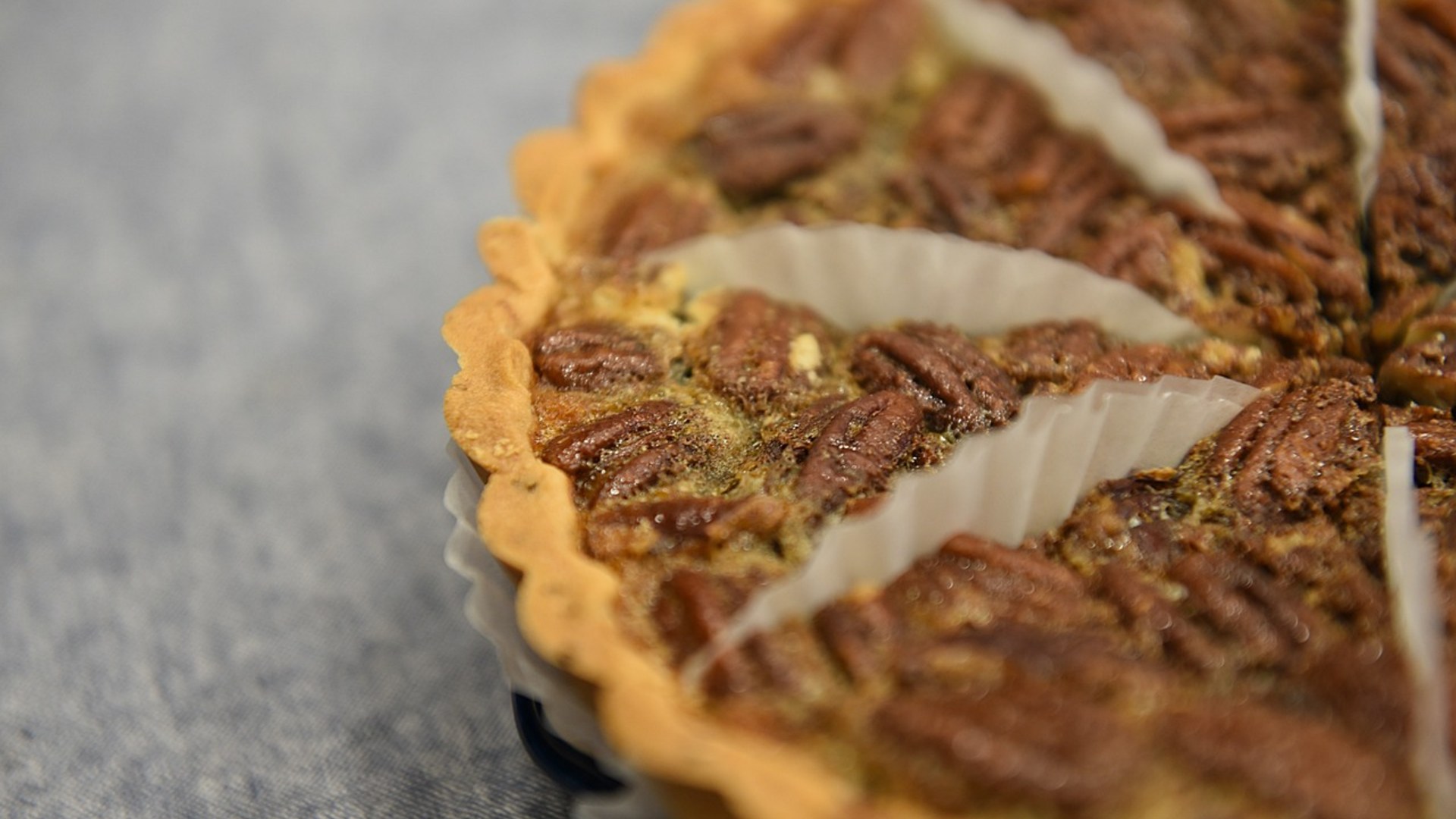
©Pixabay / sinapy
Advertisement
Swipe or tap ▶ to resume the countdown.
13. Sweet Potato Pie
Enslaved African cooks in the American South substituted indigenous sweet potatoes for traditional African yams. Using baking techniques developed in plantation kitchens, they added nutmeg, allspice, butter, and eggs. The spiced custard pie became a foundational centerpiece of Black holiday culture.
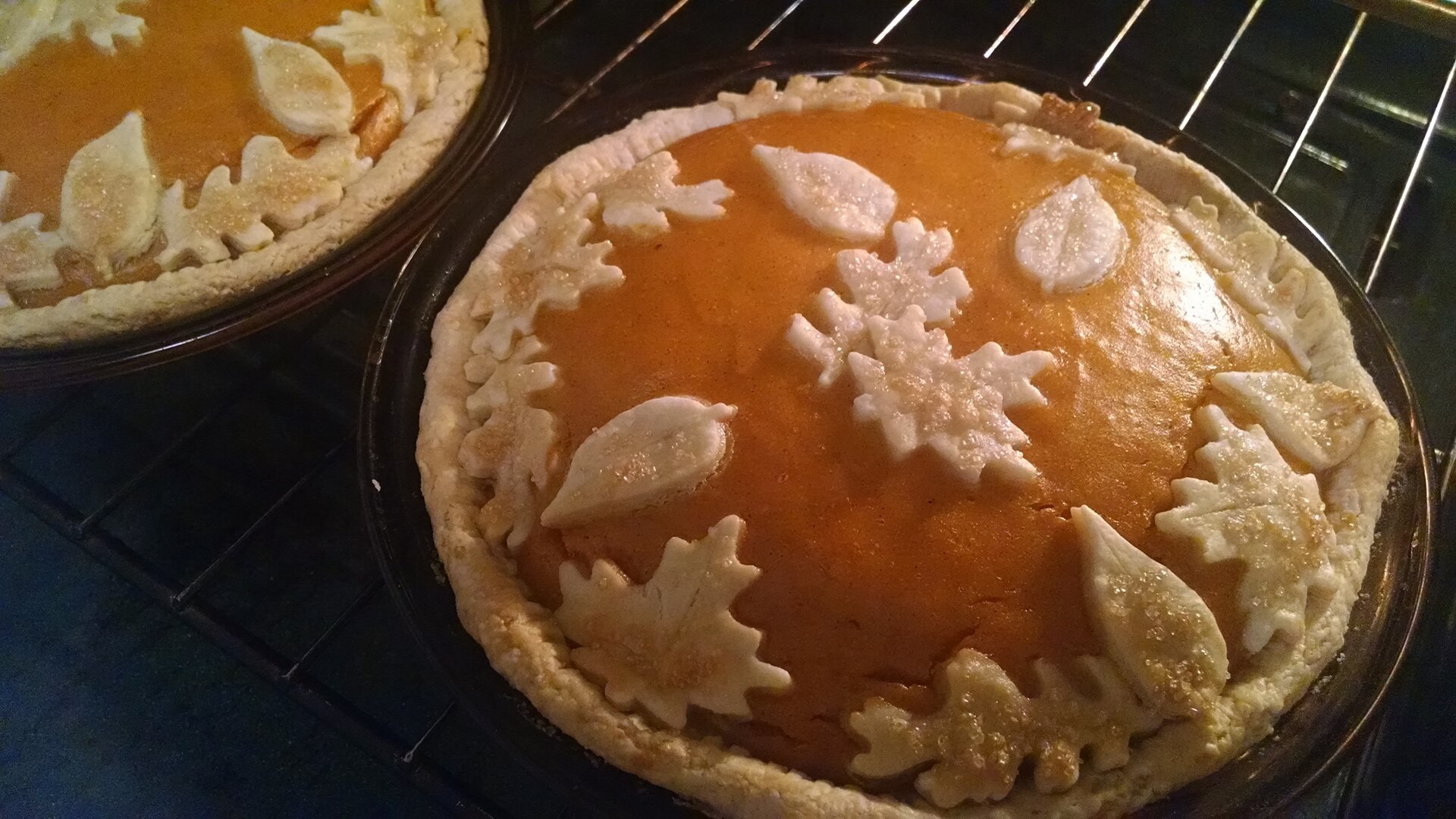
©Wikimedia / Sweet potato pie
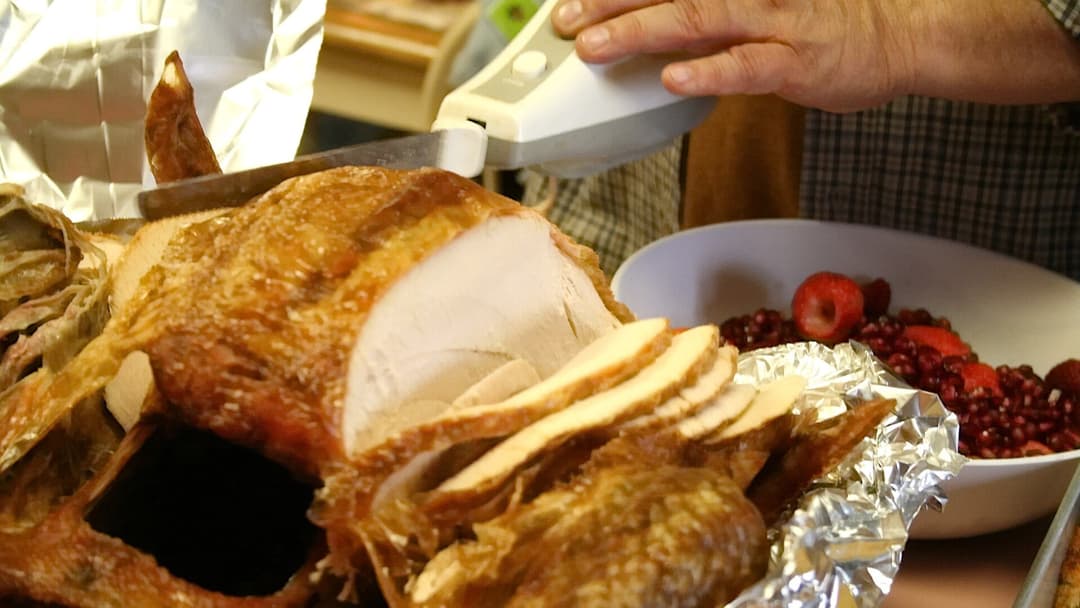
12. Roast Turkey
Edward Winslow recorded that Plymouth colonists ate wild fowl in 1621, but turkey was not mandatory. Godey's Lady's Book editor Sarah Josepha Hale spent thirty years writing editorials and lobbying presidents for a national holiday centered on roasted turkey. Abraham Lincoln made it official in 1863.
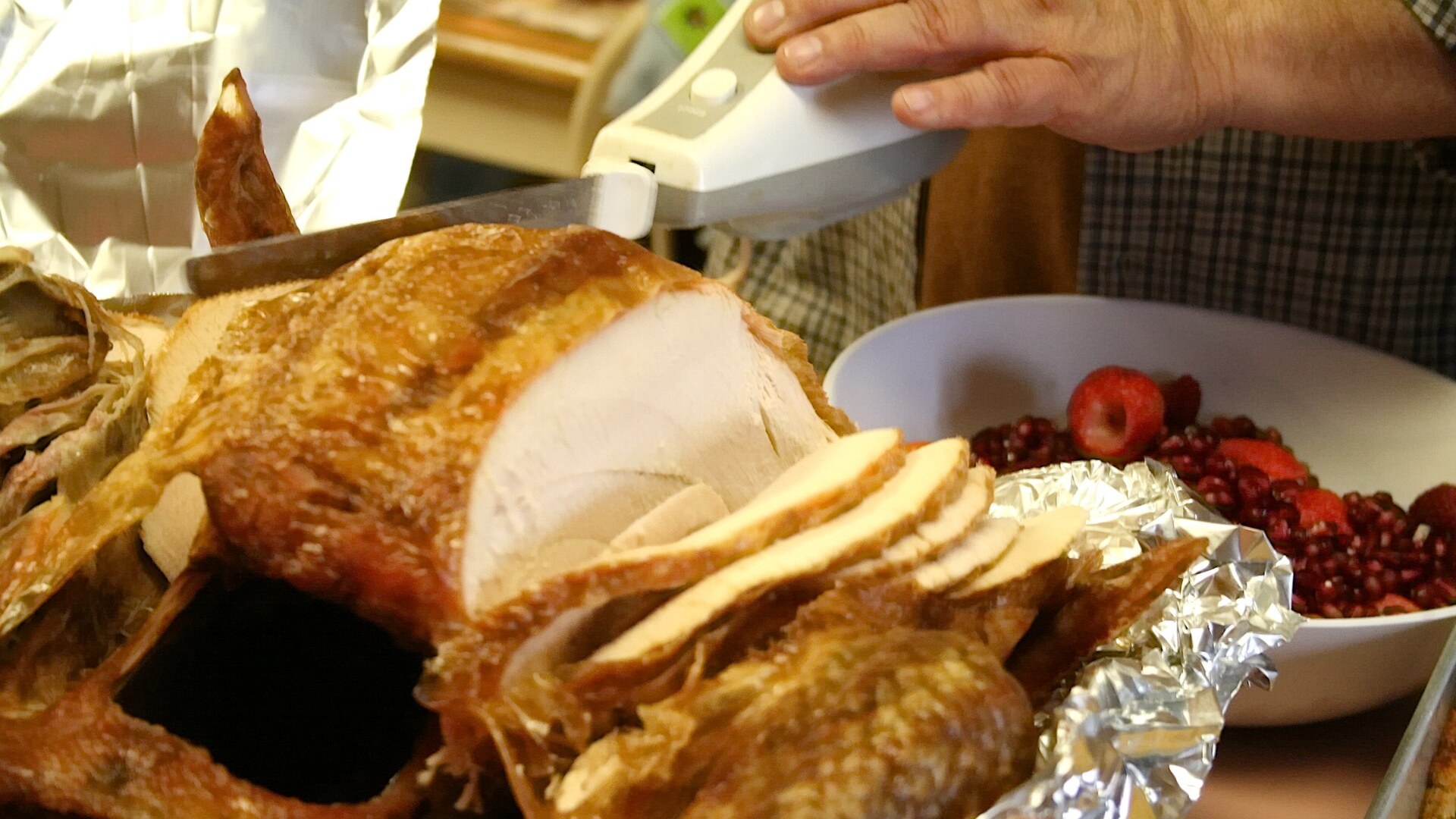
©Wikimedia / theogeo
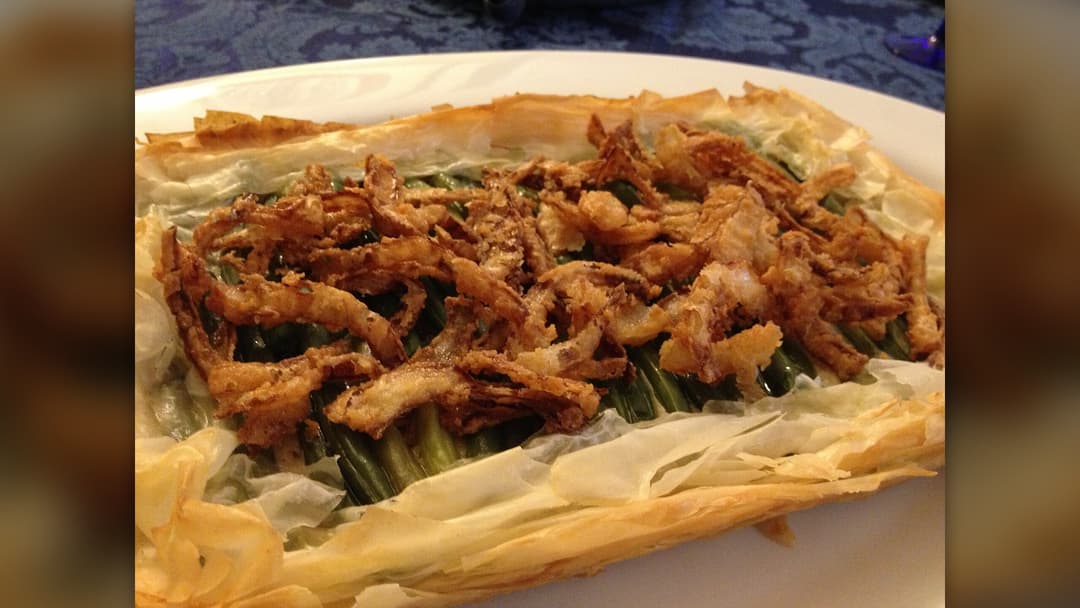
11. Green Bean Casserole
Reilly led the Campbell Soup Company home economics team in Camden, New Jersey. She created the Green Bean Bake using six common pantry staples, including canned cream of mushroom soup and french-fried onions. Campbell estimates the recipe now appears on twenty million holiday tables each year.
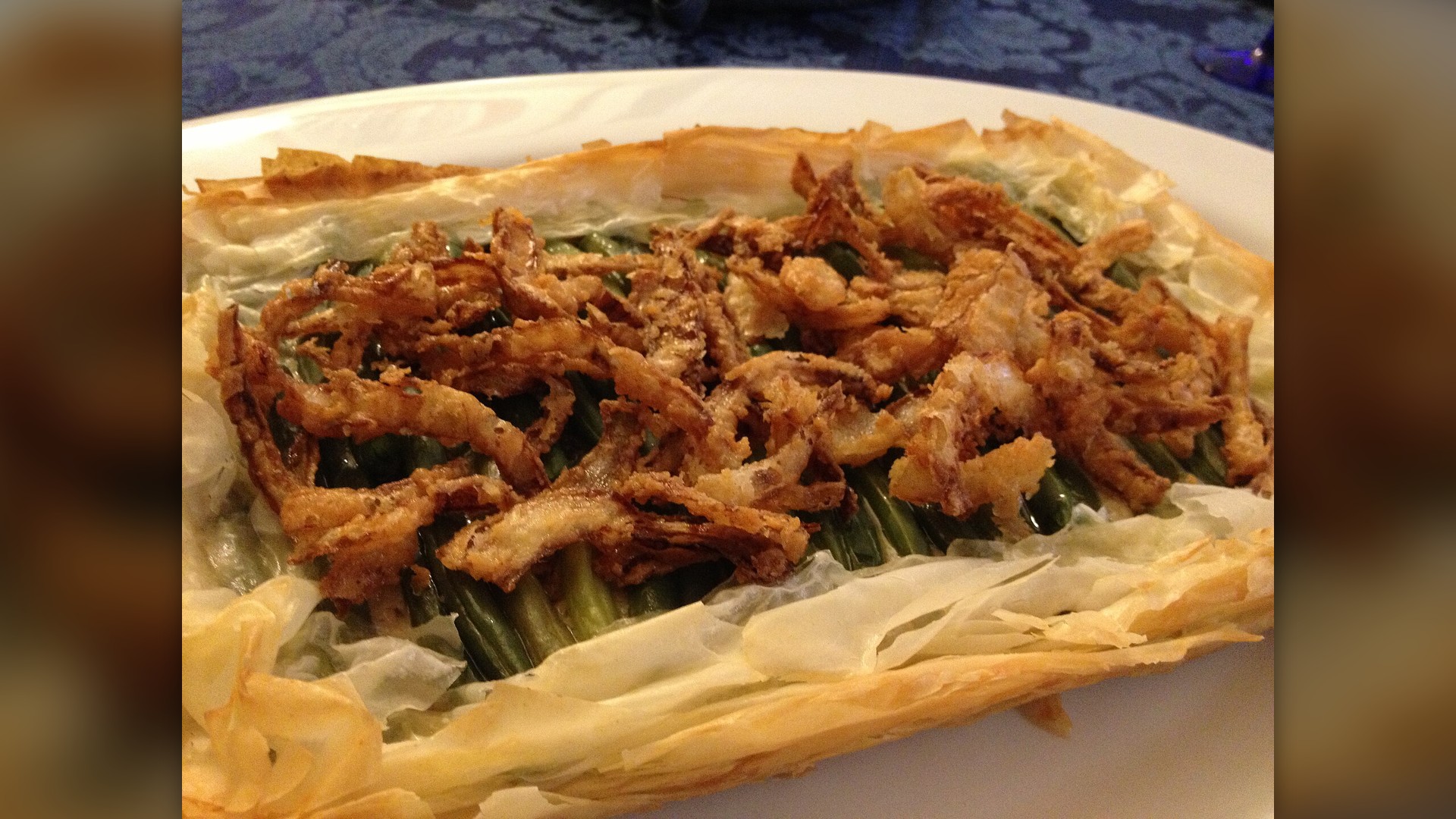
©Wikimedia / Stephanie Clifford from Arlington, VA, USA
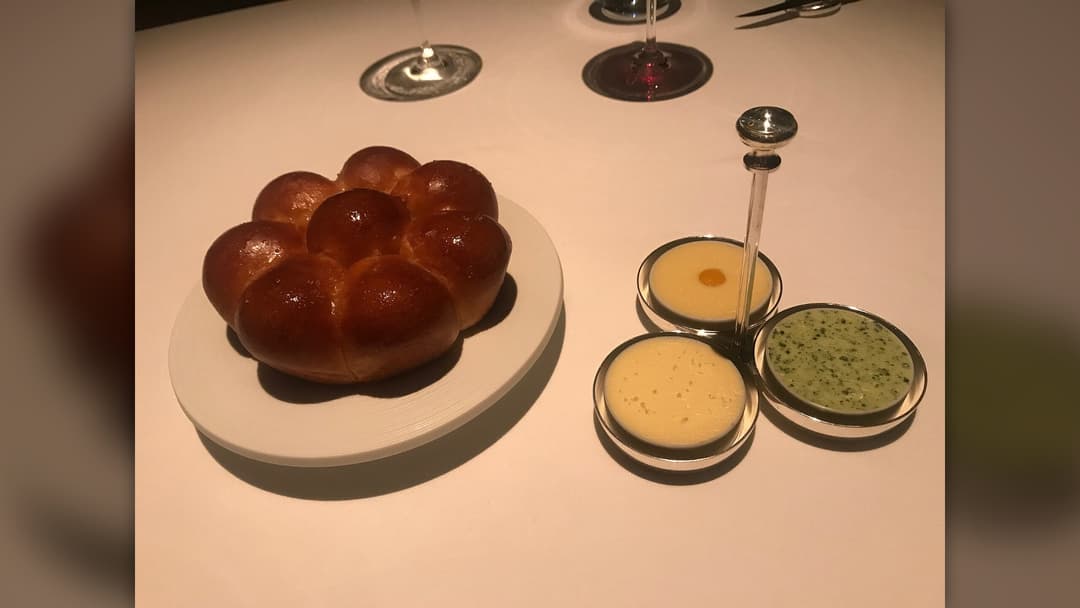
10. Parker House Rolls
Baker Ward baked at Boston's Parker House Hotel during the 1870s. Legend holds that he hurled uncooked dough into an oven during an argument with a hotel guest, causing the folded rolls to bake with crisp shells and soft, hollow centers. The recipe became a national sensation by 1880.
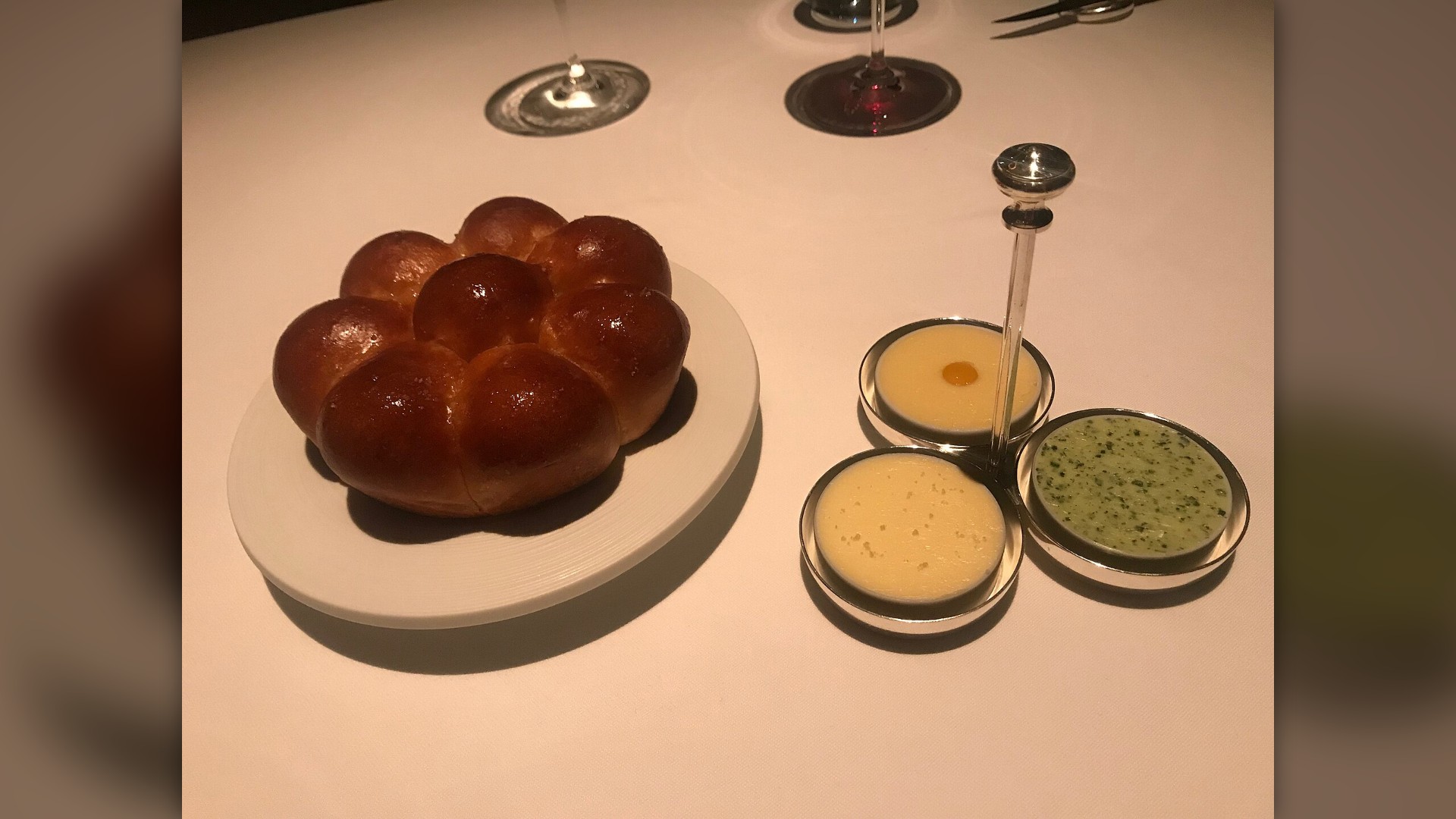
©Wikimedia / l_zimberoff
Advertisement
Swipe or tap ▶ to resume the countdown.
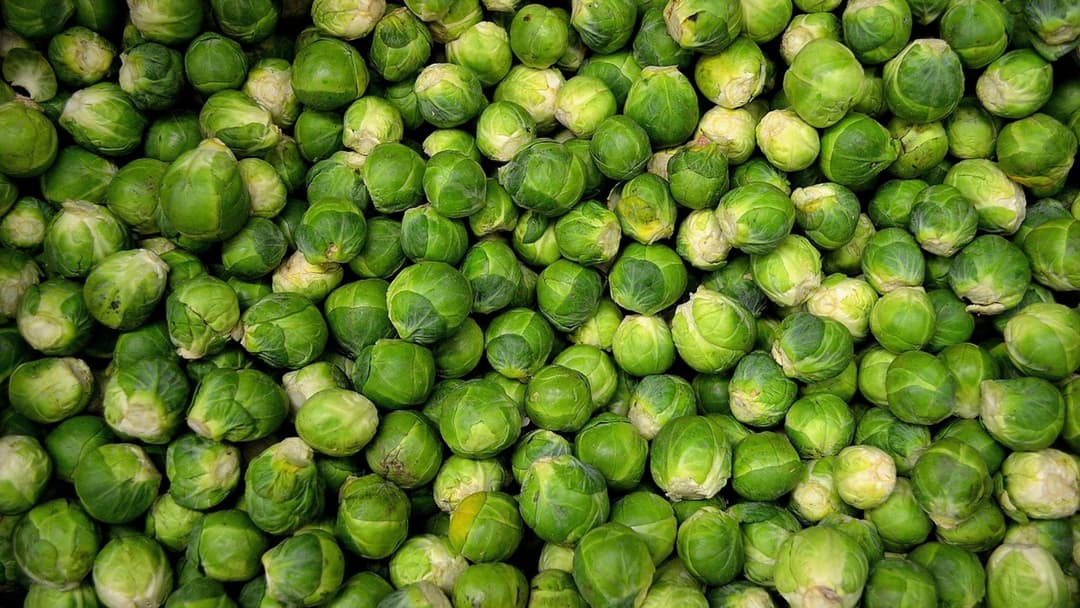
9. Brussels Sprouts With Bacon
Dutch scientist Hans van Doorn identified specific glucosinolates causing extreme bitterness in traditional Brussels sprouts during the 1990s. Breeders crossed older heirloom seeds to produce naturally sweeter buds. Roasting them with smoked bacon became an American holiday favorite shortly after 2000.
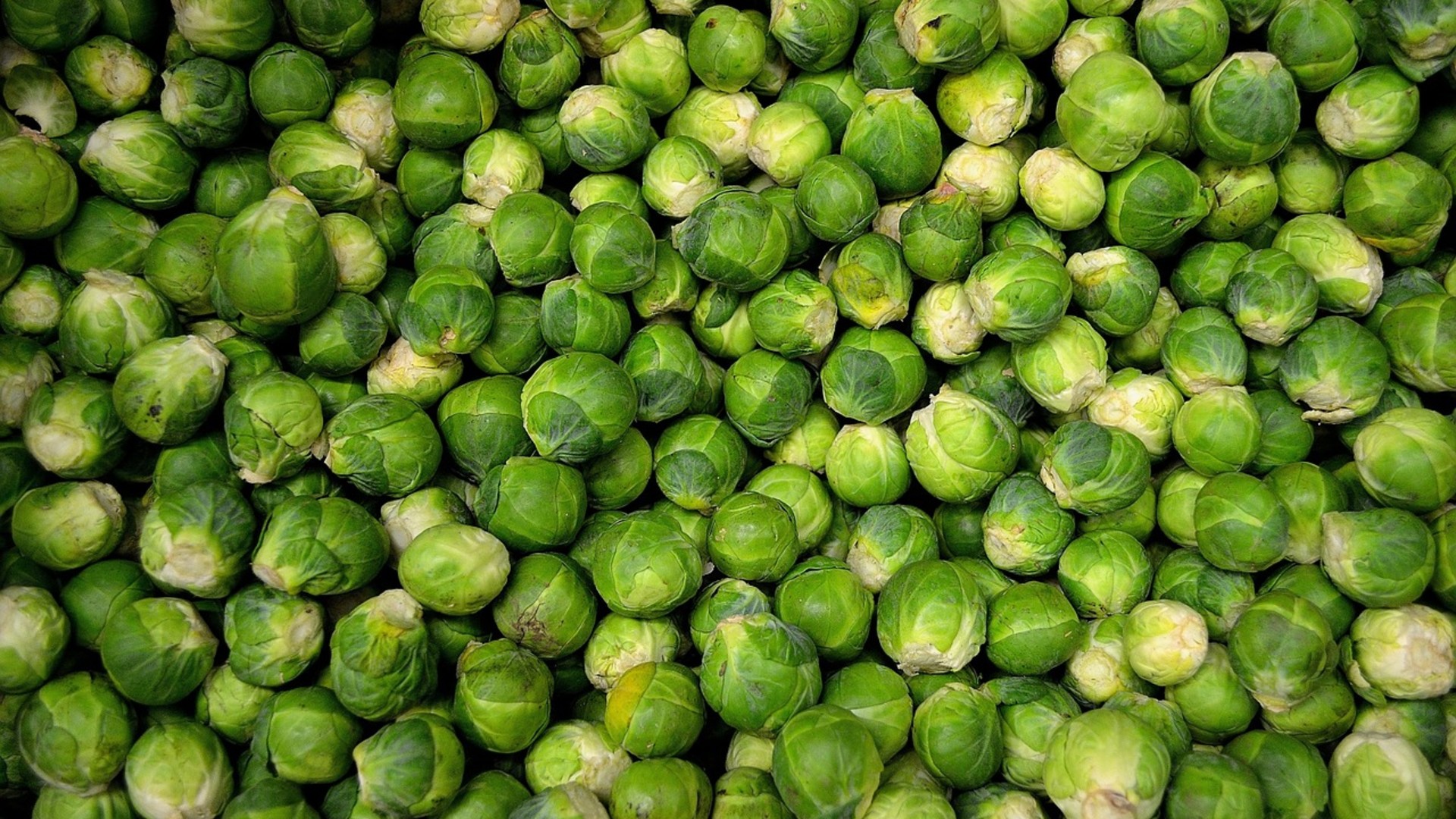
©Pixabay / PublicDomainPictures
8. Creamed Corn
Native American cooks scraped milky pulp from mature summer maize ears to create rich porridge bases. European settlers adapted the method by blending sweet corn scrapings with fresh dairy butter and cream. Commercial canning companies mechanized the cream-style process in the late nineteenth century.
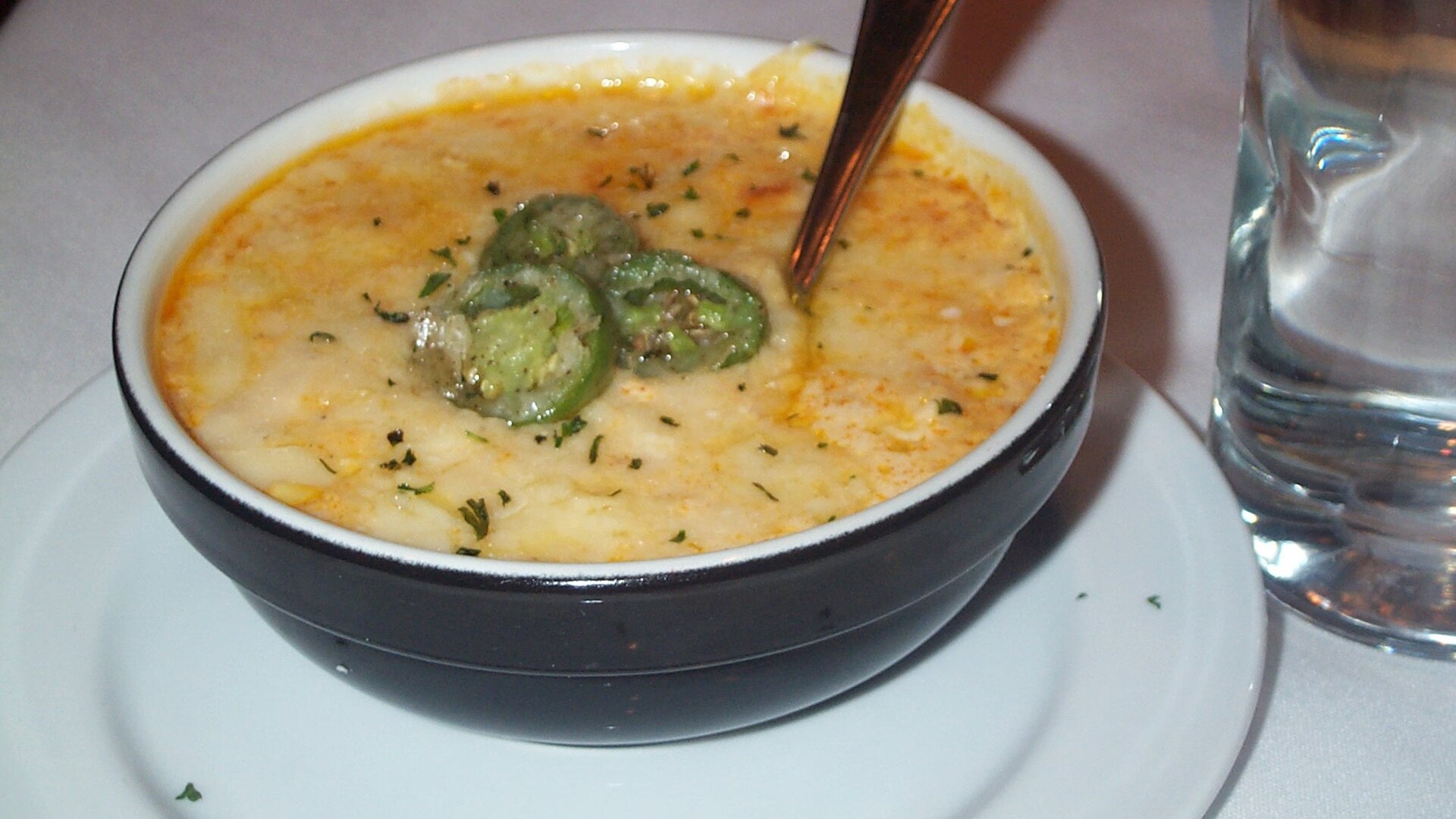
©Wikimedia / Wikimedia Contributor
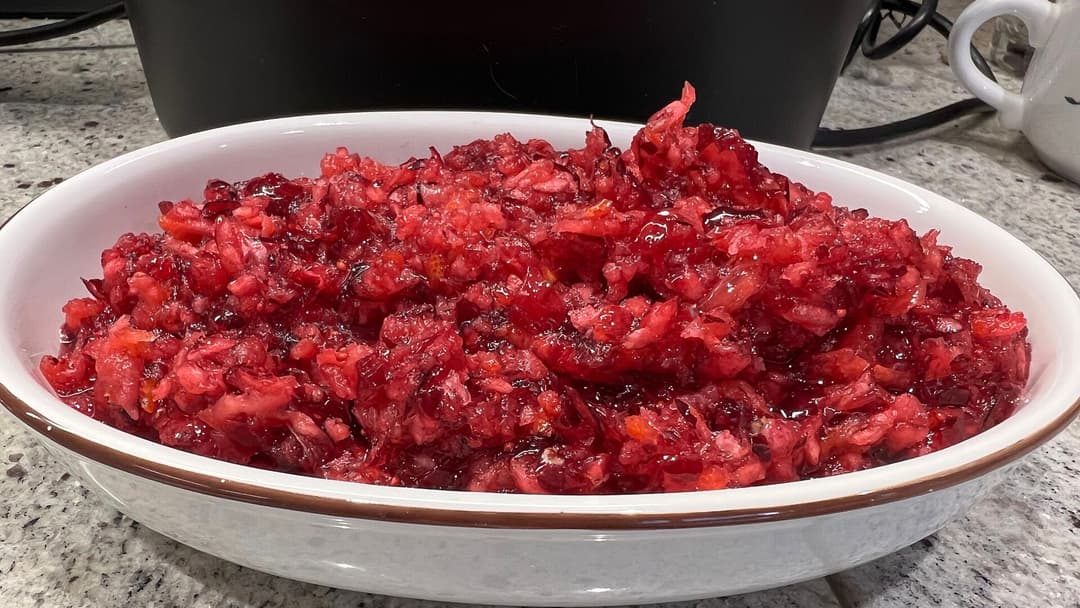
7. Cranberry Relish
Unlike cooked jellies, this raw uncooked condiment blends fresh tart berries with whole unpeeled oranges and sugar. Cooking authority Ruth Wakefield featured raw relish in 1930, but radio broadcasts by food editors in the 1950s made it an annual staple across American kitchens.
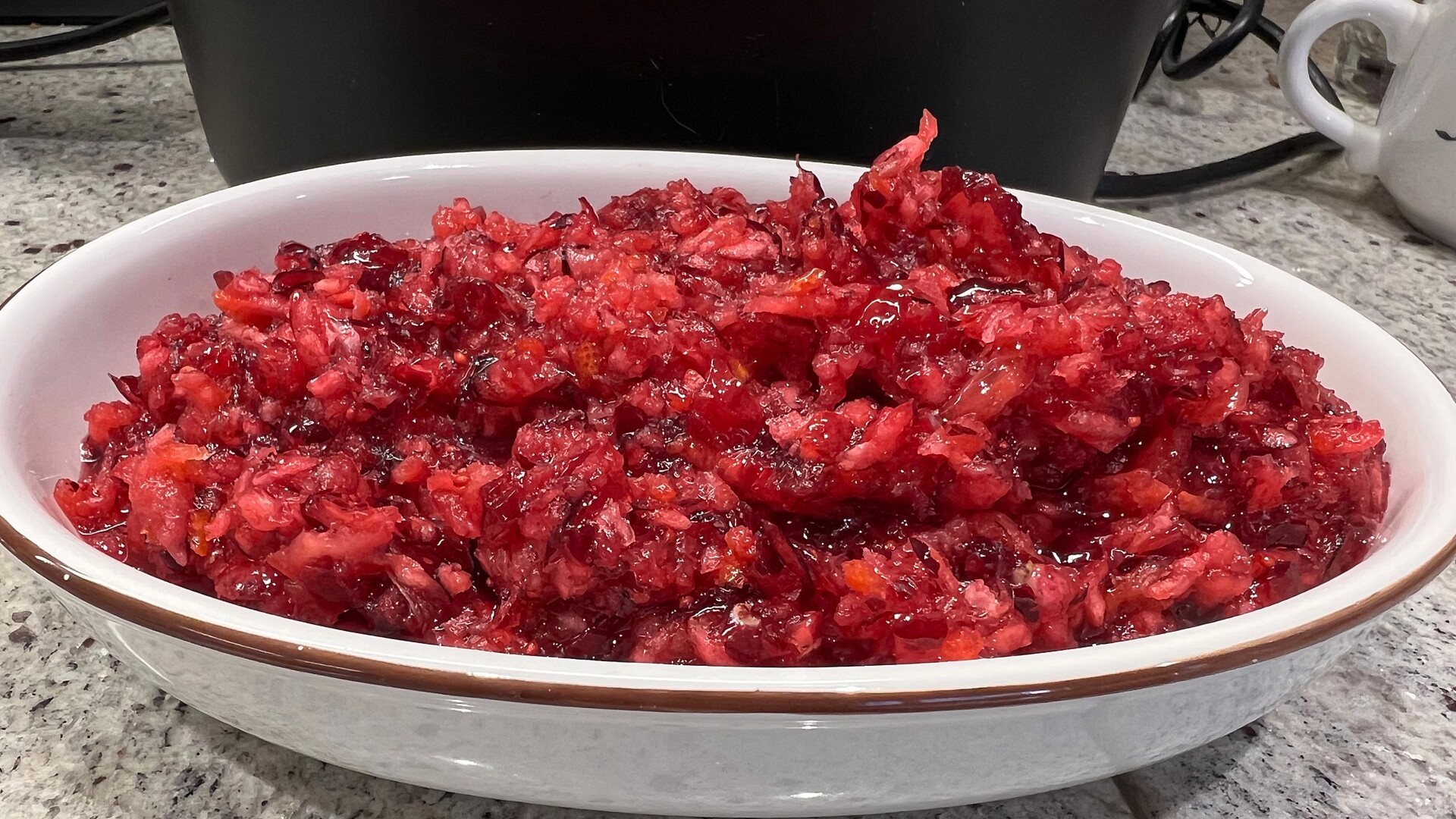
©Wikimedia / Burkhard Mücke
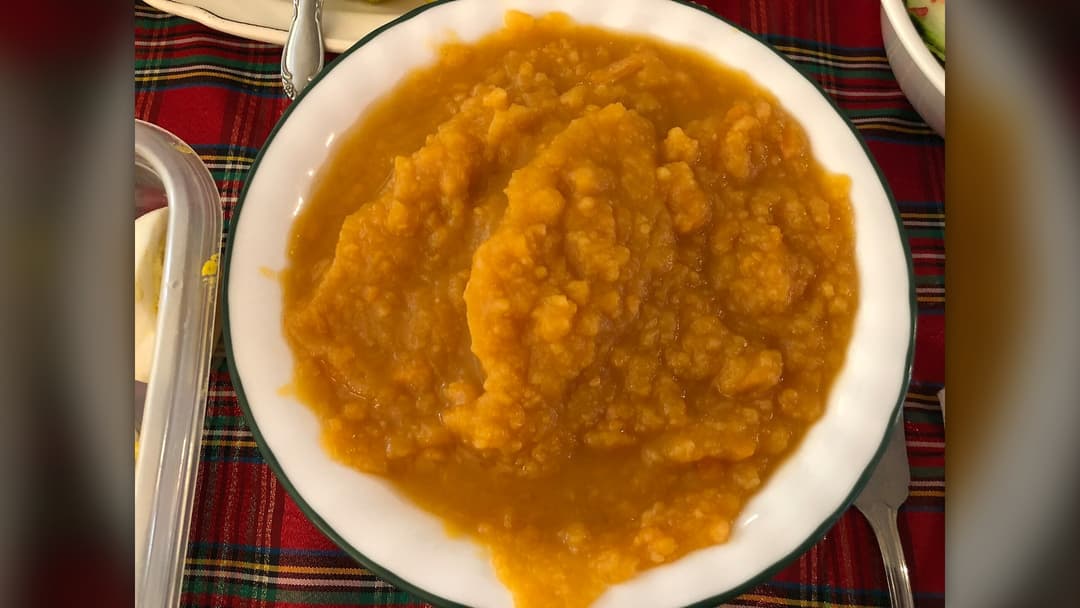
6. Candied Yams
Sweet potatoes sustained early southern settlements, but sugar syrups transformed them into holiday desserts. Fannie Merritt Farmer printed one of the first printed recipes for glazed sweet potatoes in the 1896 Boston Cooking-School Cook Book. She boiled tubers in butter and brown sugar until glossy.
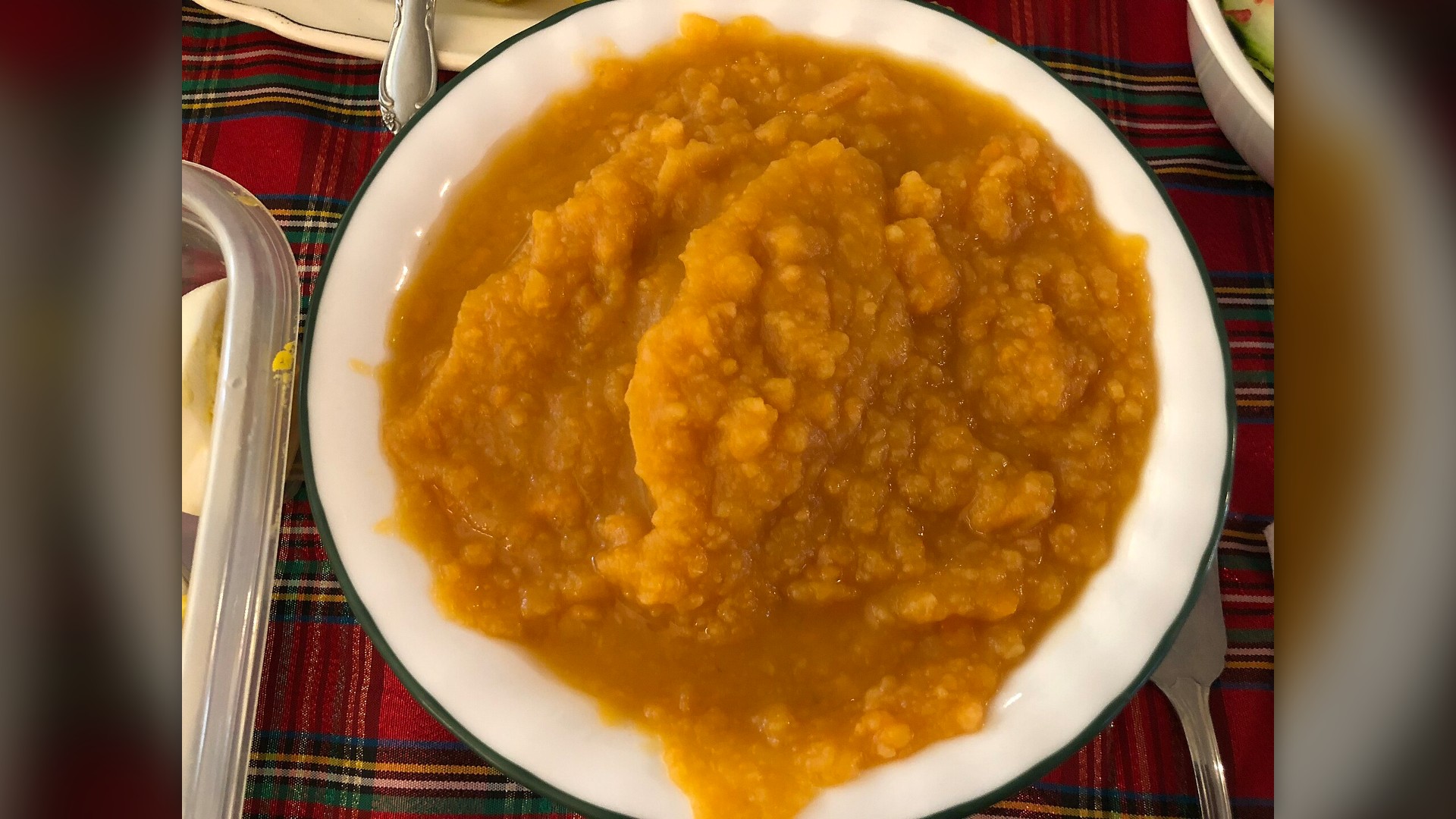
©Wikimedia / Famartin
Advertisement
Swipe or tap ▶ to resume the countdown.
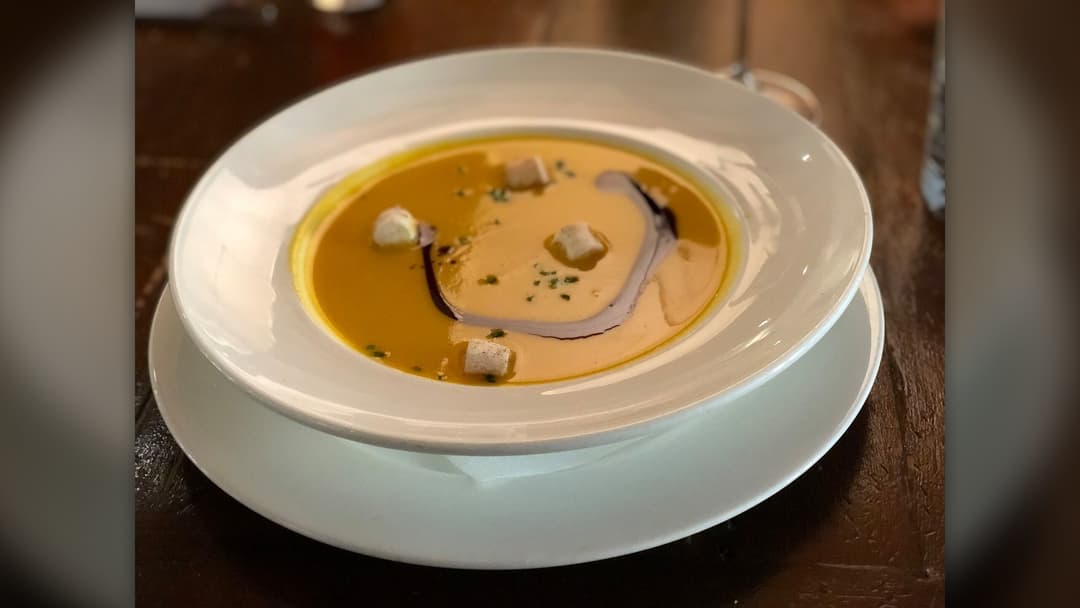
5. Butternut Squash Soup
Charles Leggett crossed pumpkin and gooseneck squash varieties on his farm in Stow, Massachusetts, in 1944. He named the result butternut because the cooked flesh felt smooth as butter and sweet as a nut. New England cooks adopted the hardy squash for creamy autumn holiday soups within a decade.
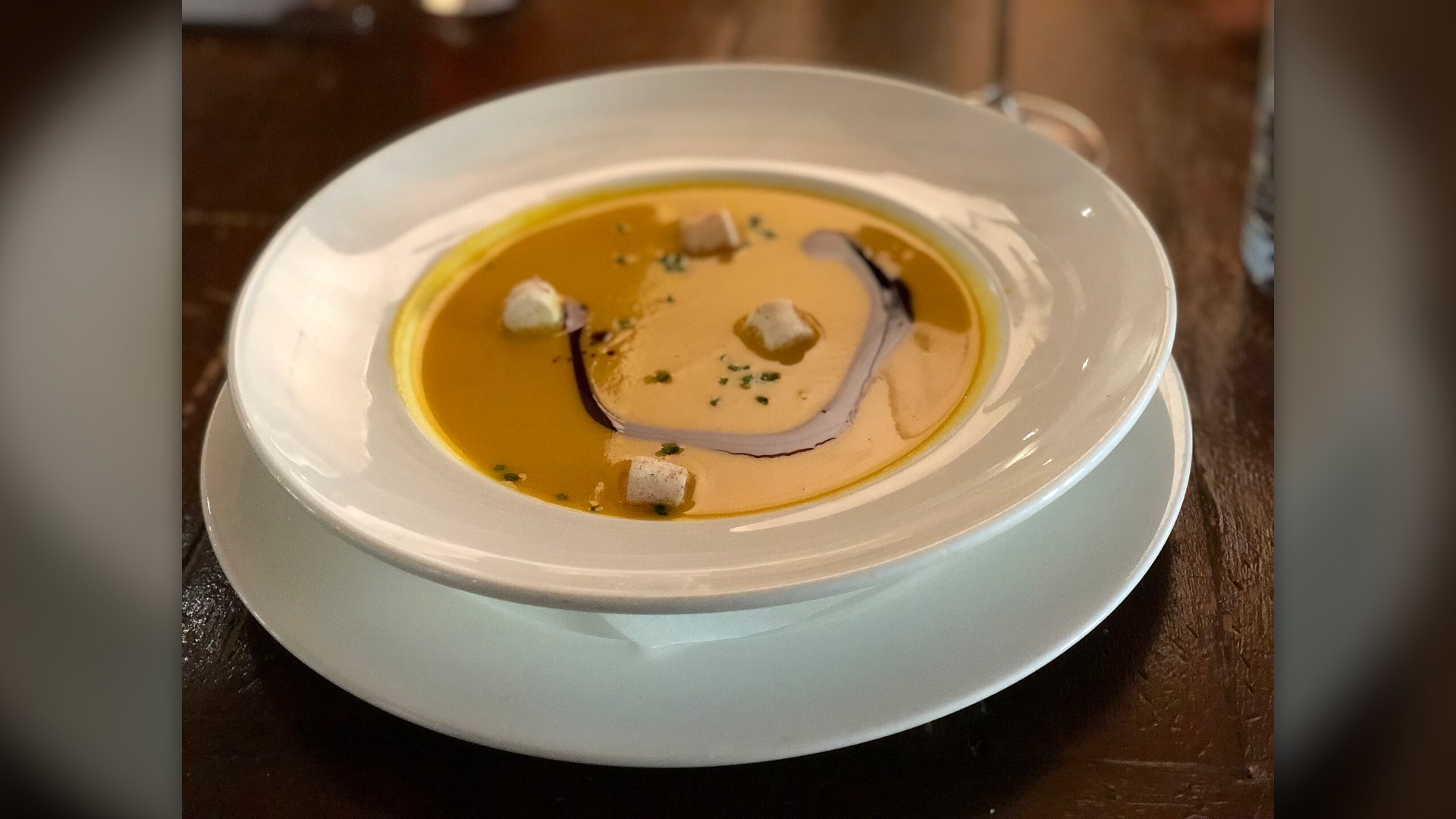
©Wikimedia / Missvain
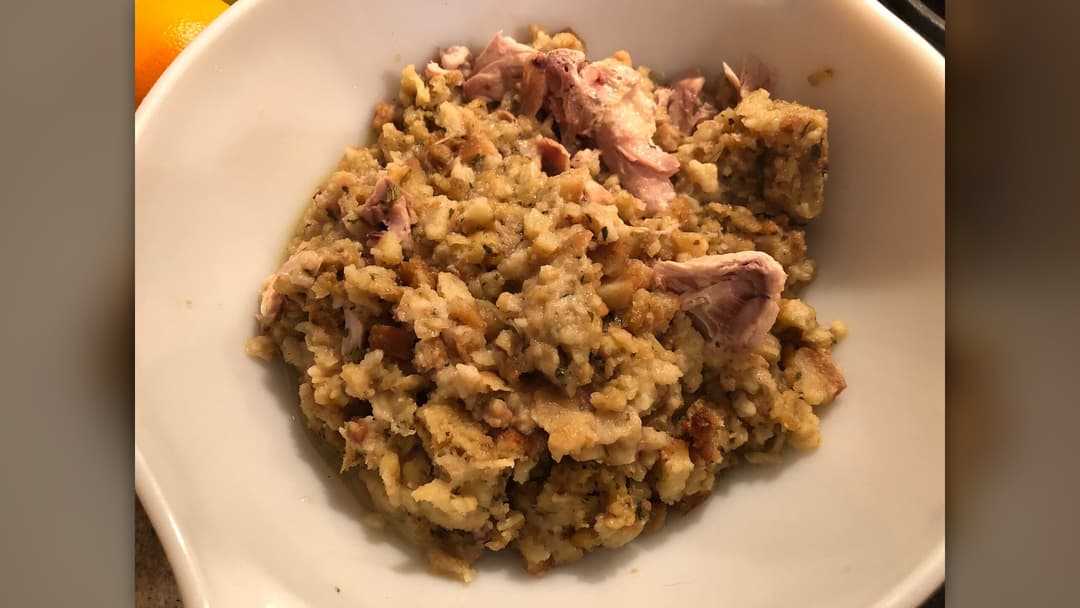
4. Oyster Stuffing
In the eighteenth and nineteenth centuries, American coastal waters held massive oyster reefs. New England and Chesapeake cooks chopped raw oysters into stale bread crumbs to stretch scarce meat supplies. By the late nineteenth century, overharvesting turned the humble filler into an upscale holiday tradition.
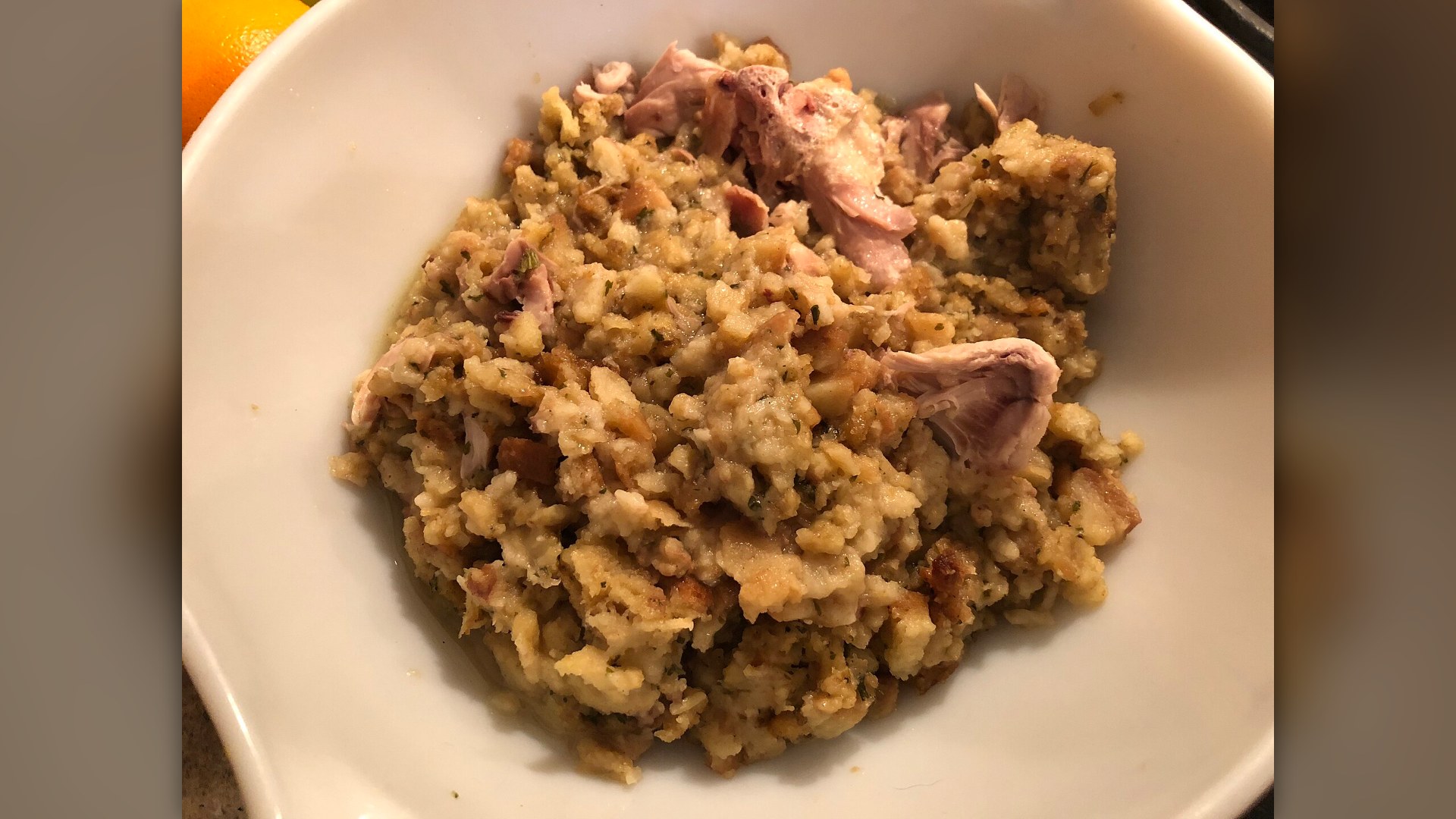
©Wikimedia / Famartin
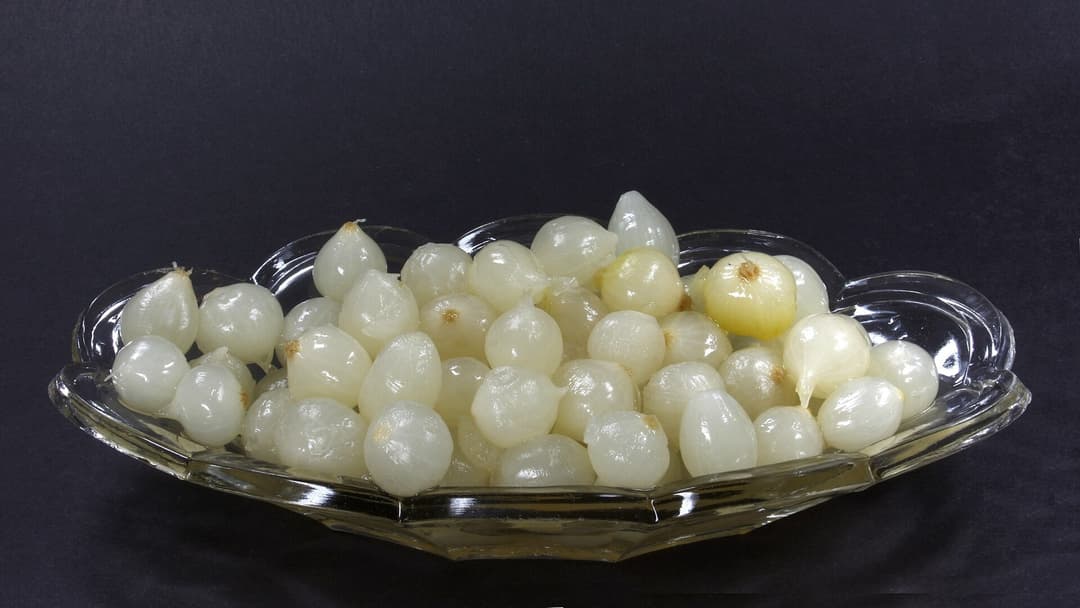
3. Creamed Onions
British colonists carried white pearl onions to New England, pairing them with heavy cream and nutmeg. Nineteenth-century domestic manuals praised boiled onions as a medicinal digestive aid during rich multi-course feasts. The dish remained a formal holiday standard in Boston households through the 1950s.
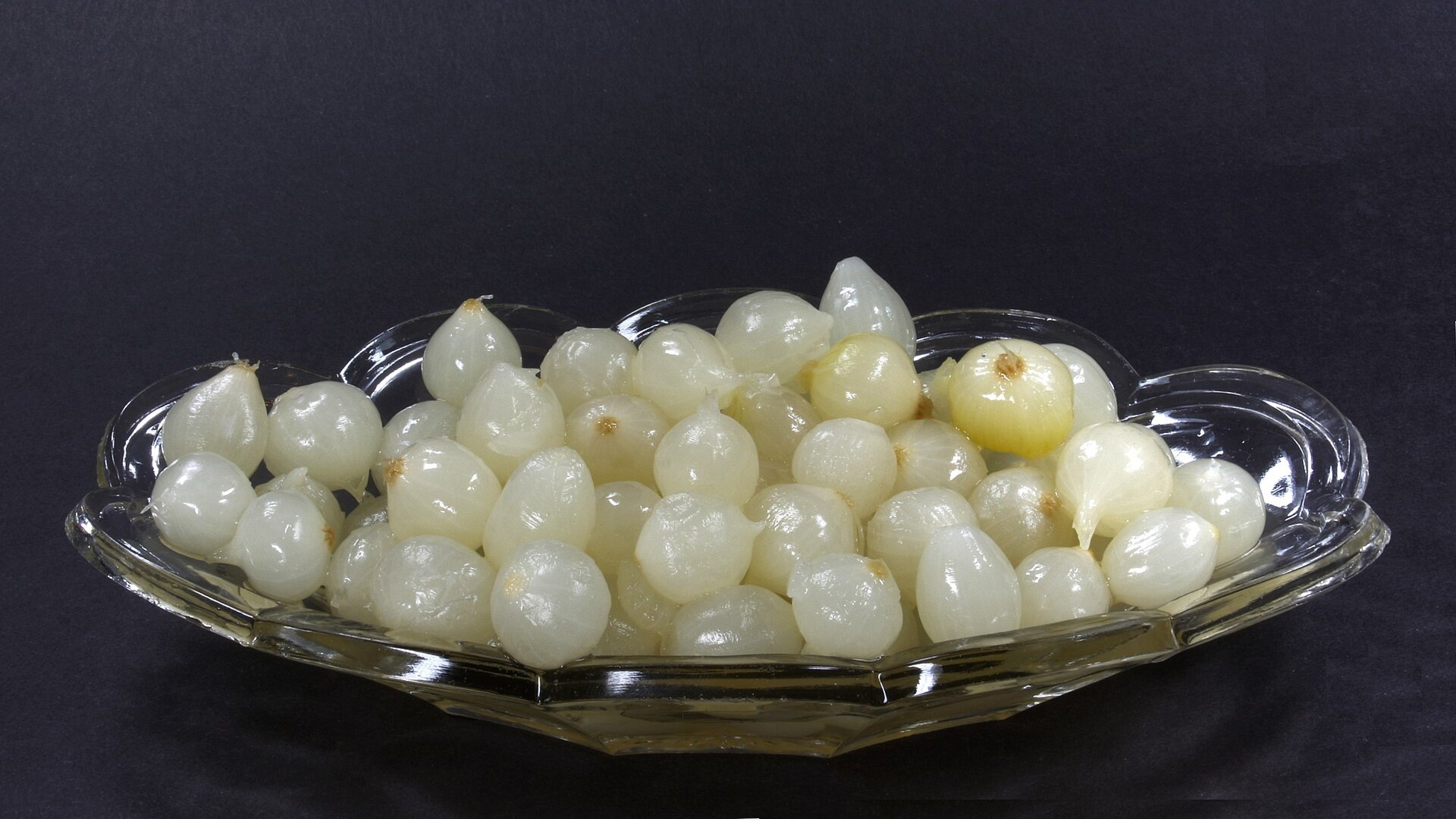
©Wikimedia / Raimond Spekking
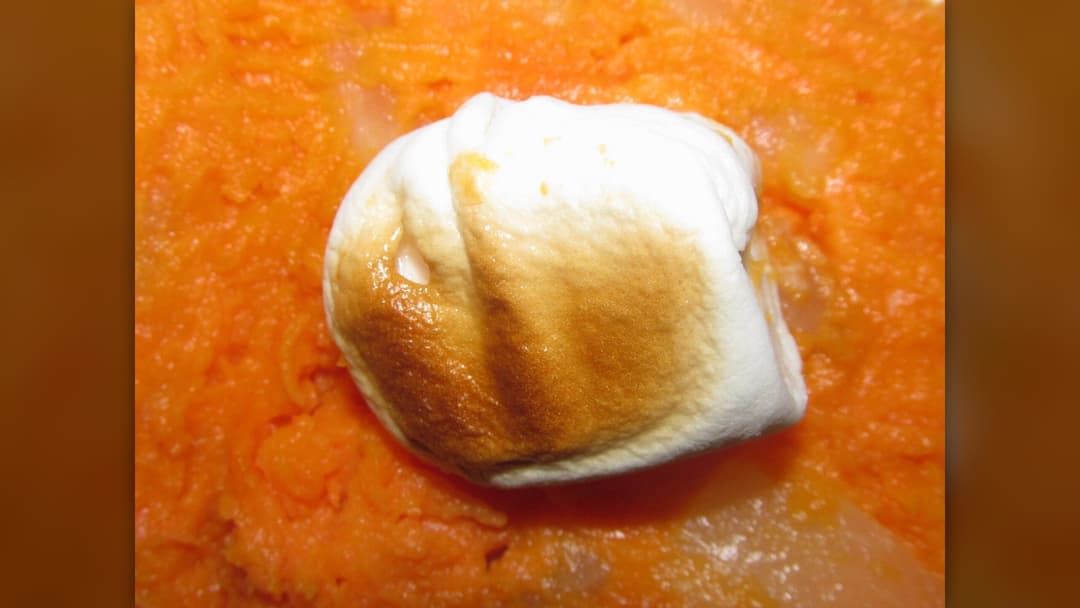
2. Sweet Potato Casserole With Marshmallows
In 1917, the Angelus Marshmallow Company commissioned culinary author Janet McKenzie Hill to develop recipes featuring mass-produced marshmallows. Her booklet paired baked sweet potatoes with a melted candy topping. The combination became an immediate marketing triumph and enduring holiday fixture.
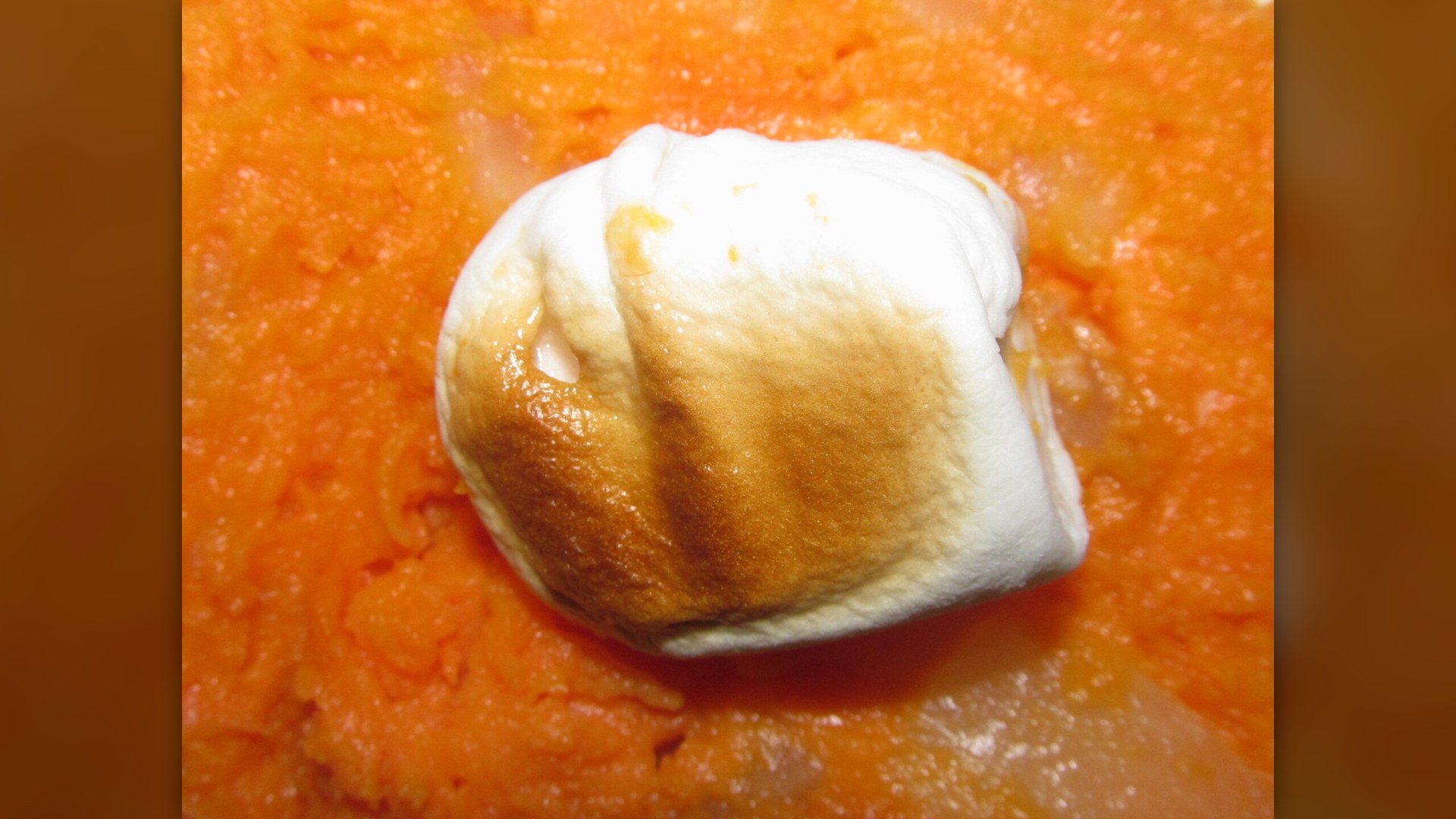
©Wikimedia / Willis Lam
Advertisement
Swipe or tap ▶ to resume the countdown.
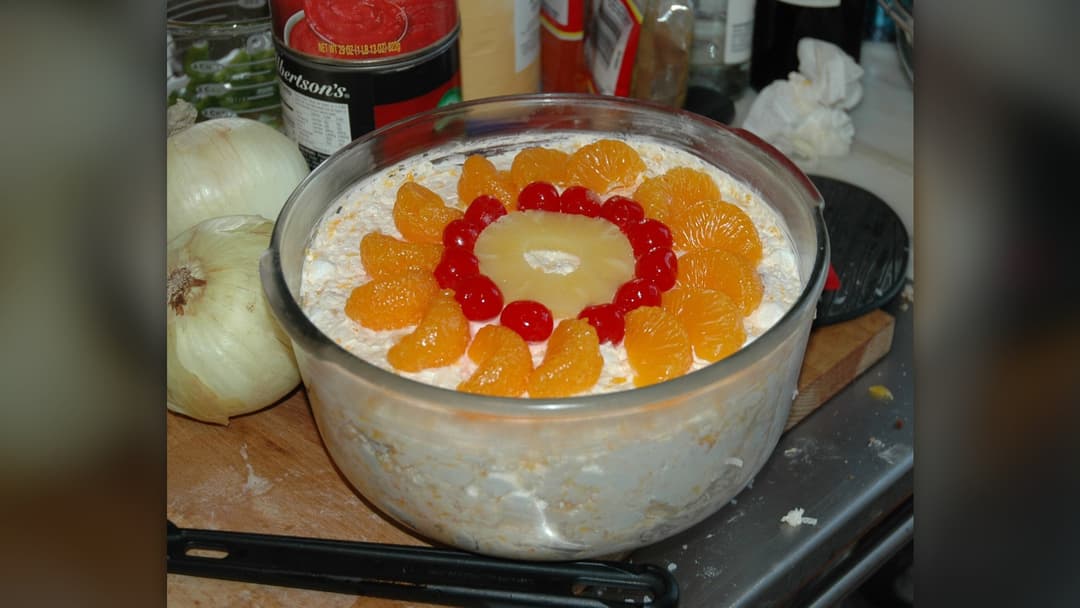
1. Ambrosia Salad
Maria Massey Barringer published the earliest known recipe in her 1867 cookbook, Dixie Cookery. Oranges and fresh coconut were costly winter imports in the late nineteenth century. Hostesses served the dish in crystal bowls as a festive display of seasonal wealth.
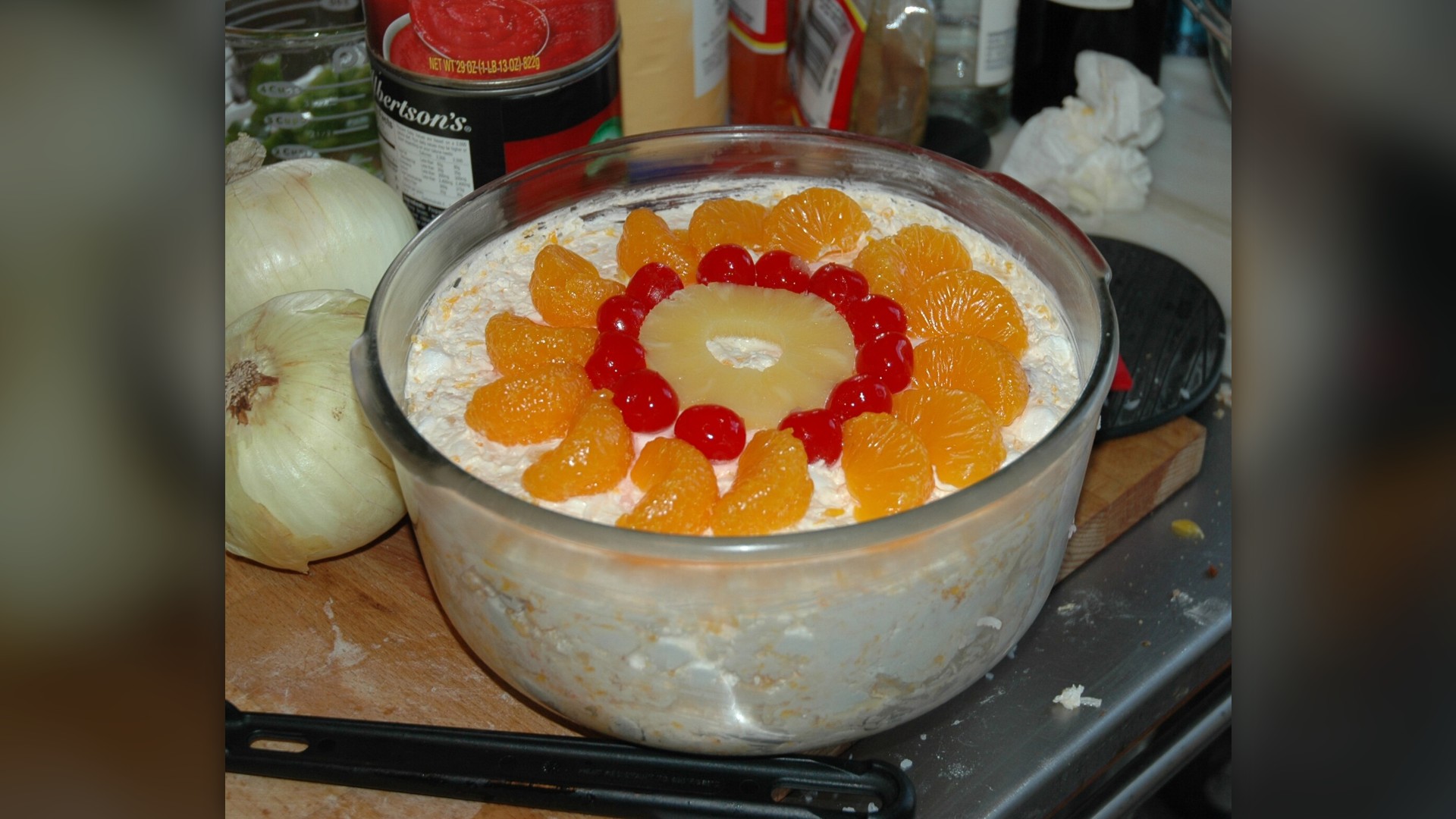
©Wikimedia / Marshall Astor from Olympia, WA, United
Advertisement
You've reached the end of the story. Thanks for reading!

20 Childhood Fears Many Adults Still Have
Childhood fears often survive into adulthood because the human amygdala forms emotional memories before logic matures. Surveys from YouGov and the American Psychological Association show that common phobias, from dental drills to dark hallways, continue to influence adult habits across the globe every single day.
All 20 Entries in this Story
20. Canned Cranberry Sauce
Fresh cranberries spoiled quickly during rail shipment, limiting sales to a short six-week window. Urann bought a Massachusetts bog and began boiling damaged berries with pectin to create stable jellied cylinders. Ocean Spray distributed the iconic ribbed cans nationally starting in 1941.

19. Pumpkin Pie
Seventeenth-century New England colonists lacked pastry pie crusts and specialized baking pans. Cooks hollowed whole pumpkins, filled the cavities with spiced milk, honey, and eggs, and roasted the gourds directly in hot ash embers. Amelia Simmons printed the first crust-based pumpkin pie recipe in 1796.

18. Turkey Gravy
Medieval European cooks used unthickened pan drippings called jus to moisten roasted game. American holiday cooks refined the sauce by adding a flour roux and simmered giblet stock to roasting pan remnants. The thickened gravy prevented dry roasted meat slices from losing flavor on dinner plates.

17. Mashed Potatoes
Indigenous farmers in the Andes domesticated potatoes thousands of years ago, but European tables resisted them for generations. Mary Randolph published the first American recipe for mashed potatoes with butter and milk in her 1824 guide, The Virginia House-Wife. The side became ubiquitous by the 1880s.

16. Macaroni And Cheese
Jefferson encountered baked macaroni in Paris and northern Italy during the 1780s. Enslaved chef James Hemings mastered the preparation, recreating baked macaroni with cheddar cheese for an 1802 White House dinner. The baked casserole spread through southern celebrations over the next two centuries.

15. Cornbread Stuffing
While northern cooks favored stale wheat bread, southern cooks relied on coarse yellow cornmeal pans. After baking skillet cornbread, cooks crumbled and dried the pieces before tossing them with celery, sage, and giblet broth. The savory mixture became known simply as dressing throughout the South.

14. Pecan Pie
Native Americans along the Mississippi River harvested wild pecans for centuries. Nineteenth-century Texas cooks baked early variations with molasses, but the modern Karo syrup formula emerged in the 1930s. The Corn Products Refining Company printed the easy recipe directly onto commercial syrup labels.

13. Sweet Potato Pie
Enslaved African cooks in the American South substituted indigenous sweet potatoes for traditional African yams. Using baking techniques developed in plantation kitchens, they added nutmeg, allspice, butter, and eggs. The spiced custard pie became a foundational centerpiece of Black holiday culture.

12. Roast Turkey
Edward Winslow recorded that Plymouth colonists ate wild fowl in 1621, but turkey was not mandatory. Godey's Lady's Book editor Sarah Josepha Hale spent thirty years writing editorials and lobbying presidents for a national holiday centered on roasted turkey. Abraham Lincoln made it official in 1863.

11. Green Bean Casserole
Reilly led the Campbell Soup Company home economics team in Camden, New Jersey. She created the Green Bean Bake using six common pantry staples, including canned cream of mushroom soup and french-fried onions. Campbell estimates the recipe now appears on twenty million holiday tables each year.

10. Parker House Rolls
Baker Ward baked at Boston's Parker House Hotel during the 1870s. Legend holds that he hurled uncooked dough into an oven during an argument with a hotel guest, causing the folded rolls to bake with crisp shells and soft, hollow centers. The recipe became a national sensation by 1880.

9. Brussels Sprouts With Bacon
Dutch scientist Hans van Doorn identified specific glucosinolates causing extreme bitterness in traditional Brussels sprouts during the 1990s. Breeders crossed older heirloom seeds to produce naturally sweeter buds. Roasting them with smoked bacon became an American holiday favorite shortly after 2000.

8. Creamed Corn
Native American cooks scraped milky pulp from mature summer maize ears to create rich porridge bases. European settlers adapted the method by blending sweet corn scrapings with fresh dairy butter and cream. Commercial canning companies mechanized the cream-style process in the late nineteenth century.

7. Cranberry Relish
Unlike cooked jellies, this raw uncooked condiment blends fresh tart berries with whole unpeeled oranges and sugar. Cooking authority Ruth Wakefield featured raw relish in 1930, but radio broadcasts by food editors in the 1950s made it an annual staple across American kitchens.

6. Candied Yams
Sweet potatoes sustained early southern settlements, but sugar syrups transformed them into holiday desserts. Fannie Merritt Farmer printed one of the first printed recipes for glazed sweet potatoes in the 1896 Boston Cooking-School Cook Book. She boiled tubers in butter and brown sugar until glossy.

5. Butternut Squash Soup
Charles Leggett crossed pumpkin and gooseneck squash varieties on his farm in Stow, Massachusetts, in 1944. He named the result butternut because the cooked flesh felt smooth as butter and sweet as a nut. New England cooks adopted the hardy squash for creamy autumn holiday soups within a decade.

4. Oyster Stuffing
In the eighteenth and nineteenth centuries, American coastal waters held massive oyster reefs. New England and Chesapeake cooks chopped raw oysters into stale bread crumbs to stretch scarce meat supplies. By the late nineteenth century, overharvesting turned the humble filler into an upscale holiday tradition.

3. Creamed Onions
British colonists carried white pearl onions to New England, pairing them with heavy cream and nutmeg. Nineteenth-century domestic manuals praised boiled onions as a medicinal digestive aid during rich multi-course feasts. The dish remained a formal holiday standard in Boston households through the 1950s.

2. Sweet Potato Casserole With Marshmallows
In 1917, the Angelus Marshmallow Company commissioned culinary author Janet McKenzie Hill to develop recipes featuring mass-produced marshmallows. Her booklet paired baked sweet potatoes with a melted candy topping. The combination became an immediate marketing triumph and enduring holiday fixture.

1. Ambrosia Salad
Maria Massey Barringer published the earliest known recipe in her 1867 cookbook, Dixie Cookery. Oranges and fresh coconut were costly winter imports in the late nineteenth century. Hostesses served the dish in crystal bowls as a festive display of seasonal wealth.