Slideshow · Lifestyle
20 Everyday Words That Mean Different Things in the US and UK, Ranked
American and British speakers frequently find themselves divided by a common language. While tourists assume standard English words carry identical meanings across the Atlantic, routine terms for clothing, food, and vehicles can spark hilarious confusion. This countdown ranks the twenty most surprising language divides.

By Most Viral Today
12 min ago

Transatlantic English Vocabulary Divides 
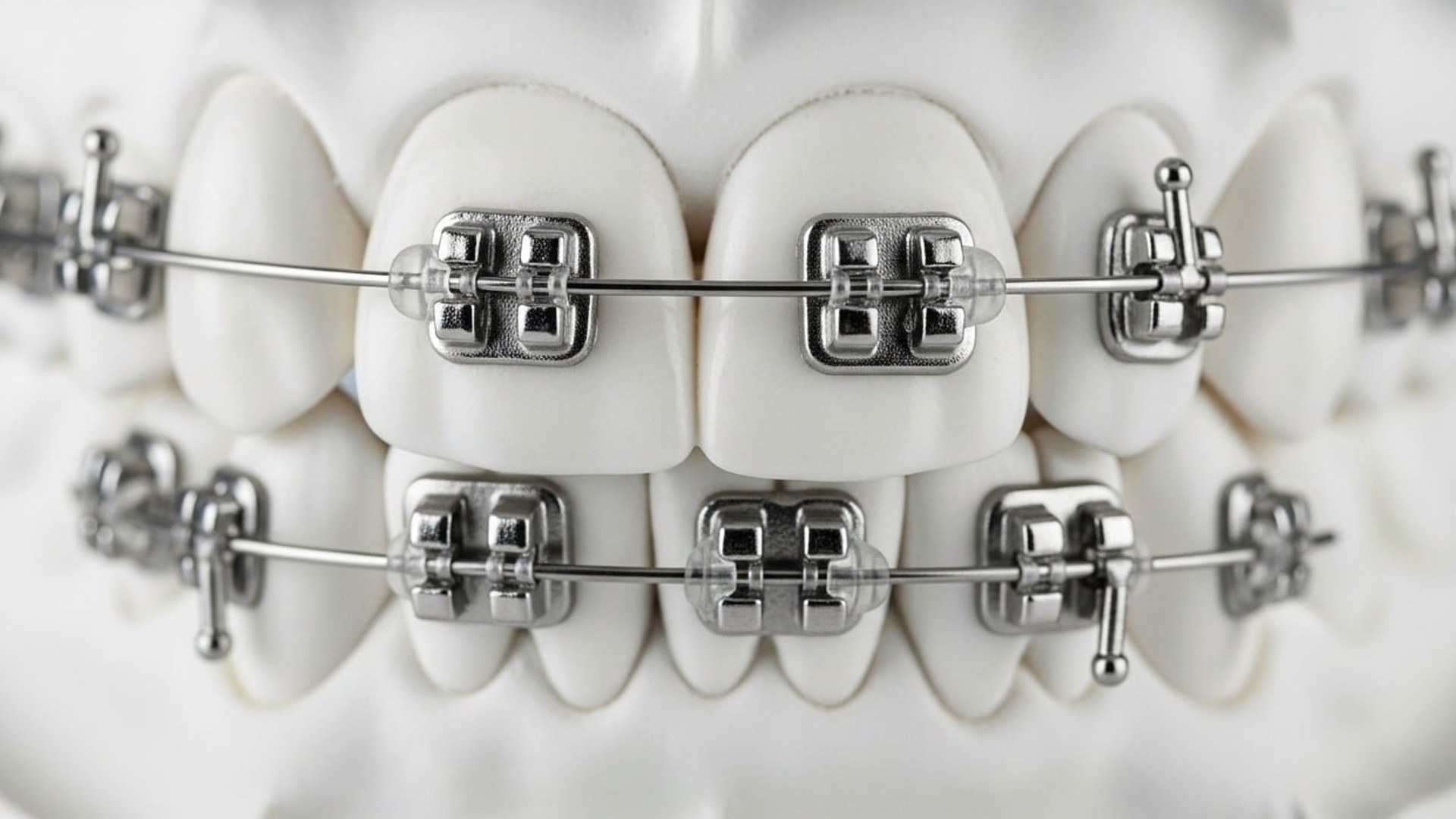
20. Braces: Orthodontics Vs Suspenders 
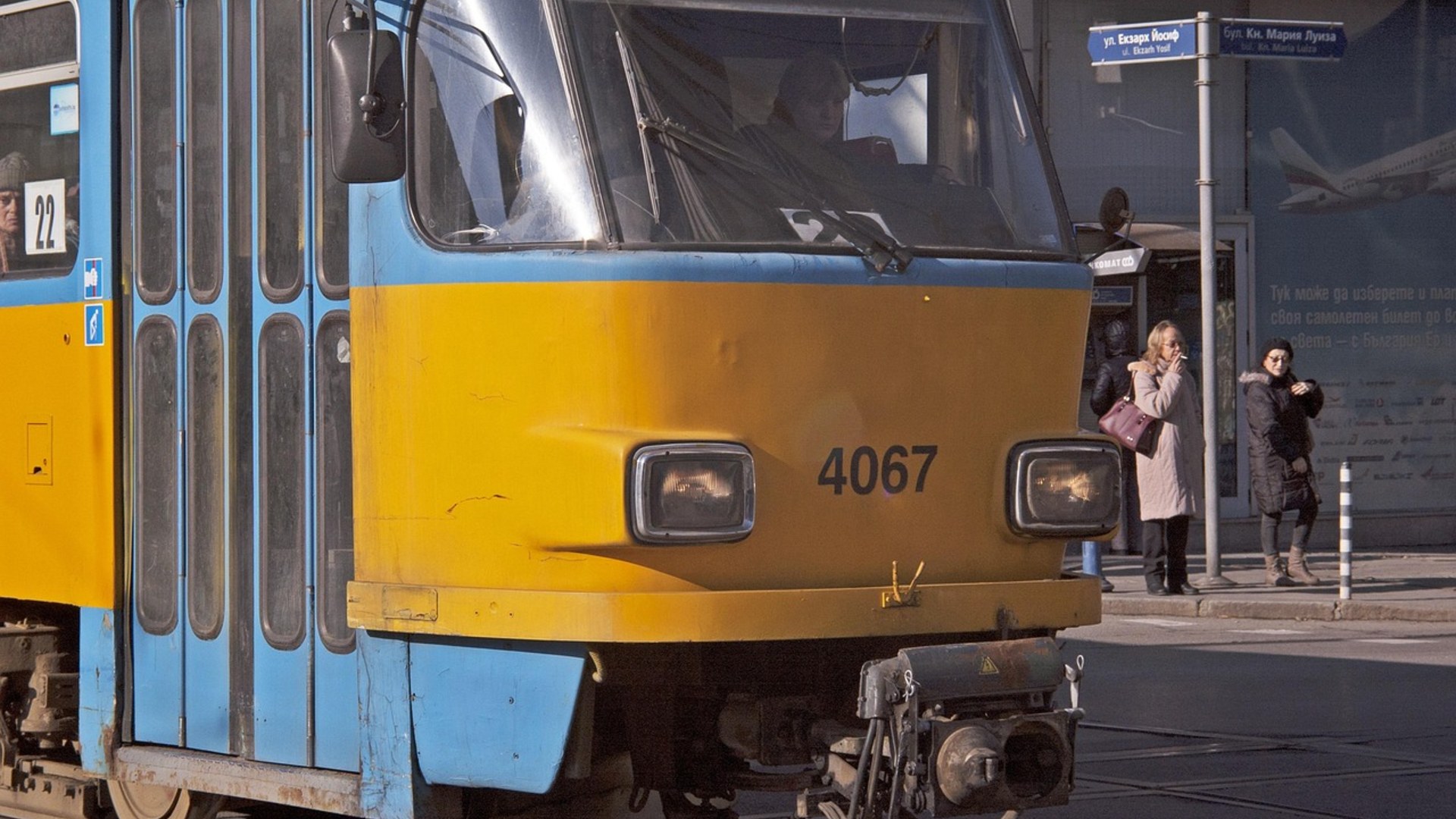
19. Trolley: Vintage Tram Vs Shopping Cart 
18. Vest: Outer Waistcoat Vs Undergarment - AdvertisementSwipe or tap ▶ to continue countdown

17. Jelly: Fruit Spread Vs Gelatin Dessert 
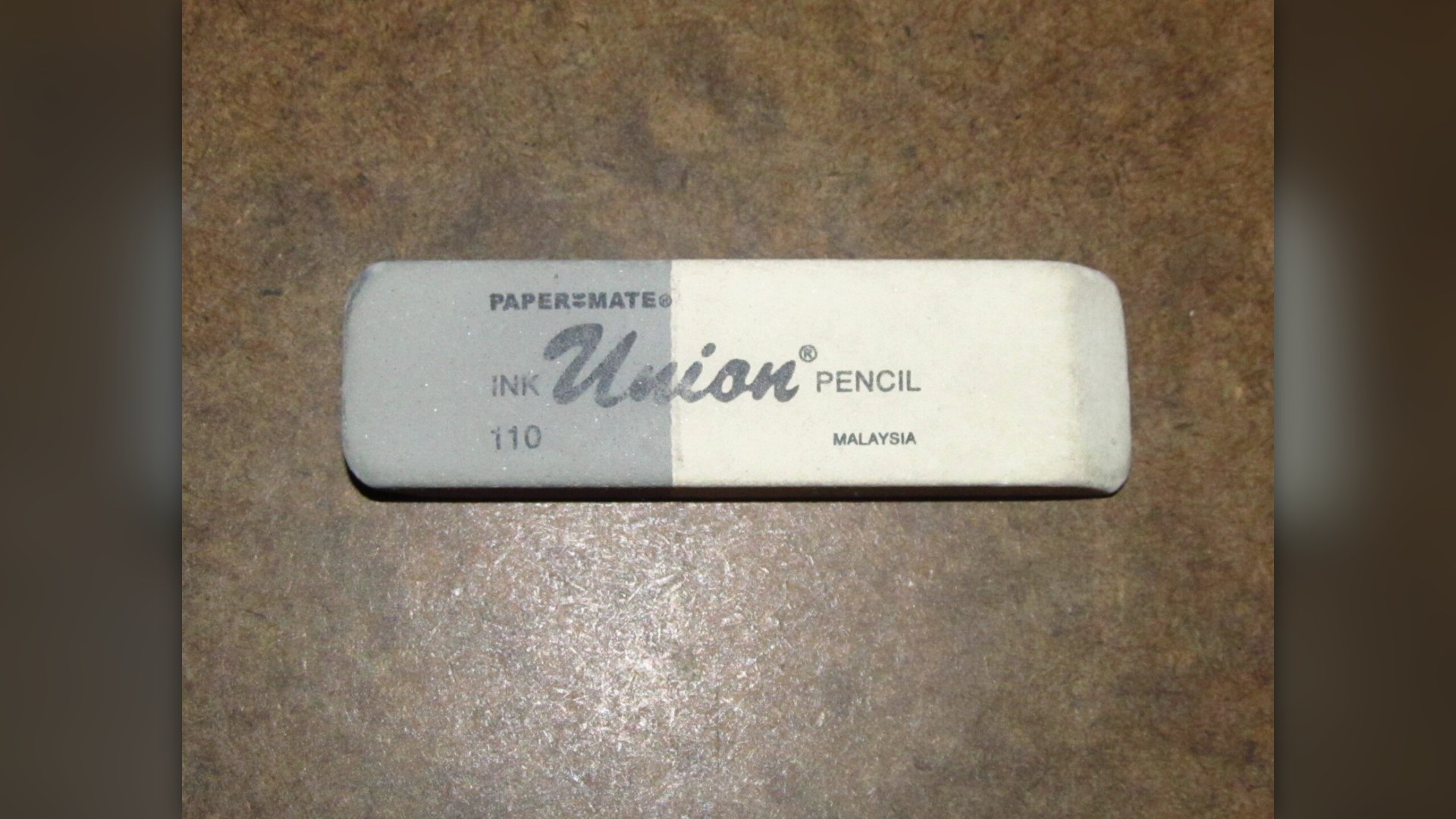
16. Rubber: Pencil Eraser Vs Protective Latex 
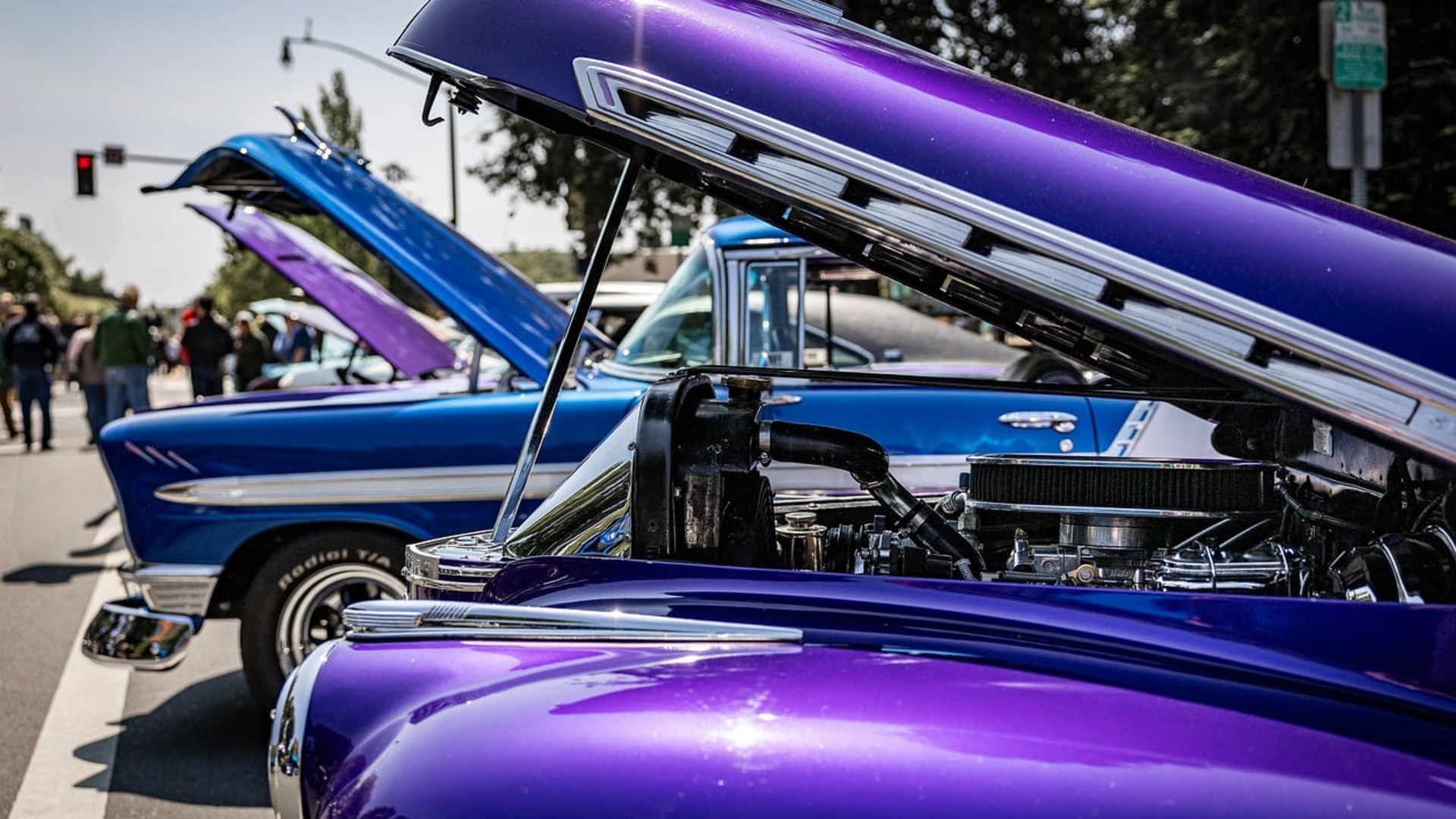
15. Bonnet: Car Engine Lid Vs Traditional Hat 
14. Boot: Car Storage Vs Heavy Footwear - AdvertisementSwipe or tap ▶ to continue countdown

13. Trainer: Running Sneaker Vs Fitness Instructor 
12. Dummy: Baby Pacifier Vs Mannequin 
11. Suspenders: Garter Straps Vs Trouser Braces 
10. Biscuit: Fluffy Scone Vs Crisp Cookie - AdvertisementSwipe or tap ▶ to continue countdown

9. Jumper: Knitted Sweater Vs Sleeveless Dress 
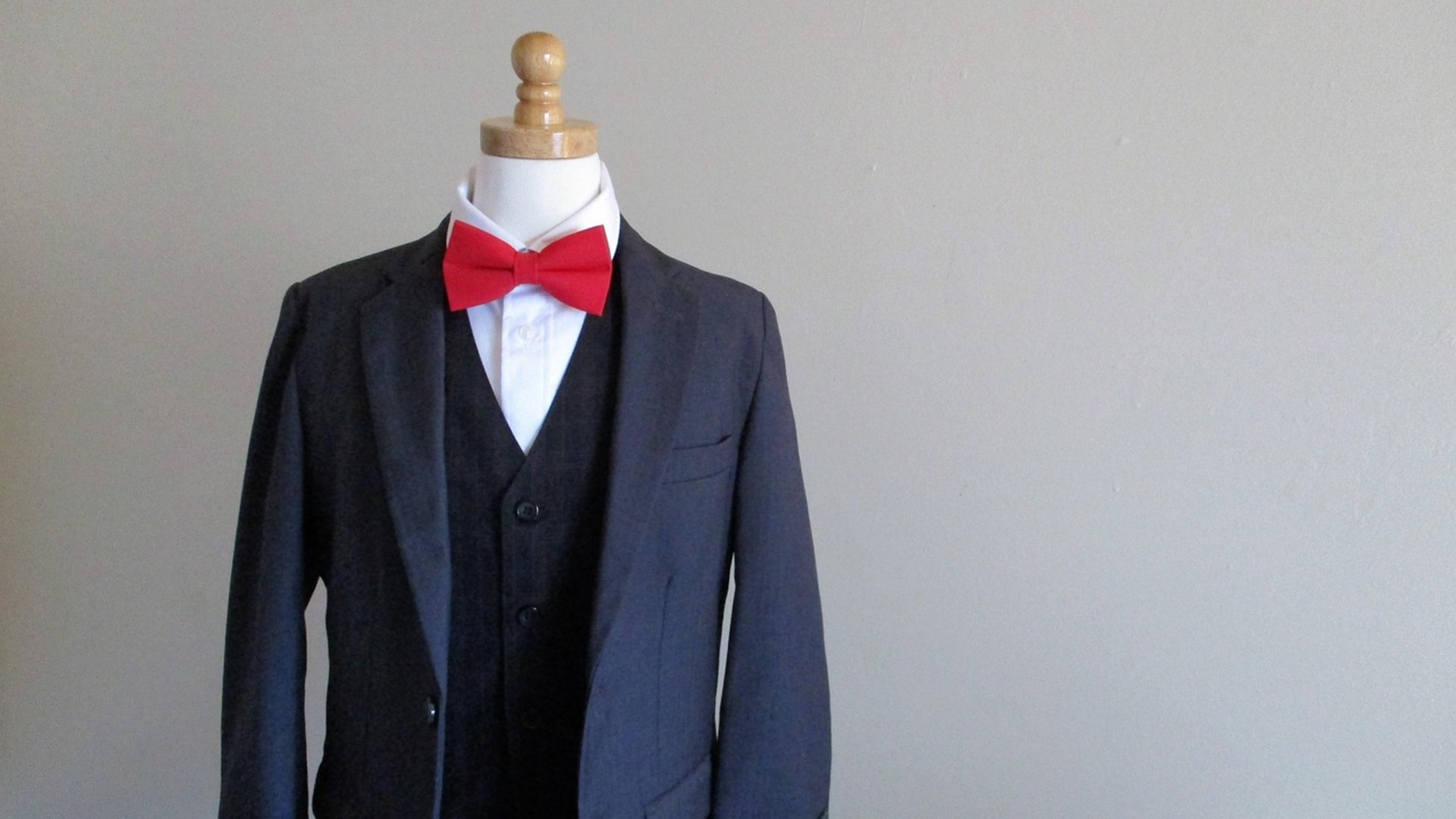
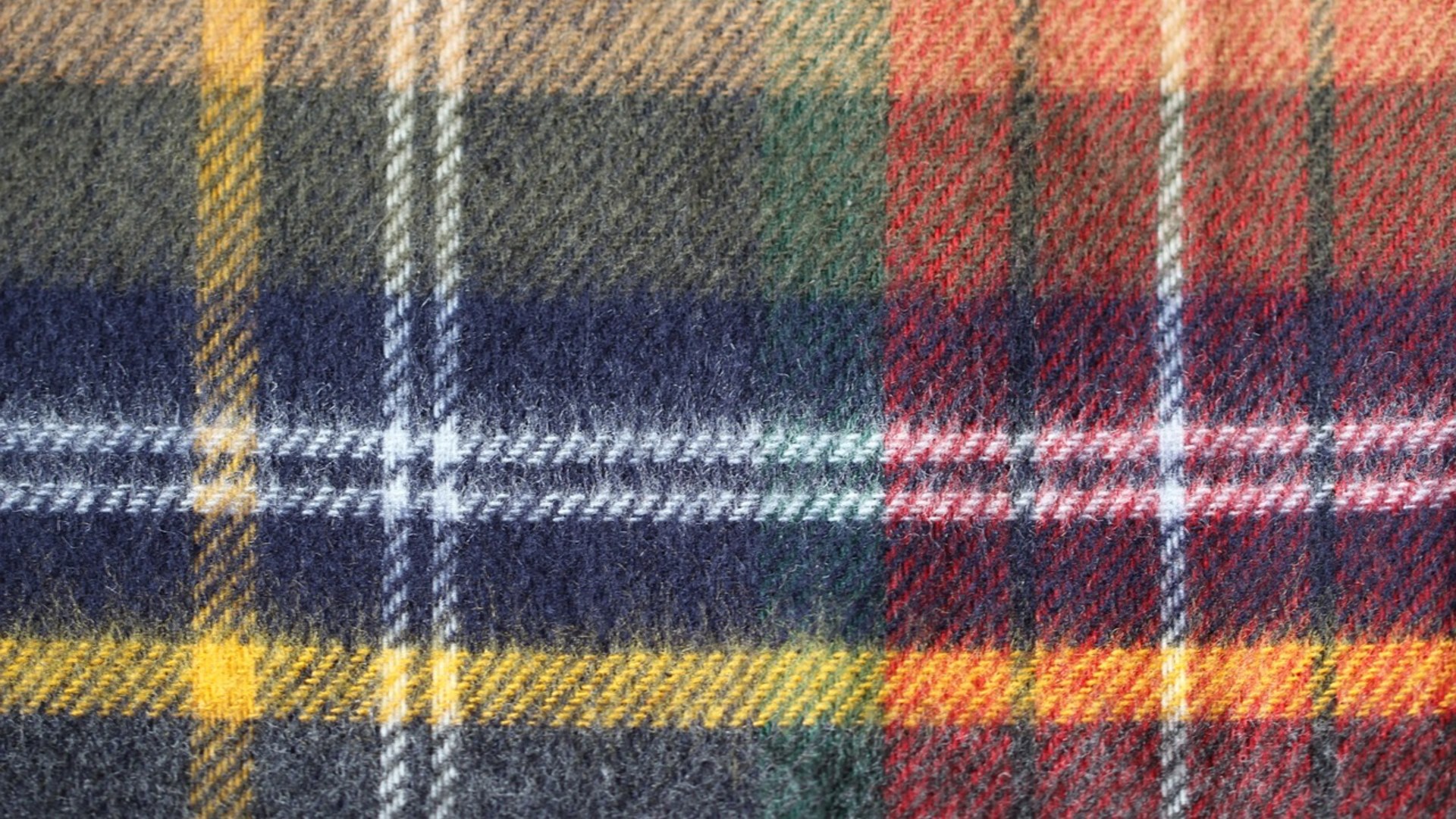
8. Flannel: Face Washcloth Vs Plaid Fabric 
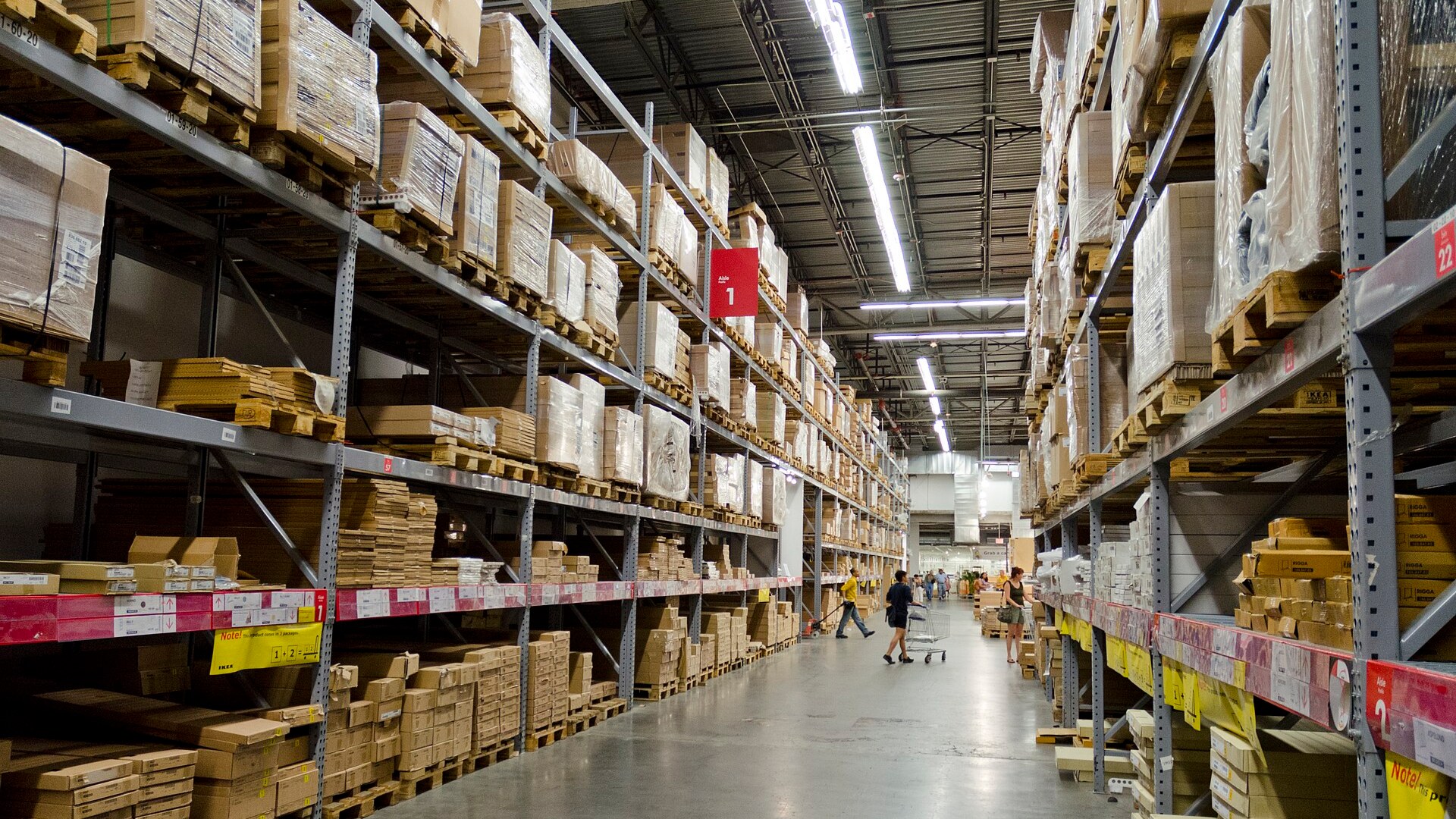
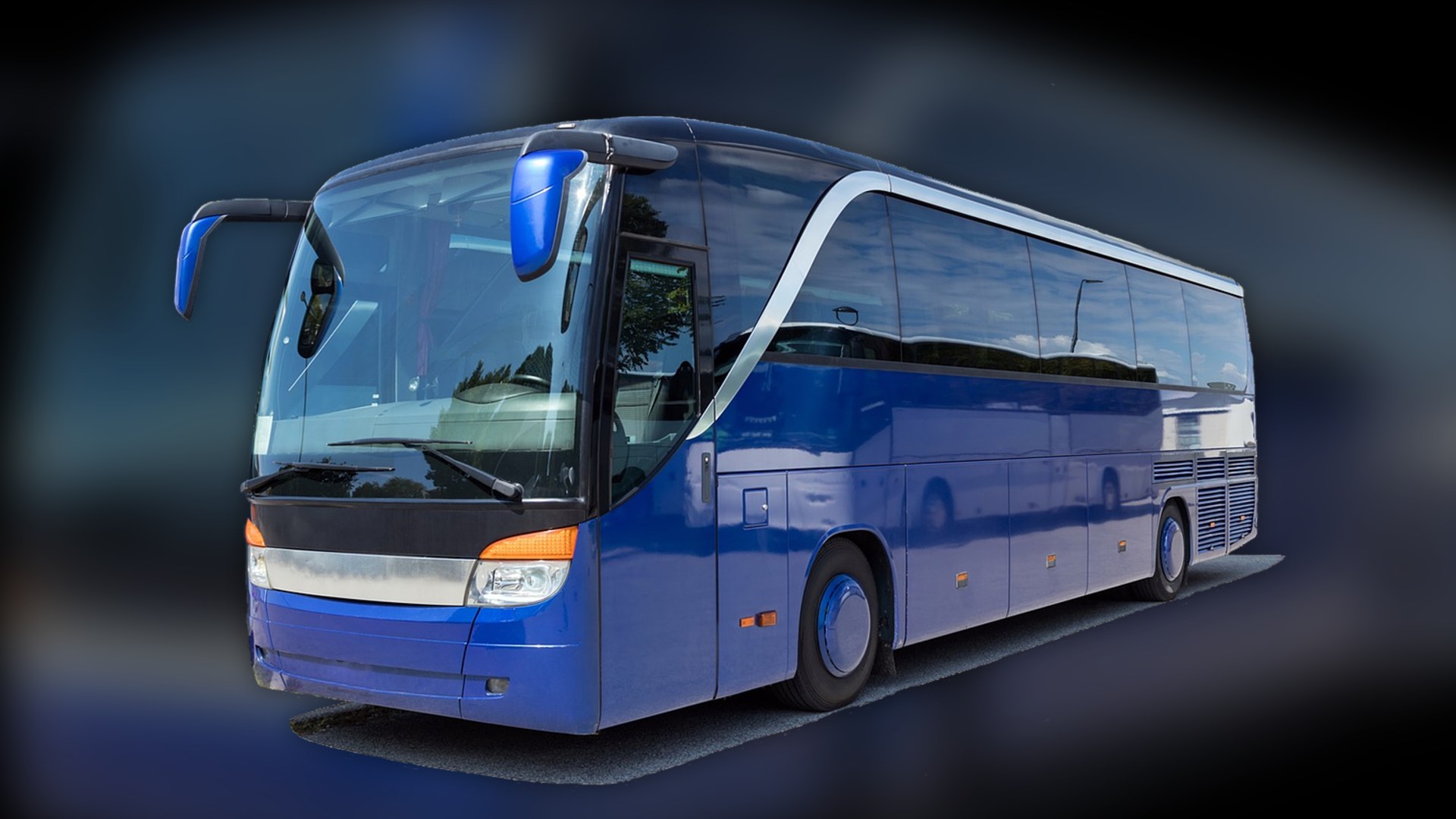
7. Coach: Long-Distance Bus Vs Sports Instructor 
6. Tap: Water Faucet Vs Light Rhythmic Strike - AdvertisementSwipe or tap ▶ to continue countdown

5. Pavement: Pedestrian Sidewalk Vs Road Surface 
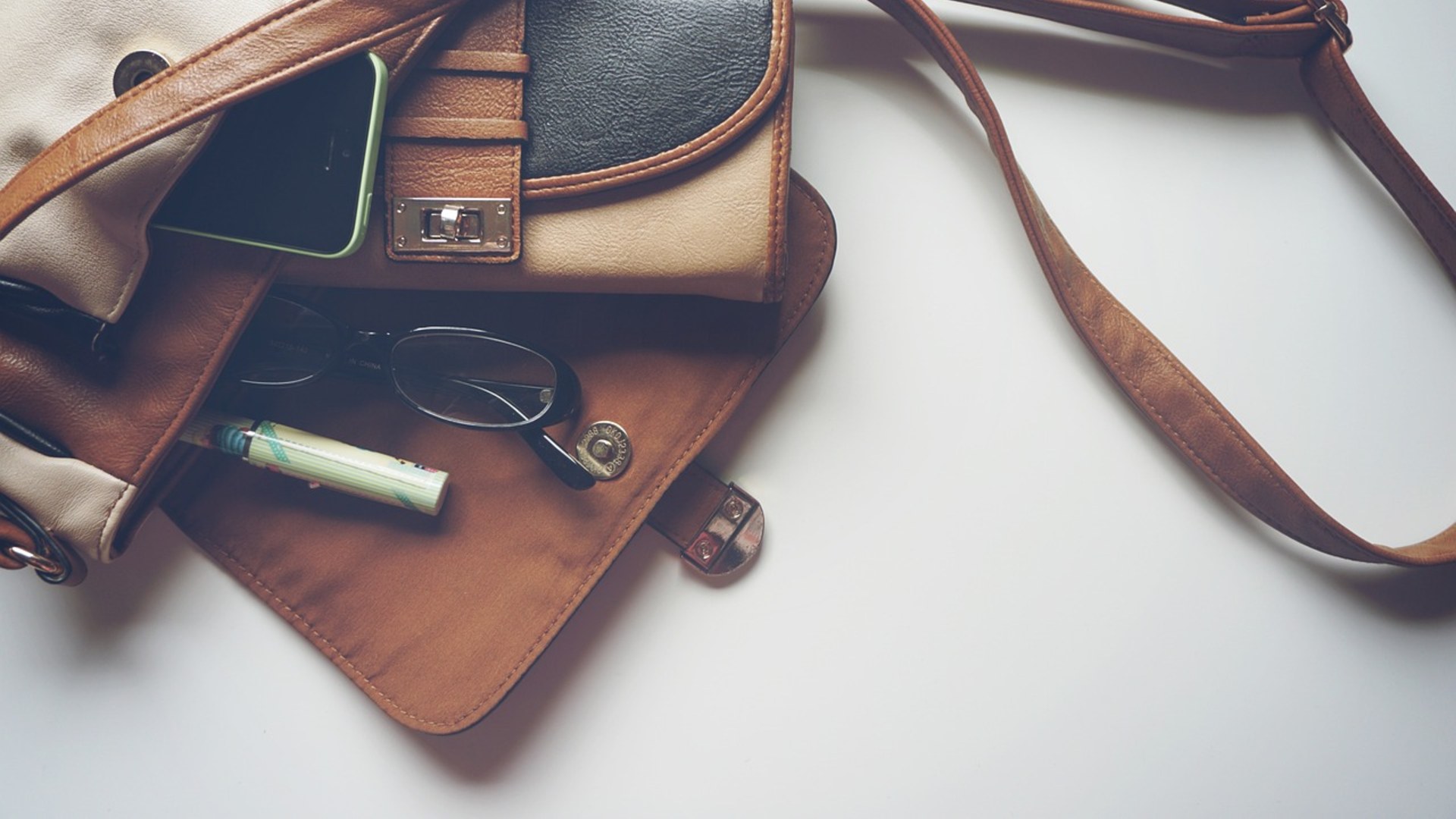
4. Purse: Small Coin Wallet Vs Shoulder Handbag 
3. Subway: Pedestrian Underpass Vs Underground Metro 
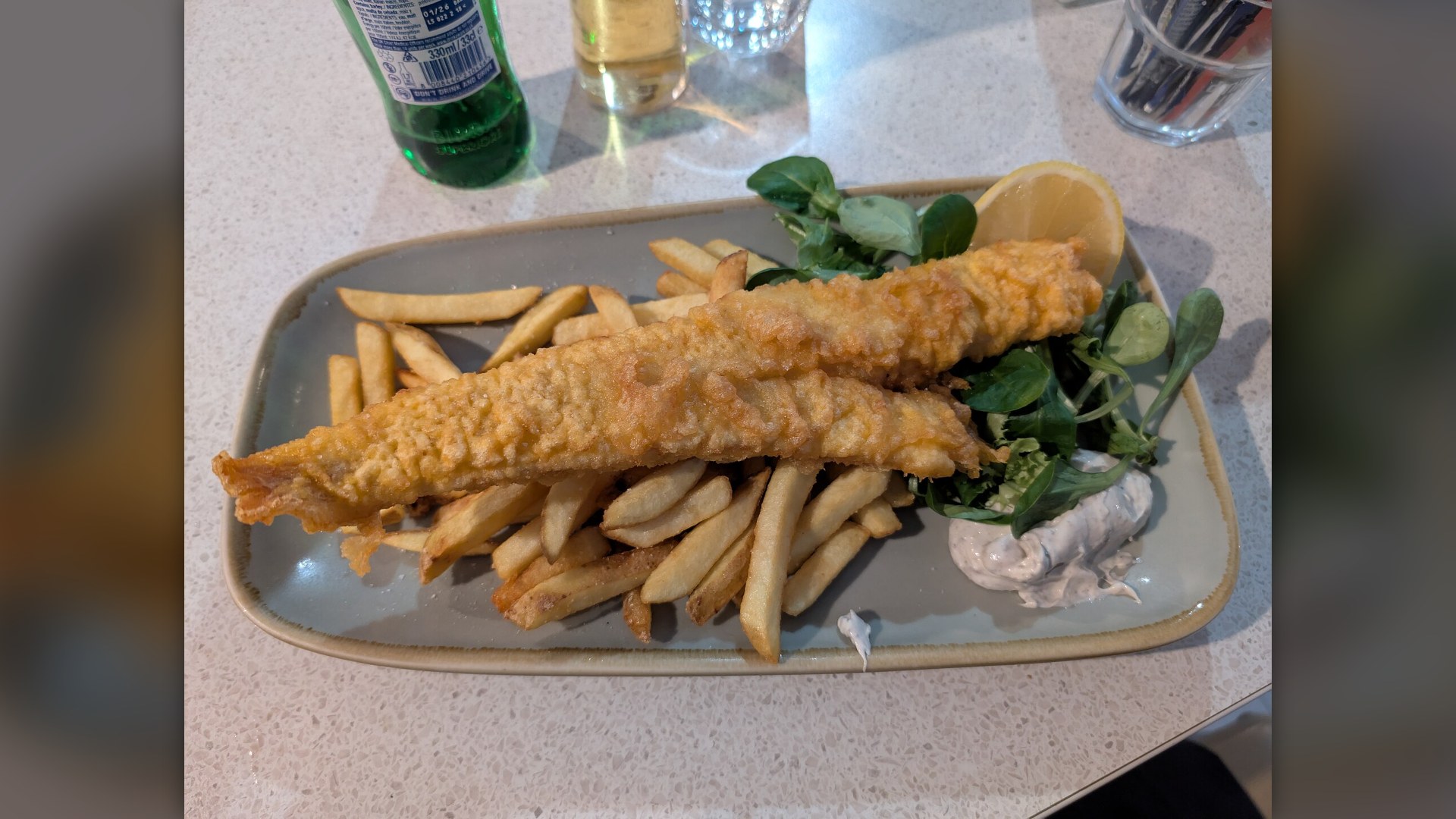
2. Chips: Crispy Fries Vs Thin Bagged Snacks - AdvertisementSwipe or tap ▶ to continue countdown

1. Pants: Outer Trousers Vs Intimate Underwear - Advertisement🔥 UP NEXT IN THIS SERIES◫ 21 Slides

20 Cars That Thieves Target Most and Least Across America
National Insurance Crime Bureau figures for 2025 show 659,880 U.S. vehicle thefts, while Highway Loss Data Institute records track the models thieves rarely touch. Here are 20 popular vehicles ranked from the lowest insurance theft claim rates to the most frequently stolen cars and pickup trucks on American roads.
Linguistic research from the Oxford English Dictionary, Cambridge University Press, and Merriam-Webster confirms centuries of separation evolved distinct definitions for everyday words. These 20 ranked terms show how identical vocabulary developed different meanings in the US and UK.
Swipe or tap ▶ to begin the countdown
©Pixabay / Surprising_Media
20. Braces: Orthodontics Vs Suspenders
In American dental clinics, braces refer exclusively to orthodontic hardware used to align teeth. British English retains the traditional tailoring definition, where braces are fabric straps buttoned over the shoulders to support trousers, which Americans call suspenders.
©Pixabay / RHDOSTOCKER
19. Trolley: Vintage Tram Vs Shopping Cart
An American traveler asking for a trolley expects an electric streetcar running on urban railway tracks. In British supermarkets, a trolley is the wheeled metal cart customers push through grocery aisles, known in the United States as a shopping cart.
©Pixabay / jdblack
18. Vest: Outer Waistcoat Vs Undergarment
In the United States, a vest is a sleeveless formal garment worn over a dress shirt as part of a three-piece suit. In the United Kingdom, that formal layer is called a waistcoat, while a vest refers to a sleeveless cotton undershirt worn beneath clothing.
©Pixabay / elizabethfischer77
Advertisement
Swipe or tap ▶ to resume the countdown.
17. Jelly: Fruit Spread Vs Gelatin Dessert
American jelly is a smooth, clear fruit preserve strained of pulp and spread alongside peanut butter on sandwich bread. In Britain, fruit spreads are called jam, while jelly refers to the colorful gelatin dessert known as Jell-O in the United States.
©Wikimedia / SutKartonu
16. Rubber: Pencil Eraser Vs Protective Latex
British schoolchildren routinely ask teachers and classmates to borrow a rubber when erasing pencil marks from notebook paper. In American slang, the word rubber refers to a latex condom, creating instant awkwardness when British visitors ask for one in a stationery store.
©Wikimedia / Willis Lam
15. Bonnet: Car Engine Lid Vs Traditional Hat
In American English, a bonnet is a traditional tied cloth head covering associated with historical pioneer clothing. Across the United Kingdom, the hinged metal hood covering an automobile engine is called the bonnet, while the rear trunk is known as the boot.
©Pixabay / Mybbor
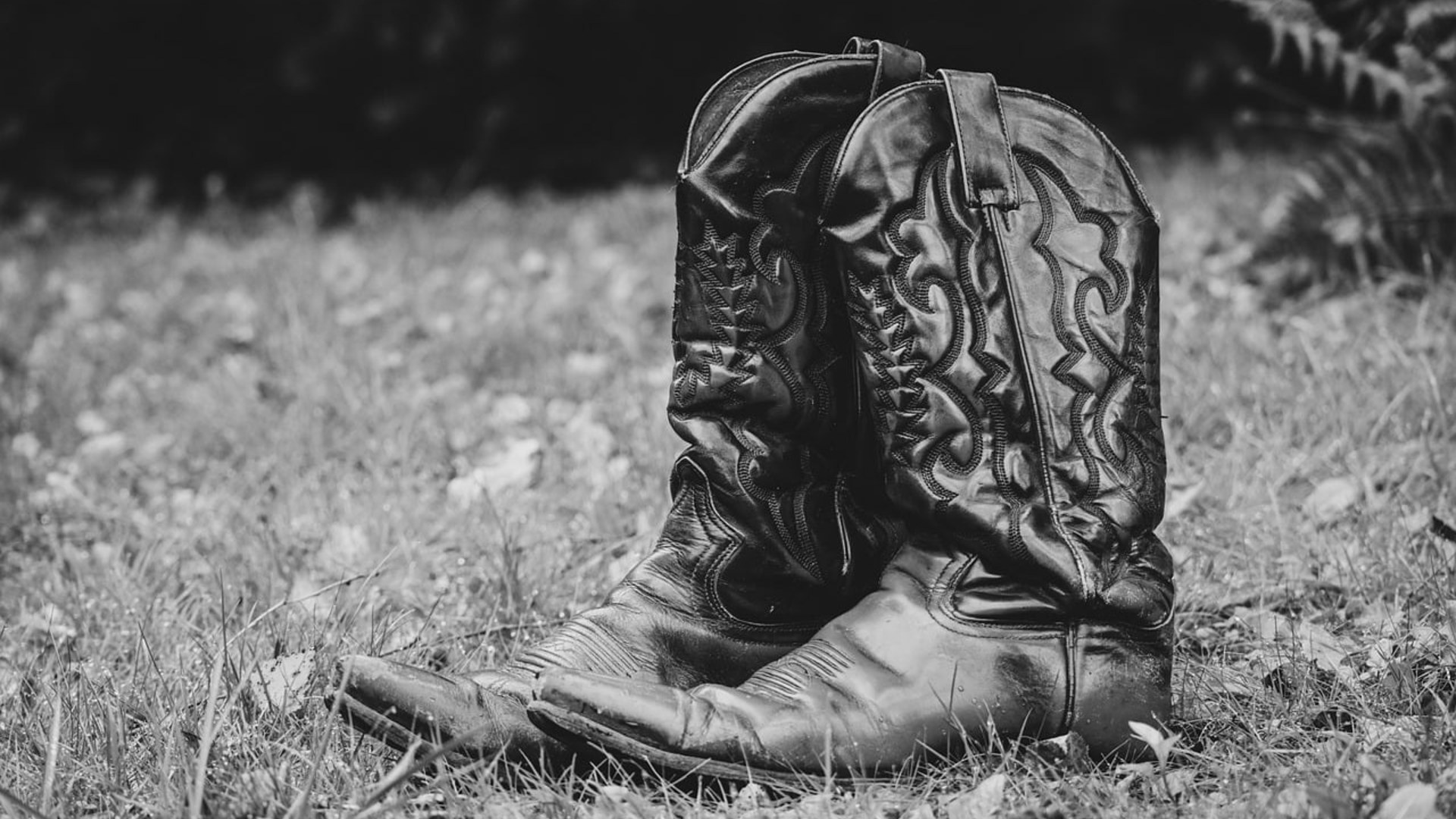
14. Boot: Car Storage Vs Heavy Footwear
While both nations recognize boots as sturdy leather footwear covering the ankle, British automotive terminology assigns the word to the vehicle rear cargo hold. American motorists refer to this enclosed luggage space as the car trunk.
©Pixabay / Alexas_Fotos
Advertisement
Swipe or tap ▶ to resume the countdown.
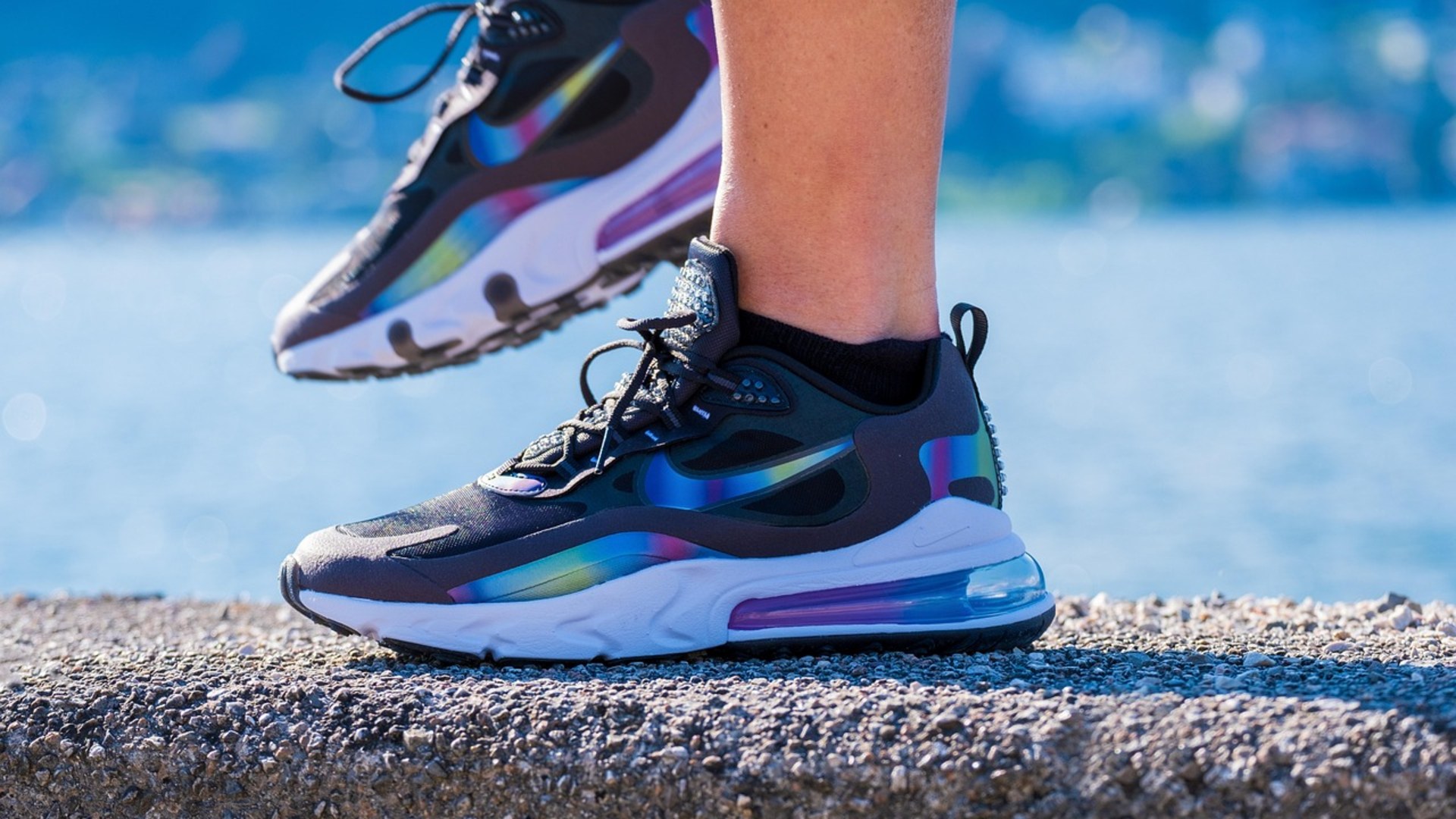
13. Trainer: Running Sneaker Vs Fitness Instructor
In American fitness centers, a trainer is a certified professional coaching clients through exercise routines. In the United Kingdom, trainers is the standard everyday term for athletic sneakers, rubber-soled running shoes, or gym footwear.
©Pixabay / NickyPe
12. Dummy: Baby Pacifier Vs Mannequin
American English uses dummy to describe display mannequins, crash-test human figures, or an unintelligent person. In British nurseries, a dummy is a silicone soothing device given to infants to suck on, which Americans call a pacifier.
©Wikimedia / W.carter
11. Suspenders: Garter Straps Vs Trouser Braces
In American menswear, suspenders are functional elastic straps worn over the shoulders to keep trousers in place. In the United Kingdom, suspenders refer strictly to garter belts and lingerie clips used to fasten nylon stockings, making wardrobe discussions surprisingly delicate.
©Pixabay / shaniaculter
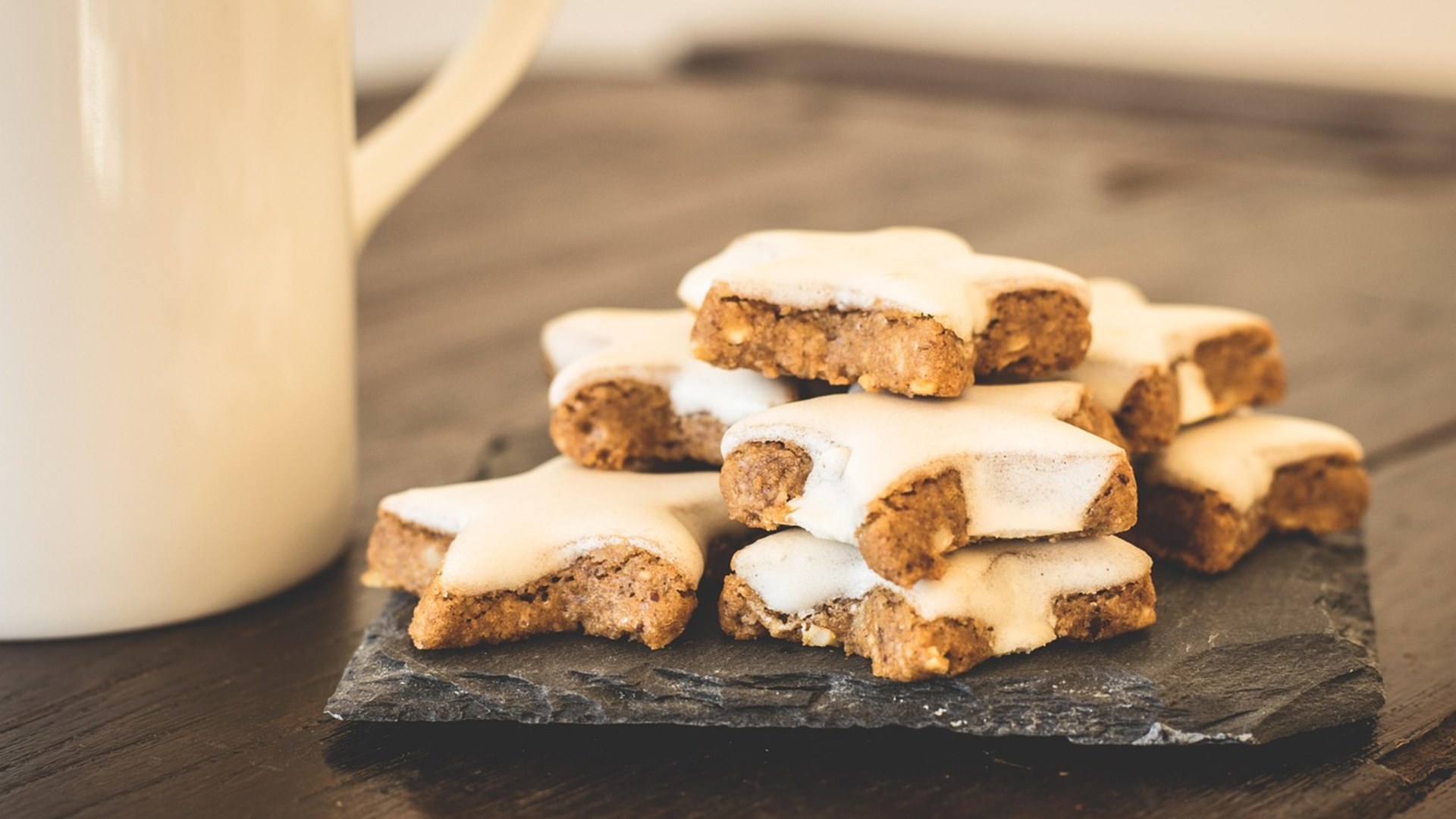
10. Biscuit: Fluffy Scone Vs Crisp Cookie
American biscuits are warm, buttery, leavened quick breads often served alongside fried chicken or smothered in gravy. British biscuits are dry, crisp baked snacks meant for dunking into hot tea, which Americans categorize as cookies or crackers.
©Pixabay / LUM3N
Advertisement
Swipe or tap ▶ to resume the countdown.
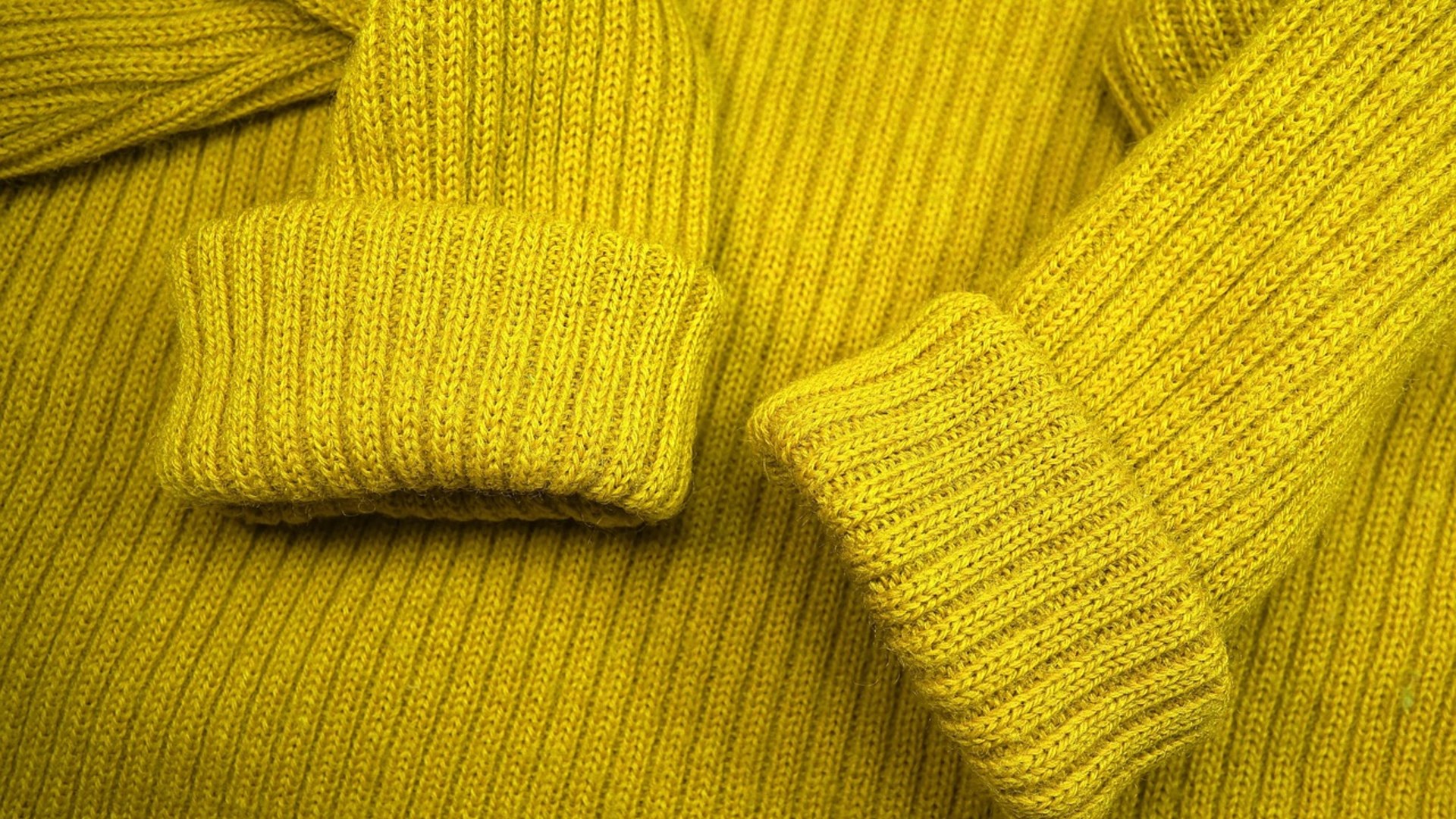
9. Jumper: Knitted Sweater Vs Sleeveless Dress
In British department stores, a jumper is a knitted wool pullover sweater designed for cold weather warmth. In American fashion, a jumper is a sleeveless, collarless dress worn over a blouse or turtleneck shirt, known in Britain as a pinafore.
©Pixabay / MabelAmber
8. Flannel: Face Washcloth Vs Plaid Fabric
In the United States, flannel designates a soft woven wool or cotton fabric popular for lumberjack-style plaid shirts and winter bedding. In British bathrooms, a flannel is a small square terrycloth towel used for washing the face, called a washcloth in America.
©Pixabay / MiraCosic
7. Coach: Long-Distance Bus Vs Sports Instructor
American speakers reserve the word coach for sports trainers or budget airplane seating rows. In the United Kingdom, a coach is a comfortable single-deck or double-decker passenger bus designed for intercity highway transit, distinct from local city transit buses.
©Pixabay / Freedommail
6. Tap: Water Faucet Vs Light Rhythmic Strike
While Americans use tap primarily as a verb or for draft beer barrels, British households use tap as the universal everyday noun for sink valves and spigots. Asking where the kitchen tap is in an American hardware store often leads to confusion with pipe threading tools.
©Pixabay / 19934763
Advertisement
Swipe or tap ▶ to resume the countdown.
5. Pavement: Pedestrian Sidewalk Vs Road Surface
In American urban planning, pavement refers to the paved asphalt or concrete surface of a roadway where motor vehicles drive. In British towns, the pavement is the elevated pedestrian walkway running alongside the street, known in America as the sidewalk.
©Pixabay / igorovsyannykov
4. Purse: Small Coin Wallet Vs Shoulder Handbag
In American usage, a purse is a large shoulder bag or handbag carrying a wallet, keys, phone, and cosmetics. In the United Kingdom, a purse is a small pocket-sized pouch designed strictly for coins and banknotes, while the larger shoulder accessory is called a handbag.
©Pixabay / freephotocc
3. Subway: Pedestrian Underpass Vs Underground Metro
American city dwellers rely on the subway as an extensive subterranean electric passenger rail network. In British English, that railway is known as the Underground or the Tube, while a subway is simply a pedestrian tunnel built underneath a busy roadway junction.
©Pixabay / MMT
2. Chips: Crispy Fries Vs Thin Bagged Snacks
In the United States, chips are thin, crisp potato slices seasoned in sealed foil bags, which Britons call crisps. When visiting a British pub, ordering chips brings hot, thick-cut deep-fried potato batons, which Americans refer to as french fries or steak fries.
©Wikimedia / Andy Li
Advertisement
Swipe or tap ▶ to resume the countdown.
1. Pants: Outer Trousers Vs Intimate Underwear
In the United States, pants is the standard term for outer trousers and slacks worn in offices and public spaces. In British English, pants refers strictly to underpants and briefs. Telling a British friend you love their pants implies you are staring directly at their underwear.

©Pixabay / Kranich17
Advertisement
You've reached the end of the story. Thanks for reading!

20 Cars That Thieves Target Most and Least Across America
National Insurance Crime Bureau figures for 2025 show 659,880 U.S. vehicle thefts, while Highway Loss Data Institute records track the models thieves rarely touch. Here are 20 popular vehicles ranked from the lowest insurance theft claim rates to the most frequently stolen cars and pickup trucks on American roads.
All 20 Entries in this Story
20. Braces: Orthodontics Vs Suspenders
In American dental clinics, braces refer exclusively to orthodontic hardware used to align teeth. British English retains the traditional tailoring definition, where braces are fabric straps buttoned over the shoulders to support trousers, which Americans call suspenders.

19. Trolley: Vintage Tram Vs Shopping Cart
An American traveler asking for a trolley expects an electric streetcar running on urban railway tracks. In British supermarkets, a trolley is the wheeled metal cart customers push through grocery aisles, known in the United States as a shopping cart.

18. Vest: Outer Waistcoat Vs Undergarment
In the United States, a vest is a sleeveless formal garment worn over a dress shirt as part of a three-piece suit. In the United Kingdom, that formal layer is called a waistcoat, while a vest refers to a sleeveless cotton undershirt worn beneath clothing.

17. Jelly: Fruit Spread Vs Gelatin Dessert
American jelly is a smooth, clear fruit preserve strained of pulp and spread alongside peanut butter on sandwich bread. In Britain, fruit spreads are called jam, while jelly refers to the colorful gelatin dessert known as Jell-O in the United States.

16. Rubber: Pencil Eraser Vs Protective Latex
British schoolchildren routinely ask teachers and classmates to borrow a rubber when erasing pencil marks from notebook paper. In American slang, the word rubber refers to a latex condom, creating instant awkwardness when British visitors ask for one in a stationery store.

15. Bonnet: Car Engine Lid Vs Traditional Hat
In American English, a bonnet is a traditional tied cloth head covering associated with historical pioneer clothing. Across the United Kingdom, the hinged metal hood covering an automobile engine is called the bonnet, while the rear trunk is known as the boot.

14. Boot: Car Storage Vs Heavy Footwear
While both nations recognize boots as sturdy leather footwear covering the ankle, British automotive terminology assigns the word to the vehicle rear cargo hold. American motorists refer to this enclosed luggage space as the car trunk.

13. Trainer: Running Sneaker Vs Fitness Instructor
In American fitness centers, a trainer is a certified professional coaching clients through exercise routines. In the United Kingdom, trainers is the standard everyday term for athletic sneakers, rubber-soled running shoes, or gym footwear.

12. Dummy: Baby Pacifier Vs Mannequin
American English uses dummy to describe display mannequins, crash-test human figures, or an unintelligent person. In British nurseries, a dummy is a silicone soothing device given to infants to suck on, which Americans call a pacifier.

11. Suspenders: Garter Straps Vs Trouser Braces
In American menswear, suspenders are functional elastic straps worn over the shoulders to keep trousers in place. In the United Kingdom, suspenders refer strictly to garter belts and lingerie clips used to fasten nylon stockings, making wardrobe discussions surprisingly delicate.

10. Biscuit: Fluffy Scone Vs Crisp Cookie
American biscuits are warm, buttery, leavened quick breads often served alongside fried chicken or smothered in gravy. British biscuits are dry, crisp baked snacks meant for dunking into hot tea, which Americans categorize as cookies or crackers.

9. Jumper: Knitted Sweater Vs Sleeveless Dress
In British department stores, a jumper is a knitted wool pullover sweater designed for cold weather warmth. In American fashion, a jumper is a sleeveless, collarless dress worn over a blouse or turtleneck shirt, known in Britain as a pinafore.

8. Flannel: Face Washcloth Vs Plaid Fabric
In the United States, flannel designates a soft woven wool or cotton fabric popular for lumberjack-style plaid shirts and winter bedding. In British bathrooms, a flannel is a small square terrycloth towel used for washing the face, called a washcloth in America.

7. Coach: Long-Distance Bus Vs Sports Instructor
American speakers reserve the word coach for sports trainers or budget airplane seating rows. In the United Kingdom, a coach is a comfortable single-deck or double-decker passenger bus designed for intercity highway transit, distinct from local city transit buses.

6. Tap: Water Faucet Vs Light Rhythmic Strike
While Americans use tap primarily as a verb or for draft beer barrels, British households use tap as the universal everyday noun for sink valves and spigots. Asking where the kitchen tap is in an American hardware store often leads to confusion with pipe threading tools.

5. Pavement: Pedestrian Sidewalk Vs Road Surface
In American urban planning, pavement refers to the paved asphalt or concrete surface of a roadway where motor vehicles drive. In British towns, the pavement is the elevated pedestrian walkway running alongside the street, known in America as the sidewalk.

4. Purse: Small Coin Wallet Vs Shoulder Handbag
In American usage, a purse is a large shoulder bag or handbag carrying a wallet, keys, phone, and cosmetics. In the United Kingdom, a purse is a small pocket-sized pouch designed strictly for coins and banknotes, while the larger shoulder accessory is called a handbag.

3. Subway: Pedestrian Underpass Vs Underground Metro
American city dwellers rely on the subway as an extensive subterranean electric passenger rail network. In British English, that railway is known as the Underground or the Tube, while a subway is simply a pedestrian tunnel built underneath a busy roadway junction.

2. Chips: Crispy Fries Vs Thin Bagged Snacks
In the United States, chips are thin, crisp potato slices seasoned in sealed foil bags, which Britons call crisps. When visiting a British pub, ordering chips brings hot, thick-cut deep-fried potato batons, which Americans refer to as french fries or steak fries.

1. Pants: Outer Trousers Vs Intimate Underwear
In the United States, pants is the standard term for outer trousers and slacks worn in offices and public spaces. In British English, pants refers strictly to underpants and briefs. Telling a British friend you love their pants implies you are staring directly at their underwear.