Slideshow · Viral
20 Well-Known Foods and Where They Actually Came From
Swipe Through to Uncover How 20 Beloved Global Foods Were Truly Created
By Most Viral Today
12 min ago

Swipe Through to Uncover How 20 Beloved Global Foods Were Truly Created 
20. Belgian Waffles Were Rebranded In New York Because Of Weak Geography 
19. Spiced Biryani Traveled From Persian Royal Courts To Indian Kitchens 
18. Chewy Bagels Emerged From Polish Laws That Restricted Jewish Baking - AdvertisementSwipe or tap ▶ to continue countdown

17. Deep-Fried Falafel Started As A Fava Bean Lent Dish For Egyptian Copts 
16. Red Spicy Kimchi Existed Without Chili Peppers For Hundreds Of Years 
15. Crispy Churros Owe Their Distinctive Shape To Ancient Chinese Youtiao 
14. Canadian Poutine Evolved From Rural Mockery Into A National Icon - AdvertisementSwipe or tap ▶ to continue countdown

13. Hungarian Goulash Was Transformed By Paprika Brought From The Americas 
12. Fortune Cookies Are From Japan And Were Popularized In San Francisco 
11. How Prohibition Led To The Invention Of The Caesar Salad In Mexico 
10. Chicken Tikka Masala Was Invented In Scotland Using Canned Tomato Soup - AdvertisementSwipe or tap ▶ to continue countdown

9. The Great Pavlova Feud Stems From German And American Meringue Tortes 
8. Italy's Beloved Tiramisu Only Appeared In Restaurants During The 1970s 
7. Mexican Tacos Al Pastor Emerged From Lebanese Immigrant Shawarma Spits 
6. Iconic Japanese Ramen Actually Started As Chinese Immigrant Street Food - AdvertisementSwipe or tap ▶ to continue countdown

5. Vietnamese Banh Mi Rose From French Colonial Rules And Local Bakeries 
4. British Fish And Chips Combined Portuguese Jewish And Belgian Cooking 
3. Neapolitan Pizza Margherita Predates Queen Margherita By Many Decades 
2. The Flaky French Croissant Actually Descended From An Austrian Kipferl - AdvertisementSwipe or tap ▶ to continue countdown

1. Traditional Sushi Began As Fermented River Fish Across Southeast Asia - Advertisement🔥 UP NEXT IN THIS SERIES◫ 21 Slides

20 International Spectacles And Championships Arriving In 2027
Beloved national dishes often hide surprising cross-border journeys shaped by trade, wars, and migrations. From Asian noodles transformed in Tokyo to Austrian pastries rebranded in Paris, these twenty iconic staples carry histories far more tangled than the modern menus and legends suggest to diners today.
Swipe or tap ▶ to begin the countdown
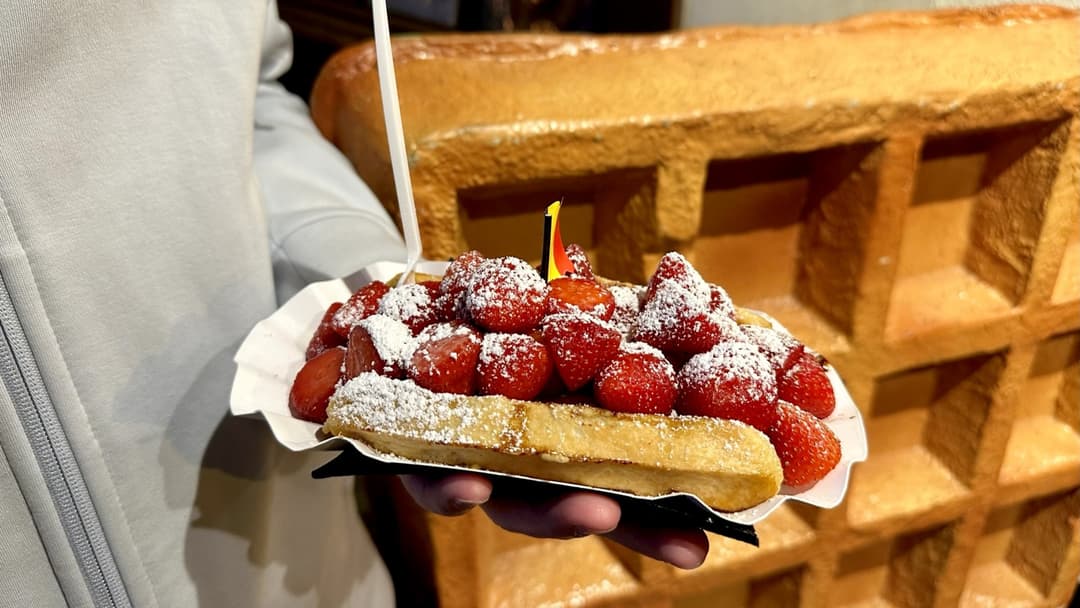
©Wikimedia / Joli Rumi
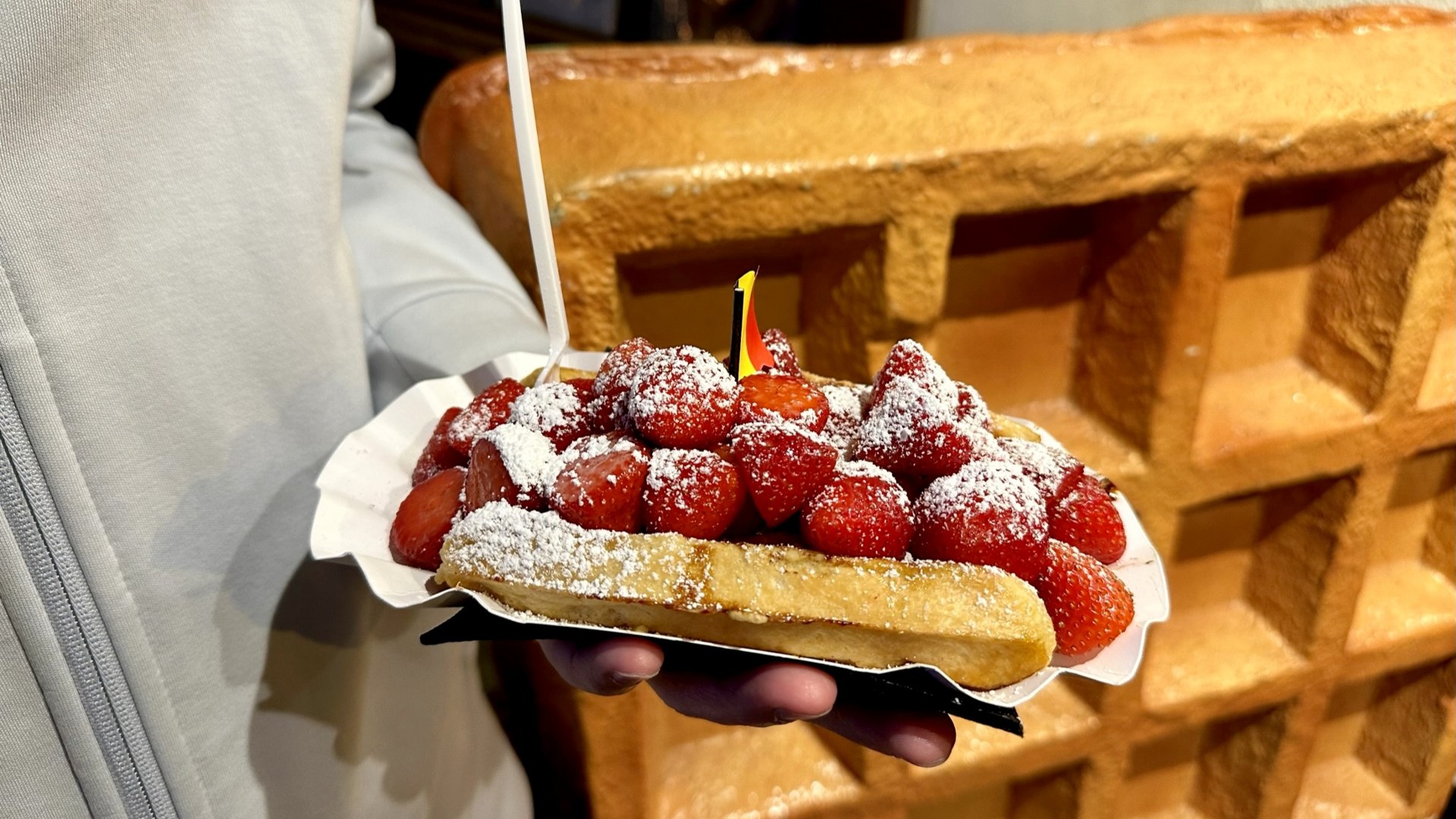
20. Belgian Waffles Were Rebranded In New York Because Of Weak Geography
The fluffy, deep-pocketed pastry known as the Belgian waffle is actually a Brussels waffle. Belgian vendor Maurice Vermersch introduced them to the United States at the 1964 World's Fair in Queens. Realizing many Americans did not know where Brussels was, he renamed them Bel-Gem waffles to drive fast sales.
©Wikimedia / APK
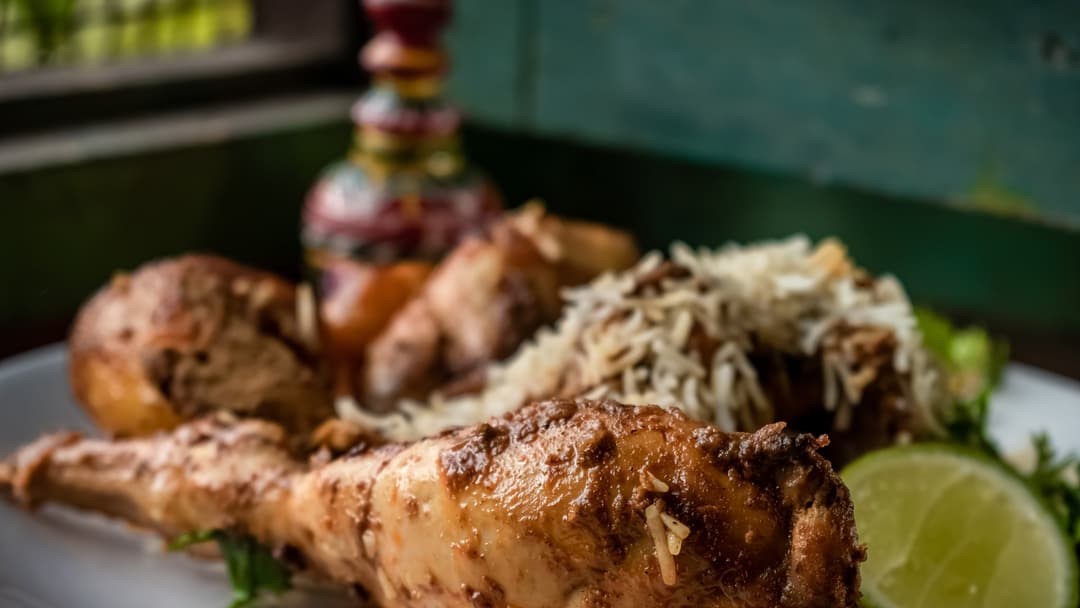
19. Spiced Biryani Traveled From Persian Royal Courts To Indian Kitchens
Biryani is celebrated across South Asia, but its culinary roots lie in ancient Persia. The name comes from the Persian word birinj, meaning rice, and beriyan, meaning to fry before cooking. Persian merchants brought the layered rice dish to Mughal royal kitchens, where Indian spices and rich ghee joined in.
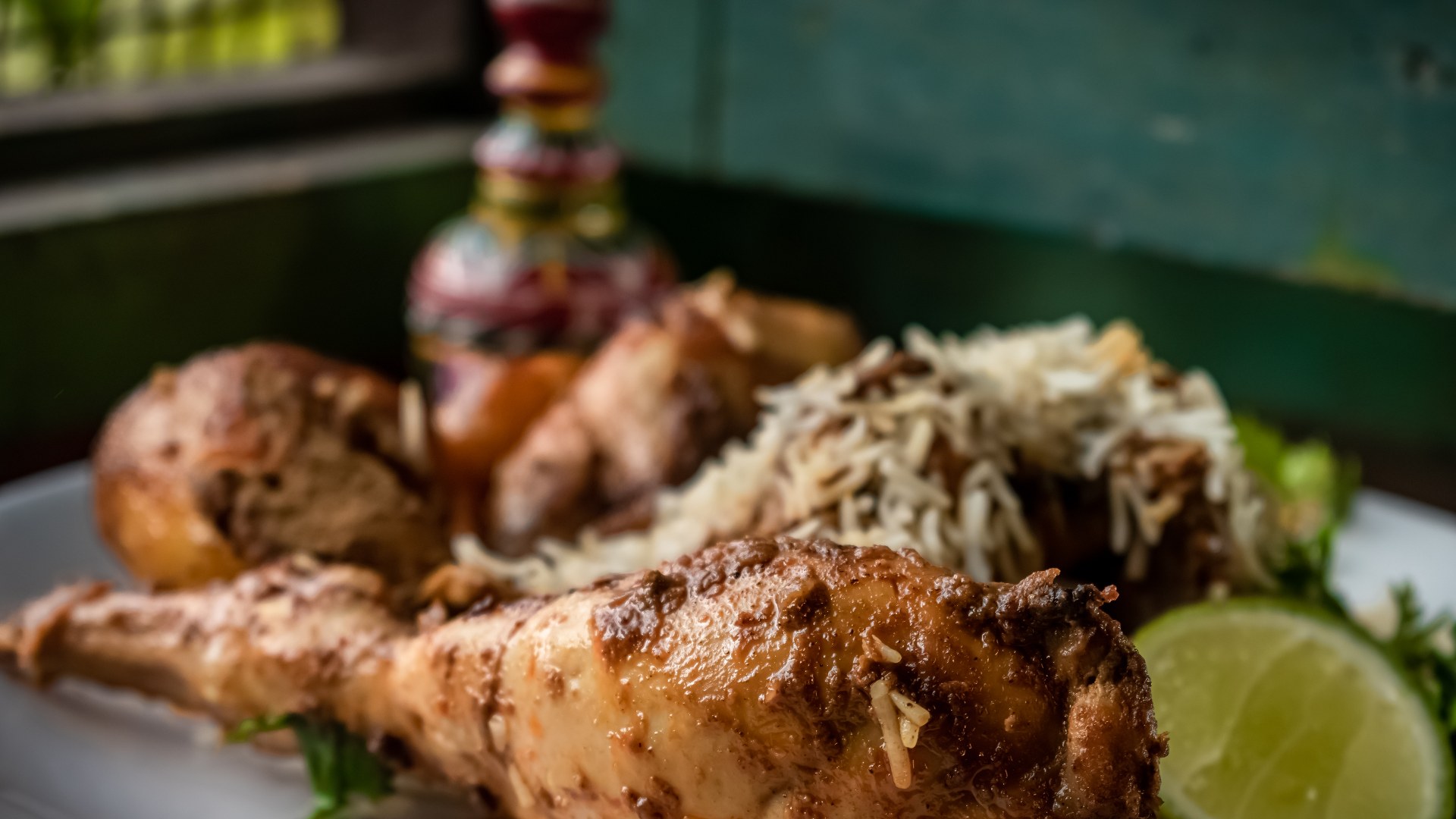
©Wikimedia / Tapas Kumar Halder
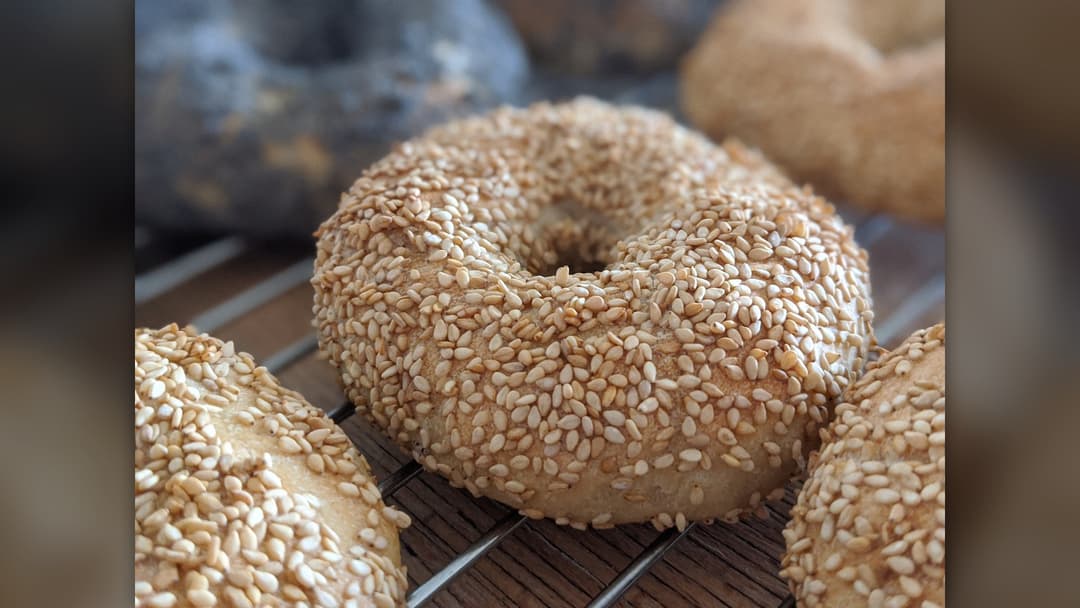
18. Chewy Bagels Emerged From Polish Laws That Restricted Jewish Baking
The New York deli bagel traces back to 17th-century Poland. Medieval guild regulations barred Jewish bakers from commercial bread ovens because bread was tied to Christian communion. Jewish bakers worked around the rules by boiling rings of dough before baking, creating a dense, chewy morning roll in town.
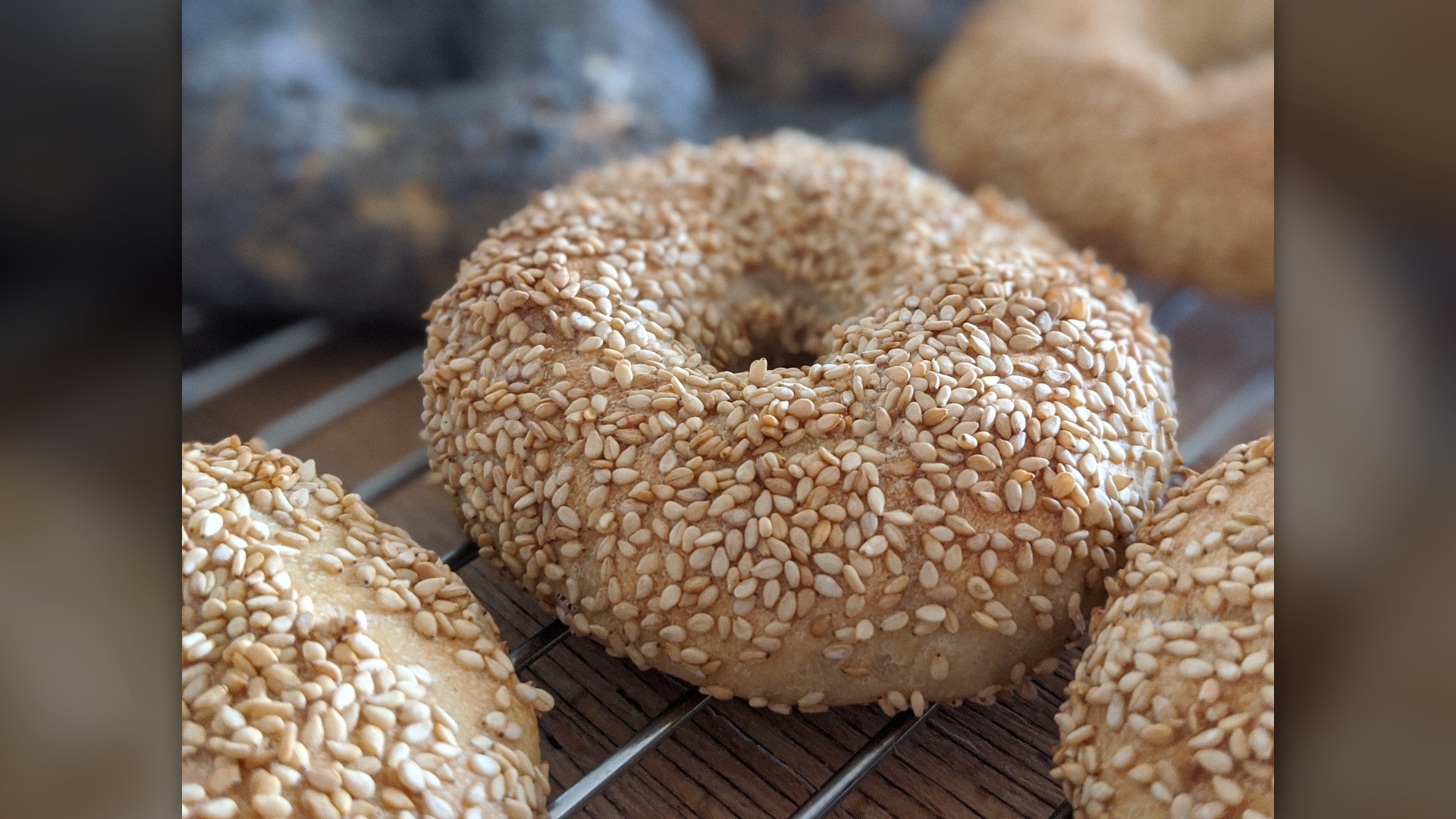
©Wikimedia / Shisma
Advertisement
Swipe or tap ▶ to resume the countdown.
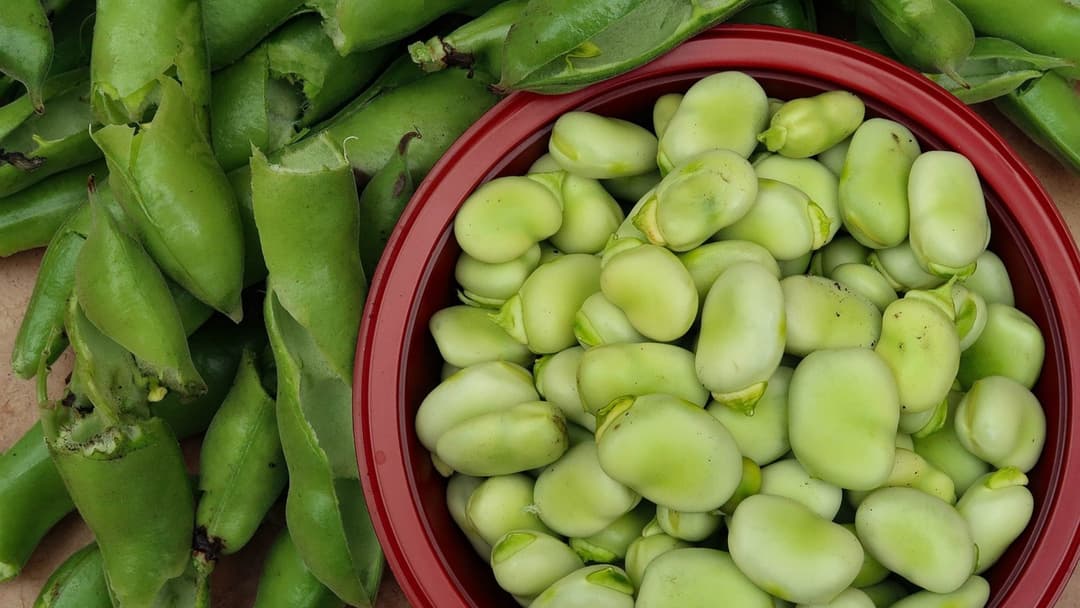
17. Deep-Fried Falafel Started As A Fava Bean Lent Dish For Egyptian Copts
Falafel is central to Middle Eastern street food, sparking fiery ownership arguments among neighboring countries. Historical records point to Egypt's Christian Coptic community, who prepared fava bean patties called ta'ameya as a meat substitute during Lent. Levantine cooks later substituted chickpeas.
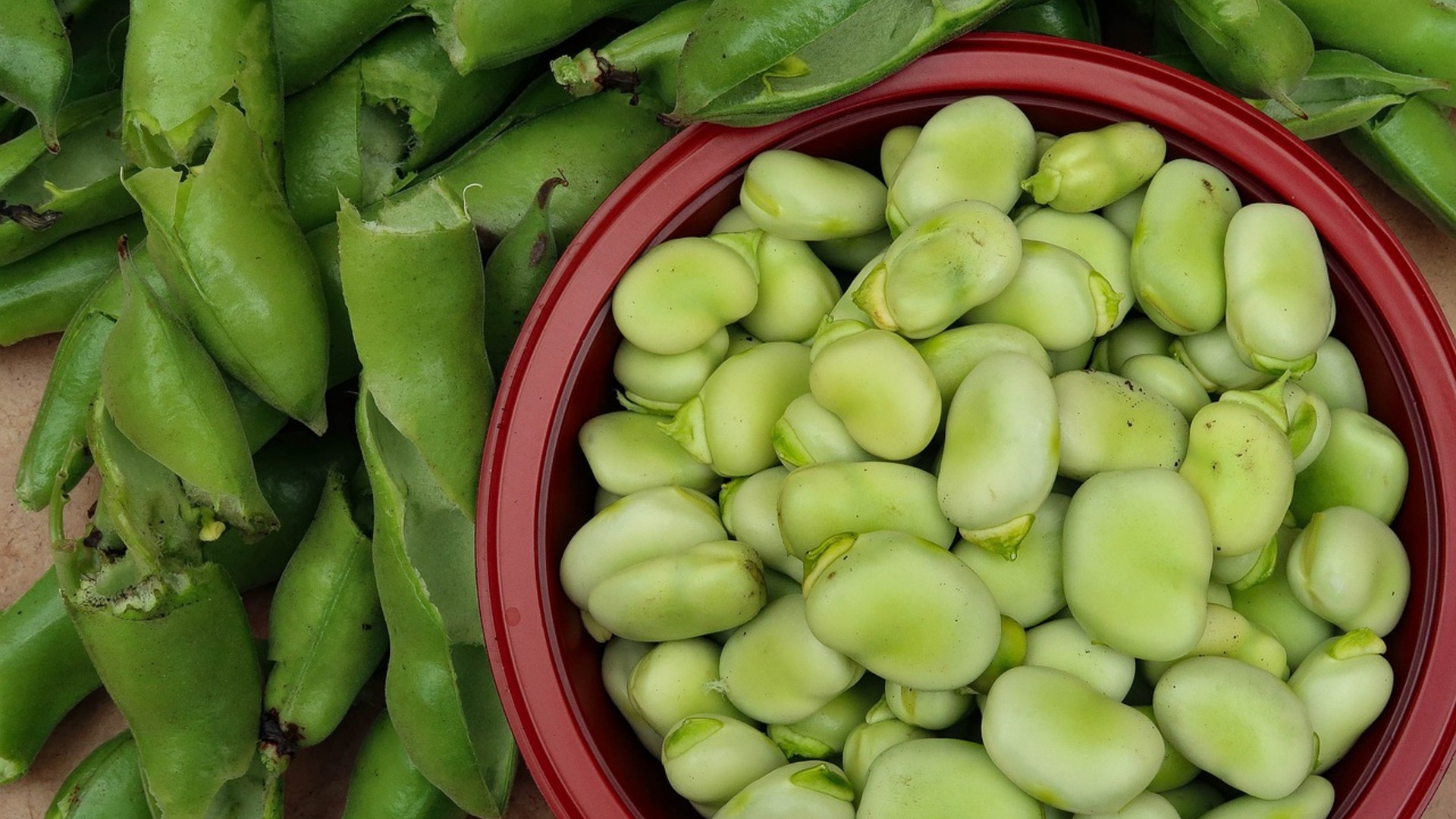
©Pixabay / chrisreadingfoto
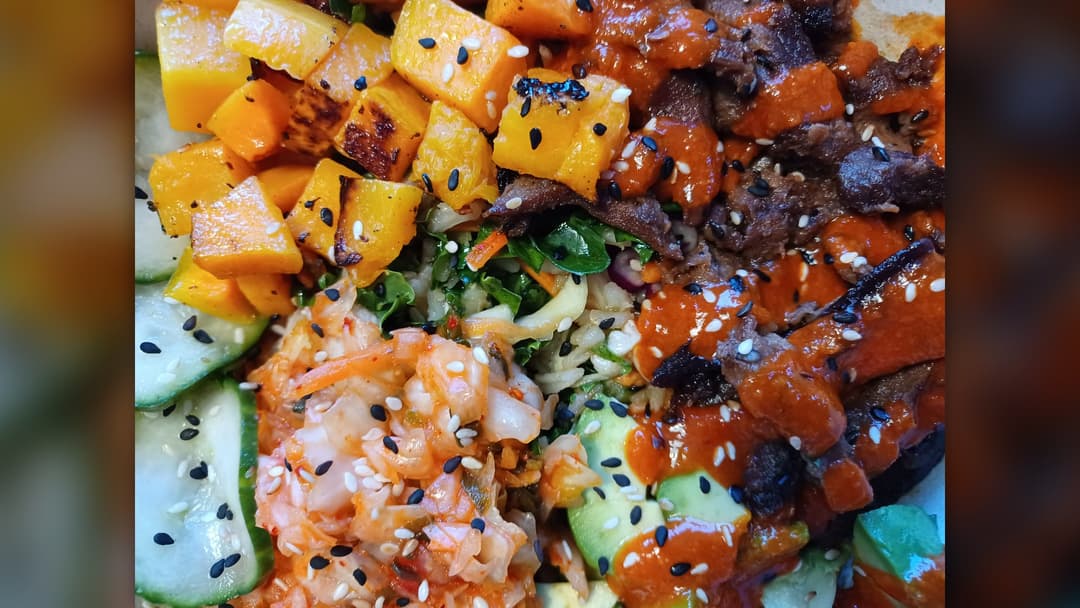
16. Red Spicy Kimchi Existed Without Chili Peppers For Hundreds Of Years
Kimchi has seasoned Korean meals for more than 1,500 years, but early recipes contained no chili peppers. Ancient versions were mild fermented radishes seasoned with salt, garlic, and beef broth. Fiery red gochugaru chili powder was only incorporated after Portuguese sailors introduced American chili peppers.
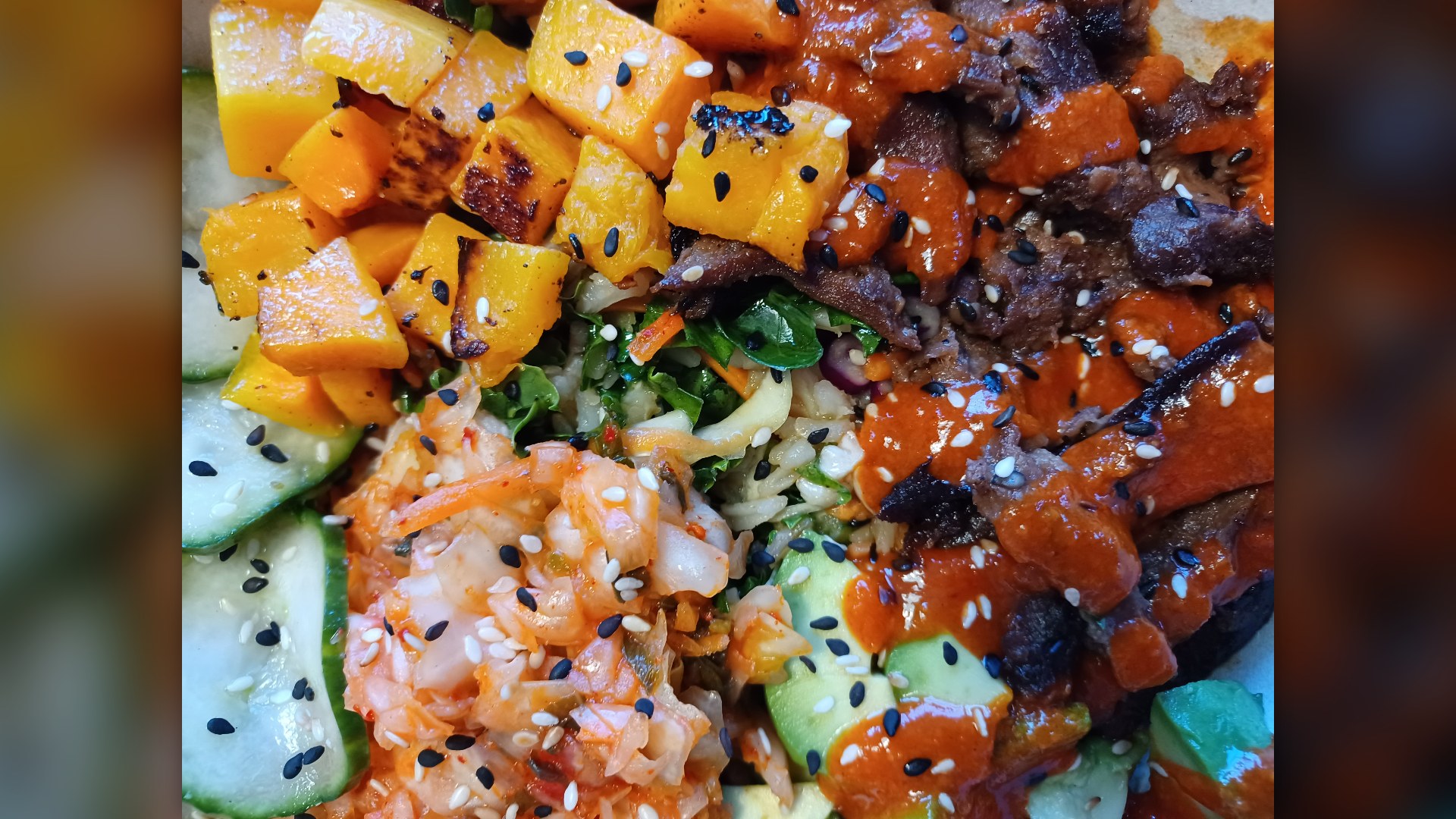
©Wikimedia / Mx. Granger
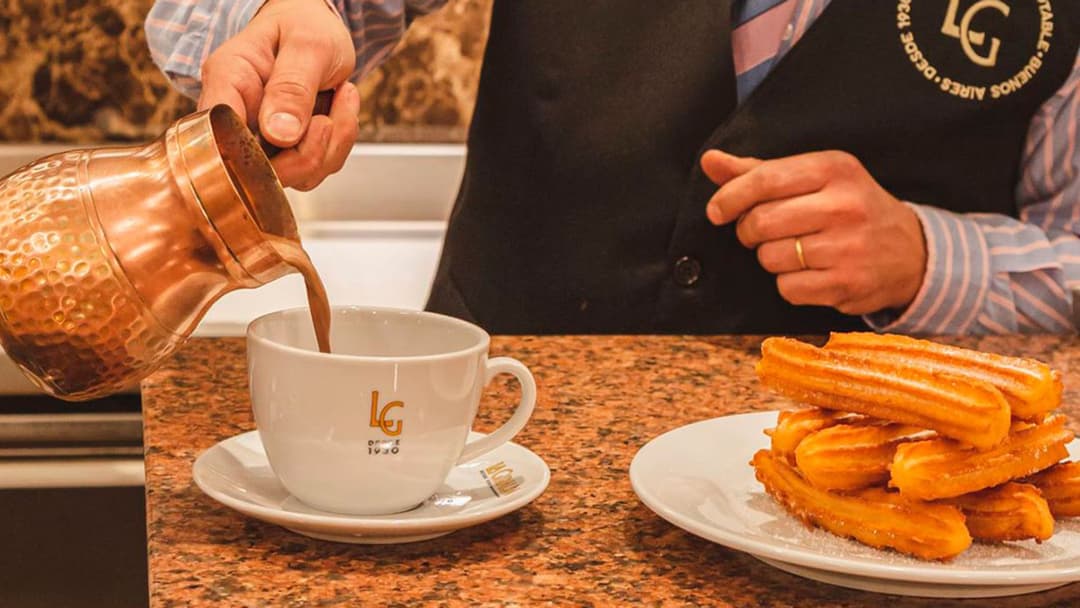
15. Crispy Churros Owe Their Distinctive Shape To Ancient Chinese Youtiao
Churros are celebrated across Spain and Latin America, but their earliest ancestors were Chinese youtiao, long strips of fried dough eaten for breakfast. Portuguese sailors learned the deep-frying technique in southern China during the 16th century and shaped the pastry using star-shaped extrusion nozzles.
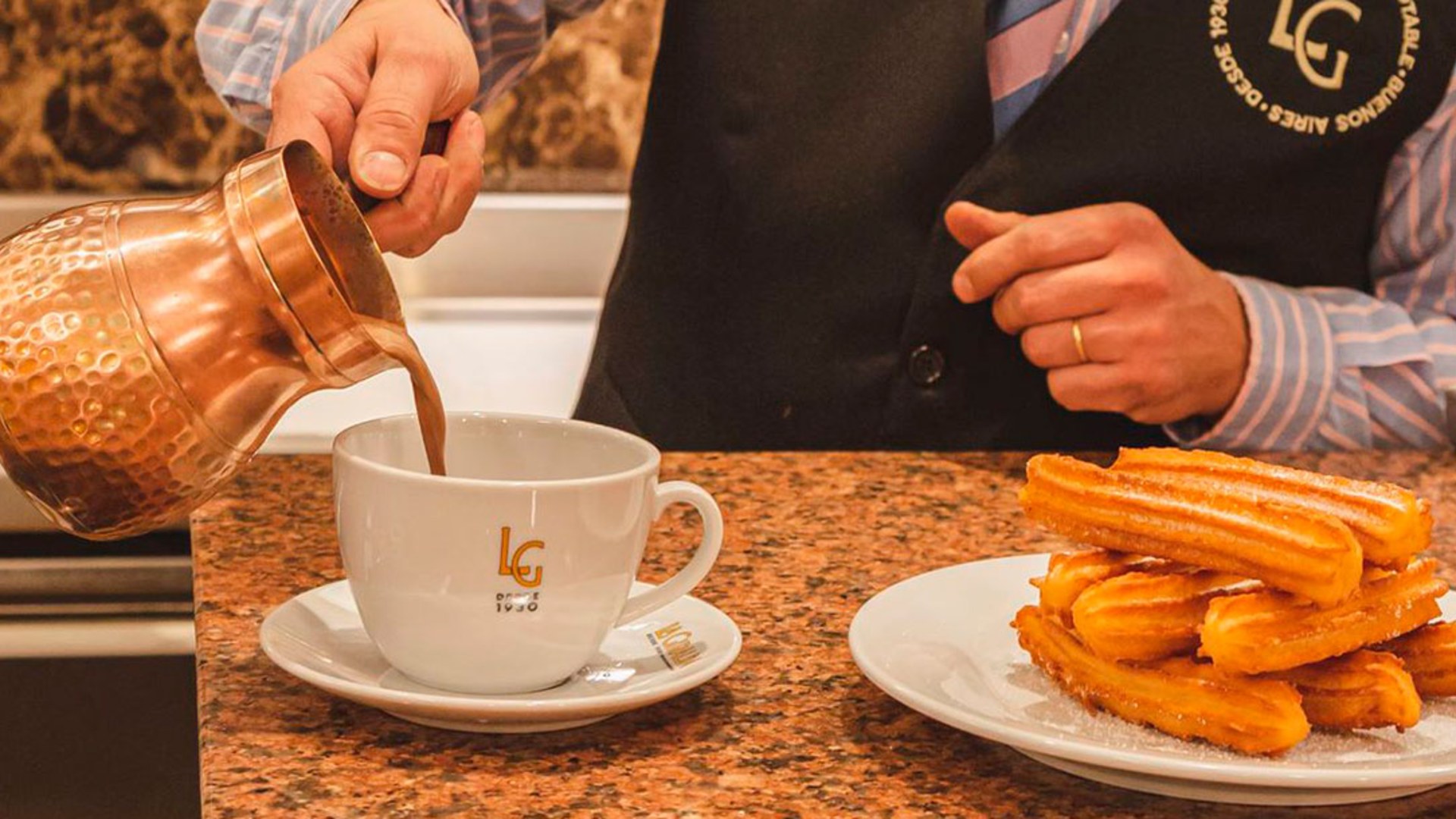
©Wikimedia / La Giralda
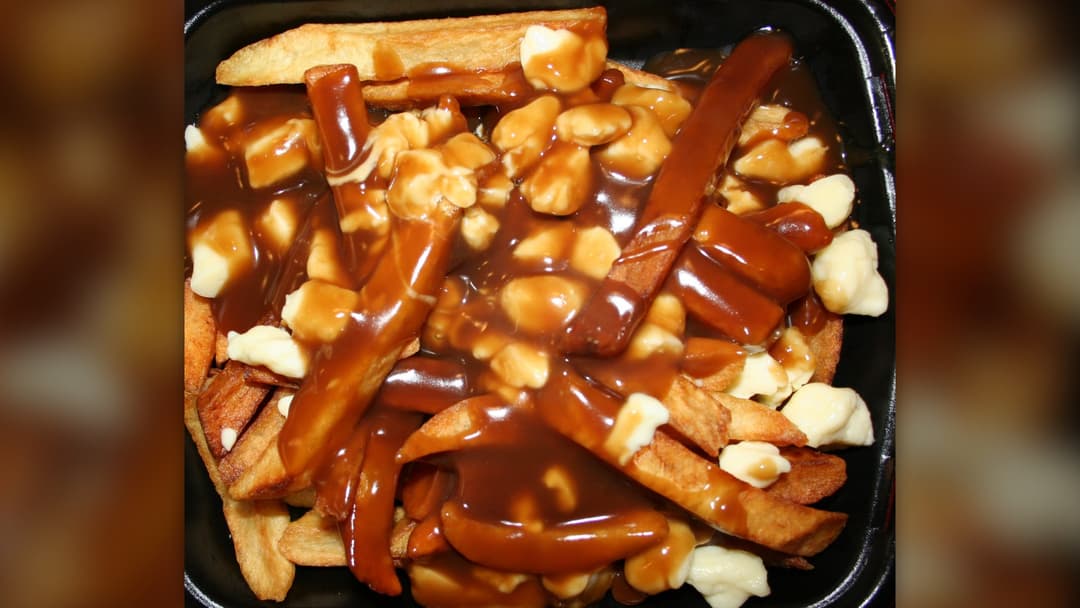
14. Canadian Poutine Evolved From Rural Mockery Into A National Icon
Poutine originated in rural Quebec dairy towns during the late 1950s, when roadside diners combined hot french fries with fresh cheese curds and warm brown gravy. English media originally ridiculed the calorie-dense mix as lowbrow junk food before the entire nation embraced it as an iconic specialty.
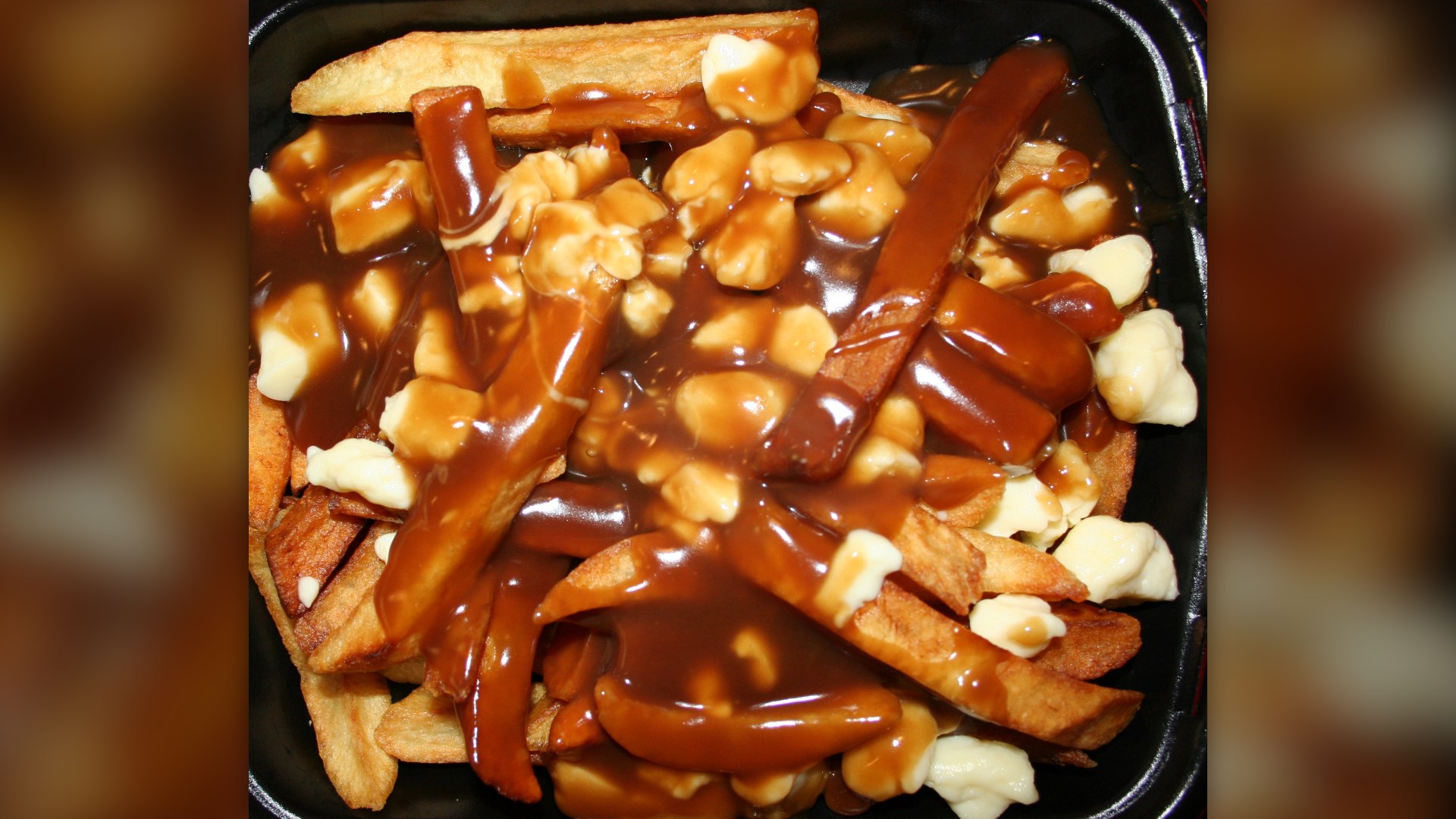
©Wikimedia / Jonathunder
Advertisement
Swipe or tap ▶ to resume the countdown.
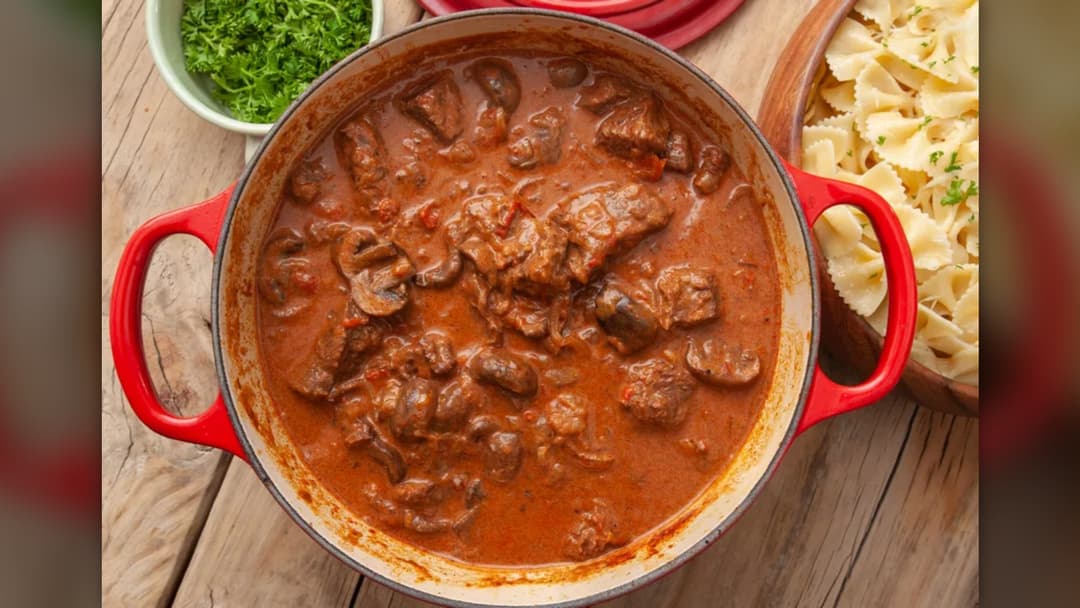
13. Hungarian Goulash Was Transformed By Paprika Brought From The Americas
Goulash started in the 9th century as a simple stew made by nomadic Magyar herdsmen, who cooked meat and dried it in the sun for travel. The dish had no signature red hue or pepper heat until the 16th century, when Ottoman merchants brought American chili peppers that locals ground into Hungarian red paprika.
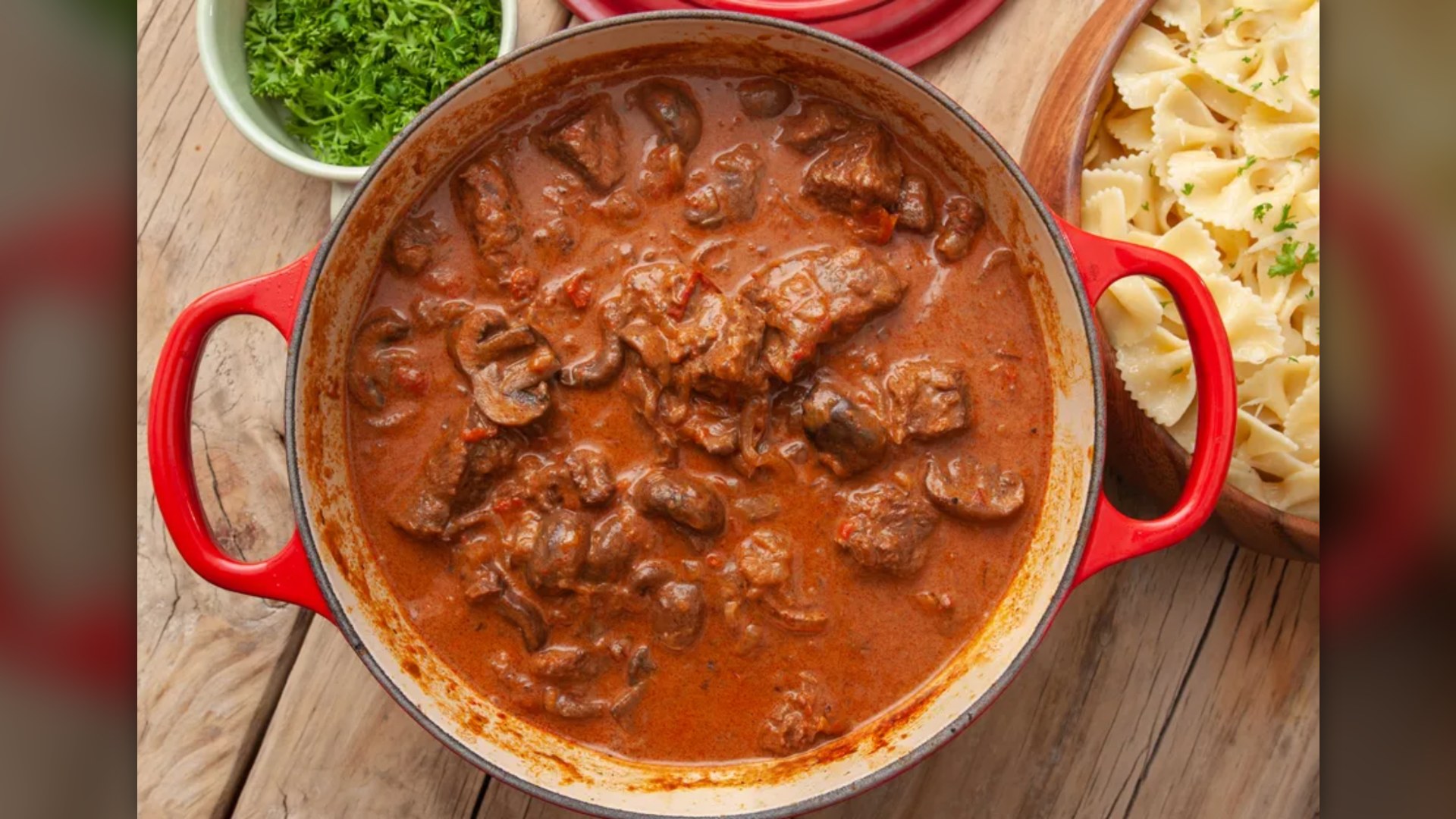
©Wikimedia / Valeva1010
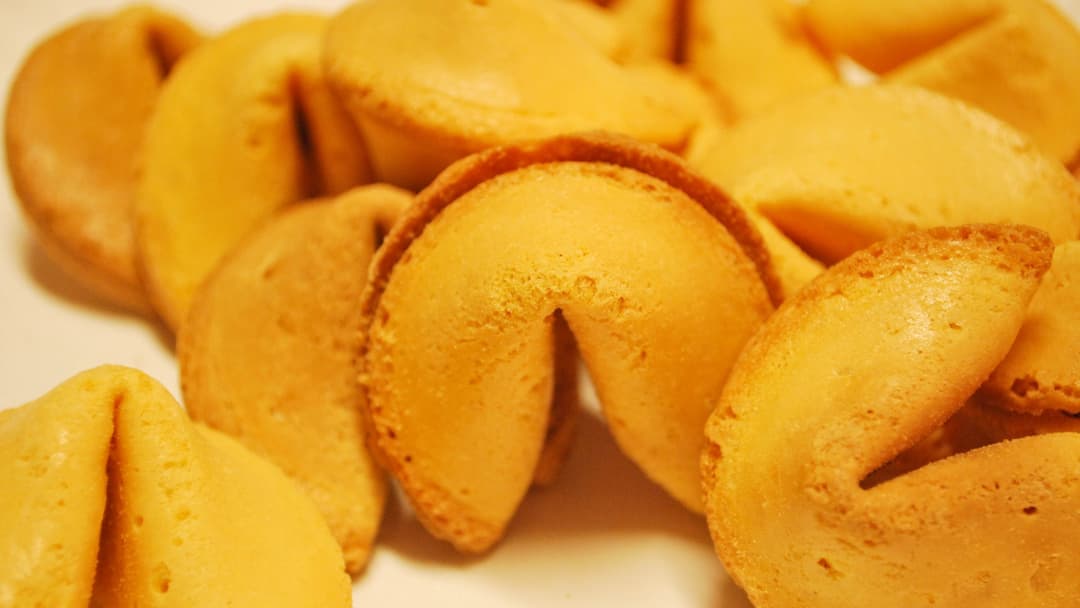
12. Fortune Cookies Are From Japan And Were Popularized In San Francisco
Fortune cookies are a fixture of Western Chinese takeout, yet they are almost unknown in China. They derive from Kyoto temple crackers called tsujiura senbei, which carried paper fortunes in their dough. Japanese bakeries made them in California before Chinese venues took over during World War II years.
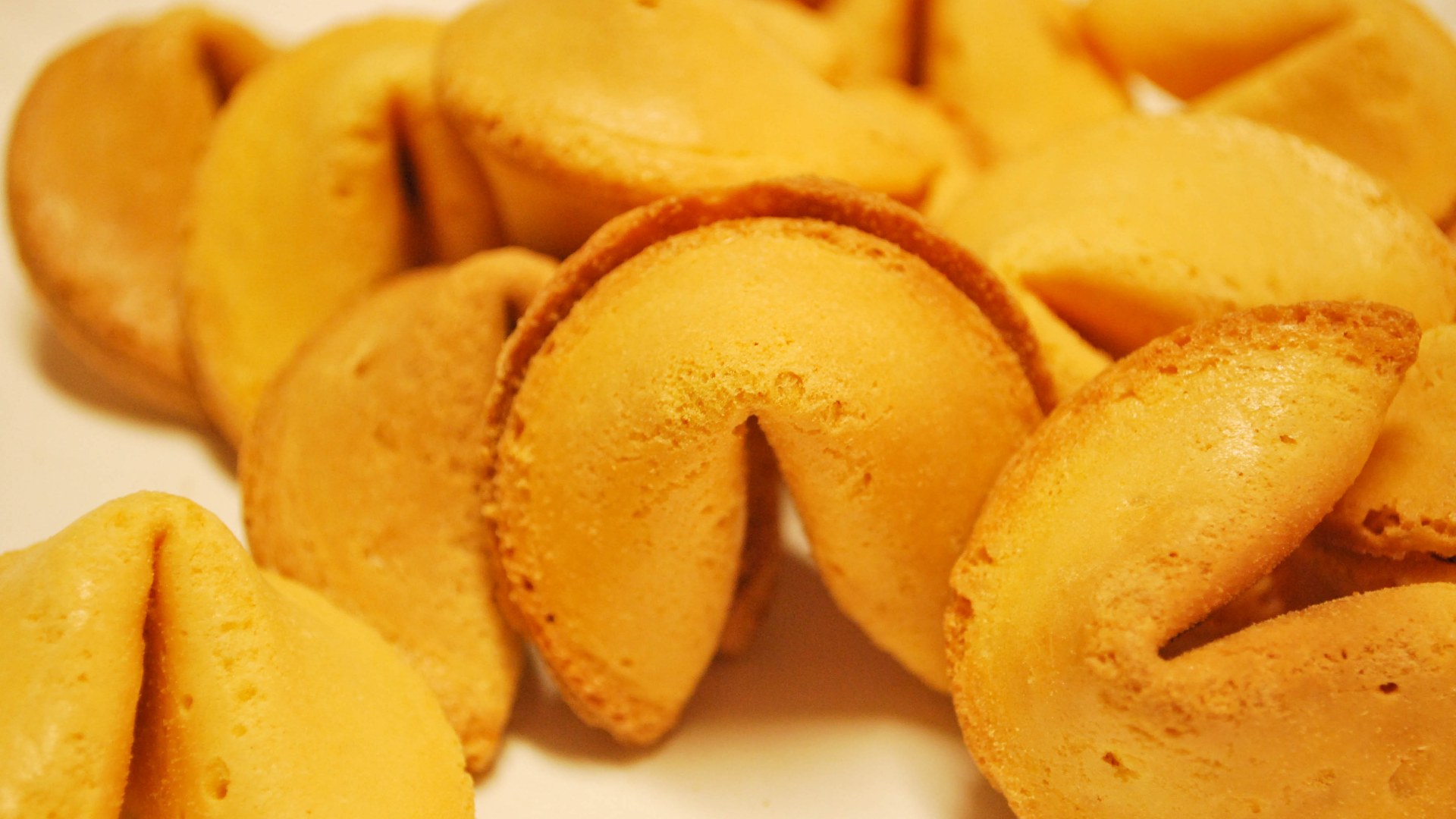
©Wikimedia / Mark Dyball
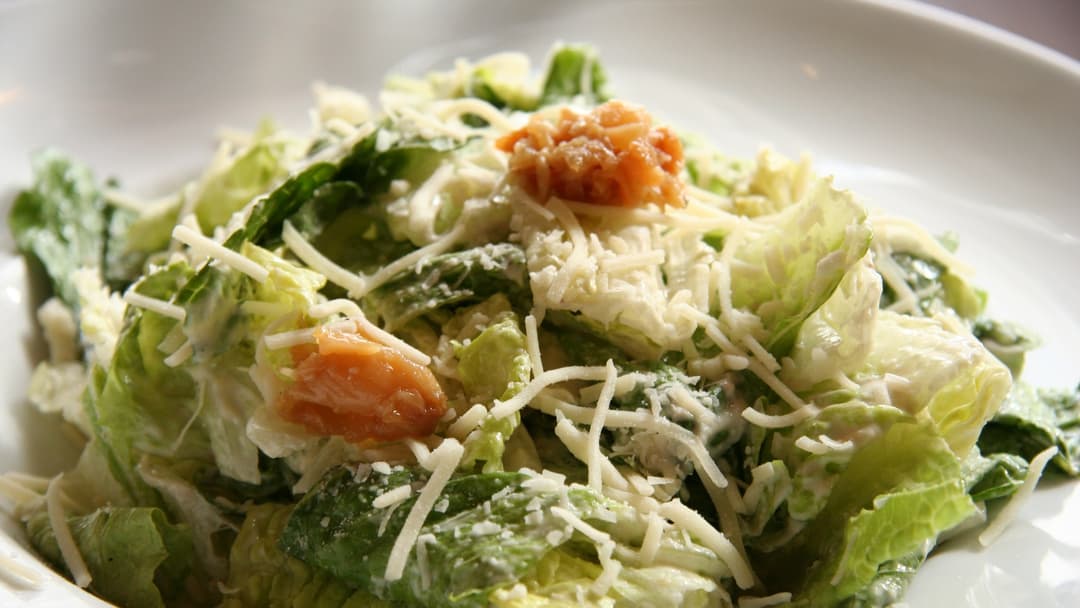
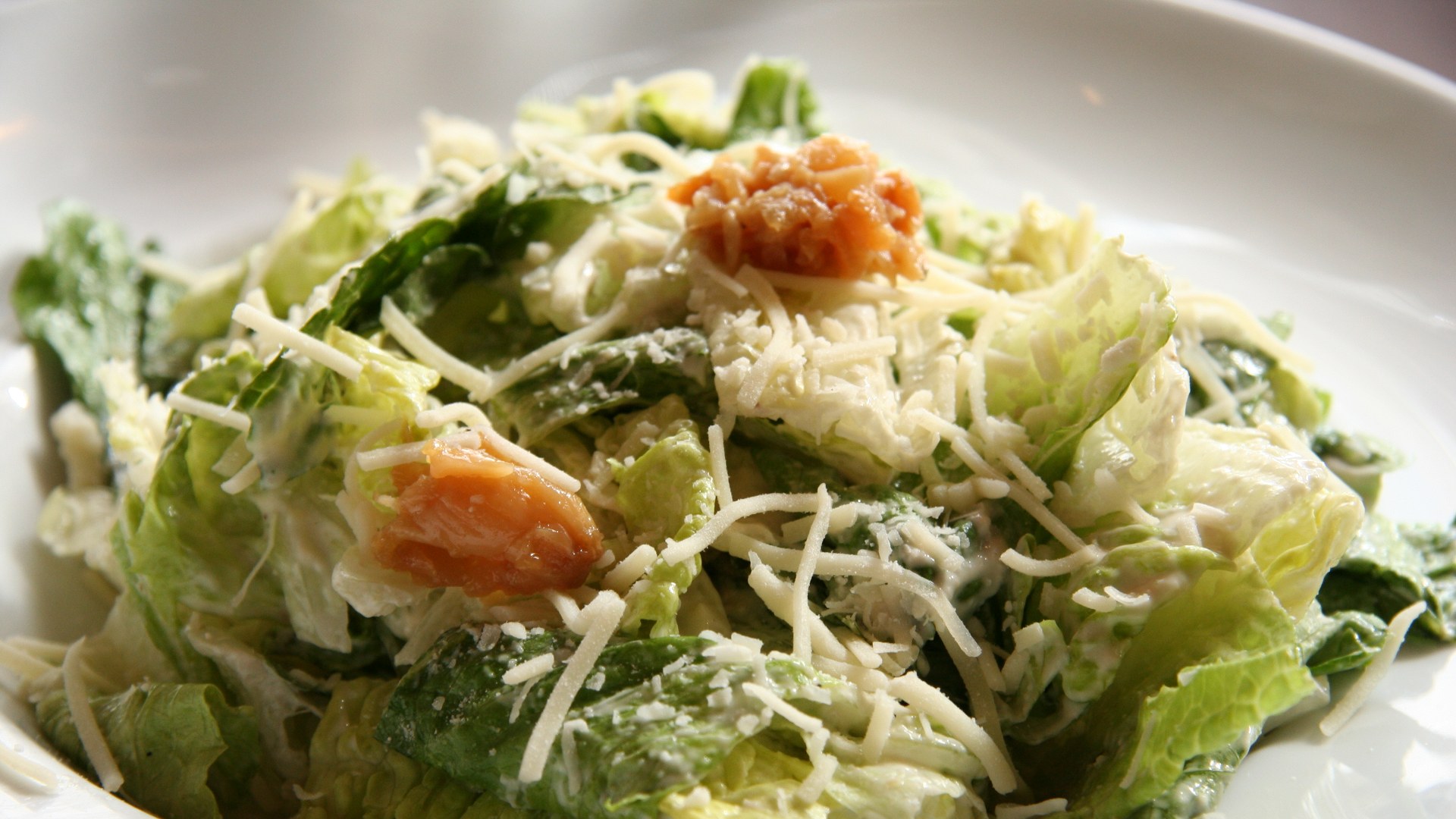
11. How Prohibition Led To The Invention Of The Caesar Salad In Mexico
Caesar salad was not created in Rome, nor was it named after Julius Caesar. Italian-American chef Caesar Cardini invented it on July 4, 1924, at his hotel in Tijuana, Mexico. Cardini worked across the border to serve alcohol during US Prohibition, tossing leftover kitchen ingredients directly at tables.
©Wikimedia / Geoff Peters
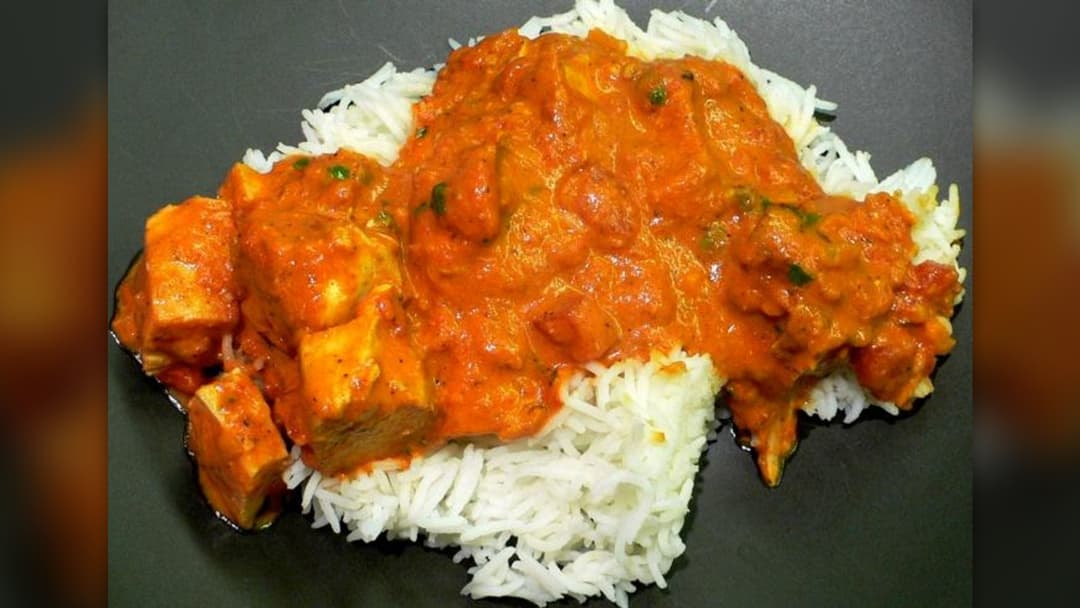
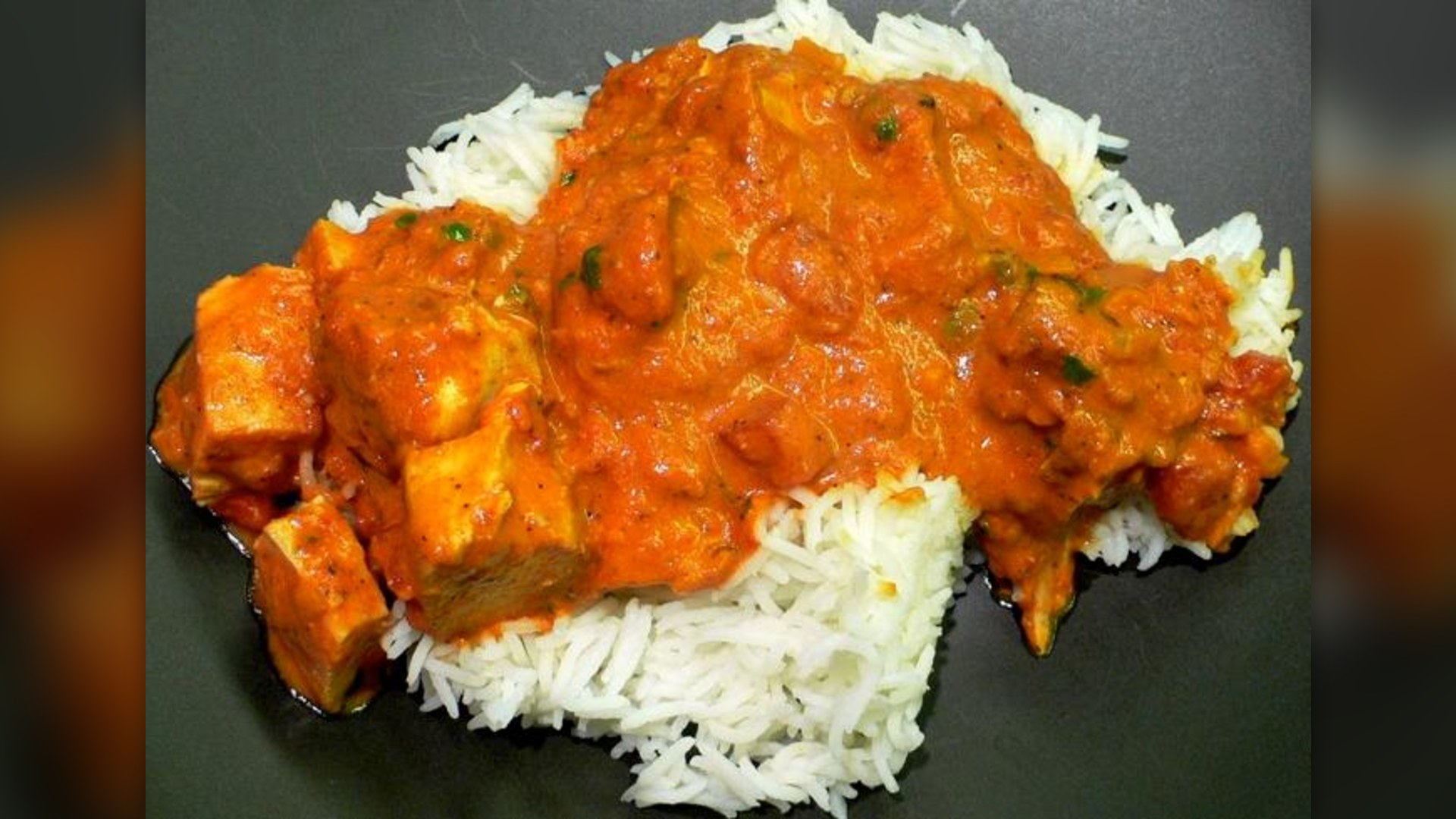
10. Chicken Tikka Masala Was Invented In Scotland Using Canned Tomato Soup
Regarded as one of Britain's national dishes, chicken tikka masala was born in Scotland, not India. During the 1970s at Glasgow's Shish Mahal restaurant, chef Ali Ahmed Aslam answered a customer complaint about dry roasted chicken by quickly stirring spices, cream, and canned Campbell's tomato soup together.
©Wikimedia / Kelly Sue
Advertisement
Swipe or tap ▶ to resume the countdown.
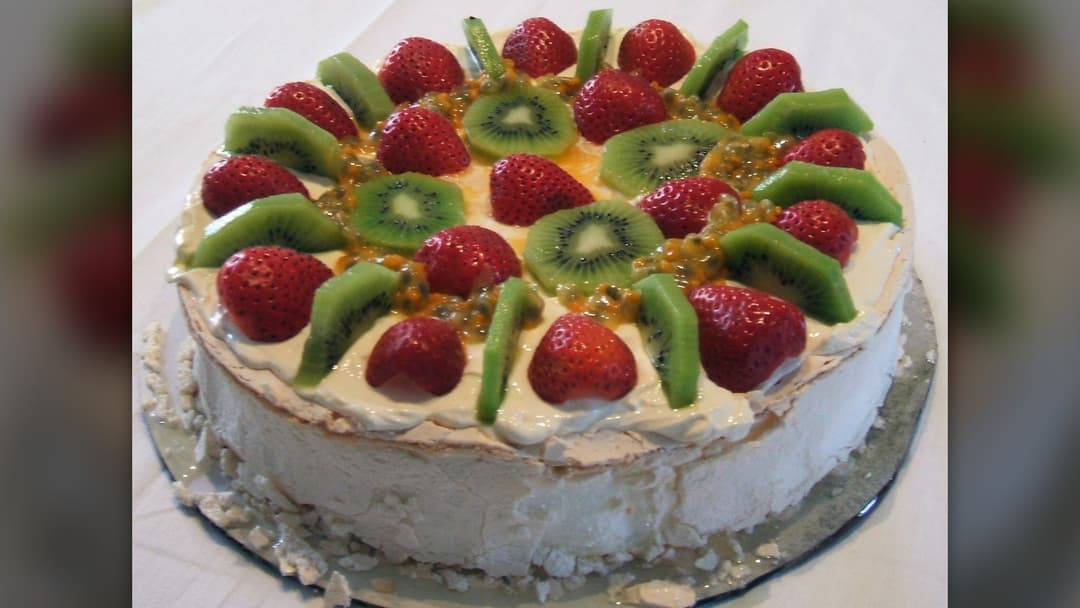
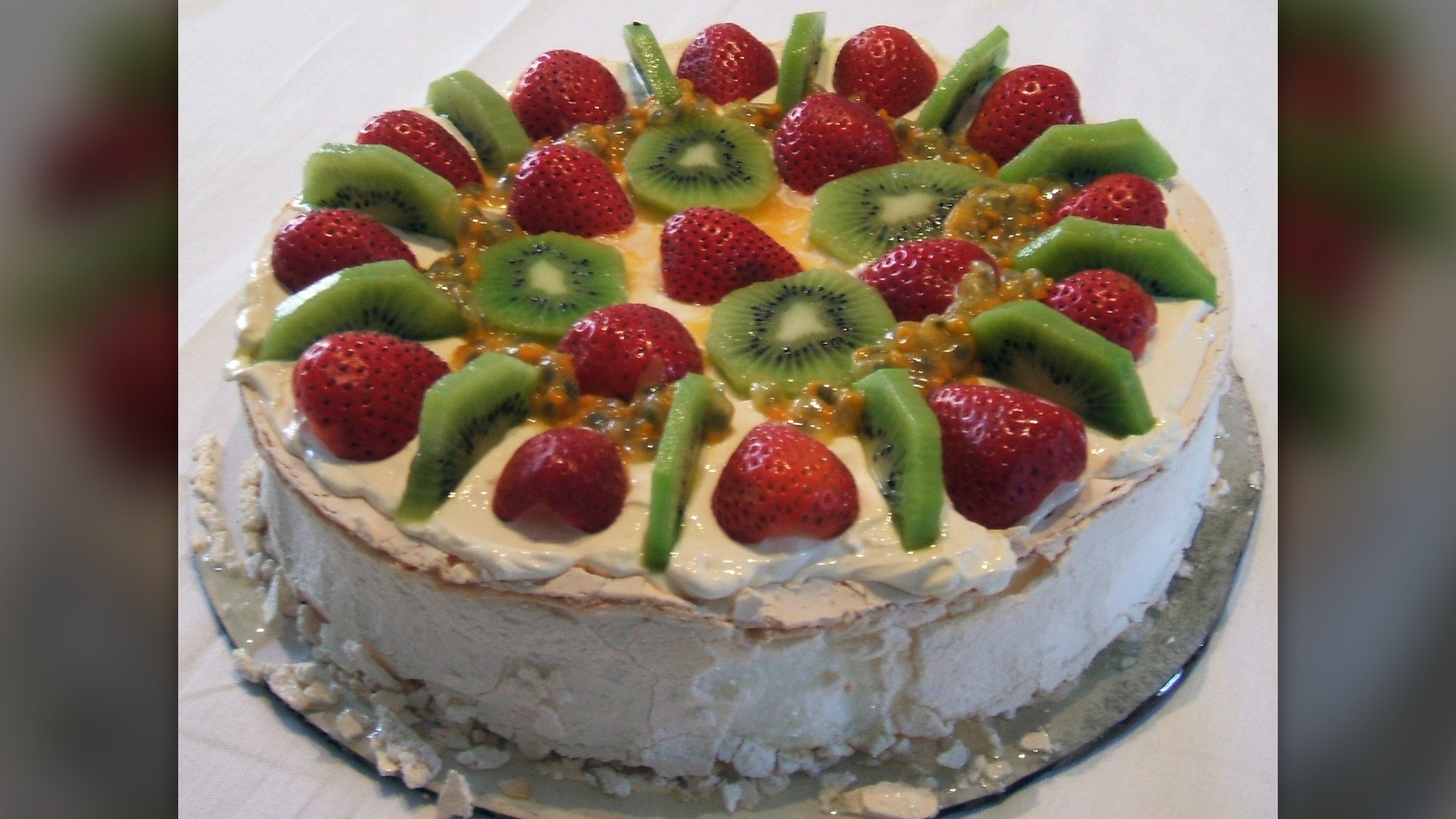
9. The Great Pavlova Feud Stems From German And American Meringue Tortes
Australia and New Zealand have argued for decades over who invented the crisp meringue dessert named for Russian dancer Anna Pavlova. Yet archival research revealed that the recipe did not start in either nation. It evolved from older German Schaumtorte recipes that spread across American home kitchens.
©Wikimedia / Hazel Fowler
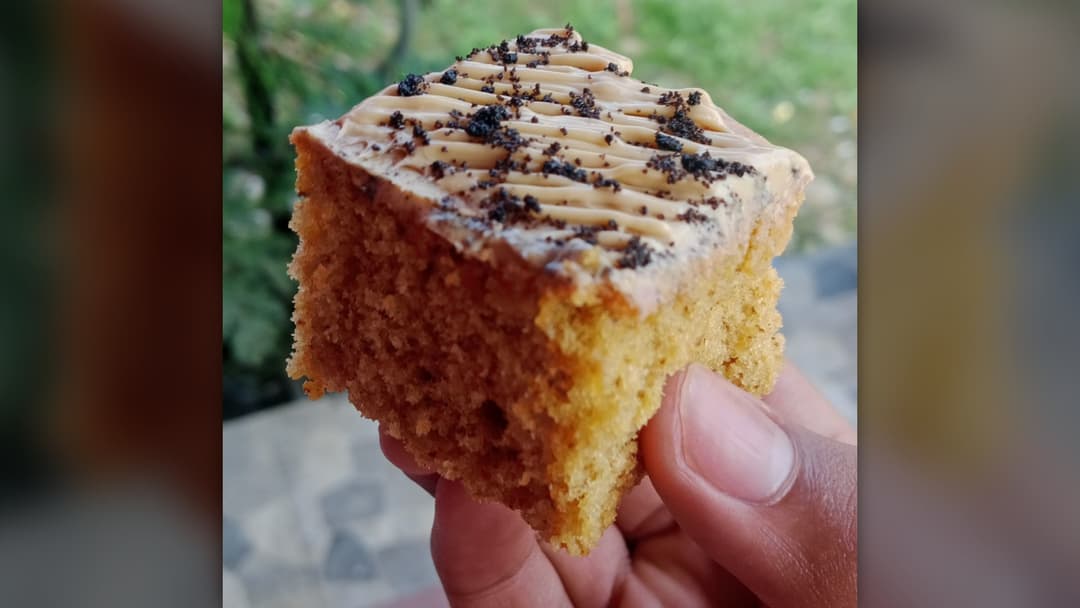
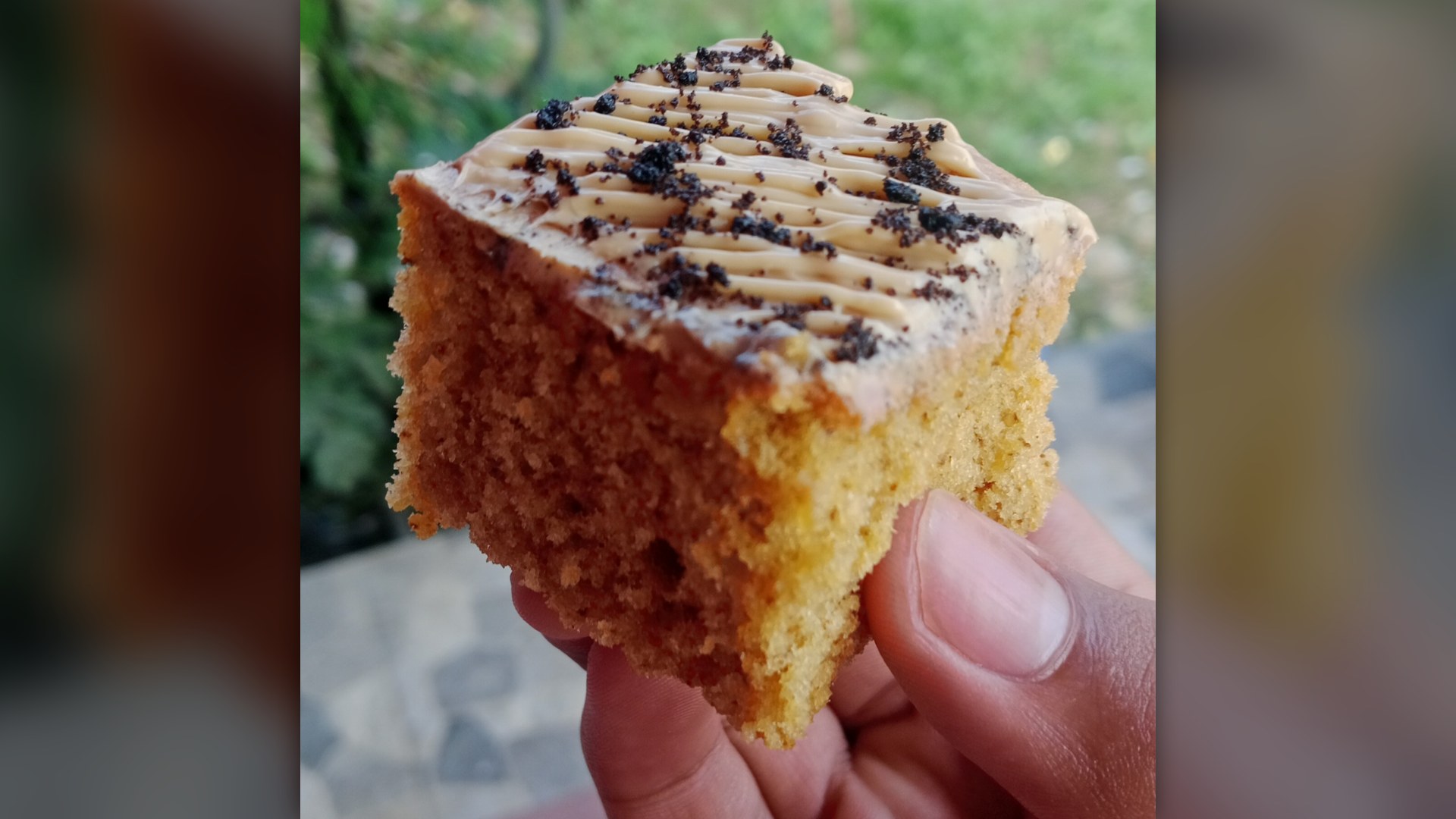
8. Italy's Beloved Tiramisu Only Appeared In Restaurants During The 1970s
Tiramisu tastes like a dessert passed down through centuries, yet it only surfaced around 1970. Culinary historians credit restaurant Le Beccherie in Treviso, where chef Roberto Linguanotto and Alba Campeol whipped egg yolks with mascarpone and layered them over espresso-soaked ladyfingers for a modern treat.
©Wikimedia / Fitrah 9131
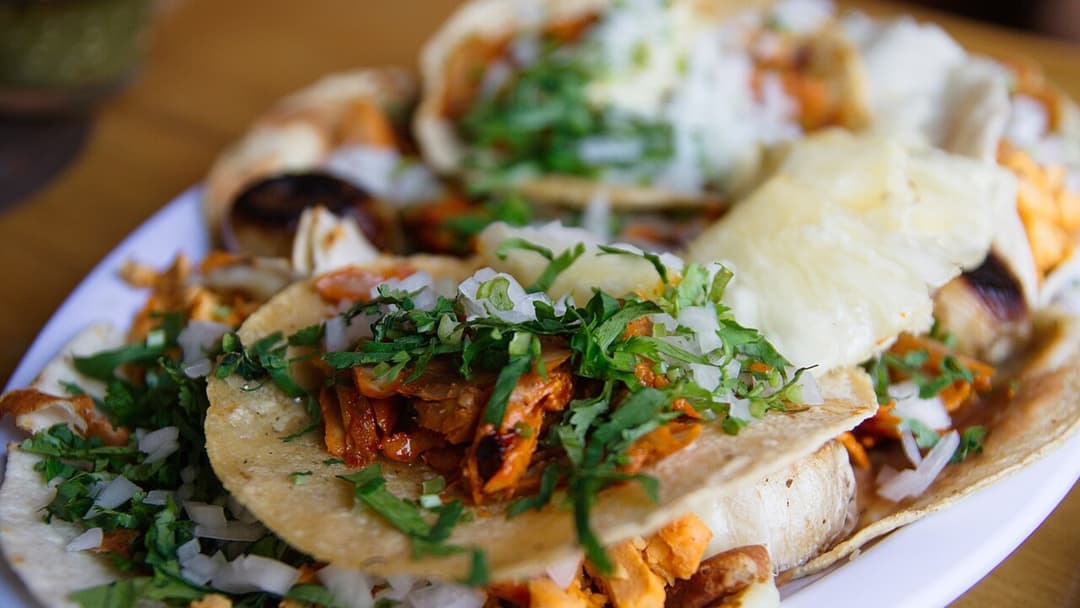
7. Mexican Tacos Al Pastor Emerged From Lebanese Immigrant Shawarma Spits
Mexico's famous spit-roasted tacos trace back to Christian Lebanese immigrants who moved to Puebla during the 1930s. They brought vertical rotating spits for lamb shawarma. Local cooks adapted the style by switching to marinated pork, adding achiote seed paste, and finishing each taco with pineapple.
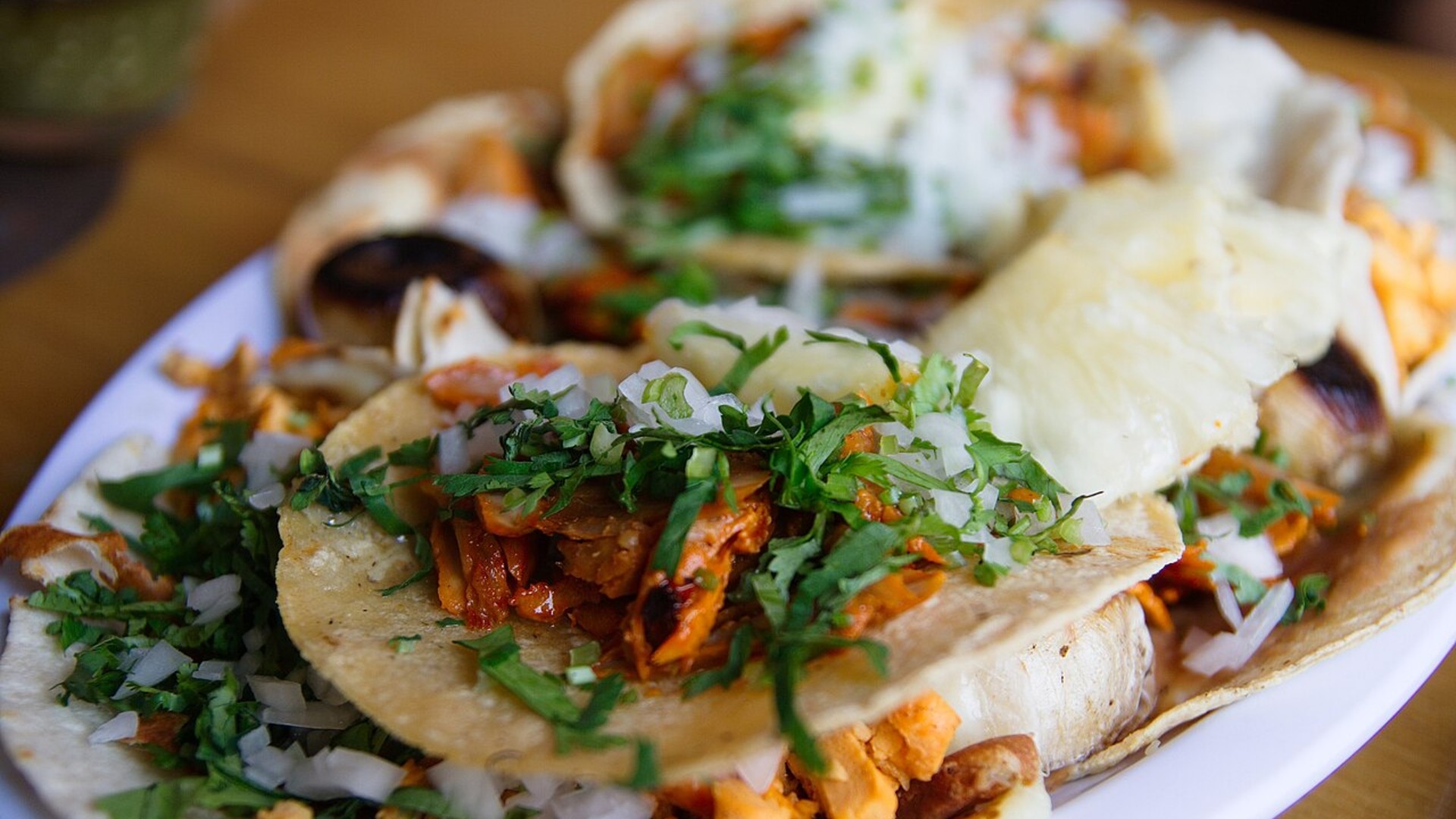
©Wikimedia / William Neuheisel
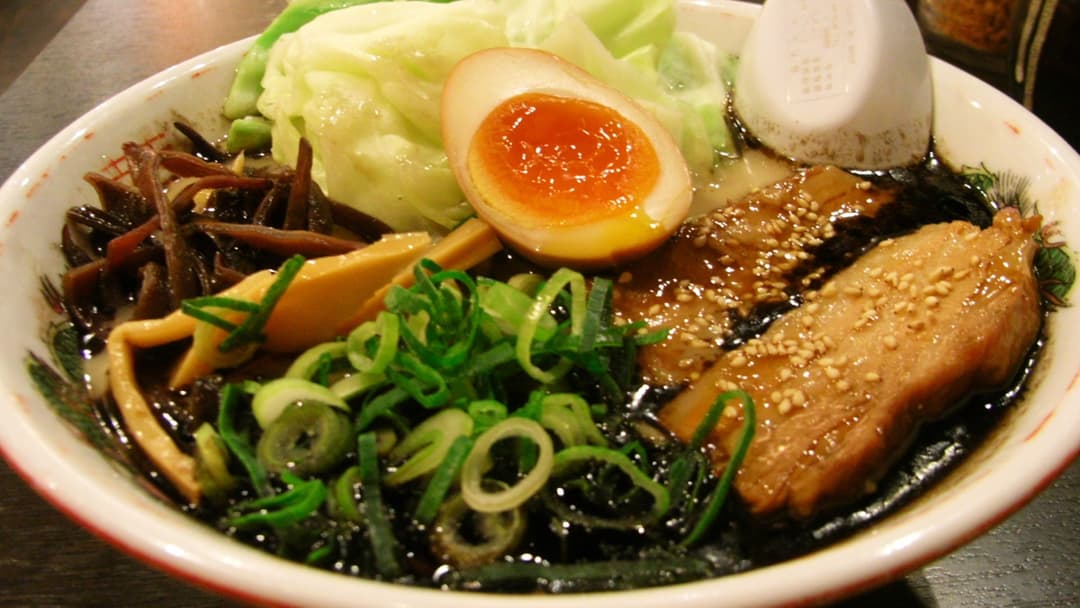
6. Iconic Japanese Ramen Actually Started As Chinese Immigrant Street Food
Ramen is celebrated as a Japanese national treasure, but it arrived from China as shina soba in the late 19th century. Chinese cooks in Yokohama's port neighborhood served hand-pulled noodles in hot broth. After World War II, cheap American wheat imports caused noodle stalls to explode across Japanese cities.
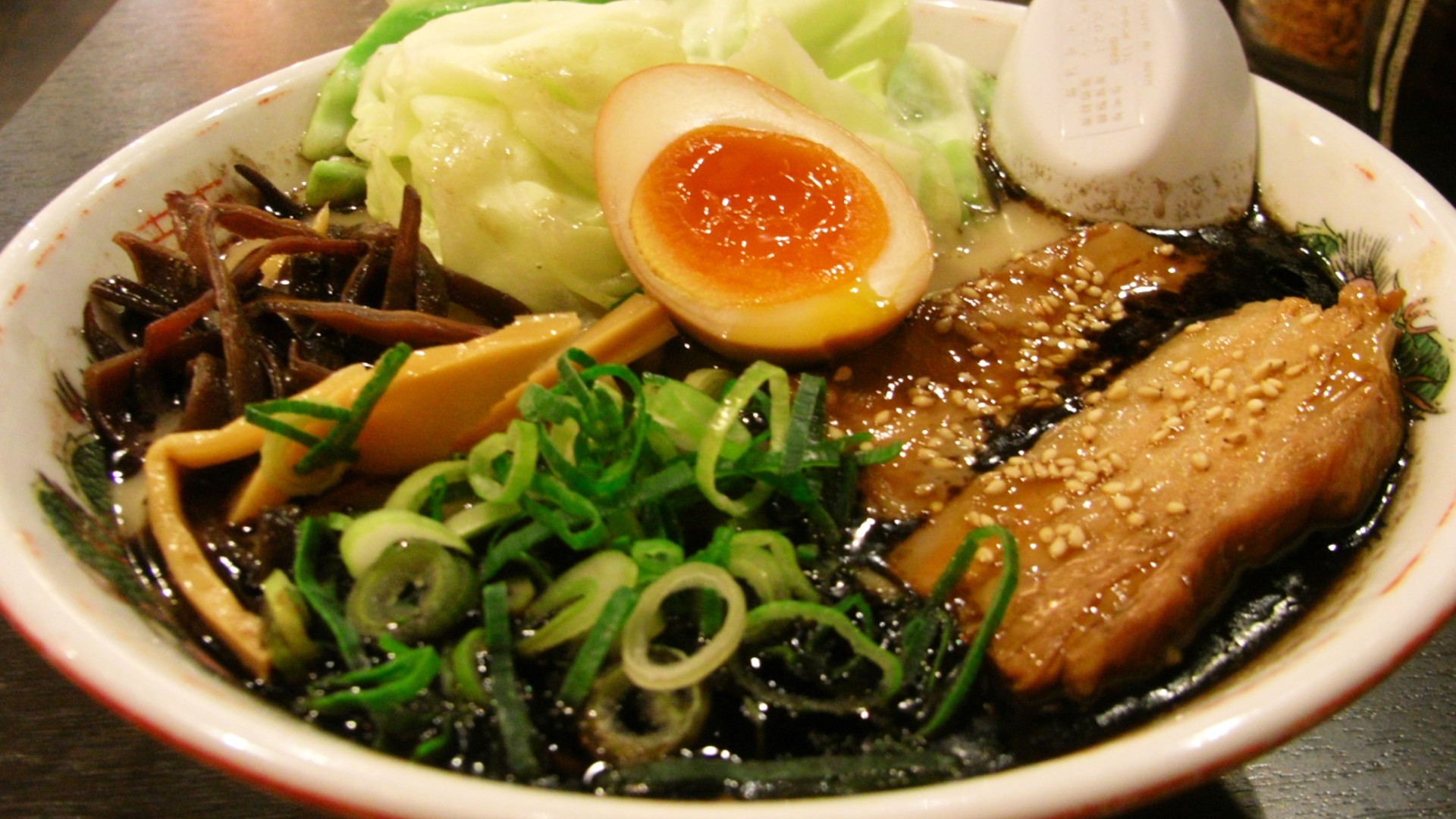
©Wikimedia / woinary from Kumamoto ramen shop Ganso
Advertisement
Swipe or tap ▶ to resume the countdown.
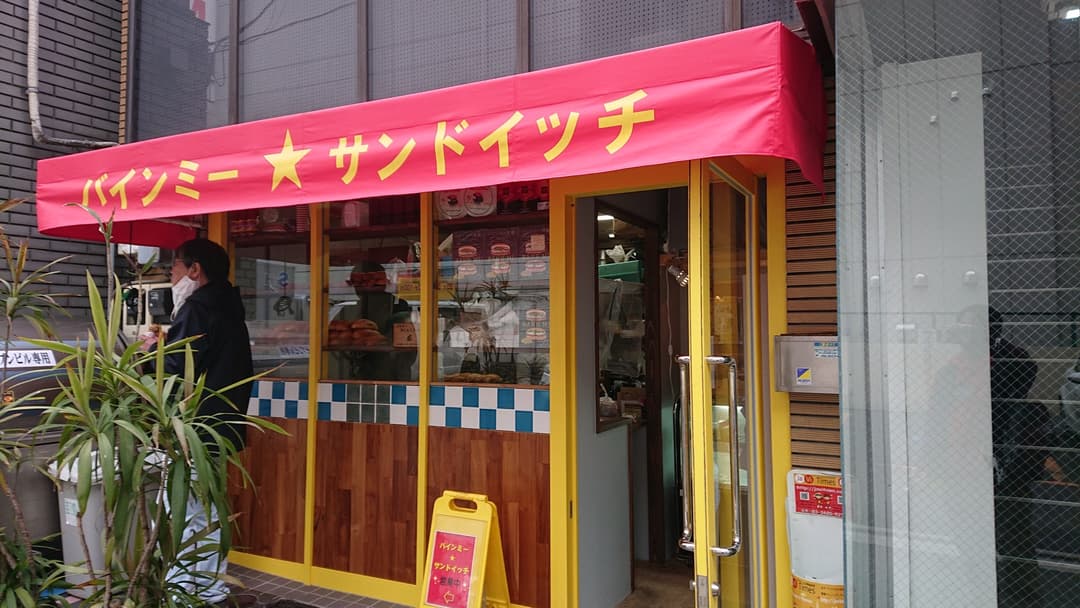
5. Vietnamese Banh Mi Rose From French Colonial Rules And Local Bakeries
Banh mi was born during French colonial rule when European elites imported expensive baguettes, liver pate, and butter. Following the French defeat in 1954, Saigon bakers added rice flour to the dough for lighter loaves. They filled the bread with roast pork, herbs, and pickled daikon for daily workers.
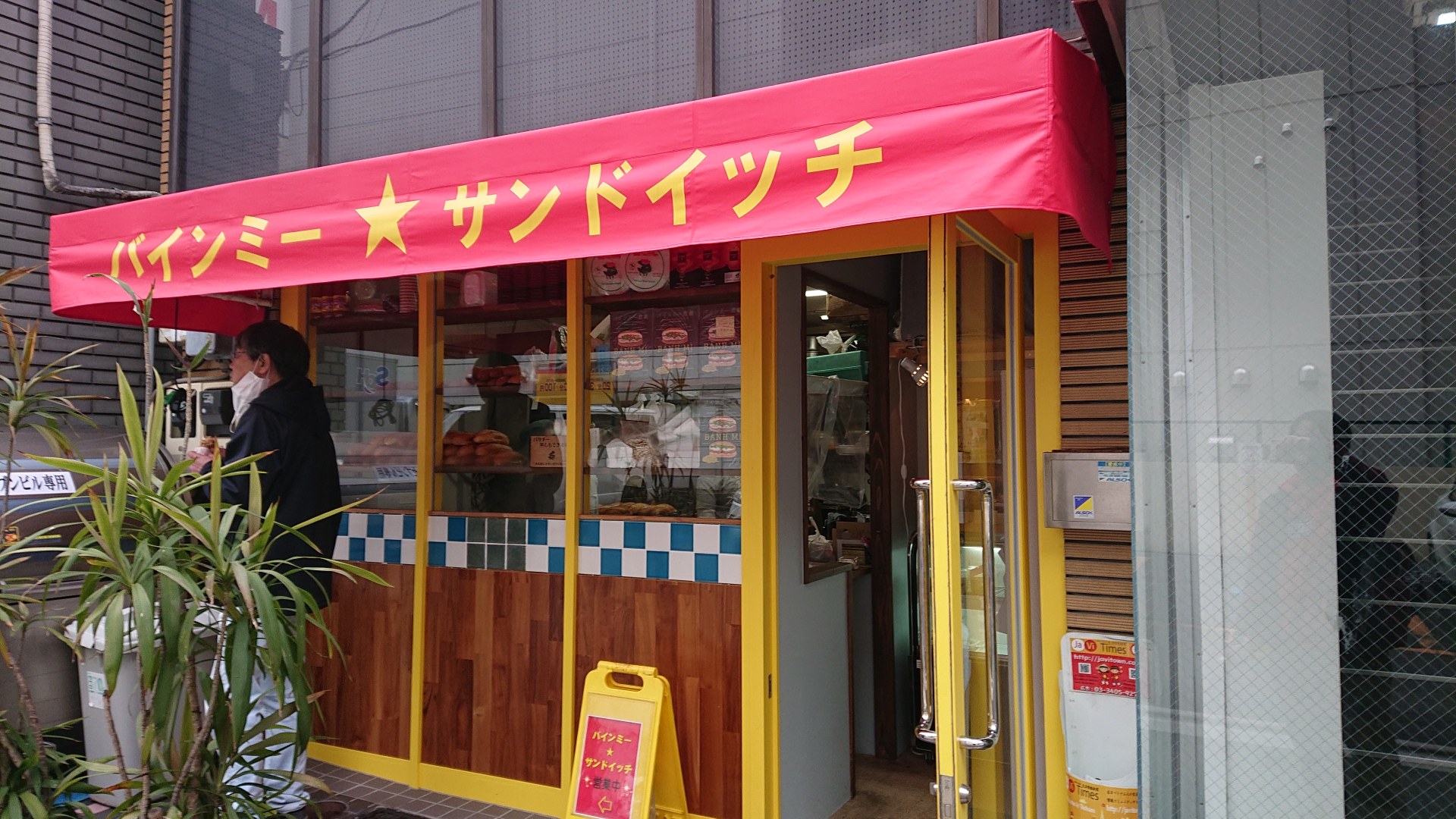
©Wikimedia / 経済特区
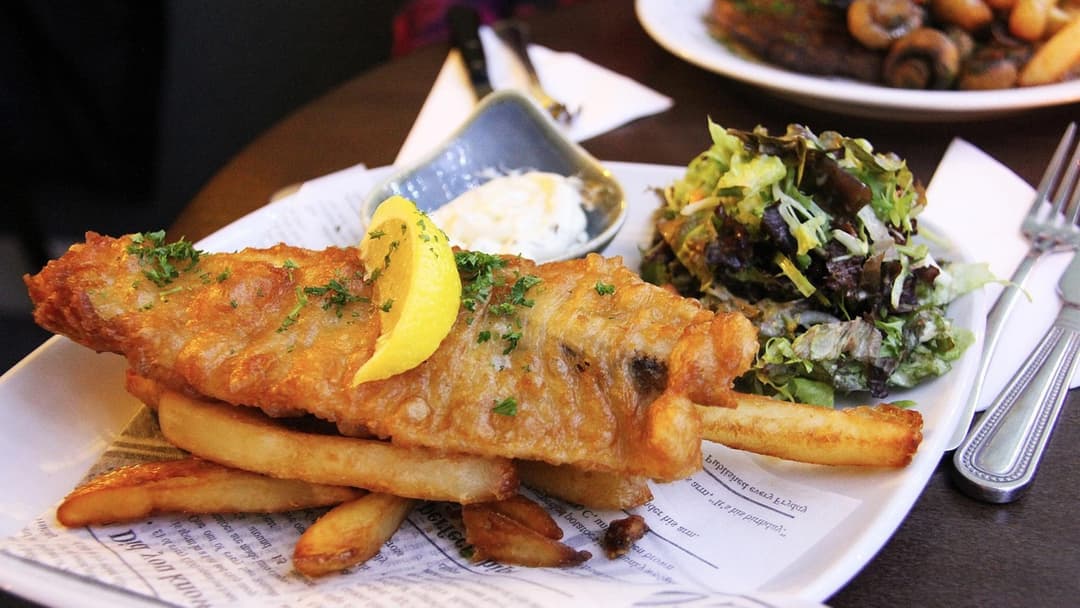
4. British Fish And Chips Combined Portuguese Jewish And Belgian Cooking
Britain's iconic fast food unites two distinct refugee traditions. Sephardic Jewish immigrants fleeing the 16th-century Inquisition in Portugal and Spain brought battered fried fish to England. Deep-fried potatoes arrived from Belgium. Teenage immigrant Joseph Malin opened the first combined shop in 1860.
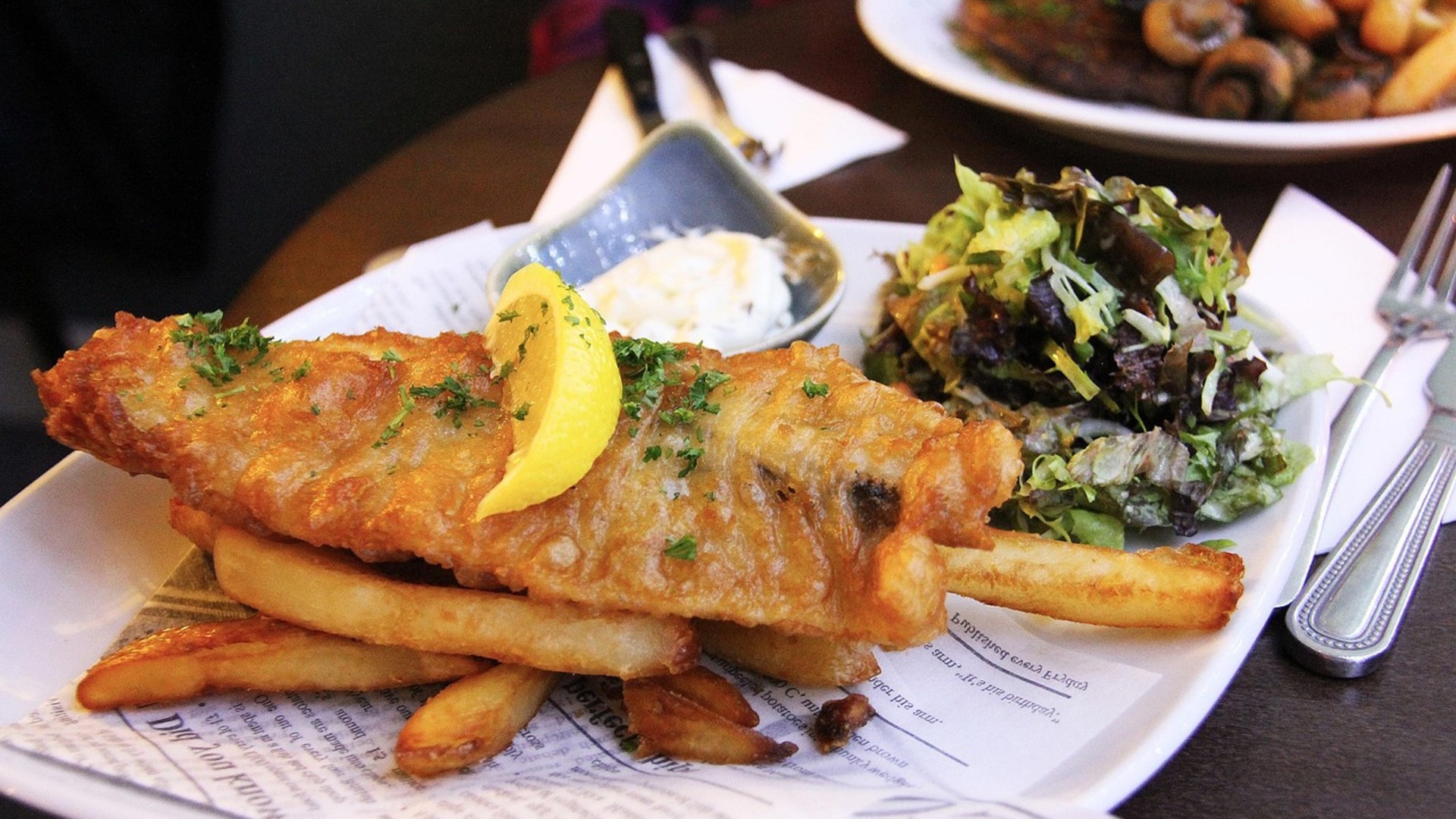
©Pixabay / sharonang
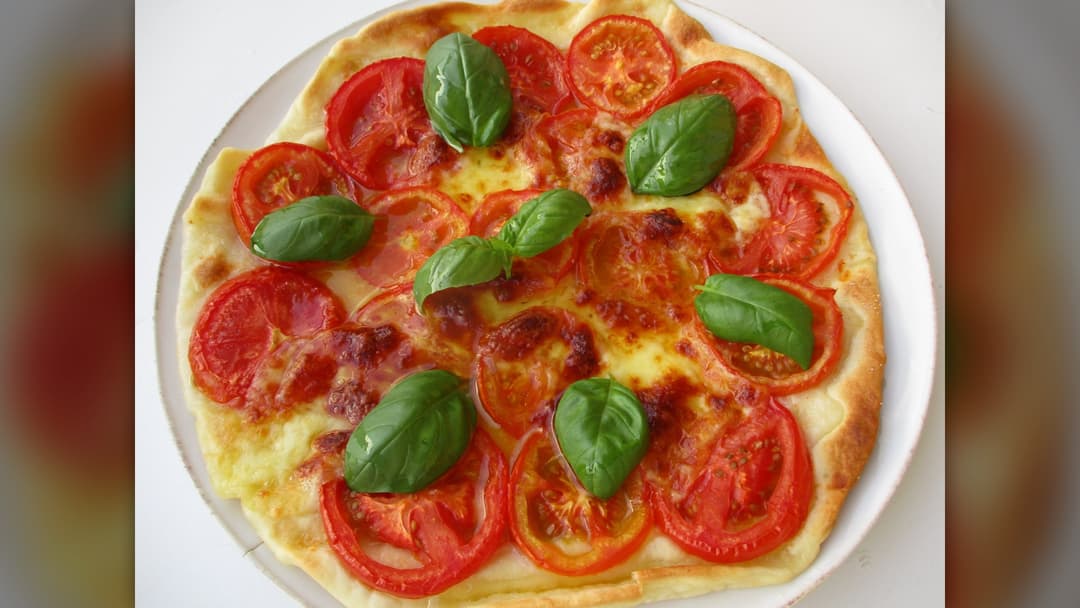
3. Neapolitan Pizza Margherita Predates Queen Margherita By Many Decades
Folklore credits baker Raffaele Esposito with creating this pizza in 1889 to match the Italian flag for Queen Margherita. Yet Neapolitan texts from 1858 by Francesco De Bourcard describe the exact recipe with tomato sauce, cheese, and basil leaves in a daisy pattern. Esposito simply rebranded the staple.
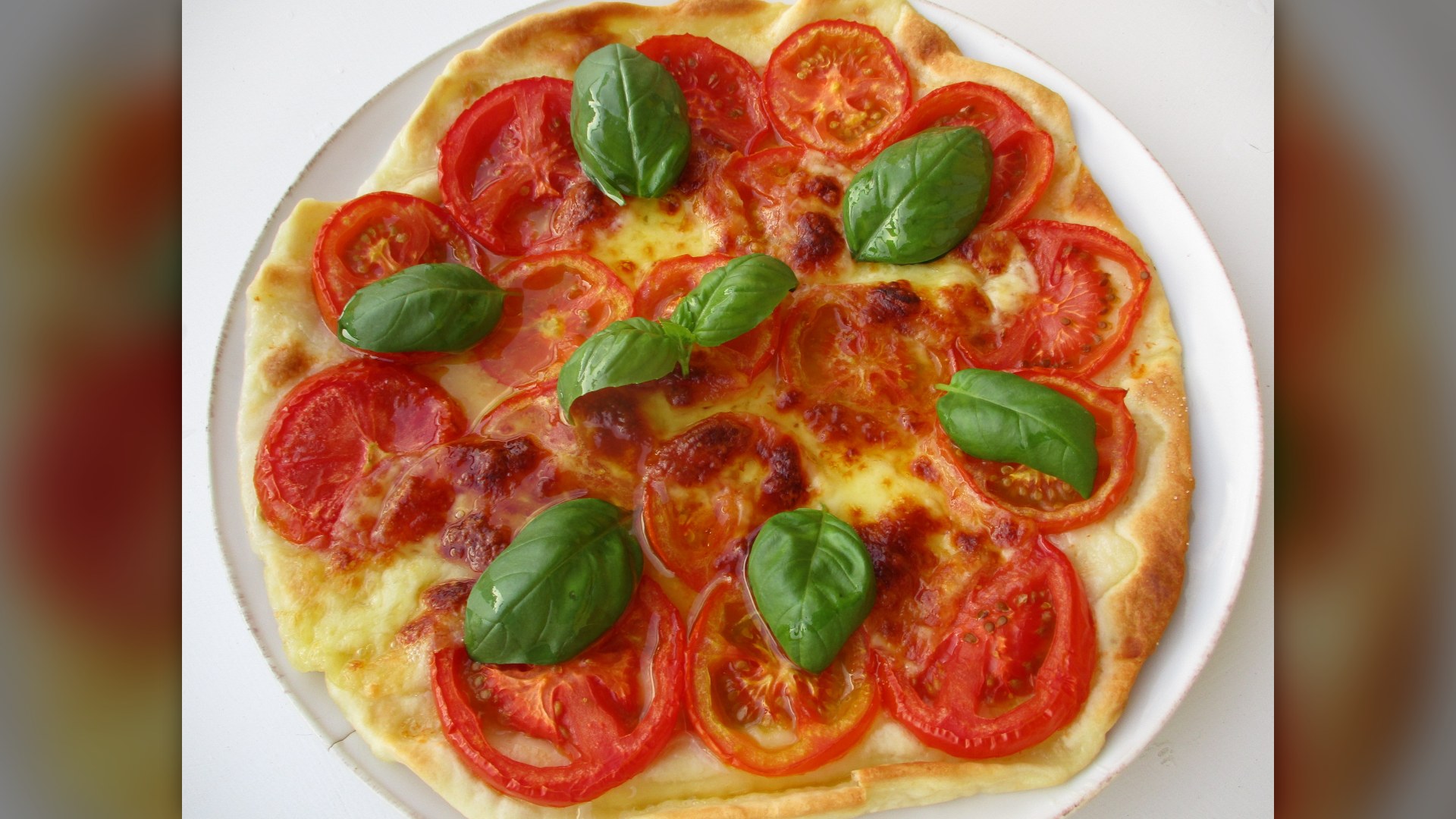
©Wikimedia / Arnaud 25
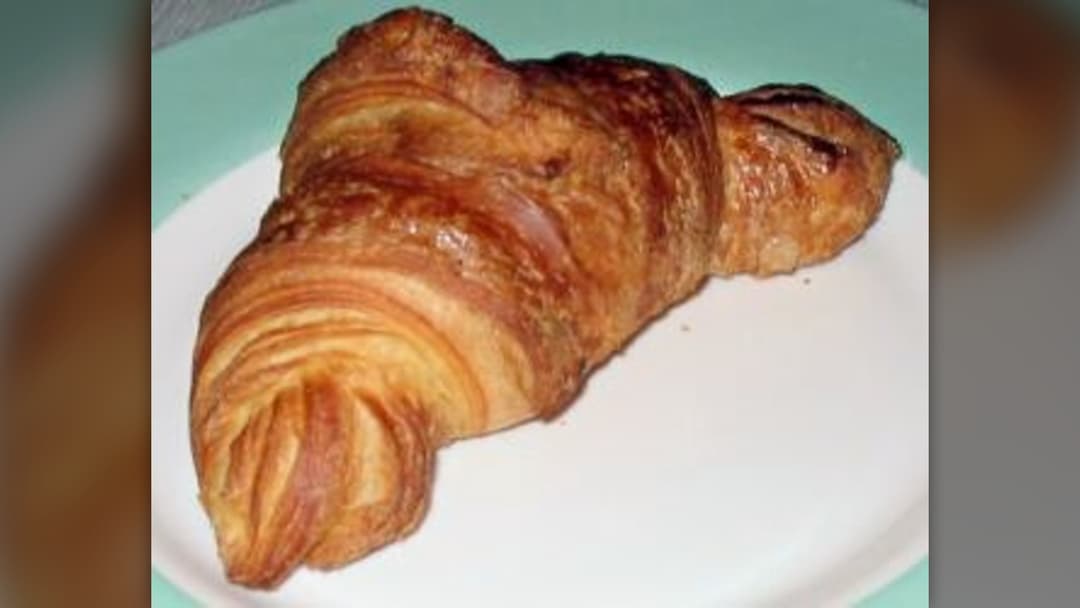
2. The Flaky French Croissant Actually Descended From An Austrian Kipferl
France's breakfast staple is not originally French. It evolved from the Austrian kipferl, a crescent roll documented in Vienna as early as the 13th century. Austrian officer August Zang opened a Parisian bakery in 1838 to sell them. French bakers later used laminated puff pastry to create modern shapes.
©Wikimedia / David Adam Kess
Advertisement
Swipe or tap ▶ to resume the countdown.
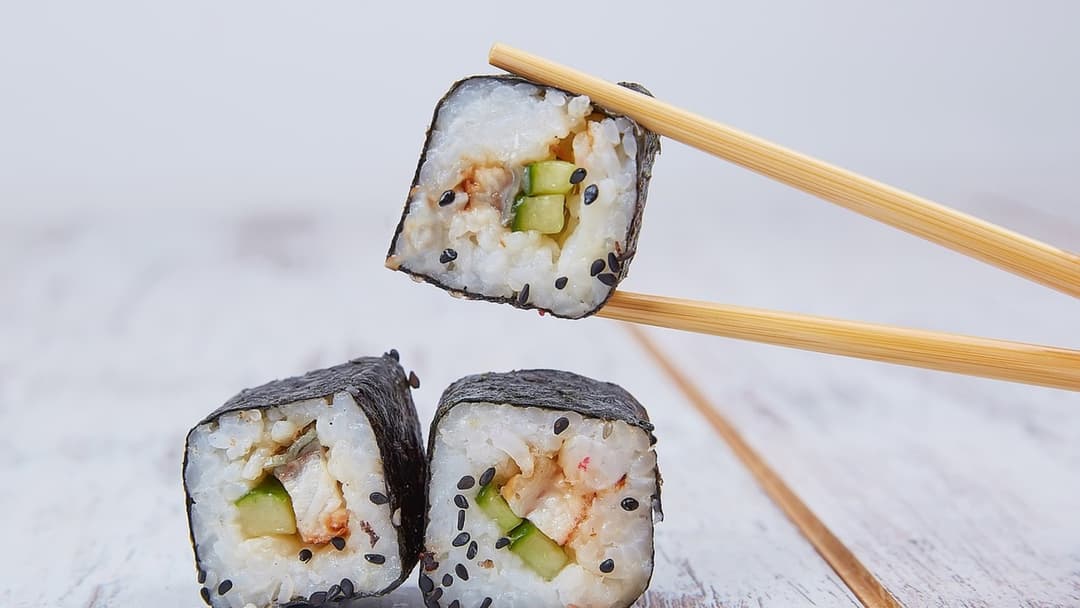
1. Traditional Sushi Began As Fermented River Fish Across Southeast Asia
Sushi did not start in Japan as fresh raw fish on rice. It began along the Mekong River in Southeast Asia as narezushi, a method where salted carp was packed in cooked rice to ferment for months. Diners threw away the sour mush and ate the fish. Tokyo street chefs created fresh nigiri during the 1820s.
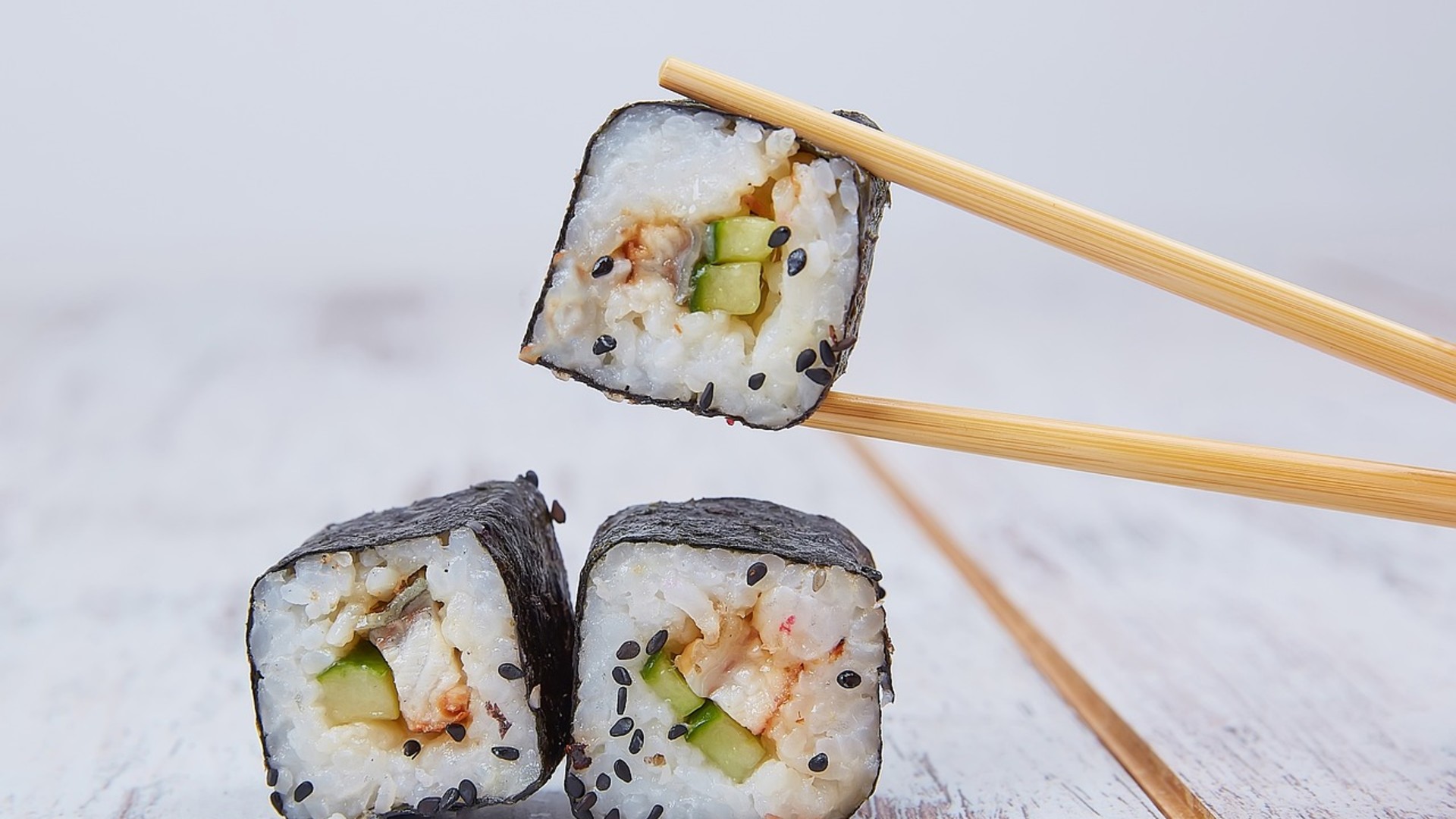
©Pixabay / Adamsov
Advertisement
You've reached the end of the story. Thanks for reading!

20 International Spectacles And Championships Arriving In 2027
All 20 Entries in this Story
20. Belgian Waffles Were Rebranded In New York Because Of Weak Geography
The fluffy, deep-pocketed pastry known as the Belgian waffle is actually a Brussels waffle. Belgian vendor Maurice Vermersch introduced them to the United States at the 1964 World's Fair in Queens. Realizing many Americans did not know where Brussels was, he renamed them Bel-Gem waffles to drive fast sales.

19. Spiced Biryani Traveled From Persian Royal Courts To Indian Kitchens
Biryani is celebrated across South Asia, but its culinary roots lie in ancient Persia. The name comes from the Persian word birinj, meaning rice, and beriyan, meaning to fry before cooking. Persian merchants brought the layered rice dish to Mughal royal kitchens, where Indian spices and rich ghee joined in.

18. Chewy Bagels Emerged From Polish Laws That Restricted Jewish Baking
The New York deli bagel traces back to 17th-century Poland. Medieval guild regulations barred Jewish bakers from commercial bread ovens because bread was tied to Christian communion. Jewish bakers worked around the rules by boiling rings of dough before baking, creating a dense, chewy morning roll in town.

17. Deep-Fried Falafel Started As A Fava Bean Lent Dish For Egyptian Copts
Falafel is central to Middle Eastern street food, sparking fiery ownership arguments among neighboring countries. Historical records point to Egypt's Christian Coptic community, who prepared fava bean patties called ta'ameya as a meat substitute during Lent. Levantine cooks later substituted chickpeas.

16. Red Spicy Kimchi Existed Without Chili Peppers For Hundreds Of Years
Kimchi has seasoned Korean meals for more than 1,500 years, but early recipes contained no chili peppers. Ancient versions were mild fermented radishes seasoned with salt, garlic, and beef broth. Fiery red gochugaru chili powder was only incorporated after Portuguese sailors introduced American chili peppers.

15. Crispy Churros Owe Their Distinctive Shape To Ancient Chinese Youtiao
Churros are celebrated across Spain and Latin America, but their earliest ancestors were Chinese youtiao, long strips of fried dough eaten for breakfast. Portuguese sailors learned the deep-frying technique in southern China during the 16th century and shaped the pastry using star-shaped extrusion nozzles.

14. Canadian Poutine Evolved From Rural Mockery Into A National Icon
Poutine originated in rural Quebec dairy towns during the late 1950s, when roadside diners combined hot french fries with fresh cheese curds and warm brown gravy. English media originally ridiculed the calorie-dense mix as lowbrow junk food before the entire nation embraced it as an iconic specialty.

13. Hungarian Goulash Was Transformed By Paprika Brought From The Americas
Goulash started in the 9th century as a simple stew made by nomadic Magyar herdsmen, who cooked meat and dried it in the sun for travel. The dish had no signature red hue or pepper heat until the 16th century, when Ottoman merchants brought American chili peppers that locals ground into Hungarian red paprika.

12. Fortune Cookies Are From Japan And Were Popularized In San Francisco
Fortune cookies are a fixture of Western Chinese takeout, yet they are almost unknown in China. They derive from Kyoto temple crackers called tsujiura senbei, which carried paper fortunes in their dough. Japanese bakeries made them in California before Chinese venues took over during World War II years.

11. How Prohibition Led To The Invention Of The Caesar Salad In Mexico
Caesar salad was not created in Rome, nor was it named after Julius Caesar. Italian-American chef Caesar Cardini invented it on July 4, 1924, at his hotel in Tijuana, Mexico. Cardini worked across the border to serve alcohol during US Prohibition, tossing leftover kitchen ingredients directly at tables.

10. Chicken Tikka Masala Was Invented In Scotland Using Canned Tomato Soup
Regarded as one of Britain's national dishes, chicken tikka masala was born in Scotland, not India. During the 1970s at Glasgow's Shish Mahal restaurant, chef Ali Ahmed Aslam answered a customer complaint about dry roasted chicken by quickly stirring spices, cream, and canned Campbell's tomato soup together.

9. The Great Pavlova Feud Stems From German And American Meringue Tortes
Australia and New Zealand have argued for decades over who invented the crisp meringue dessert named for Russian dancer Anna Pavlova. Yet archival research revealed that the recipe did not start in either nation. It evolved from older German Schaumtorte recipes that spread across American home kitchens.

8. Italy's Beloved Tiramisu Only Appeared In Restaurants During The 1970s
Tiramisu tastes like a dessert passed down through centuries, yet it only surfaced around 1970. Culinary historians credit restaurant Le Beccherie in Treviso, where chef Roberto Linguanotto and Alba Campeol whipped egg yolks with mascarpone and layered them over espresso-soaked ladyfingers for a modern treat.

7. Mexican Tacos Al Pastor Emerged From Lebanese Immigrant Shawarma Spits
Mexico's famous spit-roasted tacos trace back to Christian Lebanese immigrants who moved to Puebla during the 1930s. They brought vertical rotating spits for lamb shawarma. Local cooks adapted the style by switching to marinated pork, adding achiote seed paste, and finishing each taco with pineapple.

6. Iconic Japanese Ramen Actually Started As Chinese Immigrant Street Food
Ramen is celebrated as a Japanese national treasure, but it arrived from China as shina soba in the late 19th century. Chinese cooks in Yokohama's port neighborhood served hand-pulled noodles in hot broth. After World War II, cheap American wheat imports caused noodle stalls to explode across Japanese cities.

5. Vietnamese Banh Mi Rose From French Colonial Rules And Local Bakeries
Banh mi was born during French colonial rule when European elites imported expensive baguettes, liver pate, and butter. Following the French defeat in 1954, Saigon bakers added rice flour to the dough for lighter loaves. They filled the bread with roast pork, herbs, and pickled daikon for daily workers.

4. British Fish And Chips Combined Portuguese Jewish And Belgian Cooking
Britain's iconic fast food unites two distinct refugee traditions. Sephardic Jewish immigrants fleeing the 16th-century Inquisition in Portugal and Spain brought battered fried fish to England. Deep-fried potatoes arrived from Belgium. Teenage immigrant Joseph Malin opened the first combined shop in 1860.

3. Neapolitan Pizza Margherita Predates Queen Margherita By Many Decades
Folklore credits baker Raffaele Esposito with creating this pizza in 1889 to match the Italian flag for Queen Margherita. Yet Neapolitan texts from 1858 by Francesco De Bourcard describe the exact recipe with tomato sauce, cheese, and basil leaves in a daisy pattern. Esposito simply rebranded the staple.

2. The Flaky French Croissant Actually Descended From An Austrian Kipferl
France's breakfast staple is not originally French. It evolved from the Austrian kipferl, a crescent roll documented in Vienna as early as the 13th century. Austrian officer August Zang opened a Parisian bakery in 1838 to sell them. French bakers later used laminated puff pastry to create modern shapes.

1. Traditional Sushi Began As Fermented River Fish Across Southeast Asia
Sushi did not start in Japan as fresh raw fish on rice. It began along the Mekong River in Southeast Asia as narezushi, a method where salted carp was packed in cooked rice to ferment for months. Diners threw away the sour mush and ate the fish. Tokyo street chefs created fresh nigiri during the 1820s.