Slideshow · Animals
25 Animals That Can Walk Minutes After Birth
By Most Viral Today
14 min ago

25 Animals That Can Walk Minutes After Being Born 
25. Domestic Pasture Cattle 
24. African Impala Fawn 
23. Canada Goose Gosling - AdvertisementSwipe or tap ▶ to continue countdown

22. Mallard Duckling 
21. Domestic Guinea Pig 
20. Mountain Gazelle 
19. Wild Boar Piglet - AdvertisementSwipe or tap ▶ to continue countdown

18. Lowland Tapir 
17. Australian Emu 
16. Common Ostrich 
15. South American Llama - AdvertisementSwipe or tap ▶ to continue countdown

14. Dromedary Camel 
13. American Bison 
12. Domestic Sheep Lamb 
11. Domestic Goat Kid - AdvertisementSwipe or tap ▶ to continue countdown

10. Pronghorn Antelope 
9. Reindeer And Caribou 
8. North American Moose 
7. Common Hippopotamus - AdvertisementSwipe or tap ▶ to continue countdown

6. Indian Rhinoceros 
5. African Bush Elephant 
4. Horse Foal 
3. Plains Zebra - AdvertisementSwipe or tap ▶ to continue countdown

2. Giraffe Calf 
1. Blue Wildebeest - Advertisement🔥 UP NEXT IN THIS SERIES◫ 26 Slides

25 Animals Considered Sacred in Different Cultures
human babies require months before taking their first steps, wild offers no such luxury to newborn prey. From wildebeest calves running within seven minutes of delivery to baby giraffes and precocial chicks on the move immediately, explore twenty-five incredible creatures built to stand and sprint straight from birth.
Swipe or tap ▶ to begin the countdown
©Wikimedia / Bernard DUPONT & Charles J. Sharp
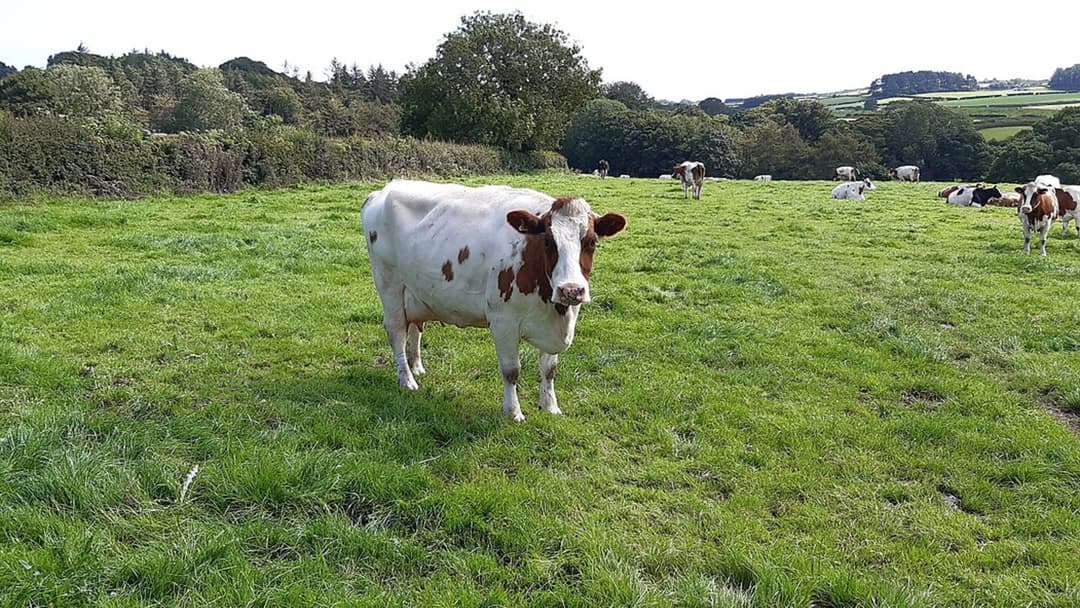
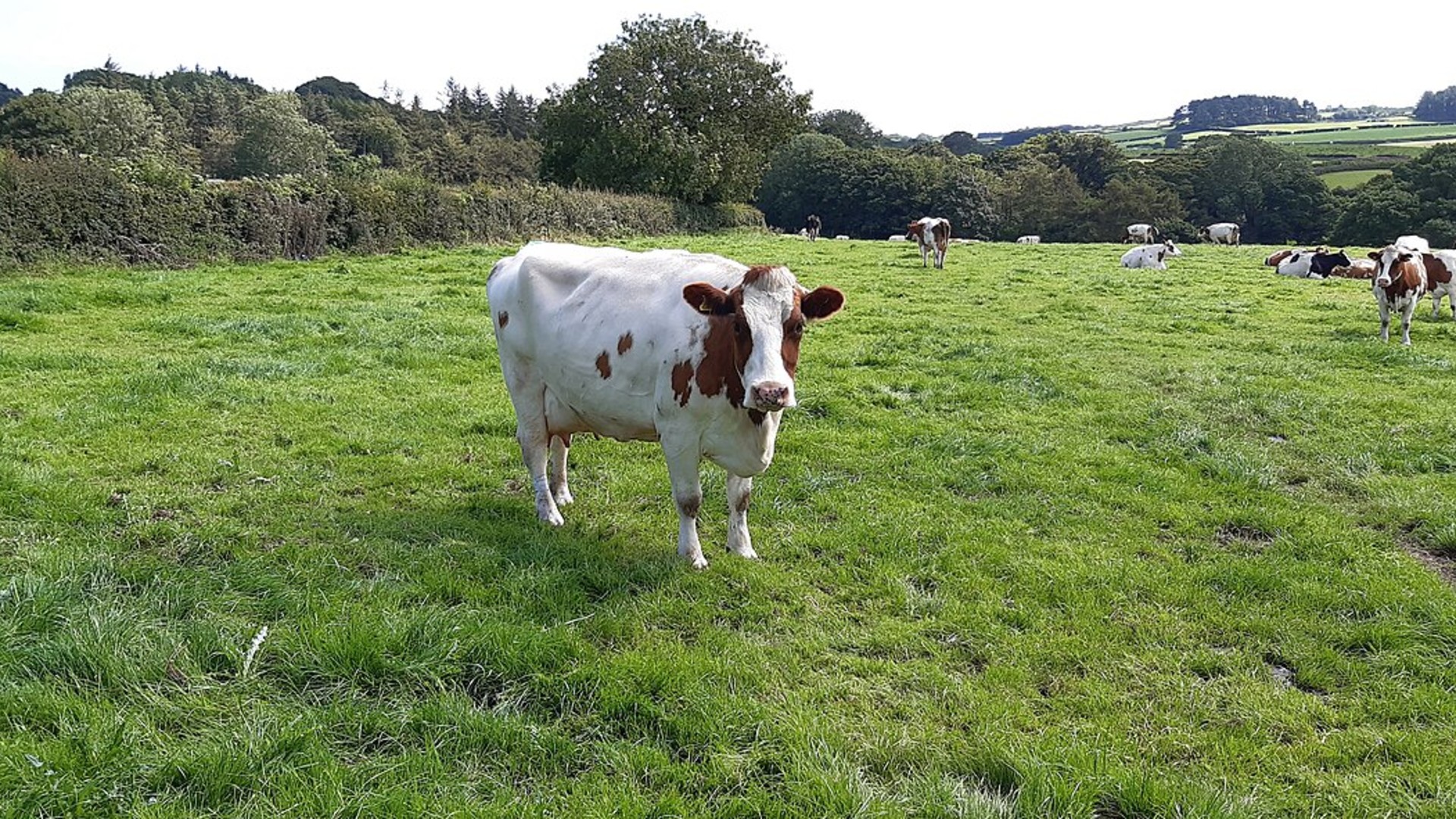
25. Domestic Pasture Cattle
Within thirty to forty-five minutes of entering the world, a newborn bovine calf stumbles onto its hooves. Guided by the mother's low calls and vigorous licking, the calf locates the udder to nurse vital colostrum, providing immediate systemic immunity and building strength.
©Wikimedia / Seraaron
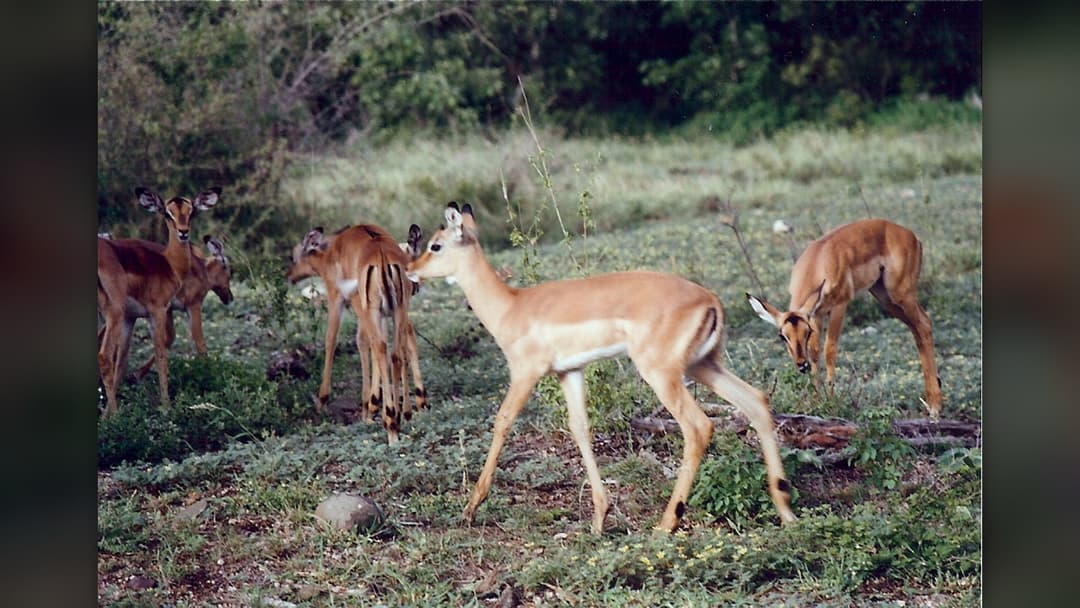
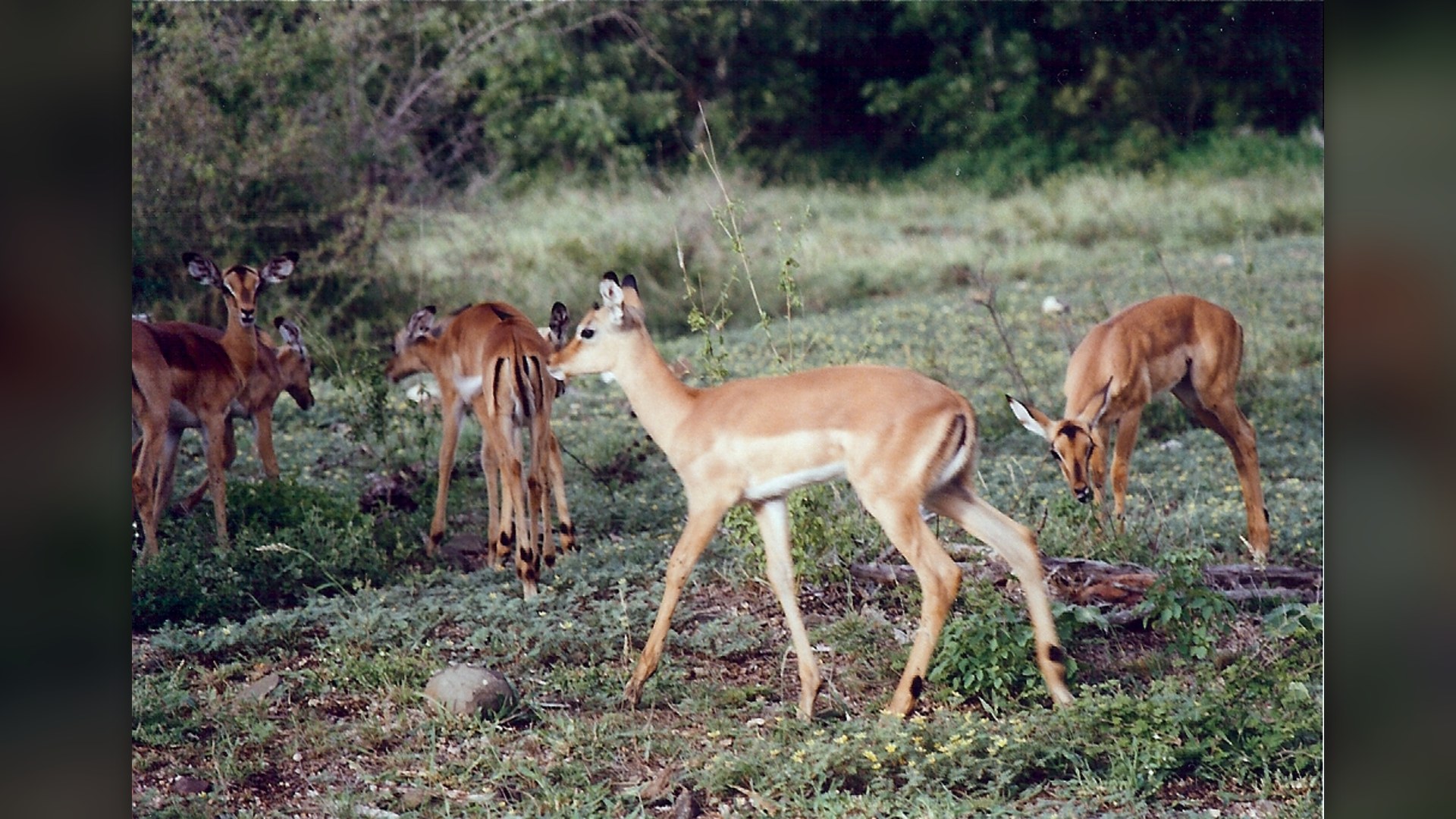
24. African Impala Fawn
Born on the savanna during peak wet season, an impala fawn struggles onto its hooves within fifteen to twenty minutes. Mothers gather their precocial young into creches guarded by sentinel females, allowing fawns to run together and evade leopards.
©Wikimedia / JackyR
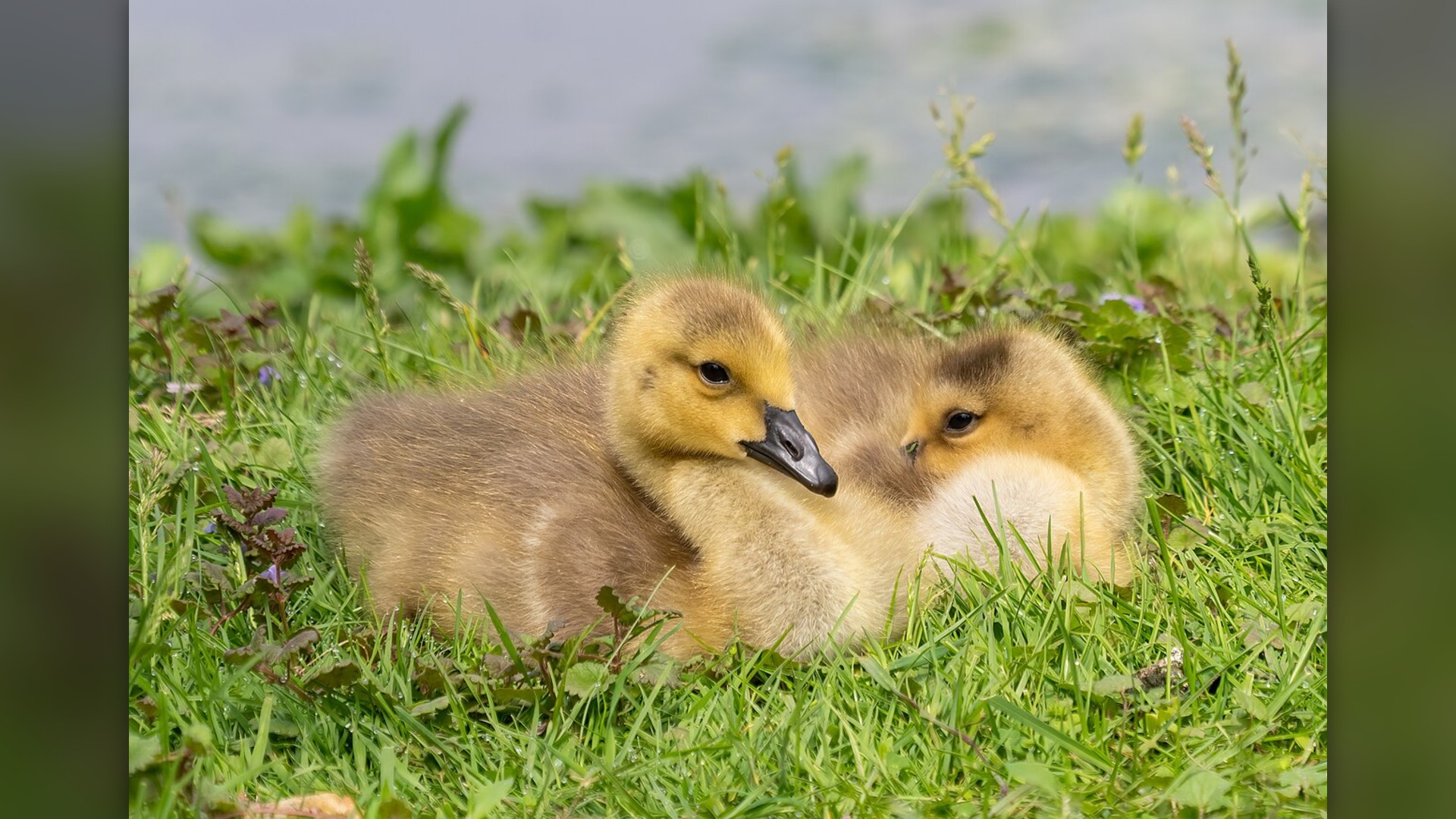
23. Canada Goose Gosling
Geese nest on islands, roof edges, and cliffs to avoid terrestrial predators. When eggs hatch, precocial goslings scramble out of the nest bowl within a day. Because down feathers cushion their light frames, goslings can drop down high ledges unhurt, walking to grazing lawns.
©Wikimedia / Rhododendrites
Advertisement
Swipe or tap ▶ to resume the countdown.
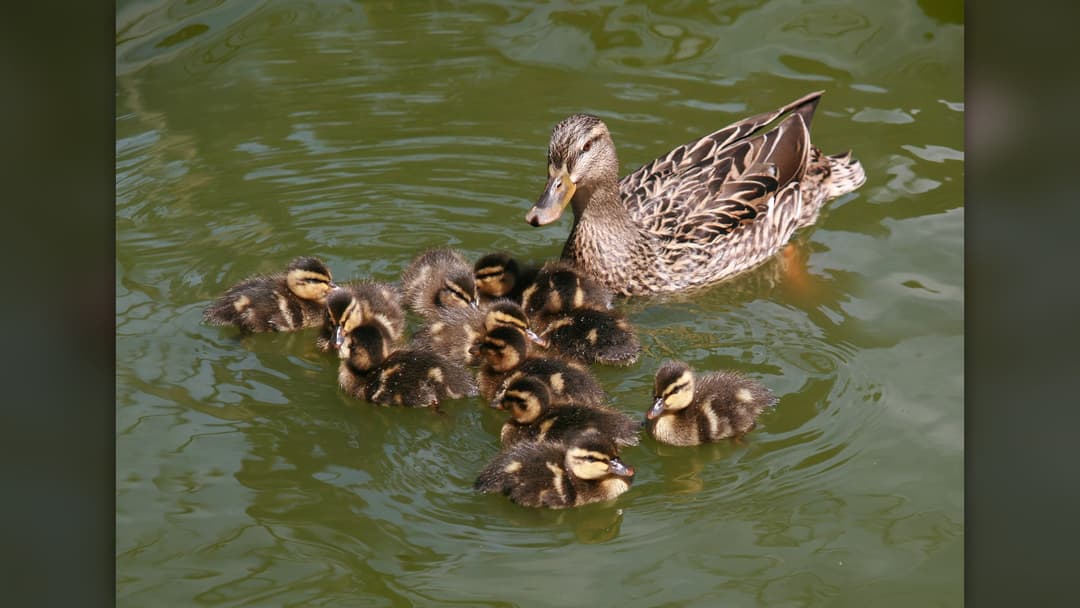
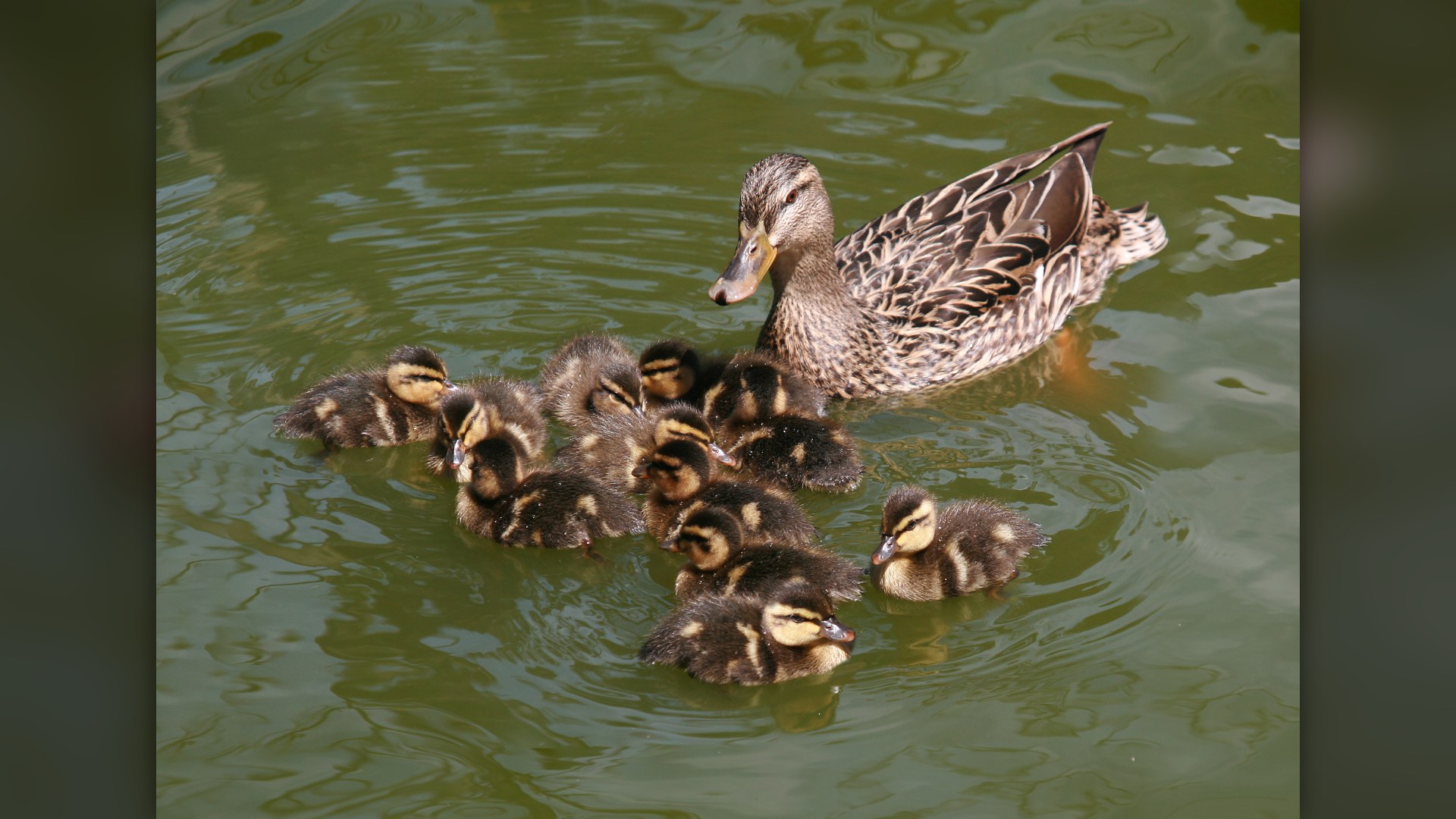
22. Mallard Duckling
Mallard ducklings hatch synchronously after four weeks of incubation. Covered in warm waterproof down, ducklings leave ground or tree nests within twenty-four hours. They walk in a neat line behind their mother to water, diving and foraging for aquatic invertebrates immediately.
©Wikimedia / Brocken Inaglory
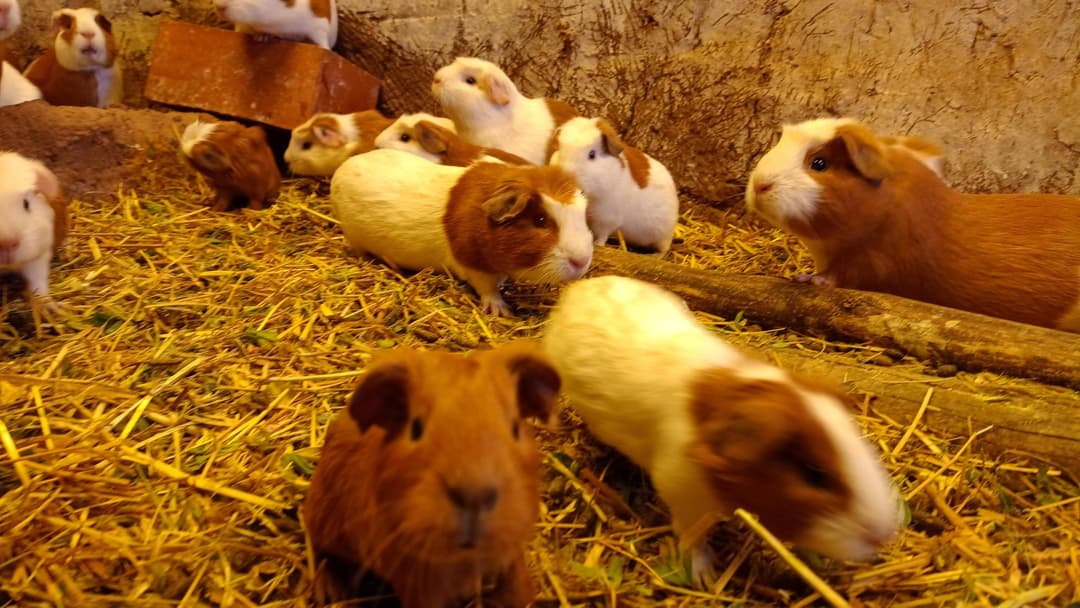
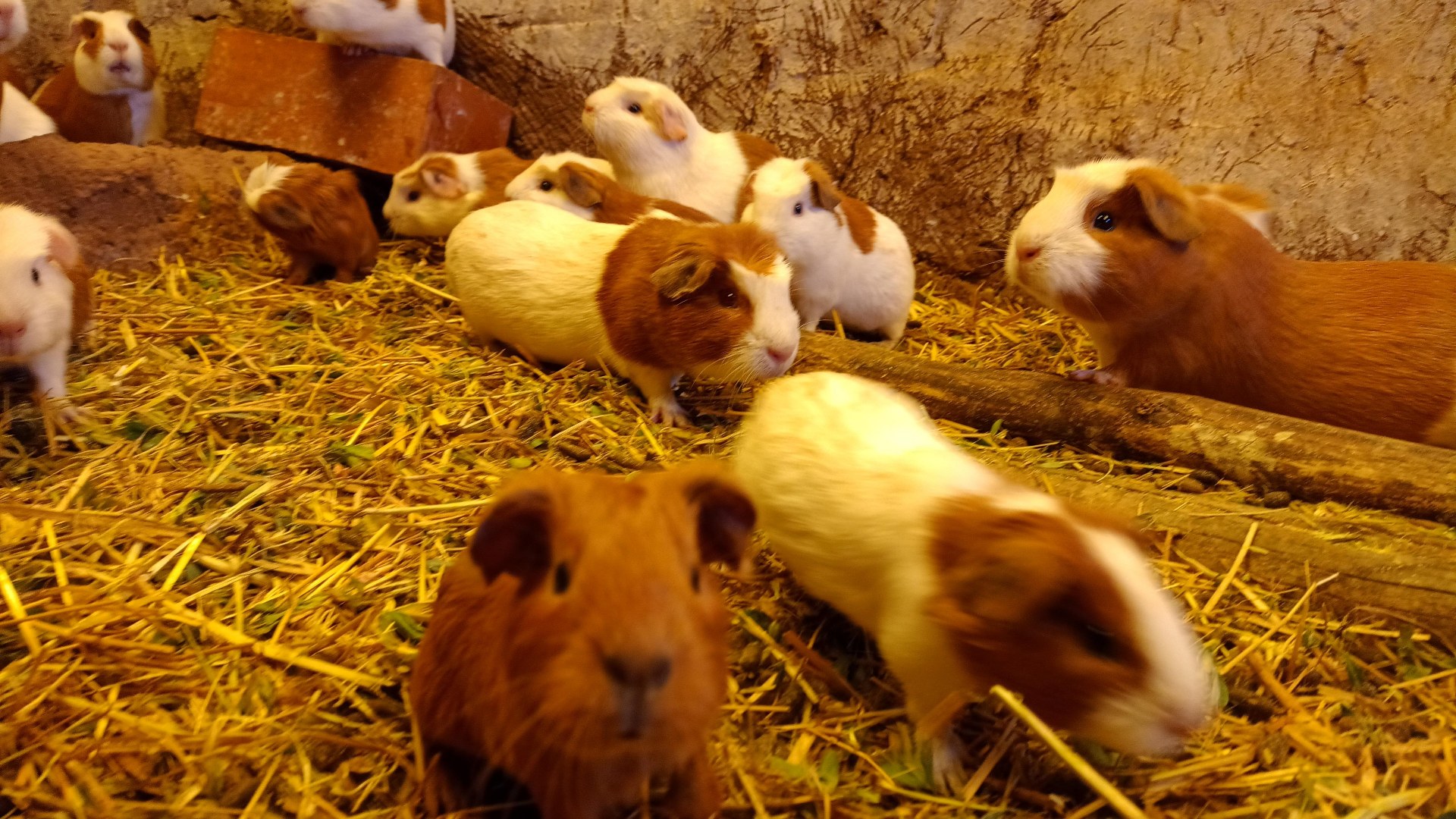
21. Domestic Guinea Pig
Most rodents are born hairless, blind, and helpless. Guinea pigs are a startling exception, exhibiting extreme precociality. Pups are born fully furred with open eyes and complete sets of teeth, trotting around within minutes and eating solid vegetable matter on day one.
©Wikimedia / Elwinlhq
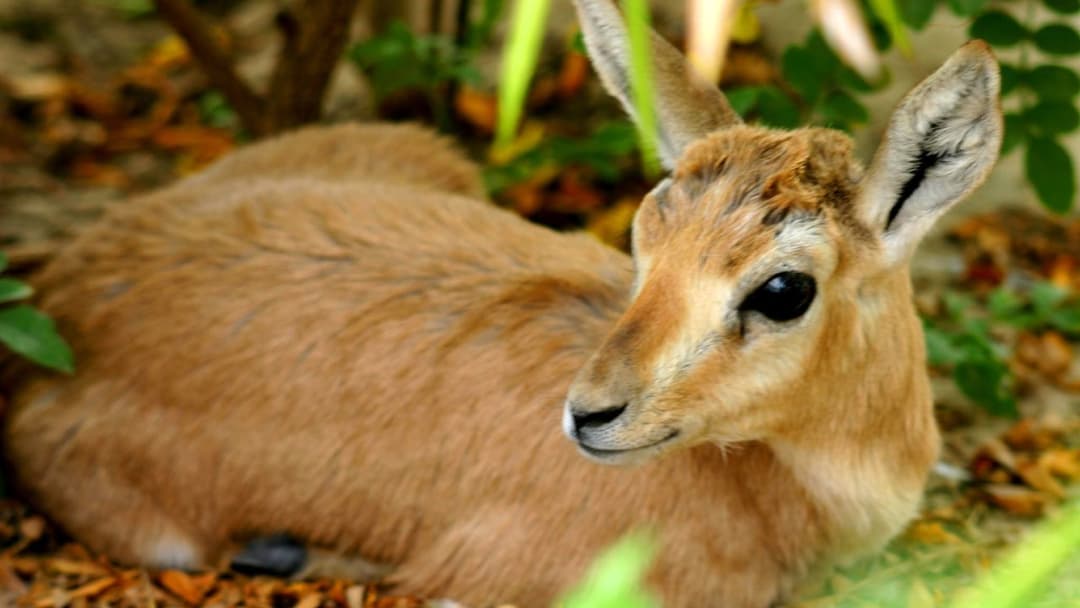
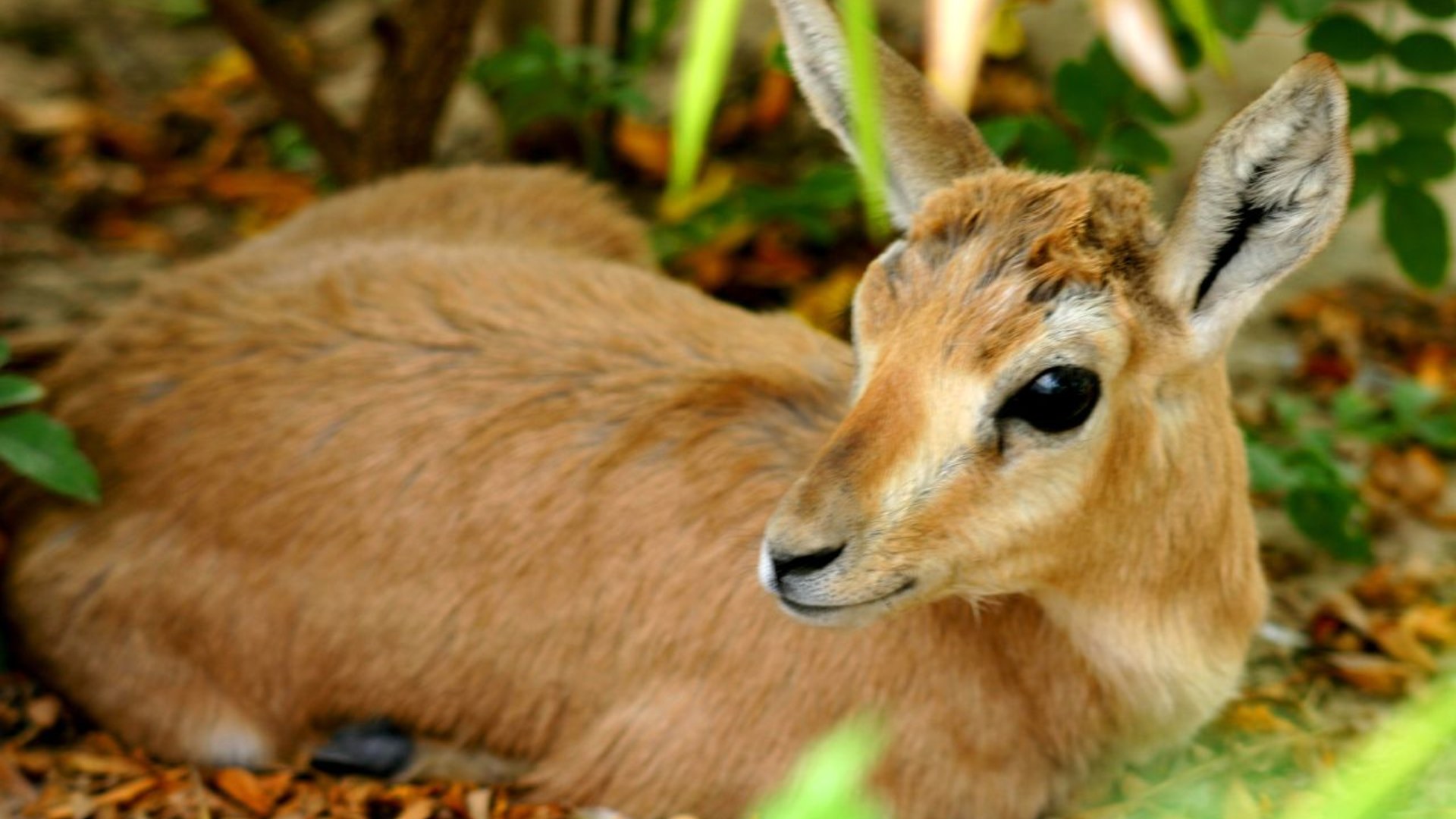
20. Mountain Gazelle
Gazelle fawns stand up within fifteen to twenty minutes of birth, taking quick sips of maternal milk. Although they spend their initial week tucked flat into depression hollows to avoid keen-eyed cheetahs, newborn gazelles can leap and sprint away if unexpectedly discovered.
©Wikimedia / EVO
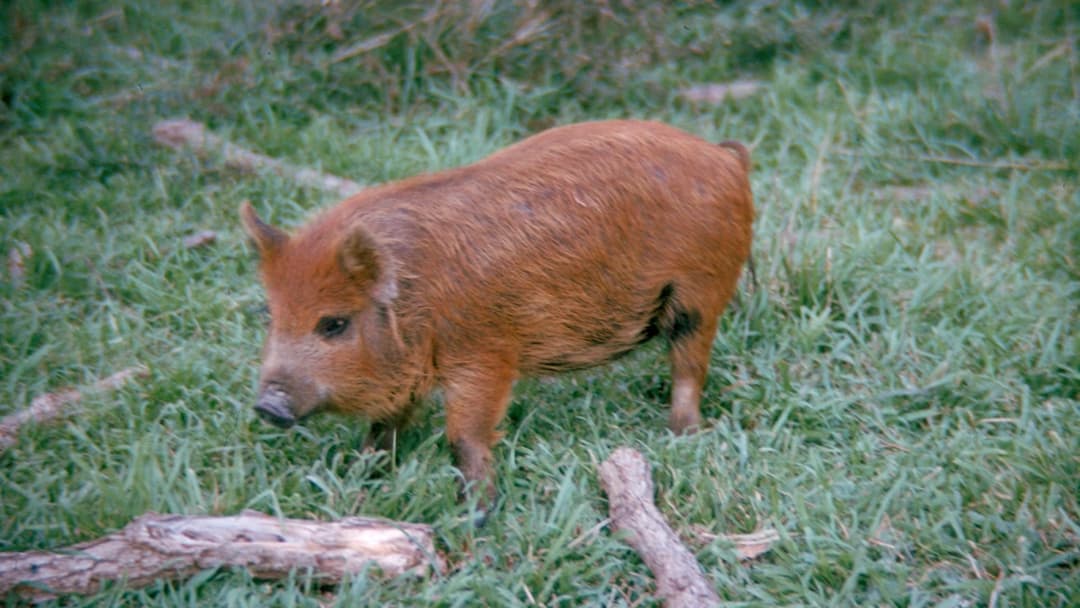
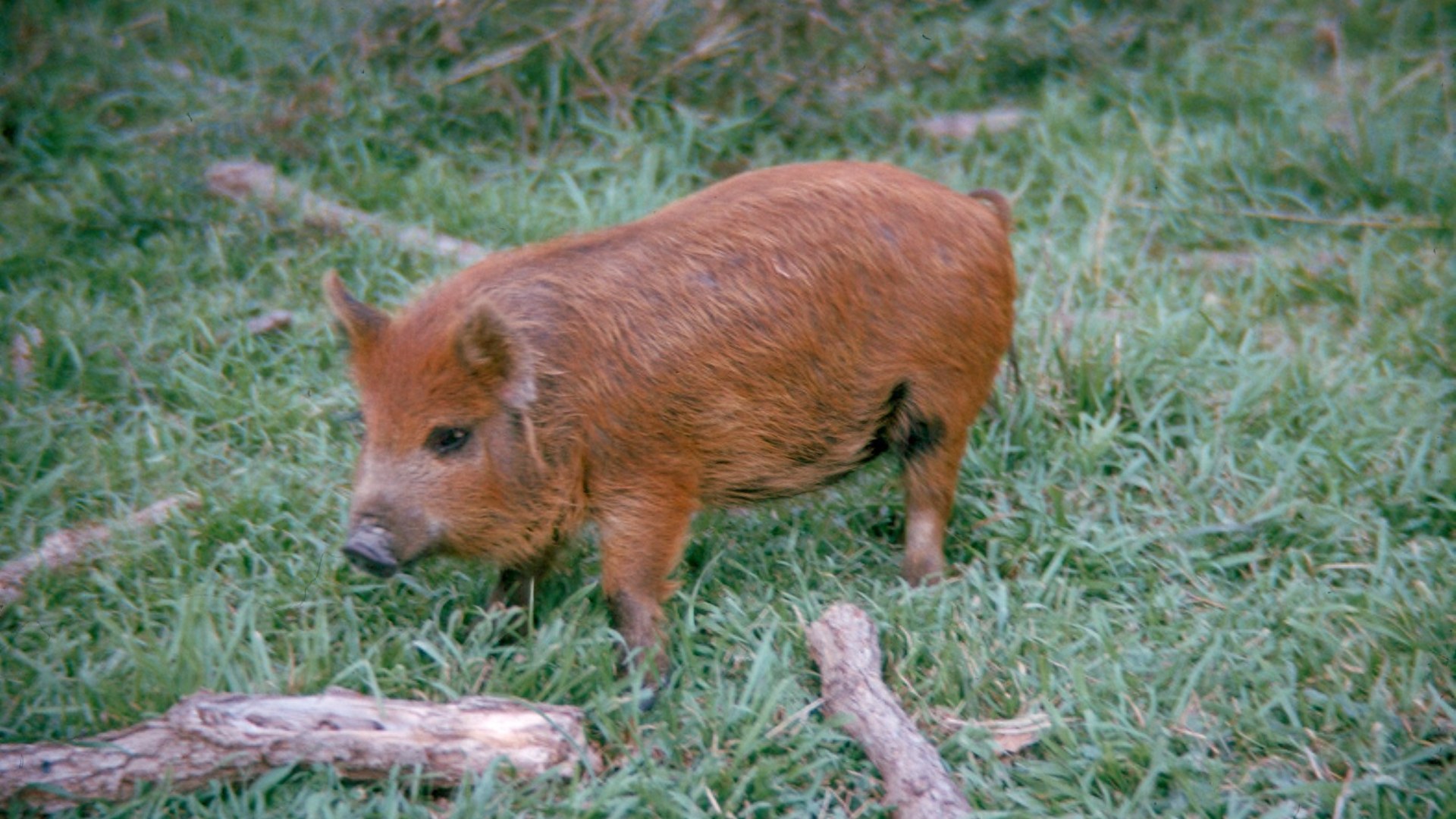
19. Wild Boar Piglet
Wild boar piglets, called humbugs due to their alternating yellow and brown stripes, are born in specialized grass nests. Piglets stand within minutes of birth, scurrying toward the sow to claim a specific teat, which each individual piglet defends for the remainder of nursing.
©Wikimedia / Warren Garst
Advertisement
Swipe or tap ▶ to resume the countdown.
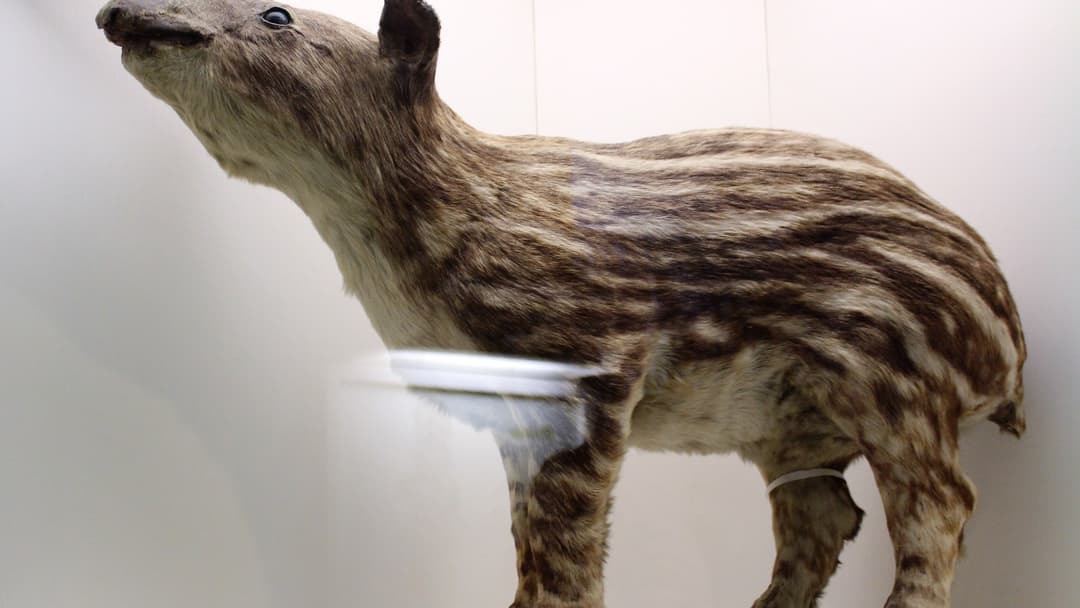
18. Lowland Tapir
Newborn tapirs feature brown coats with white horizontal stripes and spots resembling watermelons, providing exquisite jungle camouflage. A tapir calf stands and walks within sixty minutes, closely following its massive mother through muddy riverbanks and dense Amazonian brush.
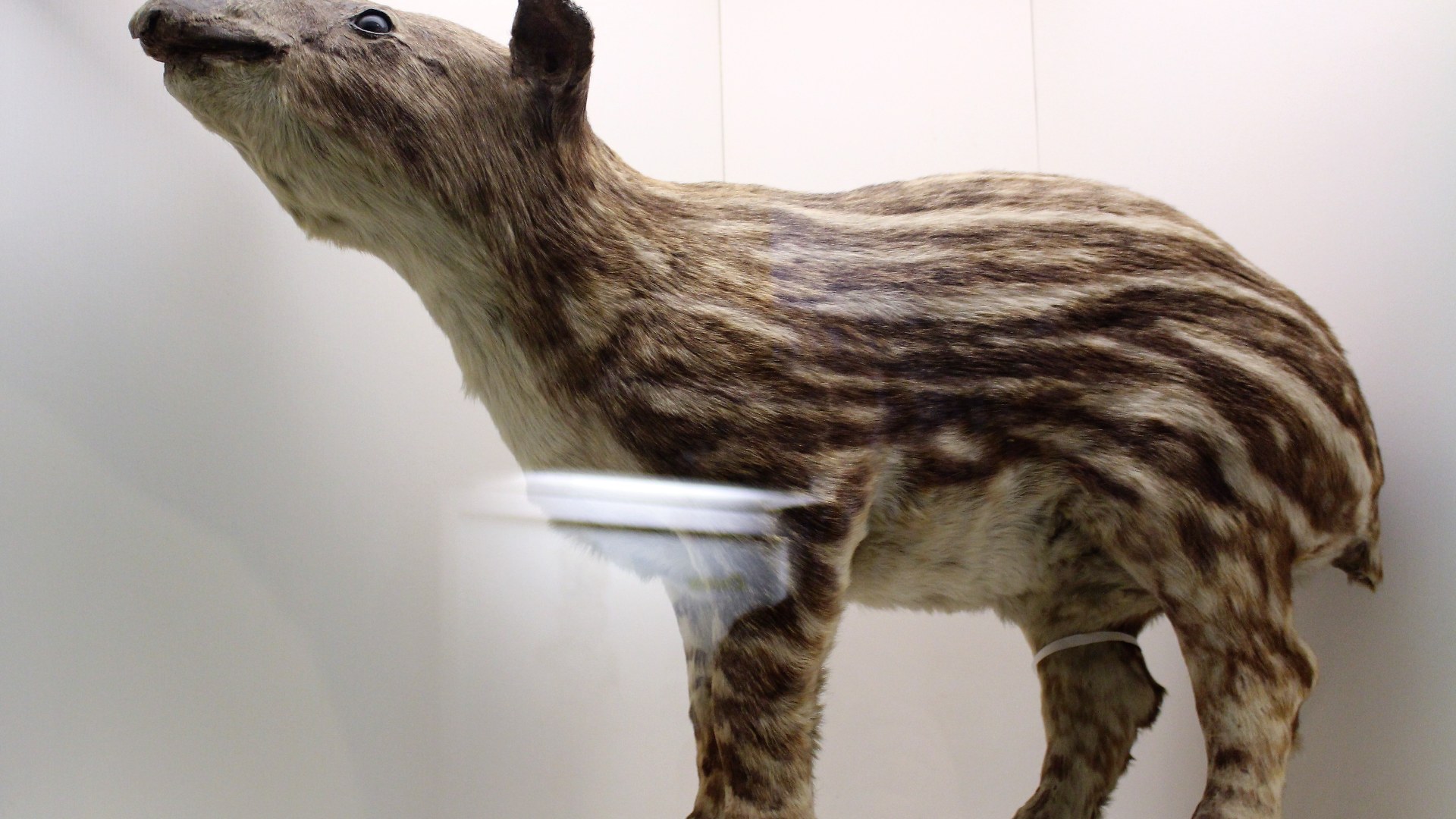
©Wikimedia / Emoke Denes
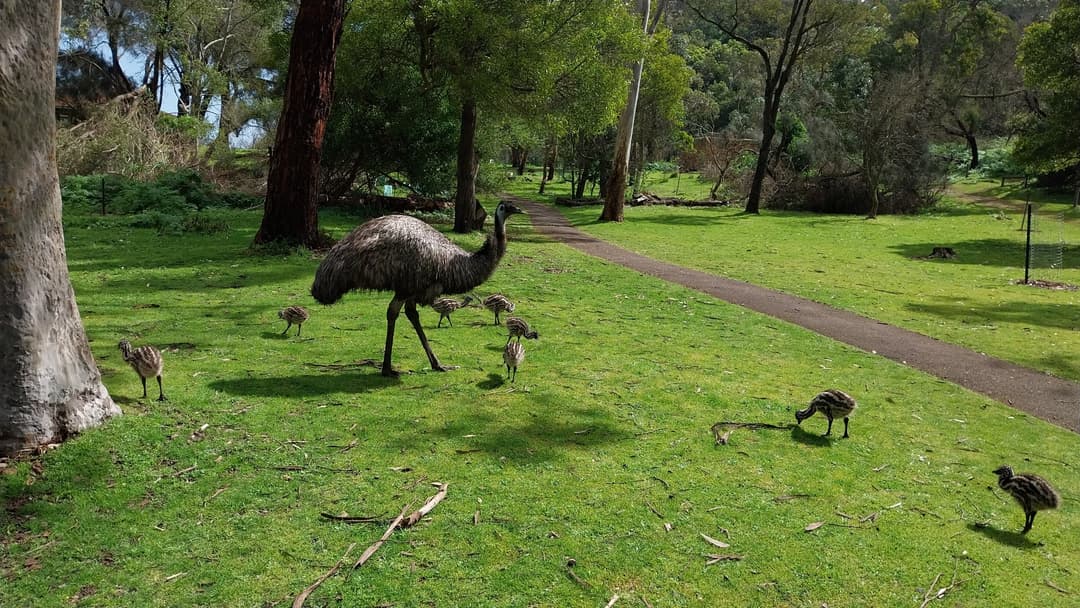
17. Australian Emu
In emu parenting, the male incubates the large green eggs for eight weeks without eating. When the striped chicks hatch, they are completely precocial. They leave the nest within hours, walking behind the father, pecking at insects, and learning to sprint through the Australian outback.
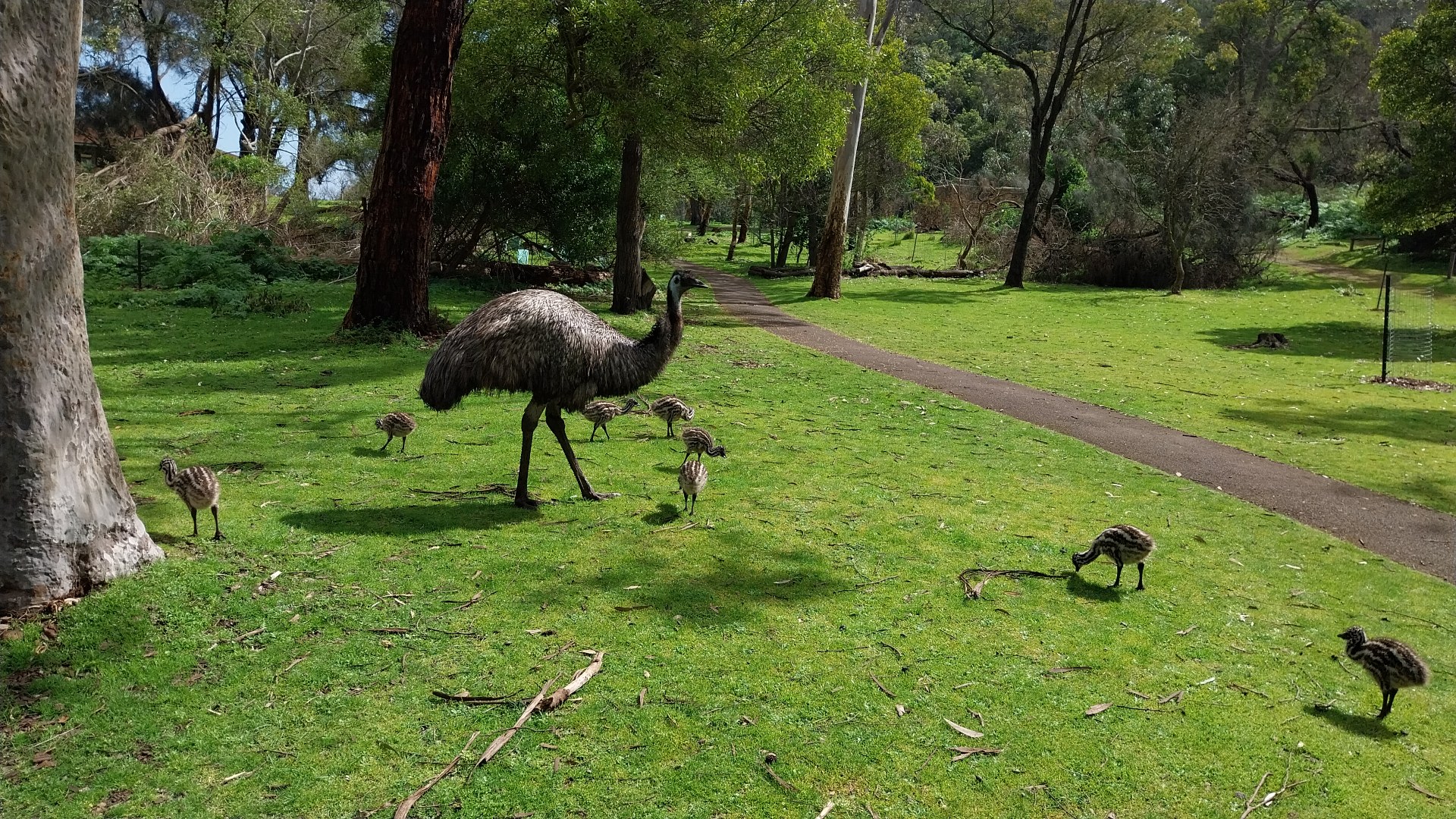
©Wikimedia / Functionalimagery
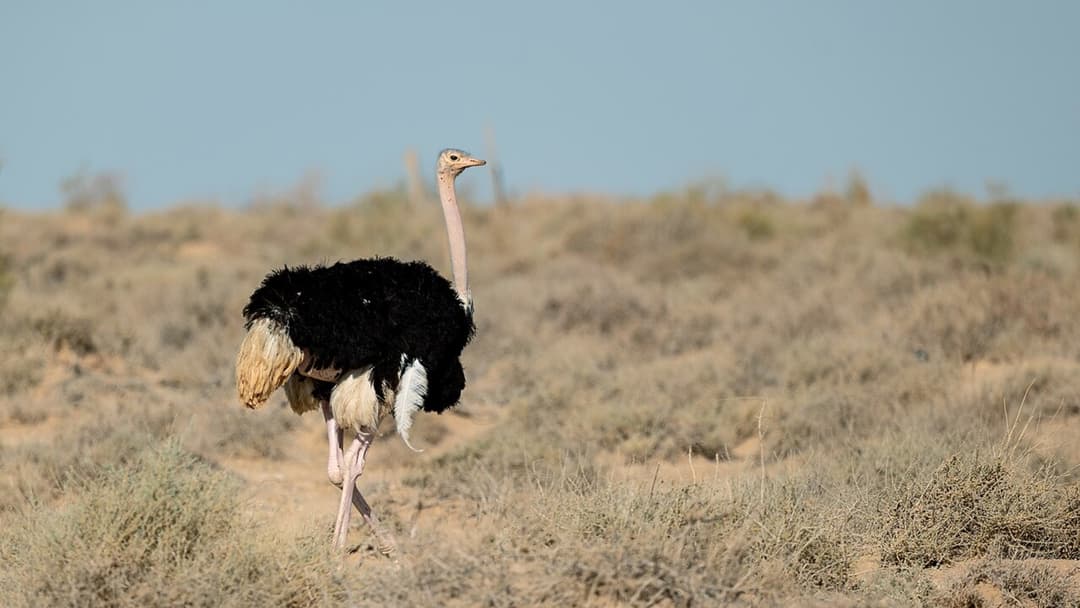
16. Common Ostrich
Ostriches lay the largest eggs of any living bird. When the heavy shell breaks, precocial chicks emerge with open eyes and bristly down feathers. Within a few hours of hatching, the chicks abandon the nest scrape and follow their parents, capable of running to escape jackals.
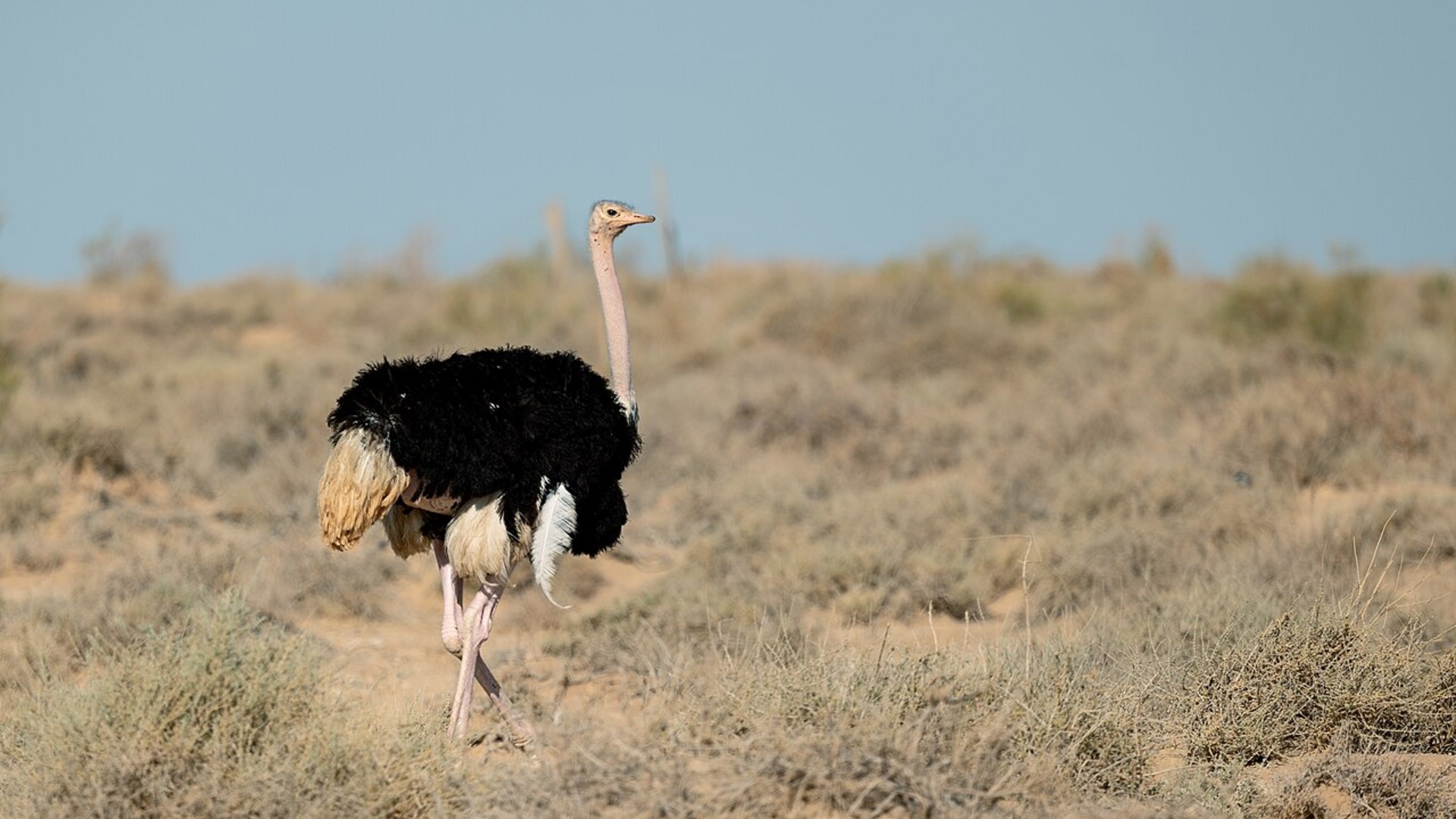
©Wikimedia / Slim Alileche
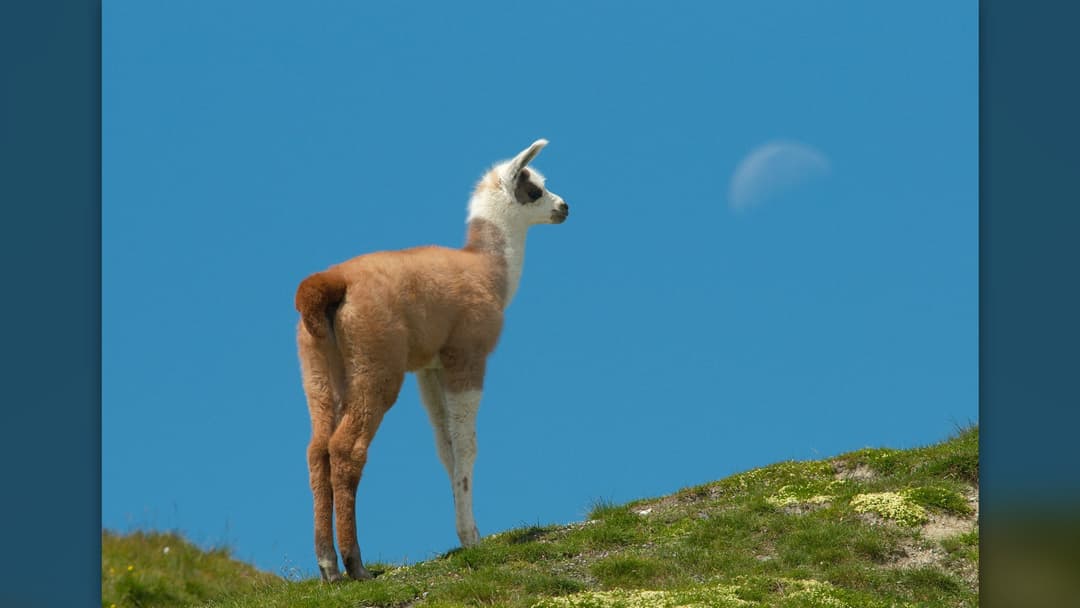
15. South American Llama
In the high Andean mountains, cold winds and predators make prolonged vulnerability dangerous. A baby llama, called a cria, stands and walks within thirty to sixty minutes of birth. Born during daylight hours, the cria nurses quickly and navigates rocky slopes with ease.
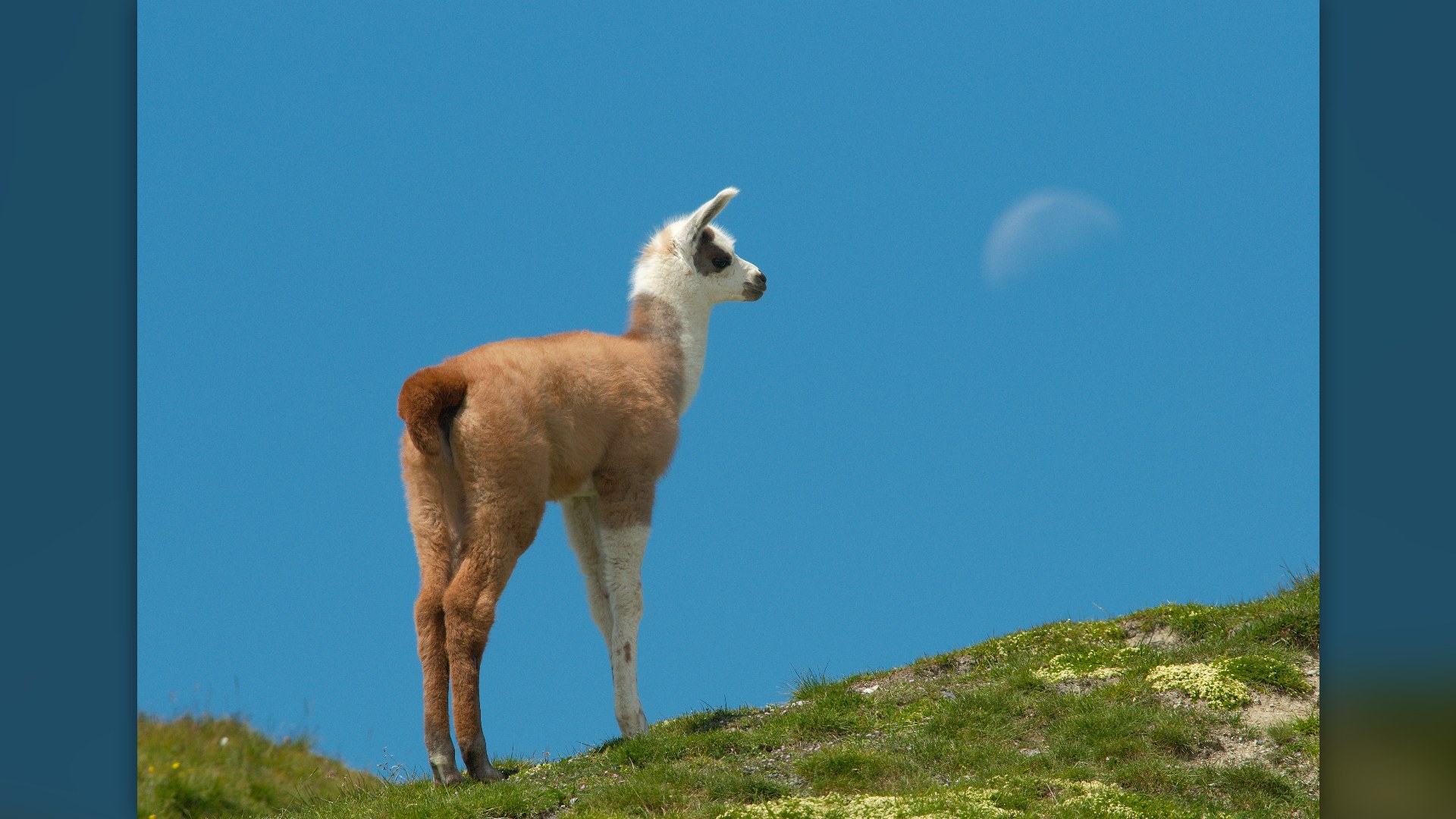
©Wikimedia / Luc Viatour
Advertisement
Swipe or tap ▶ to resume the countdown.
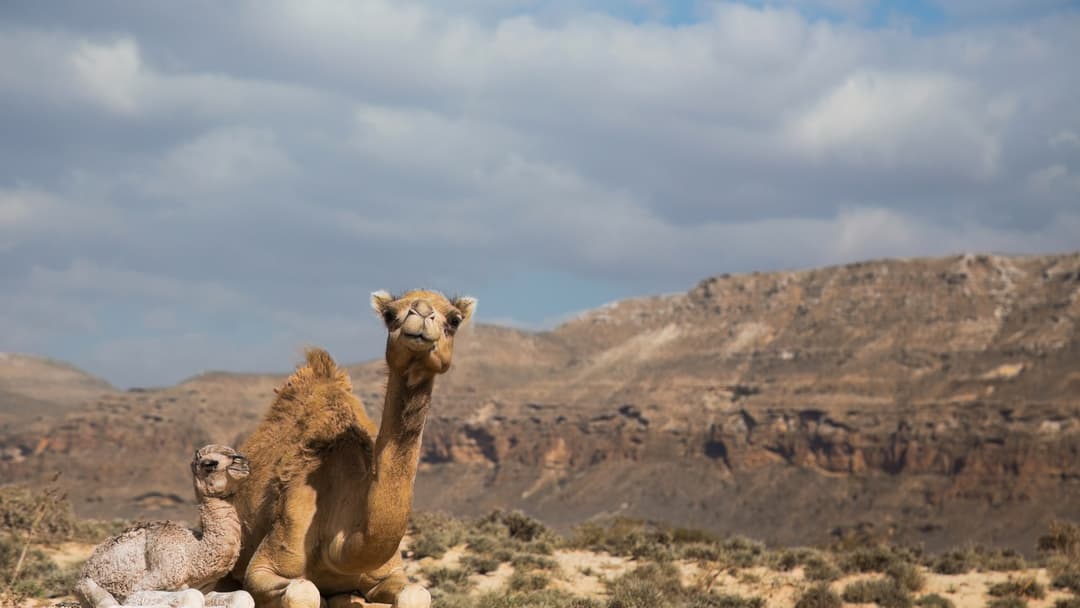
14. Dromedary Camel
Camels are born without a defined hump, possessing only a loose pocket of skin and fat. On hot, shifting desert sands, a camel calf scrambles onto its feet within two hours. This rapid mobility ensures the herd can move toward precious waterholes and oasis vegetation.
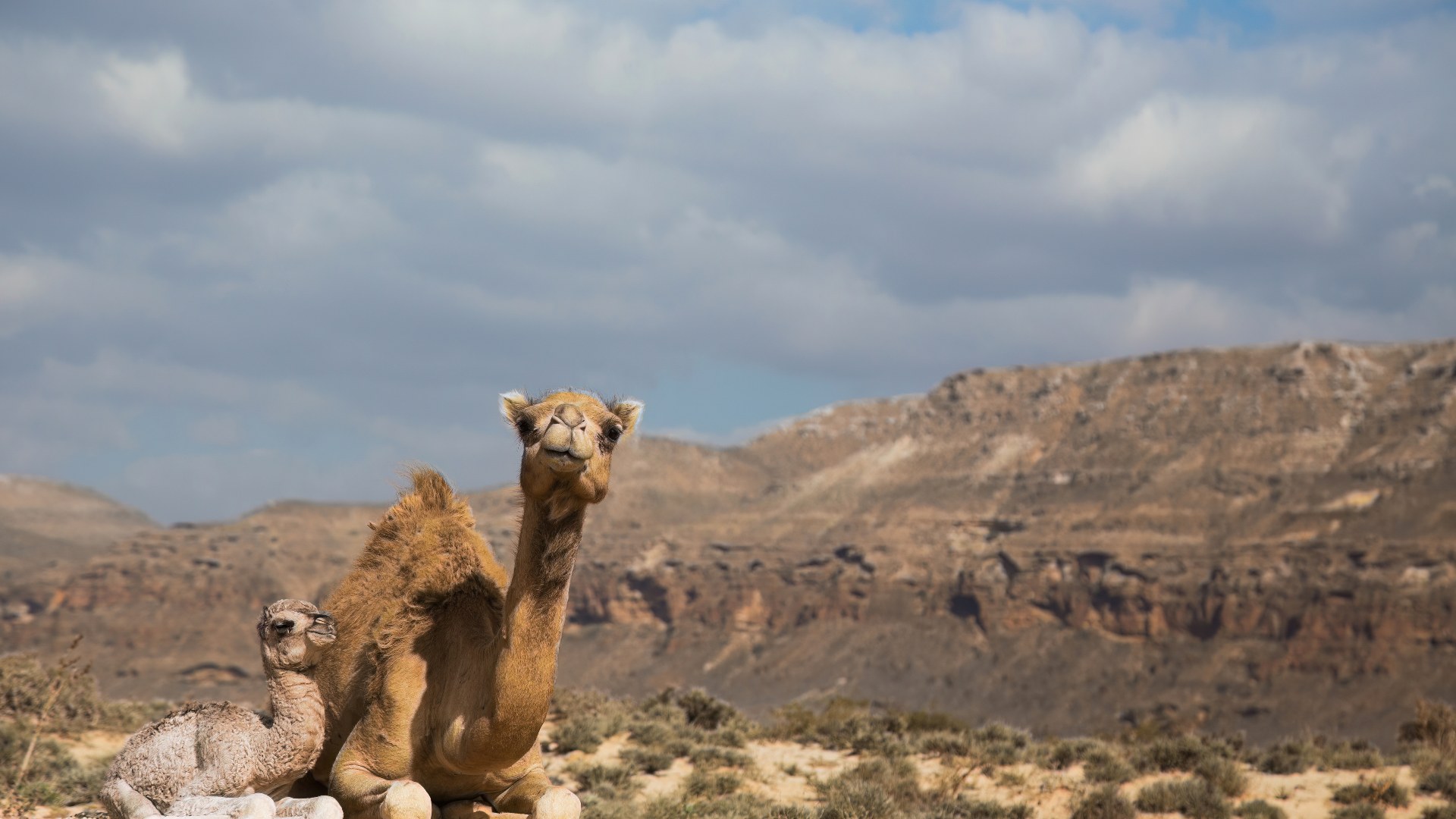
©Wikimedia / Stanislav Beloglazov
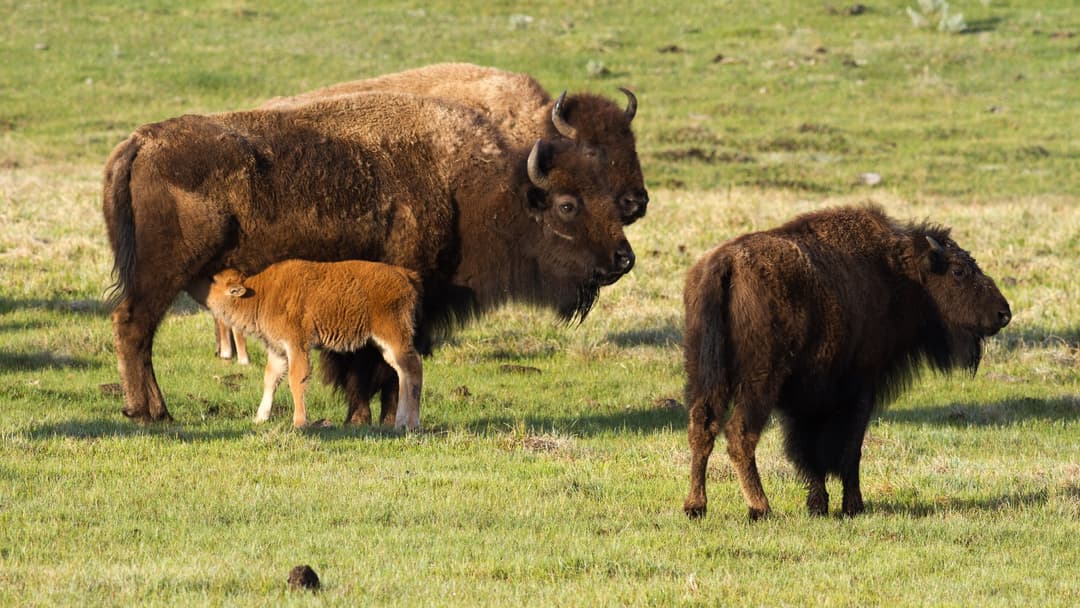
13. American Bison
Known affectionately as red dogs due to their rusty orange coats, newborn bison calves stand within thirty minutes of birth. Because prairie wolf packs shadow bison herds, calves must quickly keep pace. Within twenty-four hours, the calf can gallop amidst the herd during sudden stampedes.
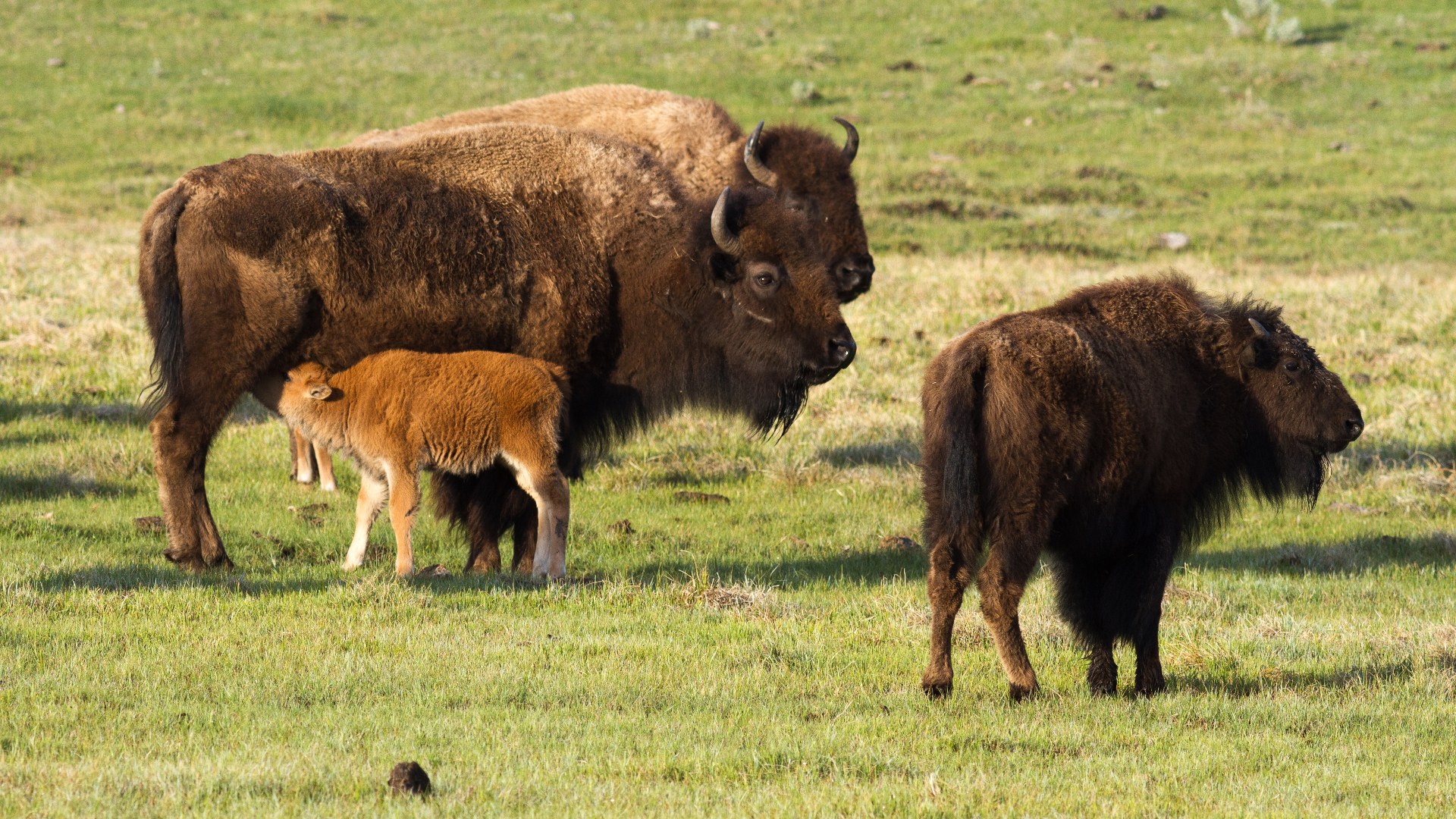
©Wikimedia / Frank Schulenburg
12. Domestic Sheep Lamb
In open pastures, ewes clean their newborn lambs immediately after birth. Driven by maternal rumbles and gentle nudges, the lamb struggles up onto unsteady hooves within ten to fifteen minutes. Standing is essential to nurse antibody-rich colostrum before cold sets in.
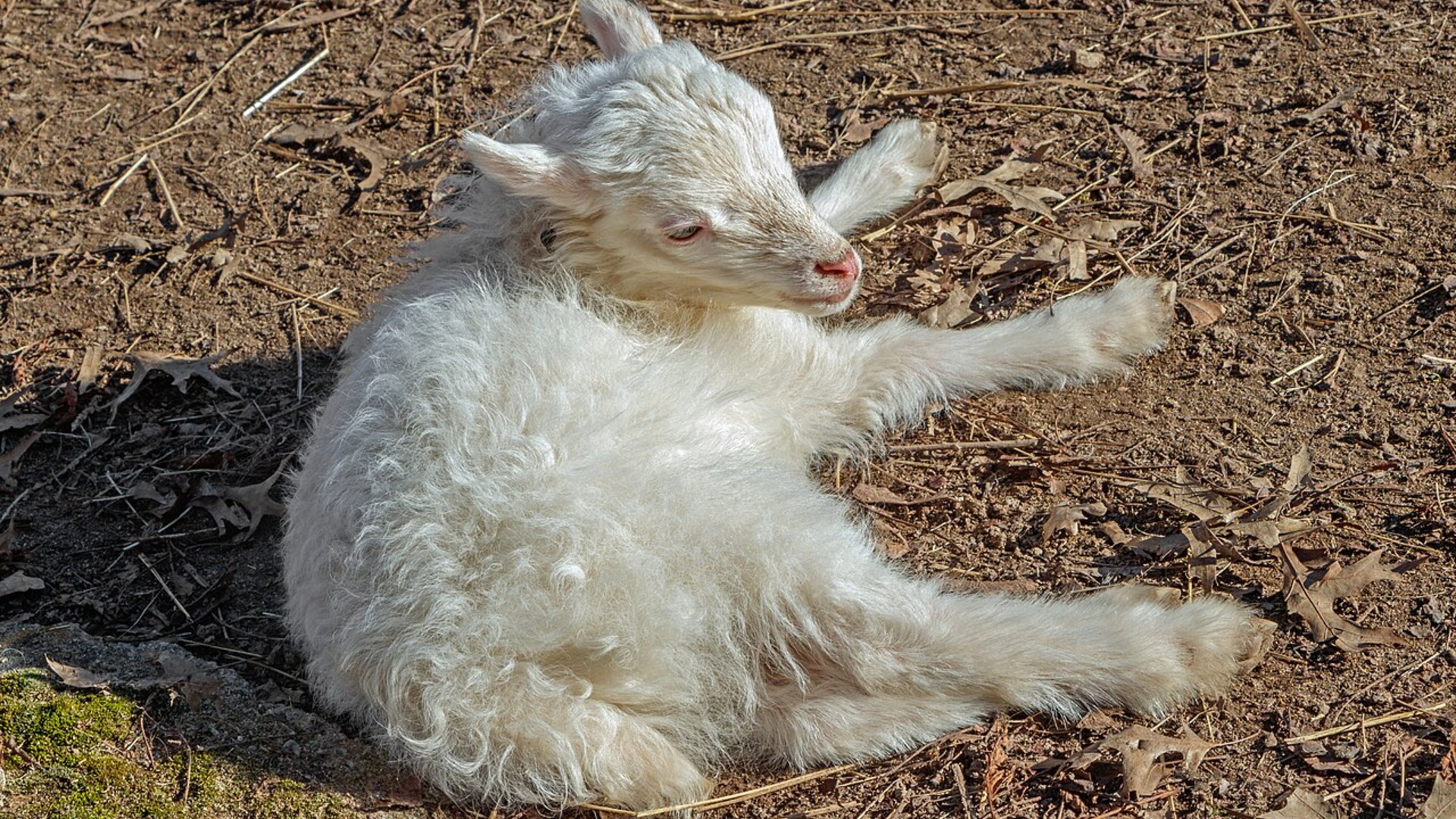
©Wikimedia / H. Zell
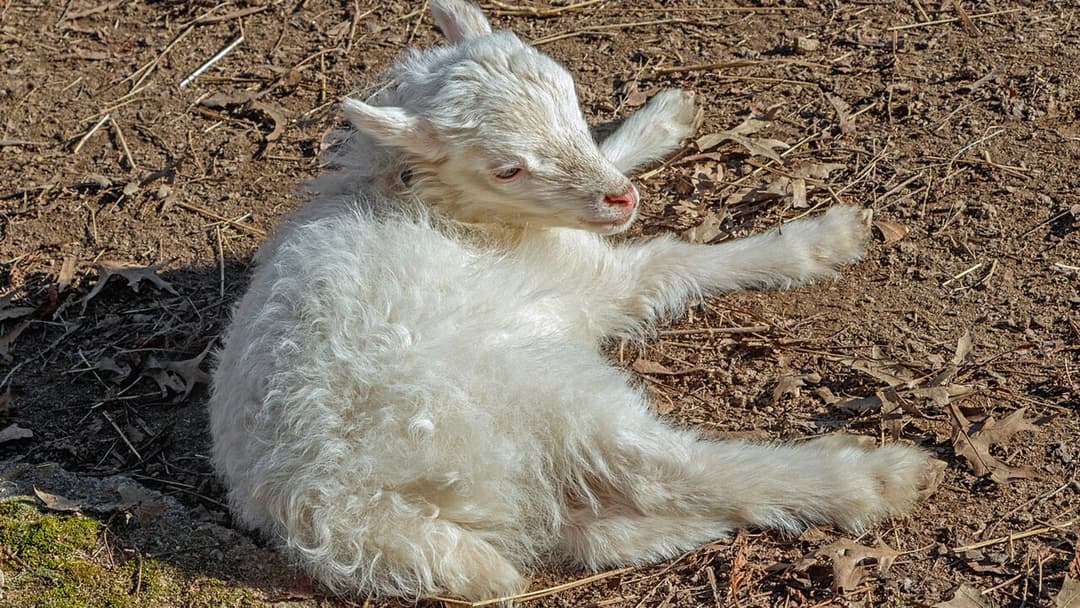
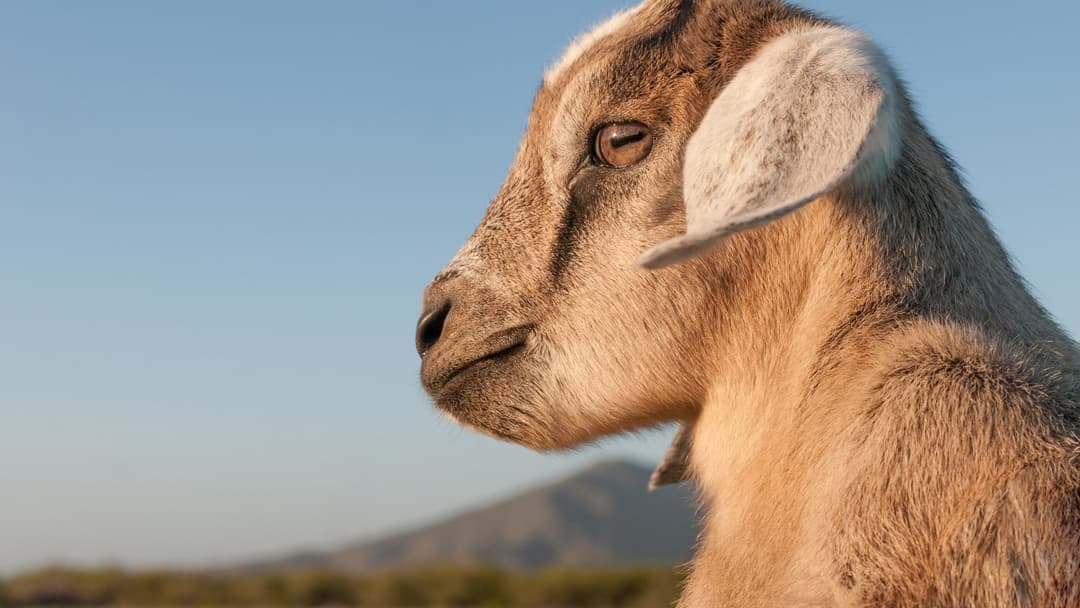
11. Domestic Goat Kid
Domestic goats inherit the acrobatic mountain climbing agility of wild ibex ancestors. Newborn goat kids typically stand within fifteen minutes of being born, finding their mother milk quickly. Within hours, energetic kids run around pens, jumping on tree stumps and rocky ledges.
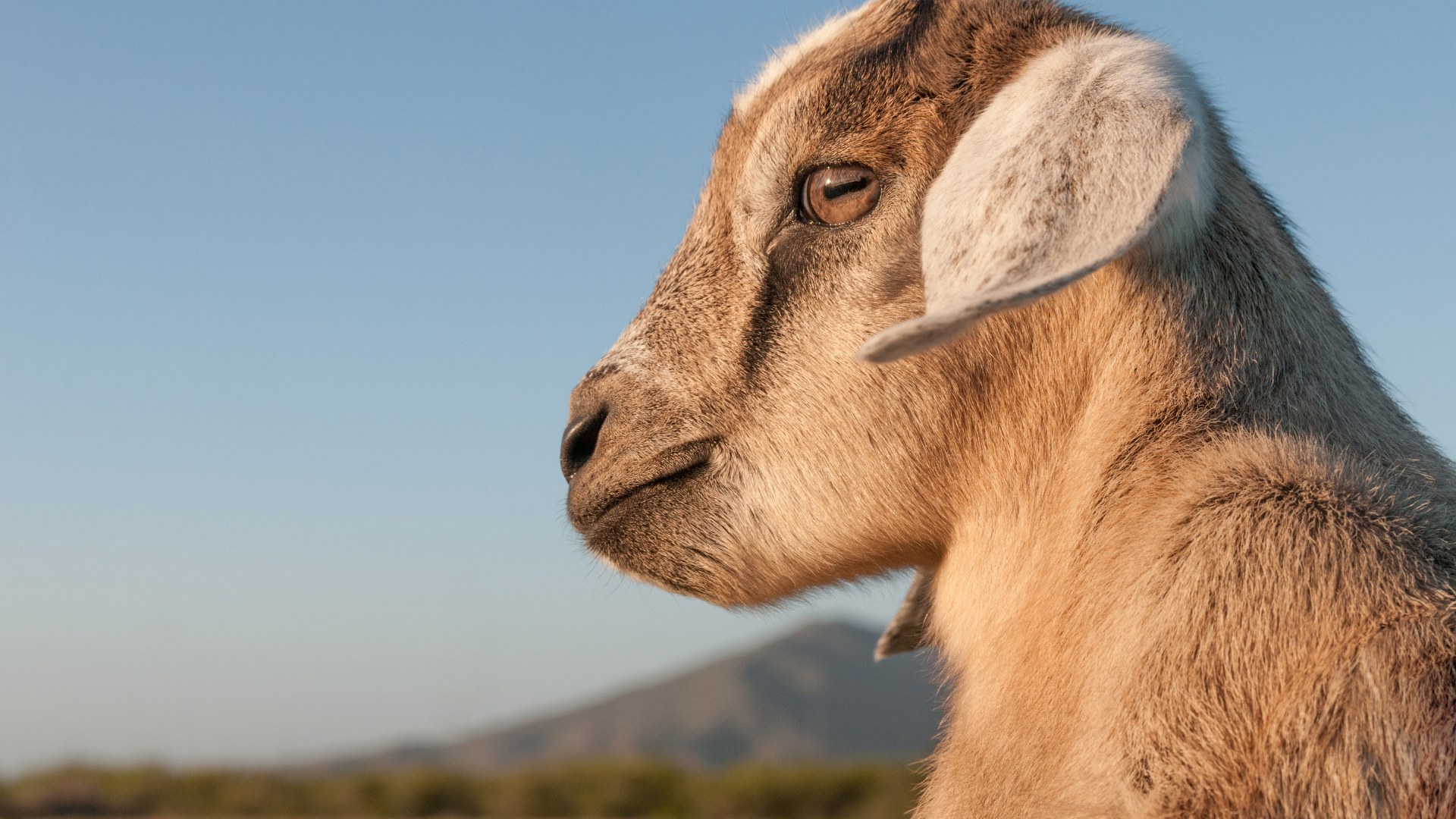
©Wikimedia / Beria Lima de Rodriguez
Advertisement
Swipe or tap ▶ to resume the countdown.
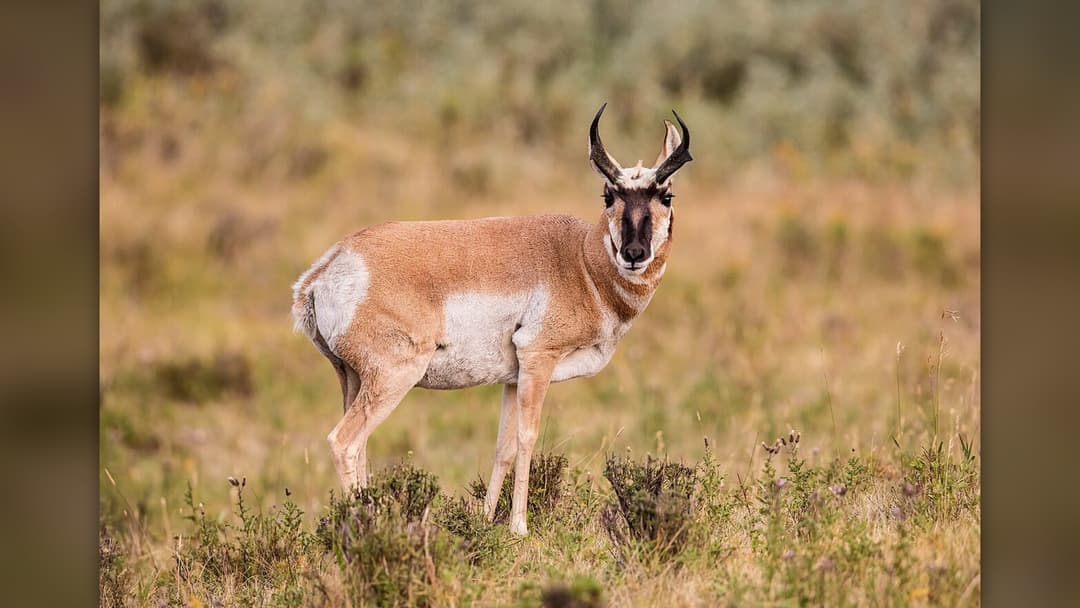
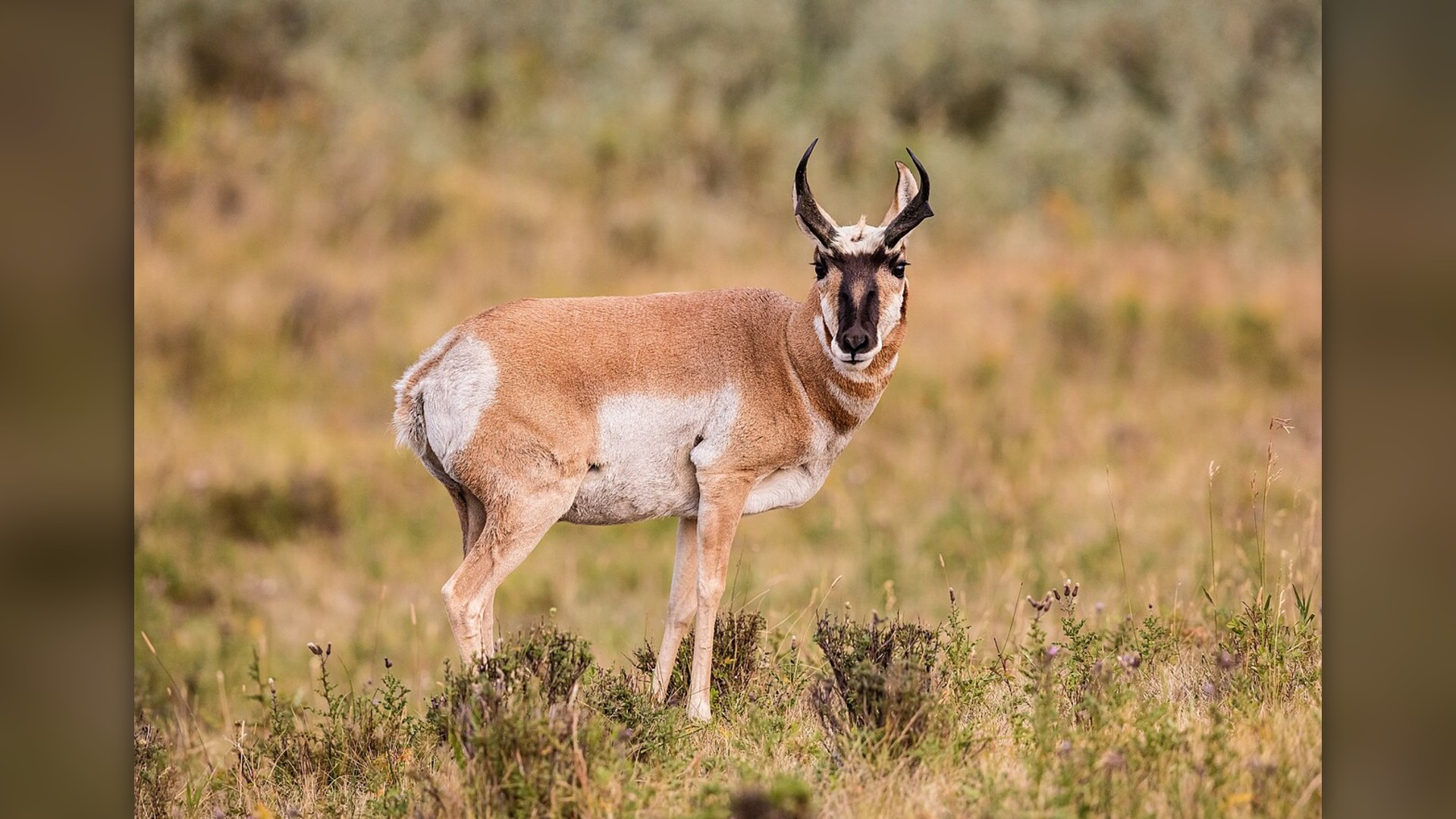
10. Pronghorn Antelope
Pronghorns are North America fastest land animal, and their offspring waste no time catching up. A pronghorn fawn stands within thirty minutes of birth. Although they spend their first days lying motionless in grass to hide from coyotes, by four days old they can sprint at 35 miles per hour.
©Wikimedia / Thomas Wolf ,
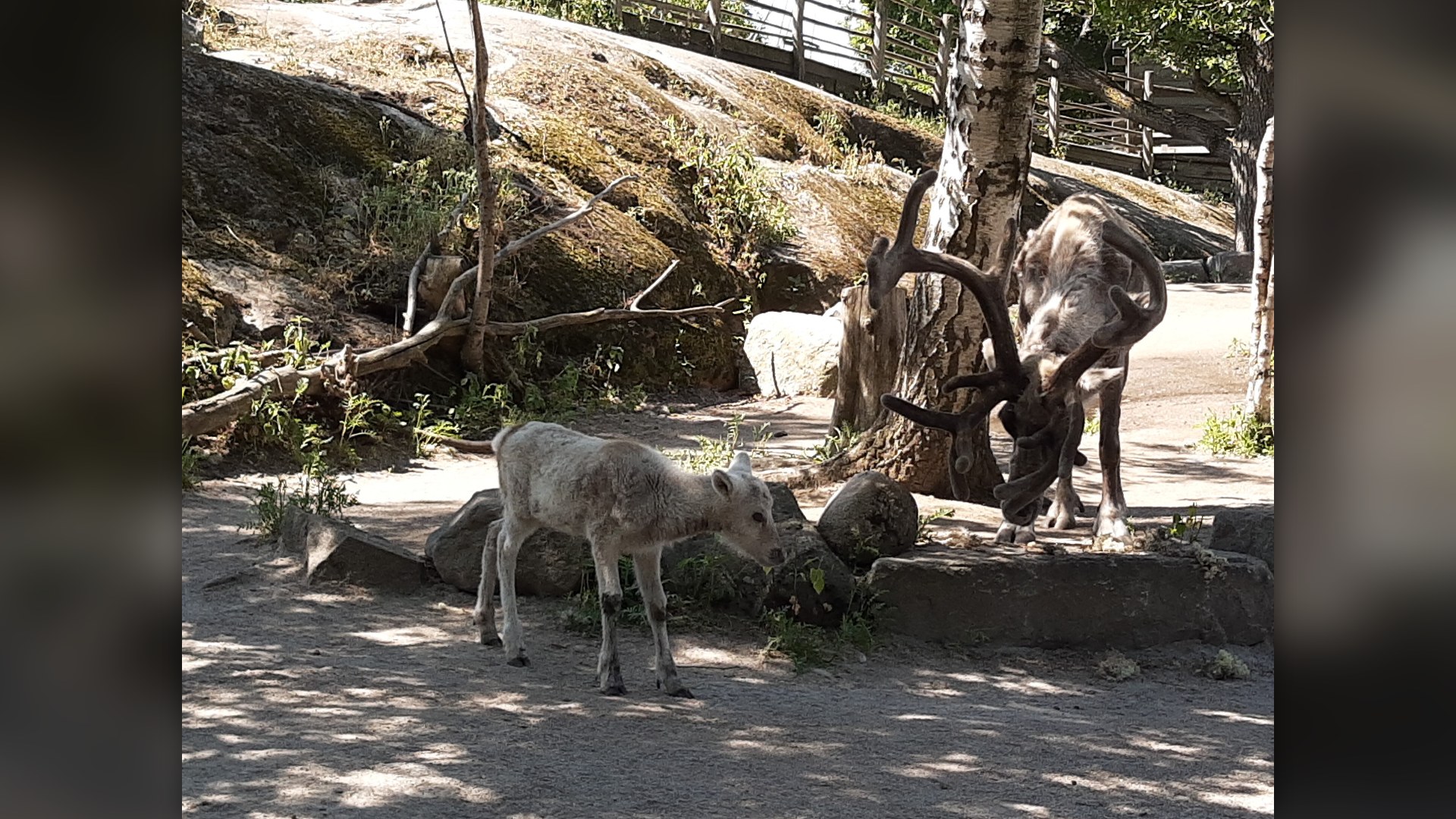
9. Reindeer And Caribou
Born into freezing Arctic wind and snow, caribou calves must adapt fast or perish. They stand within thirty minutes of birth, nurse warm high-fat milk, and can walk comfortably in an hour. By their second day, calves easily match the pace of herds migrating across miles of open tundra.
©Wikimedia / Gerda Arendt
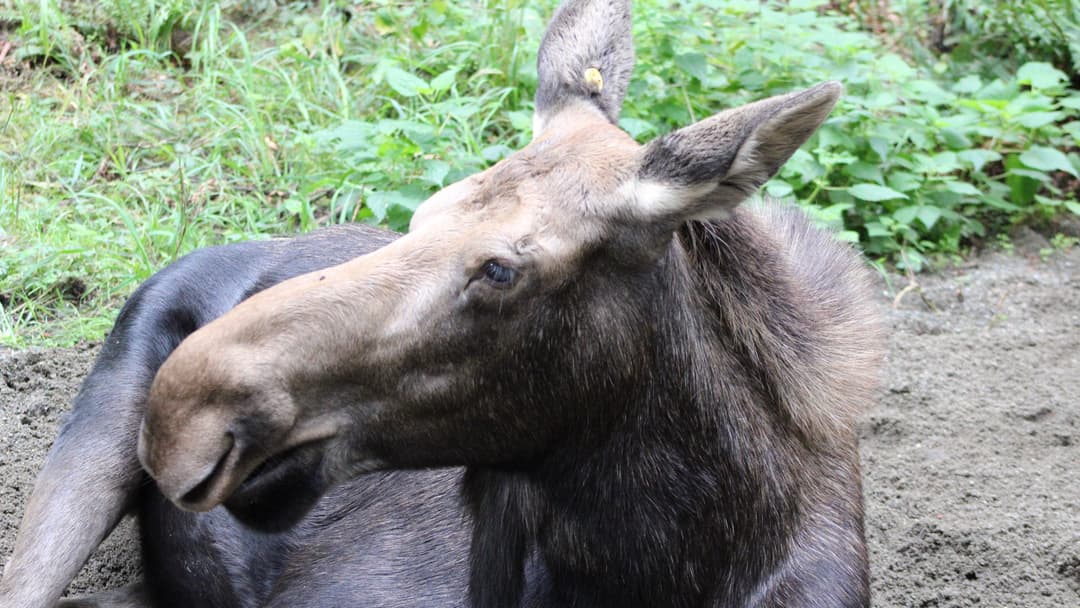
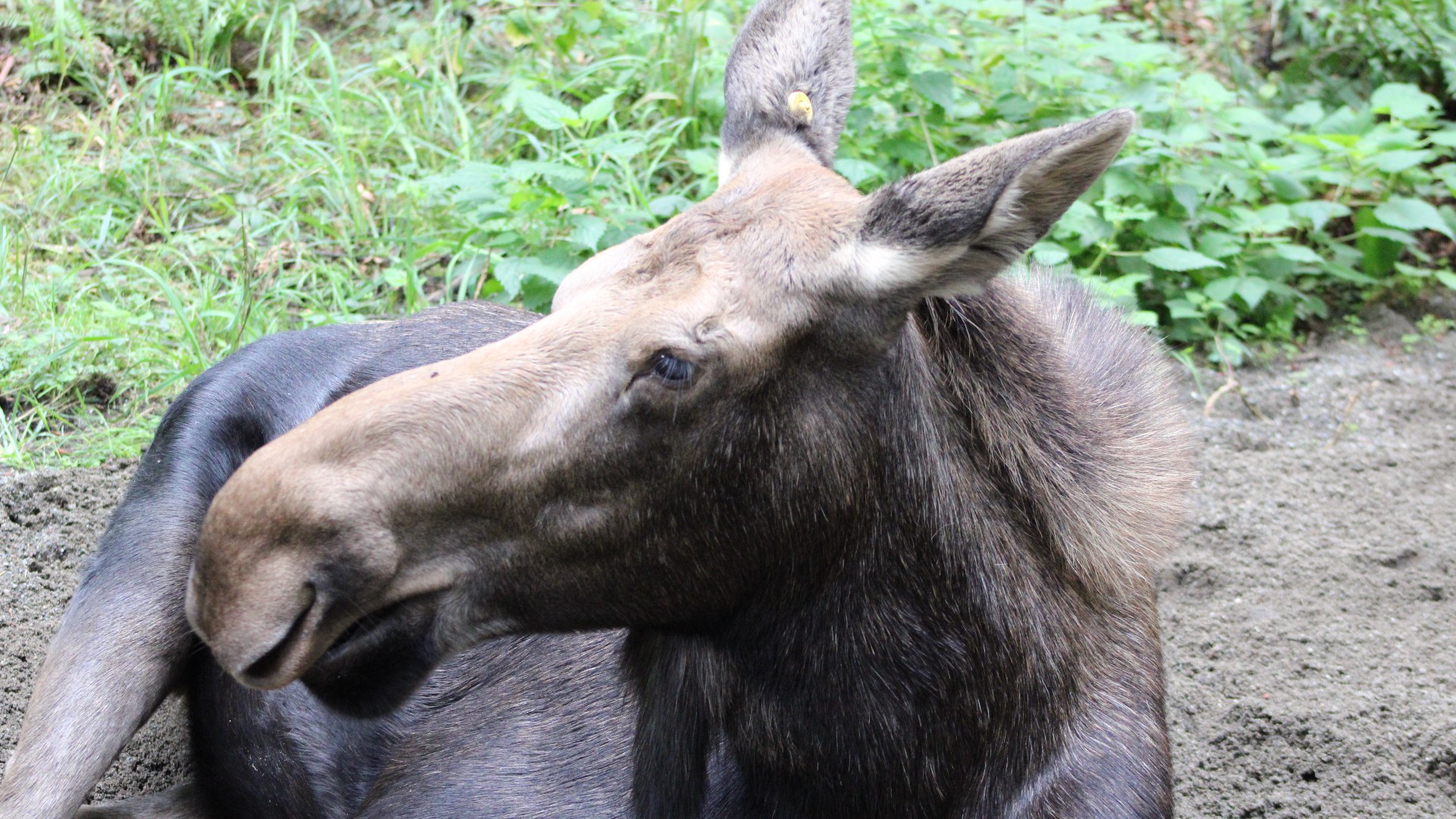
8. North American Moose
A newborn moose calf looks like all legs, but those spindly limbs work quickly. The calf rises within thirty minutes to nurse and can outrun a human by the time it is three days old. Mother moose aggressively protect their calves from bears while traversing soggy bogs.
©Wikimedia / Chris Light
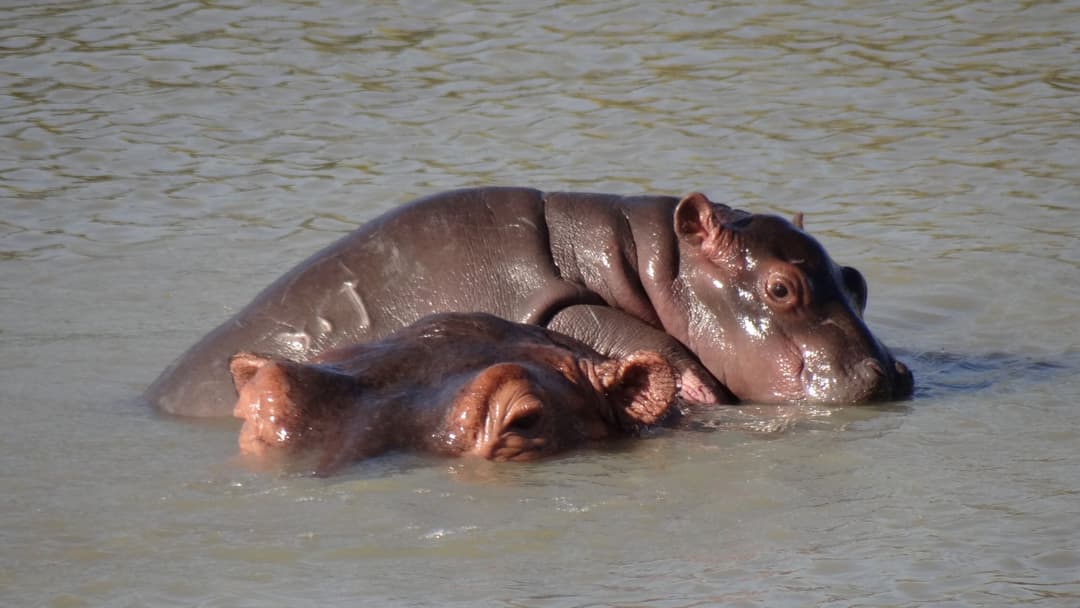
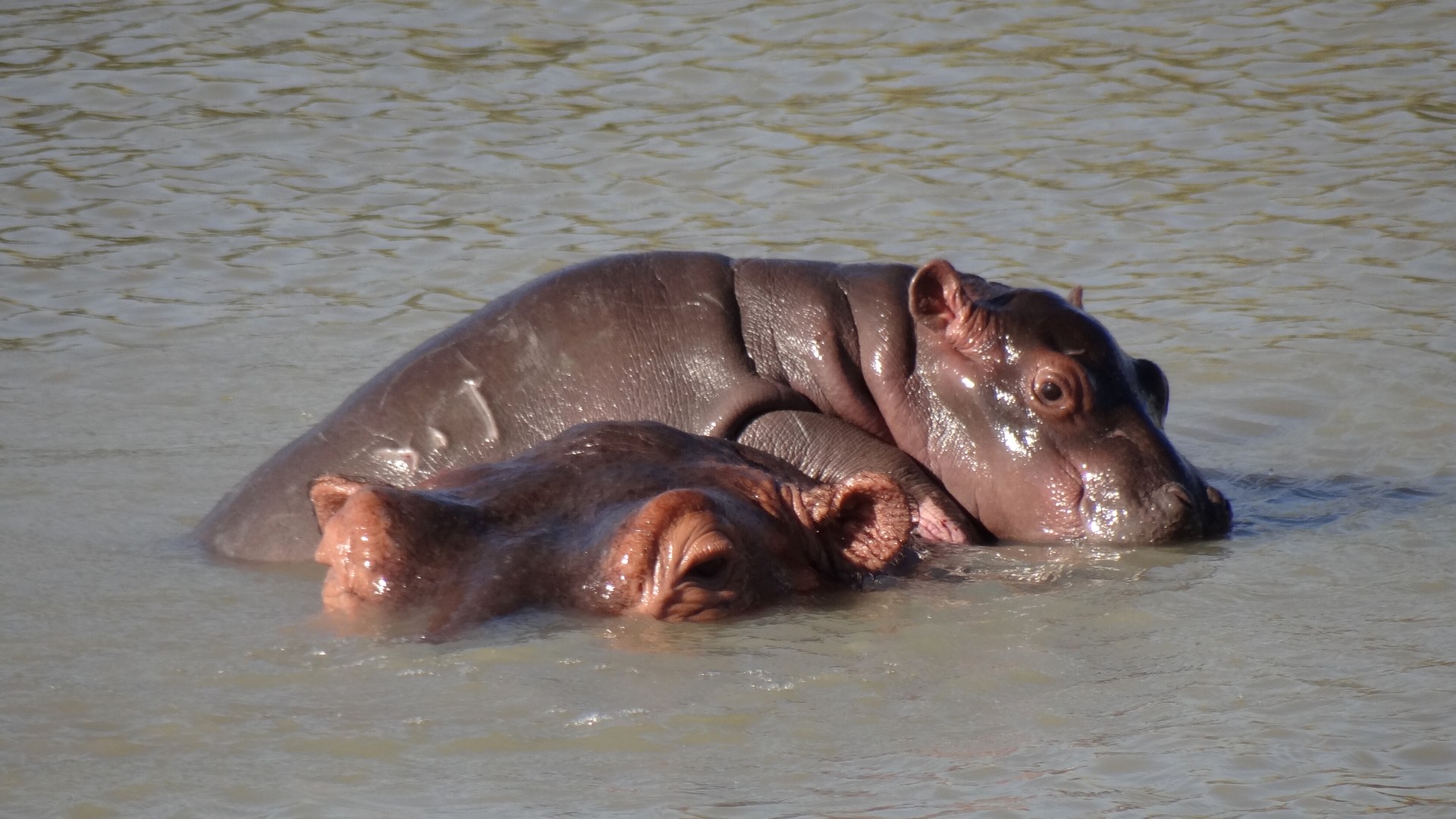
7. Common Hippopotamus
Female hippos frequently give birth underwater in shallow rivers. The newborn calf instinctively kicks to the surface to take its very first breath, swimming within moments. On land, the calf walks capably behind its mother, resting on her broad back when river currents grow too strong.
©Wikimedia / Adam Jones
Advertisement
Swipe or tap ▶ to resume the countdown.
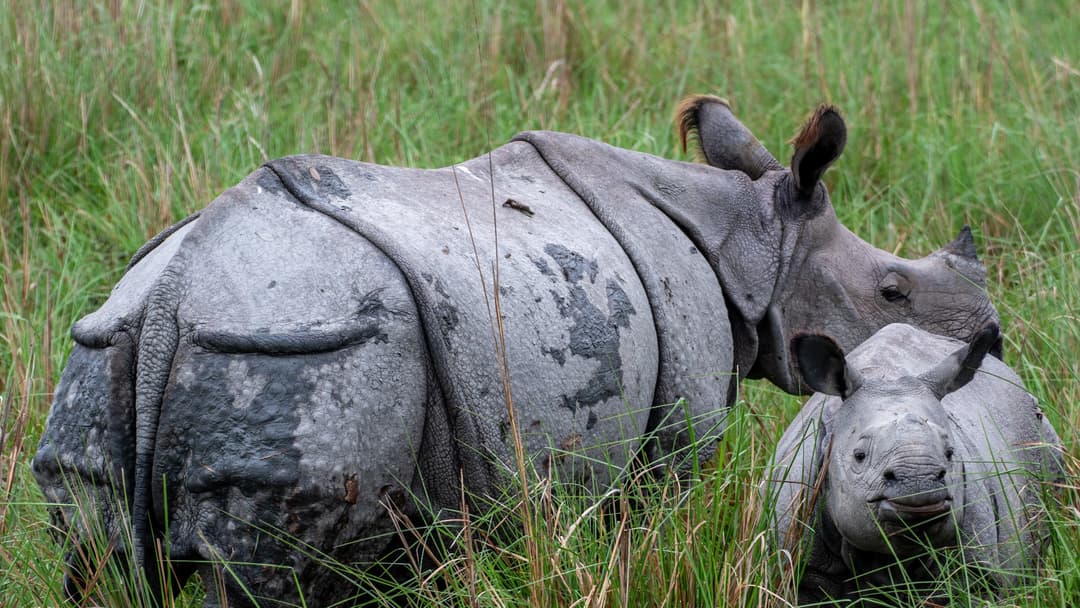
6. Indian Rhinoceros
A newborn rhinoceros calf stands on sturdy legs within sixty minutes of birth. Interestingly, Asian rhino calves naturally walk directly in front of their mothers rather than behind, allowing the armored parent to shield her offspring from tigers and steer their path through tall grass.
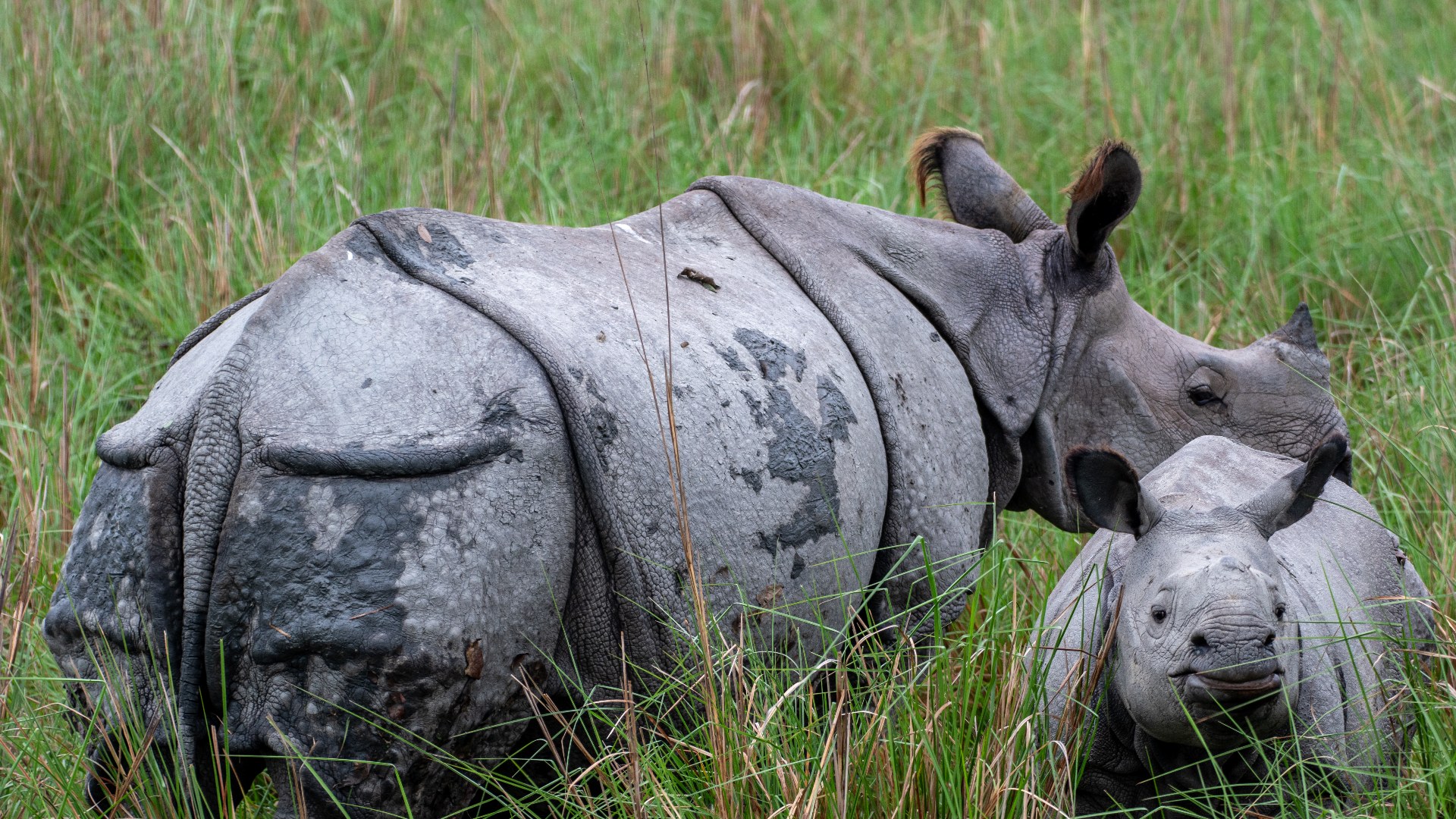
©Wikimedia / Rohit Sharma
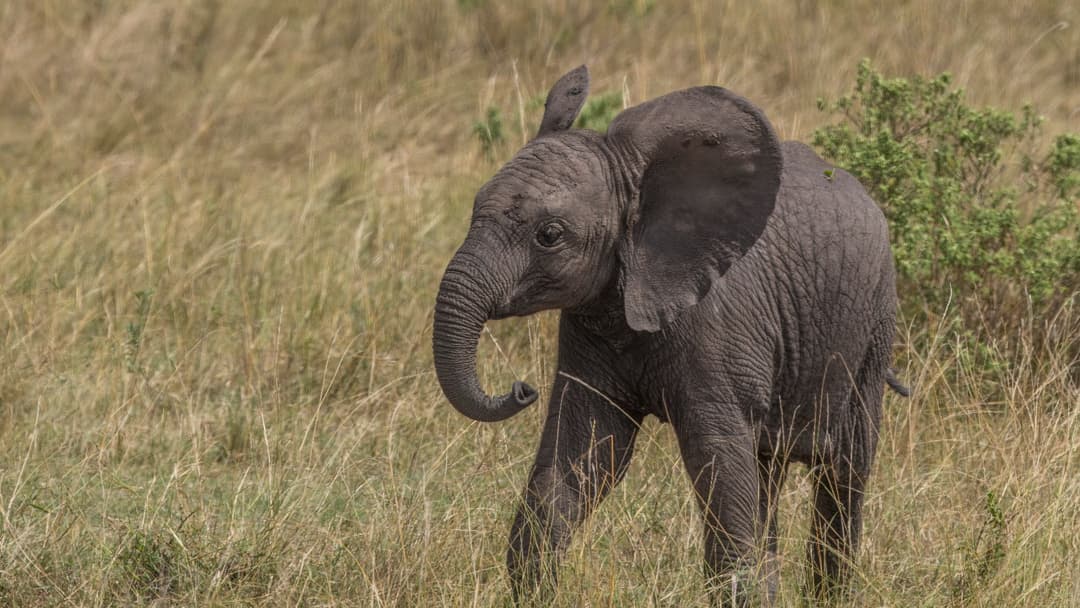
5. African Bush Elephant
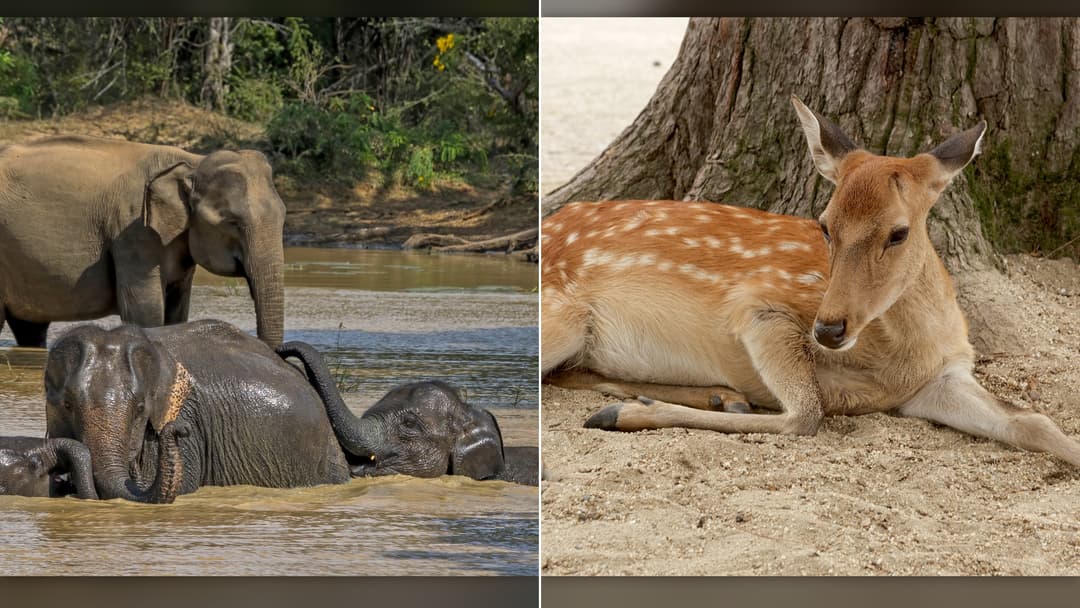
Weighing around 200 pounds at birth, an African elephant calf is coaxed to its feet by its mother and surrounding herd aunties using their trunks. Within twenty to thirty minutes, the newborn calf stands and begins walking, finding shelter directly under its mother belly.
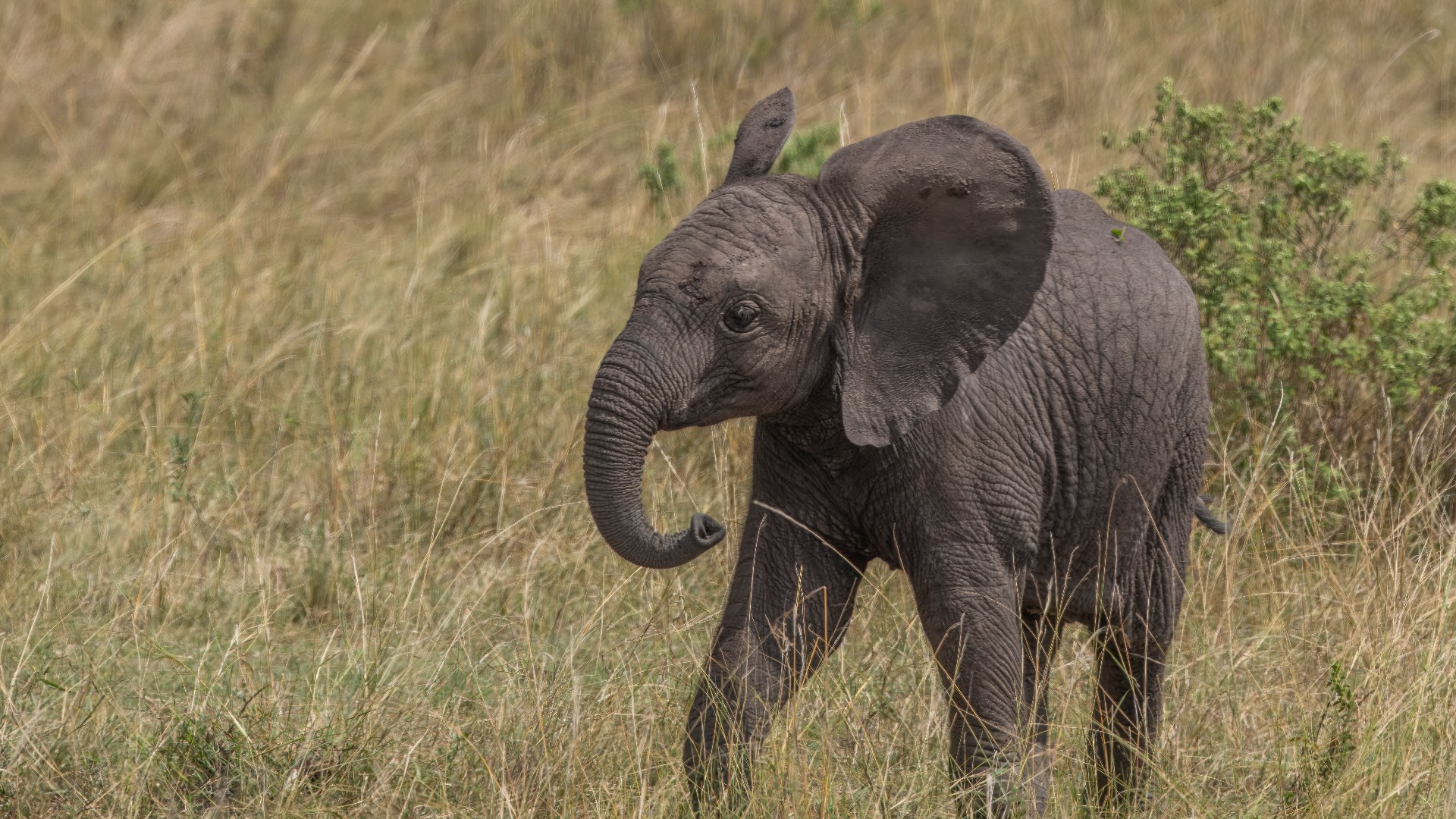
©Wikimedia / Charles J. Sharp
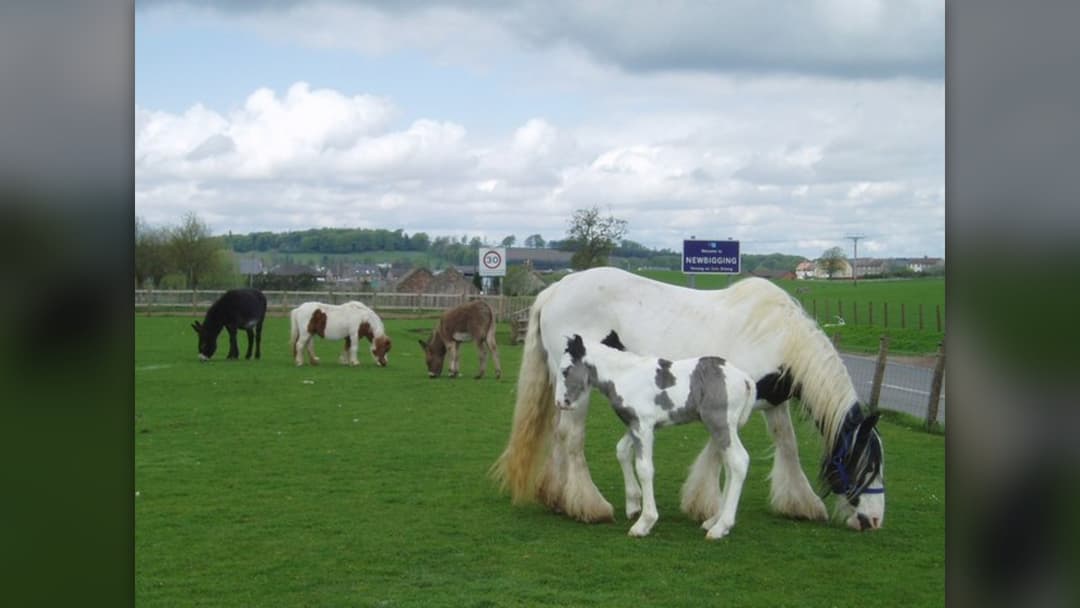
4. Horse Foal
Equine survival in the wild required moving with the herd across vast grasslands. A newborn foal uses powerful instinct to scramble onto its feet within thirty minutes. By two hours of age, the young horse can trot, canter, and keep pace with the mare.
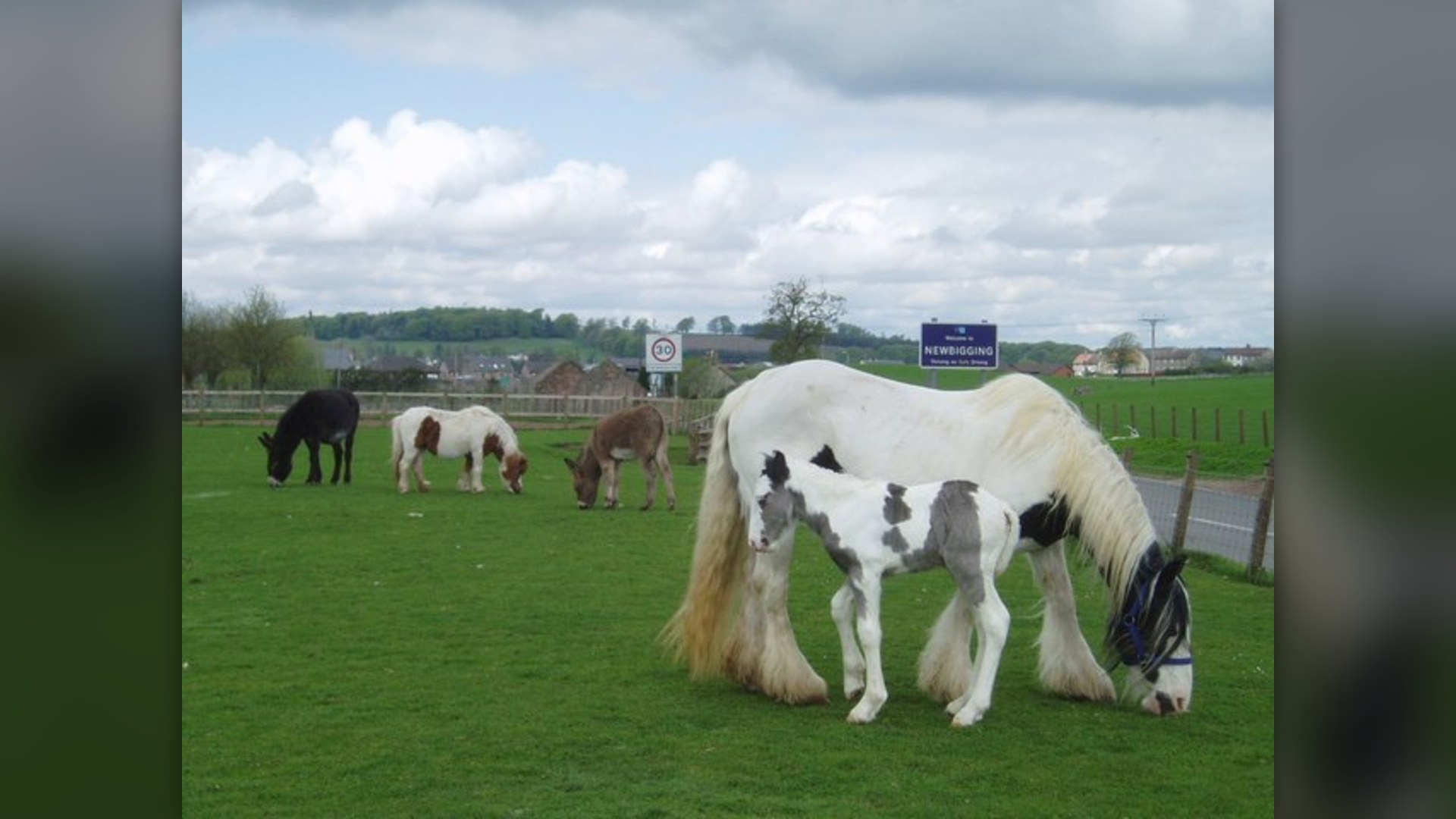
©Wikimedia / Eileen Henderson
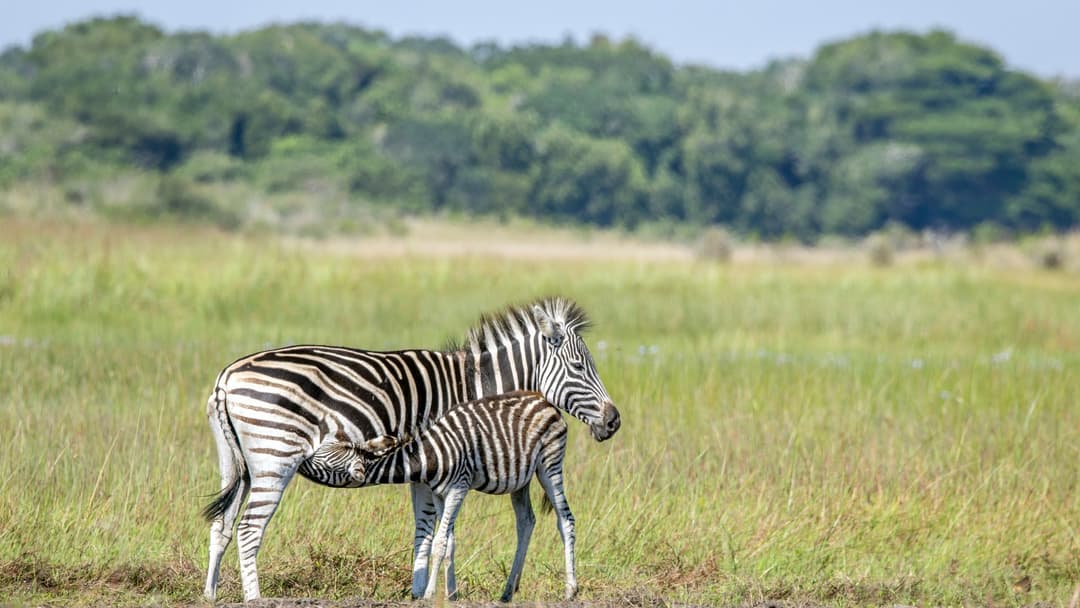
3. Plains Zebra
A newborn zebra foal stands on wobbly legs within fifteen minutes of entering the open savanna. During the first few hours, the mother stands between her foal and other herd members, allowing the young zebra to imprint on her distinct stripe pattern before they run together.
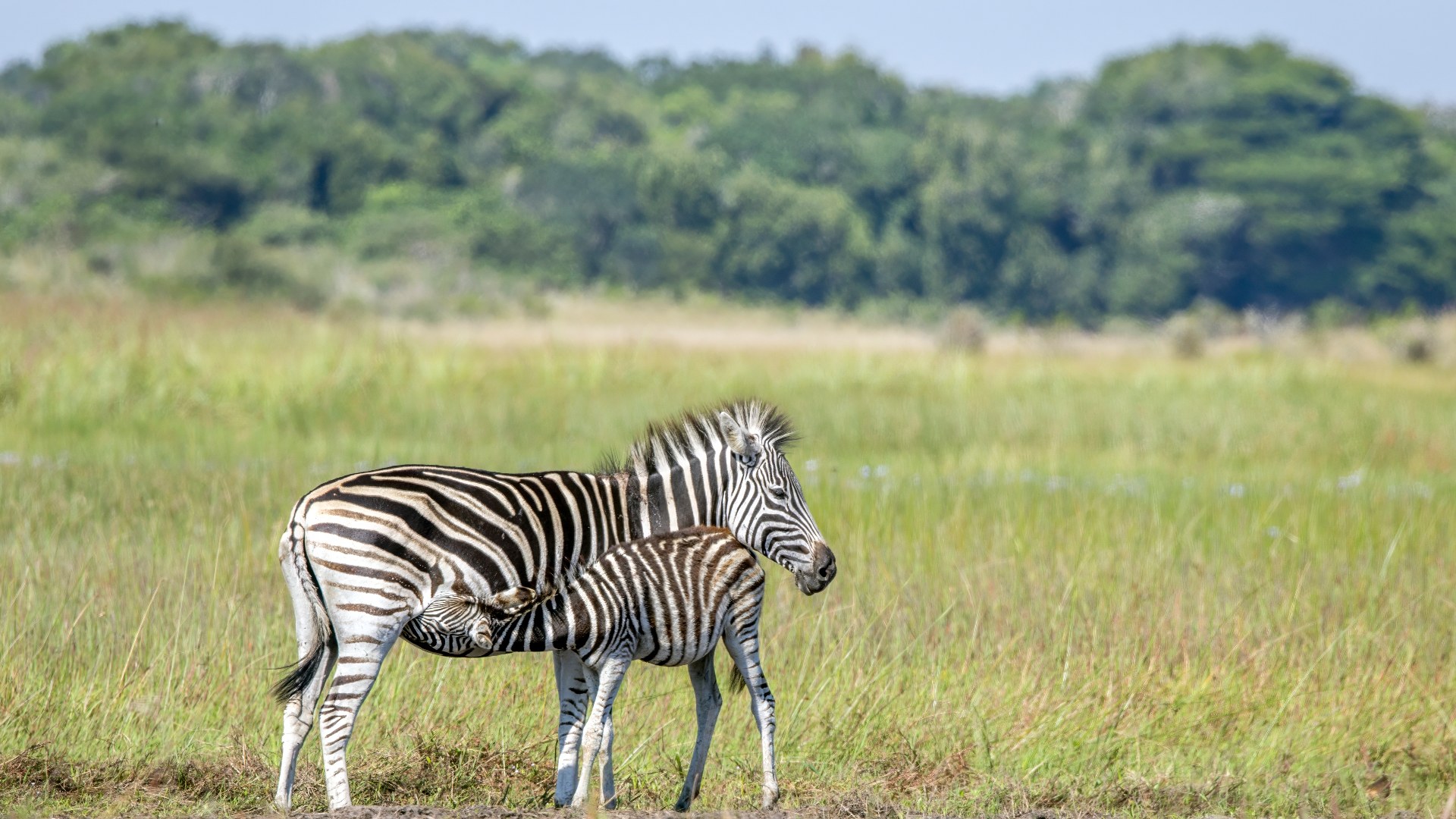
©Wikimedia / Charles J. Sharp
Advertisement
Swipe or tap ▶ to resume the countdown.
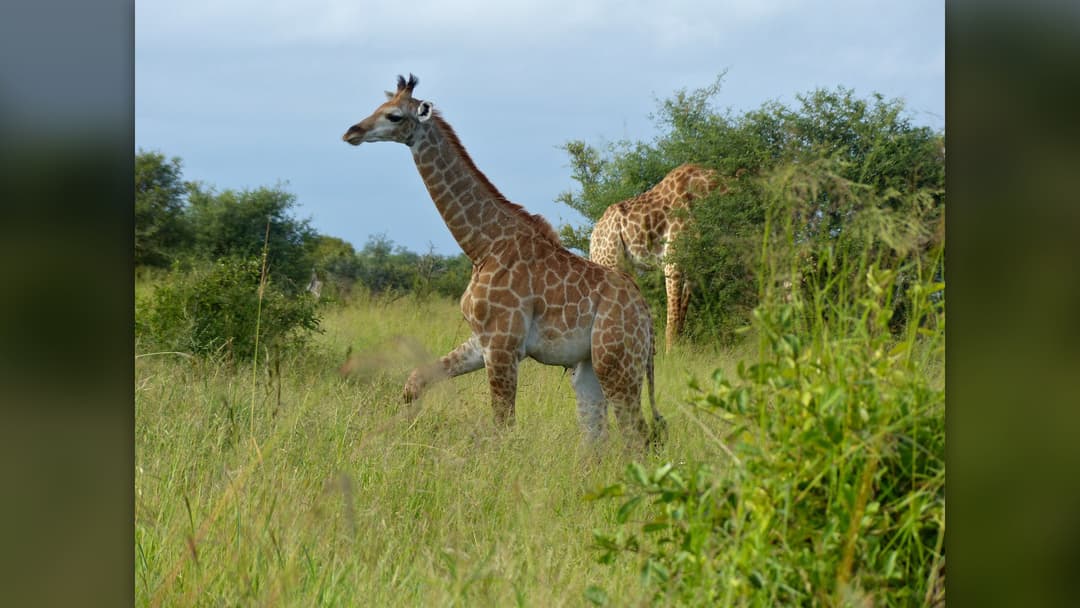
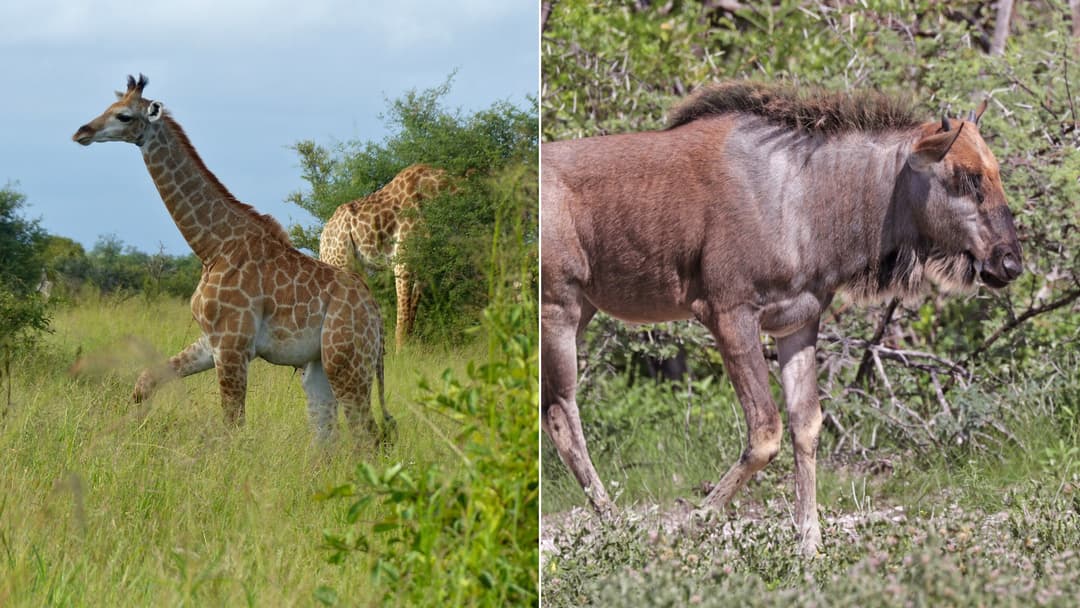
2. Giraffe Calf
Female giraffes give birth while standing, dropping their newborn calves nearly six feet down to the ground. This fall breaks the amniotic sac and stimulates breathing. Within thirty to sixty minutes, the six-foot-tall calf stands on long legs to nurse and watch for lions.
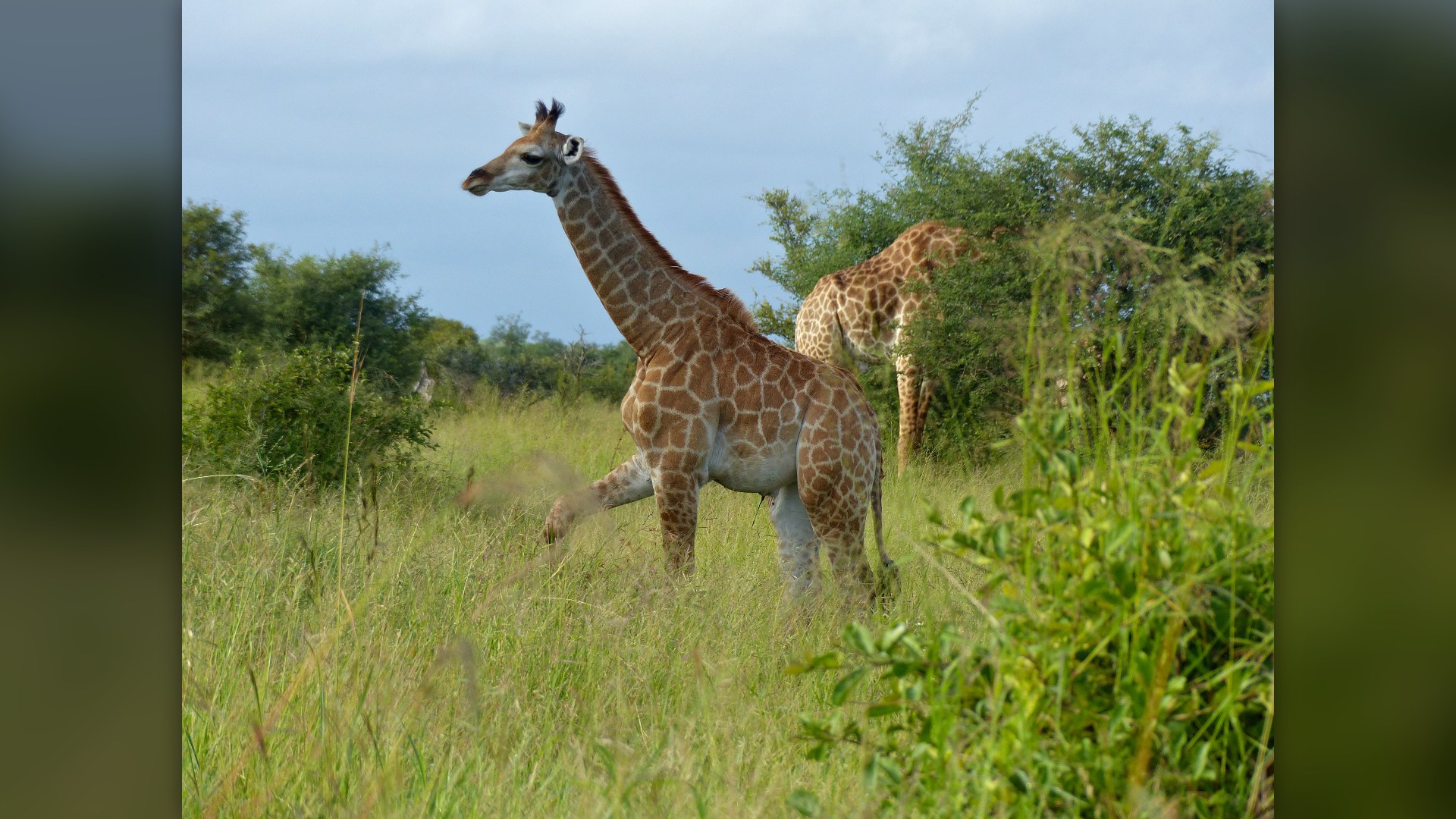
©Wikimedia / Bernard DUPONT
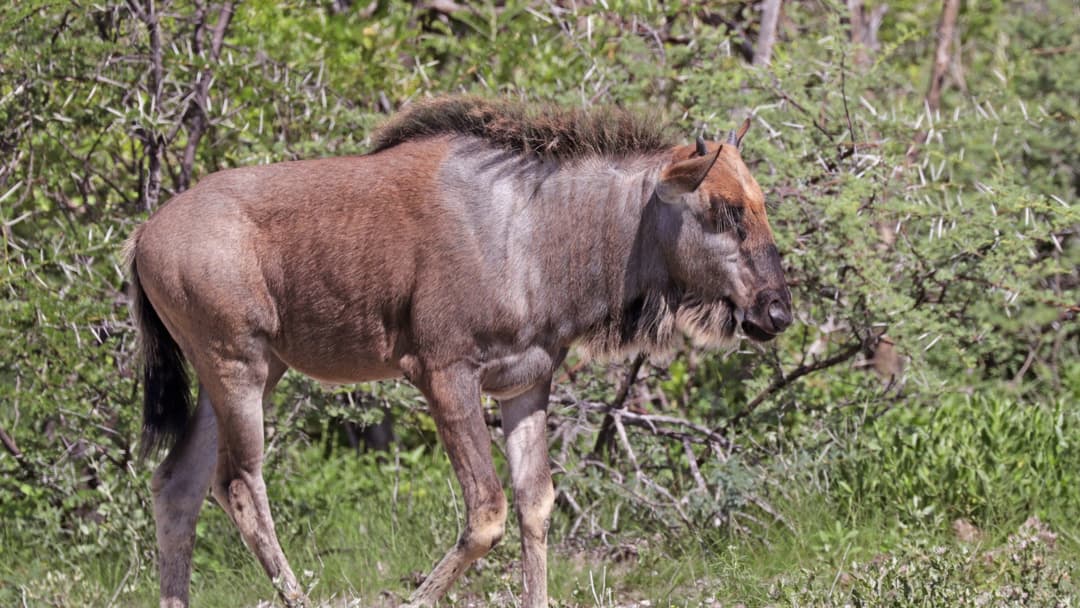
1. Blue Wildebeest
On the African savanna, predators wait for calving season. To survive, a wildebeest calf achieves one of the fastest standing times in nature, getting up within three to seven minutes of birth. By two hours of age, the calf can sprint with the migrating herd at thirty miles per hour.
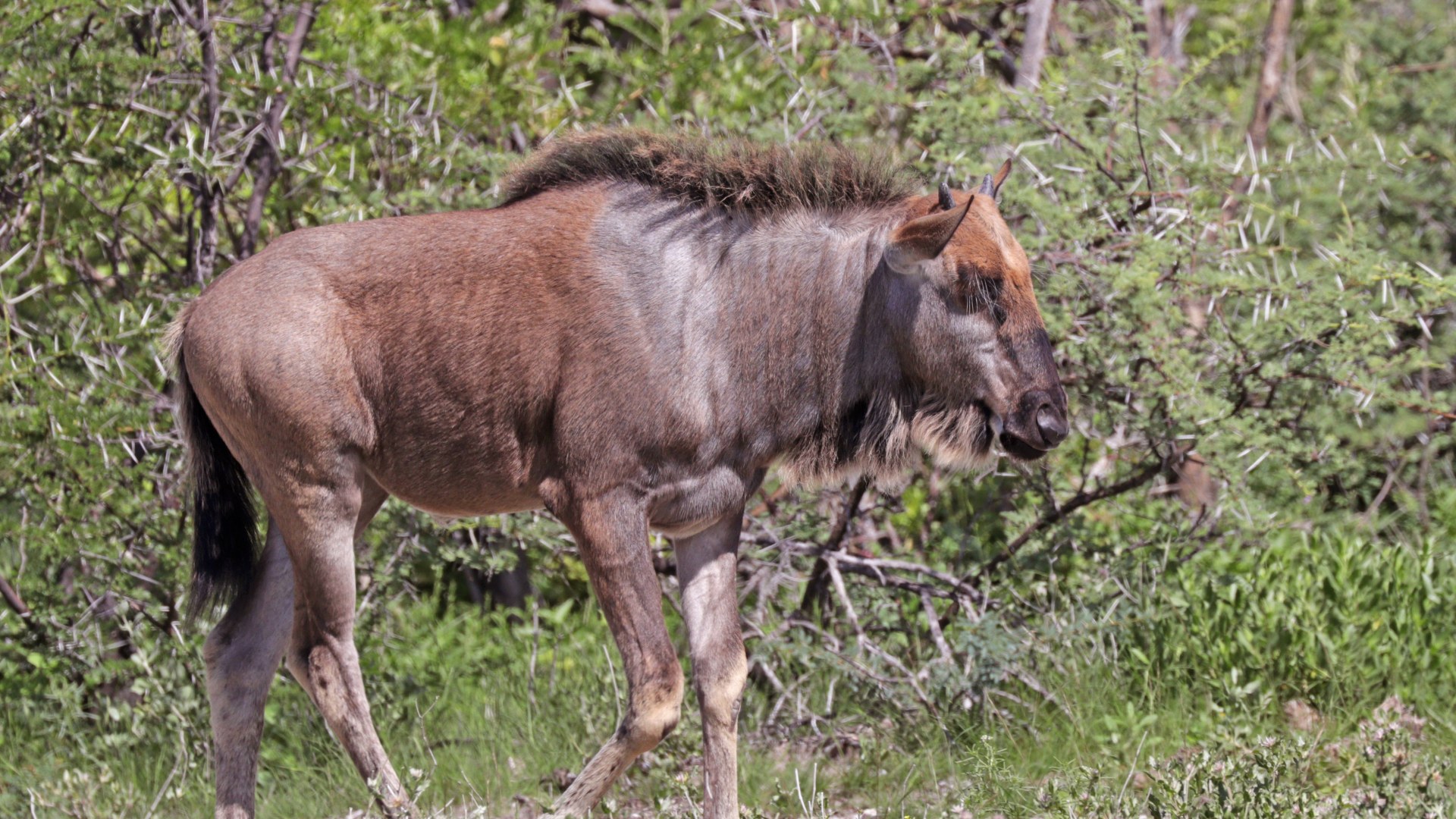
©Wikimedia / Charles J. Sharp
Advertisement
You've reached the end of the story. Thanks for reading!

25 Animals Considered Sacred in Different Cultures
All 25 Entries in this Story
25. Domestic Pasture Cattle
Within thirty to forty-five minutes of entering the world, a newborn bovine calf stumbles onto its hooves. Guided by the mother's low calls and vigorous licking, the calf locates the udder to nurse vital colostrum, providing immediate systemic immunity and building strength.

24. African Impala Fawn
Born on the savanna during peak wet season, an impala fawn struggles onto its hooves within fifteen to twenty minutes. Mothers gather their precocial young into creches guarded by sentinel females, allowing fawns to run together and evade leopards.

23. Canada Goose Gosling
Geese nest on islands, roof edges, and cliffs to avoid terrestrial predators. When eggs hatch, precocial goslings scramble out of the nest bowl within a day. Because down feathers cushion their light frames, goslings can drop down high ledges unhurt, walking to grazing lawns.

22. Mallard Duckling
Mallard ducklings hatch synchronously after four weeks of incubation. Covered in warm waterproof down, ducklings leave ground or tree nests within twenty-four hours. They walk in a neat line behind their mother to water, diving and foraging for aquatic invertebrates immediately.

21. Domestic Guinea Pig
Most rodents are born hairless, blind, and helpless. Guinea pigs are a startling exception, exhibiting extreme precociality. Pups are born fully furred with open eyes and complete sets of teeth, trotting around within minutes and eating solid vegetable matter on day one.

20. Mountain Gazelle
Gazelle fawns stand up within fifteen to twenty minutes of birth, taking quick sips of maternal milk. Although they spend their initial week tucked flat into depression hollows to avoid keen-eyed cheetahs, newborn gazelles can leap and sprint away if unexpectedly discovered.

19. Wild Boar Piglet
Wild boar piglets, called humbugs due to their alternating yellow and brown stripes, are born in specialized grass nests. Piglets stand within minutes of birth, scurrying toward the sow to claim a specific teat, which each individual piglet defends for the remainder of nursing.

18. Lowland Tapir
Newborn tapirs feature brown coats with white horizontal stripes and spots resembling watermelons, providing exquisite jungle camouflage. A tapir calf stands and walks within sixty minutes, closely following its massive mother through muddy riverbanks and dense Amazonian brush.

17. Australian Emu
In emu parenting, the male incubates the large green eggs for eight weeks without eating. When the striped chicks hatch, they are completely precocial. They leave the nest within hours, walking behind the father, pecking at insects, and learning to sprint through the Australian outback.

16. Common Ostrich
Ostriches lay the largest eggs of any living bird. When the heavy shell breaks, precocial chicks emerge with open eyes and bristly down feathers. Within a few hours of hatching, the chicks abandon the nest scrape and follow their parents, capable of running to escape jackals.

15. South American Llama
In the high Andean mountains, cold winds and predators make prolonged vulnerability dangerous. A baby llama, called a cria, stands and walks within thirty to sixty minutes of birth. Born during daylight hours, the cria nurses quickly and navigates rocky slopes with ease.

14. Dromedary Camel
Camels are born without a defined hump, possessing only a loose pocket of skin and fat. On hot, shifting desert sands, a camel calf scrambles onto its feet within two hours. This rapid mobility ensures the herd can move toward precious waterholes and oasis vegetation.

13. American Bison
Known affectionately as red dogs due to their rusty orange coats, newborn bison calves stand within thirty minutes of birth. Because prairie wolf packs shadow bison herds, calves must quickly keep pace. Within twenty-four hours, the calf can gallop amidst the herd during sudden stampedes.

12. Domestic Sheep Lamb
In open pastures, ewes clean their newborn lambs immediately after birth. Driven by maternal rumbles and gentle nudges, the lamb struggles up onto unsteady hooves within ten to fifteen minutes. Standing is essential to nurse antibody-rich colostrum before cold sets in.

11. Domestic Goat Kid
Domestic goats inherit the acrobatic mountain climbing agility of wild ibex ancestors. Newborn goat kids typically stand within fifteen minutes of being born, finding their mother milk quickly. Within hours, energetic kids run around pens, jumping on tree stumps and rocky ledges.

10. Pronghorn Antelope
Pronghorns are North America fastest land animal, and their offspring waste no time catching up. A pronghorn fawn stands within thirty minutes of birth. Although they spend their first days lying motionless in grass to hide from coyotes, by four days old they can sprint at 35 miles per hour.

9. Reindeer And Caribou
Born into freezing Arctic wind and snow, caribou calves must adapt fast or perish. They stand within thirty minutes of birth, nurse warm high-fat milk, and can walk comfortably in an hour. By their second day, calves easily match the pace of herds migrating across miles of open tundra.

8. North American Moose
A newborn moose calf looks like all legs, but those spindly limbs work quickly. The calf rises within thirty minutes to nurse and can outrun a human by the time it is three days old. Mother moose aggressively protect their calves from bears while traversing soggy bogs.

7. Common Hippopotamus
Female hippos frequently give birth underwater in shallow rivers. The newborn calf instinctively kicks to the surface to take its very first breath, swimming within moments. On land, the calf walks capably behind its mother, resting on her broad back when river currents grow too strong.

6. Indian Rhinoceros
A newborn rhinoceros calf stands on sturdy legs within sixty minutes of birth. Interestingly, Asian rhino calves naturally walk directly in front of their mothers rather than behind, allowing the armored parent to shield her offspring from tigers and steer their path through tall grass.

5. African Bush Elephant
Weighing around 200 pounds at birth, an African elephant calf is coaxed to its feet by its mother and surrounding herd aunties using their trunks. Within twenty to thirty minutes, the newborn calf stands and begins walking, finding shelter directly under its mother belly.

4. Horse Foal
Equine survival in the wild required moving with the herd across vast grasslands. A newborn foal uses powerful instinct to scramble onto its feet within thirty minutes. By two hours of age, the young horse can trot, canter, and keep pace with the mare.

3. Plains Zebra
A newborn zebra foal stands on wobbly legs within fifteen minutes of entering the open savanna. During the first few hours, the mother stands between her foal and other herd members, allowing the young zebra to imprint on her distinct stripe pattern before they run together.

2. Giraffe Calf
Female giraffes give birth while standing, dropping their newborn calves nearly six feet down to the ground. This fall breaks the amniotic sac and stimulates breathing. Within thirty to sixty minutes, the six-foot-tall calf stands on long legs to nurse and watch for lions.

1. Blue Wildebeest
On the African savanna, predators wait for calving season. To survive, a wildebeest calf achieves one of the fastest standing times in nature, getting up within three to seven minutes of birth. By two hours of age, the calf can sprint with the migrating herd at thirty miles per hour.