Slideshow · News
20 Famous US Cases Solved by Fingerprint Evidence, Ranked
Forensic friction ridges have unmasked fugitives, cleared cold cases, and shaped American criminal law for over a century. Based on federal trial transcripts, FBI historical records, and state supreme court decisions, these 20 landmark investigations were broken by telltale latent prints left behind at crime scenes.
By Most Viral Today
27 min ago

Forensic Fingerprint Analysis 
20. Store Window Glass: State V. French Lee 
19. Hatchet Handle: State V. Cerciello 
18. Evidence Box Packaging: Margaret Wilson Case - AdvertisementSwipe or tap ▶ to continue countdown

17. Window Screen Mesh: Carl Eugene Watts 
16. House Clapboard Siding: People V. Roach 
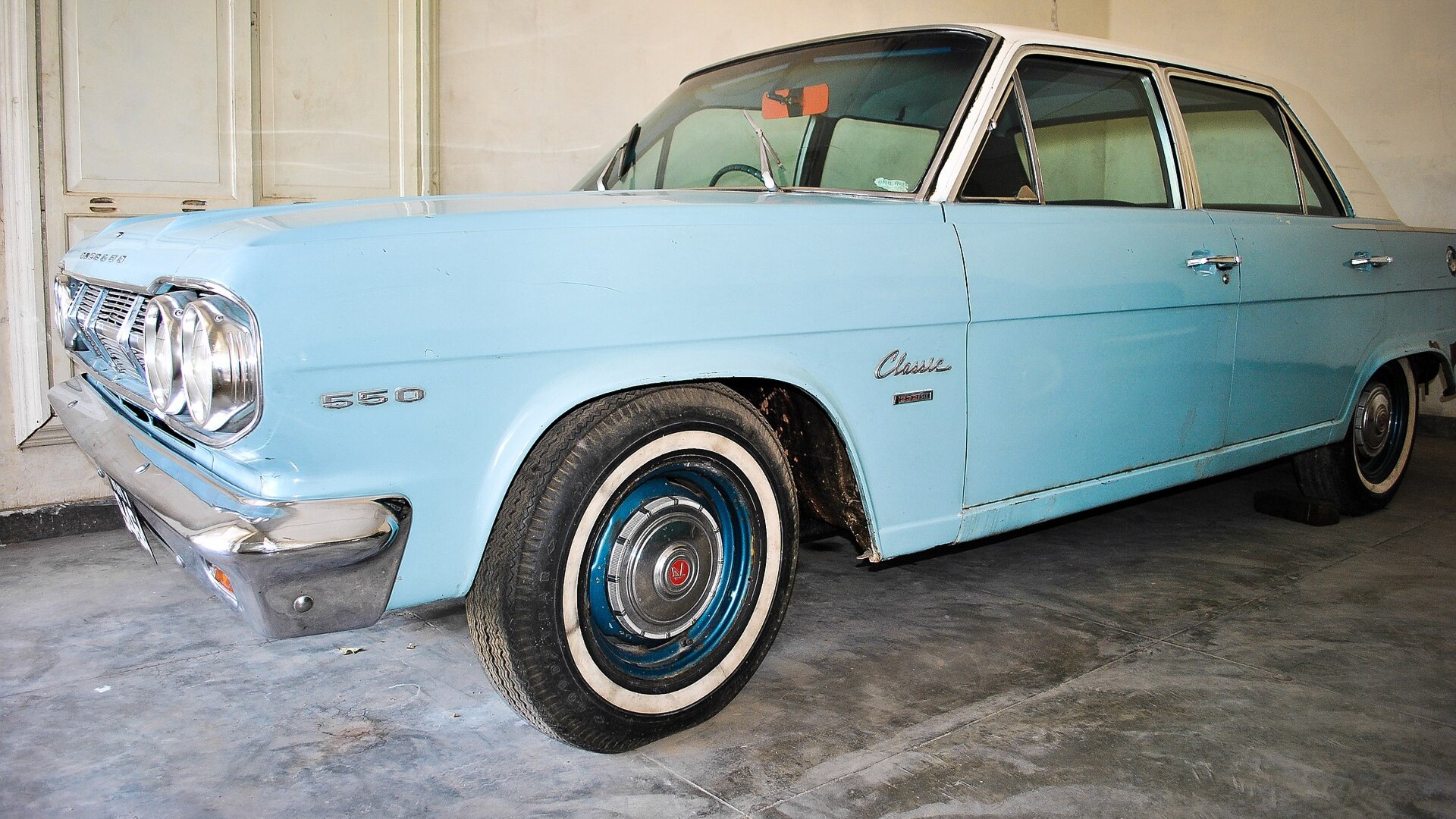
15. Car Door Panel: The 3-X Killer Case 
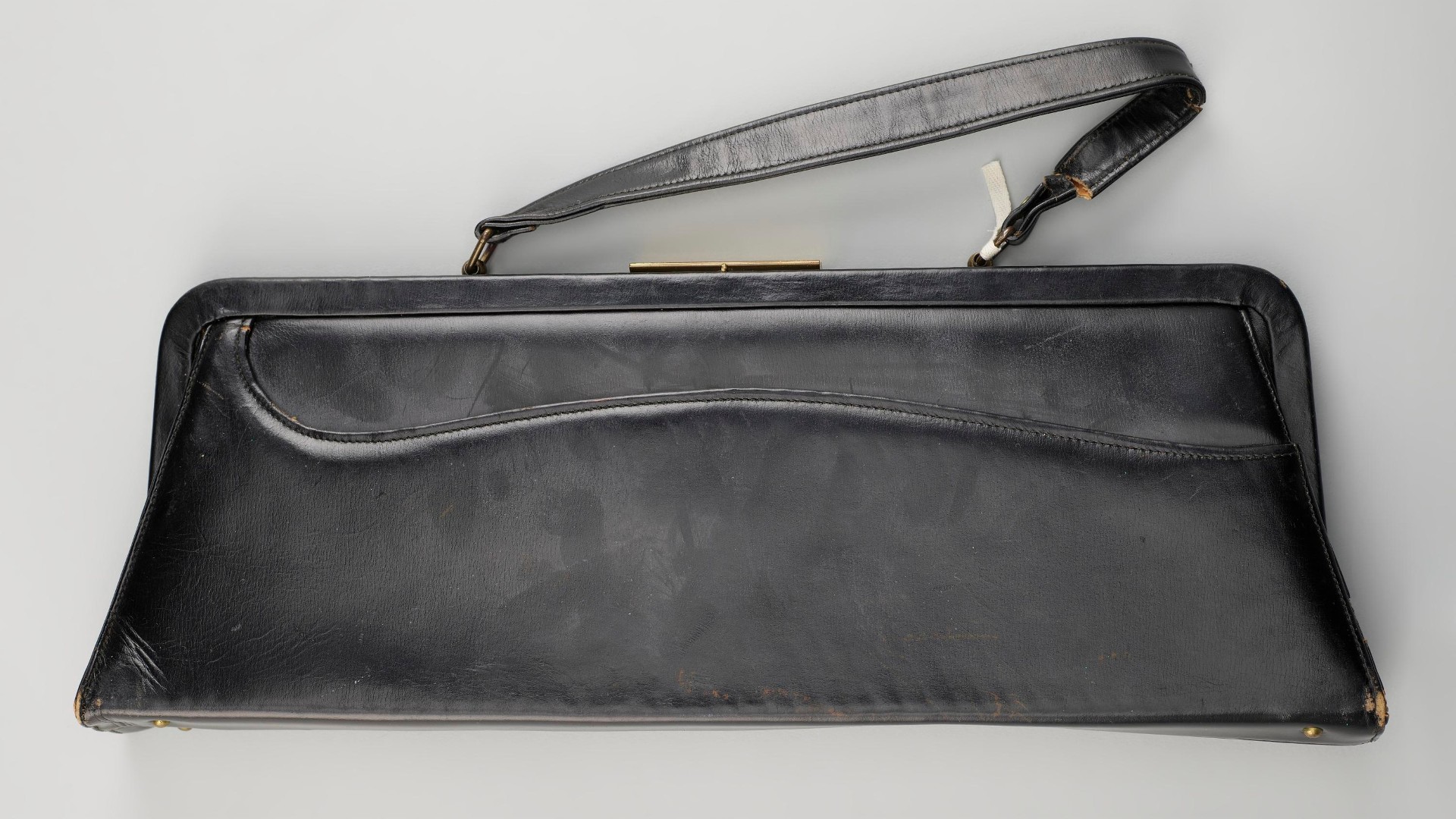
14. Stolen Leather Handbag: Moonlight Murders - AdvertisementSwipe or tap ▶ to continue countdown

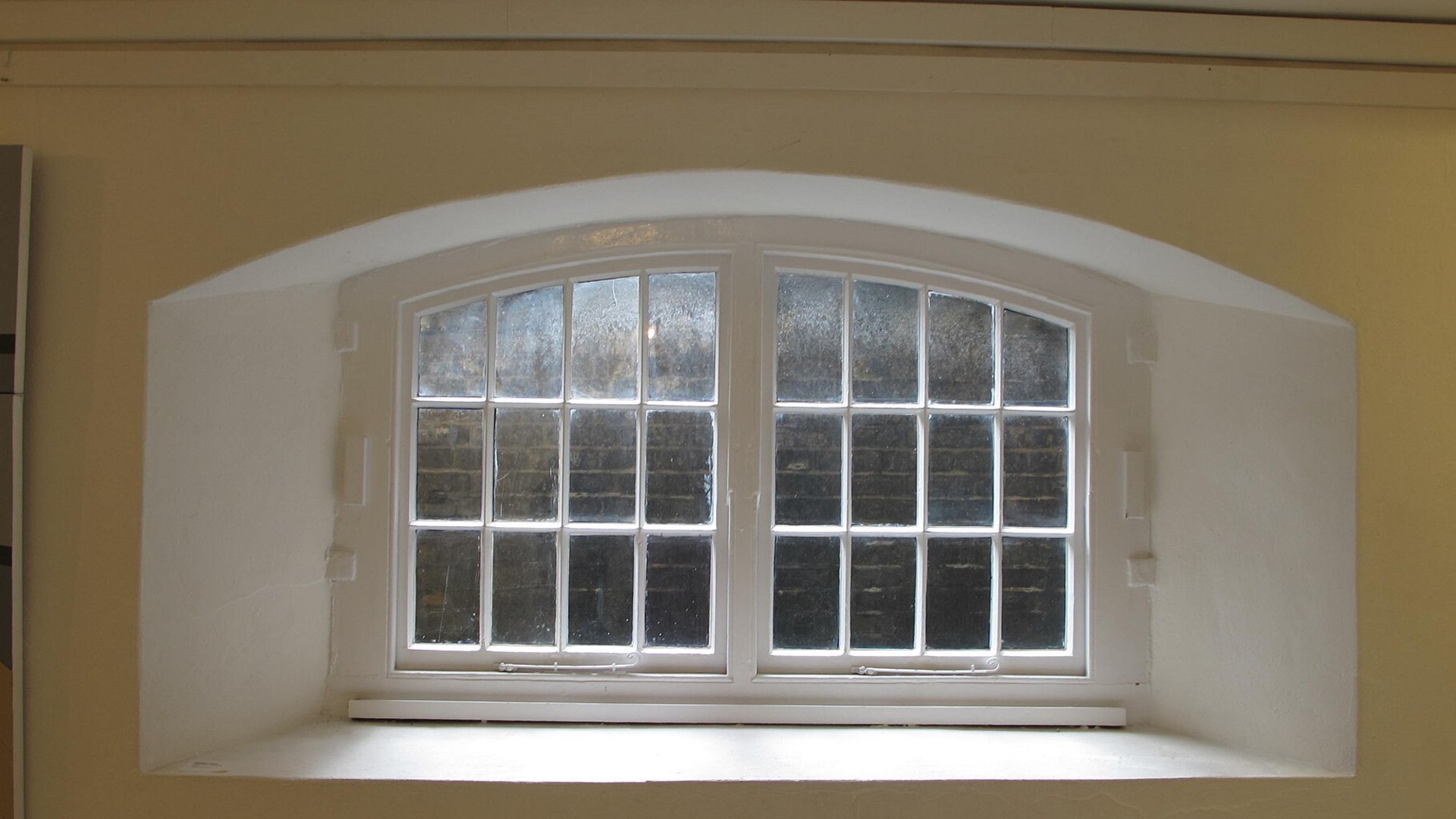
13. Basement Window Pane: The Phantom Killer 
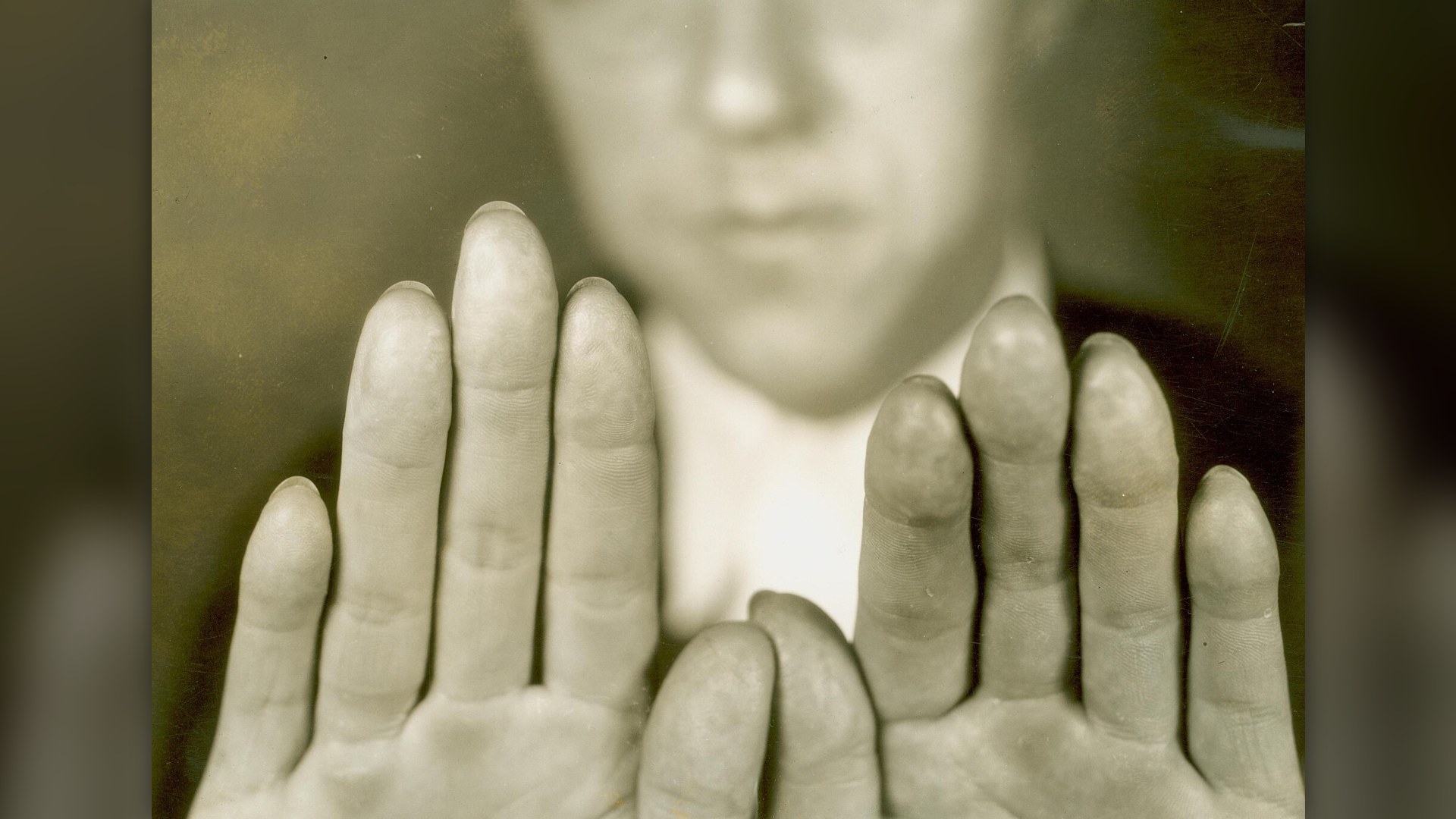
12. Arrest Fingerprint Card: Roscoe Pitts 
11. Cigarette Pack Cellophane: Ralston Case 
10. Bathroom Sink Basin: Carroll Bonnet Case - AdvertisementSwipe or tap ▶ to continue countdown

9. Spa Reception Desk: Miami Health Murders 
8. Storefront Window Glass: State V. Betts 
7. Fireplace Mantle: Fred Killer Burke 
6. Biograph Theater Scene: John Dillinger - AdvertisementSwipe or tap ▶ to continue countdown

5. Stolen Mail Envelope: State V. Kuhl 
4. Ranch Water Jug: Machine Gun Kelly 
3. Loft Window Glass: People V. Crispi 
2. Car Rearview Mirror: Richard Ramirez - AdvertisementSwipe or tap ▶ to continue countdown

1. Painted Porch Railing: People V. Jennings - Advertisement🔥 UP NEXT IN THIS SERIES◫ 22 Slides

Couple races flames to save van contents
A vehicle in Colorado Springs burns on a busy road while two people pull items from the wreckage.
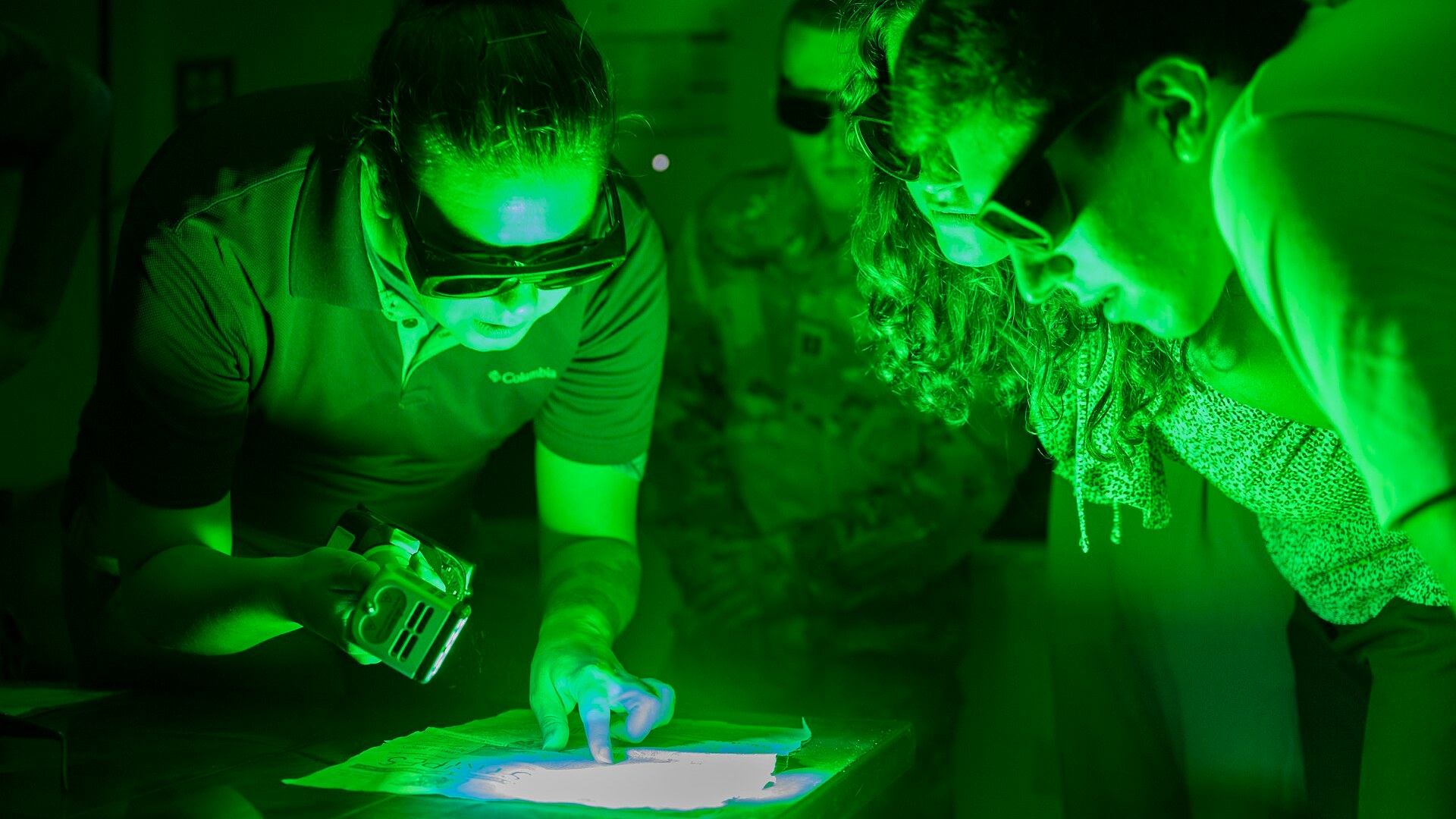
Forensic friction ridges have unmasked fugitives, cleared cold cases, and shaped American criminal law for over a century. Based on federal trial transcripts, FBI historical records, and state supreme court decisions, these 20 landmark investigations were broken by telltale latent prints left behind at crime scenes.
Swipe or tap ▶ to begin the countdown
©Wikimedia / U.S. Air Force photo by Staff Sgt. Marcus Hardy-
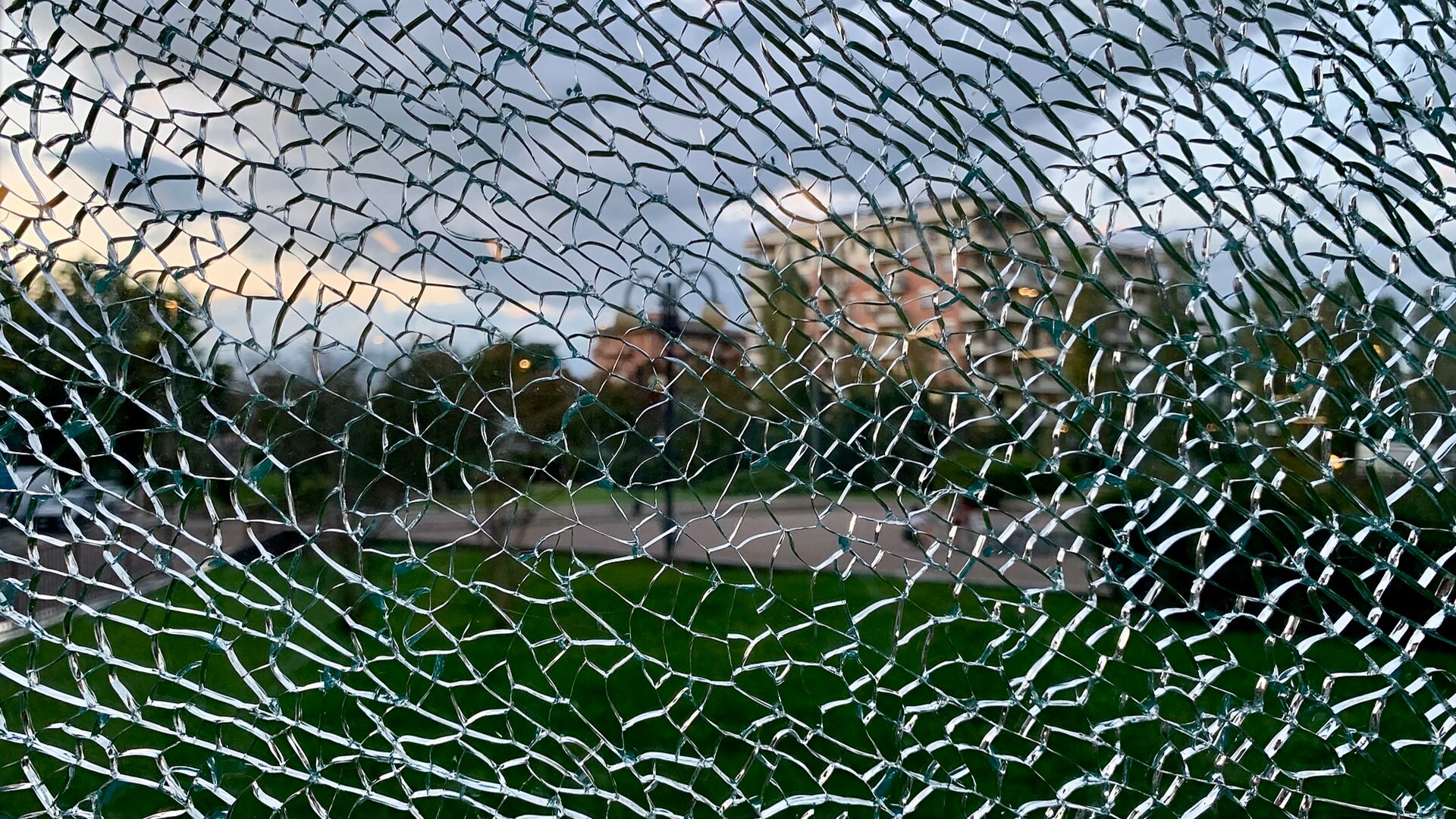
20. Store Window Glass: State V. French Lee
In 1918, New York authorities secured a landmark conviction against French Lee after lifting distinct friction ridge prints from broken storefront window glass in Brooklyn. Appellate judges affirmed that properly matched latent prints alone constitute legally sufficient proof to sustain a criminal verdict.
©Wikimedia / Daniela M
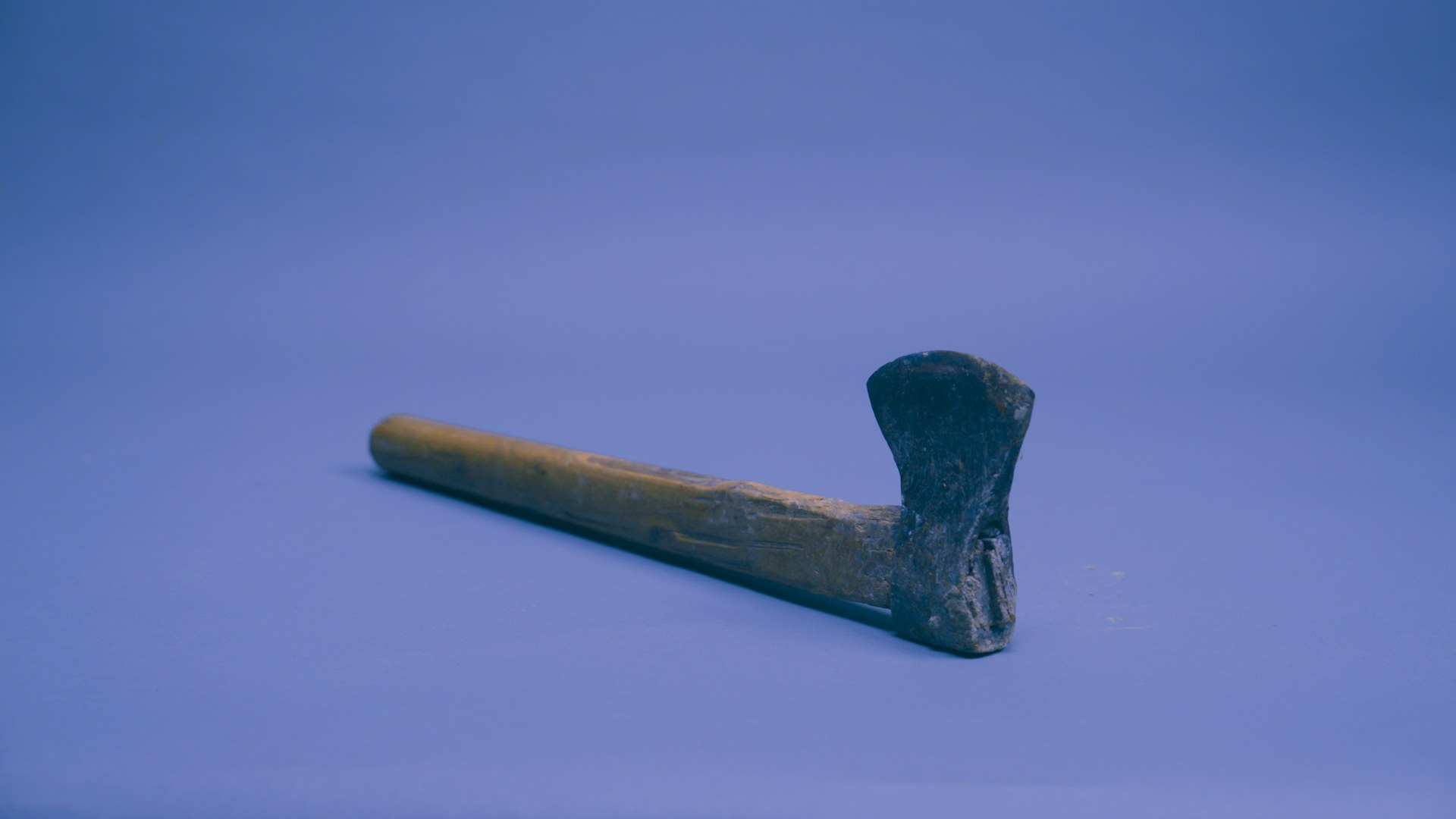
19. Hatchet Handle: State V. Cerciello
The 1914 New Jersey prosecution of Cerciello centered on bloody friction ridges impressed directly upon the smooth wooden handle of a recovered hatchet. The New Jersey Supreme Court formally ruled that latent palm and fingerprint evidence could be submitted to jurors without violating constitutional protections.
©Wikimedia / AIDEPCUL
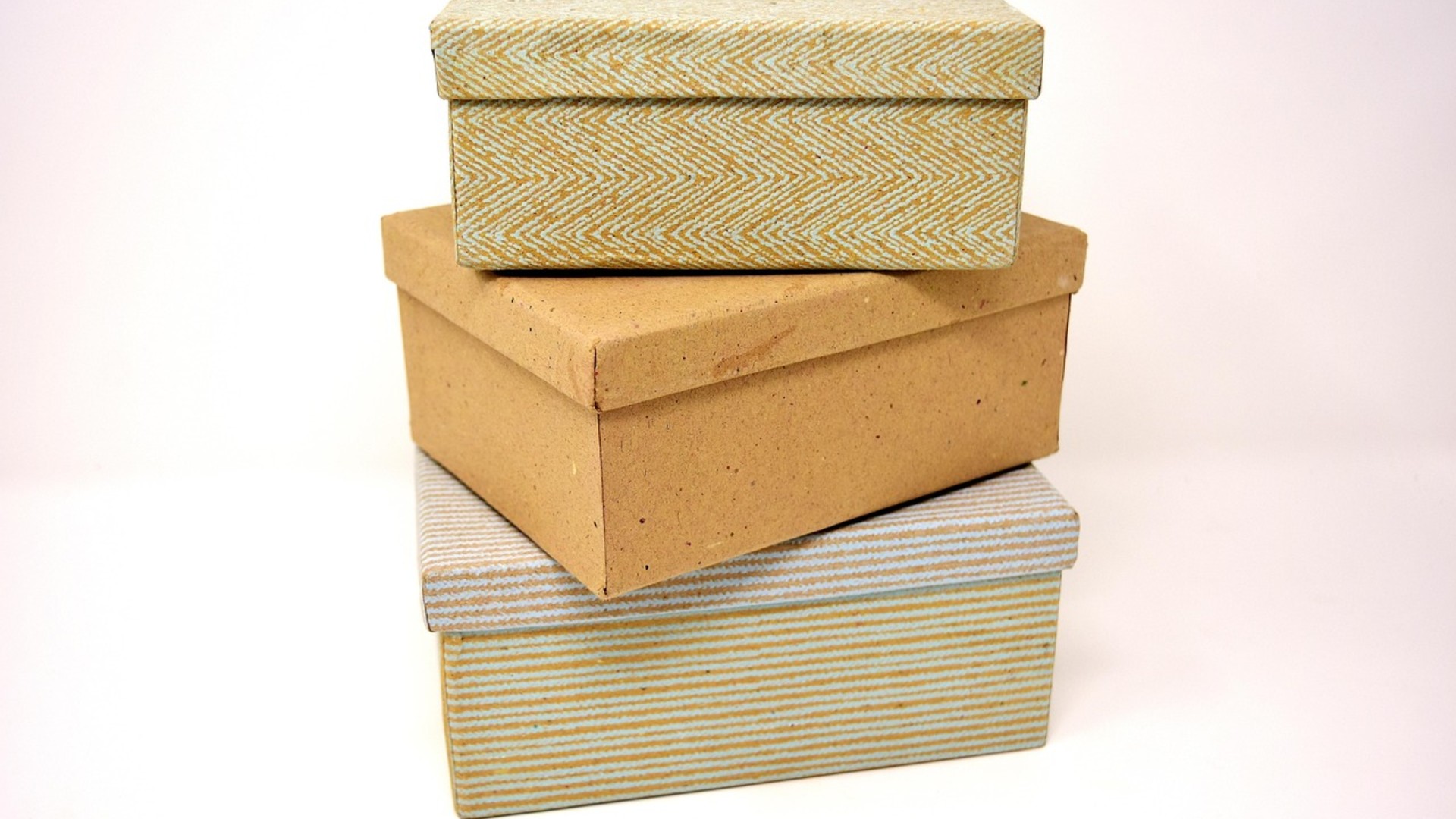
18. Evidence Box Packaging: Margaret Wilson Case
When 16-year-old Margaret Wilson was murdered in 1970, forensic technicians preserved original crime scene evidence inside secure cardboard archive boxes. Thirty-seven years later, automated matching technology extracted a latent fingerprint from preserved wrapping materials, conclusively identifying James Carl Young.
©Pixabay / Alexas_Fotos
Advertisement
Swipe or tap ▶ to resume the countdown.
17. Window Screen Mesh: Carl Eugene Watts
Known as the Sunday Morning Slasher, Watts terrorized communities across Michigan and Texas during the 1970s and 1980s. Detectives finally trapped him after discovering a partial friction impression along the metal border frame of a sliced residential window screen mesh where he forced entry into an apartment.
©Wikimedia / Daniel Case
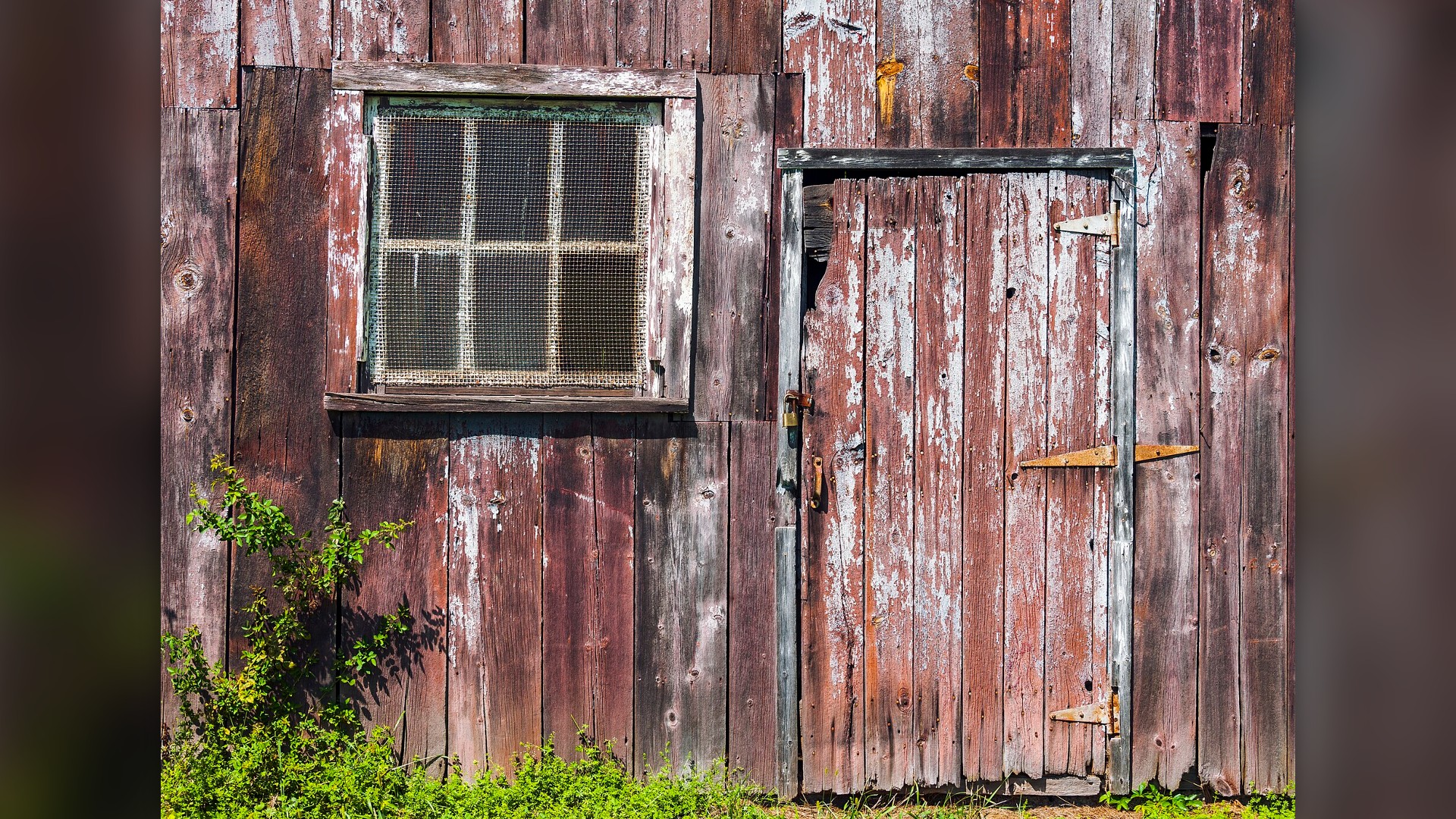
16. House Clapboard Siding: People V. Roach
In 1915, New York appellate judges affirmed the murder conviction of John Roach after examiners lifted latent friction ridge marks from the painted exterior clapboard siding of a rural farmhouse. The landmark decision established judicial acceptance of fingerprint evidence across New York state courts.
©Wikimedia / AtelierJL
15. Car Door Panel: The 3-X Killer Case
In 1930, an enigmatic gunman ambushed parked vehicles in Queens, leaving typed notes signed 3-X. Detectives dusted the exterior metal passenger door panel of an attacked coupe, recovering partial latent ridge details that established key forensic precedents for handling contested automobile crime scenes.
©Wikimedia / Schwiki
14. Stolen Leather Handbag: Moonlight Murders
The 1946 Phantom Killer terrorized lovers lanes around Texarkana, Arkansas and Texas. Investigators located a murdered victim leather handbag discarded along a dirt highway shoulder, developing a partial friction ridge on the clasp that focused police attention on prime suspect Youell Swinney.
©Smithsonian / National Museum of African American
Advertisement
Swipe or tap ▶ to resume the countdown.
13. Basement Window Pane: The Phantom Killer
In 1946, Texarkana authorities combed residential burglary points linked to the Phantom Killer spree. Fingerprint powder applied across a ground-level basement window pane uncovered clear ridge formations where the intruder pushed the glass sash upward, establishing crucial entry patterns.
©Wikimedia / maggie jones
12. Arrest Fingerprint Card: Roscoe Pitts
In 1941, career criminal Roscoe Pitts had a plastic surgeon surgically excise his friction ridges and graft rib skin onto his fingertips. When arrested in North Carolina, FBI fingerprint experts used palm ridge lines and the remaining lower digit creases on standard inked cards to confirm his identity.
©Wikimedia / FBI
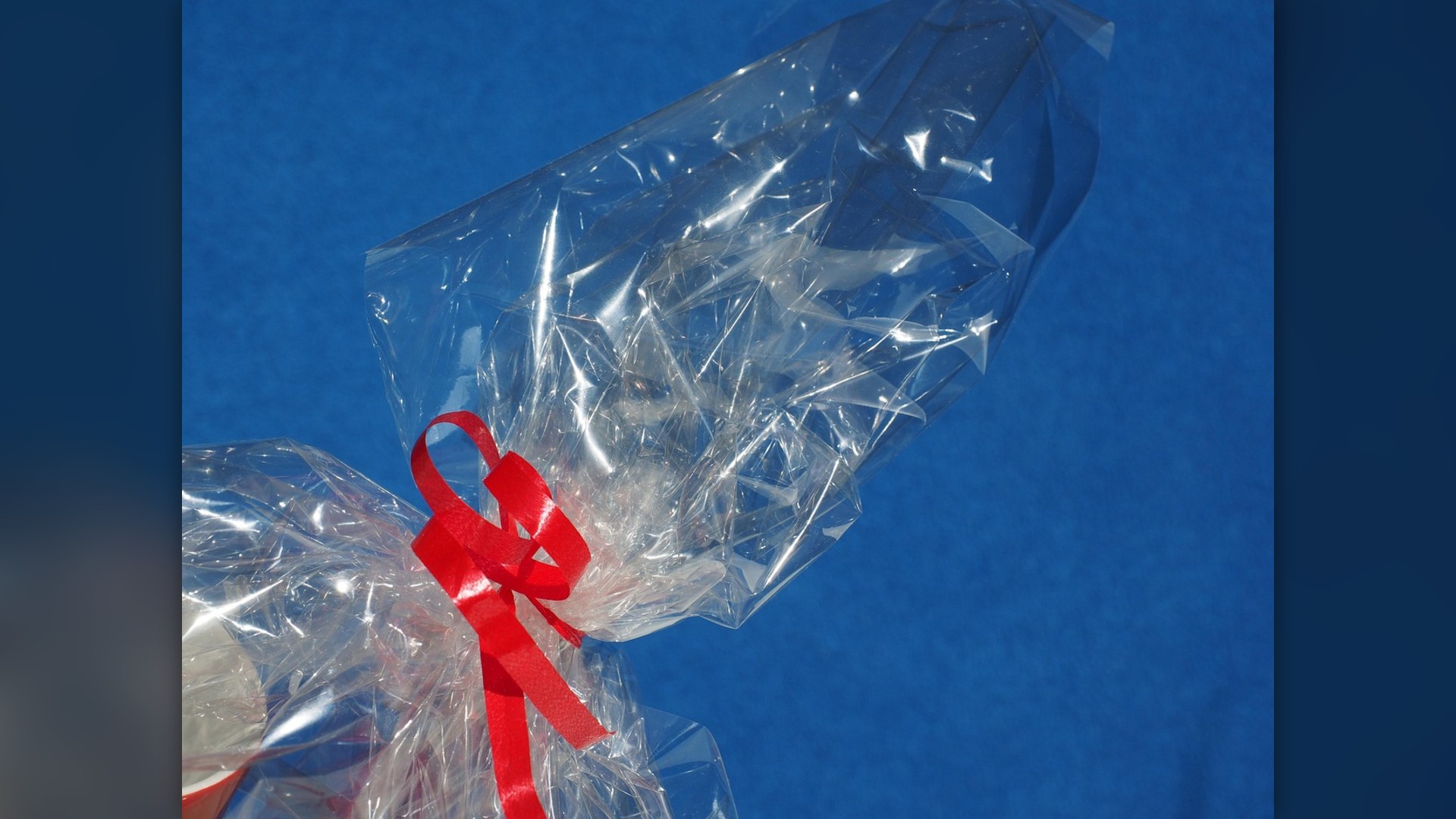
11. Cigarette Pack Cellophane: Ralston Case
Eighteen years after the 1988 homicide of Jeanette Ralston in Missouri, detectives applied specialized cyanoacrylate fuming to the preserved cellophane wrapper of a cigarette pack left at the scene. The developed latent print produced a hit in automated systems, convicting suspect Jerry L. Brown.
©Pixabay / Hans
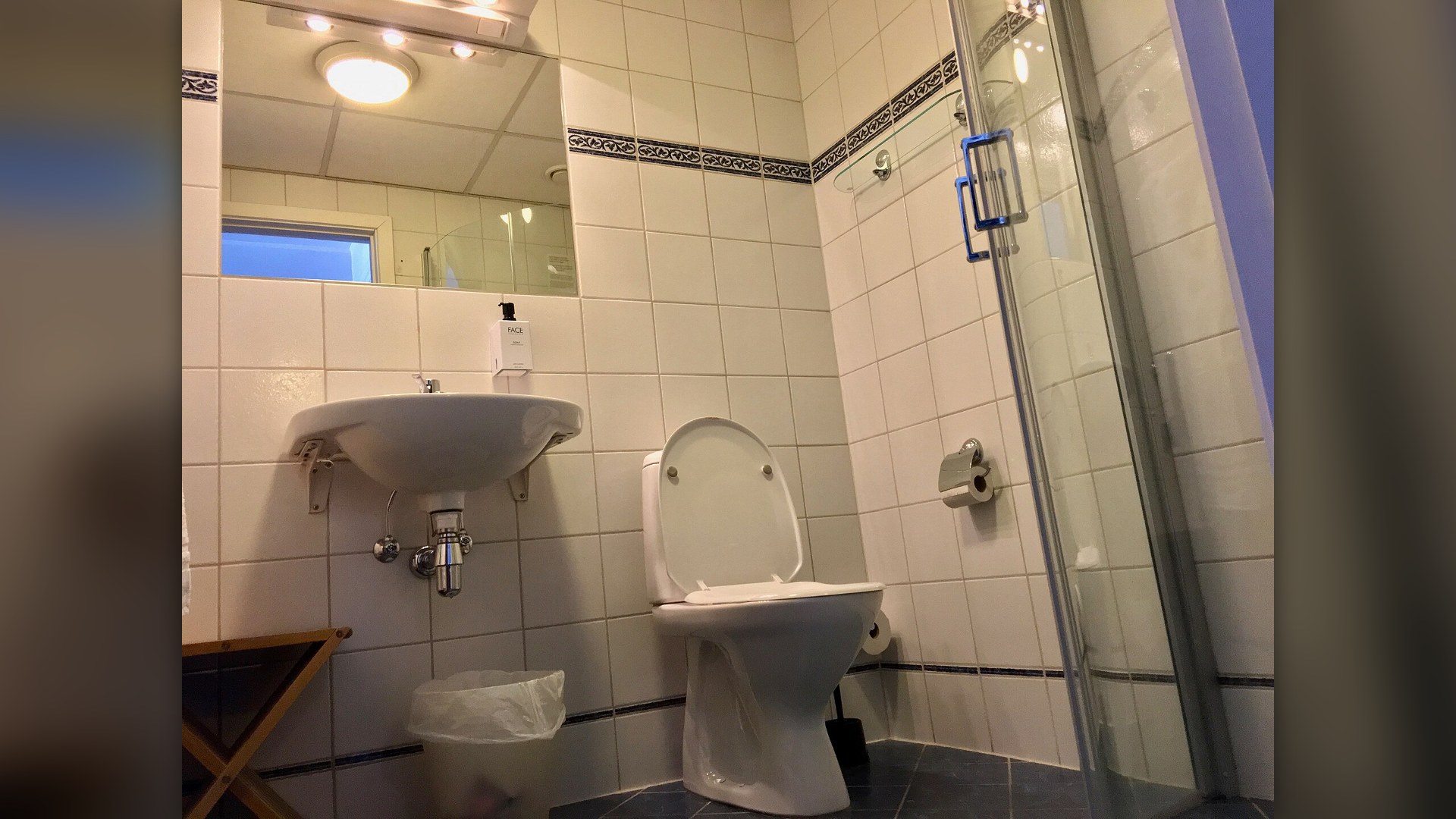
10. Bathroom Sink Basin: Carroll Bonnet Case
In 1978, Carroll Bonnet was murdered inside his Omaha apartment. Investigators dusted the porcelain bathroom sink basin where the killer washed, lifting distinct palm prints. In 2008, Omaha police technician Laura Casey queried the newly integrated national database, matching the print to Jerry Watson in Illinois.
©Wikimedia / Wolfmann
Advertisement
Swipe or tap ▶ to resume the countdown.
9. Spa Reception Desk: Miami Health Murders
In 1977, two women were slain inside a Miami health spa. Investigators processed the scene and discovered a single latent fingerprint pressed into the wood finish near the front reception counter. The print directly matched Nathaniel Pressley, leading to a swift conviction in Florida court.
©Pixabay / Rodrigo_SalomonHC
8. Storefront Window Glass: State V. Betts
In this influential 1917 Ohio trial, suspect Charles Betts broke into a storefront by shattering an entryway display window. Examiners assembled the fragments and matched his palm print on the plate glass. The court affirmed that palm impressions possess identical legal reliability to fingertip friction ridges.
©Wikimedia / PattayaPatrol
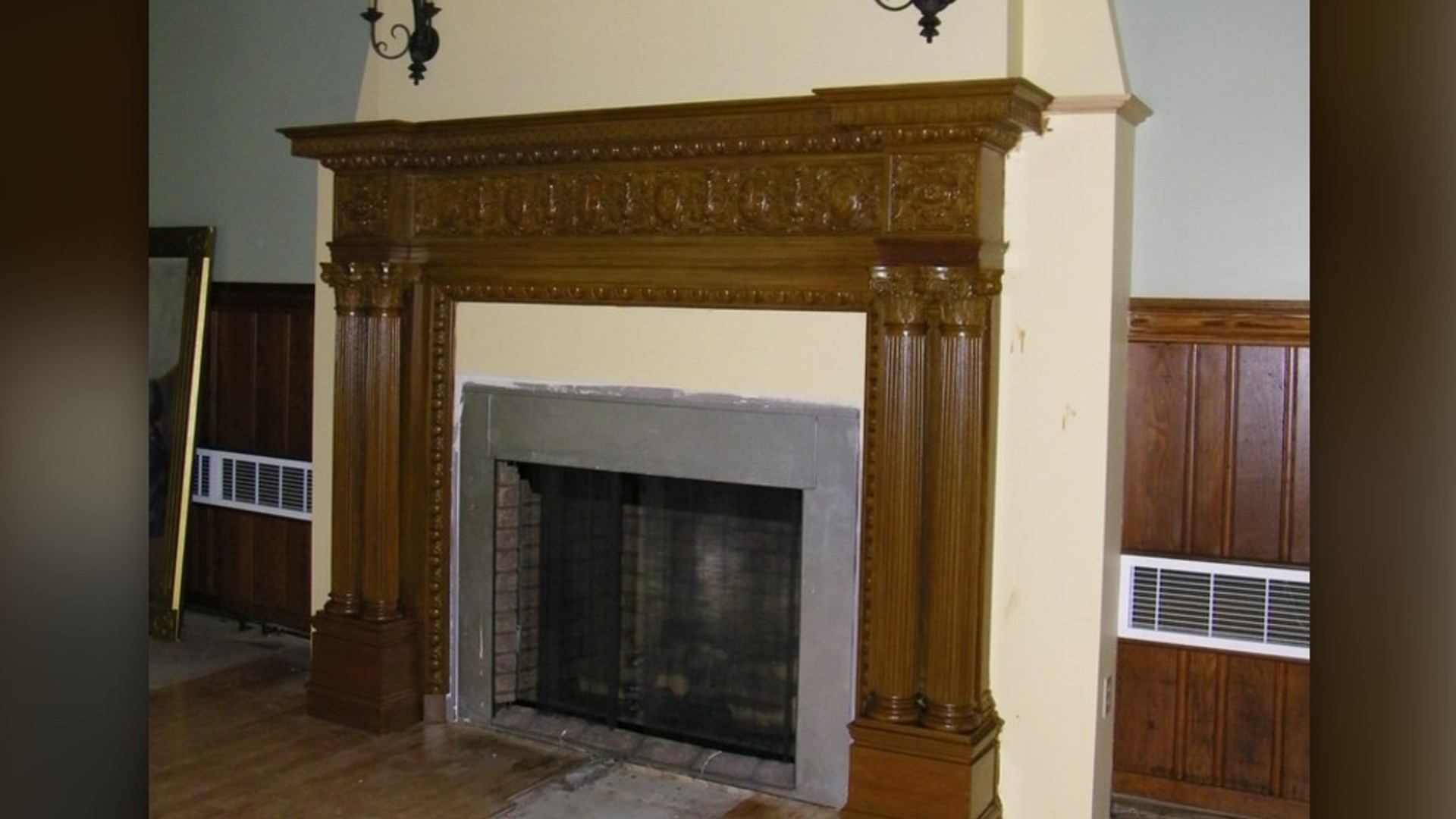
7. Fireplace Mantle: Fred Killer Burke
Following the 1929 Saint Valentines Day Massacre in Chicago, detectives raided a Michigan cottage hideout where Tommy guns were seized. Forensic examiners dusted the living room brick fireplace mantle, lifting latent prints matching fugitive bank robber Fred Burke and solidifying the ballistic case against him.
©Openverse / shadysidelantern
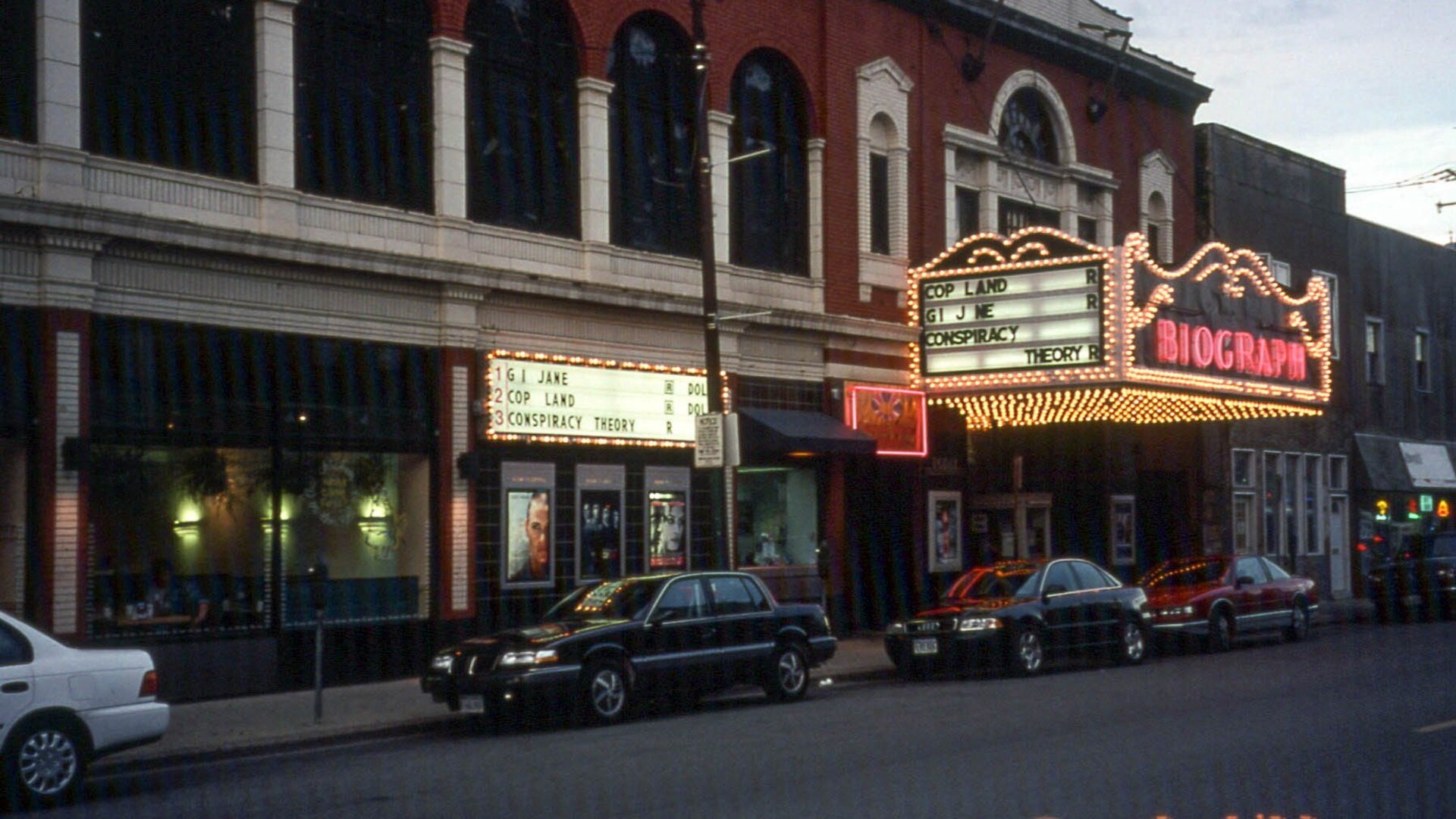
6. Biograph Theater Scene: John Dillinger
Outside Chicago Biograph Theater in 1934, federal agents cornered and killed outlaw John Dillinger. Because he had applied corrosive acid to burn off his fingertip ridges and underwent crude facial surgery, post-mortem prints taken at the Cook County morgue definitively confirmed his identity to the nation.
©Wikimedia / David Wilson from Oak Park, Illinois, USA
Advertisement
Swipe or tap ▶ to resume the countdown.
5. Stolen Mail Envelope: State V. Kuhl
In 1916, mail stagecoach driver Fred Searcy was ambushed and killed in Jarbidge, Nevada. Investigators found a discarded envelope marked with a bloody palm print. The Nevada Supreme Court's 1918 ruling affirming Ed Kuhl's conviction became the landmark decision establishing palmprints as legal equals to fingerprints.
©Pixabay / va703b
4. Ranch Water Jug: Machine Gun Kelly
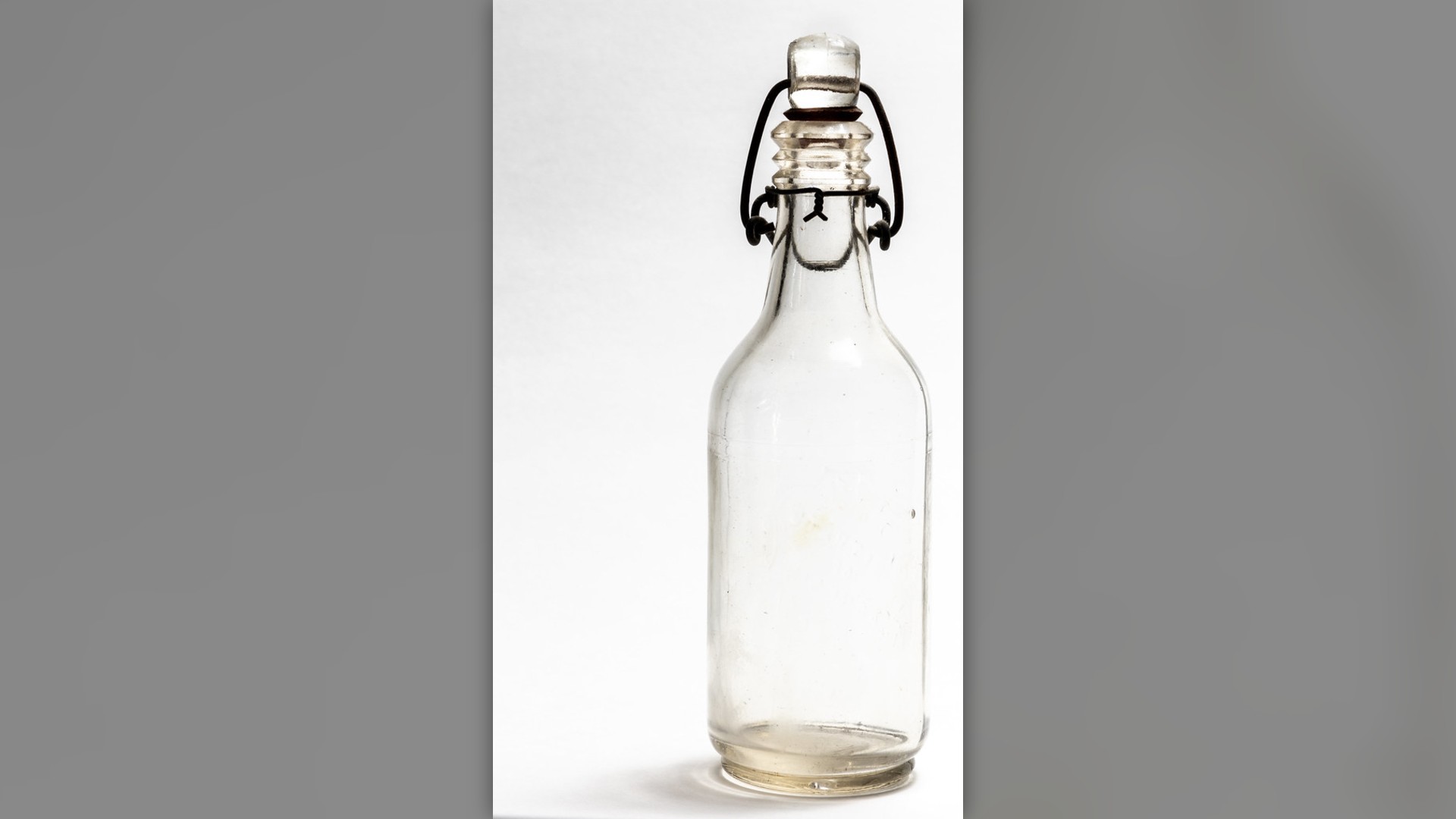
After wealthy oilman Charles Urschel was released by kidnappers in 1933, FBI agents traced his sensory recollections to a remote Paradise, Texas ranch. On a glass water jug inside the farmhouse, examiners dusted a clean latent print that matched George Machine Gun Kelly, securing his swift federal life sentence.
©Openverse / ShebleyCL
3. Loft Window Glass: People V. Crispi
In 1911, New York Detective Joseph Faurot arrested Charles Crispi for a commercial loft burglary. Facing a courtroom where Faurot projected Crispi latent print from an entry glass pane alongside his inked record, the defendant confessed mid-trial, creating the first pure fingerprint conviction in American history.
©Wikimedia / Nheyob
2. Car Rearview Mirror: Richard Ramirez
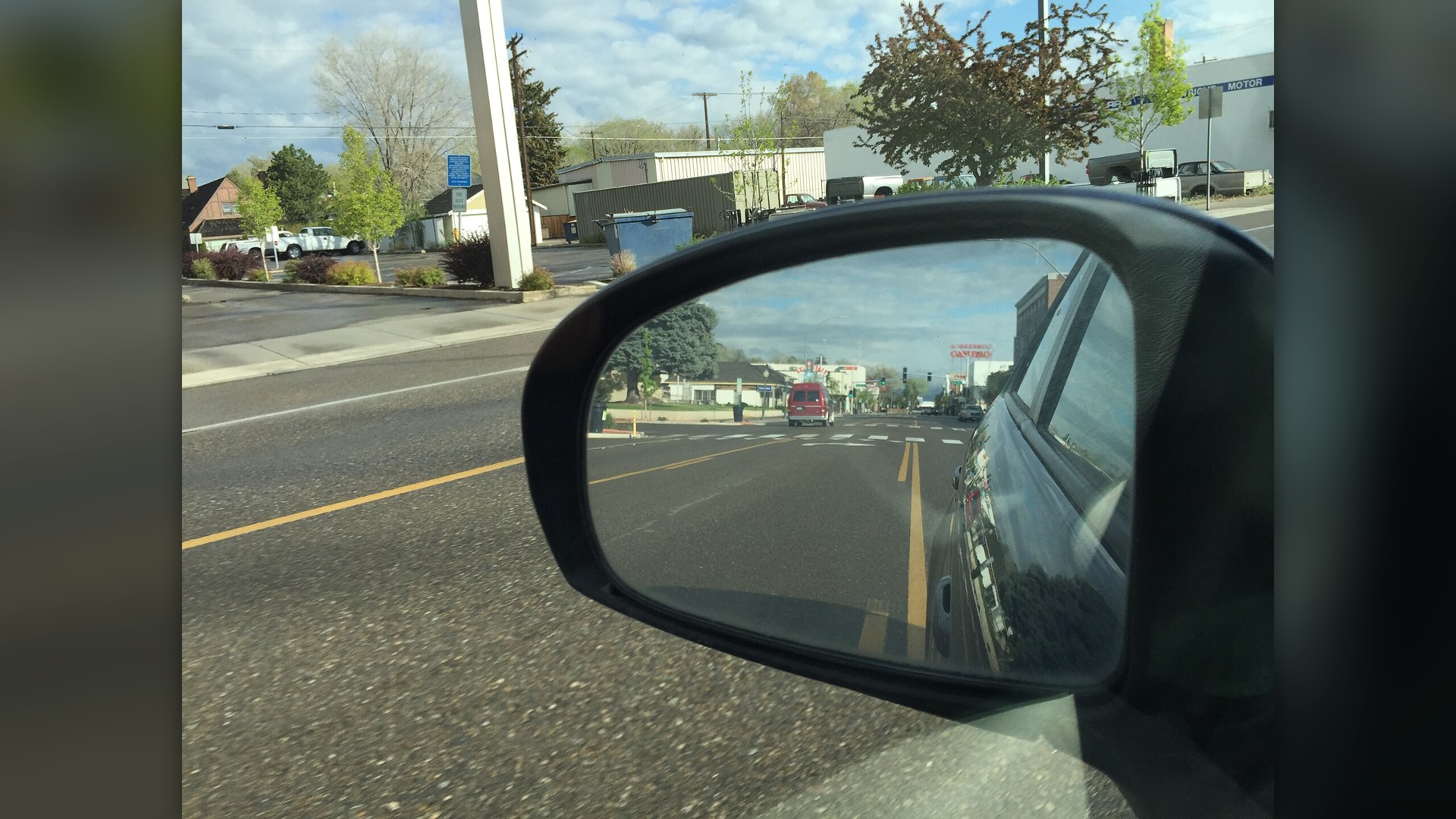
In August 1985, California authorities processed an abandoned stolen Toyota station wagon linked to the terrifying Night Stalker spree. Investigators lifted a single latent thumbprint from the interior rearview mirror. The Cal-ID database produced a match to Richard Ramirez in minutes, triggering his capture.
©Wikimedia / Famartin
Advertisement
Swipe or tap ▶ to resume the countdown.
1. Painted Porch Railing: People V. Jennings
In 1910, Clarence Hiller was murdered in his Chicago home. Fleeing into the night, Thomas Jennings gripped a freshly painted porch railing, leaving four clear finger impressions. When the Illinois Supreme Court upheld his conviction in 1911, it set the foundational legal precedent across all US courts.

©Wikimedia / Josepha D... from The Netherlands
Advertisement
You've reached the end of the story. Thanks for reading!
Couple races flames to save van contents
A vehicle in Colorado Springs burns on a busy road while two people pull items from the wreckage.
All 20 Entries in this Story
20. Store Window Glass: State V. French Lee
In 1918, New York authorities secured a landmark conviction against French Lee after lifting distinct friction ridge prints from broken storefront window glass in Brooklyn. Appellate judges affirmed that properly matched latent prints alone constitute legally sufficient proof to sustain a criminal verdict.

19. Hatchet Handle: State V. Cerciello
The 1914 New Jersey prosecution of Cerciello centered on bloody friction ridges impressed directly upon the smooth wooden handle of a recovered hatchet. The New Jersey Supreme Court formally ruled that latent palm and fingerprint evidence could be submitted to jurors without violating constitutional protections.

18. Evidence Box Packaging: Margaret Wilson Case
When 16-year-old Margaret Wilson was murdered in 1970, forensic technicians preserved original crime scene evidence inside secure cardboard archive boxes. Thirty-seven years later, automated matching technology extracted a latent fingerprint from preserved wrapping materials, conclusively identifying James Carl Young.

17. Window Screen Mesh: Carl Eugene Watts
Known as the Sunday Morning Slasher, Watts terrorized communities across Michigan and Texas during the 1970s and 1980s. Detectives finally trapped him after discovering a partial friction impression along the metal border frame of a sliced residential window screen mesh where he forced entry into an apartment.

16. House Clapboard Siding: People V. Roach
In 1915, New York appellate judges affirmed the murder conviction of John Roach after examiners lifted latent friction ridge marks from the painted exterior clapboard siding of a rural farmhouse. The landmark decision established judicial acceptance of fingerprint evidence across New York state courts.

15. Car Door Panel: The 3-X Killer Case
In 1930, an enigmatic gunman ambushed parked vehicles in Queens, leaving typed notes signed 3-X. Detectives dusted the exterior metal passenger door panel of an attacked coupe, recovering partial latent ridge details that established key forensic precedents for handling contested automobile crime scenes.

14. Stolen Leather Handbag: Moonlight Murders
The 1946 Phantom Killer terrorized lovers lanes around Texarkana, Arkansas and Texas. Investigators located a murdered victim leather handbag discarded along a dirt highway shoulder, developing a partial friction ridge on the clasp that focused police attention on prime suspect Youell Swinney.

13. Basement Window Pane: The Phantom Killer
In 1946, Texarkana authorities combed residential burglary points linked to the Phantom Killer spree. Fingerprint powder applied across a ground-level basement window pane uncovered clear ridge formations where the intruder pushed the glass sash upward, establishing crucial entry patterns.

12. Arrest Fingerprint Card: Roscoe Pitts
In 1941, career criminal Roscoe Pitts had a plastic surgeon surgically excise his friction ridges and graft rib skin onto his fingertips. When arrested in North Carolina, FBI fingerprint experts used palm ridge lines and the remaining lower digit creases on standard inked cards to confirm his identity.

11. Cigarette Pack Cellophane: Ralston Case
Eighteen years after the 1988 homicide of Jeanette Ralston in Missouri, detectives applied specialized cyanoacrylate fuming to the preserved cellophane wrapper of a cigarette pack left at the scene. The developed latent print produced a hit in automated systems, convicting suspect Jerry L. Brown.

10. Bathroom Sink Basin: Carroll Bonnet Case
In 1978, Carroll Bonnet was murdered inside his Omaha apartment. Investigators dusted the porcelain bathroom sink basin where the killer washed, lifting distinct palm prints. In 2008, Omaha police technician Laura Casey queried the newly integrated national database, matching the print to Jerry Watson in Illinois.

9. Spa Reception Desk: Miami Health Murders
In 1977, two women were slain inside a Miami health spa. Investigators processed the scene and discovered a single latent fingerprint pressed into the wood finish near the front reception counter. The print directly matched Nathaniel Pressley, leading to a swift conviction in Florida court.

8. Storefront Window Glass: State V. Betts
In this influential 1917 Ohio trial, suspect Charles Betts broke into a storefront by shattering an entryway display window. Examiners assembled the fragments and matched his palm print on the plate glass. The court affirmed that palm impressions possess identical legal reliability to fingertip friction ridges.

7. Fireplace Mantle: Fred Killer Burke
Following the 1929 Saint Valentines Day Massacre in Chicago, detectives raided a Michigan cottage hideout where Tommy guns were seized. Forensic examiners dusted the living room brick fireplace mantle, lifting latent prints matching fugitive bank robber Fred Burke and solidifying the ballistic case against him.

6. Biograph Theater Scene: John Dillinger
Outside Chicago Biograph Theater in 1934, federal agents cornered and killed outlaw John Dillinger. Because he had applied corrosive acid to burn off his fingertip ridges and underwent crude facial surgery, post-mortem prints taken at the Cook County morgue definitively confirmed his identity to the nation.

5. Stolen Mail Envelope: State V. Kuhl
In 1916, mail stagecoach driver Fred Searcy was ambushed and killed in Jarbidge, Nevada. Investigators found a discarded envelope marked with a bloody palm print. The Nevada Supreme Court's 1918 ruling affirming Ed Kuhl's conviction became the landmark decision establishing palmprints as legal equals to fingerprints.

4. Ranch Water Jug: Machine Gun Kelly
After wealthy oilman Charles Urschel was released by kidnappers in 1933, FBI agents traced his sensory recollections to a remote Paradise, Texas ranch. On a glass water jug inside the farmhouse, examiners dusted a clean latent print that matched George Machine Gun Kelly, securing his swift federal life sentence.

3. Loft Window Glass: People V. Crispi
In 1911, New York Detective Joseph Faurot arrested Charles Crispi for a commercial loft burglary. Facing a courtroom where Faurot projected Crispi latent print from an entry glass pane alongside his inked record, the defendant confessed mid-trial, creating the first pure fingerprint conviction in American history.

2. Car Rearview Mirror: Richard Ramirez
In August 1985, California authorities processed an abandoned stolen Toyota station wagon linked to the terrifying Night Stalker spree. Investigators lifted a single latent thumbprint from the interior rearview mirror. The Cal-ID database produced a match to Richard Ramirez in minutes, triggering his capture.

1. Painted Porch Railing: People V. Jennings
In 1910, Clarence Hiller was murdered in his Chicago home. Fleeing into the night, Thomas Jennings gripped a freshly painted porch railing, leaving four clear finger impressions. When the Illinois Supreme Court upheld his conviction in 1911, it set the foundational legal precedent across all US courts.