Slideshow · Animals
20 Fastest Animals on Earth, Ranked by Top Recorded Speed
Ranked according to zoological radar tracking and Guinness World Records, these 20 extraordinary creatures achieve the highest recorded velocities in the animal kingdom. Speed decides survival. Radar clocked sheer velocity across open plains and skies.
By Most Viral Today
37 min ago

Apex Sprinters and Aerial Divers Dominate Extreme Speed in Nature 
20. African Wild Dog 
19. Red Kangaroo 
18. Common Ostrich - AdvertisementSwipe or tap ▶ to continue countdown

17. European Brown Hare 
16. Greyhound 
15. Thomson's Gazelle 
14. Blackbuck Antelope - AdvertisementSwipe or tap ▶ to continue countdown

13. African Lion 
12. Blue Wildebeest 
11. Springbok 
10. Pronghorn - AdvertisementSwipe or tap ▶ to continue countdown

9. Cheetah 
8. Spur-Winged Goose 
7. Magnificent Frigatebird 
6. Mexican Free-Tailed Bat - AdvertisementSwipe or tap ▶ to continue countdown

5. Eurasian Hobby 
4. White-Throated Needletail 
3. Gyrfalcon 
2. Golden Eagle - AdvertisementSwipe or tap ▶ to continue countdown

1. Peregrine Falcon - Advertisement🔥 UP NEXT IN THIS SERIES◫ 26 Slides

25 Most Venomous Animals on Earth Ranked by Lethal Toxicity
Official laboratory LD50 toxicity assays compiled by medical toxicologists rank the deadliest chemical venoms on Earth, from inland taipans to microscopic marine snails. Hind leg spurs deliver. Male platypuses produce complex cocktail venoms during annual breeding seasons to establish territory.
Speed decides survival. Radar clocked sheer velocity across open plains and skies. Ranked according to zoological tracking data and Guinness World Records measurements, these 20 animals reached the highest recorded velocities on Earth.
Swipe or tap ▶ to begin the countdown
©Wikimedia / Charles J. Sharp & Wikimedia / Peregrine falcon
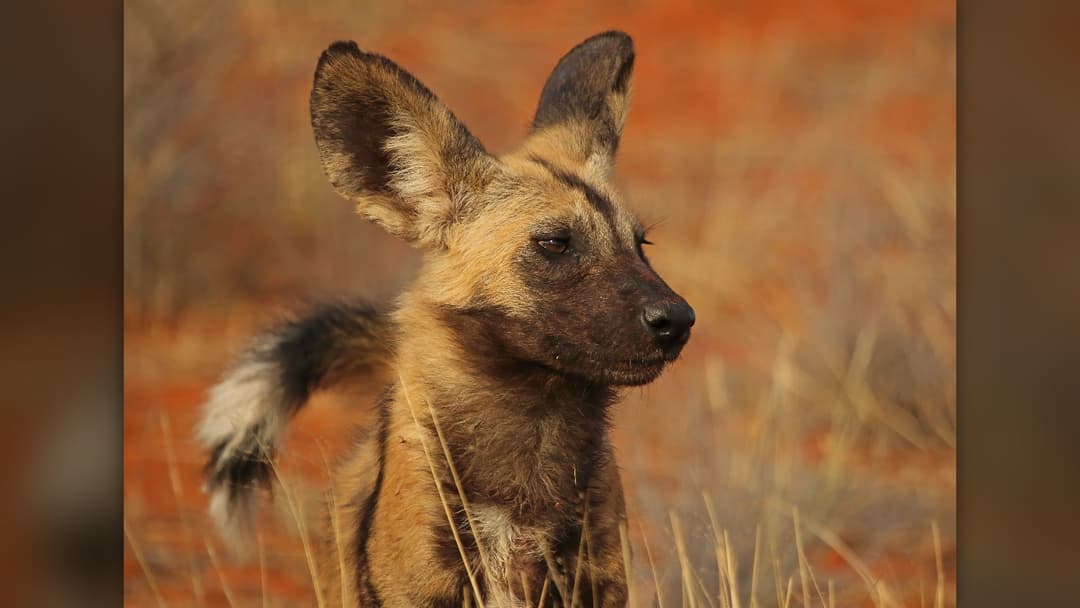
20. African Wild Dog
Packs coordinate hunts. African wild dogs run across open brushlands at 44 mph, exhausting fast antelope over punishing cross-country pursuits. Slender limbs keep them galloping until weary prey finally collapses.
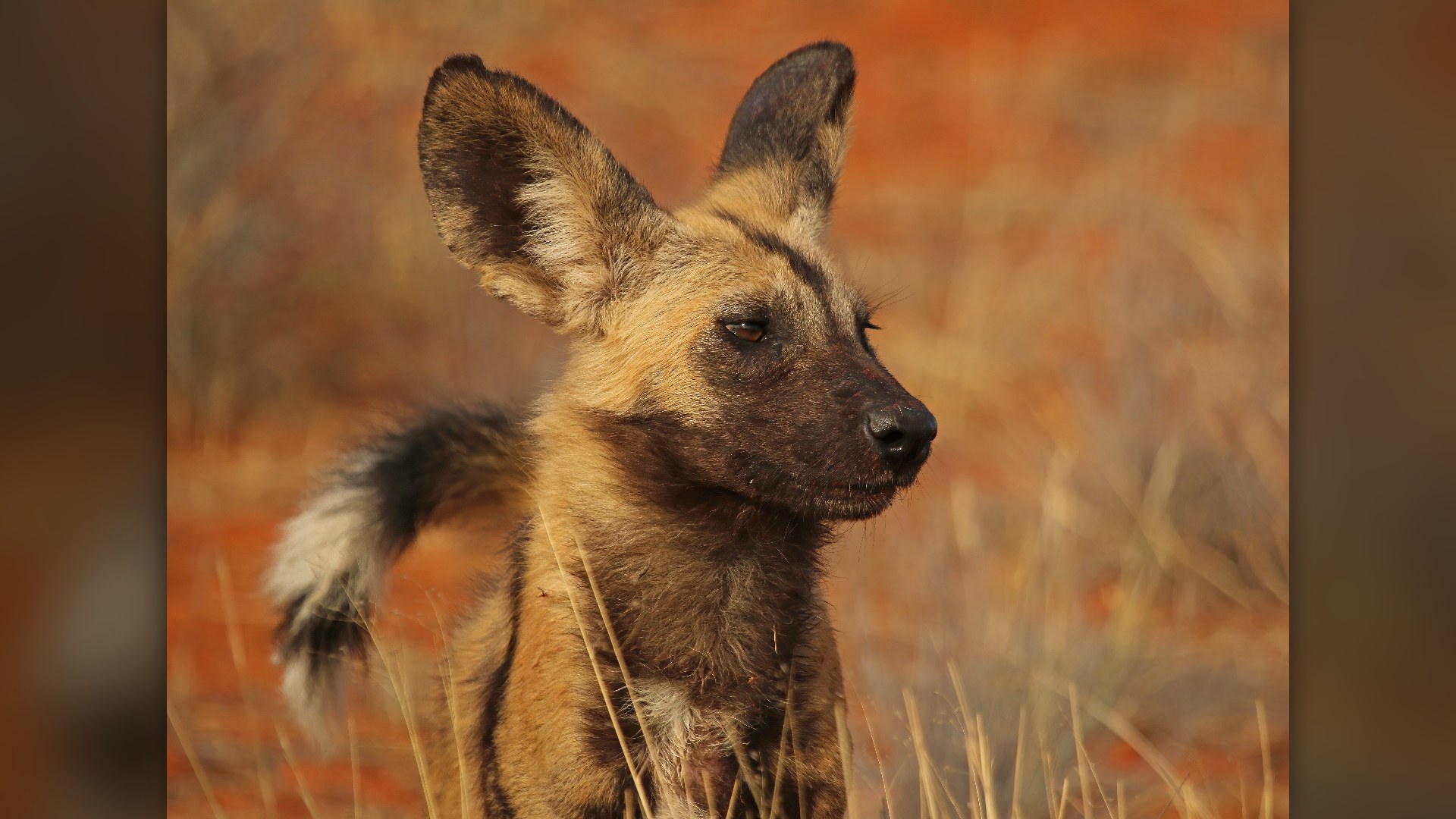
©Wikimedia / Charles J. Sharp
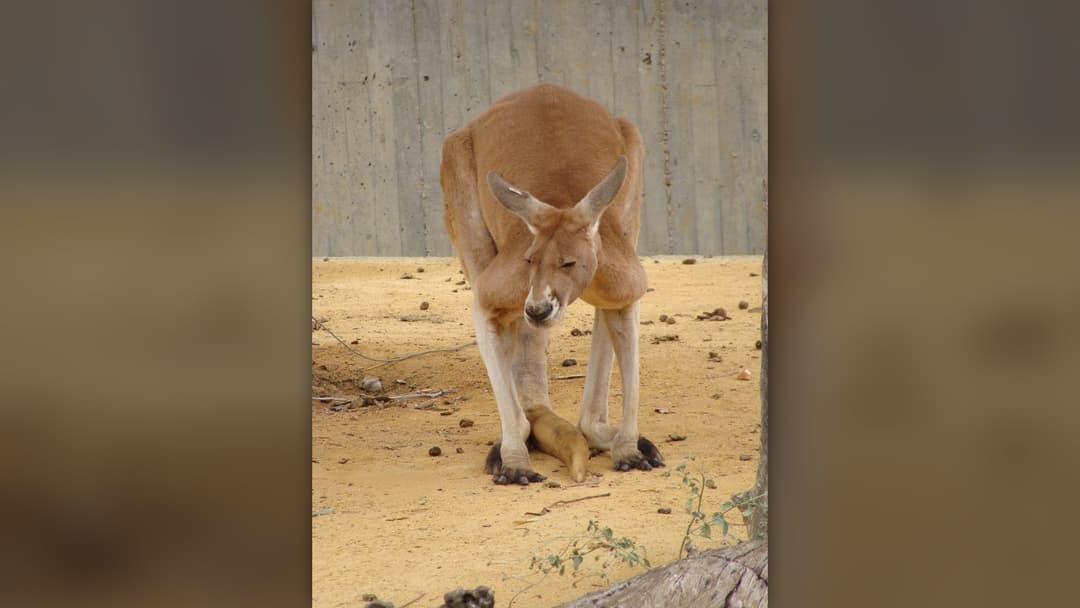
19. Red Kangaroo
Huge tendons store energy. Big red kangaroos bounding across arid Australian outback reach sudden bursts of 44 mph when dingoes approach. Strong elastic hind feet bounce mechanical force straight back with every hop.
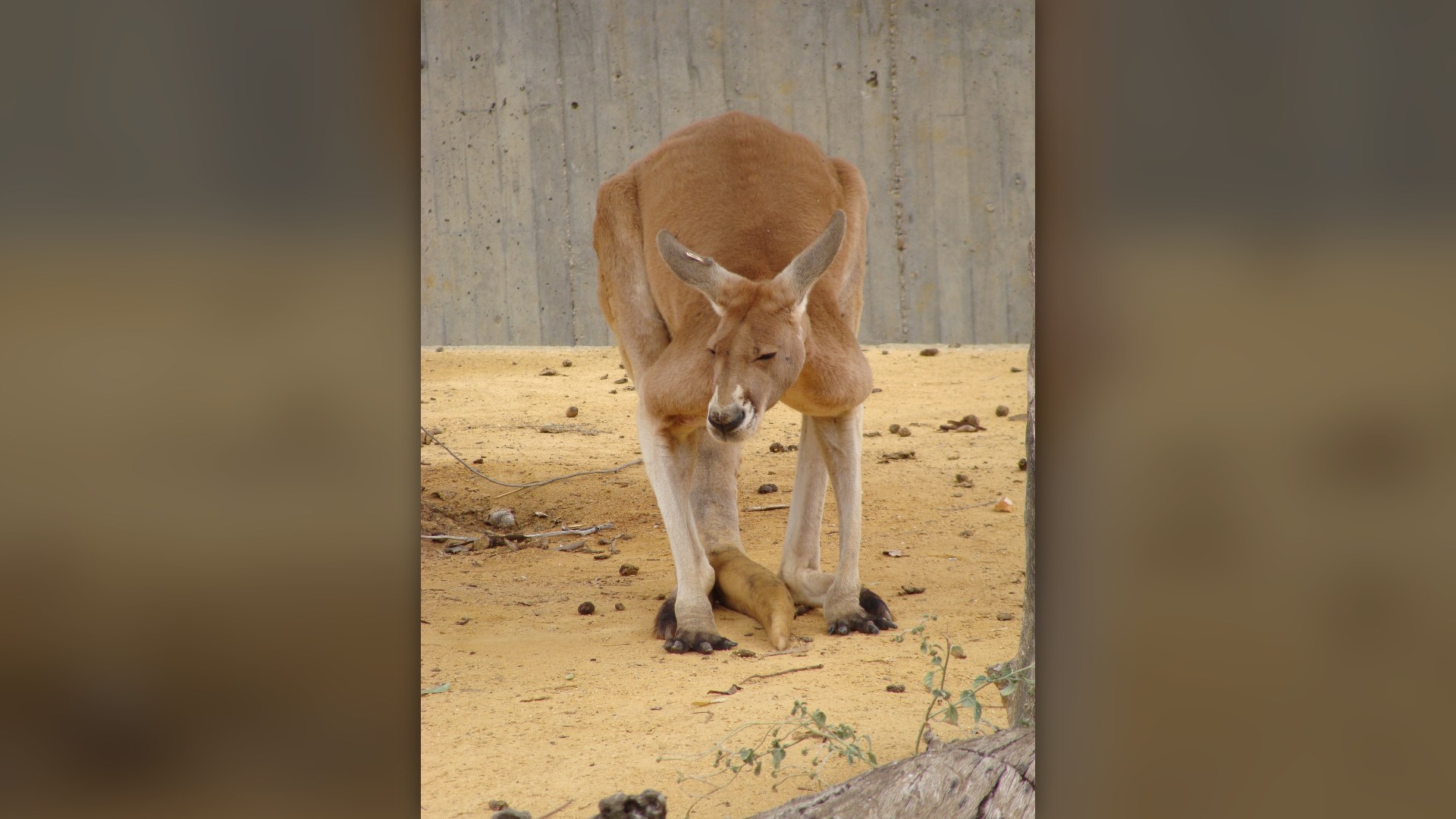
©Wikimedia / Carlos Delgado
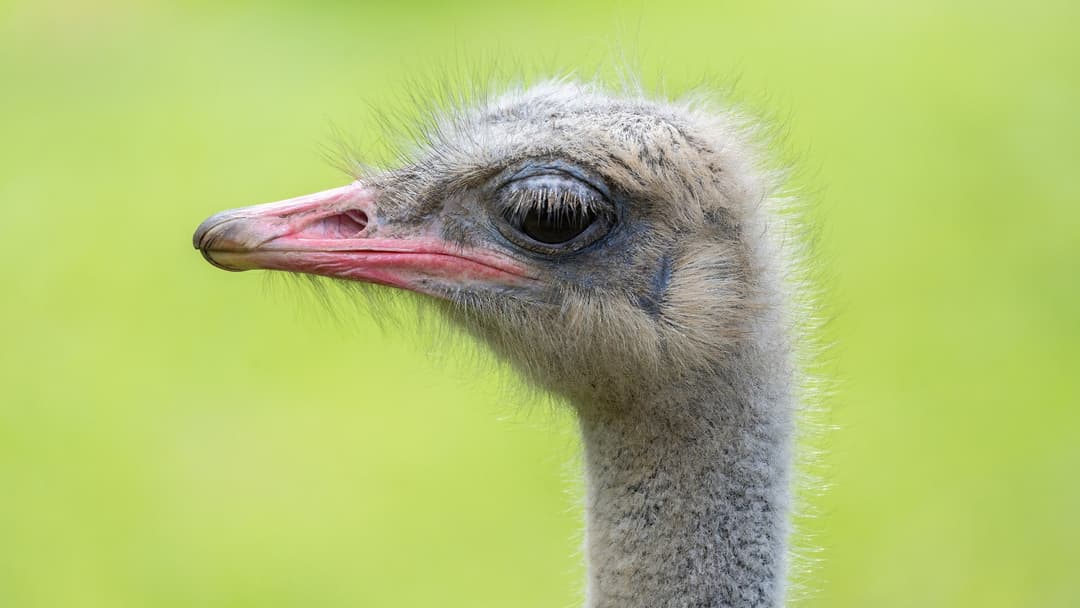
18. Common Ostrich
Traction matters here. The common ostrich sprints at 45 mph across African savannas, easily outpacing hunting leopards over dry open ground. Heavy muscular legs take twelve-foot strides at maximum running speed.
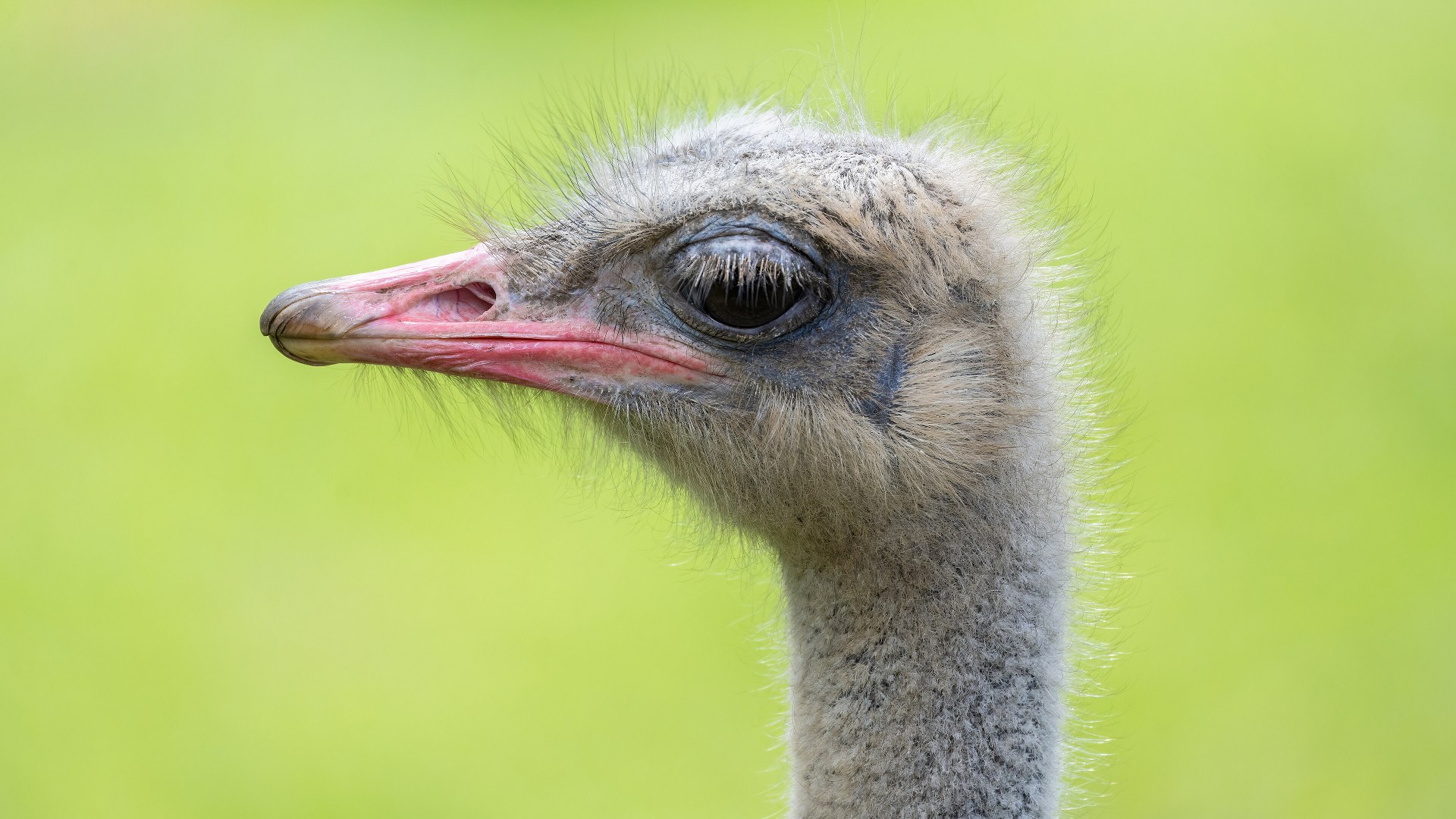
©Wikimedia / Wilfredor
Advertisement
Swipe or tap ▶ to resume the countdown.
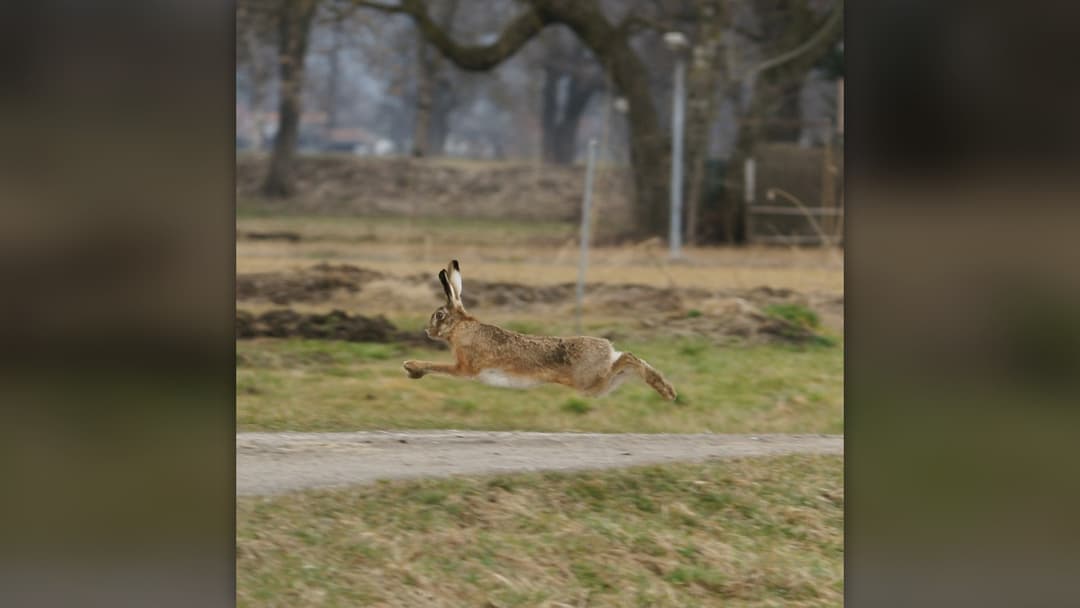
17. European Brown Hare
Hares turn fast. European brown hares touch 45 mph across open pastures, deploying sudden right-angle cuts that leave chasing foxes completely bewildered. Oversized rear limbs launch rapid zigzag sprints in seconds.
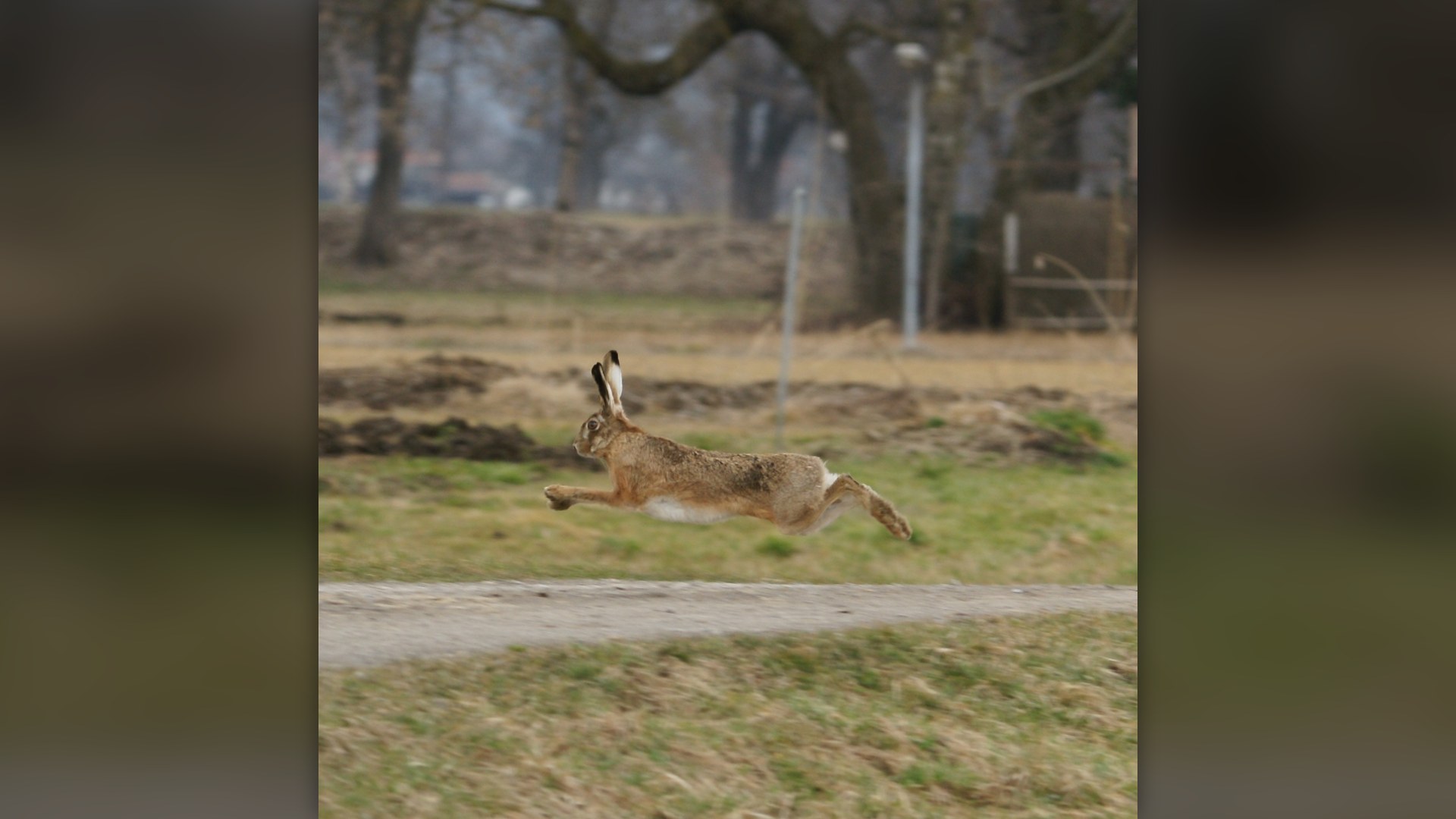
©Wikimedia / Böhringer Friedrich
16. Greyhound
Greyhounds accelerate instantly. A racing hound reaches its top sprint speed of 45 mph within six strides from a dead stop. Flexible spines and deep ribcages pump rich oxygen during high stakes chases.
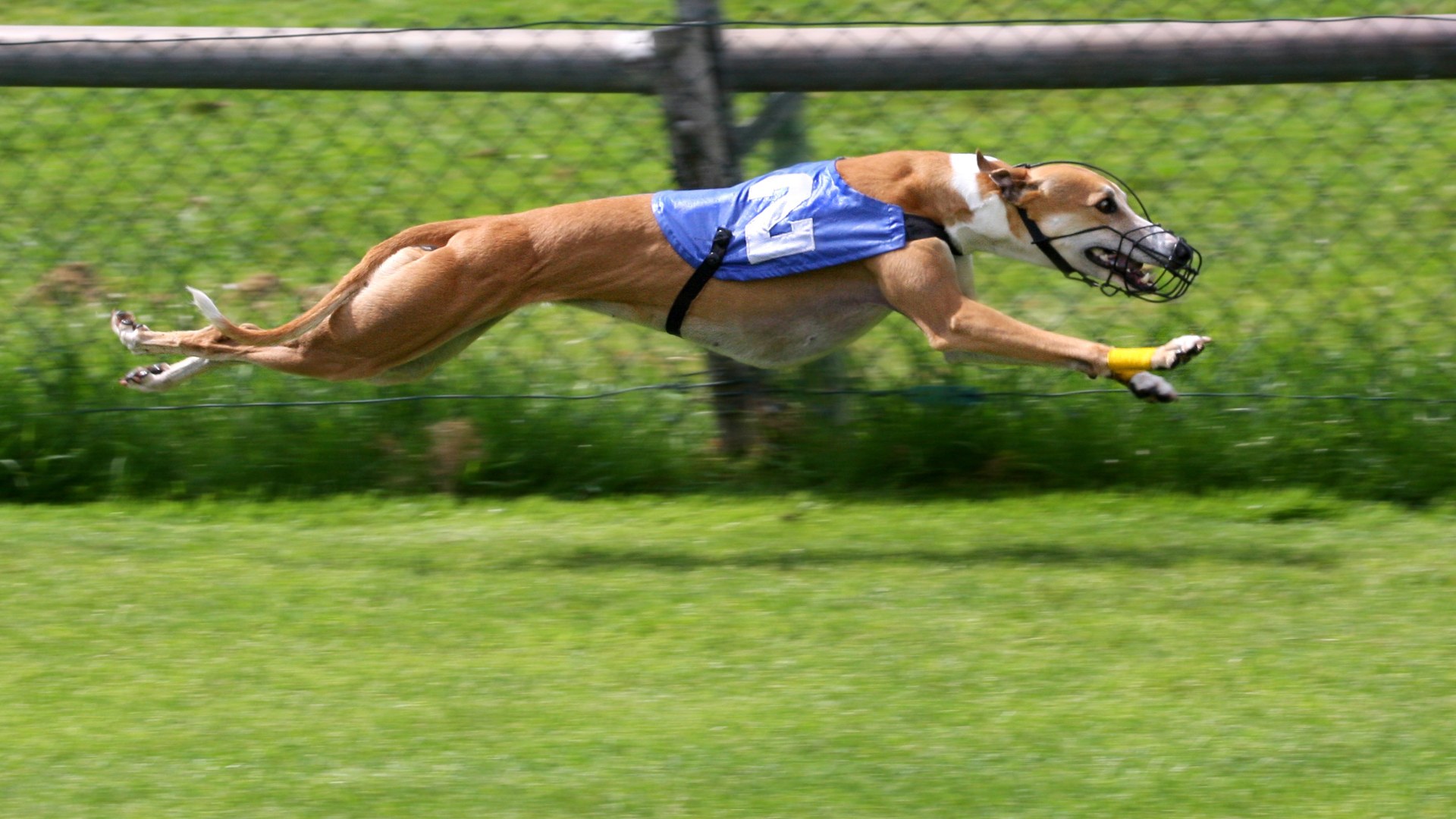
©Wikimedia / AngMoKio
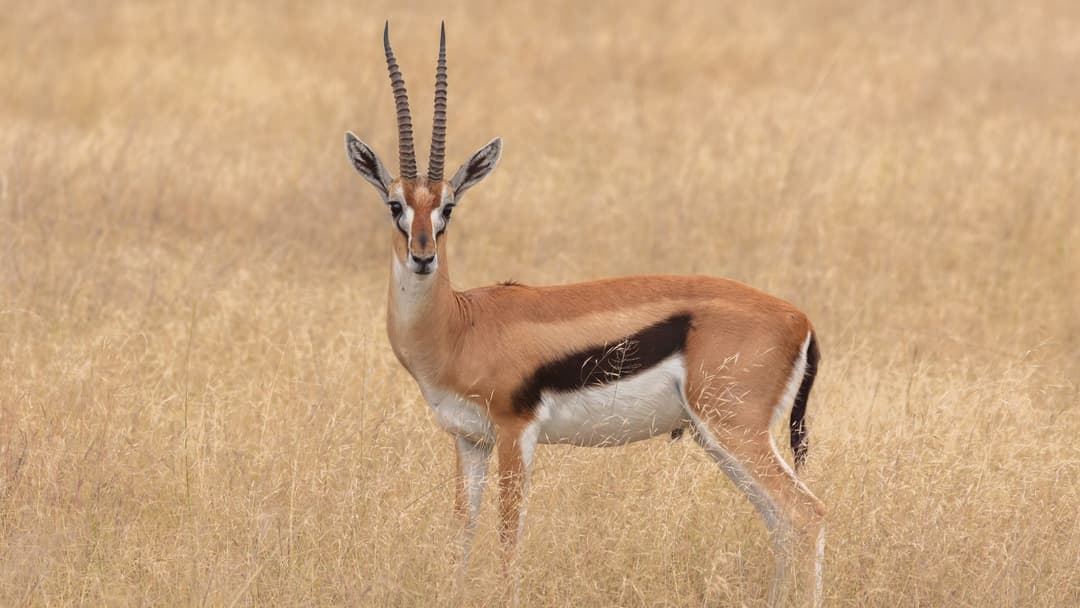
15. Thomson's Gazelle
Tight turns save lives. Thomson's gazelles sustain 50 mph across open plains, dodging predators through sudden ninety-degree cuts until pursuers overheat. Sharp hooves pivot on dry soil without slipping.
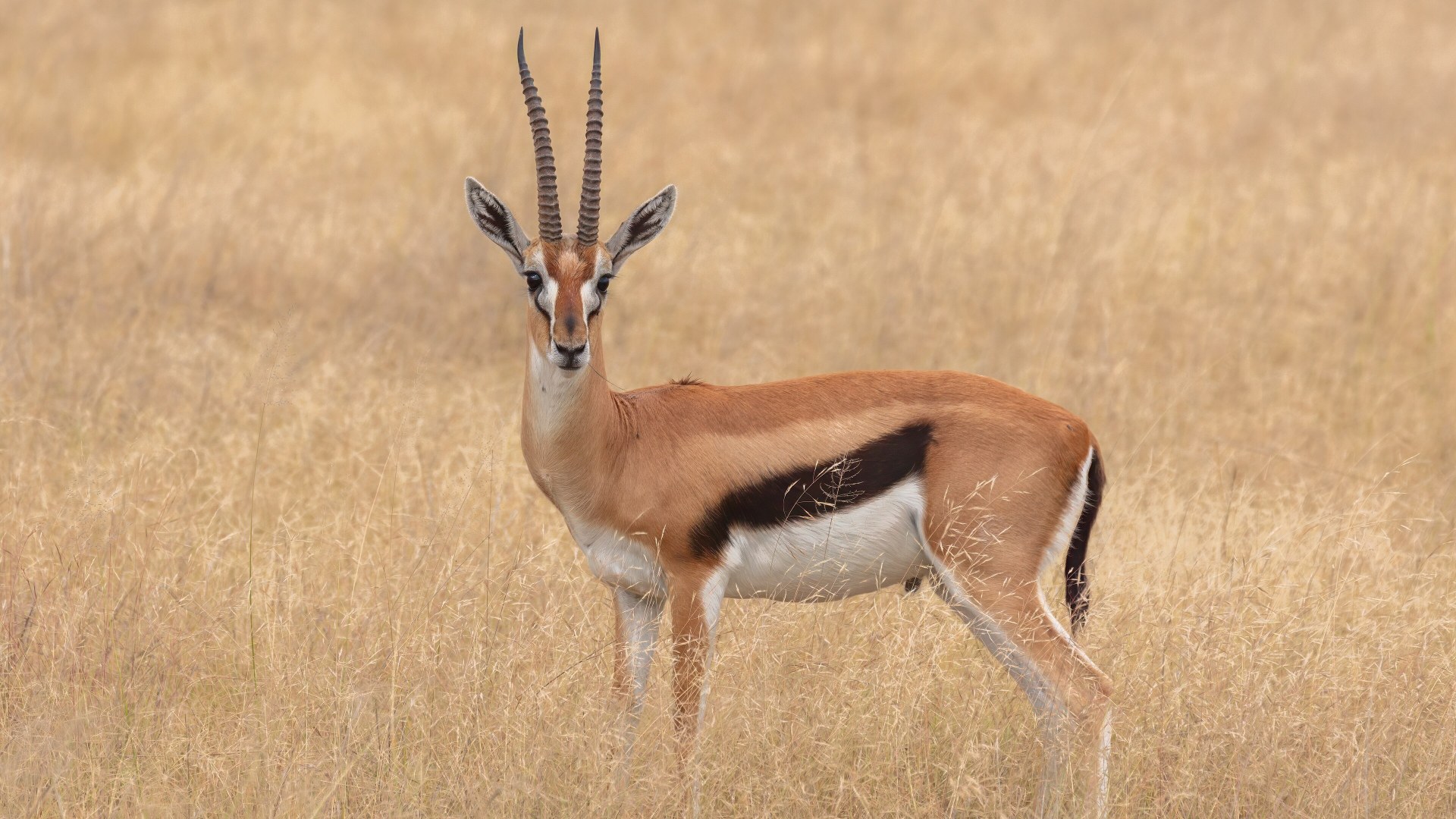
©Wikimedia / Diego Delso
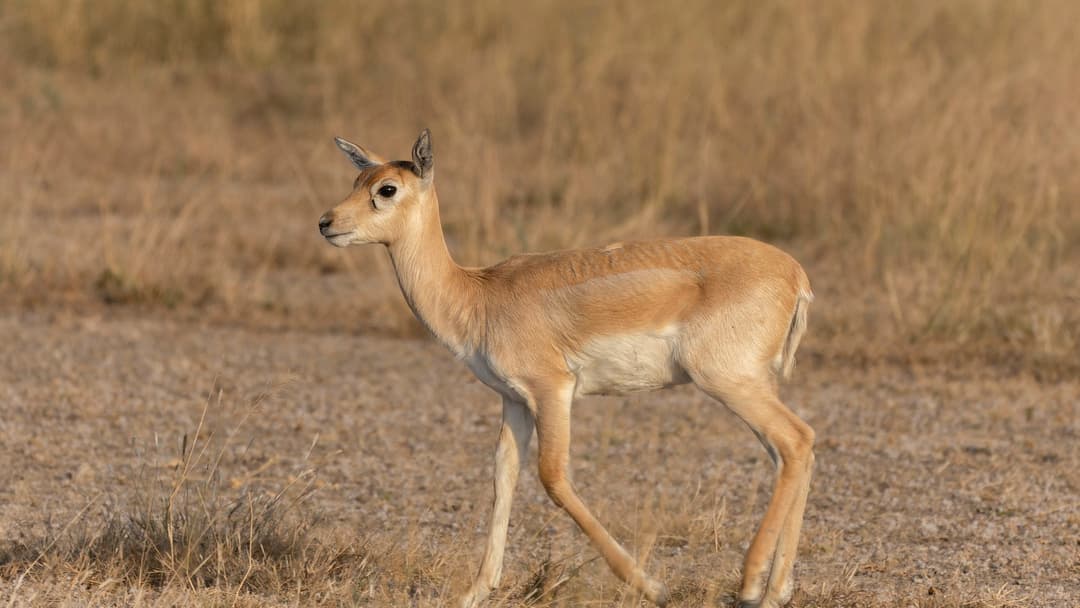
14. Blackbuck Antelope
They jump high. Blackbuck antelope clock 50 mph across Indian grasslands, using vertical leaps called stotting to spot lurking predators in thick vegetation. Pointed hooves grip rock-hard earth during full gallop.
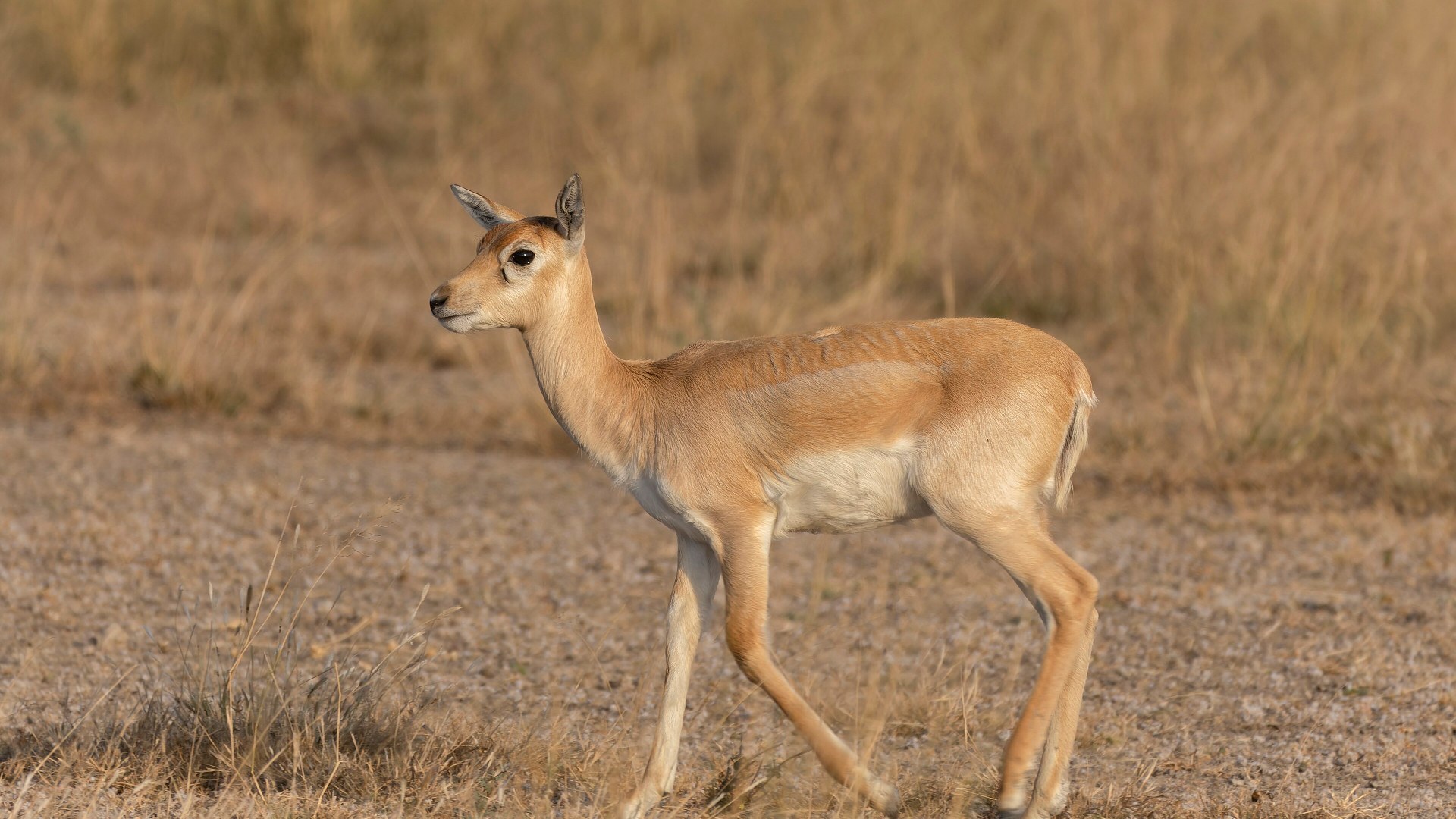
©Wikimedia / Tisha Mukherjee
Advertisement
Swipe or tap ▶ to resume the countdown.
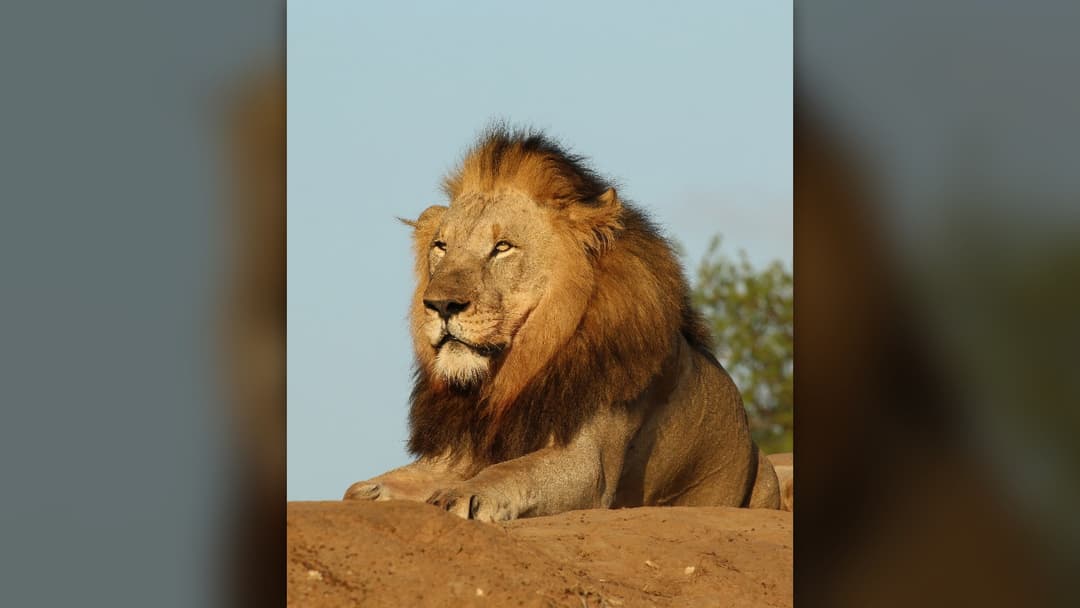
13. African Lion
Lions charge hard. They creep within yards before launching an explosive 50 mph rush that overwhelms zebra and buffalo before they can escape. Heavy front legs tackle big targets with bone-crushing force.
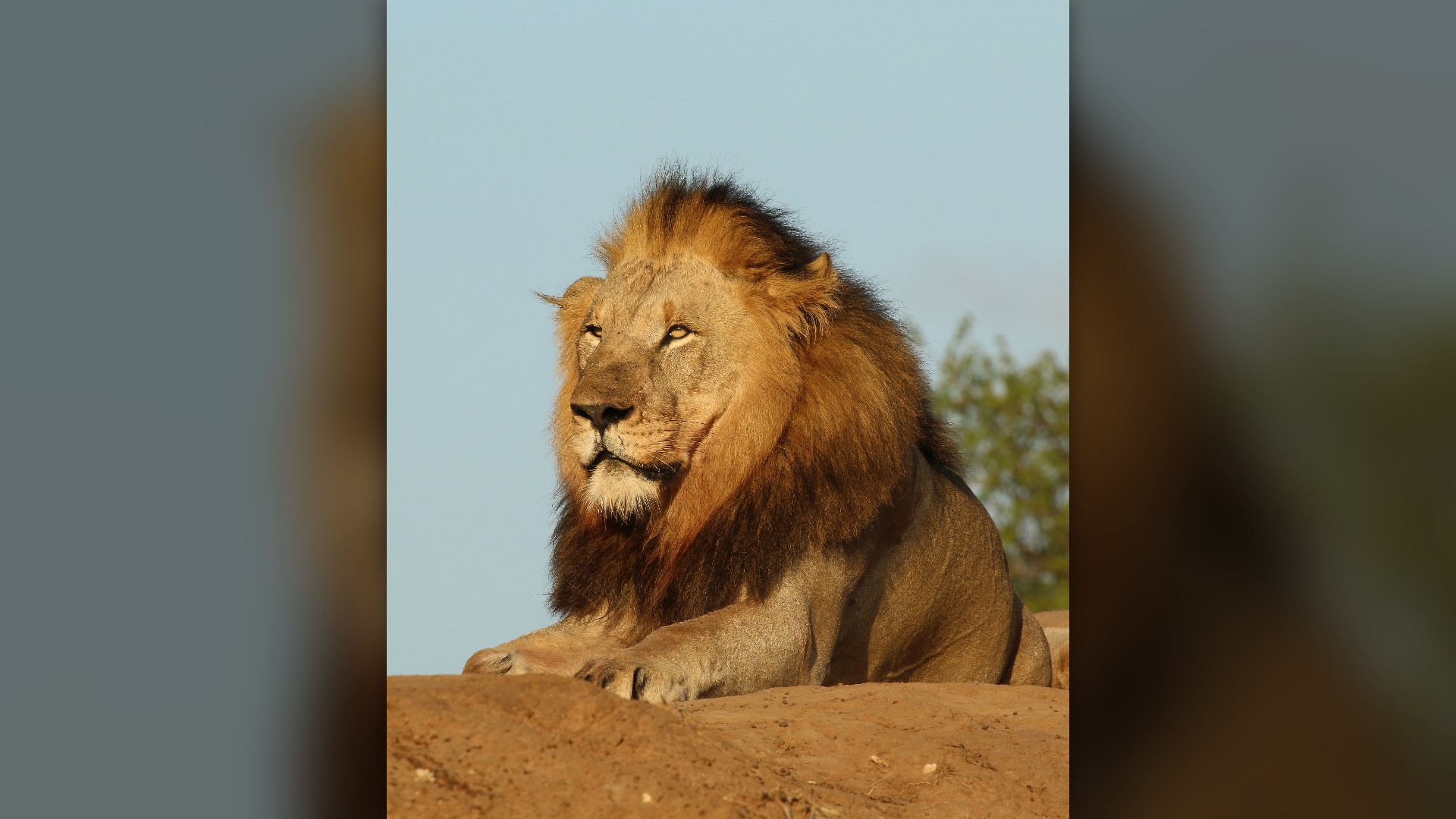
©Wikimedia / Charles J. Sharp
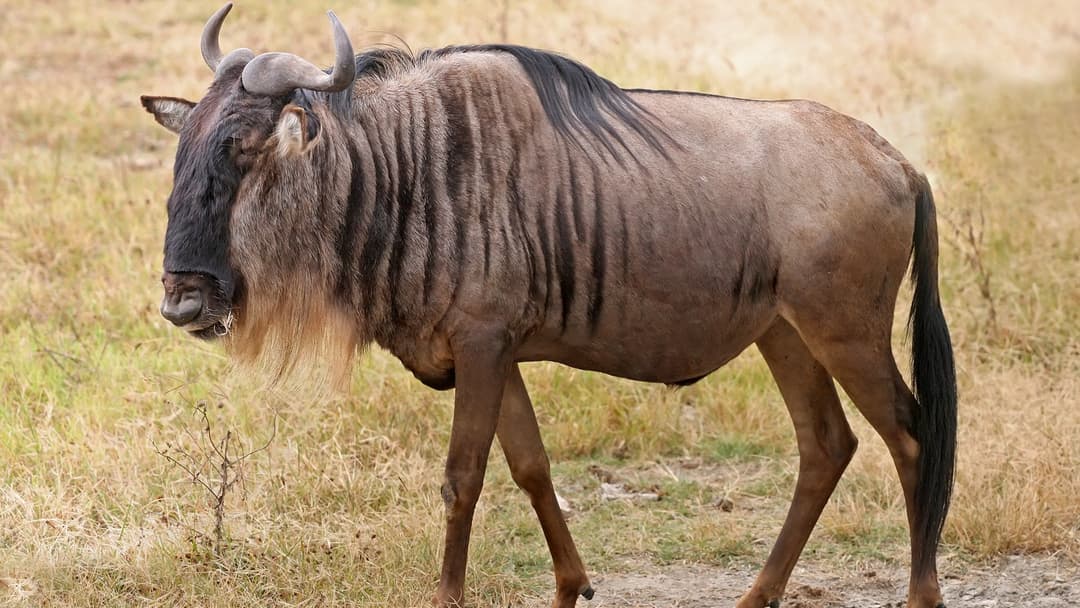
12. Blue Wildebeest
Heavy frames move fast. Blue wildebeest charge across East African terrain at 50 mph, kicking up blinding dirt during annual Serengeti migration crossings. Massive shoulder muscles power their unstoppable collective stride.
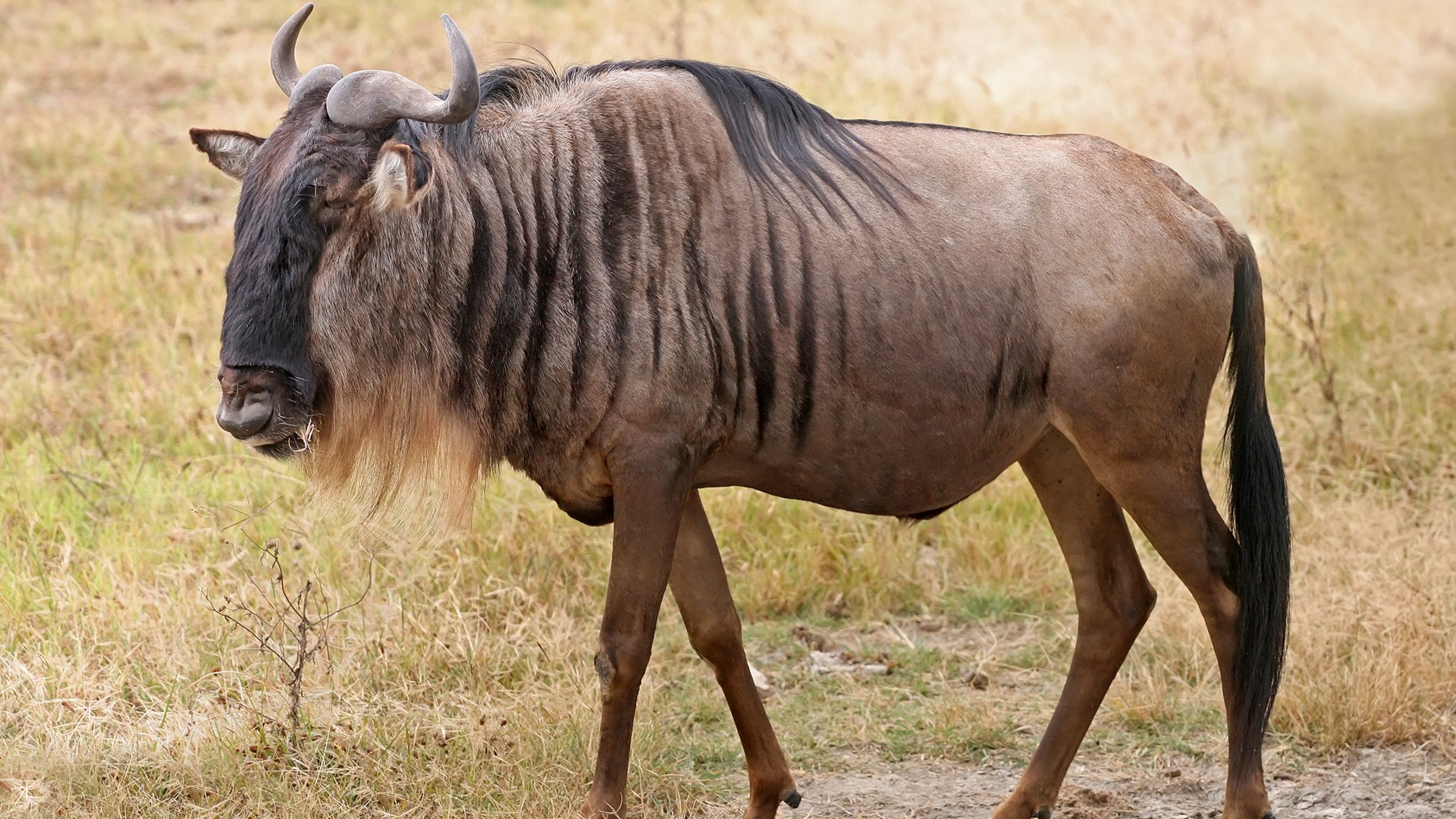
©Wikimedia / Muhammad Mahdi Karim
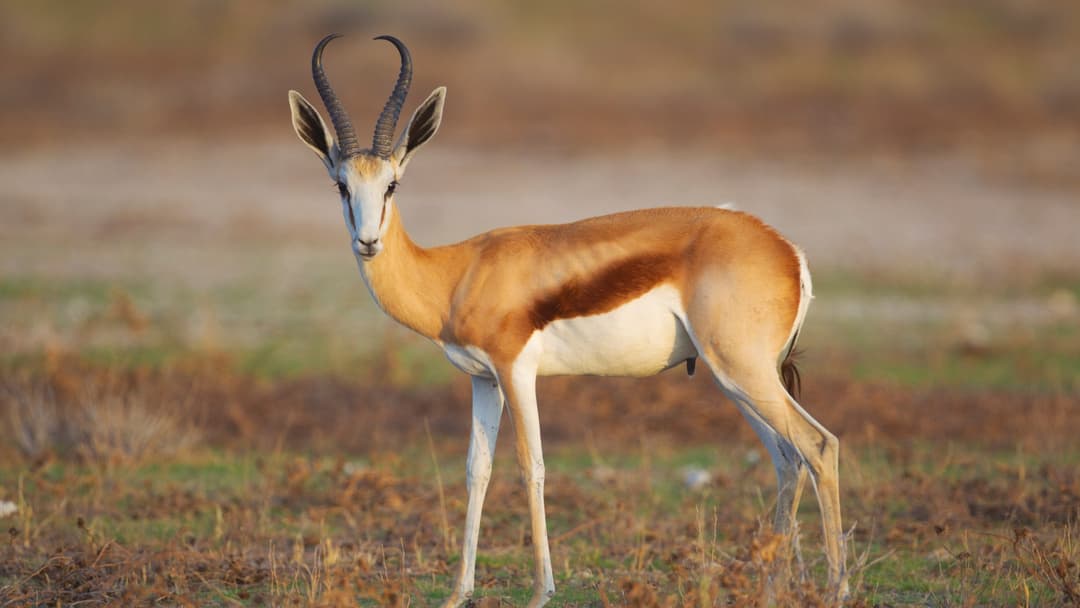
11. Springbok
Springbok bounce high. Southern African gazelles leap ten feet into the air before breaking into 55 mph sprints across dusty Kalahari salt pans. Flexible backbones flex continuously through every bounding leap.
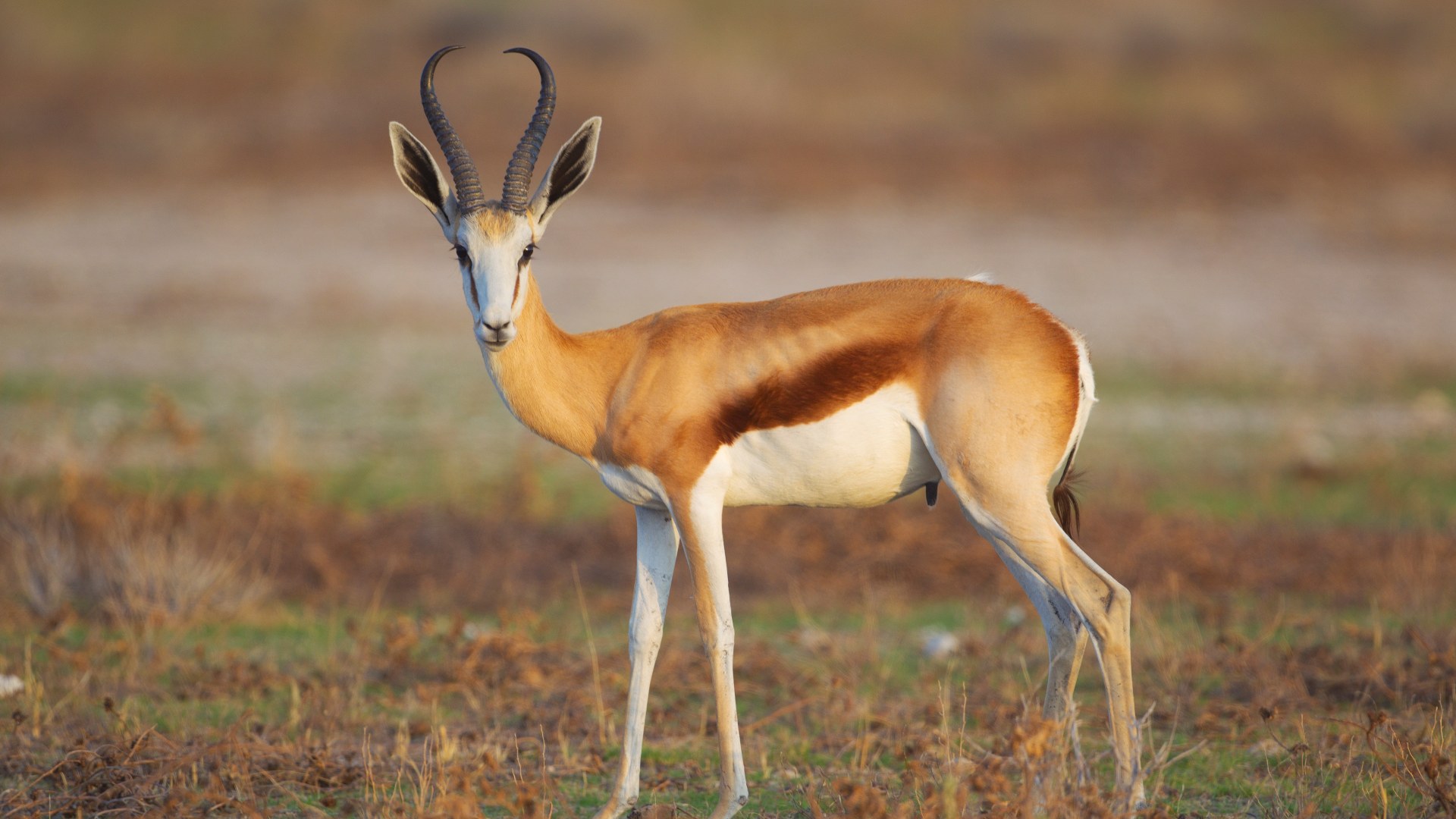
©Wikimedia / Hans Hillewaert
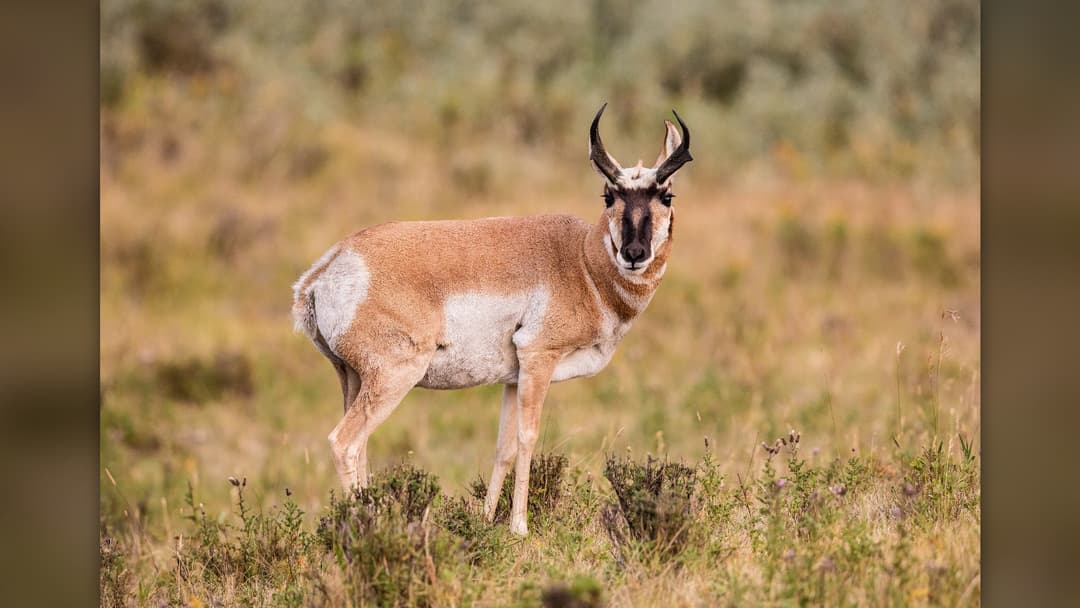
10. Pronghorn
Pronghorns run for miles. Clocked at 61 mph across Wyoming prairies, they cruise at 35 mph indefinitely because oversized windpipes intake immense oxygen volumes. They originally evolved to outrun prehistoric American cheetahs.
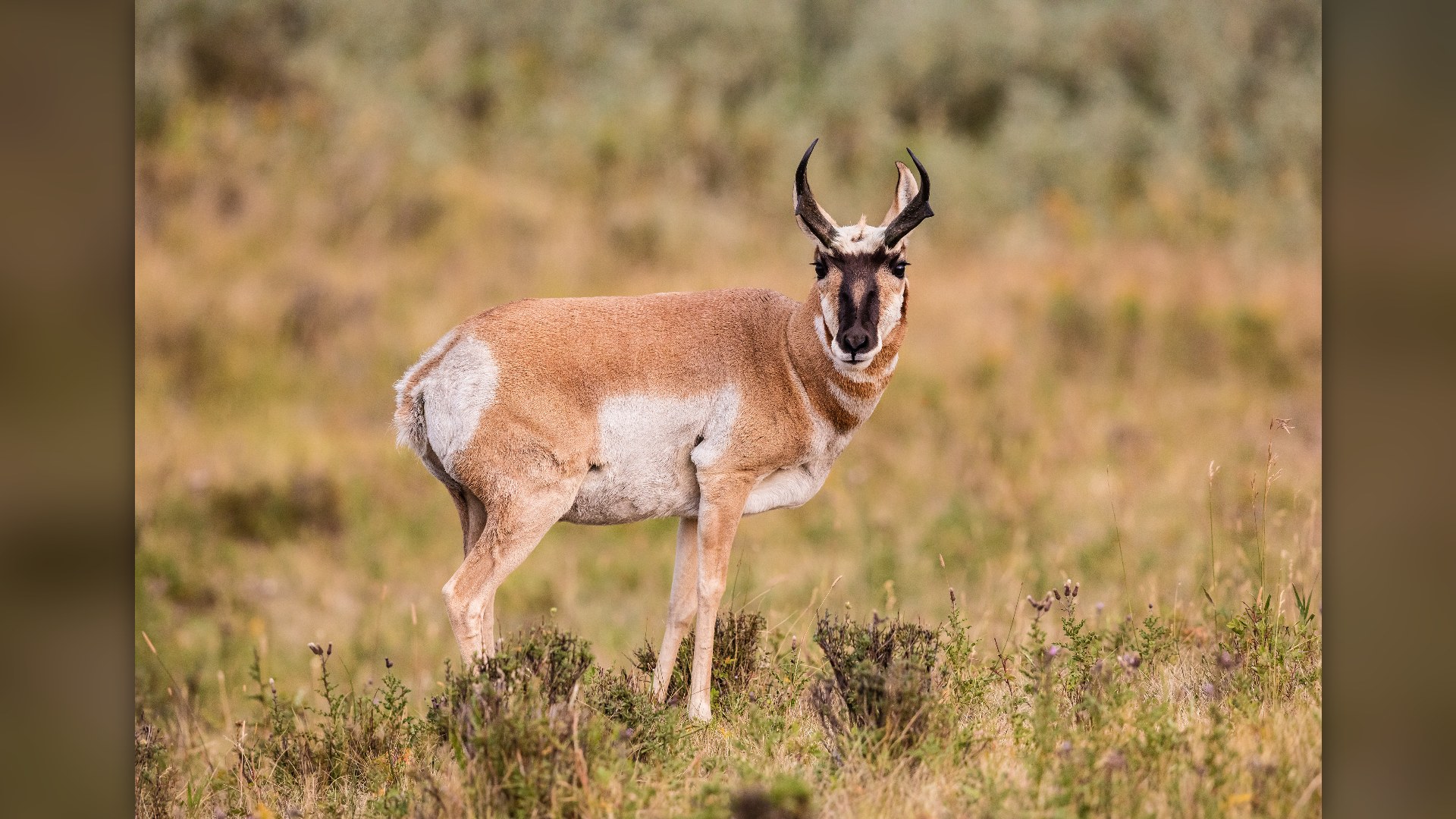
©Wikimedia / NPS / Jim Peaco
Advertisement
Swipe or tap ▶ to resume the countdown.
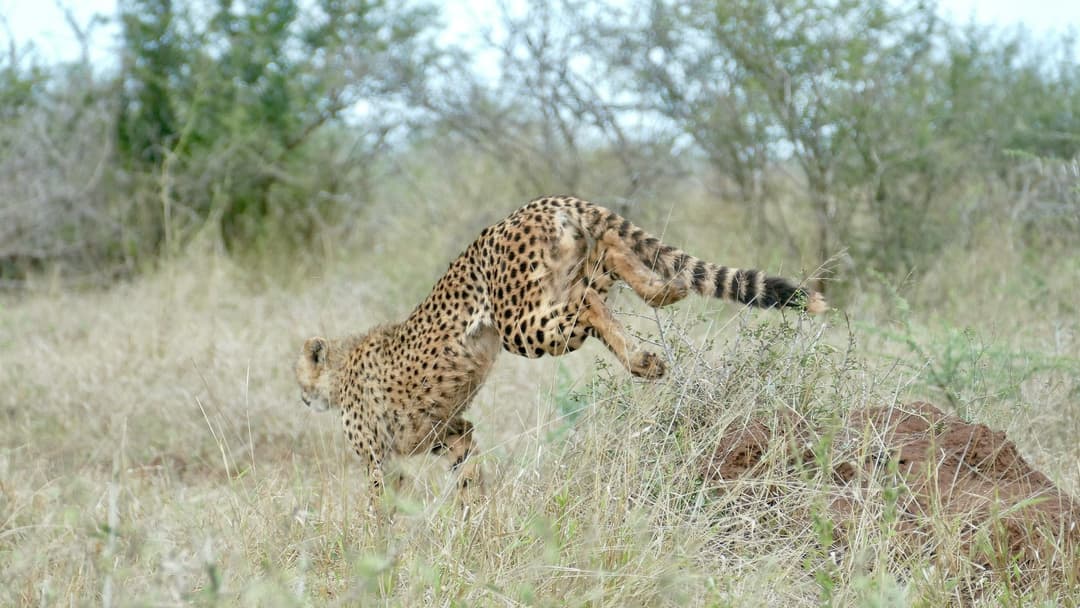
9. Cheetah
Cheetahs dominate land sprints. A hunting cheetah explodes from zero to 60 mph in three seconds, reaching 75 mph across flat African scrubland. Rigid blunt claws dig into dirt like football cleats.
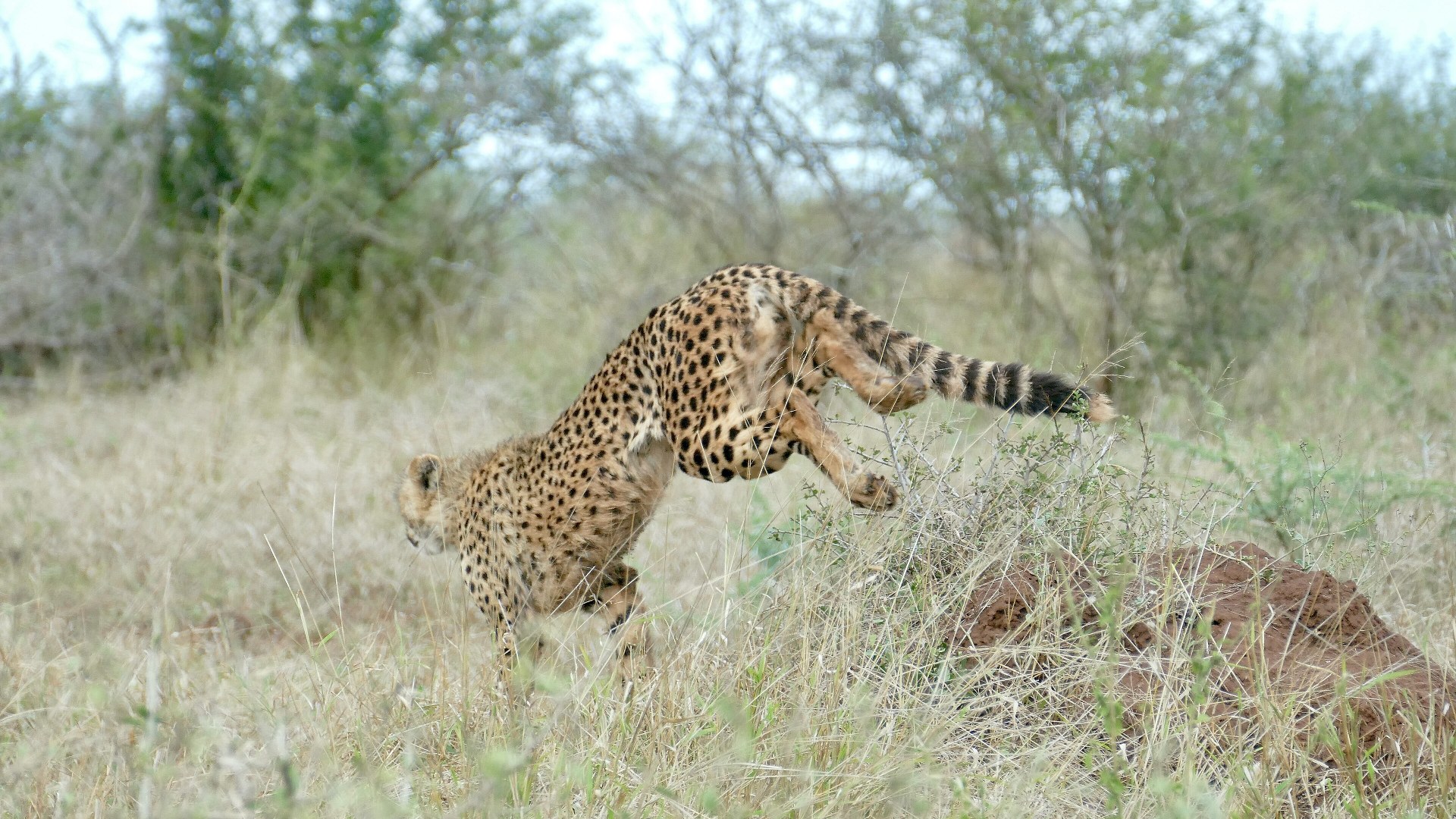
©Wikimedia / Bernard DUPONT
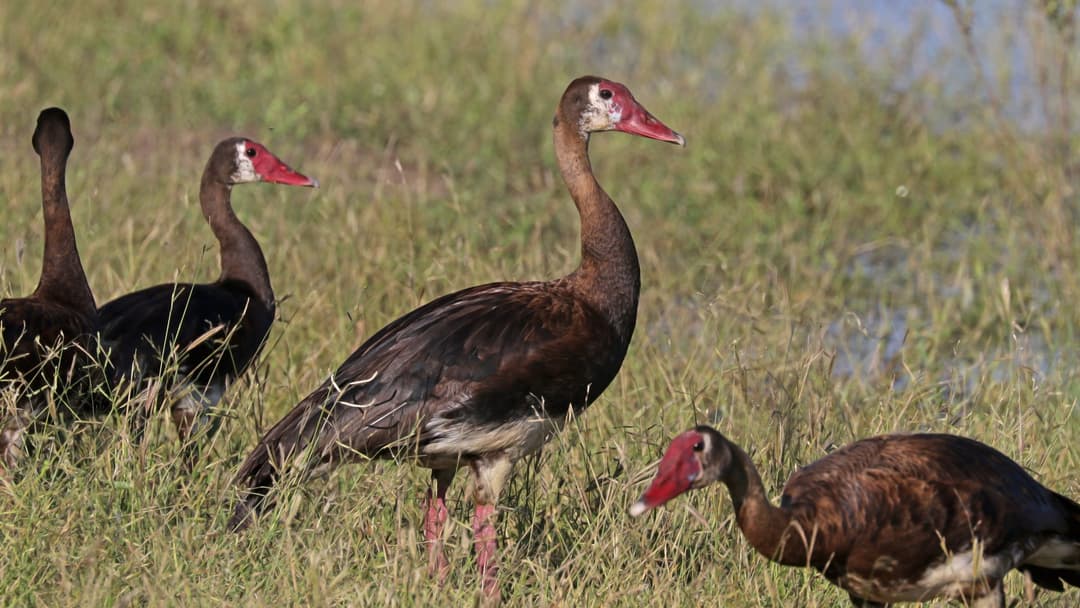
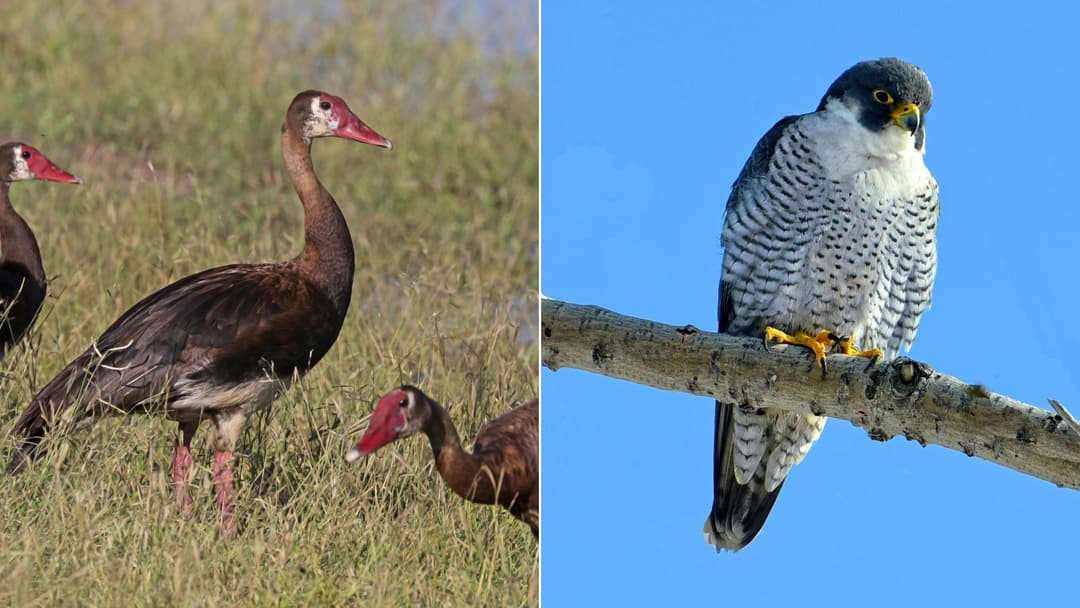
8. Spur-Winged Goose
Geese fly with power. Africa's spur-winged goose hits 88 mph during steady horizontal flight above freshwater lakes, making it one of Earth's fastest waterfowl. Sharp wrist spurs ward off aggressive marsh hawks.
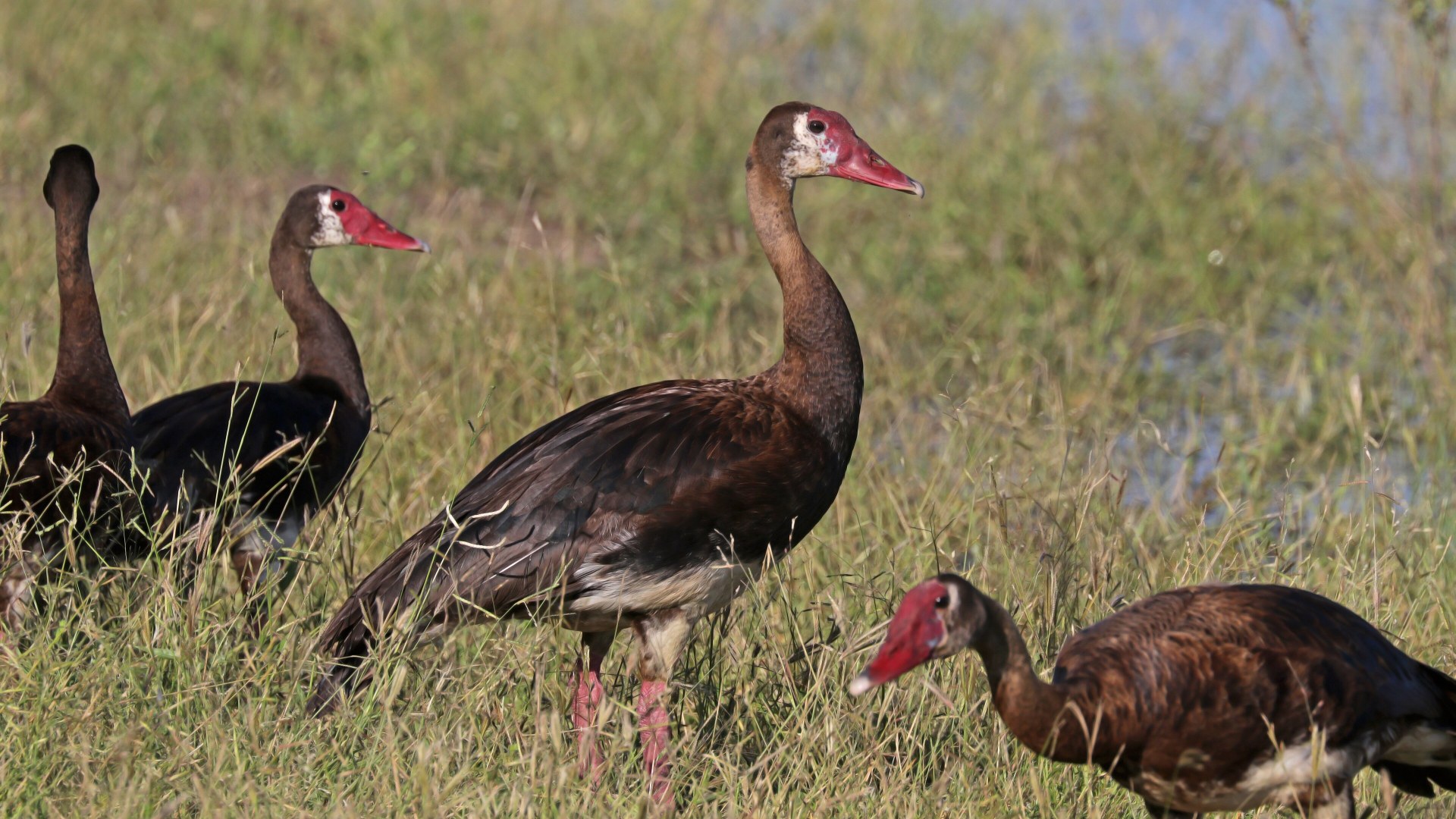
©Wikimedia / Charles J. Sharp
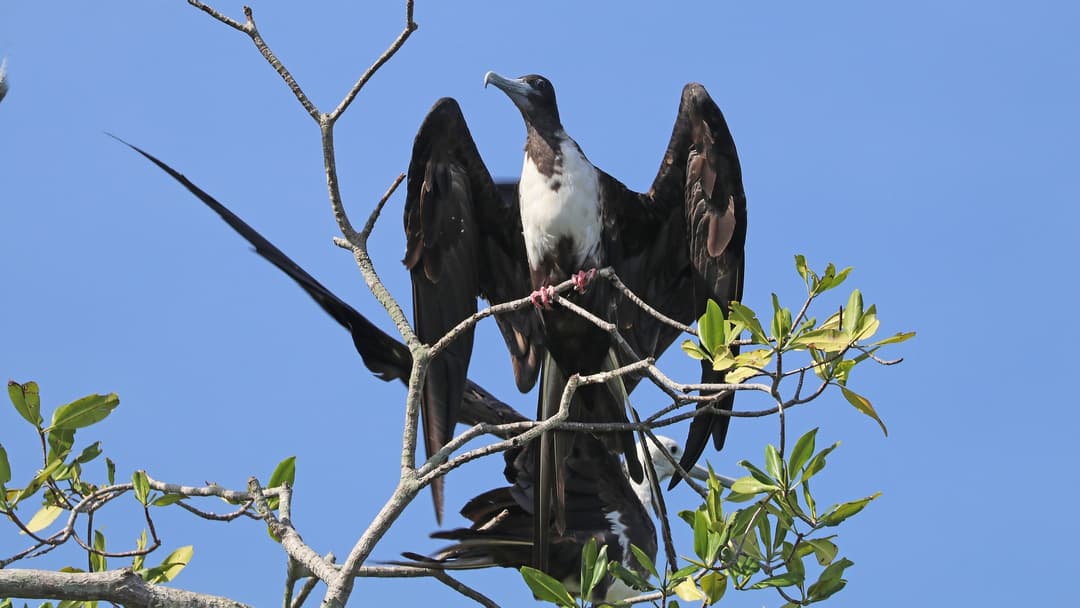
7. Magnificent Frigatebird
Ocean winds carry them. Magnificent frigatebirds soar over tropical oceans without landing for weeks, diving at 95 mph to rob terns and snatch leaping flying fish. Light skeletal frames maximize total surface glide area.
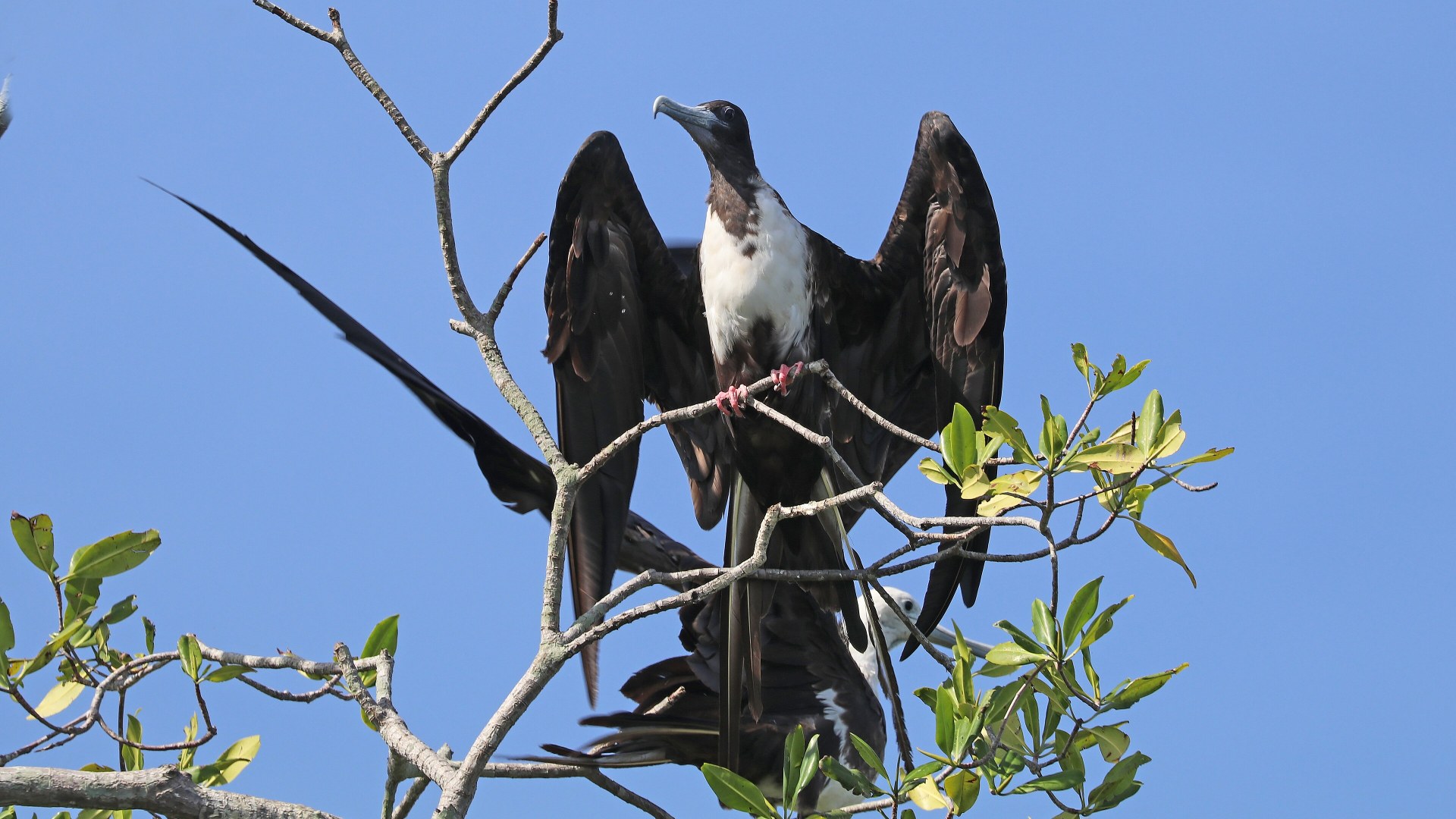
©Wikimedia / Charles J. Sharp
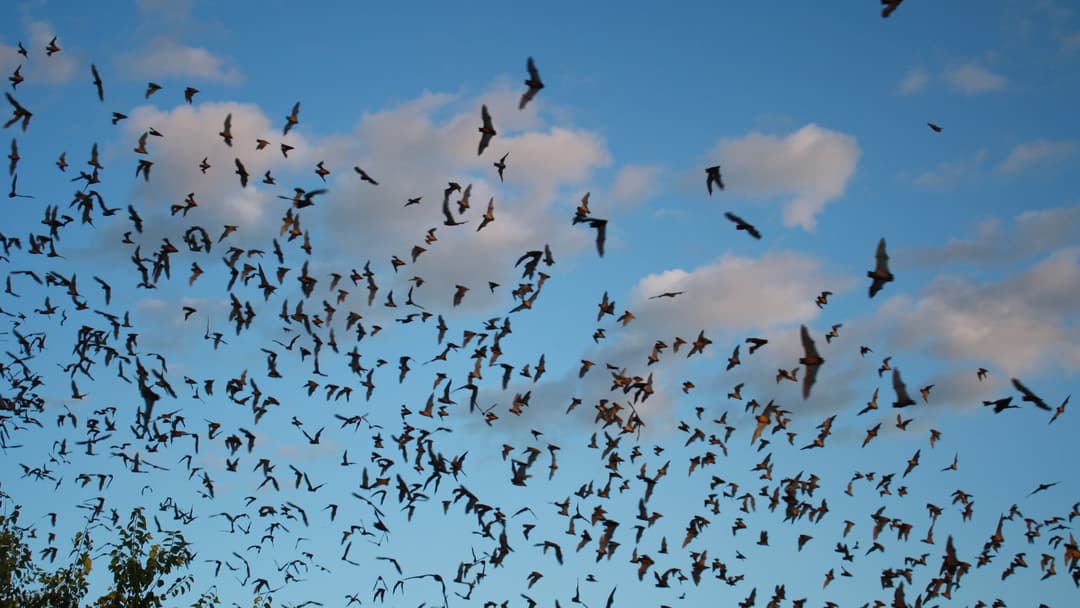
6. Mexican Free-Tailed Bat
Bats fly remarkably fast. Mexican free-tailed bats clocked past 100 mph in horizontal flight above Texas canyons, setting genuine world flight records for mammals. Tapered wingtips slice thin night air without turbulence.
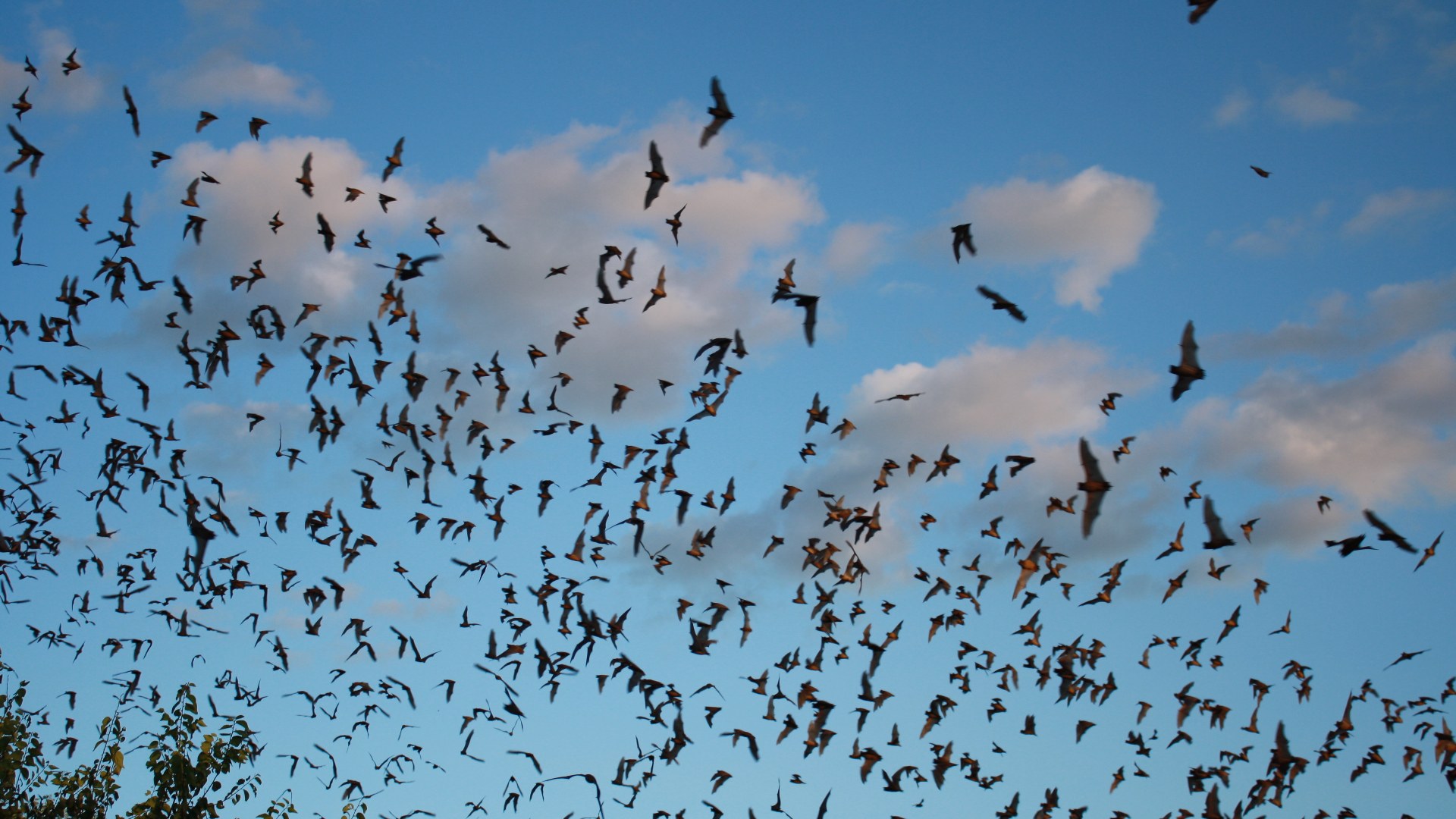
©Wikimedia / U.S. Fish and Wildlife Service
Advertisement
Swipe or tap ▶ to resume the countdown.
5. Eurasian Hobby
Small falcons hunt swifts. The agile Eurasian hobby touches 100 mph in steep hunting stoops, intercepting barn swallows and darters cleanly in mid-flight. Pointed sickle wings fold back for high-g banking turns.
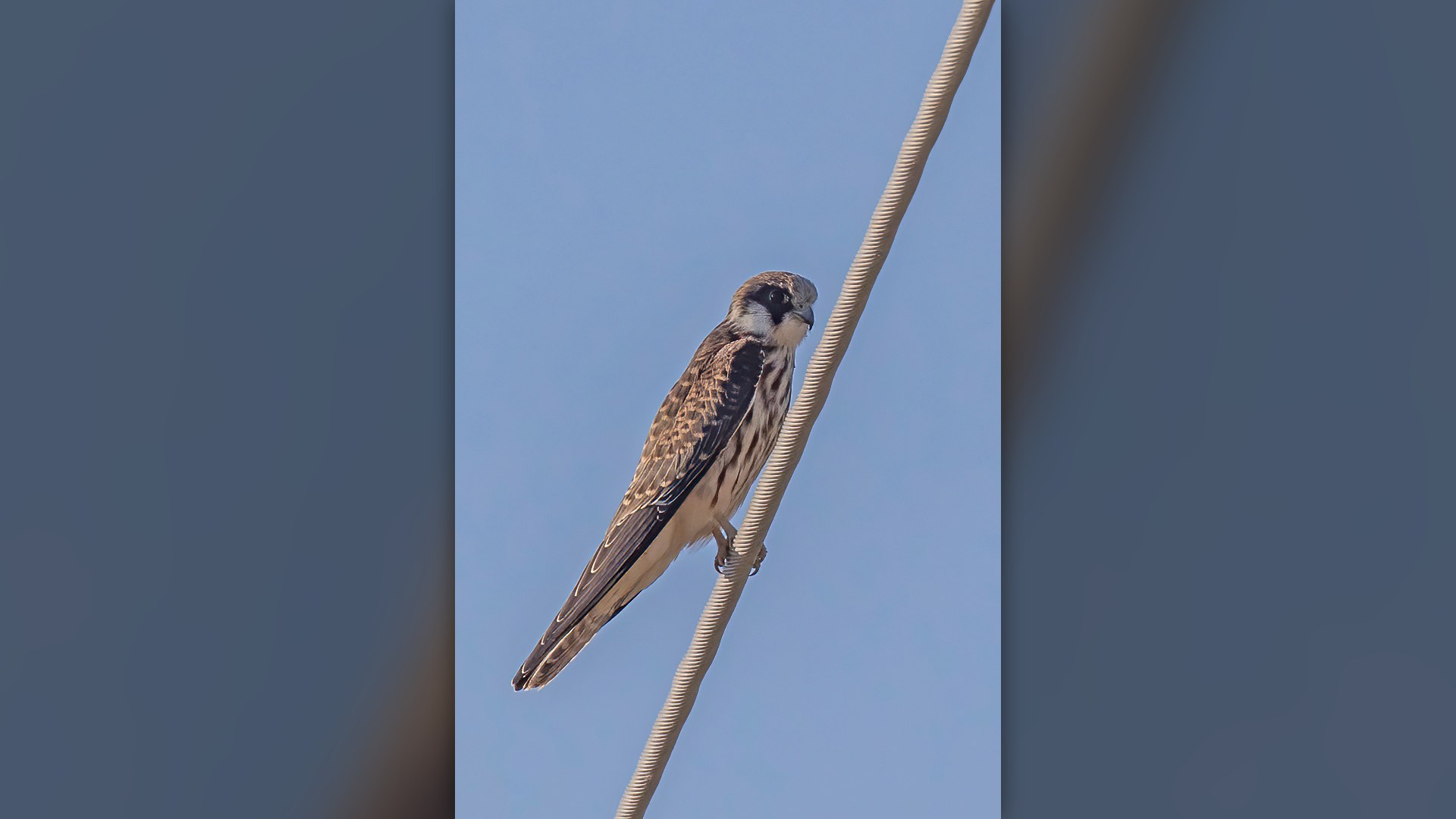
©Wikimedia / Charles J. Sharp
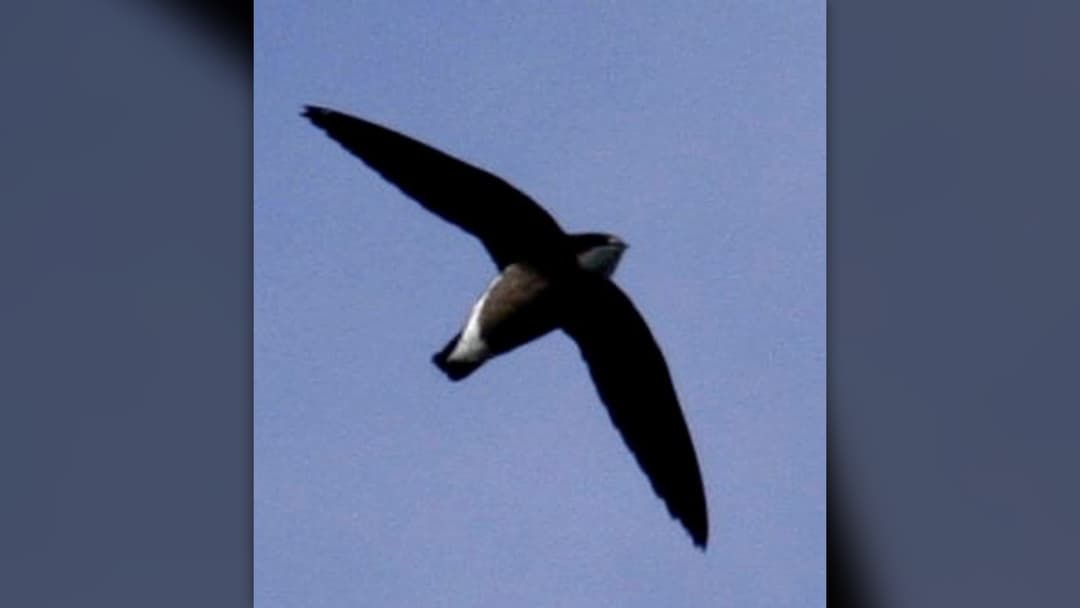
4. White-Throated Needletail
Swifts dominate horizontal flight. White-throated needletails recorded 105 mph in level flapping across Asian mountain ridges, driven by rigid curved wings and dense chest muscle. Spiny tail shafts stabilize rapid paths.
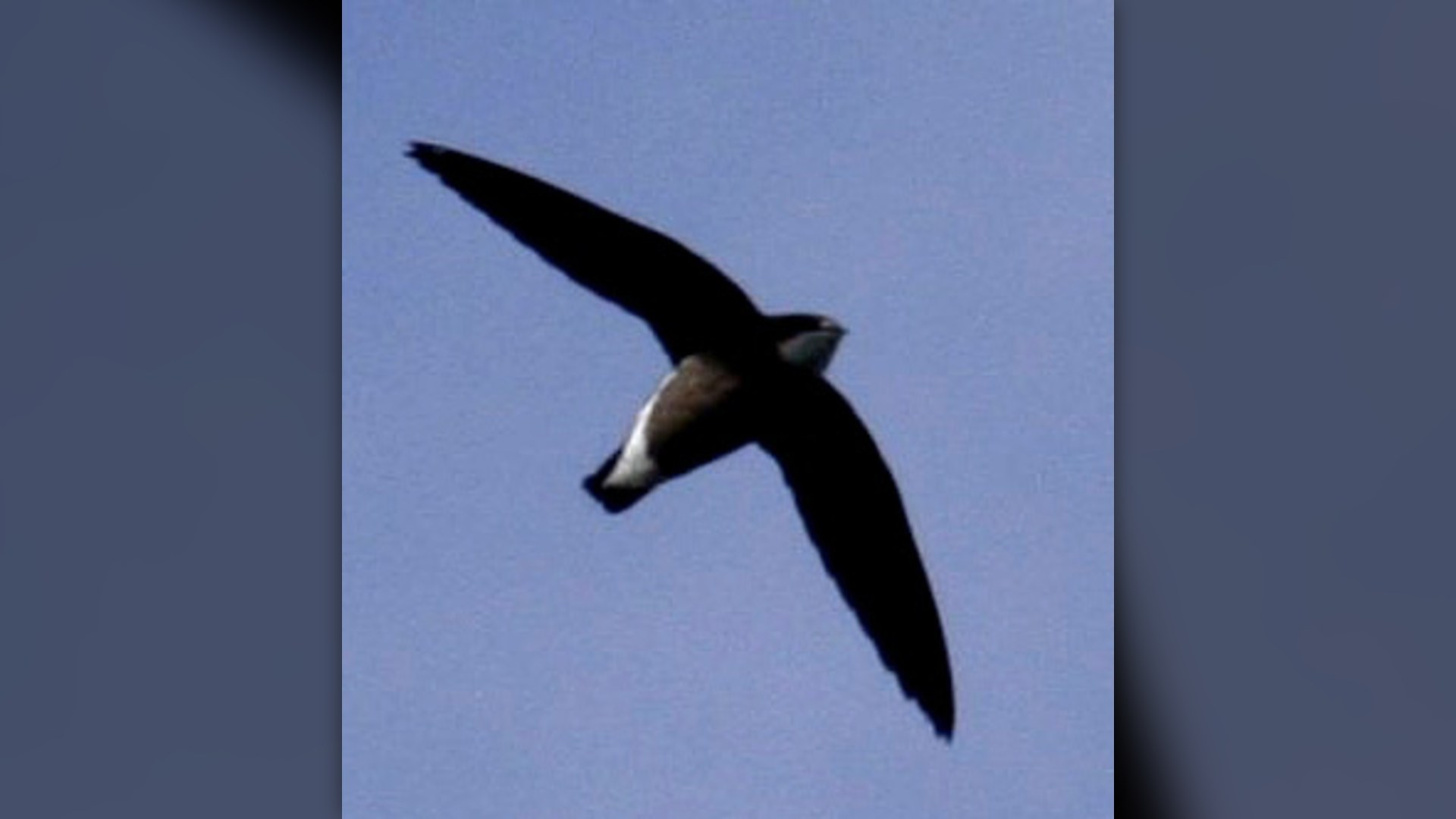
©Wikimedia / Aviceda
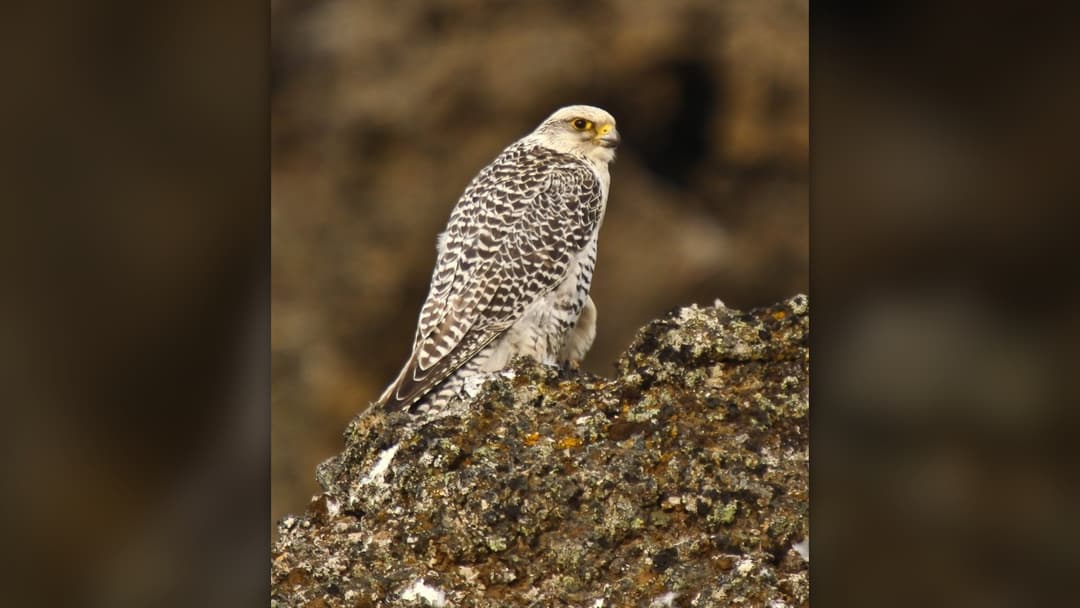
3. Gyrfalcon
Gyrfalcons rule frozen skies. These massive arctic falcons dive at 130 mph to strike ptarmigan across rocky barren plains with stunning precision. Dense plumage cushions heavy bodies during high-velocity arctic stoops.
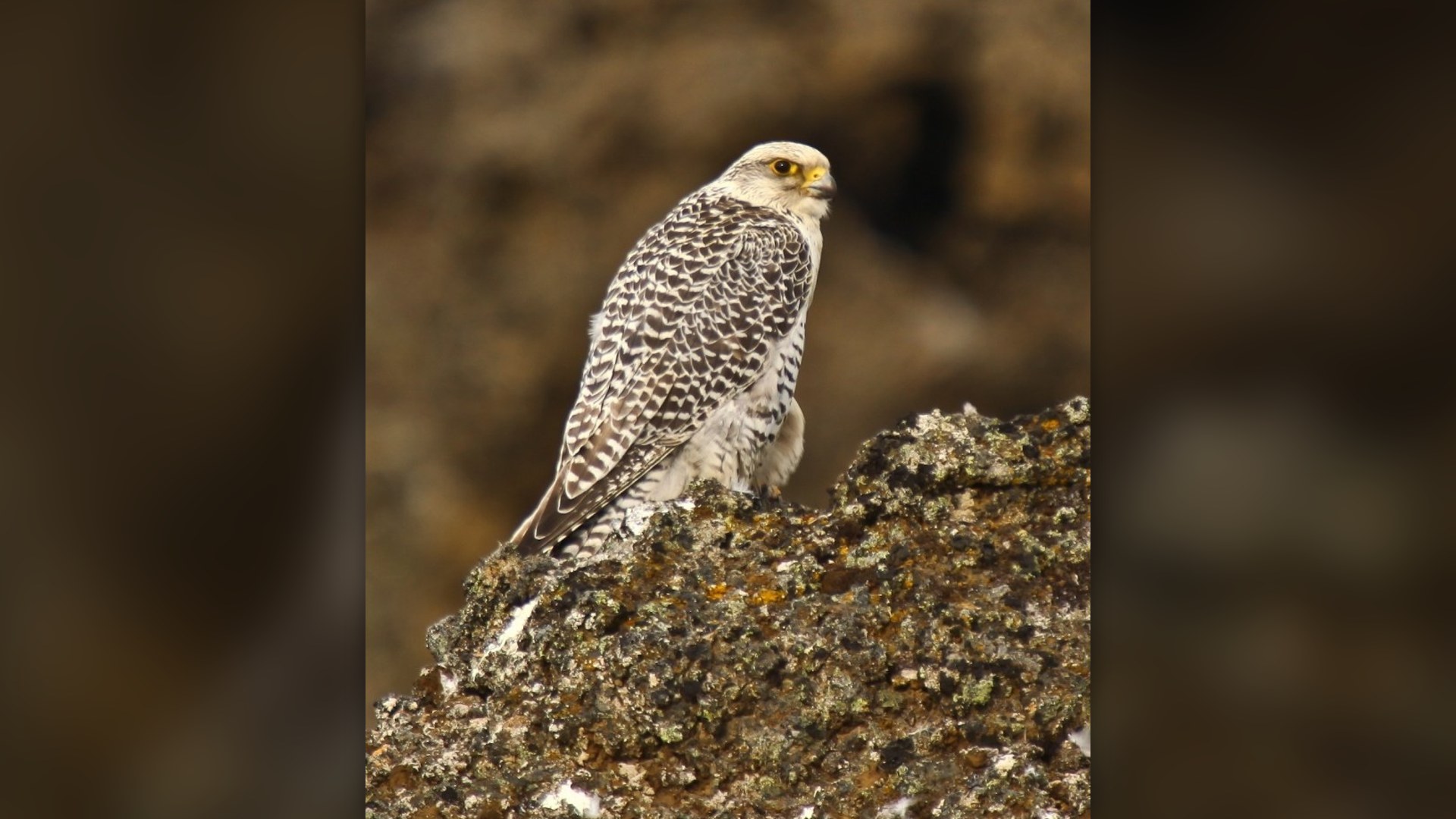
©Wikimedia / Ólafur Larsen
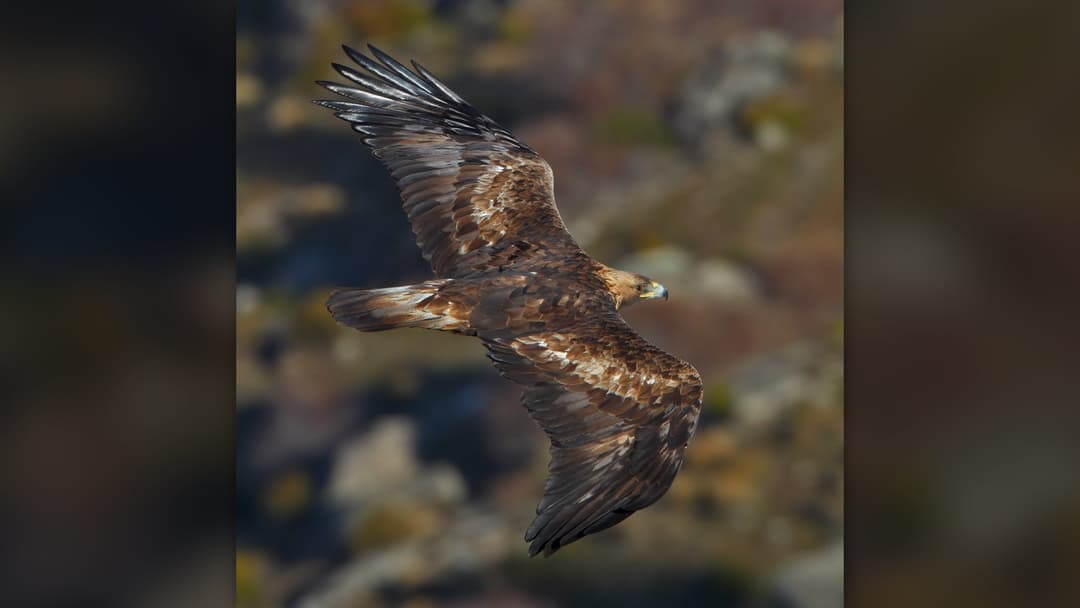
2. Golden Eagle
Eagles tuck their wings. Plunging from alpine cliffs, a hunting golden eagle reaches 200 mph before striking hares with lethal momentum. Massive curved talons absorb heavy kinetic force on impact.
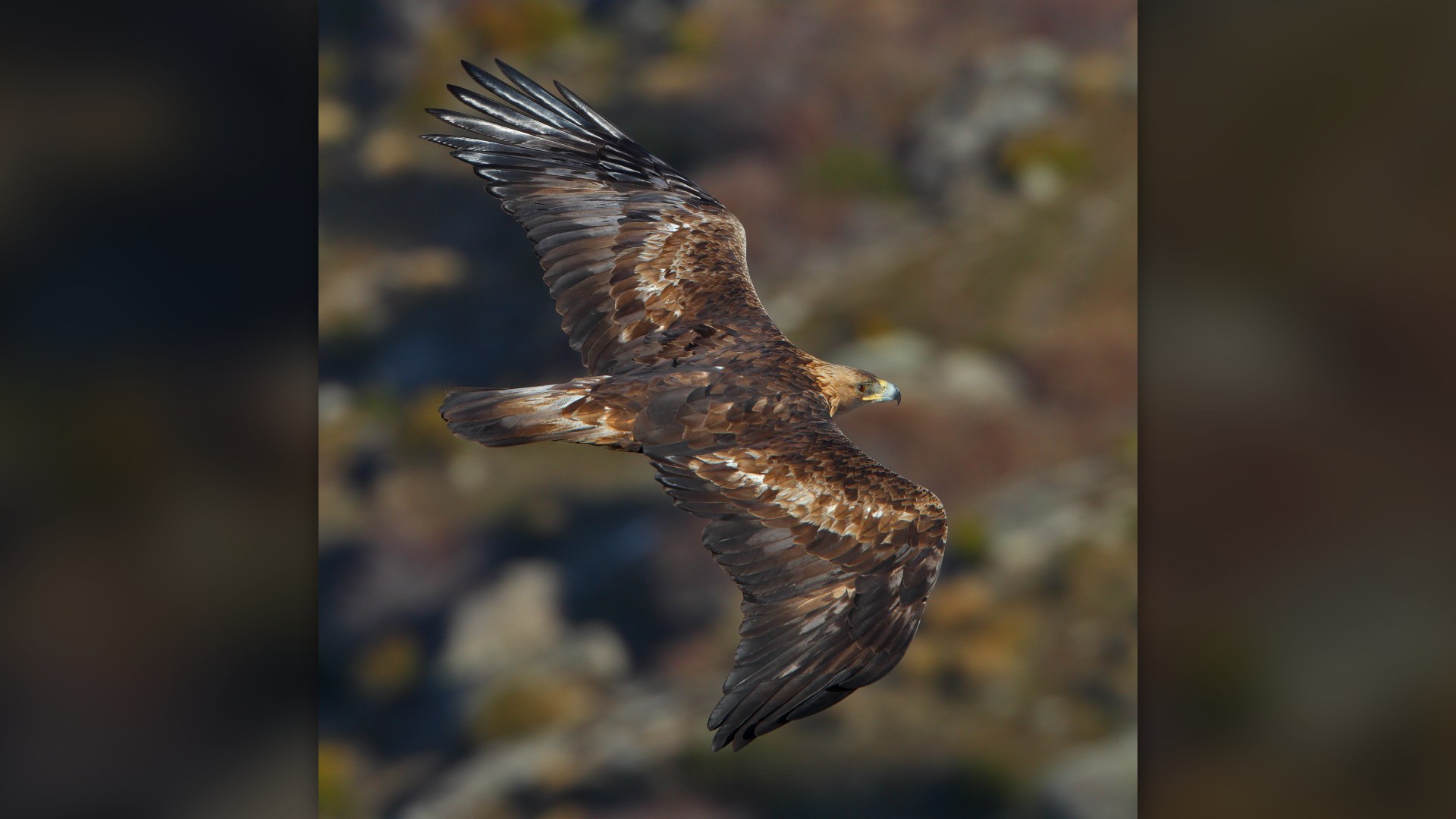
©Wikimedia / Juan Lacruz
Advertisement
Swipe or tap ▶ to resume the countdown.
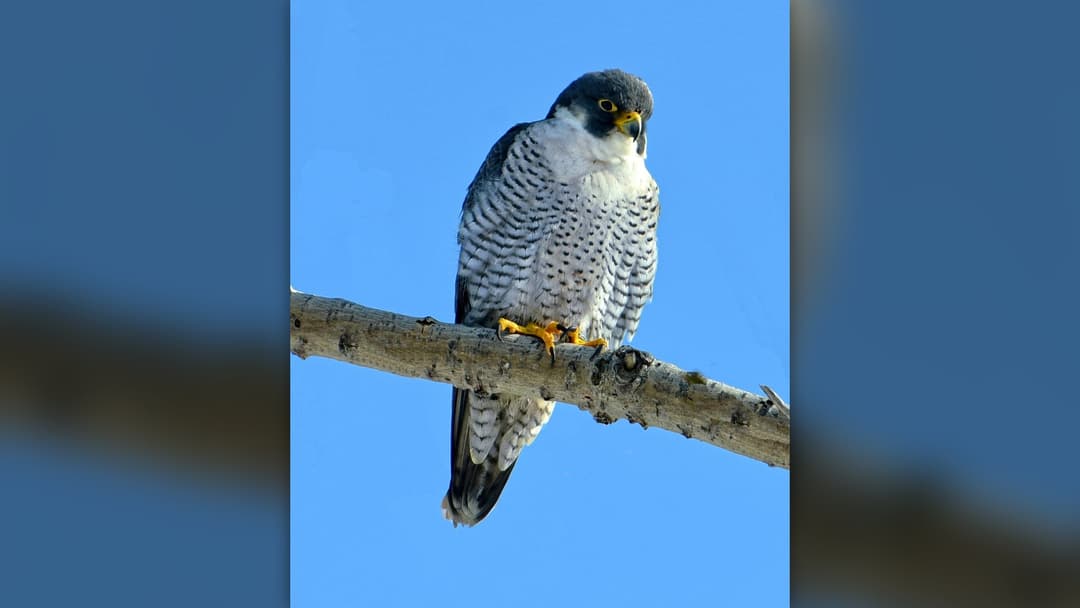
1. Peregrine Falcon
Nothing moves faster anywhere. The peregrine falcon folds into a sleek teardrop and dives past 240 mph to stun prey in mid-air. Internal nostril cones direct rushing air so lungs stay intact.
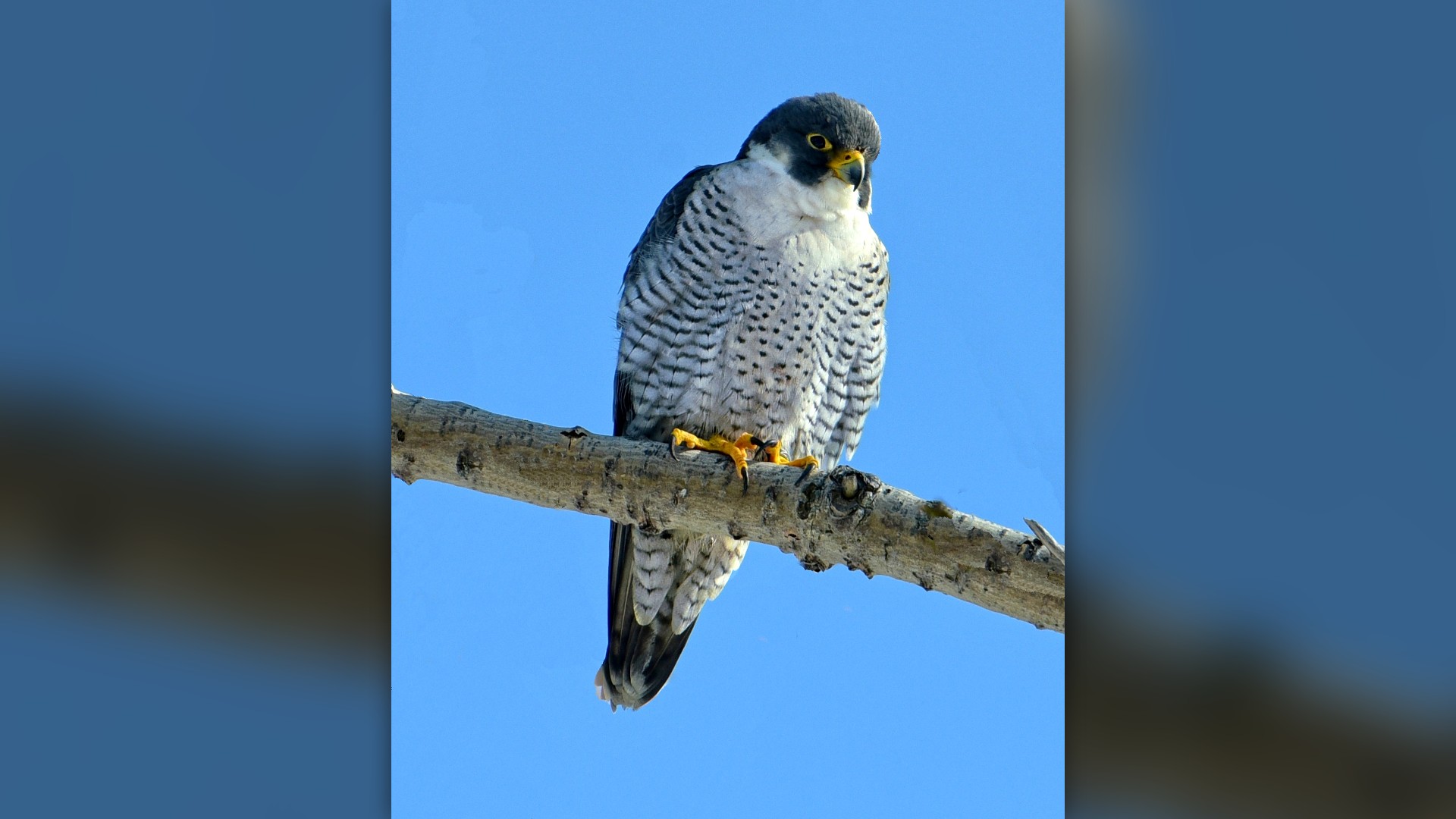
©Wikimedia / Peregrine falcon
Advertisement
You've reached the end of the story. Thanks for reading!

25 Most Venomous Animals on Earth Ranked by Lethal Toxicity
Official laboratory LD50 toxicity assays compiled by medical toxicologists rank the deadliest chemical venoms on Earth, from inland taipans to microscopic marine snails. Hind leg spurs deliver. Male platypuses produce complex cocktail venoms during annual breeding seasons to establish territory.
All 20 Entries in this Story
20. African Wild Dog
Packs coordinate hunts. African wild dogs run across open brushlands at 44 mph, exhausting fast antelope over punishing cross-country pursuits. Slender limbs keep them galloping until weary prey finally collapses.

19. Red Kangaroo
Huge tendons store energy. Big red kangaroos bounding across arid Australian outback reach sudden bursts of 44 mph when dingoes approach. Strong elastic hind feet bounce mechanical force straight back with every hop.

18. Common Ostrich
Traction matters here. The common ostrich sprints at 45 mph across African savannas, easily outpacing hunting leopards over dry open ground. Heavy muscular legs take twelve-foot strides at maximum running speed.

17. European Brown Hare
Hares turn fast. European brown hares touch 45 mph across open pastures, deploying sudden right-angle cuts that leave chasing foxes completely bewildered. Oversized rear limbs launch rapid zigzag sprints in seconds.

16. Greyhound
Greyhounds accelerate instantly. A racing hound reaches its top sprint speed of 45 mph within six strides from a dead stop. Flexible spines and deep ribcages pump rich oxygen during high stakes chases.

15. Thomson's Gazelle
Tight turns save lives. Thomson's gazelles sustain 50 mph across open plains, dodging predators through sudden ninety-degree cuts until pursuers overheat. Sharp hooves pivot on dry soil without slipping.

14. Blackbuck Antelope
They jump high. Blackbuck antelope clock 50 mph across Indian grasslands, using vertical leaps called stotting to spot lurking predators in thick vegetation. Pointed hooves grip rock-hard earth during full gallop.

13. African Lion
Lions charge hard. They creep within yards before launching an explosive 50 mph rush that overwhelms zebra and buffalo before they can escape. Heavy front legs tackle big targets with bone-crushing force.

12. Blue Wildebeest
Heavy frames move fast. Blue wildebeest charge across East African terrain at 50 mph, kicking up blinding dirt during annual Serengeti migration crossings. Massive shoulder muscles power their unstoppable collective stride.

11. Springbok
Springbok bounce high. Southern African gazelles leap ten feet into the air before breaking into 55 mph sprints across dusty Kalahari salt pans. Flexible backbones flex continuously through every bounding leap.

10. Pronghorn
Pronghorns run for miles. Clocked at 61 mph across Wyoming prairies, they cruise at 35 mph indefinitely because oversized windpipes intake immense oxygen volumes. They originally evolved to outrun prehistoric American cheetahs.

9. Cheetah
Cheetahs dominate land sprints. A hunting cheetah explodes from zero to 60 mph in three seconds, reaching 75 mph across flat African scrubland. Rigid blunt claws dig into dirt like football cleats.

8. Spur-Winged Goose
Geese fly with power. Africa's spur-winged goose hits 88 mph during steady horizontal flight above freshwater lakes, making it one of Earth's fastest waterfowl. Sharp wrist spurs ward off aggressive marsh hawks.

7. Magnificent Frigatebird
Ocean winds carry them. Magnificent frigatebirds soar over tropical oceans without landing for weeks, diving at 95 mph to rob terns and snatch leaping flying fish. Light skeletal frames maximize total surface glide area.

6. Mexican Free-Tailed Bat
Bats fly remarkably fast. Mexican free-tailed bats clocked past 100 mph in horizontal flight above Texas canyons, setting genuine world flight records for mammals. Tapered wingtips slice thin night air without turbulence.

5. Eurasian Hobby
Small falcons hunt swifts. The agile Eurasian hobby touches 100 mph in steep hunting stoops, intercepting barn swallows and darters cleanly in mid-flight. Pointed sickle wings fold back for high-g banking turns.

4. White-Throated Needletail
Swifts dominate horizontal flight. White-throated needletails recorded 105 mph in level flapping across Asian mountain ridges, driven by rigid curved wings and dense chest muscle. Spiny tail shafts stabilize rapid paths.

3. Gyrfalcon
Gyrfalcons rule frozen skies. These massive arctic falcons dive at 130 mph to strike ptarmigan across rocky barren plains with stunning precision. Dense plumage cushions heavy bodies during high-velocity arctic stoops.

2. Golden Eagle
Eagles tuck their wings. Plunging from alpine cliffs, a hunting golden eagle reaches 200 mph before striking hares with lethal momentum. Massive curved talons absorb heavy kinetic force on impact.

1. Peregrine Falcon
Nothing moves faster anywhere. The peregrine falcon folds into a sleek teardrop and dives past 240 mph to stun prey in mid-air. Internal nostril cones direct rushing air so lungs stay intact.