Slideshow · Health
20 Foods Doctors Eat Every Day, Ranked
From antioxidant-rich dark chocolate and fermented kefir to wild fatty fish and dark leafy greens, physicians build their daily meals around nutrient-dense staples proven to protect the heart, gut, and brain.
By Most Viral Today
11 min ago

20 Foods Doctors Eat Every Day, Ranked 
20. Dark Chocolate (70%+ Cocoa) 
19. Green Tea 
18. Garlic And Ginger - AdvertisementSwipe or tap ▶ to continue countdown

17. Turmeric 
16. Tomatoes 
15. Sweet Potatoes 
14. Quinoa - AdvertisementSwipe or tap ▶ to continue countdown

13. Kiwis 
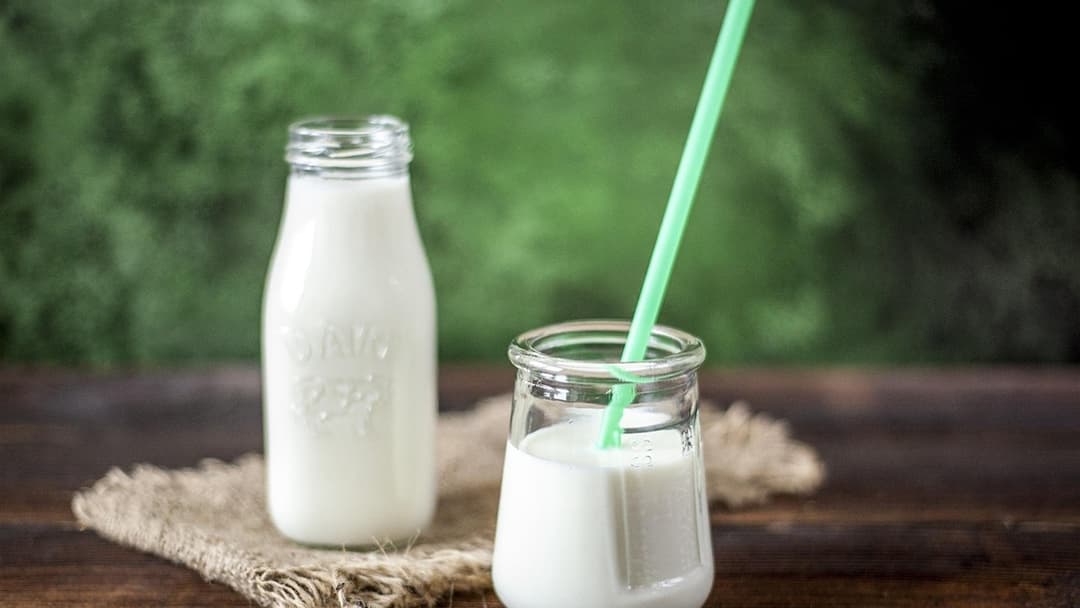
12. Kefir 
11. Oats 
10. Eggs - AdvertisementSwipe or tap ▶ to continue countdown

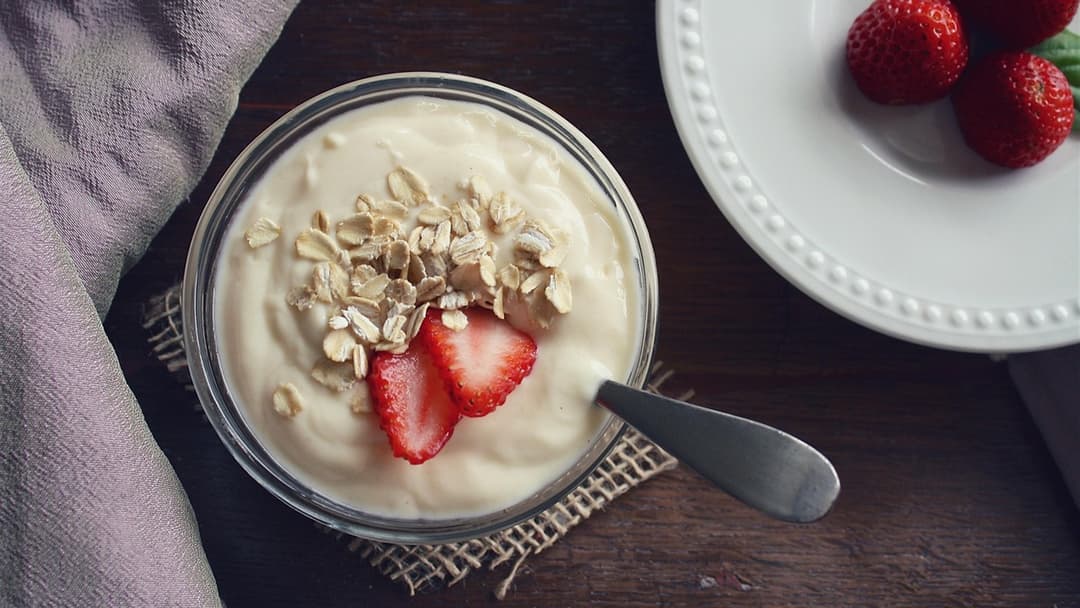
9. Plain Greek Yoghurt 
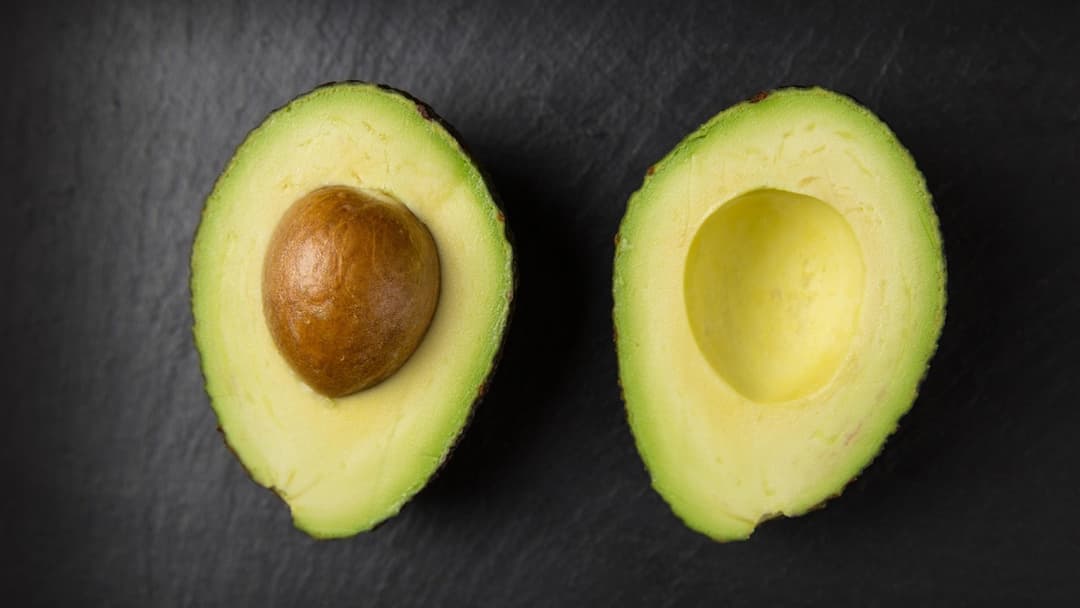
8. Avocados 
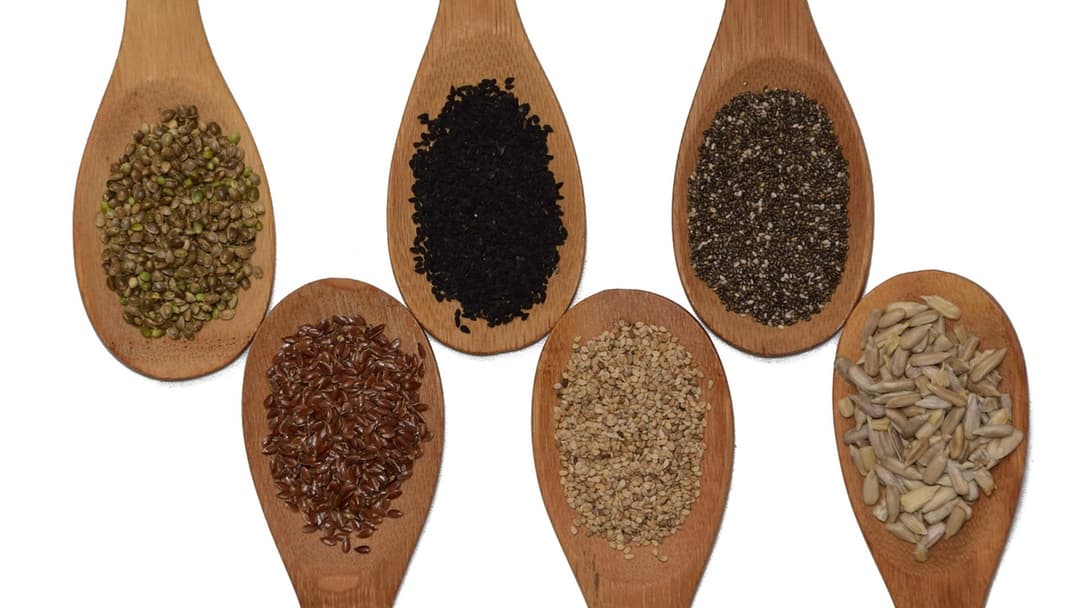
7. Chia And Flaxseeds 
6. Cruciferous Vegetables - AdvertisementSwipe or tap ▶ to continue countdown

5. Walnuts And Almonds 
4. Extra Virgin Olive Oil 
3. Beans And Lentils 
2. Fatty Fish (Salmon, Sardines, Mackerel) - AdvertisementSwipe or tap ▶ to continue countdown

1. Berries And Dark Leafy Greens (Tie) - Advertisement🔥 UP NEXT IN THIS SERIES◫ 21 Slides

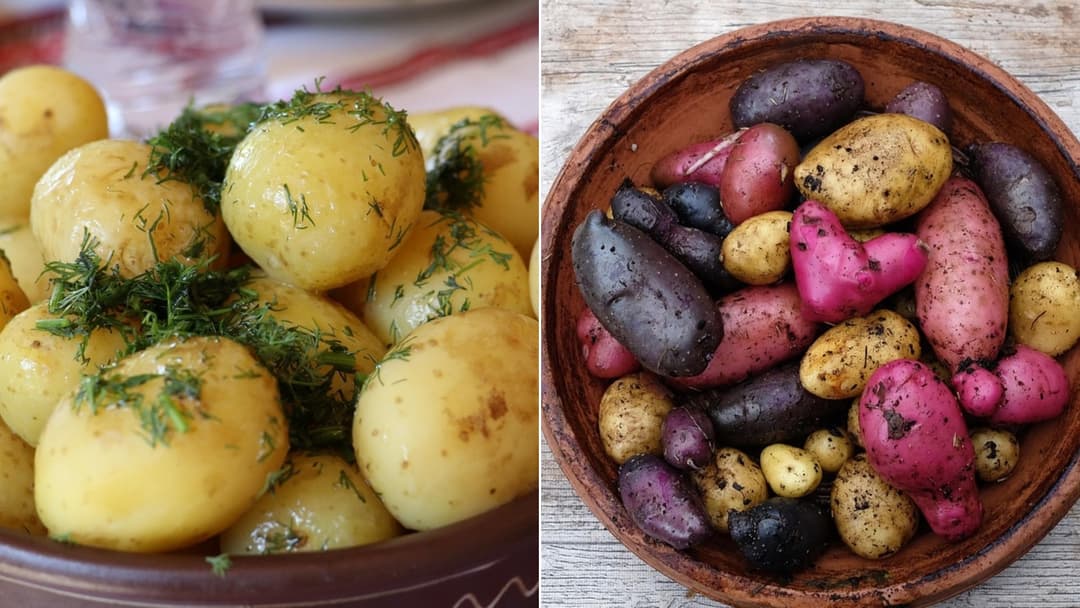
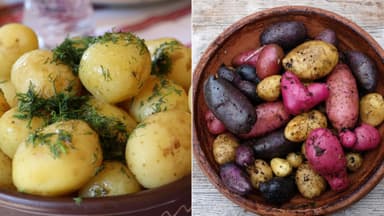
20 Ways Eating Potatoes Daily Affects Your Body
Surprising Metabolic Shifts From Daily Potato Consumption
Physicians do not rely on fad cleanses or complicated supplements to stay healthy. Instead, cardiologists, gastroenterologists, and longevity researchers build their daily plates around 20 evidence-based whole foods that protect blood vessels, feed the gut microbiome, and lower chronic inflammation every single day.
Swipe or tap ▶ to begin the countdown
©Wikimedia / No machine-readab & Pixabay / Mondgesicht
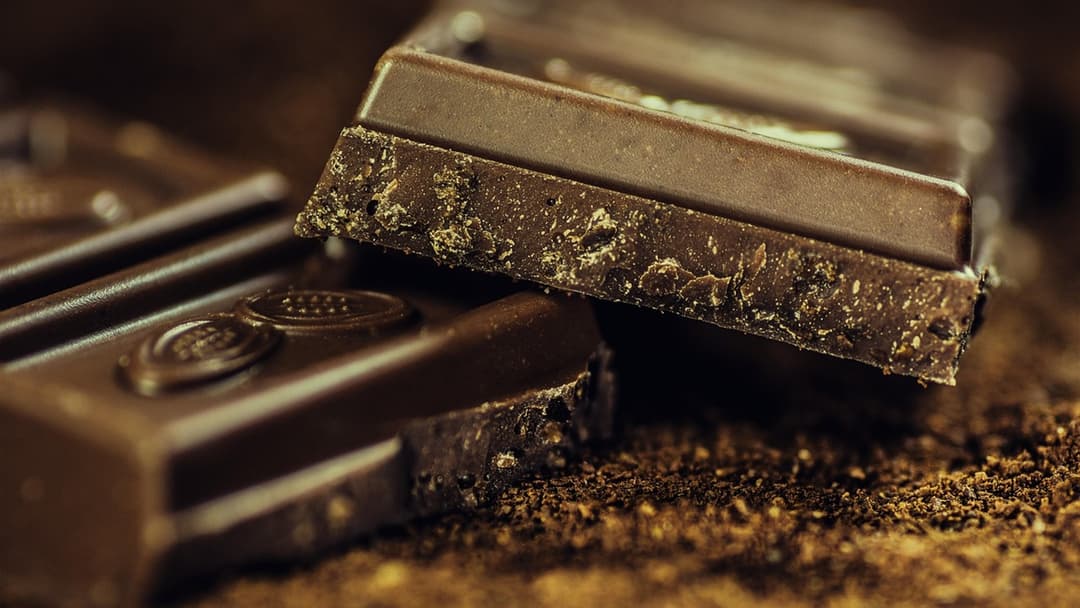
20. Dark Chocolate (70%+ Cocoa)
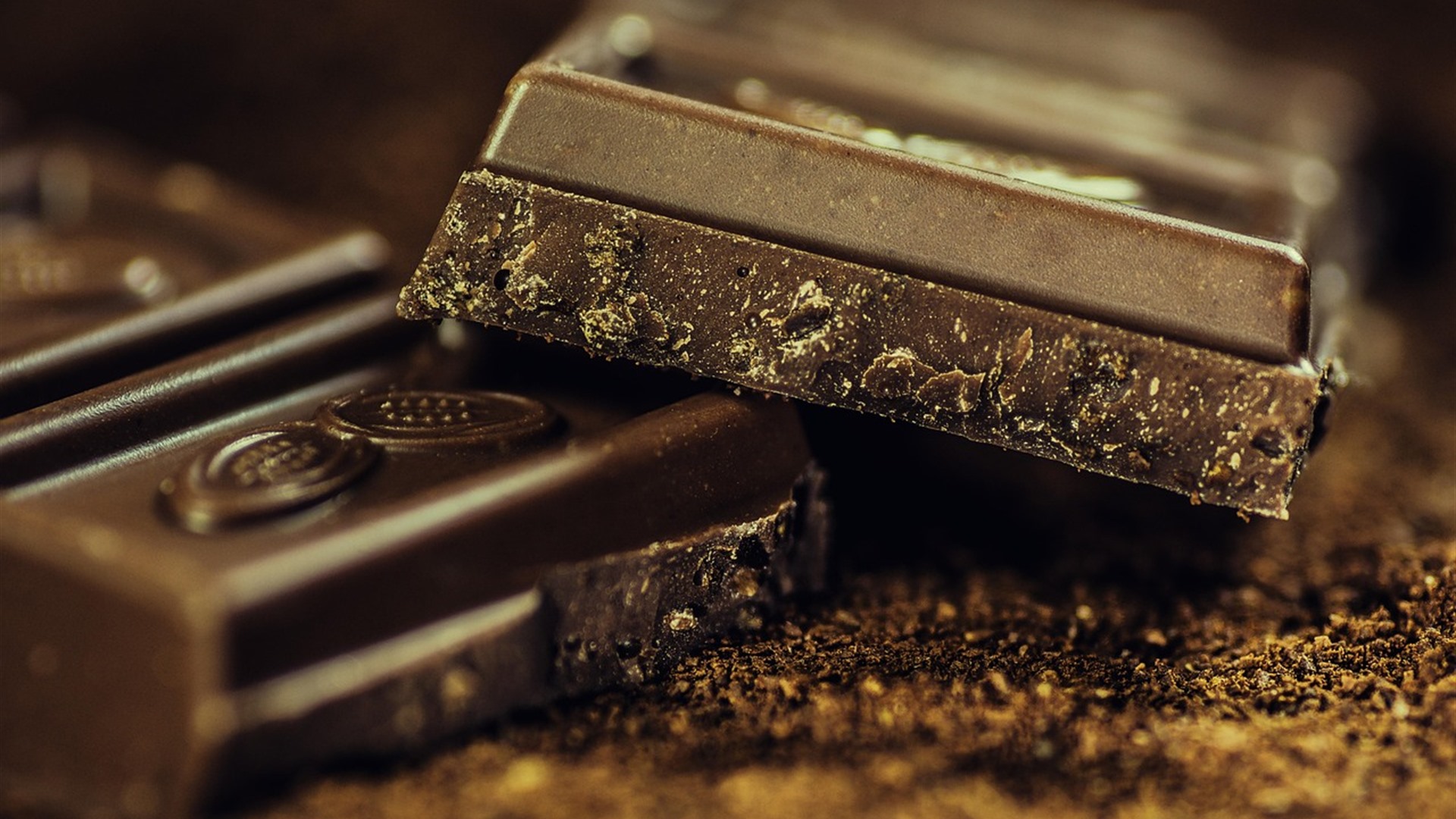
Physicians often choose high-cocoa dark chocolate with at least 70 percent cocoa solids as a daily treat for its rich flavanol and polyphenol content. These plant compounds support blood vessel elasticity, promote healthy blood pressure, and satisfy sweet cravings with minimal added sugar.
©Pixabay / AlexanderStein
19. Green Tea
Packed with antioxidant catechins like EGCG, unsweetened green tea is a daily staple beverage for metabolic and cardiovascular protection. Doctors favor it over sugary energy drinks because it pairs a gentle caffeine lift with calming L-theanine for steady focus without the jitters.

©Pixabay / Obaid47
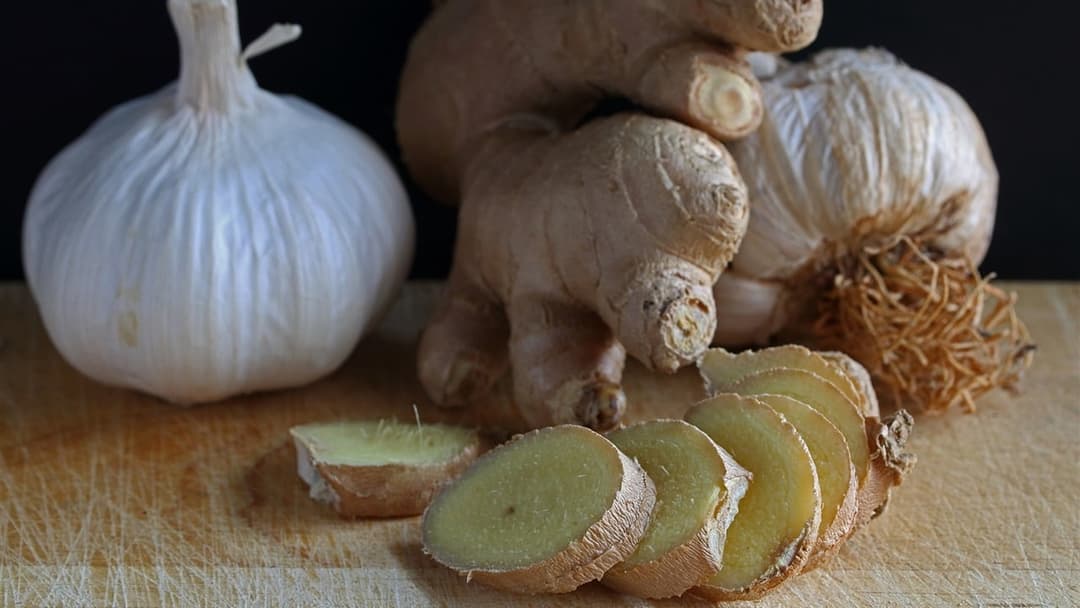
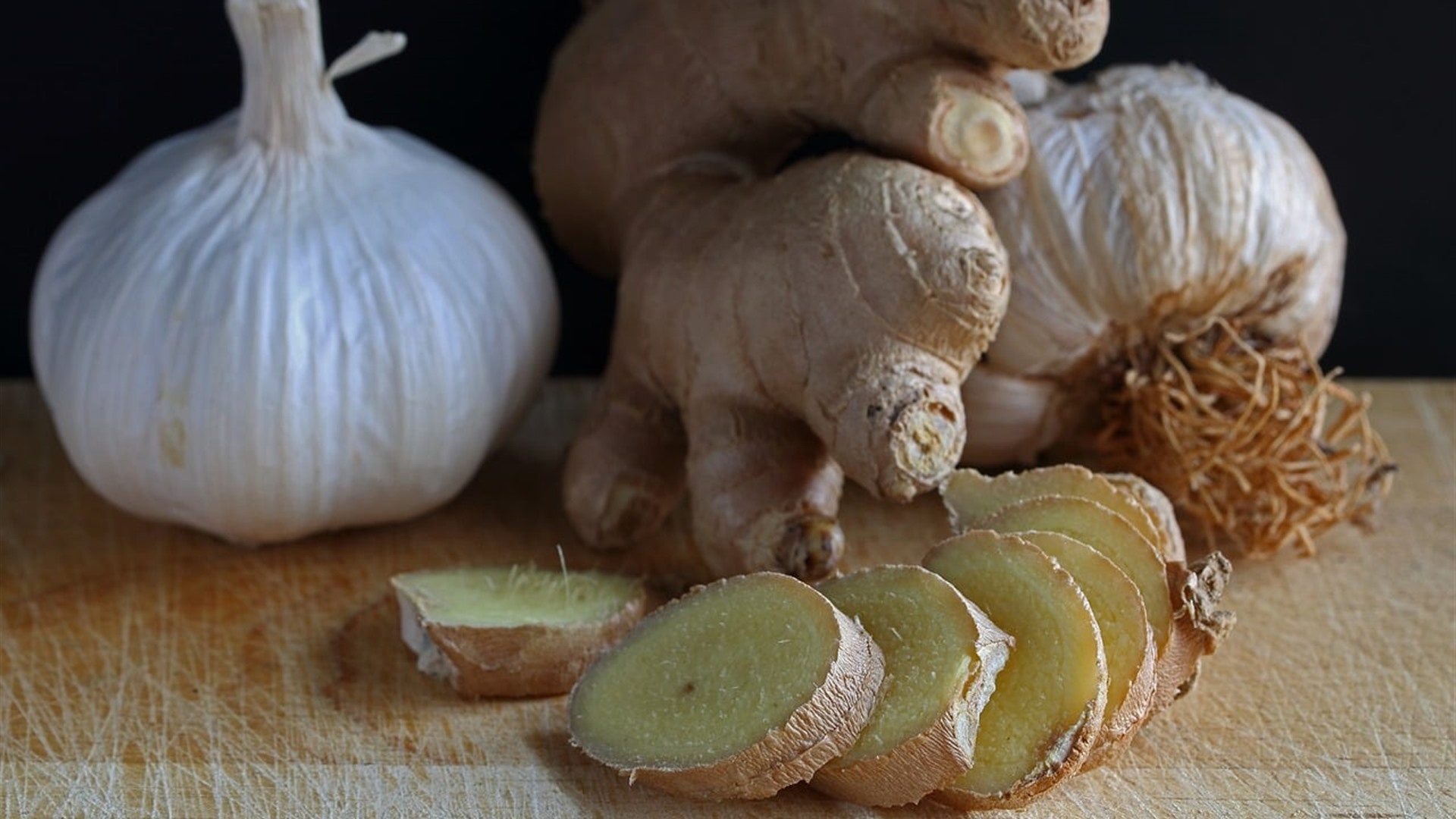
18. Garlic And Ginger
Doctors rely on these aromatic roots to add bold flavor to daily meals without excess sodium. Crushed garlic provides heart-protective allicin that supports healthy blood pressure, while fresh ginger speeds gastric emptying, eases nausea, and reduces systemic inflammation.
©Pixabay / Bluesnap
Advertisement
Swipe or tap ▶ to resume the countdown.
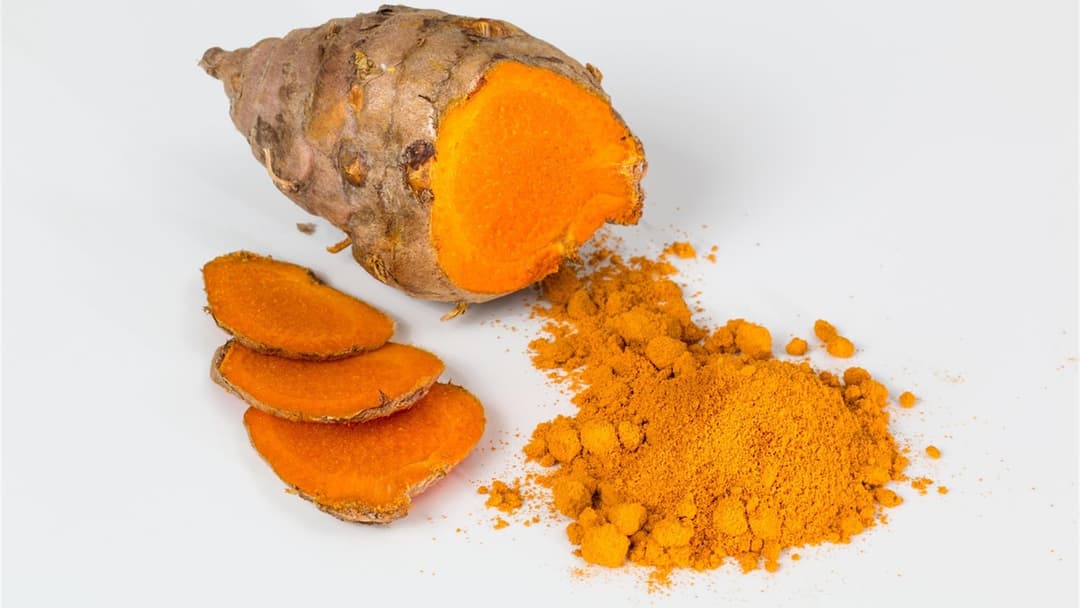
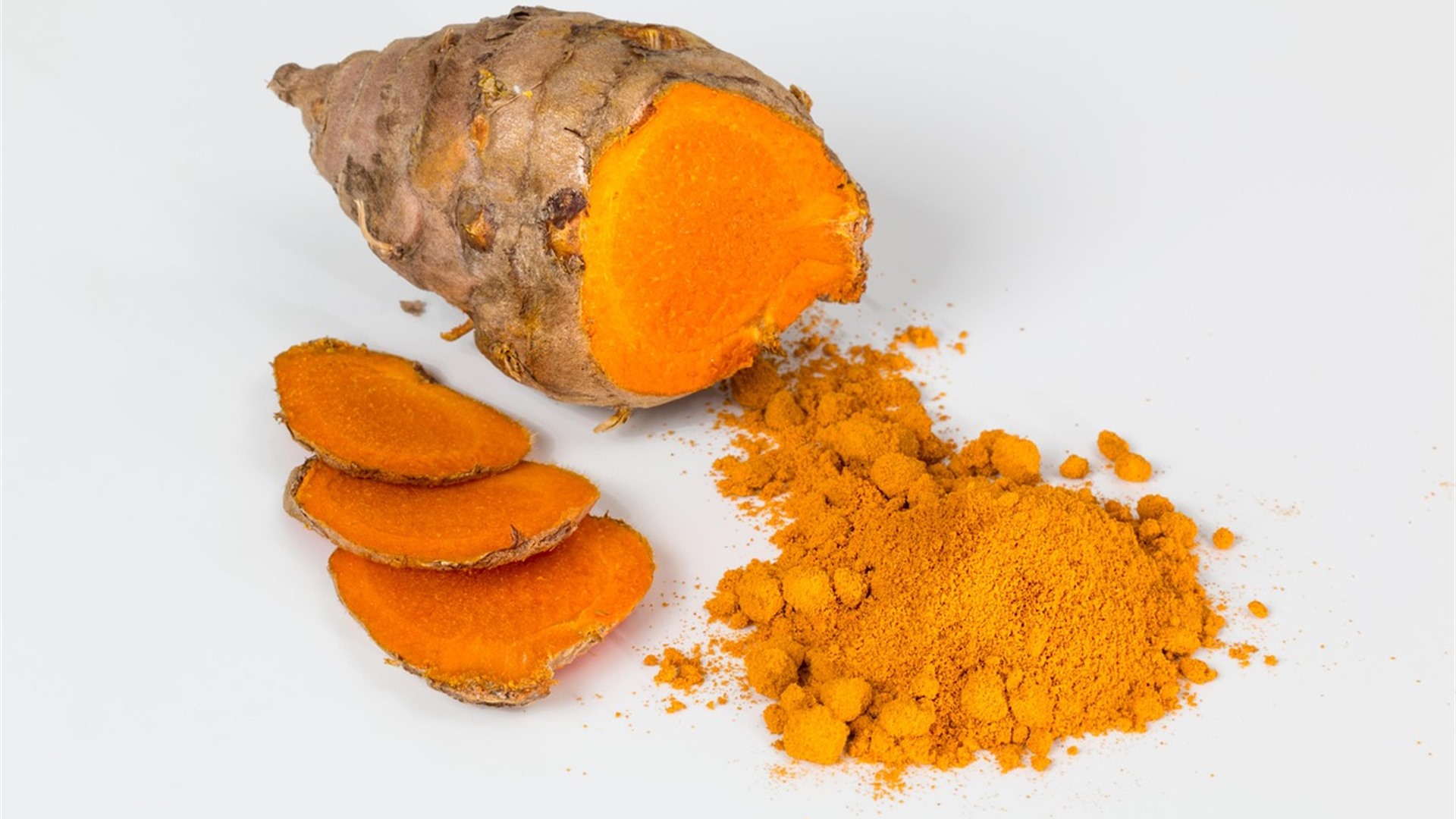
17. Turmeric
Frequently paired with a pinch of black pepper to boost bioavailability by up to 2,000 percent, golden turmeric is rich in active curcumin. Clinicians stir it daily into soups, curries, scrambled eggs, or warm teas to help downregulate chronic inflammatory pathways across the body.
©Pixabay / stevepb
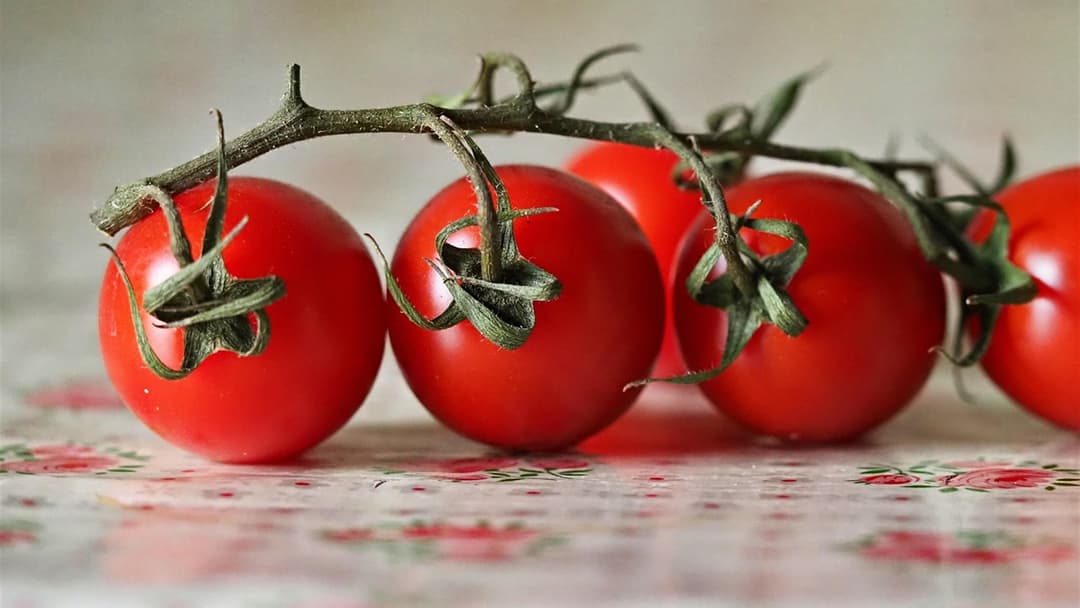
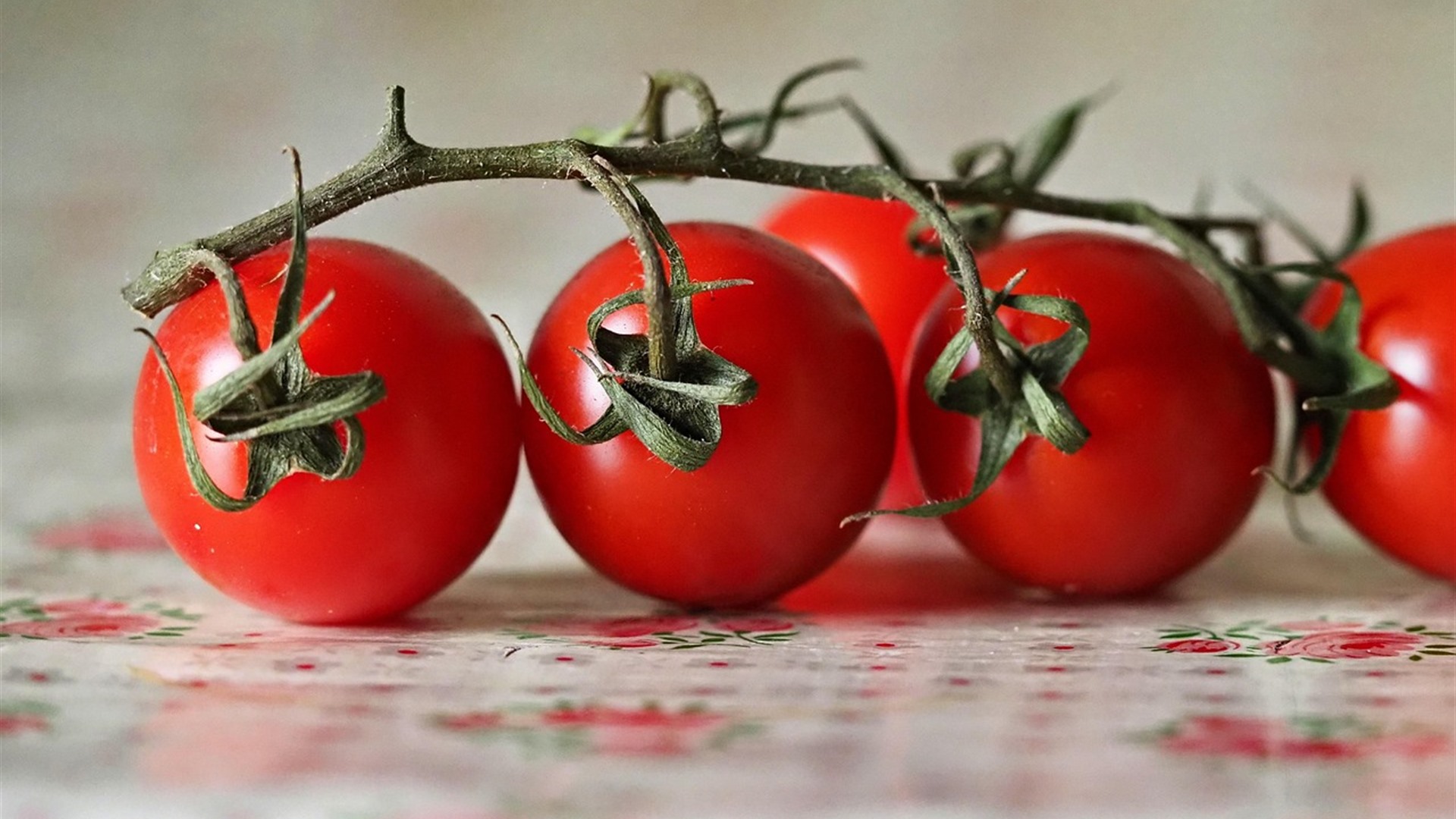
16. Tomatoes
Rich in the antioxidant lycopene, potassium, and vitamin C, tomatoes support long-term cardiovascular and skin health. Doctors often simmer tomatoes gently in extra virgin olive oil, a simple culinary step that significantly increases how much lycopene the body can absorb.
©Pixabay / Ralf1403
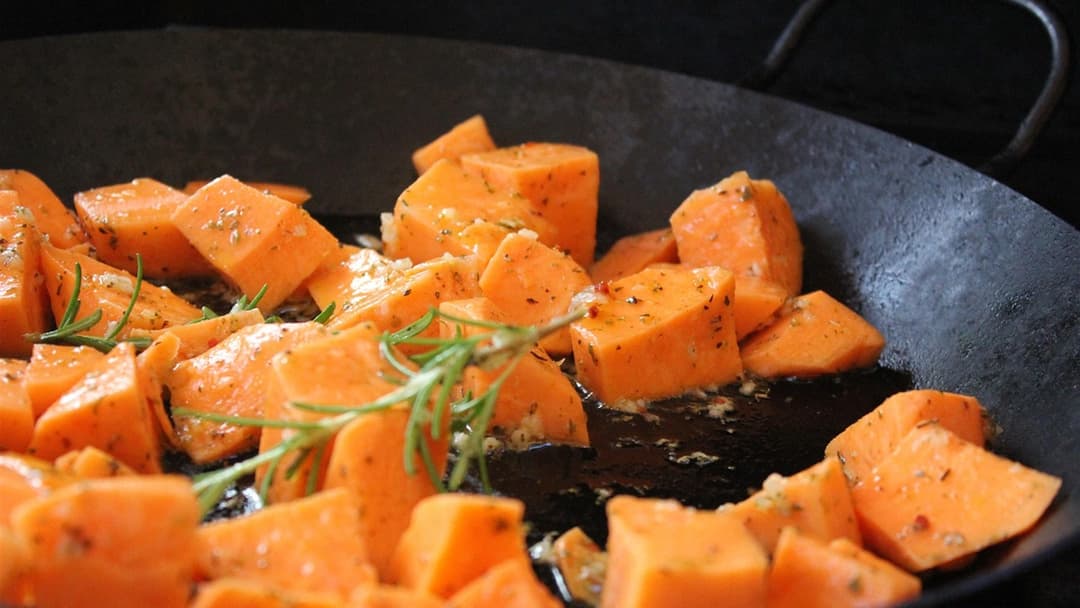
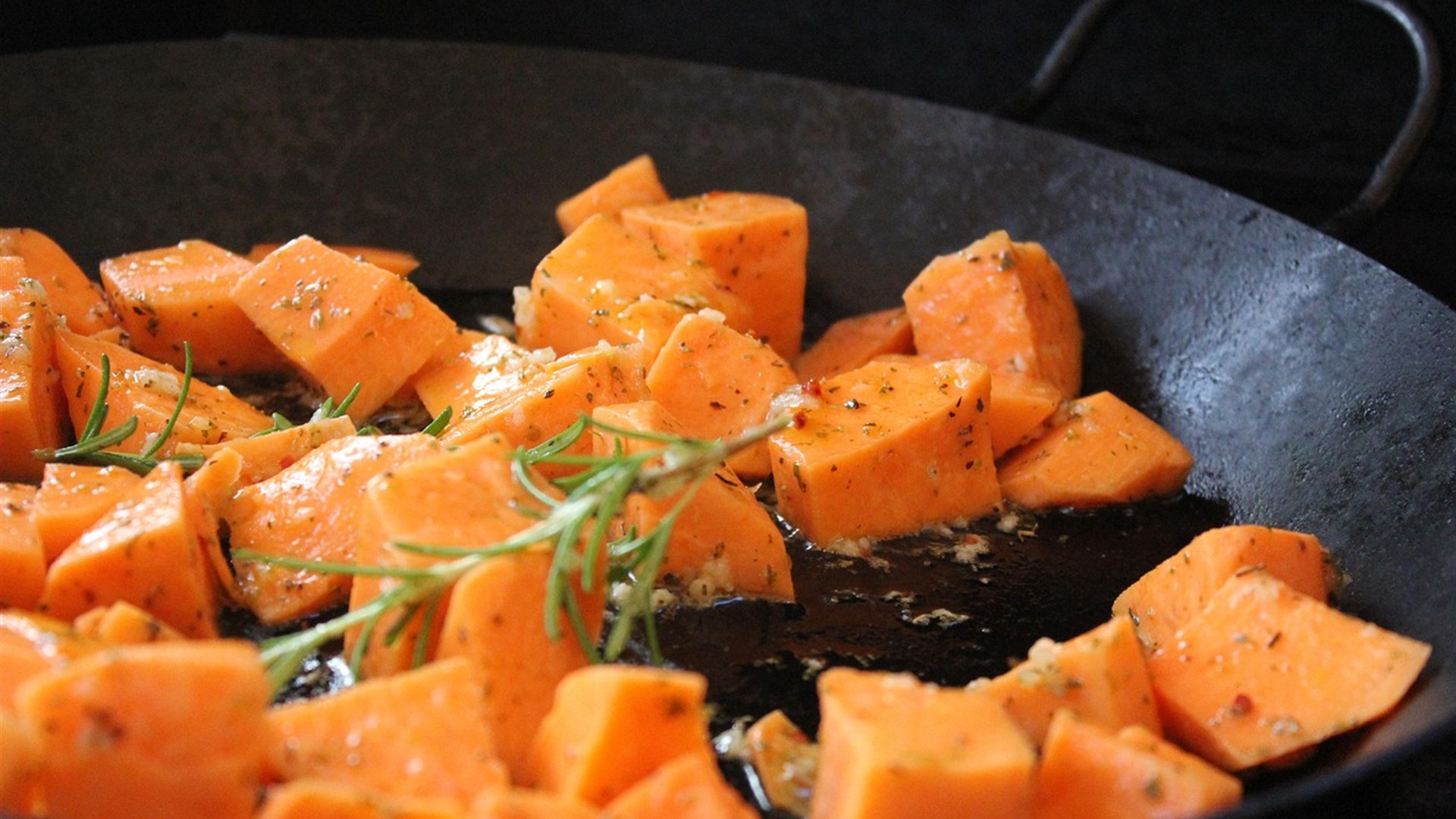
15. Sweet Potatoes
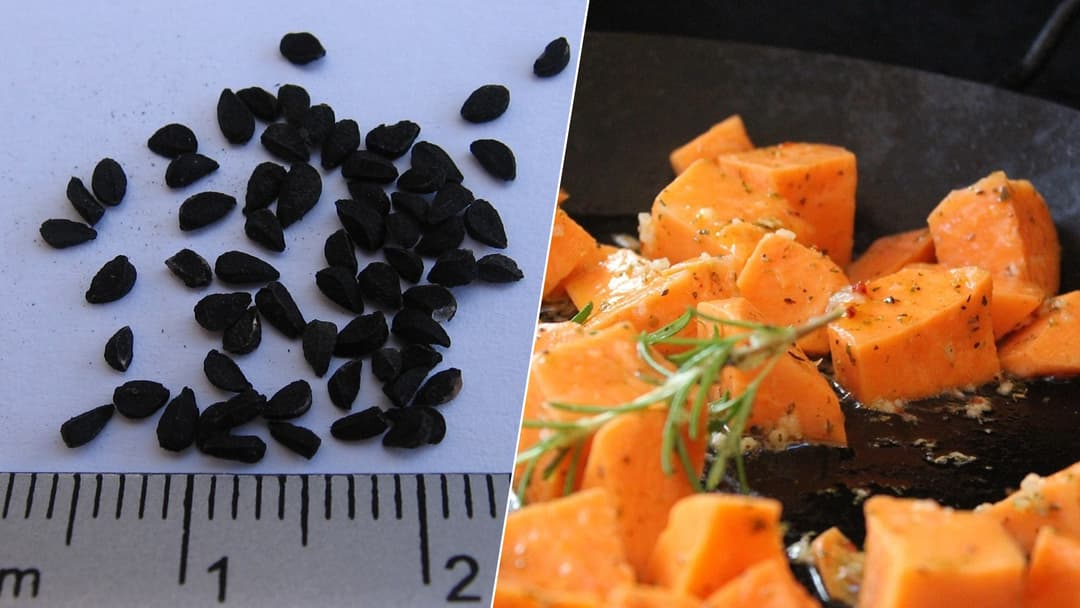
Loaded with provitamin A beta-carotene, blood-pressure-friendly potassium, and slow-digesting soluble and insoluble fiber, sweet potatoes offer sustained cellular energy without sharp insulin spikes. Physicians swap refined white carbs for roasted sweet potatoes at lunch and dinner.
©Pixabay / Mondgesicht
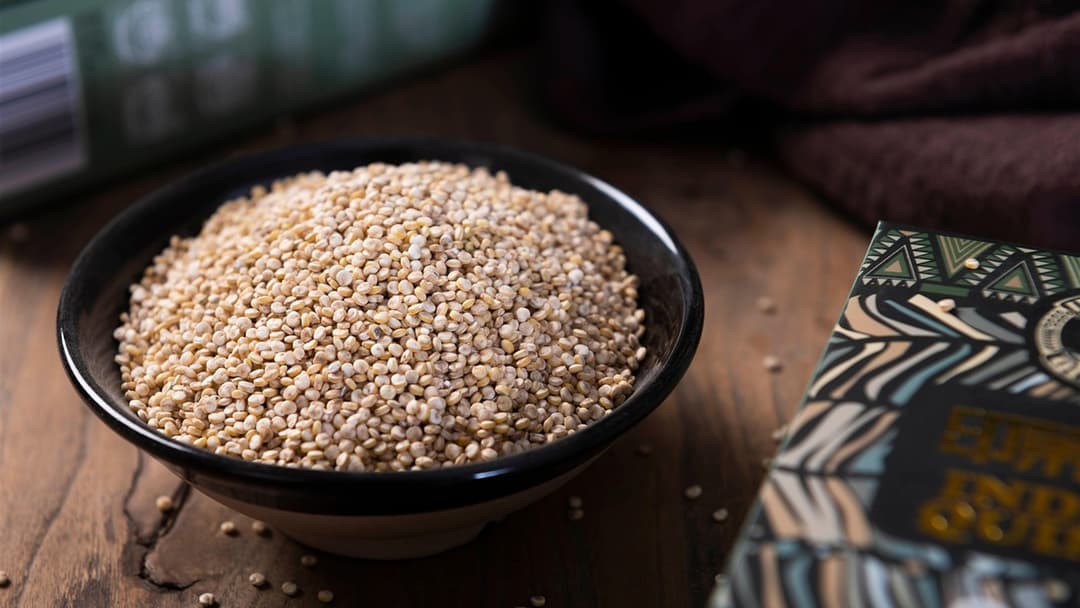
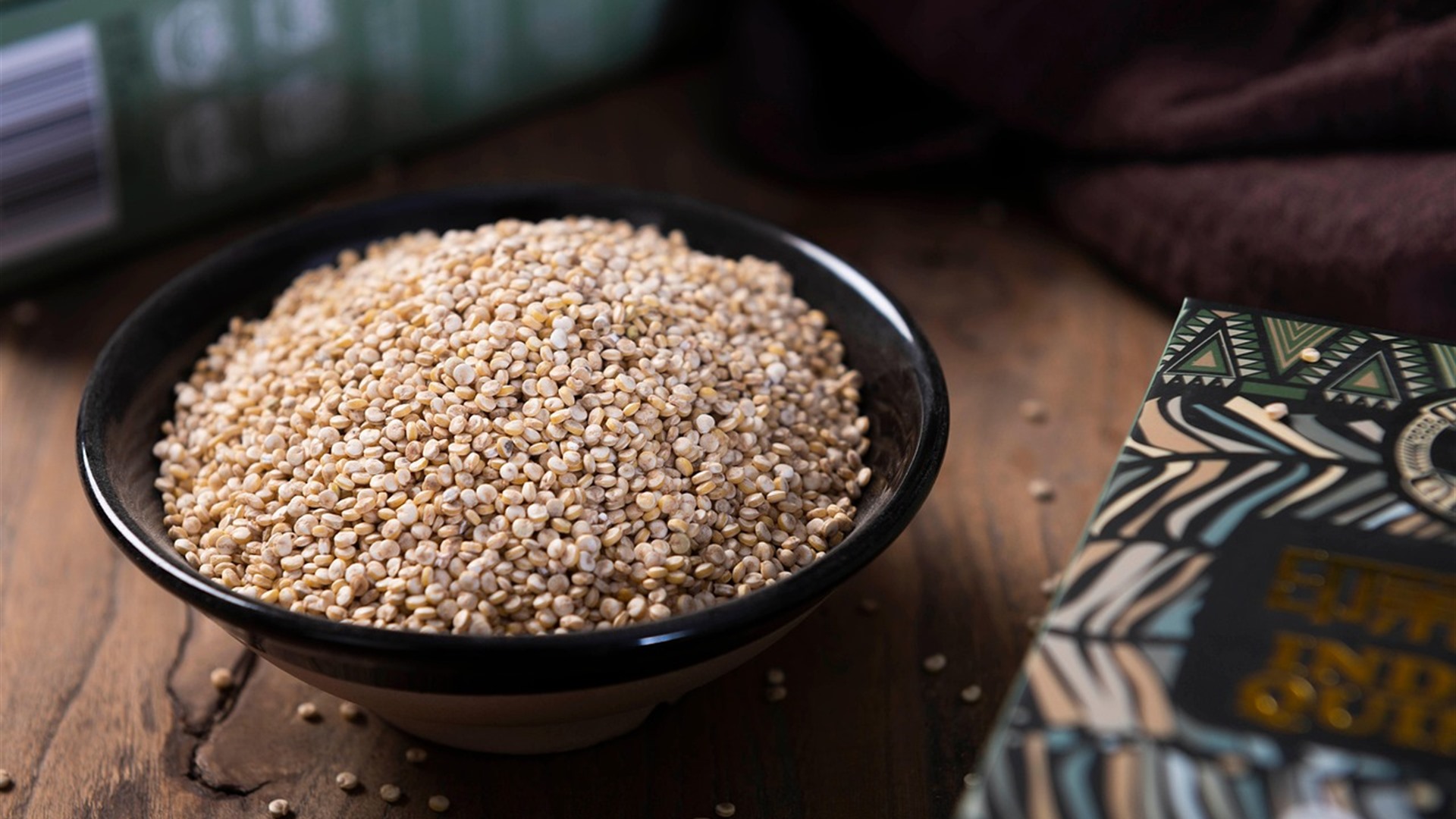
14. Quinoa
Unlike most culinary grains, quinoa is a complete plant protein containing all nine essential amino acids that the human body cannot synthesize on its own. It also delivers abundant magnesium, iron, and prebiotic fiber that keep blood sugar steady and feed beneficial gut microbes.
©Pixabay / we-o_rd35ghczdq1090c5m
Advertisement
Swipe or tap ▶ to resume the countdown.
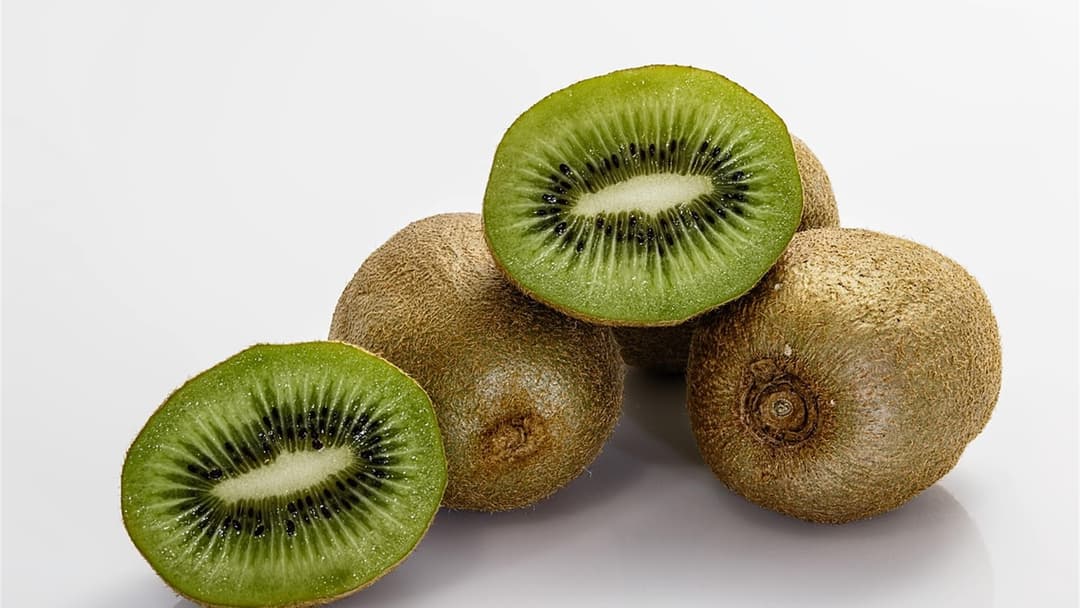
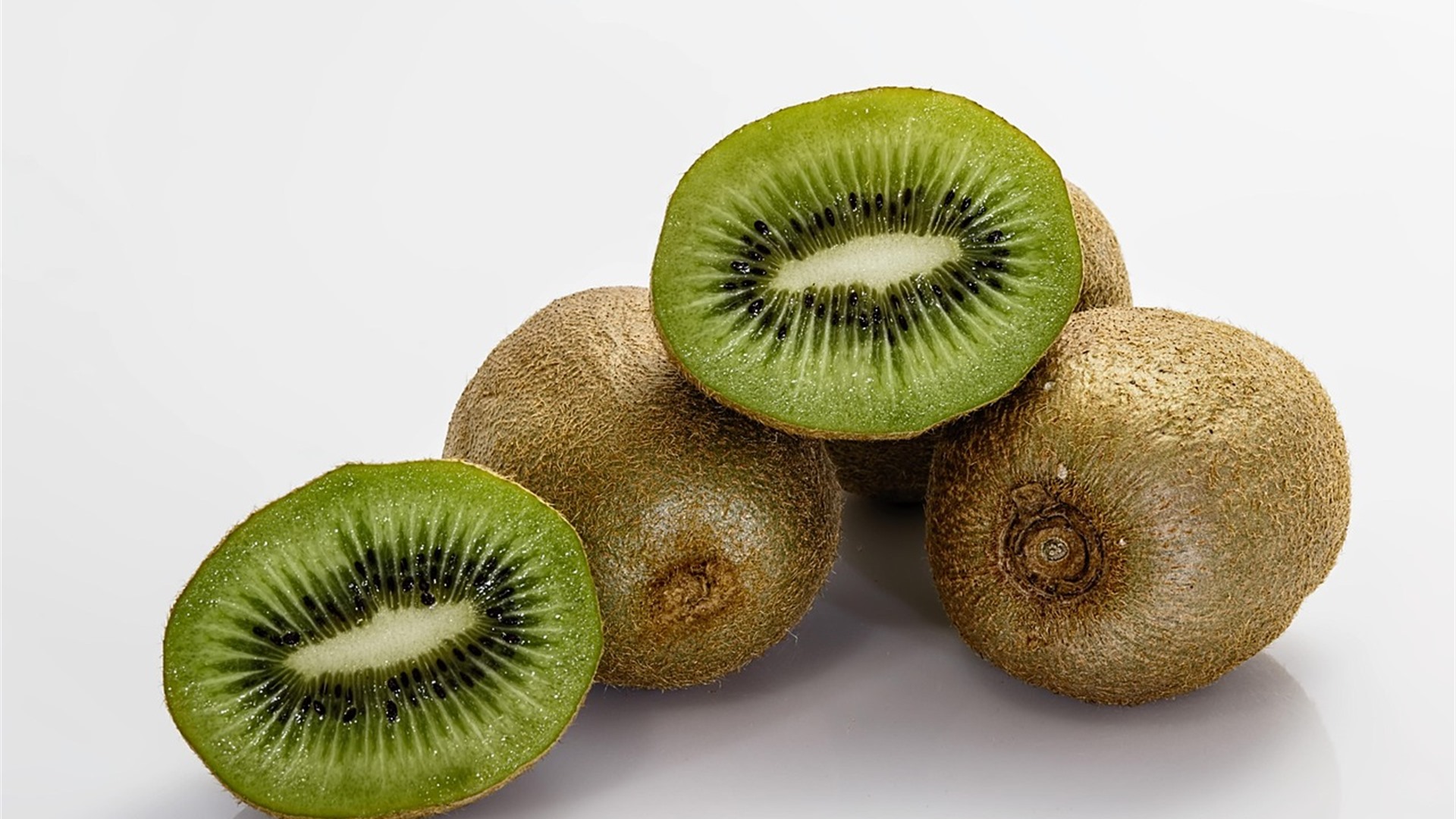
13. Kiwis
Gastroenterologists frequently highlight green kiwis as a natural prescription for digestive regularity. Eating two kiwis a day supplies more vitamin C than an orange alongside water-retaining fiber and the enzyme actinidin, which accelerates protein digestion and eases abdominal bloating.
©Pixabay / stevepb
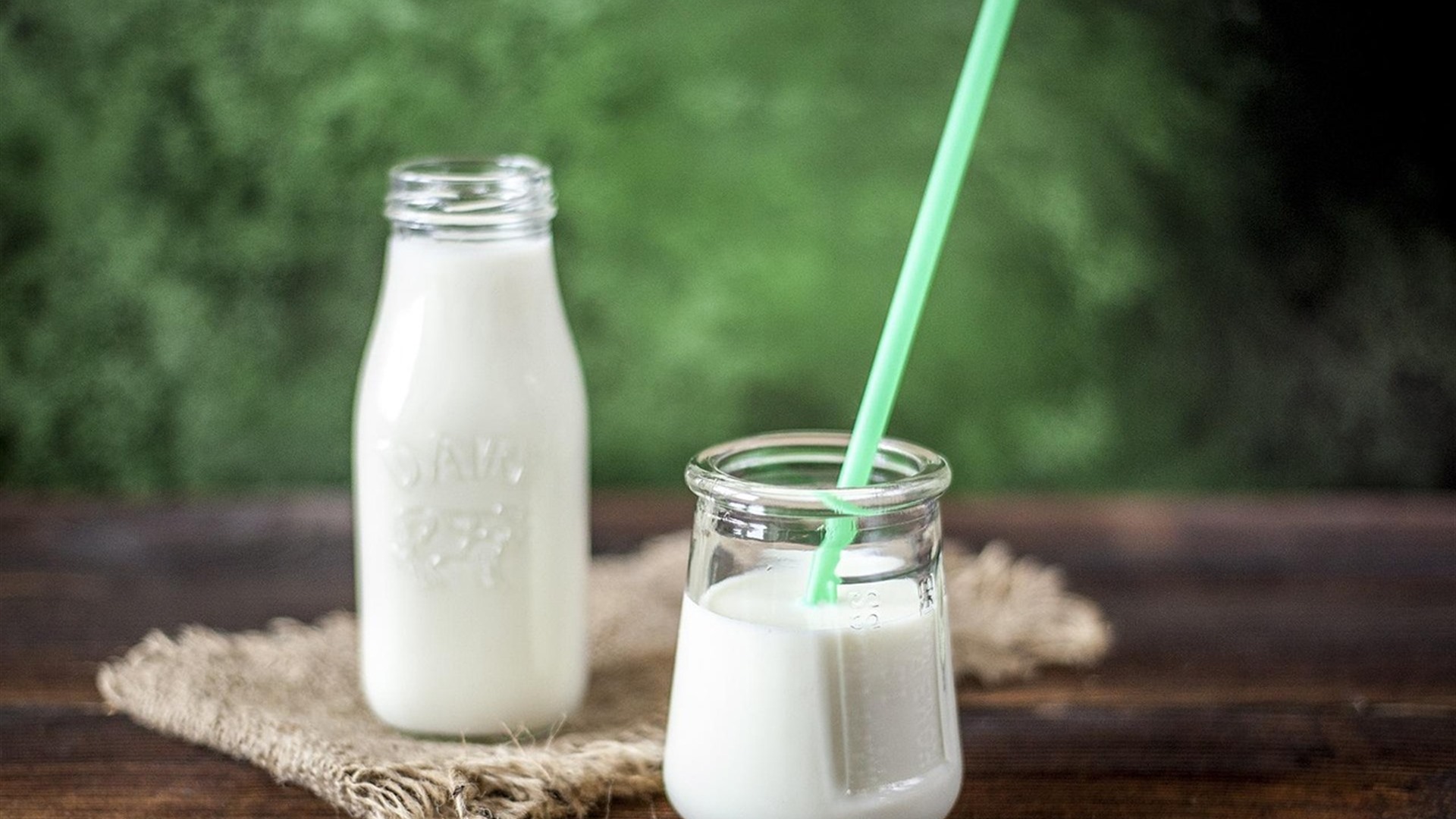
12. Kefir
This tangy fermented milk drink contains a far broader diversity of live probiotic bacteria and beneficial yeasts than standard supermarket yoghurt. Doctors drink unsweetened kefir daily to reinforce gut barrier integrity, crowd out harmful pathogens, and modulate immune function.
©Pixabay / Imoflow
11. Oats
Whole rolled or steel-cut oats are rich in beta-glucan, a viscous soluble fiber clinically proven to bind bile acids and cholesterol in the digestive tract and lower LDL levels. Cardiologists and gut specialists eat oatmeal regularly for heart protection and microbiome nourishment.

©Pixabay / sunxiaoji
10. Eggs
Once debated over dietary cholesterol, whole eggs are now a daily breakfast staple for many physicians. Each egg supplies highly bioavailable protein, vitamin D, lutein for retinal protection, and concentrated choline in the yolk, which is vital for memory, neurotransmitters, and liver health.

©Pixabay / JillWellington
Advertisement
Swipe or tap ▶ to resume the countdown.
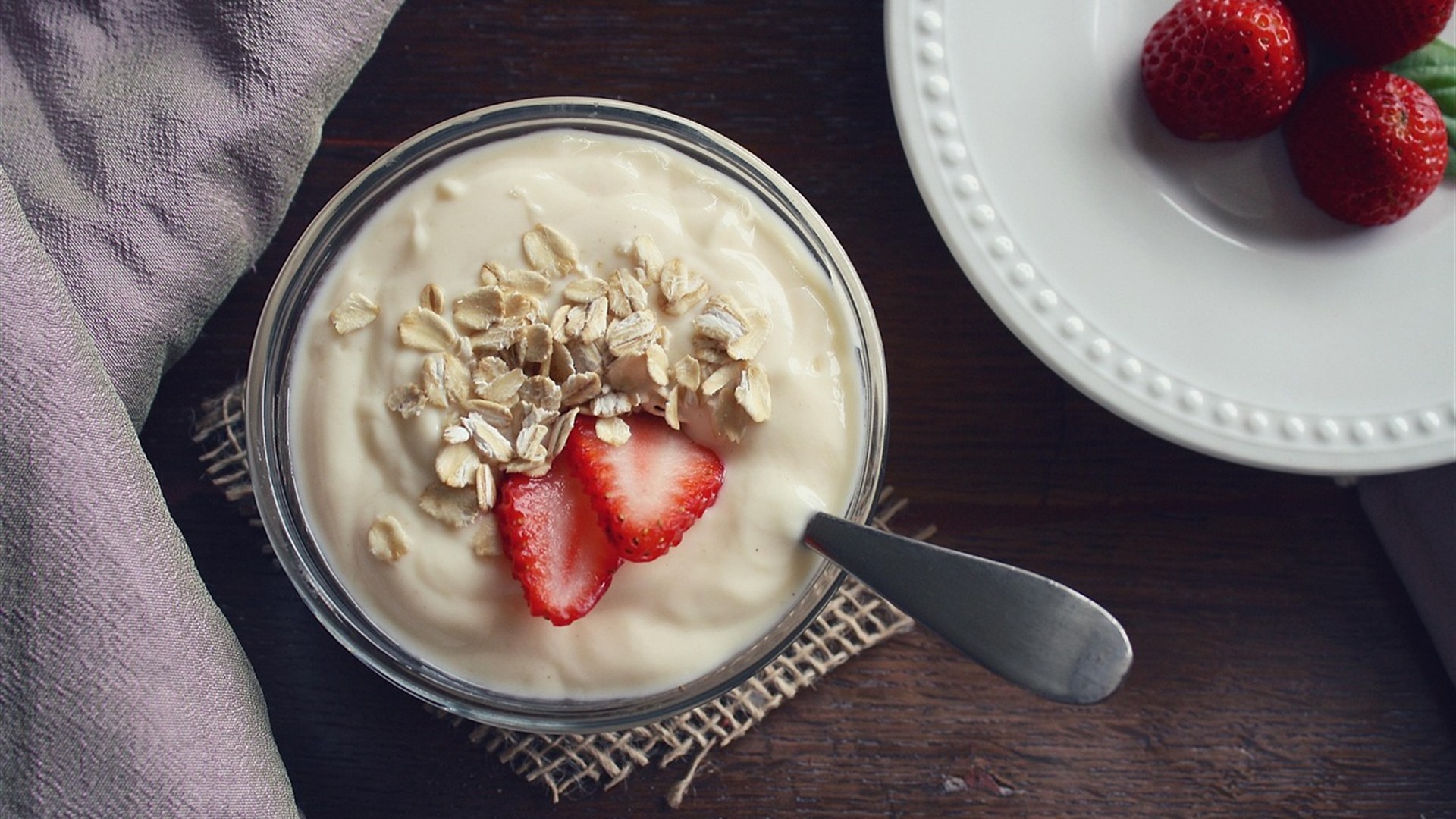
9. Plain Greek Yoghurt
Strained to remove excess liquid whey for roughly double the protein concentration of regular yoghurt, plain Greek yoghurt delivers bone-building calcium alongside gut-friendly probiotics. Doctors always opt for unsweetened varieties and top their bowls with fresh berries and seeds.
©Pixabay / ponce_photography
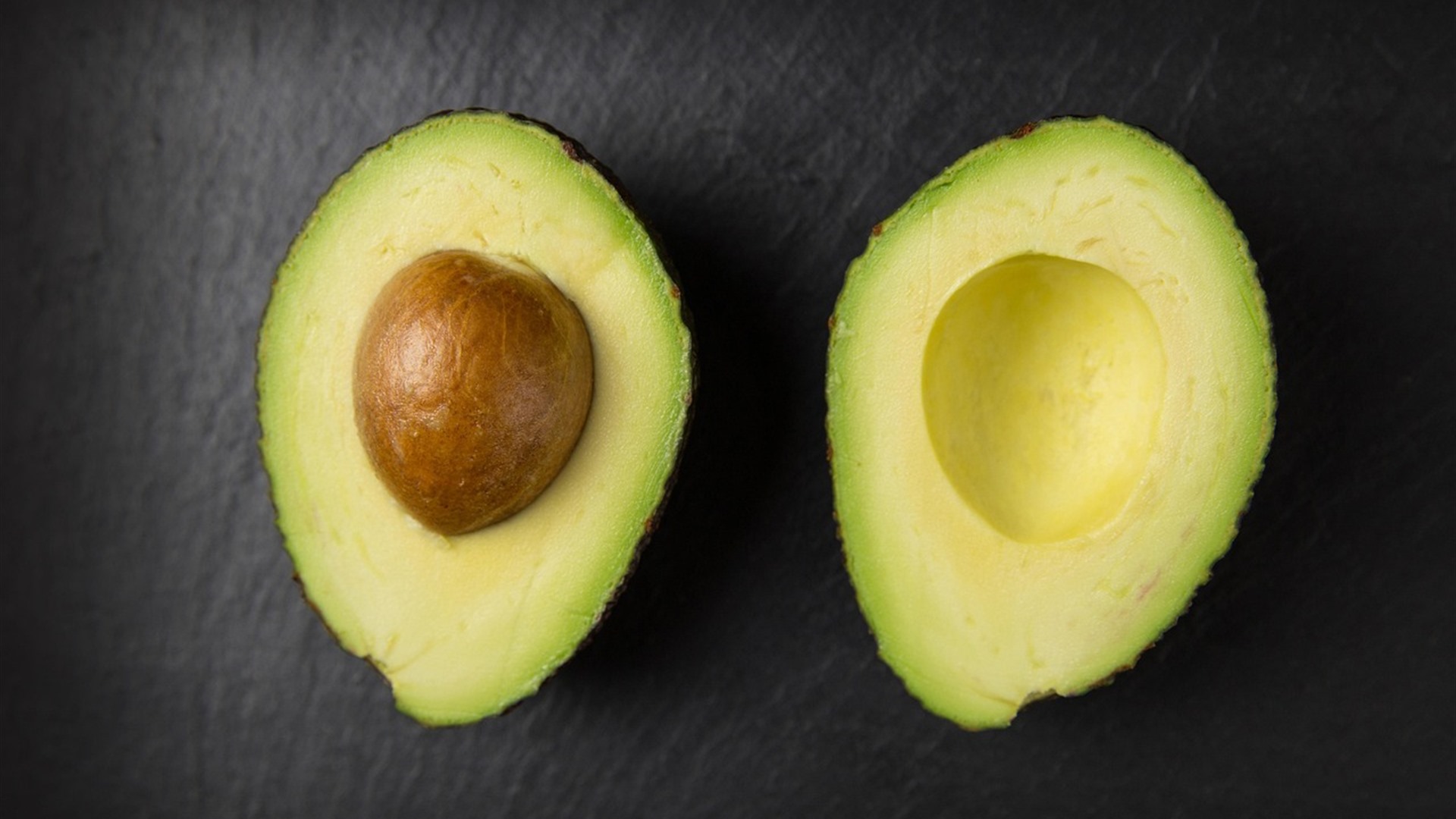
8. Avocados
Packed with heart-healthy oleic monounsaturated fats, more potassium than a banana, and nearly 10 grams of fiber per fruit, avocados help lower bad LDL cholesterol while keeping hunger at bay. Adding avocado to salads also boosts the absorption of fat-soluble vitamins A, D, E, and K.
©Pixabay / FoodieFactor
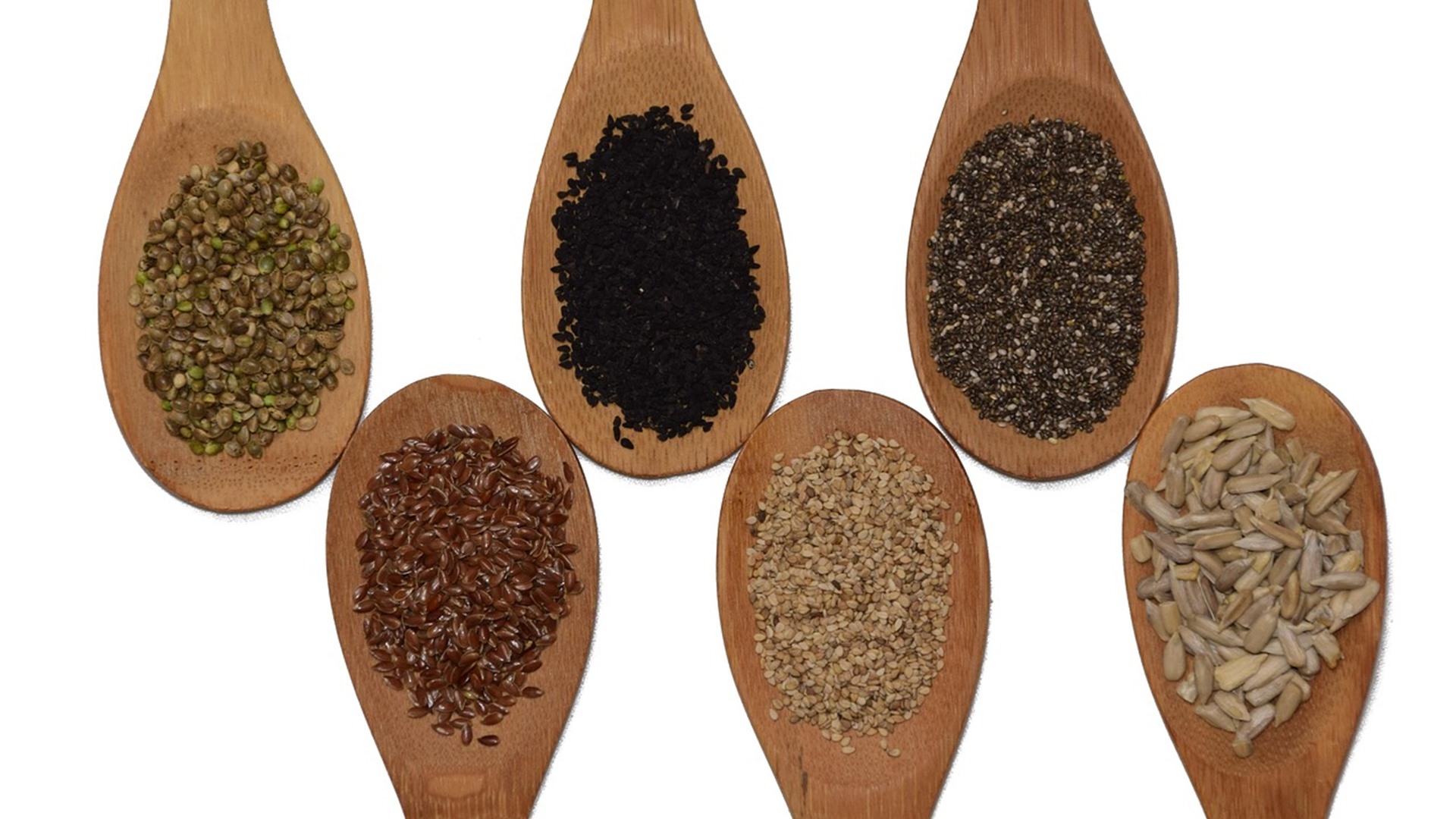
7. Chia And Flaxseeds
Just a tablespoon or two of chia seeds and ground flaxseeds provides plant-based alpha-linolenic omega-3 fatty acids, antioxidant lignans, and dense mucilaginous fiber. Doctors sprinkle them into oatmeal, yoghurt, or smoothies every morning to support digestion and hormone balance.
©Pixabay / ulleo
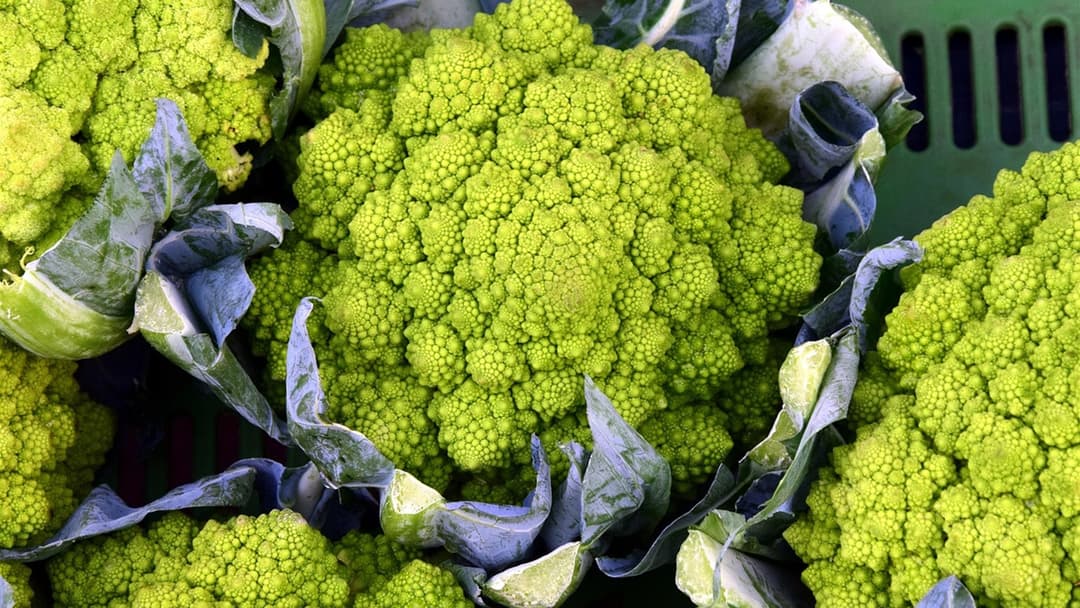
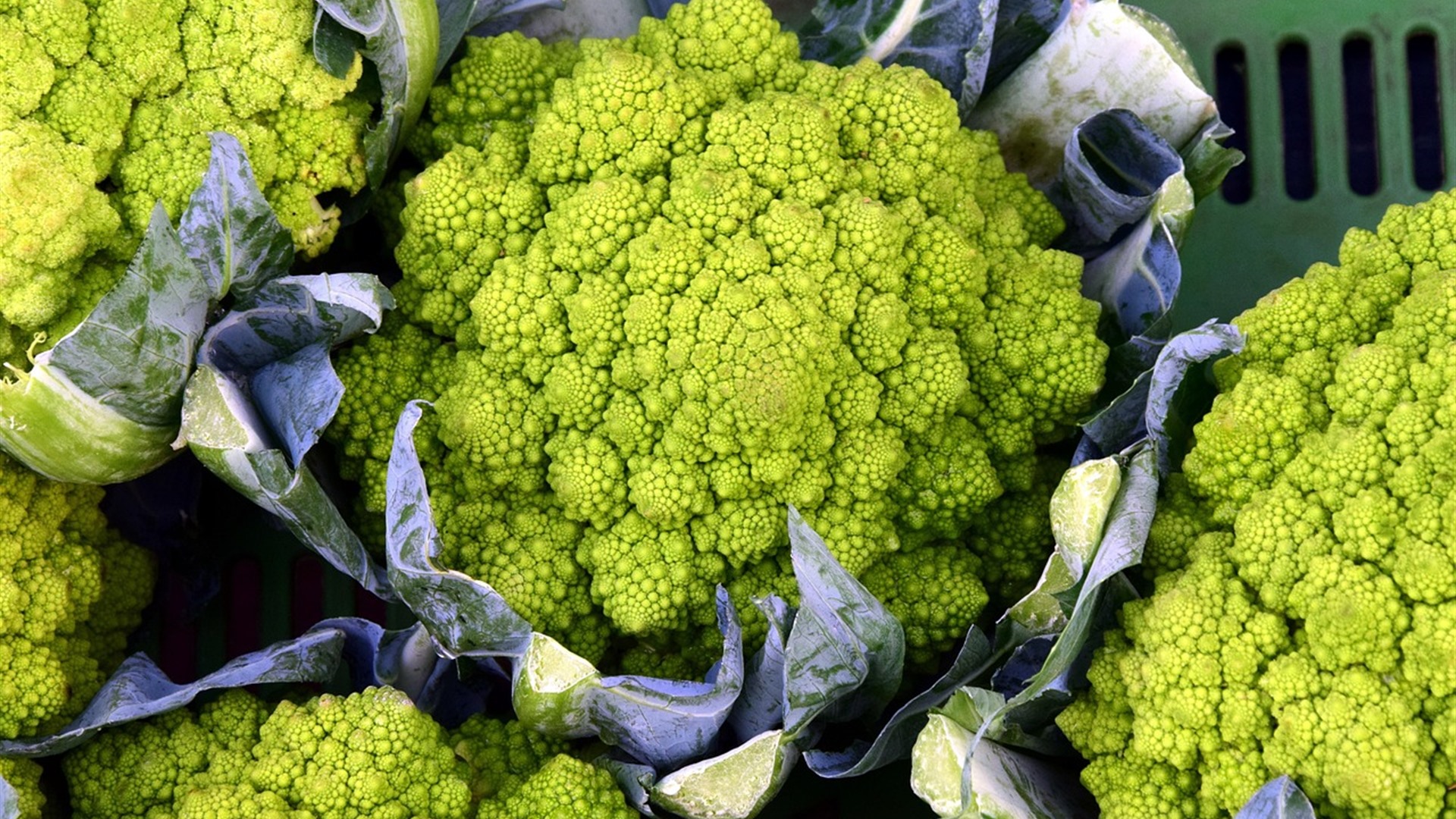
6. Cruciferous Vegetables
Broccoli, Brussels sprouts, cauliflower, Romanesco, and cabbage are rich in sulfur-containing glucosinolates and sulforaphane. When chopped and chewed, these bioactive compounds activate the body's natural phase-two detoxification enzymes and protect DNA against oxidative cellular damage.
©Pixabay / ulleo
Advertisement
Swipe or tap ▶ to resume the countdown.
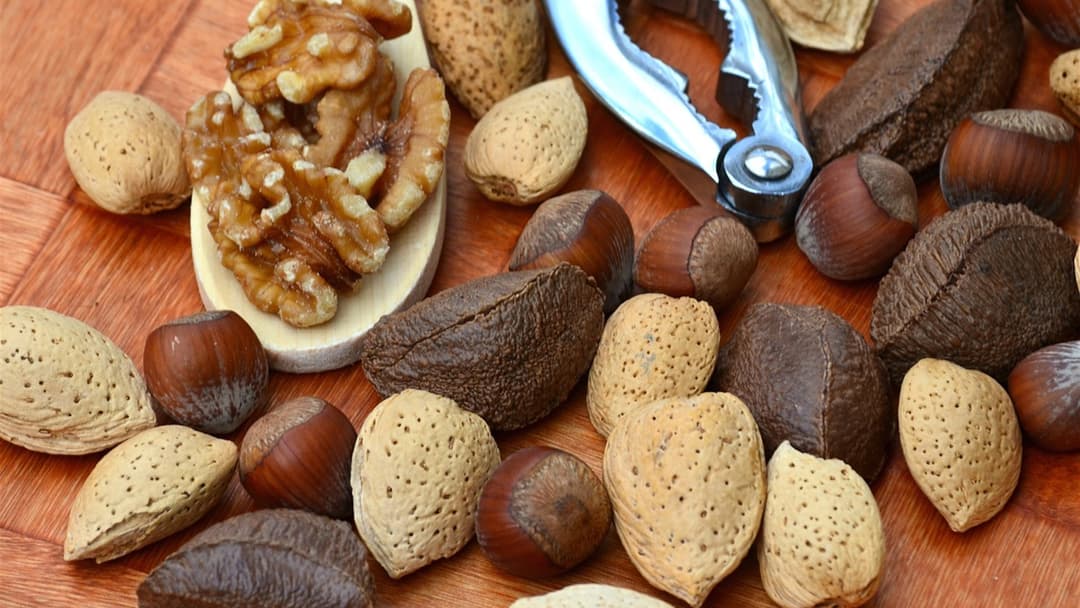
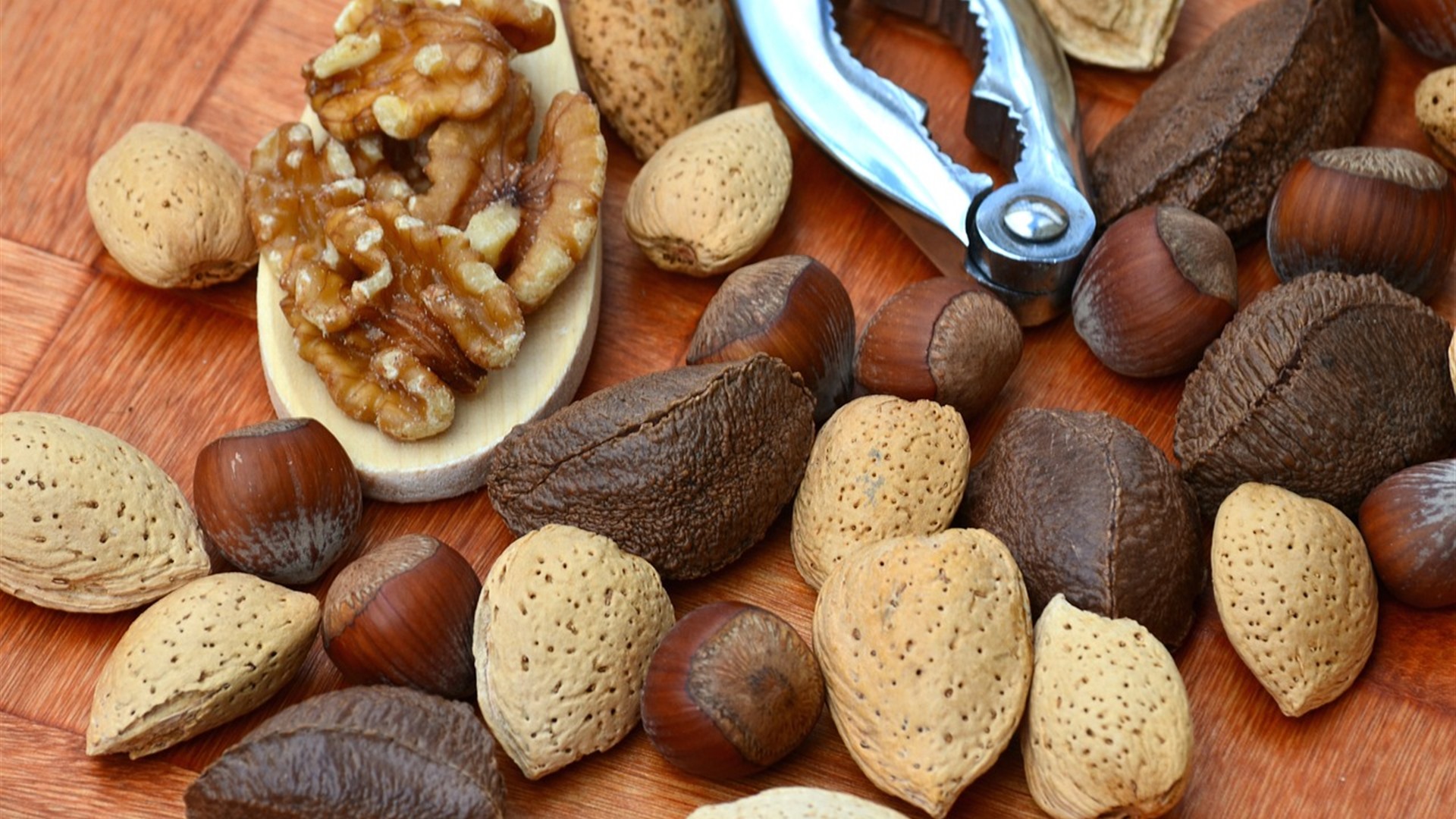
5. Walnuts And Almonds
A small daily handful of unsalted tree nuts is consistently linked in large cohort studies to lower cardiovascular and all-cause mortality. Walnuts lead all nuts in plant-based omega-3 fatty acids for brain health, while almonds excel in artery-protecting vitamin E and magnesium.
©Pixabay / __Sherry__
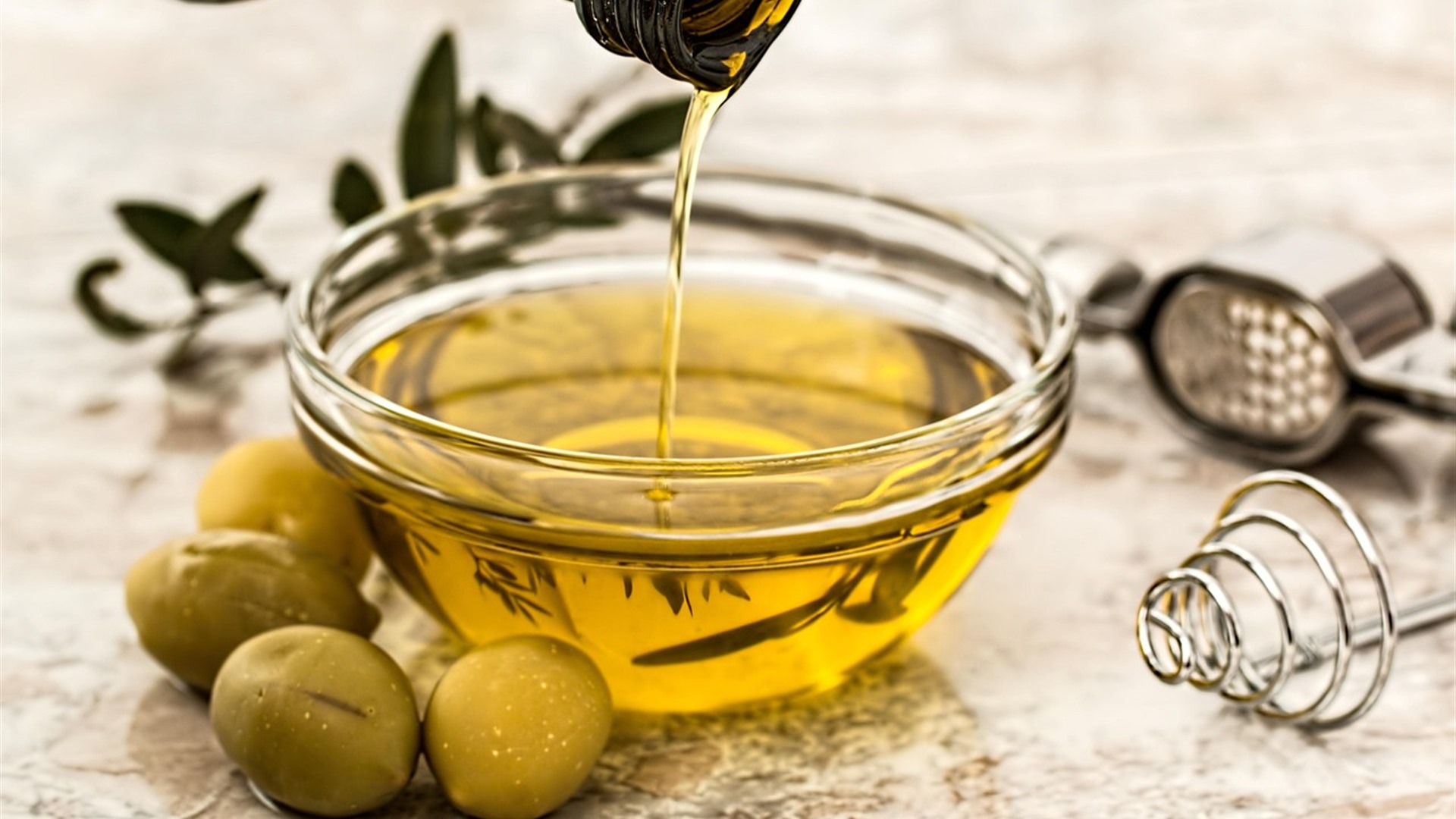
4. Extra Virgin Olive Oil
The cornerstone of the longevity-boosting Mediterranean diet, cold-pressed extra virgin olive oil is rich in anti-inflammatory oleocanthal and antioxidant polyphenols. Physicians use it as their primary culinary fat to combat oxidative stress and keep blood vessels supple.
©Pixabay / stevepb
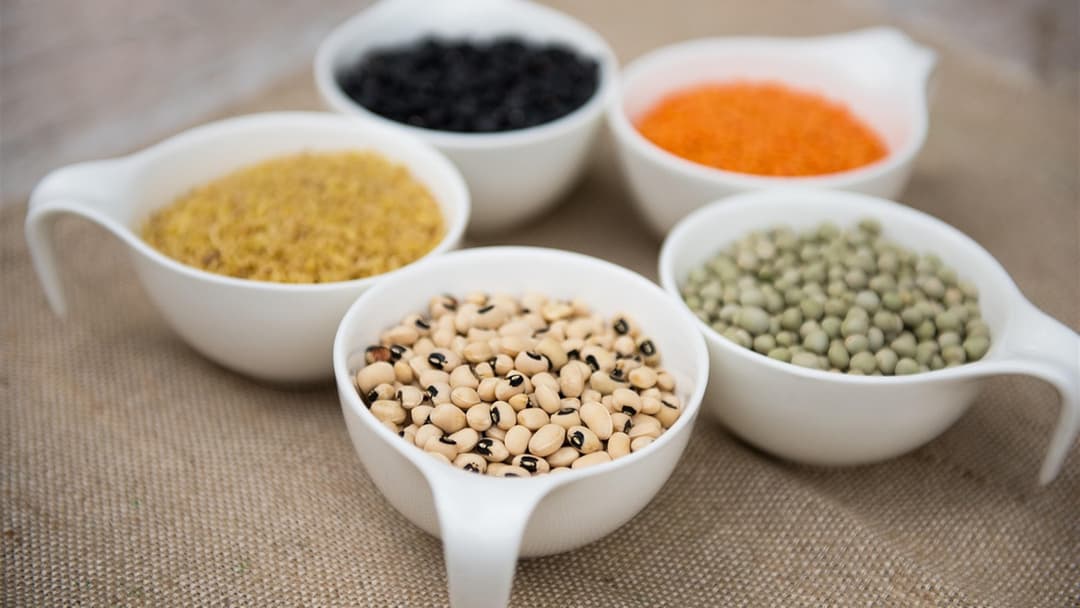
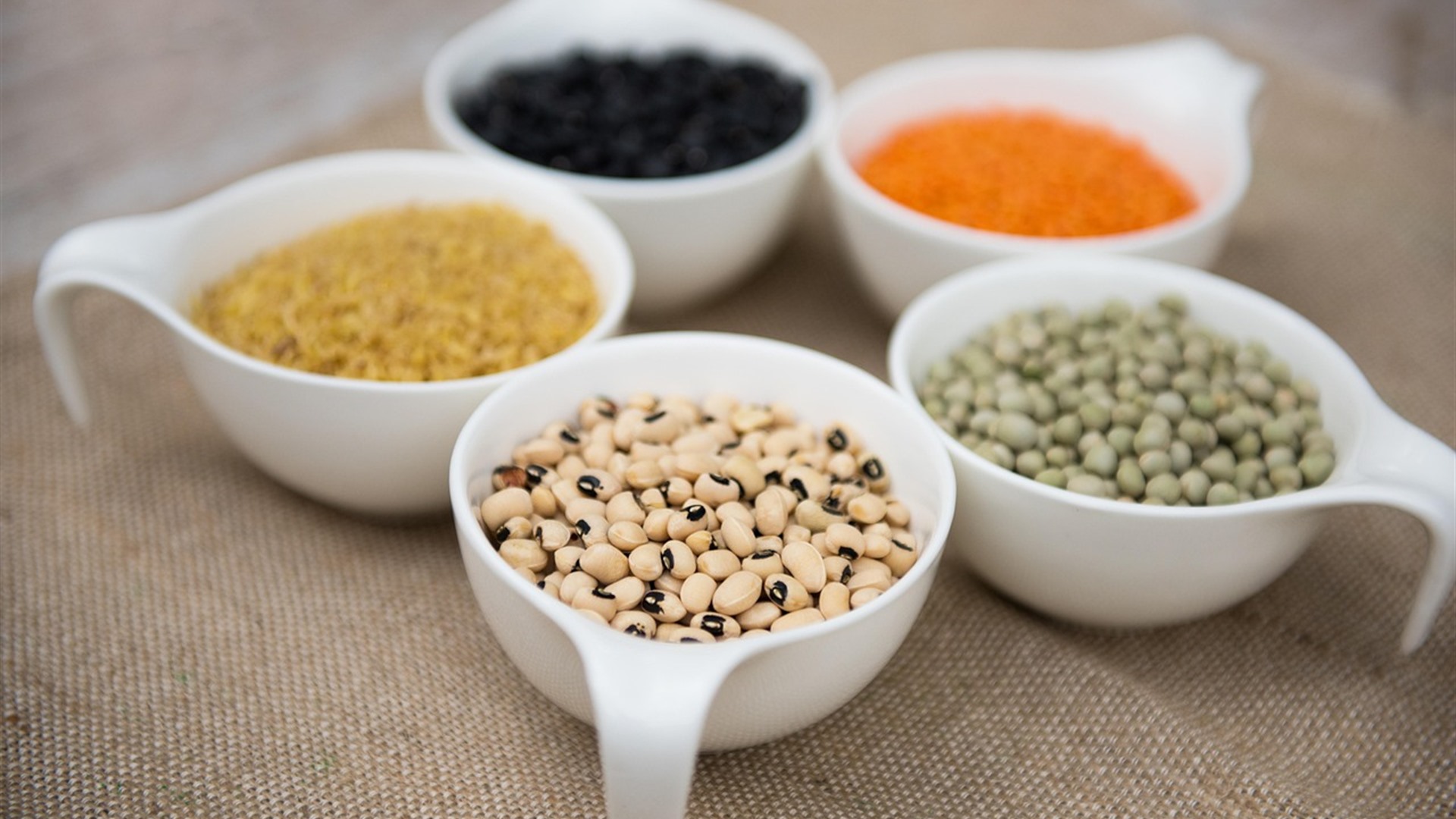
3. Beans And Lentils
Legumes such as lentils, chickpeas, black beans, and pinto beans are the ultimate Blue Zone longevity food. They combine affordable plant protein, iron, and folate with resistant starch and prebiotic fiber that feed short-chain fatty acid production and stabilize blood sugar for hours.
©Pixabay / yilmazfatih
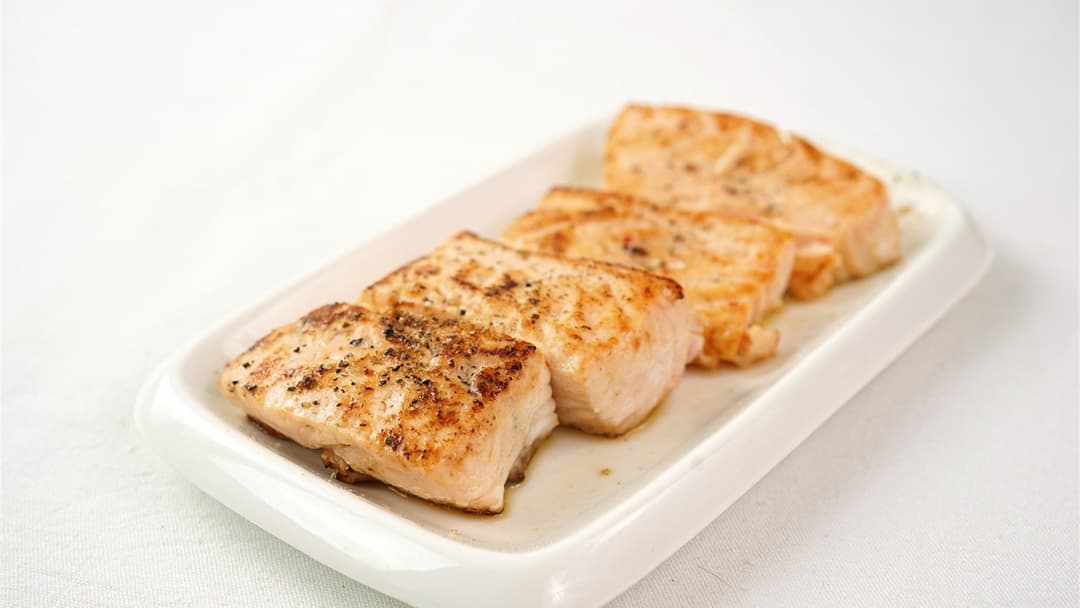
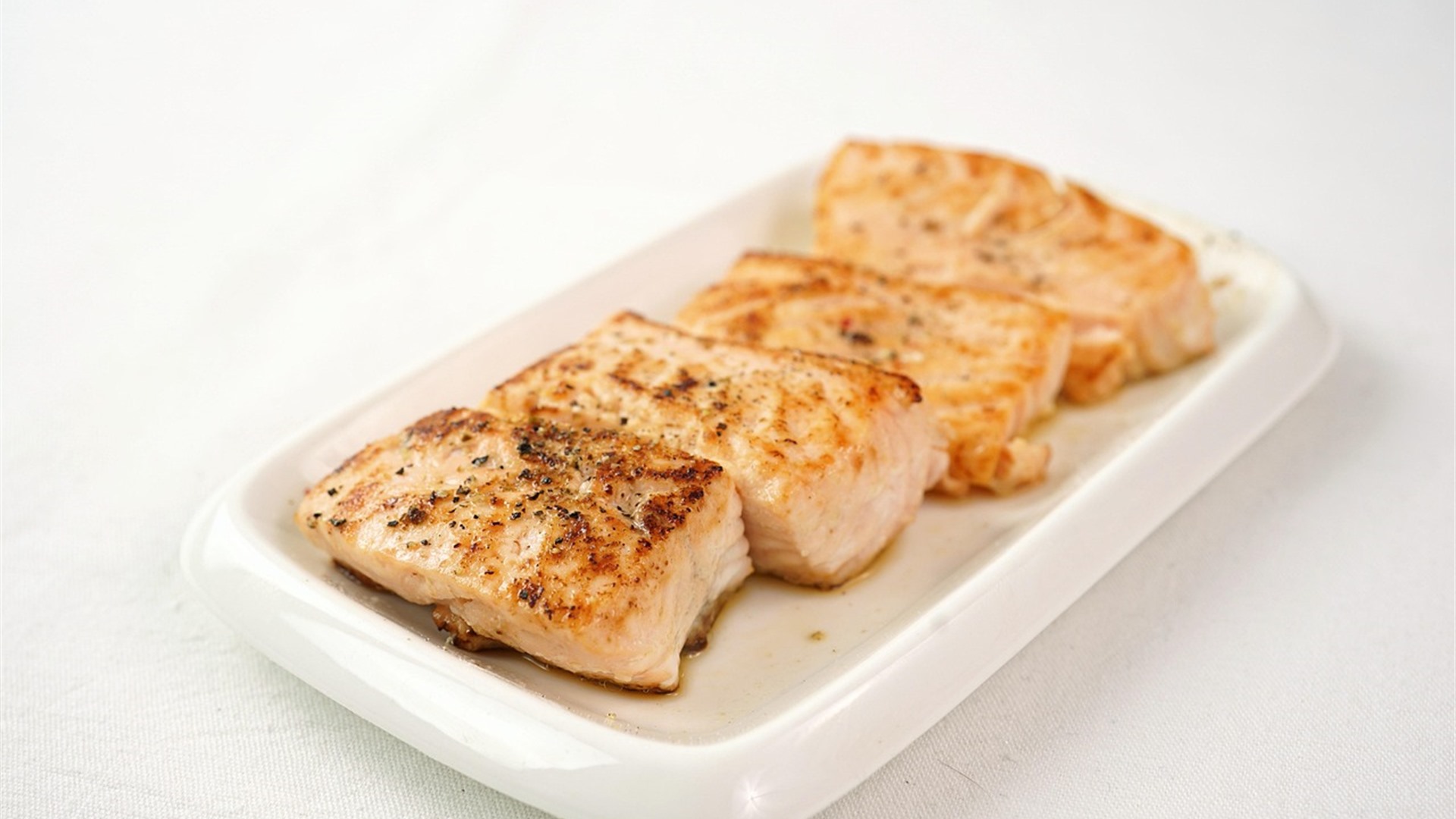
2. Fatty Fish (Salmon, Sardines, Mackerel)
Wild-caught fatty fish such as salmon, sardines, and mackerel provide direct marine EPA and DHA omega-3 fatty acids. Cardiologists and neurologists prioritize them because these long-chain fats lower blood triglycerides, stabilize heart rhythms, and preserve cognitive function.
©Pixabay / webandi
Advertisement
Swipe or tap ▶ to resume the countdown.
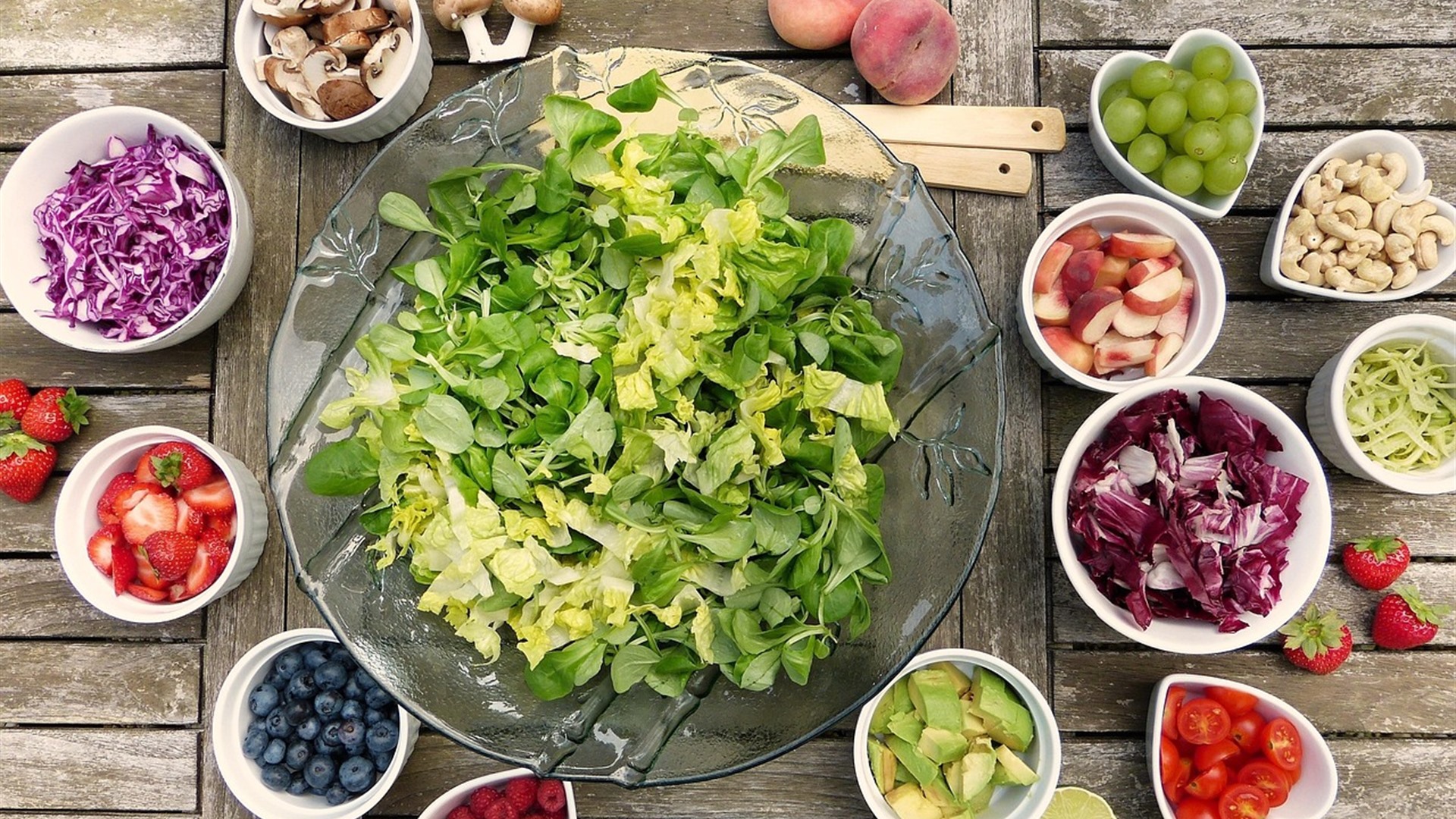
1. Berries And Dark Leafy Greens (Tie)
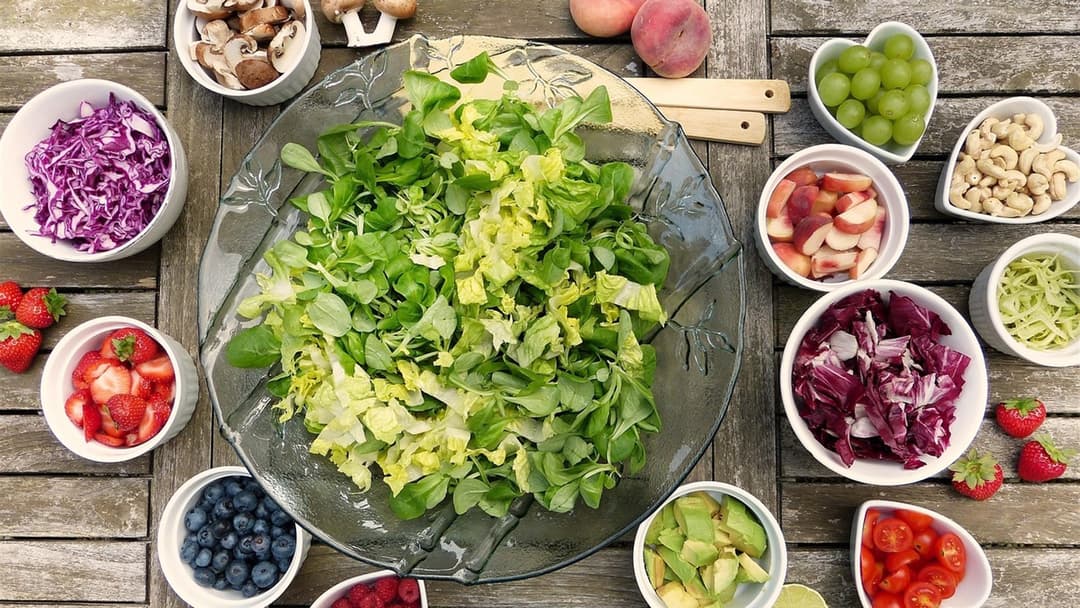
Blueberries, spinach, and kale sit at the top of nearly every physician's daily list. Berries deliver brain-protecting anthocyanins with minimal sugar, while dark leafy greens supply folate, vitamin K, dietary nitrates, and lutein to slow cognitive aging and protect vision and arterial health.
©Pixabay / silviarita
Advertisement
You've reached the end of the story. Thanks for reading!

20 Ways Eating Potatoes Daily Affects Your Body
Surprising Metabolic Shifts From Daily Potato Consumption
All 20 Entries in this Story
20. Dark Chocolate (70%+ Cocoa)
Physicians often choose high-cocoa dark chocolate with at least 70 percent cocoa solids as a daily treat for its rich flavanol and polyphenol content. These plant compounds support blood vessel elasticity, promote healthy blood pressure, and satisfy sweet cravings with minimal added sugar.

19. Green Tea
Packed with antioxidant catechins like EGCG, unsweetened green tea is a daily staple beverage for metabolic and cardiovascular protection. Doctors favor it over sugary energy drinks because it pairs a gentle caffeine lift with calming L-theanine for steady focus without the jitters.

18. Garlic And Ginger
Doctors rely on these aromatic roots to add bold flavor to daily meals without excess sodium. Crushed garlic provides heart-protective allicin that supports healthy blood pressure, while fresh ginger speeds gastric emptying, eases nausea, and reduces systemic inflammation.

17. Turmeric
Frequently paired with a pinch of black pepper to boost bioavailability by up to 2,000 percent, golden turmeric is rich in active curcumin. Clinicians stir it daily into soups, curries, scrambled eggs, or warm teas to help downregulate chronic inflammatory pathways across the body.

16. Tomatoes
Rich in the antioxidant lycopene, potassium, and vitamin C, tomatoes support long-term cardiovascular and skin health. Doctors often simmer tomatoes gently in extra virgin olive oil, a simple culinary step that significantly increases how much lycopene the body can absorb.

15. Sweet Potatoes
Loaded with provitamin A beta-carotene, blood-pressure-friendly potassium, and slow-digesting soluble and insoluble fiber, sweet potatoes offer sustained cellular energy without sharp insulin spikes. Physicians swap refined white carbs for roasted sweet potatoes at lunch and dinner.

14. Quinoa
Unlike most culinary grains, quinoa is a complete plant protein containing all nine essential amino acids that the human body cannot synthesize on its own. It also delivers abundant magnesium, iron, and prebiotic fiber that keep blood sugar steady and feed beneficial gut microbes.

13. Kiwis
Gastroenterologists frequently highlight green kiwis as a natural prescription for digestive regularity. Eating two kiwis a day supplies more vitamin C than an orange alongside water-retaining fiber and the enzyme actinidin, which accelerates protein digestion and eases abdominal bloating.

12. Kefir
This tangy fermented milk drink contains a far broader diversity of live probiotic bacteria and beneficial yeasts than standard supermarket yoghurt. Doctors drink unsweetened kefir daily to reinforce gut barrier integrity, crowd out harmful pathogens, and modulate immune function.

11. Oats
Whole rolled or steel-cut oats are rich in beta-glucan, a viscous soluble fiber clinically proven to bind bile acids and cholesterol in the digestive tract and lower LDL levels. Cardiologists and gut specialists eat oatmeal regularly for heart protection and microbiome nourishment.

10. Eggs
Once debated over dietary cholesterol, whole eggs are now a daily breakfast staple for many physicians. Each egg supplies highly bioavailable protein, vitamin D, lutein for retinal protection, and concentrated choline in the yolk, which is vital for memory, neurotransmitters, and liver health.

9. Plain Greek Yoghurt
Strained to remove excess liquid whey for roughly double the protein concentration of regular yoghurt, plain Greek yoghurt delivers bone-building calcium alongside gut-friendly probiotics. Doctors always opt for unsweetened varieties and top their bowls with fresh berries and seeds.

8. Avocados
Packed with heart-healthy oleic monounsaturated fats, more potassium than a banana, and nearly 10 grams of fiber per fruit, avocados help lower bad LDL cholesterol while keeping hunger at bay. Adding avocado to salads also boosts the absorption of fat-soluble vitamins A, D, E, and K.

7. Chia And Flaxseeds
Just a tablespoon or two of chia seeds and ground flaxseeds provides plant-based alpha-linolenic omega-3 fatty acids, antioxidant lignans, and dense mucilaginous fiber. Doctors sprinkle them into oatmeal, yoghurt, or smoothies every morning to support digestion and hormone balance.

6. Cruciferous Vegetables
Broccoli, Brussels sprouts, cauliflower, Romanesco, and cabbage are rich in sulfur-containing glucosinolates and sulforaphane. When chopped and chewed, these bioactive compounds activate the body's natural phase-two detoxification enzymes and protect DNA against oxidative cellular damage.

5. Walnuts And Almonds
A small daily handful of unsalted tree nuts is consistently linked in large cohort studies to lower cardiovascular and all-cause mortality. Walnuts lead all nuts in plant-based omega-3 fatty acids for brain health, while almonds excel in artery-protecting vitamin E and magnesium.

4. Extra Virgin Olive Oil
The cornerstone of the longevity-boosting Mediterranean diet, cold-pressed extra virgin olive oil is rich in anti-inflammatory oleocanthal and antioxidant polyphenols. Physicians use it as their primary culinary fat to combat oxidative stress and keep blood vessels supple.

3. Beans And Lentils
Legumes such as lentils, chickpeas, black beans, and pinto beans are the ultimate Blue Zone longevity food. They combine affordable plant protein, iron, and folate with resistant starch and prebiotic fiber that feed short-chain fatty acid production and stabilize blood sugar for hours.

2. Fatty Fish (Salmon, Sardines, Mackerel)
Wild-caught fatty fish such as salmon, sardines, and mackerel provide direct marine EPA and DHA omega-3 fatty acids. Cardiologists and neurologists prioritize them because these long-chain fats lower blood triglycerides, stabilize heart rhythms, and preserve cognitive function.

1. Berries And Dark Leafy Greens (Tie)
Blueberries, spinach, and kale sit at the top of nearly every physician's daily list. Berries deliver brain-protecting anthocyanins with minimal sugar, while dark leafy greens supply folate, vitamin K, dietary nitrates, and lutein to slow cognitive aging and protect vision and arterial health.