Slideshow · Animals
20 Animals That Can Survive Without Water the Longest, Ranked
Discover nature's most resilient creatures that survive years without water.
By Most Viral Today
10 min ago

Nature's Ultimate Drought Survivors Ranked By How Long They Endure Dry Spells 
20. African Elephant (3-5 Days) 
19. Dromedary Camel (10-15 Days) 
18. Greater Roadrunner (Several Weeks) - AdvertisementSwipe or tap ▶ to continue countdown

17. Gerenuk (2-3 Weeks) 
16. Giraffe (Up To 21 Days) 
15. Gila Monster (Several Weeks) 
14. Desert Monitor Lizard (Up To 1 Month) - AdvertisementSwipe or tap ▶ to continue countdown

13. Fennec Fox (Several Months) 
12. Sand Cat (Several Months) 
11. Jerboa (Up To 3 Months) 
10. Desert Tortoise (1+ Year) - AdvertisementSwipe or tap ▶ to continue countdown

9. Emperor Scorpion (1+ Year) 
8. Namib Desert Beetle (Up To 2 Years) 
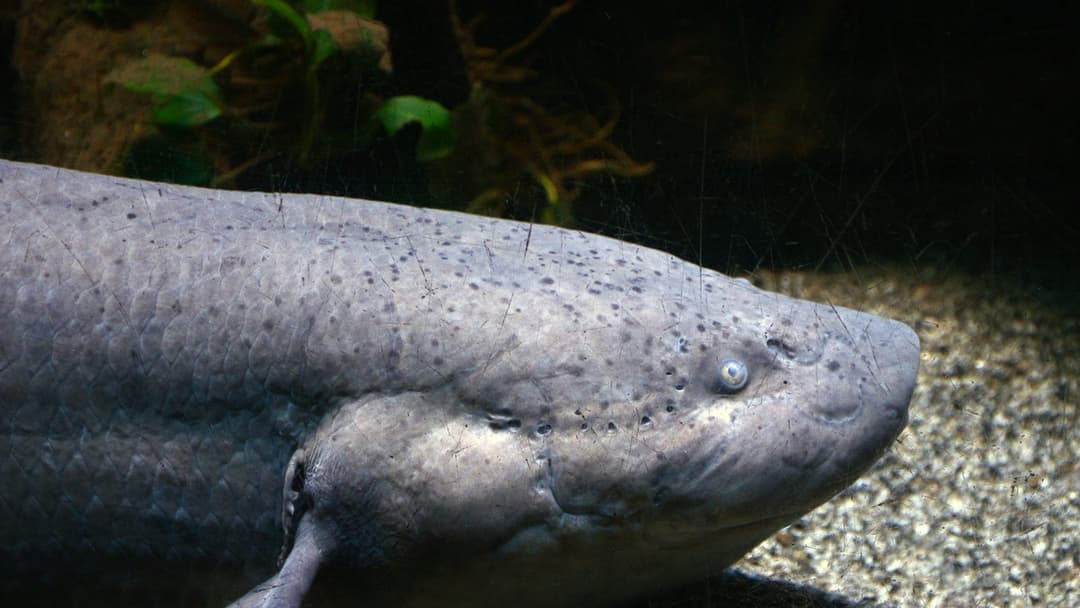
7. West African Lungfish (3-5 Years) 
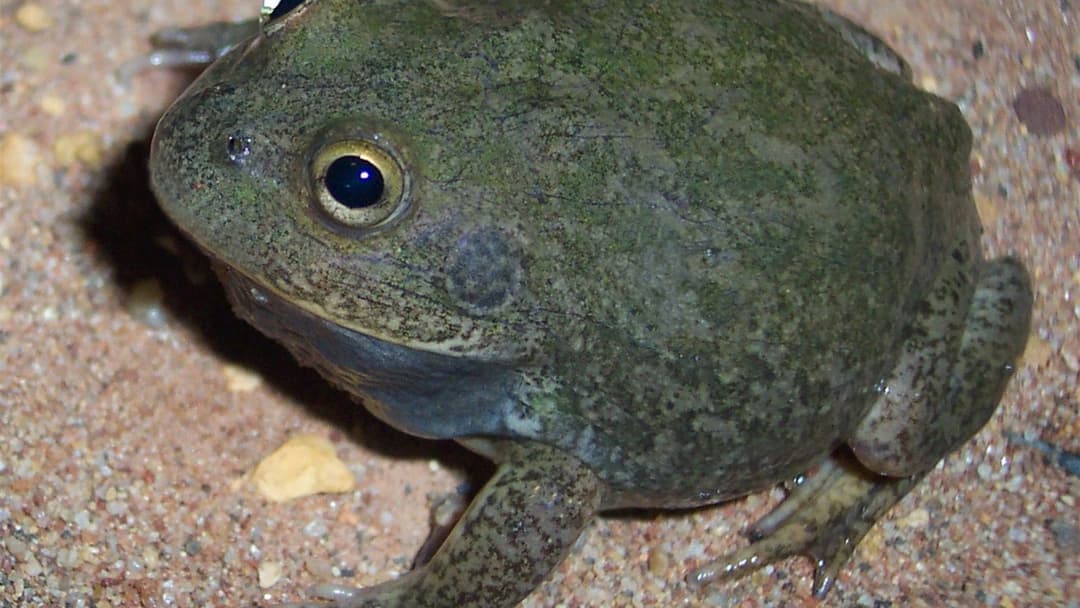
6. Australian Water-Holding Frog (Up To 5 Years) - AdvertisementSwipe or tap ▶ to continue countdown

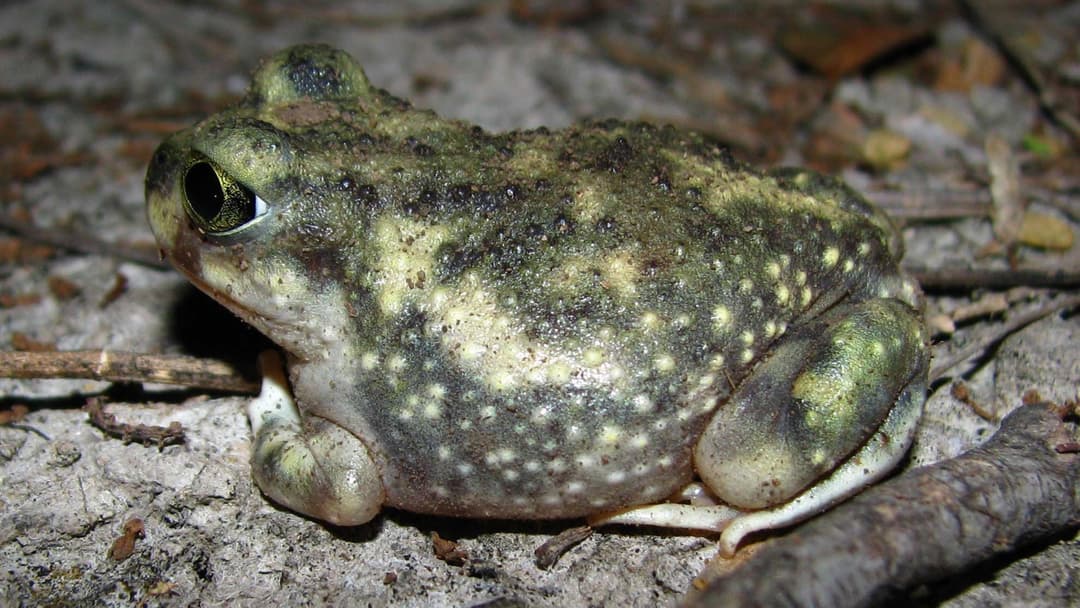
5. Couch's Spadefoot Toad (Up To 10 Years) 
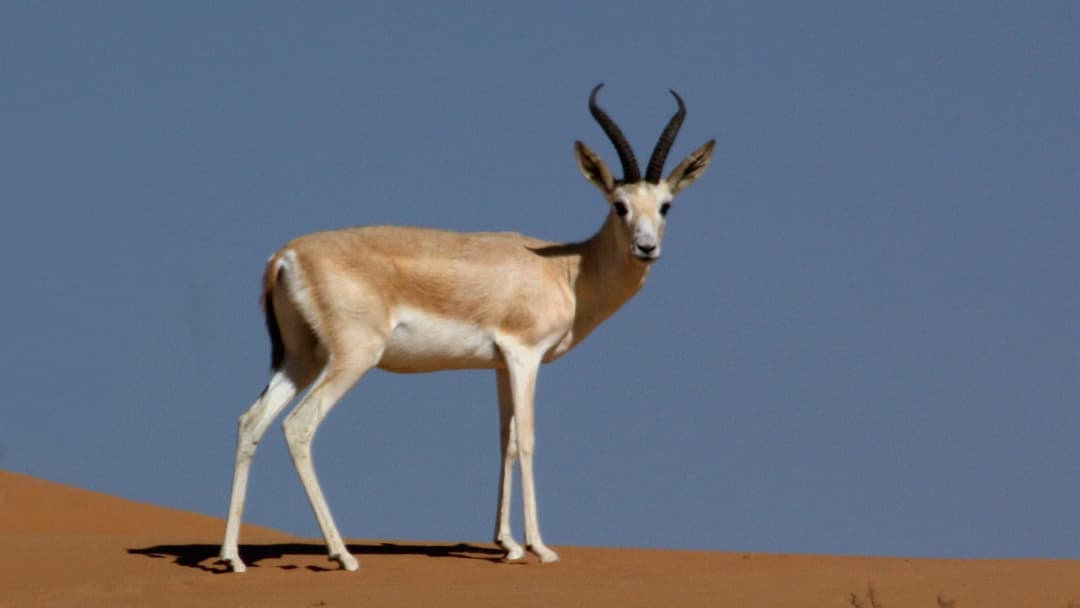
4. Arabian Sand Gazelle (Entire Lifetime) 
3. Addax Antelope (Entire Lifetime) 
2. Thorny Devil (Entire Lifetime) - AdvertisementSwipe or tap ▶ to continue countdown

1. Kangaroo Rat And Tardigrade (Lifetime To Decades) - Advertisement🔥 UP NEXT IN THIS SERIES◫ 26 Slides

25 Smallest Dog Breeds in the World, Ranked by Average Weight
Based on official breed standards and adult weight records from the American Kennel Club, these twenty-five tiny toy dog breeds pack massive personality into miniature frames. Toy and miniature canines have enchanted pet owners for centuries, serving as loyal lap warmers, alert watchdogs, and affectionate companions.
From scorching Sahara dunes to bone-dry Australian outback plains, water is often the rarest resource on Earth. While human beings cannot survive past three days without hydration, these twenty remarkably adapted creatures stretch water endurance to weeks, months, years, or entire lifetimes.
Swipe or tap ▶ to begin the countdown
©Wikimedia / Alexandr frolov & Wikimedia / Keith Kissel
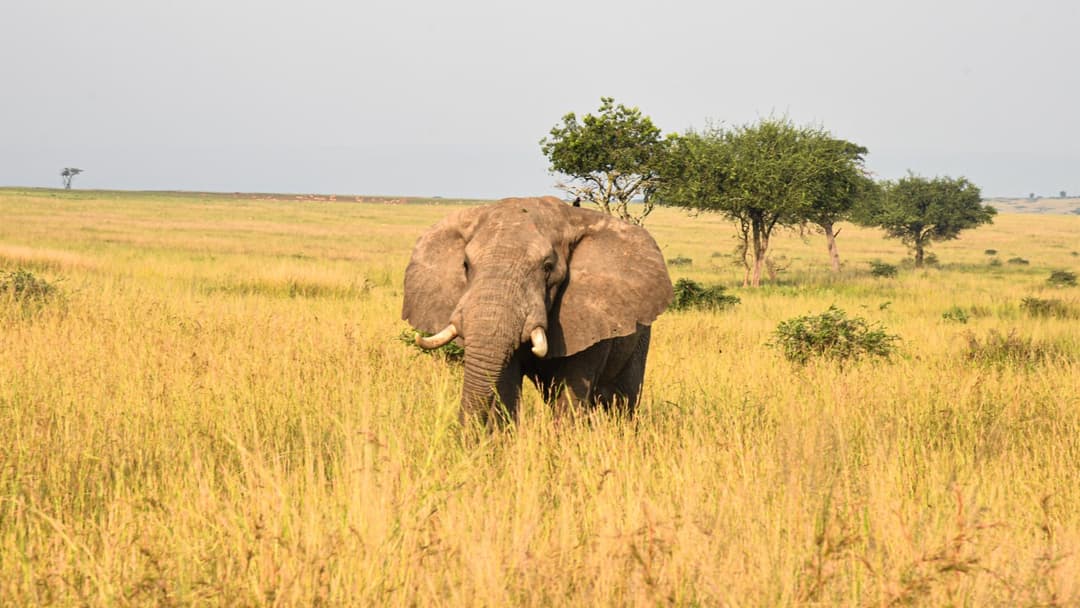
20. African Elephant (3-5 Days)
Despite needing up to fifty gallons of water daily, African elephants can trek up to five days without a drink. Matriarchs navigate ancient migratory paths encoded in spatial memory, digging into dried riverbeds with tusks and trunks to tap subterranean aquifers.
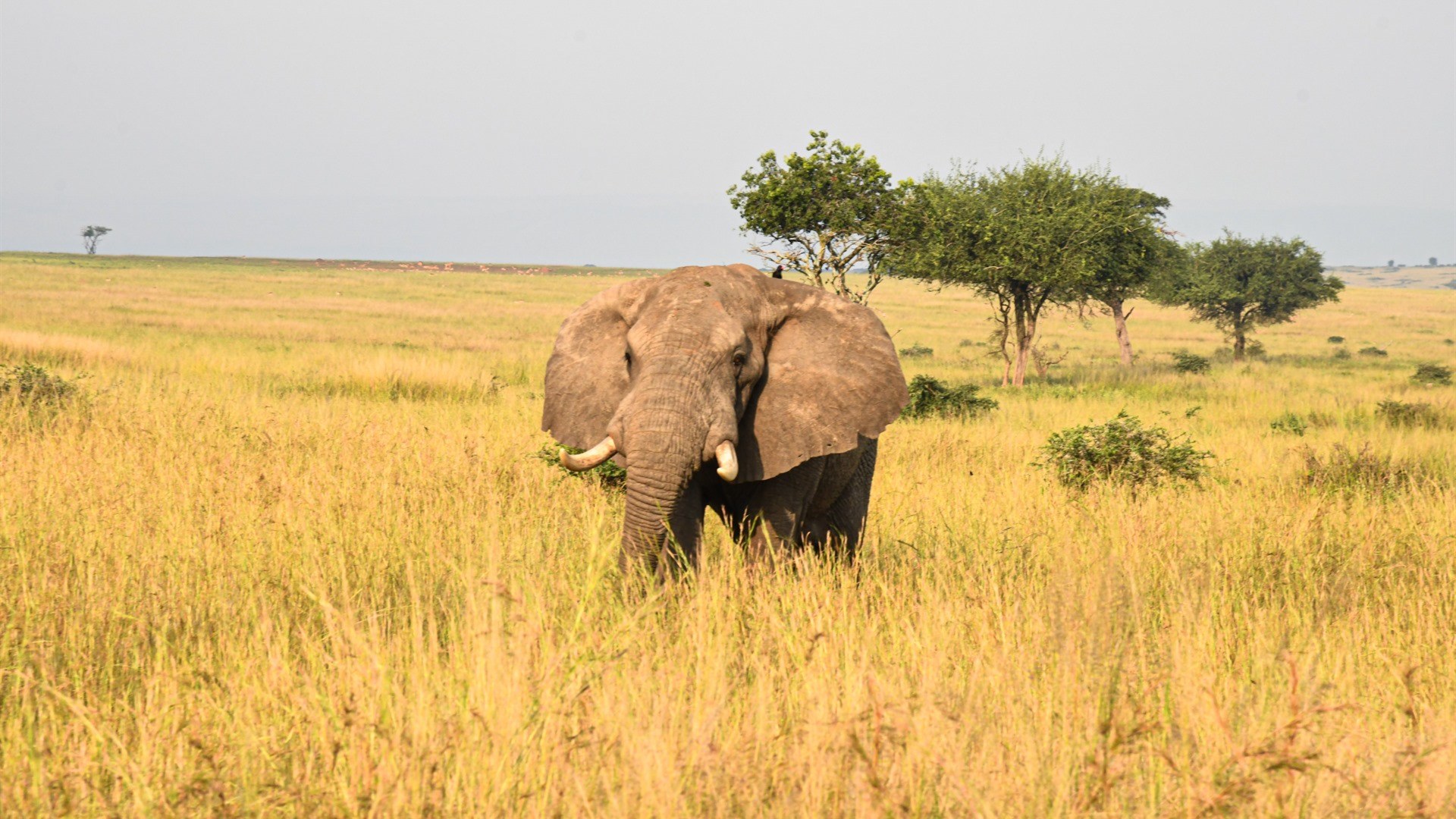
©Wikimedia / Ssemmanda will
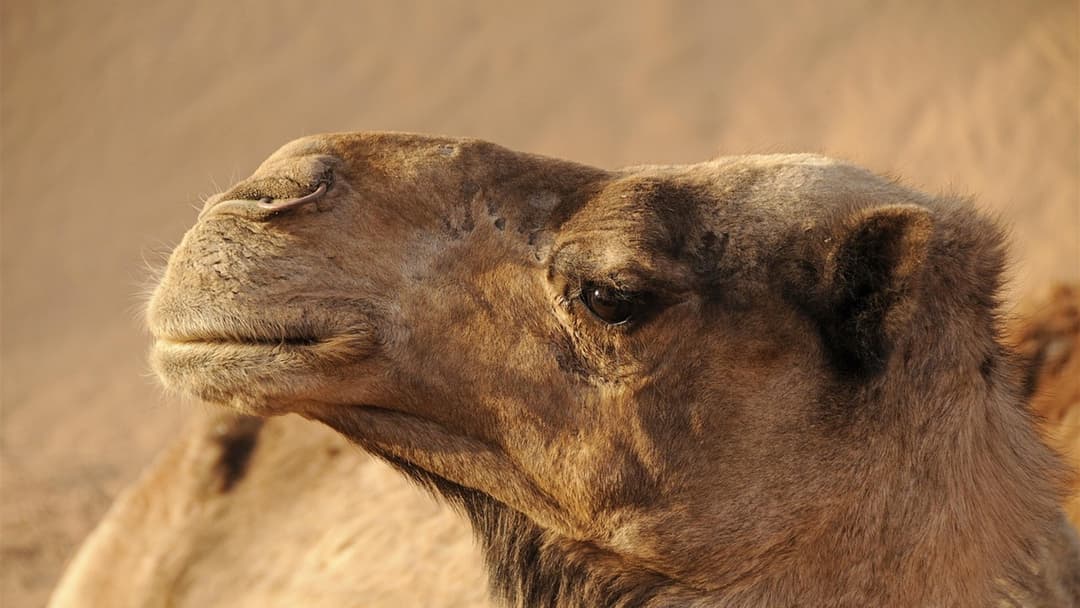
19. Dromedary Camel (10-15 Days)
The legendary ship of the desert endures up to two weeks without water under blazing sun. Unlike other mammals whose blood coagulates when dehydrated, camel erythrocytes remain flexible and oval, allowing them to endure twenty-five percent body weight fluid loss without cardiovascular failure.
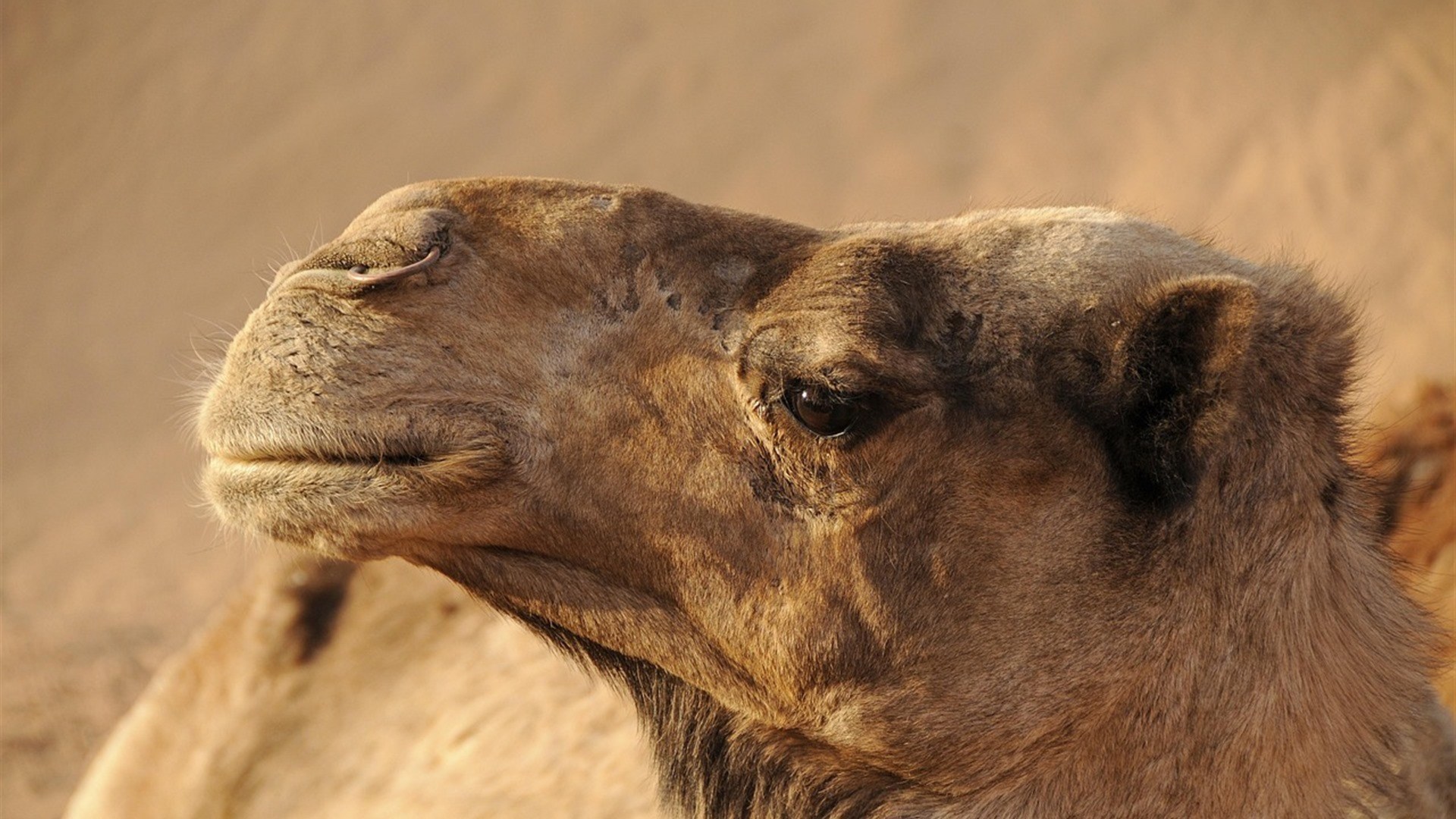
©Pixabay / Manuela_Burkhalter
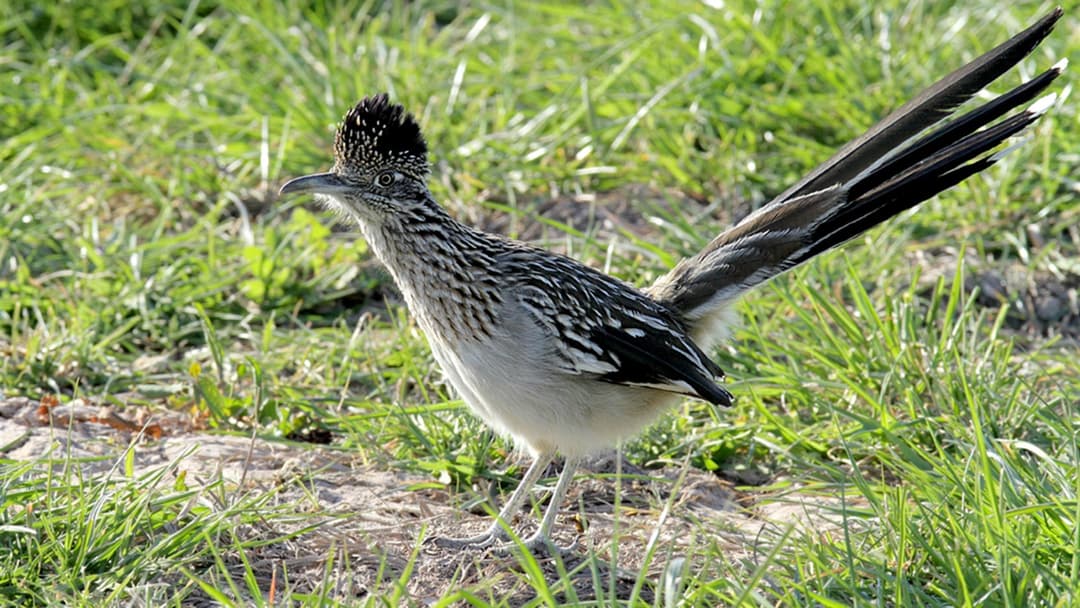
18. Greater Roadrunner (Several Weeks)
Thriving in arid North American deserts, the greater roadrunner extracts virtually all its moisture from lizards, scorpions, and small rodents. To conserve bodily fluids, specialized glands behind its eyes excrete concentrated salt solutions, allowing kidneys to retain maximum hydration.
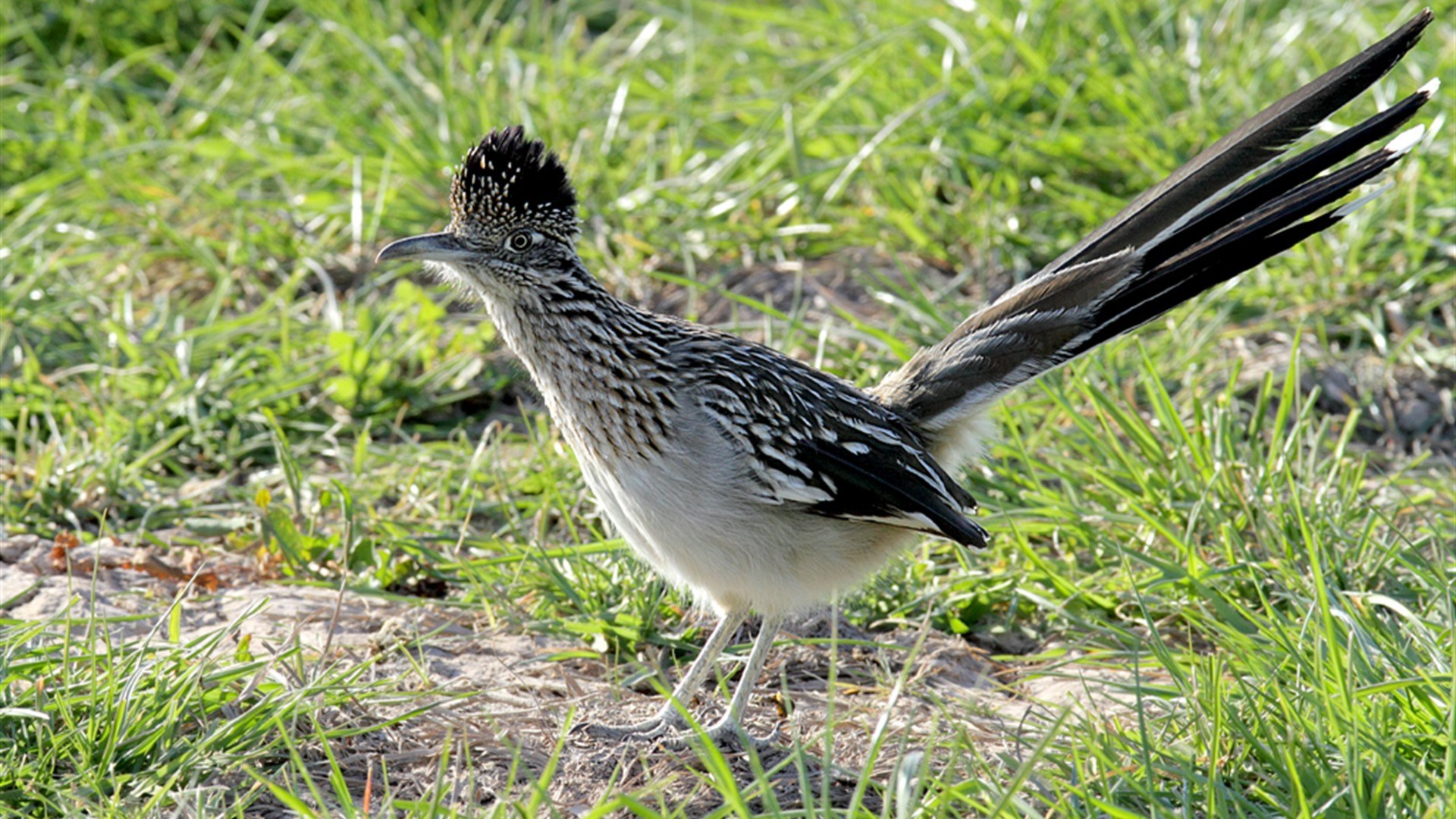
©Wikimedia / Alan Vernon
Advertisement
Swipe or tap ▶ to resume the countdown.
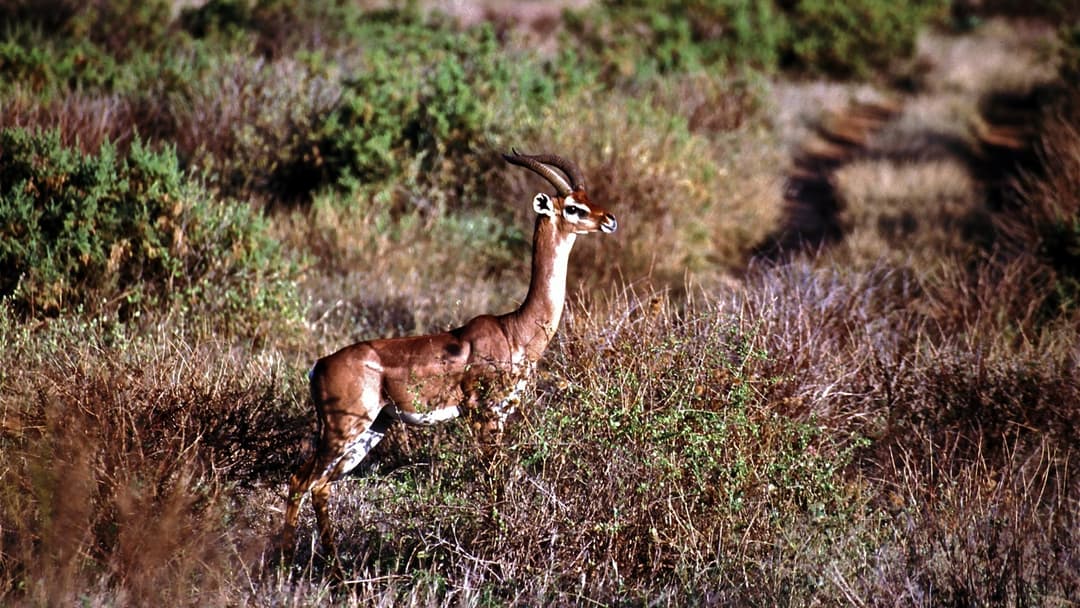
17. Gerenuk (2-3 Weeks)
With an elongated neck and flexible spine, the gerenuk stands upright on two hind legs to pluck high-growing desert foliage. By consuming dew-drenched leaves and moisture-heavy shoots, wild gerenuks never need to visit open waterholes, avoiding predators while staying fully hydrated.
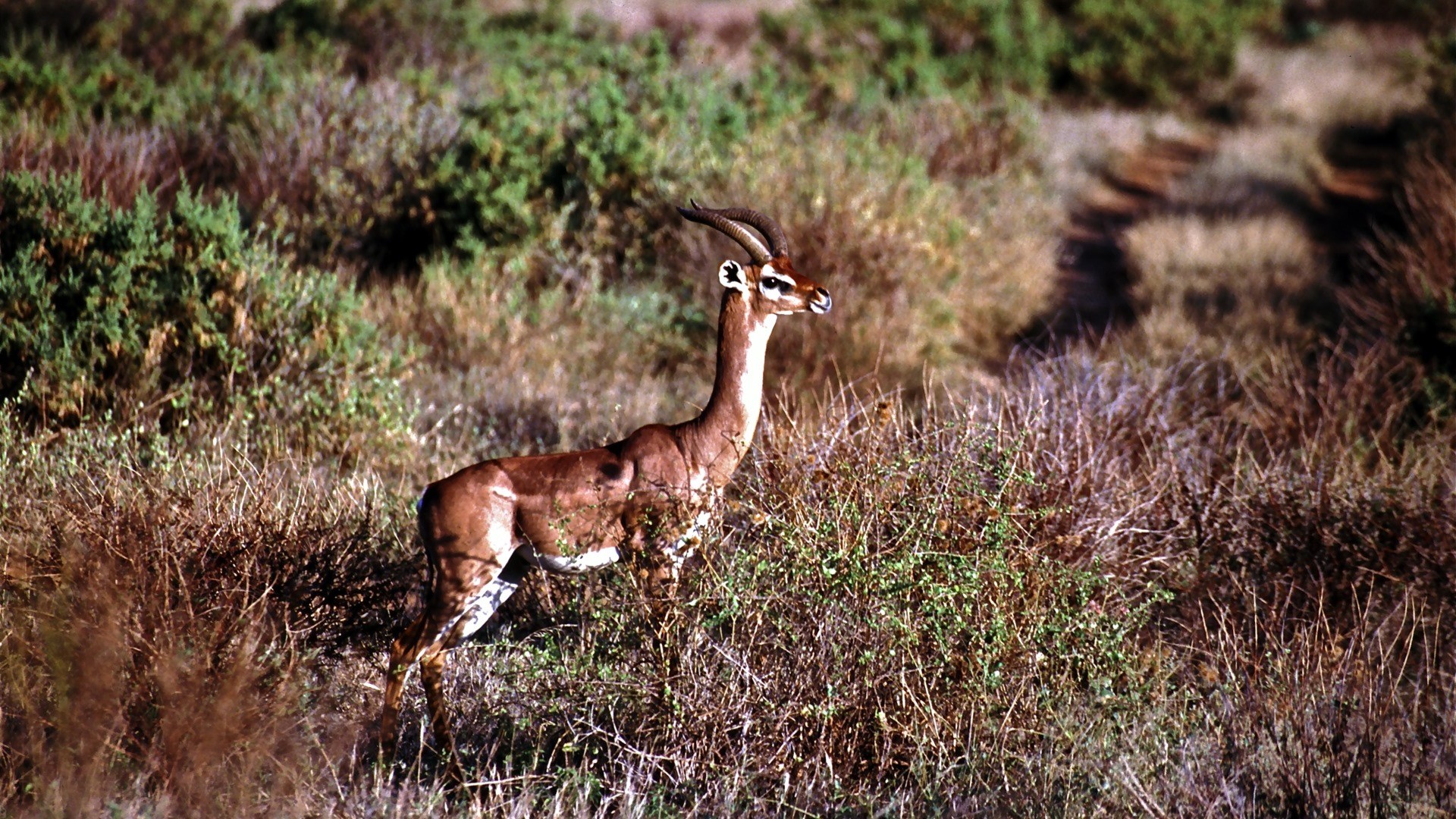
©Wikimedia / Bernard DUPONT from FRANCE
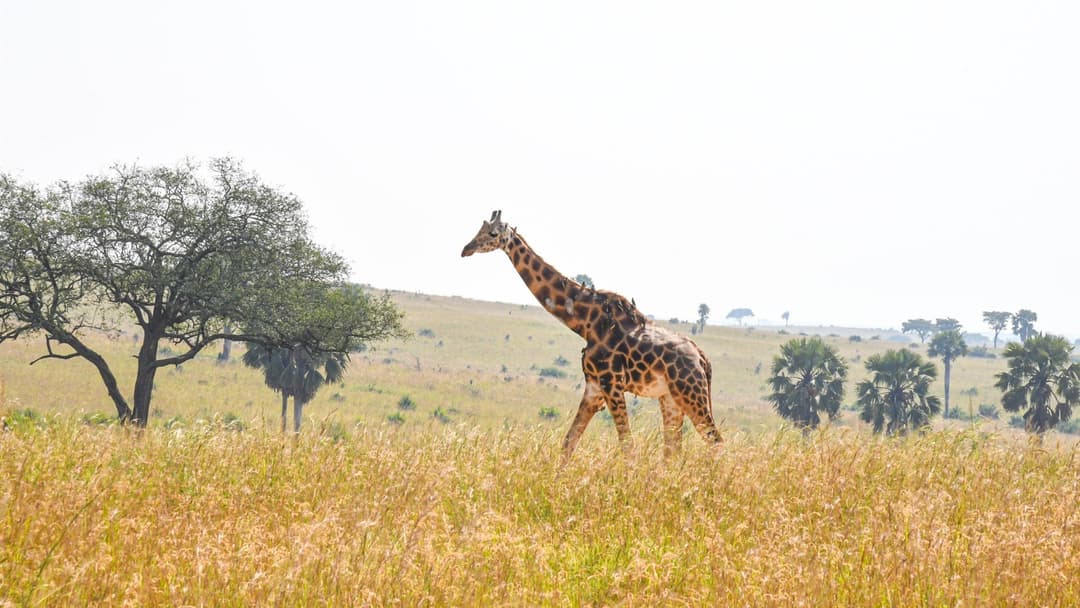
16. Giraffe (Up To 21 Days)
Bending their nine-foot necks to drink leaves giraffes vulnerable to prowling lions, so they evolved to rarely drink open water. A mature giraffe consumes tens of pounds of acacia leaves each morning, absorbing rich moisture while specialized kidneys recirculate internal water efficiently.
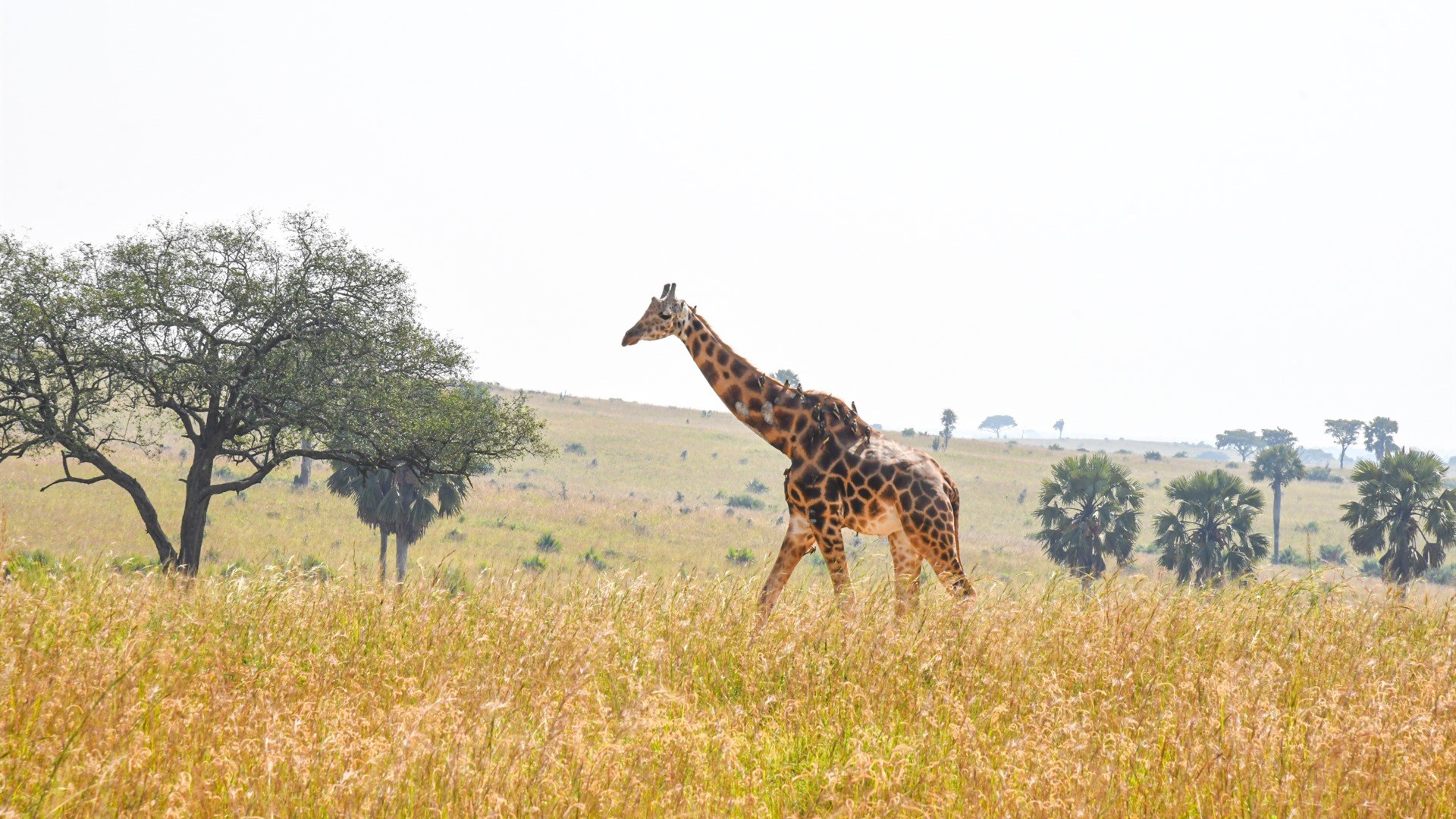
©Wikimedia / Ssemmanda will
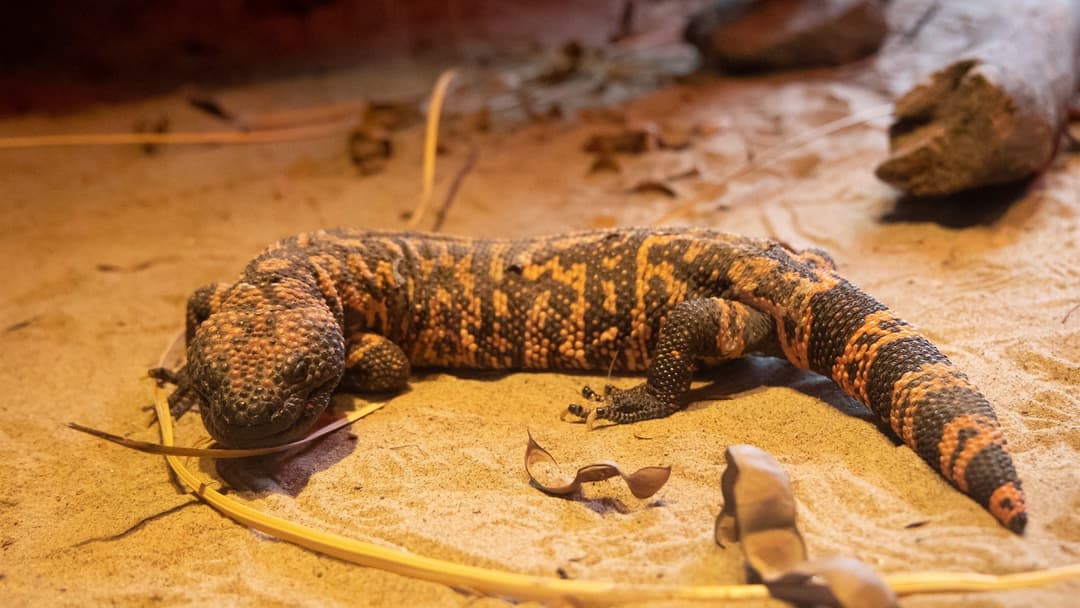
15. Gila Monster (Several Weeks)
One of the few venomous lizards on Earth, the Gila monster spends ninety-five percent of its lifespan in subterranean burrows. When moisture is scarce, it metabolizes fat stored in its thick tail into metabolic water, surviving weeks of relentless Sonoran Desert heat without drinking.
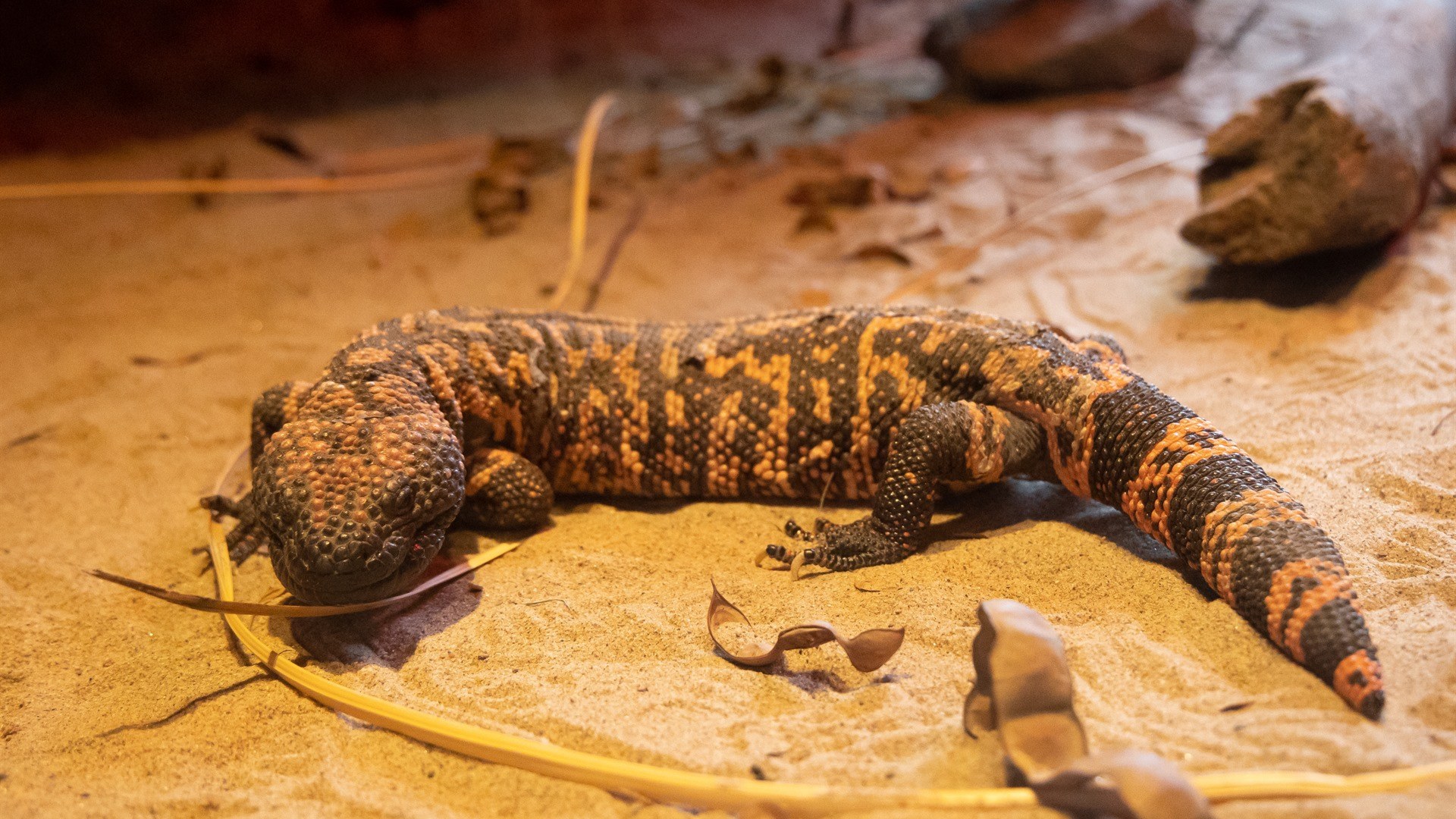
©Wikimedia / Theo Kruse / Burgers' Zoo
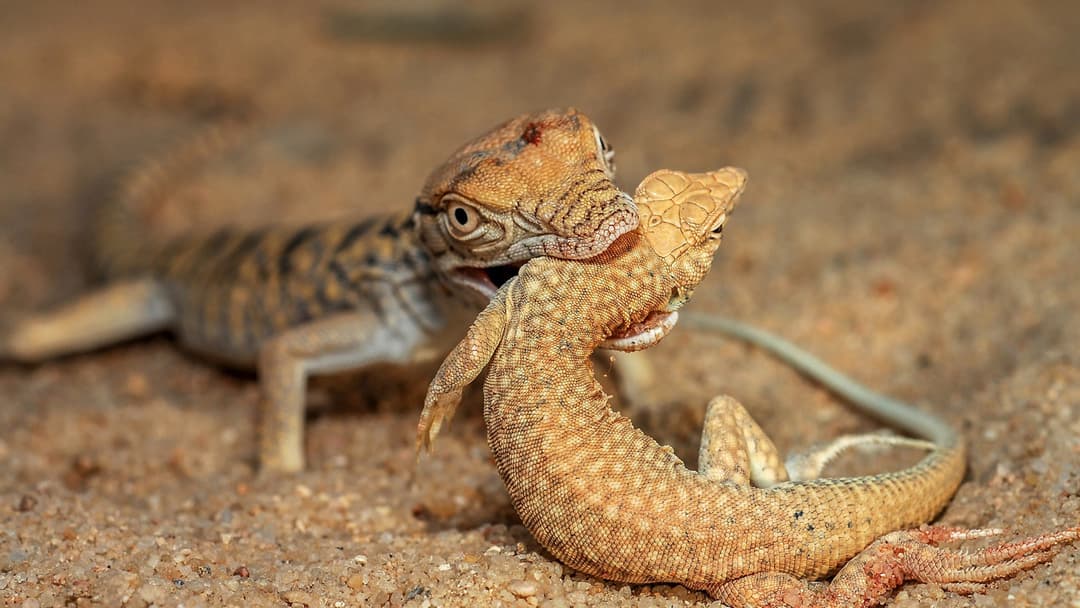
14. Desert Monitor Lizard (Up To 1 Month)
Roaming North Africa and Central Asia, the desert monitor lizard possesses thick, impermeable scaly skin that prevents moisture from escaping into dry air. Its low metabolic demand enables it to extract and preserve sufficient moisture from consumed reptiles and birds for up to a month.
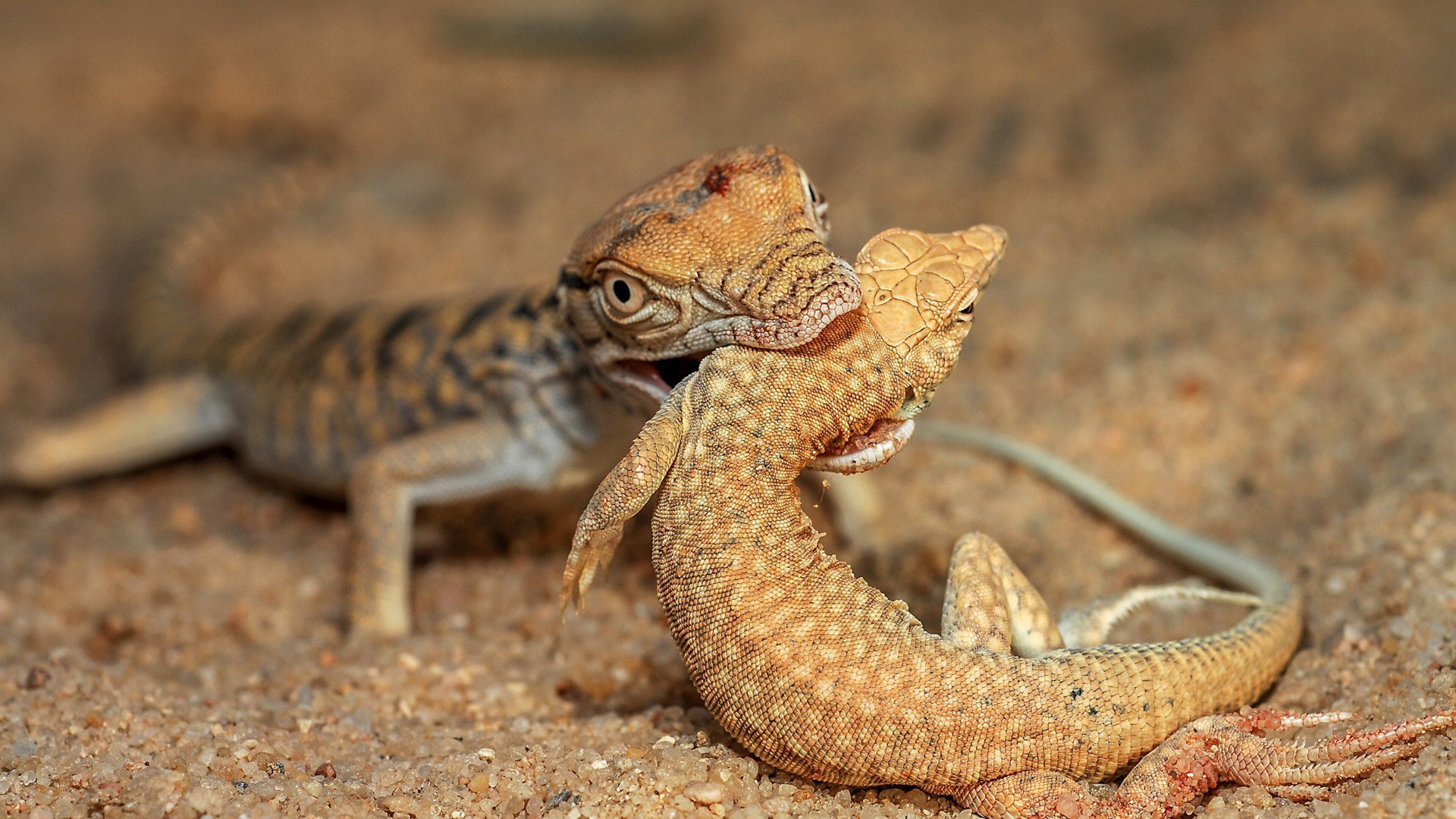
©Wikimedia / Mohdalsaleh
Advertisement
Swipe or tap ▶ to resume the countdown.
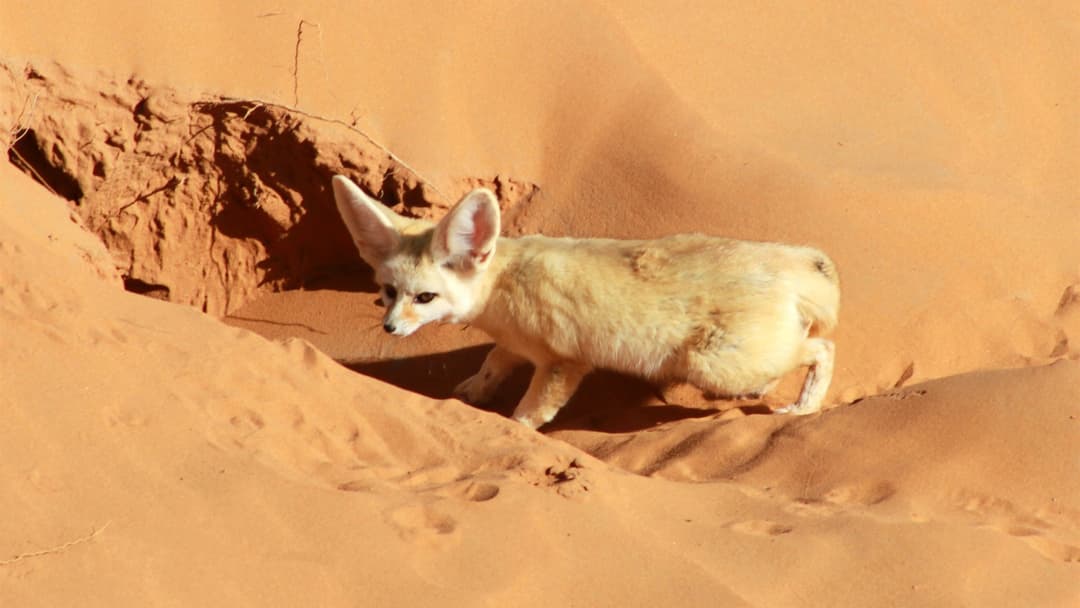
13. Fennec Fox (Several Months)
Weighing less than three pounds, the fennec fox survives the Sahara without drinking standing water. Its massive six-inch ears act as biological radiators, dispersing heat away from blood vessels while night-time hunts for insects, roots, and lizards provide all necessary bodily fluids.
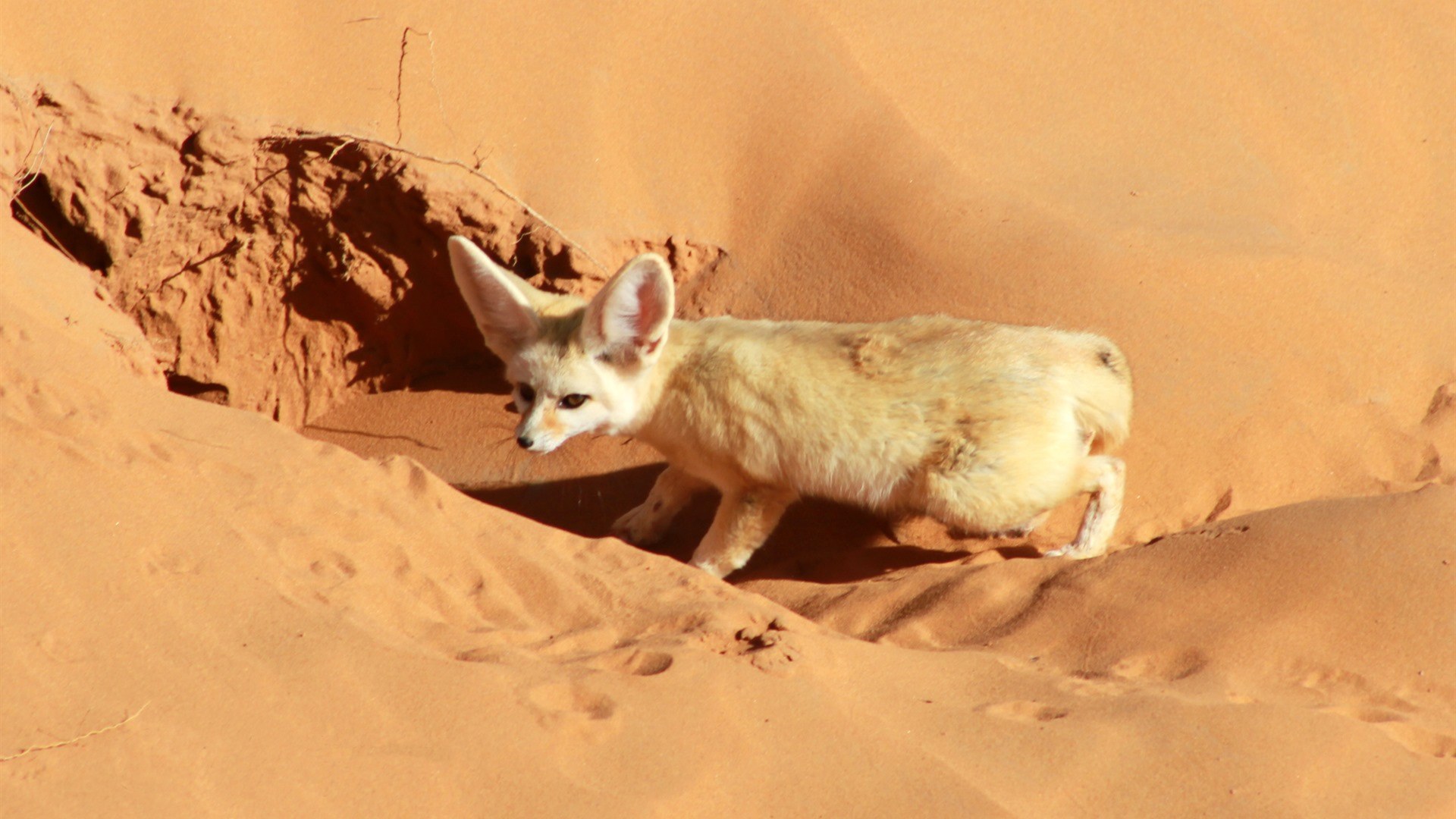
©Wikimedia / Merzougaloisirs
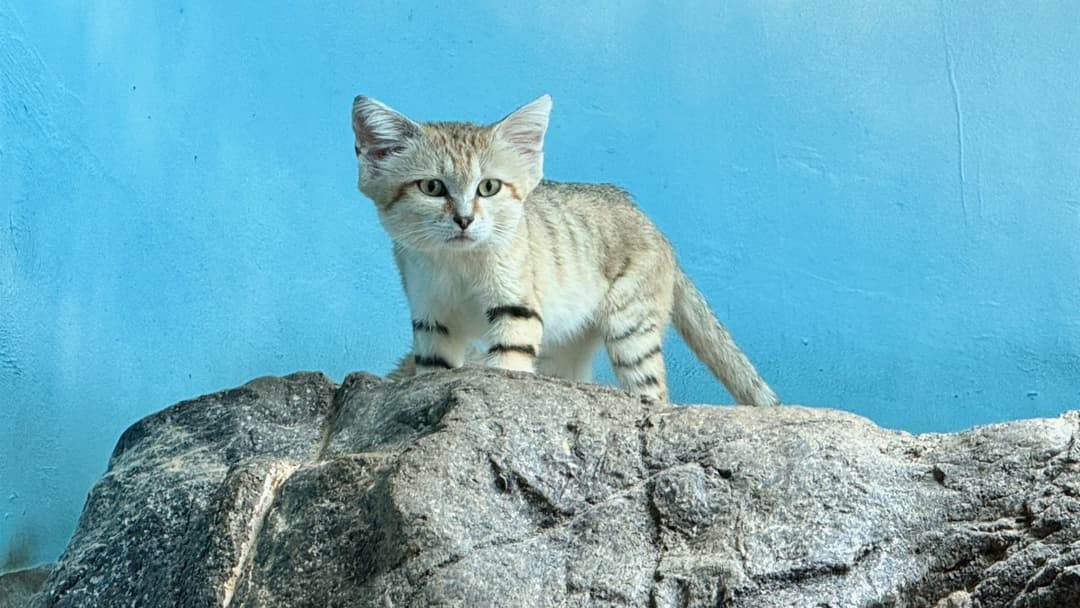
12. Sand Cat (Several Months)
The sand cat is the only feline living exclusively in true deserts. Dense fur carpeting the soles of its paws shields against scalding ground heat, while its hyper-efficient kidneys process all required fluids directly from the blood and tissues of snakes, birds, and desert rodents.
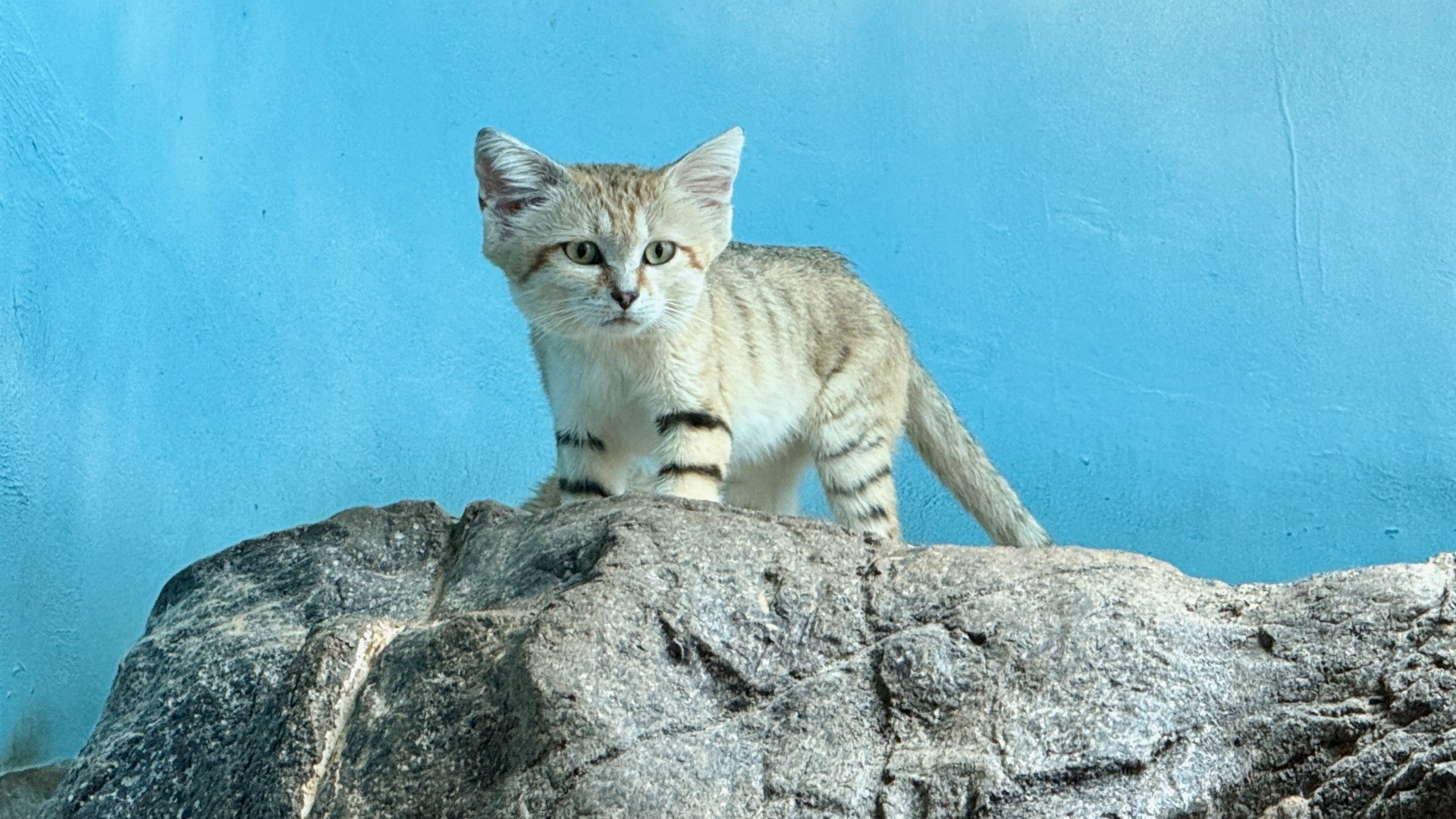
©Wikimedia / Oleg Yunakov
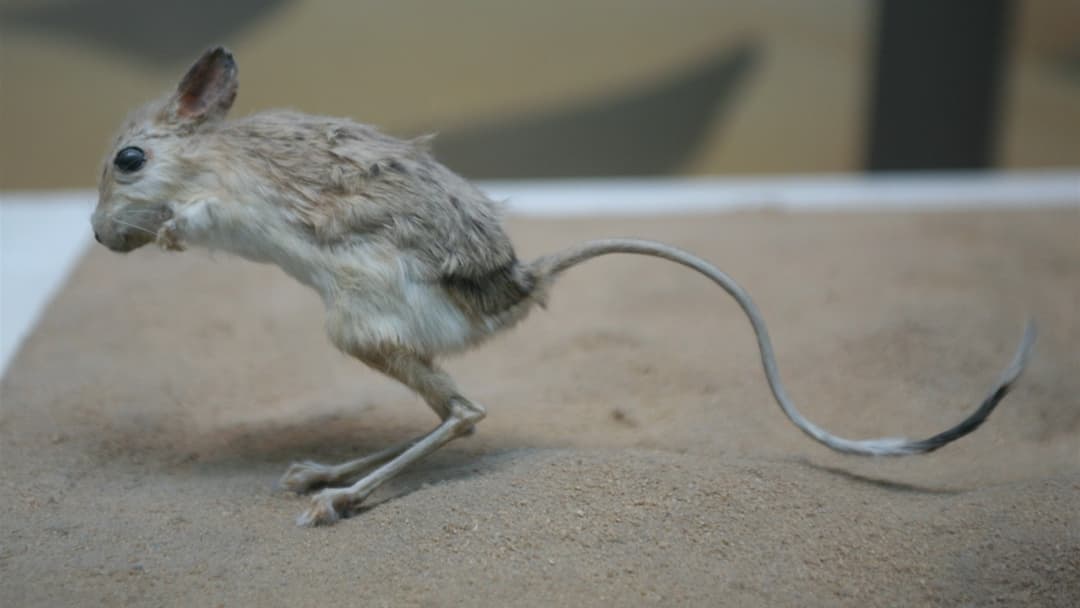
11. Jerboa (Up To 3 Months)
With kangaroo-like hind legs and tufted ears, the jerboa bounds across Asian and African deserts without ever tasting water. It extracts minute traces of water from dry vegetation and seeds, producing dry fecal pellets and concentrated urine to retain ninety-nine percent of internal moisture.
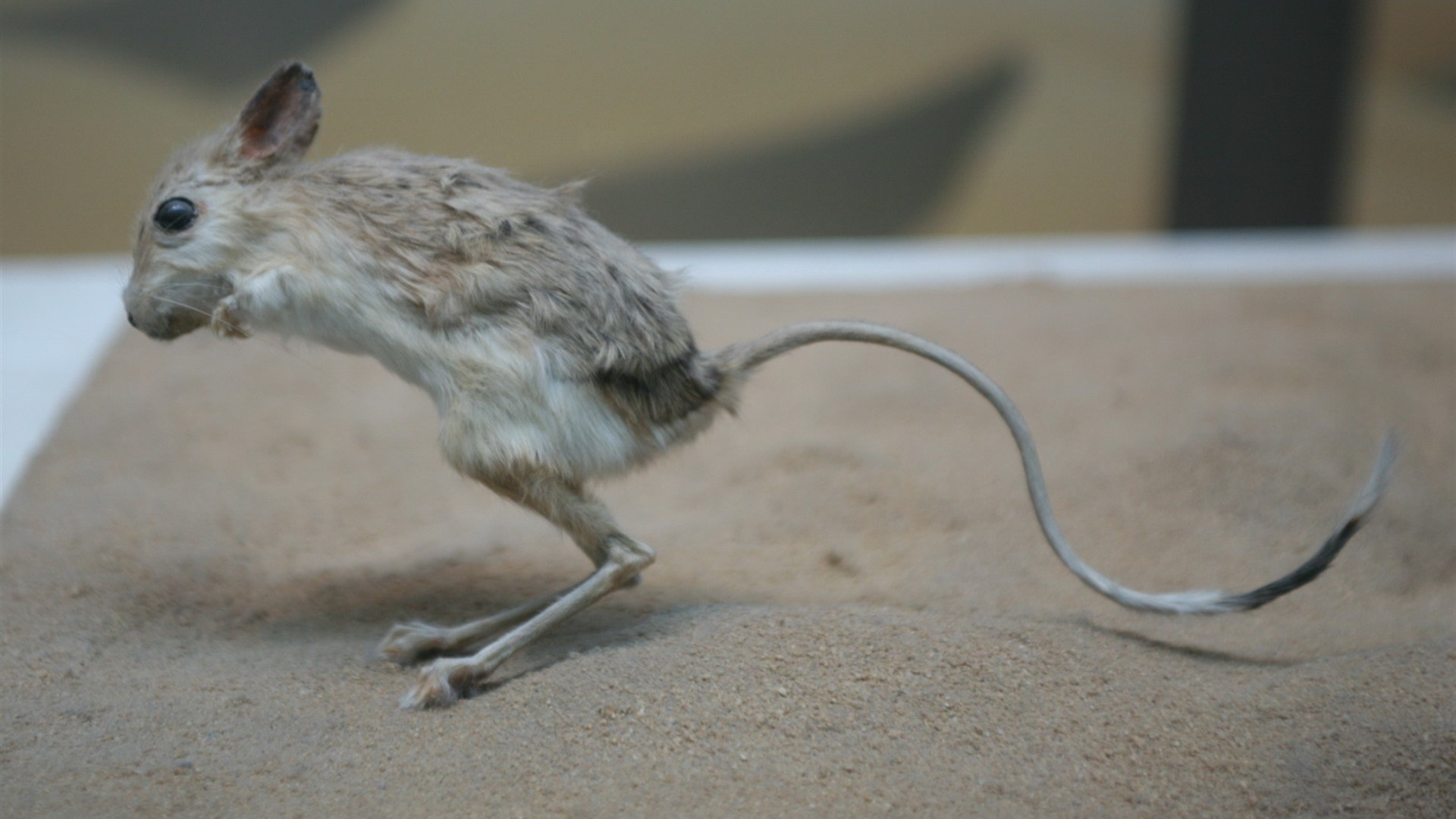
©Wikimedia / Cliff
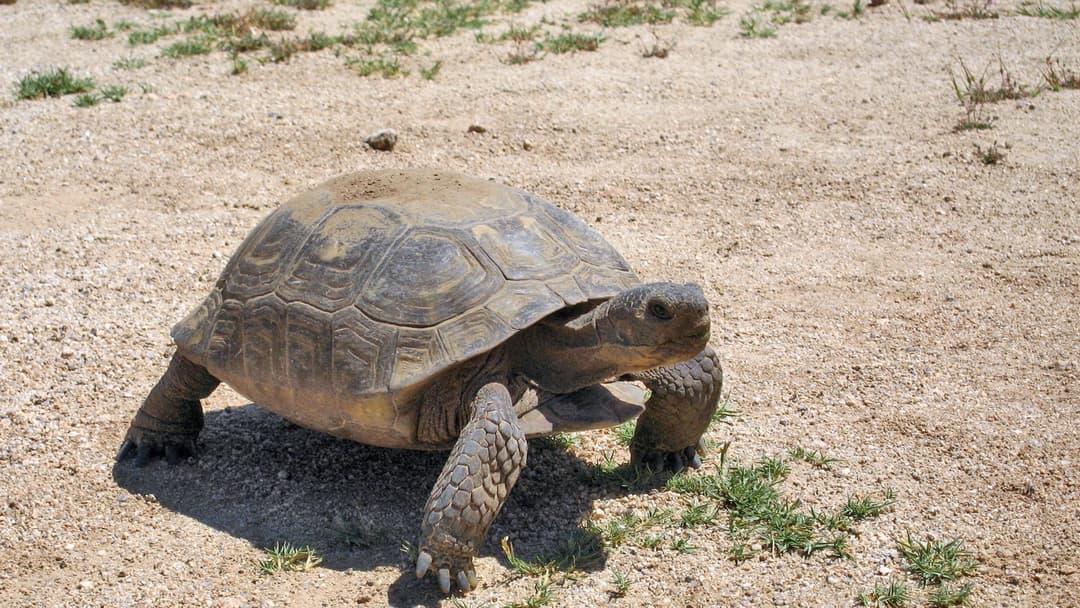
10. Desert Tortoise (1+ Year)
Endemic to the Mojave and Sonoran deserts, the desert tortoise operates like a living water tank. Its bladder holds water and nitrogenous waste equal to forty percent of body mass. During year-long droughts, its body reabsorbs pure water through bladder walls to maintain vital organs.
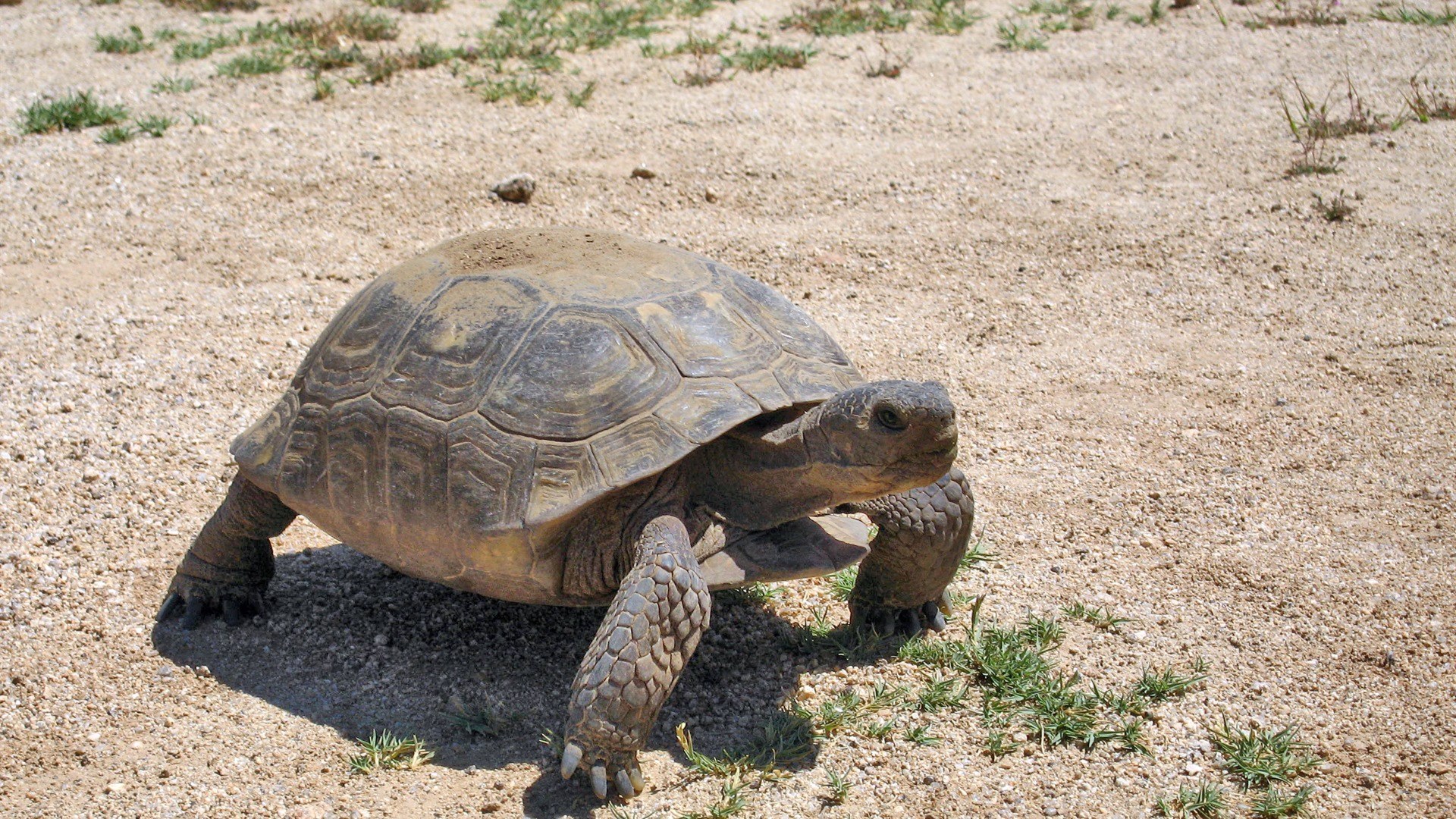
©Wikimedia / Robb Hannawacker
Advertisement
Swipe or tap ▶ to resume the countdown.
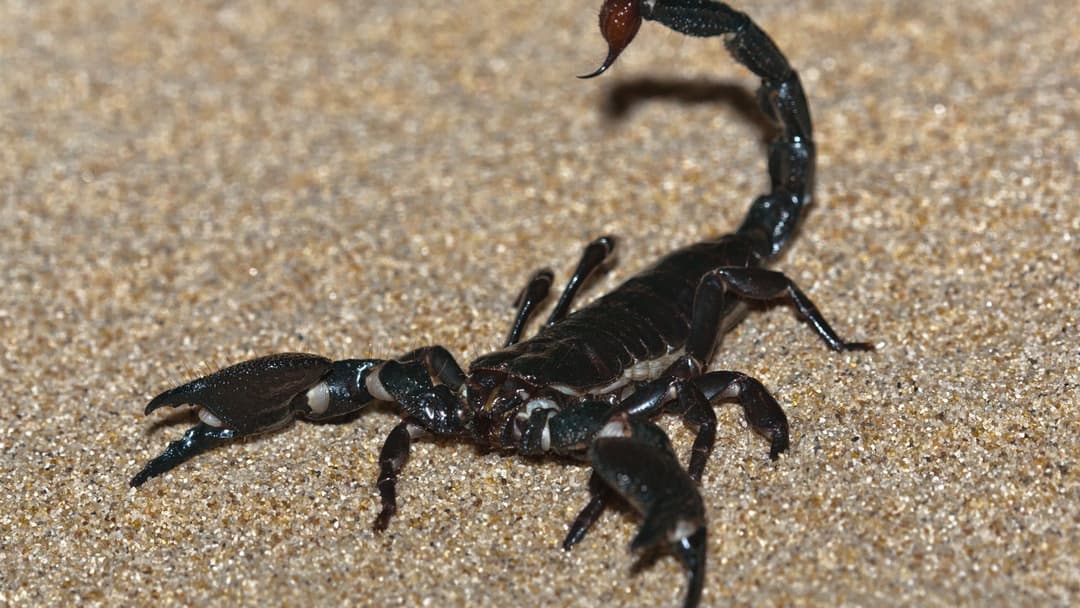
9. Emperor Scorpion (1+ Year)
Scorpions boast one of the lowest metabolic rates in the animal kingdom, consuming mere fractions of oxygen compared to other arthropods. Their multi-layered exoskeleton contains a waxy cuticle layer that prevents fluid evaporation, letting them thrive for well over a year between drinks.
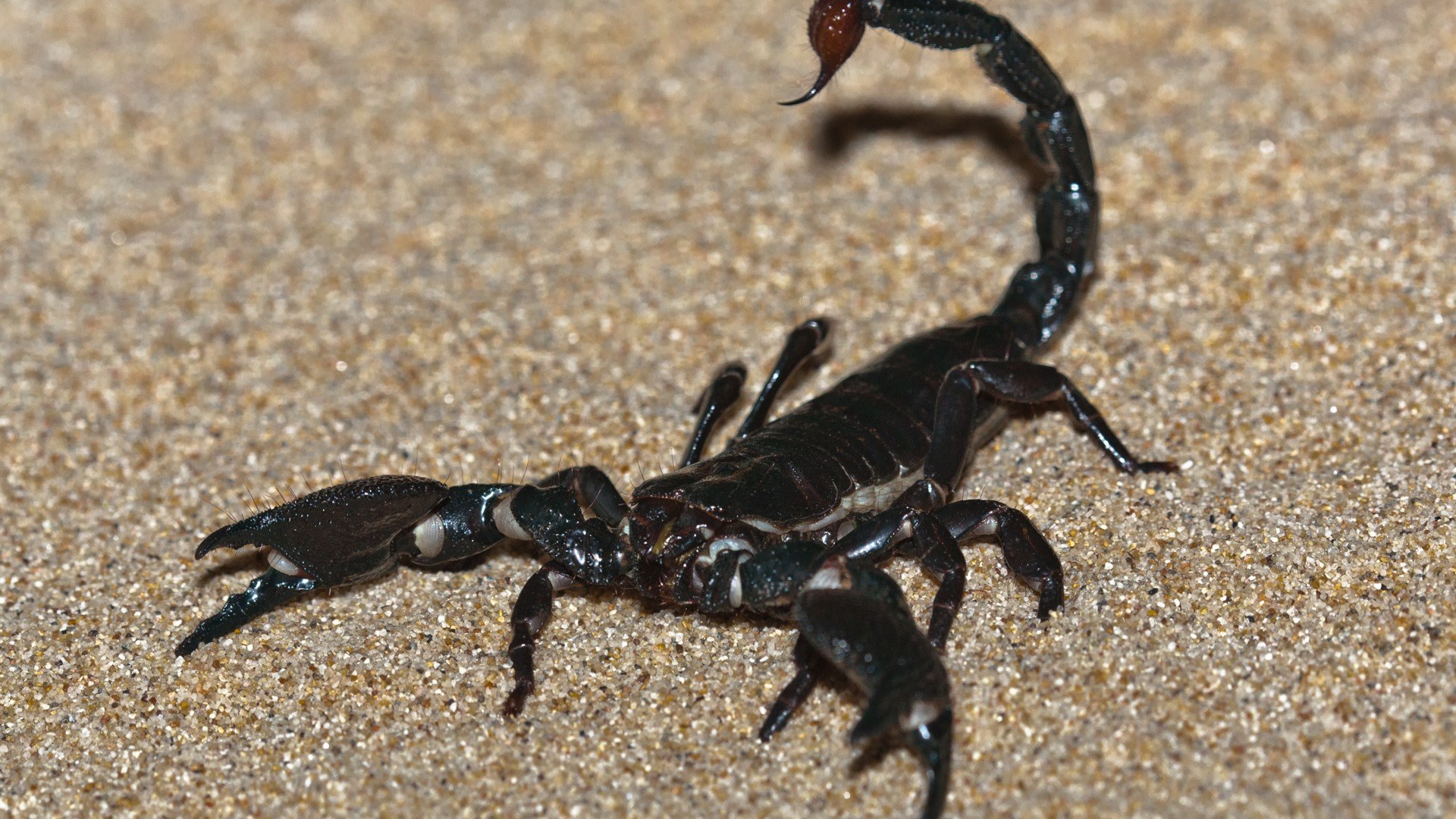
©Wikimedia / Mike Baird
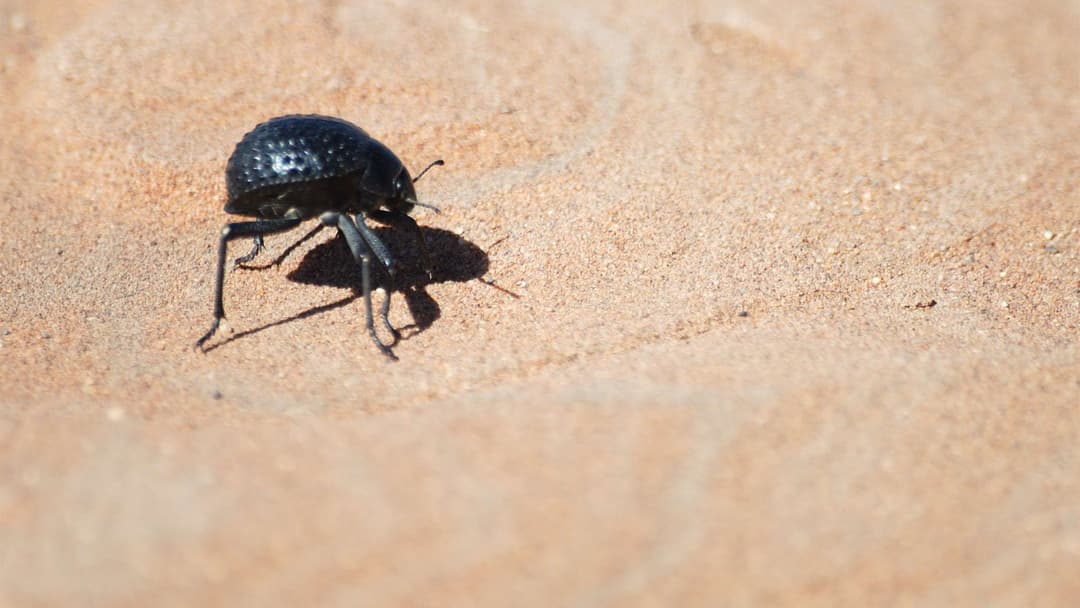
8. Namib Desert Beetle (Up To 2 Years)
In the rainless Namib Desert, this remarkable beetle climbs dune ridges at dawn and performs a headstand facing the Atlantic wind. Microscopic hydrophilic peaks on its shell capture airborne fog droplets, which coalesce until gravity rolls liquid refreshment straight down into its mouth.
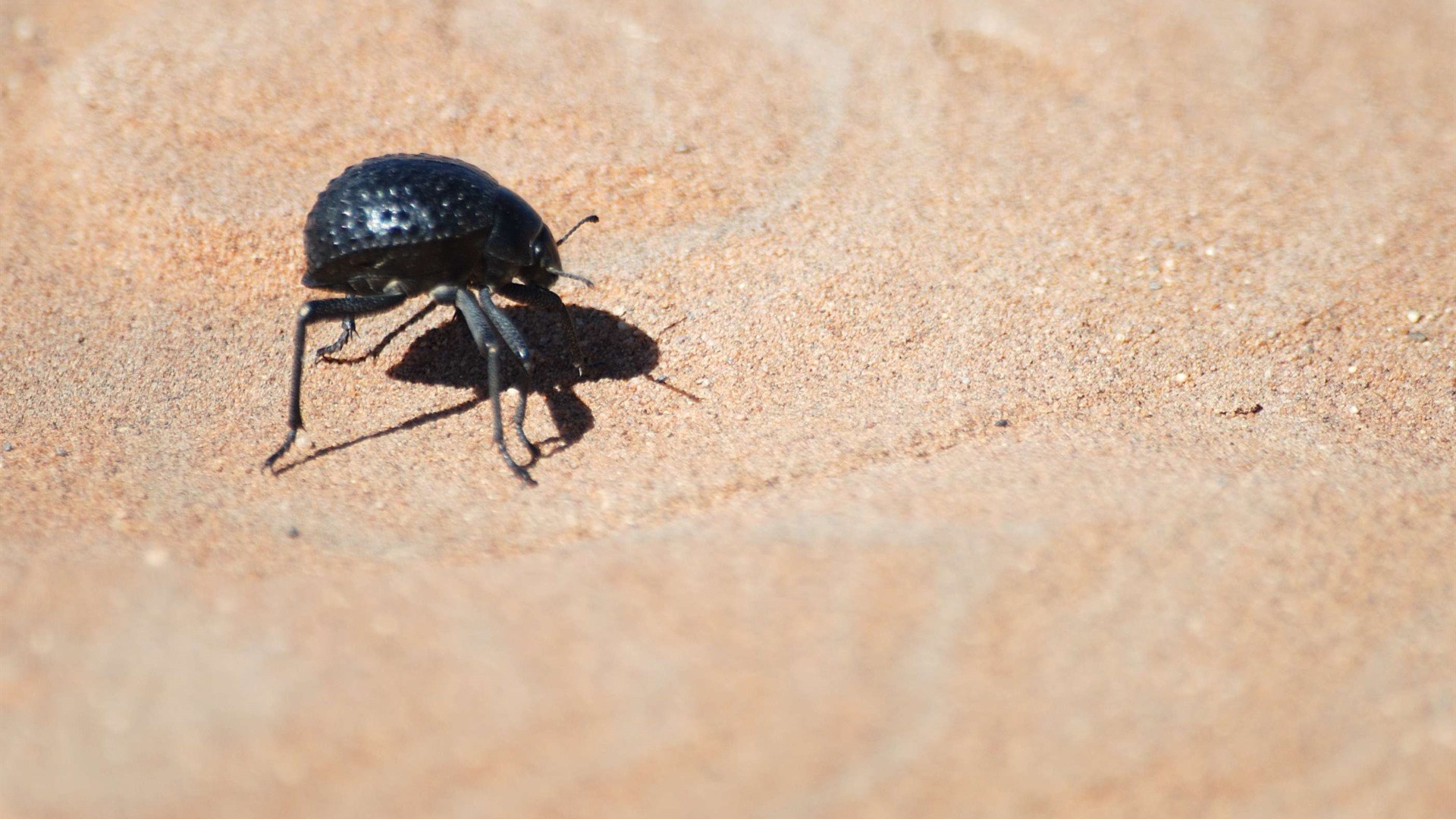
©Wikimedia / Moongateclimber
7. West African Lungfish (3-5 Years)
When seasonal African pools evaporate into cracked mud, the West African lungfish burrows deep into the riverbed. It secretes a protective mucus cocoon that hardens like leather, slowing its metabolism by sixty percent and breathing air through primitive lungs until monsoons return years later.
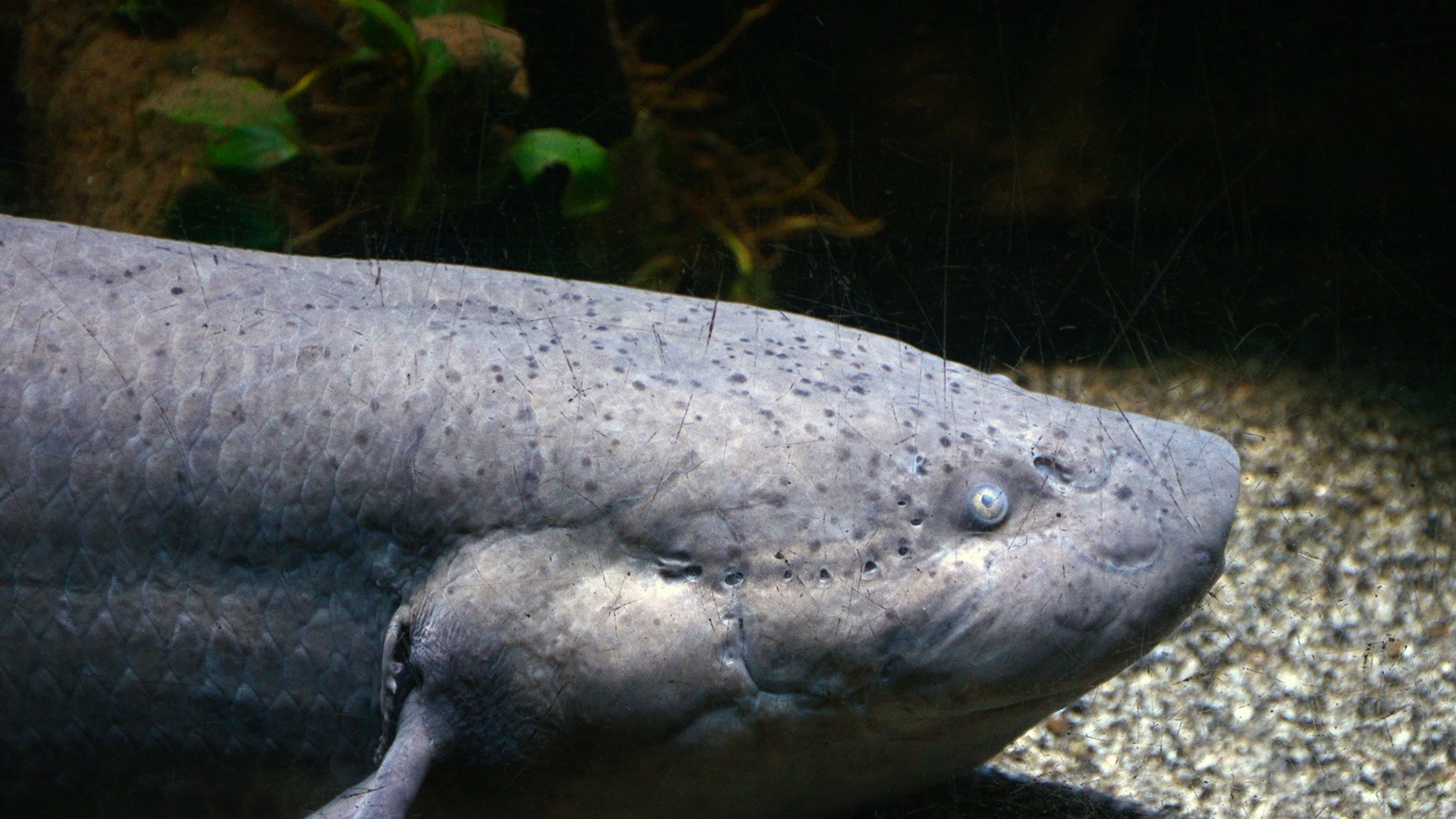
©Wikimedia / Vassil
6. Australian Water-Holding Frog (Up To 5 Years)
Indigenous to the arid Australian interior, this amphibian gorges on floodwaters until its body swells like a water balloon. It then burrows three feet below ground, shedding multiple layers of skin to construct a waterproof cocoon, surviving suspended animation for up to five years.
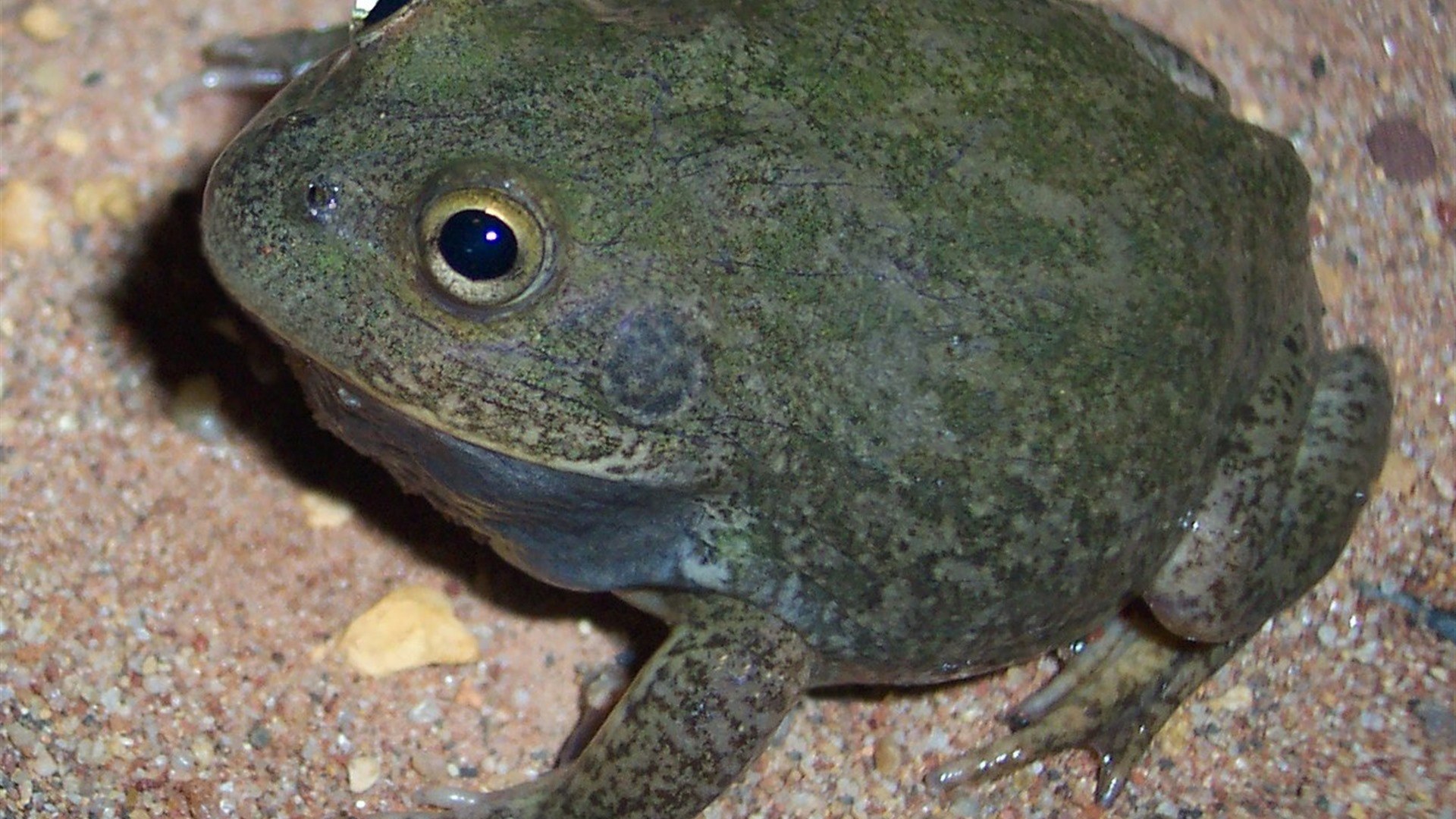
©Wikimedia / Frogs Australia Network
Advertisement
Swipe or tap ▶ to resume the countdown.
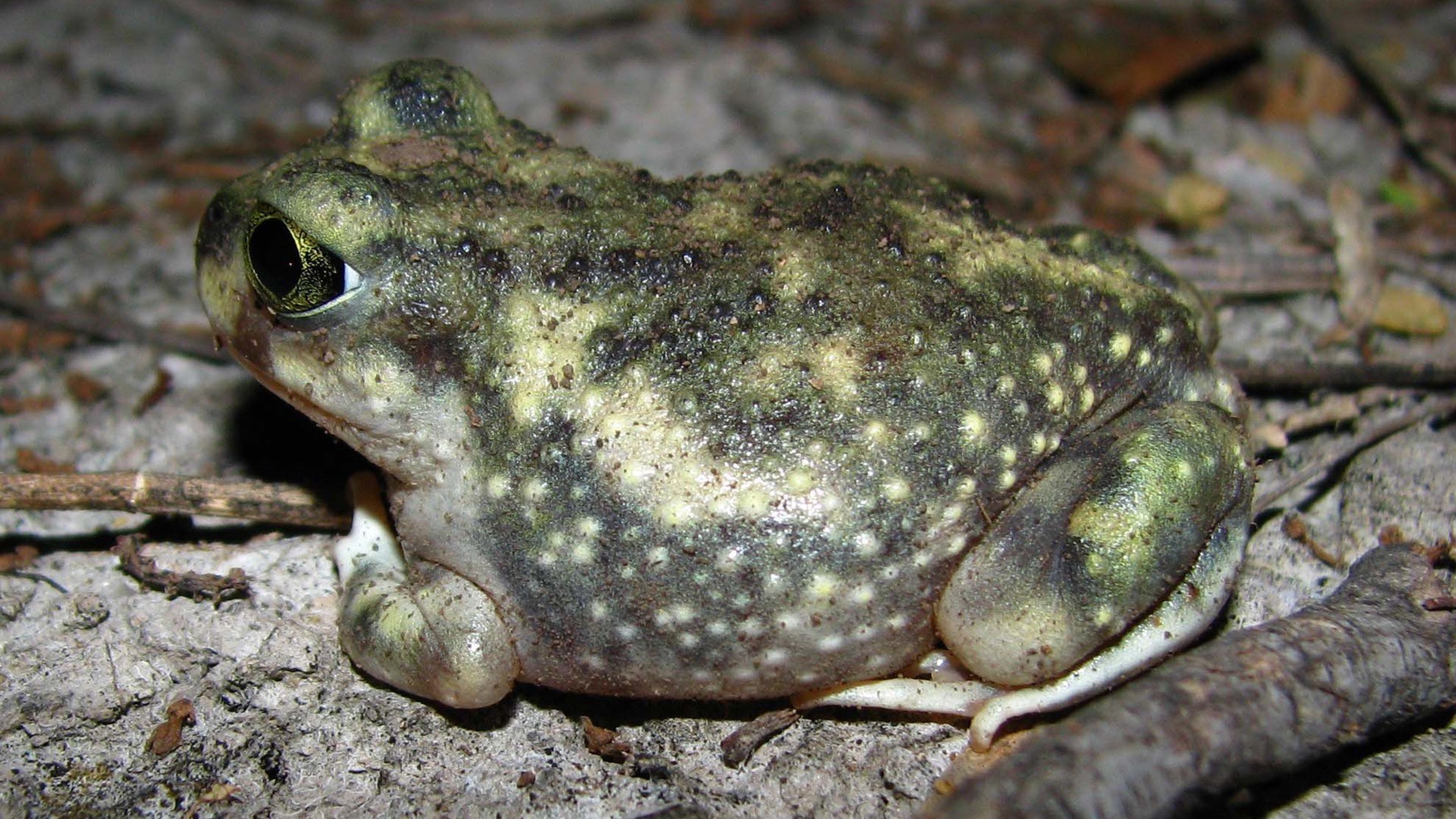
5. Couch's Spadefoot Toad (Up To 10 Years)
Armed with black horny spades on its hind legs, Couch's spadefoot toad burrows into sandy desert soil. By retaining high concentrations of urea in its tissues, the toad draws trace moisture from surrounding earth via osmosis, remaining safely dormant underground for up to a decade.
©Wikimedia / Dave Feliz, CDFW
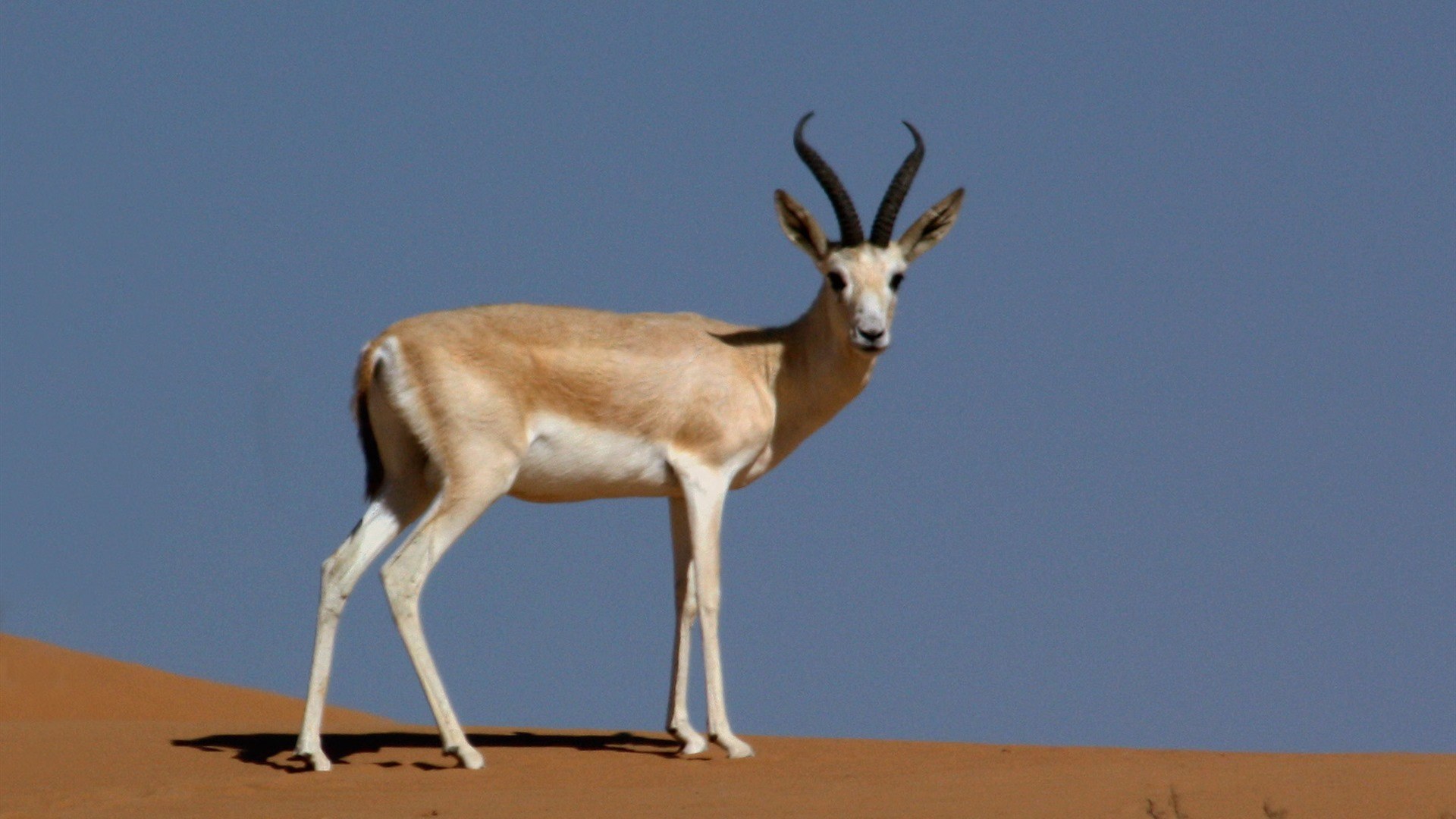
4. Arabian Sand Gazelle (Entire Lifetime)
Roaming the Empty Quarter of Arabia, the sand gazelle possesses a miraculous anatomical trick. During prolonged droughts, it reduces the physical mass of its liver and heart by twenty percent, dramatically lowering oxygen consumption and curbing respiratory evaporation to survive its entire life without drinking.
©Wikimedia / Charles J. Sharp
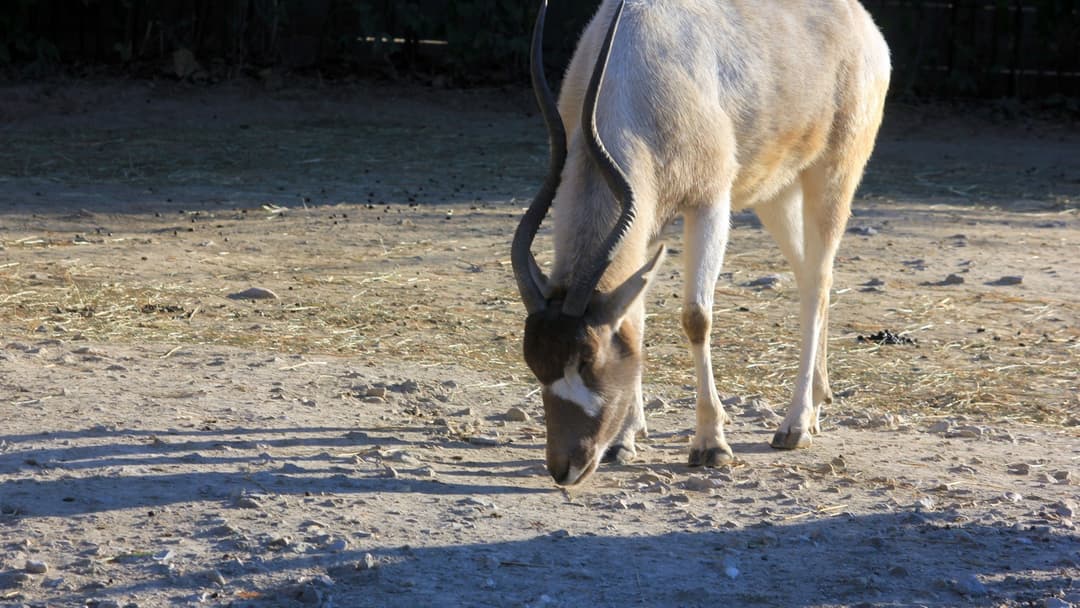
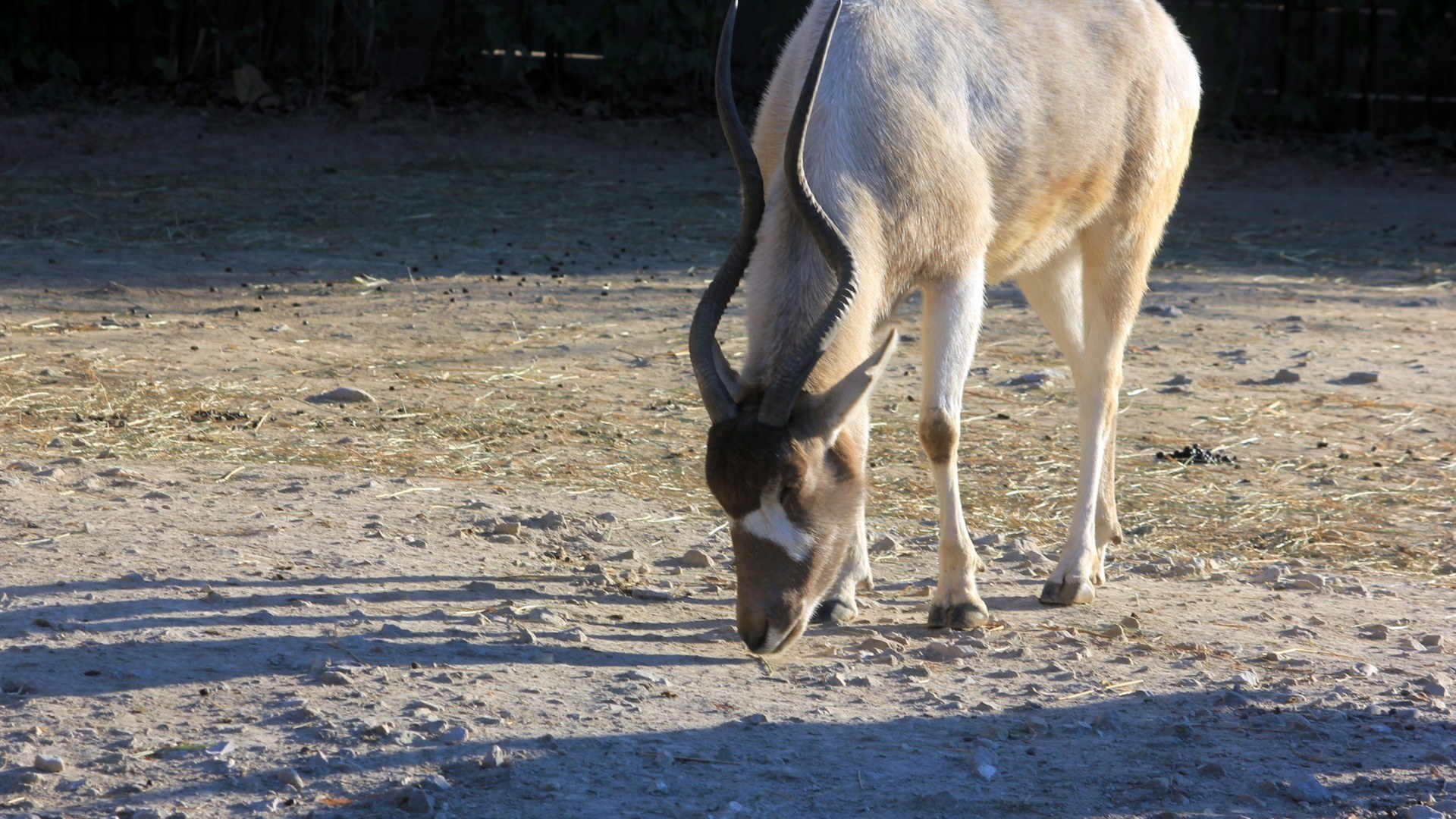
3. Addax Antelope (Entire Lifetime)
Widely considered the most desert-adapted ungulate on Earth, the addax never needs standing water throughout its nineteen-year lifespan. It tracks isolated rainstorms across thousands of square miles of Sahara sands, deriving all required hydration from dew and moisture-storing desert roots.
©Wikimedia / Yinan Chen
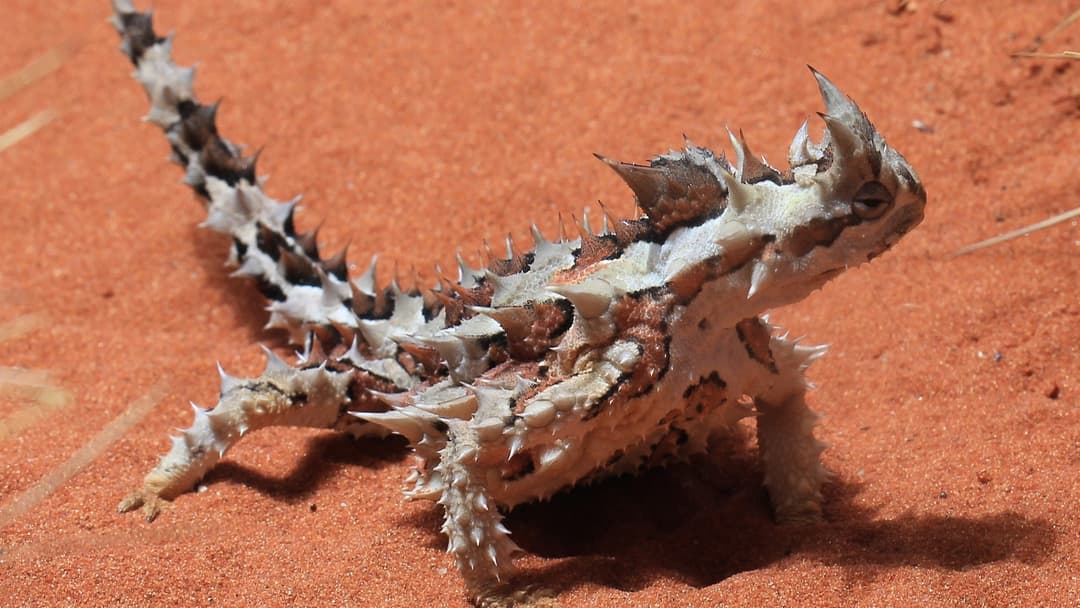
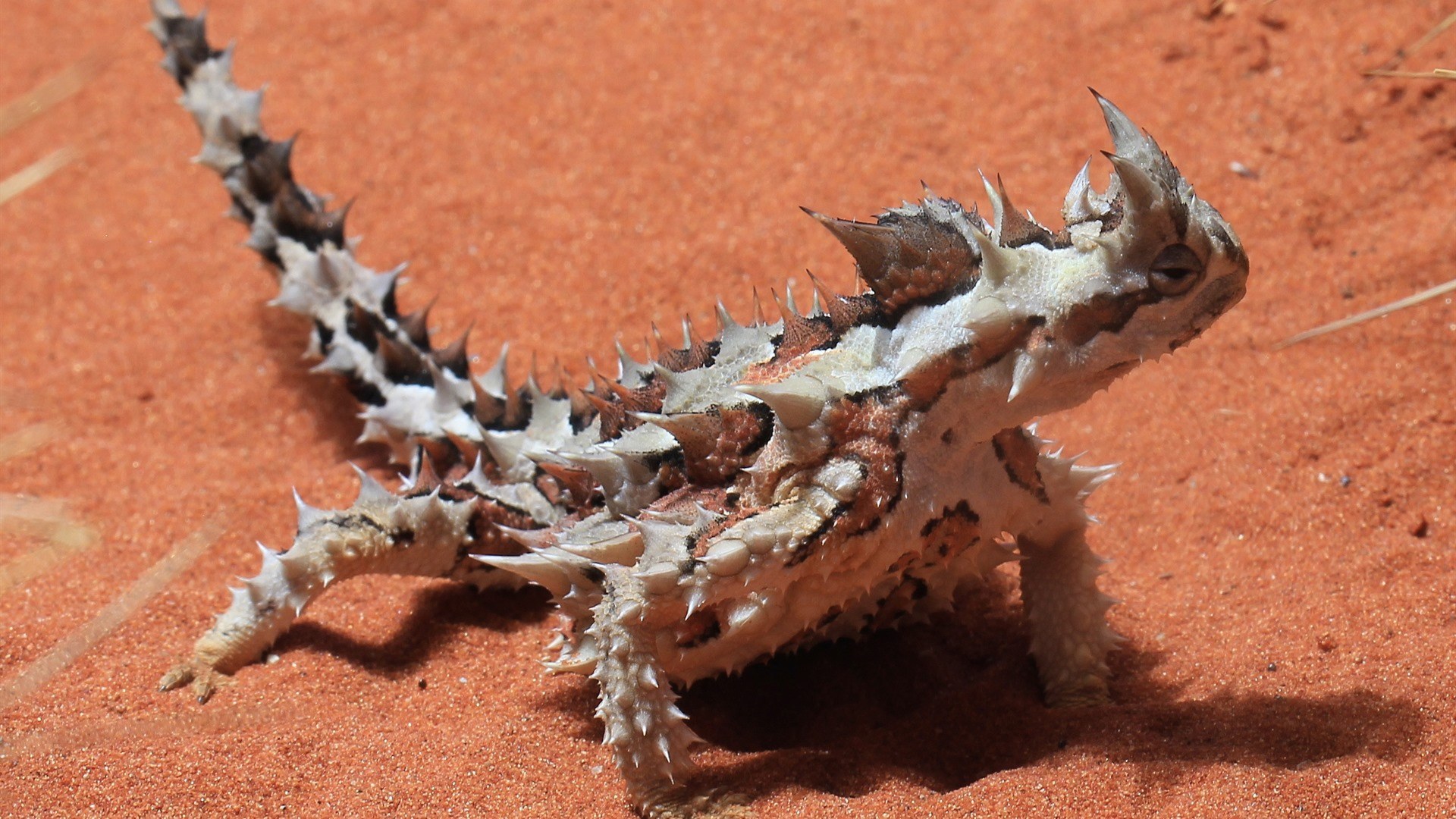
2. Thorny Devil (Entire Lifetime)
The Australian thorny devil never drinks through its mouth in the traditional sense. Its spiky body is covered in microscopic overlapping channels between scales. When dew or rain touches any part of its skin, capillary action draws the liquid across its body straight to the corners of its mouth.
©Wikimedia / Stu's Images
Advertisement
Swipe or tap ▶ to resume the countdown.
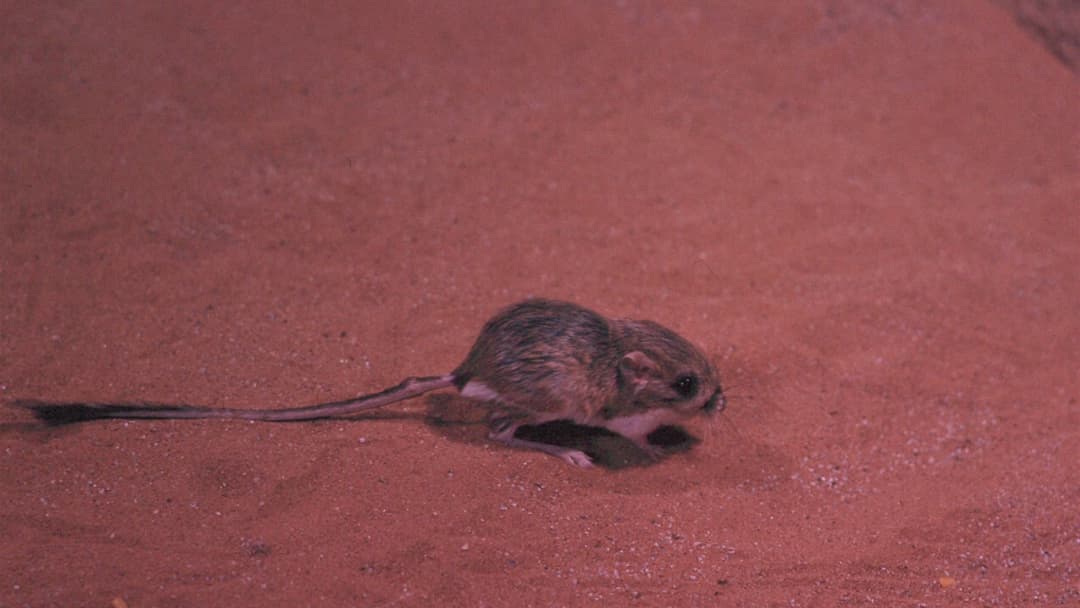
1. Kangaroo Rat And Tardigrade (Lifetime To Decades)
Among vertebrates, the desert kangaroo rat never drinks water, manufacturing metabolic water internally from carbohydrates as it digests dry seeds. At the microscopic level, the tardigrade enters an extraordinary state of cryptobiosis, expelling ninety-nine percent of body water and surviving over thirty years dry.
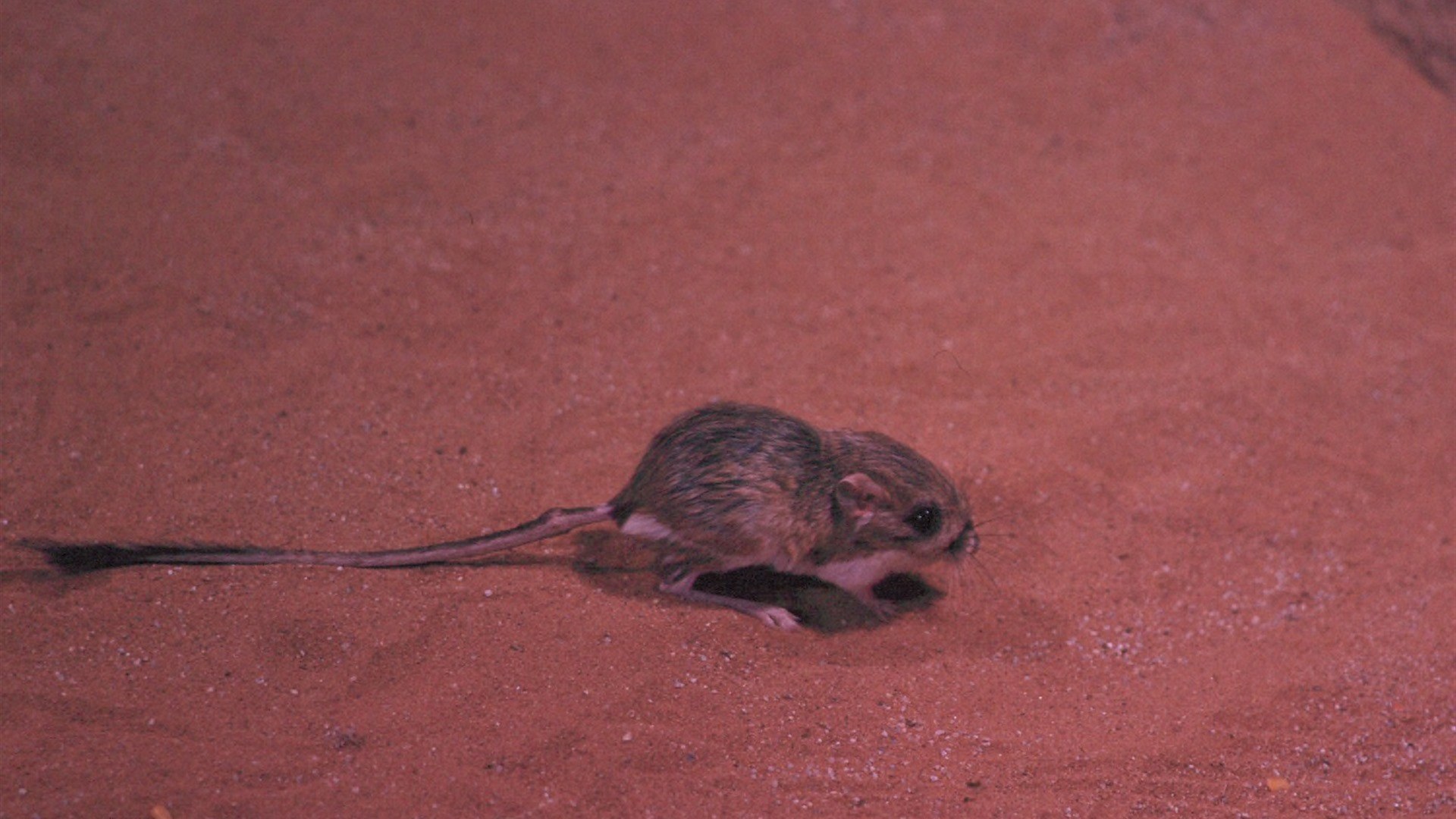
©Wikimedia / Warren Garst
Advertisement
You've reached the end of the story. Thanks for reading!

25 Smallest Dog Breeds in the World, Ranked by Average Weight
Based on official breed standards and adult weight records from the American Kennel Club, these twenty-five tiny toy dog breeds pack massive personality into miniature frames. Toy and miniature canines have enchanted pet owners for centuries, serving as loyal lap warmers, alert watchdogs, and affectionate companions.
All 20 Entries in this Story
20. African Elephant (3-5 Days)
Despite needing up to fifty gallons of water daily, African elephants can trek up to five days without a drink. Matriarchs navigate ancient migratory paths encoded in spatial memory, digging into dried riverbeds with tusks and trunks to tap subterranean aquifers.

19. Dromedary Camel (10-15 Days)
The legendary ship of the desert endures up to two weeks without water under blazing sun. Unlike other mammals whose blood coagulates when dehydrated, camel erythrocytes remain flexible and oval, allowing them to endure twenty-five percent body weight fluid loss without cardiovascular failure.

18. Greater Roadrunner (Several Weeks)
Thriving in arid North American deserts, the greater roadrunner extracts virtually all its moisture from lizards, scorpions, and small rodents. To conserve bodily fluids, specialized glands behind its eyes excrete concentrated salt solutions, allowing kidneys to retain maximum hydration.

17. Gerenuk (2-3 Weeks)
With an elongated neck and flexible spine, the gerenuk stands upright on two hind legs to pluck high-growing desert foliage. By consuming dew-drenched leaves and moisture-heavy shoots, wild gerenuks never need to visit open waterholes, avoiding predators while staying fully hydrated.

16. Giraffe (Up To 21 Days)
Bending their nine-foot necks to drink leaves giraffes vulnerable to prowling lions, so they evolved to rarely drink open water. A mature giraffe consumes tens of pounds of acacia leaves each morning, absorbing rich moisture while specialized kidneys recirculate internal water efficiently.

15. Gila Monster (Several Weeks)
One of the few venomous lizards on Earth, the Gila monster spends ninety-five percent of its lifespan in subterranean burrows. When moisture is scarce, it metabolizes fat stored in its thick tail into metabolic water, surviving weeks of relentless Sonoran Desert heat without drinking.

14. Desert Monitor Lizard (Up To 1 Month)
Roaming North Africa and Central Asia, the desert monitor lizard possesses thick, impermeable scaly skin that prevents moisture from escaping into dry air. Its low metabolic demand enables it to extract and preserve sufficient moisture from consumed reptiles and birds for up to a month.

13. Fennec Fox (Several Months)
Weighing less than three pounds, the fennec fox survives the Sahara without drinking standing water. Its massive six-inch ears act as biological radiators, dispersing heat away from blood vessels while night-time hunts for insects, roots, and lizards provide all necessary bodily fluids.

12. Sand Cat (Several Months)
The sand cat is the only feline living exclusively in true deserts. Dense fur carpeting the soles of its paws shields against scalding ground heat, while its hyper-efficient kidneys process all required fluids directly from the blood and tissues of snakes, birds, and desert rodents.

11. Jerboa (Up To 3 Months)
With kangaroo-like hind legs and tufted ears, the jerboa bounds across Asian and African deserts without ever tasting water. It extracts minute traces of water from dry vegetation and seeds, producing dry fecal pellets and concentrated urine to retain ninety-nine percent of internal moisture.

10. Desert Tortoise (1+ Year)
Endemic to the Mojave and Sonoran deserts, the desert tortoise operates like a living water tank. Its bladder holds water and nitrogenous waste equal to forty percent of body mass. During year-long droughts, its body reabsorbs pure water through bladder walls to maintain vital organs.

9. Emperor Scorpion (1+ Year)
Scorpions boast one of the lowest metabolic rates in the animal kingdom, consuming mere fractions of oxygen compared to other arthropods. Their multi-layered exoskeleton contains a waxy cuticle layer that prevents fluid evaporation, letting them thrive for well over a year between drinks.

8. Namib Desert Beetle (Up To 2 Years)
In the rainless Namib Desert, this remarkable beetle climbs dune ridges at dawn and performs a headstand facing the Atlantic wind. Microscopic hydrophilic peaks on its shell capture airborne fog droplets, which coalesce until gravity rolls liquid refreshment straight down into its mouth.

7. West African Lungfish (3-5 Years)
When seasonal African pools evaporate into cracked mud, the West African lungfish burrows deep into the riverbed. It secretes a protective mucus cocoon that hardens like leather, slowing its metabolism by sixty percent and breathing air through primitive lungs until monsoons return years later.

6. Australian Water-Holding Frog (Up To 5 Years)
Indigenous to the arid Australian interior, this amphibian gorges on floodwaters until its body swells like a water balloon. It then burrows three feet below ground, shedding multiple layers of skin to construct a waterproof cocoon, surviving suspended animation for up to five years.

5. Couch's Spadefoot Toad (Up To 10 Years)
Armed with black horny spades on its hind legs, Couch's spadefoot toad burrows into sandy desert soil. By retaining high concentrations of urea in its tissues, the toad draws trace moisture from surrounding earth via osmosis, remaining safely dormant underground for up to a decade.

4. Arabian Sand Gazelle (Entire Lifetime)
Roaming the Empty Quarter of Arabia, the sand gazelle possesses a miraculous anatomical trick. During prolonged droughts, it reduces the physical mass of its liver and heart by twenty percent, dramatically lowering oxygen consumption and curbing respiratory evaporation to survive its entire life without drinking.

3. Addax Antelope (Entire Lifetime)
Widely considered the most desert-adapted ungulate on Earth, the addax never needs standing water throughout its nineteen-year lifespan. It tracks isolated rainstorms across thousands of square miles of Sahara sands, deriving all required hydration from dew and moisture-storing desert roots.

2. Thorny Devil (Entire Lifetime)
The Australian thorny devil never drinks through its mouth in the traditional sense. Its spiky body is covered in microscopic overlapping channels between scales. When dew or rain touches any part of its skin, capillary action draws the liquid across its body straight to the corners of its mouth.

1. Kangaroo Rat And Tardigrade (Lifetime To Decades)
Among vertebrates, the desert kangaroo rat never drinks water, manufacturing metabolic water internally from carbohydrates as it digests dry seeds. At the microscopic level, the tardigrade enters an extraordinary state of cryptobiosis, expelling ninety-nine percent of body water and surviving over thirty years dry.