Slideshow · Sports
20 Greatest Men's Tennis Players in History, Ranked by Grand Slams
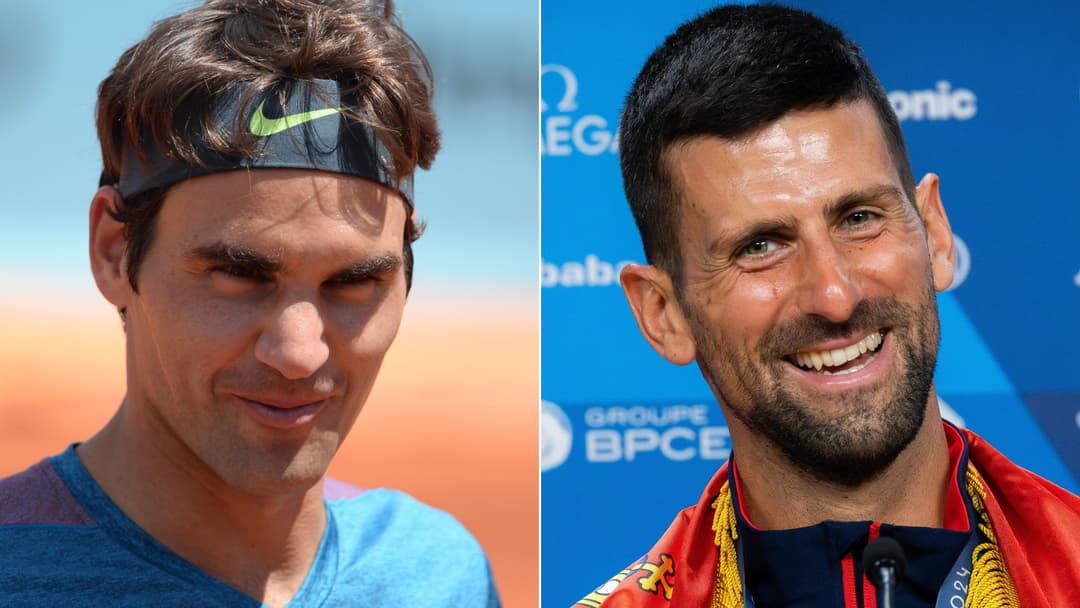
Ranked according to official Grand Slam tournament records and the International Tennis Federation, these 20 legends captured the most major singles titles in tennis history. Seven rounds decided greatness. Ranked according to official Grand Slam tournament records, these 20 legends captured the most major singles championships in tennis history.
By Most Viral Today
1 hour ago

Tennis Champions Shattered All-Time Records Across Modern Grand Slam History 
20. Stefan Edberg 
19. Boris Becker 
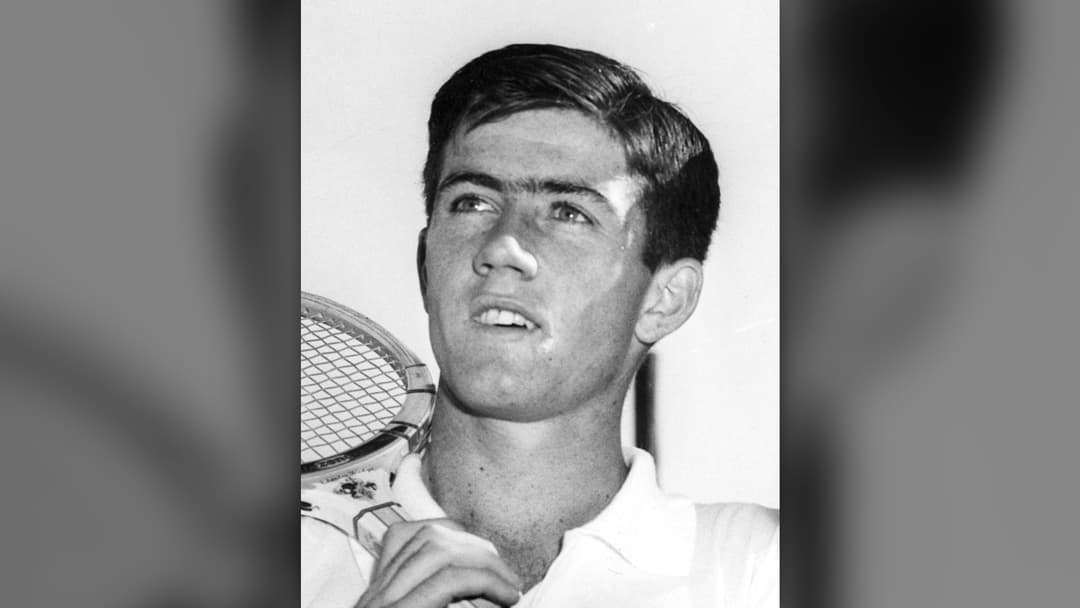
18. John Newcombe - AdvertisementSwipe or tap ▶ to continue countdown

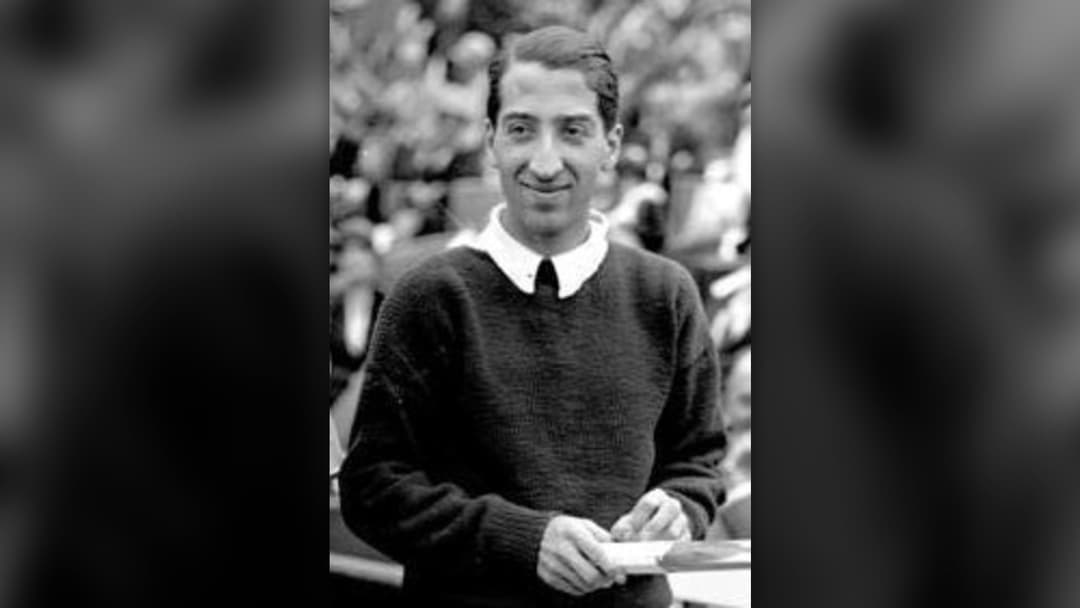
17. René Lacoste 
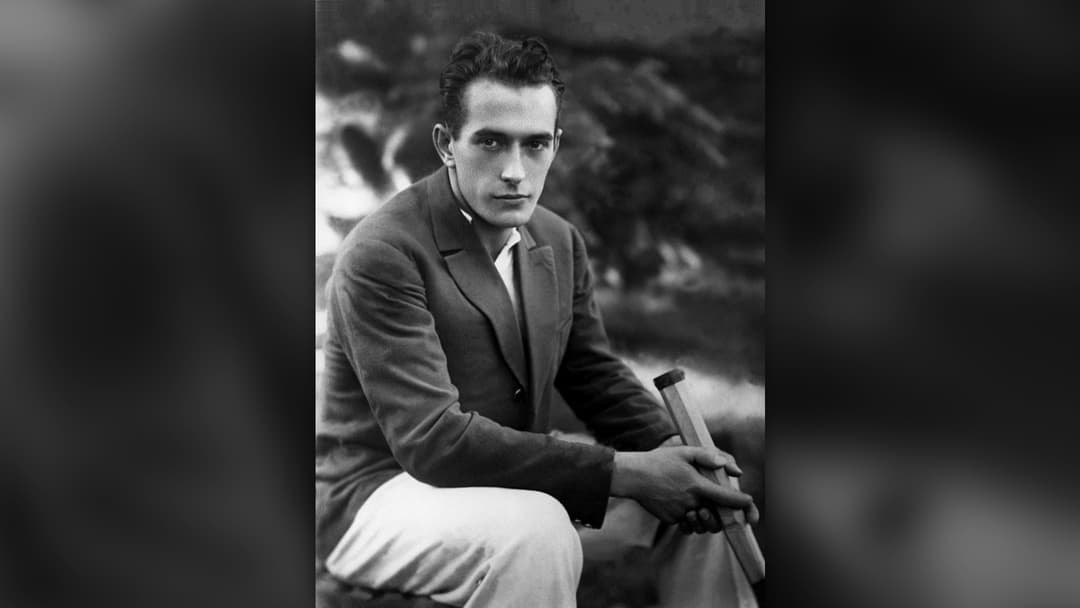
16. Henri Cochet 
15. Mats Wilander 
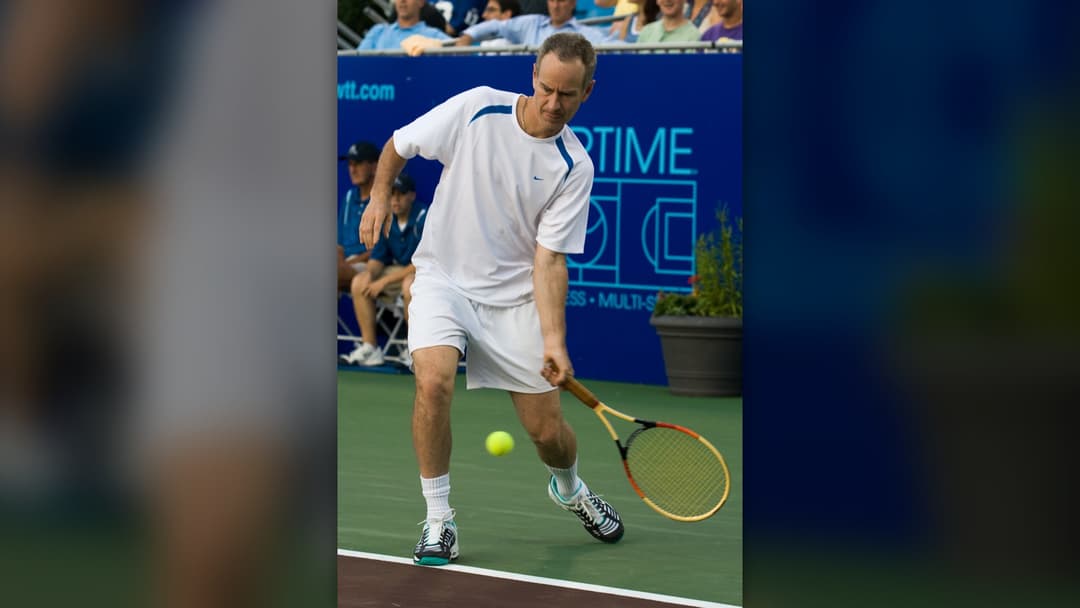
14. John McEnroe - AdvertisementSwipe or tap ▶ to continue countdown

13. Ken Rosewall 
12. Fred Perry 
11. Ivan Lendl 
10. Jimmy Connors - AdvertisementSwipe or tap ▶ to continue countdown

9. Andre Agassi 
8. Bill Tilden 
7. Rod Laver 
6. Björn Borg - AdvertisementSwipe or tap ▶ to continue countdown

5. Roy Emerson 
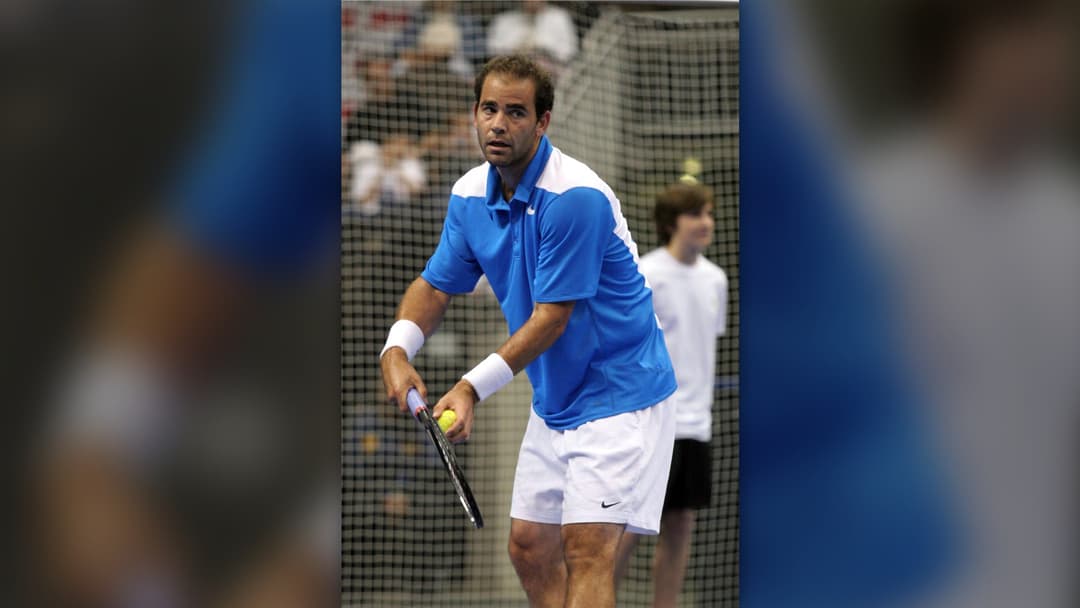
4. Pete Sampras 
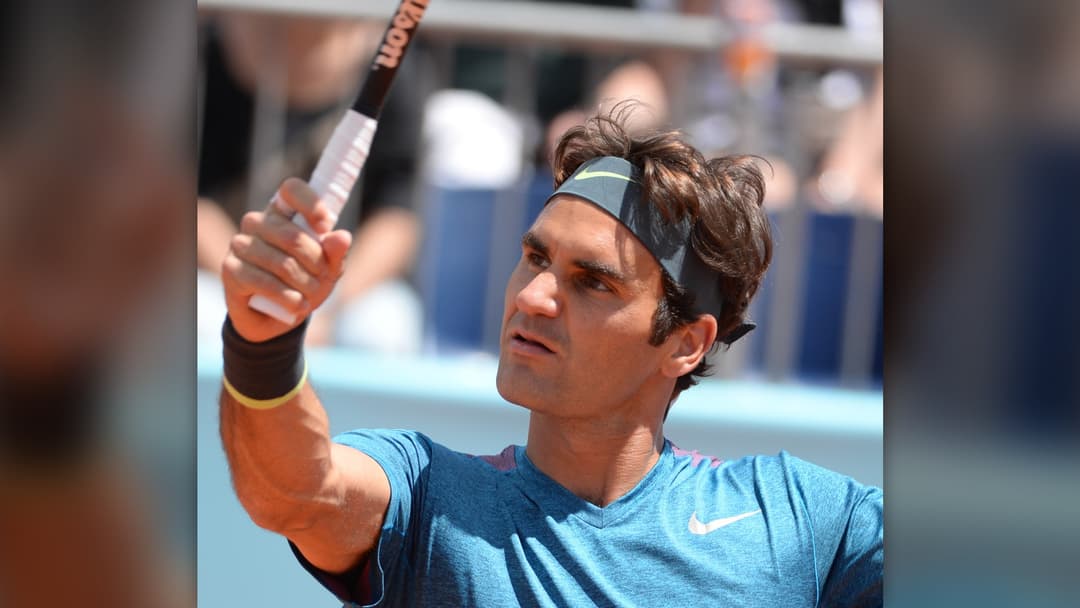
3. Roger Federer 
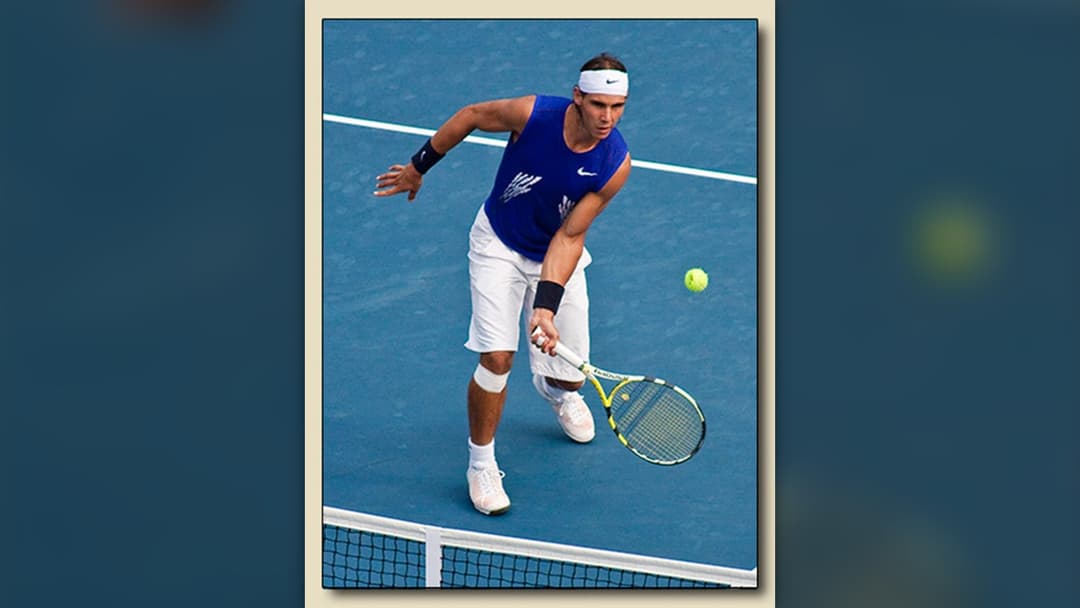
2. Rafael Nadal - AdvertisementSwipe or tap ▶ to continue countdown

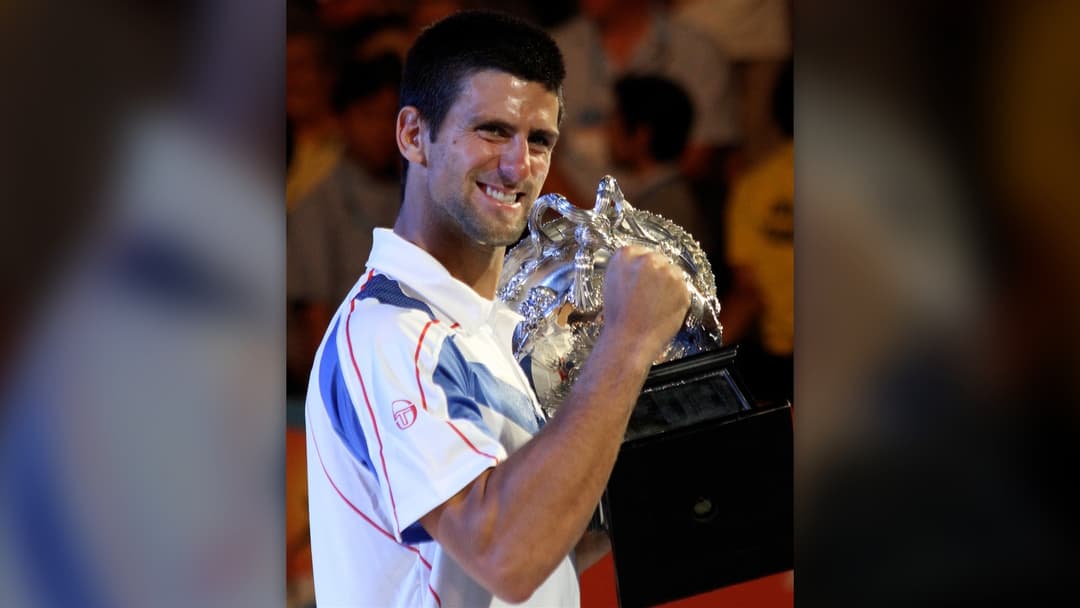
1. Novak Djokovic - Advertisement🔥 UP NEXT IN THIS SERIES◫ 23 Slides

22 Historic Coastal Towns and Castles to Explore in Scotland
Based on VisitScotland heritage surveys and Historic Environment records, these 22 coastal towns and cliffside fortresses showcase centuries of dramatic maritime history. Heritage records document centuries of drama.
Seven rounds decided greatness. Ranked according to official Grand Slam tournament records, these 20 legends captured the most major singles championships in tennis history. Records tumbled. Novak Djokovic stands alone at the summit with 24 career Grand Slam titles.

Swipe or tap ▶ to begin the countdown
©Wikimedia / Roger Federer & Wikimedia / Novak Djokovic
20. Stefan Edberg
Serve-and-volley ruled courts. Stefan Edberg dominated fast courts during the late 1980s, capturing two Australian Opens, two Wimbledon titles, and two US Open crowns. Precision defined matches. His classic backhand volley remains a tactical benchmark among international tennis historians.

©Wikimedia / Robin Fritzson
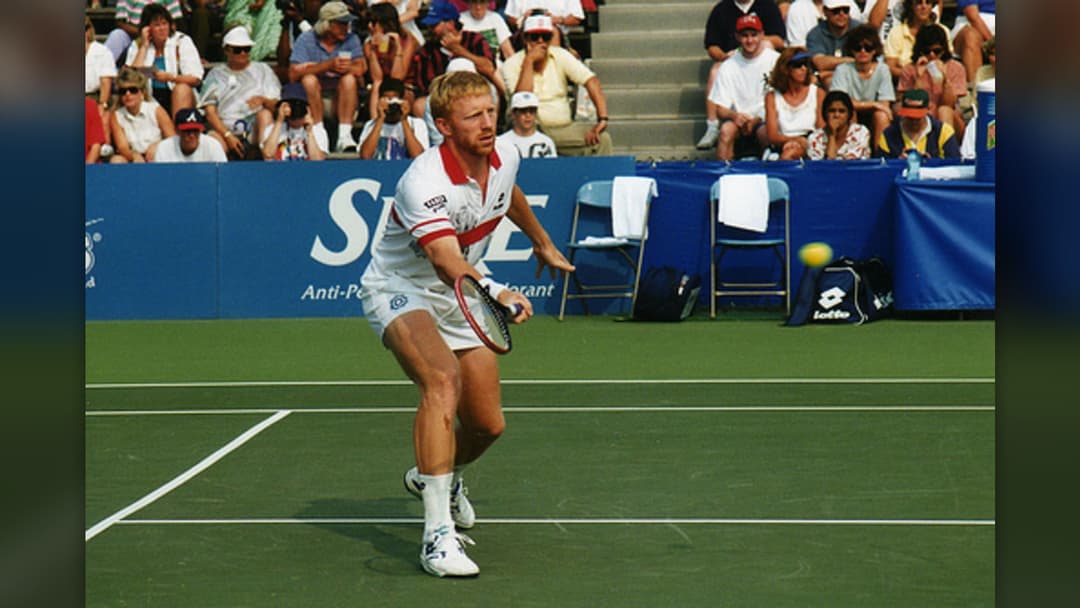
19. Boris Becker
Power arrived early. Boris Becker shocked international tennis in 1985 by winning Wimbledon as an unseeded seventeen-year-old German schoolboy. Titles accumulated quickly. He added two Australian Open trophies and the 1989 US Open to build an iconic six-slam resume.
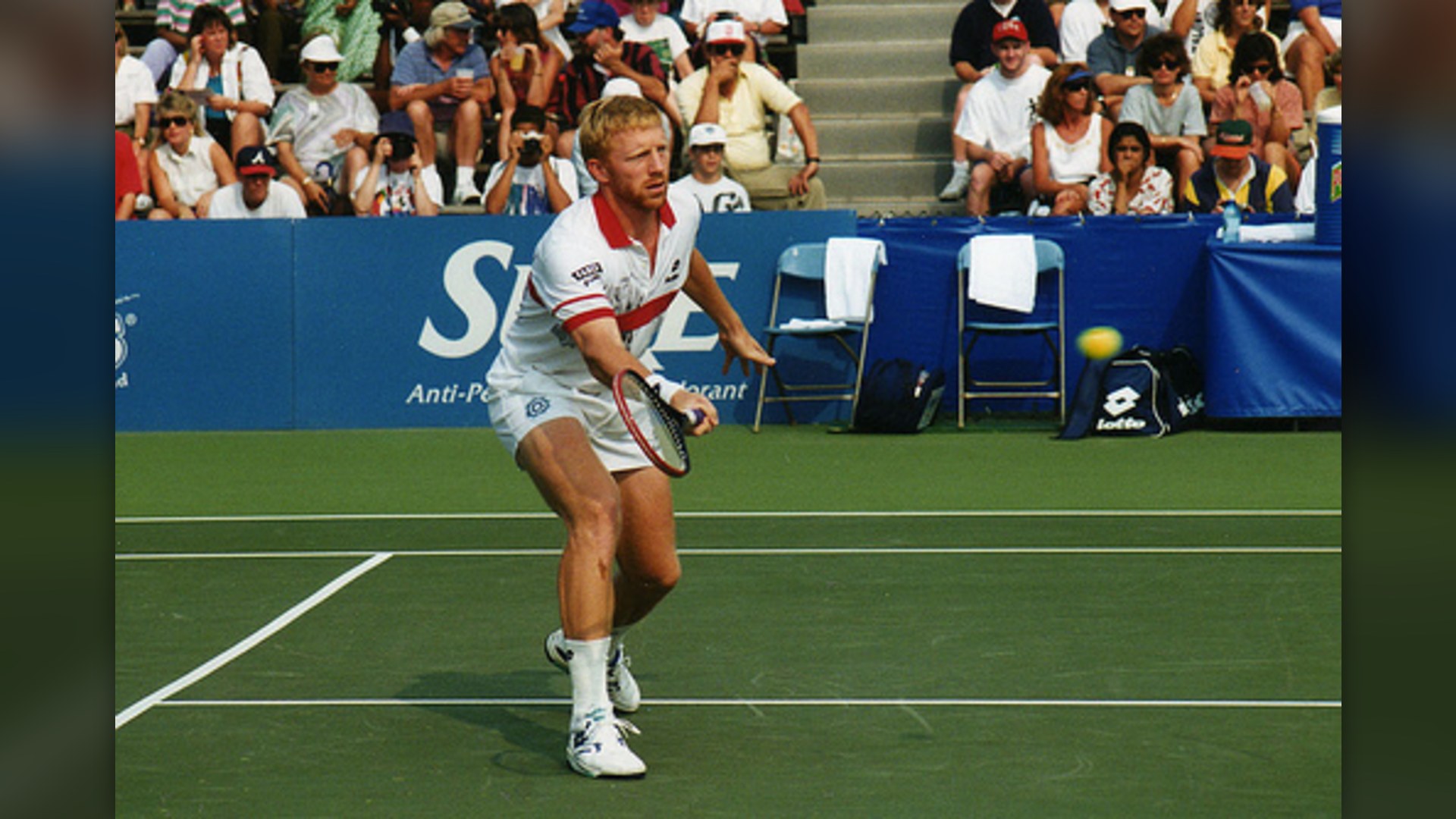
©Wikimedia / James Phelps
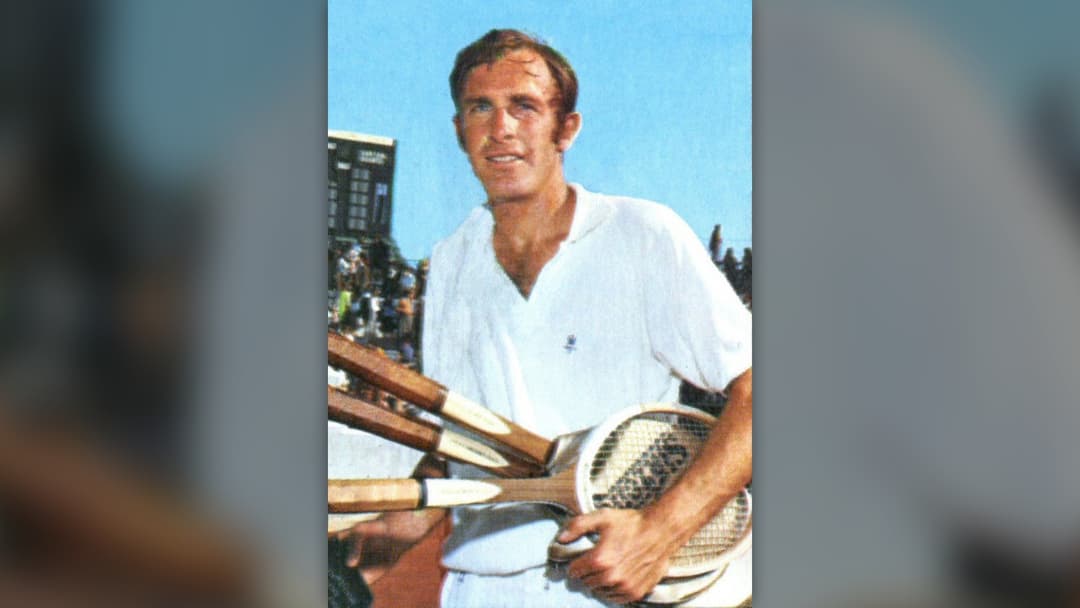
18. John Newcombe
Big serving anchored victory. John Newcombe captured three Wimbledon crowns and two US Open championships between 1967 and 1973 with aggressive net attacking. Clutch play delivered. His booming delivery carried Australia to five Davis Cup victories alongside his individual major titles.
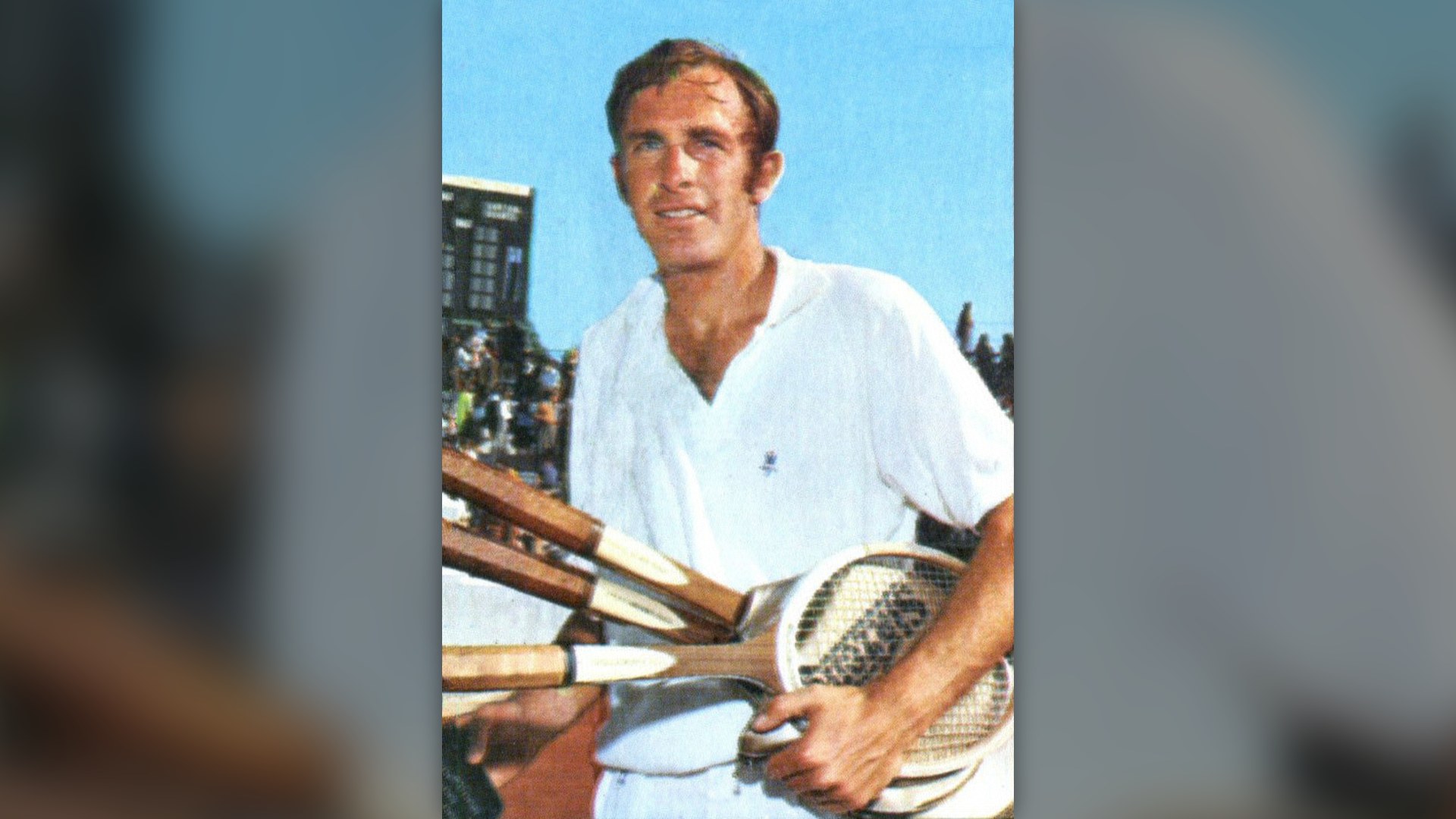
©Wikimedia / Unknown photographer
Advertisement
Swipe or tap ▶ to resume the countdown.
17. René Lacoste
Defense broke power hitters. René Lacoste wore down opponents with baseline precision, capturing three French Championships, two Wimbledon crowns, and two US titles. Strategy trumped speed. He later founded the iconic sportswear brand bearing his famous crocodile nickname.
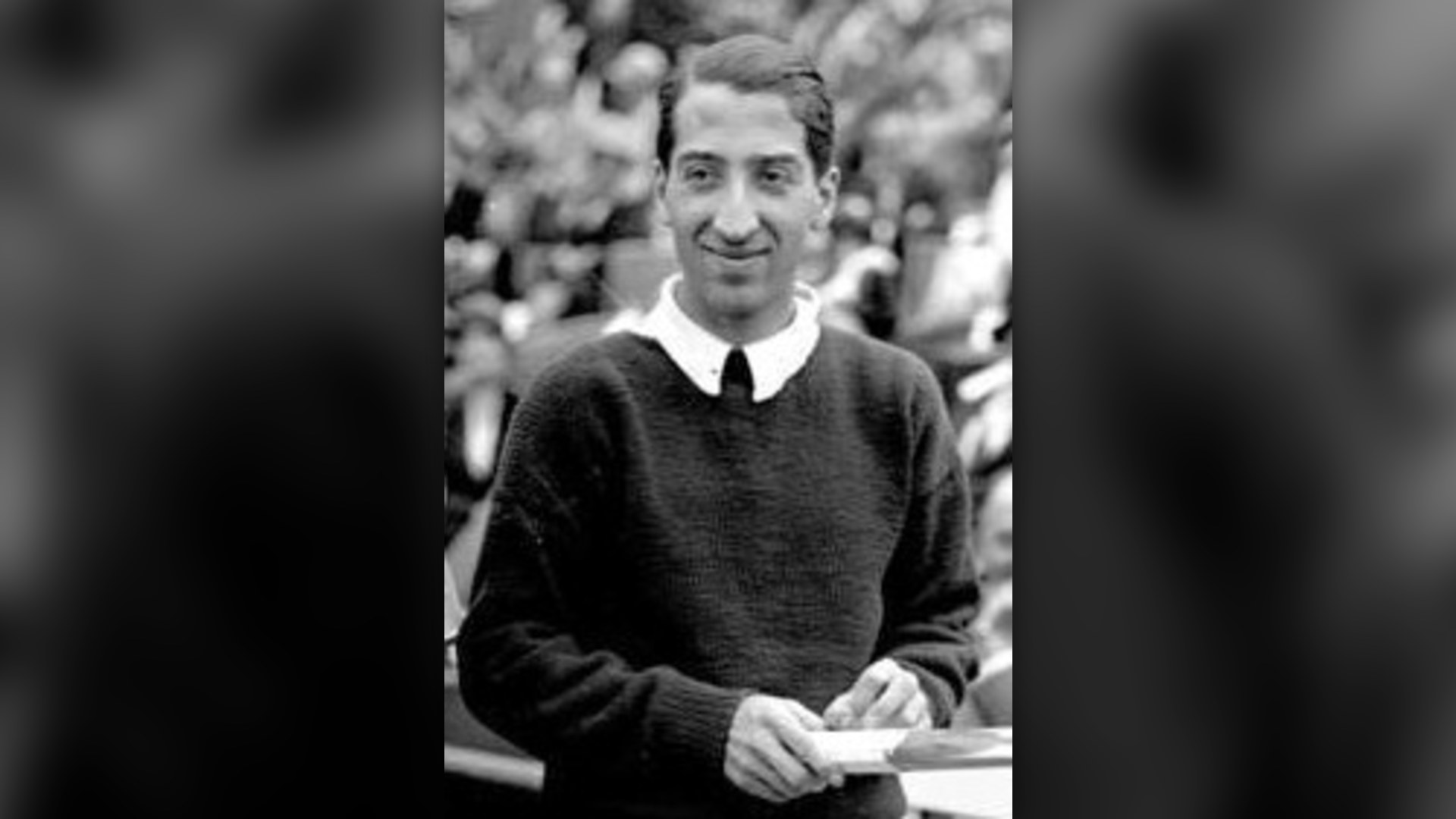
©Wikimedia / Agence de presse Meurisse
16. Henri Cochet
Touch beat raw strength. Henri Cochet controlled tournament baselines with half-volleys, winning four French titles, two Wimbledon championships, and the 1928 US crown. Team dominance followed. He anchored France to six consecutive Davis Cup championships during the Golden Age.
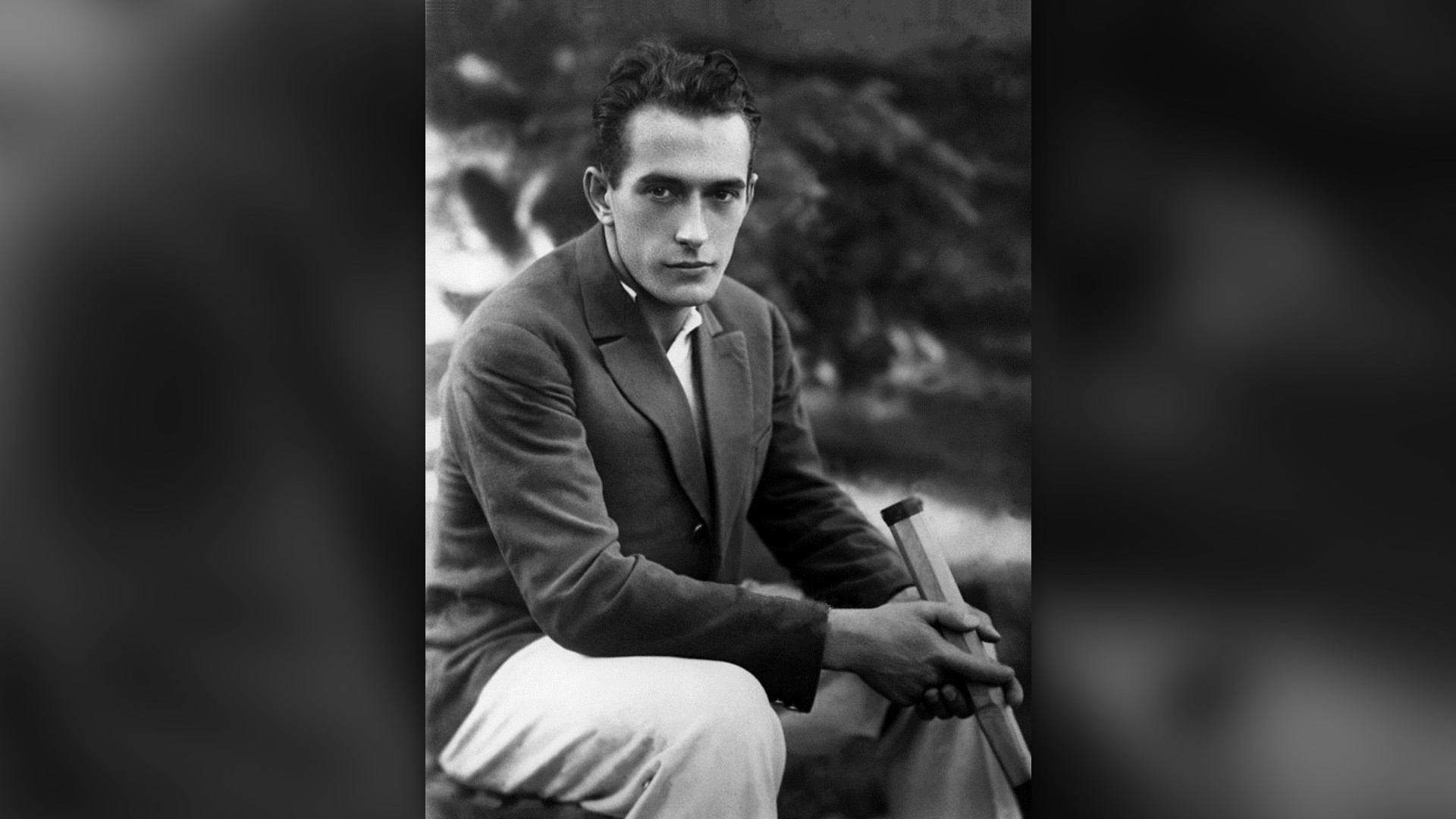
©Wikimedia / Henri Cochet
15. Mats Wilander
Versatility defined an era. Mats Wilander won the 1982 French Open at seventeen before adapting his baseline game to grass courts and hard surfaces. Consistency brought glory. In 1988, he won three of the four Grand Slams to secure the world number one ranking.

©Wikimedia / Hameltion
14. John McEnroe
Net play became art. John McEnroe claimed four US Open titles and three Wimbledon championships between 1979 and 1984 with unprecedented touch. Records stood tall. His 1984 match record of 82 wins and three losses remains the highest single-season winning percentage in modern history.
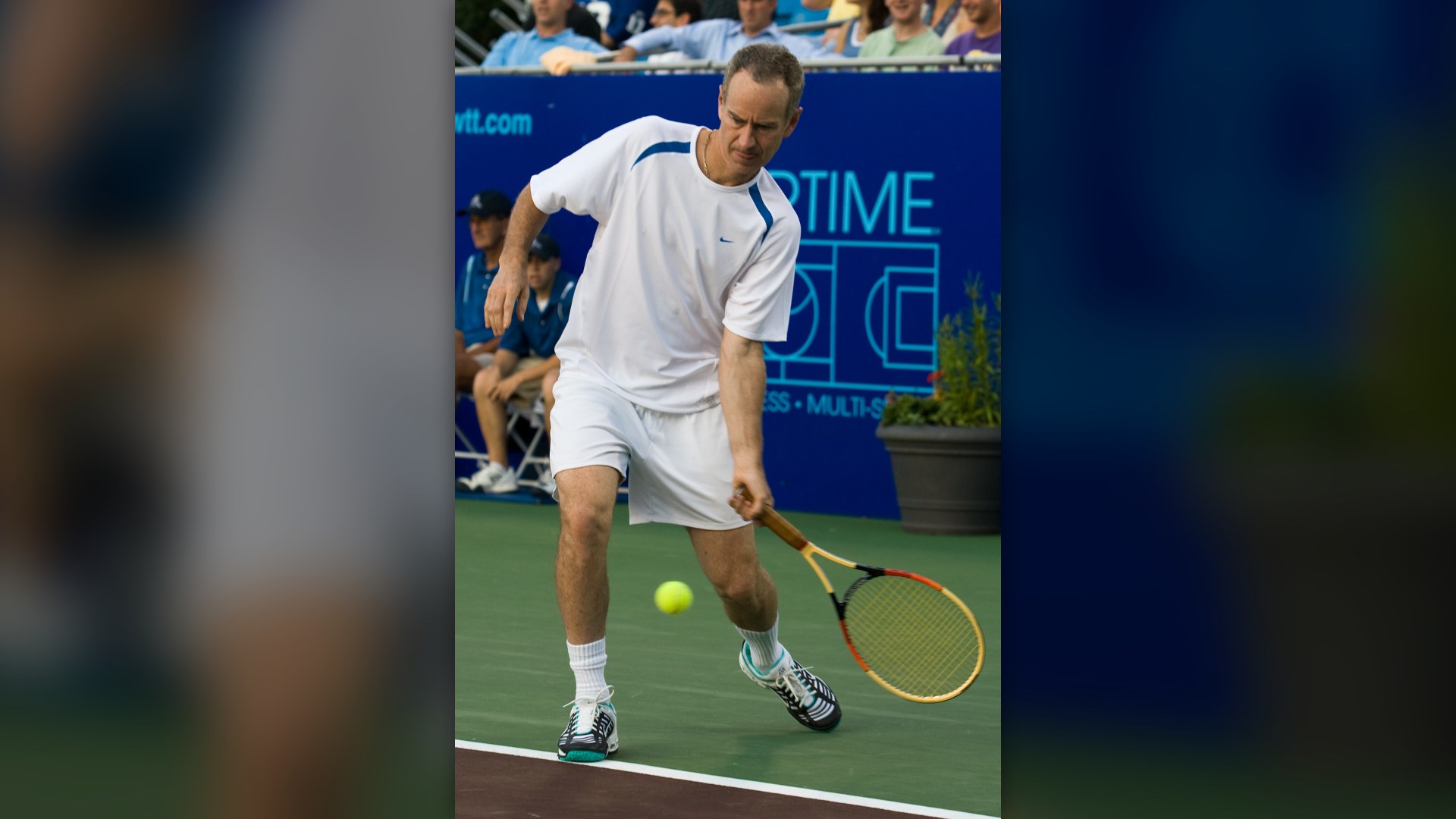
©Wikimedia / Nrbelex
Advertisement
Swipe or tap ▶ to resume the countdown.
13. Ken Rosewall
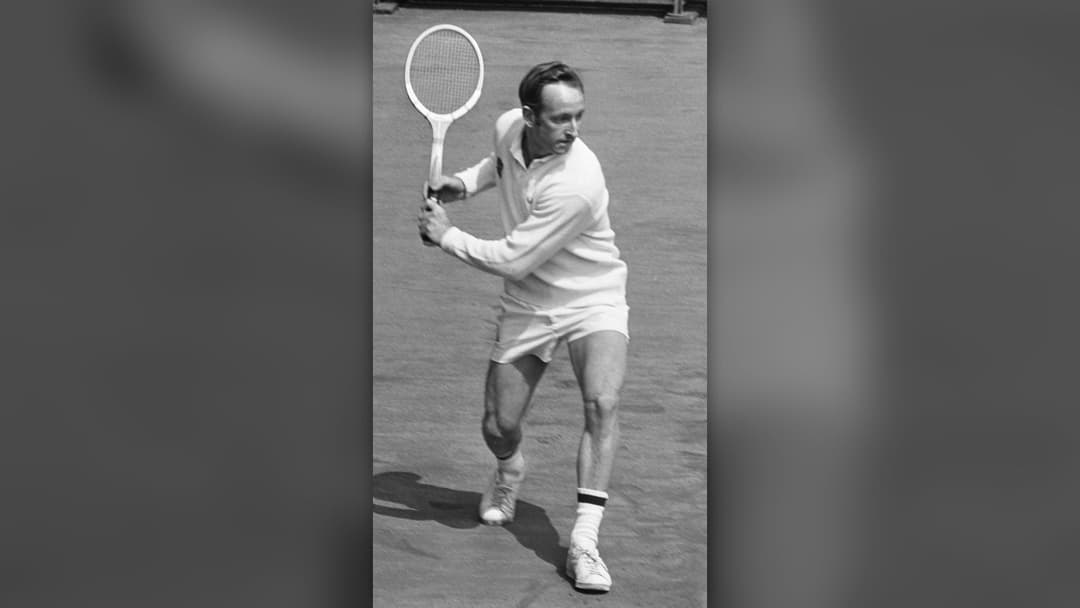
Longevity defied athletic logic. Ken Rosewall won his first Grand Slam in 1953 and his last major nineteen years later in 1972. Patience paid off. His pinpoint slice backhand and court positioning earned him eight major crowns across two distinct tennis eras.
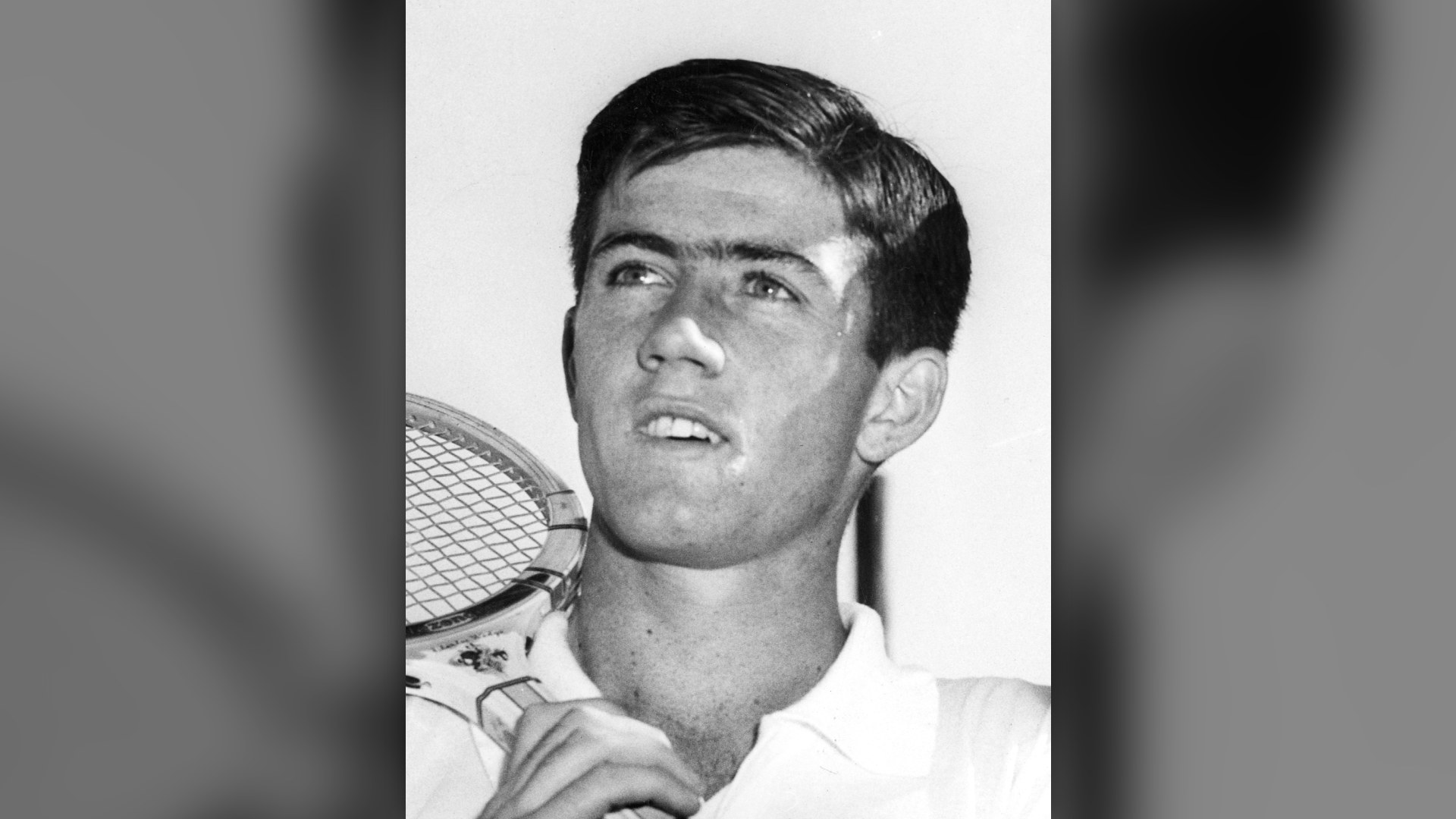
©Wikimedia / Unknown photographer
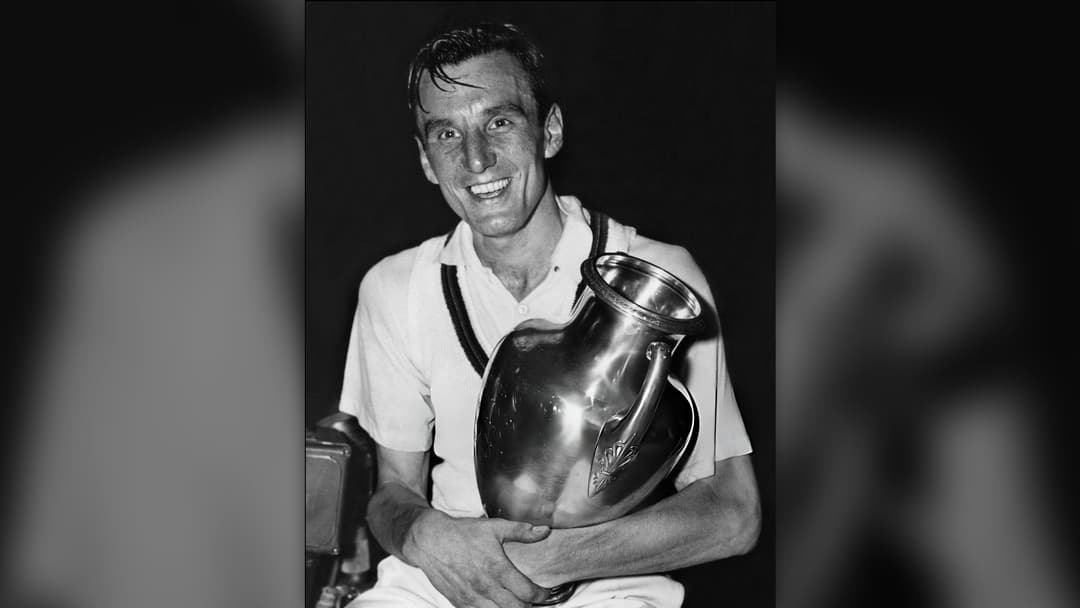
12. Fred Perry
Speed overwhelmed rivals. Fred Perry became the first player to win all four Grand Slam tournaments on different surfaces by 1935. British crowds celebrated. He claimed three consecutive Wimbledon crowns and three US titles before turning professional.
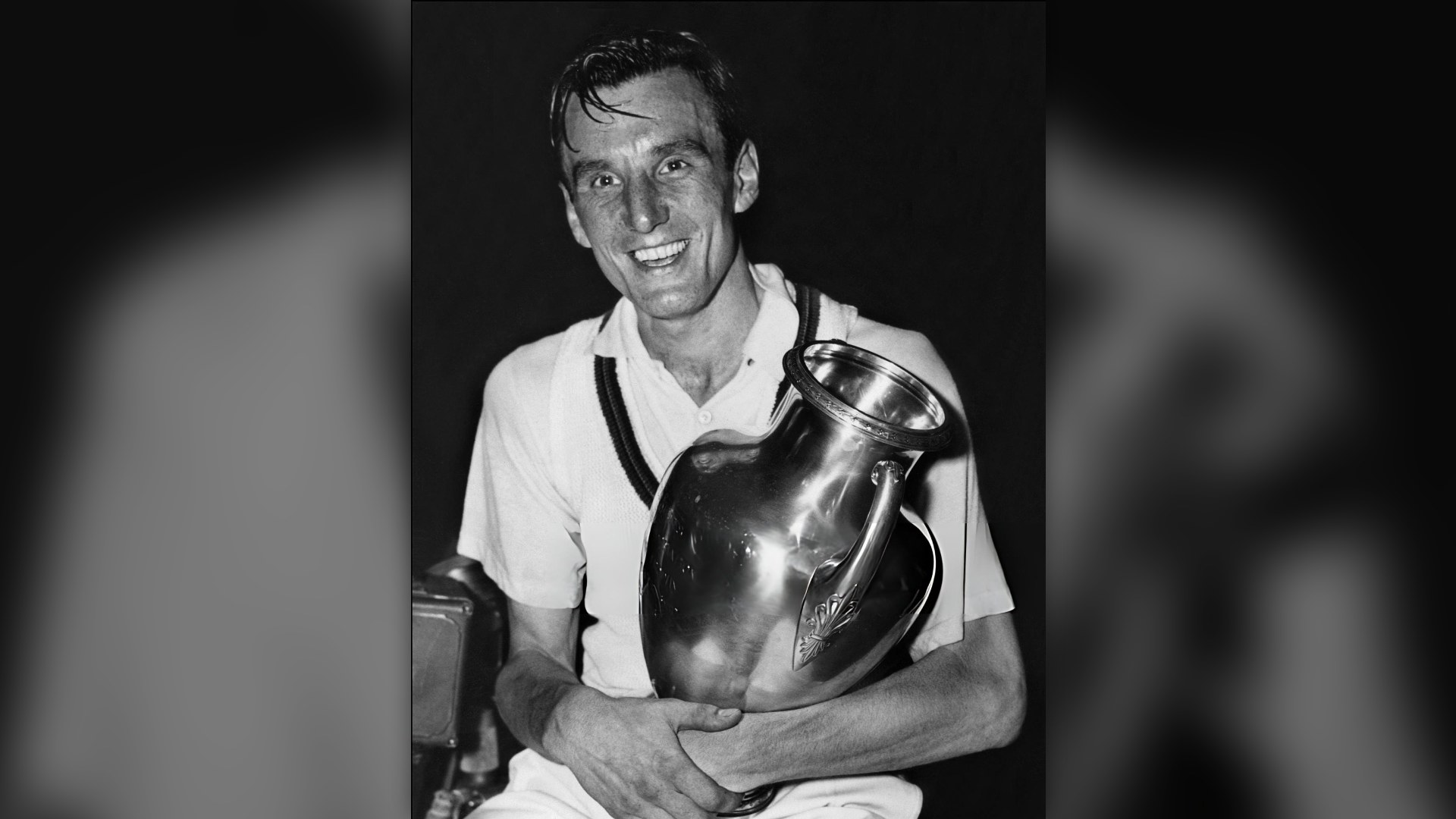
©Wikimedia / ACME Newspictures
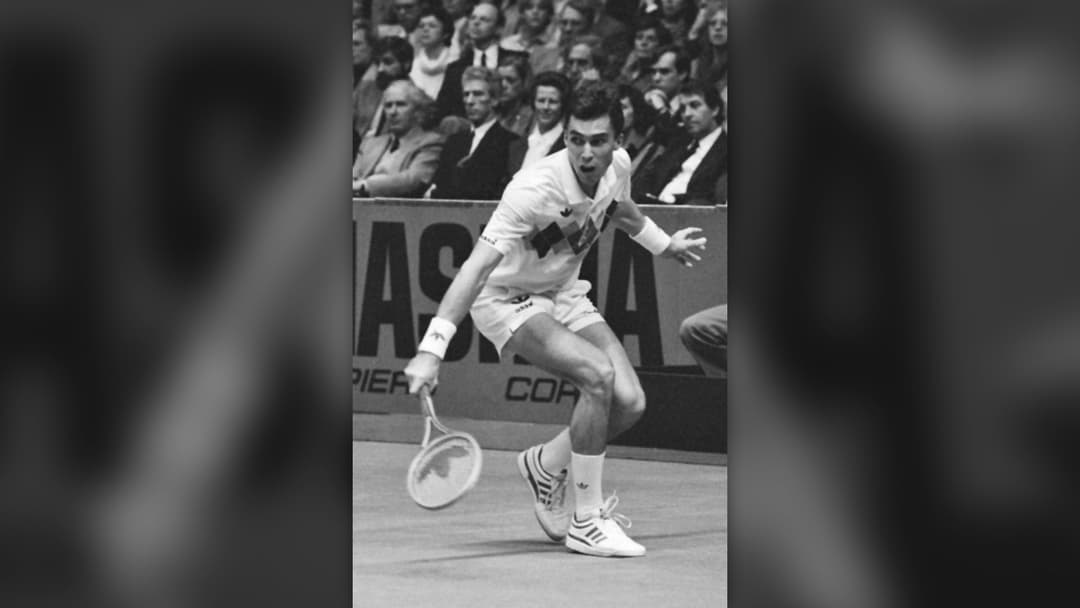
11. Ivan Lendl
Fitness transformed strategy. Ivan Lendl dominated the 1980s with heavy topspin forehands, winning three French Opens, three US Opens, and two Australian titles. Discipline earned respect. He contested nineteen Grand Slam singles finals during a Hall of Fame career.
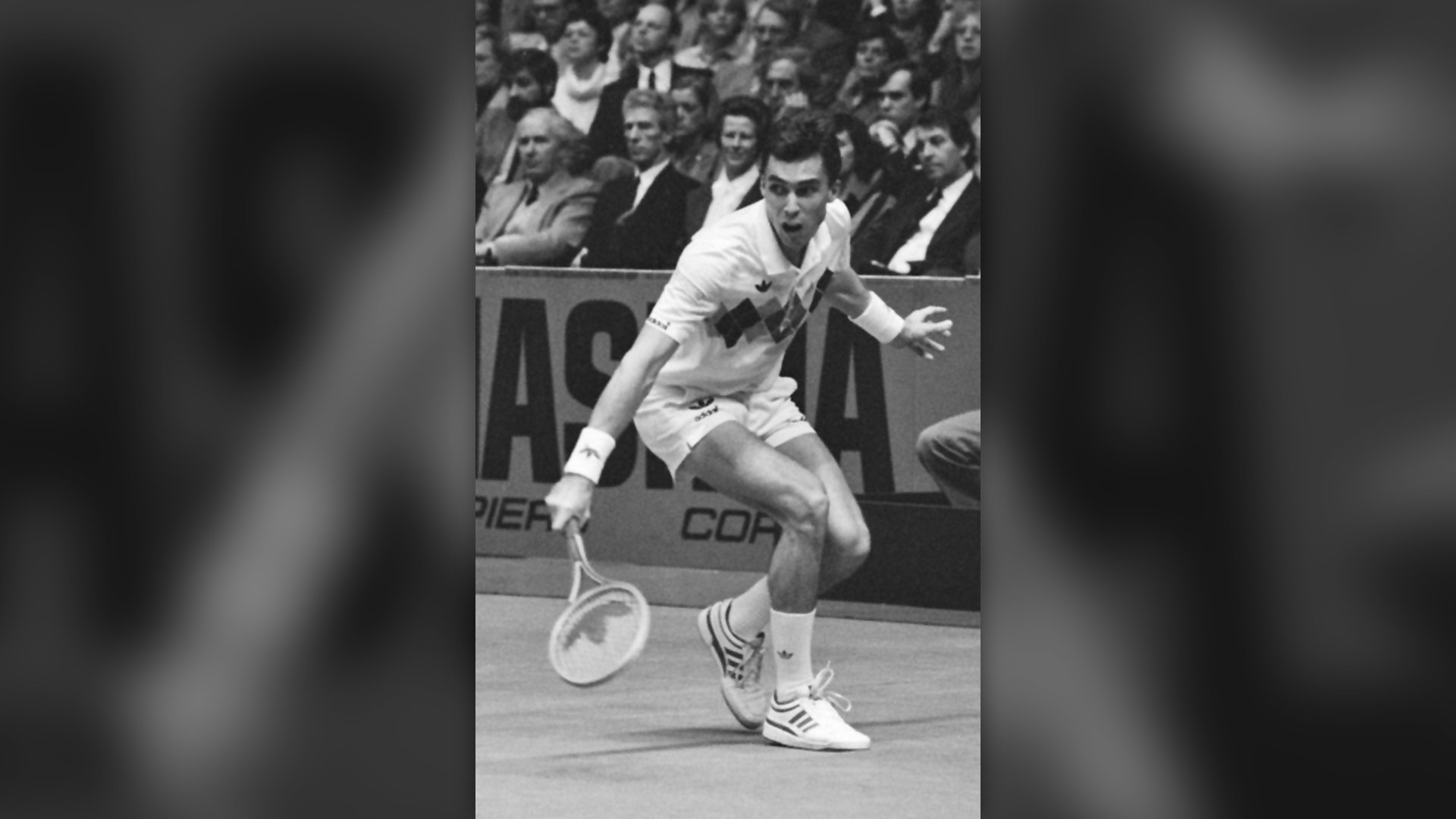
©Wikimedia / R.C. Croes
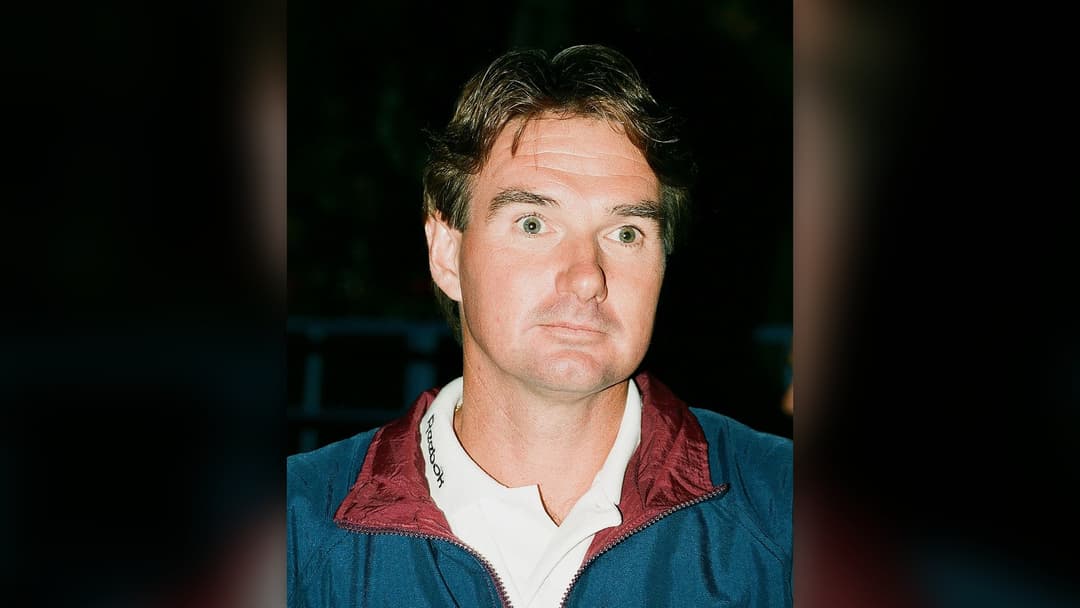
10. Jimmy Connors
Intensity ignited packed stadiums. Jimmy Connors dominated 1974 by winning the Australian Open, Wimbledon, and the US Open in a single calendar season. Crowds roared loudly. His five US Open championships came across three distinct surfaces: grass, clay, and hard courts.
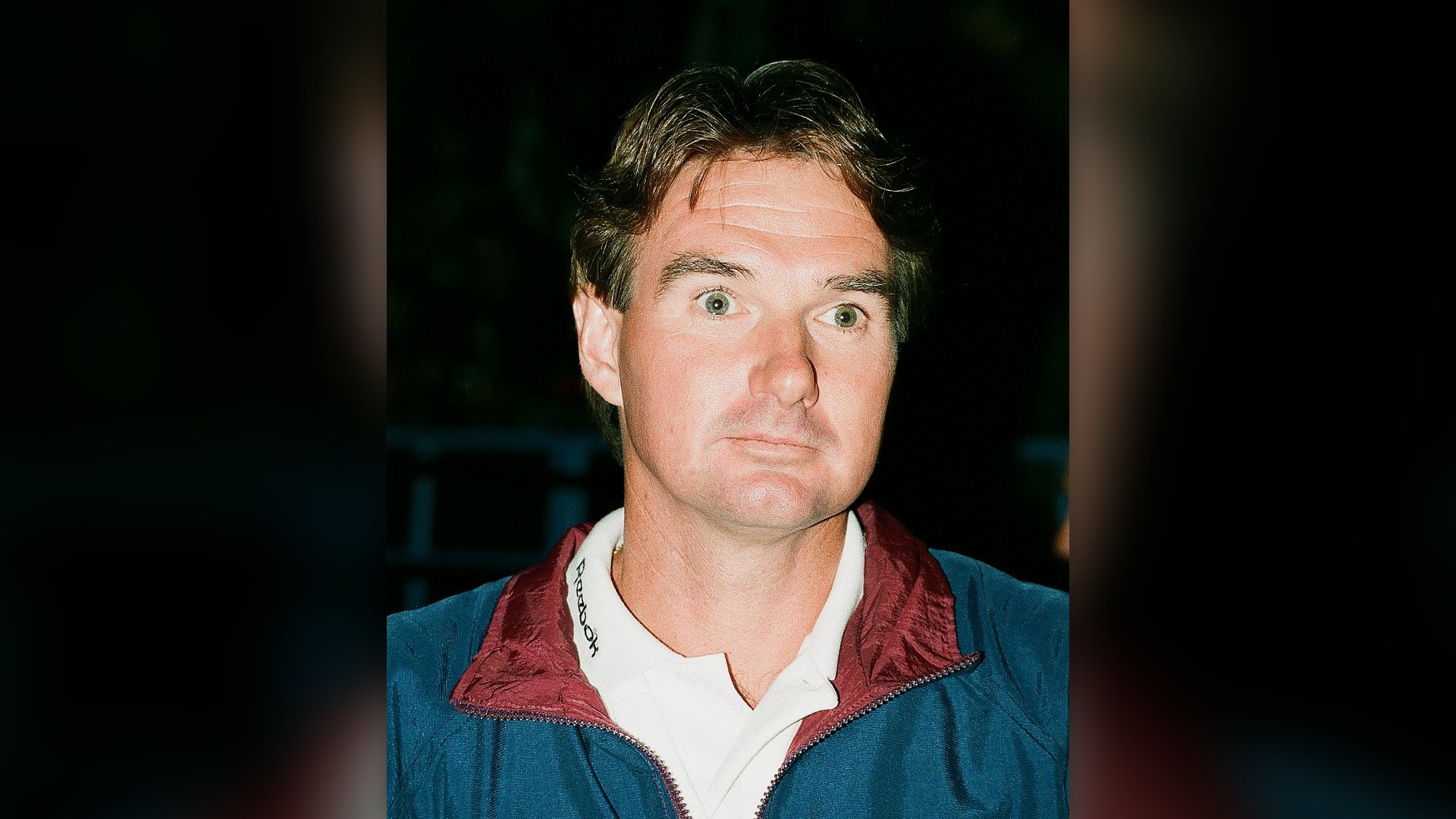
©Wikimedia / John Mathew Smith
Advertisement
Swipe or tap ▶ to resume the countdown.
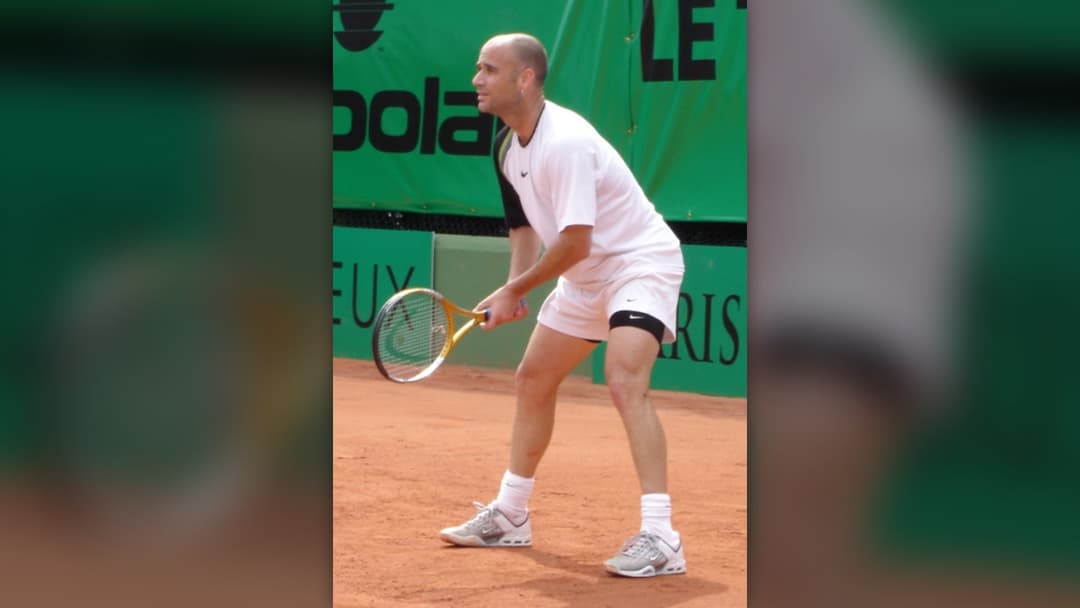
9. Andre Agassi
Aggressive baseline returns punished. Andre Agassi became the first man to win all four Grand Slams on three surfaces alongside Olympic singles gold. Comebacks defined greatness. He captured four Australian Opens, two US Opens, one Wimbledon, and one Roland Garros.
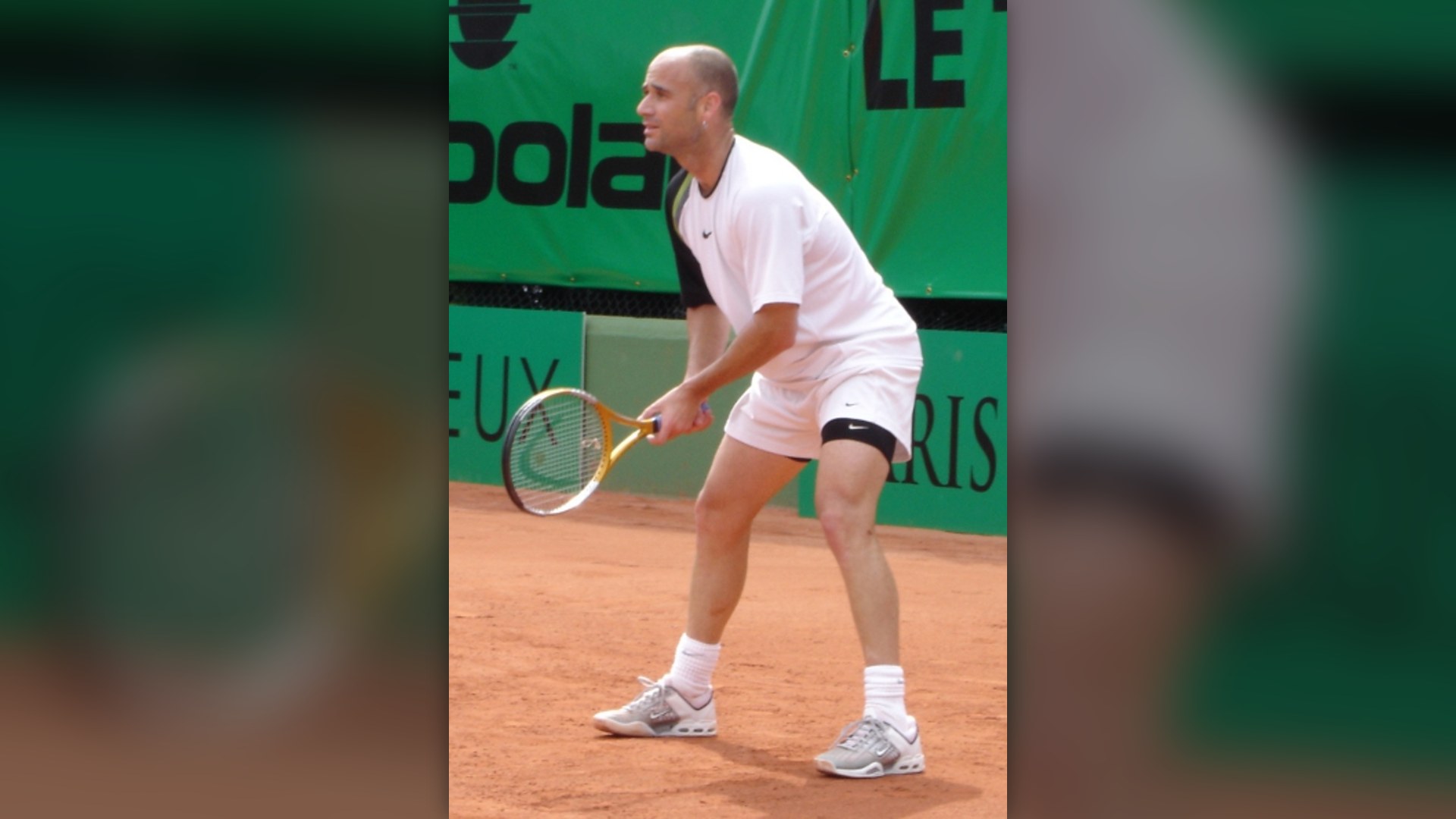
©Wikimedia / Wikigo
8. Bill Tilden
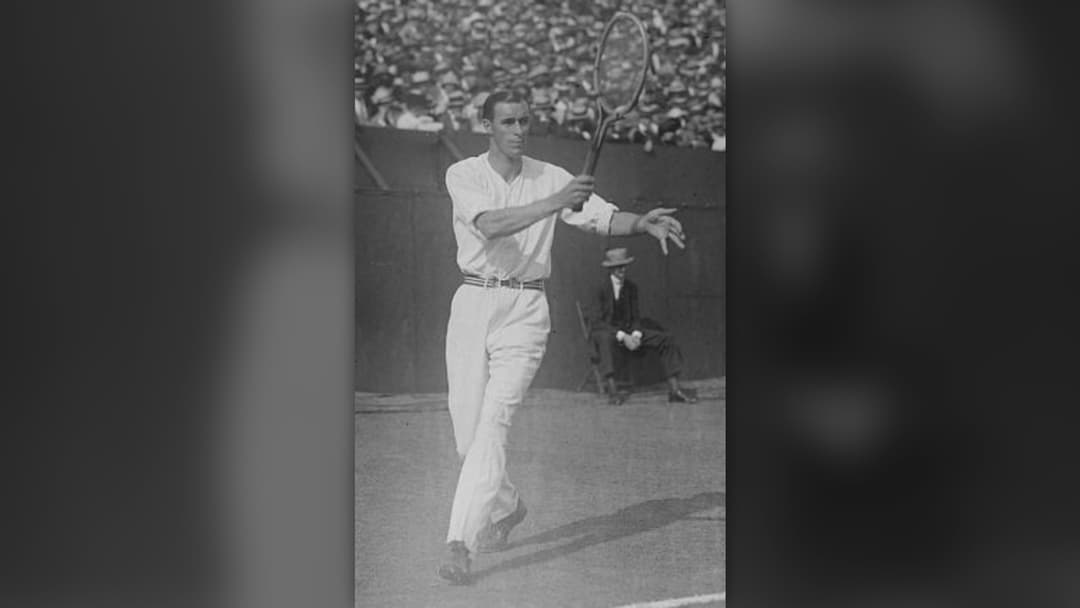
Power defined early tennis. Bill Tilden went undefeated in major singles matches for six straight years during the 1920s with a devastating serve. Championships piled up. He won seven US Championships and three Wimbledon crowns, establishing American international dominance.
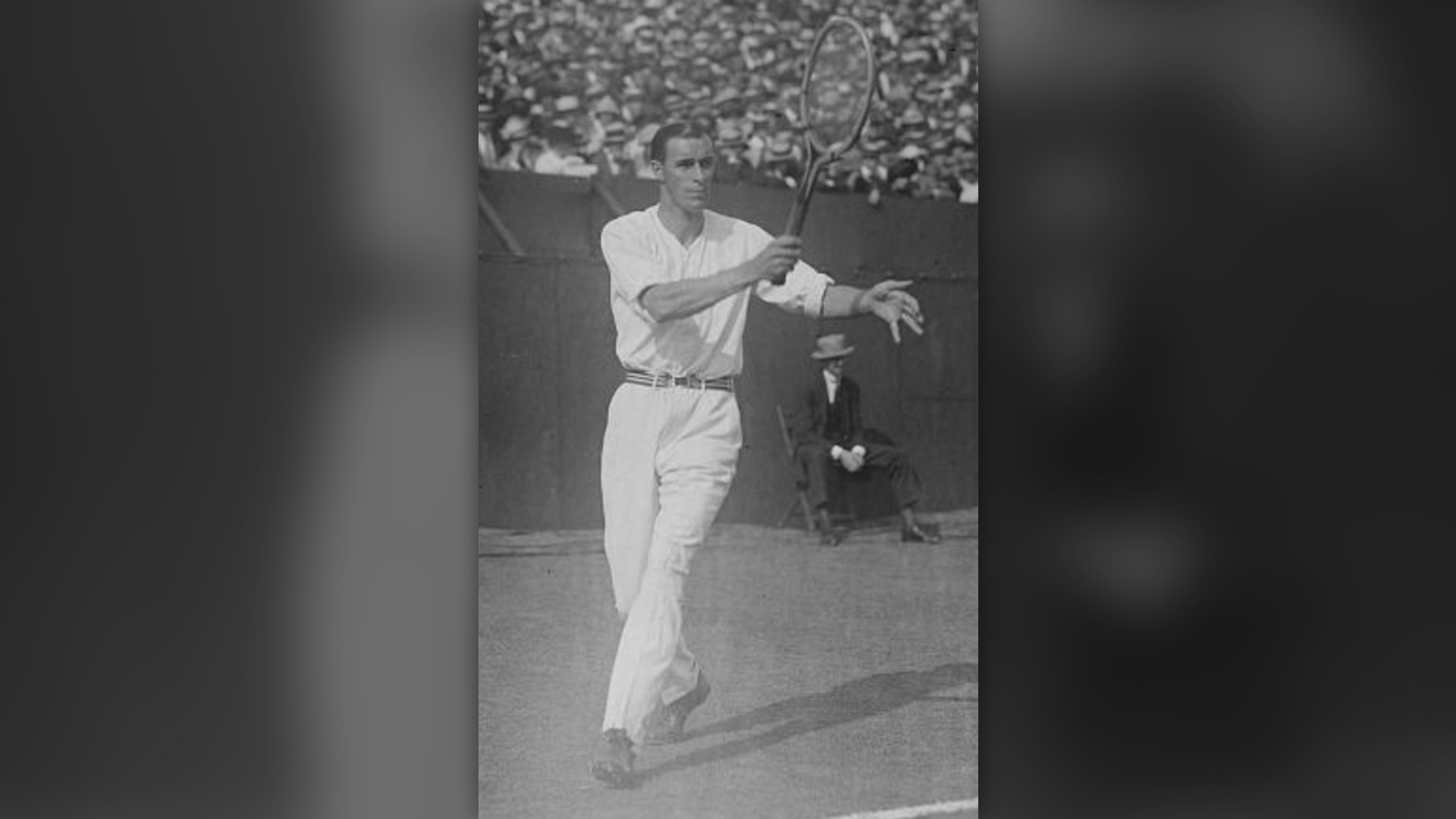
©Wikimedia / Bain News Service
7. Rod Laver
Perfection struck twice. Rod Laver swept all four Grand Slam tournaments in 1962 as an amateur and repeated the calendar sweep in 1969. History was made. No other male player has ever won two calendar-year Grand Slams.
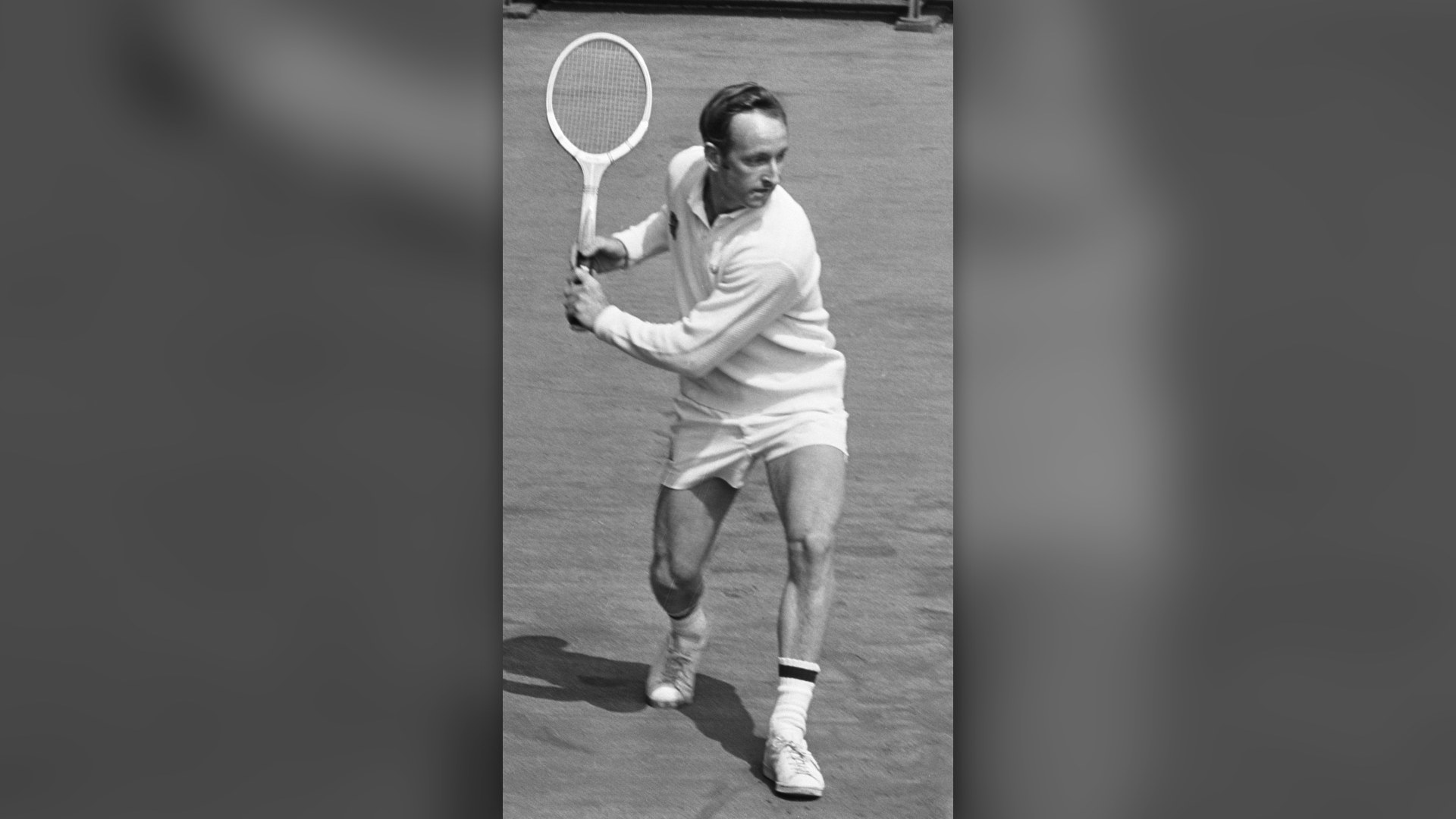
©Wikimedia / Joost Evers
6. Björn Borg
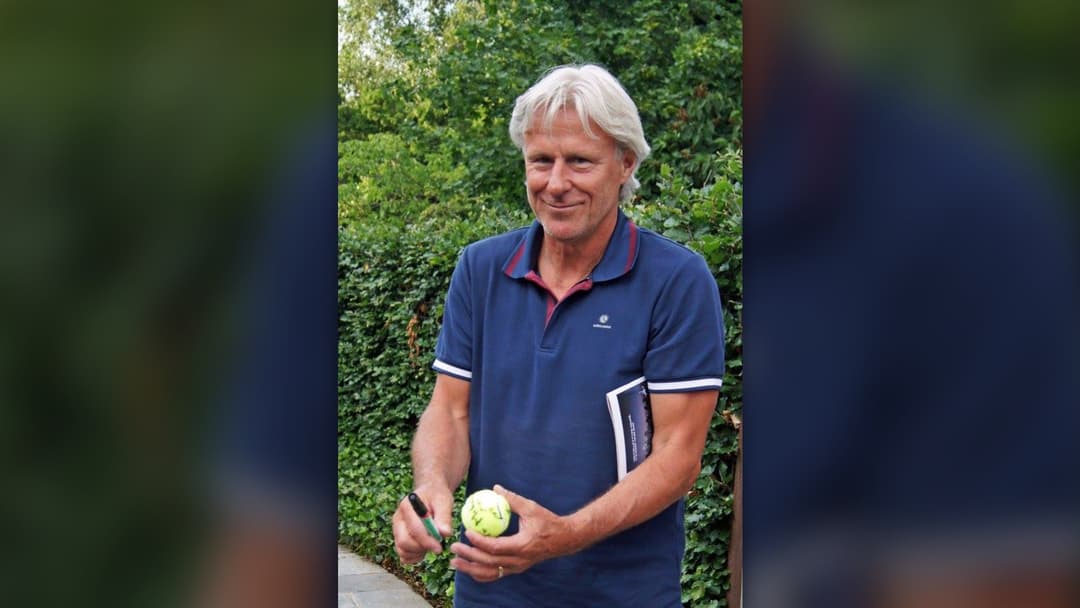
Composure proved unshakeable. Björn Borg dominated clay and grass simultaneously, winning six French Opens and five consecutive Wimbledon championships between 1976 and 1980. He retired young. Borg stepped away at age twenty-six holding an 89.8 percent major match win rate.

©Wikimedia / Michael Bemelmans
Advertisement
Swipe or tap ▶ to resume the countdown.
5. Roy Emerson
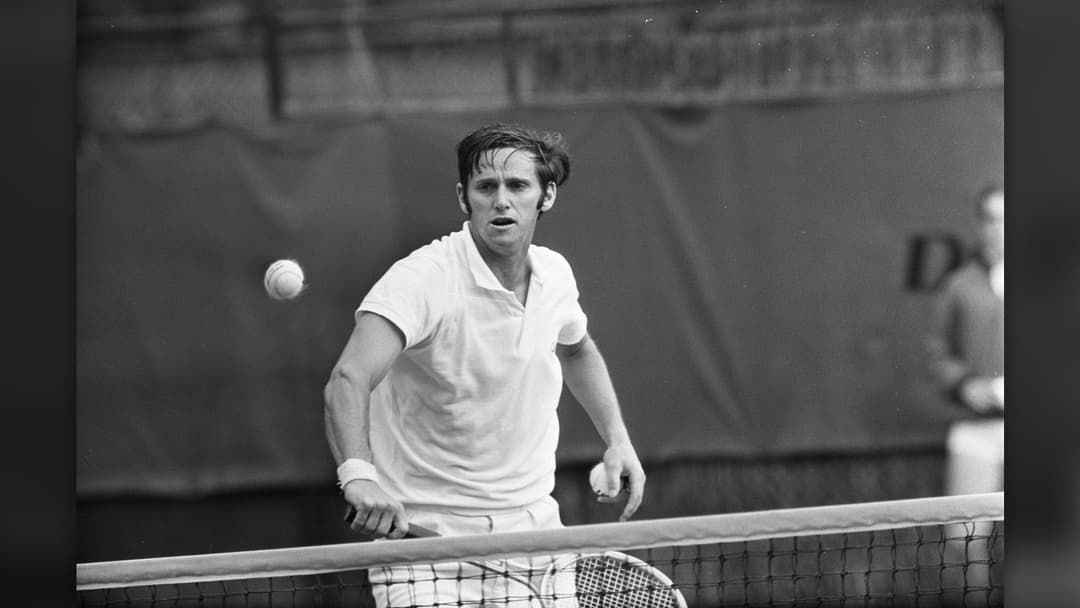
Conditioning carried grueling matches. Roy Emerson won six Australian Championships, two French titles, two Wimbledons, and two US crowns during the 1960s amateur era. Records stood decades. He remained the all-time men's singles leader until Pete Sampras surpassed him in 2000.
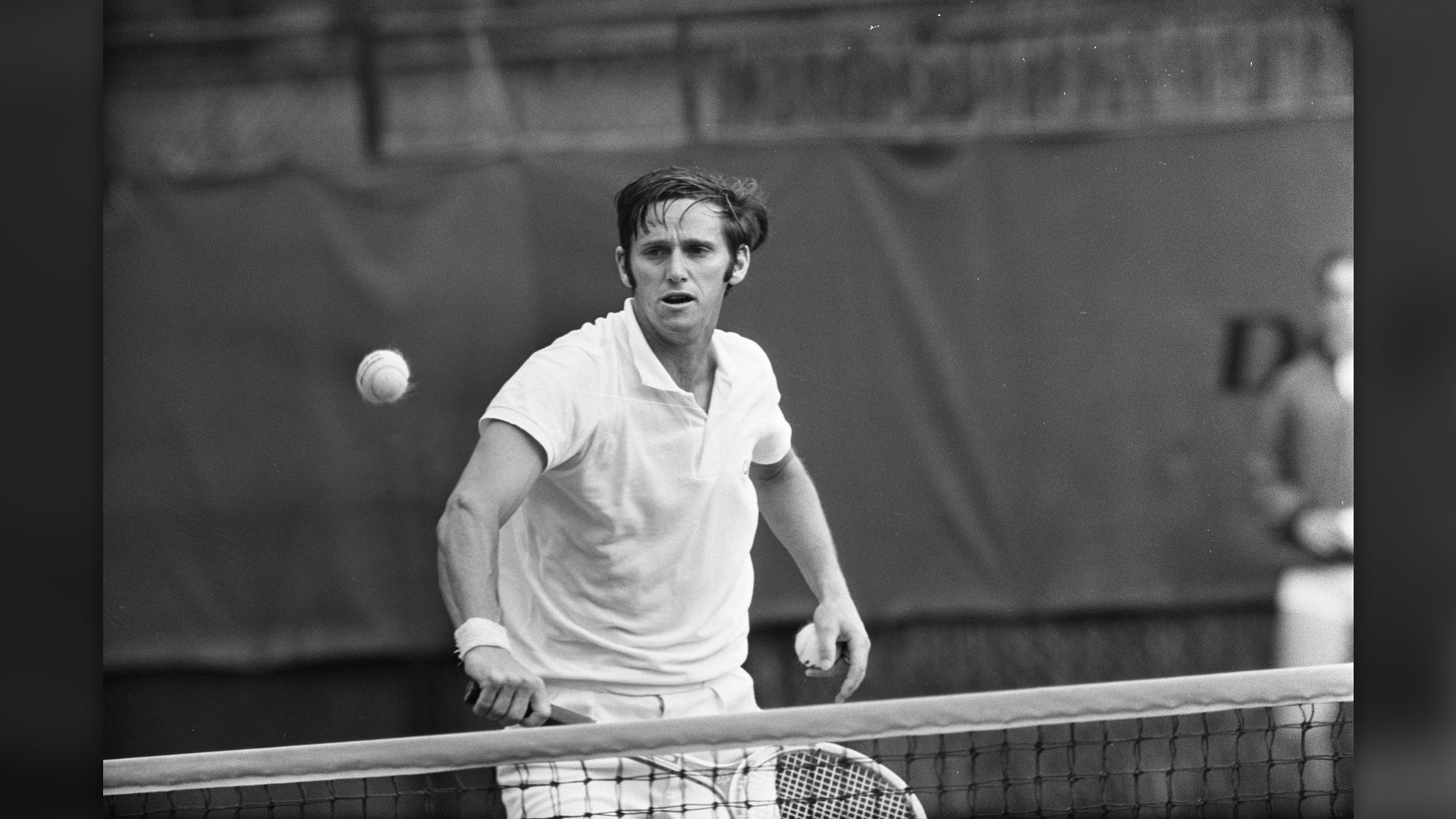
©Wikimedia / Eric Koch
4. Pete Sampras
Clutch serving decided trophies. Pete Sampras relied on unreturnable second serves and running forehands, winning seven Wimbledon titles, five US Opens, and two Australian Opens. Retirement followed triumph. He walked away from competitive tennis immediately after capturing the 2002 US Open.
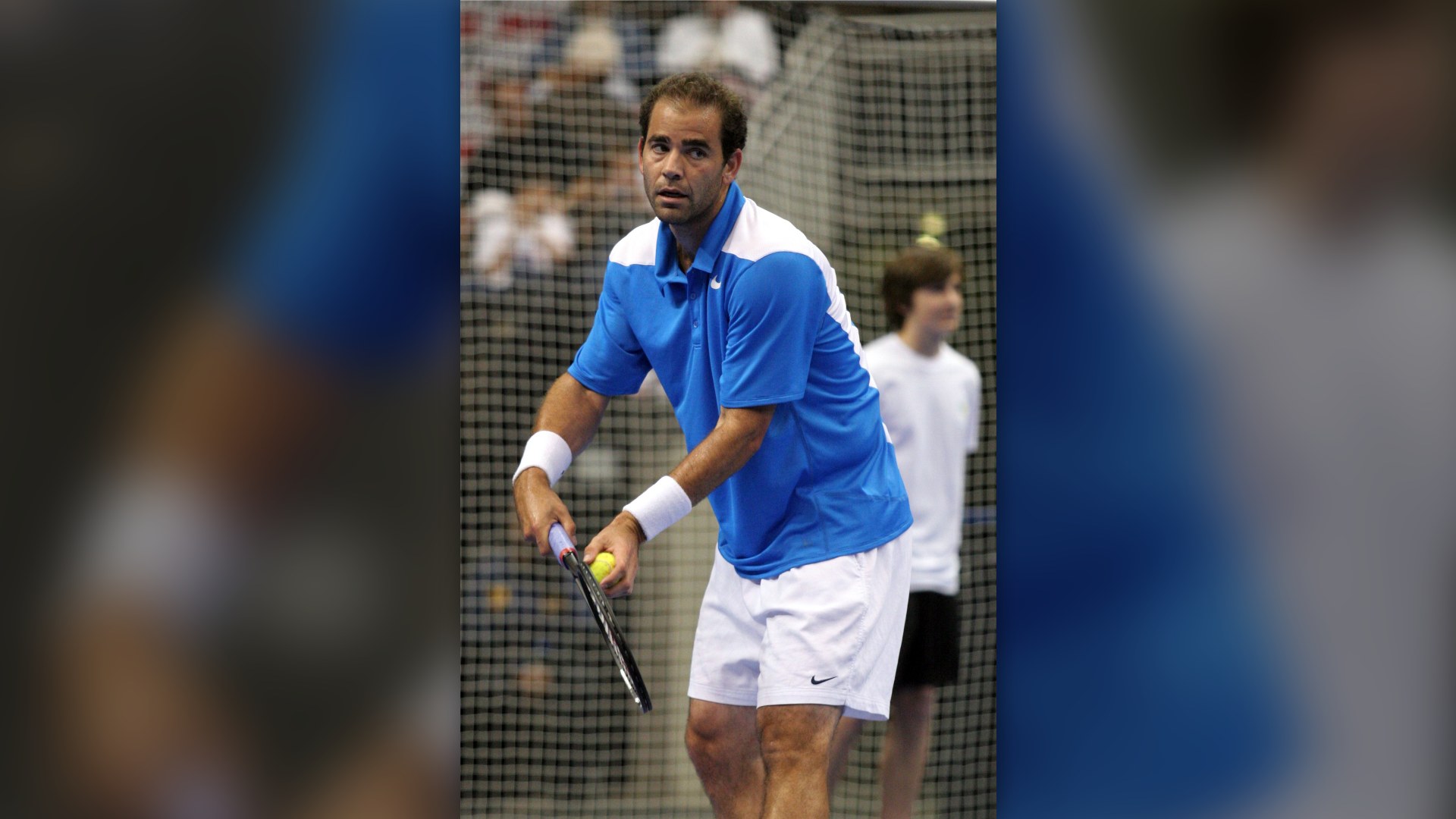
©Wikimedia / Craig ONeal
3. Roger Federer
Elegance met clinical execution. Roger Federer spent 310 weeks at world number one, capturing eight Wimbledon championships, six Australian Opens, five US Opens, and one Roland Garros. Grace defined movement. He contested thirty-one major finals across two decades of dominance.
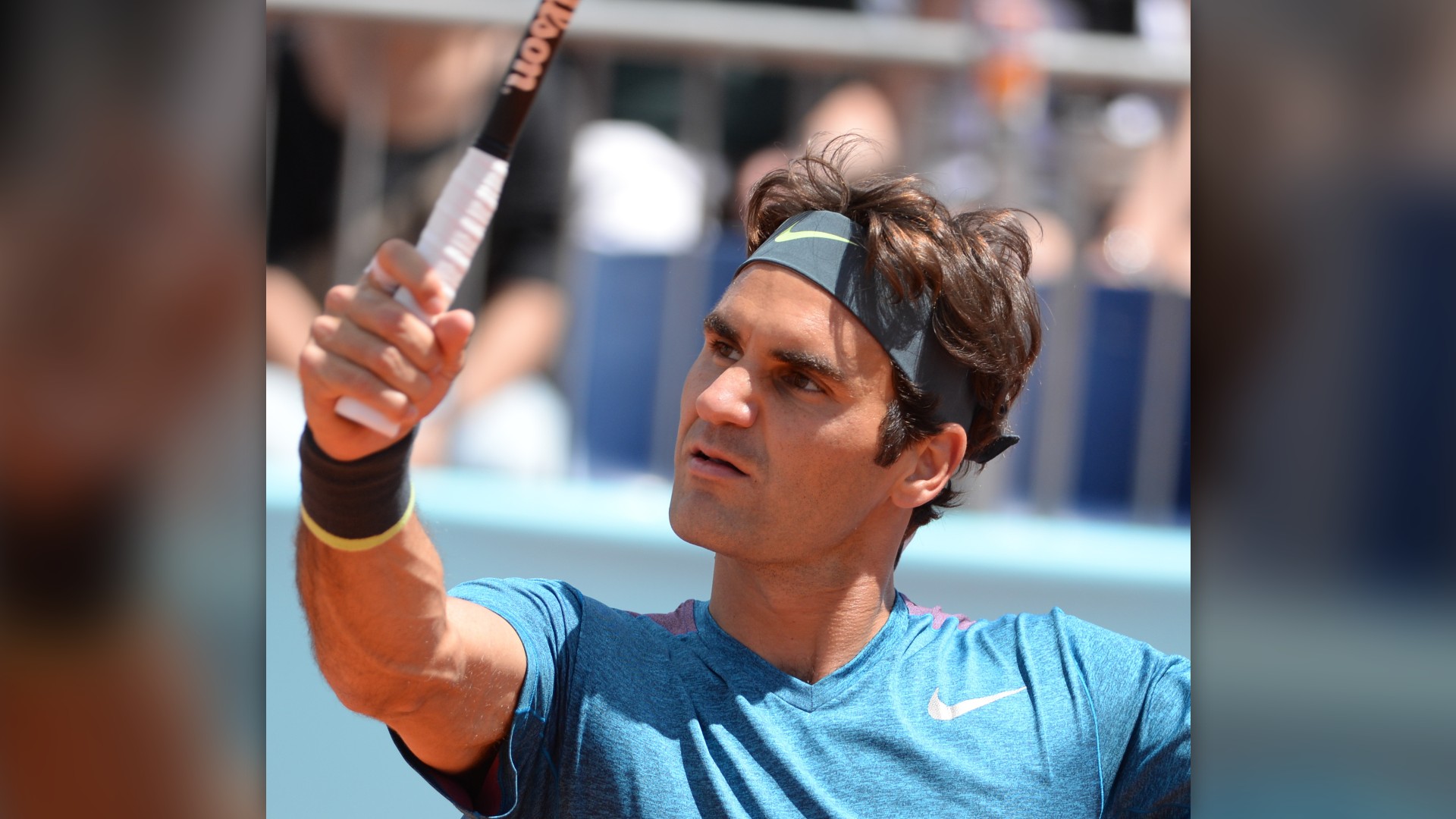
©Wikimedia / Tatiana from Moscow, Russia
2. Rafael Nadal
Fierce topspin broke opponents. Rafael Nadal achieved the most dominant tournament record in sports history with fourteen Roland Garros titles and a 112-4 match record. Clay surrendered completely. Adding four US Opens, two Wimbledons, and two Australian titles pushed him to 22 majors.
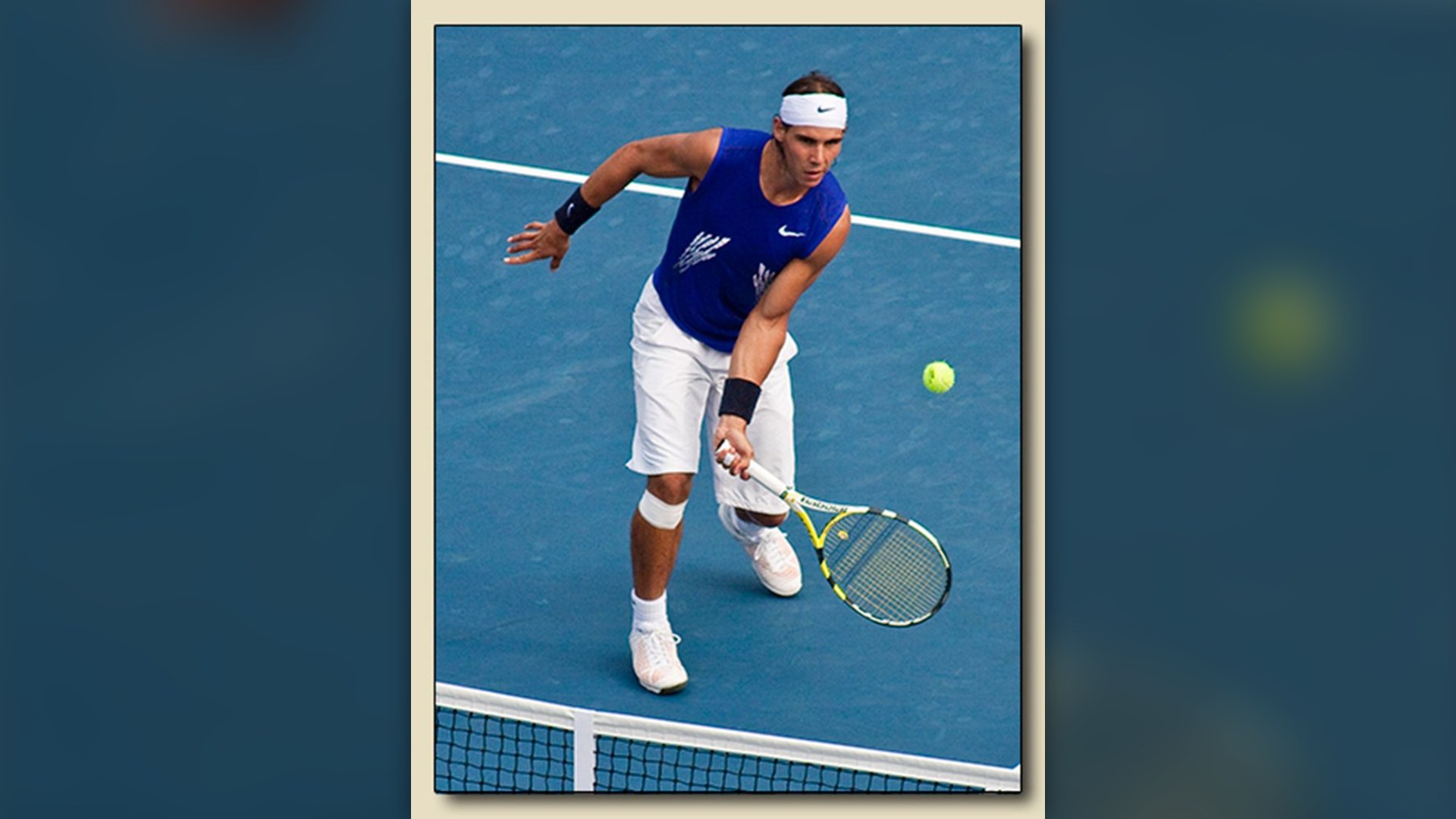
©Wikimedia / Allen Lubitz
Advertisement
Swipe or tap ▶ to resume the countdown.
1. Novak Djokovic
Flawless returning rewrote history. Novak Djokovic has captured ten Australian Opens, seven Wimbledons, four US Opens, and three French championships with unmatched flexibility. Records belong to him. Holding all four majors simultaneously and spending over 420 weeks at world number one cements his legacy.
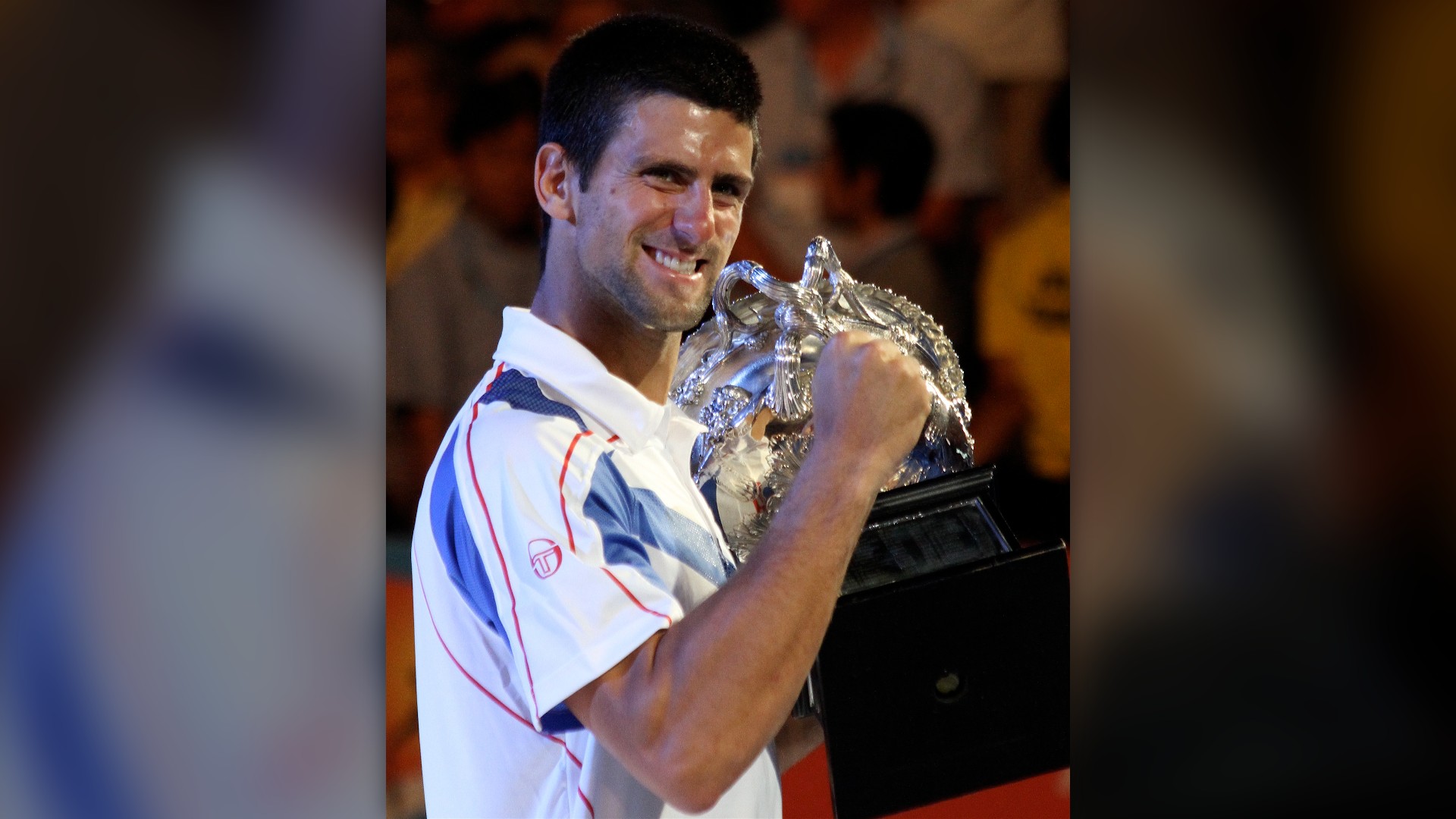
©Openverse / globalite
Advertisement
You've reached the end of the story. Thanks for reading!

22 Historic Coastal Towns and Castles to Explore in Scotland
Based on VisitScotland heritage surveys and Historic Environment records, these 22 coastal towns and cliffside fortresses showcase centuries of dramatic maritime history. Heritage records document centuries of drama.
All 20 Entries in this Story
20. Stefan Edberg
Serve-and-volley ruled courts. Stefan Edberg dominated fast courts during the late 1980s, capturing two Australian Opens, two Wimbledon titles, and two US Open crowns. Precision defined matches. His classic backhand volley remains a tactical benchmark among international tennis historians.

19. Boris Becker
Power arrived early. Boris Becker shocked international tennis in 1985 by winning Wimbledon as an unseeded seventeen-year-old German schoolboy. Titles accumulated quickly. He added two Australian Open trophies and the 1989 US Open to build an iconic six-slam resume.

18. John Newcombe
Big serving anchored victory. John Newcombe captured three Wimbledon crowns and two US Open championships between 1967 and 1973 with aggressive net attacking. Clutch play delivered. His booming delivery carried Australia to five Davis Cup victories alongside his individual major titles.

17. René Lacoste
Defense broke power hitters. René Lacoste wore down opponents with baseline precision, capturing three French Championships, two Wimbledon crowns, and two US titles. Strategy trumped speed. He later founded the iconic sportswear brand bearing his famous crocodile nickname.

16. Henri Cochet
Touch beat raw strength. Henri Cochet controlled tournament baselines with half-volleys, winning four French titles, two Wimbledon championships, and the 1928 US crown. Team dominance followed. He anchored France to six consecutive Davis Cup championships during the Golden Age.

15. Mats Wilander
Versatility defined an era. Mats Wilander won the 1982 French Open at seventeen before adapting his baseline game to grass courts and hard surfaces. Consistency brought glory. In 1988, he won three of the four Grand Slams to secure the world number one ranking.

14. John McEnroe
Net play became art. John McEnroe claimed four US Open titles and three Wimbledon championships between 1979 and 1984 with unprecedented touch. Records stood tall. His 1984 match record of 82 wins and three losses remains the highest single-season winning percentage in modern history.

13. Ken Rosewall
Longevity defied athletic logic. Ken Rosewall won his first Grand Slam in 1953 and his last major nineteen years later in 1972. Patience paid off. His pinpoint slice backhand and court positioning earned him eight major crowns across two distinct tennis eras.

12. Fred Perry
Speed overwhelmed rivals. Fred Perry became the first player to win all four Grand Slam tournaments on different surfaces by 1935. British crowds celebrated. He claimed three consecutive Wimbledon crowns and three US titles before turning professional.

11. Ivan Lendl
Fitness transformed strategy. Ivan Lendl dominated the 1980s with heavy topspin forehands, winning three French Opens, three US Opens, and two Australian titles. Discipline earned respect. He contested nineteen Grand Slam singles finals during a Hall of Fame career.

10. Jimmy Connors
Intensity ignited packed stadiums. Jimmy Connors dominated 1974 by winning the Australian Open, Wimbledon, and the US Open in a single calendar season. Crowds roared loudly. His five US Open championships came across three distinct surfaces: grass, clay, and hard courts.

9. Andre Agassi
Aggressive baseline returns punished. Andre Agassi became the first man to win all four Grand Slams on three surfaces alongside Olympic singles gold. Comebacks defined greatness. He captured four Australian Opens, two US Opens, one Wimbledon, and one Roland Garros.

8. Bill Tilden
Power defined early tennis. Bill Tilden went undefeated in major singles matches for six straight years during the 1920s with a devastating serve. Championships piled up. He won seven US Championships and three Wimbledon crowns, establishing American international dominance.

7. Rod Laver
Perfection struck twice. Rod Laver swept all four Grand Slam tournaments in 1962 as an amateur and repeated the calendar sweep in 1969. History was made. No other male player has ever won two calendar-year Grand Slams.

6. Björn Borg
Composure proved unshakeable. Björn Borg dominated clay and grass simultaneously, winning six French Opens and five consecutive Wimbledon championships between 1976 and 1980. He retired young. Borg stepped away at age twenty-six holding an 89.8 percent major match win rate.

5. Roy Emerson
Conditioning carried grueling matches. Roy Emerson won six Australian Championships, two French titles, two Wimbledons, and two US crowns during the 1960s amateur era. Records stood decades. He remained the all-time men's singles leader until Pete Sampras surpassed him in 2000.

4. Pete Sampras
Clutch serving decided trophies. Pete Sampras relied on unreturnable second serves and running forehands, winning seven Wimbledon titles, five US Opens, and two Australian Opens. Retirement followed triumph. He walked away from competitive tennis immediately after capturing the 2002 US Open.

3. Roger Federer
Elegance met clinical execution. Roger Federer spent 310 weeks at world number one, capturing eight Wimbledon championships, six Australian Opens, five US Opens, and one Roland Garros. Grace defined movement. He contested thirty-one major finals across two decades of dominance.

2. Rafael Nadal
Fierce topspin broke opponents. Rafael Nadal achieved the most dominant tournament record in sports history with fourteen Roland Garros titles and a 112-4 match record. Clay surrendered completely. Adding four US Opens, two Wimbledons, and two Australian titles pushed him to 22 majors.

1. Novak Djokovic
Flawless returning rewrote history. Novak Djokovic has captured ten Australian Opens, seven Wimbledons, four US Opens, and three French championships with unmatched flexibility. Records belong to him. Holding all four majors simultaneously and spending over 420 weeks at world number one cements his legacy.