Slideshow · Entertainment
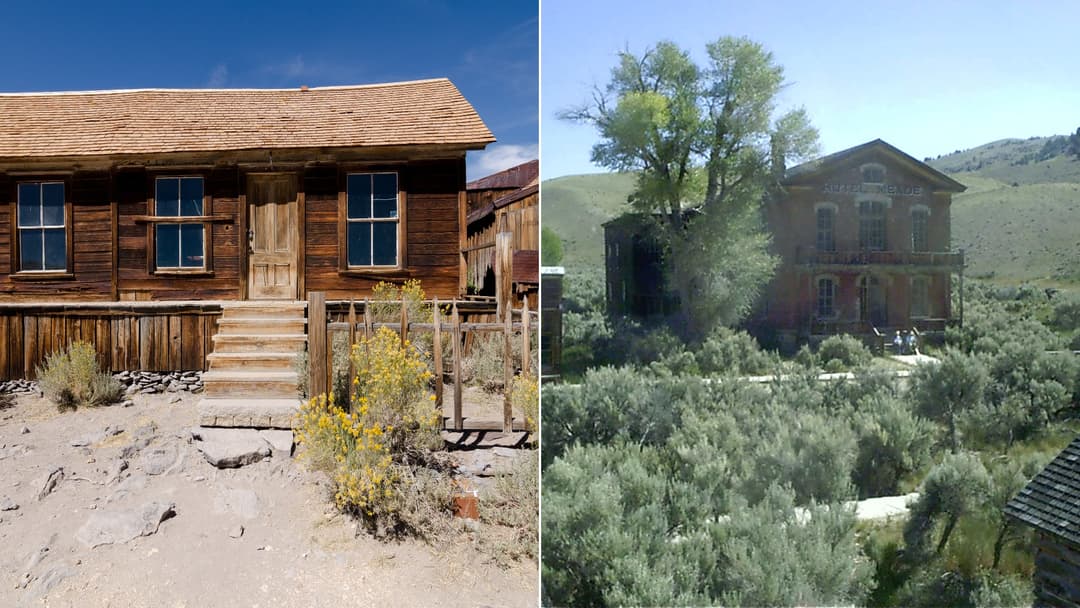
20 Historic Ghost Towns of the American West You Can Still Visit
Documented by state parks and historical societies, here are twenty remarkably preserved frontier ghost towns across the American West, ranked by founding era. Compiled from National Register of Historic Places records and state park archives, these twenty western mining settlements preserve authentic nineteenth-century frontier architecture.
By Most Viral Today
2 hours ago

America's Most Remarkably Preserved Frontier Ghost Towns Frozen in Time 
20. Thurmond, West Virginia 
19. Chloride, Arizona 
18. Silver City, Idaho - AdvertisementSwipe or tap ▶ to continue countdown

17. Oatman, Arizona 
16. Elkhorn, Montana 
15. Ashcroft, Colorado 
14. South Pass City, Wyoming - AdvertisementSwipe or tap ▶ to continue countdown

13. Shaniko, Oregon 
12. Terlingua, Texas 
11. Grafton, Utah 
10. Jerome, Arizona - AdvertisementSwipe or tap ▶ to continue countdown

9. Goldfield, Nevada 
8. Rhyolite, Nevada 
7. Kennecott, Alaska 
6. Calico, California - AdvertisementSwipe or tap ▶ to continue countdown

5. Garnet, Montana 
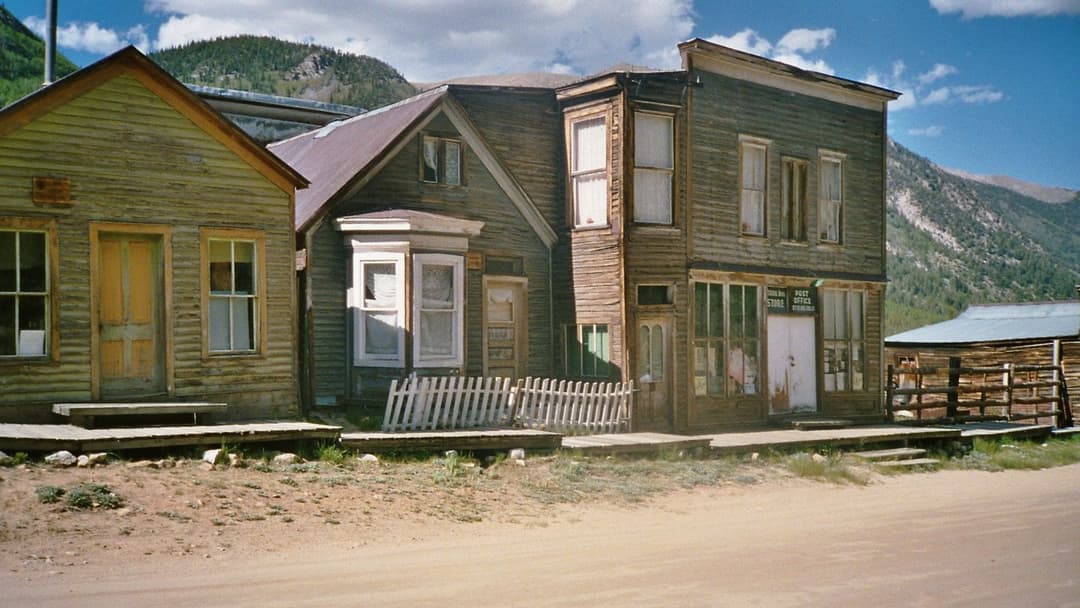
4. St. Elmo, Colorado 
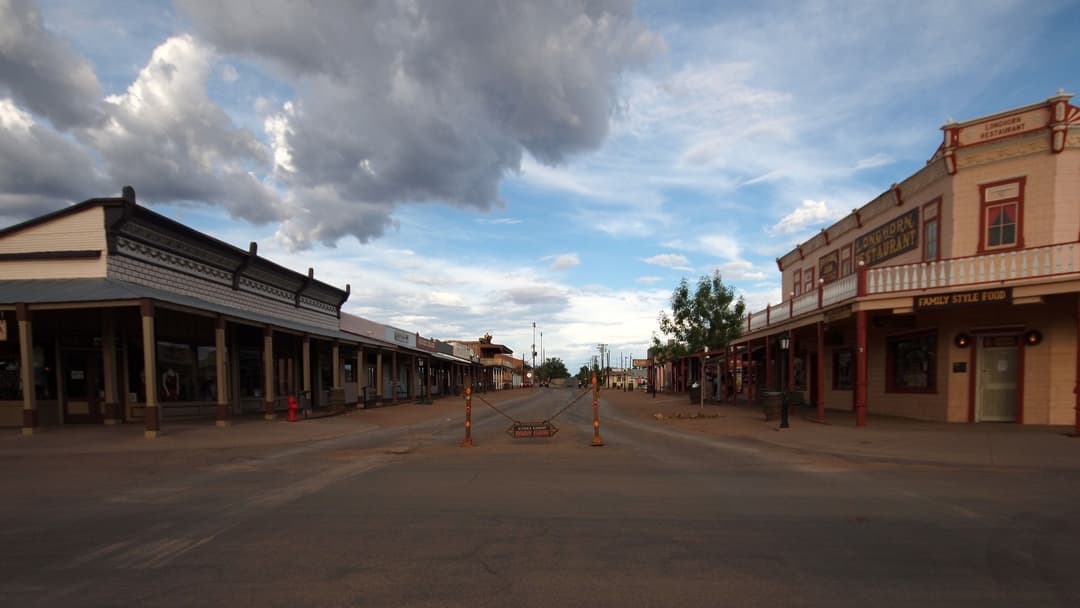
3. Tombstone, Arizona 
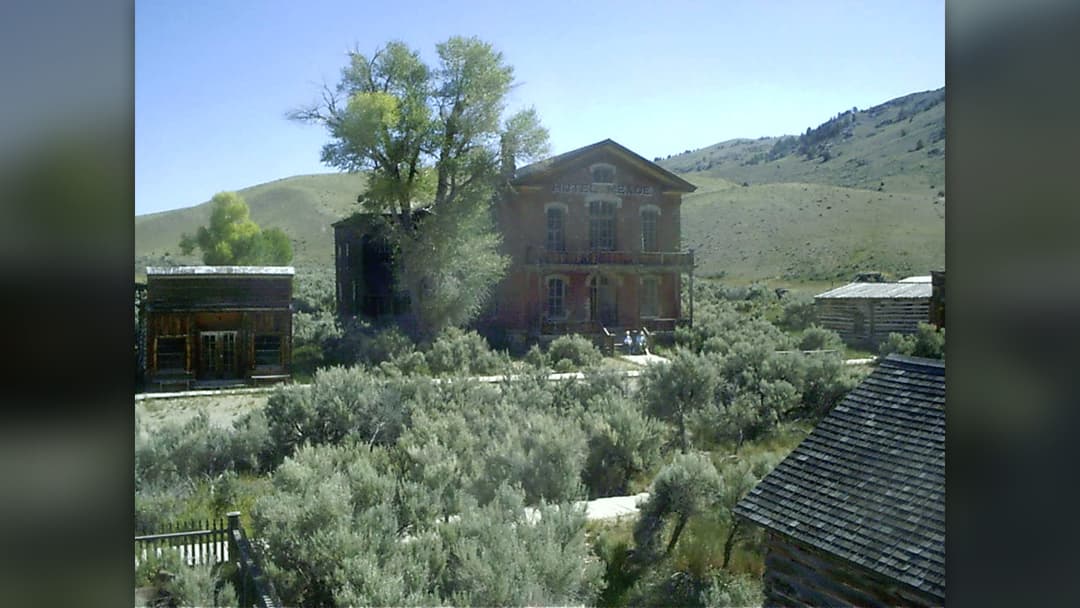
2. Bannack, Montana - AdvertisementSwipe or tap ▶ to continue countdown

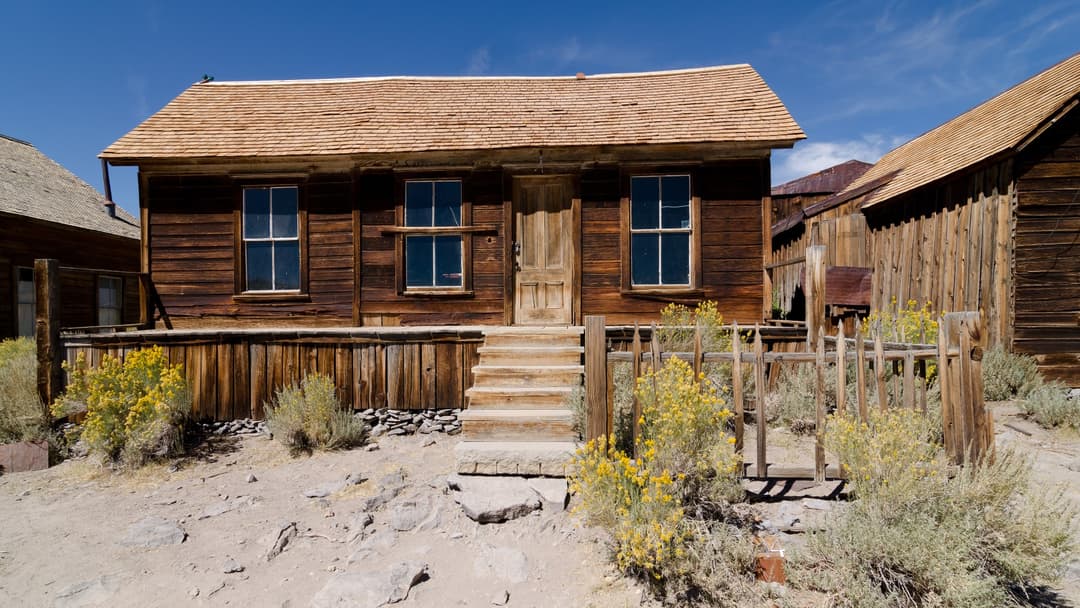
1. Bodie, California - Advertisement🔥 UP NEXT IN THIS SERIES◫ 21 Slides

20 Ways American Families Spent Summer Vacations in the 1970s
From wood-paneled wagons to drive-ins, classic summer road trips of the 1970s.
Compiled from National Register of Historic Places records and state park archives, these twenty western mining settlements preserve authentic nineteenth-century frontier architecture.
Swipe or tap ▶ to begin the countdown
©Wikimedia / King of Hearts & Wikimedia / Marc Averette
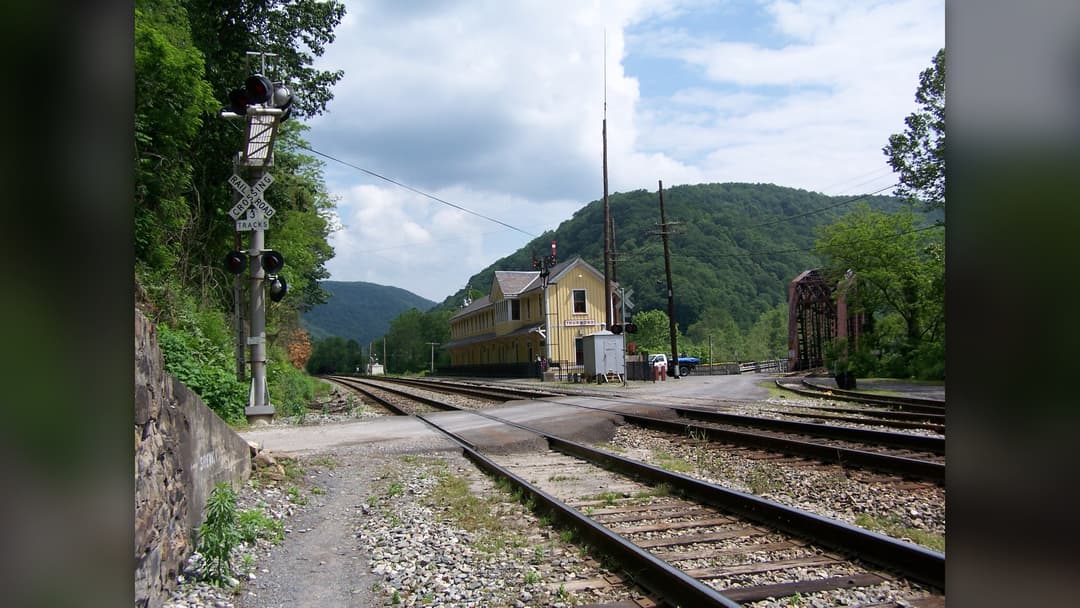
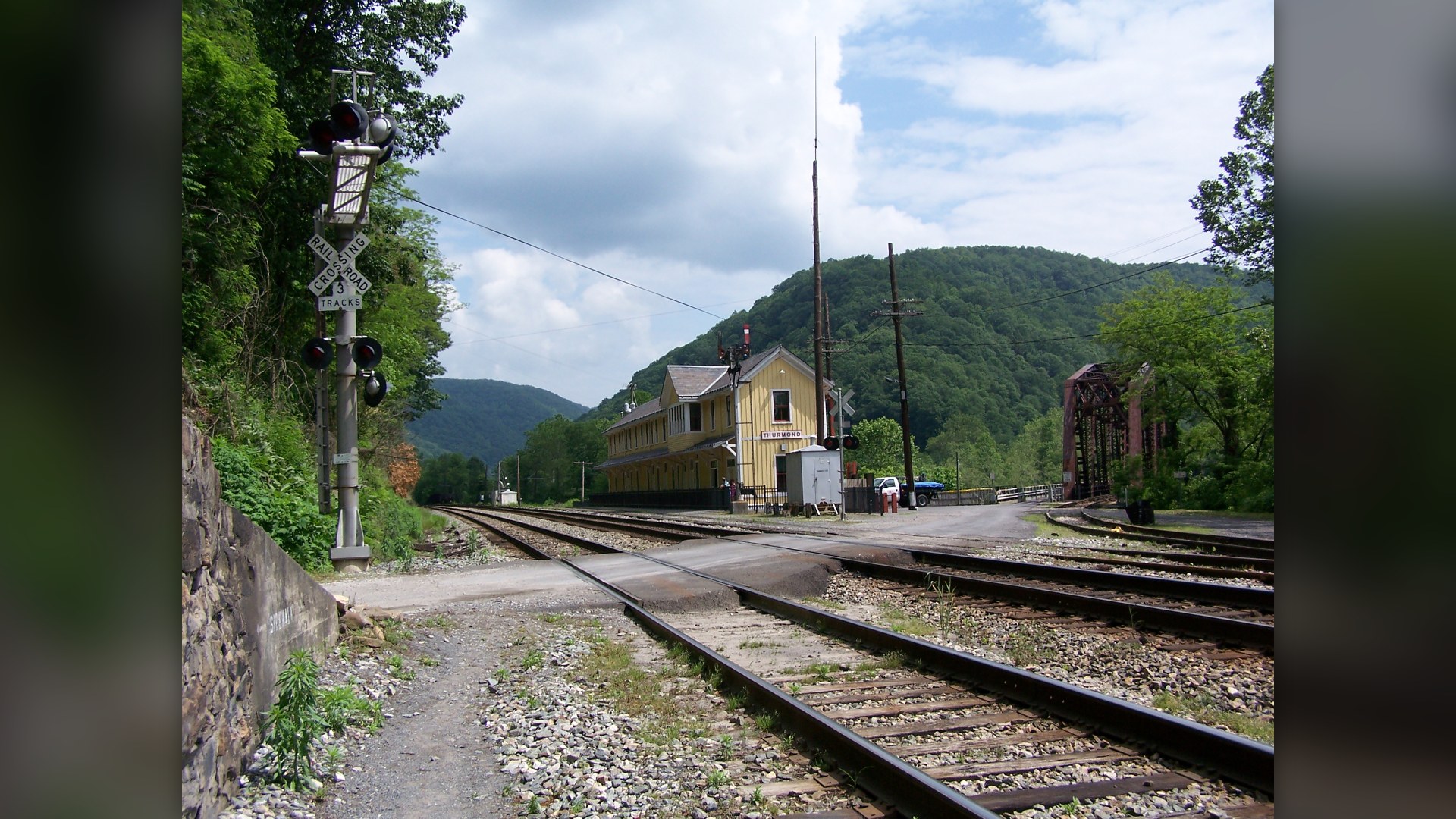
20. Thurmond, West Virginia
Carved directly into the sheer gorge cliffs of the New River, this remote railroad town handled millions of tons of coal. A massive passenger depot remains open for visitors. Diesel trains rumble past.
©Wikimedia / Brian M. Powell
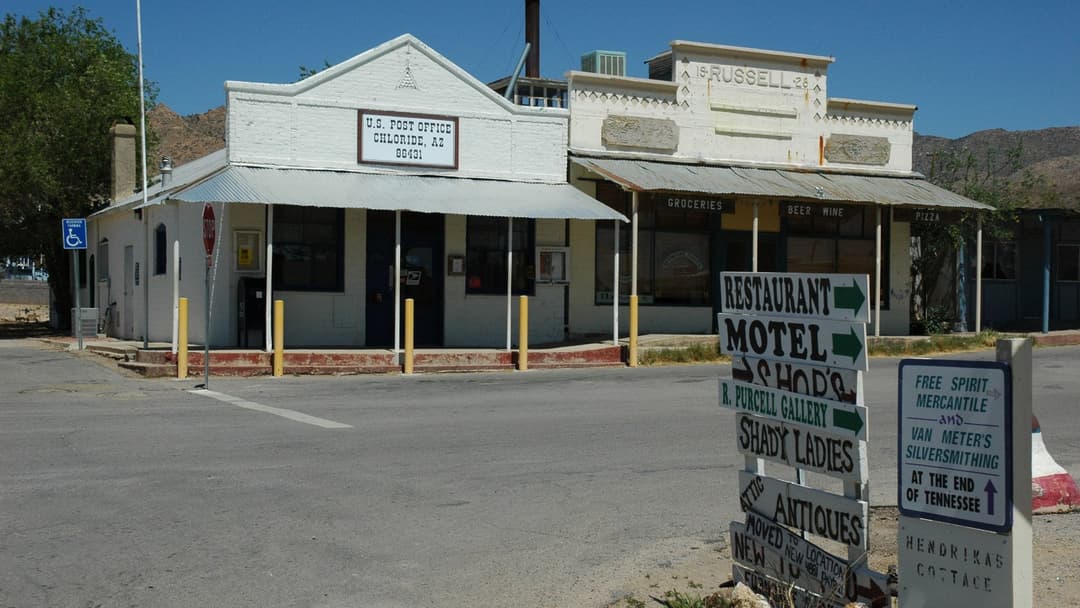
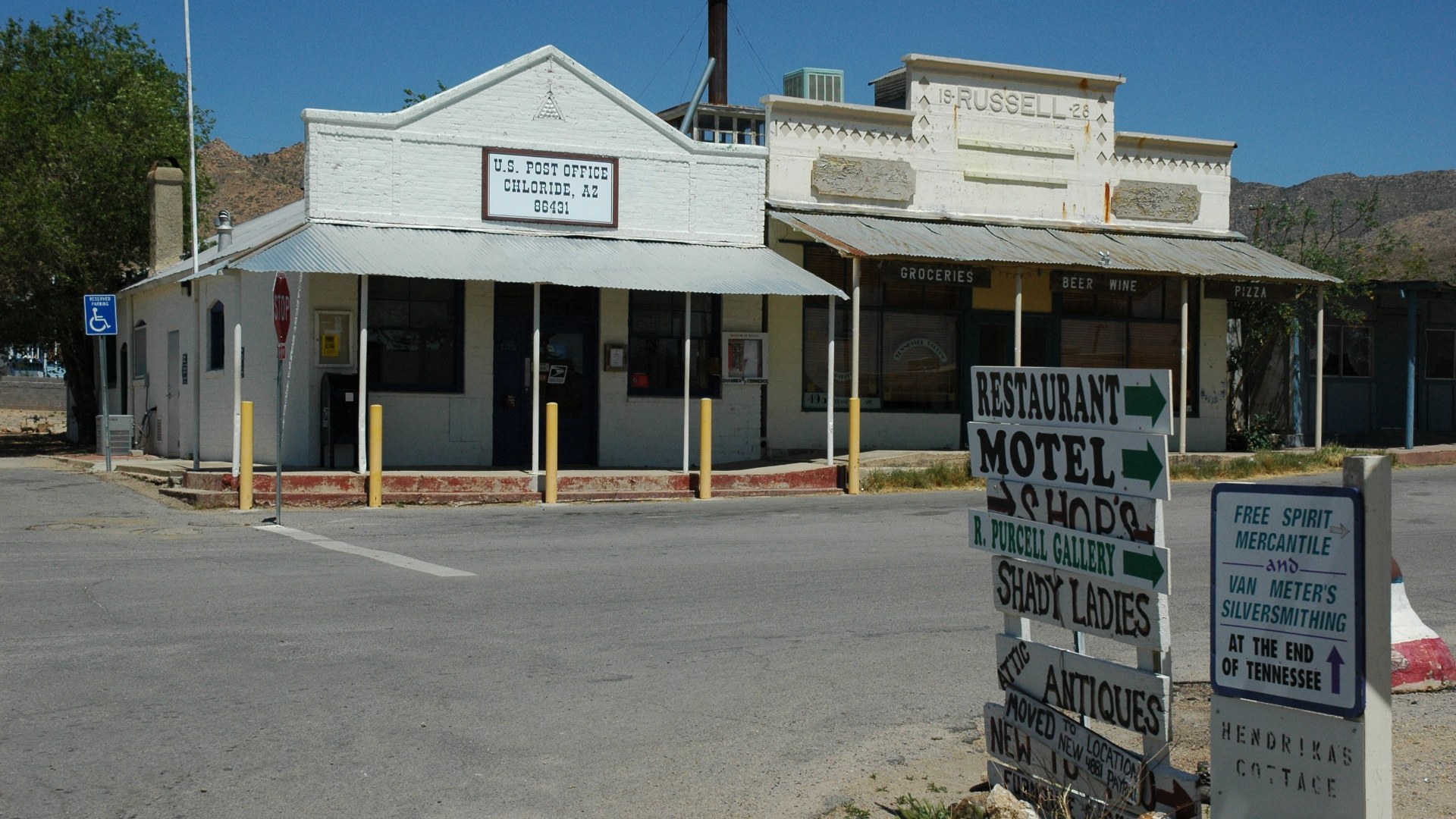
19. Chloride, Arizona
Prospectors discovered rich silver chloride veins in the Cerbat Mountains in 1862, founding the oldest continuously inhabited mining town in Arizona. Original wooden false-front saloons line the unpaved streets. Desert winds blow dust.
©Wikimedia / Jpatokal
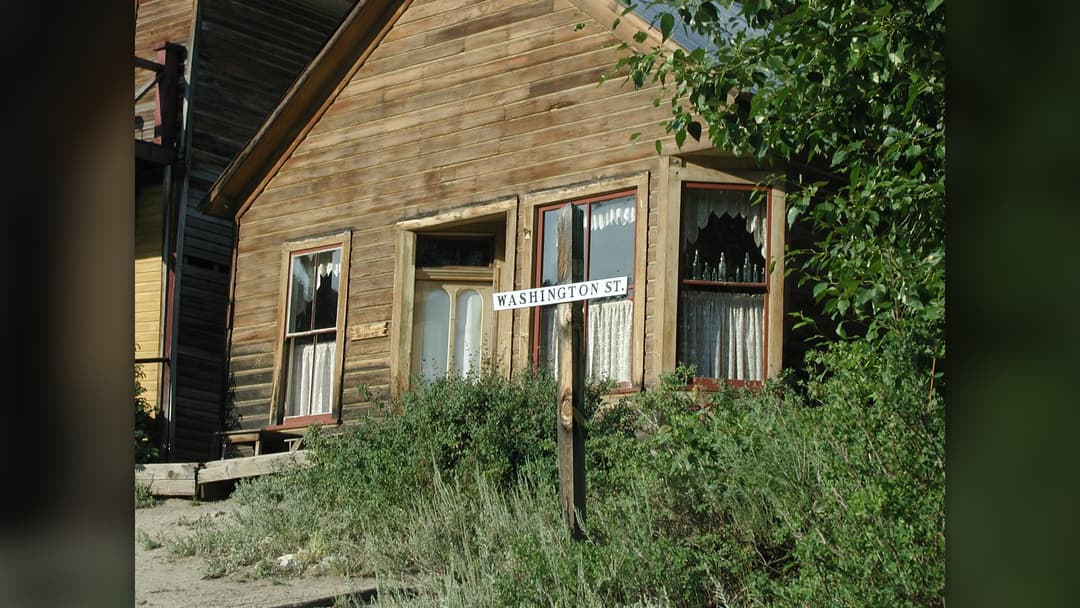
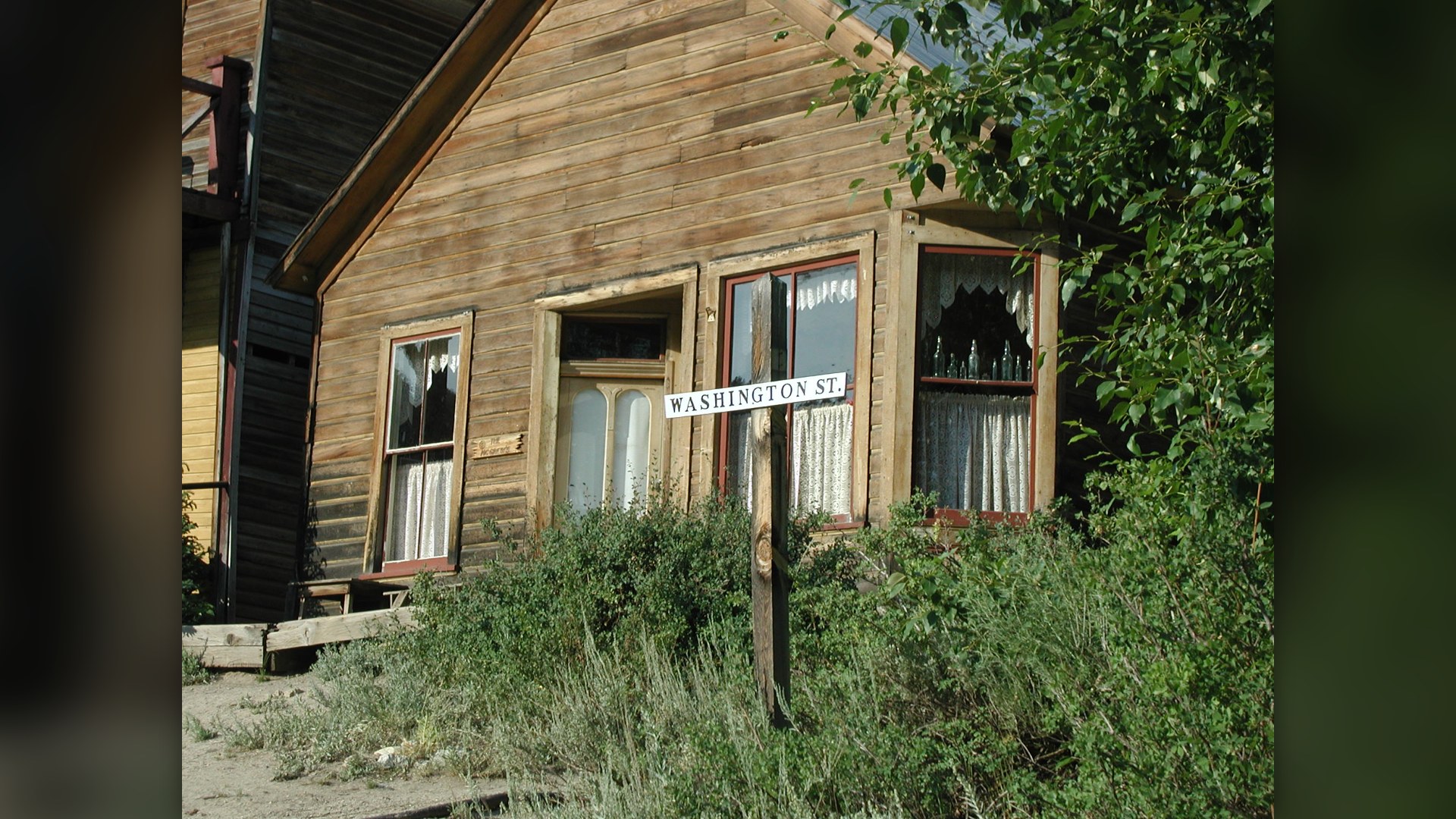
18. Silver City, Idaho
Perched high in the rugged Owyhee Mountains, this preserved mining camp once served as the bustling seat of Owyhee County. Over seventy original wooden structures withstand severe winter snowstorms. Old mining roads climb.
©Wikimedia / Bureau of Land Management
Advertisement
Swipe or tap ▶ to resume the countdown.
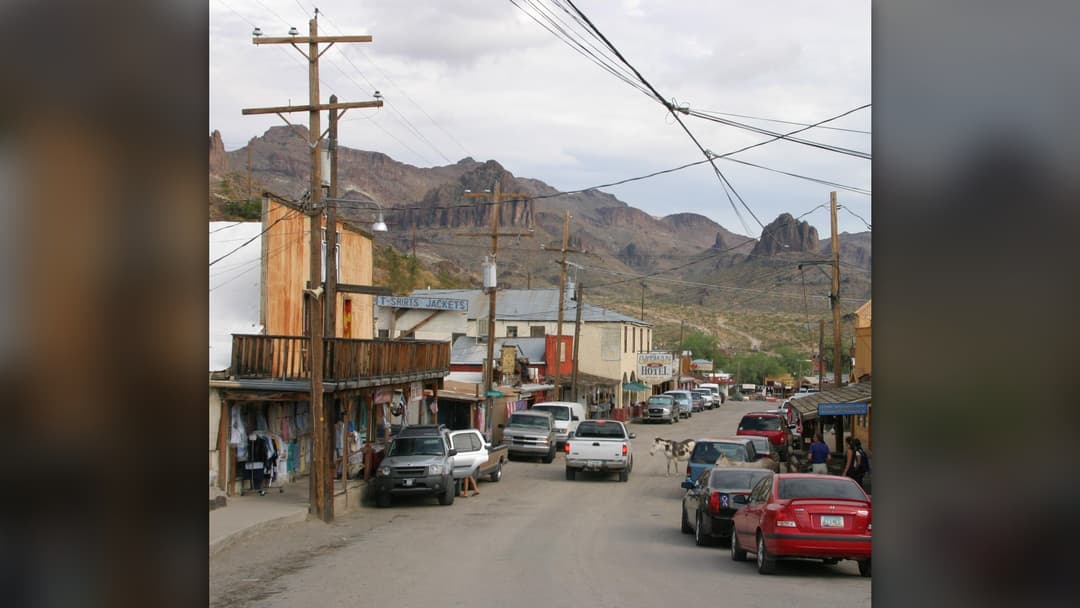
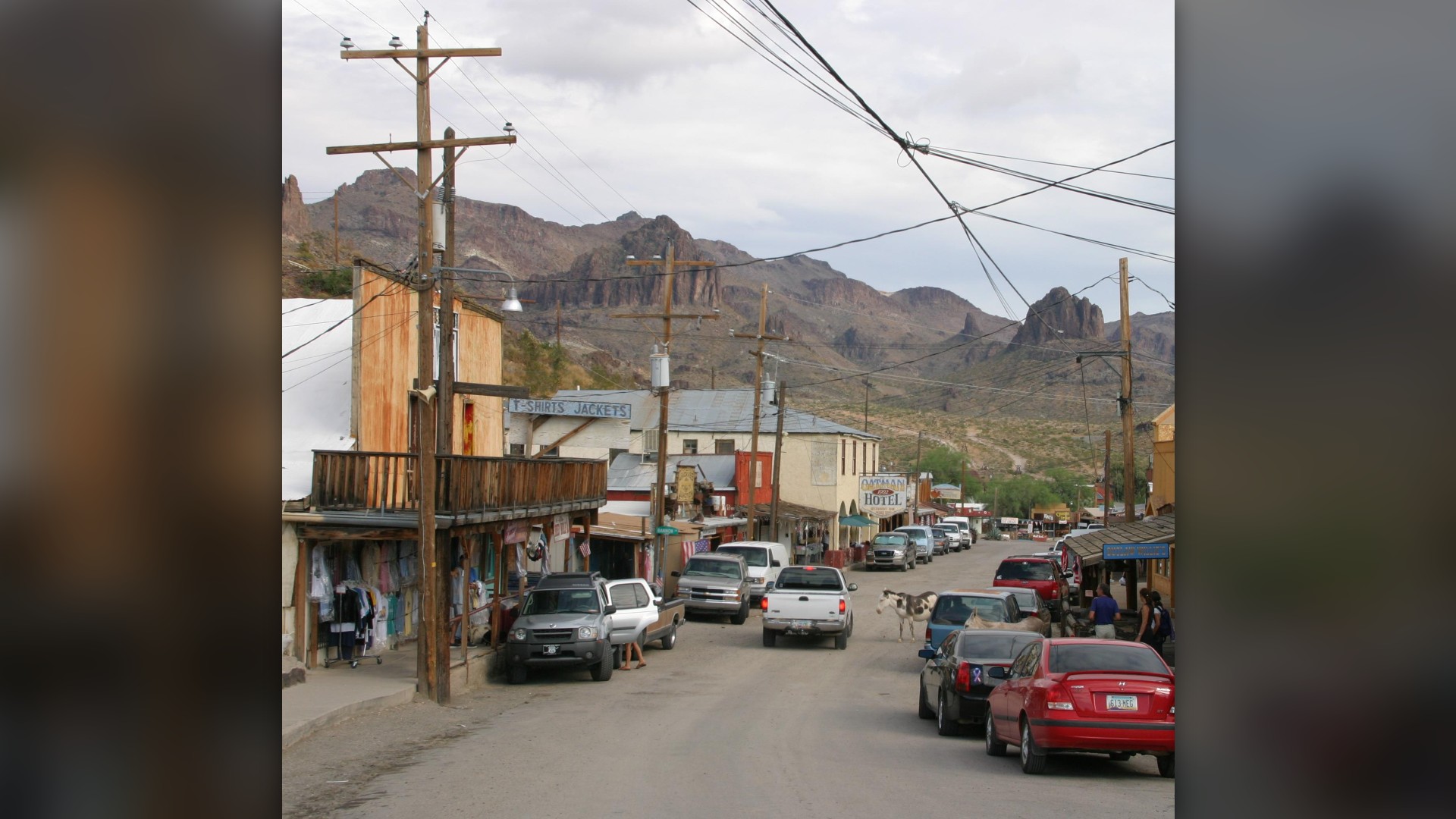
17. Oatman, Arizona
Prospectors rushed to this Black Mountains canyon in 1906 after finding gold, later building a booming stop along Route 66. Descendants of miner pack burros wander the streets. Wooden boardwalks welcome travelers.
©Wikimedia / Oatman, Arizona
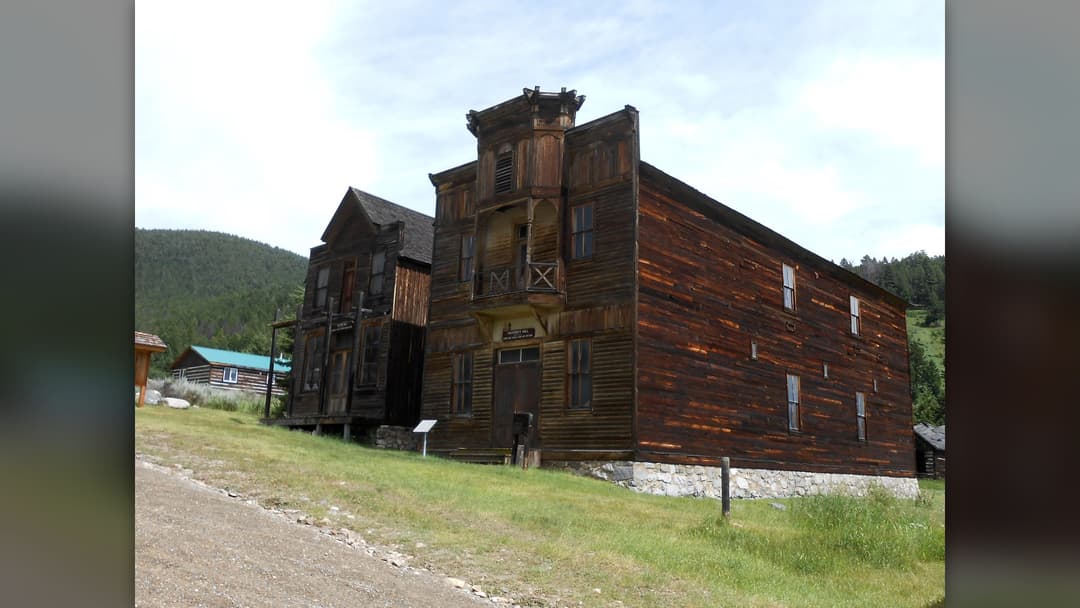
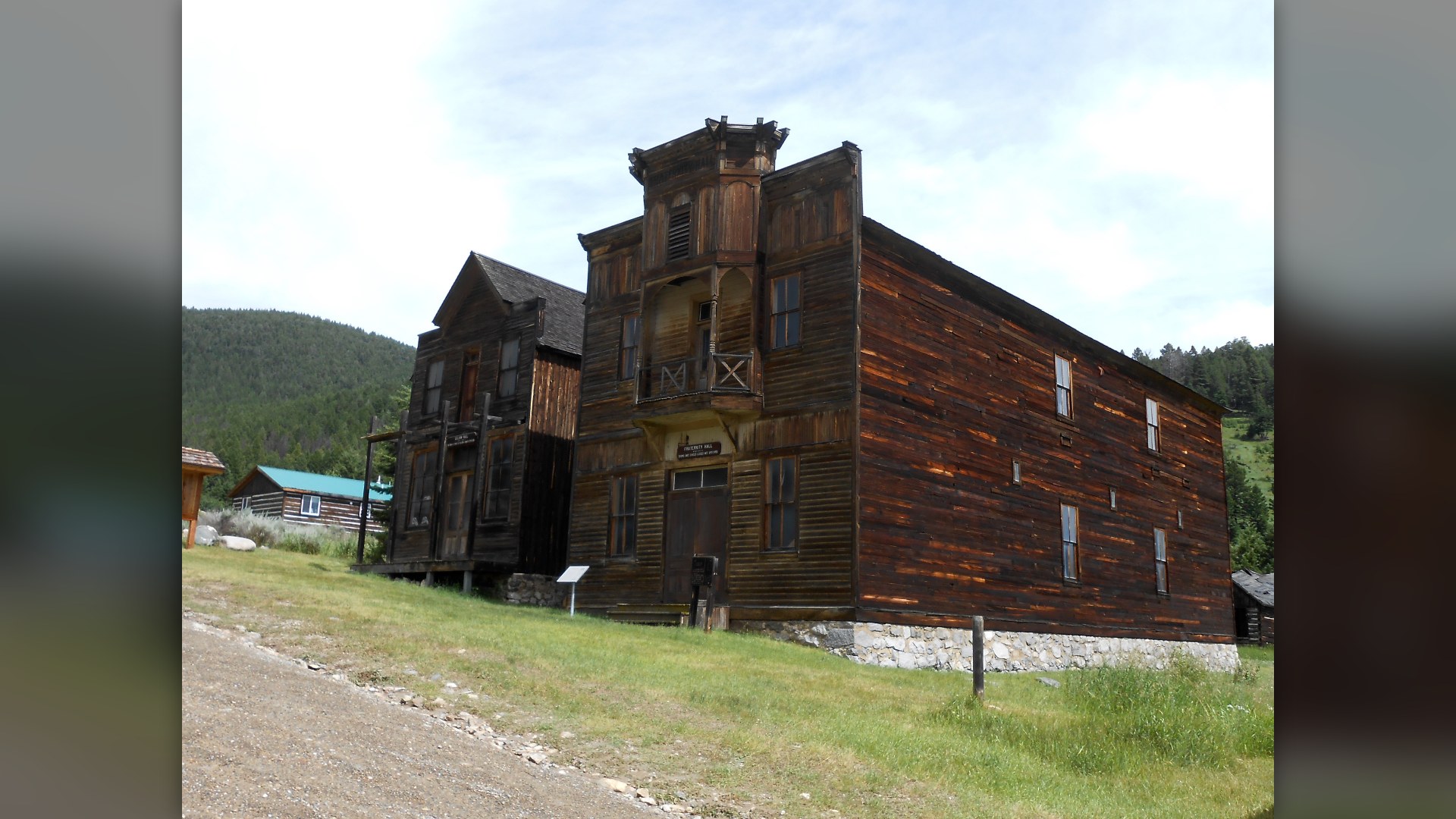
16. Elkhorn, Montana
Silver miners erected this high-altitude camp in 1872 beneath the steep pine ridges of the Elkhorn Mountains. Its elaborate Greek Revival Fraternity Hall features towering glass windows. Forests encroach upon cabins.
©Wikimedia / Montanabw
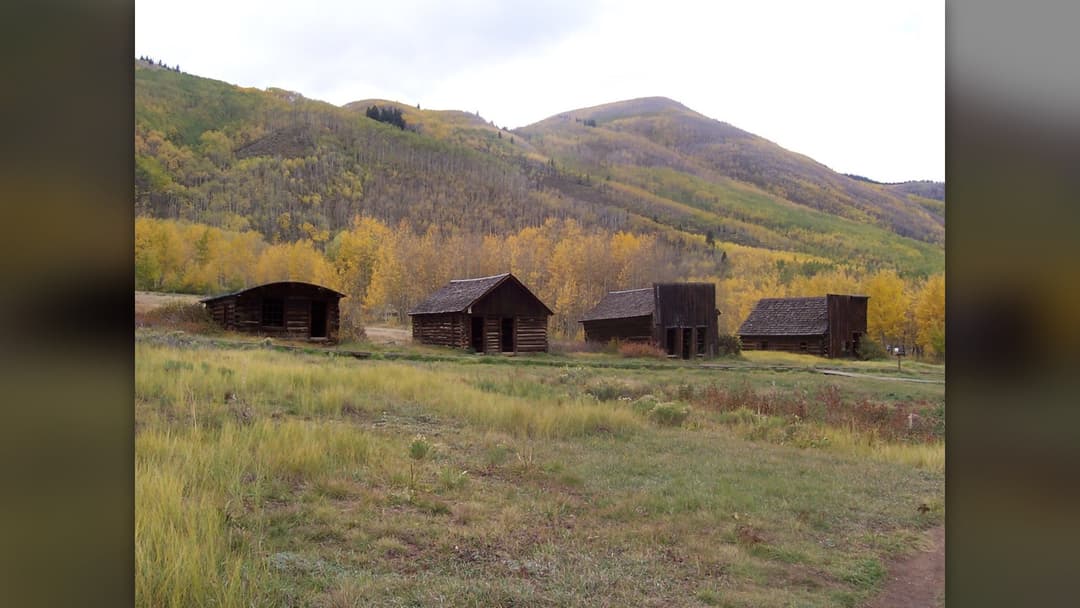
15. Ashcroft, Colorado
Booming silver strikes in the Castle Creek valley quickly drew two thousand residents to Ashcroft before nearby Aspen boomed. Several wooden false-front saloons still stand along the road. Aspen groves turn golden.
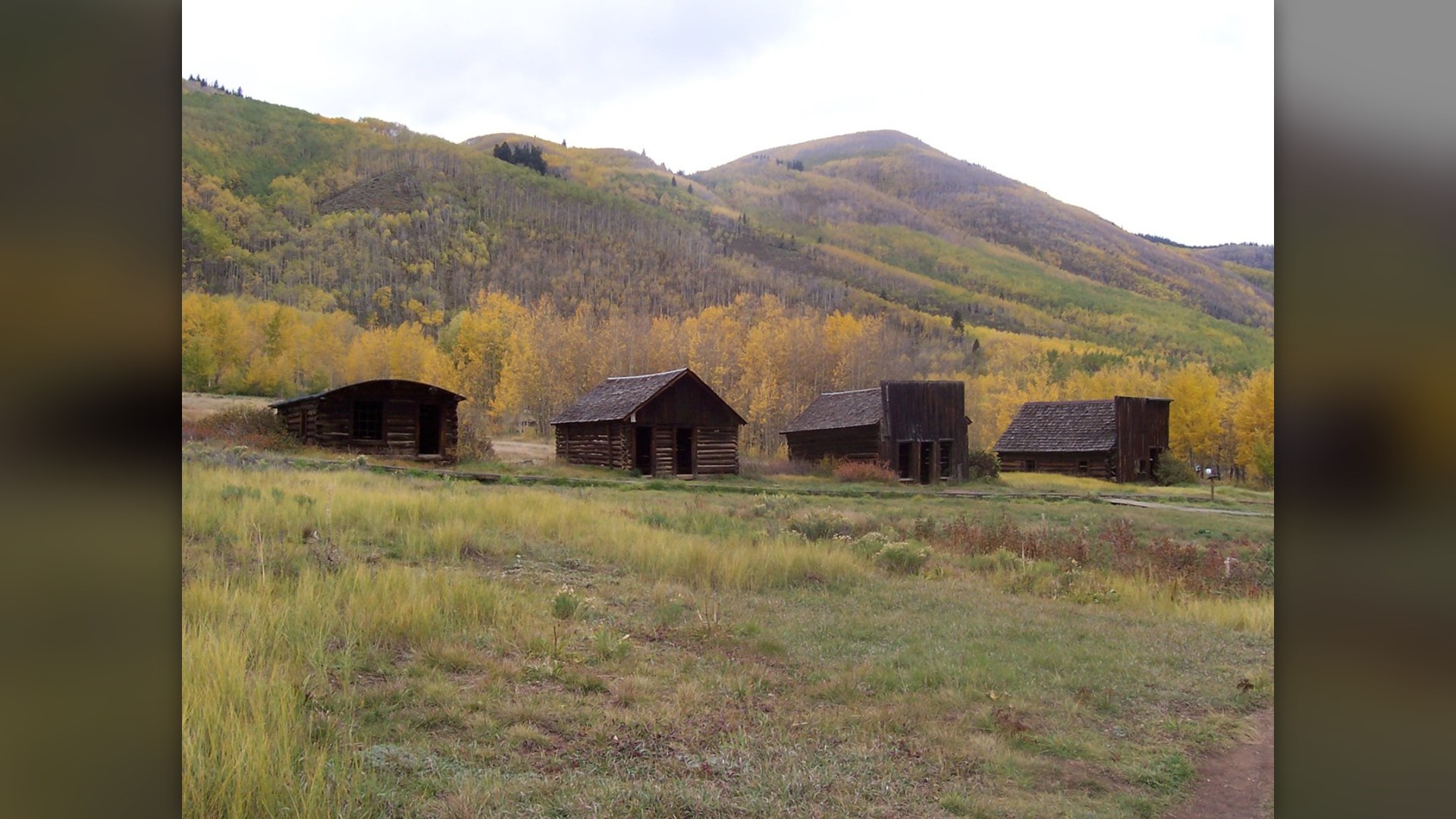
©Wikimedia / John Holm
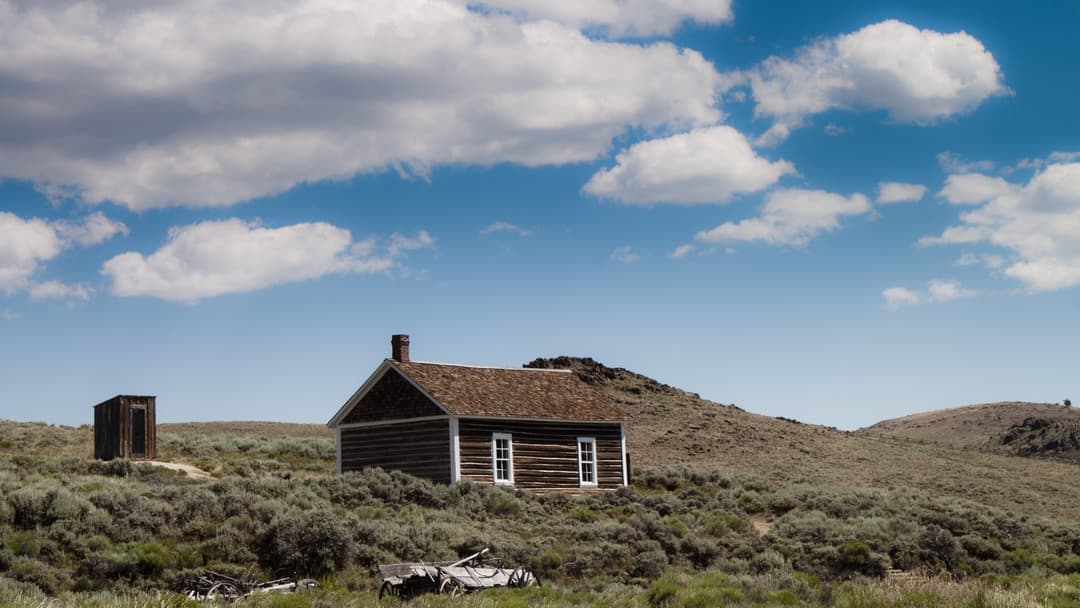
14. South Pass City, Wyoming
Gold discoveries at the Carissa lode brought hundreds of miners along the Oregon Trail in 1867 to build South Pass City. Wyoming legislators granted women the right to vote here. Sagebrush plains stretch outward.
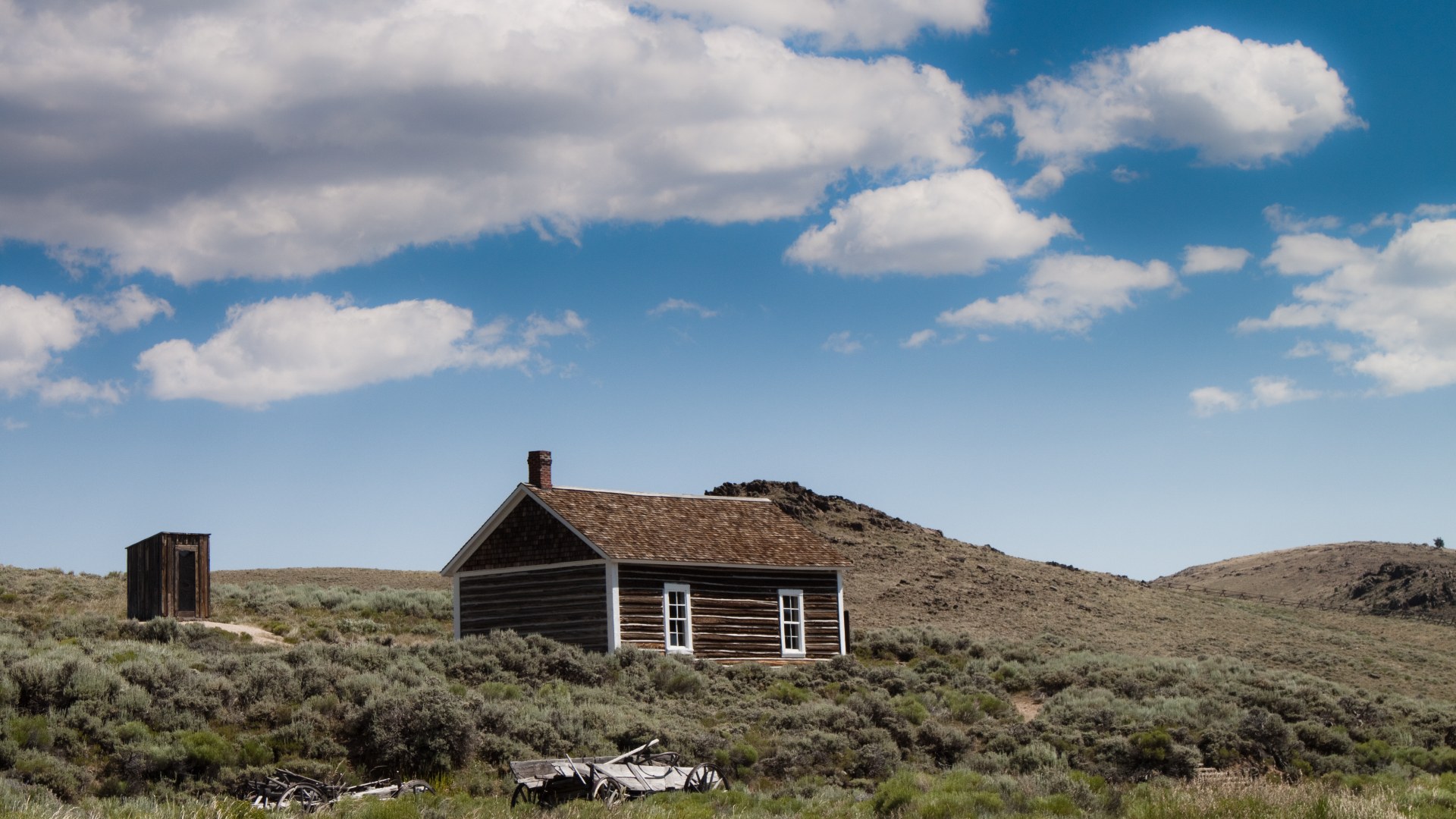
©Wikimedia / Anna-Katharina Stöcklin
Advertisement
Swipe or tap ▶ to resume the countdown.
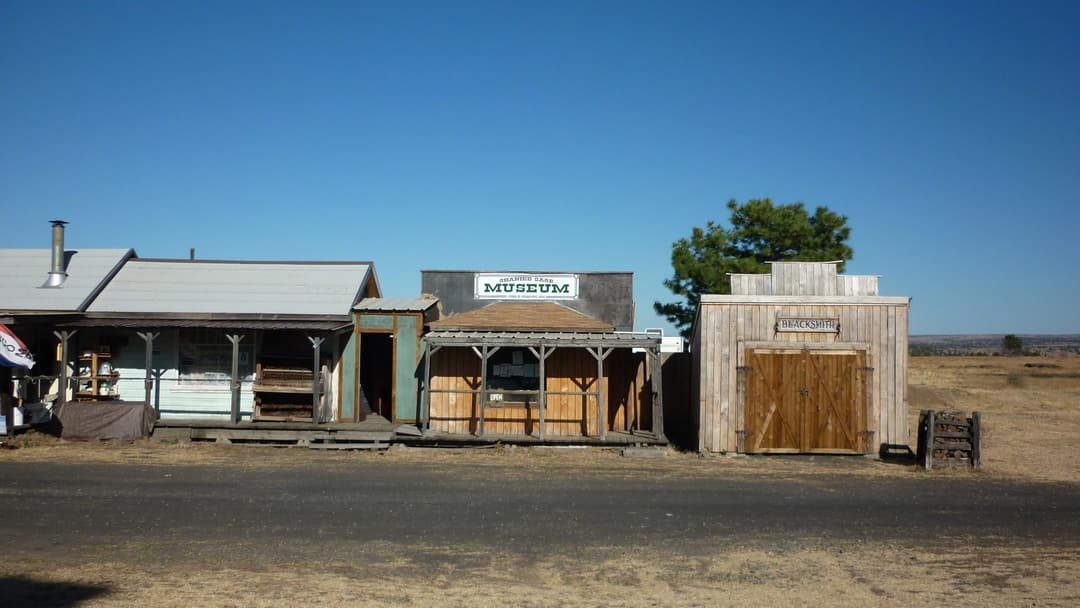
13. Shaniko, Oregon
Built as the southern terminus of the Columbia Southern Railway, this high-desert town once shipped millions of pounds of sheep wool. A massive brick hotel and wooden water tower survive. Grain silos stand silent.
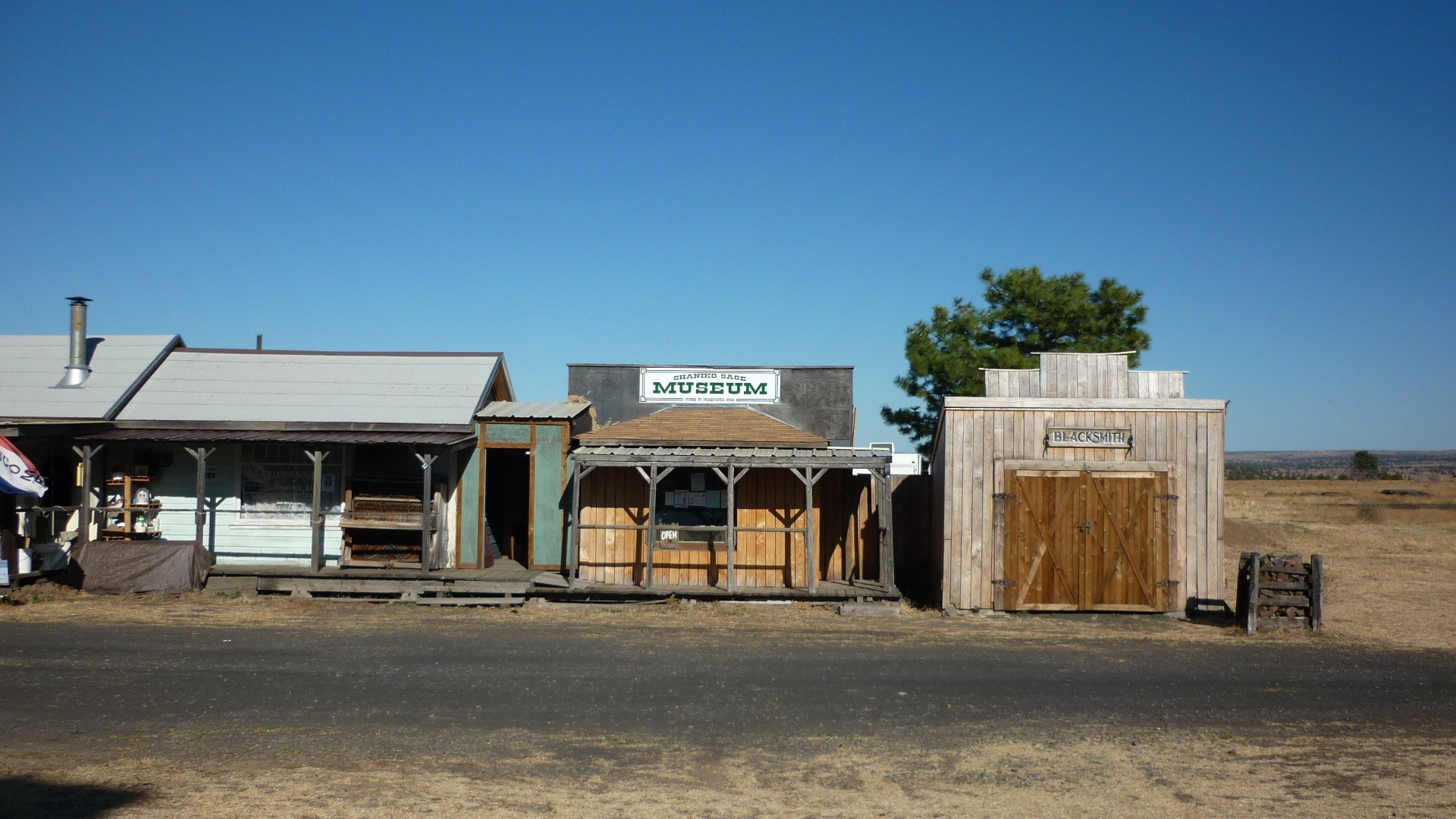
©Wikimedia / Ljlabarthe
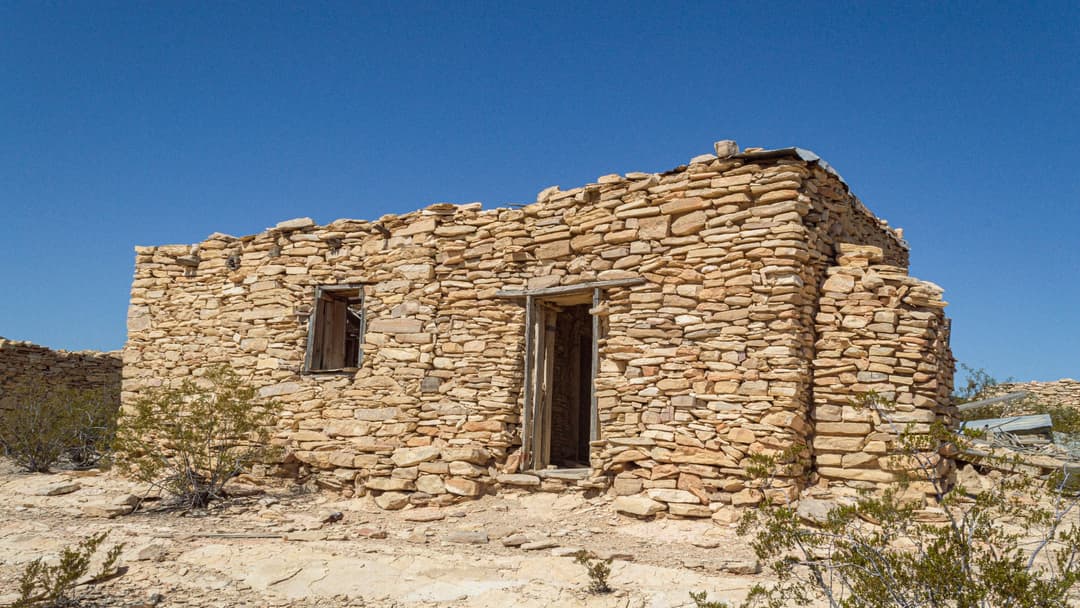
12. Terlingua, Texas
Miners extracted thousands of flasks of cinnabar mercury from the Chihuahuan Desert near Big Bend before operations shuttered in 1942. The stone ruins of company houses dot the hillside. Chisos Mountain crags tower.
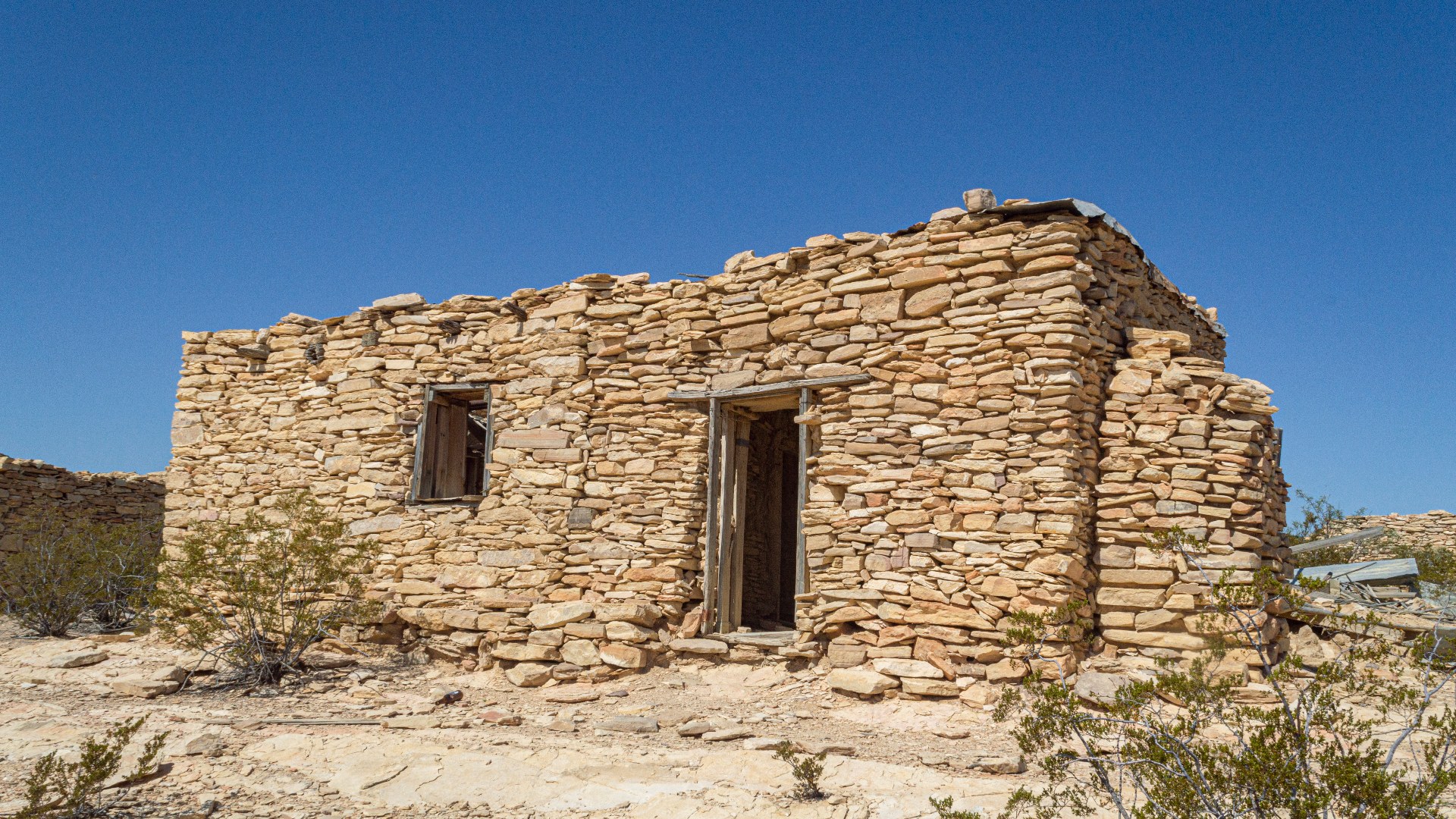
©Wikimedia / ClaudiaDurand
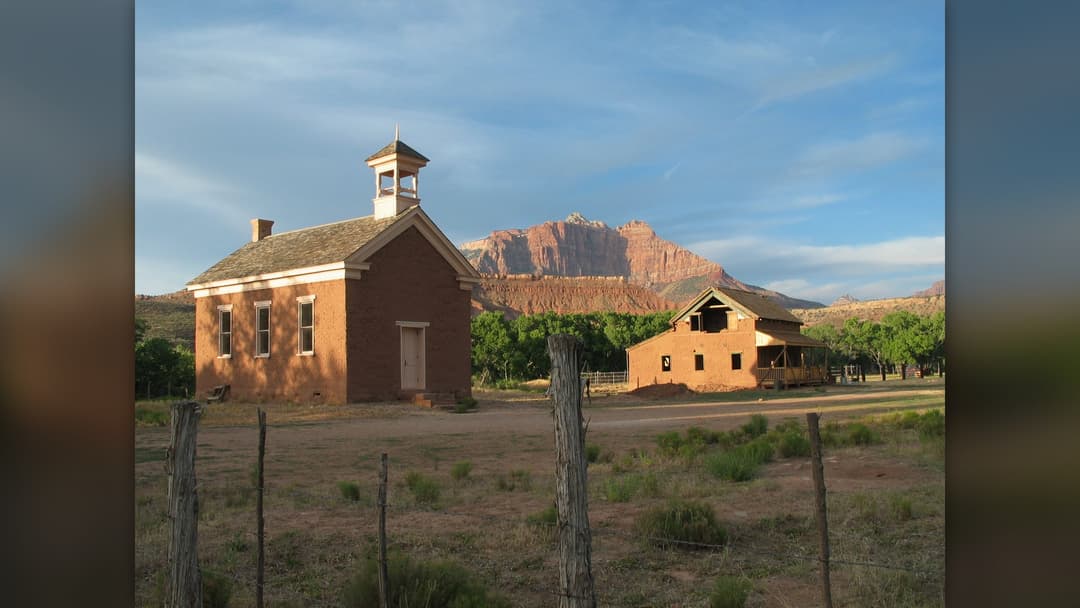
11. Grafton, Utah
Mormon pioneer families settled along the Virgin River in 1859 to establish agricultural homesteads beneath soaring sandstone canyon walls. Severe flooding and conflict forced residents to abandon the settlement. Sandstone mesas rise overhead.
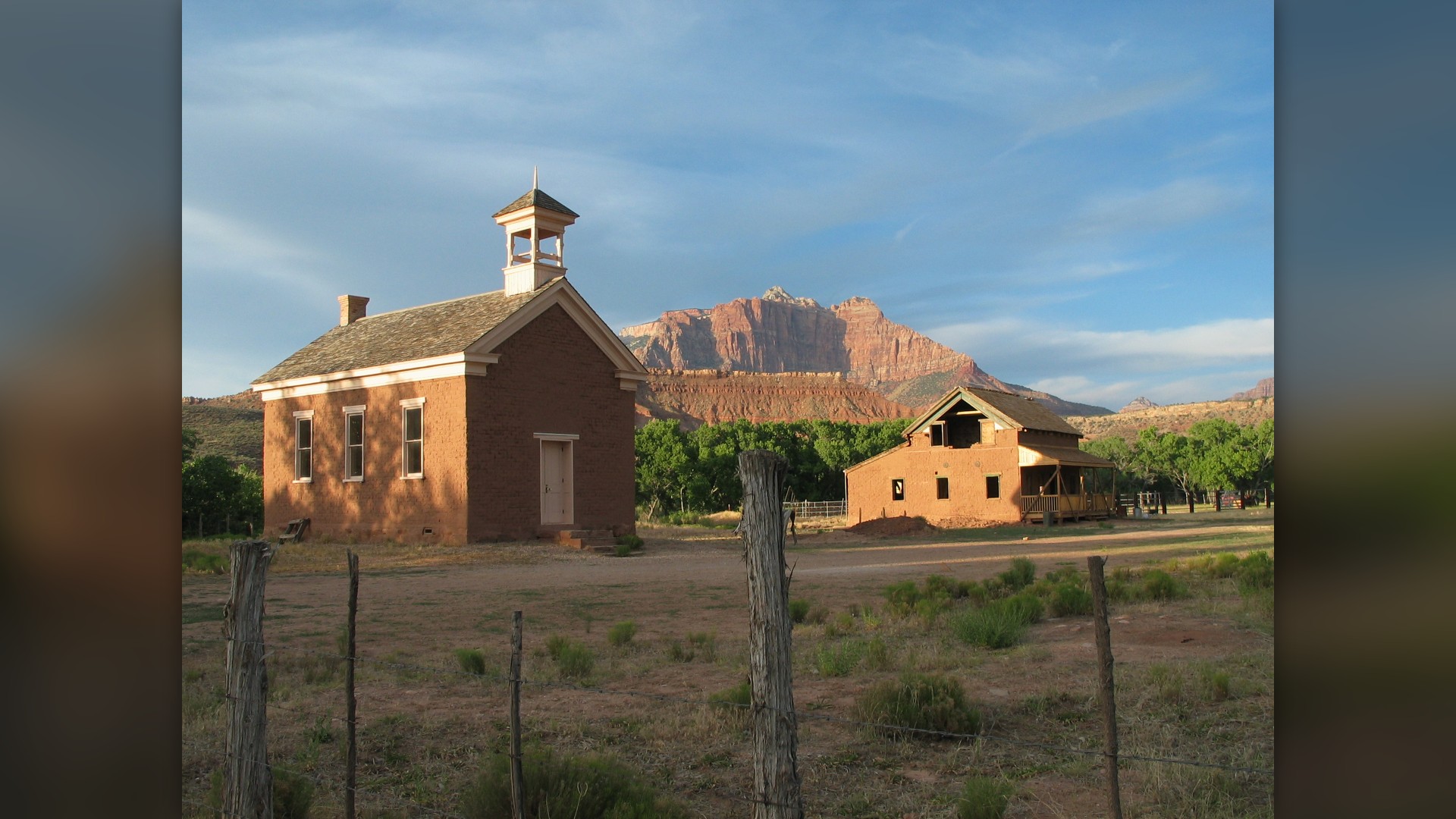
©Wikimedia / Grafton, Utah
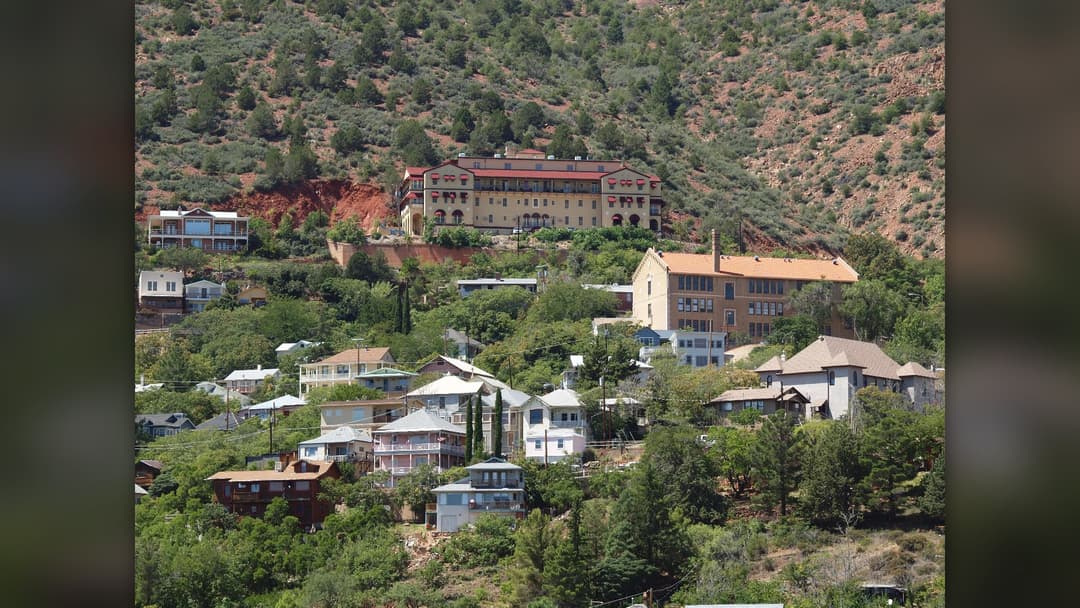
10. Jerome, Arizona
Clinging precariously to the steep slopes of Cleopatra Hill, this copper capital produced billions of pounds of copper before closing. Dozens of historic Victorian buildings survive along switchback roads. Verde Valley spreads below.
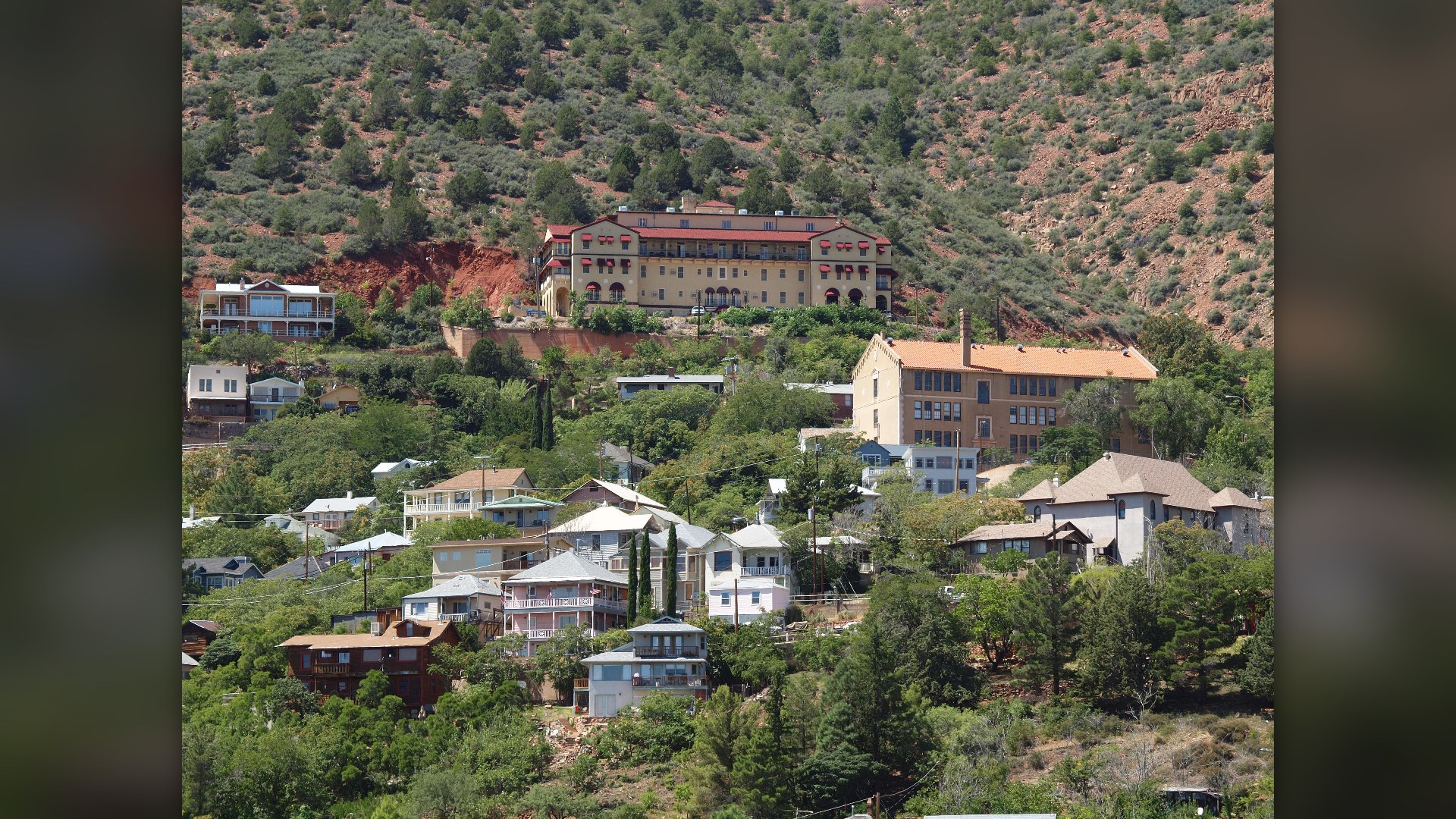
©Wikimedia / Gillfoto
Advertisement
Swipe or tap ▶ to resume the countdown.
9. Goldfield, Nevada
Following massive gold discoveries in 1902, Goldfield exploded into Nevada's largest boomtown with elaborate four-story stone hotels and exchanges. Disastrous fires and flash floods later gutted the municipality. Stone foundations mark lots.
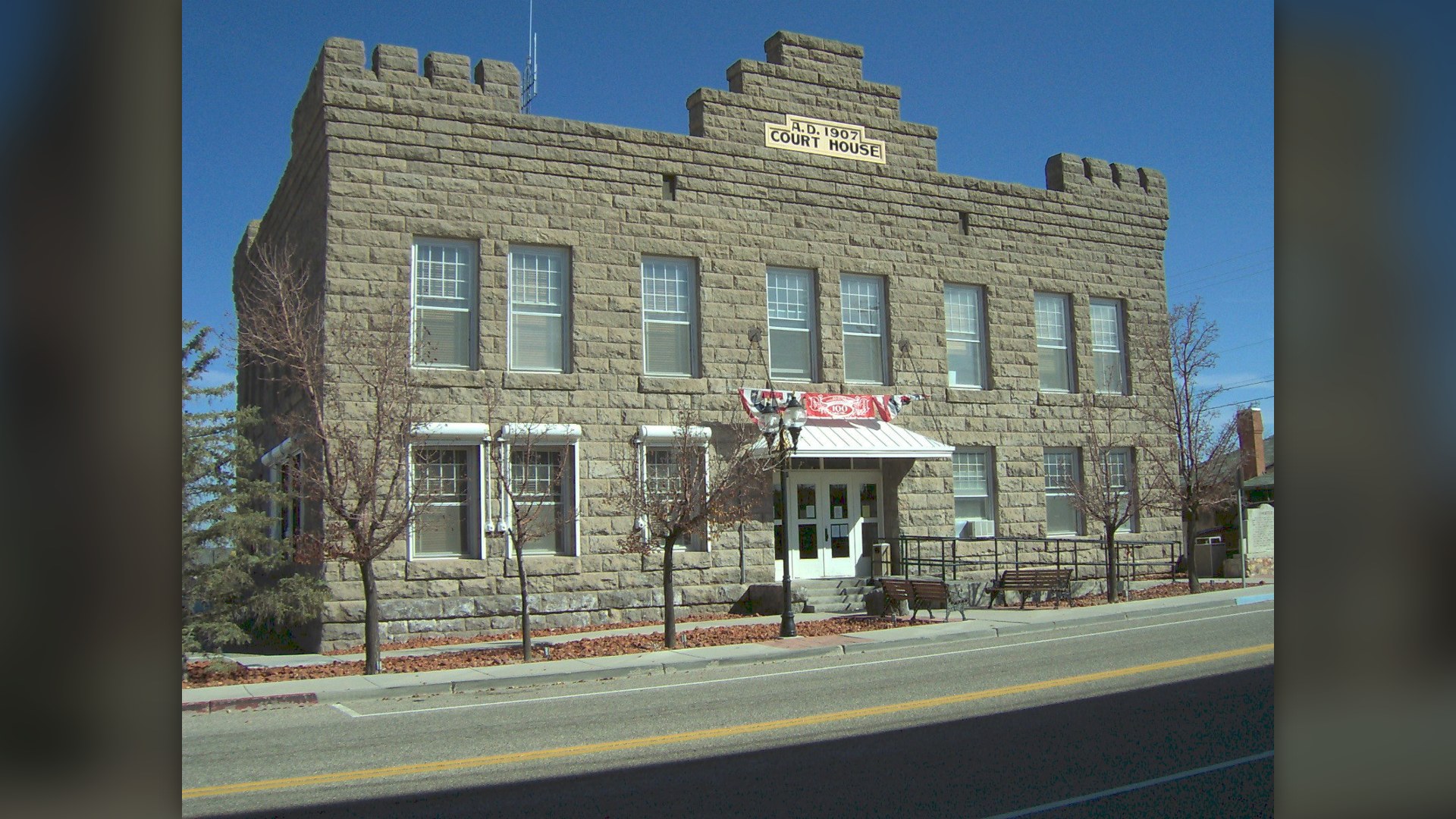
©Wikimedia / Sydney Poore
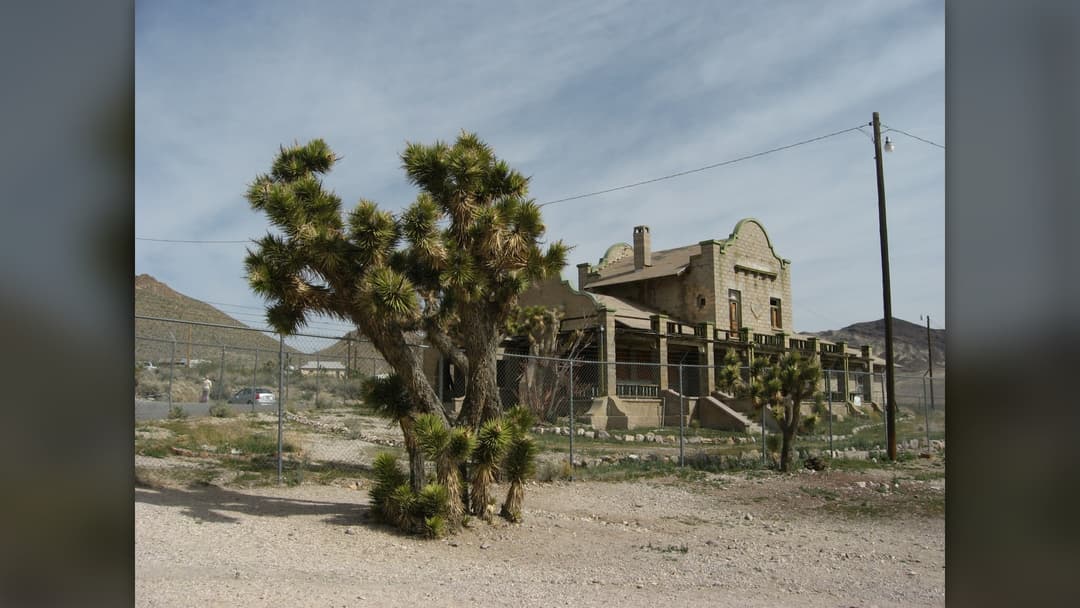
8. Rhyolite, Nevada
Springing up overnight in the Amargosa Desert in 1904, this town featured electric streetlights, opera houses, and concrete banks. The Cook Bank building remains a roofless concrete shell. Mojave sands sweep ruins.
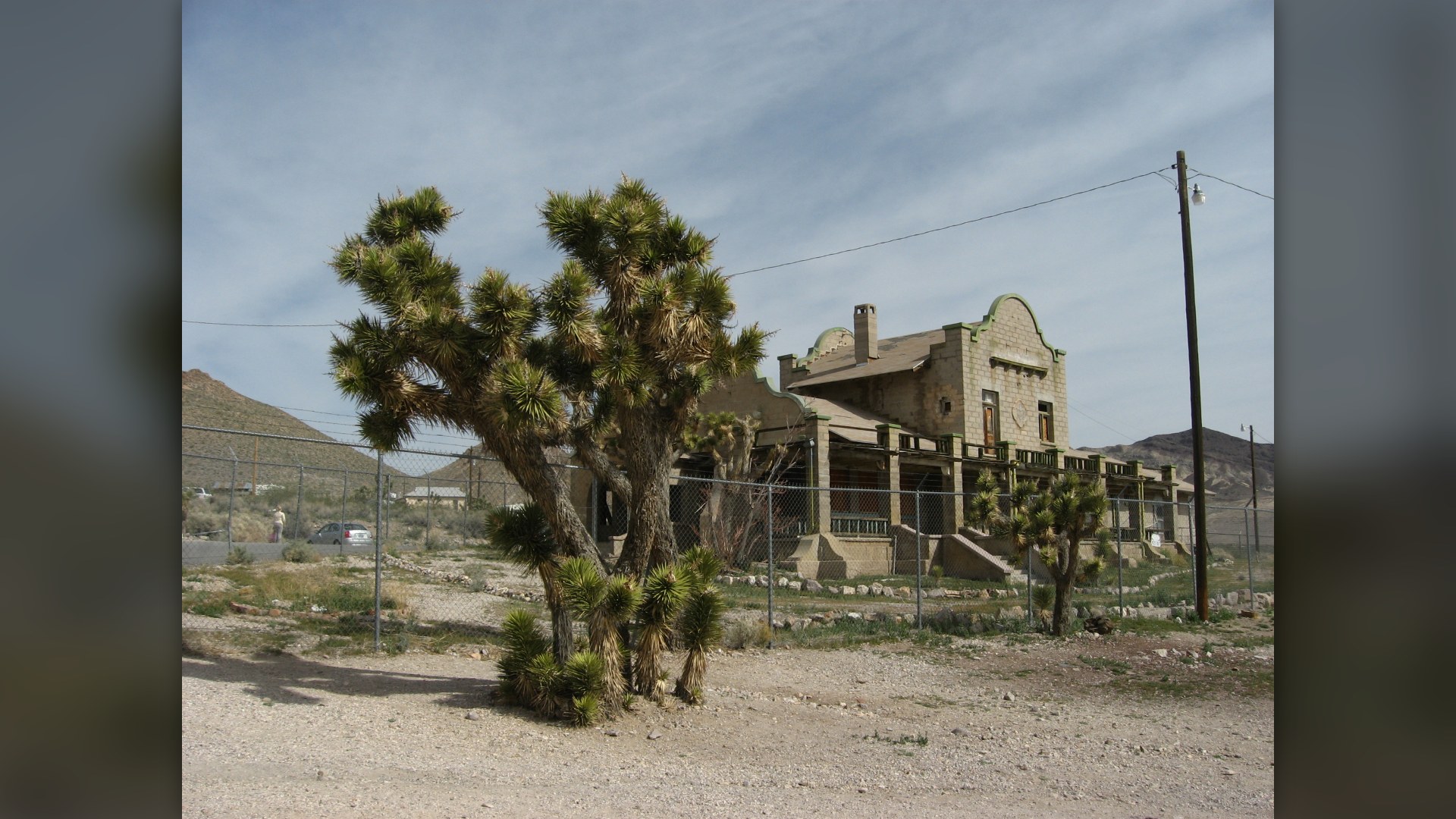
©Wikimedia / Ken Lund
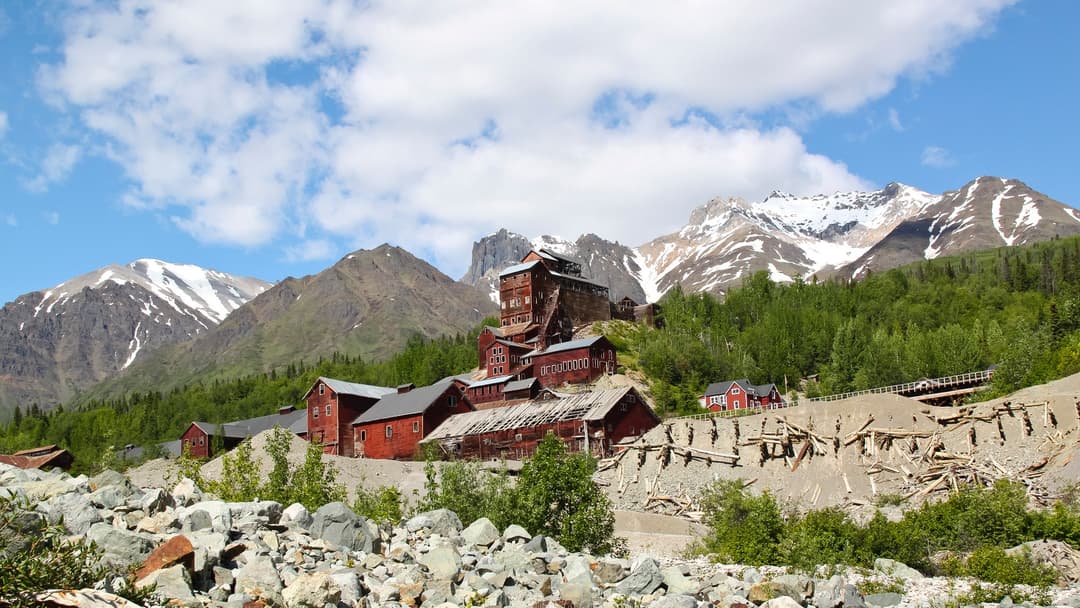
7. Kennecott, Alaska
Located inside Wrangell-St. Elias National Park, this red-painted company town processed more than two hundred million dollars in copper. The fourteen-story wooden concentration mill climbs the mountainside. Root Glacier grinds past.
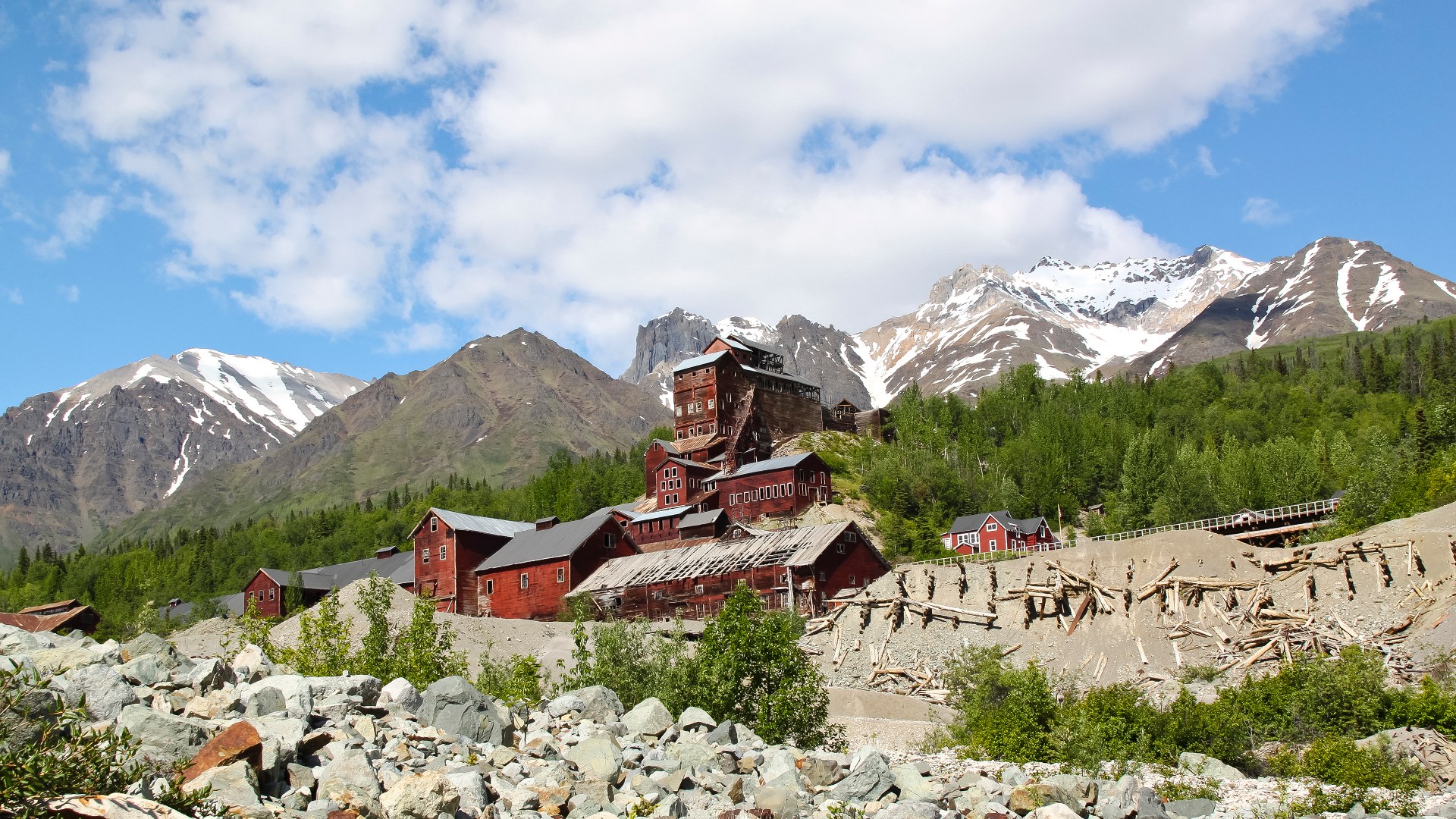
©Wikimedia / National Park Service
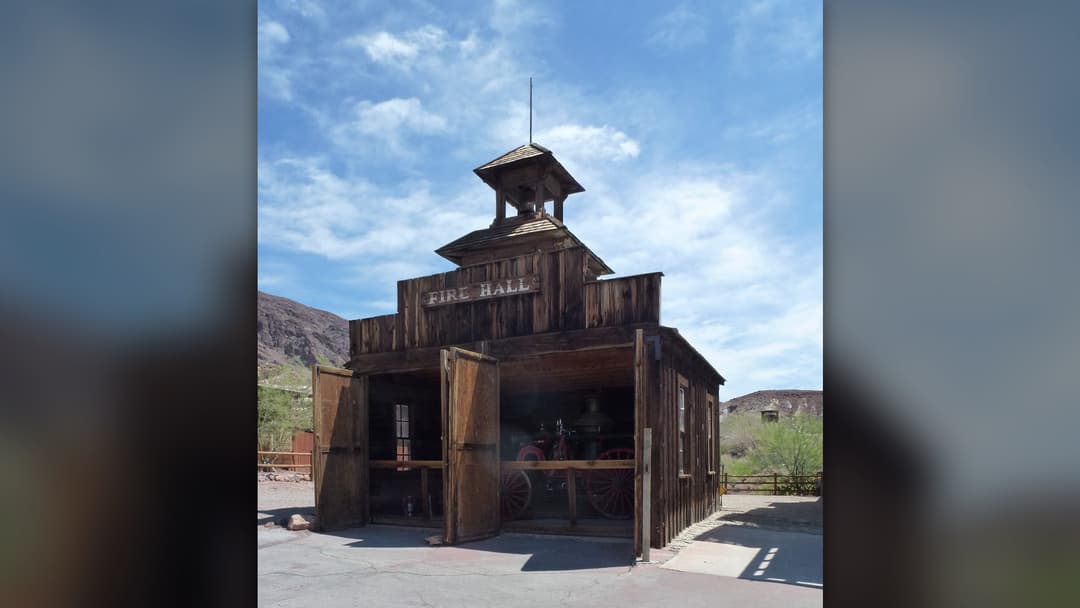
6. Calico, California
Founded in the Calico Mountains in 1881, this Mojave Desert camp yielded millions of dollars in silver from five hundred mines. Knott's Berry Farm founder Walter Knott restored the town. Desert canyons glow red.
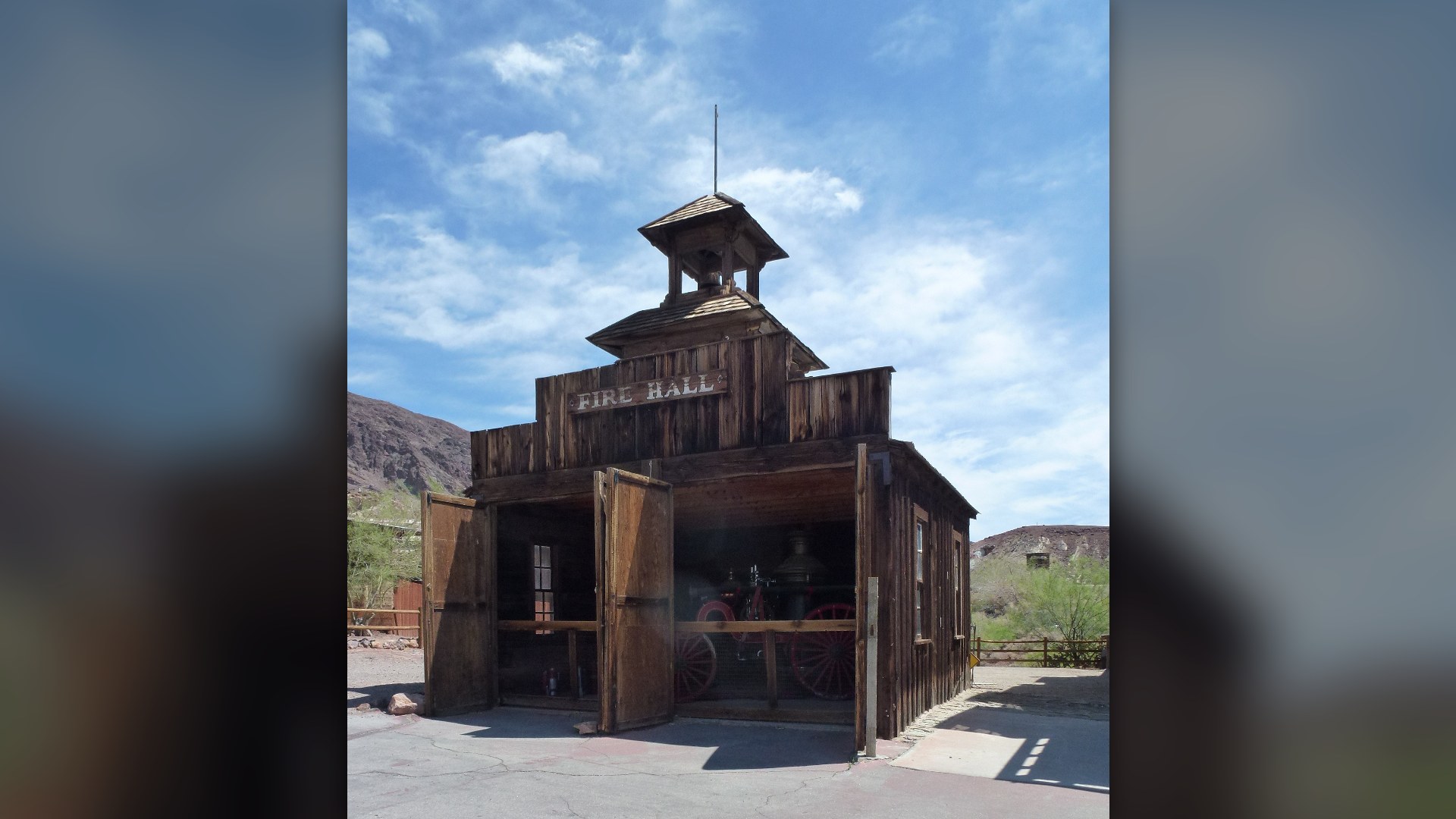
©Wikimedia / Pierre André Leclercq
Advertisement
Swipe or tap ▶ to resume the countdown.
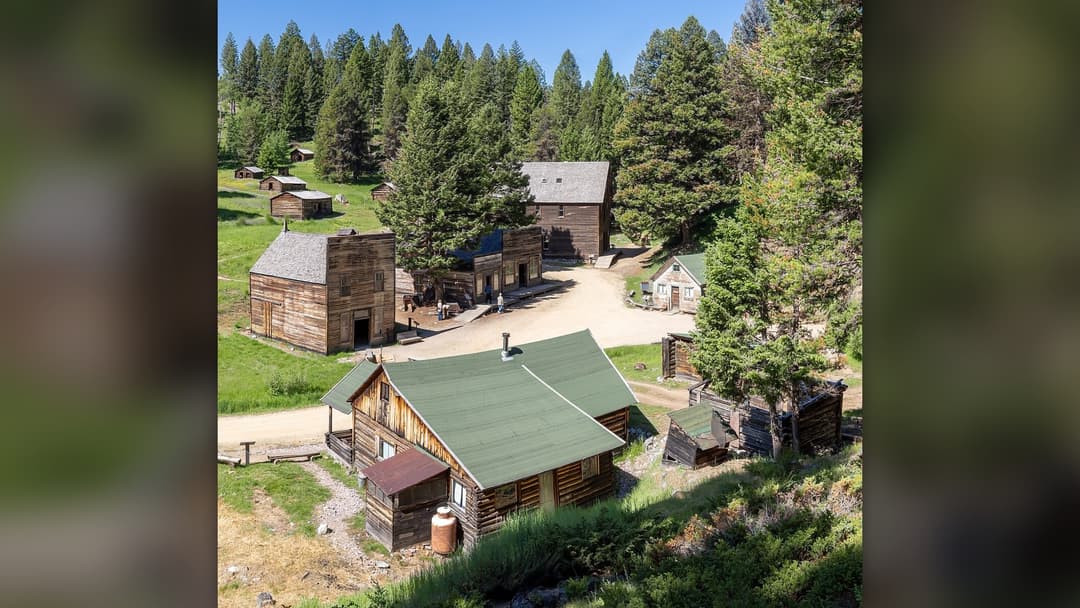
5. Garnet, Montana
Tucked away in the Garnet Range at six thousand feet elevation, this gold camp boasted several saloons, hotels, and stores. The Bureau of Land Management protects dozens of wooden cabins. Evergreen forests shelter valley.
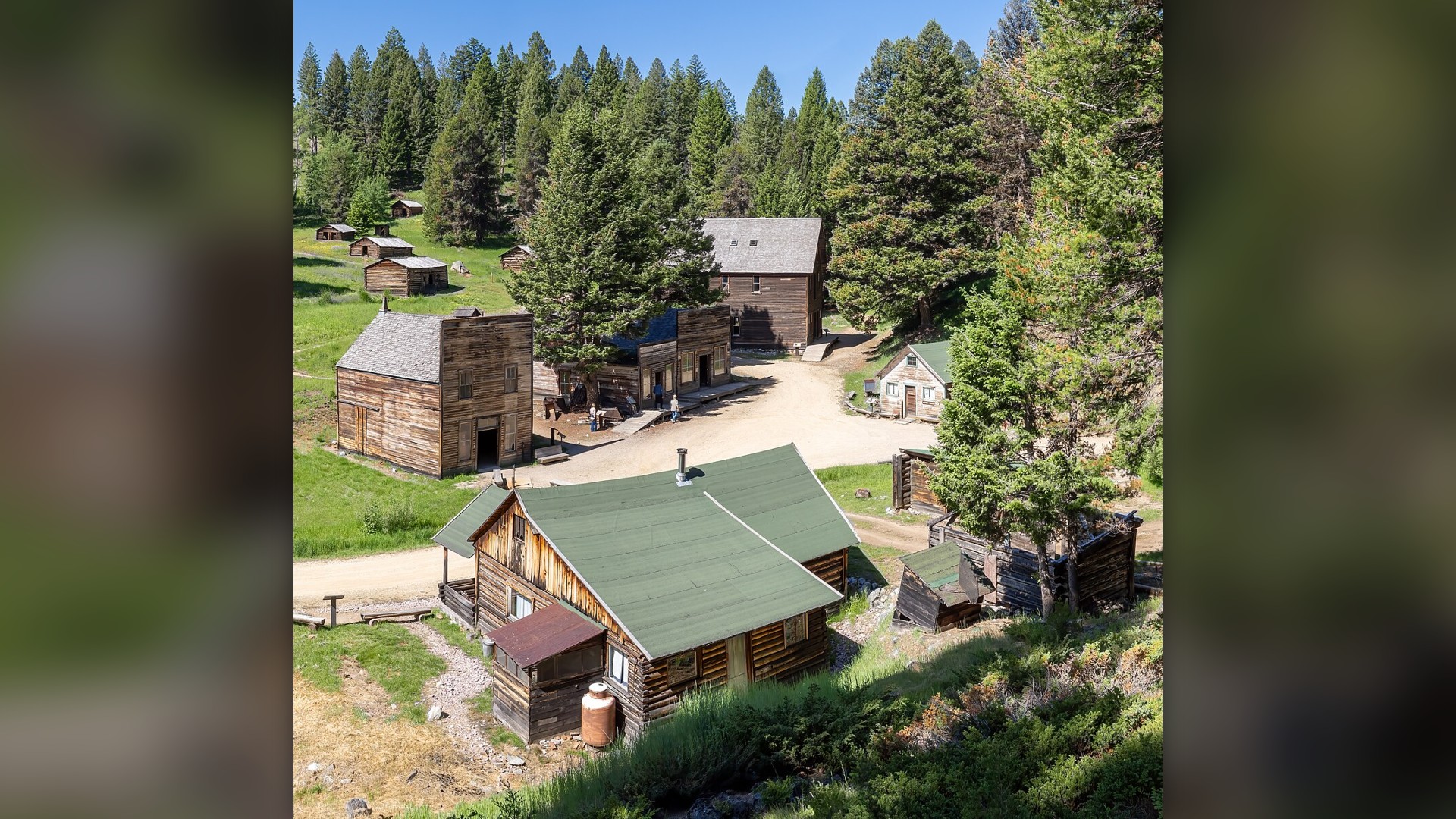
©Wikimedia / Rhododendrites
4. St. Elmo, Colorado
Sitting at ten thousand feet in Chalk Creek Canyon, this mountain mining settlement served as a vital Denver South Park railroad stop. Over forty wooden false-front buildings line the dirt main street. Pine peaks rise steeply.
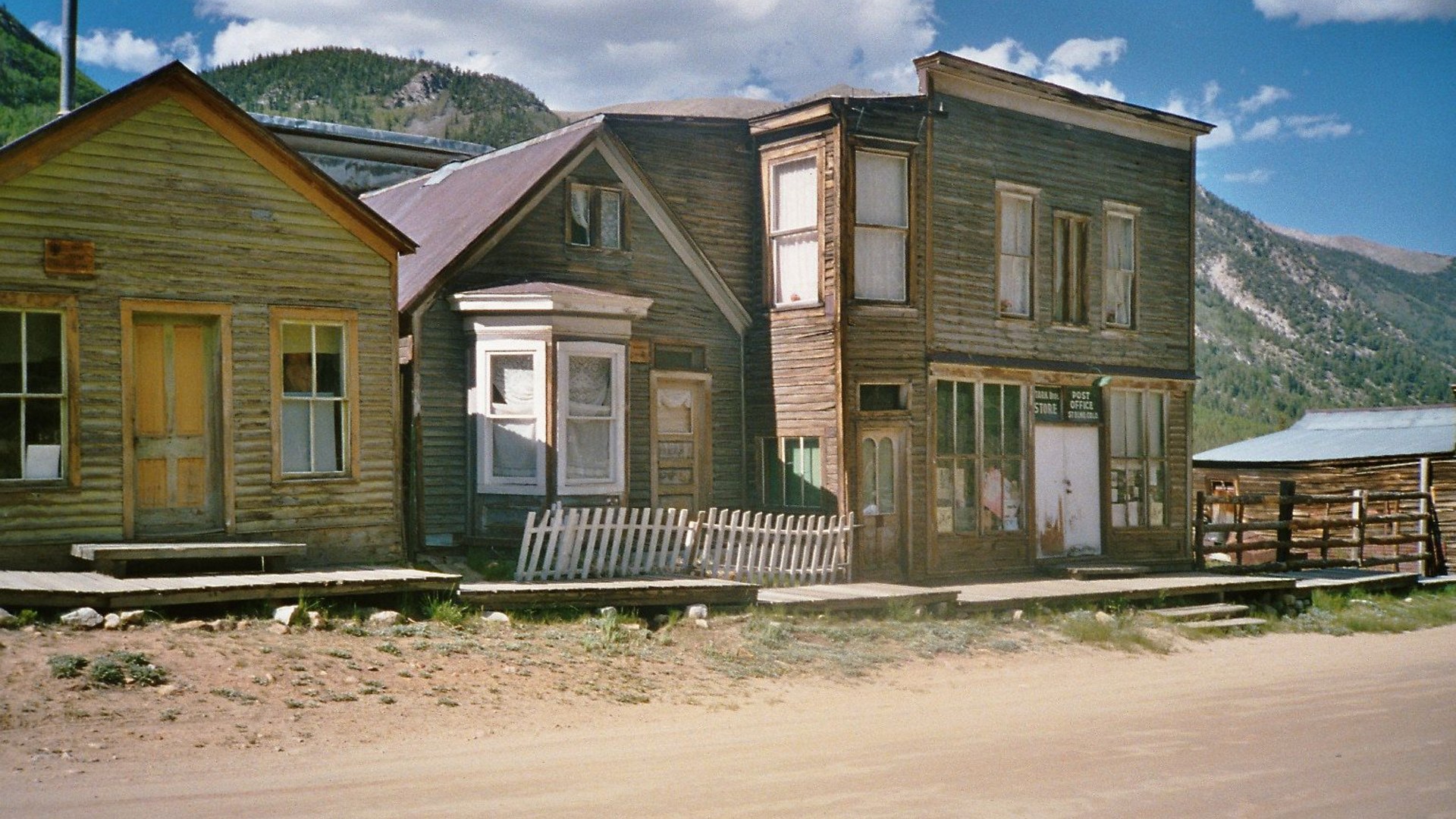
©Wikimedia / Rolf Blauert
3. Tombstone, Arizona
Ed Schieffelin prospected this silver-rich Cochise County mesa in 1877 before founding the most notorious boomtown in the American Southwest. The famous gunfight occurred near the OK Corral in 1881. Desert heat bakes boardwalks.
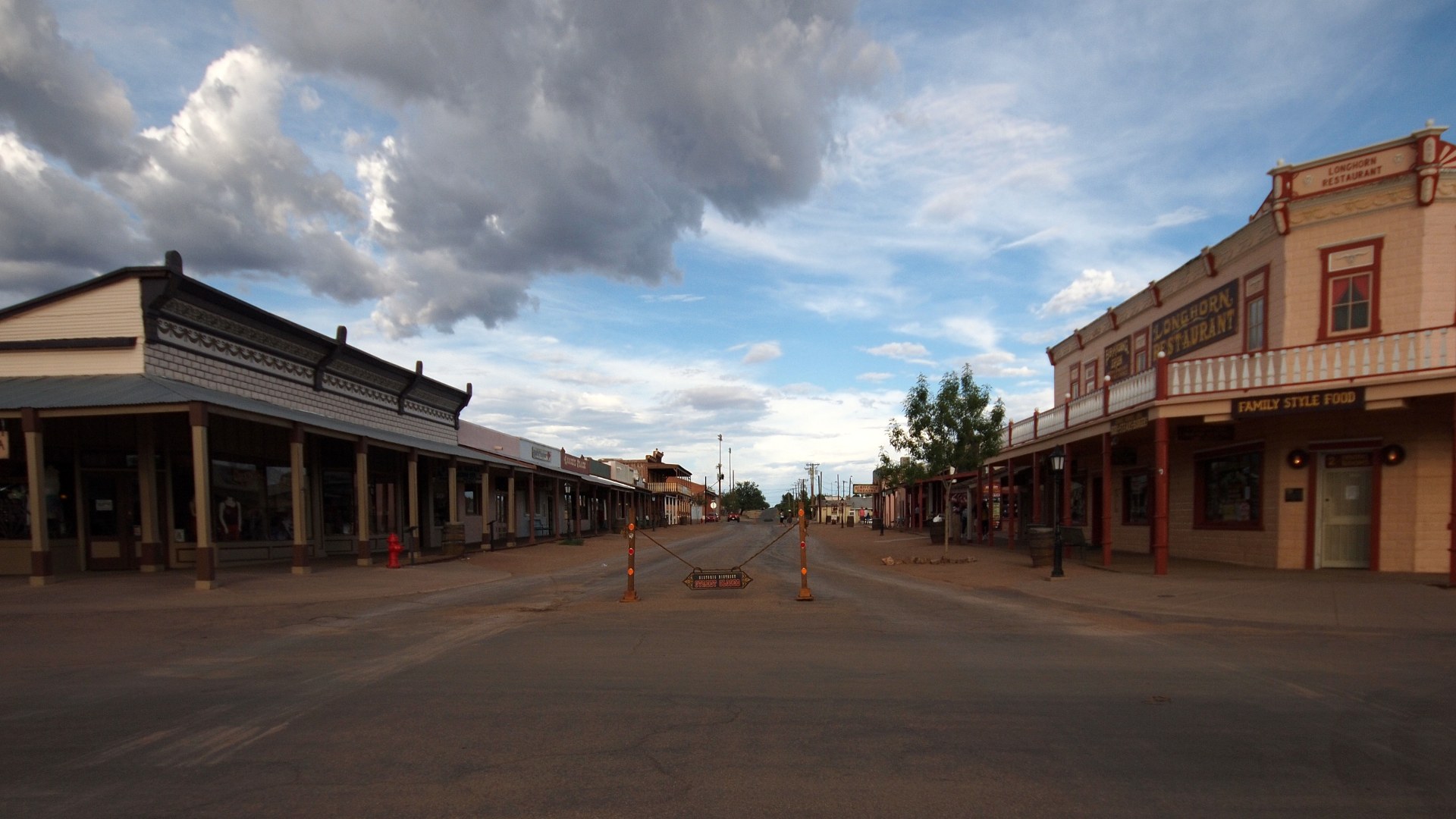
©Wikimedia / Ken Thomas
2. Bannack, Montana
John White struck gold on Grasshopper Creek in 1862, founding Montana's very first major gold camp and territorial capital. Sixty original wooden structures survive in remarkably preserved state park grounds. Vigilantes hanged outlaws here.
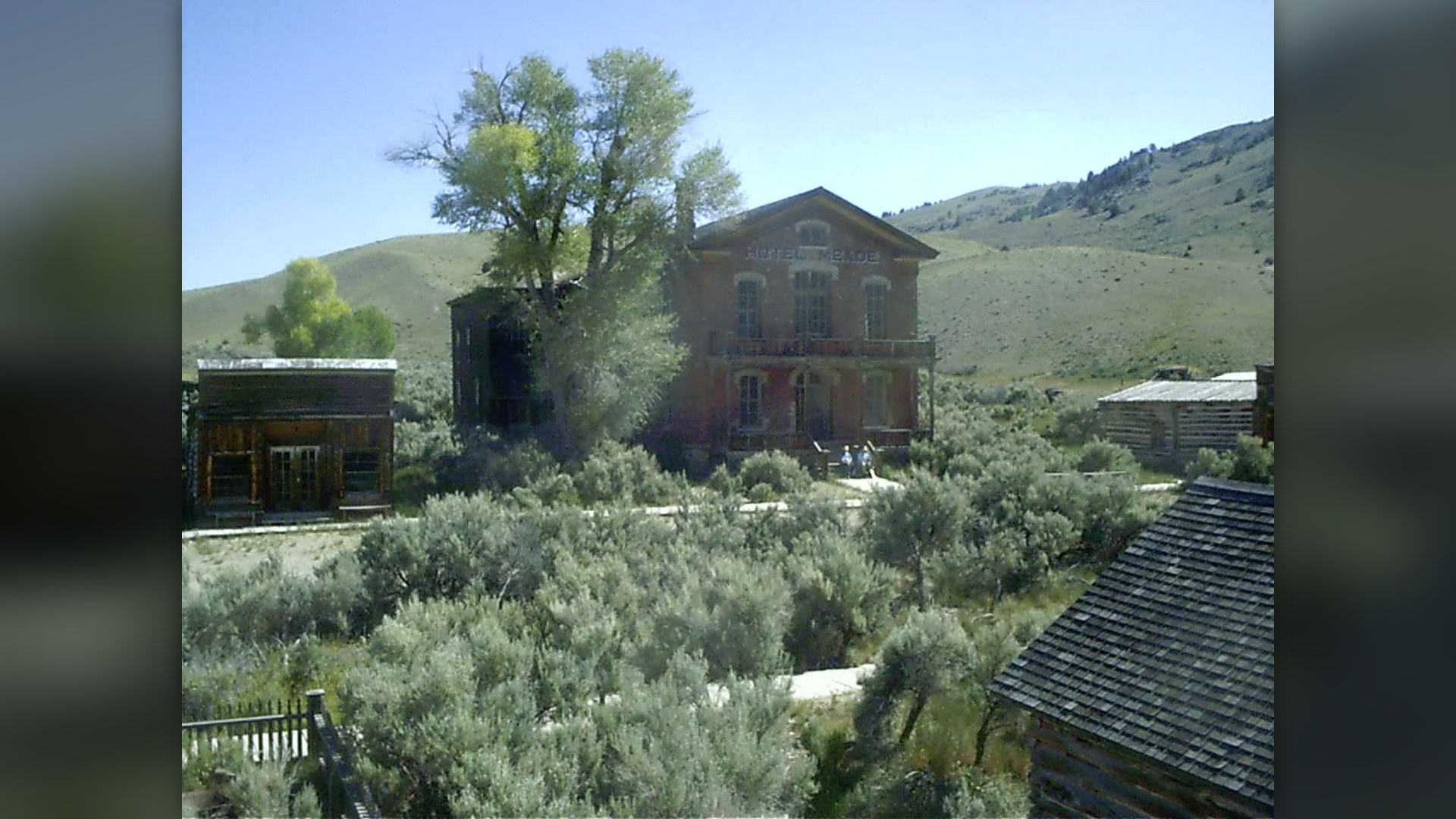
©Wikimedia / Marc Averette
Advertisement
Swipe or tap ▶ to resume the countdown.
1. Bodie, California
Rising eight thousand feet in the windswept Bodie Hills, this gold mining metropolis once had sixty-five saloons and dozens of breweries. California State Parks preserves nearly two hundred wooden buildings in arrested decay. High desert sagebrush blooms.
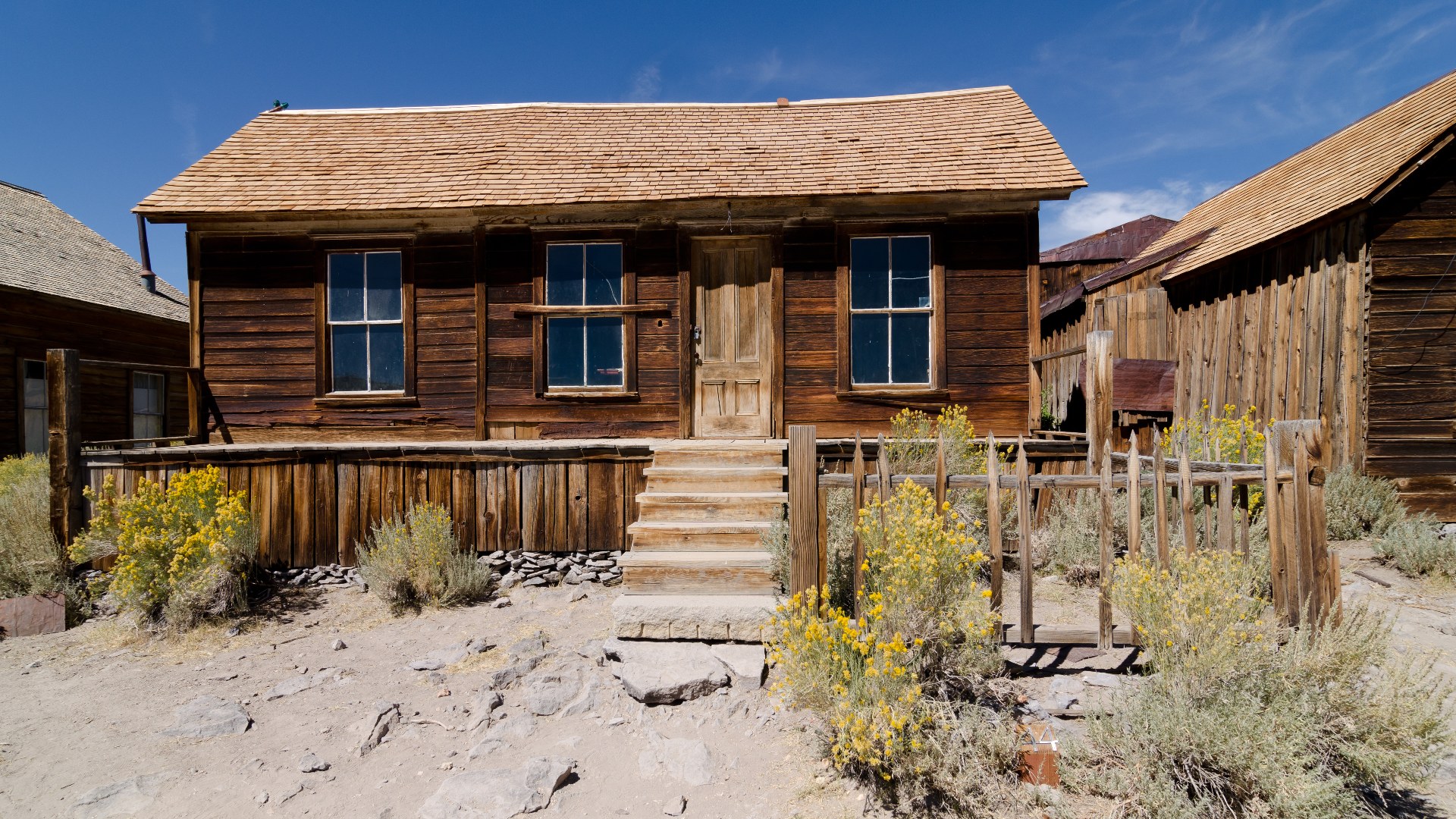
©Wikimedia / King of Hearts
Advertisement
You've reached the end of the story. Thanks for reading!

20 Ways American Families Spent Summer Vacations in the 1970s
From wood-paneled wagons to drive-ins, classic summer road trips of the 1970s.
All 20 Entries in this Story
20. Thurmond, West Virginia
Carved directly into the sheer gorge cliffs of the New River, this remote railroad town handled millions of tons of coal. A massive passenger depot remains open for visitors. Diesel trains rumble past.

19. Chloride, Arizona
Prospectors discovered rich silver chloride veins in the Cerbat Mountains in 1862, founding the oldest continuously inhabited mining town in Arizona. Original wooden false-front saloons line the unpaved streets. Desert winds blow dust.

18. Silver City, Idaho
Perched high in the rugged Owyhee Mountains, this preserved mining camp once served as the bustling seat of Owyhee County. Over seventy original wooden structures withstand severe winter snowstorms. Old mining roads climb.

17. Oatman, Arizona
Prospectors rushed to this Black Mountains canyon in 1906 after finding gold, later building a booming stop along Route 66. Descendants of miner pack burros wander the streets. Wooden boardwalks welcome travelers.

16. Elkhorn, Montana
Silver miners erected this high-altitude camp in 1872 beneath the steep pine ridges of the Elkhorn Mountains. Its elaborate Greek Revival Fraternity Hall features towering glass windows. Forests encroach upon cabins.

15. Ashcroft, Colorado
Booming silver strikes in the Castle Creek valley quickly drew two thousand residents to Ashcroft before nearby Aspen boomed. Several wooden false-front saloons still stand along the road. Aspen groves turn golden.

14. South Pass City, Wyoming
Gold discoveries at the Carissa lode brought hundreds of miners along the Oregon Trail in 1867 to build South Pass City. Wyoming legislators granted women the right to vote here. Sagebrush plains stretch outward.

13. Shaniko, Oregon
Built as the southern terminus of the Columbia Southern Railway, this high-desert town once shipped millions of pounds of sheep wool. A massive brick hotel and wooden water tower survive. Grain silos stand silent.

12. Terlingua, Texas
Miners extracted thousands of flasks of cinnabar mercury from the Chihuahuan Desert near Big Bend before operations shuttered in 1942. The stone ruins of company houses dot the hillside. Chisos Mountain crags tower.

11. Grafton, Utah
Mormon pioneer families settled along the Virgin River in 1859 to establish agricultural homesteads beneath soaring sandstone canyon walls. Severe flooding and conflict forced residents to abandon the settlement. Sandstone mesas rise overhead.

10. Jerome, Arizona
Clinging precariously to the steep slopes of Cleopatra Hill, this copper capital produced billions of pounds of copper before closing. Dozens of historic Victorian buildings survive along switchback roads. Verde Valley spreads below.

9. Goldfield, Nevada
Following massive gold discoveries in 1902, Goldfield exploded into Nevada's largest boomtown with elaborate four-story stone hotels and exchanges. Disastrous fires and flash floods later gutted the municipality. Stone foundations mark lots.

8. Rhyolite, Nevada
Springing up overnight in the Amargosa Desert in 1904, this town featured electric streetlights, opera houses, and concrete banks. The Cook Bank building remains a roofless concrete shell. Mojave sands sweep ruins.

7. Kennecott, Alaska
Located inside Wrangell-St. Elias National Park, this red-painted company town processed more than two hundred million dollars in copper. The fourteen-story wooden concentration mill climbs the mountainside. Root Glacier grinds past.

6. Calico, California
Founded in the Calico Mountains in 1881, this Mojave Desert camp yielded millions of dollars in silver from five hundred mines. Knott's Berry Farm founder Walter Knott restored the town. Desert canyons glow red.

5. Garnet, Montana
Tucked away in the Garnet Range at six thousand feet elevation, this gold camp boasted several saloons, hotels, and stores. The Bureau of Land Management protects dozens of wooden cabins. Evergreen forests shelter valley.

4. St. Elmo, Colorado
Sitting at ten thousand feet in Chalk Creek Canyon, this mountain mining settlement served as a vital Denver South Park railroad stop. Over forty wooden false-front buildings line the dirt main street. Pine peaks rise steeply.

3. Tombstone, Arizona
Ed Schieffelin prospected this silver-rich Cochise County mesa in 1877 before founding the most notorious boomtown in the American Southwest. The famous gunfight occurred near the OK Corral in 1881. Desert heat bakes boardwalks.

2. Bannack, Montana
John White struck gold on Grasshopper Creek in 1862, founding Montana's very first major gold camp and territorial capital. Sixty original wooden structures survive in remarkably preserved state park grounds. Vigilantes hanged outlaws here.

1. Bodie, California
Rising eight thousand feet in the windswept Bodie Hills, this gold mining metropolis once had sixty-five saloons and dozens of breweries. California State Parks preserves nearly two hundred wooden buildings in arrested decay. High desert sagebrush blooms.