Slideshow · Viral
20 Historic Railway Stations and Grand Terminals Across America
Chronicled by the National Register of Historic Places, these 20 monumental train stations and Beaux-Arts terminals powered the growth of American cities. From soaring Beaux-Arts concourses to cathedral-like waiting rooms, grand passenger depots served as civic gateways.
By Most Viral Today
1 hour ago

These 20 passenger terminals defined the golden age of American rail 
20. Nashville Union Station 
19. Utica Union Station 
18. Portland Union Station - AdvertisementSwipe or tap ▶ to continue countdown

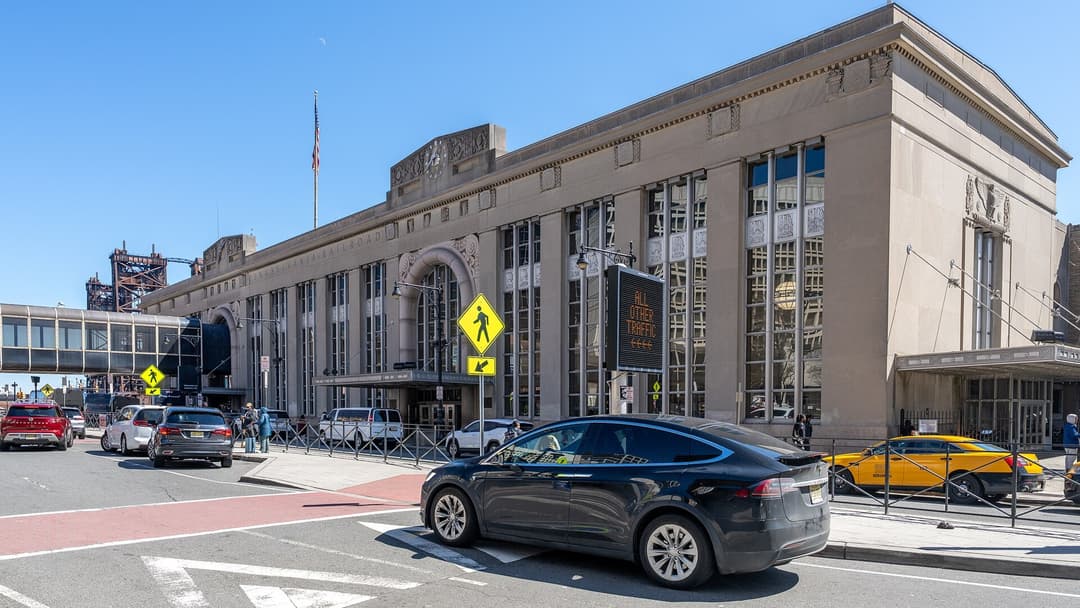
17. Newark Penn Station 
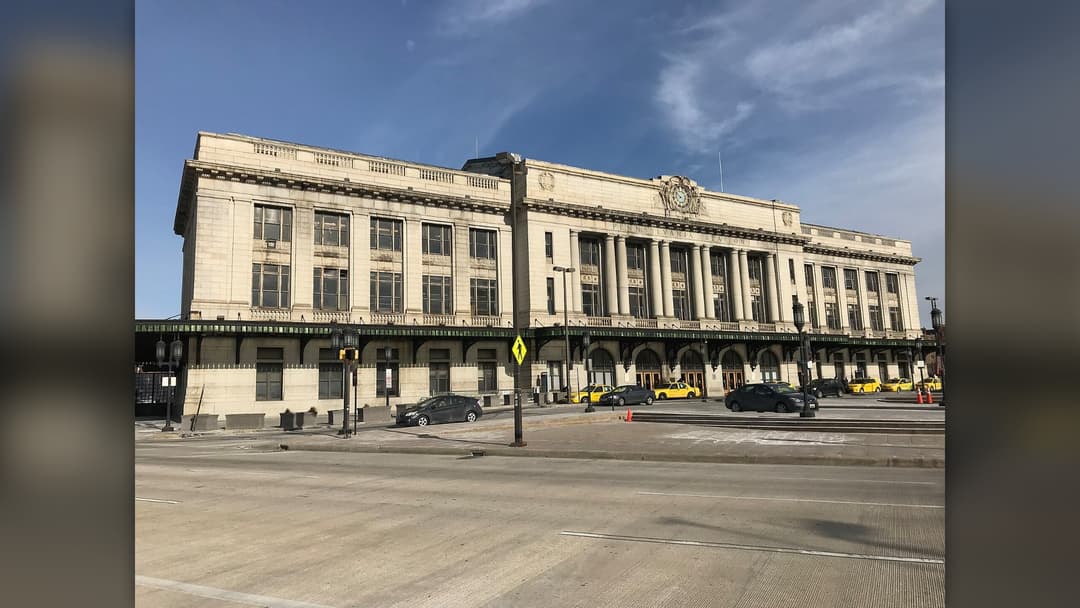
16. Baltimore Penn Station 
15. Richmond Main Street Station 
14. Indianapolis Union Station - AdvertisementSwipe or tap ▶ to continue countdown

13. Hoboken Terminal 
12. Michigan Central Station 
11. King Street Station 
10. South Station Boston - AdvertisementSwipe or tap ▶ to continue countdown

9. St. Louis Union Station 
8. Kansas City Union Station 
7. Denver Union Station 
6. Los Angeles Union Station - AdvertisementSwipe or tap ▶ to continue countdown

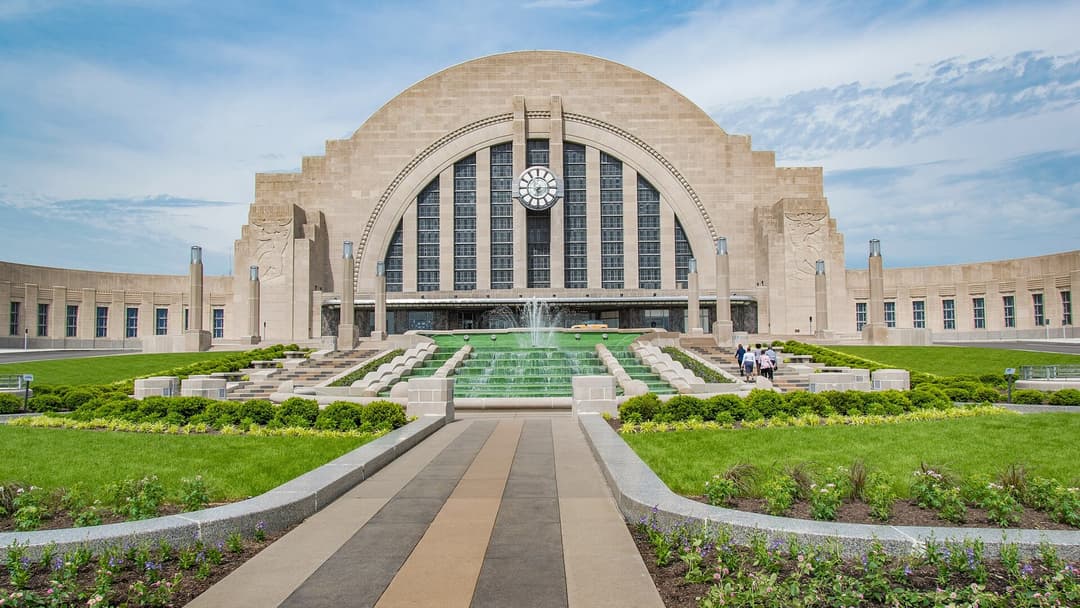
5. Cincinnati Union Terminal 
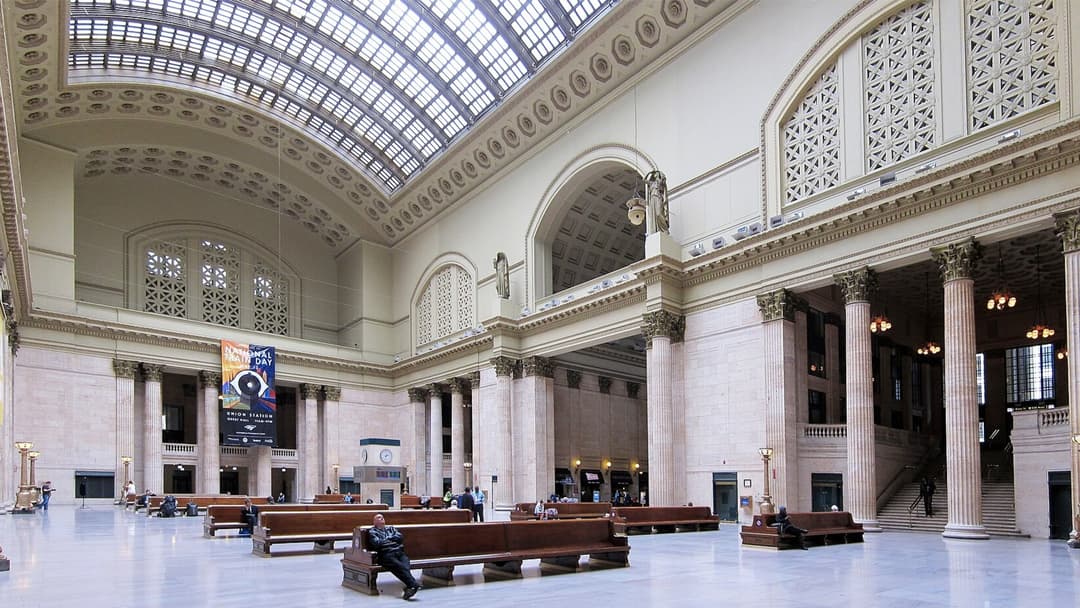
4. Chicago Union Station 
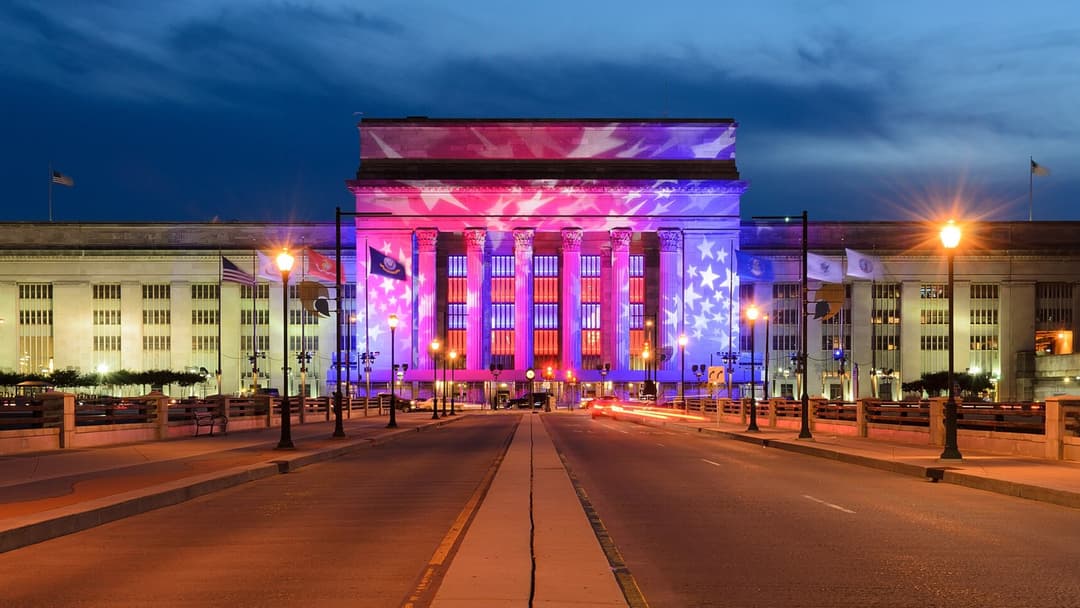
3. 30th Street Station Philadelphia 
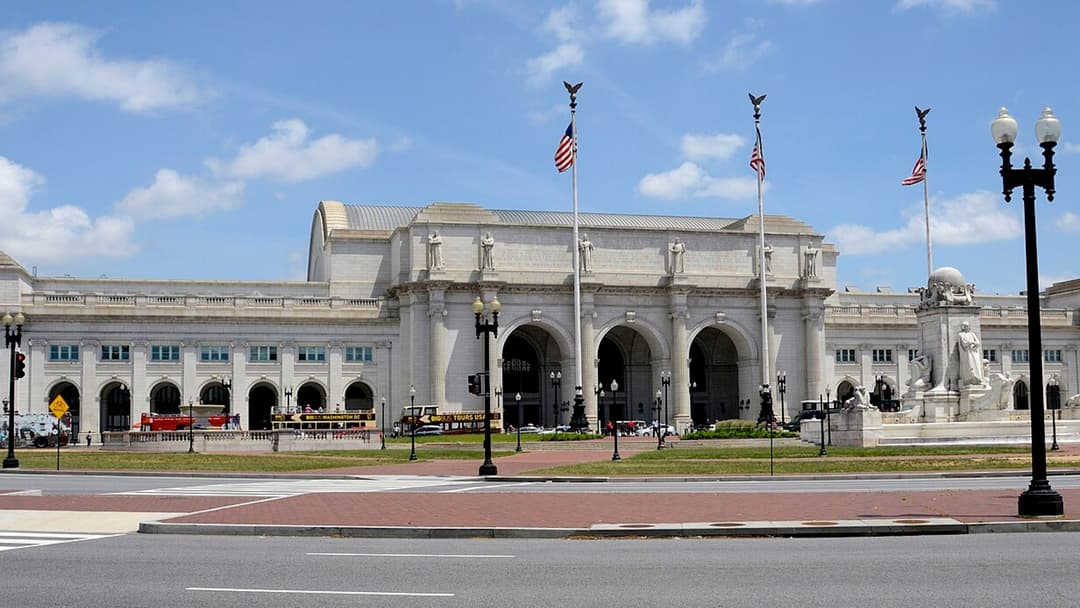
2. Washington Union Station - AdvertisementSwipe or tap ▶ to continue countdown

1. Grand Central Terminal - Advertisement🔥 UP NEXT IN THIS SERIES◫ 21 Slides

20 Traditions and Rules of Religious Life for Nuns and Priests
American Catholic priests and consecrated sisters navigate a dual existence shaped by ancient canon law and strict American civil standards. Across twenty distinct statutes, clergy manage lifelong vows of poverty and celibacy alongside mandatory background checks, digital boundaries, and complete financial audits.
From soaring Beaux-Arts concourses to cathedral-like waiting rooms, grand passenger depots served as civic gateways. Chronicled by the National Register of Historic Places, here are 20 historic American railway terminals.
Swipe or tap ▶ to begin the countdown
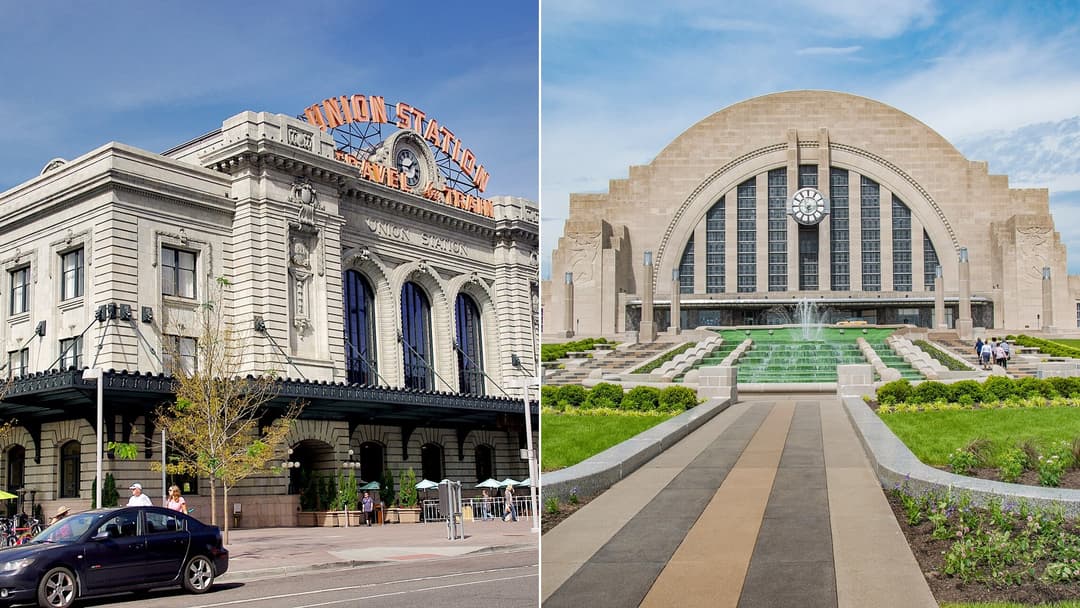
©Wikimedia / Jan Helebrant & Cincinnati Union Terminal
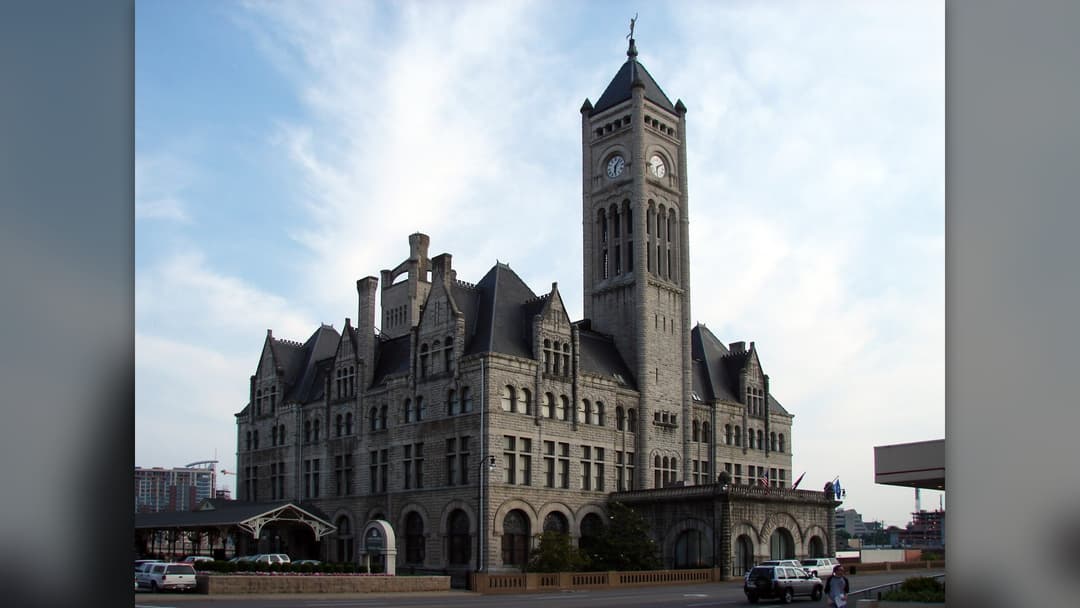
20. Nashville Union Station
It opened in 1900. Built from Bowling Green limestone, its facade features heavy arches and a 220-foot clock tower. The barrel-vaulted ceiling holds stained-glass medallions. It now operates as a hotel.
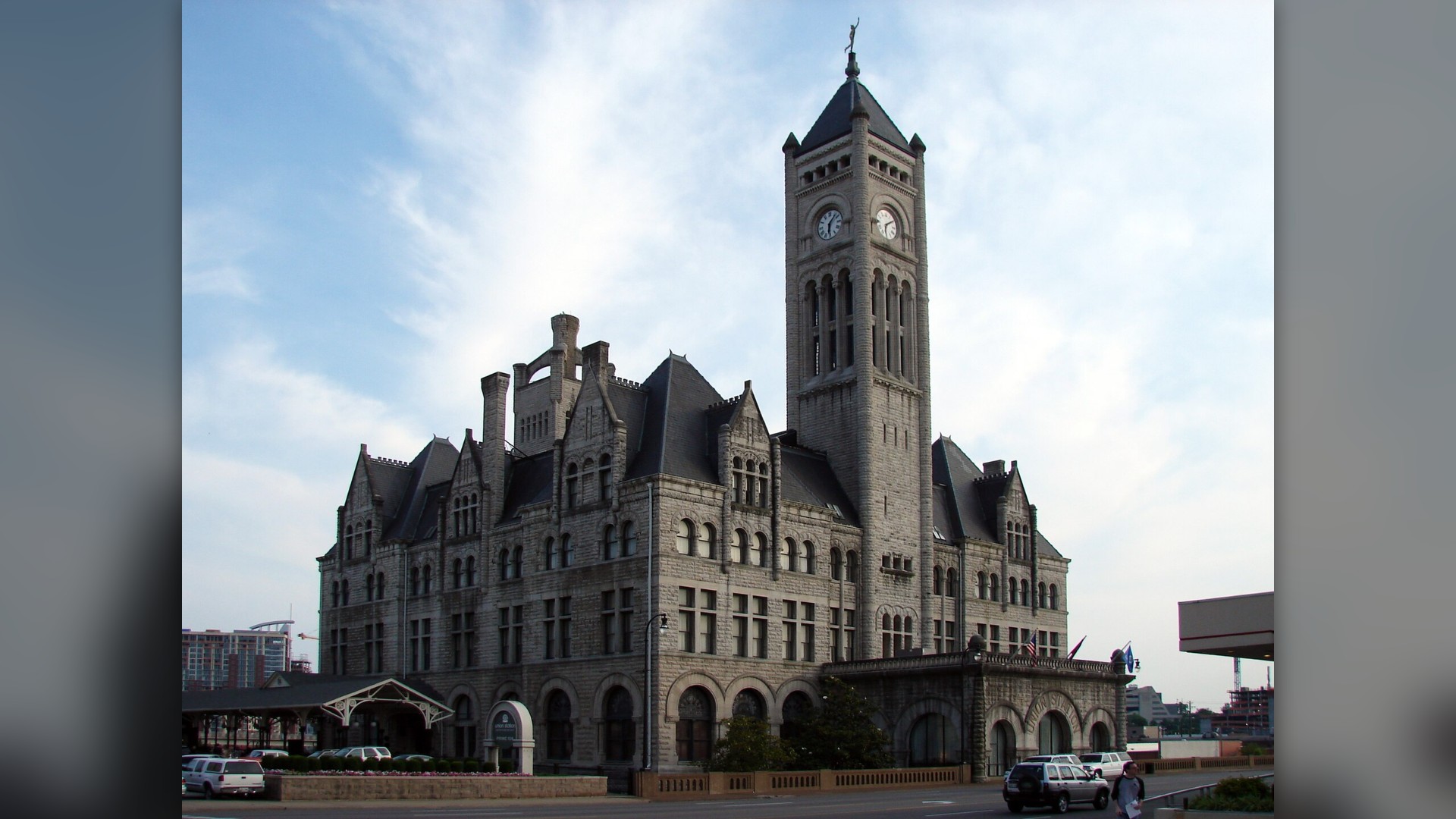
©Wikimedia / Union Station (Nashville)
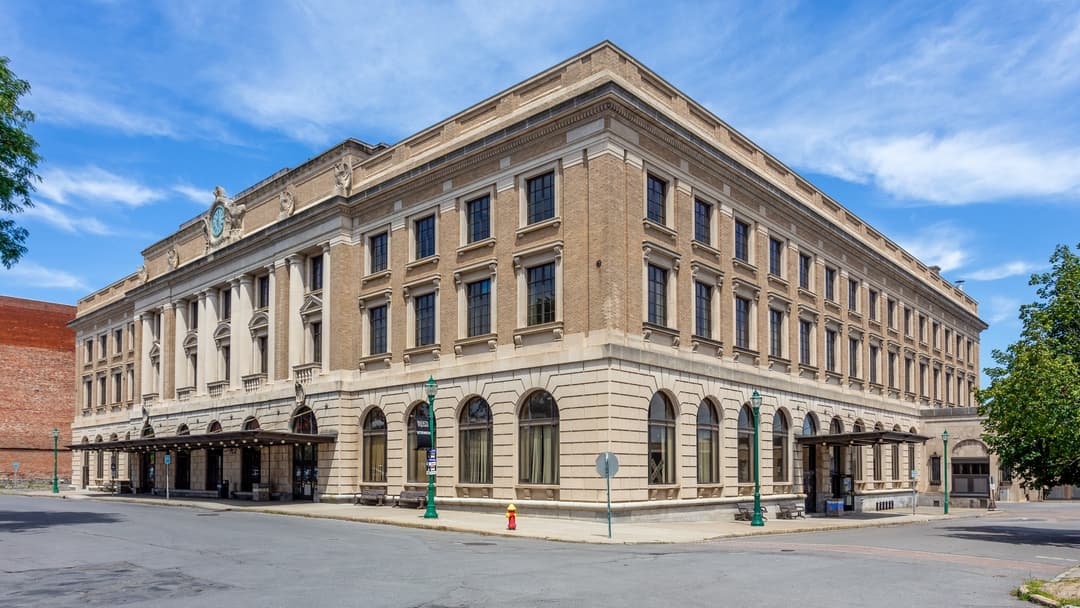
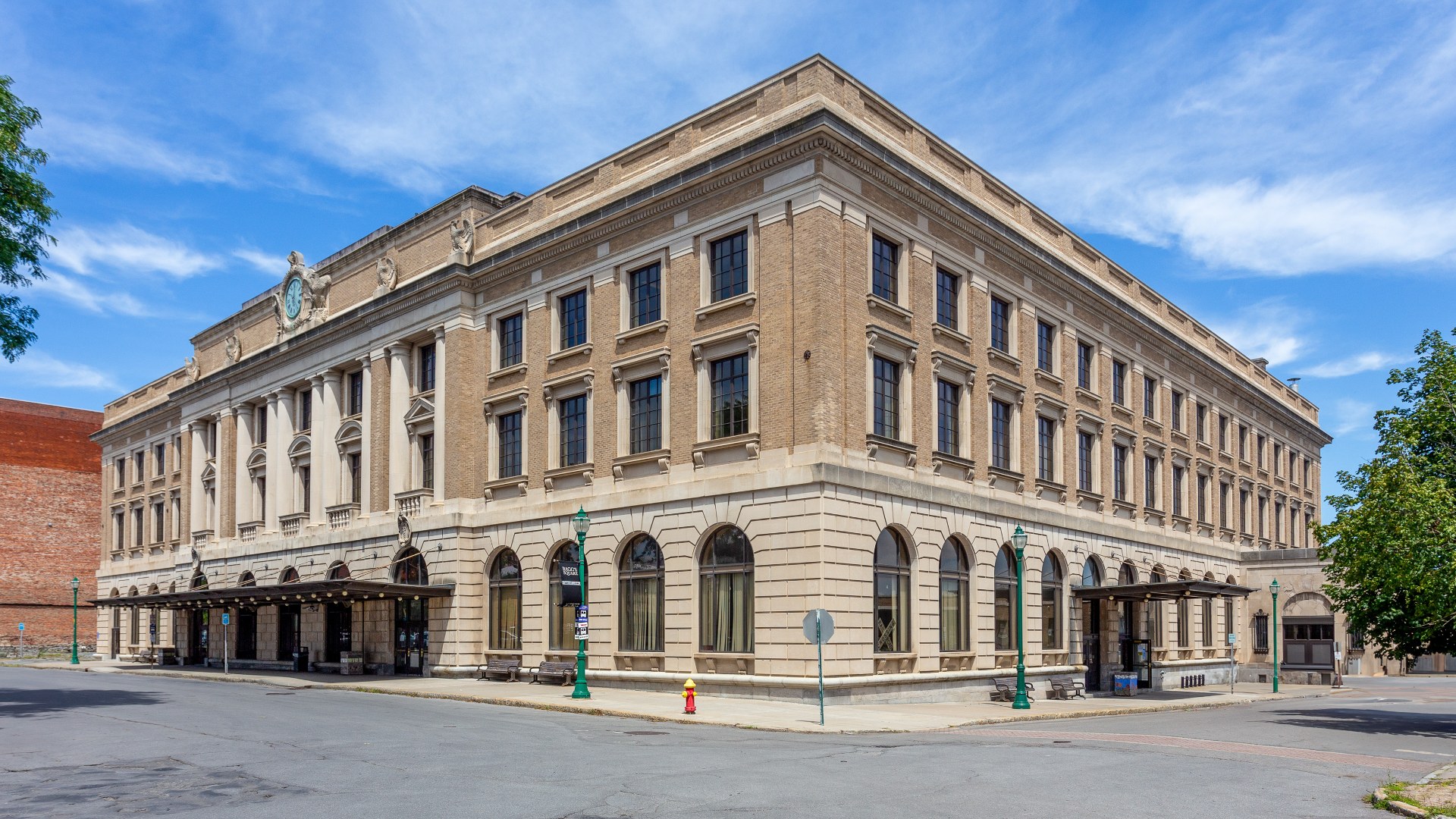
19. Utica Union Station
It was completed in 1914. Serving New York Central trains, its waiting room holds thirty-four grey marble columns salvaged from Grand Central. The Italianate depot still serves Amtrak riders.
©Wikimedia / Kenneth C. Zirkel
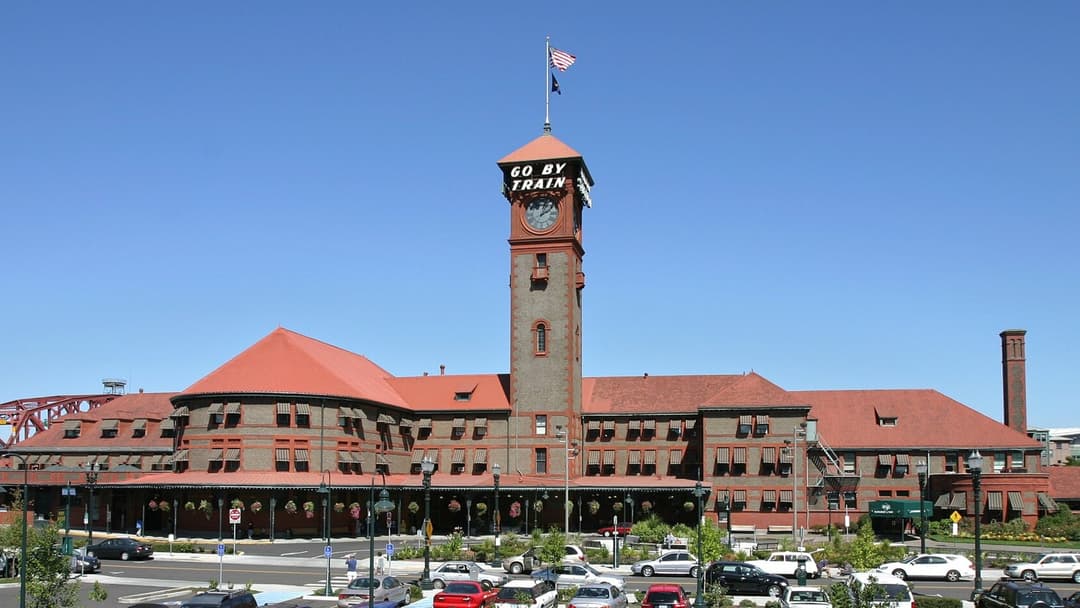
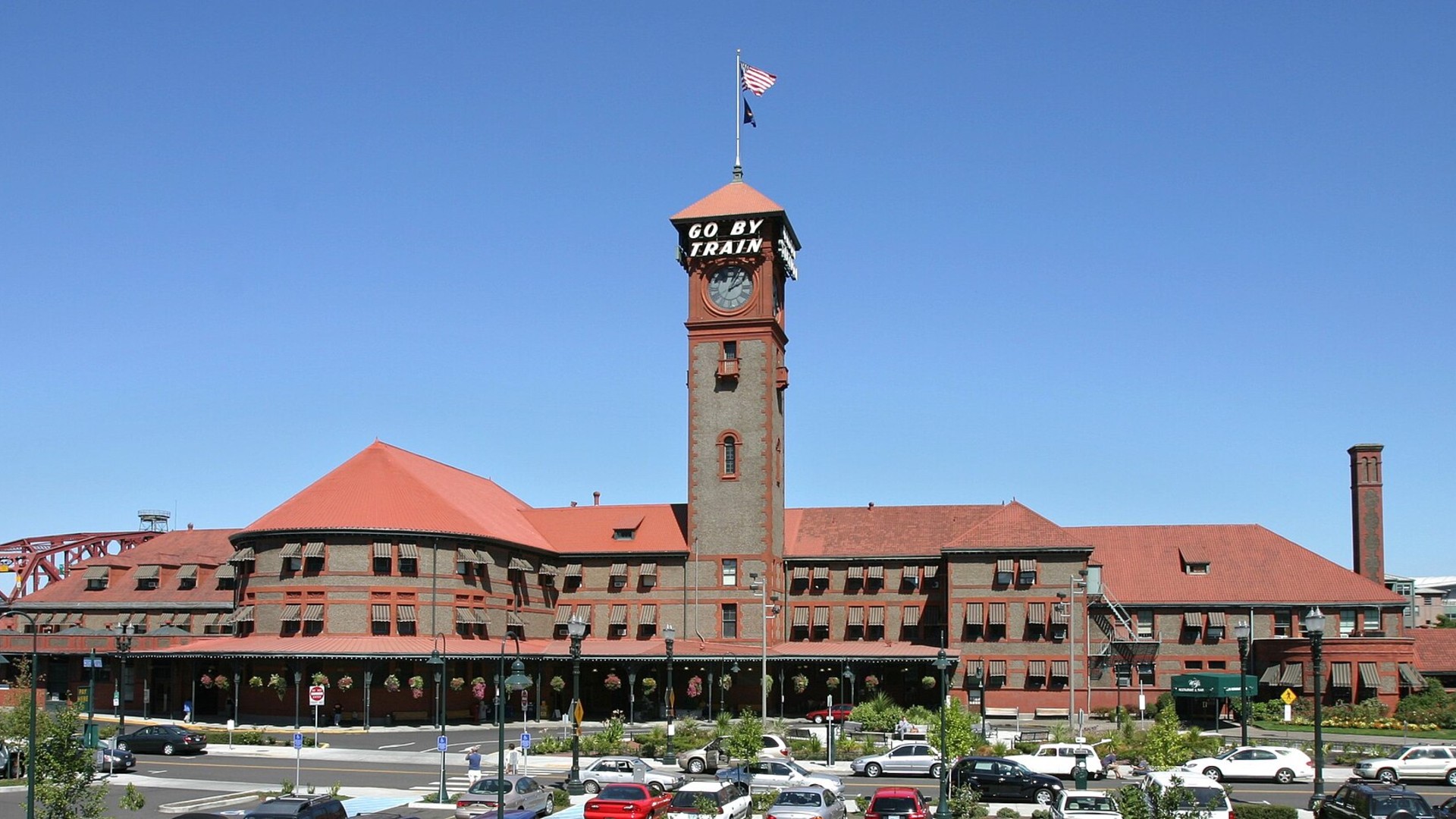
18. Portland Union Station
It opened in 1896. Crowned by a 150-foot brick clock tower, the terminal welcomed transcontinental travelers to Oregon. Its famous Go by Train neon sign was added in the 1940s. Amtrak stops daily.
©Wikimedia / Portland Union Station
Advertisement
Swipe or tap ▶ to resume the countdown.
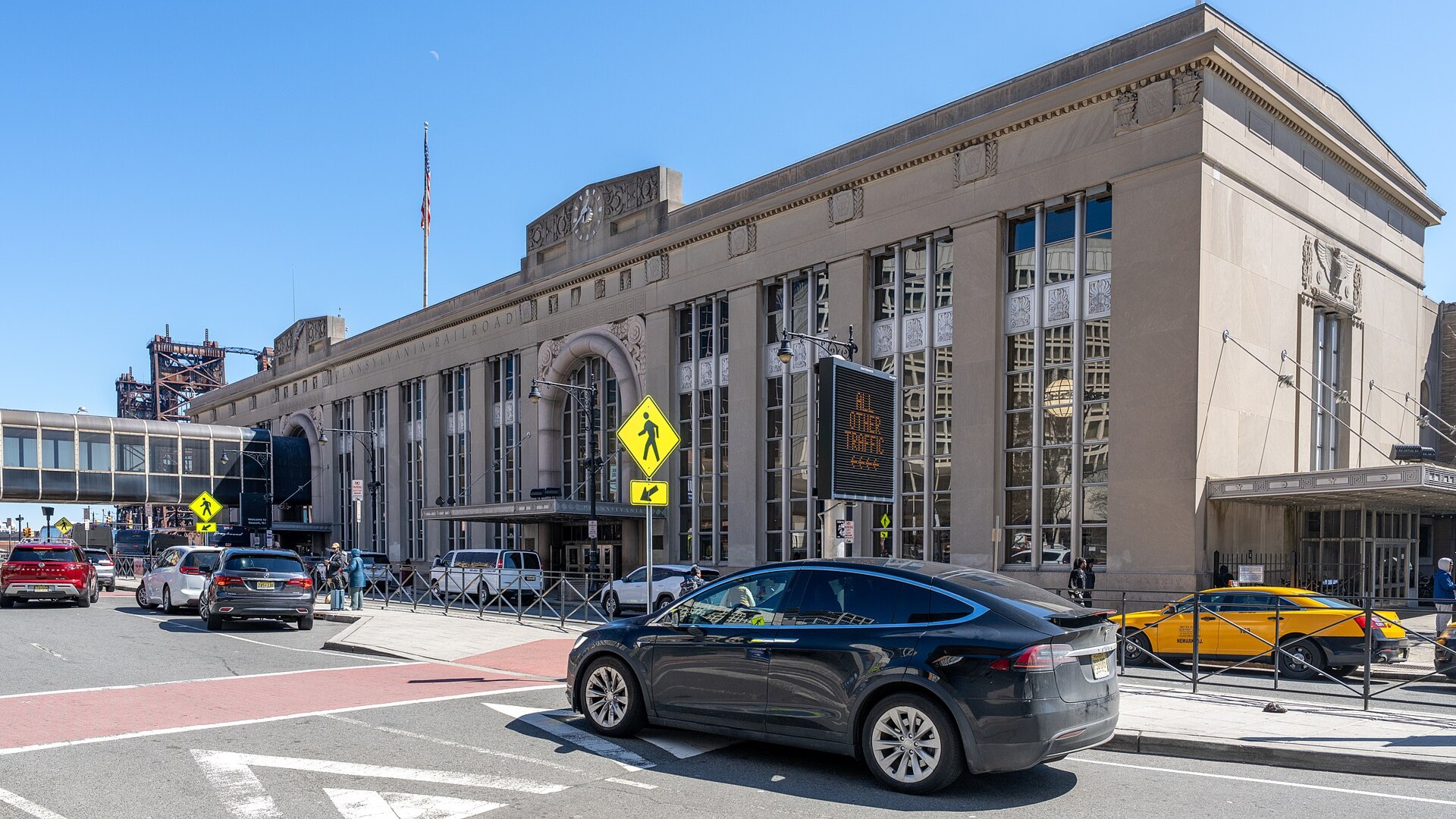
17. Newark Penn Station
It opened in 1935. Designed by McKim, Mead and White, its limestone waiting room features terrazzo floors and bronze plaques. It ranks among the busiest hubs in the Northeast Corridor.
©Wikimedia / Newark Penn Station
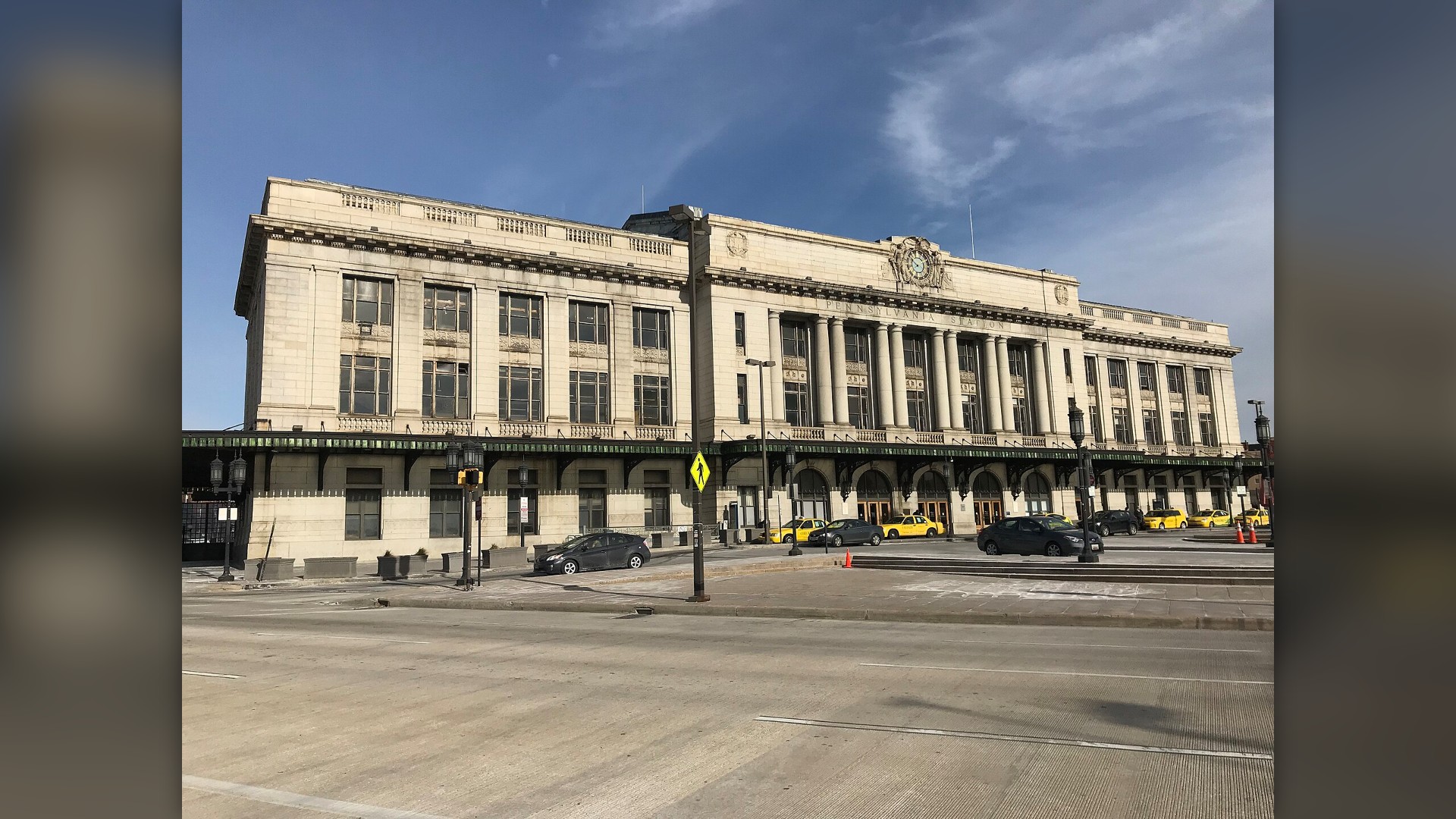
16. Baltimore Penn Station
It was completed in 1911. Designed by architect Kenneth Murchison, the Beaux-Arts depot sits on an island between sunken tracks. Its central waiting room displays leaded glass skylights.
©Wikimedia / Baltimore Penn Station
15. Richmond Main Street Station
It opened in 1901. Its ornate clock tower and clay-tiled mansard roof dominate the Shockoe Bottom district of Richmond. The terminal survived devastating river floods and decades of closure before an extensive 2003 restoration revived passenger rail service.
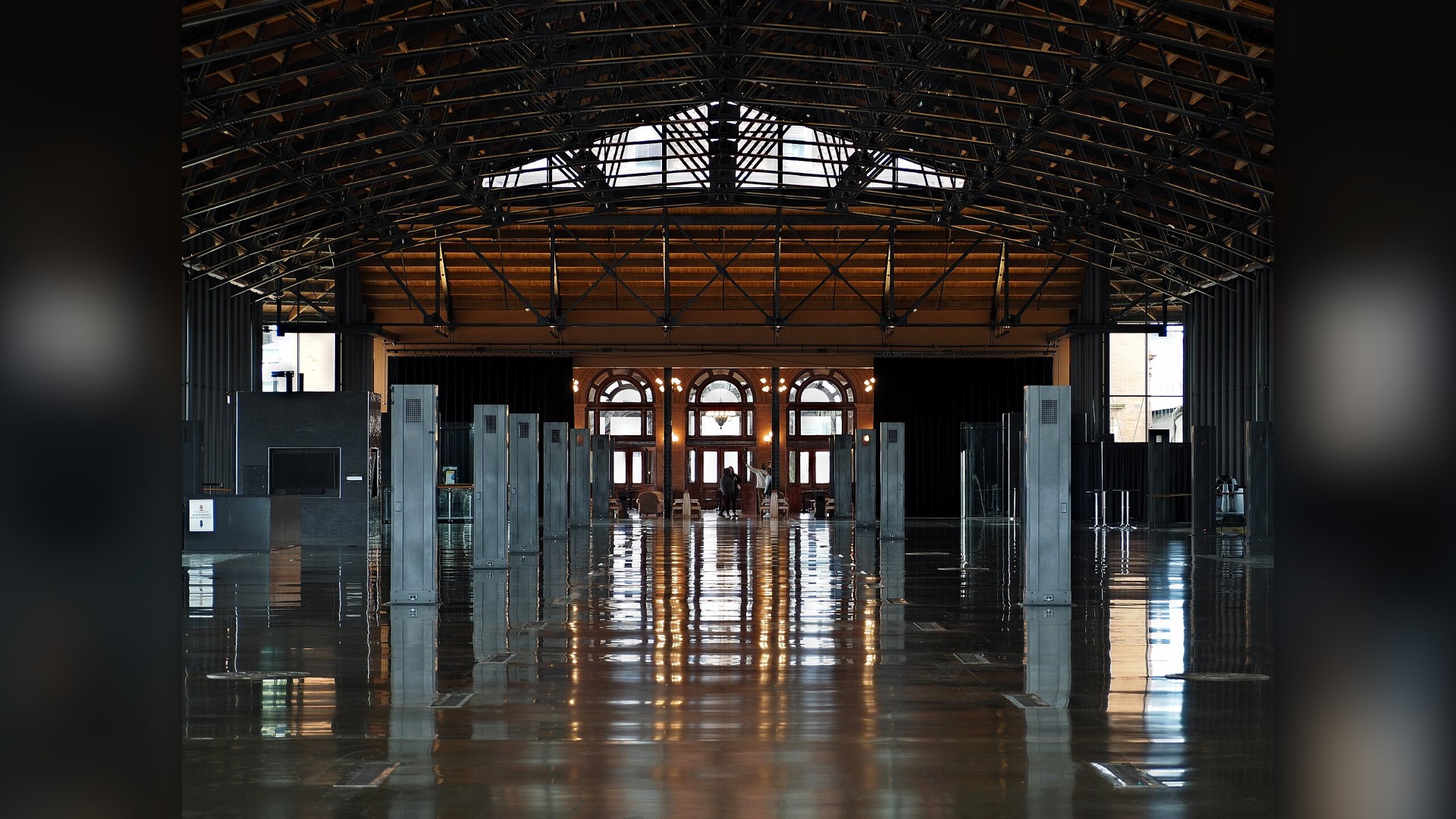
©Wikimedia / Adamiglehart
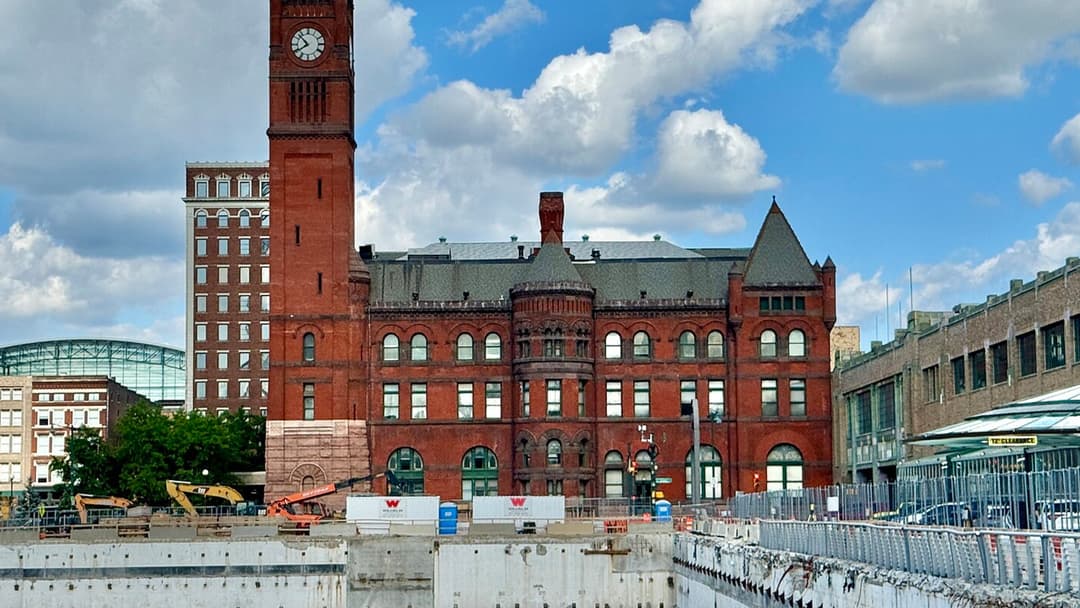
14. Indianapolis Union Station
It was built in 1888. The Romanesque Revival depot replaced America's first union depot from 1853, which originally consolidated five competing railway lines. Its 185-foot clock tower and massive rose window anchored Midwest passenger rail travel.
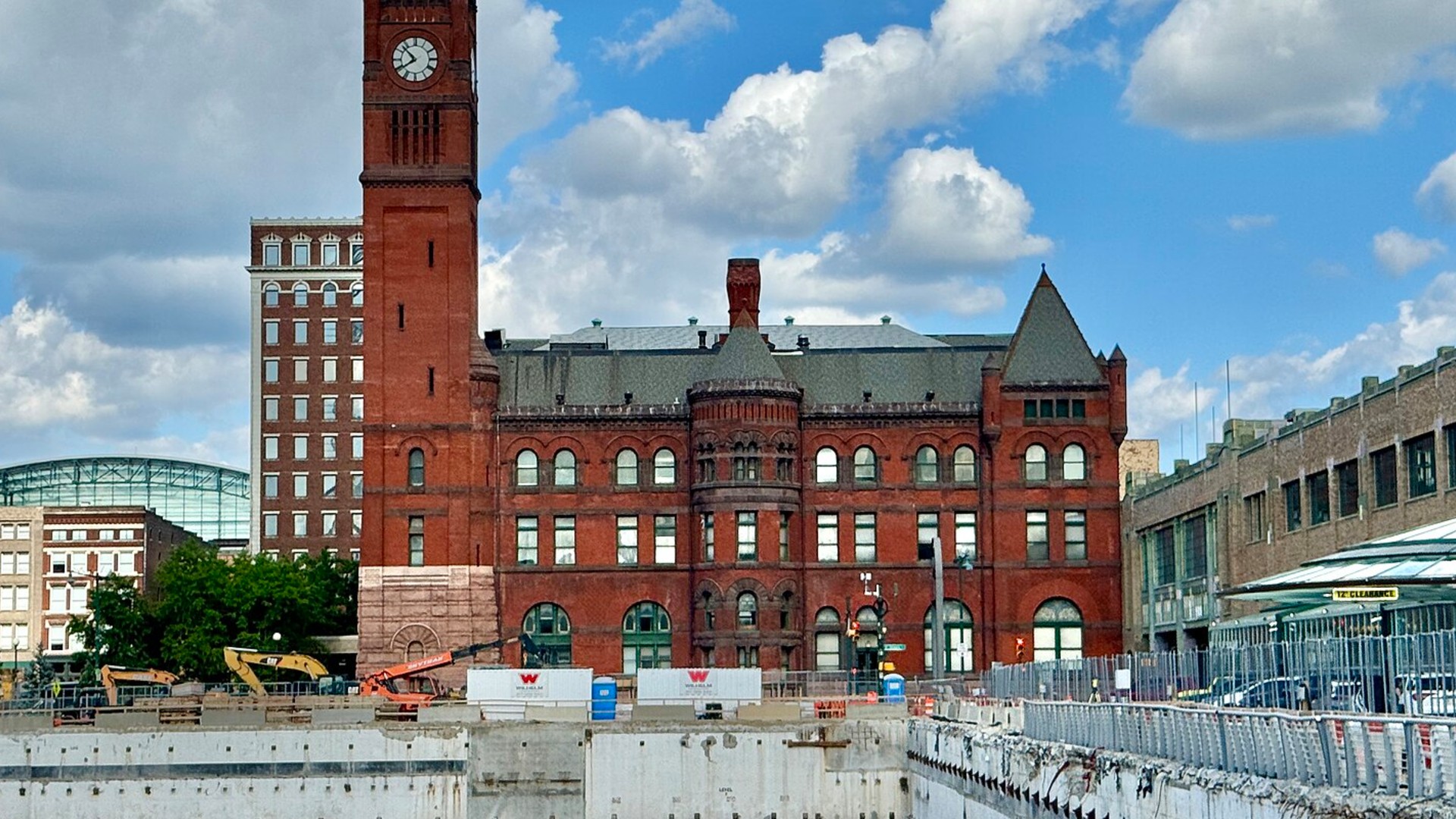
©Wikimedia / w_lemay
Advertisement
Swipe or tap ▶ to resume the countdown.
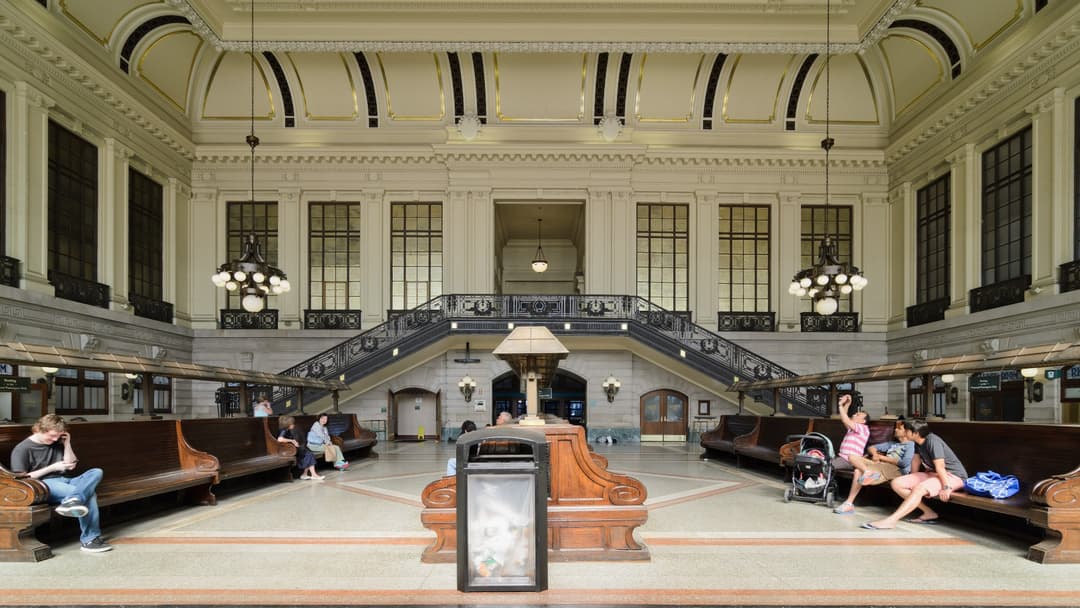
13. Hoboken Terminal
It opened in 1907. Built by the Delaware, Lackawanna and Western Railroad, its limestone and copper exterior survived over a century of marine exposure. The grand waiting room features Tiffany stained glass and original Greek Revival oak benches.
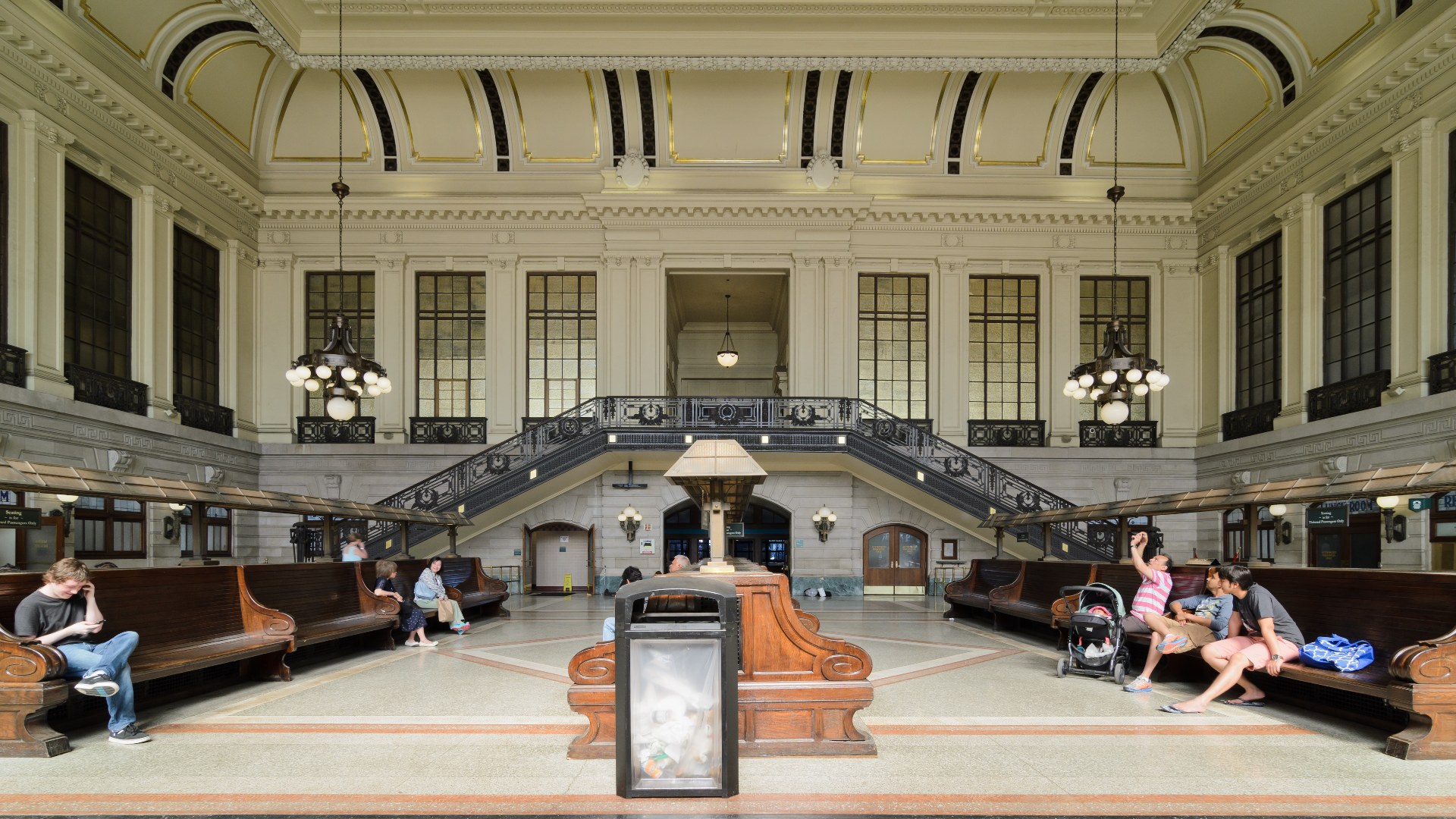
©Wikimedia / King of Hearts
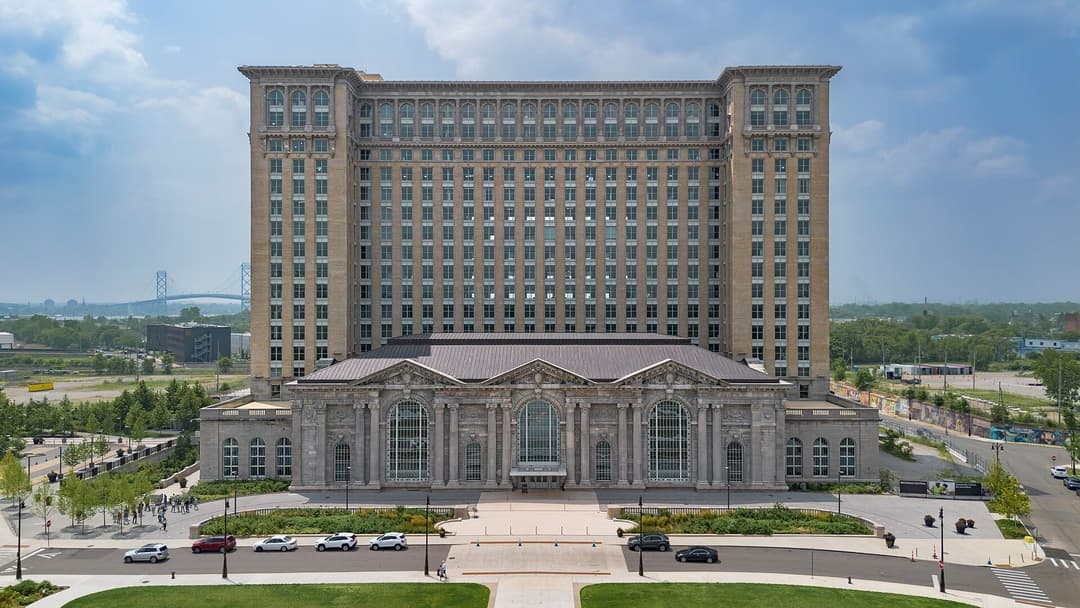
12. Michigan Central Station
It opened in 1913. Designed by the architects of Grand Central Terminal, its monumental waiting hall features Guastavino vaulted ceilings and giant Doric columns. Following decades of vacancy, a comprehensive six-year restoration restored the depot in 2024.
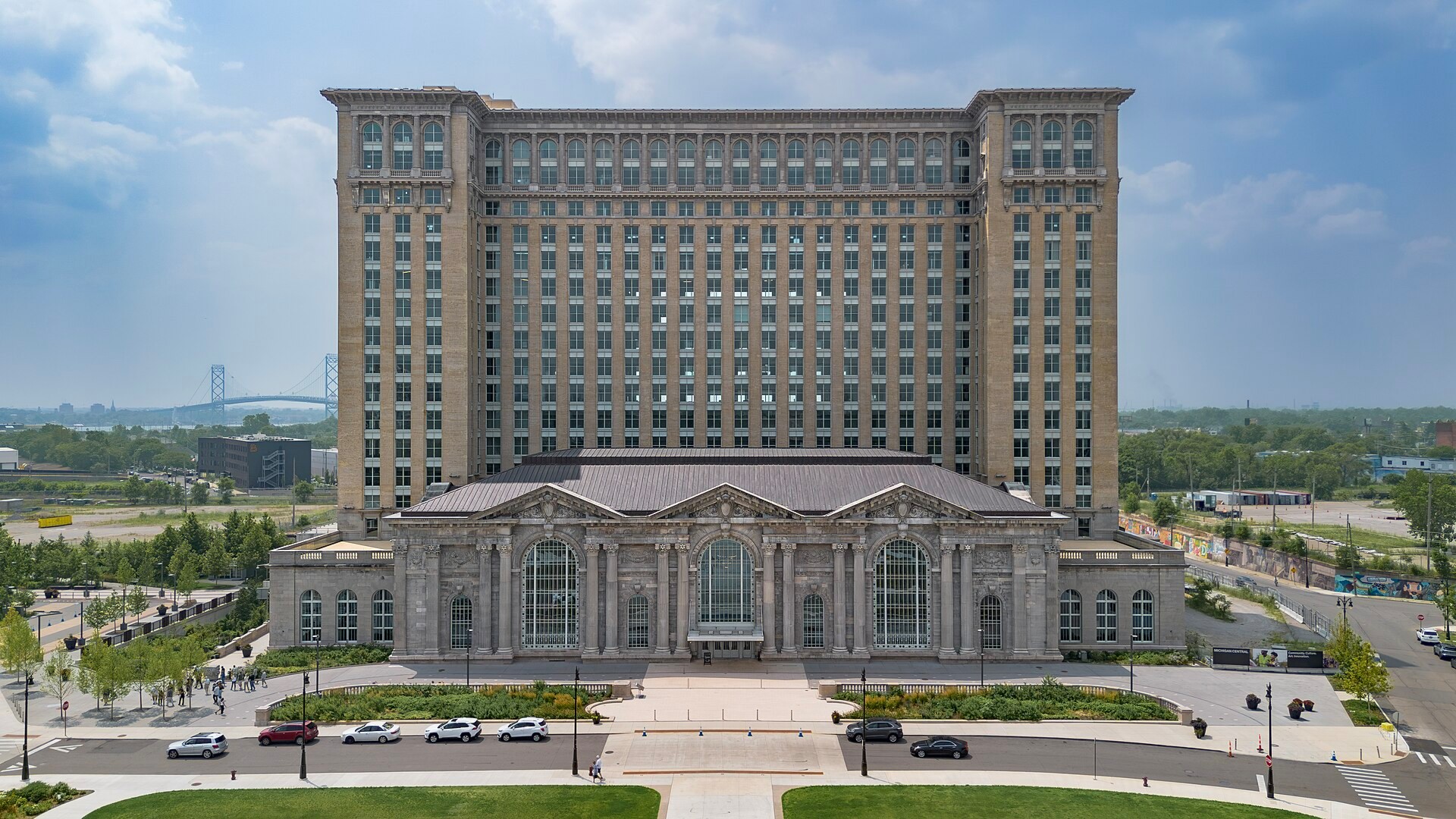
©Wikimedia / Michigan Central Station
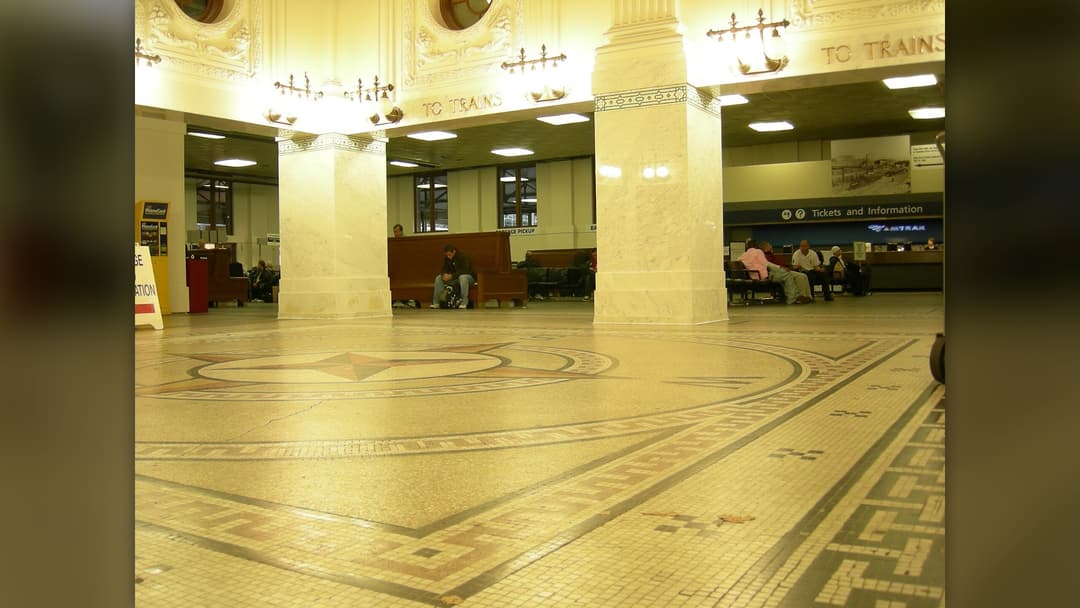
11. King Street Station
It was completed in 1906. Its 242-foot clock tower was the tallest structure in Seattle until 1914, welcoming thousands of travelers during the Alaska-Yukon-Pacific Exposition. A major restoration removed false ceilings to reveal original ornate plasterwork.
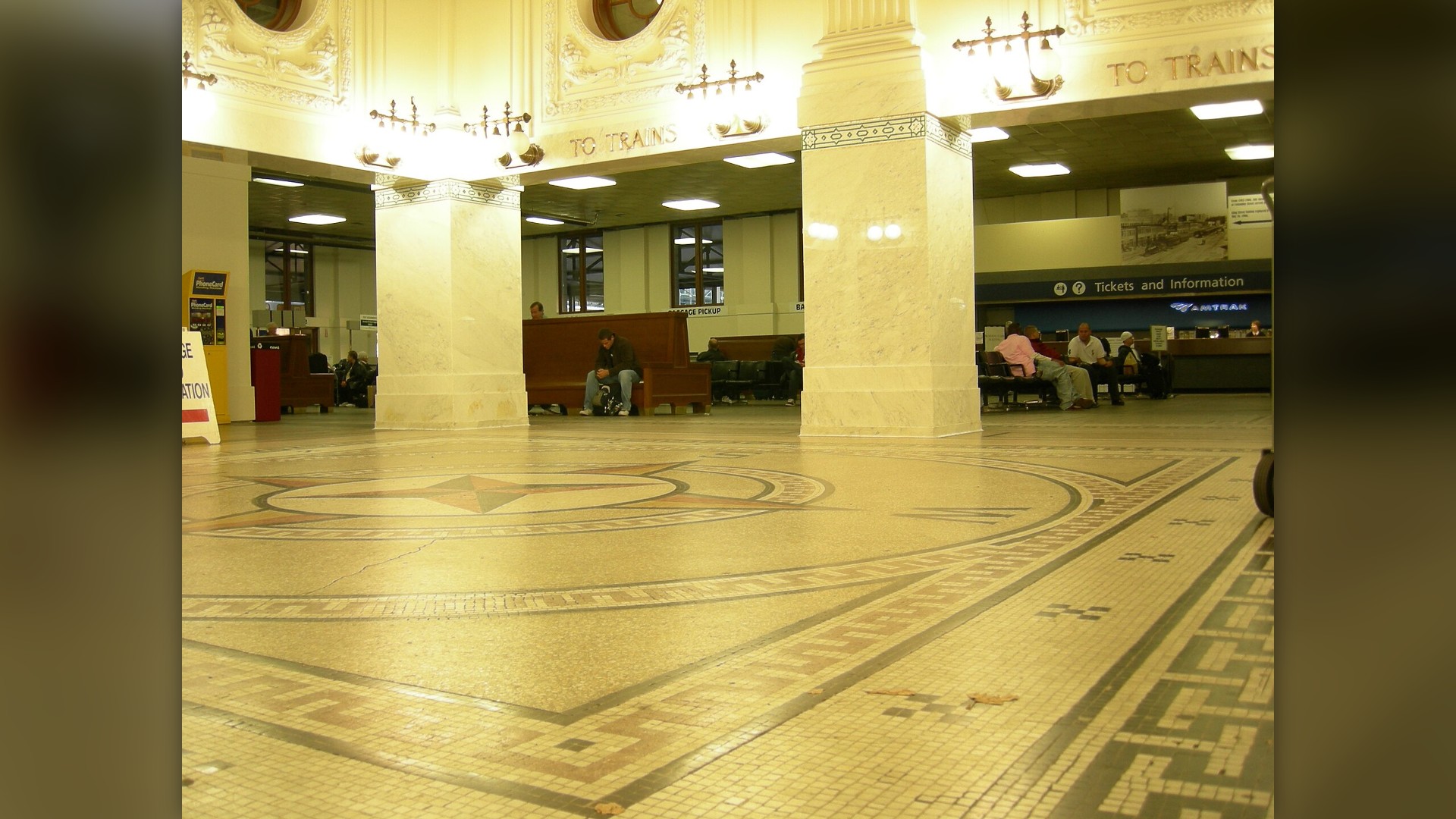
©Wikimedia / Joe Mabel
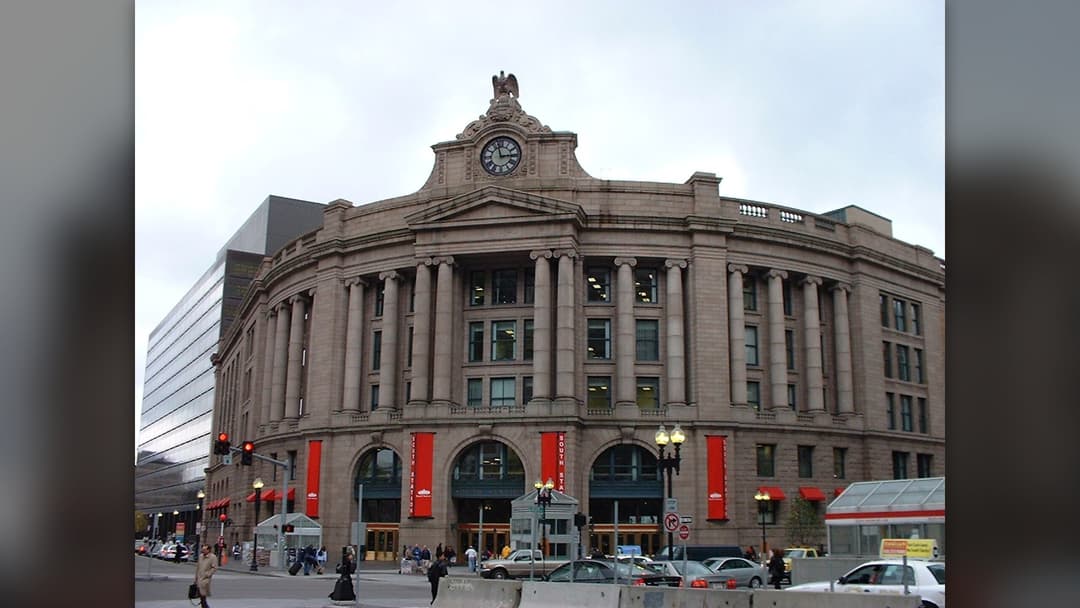
10. South Station Boston
It opened in 1899. Built as a unified terminal for four competing railroads, its curving neoclassical facade anchors Dewey Square. A 14-foot clock mechanism, hand-wound for over a century, sits beneath a giant stone eagle perched atop the roofline.
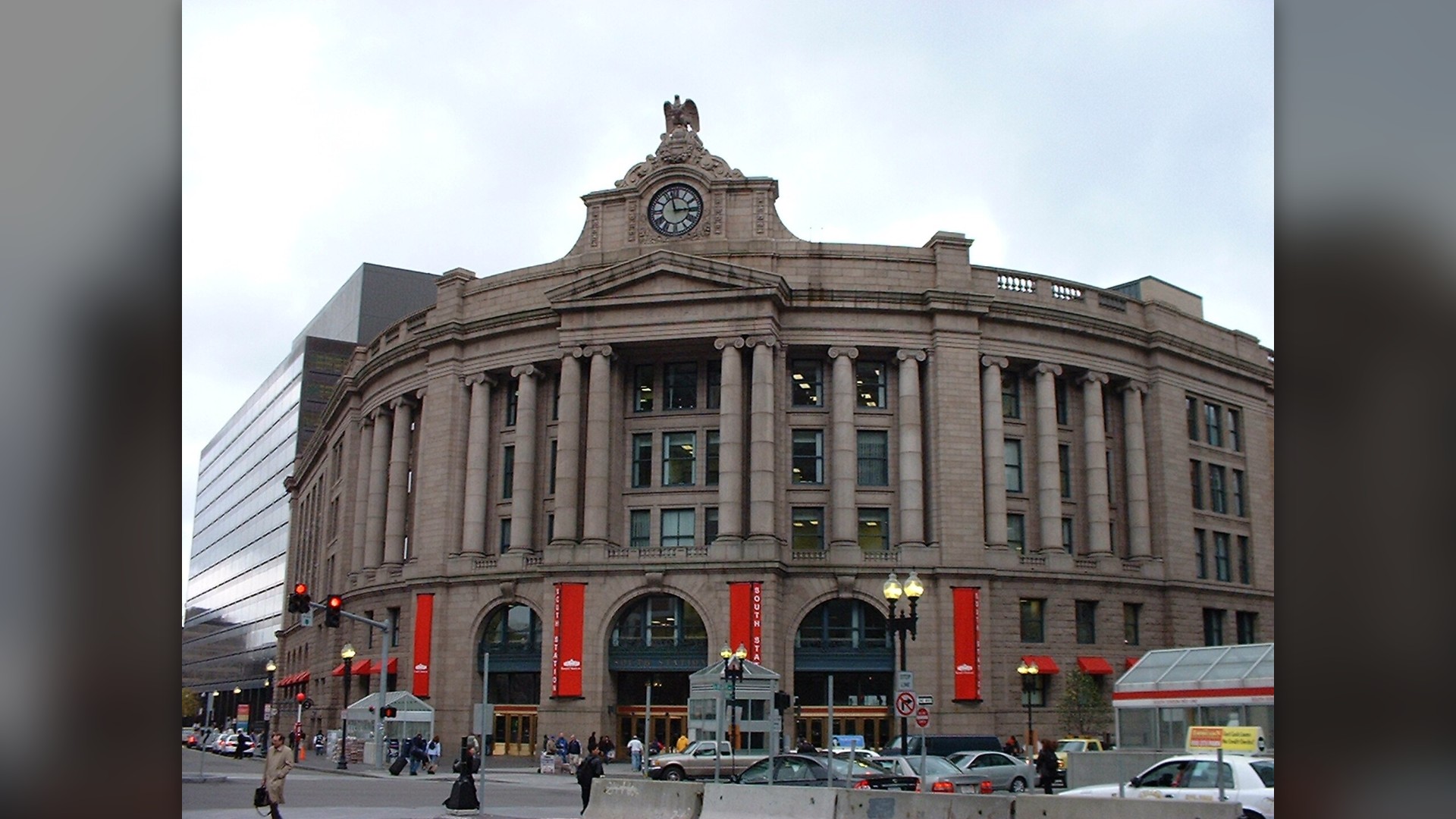
©Wikimedia / ArnoldReinhold
Advertisement
Swipe or tap ▶ to resume the countdown.
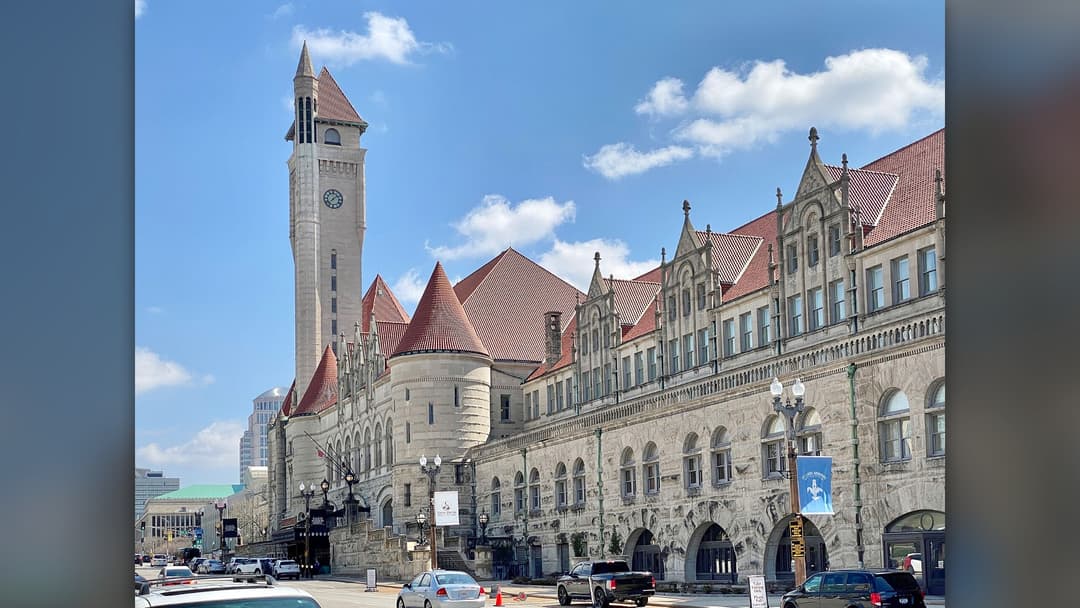
9. St. Louis Union Station
It was completed in 1894. Designed by architect Theodore Link, its massive Grand Hall spans 76 feet beneath barrel-vaulted ceilings adorned with stained glass. During World War II, over 100,000 travelers passed through its massive iron train shed daily.
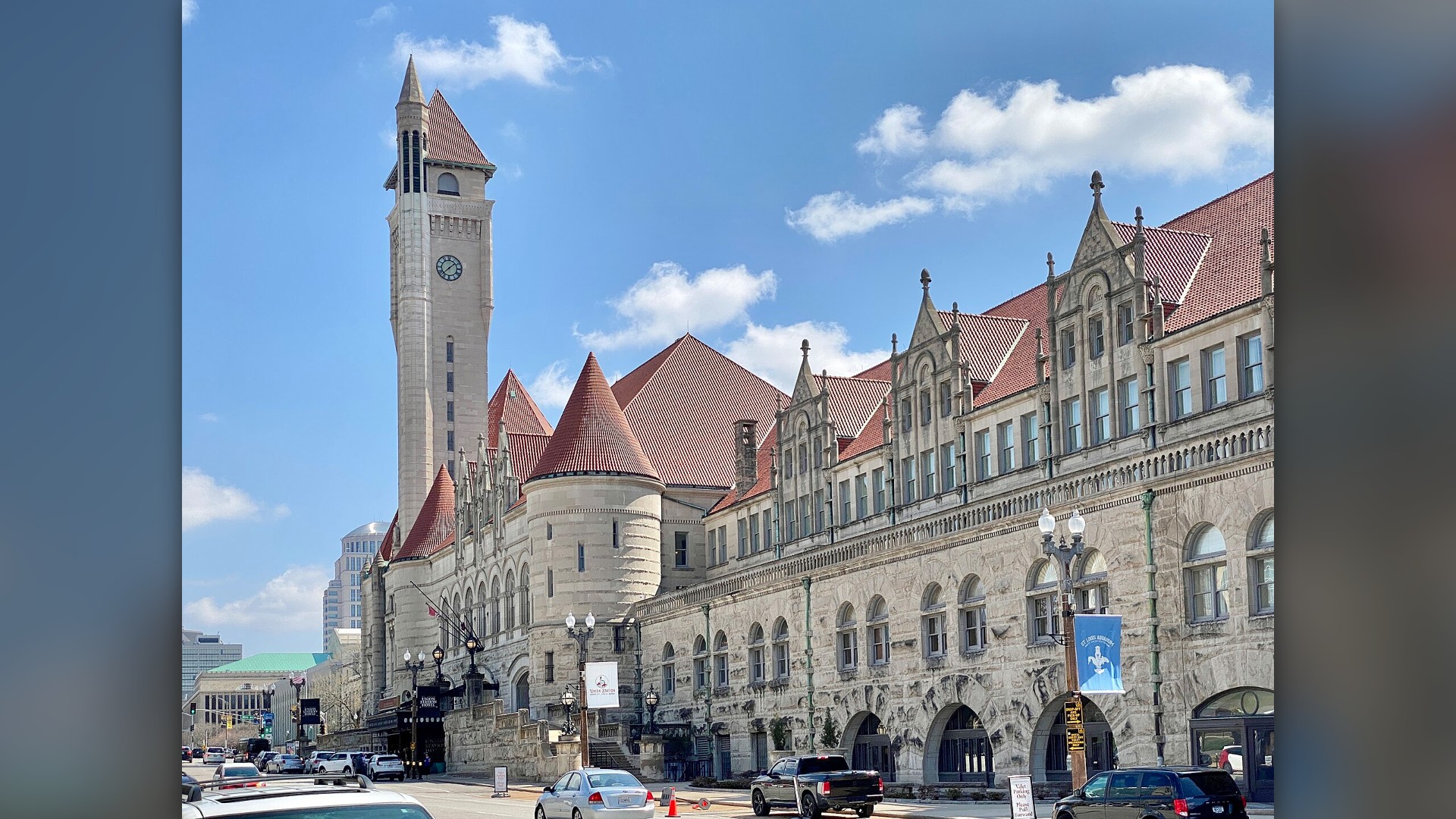
©Wikimedia / St. Louis Union Station
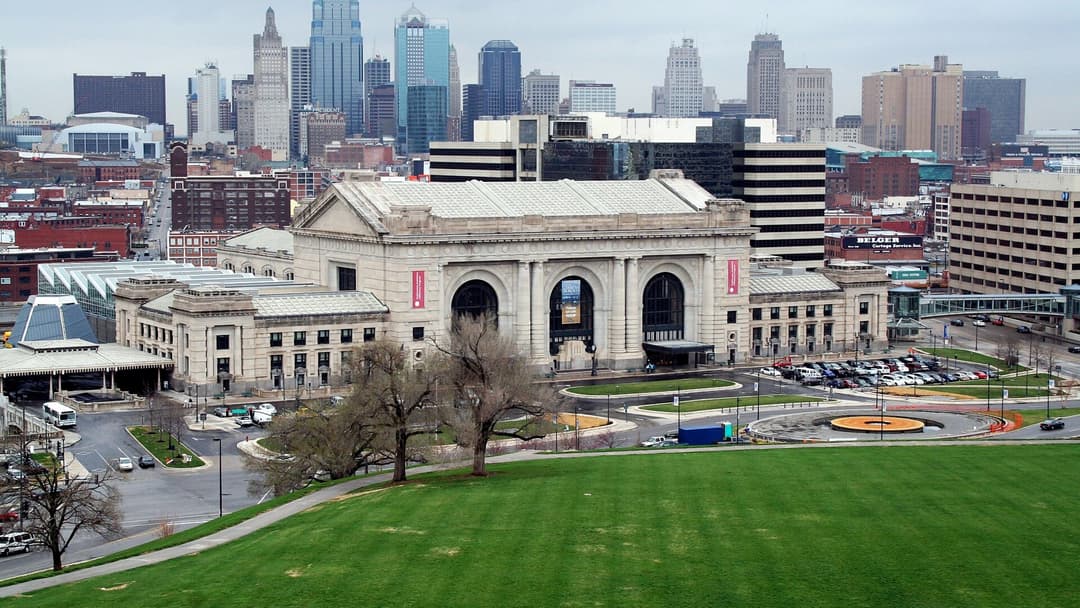
8. Kansas City Union Station
It opened in 1914. Its cavernous Grand Hall features 95-foot ceilings, three 3,500-pound chandeliers, and a six-foot central clock. The terminal handled tens of thousands of travelers daily during wartime mobilizations before being restored in 1999.
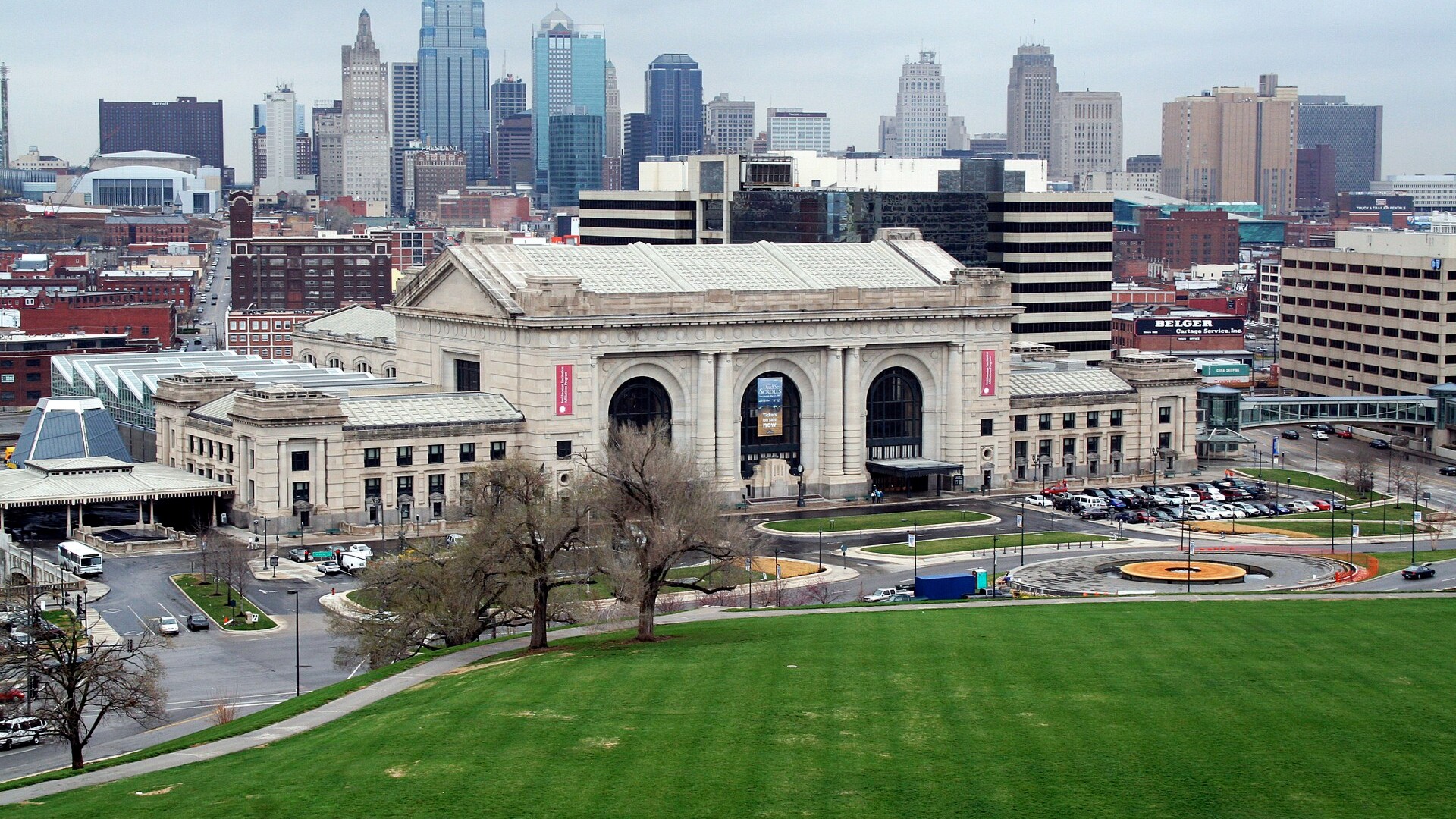
©Wikimedia / Kansas City Union Station
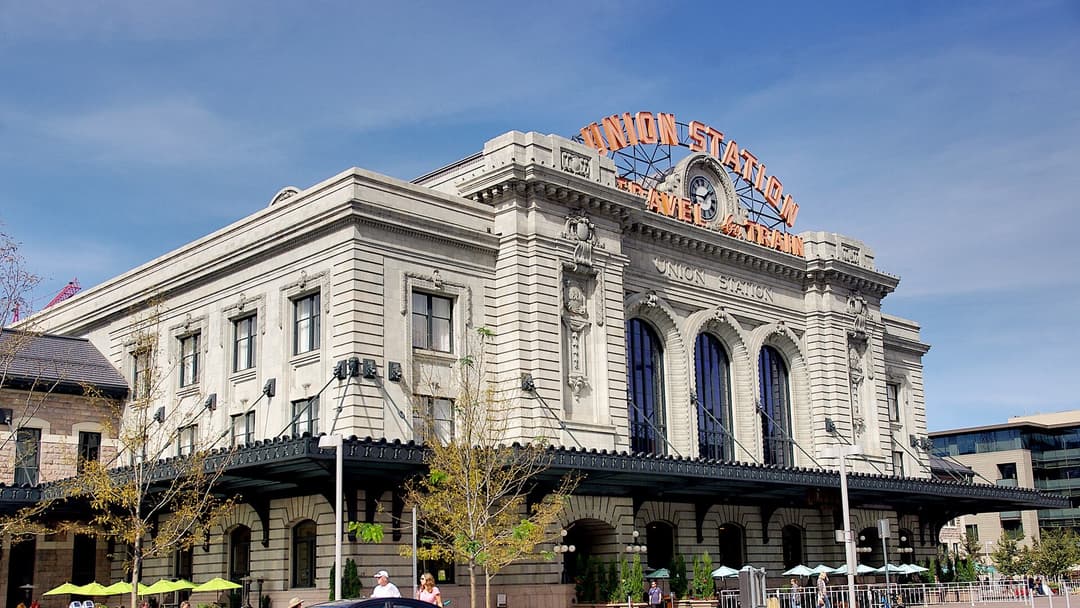
7. Denver Union Station
It was rebuilt in 1914. After an 1894 fire destroyed the wooden center depot, architects constructed a grand Beaux-Arts stone structure with soaring arched windows. A 2014 revitalization converted the Great Hall into a bustling transit hall and civic living room.
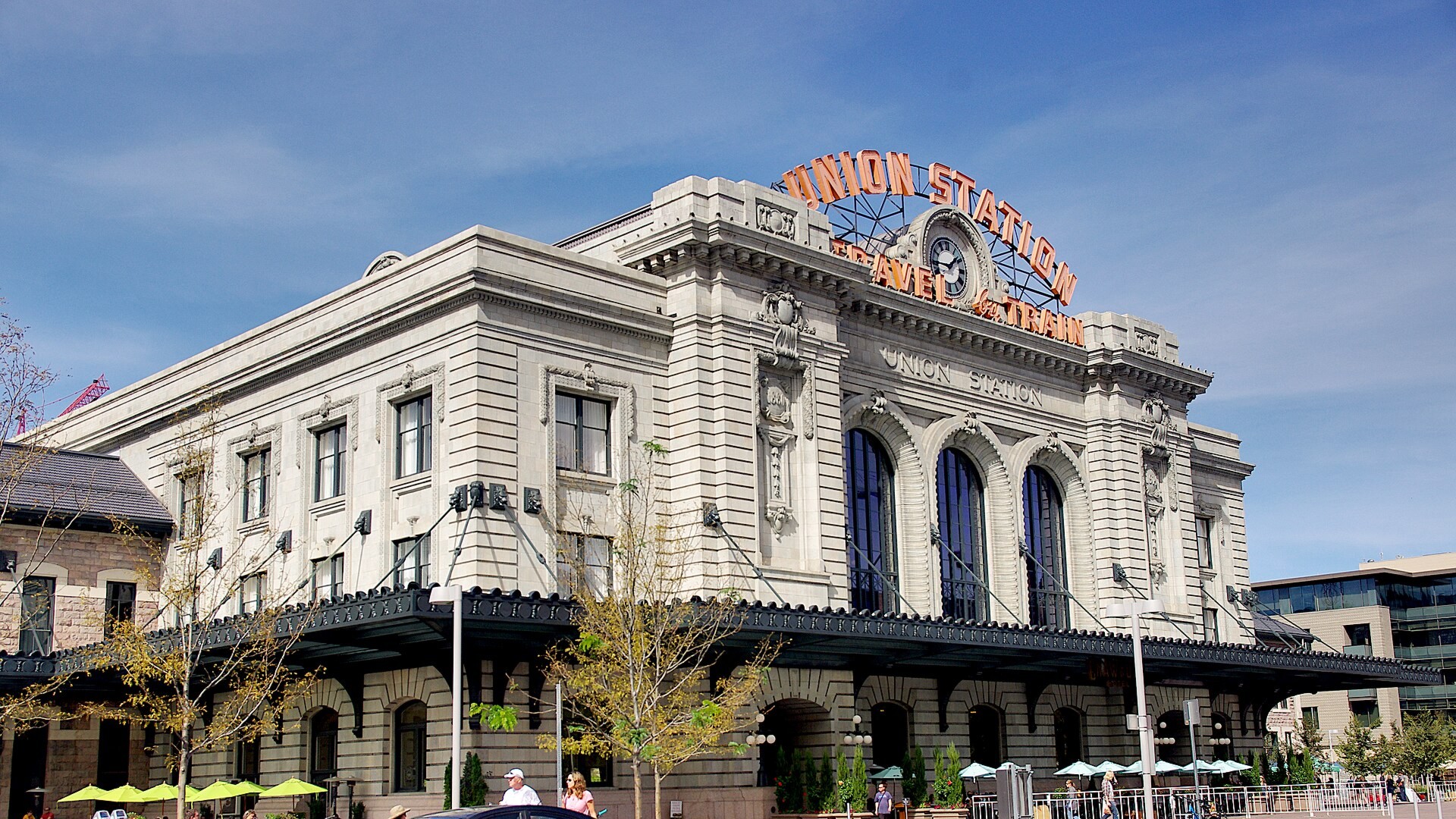
©Wikimedia / Jan Helebrant
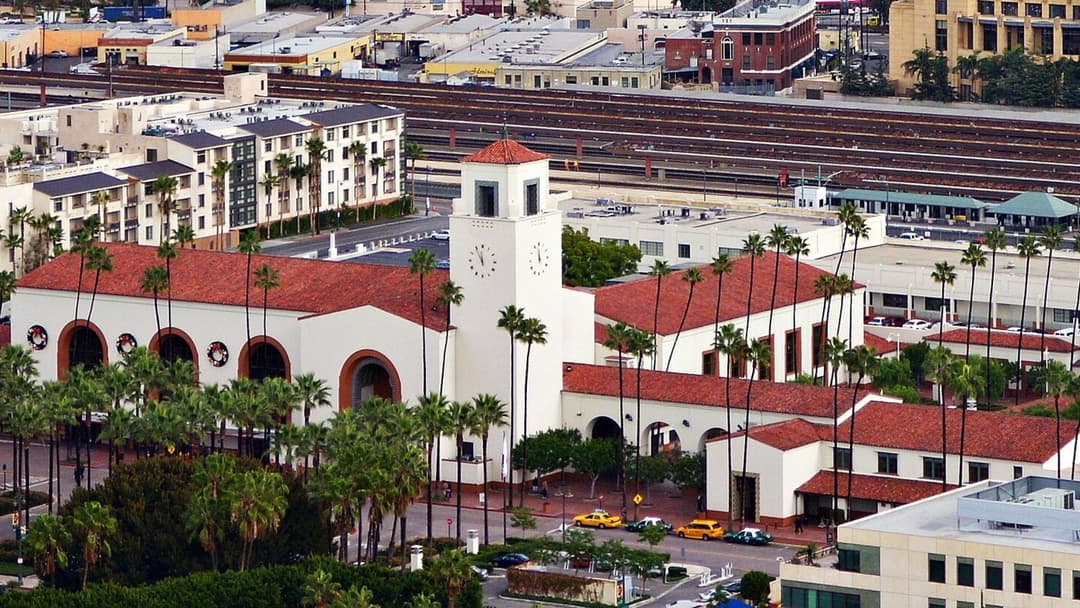
6. Los Angeles Union Station
It opened in 1939. Built to consolidate passenger terminals for three major railroads, its sun-filled waiting room features Spanish tile floors, acoustic ceiling panels, and black walnut wainscoting. Enclosed garden patios surround the passenger concourses.
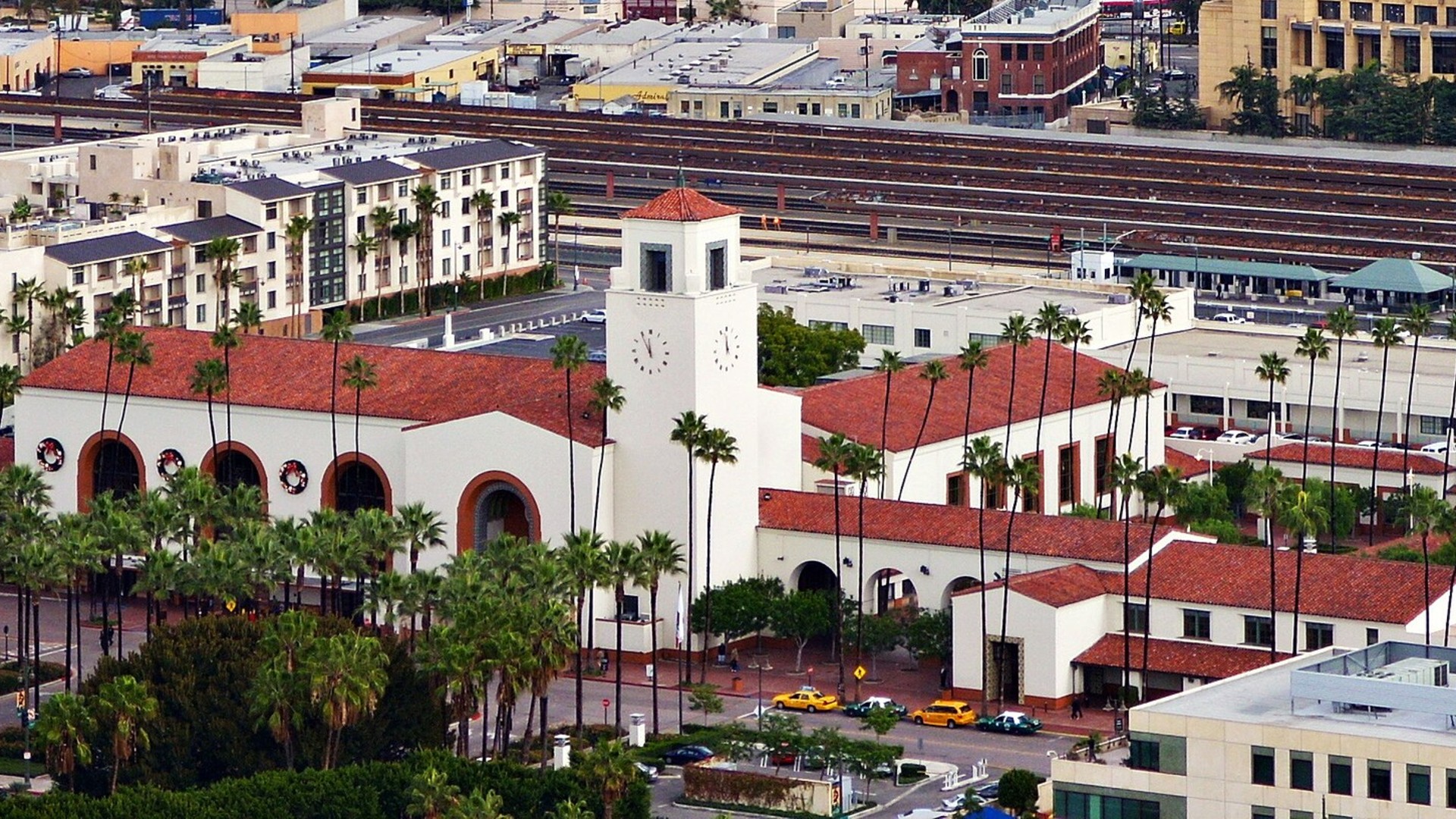
©Wikimedia / Los Angeles Union Station
Advertisement
Swipe or tap ▶ to resume the countdown.
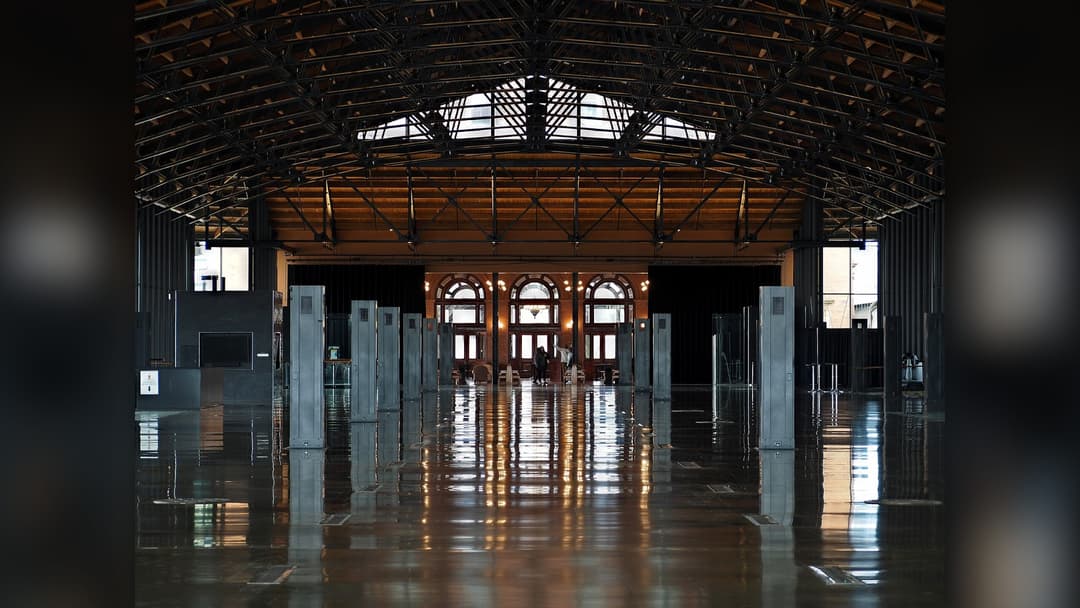
5. Cincinnati Union Terminal
It was completed in 1933. An Art Deco triumph, its soaring rotunda measures 180 feet wide and features colorful glass mosaic murals depicting American industrial progress. Today, the monumental station houses multiple museums and active Amtrak service.
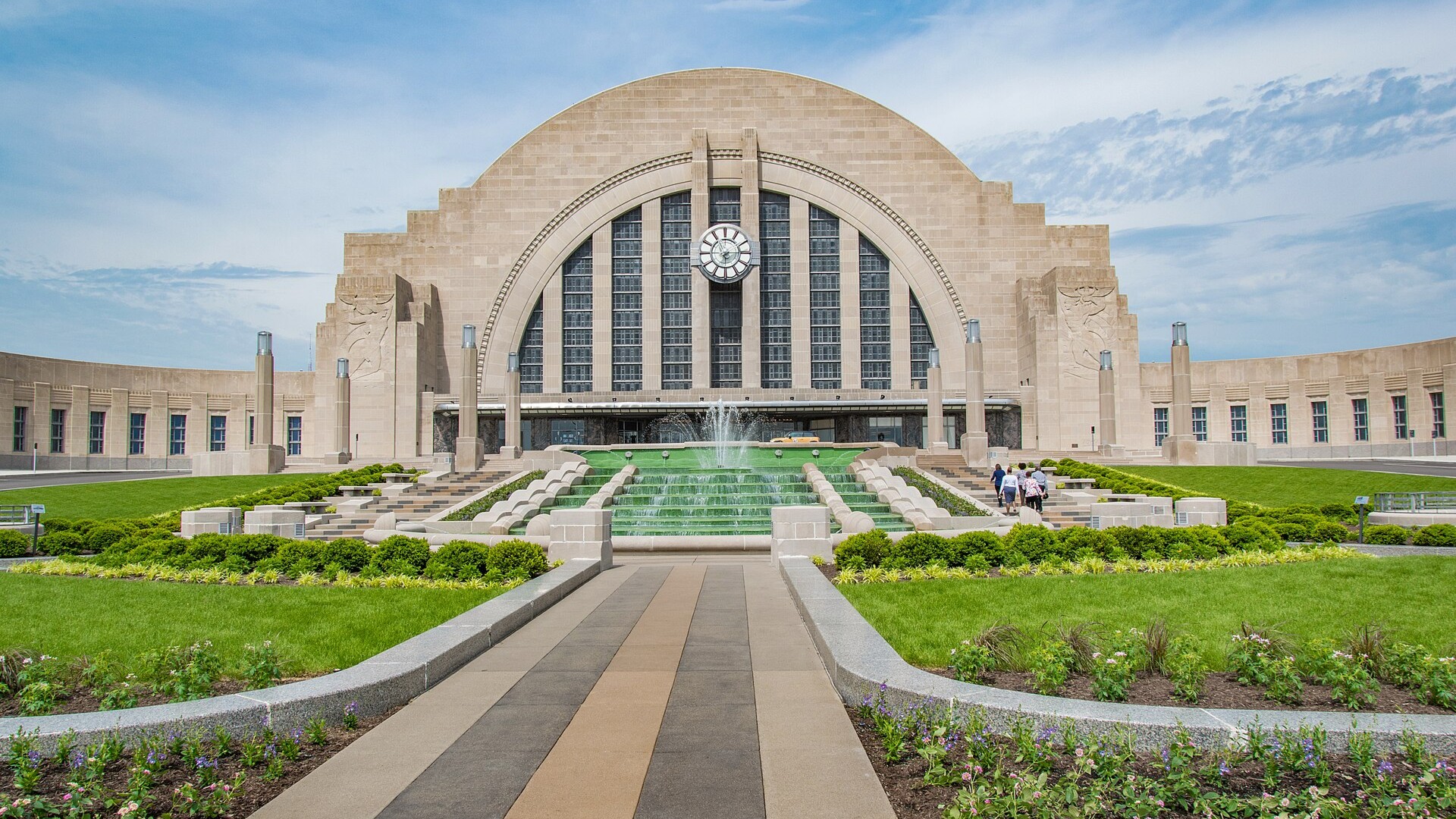
©Wikimedia / Cincinnati Union Terminal
4. Chicago Union Station
It opened in 1925. The monumental Beaux-Arts Great Hall features Corinthian columns, Tennessee marble floors, and an iconic barrel-vaulted skylight. As the central junction of national cross-country routes, it remains the third-busiest train station in North America.
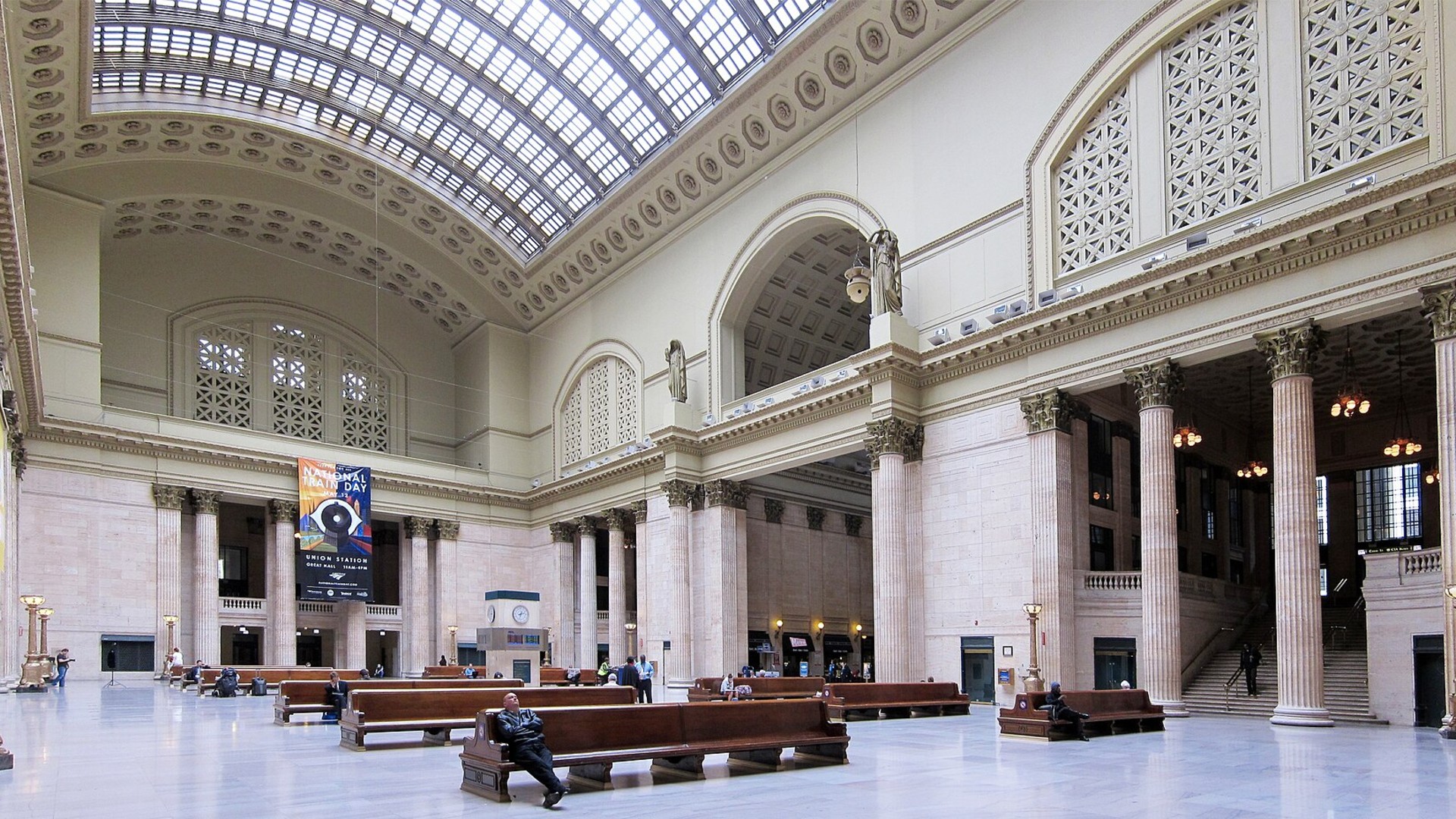
©Wikimedia / Velvet
3. 30th Street Station Philadelphia
It was finished in 1933. Designed by Graham, Anderson, Probst & White, the immense neoclassical station features soaring Corinthian columns and painted ceilings five stories above the main concourse floor. It serves millions of Northeast Corridor passengers annually.
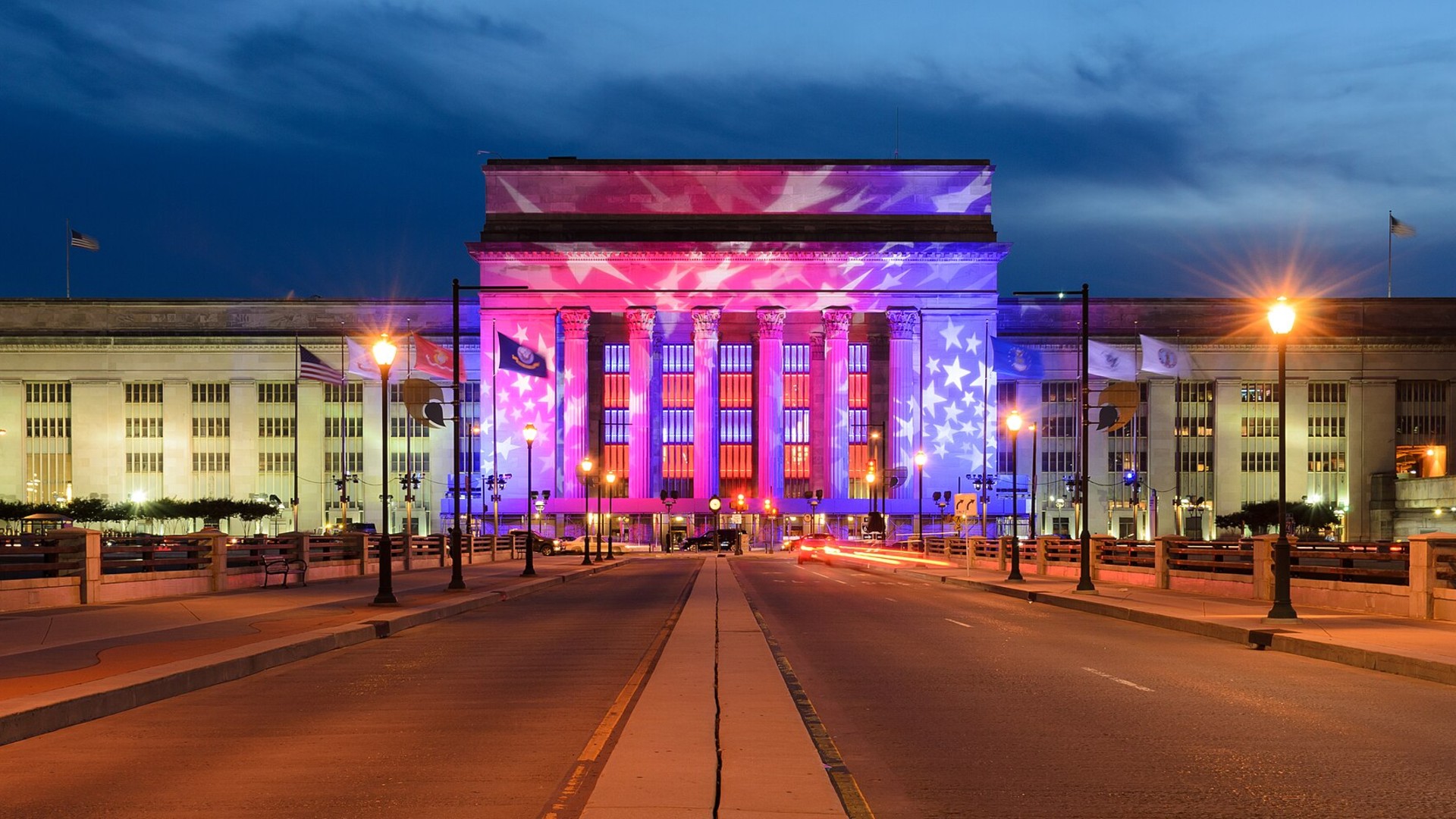
©Wikimedia / King of Hearts
2. Washington Union Station
It opened in 1907. Designed by Daniel Burnham in the Beaux-Arts style, its colossal granite facade features three triumphal entrance arches inspired by the Arch of Constantine. Statues of Roman legionnaires line the 96-foot-high barrel-vaulted ceiling.
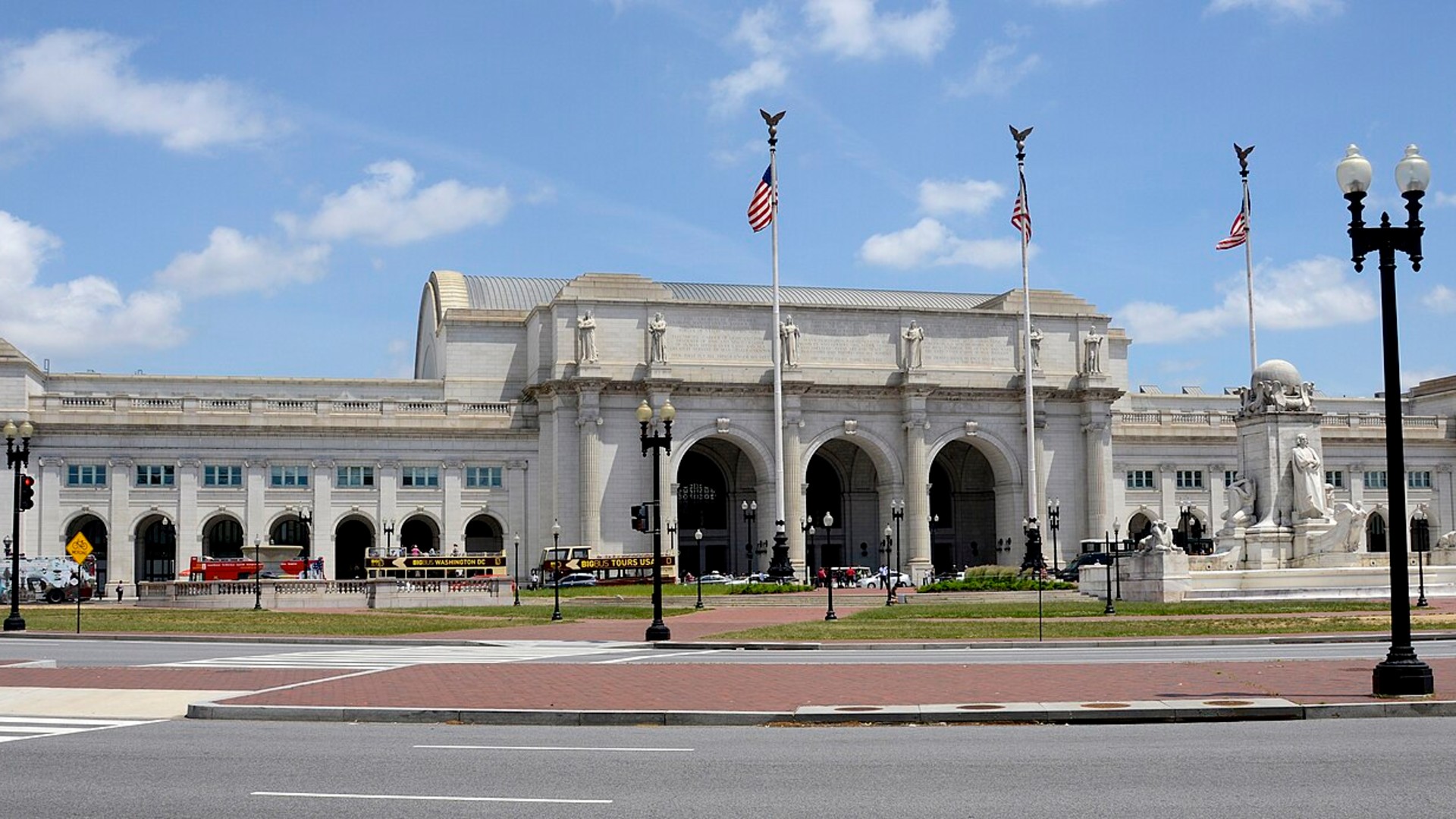
©Wikimedia / Washington Union Station
Advertisement
Swipe or tap ▶ to resume the countdown.
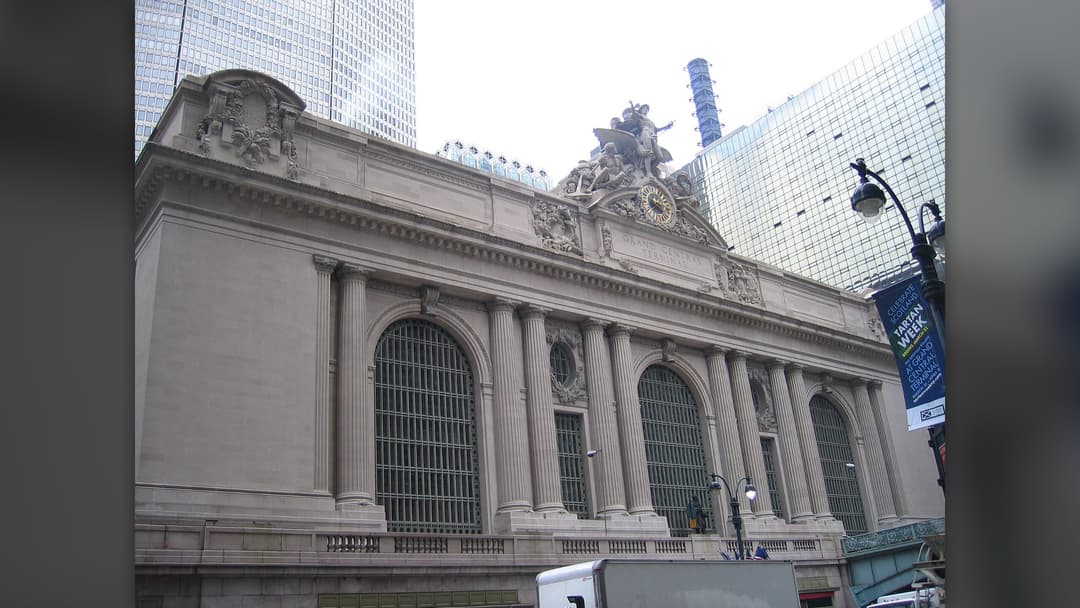
1. Grand Central Terminal
It opened in 1913. Spanning 48 acres across two underground levels with 44 passenger platforms, its Main Concourse features an astronomical ceiling painted with 2,500 golden stars. It remains the architectural crown jewel of American passenger rail transit.
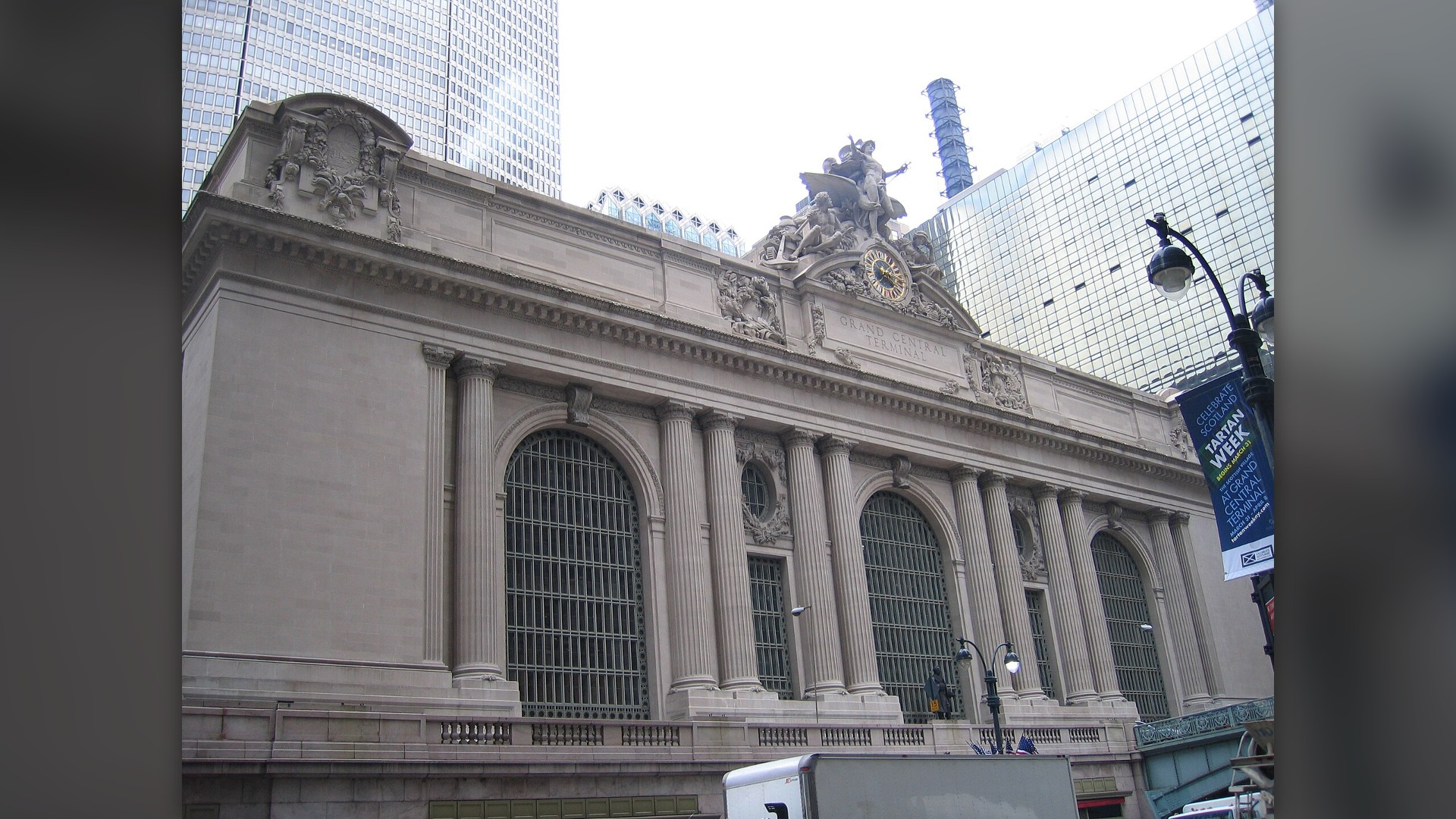
©Wikimedia / Casper Moller from London, United Kingdom
Advertisement
You've reached the end of the story. Thanks for reading!

20 Traditions and Rules of Religious Life for Nuns and Priests
American Catholic priests and consecrated sisters navigate a dual existence shaped by ancient canon law and strict American civil standards. Across twenty distinct statutes, clergy manage lifelong vows of poverty and celibacy alongside mandatory background checks, digital boundaries, and complete financial audits.
All 20 Entries in this Story
20. Nashville Union Station
It opened in 1900. Built from Bowling Green limestone, its facade features heavy arches and a 220-foot clock tower. The barrel-vaulted ceiling holds stained-glass medallions. It now operates as a hotel.

19. Utica Union Station
It was completed in 1914. Serving New York Central trains, its waiting room holds thirty-four grey marble columns salvaged from Grand Central. The Italianate depot still serves Amtrak riders.

18. Portland Union Station
It opened in 1896. Crowned by a 150-foot brick clock tower, the terminal welcomed transcontinental travelers to Oregon. Its famous Go by Train neon sign was added in the 1940s. Amtrak stops daily.

17. Newark Penn Station
It opened in 1935. Designed by McKim, Mead and White, its limestone waiting room features terrazzo floors and bronze plaques. It ranks among the busiest hubs in the Northeast Corridor.

16. Baltimore Penn Station
It was completed in 1911. Designed by architect Kenneth Murchison, the Beaux-Arts depot sits on an island between sunken tracks. Its central waiting room displays leaded glass skylights.

15. Richmond Main Street Station
It opened in 1901. Its ornate clock tower and clay-tiled mansard roof dominate the Shockoe Bottom district of Richmond. The terminal survived devastating river floods and decades of closure before an extensive 2003 restoration revived passenger rail service.

14. Indianapolis Union Station
It was built in 1888. The Romanesque Revival depot replaced America's first union depot from 1853, which originally consolidated five competing railway lines. Its 185-foot clock tower and massive rose window anchored Midwest passenger rail travel.

13. Hoboken Terminal
It opened in 1907. Built by the Delaware, Lackawanna and Western Railroad, its limestone and copper exterior survived over a century of marine exposure. The grand waiting room features Tiffany stained glass and original Greek Revival oak benches.

12. Michigan Central Station
It opened in 1913. Designed by the architects of Grand Central Terminal, its monumental waiting hall features Guastavino vaulted ceilings and giant Doric columns. Following decades of vacancy, a comprehensive six-year restoration restored the depot in 2024.

11. King Street Station
It was completed in 1906. Its 242-foot clock tower was the tallest structure in Seattle until 1914, welcoming thousands of travelers during the Alaska-Yukon-Pacific Exposition. A major restoration removed false ceilings to reveal original ornate plasterwork.

10. South Station Boston
It opened in 1899. Built as a unified terminal for four competing railroads, its curving neoclassical facade anchors Dewey Square. A 14-foot clock mechanism, hand-wound for over a century, sits beneath a giant stone eagle perched atop the roofline.

9. St. Louis Union Station
It was completed in 1894. Designed by architect Theodore Link, its massive Grand Hall spans 76 feet beneath barrel-vaulted ceilings adorned with stained glass. During World War II, over 100,000 travelers passed through its massive iron train shed daily.

8. Kansas City Union Station
It opened in 1914. Its cavernous Grand Hall features 95-foot ceilings, three 3,500-pound chandeliers, and a six-foot central clock. The terminal handled tens of thousands of travelers daily during wartime mobilizations before being restored in 1999.

7. Denver Union Station
It was rebuilt in 1914. After an 1894 fire destroyed the wooden center depot, architects constructed a grand Beaux-Arts stone structure with soaring arched windows. A 2014 revitalization converted the Great Hall into a bustling transit hall and civic living room.

6. Los Angeles Union Station
It opened in 1939. Built to consolidate passenger terminals for three major railroads, its sun-filled waiting room features Spanish tile floors, acoustic ceiling panels, and black walnut wainscoting. Enclosed garden patios surround the passenger concourses.

5. Cincinnati Union Terminal
It was completed in 1933. An Art Deco triumph, its soaring rotunda measures 180 feet wide and features colorful glass mosaic murals depicting American industrial progress. Today, the monumental station houses multiple museums and active Amtrak service.

4. Chicago Union Station
It opened in 1925. The monumental Beaux-Arts Great Hall features Corinthian columns, Tennessee marble floors, and an iconic barrel-vaulted skylight. As the central junction of national cross-country routes, it remains the third-busiest train station in North America.

3. 30th Street Station Philadelphia
It was finished in 1933. Designed by Graham, Anderson, Probst & White, the immense neoclassical station features soaring Corinthian columns and painted ceilings five stories above the main concourse floor. It serves millions of Northeast Corridor passengers annually.

2. Washington Union Station
It opened in 1907. Designed by Daniel Burnham in the Beaux-Arts style, its colossal granite facade features three triumphal entrance arches inspired by the Arch of Constantine. Statues of Roman legionnaires line the 96-foot-high barrel-vaulted ceiling.

1. Grand Central Terminal
It opened in 1913. Spanning 48 acres across two underground levels with 44 passenger platforms, its Main Concourse features an astronomical ceiling painted with 2,500 golden stars. It remains the architectural crown jewel of American passenger rail transit.