Slideshow · Technology
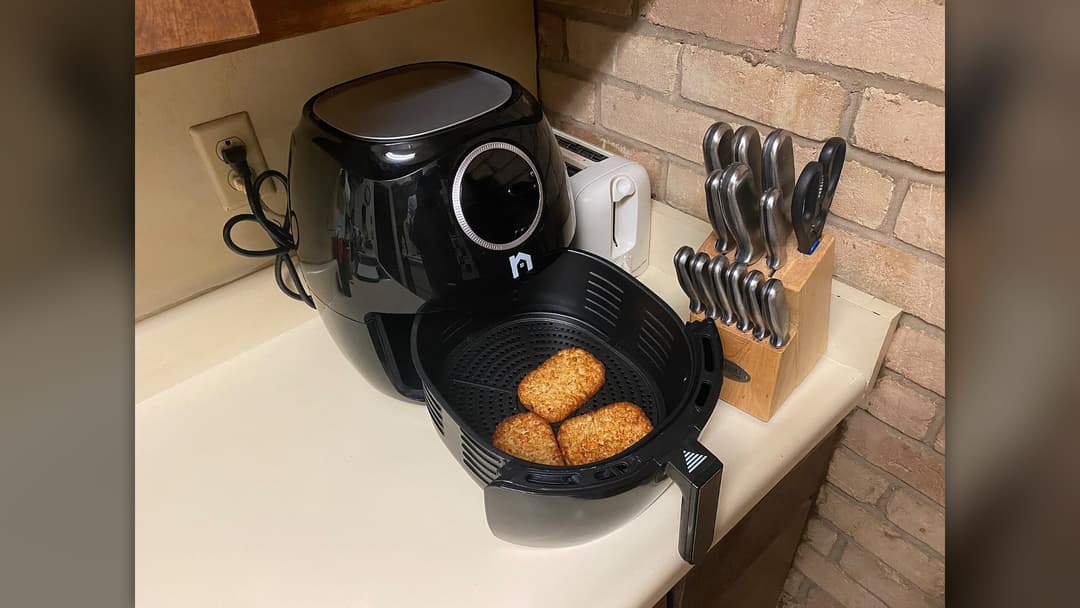
20 Household Appliances Ranked by Year They Entered Most US Homes
Household equipment transformed daily life by replacing hours of manual labor with automated electricity. Based on historical data from the US Census Bureau, the Department of Energy, and published economic studies, these twenty appliances are ranked by the decade and year they achieved widespread majority adoption.
By Most Viral Today
11 min ago

From Vintage Flatirons to Modern Air Fryers, Here Is How Our Homes Electrified 
20. Electric Flatiron (1925) 
19. Electric Sewing Machine (1930) 
18. Pop-Up Bread Toaster (1935) - AdvertisementSwipe or tap ▶ to continue countdown

17. Electric Washing Machine (1940) 
16. Mechanical Refrigerator (1940) 
15. Electric Vacuum Cleaner (1948) 
14. Electric Range And Oven (1952) - AdvertisementSwipe or tap ▶ to continue countdown

13. Electric Blender (1958) 
12. Electric Can Opener (1965) 
11. Clothes Dryer (1968) 
10. In-Sink Garbage Disposal (1972) - AdvertisementSwipe or tap ▶ to continue countdown

9. Slow Cooker (1975) 
8. Automatic Drip Coffeemaker (1977) 
7. Air Conditioning (1978) 
6. Electric Food Processor (1982) - AdvertisementSwipe or tap ▶ to continue countdown

5. Countertop Microwave Oven (1986) 
4. Automatic Dishwasher (1995) 
3. Digital Programmable Thermostat (2005) 
2. Single-Serve Pod Coffeemaker (2016) - AdvertisementSwipe or tap ▶ to continue countdown

1. Countertop Air Fryer (2022) - Advertisement🔥 UP NEXT IN THIS SERIES◫ 21 Slides

20 Ways Americans Are Using AI to Make Holiday Shopping Easier in 2026
Generative tools now reshape how US families tackle holiday gift lists, compare deals, and track shipments. Retail systems predict price drops and suggest tailored presents while cutting checkout friction. Based on Adobe Analytics, National Retail Federation, and Salesforce holiday data, here is how tech helps.
Household equipment transformed daily life by replacing hours of manual labor with automated electricity. Based on historical data from the US Census Bureau, the Department of Energy, and published economic studies, these twenty appliances are ranked by the decade and year they achieved widespread majority adoption.
Swipe or tap ▶ to begin the countdown
©Wikimedia / Shixart1985
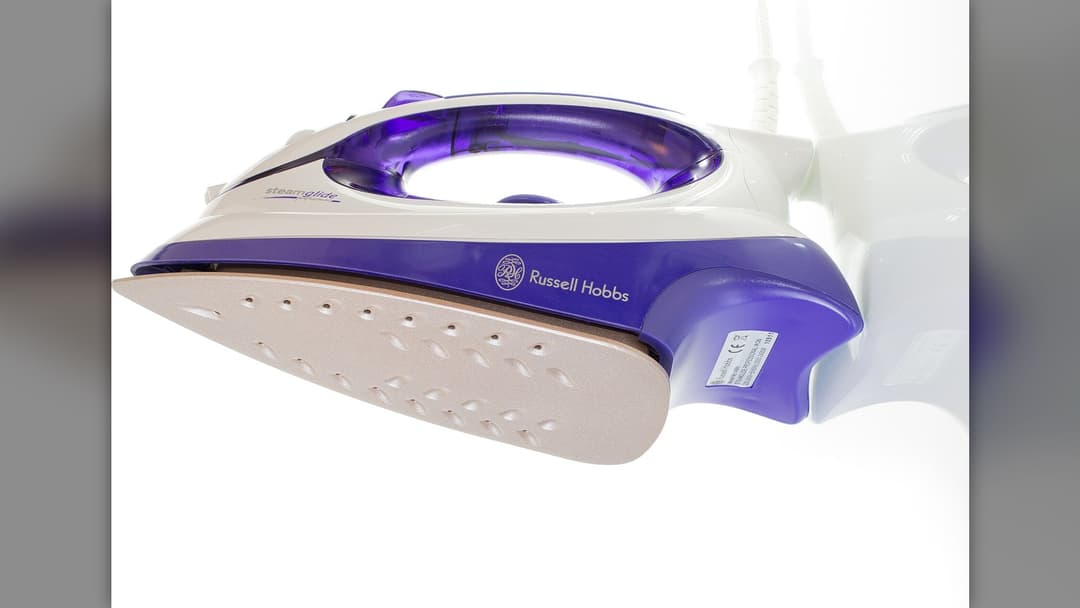
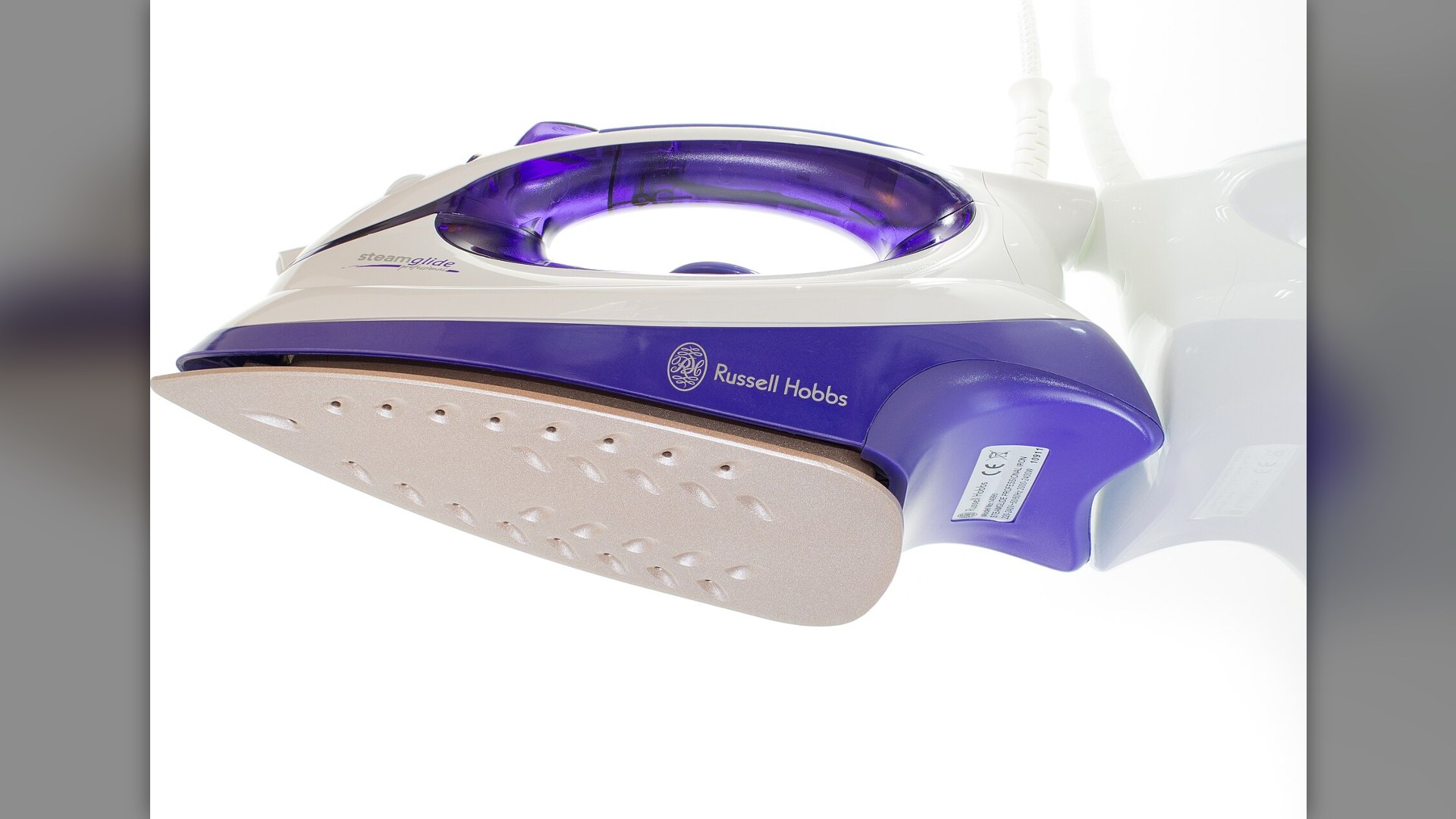
20. Electric Flatiron (1925)
Electric flatirons became the earliest electrified consumer appliances to achieve fifty percent penetration in American homes by roughly 1925. Inexpensive and lightweight, they eliminated the grueling task of heating heavy solid iron wedges over coal stoves on weekly wash days.
©Wikimedia / Colin
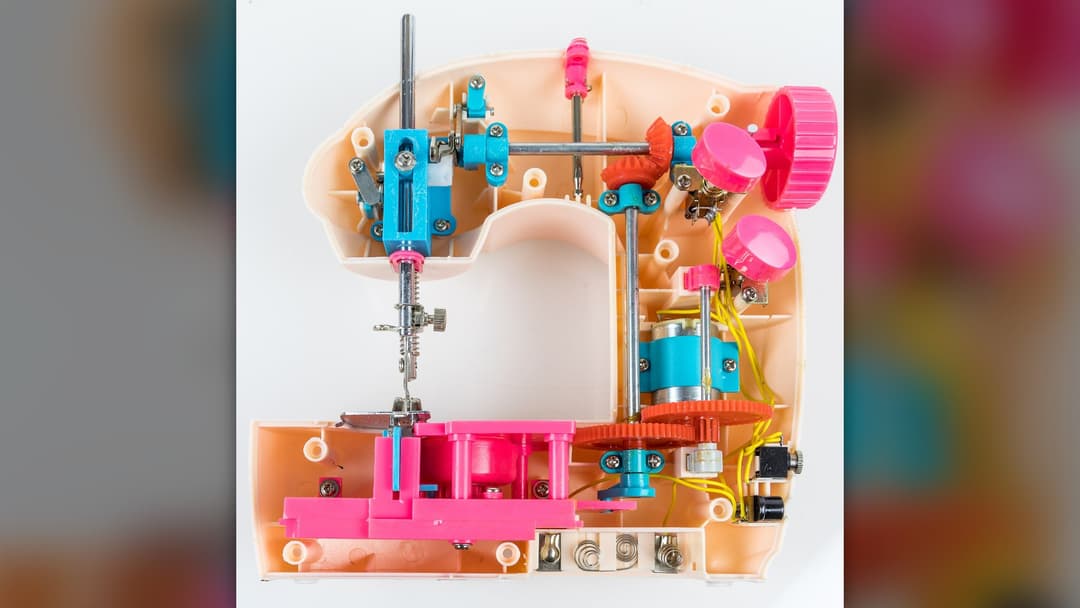
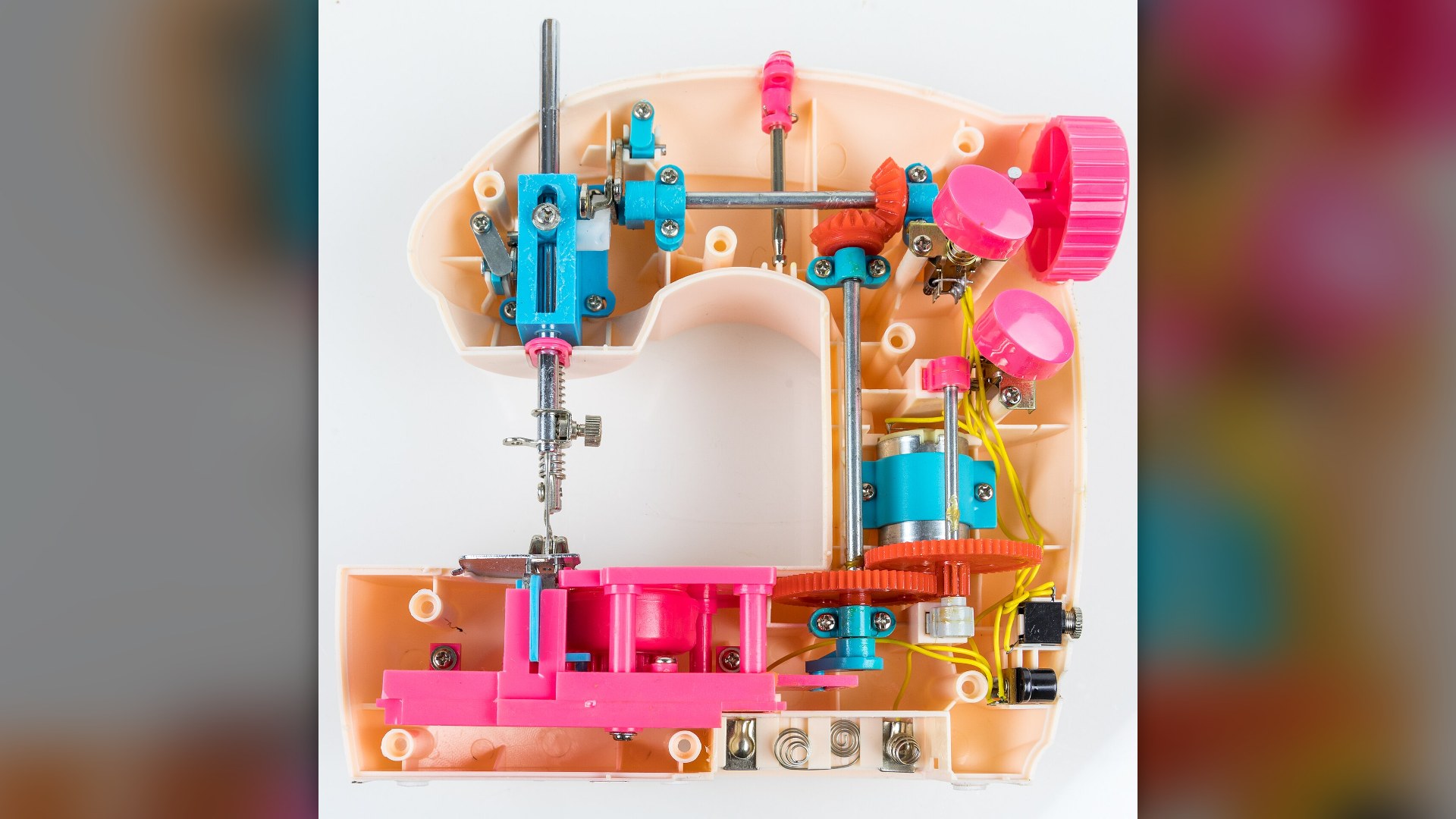
19. Electric Sewing Machine (1930)
By 1930, electric sewing machines crossed into majority use among electrified households, led by portable motor designs from Singer and White. Electrification cut clothing construction and mending times in half, transforming domestic textile maintenance during the Great Depression.
©Wikimedia / Raimond Spekking
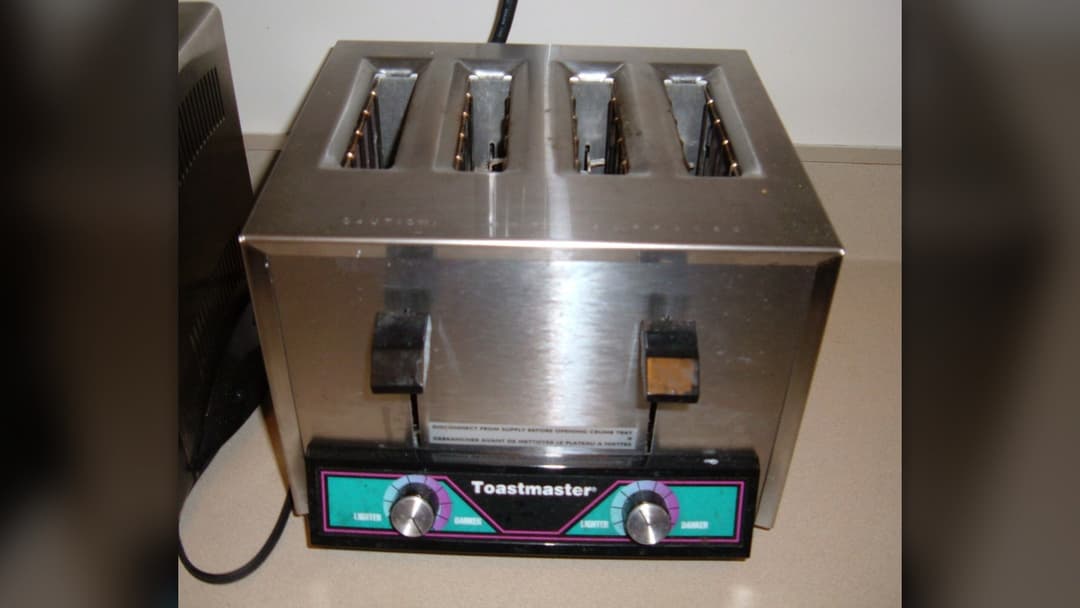
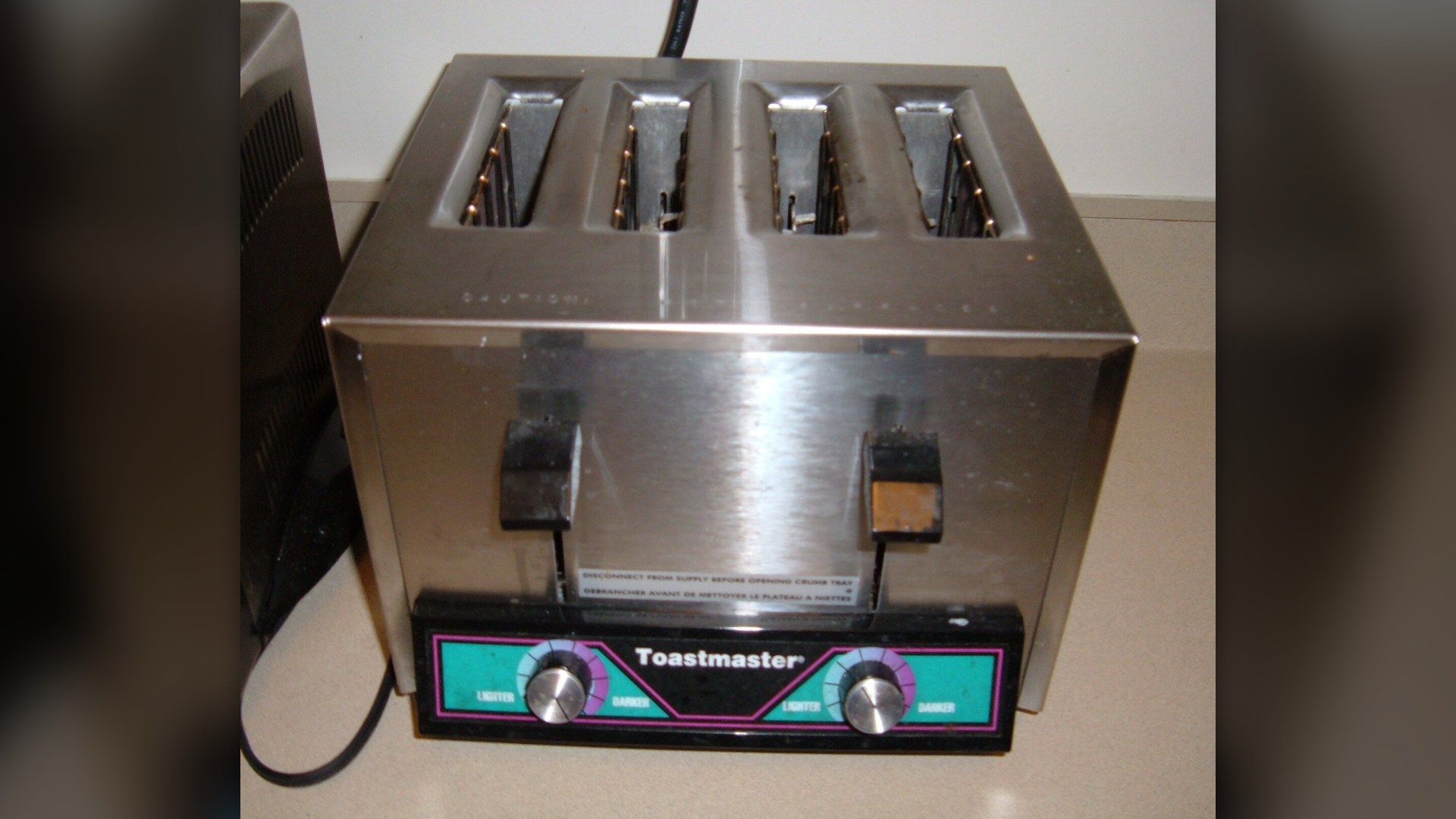
18. Pop-Up Bread Toaster (1935)
Charles Strite patented the automatic pop-up toaster mechanism in 1919, and the iconic Toastmaster Model 1-A-1 helped the appliance reach majority kitchens around 1935. It eliminated scorched slices by utilizing dual heating elements and a mechanical spring release.
©Wikimedia / BrokenSphere
Advertisement
Swipe or tap ▶ to resume the countdown.
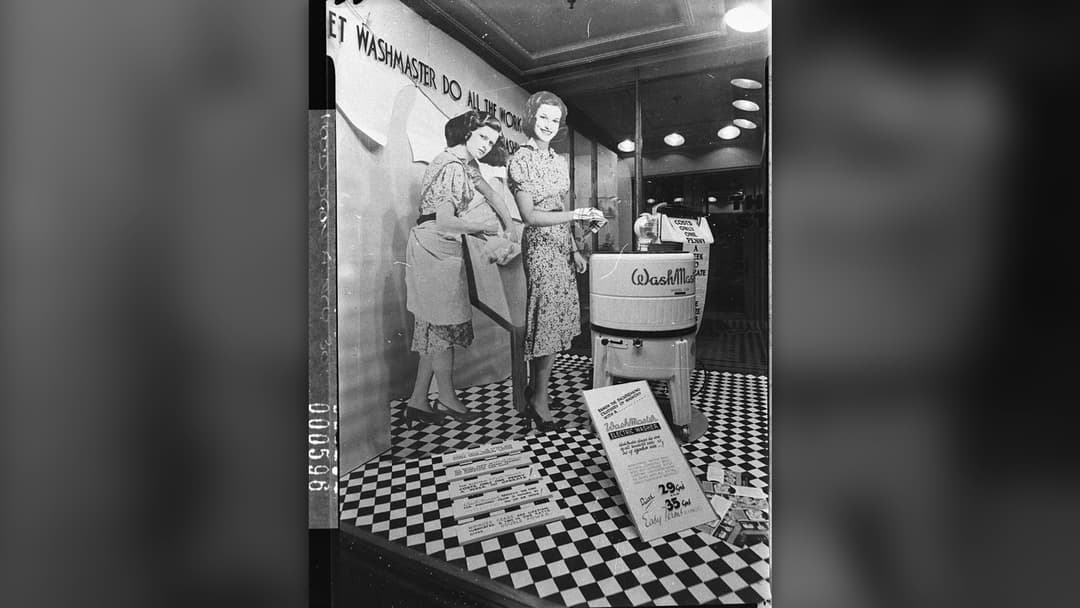
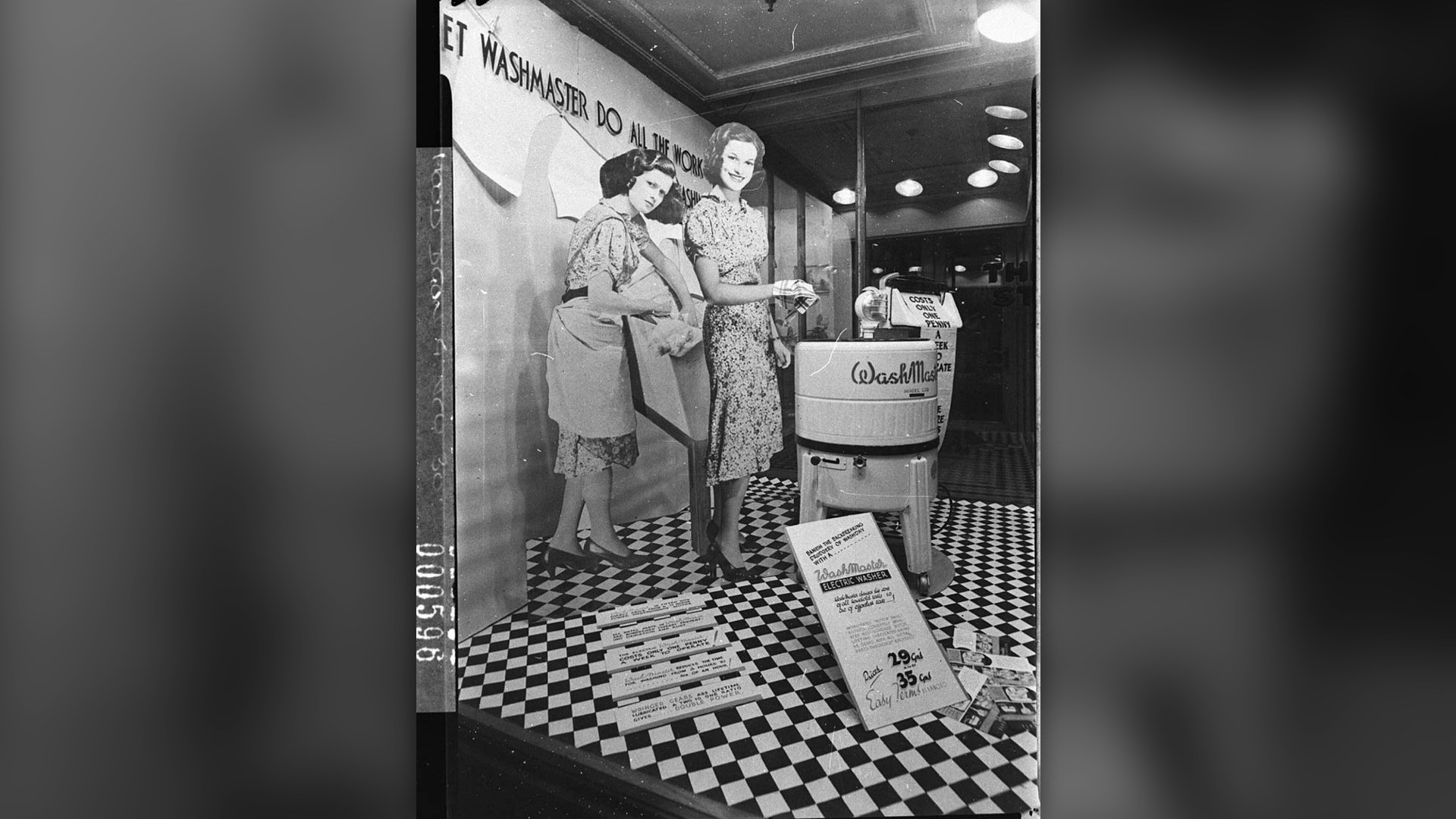
17. Electric Washing Machine (1940)
The 1940 US Housing Census recorded that power-driven washing machines reached nearly fifty percent of all American residences. Powered by electric fractional horsepower motors, electric wringer washers from Maytag and Whirlpool saved homemakers countless hours of hand laundering.
©Wikimedia / Sam Hood
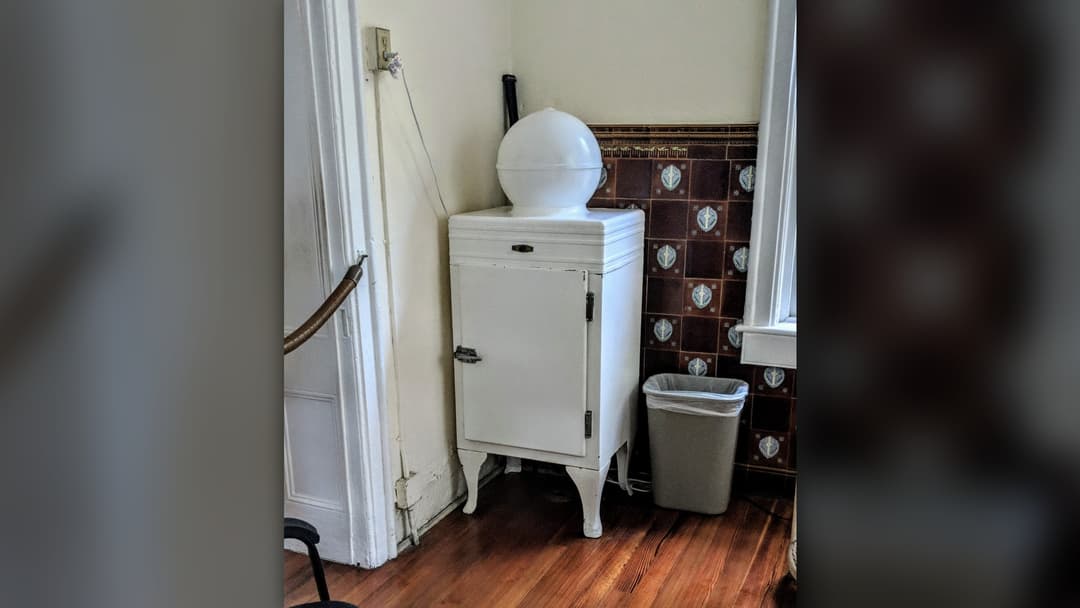
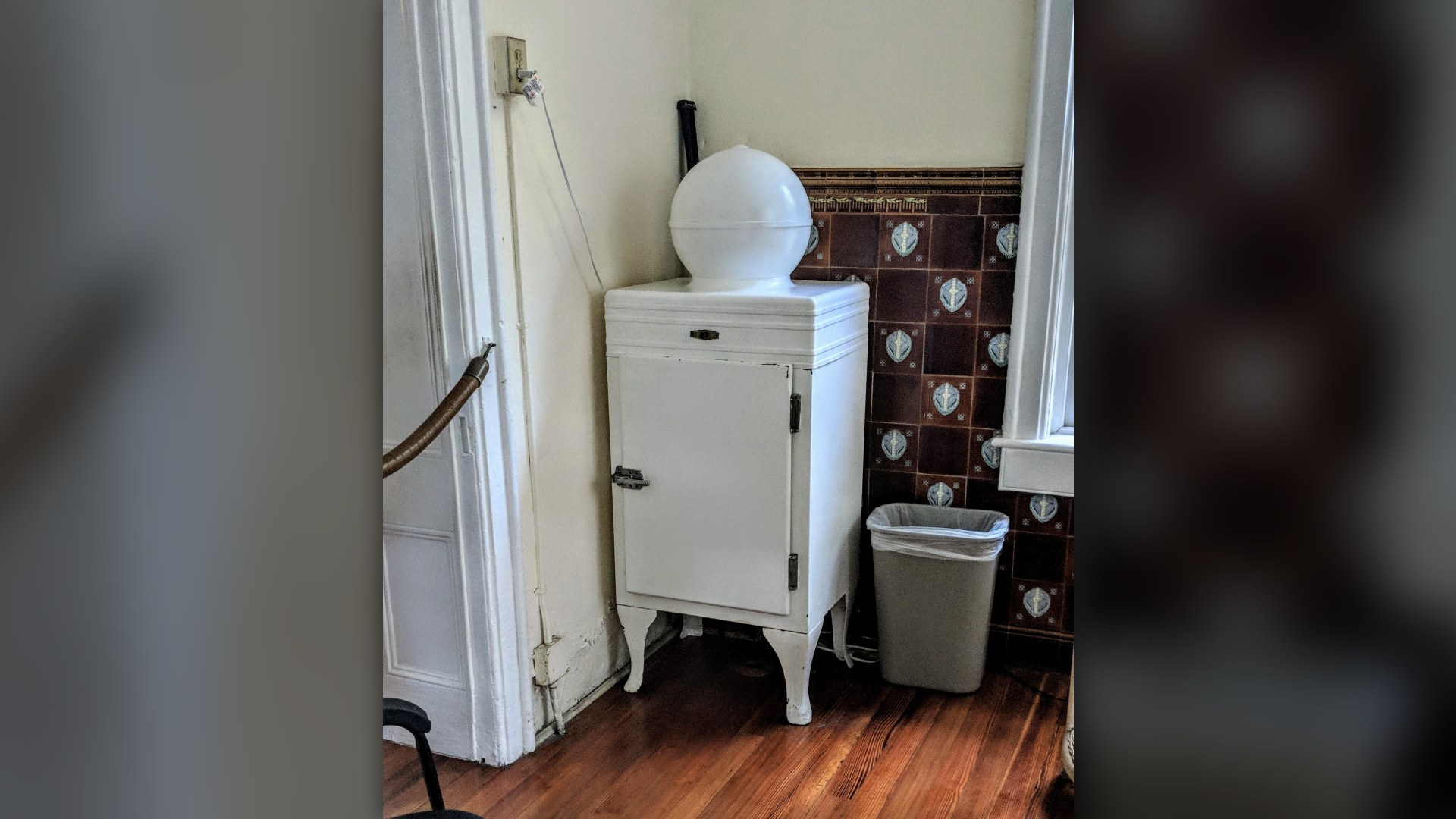
16. Mechanical Refrigerator (1940)
Mechanical refrigerators officially crossed majority adoption around 1940, surging past 44 percent in the 1940 Census and topping fifty percent shortly after. Sealed hermetic compressors from Frigidaire and General Electric eliminated messy ice blocks and modernized perishable food safety.
©Wikimedia / Cullen328
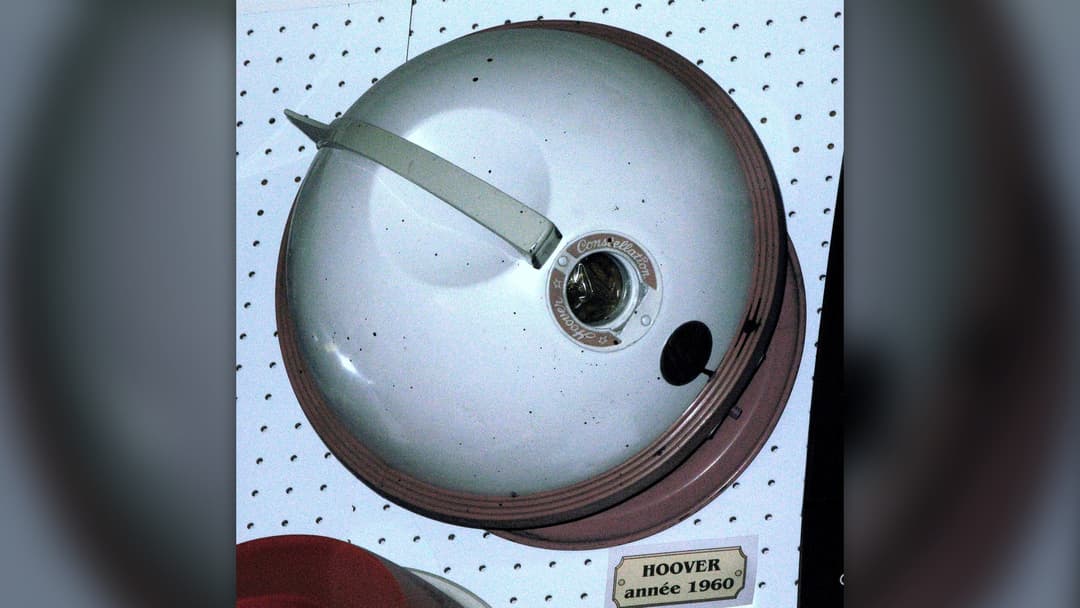
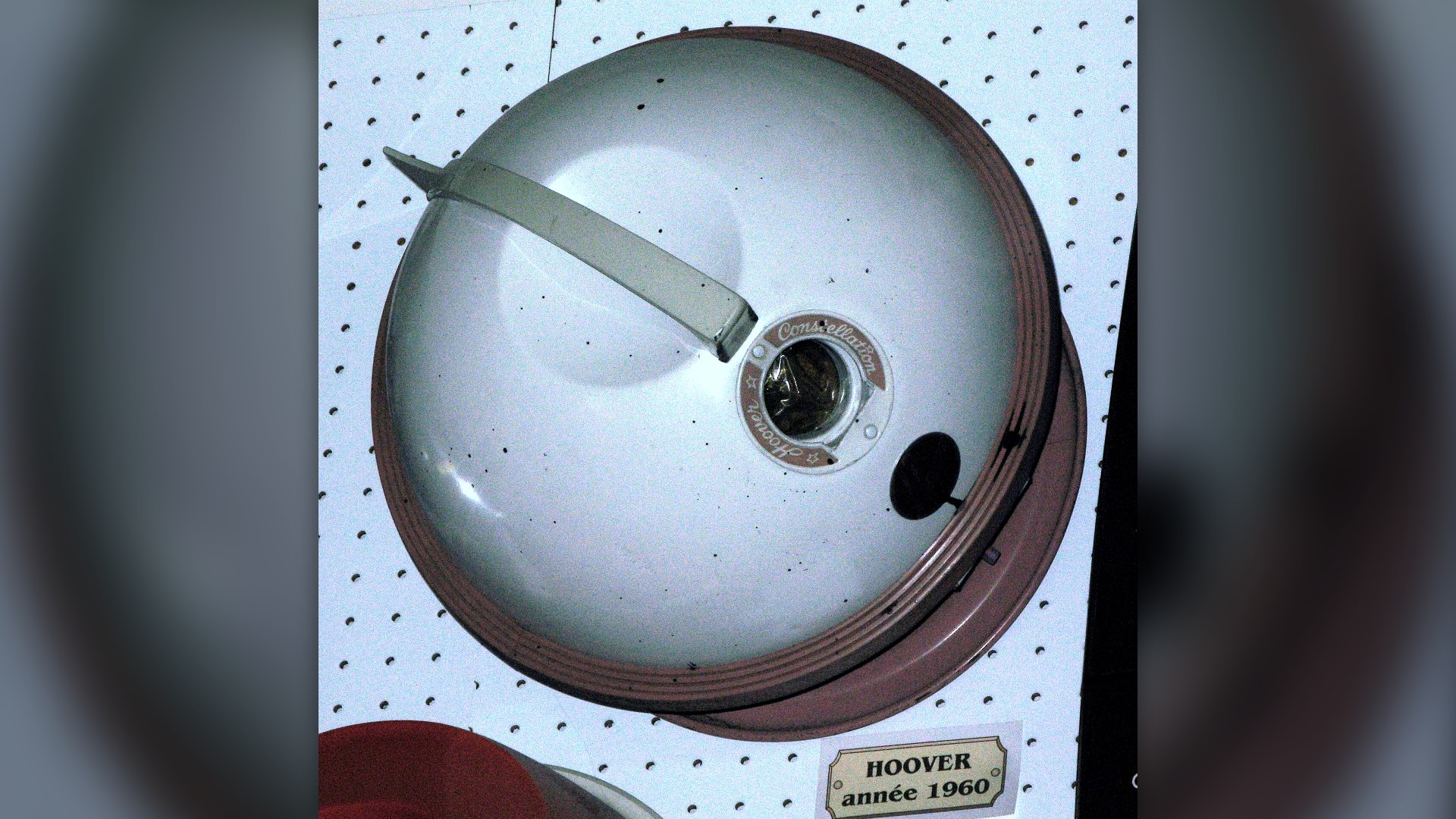
15. Electric Vacuum Cleaner (1948)
Electric upright and canister vacuums achieved over fifty percent household penetration by 1948 as post-war factories resumed consumer production. Brands like Hoover and Electrolux turned mechanized floor cleaning into a suburban standard, retiring cumbersome outdoor rug beaters.
©Wikimedia / Rama
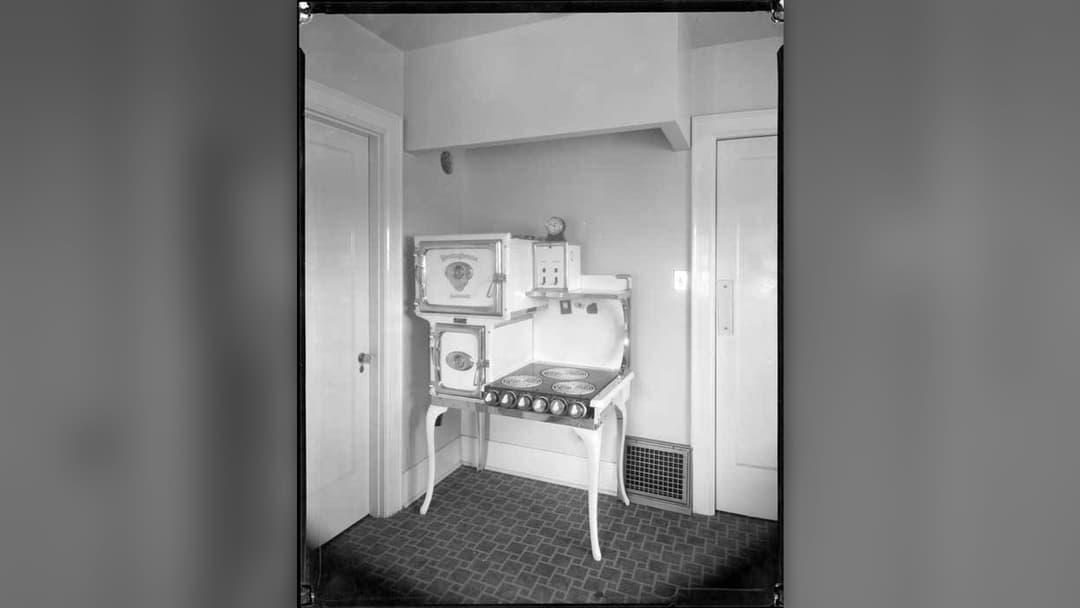
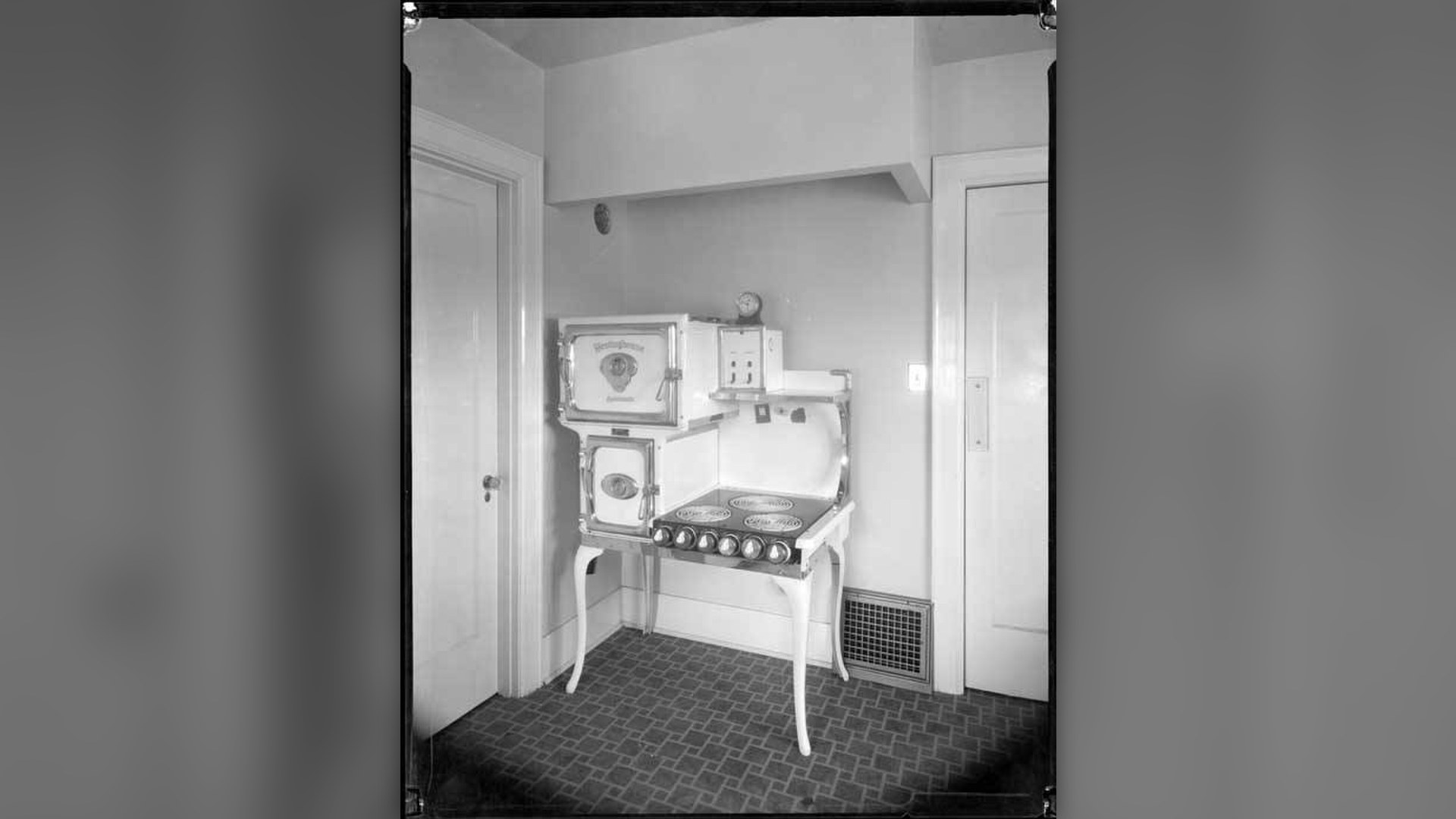
14. Electric Range And Oven (1952)
Modern electric ranges crossed fifty percent market adoption in the early 1950s, displacing older wood and coal cooking ranges across newly constructed suburbs. Insulated baking chambers and calibrated dial thermostats gave cooks precise temperature regulation for the first time.
©Wikimedia / Webster & Stevens
Advertisement
Swipe or tap ▶ to resume the countdown.
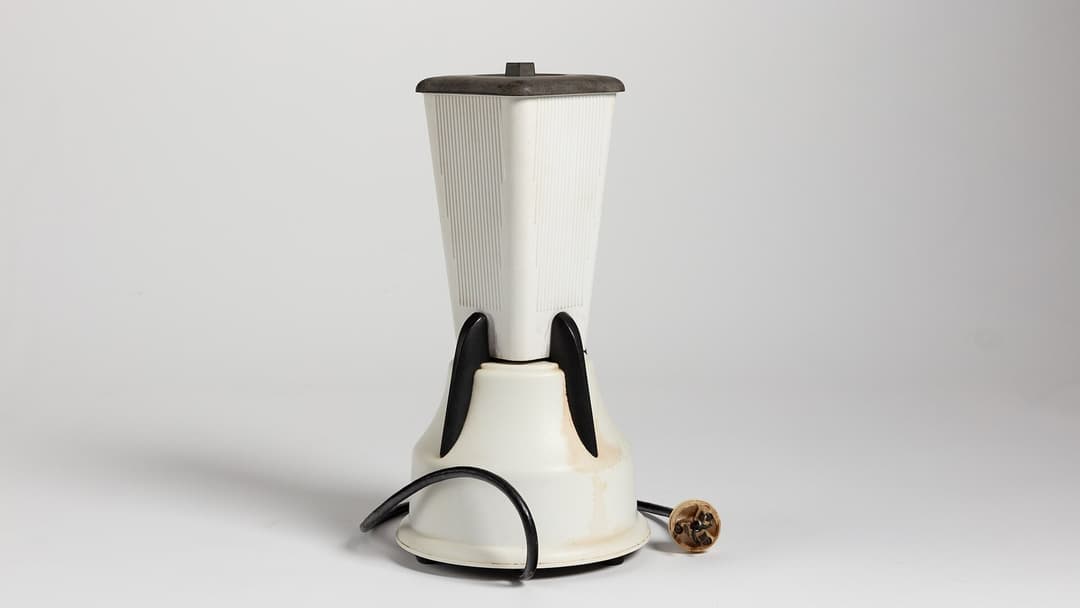
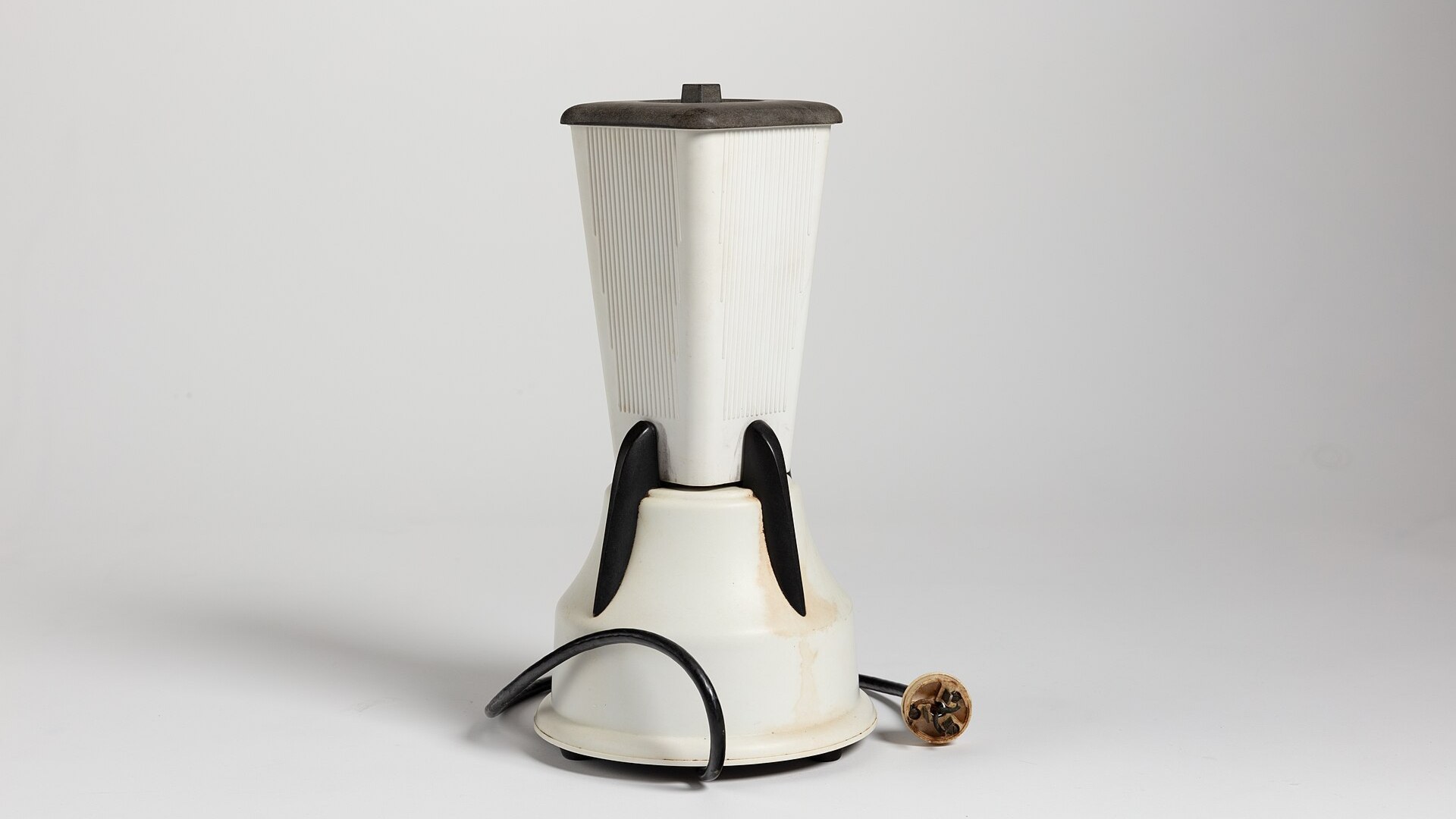
13. Electric Blender (1958)
Stephen Poplawski invented the blender in 1922, but post-war marketing by Waring and Osterizer pushed the small appliance into over half of US kitchens by 1958. It allowed cooks to liquefy fruits, whip salad dressings, and crush ice cubes in seconds.
©Wikimedia / Auckland War Memorial Museum
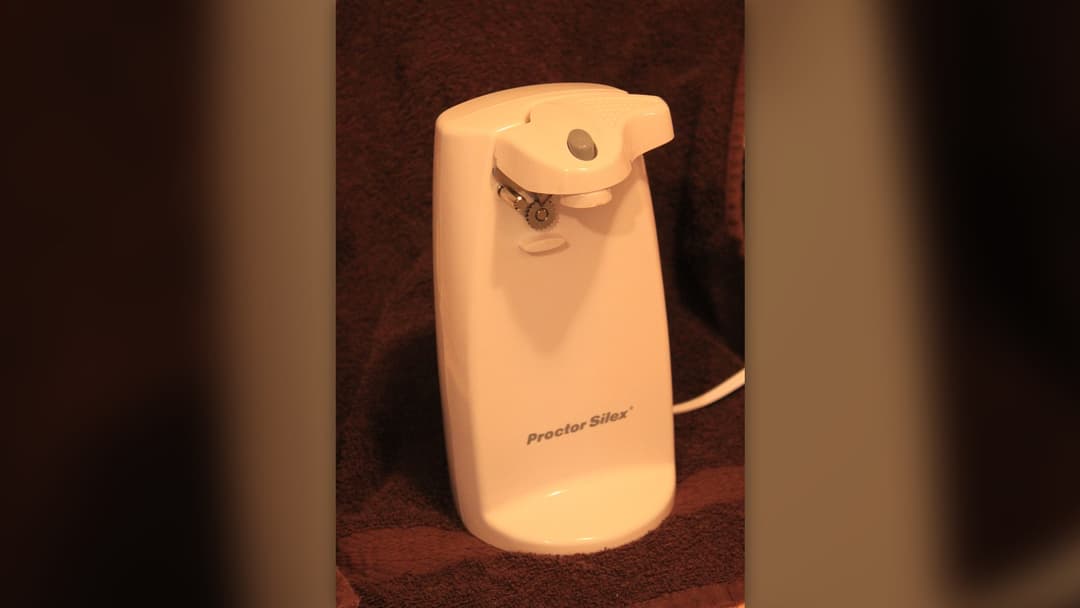
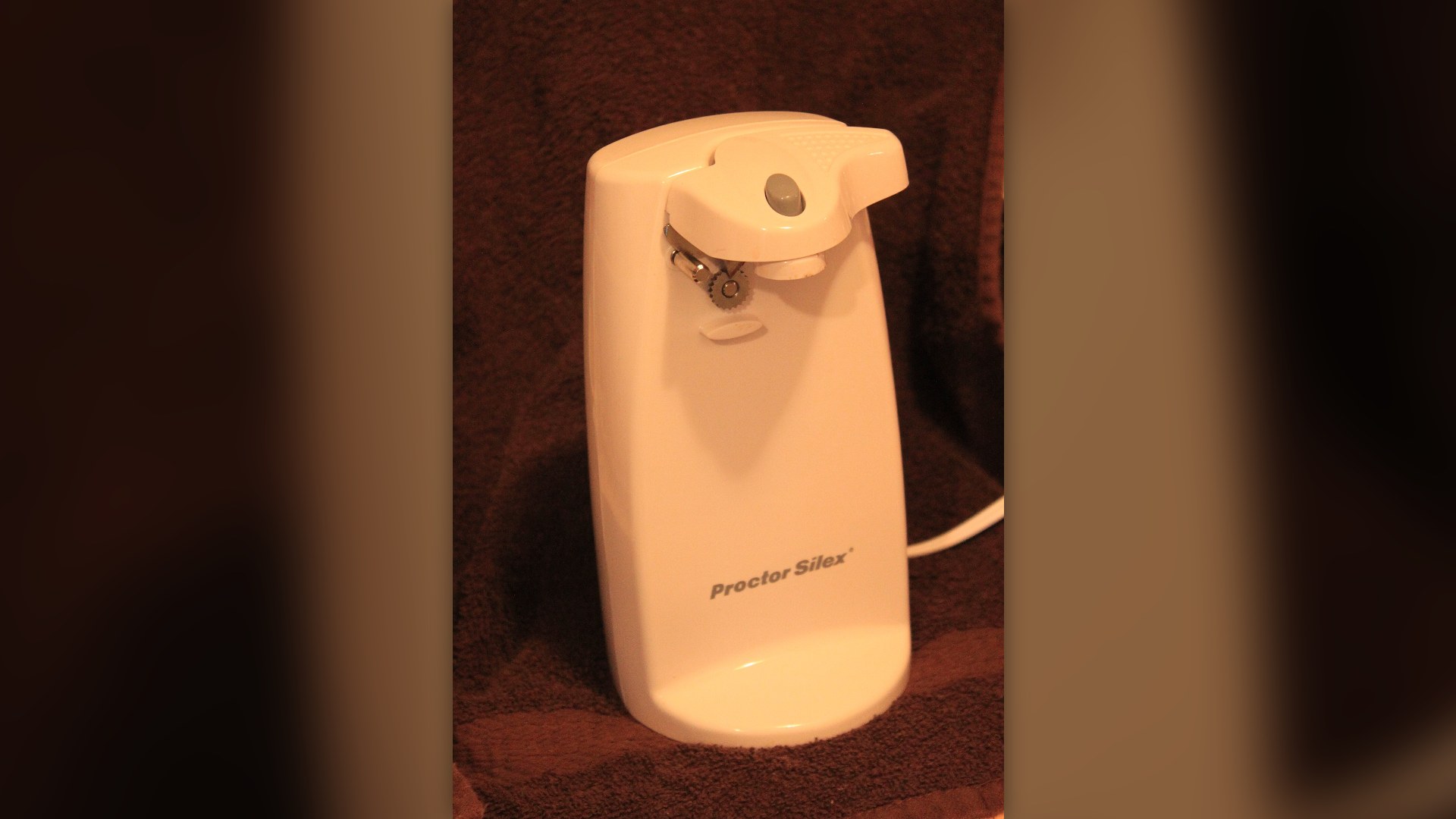
12. Electric Can Opener (1965)
Motorized electric can openers surged across American countertops in the 1960s, crossing into majority ownership around 1965. Magnetic lid holders and automated rotating cutting wheels made opening canned soups, vegetables, and pet food effortless for millions of busy families.
©Wikimedia / Dwight Burdette
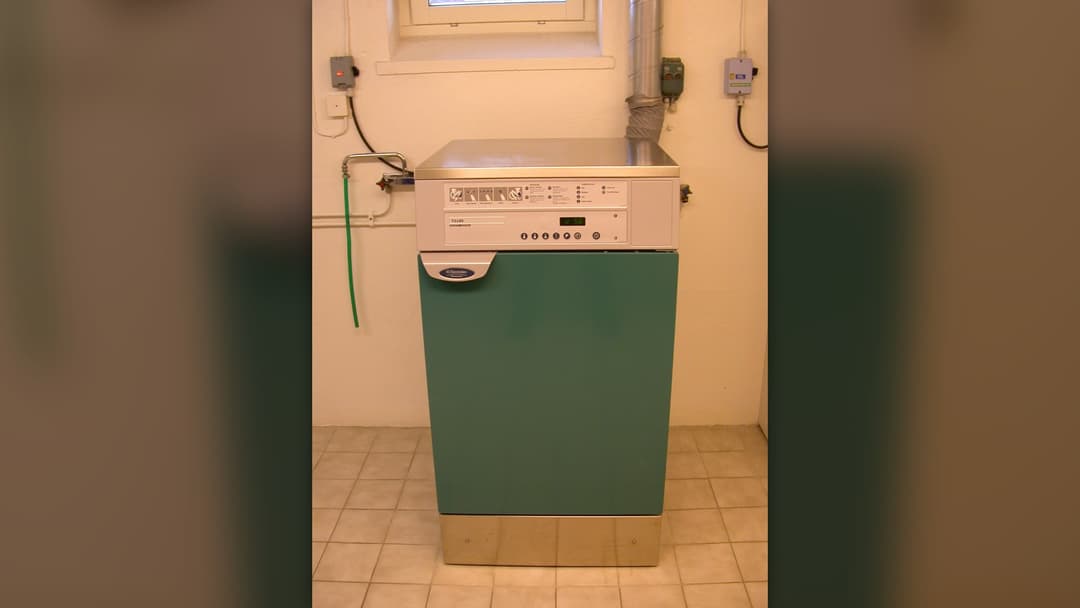
11. Clothes Dryer (1968)
Electric and gas clothes dryers crossed fifty percent household penetration by 1968 according to appliance manufacturing indexes. Automated moisture sensors and tumbling drums eliminated dependence on sunny weather, allowing families to wash and dry laundry regardless of outdoor winter storms.
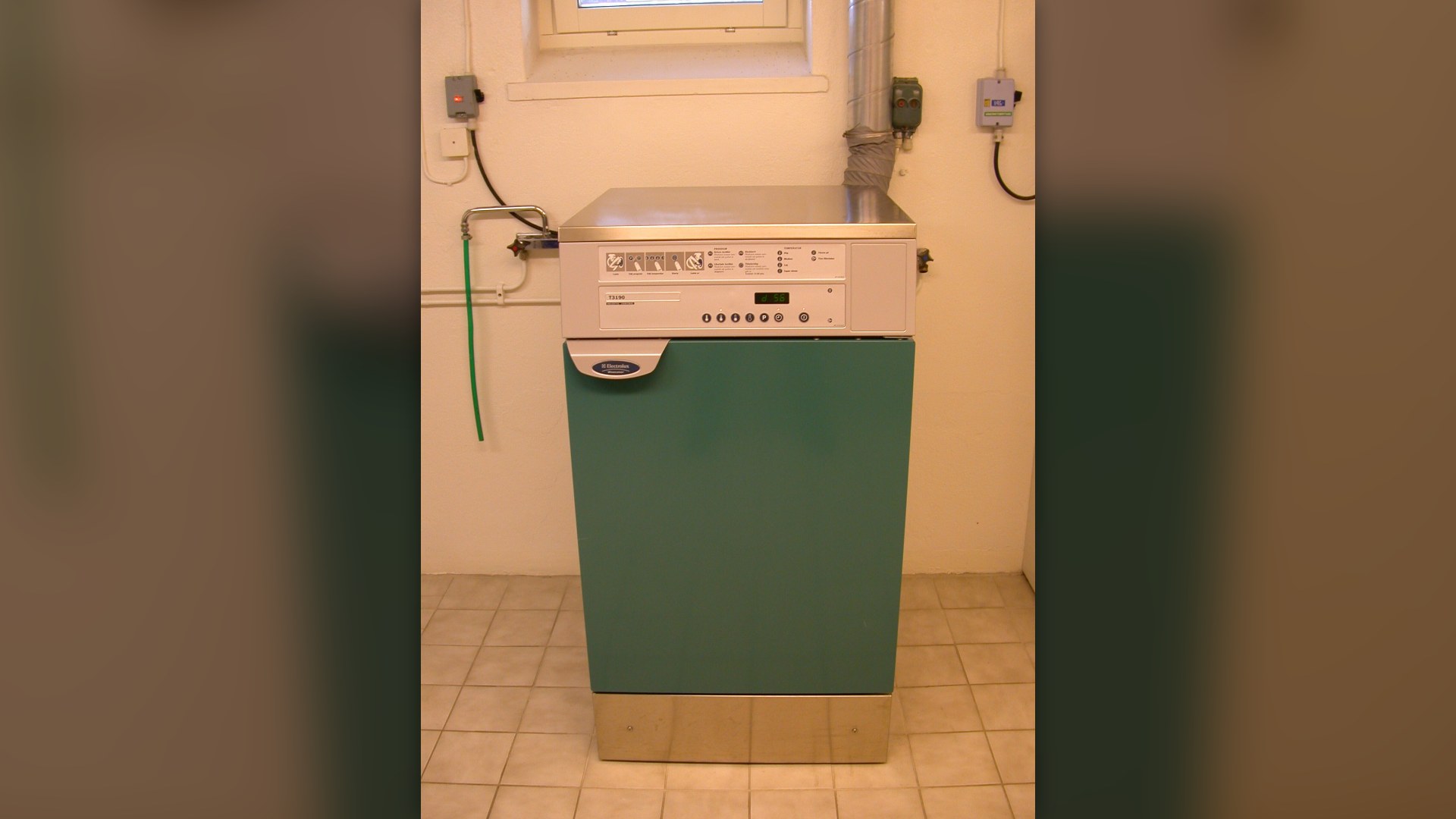
©Wikimedia / Riggwelter
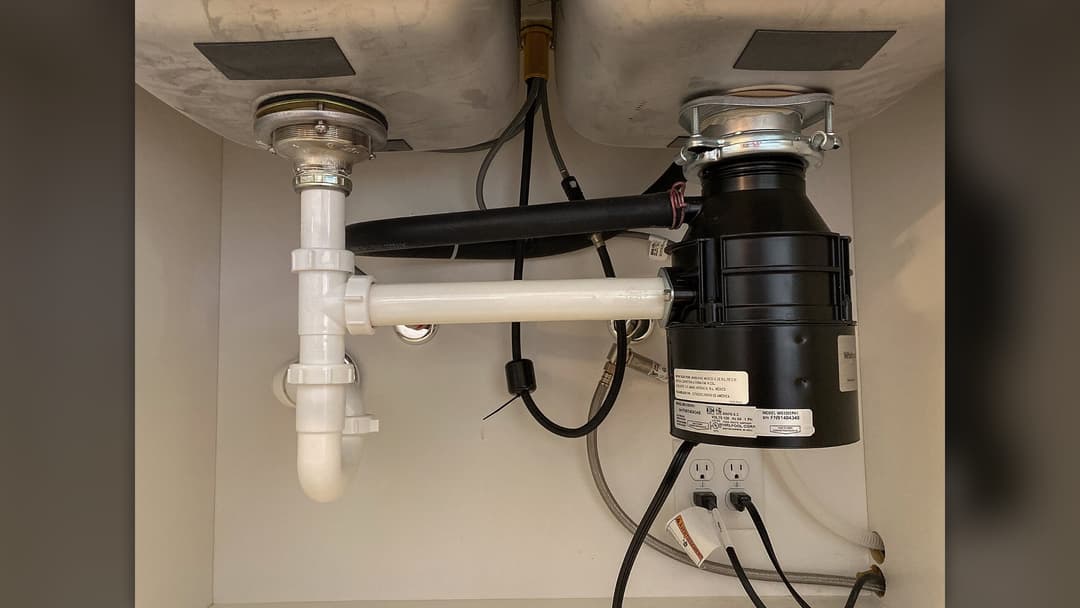
10. In-Sink Garbage Disposal (1972)
Invented by John Hammes in 1927 and commercialized by InSinkErator, garbage disposals crossed fifty percent adoption in American metropolitan dwellings by 1972. High-speed grinding rings pulverized soft food scraps, curbing kitchen odor and reducing organic household trash volume.
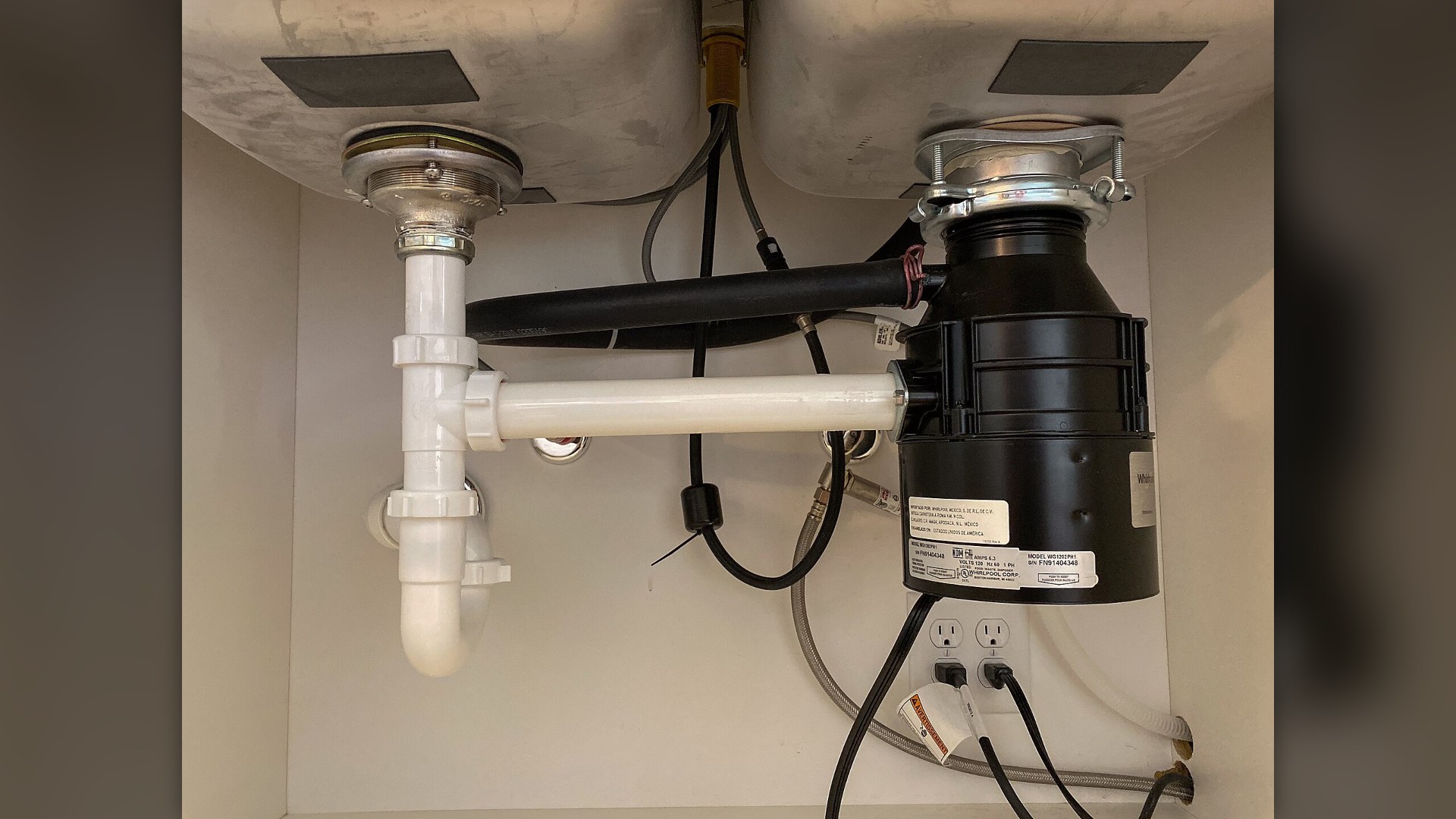
©Wikimedia / Tony Webster
Advertisement
Swipe or tap ▶ to resume the countdown.
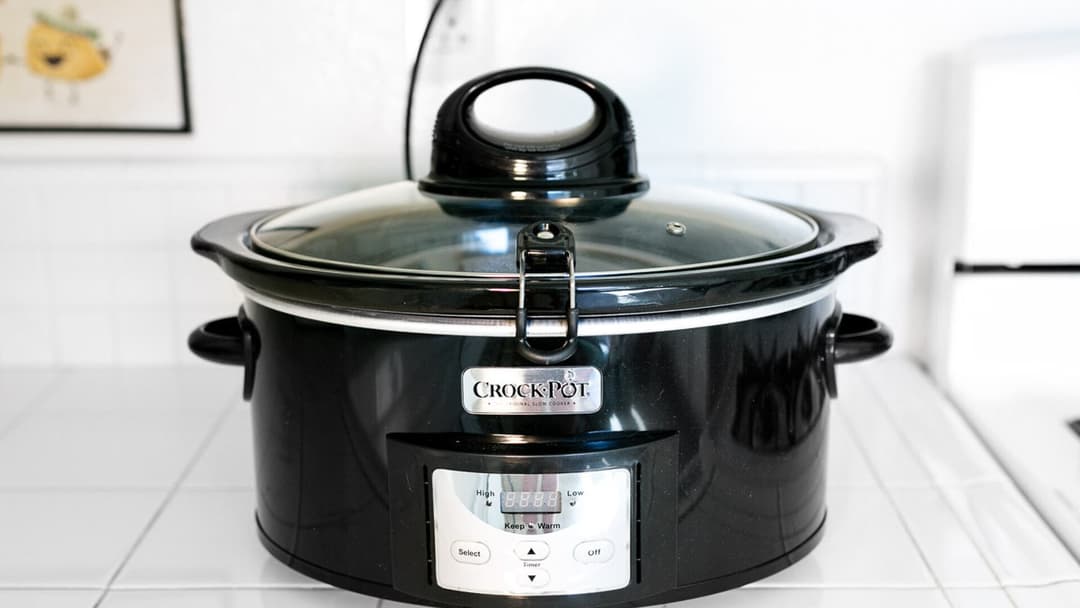
9. Slow Cooker (1975)
Introduced by Rival as the Crock-Pot in 1971, the slow cooker achieved majority household presence by 1975 as more women entered the full-time workforce. Low-wattage simmering enabled cooks to prepare stews and roasts unattended during eight-hour workdays without scorching.
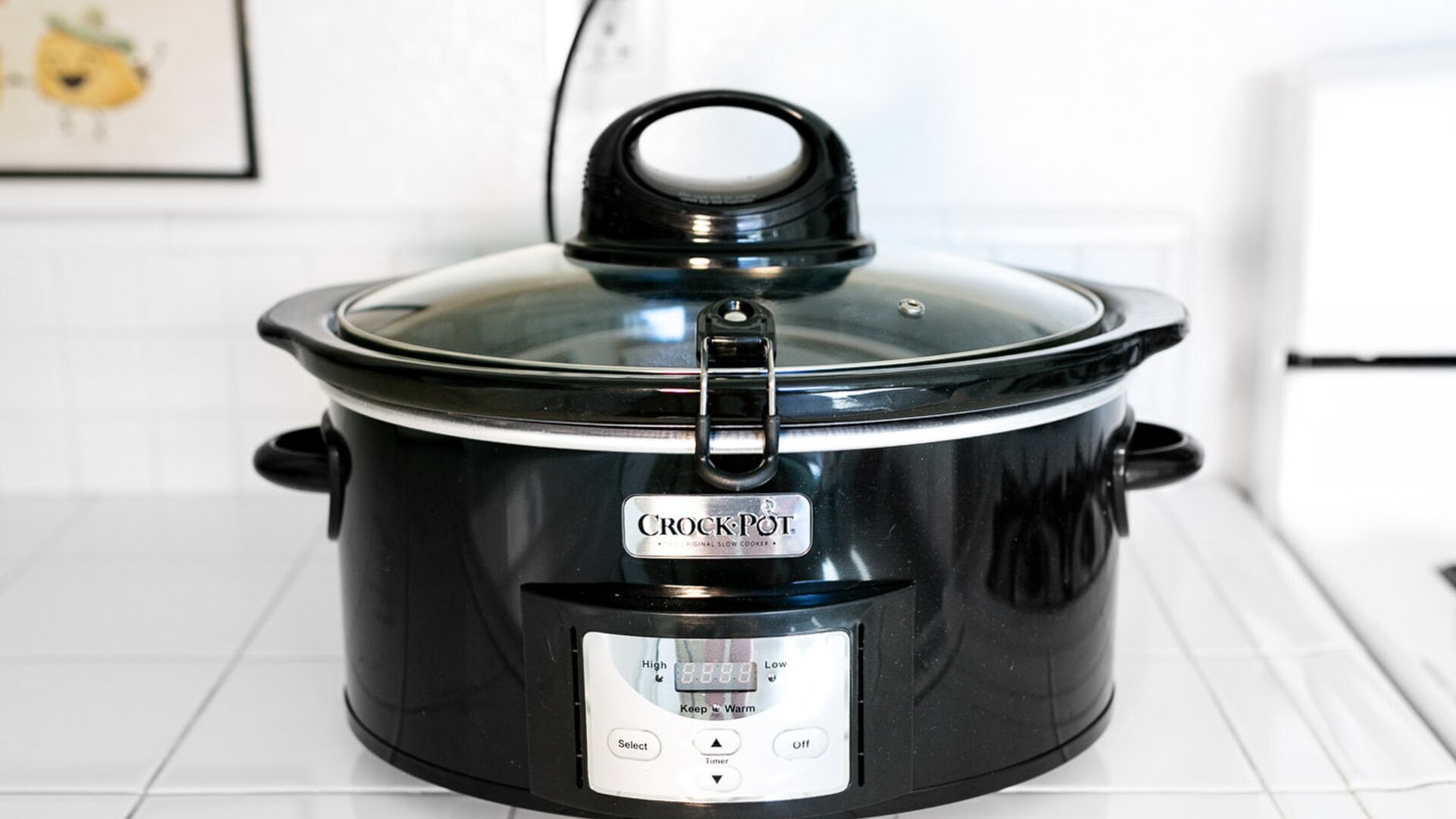
©Wikimedia / Your Best Digs
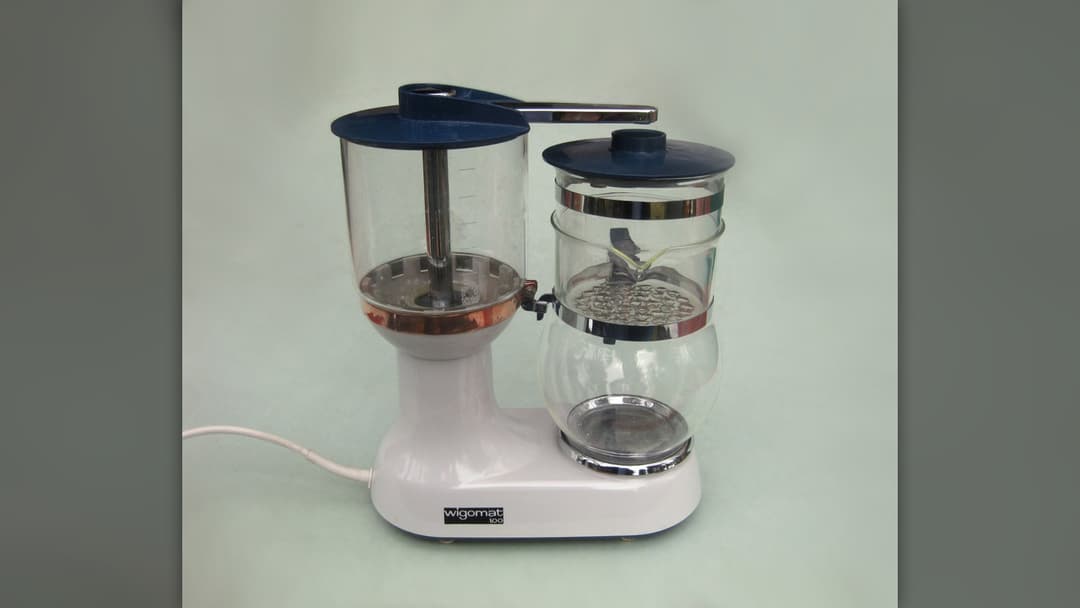
8. Automatic Drip Coffeemaker (1977)
Vincent Marotta introduced Mr. Coffee in 1972, and within five years automatic drip machines were brewing in over fifty percent of coffee-drinking homes. Heating water to a precise two hundred degrees Fahrenheit produced smoother coffee in minutes, retiring metal percolator baskets.
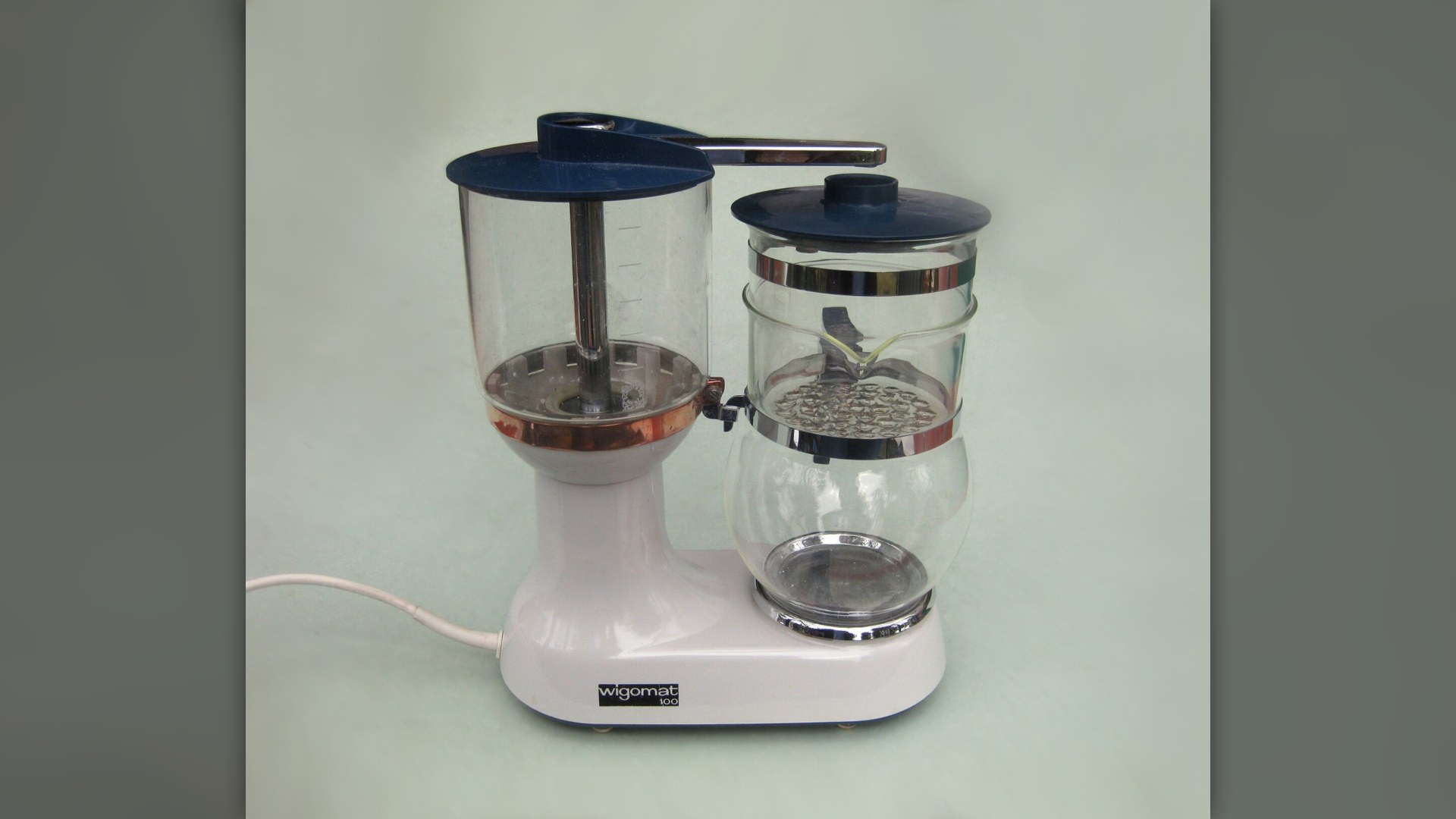
©Wikimedia / www.acosta.eu / or Christos Vittoratos
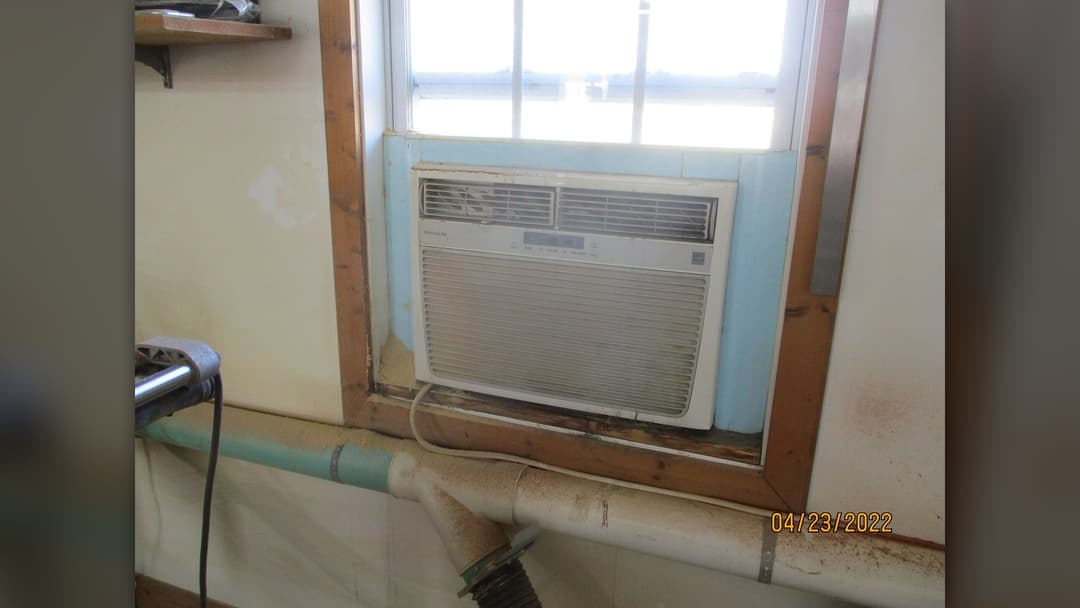
7. Air Conditioning (1978)
The Energy Information Administration recorded that air conditioning crossed into fifty-six percent of US homes in 1978. Expanding from southern window units into central ductwork systems, residential cooling spurred economic migration to desert cities like Phoenix and Las Vegas.
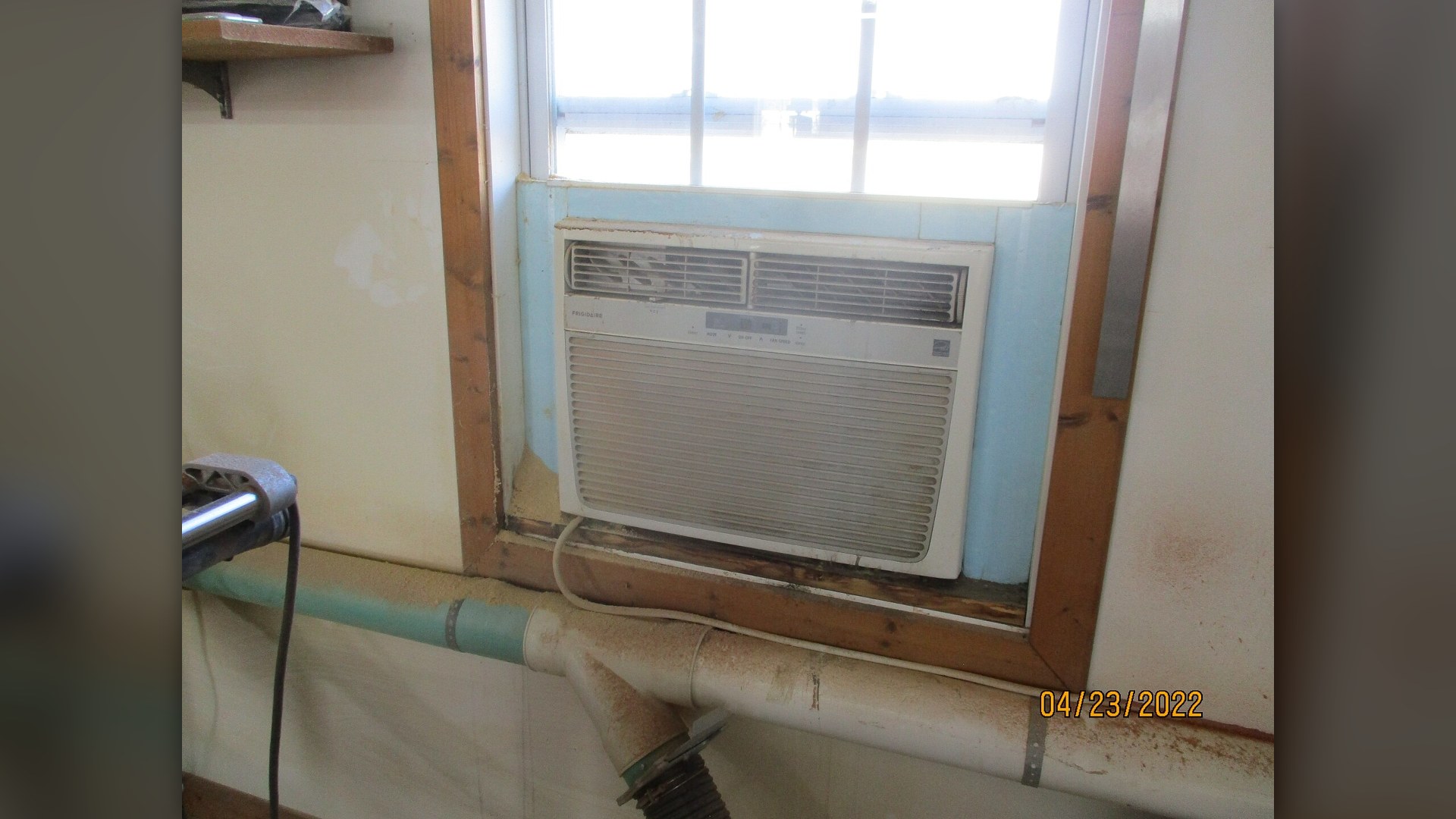
©Wikimedia / FanFan61618
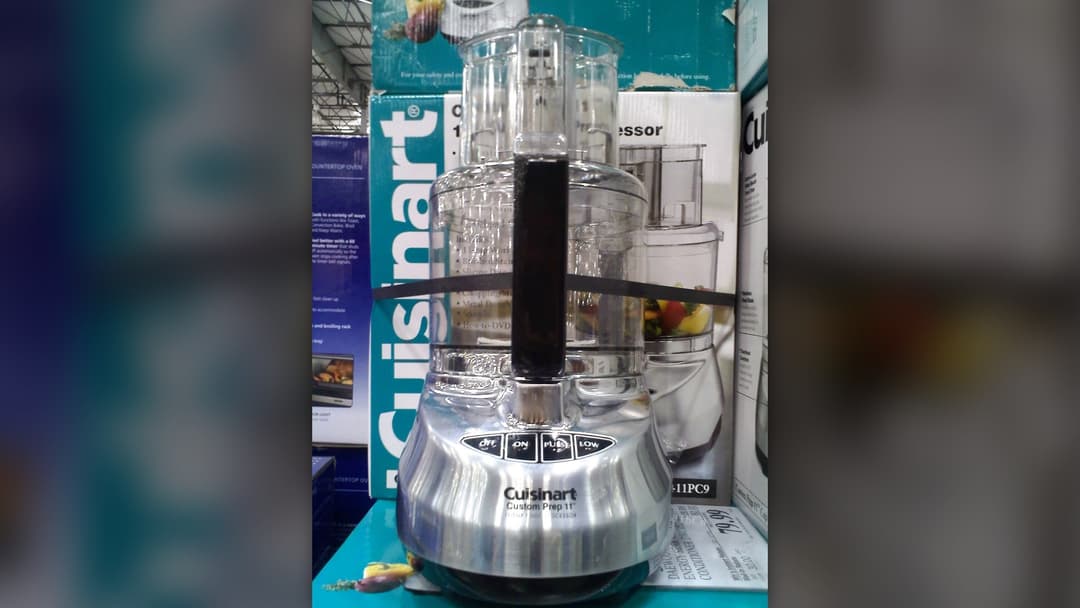
6. Electric Food Processor (1982)
Carl Sontheimer introduced the Cuisinart food processor to American cooks in 1973, and by 1982 motorized processors became a standard fixture on wedding registries and kitchen counters. Precision stainless steel discs sliced, grated, and pureed whole vegetables in seconds.
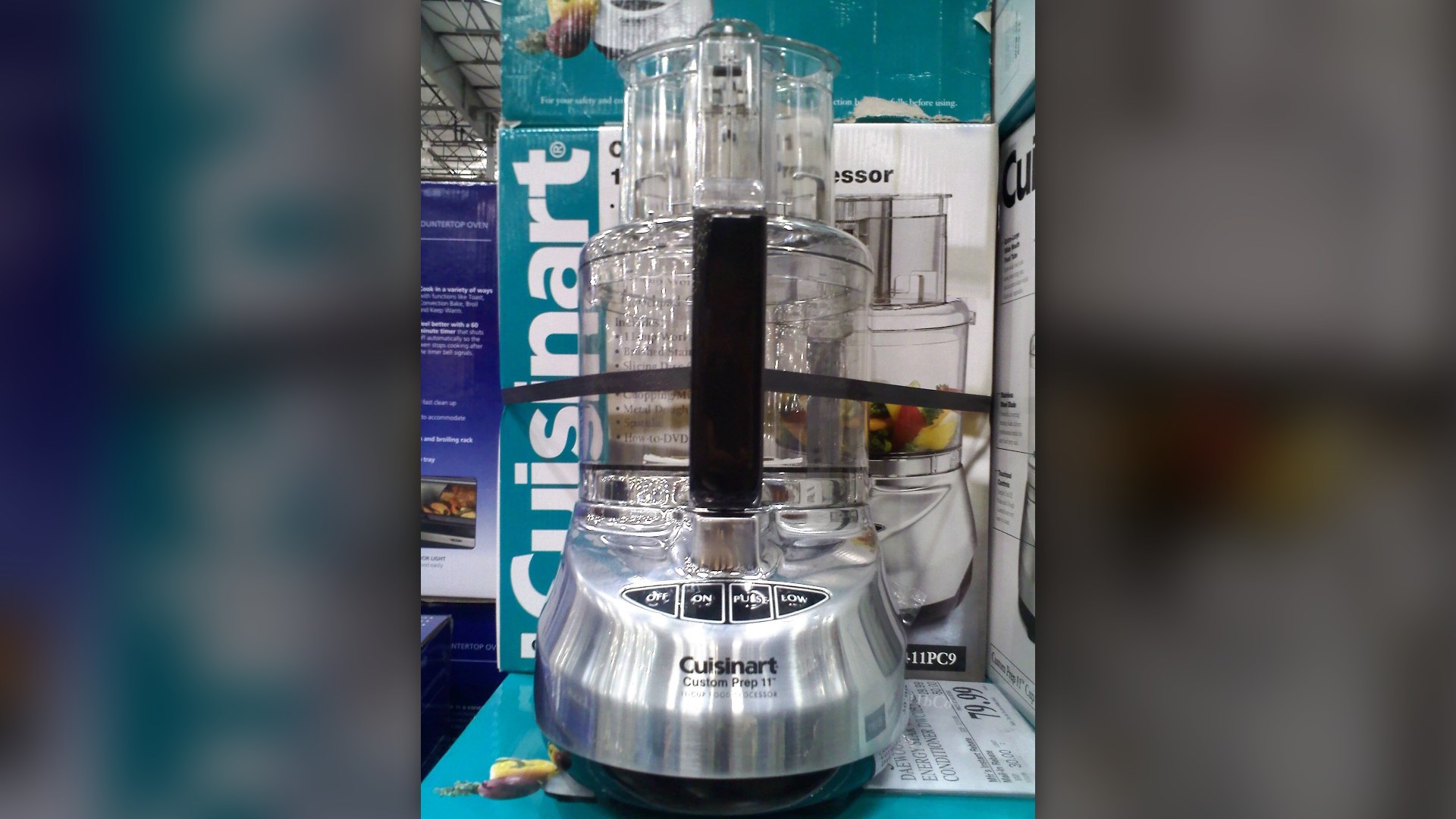
©Wikimedia / Maxis ftw ( talk )
Advertisement
Swipe or tap ▶ to resume the countdown.
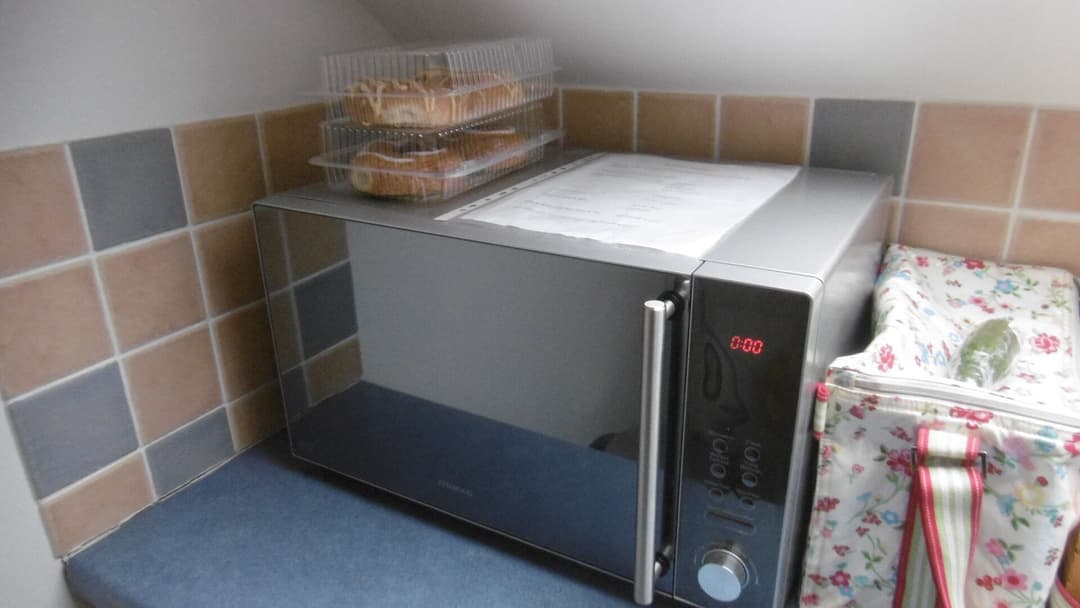
5. Countertop Microwave Oven (1986)
Microwave ovens leaped from under ten percent ownership in 1978 to over fifty percent by 1986, reaching seventy percent before the decade ended. Compact magnetron tubes and affordable prices let working families reheat leftovers and frozen TV dinners in a fraction of traditional oven time.
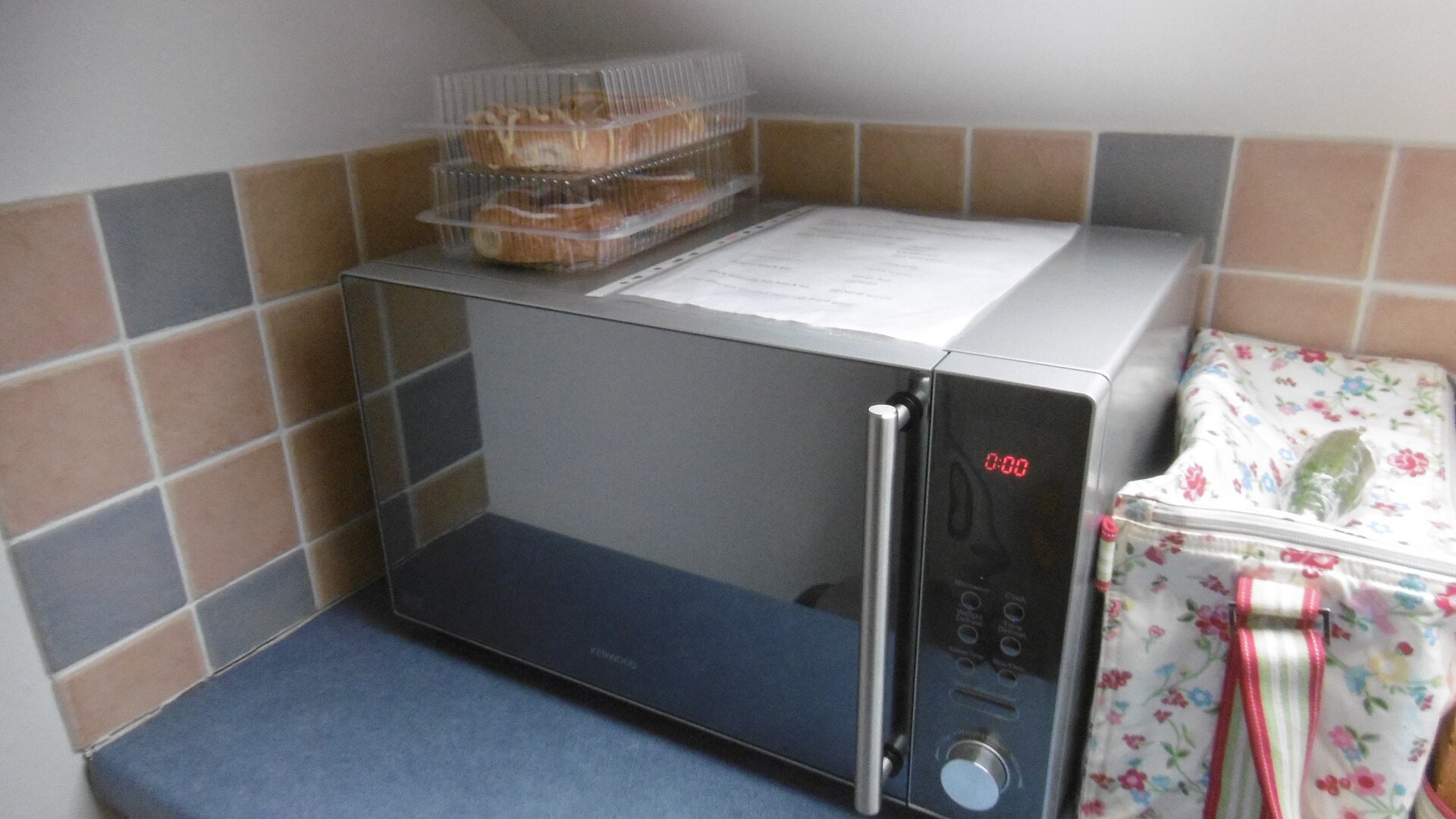
©Wikimedia / NeoMeesje
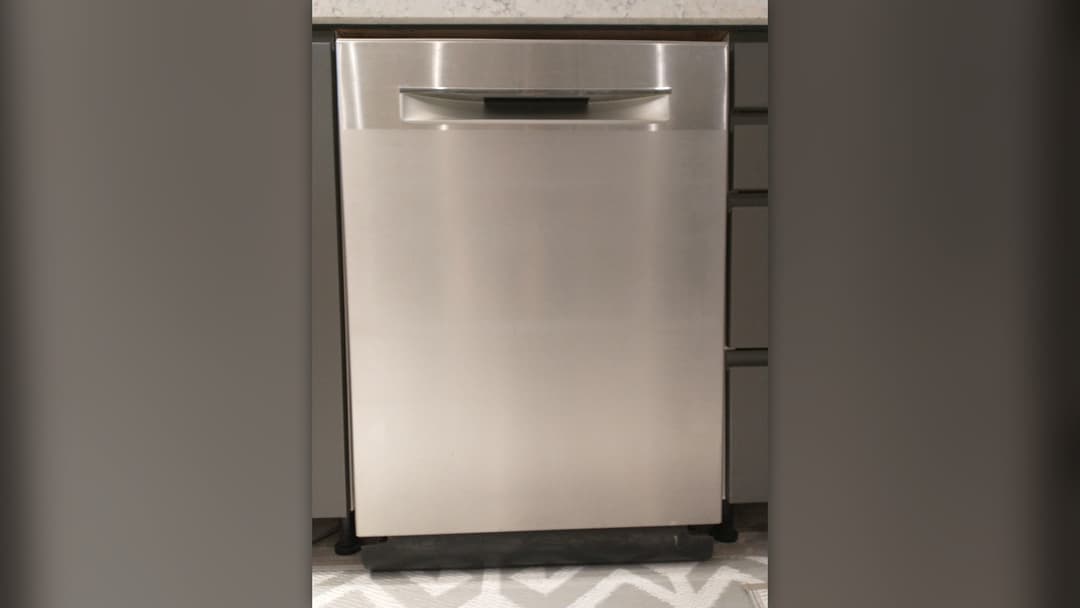
4. Automatic Dishwasher (1995)
Federal residential surveys show built-in and portable dishwashers crossed into fifty percent of American housing units by 1995. High-temperature sanitize cycles, rotating spray arms, and enzymatic powdered detergents turned machine dishwashing into a standard modern builder specification.
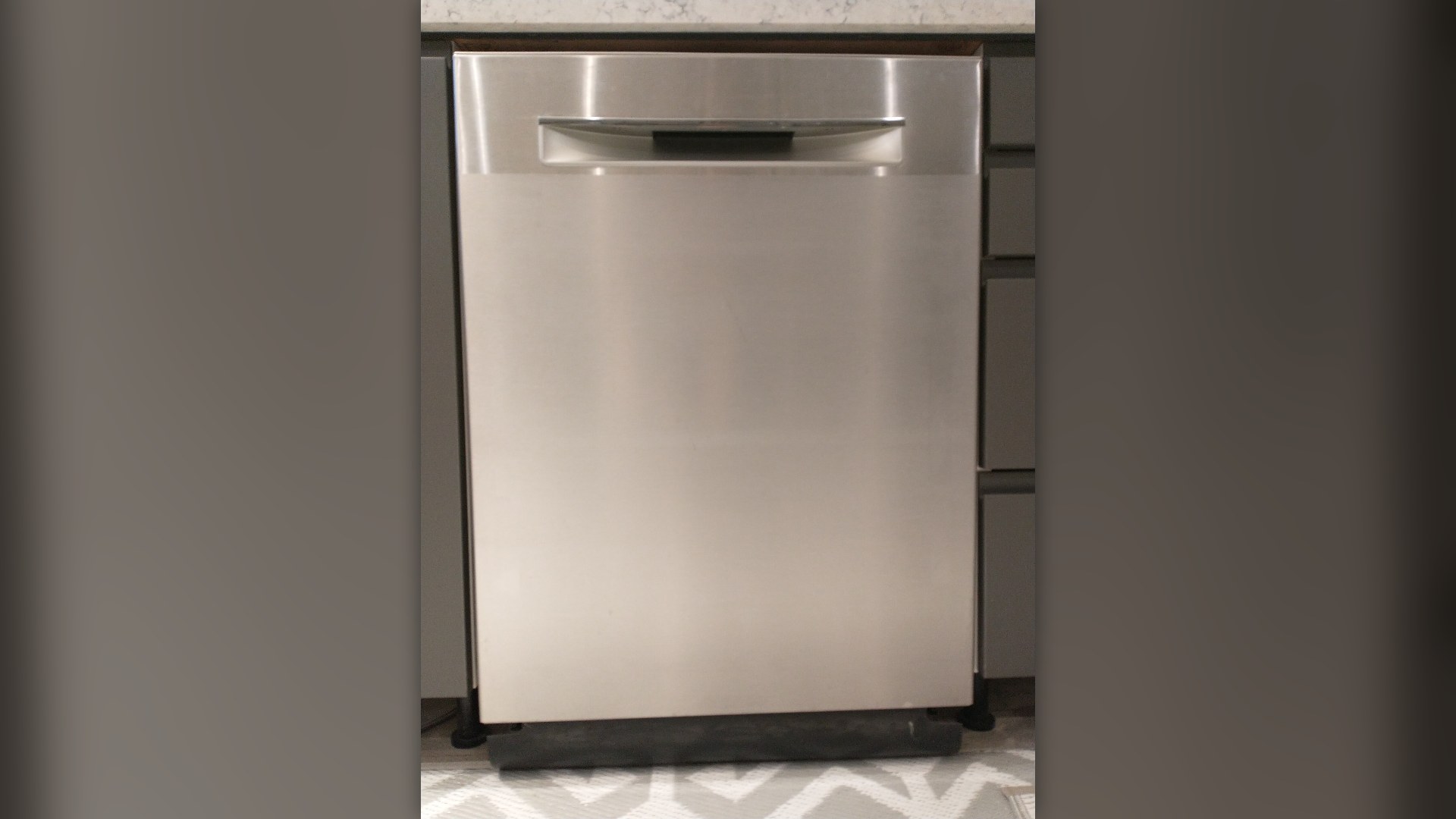
©Wikimedia / Stilfehler
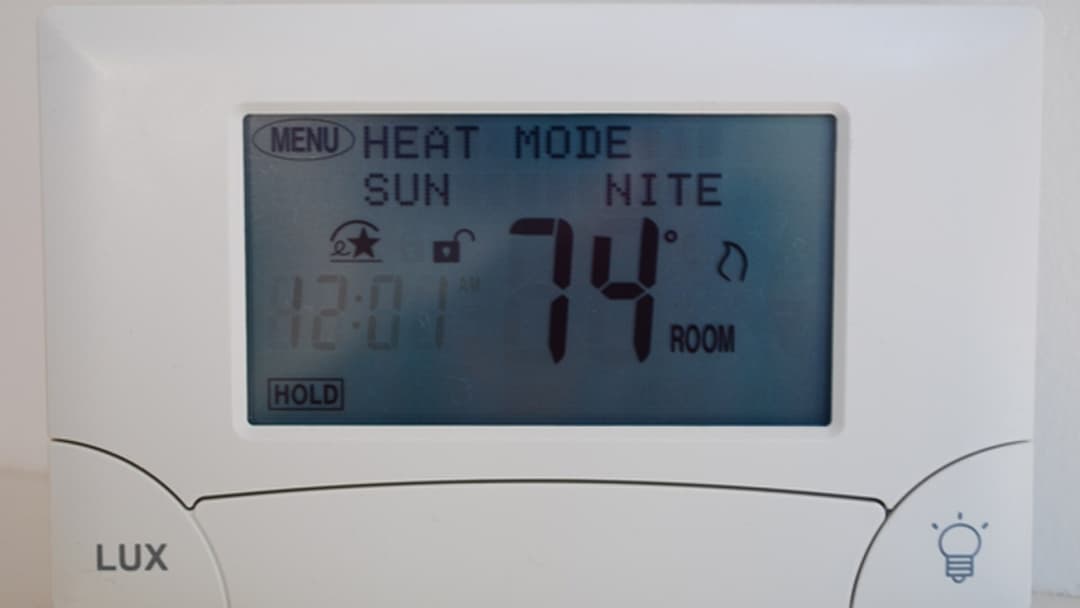
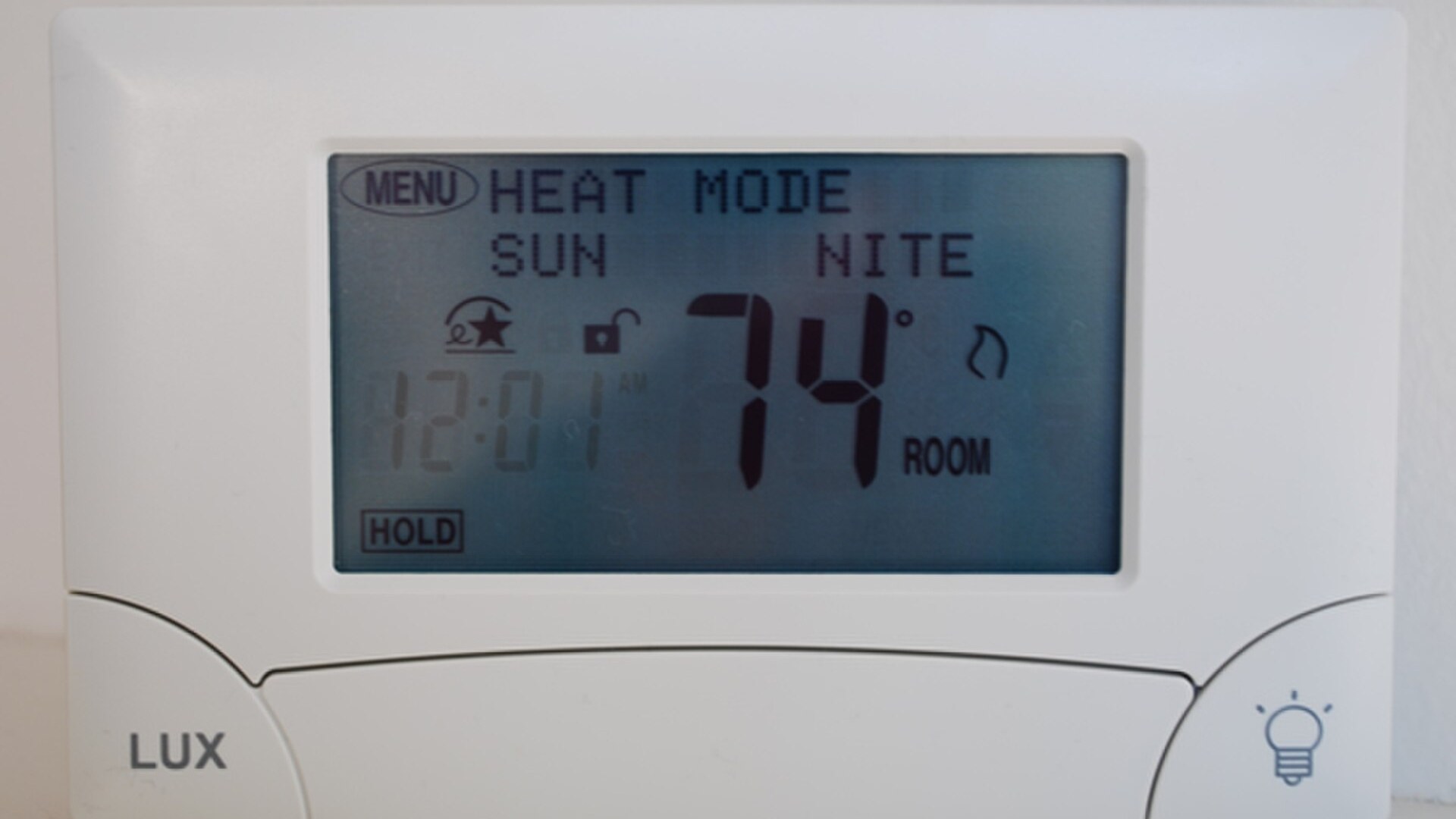
3. Digital Programmable Thermostat (2005)
Federal Energy Star initiatives and utility rebate programs pushed digital programmable thermostats into over fifty percent of US homes by 2005. Replacing mercury switch bimetal dials, digital scheduling let homeowners lower energy consumption overnight automatically.
©Wikimedia / The original uploader was Dxmurphy
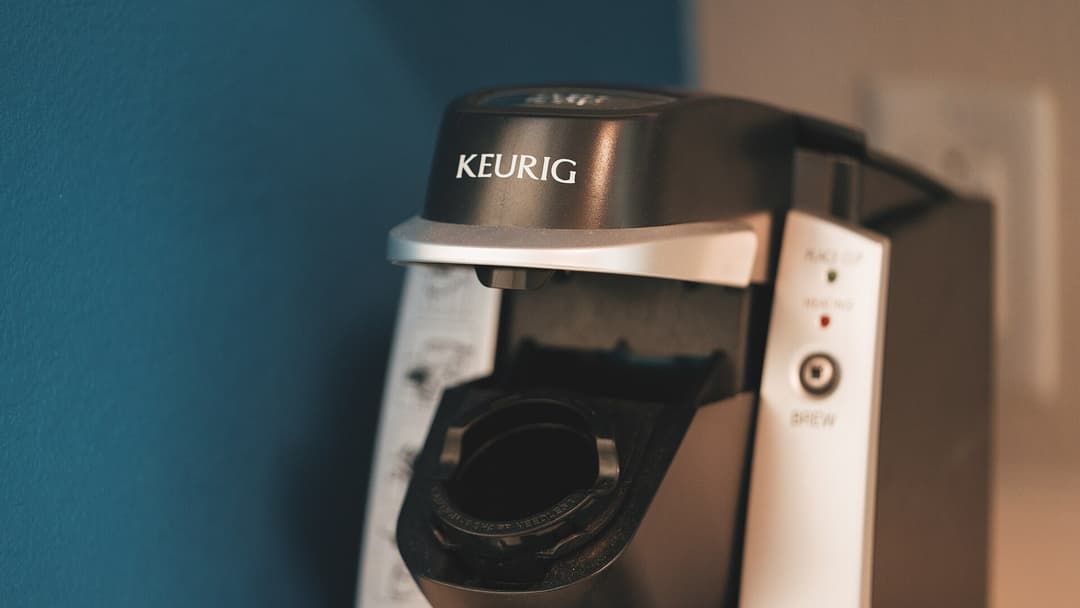
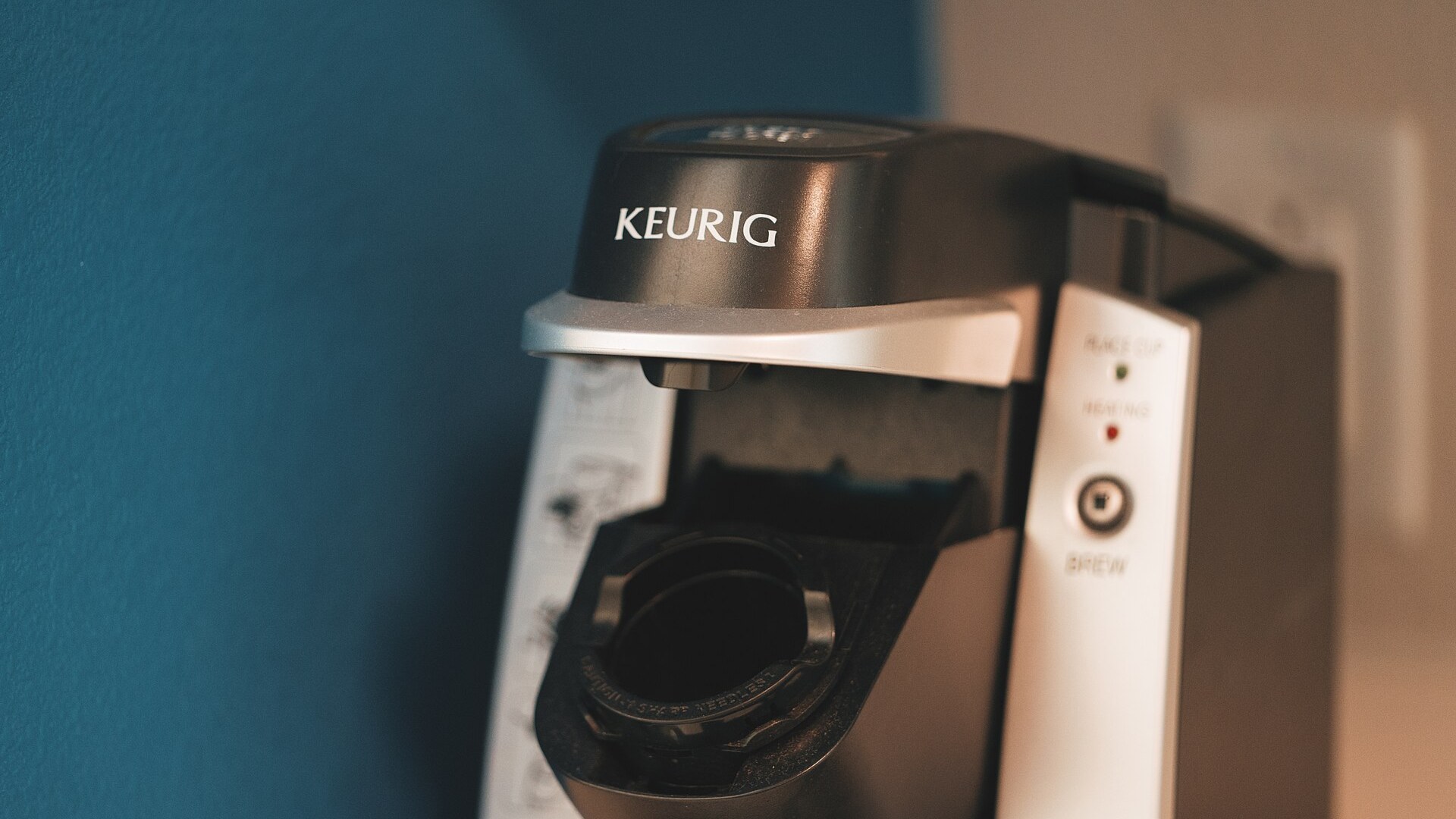
2. Single-Serve Pod Coffeemaker (2016)
Pioneered by Keurig K-Cup systems, single-serve capsule machines crossed fifty percent penetration among American coffee appliance owners by 2016. The pod format eliminated messy ground coffee filters and brewed customized single cups in less than sixty seconds.
©Wikimedia / Tony Webster from Minneapolis, Minnesota, United
Advertisement
Swipe or tap ▶ to resume the countdown.
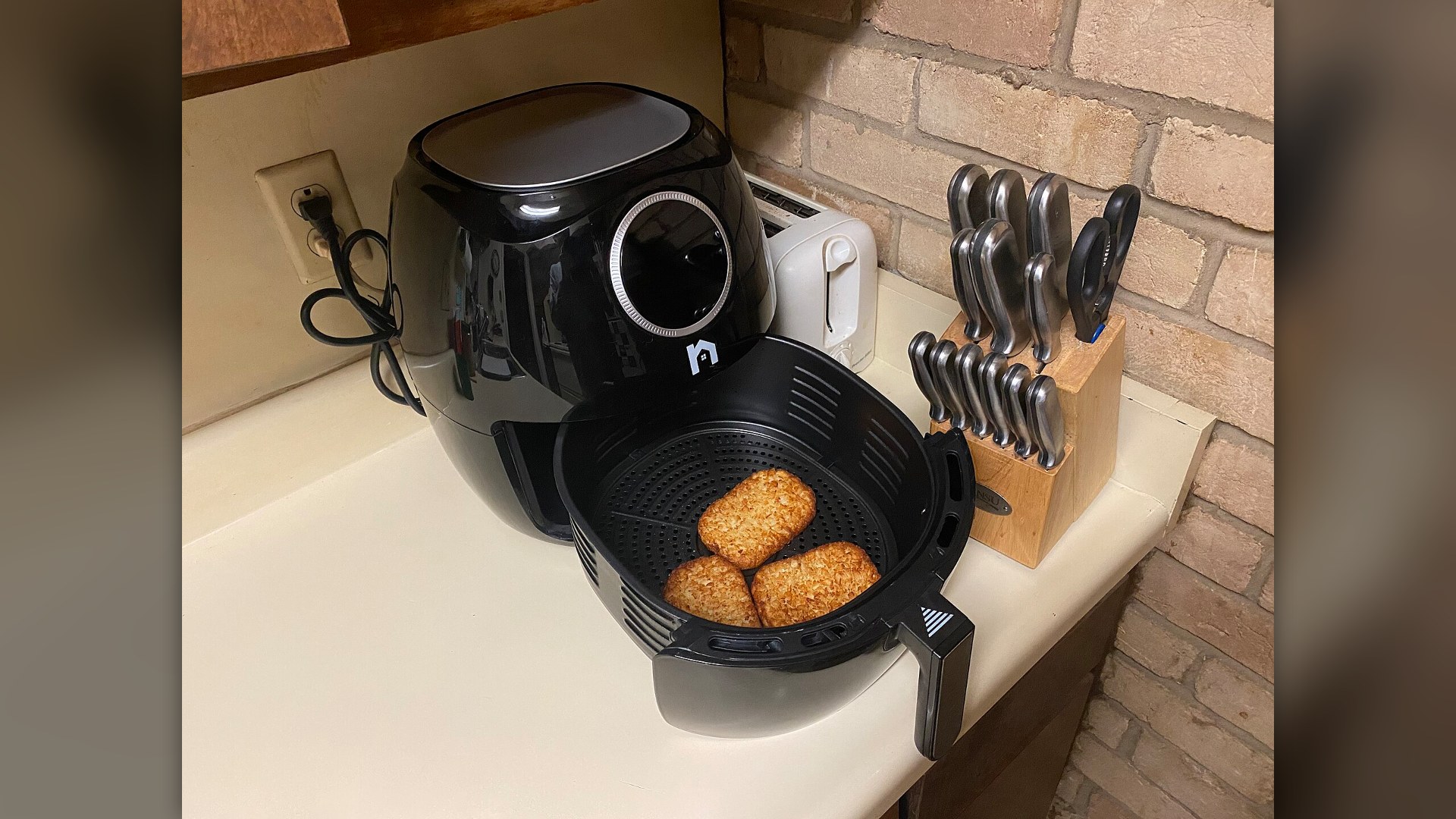
1. Countertop Air Fryer (2022)
Industry sales data from Circana confirmed that countertop air fryers surpassed sixty percent household penetration in the United States by late 2022. Compact convection elements circulate superheated air rapidly around food, producing crunchy fries and chicken tenders without deep frying.
©Wikimedia / I am R
Advertisement
You've reached the end of the story. Thanks for reading!

20 Ways Americans Are Using AI to Make Holiday Shopping Easier in 2026
Generative tools now reshape how US families tackle holiday gift lists, compare deals, and track shipments. Retail systems predict price drops and suggest tailored presents while cutting checkout friction. Based on Adobe Analytics, National Retail Federation, and Salesforce holiday data, here is how tech helps.
All 20 Entries in this Story
20. Electric Flatiron (1925)
Electric flatirons became the earliest electrified consumer appliances to achieve fifty percent penetration in American homes by roughly 1925. Inexpensive and lightweight, they eliminated the grueling task of heating heavy solid iron wedges over coal stoves on weekly wash days.

19. Electric Sewing Machine (1930)
By 1930, electric sewing machines crossed into majority use among electrified households, led by portable motor designs from Singer and White. Electrification cut clothing construction and mending times in half, transforming domestic textile maintenance during the Great Depression.

18. Pop-Up Bread Toaster (1935)
Charles Strite patented the automatic pop-up toaster mechanism in 1919, and the iconic Toastmaster Model 1-A-1 helped the appliance reach majority kitchens around 1935. It eliminated scorched slices by utilizing dual heating elements and a mechanical spring release.

17. Electric Washing Machine (1940)
The 1940 US Housing Census recorded that power-driven washing machines reached nearly fifty percent of all American residences. Powered by electric fractional horsepower motors, electric wringer washers from Maytag and Whirlpool saved homemakers countless hours of hand laundering.

16. Mechanical Refrigerator (1940)
Mechanical refrigerators officially crossed majority adoption around 1940, surging past 44 percent in the 1940 Census and topping fifty percent shortly after. Sealed hermetic compressors from Frigidaire and General Electric eliminated messy ice blocks and modernized perishable food safety.

15. Electric Vacuum Cleaner (1948)
Electric upright and canister vacuums achieved over fifty percent household penetration by 1948 as post-war factories resumed consumer production. Brands like Hoover and Electrolux turned mechanized floor cleaning into a suburban standard, retiring cumbersome outdoor rug beaters.

14. Electric Range And Oven (1952)
Modern electric ranges crossed fifty percent market adoption in the early 1950s, displacing older wood and coal cooking ranges across newly constructed suburbs. Insulated baking chambers and calibrated dial thermostats gave cooks precise temperature regulation for the first time.

13. Electric Blender (1958)
Stephen Poplawski invented the blender in 1922, but post-war marketing by Waring and Osterizer pushed the small appliance into over half of US kitchens by 1958. It allowed cooks to liquefy fruits, whip salad dressings, and crush ice cubes in seconds.

12. Electric Can Opener (1965)
Motorized electric can openers surged across American countertops in the 1960s, crossing into majority ownership around 1965. Magnetic lid holders and automated rotating cutting wheels made opening canned soups, vegetables, and pet food effortless for millions of busy families.

11. Clothes Dryer (1968)
Electric and gas clothes dryers crossed fifty percent household penetration by 1968 according to appliance manufacturing indexes. Automated moisture sensors and tumbling drums eliminated dependence on sunny weather, allowing families to wash and dry laundry regardless of outdoor winter storms.

10. In-Sink Garbage Disposal (1972)
Invented by John Hammes in 1927 and commercialized by InSinkErator, garbage disposals crossed fifty percent adoption in American metropolitan dwellings by 1972. High-speed grinding rings pulverized soft food scraps, curbing kitchen odor and reducing organic household trash volume.

9. Slow Cooker (1975)
Introduced by Rival as the Crock-Pot in 1971, the slow cooker achieved majority household presence by 1975 as more women entered the full-time workforce. Low-wattage simmering enabled cooks to prepare stews and roasts unattended during eight-hour workdays without scorching.

8. Automatic Drip Coffeemaker (1977)
Vincent Marotta introduced Mr. Coffee in 1972, and within five years automatic drip machines were brewing in over fifty percent of coffee-drinking homes. Heating water to a precise two hundred degrees Fahrenheit produced smoother coffee in minutes, retiring metal percolator baskets.

7. Air Conditioning (1978)
The Energy Information Administration recorded that air conditioning crossed into fifty-six percent of US homes in 1978. Expanding from southern window units into central ductwork systems, residential cooling spurred economic migration to desert cities like Phoenix and Las Vegas.

6. Electric Food Processor (1982)
Carl Sontheimer introduced the Cuisinart food processor to American cooks in 1973, and by 1982 motorized processors became a standard fixture on wedding registries and kitchen counters. Precision stainless steel discs sliced, grated, and pureed whole vegetables in seconds.

5. Countertop Microwave Oven (1986)
Microwave ovens leaped from under ten percent ownership in 1978 to over fifty percent by 1986, reaching seventy percent before the decade ended. Compact magnetron tubes and affordable prices let working families reheat leftovers and frozen TV dinners in a fraction of traditional oven time.

4. Automatic Dishwasher (1995)
Federal residential surveys show built-in and portable dishwashers crossed into fifty percent of American housing units by 1995. High-temperature sanitize cycles, rotating spray arms, and enzymatic powdered detergents turned machine dishwashing into a standard modern builder specification.

3. Digital Programmable Thermostat (2005)
Federal Energy Star initiatives and utility rebate programs pushed digital programmable thermostats into over fifty percent of US homes by 2005. Replacing mercury switch bimetal dials, digital scheduling let homeowners lower energy consumption overnight automatically.

2. Single-Serve Pod Coffeemaker (2016)
Pioneered by Keurig K-Cup systems, single-serve capsule machines crossed fifty percent penetration among American coffee appliance owners by 2016. The pod format eliminated messy ground coffee filters and brewed customized single cups in less than sixty seconds.

1. Countertop Air Fryer (2022)
Industry sales data from Circana confirmed that countertop air fryers surpassed sixty percent household penetration in the United States by late 2022. Compact convection elements circulate superheated air rapidly around food, producing crunchy fries and chicken tenders without deep frying.