Slideshow · Lifestyle
20 Classic Toys Ranked by Year Introduced, 1950s to 1990s
Playrooms transformed across the late twentieth century as innovative materials and clever marketing produced enduring cultural icons. From post war putty to pocket electronic pets, these twenty celebrated playthings captured millions of imaginations and shaped global childhood memories across five decades.
By Most Viral Today
15 min ago

Playroom Icons That Defined Generations 
20. Silly Putty (1950) 
19. Mr. Potato Head (1952) 
18. Matchbox Cars (1953) - AdvertisementSwipe or tap ▶ to continue countdown

17. Play-Doh (1956) 
16. Frisbee (1957) 
15. Hula Hoop (1958) 
14. Barbie (1959) - AdvertisementSwipe or tap ▶ to continue countdown

13. Etch A Sketch (1960) 
12. Easy-Bake Oven (1963) 
11. G.I. Joe (1964) 
10. Twister (1966) - AdvertisementSwipe or tap ▶ to continue countdown

9. Hot Wheels (1968) 
8. Nerf Ball (1970) 
7. Rubik's Cube (1974) 
6. Cabbage Patch Kids (1982) - AdvertisementSwipe or tap ▶ to continue countdown

5. Care Bears (1983) 
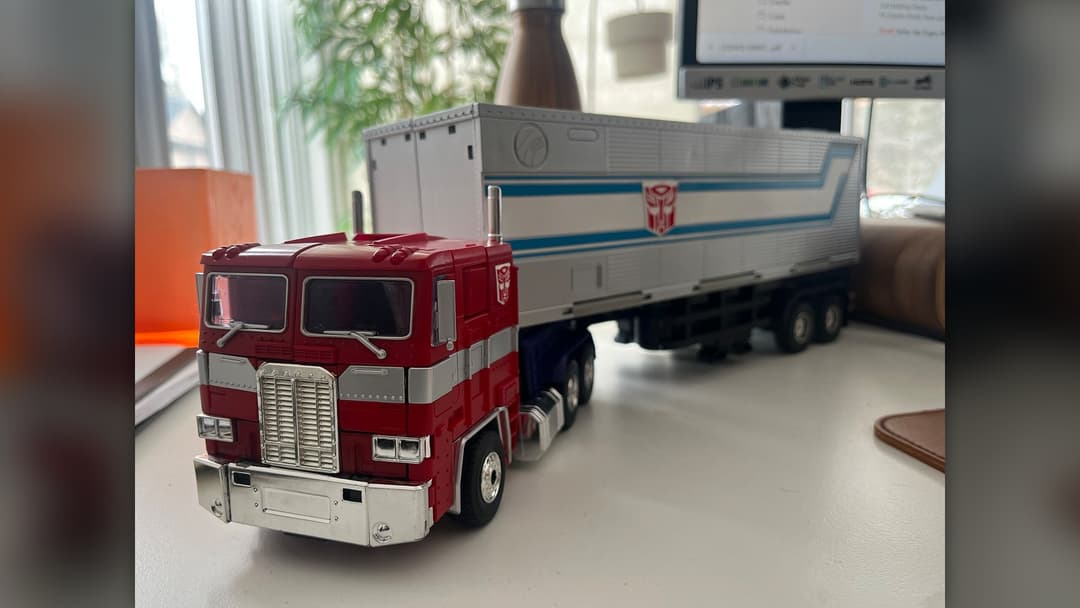
4. Transformers (1984) 
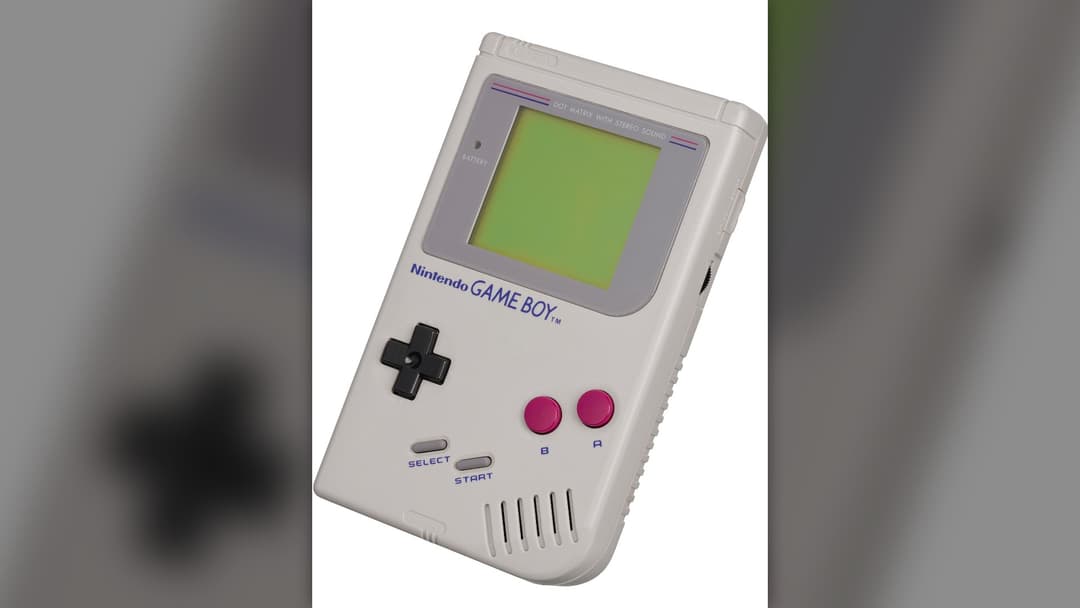
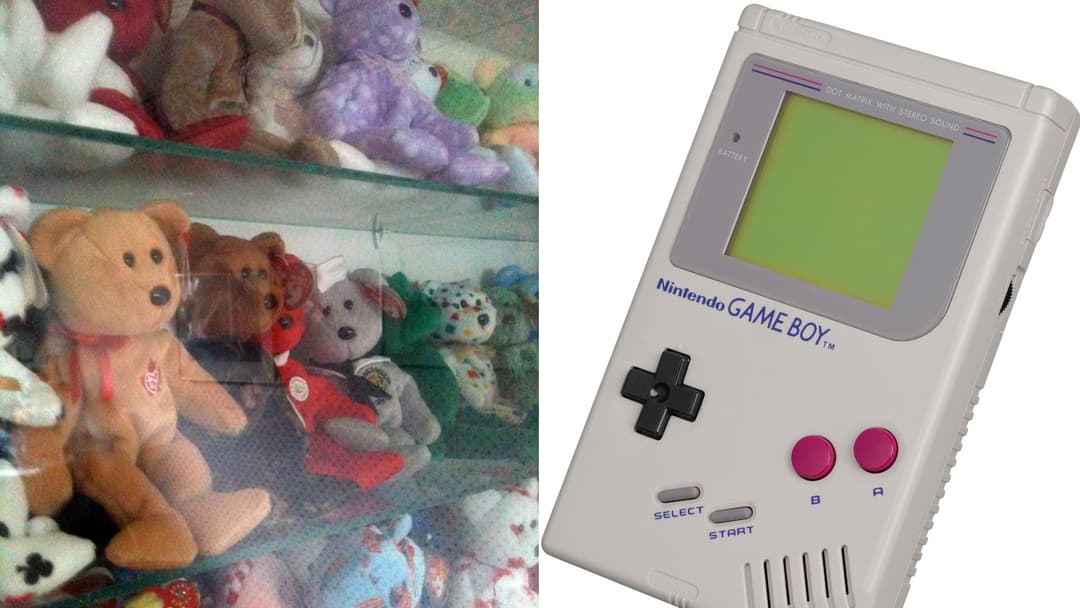
3. Game Boy (1989) 
2. Beanie Babies (1993) - AdvertisementSwipe or tap ▶ to continue countdown

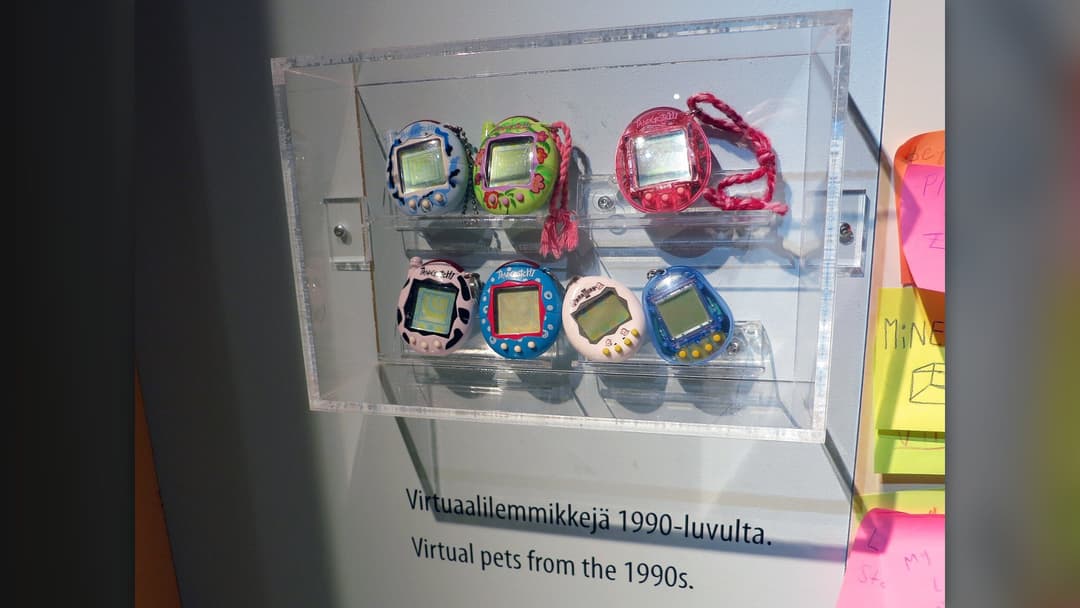
1. Tamagotchi (1996) - Advertisement🔥 UP NEXT IN THIS SERIES◫ 21 Slides

20 Everyday Activities Ranked by Calories Burned Per Hour
Drawing on metabolic research from Harvard Medical School, scientists tracked how common domestic chores burn energy. Using standard measurements for a 155-pound adult, this ranking highlights how non-exercise activity thermogenesis impacts wellness. See 20 everyday habits ranked from lowest to highest caloric burn.
Playrooms transformed across the late twentieth century as innovative materials and clever marketing produced enduring cultural icons. From post war putty to pocket electronic pets, these twenty celebrated playthings captured millions of imaginations and shaped global childhood memories across five decades.
Swipe or tap ▶ to begin the countdown
©Wikimedia / daryl_mitchell from Saskatoon & Evan-Amos
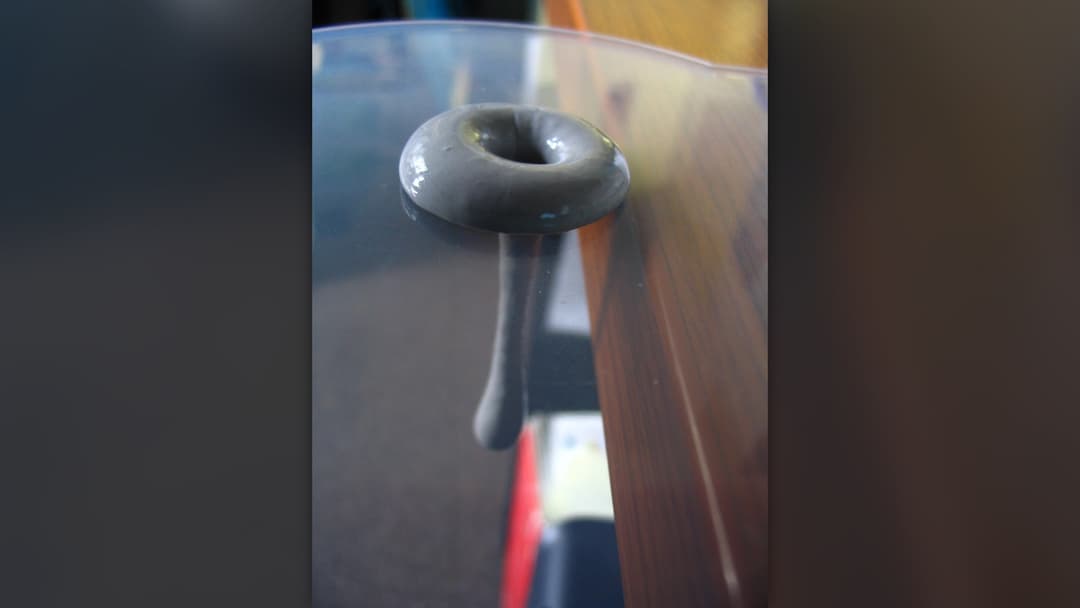
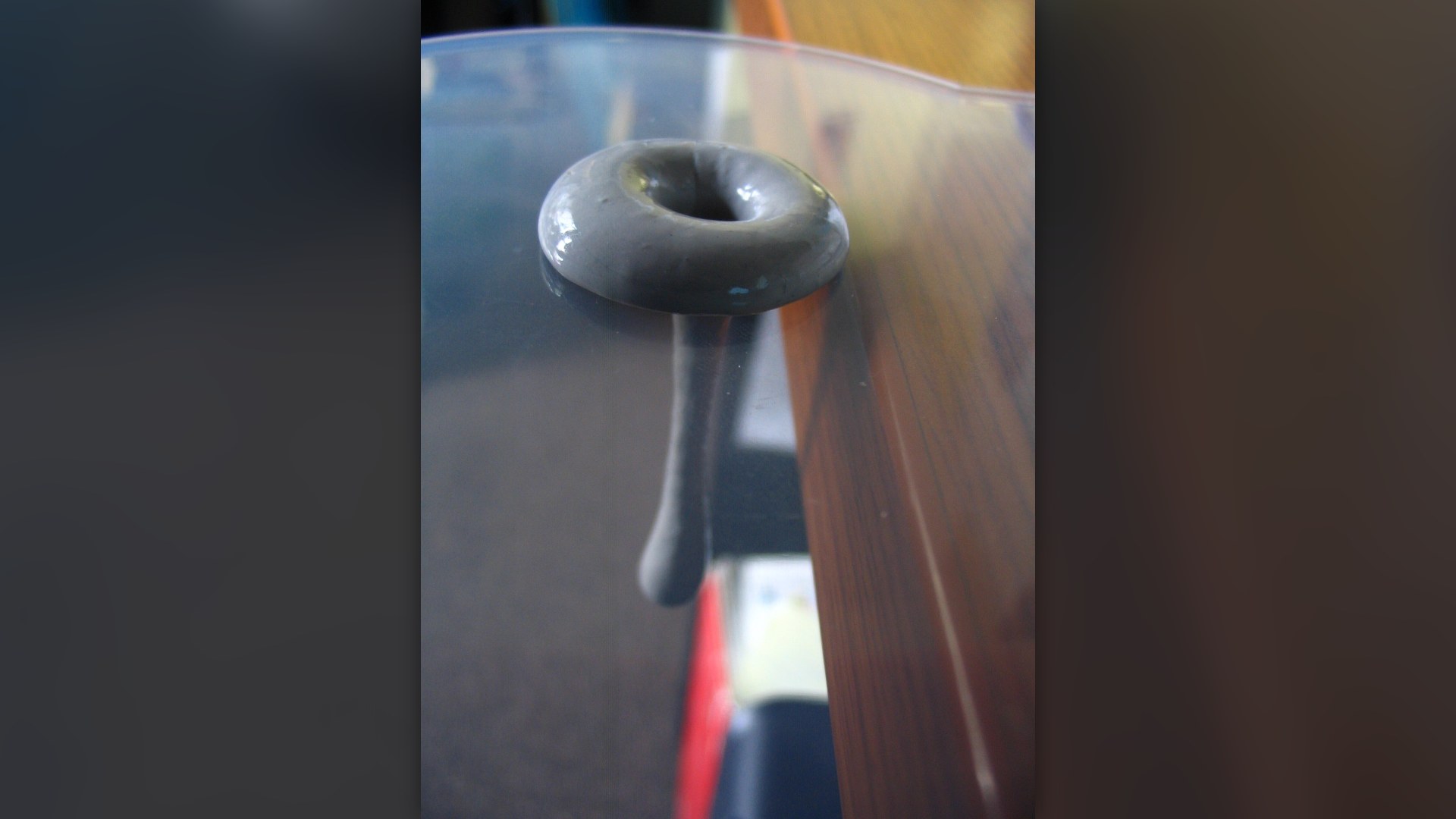
20. Silly Putty (1950)
Silly Putty originated during wartime research into synthetic rubber substitutes. Engineer James Wright combined silicone oil with boric acid to yield an unusual substance that bounced vigorously, stretched without breaking, and copied fresh newsprint onto its malleable surface.
©Wikimedia / Glitch010101
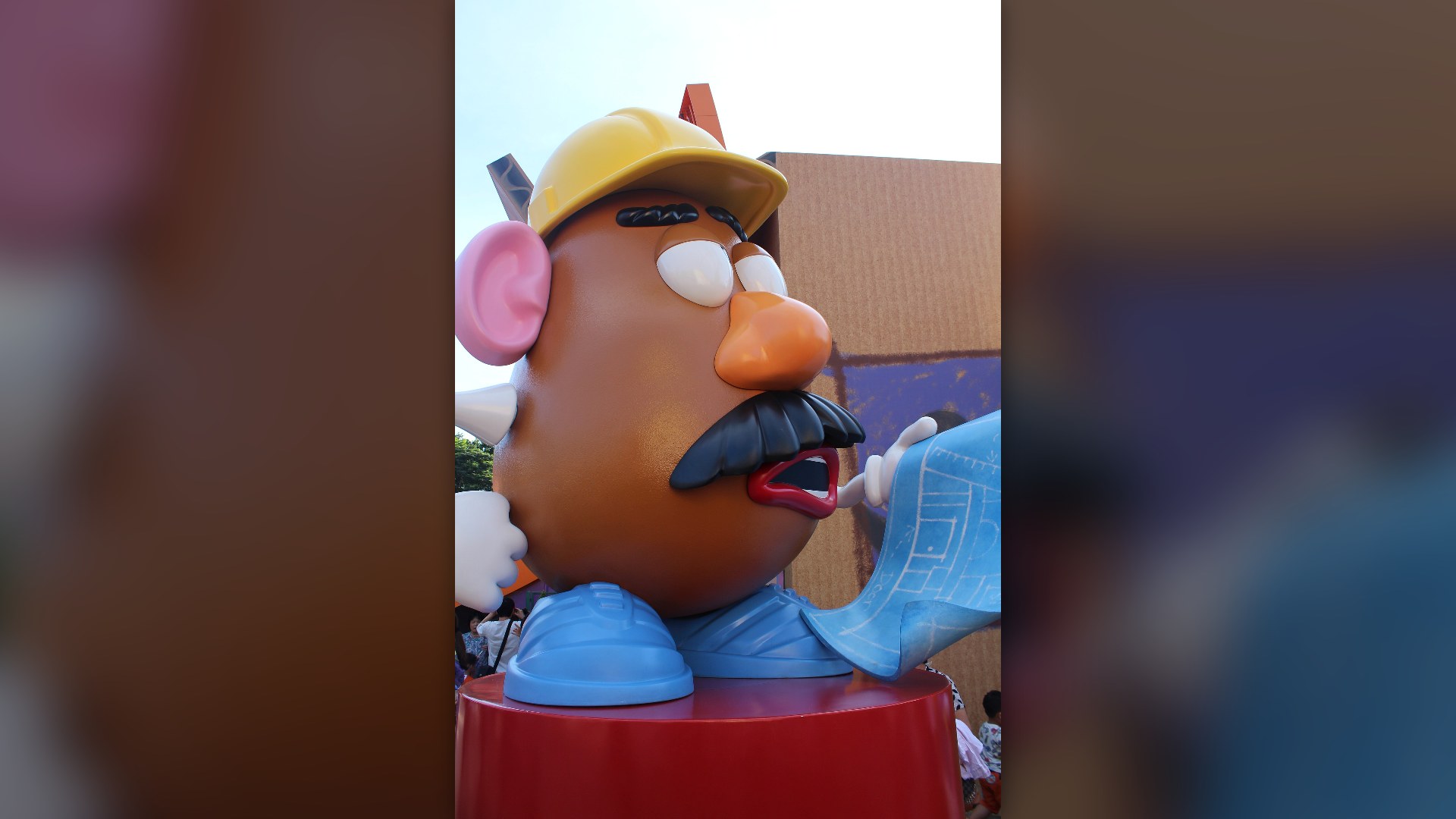
19. Mr. Potato Head (1952)
Inventor George Lerner created plastic face components designed for real household vegetables before manufacturer Hasbro packaged them with a hard molded body. The lovable customizable figure made promotional history as the very first toy advertised directly on American broadcast television.
©Wikimedia / Deror_avi
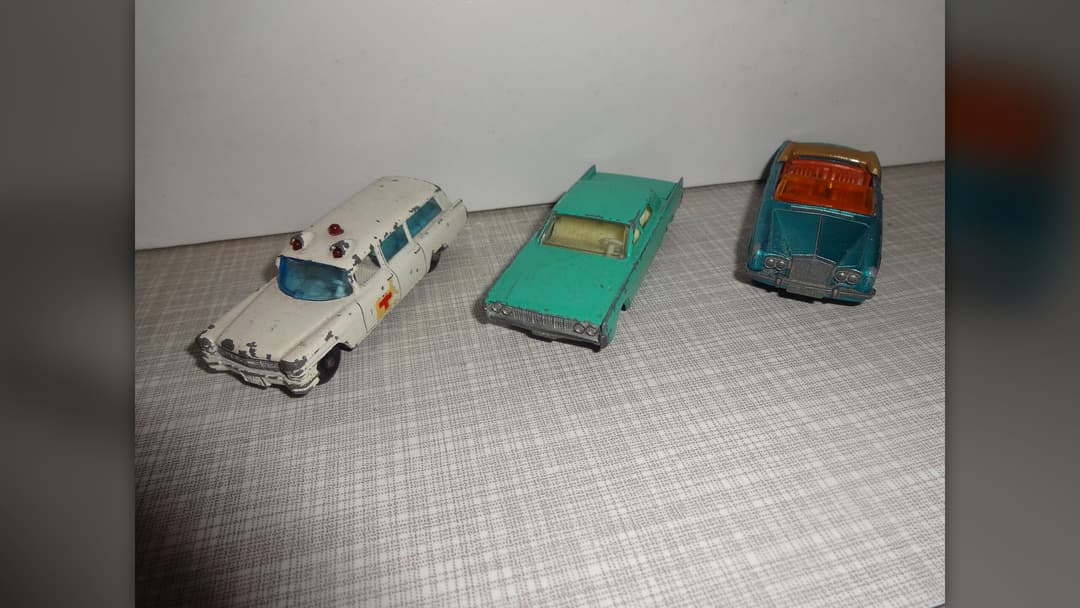
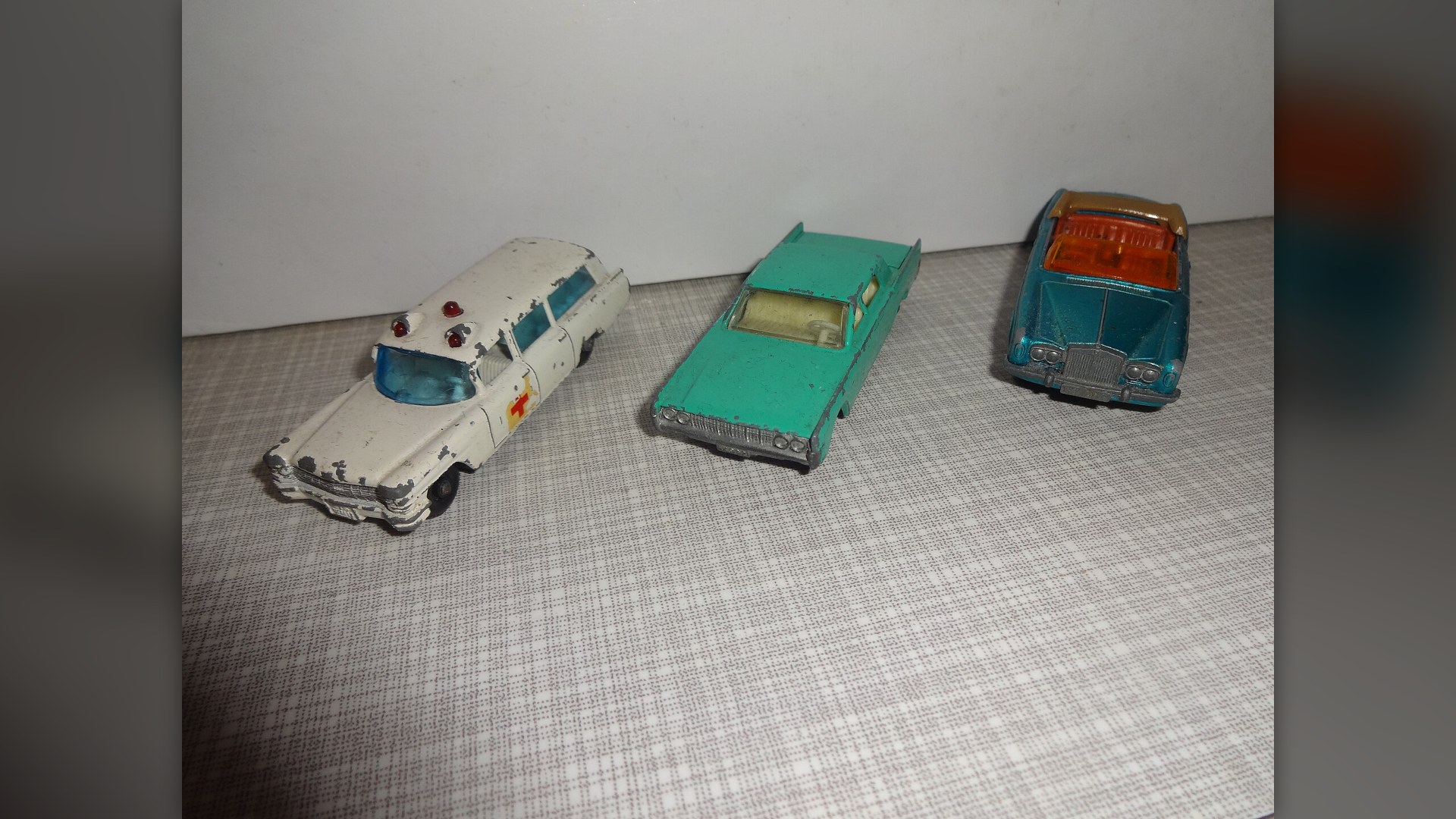
18. Matchbox Cars (1953)
British engineer Jack Odell crafted miniature diecast vehicles compact enough to fit inside a standard matchbox so his young daughter could take them to school. The detailed scaled automobiles rapidly expanded into an affordable global collecting craze prized by young motoring fans.
©Wikimedia / Seneca Quayle
Advertisement
Swipe or tap ▶ to resume the countdown.
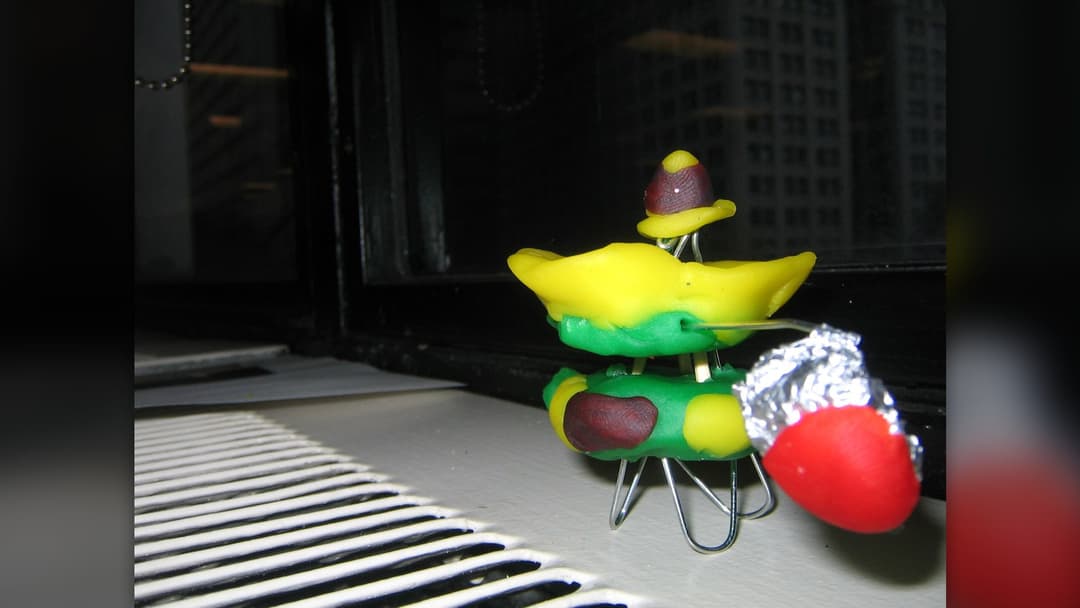
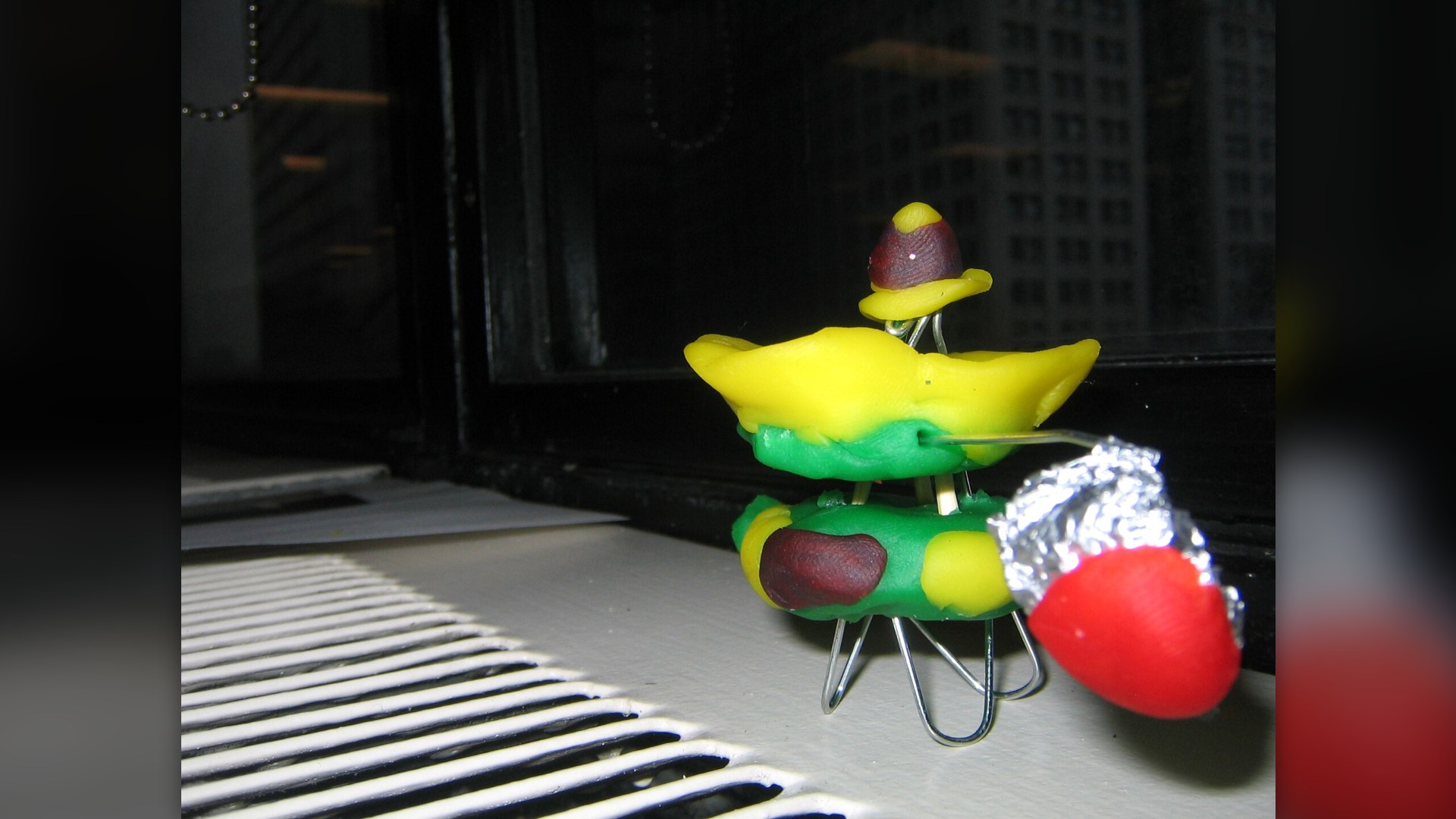
17. Play-Doh (1956)
Originally developed as a pliable wallpaper cleaning compound, this nontoxic salty dough found widespread acclaim once repurposed for preschool classrooms. Its distinctive fragrance, bold colors, and squishy consistency made it an essential creative medium for budding sculptors.
©Wikimedia / istolethetv
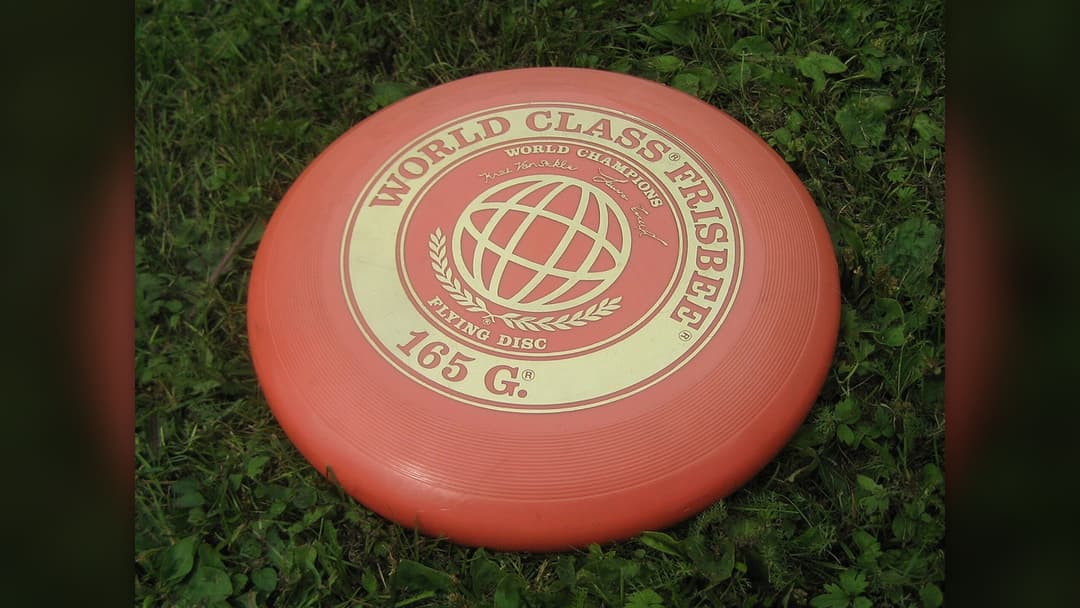
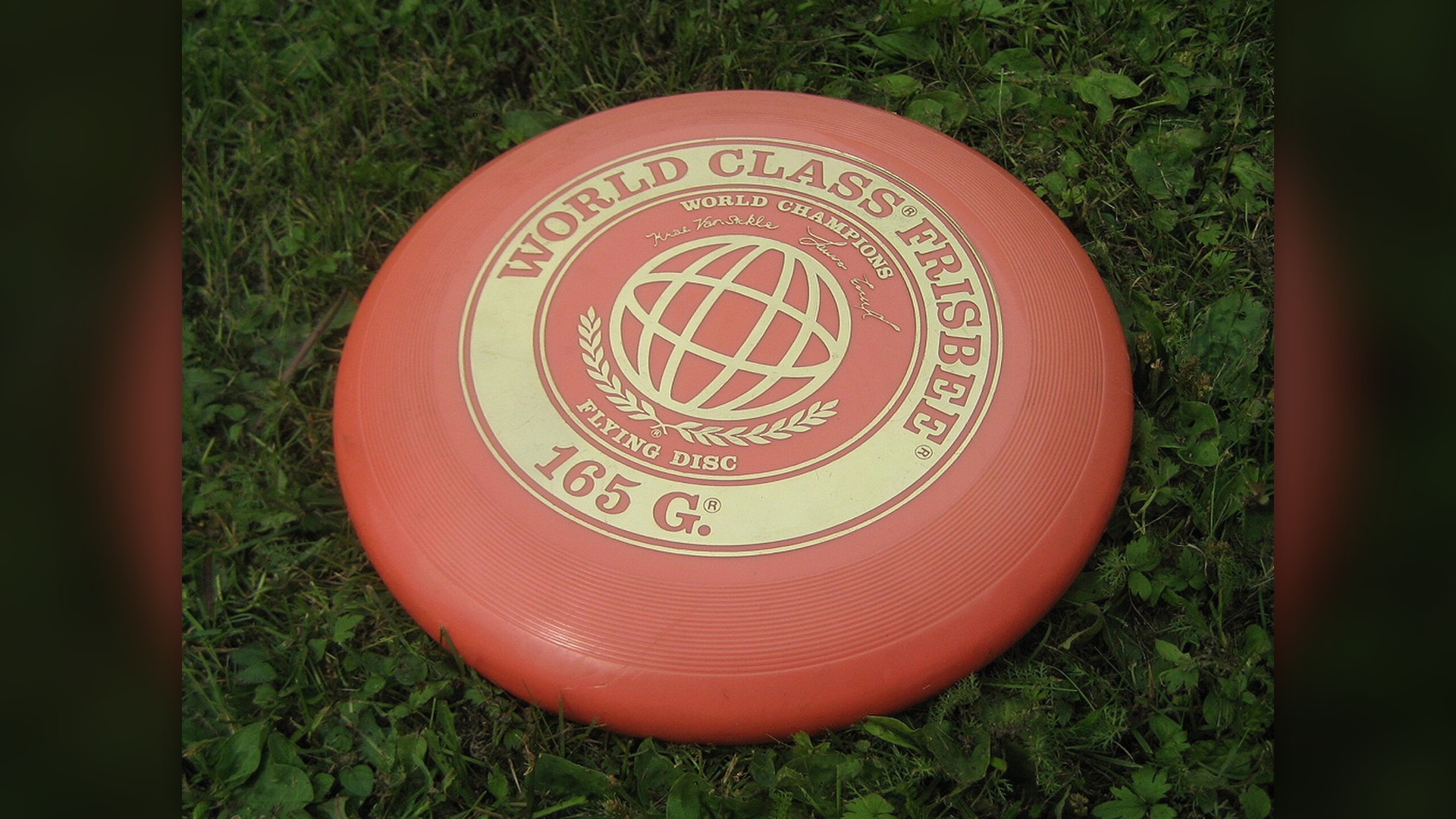
16. Frisbee (1957)
Inspired by pie tins tossed across college campuses, California inventor Walter Morrison designed a plastic aerodynamic disc with curved edges called the Pluto Platter. Wham-O acquired the design and rebranded it as the Frisbee, launching international collegiate and backyard sports.
©Wikimedia / Frisbee
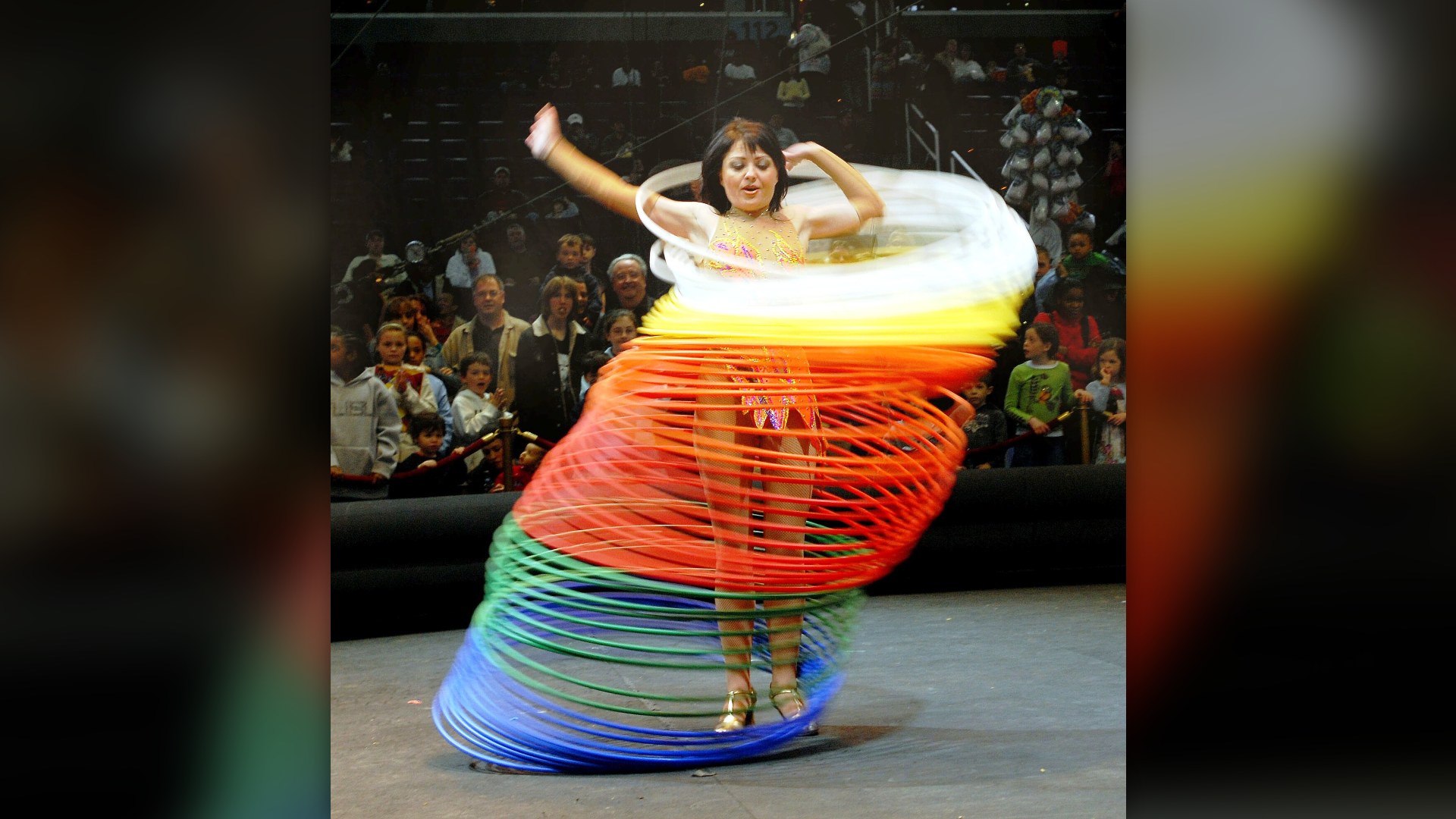
15. Hula Hoop (1958)
Fashioned from bright new Marlex plastic tubing, the lightweight swirling ring sparked an unprecedented international playground fad in late 1958. Wham-O sold over twenty million units within its initial months as children and adults mastered rhythmic waist rotations.
©Wikimedia / Samantha Quigley, Office of the Secretary of Def
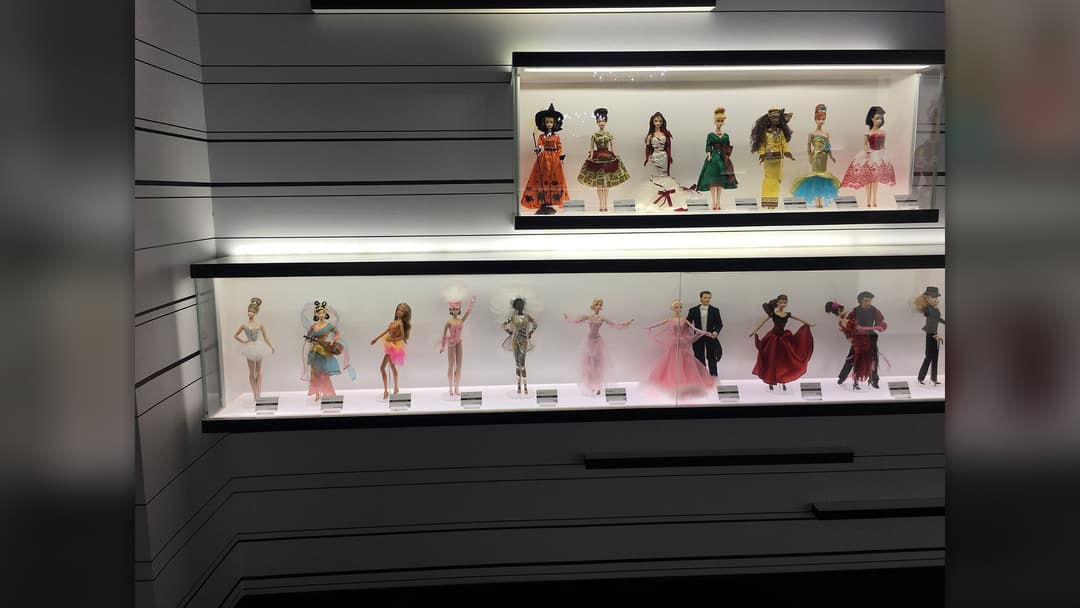
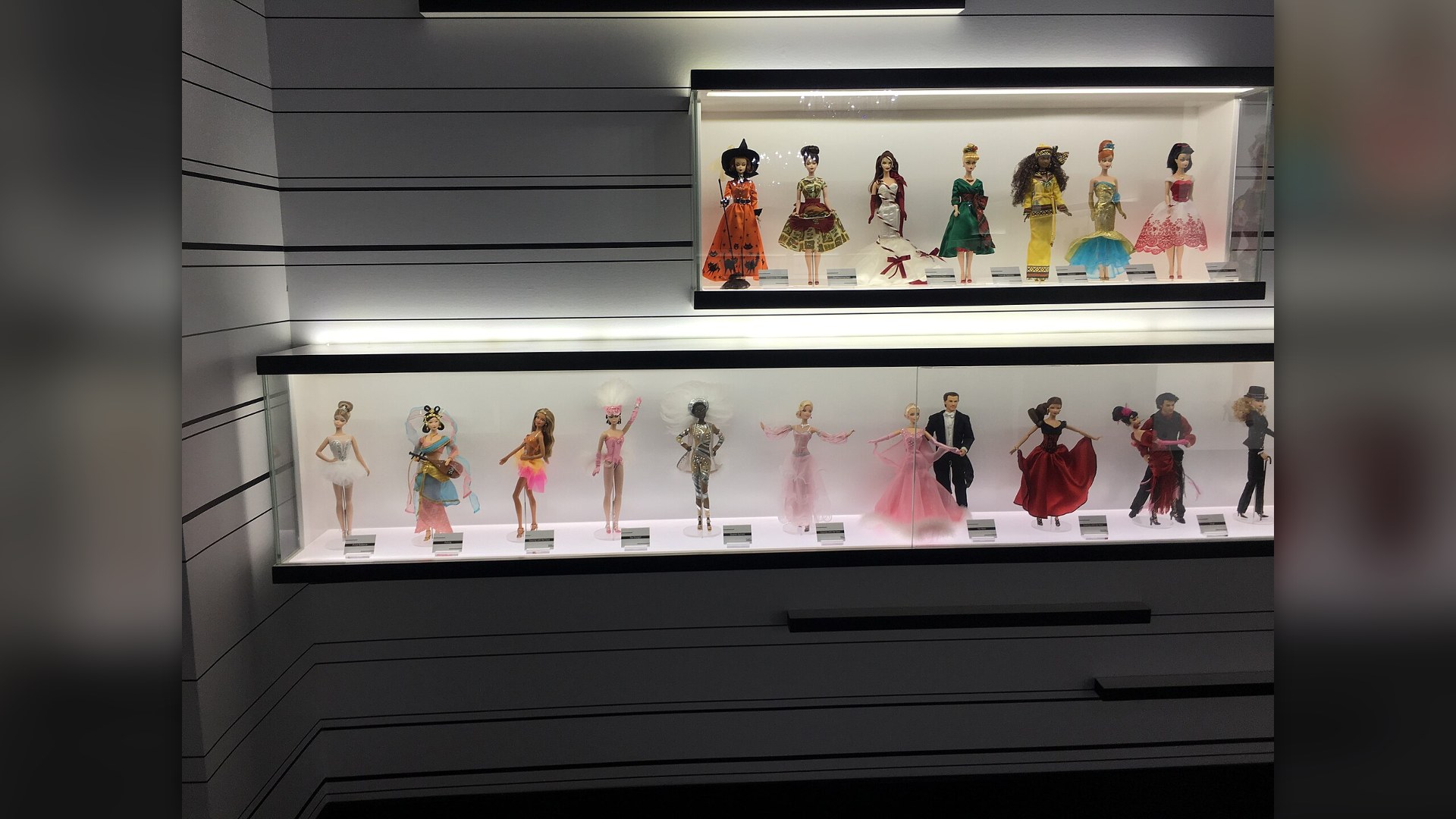
14. Barbie (1959)
Mattel cofounder Ruth Handler introduced an adult-styled three-dimensional fashion doll at the American Toy Fair in New York City. Clad in her iconic zebra-striped swimsuit, the versatile figure challenged conventional baby dolls and grew into a global merchandising empire.
©Wikimedia / Librarygurl
Advertisement
Swipe or tap ▶ to resume the countdown.
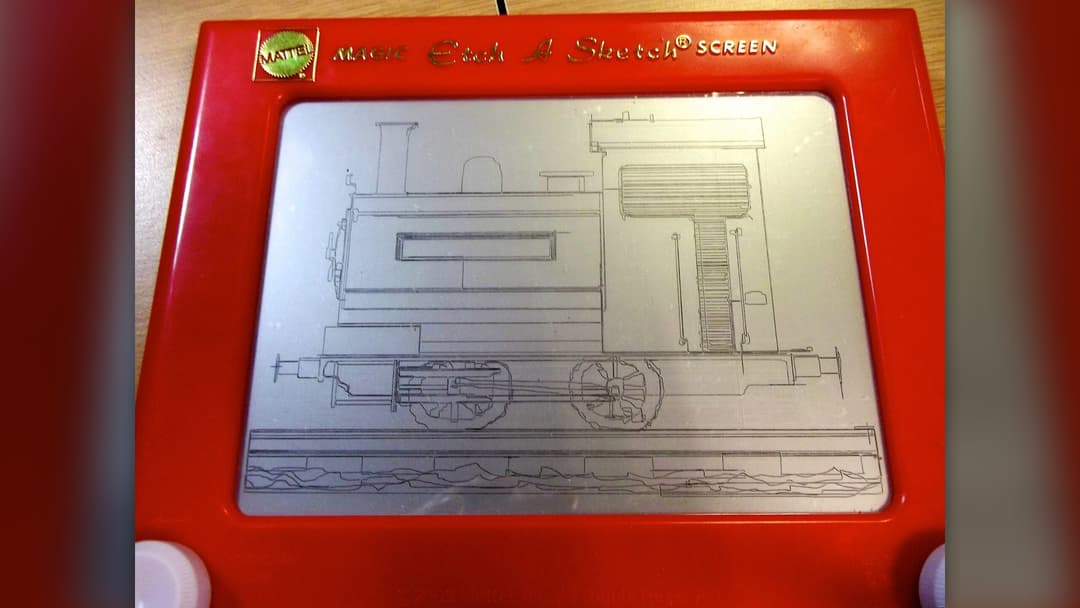
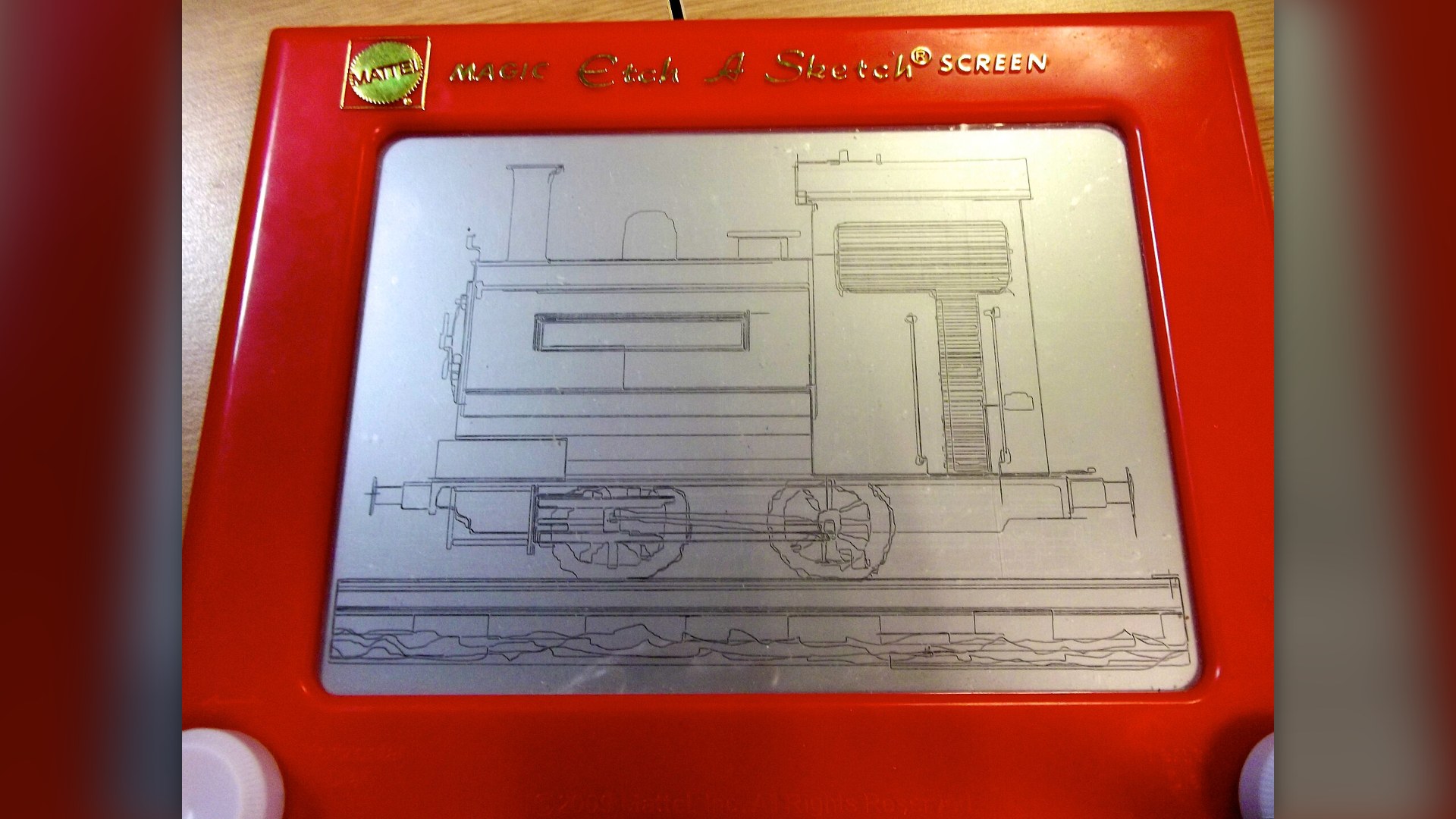
13. Etch A Sketch (1960)
French electrical technician André Cassagnes developed this mechanical marvel utilizing fine aluminum powder and dual control knobs. By operating twin brass pulleys connected to a stylus, players etched clean line art onto the glass before shaking the device clear to begin again.
©Wikimedia / Les Chatfield
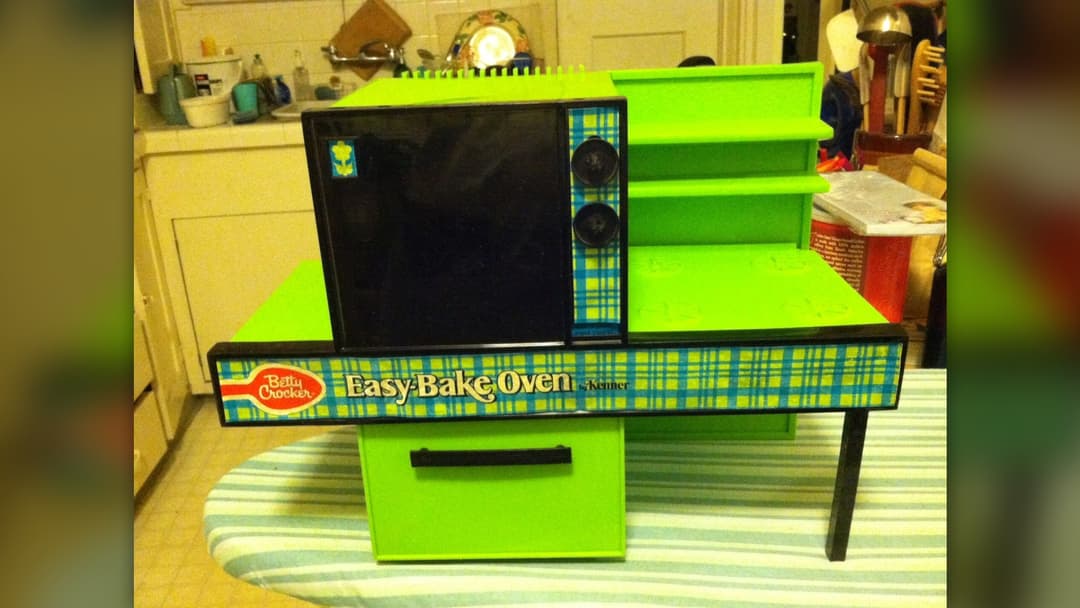
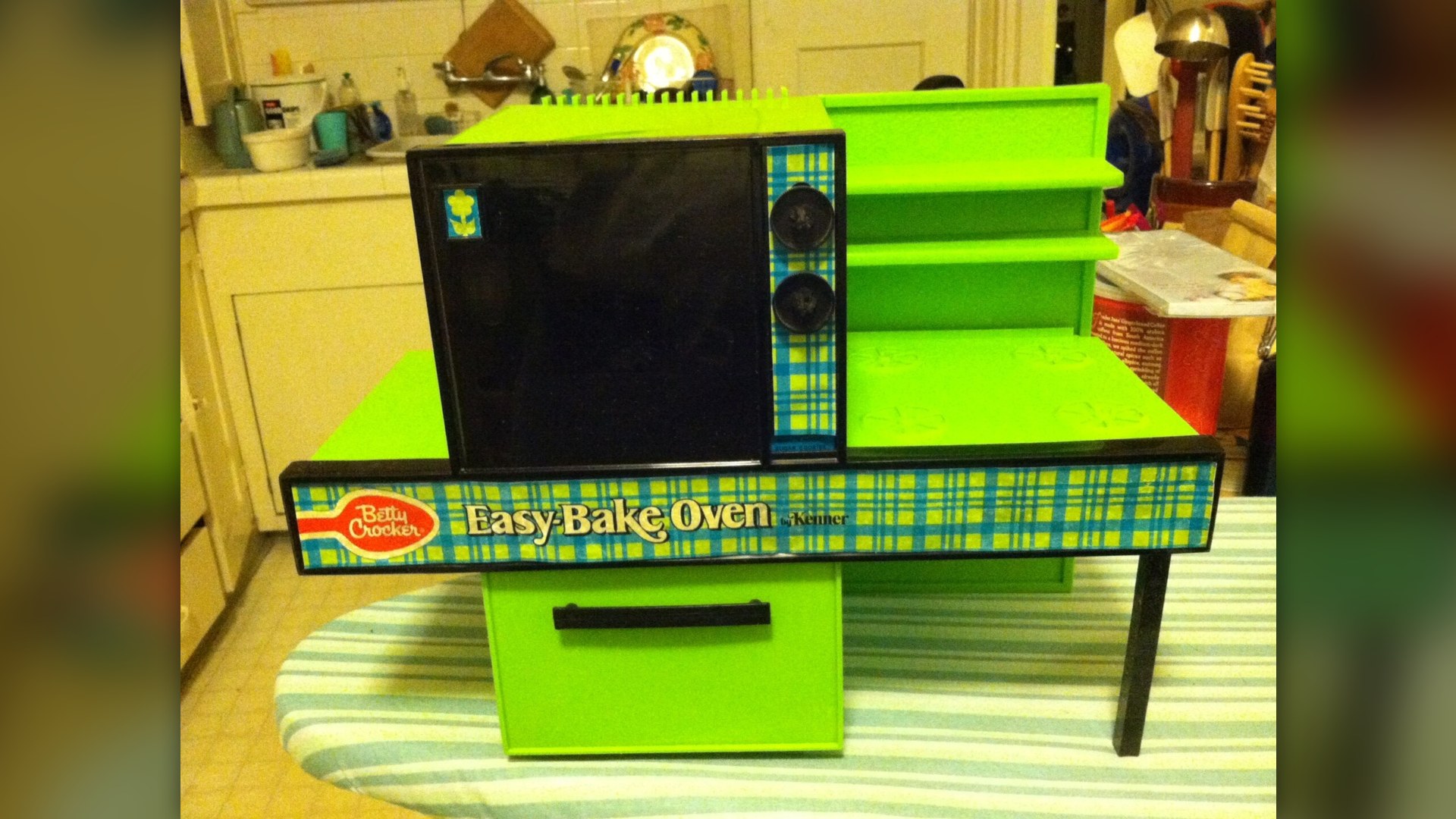
12. Easy-Bake Oven (1963)
Kenner transformed domestic roleplay by introducing a turquoise toy oven powered by two ordinary incandescent lightbulbs. Children baked small circular cakes, miniature cookies, and warm brownies safely, turning kitchen emulation into an enduring culinary tradition for youth.
©Wikimedia / User:Rdmsf
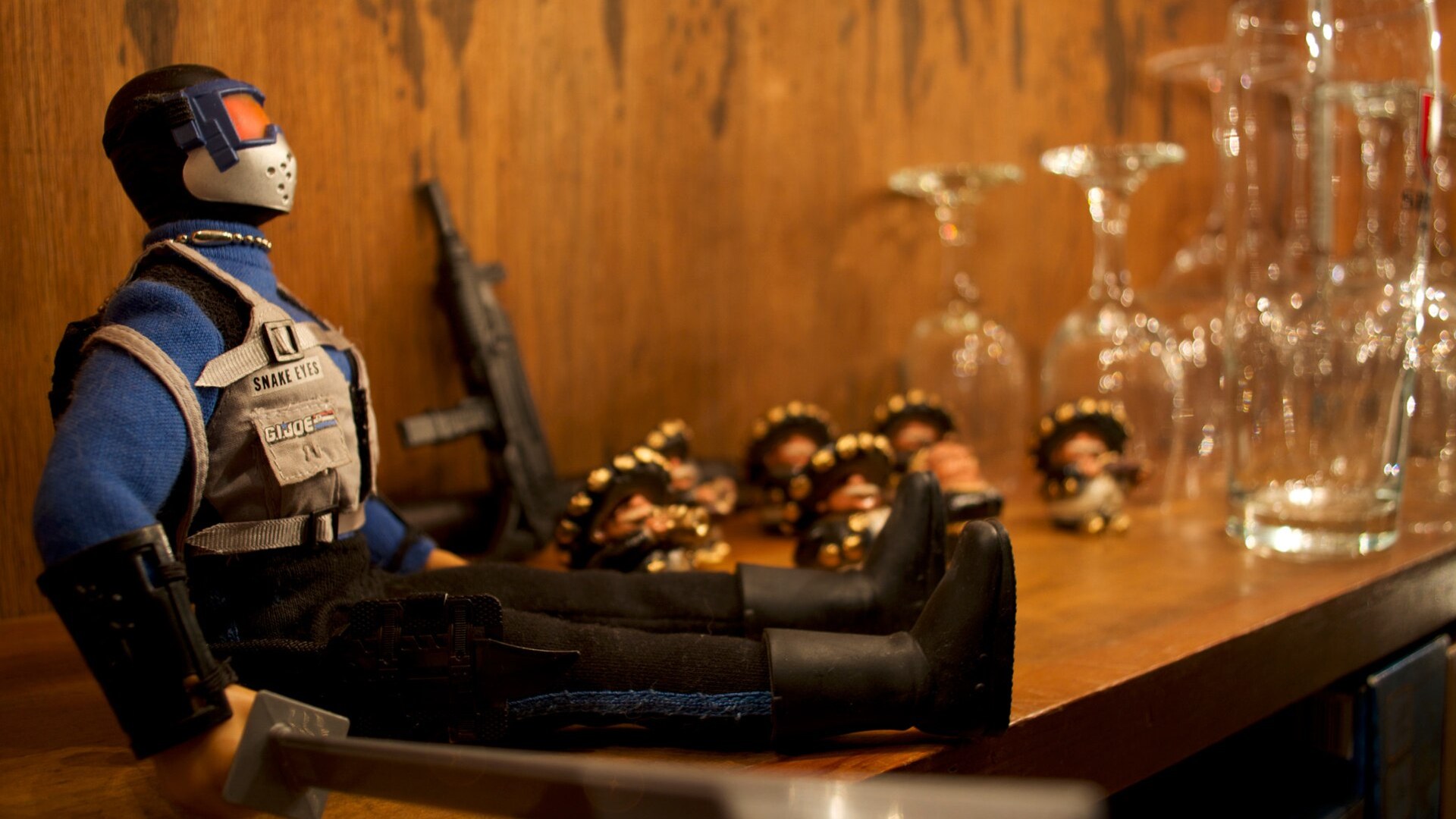
11. G.I. Joe (1964)
Hasbro coined the term action figure to market this poseable eleven-and-a-half-inch military model to boys who rejected conventional dolls. Outfitted with detailed uniforms, articulated joints, and realistic combat gear, the hero soldier established an entirely new toy industry genre.
©Wikimedia / Justin Burris
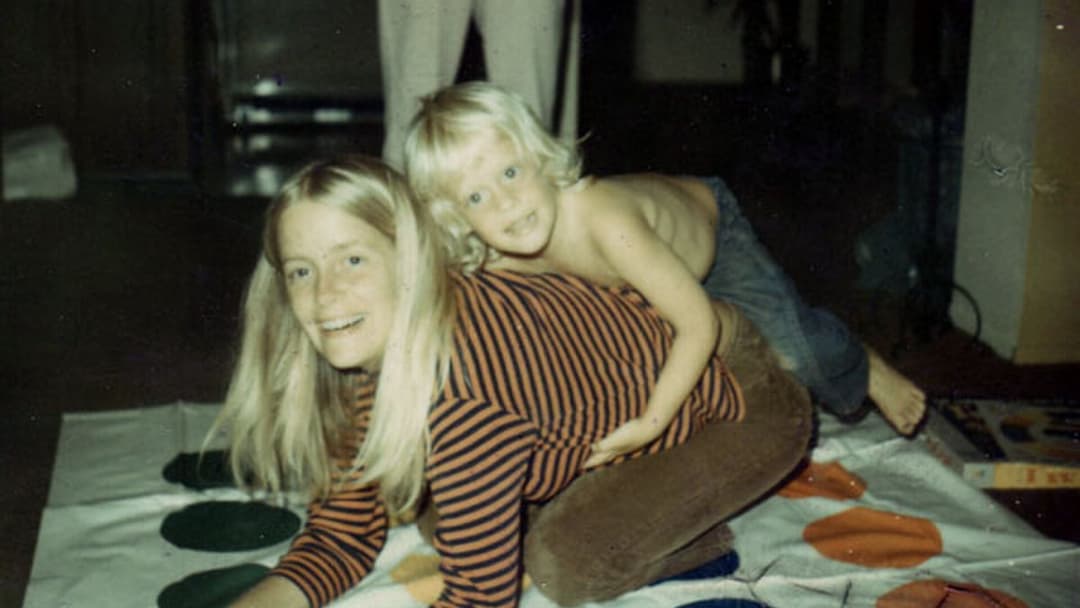
10. Twister (1966)
Designed by Charles Foley and Neil Rabens, this physical dexterity party game used human players as live board pieces across a vinyl mat filled with colored dots. A prominent television appearance on The Tonight Show propelled the knot-tying contest into an international social sensation.
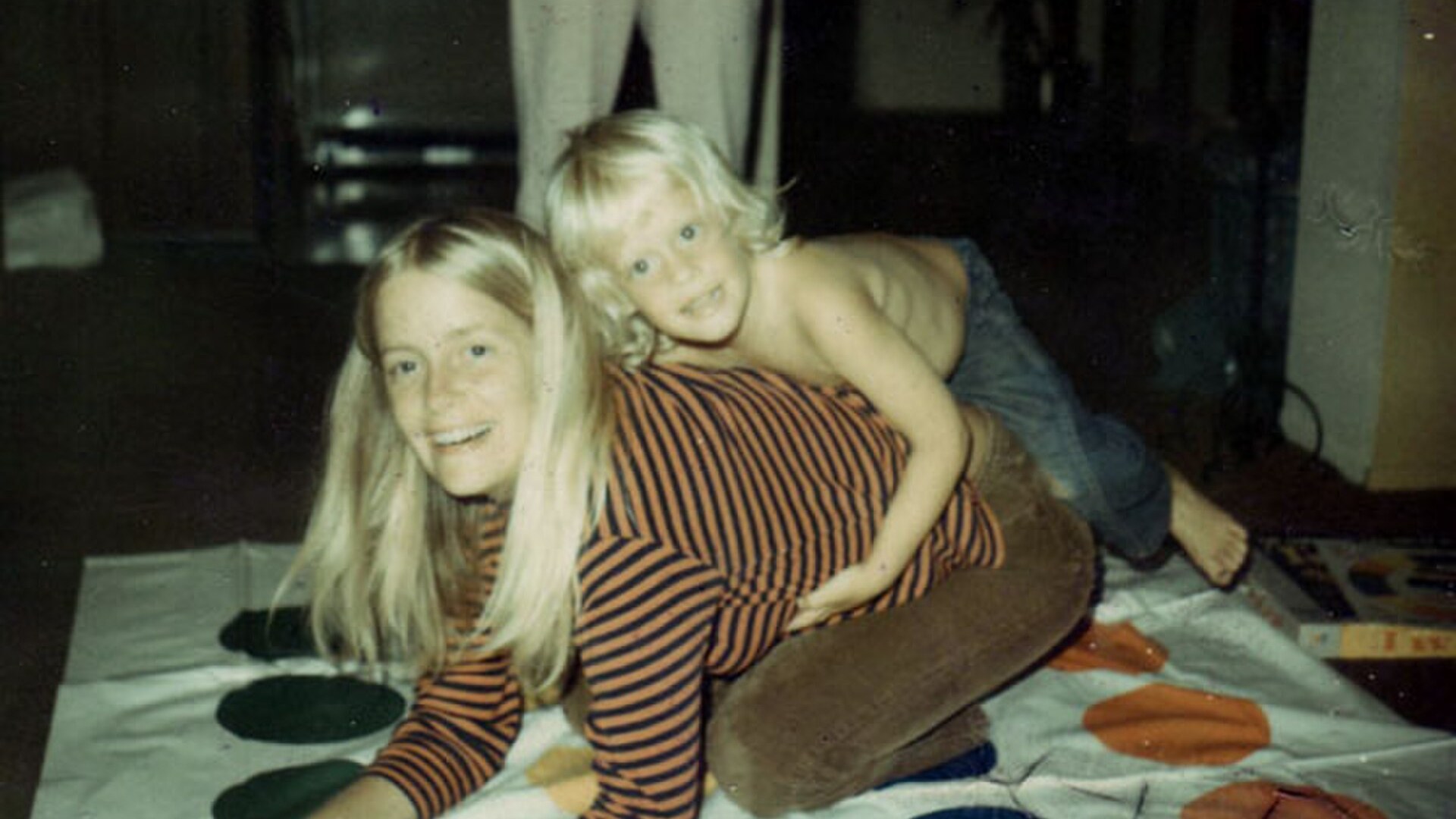
©Wikimedia / Original photographer unknown
Advertisement
Swipe or tap ▶ to resume the countdown.
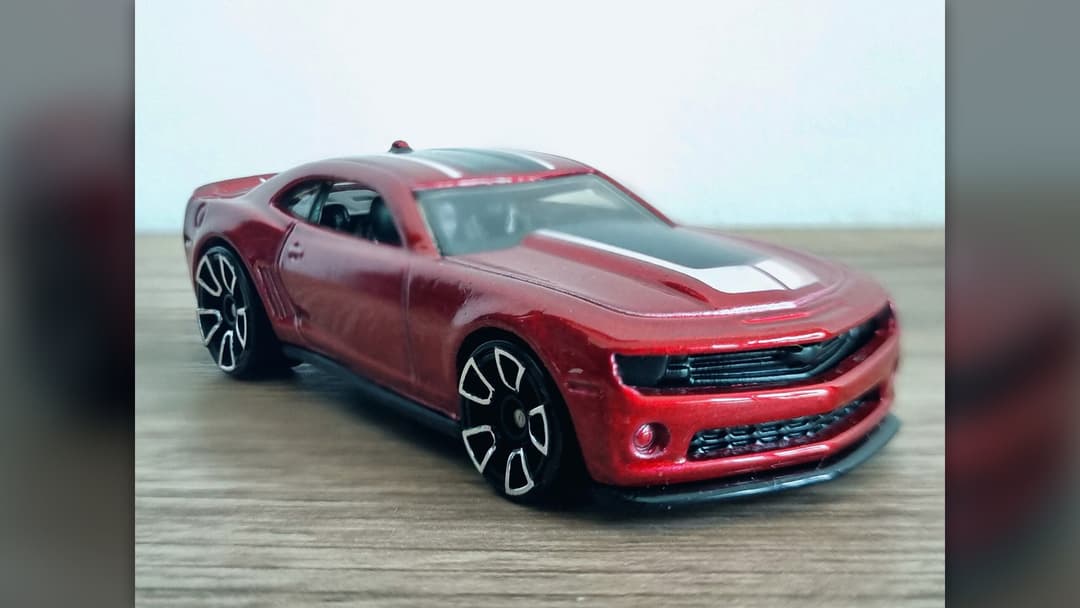
9. Hot Wheels (1968)
Mattel cofounder Elliot Handler launched the Original Sweet Sixteen lineup of customized muscle cars engineered with low-friction Delrin wheel bearings. Their spectacular Spectraflame paint, wide magnesium-style mag wheels, and bright orange stunt tracks outpaced all existing rivals.
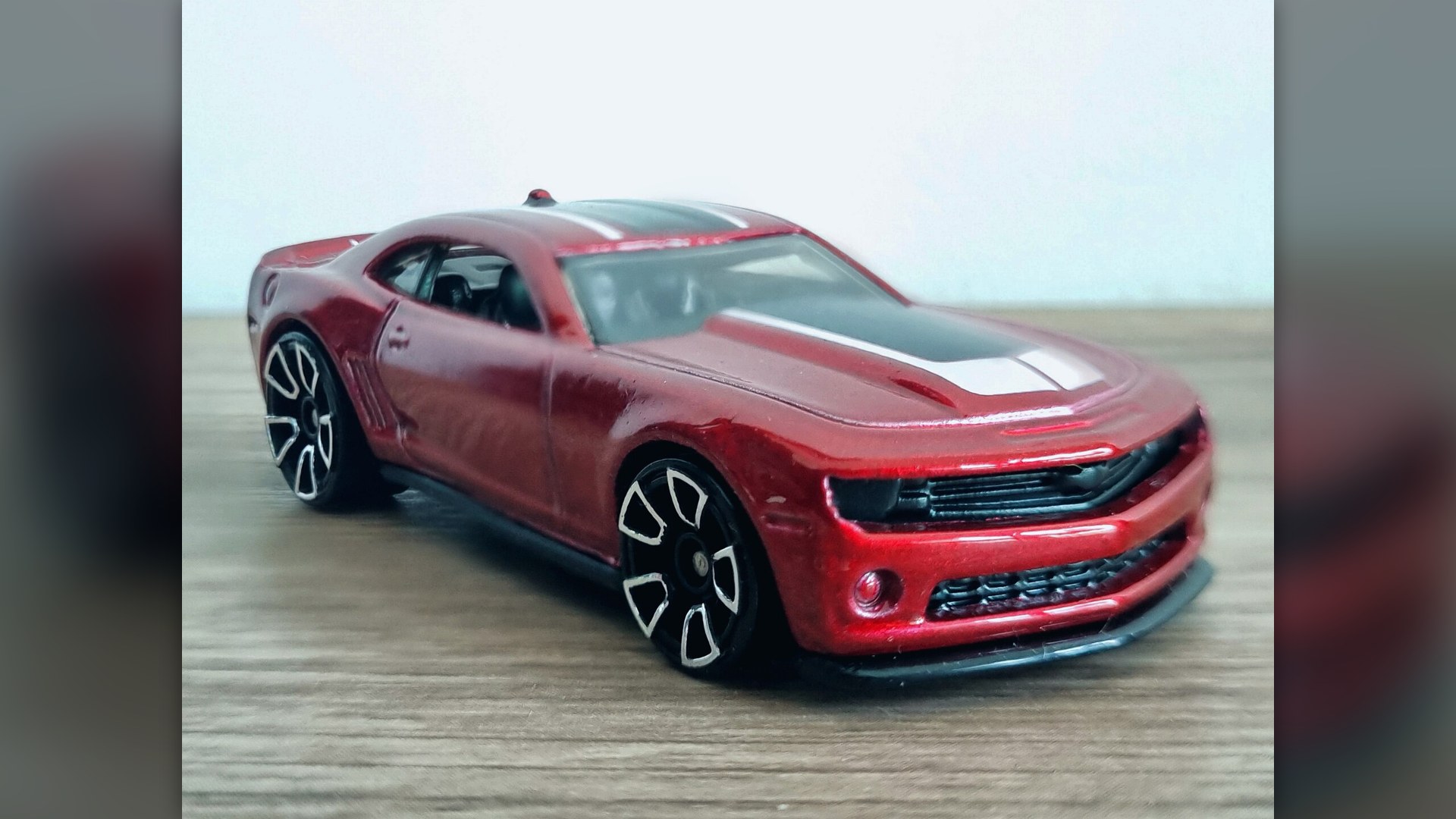
©Wikimedia / BenedictLiang
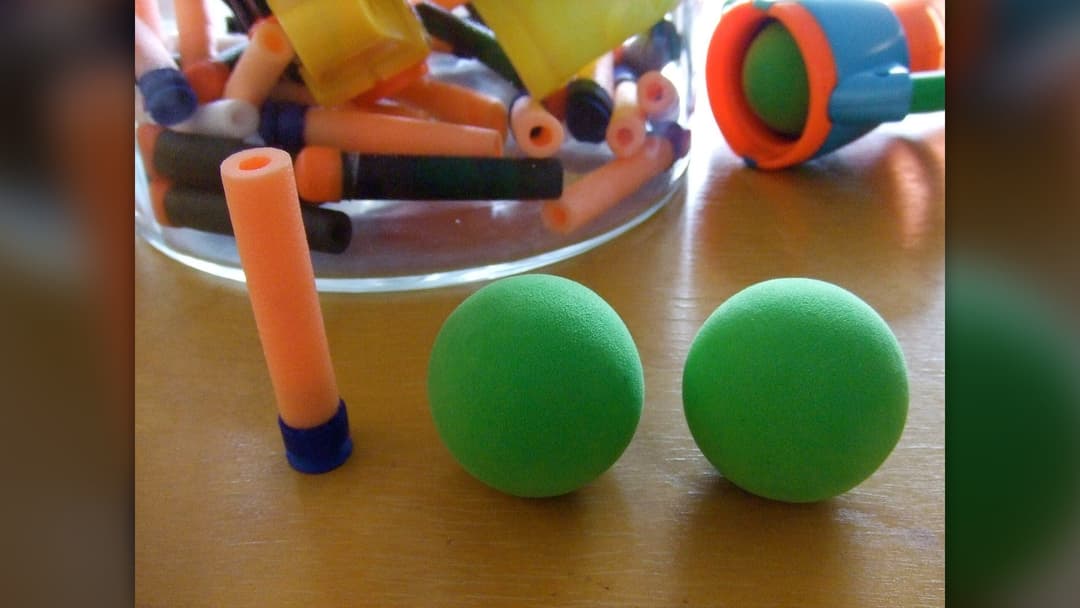
8. Nerf Ball (1970)
Games inventor Reyn Guyer crafted a soft four-inch polyurethane foam ball marketed as the worlds first official indoor ball that cannot damage lamps or break windows. Parker Brothers sold millions of units, paving the way for foam dart blasters, sporting equipment, and playroom missiles.
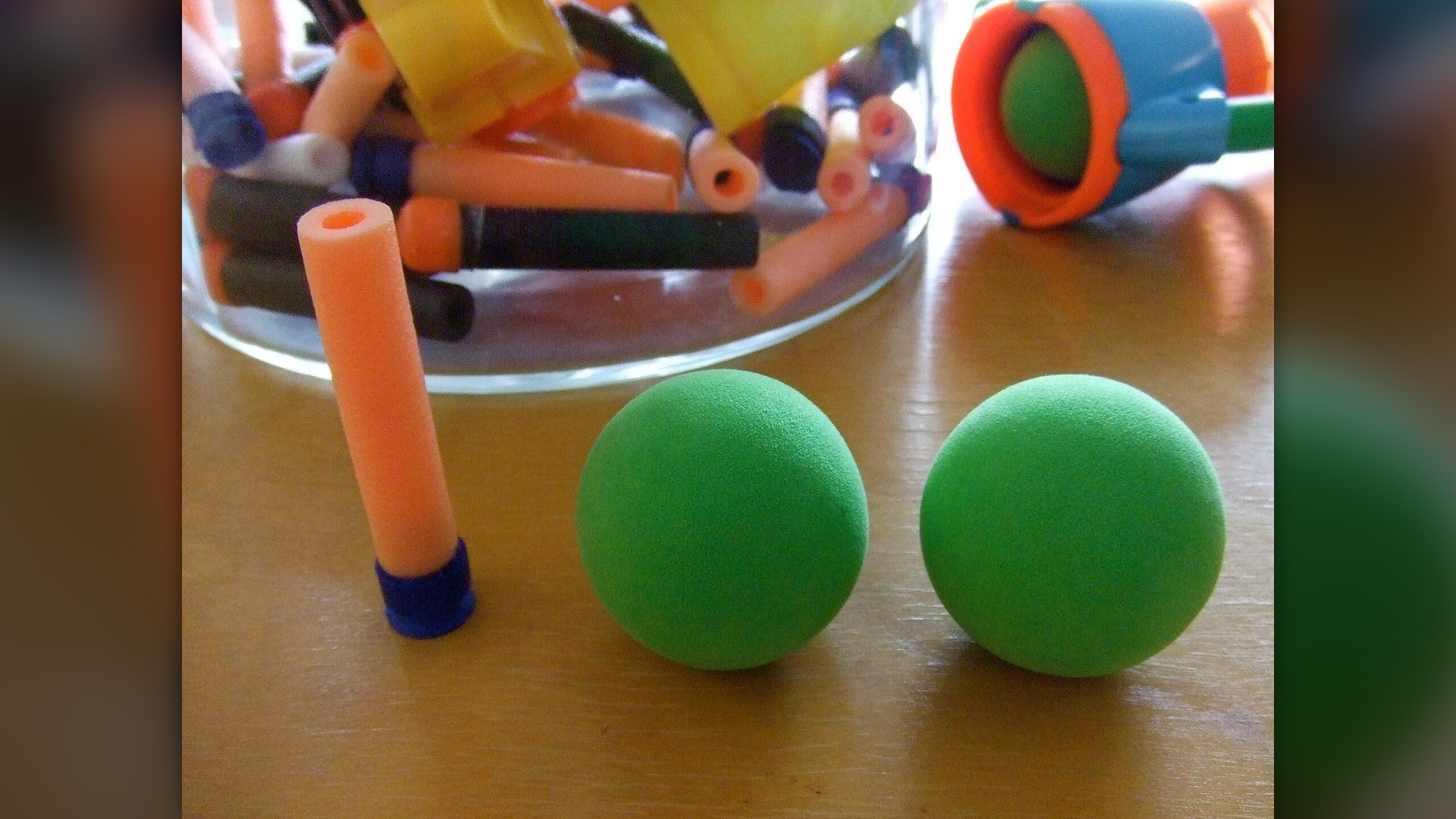
©Wikimedia / Helen Cook
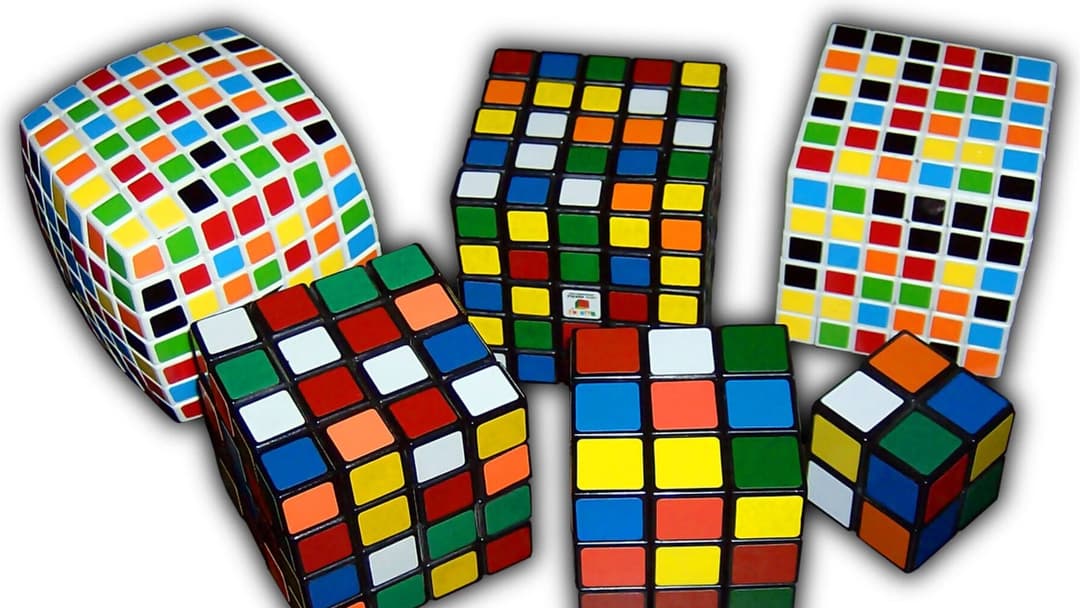
7. Rubik's Cube (1974)
Hungarian architecture professor Ernő Rubik constructed a three-dimensional wooden puzzle with independent rotating planes to demonstrate spatial geometry. Renamed the Rubik's Cube for international release, the colorful mechanical enigma developed into the bestselling puzzle in history.
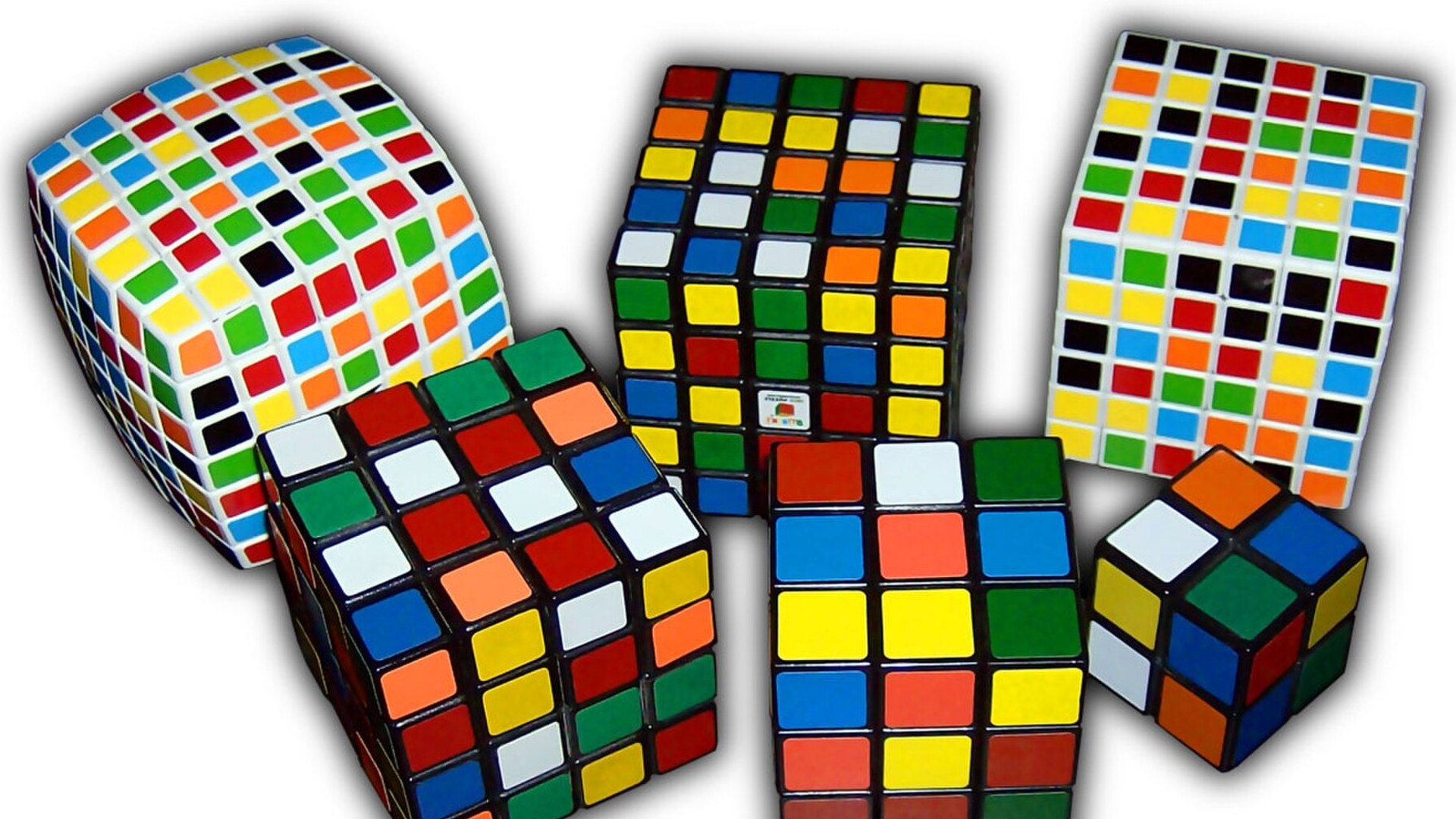
©Wikimedia / Hellbus
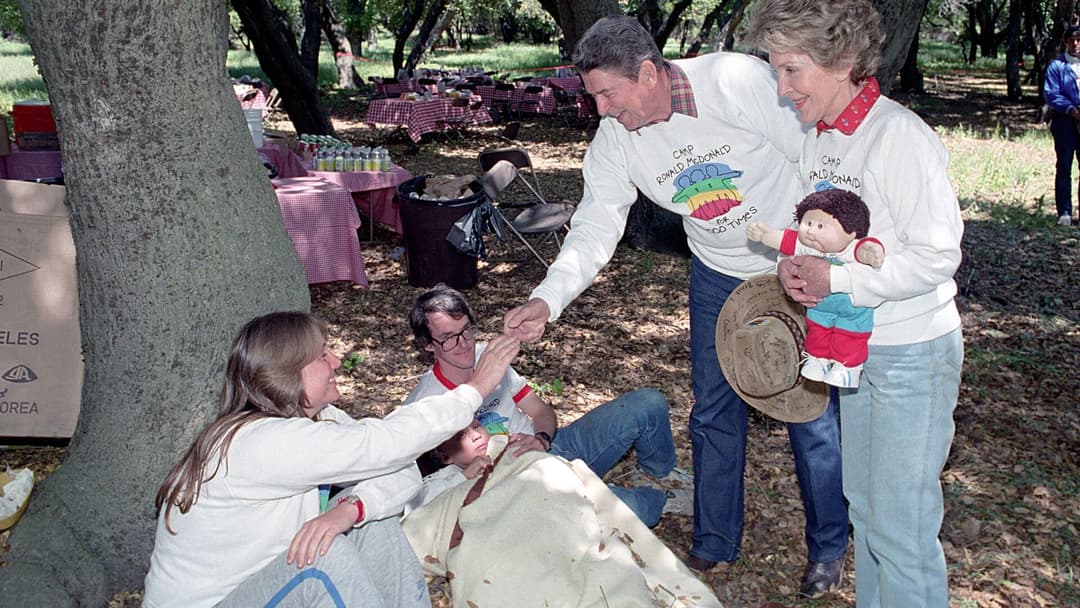
6. Cabbage Patch Kids (1982)
Artist Xavier Roberts conceived unique soft sculpture babyland figures featuring distinctive round yarn hair and hand-stitched features. Marketed by Coleco complete with official adoption certificates and birth records, they sparked fierce holiday retail stampedes across North America.
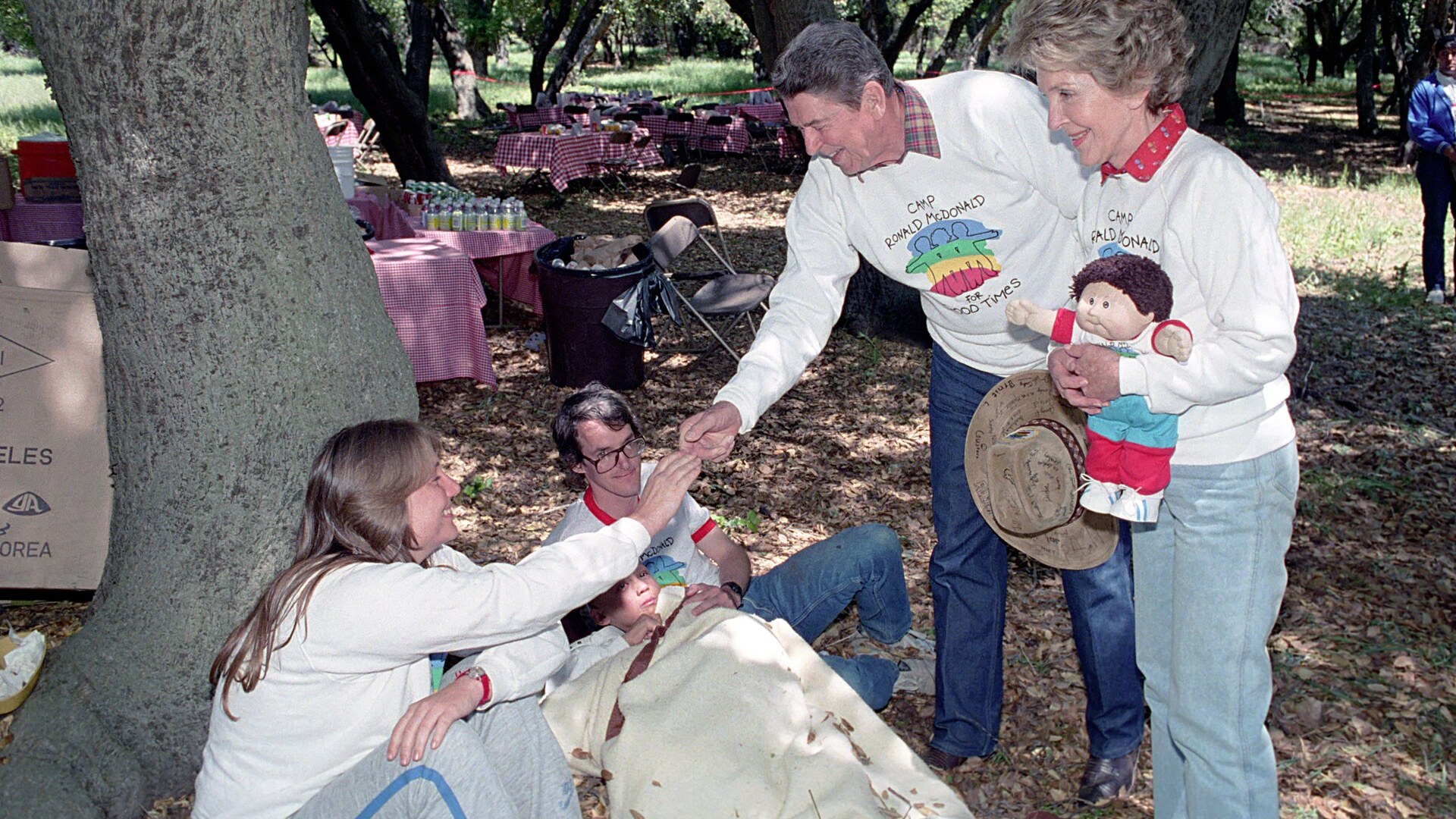
©Wikimedia / President (1981-1989 : Reagan). White House Phot
Advertisement
Swipe or tap ▶ to resume the countdown.
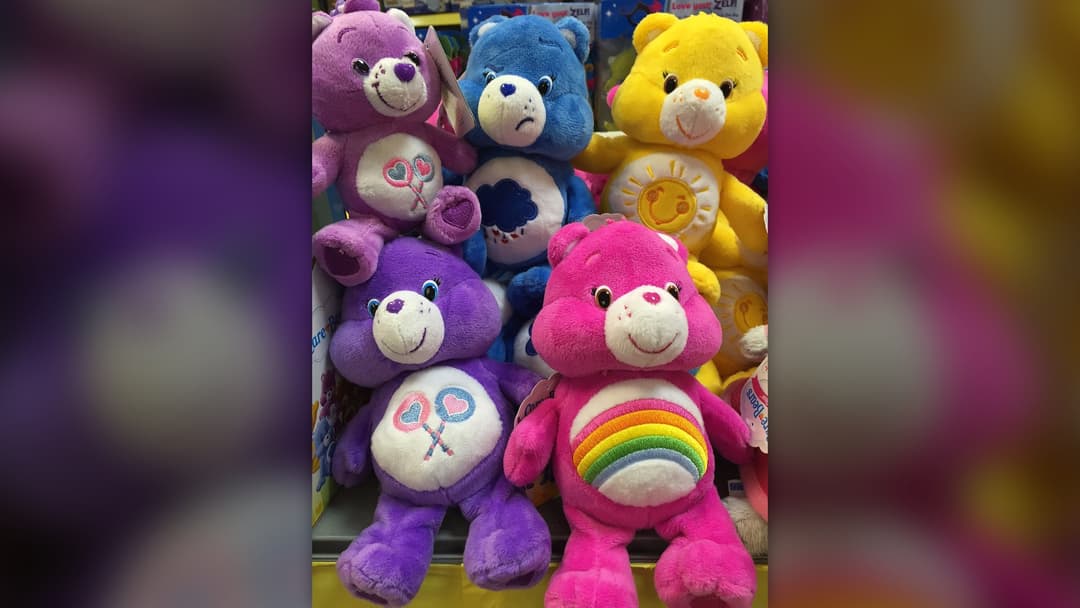
5. Care Bears (1983)
Originating from American Greetings greeting card artwork painted by Elena Kucharik, these colorful pastel teddy bears featured distinctive belly badges representing specific emotional traits. Kenner transformed them into huggable plush toys backed by an expansive television cartoon universe.
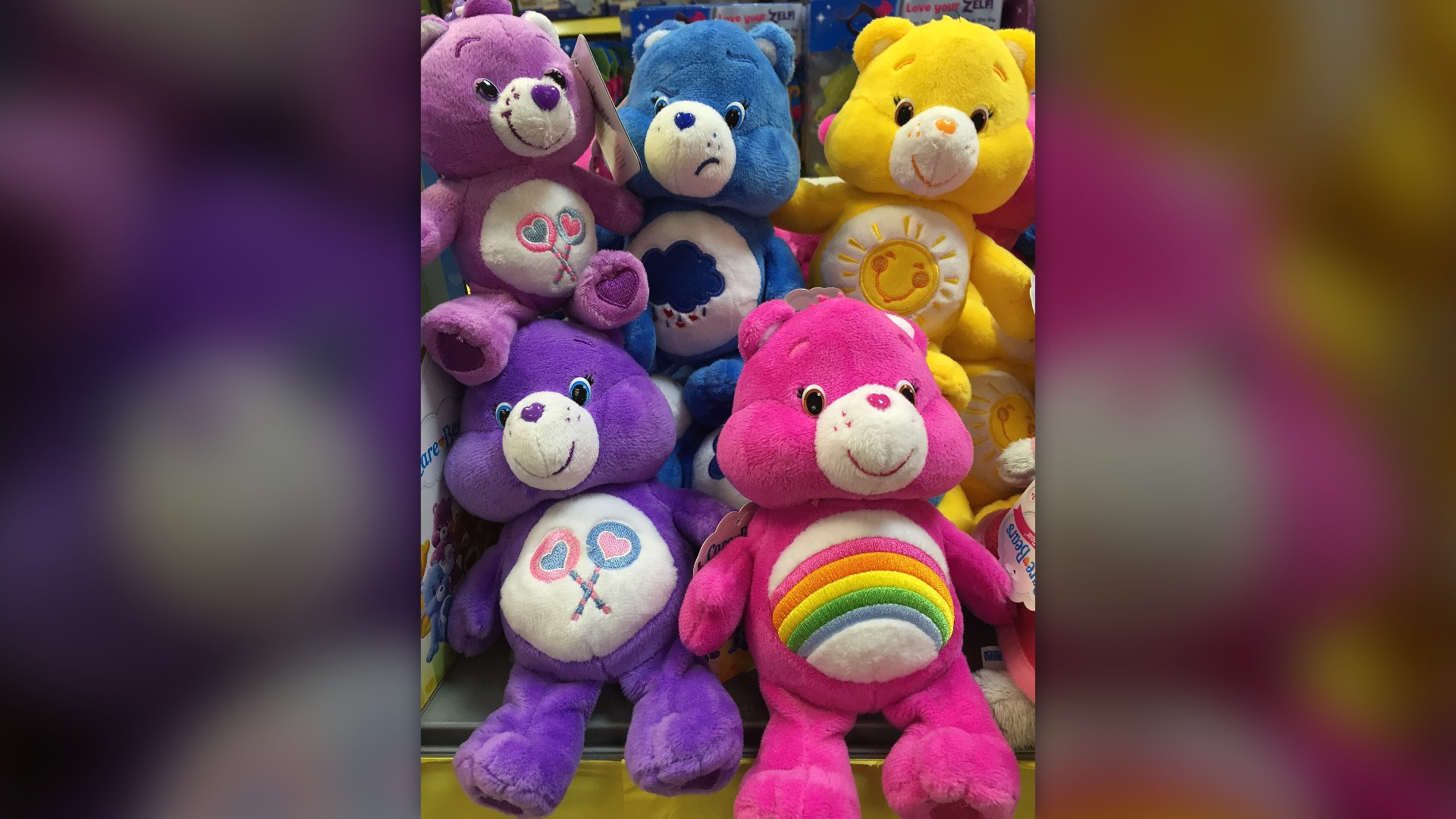
©Wikimedia / Jonathan Rolande
4. Transformers (1984)
Hasbro partnered with Japanese toy maker Takara to adapt converting Diaclone and Microman vehicle figures into sentient heroic Autobots and evil Decepticons. The ingenious puzzle-like folding mechanisms paired with multimedia storytelling made robots in disguise an enduring franchise.
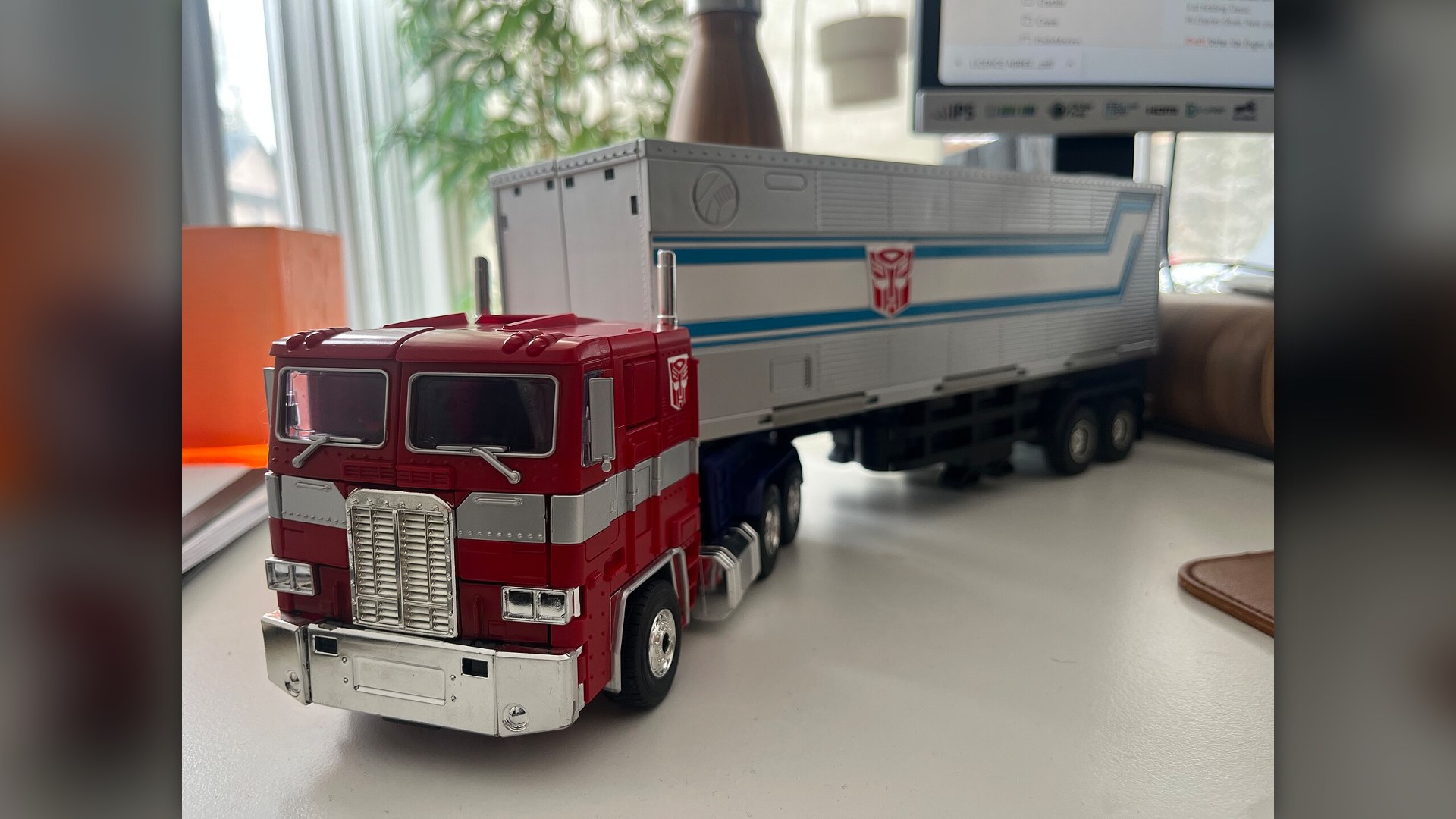
©Wikimedia / Carlos Pacheco from Toronto, Canada
3. Game Boy (1989)
Engineered by Nintendo designer Gunpei Yokoi, this robust monochrome handheld console united energy efficiency with interchangeable game cartridges. Bundled with the addictive puzzle game Tetris, the compact system dominated international portable entertainment for more than a decade.
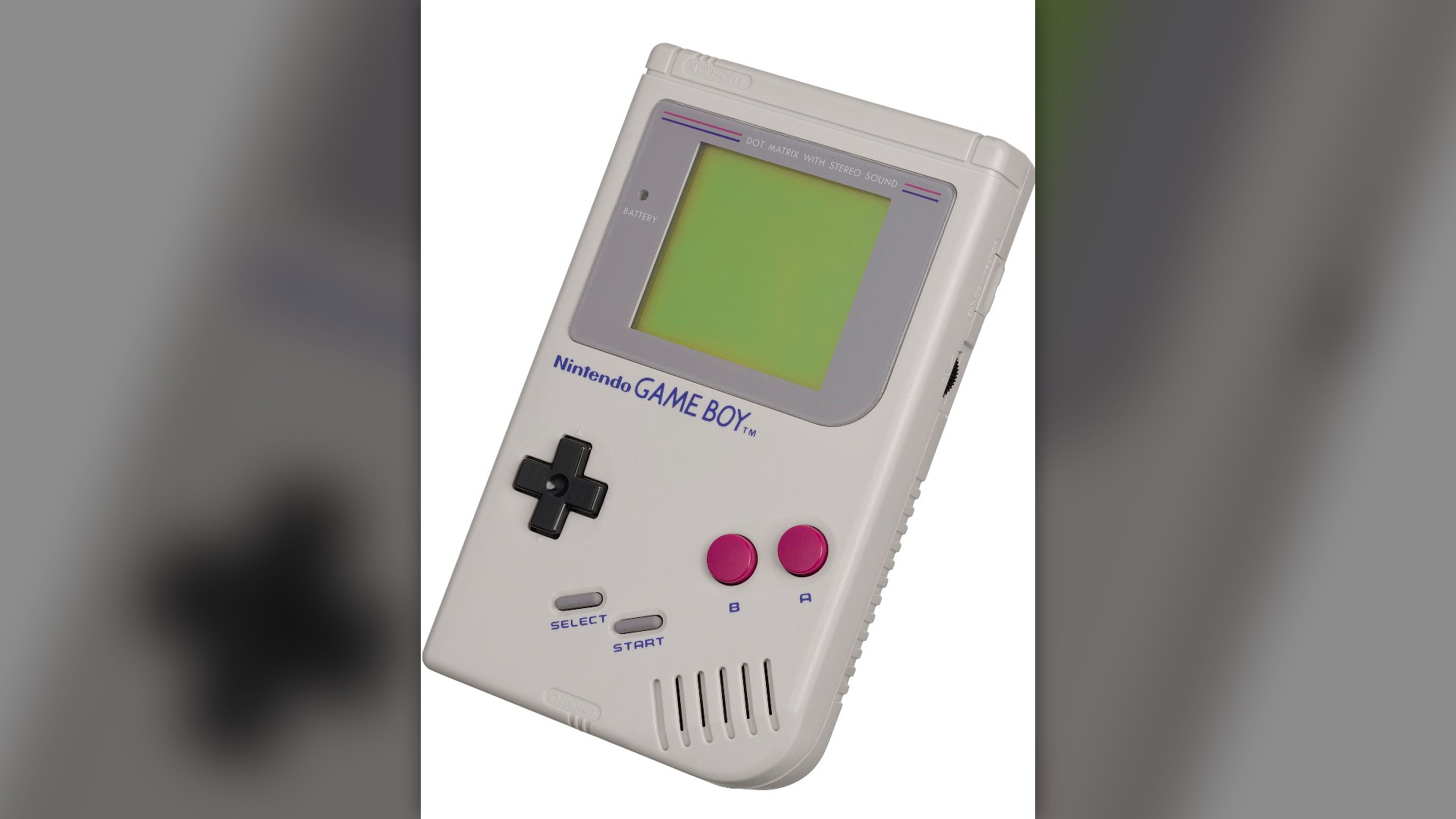
©Wikimedia / Evan-Amos
2. Beanie Babies (1993)
Entrepreneur Ty Warner understuffed plush animal figures with plastic pellets to render them flexible, poseable, and distinctively lifelike. Strategic retirements, limited production batches, and heart-shaped swing tags ignited a wild collector craze and secondary market frenzy.

©Wikimedia / daryl_mitchell from Saskatoon, Saskatchewan, Can
Advertisement
Swipe or tap ▶ to resume the countdown.
1. Tamagotchi (1996)
Created by Akihiro Yokoi and Aki Maita for Bandai, this egg-shaped electronic keychain housed an interactive digital creature requiring regular feeding, discipline, and cleaning. The revolutionary pocket simulation sparked an international obsession with portable virtual companions.
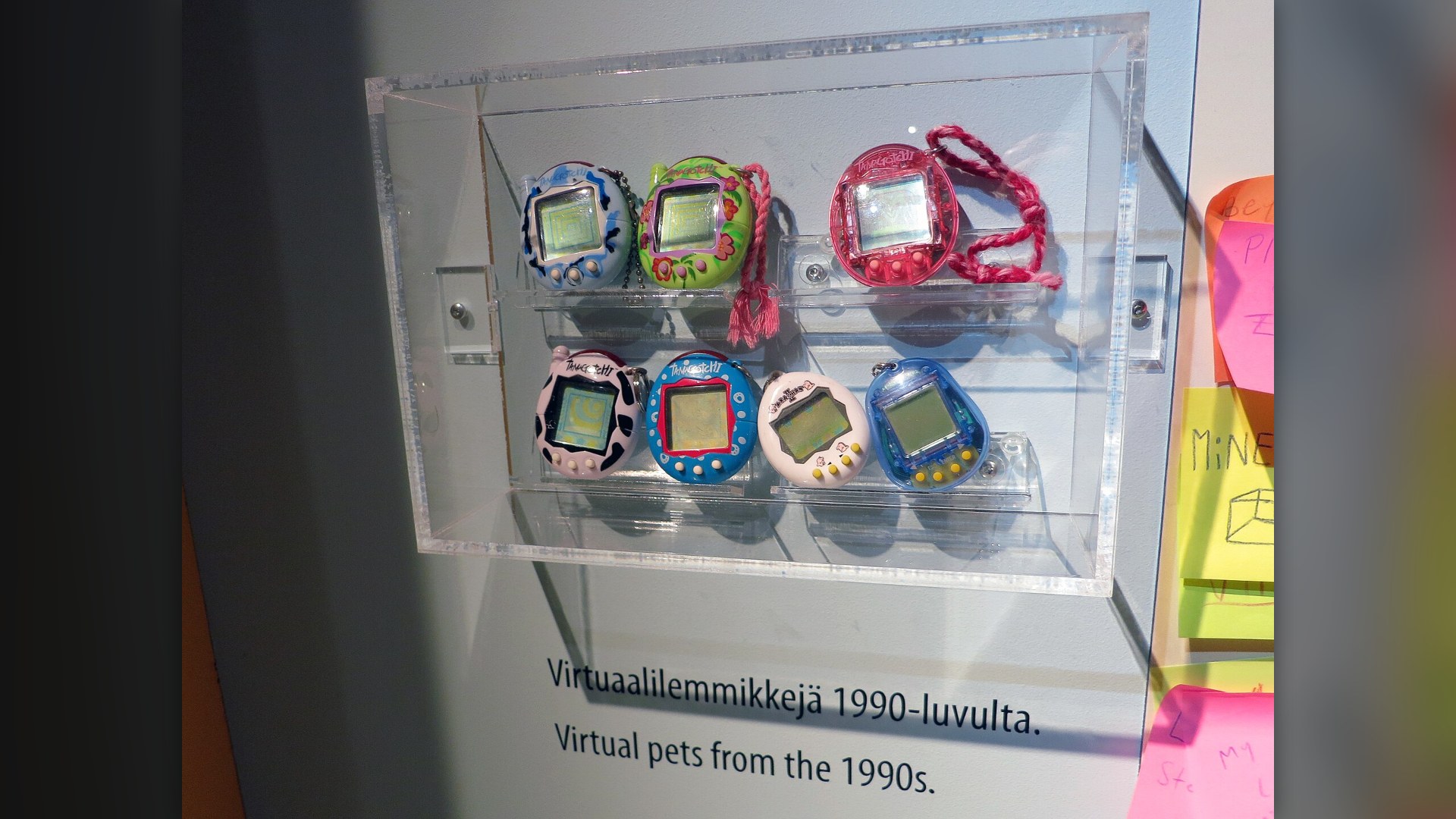
©Wikimedia / Trogain
Advertisement
You've reached the end of the story. Thanks for reading!

20 Everyday Activities Ranked by Calories Burned Per Hour
Drawing on metabolic research from Harvard Medical School, scientists tracked how common domestic chores burn energy. Using standard measurements for a 155-pound adult, this ranking highlights how non-exercise activity thermogenesis impacts wellness. See 20 everyday habits ranked from lowest to highest caloric burn.
All 20 Entries in this Story
Silly Putty (1950)
Silly Putty originated during wartime research into synthetic rubber substitutes. Engineer James Wright combined silicone oil with boric acid to yield an unusual substance that bounced vigorously, stretched without breaking, and copied fresh newsprint onto its malleable surface.

Mr. Potato Head (1952)
Inventor George Lerner created plastic face components designed for real household vegetables before manufacturer Hasbro packaged them with a hard molded body. The lovable customizable figure made promotional history as the very first toy advertised directly on American broadcast television.

Matchbox Cars (1953)
British engineer Jack Odell crafted miniature diecast vehicles compact enough to fit inside a standard matchbox so his young daughter could take them to school. The detailed scaled automobiles rapidly expanded into an affordable global collecting craze prized by young motoring fans.

Play-Doh (1956)
Originally developed as a pliable wallpaper cleaning compound, this nontoxic salty dough found widespread acclaim once repurposed for preschool classrooms. Its distinctive fragrance, bold colors, and squishy consistency made it an essential creative medium for budding sculptors.

Frisbee (1957)
Inspired by pie tins tossed across college campuses, California inventor Walter Morrison designed a plastic aerodynamic disc with curved edges called the Pluto Platter. Wham-O acquired the design and rebranded it as the Frisbee, launching international collegiate and backyard sports.

Hula Hoop (1958)
Fashioned from bright new Marlex plastic tubing, the lightweight swirling ring sparked an unprecedented international playground fad in late 1958. Wham-O sold over twenty million units within its initial months as children and adults mastered rhythmic waist rotations.

Barbie (1959)
Mattel cofounder Ruth Handler introduced an adult-styled three-dimensional fashion doll at the American Toy Fair in New York City. Clad in her iconic zebra-striped swimsuit, the versatile figure challenged conventional baby dolls and grew into a global merchandising empire.

Etch A Sketch (1960)
French electrical technician André Cassagnes developed this mechanical marvel utilizing fine aluminum powder and dual control knobs. By operating twin brass pulleys connected to a stylus, players etched clean line art onto the glass before shaking the device clear to begin again.

Easy-Bake Oven (1963)
Kenner transformed domestic roleplay by introducing a turquoise toy oven powered by two ordinary incandescent lightbulbs. Children baked small circular cakes, miniature cookies, and warm brownies safely, turning kitchen emulation into an enduring culinary tradition for youth.

G.I. Joe (1964)
Hasbro coined the term action figure to market this poseable eleven-and-a-half-inch military model to boys who rejected conventional dolls. Outfitted with detailed uniforms, articulated joints, and realistic combat gear, the hero soldier established an entirely new toy industry genre.

Twister (1966)
Designed by Charles Foley and Neil Rabens, this physical dexterity party game used human players as live board pieces across a vinyl mat filled with colored dots. A prominent television appearance on The Tonight Show propelled the knot-tying contest into an international social sensation.

Hot Wheels (1968)
Mattel cofounder Elliot Handler launched the Original Sweet Sixteen lineup of customized muscle cars engineered with low-friction Delrin wheel bearings. Their spectacular Spectraflame paint, wide magnesium-style mag wheels, and bright orange stunt tracks outpaced all existing rivals.

Nerf Ball (1970)
Games inventor Reyn Guyer crafted a soft four-inch polyurethane foam ball marketed as the worlds first official indoor ball that cannot damage lamps or break windows. Parker Brothers sold millions of units, paving the way for foam dart blasters, sporting equipment, and playroom missiles.

Rubik's Cube (1974)
Hungarian architecture professor Ernő Rubik constructed a three-dimensional wooden puzzle with independent rotating planes to demonstrate spatial geometry. Renamed the Rubik's Cube for international release, the colorful mechanical enigma developed into the bestselling puzzle in history.

Cabbage Patch Kids (1982)
Artist Xavier Roberts conceived unique soft sculpture babyland figures featuring distinctive round yarn hair and hand-stitched features. Marketed by Coleco complete with official adoption certificates and birth records, they sparked fierce holiday retail stampedes across North America.

Care Bears (1983)
Originating from American Greetings greeting card artwork painted by Elena Kucharik, these colorful pastel teddy bears featured distinctive belly badges representing specific emotional traits. Kenner transformed them into huggable plush toys backed by an expansive television cartoon universe.

Transformers (1984)
Hasbro partnered with Japanese toy maker Takara to adapt converting Diaclone and Microman vehicle figures into sentient heroic Autobots and evil Decepticons. The ingenious puzzle-like folding mechanisms paired with multimedia storytelling made robots in disguise an enduring franchise.

Game Boy (1989)
Engineered by Nintendo designer Gunpei Yokoi, this robust monochrome handheld console united energy efficiency with interchangeable game cartridges. Bundled with the addictive puzzle game Tetris, the compact system dominated international portable entertainment for more than a decade.

Beanie Babies (1993)
Entrepreneur Ty Warner understuffed plush animal figures with plastic pellets to render them flexible, poseable, and distinctively lifelike. Strategic retirements, limited production batches, and heart-shaped swing tags ignited a wild collector craze and secondary market frenzy.

Tamagotchi (1996)
Created by Akihiro Yokoi and Aki Maita for Bandai, this egg-shaped electronic keychain housed an interactive digital creature requiring regular feeding, discipline, and cleaning. The revolutionary pocket simulation sparked an international obsession with portable virtual companions.