Slideshow · Entertainment
20 Iconic BFI Fellowship Honorees in British Film History
Ahead of Samantha Morton's announced BFI Fellowship presentation in January 2027, revisit 20 past honorees who defined British cinema from 1983 to 2024. Compiled from British Film Institute archives, Academy records and trade reporting by Variety, this gallery tracks directors and actors who shaped screen history.
By Most Viral Today
2 hours agopitch:fcbe4fd9-53b0-4208-b8e3-507ef2be200a

Film pioneers and screen legends honoured by the British Film Institute 
20. David Lean 
19. Michael Powell 
18. Laurence Olivier - AdvertisementSwipe or tap ▶ to continue countdown

17. Deborah Kerr 
16. Dirk Bogarde 
15. Alec Guinness 
14. Richard Attenborough - AdvertisementSwipe or tap ▶ to continue countdown

13. Maggie Smith 
12. Nicolas Roeg 
11. Michael Caine 
10. Ken Loach - AdvertisementSwipe or tap ▶ to continue countdown

9. Mike Leigh 
8. John Hurt 
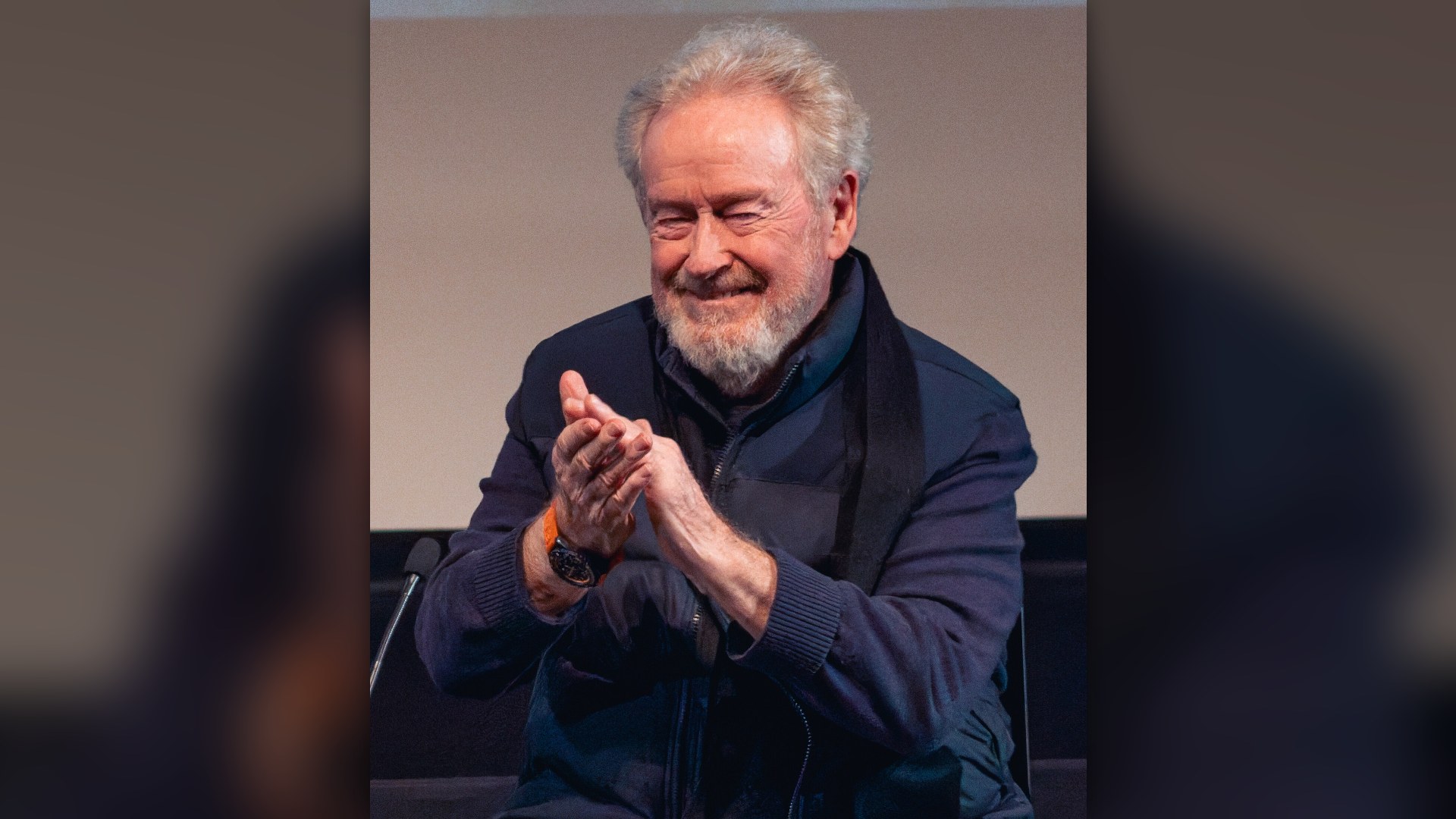
7. Ridley Scott 
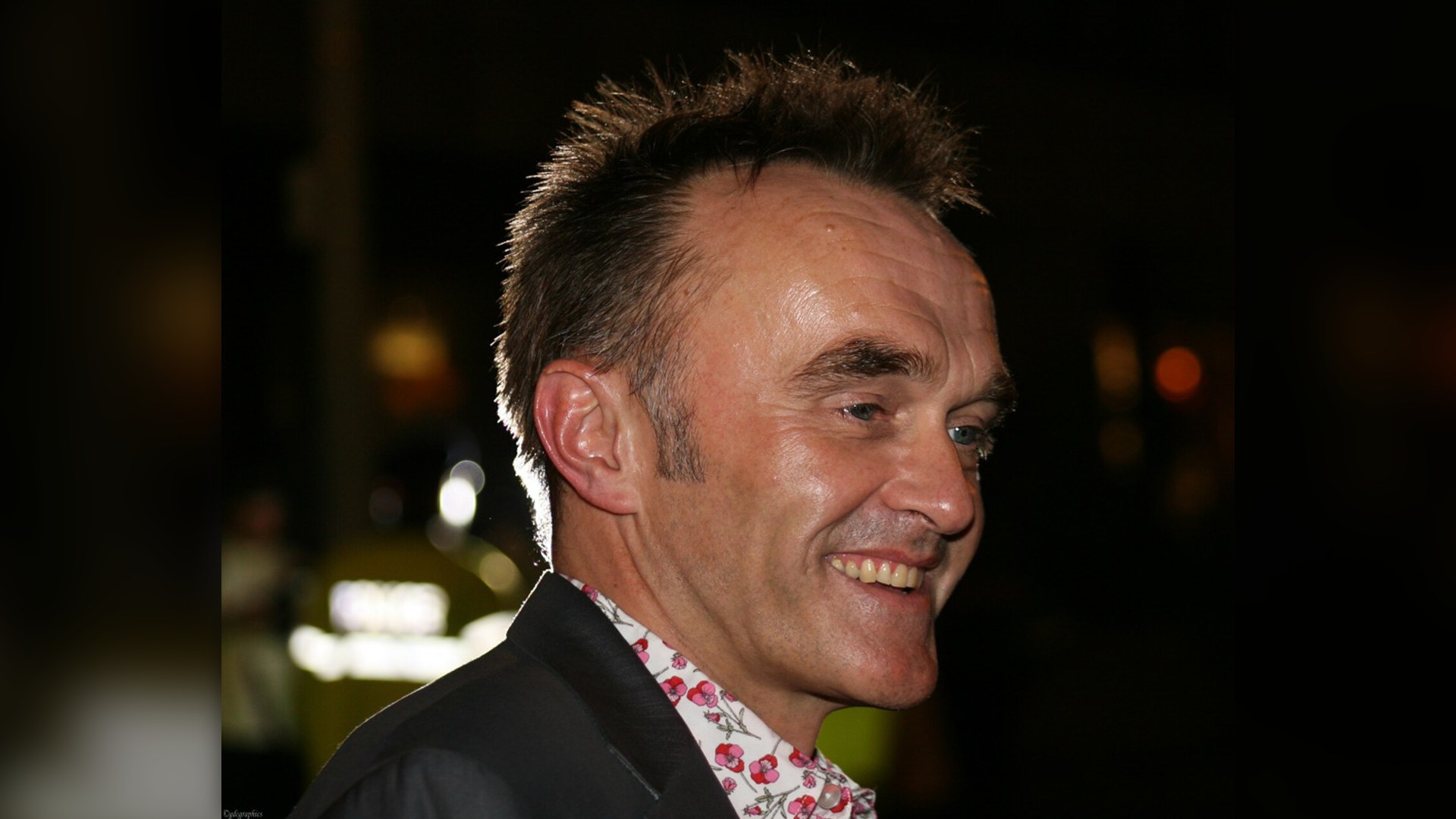
6. Danny Boyle - AdvertisementSwipe or tap ▶ to continue countdown

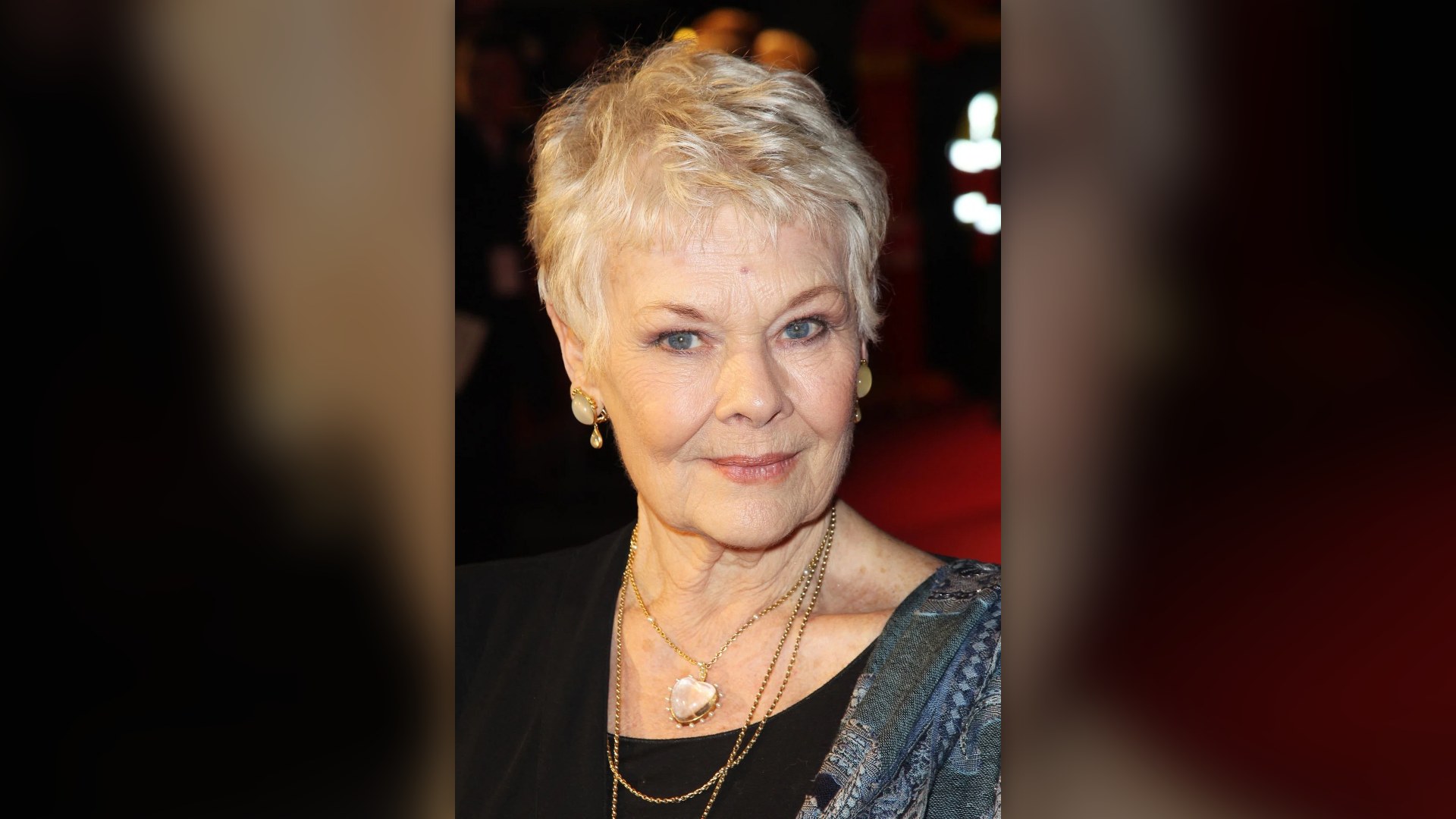
5. Judi Dench 
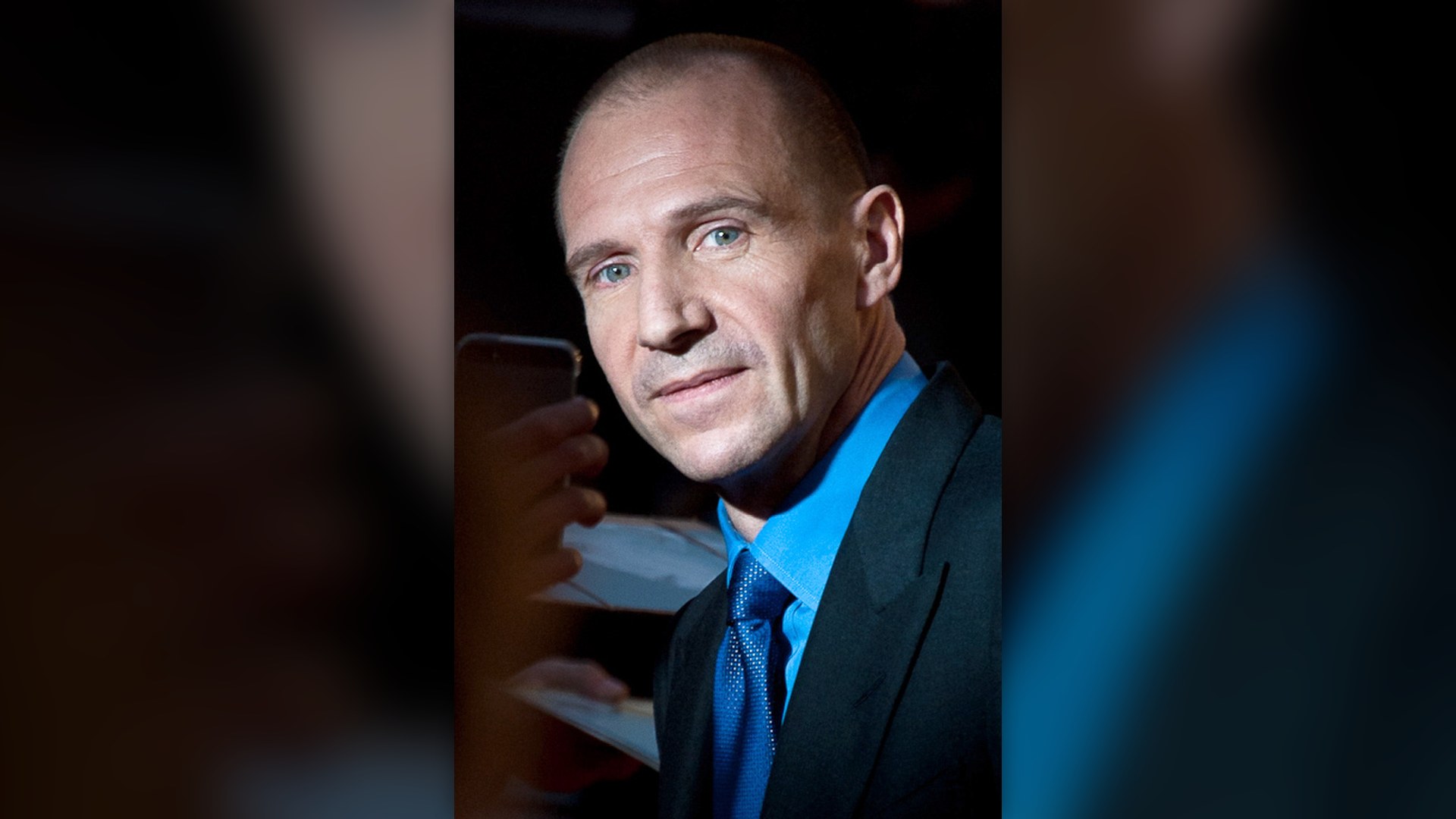
4. Ralph Fiennes 
3. Christopher Lee 
2. Olivia Colman - AdvertisementSwipe or tap ▶ to continue countdown

1. Christopher Nolan - Advertisement🔥 UP NEXT IN THIS SERIES◫ 22 Slides

21 Movies Where the Hero and Villain Never Meet Face to Face
Most thrillers build toward a face-to-face showdown, yet these 21 acclaimed films keep their hero and villain in separate rooms until the credits roll. Ranked by critical impact using studio press archives, the American Film Institute, and TMDb film data, the countdown saves the most famous separation for last.
Established in 1983, the BFI Fellowship is the British Film Institute's highest honour for cinema and television. Ahead of Samantha Morton's January 2027 ceremony, look back at 20 past recipients from David Lean to Christopher Nolan. Based on official BFI records, Academy archives and Variety reporting.
Swipe or tap ▶ to begin the countdown
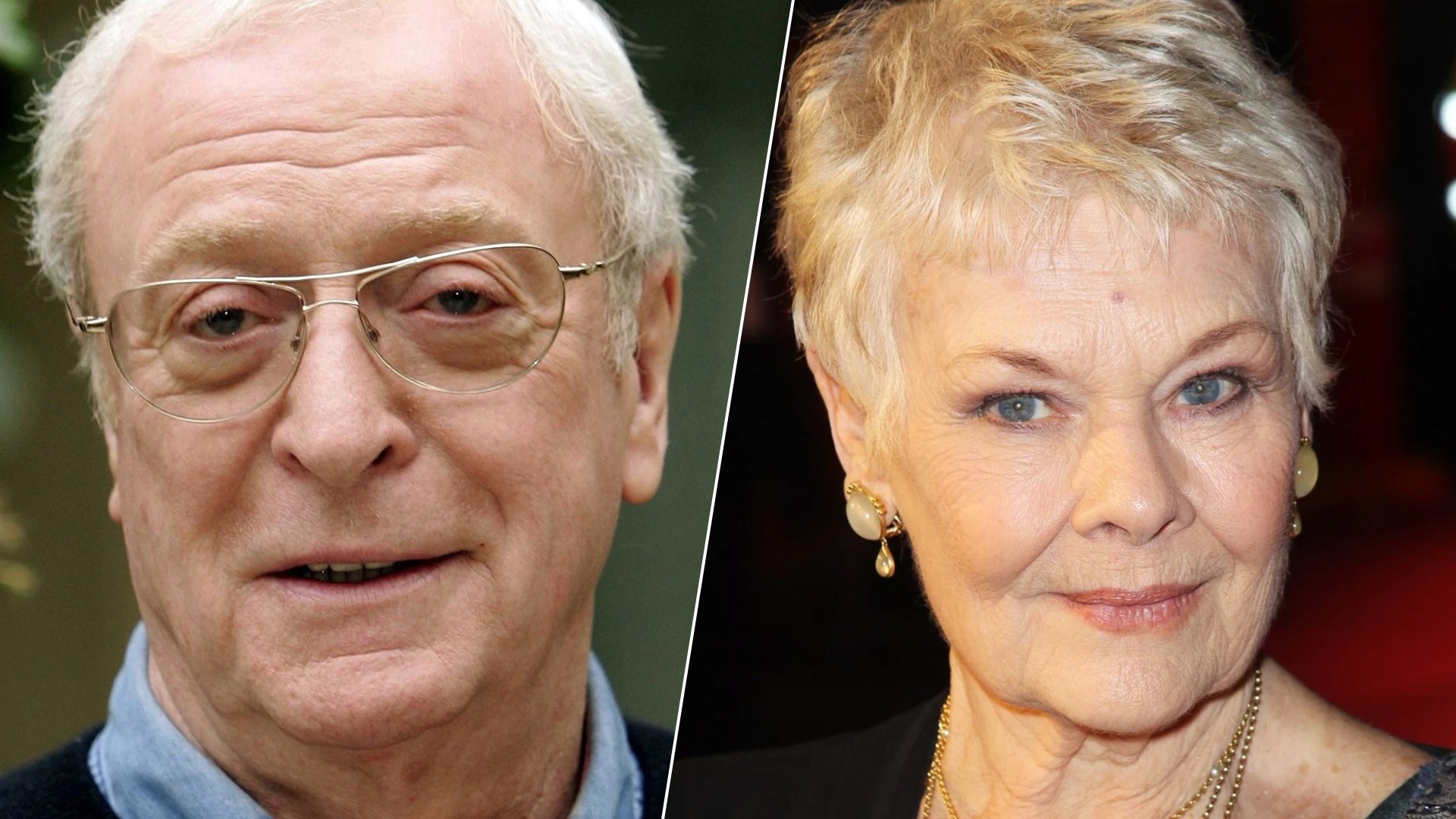
©TMDb / Michael Caine & TMDb / Judi Dench
20. David Lean
Lean started out as a film editor in London before directing wartime dramas such as Brief Encounter in 1945. He went on to win two Academy Awards for Best Director for The Bridge on the River Kwai and Lawrence of Arabia. He died in 1991 at age 83.
©Wikimedia / Kalervo Manninen
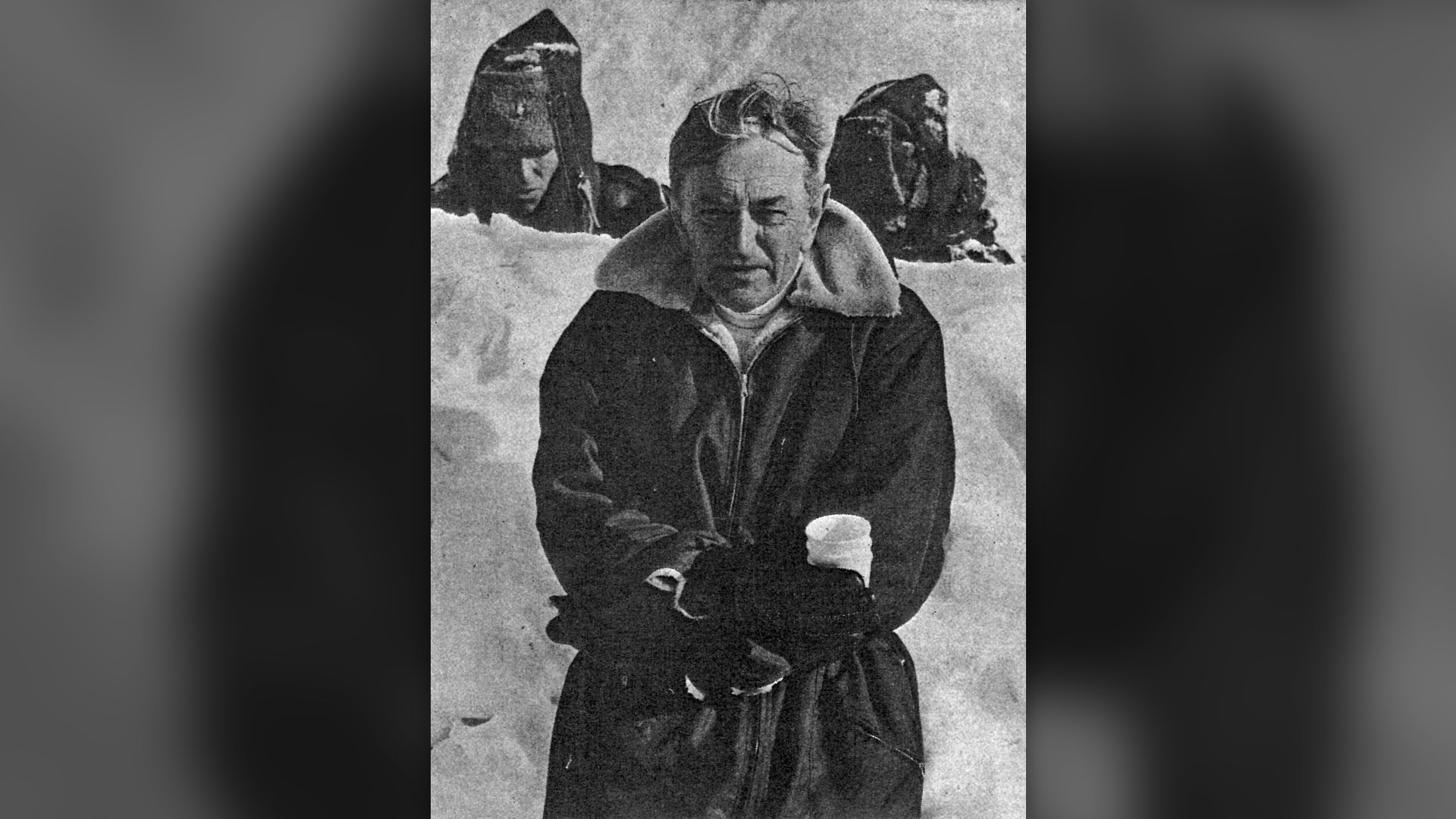
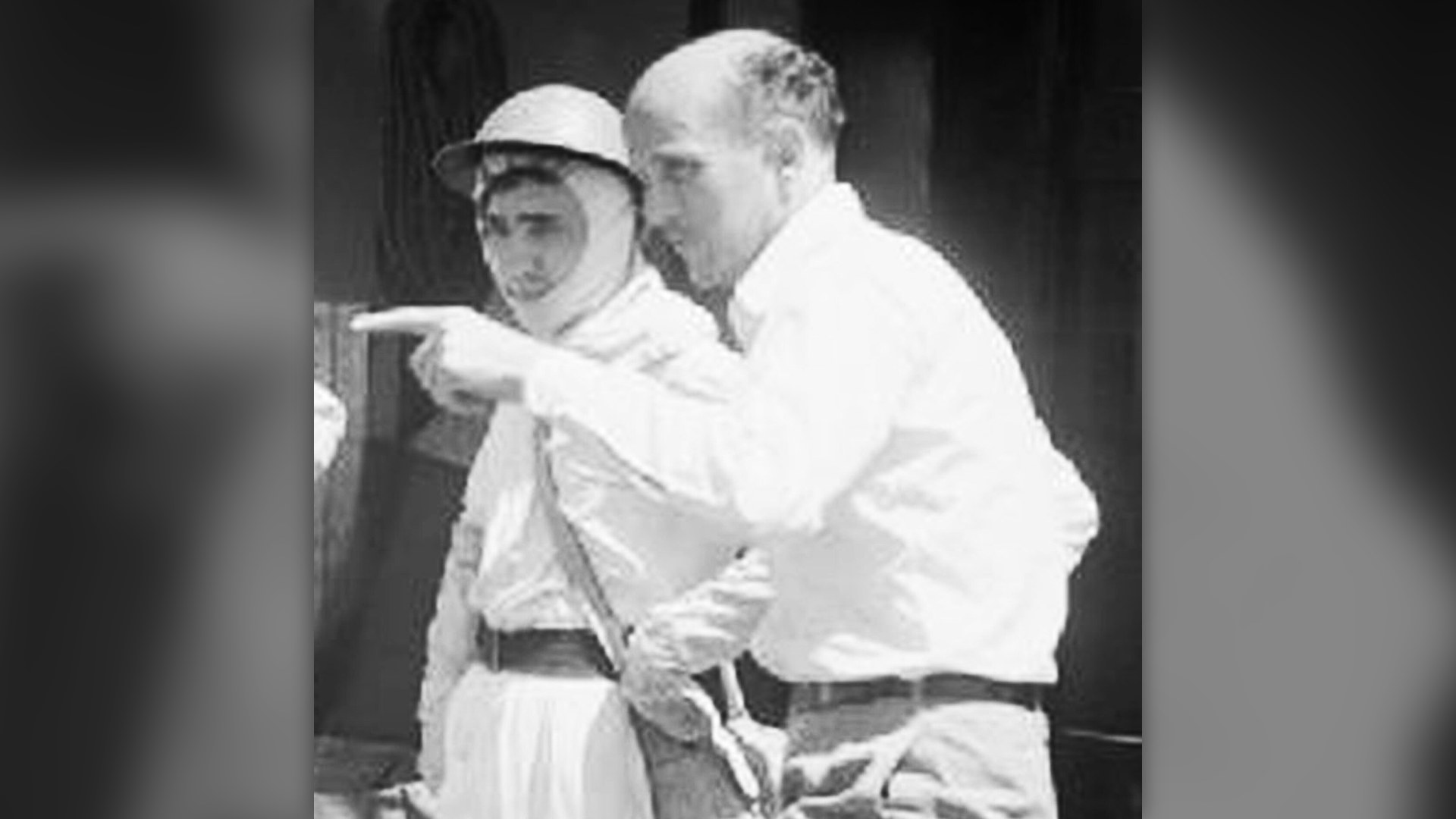
19. Michael Powell
Working alongside screenwriter Emeric Pressburger, Powell crafted bold Technicolor classics including Black Narcissus in 1947 and The Red Shoes in 1948. His 1960 thriller Peeping Tom was later hailed as a landmark of psychological cinema. He died in 1990.
©Wikimedia / James, P G (Lt), Royal Navy official photographe
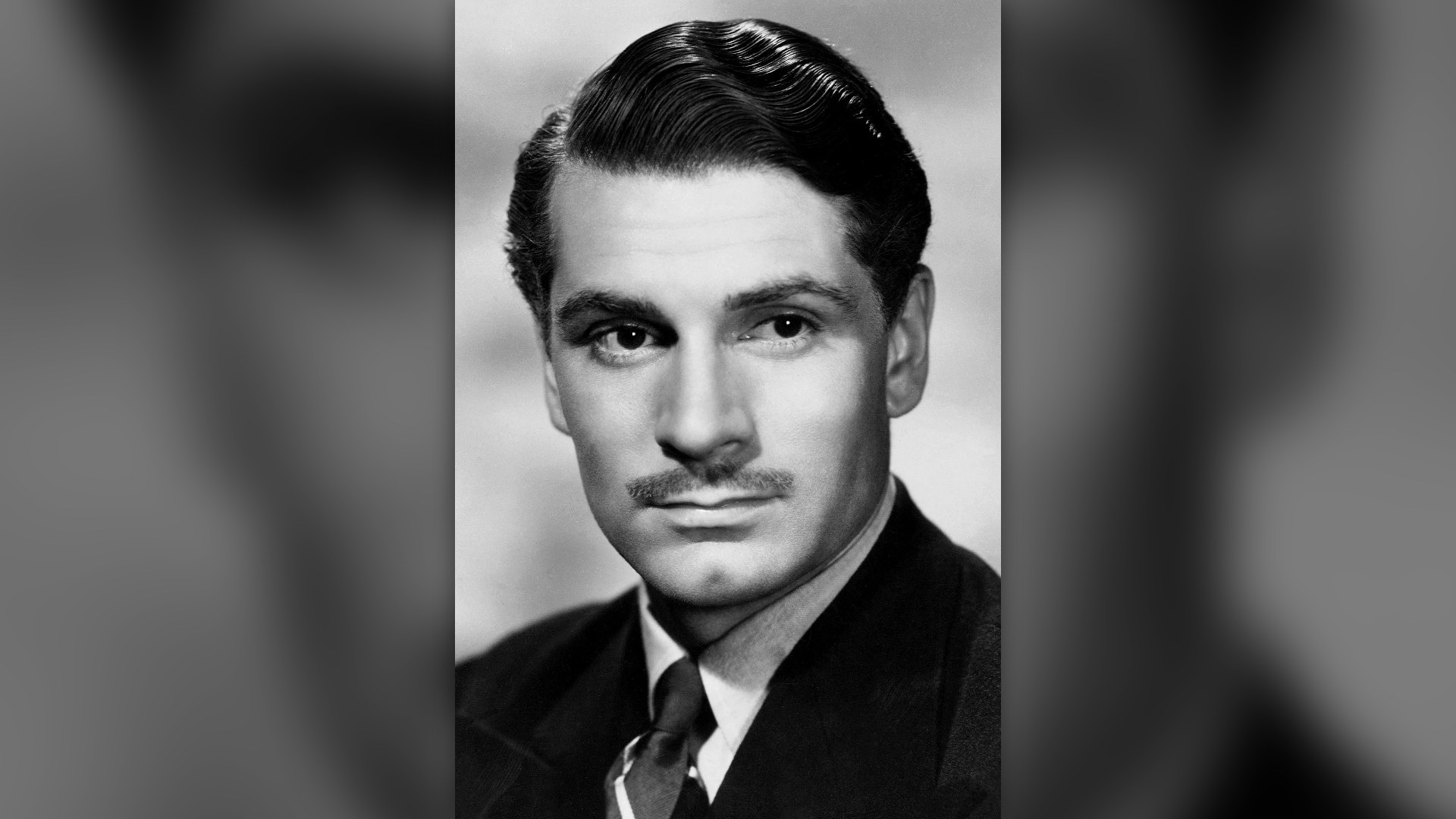
18. Laurence Olivier
Olivier brought Shakespeare to global cinema audiences by directing and starring in Henry V, Hamlet and Richard III. Hamlet won four Academy Awards in 1949, including Best Picture and Best Actor for Olivier himself. He also served as founding director of Britain's National Theatre.
©TMDb / Laurence Olivier
Advertisement
Swipe or tap ▶ to resume the countdown.
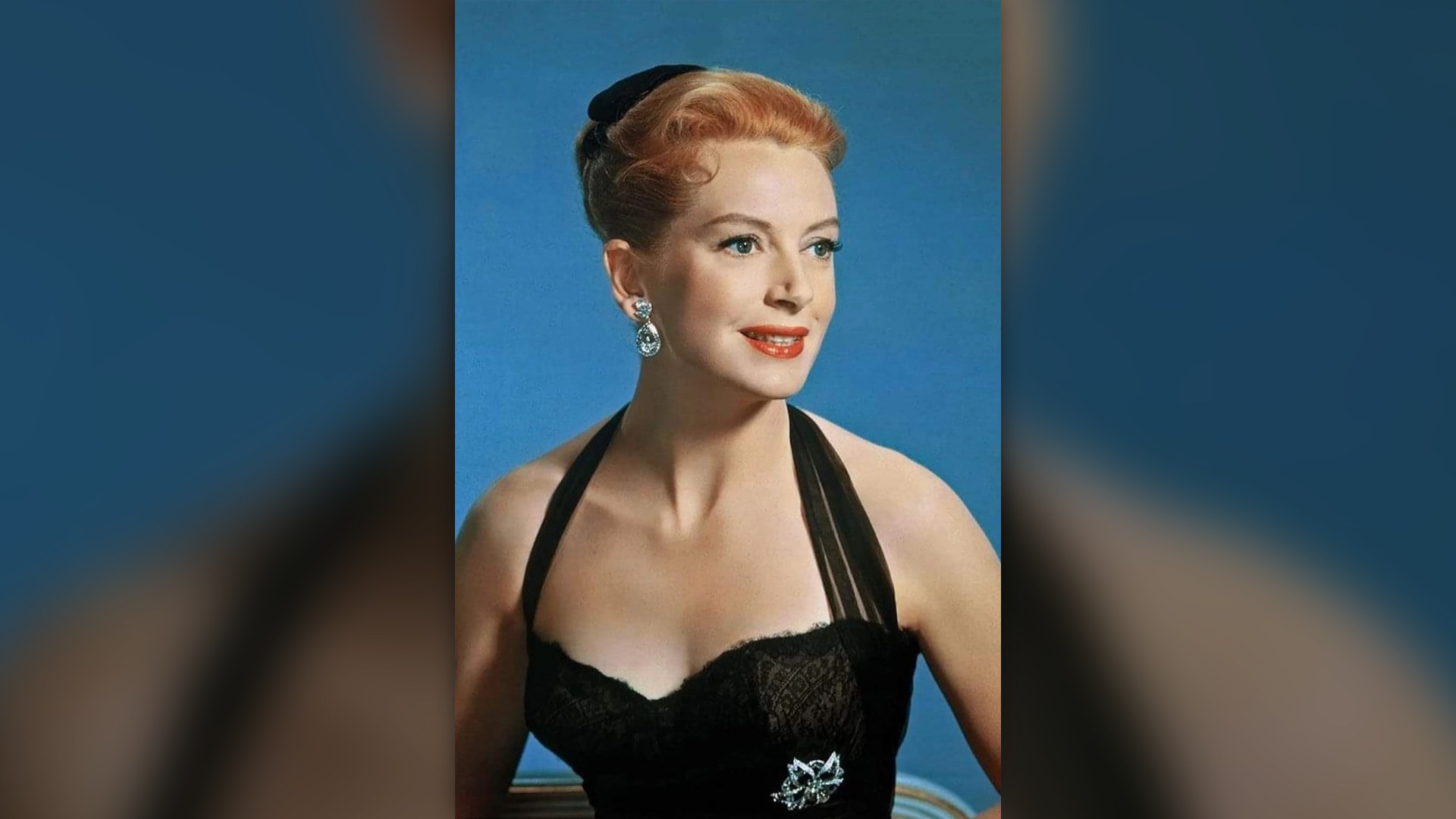
17. Deborah Kerr
Kerr earned six Academy Award nominations for Best Actress across films such as From Here to Eternity, The King and I and Separate Tables. She received an Honorary Oscar in 1994 for her screen career. Before her death in 2007, she appeared in over 50 feature films.
©TMDb / Deborah Kerr
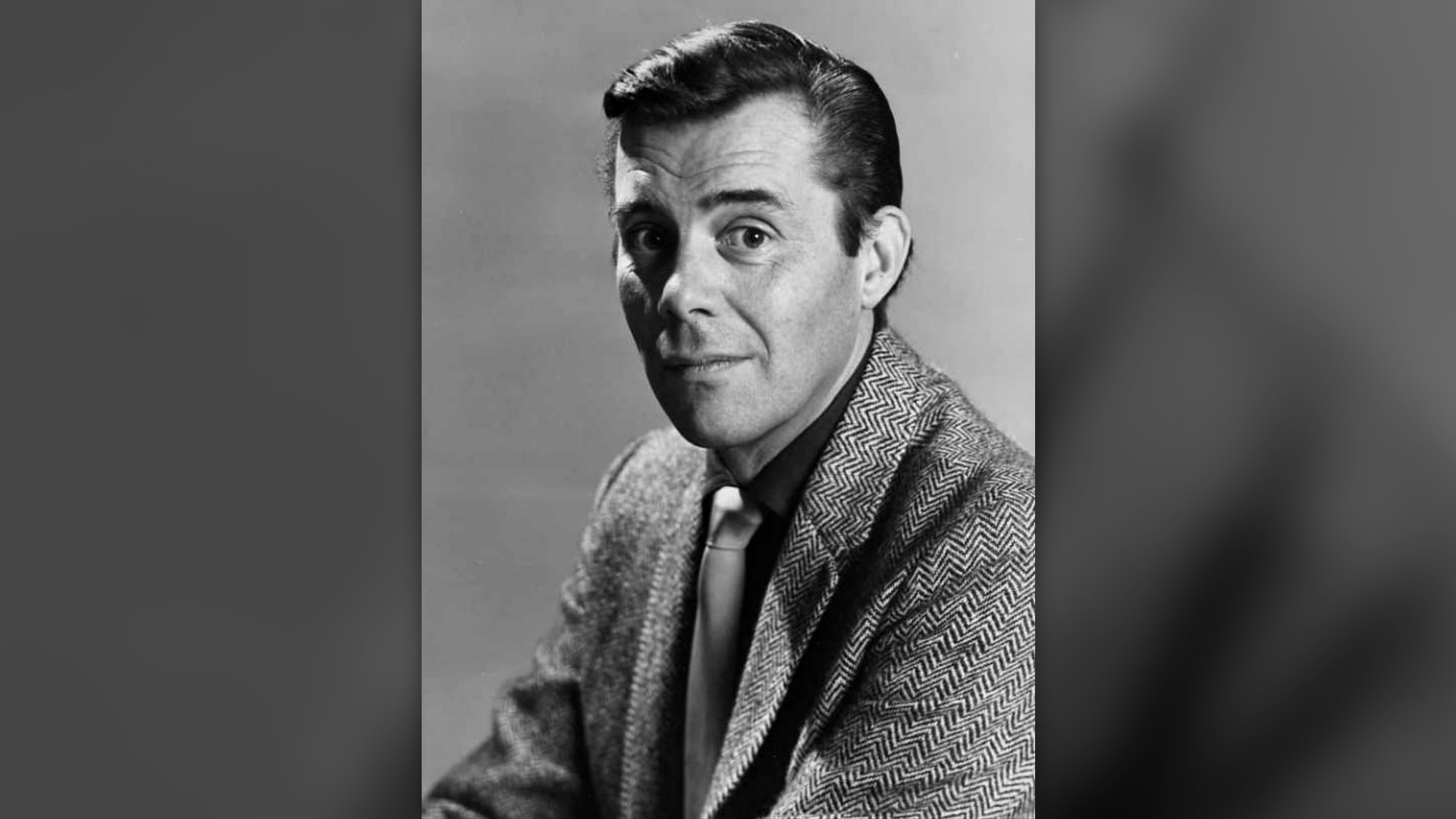
16. Dirk Bogarde
Bogarde topped the British box office in the 1950s with Doctor in the House before taking riskier roles. He starred in Victim in 1961, the first mainstream English-language film to address homosexuality openly. Later collaborations with Joseph Losey and Luchino Visconti sealed his reputation.
©Wikimedia / NBC Television
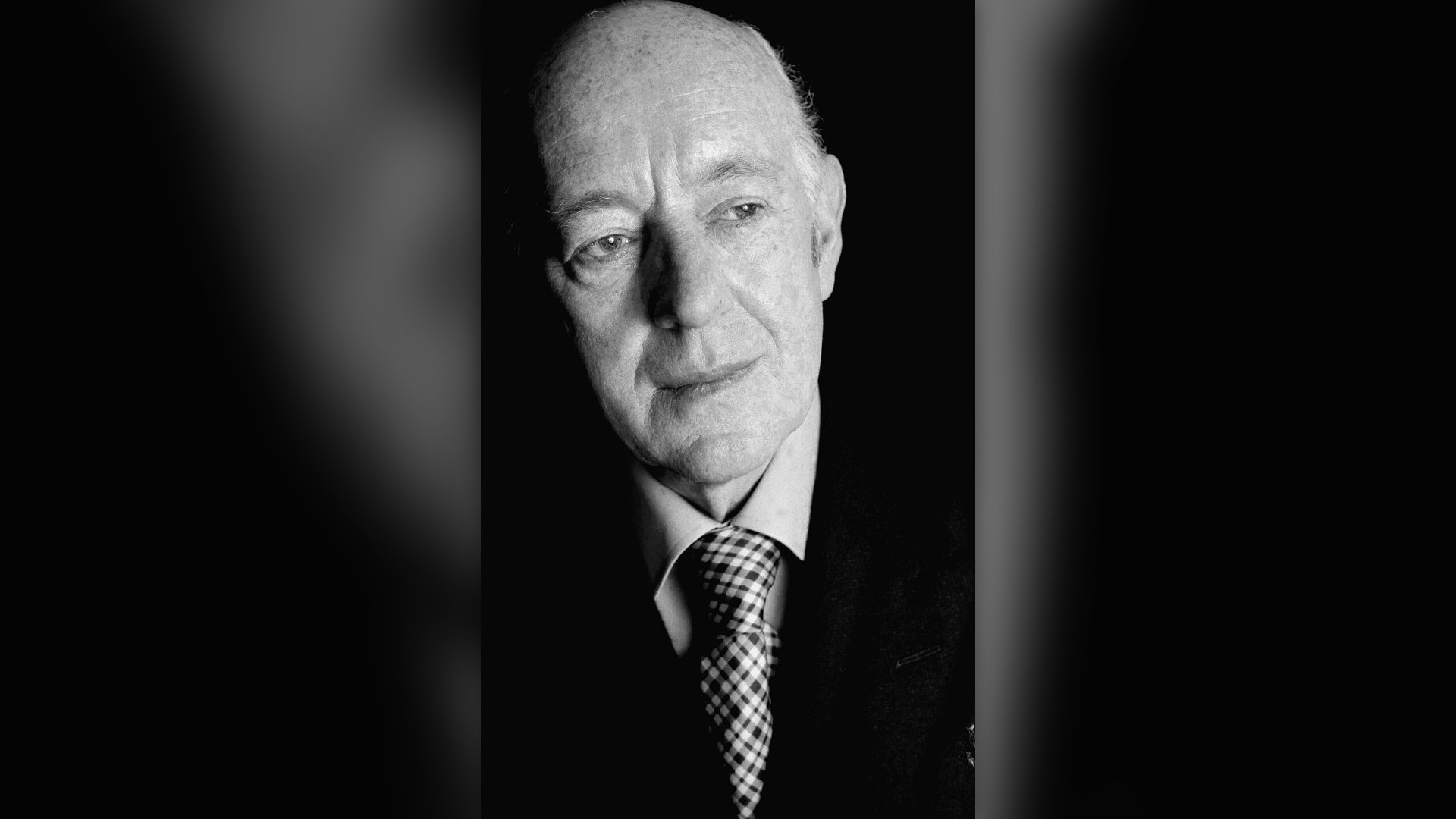
15. Alec Guinness
Guinness famously played eight different members of the same aristocratic family in Kind Hearts and Coronets in 1949. He won an Academy Award for The Bridge on the River Kwai in 1958 and reached younger fans as Obi-Wan Kenobi in Star Wars. He was knighted in 1959.
©Wikimedia / Allan warren
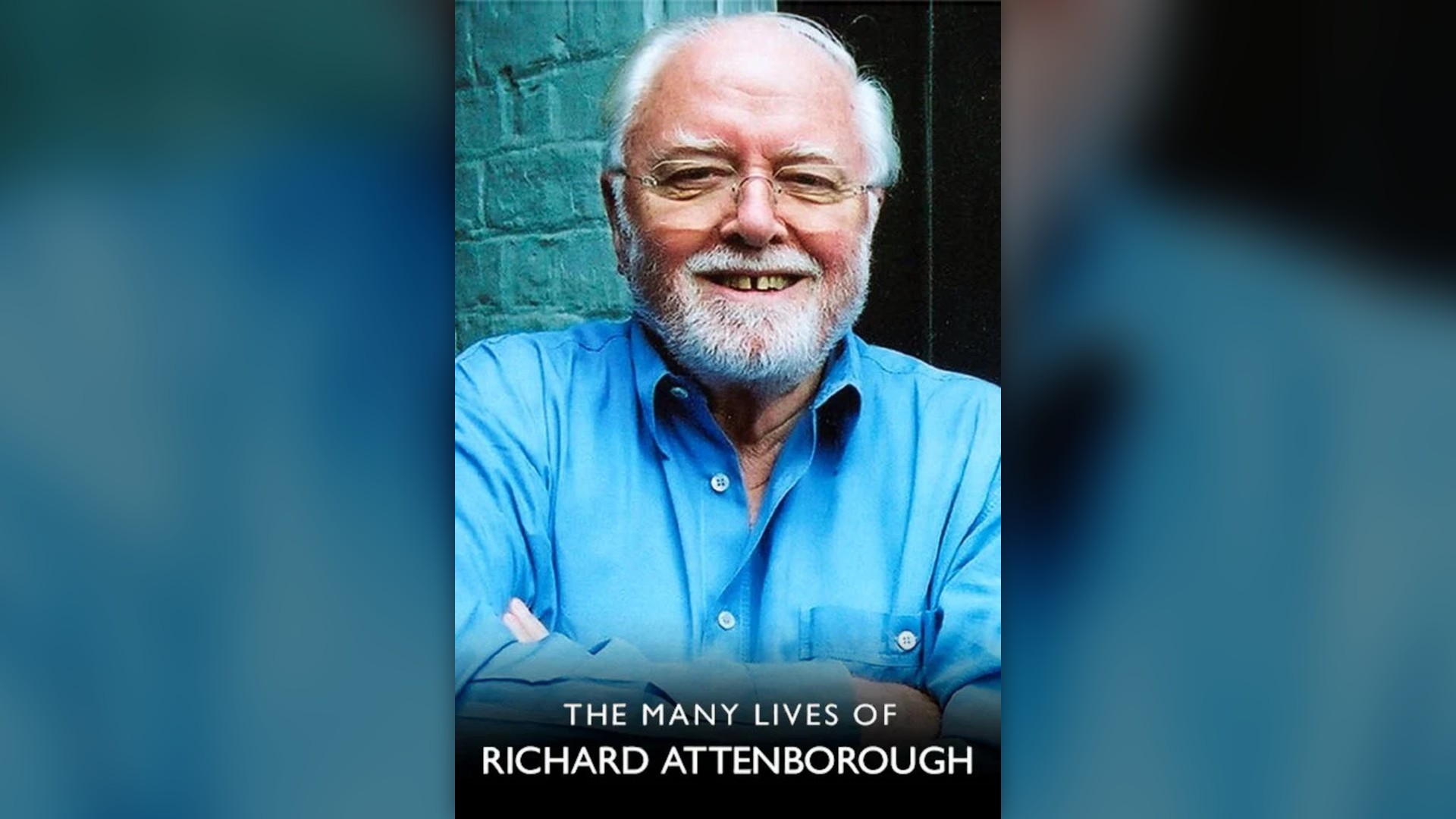
14. Richard Attenborough
Attenborough broke through on screen in Brighton Rock in 1948 before moving behind the camera for Oh! What a Lovely War. His 1982 epic Gandhi won eight Academy Awards, including Best Picture and Best Director. He later chaired both BAFTA and the Royal Academy of Dramatic Art.
©TMDb / The Many Lives of Richard Attenborough
Advertisement
Swipe or tap ▶ to resume the countdown.
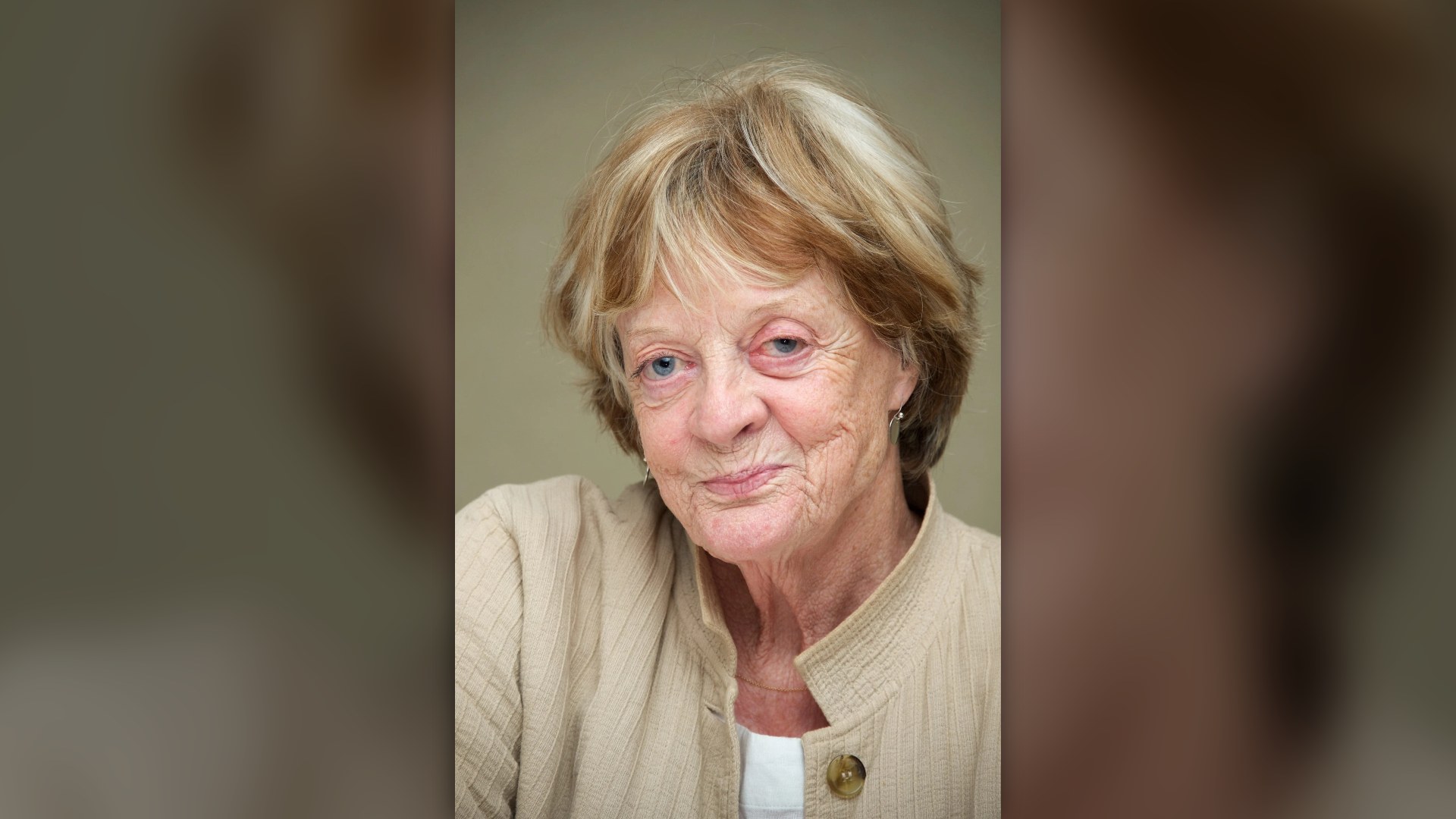
13. Maggie Smith
Smith won Academy Awards for The Prime of Miss Jean Brodie in 1970 and California Suite in 1979. Later generations knew her as Professor McGonagall in Harry Potter and Violet Crawley in Downton Abbey, earning three Emmys. She died in September 2024 at age 89.
©TMDb / Maggie Smith
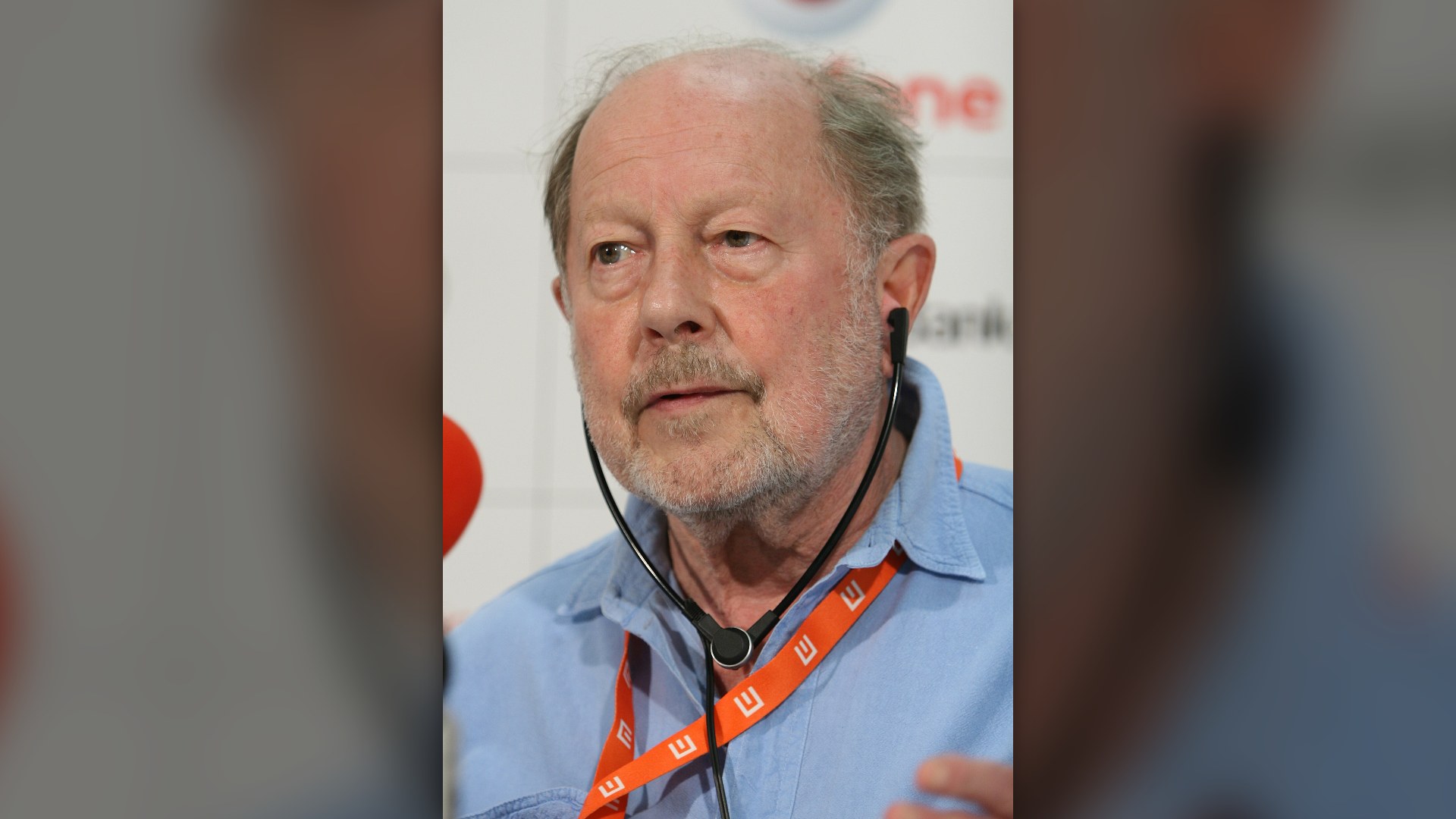
12. Nicolas Roeg
Before directing, Roeg photographed major features including Fahrenheit 451 and Far from the Madding Crowd. His fractured editing style defined Performance in 1970, Don't Look Now in 1973 and The Man Who Fell to Earth in 1976. Those films influenced generations of British filmmakers.
©Wikimedia / che (Please credit as "Petr Novák, Wikipedia" in
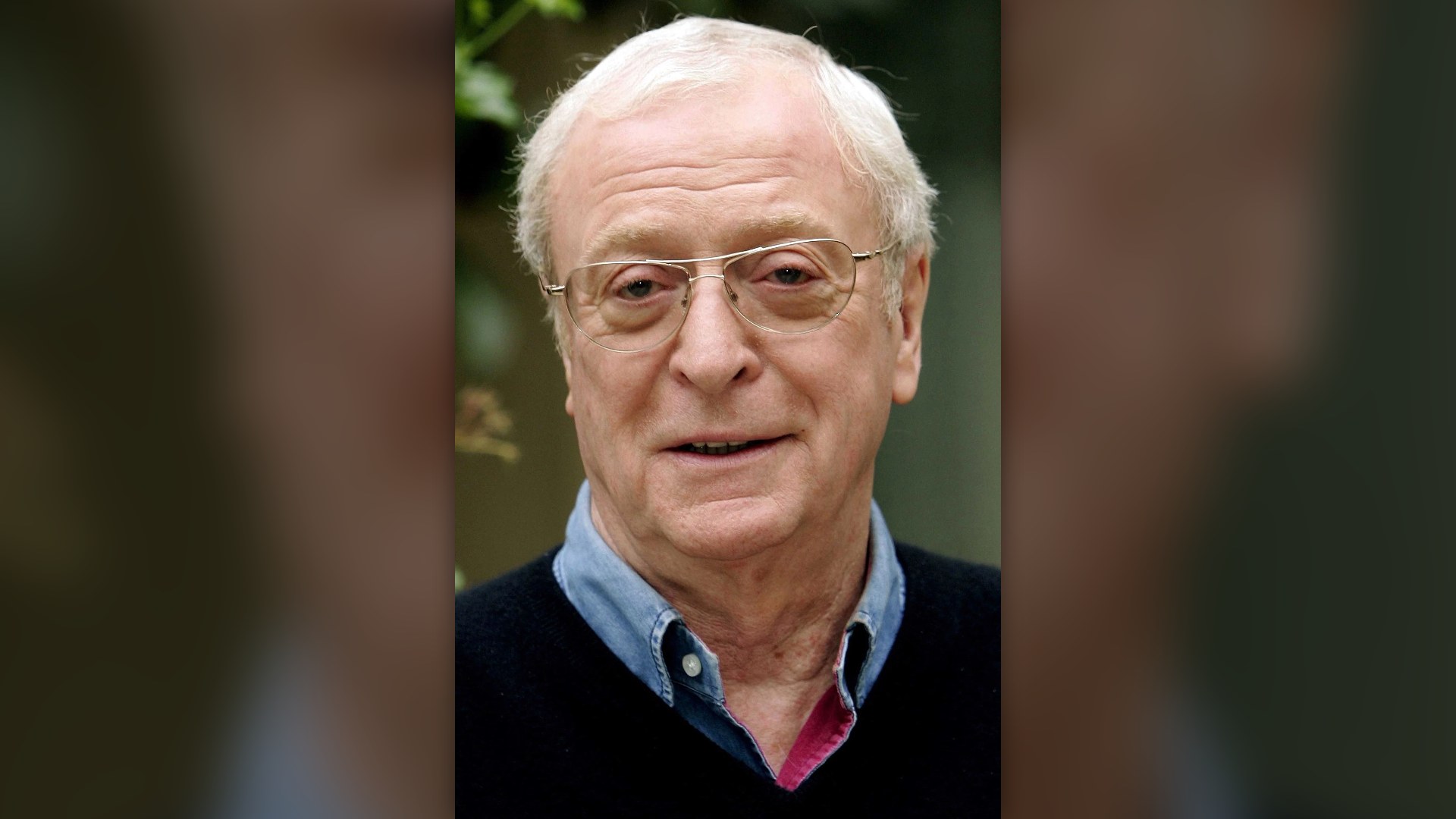
11. Michael Caine
Caine broke out in Zulu in 1964 and became a defining face of 1960s British cinema in The Ipcress File, Alfie and The Italian Job. He won two Best Supporting Actor Oscars for Hannah and Her Sisters and The Cider House Rules. In 2000 he was knighted for services to drama.
©TMDb / Michael Caine
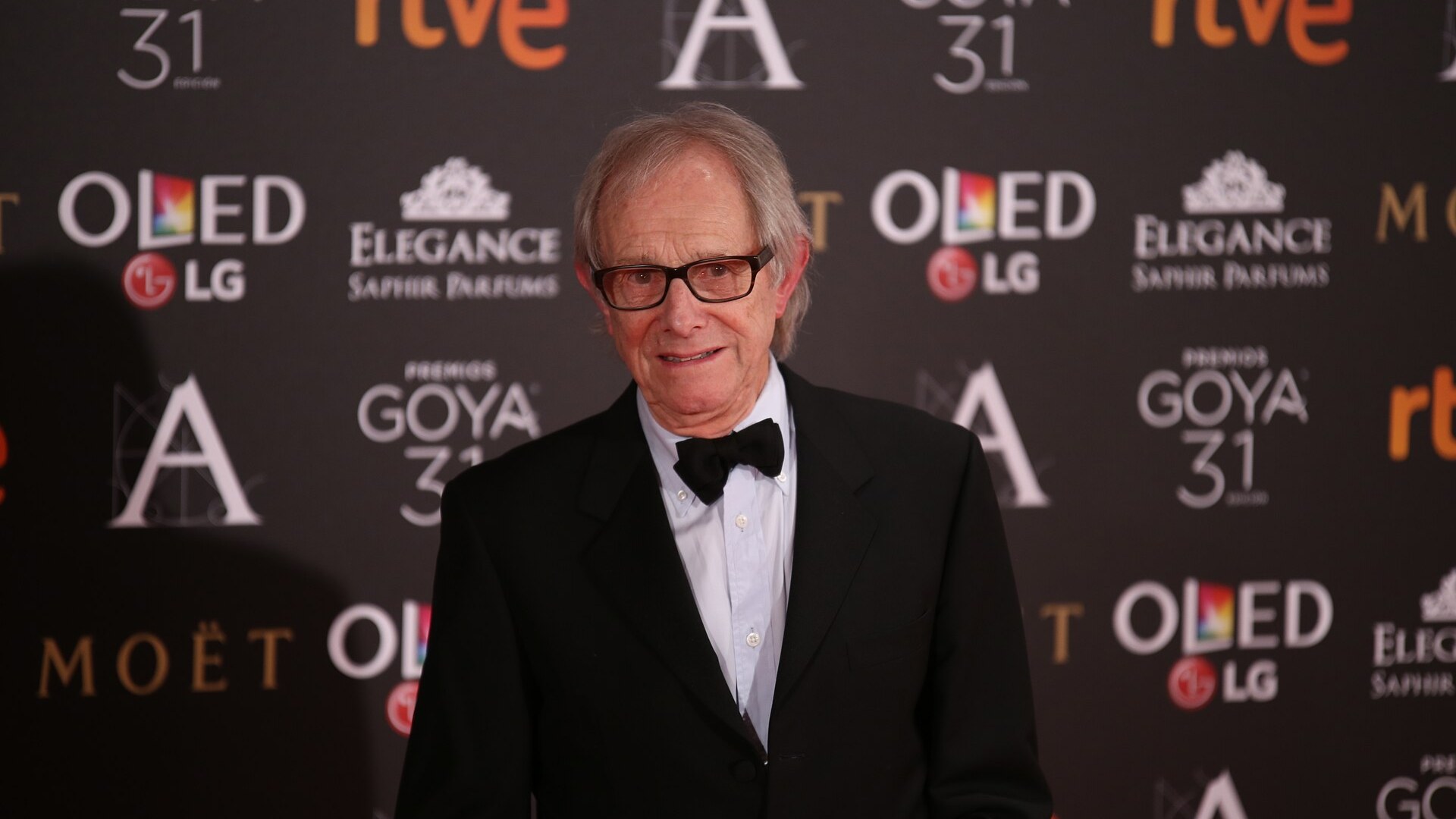
10. Ken Loach
Loach rose to prominence with the 1966 BBC drama Cathy Come Home and the 1969 feature Kes. Across six decades of working-class storytelling, he won the Cannes Palme d'Or twice, for The Wind That Shakes the Barley in 2006 and I, Daniel Blake in 2016.
©Wikimedia / Ruben Ortega
Advertisement
Swipe or tap ▶ to resume the countdown.
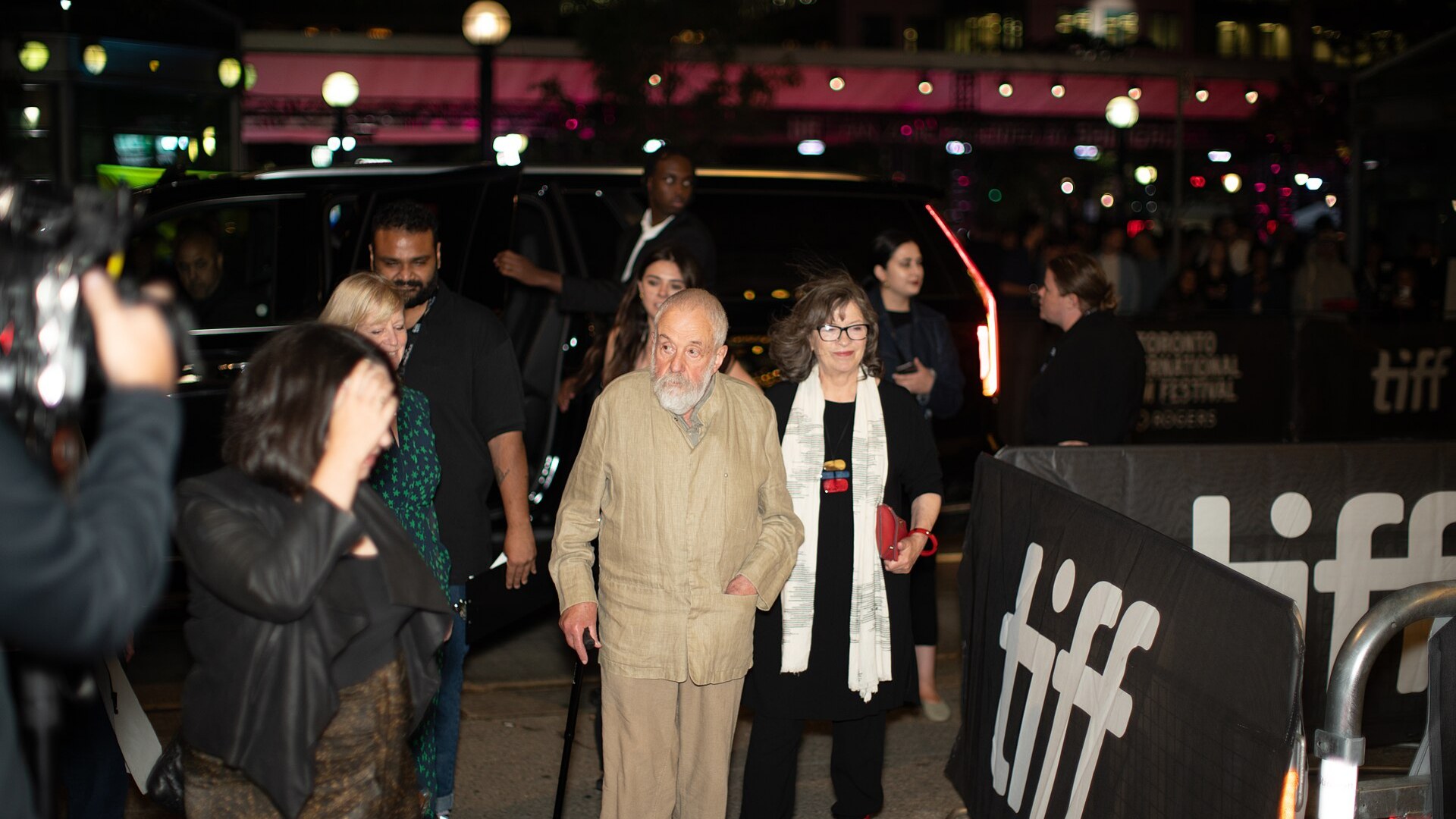
9. Mike Leigh
Leigh develops scripts through months of actor rehearsals, producing raw portraits of British life. He won the Palme d'Or at Cannes for Secrets and Lies in 1996 and the Golden Lion at Venice for Vera Drake in 2004. His career spans seven Academy Award nominations.
©Wikimedia / John Sears
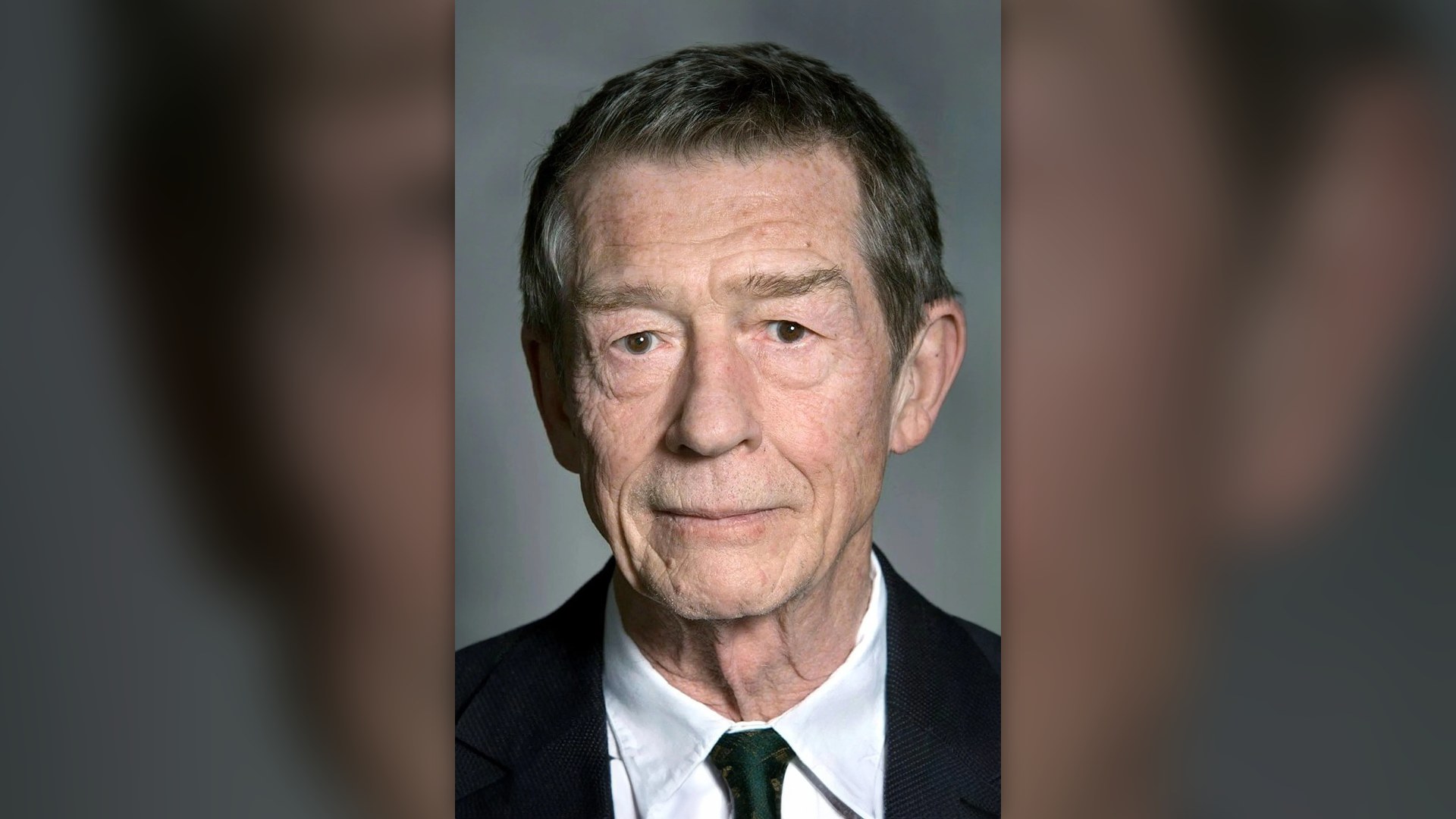
8. John Hurt
Hurt received Academy Award nominations for Midnight Express in 1978 and his title performance in The Elephant Man in 1980. British television audiences also remember his chilling turn in I, Claudius and his lead role in Nineteen Eighty-Four. He died in 2017.
©TMDb / John Hurt
7. Ridley Scott
After directing The Duellists in 1977, Scott reshaped science fiction with Alien in 1979 and Blade Runner in 1982. His historical epic Gladiator won the Oscar for Best Picture in 2001. Knighted in 2003, he also mentored fellow filmmakers through his company Scott Free.
©Wikimedia / Raph_PH
6. Danny Boyle
Boyle electrified British independent film in the 1990s with Shallow Grave and Trainspotting. His 2008 drama Slumdog Millionaire won eight Academy Awards, including Best Director. He later directed the 2012 London Olympics opening ceremony and returned for 28 Years Later in 2025.
©Wikimedia / gdcgraphics
Advertisement
Swipe or tap ▶ to resume the countdown.
5. Judi Dench
Dench won an Academy Award for playing Queen Elizabeth I in Shakespeare in Love and gained global fame as M in the James Bond series. She holds eight Academy Award nominations and has won numerous BAFTA Awards across film, stage and television.
©TMDb / Judi Dench
4. Ralph Fiennes
Fiennes gained international acclaim in Schindler's List and The English Patient before starring in The Grand Budapest Hotel and Harry Potter. He earned a third Academy Award nomination for his lead role in 2024's Conclave and later starred in 28 Years Later: The Bone Temple in 2026.
©Wikimedia / Christopher William Adach from London, UK
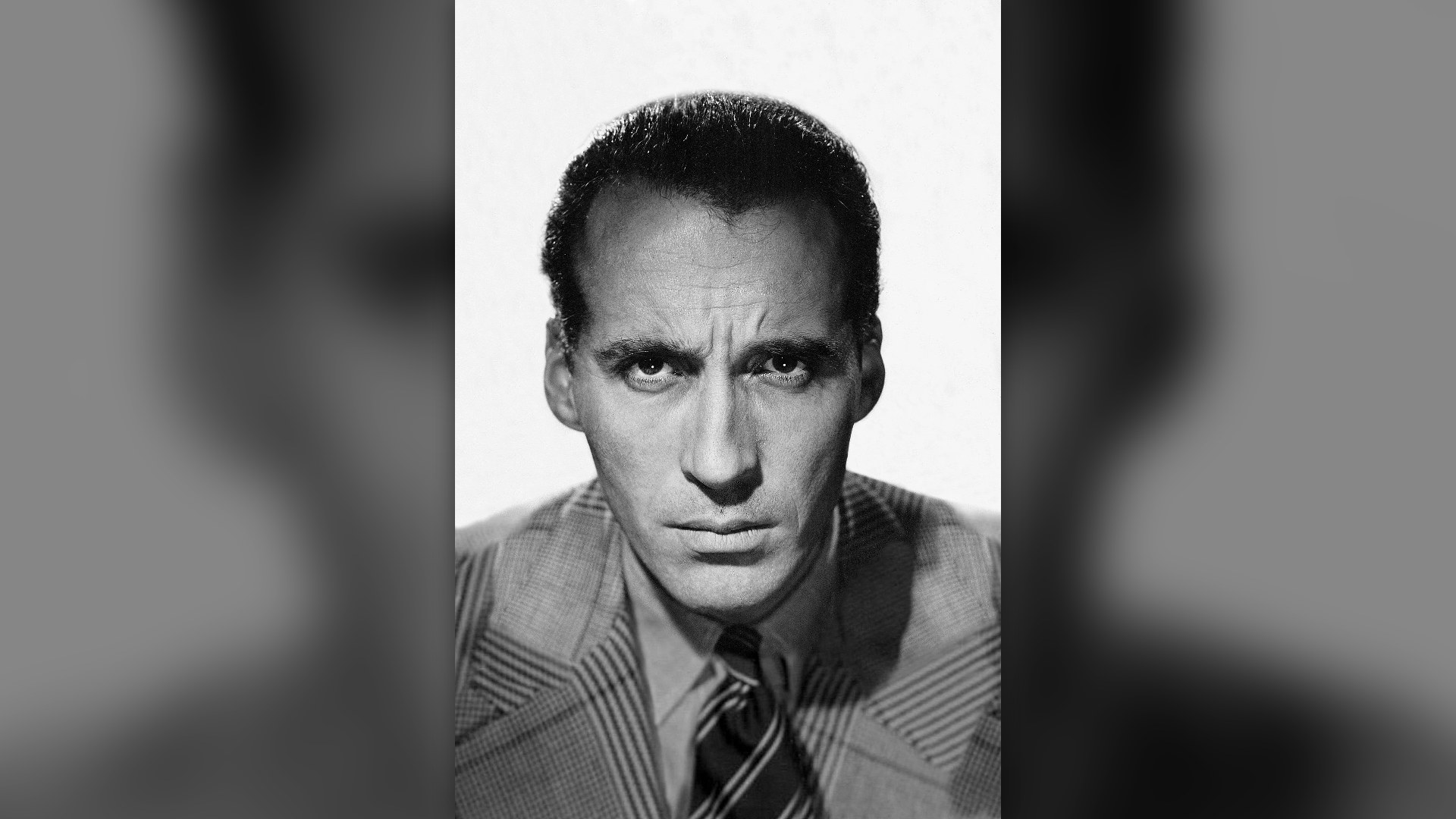
3. Christopher Lee
Lee became a British horror icon as Count Dracula for Hammer Film Productions in 1958 and later starred in The Wicker Man in 1973. Younger viewers knew him as Saruman in The Lord of the Rings and Count Dooku in Star Wars. He was knighted in 2009 and died in 2015.
©TMDb / Christopher Lee
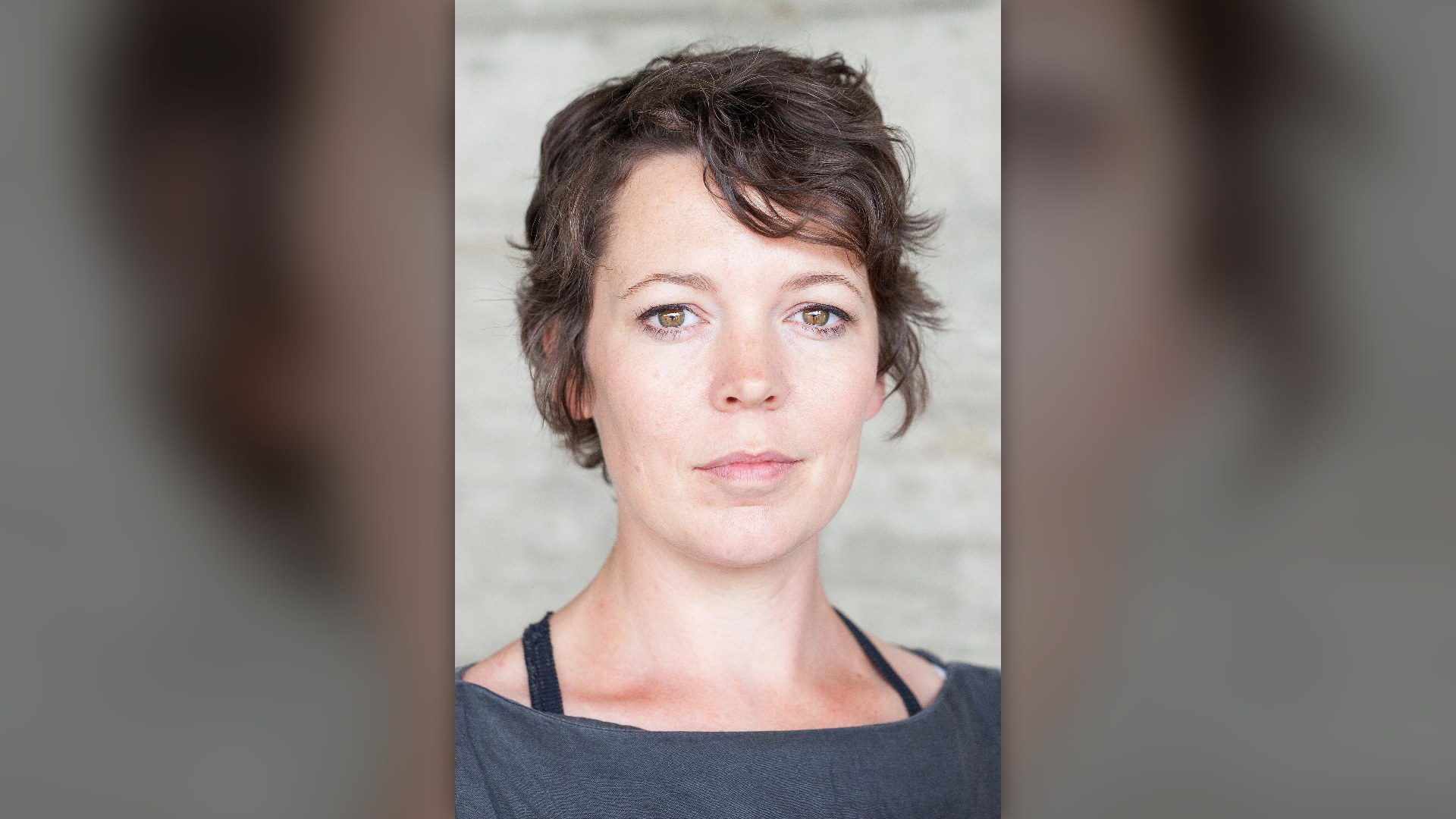
2. Olivia Colman
After years in British comedy series such as Peep Show, Colman broke through dramatically in Tyrannosaur in 2011. She won an Academy Award for The Favourite in 2019 and an Emmy as Queen Elizabeth II in The Crown. Her 2025 dark comedy The Roses paired her with Benedict Cumberbatch.
©TMDb / Olivia Colman
Advertisement
Swipe or tap ▶ to resume the countdown.
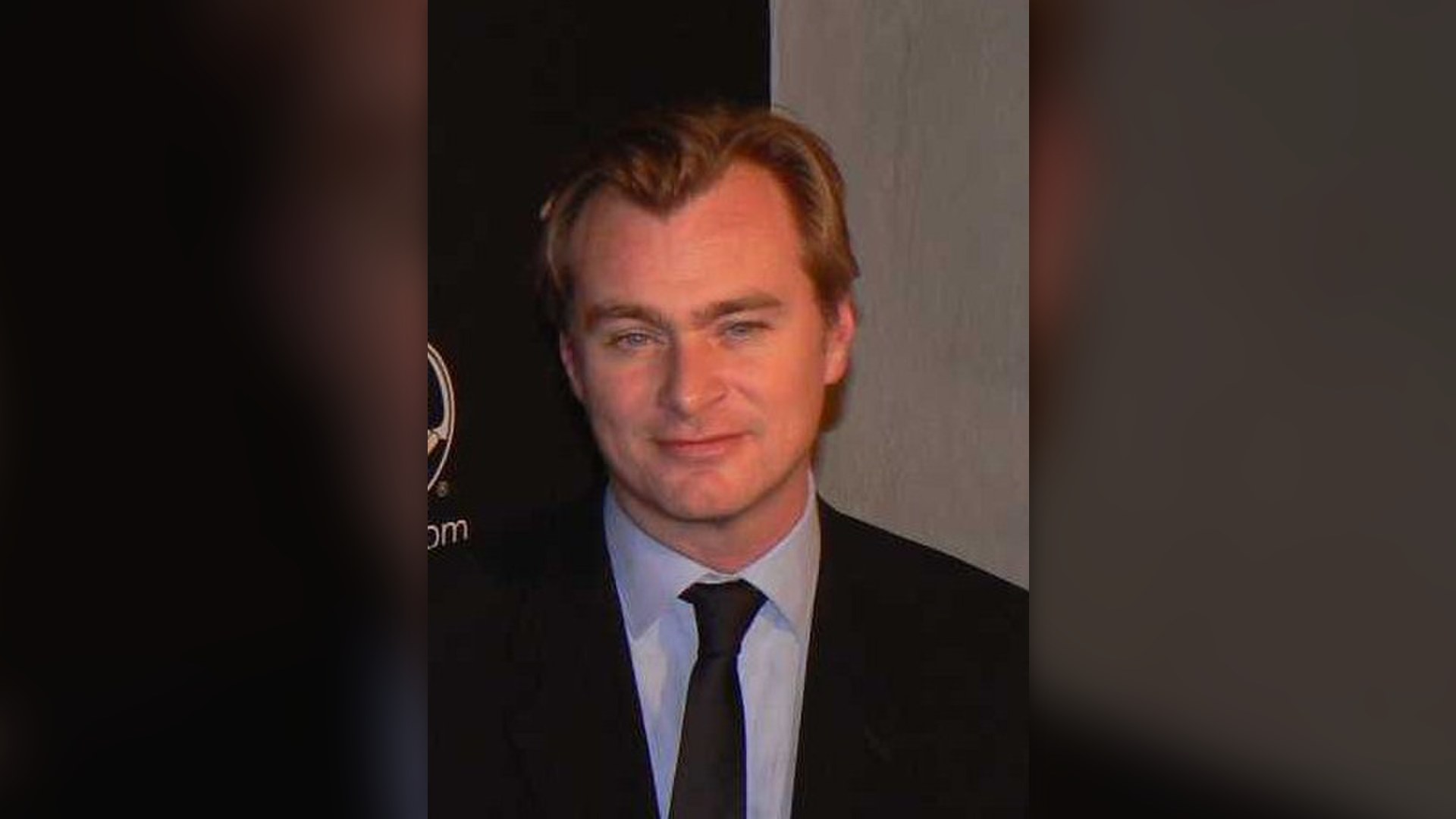
1. Christopher Nolan
London-born Nolan transformed studio filmmaking with Memento, The Dark Knight trilogy, Inception and Dunkirk. His 2023 biography Oppenheimer won seven Academy Awards, including Best Picture and Best Director. In July 2026 he released his mythic epic The Odyssey.
©Wikimedia / The photo is by sbclick
Advertisement
You've reached the end of the story. Thanks for reading!

21 Movies Where the Hero and Villain Never Meet Face to Face
Most thrillers build toward a face-to-face showdown, yet these 21 acclaimed films keep their hero and villain in separate rooms until the credits roll. Ranked by critical impact using studio press archives, the American Film Institute, and TMDb film data, the countdown saves the most famous separation for last.
All 20 Entries in this Story
1. David Lean
Lean started out as a film editor in London before directing wartime dramas such as Brief Encounter in 1945. He went on to win two Academy Awards for Best Director for The Bridge on the River Kwai and Lawrence of Arabia. He died in 1991 at age 83.

2. Michael Powell
Working alongside screenwriter Emeric Pressburger, Powell crafted bold Technicolor classics including Black Narcissus in 1947 and The Red Shoes in 1948. His 1960 thriller Peeping Tom was later hailed as a landmark of psychological cinema. He died in 1990.

3. Laurence Olivier
Olivier brought Shakespeare to global cinema audiences by directing and starring in Henry V, Hamlet and Richard III. Hamlet won four Academy Awards in 1949, including Best Picture and Best Actor for Olivier himself. He also served as founding director of Britain's National Theatre.

4. Deborah Kerr
Kerr earned six Academy Award nominations for Best Actress across films such as From Here to Eternity, The King and I and Separate Tables. She received an Honorary Oscar in 1994 for her screen career. Before her death in 2007, she appeared in over 50 feature films.

5. Dirk Bogarde
Bogarde topped the British box office in the 1950s with Doctor in the House before taking riskier roles. He starred in Victim in 1961, the first mainstream English-language film to address homosexuality openly. Later collaborations with Joseph Losey and Luchino Visconti sealed his reputation.

6. Alec Guinness
Guinness famously played eight different members of the same aristocratic family in Kind Hearts and Coronets in 1949. He won an Academy Award for The Bridge on the River Kwai in 1958 and reached younger fans as Obi-Wan Kenobi in Star Wars. He was knighted in 1959.

7. Richard Attenborough
Attenborough broke through on screen in Brighton Rock in 1948 before moving behind the camera for Oh! What a Lovely War. His 1982 epic Gandhi won eight Academy Awards, including Best Picture and Best Director. He later chaired both BAFTA and the Royal Academy of Dramatic Art.

8. Maggie Smith
Smith won Academy Awards for The Prime of Miss Jean Brodie in 1970 and California Suite in 1979. Later generations knew her as Professor McGonagall in Harry Potter and Violet Crawley in Downton Abbey, earning three Emmys. She died in September 2024 at age 89.

9. Nicolas Roeg
Before directing, Roeg photographed major features including Fahrenheit 451 and Far from the Madding Crowd. His fractured editing style defined Performance in 1970, Don't Look Now in 1973 and The Man Who Fell to Earth in 1976. Those films influenced generations of British filmmakers.

10. Michael Caine
Caine broke out in Zulu in 1964 and became a defining face of 1960s British cinema in The Ipcress File, Alfie and The Italian Job. He won two Best Supporting Actor Oscars for Hannah and Her Sisters and The Cider House Rules. In 2000 he was knighted for services to drama.

11. Ken Loach
Loach rose to prominence with the 1966 BBC drama Cathy Come Home and the 1969 feature Kes. Across six decades of working-class storytelling, he won the Cannes Palme d'Or twice, for The Wind That Shakes the Barley in 2006 and I, Daniel Blake in 2016.

12. Mike Leigh
Leigh develops scripts through months of actor rehearsals, producing raw portraits of British life. He won the Palme d'Or at Cannes for Secrets and Lies in 1996 and the Golden Lion at Venice for Vera Drake in 2004. His career spans seven Academy Award nominations.

13. John Hurt
Hurt received Academy Award nominations for Midnight Express in 1978 and his title performance in The Elephant Man in 1980. British television audiences also remember his chilling turn in I, Claudius and his lead role in Nineteen Eighty-Four. He died in 2017.

14. Ridley Scott
After directing The Duellists in 1977, Scott reshaped science fiction with Alien in 1979 and Blade Runner in 1982. His historical epic Gladiator won the Oscar for Best Picture in 2001. Knighted in 2003, he also mentored fellow filmmakers through his company Scott Free.

15. Danny Boyle
Boyle electrified British independent film in the 1990s with Shallow Grave and Trainspotting. His 2008 drama Slumdog Millionaire won eight Academy Awards, including Best Director. He later directed the 2012 London Olympics opening ceremony and returned for 28 Years Later in 2025.

16. Judi Dench
Dench won an Academy Award for playing Queen Elizabeth I in Shakespeare in Love and gained global fame as M in the James Bond series. She holds eight Academy Award nominations and has won numerous BAFTA Awards across film, stage and television.

17. Ralph Fiennes
Fiennes gained international acclaim in Schindler's List and The English Patient before starring in The Grand Budapest Hotel and Harry Potter. He earned a third Academy Award nomination for his lead role in 2024's Conclave and later starred in 28 Years Later: The Bone Temple in 2026.

18. Christopher Lee
Lee became a British horror icon as Count Dracula for Hammer Film Productions in 1958 and later starred in The Wicker Man in 1973. Younger viewers knew him as Saruman in The Lord of the Rings and Count Dooku in Star Wars. He was knighted in 2009 and died in 2015.

19. Olivia Colman
After years in British comedy series such as Peep Show, Colman broke through dramatically in Tyrannosaur in 2011. She won an Academy Award for The Favourite in 2019 and an Emmy as Queen Elizabeth II in The Crown. Her 2025 dark comedy The Roses paired her with Benedict Cumberbatch.

20. Christopher Nolan
London-born Nolan transformed studio filmmaking with Memento, The Dark Knight trilogy, Inception and Dunkirk. His 2023 biography Oppenheimer won seven Academy Awards, including Best Picture and Best Director. In July 2026 he released his mythic epic The Odyssey.