Slideshow · Animals
20 Animal Mothers That Defend Their Young Against Predators
Based on wildlife research from NOAA, the U.S. Fish and Wildlife Service, the National Park Service and Smithsonian field studies, this countdown ranks 20 animal species whose mothers guard nests, confront much larger predators and endure months without food so their offspring survive from birth to adulthood.
By Most Viral Today
1 hour agoradar-lead:669c6dd6-6da3-4028-9681-d99670726eb3

20 Wild Mothers That Guard, Fight and Sacrifice for Their Young 
20. Killdeer 
19. Strawberry Poison Frog 
18. Mute Swan - AdvertisementSwipe or tap ▶ to continue countdown

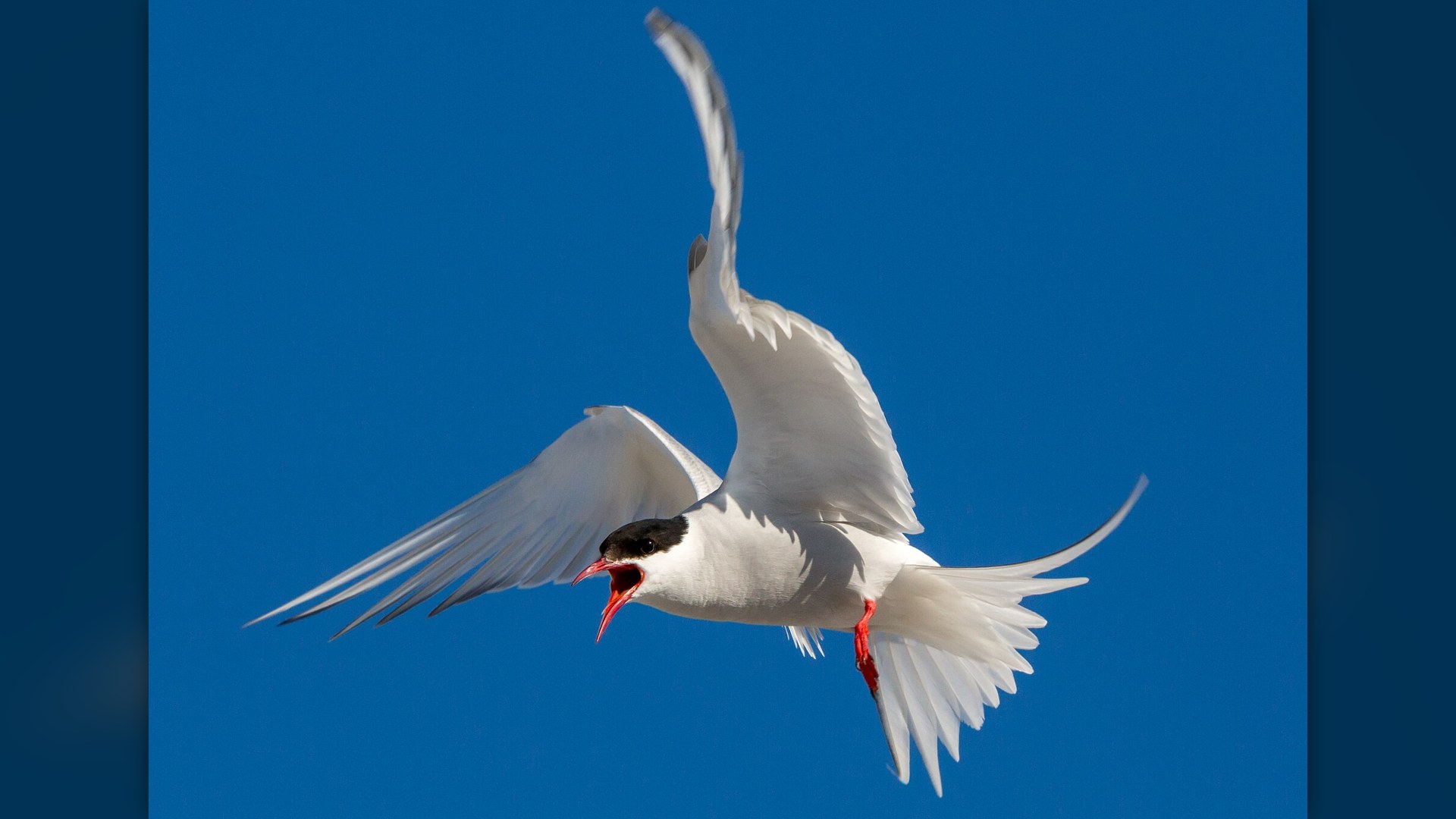
17. Arctic Tern 
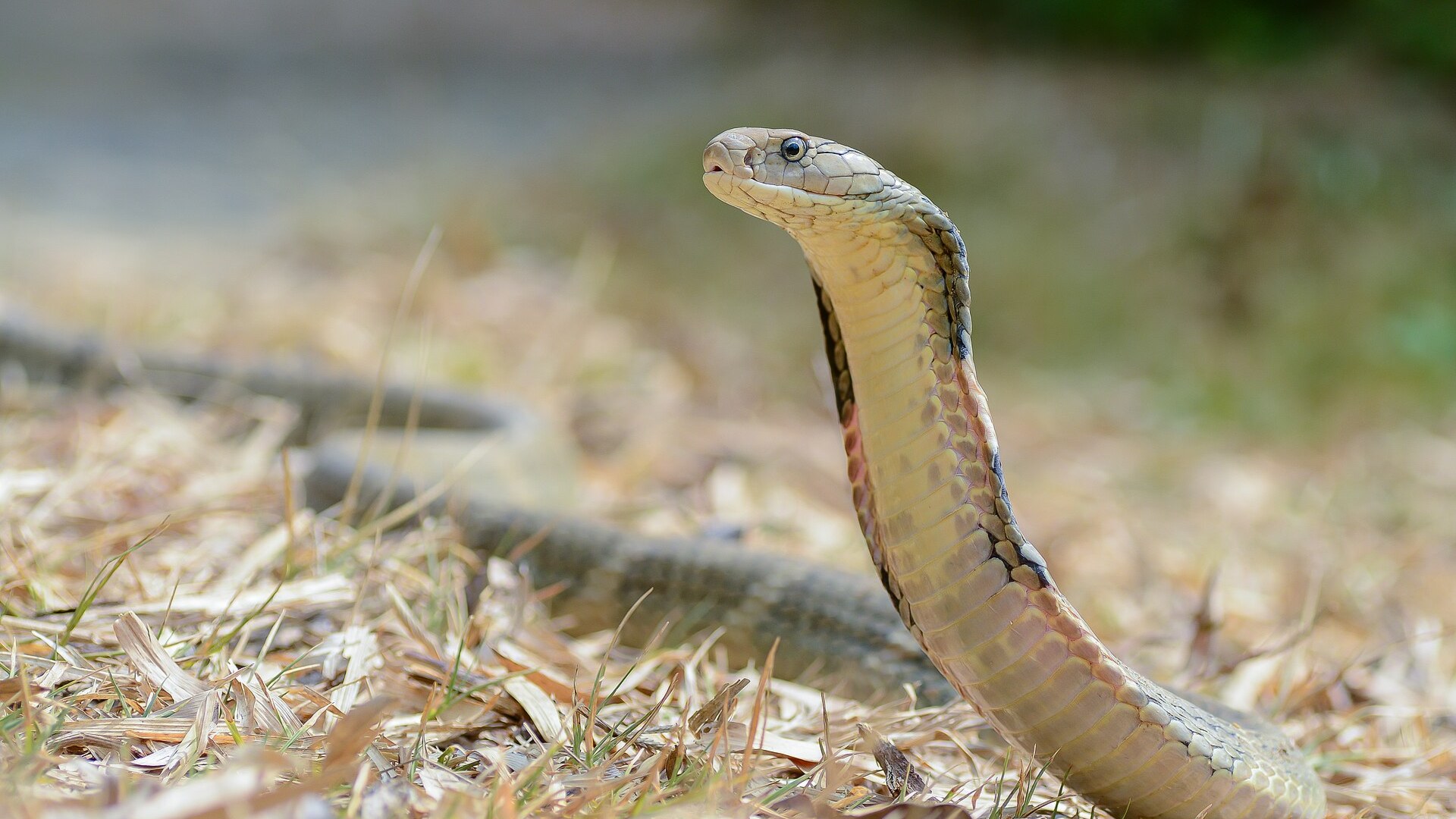
16. King Cobra 
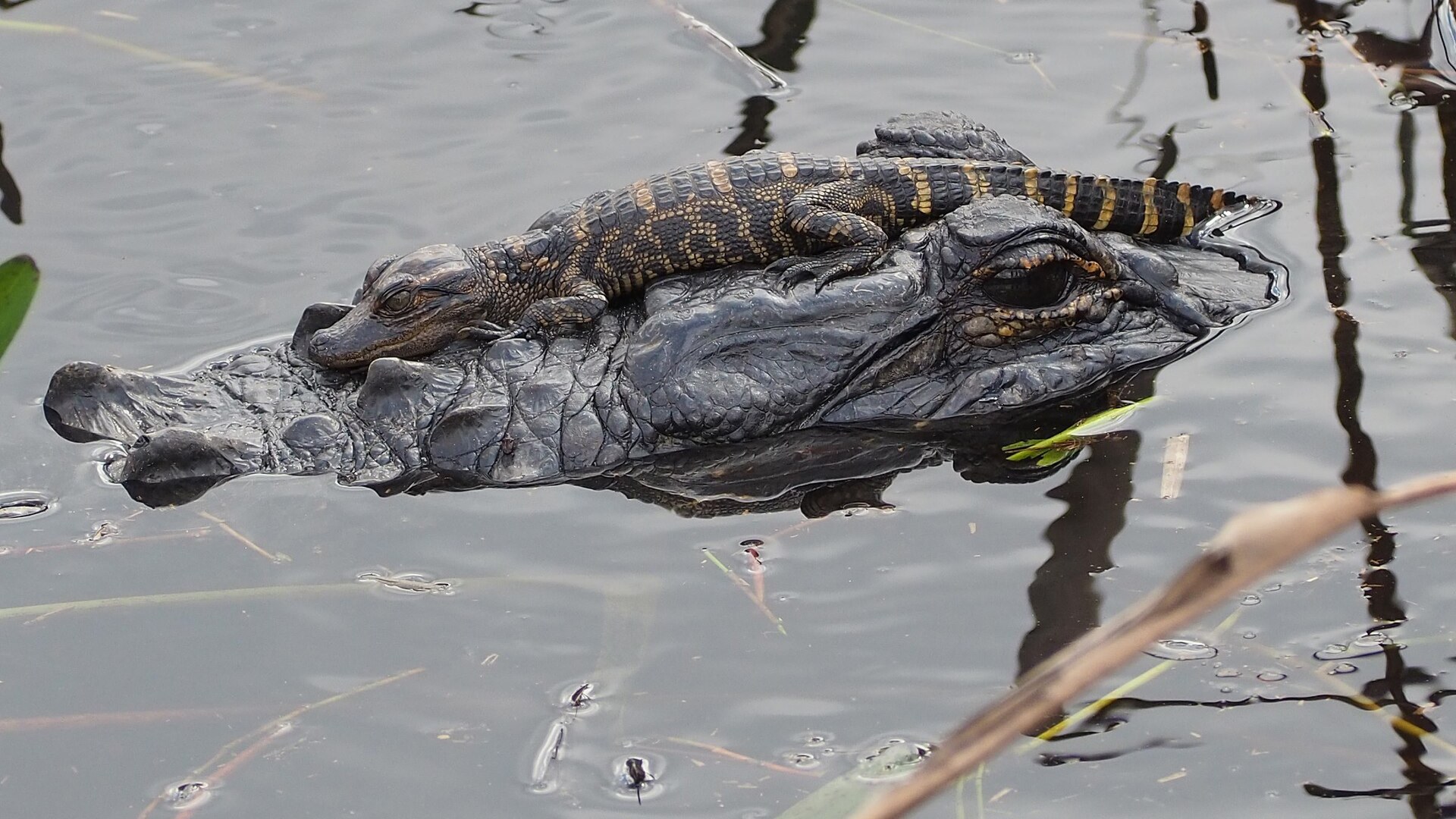
15. American Alligator 
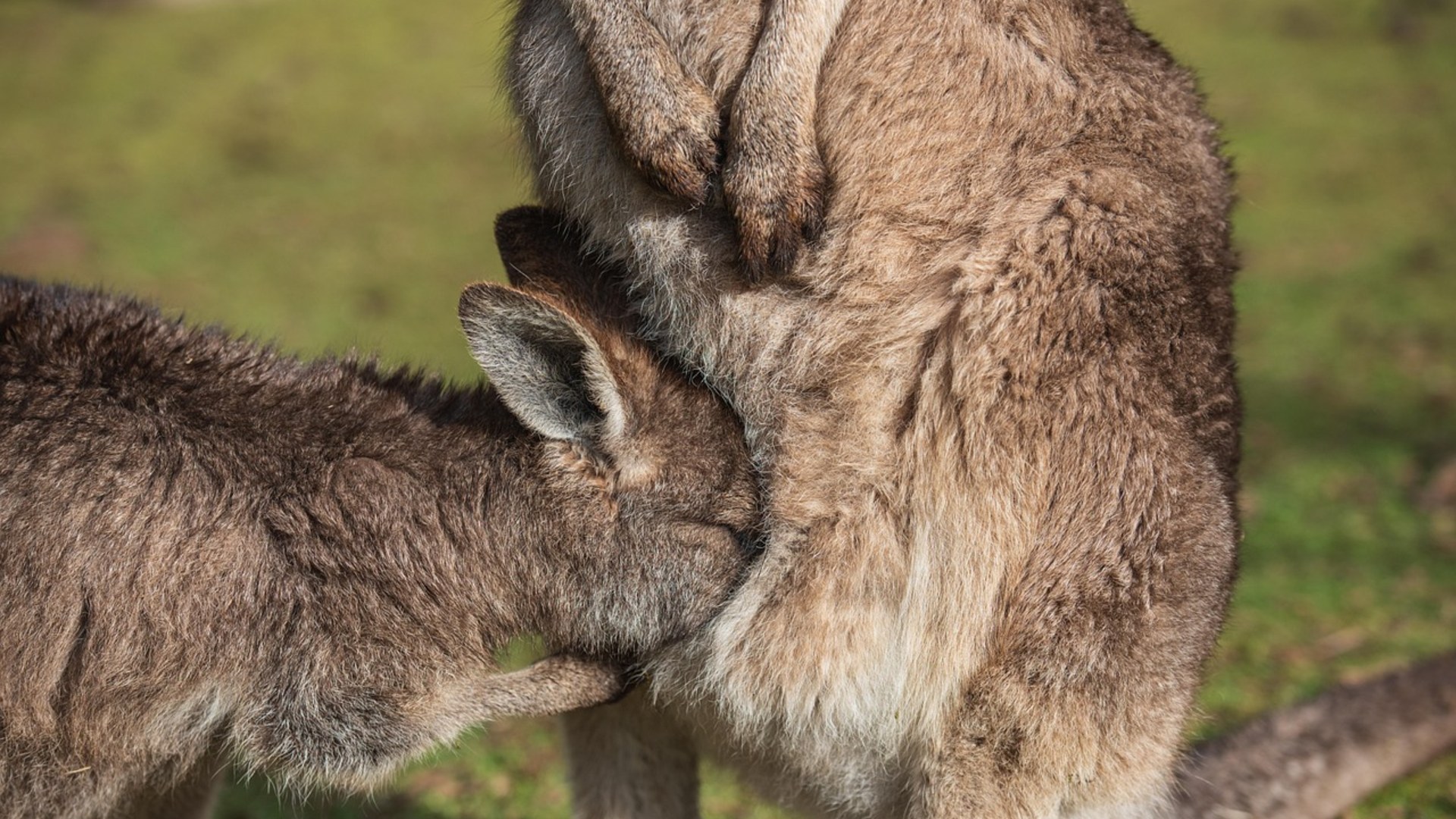
14. Eastern Grey Kangaroo - AdvertisementSwipe or tap ▶ to continue countdown

13. Sea Otter 
12. Muskox 
11. American Black Bear 
10. Cheetah - AdvertisementSwipe or tap ▶ to continue countdown

9. African Lioness 
8. Polar Bear 
7. Cape Buffalo 
6. Hippopotamus - AdvertisementSwipe or tap ▶ to continue countdown

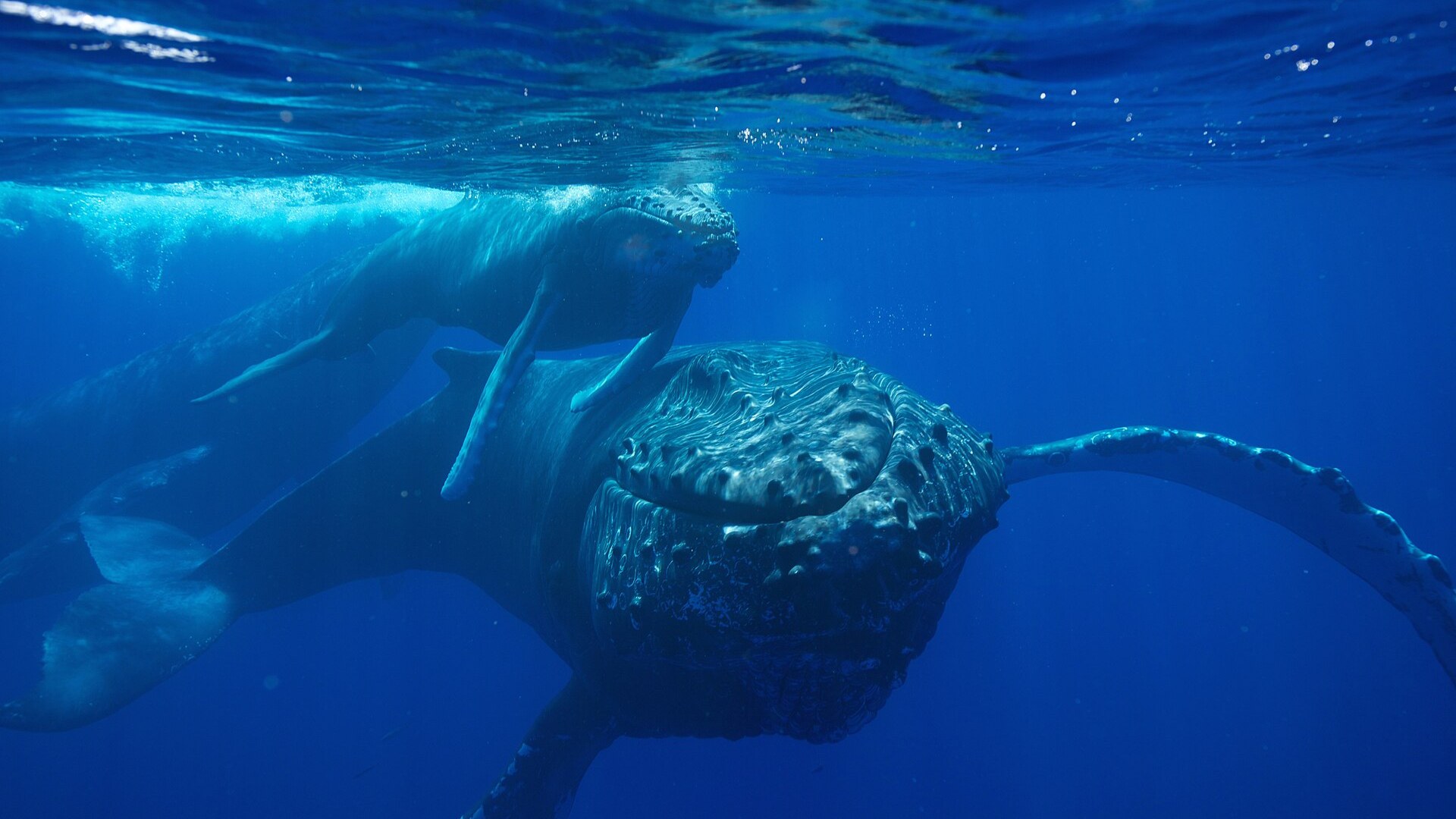
5. Humpback Whale 
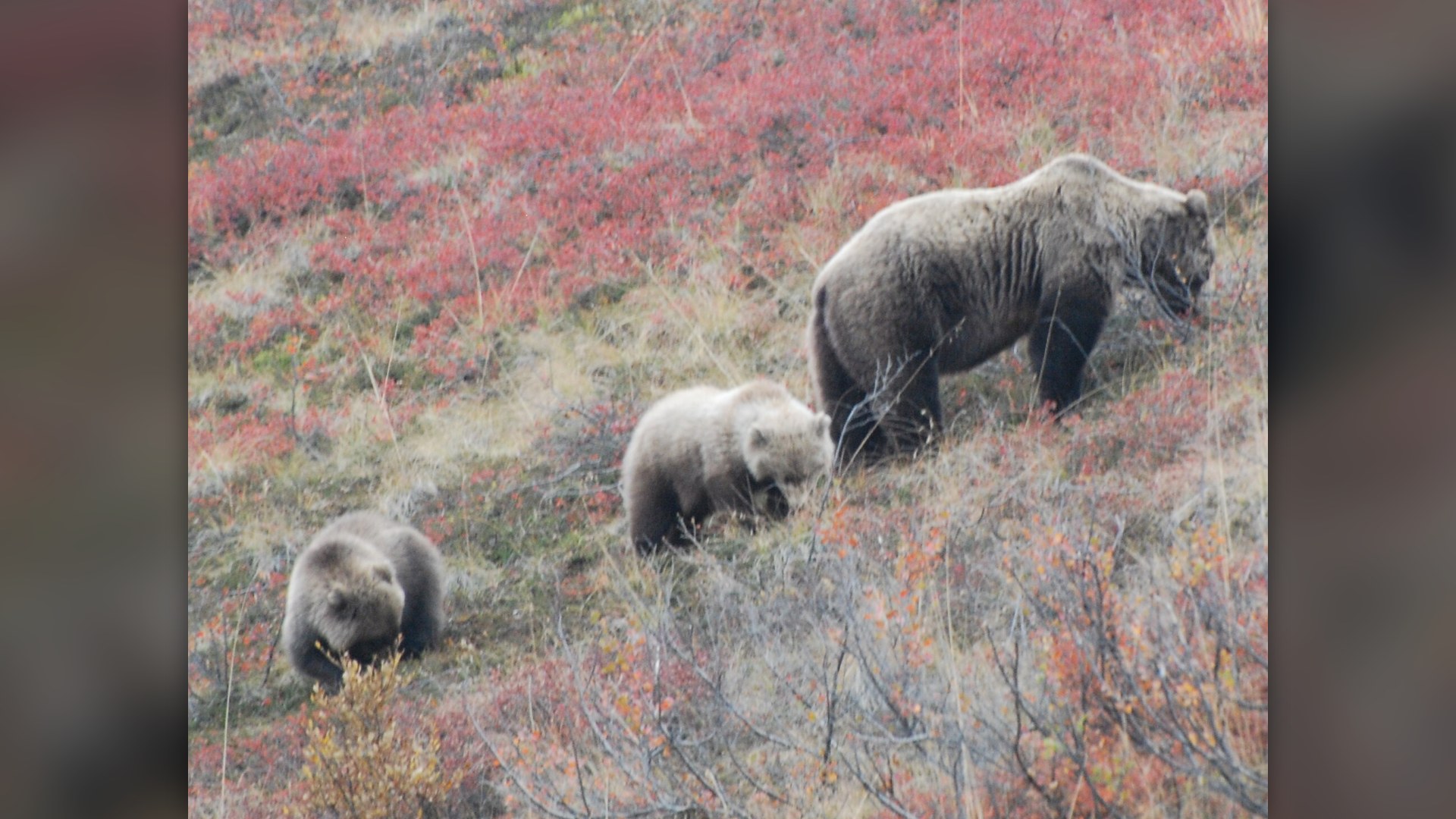
4. Grizzly Bear 
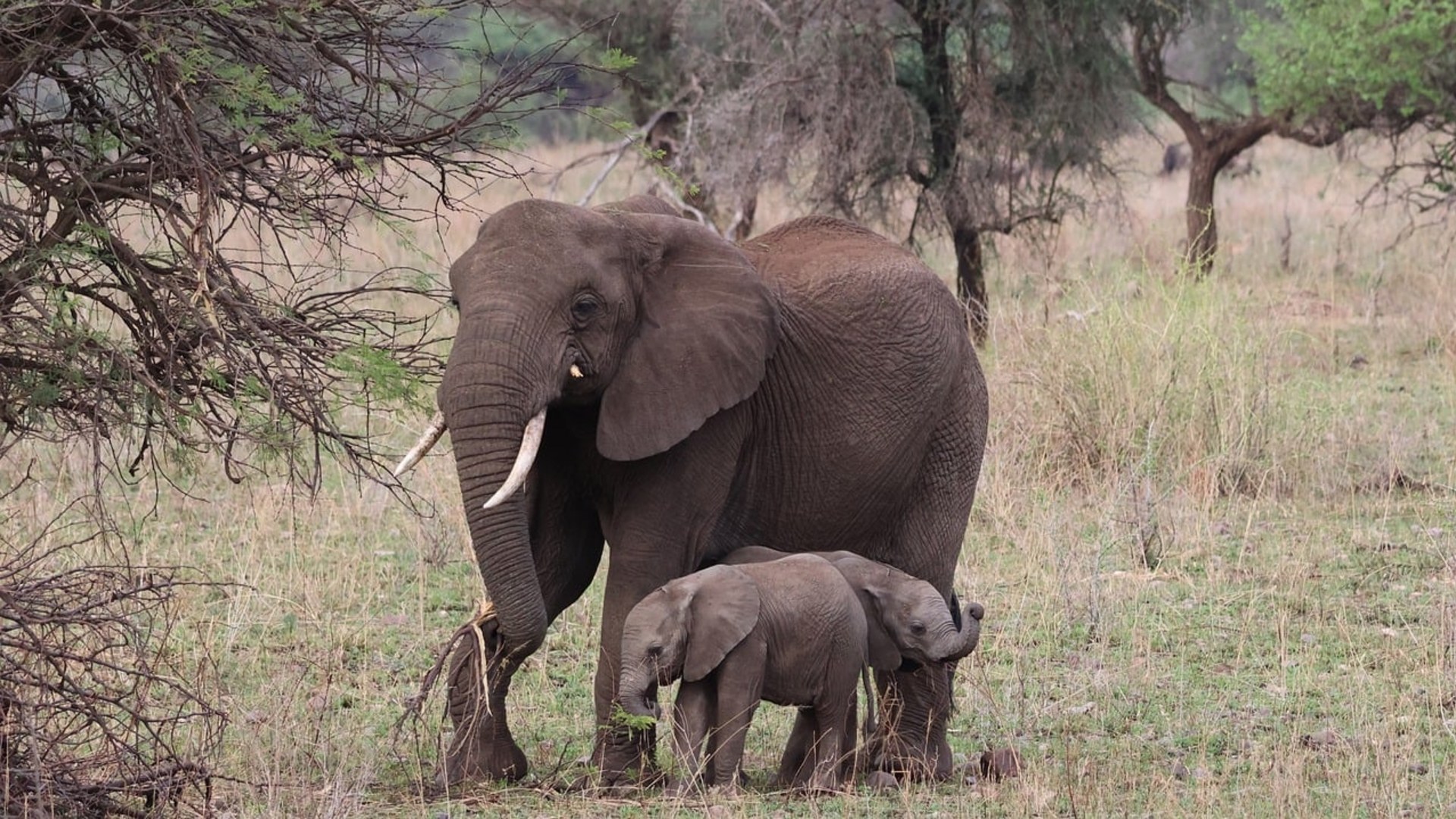
3. African Savanna Elephant 
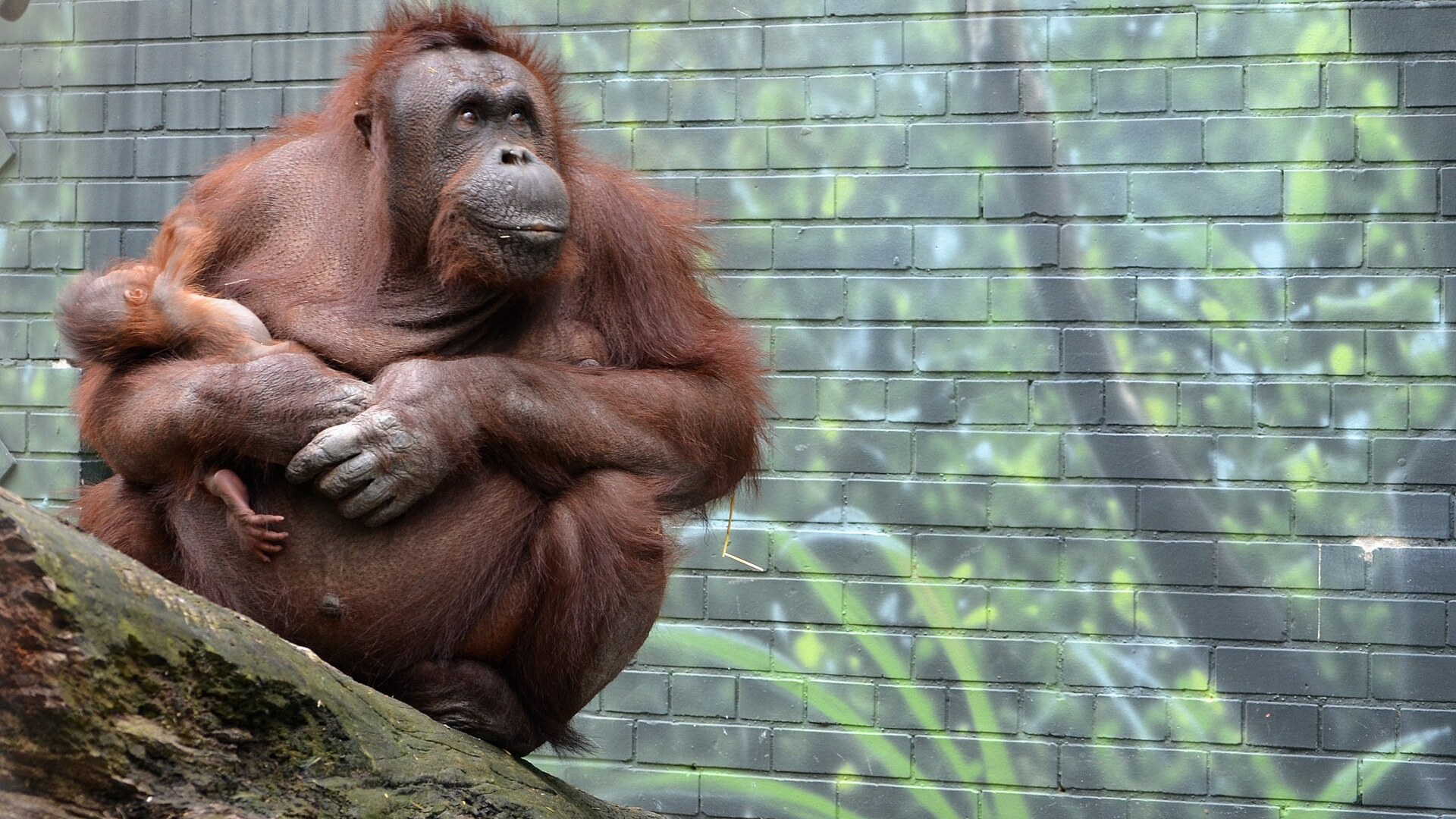
2. Bornean Orangutan - AdvertisementSwipe or tap ▶ to continue countdown

1. Giant Pacific Octopus - Advertisement🔥 UP NEXT IN THIS SERIES◫ 21 Slides

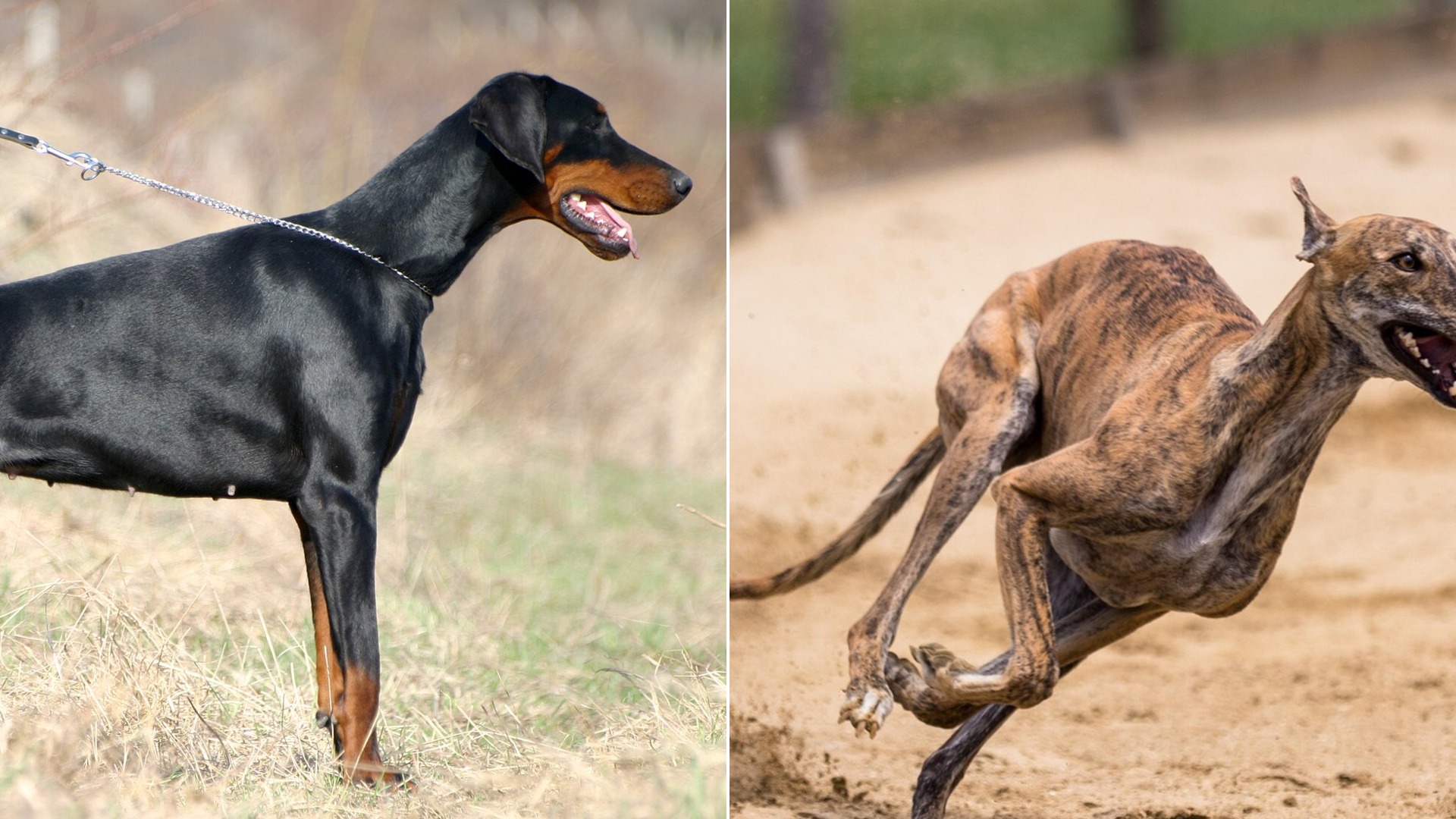
20 Tallest Dog Breeds Ranked by Shoulder Height
From ancient sighthounds bred for royal hunting grounds to formidable flock guardians patrolling rugged mountain ranges, canine shoulder height reflects centuries of specialized working heritage. These twenty towering breeds command immense physical presence while remaining loyal and gentle companion animals.
Based on wildlife research from NOAA, the U.S. Fish and Wildlife Service, the National Park Service and Smithsonian field studies, this countdown ranks 20 animal species whose mothers guard nests, confront much larger predators and endure months without food so their offspring survive from birth to adulthood.
Swipe or tap ▶ to begin the countdown
©Wikimedia / Cliff from Arlington, Virginia, USA
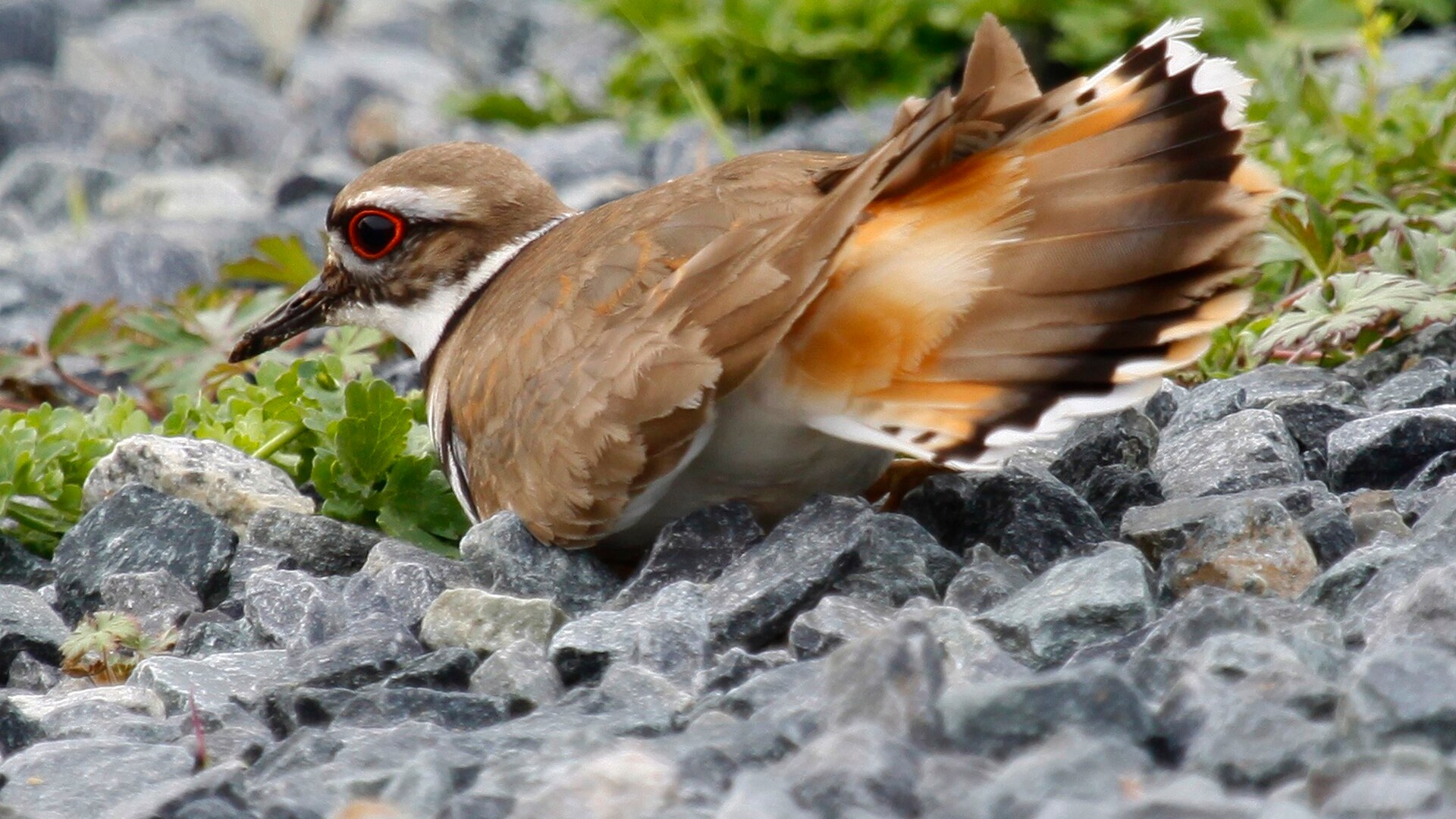
20. Killdeer
Killdeer lay up to four speckled eggs in shallow gravel scrapes with almost no cover. When a fox or stray dog approaches, the mother limps off calling loudly with one wing drooping to look injured. Once the threat follows her far from the nest, she takes flight and circles back.
©Wikimedia / Judy Gallagher
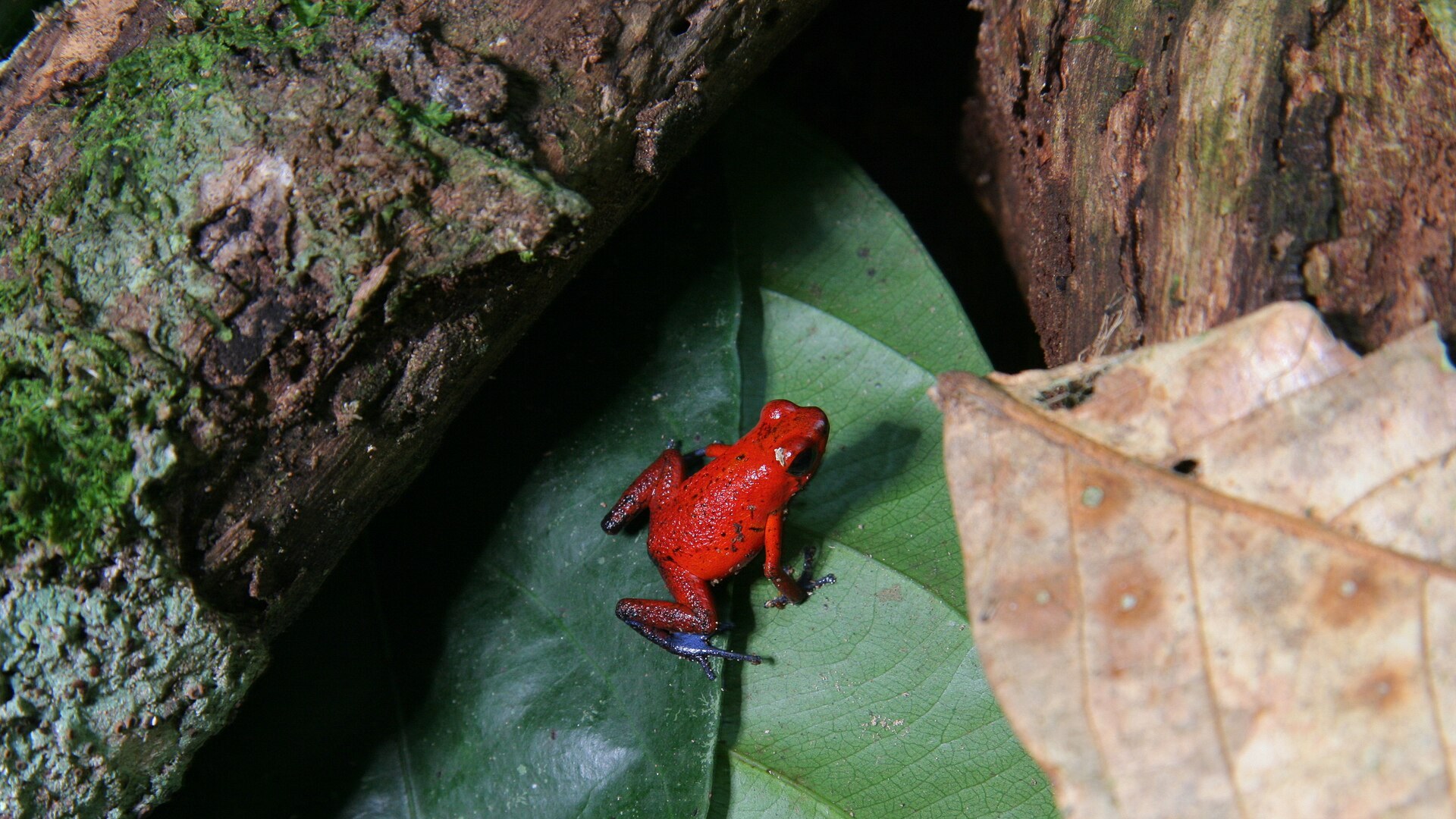
19. Strawberry Poison Frog
Female strawberry poison frogs in Central American rainforests carry tadpoles one by one on their backs to water-filled bromeliad leaves high in the canopy. Over the next six to eight weeks, each mother returns regularly to lay unfertilized eggs so her young can eat safely above forest predators.
©Wikimedia / caspar s
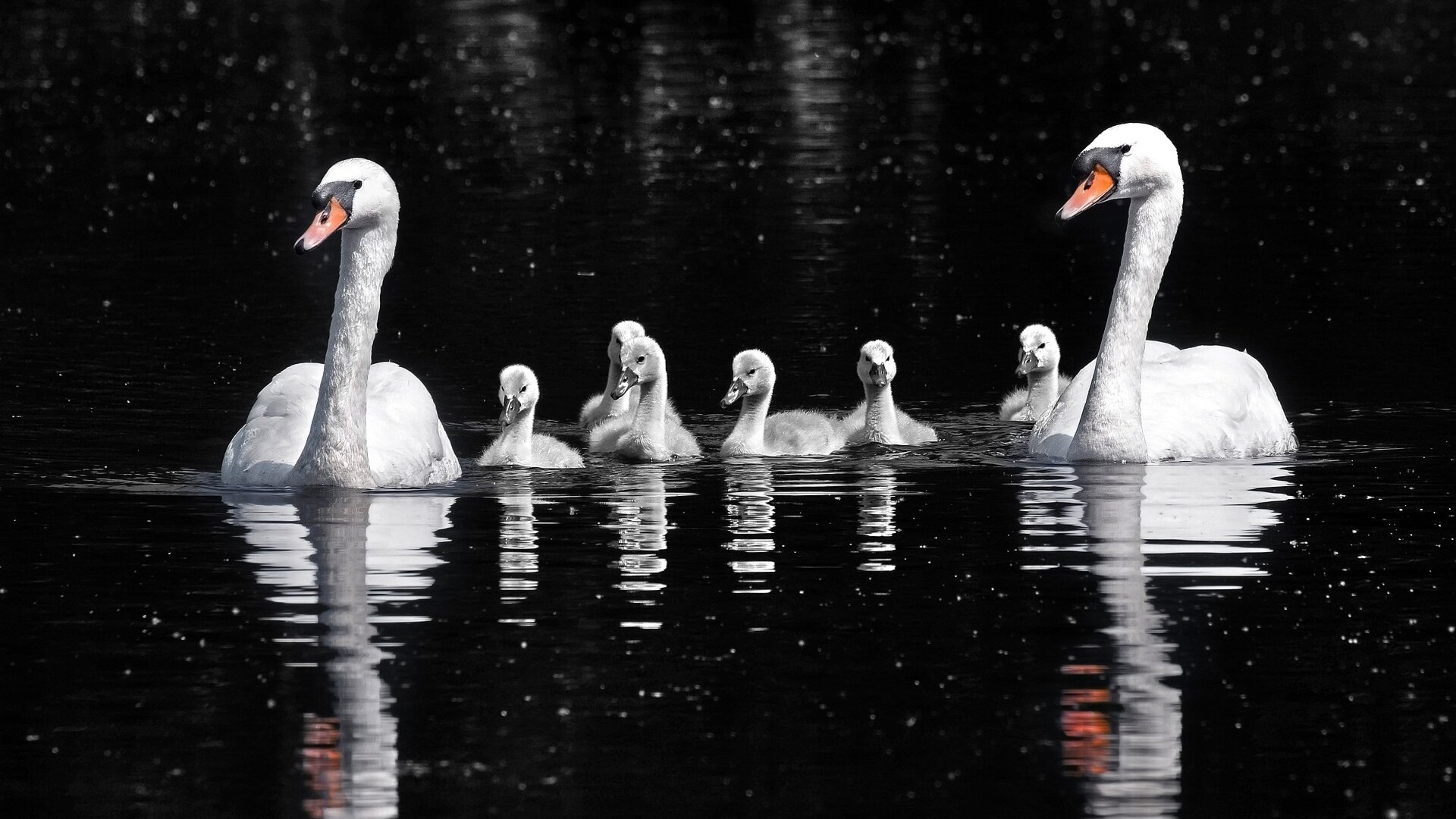
18. Mute Swan
Adult mute swans weigh up to 12 kilograms and turn fiercely territorial around nesting reeds. A mother hisses, arches her wings into a threat posture and charges dogs, foxes or boats that drift near her cygnets. Young swans often ride on her back to rest and stay warm in cold water.
©Wikimedia / Charles J. Sharp
Advertisement
Swipe or tap ▶ to resume the countdown.
17. Arctic Tern
Breeding across Arctic coastlines, this small seabird defends its ground scrape with relentless aerial strikes. Arctic terns hover above intruders and swoop straight at the head, pecking until threats retreat. Colonies cooperate in the air to drive away gulls, Arctic foxes and even wandering bears.
©Wikimedia / AWeith
16. King Cobra
The king cobra is the only snake species known to construct an above-ground nest by sweeping bamboo and leaf litter into a mound. A female coils over the chamber containing 20 to 40 eggs and stays for roughly 60 to 80 days. She leaves just before hatching so she will not eat her own young.
©Wikimedia / Rushen
15. American Alligator
Female American alligators pile mud and rotting plants into warm nests and patrol nearby for roughly nine weeks. When hatchlings chirp inside their shells, the mother digs them out and gently rolls them in her mouth to the water. Juveniles often stay near her for up to two years.
©Wikimedia / Zygy
14. Eastern Grey Kangaroo
Born the size of a jellybean, an eastern grey kangaroo joey spends about nine months growing inside its mother's pouch before emerging for good. When dingoes threaten, the mother balances on her thick tail and delivers powerful two-footed kicks. Older joeys dive headfirst back into safety.
©Pixabay / pen_ash
Advertisement
Swipe or tap ▶ to resume the countdown.
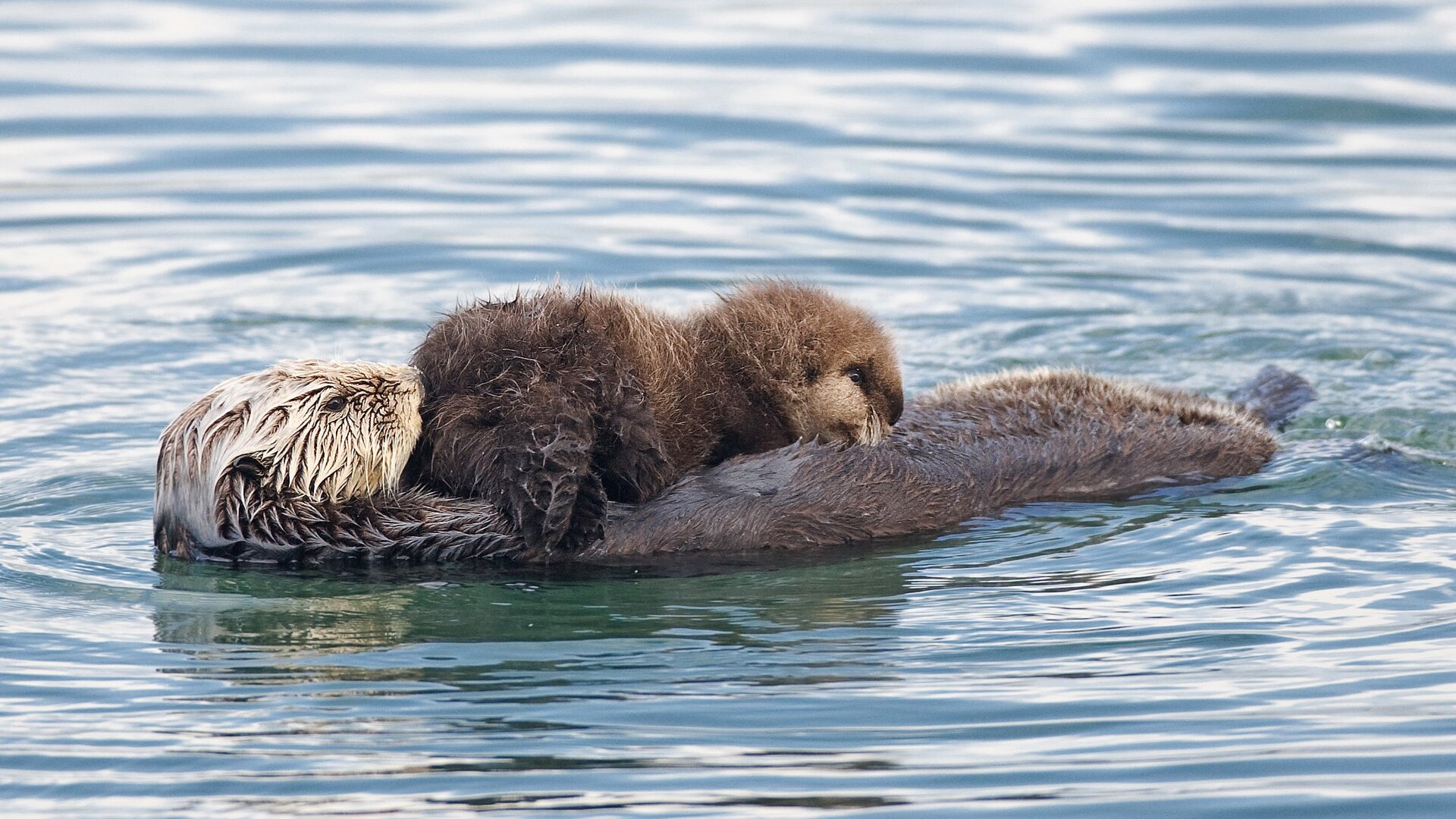
13. Sea Otter
Sea otters lack blubber, so mothers work nonstop in cold Pacific kelp forests to keep newborns alive. She floats on her back holding the pup on her chest, blowing air into its dense fur for buoyancy and warmth. Before foraging below, she loops giant kelp strands around the pup so currents will not carry it away.
©Wikimedia / Mike Baird
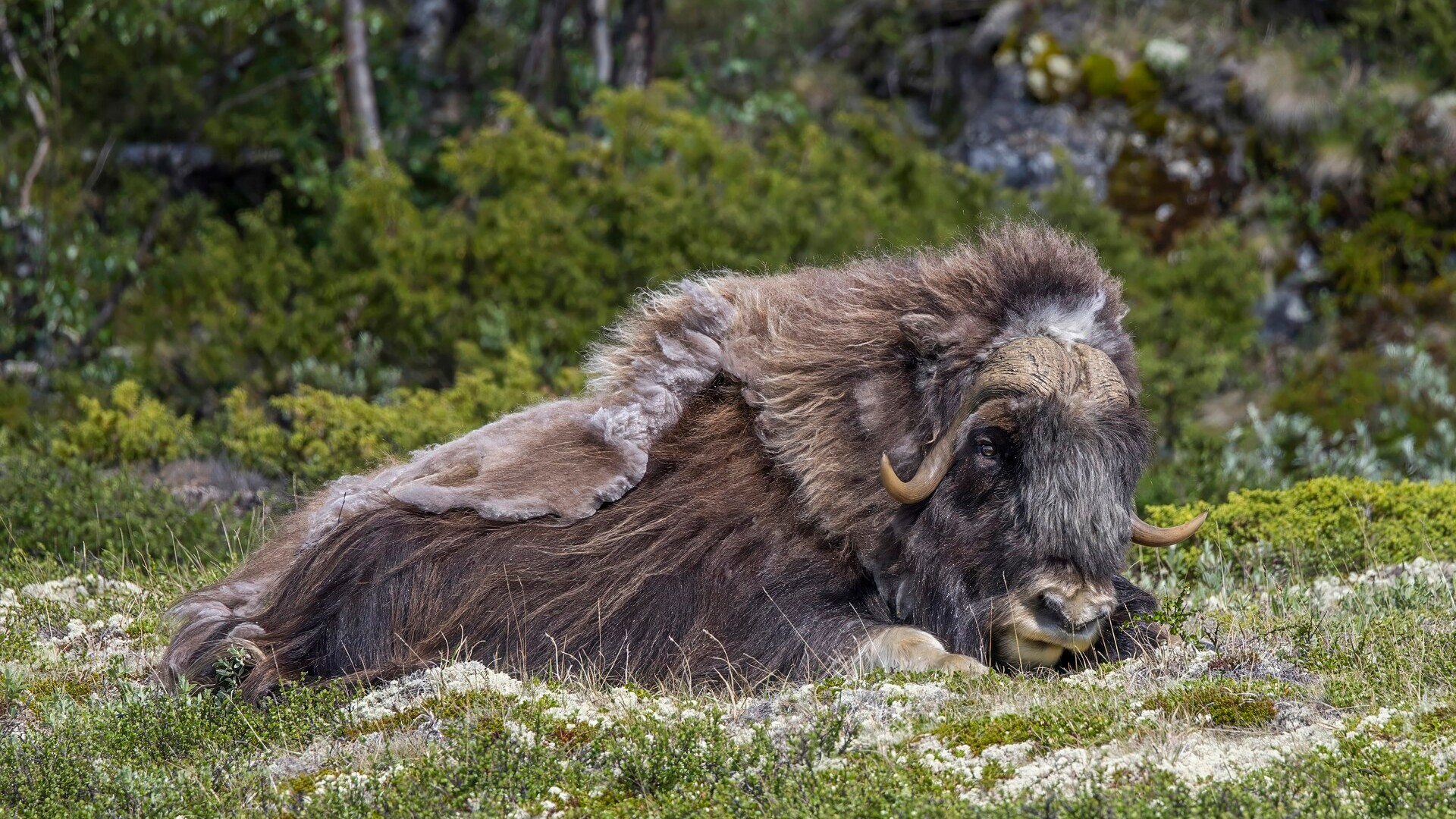
12. Muskox
When Arctic wolves close in on the tundra, muskox cows and herd members crowd together with their calves tucked safely inside the circle. Adults lower massive curved horns and thick skull bosses outward toward the pack. Wolves rarely breach a steady ring unless a frightened calf bolts.
©Wikimedia / Charles J. Sharp
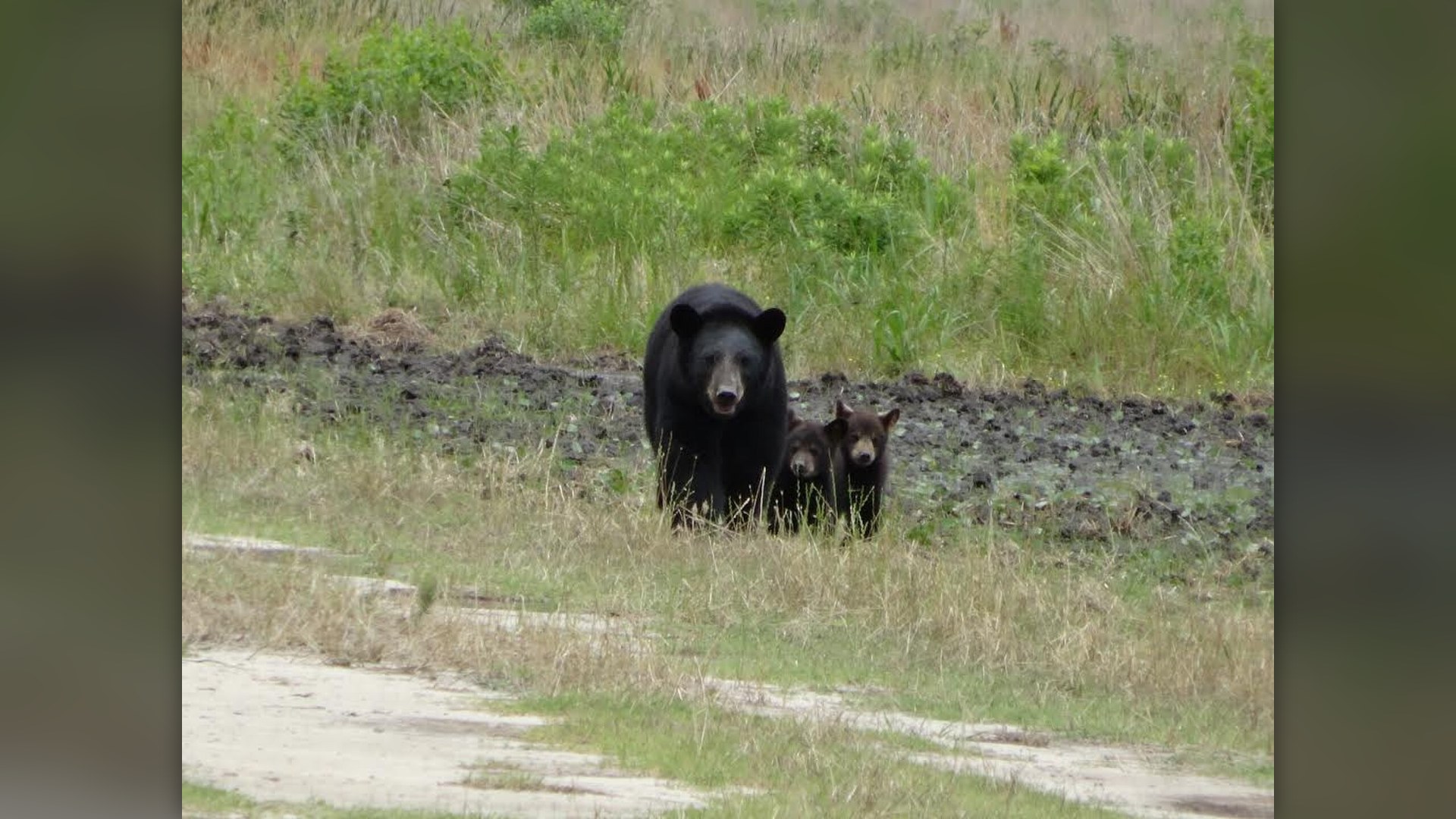
11. American Black Bear
At the first hint of danger, a mother black bear lets out a sharp huff or jaw pop that sends her cubs climbing into the nearest tree canopy. She stays on the ground to face coyotes, male bears or dogs until the threat backs off. Cubs remain with her for about 17 months through their first winter den.
©Wikimedia / U.S. Fish and Wildlife Service Southeast Region
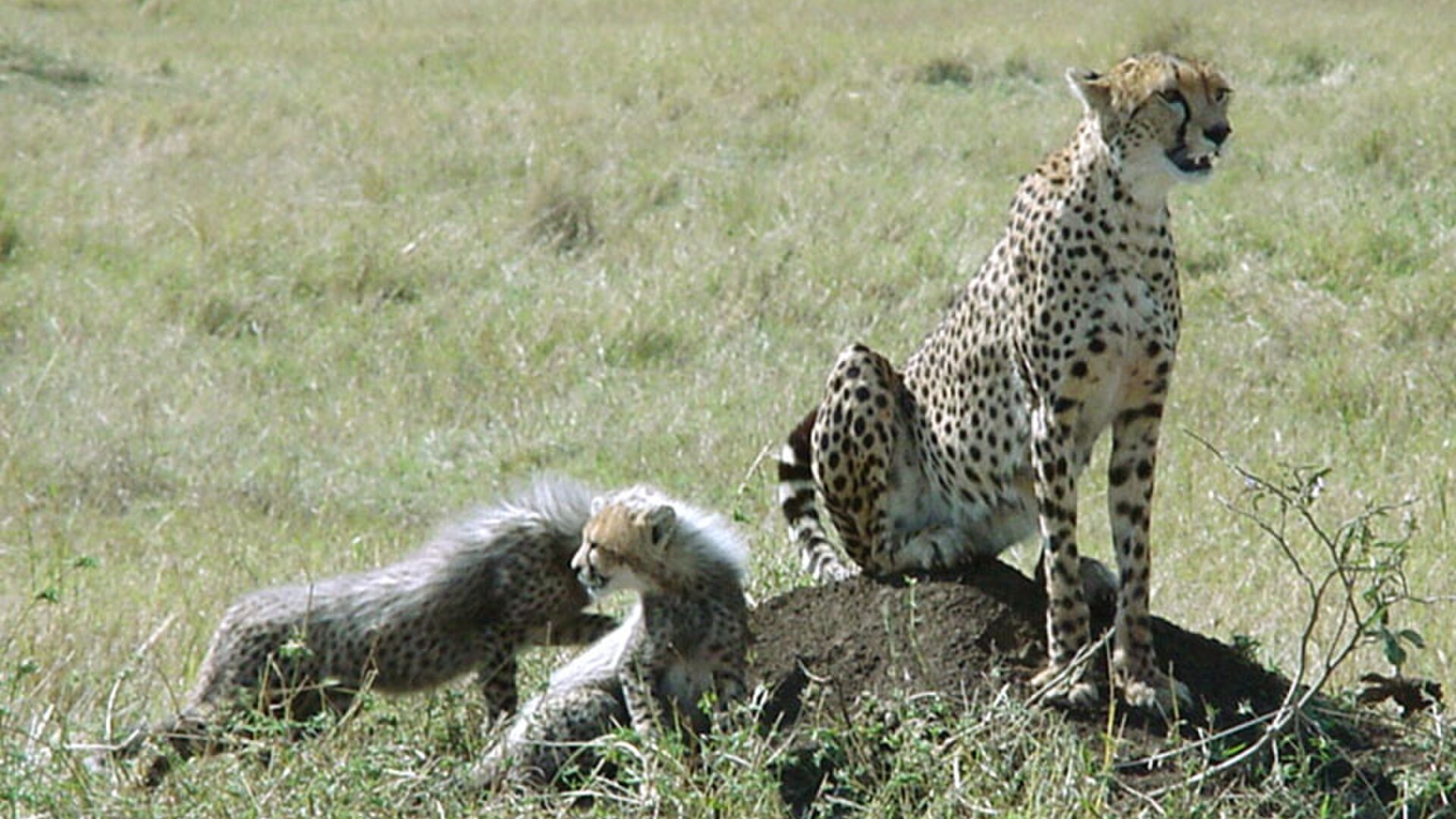
10. Cheetah
Built for speed rather than heavy combat, a cheetah mother raises her litter alone for around 18 months on open savannas. She moves cubs to fresh tall grass hiding spots every few days to avoid hyenas and lions. When spotted, she rushes jackals or lures larger hunters away while cubs sprint to cover.
©Wikimedia / Chuck Bargeron
Advertisement
Swipe or tap ▶ to resume the countdown.
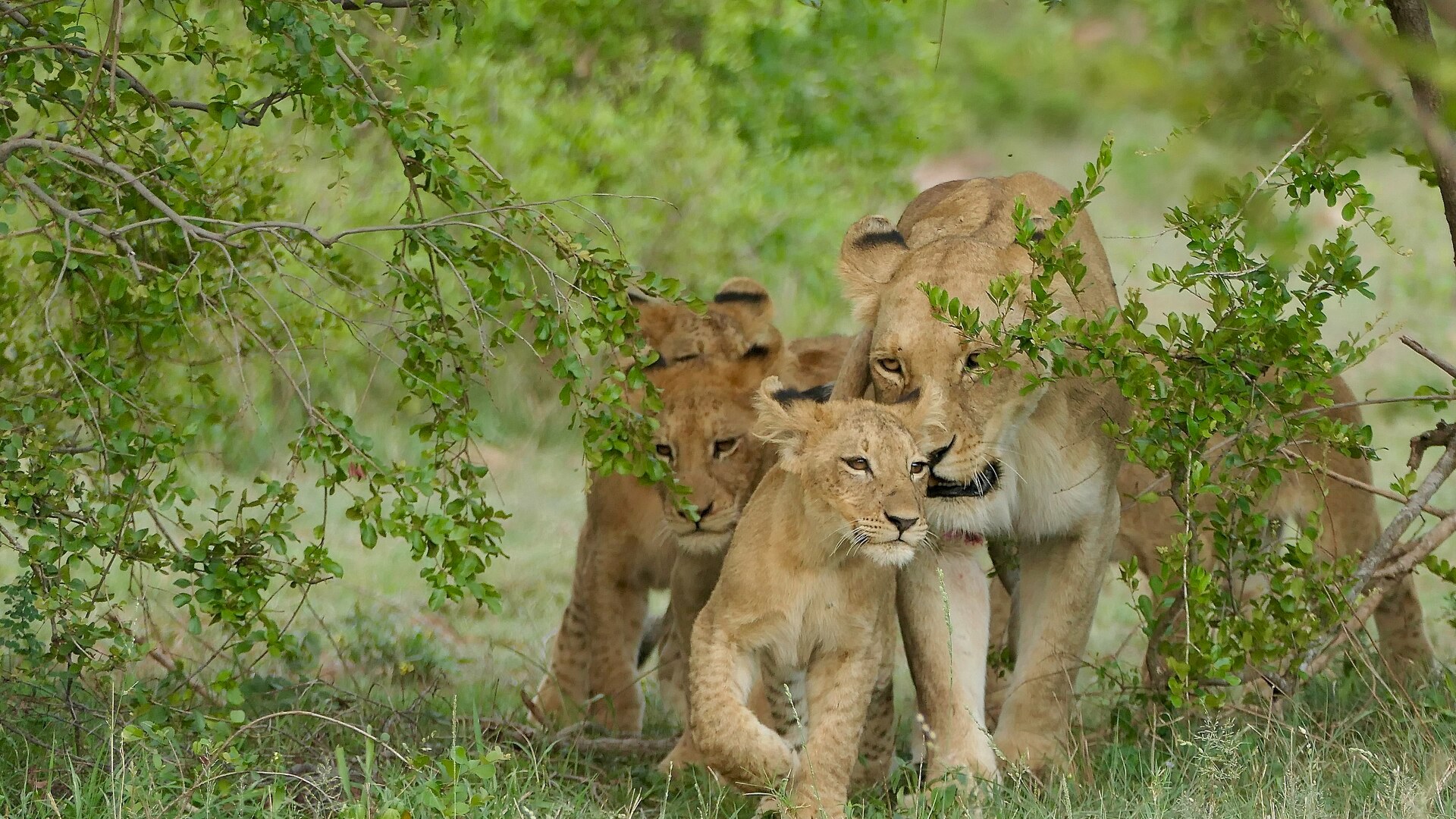
9. African Lioness
Lionesses in a pride synchronize births, nurse one another's cubs and form a united front against intruders. Mothers frequently charge spotted hyena clans and even confront invading male lions that try to take over the pride. Shared defense cuts cub losses in harsh dry seasons.
©Wikimedia / Bernard DUPONT
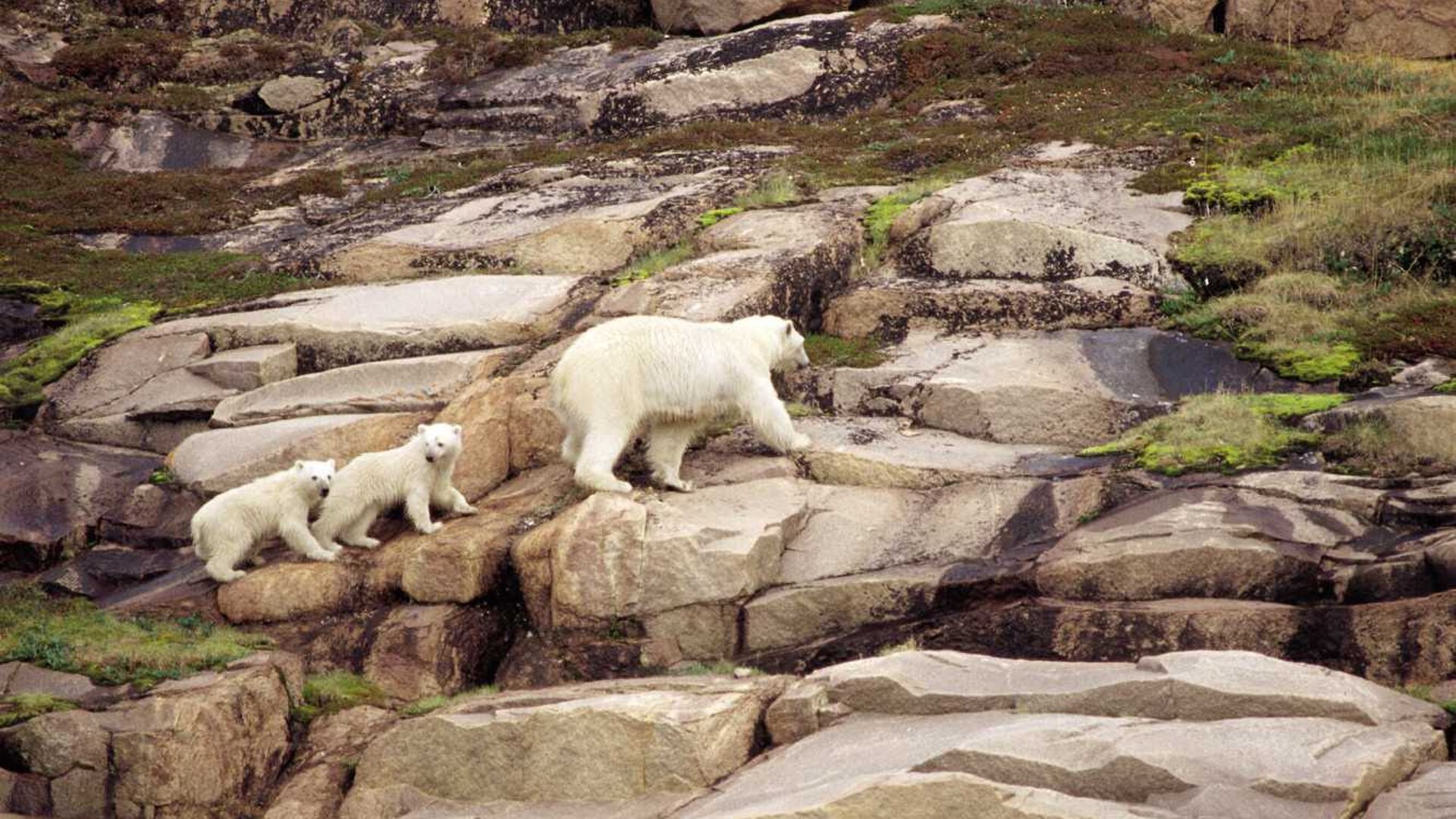
8. Polar Bear
Pregnant polar bears dig snow dens in autumn and may go up to eight months without eating while giving birth and nursing tiny cubs. When the family emerges onto spring sea ice, the mother shields her young from freezing water and adult male bears. She teaches them to hunt seals over two and a half years.
©Wikimedia / Ansgar Walk
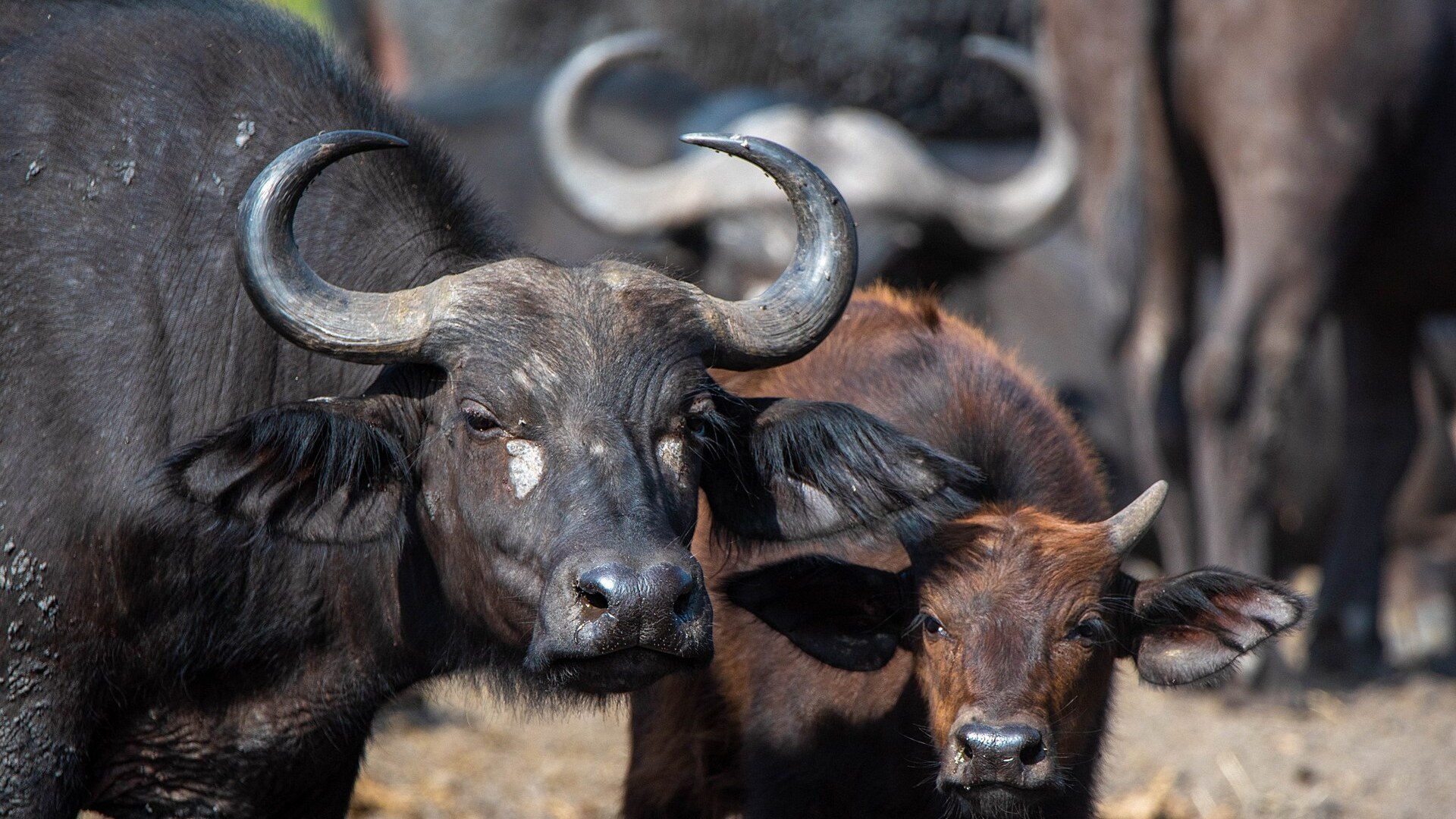
7. Cape Buffalo
A distressed calf's bawl can bring a Cape buffalo mother and dozens of herd mates charging back into a pride of lions. Weighing up to 800 kilograms, adults lock horns and drive straight through predators to clear an escape route. Wildlife guides routinely rank them among Africa's toughest defenders.
©Wikimedia / Timothy Akolamazima
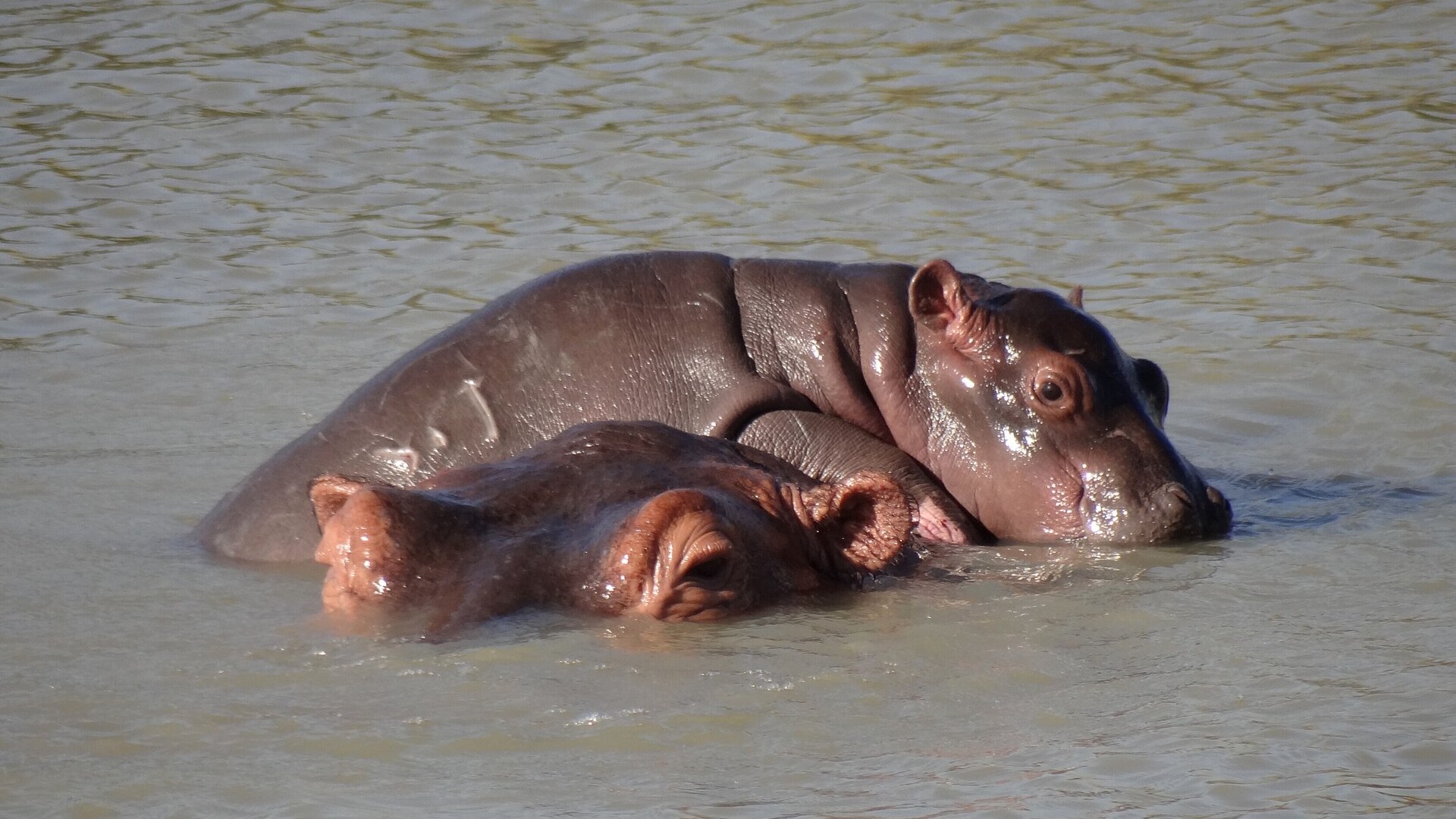
6. Hippopotamus
Hippopotamus mothers isolate briefly to give birth in shallow water before returning to crowded river pods. Inside the river, she keeps her calf close and uses massive canine tusks to chase away Nile crocodiles or adult males. Even a small ripple near her young can trigger a sudden lunge.
©Wikimedia / Adam Jones from Kelowna, BC, Canada
Advertisement
Swipe or tap ▶ to resume the countdown.
5. Humpback Whale
During long ocean migrations from tropical calving lagoons to polar feeding grounds, humpback mothers keep newborns tucked right beside their flanks. When transient killer whales ambush a calf, the mother blocks them with her 15-meter body and delivers sweeping blows with barnacle-studded flukes.
©Wikimedia / National Marine Sanctuaries
4. Grizzly Bear
North American grizzly sows are renowned for fearless maternal aggression across mountain parks and salmon rivers. A mother will charge wolves, black bears and even larger males without warning if her cubs appear cornered. Cubs stay under her guard for two to three years before dispersing.
©Wikimedia / Amanda Lea
3. African Savanna Elephant
African savanna elephants carry pregnancies for nearly 22 months, the longest of any land mammal. Once born, a calf stays protected inside a tight ring of mothers, aunts and sisters led by the herd matriarch. When lions stalk the group, adults trumpet, flare their ears and charge together.
©Pixabay / Jürgen_Bierlein
2. Bornean Orangutan
Bornean orangutans invest longer in each offspring than almost any other wild animal on land. Mothers carry infants constantly at first, build new treetop sleeping nests every night and nurse young for six to eight years. Young apes learn hundreds of food sources and tool skills at her side.
©Wikimedia / Seneca Park Zoo
Advertisement
Swipe or tap ▶ to resume the countdown.
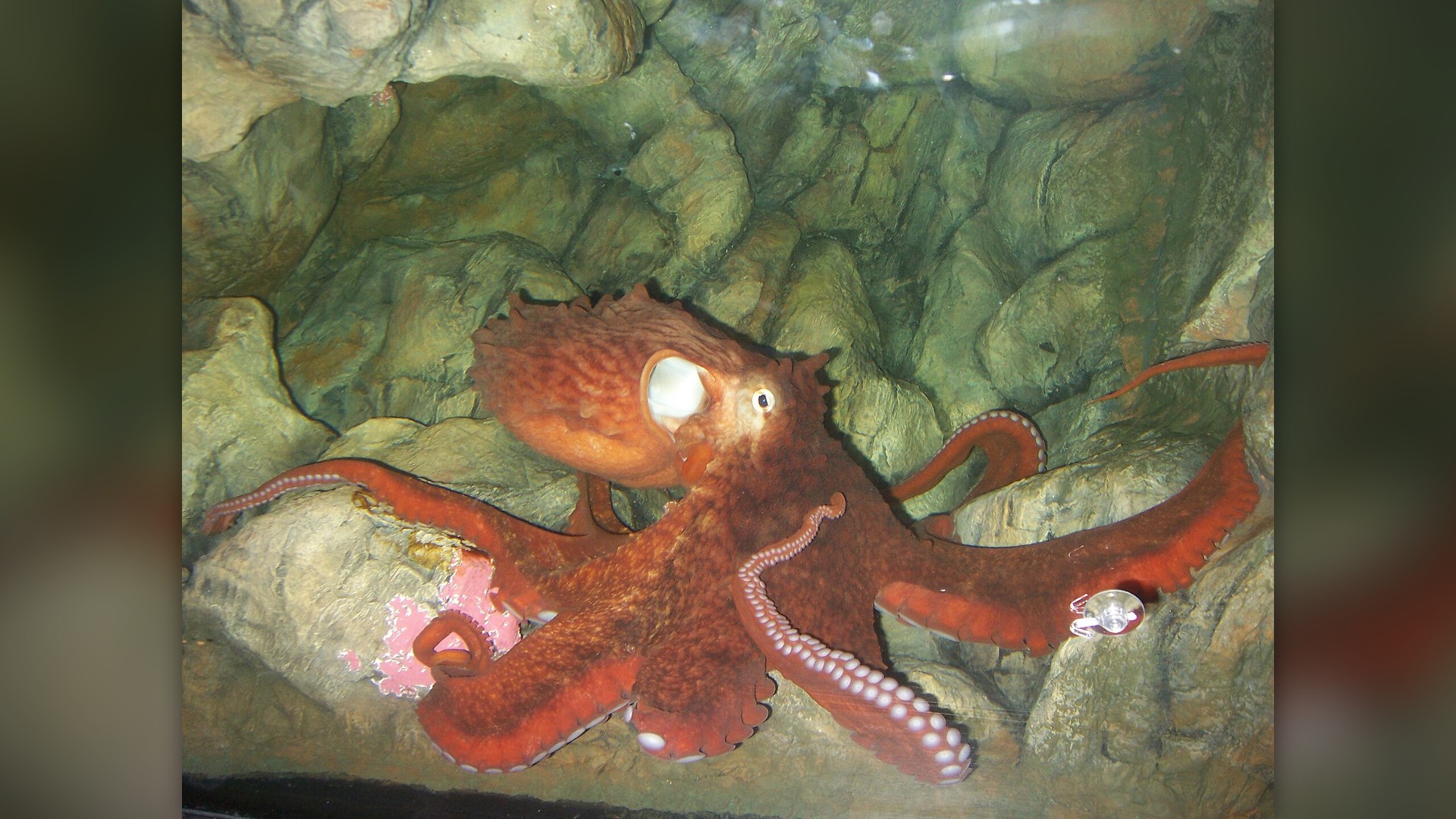
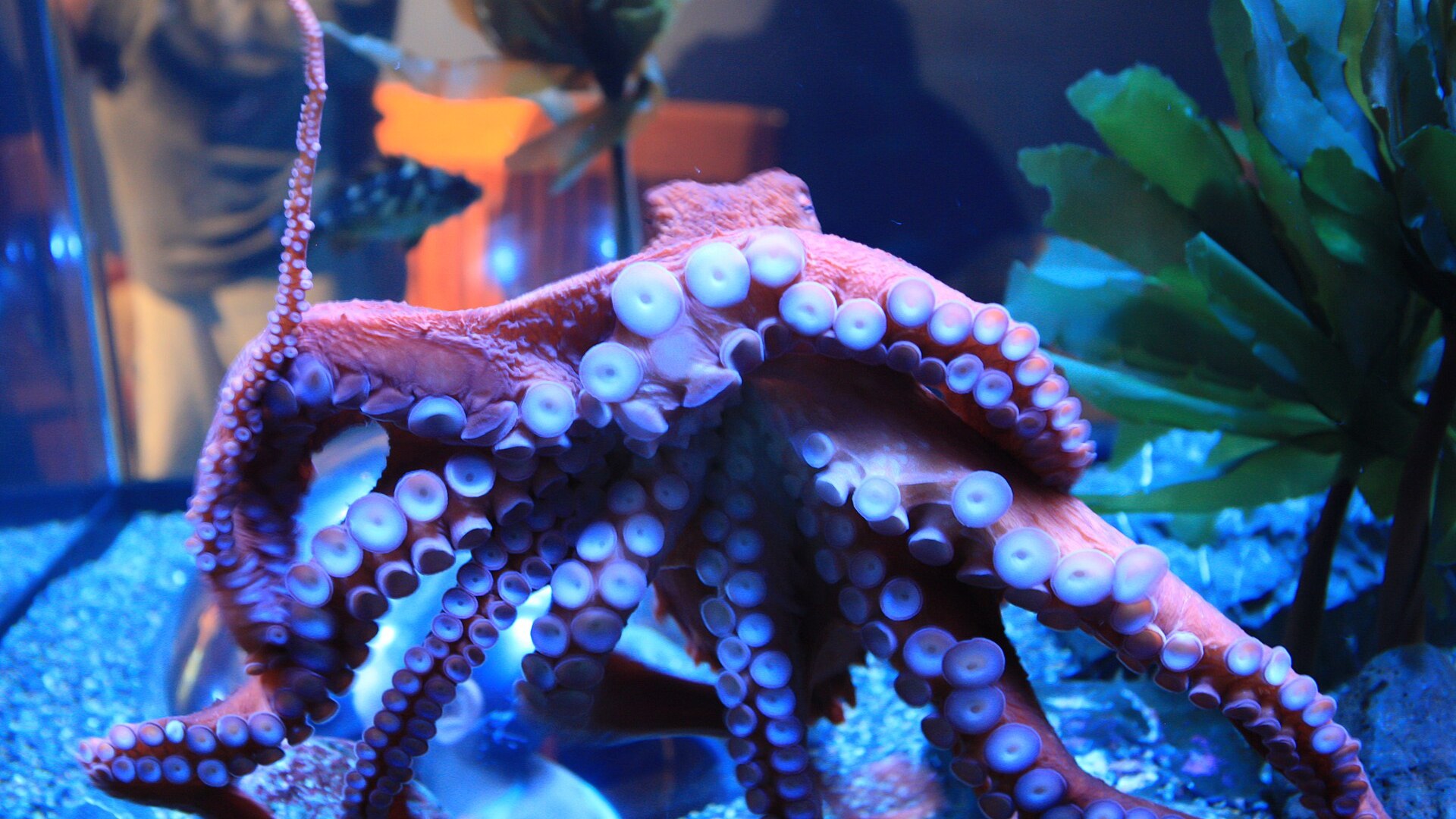
1. Giant Pacific Octopus
After laying up to 100,000 eggs inside a rocky underwater den, a female giant Pacific octopus seals herself in and never hunts again. For roughly six months, she gently fans oxygenated water over every strand and wards off crabs and fish. Her strength fades soon after the hatchlings swim free.

©Wikimedia / User:Bachrach44
Advertisement
You've reached the end of the story. Thanks for reading!

20 Tallest Dog Breeds Ranked by Shoulder Height
From ancient sighthounds bred for royal hunting grounds to formidable flock guardians patrolling rugged mountain ranges, canine shoulder height reflects centuries of specialized working heritage. These twenty towering breeds command immense physical presence while remaining loyal and gentle companion animals.
All 20 Entries in this Story
20. Killdeer
Killdeer lay up to four speckled eggs in shallow gravel scrapes with almost no cover. When a fox or stray dog approaches, the mother limps off calling loudly with one wing drooping to look injured. Once the threat follows her far from the nest, she takes flight and circles back.

19. Strawberry Poison Frog
Female strawberry poison frogs in Central American rainforests carry tadpoles one by one on their backs to water-filled bromeliad leaves high in the canopy. Over the next six to eight weeks, each mother returns regularly to lay unfertilized eggs so her young can eat safely above forest predators.

18. Mute Swan
Adult mute swans weigh up to 12 kilograms and turn fiercely territorial around nesting reeds. A mother hisses, arches her wings into a threat posture and charges dogs, foxes or boats that drift near her cygnets. Young swans often ride on her back to rest and stay warm in cold water.

17. Arctic Tern
Breeding across Arctic coastlines, this small seabird defends its ground scrape with relentless aerial strikes. Arctic terns hover above intruders and swoop straight at the head, pecking until threats retreat. Colonies cooperate in the air to drive away gulls, Arctic foxes and even wandering bears.

16. King Cobra
The king cobra is the only snake species known to construct an above-ground nest by sweeping bamboo and leaf litter into a mound. A female coils over the chamber containing 20 to 40 eggs and stays for roughly 60 to 80 days. She leaves just before hatching so she will not eat her own young.

15. American Alligator
Female American alligators pile mud and rotting plants into warm nests and patrol nearby for roughly nine weeks. When hatchlings chirp inside their shells, the mother digs them out and gently rolls them in her mouth to the water. Juveniles often stay near her for up to two years.

14. Eastern Grey Kangaroo
Born the size of a jellybean, an eastern grey kangaroo joey spends about nine months growing inside its mother's pouch before emerging for good. When dingoes threaten, the mother balances on her thick tail and delivers powerful two-footed kicks. Older joeys dive headfirst back into safety.

13. Sea Otter
Sea otters lack blubber, so mothers work nonstop in cold Pacific kelp forests to keep newborns alive. She floats on her back holding the pup on her chest, blowing air into its dense fur for buoyancy and warmth. Before foraging below, she loops giant kelp strands around the pup so currents will not carry it away.

12. Muskox
When Arctic wolves close in on the tundra, muskox cows and herd members crowd together with their calves tucked safely inside the circle. Adults lower massive curved horns and thick skull bosses outward toward the pack. Wolves rarely breach a steady ring unless a frightened calf bolts.

11. American Black Bear
At the first hint of danger, a mother black bear lets out a sharp huff or jaw pop that sends her cubs climbing into the nearest tree canopy. She stays on the ground to face coyotes, male bears or dogs until the threat backs off. Cubs remain with her for about 17 months through their first winter den.

10. Cheetah
Built for speed rather than heavy combat, a cheetah mother raises her litter alone for around 18 months on open savannas. She moves cubs to fresh tall grass hiding spots every few days to avoid hyenas and lions. When spotted, she rushes jackals or lures larger hunters away while cubs sprint to cover.

9. African Lioness
Lionesses in a pride synchronize births, nurse one another's cubs and form a united front against intruders. Mothers frequently charge spotted hyena clans and even confront invading male lions that try to take over the pride. Shared defense cuts cub losses in harsh dry seasons.

8. Polar Bear
Pregnant polar bears dig snow dens in autumn and may go up to eight months without eating while giving birth and nursing tiny cubs. When the family emerges onto spring sea ice, the mother shields her young from freezing water and adult male bears. She teaches them to hunt seals over two and a half years.

7. Cape Buffalo
A distressed calf's bawl can bring a Cape buffalo mother and dozens of herd mates charging back into a pride of lions. Weighing up to 800 kilograms, adults lock horns and drive straight through predators to clear an escape route. Wildlife guides routinely rank them among Africa's toughest defenders.

6. Hippopotamus
Hippopotamus mothers isolate briefly to give birth in shallow water before returning to crowded river pods. Inside the river, she keeps her calf close and uses massive canine tusks to chase away Nile crocodiles or adult males. Even a small ripple near her young can trigger a sudden lunge.

5. Humpback Whale
During long ocean migrations from tropical calving lagoons to polar feeding grounds, humpback mothers keep newborns tucked right beside their flanks. When transient killer whales ambush a calf, the mother blocks them with her 15-meter body and delivers sweeping blows with barnacle-studded flukes.

4. Grizzly Bear
North American grizzly sows are renowned for fearless maternal aggression across mountain parks and salmon rivers. A mother will charge wolves, black bears and even larger males without warning if her cubs appear cornered. Cubs stay under her guard for two to three years before dispersing.

3. African Savanna Elephant
African savanna elephants carry pregnancies for nearly 22 months, the longest of any land mammal. Once born, a calf stays protected inside a tight ring of mothers, aunts and sisters led by the herd matriarch. When lions stalk the group, adults trumpet, flare their ears and charge together.

2. Bornean Orangutan
Bornean orangutans invest longer in each offspring than almost any other wild animal on land. Mothers carry infants constantly at first, build new treetop sleeping nests every night and nurse young for six to eight years. Young apes learn hundreds of food sources and tool skills at her side.

1. Giant Pacific Octopus
After laying up to 100,000 eggs inside a rocky underwater den, a female giant Pacific octopus seals herself in and never hunts again. For roughly six months, she gently fans oxygenated water over every strand and wards off crabs and fish. Her strength fades soon after the hatchlings swim free.