Slideshow · Money
20 Jobs That Pay Over $100,000 Without a Master's Degree, Ranked
According to official figures from the U.S. Bureau of Labor Statistics Occupational Outlook Handbook, these twenty careers deliver median annual wages above one hundred thousand dollars without requiring graduate school. Discover the top earning professions accessible with an undergraduate degree or trade training.

By Most Viral Today
28 min ago

From Flight Decks To Boardrooms: Six-Figure Careers Without Graduate School 
20. Radiation Therapists 
19. Transportation, Storage, And Distribution Managers 
18. Elevator And Escalator Installers And Repairers - AdvertisementSwipe or tap ▶ to continue countdown

17. Construction Managers 
16. Nuclear Power Reactor Operators 
15. Commercial Pilots 
14. Chemical Engineers - AdvertisementSwipe or tap ▶ to continue countdown

13. Information Security Analysts 
12. Actuaries 
11. Computer Network Architects 
10. Aerospace Engineers - AdvertisementSwipe or tap ▶ to continue countdown

9. Software Developers 
8. Petroleum Engineers 
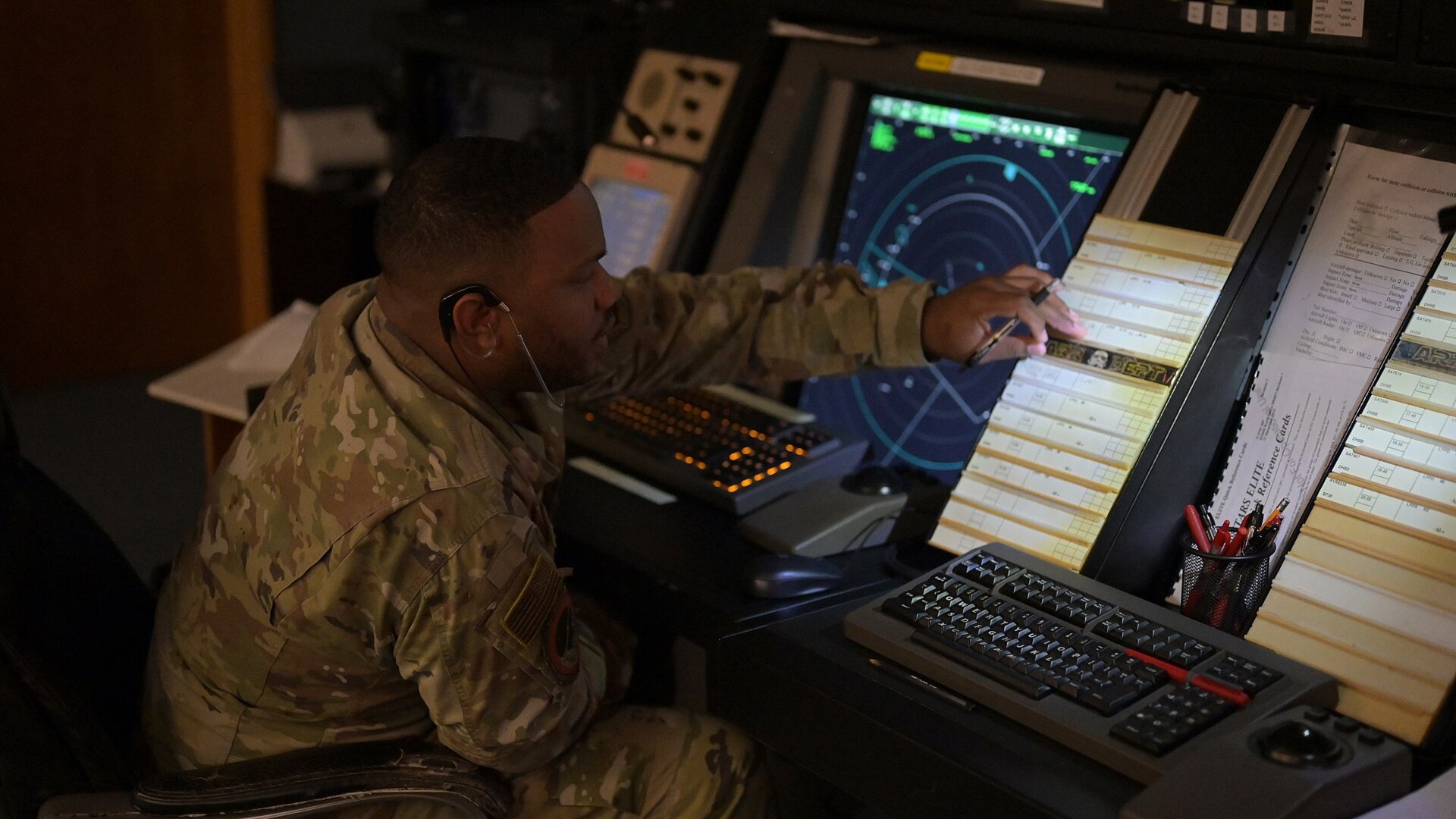
7. Air Traffic Controllers 
6. Sales Managers - AdvertisementSwipe or tap ▶ to continue countdown

5. Financial Managers 
4. Architectural And Engineering Managers 
3. Computer And Information Systems Managers 
2. Chief Executives - AdvertisementSwipe or tap ▶ to continue countdown

1. Airline Pilots, Copilots, And Flight Engineers - Advertisement🔥 UP NEXT IN THIS SERIES◫ 21 Slides

20 Small American Businesses With Products and Ideas Worth Discovering
American entrepreneurs continue to build durable goods and creative regional staples across the country. From heritage foundries in Tennessee to family workshops in Pennsylvania, independent makers prove hands-on quality endures. Based on reporting by Forbes, Inc. Magazine, and Bloomberg News published in 2026.
According to official figures from the U.S. Bureau of Labor Statistics Occupational Outlook Handbook, these twenty careers deliver median annual wages above one hundred thousand dollars without requiring graduate school. Discover the top earning professions accessible with an undergraduate degree or trade training.

Swipe or tap ▶ to begin the countdown
©Wikimedia / Jaguar MENA
20. Radiation Therapists
Radiation therapists administer targeted radiation treatments to oncology patients as prescribed by radiologists. Requiring only an associate degree from an accredited radiography program alongside state certification, these specialists monitor dosage accuracy and operate high-energy linear accelerators in hospitals.
©Wikimedia / Department of Labor. 1913
19. Transportation, Storage, And Distribution Managers
These managers plan and oversee the daily supply chain operations that move goods across regional warehouses and freight hubs. Most professionals enter the occupation with a high school diploma, advancing through operational experience, dispatch supervision, and knowledge of federal shipping safety regulations.
©Pixabay / marcinjozwiak
18. Elevator And Escalator Installers And Repairers
Elevator mechanics assemble, maintain, and overhaul complex mechanical hoistways and hydraulic lift equipment. Entry typically requires a high school diploma and a competitive four-year union apprenticeship. Skilled technicians earn top trade wages while troubleshooting electronic controllers in high-rise buildings.
©Wikimedia / Daniel Åhs Karlsson
Advertisement
Swipe or tap ▶ to resume the countdown.
17. Construction Managers
Construction managers coordinate commercial and residential developments from blueprint drafting to structural handover. While a bachelor's degree in construction management or engineering is preferred, practical field superintendents frequently qualify without attending four-year colleges or graduate schools.
©Pixabay / jarmoluk
16. Nuclear Power Reactor Operators
Reactor operators control nuclear control rods and regulate turbine steam pressure to generate utility power safely. The career path requires a high school diploma, rigorous psychological testing, and years of plant training to pass the Nuclear Regulatory Commission licensing examination.
©Wikimedia / Nuclear Regulatory Commission from US
15. Commercial Pilots
Unlike major airline captains, commercial pilots operate aerial rescue missions, agricultural sprayers, and executive charter aircraft. Entry requires a commercial pilot certificate and instrument rating rather than a four-year diploma, giving vocational aviators direct access to lucrative six-figure salaries.
©Wikimedia / Jetstar Airways from Melbourne, Australia
14. Chemical Engineers
Chemical engineers apply biological and chemical principles to refine petroleum, synthesize pharmaceutical drugs, and manufacture advanced polymers. A bachelor's degree in chemical engineering provides the technical foundation needed to design commercial manufacturing systems without any graduate schooling.
©NASA / Steve Freeman
Advertisement
Swipe or tap ▶ to resume the countdown.
13. Information Security Analysts
Security analysts build cyber defenses and monitor corporate networks against digital security breaches. With cloud migration surging, candidates with a bachelor's degree in computer science and industry certifications command high six-figure compensation without needing graduate-level qualifications.
©Wikimedia / Diplomatic Security Service from Washington, D.C
12. Actuaries
Actuaries calculate the probability of unforeseen events like vehicle accidents and property damage for insurance underwriting. Advancement is earned by passing professional actuarial society exams rather than earning master's degrees, rewarding individuals with strong undergraduate backgrounds in applied mathematics.
©Wikimedia / Department of Labor. 1913
11. Computer Network Architects
Network architects design and install high-speed local networks, wide area networks, and intranet clouds. Requiring a bachelor's degree in engineering or information technology, these engineers optimize hardware switches and routing protocols to keep global corporate communication channels operating smoothly.
©Wikimedia / Gsmith1of2
10. Aerospace Engineers
Aerospace engineers evaluate aircraft structural integrity, satellite avionics, and rocket propulsion systems for private aerospace firms and federal contractors. An accredited bachelor's degree is the standard industry qualification, opening high-paying aerospace careers without master's level study.
©Wikimedia / Ievag
Advertisement
Swipe or tap ▶ to resume the countdown.
9. Software Developers
Software engineers program mobile software, enterprise databases, and cloud operating services. Technology firms prioritize portfolio coding competency and undergraduate computer science fundamentals, making this career one of the most lucrative and expanding professions requiring only a four-year degree.
©Wikimedia / Lbronn
8. Petroleum Engineers
Petroleum engineers design subsurface drilling methods to extract hydrocarbons from deep geological reservoirs. Armed with an undergraduate degree in petroleum or mechanical engineering, these specialists earn substantial salaries optimizing production yields for energy companies worldwide.
©Wikimedia / De-Stavness
7. Air Traffic Controllers
Air traffic controllers direct aircraft movement in the skies and across runways to maintain safe separation distances. Entry requires completing an FAA-approved air traffic collegiate program or an associate degree, followed by rigorous tactical simulator instruction at the FAA Academy in Oklahoma.
©Wikimedia / Senior Airman John Wright
6. Sales Managers
Sales managers set regional revenue targets, analyze consumer trends, and build sales distribution networks. Companies reward proven commercial deal-closing ability and team leadership, enabling professionals with an undergraduate degree in business or marketing to capture top compensation packages.
©Wikimedia / Houstonhomesmo
Advertisement
Swipe or tap ▶ to resume the countdown.
5. Financial Managers
Financial managers oversee budget balancing, corporate capital investments, and regulatory fiscal disclosures. Entry requires a bachelor's degree in accounting or finance paired with professional experience. Top firms offer robust six-figure pay to leaders managing balance sheets and financial health.
©Wikimedia / USCG Press
4. Architectural And Engineering Managers
These managers lead multidisciplinary teams designing complex municipal transit systems, industrial factories, and technological hardware. Relying on an undergraduate engineering foundation and supervisory experience, directors earn exceptional compensation without completing graduate master's programs.
©Wikimedia / PEO ACWA
3. Computer And Information Systems Managers
Commonly known as IT directors or technical leads, these managers plan and secure the technological frameworks that modern corporations depend upon. An undergraduate degree in computer science combined with organizational experience provides direct access to this rapidly expanding six-figure role.
©Wikimedia / Chris Gunn
2. Chief Executives
Chief executives determine organizational strategy, manage high-level directors, and report to boards of trustees across private and non-profit sectors. While some executives hold graduate credentials, a bachelor's degree coupled with significant industry leadership remains the formal baseline for the position.
©Wikimedia / NZCoaster
Advertisement
Swipe or tap ▶ to resume the countdown.
1. Airline Pilots, Copilots, And Flight Engineers
Major airline captains pilot commercial passenger jets across domestic and global air corridors. Entry requires an FAA Airline Transport Pilot certificate, extensive logged flight hours, and a bachelor's degree in any discipline. Pilots earn the highest median compensation of any career without a master's.

©Pixabay / StockSnap
Advertisement
You've reached the end of the story. Thanks for reading!

20 Small American Businesses With Products and Ideas Worth Discovering
American entrepreneurs continue to build durable goods and creative regional staples across the country. From heritage foundries in Tennessee to family workshops in Pennsylvania, independent makers prove hands-on quality endures. Based on reporting by Forbes, Inc. Magazine, and Bloomberg News published in 2026.
All 20 Entries in this Story
20. Radiation Therapists
Radiation therapists administer targeted radiation treatments to oncology patients as prescribed by radiologists. Requiring only an associate degree from an accredited radiography program alongside state certification, these specialists monitor dosage accuracy and operate high-energy linear accelerators in hospitals.

19. Transportation, Storage, And Distribution Managers
These managers plan and oversee the daily supply chain operations that move goods across regional warehouses and freight hubs. Most professionals enter the occupation with a high school diploma, advancing through operational experience, dispatch supervision, and knowledge of federal shipping safety regulations.

18. Elevator And Escalator Installers And Repairers
Elevator mechanics assemble, maintain, and overhaul complex mechanical hoistways and hydraulic lift equipment. Entry typically requires a high school diploma and a competitive four-year union apprenticeship. Skilled technicians earn top trade wages while troubleshooting electronic controllers in high-rise buildings.

17. Construction Managers
Construction managers coordinate commercial and residential developments from blueprint drafting to structural handover. While a bachelor's degree in construction management or engineering is preferred, practical field superintendents frequently qualify without attending four-year colleges or graduate schools.

16. Nuclear Power Reactor Operators
Reactor operators control nuclear control rods and regulate turbine steam pressure to generate utility power safely. The career path requires a high school diploma, rigorous psychological testing, and years of plant training to pass the Nuclear Regulatory Commission licensing examination.

15. Commercial Pilots
Unlike major airline captains, commercial pilots operate aerial rescue missions, agricultural sprayers, and executive charter aircraft. Entry requires a commercial pilot certificate and instrument rating rather than a four-year diploma, giving vocational aviators direct access to lucrative six-figure salaries.

14. Chemical Engineers
Chemical engineers apply biological and chemical principles to refine petroleum, synthesize pharmaceutical drugs, and manufacture advanced polymers. A bachelor's degree in chemical engineering provides the technical foundation needed to design commercial manufacturing systems without any graduate schooling.

13. Information Security Analysts
Security analysts build cyber defenses and monitor corporate networks against digital security breaches. With cloud migration surging, candidates with a bachelor's degree in computer science and industry certifications command high six-figure compensation without needing graduate-level qualifications.

12. Actuaries
Actuaries calculate the probability of unforeseen events like vehicle accidents and property damage for insurance underwriting. Advancement is earned by passing professional actuarial society exams rather than earning master's degrees, rewarding individuals with strong undergraduate backgrounds in applied mathematics.

11. Computer Network Architects
Network architects design and install high-speed local networks, wide area networks, and intranet clouds. Requiring a bachelor's degree in engineering or information technology, these engineers optimize hardware switches and routing protocols to keep global corporate communication channels operating smoothly.

10. Aerospace Engineers
Aerospace engineers evaluate aircraft structural integrity, satellite avionics, and rocket propulsion systems for private aerospace firms and federal contractors. An accredited bachelor's degree is the standard industry qualification, opening high-paying aerospace careers without master's level study.

9. Software Developers
Software engineers program mobile software, enterprise databases, and cloud operating services. Technology firms prioritize portfolio coding competency and undergraduate computer science fundamentals, making this career one of the most lucrative and expanding professions requiring only a four-year degree.

8. Petroleum Engineers
Petroleum engineers design subsurface drilling methods to extract hydrocarbons from deep geological reservoirs. Armed with an undergraduate degree in petroleum or mechanical engineering, these specialists earn substantial salaries optimizing production yields for energy companies worldwide.

7. Air Traffic Controllers
Air traffic controllers direct aircraft movement in the skies and across runways to maintain safe separation distances. Entry requires completing an FAA-approved air traffic collegiate program or an associate degree, followed by rigorous tactical simulator instruction at the FAA Academy in Oklahoma.

6. Sales Managers
Sales managers set regional revenue targets, analyze consumer trends, and build sales distribution networks. Companies reward proven commercial deal-closing ability and team leadership, enabling professionals with an undergraduate degree in business or marketing to capture top compensation packages.

5. Financial Managers
Financial managers oversee budget balancing, corporate capital investments, and regulatory fiscal disclosures. Entry requires a bachelor's degree in accounting or finance paired with professional experience. Top firms offer robust six-figure pay to leaders managing balance sheets and financial health.

4. Architectural And Engineering Managers
These managers lead multidisciplinary teams designing complex municipal transit systems, industrial factories, and technological hardware. Relying on an undergraduate engineering foundation and supervisory experience, directors earn exceptional compensation without completing graduate master's programs.

3. Computer And Information Systems Managers
Commonly known as IT directors or technical leads, these managers plan and secure the technological frameworks that modern corporations depend upon. An undergraduate degree in computer science combined with organizational experience provides direct access to this rapidly expanding six-figure role.

2. Chief Executives
Chief executives determine organizational strategy, manage high-level directors, and report to boards of trustees across private and non-profit sectors. While some executives hold graduate credentials, a bachelor's degree coupled with significant industry leadership remains the formal baseline for the position.

1. Airline Pilots, Copilots, And Flight Engineers
Major airline captains pilot commercial passenger jets across domestic and global air corridors. Entry requires an FAA Airline Transport Pilot certificate, extensive logged flight hours, and a bachelor's degree in any discipline. Pilots earn the highest median compensation of any career without a master's.