Slideshow · Animals
25 Animals That May Detect Fear Through Scent and Body Language
From specialized olfactory receptors to airborne alarm pheromones, numerous species possess the extraordinary ability to detect chemical distress signals. Based on research from Live Science, National Geographic, and peer-reviewed biology journals, here are twenty-five animals that can smell and sense fear.





All 25 Entries in this Story
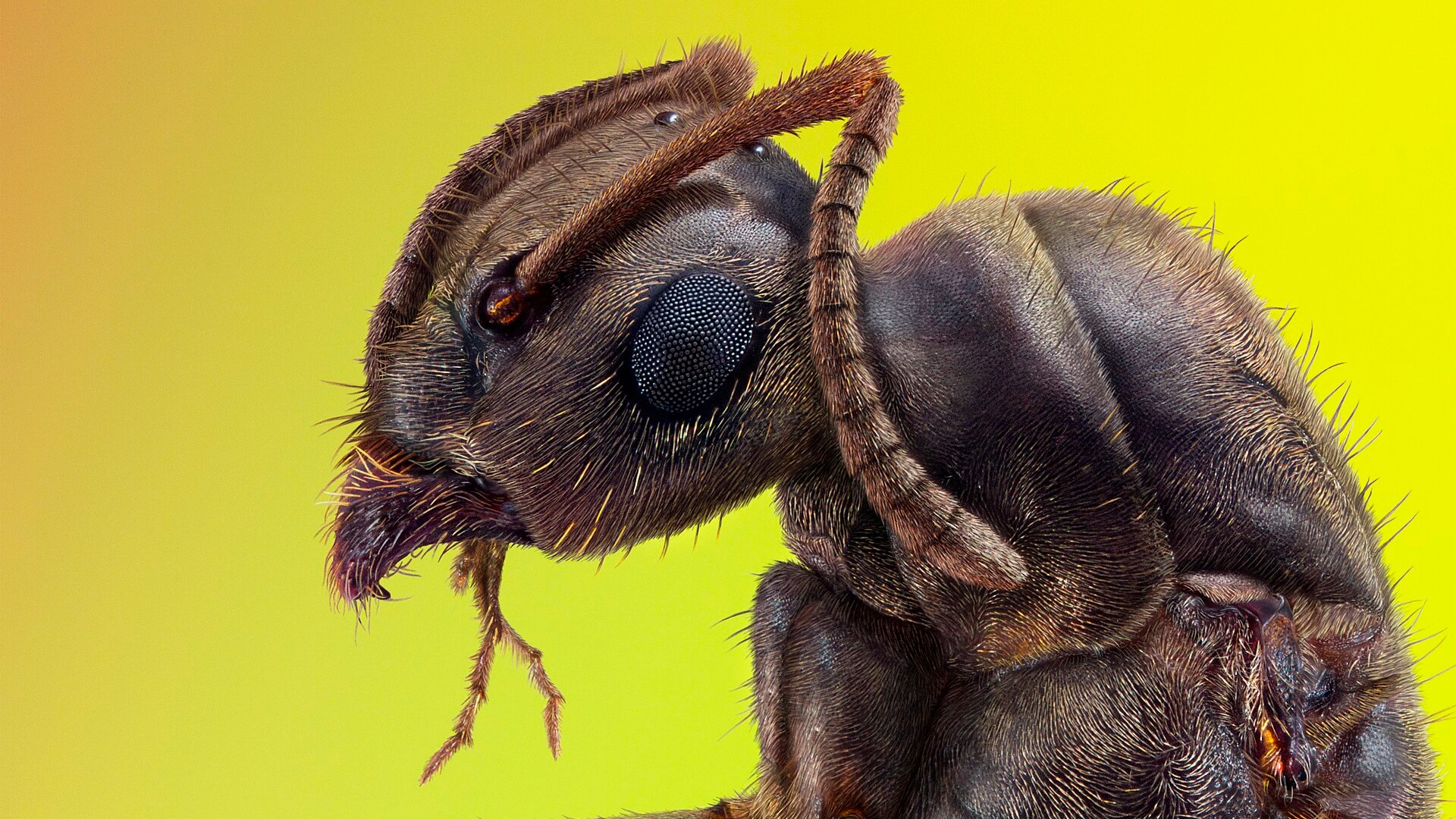
25. Ants: Rapid Trail Defense Via Alarm Pheromones
When worker ants experience physical distress or attack, specialized glands release volatile alarm pheromones including formic acid and ketones. Nearby nestmates detect these airborne chemical distress markers with their sensitive antennae, immediately shifting into aggressive colony defense postures.
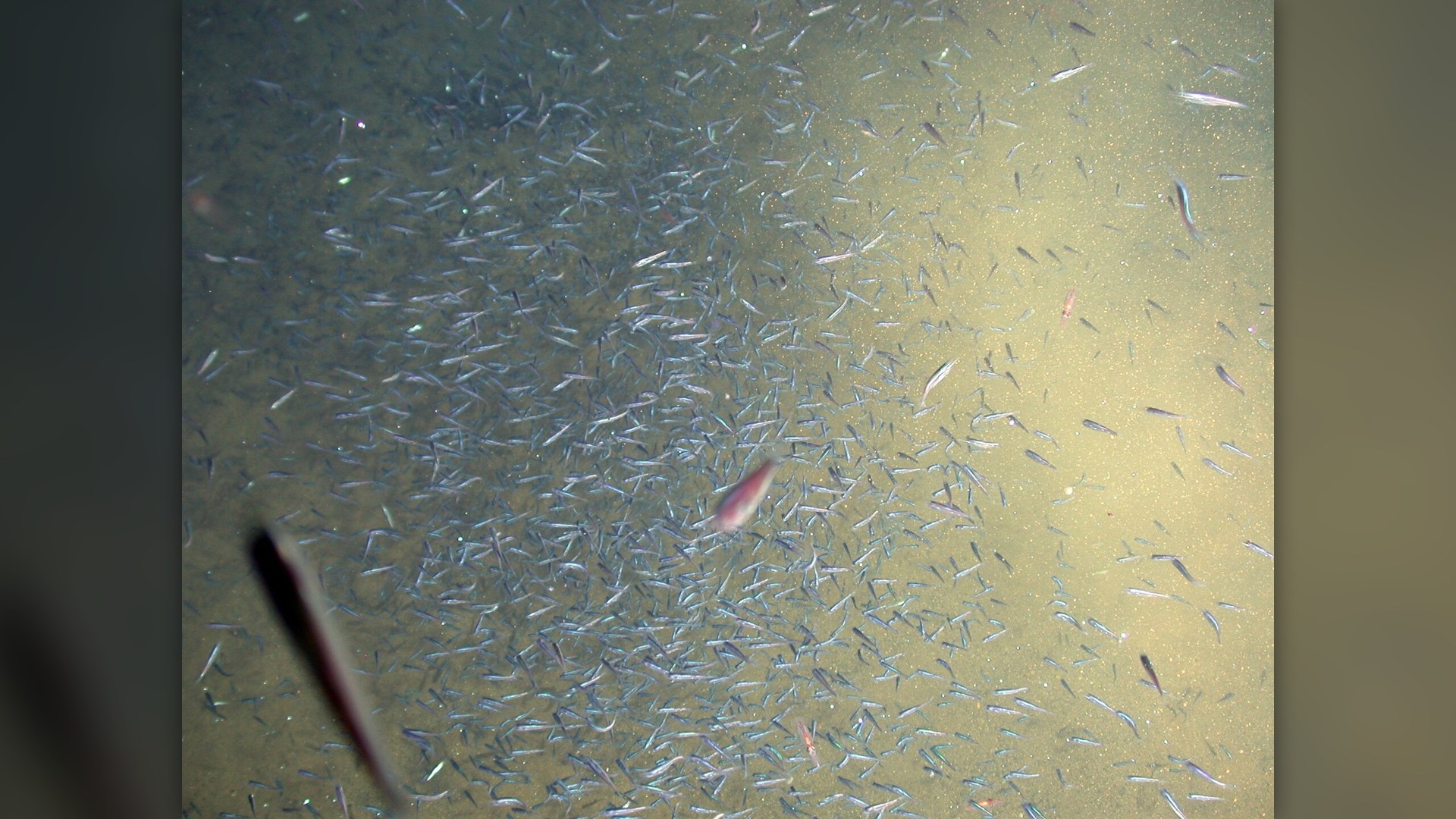
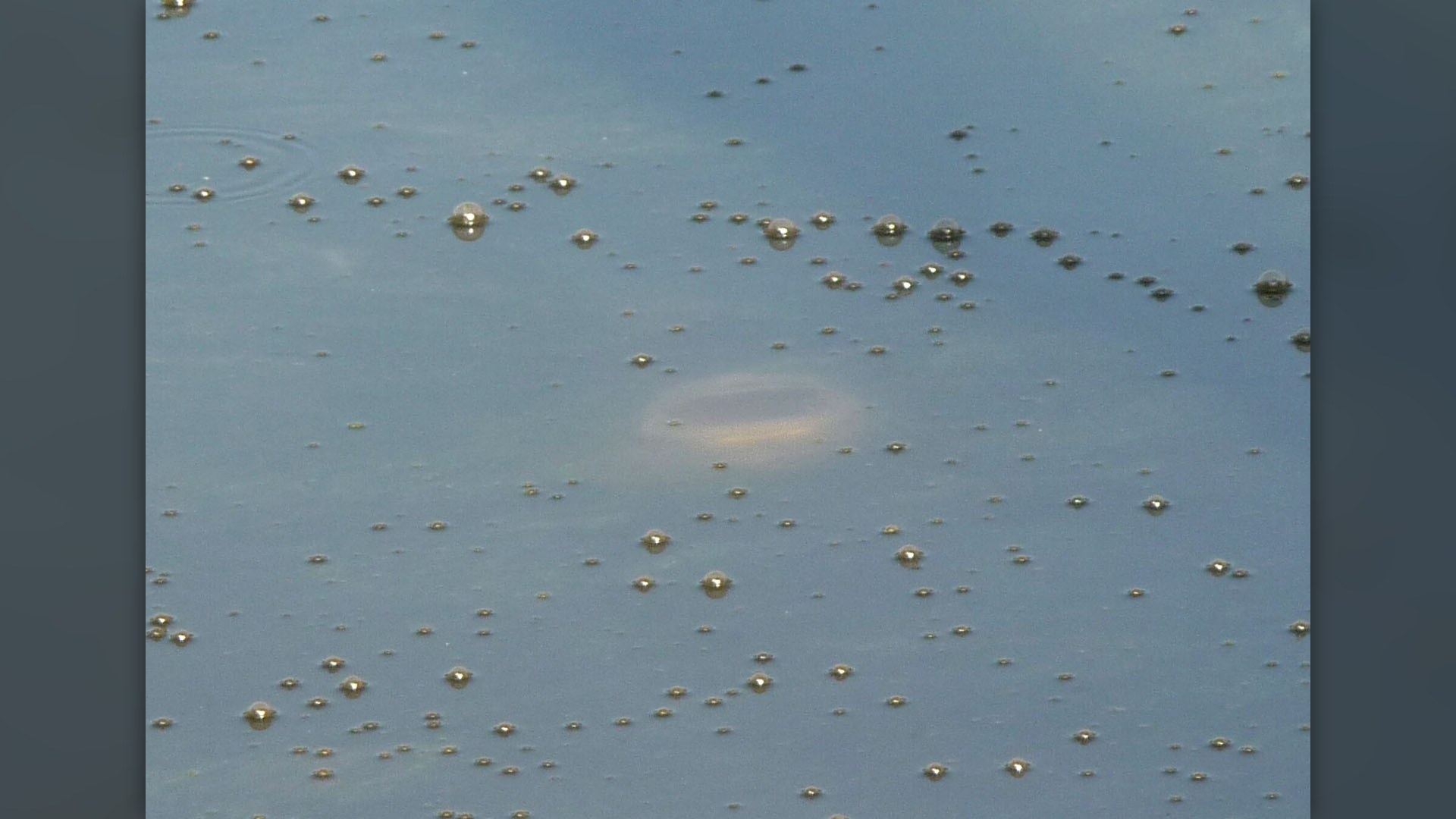
24. Minnows: Triggering Flight With Schreckstoff Scent
When a minnow is bitten or injured by a predator, specialized club cells in its skin rupture and release an alarm substance known as Schreckstoff. Surrounding school members detect this chemical fear signal through waterborne olfaction, scattering in synchronized evasive maneuvers.
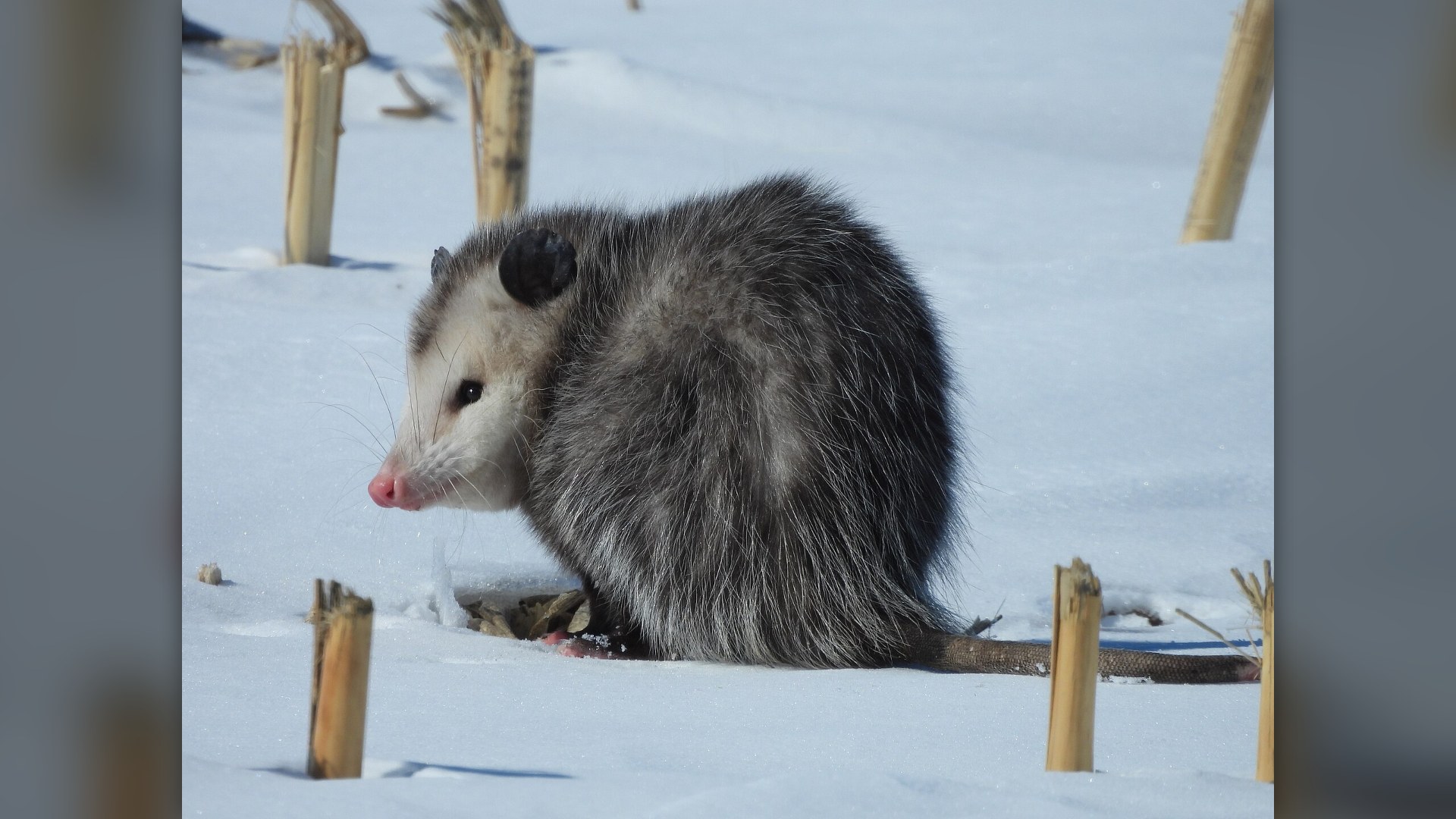
23. Opossums: Chemical Panic And Involuntary Shock
Opossums detect incoming predator scent cues well before seeing danger. When confrontation becomes unavoidable, extreme terror induces an involuntary catatonic state called thanatosis, during which the animal releases a foul, green anal fluid that mimics the scent of decaying, inedible meat.
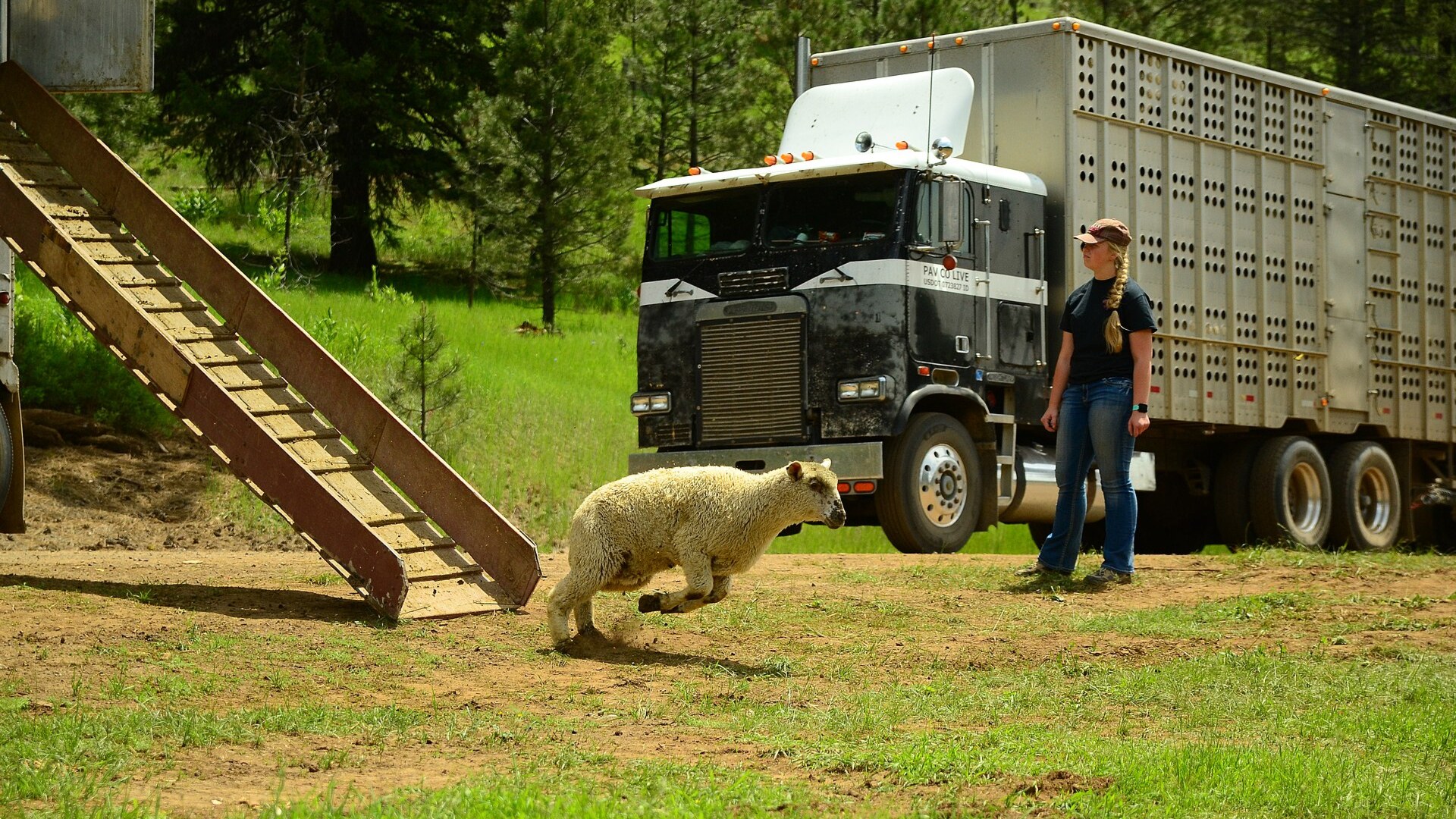
22. Sheep: Detecting Cortisol Surges In Herd Members
As prey animals, sheep maintain an acute sense of smell to evaluate threats. Flocks detect cortisol surges and adrenaline markers in the urine and fleece of stressed herd members, rapidly spreading silent chemical alerts that prompt the entire flock to bunch tightly together.
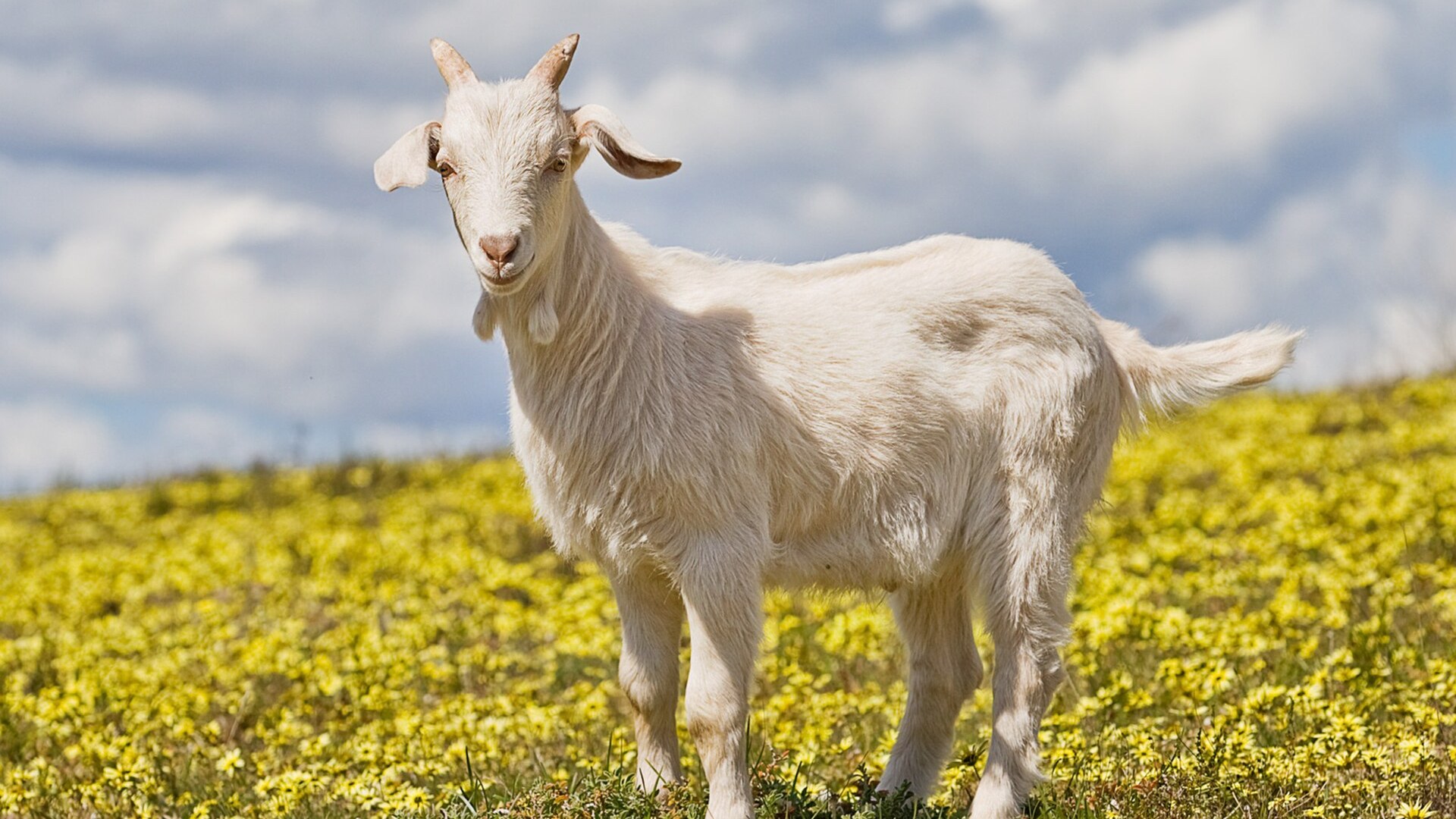
21. Goats: Sensing Shifts In Human Tension And Odor
Research demonstrates that goats possess advanced cross-species emotional perception. Through both olfactory detection of human perspiration changes and visual reading of tense body language, goats exhibit heightened caution and elevated vigilance when handled by anxious or frightened people.
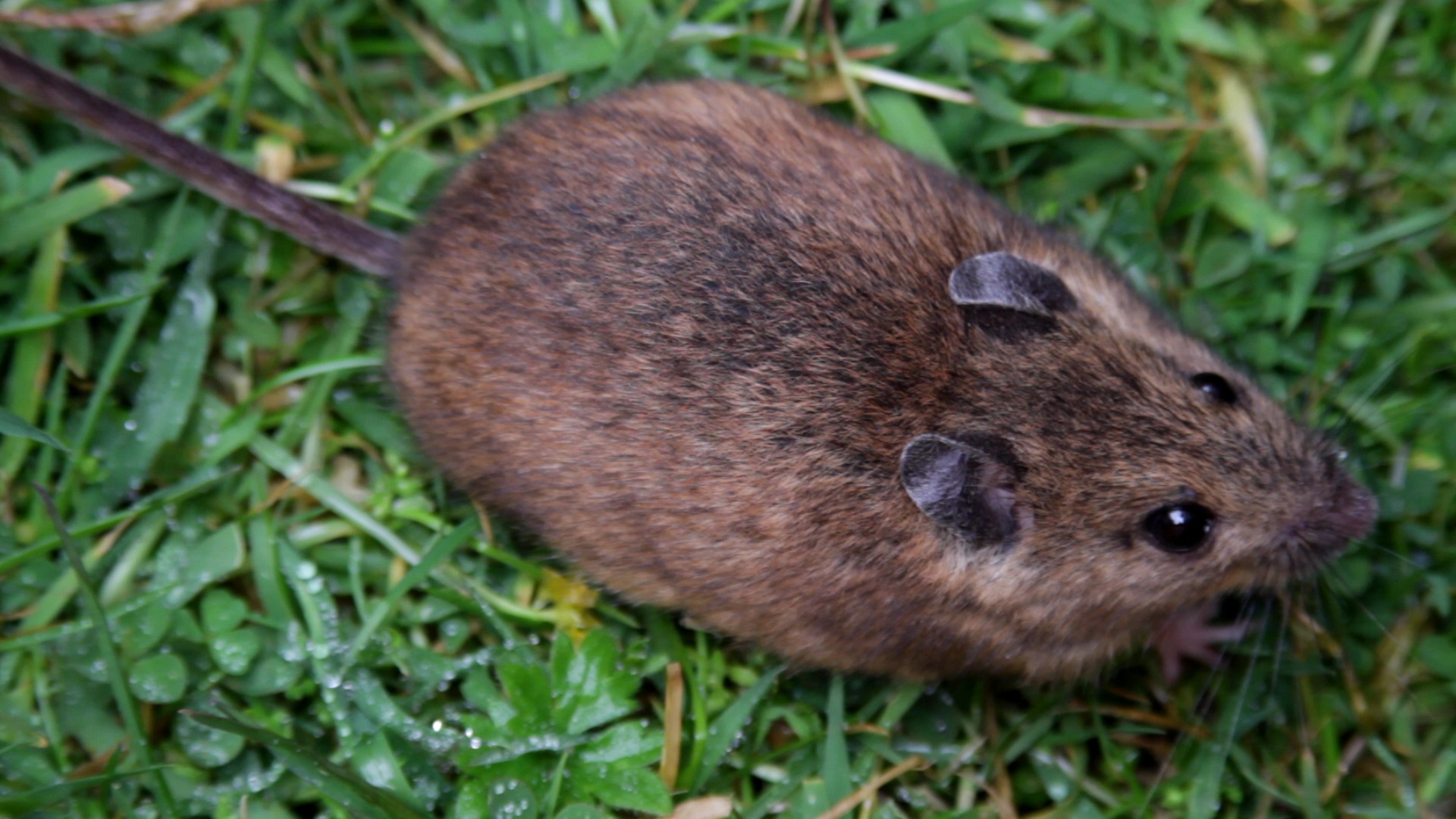
20. Mice: Reacting To Rodent And Handler Stress Scents
Mice release distinct alarm pheromones from their preputial glands during stressful encounters, warning nearby cage mates. Notably, laboratory studies show mice also detect chemical markers in the sweat of male human researchers, which triggers an immediate spike in their own corticosterone levels.
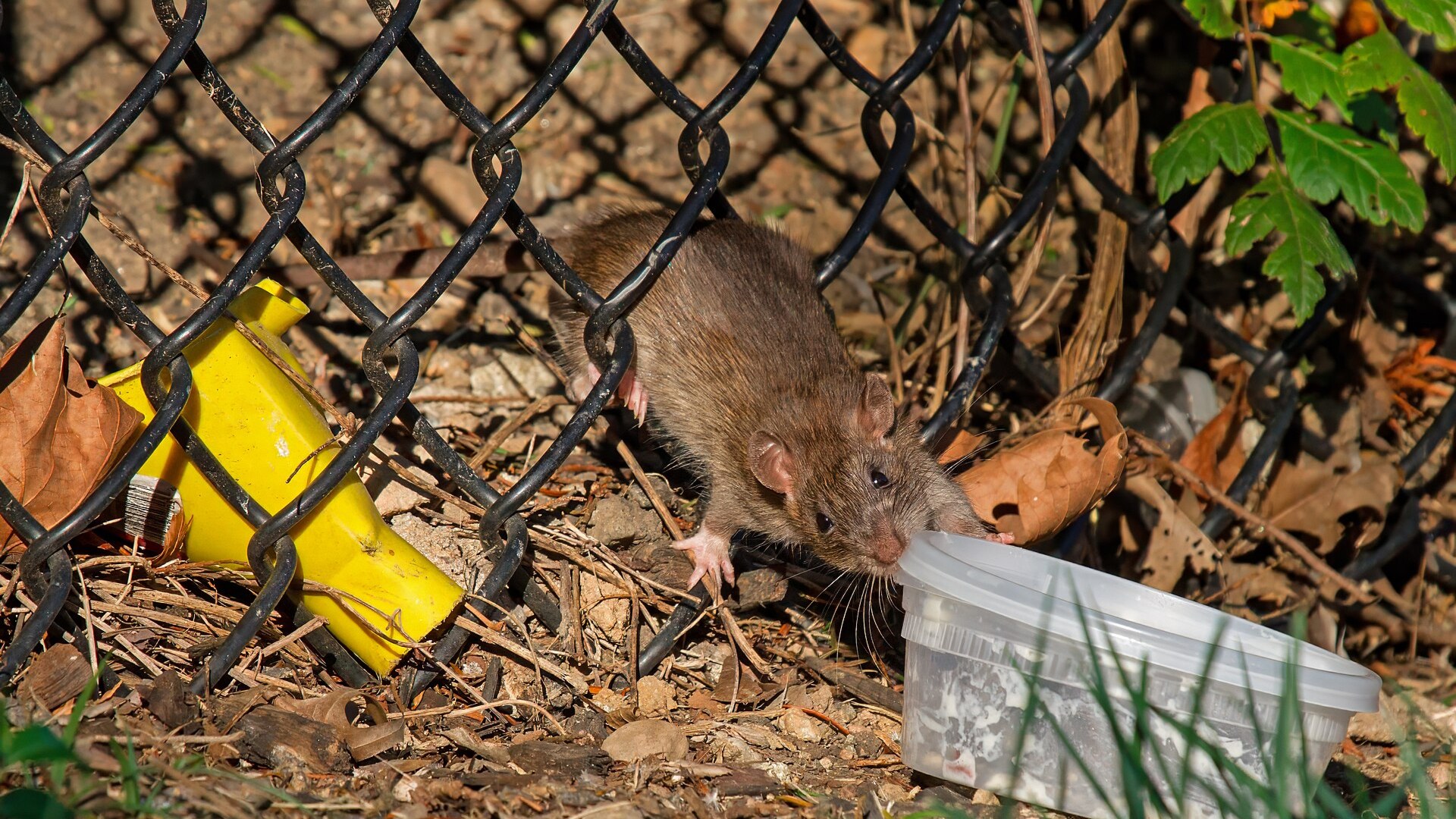
19. Rats: Emitting Warning Chemosignals Under Threat
Rats communicate emotional states through chemical and acoustic channels. When terrified, they emit airborne alarm pheromones along with ultrasonic distress calls. Other rats picking up these chemosignals immediately display freezing behavior, lowered exploratory activity, and elevated blood pressure.
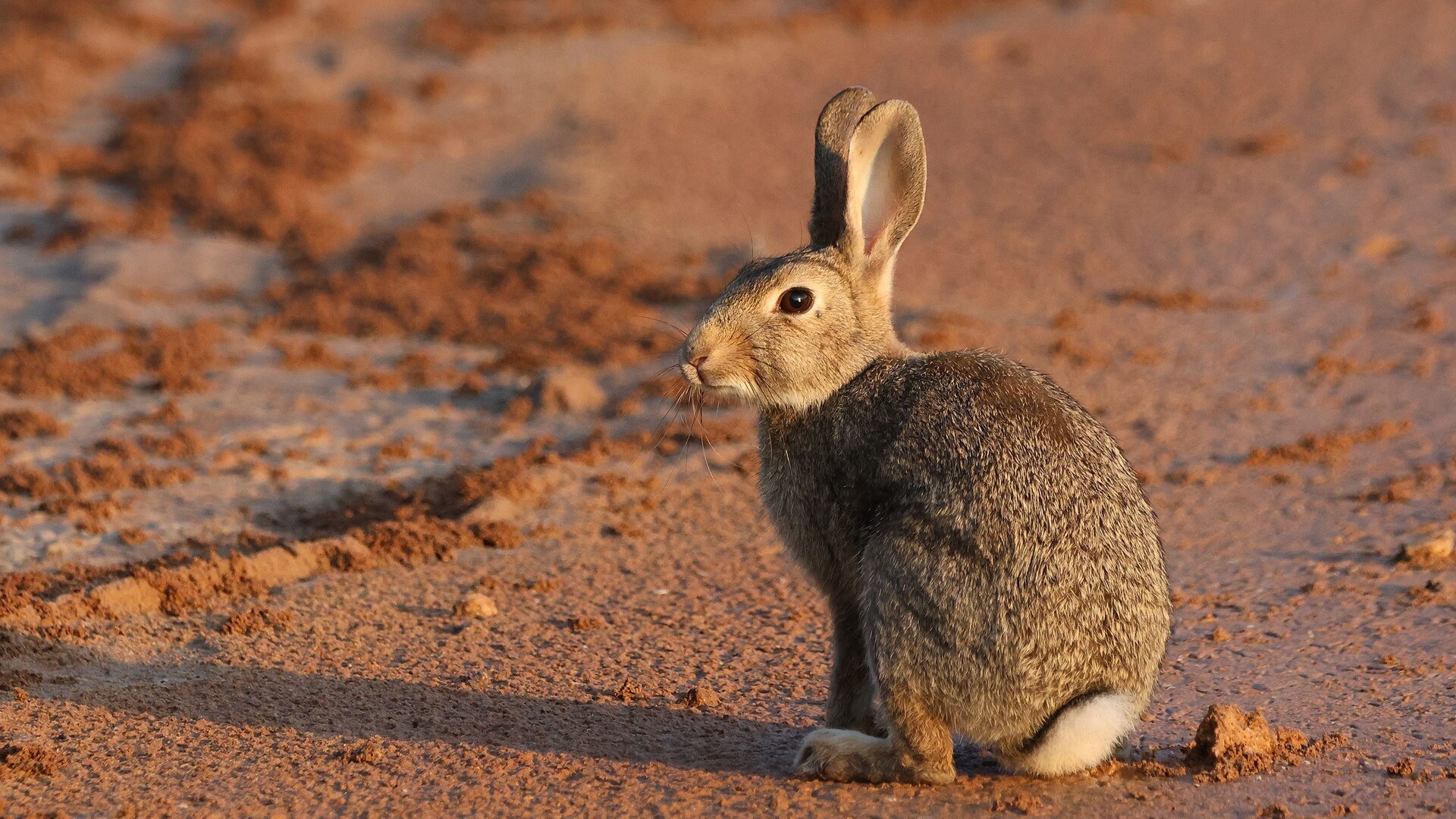
18. Rabbits: Catching Scent And Behavioral Warning Cues
With over one hundred million olfactory receptors, rabbits constantly sample the surrounding air for chemical cues. They quickly detect predator odors as well as stress hormones emitted by neighboring rabbits, responding by thumping their hind feet on the ground to warn the warren.
17. Catfish: Barbel Detection Of Aquatic Stress Signals
Catfish feature whiskers or barbels lined with thousands of chemoreceptors capable of tasting and smelling waterborne molecules. They can sense chemical alarm substances and stress metabolites released by distressed prey or injured fish across dark, murky riverbeds.
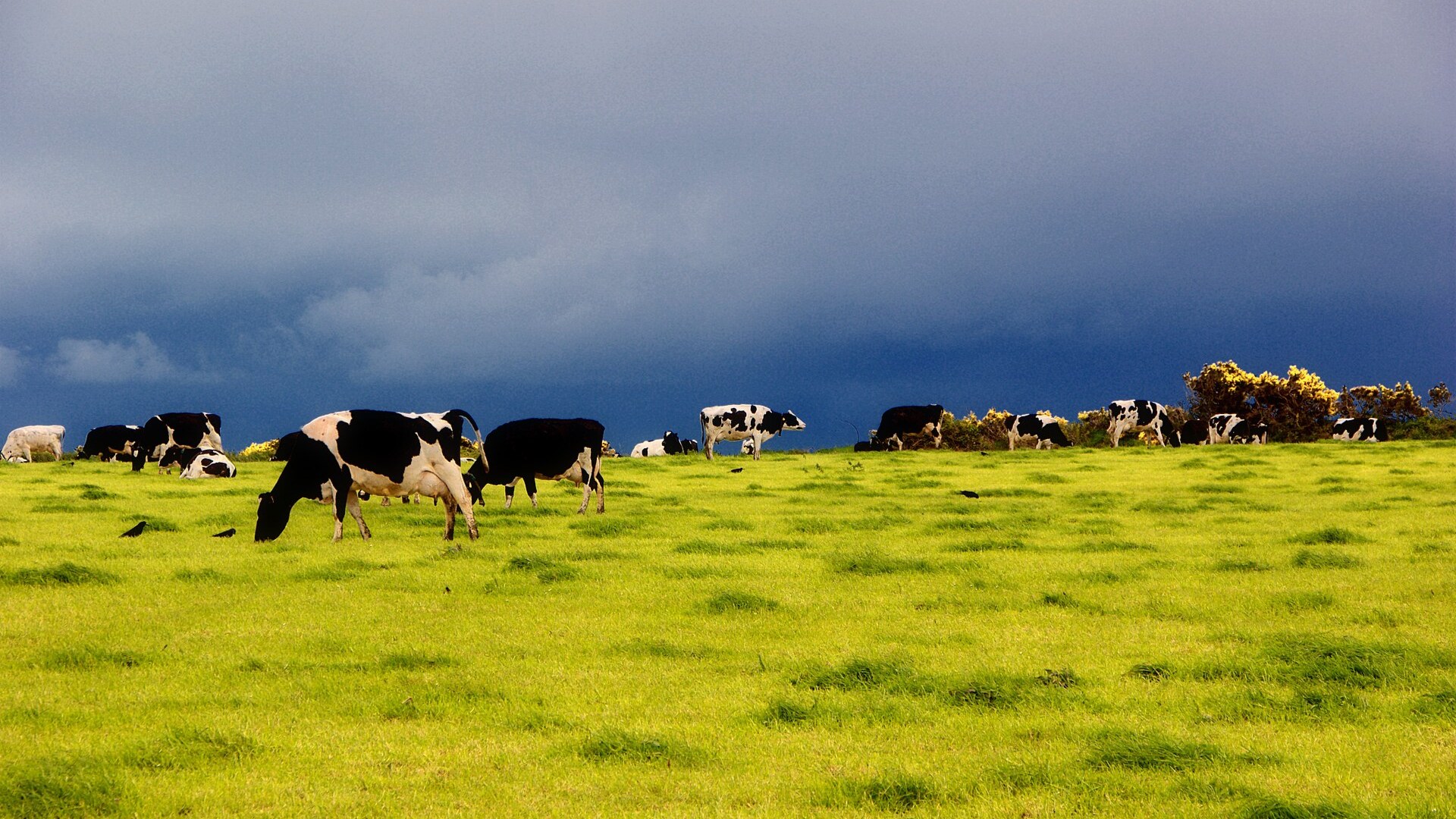
16. Cows: Sniffing Human Perspiration And Herd Panic
Cattle possess an acute sense of smell and react strongly to human emotional chemosignals. In controlled veterinary experiments, cows presented with sweat samples from fearful humans exhibited higher heart rates and avoidance behavior compared to sweat collected after calm conditions.
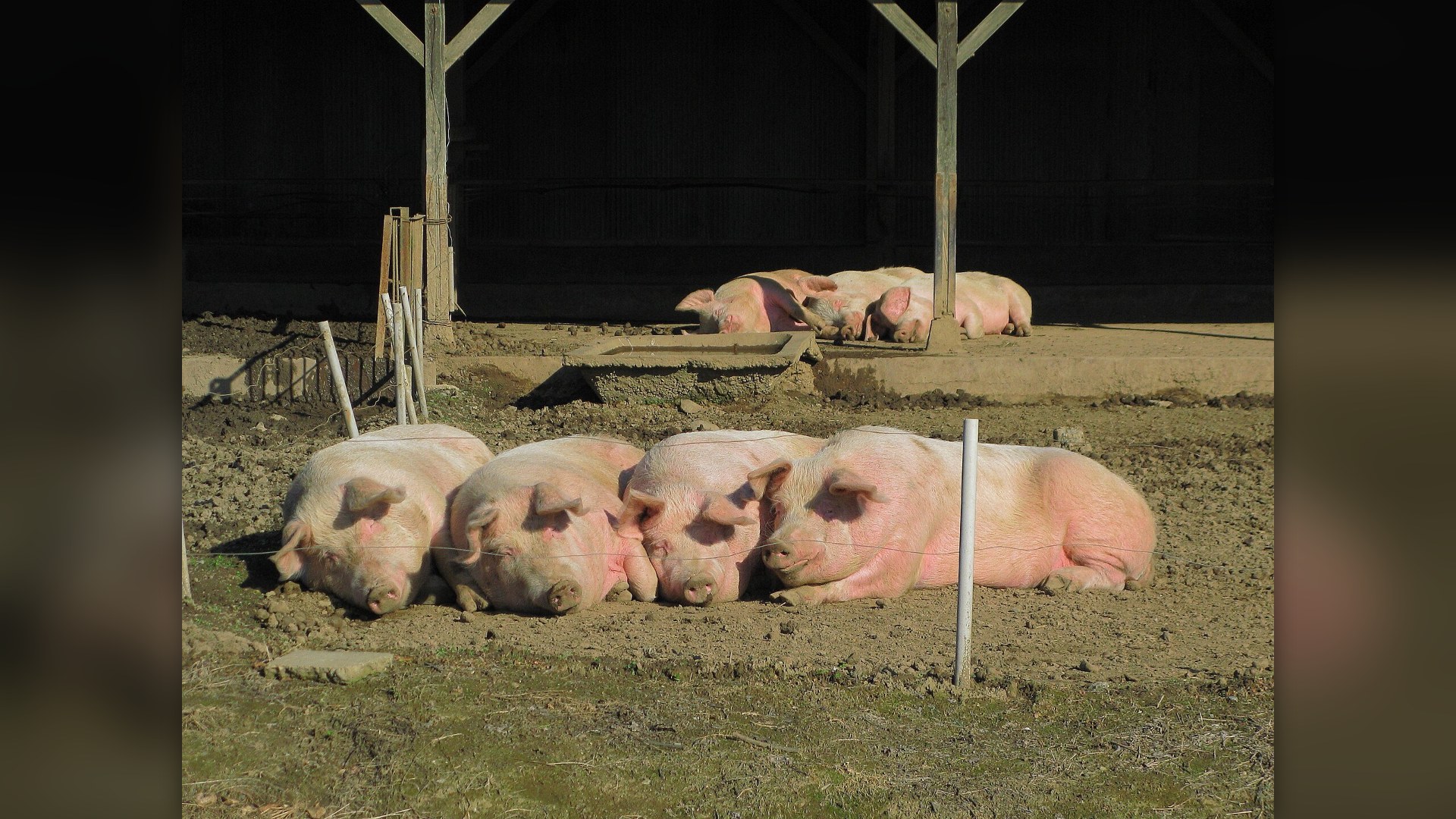
15. Pigs: Decoding Distress Pheromones Via Keen Scent
Pigs have an olfactory sense comparable to tracking hounds. They easily detect maternal and alarm pheromones in urine and saliva, rapidly showing signs of emotional contagion, elevated heart rate, and defensive bunching when a pen mate emits panic odors during routine handling.
14. Mule Deer: Releasing Glandular Alarm Signals In Danger
Mule deer possess specialized metatarsal glands on their lower legs that flare and release a pungent chemical scent when the animal is spooked. This airborne alarm signal travels quickly downwind, alerting grazing herd members to freeze and scan the perimeter for approaching mountain lions.
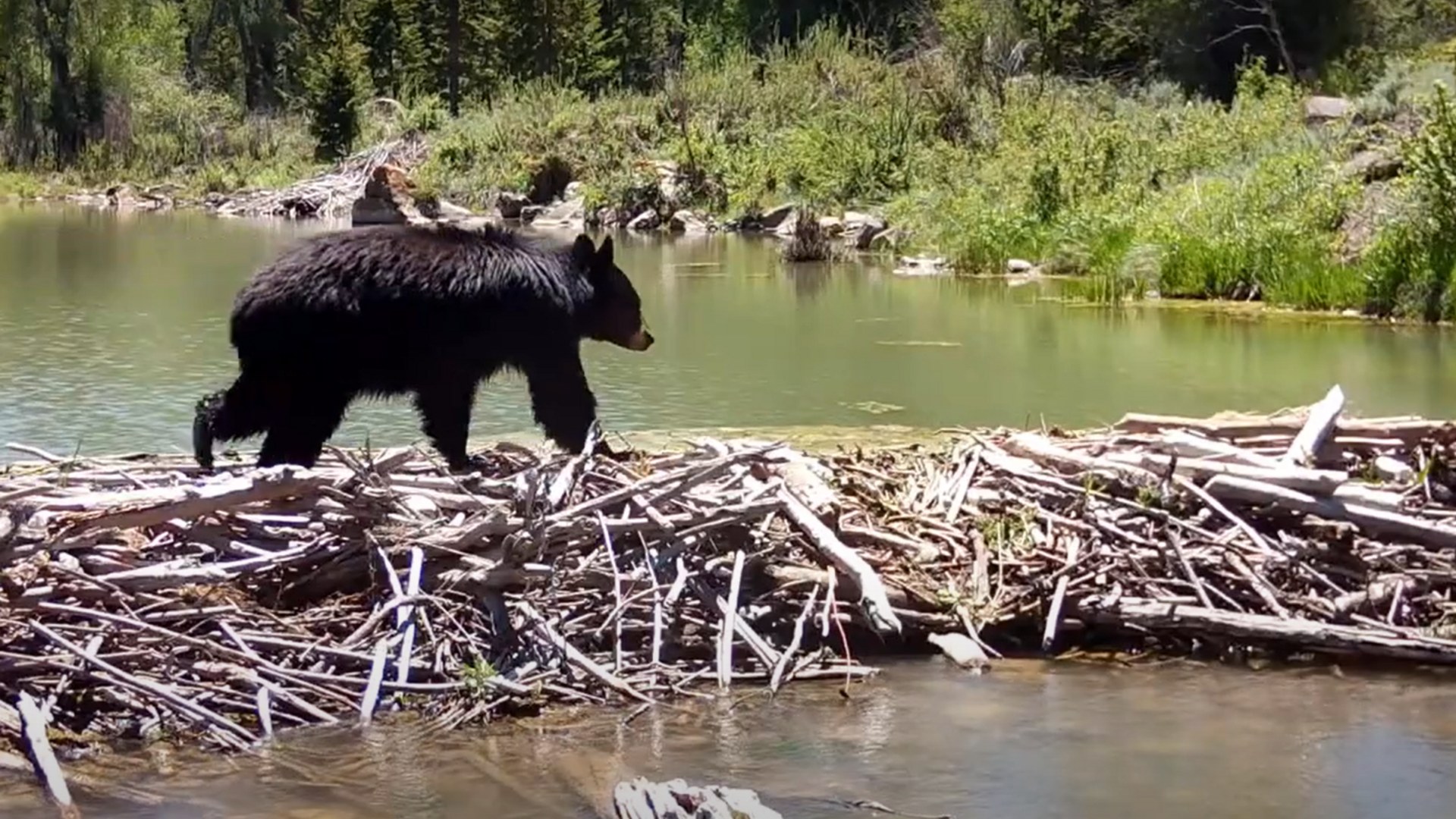
13. Black Bears: Evaluating Chemical Anxiety From Afar
Black bears possess an olfactory area hundreds of times larger than that of humans, allowing them to track scent trails for miles. While naturally wary and non-confrontational, they can detect human adrenaline spikes and nervous sweat, often deciding to retreat quietly into dense cover.
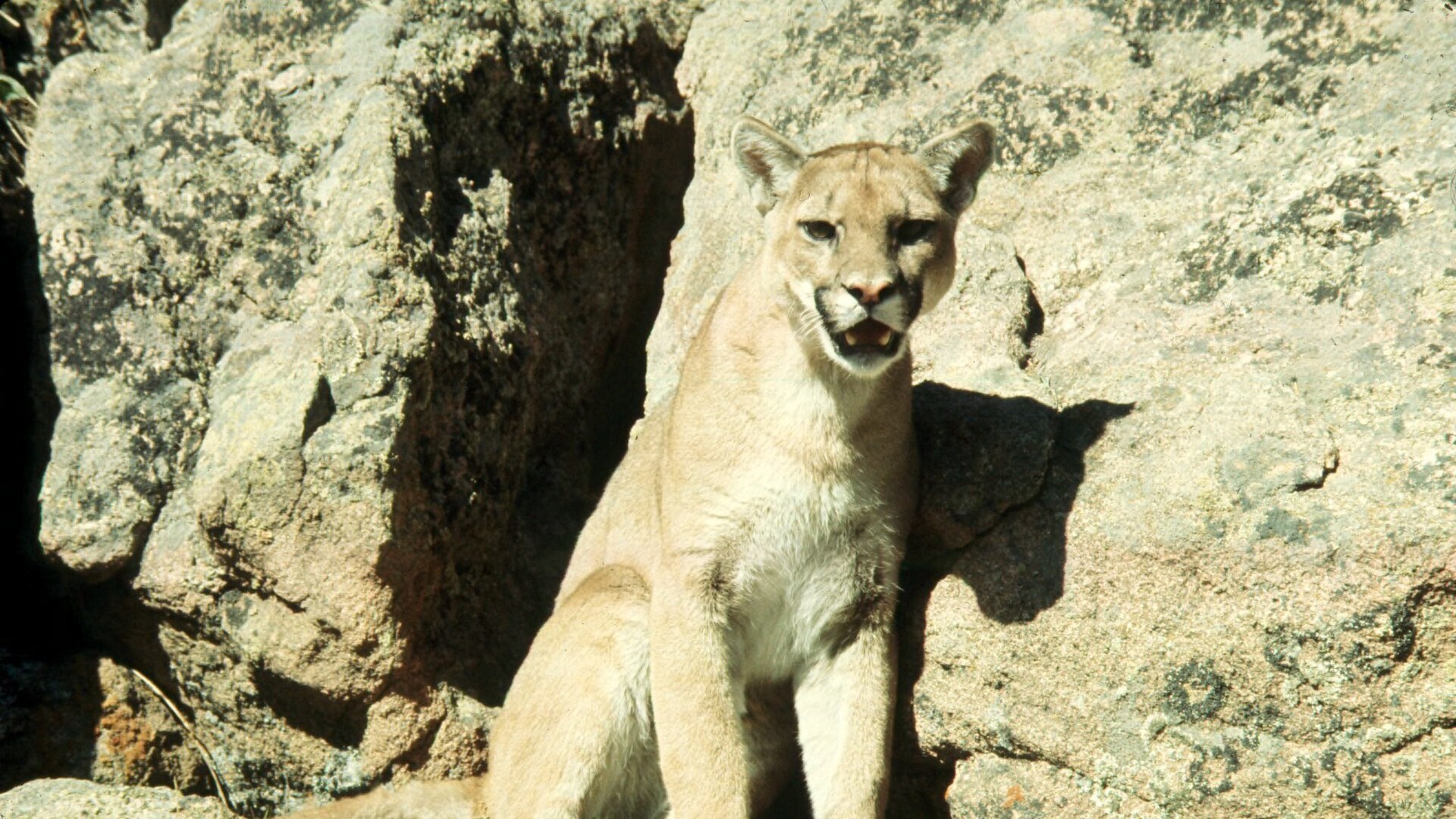
12. Cougars: Reading Airborne Markers To Time Ambush
Mountain lions rely on sharp scent perception paired with keen peripheral vision to evaluate potential prey. By detecting subtle chemical indicators in the air and watching for hesitant, trembling footsteps, cougars identify weakened or terrified animals to ambush from elevated perches.
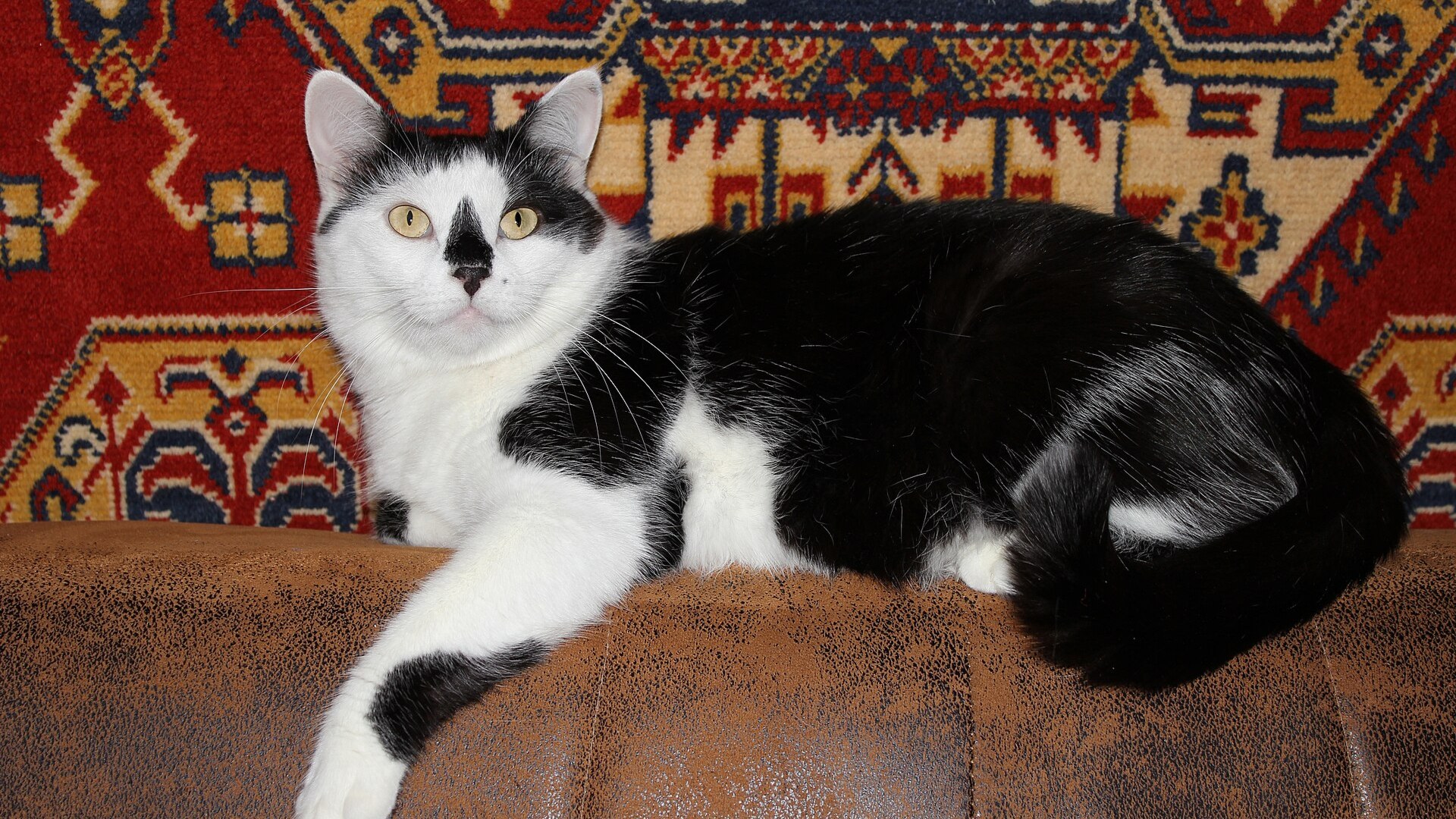
11. Cats: Sensing Human Sweat Via The Jacobson Organ
Domestic cats utilize both their nasal cavities and the vomeronasal Jacobson organ located in the roof of their mouth to analyze volatile scents. When humans experience fear, adrenaline changes sweat composition, which cats detect and often mirror by displaying heightened anxiety or seeking hiding spots.
10. Horses: Processing Fear Sweat Through Specific Nostrils
Equine studies demonstrate that horses process human odors asymmetrically, using their right nostril to assess negative emotional chemosignals. When presented with human fear sweat, horses exhibit faster heart rates, flared nostrils, and elevated head posture indicative of high alert.
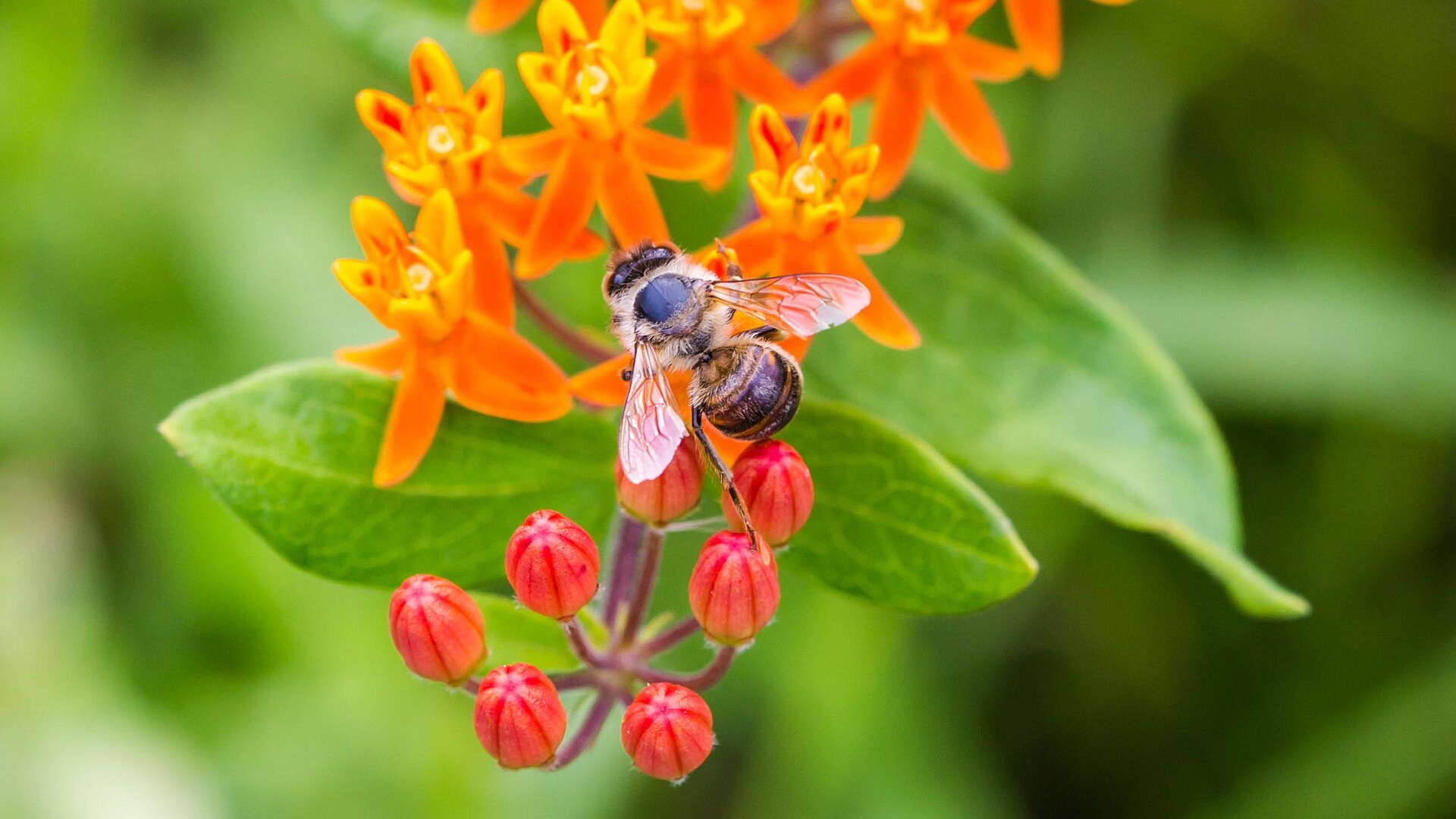
9. Honeybees: Mobilizing Colony Defense With Alarm Odors
When honeybees perceive a threat to the hive or suffer an injury, guard bees release isopentyl acetate, a compound that smells faintly like bananas. This volatile alarm pheromone alerts nearby worker bees to become defensive, rapidly zeroing in on the source of the disturbance.
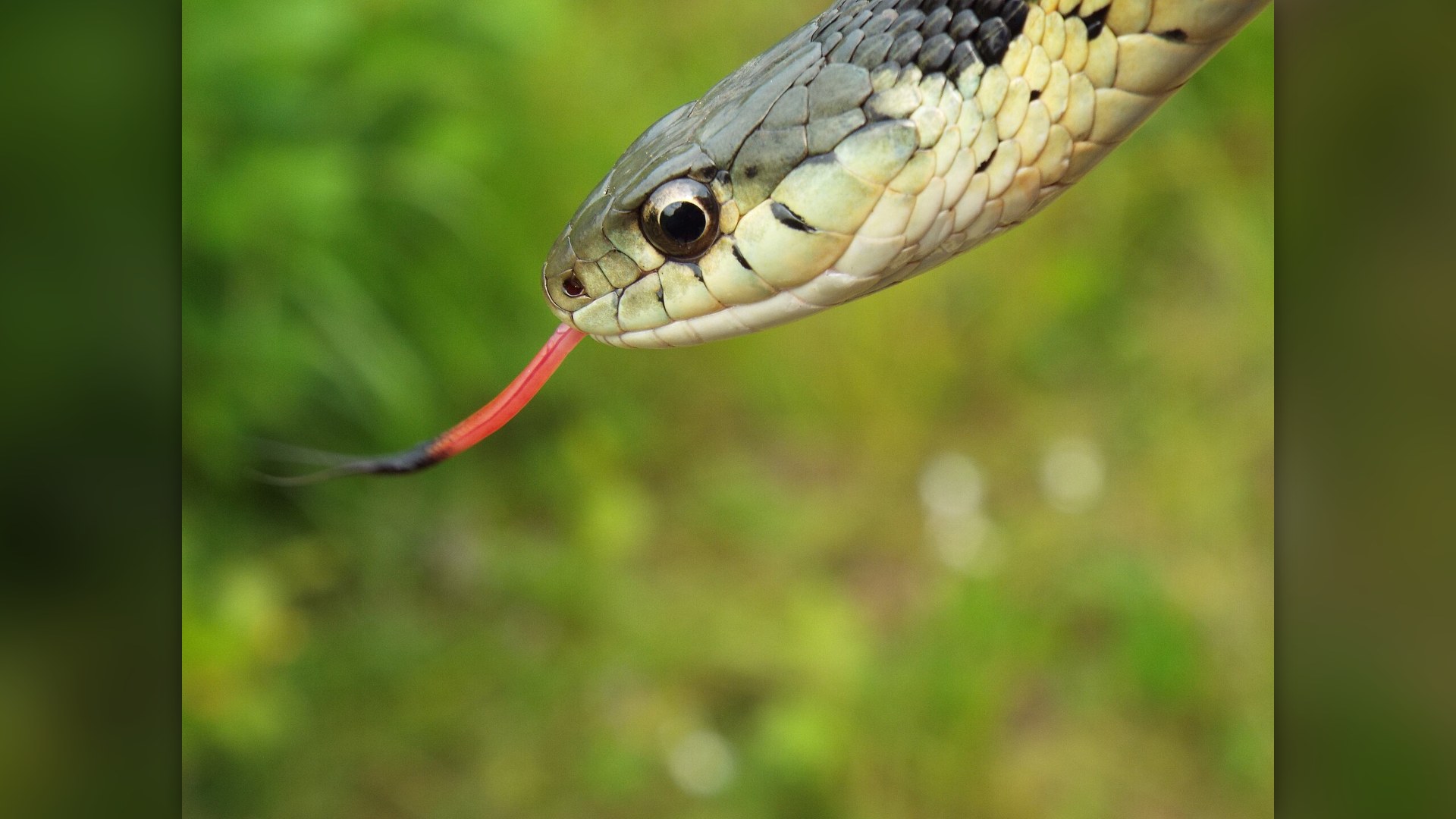
8. Snakes: Tasting Airborne Chemical Distress Molecules
Snakes lack external ears and possess modest eyesight, relying on their forked tongue to sample microscopic scent particles from the air. The tongue delivers these molecules to the internal Jacobson organ, allowing snakes to identify chemical distress markers and body heat shifts emitted by agitated prey.
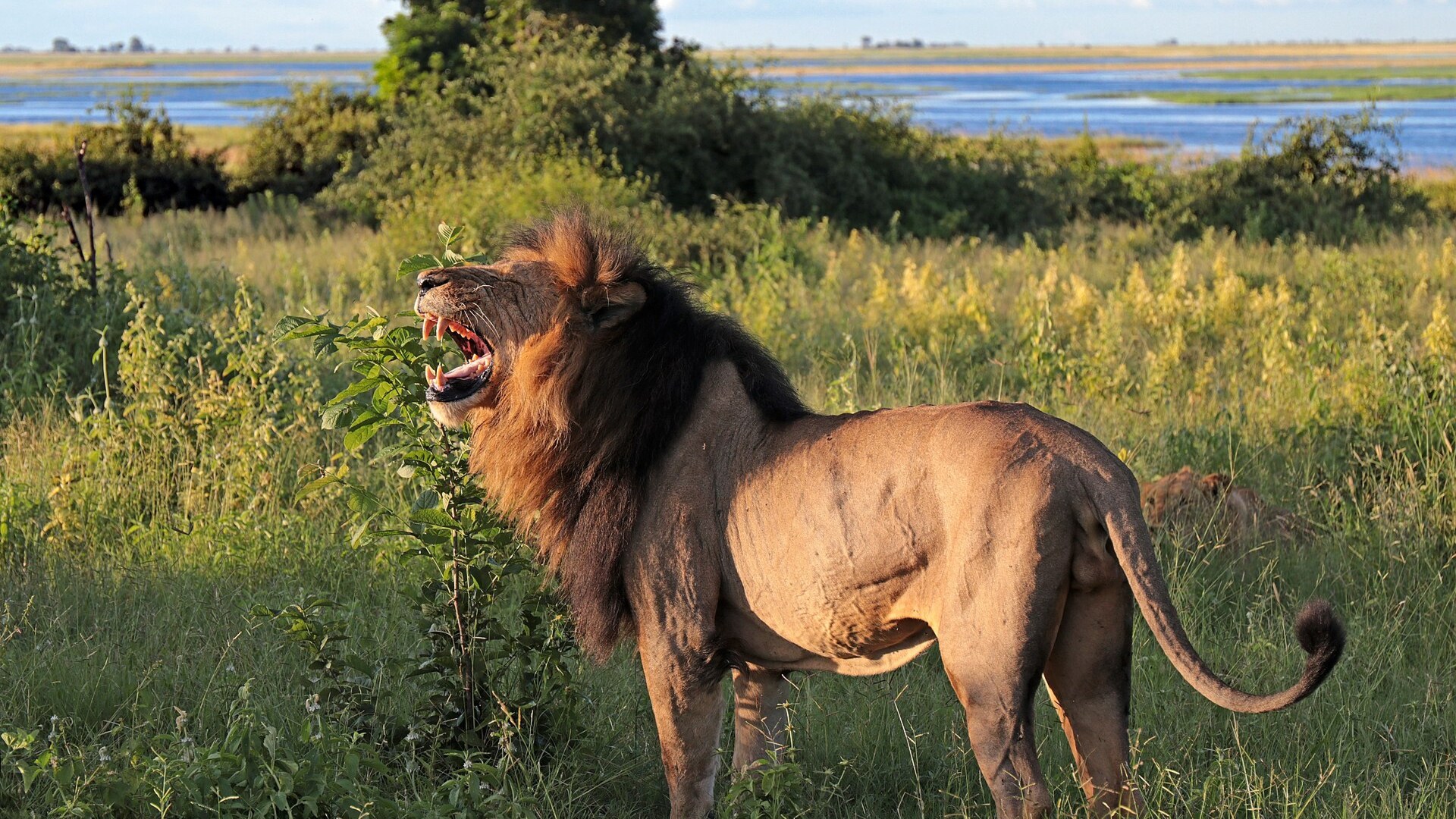
7. Lions: Zeroing In On Stress Odors And Trembling Prey
African lions use acute scent detection to locate prey downwind across savanna plains. When a herd catches wind of a hunting pride, panic causes ungulates to release stress pheromones and display erratic darting motions, which lions immediately identify to focus their coordinated chase.
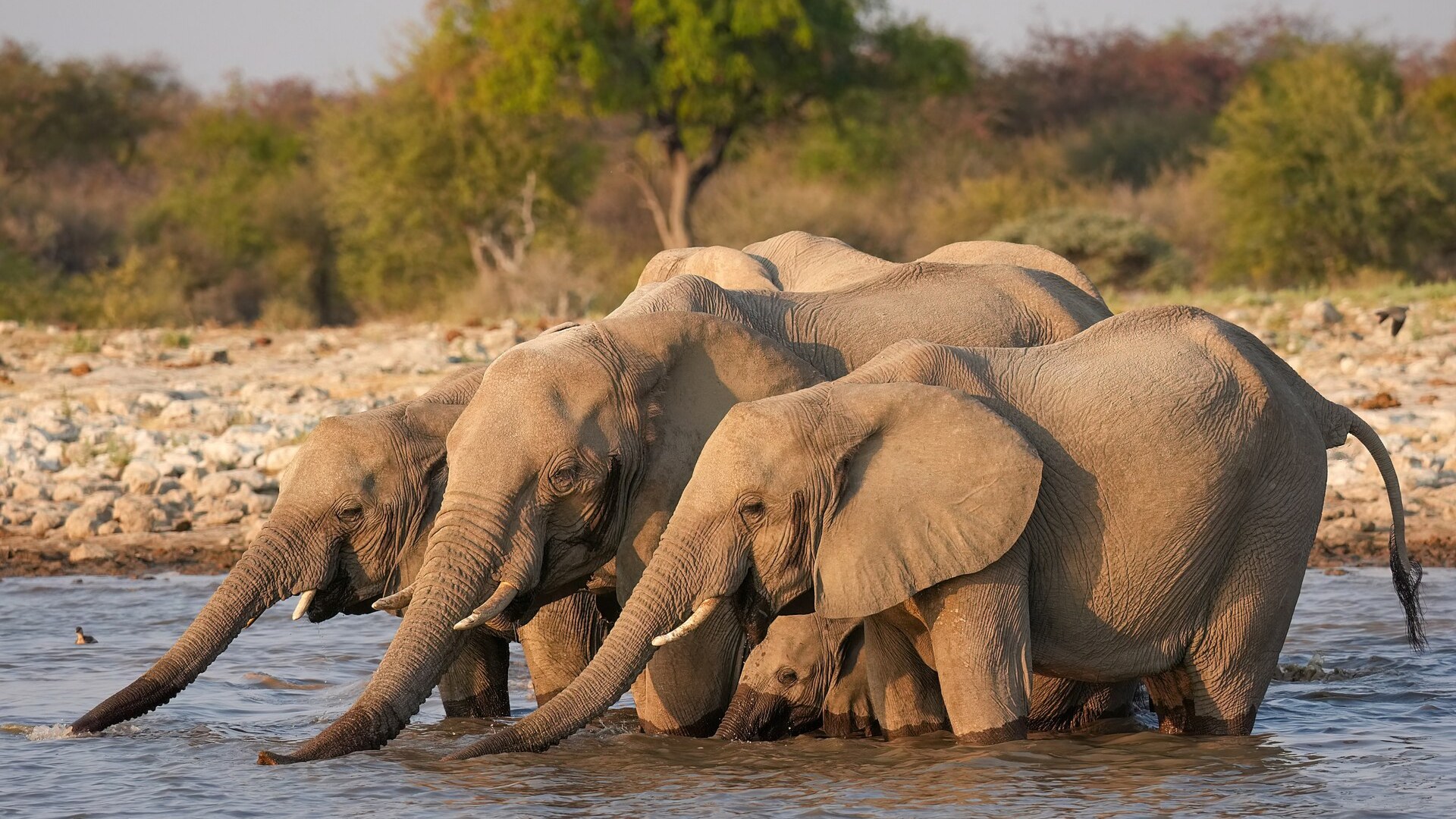
6. African Elephants: Using Keen Olfaction To Assess Threats
African elephants possess nearly two thousand olfactory receptor genes, more than double that of dogs. Field experiments in Kenya showed elephants differentiate between garments worn by peaceful agricultural tribes and aggressive hunting groups, reacting defensively purely based on human scent cues.
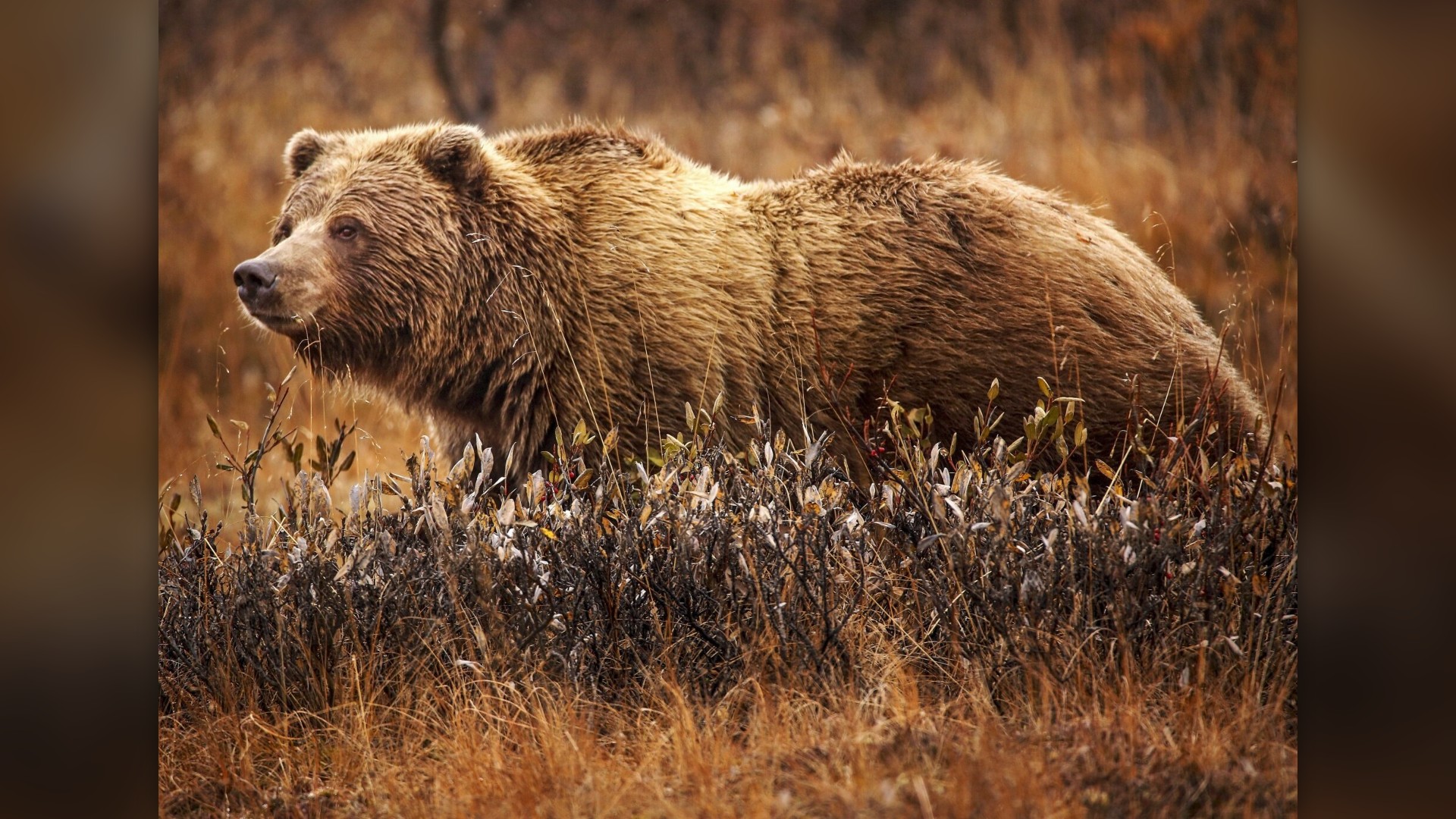
5. Grizzly Bears: Detecting Adrenaline Shifts Across Miles
Grizzly bears have an olfactory bulb five times larger than a human brain, allowing them to detect scents over eighteen miles away. They can detect sharp chemical changes caused by adrenaline rushes and nervous perspiration, using their sense of smell to investigate or avoid human encounters.
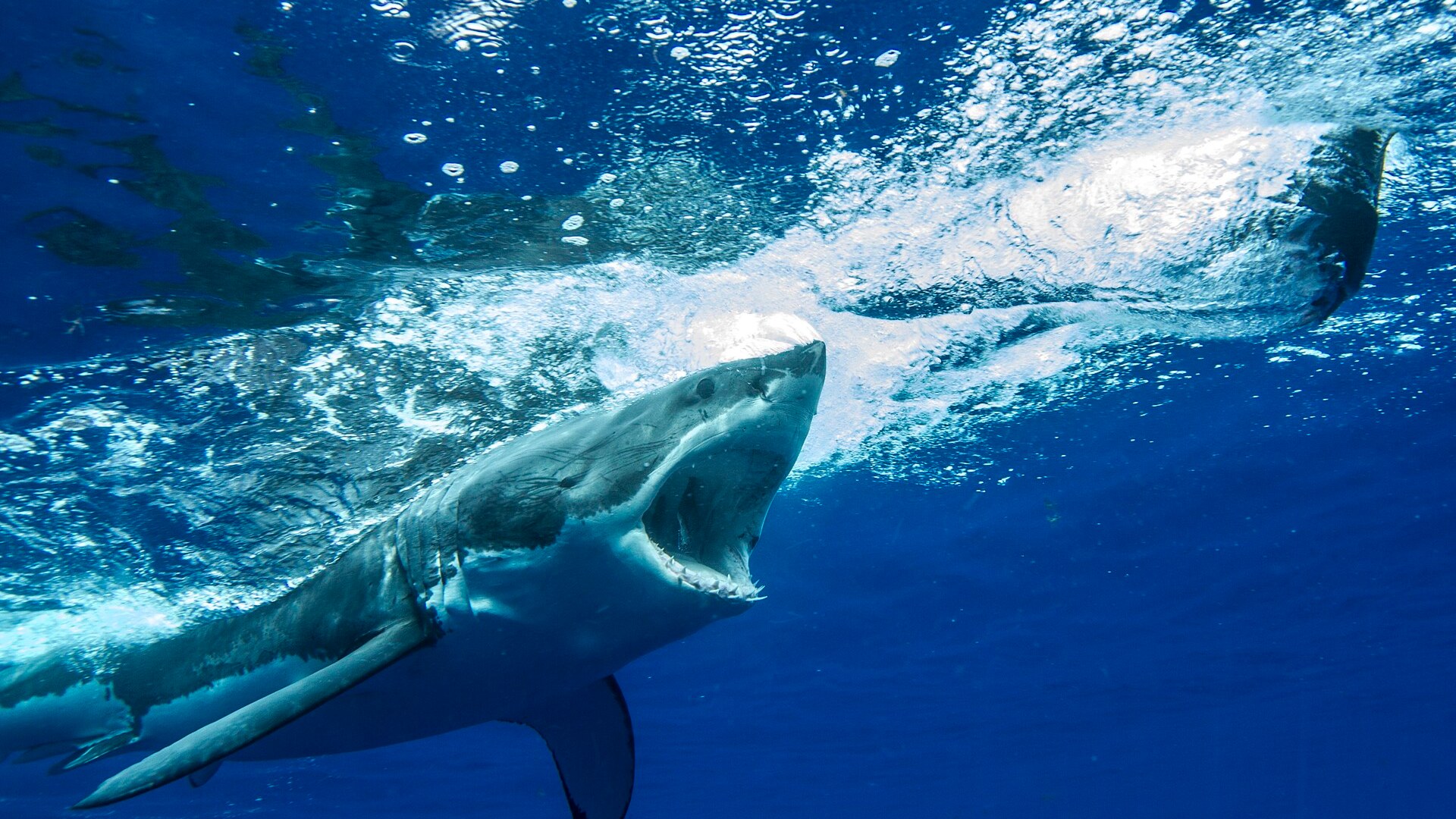
4. Great White Sharks: Tracking Marine Chemical Fear Cues
Sharks possess olfactory organs capable of detecting a single drop of chemical substance in millions of gallons of seawater. In addition to blood, they detect stress secretions and erratic bioelectric discharges produced by thrashing, terrified prey through their ampullae of Lorenzini.
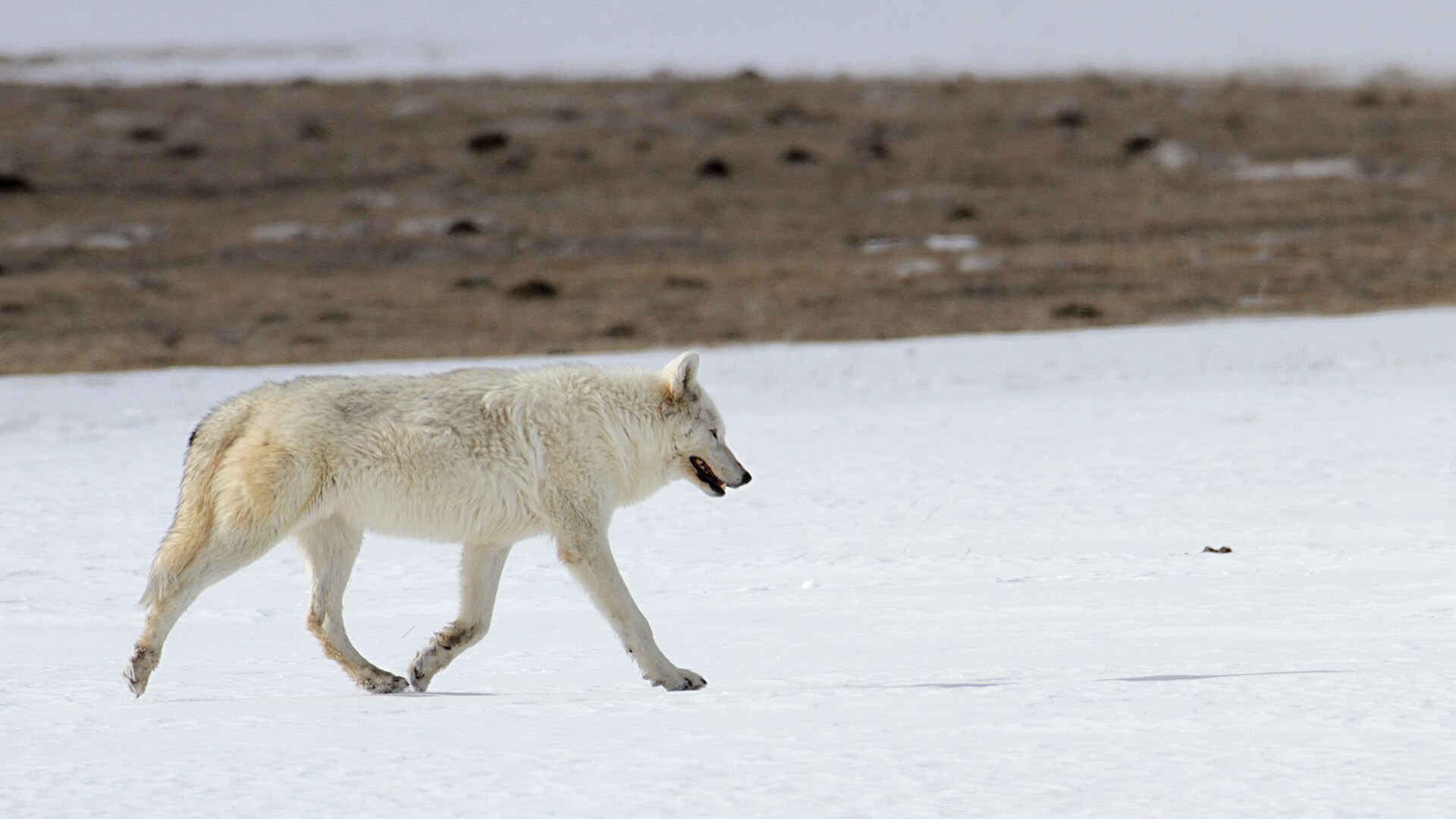
3. Wolves: Sniffing Out Vulnerability And Panic Odors
Wolves possess an olfactory system up to one hundred times more sensitive than humans, allowing them to track scent plumes for miles. By detecting elevated cortisol in urine and sweat along with rapid, shallow breathing, wolves determine which herd member is panicking and vulnerable.
2. Dogs: Distinguishing Human Fear Sweat In Lab Trials
Rigorous scientific studies in animal cognition prove that domestic dogs detect human emotional states solely through scent. In double-blind laboratory trials, dogs exposed to fear sweat displayed significantly elevated heart rates and stress behaviors compared to when exposed to happy sweat.
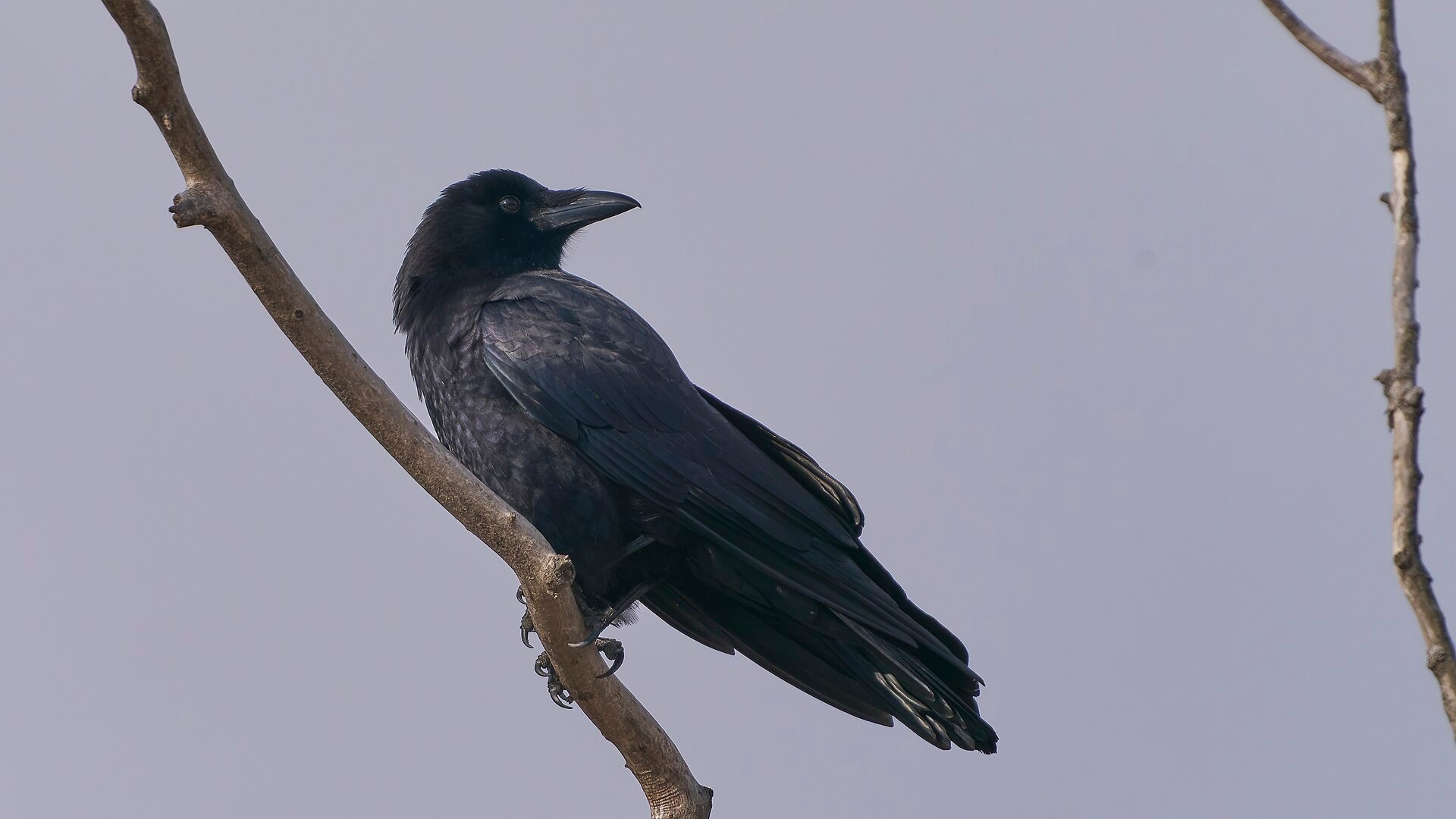
1. Crows: Reading Human Nervousness And Threat Posture
While corvids rely predominantly on sharp visual acuity and acoustic communication rather than olfaction, crows instantly register human fear. Controlled studies show they recognize trembling hands, erratic posture, and nervous eye contact, alerting their flock to nearby agitated or dangerous people.