Slideshow · Money
20 Common Monthly Budgeting Mistakes and Simple Ways to Fix Them
Creating a realistic spending plan is essential for financial stability, yet common missteps often derail even the best intentions. From calculating taxes incorrectly to ignoring seasonal bills, these pitfalls drain personal savings. Learn how to identify ten major budgeting errors and implement practical fixes.

By Most Viral Today
58 min ago

Common Monthly Budgeting Traps and Proven Fixes 
20. Mistake 1: Budgeting With Gross Income 
19. Fix 1: Build Around Take-Home Pay 
18. Mistake 2: Forgetting Irregular Costs - AdvertisementSwipe or tap ▶ to continue countdown

17. Fix 2: Create Sinking Funds 
16. Mistake 3: Guessing Grocery Limits 
15. Fix 3: Review Historical Spending 
14. Mistake 4: Cutting All Fun Spending - AdvertisementSwipe or tap ▶ to continue countdown

13. Fix 4: Include Guilt-Free Pocket Money 
12. Mistake 5: Ignoring Seasonal Utilities 
11. Fix 5: Budget For Peak Usage Months 
10. Mistake 6: Leaving Zero Buffer Room - AdvertisementSwipe or tap ▶ to continue countdown

9. Fix 6: Maintain A Monthly Buffer 
8. Mistake 7: Saving Leftover Cash 
7. Fix 7: Pay Yourself On Payday 
6. Mistake 8: Abandoning Budget Tracking - AdvertisementSwipe or tap ▶ to continue countdown

5. Fix 8: Hold Weekly Ten-Minute Audits 
4. Mistake 9: Accumulating Subscriptions 
3. Fix 9: Run Quarterly Service Audits 
2. Mistake 10: Copying Rigid Frameworks - AdvertisementSwipe or tap ▶ to continue countdown

1. Fix 10: Tailor Frameworks To Reality - Advertisement🔥 UP NEXT IN THIS SERIES◫ 21 Slides

20 Celebrity-Backed Crypto Coins and What Happened After Launch
Celebrity crypto coins surged from 2017 ICOs to the 2025 and 2026 meme coin wave, drawing SEC fines, civil lawsuits and steep market drops. Based on SEC enforcement records, federal court filings and reporting by Forbes, The Block and Bloomberg, these 20 high-profile tokens show what happened after launch.
Household financial management requires balancing daily cash flow with future savings targets. Many Americans encounter pitfalls like planning around gross earnings or omitting irregular expenses. Here are ten frequent household budgeting missteps along with ten sustainable fixes recommended by certified planners.
Swipe or tap ▶ to begin the countdown
©Pixabay / 5317367 & Pixabay / stevepb
20. Mistake 1: Budgeting With Gross Income
Budgeting around gross income is one of the most common early missteps in household finance. Starting with top line salary figures overlooks federal taxes, state withholdings, health insurance premiums, and retirement contributions, producing an inflated baseline that leads directly to monthly cash shortfalls.
©Pixabay / stevepb
19. Fix 1: Build Around Take-Home Pay
Base every budget strictly upon the actual net pay deposited into your checking account each pay period. Using verified deposit records guarantees every dollar assigned to rent, groceries, or debt service represents spendable liquidity rather than theoretical income that never reaches your bank account.
©Pixabay / 5317367
18. Mistake 2: Forgetting Irregular Costs
Predictable annual and biannual costs frequently disrupt household balances when treated as unexpected emergencies. Vehicle registration fees, quarterly insurance premiums, and holiday expenses occur on regular schedules, yet omitting them from ongoing monthly planning triggers avoidable credit card debt.
©Pixabay / geralt
Advertisement
Swipe or tap ▶ to resume the countdown.
17. Fix 2: Create Sinking Funds
Establish dedicated sinking funds for all non-monthly expenses. Calculate the yearly total of predictable irregular bills, divide by twelve, and automatically transfer that sum into dedicated savings buckets every month so large invoices are paid without straining regular monthly cash flow.
©Pixabay / mnplatypus
16. Mistake 3: Guessing Grocery Limits
Underestimating food and dining expenses is an exceptionally common way households break their monthly plans. Setting an unrealistically low target without examining actual grocery receipts and restaurant outings creates immediate frustration, causing many consumers to abandon tracking entirely.
© Photo by Nathália Rosa on Unsplash
15. Fix 3: Review Historical Spending
Review the last sixty to ninety days of bank and credit card activity to determine an accurate baseline for food consumption. Setting limits founded on real past behavior enables realistic, incremental reductions rather than unachievable goals that collapse during the first supermarket trip.
©Pixabay / stevepb
14. Mistake 4: Cutting All Fun Spending
Extreme austerity rarely lasts and frequently backfires. Stripping out every discretionary dollar for morning coffee, movies, or casual social outings creates psychological friction, ultimately leading to budget fatigue and impulsive retaliatory spending sprees that undo weeks of hard work.
©Wikimedia / Jeff Gunn from Atlanta, USA
Advertisement
Swipe or tap ▶ to resume the countdown.
13. Fix 4: Include Guilt-Free Pocket Money
Incorporate a designated personal spending category for each adult in the household. Giving yourself permission to spend a modest monthly sum without tracking every penny preserves morale, making the broader savings and debt reduction plan sustainable across years.
©Pixabay / Pexels
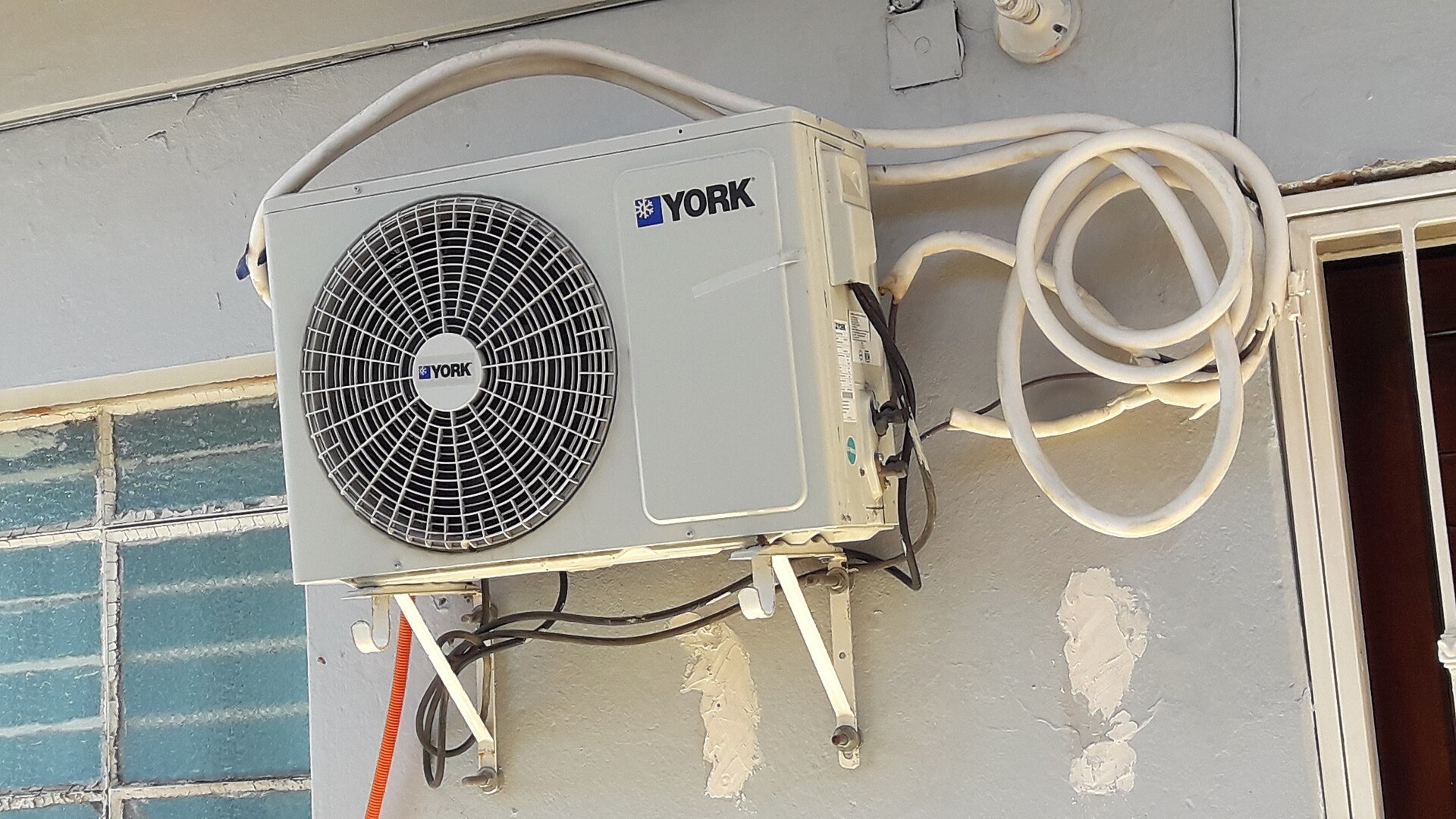
12. Mistake 5: Ignoring Seasonal Utilities
Assuming utility bills stay flat throughout the year is a costly trap for renters and homeowners alike. Running intense air conditioning across July or heating through January creates substantial seasonal billing surges that quickly overrun a flat monthly spending allocation.
©Wikimedia / DogeGamer2015MZT2
11. Fix 5: Budget For Peak Usage Months
Set your monthly utility allocation according to the highest historical month from the preceding year, redirecting surplus funds into savings during milder seasons. Alternatively, enroll in your utility provider's budget billing program to distribute annual energy costs into twelve identical monthly payments.
©Pixabay / Nikiko
10. Mistake 6: Leaving Zero Buffer Room
Zero-based budgeting is powerful, but assigning every dollar down to the exact cent leaves no breathing room. A single minor incident, such as a school textbook fee, parking ticket, or prescription co-pay, instantly pushes the month into negative territory and produces unnecessary anxiety.
©Pixabay / TBIT
Advertisement
Swipe or tap ▶ to resume the countdown.
9. Fix 6: Maintain A Monthly Buffer
Add a dedicated miscellaneous buffer of one hundred to two hundred dollars to each monthly plan. This line item absorbs modest unexpected costs throughout the month without needing adjustments to primary debt repayment or long-term retirement contributions.
©Openverse / Images_of_Money
8. Mistake 7: Saving Leftover Cash
Relying on whatever money happens to remain at the end of thirty days to fund savings accounts is an ineffective wealth-building approach. Daily friction and incidental purchases expand naturally to fill available balances, meaning unallocated checking account funds are spent rather than saved.
©Pixabay / pefertig
7. Fix 7: Pay Yourself On Payday
Implement the classic pay yourself first principle by setting up automated transfers on direct deposit day. Moving savings, emergency reserves, and investment money right when pay arrives locks in progress before discretionary spending decisions occur.
©Pixabay / jarmoluk
6. Mistake 8: Abandoning Budget Tracking
Treating budgeting as a single monthly event on the first of the month leaves households unaware of actual progress. When transactions are never logged, overspending in one category goes completely undetected until debit cards decline or checking account balances dwindle.
©Pixabay / stevepb
Advertisement
Swipe or tap ▶ to resume the countdown.
5. Fix 8: Hold Weekly Ten-Minute Audits
Schedule a recurring ten-minute financial review every Sunday morning. Looking over card charges and account balances each week catches spending anomalies early, providing ample time to adjust remaining discretionary categories before minor leaks become major financial deficits.
©Pixabay / Flyfin
4. Mistake 9: Accumulating Subscriptions
Small recurring memberships quietly sap considerable sums of capital when left unmonitored. Monthly software trials, neglected streaming portals, fitness memberships, and app fees renew automatically, siphoning away hundreds of dollars annually without providing any real value.
©Wikimedia / Matti Blume
3. Fix 9: Run Quarterly Service Audits
Perform a comprehensive quarterly subscription audit by scanning bank and card statements for all automatic renewals. Promptly cancel any service or membership that has remained unused during the prior thirty days, instantly recovering lost cash for important household priorities.
©Pixabay / Tumisu
2. Mistake 10: Copying Rigid Frameworks
Popular rules of thumb like 50/30/20 divide net pay into needs, wants, and savings. However, applying rigid percentages fails in high-cost metro areas where housing alone claims forty percent of income. Forcing a mismatched standard onto your family leads to guilt and abandoned budgeting systems.
©Pixabay / Altnet
Advertisement
Swipe or tap ▶ to resume the countdown.
1. Fix 10: Tailor Frameworks To Reality
Treat standard budgeting ratios as flexible starting points rather than mandatory dogmas. Customize your income distribution to accommodate actual local housing costs, student loan obligations, and personal financial stages while gradually improving your savings rate over time.

©Pixabay / jarmoluk
Advertisement
You've reached the end of the story. Thanks for reading!

20 Celebrity-Backed Crypto Coins and What Happened After Launch
Celebrity crypto coins surged from 2017 ICOs to the 2025 and 2026 meme coin wave, drawing SEC fines, civil lawsuits and steep market drops. Based on SEC enforcement records, federal court filings and reporting by Forbes, The Block and Bloomberg, these 20 high-profile tokens show what happened after launch.
All 20 Entries in this Story
Mistake 1: Budgeting With Gross Income
Budgeting around gross income is one of the most common early missteps in household finance. Starting with top line salary figures overlooks federal taxes, state withholdings, health insurance premiums, and retirement contributions, producing an inflated baseline that leads directly to monthly cash shortfalls.

Fix 1: Build Around Take-Home Pay
Base every budget strictly upon the actual net pay deposited into your checking account each pay period. Using verified deposit records guarantees every dollar assigned to rent, groceries, or debt service represents spendable liquidity rather than theoretical income that never reaches your bank account.

Mistake 2: Forgetting Irregular Costs
Predictable annual and biannual costs frequently disrupt household balances when treated as unexpected emergencies. Vehicle registration fees, quarterly insurance premiums, and holiday expenses occur on regular schedules, yet omitting them from ongoing monthly planning triggers avoidable credit card debt.

Fix 2: Create Sinking Funds
Establish dedicated sinking funds for all non-monthly expenses. Calculate the yearly total of predictable irregular bills, divide by twelve, and automatically transfer that sum into dedicated savings buckets every month so large invoices are paid without straining regular monthly cash flow.

Mistake 3: Guessing Grocery Limits
Underestimating food and dining expenses is an exceptionally common way households break their monthly plans. Setting an unrealistically low target without examining actual grocery receipts and restaurant outings creates immediate frustration, causing many consumers to abandon tracking entirely.

Fix 3: Review Historical Spending
Review the last sixty to ninety days of bank and credit card activity to determine an accurate baseline for food consumption. Setting limits founded on real past behavior enables realistic, incremental reductions rather than unachievable goals that collapse during the first supermarket trip.

Mistake 4: Cutting All Fun Spending
Extreme austerity rarely lasts and frequently backfires. Stripping out every discretionary dollar for morning coffee, movies, or casual social outings creates psychological friction, ultimately leading to budget fatigue and impulsive retaliatory spending sprees that undo weeks of hard work.

Fix 4: Include Guilt-Free Pocket Money
Incorporate a designated personal spending category for each adult in the household. Giving yourself permission to spend a modest monthly sum without tracking every penny preserves morale, making the broader savings and debt reduction plan sustainable across years.

Mistake 5: Ignoring Seasonal Utilities
Assuming utility bills stay flat throughout the year is a costly trap for renters and homeowners alike. Running intense air conditioning across July or heating through January creates substantial seasonal billing surges that quickly overrun a flat monthly spending allocation.

Fix 5: Budget For Peak Usage Months
Set your monthly utility allocation according to the highest historical month from the preceding year, redirecting surplus funds into savings during milder seasons. Alternatively, enroll in your utility provider's budget billing program to distribute annual energy costs into twelve identical monthly payments.

Mistake 6: Leaving Zero Buffer Room
Zero-based budgeting is powerful, but assigning every dollar down to the exact cent leaves no breathing room. A single minor incident, such as a school textbook fee, parking ticket, or prescription co-pay, instantly pushes the month into negative territory and produces unnecessary anxiety.

Fix 6: Maintain A Monthly Buffer
Add a dedicated miscellaneous buffer of one hundred to two hundred dollars to each monthly plan. This line item absorbs modest unexpected costs throughout the month without needing adjustments to primary debt repayment or long-term retirement contributions.

Mistake 7: Saving Leftover Cash
Relying on whatever money happens to remain at the end of thirty days to fund savings accounts is an ineffective wealth-building approach. Daily friction and incidental purchases expand naturally to fill available balances, meaning unallocated checking account funds are spent rather than saved.

Fix 7: Pay Yourself On Payday
Implement the classic pay yourself first principle by setting up automated transfers on direct deposit day. Moving savings, emergency reserves, and investment money right when pay arrives locks in progress before discretionary spending decisions occur.

Mistake 8: Abandoning Budget Tracking
Treating budgeting as a single monthly event on the first of the month leaves households unaware of actual progress. When transactions are never logged, overspending in one category goes completely undetected until debit cards decline or checking account balances dwindle.

Fix 8: Hold Weekly Ten-Minute Audits
Schedule a recurring ten-minute financial review every Sunday morning. Looking over card charges and account balances each week catches spending anomalies early, providing ample time to adjust remaining discretionary categories before minor leaks become major financial deficits.

Mistake 9: Accumulating Subscriptions
Small recurring memberships quietly sap considerable sums of capital when left unmonitored. Monthly software trials, neglected streaming portals, fitness memberships, and app fees renew automatically, siphoning away hundreds of dollars annually without providing any real value.

Fix 9: Run Quarterly Service Audits
Perform a comprehensive quarterly subscription audit by scanning bank and card statements for all automatic renewals. Promptly cancel any service or membership that has remained unused during the prior thirty days, instantly recovering lost cash for important household priorities.

Mistake 10: Copying Rigid Frameworks
Popular rules of thumb like 50/30/20 divide net pay into needs, wants, and savings. However, applying rigid percentages fails in high-cost metro areas where housing alone claims forty percent of income. Forcing a mismatched standard onto your family leads to guilt and abandoned budgeting systems.

Fix 10: Tailor Frameworks To Reality
Treat standard budgeting ratios as flexible starting points rather than mandatory dogmas. Customize your income distribution to accommodate actual local housing costs, student loan obligations, and personal financial stages while gradually improving your savings rate over time.