Slideshow · Science
20 Foods That Rarely Expire, Ranked by Shelf Life
Food scientists reveal that certain staples can remain safe to eat for decades or even centuries when stored properly. By eliminating moisture, raising acidity, or concentrating natural preservatives, these twenty foods resist bacterial breakdown and chemical decay to deliver unmatched long-term stability.
By Most Viral Today
39 min ago

Foods That Never Expire 
20. Dark Chocolate: High Cocoa Butter Stability 
19. Baking Soda: Pure Inorganic Mineral Salt 
18. Powdered Milk: Moisture And Fat Removed - AdvertisementSwipe or tap ▶ to continue countdown

17. Ghee: Clarified Pure Butterfat 
16. Pemmican: Lean Dried Meat And Tallow 
15. Hardtack: Completely Dehydrated Biscuit 
14. Instant Coffee: Vacuum Freeze-Dried Granules - AdvertisementSwipe or tap ▶ to continue countdown

13. Dried Pasta: Durum Wheat Without Moisture 
12. Rolled Oats: Low Lipid Sealed Grain 
11. Dried Beans: Dormant Plant Enzymes 
10. Pure Maple Syrup: Extreme Sugar Density - AdvertisementSwipe or tap ▶ to continue countdown

9. Soy Sauce: High Sodium And Fermentation Acids 
8. White Rice: Milled Grain Free Of Oils 
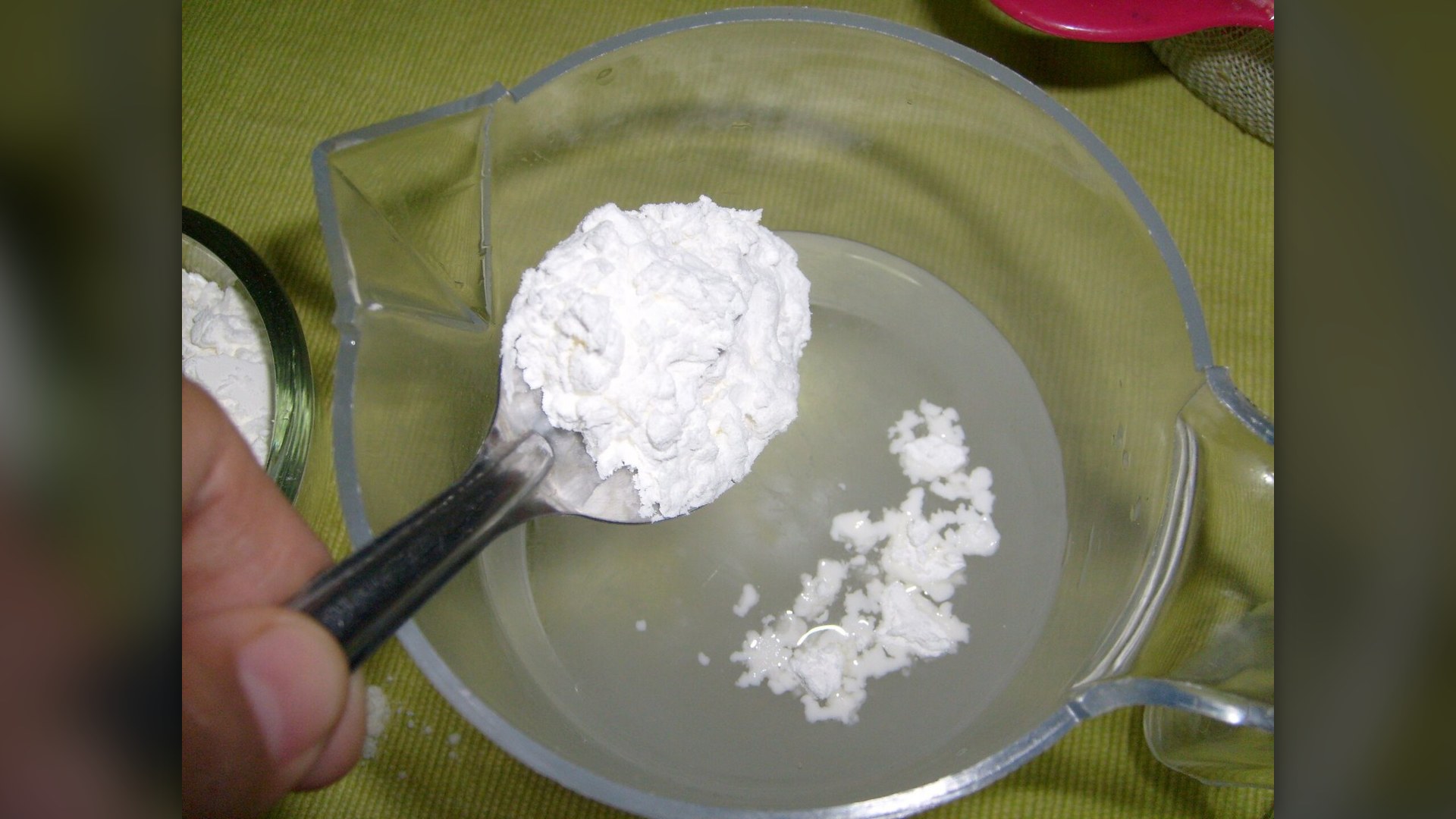
7. Cornstarch: Pure Refined Carbohydrate 
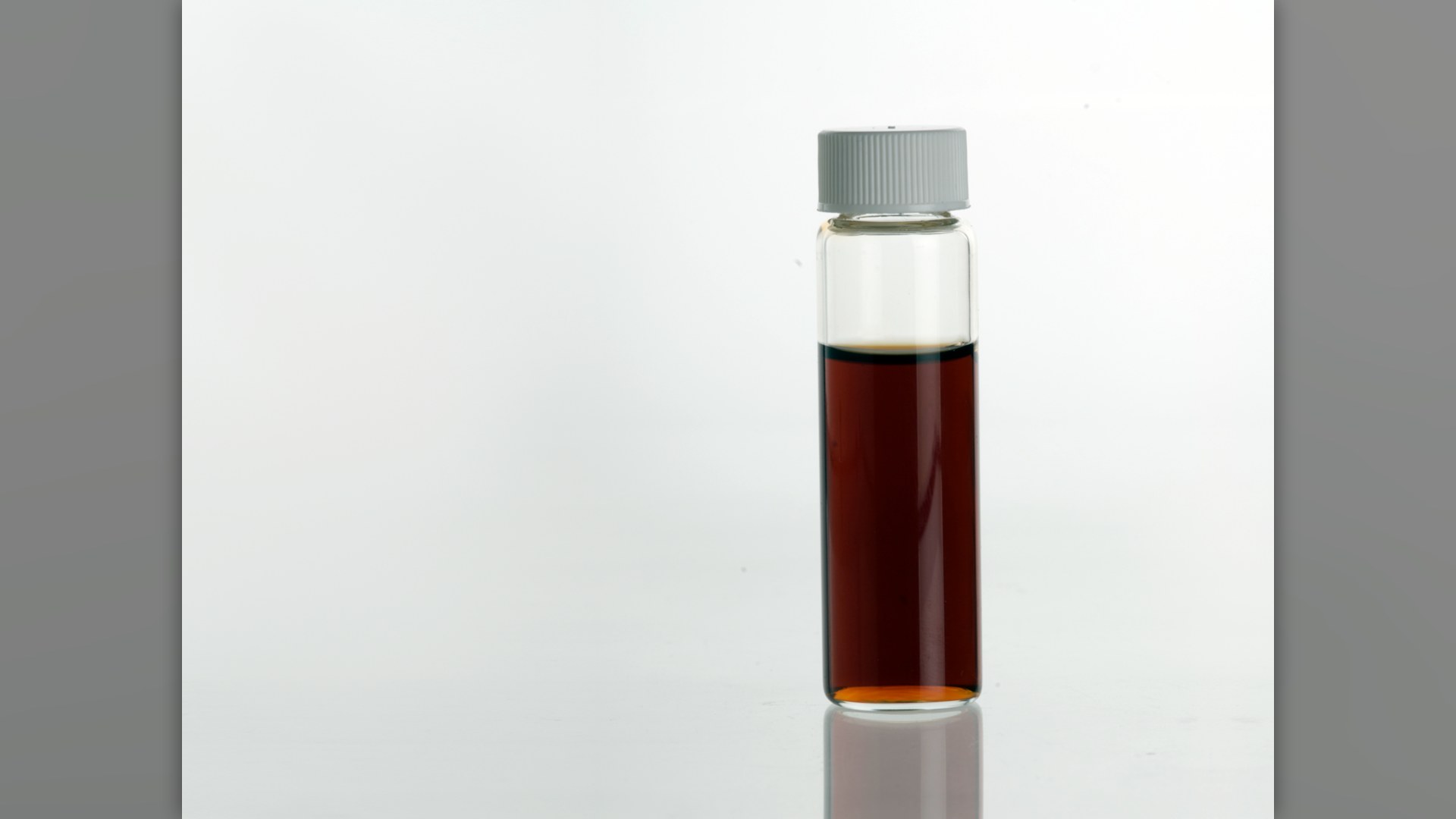
6. Pure Vanilla Extract: High Alcohol Preservation - AdvertisementSwipe or tap ▶ to continue countdown

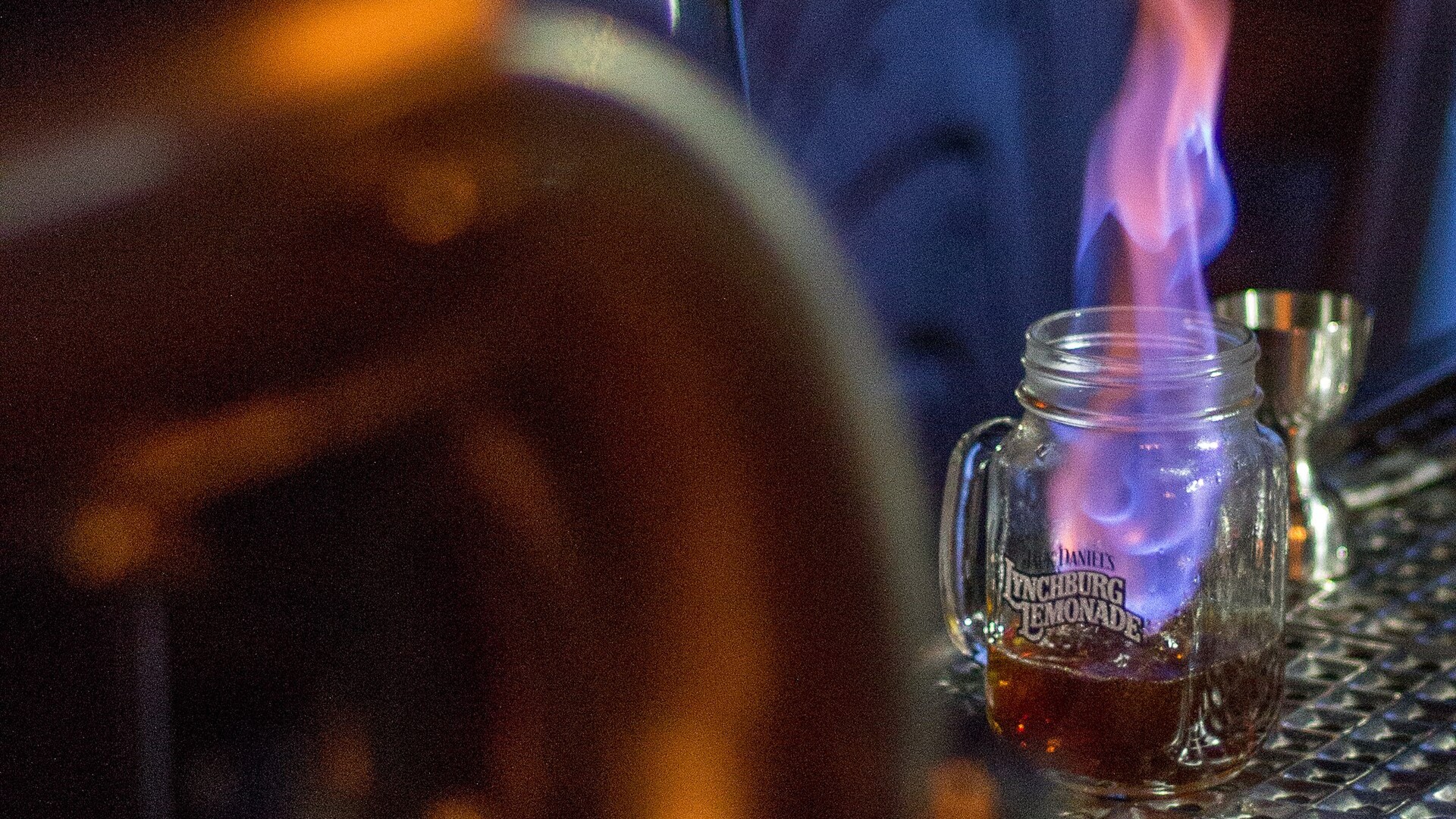
5. High-Proof Spirits: Microbial Cell Lysis 
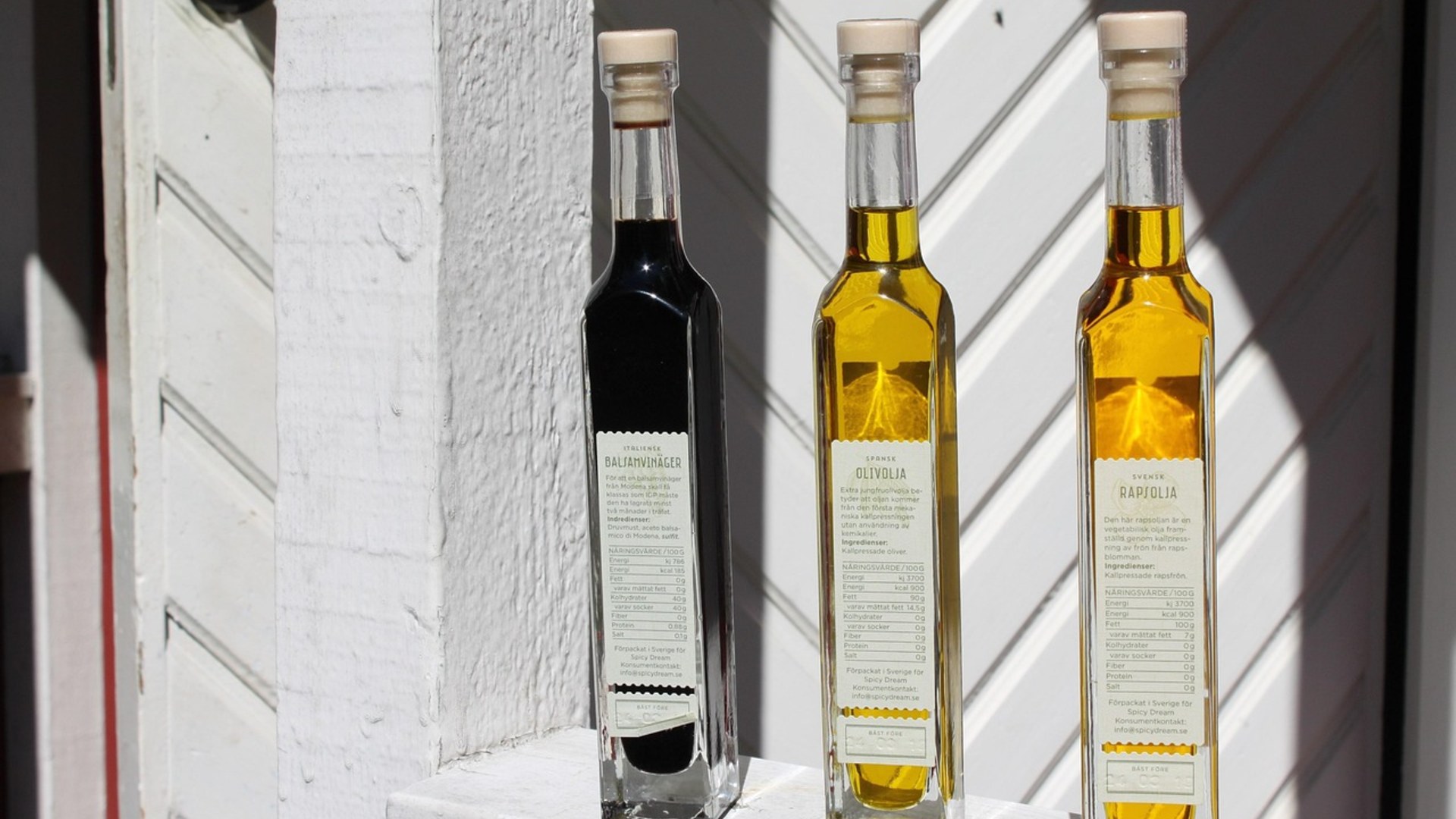
4. Distilled White Vinegar: High Acetic Acidity 
3. White Sugar: Osmotic Bacteria Dehydration 
2. Pure Salt: Sterile Inorganic Mineral - AdvertisementSwipe or tap ▶ to continue countdown

1. Raw Honey: Natural Hydrogen Peroxide And Low pH - Advertisement🔥 UP NEXT IN THIS SERIES◫ 26 Slides

25 Bold Aircraft Designs That Failed in Aviation History
From nine-wing flying boats to Mach 3 bombers, aviation history is filled with bold machines that ran into budget cuts, engine trouble, or fatal crashes. Based on records from the Smithsonian National Air and Space Museum, NASA, the US Air Force, and military archives, here are 25 designs that fell short.
Research from the USDA Food Safety and Inspection Service and university food science labs demonstrates how physical chemistry protects shelf-stable foods. By examining water activity levels, osmotic pressure, and natural antimicrobial compounds, this countdown explores twenty culinary marvels that withstand decades.
Swipe or tap ▶ to begin the countdown
©Pixabay / fancycrave1
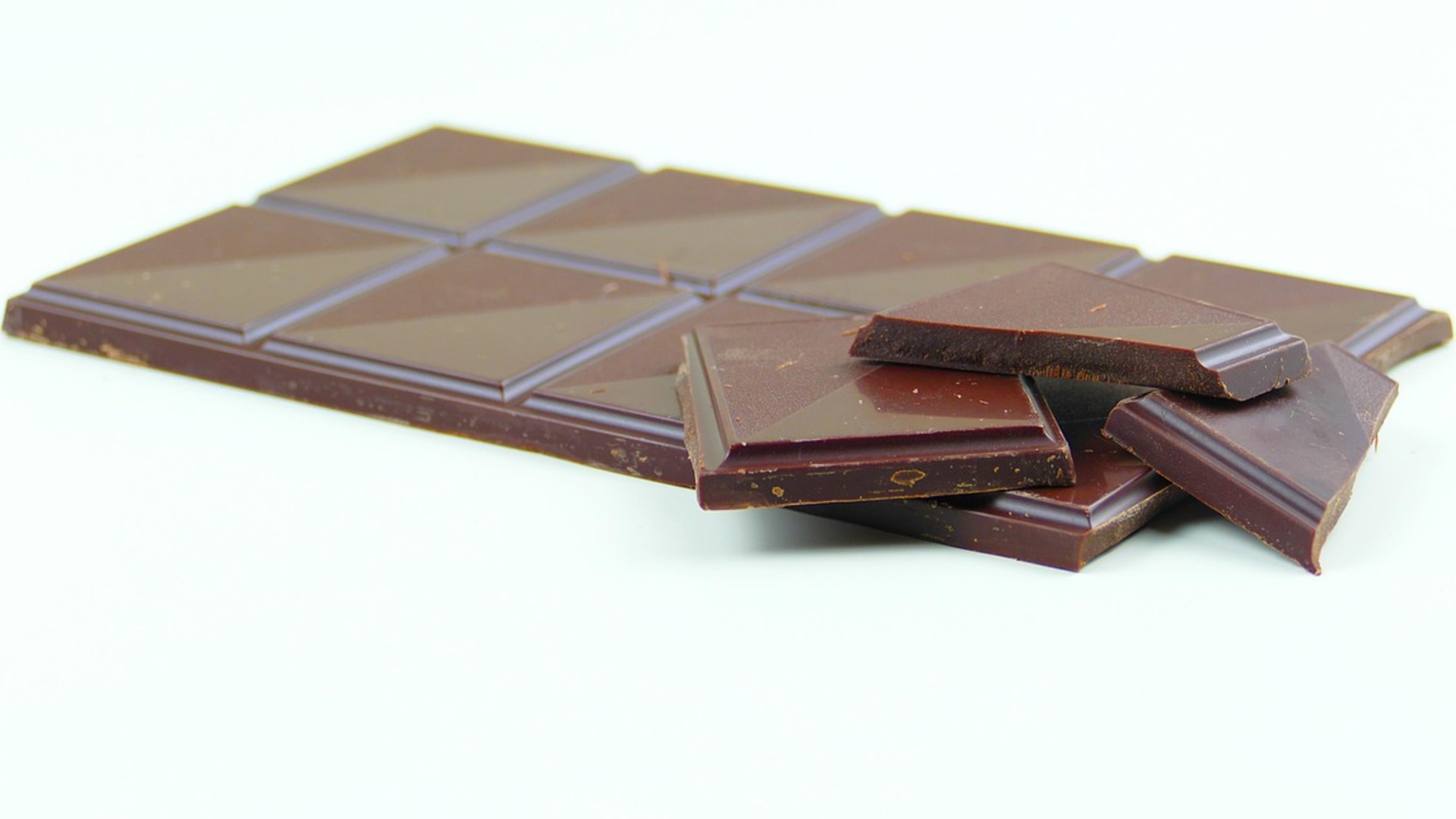
20. Dark Chocolate: High Cocoa Butter Stability
The absence of dairy fats and water prevents microbial spoilage and bacterial growth. While temperature shifts can create a harmless white cocoa butter bloom on the surface, the core chocolate remains completely safe and flavorful for decades in sealed packaging.
©Pixabay / elsenaju
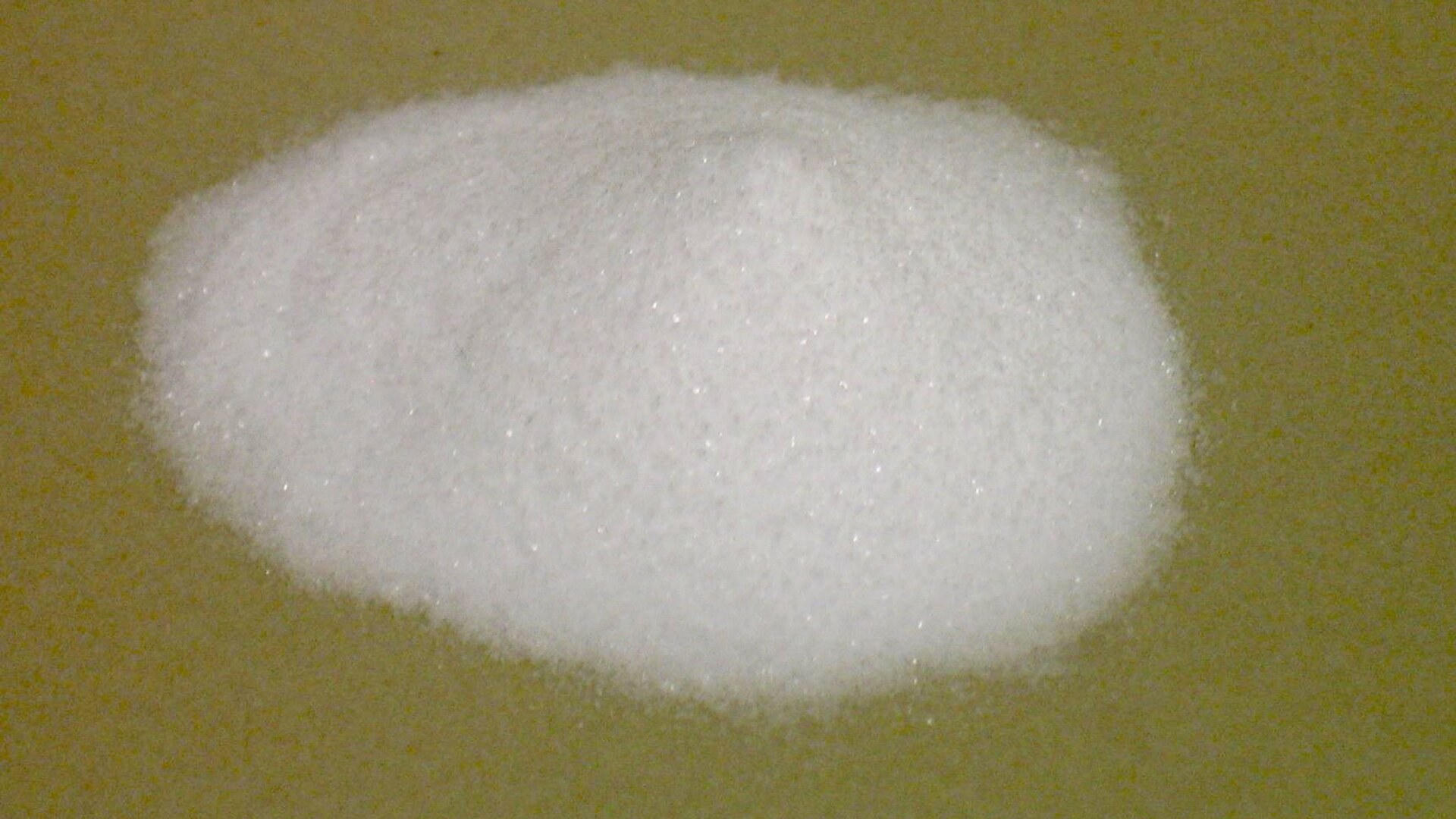
19. Baking Soda: Pure Inorganic Mineral Salt
Because sodium bicarbonate is a stable inorganic chemical compound, bacteria and fungi cannot feed on it. While humidity can cause clumping and slowly diminish its baking leavening potency over decades, it remains an effective cleaning and odor-neutralizing mineral forever.
©Wikimedia / Thavox
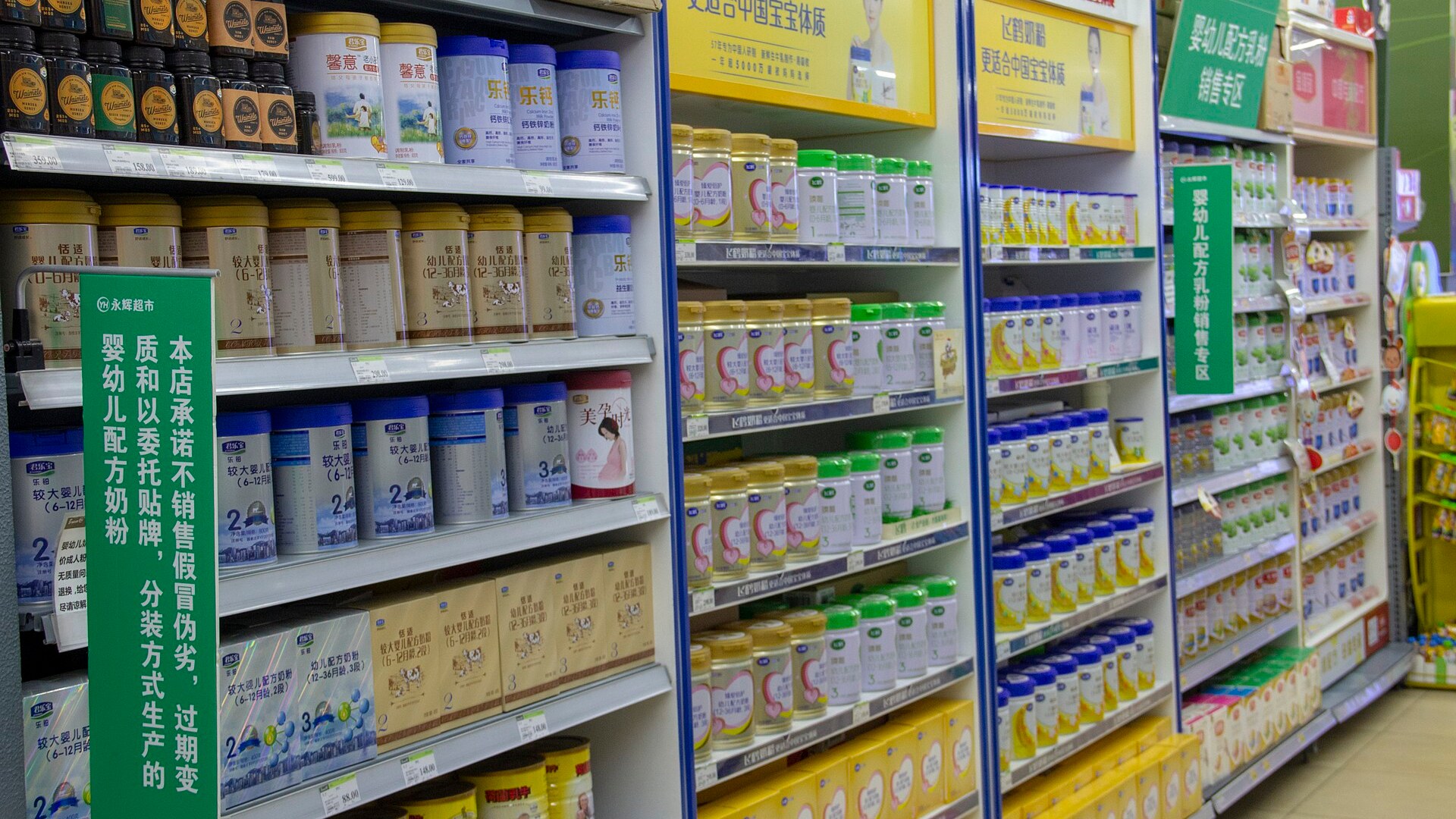
18. Powdered Milk: Moisture And Fat Removed
Commercial spray drying strips milk down to three percent moisture while removing vulnerable fats that turn rancid. When packaged in airtight Mylar pouches with oxygen absorbers, nonfat dry milk powder retains its protein content and essential nutrients for over twenty years.
©Wikimedia / 維基小霸王
Advertisement
Swipe or tap ▶ to resume the countdown.
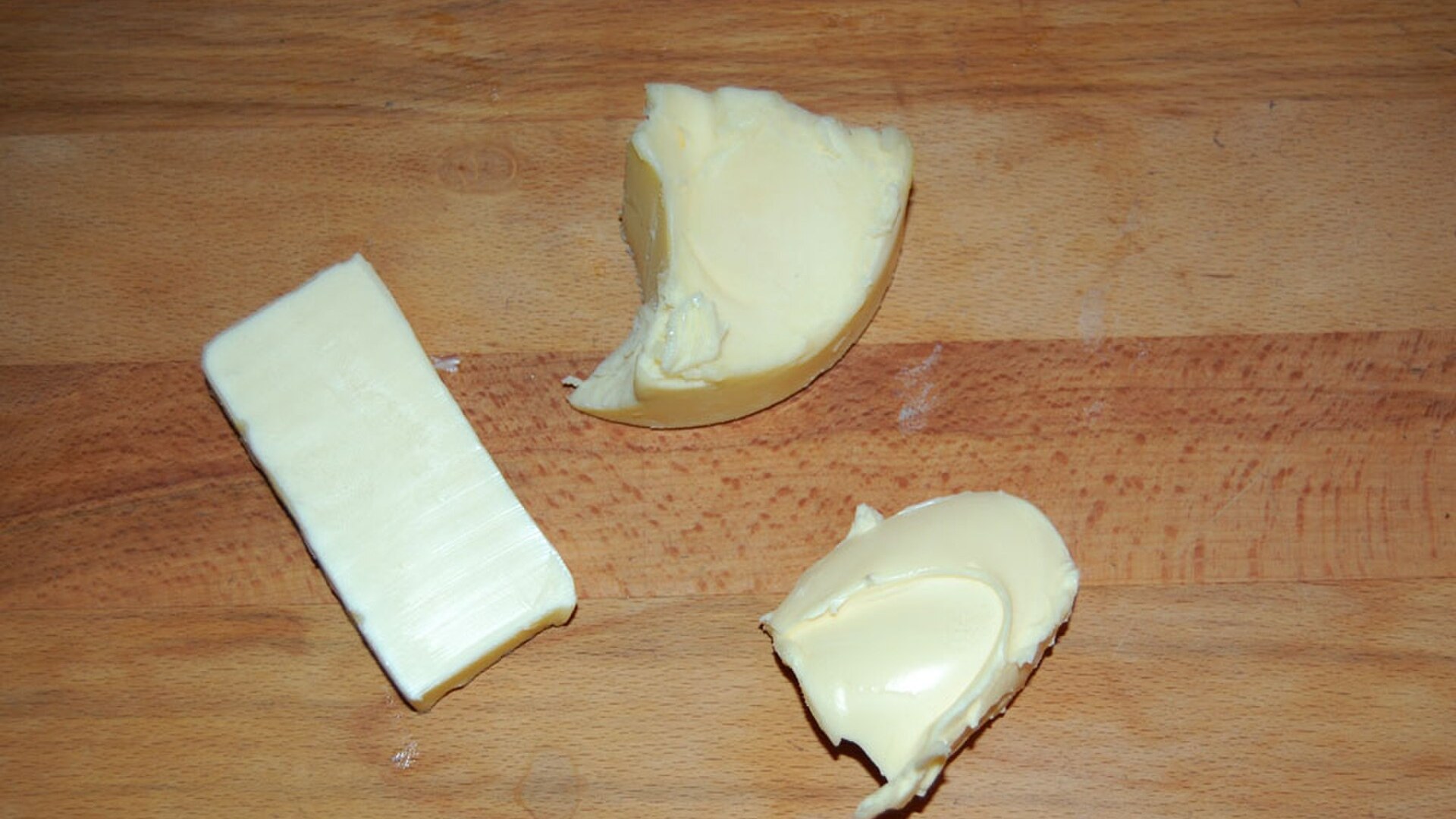
17. Ghee: Clarified Pure Butterfat
Traditional clarified butter eliminates both water and milk proteins like casein and lactose. Without liquid water to support fungal activity or milk solids to sour, sealed jars of traditional ghee remain culinary staples that stay fresh for many years without refrigeration.
©Wikimedia / Necrophorus
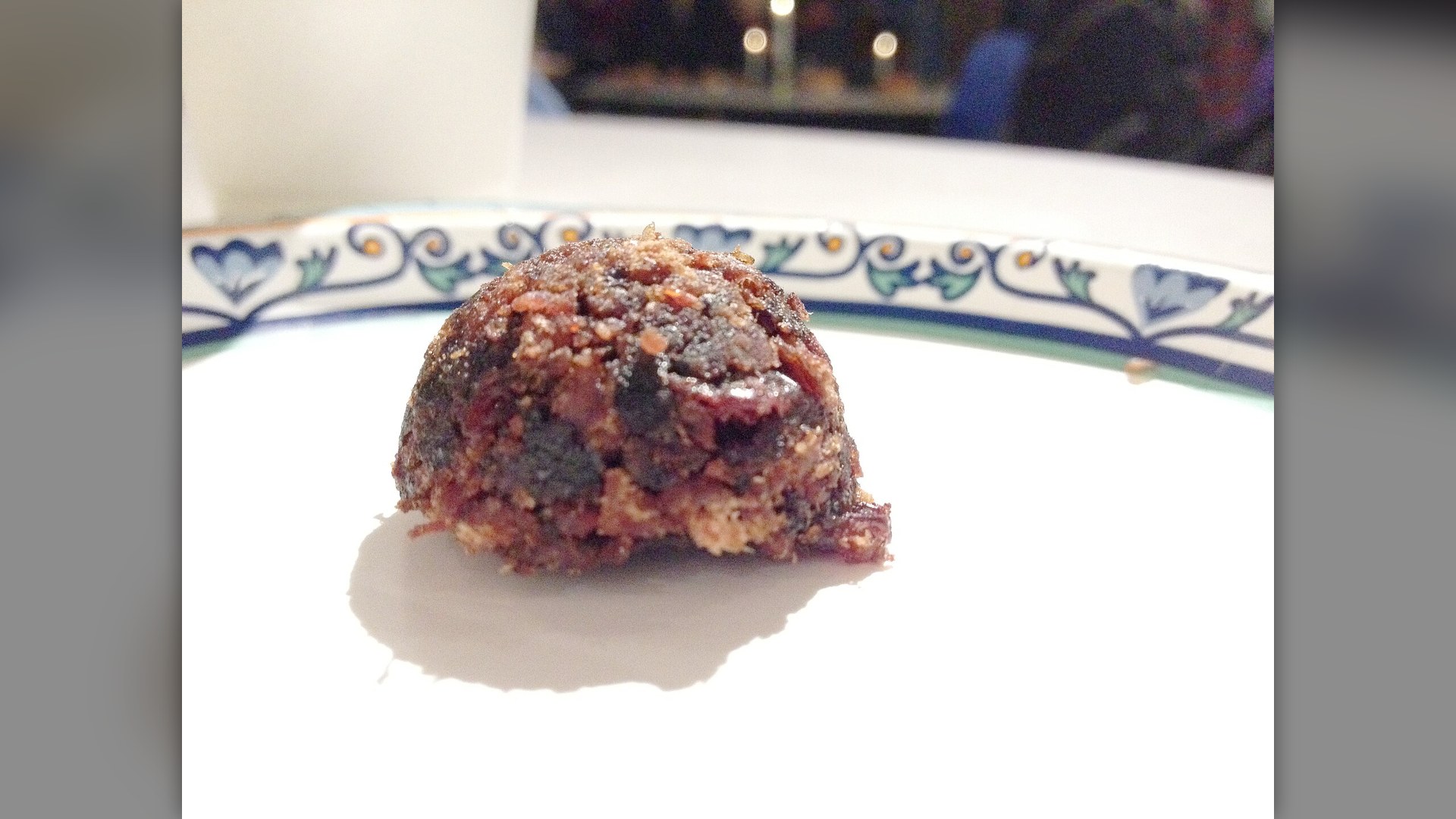
16. Pemmican: Lean Dried Meat And Tallow
By pulverizing thoroughly dried bison or beef and blending it with melted tallow, hunters created an ultimate survival ration. Rendered tallow seals every muscle fiber against atmospheric oxygen and dampness, preventing bacterial decay for several decades.
©Wikimedia / Jen Arrr
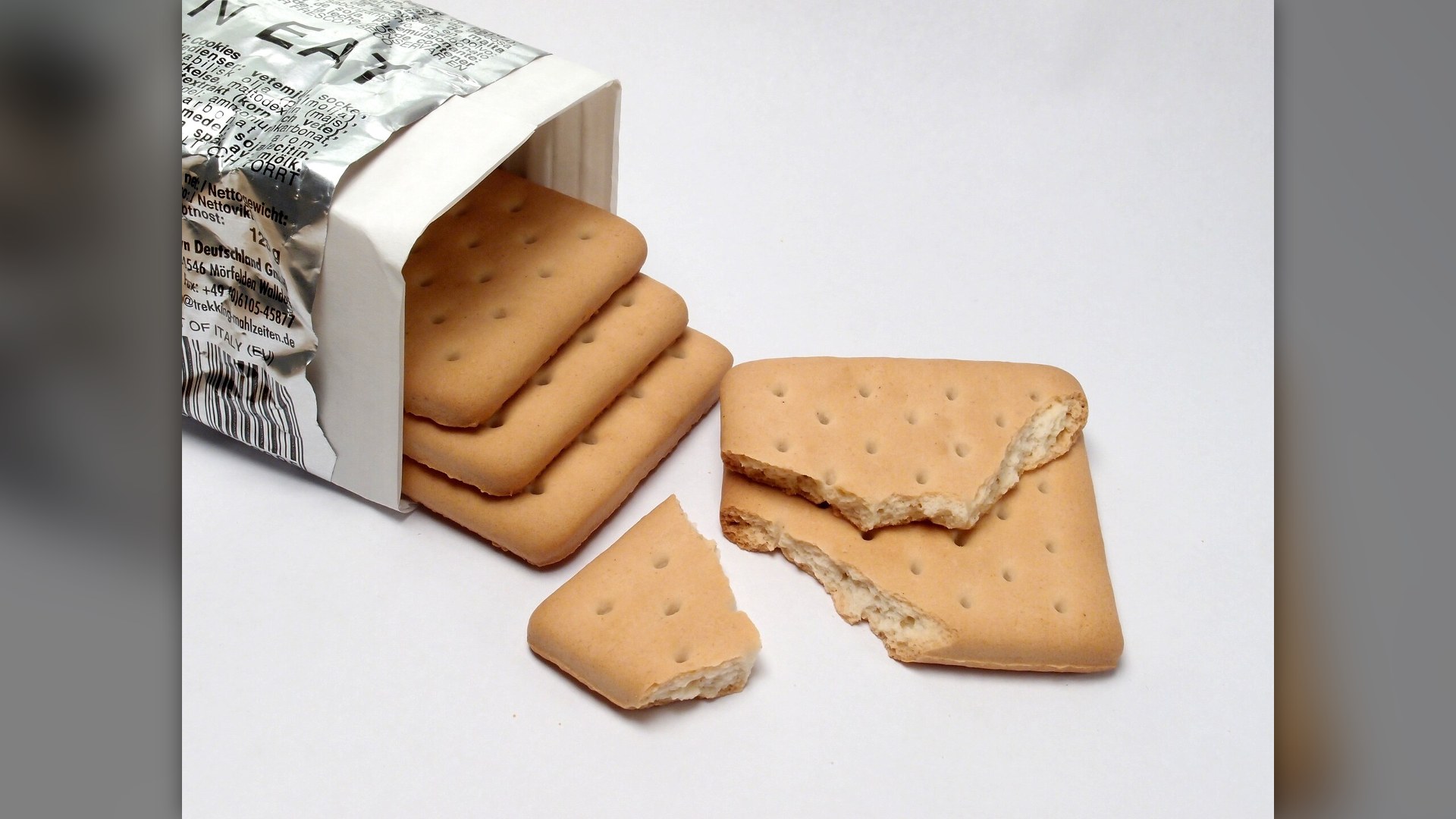
15. Hardtack: Completely Dehydrated Biscuit
Known historically as ship biscuit or soldier bread, hardtack relies on repeated oven baking to achieve near-zero moisture content. Without hydration, bacteria and mold cannot take root, allowing military rations preserved in dry tin boxes to remain intact for decades.
©Wikimedia / SKopp
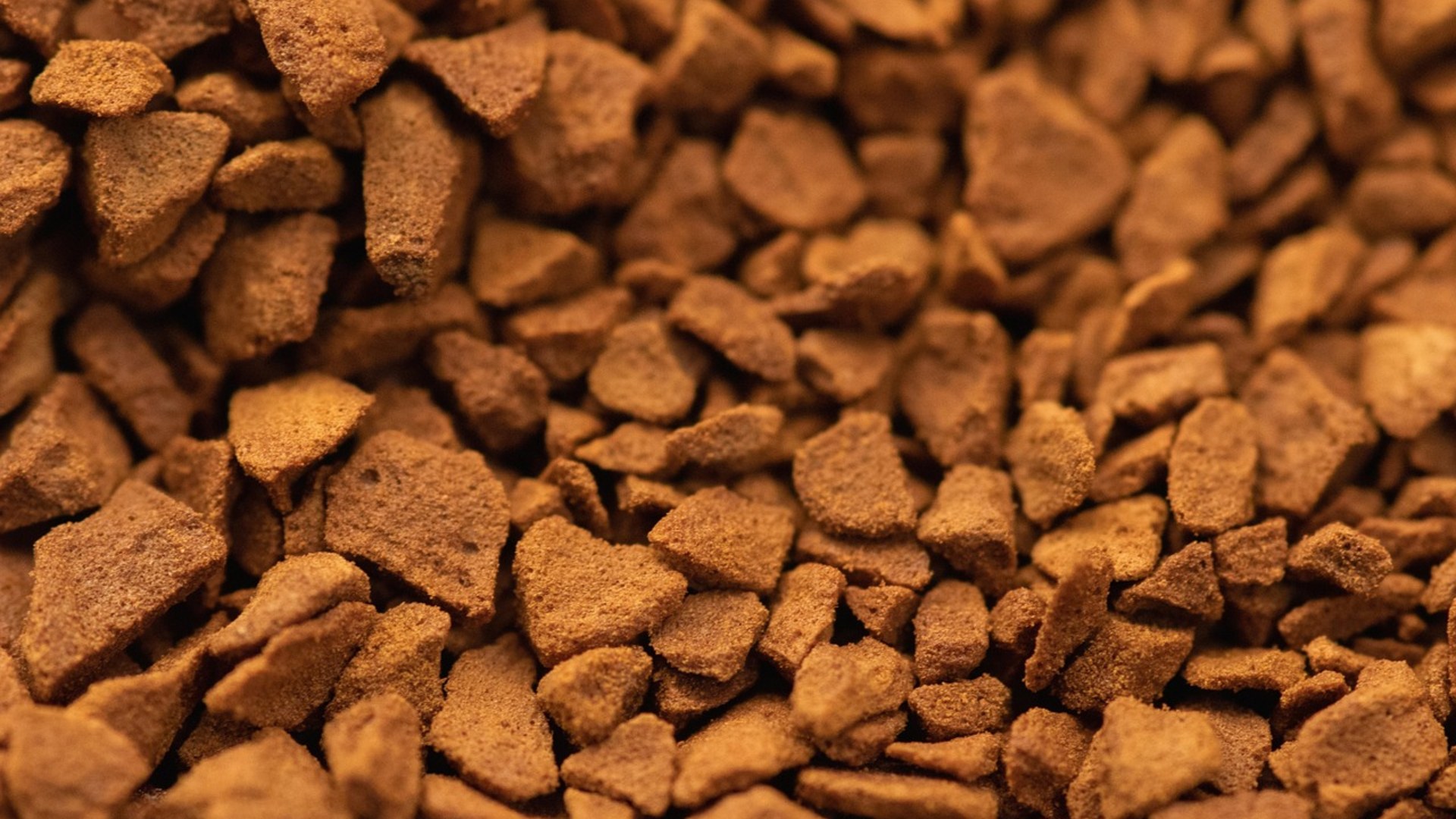
14. Instant Coffee: Vacuum Freeze-Dried Granules
Industrial sublimation removes ice under high vacuum conditions, bypassing the liquid phase to keep cell structures dry. Kept away from humidity, vacuum-sealed jars of instant coffee powder remain flavorful and resistant to microbial deterioration for twenty to thirty years.
©Pixabay / Agape-frequency
Advertisement
Swipe or tap ▶ to resume the countdown.
13. Dried Pasta: Durum Wheat Without Moisture
Extruded durum wheat semolina is dehydrated down to twelve percent moisture, which lies well beneath the safety threshold for mold development. Sealed in moisture-proof containers, dry spaghetti and macaroni sustain their caloric value and carbohydrate profile for thirty years.
©Pixabay / Engin_Akyurt
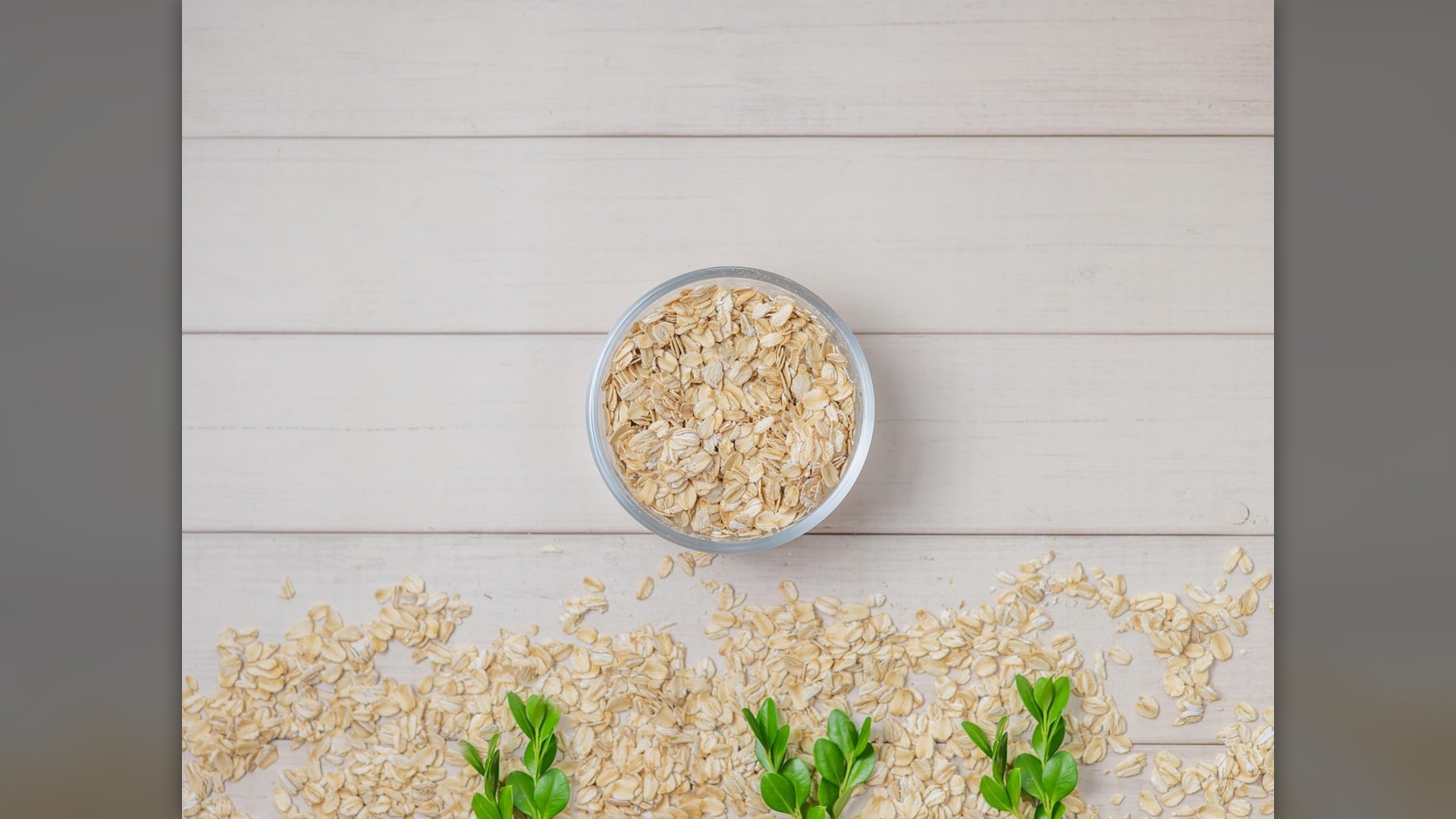
12. Rolled Oats: Low Lipid Sealed Grain
Oat groats undergo heat kilning during commercial milling to neutralize lipase enzymes that would otherwise break down plant lipids. Stored in airtight food containers with food-grade oxygen scavengers, rolled oats maintain their wholesome fiber and carbohydrates for up to thirty years.
©Pixabay / DariaHurst34
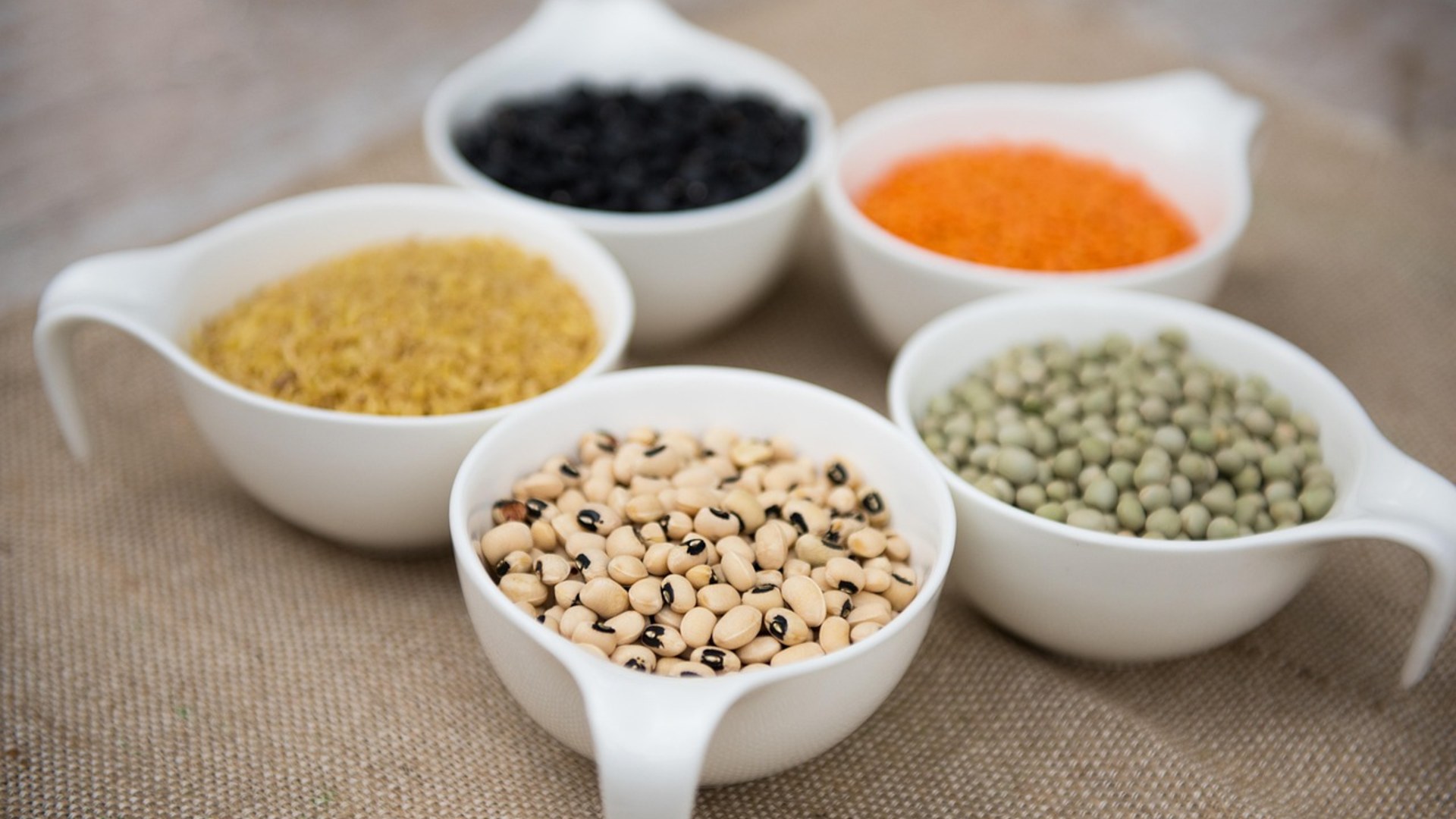
11. Dried Beans: Dormant Plant Enzymes
Pinto beans, black beans, and lentils enter an enzymatic dormant state when moisture drops below ten percent. Brigham Young University food scientists verified that legumes sealed in food-grade buckets remain nutritious for three decades, though older beans require extended cooking times.
©Pixabay / yilmazfatih
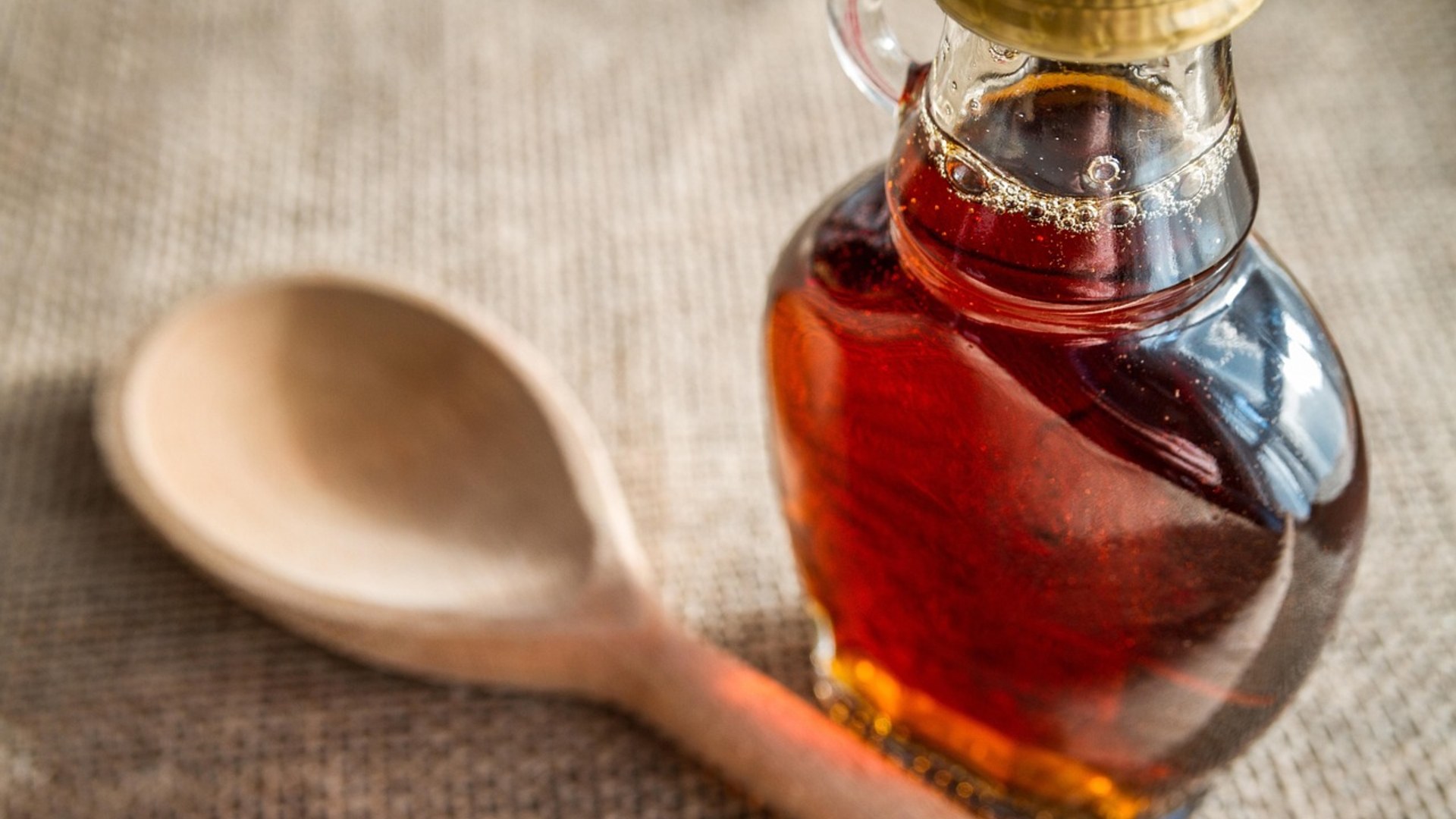
10. Pure Maple Syrup: Extreme Sugar Density
Commercial syrup makers concentrate raw tree sap to a specific density that lowers water activity below microbial requirements. Unopened glass jugs of pure Grade A maple syrup remain shelf stable indefinitely, resisting bacterial contamination throughout decades of pantry storage.
©Pixabay / piviso
Advertisement
Swipe or tap ▶ to resume the countdown.
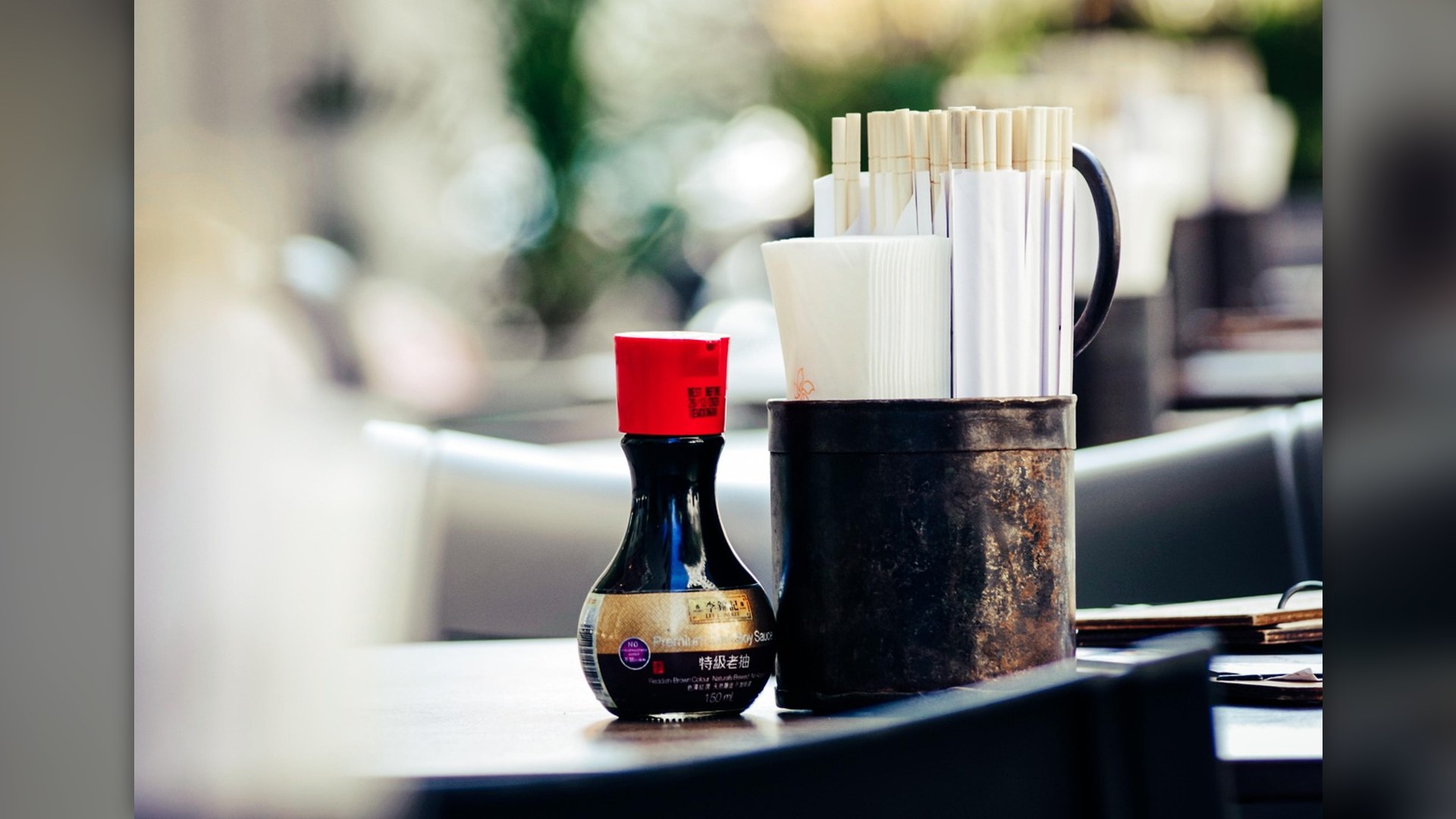
9. Soy Sauce: High Sodium And Fermentation Acids
Traditional soy sauce contains roughly fifteen to eighteen percent sodium chloride alongside natural lactic acid fermentation. This extreme osmotic concentration draws water outward from invading microbes, keeping unopened bottles completely pathogen-free across generations.
©Pixabay / wal_172619
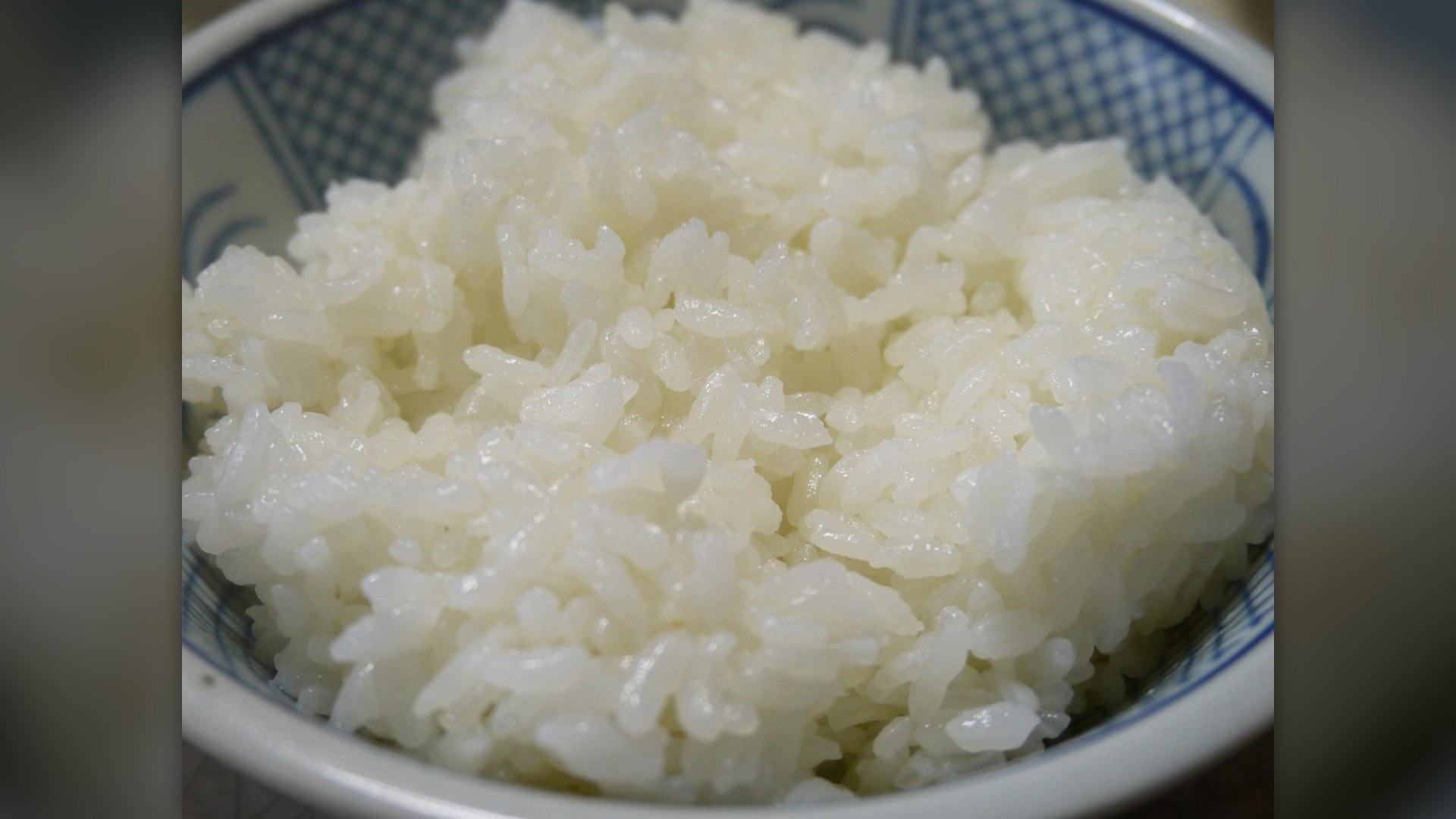
8. White Rice: Milled Grain Free Of Oils
Unlike brown rice, which spoils quickly because of vulnerable lipids in its outer bran coat, polished white rice is pure carbohydrate. Long-term studies show that white rice packed in sealed oxygen-free canisters retains taste and nutritional quality for thirty years or longer.
©Pixabay / mikuratv
7. Cornstarch: Pure Refined Carbohydrate
Milling corn into pure carbohydrate starch removes all fatty lipids, water, and perishable plant proteins. As long as the container remains dry and shielded from outside dampness, cornstarch retains its thickening ability and culinary properties for an indefinite lifespan.
©Wikimedia / Picasa author kalaya
6. Pure Vanilla Extract: High Alcohol Preservation
Federal food identity standards require pure vanilla extract to contain at least thirty-five percent grain alcohol. Ethanol acts as a natural antimicrobial preservative that halts bacterial contamination while allowing rich vanillin flavor compounds to mature over time.
©Wikimedia / Itineranttrader
Advertisement
Swipe or tap ▶ to resume the countdown.
5. High-Proof Spirits: Microbial Cell Lysis
Spirits such as vodka, whiskey, and rum contain forty percent or greater alcohol by volume, which denatures microbial proteins instantly. Because no bacteria or yeast can reproduce in such an ethanol-rich medium, sealed liquor bottles will remain unchanged for centuries.
©Wikimedia / Stefan Giesbert ( )
4. Distilled White Vinegar: High Acetic Acidity
Fermenting distilled grain alcohol into acetic acid creates a sharp acidic liquid that destroys harmful bacteria and molds on contact. Distilled white vinegar is so chemically inhospitable to organic life that it requires no refrigeration and will last indefinitely.
©Pixabay / ZaxCon
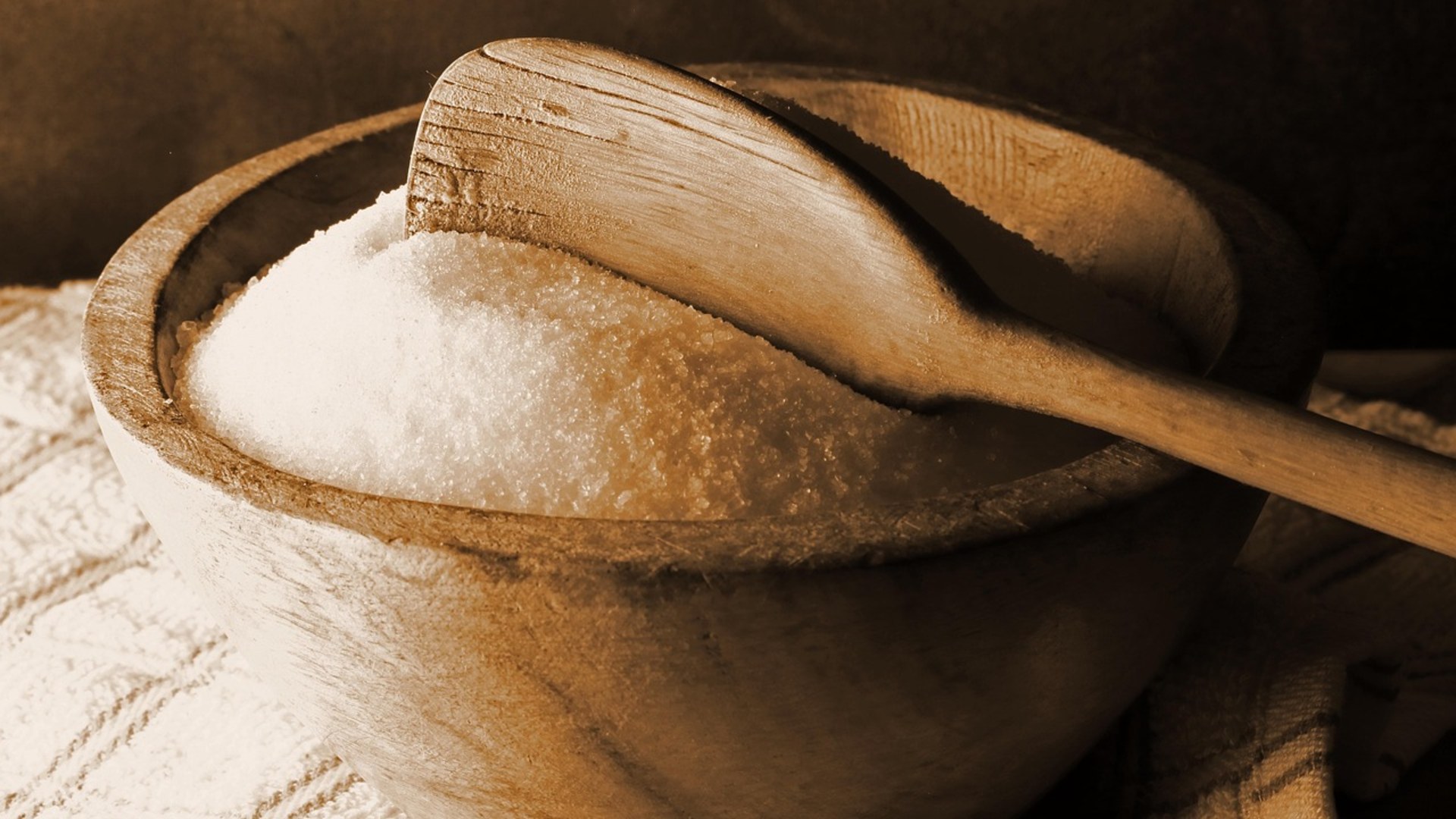
3. White Sugar: Osmotic Bacteria Dehydration
Granulated sucrose is so hygroscopic that it rapidly pulls moisture out of any bacteria or fungus that lands on it. Without internal water, microbial cells suffer cellular collapse and dehydration, ensuring that dry white sugar stays completely safe forever.
©Pixabay / Bluesnap
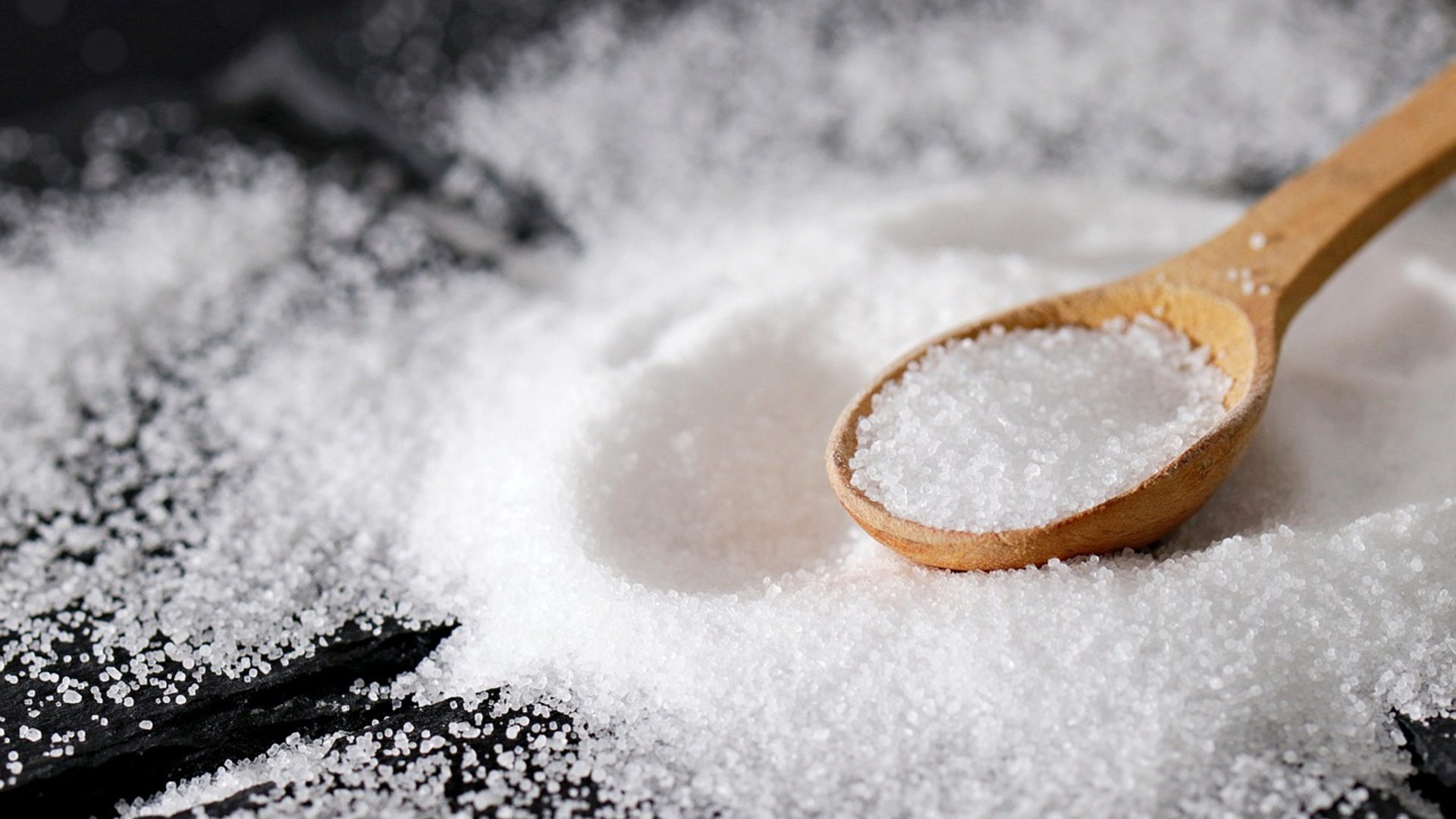
2. Pure Salt: Sterile Inorganic Mineral
Mined from subterranean halite deposits or evaporated from ancient seas, sodium chloride is a pure mineral crystal. Because it contains zero organic biomass and draws away ambient moisture, pure salt cannot spoil, rot, or harbor living pathogens under any conditions.
©Pixabay / mkupiec7
Advertisement
Swipe or tap ▶ to resume the countdown.
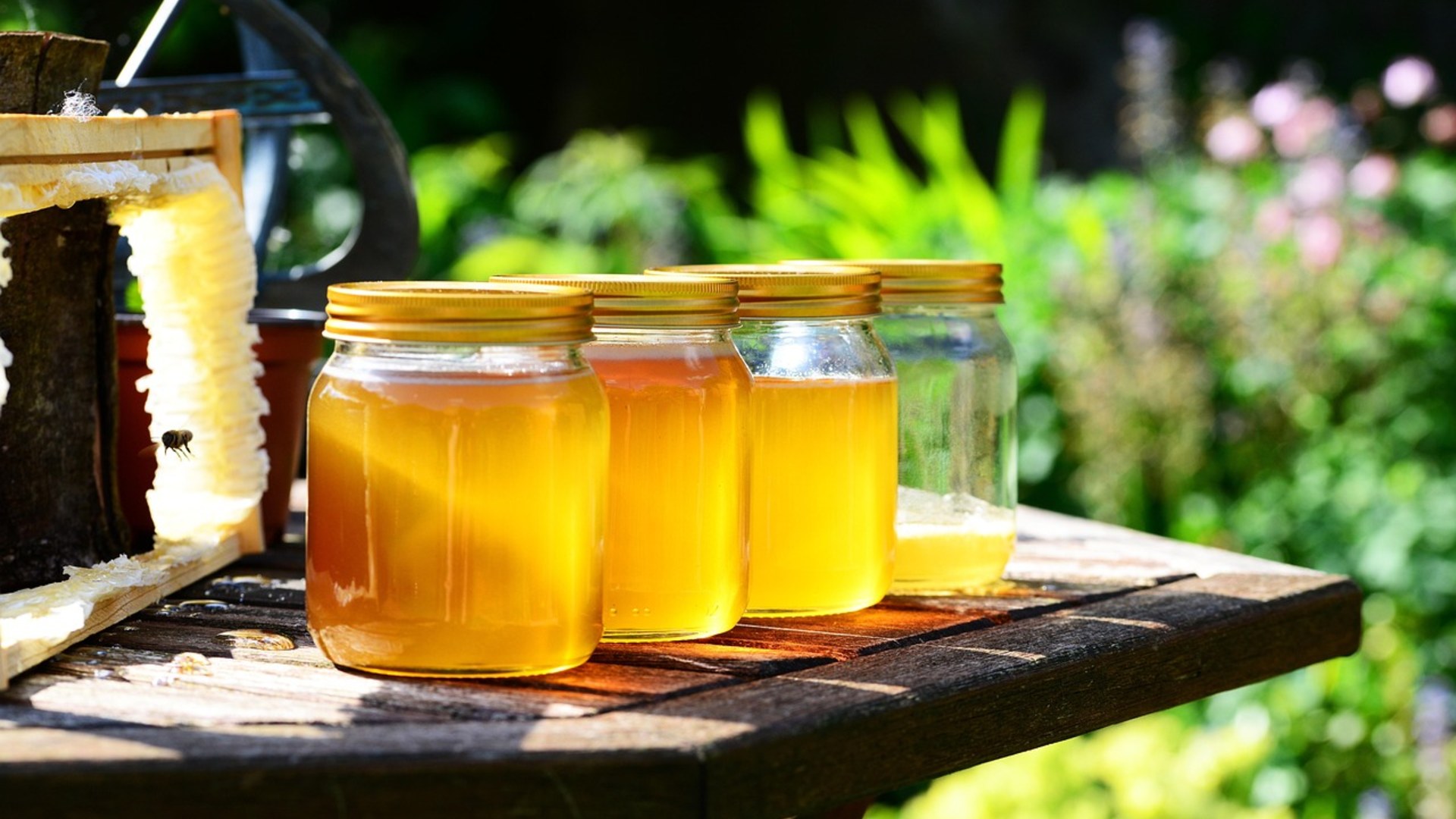
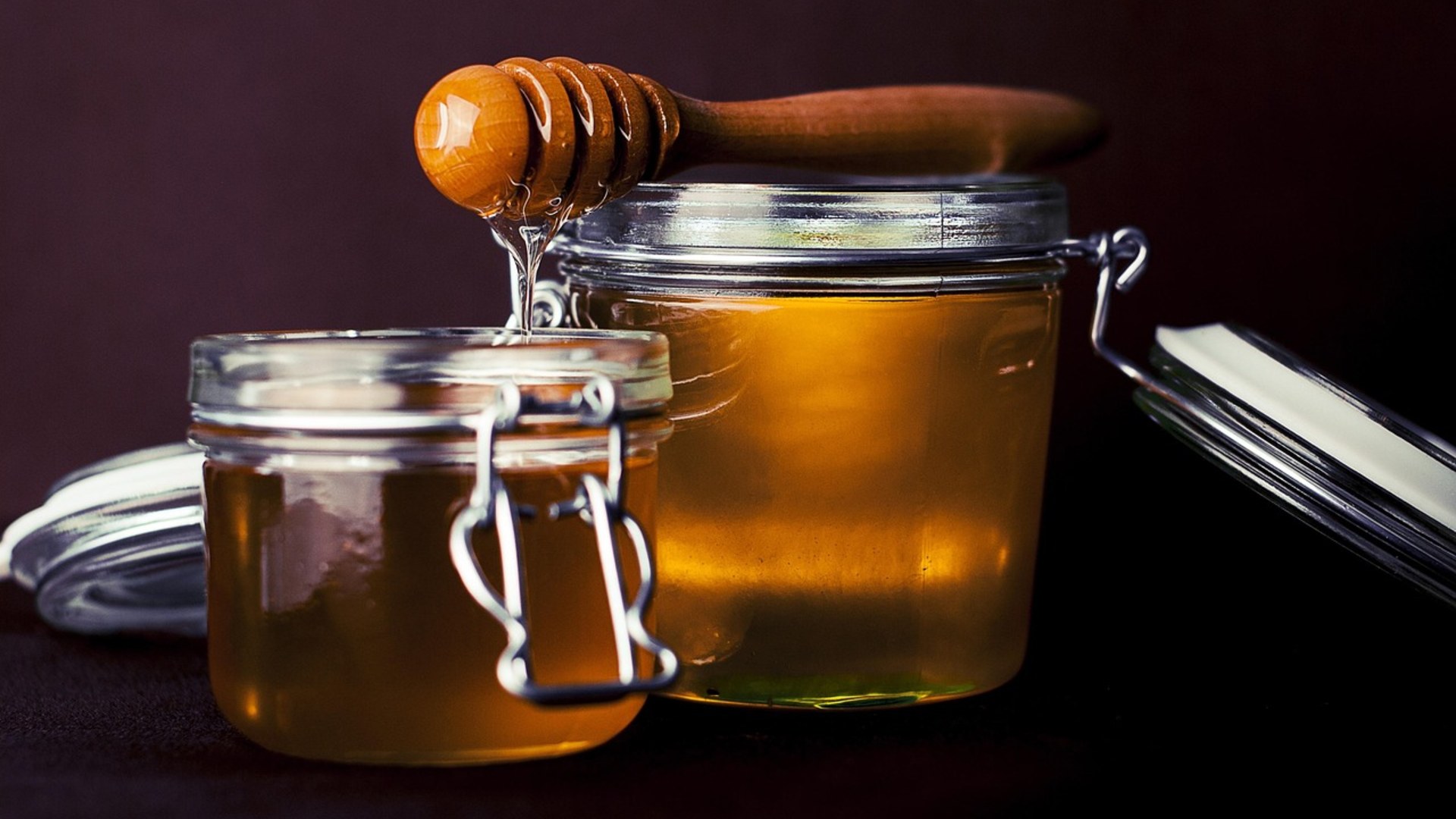
1. Raw Honey: Natural Hydrogen Peroxide And Low pH
Bees introduce glucose oxidase into nectar, which produces microscopic traces of antiseptic hydrogen peroxide while drying it below eighteen percent moisture. Archaeologists frequently unearth edible honey from ancient Egyptian tombs, demonstrating its eternal stability.
©Pixabay / PollyDot
Advertisement
You've reached the end of the story. Thanks for reading!

25 Bold Aircraft Designs That Failed in Aviation History
From nine-wing flying boats to Mach 3 bombers, aviation history is filled with bold machines that ran into budget cuts, engine trouble, or fatal crashes. Based on records from the Smithsonian National Air and Space Museum, NASA, the US Air Force, and military archives, here are 25 designs that fell short.
All 20 Entries in this Story
#20 Dark Chocolate: High Cocoa Butter Stability
The absence of dairy fats and water prevents microbial spoilage and bacterial growth. While temperature shifts can create a harmless white cocoa butter bloom on the surface, the core chocolate remains completely safe and flavorful for decades in sealed packaging.

#19 Baking Soda: Pure Inorganic Mineral Salt
Because sodium bicarbonate is a stable inorganic chemical compound, bacteria and fungi cannot feed on it. While humidity can cause clumping and slowly diminish its baking leavening potency over decades, it remains an effective cleaning and odor-neutralizing mineral forever.

#18 Powdered Milk: Moisture And Fat Removed
Commercial spray drying strips milk down to three percent moisture while removing vulnerable fats that turn rancid. When packaged in airtight Mylar pouches with oxygen absorbers, nonfat dry milk powder retains its protein content and essential nutrients for over twenty years.

#17 Ghee: Clarified Pure Butterfat
Traditional clarified butter eliminates both water and milk proteins like casein and lactose. Without liquid water to support fungal activity or milk solids to sour, sealed jars of traditional ghee remain culinary staples that stay fresh for many years without refrigeration.

#16 Pemmican: Lean Dried Meat And Tallow
By pulverizing thoroughly dried bison or beef and blending it with melted tallow, hunters created an ultimate survival ration. Rendered tallow seals every muscle fiber against atmospheric oxygen and dampness, preventing bacterial decay for several decades.

#15 Hardtack: Completely Dehydrated Biscuit
Known historically as ship biscuit or soldier bread, hardtack relies on repeated oven baking to achieve near-zero moisture content. Without hydration, bacteria and mold cannot take root, allowing military rations preserved in dry tin boxes to remain intact for decades.

#14 Instant Coffee: Vacuum Freeze-Dried Granules
Industrial sublimation removes ice under high vacuum conditions, bypassing the liquid phase to keep cell structures dry. Kept away from humidity, vacuum-sealed jars of instant coffee powder remain flavorful and resistant to microbial deterioration for twenty to thirty years.

#13 Dried Pasta: Durum Wheat Without Moisture
Extruded durum wheat semolina is dehydrated down to twelve percent moisture, which lies well beneath the safety threshold for mold development. Sealed in moisture-proof containers, dry spaghetti and macaroni sustain their caloric value and carbohydrate profile for thirty years.

#12 Rolled Oats: Low Lipid Sealed Grain
Oat groats undergo heat kilning during commercial milling to neutralize lipase enzymes that would otherwise break down plant lipids. Stored in airtight food containers with food-grade oxygen scavengers, rolled oats maintain their wholesome fiber and carbohydrates for up to thirty years.

#11 Dried Beans: Dormant Plant Enzymes
Pinto beans, black beans, and lentils enter an enzymatic dormant state when moisture drops below ten percent. Brigham Young University food scientists verified that legumes sealed in food-grade buckets remain nutritious for three decades, though older beans require extended cooking times.

#10 Pure Maple Syrup: Extreme Sugar Density
Commercial syrup makers concentrate raw tree sap to a specific density that lowers water activity below microbial requirements. Unopened glass jugs of pure Grade A maple syrup remain shelf stable indefinitely, resisting bacterial contamination throughout decades of pantry storage.

#9 Soy Sauce: High Sodium And Fermentation Acids
Traditional soy sauce contains roughly fifteen to eighteen percent sodium chloride alongside natural lactic acid fermentation. This extreme osmotic concentration draws water outward from invading microbes, keeping unopened bottles completely pathogen-free across generations.

#8 White Rice: Milled Grain Free Of Oils
Unlike brown rice, which spoils quickly because of vulnerable lipids in its outer bran coat, polished white rice is pure carbohydrate. Long-term studies show that white rice packed in sealed oxygen-free canisters retains taste and nutritional quality for thirty years or longer.

#7 Cornstarch: Pure Refined Carbohydrate
Milling corn into pure carbohydrate starch removes all fatty lipids, water, and perishable plant proteins. As long as the container remains dry and shielded from outside dampness, cornstarch retains its thickening ability and culinary properties for an indefinite lifespan.

#6 Pure Vanilla Extract: High Alcohol Preservation
Federal food identity standards require pure vanilla extract to contain at least thirty-five percent grain alcohol. Ethanol acts as a natural antimicrobial preservative that halts bacterial contamination while allowing rich vanillin flavor compounds to mature over time.

#5 High-Proof Spirits: Microbial Cell Lysis
Spirits such as vodka, whiskey, and rum contain forty percent or greater alcohol by volume, which denatures microbial proteins instantly. Because no bacteria or yeast can reproduce in such an ethanol-rich medium, sealed liquor bottles will remain unchanged for centuries.

#4 Distilled White Vinegar: High Acetic Acidity
Fermenting distilled grain alcohol into acetic acid creates a sharp acidic liquid that destroys harmful bacteria and molds on contact. Distilled white vinegar is so chemically inhospitable to organic life that it requires no refrigeration and will last indefinitely.

#3 White Sugar: Osmotic Bacteria Dehydration
Granulated sucrose is so hygroscopic that it rapidly pulls moisture out of any bacteria or fungus that lands on it. Without internal water, microbial cells suffer cellular collapse and dehydration, ensuring that dry white sugar stays completely safe forever.

#2 Pure Salt: Sterile Inorganic Mineral
Mined from subterranean halite deposits or evaporated from ancient seas, sodium chloride is a pure mineral crystal. Because it contains zero organic biomass and draws away ambient moisture, pure salt cannot spoil, rot, or harbor living pathogens under any conditions.

#1 Raw Honey: Natural Hydrogen Peroxide And Low pH
Bees introduce glucose oxidase into nectar, which produces microscopic traces of antiseptic hydrogen peroxide while drying it below eighteen percent moisture. Archaeologists frequently unearth edible honey from ancient Egyptian tombs, demonstrating its eternal stability.