Slideshow · Sports
20 Most Dominant Formula 1 Cars in Motorsport History, Ranked
Ranked by single-season winning percentage according to official FIA Formula 1 records, these twenty Grand Prix cars produced unprecedented eras of motorsport dominance. Official competition records from the Federation Internationale de l'Automobile reveal that single-season supremacy requires flawless mechanical engineering.
By Most Viral Today
27 min ago

The Most Unstoppable Grand Prix Cars in Motorsport History 
20. Red Bull RB7 
19. Williams FW15C 
18. Mercedes-Benz W196 - AdvertisementSwipe or tap ▶ to continue countdown

17. Lotus 72 
16. Brawn BGP 001 
15. McLaren MP4-13 
14. Red Bull RB9 - AdvertisementSwipe or tap ▶ to continue countdown

13. Ferrari F2001 
12. McLaren MP4-2 
11. Williams FW18 
10. Lotus 72D - AdvertisementSwipe or tap ▶ to continue countdown

9. Williams FW14B 
8. Ferrari F2002 
7. Mercedes F1 W05 Hybrid 
6. Mercedes-AMG F1 W10 - AdvertisementSwipe or tap ▶ to continue countdown

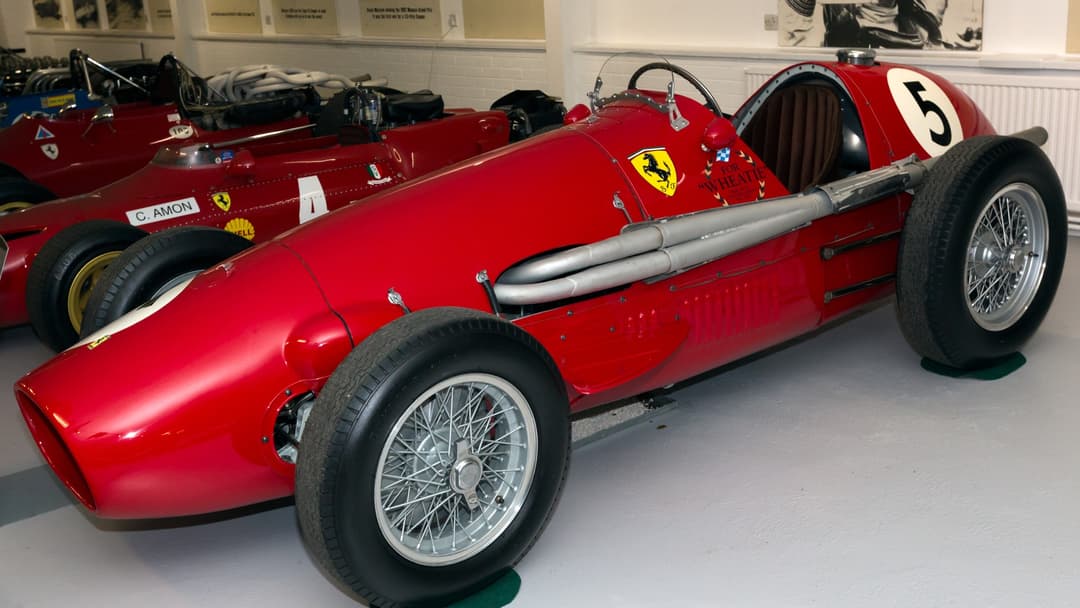
5. Ferrari 500 
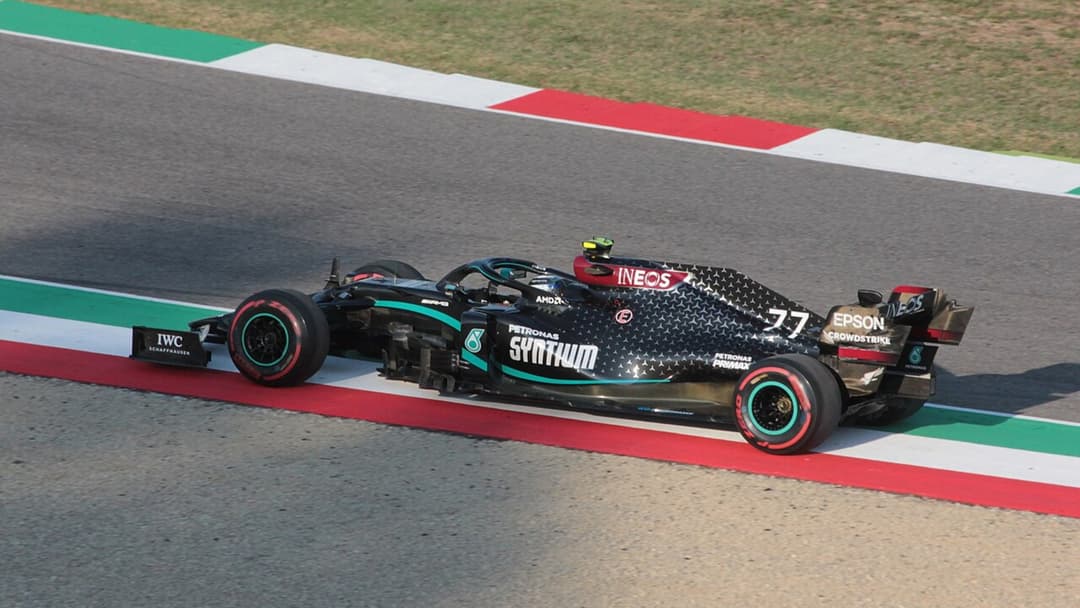
4. Mercedes-AMG F1 W11 
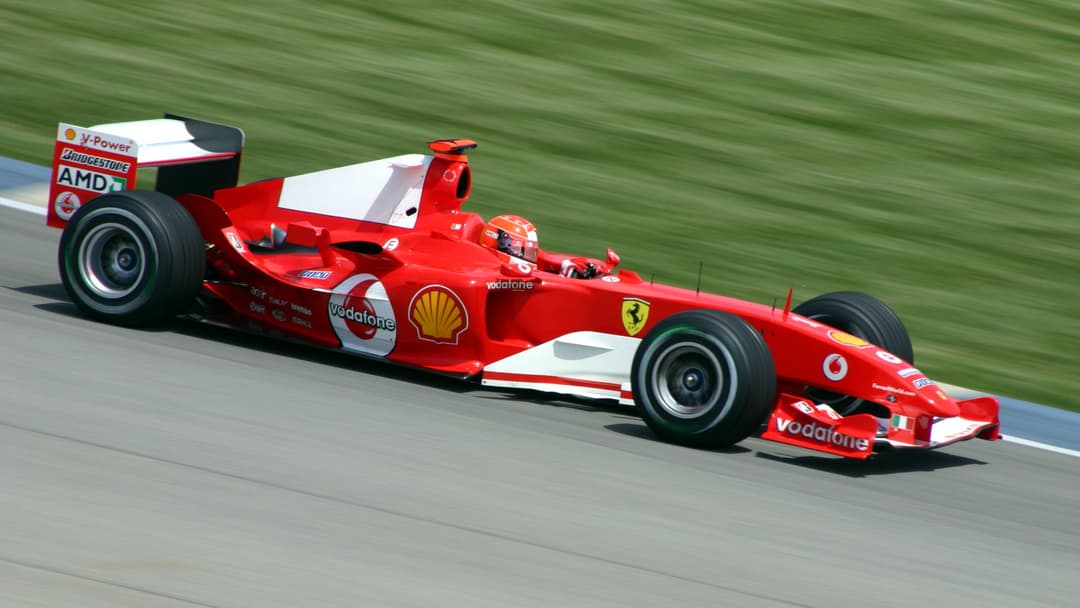
3. Ferrari F2004 
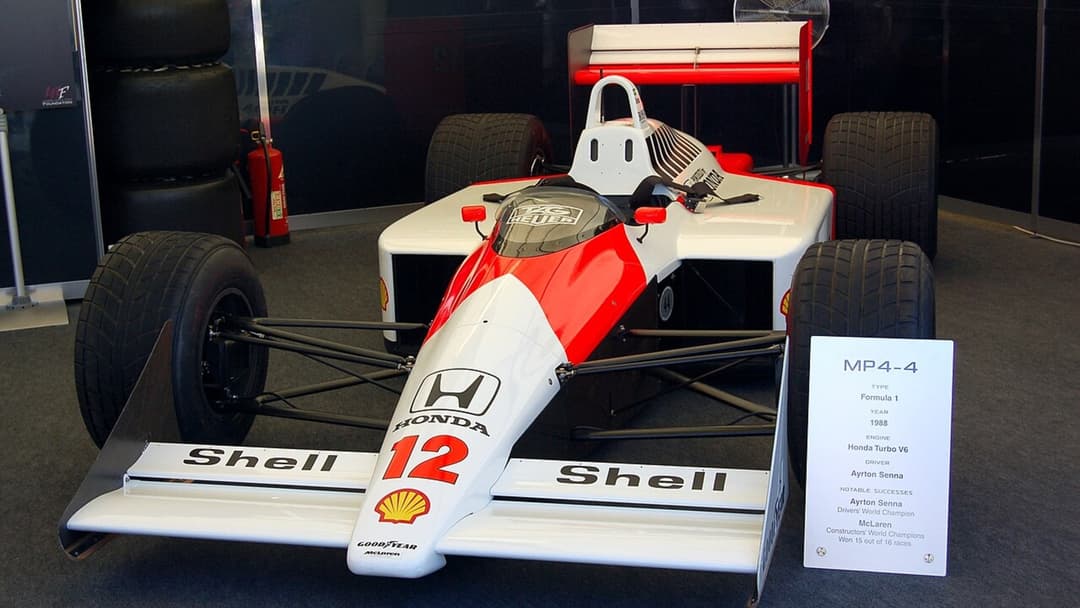
2. McLaren MP4-4 - AdvertisementSwipe or tap ▶ to continue countdown

1. Red Bull Racing RB19 - Advertisement🔥 UP NEXT IN THIS SERIES◫ 21 Slides

20 Countries Linked to GTA Bans, Restrictions, or Censorship
Explore the fascinating world of global gaming regulations and censorship, detailing the countries that have implemented bans, digital store restrictions, or strict rating requirements on the popular Grand Theft Auto video game franchise.
Official competition records from the Federation Internationale de l'Automobile reveal that single-season supremacy requires flawless mechanical engineering. These twenty machines produced unprecedented winning percentages.
Swipe or tap ▶ to begin the countdown
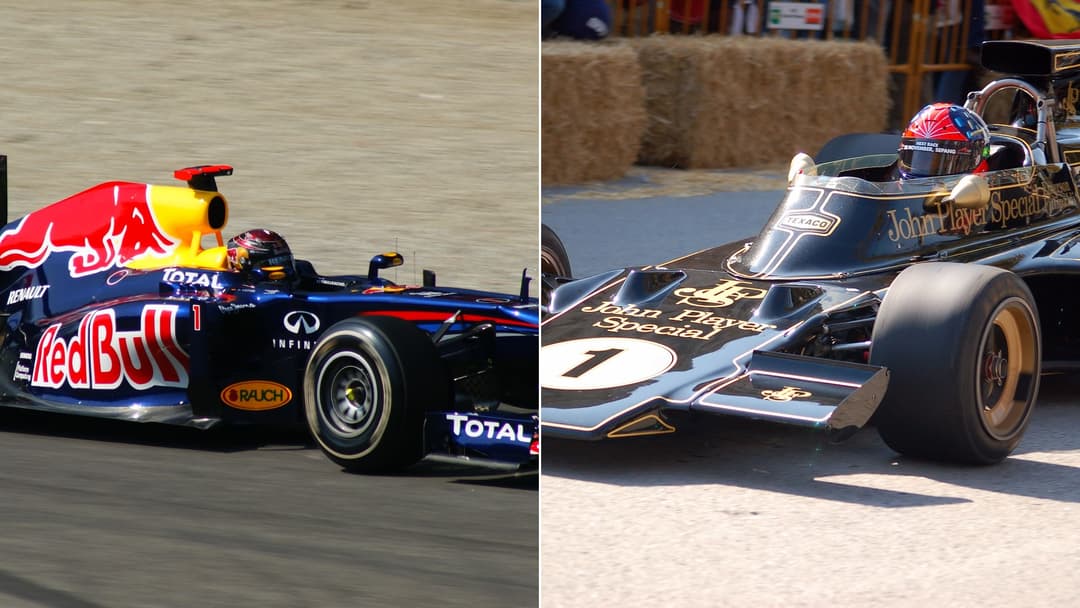
©Wikimedia / Red Bull RB7 & Wikimedia / espinya
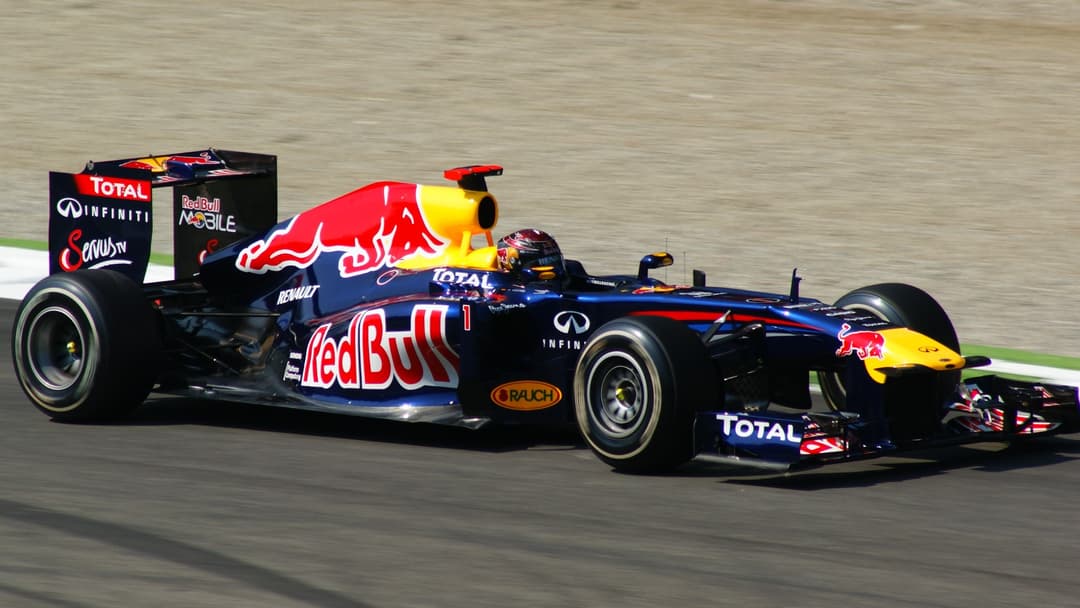
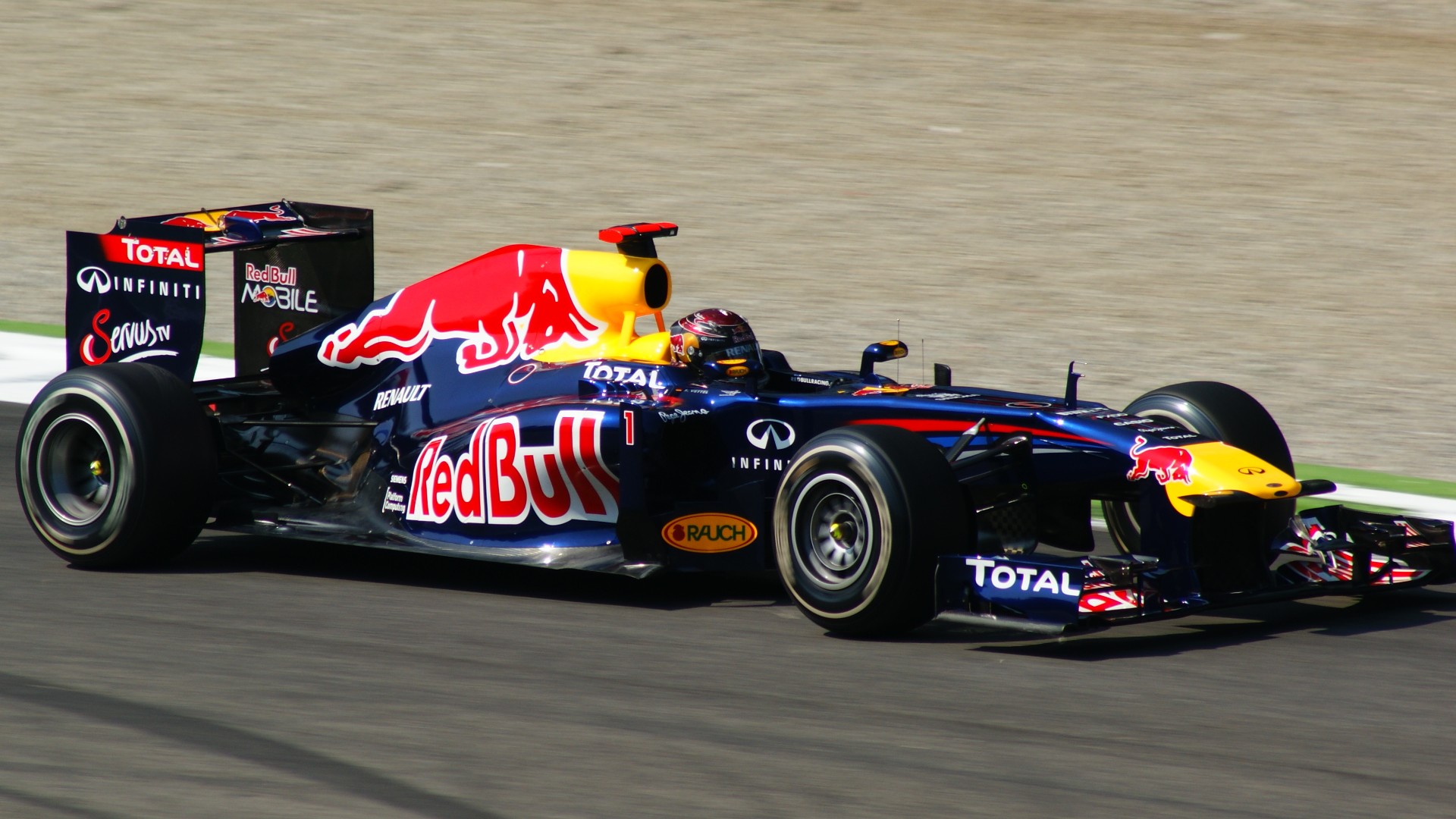
20. Red Bull RB7
Blown diffusers ruled 2011. Adrian Newey routed hot exhaust gases across the floor to generate immense downforce through high-speed sweeps on every Grand Prix circuit. Vettel grabbed fifteen poles.
©Wikimedia / Red Bull RB7
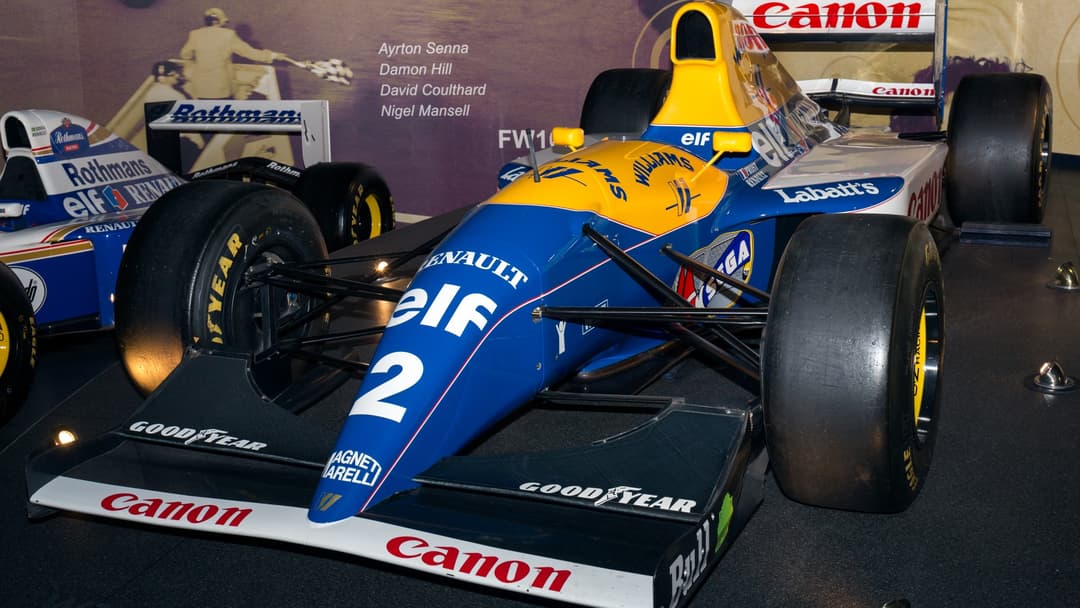
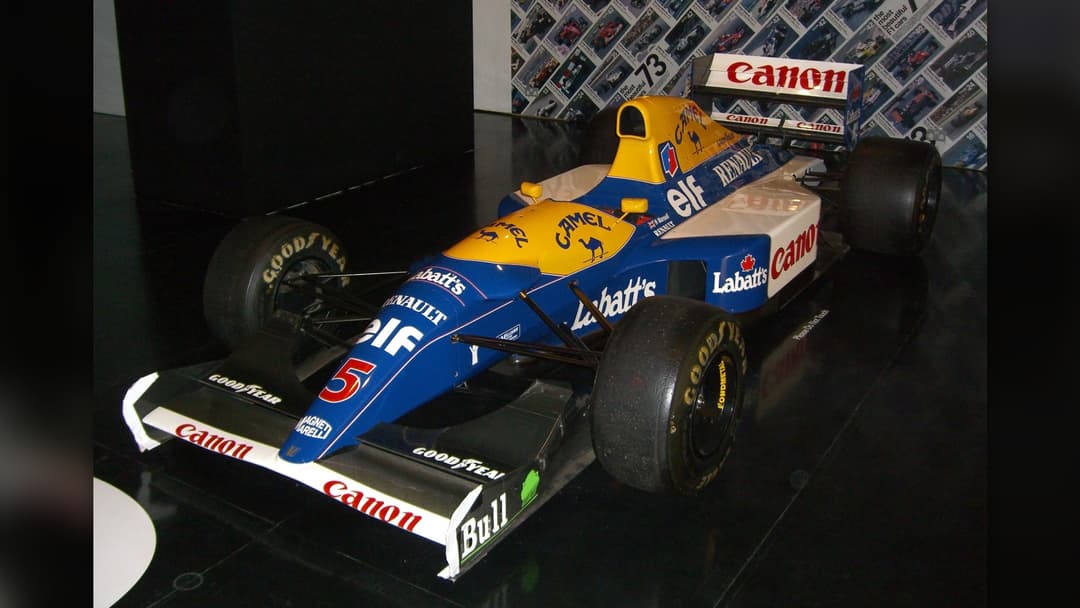
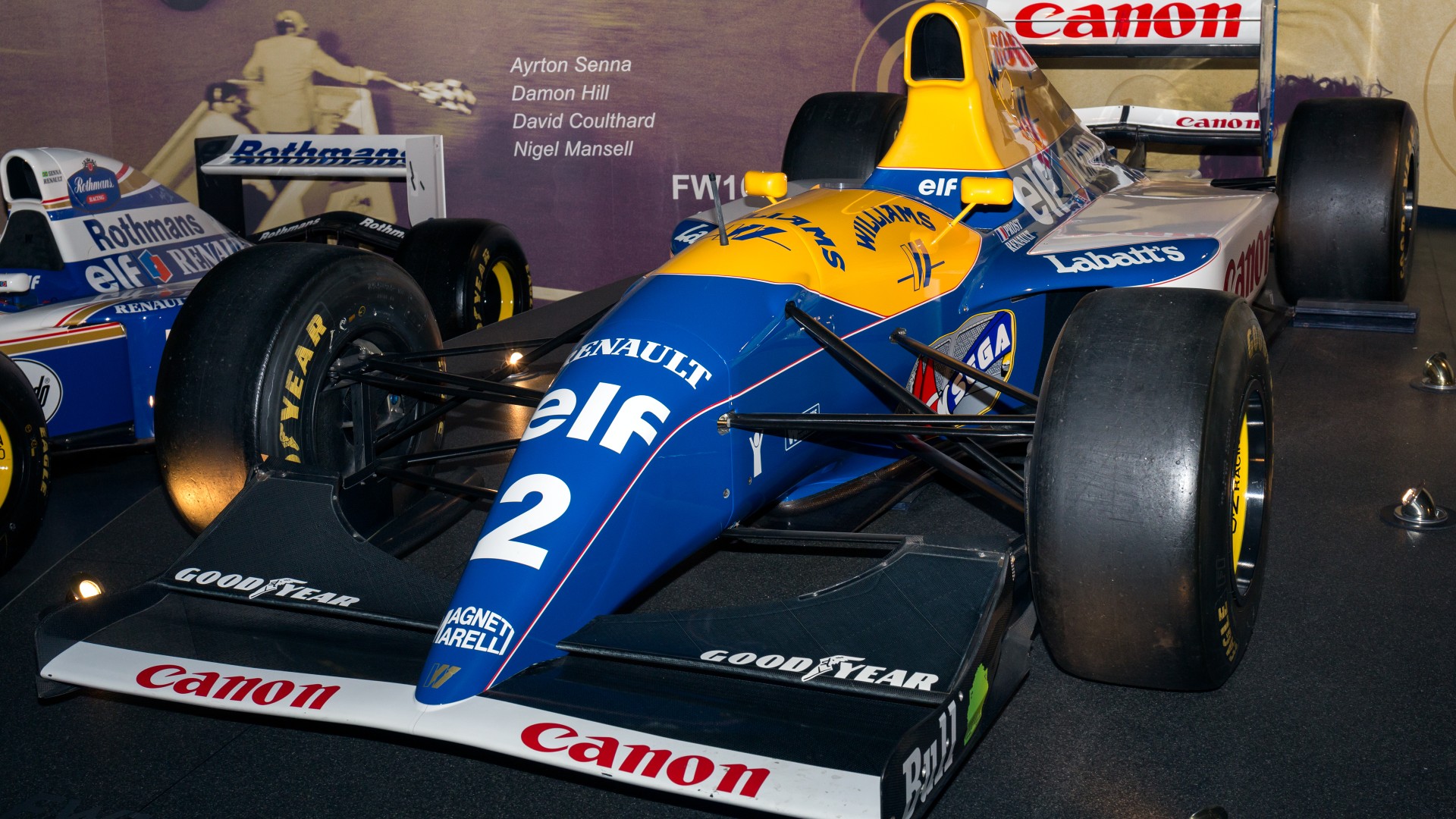
19. Williams FW15C
Driver aids peaked here. The machine featured active hydraulic suspension, anti-lock brakes, and automated transmissions that consistently outpaced rival cars across the entire calendar. Alain Prost won easily.
©Openverse / Morio
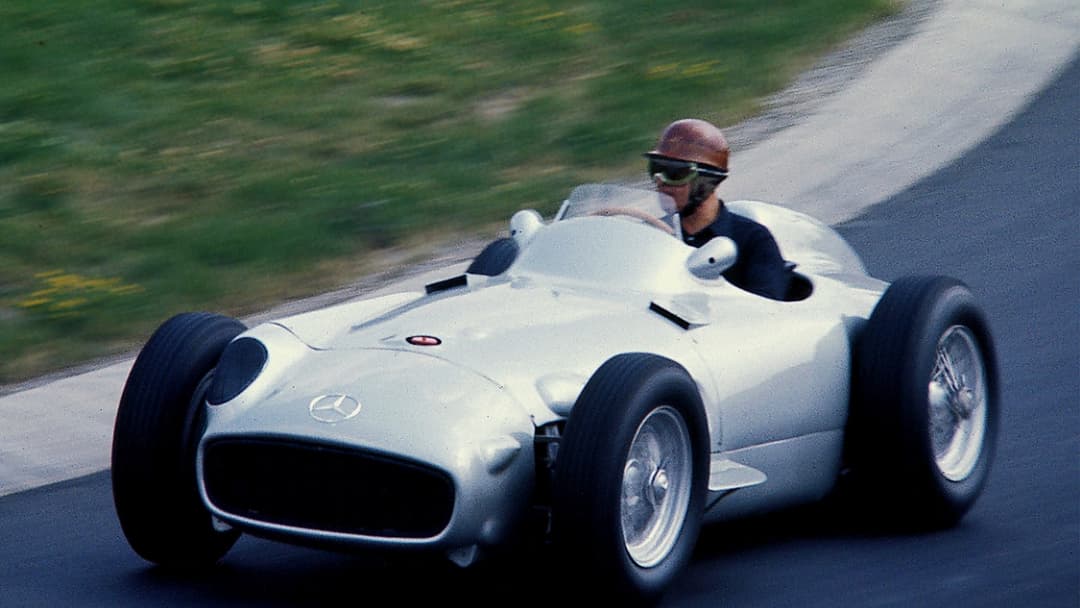
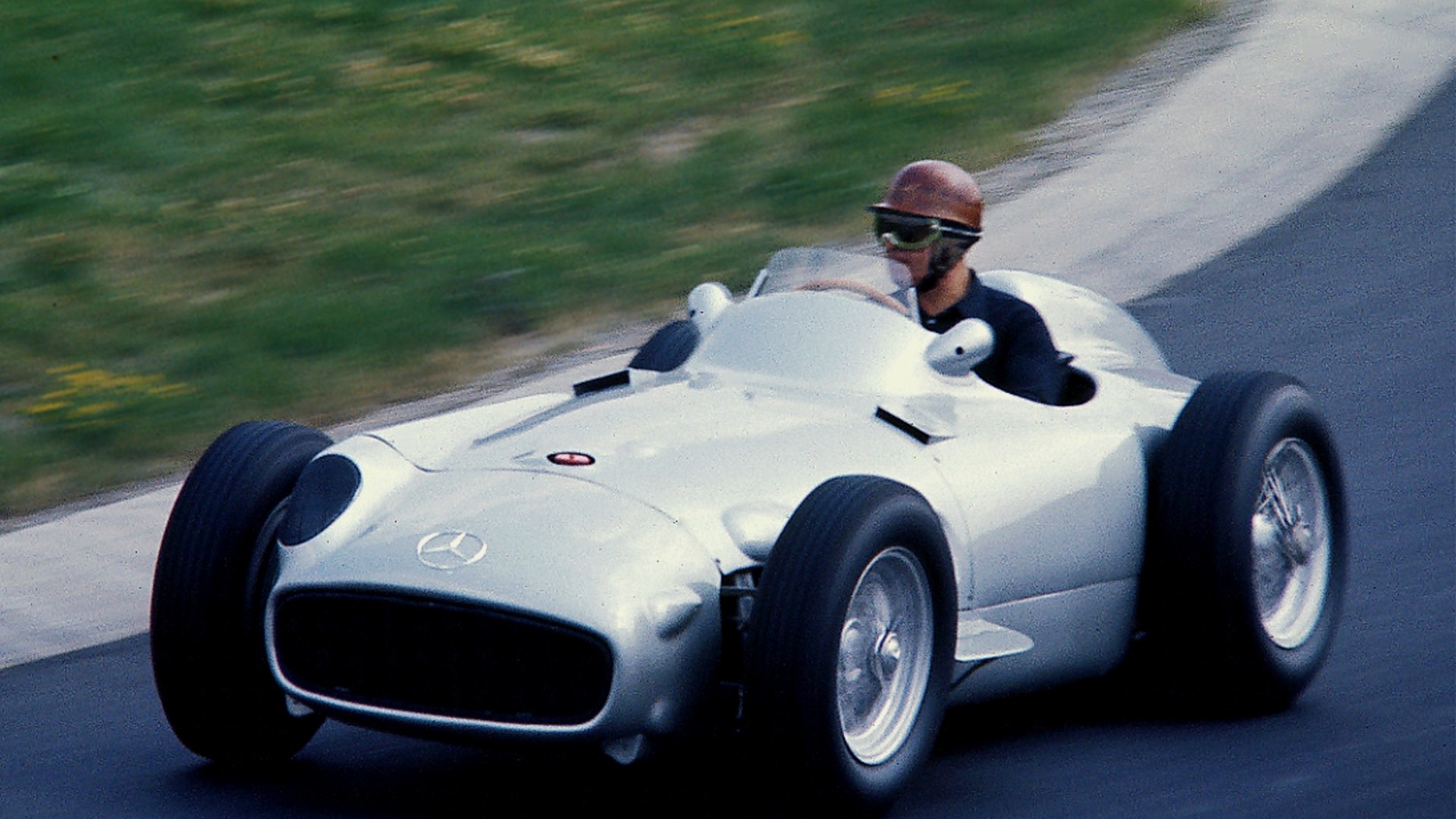
18. Mercedes-Benz W196
Streamlined bodywork stunned purists. Direct fuel injection and desmodromic valves powered Juan Manuel Fangio to back-to-back world championships across 1954 and 1955 with remarkable mechanical reliability. It's a post-war classic.
©Wikimedia / Mercedes-Benz W196
Advertisement
Swipe or tap ▶ to resume the countdown.
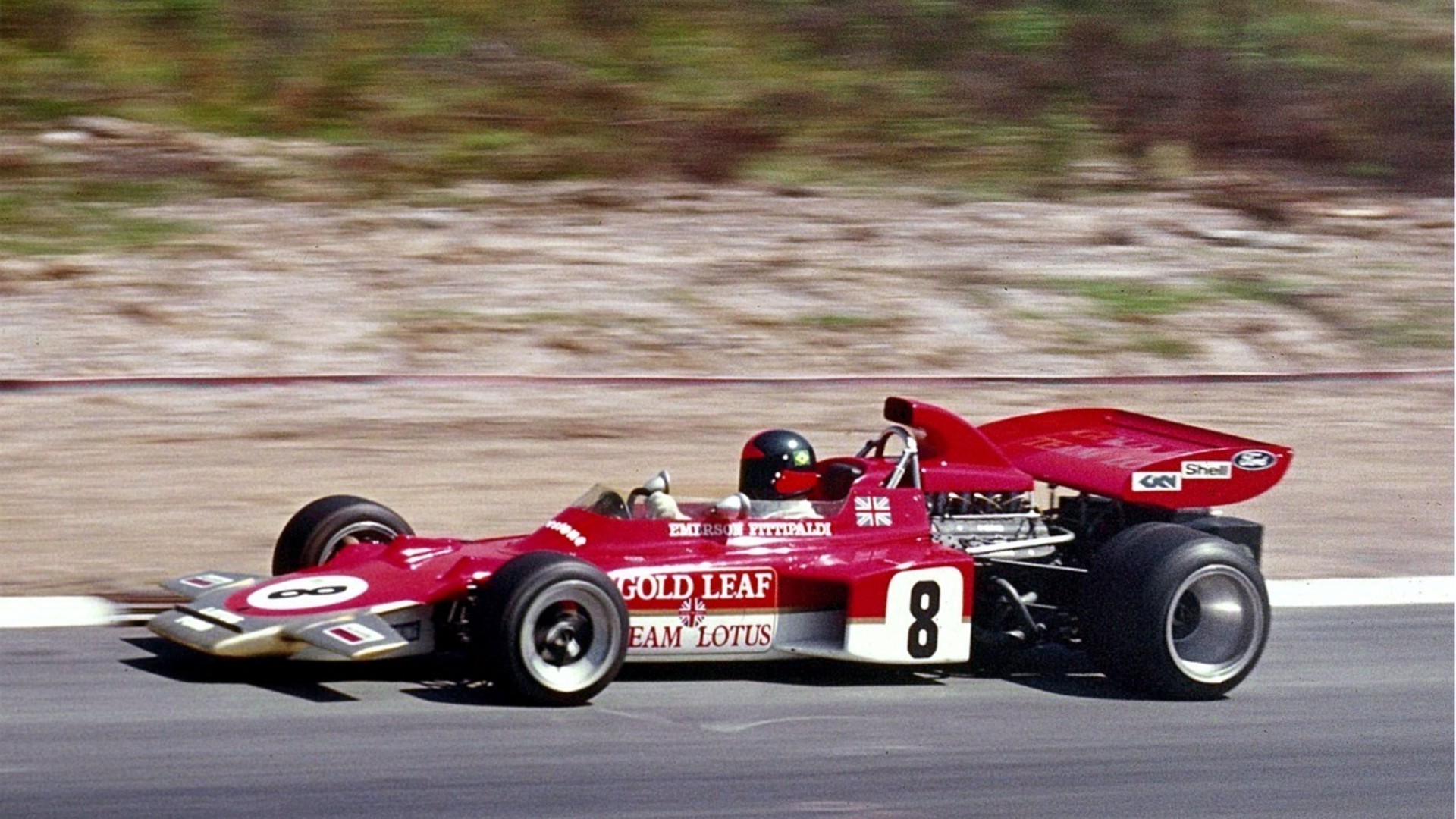
17. Lotus 72
Side radiators changed everything. The wedge profile generated passive downforce while inboard front brakes reduced unsprung weight across bumpy European circuits during five consecutive racing seasons. Jochen Rindt took title honors.
©Wikimedia / Lotus 72
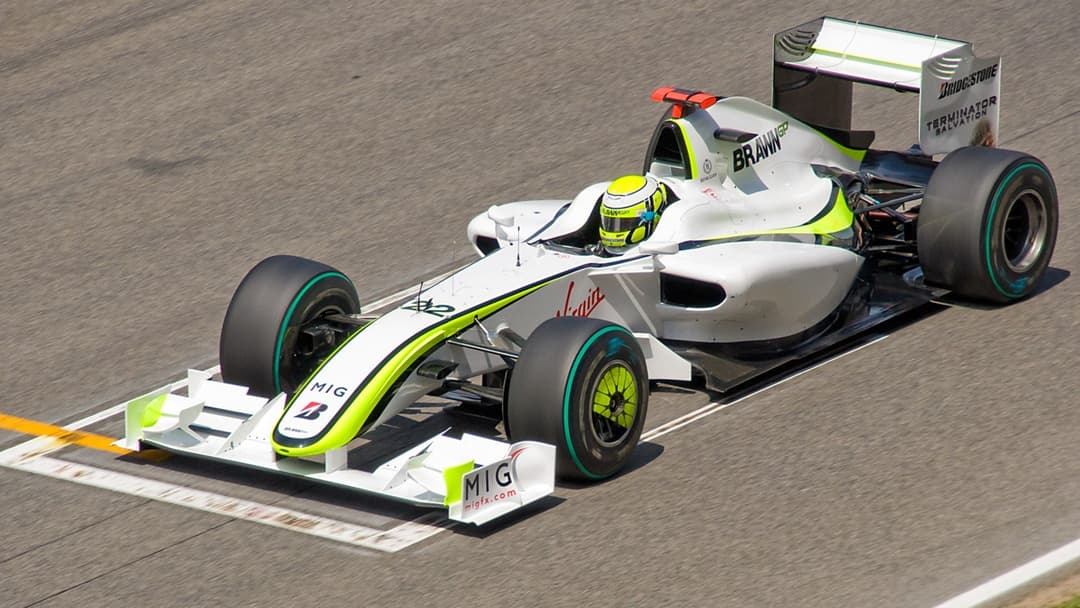
16. Brawn BGP 001
Fairytales happen rarely. Ross Brawn bought the bankrupt Brackley squad for one single pound before Jenson Button won six of the opening seven races in convincing fashion. That double diffuser stunned everyone.
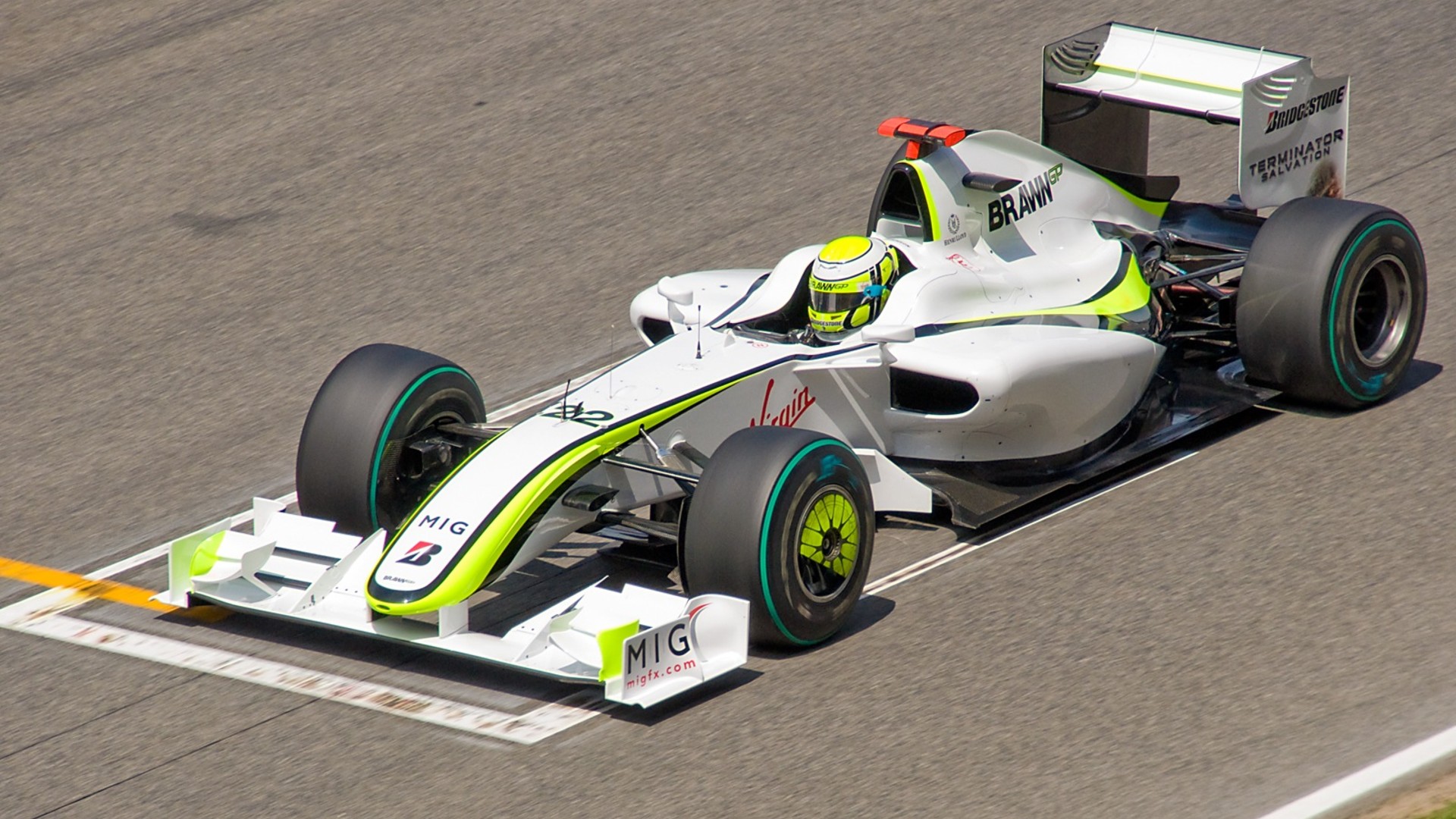
©Wikimedia / Brawn BGP 001
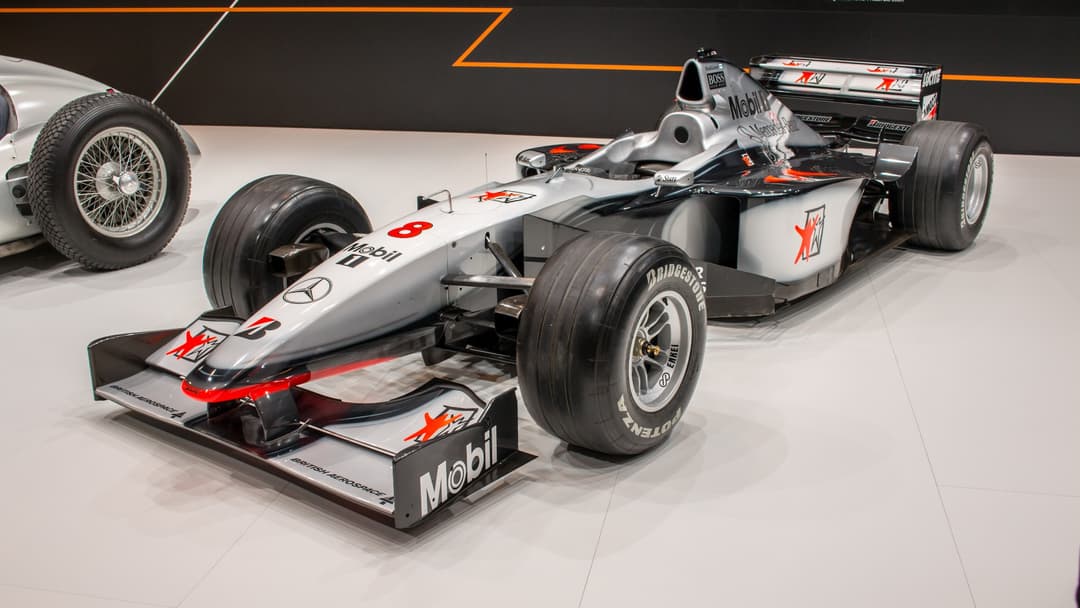
15. McLaren MP4-13
Narrowed tracks arrived in 1998. Adrian Newey penned a nimble silver chassis that delivered ninety-eight points and nine victories in sixteen races against fierce Ferrari resistance. Mika outdueled Michael under pressure.
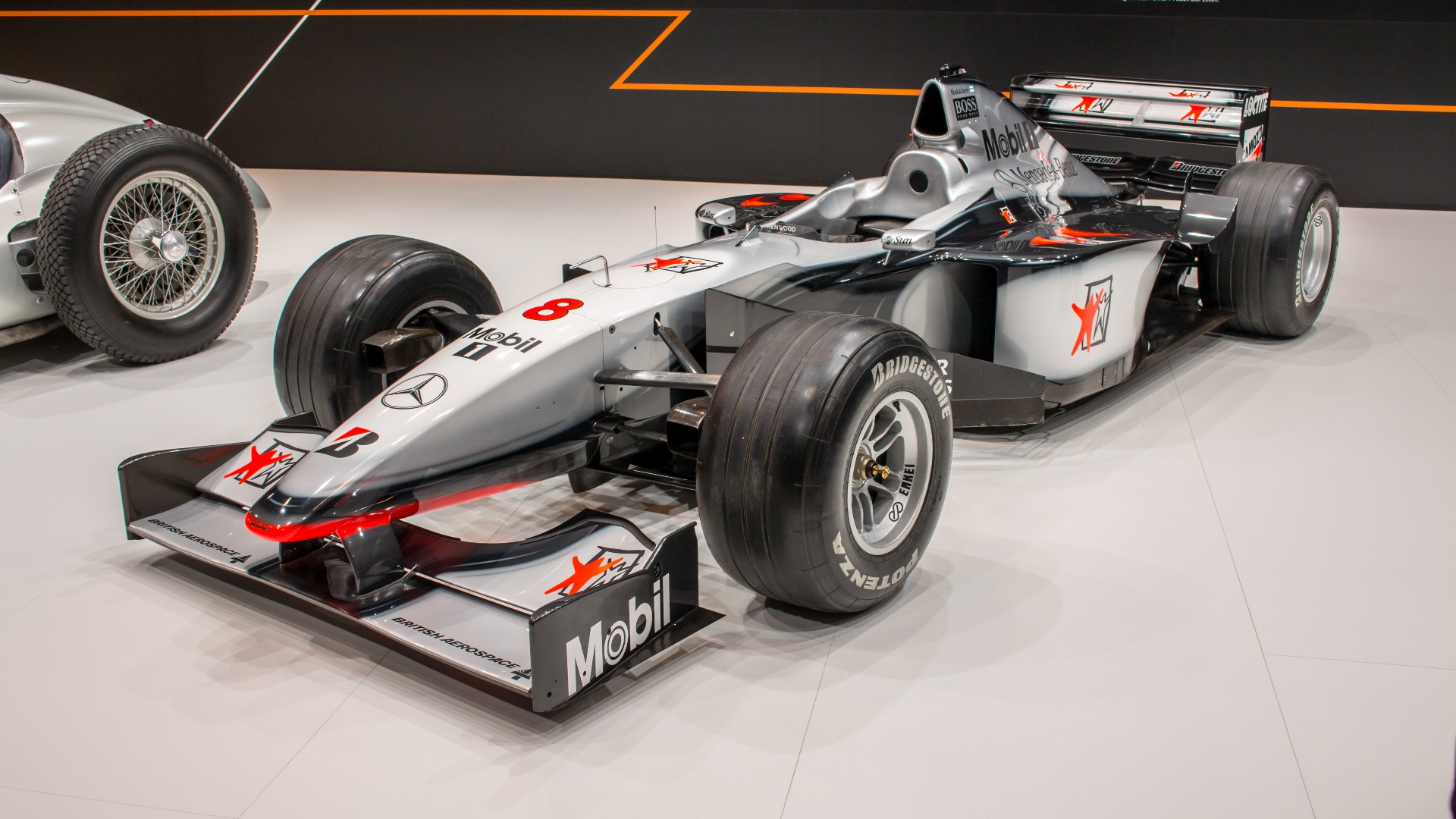
©Wikimedia / McLaren MP4, 13
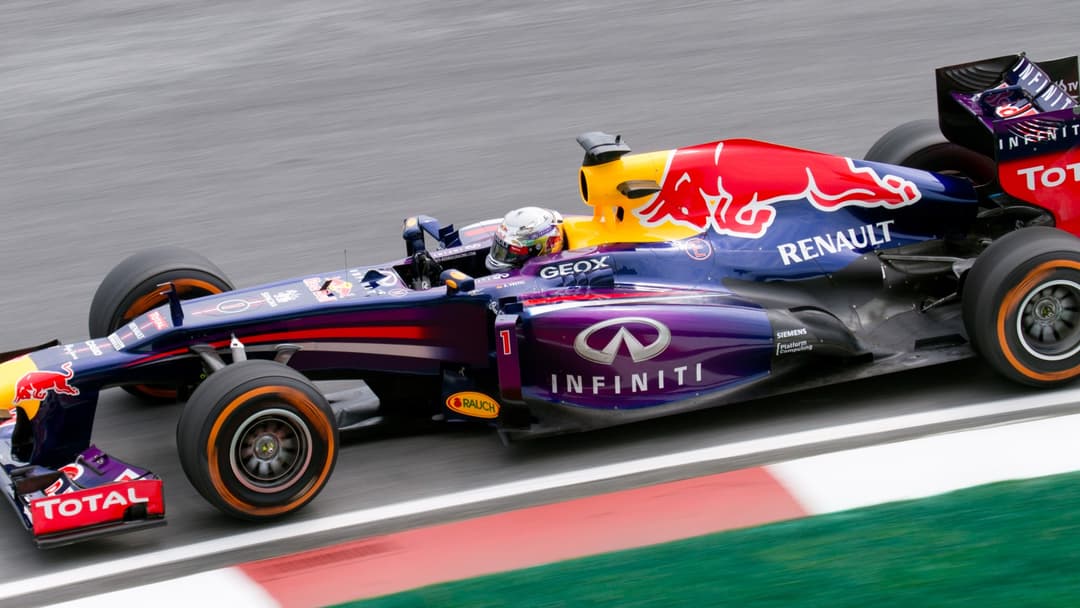
14. Red Bull RB9
Nine straight wins stunned everyone. The agile Renault-powered chassis generated relentless cornering grip during the second half of the 2013 season to sweep nine consecutive Grand Prix victories. Vettel led hundreds of laps.
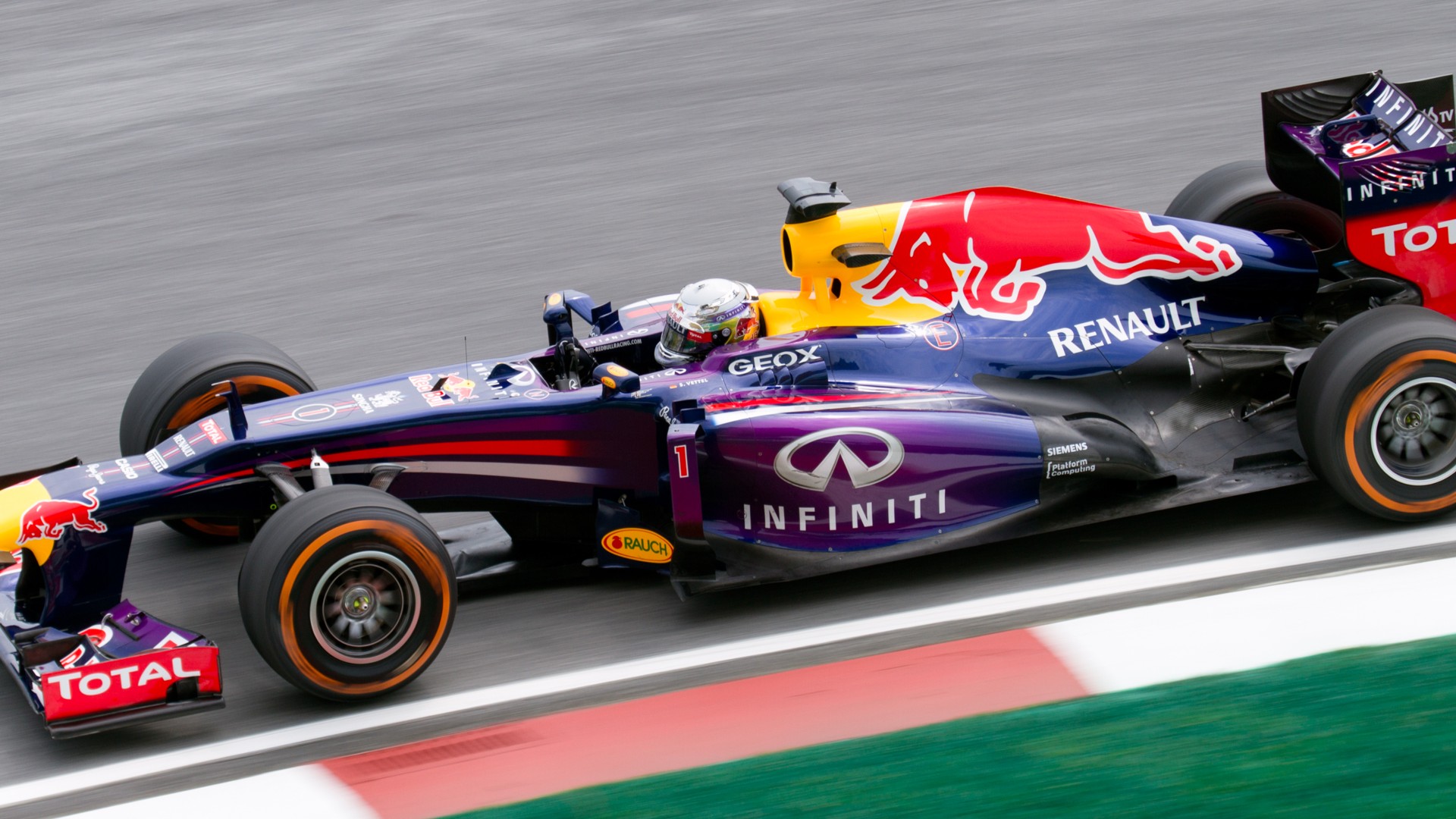
©Wikimedia / Red Bull RB9
Advertisement
Swipe or tap ▶ to resume the countdown.
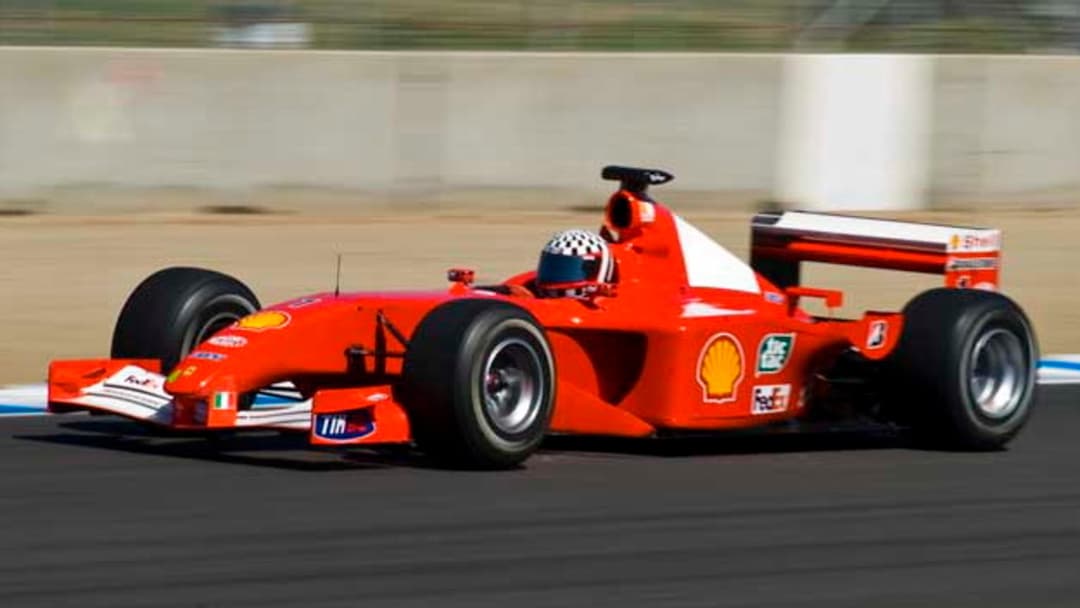
13. Ferrari F2001
Dropped noses dominated development. Michael Schumacher claimed his fourth drivers crown in Hungary with four full rounds remaining in the championship after scoring nine dominant race wins. Ferrari crushed McLaren and Williams.
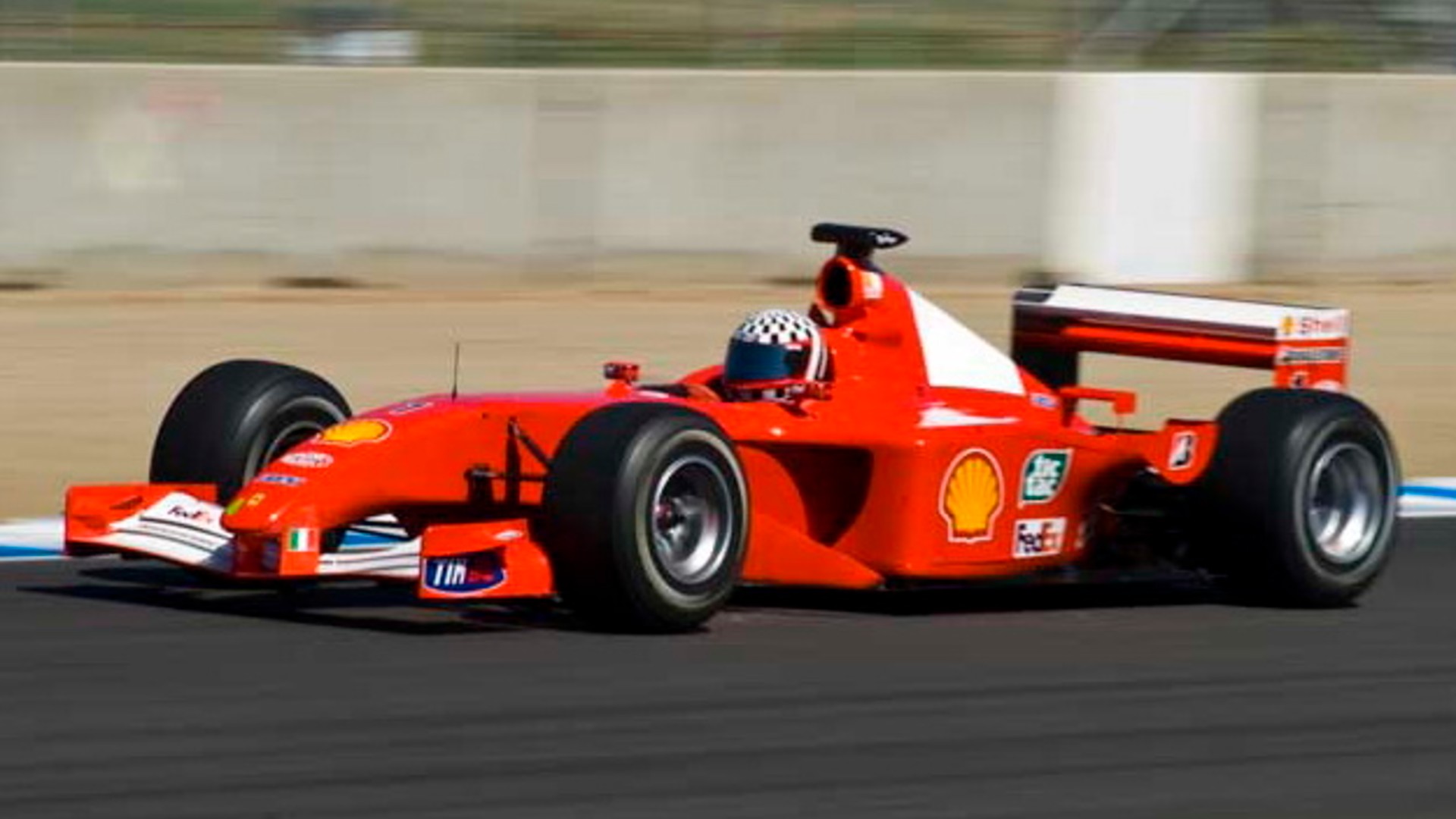
©Wikimedia / Ferrari F2001
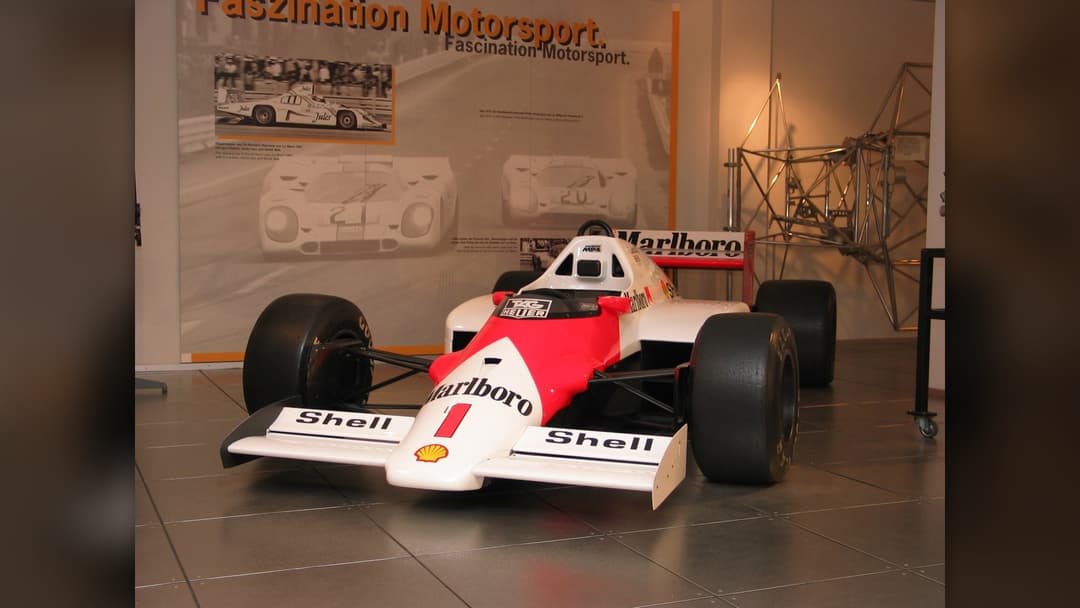
12. McLaren MP4-2
Turbo power crushed 1984. Niki Lauda edged teammate Alain Prost for the championship by half a point while the chassis swept twelve of sixteen races with unmatched mechanical consistency. It started McLaren's dynasty.
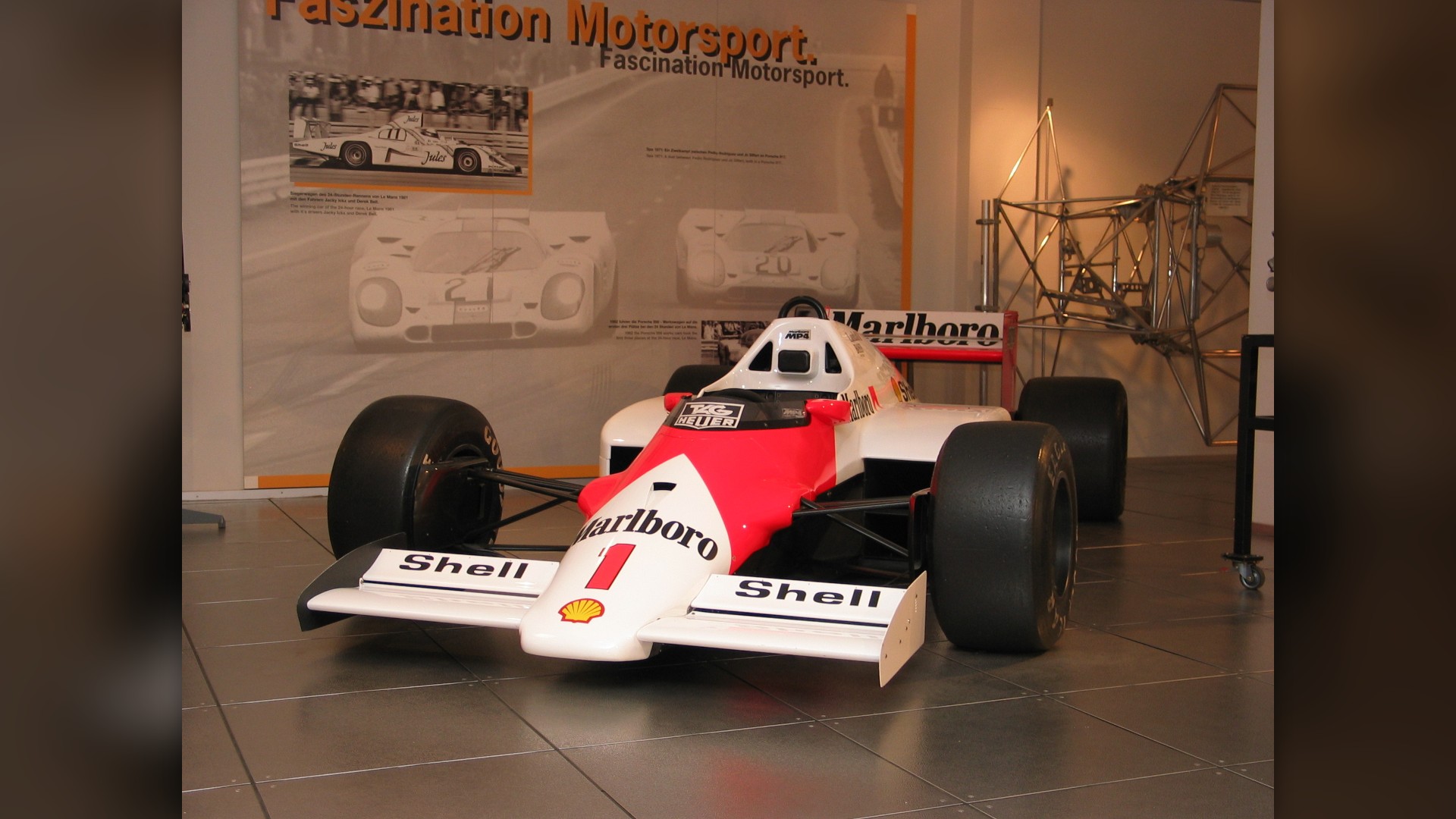
©Wikimedia / Thomas Vogt from Paderborn, Deutschland
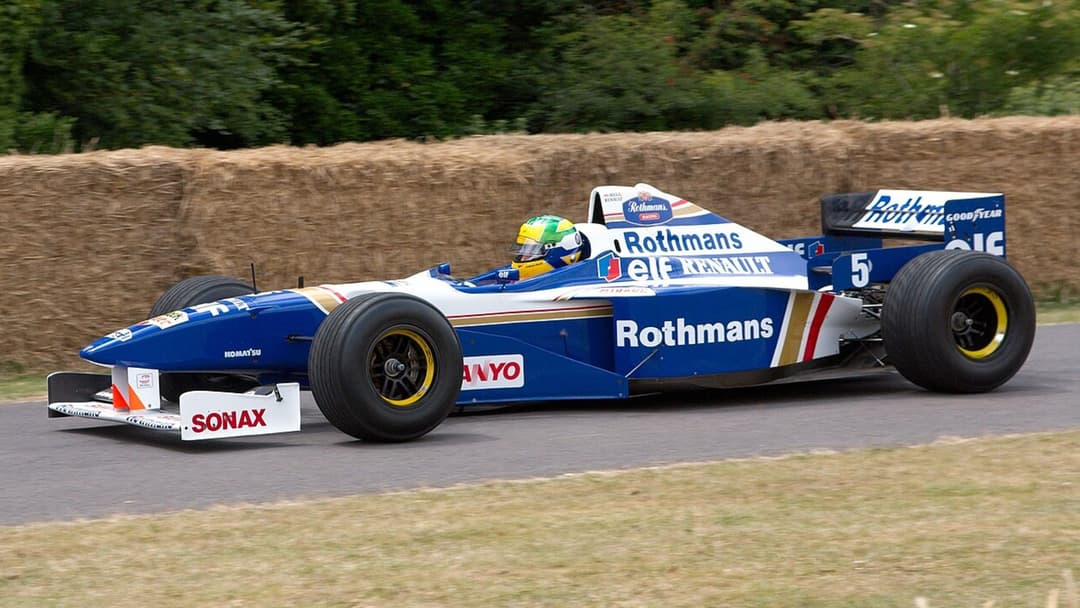
11. Williams FW18
Simplicity beat complex rivals. Patrick Head designed a stiff carbon monocoque around Renault's screaming three-liter V10 engine that accumulated 175 championship points and twelve victories in 1996. Damon Hill fulfilled his destiny.
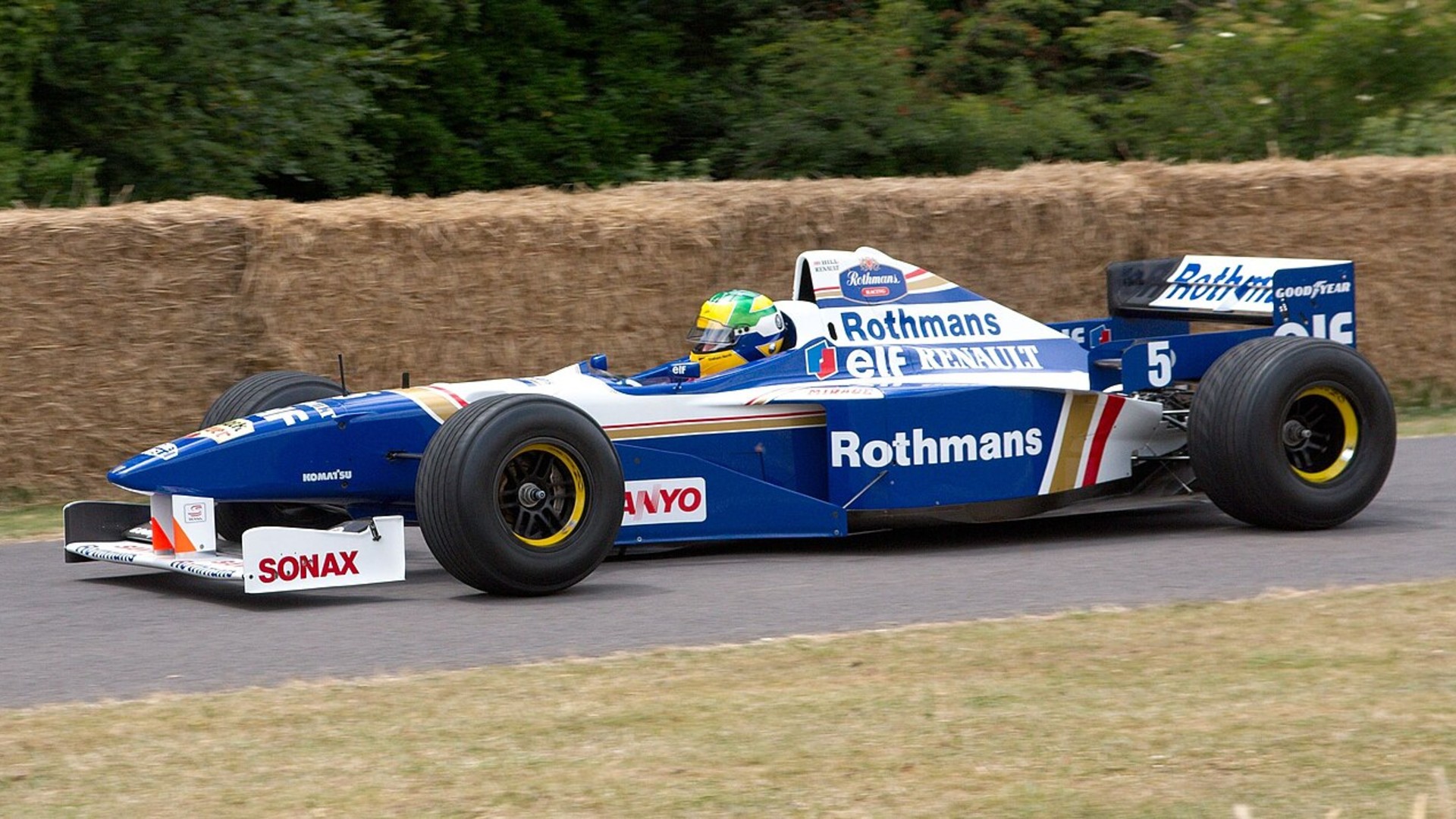
©Wikimedia / Andrew Basterfield
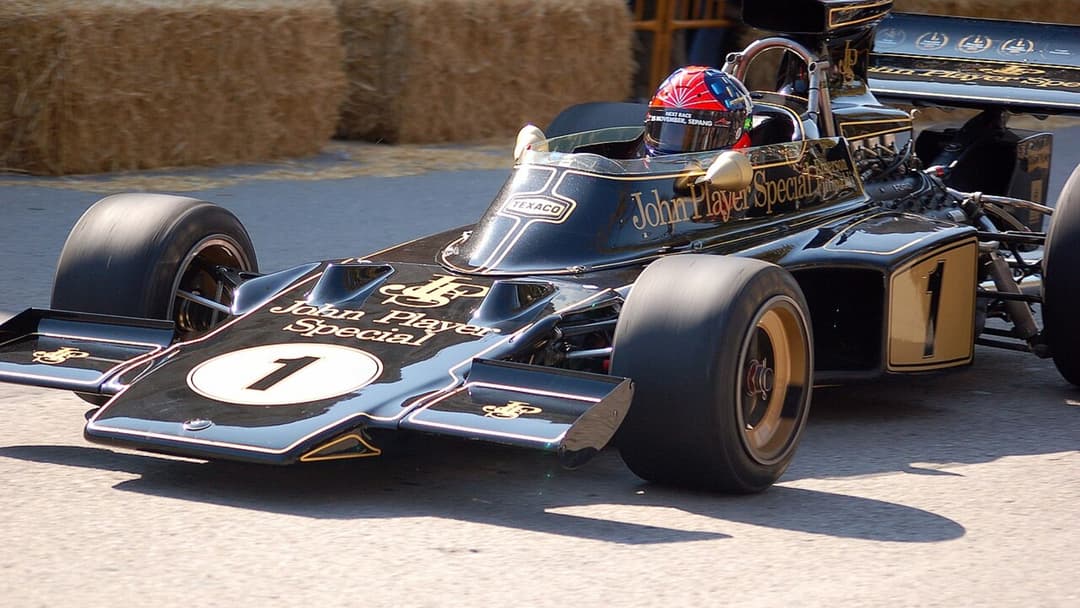
10. Lotus 72D
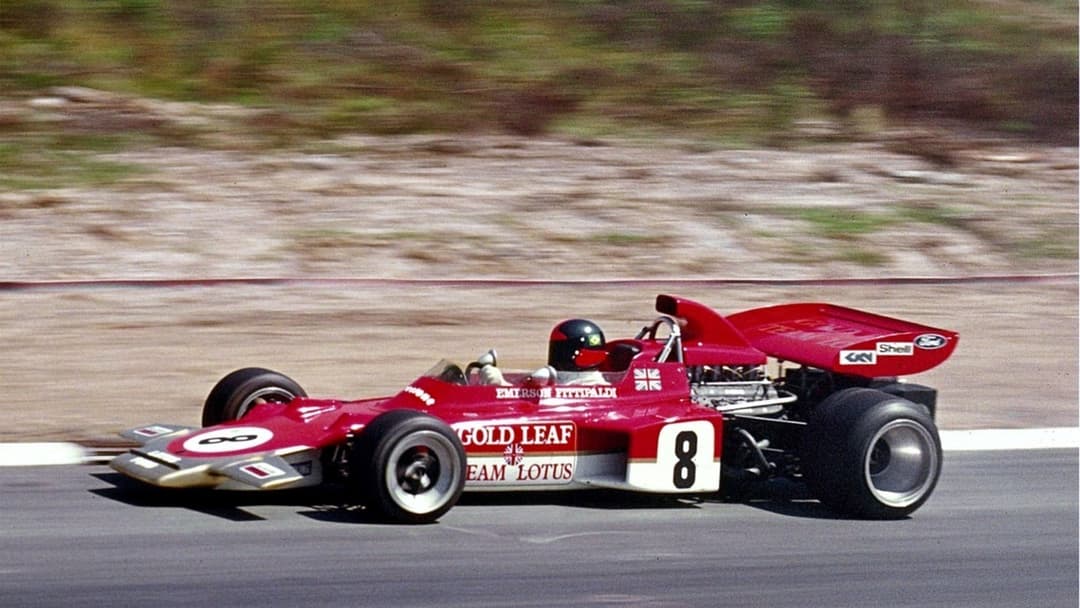
Gold stripes hid brute force. Emerson Fittipaldi became the youngest world champion in 1972 behind the wheel of this refined wedge-shaped thoroughbred that conquered five championship rounds. It's a motorsport masterpiece.
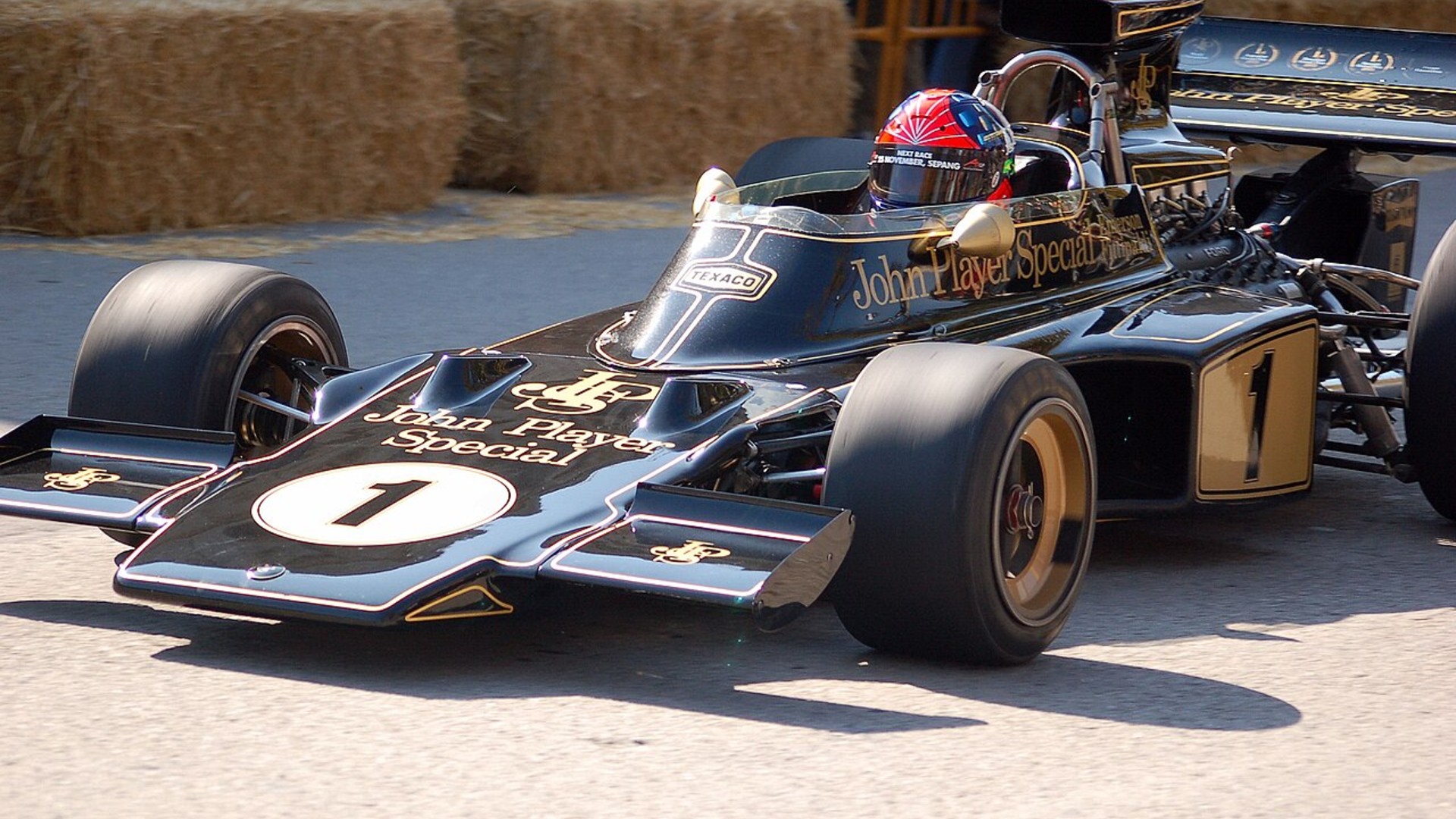
©Wikimedia / espinya
Advertisement
Swipe or tap ▶ to resume the countdown.
9. Williams FW14B
Computers eliminated body roll entirely. Nigel Mansell won the opening five races of 1992 and clinched the title in August at the Hungaroring with unmatched hydraulic stability. Rivals couldn't match its speed.
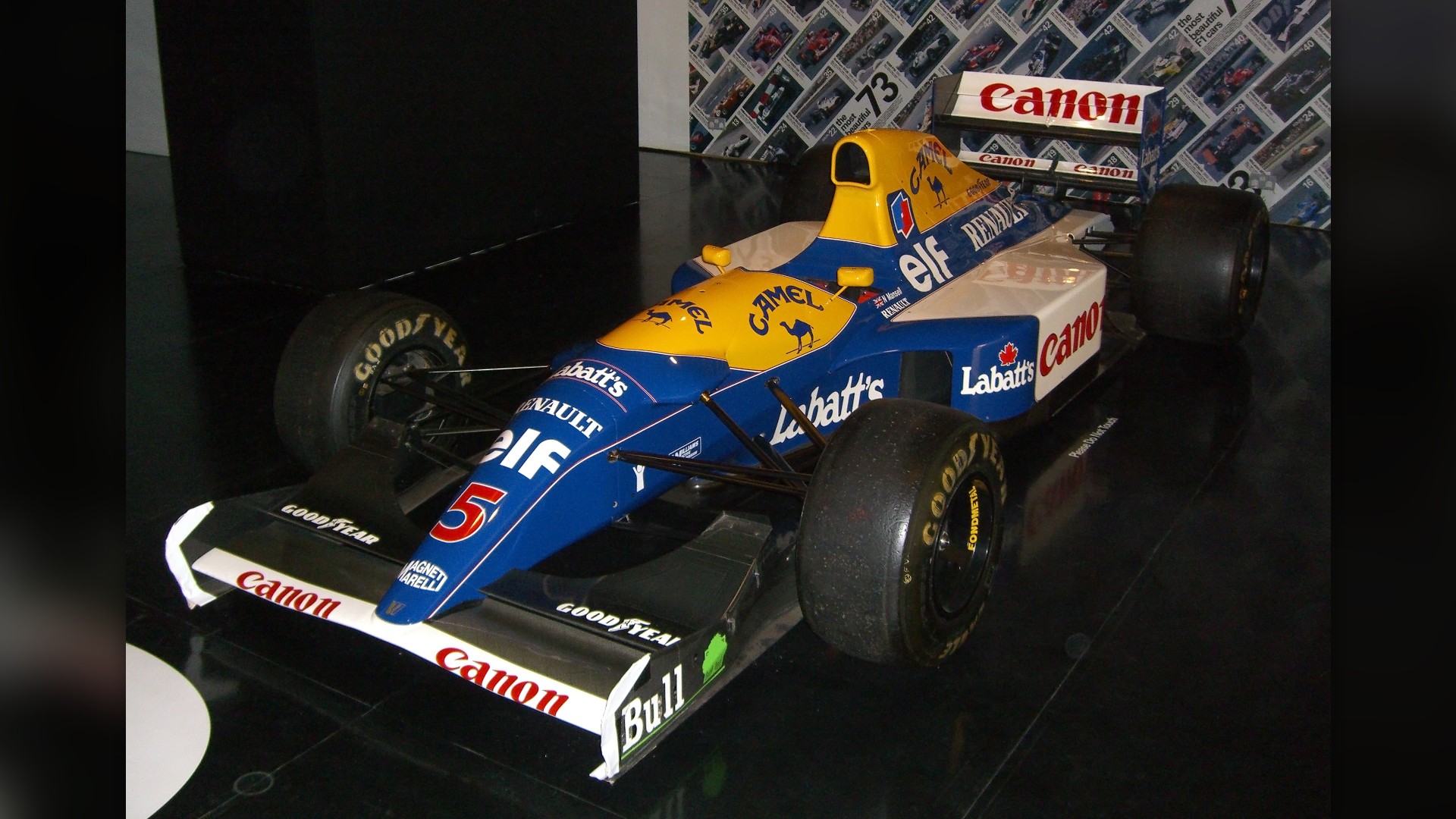
©Wikimedia / Williams FW14
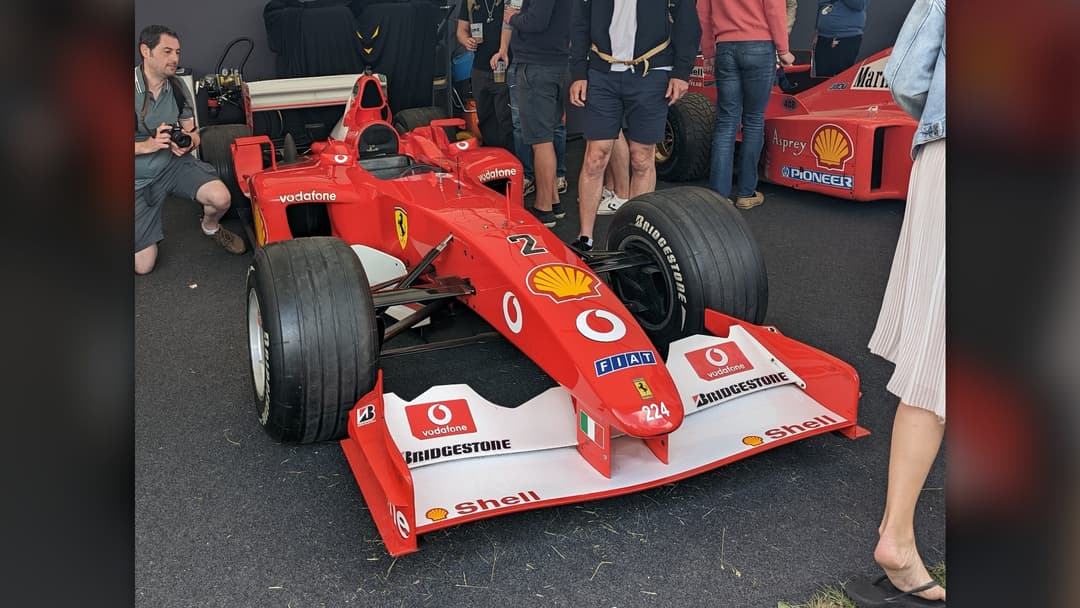
8. Ferrari F2002
Total consistency broke rival spirits. Michael Schumacher finished top three across all seventeen Grands Prix while the screaming V10 car took fifteen victories and clinched the drivers title by July. He dominated France completely.
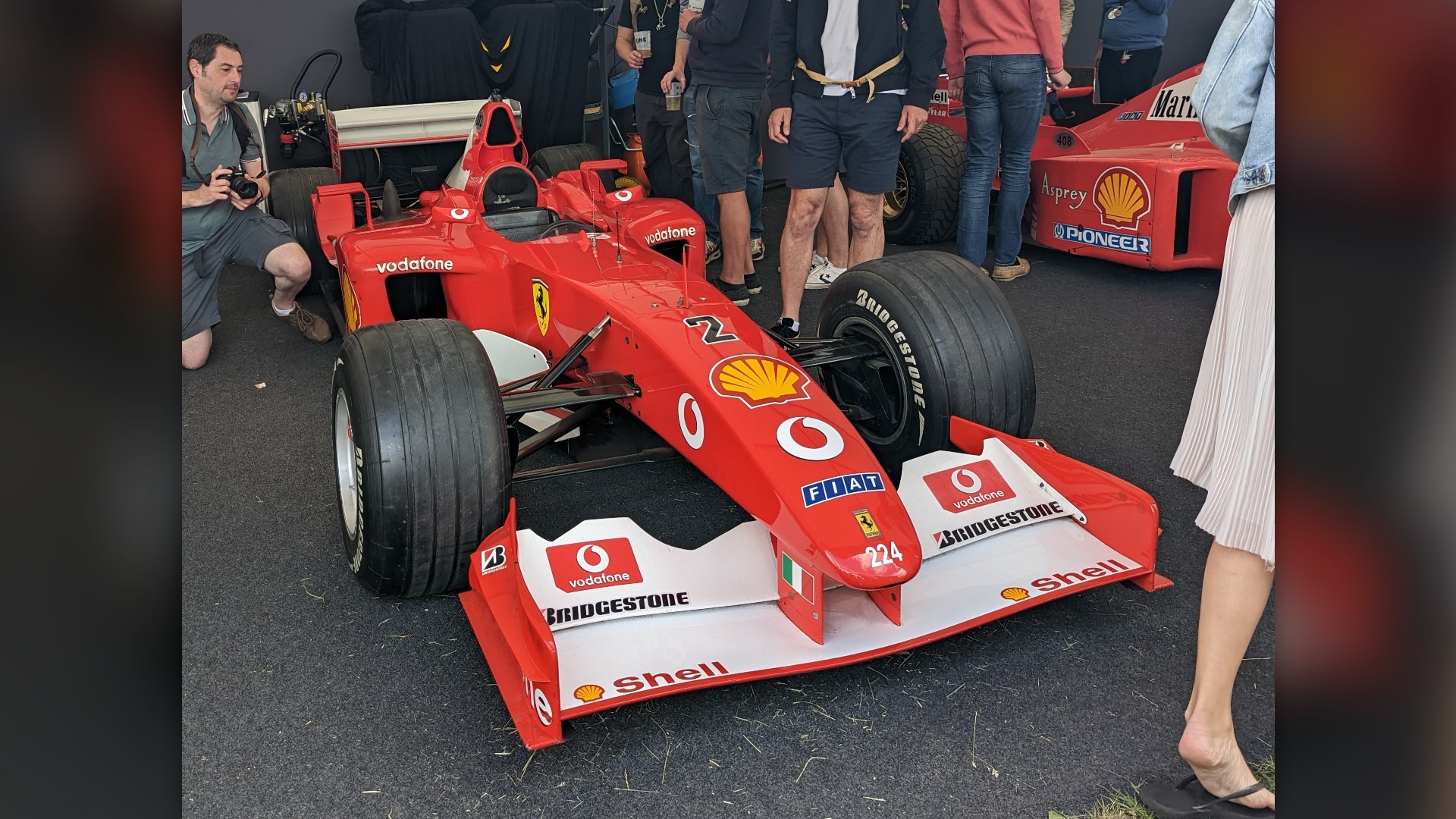
©Wikimedia / Calreyn88
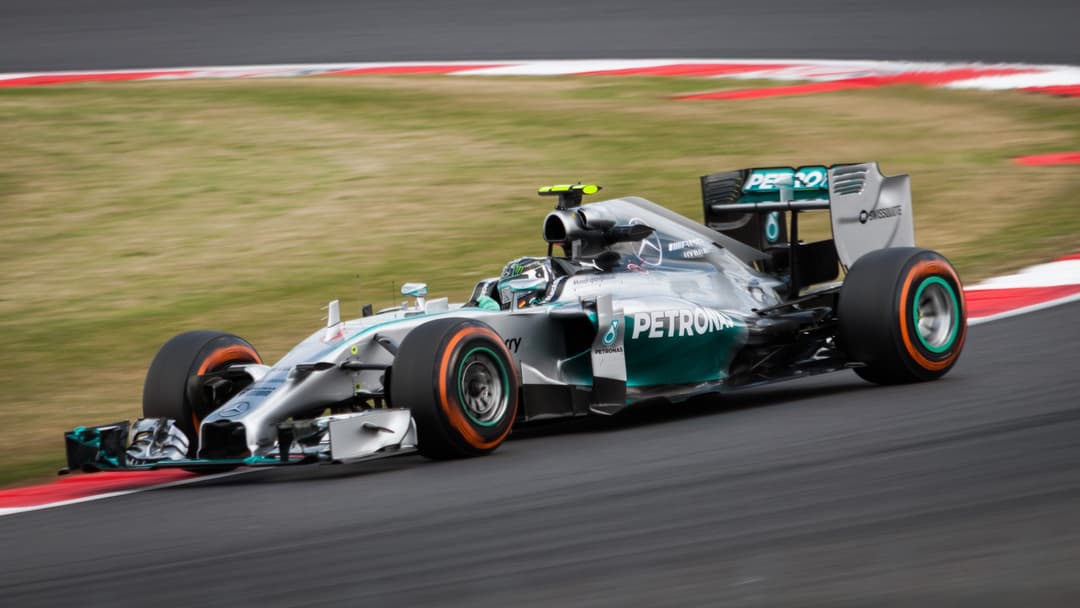
7. Mercedes F1 W05 Hybrid
Hybrid engines changed Formula 1. Lewis Hamilton and Nico Rosberg won sixteen of nineteen races in 2014, often finishing forty seconds clear of third place during uncontested Sunday afternoons. That began their modern dynasty.
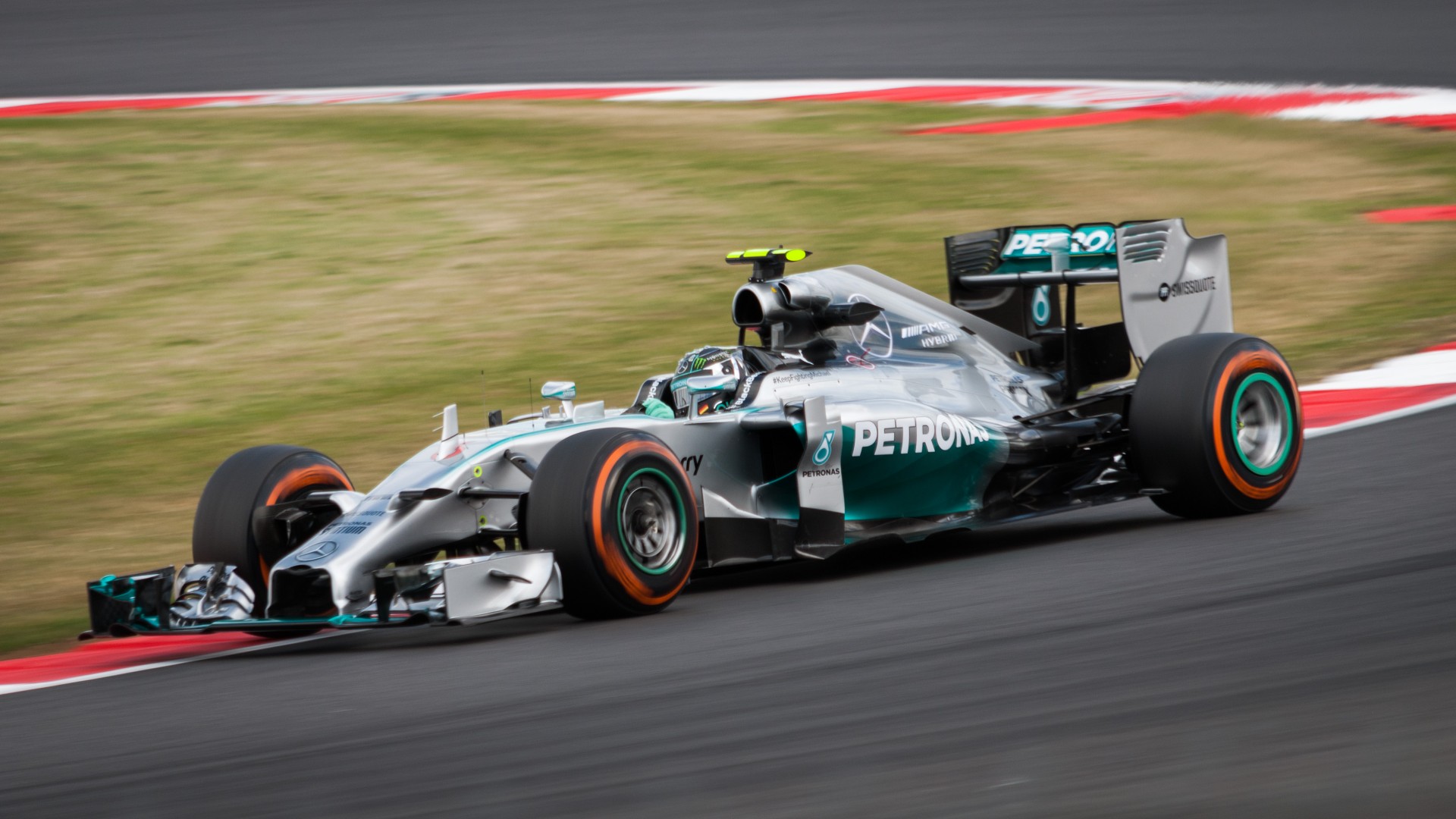
©Wikimedia / Mercedes F1 W05 Hybrid
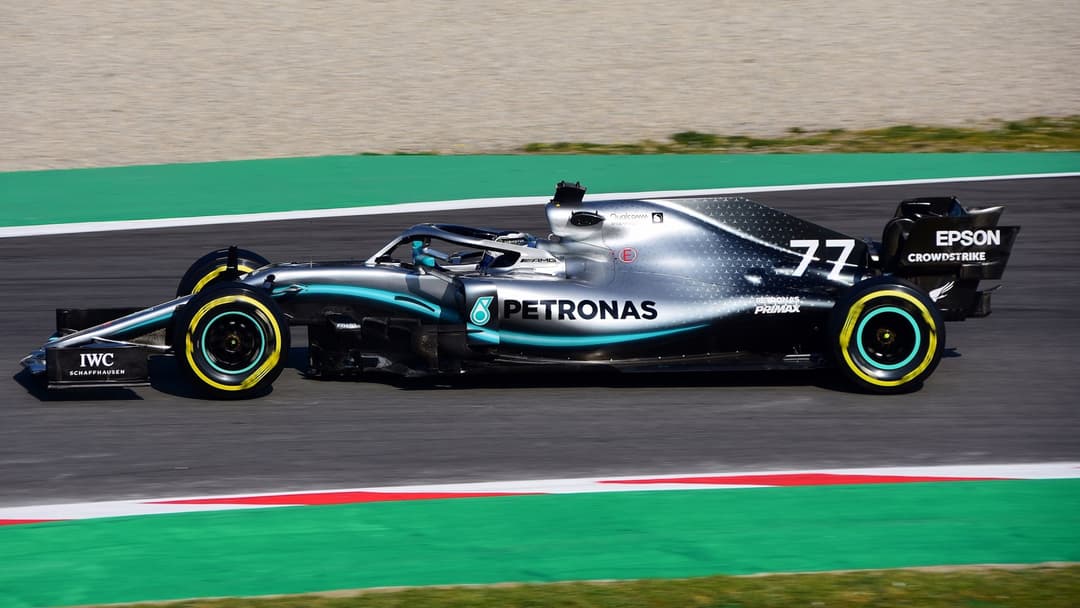
6. Mercedes-AMG F1 W10
Five straight sweeps shocked rivals. Lewis Hamilton and Valtteri Bottas delivered nine double-podium sweeps and fifteen Grand Prix wins across twenty-one rounds to lock down both championships. Nobody could close that gap.
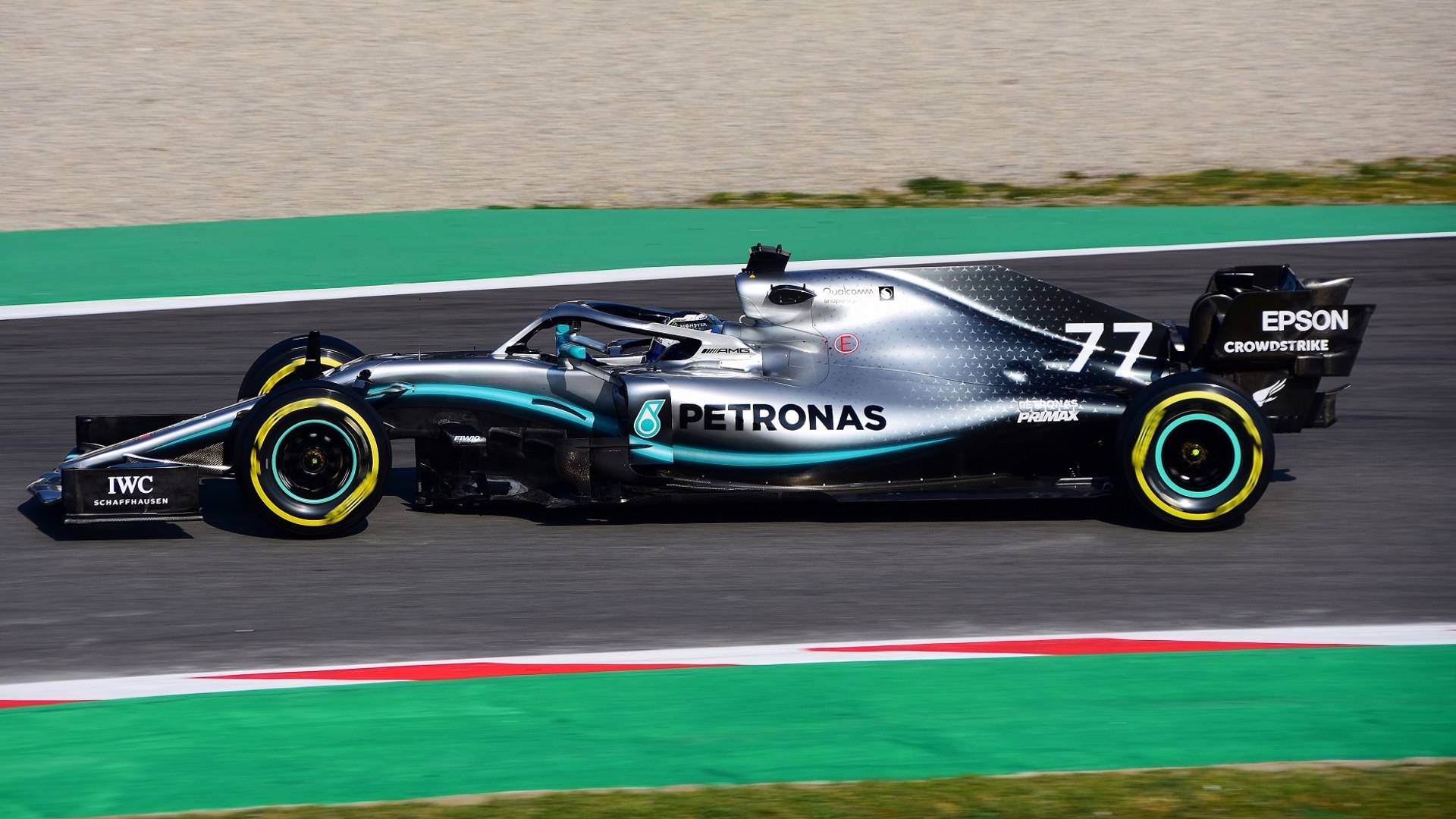
©Wikimedia / Artes Max from Spain
Advertisement
Swipe or tap ▶ to resume the countdown.
5. Ferrari 500
Four cylinders proved totally unbreakable. Alberto Ascari won every single Grand Prix he entered across the 1952 season, establishing an eighty-seven percent winning record that stood for seven decades. Rivals didn't stand a chance.
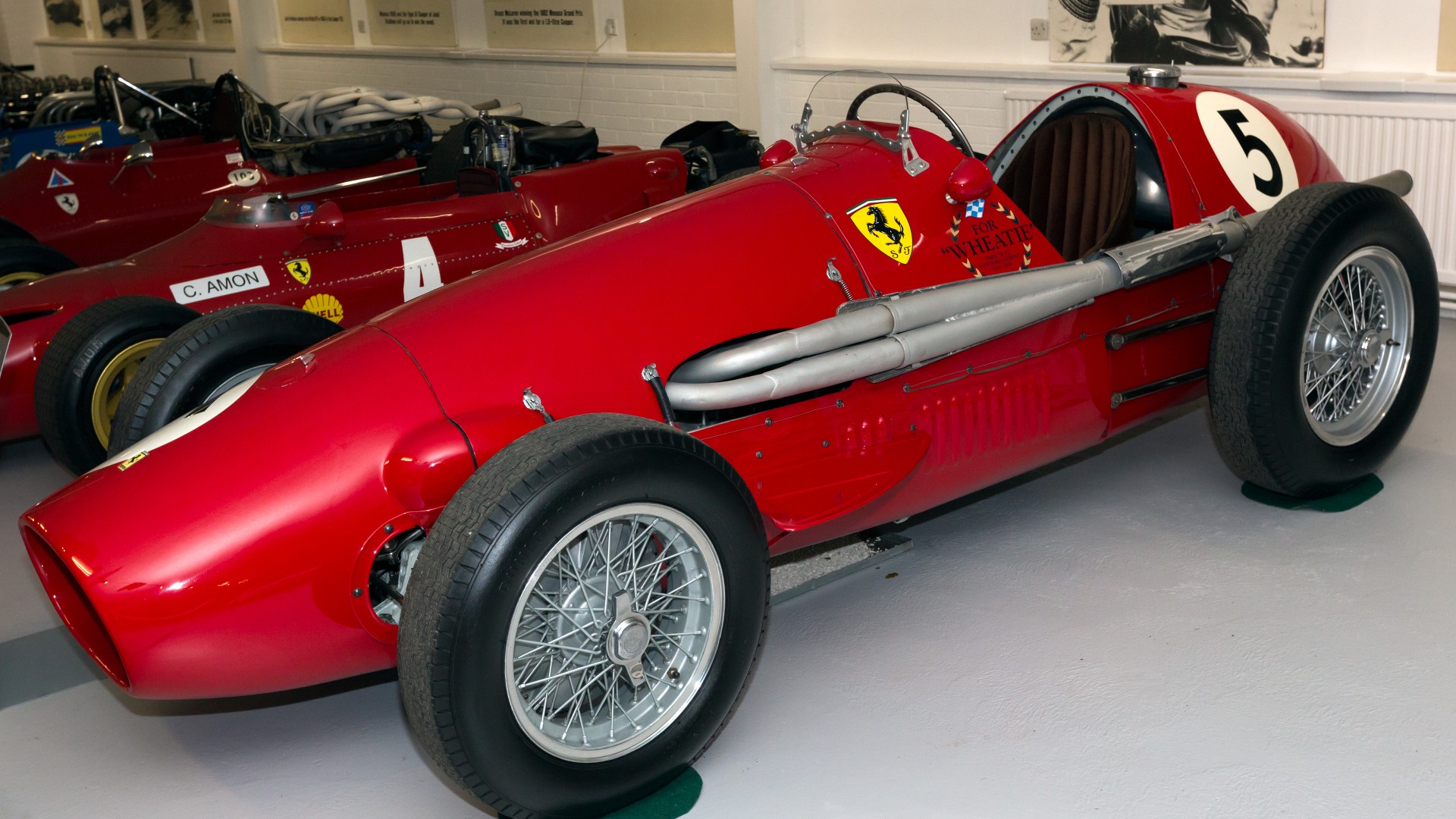
©Wikimedia / Ferrari Tipo 500
4. Mercedes-AMG F1 W11
Downforce shattered circuit records. The dual-axis steering system and immense hybrid power produced qualifying lap times that modern ground-effect regulations may never match again. It won thirteen races easily.
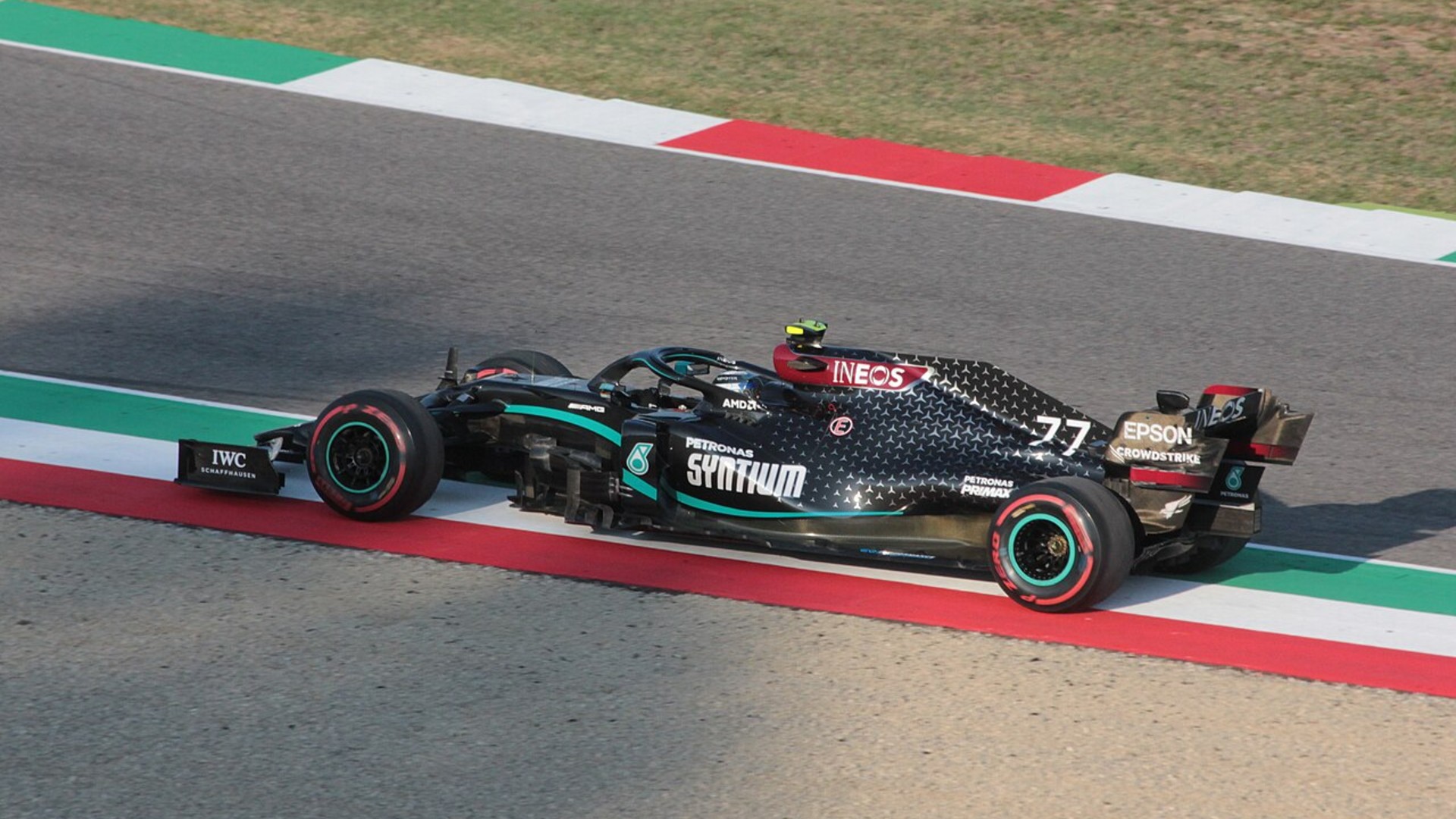
©Wikimedia / Eustace Bagge
3. Ferrari F2004
Schumacher won twelve of thirteen. The howling three-liter V10 engine produced unmatched reliability while Bridgestone tires provided blistering qualifying speed across hot tarmac on every European track. Maranello was never prouder.
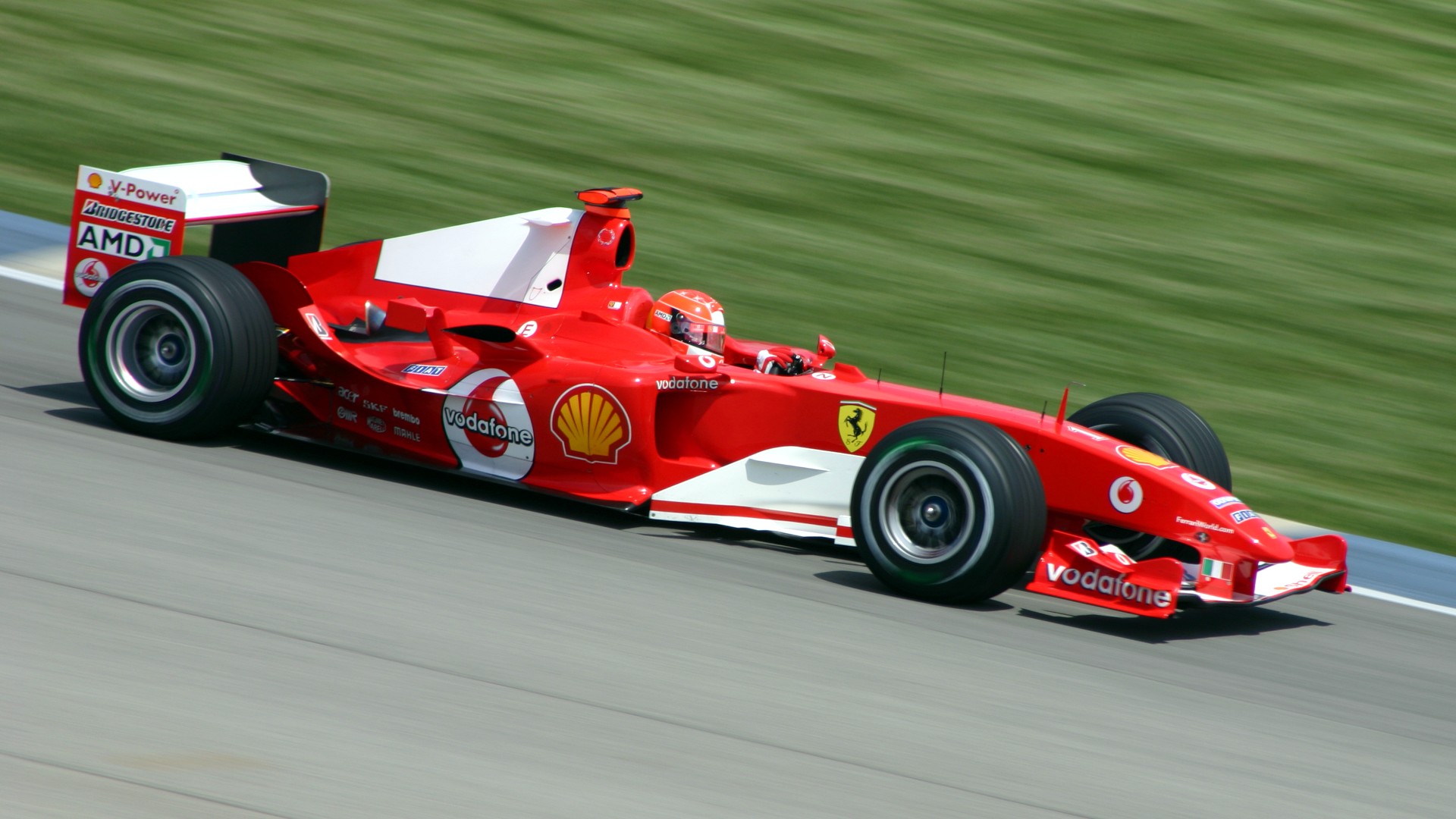
©Wikimedia / Ferrari F2004
2. McLaren MP4-4
Monza halted perfection in 1988. Gordon Murray designed an ultra-low chassis that allowed Honda turbo V6 power to dominate fifteen of sixteen races that year with devastating mechanical superiority. Senna and Prost lapped everyone.
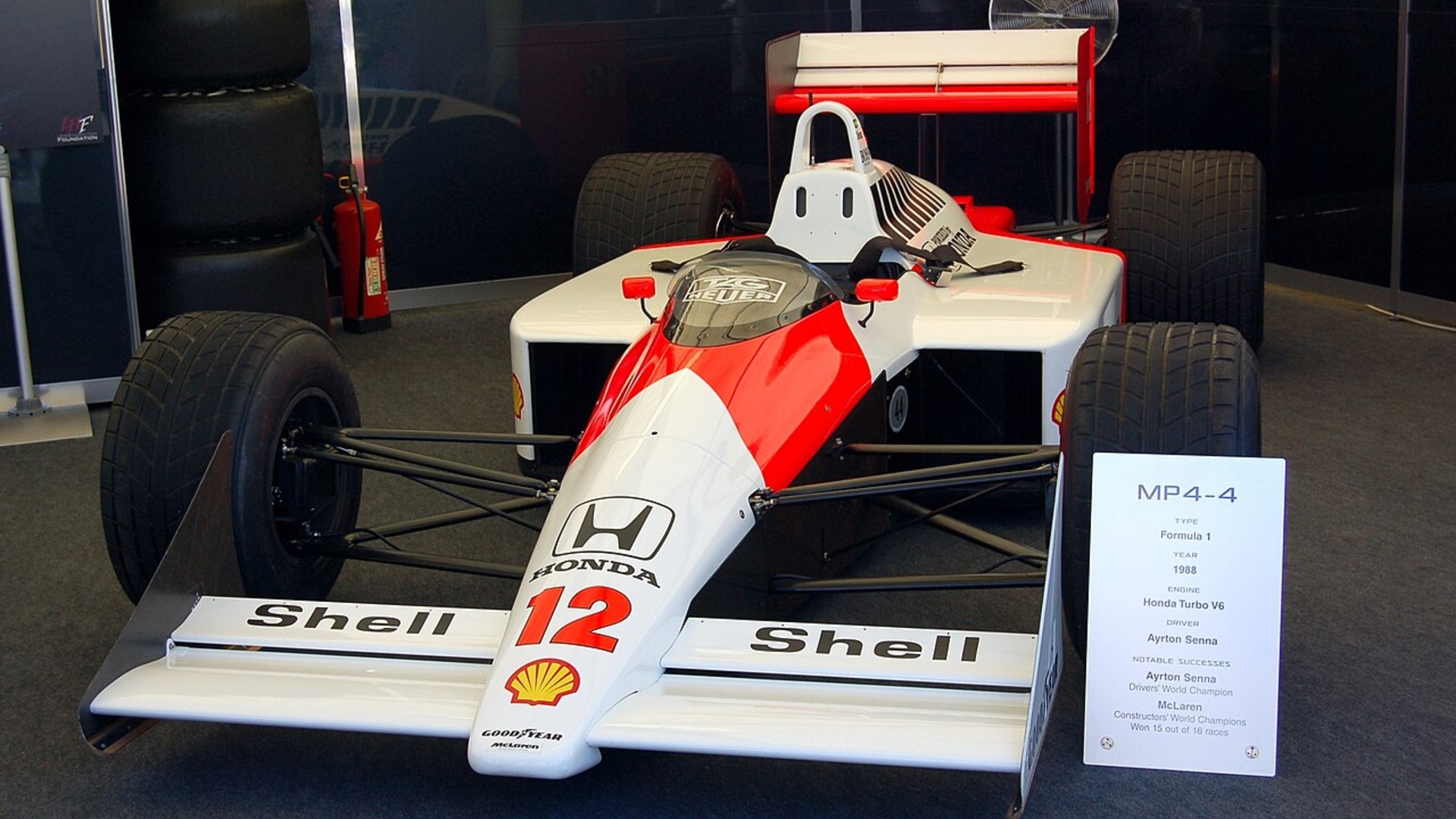
©Wikimedia / Bahnfrend
Advertisement
Swipe or tap ▶ to resume the countdown.
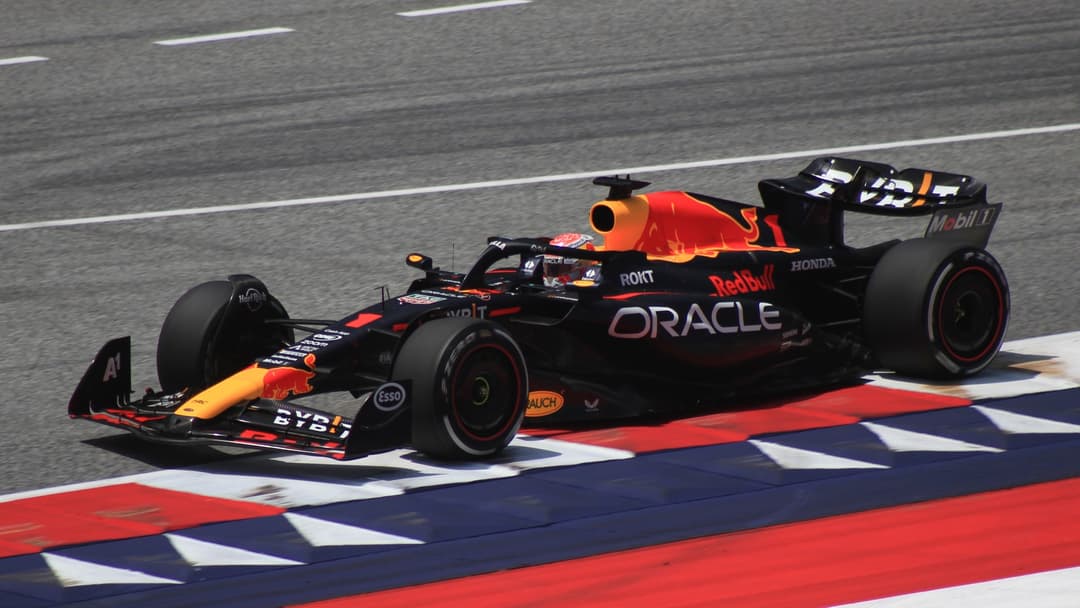
1. Red Bull Racing RB19
Perfection arrived in 2023. Max Verstappen and Sergio Perez claimed twenty-one victories out of twenty-two rounds, losing only in Singapore to Carlos Sainz during an unprecedented runaway season. It's the most dominant car ever.
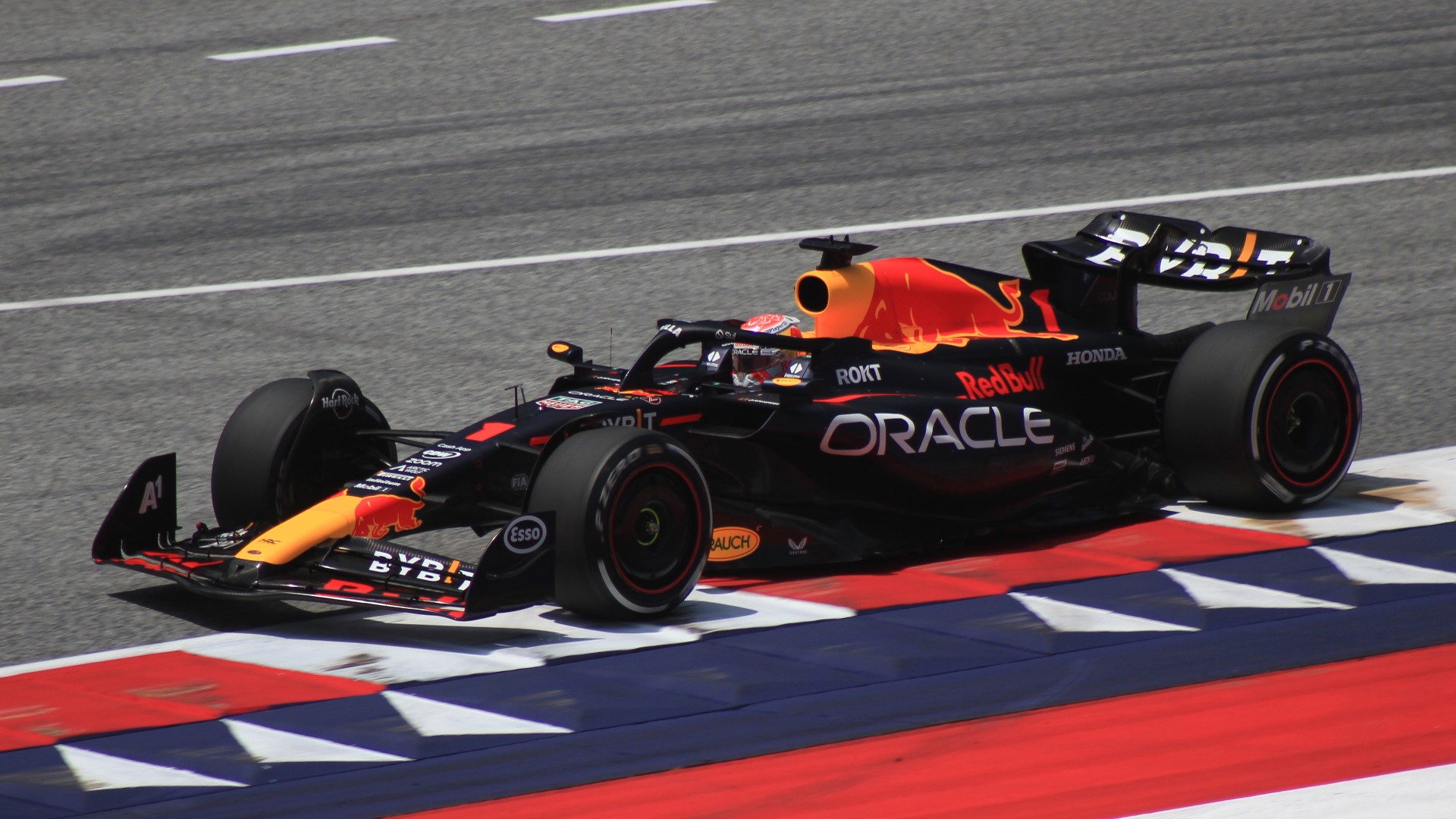
©Wikimedia / Red Bull Racing RB19
Advertisement
You've reached the end of the story. Thanks for reading!

20 Countries Linked to GTA Bans, Restrictions, or Censorship
Explore the fascinating world of global gaming regulations and censorship, detailing the countries that have implemented bans, digital store restrictions, or strict rating requirements on the popular Grand Theft Auto video game franchise.
All 20 Entries in this Story
20. Red Bull RB7
Blown diffusers ruled 2011. Adrian Newey routed hot exhaust gases across the floor to generate immense downforce through high-speed sweeps on every Grand Prix circuit. Vettel grabbed fifteen poles.

19. Williams FW15C
Driver aids peaked here. The machine featured active hydraulic suspension, anti-lock brakes, and automated transmissions that consistently outpaced rival cars across the entire calendar. Alain Prost won easily.

18. Mercedes-Benz W196
Streamlined bodywork stunned purists. Direct fuel injection and desmodromic valves powered Juan Manuel Fangio to back-to-back world championships across 1954 and 1955 with remarkable mechanical reliability. It's a post-war classic.

17. Lotus 72
Side radiators changed everything. The wedge profile generated passive downforce while inboard front brakes reduced unsprung weight across bumpy European circuits during five consecutive racing seasons. Jochen Rindt took title honors.

16. Brawn BGP 001
Fairytales happen rarely. Ross Brawn bought the bankrupt Brackley squad for one single pound before Jenson Button won six of the opening seven races in convincing fashion. That double diffuser stunned everyone.

15. McLaren MP4-13
Narrowed tracks arrived in 1998. Adrian Newey penned a nimble silver chassis that delivered ninety-eight points and nine victories in sixteen races against fierce Ferrari resistance. Mika outdueled Michael under pressure.

14. Red Bull RB9
Nine straight wins stunned everyone. The agile Renault-powered chassis generated relentless cornering grip during the second half of the 2013 season to sweep nine consecutive Grand Prix victories. Vettel led hundreds of laps.

13. Ferrari F2001
Dropped noses dominated development. Michael Schumacher claimed his fourth drivers crown in Hungary with four full rounds remaining in the championship after scoring nine dominant race wins. Ferrari crushed McLaren and Williams.

12. McLaren MP4-2
Turbo power crushed 1984. Niki Lauda edged teammate Alain Prost for the championship by half a point while the chassis swept twelve of sixteen races with unmatched mechanical consistency. It started McLaren's dynasty.

11. Williams FW18
Simplicity beat complex rivals. Patrick Head designed a stiff carbon monocoque around Renault's screaming three-liter V10 engine that accumulated 175 championship points and twelve victories in 1996. Damon Hill fulfilled his destiny.

10. Lotus 72D
Gold stripes hid brute force. Emerson Fittipaldi became the youngest world champion in 1972 behind the wheel of this refined wedge-shaped thoroughbred that conquered five championship rounds. It's a motorsport masterpiece.

9. Williams FW14B
Computers eliminated body roll entirely. Nigel Mansell won the opening five races of 1992 and clinched the title in August at the Hungaroring with unmatched hydraulic stability. Rivals couldn't match its speed.

8. Ferrari F2002
Total consistency broke rival spirits. Michael Schumacher finished top three across all seventeen Grands Prix while the screaming V10 car took fifteen victories and clinched the drivers title by July. He dominated France completely.

7. Mercedes F1 W05 Hybrid
Hybrid engines changed Formula 1. Lewis Hamilton and Nico Rosberg won sixteen of nineteen races in 2014, often finishing forty seconds clear of third place during uncontested Sunday afternoons. That began their modern dynasty.

6. Mercedes-AMG F1 W10
Five straight sweeps shocked rivals. Lewis Hamilton and Valtteri Bottas delivered nine double-podium sweeps and fifteen Grand Prix wins across twenty-one rounds to lock down both championships. Nobody could close that gap.

5. Ferrari 500
Four cylinders proved totally unbreakable. Alberto Ascari won every single Grand Prix he entered across the 1952 season, establishing an eighty-seven percent winning record that stood for seven decades. Rivals didn't stand a chance.

4. Mercedes-AMG F1 W11
Downforce shattered circuit records. The dual-axis steering system and immense hybrid power produced qualifying lap times that modern ground-effect regulations may never match again. It won thirteen races easily.

3. Ferrari F2004
Schumacher won twelve of thirteen. The howling three-liter V10 engine produced unmatched reliability while Bridgestone tires provided blistering qualifying speed across hot tarmac on every European track. Maranello was never prouder.

2. McLaren MP4-4
Monza halted perfection in 1988. Gordon Murray designed an ultra-low chassis that allowed Honda turbo V6 power to dominate fifteen of sixteen races that year with devastating mechanical superiority. Senna and Prost lapped everyone.

1. Red Bull Racing RB19
Perfection arrived in 2023. Max Verstappen and Sergio Perez claimed twenty-one victories out of twenty-two rounds, losing only in Singapore to Carlos Sainz during an unprecedented runaway season. It's the most dominant car ever.