Slideshow · Sports
20 Extreme Outdoor Adventure Sports Around the World
From plummeting down active volcanic slopes to skimming jagged alpine cliffs at highway speeds, extreme adventure sports push human endurance to the outer edge of survival. Requiring elite training and intense focus, these global pursuits test athletic daring. Verified via Red Bull, FAI, and UIAA sporting records.
By Most Viral Today
38 min ago

Defying Gravity, Raging Waters, and Vertical Peaks Around the Globe 
20. Sandboarding 
19. Whitewater Kayaking 
18. Ice Climbing - AdvertisementSwipe or tap ▶ to continue countdown

17. Downhill Mountain Biking 
16. Kitesurfing Big Waves 
15. Volcano Boarding 
14. Highlining - AdvertisementSwipe or tap ▶ to continue countdown

13. Extreme Bungee Jumping 
12. Deep Water Soloing 
11. Big Mountain Heli-Skiing 
10. Waterfall Kayaking - AdvertisementSwipe or tap ▶ to continue countdown

9. Cliff Diving 
8. Cave Diving 
7. Big Wave Surfing 
6. Free Solo Climbing - AdvertisementSwipe or tap ▶ to continue countdown

5. High-Altitude Mountaineering 
4. Freediving 
3. Speedflying And Speed Riding 
2. BASE Jumping - AdvertisementSwipe or tap ▶ to continue countdown

1. Wingsuit Proximity Flying - Advertisement🔥 UP NEXT IN THIS SERIES◫ 23 Slides

22 Places to See Steelers and Broncos History Before Black Friday
Pittsburgh and Denver bring decades of championship history into their Black Friday 2026 matchup. From historic summer training campuses and demolished bowl venues to Canton busts and modern riverfront stadiums, these 22 real-world landmarks trace the roads both AFC franchises traveled to reach kickoff today.
From plummeting down active volcanic slopes to skimming jagged alpine cliffs at highway speeds, extreme adventure sports push human endurance to the outer edge of survival. Requiring elite training and intense focus, these global pursuits test athletic daring. Verified via Red Bull, FAI, and UIAA sporting records.
Swipe or tap ▶ to begin the countdown
© Photo by Jonathan Francis on Unsplash
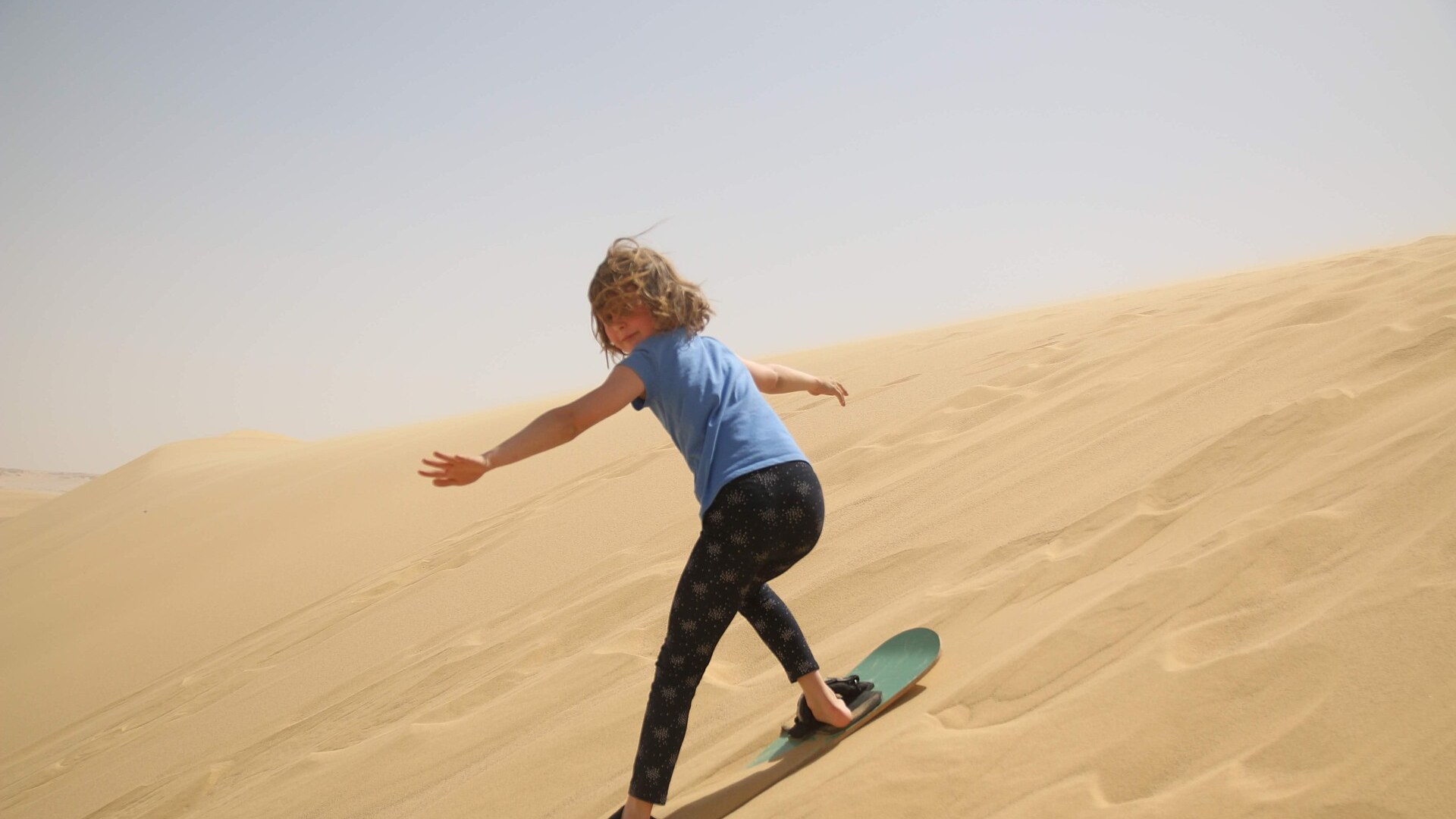
20. Sandboarding
Originating on coastal desert dunes in Peru, Namibia, and Australia, sandboarding challenges riders to navigate shifting sand faces reaching heights of several hundred feet. Reaching speeds exceeding forty miles per hour on custom wax-treated composite decks, athletes carve steep drop-offs without safety rails.
©Wikimedia / Collinsalex2
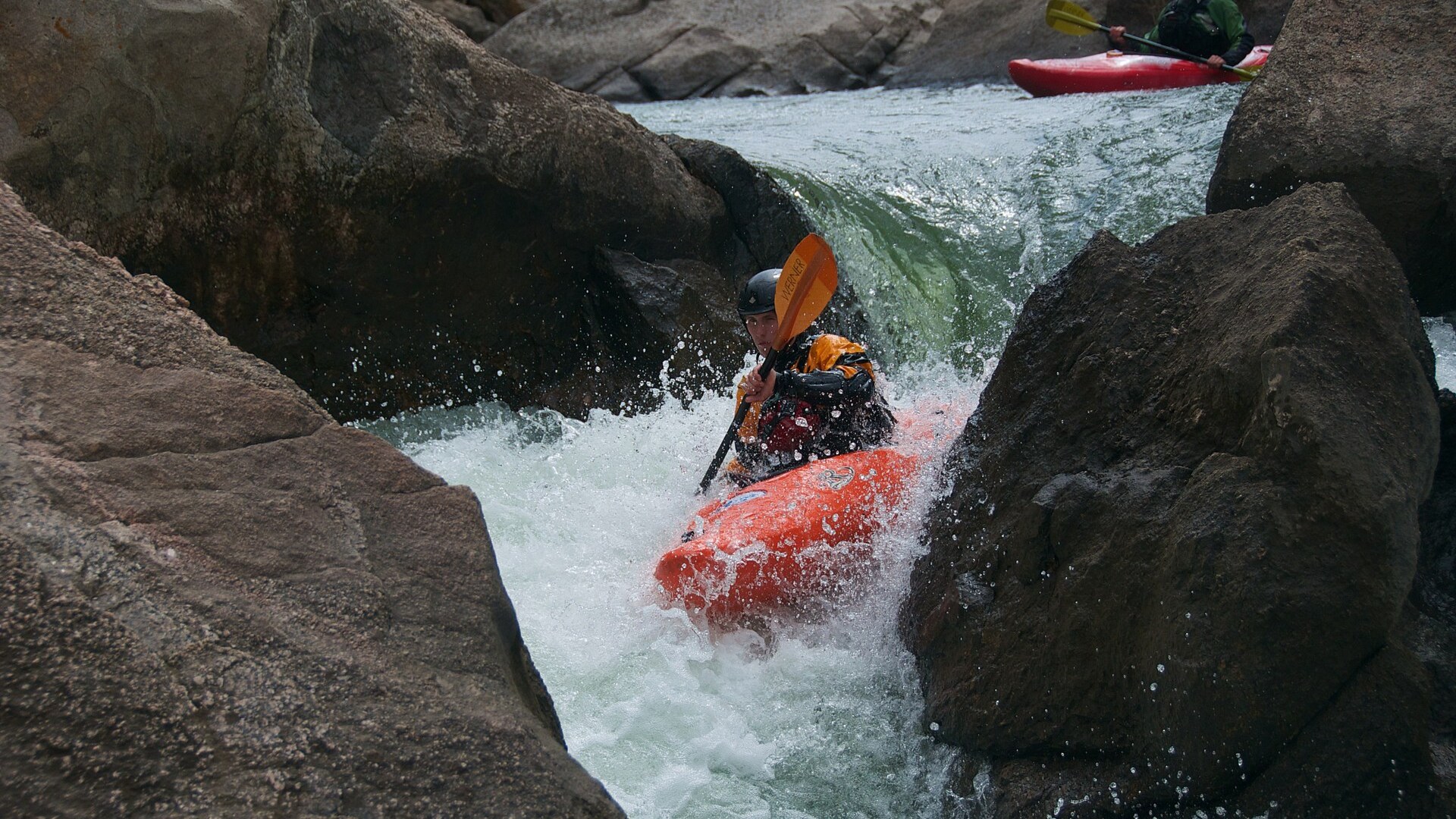
19. Whitewater Kayaking
Navigating turbulent Class V mountain rivers demands paddle precision, rapid reflexes, and absolute calm under immense hydraulic pressure. Paddlers plunge down steep river gorges, dodge hazardous undercut rocks, and negotiate powerful whirlpools, where an unexpected capsize requires immediate combat roll recovery.
©Wikimedia / Alex Kerney
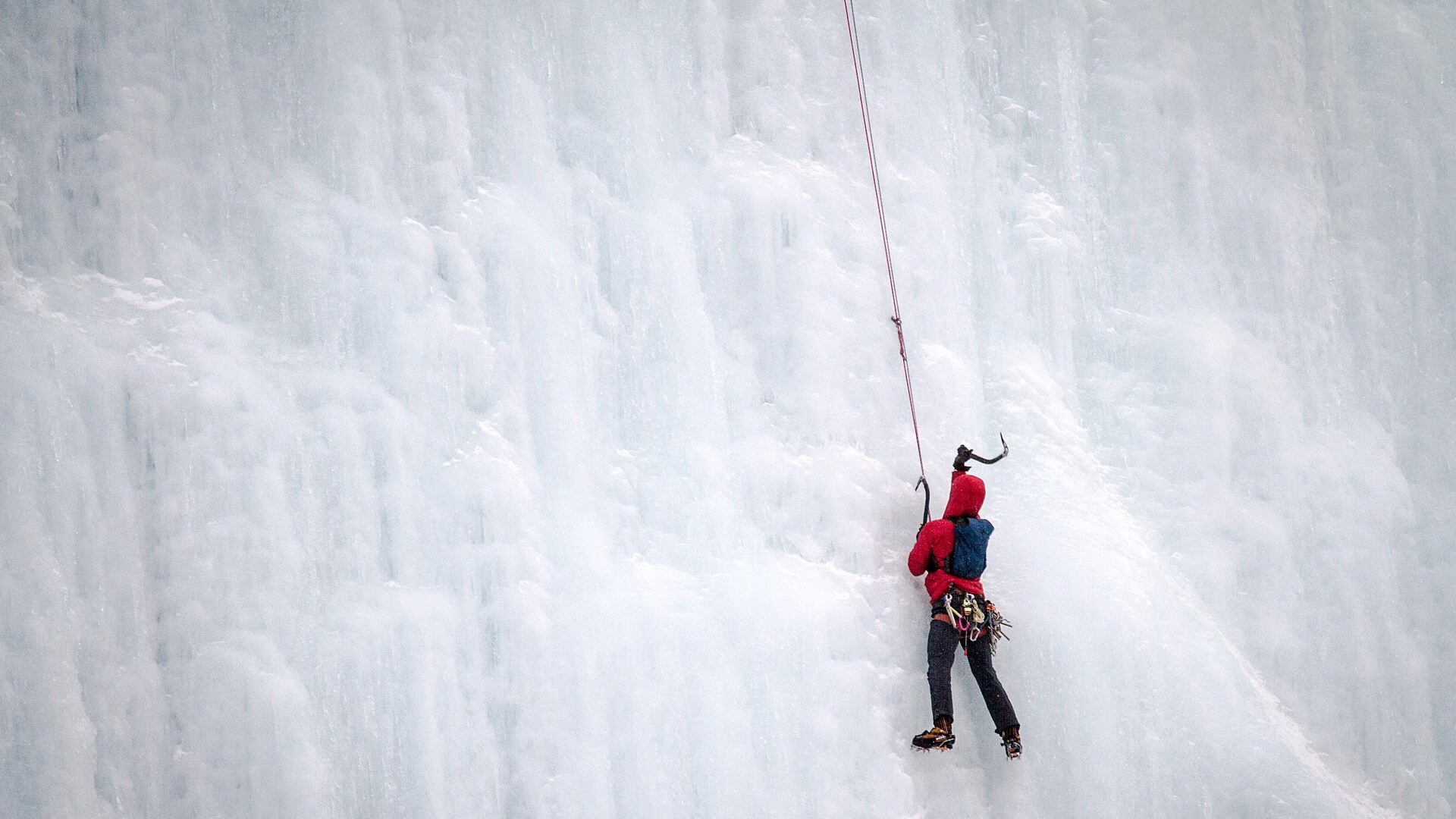
18. Ice Climbing
Ascending vertical frozen waterfalls and hanging glacial seracs tests upper-body power and mental discipline. Equipped with curved ice axes, rigid steel crampons, and specialized ice screws, climbers scale unstable frozen pillars where ambient temperatures and shifting sun exposure alter structural ice safety.
©Wikimedia / Dwayne Reilander
Advertisement
Swipe or tap ▶ to resume the countdown.
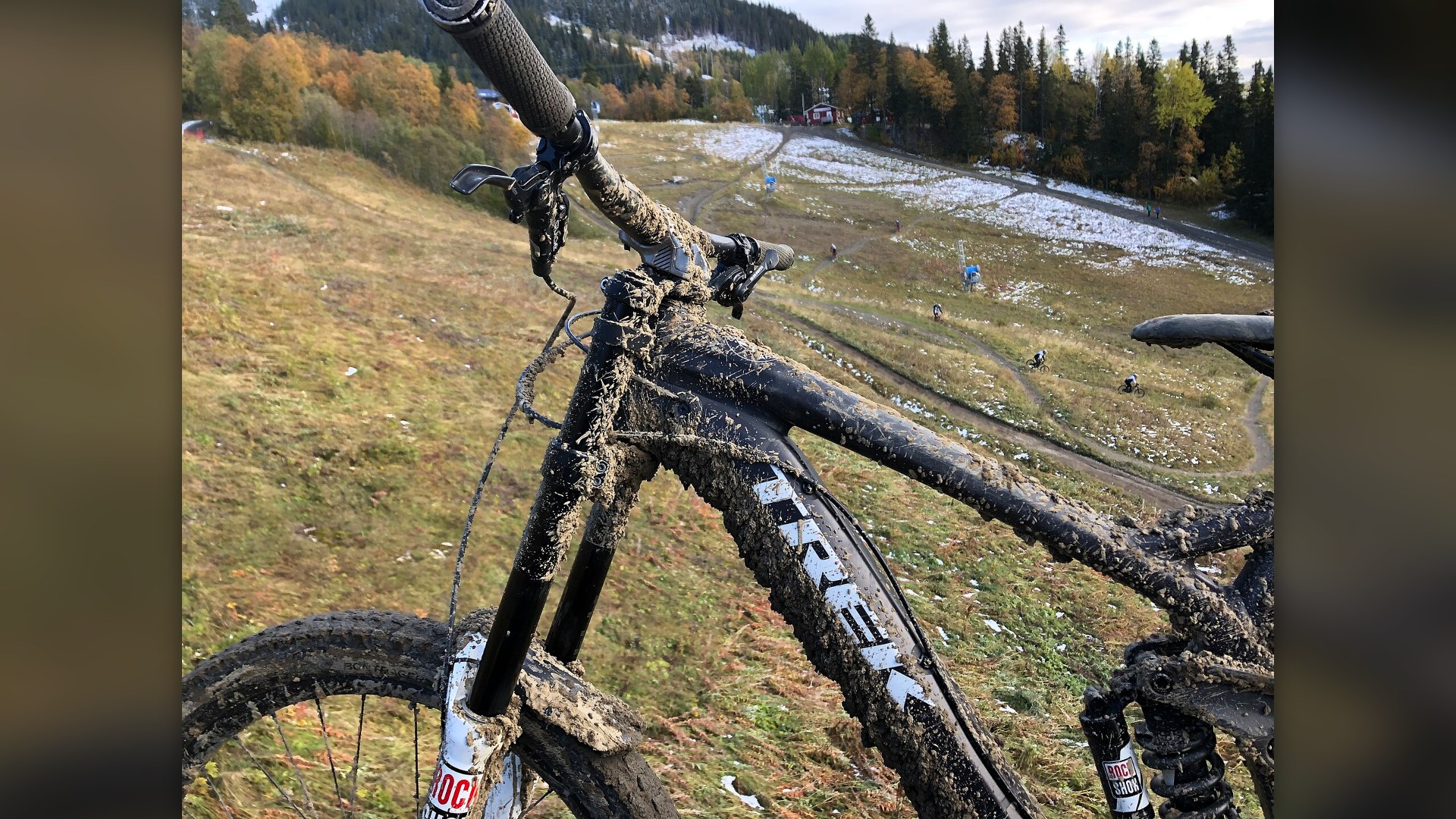
17. Downhill Mountain Biking
Riders hurtle down steep mountain courses featuring rock gardens, exposed cliffside berms, and fifty-foot gap jumps at speeds topping forty miles per hour. Celebrated in events like Red Bull Rampage, competitors rely on high-travel suspension and full-body armor to absorb violent impacts across natural drops.
©Wikimedia / Stickansol
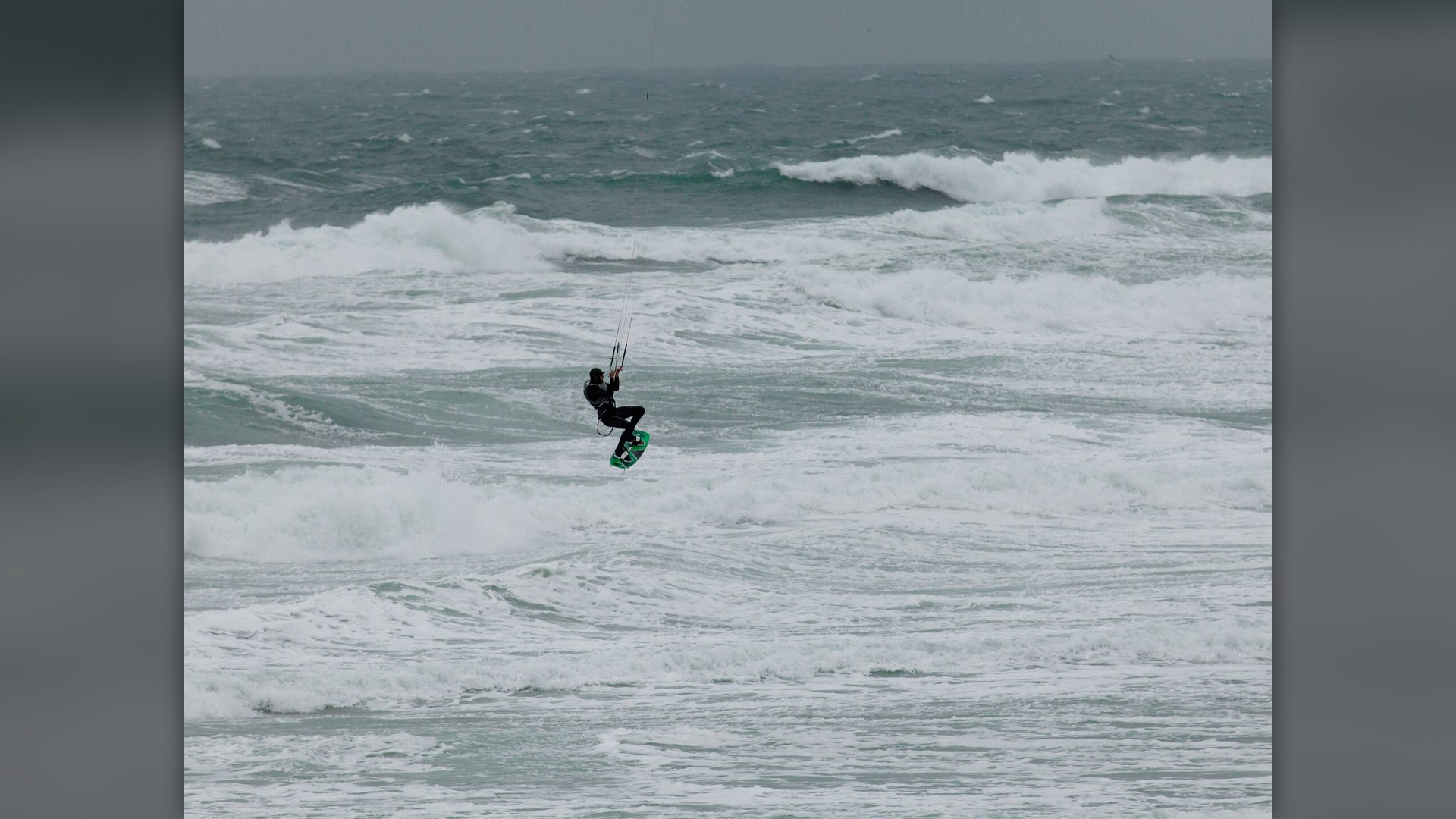
16. Kitesurfing Big Waves
Propelled by large steerable foil kites in gale-force ocean winds, kitesurfers carve enormous breaking swells and boost airborne jumps exceeding sixty feet. Combining board-riding agility with aerodynamic flight control, participants face heavy wave impacts and sudden wind gusts that can pull riders off balance.
©Wikimedia / Grand Parc - Bordeaux, France from France
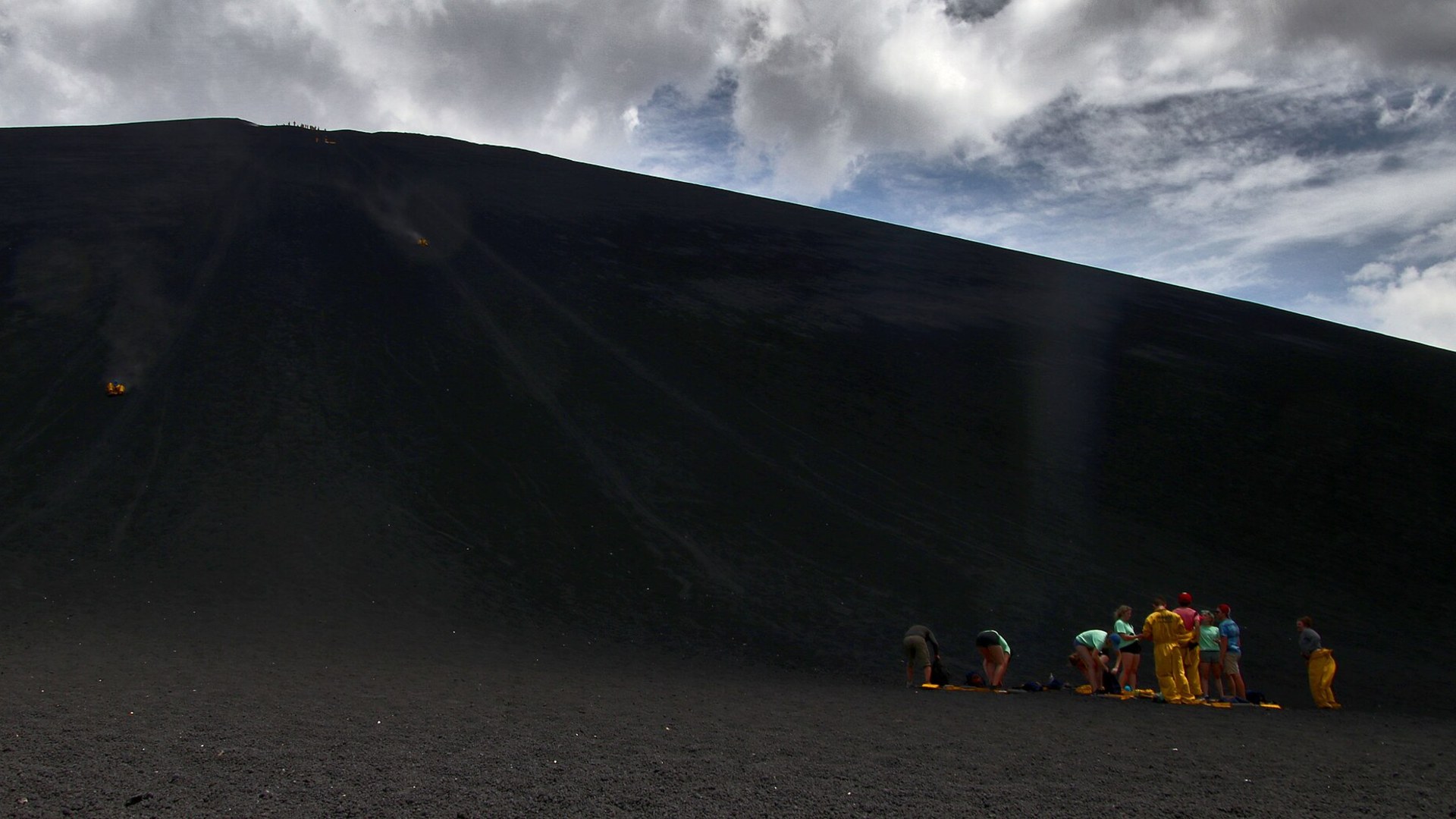
15. Volcano Boarding
Popularized on the black volcanic slopes of Cerro Negro in Nicaragua, volcano boarders slide down loose gravel inclines angled at forty-one degrees. Clad in protective jumpsuits and goggles, riders sit or stand on reinforced plywood sleds, enduring sharp abrasive scree as speeds easily top fifty miles per hour.
©Wikimedia / Guillaume Baviere from Uppsala, Sweden
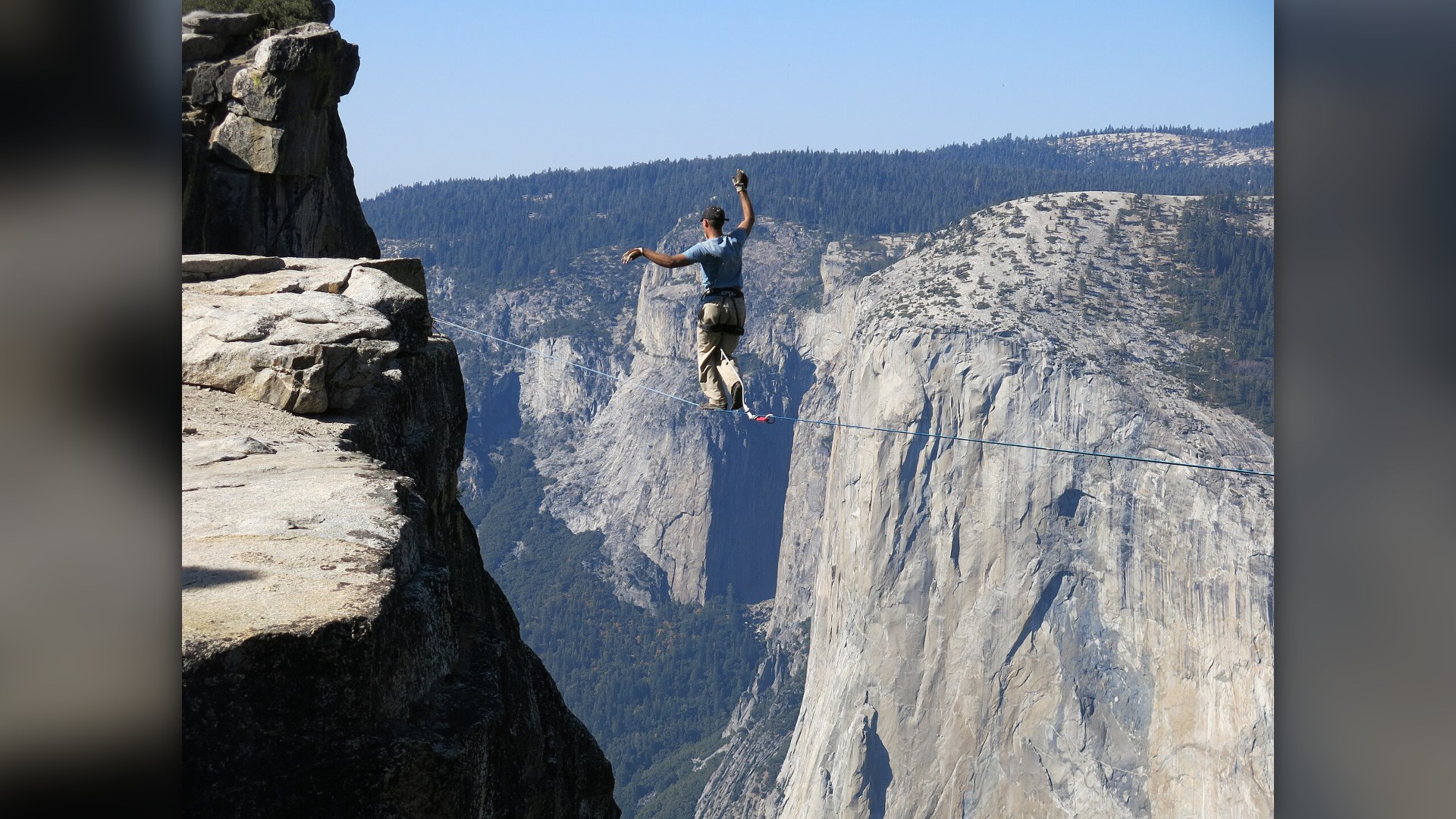
14. Highlining
Suspended thousands of feet above rocky canyons and alpine chasms, highliners balance on a narrow one-inch polyester webbing strap. Despite wearing safety leashes, athletes confront immense psychological vertigo and gusty mountain crosswinds, needing calm respiratory pacing to step across open aerial expanses.
©Wikimedia / LiAnna Davis
Advertisement
Swipe or tap ▶ to resume the countdown.
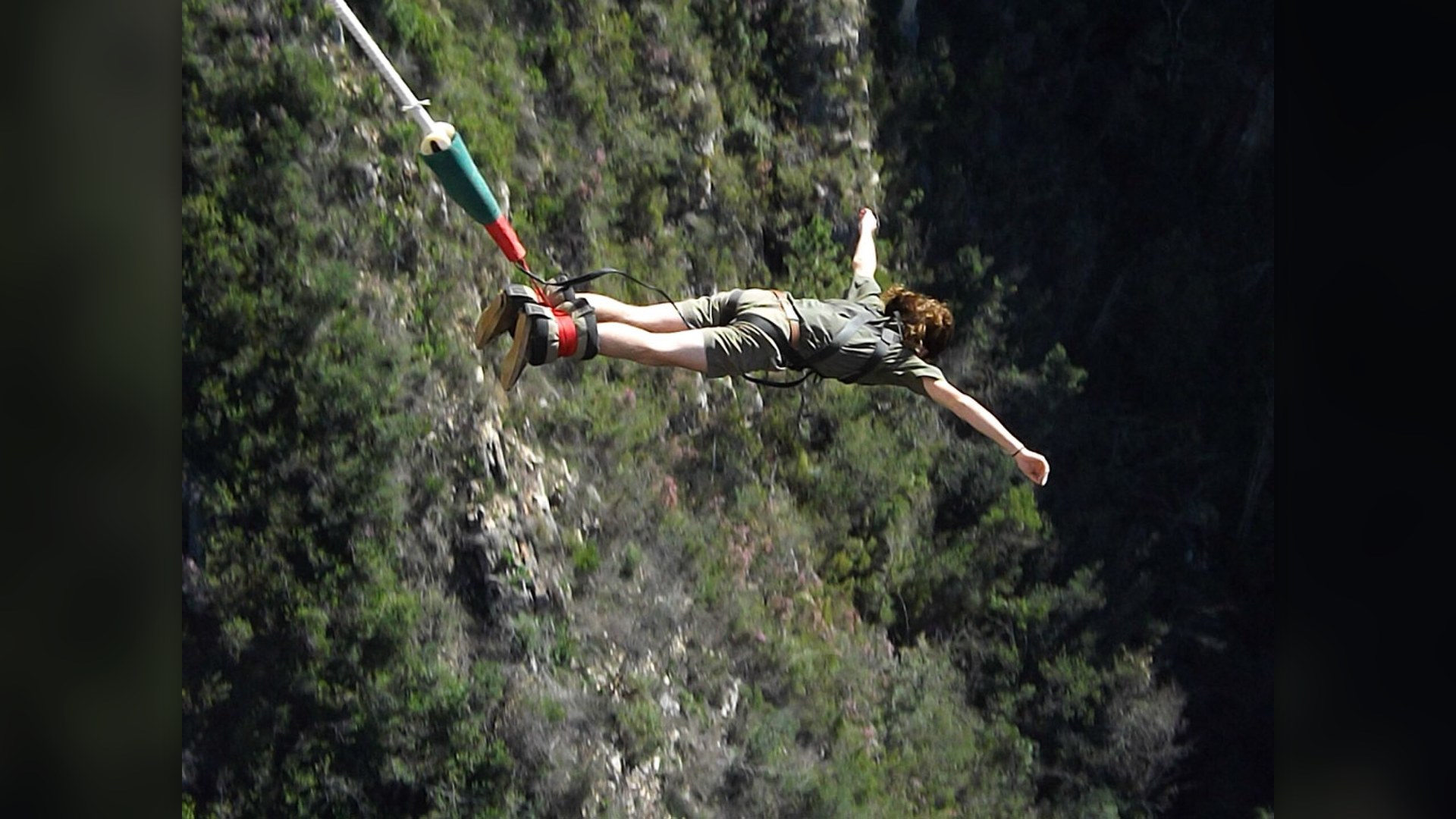
13. Extreme Bungee Jumping
Pioneered by adventurous innovators off suspension bridges and cranes, bungee jumping reaches towering heights at venues like South Africa's Bloukrans Bridge. Leaping headfirst into massive vertical drop-offs, jumpers experience pure free-fall acceleration before the elastic cord rebounds in deep canyon gorges.
©Wikimedia / Travel Local
12. Deep Water Soloing
Also known as psicobloc, deep water soloing involves climbing steep overhanging sea cliffs without safety ropes, relying strictly on deep ocean water below to break falls. Climbers scale limestone arches in Mallorca and Thailand, balancing athletic friction moves against the reality of plunging into crashing surf.
©Pixabay / Franziska_Stier
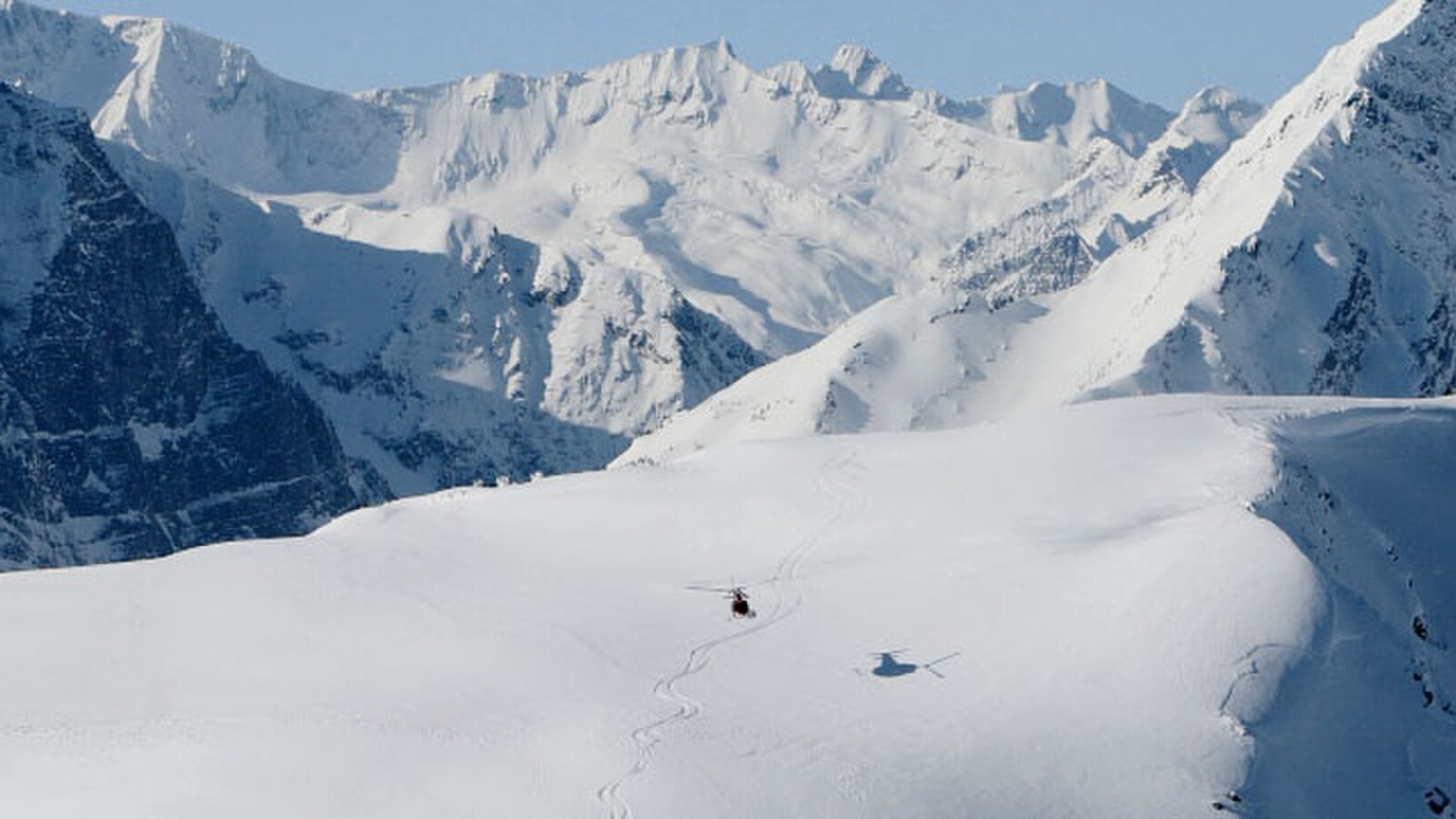
11. Big Mountain Heli-Skiing
Transported by helicopter to untracked mountain ridges across Alaska and British Columbia, skiers drop down sixty-degree powdery faces far beyond ski resorts. Navigating hidden crevasses, sheer cliff drop-offs, and sudden avalanche hazards requires mountain instinct and backcountry avalanche rescue safety beacons.
©Wikimedia / PowderFaceShots
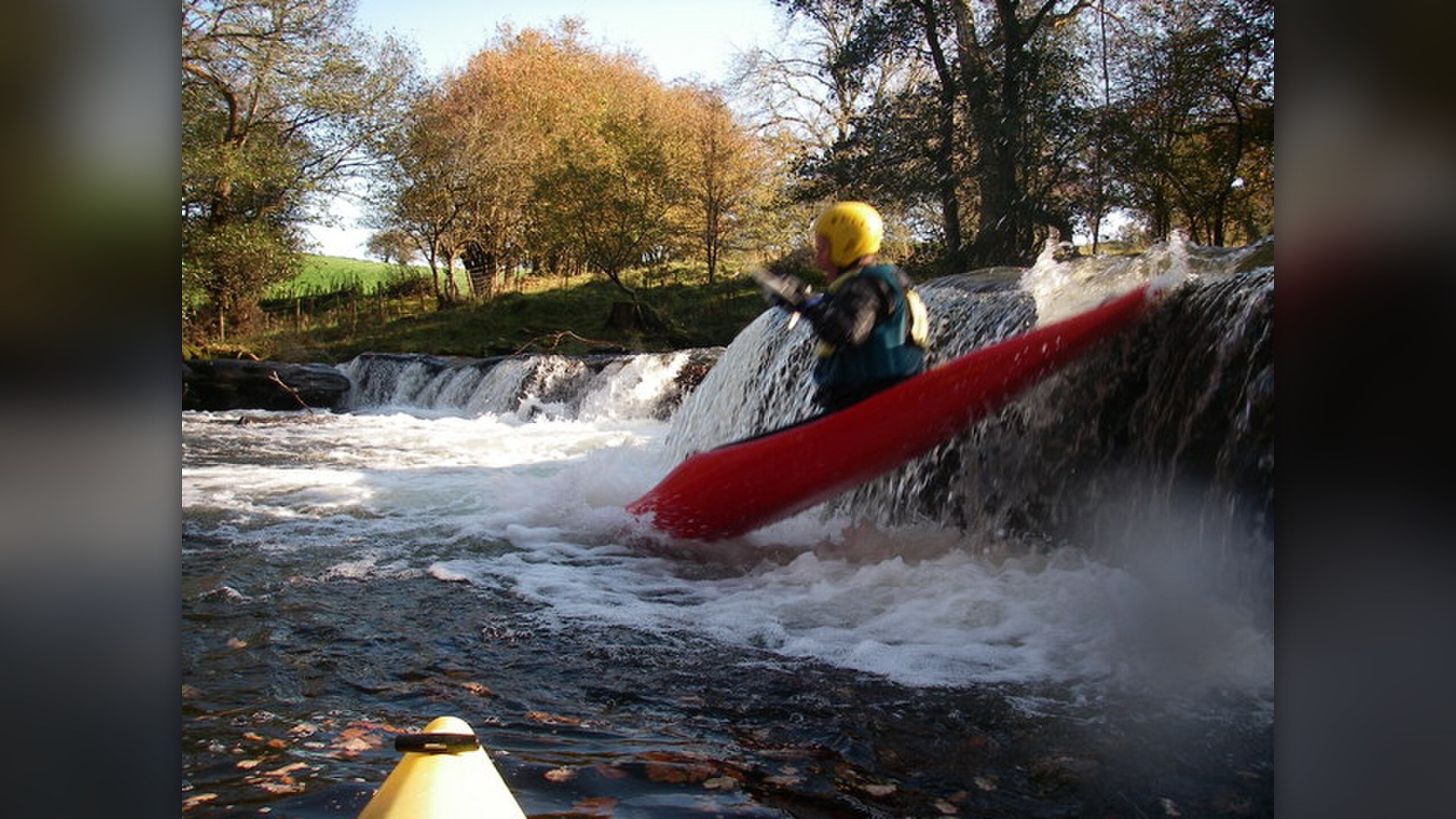
10. Waterfall Kayaking
Pushing whitewater kayaking to vertical extremes, daredevil boaters paddle over cascading river waterfalls exceeding one hundred feet in total height. Hitting the aerated plunge pool below requires paddle positioning to prevent spinal compressions, making every high-altitude river descent an elite technical feat.
©Wikimedia / Barry Deakin
Advertisement
Swipe or tap ▶ to resume the countdown.
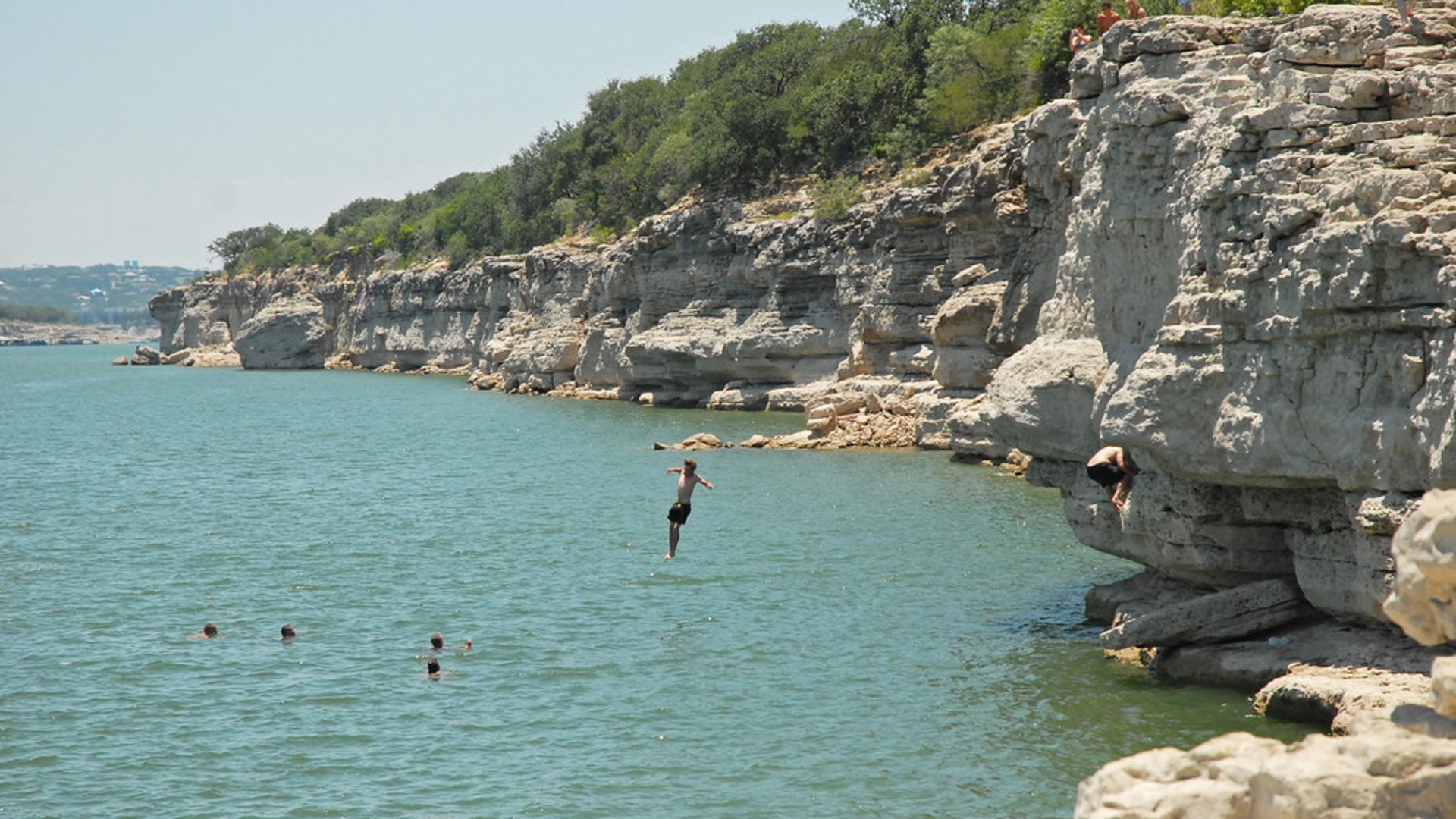
9. Cliff Diving
From platforms and rocky outcroppings perched up to eighty-eight feet above open water, cliff divers leap while executing intricate somersaults and twists. Striking the ocean surface at fifty-five miles per hour produces violent hydraulic impact forces, requiring clenched muscles and feet-first water entries.
©Openverse / jrandallc
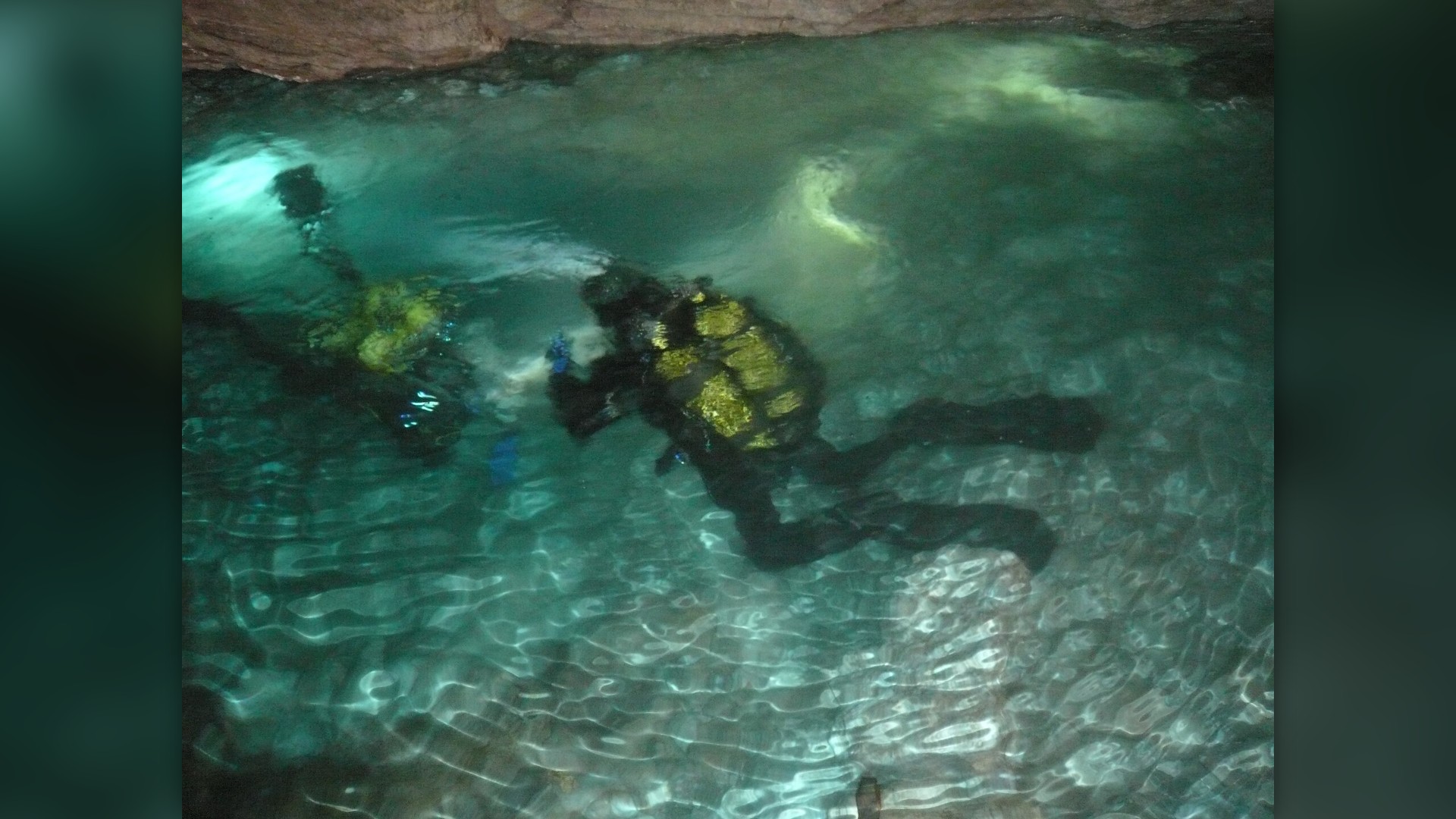
8. Cave Diving
Penetrating flooded underground cavern networks requires extensive technical equipment, redundant breathing gas mixtures, and guideline management. Without direct access to the surface during emergencies, cave divers navigate narrow silt-filled passageways where zero visibility can turn navigation disorienting.
©Wikimedia / Maximovich Nikolay
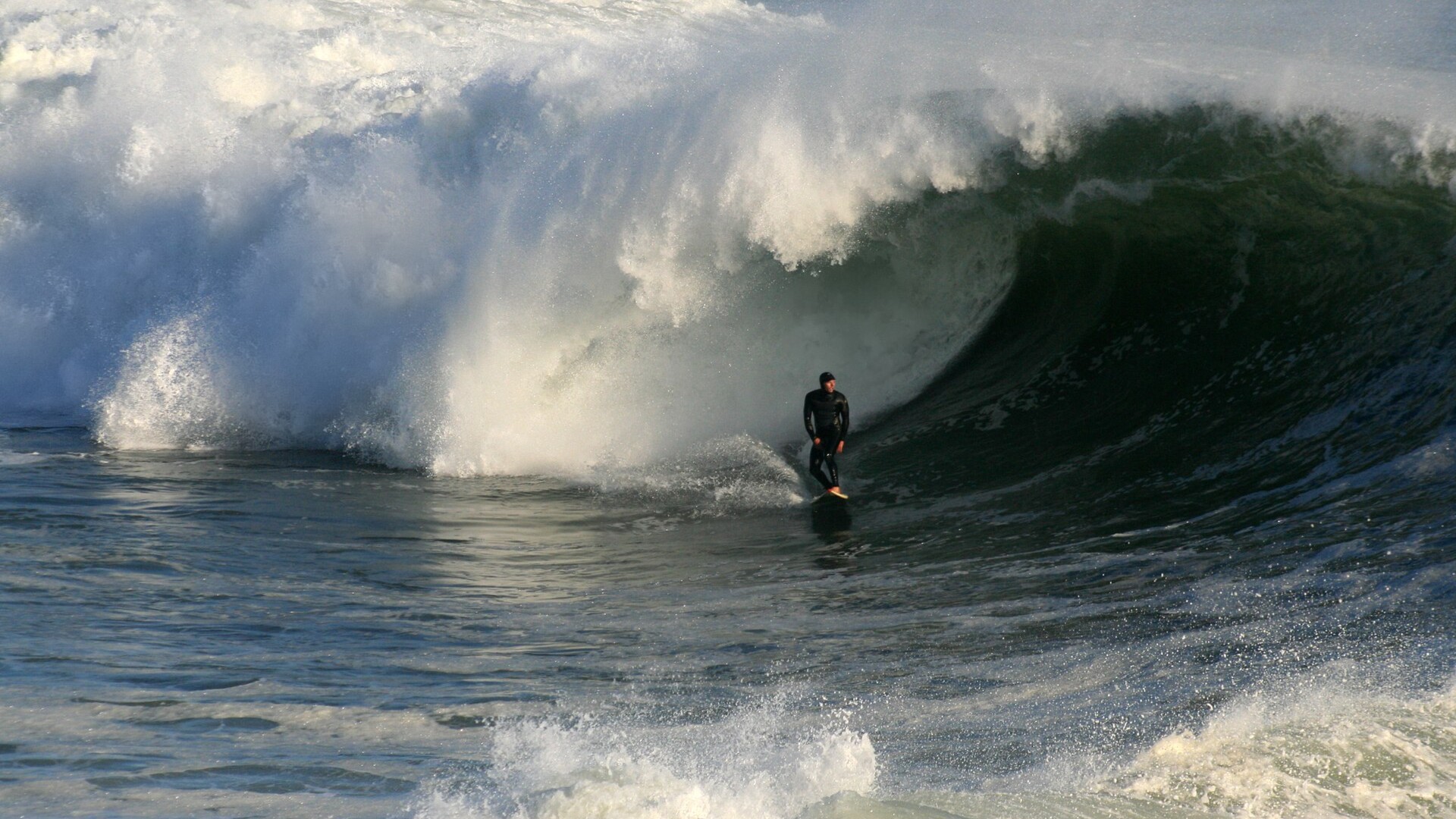
7. Big Wave Surfing
Surfing titanic open-ocean swells reaching eighty feet in height demands jet-ski tow-ins, inflation safety vests, and calm under minutes-long wipeouts. Heavy breaks like Portugal's Nazaré and Hawaii's Pe'ahi generate colossal kinetic energy, capable of pinning surfers beneath multiple churning underwater waves.
©Wikimedia / Brocken Inaglory
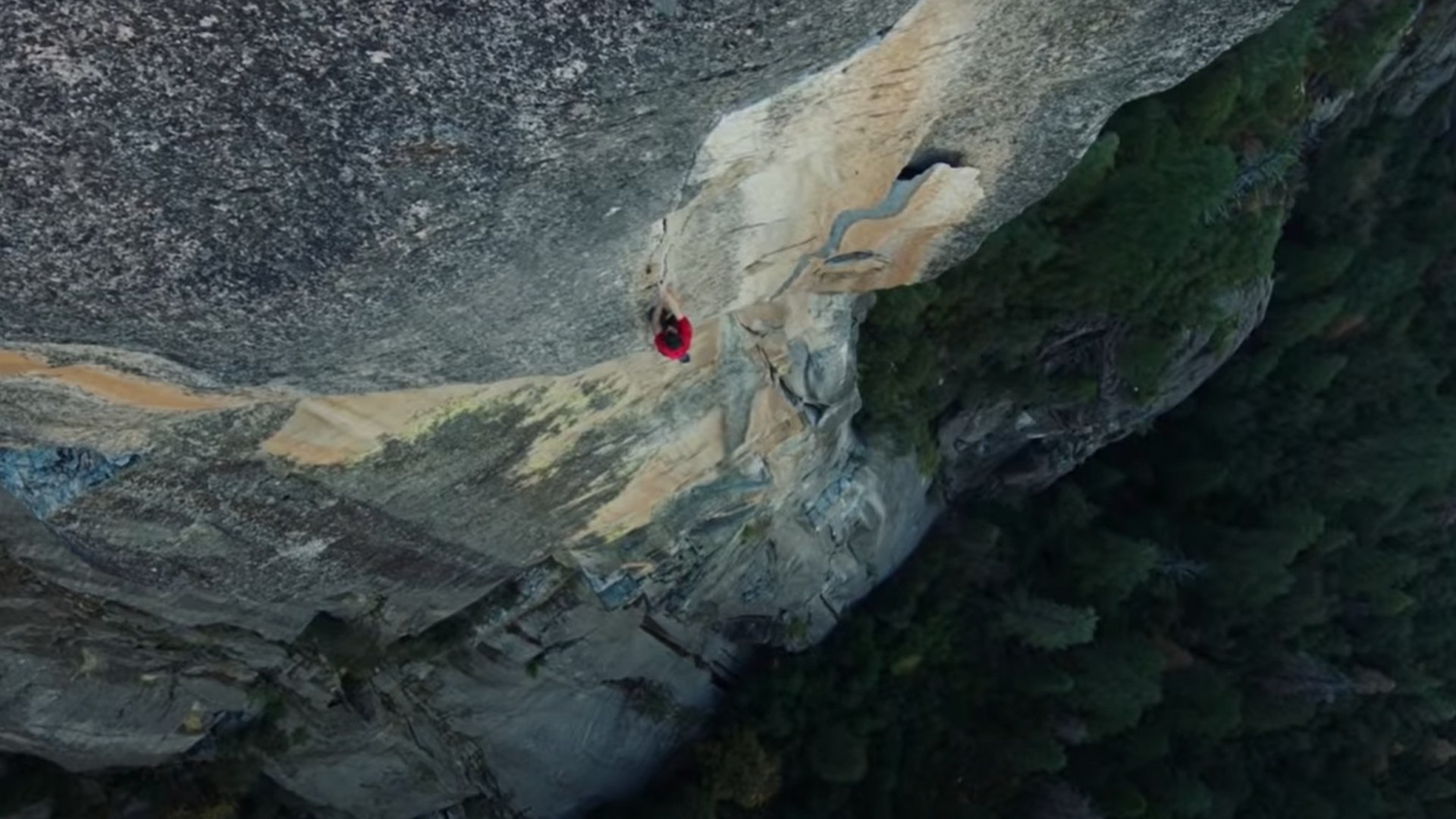
6. Free Solo Climbing
Free soloing strips rock climbing down to absolute fundamentals: climbing shoes, a chalk bag, and sheer physical execution. Practiced on colossal vertical rock monoliths like Yosemite's El Capitan, athletes scale thousands of feet of smooth granite where any minor slip or muscle spasm results in a fatal fall.
©Wikimedia / Fox Sports
Advertisement
Swipe or tap ▶ to resume the countdown.
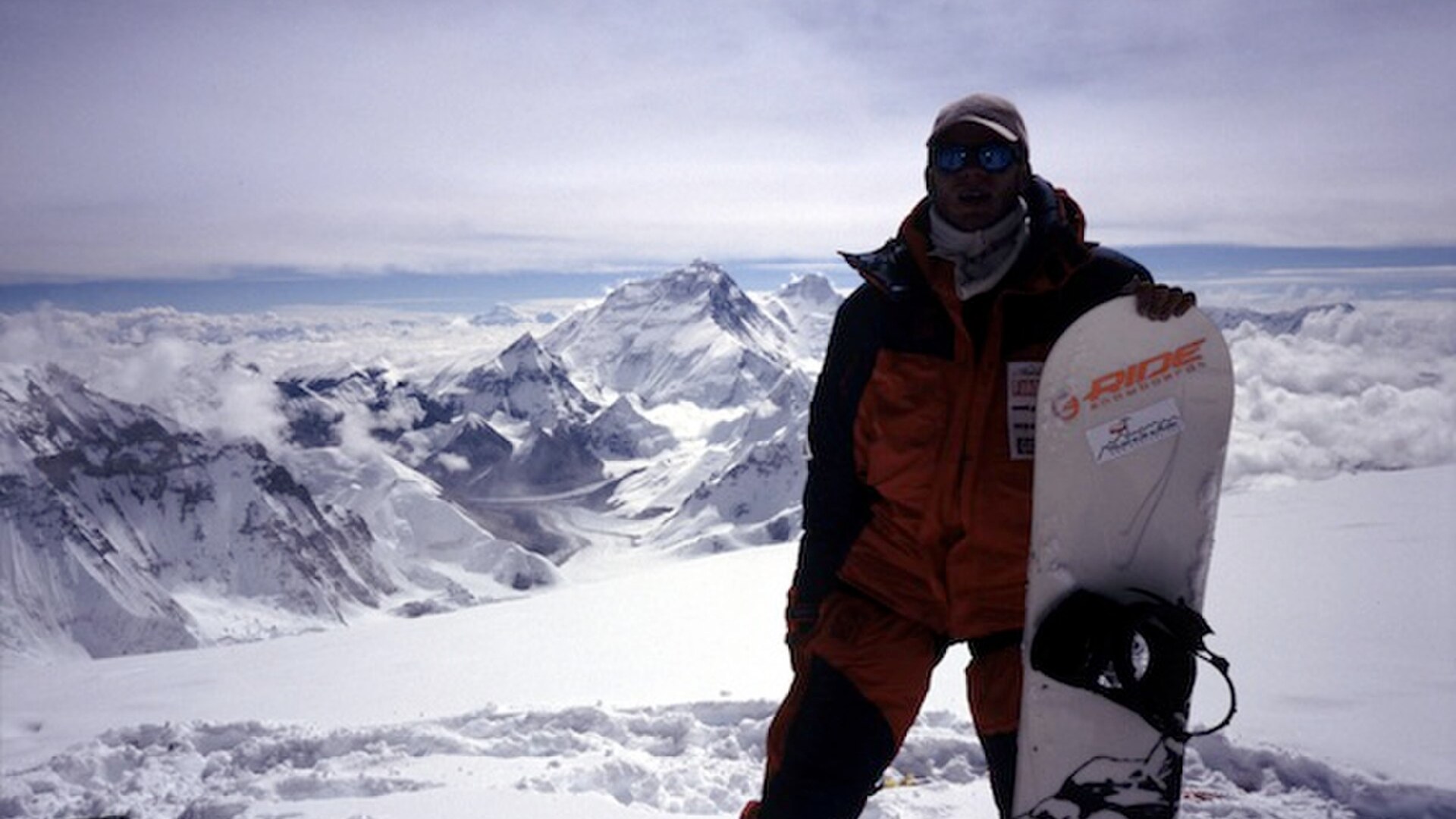
5. High-Altitude Mountaineering
Trekking above eight thousand meters into the Death Zone on peaks like K2 and Annapurna subjects climbers to supplemental oxygen depletion and subzero storms. Confronting cerebral edema, hidden crevasses, and falling seracs, mountaineers push biological endurance where the human body slowly deteriorates with time.
©Wikimedia / Olafjarzemski
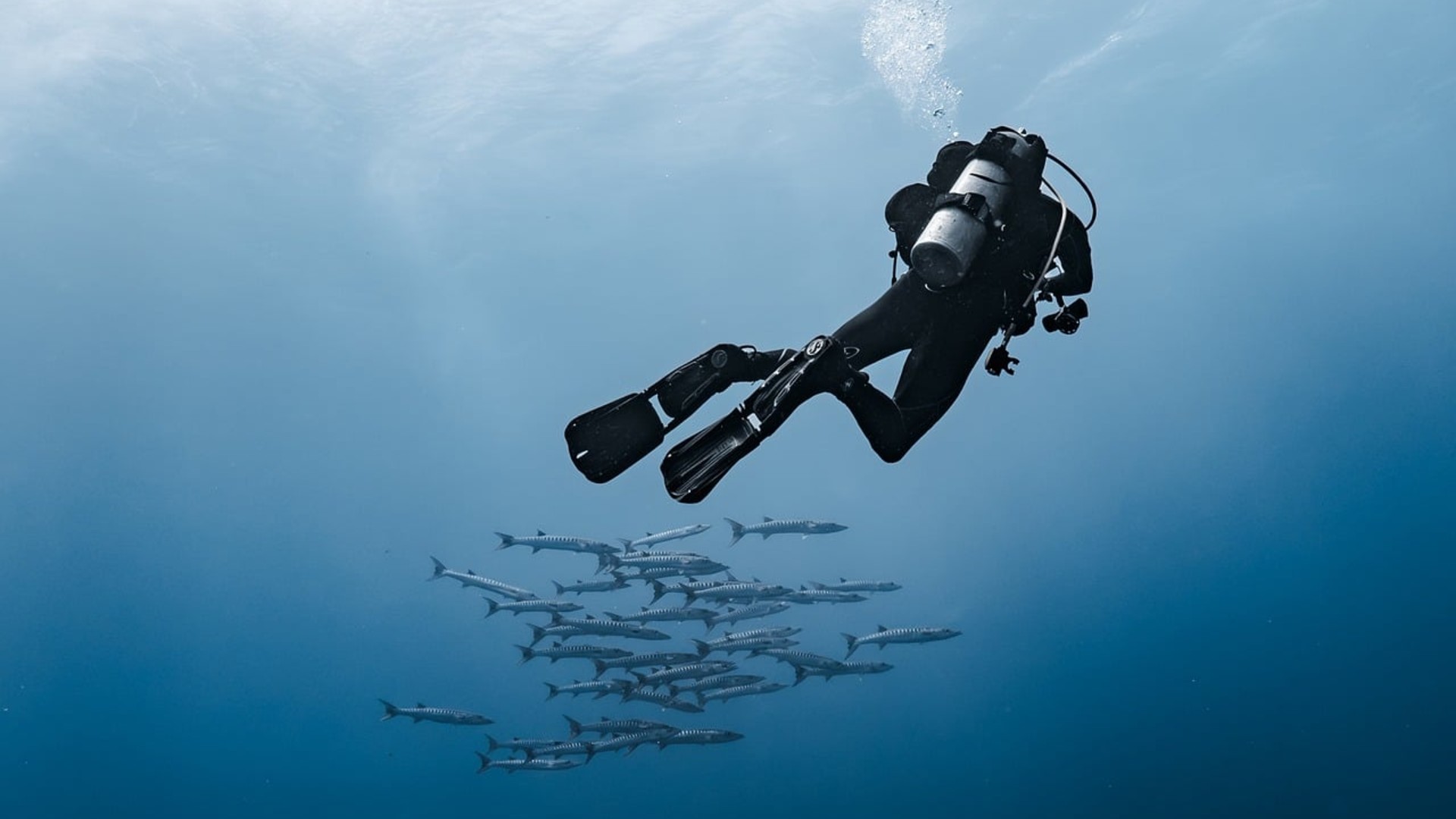
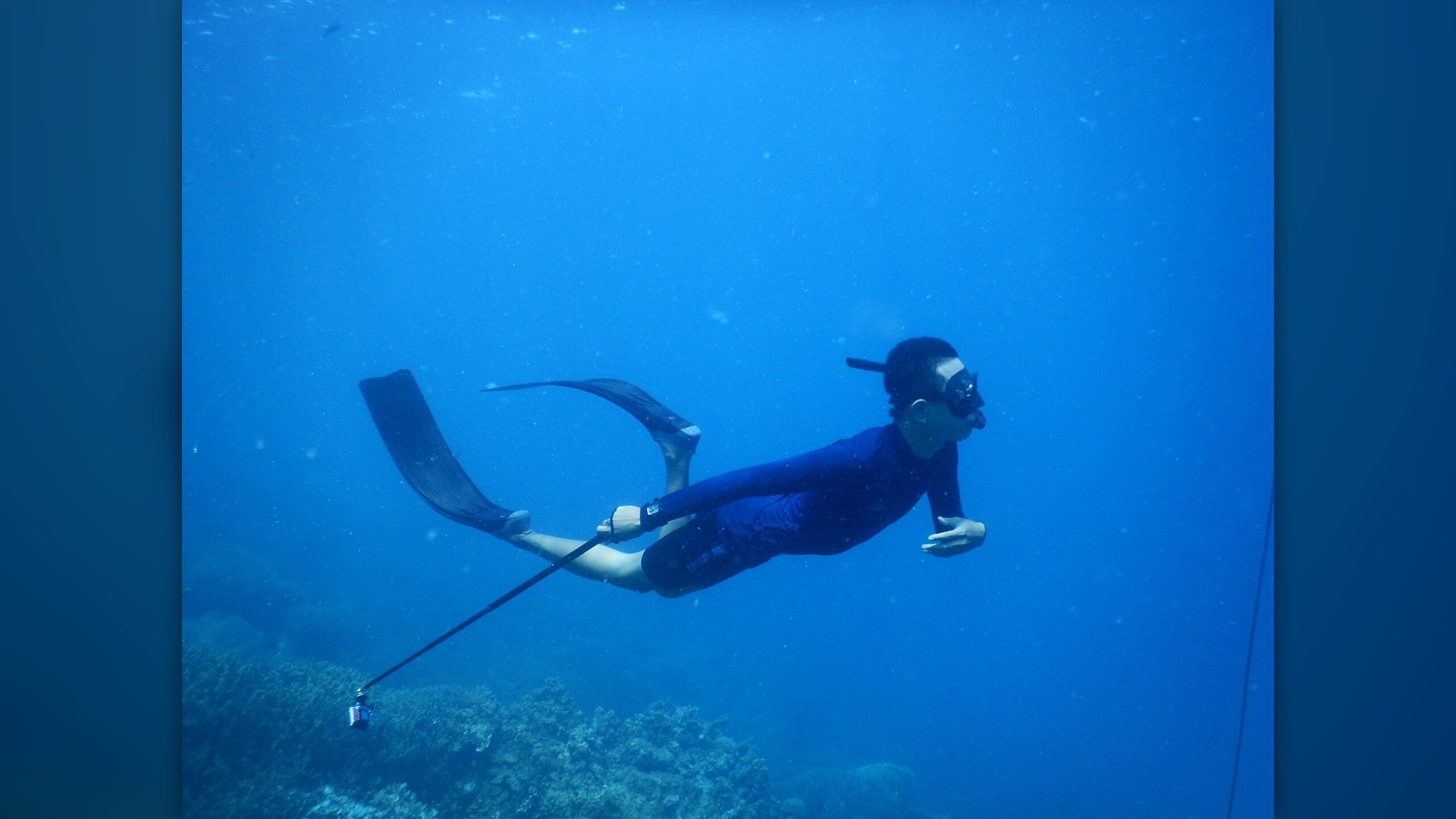
4. Freediving
Freedivers descend beyond three hundred feet into ocean trenches on a single breath, without scuba tanks or breathing apparatus. Confronting immense hydrostatic lung compression, nitrogen narcosis, and blackout risks, divers use deep meditation and rhythmic equalization techniques to explore oceanic depth limits.
©Wikimedia / Sabda Priyanto
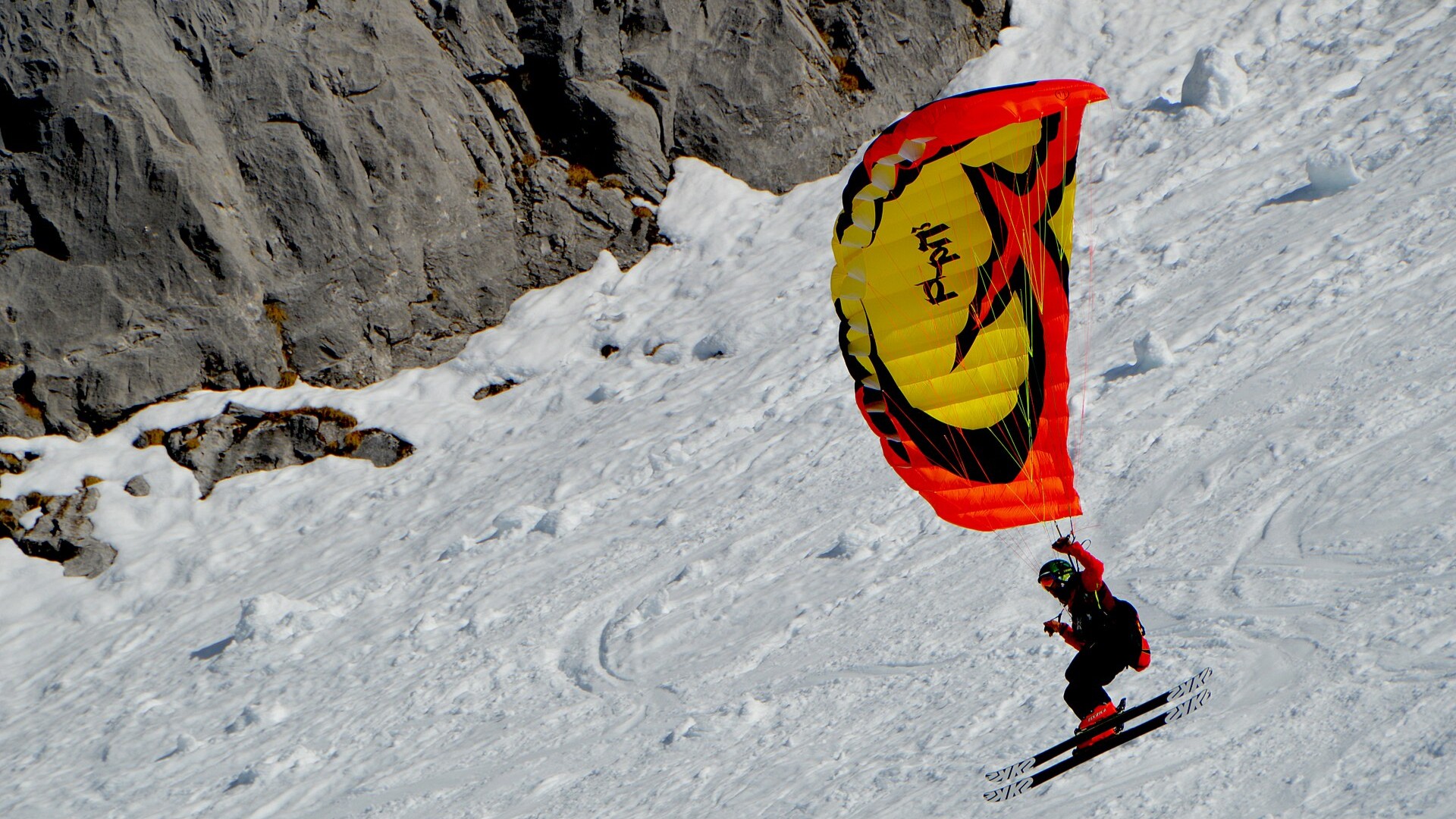
3. Speedflying And Speed Riding
Merging alpine skiing with high-speed foot-launched paragliding, speedflying pilots descend rugged mountain valleys on compact eight-meter wings. Reaching speeds near ninety miles per hour while hugging jagged cliff walls and snowy couloirs, pilots switch between skiing powder and soaring above terrain obstacles.
©Wikimedia / henry perks hjkp
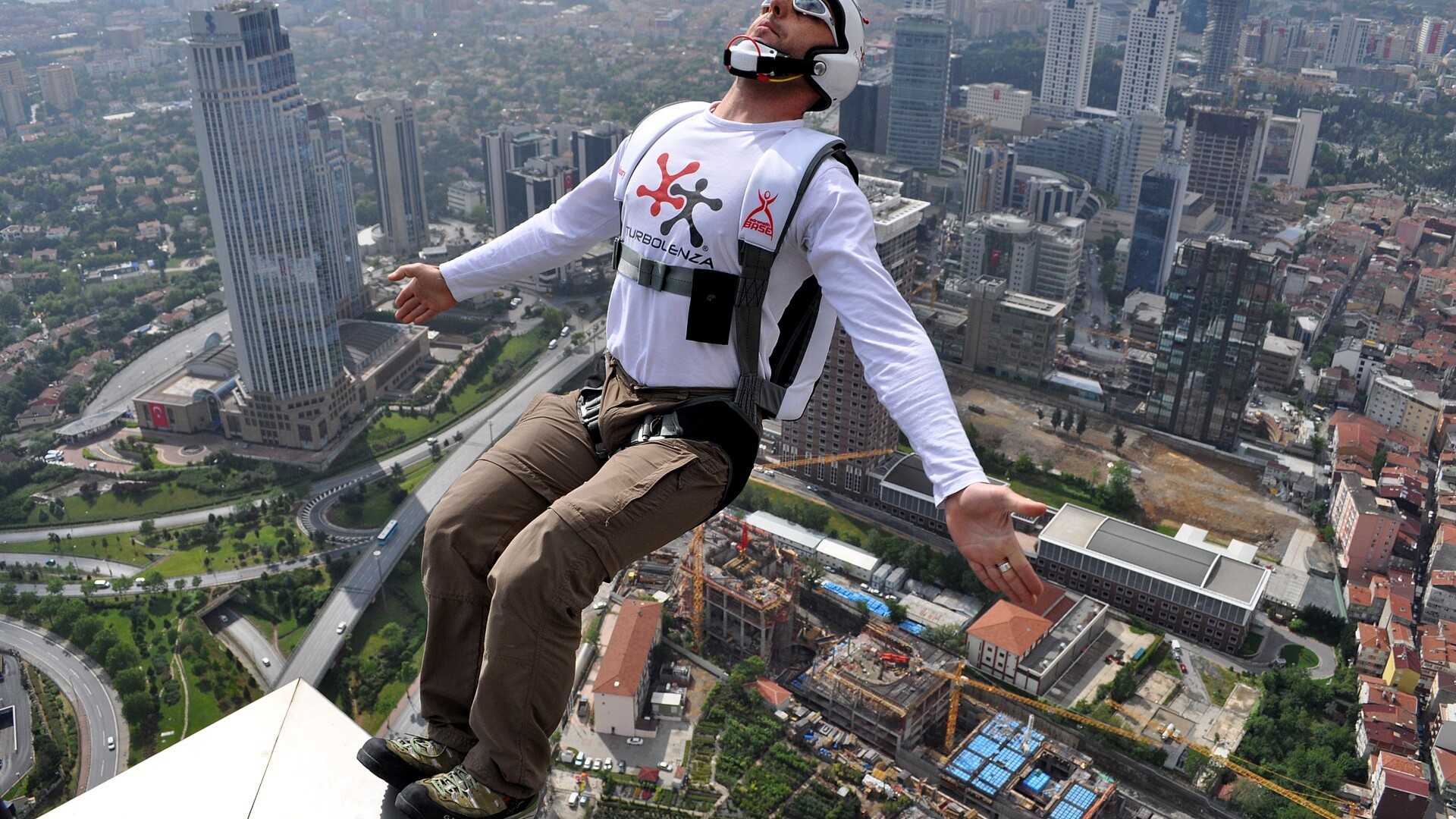
2. BASE Jumping
Leaping from buildings, antennae, bridges, and mountain cliffs, BASE jumpers deploy specialized parachutes within mere seconds of free fall. Operating at altitudes far lower than standard skydiving, participants have virtually zero margin for deployment hesitation or wind gusts before impacting surrounding cliffs.
©Wikimedia / Kontizas Dimitrios
Advertisement
Swipe or tap ▶ to resume the countdown.
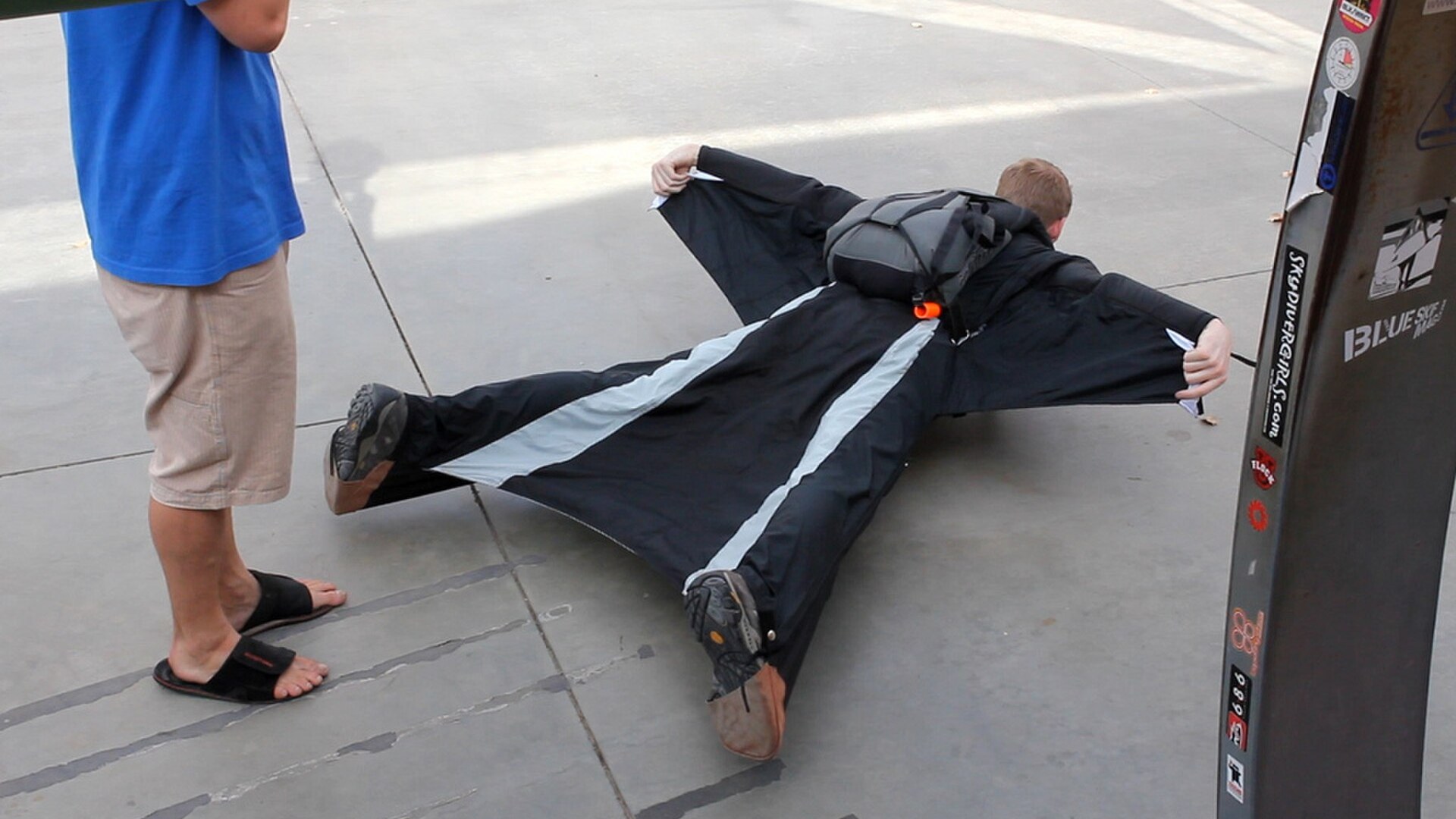
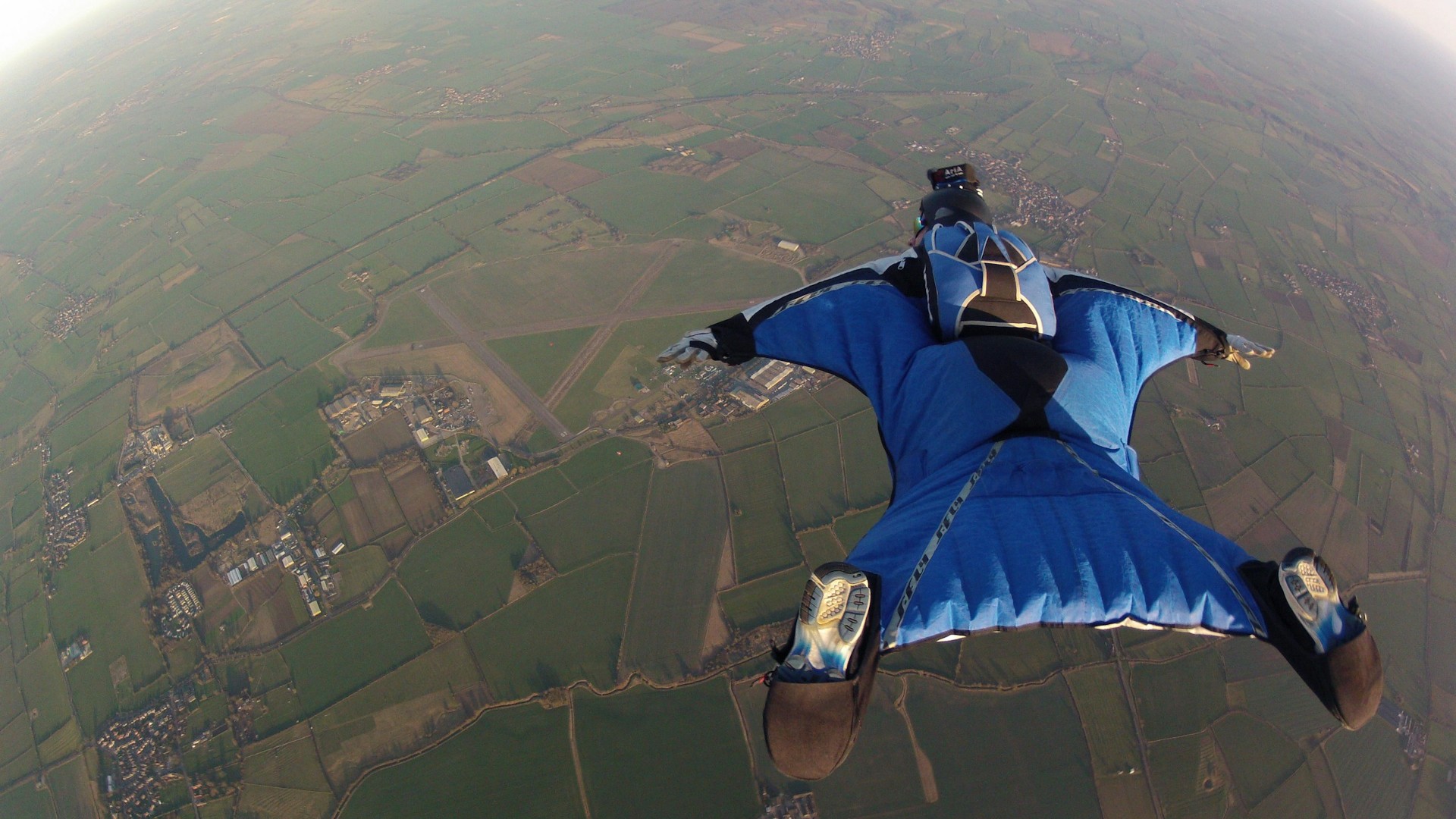
1. Wingsuit Proximity Flying
Wearing specialized nylon ram-air wingsuits, proximity flyers dive off mountain summits, converting vertical drop into horizontal flight. Gliding mere feet above alpine slopes, ridges, and tree lines at one hundred forty miles per hour, this discipline represents the most unforgiving aerial pursuit known on Earth.

©Wikimedia / Richard Schneider from Los Angeles
Advertisement
You've reached the end of the story. Thanks for reading!

22 Places to See Steelers and Broncos History Before Black Friday
Pittsburgh and Denver bring decades of championship history into their Black Friday 2026 matchup. From historic summer training campuses and demolished bowl venues to Canton busts and modern riverfront stadiums, these 22 real-world landmarks trace the roads both AFC franchises traveled to reach kickoff today.
All 20 Entries in this Story
20. Sandboarding
Originating on coastal desert dunes in Peru, Namibia, and Australia, sandboarding challenges riders to navigate shifting sand faces reaching heights of several hundred feet. Reaching speeds exceeding forty miles per hour on custom wax-treated composite decks, athletes carve steep drop-offs without safety rails.

19. Whitewater Kayaking
Navigating turbulent Class V mountain rivers demands paddle precision, rapid reflexes, and absolute calm under immense hydraulic pressure. Paddlers plunge down steep river gorges, dodge hazardous undercut rocks, and negotiate powerful whirlpools, where an unexpected capsize requires immediate combat roll recovery.

18. Ice Climbing
Ascending vertical frozen waterfalls and hanging glacial seracs tests upper-body power and mental discipline. Equipped with curved ice axes, rigid steel crampons, and specialized ice screws, climbers scale unstable frozen pillars where ambient temperatures and shifting sun exposure alter structural ice safety.

17. Downhill Mountain Biking
Riders hurtle down steep mountain courses featuring rock gardens, exposed cliffside berms, and fifty-foot gap jumps at speeds topping forty miles per hour. Celebrated in events like Red Bull Rampage, competitors rely on high-travel suspension and full-body armor to absorb violent impacts across natural drops.

16. Kitesurfing Big Waves
Propelled by large steerable foil kites in gale-force ocean winds, kitesurfers carve enormous breaking swells and boost airborne jumps exceeding sixty feet. Combining board-riding agility with aerodynamic flight control, participants face heavy wave impacts and sudden wind gusts that can pull riders off balance.

15. Volcano Boarding
Popularized on the black volcanic slopes of Cerro Negro in Nicaragua, volcano boarders slide down loose gravel inclines angled at forty-one degrees. Clad in protective jumpsuits and goggles, riders sit or stand on reinforced plywood sleds, enduring sharp abrasive scree as speeds easily top fifty miles per hour.

14. Highlining
Suspended thousands of feet above rocky canyons and alpine chasms, highliners balance on a narrow one-inch polyester webbing strap. Despite wearing safety leashes, athletes confront immense psychological vertigo and gusty mountain crosswinds, needing calm respiratory pacing to step across open aerial expanses.

13. Extreme Bungee Jumping
Pioneered by adventurous innovators off suspension bridges and cranes, bungee jumping reaches towering heights at venues like South Africa's Bloukrans Bridge. Leaping headfirst into massive vertical drop-offs, jumpers experience pure free-fall acceleration before the elastic cord rebounds in deep canyon gorges.

12. Deep Water Soloing
Also known as psicobloc, deep water soloing involves climbing steep overhanging sea cliffs without safety ropes, relying strictly on deep ocean water below to break falls. Climbers scale limestone arches in Mallorca and Thailand, balancing athletic friction moves against the reality of plunging into crashing surf.

11. Big Mountain Heli-Skiing
Transported by helicopter to untracked mountain ridges across Alaska and British Columbia, skiers drop down sixty-degree powdery faces far beyond ski resorts. Navigating hidden crevasses, sheer cliff drop-offs, and sudden avalanche hazards requires mountain instinct and backcountry avalanche rescue safety beacons.

10. Waterfall Kayaking
Pushing whitewater kayaking to vertical extremes, daredevil boaters paddle over cascading river waterfalls exceeding one hundred feet in total height. Hitting the aerated plunge pool below requires paddle positioning to prevent spinal compressions, making every high-altitude river descent an elite technical feat.

9. Cliff Diving
From platforms and rocky outcroppings perched up to eighty-eight feet above open water, cliff divers leap while executing intricate somersaults and twists. Striking the ocean surface at fifty-five miles per hour produces violent hydraulic impact forces, requiring clenched muscles and feet-first water entries.

8. Cave Diving
Penetrating flooded underground cavern networks requires extensive technical equipment, redundant breathing gas mixtures, and guideline management. Without direct access to the surface during emergencies, cave divers navigate narrow silt-filled passageways where zero visibility can turn navigation disorienting.

7. Big Wave Surfing
Surfing titanic open-ocean swells reaching eighty feet in height demands jet-ski tow-ins, inflation safety vests, and calm under minutes-long wipeouts. Heavy breaks like Portugal's Nazaré and Hawaii's Pe'ahi generate colossal kinetic energy, capable of pinning surfers beneath multiple churning underwater waves.

6. Free Solo Climbing
Free soloing strips rock climbing down to absolute fundamentals: climbing shoes, a chalk bag, and sheer physical execution. Practiced on colossal vertical rock monoliths like Yosemite's El Capitan, athletes scale thousands of feet of smooth granite where any minor slip or muscle spasm results in a fatal fall.

5. High-Altitude Mountaineering
Trekking above eight thousand meters into the Death Zone on peaks like K2 and Annapurna subjects climbers to supplemental oxygen depletion and subzero storms. Confronting cerebral edema, hidden crevasses, and falling seracs, mountaineers push biological endurance where the human body slowly deteriorates with time.

4. Freediving
Freedivers descend beyond three hundred feet into ocean trenches on a single breath, without scuba tanks or breathing apparatus. Confronting immense hydrostatic lung compression, nitrogen narcosis, and blackout risks, divers use deep meditation and rhythmic equalization techniques to explore oceanic depth limits.

3. Speedflying And Speed Riding
Merging alpine skiing with high-speed foot-launched paragliding, speedflying pilots descend rugged mountain valleys on compact eight-meter wings. Reaching speeds near ninety miles per hour while hugging jagged cliff walls and snowy couloirs, pilots switch between skiing powder and soaring above terrain obstacles.

2. BASE Jumping
Leaping from buildings, antennae, bridges, and mountain cliffs, BASE jumpers deploy specialized parachutes within mere seconds of free fall. Operating at altitudes far lower than standard skydiving, participants have virtually zero margin for deployment hesitation or wind gusts before impacting surrounding cliffs.

1. Wingsuit Proximity Flying
Wearing specialized nylon ram-air wingsuits, proximity flyers dive off mountain summits, converting vertical drop into horizontal flight. Gliding mere feet above alpine slopes, ridges, and tree lines at one hundred forty miles per hour, this discipline represents the most unforgiving aerial pursuit known on Earth.