Slideshow · Viral
20 Mysterious Ancient Objects Archaeologists Still Study
Across remote tombs, deep shipwrecks, and sacred desert sands, archaeologists have unearthed complex artifacts that defy simple explanations. From sophisticated bronze gearing to undeciphered scripts on clay and wood, these twenty ancient discoveries continue to ignite scientific debate across international research institutes.
By Most Viral Today
59 min ago

20 Enigmatic Relics That Continue to Challenge Modern History 
20. Narmer Palette 
19. Standard Of Ur 
18. Cyrus Cylinder - AdvertisementSwipe or tap ▶ to continue countdown

17. Ubaid Lizard Figurines 
16. Mask Of Agamemnon 
15. Trundholm Sun Chariot 
14. Piri Reis Map - AdvertisementSwipe or tap ▶ to continue countdown

13. Inca Quipu 
12. Gobekli Tepe Carvings 
11. Dead Sea Scrolls 
10. Terracotta Army - AdvertisementSwipe or tap ▶ to continue countdown

9. Rongorongo Tablets 
8. Nebra Sky Disc 
7. Diquis Stone Spheres 
6. Rosetta Stone - AdvertisementSwipe or tap ▶ to continue countdown

5. Baghdad Battery 
4. Roman Dodecahedron 
3. Phaistos Disc 
2. Voynich Manuscript - AdvertisementSwipe or tap ▶ to continue countdown

1. Antikythera Mechanism - Advertisement🔥 UP NEXT IN THIS SERIES◫ 31 Slides

The 30 Most-Searched Questions of 2026
Curious Minds: What the World Wondered Most in 2026
Across remote tombs, deep shipwrecks, and sacred desert sands, archaeologists have unearthed complex artifacts that defy simple explanations. From sophisticated bronze gearing to undeciphered scripts on clay and wood, these twenty ancient discoveries continue to ignite scientific debate.
Swipe or tap ▶ to begin the countdown
©Wikimedia / Peulle
20. Narmer Palette
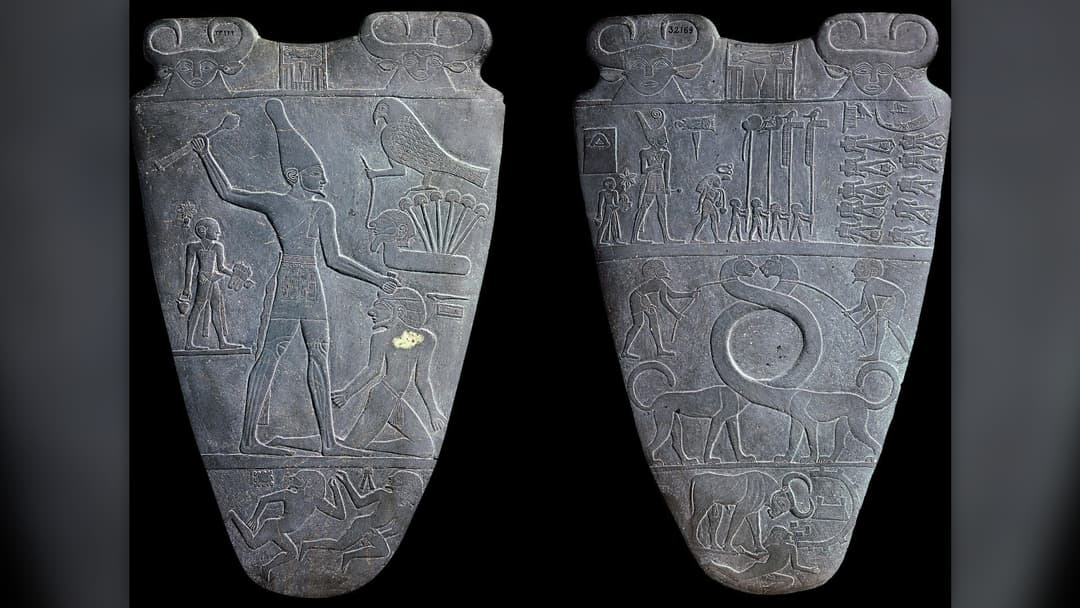
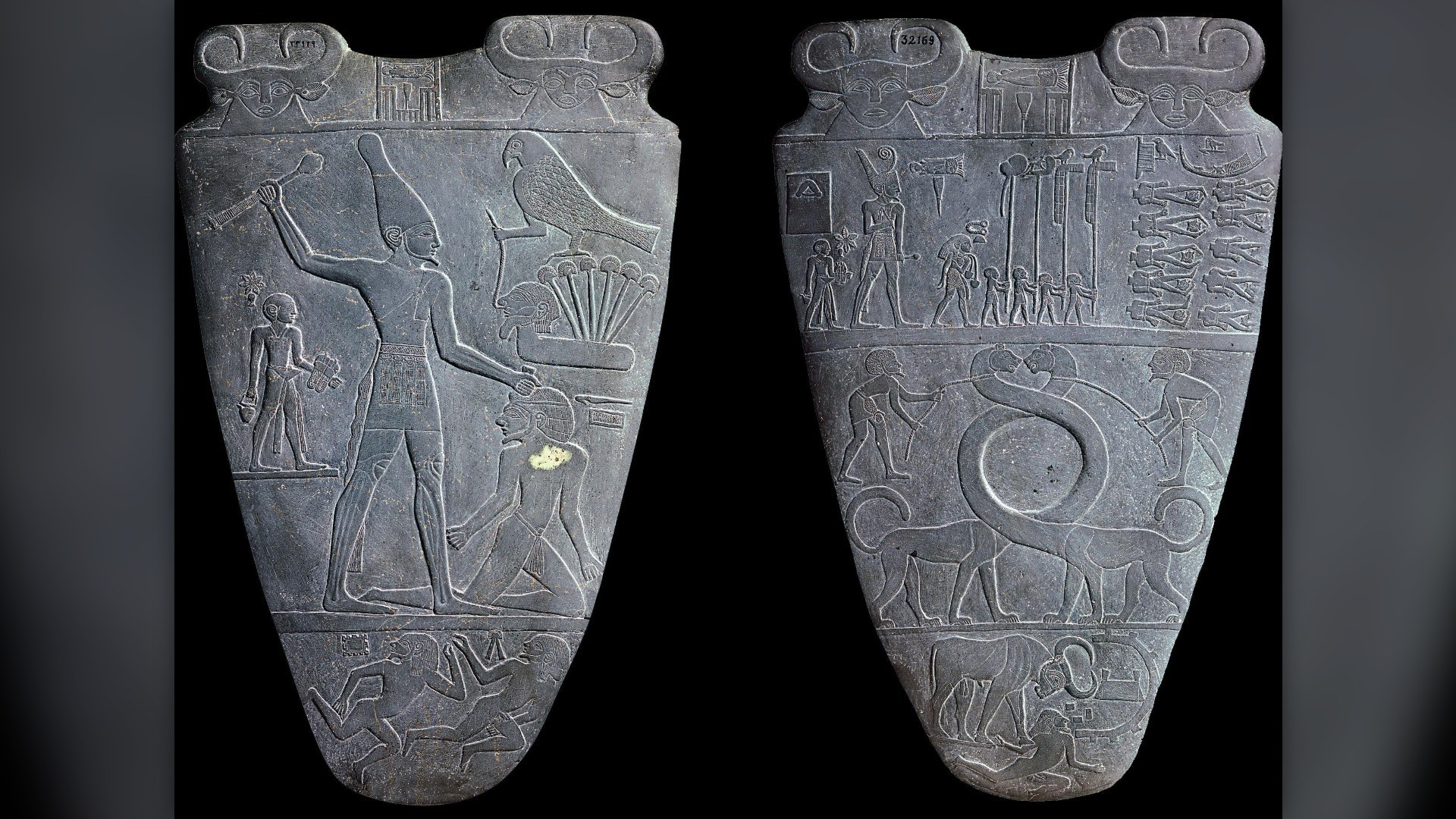
Discovered in Hierakonpolis and dating to 3100 BCE, this siltstone palette features some of the earliest known hieroglyphic inscriptions. Historians still debate whether its violent carvings depict real warfare or symbolic mythology.
©Wikimedia / Narmer Palette
19. Standard Of Ur
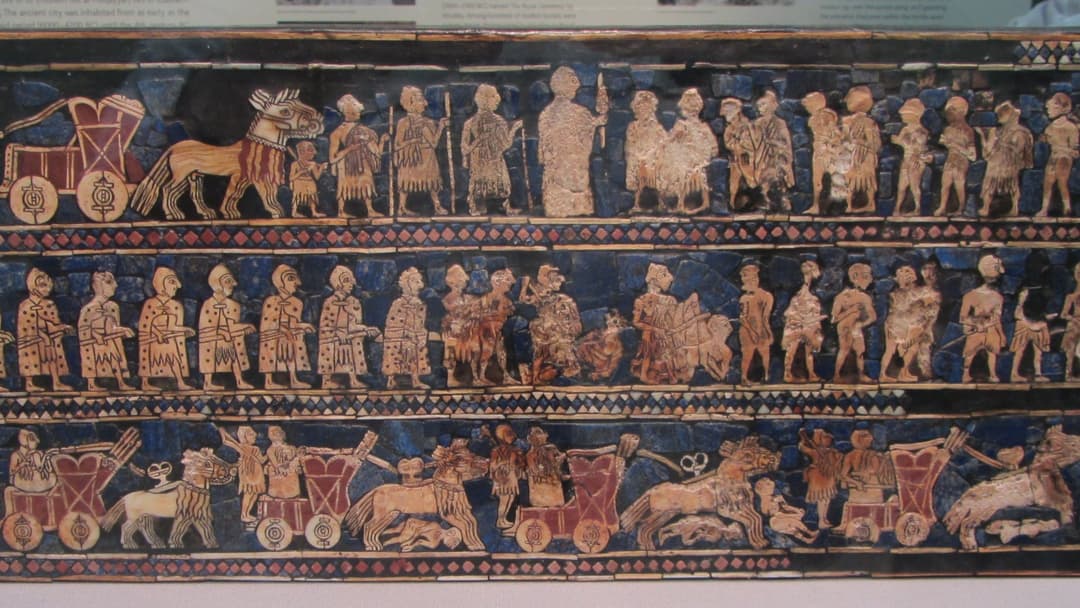
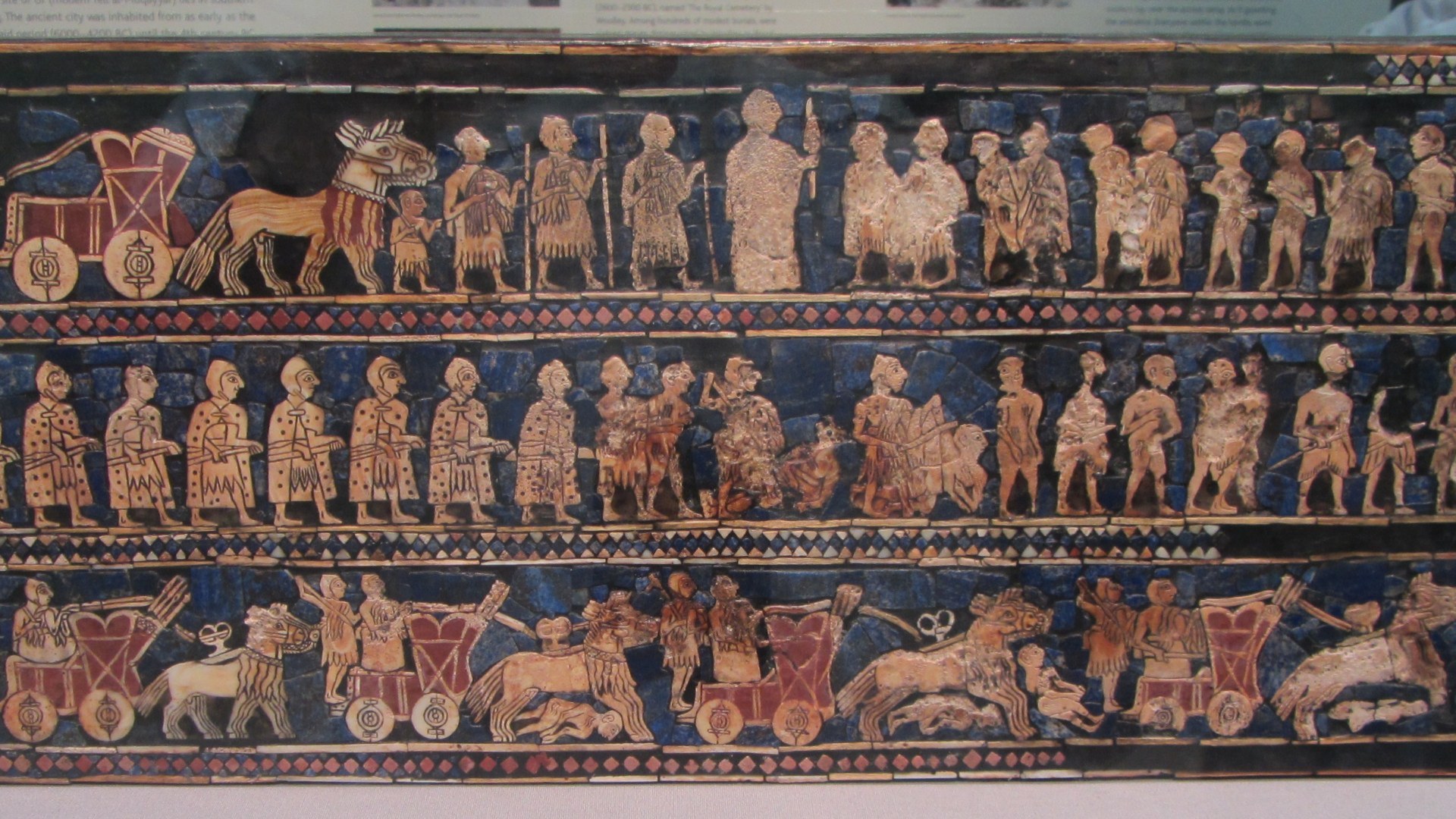
Excavated from a royal grave in ancient Sumer, this 4,500 year old wooden chest is covered in lapis lazuli, shell, and red limestone. Its original purpose remains unknown, with theories ranging from a musical soundbox to a military standard.
©Wikimedia / BabelStone
18. Cyrus Cylinder
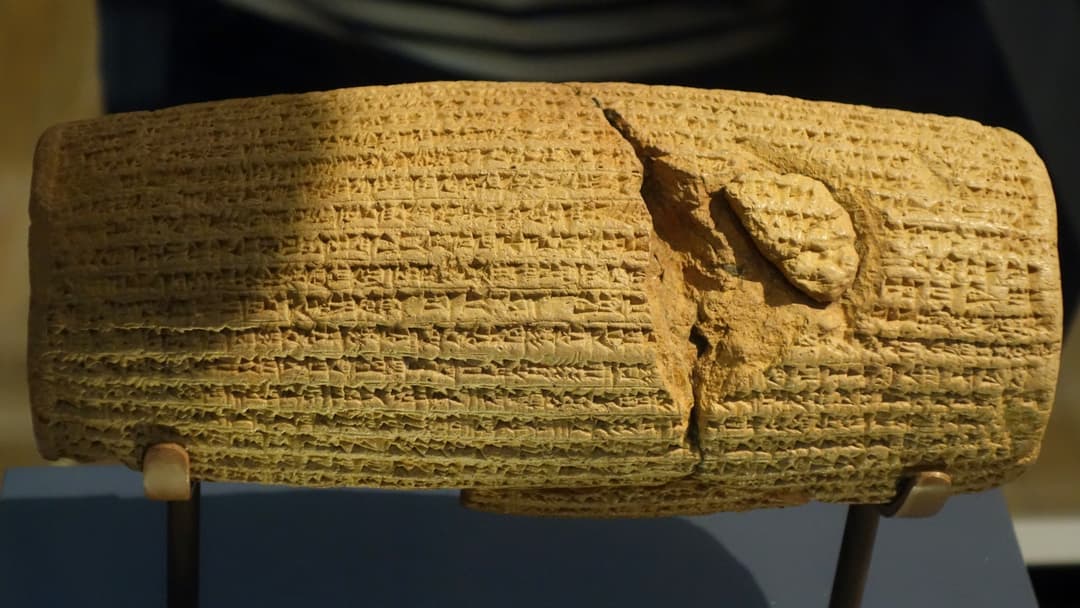
Created in 539 BCE after Cyrus the Great conquered Babylon, this baked clay cylinder is written in Babylonian cuneiform. Modern researchers continue to debate whether it constitutes the first declaration of human rights or royal imperial propaganda.
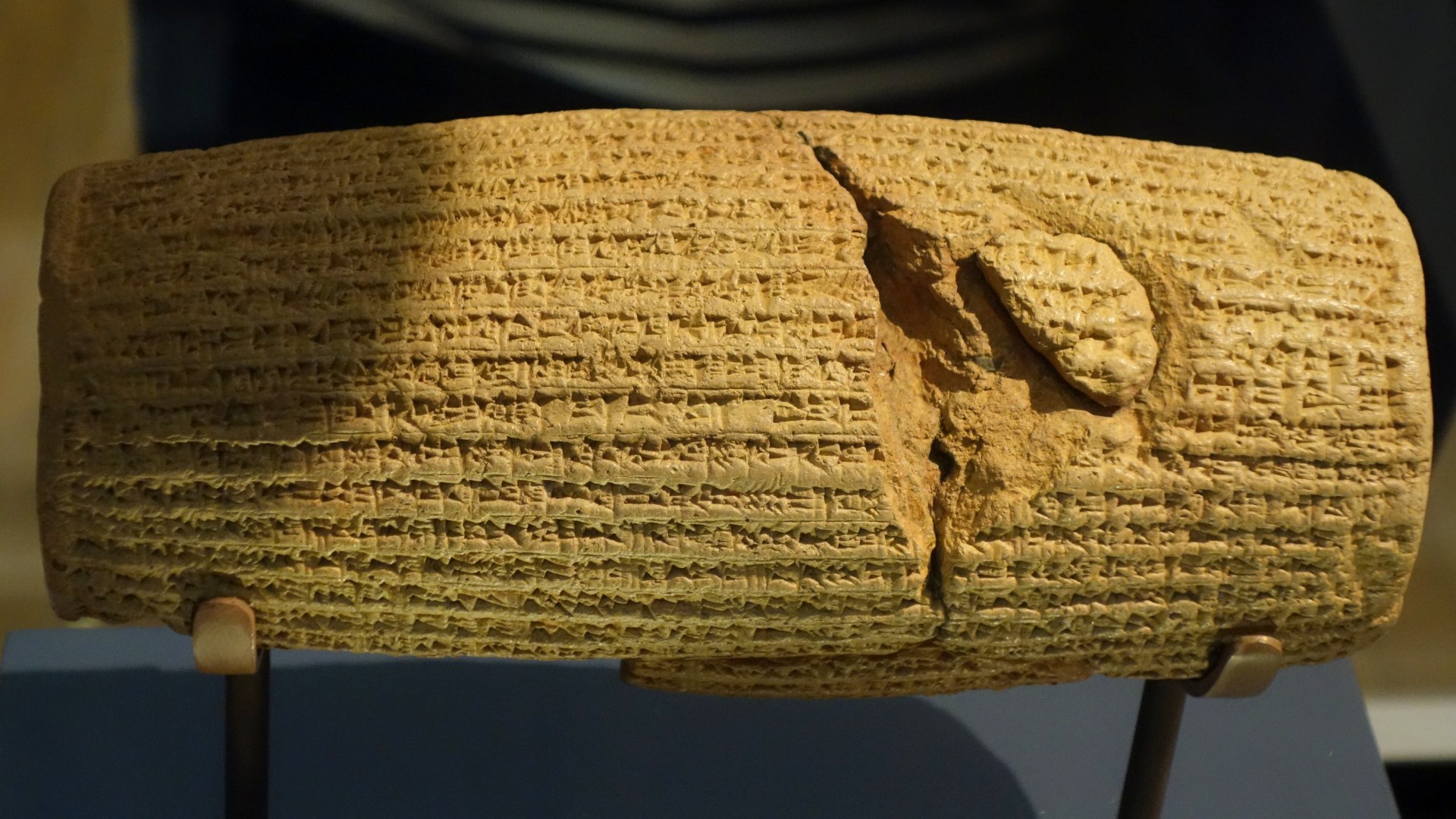
©Wikimedia / Daderot
Advertisement
Swipe or tap ▶ to resume the countdown.
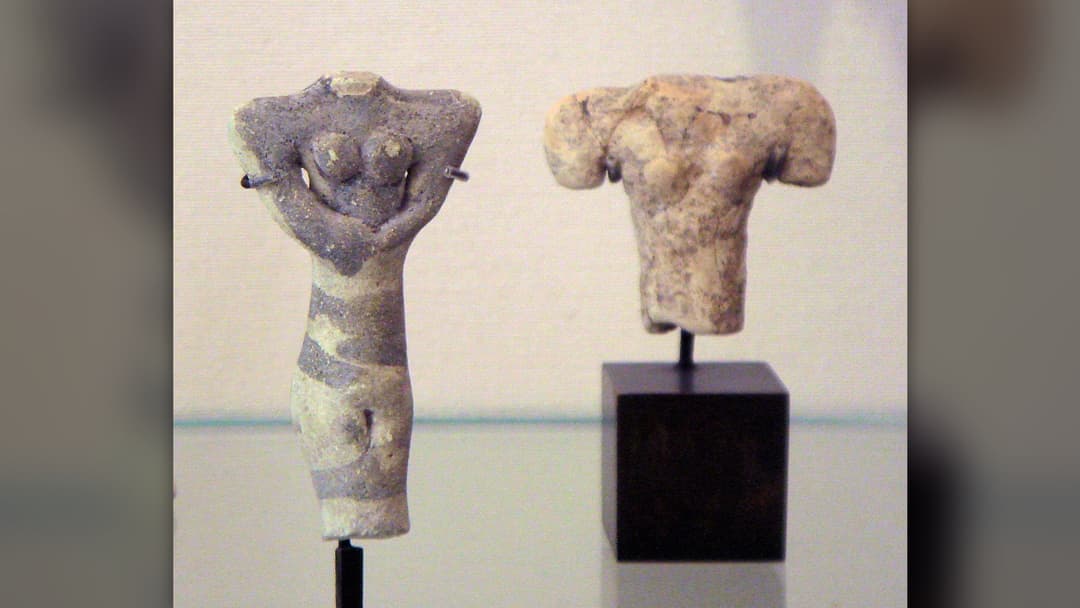
17. Ubaid Lizard Figurines
Uncovered at Mesopotamian settlement sites dating back 7,000 years, these baked clay figurines feature elongated heads and almond reptilian eyes. Scholars remain divided on whether they represent religious deities, shamans, or symbolic clan totems.
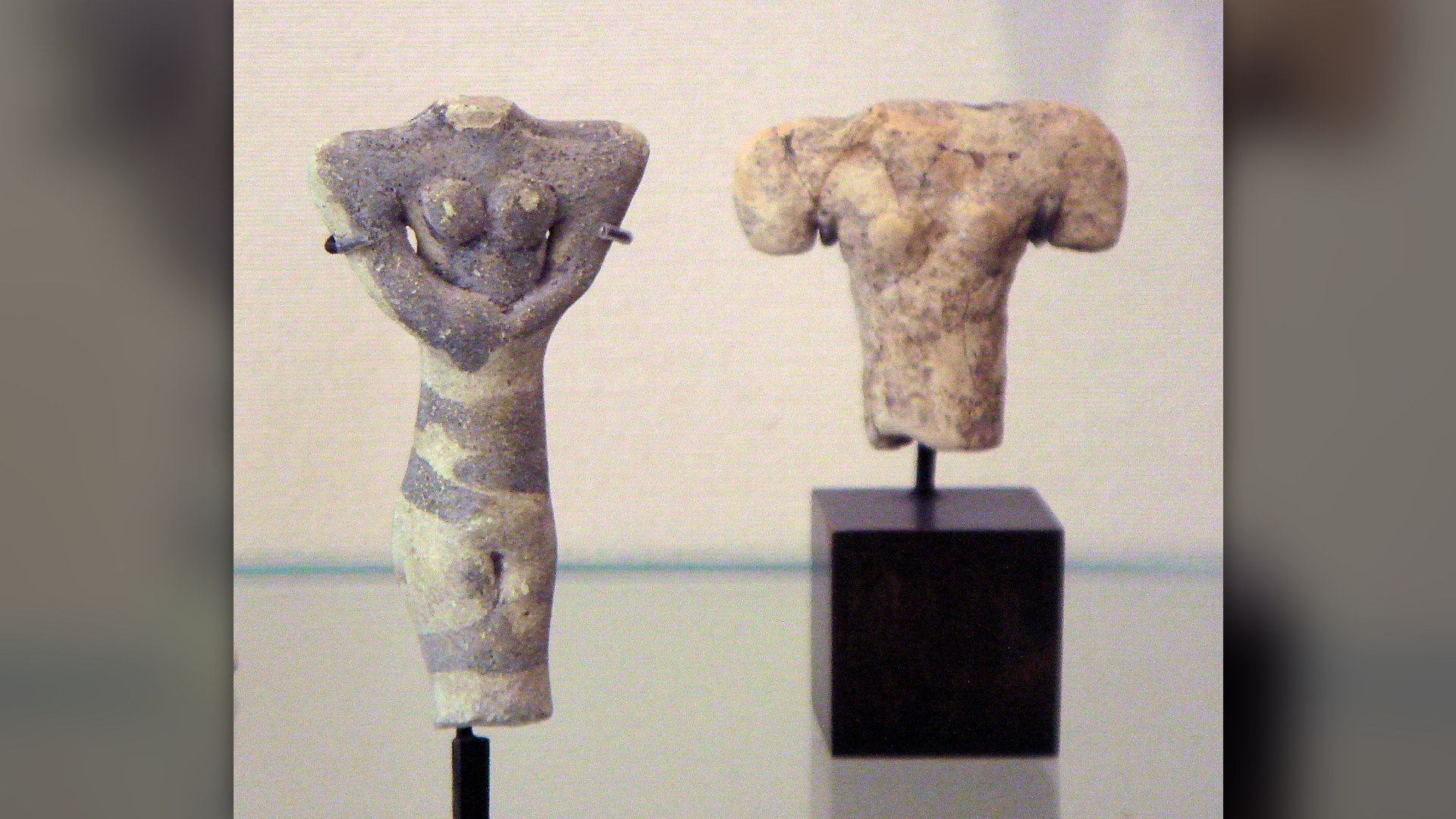
©Wikimedia / ALFGRN
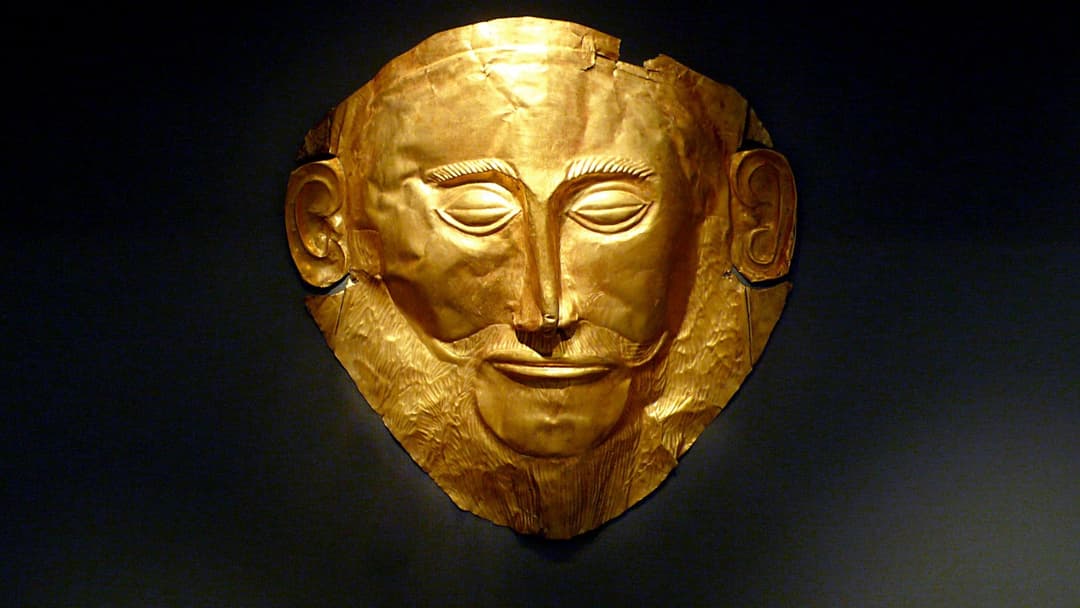
16. Mask Of Agamemnon
Unearthed at Mycenae in 1876 by Heinrich Schliemann, this hammered gold funerary mask was proclaimed the face of Homeric legend Agamemnon. Modern metallurgical testing suggests it predates the Trojan War by three centuries, fueling forgery theories.
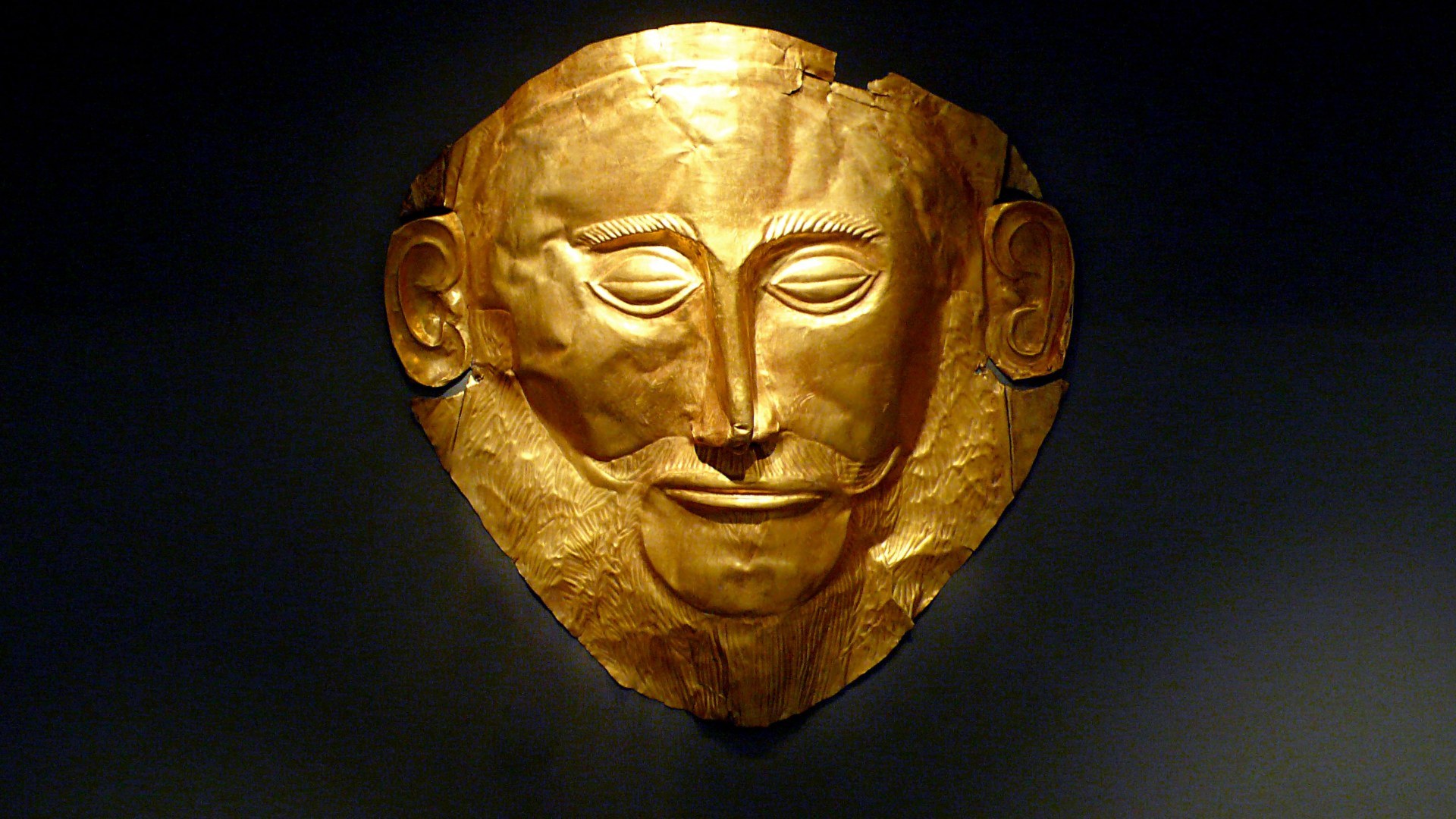
©Wikimedia / Xuan Che
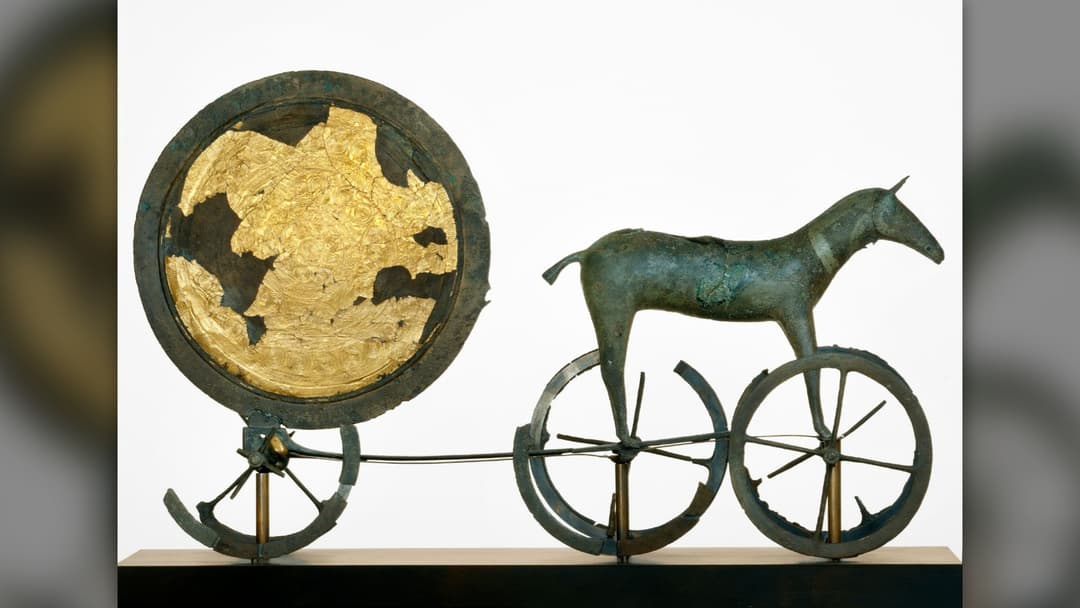
15. Trundholm Sun Chariot
Discovered in a Danish peat bog in 1902, this delicate bronze model depicts a divine horse pulling a gold leaf disc across the heavens. Dating to 1400 BCE, researchers analyze its complex spiral engravings for early calendar mathematics.
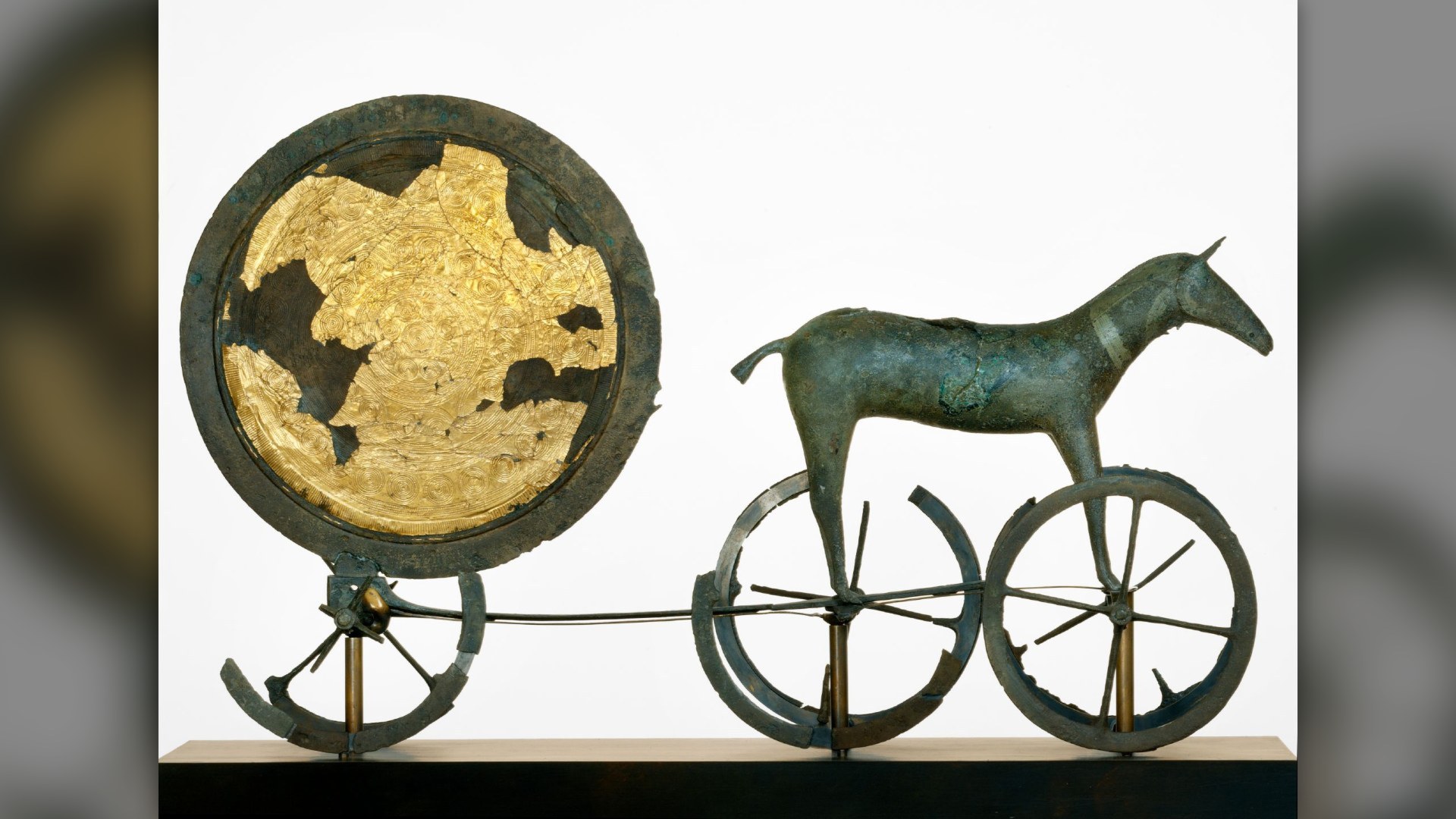
©Wikimedia / Nationalmuseet
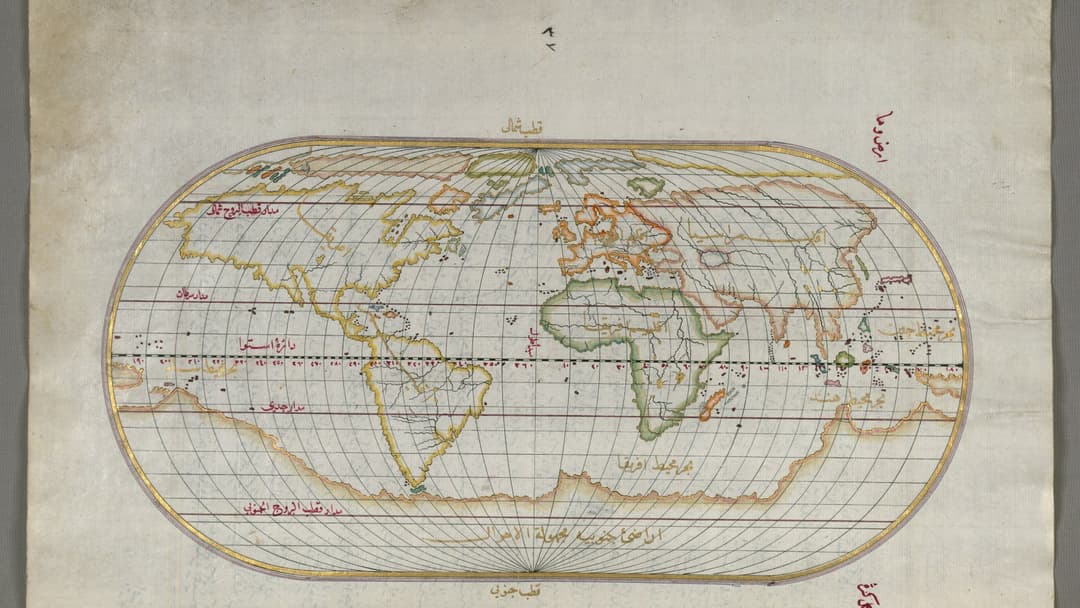
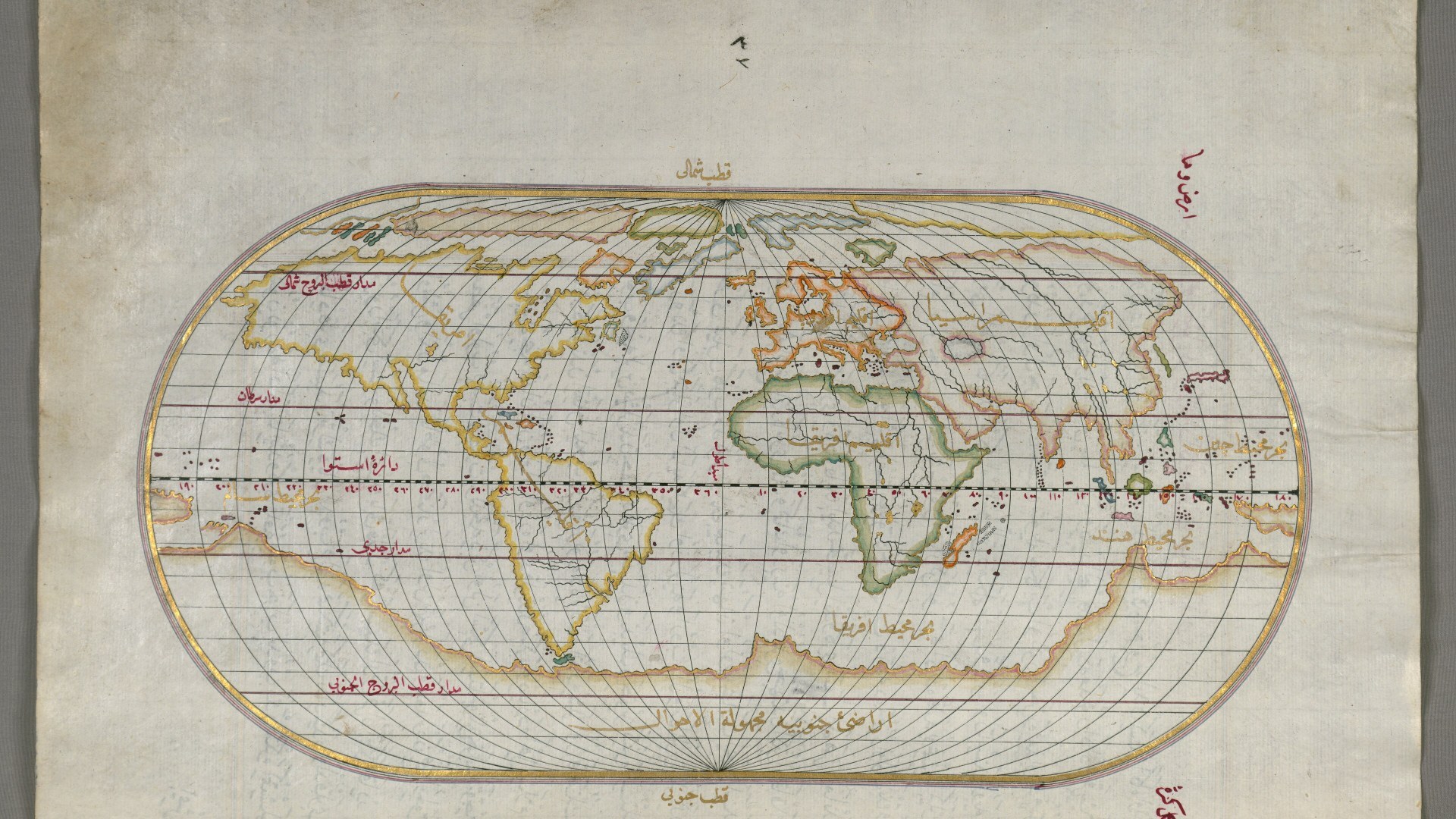
14. Piri Reis Map
Drawn on gazelle skin parchment in 1513 by Ottoman admiral Piri Reis, this surviving fragment details South American coastlines with surprising precision. Cartographers continue studying its marginal notes, which cite lost charts from Christopher Columbus.
©Wikimedia / Google Cultural Institute
Advertisement
Swipe or tap ▶ to resume the countdown.
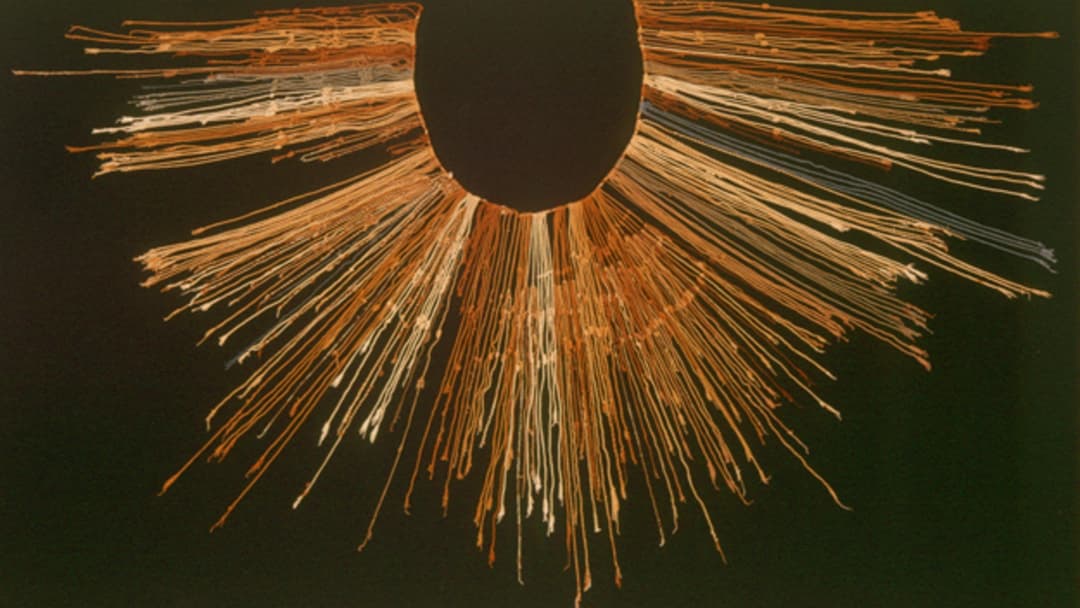
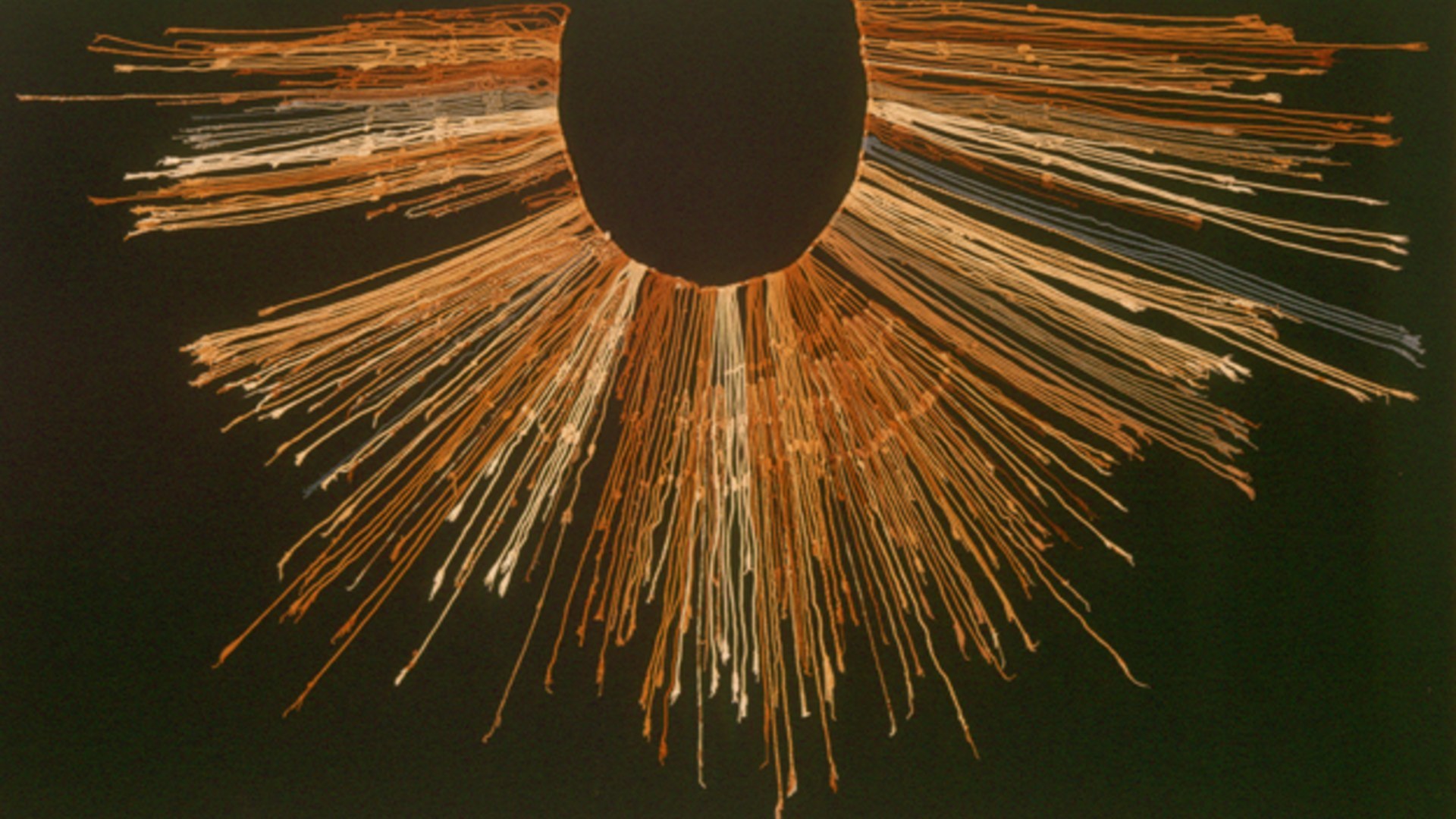
13. Inca Quipu
Without an alphabetic writing script, the Inca administrative state tracked populations, grain supplies, and military tributes using dyed wool knots. Cryptographers and anthropologists are currently testing computer models to determine if quipus also recorded oral narratives.
©Wikimedia / Claus Ableiter
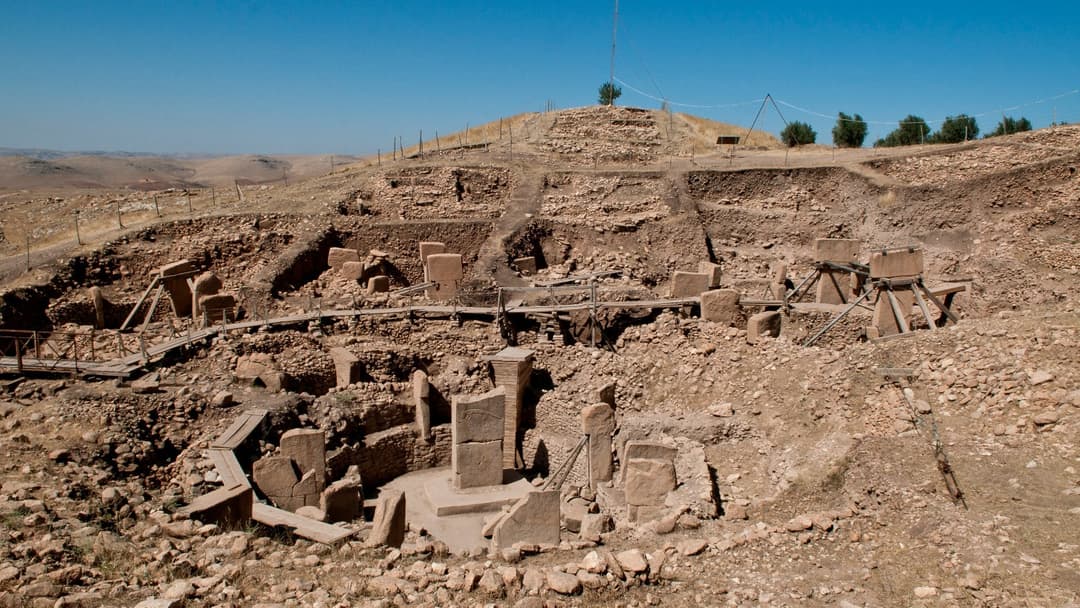
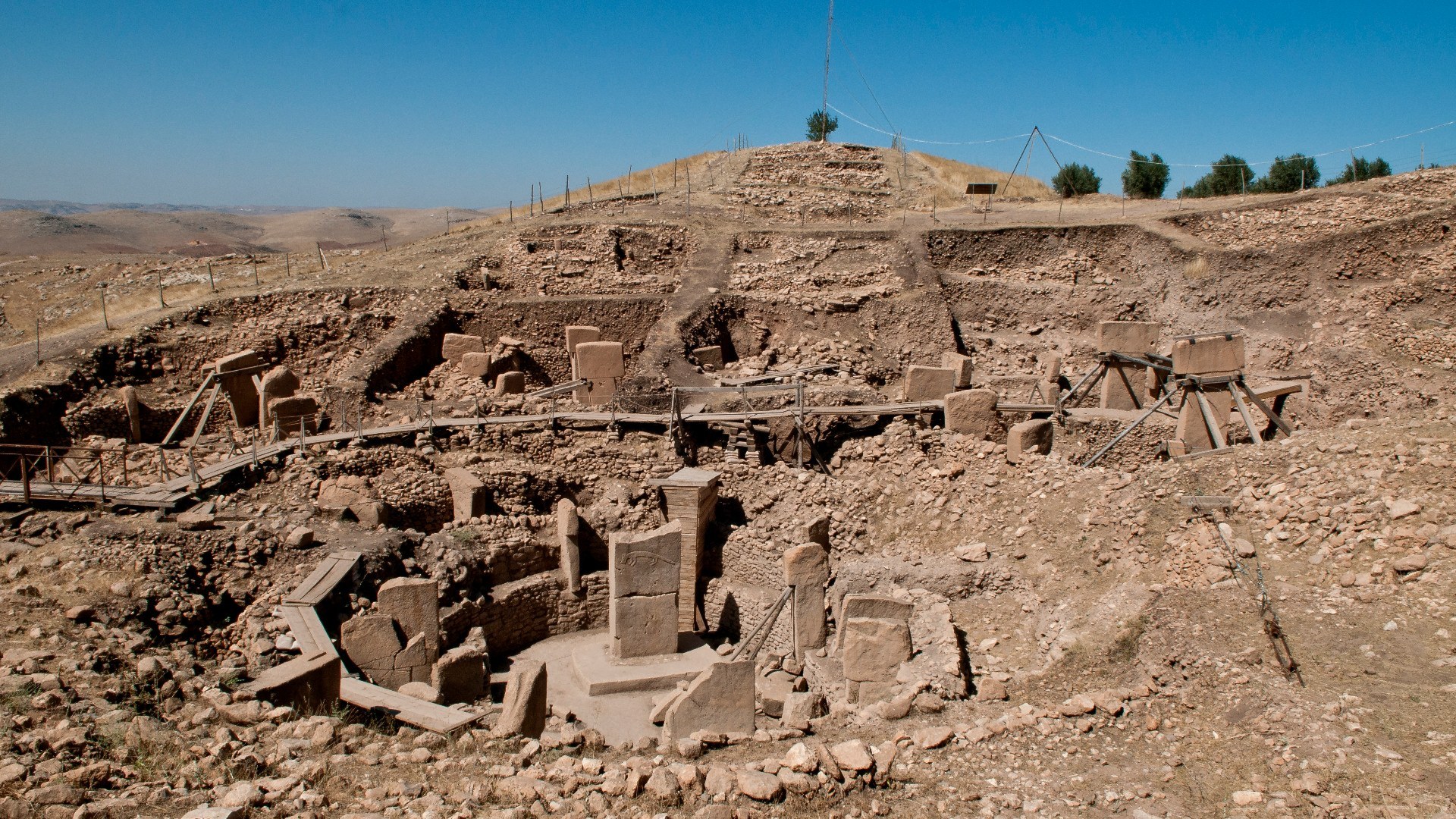
12. Gobekli Tepe Carvings
Constructed in southeastern Anatolia nearly 11,500 years ago, these monumental stone pillars predate pottery, agriculture, and metal tools. Archaeologists are still investigating how hunter-gatherers engineered multi-ton monoliths and what their elaborate predatory animal carvings signified.
©Wikimedia / Teomancimit
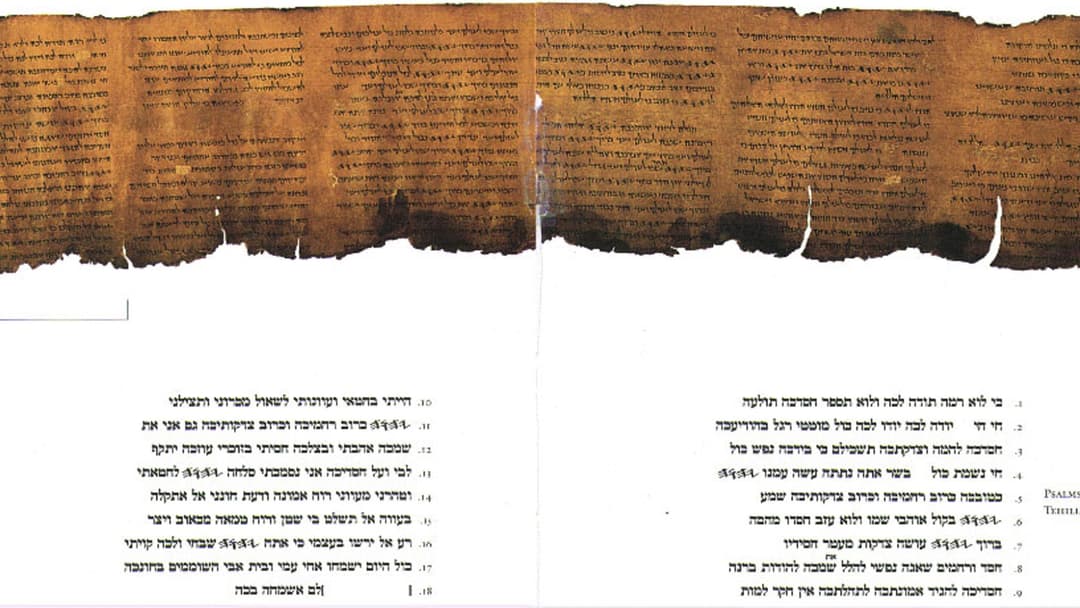
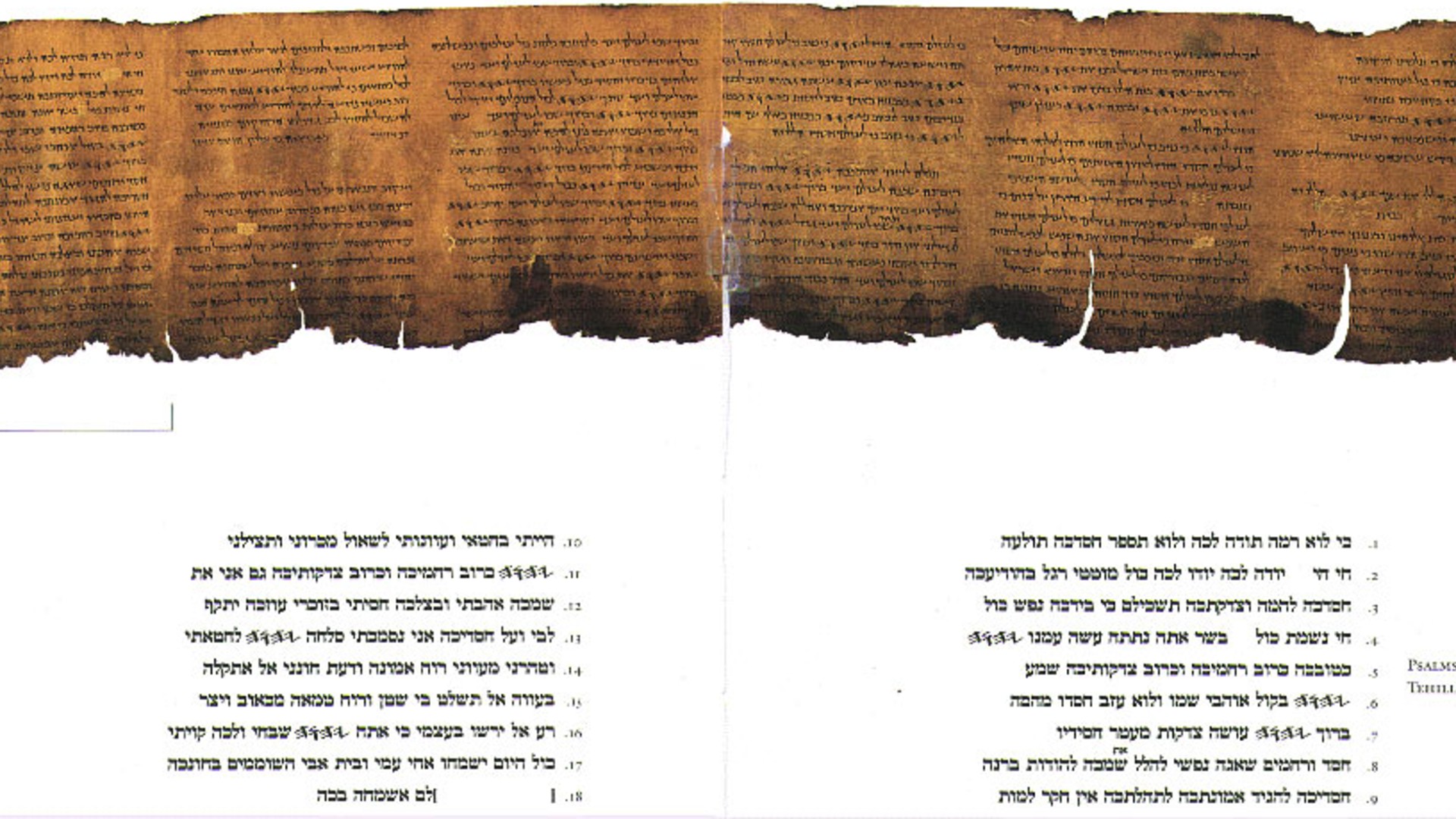
11. Dead Sea Scrolls
Found between 1947 and 1956 in the arid caves of Qumran, these fragile parchment manuscripts contain the earliest surviving biblical texts. Multispectral imaging continues to reveal previously erased fragments, sparking debates over their exact monastic authors.
©Wikimedia / the Israel Antiquities Authority 1993
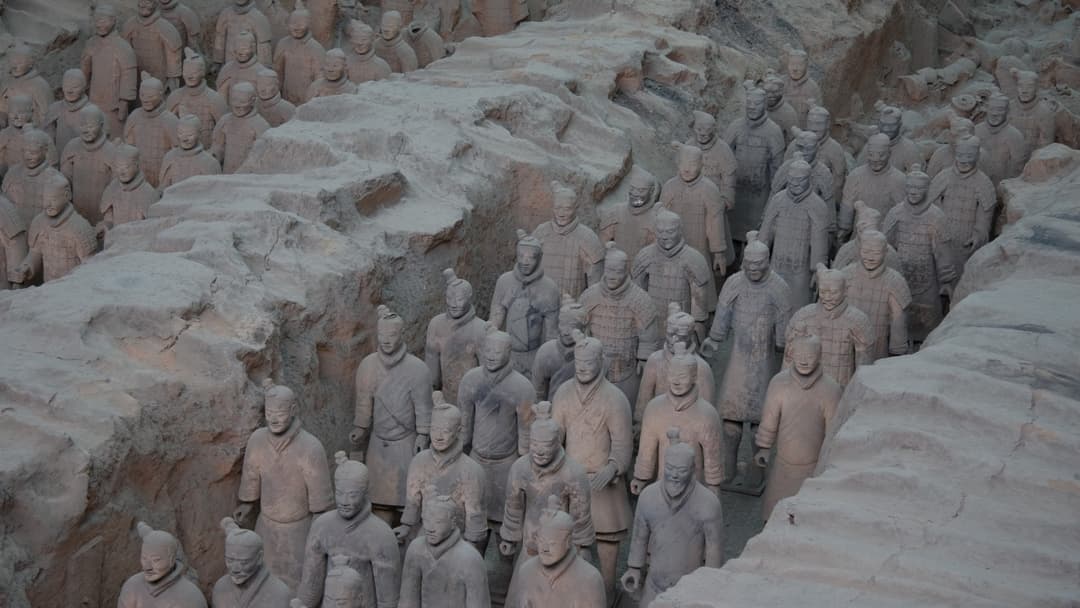
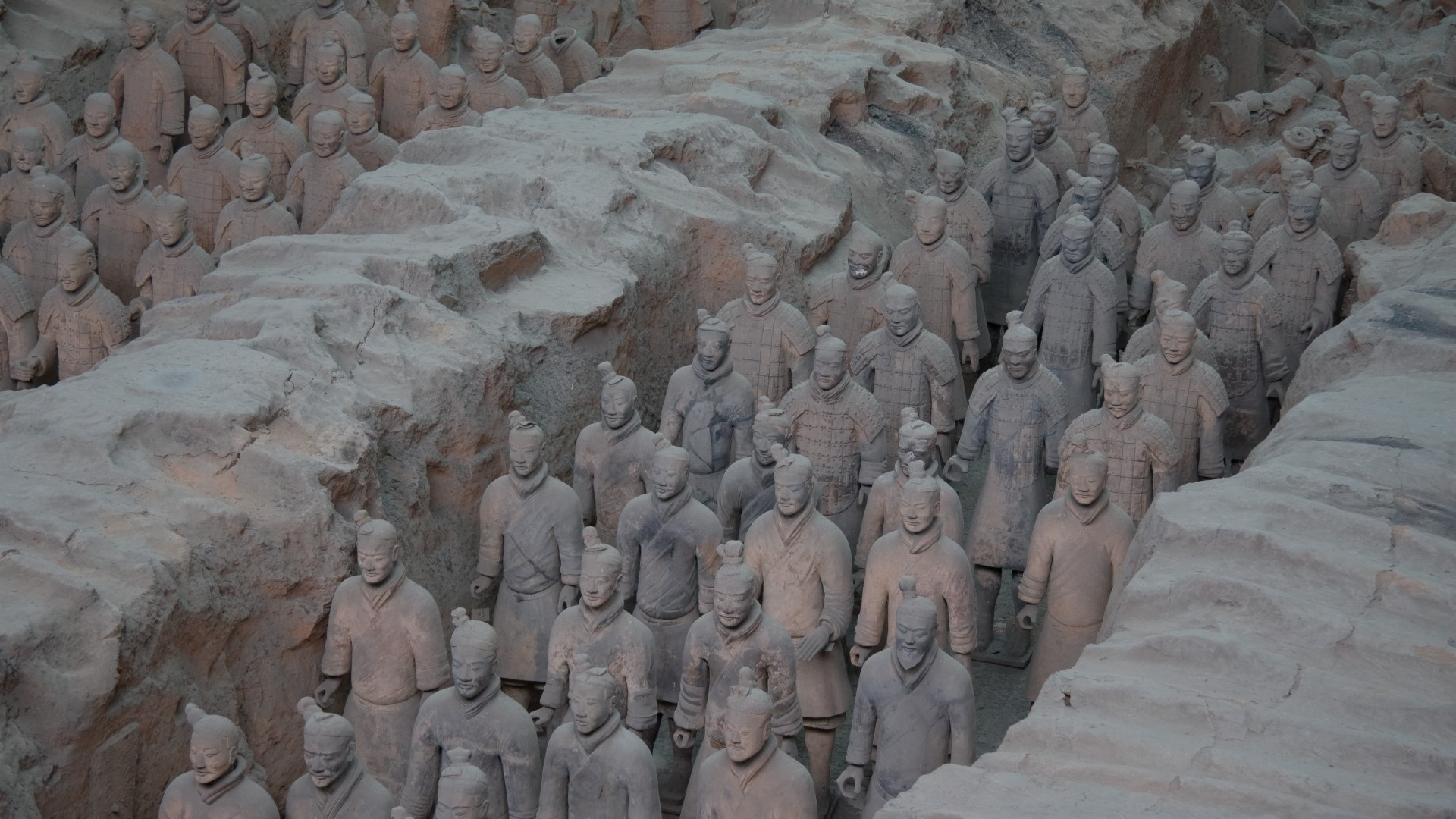
10. Terracotta Army
Guarding the tomb of China's first emperor Qin Shi Huang since 210 BCE, thousands of life-sized terracotta soldiers stand in battle formation. Modern conservators work against rapid oxidation while the central imperial burial mound remains entirely unexcavated.
©Wikimedia / Maros M r a z
Advertisement
Swipe or tap ▶ to resume the countdown.
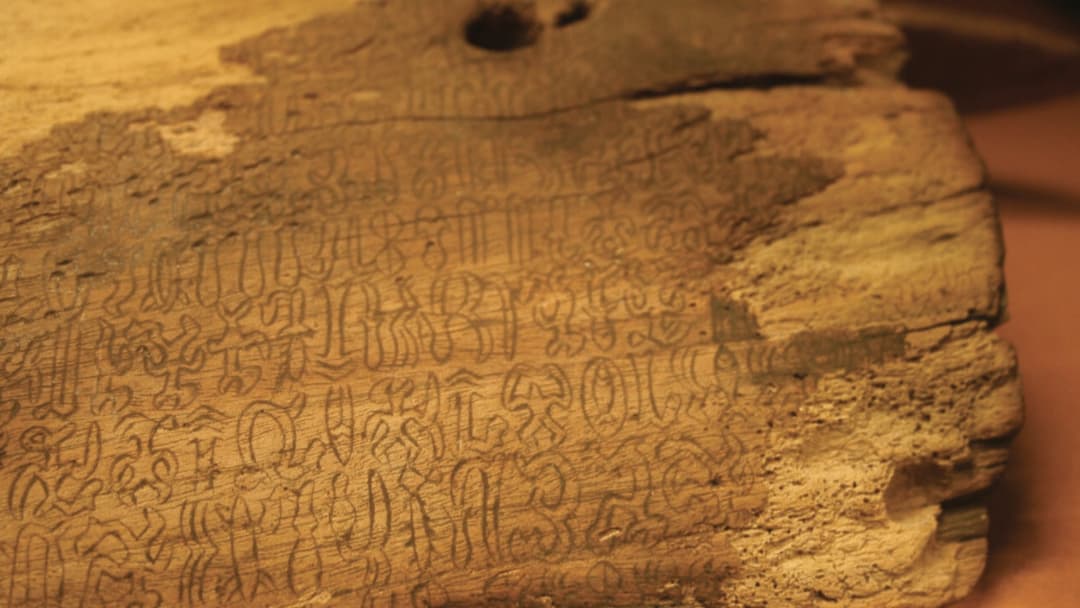
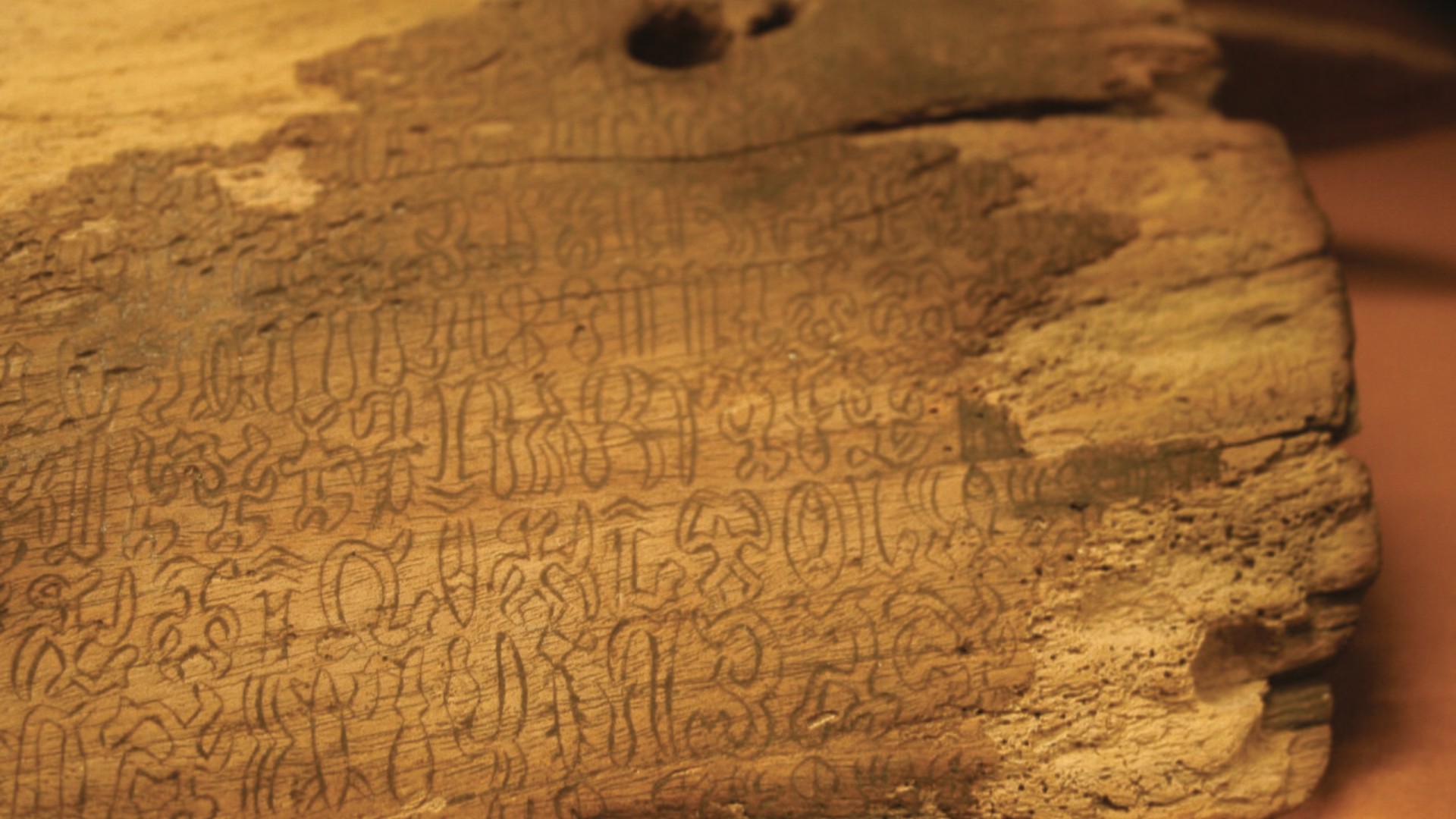
9. Rongorongo Tablets
Collected on Easter Island in the nineteenth century, these irregular wooden boards display glyphs written in reverse boustrophedon order. Linguists remain unable to definitively decipher the script, leaving open whether it represents indigenous literacy or post-European imitation.
©Wikimedia / christopherhu
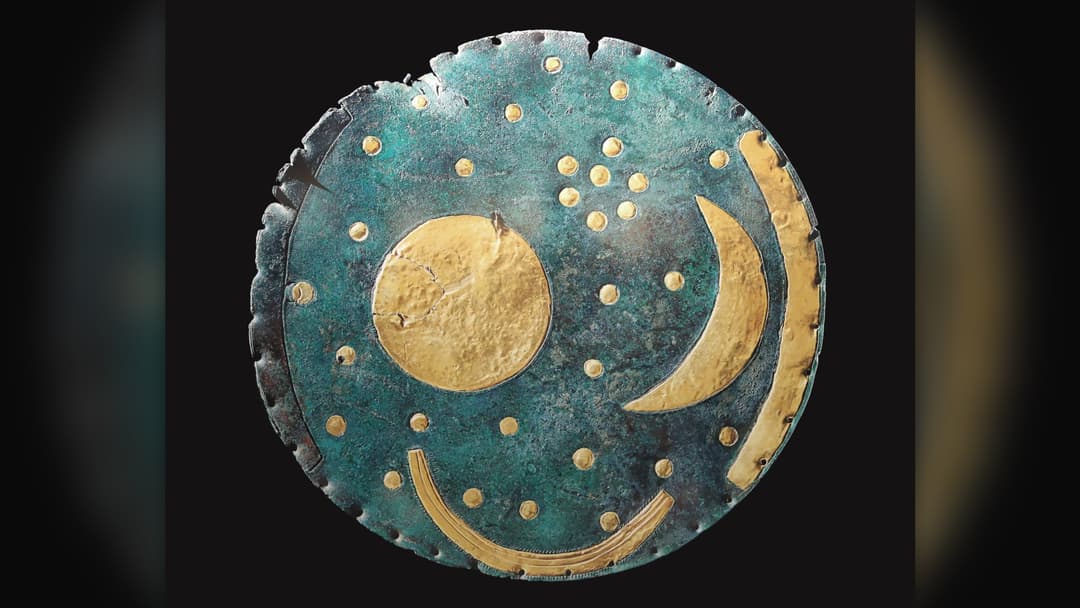
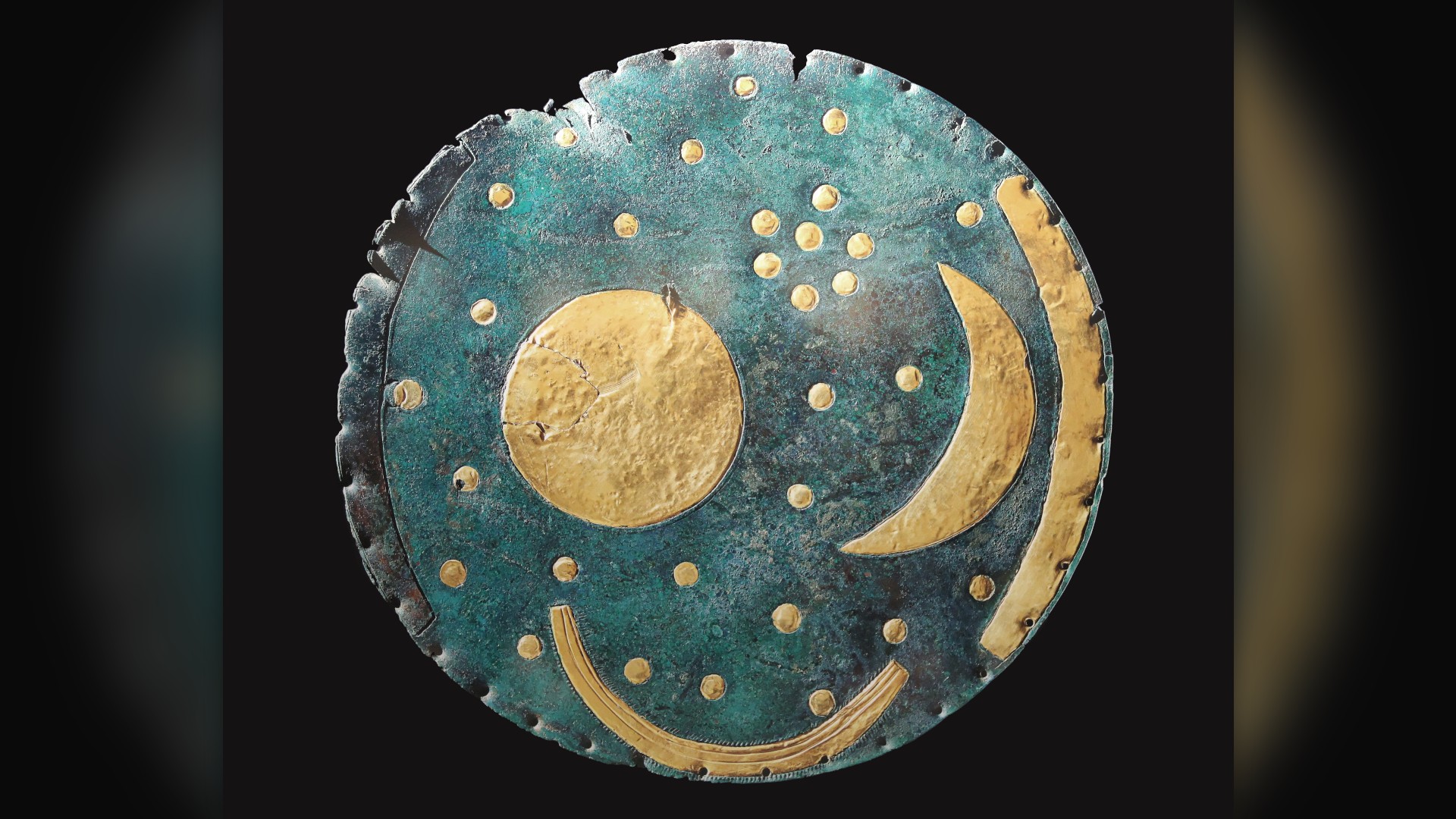
8. Nebra Sky Disc
Recovered by metal detectorists in Germany, this 3,600 year old bronze disc depicts the Sun, Moon, and Pleiades cluster. Researchers study its chemical patina to confirm its authenticity, while astronomers debate how prehistoric societies calculated intercalary leap months.
©Wikimedia / Nebra sky disc
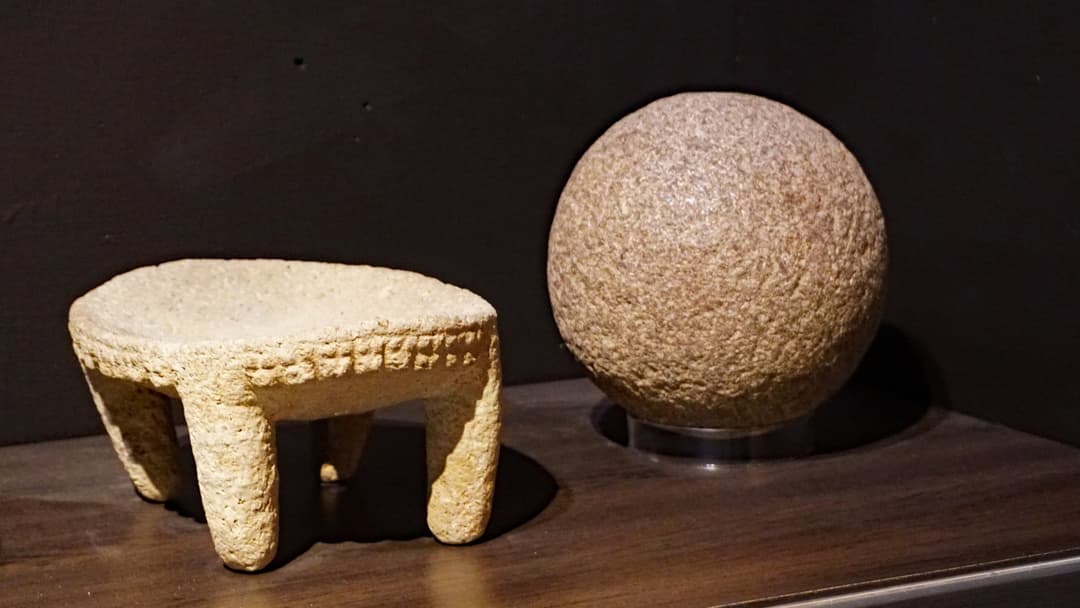
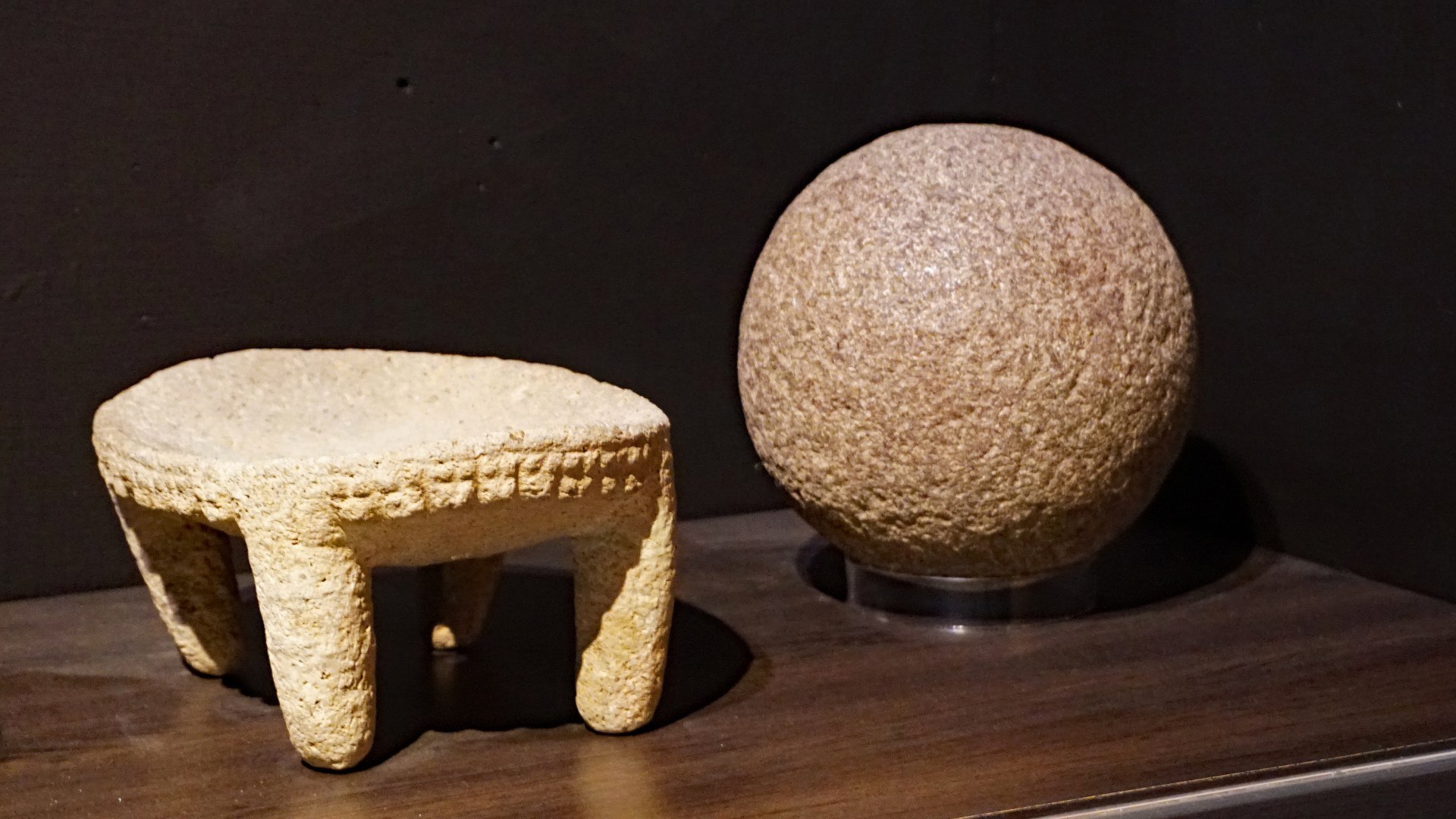
7. Diquis Stone Spheres
Scattered across the Diquis Delta of Costa Rica, more than three hundred nearly perfect stone spheres range up to six feet in diameter. Created between 500 and 1500 CE, their placement patterns and quarry transport methods remain an archaeological enigma.
©Wikimedia / Mariordo
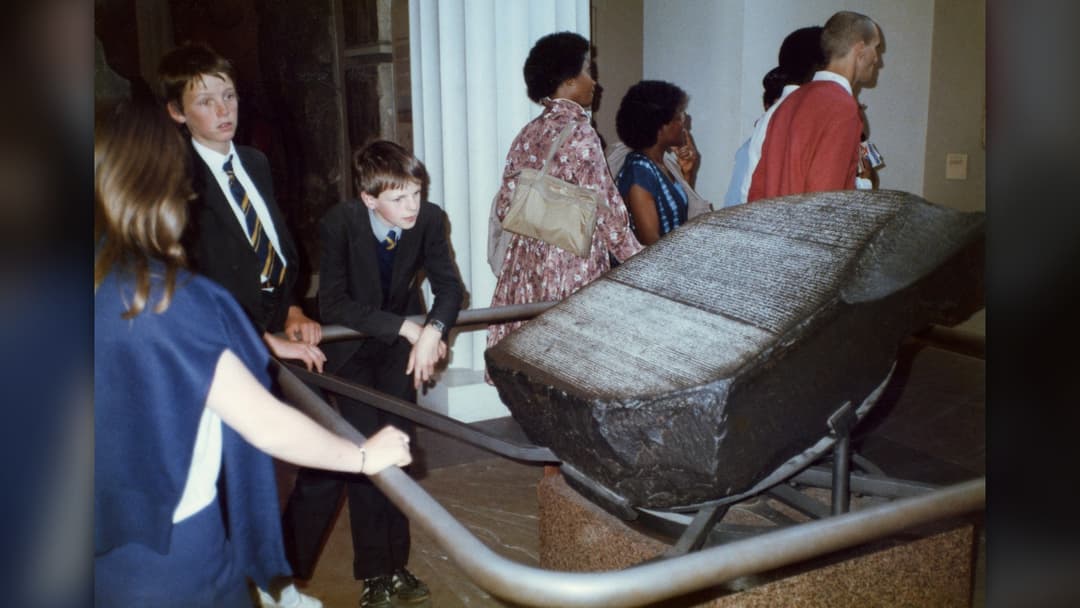
6. Rosetta Stone
Found in 1799 near Rashid, this granodiorite slab records a decree issued at Memphis in Greek, Demotic, and hieroglyphic scripts. While Jean-Francois Champollion cracked the grammar in 1822, epigraphers still study subtle political variants between the translations.
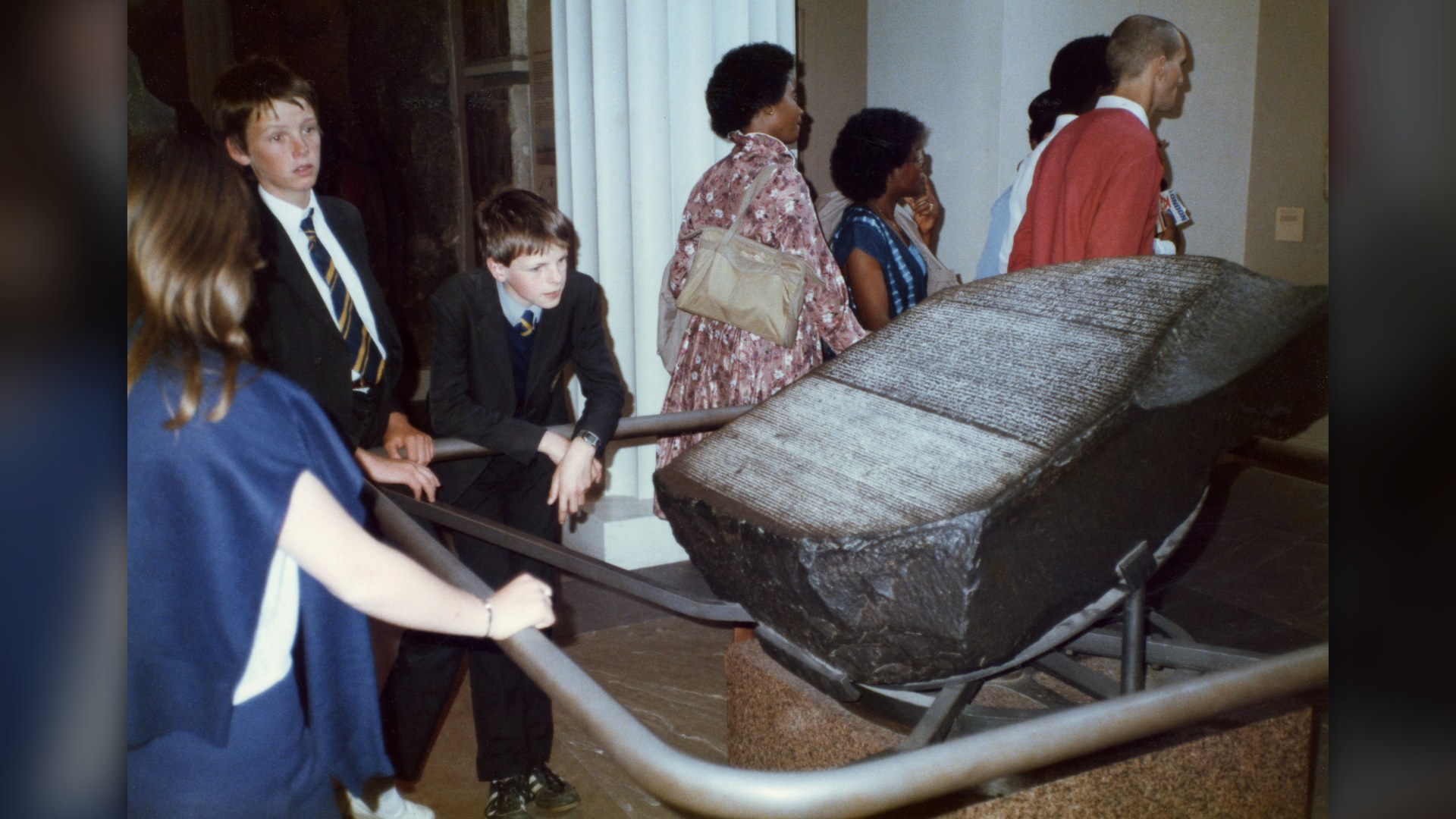
©Wikimedia / RickDikeman
Advertisement
Swipe or tap ▶ to resume the countdown.
5. Baghdad Battery
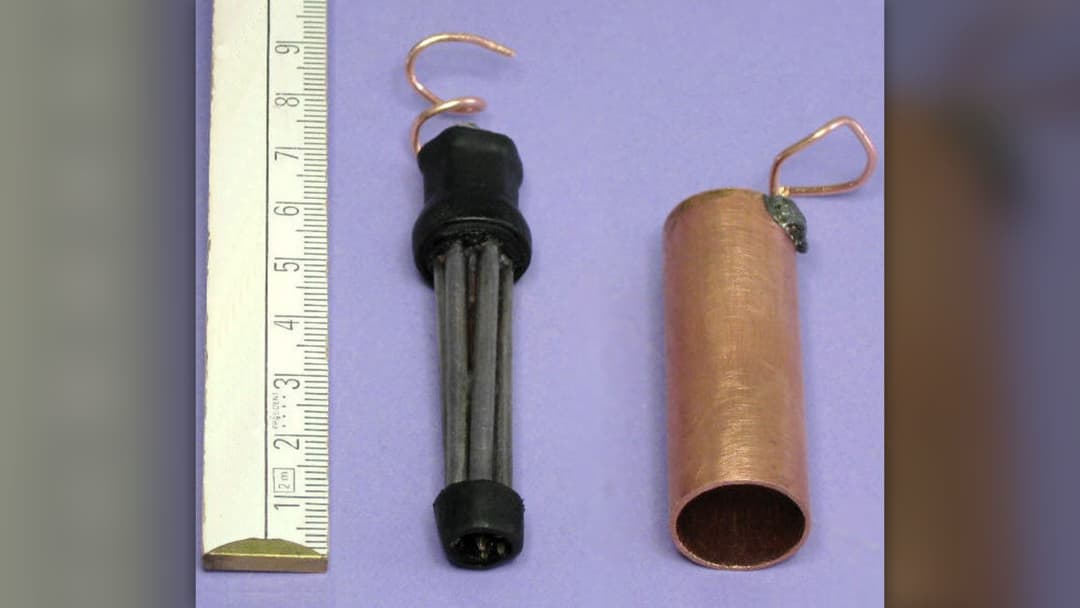
Discovered near Baghdad and dating to the Parthian period, these terracotta vessels contain asphalt-sealed copper cylinders housing iron pins. While early experiments proved they could generate low voltage with acidic liquids, archaeologists argue they served as sacred scroll containers.
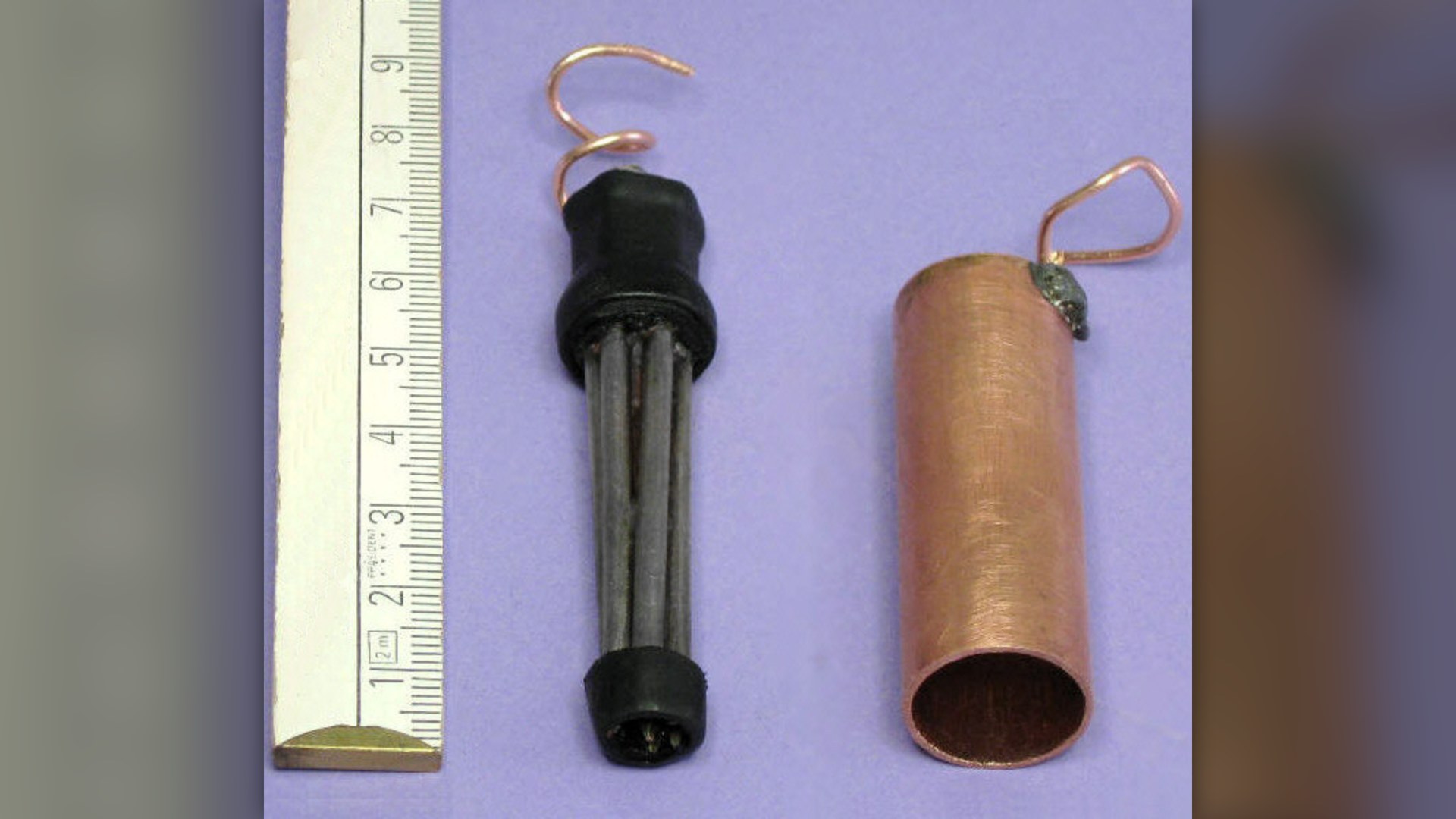
©Wikimedia / Tympanus
4. Roman Dodecahedron
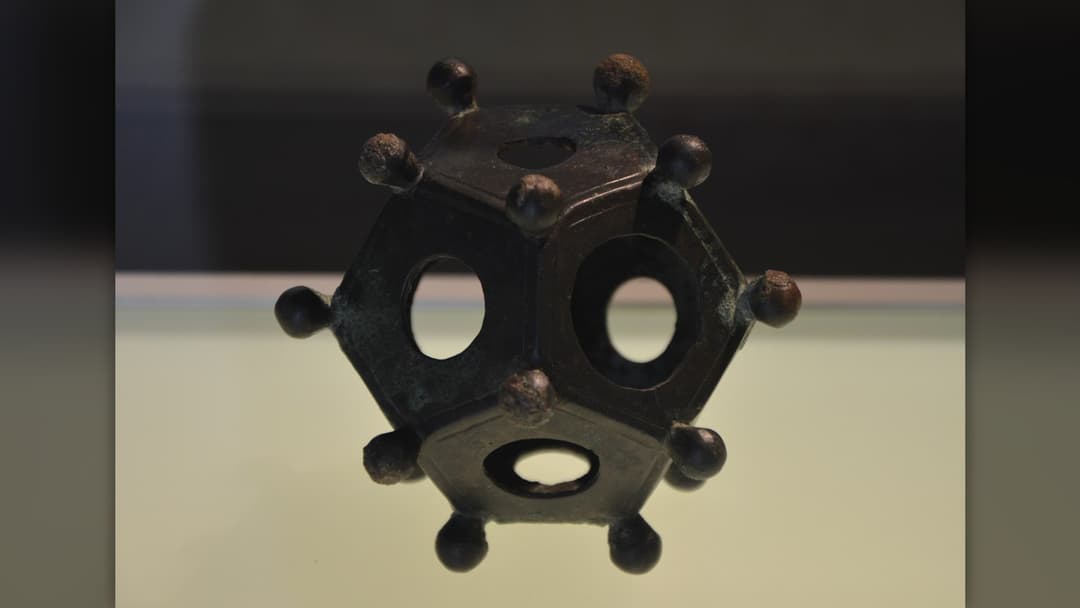
Over one hundred of these bronze dodecahedrons with varying circular apertures have been unearthed across Roman Europe. Because ancient Roman texts never mention them, scholars debate whether they functioned as measuring devices, candleholders, or ritual divination tools.
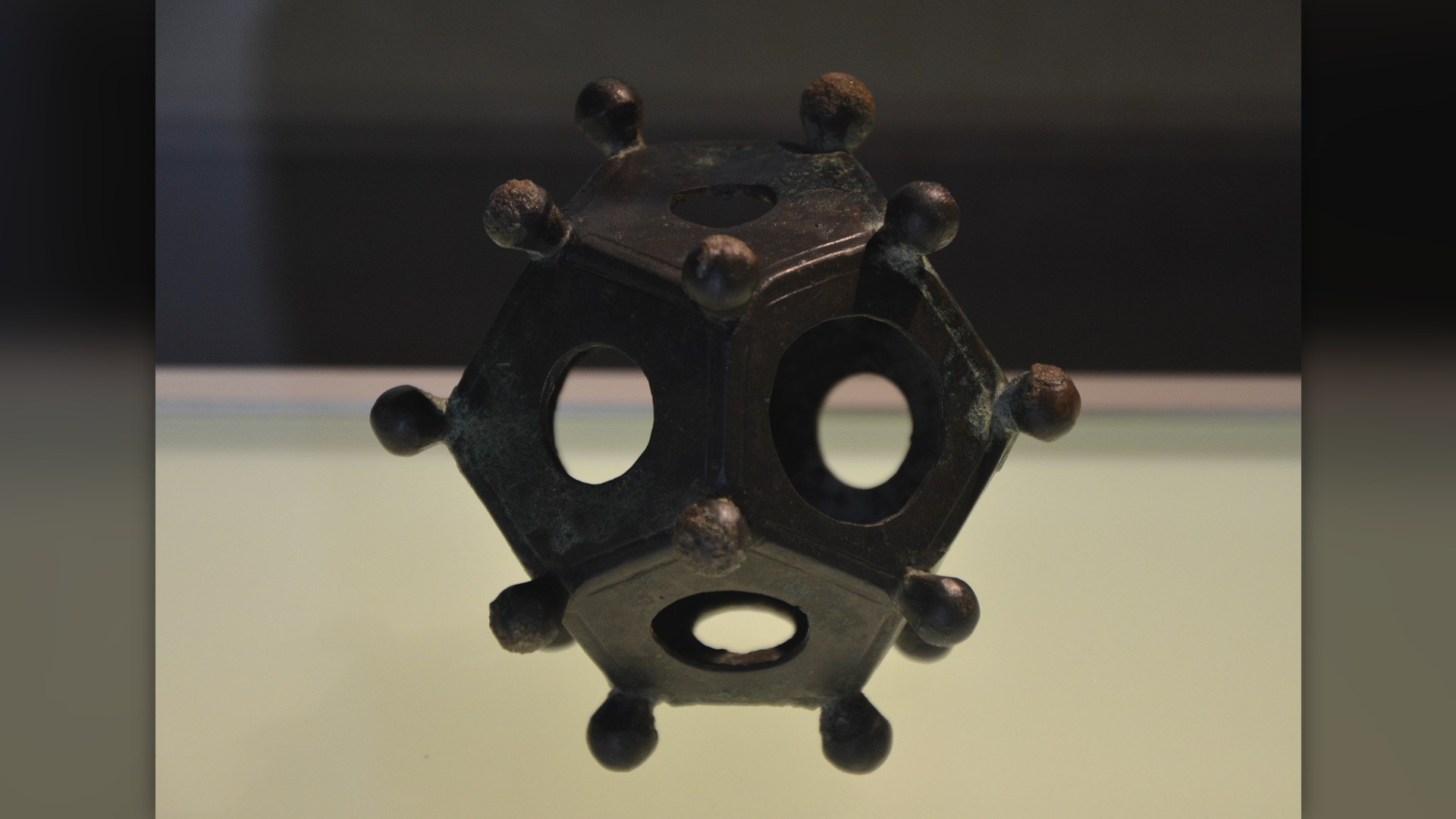
©Wikimedia / Carole Raddato
3. Phaistos Disc
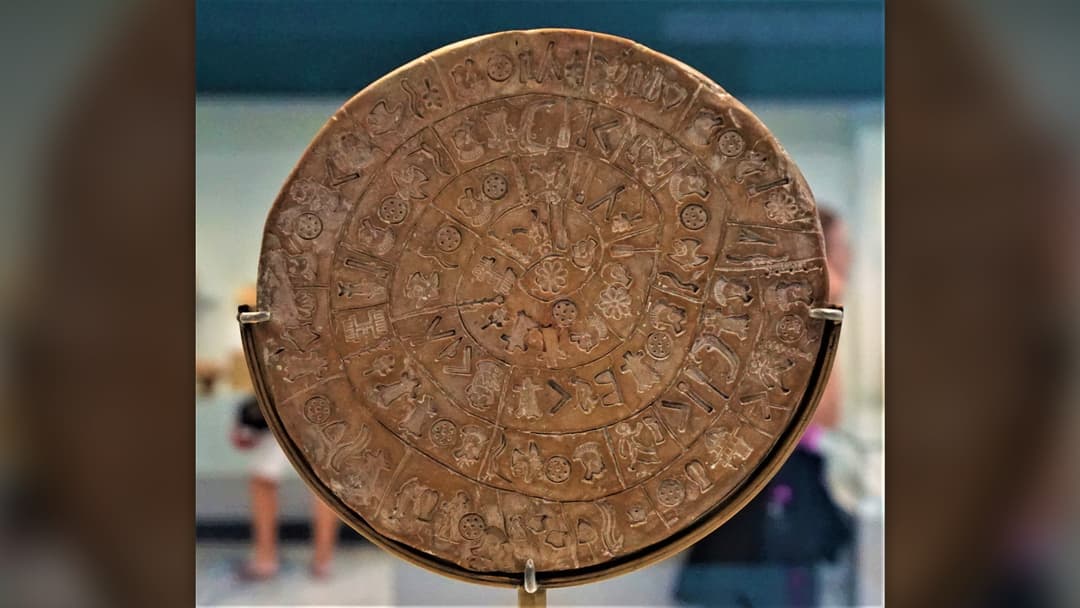
Excavated at the Minoan palace of Phaistos in Crete, this fired clay disc features 241 stamped tokens arranged in a tightening clockwise spiral. Because the symbols were made using individual stamps, it represents the earliest movable type, yet its meaning remains completely uncracked.
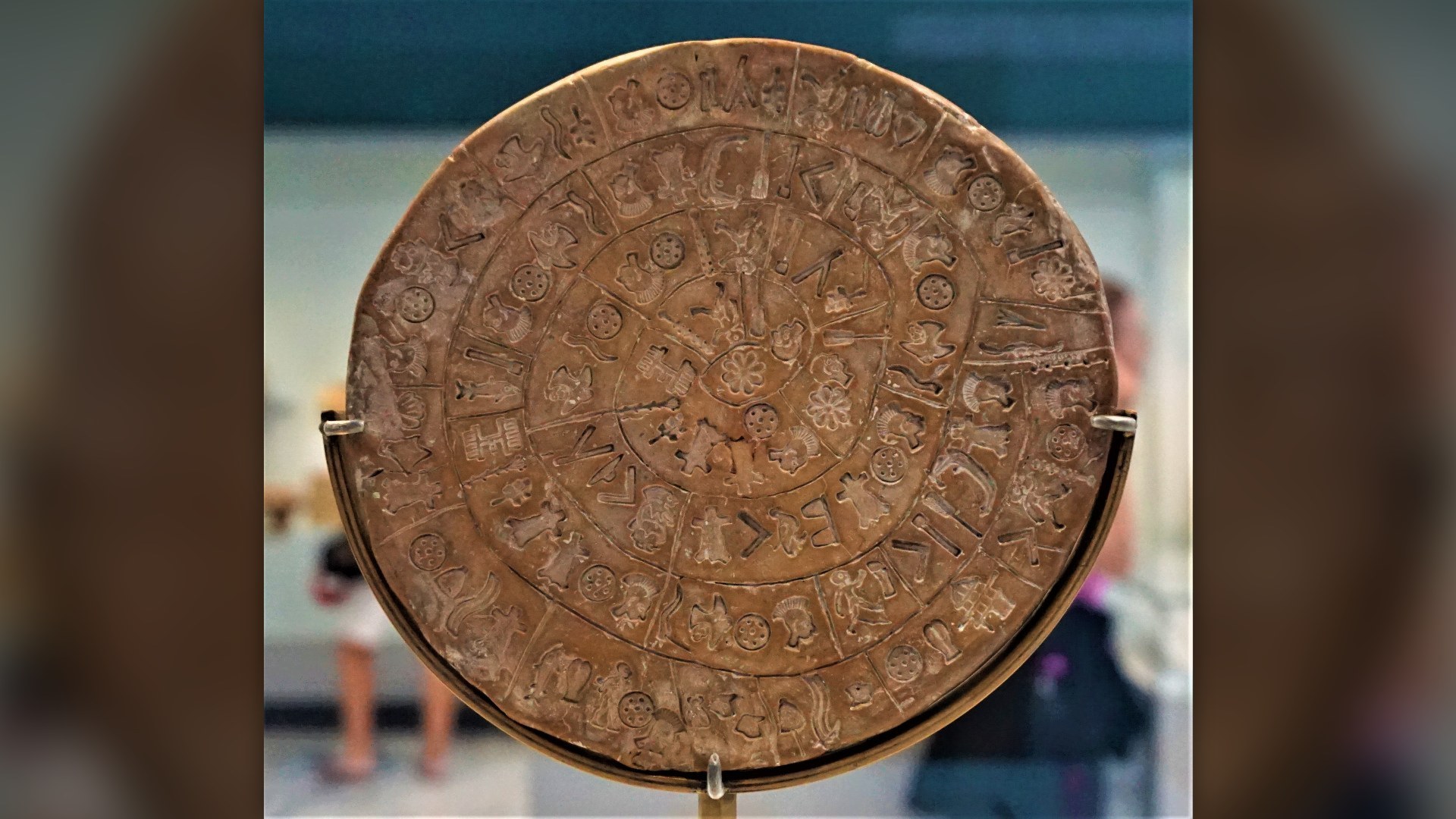
©Wikimedia / Joyofmuseums
2. Voynich Manuscript
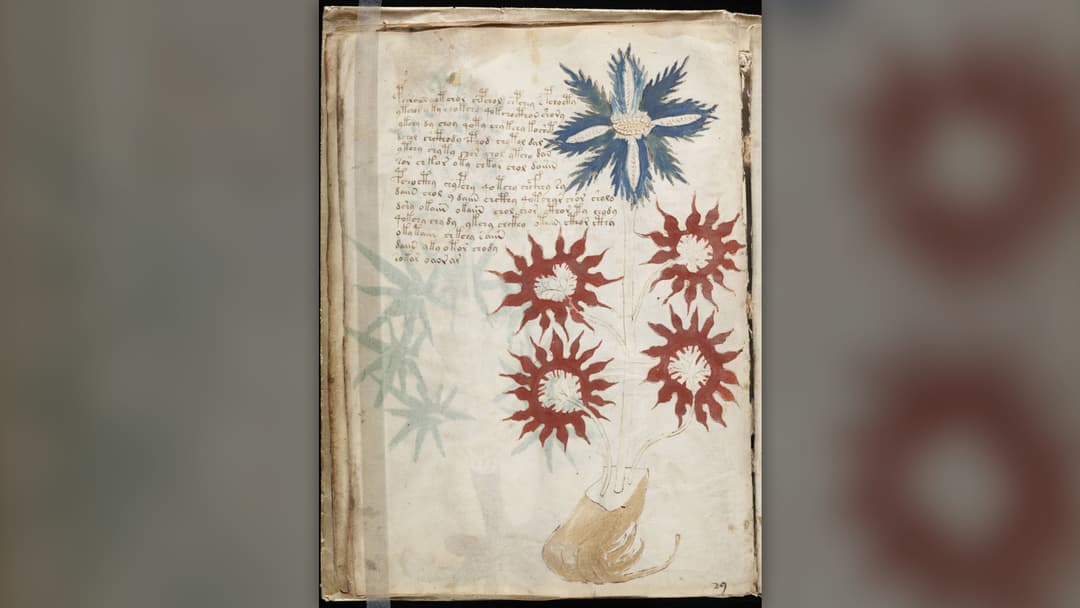
Carbon-dated to the early fifteenth century, this 240-page vellum book contains strange botanical drawings and an undeciphered writing system. Top cryptanalysts from World War Two to modern artificial intelligence systems have failed to conclusively decode its contents.
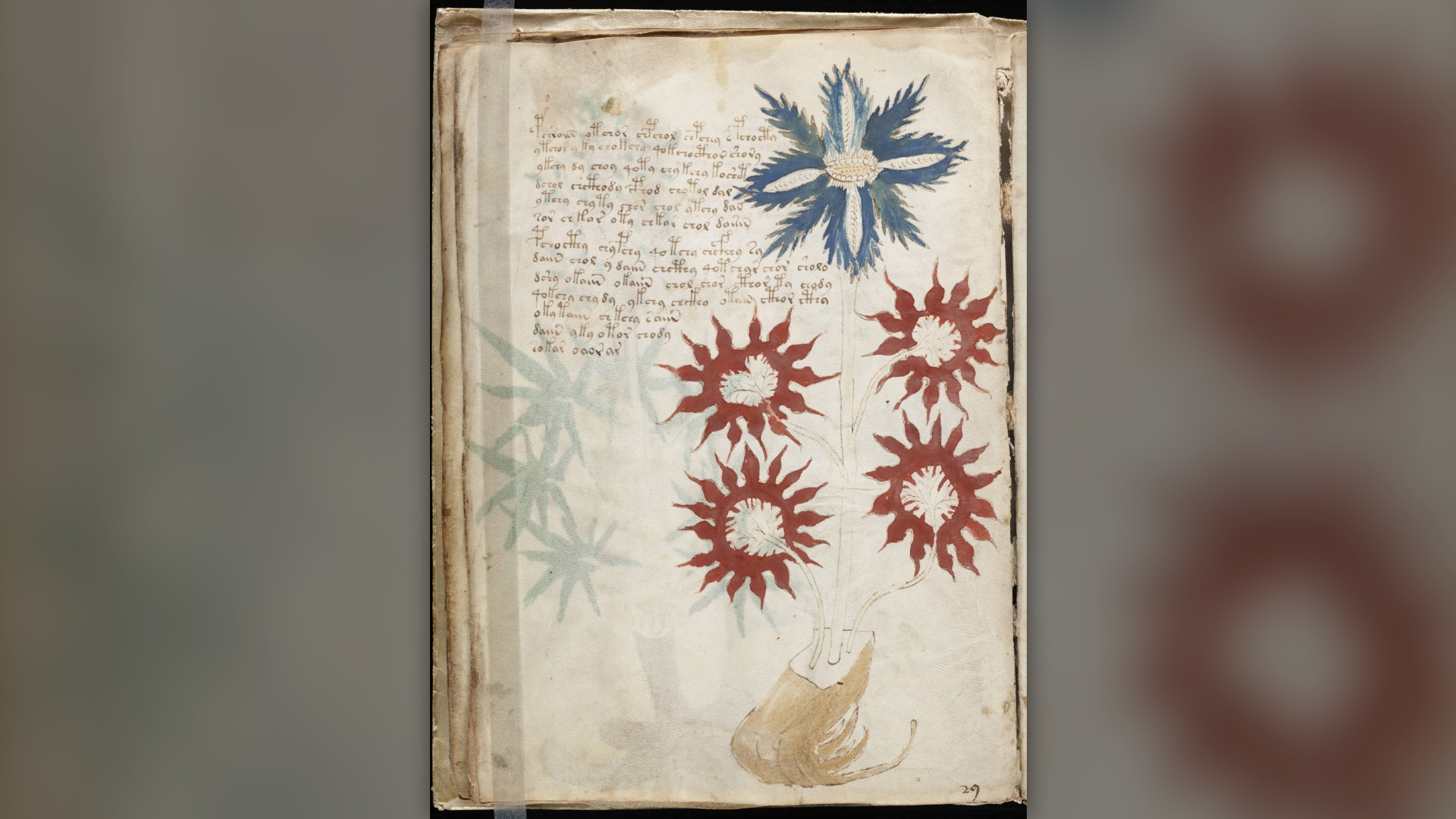
©Wikimedia / Voynich manuscript
Advertisement
Swipe or tap ▶ to resume the countdown.
1. Antikythera Mechanism
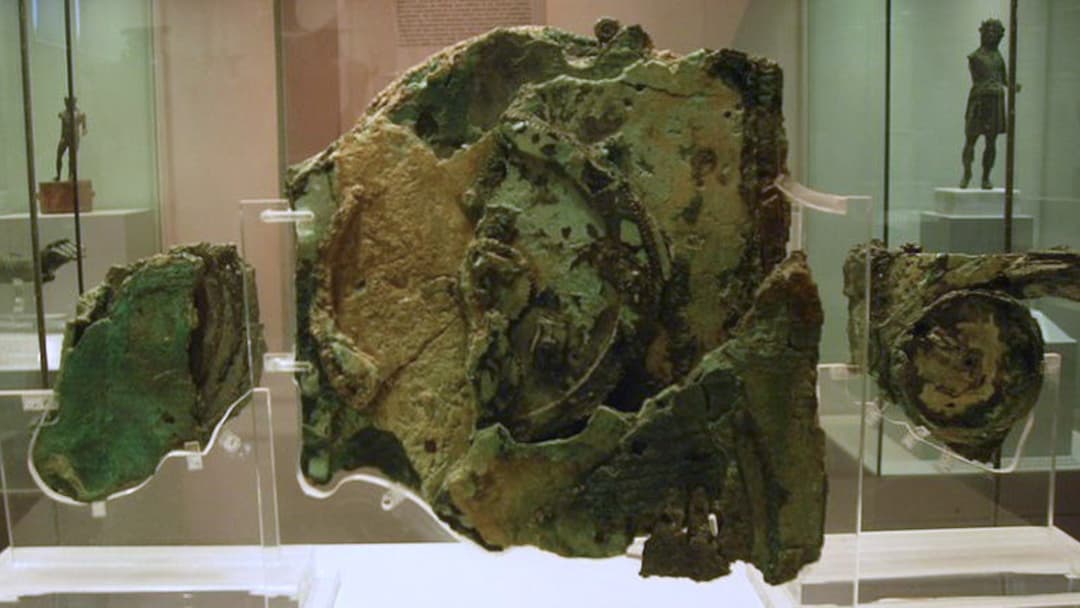
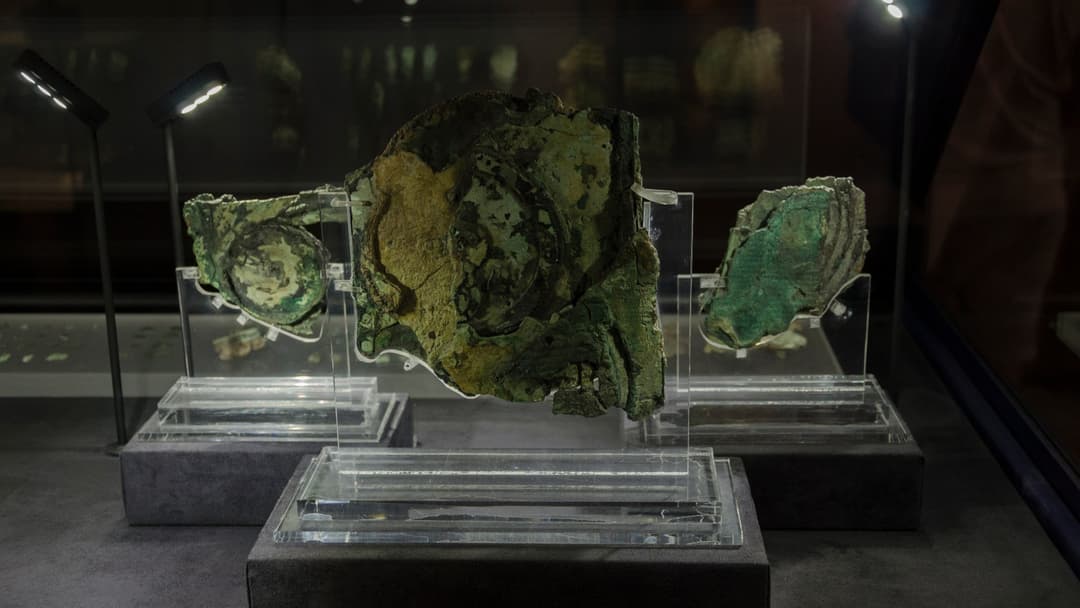
Discovered in a shipwreck off the coast of Greece in 1901, this corroded bronze device contains at least thirty interlocking gear wheels. Built over two thousand years ago, it accurately calculated solar cycles, eclipses, and Olympic Games calendars with unmatched mechanical genius.
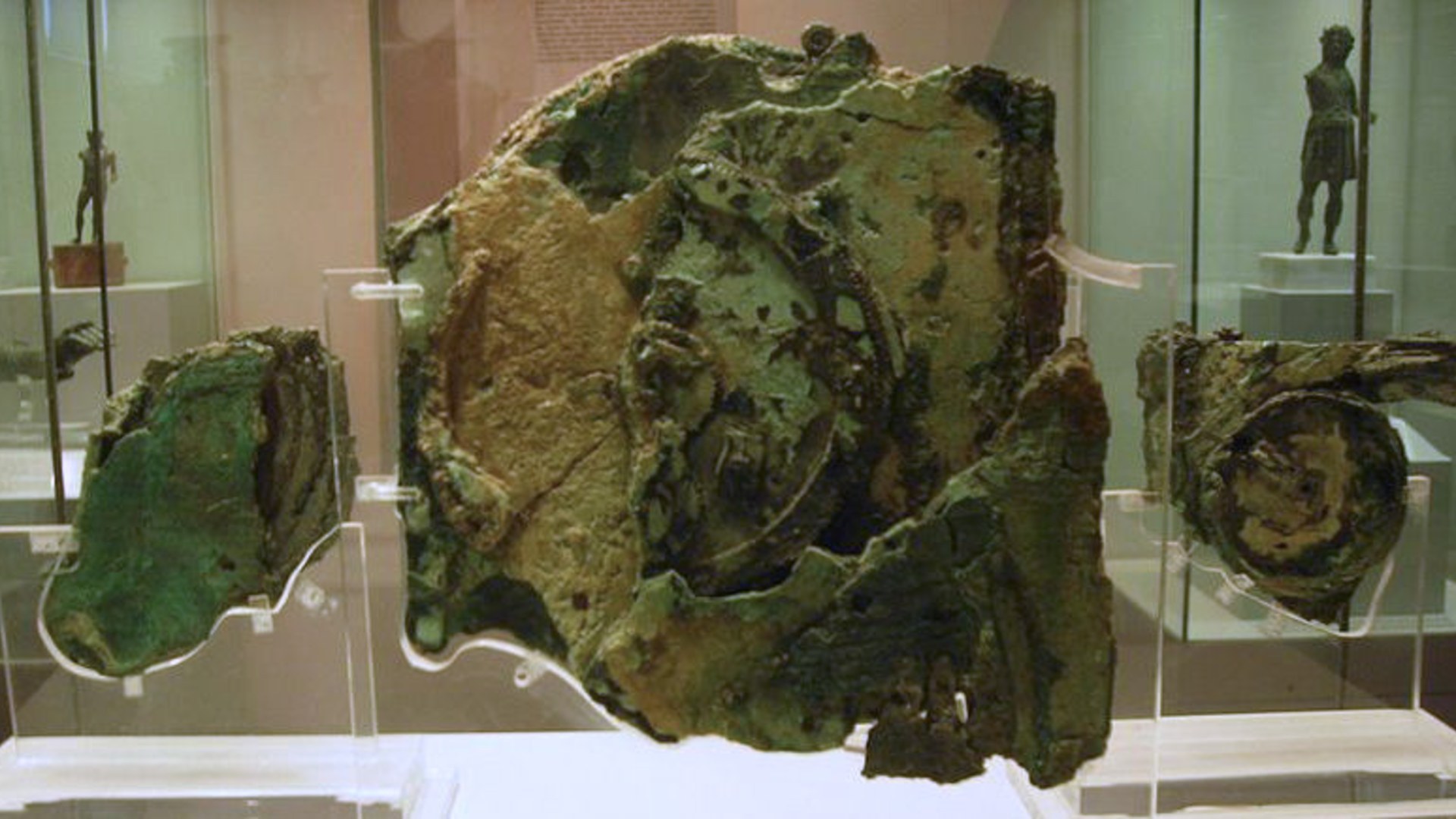
©Wikimedia / Therese Clutario
Advertisement
You've reached the end of the story. Thanks for reading!

The 30 Most-Searched Questions of 2026
Curious Minds: What the World Wondered Most in 2026
All 20 Entries in this Story
20. Narmer Palette
Discovered in Hierakonpolis and dating to 3100 BCE, this siltstone palette features some of the earliest known hieroglyphic inscriptions. Historians still debate whether its violent carvings depict real warfare or symbolic mythology.

19. Standard Of Ur
Excavated from a royal grave in ancient Sumer, this 4,500 year old wooden chest is covered in lapis lazuli, shell, and red limestone. Its original purpose remains unknown, with theories ranging from a musical soundbox to a military standard.

18. Cyrus Cylinder
Created in 539 BCE after Cyrus the Great conquered Babylon, this baked clay cylinder is written in Babylonian cuneiform. Modern researchers continue to debate whether it constitutes the first declaration of human rights or royal imperial propaganda.

17. Ubaid Lizard Figurines
Uncovered at Mesopotamian settlement sites dating back 7,000 years, these baked clay figurines feature elongated heads and almond reptilian eyes. Scholars remain divided on whether they represent religious deities, shamans, or symbolic clan totems.

16. Mask Of Agamemnon
Unearthed at Mycenae in 1876 by Heinrich Schliemann, this hammered gold funerary mask was proclaimed the face of Homeric legend Agamemnon. Modern metallurgical testing suggests it predates the Trojan War by three centuries, fueling forgery theories.

15. Trundholm Sun Chariot
Discovered in a Danish peat bog in 1902, this delicate bronze model depicts a divine horse pulling a gold leaf disc across the heavens. Dating to 1400 BCE, researchers analyze its complex spiral engravings for early calendar mathematics.

14. Piri Reis Map
Drawn on gazelle skin parchment in 1513 by Ottoman admiral Piri Reis, this surviving fragment details South American coastlines with surprising precision. Cartographers continue studying its marginal notes, which cite lost charts from Christopher Columbus.

13. Inca Quipu
Without an alphabetic writing script, the Inca administrative state tracked populations, grain supplies, and military tributes using dyed wool knots. Cryptographers and anthropologists are currently testing computer models to determine if quipus also recorded oral narratives.

12. Gobekli Tepe Carvings
Constructed in southeastern Anatolia nearly 11,500 years ago, these monumental stone pillars predate pottery, agriculture, and metal tools. Archaeologists are still investigating how hunter-gatherers engineered multi-ton monoliths and what their elaborate predatory animal carvings signified.

11. Dead Sea Scrolls
Found between 1947 and 1956 in the arid caves of Qumran, these fragile parchment manuscripts contain the earliest surviving biblical texts. Multispectral imaging continues to reveal previously erased fragments, sparking debates over their exact monastic authors.

10. Terracotta Army
Guarding the tomb of China's first emperor Qin Shi Huang since 210 BCE, thousands of life-sized terracotta soldiers stand in battle formation. Modern conservators work against rapid oxidation while the central imperial burial mound remains entirely unexcavated.

9. Rongorongo Tablets
Collected on Easter Island in the nineteenth century, these irregular wooden boards display glyphs written in reverse boustrophedon order. Linguists remain unable to definitively decipher the script, leaving open whether it represents indigenous literacy or post-European imitation.

8. Nebra Sky Disc
Recovered by metal detectorists in Germany, this 3,600 year old bronze disc depicts the Sun, Moon, and Pleiades cluster. Researchers study its chemical patina to confirm its authenticity, while astronomers debate how prehistoric societies calculated intercalary leap months.

7. Diquis Stone Spheres
Scattered across the Diquis Delta of Costa Rica, more than three hundred nearly perfect stone spheres range up to six feet in diameter. Created between 500 and 1500 CE, their placement patterns and quarry transport methods remain an archaeological enigma.

6. Rosetta Stone
Found in 1799 near Rashid, this granodiorite slab records a decree issued at Memphis in Greek, Demotic, and hieroglyphic scripts. While Jean-Francois Champollion cracked the grammar in 1822, epigraphers still study subtle political variants between the translations.

5. Baghdad Battery
Discovered near Baghdad and dating to the Parthian period, these terracotta vessels contain asphalt-sealed copper cylinders housing iron pins. While early experiments proved they could generate low voltage with acidic liquids, archaeologists argue they served as sacred scroll containers.

4. Roman Dodecahedron
Over one hundred of these bronze dodecahedrons with varying circular apertures have been unearthed across Roman Europe. Because ancient Roman texts never mention them, scholars debate whether they functioned as measuring devices, candleholders, or ritual divination tools.

3. Phaistos Disc
Excavated at the Minoan palace of Phaistos in Crete, this fired clay disc features 241 stamped tokens arranged in a tightening clockwise spiral. Because the symbols were made using individual stamps, it represents the earliest movable type, yet its meaning remains completely uncracked.

2. Voynich Manuscript
Carbon-dated to the early fifteenth century, this 240-page vellum book contains strange botanical drawings and an undeciphered writing system. Top cryptanalysts from World War Two to modern artificial intelligence systems have failed to conclusively decode its contents.

1. Antikythera Mechanism
Discovered in a shipwreck off the coast of Greece in 1901, this corroded bronze device contains at least thirty interlocking gear wheels. Built over two thousand years ago, it accurately calculated solar cycles, eclipses, and Olympic Games calendars with unmatched mechanical genius.