Slideshow · Travel
20 Oldest Underground Metro Systems in the World, Ranked by Opening Year
Drawing from municipal archives and UITP international transit records, here are the world's 20 oldest underground subway networks ranked by inaugural opening year. Beginning in 1863, subterranean passenger railways revolutionized urban transit across global capitals. Municipal and UITP records document their inaugural opening dates.
By Most Viral Today
48 min ago

20 Pioneering Underground Subway Networks That Shaped World Cities 
20. Rome Metro 
19. Toronto Subway 
18. Stockholm Metro - AdvertisementSwipe or tap ▶ to continue countdown

17. Chicago Subway 
16. Moscow Metro 
15. Osaka Metro 
14. Tokyo Metro - AdvertisementSwipe or tap ▶ to continue countdown

13. Barcelona Metro 
12. Madrid Metro 
11. Buenos Aires Subte 
10. Hamburg U-Bahn - AdvertisementSwipe or tap ▶ to continue countdown

9. Philadelphia Subway 
8. New York City Subway 
7. Athens Metro 
6. Berlin U-Bahn - AdvertisementSwipe or tap ▶ to continue countdown

5. Paris Metro 
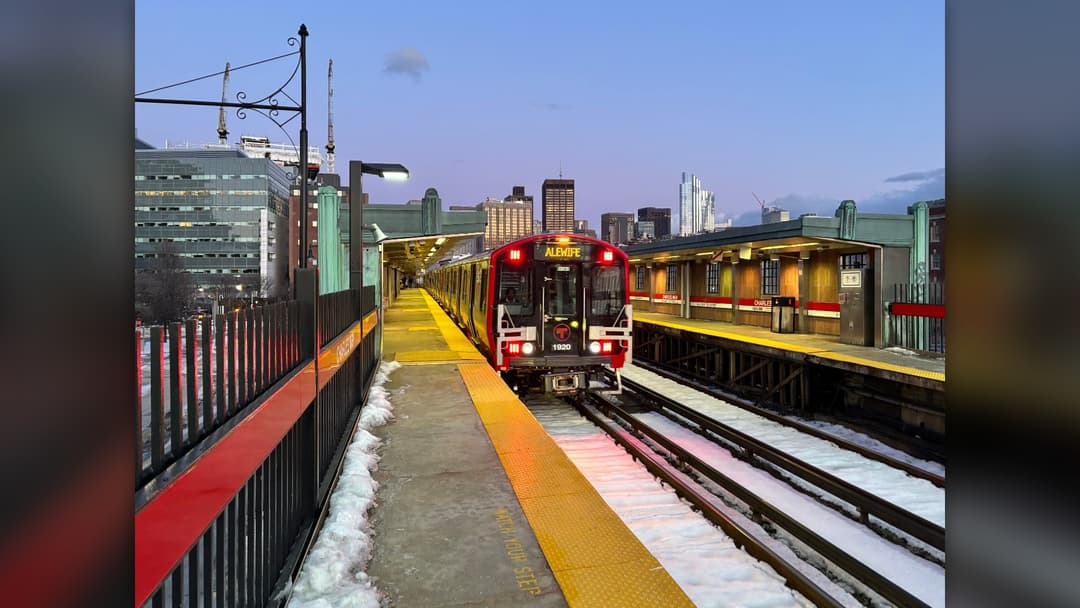
4. Boston Subway 
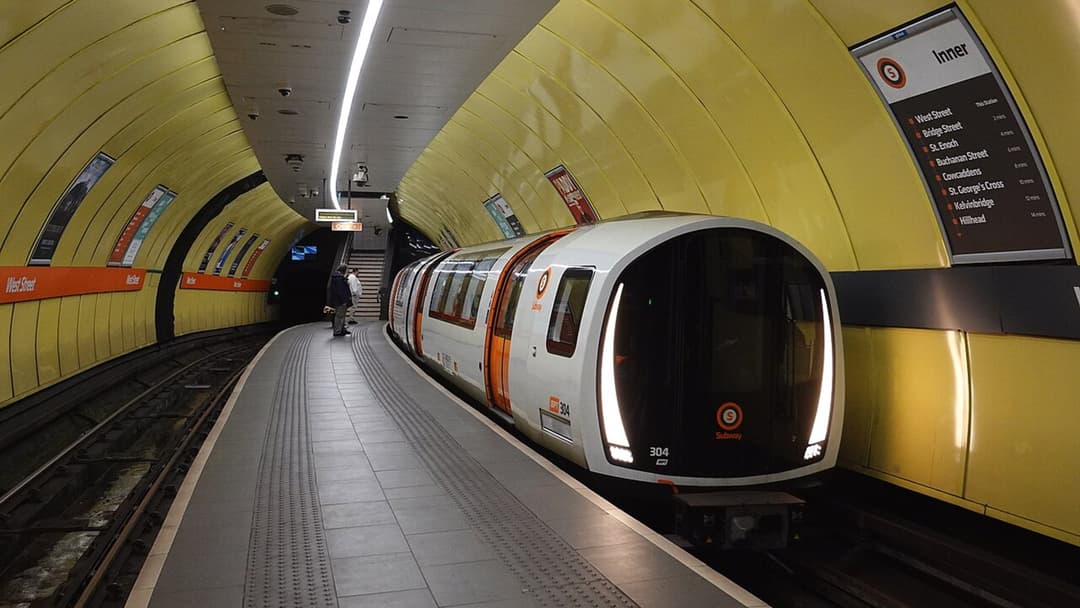
3. Glasgow Subway 
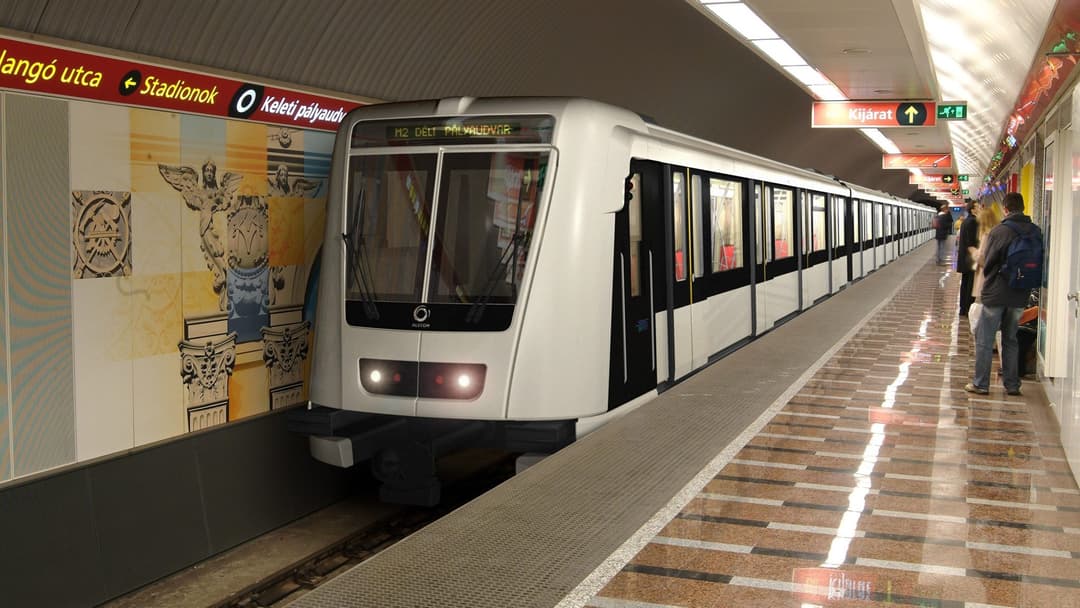
2. Budapest Metro - AdvertisementSwipe or tap ▶ to continue countdown

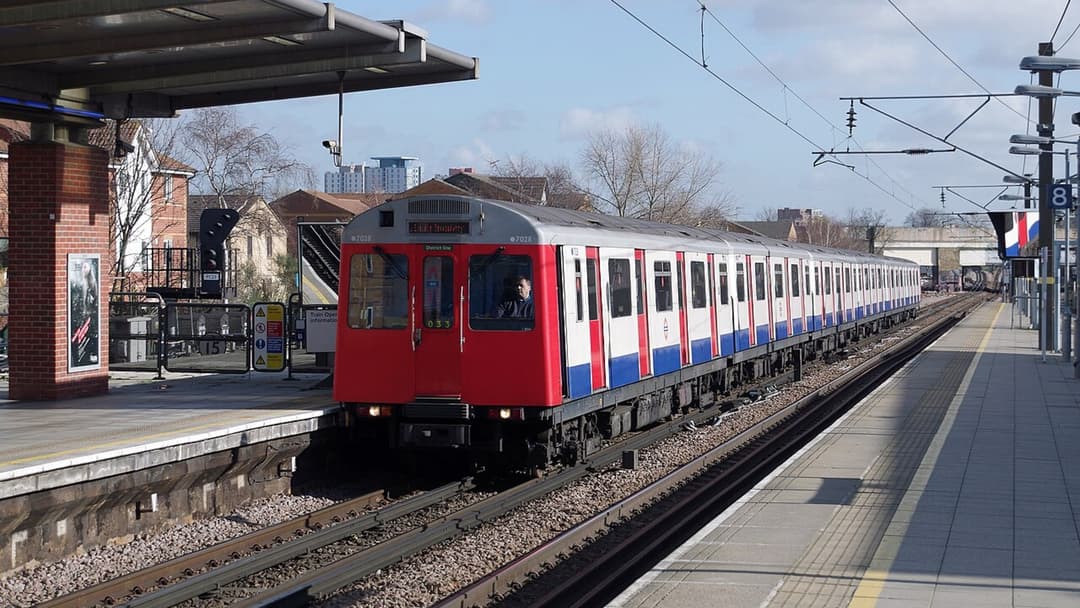
1. London Underground - Advertisement🔥 UP NEXT IN THIS SERIES◫ 23 Slides

22 Historic Coastal Towns and Castles to Explore in Scotland
Based on VisitScotland heritage surveys and Historic Environment records, these 22 coastal towns and cliffside fortresses showcase centuries of dramatic maritime history. Heritage records document centuries of drama.
Beginning in 1863, subterranean passenger railways revolutionized urban transit across global capitals. Municipal and UITP records document their inaugural opening dates.
Swipe or tap ▶ to begin the countdown
©Openverse / bindonlane & Wikimedia / Foulger Rail Photos
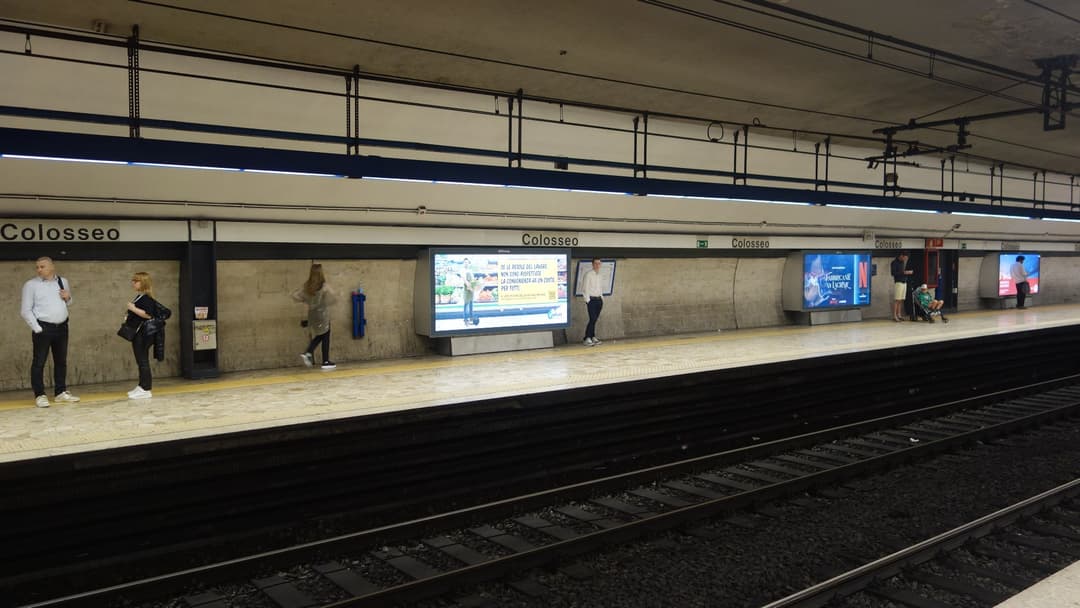
20. Rome Metro
Line B opened in February 1955. Italian engineers linked Termini station with the EUR district. Tunneling crews stopped repeatedly after hitting buried Roman ruins and ancient imperial aqueducts. The system now carries three hundred million riders annually.
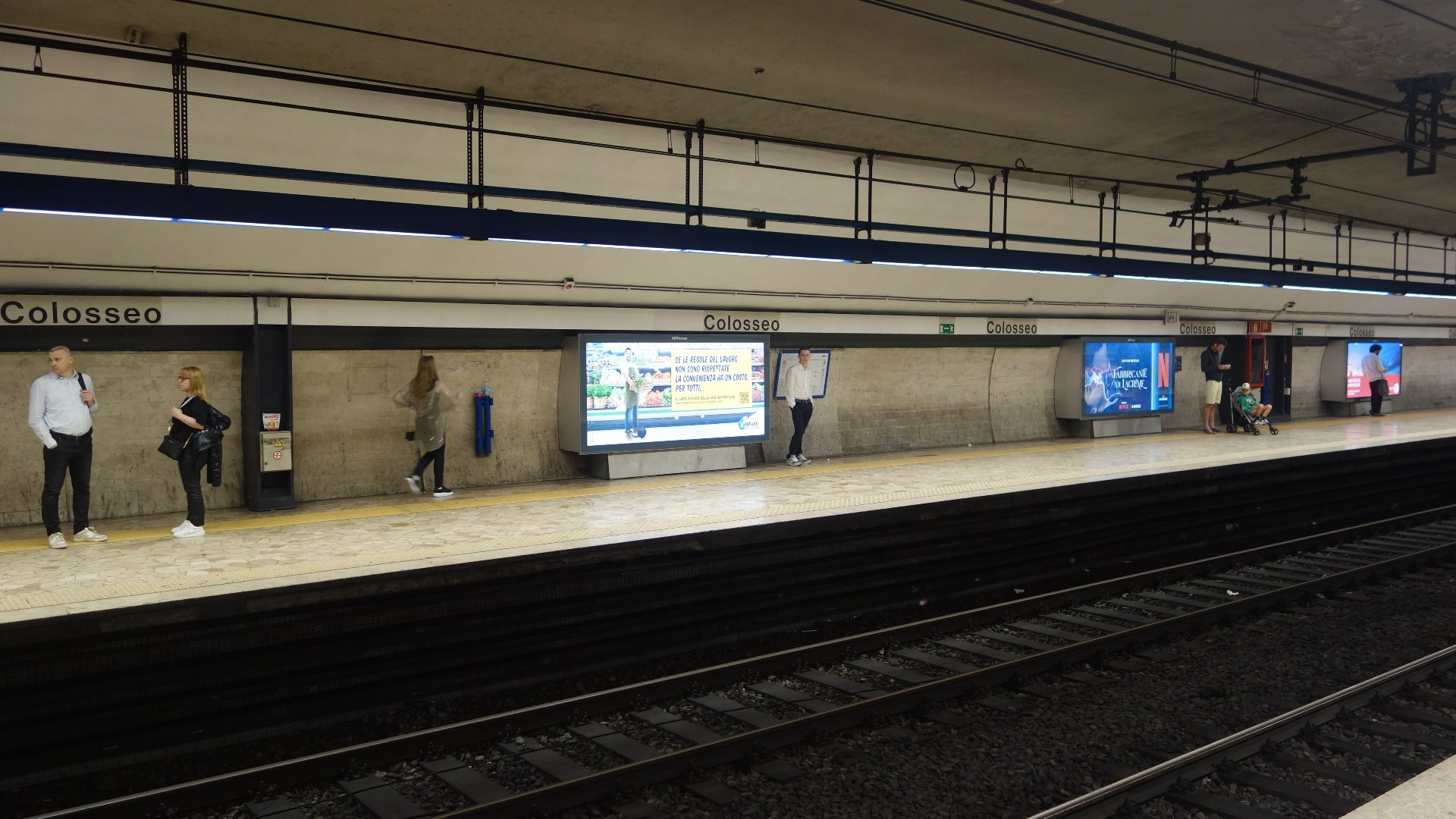
©Wikimedia / Mint0ri
19. Toronto Subway
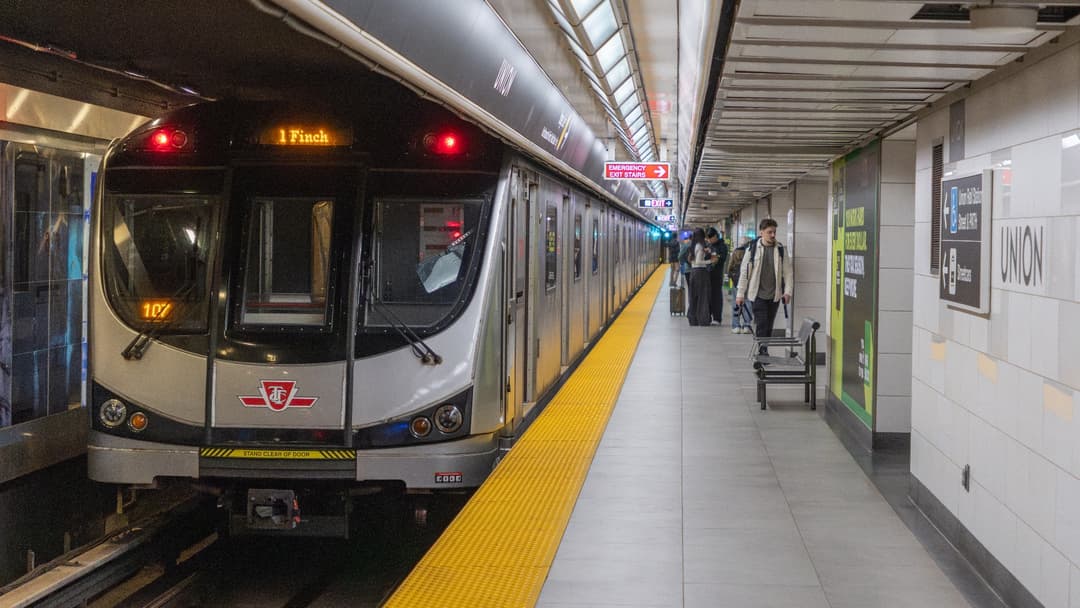
Toronto opened Canada's first subway in March 1954. Red trains ran four miles under Yonge Street. Over two hundred thousand riders packed platforms on opening day. The triumphant launch sparked modern underground transit development across major Canadian cities.
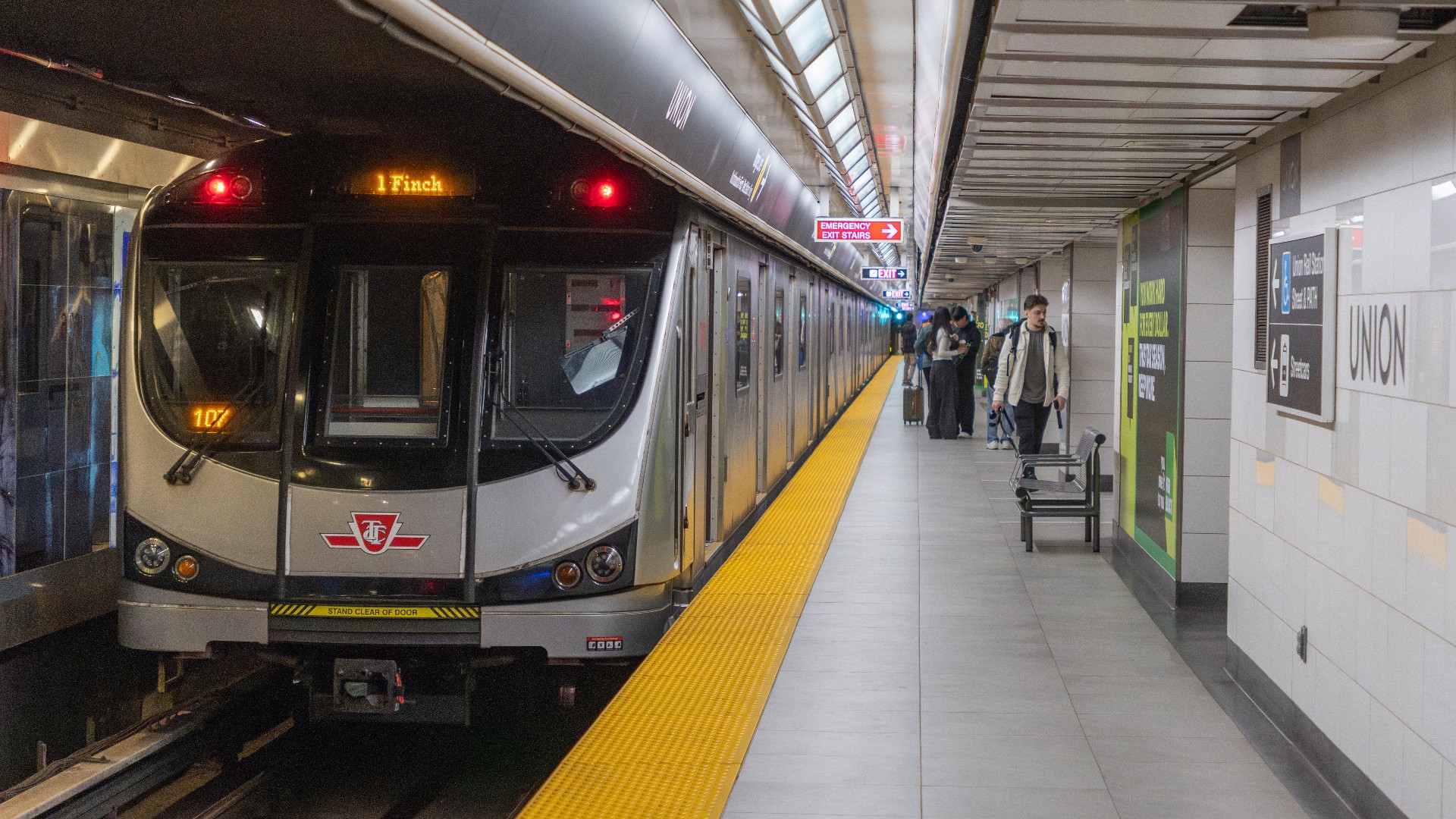
©Wikimedia / Toronto subway
18. Stockholm Metro
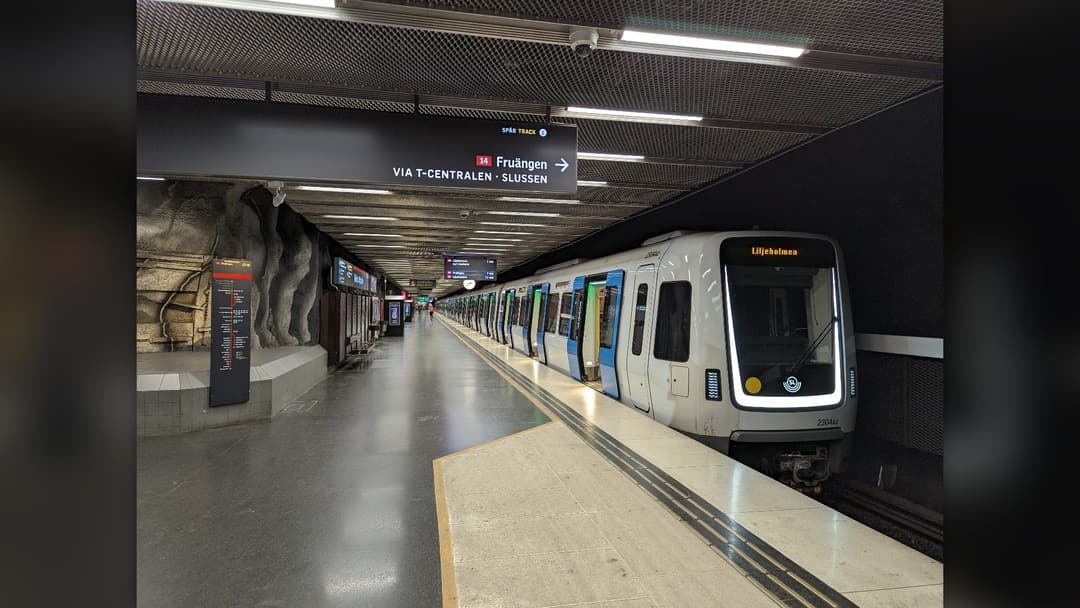
Stockholm launched heavy rail transit in October 1950. The initial route ran from Slussen to Hökäringen. Artists later transformed ninety underground stations into vibrant public galleries painted directly onto exposed bedrock caverns. It remains the world's longest art gallery.
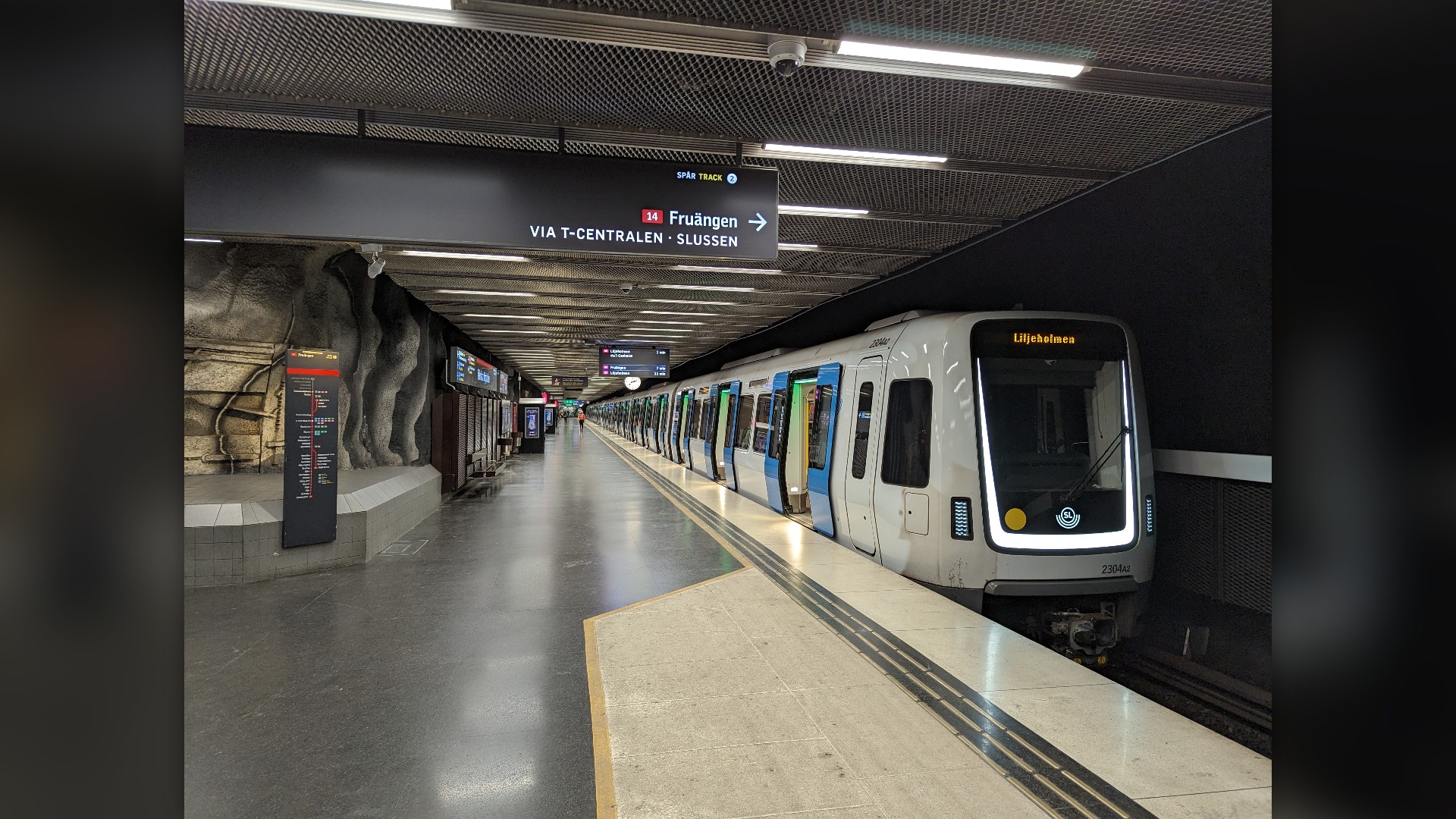
©Wikimedia / Stockholm Metro
Advertisement
Swipe or tap ▶ to resume the countdown.
17. Chicago Subway
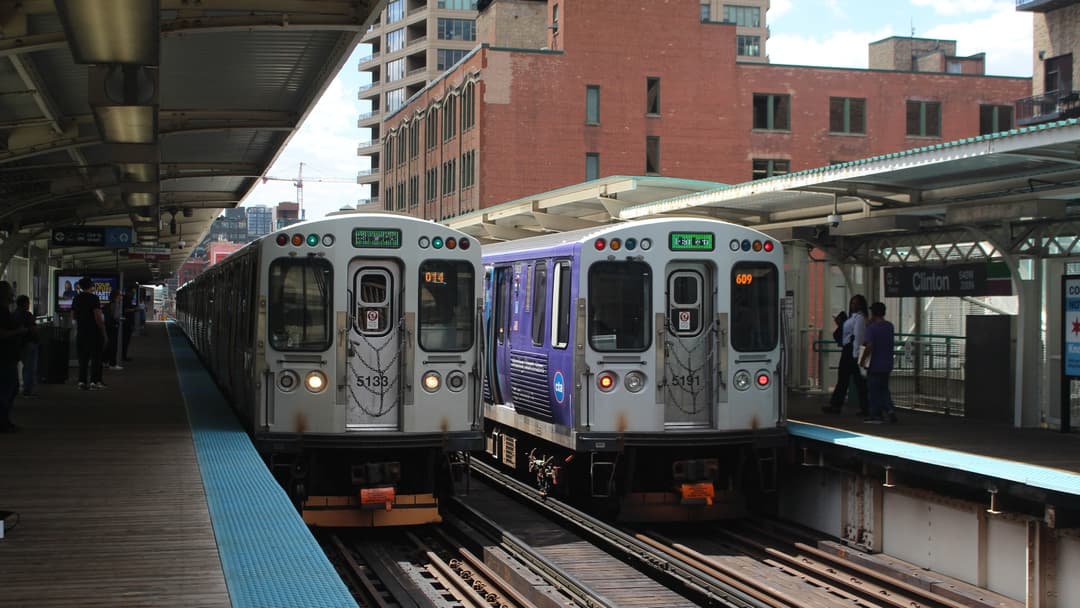
Chicago opened its first subway in October 1943. Federal wartime funding helped finish the tunnel. Tracks diverted heavy passenger train traffic beneath downtown streets while linking directly to the elevated loop. It reshaped downtown transit.
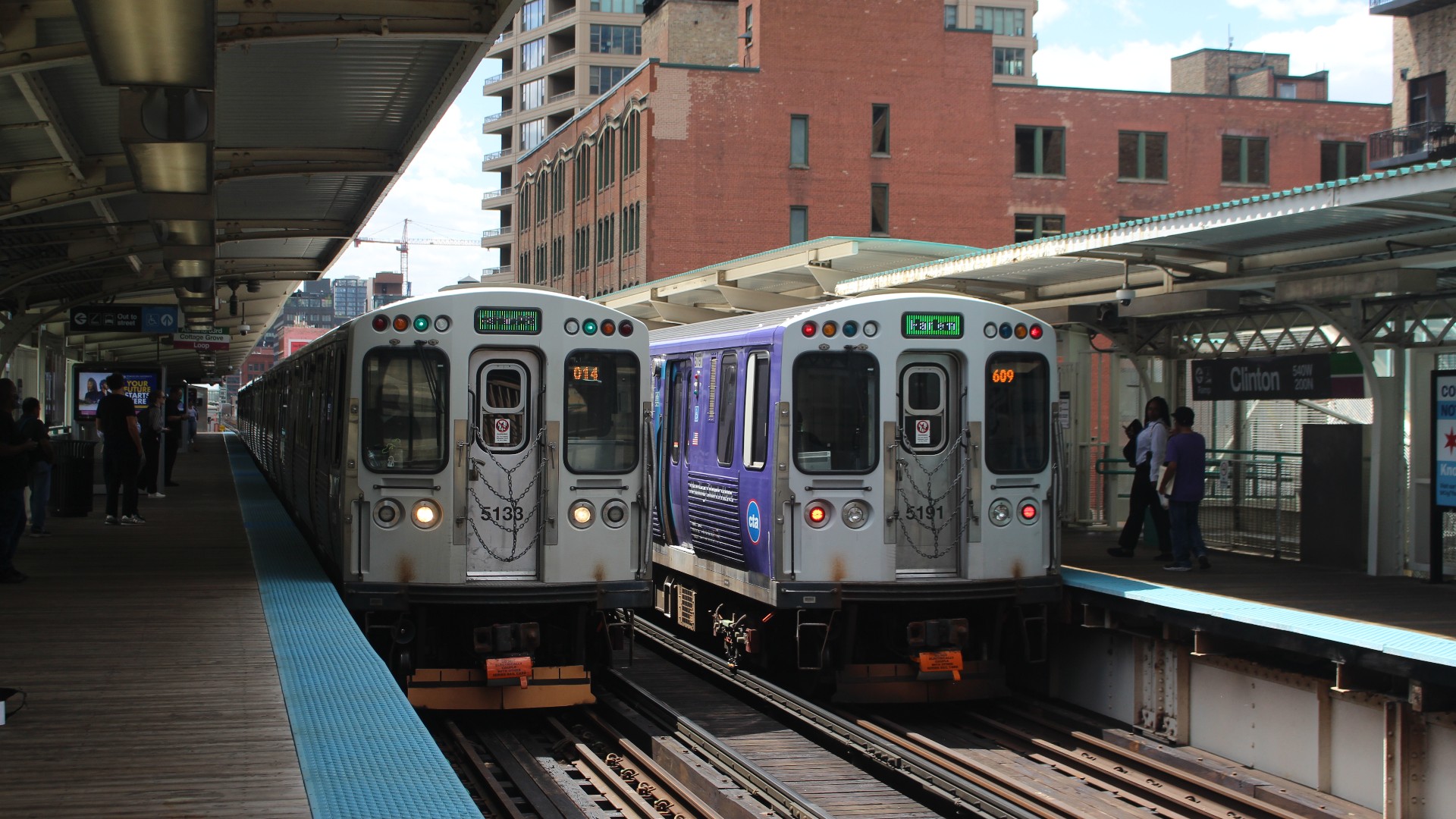
©Wikimedia / Chicago "L"
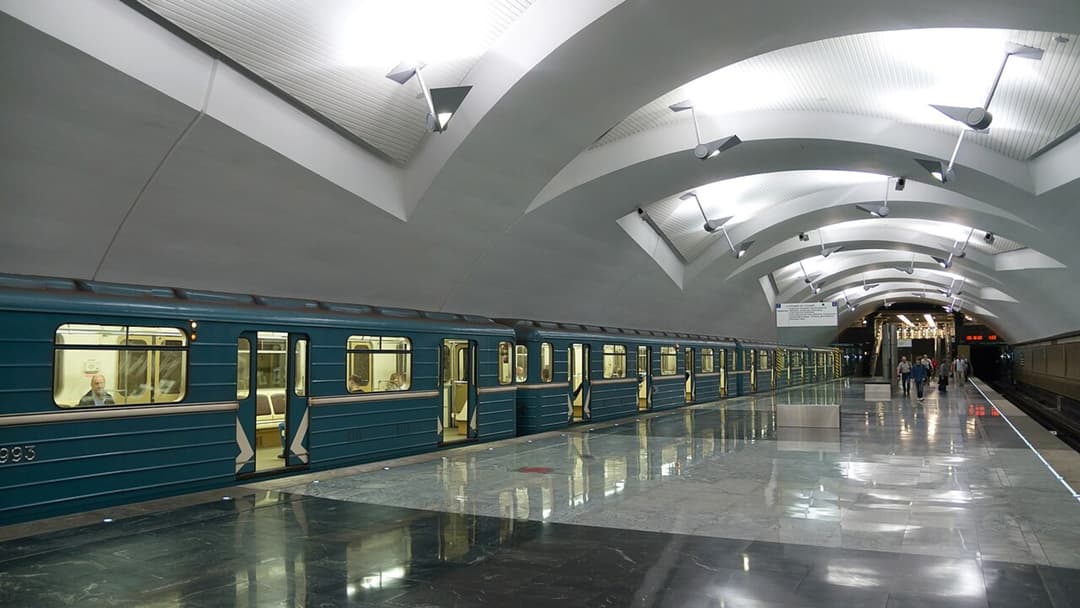
16. Moscow Metro
Moscow opened its first subway in May 1935. The line ran seven miles between Sokolniki and Park Kultury. Master artisans lined cavernous stations with polished marble, bronze reliefs, and crystal chandeliers. Stations doubled as deep bomb shelters.
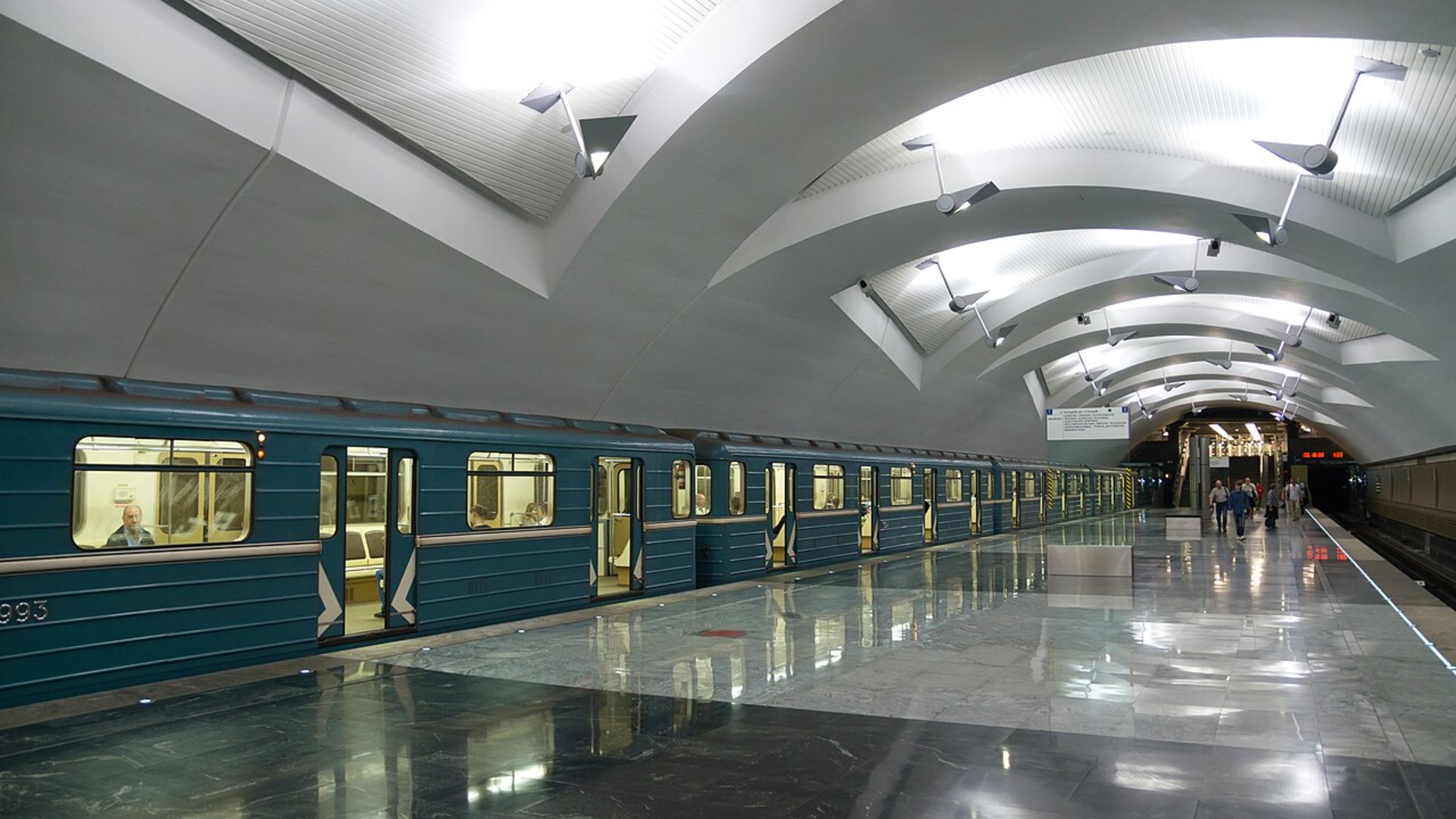
©Wikimedia / Vyacheslav Argenberg
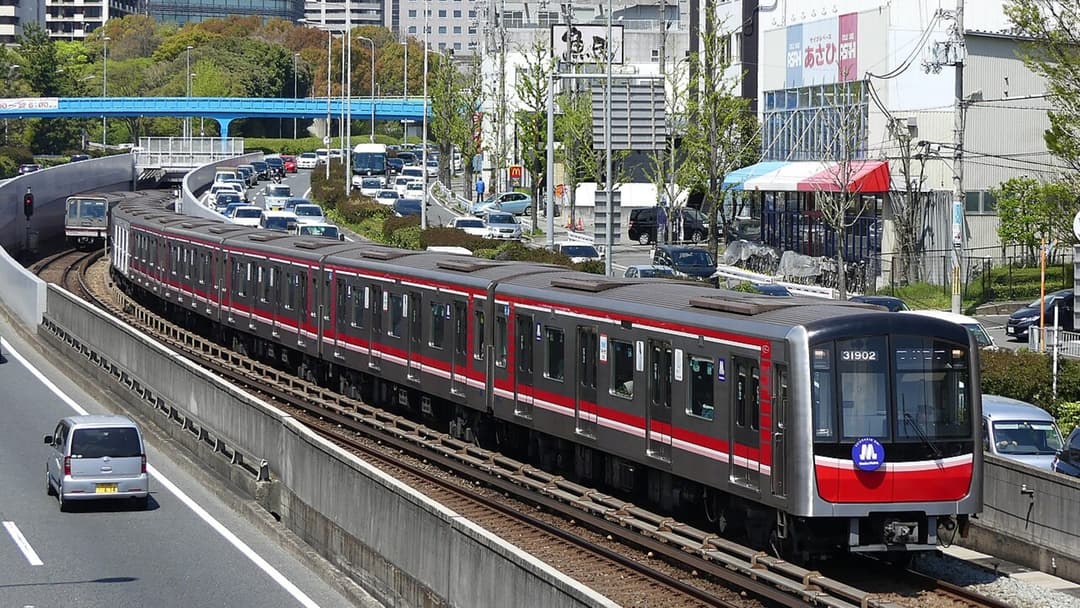
15. Osaka Metro
The Midosuji Line began service in May 1933. Builders installed high concrete barrel vaults without center pillars. Spacious stations handled enormous passenger flows as Osaka rapidly industrialized. It remains western Japan's busiest rail artery.
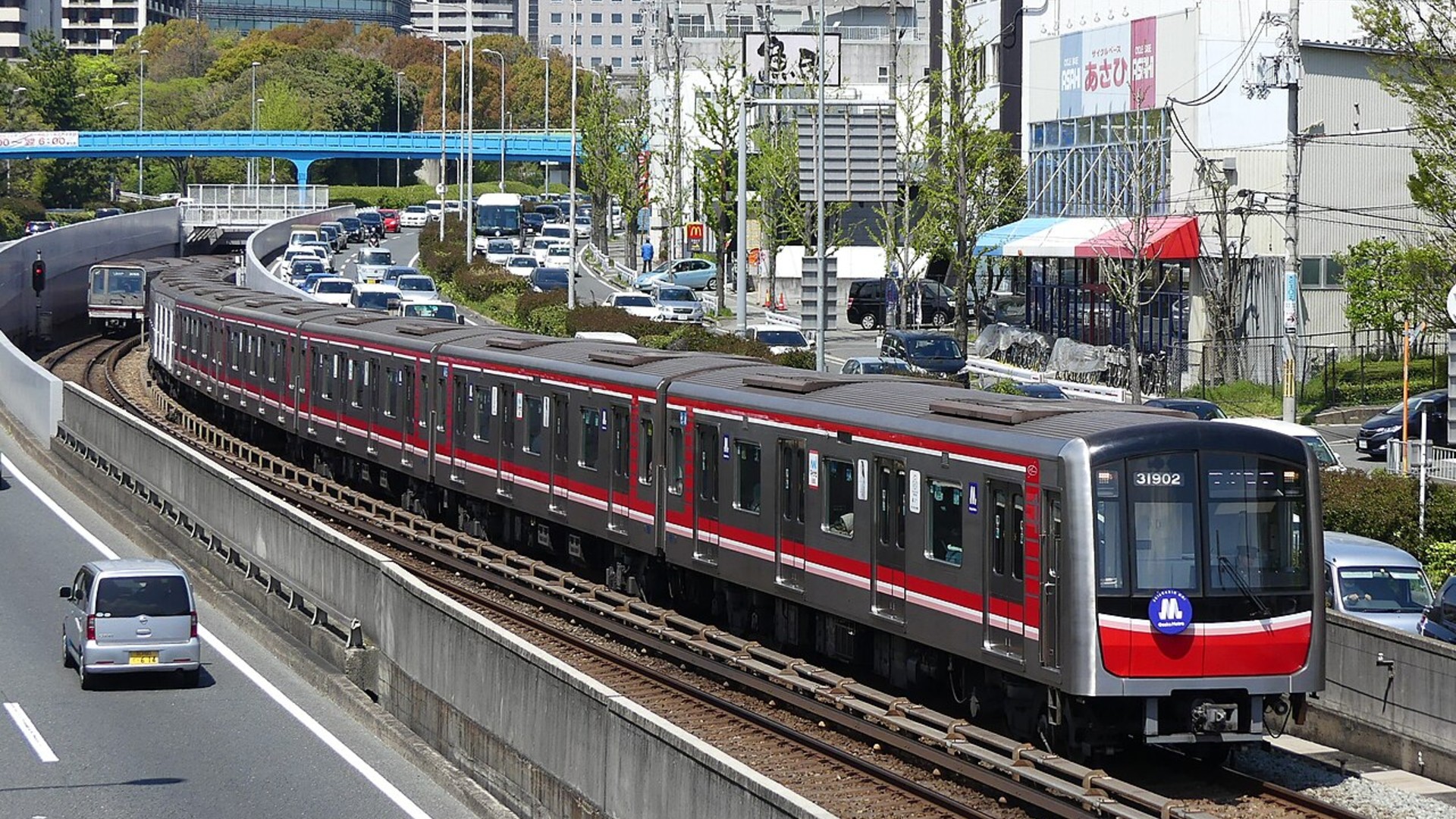
©Wikimedia / MaedaAkihiko This photo was taken with
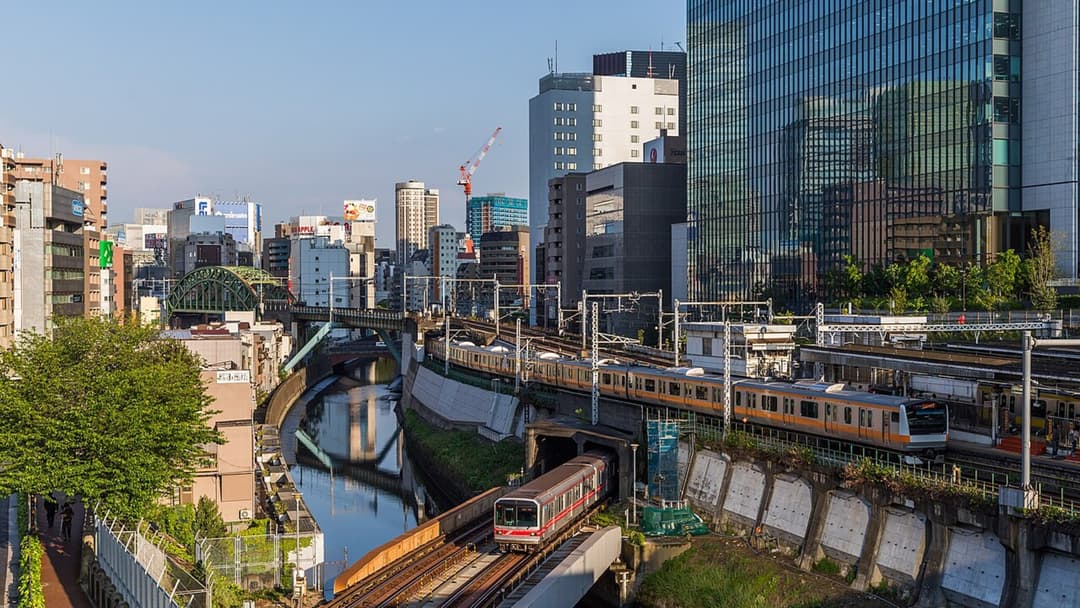
14. Tokyo Metro
Tokuji Hayakawa brought subway travel to Asia in December 1927. His Ginza Line spanned two miles between Ueno and Asakusa. Crowds waited hours on opening morning just to experience a brief five-minute ride below modern Tokyo. Bright yellow subway cars became a lasting civic symbol.
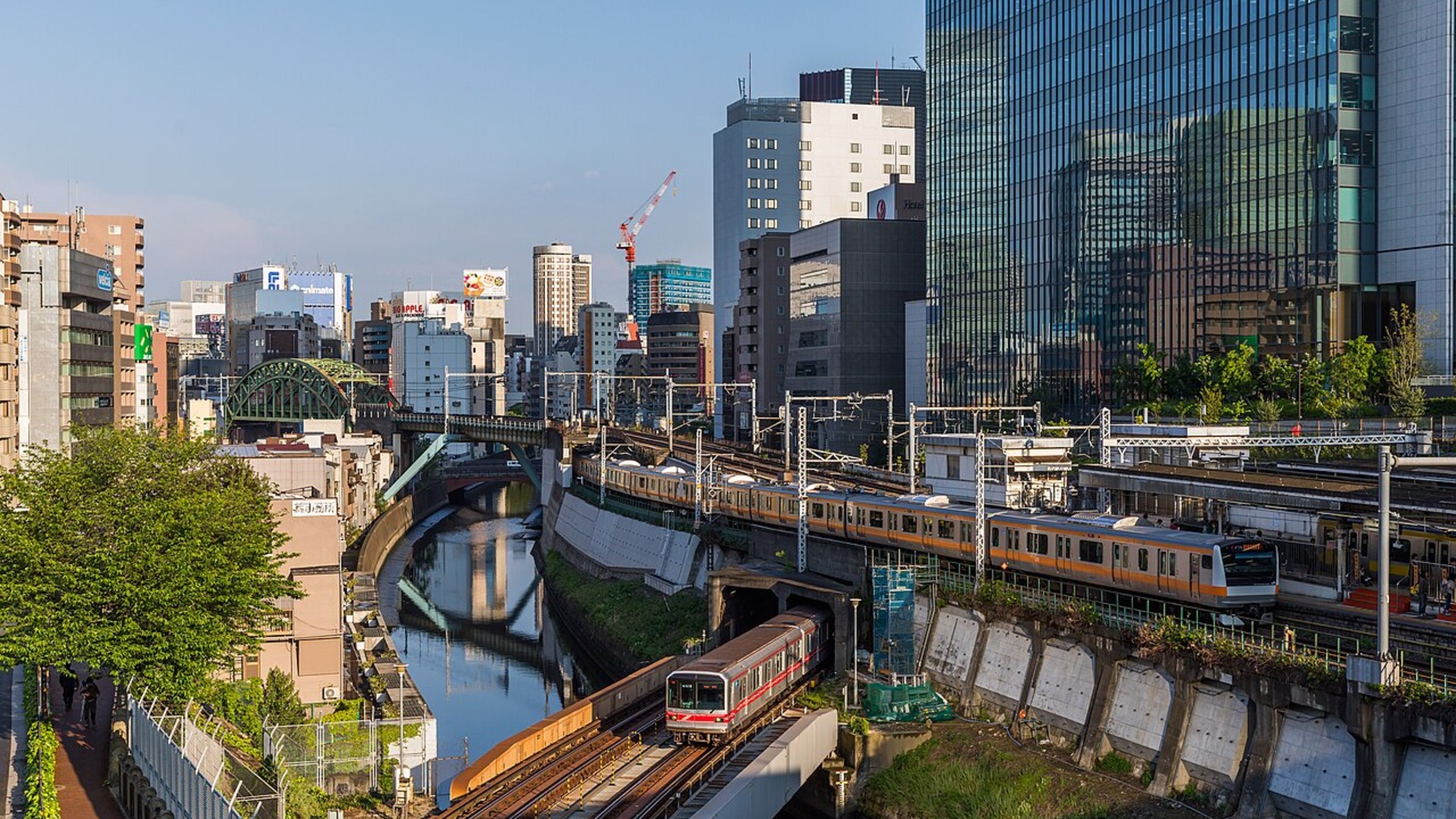
©Wikimedia / Kabelleger, David Gubler
Advertisement
Swipe or tap ▶ to resume the countdown.
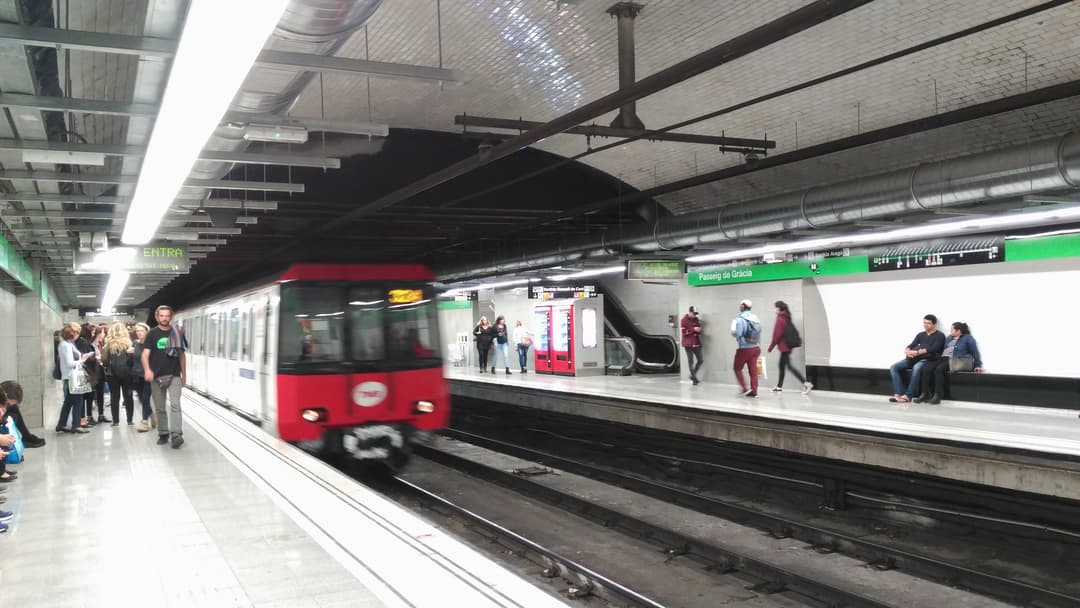
13. Barcelona Metro
The Gran Metro opened in December 1924. Tracks linked Plaça de Catalunya with Gràcia through two miles of deep tunnel. Engineers overcame coastal water seepage to finish excavation on schedule. The historic route now forms the core of modern Line 3.
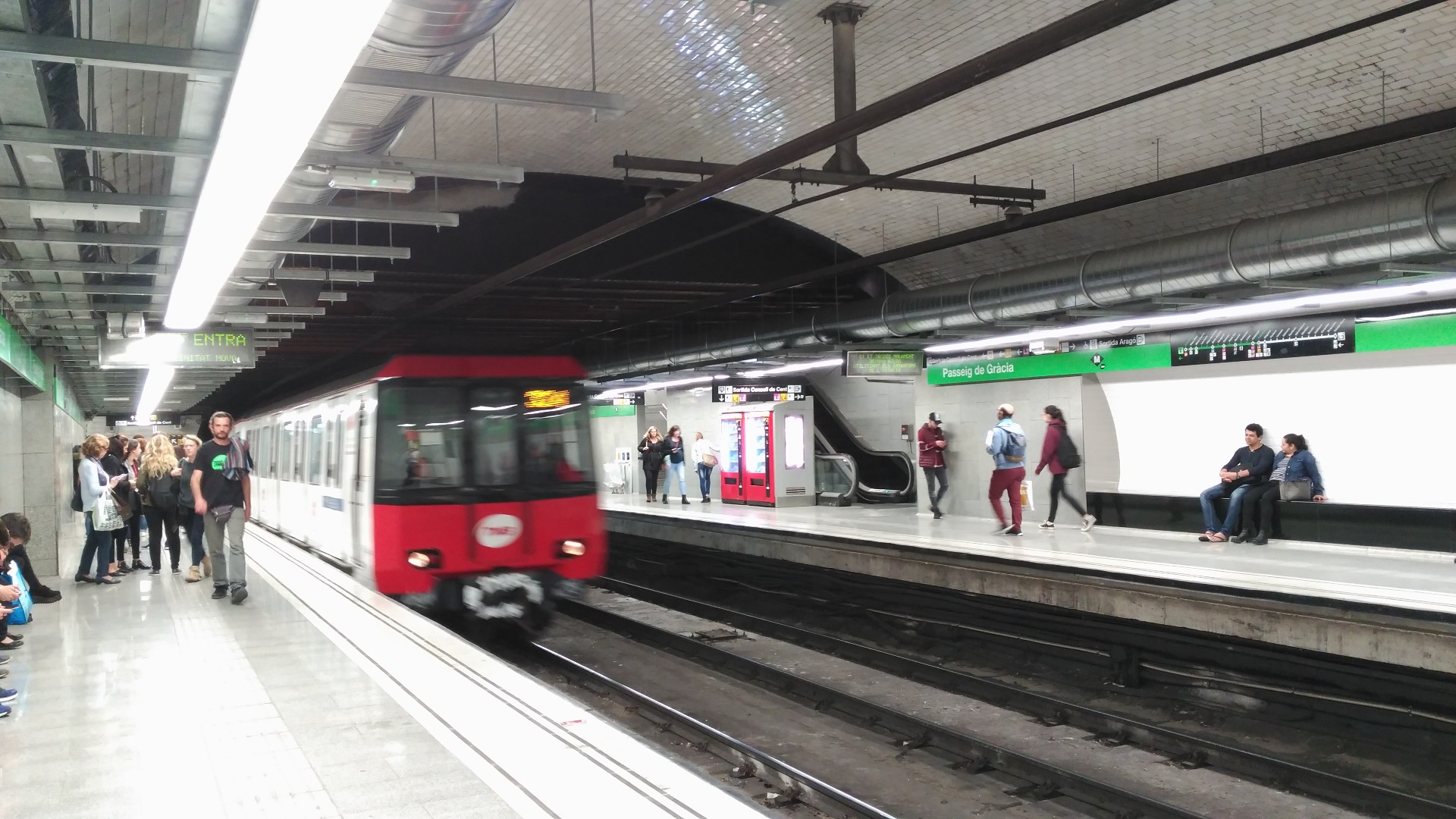
©Wikimedia / Barcelona Metro
12. Madrid Metro
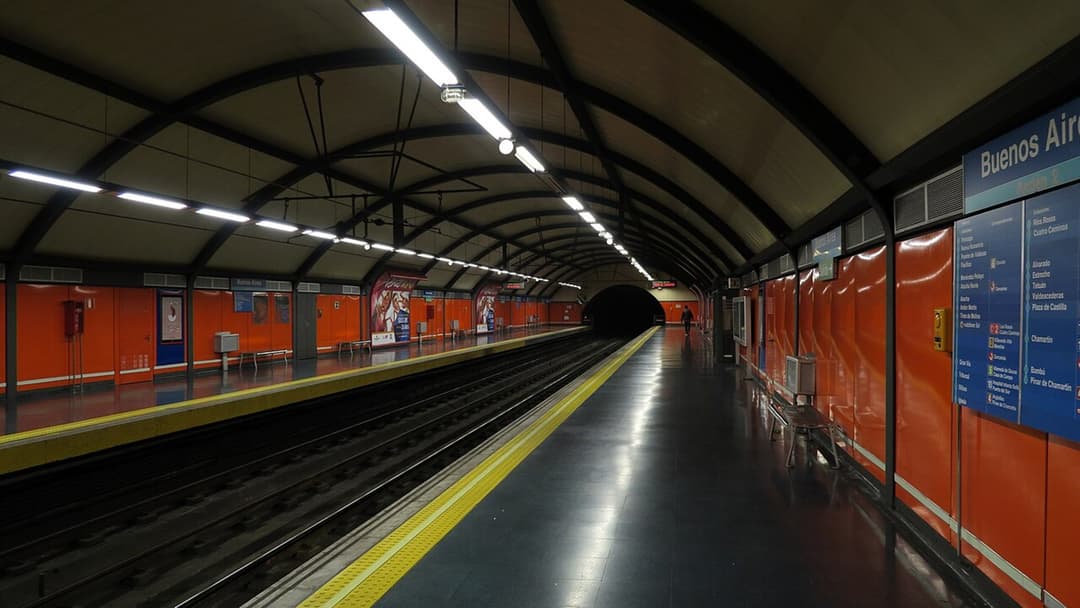
King Alfonso XIII opened the Madrid Metro in October 1919. The initial line ran two miles with eight stops. Architect Antonio Palacios created the classic red diamond logo. The network now spans nearly three hundred stations.
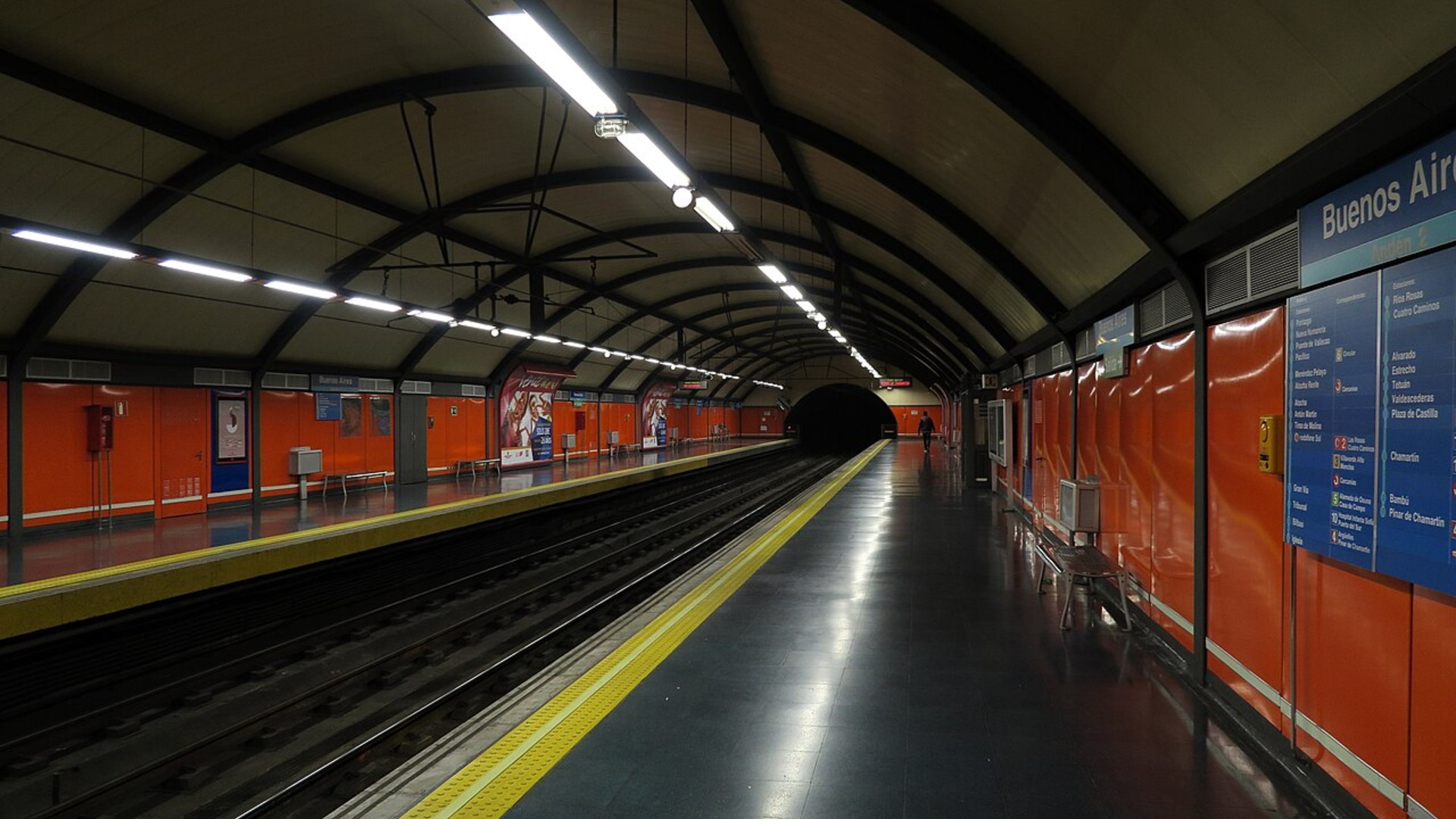
©Wikimedia / Malopez 21
11. Buenos Aires Subte
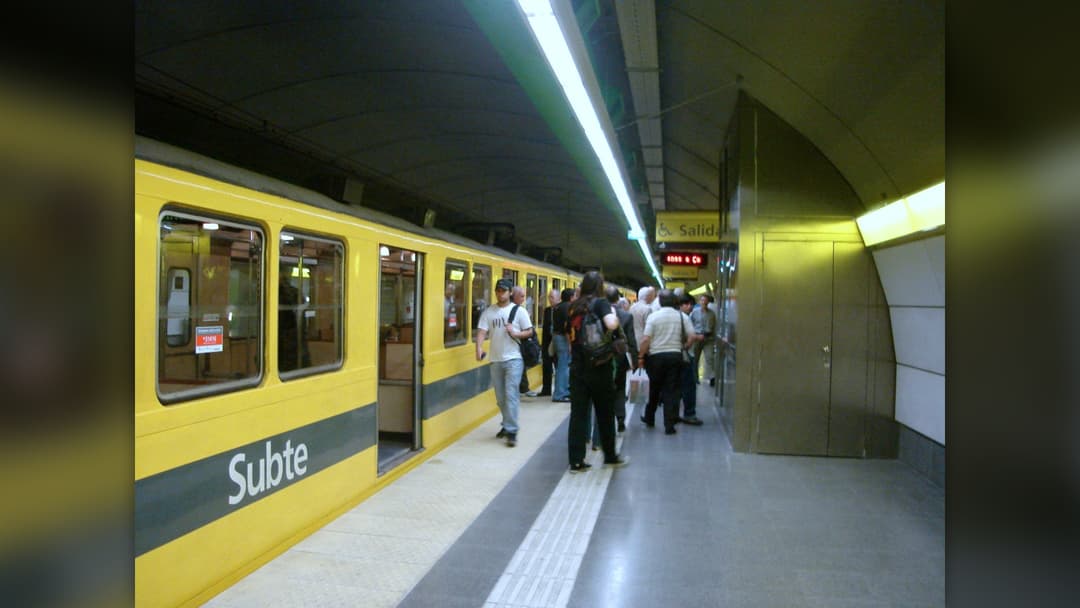
Buenos Aires inaugurated Line A in December 1913. It was the first subterranean electric passenger railway in South America. Belgian-built wooden cars carried passengers under historic Avenida de Mayo. Those polished wooden coaches operated daily for ninety-nine years before retirement.
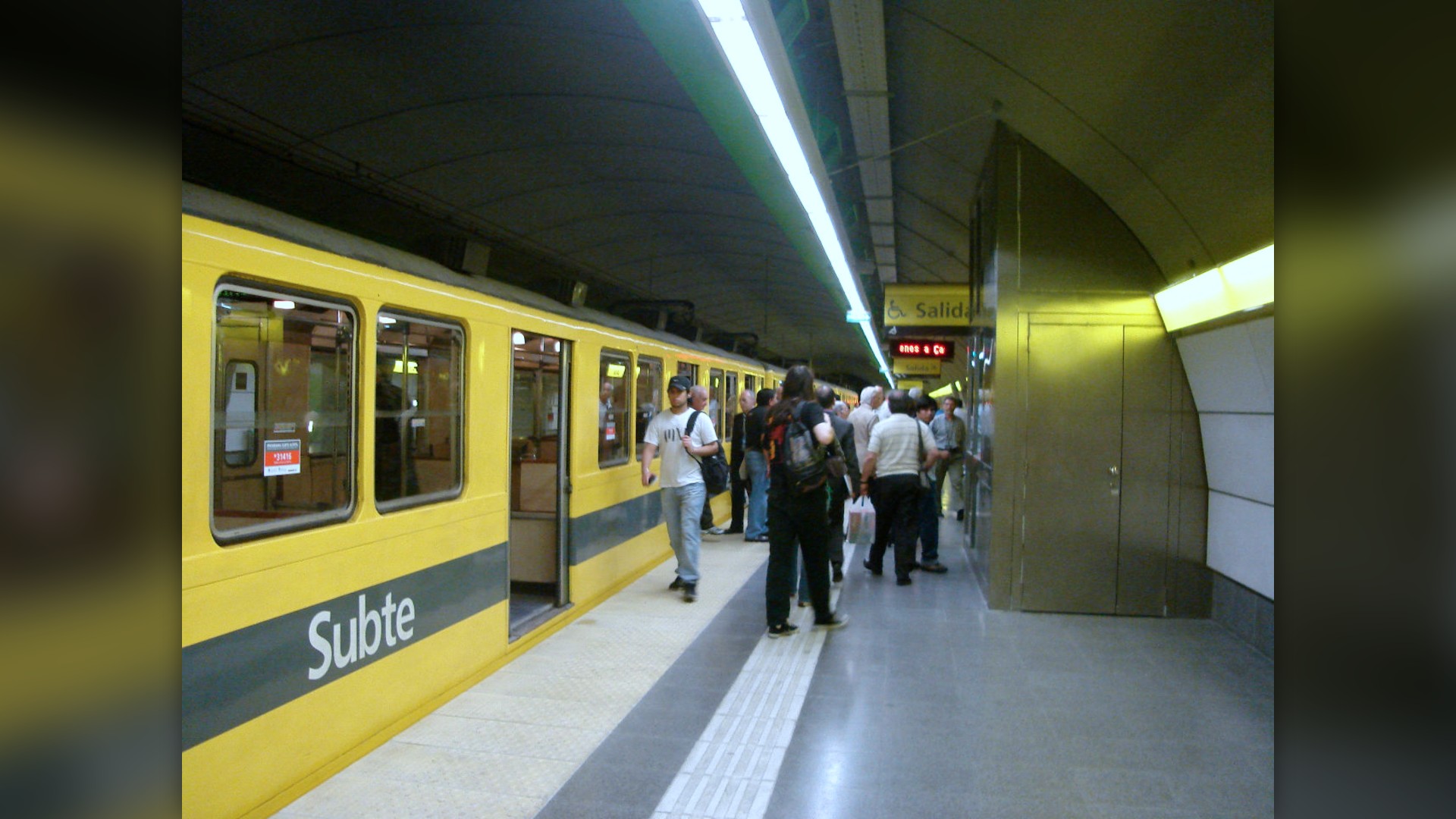
©Openverse / Galio 00:34, 20 October 2007 (UTC)
10. Hamburg U-Bahn
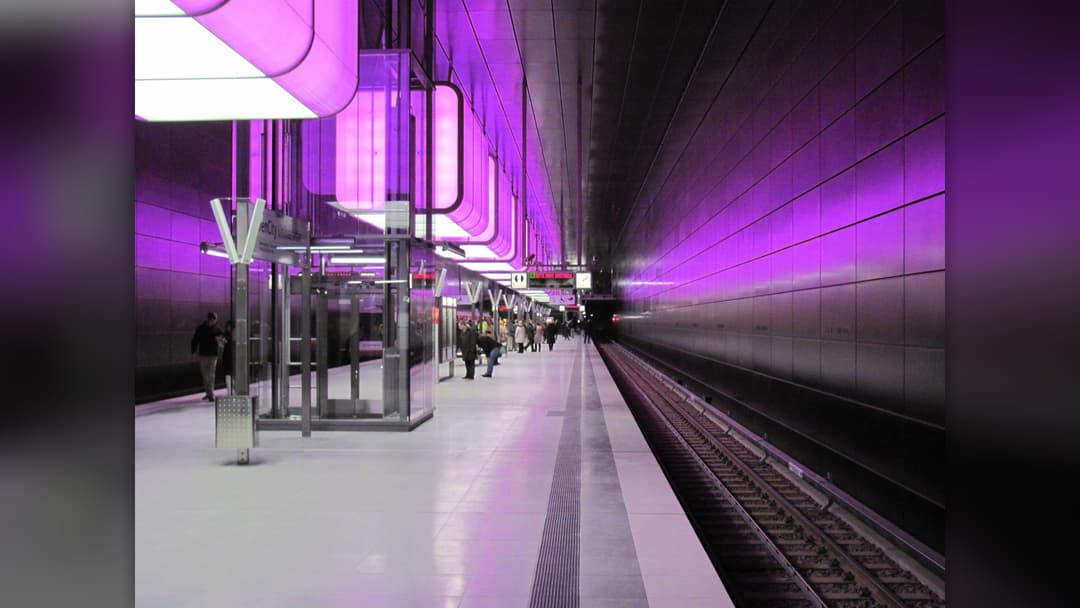
Hamburg's Ringbahn carried its first passengers in February 1912. Tracks linked downtown quarters with bustling harbor docks. Steel viaducts carried trains high above the Elbe River waterfront. The route provided vital transit for thousands of shipyard workers.
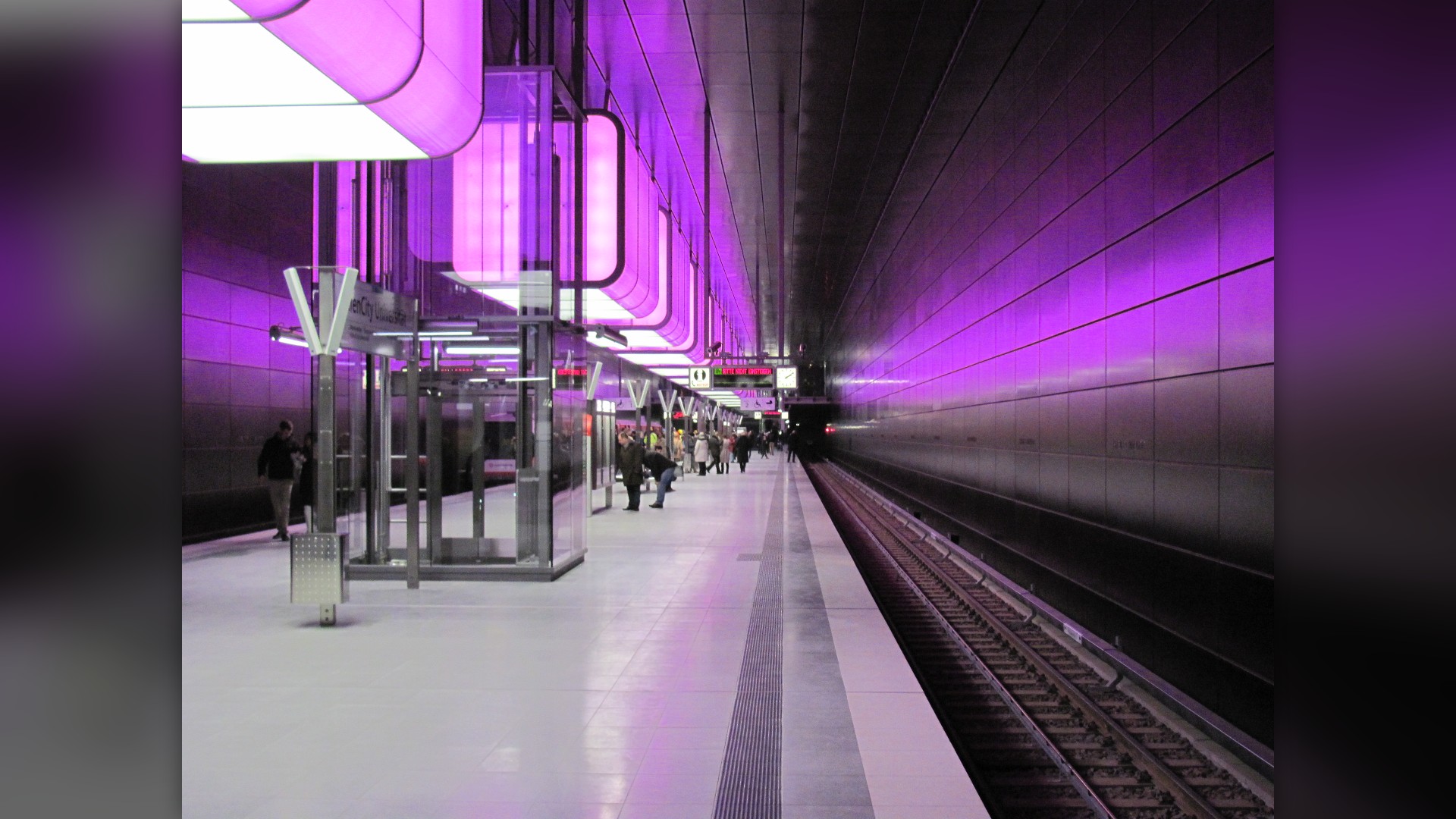
©Wikimedia / Hamburg U-Bahn
Advertisement
Swipe or tap ▶ to resume the countdown.
9. Philadelphia Subway
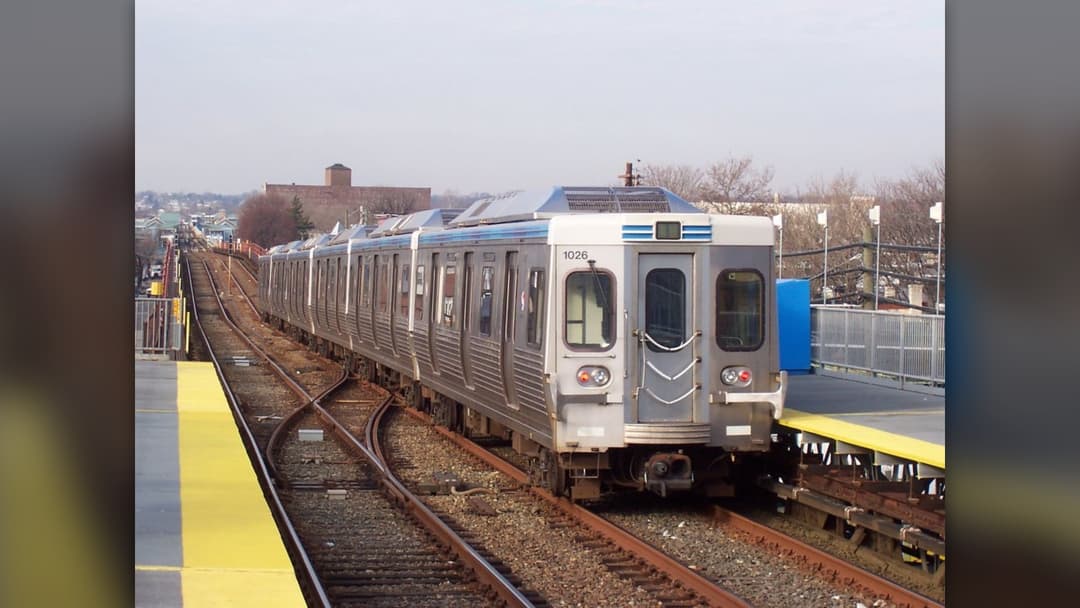
Philadelphia opened the Market Street subway in March 1907. Tunnels allowed streetcars and heavy rail trains to run beneath City Hall. Crews excavated under busy colonial streets without halting horse-drawn cart traffic above. It formed SEPTA's core.
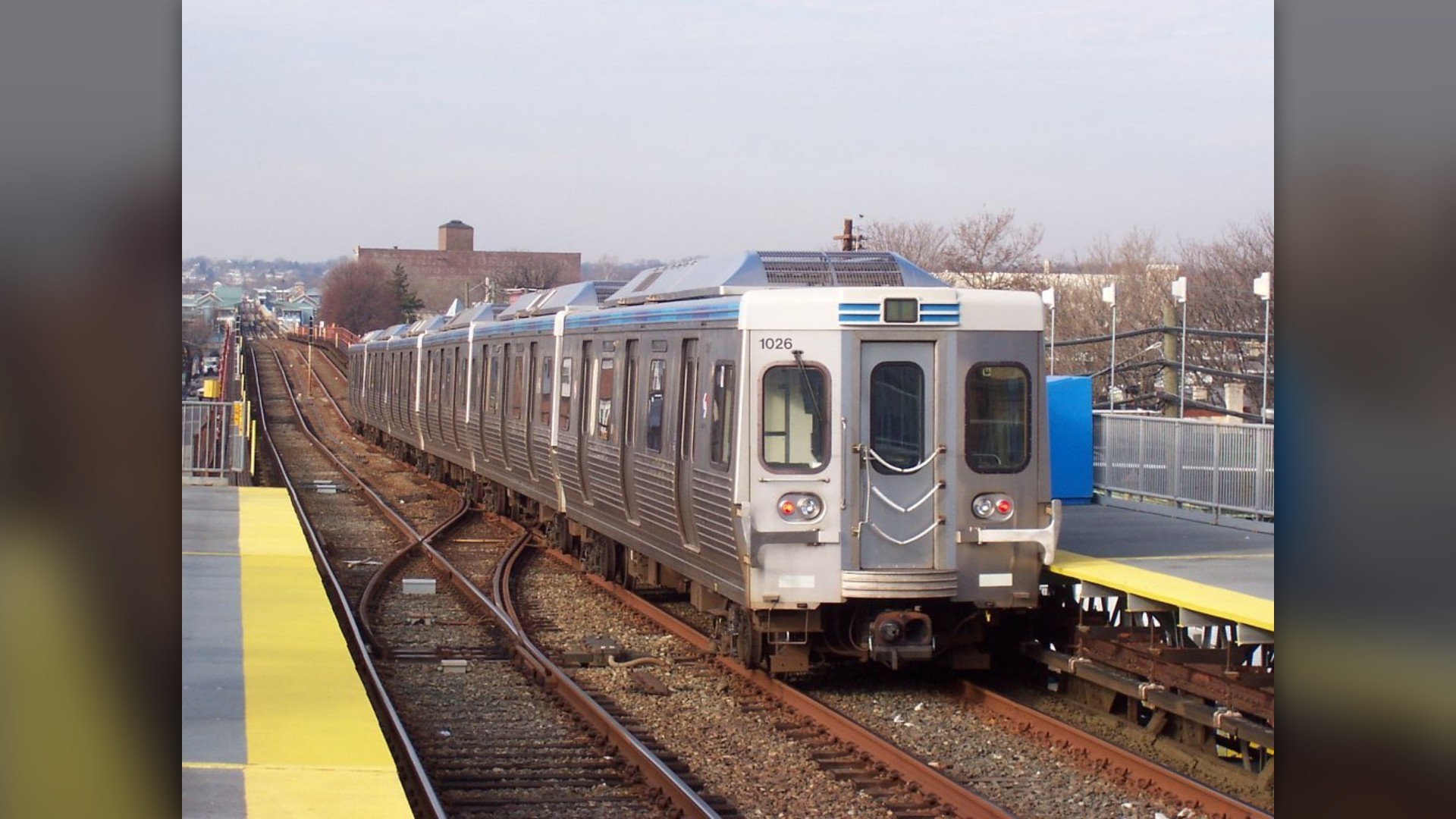
©Wikimedia / SEPTA Metro
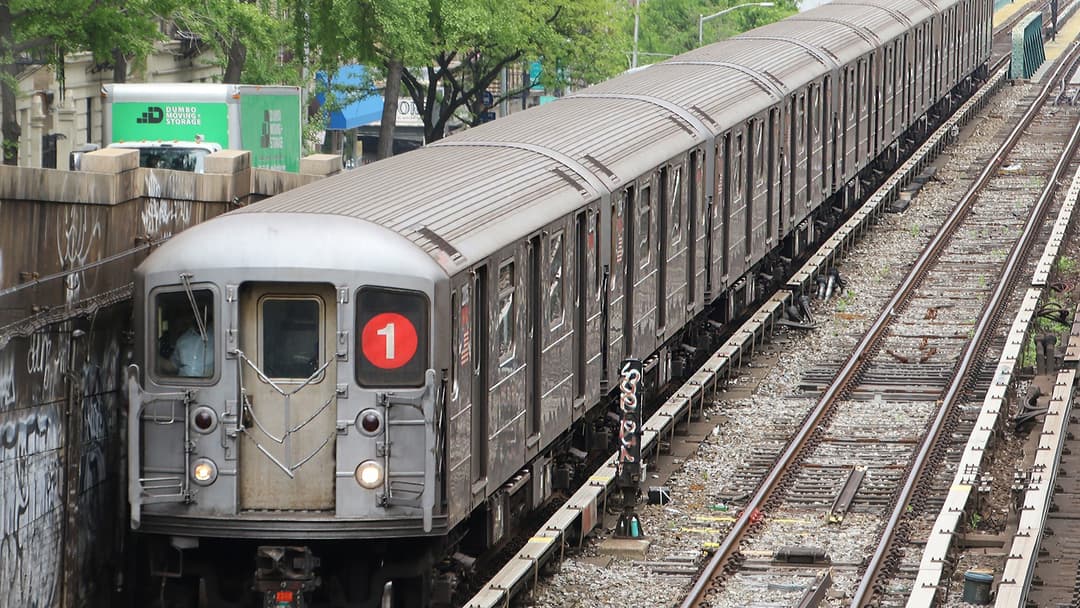
8. New York City Subway
Mayor George McClellan started the first IRT train in October 1904. Over one hundred thousand riders boarded that night. The route connected City Hall to West 145th Street in twenty-six minutes. Spanish architect Rafael Guastavino designed the vaulted tile ceiling at City Hall station.
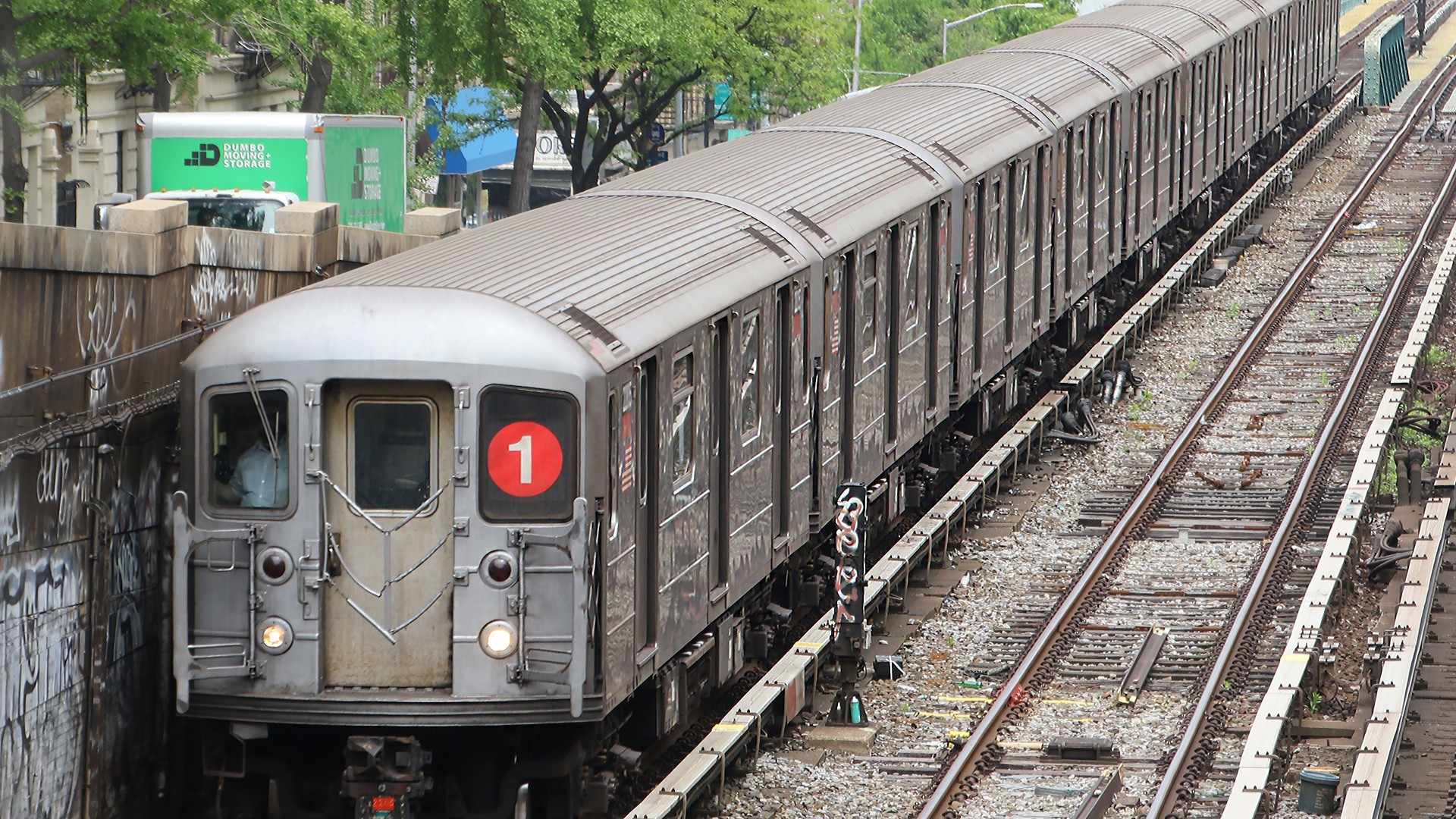
©Wikimedia / New York City Subway
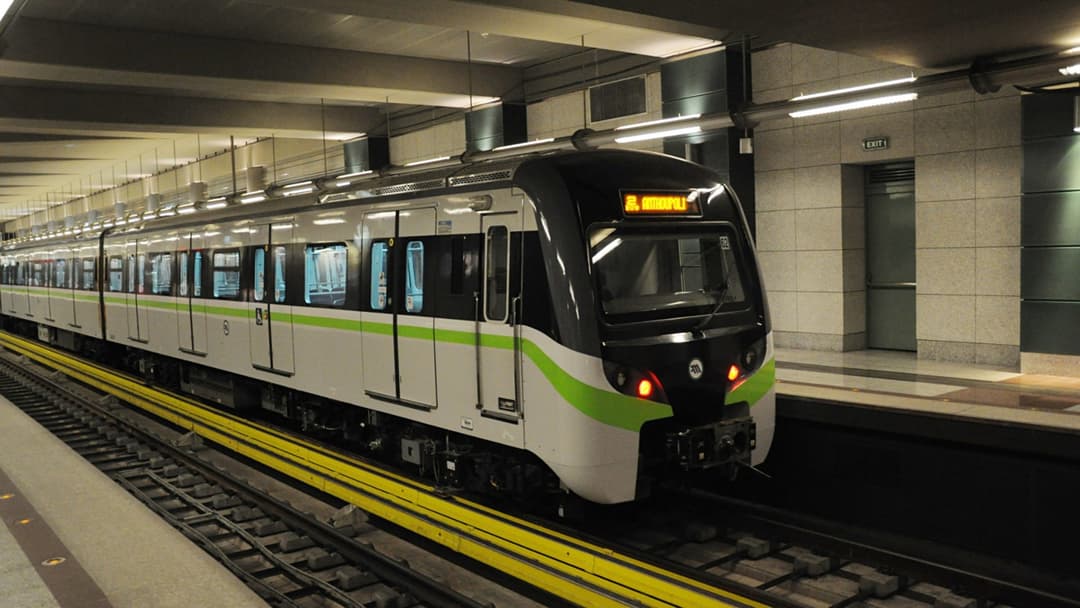
7. Athens Metro
Greece electrified its Athens to Piraeus railway in September 1904. Trains ran through historic tunnels under Monastiraki and Omonia squares. It was southern Europe's first electric rapid transit line. Platforms today display ancient pottery and classical ruins found during excavation.
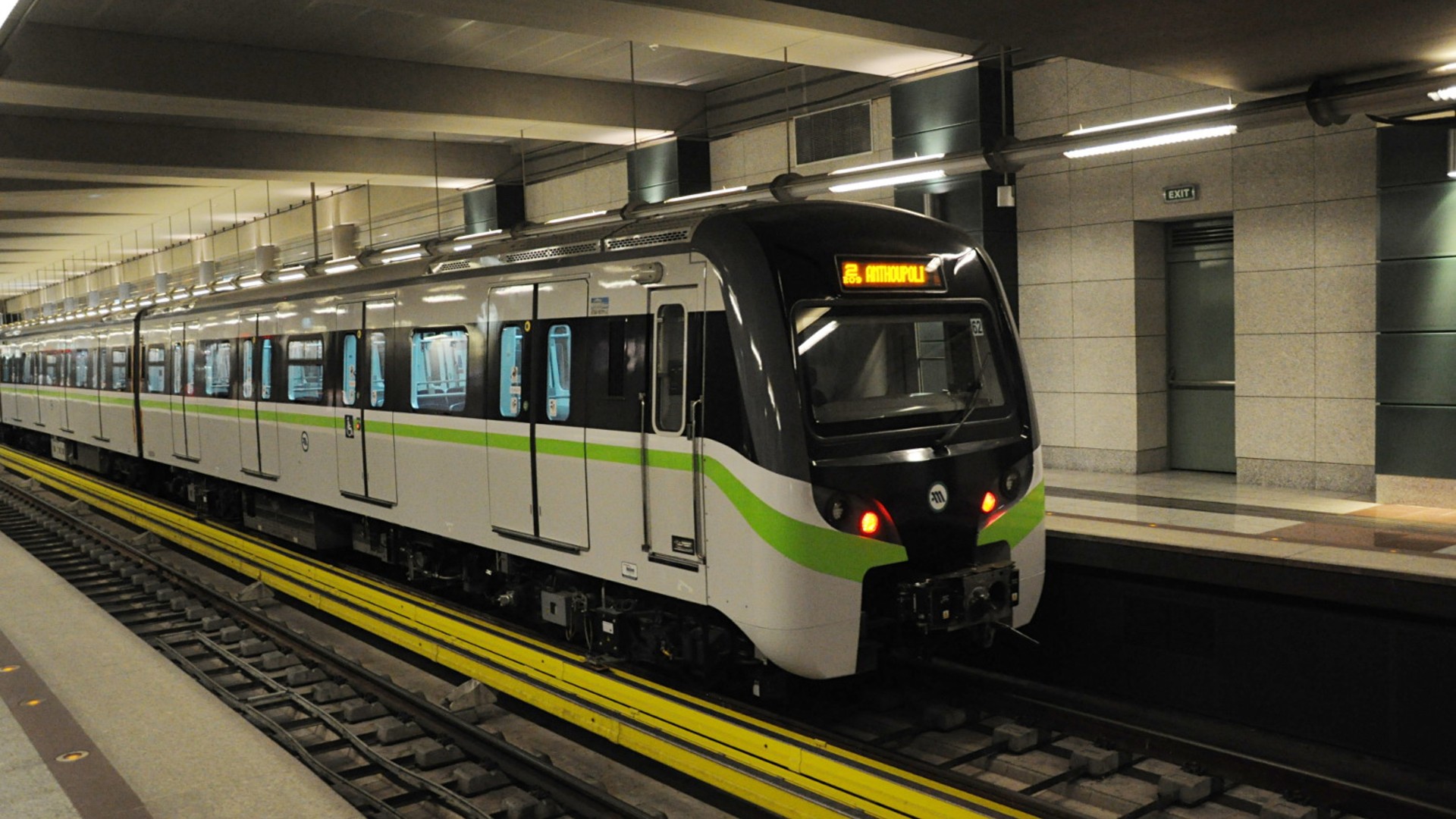
©Wikimedia / Athens Metro
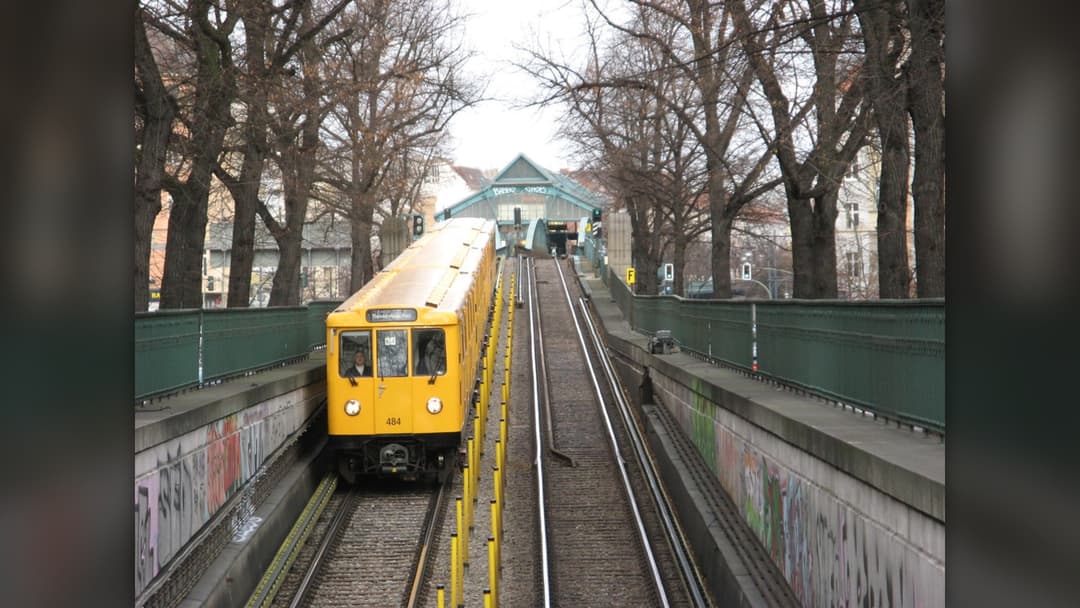
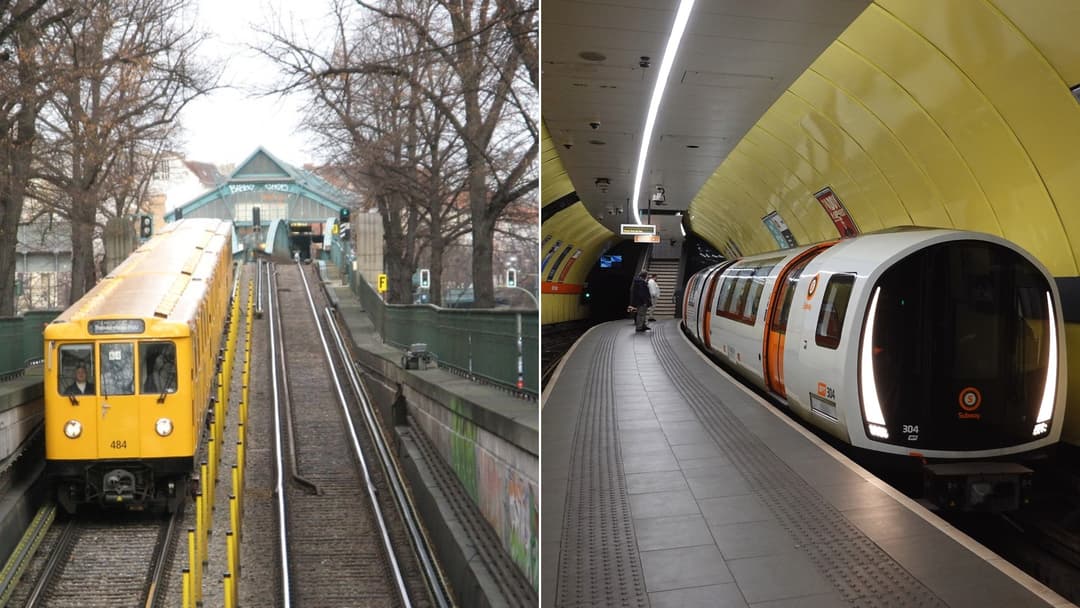
6. Berlin U-Bahn
Berlin opened its first electric railway line in February 1902. Trains crossed soaring steel viaducts before diving into subterranean tunnels at Potsdamer Platz. Architect Alfred Grenander designed colorful tiled station entrances. The signature bright yellow carriages remain an enduring icon of German transit.
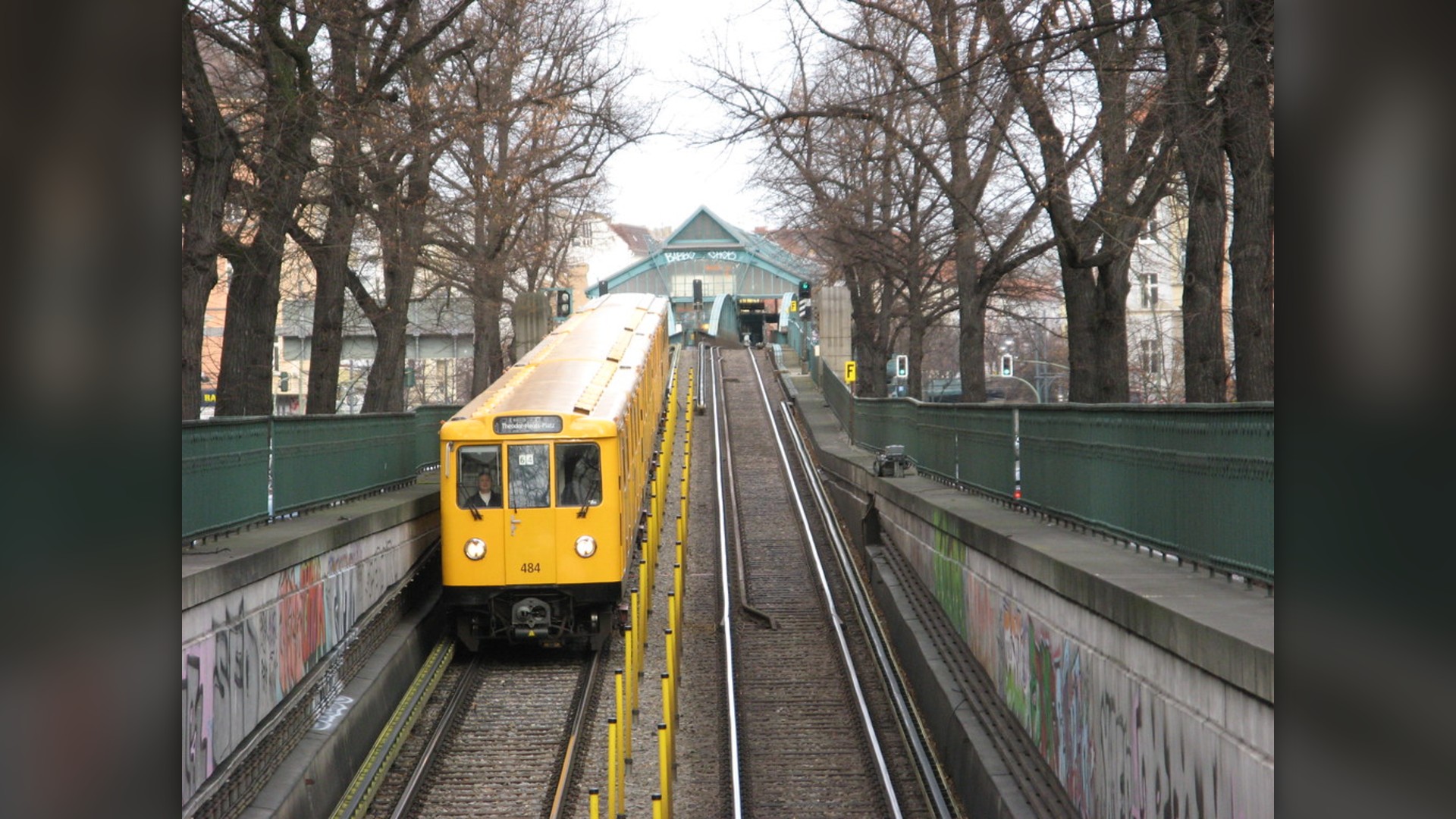
©Openverse / bindonlane
Advertisement
Swipe or tap ▶ to resume the countdown.
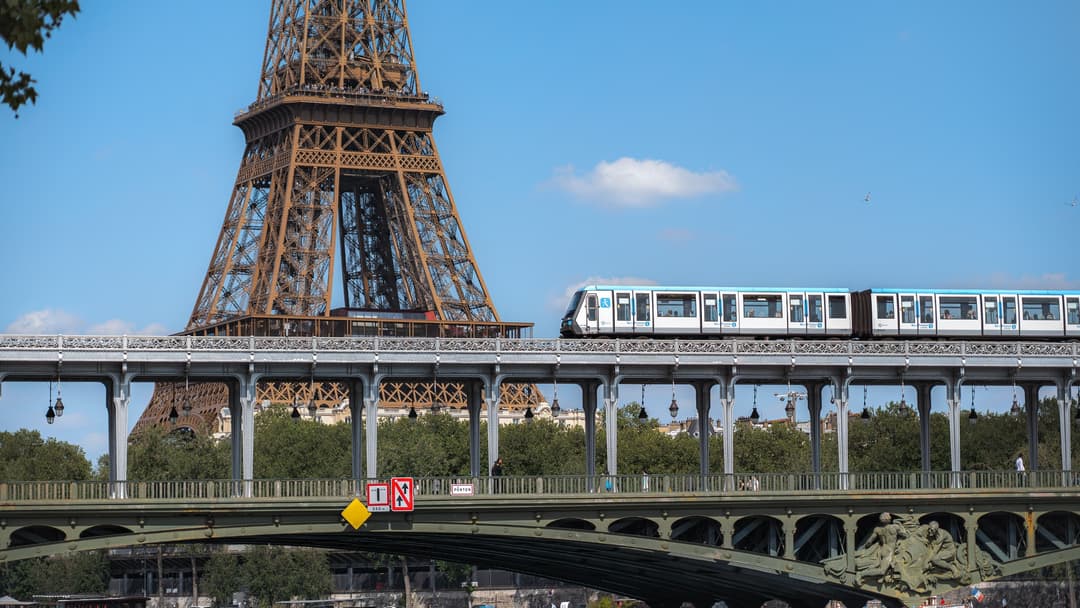
5. Paris Metro
Engineers opened Paris Line 1 in July 1900 during the World Exposition. Trains traveled from Porte Maillot to Porte de Vincennes in thirty minutes. Hector Guimard created famous green cast-iron entrances with floral glass canopies. Today, the network carries four million passengers daily.
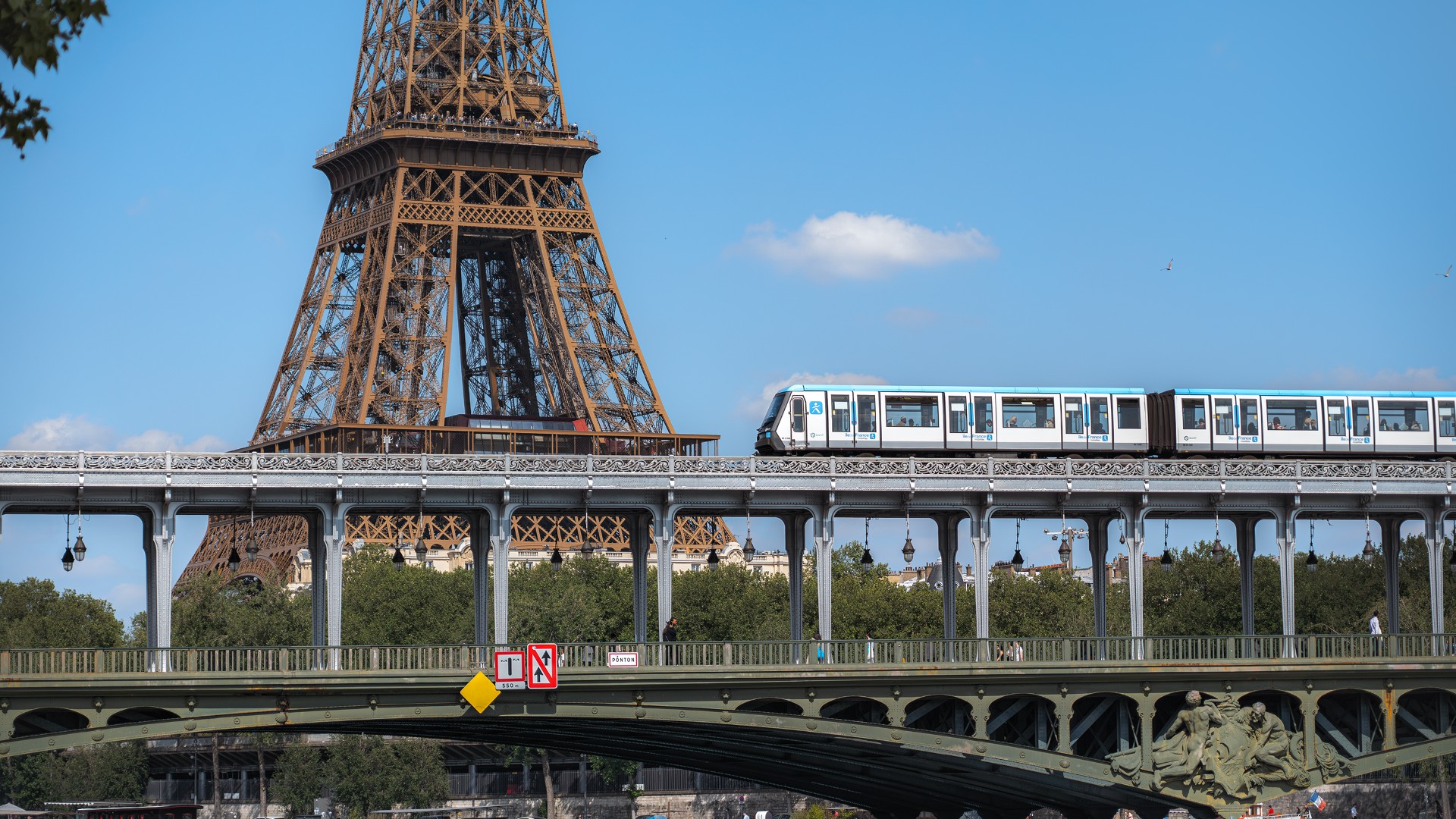
©Wikimedia / Paris Metro
4. Boston Subway
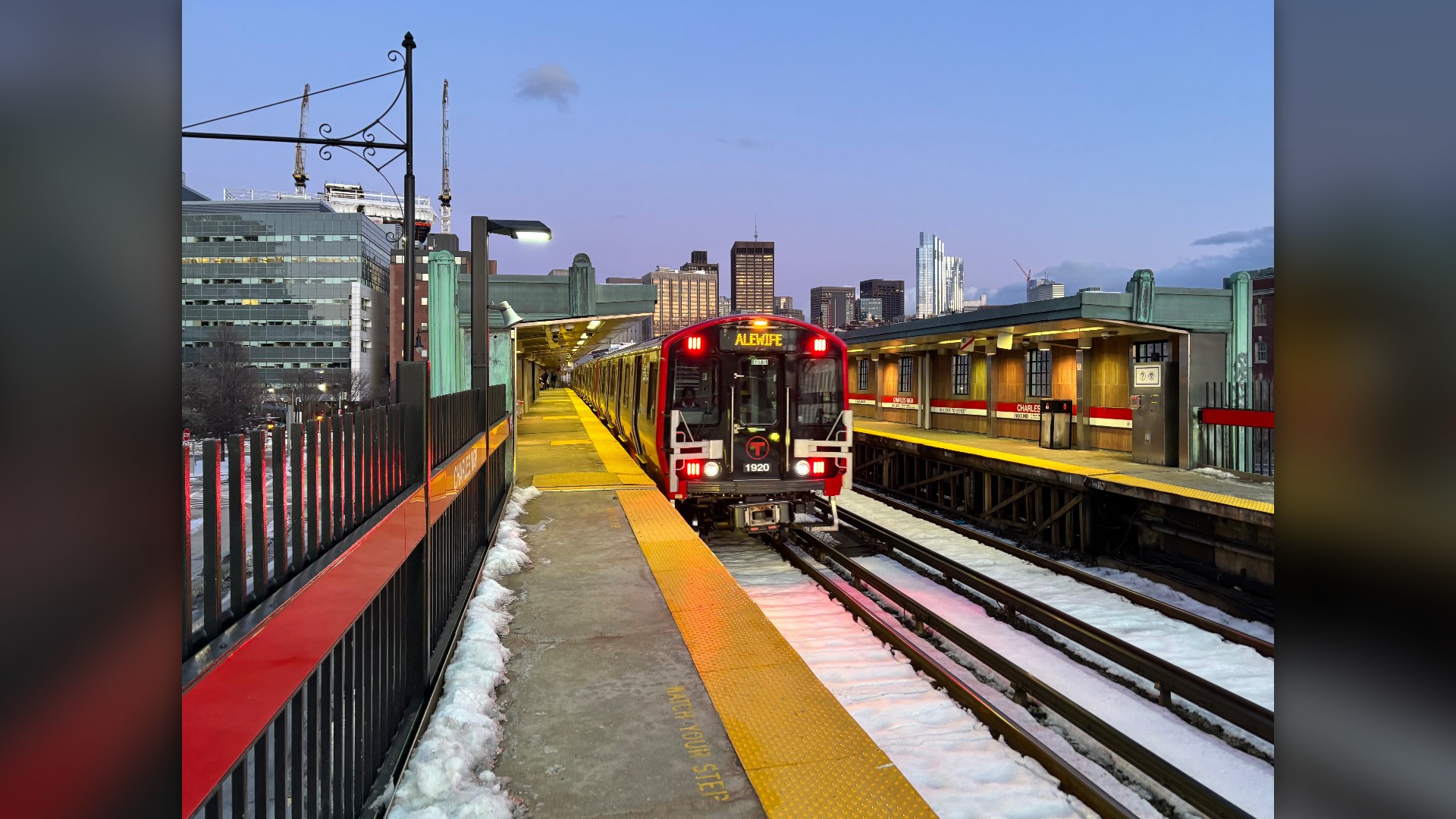
Boston opened the Tremont Street subway in September 1897. It was North America's first subway tunnel. Shifting streetcars below ground cleared notorious gridlock around Boston Common immediately. Over one hundred thousand passengers boarded trains on opening day.
©Wikimedia / MBTA subway
3. Glasgow Subway
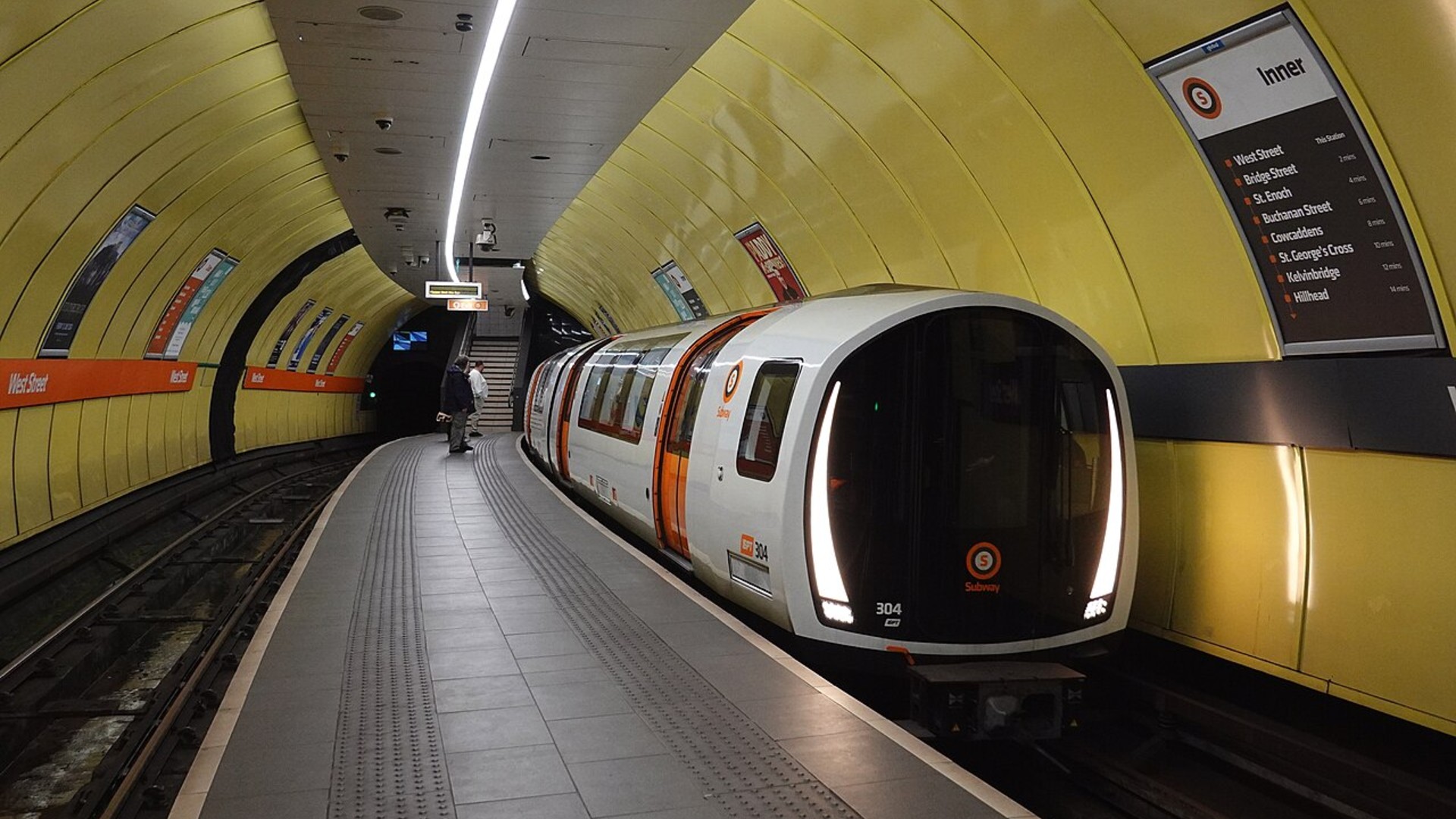
The Glasgow Subway opened in December 1896. Stationary steam engines originally hauled cable cars along a six-mile circular loop beneath the River Clyde. The system electrified in 1935. Locals nicknamed it the Clockwork Orange.
©Wikimedia / Foulger Rail Photos from Basingstoke, UK
2. Budapest Metro
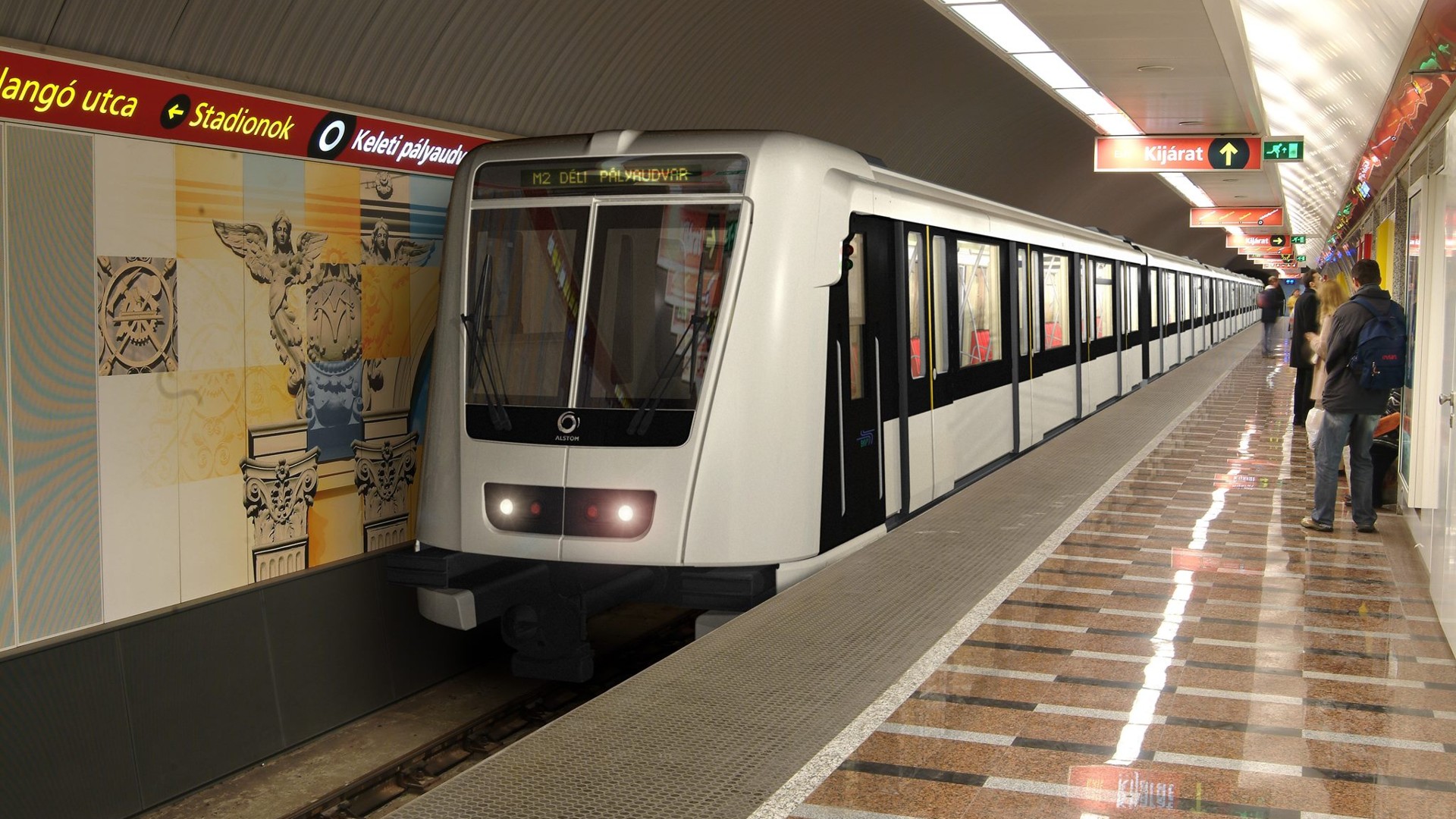
Emperor Franz Joseph opened Budapest's Millennium Underground in May 1896. Workers built the shallow cut-and-cover tunnel beneath Andrássy Avenue in two years. It was continental Europe's first electric subway line. UNESCO designated the historic yellow line a World Heritage site in 2002.
©Wikimedia / Miloton
Advertisement
Swipe or tap ▶ to resume the countdown.
1. London Underground
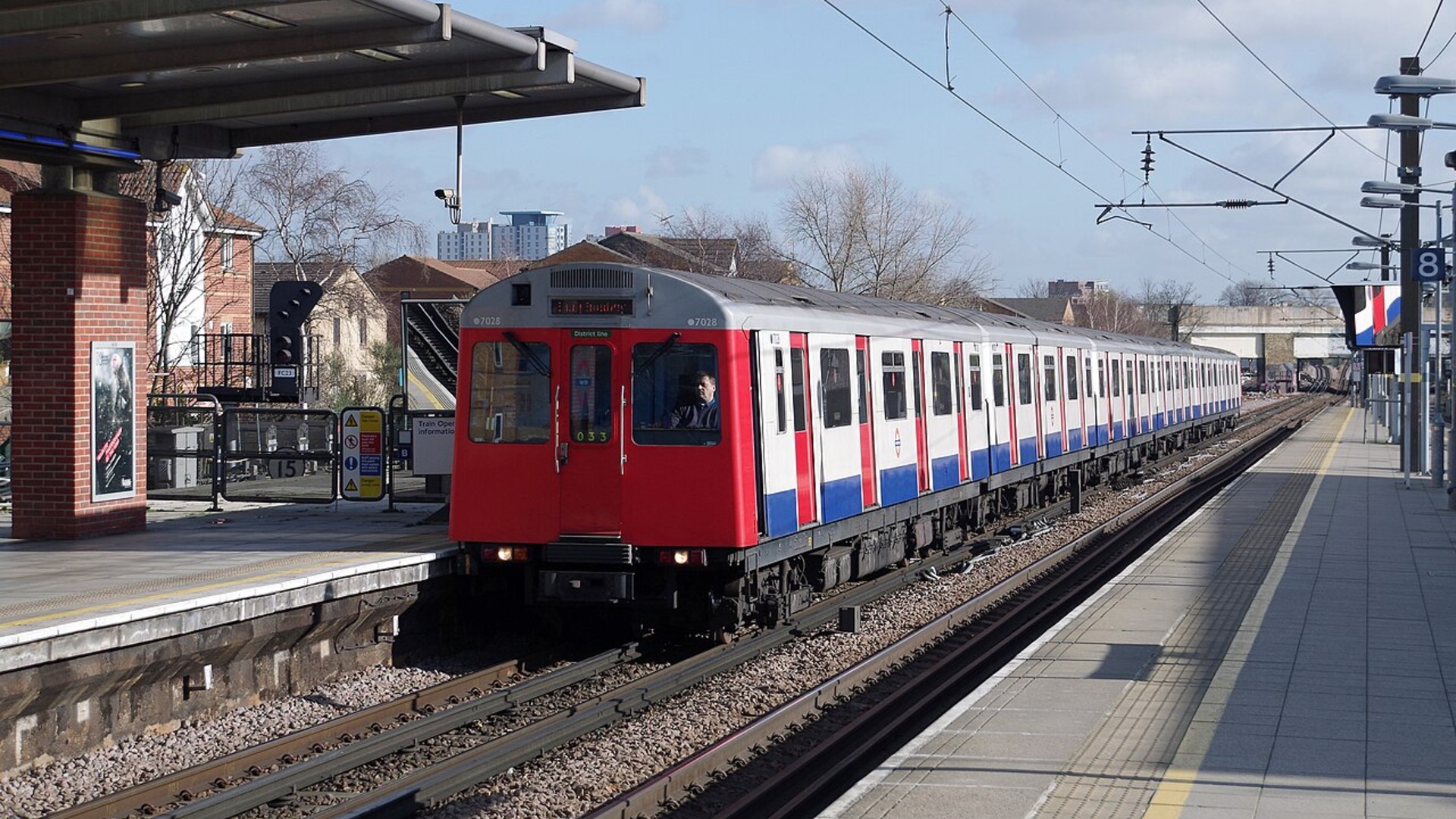
The Metropolitan Railway began service in London in January 1863. Thirty thousand commuters crammed into gas-lit wooden cars hauled by steam engines on opening day. Deep electric tube tunnels arrived in 1890. Today, the historic Tube system serves two hundred and seventy stations across Greater London.
©Wikimedia / mattbuck ( category )
Advertisement
You've reached the end of the story. Thanks for reading!

22 Historic Coastal Towns and Castles to Explore in Scotland
Based on VisitScotland heritage surveys and Historic Environment records, these 22 coastal towns and cliffside fortresses showcase centuries of dramatic maritime history. Heritage records document centuries of drama.
All 20 Entries in this Story
20. Rome Metro
Line B opened in February 1955. Italian engineers linked Termini station with the EUR district. Tunneling crews stopped repeatedly after hitting buried Roman ruins and ancient imperial aqueducts. The system now carries three hundred million riders annually.

19. Toronto Subway
Toronto opened Canada's first subway in March 1954. Red trains ran four miles under Yonge Street. Over two hundred thousand riders packed platforms on opening day. The triumphant launch sparked modern underground transit development across major Canadian cities.

18. Stockholm Metro
Stockholm launched heavy rail transit in October 1950. The initial route ran from Slussen to Hökäringen. Artists later transformed ninety underground stations into vibrant public galleries painted directly onto exposed bedrock caverns. It remains the world's longest art gallery.

17. Chicago Subway
Chicago opened its first subway in October 1943. Federal wartime funding helped finish the tunnel. Tracks diverted heavy passenger train traffic beneath downtown streets while linking directly to the elevated loop. It reshaped downtown transit.

16. Moscow Metro
Moscow opened its first subway in May 1935. The line ran seven miles between Sokolniki and Park Kultury. Master artisans lined cavernous stations with polished marble, bronze reliefs, and crystal chandeliers. Stations doubled as deep bomb shelters.

15. Osaka Metro
The Midosuji Line began service in May 1933. Builders installed high concrete barrel vaults without center pillars. Spacious stations handled enormous passenger flows as Osaka rapidly industrialized. It remains western Japan's busiest rail artery.

14. Tokyo Metro
Tokuji Hayakawa brought subway travel to Asia in December 1927. His Ginza Line spanned two miles between Ueno and Asakusa. Crowds waited hours on opening morning just to experience a brief five-minute ride below modern Tokyo. Bright yellow subway cars became a lasting civic symbol.

13. Barcelona Metro
The Gran Metro opened in December 1924. Tracks linked Plaça de Catalunya with Gràcia through two miles of deep tunnel. Engineers overcame coastal water seepage to finish excavation on schedule. The historic route now forms the core of modern Line 3.

12. Madrid Metro
King Alfonso XIII opened the Madrid Metro in October 1919. The initial line ran two miles with eight stops. Architect Antonio Palacios created the classic red diamond logo. The network now spans nearly three hundred stations.

11. Buenos Aires Subte
Buenos Aires inaugurated Line A in December 1913. It was the first subterranean electric passenger railway in South America. Belgian-built wooden cars carried passengers under historic Avenida de Mayo. Those polished wooden coaches operated daily for ninety-nine years before retirement.

10. Hamburg U-Bahn
Hamburg's Ringbahn carried its first passengers in February 1912. Tracks linked downtown quarters with bustling harbor docks. Steel viaducts carried trains high above the Elbe River waterfront. The route provided vital transit for thousands of shipyard workers.

9. Philadelphia Subway
Philadelphia opened the Market Street subway in March 1907. Tunnels allowed streetcars and heavy rail trains to run beneath City Hall. Crews excavated under busy colonial streets without halting horse-drawn cart traffic above. It formed SEPTA's core.

8. New York City Subway
Mayor George McClellan started the first IRT train in October 1904. Over one hundred thousand riders boarded that night. The route connected City Hall to West 145th Street in twenty-six minutes. Spanish architect Rafael Guastavino designed the vaulted tile ceiling at City Hall station.

7. Athens Metro
Greece electrified its Athens to Piraeus railway in September 1904. Trains ran through historic tunnels under Monastiraki and Omonia squares. It was southern Europe's first electric rapid transit line. Platforms today display ancient pottery and classical ruins found during excavation.

6. Berlin U-Bahn
Berlin opened its first electric railway line in February 1902. Trains crossed soaring steel viaducts before diving into subterranean tunnels at Potsdamer Platz. Architect Alfred Grenander designed colorful tiled station entrances. The signature bright yellow carriages remain an enduring icon of German transit.

5. Paris Metro
Engineers opened Paris Line 1 in July 1900 during the World Exposition. Trains traveled from Porte Maillot to Porte de Vincennes in thirty minutes. Hector Guimard created famous green cast-iron entrances with floral glass canopies. Today, the network carries four million passengers daily.

4. Boston Subway
Boston opened the Tremont Street subway in September 1897. It was North America's first subway tunnel. Shifting streetcars below ground cleared notorious gridlock around Boston Common immediately. Over one hundred thousand passengers boarded trains on opening day.

3. Glasgow Subway
The Glasgow Subway opened in December 1896. Stationary steam engines originally hauled cable cars along a six-mile circular loop beneath the River Clyde. The system electrified in 1935. Locals nicknamed it the Clockwork Orange.

2. Budapest Metro
Emperor Franz Joseph opened Budapest's Millennium Underground in May 1896. Workers built the shallow cut-and-cover tunnel beneath Andrássy Avenue in two years. It was continental Europe's first electric subway line. UNESCO designated the historic yellow line a World Heritage site in 2002.

1. London Underground
The Metropolitan Railway began service in London in January 1863. Thirty thousand commuters crammed into gas-lit wooden cars hauled by steam engines on opening day. Deep electric tube tunnels arrived in 1890. Today, the historic Tube system serves two hundred and seventy stations across Greater London.