Slideshow · Travel
22 Historic Route 66 Towns and Natural Wonders in Northern Arizona
Compiled from National Park Service and Arizona Office of Tourism records, these twenty-two historic communities and protected geological landmarks define the American Southwest.
By Most Viral Today
8 min ago

Historic Route 66 Towns and Natural Wonders in Northern Arizona 
22. Oatman 
21. Kingman 
20. Seligman - AdvertisementSwipe or tap ▶ to continue countdown

19. Holbrook 
18. Winslow 
17. Williams 
16. Flagstaff - AdvertisementSwipe or tap ▶ to continue countdown

15. Jerome 
14. Clarkdale 
13. Cottonwood 
12. Sedona - AdvertisementSwipe or tap ▶ to continue countdown

11. Page 
10. Lake Powell 
9. Horseshoe Bend 
8. Antelope Canyon - AdvertisementSwipe or tap ▶ to continue countdown

7. Marble Canyon 
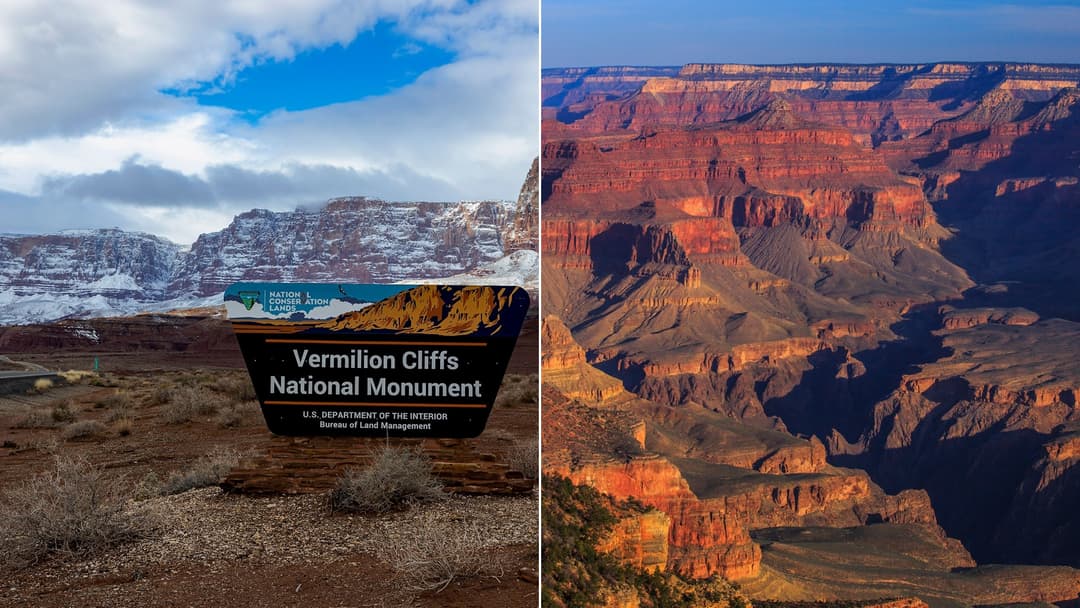
6. Vermilion Cliffs 
5. Monument Valley 
4. Canyon De Chelly - AdvertisementSwipe or tap ▶ to continue countdown

3. Petrified Forest National Park 
2. San Francisco Peaks 
1. Grand Canyon National Park - Advertisement🔥 UP NEXT IN THIS SERIES◫ 23 Slides

22 Famous Beaches That Are Way Better During Shoulder Season
Compiled by travel analysts based on TripAdvisor Travelers' Choice rankings and Blue Flag standards, these 22 award-winning beaches offer peaceful shores in shoulder season.
Compiled from National Park Service records, these twenty-two destinations highlight historic Route 66 corridors and protected geological landmarks across northern Arizona. Each stop preserves Southwest heritage.
Swipe or tap ▶ to begin the countdown
©Wikimedia / Ray Redstone & Grand Canyon National Park
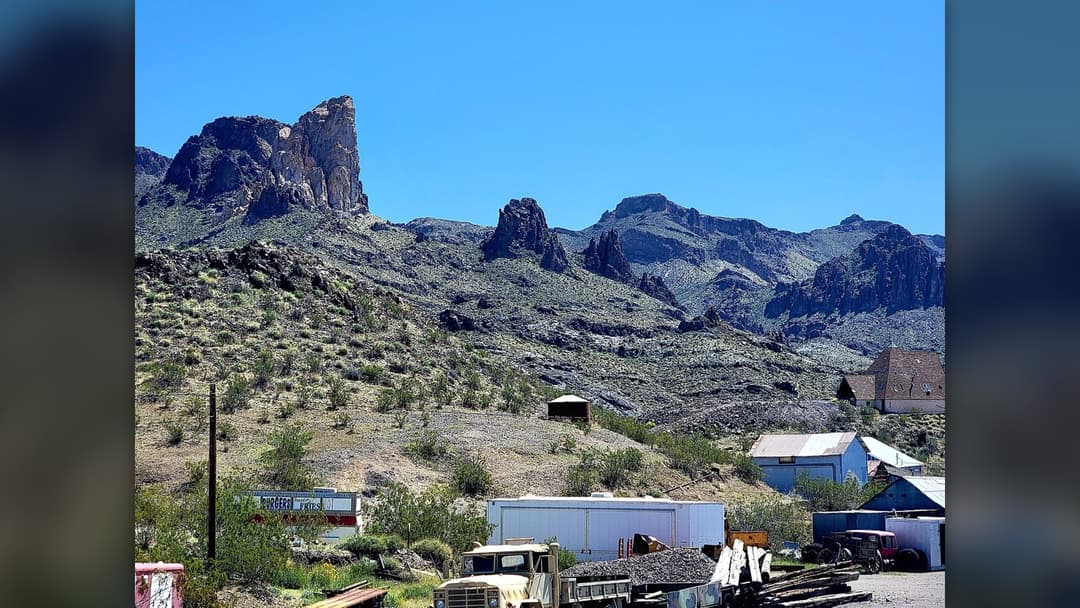
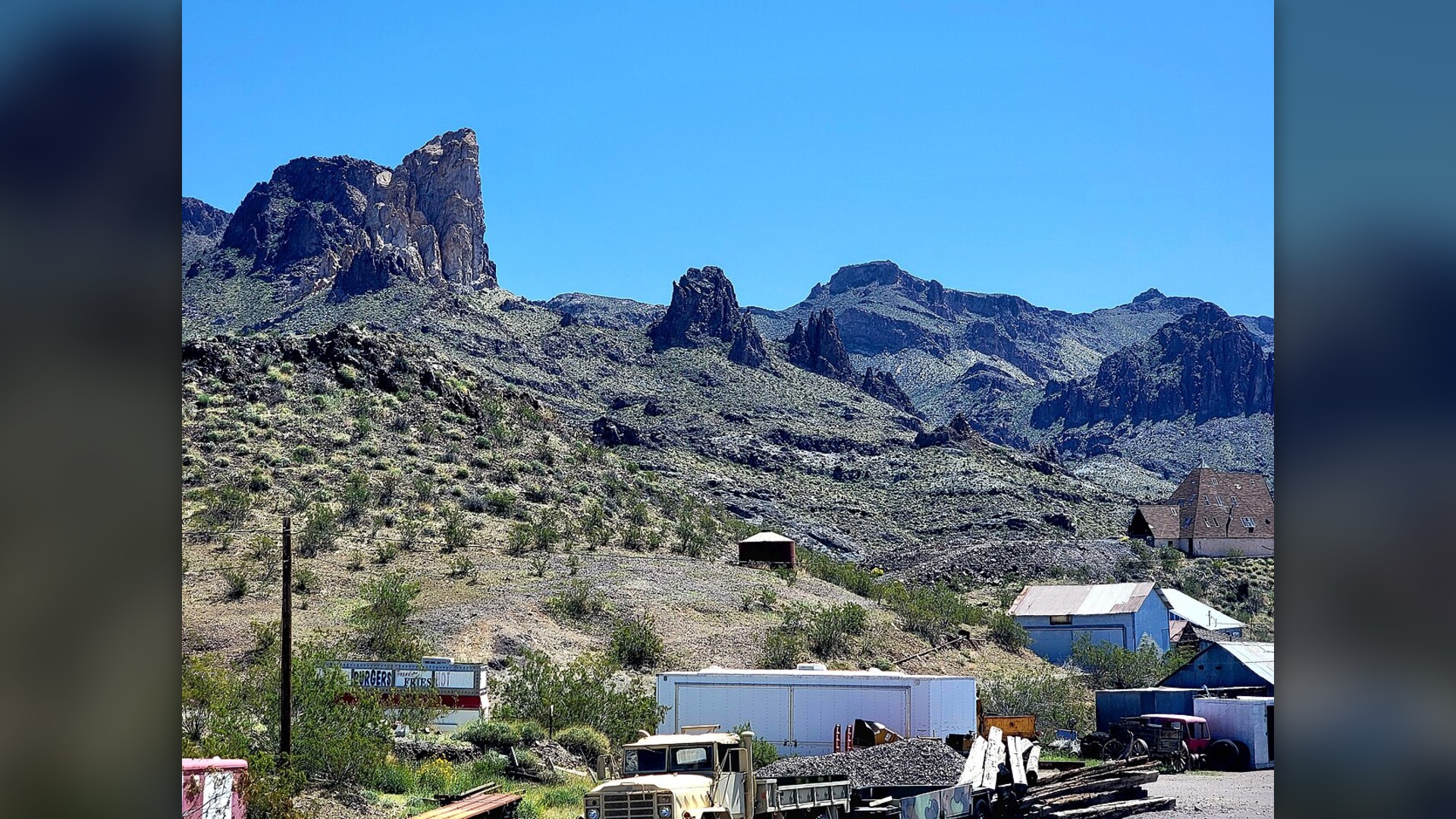
22. Oatman
Wild burros roam freely. Gold miners founded Oatman in 1906 before Route 66 motorists adopted the settlement as a steep mountain pass checkpoint. Wooden sidewalks still line Main Street.
©Wikimedia / Cullen328
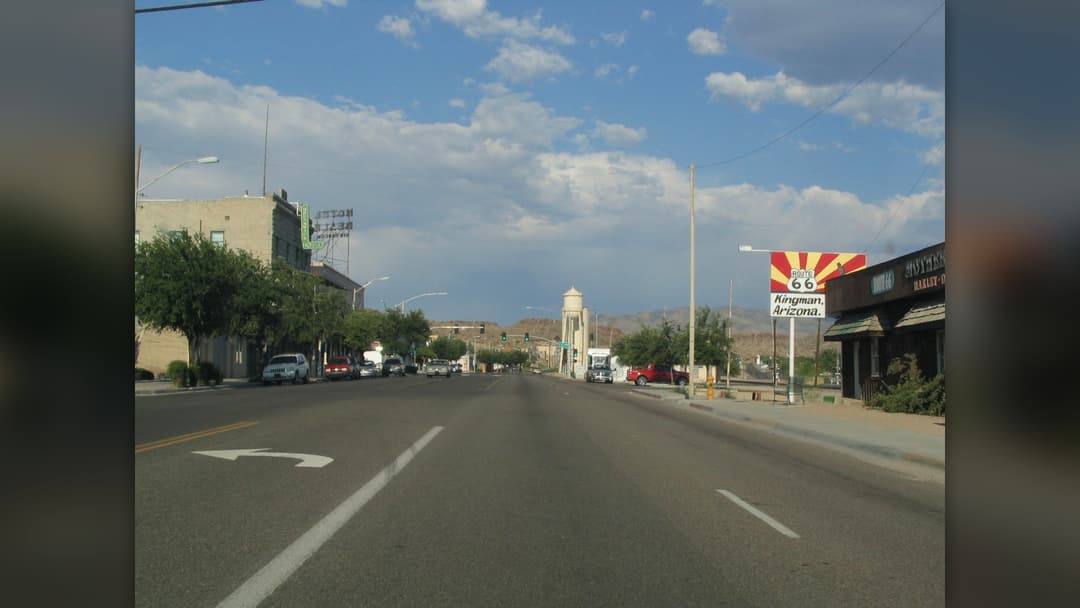
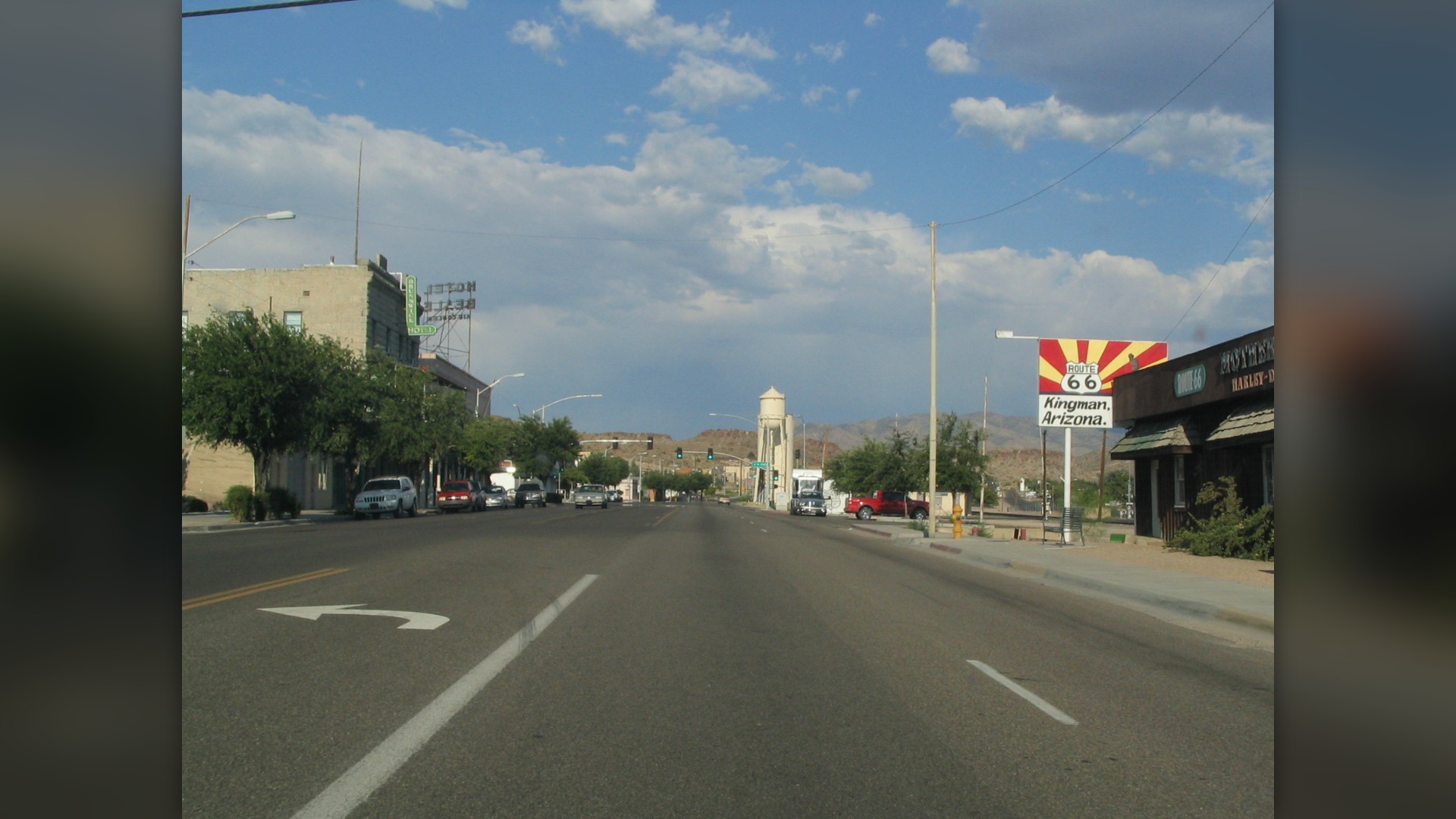
21. Kingman
Rail lines arrived first. Kingman quickly grew into the administrative capital of Mohave County, preserving classic neon signs and vintage service stations along Andy Devine Avenue. Vintage motels still welcome travelers.
©Wikimedia / Ken Lund from Reno, Nevada, USA
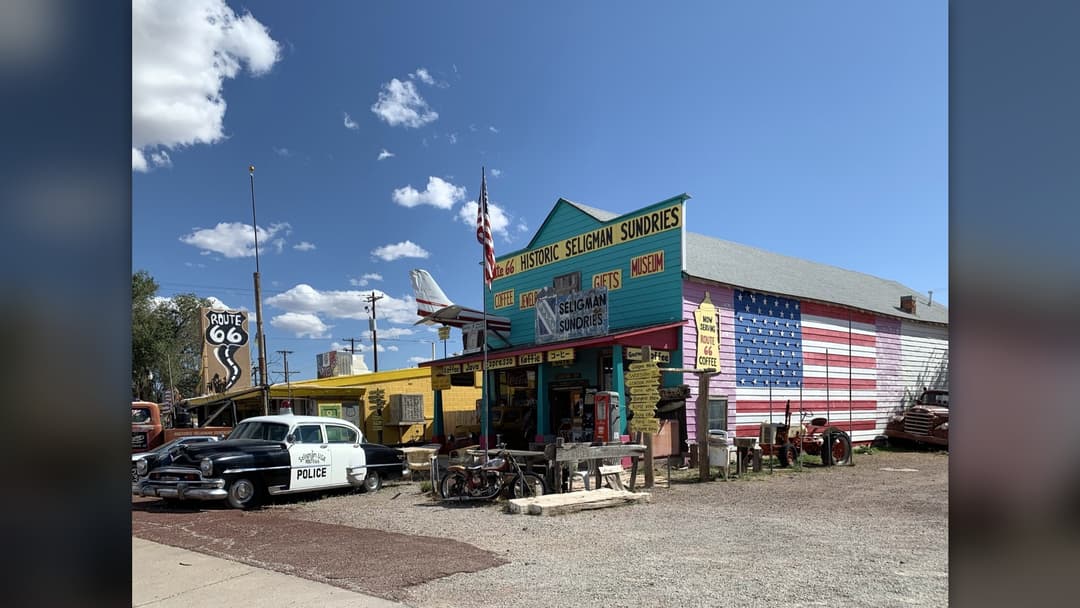
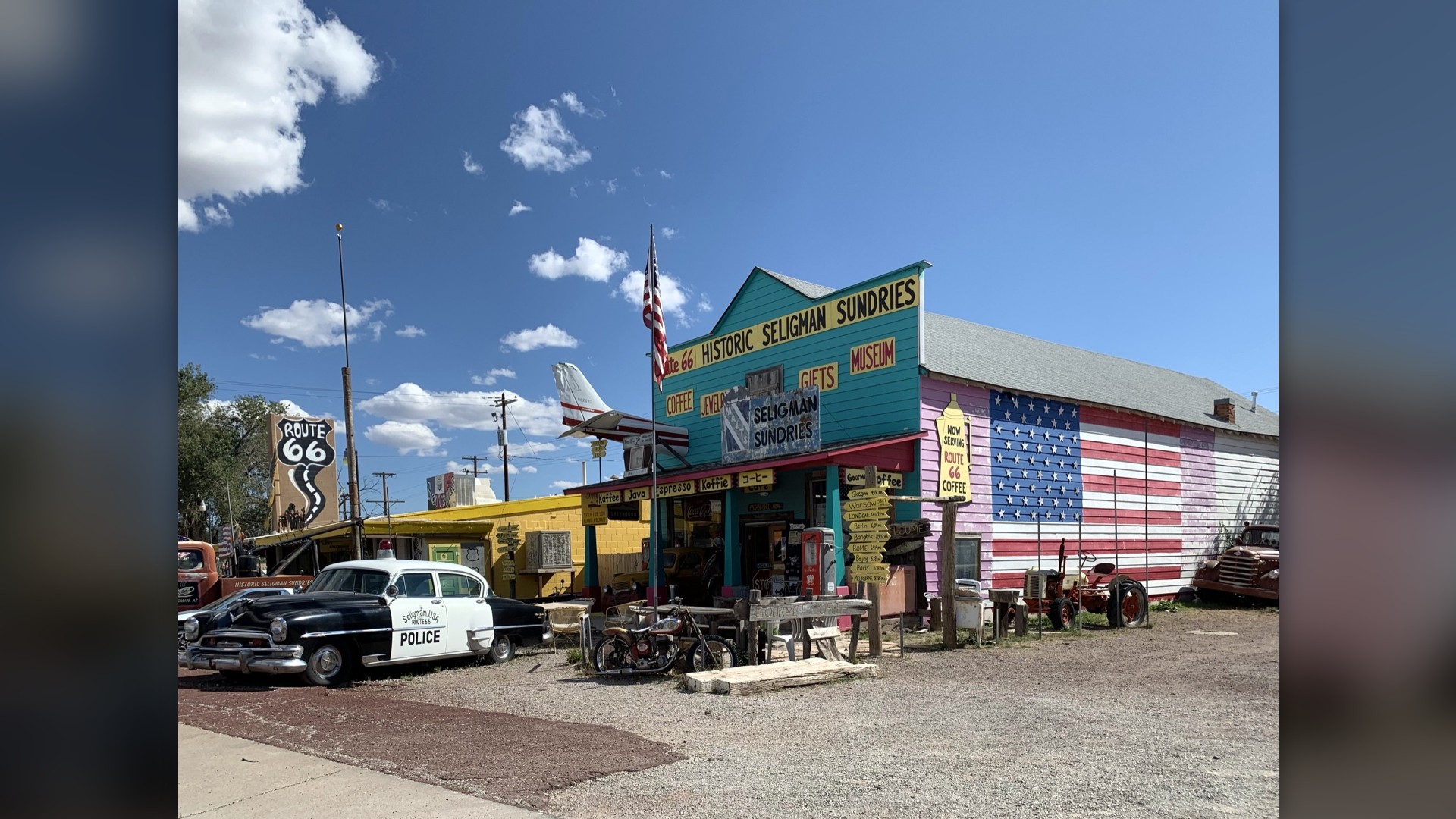
20. Seligman
Interstate 40 bypassed Seligman. Local barber Angel Delgadillo organized business owners to establish the Historic Route 66 Association of Arizona, reviving automobile tourism. Modern highway preservation began right here.
©Wikimedia / APK
Advertisement
Swipe or tap ▶ to resume the countdown.
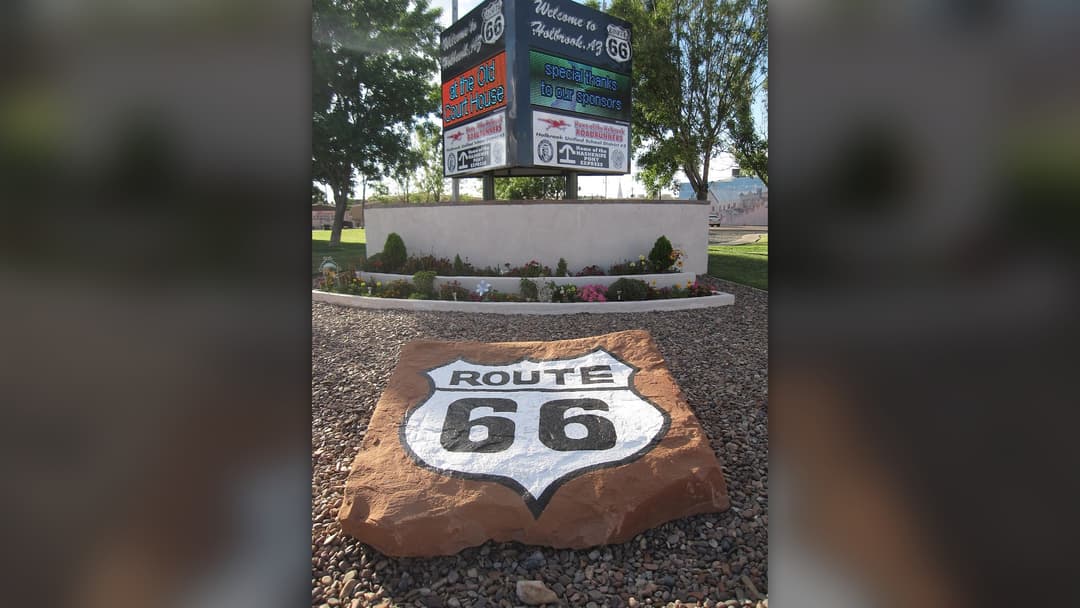
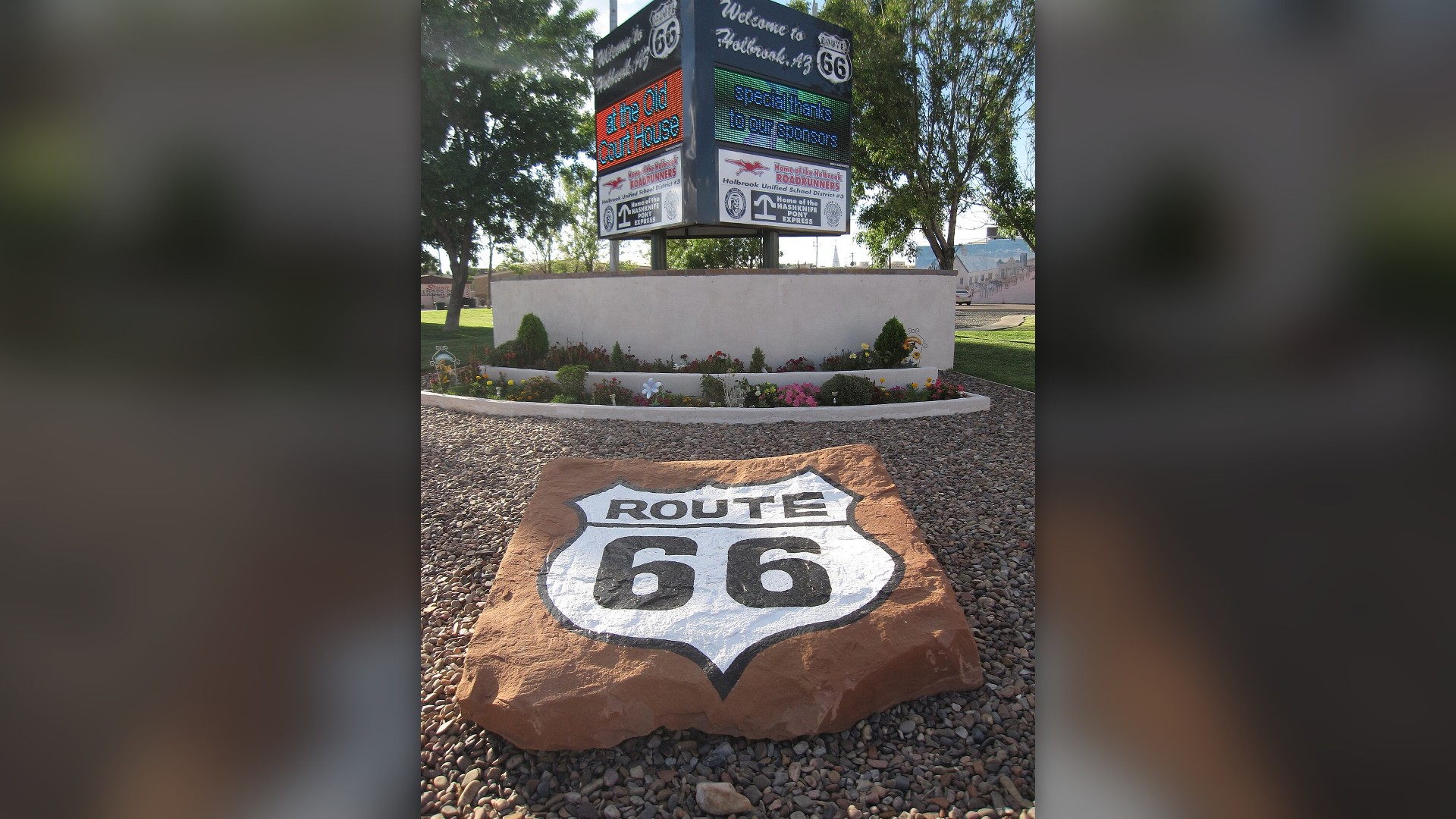
19. Holbrook
Cattle trails started everything. Holbrook later welcomed cross-country motorists with the famous 1950 Wigwam Motel, built entirely of reinforced concrete and stucco teepees. High desert winds sweep the depot.
©Wikimedia / F McGady
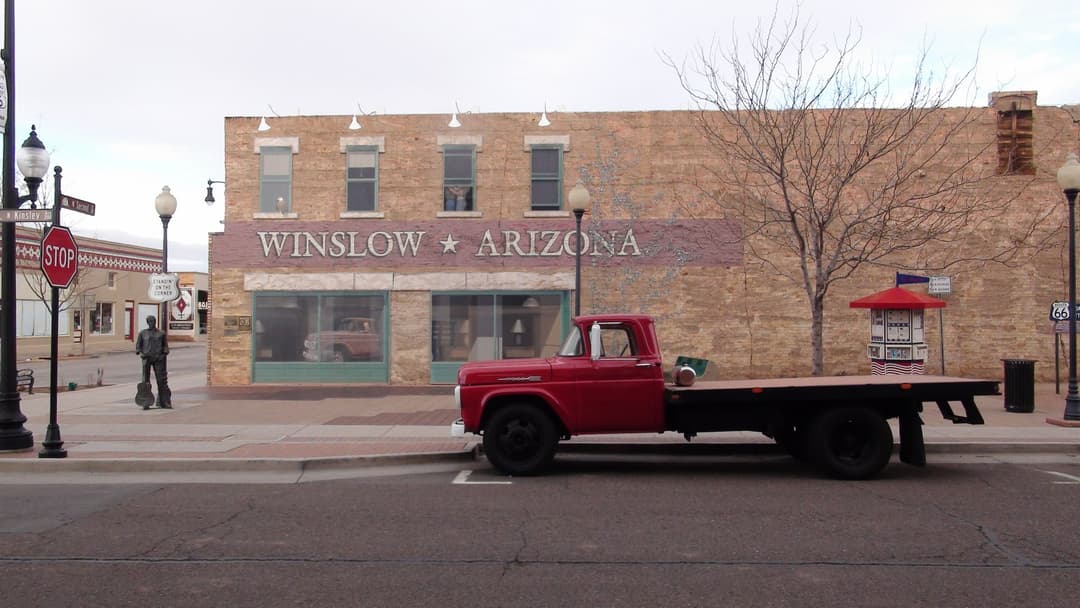
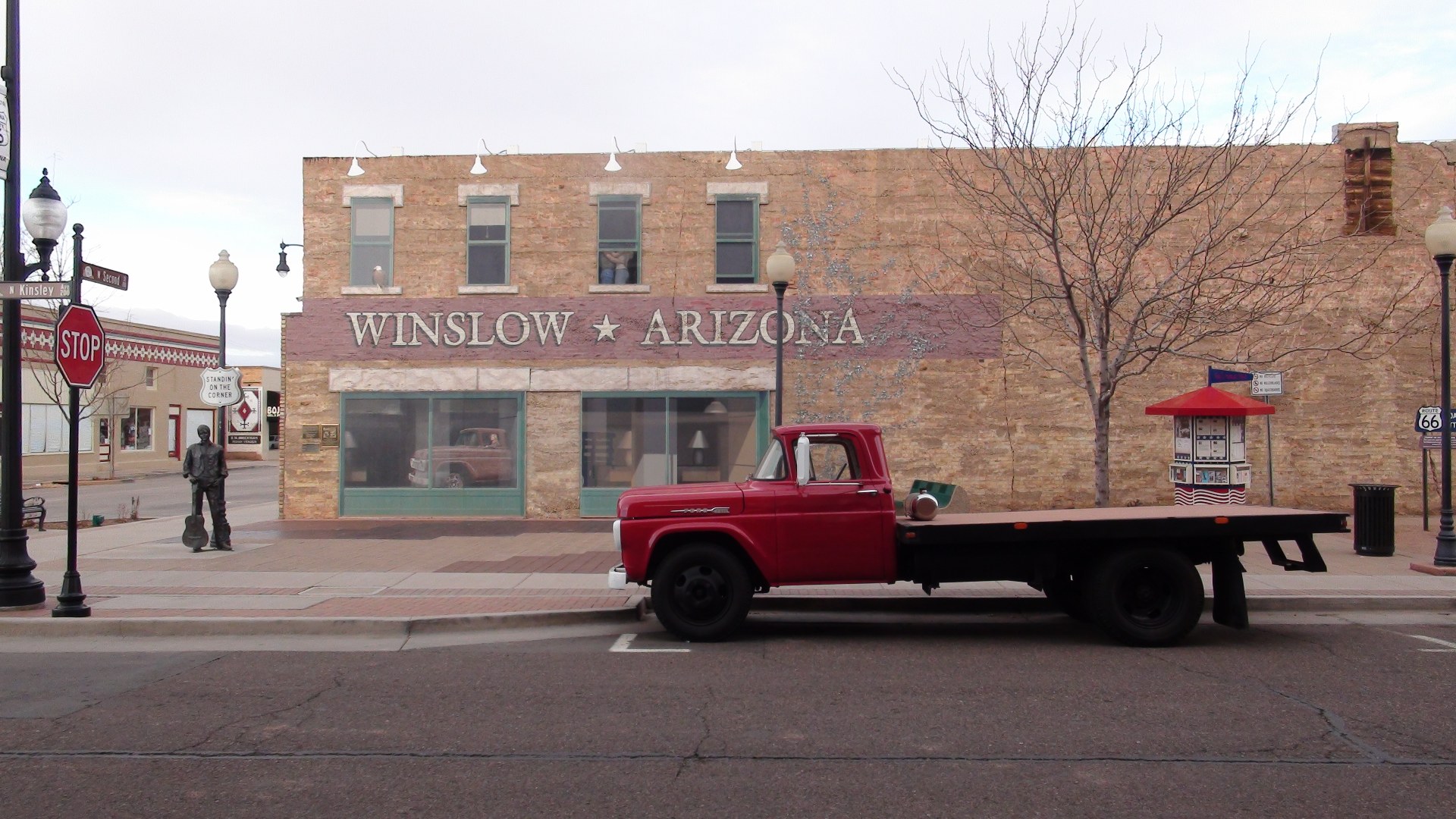
18. Winslow
Railroads shaped Winslow. Architect Mary Colter designed La Posada Hotel here in 1930 as the principal division point for the Santa Fe Railway line. Classic rock fame followed decades later.
©Wikimedia / Tpaairman
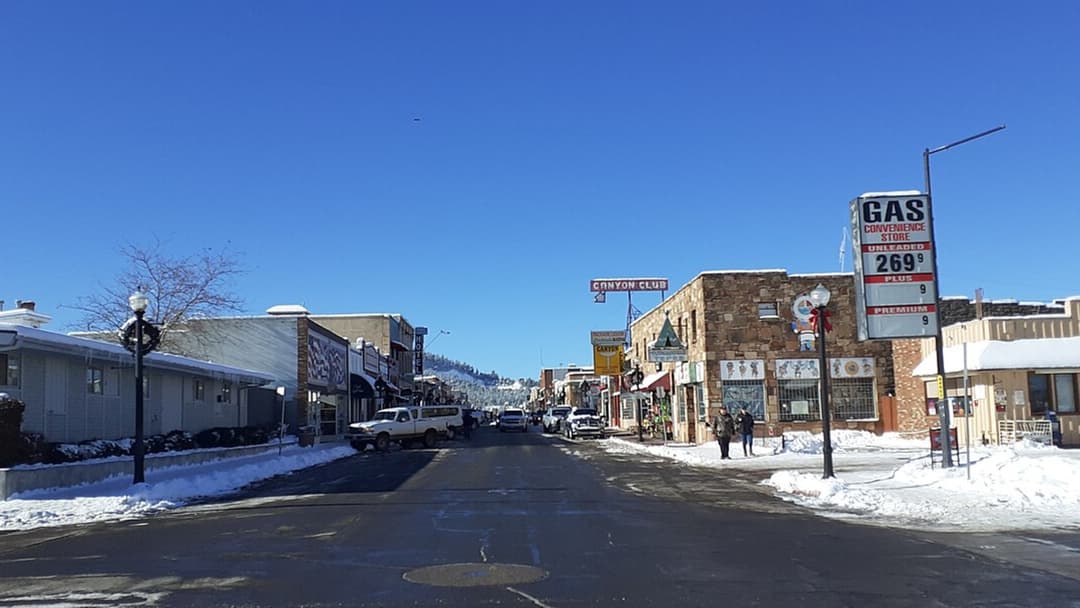
17. Williams
Ponderosa pines line Williams. This mountain town was the final Route 66 community bypassed by Interstate 40 when bypass lanes opened in 1984. Historic steam trains still run north.
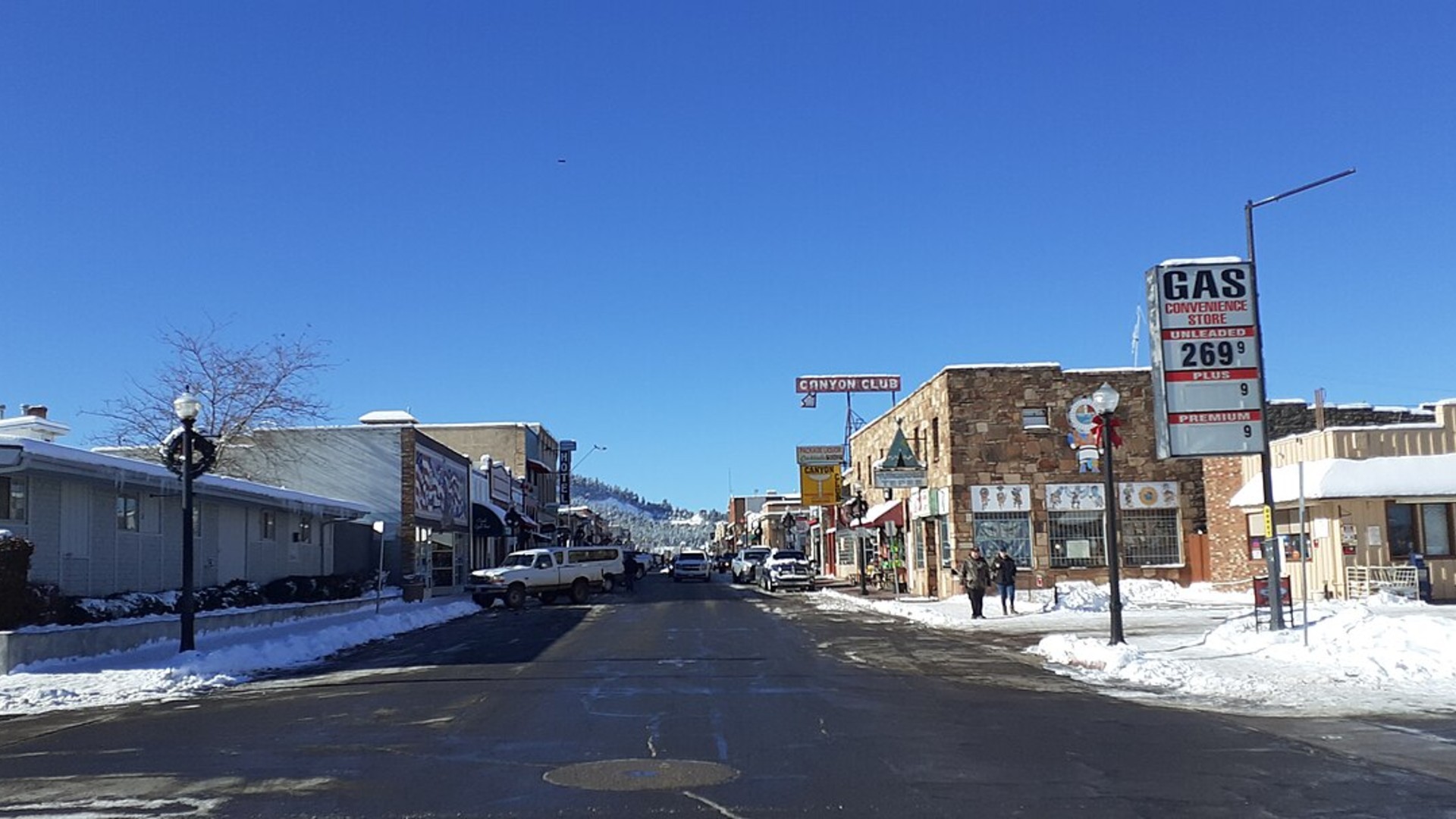
©Wikimedia / Christophe Krief
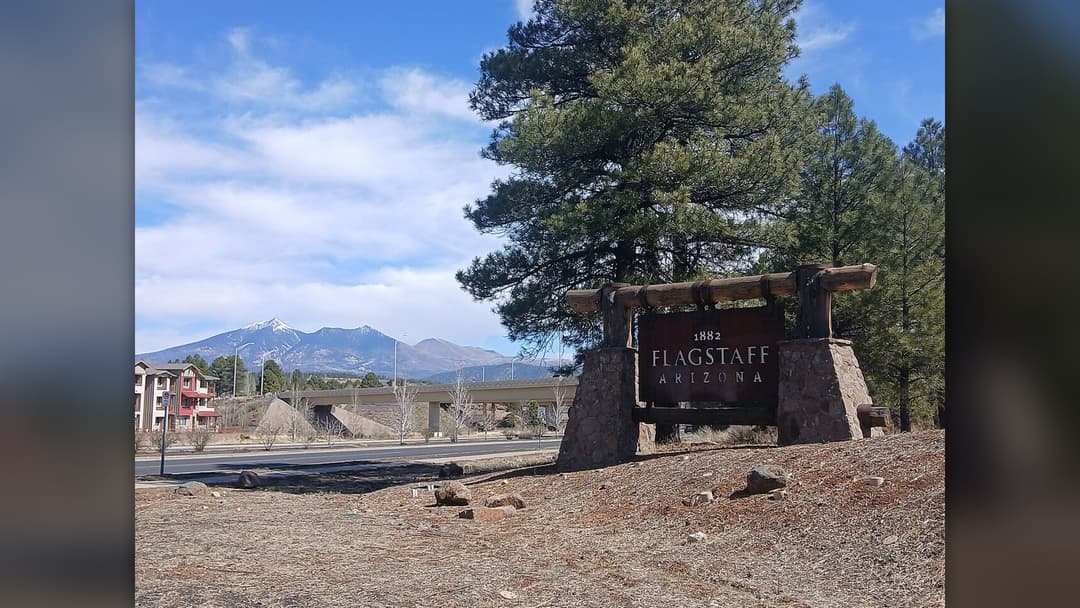
16. Flagstaff
Pluto was discovered here. Sitting at seven thousand feet elevation, Flagstaff links historic Route 66 heritage with Lowell Observatory and extensive national forest trail networks. Mountain air cools downtown streets.
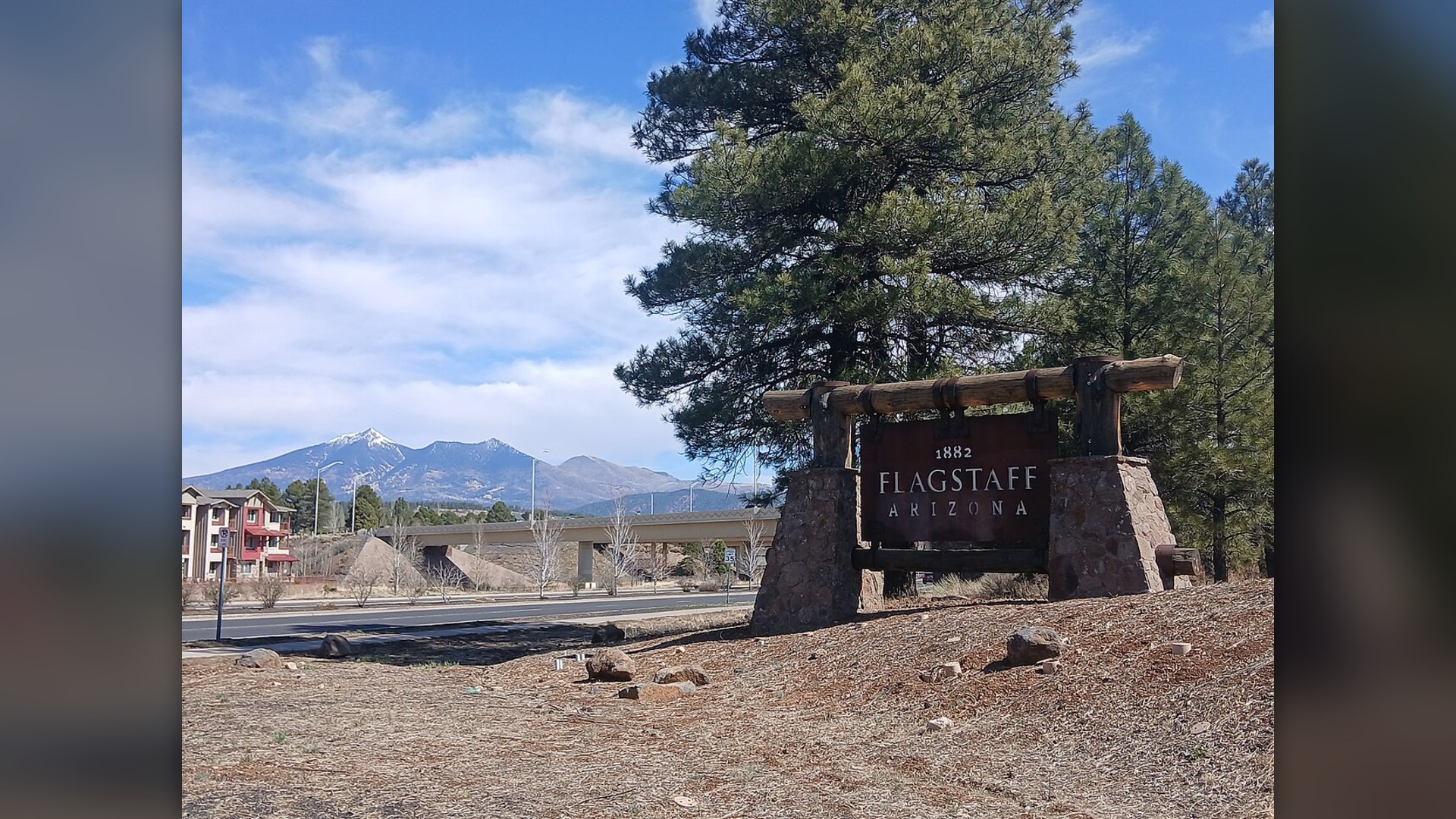
©Wikimedia / Dakman111
Advertisement
Swipe or tap ▶ to resume the countdown.
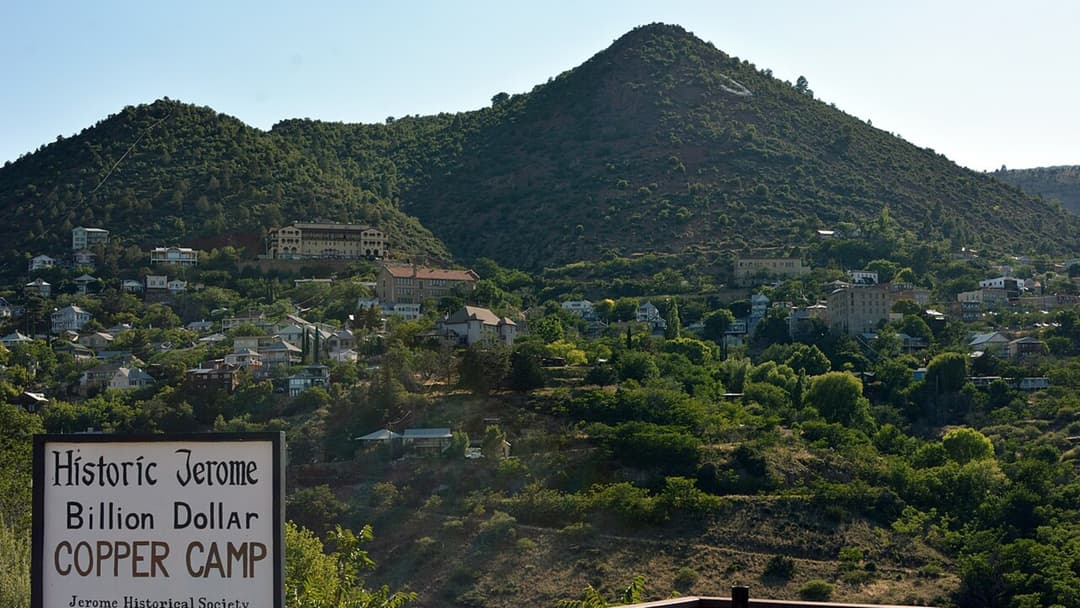
15. Jerome
Copper built Cleopatra Hill. Founded in 1876, Jerome survived multiple dramatic hillside landslides before reinventing itself into a thriving haven for regional artisans and craft workshops. Narrow roads snake past cliffs.
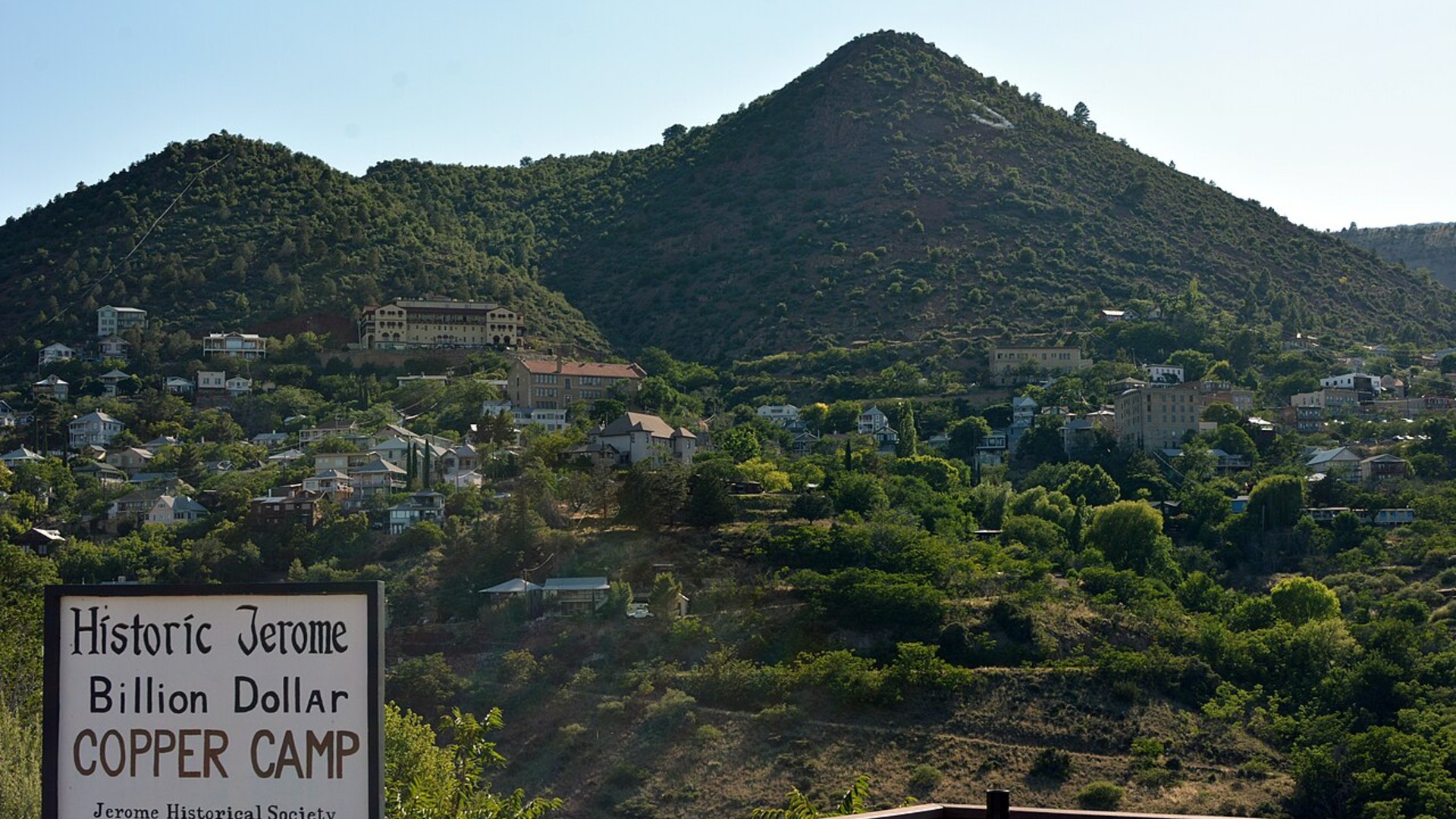
©Wikimedia / Don Ramey Logan
14. Clarkdale
Copper smelters drove Clarkdale. Senator William Andrews Clark constructed the community in 1912 as Arizona's first planned company town, framing residential parks around a brick plaza. Green river waters flow nearby.
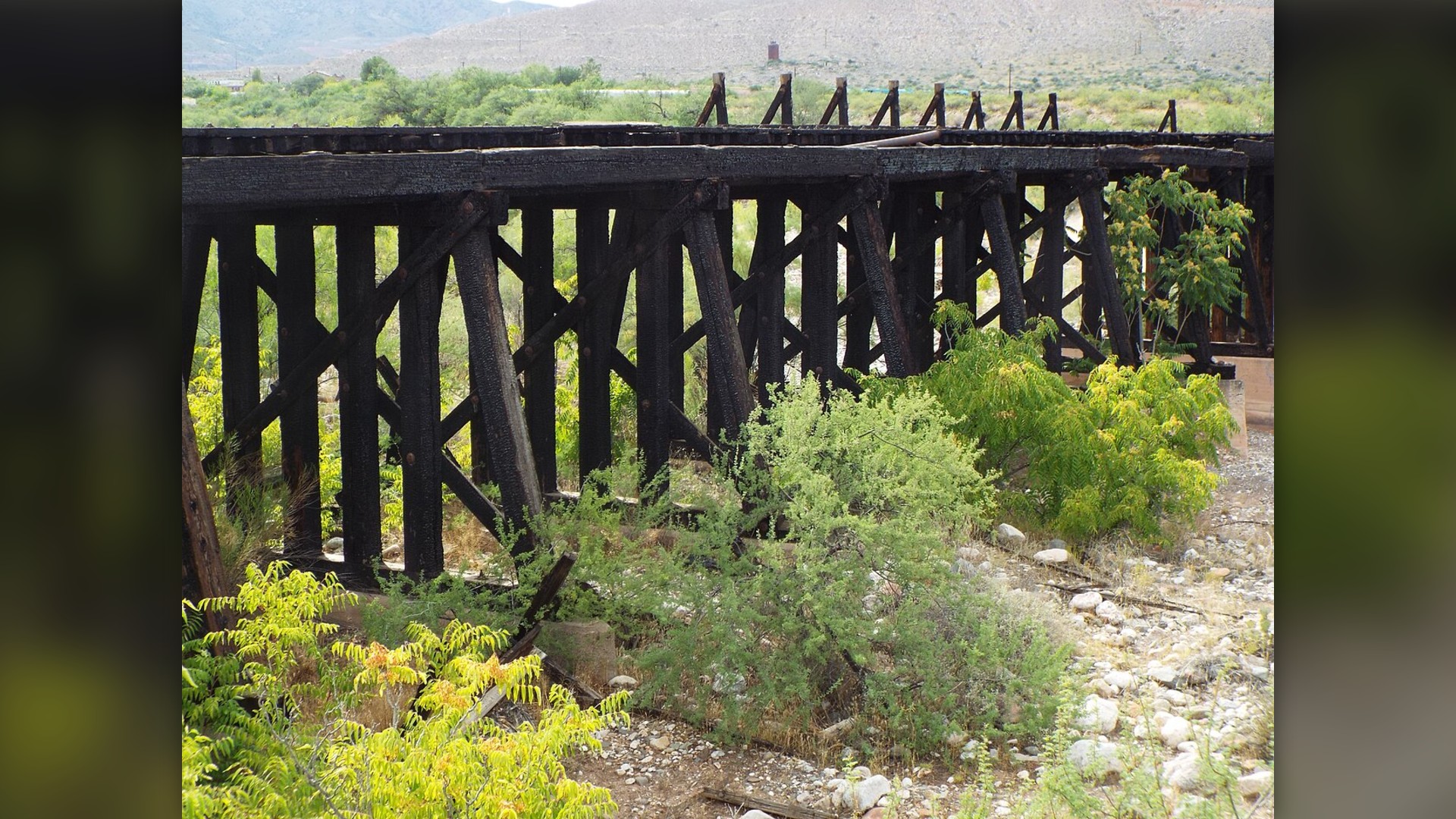
©Wikimedia / Marine 69-71
13. Cottonwood
Bootleggers thrived during Prohibition. Today Cottonwood serves as the commercial heart of the Verde Valley wine region, featuring preserved stone storefronts and tasting rooms along North Main Street. Old sycamores shade side alleys.
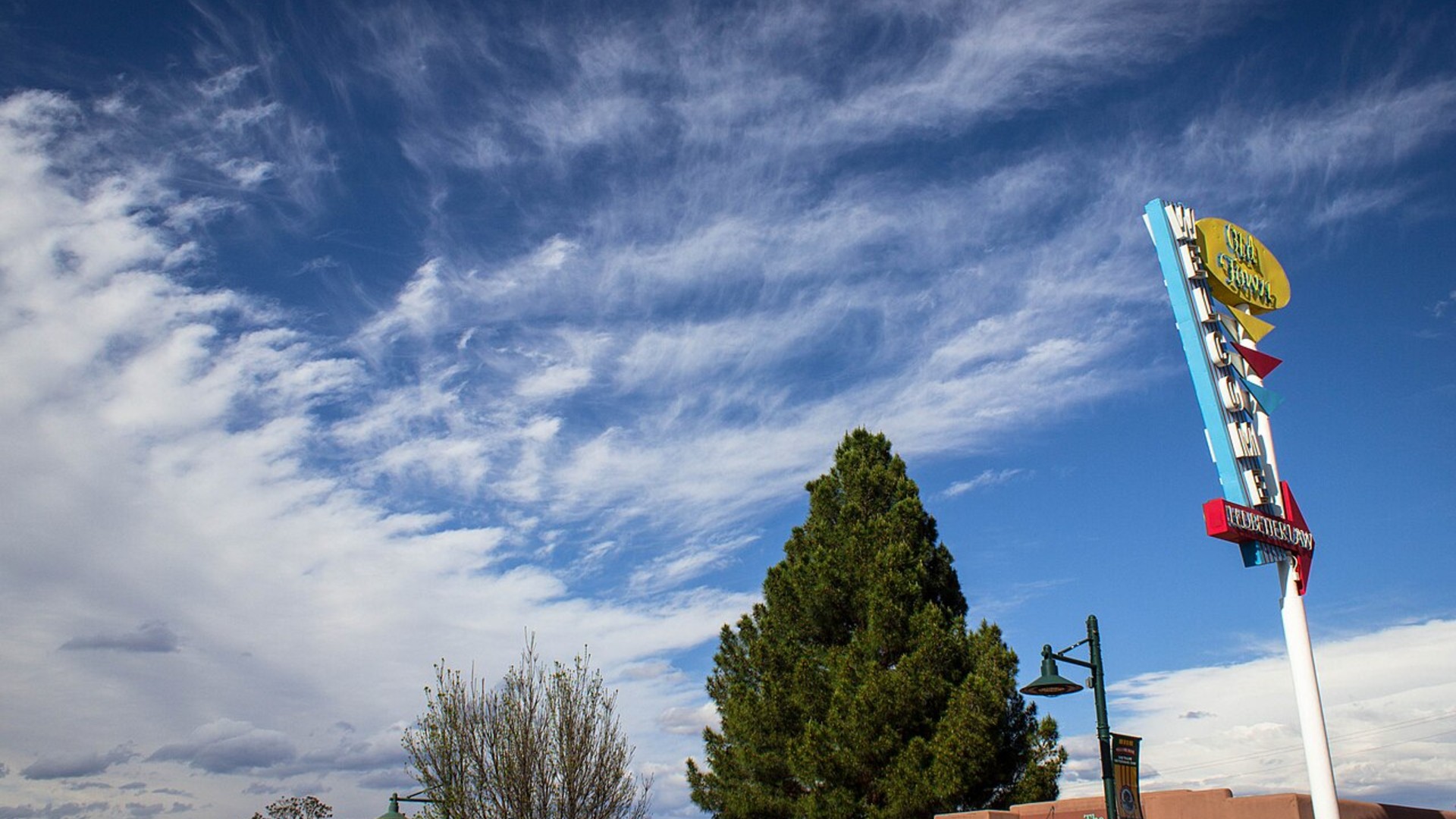
©Wikimedia / Scottb211 from Gaylord, Michigan, U.S.A.
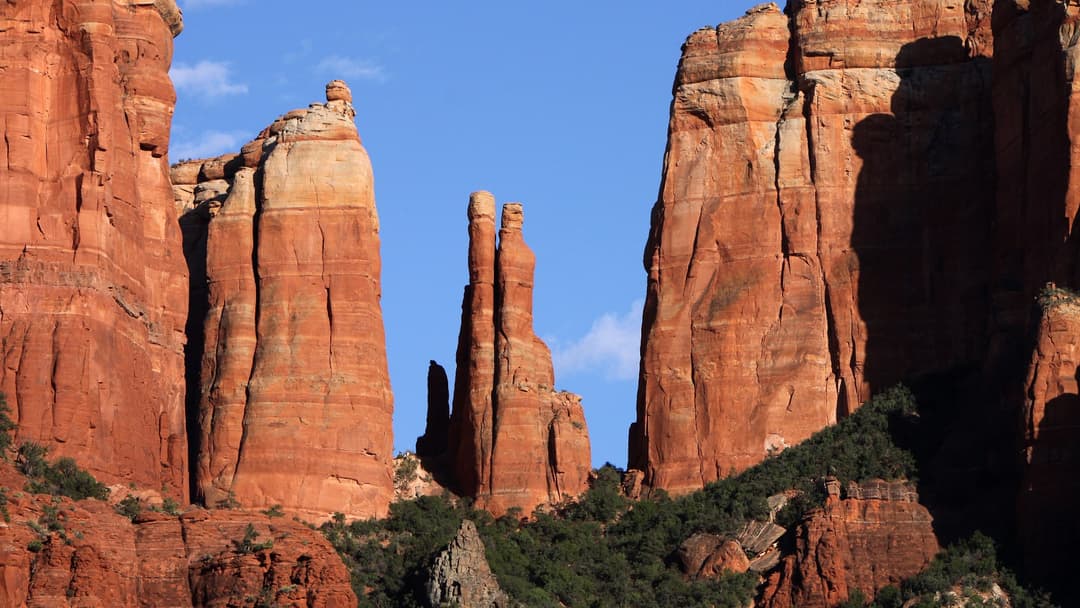
12. Sedona
Iron oxide stains sandstone. Sedona attracts millions of annual visitors to hike around Cathedral Rock and explore scenic canyon switchbacks beside rushing Oak Creek currents. Red rock spires tower overhead.
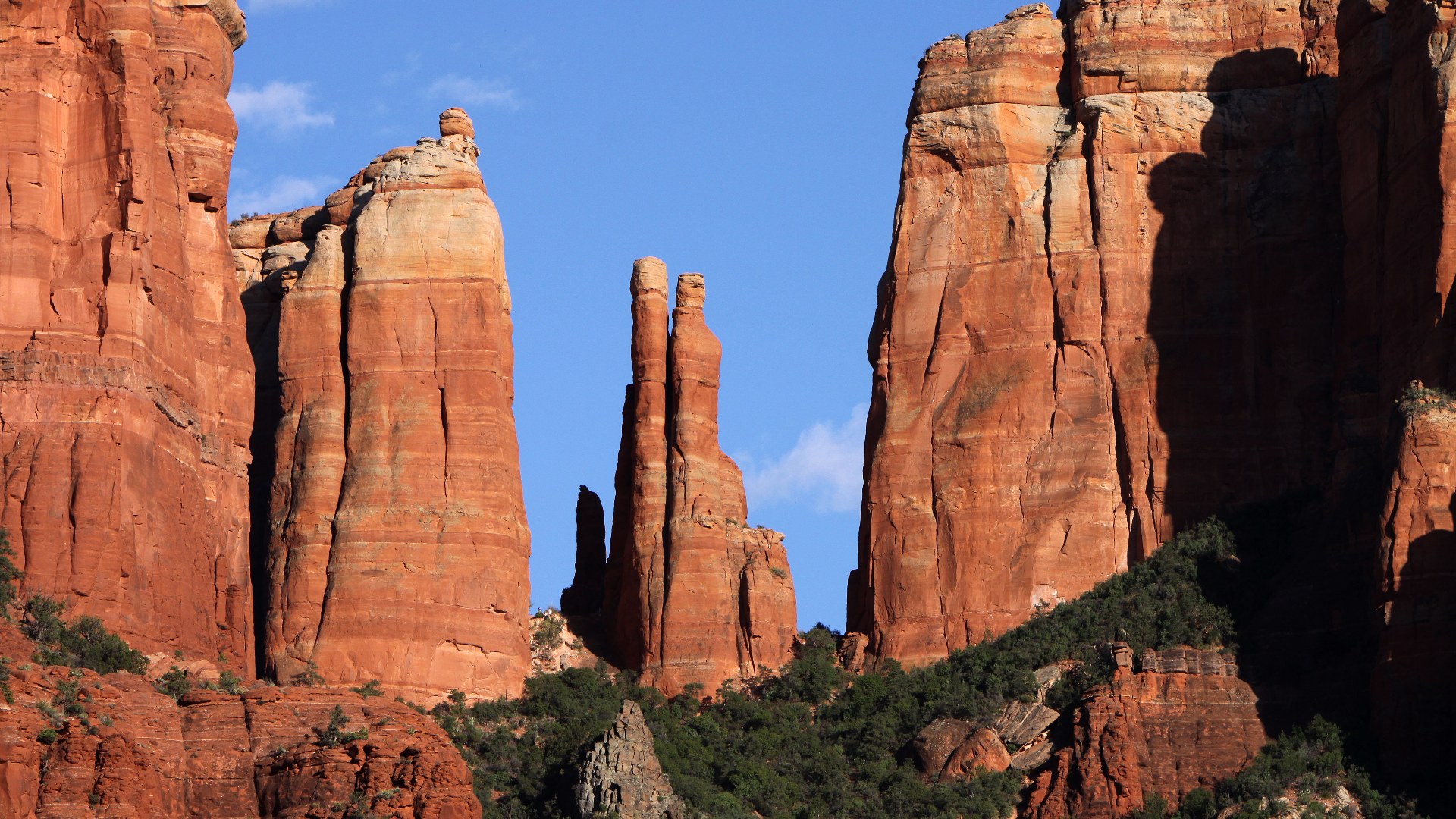
©Wikimedia / Tomas Castelazo
Advertisement
Swipe or tap ▶ to resume the countdown.
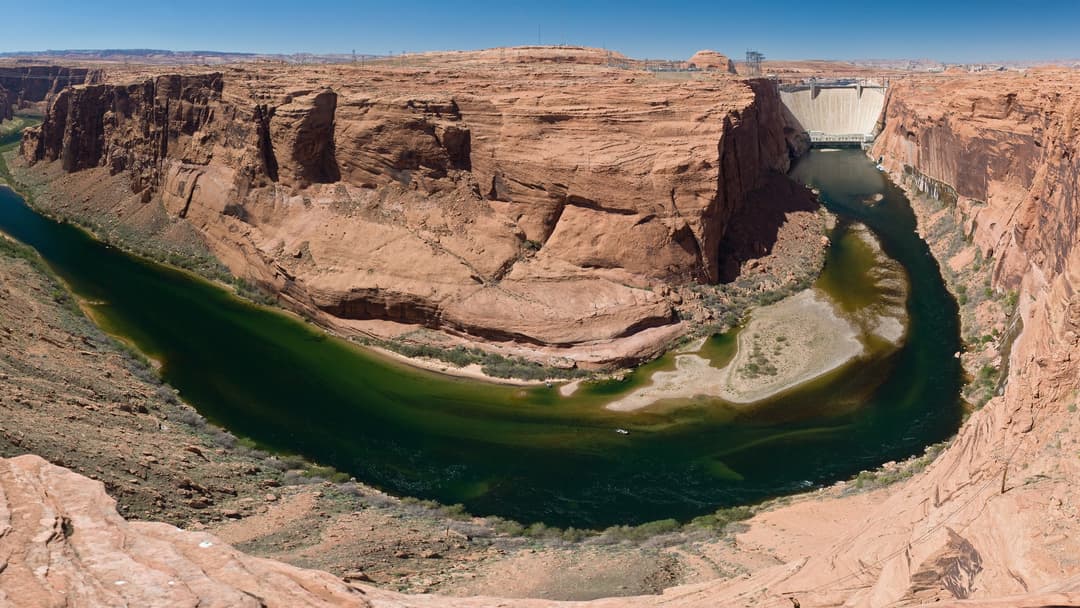
11. Page
Manson Mesa holds Page. Workers founded the settlement in 1957 specifically to house construction crews during the monumental Glen Canyon Dam engineering project. Today desert boaters launch from here.
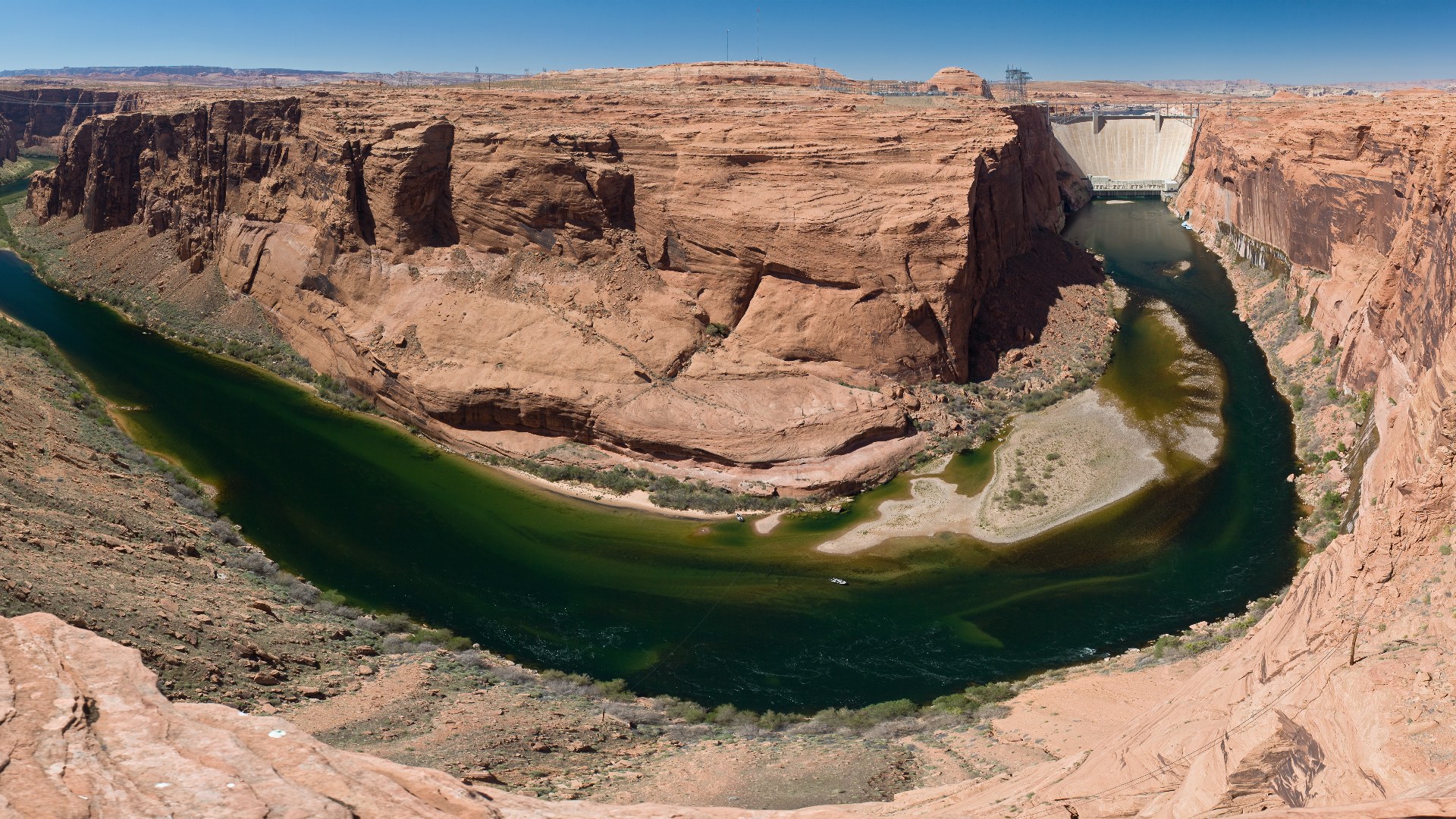
©Wikimedia / Christian Mehlführer
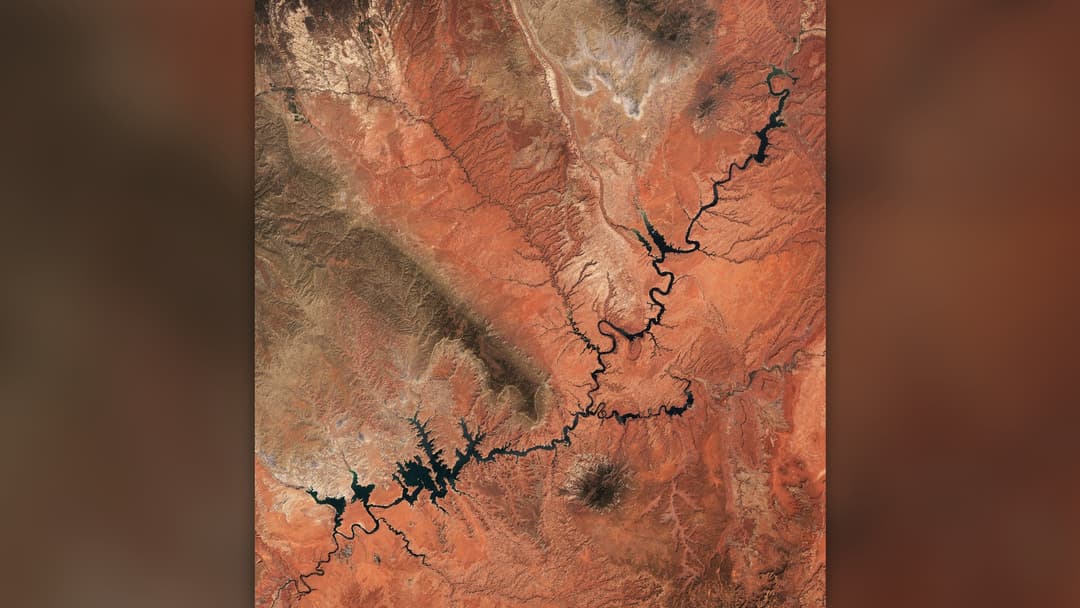
10. Lake Powell
Concrete penned the river. Glen Canyon Dam impounded the Colorado River in 1963, creating a reservoir with nearly two thousand miles of shoreline snaking through sandstone side canyons. Houseboats navigate deep red gorges.
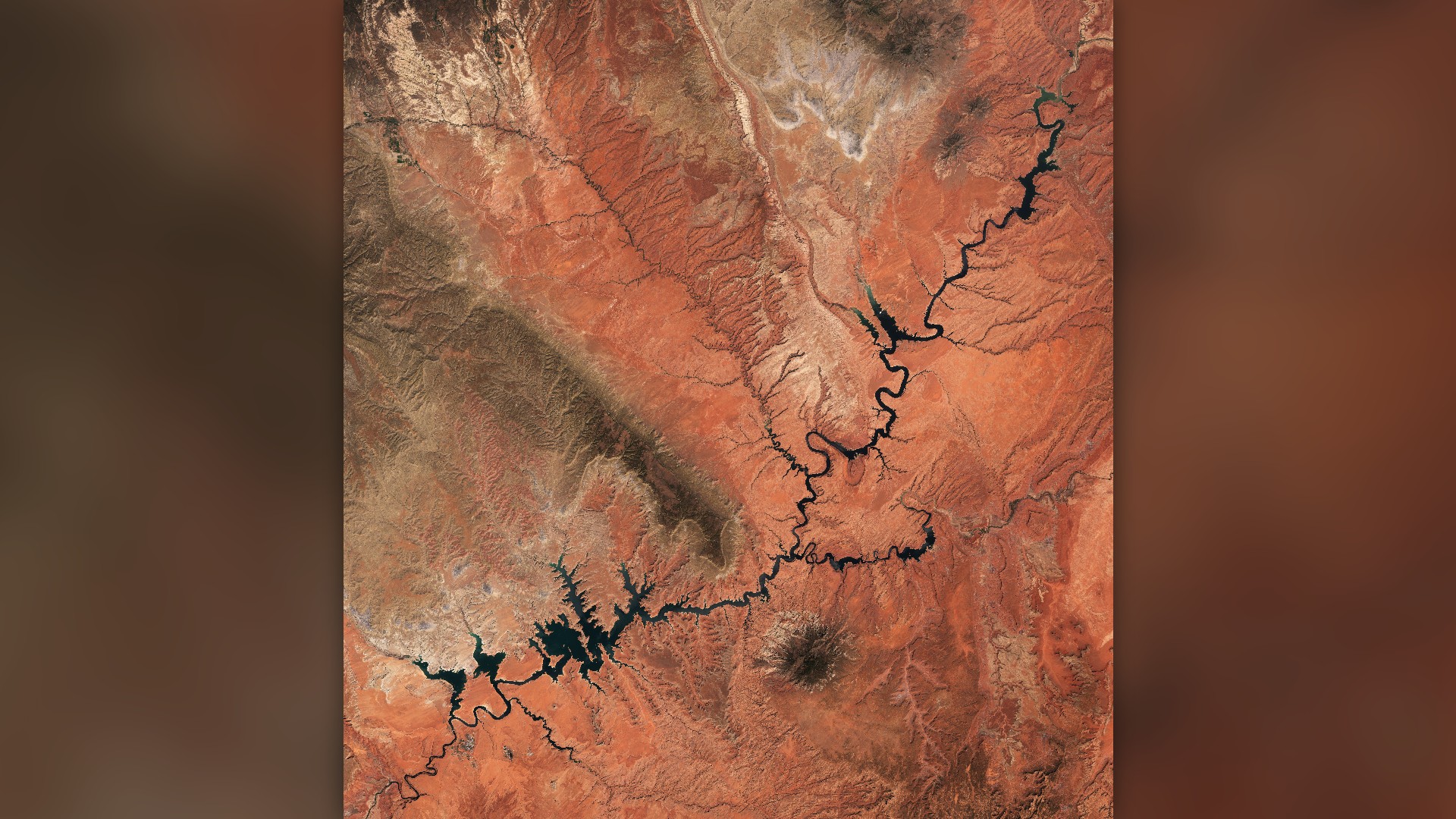
©Wikimedia / Lake Powell
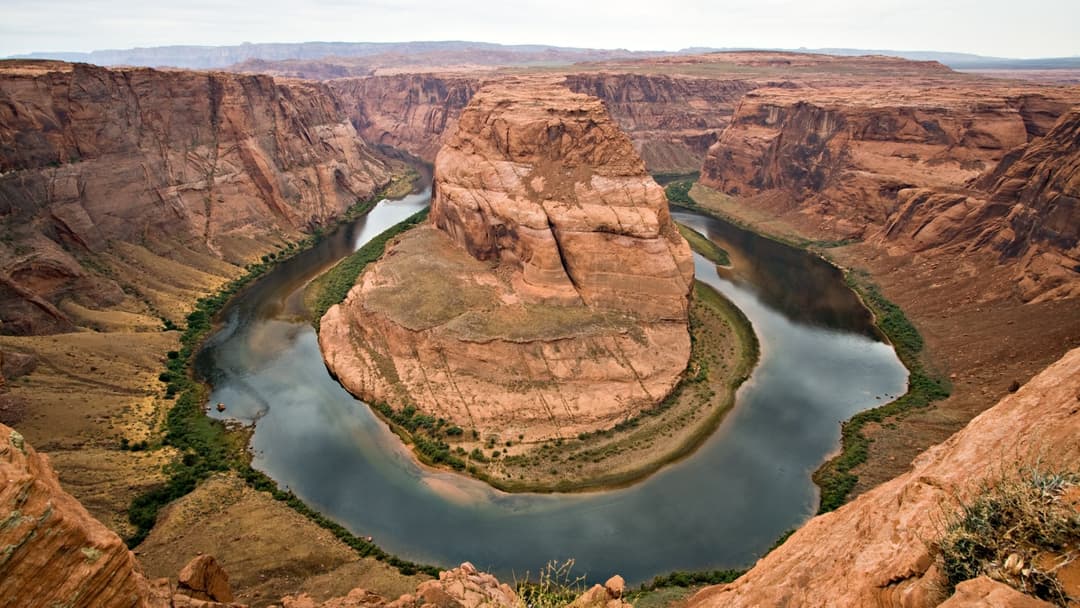
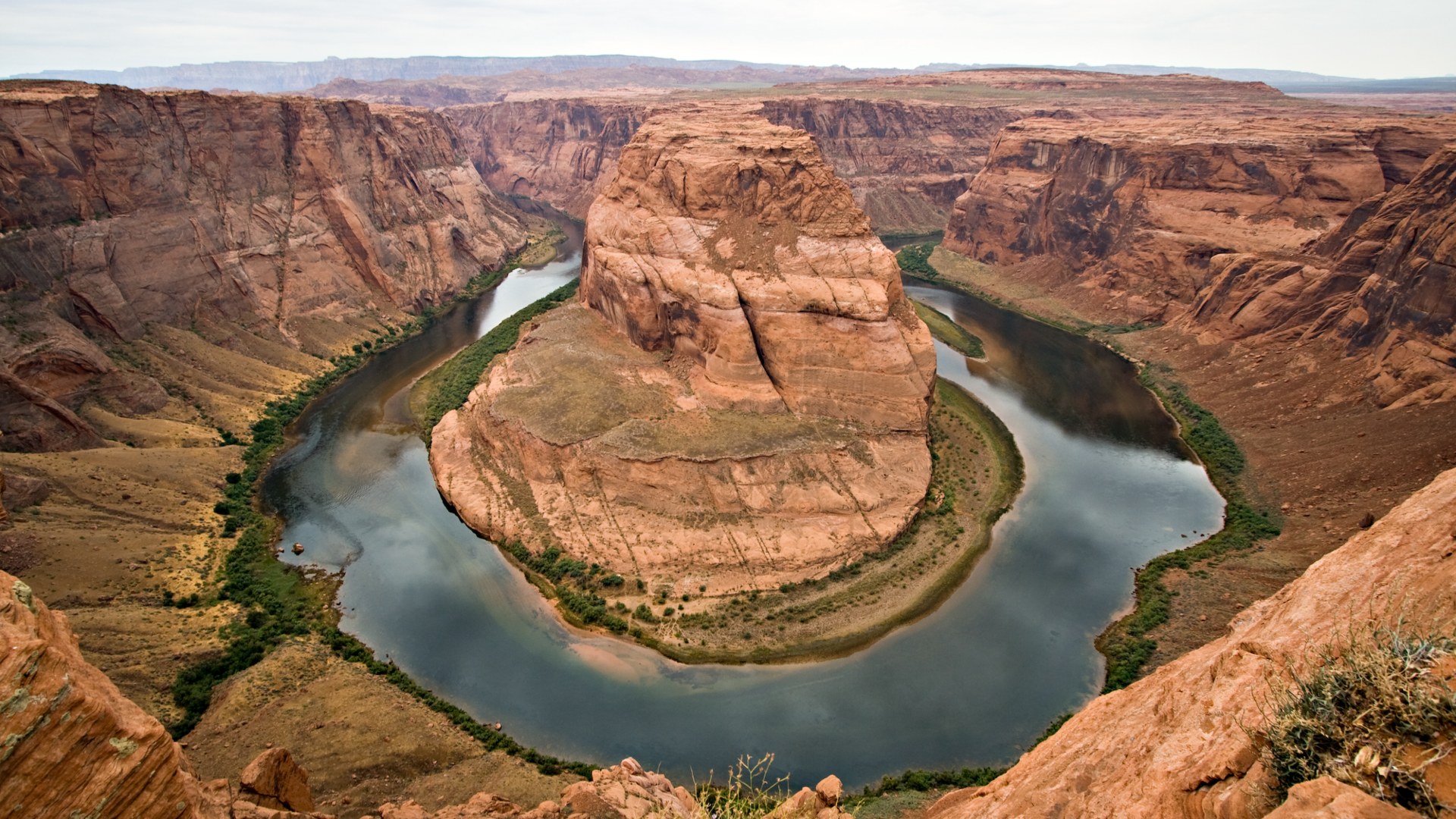
9. Horseshoe Bend
Overlooks drop one thousand feet. Located five miles south of Page, Horseshoe Bend showcases millions of years of water carving through ancient windblown dunes into a horseshoe loop. Emerald waters turn below.
©Wikimedia / Luca Galuzzi
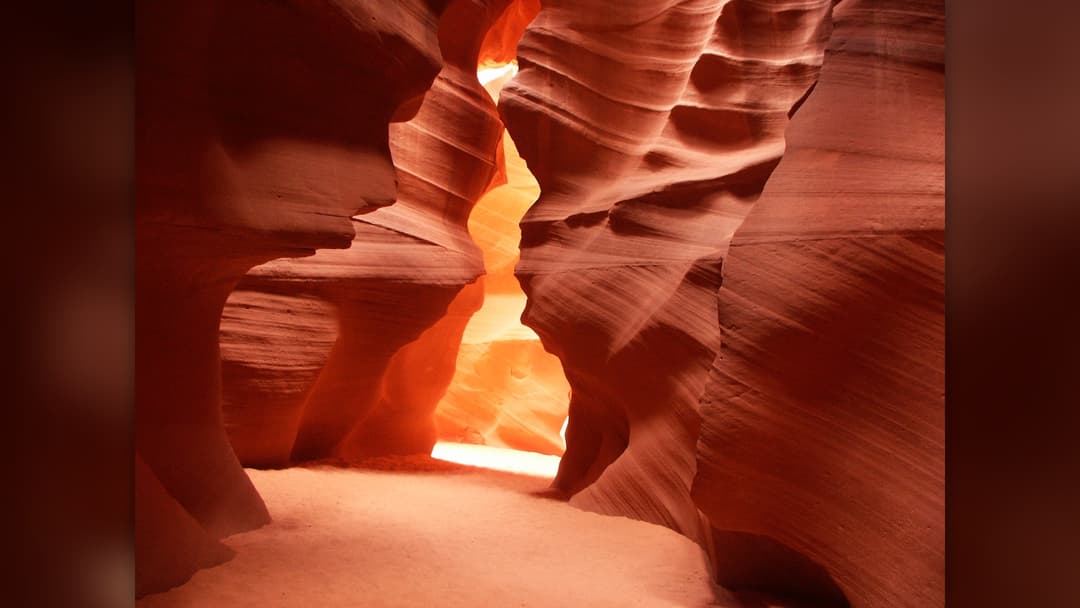
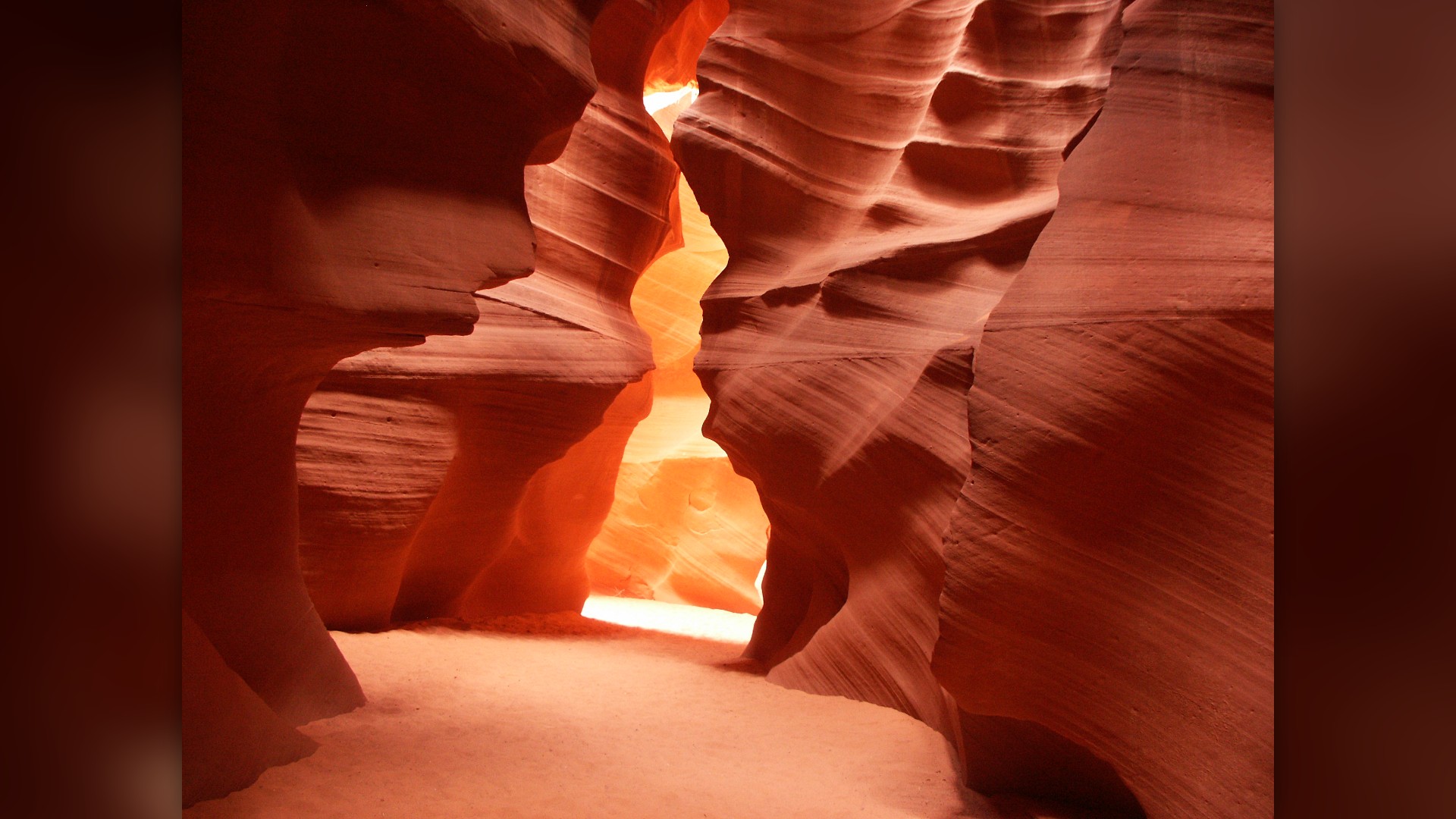
8. Antelope Canyon
Flash floods sculpted sandstone. Located east of Page on Navajo land, Upper and Lower Antelope Canyon display rippling stone corridors carved by seasonal torrential desert rainwater. Midday sunbeams pierce slot openings.
©Wikimedia / Uploaded by Meckimac
Advertisement
Swipe or tap ▶ to resume the countdown.
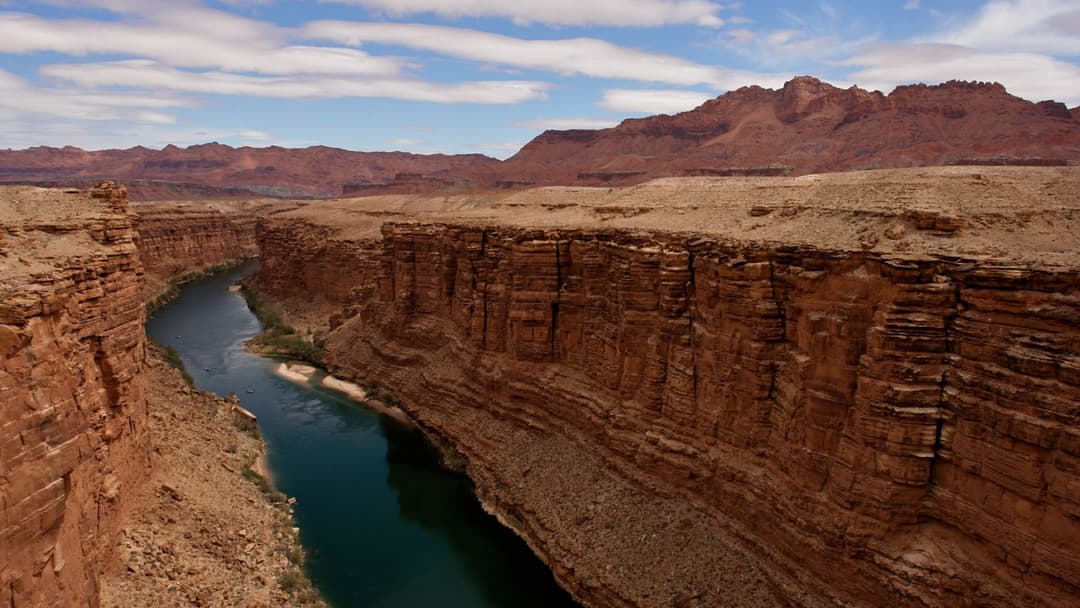
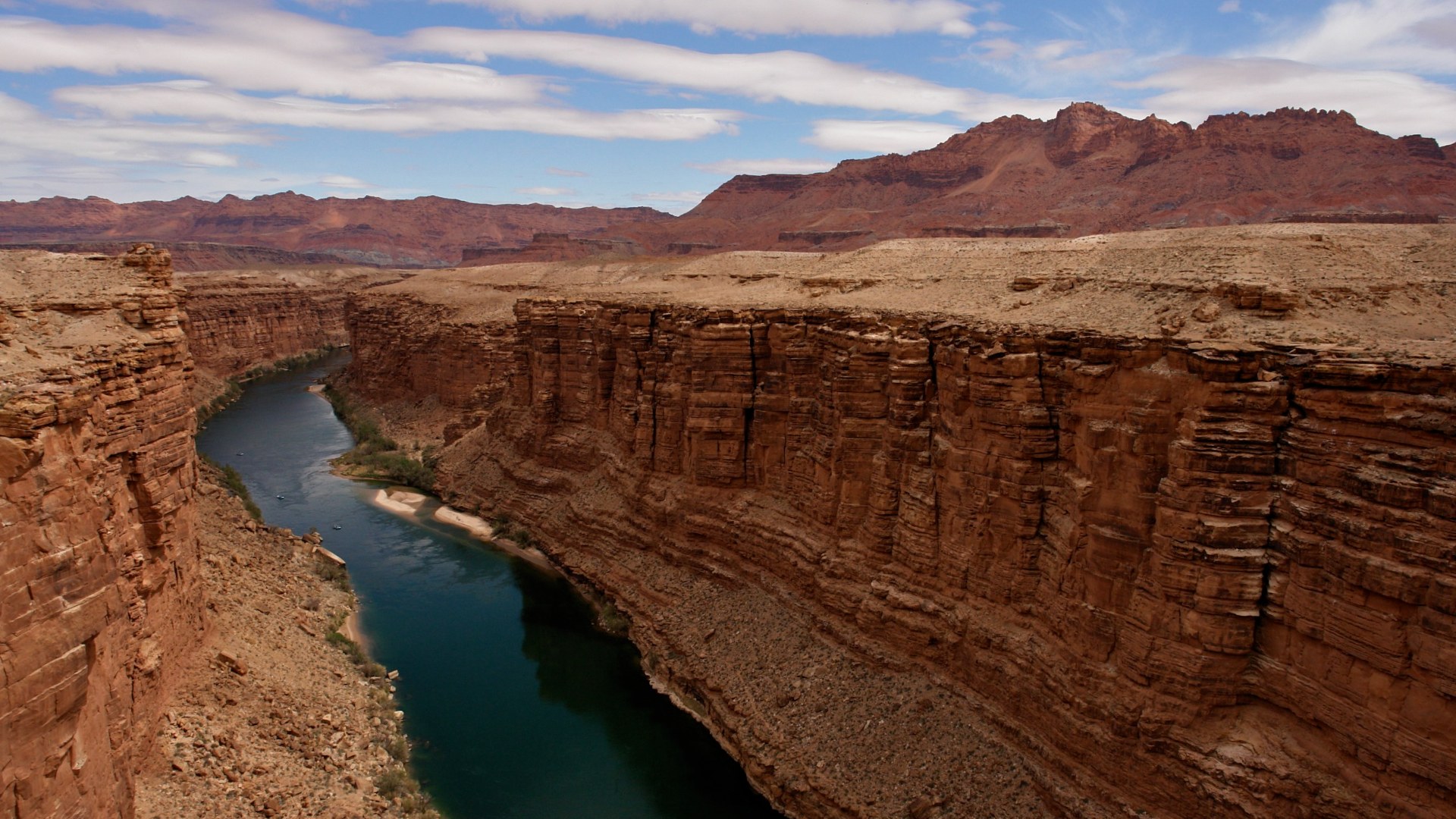
7. Marble Canyon
River expeditions begin here. John Wesley Powell named this canyon section during his 1869 exploration, while twin steel arch bridges now span nearly five hundred feet above green water. Rafts float toward deep rapids.
©Wikimedia / Alex Proimos
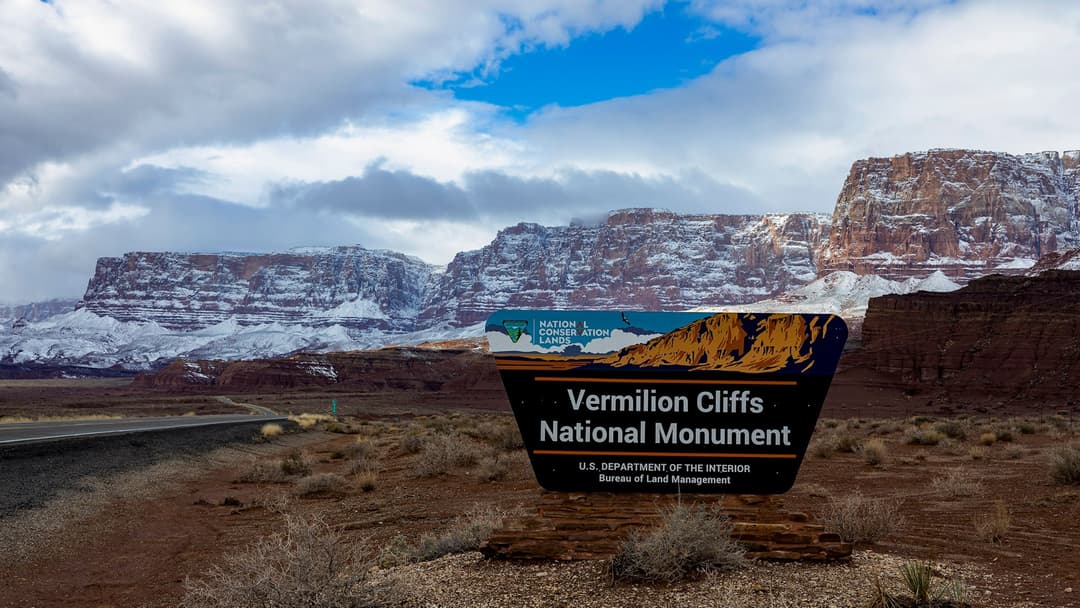
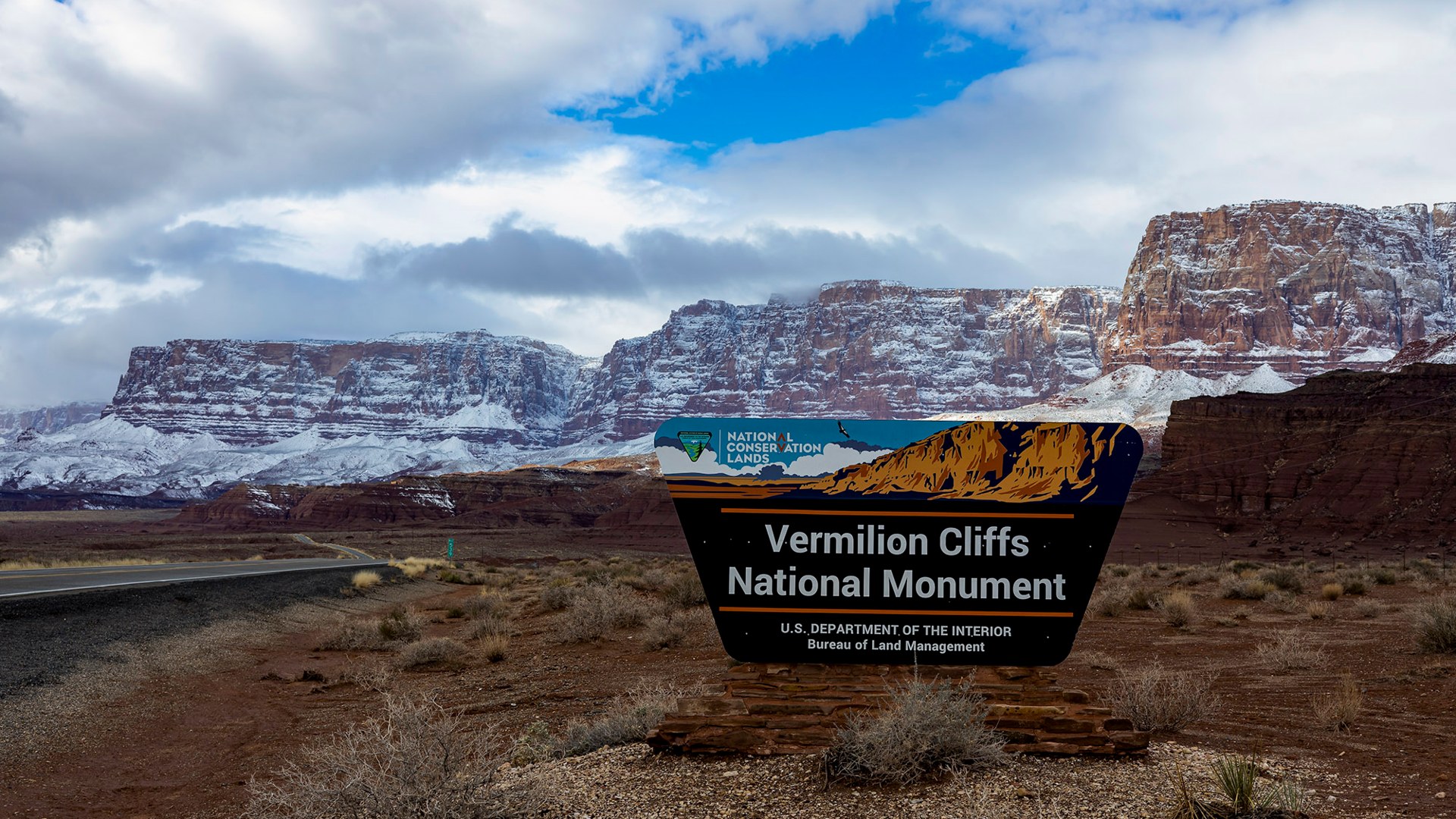
6. Vermilion Cliffs
Paria Plateau rises steeply. Established as a national monument in 2000, this remote wilderness preserves swirling rock formations including The Wave and provides protected release sites for California condors. Sheer red cliffs catch sunrise.
©Wikimedia / Ray Redstone
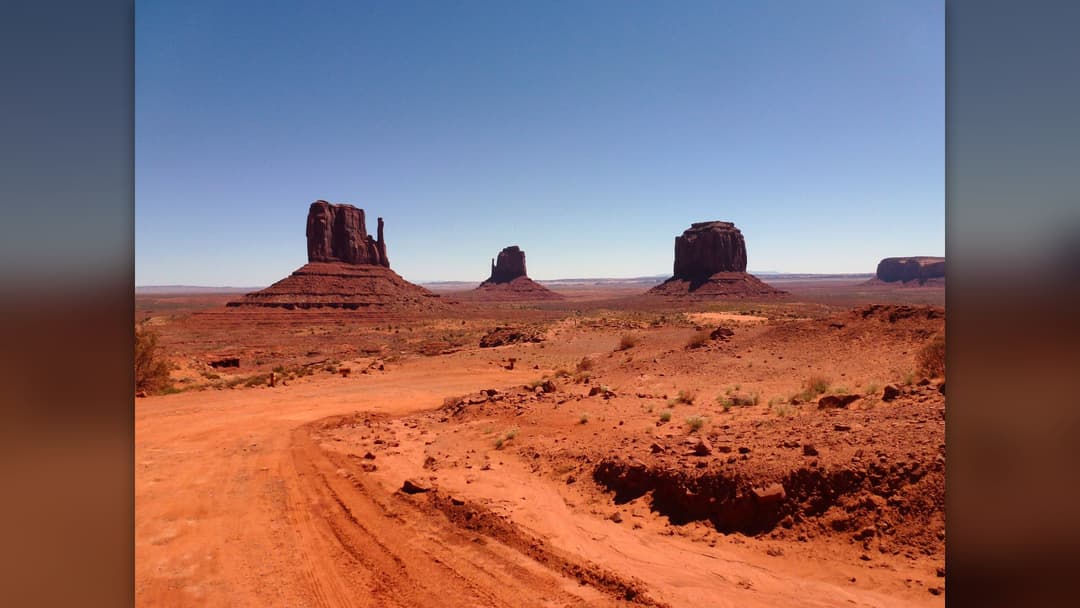
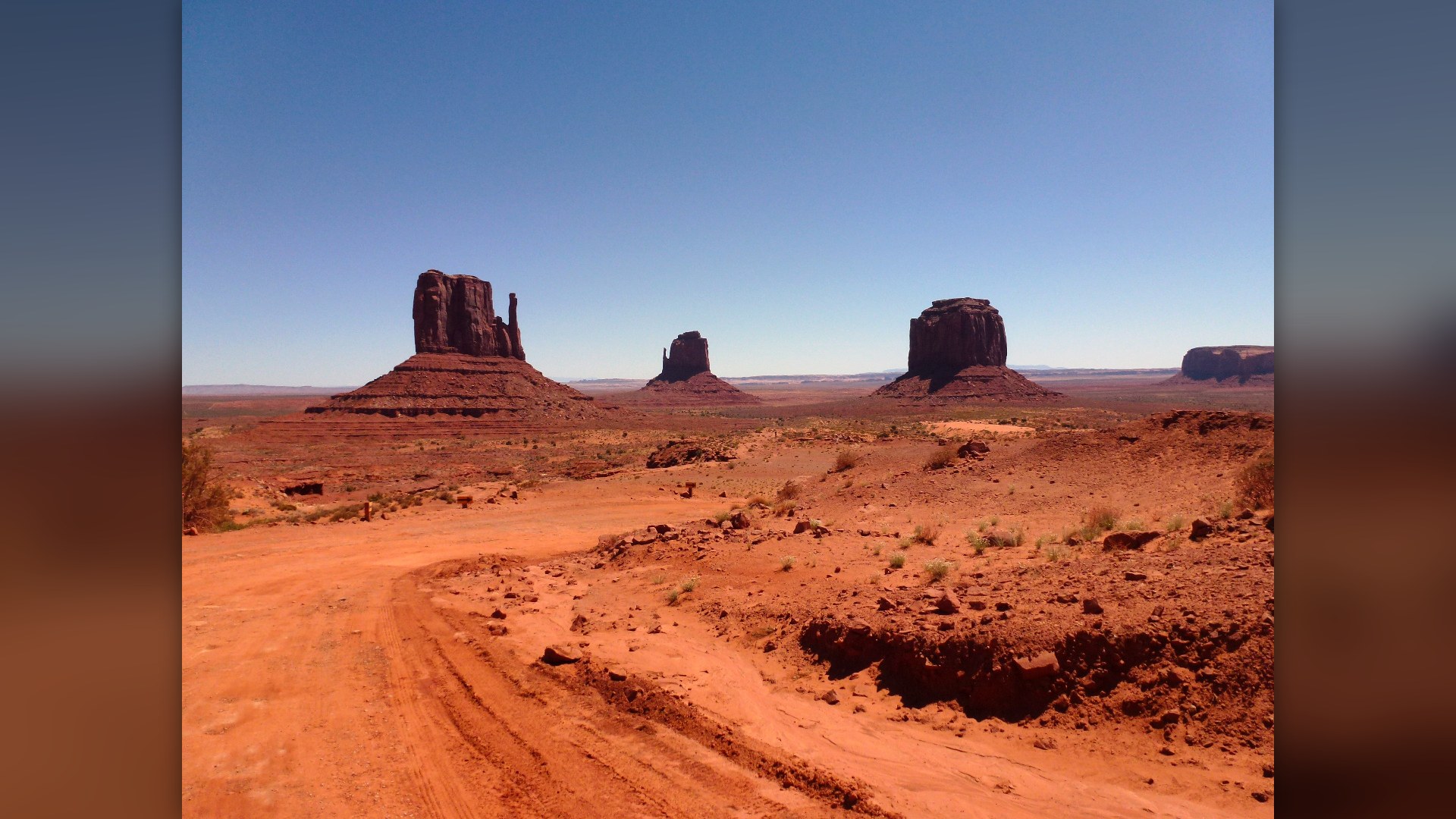
5. Monument Valley
Sandstone towers define horizons. Erosion isolated these towering monoliths over fifty million years, while director John Ford made the valley famous worldwide across classic Western cinema reels. Sacred tribal land surrounds each.
©Wikimedia / Pierre André
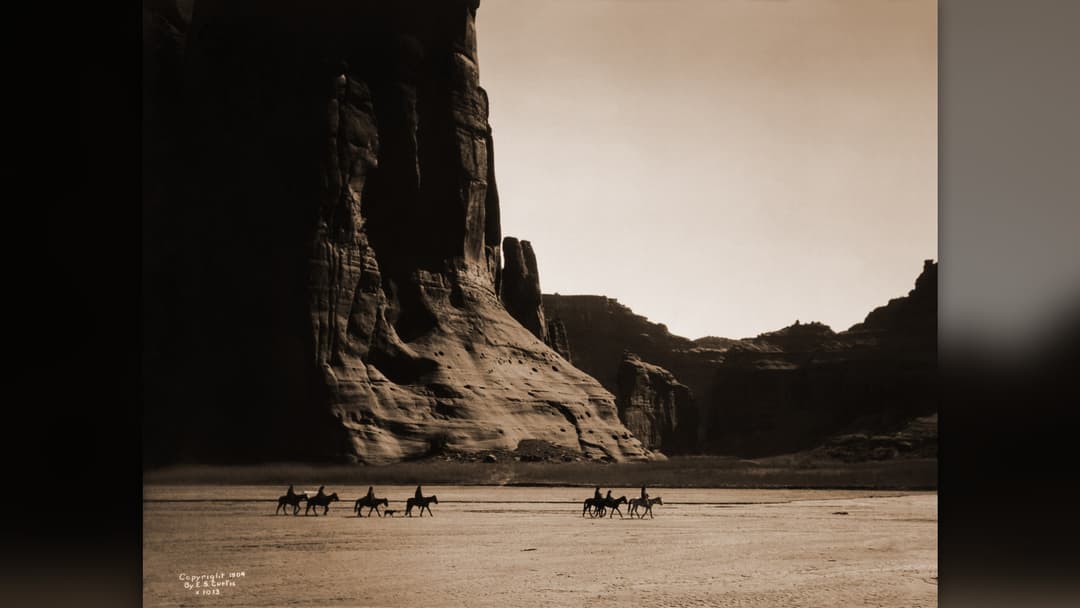
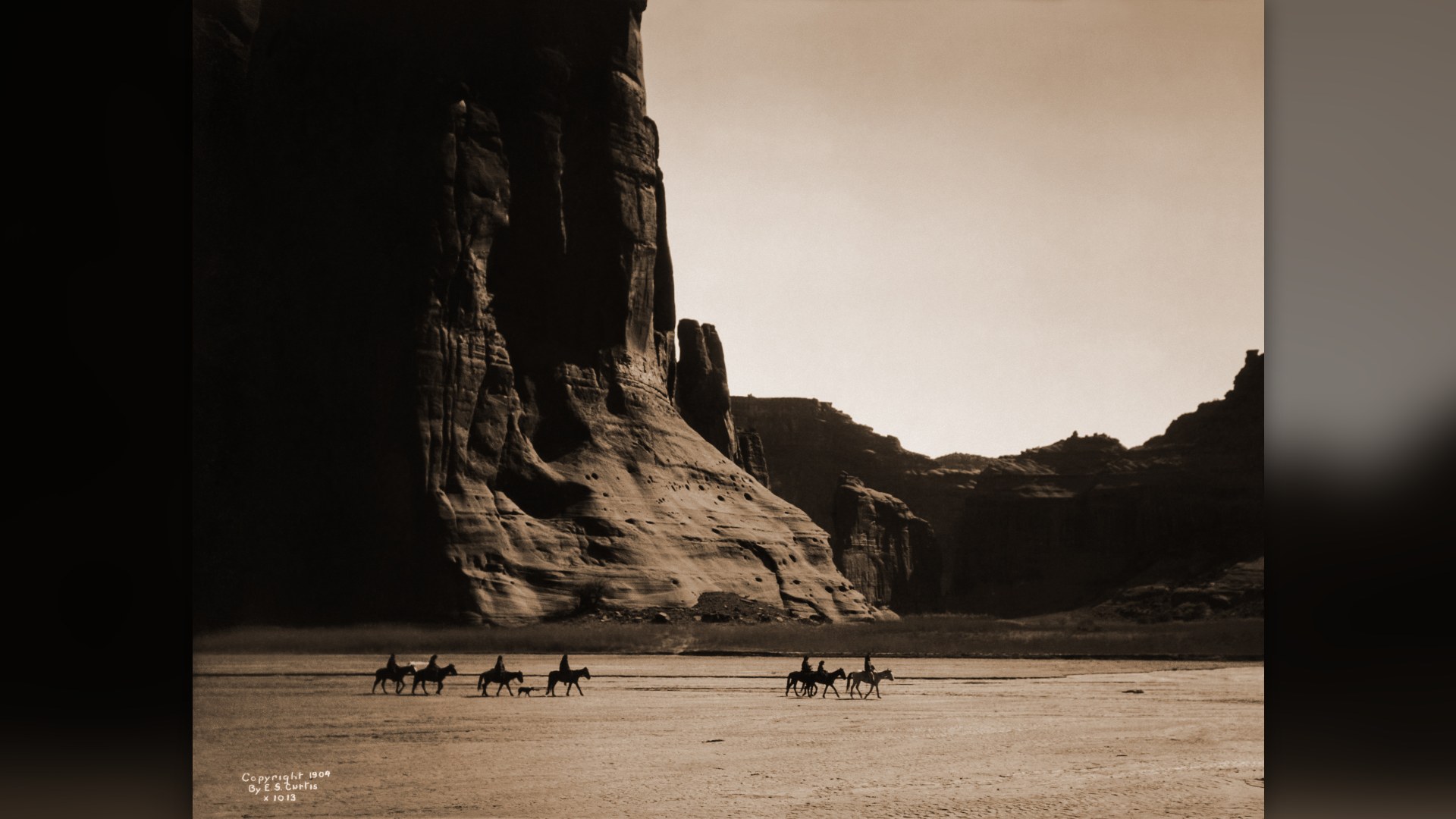
4. Canyon De Chelly
Ancient cliff dwellings endure. Navajo families still cultivate peach orchards on the canyon floor, living alongside sandstone alcoves where ancestral Puebloans built multistory stone rooms five thousand years ago. Sheer canyon walls echo wind.
©Wikimedia / Edward S. Curtis
Advertisement
Swipe or tap ▶ to resume the countdown.
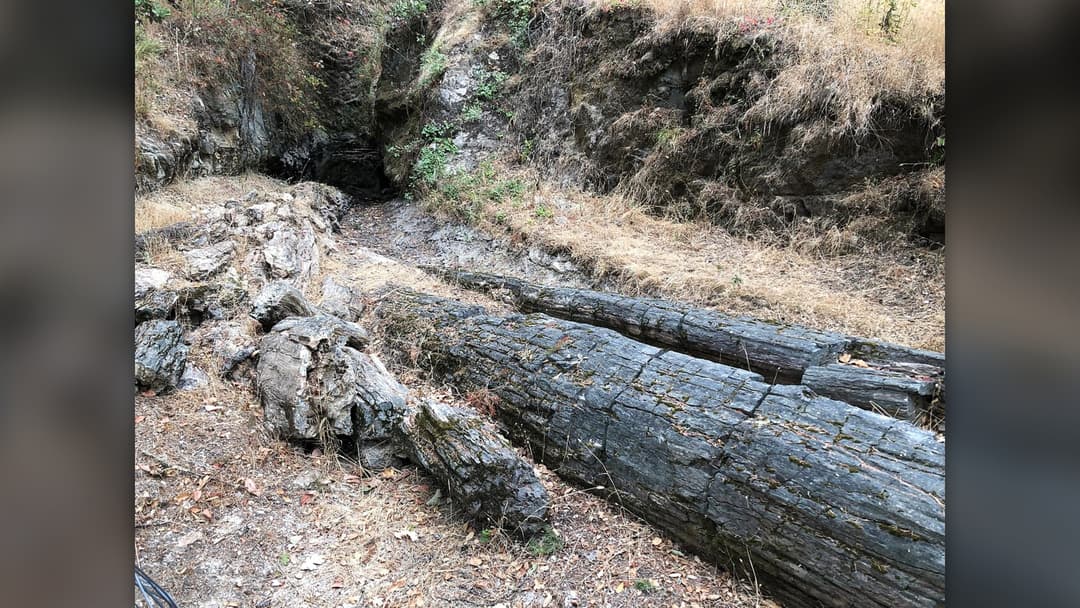
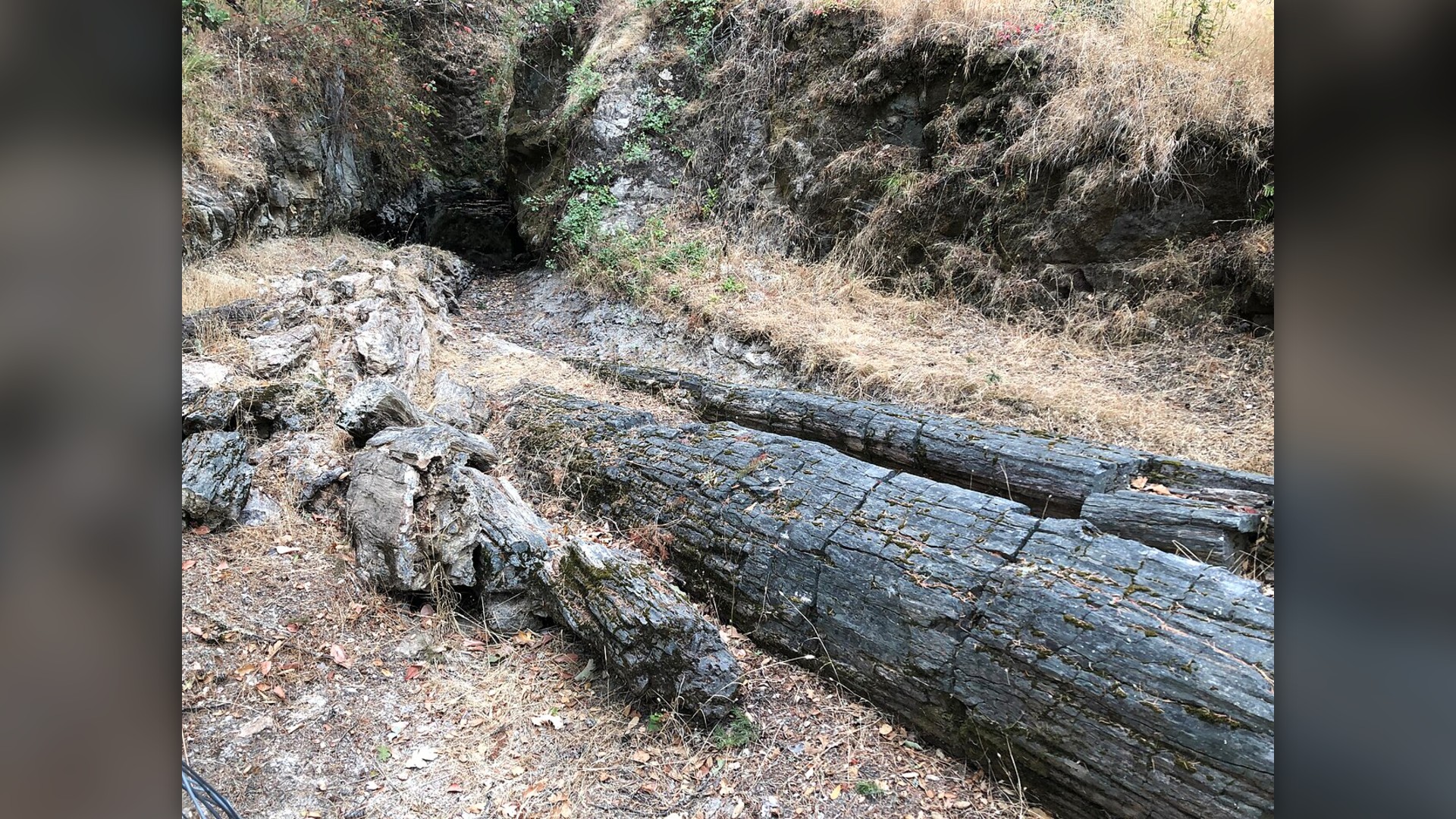
3. Petrified Forest National Park
Prehistoric trees turned into quartz. Located east of Holbrook, this park preserves badland hills alongside original alignment segments of Route 66 where fallen Triassic logs crystallized into brilliant jasper. Banded clays ripple across basins.
©Wikimedia / Lisa Robinson
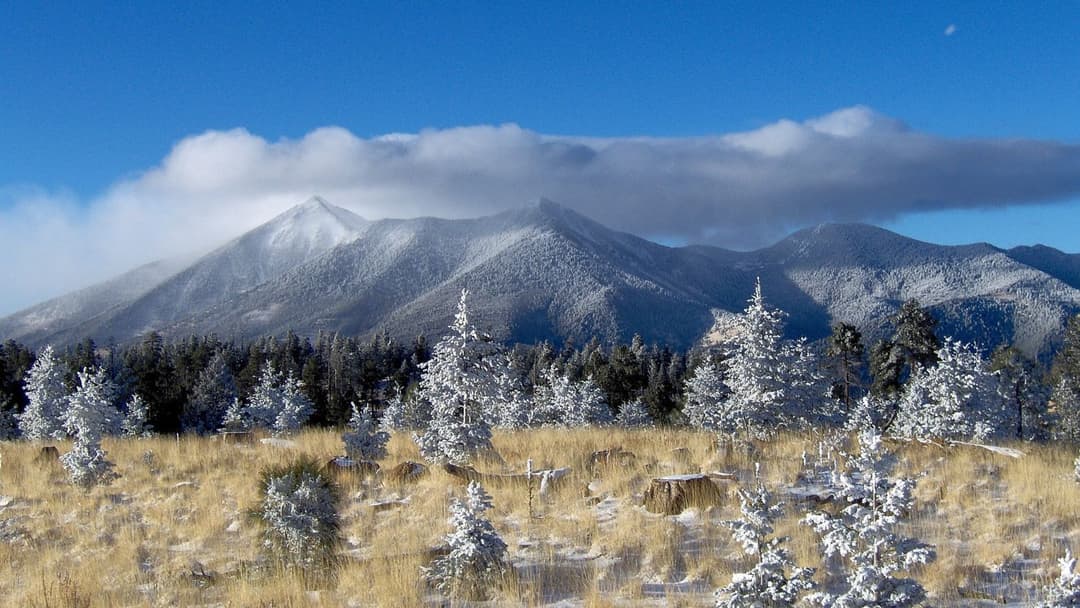
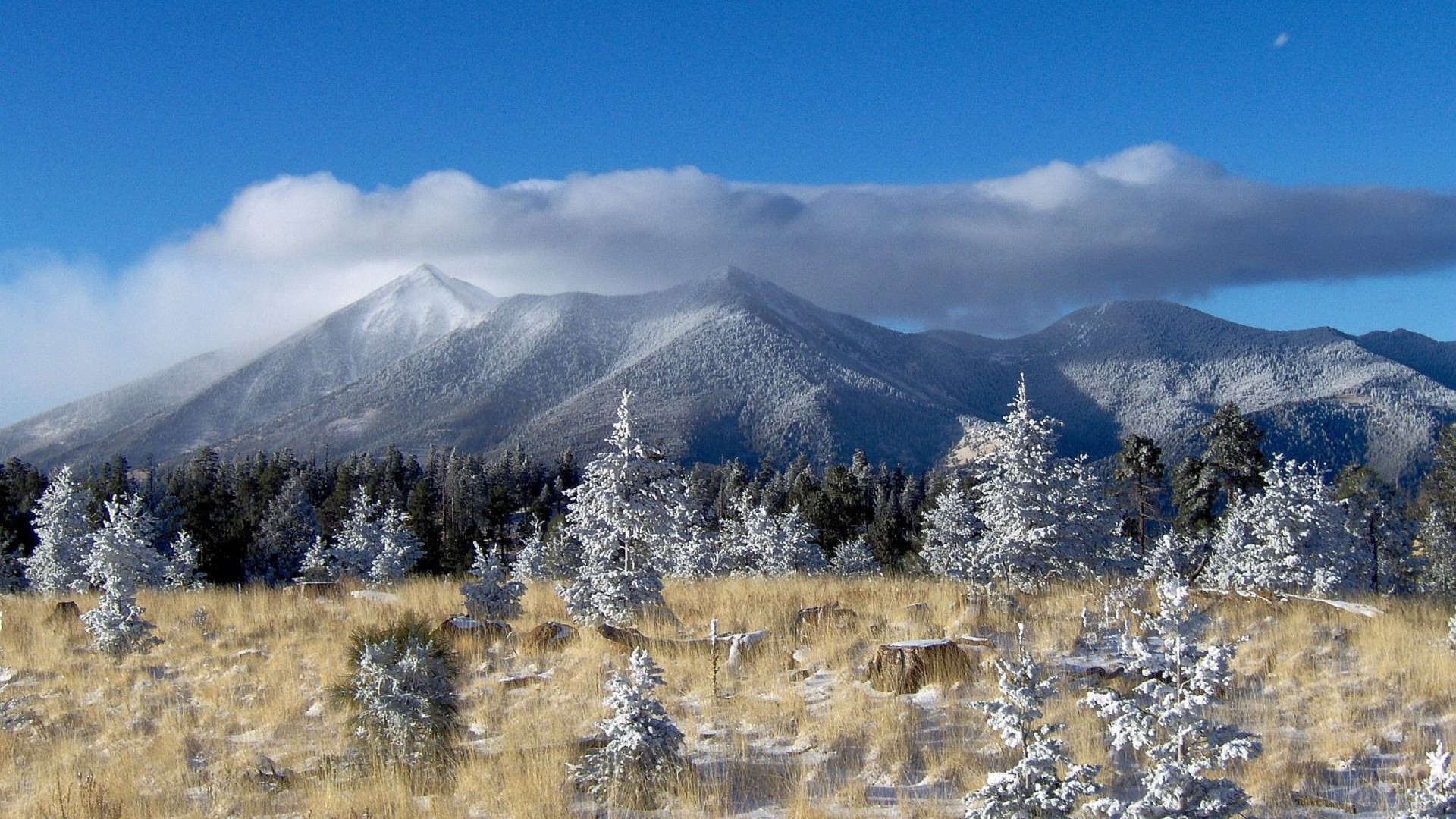
2. San Francisco Peaks
Volcanoes shaped these peaks. Humphreys Peak reaches 12,633 feet above sea level, providing vital alpine water catchments and holding deep spiritual significance for thirteen regional Native nations. Snowcaps crown the highest ridge.
©Wikimedia / San Francisco Peaks
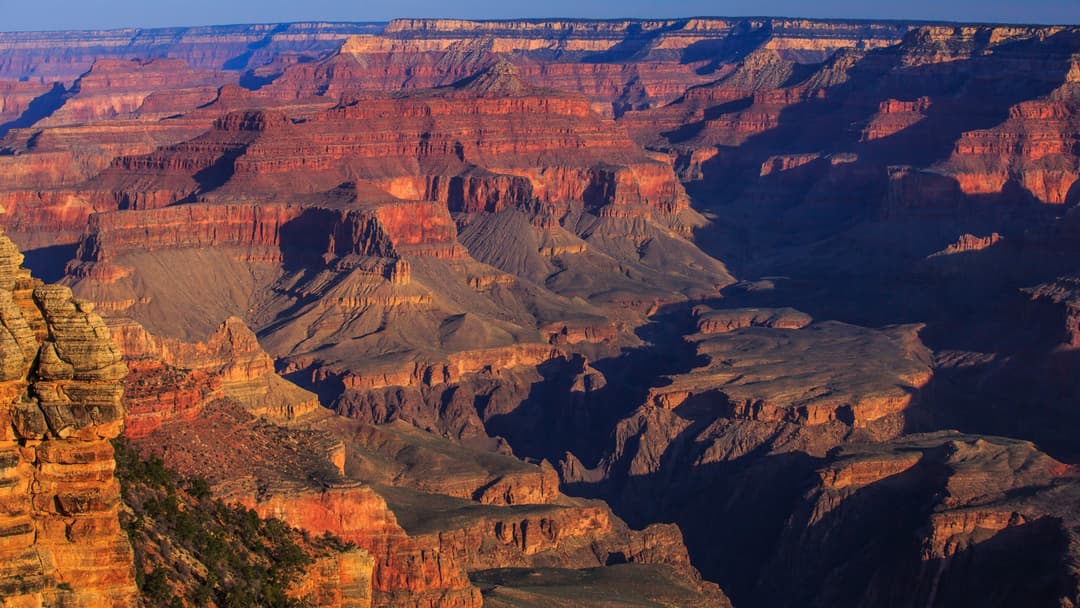
1. Grand Canyon National Park
Two billion years show here. Welcoming over five million visitors each year, the South Rim features stone lodges designed by architect Mary Colter overlooking immense colorful chasms. Immense silence fills every canyon rim.
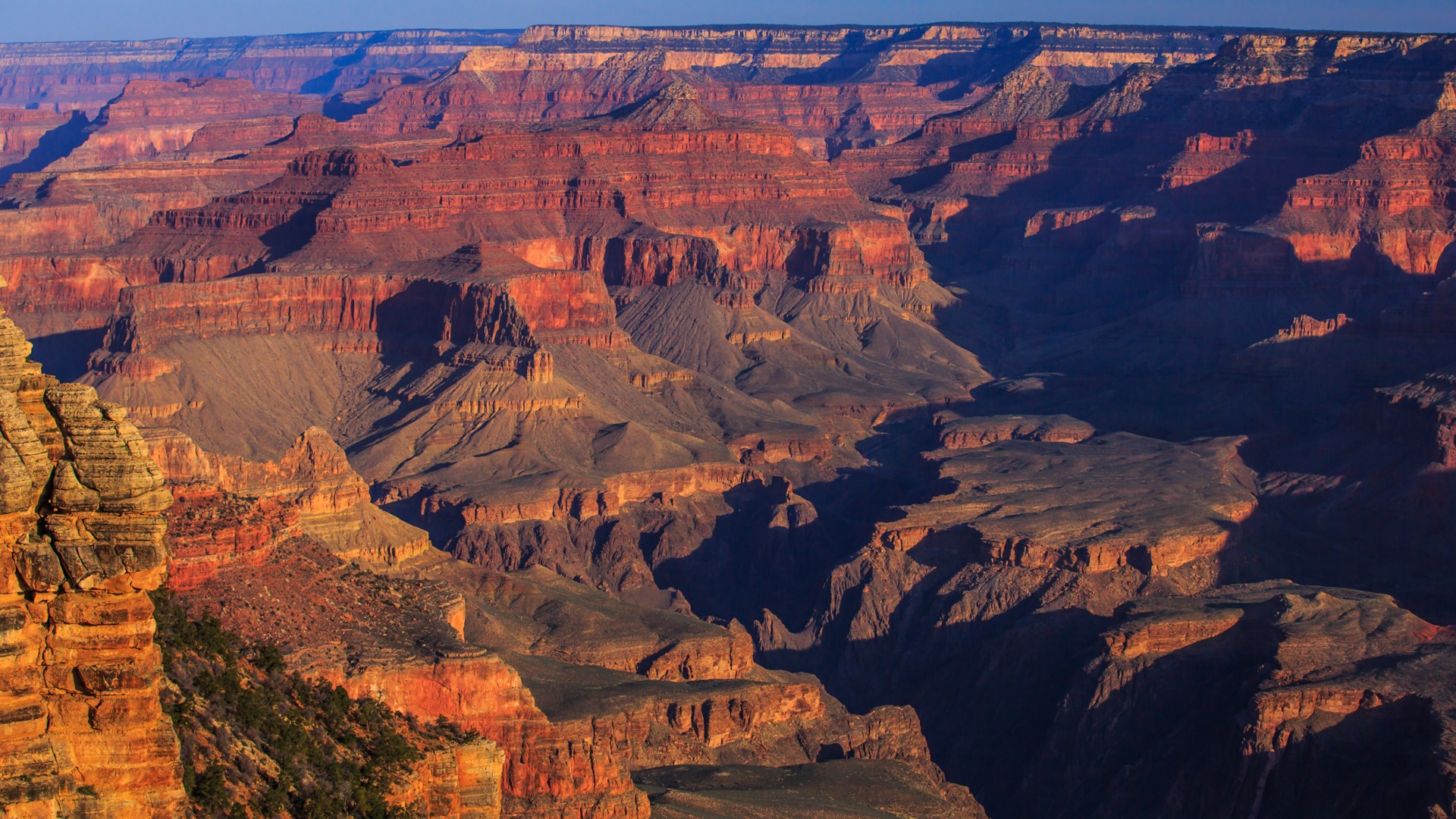
©Wikimedia / Grand Canyon National Park
Advertisement
You've reached the end of the story. Thanks for reading!

22 Famous Beaches That Are Way Better During Shoulder Season
Compiled by travel analysts based on TripAdvisor Travelers' Choice rankings and Blue Flag standards, these 22 award-winning beaches offer peaceful shores in shoulder season.
All 22 Entries in this Story
22. Oatman
Wild burros roam freely. Gold miners founded Oatman in 1906 before Route 66 motorists adopted the settlement as a steep mountain pass checkpoint. Wooden sidewalks still line Main Street.

21. Kingman
Rail lines arrived first. Kingman quickly grew into the administrative capital of Mohave County, preserving classic neon signs and vintage service stations along Andy Devine Avenue. Vintage motels still welcome travelers.

20. Seligman
Interstate 40 bypassed Seligman. Local barber Angel Delgadillo organized business owners to establish the Historic Route 66 Association of Arizona, reviving automobile tourism. Modern highway preservation began right here.

19. Holbrook
Cattle trails started everything. Holbrook later welcomed cross-country motorists with the famous 1950 Wigwam Motel, built entirely of reinforced concrete and stucco teepees. High desert winds sweep the depot.

18. Winslow
Railroads shaped Winslow. Architect Mary Colter designed La Posada Hotel here in 1930 as the principal division point for the Santa Fe Railway line. Classic rock fame followed decades later.

17. Williams
Ponderosa pines line Williams. This mountain town was the final Route 66 community bypassed by Interstate 40 when bypass lanes opened in 1984. Historic steam trains still run north.

16. Flagstaff
Pluto was discovered here. Sitting at seven thousand feet elevation, Flagstaff links historic Route 66 heritage with Lowell Observatory and extensive national forest trail networks. Mountain air cools downtown streets.

15. Jerome
Copper built Cleopatra Hill. Founded in 1876, Jerome survived multiple dramatic hillside landslides before reinventing itself into a thriving haven for regional artisans and craft workshops. Narrow roads snake past cliffs.

14. Clarkdale
Copper smelters drove Clarkdale. Senator William Andrews Clark constructed the community in 1912 as Arizona's first planned company town, framing residential parks around a brick plaza. Green river waters flow nearby.

13. Cottonwood
Bootleggers thrived during Prohibition. Today Cottonwood serves as the commercial heart of the Verde Valley wine region, featuring preserved stone storefronts and tasting rooms along North Main Street. Old sycamores shade side alleys.

12. Sedona
Iron oxide stains sandstone. Sedona attracts millions of annual visitors to hike around Cathedral Rock and explore scenic canyon switchbacks beside rushing Oak Creek currents. Red rock spires tower overhead.

11. Page
Manson Mesa holds Page. Workers founded the settlement in 1957 specifically to house construction crews during the monumental Glen Canyon Dam engineering project. Today desert boaters launch from here.

10. Lake Powell
Concrete penned the river. Glen Canyon Dam impounded the Colorado River in 1963, creating a reservoir with nearly two thousand miles of shoreline snaking through sandstone side canyons. Houseboats navigate deep red gorges.

9. Horseshoe Bend
Overlooks drop one thousand feet. Located five miles south of Page, Horseshoe Bend showcases millions of years of water carving through ancient windblown dunes into a horseshoe loop. Emerald waters turn below.

8. Antelope Canyon
Flash floods sculpted sandstone. Located east of Page on Navajo land, Upper and Lower Antelope Canyon display rippling stone corridors carved by seasonal torrential desert rainwater. Midday sunbeams pierce slot openings.

7. Marble Canyon
River expeditions begin here. John Wesley Powell named this canyon section during his 1869 exploration, while twin steel arch bridges now span nearly five hundred feet above green water. Rafts float toward deep rapids.

6. Vermilion Cliffs
Paria Plateau rises steeply. Established as a national monument in 2000, this remote wilderness preserves swirling rock formations including The Wave and provides protected release sites for California condors. Sheer red cliffs catch sunrise.

5. Monument Valley
Sandstone towers define horizons. Erosion isolated these towering monoliths over fifty million years, while director John Ford made the valley famous worldwide across classic Western cinema reels. Sacred tribal land surrounds each.

4. Canyon De Chelly
Ancient cliff dwellings endure. Navajo families still cultivate peach orchards on the canyon floor, living alongside sandstone alcoves where ancestral Puebloans built multistory stone rooms five thousand years ago. Sheer canyon walls echo wind.

3. Petrified Forest National Park
Prehistoric trees turned into quartz. Located east of Holbrook, this park preserves badland hills alongside original alignment segments of Route 66 where fallen Triassic logs crystallized into brilliant jasper. Banded clays ripple across basins.

2. San Francisco Peaks
Volcanoes shaped these peaks. Humphreys Peak reaches 12,633 feet above sea level, providing vital alpine water catchments and holding deep spiritual significance for thirteen regional Native nations. Snowcaps crown the highest ridge.

1. Grand Canyon National Park
Two billion years show here. Welcoming over five million visitors each year, the South Rim features stone lodges designed by architect Mary Colter overlooking immense colorful chasms. Immense silence fills every canyon rim.