Slideshow · Animals
20 Female Animals Who Feel Jealous to Share Their Partner
Explore twenty remarkable female animals that fiercely protect their partners and territory. From aggressive prairie voles to dominant spotted hyena matriarchs, discover the surprising science of female mate-guarding, based on research from National Geographic, BBC Earth, and leading zoological studies.
By Most Viral Today
14 min ago

Fierce Defenders. Powerful female animal guardians. 
20. Prairie Vole. Intense Partner Bonding. 
19. Gray Wolf. Alpha Female Dominance. 
18. Eurasian Beaver. Lifelong Monogamy. - AdvertisementSwipe or tap ▶ to continue countdown

17. Gibbon. Territorial Morning Duets. 
16. California Mouse. Strict Pair Fidelity. 
15. Kirk's Dik Dik. Small But Mighty Defense. 
14. Coyote. Winter Breeding Aggression. - AdvertisementSwipe or tap ▶ to continue countdown

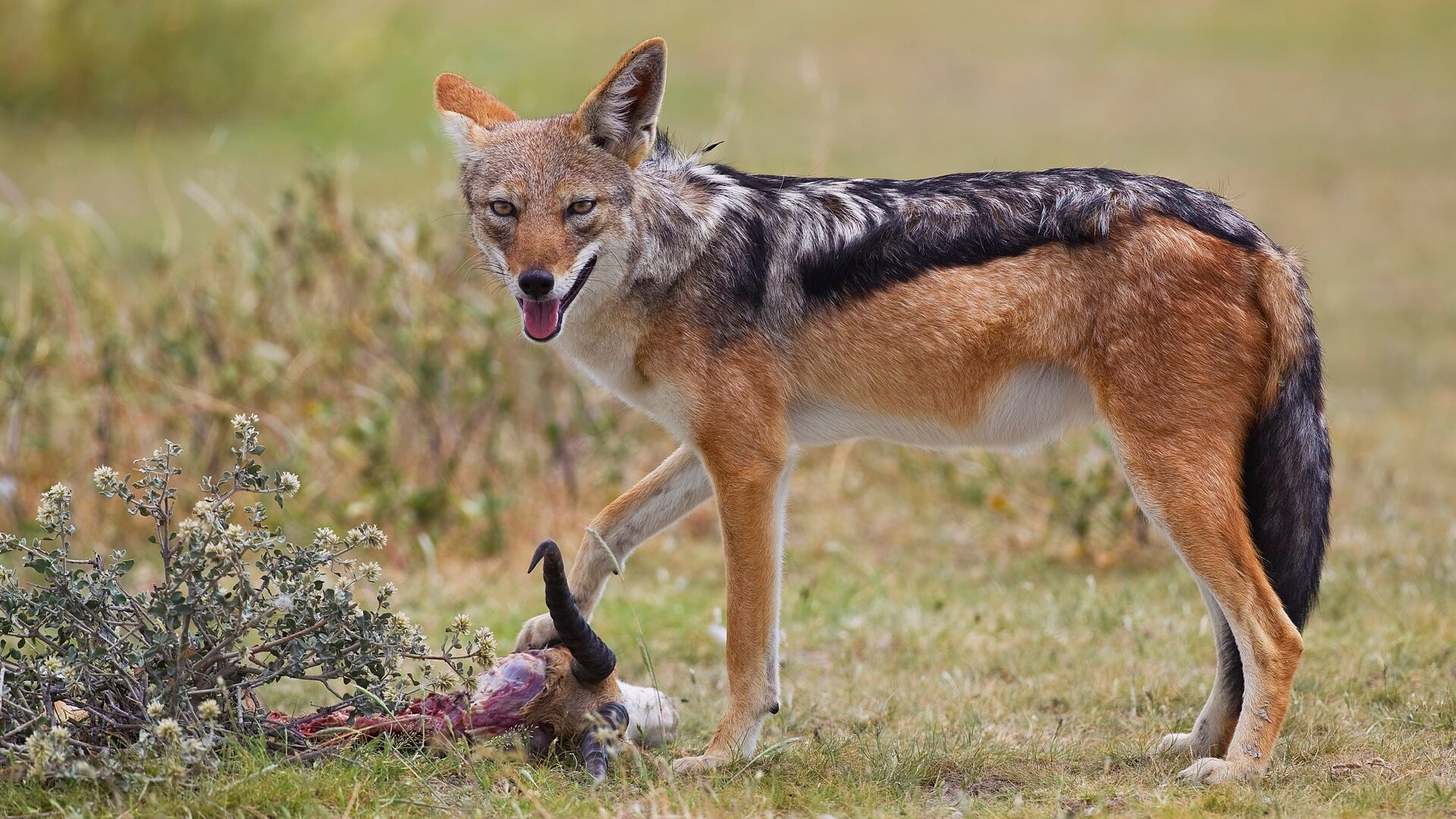
13. Black Backed Jackal. Exclusive Pair Hunters. 
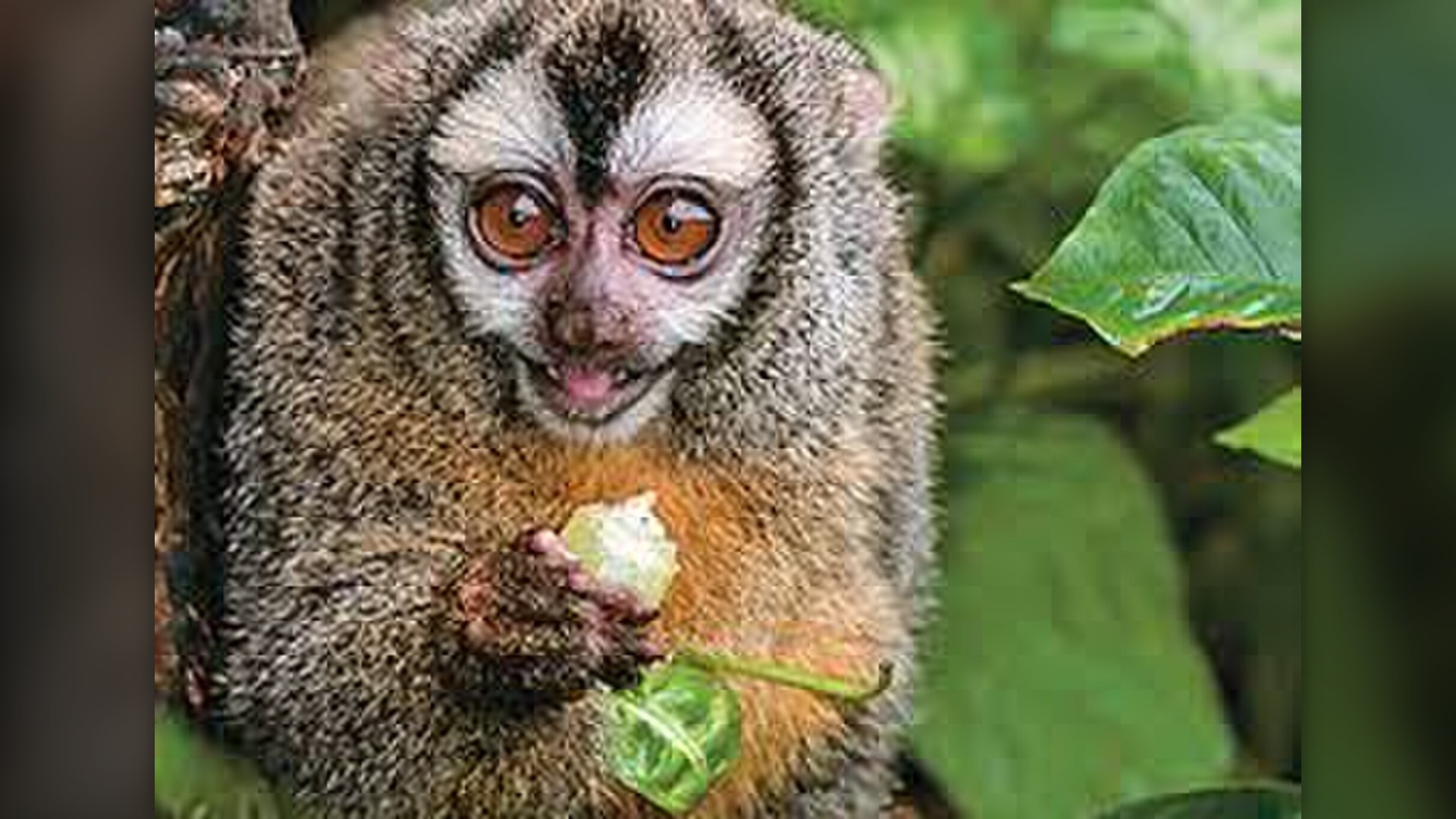
12. Owl Monkey. Rare Primate Monogamy. 
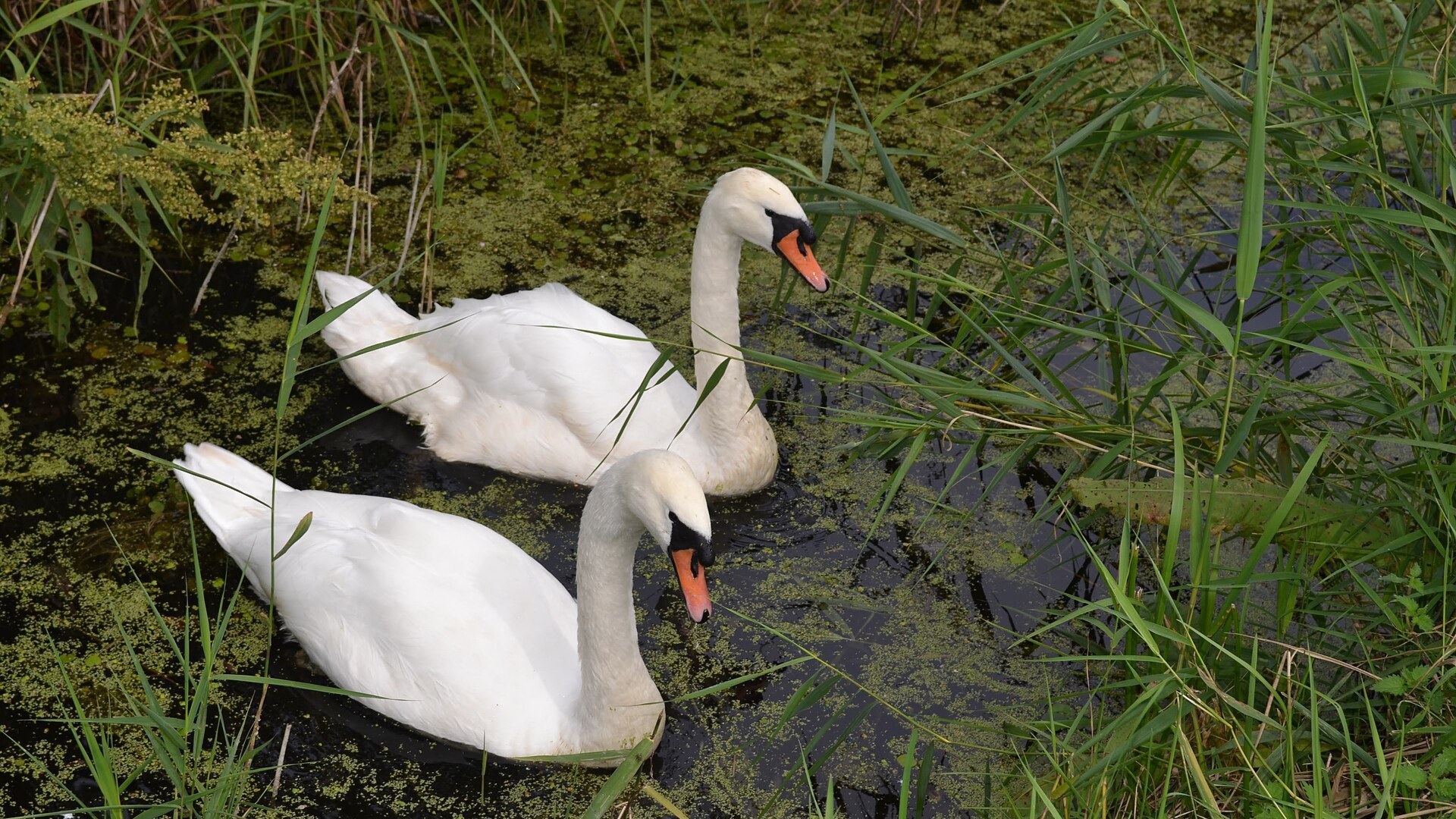
11. Mute Swan. Lifelong Nesting Defense. 
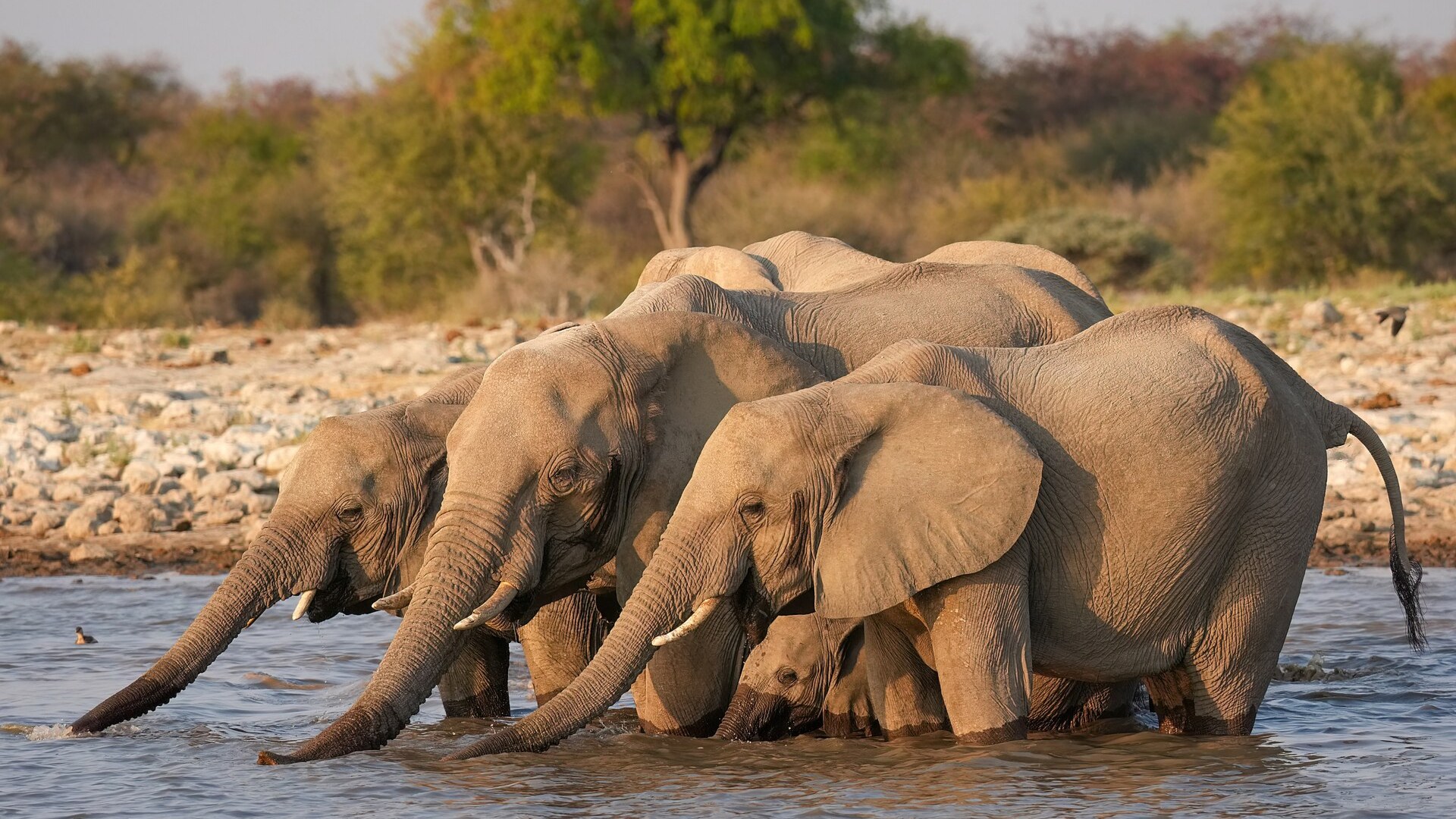
10. African Elephant. Matriarchal Protection. - AdvertisementSwipe or tap ▶ to continue countdown

9. Meerkat. Alpha Female Control. 
8. Honey Bee. Absolute Queen Dominance. 
7. House Spider. Female Web Superiority. 
6. Mantis Shrimp. Burrows Defended In Pairs. - AdvertisementSwipe or tap ▶ to continue countdown

5. Cichlid Fish. Fierce Spawning Site Guarding. 
4. Red Fox. Vixen Den Dominance. 
3. Spotted Hyena. Matriarch Clan Authority. 
2. Emperor Penguin. Ice Nesting Exclusivity. - AdvertisementSwipe or tap ▶ to continue countdown

1. Hornbill. Sealed Cavity Monogamy. - Advertisement🔥 UP NEXT IN THIS SERIES◫ 21 Slides

20 Dog Breeds that are hard to Train: Ranked
Training a dog requires patience, but certain breeds test even veteran handlers. Independent hounds, stubborn terriers, and aloof guardians were bred to work without human direction. Based on Stanley Coren canine cognition research and American Kennel Club breed standards, here are 20 breeds that resist basic drills.
Across the animal kingdom, females frequently spearhead the defense of their family units and mates. Whether driving off rival females or patrolling frontiers, these twenty species prove loyalty is fiercely enforced. Based on field reports from National Geographic, BBC Earth, and wildlife conservation researchers.
Swipe or tap ▶ to begin the countdown
©Wikimedia / Katy6800 & Wikimedia / Diego Delso
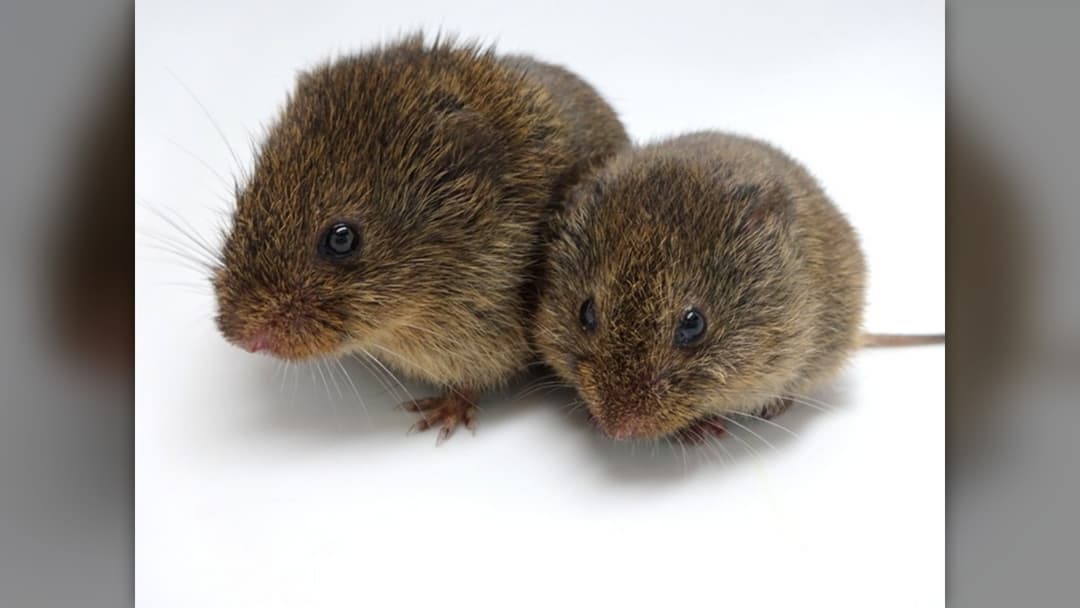
20. Prairie Vole. Intense Partner Bonding.
Female prairie voles form lifelong pair bonds triggered by oxytocin and vasopressin receptor stimulation during mating. Once bonded, a female attacks unfamiliar female intruders within seconds to prevent mate poaching. Pairs share underground nests across North American grasslands.
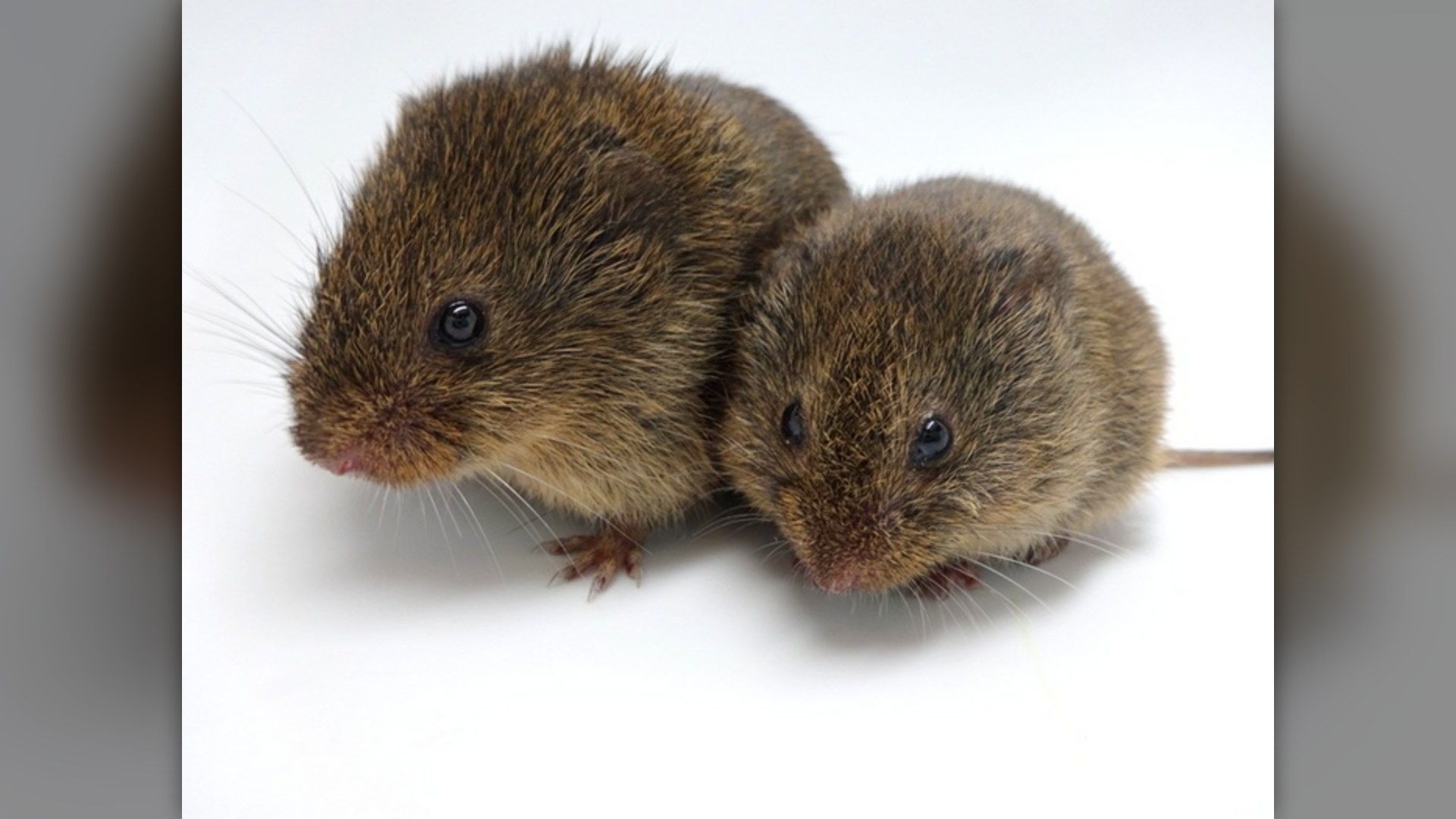
©Wikimedia / Nastacia Goodwin
19. Gray Wolf. Alpha Female Dominance.
In a gray wolf pack, the dominant alpha female monopolizes reproductive rights and actively prevents subordinate females from mating. She patrols territorial borders and will physically expel any lone female approaching her breeding partner in national parks like Yellowstone.

©Wikimedia / U.S. Fish and Wildlife Service - Midwest Region
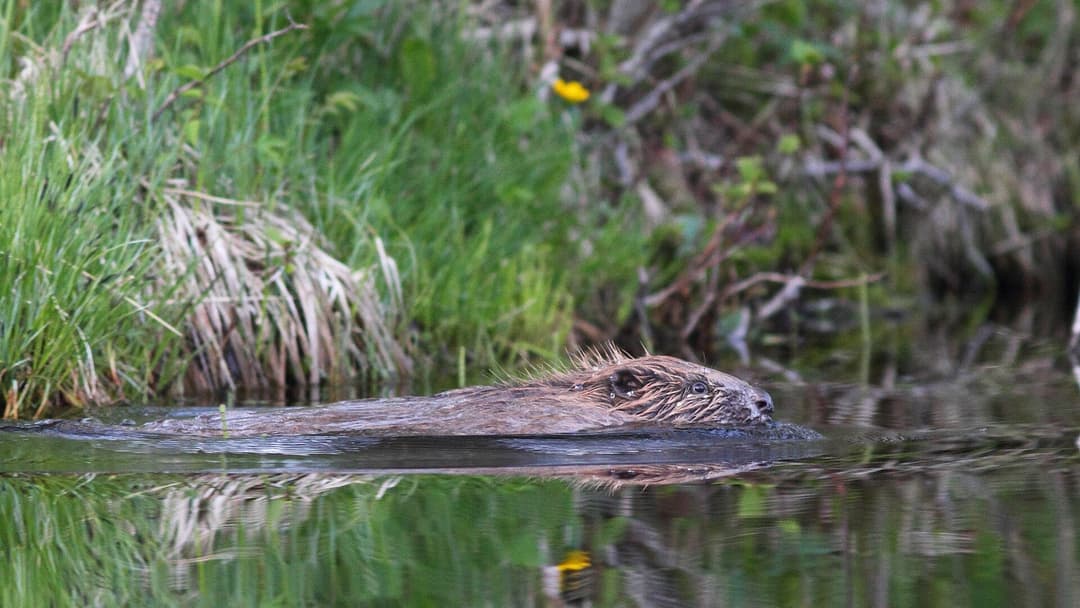
18. Eurasian Beaver. Lifelong Monogamy.
Eurasian beavers establish lifelong monogamous pairs that jointly construct dams and lodges across European waterways. The resident female aggressively drives away solitary female intruders, using tail slaps and physical wrestling to preserve her pair bond and woody food caches.
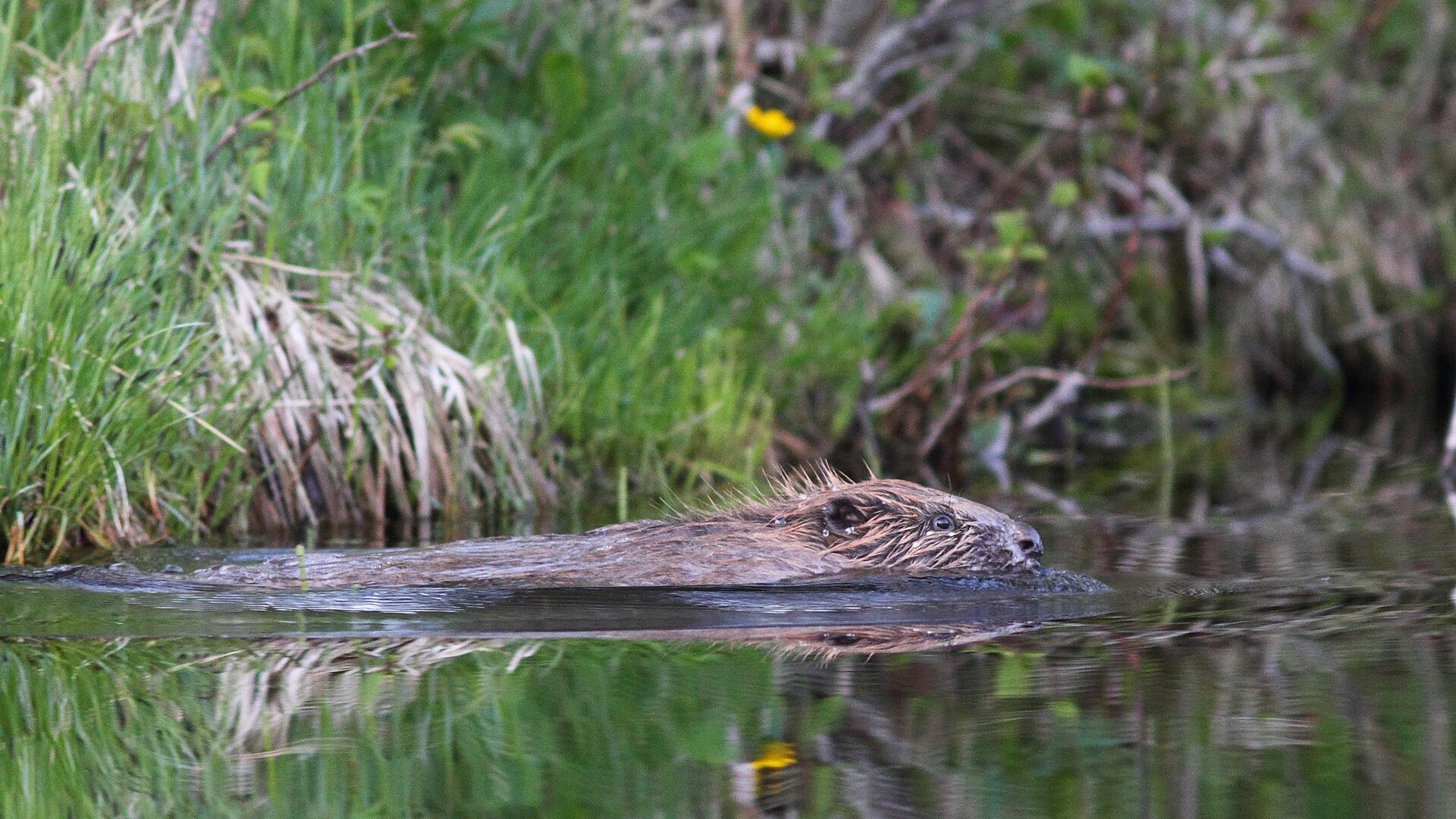
©Wikimedia / Bouke ten Cate
Advertisement
Swipe or tap ▶ to resume the countdown.
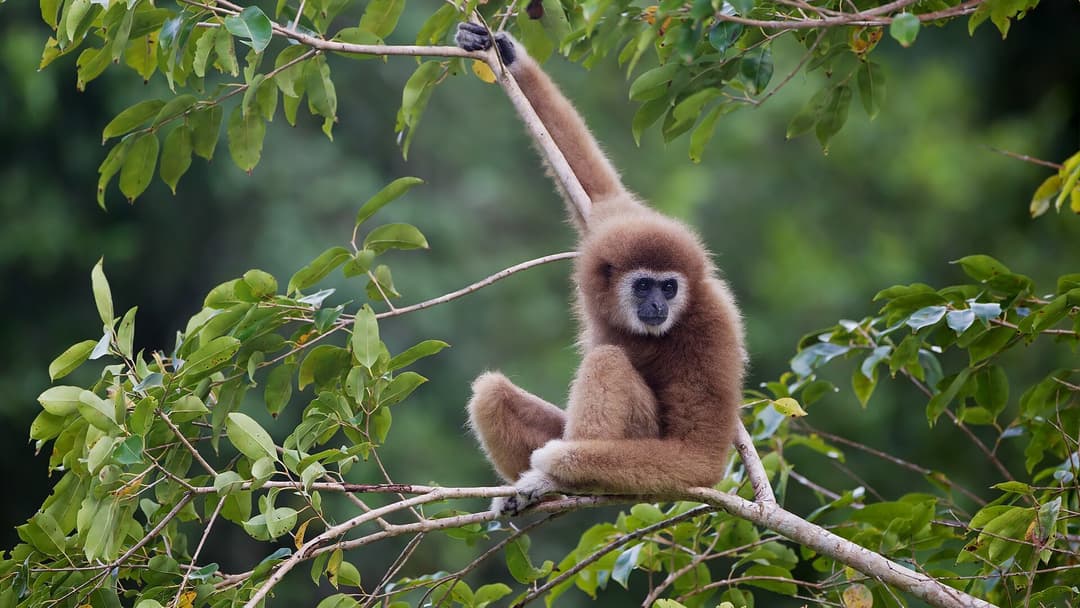
17. Gibbon. Territorial Morning Duets.
Female gibbons in Southeast Asian canopies sing intricate morning duets with their mates to declare exclusive territory. If a single female approaches the family tree, the resident female leaps through the canopy to chase the intruder away and protect her partner from rival courtship.
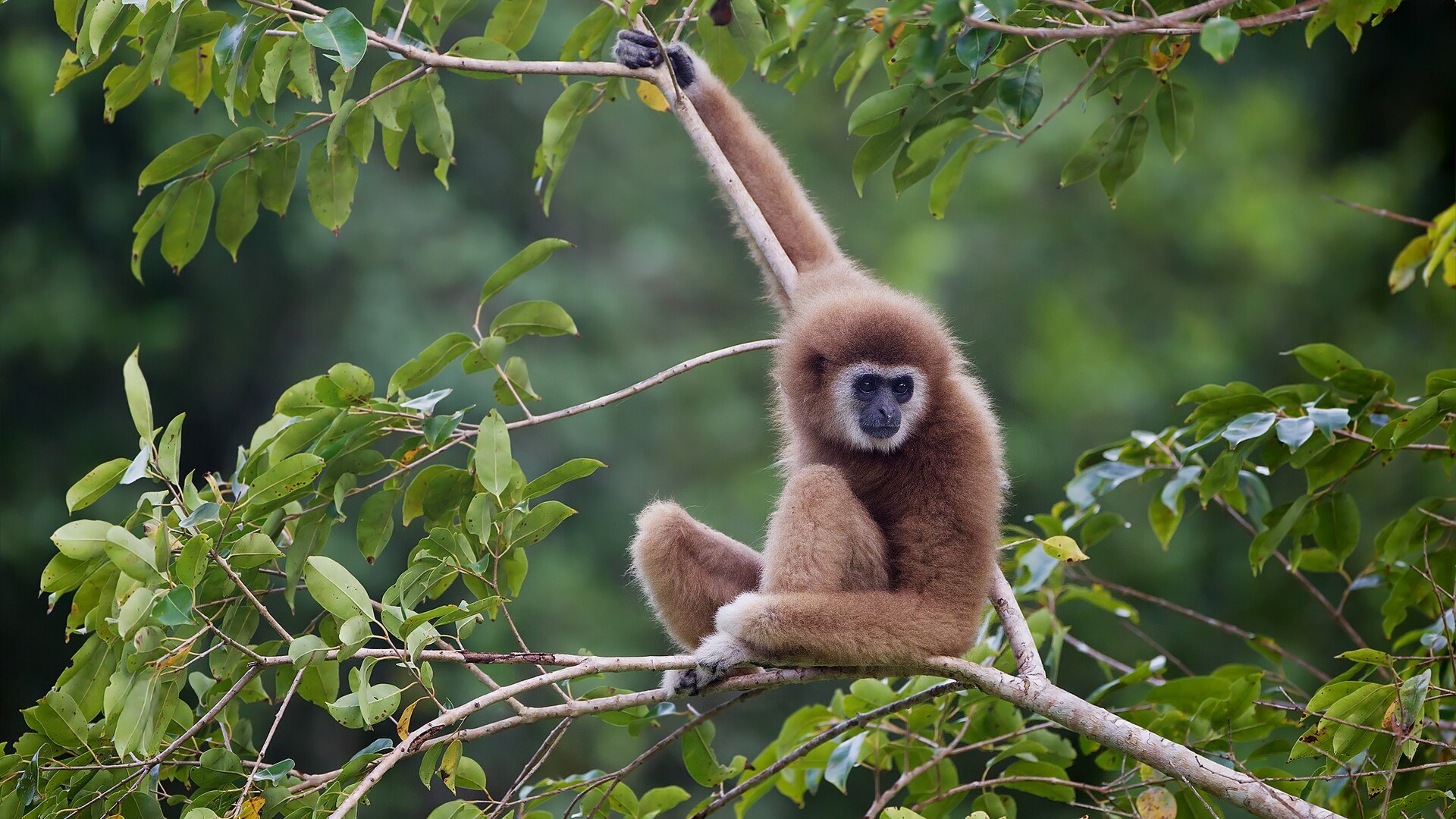
©Wikimedia / JJ Harrison ( [email protected] )
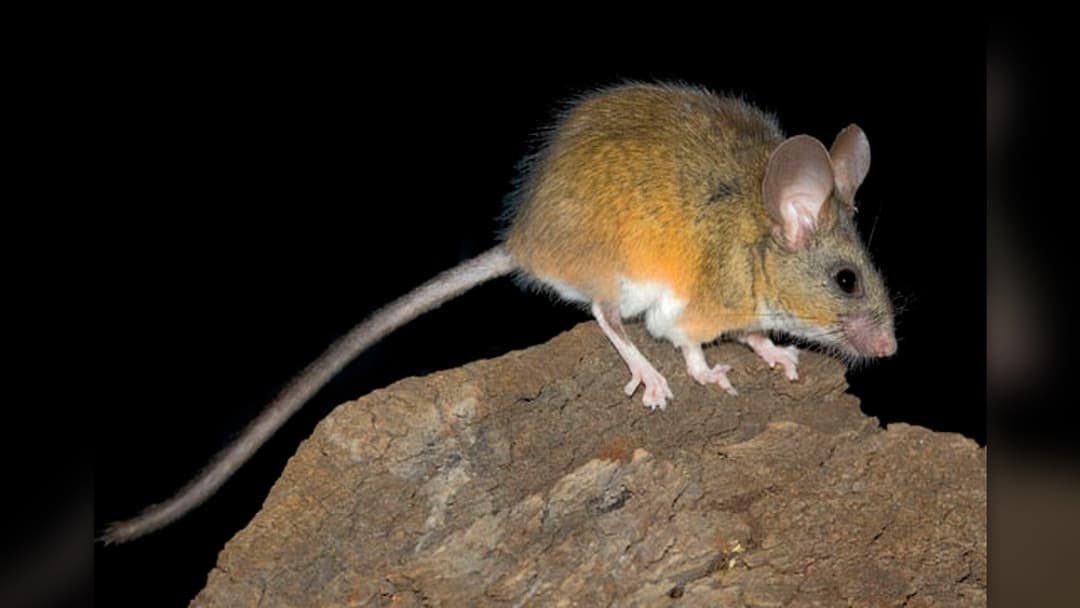
16. California Mouse. Strict Pair Fidelity.
California mice are genetically and socially monogamous rodents native to chaparral habitats. Female mice exhibit severe aggression toward strange females entering their nest, ensuring the male partner remains dedicated exclusively to warming and raising their shared litters.
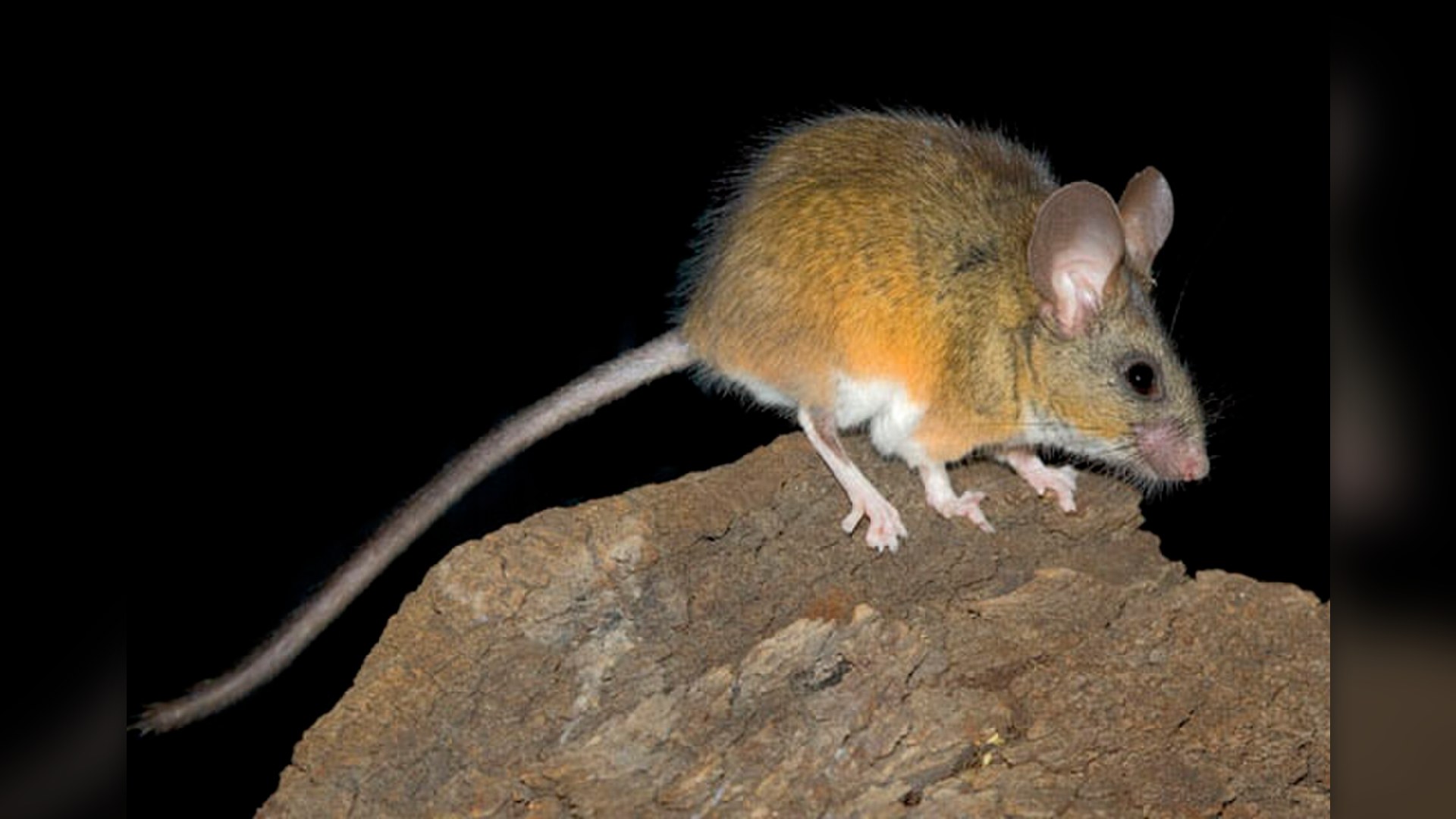
©Wikimedia / Whatiguana
15. Kirk's Dik Dik. Small But Mighty Defense.
These miniature East African antelopes live in permanent, solitary pairs spanning just a few hectares of brush. The female directly chases away any female competitor who wanders into the territory, while her partner promptly deposits dung to overmark rival scent trails.

©Wikimedia / Giles Laurent
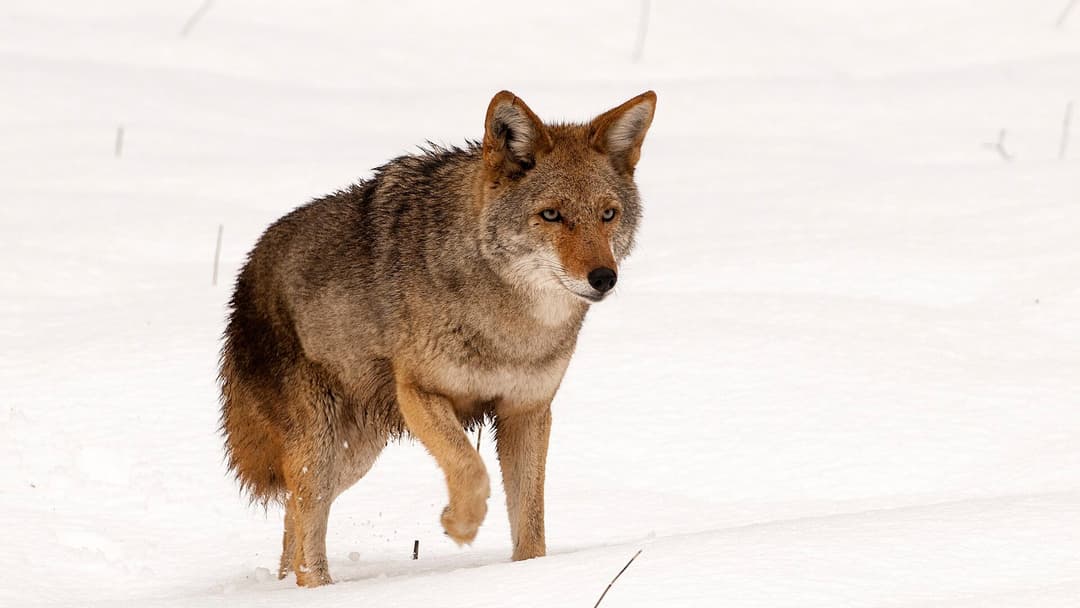
14. Coyote. Winter Breeding Aggression.
Coyote pairs frequently stay together for multiple years, patrolling defined territories across North America. During the January to March breeding season, resident females show intense hostility toward roving females, attacking them to ensure sole access to their male partner.
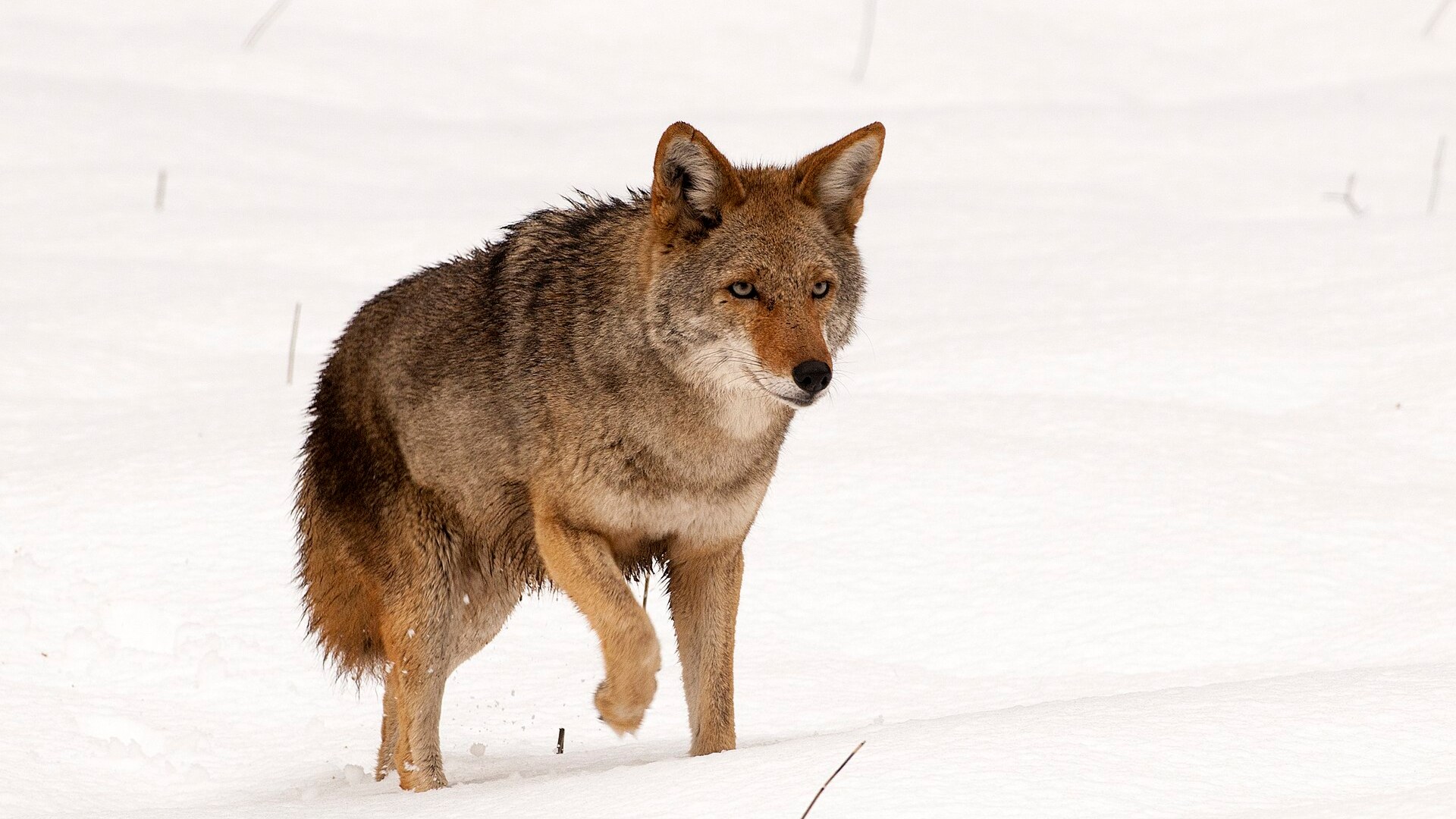
©Wikimedia / Yathin S Krishnappa
Advertisement
Swipe or tap ▶ to resume the countdown.
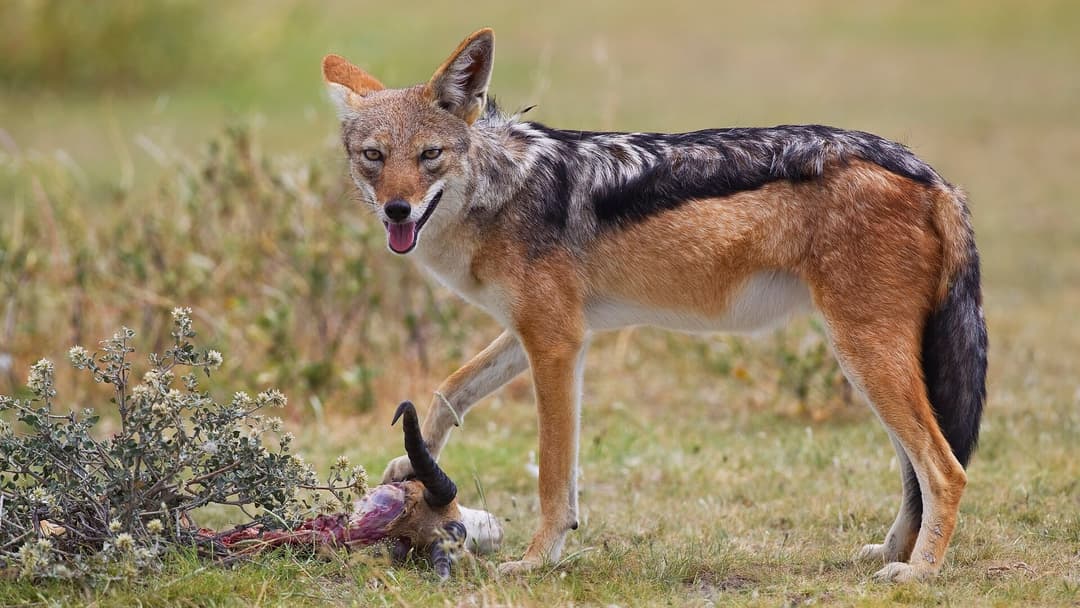
13. Black Backed Jackal. Exclusive Pair Hunters.
Black-backed jackals roam southern and eastern African savannas as devoted monogamous duos. Females aggressively attack same-sex intruders on sight, maintaining strict territorial boundaries so their bonded partner assists only with rearing their own annual litter of pups.
©Wikimedia / Yathin S Krishnappa
12. Owl Monkey. Rare Primate Monogamy.
Azara's owl monkeys in South American forests live in strictly monogamous social groups. Field studies document that adult females fiercely defend their pair bonds, violently fighting off solitary female floaters that attempt to displace them and mate with their resident male.
©Wikimedia / MarcSaCi
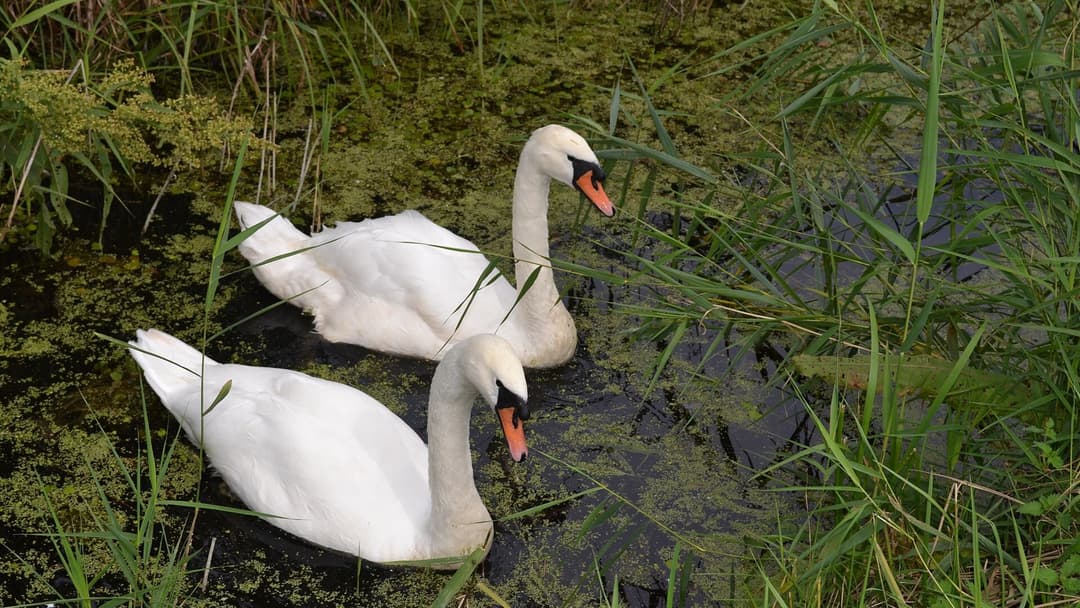
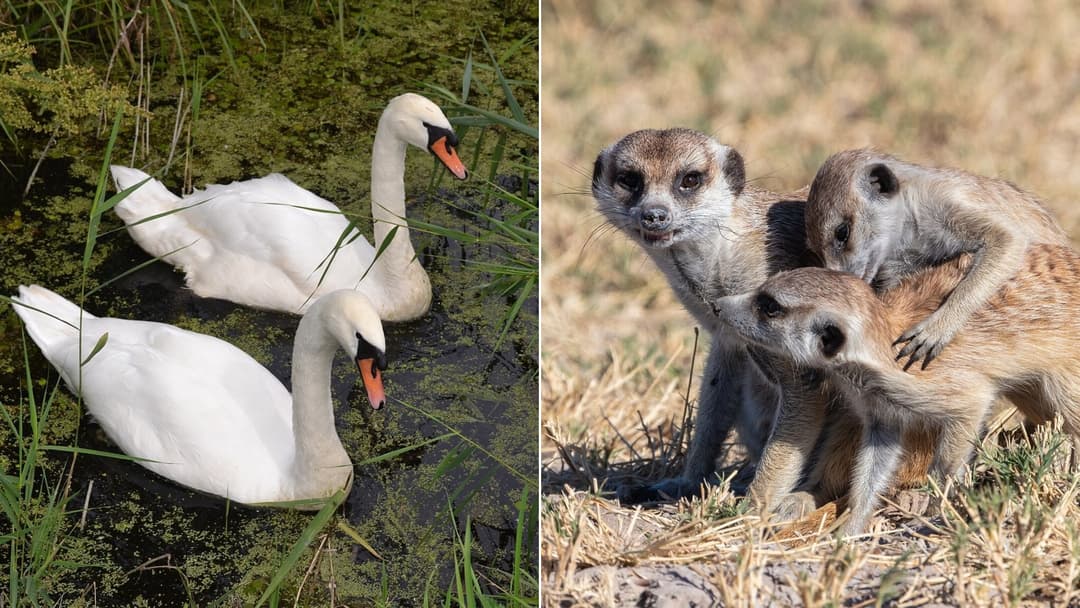
11. Mute Swan. Lifelong Nesting Defense.
Mute swan pens form enduring monogamous partnerships that can last for well over a decade. During nesting season, the female vigorously defends water territory alongside the cob, hissing and charging any rival waterfowl that ventures too close to her partner and cygnets.
©Wikimedia / Katy6800
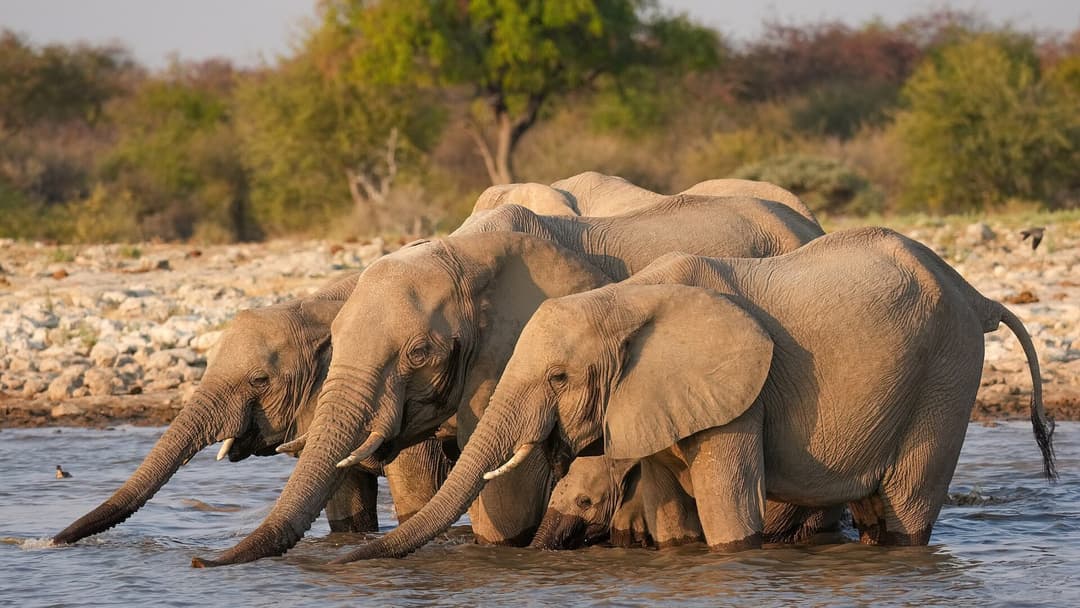
10. African Elephant. Matriarchal Protection.
Oldest matriarchs lead African savannah elephant families with decisive authority. A matriarch charges lions, poachers, and encroaching outsiders to safeguard family bonds, using her multi-ton bulk to keep herd integrity intact across thousands of square kilometers of bush.
©Wikimedia / Giles Laurent
Advertisement
Swipe or tap ▶ to resume the countdown.
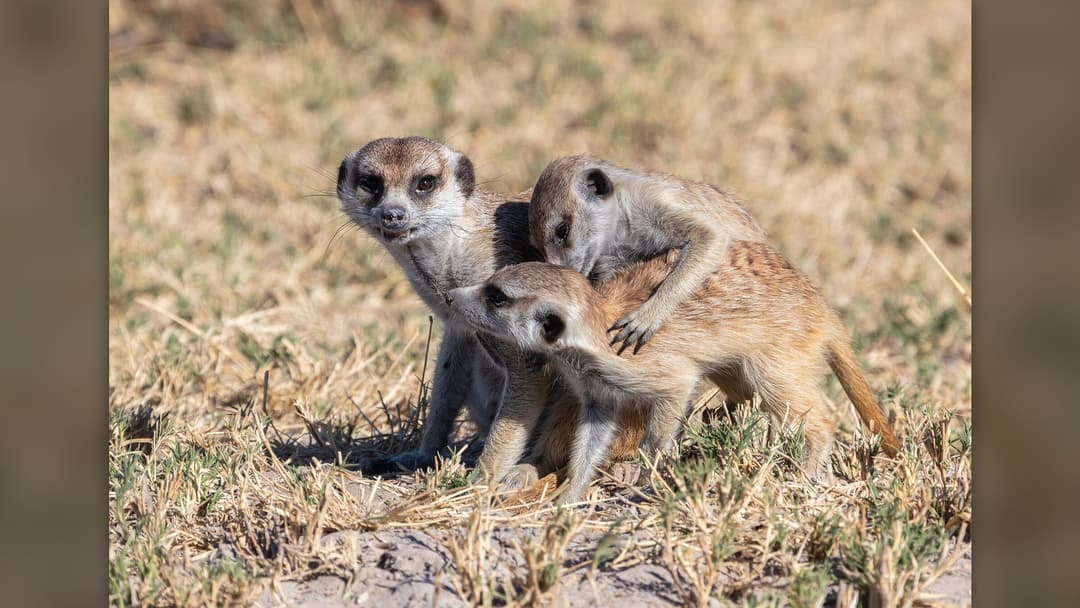
9. Meerkat. Alpha Female Control.
Within a Kalahari meerkat mob, the dominant female produces over eighty percent of all litters. She aggressively targets and expels subordinate females during pregnancy, ensuring her bonded partner and family group focus resources entirely on raising her direct offspring.
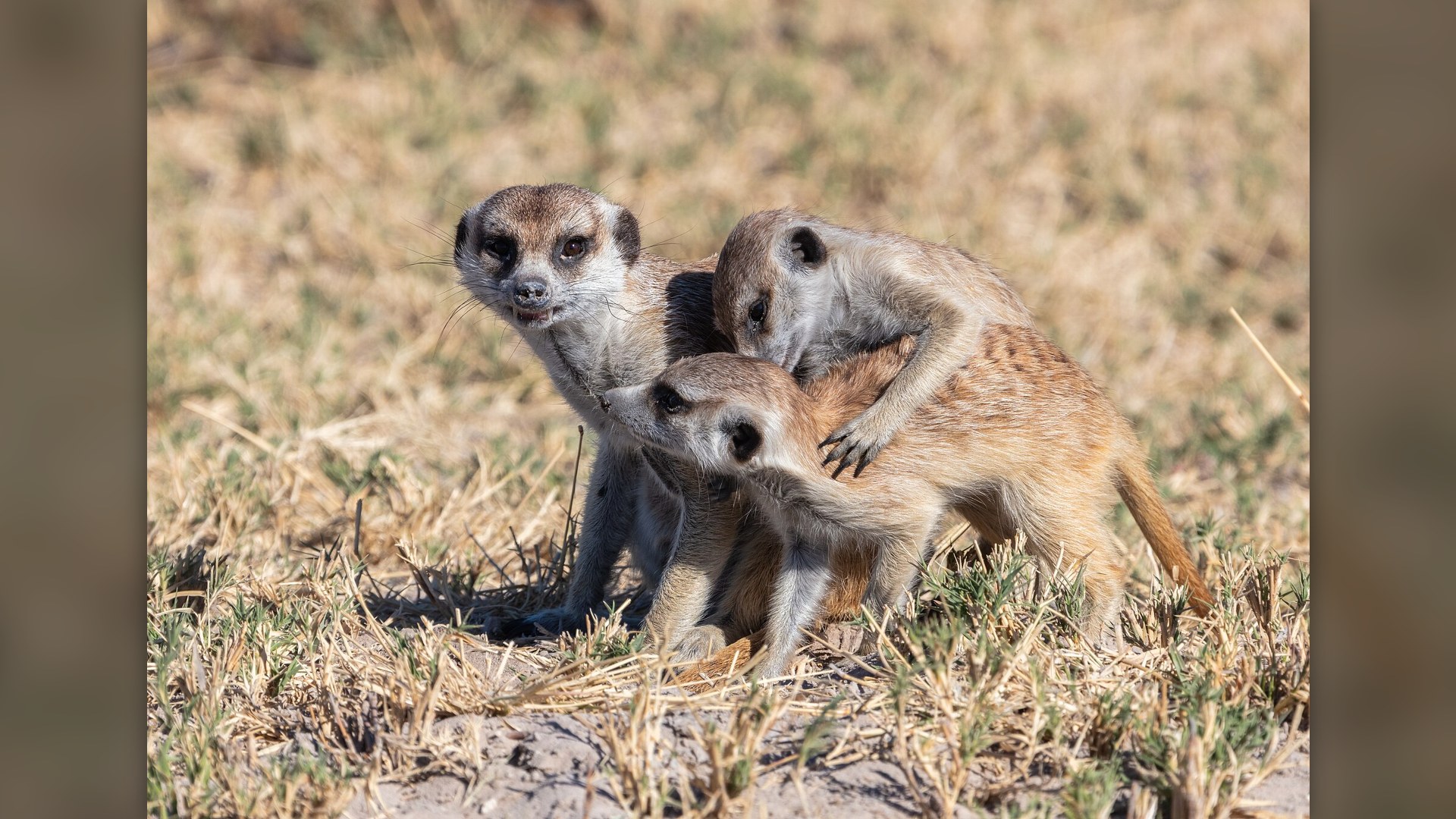
©Wikimedia / Diego Delso
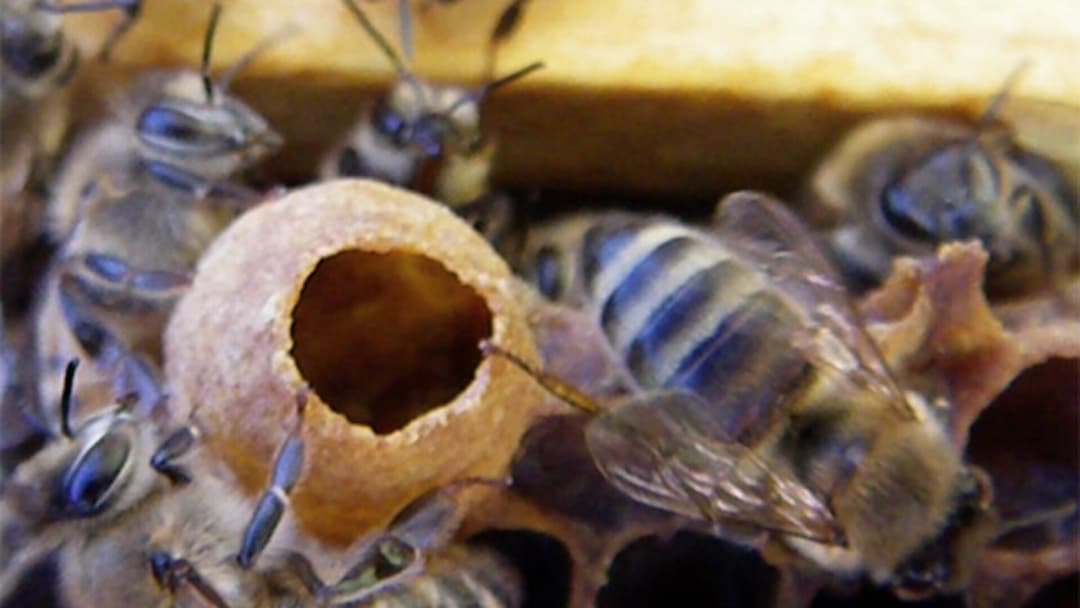
8. Honey Bee. Absolute Queen Dominance.
Inside a European honey bee hive, the resident queen produces mandibular pheromones that suppress the ovarian development of thousands of female worker bees. By chemically disabling reproductive rivals, the queen guarantees that every new bee in the colony carries her genetic line.
©Wikimedia / shawn caza @
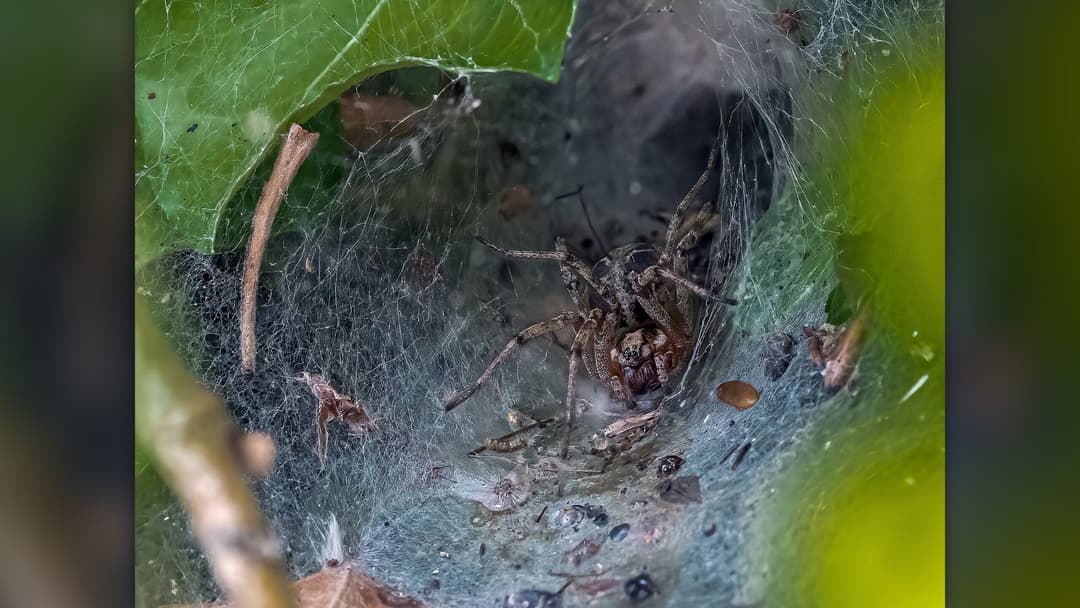
7. House Spider. Female Web Superiority.
Female domestic house spiders dominate central funnel webs across European and American buildings. They are substantially larger than males and aggressively expel or consume intruding females, maintaining total control over their web territory and mating opportunities.
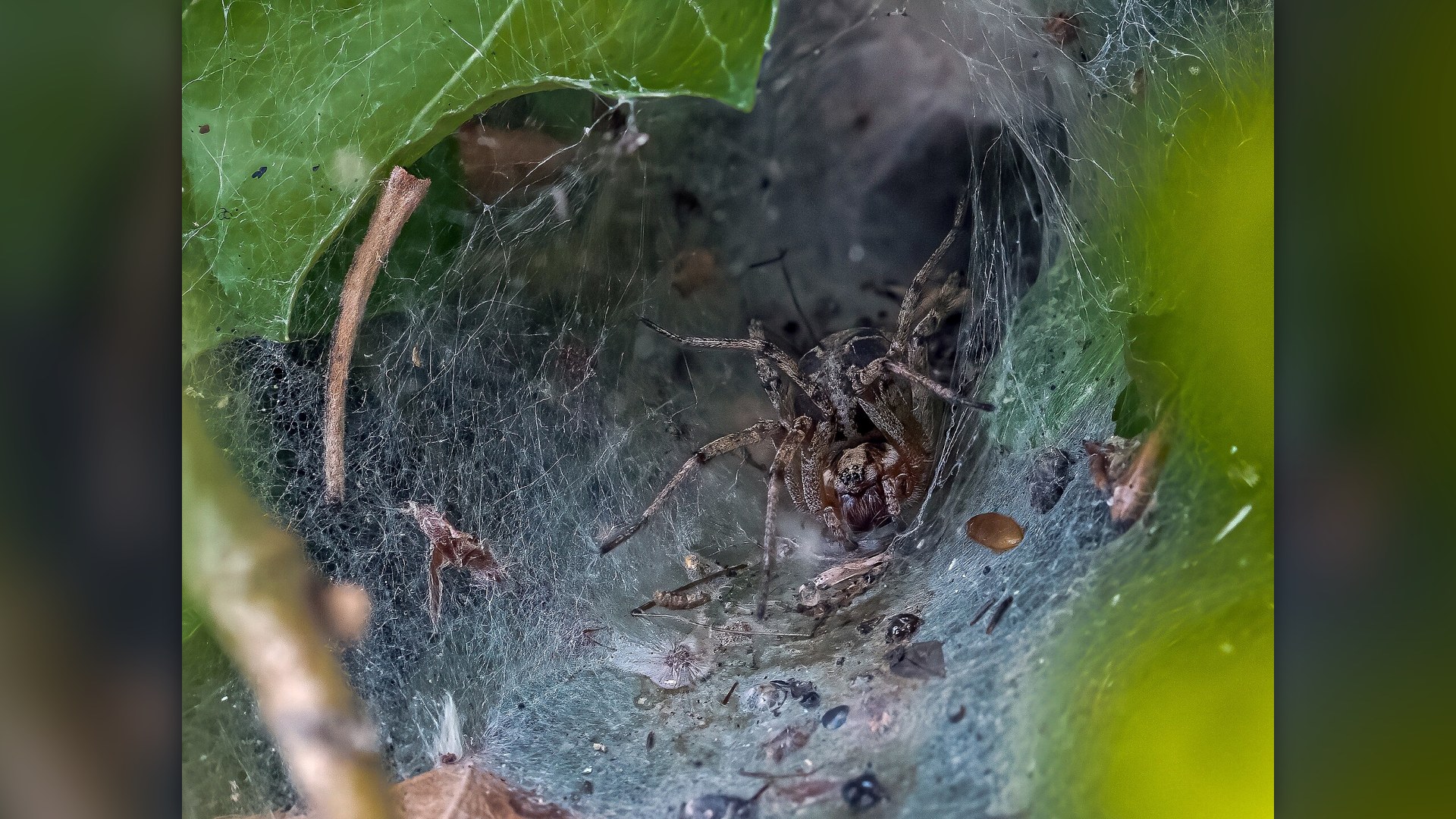
©Wikimedia / Isiwal
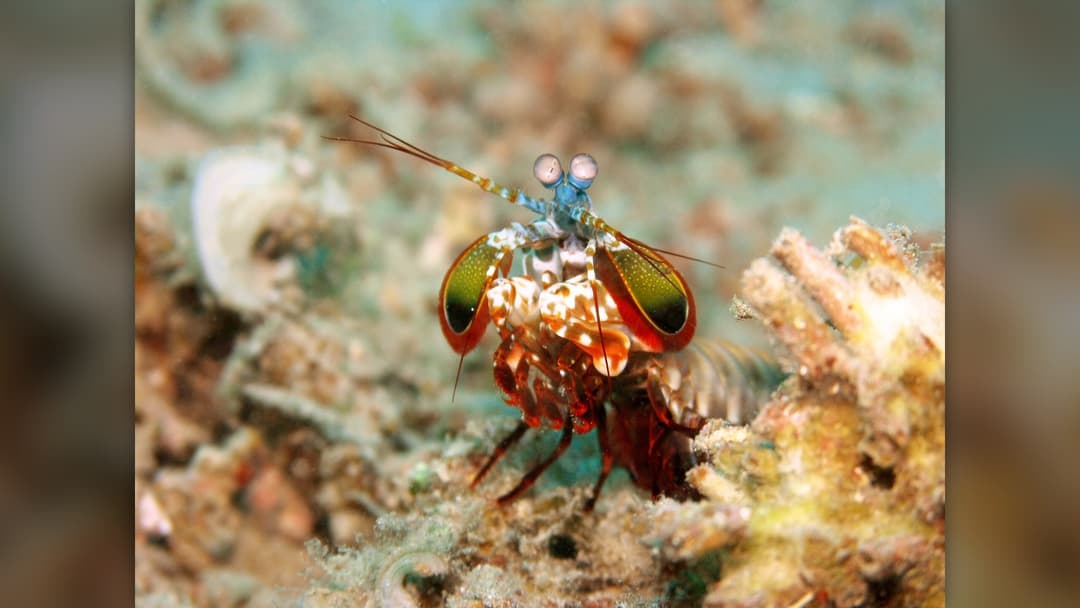
6. Mantis Shrimp. Burrows Defended In Pairs.
Certain species of stomatopod mantis shrimp live in socially monogamous pairs for up to twenty years in coral cavities. Females vigorously defend their burrow entrance using raptorial appendages, striking intruders at bullet speed to shield their partner and joint home.
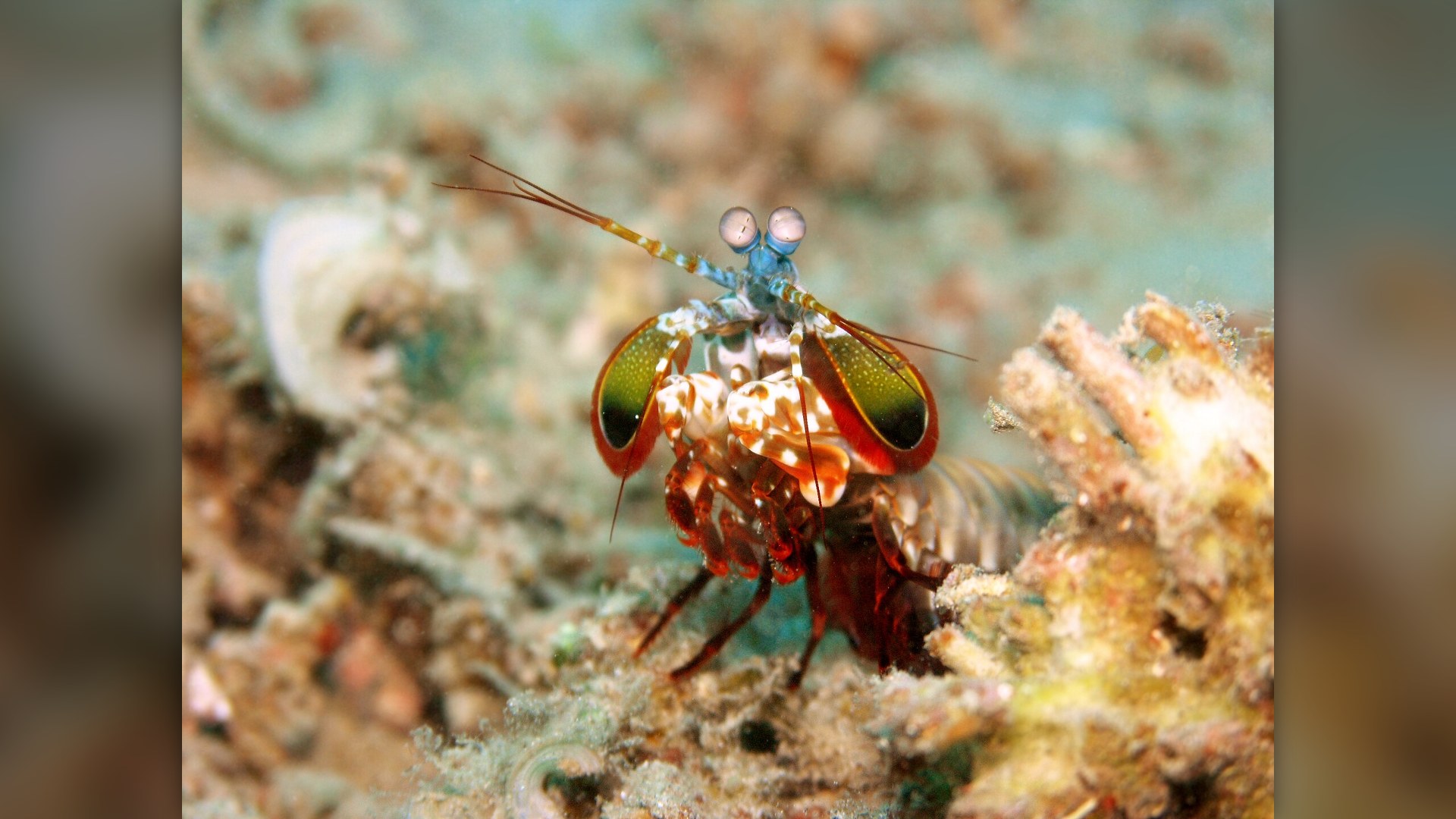
©Wikimedia / Jens Petersen
Advertisement
Swipe or tap ▶ to resume the countdown.
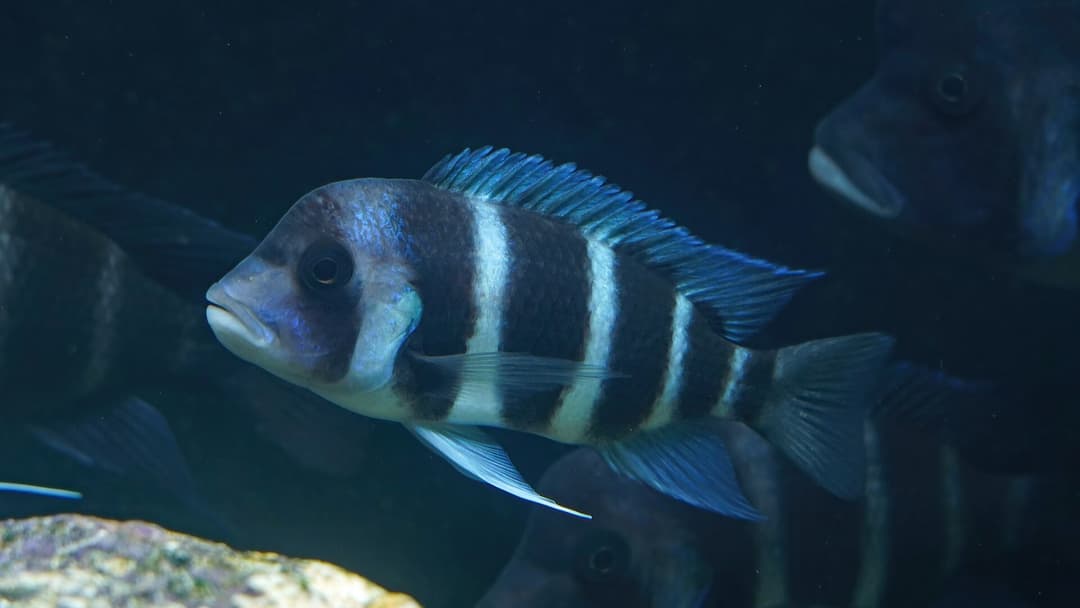
5. Cichlid Fish. Fierce Spawning Site Guarding.
Lake Tanganyika cichlid species form devoted biparental pairs that establish rock territories. The female displays intense territorial defense, charging larger fish to protect her chosen spawning cleft and ensure her bonded male remains focused on guarding their shared brood.
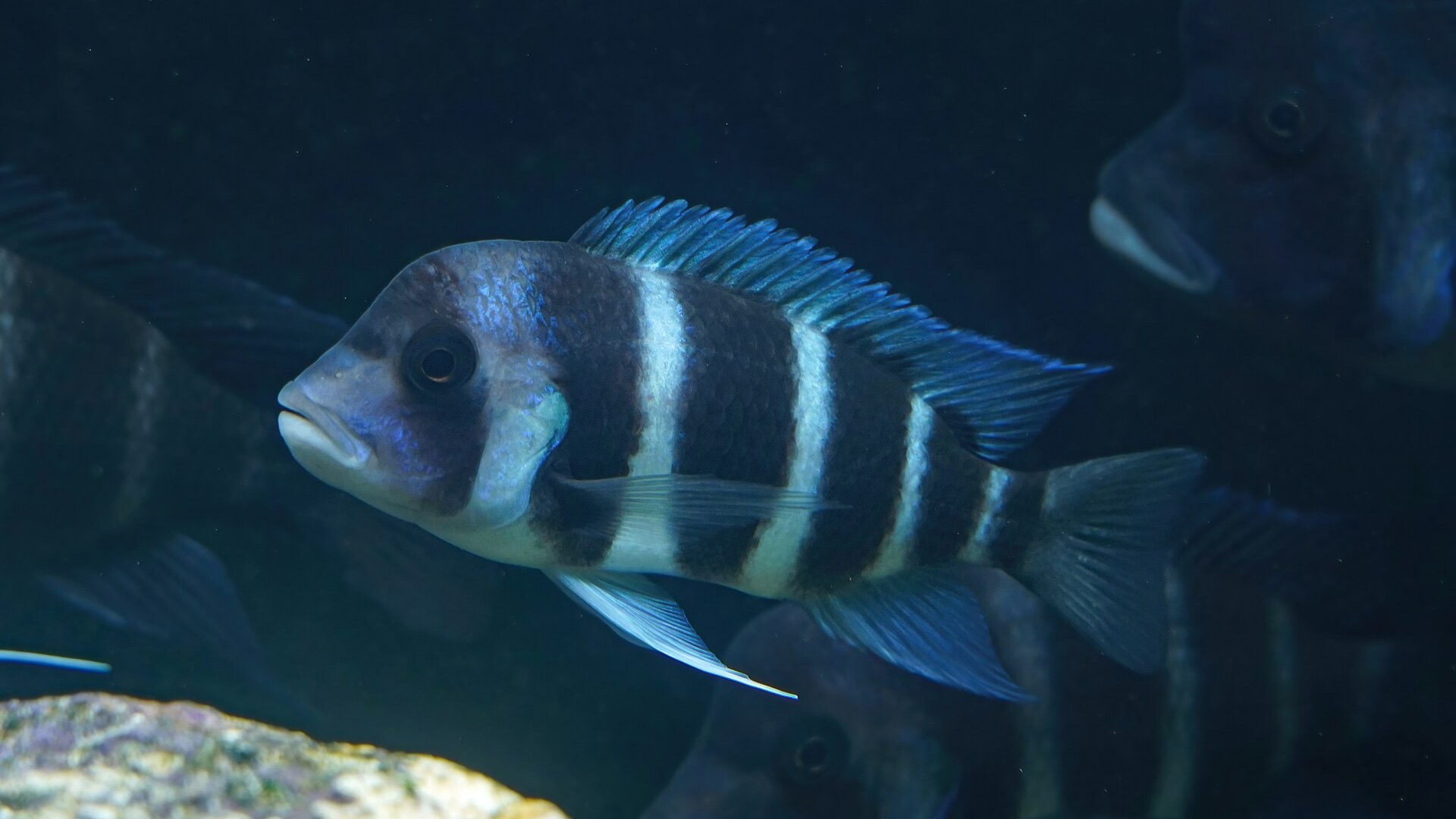
©Wikimedia / Ethmostigmus
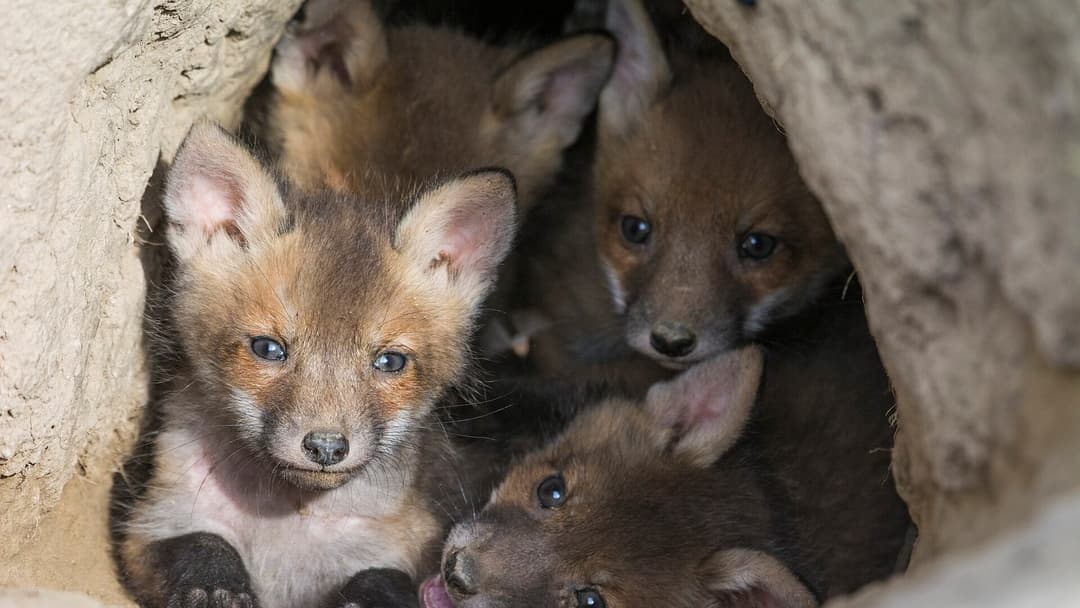
4. Red Fox. Vixen Den Dominance.
During the winter mating season, a red fox vixen forms a close pair bond with a resident dog fox. She selects and defends the underground den with fierce vocalizations and bites, driving away rival vixens to guarantee exclusive paternal provisioning for her spring cubs.
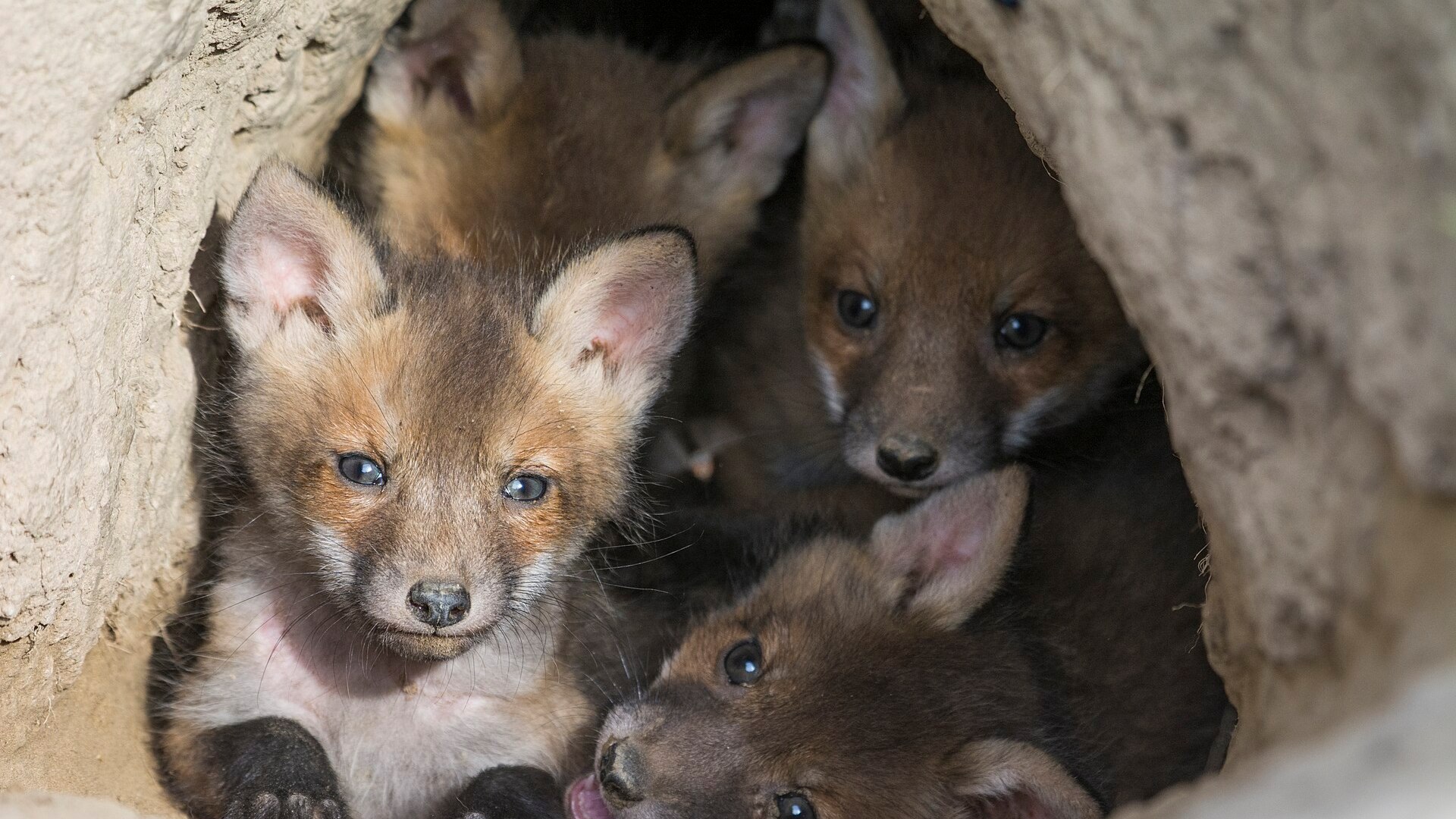
©Wikimedia / Divlja Srbija
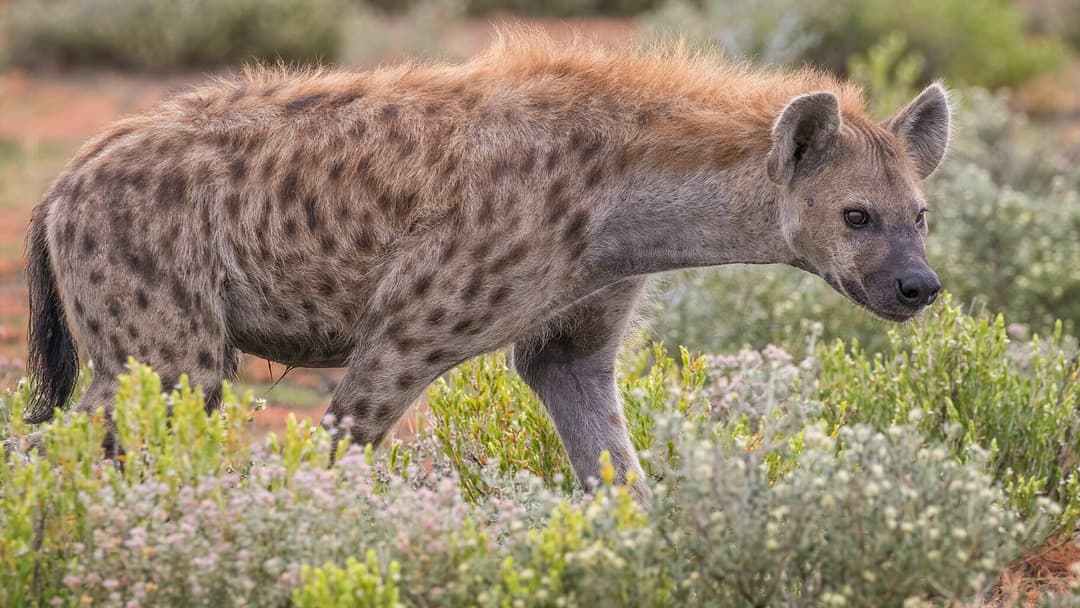
3. Spotted Hyena. Matriarch Clan Authority.
Spotted hyena clans are strictly matriarchal, with the lowest ranking female outranking the highest ranking adult male. Dominant alpha females aggressively control kill sites and social access, ensuring their chosen mates and lineage receive primary nourishment and security.
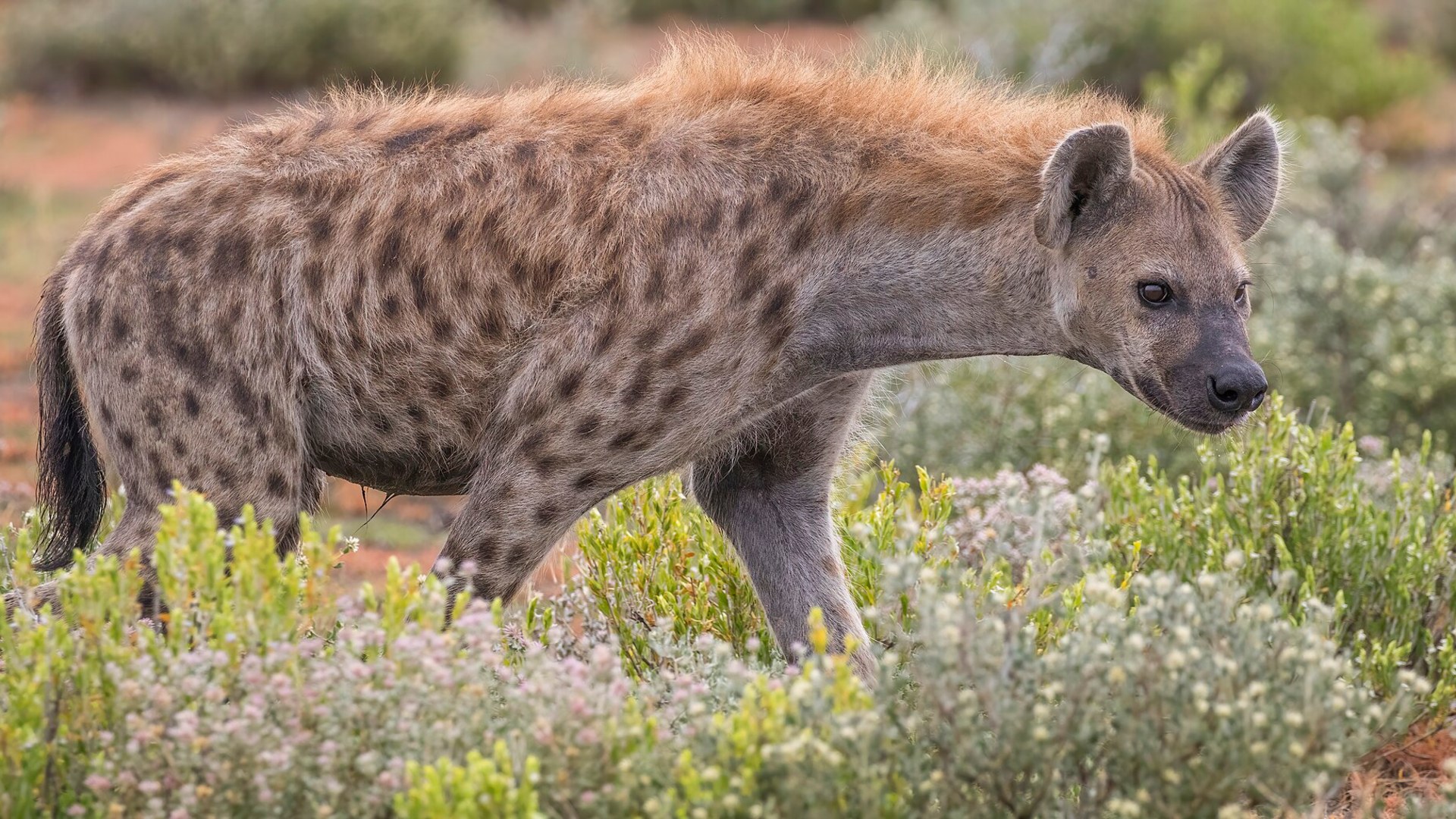
©Wikimedia / Charles J. Sharp
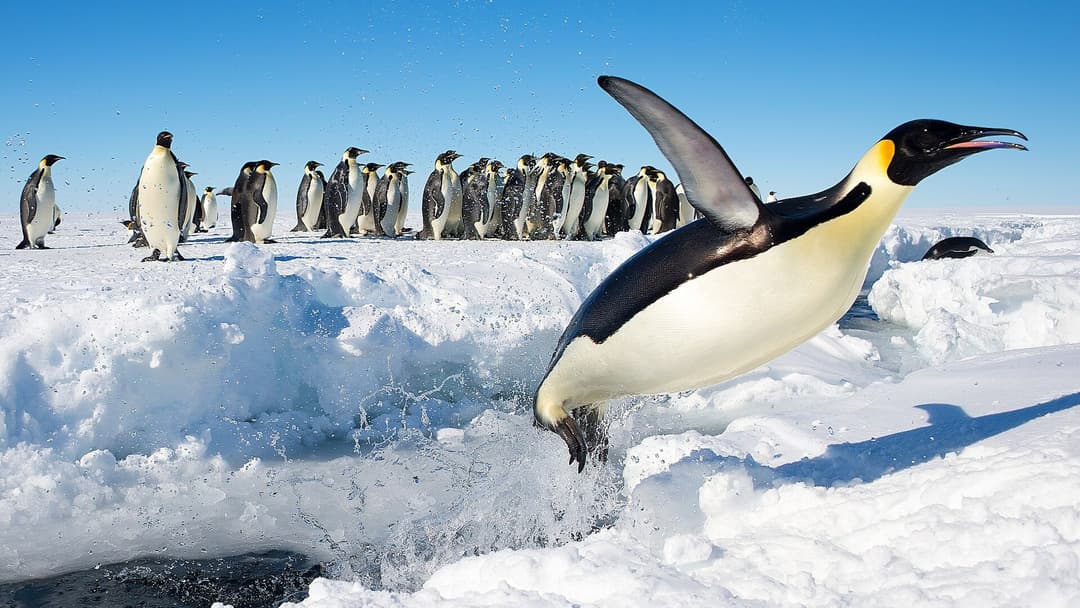
2. Emperor Penguin. Ice Nesting Exclusivity.
On Antarctic sea ice, female emperor penguins return from long winter foraging treks to find their exact mate among thousands of calling birds. Females actively ward off unaccompanied females attempting to court their bonded partner, successfully reclaiming their breeding partner.
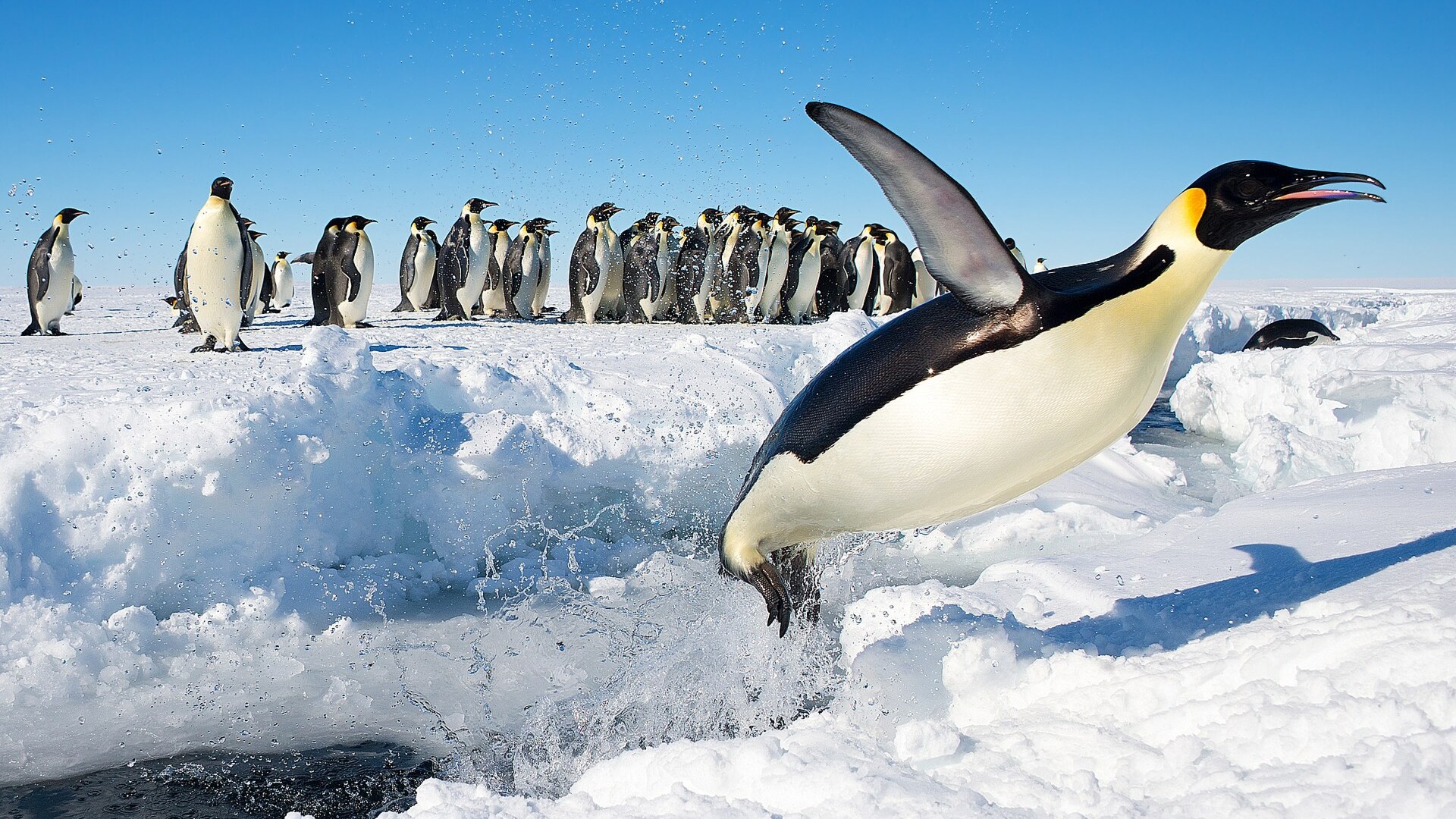
©Wikimedia / Christopher Michel
Advertisement
Swipe or tap ▶ to resume the countdown.
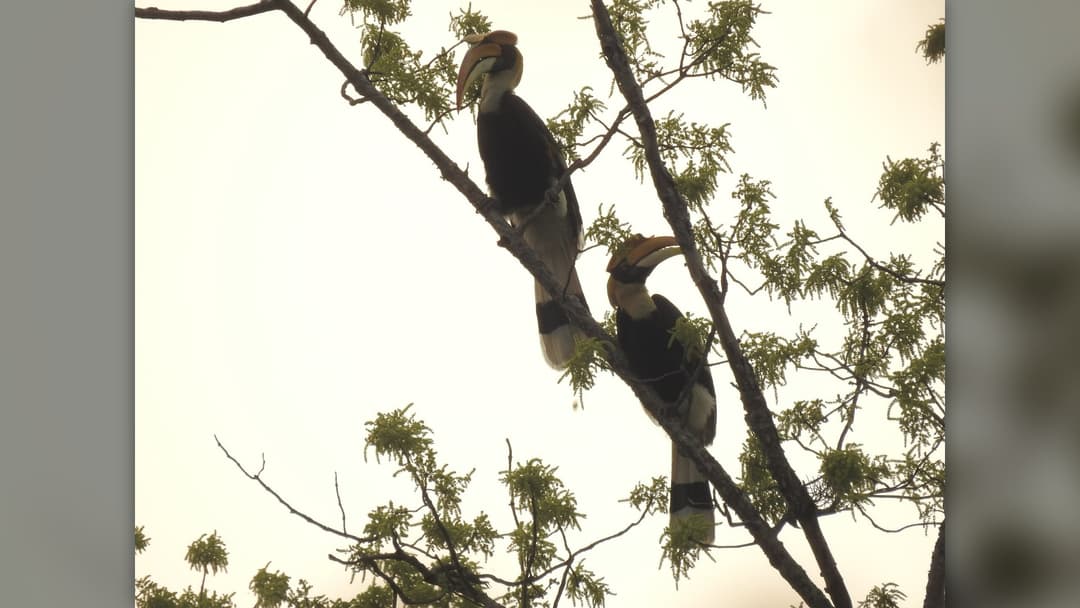
1. Hornbill. Sealed Cavity Monogamy.
Great hornbills form lifelong monogamous pairs across Asian tropical forests. During nesting, the female seals herself inside a tree hollow with mud, relying on her partner for food while using her bill to fend off outside birds and predators attempting to invade the nest entrance.
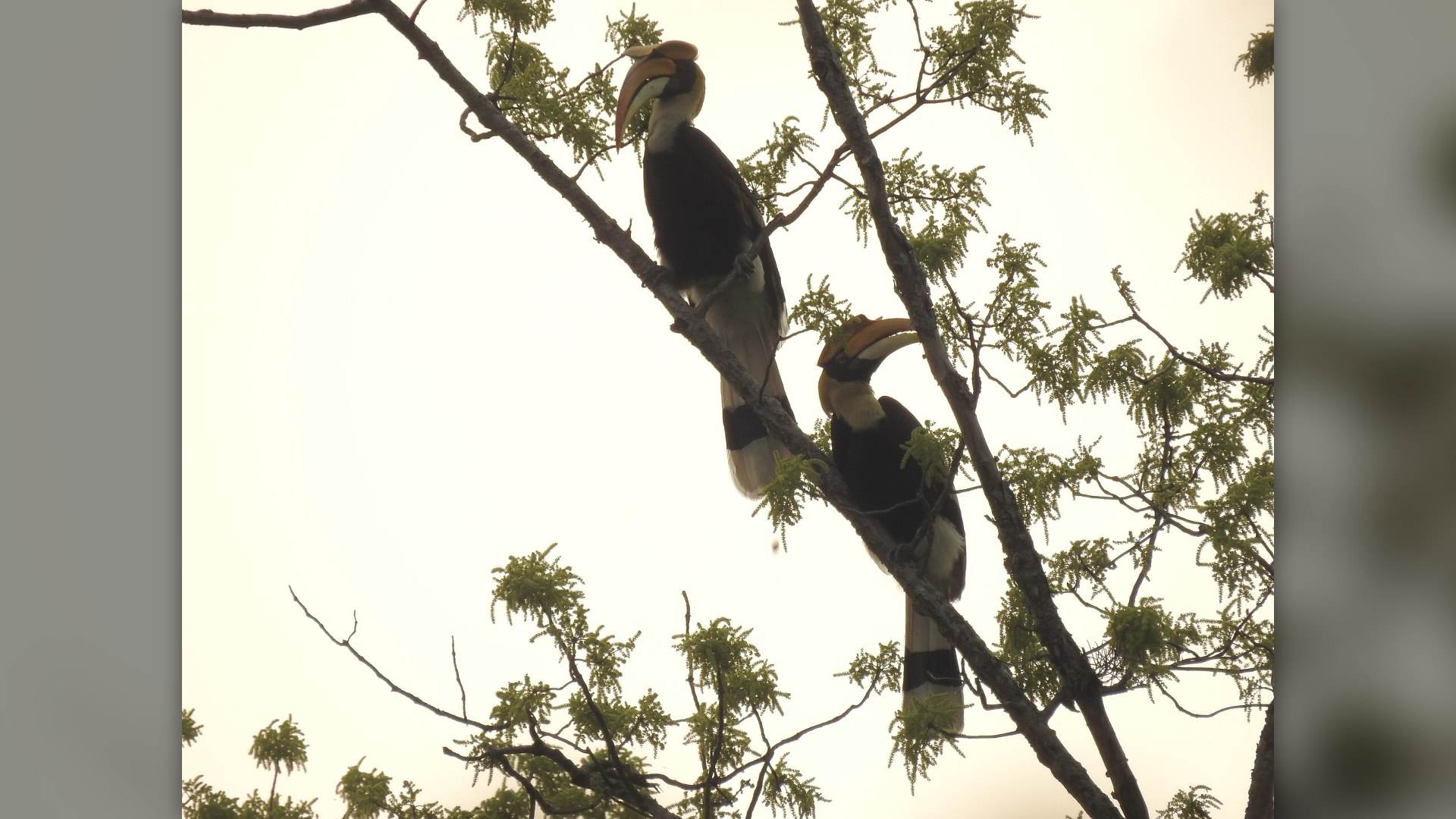
©Wikimedia / Rohit Naniwadekar
Advertisement
You've reached the end of the story. Thanks for reading!

20 Dog Breeds that are hard to Train: Ranked
Training a dog requires patience, but certain breeds test even veteran handlers. Independent hounds, stubborn terriers, and aloof guardians were bred to work without human direction. Based on Stanley Coren canine cognition research and American Kennel Club breed standards, here are 20 breeds that resist basic drills.
All 20 Entries in this Story
Prairie Vole. Intense Partner Bonding.
Female prairie voles form lifelong pair bonds triggered by oxytocin and vasopressin receptor stimulation during mating. Once bonded, a female attacks unfamiliar female intruders within seconds to prevent mate poaching. Pairs share underground nests across North American grasslands.

Gray Wolf. Alpha Female Dominance.
In a gray wolf pack, the dominant alpha female monopolizes reproductive rights and actively prevents subordinate females from mating. She patrols territorial borders and will physically expel any lone female approaching her breeding partner in national parks like Yellowstone.

Eurasian Beaver. Lifelong Monogamy.
Eurasian beavers establish lifelong monogamous pairs that jointly construct dams and lodges across European waterways. The resident female aggressively drives away solitary female intruders, using tail slaps and physical wrestling to preserve her pair bond and woody food caches.

Gibbon. Territorial Morning Duets.
Female gibbons in Southeast Asian canopies sing intricate morning duets with their mates to declare exclusive territory. If a single female approaches the family tree, the resident female leaps through the canopy to chase the intruder away and protect her partner from rival courtship.

California Mouse. Strict Pair Fidelity.
California mice are genetically and socially monogamous rodents native to chaparral habitats. Female mice exhibit severe aggression toward strange females entering their nest, ensuring the male partner remains dedicated exclusively to warming and raising their shared litters.

Kirk's Dik Dik. Small But Mighty Defense.
These miniature East African antelopes live in permanent, solitary pairs spanning just a few hectares of brush. The female directly chases away any female competitor who wanders into the territory, while her partner promptly deposits dung to overmark rival scent trails.

Coyote. Winter Breeding Aggression.
Coyote pairs frequently stay together for multiple years, patrolling defined territories across North America. During the January to March breeding season, resident females show intense hostility toward roving females, attacking them to ensure sole access to their male partner.

Black Backed Jackal. Exclusive Pair Hunters.
Black-backed jackals roam southern and eastern African savannas as devoted monogamous duos. Females aggressively attack same-sex intruders on sight, maintaining strict territorial boundaries so their bonded partner assists only with rearing their own annual litter of pups.

Owl Monkey. Rare Primate Monogamy.
Azara's owl monkeys in South American forests live in strictly monogamous social groups. Field studies document that adult females fiercely defend their pair bonds, violently fighting off solitary female floaters that attempt to displace them and mate with their resident male.

Mute Swan. Lifelong Nesting Defense.
Mute swan pens form enduring monogamous partnerships that can last for well over a decade. During nesting season, the female vigorously defends water territory alongside the cob, hissing and charging any rival waterfowl that ventures too close to her partner and cygnets.

African Elephant. Matriarchal Protection.
Oldest matriarchs lead African savannah elephant families with decisive authority. A matriarch charges lions, poachers, and encroaching outsiders to safeguard family bonds, using her multi-ton bulk to keep herd integrity intact across thousands of square kilometers of bush.

Meerkat. Alpha Female Control.
Within a Kalahari meerkat mob, the dominant female produces over eighty percent of all litters. She aggressively targets and expels subordinate females during pregnancy, ensuring her bonded partner and family group focus resources entirely on raising her direct offspring.

Honey Bee. Absolute Queen Dominance.
Inside a European honey bee hive, the resident queen produces mandibular pheromones that suppress the ovarian development of thousands of female worker bees. By chemically disabling reproductive rivals, the queen guarantees that every new bee in the colony carries her genetic line.

House Spider. Female Web Superiority.
Female domestic house spiders dominate central funnel webs across European and American buildings. They are substantially larger than males and aggressively expel or consume intruding females, maintaining total control over their web territory and mating opportunities.

Mantis Shrimp. Burrows Defended In Pairs.
Certain species of stomatopod mantis shrimp live in socially monogamous pairs for up to twenty years in coral cavities. Females vigorously defend their burrow entrance using raptorial appendages, striking intruders at bullet speed to shield their partner and joint home.

Cichlid Fish. Fierce Spawning Site Guarding.
Lake Tanganyika cichlid species form devoted biparental pairs that establish rock territories. The female displays intense territorial defense, charging larger fish to protect her chosen spawning cleft and ensure her bonded male remains focused on guarding their shared brood.

Red Fox. Vixen Den Dominance.
During the winter mating season, a red fox vixen forms a close pair bond with a resident dog fox. She selects and defends the underground den with fierce vocalizations and bites, driving away rival vixens to guarantee exclusive paternal provisioning for her spring cubs.

Spotted Hyena. Matriarch Clan Authority.
Spotted hyena clans are strictly matriarchal, with the lowest ranking female outranking the highest ranking adult male. Dominant alpha females aggressively control kill sites and social access, ensuring their chosen mates and lineage receive primary nourishment and security.

Emperor Penguin. Ice Nesting Exclusivity.
On Antarctic sea ice, female emperor penguins return from long winter foraging treks to find their exact mate among thousands of calling birds. Females actively ward off unaccompanied females attempting to court their bonded partner, successfully reclaiming their breeding partner.

Hornbill. Sealed Cavity Monogamy.
Great hornbills form lifelong monogamous pairs across Asian tropical forests. During nesting, the female seals herself inside a tree hollow with mud, relying on her partner for food while using her bill to fend off outside birds and predators attempting to invade the nest entrance.