Slideshow · Animals
20 Signs Your Pet Is Secretly Stressed, According to Vets
Veterinary behaviorists reveal the subtle, easily missed physical clues that indicate your dog or cat is dealing with chronic anxiety.
By Most Viral Today
30 min ago

Hidden Warnings Your Pet Is Trying To Tell You 
20. Frequent Yawning Out Of Context 
19. Lip Licking And Nose Flicking 
18. Tucked Tail Between Legs - AdvertisementSwipe or tap ▶ to continue countdown

17. Whale Eye 
16. Flattened Or Pinned-Back Ears 
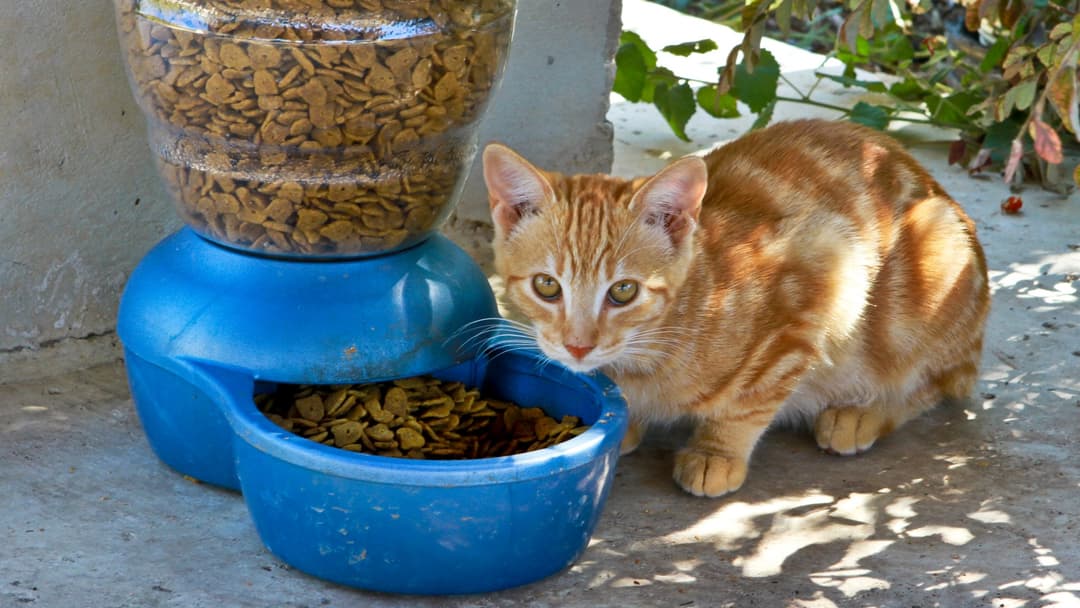
15. Excessive Shedding 
14. Pacing And Restlessness - AdvertisementSwipe or tap ▶ to continue countdown

13. Over-Grooming And Fur Pulling 
12. Sudden Loss Of Appetite 
11. Excessive Panting Without Heat 
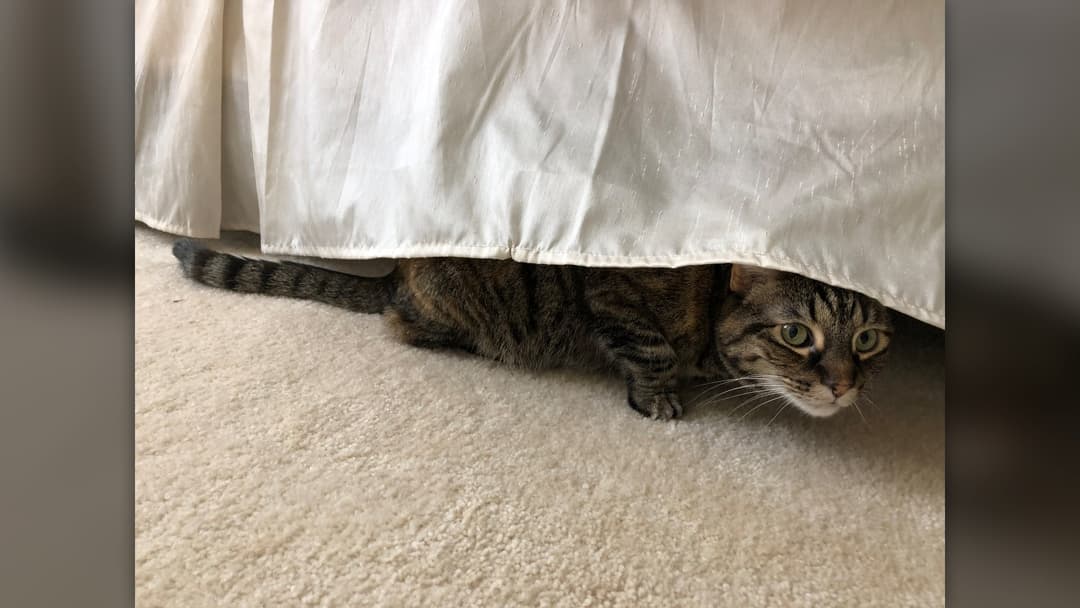
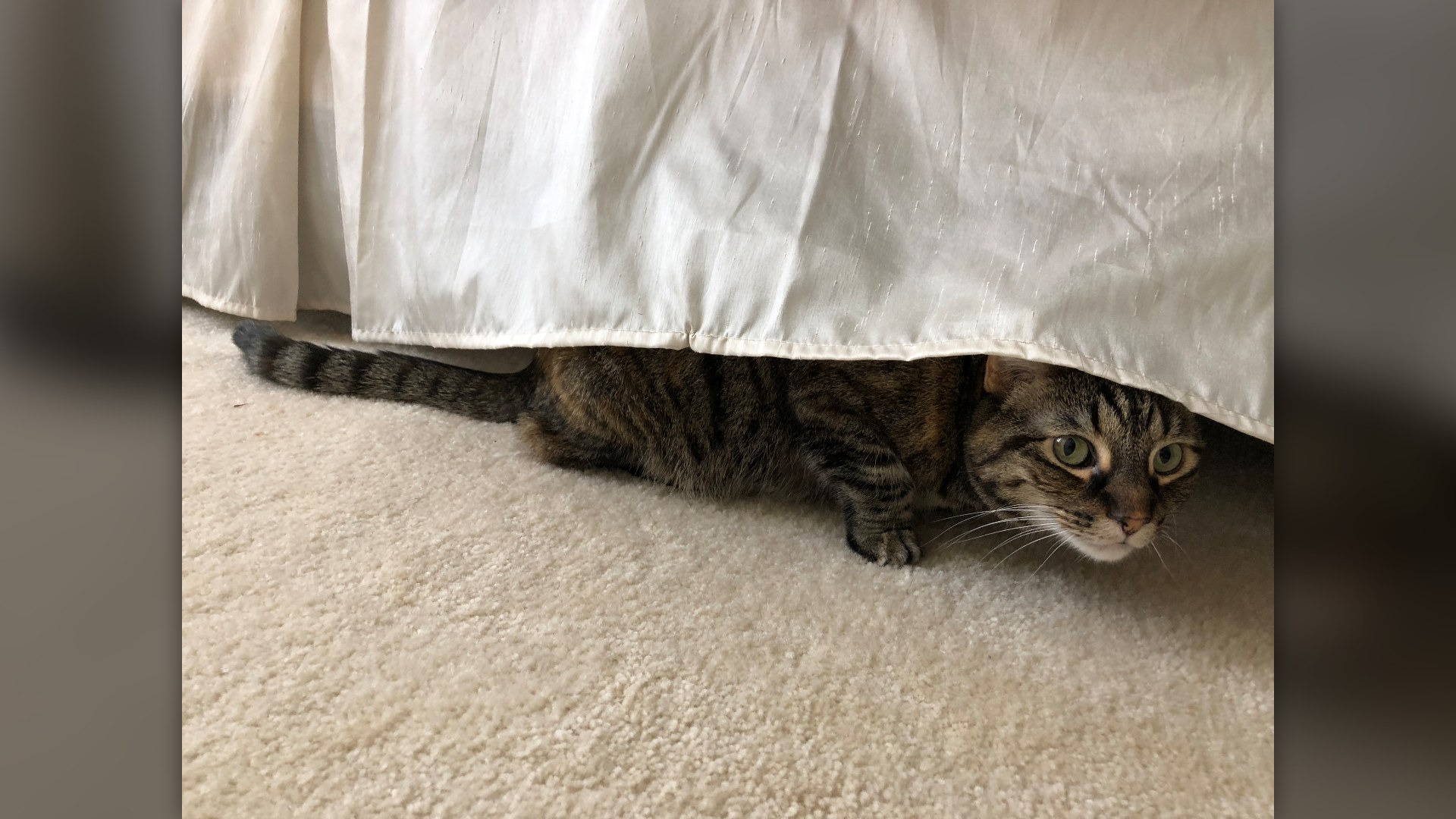
10. Hiding And Social Withdrawal - AdvertisementSwipe or tap ▶ to continue countdown

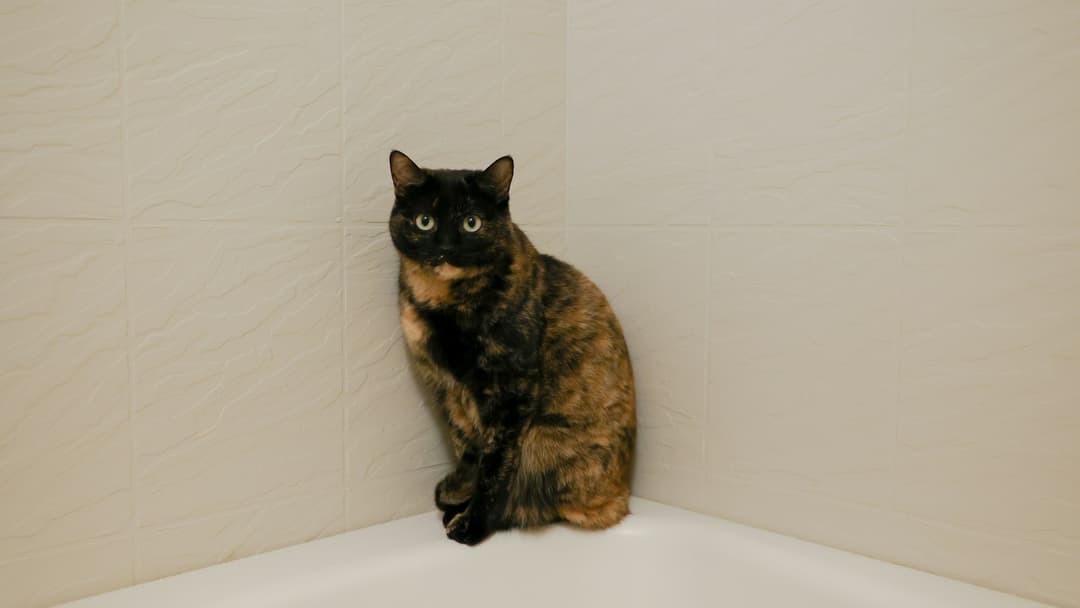
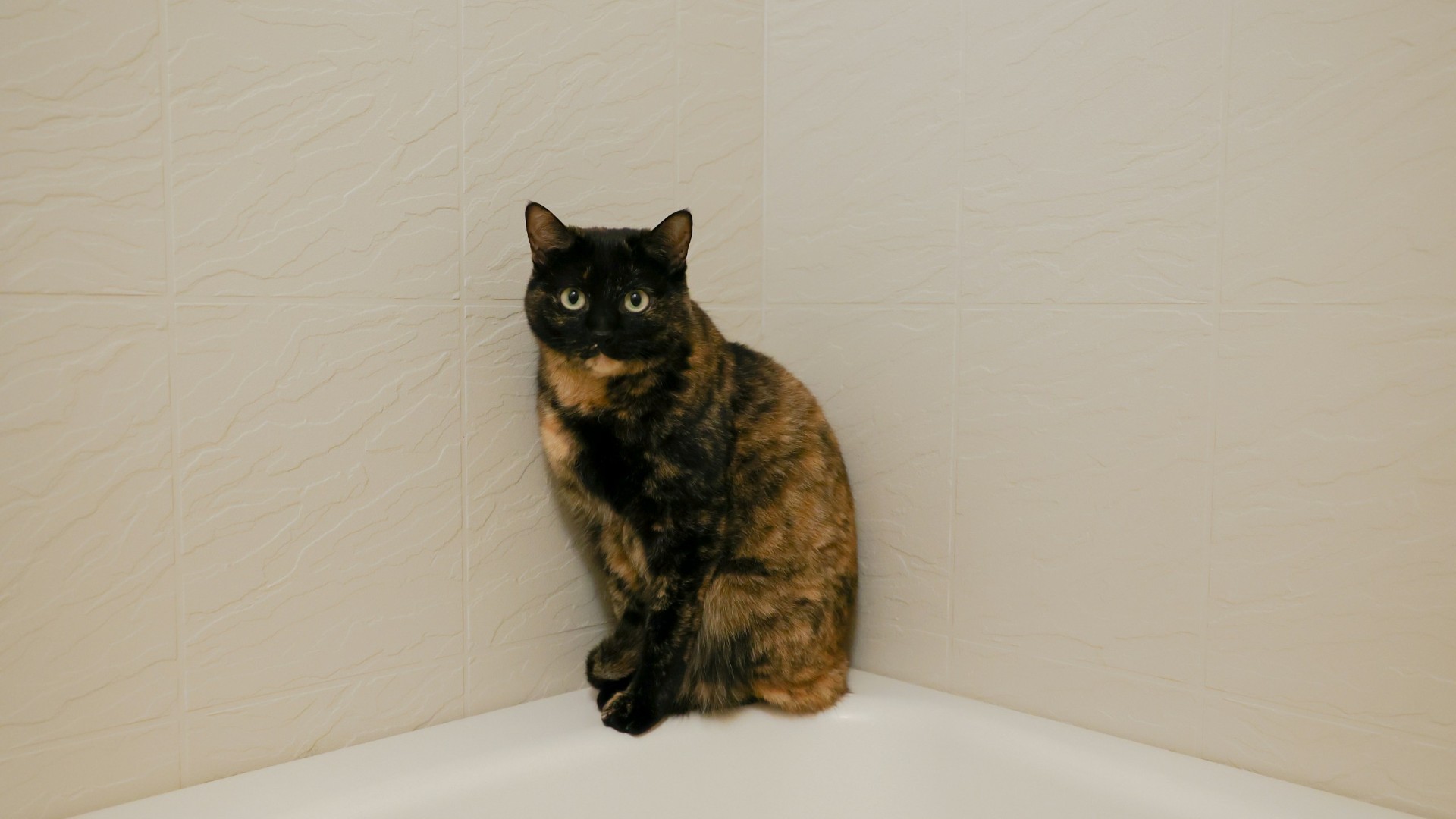
9. Changes In Bathroom Habits 
8. Constant Shaking Or Shivering 
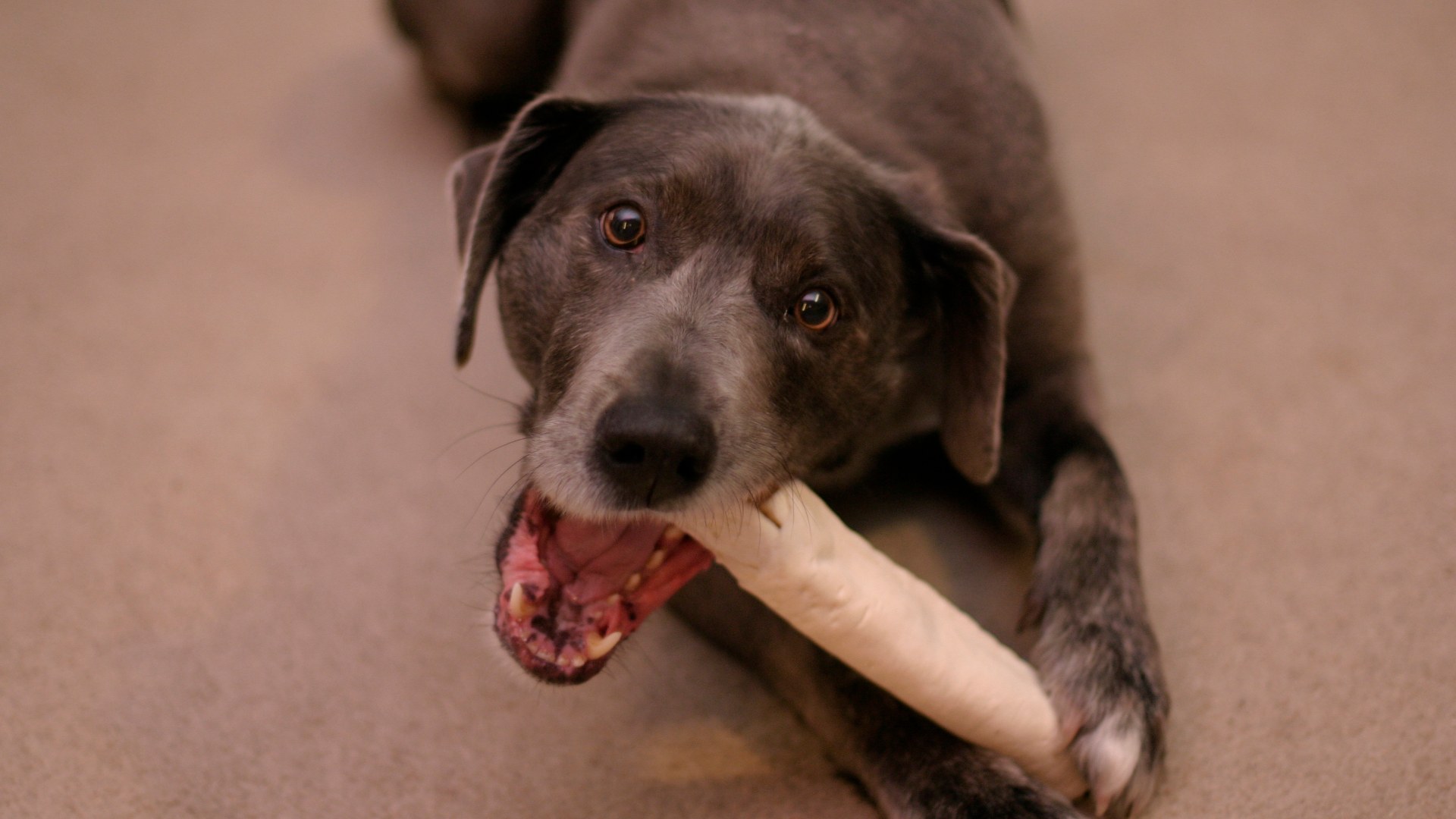
7. Destructive Chewing And Scratching 
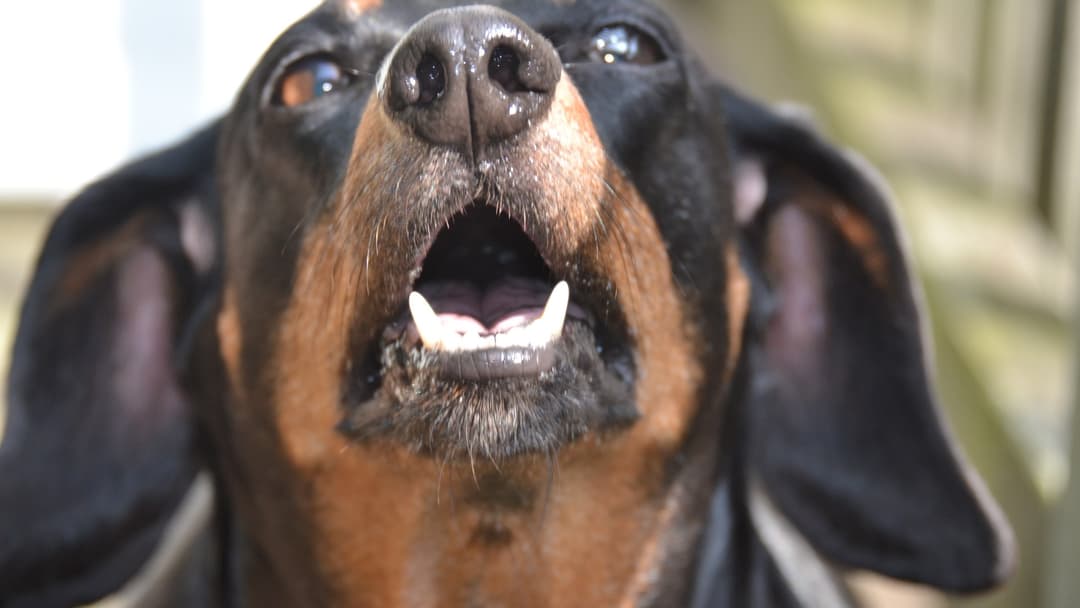
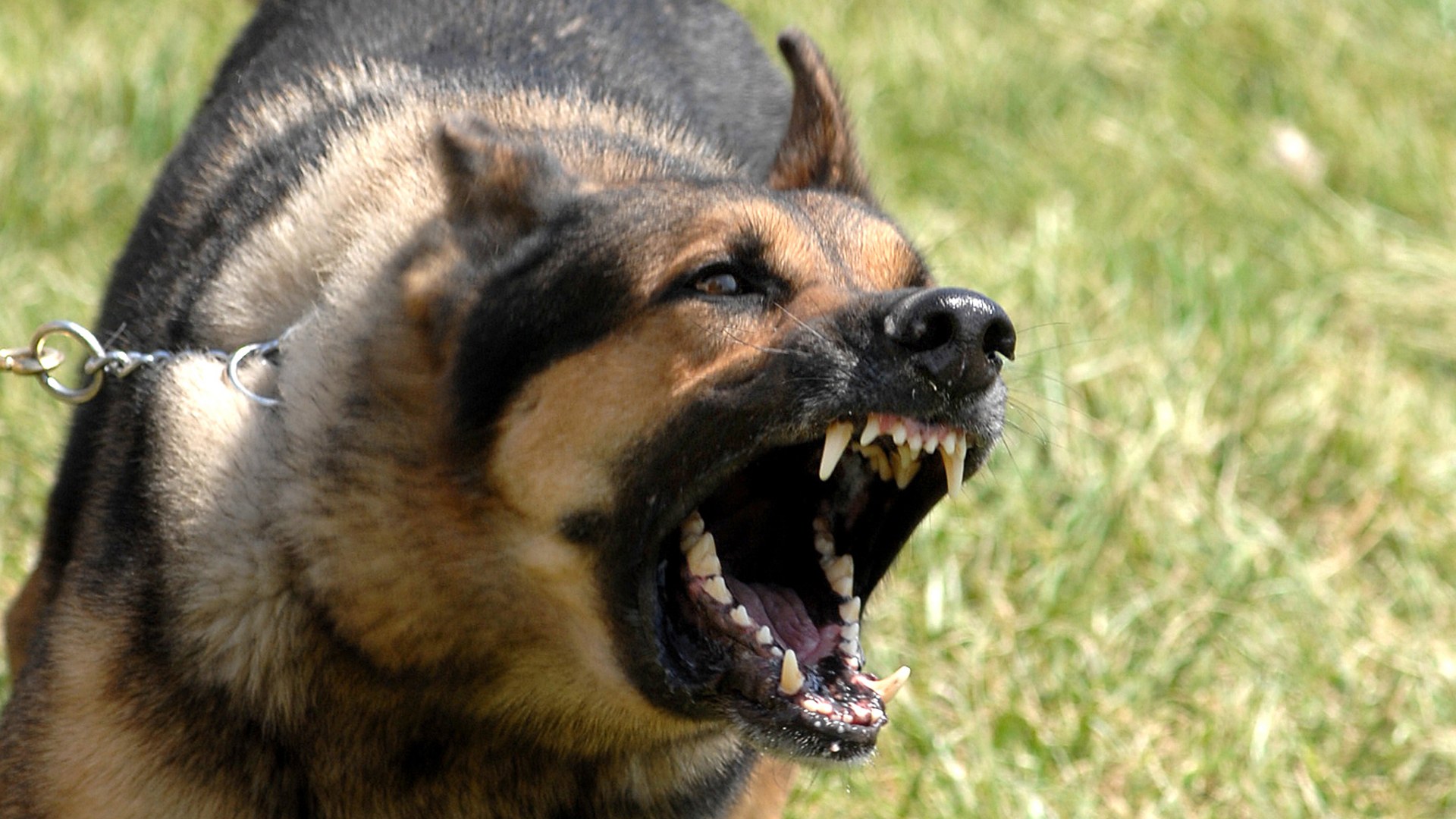
6. Excessive Vocalization - AdvertisementSwipe or tap ▶ to continue countdown

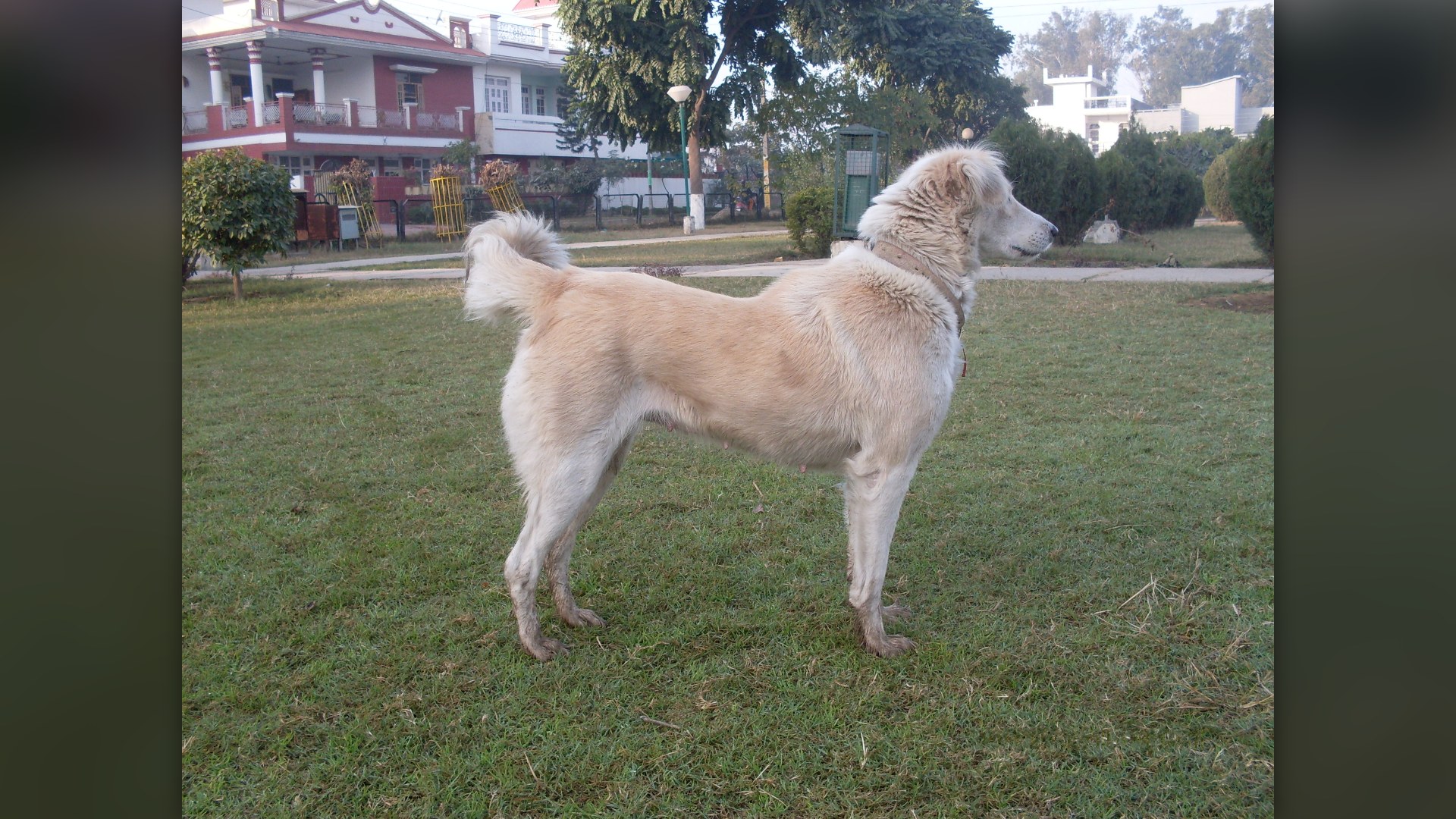
5. Freezing Or Rigid Body Posture 
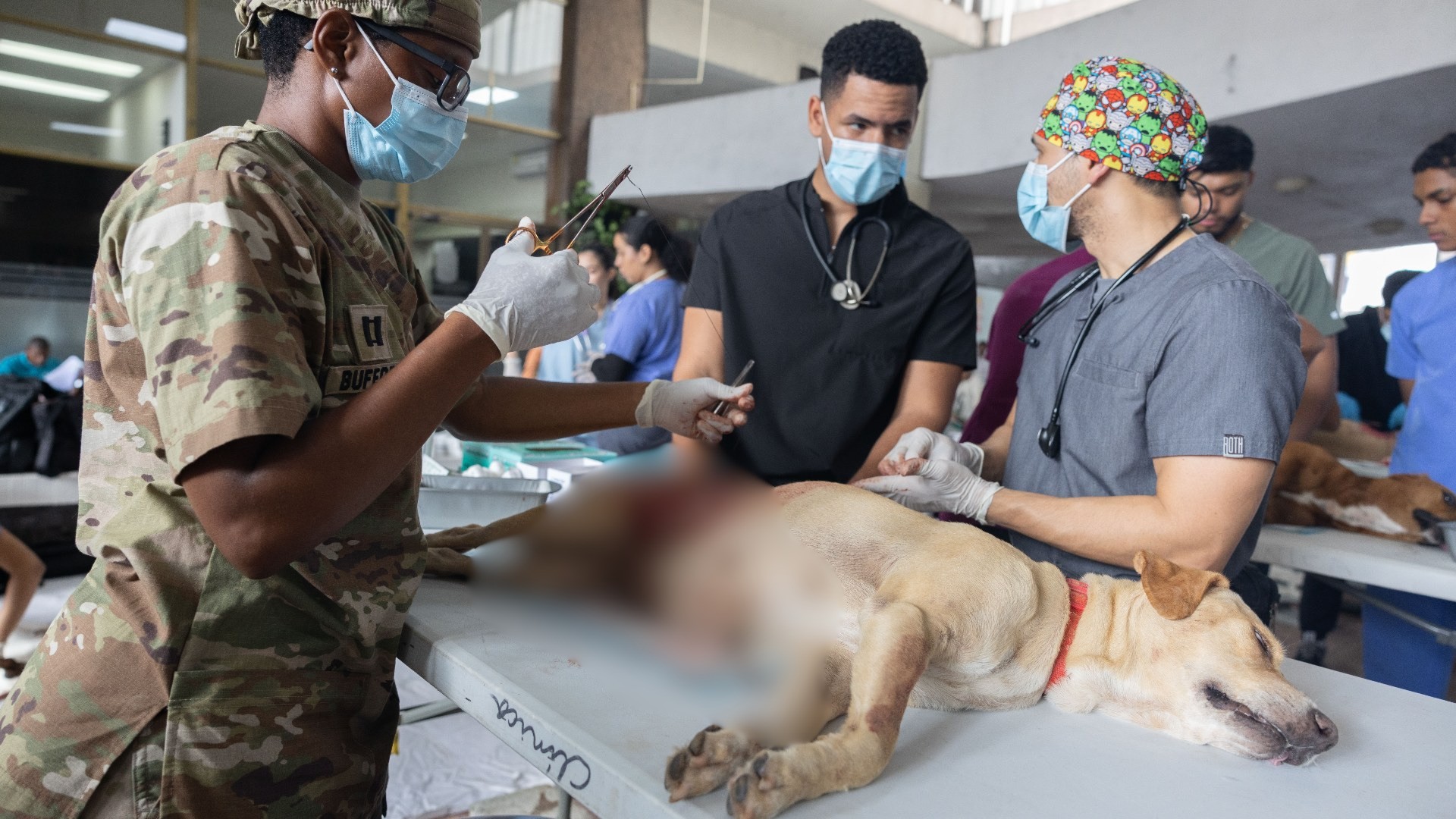
4. Digestive Distress 
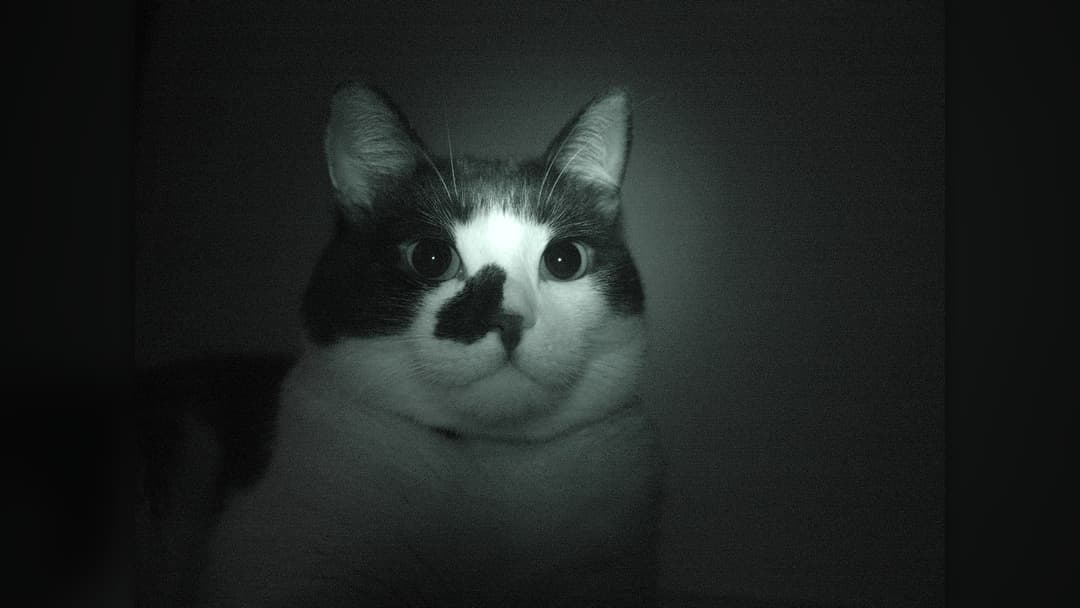
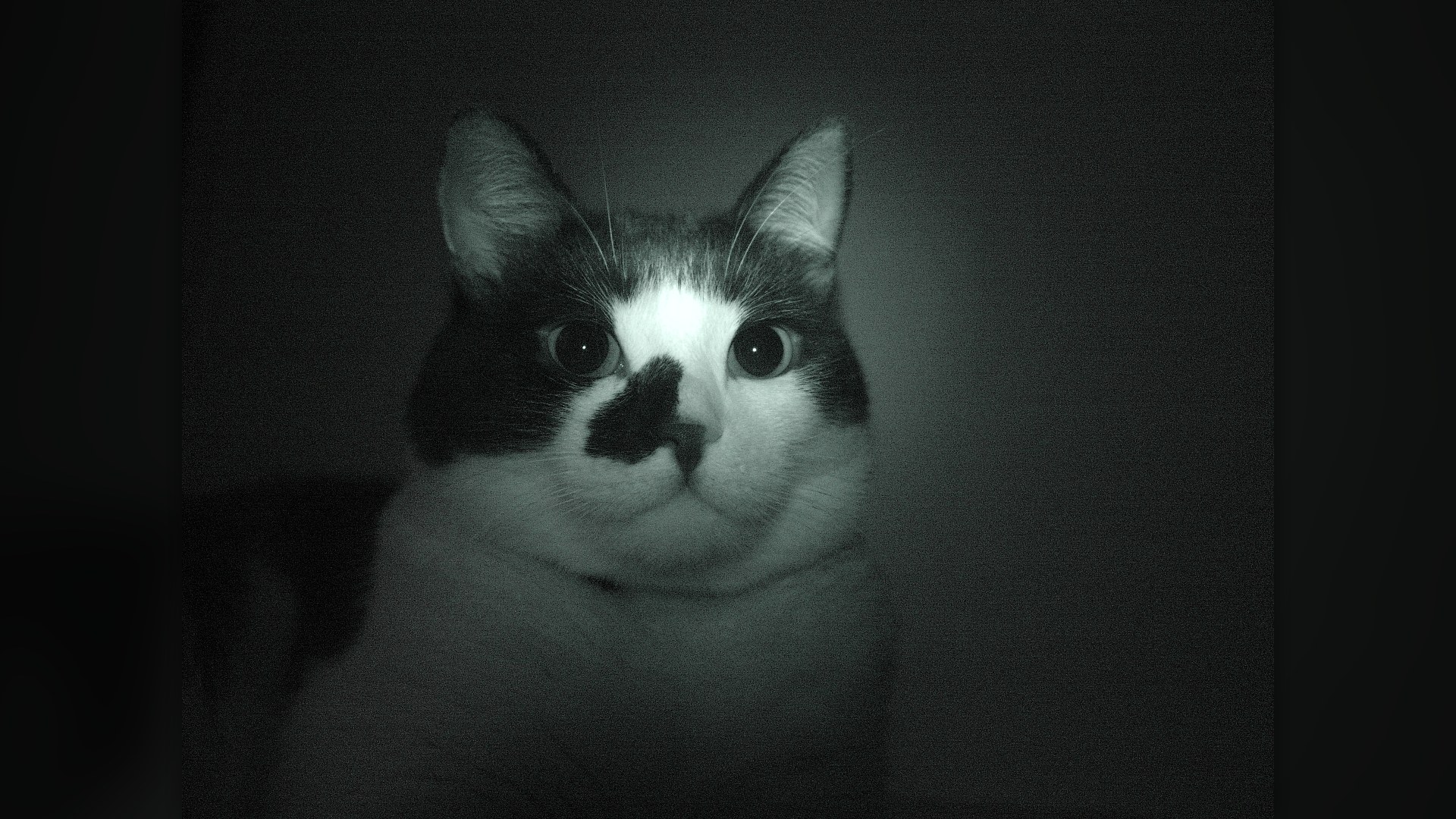
3. Hyper-Vigilance And Dilated Pupils 
2. Repetitive Prowling Or Tail Chasing - AdvertisementSwipe or tap ▶ to continue countdown

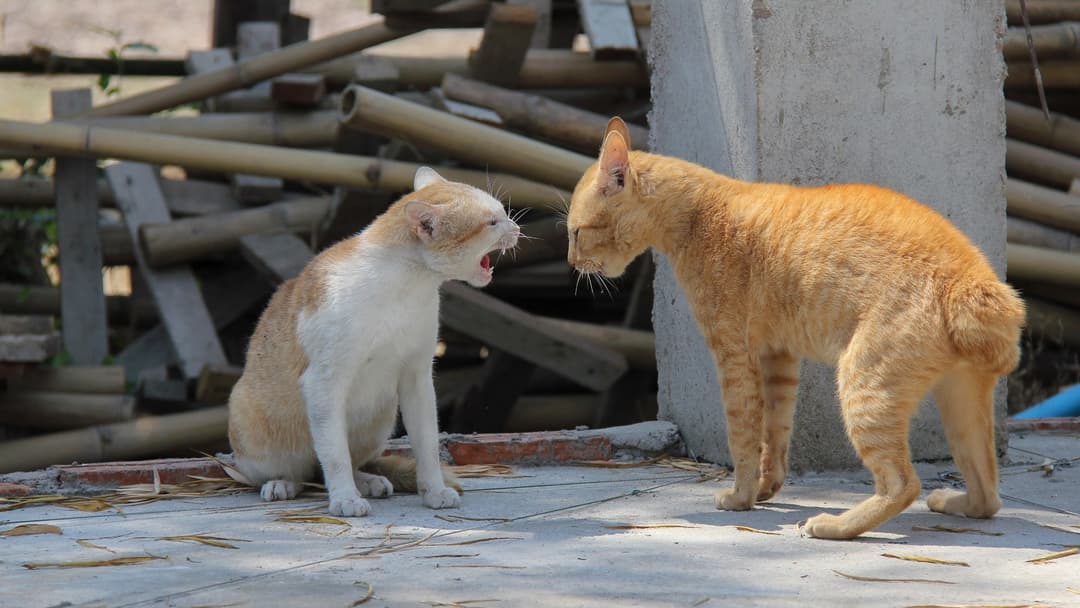
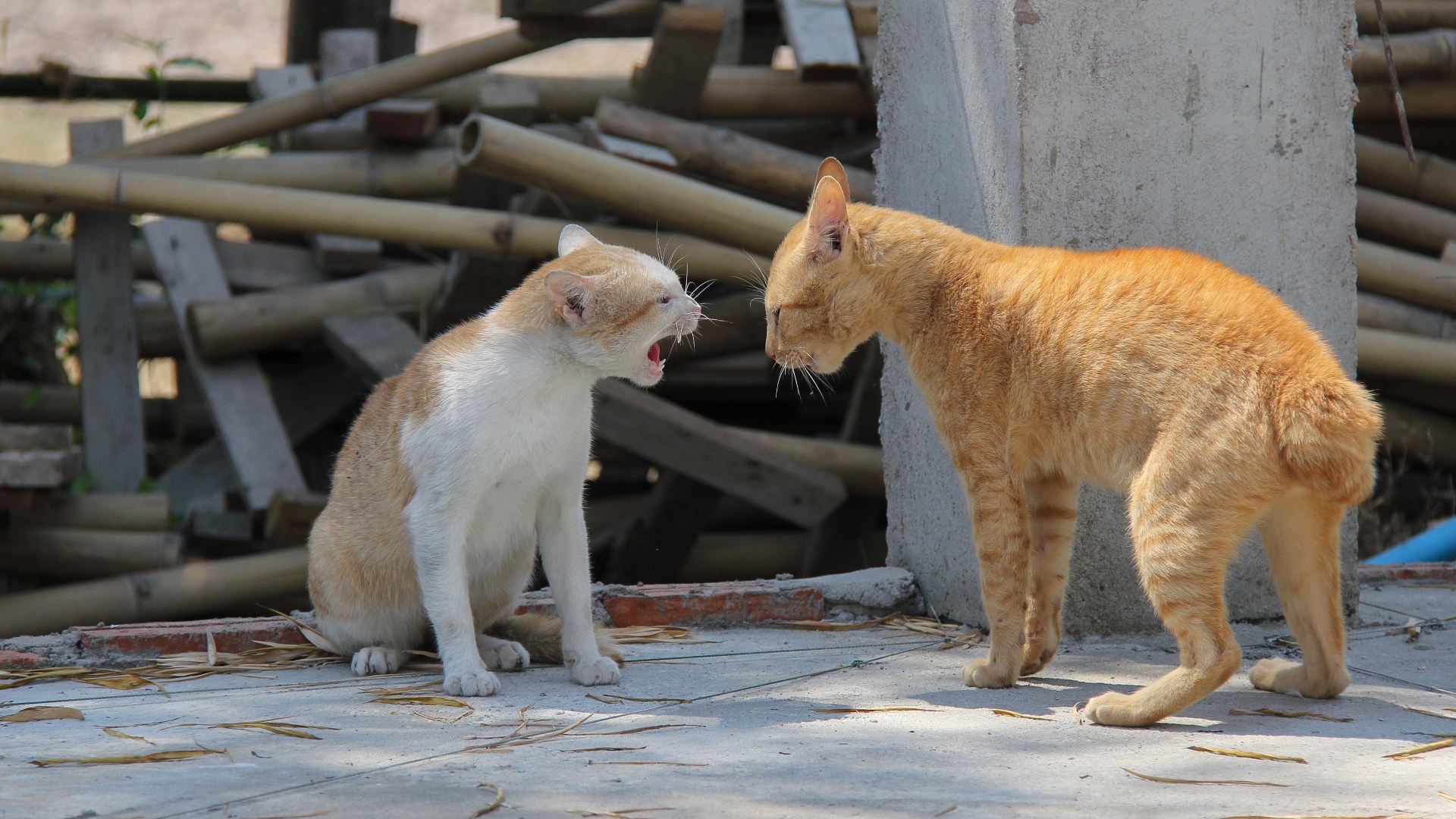
1. Unprovoked Growling Or Hissing - Advertisement🔥 UP NEXT IN THIS SERIES◫ 21 Slides

20 Quietest Dog Breeds, According to Vets, Ranked
Veterinarians and animal behaviorists highlight these calm, gentle dog breeds known for rarely barking and keeping the peace at home.
Domestic animals communicate distress through subtle behavioral cues that pet owners frequently overlook or misinterpret as everyday quirks.
Swipe or tap ▶ to begin the countdown
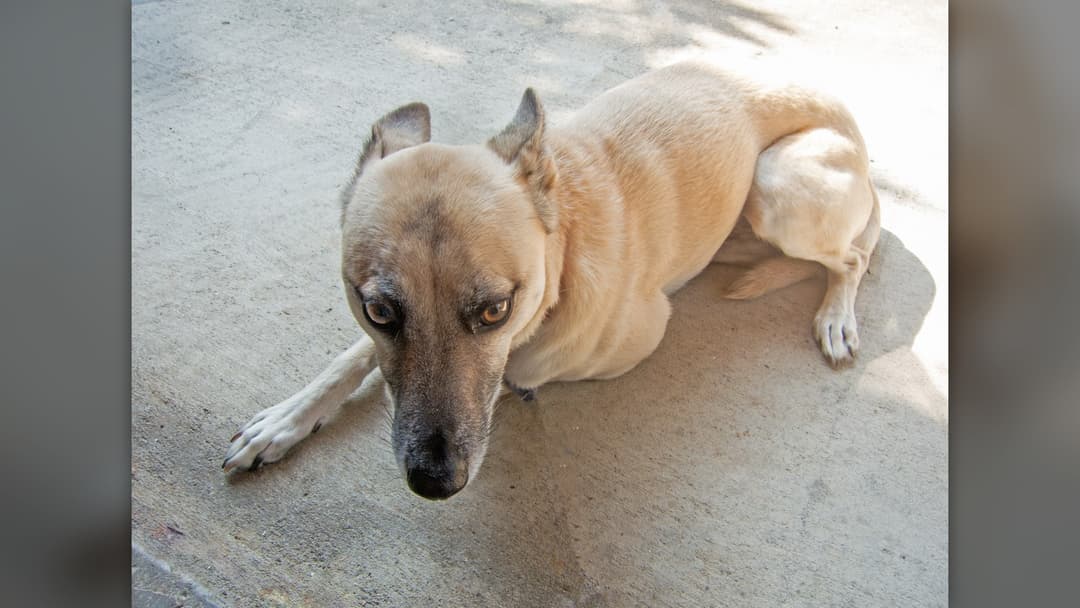
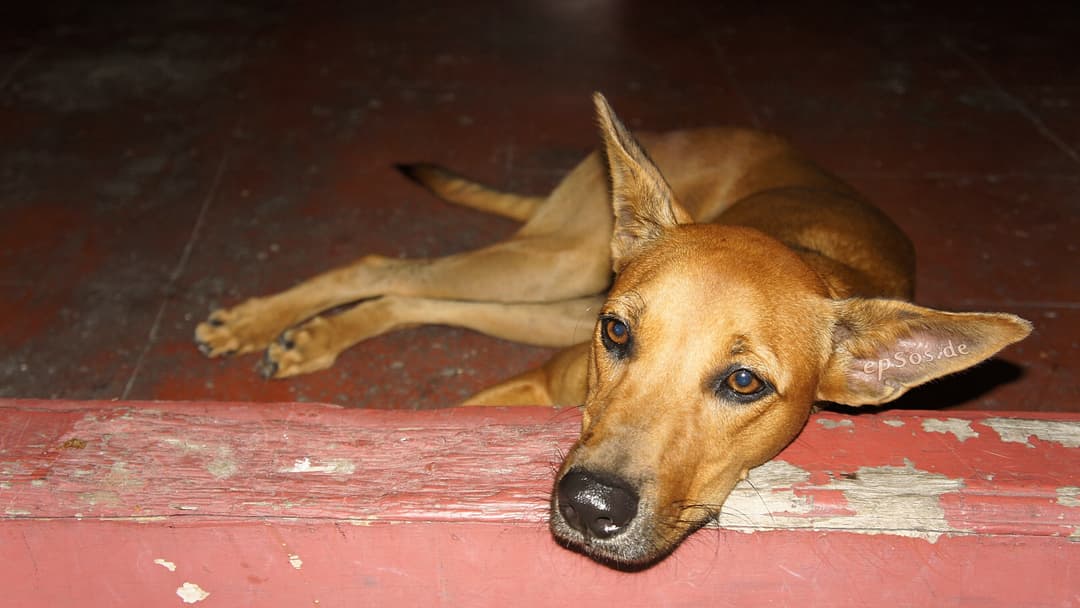
©Wikimedia / Basile Morin & Wikimedia / epSos.de
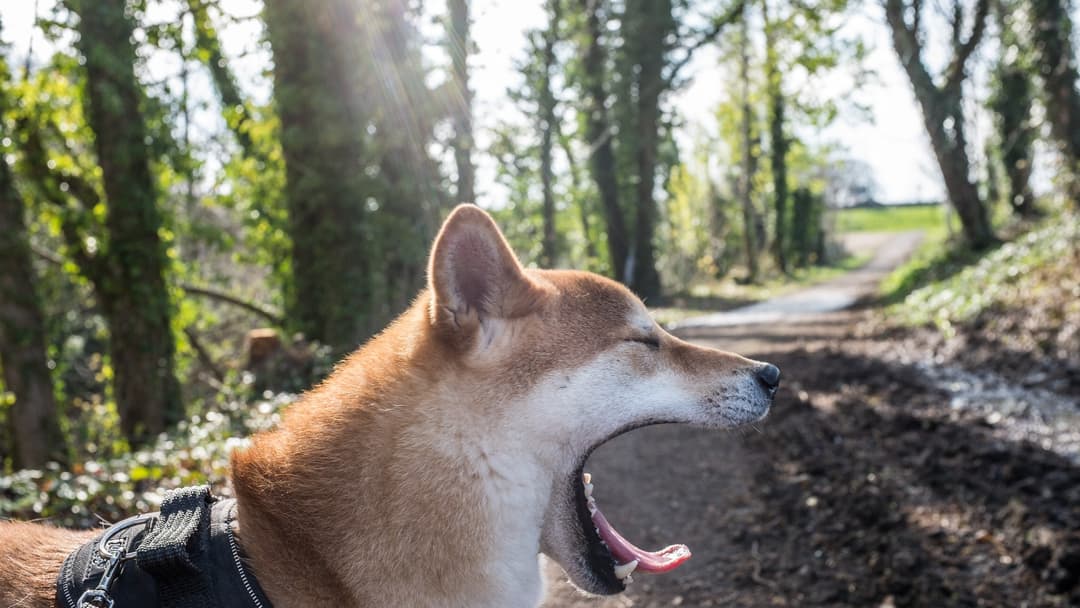
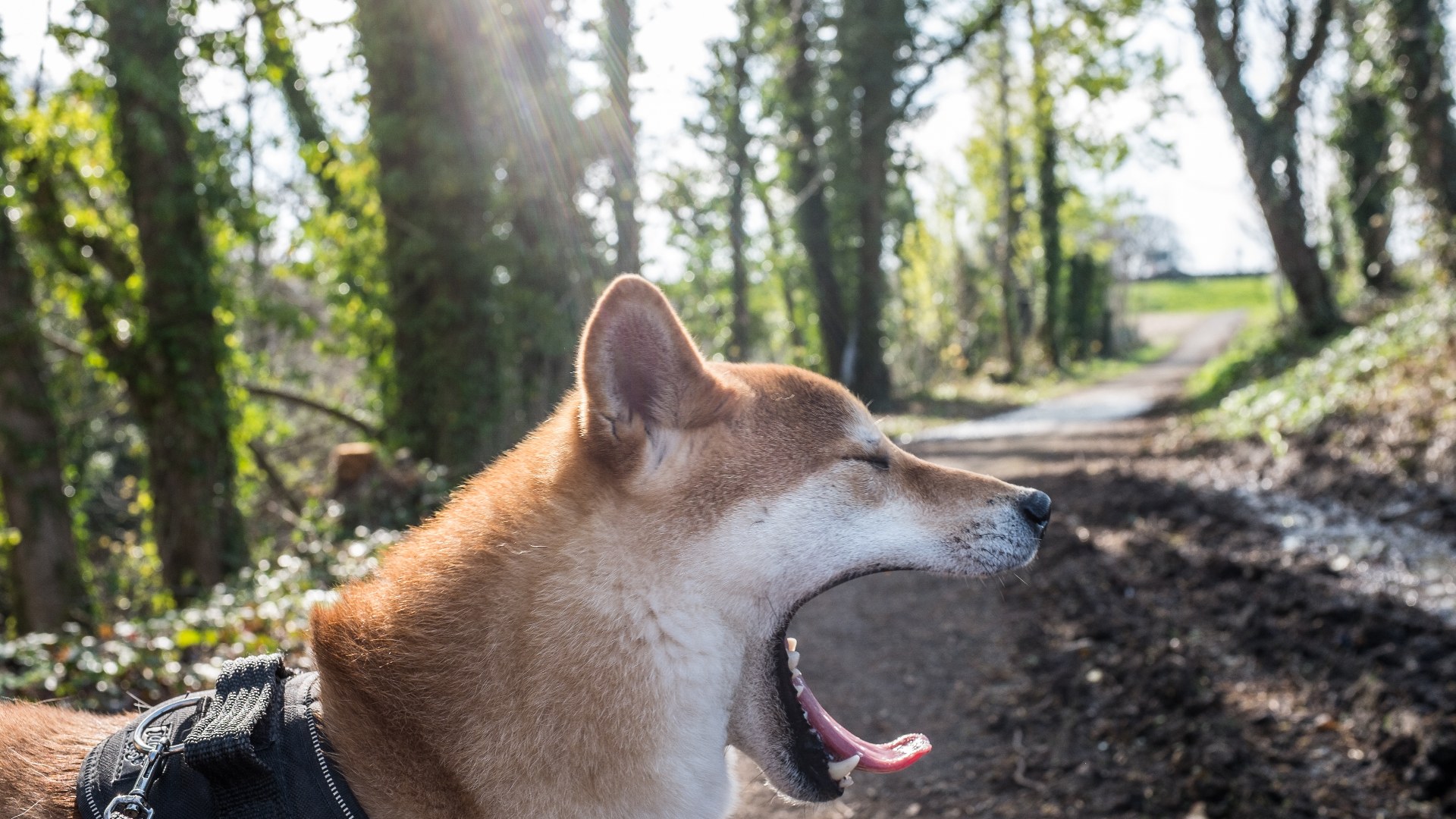
20. Frequent Yawning Out Of Context
While humans yawn primarily when tired, canines produce exaggerated yawns as an involuntary calming signal during acute moments of social anxiety.
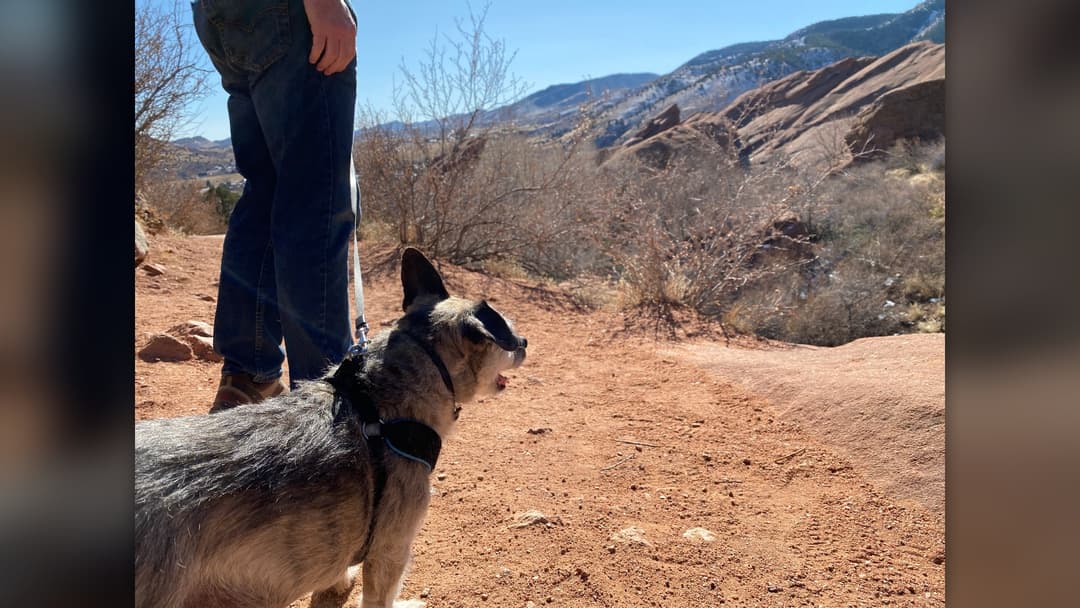
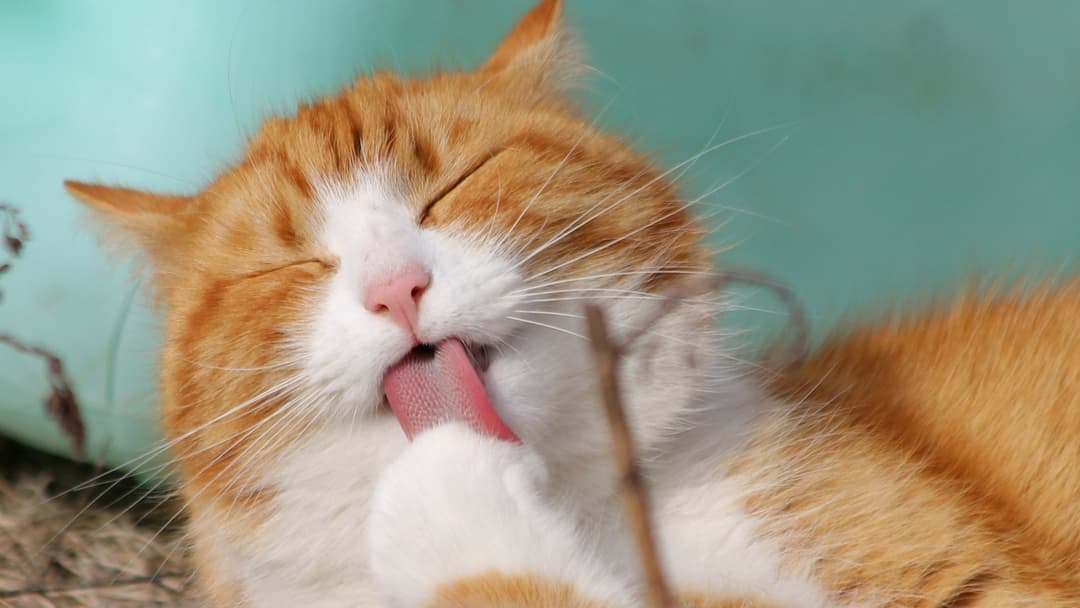
©Wikimedia / Picography
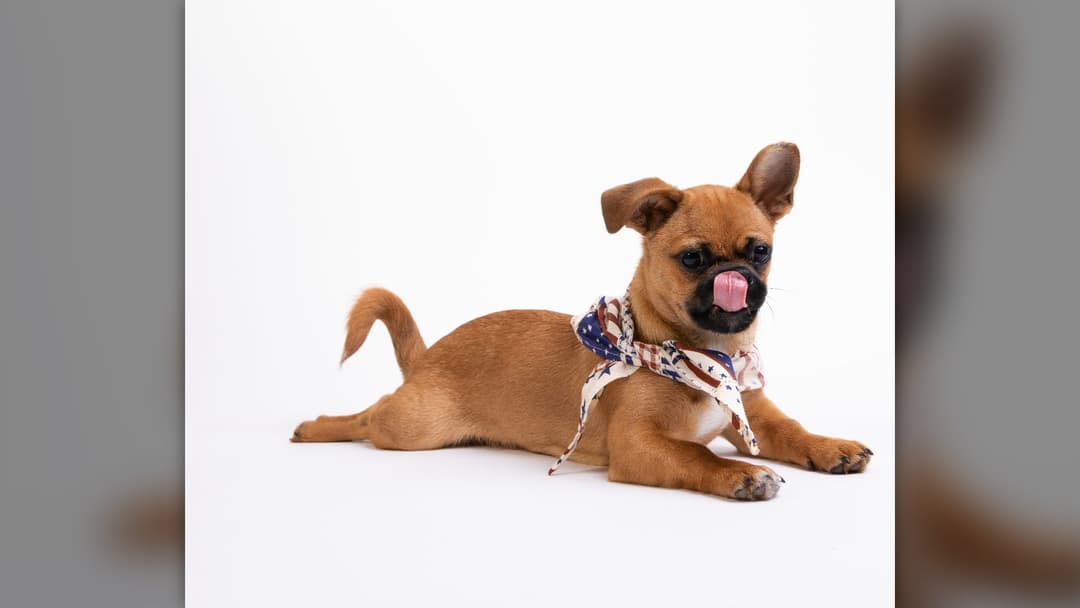
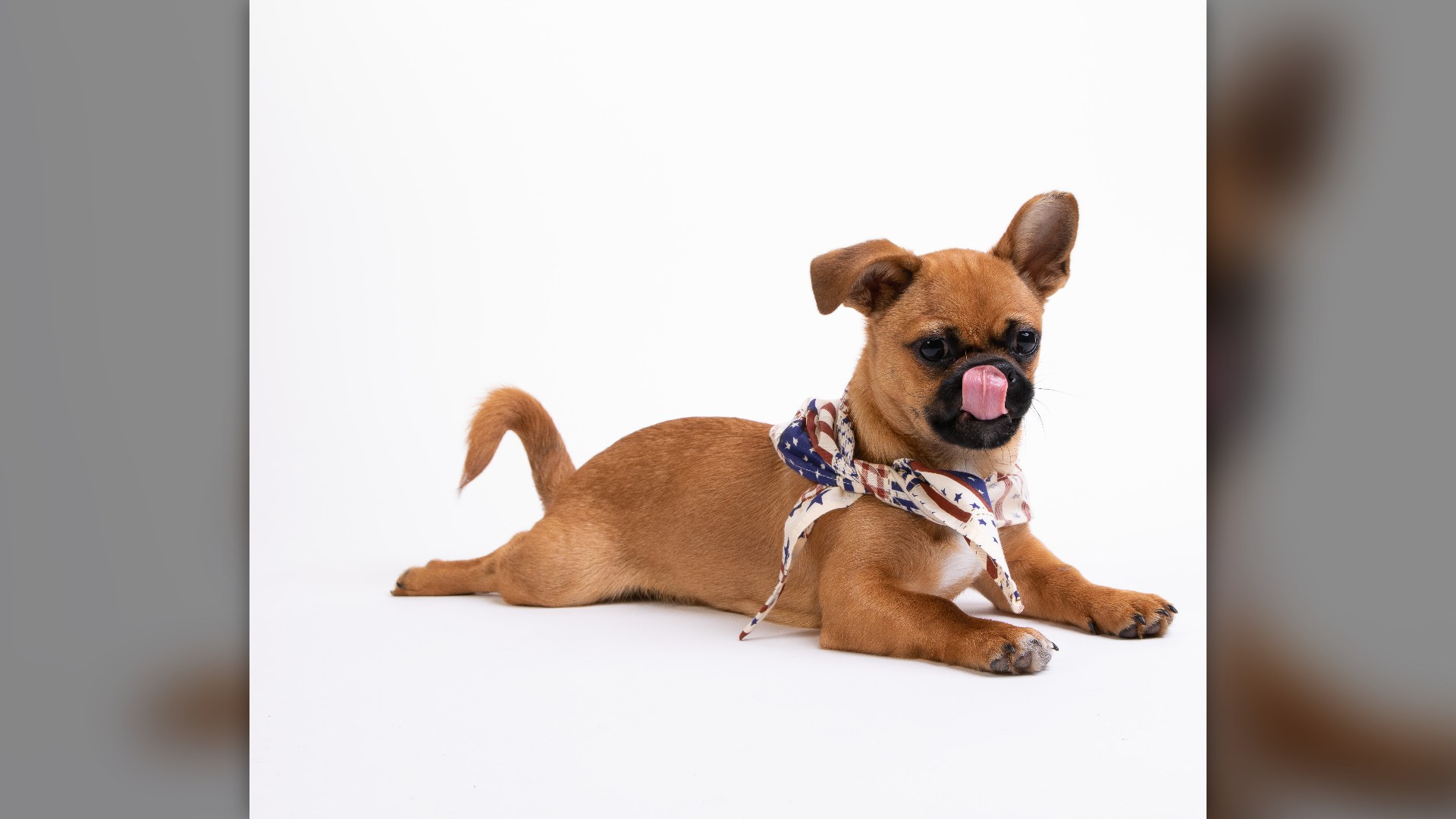
19. Lip Licking And Nose Flicking
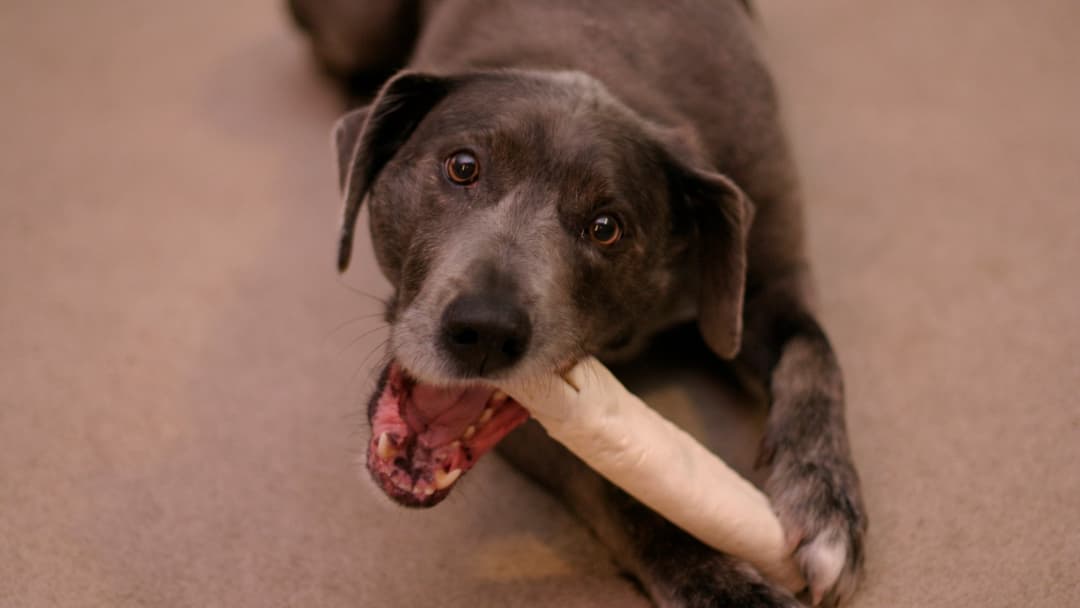
Veterinary behaviorists identify rapid nose licking in the absence of food as a clear somatic displacement behavior triggered by immediate environmental pressure.
©Wikimedia / Jernej Furman
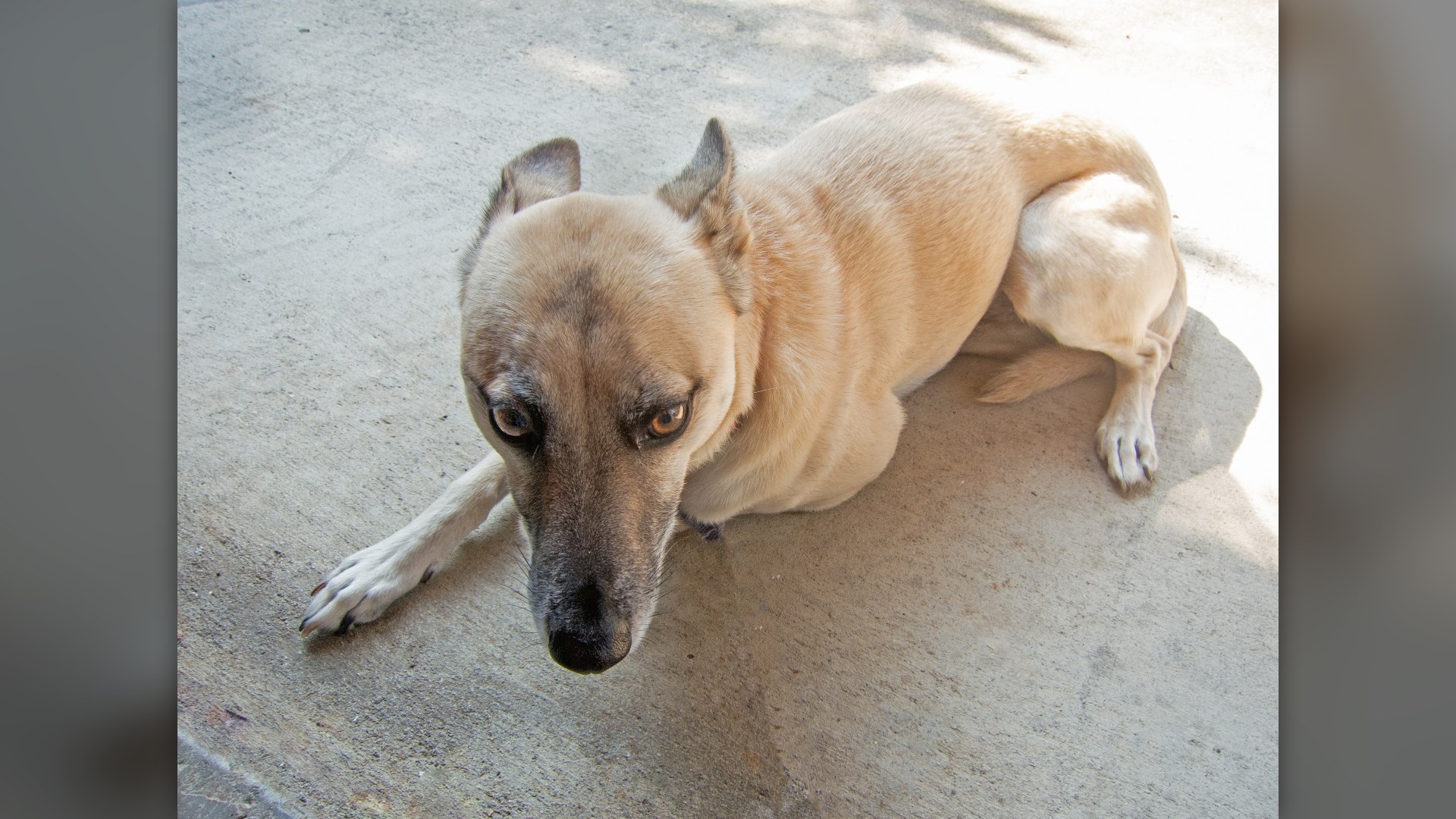
18. Tucked Tail Between Legs
By pulling the tail between the hind legs, a frightened animal covers its vulnerable perineal scent glands to minimize olfactory detection during threatening encounters.
©Wikimedia / Ellen Levy Finch
Advertisement
Swipe or tap ▶ to resume the countdown.
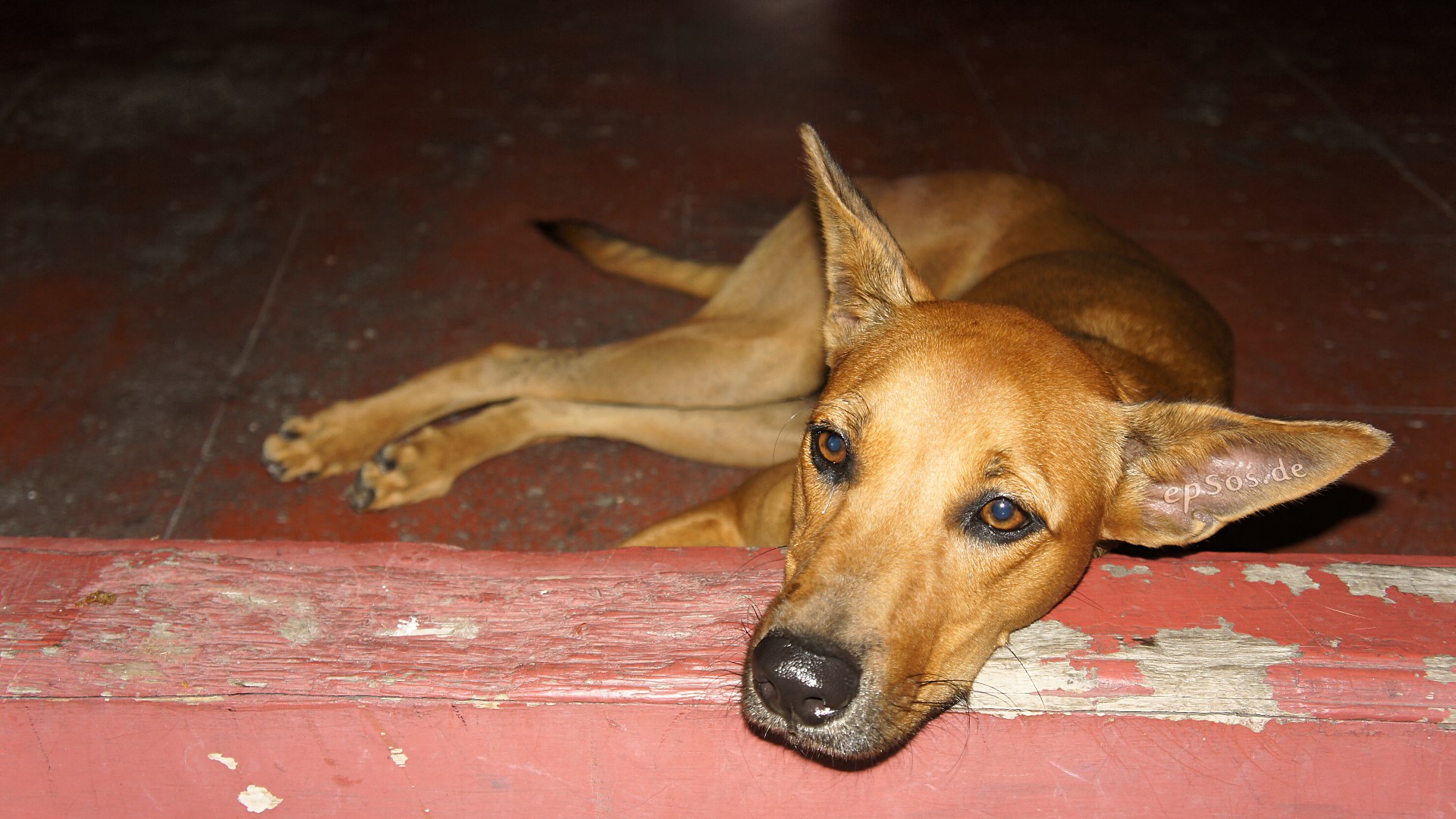
17. Whale Eye
When pets track an uncomfortable presence without shifting their skull, the white perimeter of the eye becomes exposed, warning observers that the animal feels threatened.
©Wikimedia / epSos.de
16. Flattened Or Pinned-Back Ears
Flattened ear posture in both felines and canines serves as an evolutionary self-defense reflex designed to shield delicate ear cartilage during anticipated physical conflicts.

©Wikimedia / Henning Ihmels
15. Excessive Shedding
Adrenaline surges cause the arrector pili muscles to contract rapidly, causing pets to shed heavy clumps of fur within minutes of entering a veterinary clinic or stressful room.

©Wikimedia / ZooFari
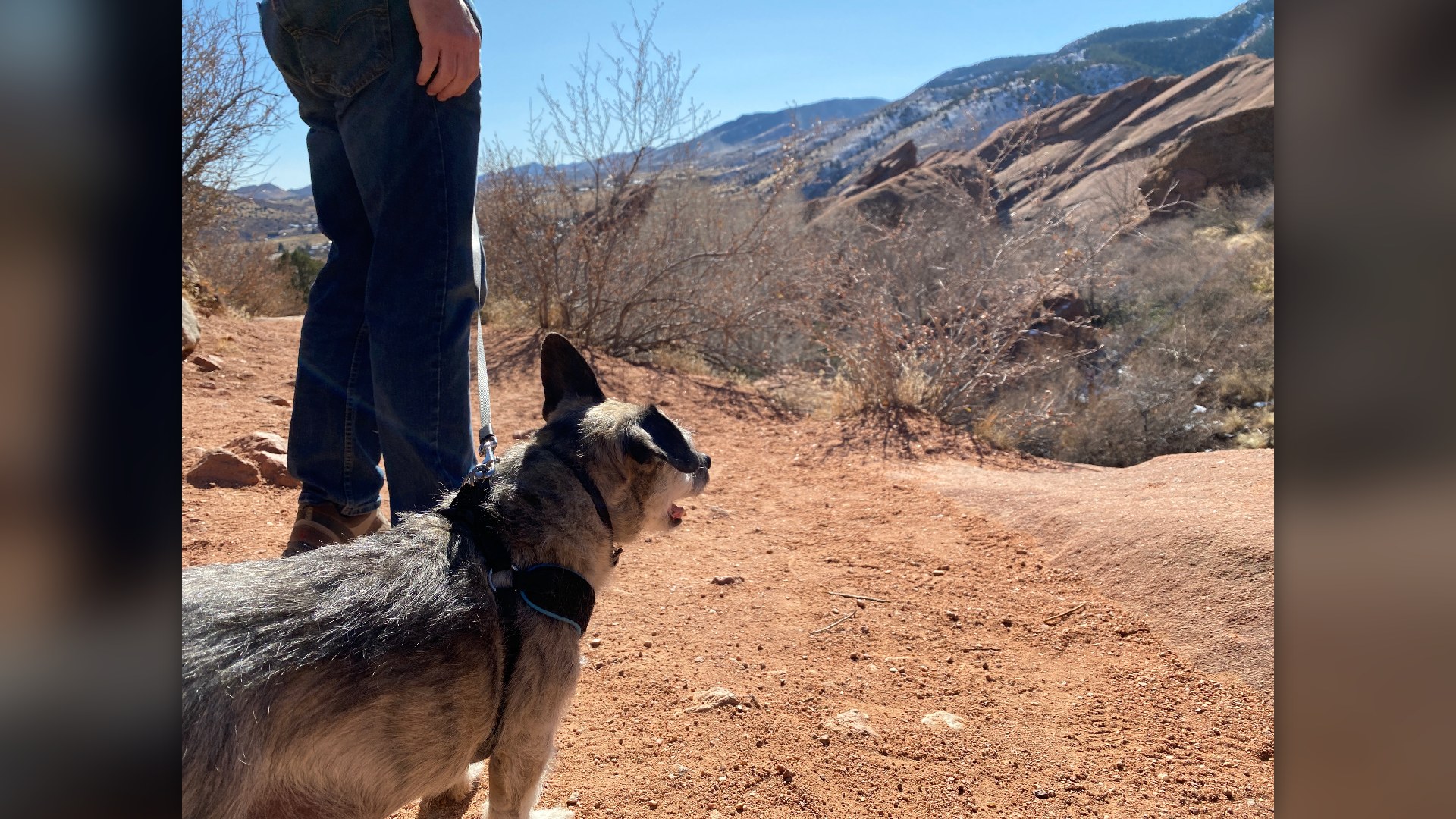
14. Pacing And Restlessness
Chronic cortisol elevation keeps pets in a persistent state of hyperarousal, preventing them from resting comfortably even in familiar domestic spaces.
©Wikimedia / Lovemedead
Advertisement
Swipe or tap ▶ to resume the countdown.
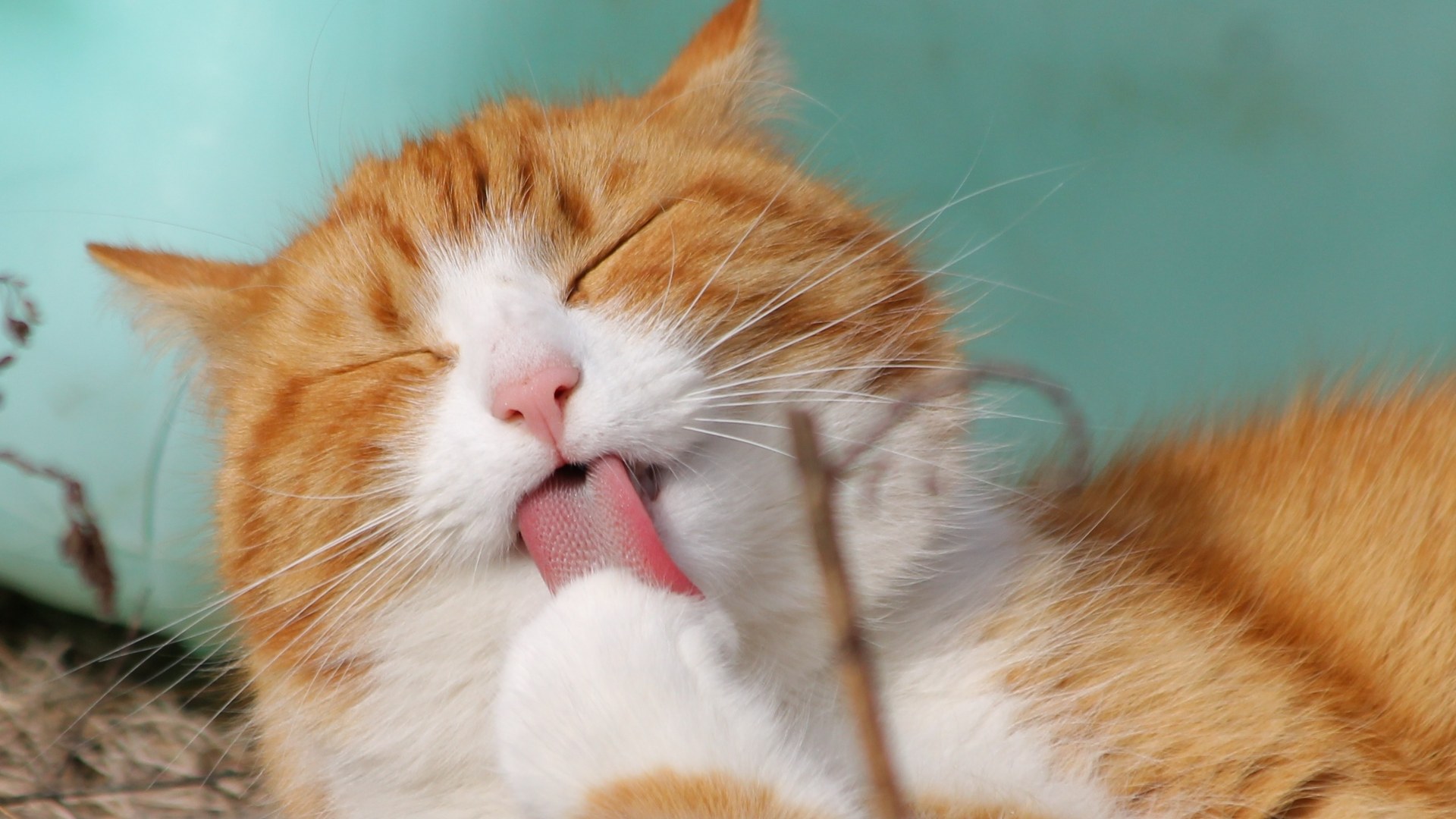
13. Over-Grooming And Fur Pulling
Psychogenic alopecia in cats and acral lick dermatitis in dogs develop when animals repetitively lick specific bodily areas to self-soothe chronic psychological agitation.
©Wikimedia / TeamK
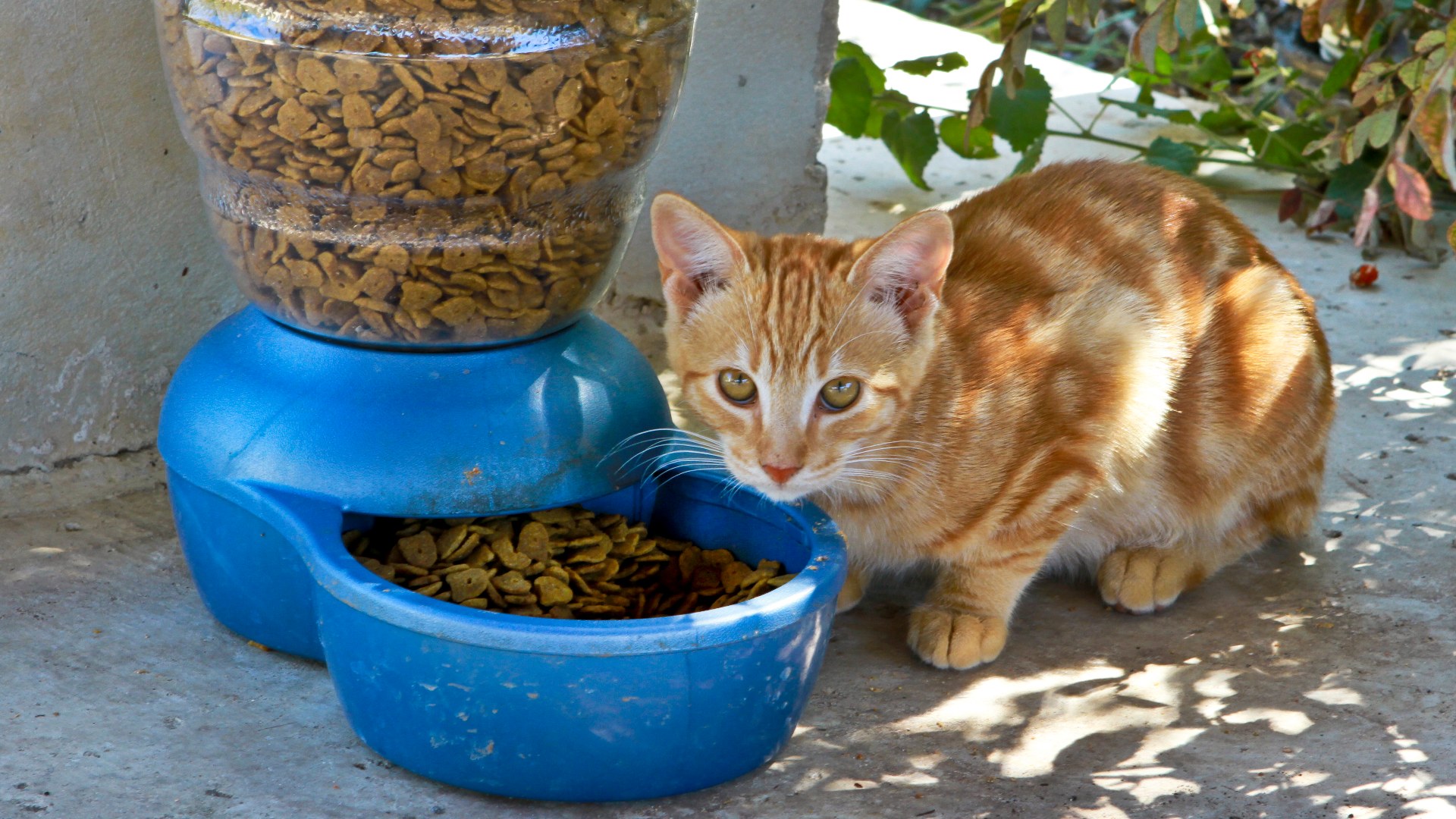
12. Sudden Loss Of Appetite
Sympathetic nervous system activation diverts blood flow away from the gastrointestinal tract, leading stressed pets to turn away from fresh food or eat only when hand-fed.
©Wikimedia / Linda Hosek
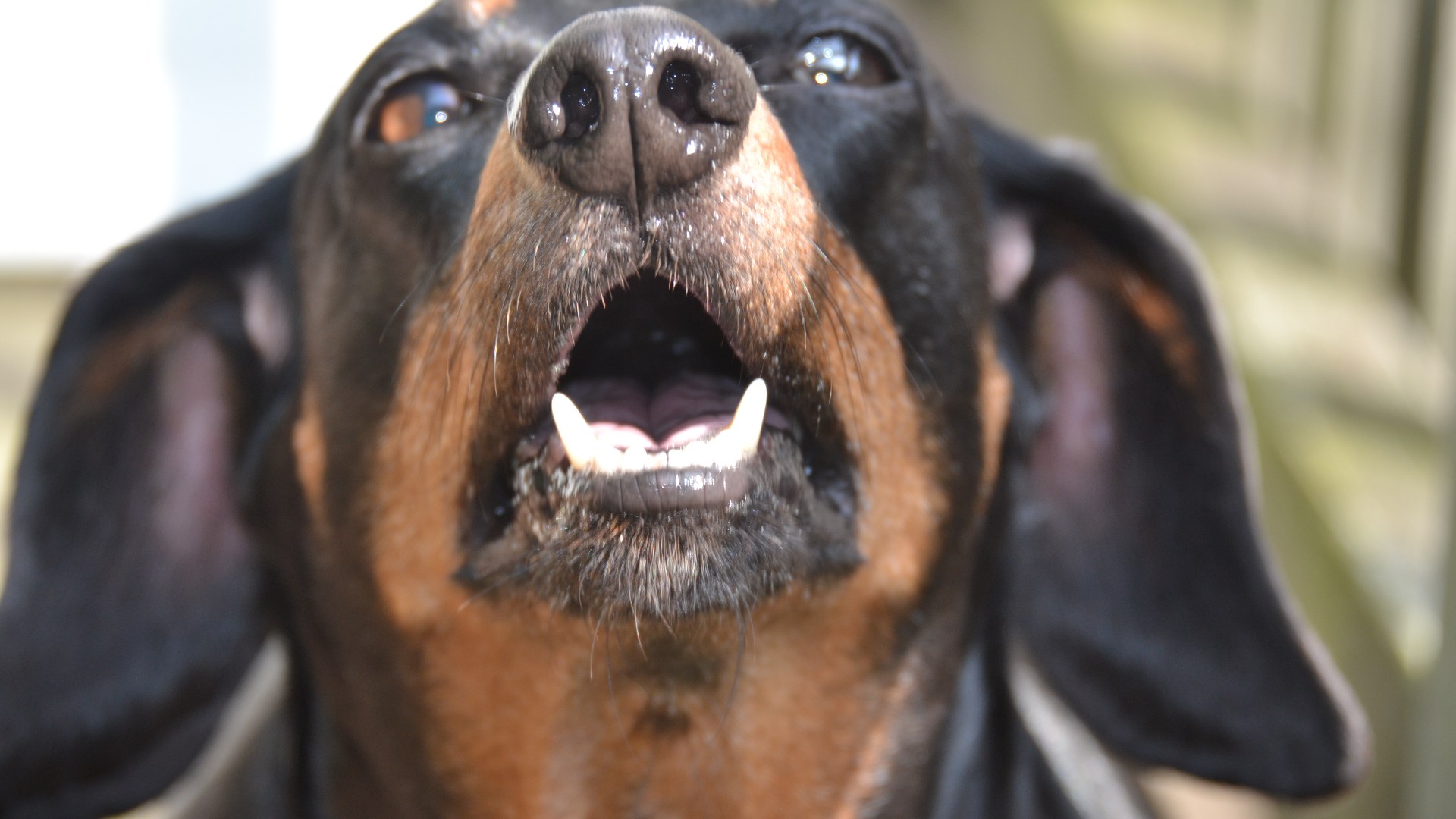
11. Excessive Panting Without Heat
While panting serves as canine thermoregulation, shallow rapid breathing that persists in air-conditioned environments reflects elevated cardiovascular output from fear.
©Wikimedia / Tony Alter
10. Hiding And Social Withdrawal
When household routines or environmental noises exceed a pet's emotional threshold, retreating to small, dark, enclosed shelters provides essential perceived security.
©Wikimedia / Famartin
Advertisement
Swipe or tap ▶ to resume the countdown.
9. Changes In Bathroom Habits
Stress-induced interstitial cystitis in felines and submissive urination in canines represent involuntary physiological breakdowns directly linked to emotional distress.
© Photo by Nana Fuzimi on Unsplash
8. Constant Shaking Or Shivering
Neurogenic tremors occur when high levels of circulating adrenaline trigger rapid skeletal muscle oscillations, even when the ambient room temperature is warm.

©Wikimedia / Free-Photos
7. Destructive Chewing And Scratching
Severe separation anxiety causes canines to focus destructive oral behaviors on exit points such as doors and window frames in frantic attempts to reunite with owners.
©Wikimedia / Shane Adams
6. Excessive Vocalization
Vocal expressions of panic intensify when pets lack sufficient cognitive stimulation, creating continuous feedback loops of high-pitched calling behaviors.
©U.S. Air Force / Josh Plueger
Advertisement
Swipe or tap ▶ to resume the countdown.
5. Freezing Or Rigid Body Posture
When an animal assesses that neither fight nor flight is possible, muscles lock into rigid stillness, which often immediately precedes defensive aggression.
©Wikimedia / Gopal1035
4. Digestive Distress
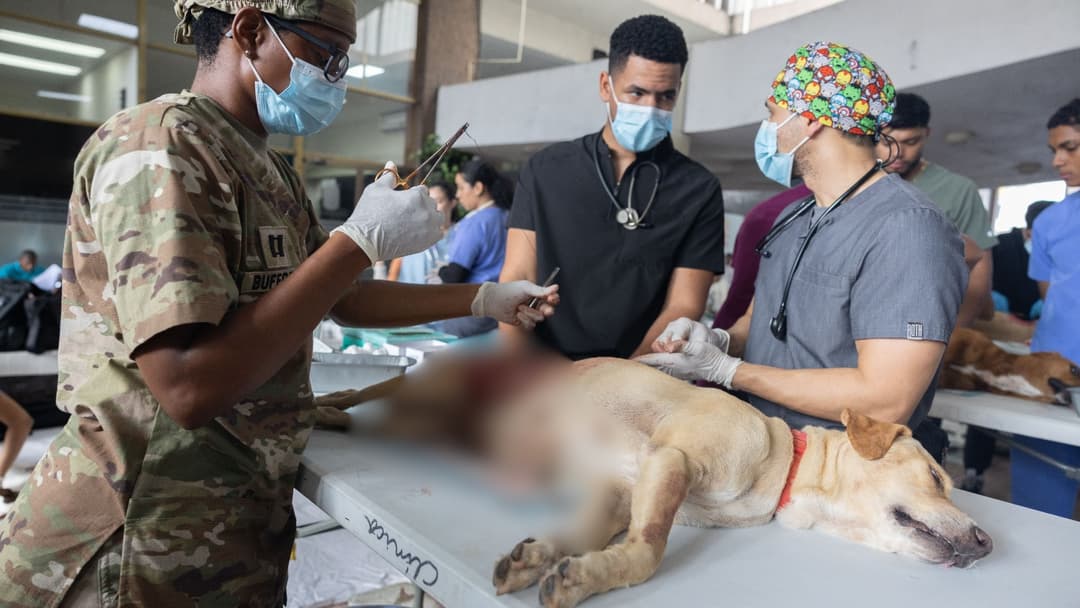
The brain-gut axis reacts swiftly to emotional stress, with neurological distress signals triggering immediate gastrointestinal inflammation and rapid elimination reflexes.
©U.S. Navy / Alfredo Marron
3. Hyper-Vigilance And Dilated Pupils
Sympathetic mydriasis expands pupil diameter to maximize optical light intake, preparing the nervous system to detect incoming dangers in unpredictable settings.
©Wikimedia / Andreibanc
2. Repetitive Prowling Or Tail Chasing
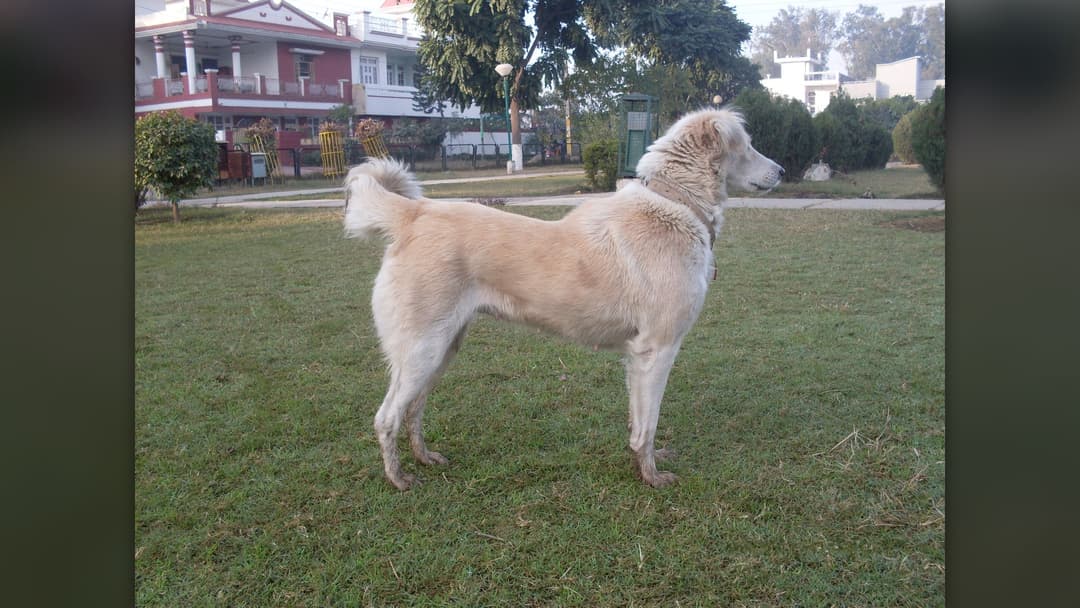
Compulsive spinning and tail chasing often signify entrenched stereotypic disorders that require comprehensive behavioral interventions and environmental enrichment.

©Wikimedia / Sarbjit Bahga
Advertisement
Swipe or tap ▶ to resume the countdown.
1. Unprovoked Growling Or Hissing
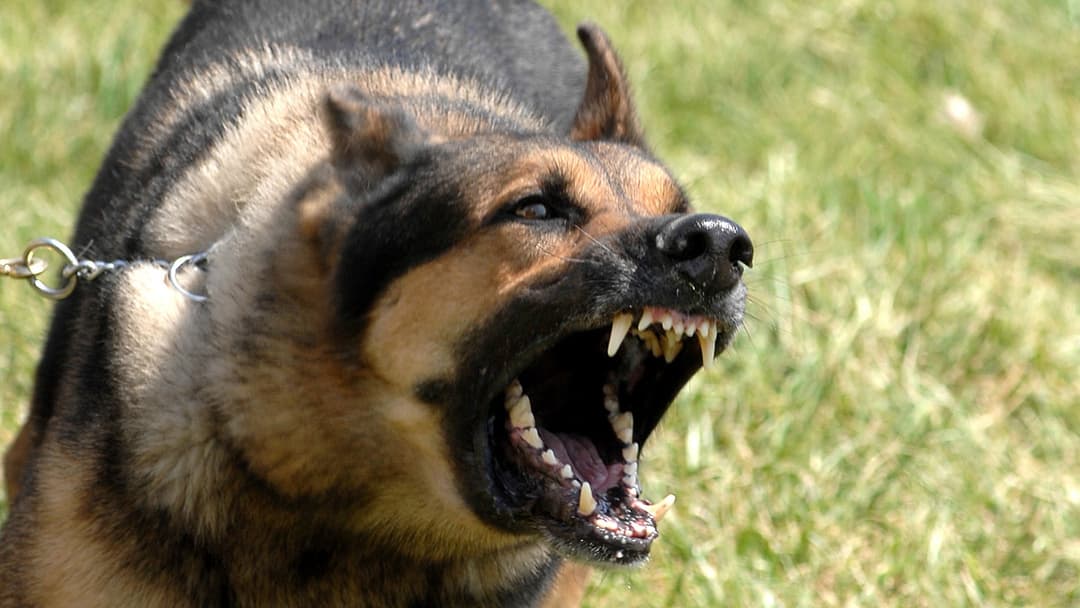
Growling and hissing represent crucial communication warnings indicating that all earlier stress signals were missed, pushing the stressed animal into active defensive aggression.
©Wikimedia / Basile Morin
Advertisement
You've reached the end of the story. Thanks for reading!

20 Quietest Dog Breeds, According to Vets, Ranked
Veterinarians and animal behaviorists highlight these calm, gentle dog breeds known for rarely barking and keeping the peace at home.
All 20 Entries in this Story
20. Frequent Yawning Out Of Context
While humans yawn primarily when tired, canines produce exaggerated yawns as an involuntary calming signal during acute moments of social anxiety.

19. Lip Licking And Nose Flicking
Veterinary behaviorists identify rapid nose licking in the absence of food as a clear somatic displacement behavior triggered by immediate environmental pressure.

18. Tucked Tail Between Legs
By pulling the tail between the hind legs, a frightened animal covers its vulnerable perineal scent glands to minimize olfactory detection during threatening encounters.

17. Whale Eye
When pets track an uncomfortable presence without shifting their skull, the white perimeter of the eye becomes exposed, warning observers that the animal feels threatened.

16. Flattened Or Pinned-Back Ears
Flattened ear posture in both felines and canines serves as an evolutionary self-defense reflex designed to shield delicate ear cartilage during anticipated physical conflicts.

15. Excessive Shedding
Adrenaline surges cause the arrector pili muscles to contract rapidly, causing pets to shed heavy clumps of fur within minutes of entering a veterinary clinic or stressful room.

14. Pacing And Restlessness
Chronic cortisol elevation keeps pets in a persistent state of hyperarousal, preventing them from resting comfortably even in familiar domestic spaces.

13. Over-Grooming And Fur Pulling
Psychogenic alopecia in cats and acral lick dermatitis in dogs develop when animals repetitively lick specific bodily areas to self-soothe chronic psychological agitation.

12. Sudden Loss Of Appetite
Sympathetic nervous system activation diverts blood flow away from the gastrointestinal tract, leading stressed pets to turn away from fresh food or eat only when hand-fed.

11. Excessive Panting Without Heat
While panting serves as canine thermoregulation, shallow rapid breathing that persists in air-conditioned environments reflects elevated cardiovascular output from fear.

10. Hiding And Social Withdrawal
When household routines or environmental noises exceed a pet's emotional threshold, retreating to small, dark, enclosed shelters provides essential perceived security.

9. Changes In Bathroom Habits
Stress-induced interstitial cystitis in felines and submissive urination in canines represent involuntary physiological breakdowns directly linked to emotional distress.

8. Constant Shaking Or Shivering
Neurogenic tremors occur when high levels of circulating adrenaline trigger rapid skeletal muscle oscillations, even when the ambient room temperature is warm.

7. Destructive Chewing And Scratching
Severe separation anxiety causes canines to focus destructive oral behaviors on exit points such as doors and window frames in frantic attempts to reunite with owners.

6. Excessive Vocalization
Vocal expressions of panic intensify when pets lack sufficient cognitive stimulation, creating continuous feedback loops of high-pitched calling behaviors.

5. Freezing Or Rigid Body Posture
When an animal assesses that neither fight nor flight is possible, muscles lock into rigid stillness, which often immediately precedes defensive aggression.

4. Digestive Distress
The brain-gut axis reacts swiftly to emotional stress, with neurological distress signals triggering immediate gastrointestinal inflammation and rapid elimination reflexes.

3. Hyper-Vigilance And Dilated Pupils
Sympathetic mydriasis expands pupil diameter to maximize optical light intake, preparing the nervous system to detect incoming dangers in unpredictable settings.

2. Repetitive Prowling Or Tail Chasing
Compulsive spinning and tail chasing often signify entrenched stereotypic disorders that require comprehensive behavioral interventions and environmental enrichment.

1. Unprovoked Growling Or Hissing
Growling and hissing represent crucial communication warnings indicating that all earlier stress signals were missed, pushing the stressed animal into active defensive aggression.