Slideshow · Science
20 Strange Natural Phenomena Around the World
Across the globe, rare meteorological collisions and geological forces create sights that look like special effects. From glowing blue volcanic flames in Indonesia to bleeding glaciers in Antarctica, these twenty documented natural phenomena baffle scientists while proving how dynamic our planet remains.
By Most Viral Today
9 min ago

Explore 20 Strange Natural Phenomena That Challenge Known Laws of Science 
20. Red Crab Migration On Christmas Island 
19. Desert Superblooms 
18. Volcanic Lightning - AdvertisementSwipe or tap ▶ to continue countdown

17. Noctilucent Clouds 
16. Sun Dogs 
15. Blue Lava Of Kawah Ijen 
14. Eternal Flame Falls - AdvertisementSwipe or tap ▶ to continue countdown

13. Lake Natron's Red Waters 
12. Fairy Circles Of Namibia 
11. Brinicles And Underwater Ice Fingers 
10. Ball Lightning - AdvertisementSwipe or tap ▶ to continue countdown

9. Lenticular Clouds 
8. Underwater Waterfalls 
7. Frozen Methane Bubbles 
6. Rainbow Fire - AdvertisementSwipe or tap ▶ to continue countdown

5. Bioluminescent Bays 
4. Morning Glory Clouds 
3. Sailing Stones Of Death Valley 
2. Blood Falls In Antarctica - AdvertisementSwipe or tap ▶ to continue countdown

1. Catatumbo Lightning - Advertisement🔥 UP NEXT IN THIS SERIES◫ 21 Slides

20 Essential Off-Grid Cooking Tools When the Grid Fails, Ranked
Evaluated by off-grid homesteaders and emergency management survival guidelines, these 20 non-electric tools keep kitchens functioning when utility power fails. Emergency preparedness guidelines emphasize that modern recipes depend on uninterrupted municipal utilities.
Across the globe, rare meteorological collisions and geological forces create sights that look like special effects. From glowing blue volcanic flames in Indonesia to bleeding glaciers in Antarctica, these twenty documented natural phenomena baffle scientists while proving how dynamic our planet remains.
Swipe or tap ▶ to begin the countdown
©Wikimedia / Fernando Flores
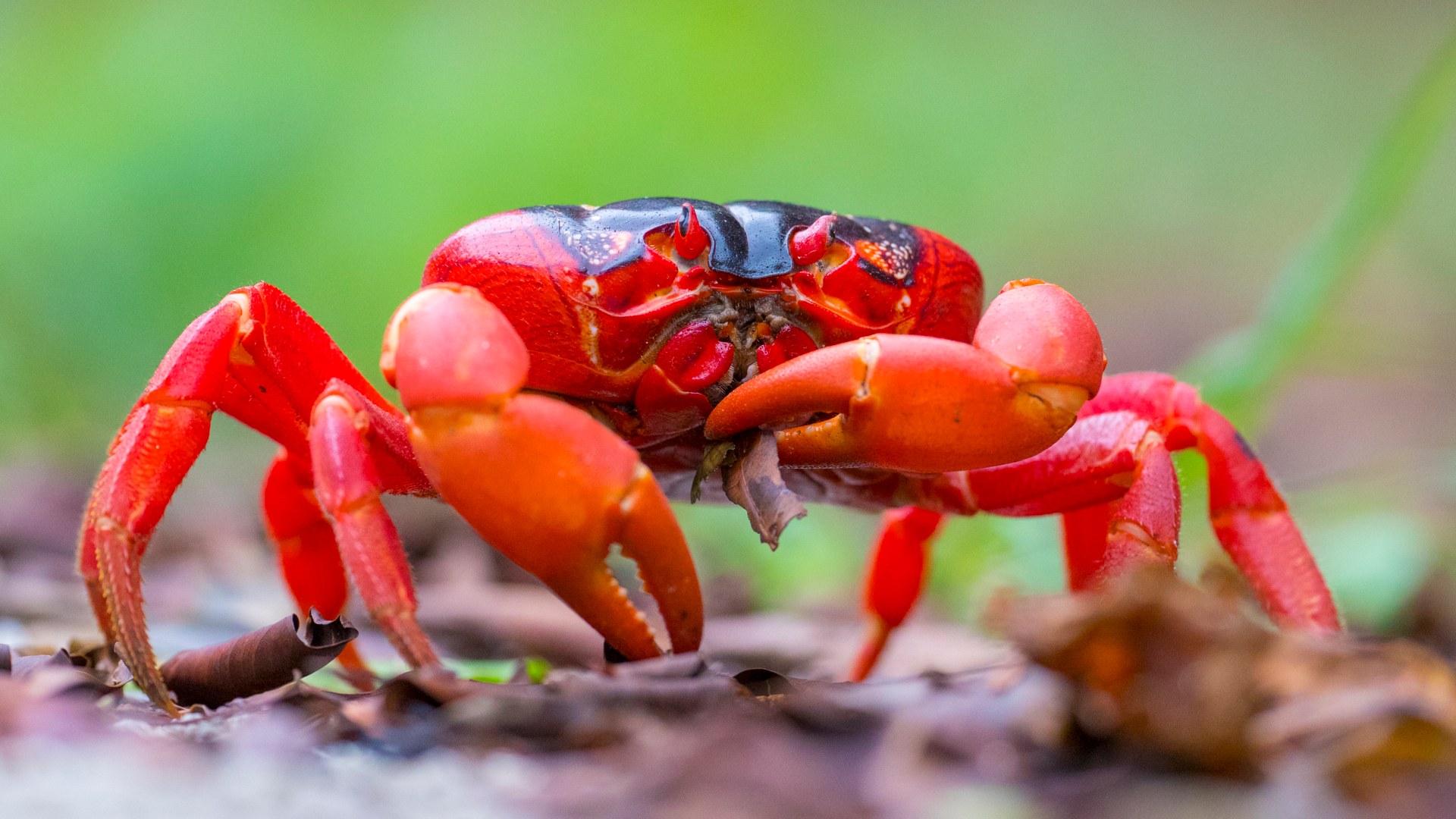
20. Red Crab Migration On Christmas Island
Every autumn on Christmas Island in the Indian Ocean, fifty million land crabs emerge from forest burrows for their annual breeding migration. The crustaceans swarm across roads, cliffs, and beaches toward the coast, synchronized precisely with the wet season's heavy rains and lunar tide cycles.
©Wikimedia / Chris Bray
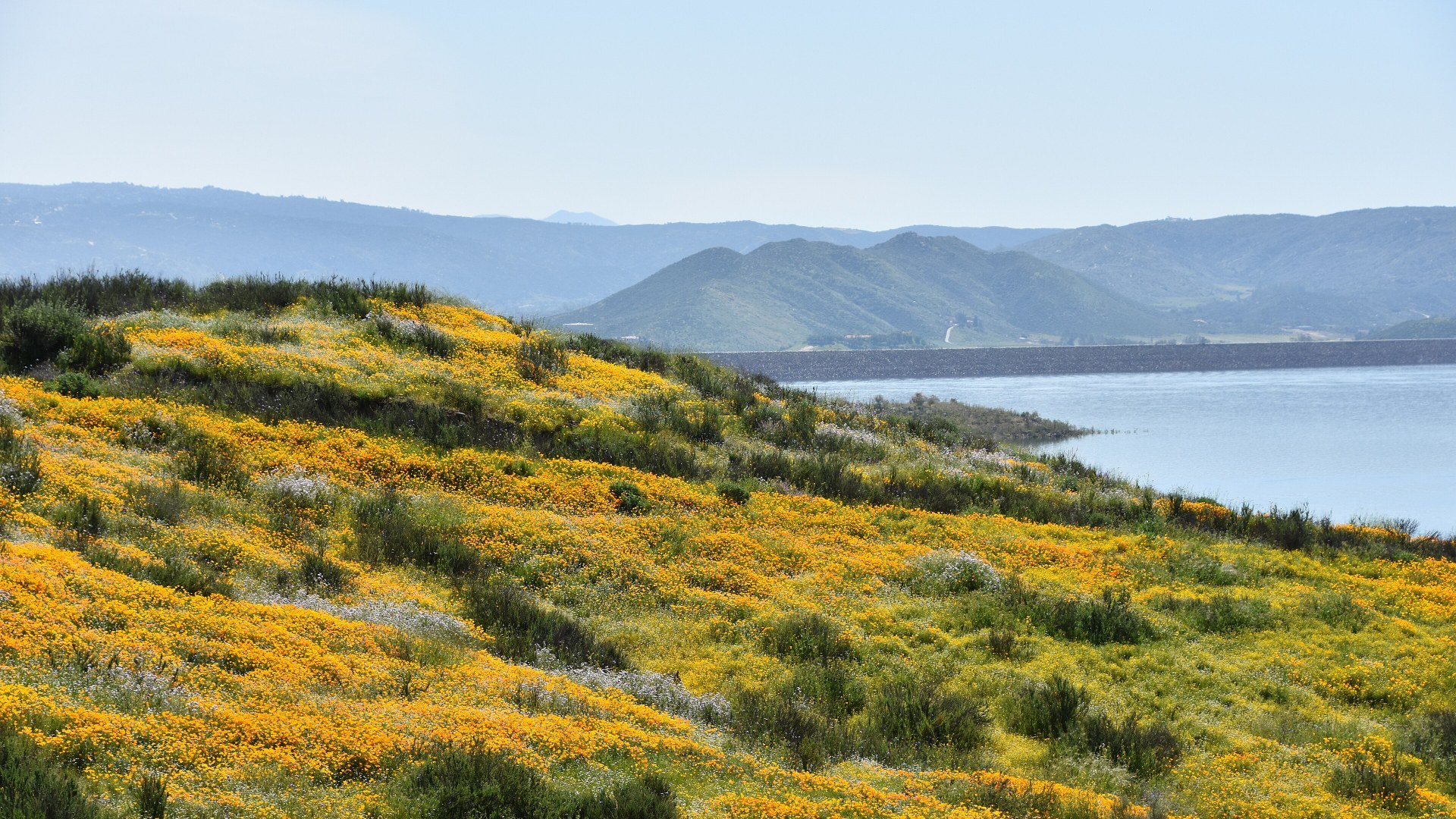
19. Desert Superblooms
Occurring once every decade in California's Death Valley and Mojave deserts, superblooms follow unusually heavy autumn rains. Dormant wildflower seeds with thick, protective coatings awaken simultaneously, carpeting hundreds of square miles of cracked alkali flats in brilliant golden poppies and purple lupines.
©Wikimedia / Rob Bertholf
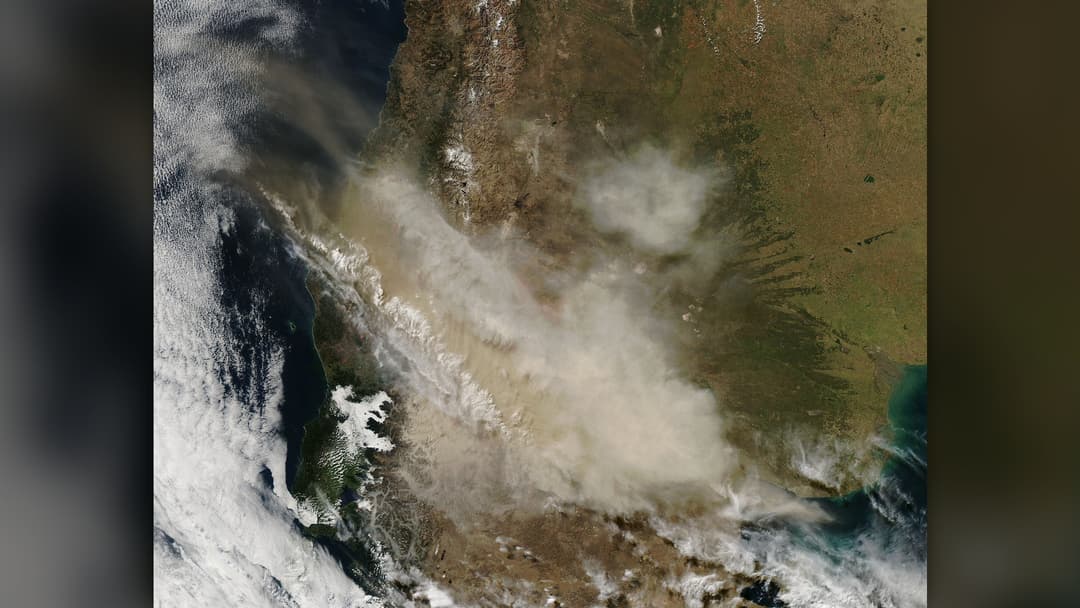
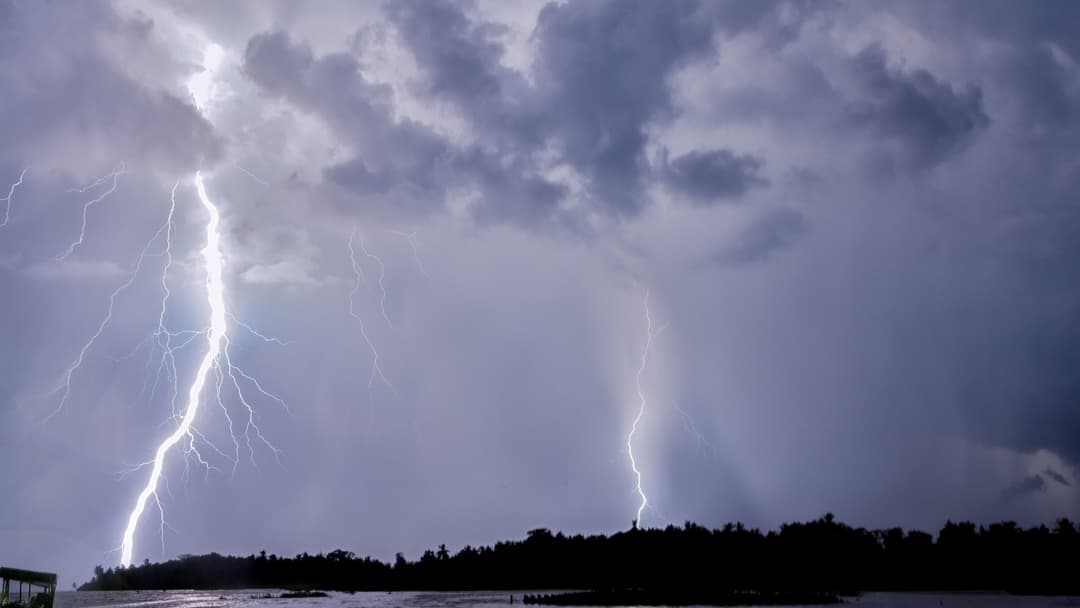
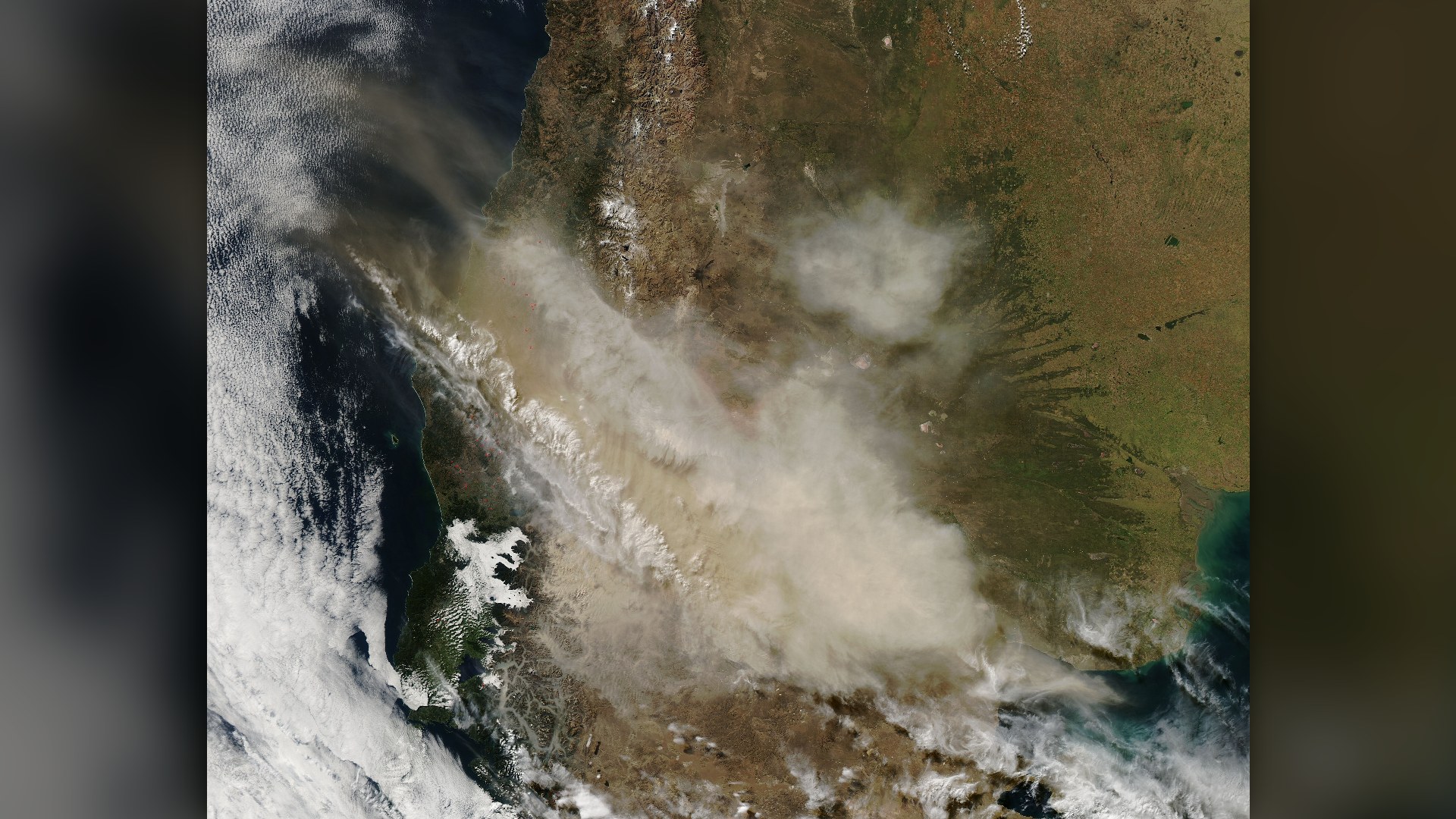
18. Volcanic Lightning
Also known as dirty thunderstorms, this rare spectacle occurs during explosive volcanic eruptions. As trillions of rock fragments, ash particles, and ice grains collide violently within the rising plume, intense static electrical charges build up and discharge as dramatic lightning bolts inside the column.
©Wikimedia / NASA Earth Observatory
Advertisement
Swipe or tap ▶ to resume the countdown.
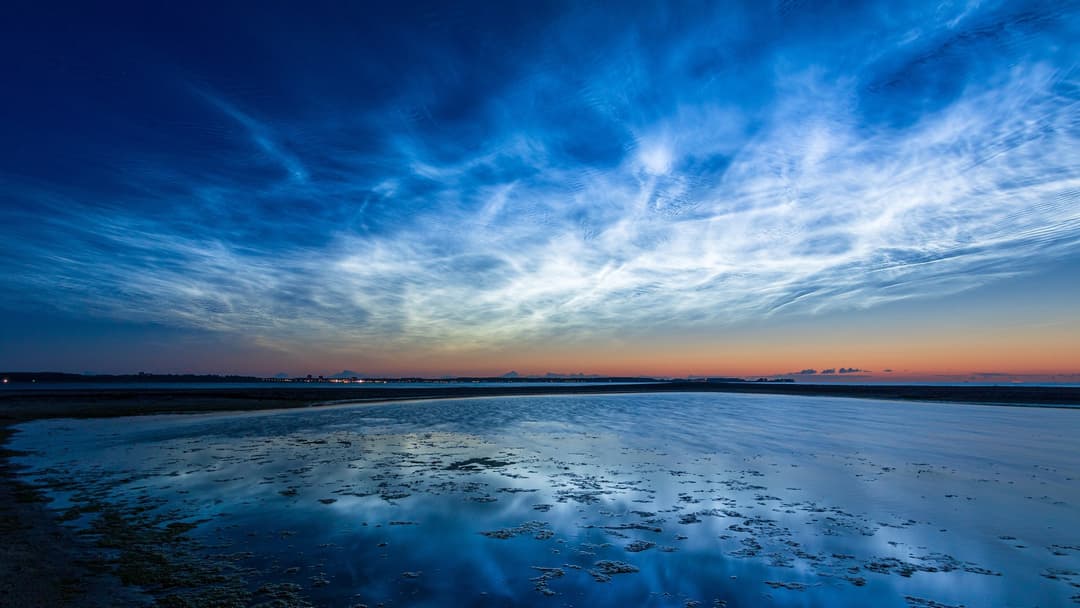
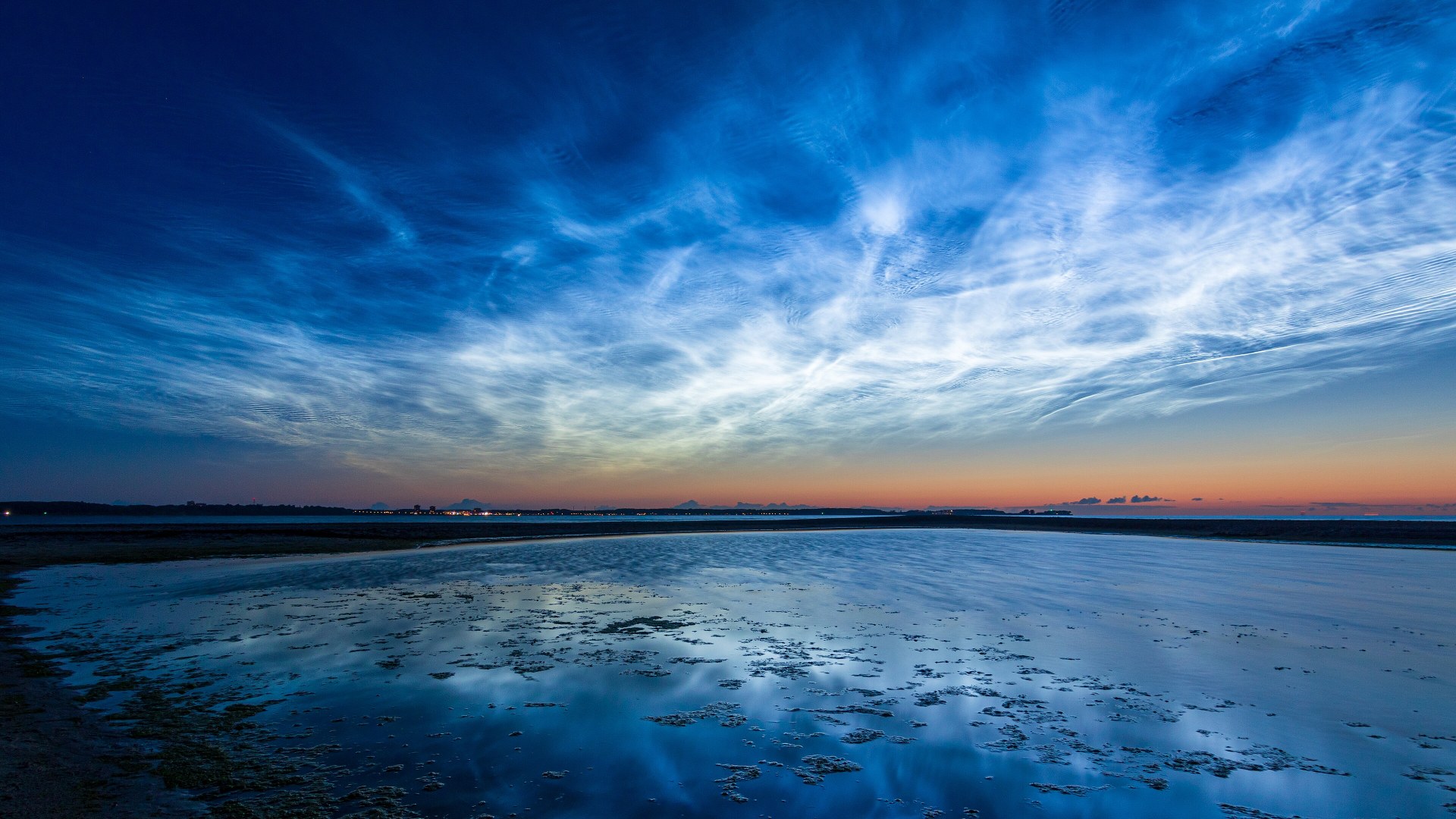
17. Noctilucent Clouds
Hovering forty-seven to fifty-three miles above Earth in the mesosphere, noctilucent clouds are the highest clouds in our atmosphere. Composed of tiny ice crystals clinging to meteor dust, they remain bathed in sunlight long after twilight falls on the ground, creating shimmering silver ripples in night skies.
©Wikimedia / Matthias Süßen
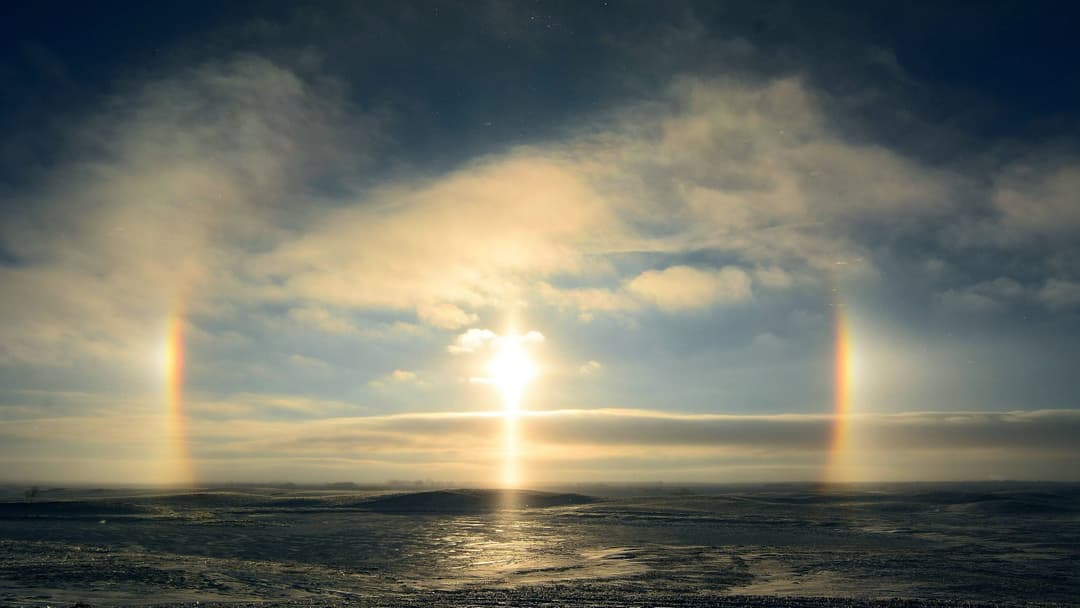
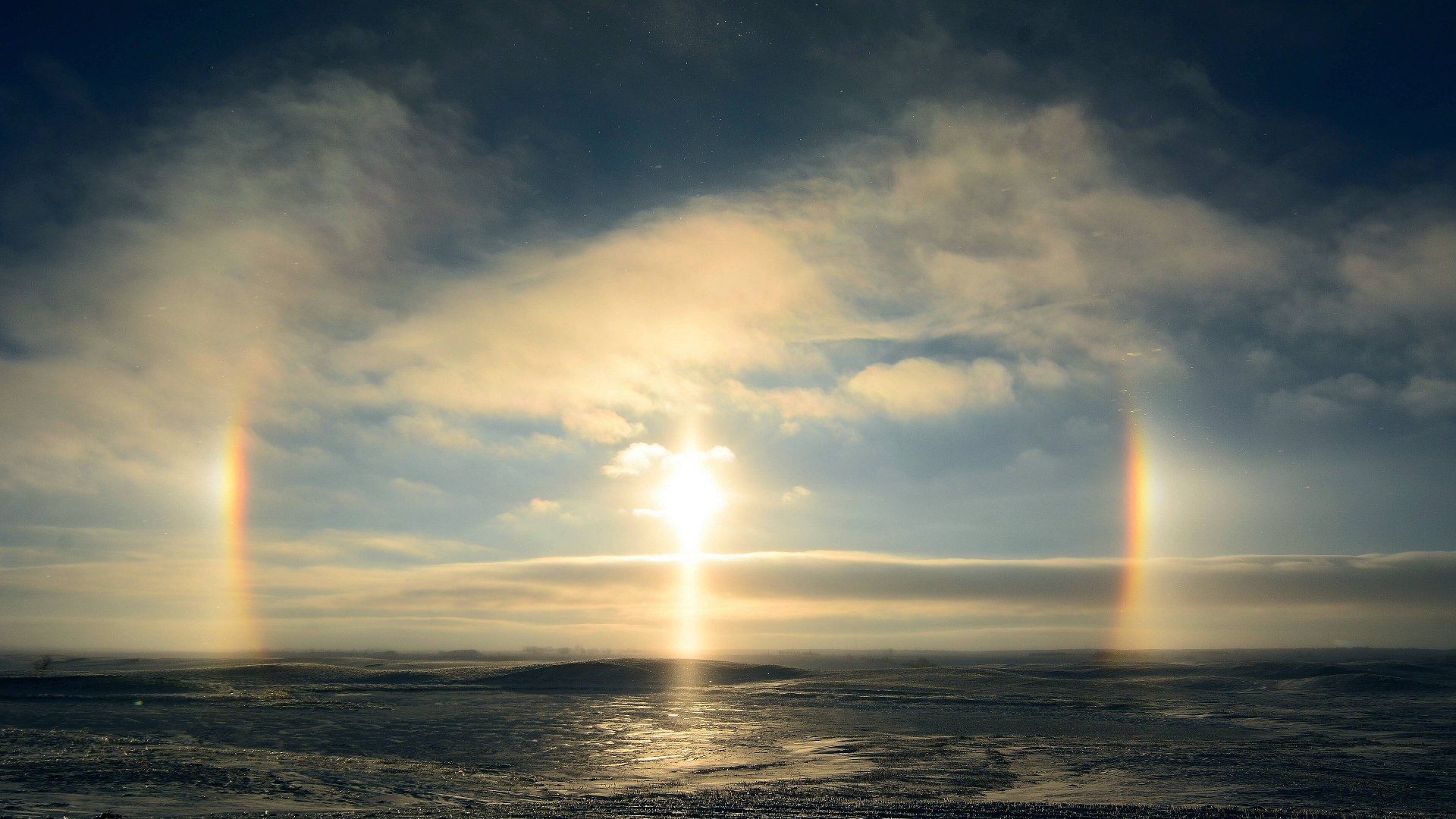
16. Sun Dogs
Technically known as parhelia, sun dogs appear as luminous spots of light located twenty-two degrees to the left and right of the sun. The spectacle forms when sunlight passes horizontally through flat hexagonal ice crystals floating in frigid air, refracting light into colored patches resembling twin suns.
©Wikimedia / USFWS Mountain-Prairie
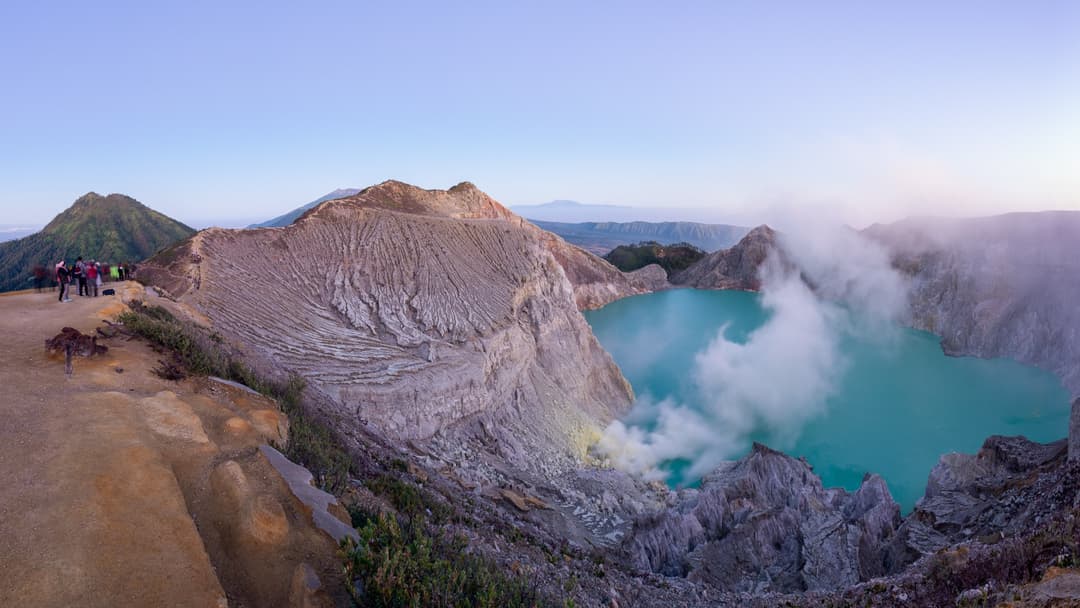
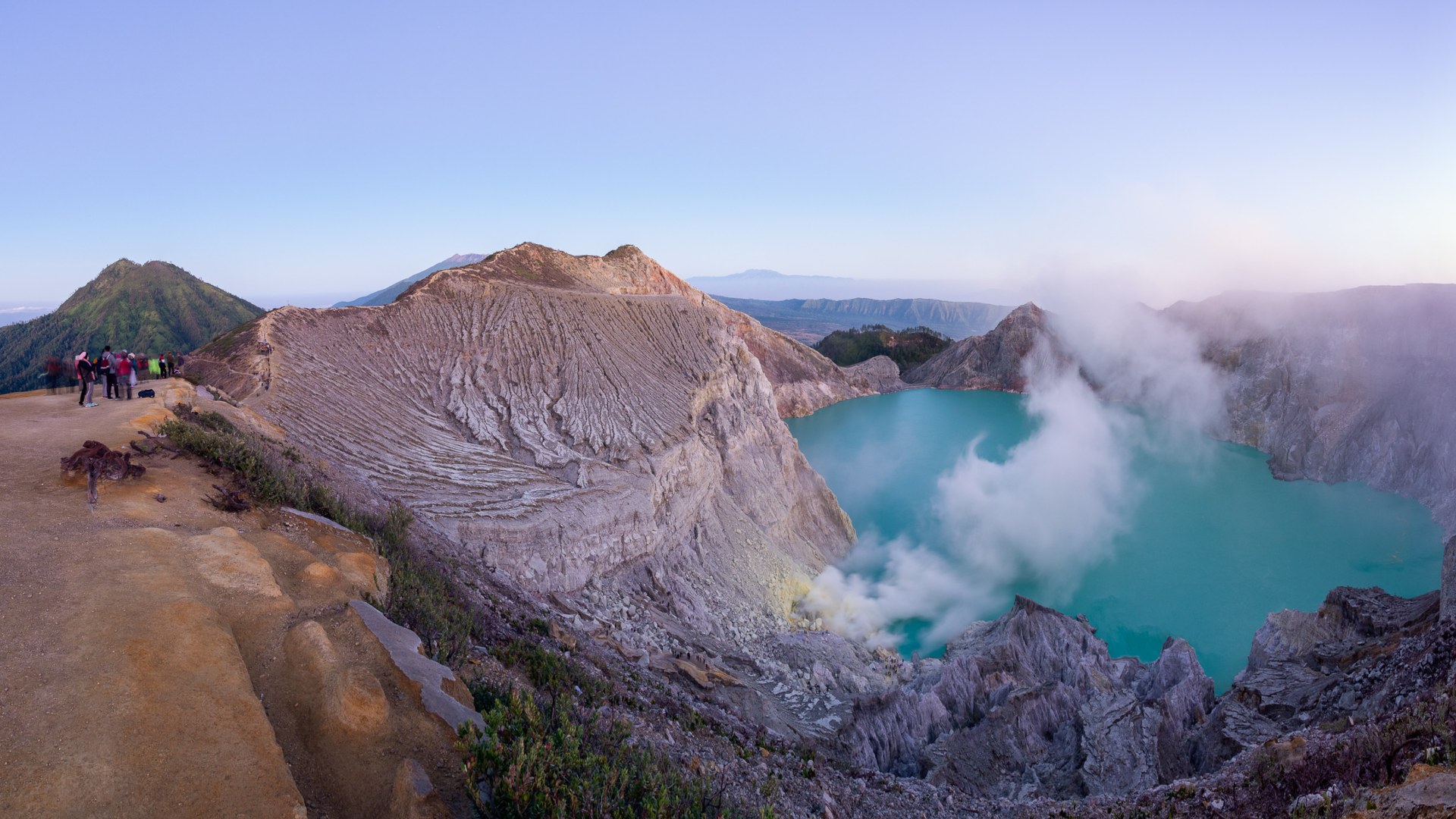
15. Blue Lava Of Kawah Ijen
Deep inside the Kawah Ijen volcano in East Java, high-pressure sulfuric gases escape through rock fissures at temperatures exceeding 1,100 degrees Fahrenheit. When the sulfur ignites upon meeting air, it burns with electric blue flames that condense into molten liquid sulfur, resembling glowing blue lava.
©Wikimedia / Christian Gloor
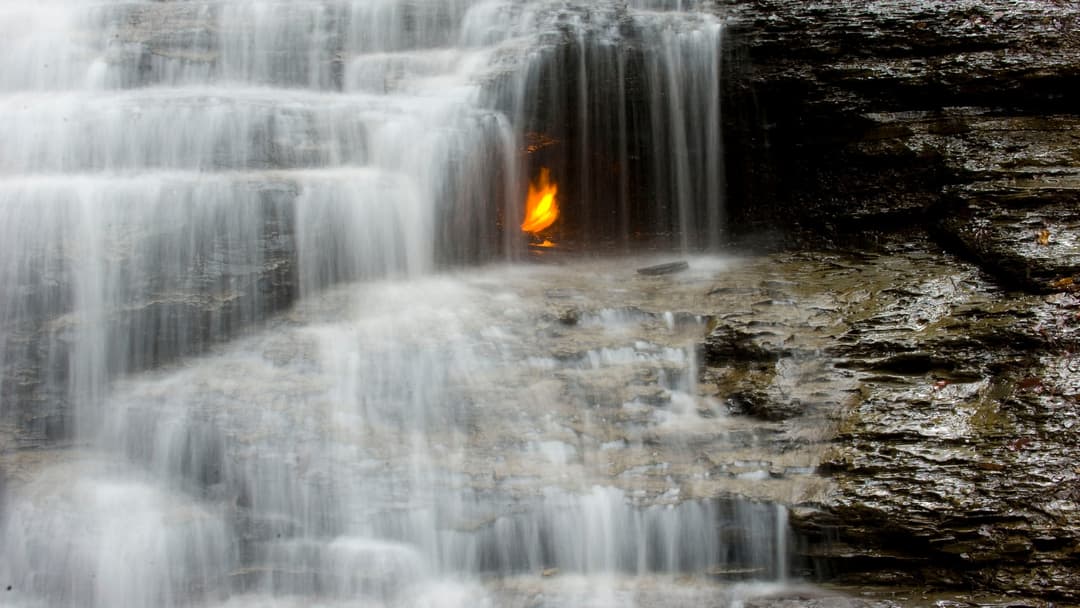
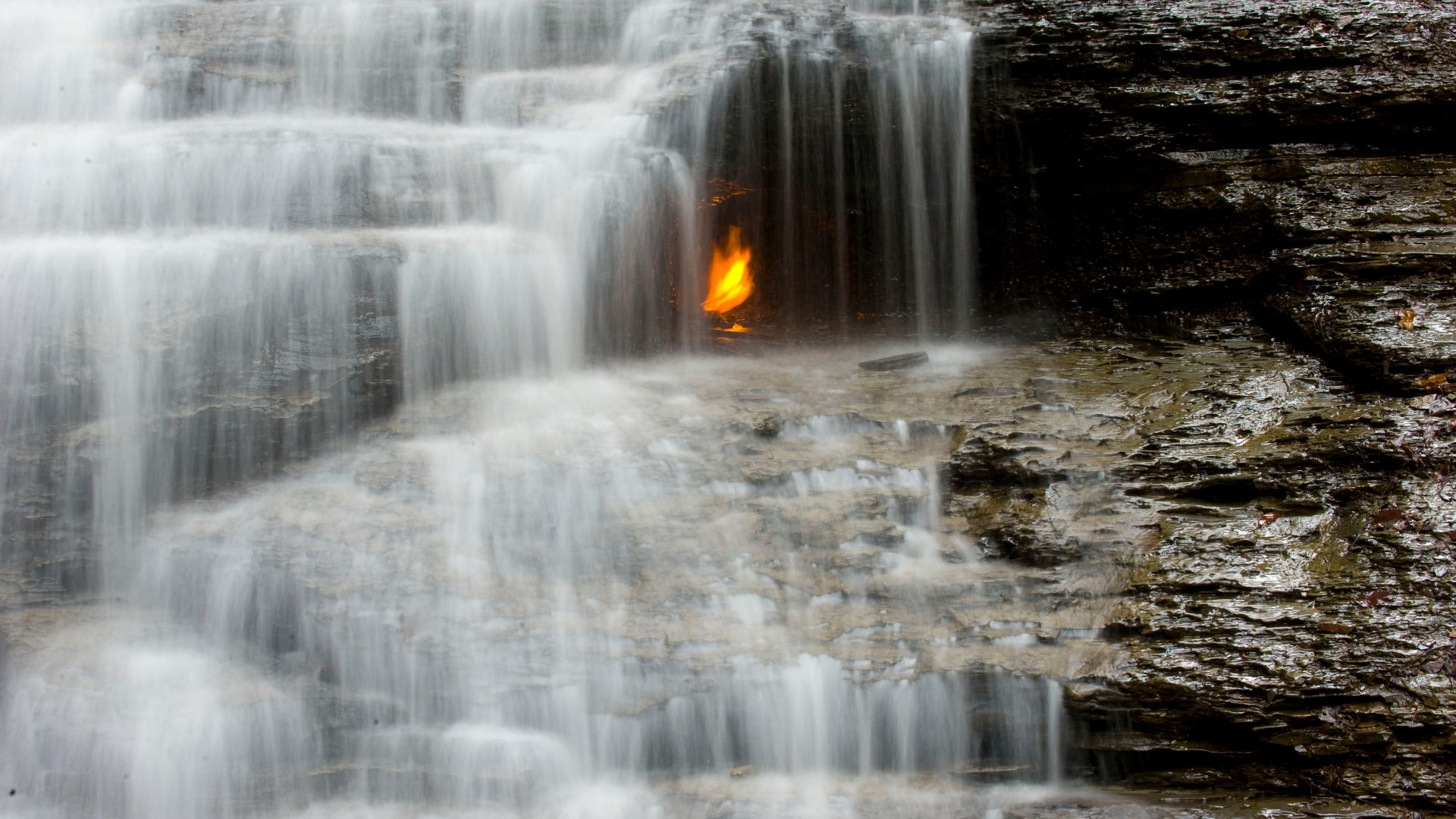
14. Eternal Flame Falls
Located inside Chestnut Ridge Park in western New York, a small natural gas seep burns inside a dry grotto directly behind a thirty-foot waterfall. Geologists found that ancient macro-fissures in subsurface shale release ethane and propane gases, keeping the protected orange flame burning year-round.
©Wikimedia / Mpmajewski
Advertisement
Swipe or tap ▶ to resume the countdown.
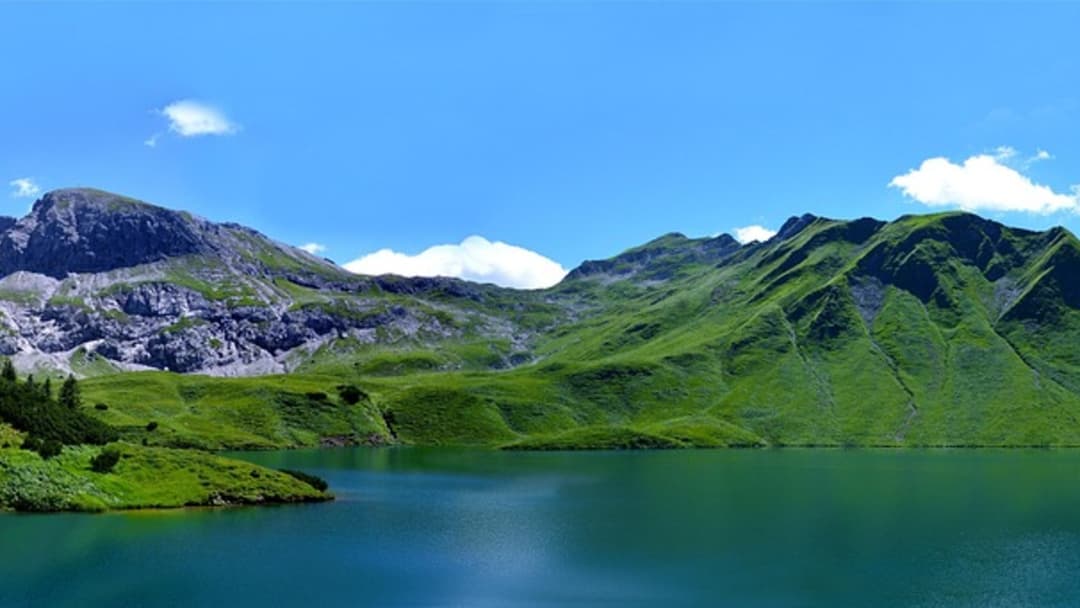
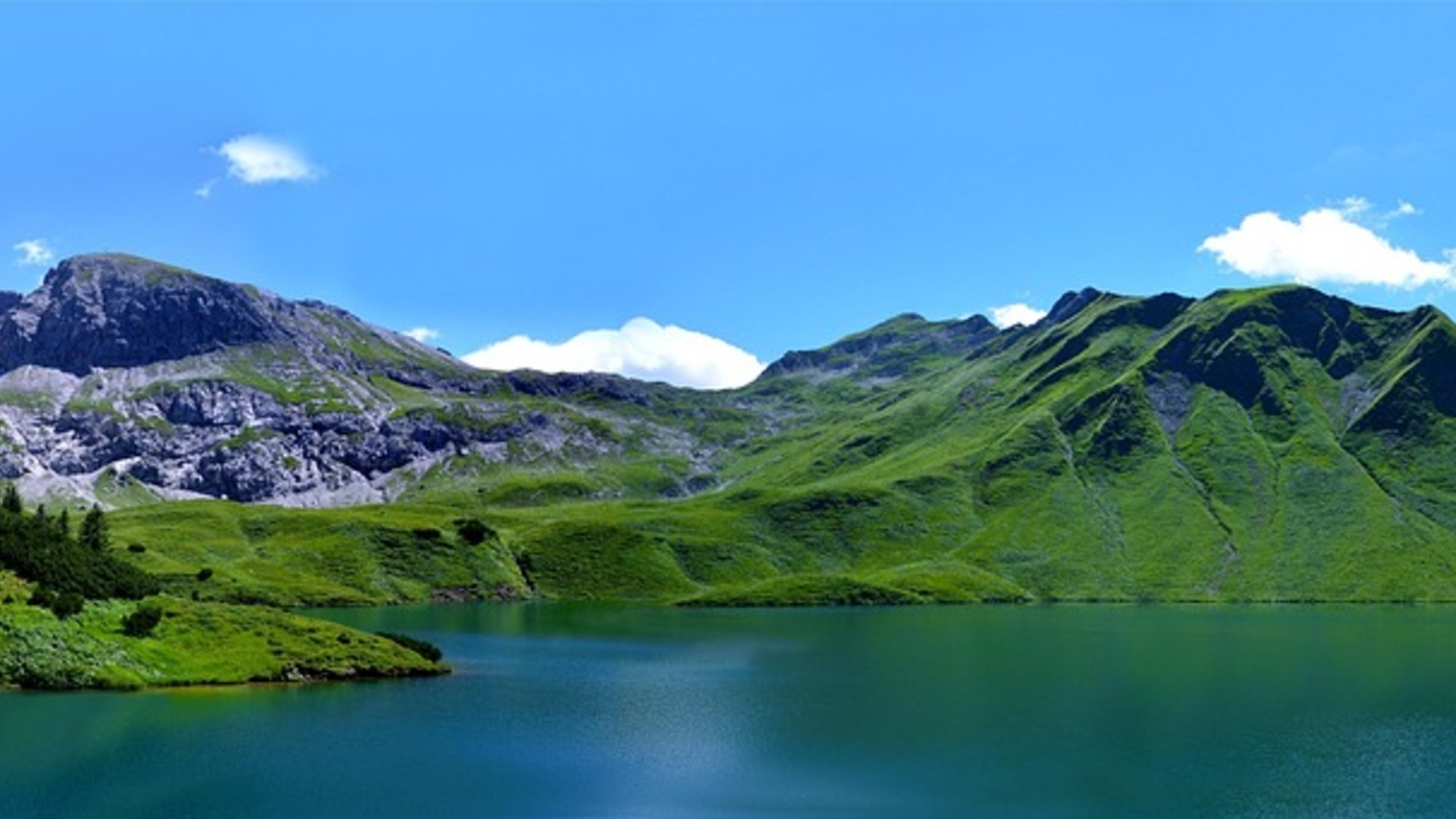
13. Lake Natron's Red Waters
Fed by mineral-rich hot springs in northern Tanzania, Lake Natron features water temperatures up to 140 degrees Fahrenheit and alkalinity reaching pH 10.5. Salt-loving haloarchaea organisms flourish in the extreme chemical soup, coloring the shallows deep crimson while preserving deceased wildlife.
©Pixabay / PIRO4D
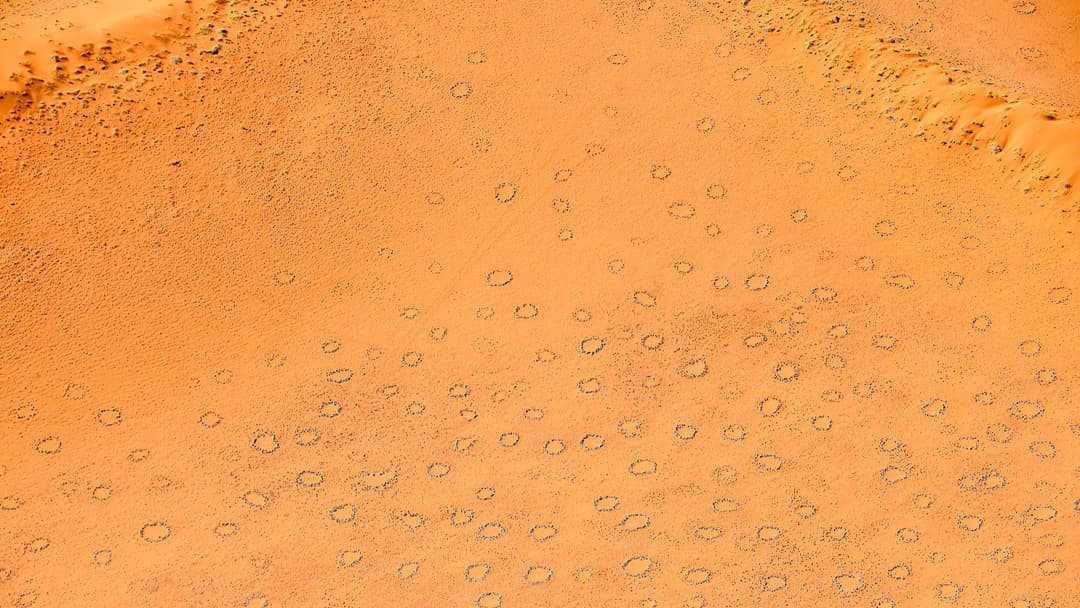
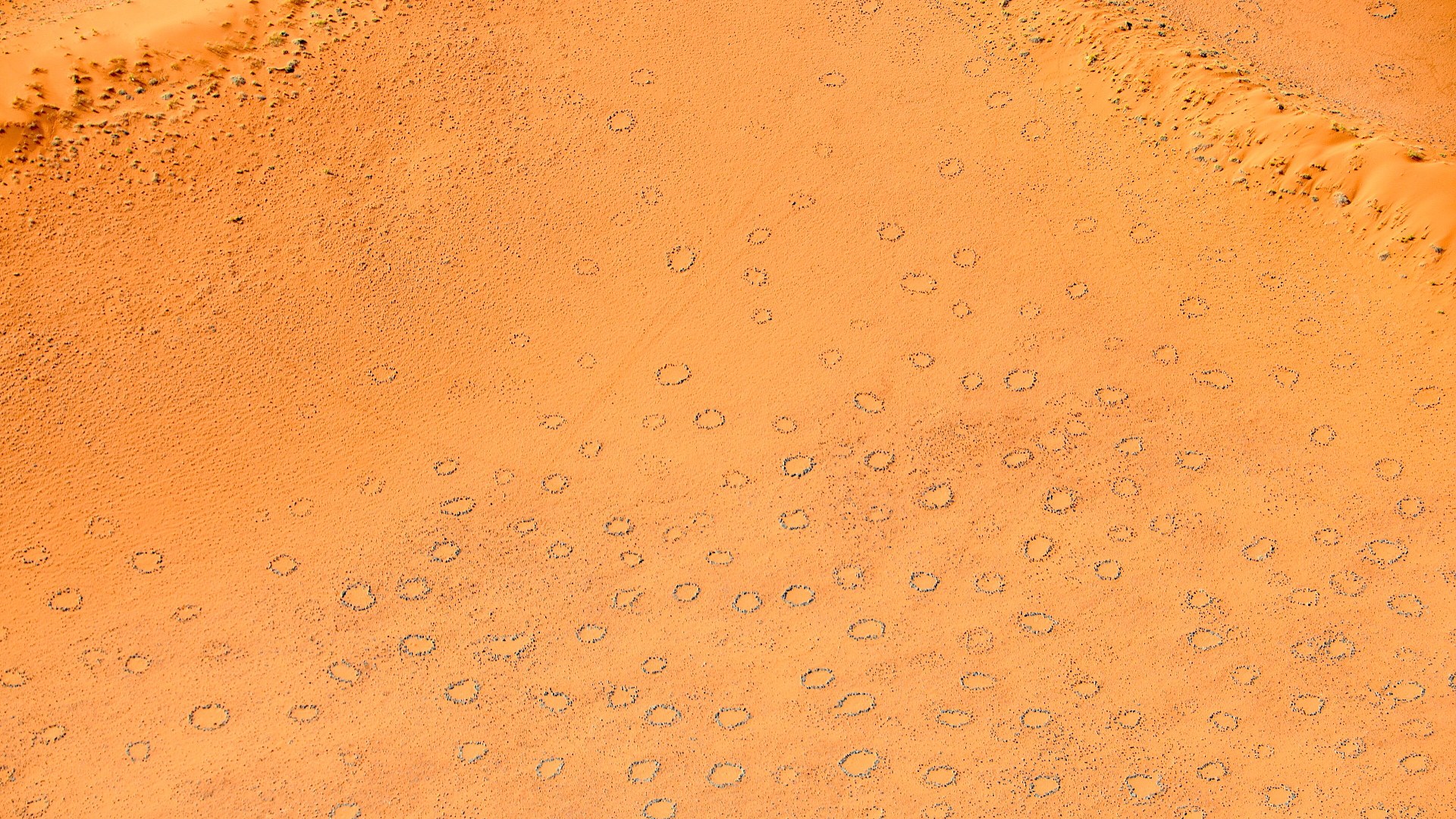
12. Fairy Circles Of Namibia
Spanning thousands of miles across the Namib Desert, millions of bare soil discs ringed by tall grasses dot the arid terrain. Biologists debate whether the geometric spacing results from underground termite colonies clearing root zones or self-organizing plant competition for scarce desert rainwater.
©Wikimedia / Olga Ernst and Hp.Baumeler
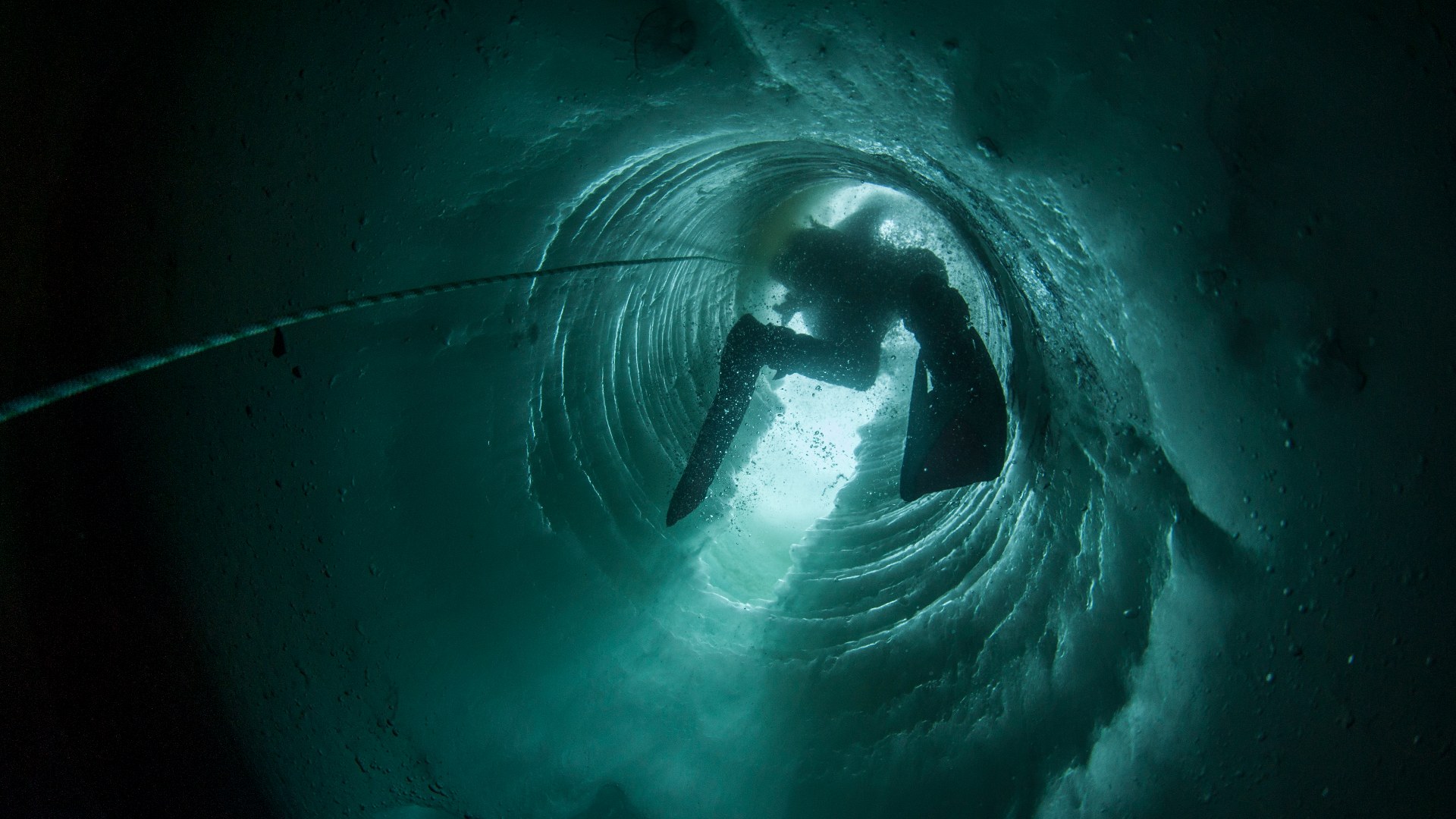
11. Brinicles And Underwater Ice Fingers
Beneath polar sea ice, dense, supercooled brine leaches out of freezing surface packs and sinks toward the seabed. Because the saline stream is far colder than surrounding seawater, it freezes a hollow tube of ice around itself, creating an underwater finger that encases starfish and urchins in frost.
©Wikimedia / Erwan AMICE
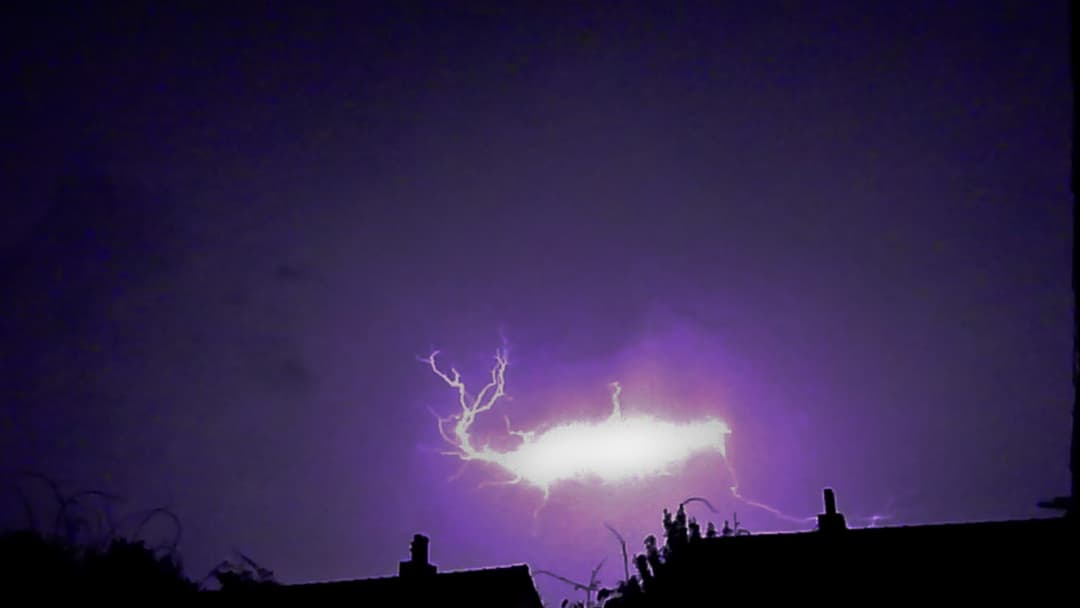
10. Ball Lightning
Reported for centuries by sailors and pilots, ball lightning appears as glowing spheres that hover, drift unpredictably, and sometimes pass through closed window panes before dissipating. Modern laboratory experiments suggest vaporized silicon soil or microwave radiation cavities create the phenomenon.
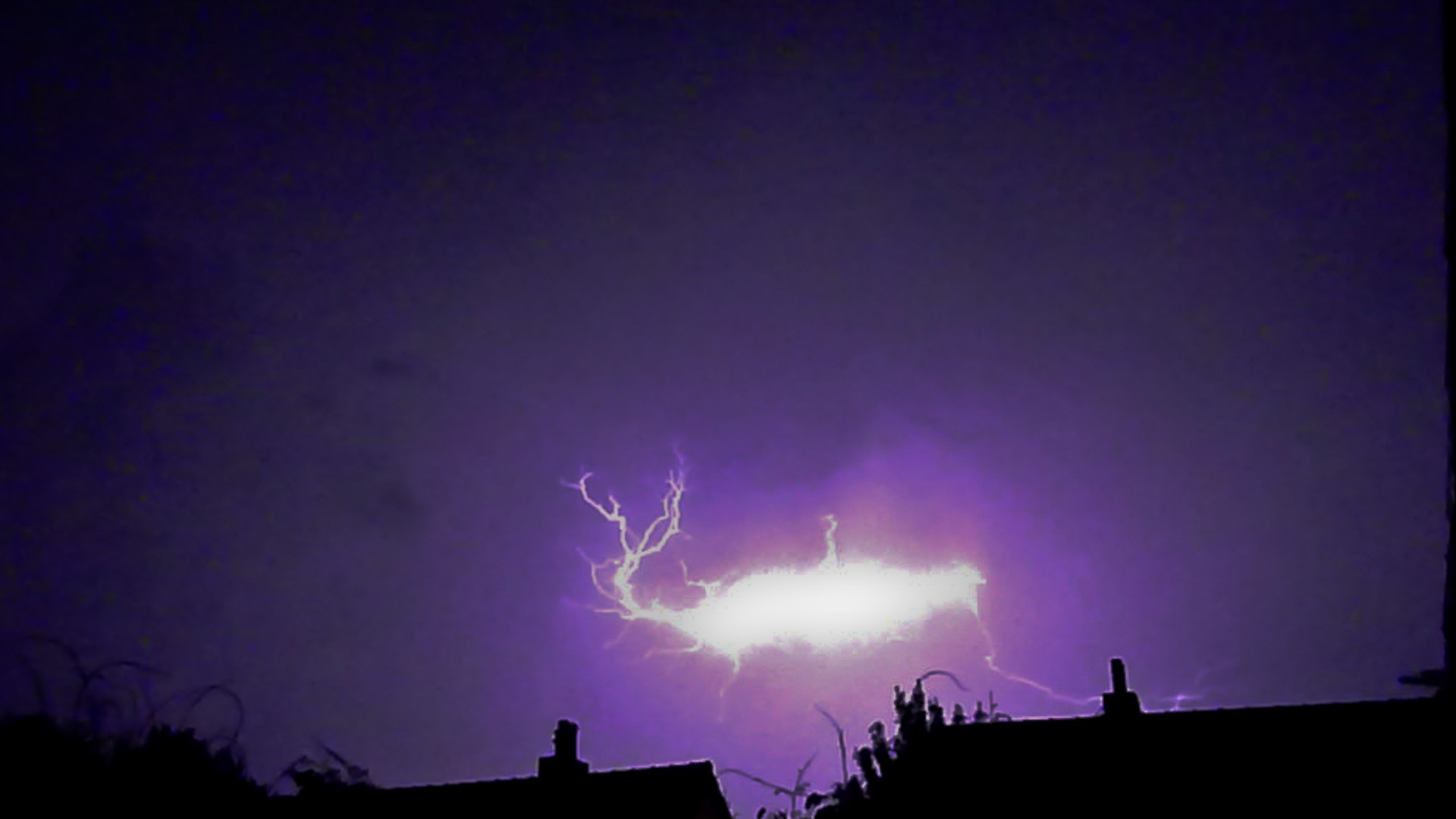
©Wikimedia / Joe Thomissen
Advertisement
Swipe or tap ▶ to resume the countdown.
9. Lenticular Clouds
Often mistaken for unidentified flying objects, lenticular clouds develop when moist air flows over mountain peaks and establishes standing atmospheric waves. As ambient air cools past the dew point at the wave crest, moisture condenses into smooth, saucer-shaped discs that remain anchored over peaks.
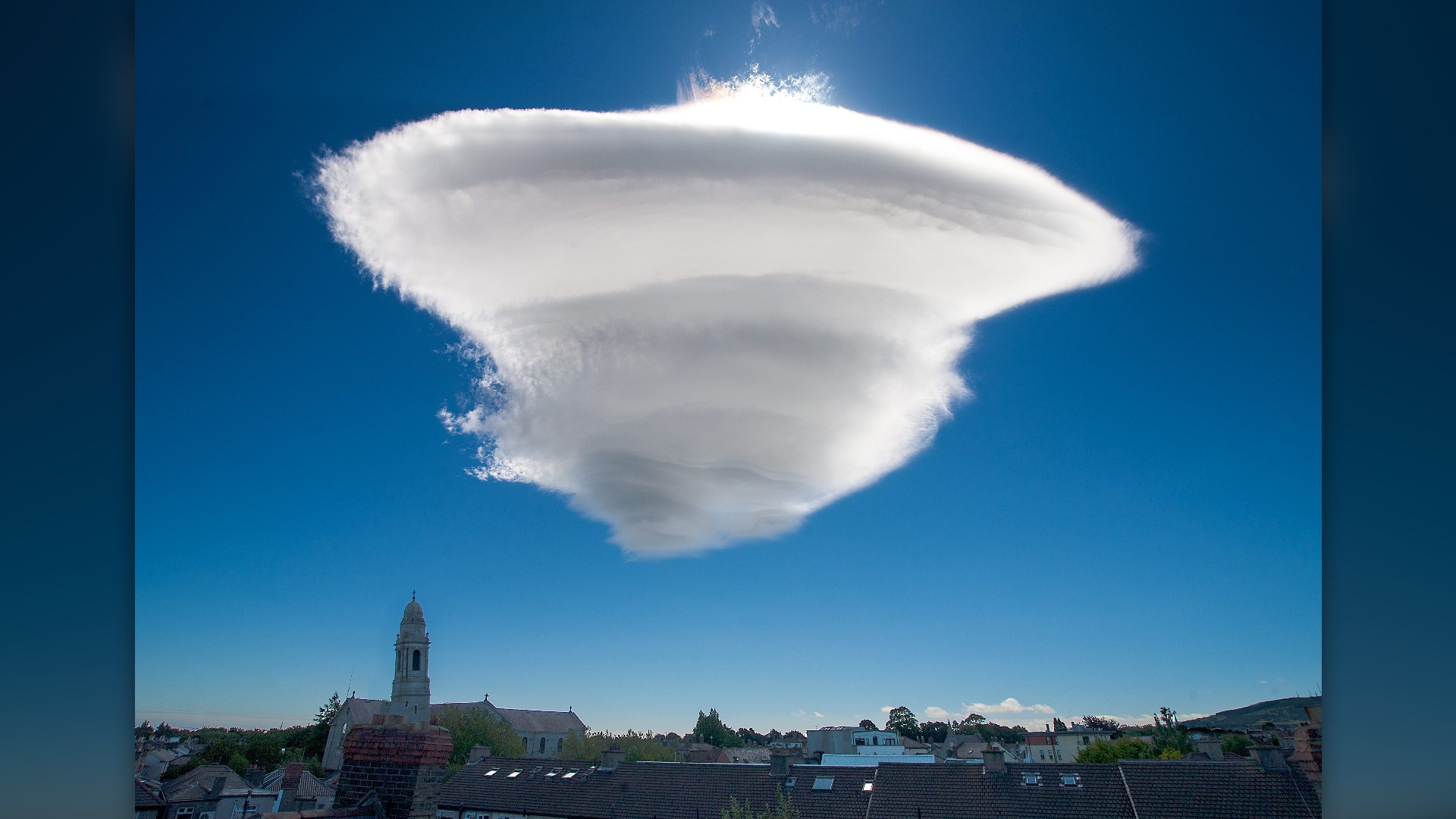
©Wikimedia / Lenticular cloud
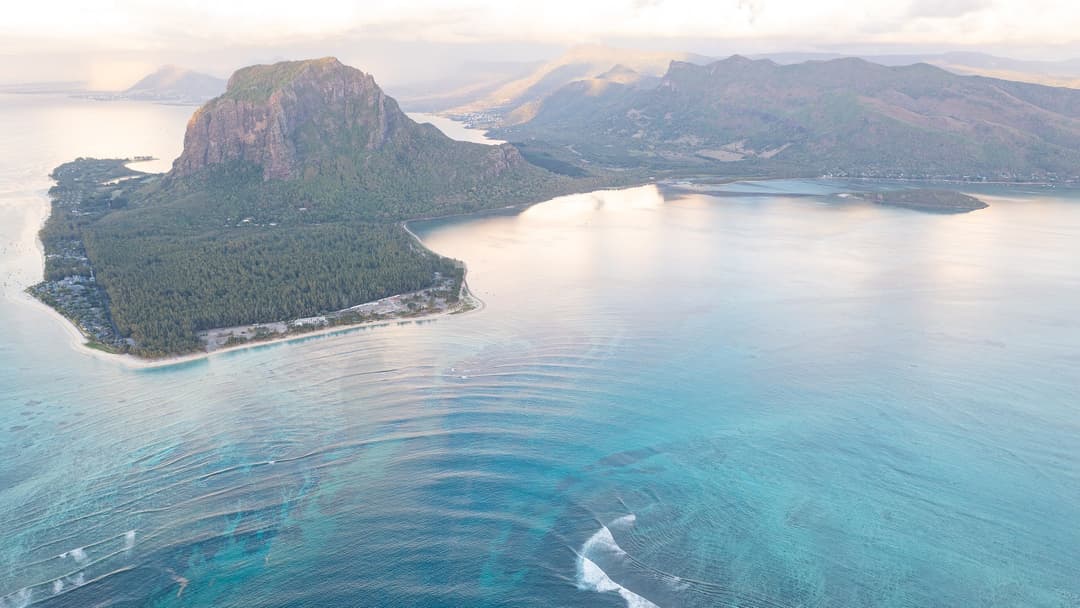
8. Underwater Waterfalls
Off the southwest coast of Mauritius, aerial observers see what looks like an oceanic abyss swallowing coastal waters. In reality, strong coastal currents constantly sweep heavy underwater sand and silt runoffs down a deep continental shelf, producing the spectacular illusion of a falling cataract.
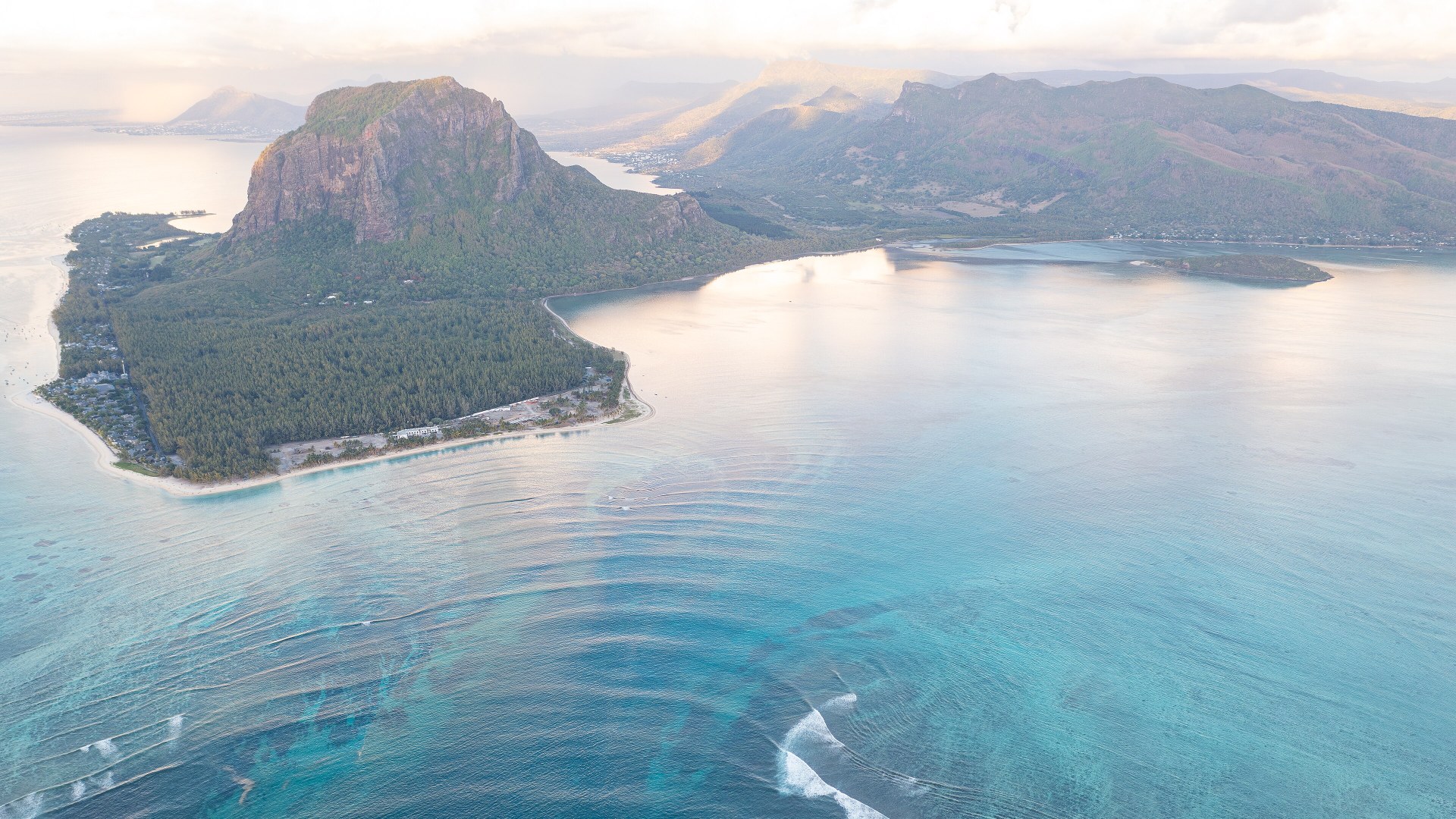
©Wikimedia / dronepicr
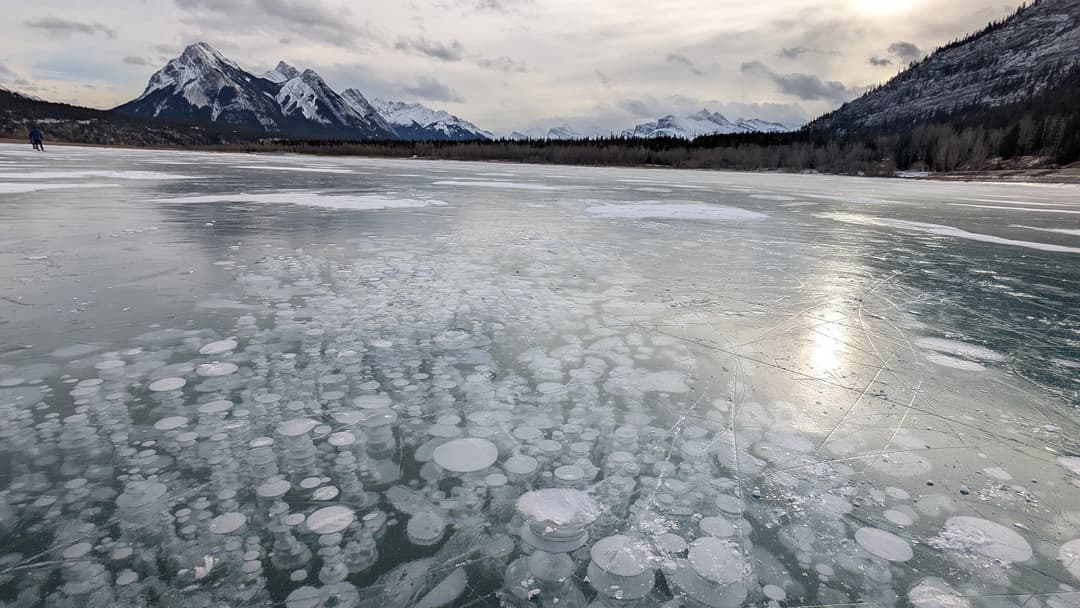
7. Frozen Methane Bubbles
During winter at Alberta's Abraham Lake, decaying organic matter on the lakebed releases pockets of methane gas. As the water freezes from the surface downward, rising gas bubbles become trapped in vertical columns of translucent white discs, creating striking patterns that are intensely flammable.
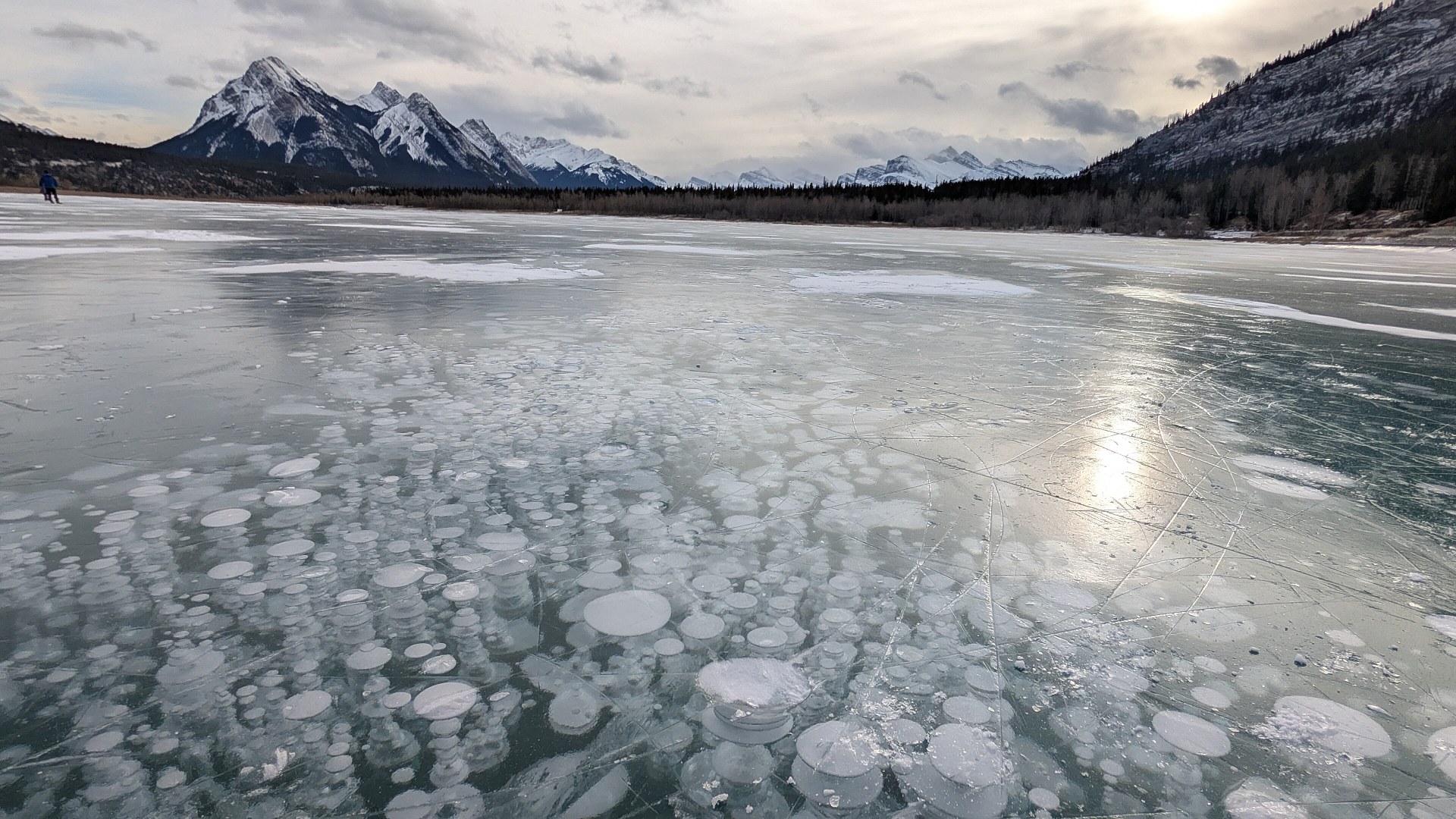
©Wikimedia / Joli Rumi
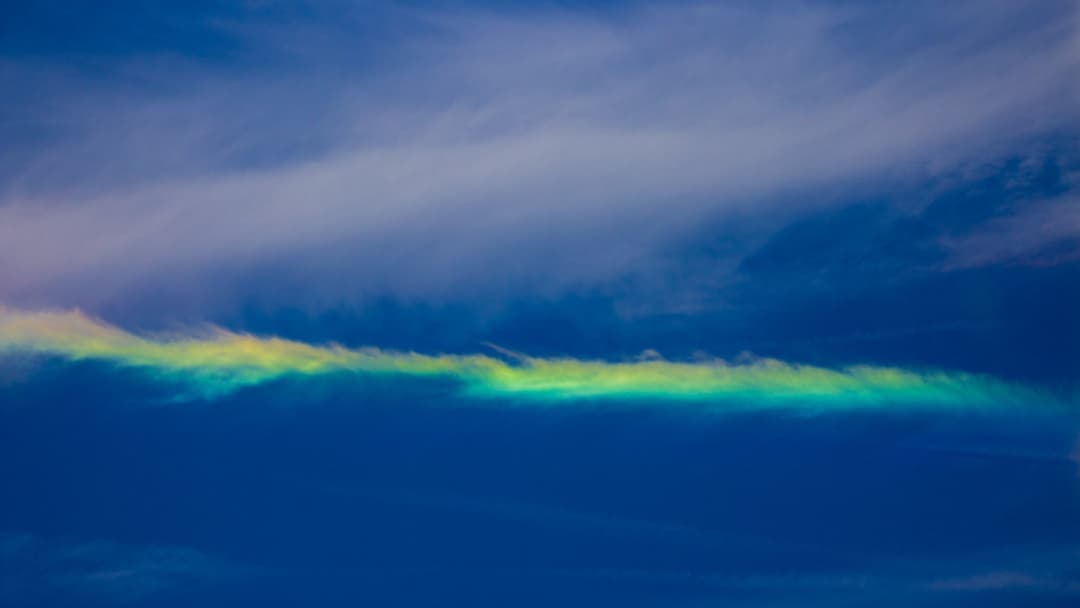
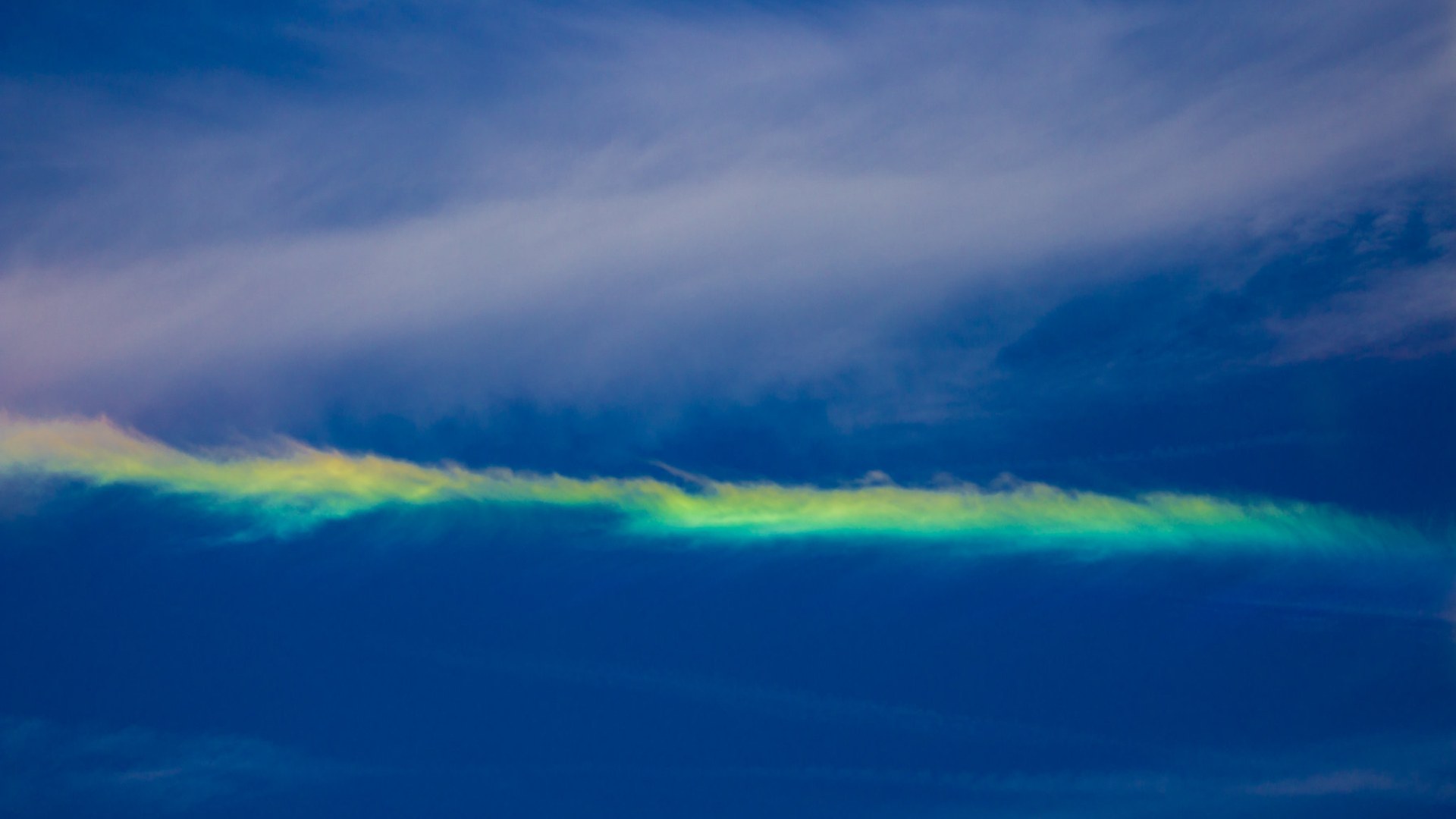
6. Rainbow Fire
Known scientifically as circumhorizontal arcs, this optical phenomenon occurs when sunlight enters flat, hexagonal ice crystals in high-altitude cirrus clouds. When the sun sits higher than 58 degrees above the horizon, incoming rays refract through the crystal plates like a colossal aerial prism.
©Wikimedia / LanceNickel
Advertisement
Swipe or tap ▶ to resume the countdown.
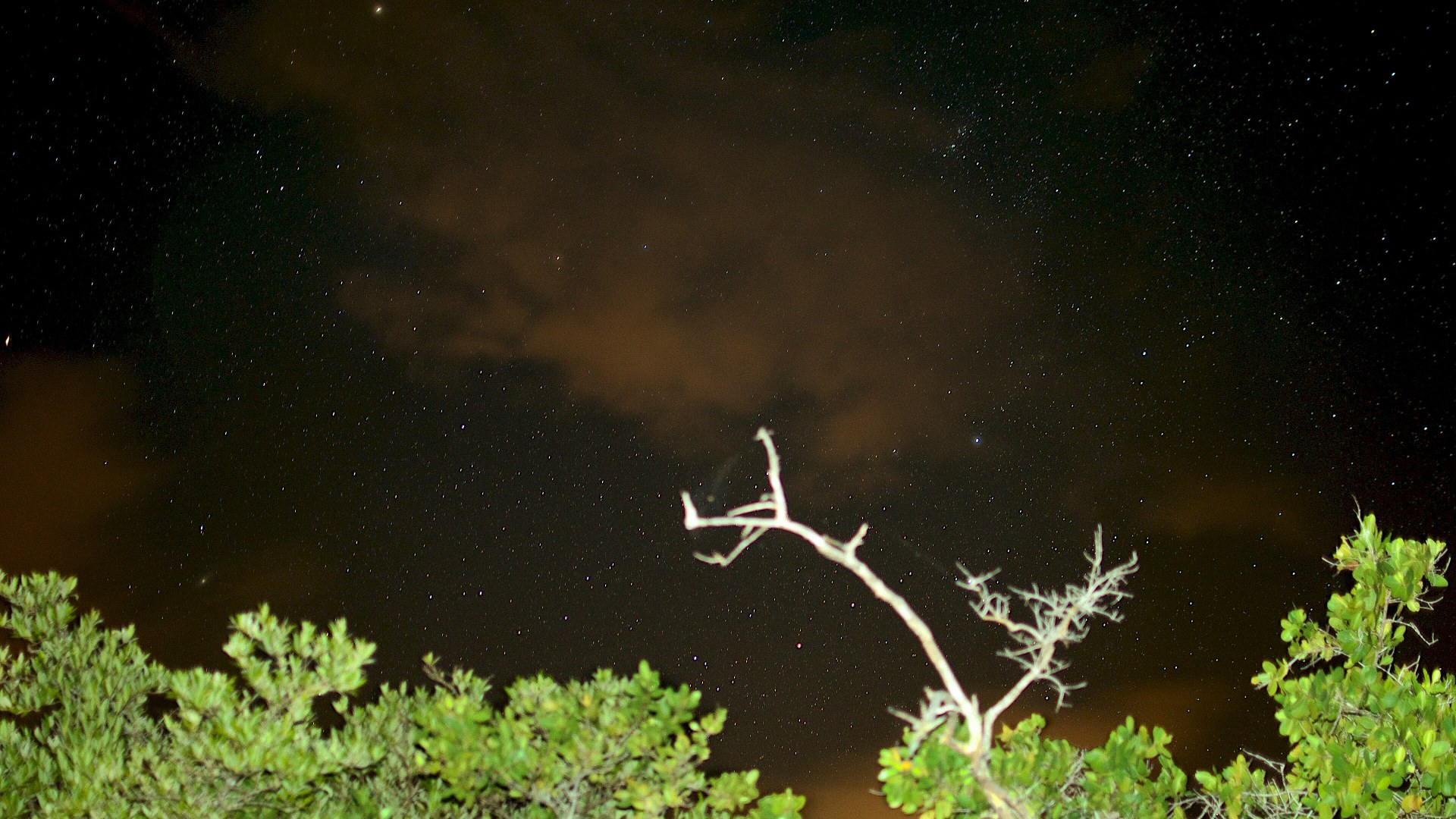
5. Bioluminescent Bays
Puerto Rico's Mosquito Bay contains millions of microscopic dinoflagellates per gallon of water. When agitated by waves, fish, or kayak paddles, these single-celled organisms release flashes of neon blue light through a rapid luciferin chemical reaction designed to deter predatory marine life.
©Wikimedia / Edgar Torres
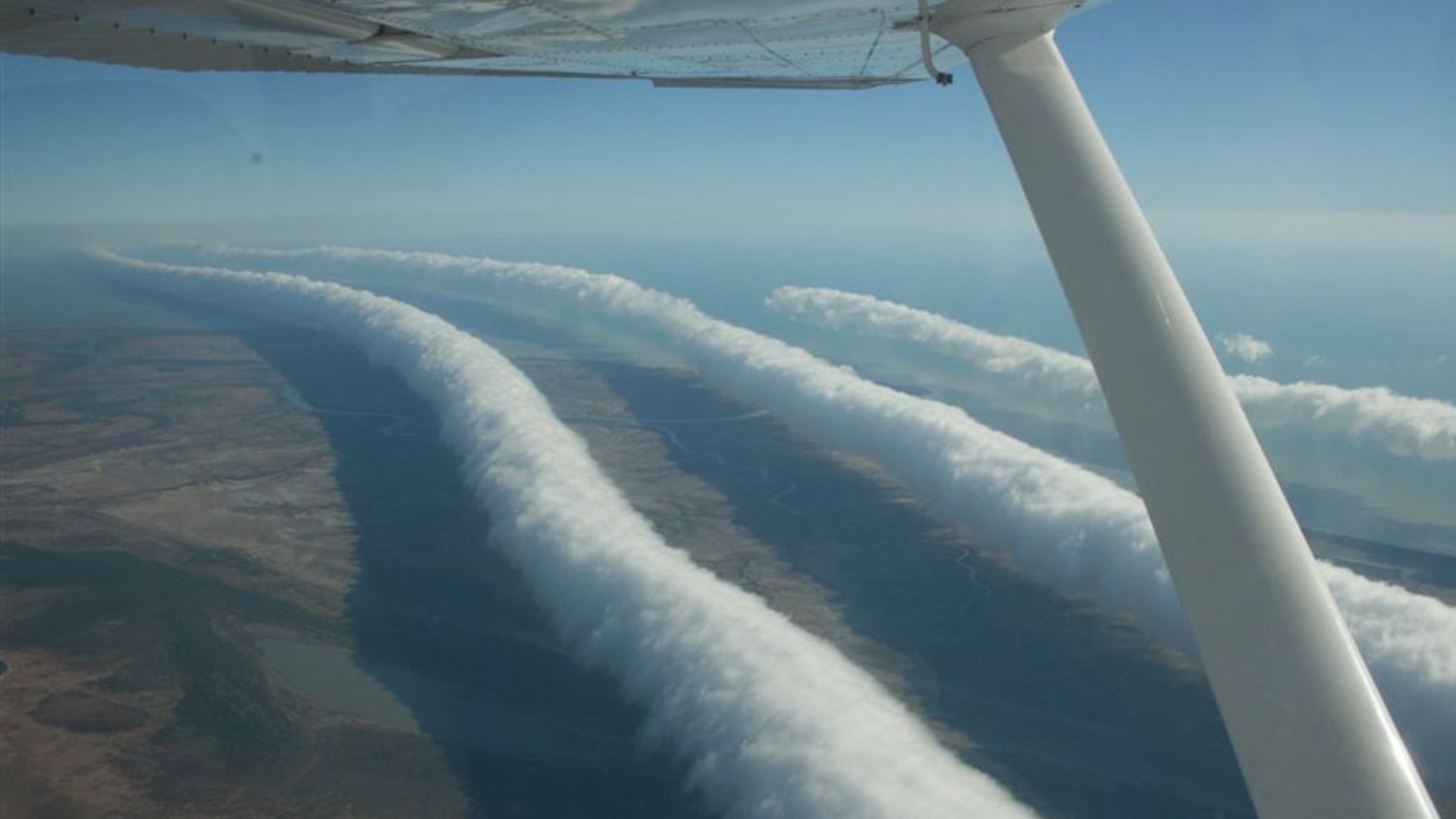
4. Morning Glory Clouds
Forming over the Gulf of Carpentaria in northern Australia every spring, these massive solitary roll waves can reach speeds of 35 miles per hour. Pilots travel across continents to glide alongside the low-altitude cloud cylinders, which form when moist sea breezes collide with stable inversion layers.
©Wikimedia / Mick Petroff
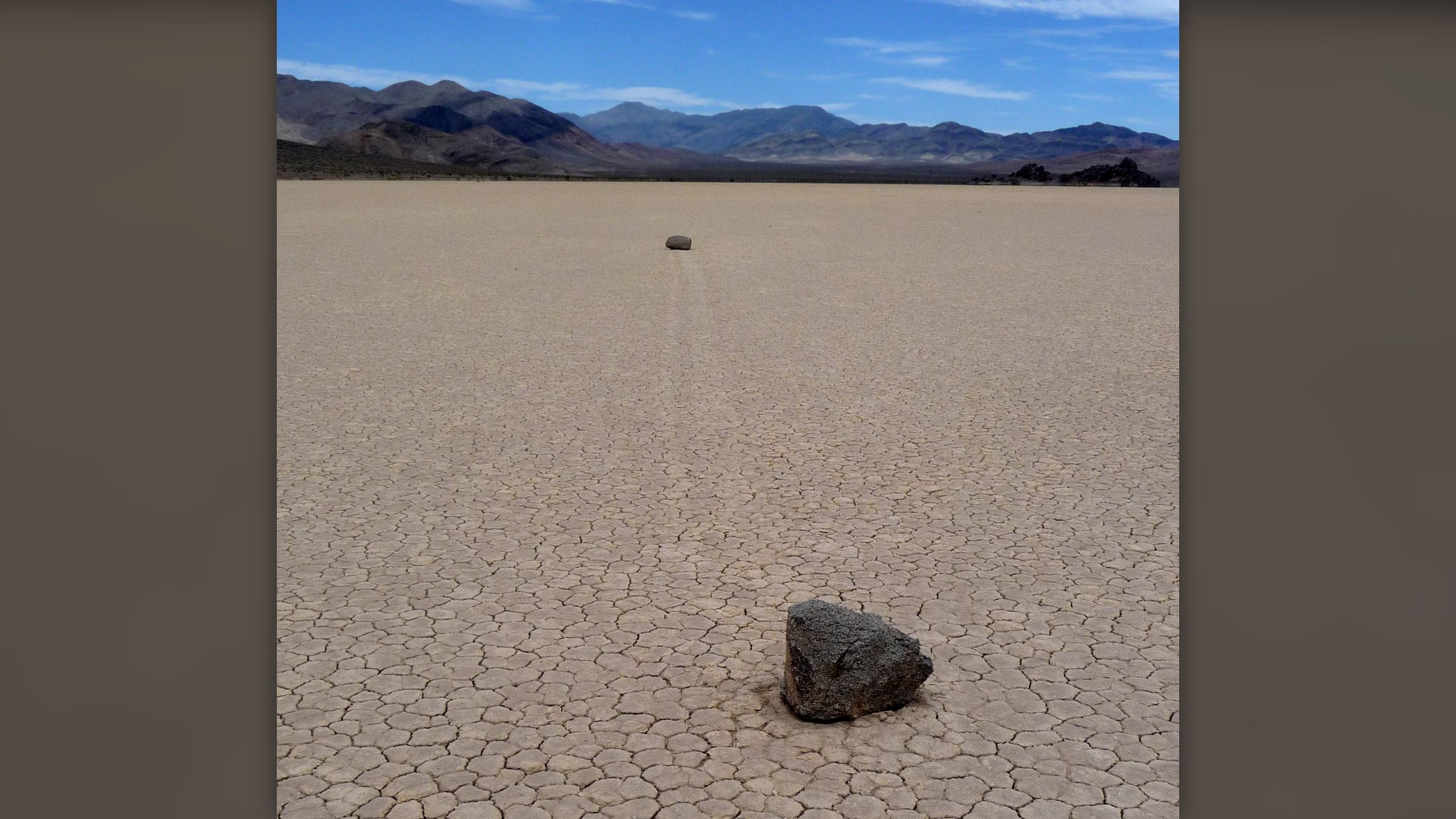
3. Sailing Stones Of Death Valley
At California's Racetrack Playa, heavy dolomite boulders travel hundreds of feet across flat desert mud. Scientists resolved the mystery using GPS tracking, discovering that rare winter rain pools freeze into paper-thin ice sheets that push the stones forward during light afternoon breezes.
©Wikimedia / Daniel Mayer
2. Blood Falls In Antarctica
Discovered in 1911 in East Antarctica, this crimson waterfall originates from an ancient subglacial reservoir sealed beneath ice for millions of years. High concentrations of iron oxidize immediately upon contact with atmospheric oxygen, staining the pure white snout of Taylor Glacier a stark rust red.
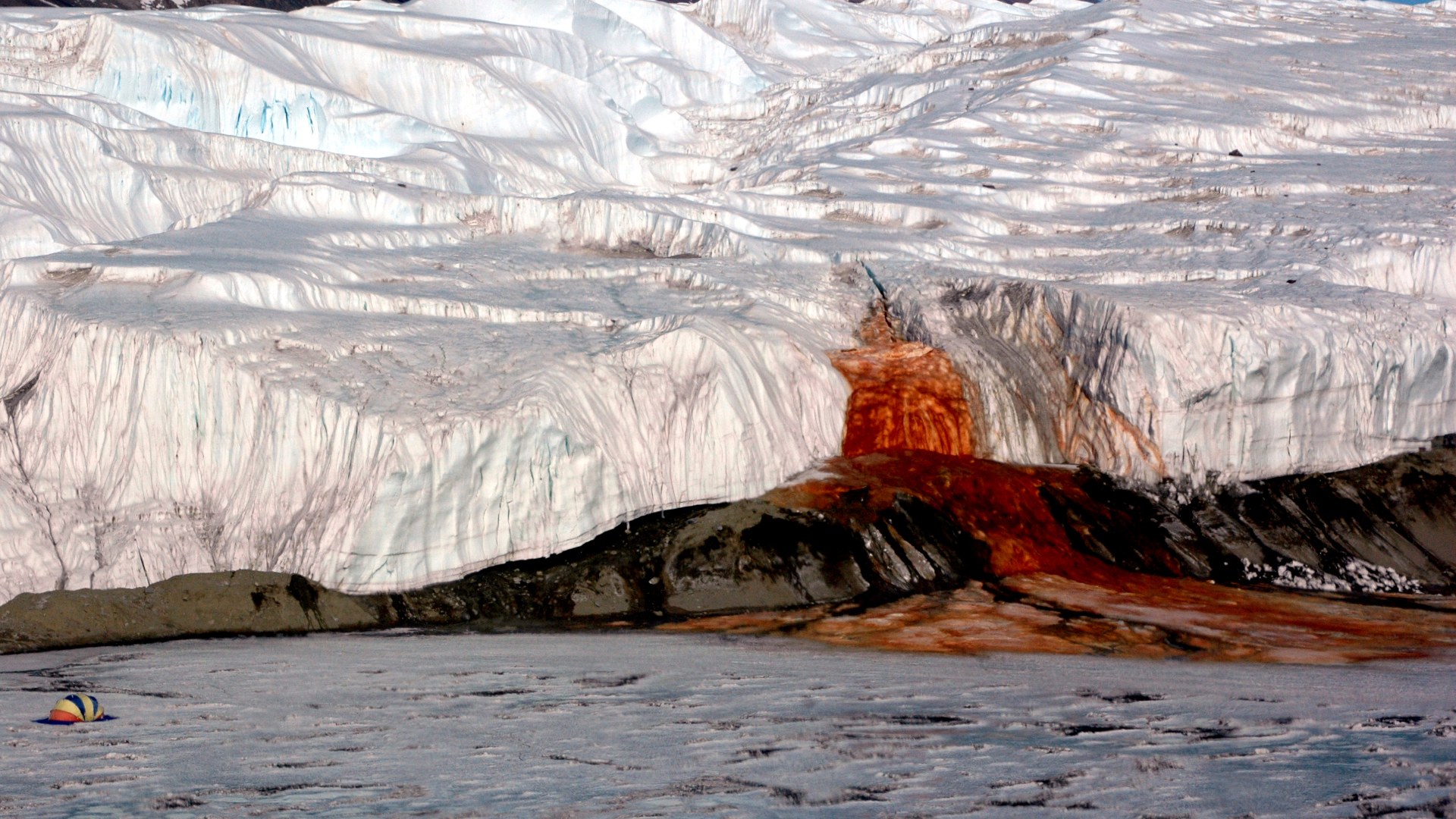
©Wikimedia / NSF / Peter Rejcek
Advertisement
Swipe or tap ▶ to resume the countdown.
1. Catatumbo Lightning
Where the Catatumbo River meets Lake Maracaibo in Venezuela, unique wind patterns and humidity trigger thunderstorms up to 300 nights a year. The sky flashes continuously for ten hours at a time, generating ozone and illuminating the dark wetlands without thunder reaching distant shores.
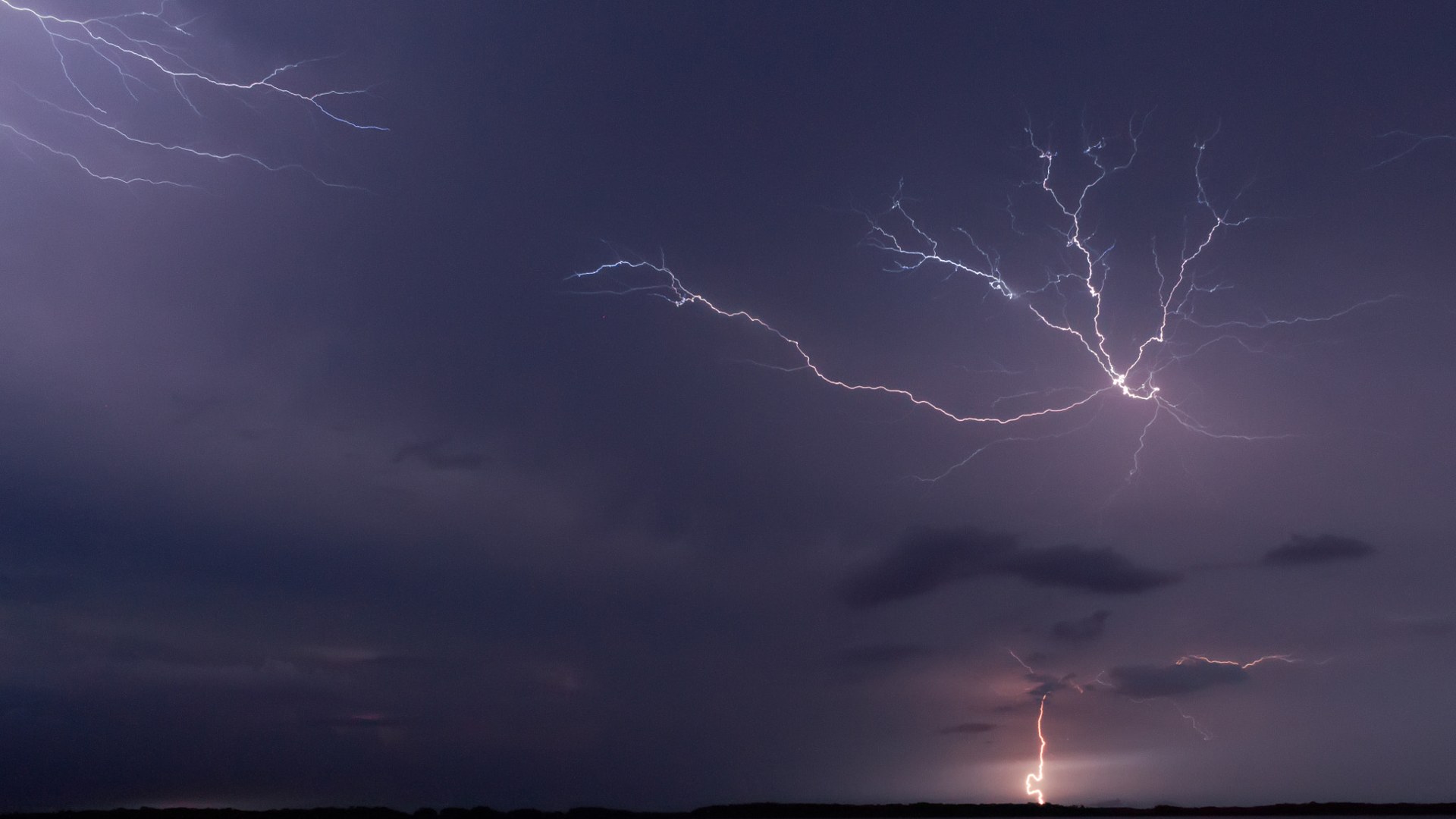
©Wikimedia / Fernando Flores
Advertisement
You've reached the end of the story. Thanks for reading!

20 Essential Off-Grid Cooking Tools When the Grid Fails, Ranked
Evaluated by off-grid homesteaders and emergency management survival guidelines, these 20 non-electric tools keep kitchens functioning when utility power fails. Emergency preparedness guidelines emphasize that modern recipes depend on uninterrupted municipal utilities.
All 20 Entries in this Story
20. Red Crab Migration On Christmas Island
Every autumn on Christmas Island in the Indian Ocean, fifty million land crabs emerge from forest burrows for their annual breeding migration. The crustaceans swarm across roads, cliffs, and beaches toward the coast, synchronized precisely with the wet season's heavy rains and lunar tide cycles.

19. Desert Superblooms
Occurring once every decade in California's Death Valley and Mojave deserts, superblooms follow unusually heavy autumn rains. Dormant wildflower seeds with thick, protective coatings awaken simultaneously, carpeting hundreds of square miles of cracked alkali flats in brilliant golden poppies and purple lupines.

18. Volcanic Lightning
Also known as dirty thunderstorms, this rare spectacle occurs during explosive volcanic eruptions. As trillions of rock fragments, ash particles, and ice grains collide violently within the rising plume, intense static electrical charges build up and discharge as dramatic lightning bolts inside the column.

17. Noctilucent Clouds
Hovering forty-seven to fifty-three miles above Earth in the mesosphere, noctilucent clouds are the highest clouds in our atmosphere. Composed of tiny ice crystals clinging to meteor dust, they remain bathed in sunlight long after twilight falls on the ground, creating shimmering silver ripples in night skies.

16. Sun Dogs
Technically known as parhelia, sun dogs appear as luminous spots of light located twenty-two degrees to the left and right of the sun. The spectacle forms when sunlight passes horizontally through flat hexagonal ice crystals floating in frigid air, refracting light into colored patches resembling twin suns.

15. Blue Lava Of Kawah Ijen
Deep inside the Kawah Ijen volcano in East Java, high-pressure sulfuric gases escape through rock fissures at temperatures exceeding 1,100 degrees Fahrenheit. When the sulfur ignites upon meeting air, it burns with electric blue flames that condense into molten liquid sulfur, resembling glowing blue lava.

14. Eternal Flame Falls
Located inside Chestnut Ridge Park in western New York, a small natural gas seep burns inside a dry grotto directly behind a thirty-foot waterfall. Geologists found that ancient macro-fissures in subsurface shale release ethane and propane gases, keeping the protected orange flame burning year-round.

13. Lake Natron's Red Waters
Fed by mineral-rich hot springs in northern Tanzania, Lake Natron features water temperatures up to 140 degrees Fahrenheit and alkalinity reaching pH 10.5. Salt-loving haloarchaea organisms flourish in the extreme chemical soup, coloring the shallows deep crimson while preserving deceased wildlife.

12. Fairy Circles Of Namibia
Spanning thousands of miles across the Namib Desert, millions of bare soil discs ringed by tall grasses dot the arid terrain. Biologists debate whether the geometric spacing results from underground termite colonies clearing root zones or self-organizing plant competition for scarce desert rainwater.

11. Brinicles And Underwater Ice Fingers
Beneath polar sea ice, dense, supercooled brine leaches out of freezing surface packs and sinks toward the seabed. Because the saline stream is far colder than surrounding seawater, it freezes a hollow tube of ice around itself, creating an underwater finger that encases starfish and urchins in frost.

10. Ball Lightning
Reported for centuries by sailors and pilots, ball lightning appears as glowing spheres that hover, drift unpredictably, and sometimes pass through closed window panes before dissipating. Modern laboratory experiments suggest vaporized silicon soil or microwave radiation cavities create the phenomenon.

9. Lenticular Clouds
Often mistaken for unidentified flying objects, lenticular clouds develop when moist air flows over mountain peaks and establishes standing atmospheric waves. As ambient air cools past the dew point at the wave crest, moisture condenses into smooth, saucer-shaped discs that remain anchored over peaks.

8. Underwater Waterfalls
Off the southwest coast of Mauritius, aerial observers see what looks like an oceanic abyss swallowing coastal waters. In reality, strong coastal currents constantly sweep heavy underwater sand and silt runoffs down a deep continental shelf, producing the spectacular illusion of a falling cataract.

7. Frozen Methane Bubbles
During winter at Alberta's Abraham Lake, decaying organic matter on the lakebed releases pockets of methane gas. As the water freezes from the surface downward, rising gas bubbles become trapped in vertical columns of translucent white discs, creating striking patterns that are intensely flammable.

6. Rainbow Fire
Known scientifically as circumhorizontal arcs, this optical phenomenon occurs when sunlight enters flat, hexagonal ice crystals in high-altitude cirrus clouds. When the sun sits higher than 58 degrees above the horizon, incoming rays refract through the crystal plates like a colossal aerial prism.

5. Bioluminescent Bays
Puerto Rico's Mosquito Bay contains millions of microscopic dinoflagellates per gallon of water. When agitated by waves, fish, or kayak paddles, these single-celled organisms release flashes of neon blue light through a rapid luciferin chemical reaction designed to deter predatory marine life.

4. Morning Glory Clouds
Forming over the Gulf of Carpentaria in northern Australia every spring, these massive solitary roll waves can reach speeds of 35 miles per hour. Pilots travel across continents to glide alongside the low-altitude cloud cylinders, which form when moist sea breezes collide with stable inversion layers.

3. Sailing Stones Of Death Valley
At California's Racetrack Playa, heavy dolomite boulders travel hundreds of feet across flat desert mud. Scientists resolved the mystery using GPS tracking, discovering that rare winter rain pools freeze into paper-thin ice sheets that push the stones forward during light afternoon breezes.

2. Blood Falls In Antarctica
Discovered in 1911 in East Antarctica, this crimson waterfall originates from an ancient subglacial reservoir sealed beneath ice for millions of years. High concentrations of iron oxidize immediately upon contact with atmospheric oxygen, staining the pure white snout of Taylor Glacier a stark rust red.

1. Catatumbo Lightning
Where the Catatumbo River meets Lake Maracaibo in Venezuela, unique wind patterns and humidity trigger thunderstorms up to 300 nights a year. The sky flashes continuously for ten hours at a time, generating ozone and illuminating the dark wetlands without thunder reaching distant shores.