Slideshow · Viral
20 Things a US President Is Forbidden From Doing
The American presidency carries immense global authority, yet the Constitution and federal statutes place strict guardrails on executive power. From personal security rules to constitutional limitations, here are 20 things a sitting president is legally forbidden from doing.
By Most Viral Today
19 min ago

20 Strict Rules and Constitutional Limits Every US President Must Obey 
20. Refuse Secret Service Protection 
19. Open Windows In The White House 
18. Use A Standard Smartphone - AdvertisementSwipe or tap ▶ to continue countdown

17. Fly On Commercial Airlines 
16. Drive On Open Public Roads 
15. Block Social Media Critics 
14. Claim Copyright On Official Works - AdvertisementSwipe or tap ▶ to continue countdown

13. Keep Expensive Foreign Gifts 
12. Destroy Official Government Records 
11. Delay Or Cancel Federal Elections 
10. Serve More Than Two Terms - AdvertisementSwipe or tap ▶ to continue countdown

9. Pardon State Level Convictions 
8. Prevent A Congressional Veto Override 
7. Ratify Treaties Unilaterally 
6. Confirm High Officials Unilaterally - AdvertisementSwipe or tap ▶ to continue countdown

5. Interpret The Meaning Of Laws 
4. Alter The Federal Tax Code 
3. Spend Unappropriated Public Money 
2. Write And Pass Federal Statutes - AdvertisementSwipe or tap ▶ to continue countdown

1. Declare War On Foreign Nations - Advertisement🔥 UP NEXT IN THIS SERIES◫ 21 Slides

20 Strict Rules Some Christians Still Follow Today
Ancient Ordinances That Shape Modern Faith
The American presidency carries immense global authority, yet the Constitution and federal statutes place strict guardrails on executive power. From personal security rules to constitutional limitations, here are 20 things a sitting president is legally forbidden from doing.
Swipe or tap ▶ to begin the countdown
©Pixabay / DaveDavidsoncom & Wikimedia / Martin Falbisoner
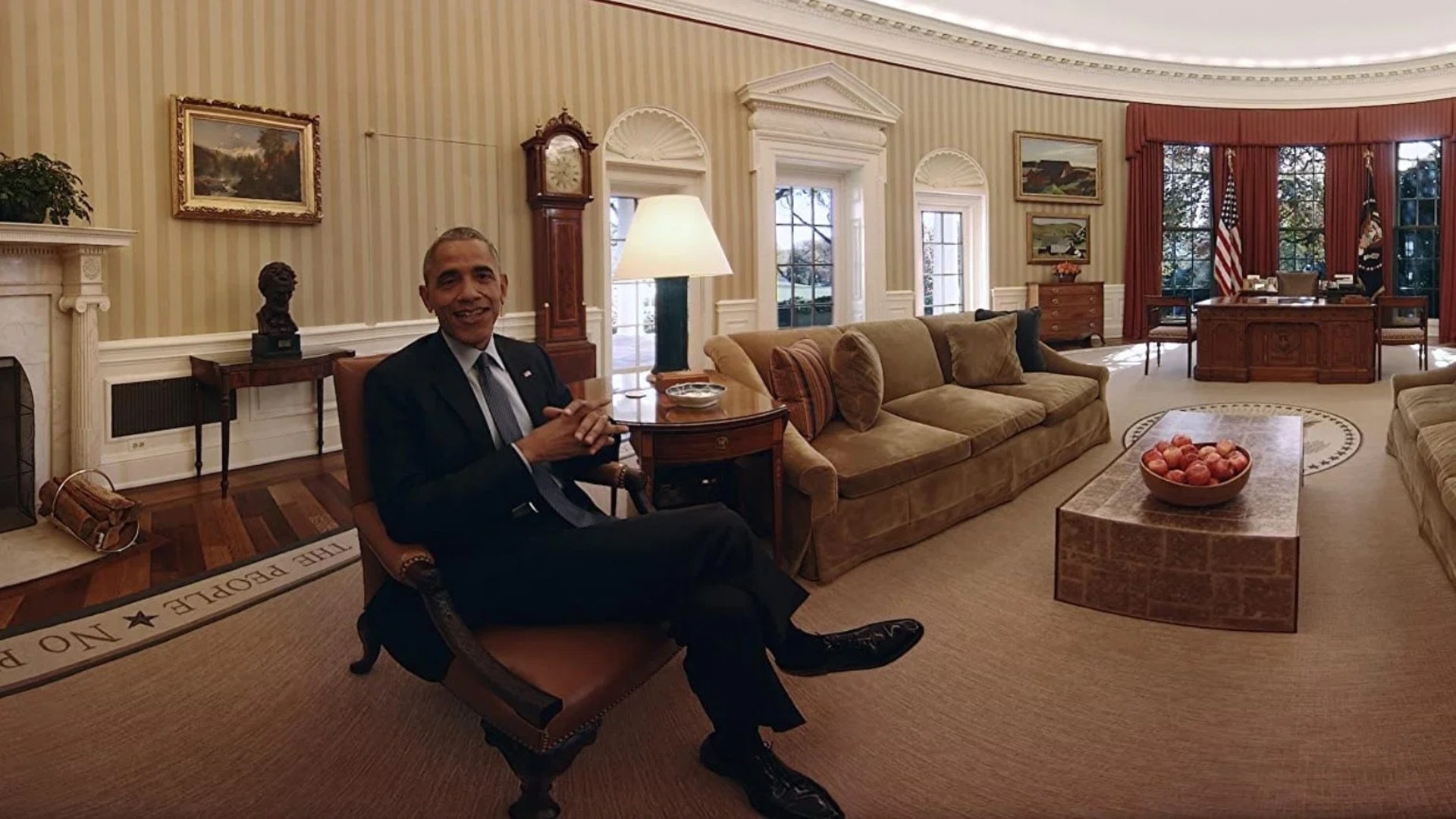
20. Refuse Secret Service Protection
Federal law mandates continuous Secret Service protection for the sitting president. Unlike former executives who may choose to waive their detail, an active president cannot dismiss their protective agents or travel into public spaces alone.
©Wikimedia / Marc Nozell
19. Open Windows In The White House
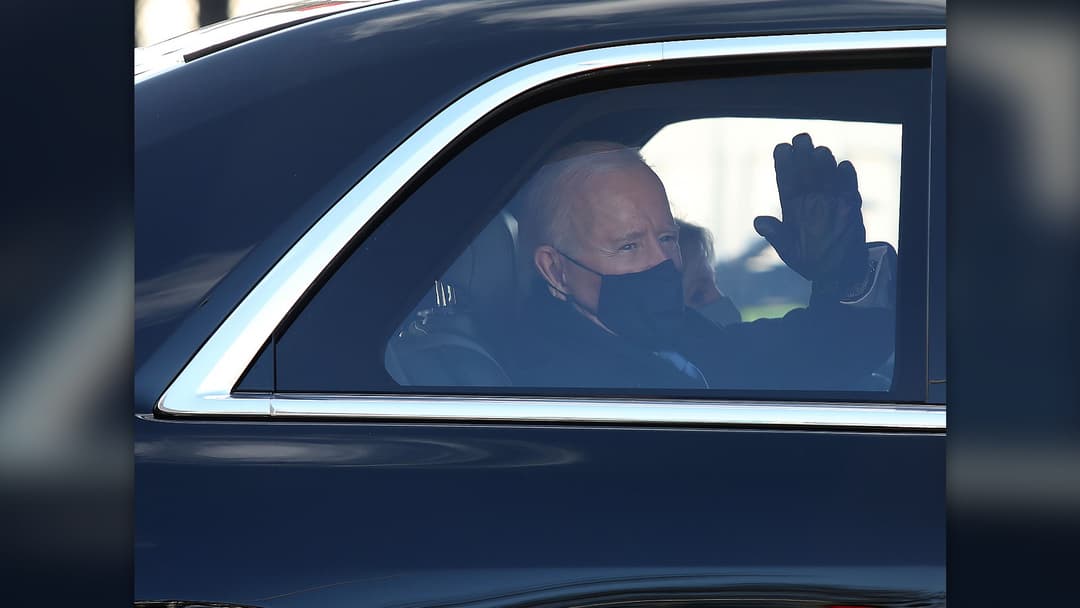
Security protocols strictly prohibit the president from opening windows in the White House residence or inside the armored presidential limousine. Every pane is reinforced against ballistic impacts and chemical threats, remaining locked shut.

©Pixabay / wal_172619
18. Use A Standard Smartphone
A president cannot use a normal commercial smartphone right out of the box. Any communications gear must undergo extensive hardening by defense intelligence agencies to disable unverified microphones, wireless ports, and tracking software.

©Wikimedia / West Midlands Police
Advertisement
Swipe or tap ▶ to resume the countdown.
17. Fly On Commercial Airlines
Sitting presidents cannot purchase tickets or board routine commercial flights. Operational requirements demand travel aboard military aircraft like Air Force One, ensuring real-time encrypted communications with the Pentagon at all altitudes.

©Wikimedia / Tomás Del Coro
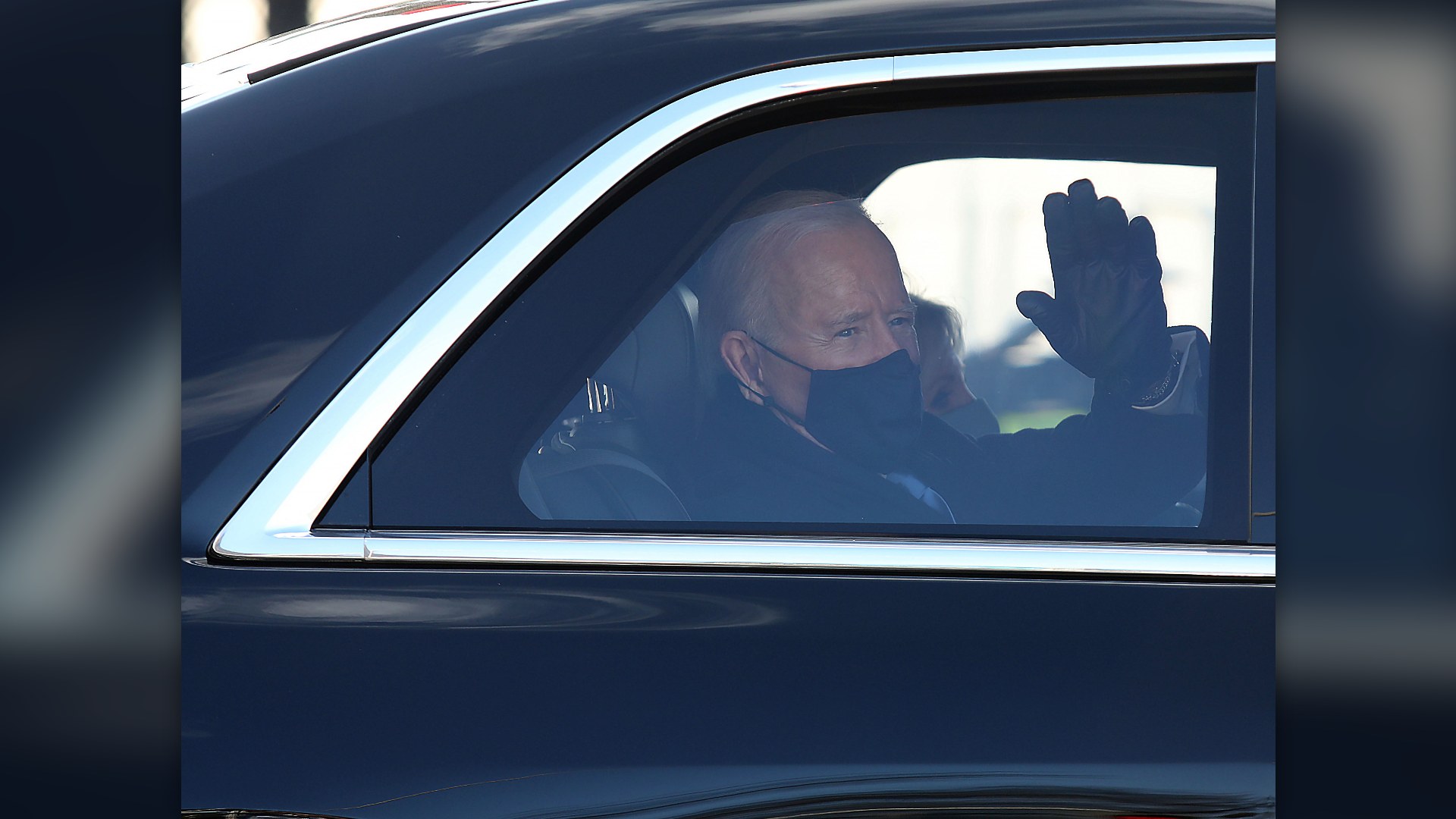
16. Drive On Open Public Roads
Following the assassination of John F. Kennedy, the Secret Service established a permanent ban on presidents driving on open public streets. Even decades after leaving office, former commanders in chief are limited to driving on closed private properties.
©Wikimedia / U.S. Customs and Border Protection
15. Block Social Media Critics
When a president uses a social media account to conduct official state business, it functions as a designated public forum. Federal appellate courts have ruled that blocking critical constituents violates their First Amendment right to petition the government.

©Pixabay / LoboStudioHamburg
14. Claim Copyright On Official Works
Under the federal copyright statute, works produced by officers of the United States government in their official capacity cannot receive copyright protection. State of the Union addresses, executive orders, and official statements belong immediately to the public.

©Wikimedia / CryptoWallet.com Images
Advertisement
Swipe or tap ▶ to resume the countdown.
13. Keep Expensive Foreign Gifts
Under the Foreign Emoluments Clause, gifts presented by foreign leaders above minimal statutory thresholds belong to the American people rather than the president. Retaining such items requires formal congressional consent or purchasing them at market value.

©Wikimedia / Gift
12. Destroy Official Government Records
The Presidential Records Act of 1978 mandates that all memos, letters, working notes, and electronic correspondence created during a presidency belong to the public. Presidents cannot shred, discard, or delete official papers before transfer to the National Archives.

©Wikimedia / Government of Slovakia
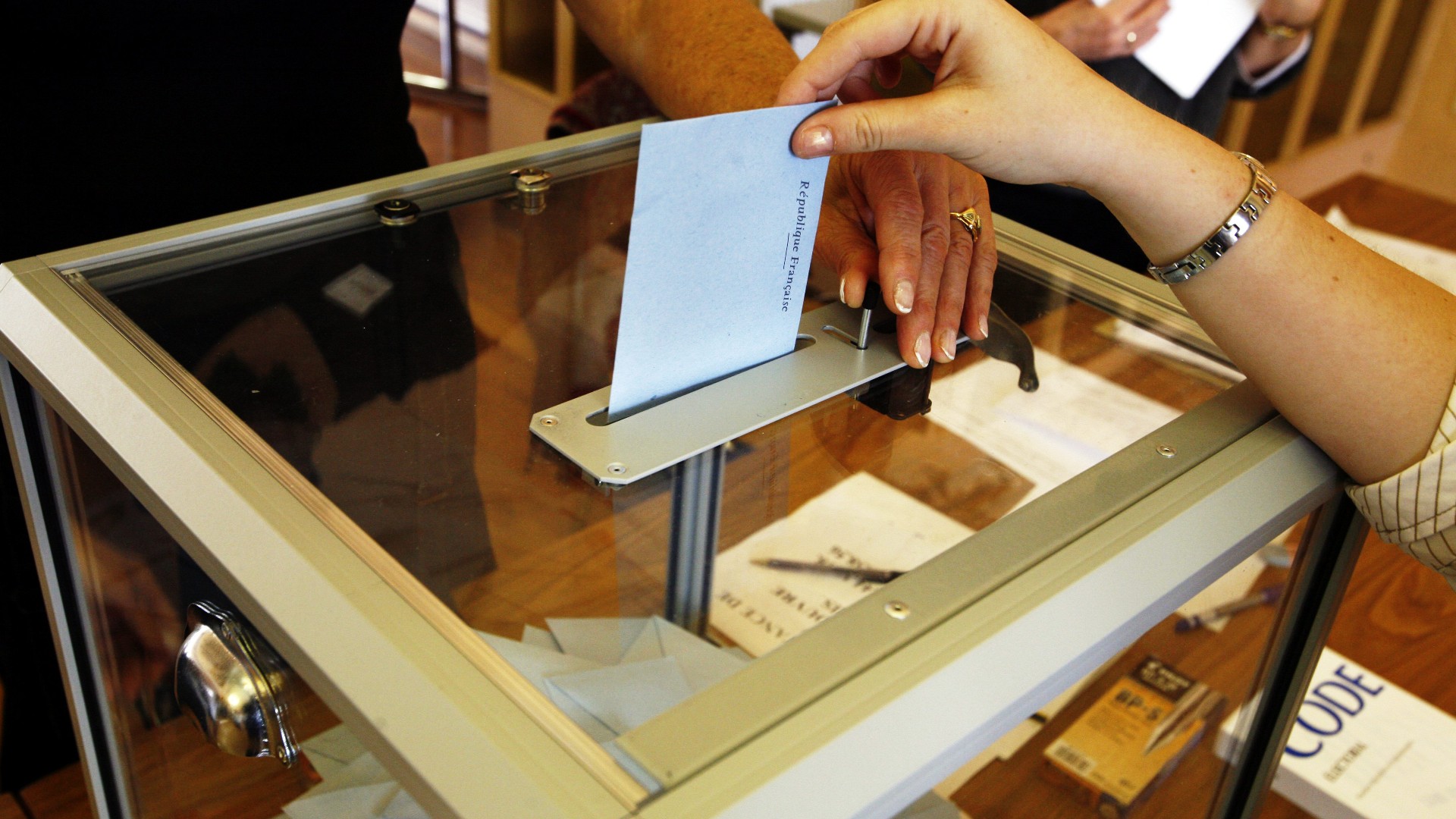
11. Delay Or Cancel Federal Elections
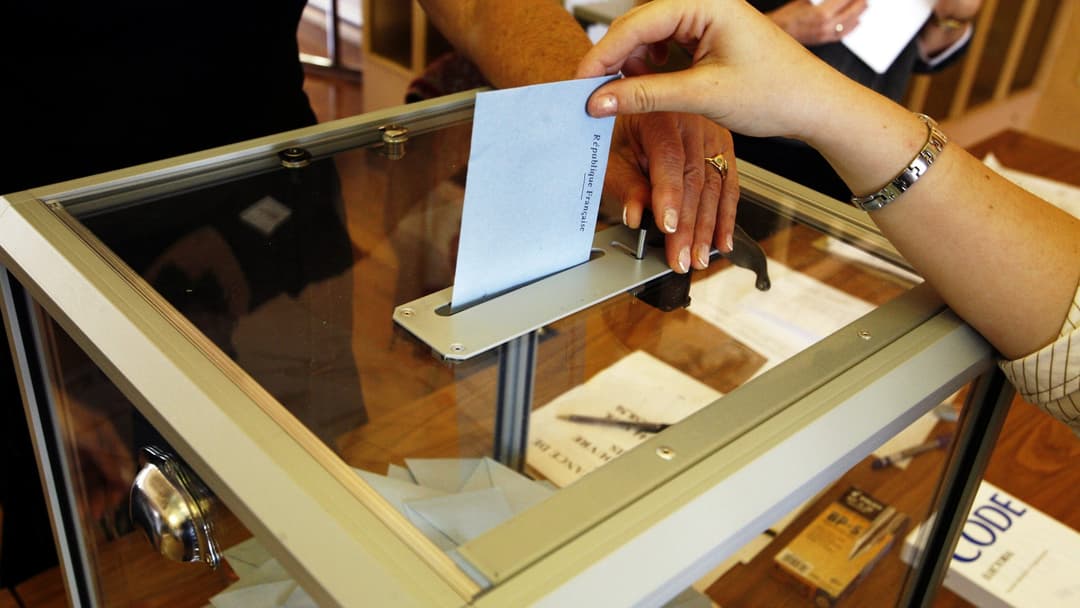
The Constitution gives Congress the exclusive authority to determine the time, place, and manner of choosing presidential electors. Even during national emergencies or active conflicts, a sitting president has no legal authority to reschedule federal elections.
©Wikimedia / Election
10. Serve More Than Two Terms
Ratified in 1951 following Franklin D. Roosevelt four-term presidency, the 22nd Amendment firmly establishes a two-term ceiling. No individual can be elected president more than twice, ending the era of open-ended executive tenure.
©Pixabay / geralt
Advertisement
Swipe or tap ▶ to resume the countdown.
9. Pardon State Level Convictions
Article Two grants the president broad authority to issue reprieves and pardons, but that power stops at the federal boundary. Governors hold clemency power over state crimes, and presidential pardons cannot overturn legislative impeachment convictions.
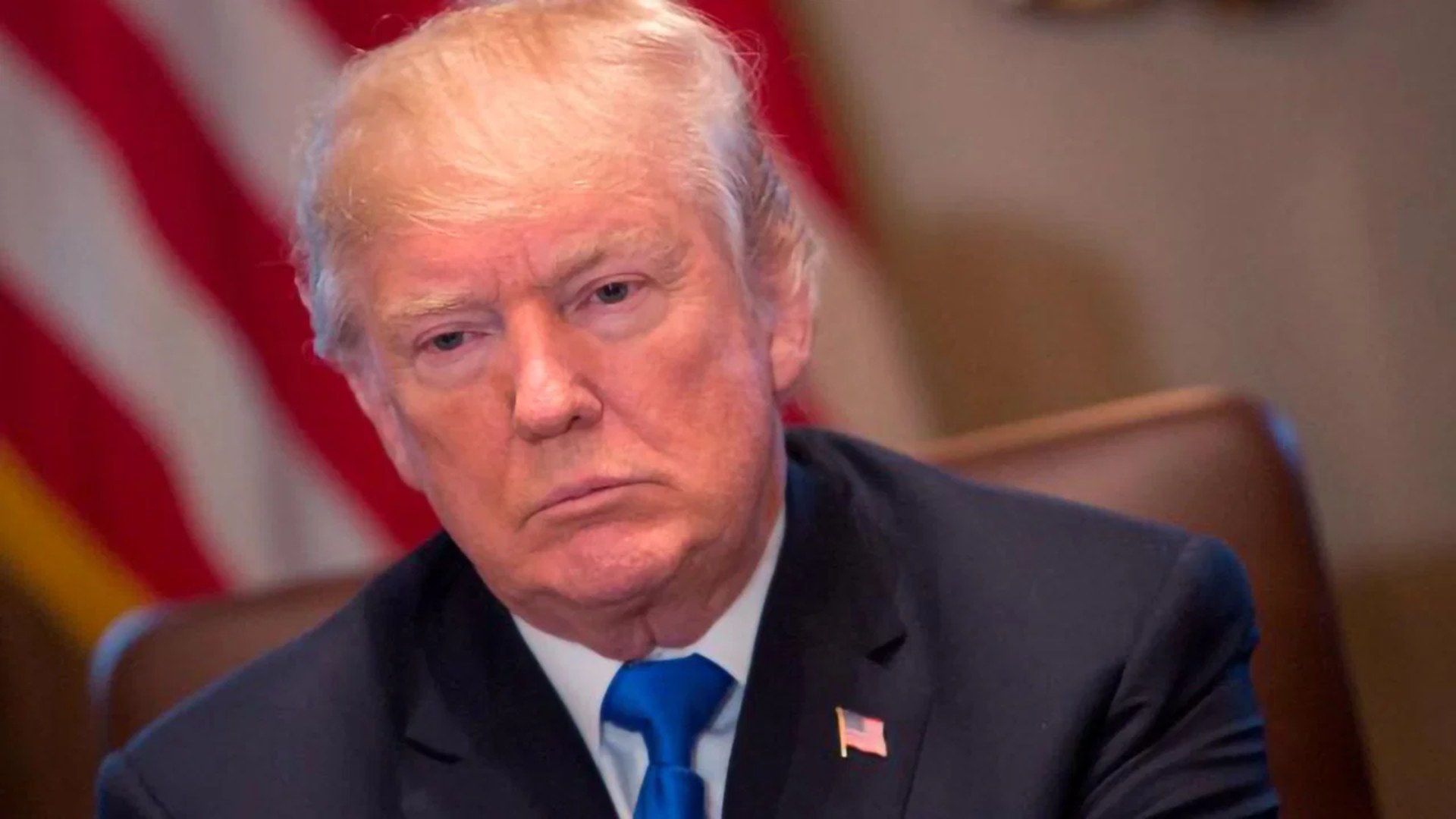
©Wikimedia / The Trump White House Archived
8. Prevent A Congressional Veto Override
When a president returns a bill with objections, Congress holds the final constitutional say. If both the House and the Senate vote by a two-thirds margin to repass the legislation, the bill becomes binding federal law regardless of executive opposition.
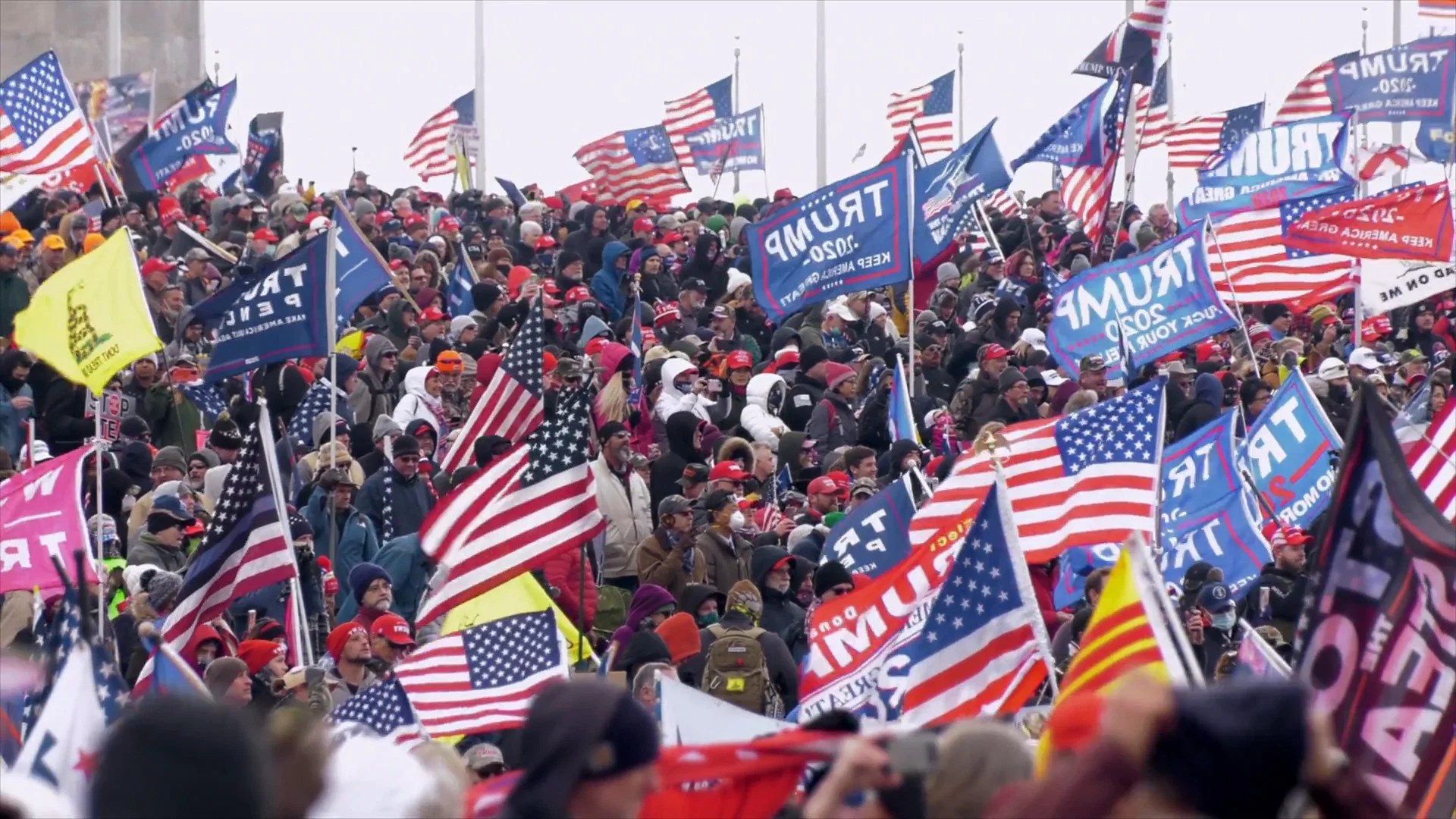
©Wikimedia / Martin Falbisoner
7. Ratify Treaties Unilaterally
Although the executive branch negotiates international agreements, formal ratification requires a two-thirds concurrence vote from the Senate. Without supermajority advice and consent, a negotiated treaty carries no binding constitutional domestic status.
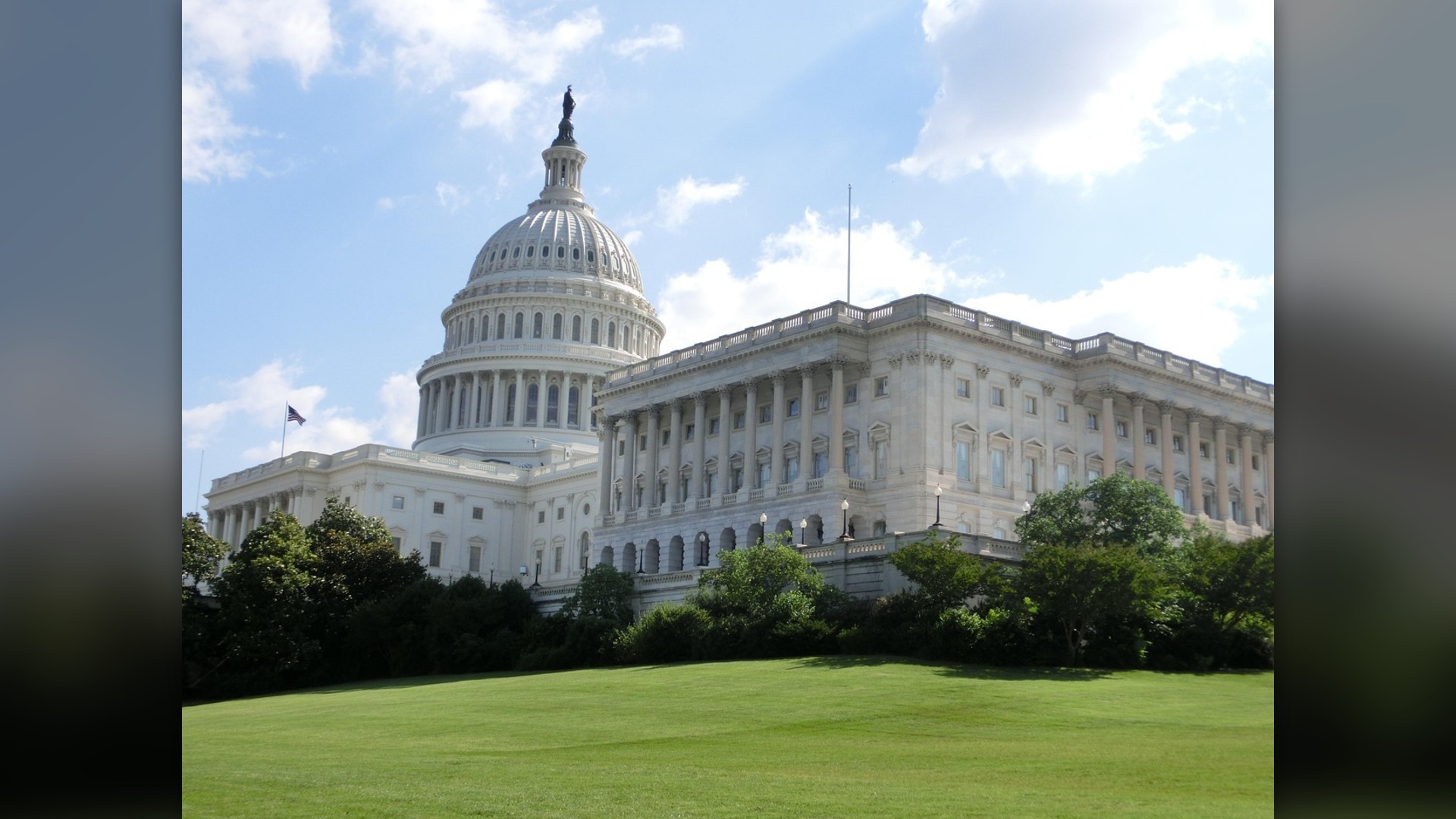
©Pixabay / jensjunge
6. Confirm High Officials Unilaterally
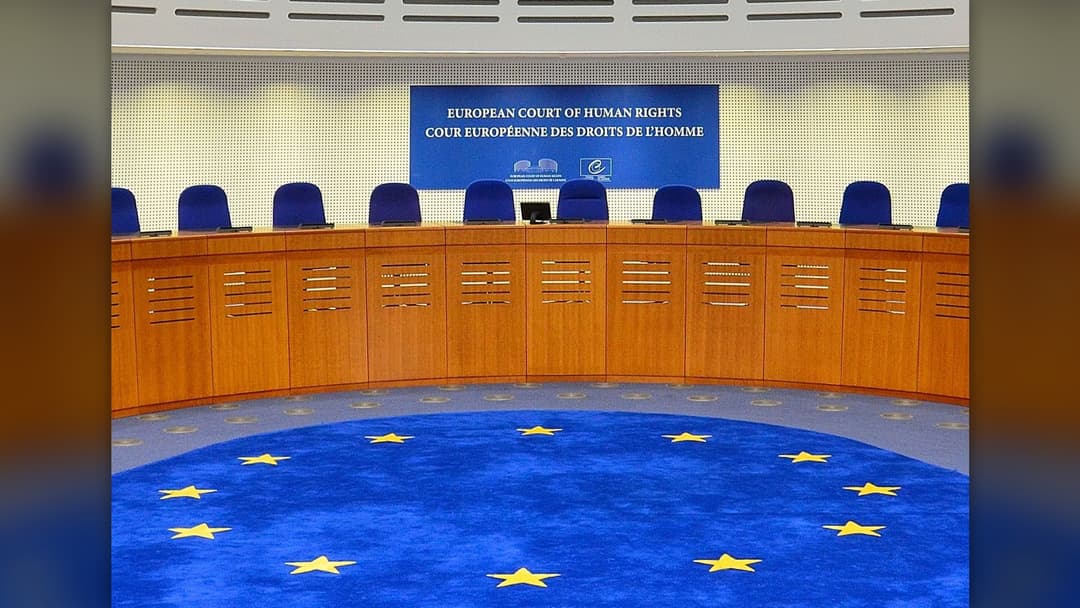
Under the Appointments Clause, the president nominates Supreme Court justices, federal judges, ambassadors, and cabinet heads. However, the executive cannot seat these officials permanently without the advice and consent of the Senate.
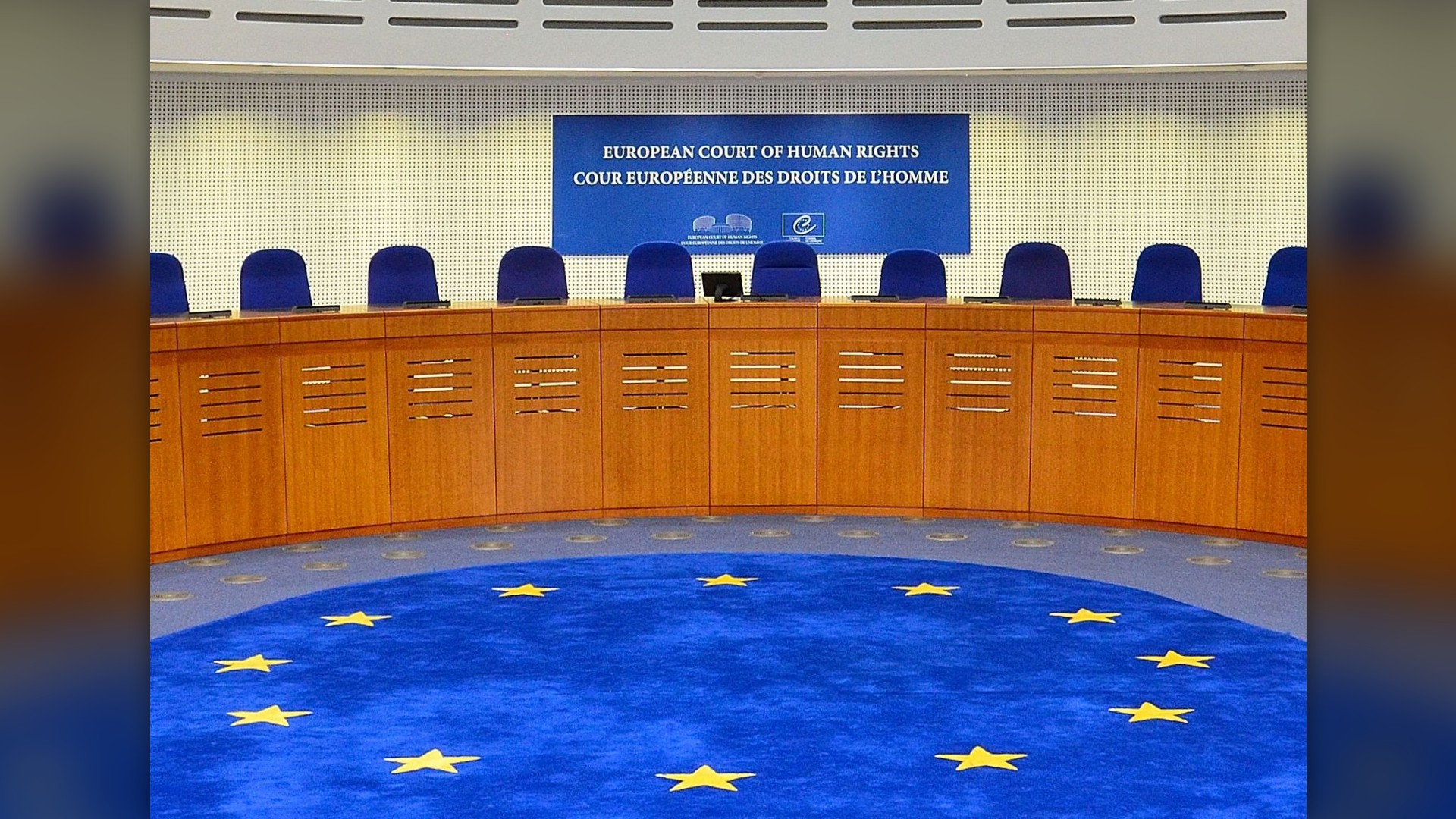
©Wikimedia / Courtroom
Advertisement
Swipe or tap ▶ to resume the countdown.
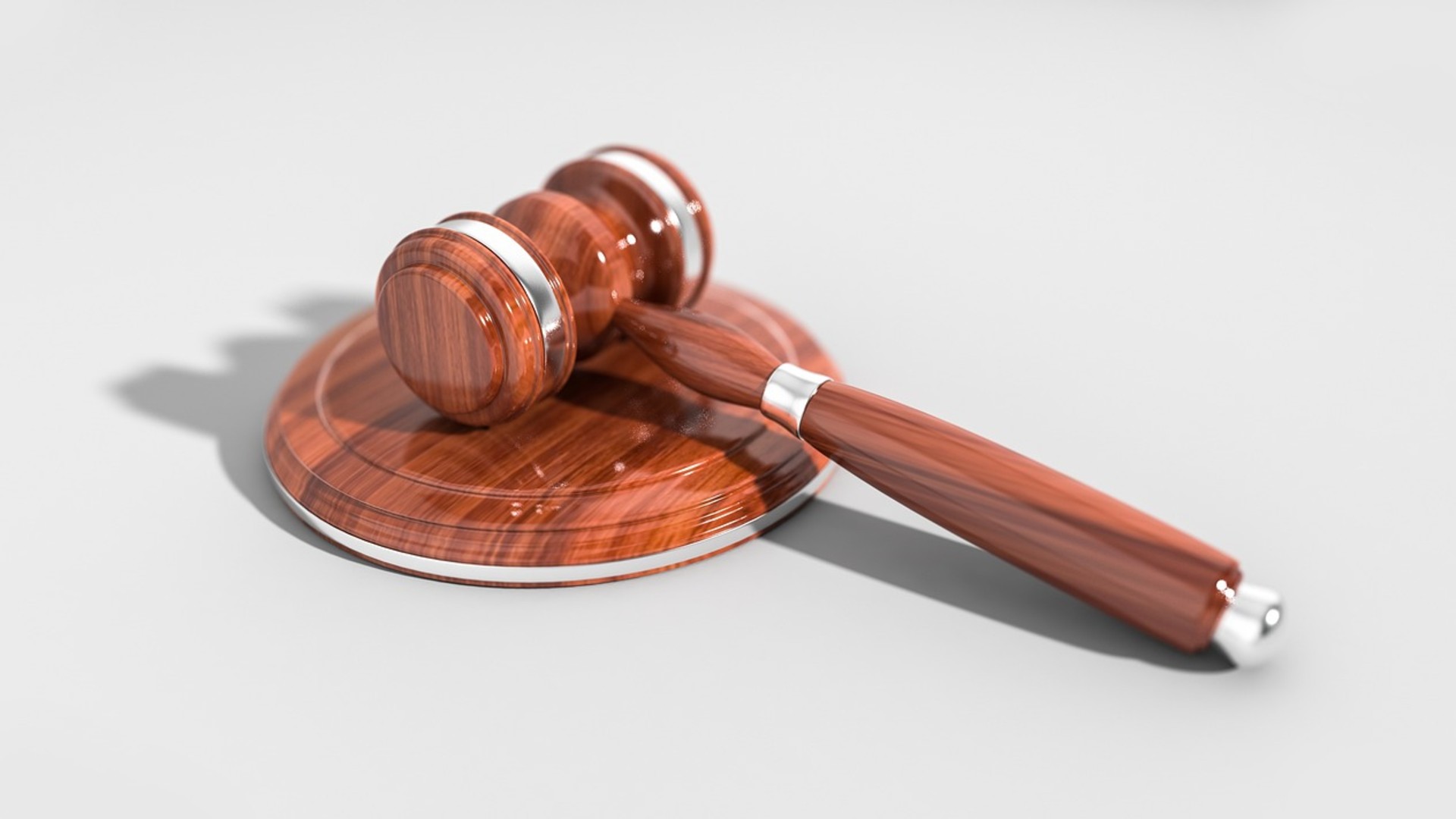
5. Interpret The Meaning Of Laws
While the president is tasked with executing federal statutes, determining what the law means and whether it aligns with the Constitution belongs to the judicial branch. The president cannot overrule Supreme Court rulings on statutory constitutionality.
©Pixabay / qimono
4. Alter The Federal Tax Code
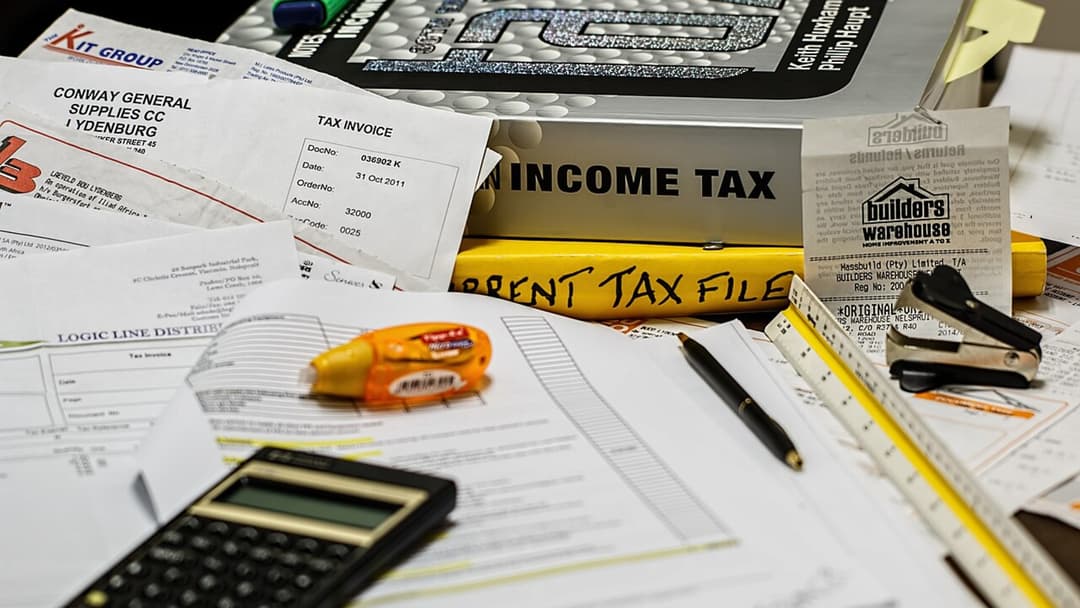
Article One specifies that all revenue bills must originate in the House of Representatives. While presidents can propose economic packages, adjusting tax brackets, corporate rates, or deductions requires affirmative legislation from Congress.

©Wikimedia / stevepb
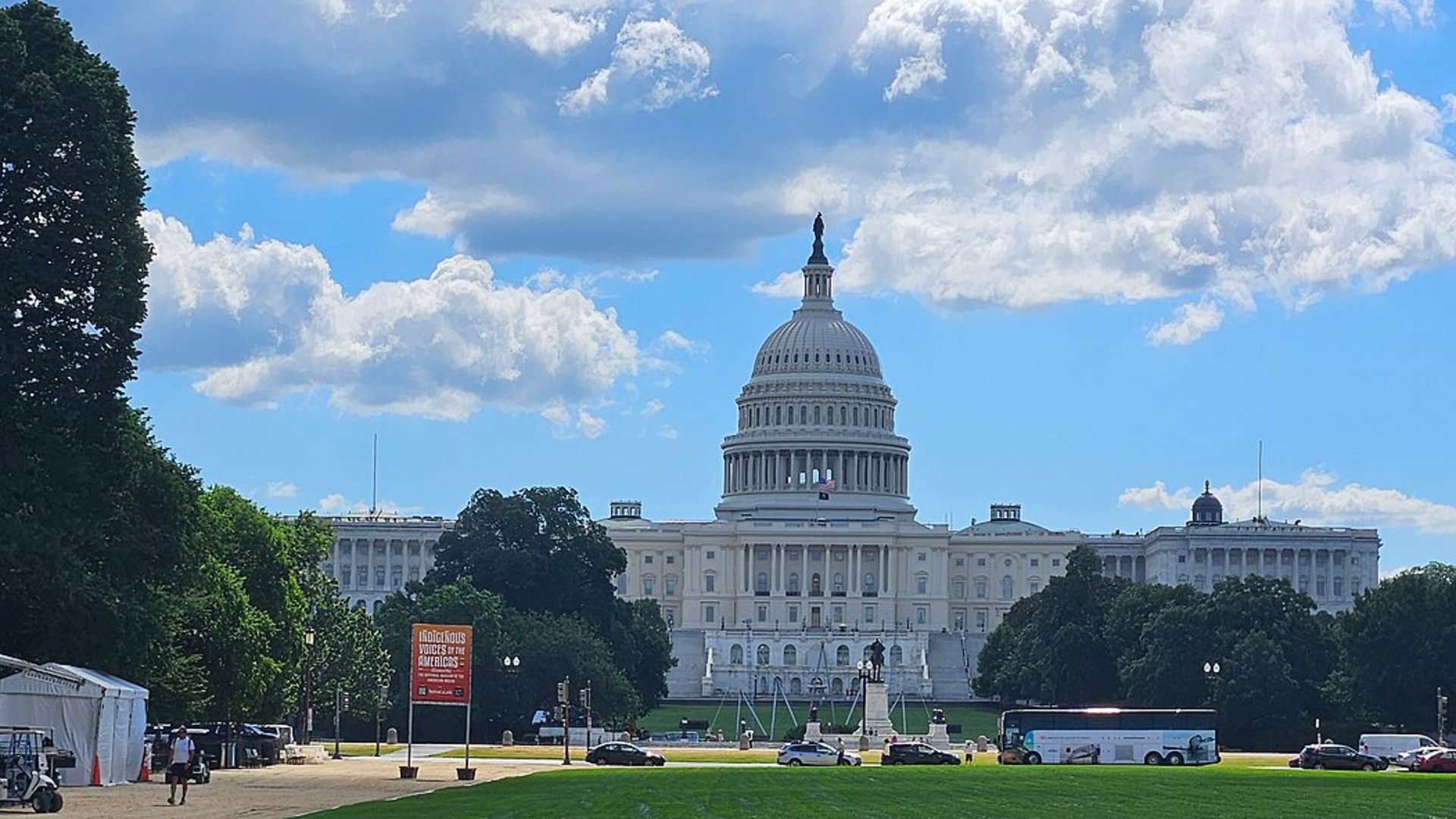
3. Spend Unappropriated Public Money
The Appropriations Clause explicitly bars money from being drawn from the Treasury without statutory appropriations. A president cannot redirect federal taxpayer money to pet projects or unauthorized foreign programs without explicit congressional approval.
©Wikimedia / Aviation poseidon
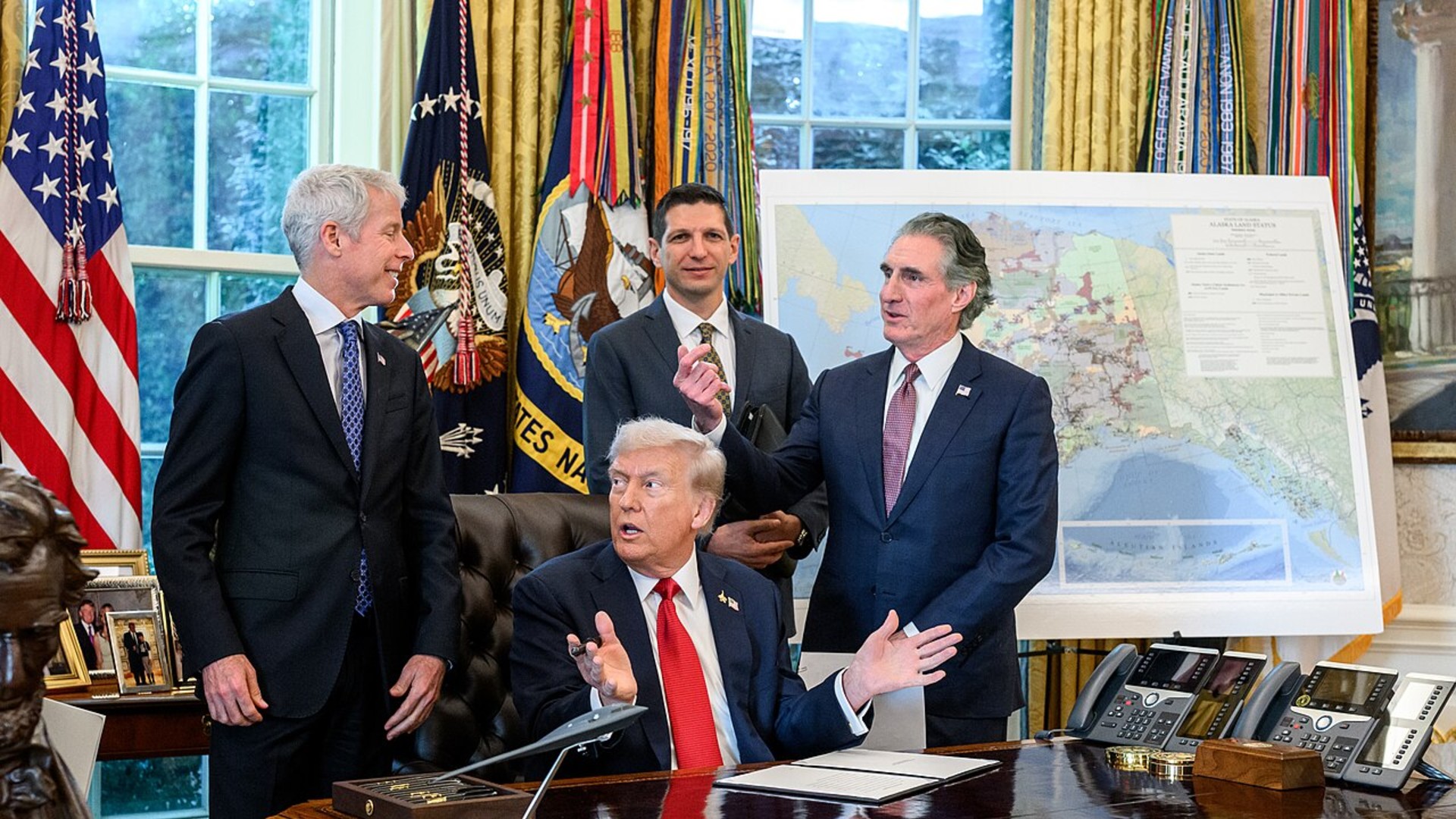
2. Write And Pass Federal Statutes
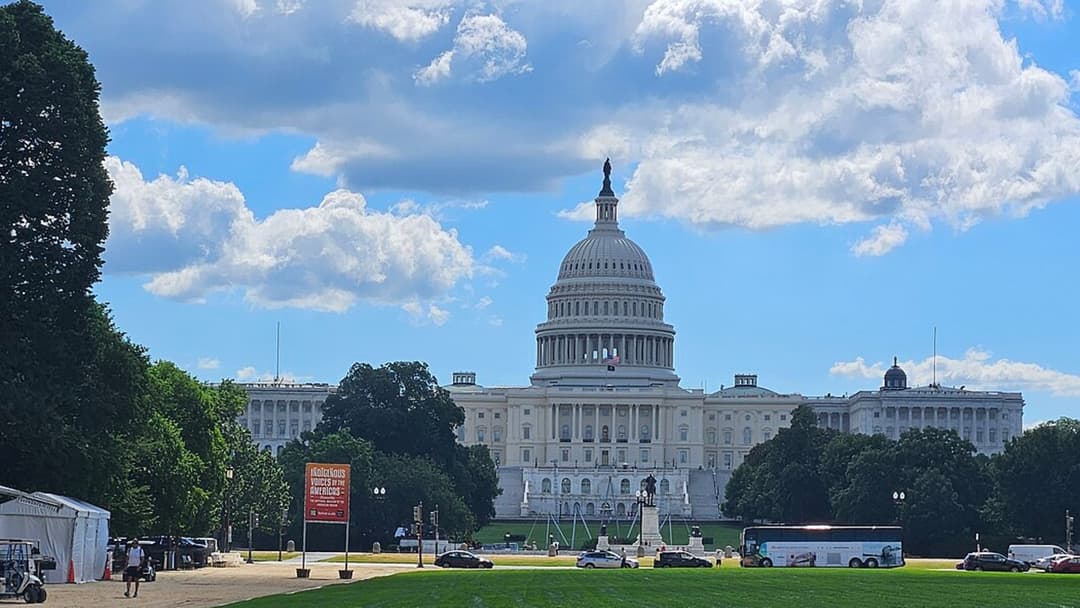
The opening sentence of the Constitution vests all legislative powers in Congress. Presidents can sign executive orders, but those directives cannot contradict existing law or invent statutory mandates without an underlying constitutional delegation.
©Wikimedia / The White House
Advertisement
Swipe or tap ▶ to resume the countdown.
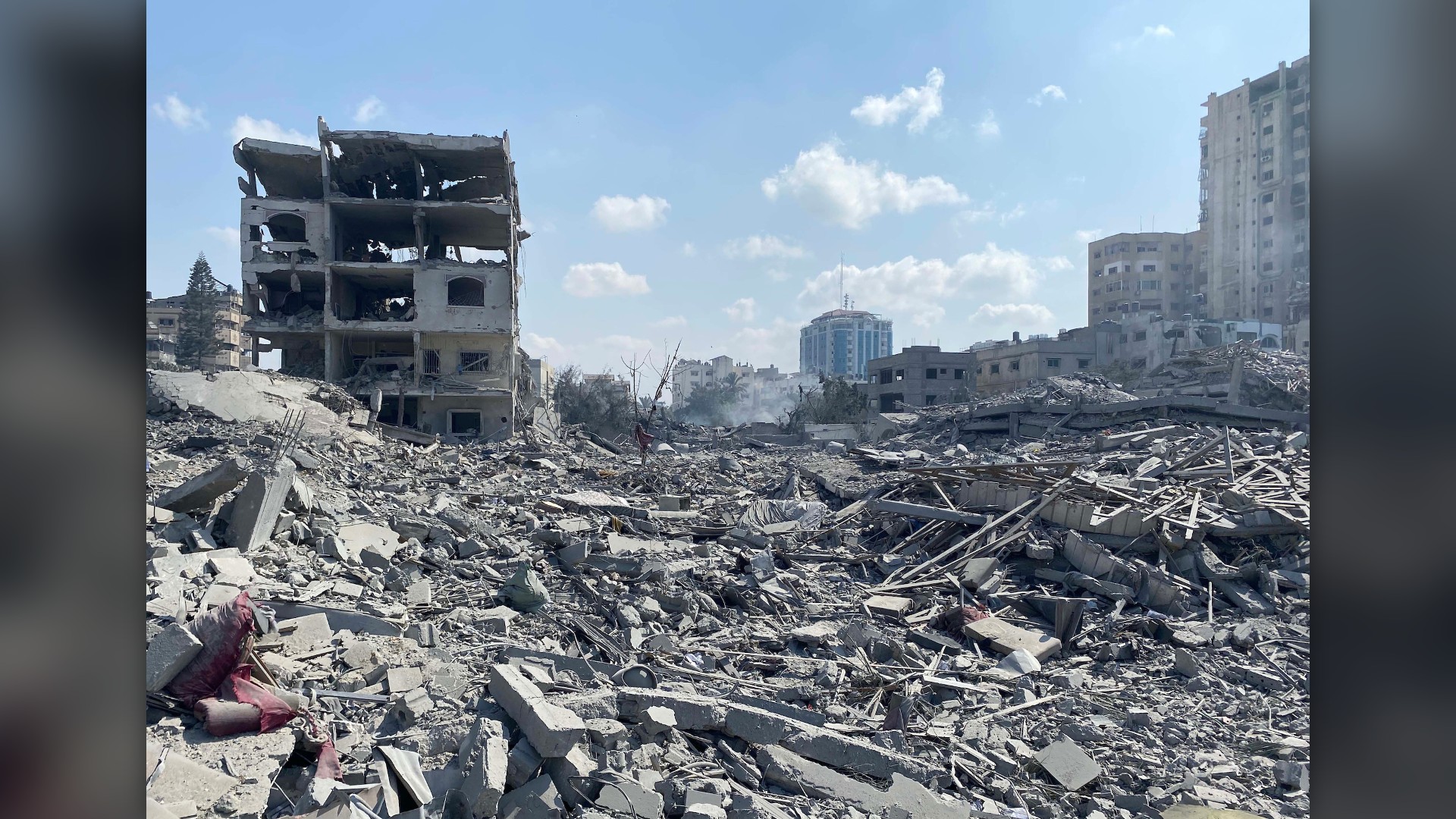
1. Declare War On Foreign Nations
Though the president commands the armed forces in uniform, Article One gives Congress the sole power to formally declare war. The War Powers Resolution further limits how long a president can deploy troops into hostilities without explicit legislative authorization.
©Wikimedia / WAFA in contract with a local company
Advertisement
You've reached the end of the story. Thanks for reading!

20 Strict Rules Some Christians Still Follow Today
Ancient Ordinances That Shape Modern Faith
All 20 Entries in this Story
20. Refuse Secret Service Protection
Federal law mandates continuous Secret Service protection for the sitting president. Unlike former executives who may choose to waive their detail, an active president cannot dismiss their protective agents or travel into public spaces alone.

19. Open Windows In The White House
Security protocols strictly prohibit the president from opening windows in the White House residence or inside the armored presidential limousine. Every pane is reinforced against ballistic impacts and chemical threats, remaining locked shut.

18. Use A Standard Smartphone
A president cannot use a normal commercial smartphone right out of the box. Any communications gear must undergo extensive hardening by defense intelligence agencies to disable unverified microphones, wireless ports, and tracking software.

17. Fly On Commercial Airlines
Sitting presidents cannot purchase tickets or board routine commercial flights. Operational requirements demand travel aboard military aircraft like Air Force One, ensuring real-time encrypted communications with the Pentagon at all altitudes.

16. Drive On Open Public Roads
Following the assassination of John F. Kennedy, the Secret Service established a permanent ban on presidents driving on open public streets. Even decades after leaving office, former commanders in chief are limited to driving on closed private properties.

15. Block Social Media Critics
When a president uses a social media account to conduct official state business, it functions as a designated public forum. Federal appellate courts have ruled that blocking critical constituents violates their First Amendment right to petition the government.

14. Claim Copyright On Official Works
Under the federal copyright statute, works produced by officers of the United States government in their official capacity cannot receive copyright protection. State of the Union addresses, executive orders, and official statements belong immediately to the public.

13. Keep Expensive Foreign Gifts
Under the Foreign Emoluments Clause, gifts presented by foreign leaders above minimal statutory thresholds belong to the American people rather than the president. Retaining such items requires formal congressional consent or purchasing them at market value.

12. Destroy Official Government Records
The Presidential Records Act of 1978 mandates that all memos, letters, working notes, and electronic correspondence created during a presidency belong to the public. Presidents cannot shred, discard, or delete official papers before transfer to the National Archives.

11. Delay Or Cancel Federal Elections
The Constitution gives Congress the exclusive authority to determine the time, place, and manner of choosing presidential electors. Even during national emergencies or active conflicts, a sitting president has no legal authority to reschedule federal elections.

10. Serve More Than Two Terms
Ratified in 1951 following Franklin D. Roosevelt four-term presidency, the 22nd Amendment firmly establishes a two-term ceiling. No individual can be elected president more than twice, ending the era of open-ended executive tenure.

9. Pardon State Level Convictions
Article Two grants the president broad authority to issue reprieves and pardons, but that power stops at the federal boundary. Governors hold clemency power over state crimes, and presidential pardons cannot overturn legislative impeachment convictions.

8. Prevent A Congressional Veto Override
When a president returns a bill with objections, Congress holds the final constitutional say. If both the House and the Senate vote by a two-thirds margin to repass the legislation, the bill becomes binding federal law regardless of executive opposition.

7. Ratify Treaties Unilaterally
Although the executive branch negotiates international agreements, formal ratification requires a two-thirds concurrence vote from the Senate. Without supermajority advice and consent, a negotiated treaty carries no binding constitutional domestic status.

6. Confirm High Officials Unilaterally
Under the Appointments Clause, the president nominates Supreme Court justices, federal judges, ambassadors, and cabinet heads. However, the executive cannot seat these officials permanently without the advice and consent of the Senate.

5. Interpret The Meaning Of Laws
While the president is tasked with executing federal statutes, determining what the law means and whether it aligns with the Constitution belongs to the judicial branch. The president cannot overrule Supreme Court rulings on statutory constitutionality.

4. Alter The Federal Tax Code
Article One specifies that all revenue bills must originate in the House of Representatives. While presidents can propose economic packages, adjusting tax brackets, corporate rates, or deductions requires affirmative legislation from Congress.

3. Spend Unappropriated Public Money
The Appropriations Clause explicitly bars money from being drawn from the Treasury without statutory appropriations. A president cannot redirect federal taxpayer money to pet projects or unauthorized foreign programs without explicit congressional approval.

2. Write And Pass Federal Statutes
The opening sentence of the Constitution vests all legislative powers in Congress. Presidents can sign executive orders, but those directives cannot contradict existing law or invent statutory mandates without an underlying constitutional delegation.

1. Declare War On Foreign Nations
Though the president commands the armed forces in uniform, Article One gives Congress the sole power to formally declare war. The War Powers Resolution further limits how long a president can deploy troops into hostilities without explicit legislative authorization.