Slideshow · Viral
Which State Wastes the Most Food in America?
From 1,025 Pounds Per Person To 6.7 Million Farm Tons Across America

By Most Viral Today
39 min ago

From 1,025 Pounds Per Person To 6.7 Million Farm Tons Across America 
21. California And The 2026 Total Volume Ranking 
20. Pennsylvania (Score 55.72) 
19. Indiana (Score 56.77) - AdvertisementSwipe or tap ▶ to continue countdown

18. Florida (Score 58.69) 
17. West Virginia (Score 59.28) 
16. Louisiana (Score 59.86) 
15. North Carolina (Score 60.22) - AdvertisementSwipe or tap ▶ to continue countdown

14. Texas (Score 64.59) 
13. South Carolina (Score 64.77) 
12. New Mexico (Score 65.39) 
11. Oklahoma (Score 66.45) - AdvertisementSwipe or tap ▶ to continue countdown

10. Nevada (Score 67.40) 
9. Georgia (Score 68.56) 
8. Mississippi (Score 71.39) 
7. Tennessee (Score 73.92) - AdvertisementSwipe or tap ▶ to continue countdown

6. Alabama (Score 74.41) 
5. Illinois (Score 78.60) 
4. Kentucky (Score 79.14) 
3. Arkansas (Score 81.06) - AdvertisementSwipe or tap ▶ to continue countdown

2. Maryland (Score 87.89) 
1. Arizona (Score 100.00) - Advertisement🔥 UP NEXT IN THIS SERIES◫ 21 Slides

20 Strict Rules Some Christians Still Follow Today
Ancient Ordinances That Shape Modern Faith
Americans discard tens of millions of tons of food yearly, yet the crisis varies sharply across state lines. Combining per-capita waste, weekly household discards, and composting gaps from the 2026 LawnStarter Food Waste Study, here are the states that waste the most food in America.
Swipe or tap ▶ to begin the countdown
©Editorial / Contributor
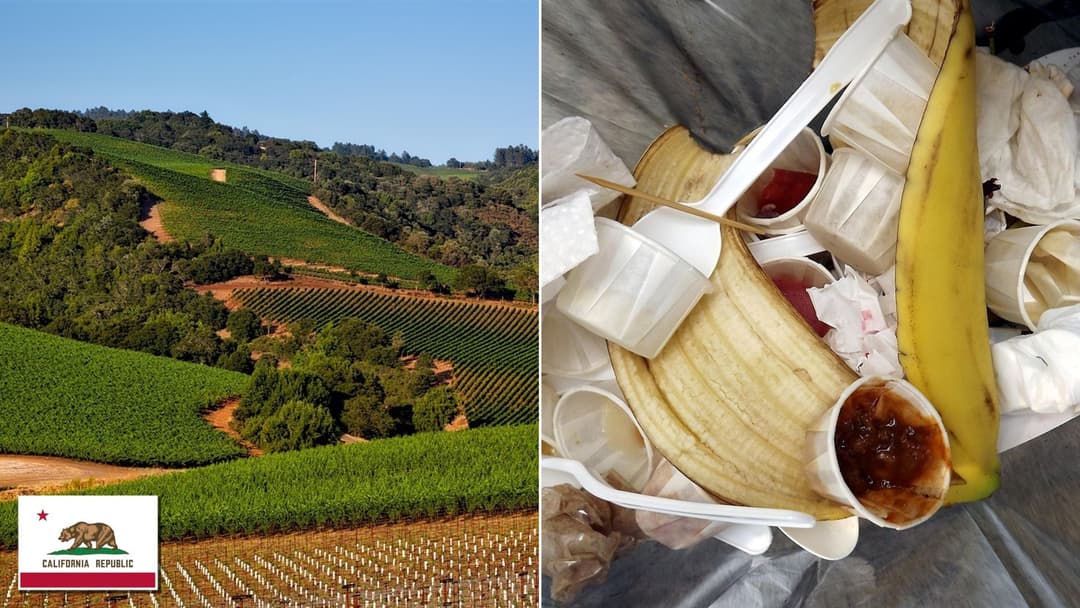
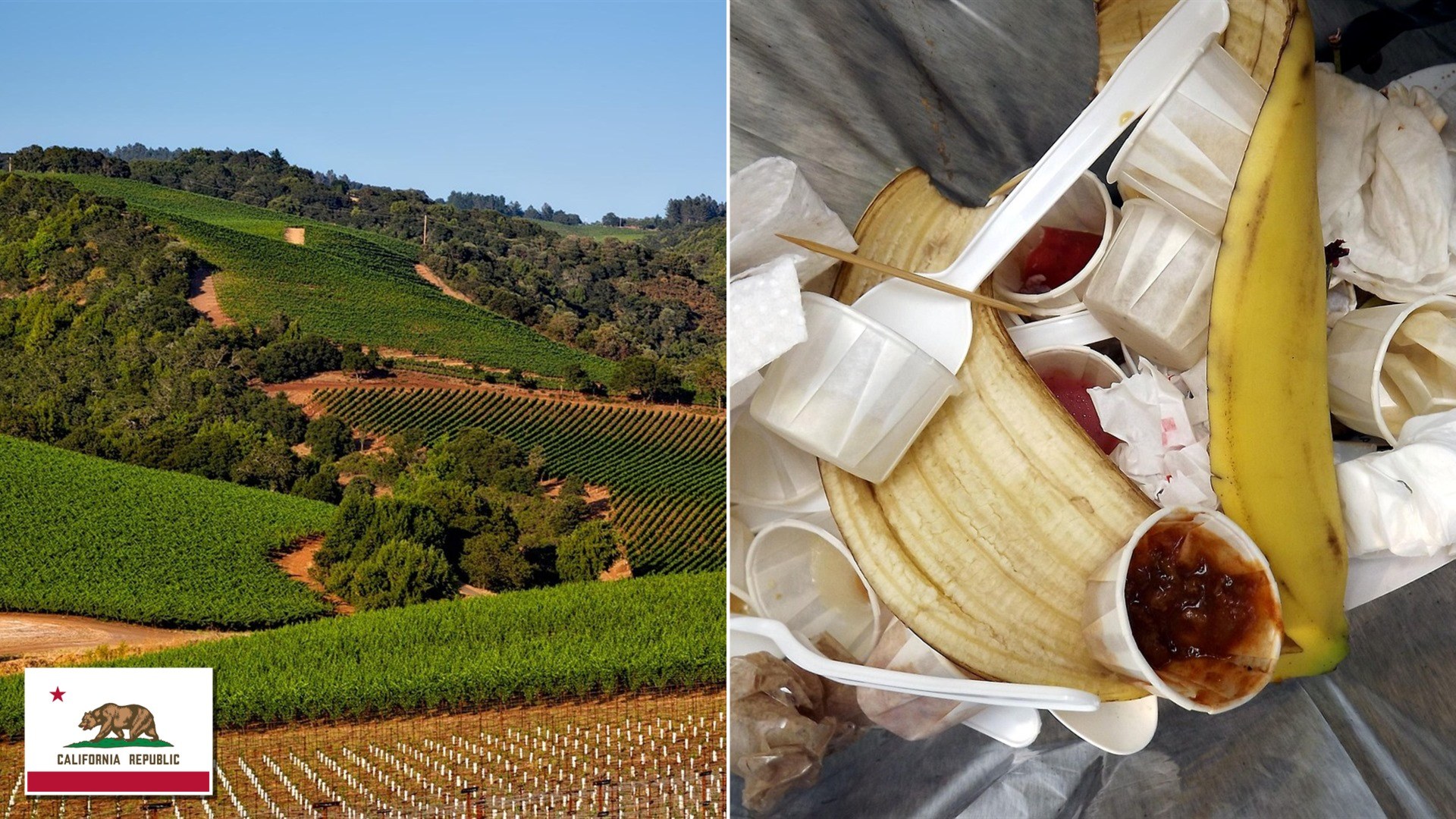
21. California And The 2026 Total Volume Ranking
When the 2026 LawnStarter study ranks states by raw tonnage, Texas ranks first, followed by California, Florida, Mississippi, and West Virginia. California generates 6.7 million tons of farm food waste yearly, more than triple any other state, though it leads the US in composting infrastructure.
©Editorial / Contributor
20. Pennsylvania (Score 55.72)
Pennsylvania rounds out the top 20 with a score of 55.72. High total municipal food waste across its major cities is paired with limited state-level composting mandates to keep organic matter out of landfills.

©Editorial / Contributor
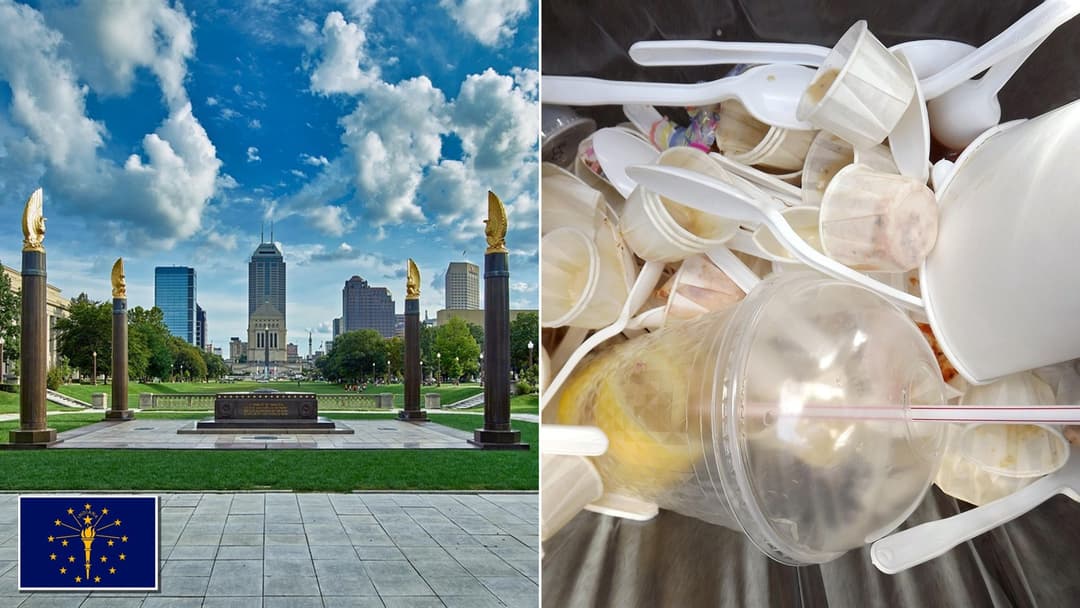
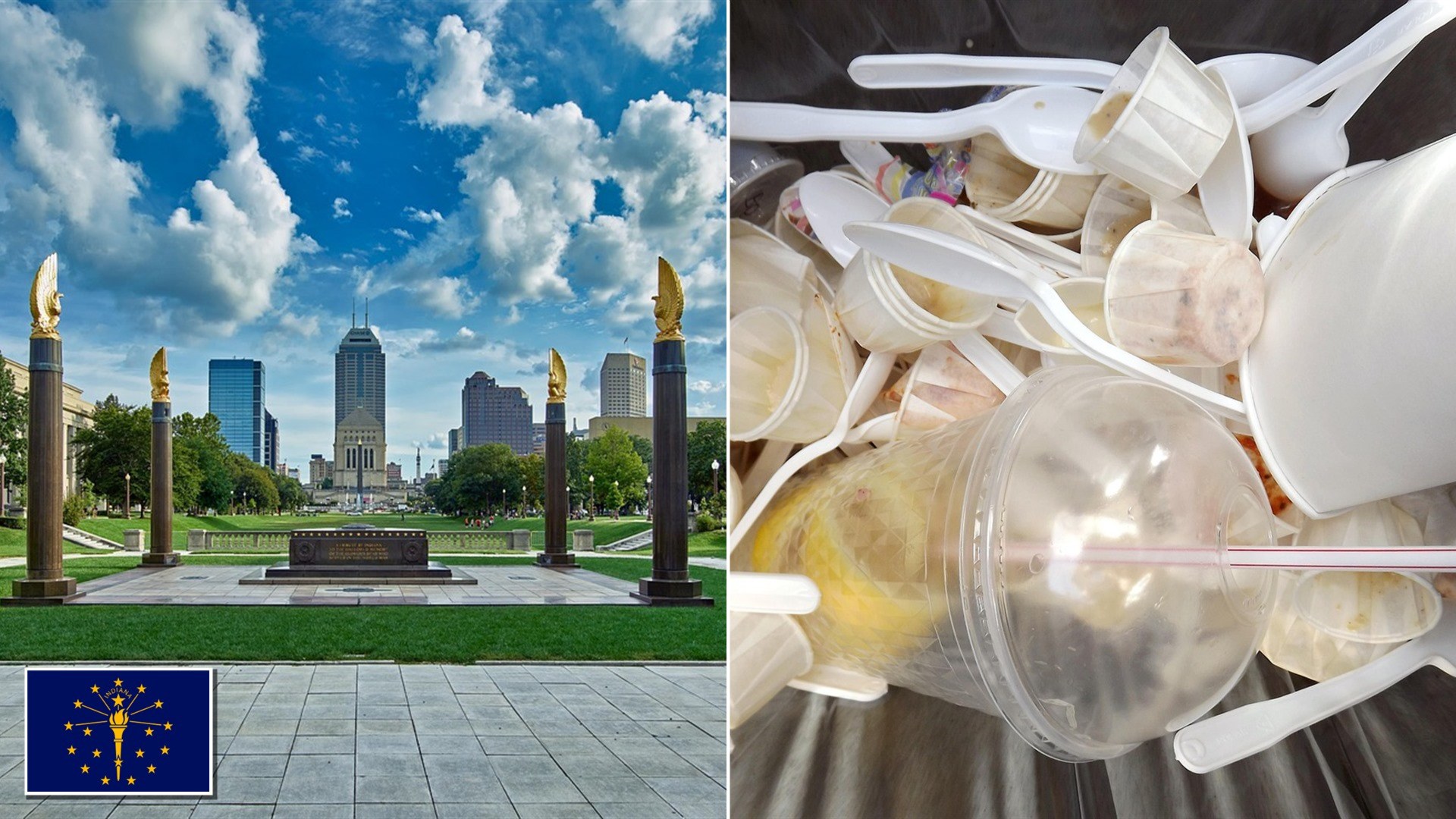
19. Indiana (Score 56.77)
Scoring 56.77, Indiana places nineteenth in the country. Above-average weekly household food waste across the state is paired with a modest network of food recovery and municipal composting facilities.
©Editorial / Contributor
Advertisement
Swipe or tap ▶ to resume the countdown.
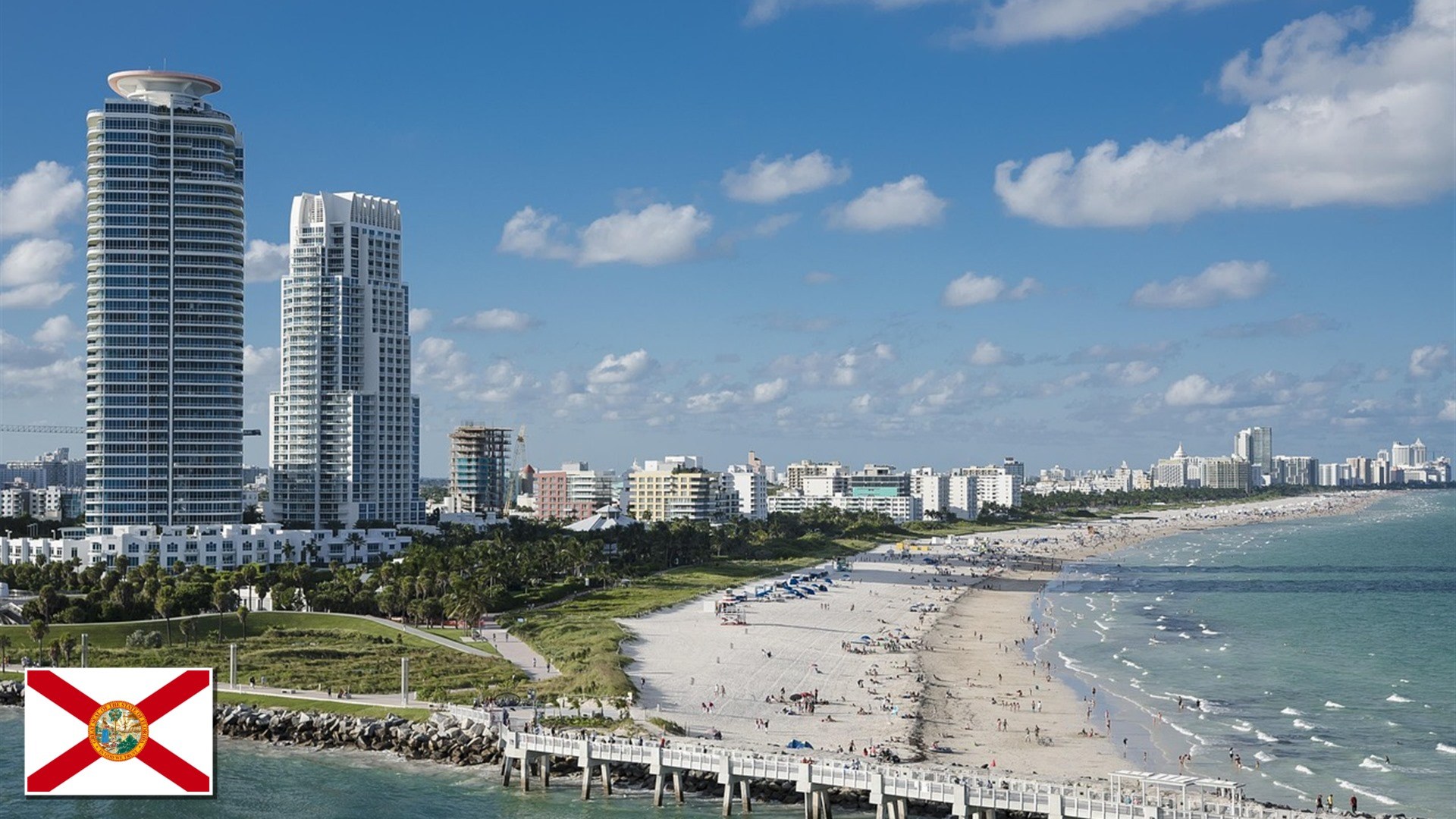
18. Florida (Score 58.69)
Florida posts a per-capita score of 58.69 and ranks third worst nationwide in total unadjusted waste volume. Massive year-round tourism and a large population drive heavy discards alongside slow organics recycling growth.
©Editorial / Contributor
17. West Virginia (Score 59.28)
West Virginia scores 59.28 and also ranks among the five worst states in raw infrastructure rankings. Over 67 percent of its residential food waste goes directly into landfills, one of the highest household discard rates in America.

©Editorial / Contributor
16. Louisiana (Score 59.86)
With a score of 59.86, Louisiana takes sixteenth place. Although the state performs strongly in recycling agricultural byproducts, elevated household and supermarket retail food waste keep its overall score high.

©Editorial / Contributor
15. North Carolina (Score 60.22)
North Carolina ranks fifteenth with a score of 60.22. Rapid population growth has fueled high commercial and residential food waste volumes, while state and municipal diversion mandates remain limited.

©Editorial / Contributor
Advertisement
Swipe or tap ▶ to resume the countdown.
14. Texas (Score 64.59)
Texas scores 64.59 on the per-capita index and ranks worst overall in total unadjusted volume according to the 2026 LawnStarter study. Its foodservice sector alone discards 1.3 million tons of food annually without a statewide organic waste ban.

©Editorial / Contributor
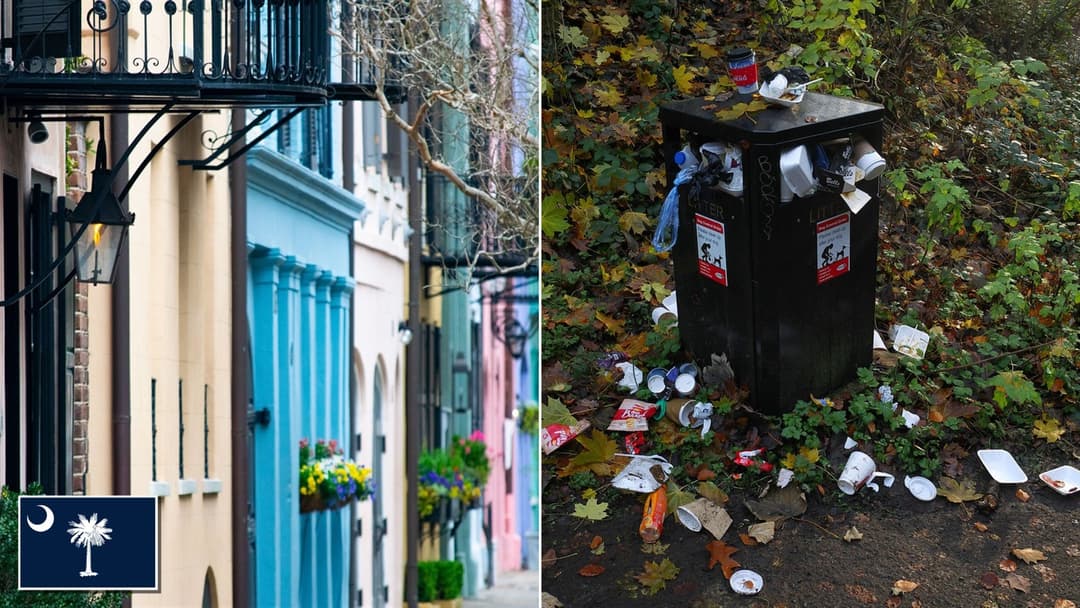
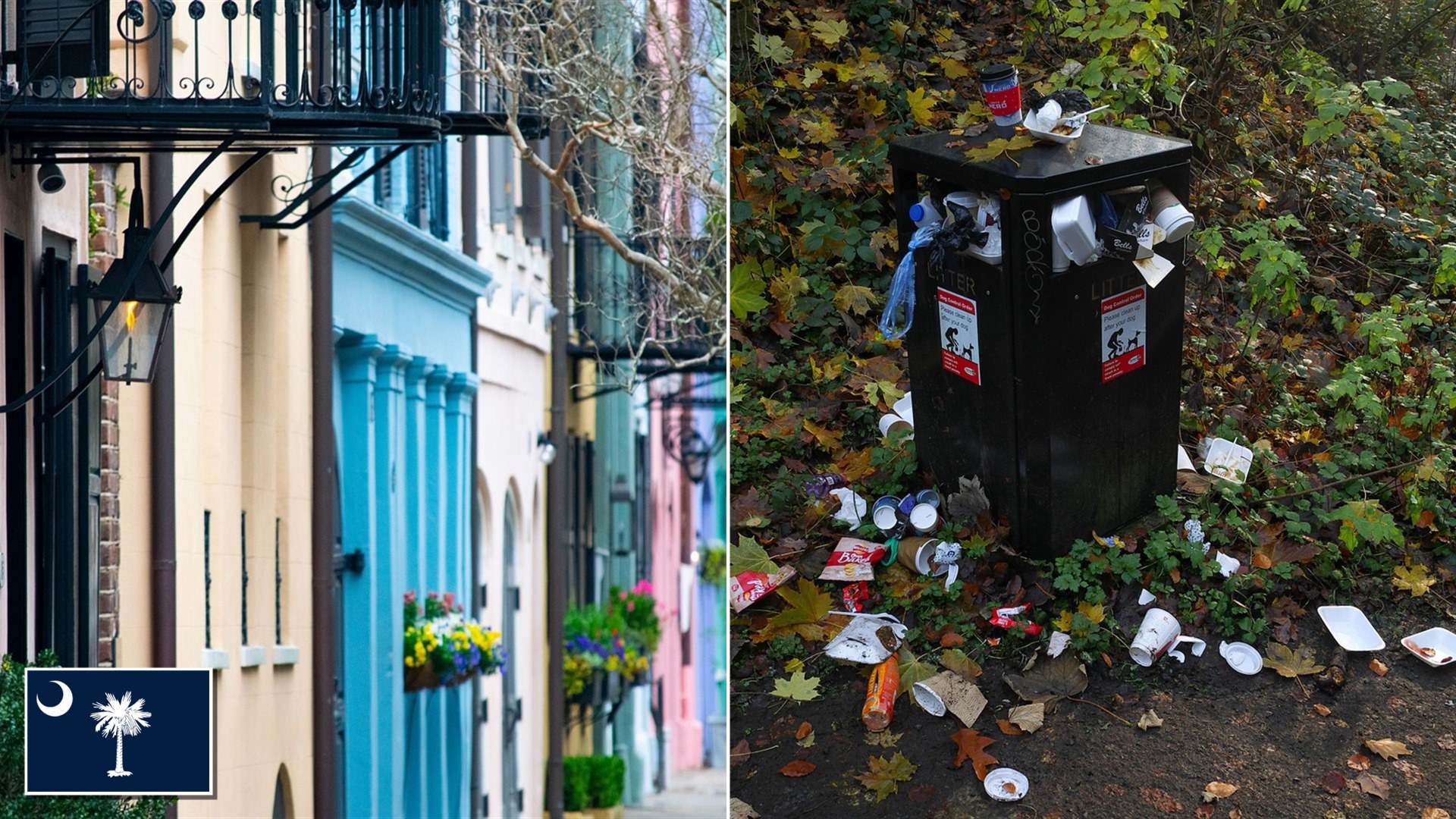
13. South Carolina (Score 64.77)
South Carolina posts a waste score of 64.77 to rank thirteenth. The state struggles with low food recycling participation alongside growing volumes of uncollected retail grocery and agricultural surplus.
©Editorial / Contributor
12. New Mexico (Score 65.39)
With a score of 65.39, New Mexico ranks twelfth nationwide. Limited cold-storage distribution and sparse recovery networks mean the state fails to repurpose or donate a large share of its edible surplus food.

©Editorial / Contributor
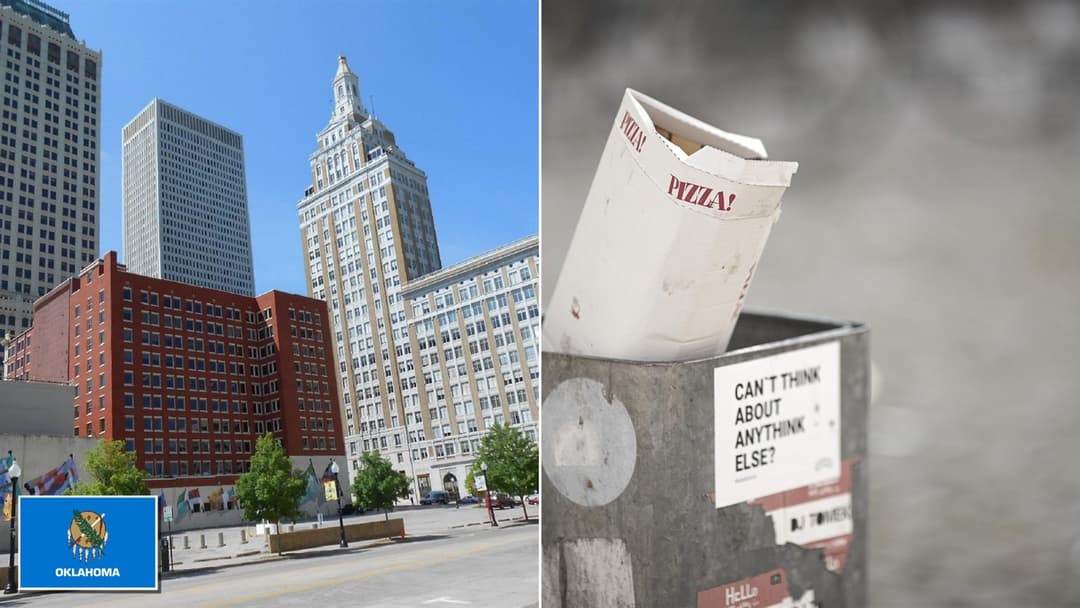
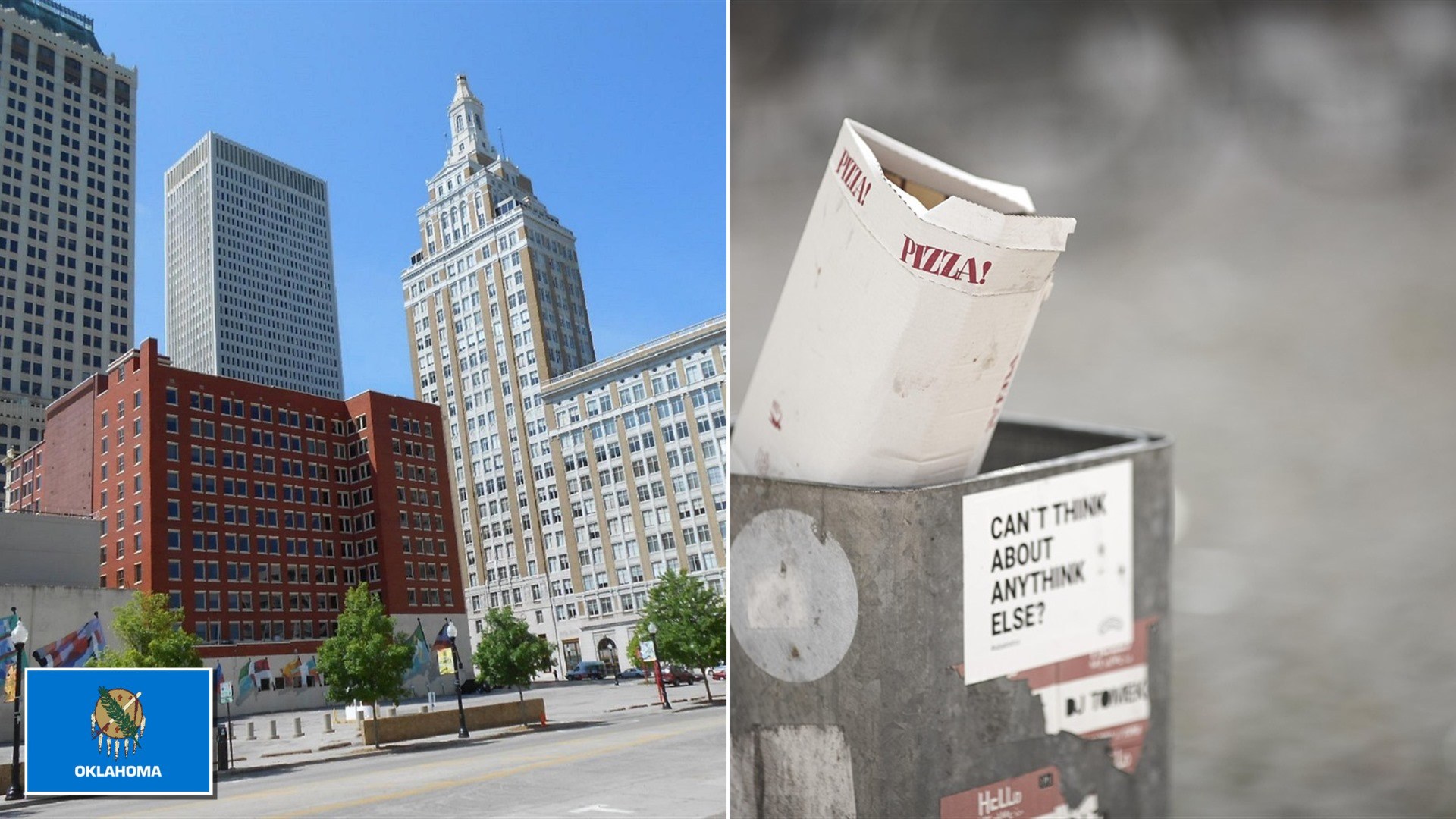
11. Oklahoma (Score 66.45)
Oklahoma places eleventh with a food waste score of 66.45. The state lacks sufficient commercial composting facilities and municipal food waste diversion policies to offset steady residential and retail discards.
©Editorial / Contributor
Advertisement
Swipe or tap ▶ to resume the countdown.
10. Nevada (Score 67.40)
Nevada rounds out the top 10 with a score of 67.40. Driven heavily by Las Vegas's massive hospitality, casino, and buffet industry, the state generates nearly 148 pounds of restaurant food waste per resident annually.

©Editorial / Contributor
9. Georgia (Score 68.56)
Scoring 68.56, Georgia ranks ninth in the nation. The state produces high volumes of both retail grocery and residential household food waste while operating with minimal state-level landfill disposal restrictions.

©Editorial / Contributor
8. Mississippi (Score 71.39)
Mississippi records a waste score of 71.39 and also ranks fourth worst in raw volume infrastructure. High household food waste is compounded by one of the smallest networks of food-sharing programs and composting providers in the United States.

©Editorial / Contributor
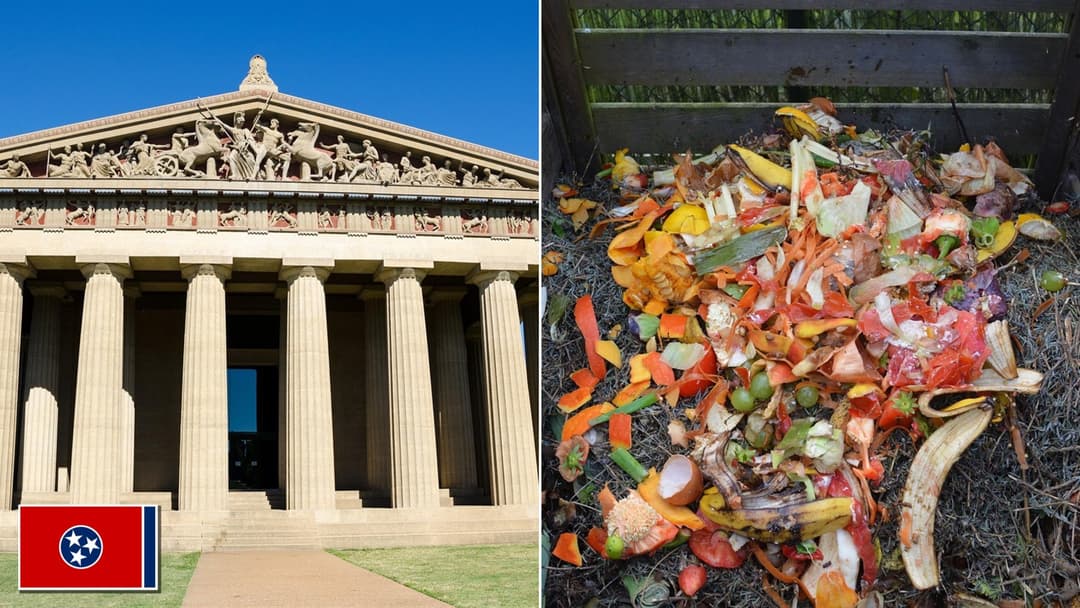
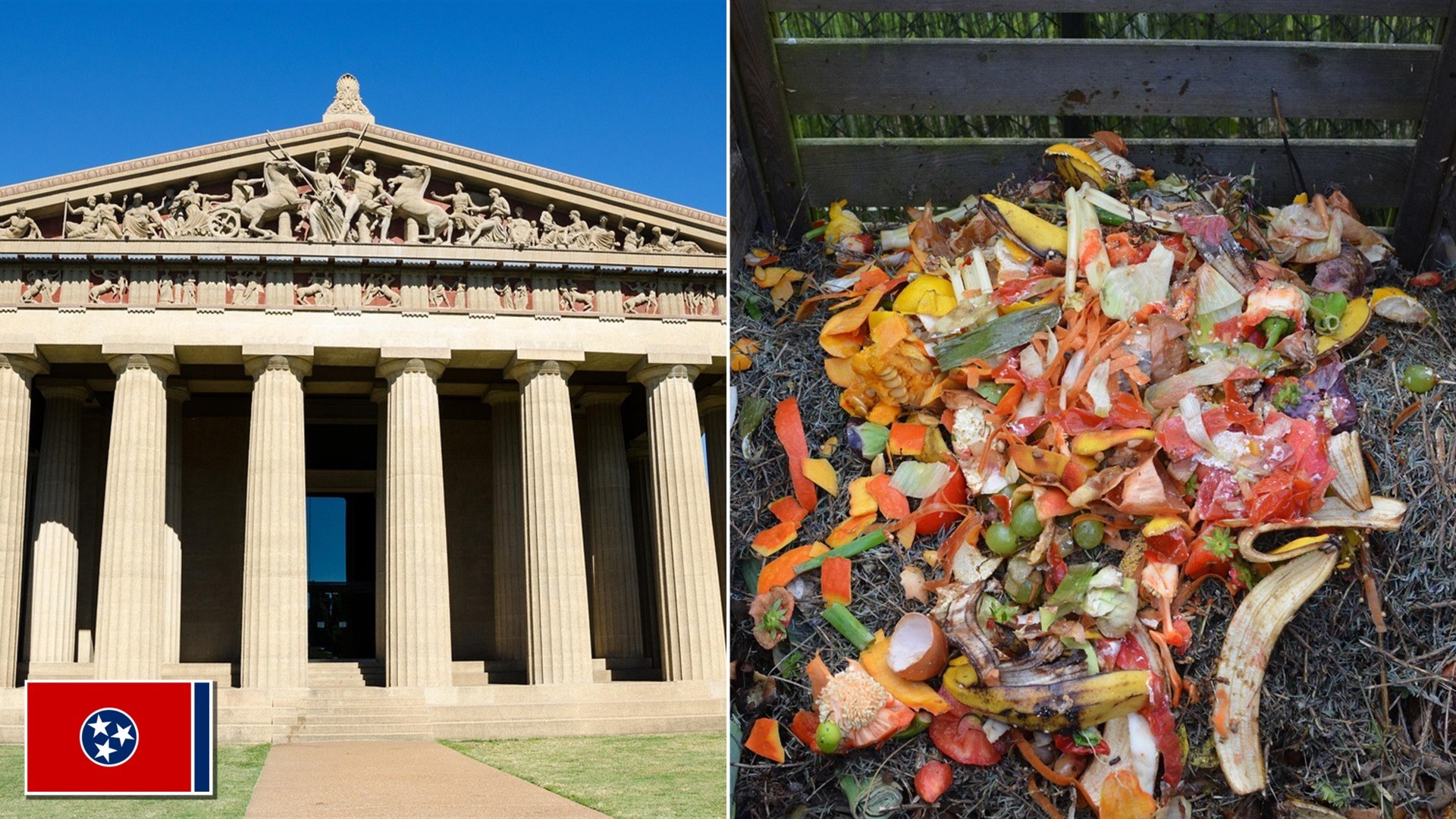
7. Tennessee (Score 73.92)
With a score of 73.92, Tennessee claims the seventh spot nationwide. Elevated consumer food waste in major metro areas is paired with limited municipal mitigation policies and few local organics diversion programs.
©Editorial / Contributor
Advertisement
Swipe or tap ▶ to resume the countdown.
6. Alabama (Score 74.41)
Alabama lands at number six with a score of 74.41. High household food discard rates across the state are worsened by a widespread lack of municipal and commercial composting infrastructure to divert organic matter from landfills.

©Editorial / Contributor
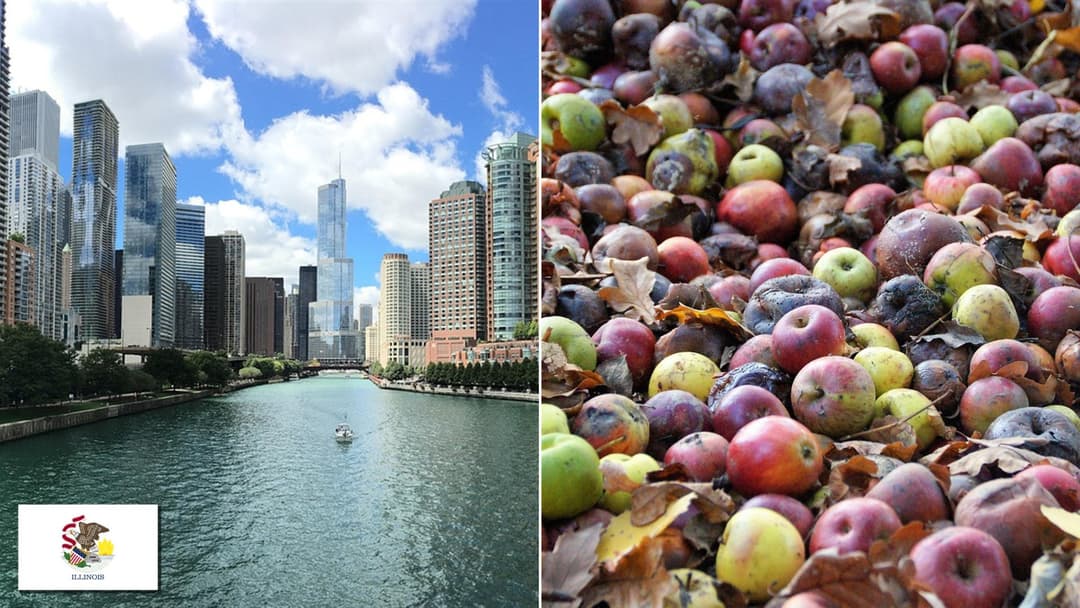
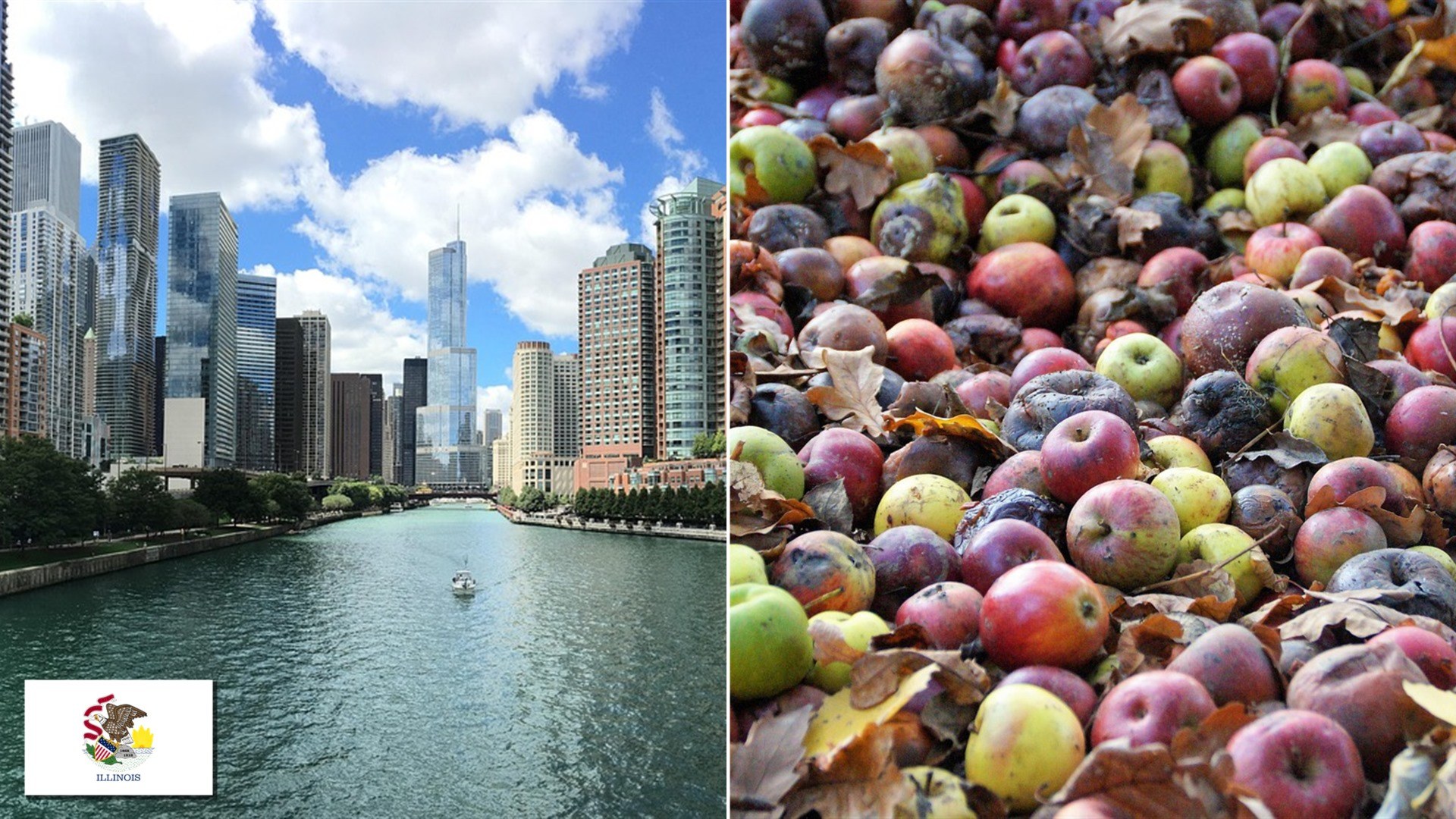
5. Illinois (Score 78.60)
Posting a waste score of 78.60, Illinois ranks fifth in the country. Both consumer households and grocery retail chains across the state generate substantial food waste volumes that outpace baseline expectations for its population size.
©Editorial / Contributor
4. Kentucky (Score 79.14)
Kentucky finishes fourth nationally with a food waste score of 79.14. Elevated residential discard levels across the Bluegrass State are compounded by a limited network of statewide food recovery and donation programs.

©Editorial / Contributor
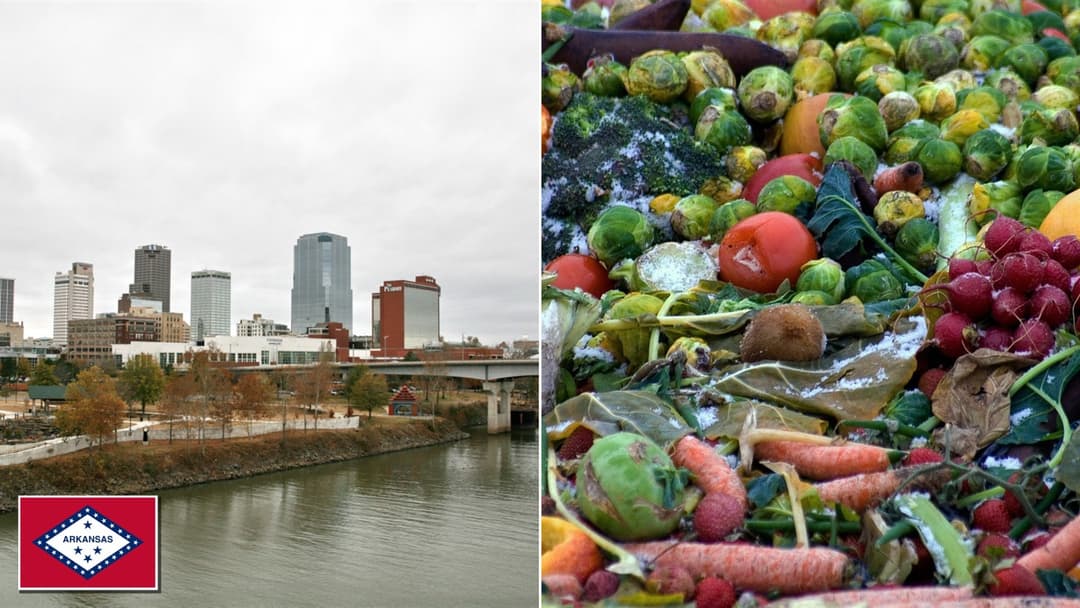
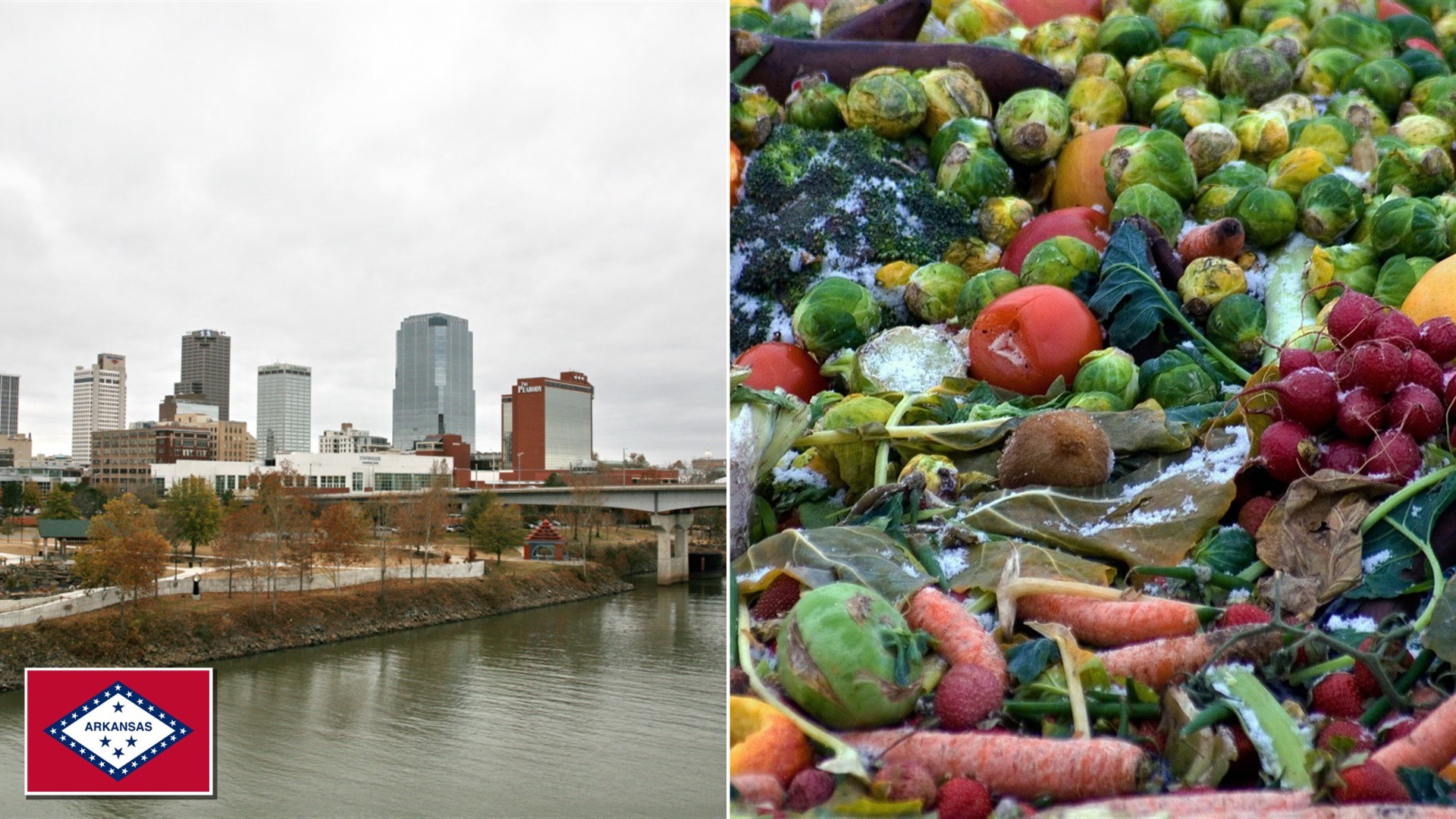
3. Arkansas (Score 81.06)
With an overall score of 81.06, Arkansas leads the entire nation in self-reported weekly household food waste at 10.21 cups. The state also faces severe recovery bottlenecks, operating with just four food banks and a single composting facility.
©Editorial / Contributor
Advertisement
Swipe or tap ▶ to resume the countdown.
2. Maryland (Score 87.89)
Recording a waste score of 87.89, Maryland takes second place nationwide. Its ranking is driven by high self-reported household discards averaging 9.79 cups per week alongside low projected waste reductions from existing state policies.

©Editorial / Contributor
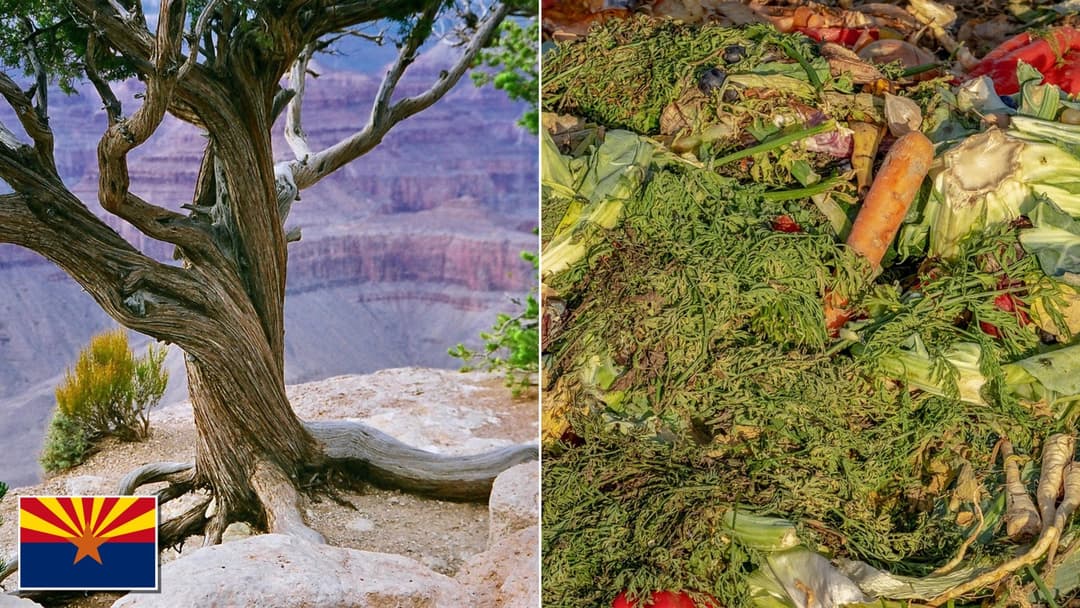
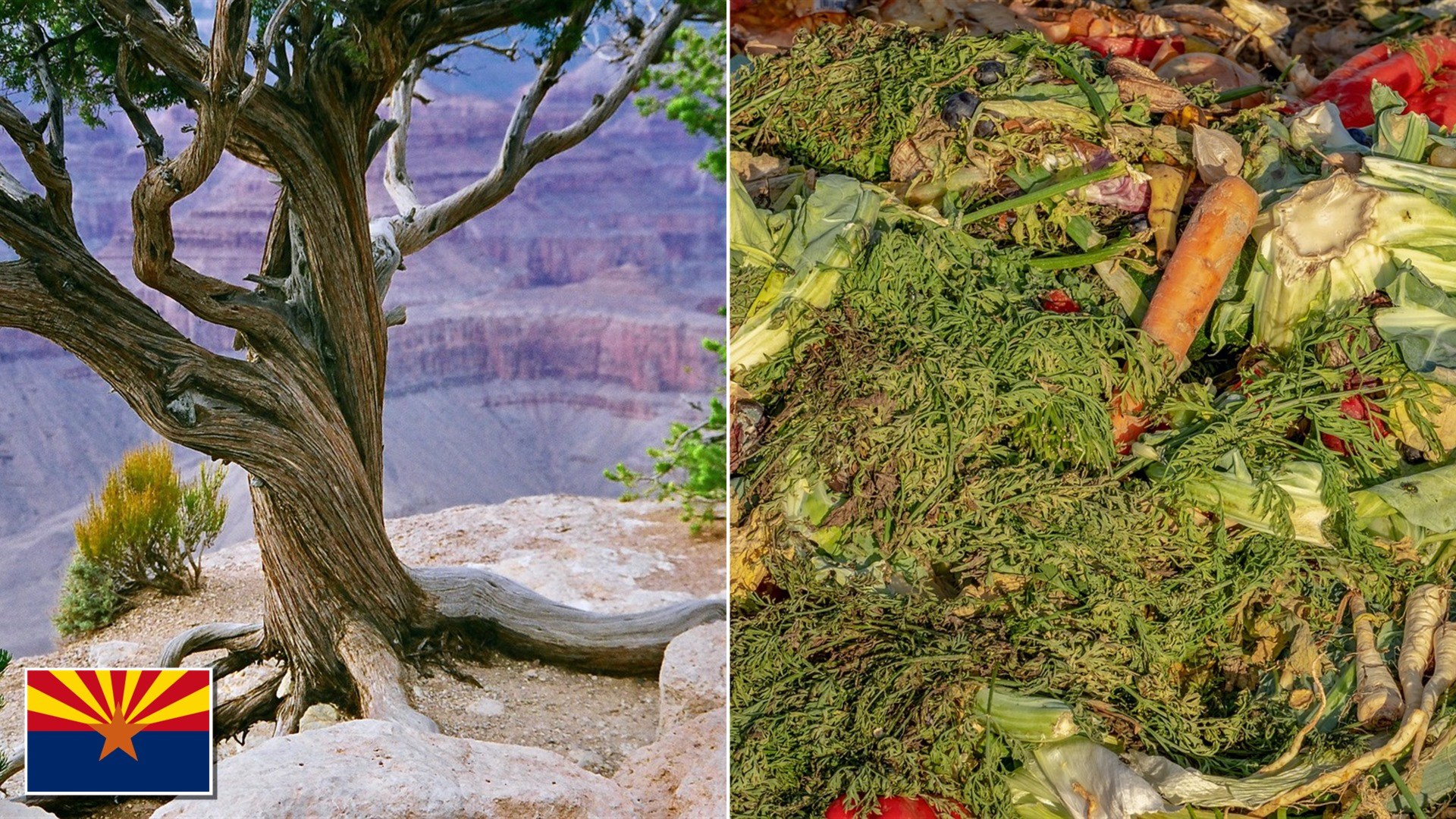
1. Arizona (Score 100.00)
Arizona tops the national ranking with a maximum waste score of 100.00, discarding roughly 1,025 pounds of food per resident annually. The state suffers from a limited network of composting sites and food banks relative to its rapidly growing population.
©Editorial / Contributor
Advertisement
You've reached the end of the story. Thanks for reading!

20 Strict Rules Some Christians Still Follow Today
Ancient Ordinances That Shape Modern Faith
All 21 Entries in this Story
21. California And The 2026 Total Volume Ranking
When the 2026 LawnStarter study ranks states by raw tonnage, Texas ranks first, followed by California, Florida, Mississippi, and West Virginia. California generates 6.7 million tons of farm food waste yearly, more than triple any other state, though it leads the US in composting infrastructure.

20. Pennsylvania (Score 55.72)
Pennsylvania rounds out the top 20 with a score of 55.72. High total municipal food waste across its major cities is paired with limited state-level composting mandates to keep organic matter out of landfills.

19. Indiana (Score 56.77)
Scoring 56.77, Indiana places nineteenth in the country. Above-average weekly household food waste across the state is paired with a modest network of food recovery and municipal composting facilities.

18. Florida (Score 58.69)
Florida posts a per-capita score of 58.69 and ranks third worst nationwide in total unadjusted waste volume. Massive year-round tourism and a large population drive heavy discards alongside slow organics recycling growth.

17. West Virginia (Score 59.28)
West Virginia scores 59.28 and also ranks among the five worst states in raw infrastructure rankings. Over 67 percent of its residential food waste goes directly into landfills, one of the highest household discard rates in America.

16. Louisiana (Score 59.86)
With a score of 59.86, Louisiana takes sixteenth place. Although the state performs strongly in recycling agricultural byproducts, elevated household and supermarket retail food waste keep its overall score high.

15. North Carolina (Score 60.22)
North Carolina ranks fifteenth with a score of 60.22. Rapid population growth has fueled high commercial and residential food waste volumes, while state and municipal diversion mandates remain limited.

14. Texas (Score 64.59)
Texas scores 64.59 on the per-capita index and ranks worst overall in total unadjusted volume according to the 2026 LawnStarter study. Its foodservice sector alone discards 1.3 million tons of food annually without a statewide organic waste ban.

13. South Carolina (Score 64.77)
South Carolina posts a waste score of 64.77 to rank thirteenth. The state struggles with low food recycling participation alongside growing volumes of uncollected retail grocery and agricultural surplus.

12. New Mexico (Score 65.39)
With a score of 65.39, New Mexico ranks twelfth nationwide. Limited cold-storage distribution and sparse recovery networks mean the state fails to repurpose or donate a large share of its edible surplus food.

11. Oklahoma (Score 66.45)
Oklahoma places eleventh with a food waste score of 66.45. The state lacks sufficient commercial composting facilities and municipal food waste diversion policies to offset steady residential and retail discards.

10. Nevada (Score 67.40)
Nevada rounds out the top 10 with a score of 67.40. Driven heavily by Las Vegas's massive hospitality, casino, and buffet industry, the state generates nearly 148 pounds of restaurant food waste per resident annually.

9. Georgia (Score 68.56)
Scoring 68.56, Georgia ranks ninth in the nation. The state produces high volumes of both retail grocery and residential household food waste while operating with minimal state-level landfill disposal restrictions.

8. Mississippi (Score 71.39)
Mississippi records a waste score of 71.39 and also ranks fourth worst in raw volume infrastructure. High household food waste is compounded by one of the smallest networks of food-sharing programs and composting providers in the United States.

7. Tennessee (Score 73.92)
With a score of 73.92, Tennessee claims the seventh spot nationwide. Elevated consumer food waste in major metro areas is paired with limited municipal mitigation policies and few local organics diversion programs.

6. Alabama (Score 74.41)
Alabama lands at number six with a score of 74.41. High household food discard rates across the state are worsened by a widespread lack of municipal and commercial composting infrastructure to divert organic matter from landfills.

5. Illinois (Score 78.60)
Posting a waste score of 78.60, Illinois ranks fifth in the country. Both consumer households and grocery retail chains across the state generate substantial food waste volumes that outpace baseline expectations for its population size.

4. Kentucky (Score 79.14)
Kentucky finishes fourth nationally with a food waste score of 79.14. Elevated residential discard levels across the Bluegrass State are compounded by a limited network of statewide food recovery and donation programs.

3. Arkansas (Score 81.06)
With an overall score of 81.06, Arkansas leads the entire nation in self-reported weekly household food waste at 10.21 cups. The state also faces severe recovery bottlenecks, operating with just four food banks and a single composting facility.

2. Maryland (Score 87.89)
Recording a waste score of 87.89, Maryland takes second place nationwide. Its ranking is driven by high self-reported household discards averaging 9.79 cups per week alongside low projected waste reductions from existing state policies.

1. Arizona (Score 100.00)
Arizona tops the national ranking with a maximum waste score of 100.00, discarding roughly 1,025 pounds of food per resident annually. The state suffers from a limited network of composting sites and food banks relative to its rapidly growing population.