Slideshow · Entertainment
20 Things That Cost A Dime In 1960, Ranked
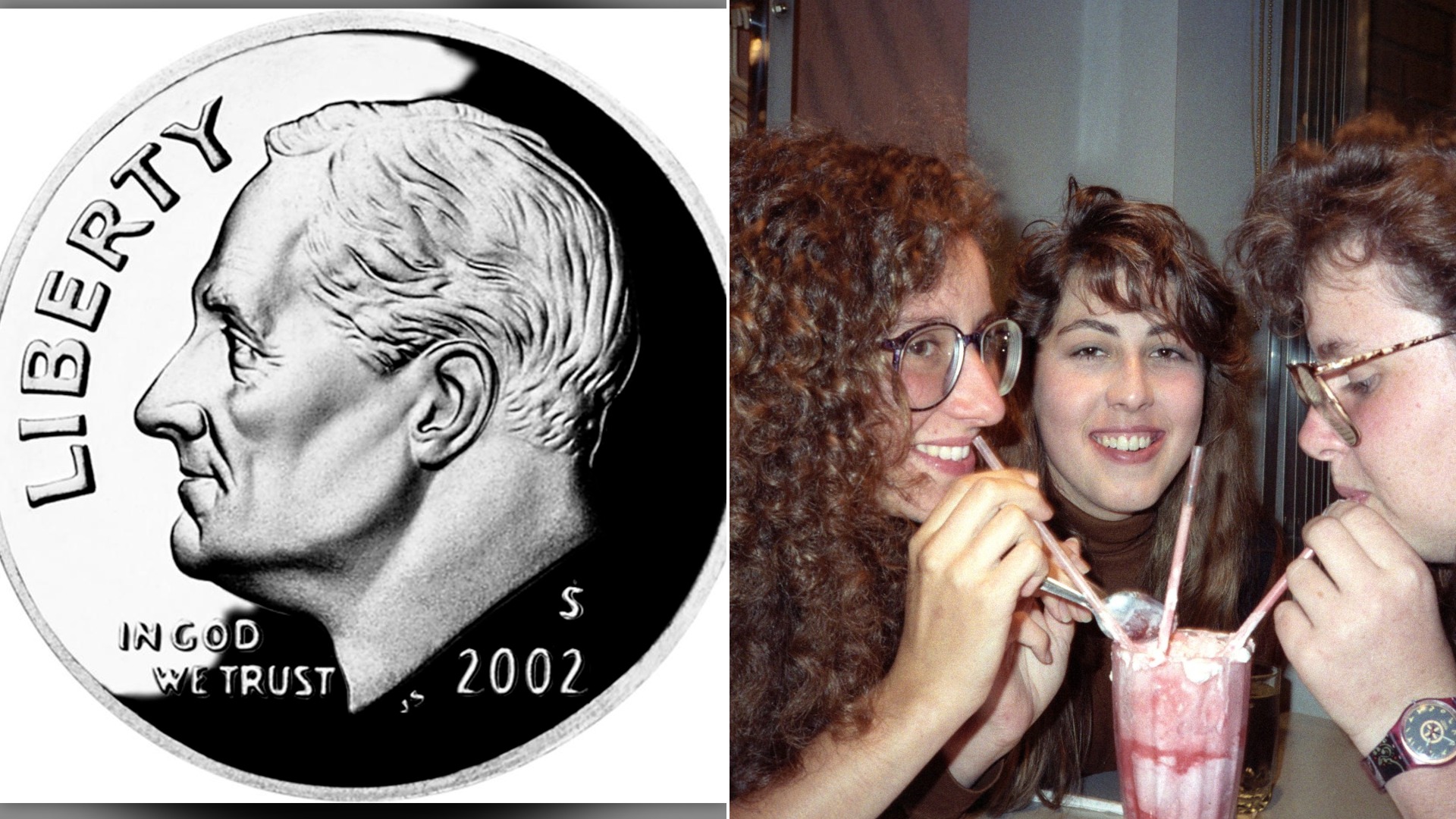
In 1960, a single silver Roosevelt dime in your pocket could buy hot diner food, household staples, city transit, or hours of entertainment.
By Most Viral Today
30 Oct 2026

20 Things That Cost A Dime In 1960, Ranked 
20. A Cup Of Coffee 
19. A Fountain Soda 
18. An Order Of McDonald's French Fries - AdvertisementSwipe or tap ▶ to continue countdown

17. A Can Of Coca-Cola 
16. A Pack Of Candy Bars 
15. A Double-Scoop Thrifty Ice Cream Cone 
14. Movie Theater Candy - AdvertisementSwipe or tap ▶ to continue countdown

13. Movie Theater Popcorn 
12. A Pack Of Cough Drops 
11. A Local Daily Newspaper 
10. A Pack Of Loose Razor Blades - AdvertisementSwipe or tap ▶ to continue countdown

9. Pocket Matches Or Small Tissues 
8. A Fresh Piece Of Fruit 
7. A Local City Bus Fare 
6. Two First-Class Postage Stamps - AdvertisementSwipe or tap ▶ to continue countdown

5. Ten Minutes On A Parking Meter 
4. A Local Payphone Call 
3. One Song On A Jukebox 
2. A Silver Age Comic Book - AdvertisementSwipe or tap ▶ to continue countdown

1. One-Third Of A Gallon Of Gasoline - Advertisement🔥 UP NEXT IN THIS SERIES◫ 26 Slides

25 Most Photographed Figures in Human History Ranked
Which iconic faces have been captured on camera more than anyone else?
In 1960, a single silver Roosevelt dime in your pocket could buy hot diner food, household staples, city transit, or hours of entertainment.
Swipe or tap ▶ to begin the countdown
©Wikimedia / Wikimedia Contributor & Joe Shlabotnik
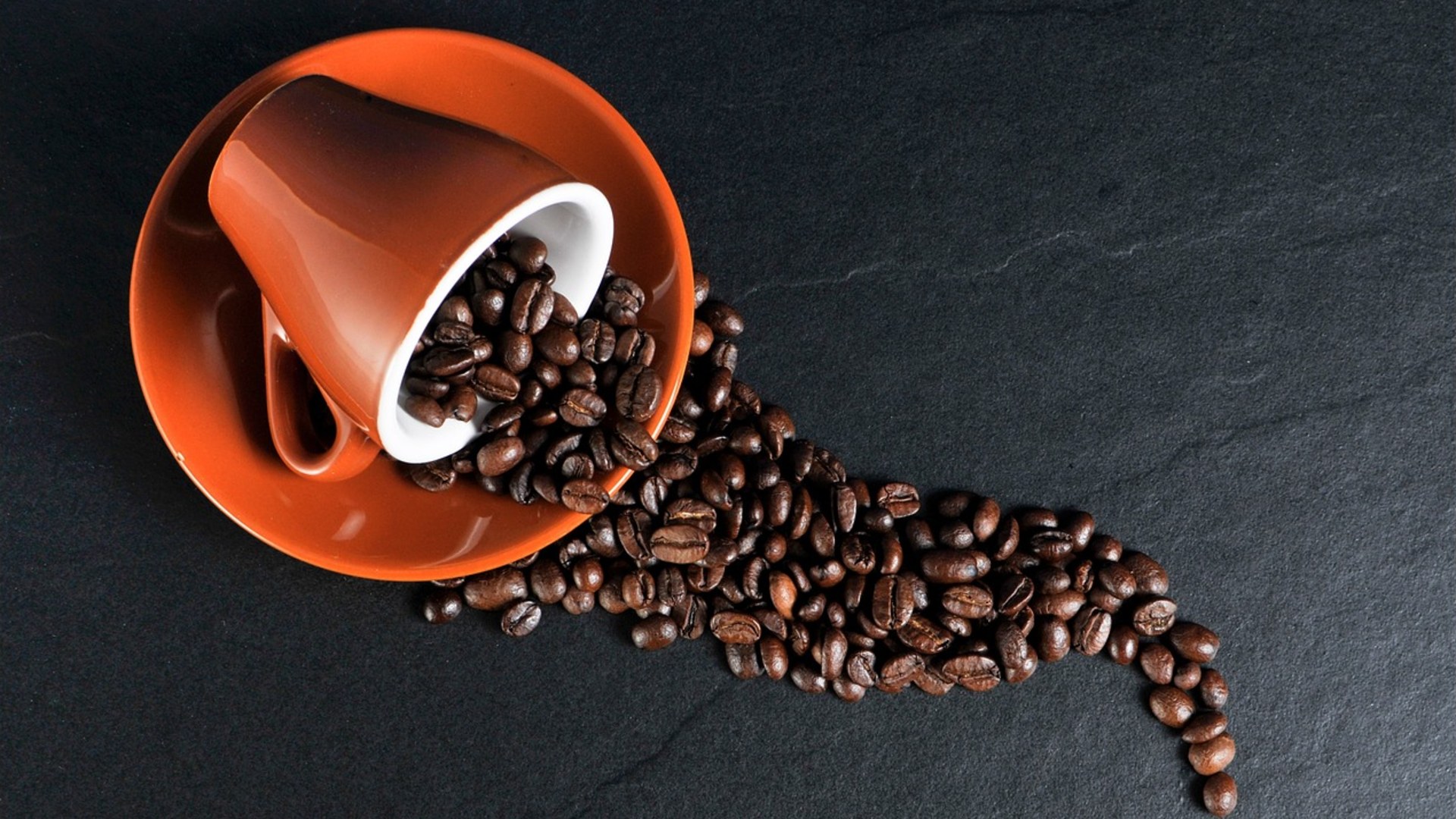
20. A Cup Of Coffee
Across America in 1960, sliding onto a vinyl stool at a neighborhood diner or drugstore lunch counter meant paying a single dime for a steaming ceramic mug of freshly brewed black coffee, often served with complimentary cream, sugar packets, and a friendly refill.
©Pixabay / Christoph
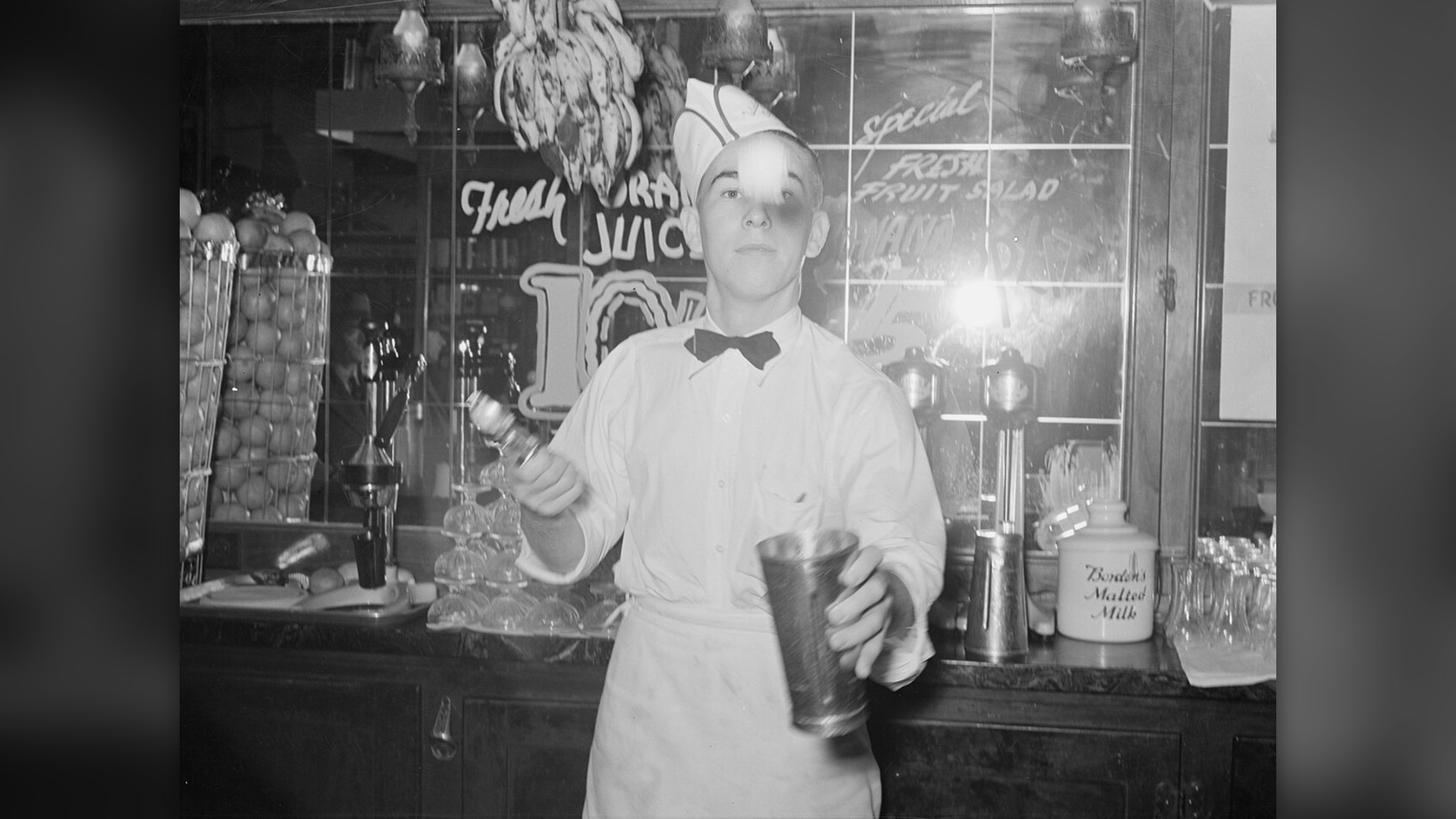
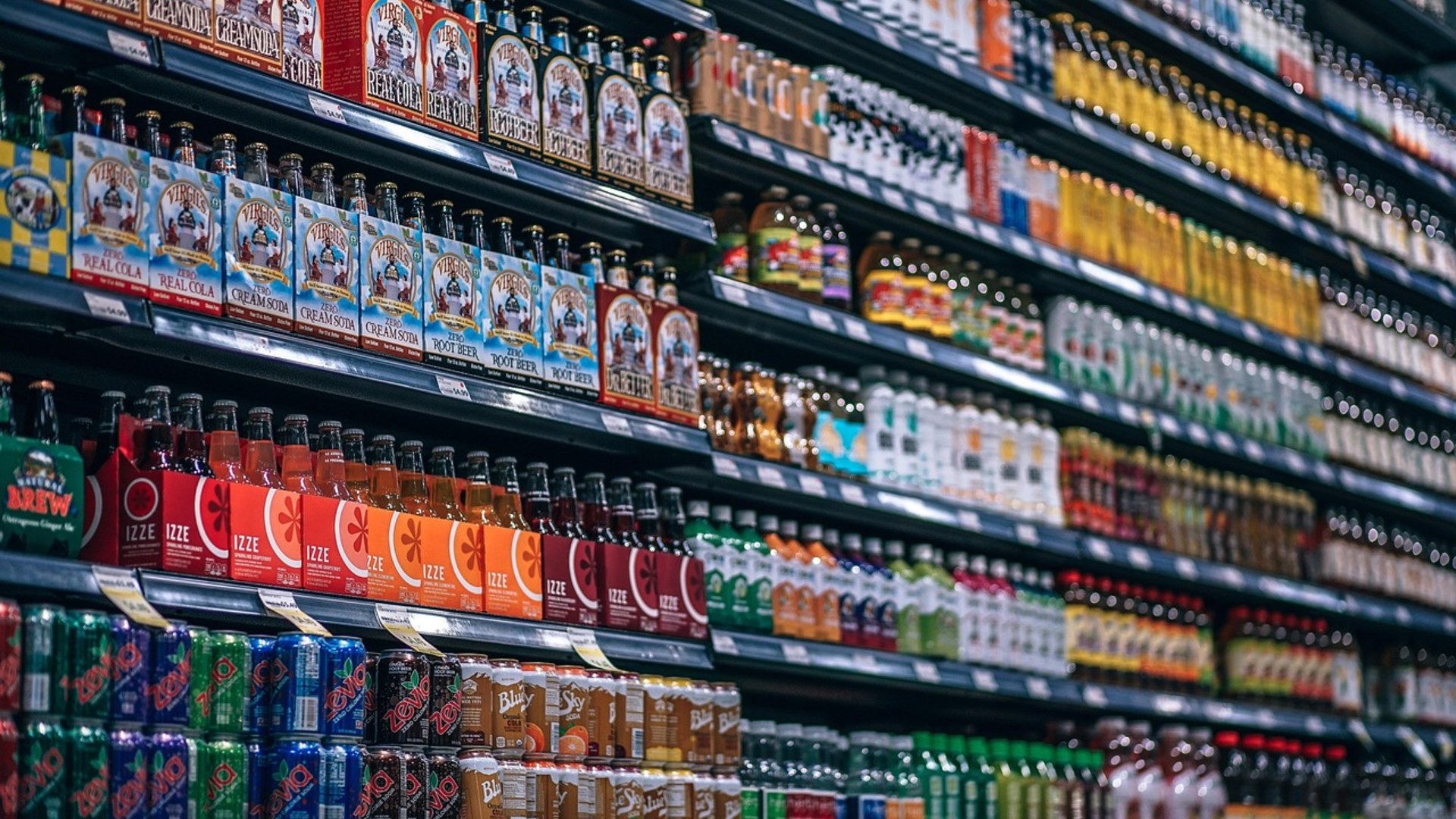
19. A Fountain Soda
Before canned soft drinks dominated grocery aisles, neighborhood pharmacies and five-and-dime stores featured chrome soda fountains where a soda jerk mixed flavored syrup and carbonated water to pour a cold glass of cola, cherry soda, or root beer for 10 cents.
©NPS-NOAA-USGS / The Library of Congress
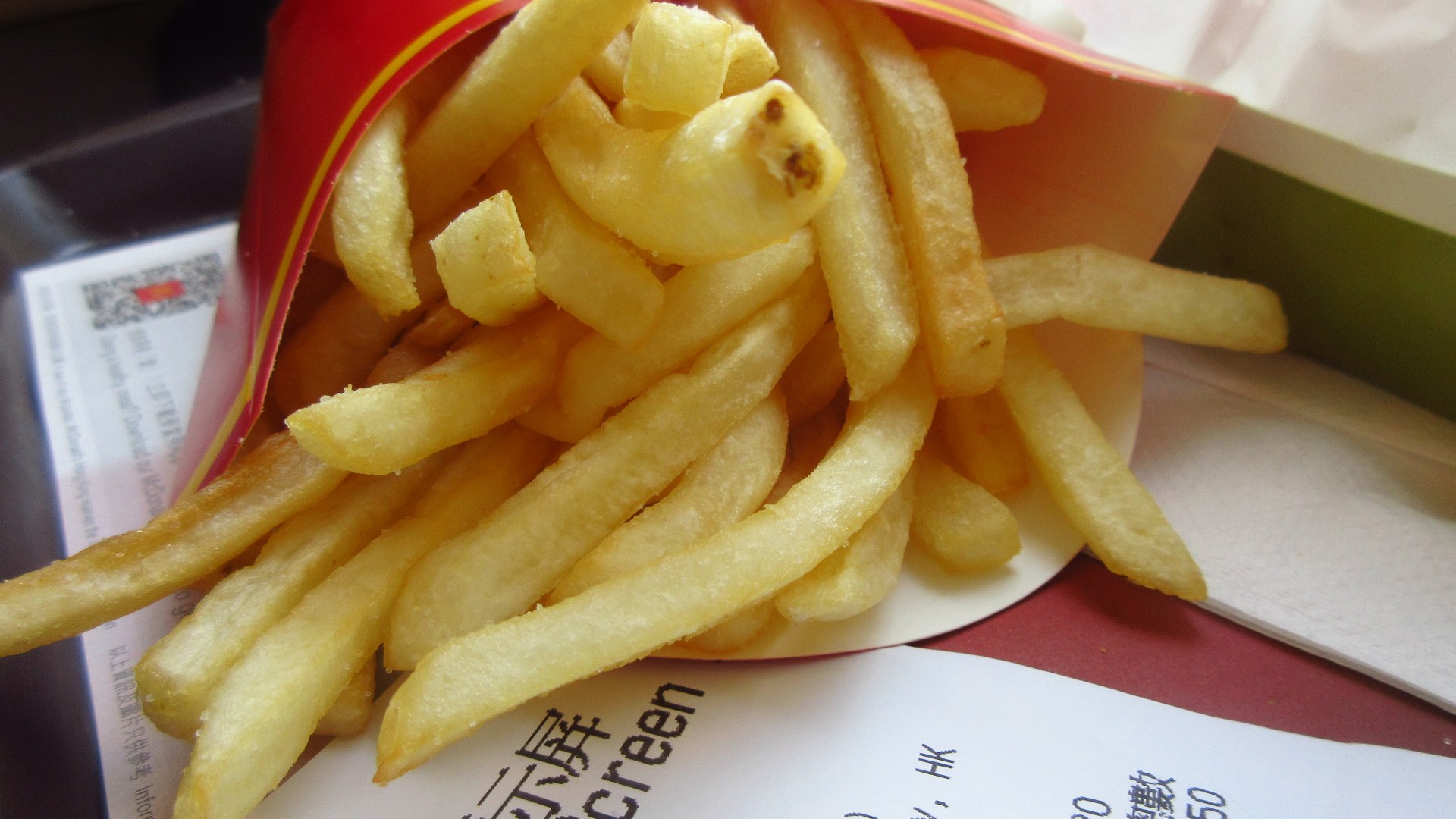
18. An Order Of McDonald's French Fries
Under Ray Kroc's rapid national expansion in 1960, McDonald's drive-in stands advertised a menu built for pocket change. Alongside a 15-cent hamburger and a 20-cent milkshake, a small paper bag of crisp, golden-fried russet potato French fries cost a flat 10 cents.
©Wikimedia / Fung IOGZZ M
Advertisement
Swipe or tap ▶ to resume the countdown.
17. A Can Of Coca-Cola
Right around 1960, Coca-Cola began rolling out its first 12-ounce flat-top steel cans alongside its classic glass contour bottles. Whether at a gas station, bowling alley, or corner store cooler, a single dime unlocked an ice-cold bottle or can from the vending machine.
©Pixabay / igorovsyannykov
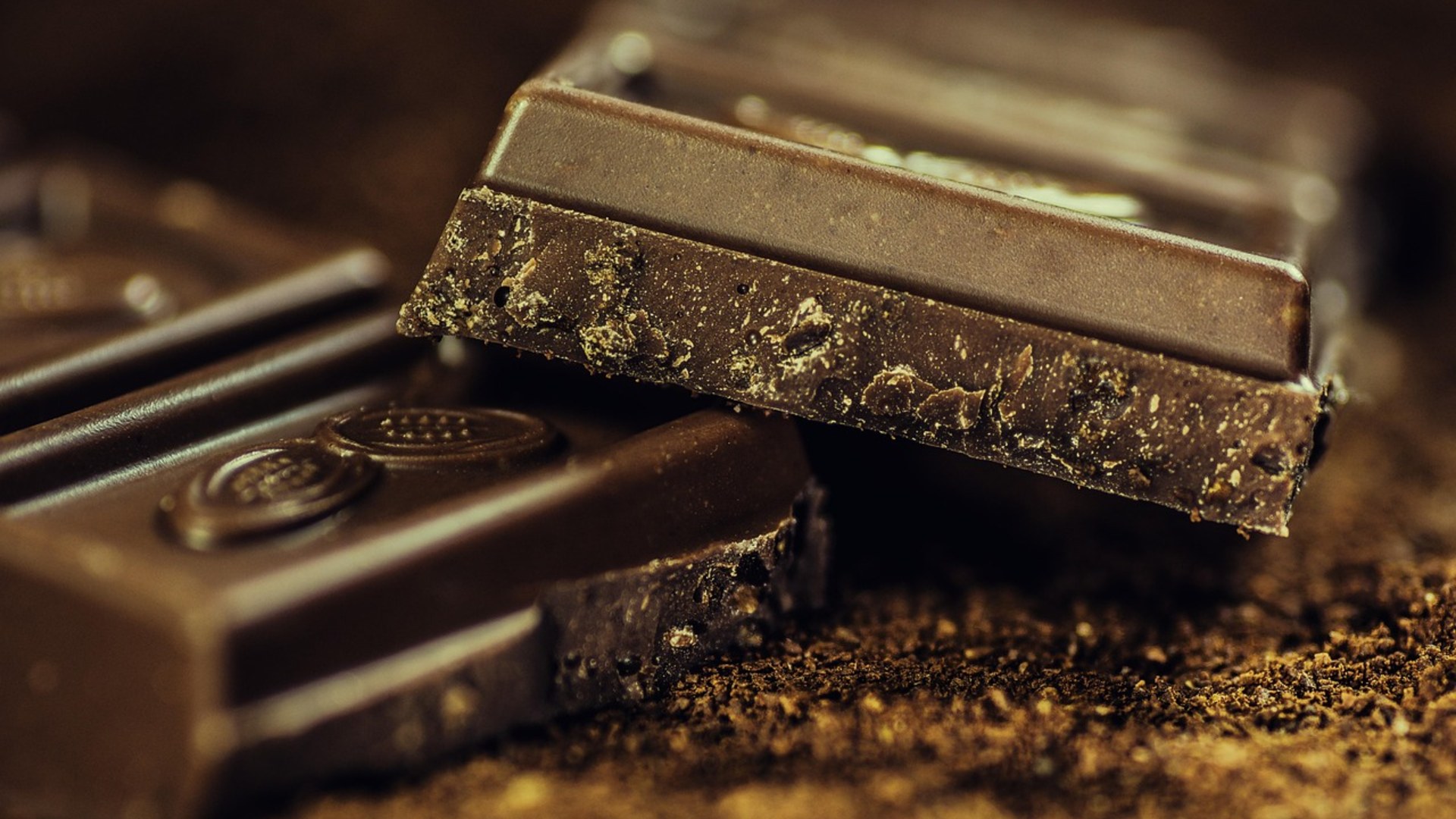
16. A Pack Of Candy Bars
In 1960, standard candy bars sat right on the transition line between a nickel and a dime. Depending on the size, 10 cents at a corner candy store bought either a giant-sized Hershey's, Milky Way, or Snickers bar, or two standard 5-cent chocolate bars at once.
©Pixabay / AlexanderStein
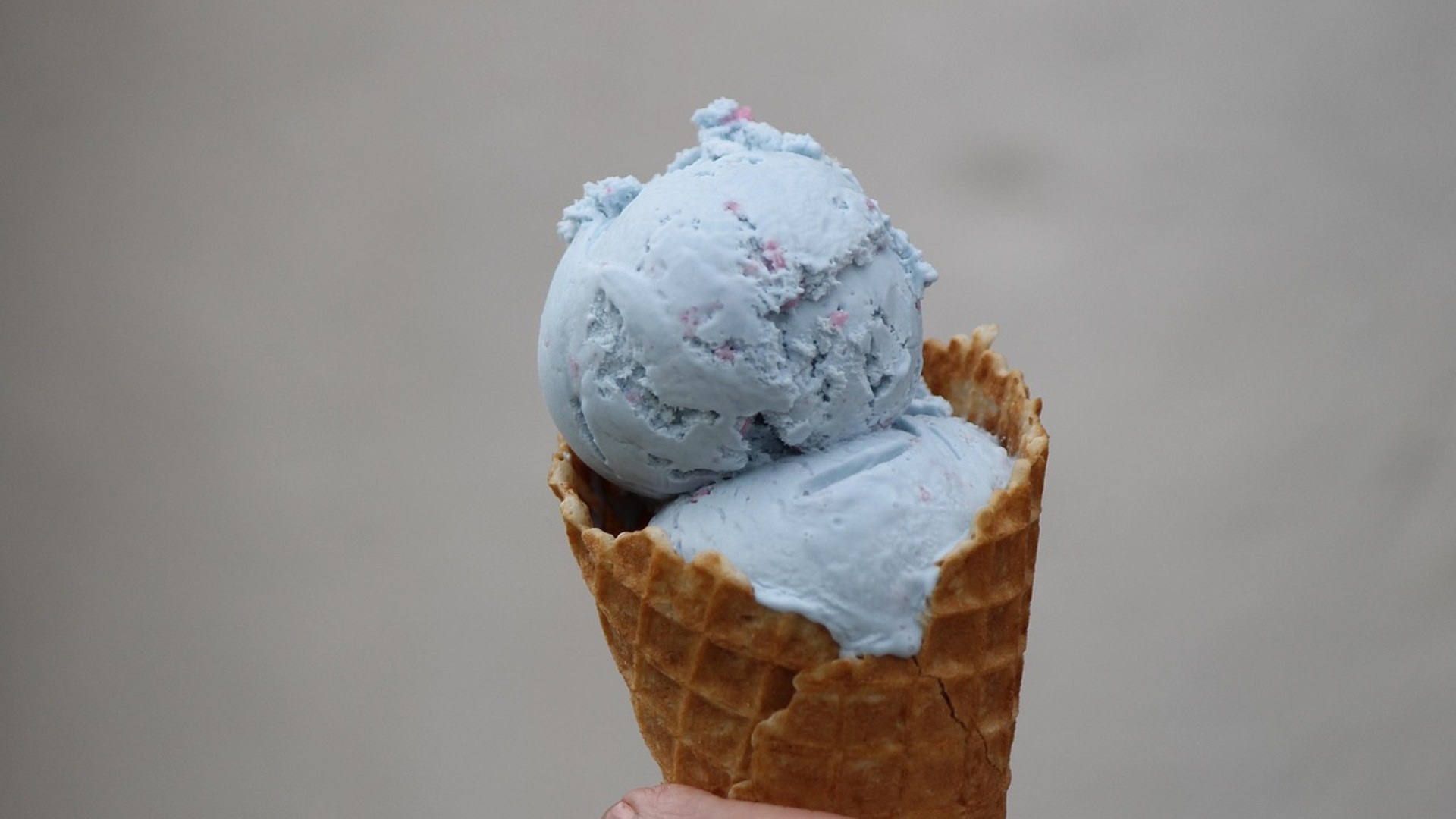
15. A Double-Scoop Thrifty Ice Cream Cone
Across California and the American West, Thrifty Drug Stores became legendary for their stainless-steel cylindrical ice cream scoopers. With a single scoop priced at 5 cents in 1960, handing a dime across the counter rewarded kids with a towering double-scoop cake cone.
©Pixabay / rhianjane
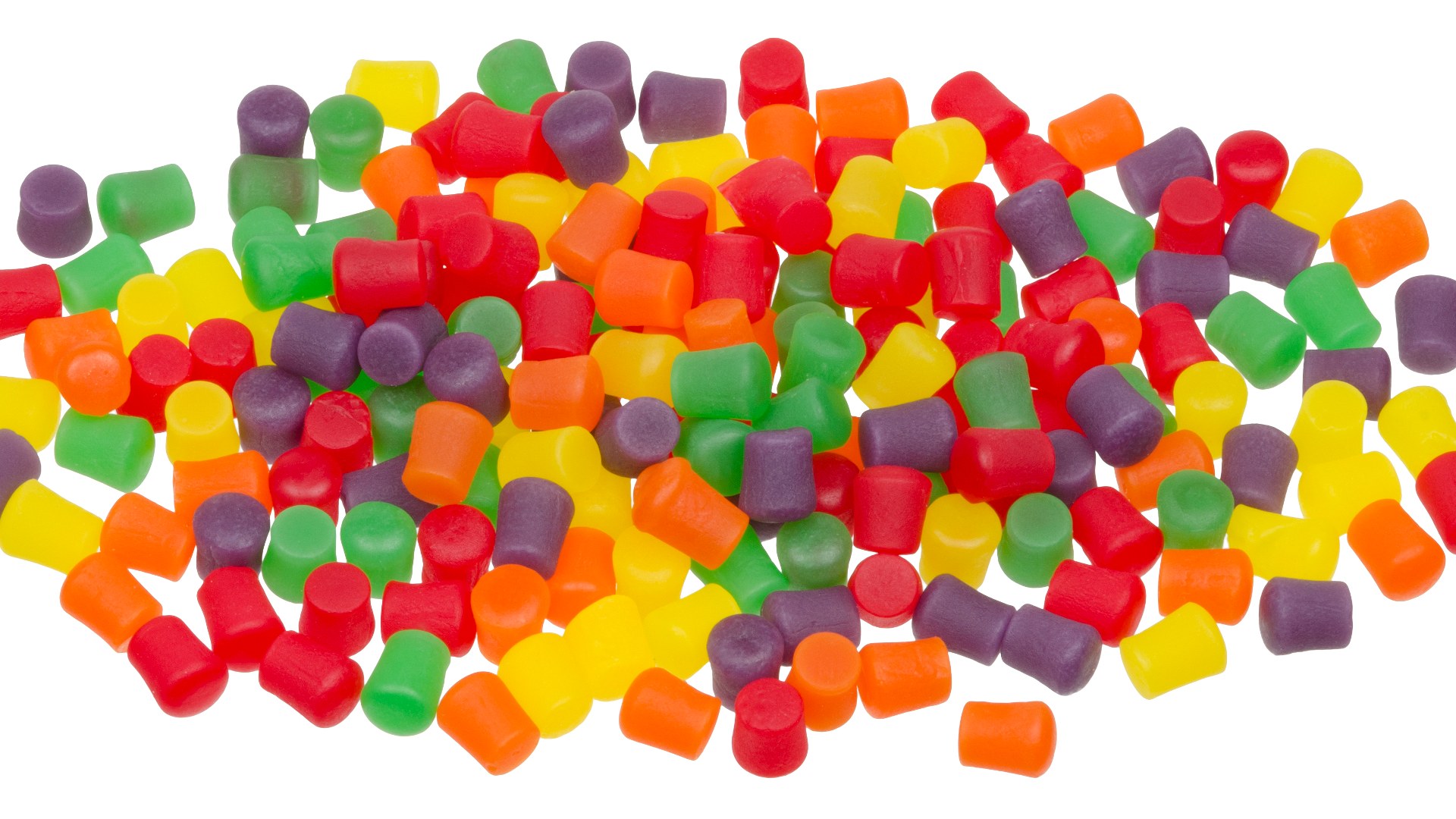
14. Movie Theater Candy
Today a box of concession stand candy easily tops five dollars, but in 1960 the glass display case at a neighborhood movie palace was priced for a child's weekly allowance. A single dime bought a full theater box of chewy Jujubes, caramel Milk Duds, or Red Vines.
©Wikimedia / Evan-Amos
Advertisement
Swipe or tap ▶ to resume the countdown.
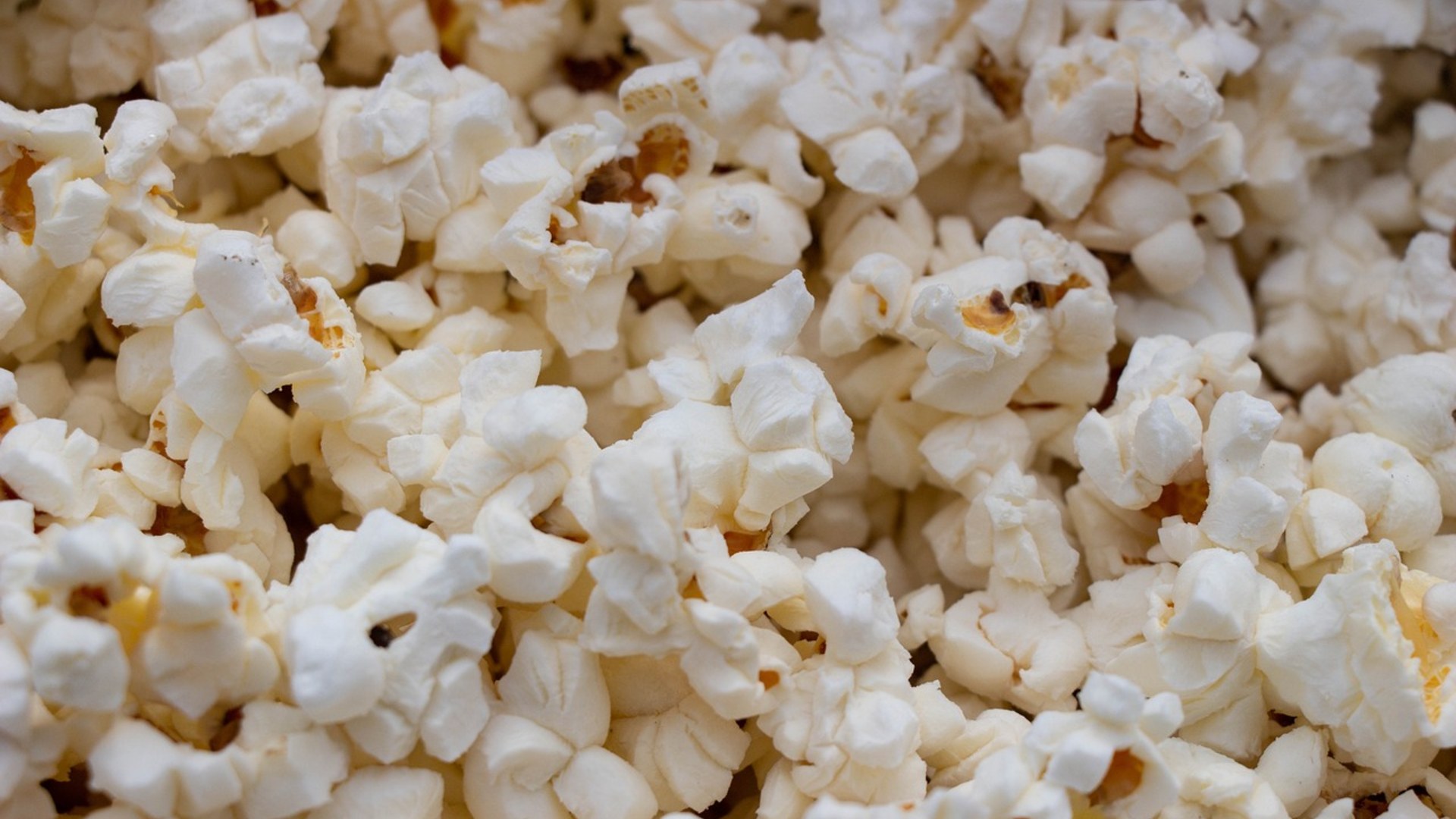
13. Movie Theater Popcorn
Nothing completed a 1960 Saturday afternoon double feature quite like the aroma of hot coconut oil and melted butter from the lobby kettle. For 10 cents, theatergoers received a freshly filled striped paper bag or carton of hot, salty popcorn to last through the show.
©Pixabay / MolnarSzabolcsErdely
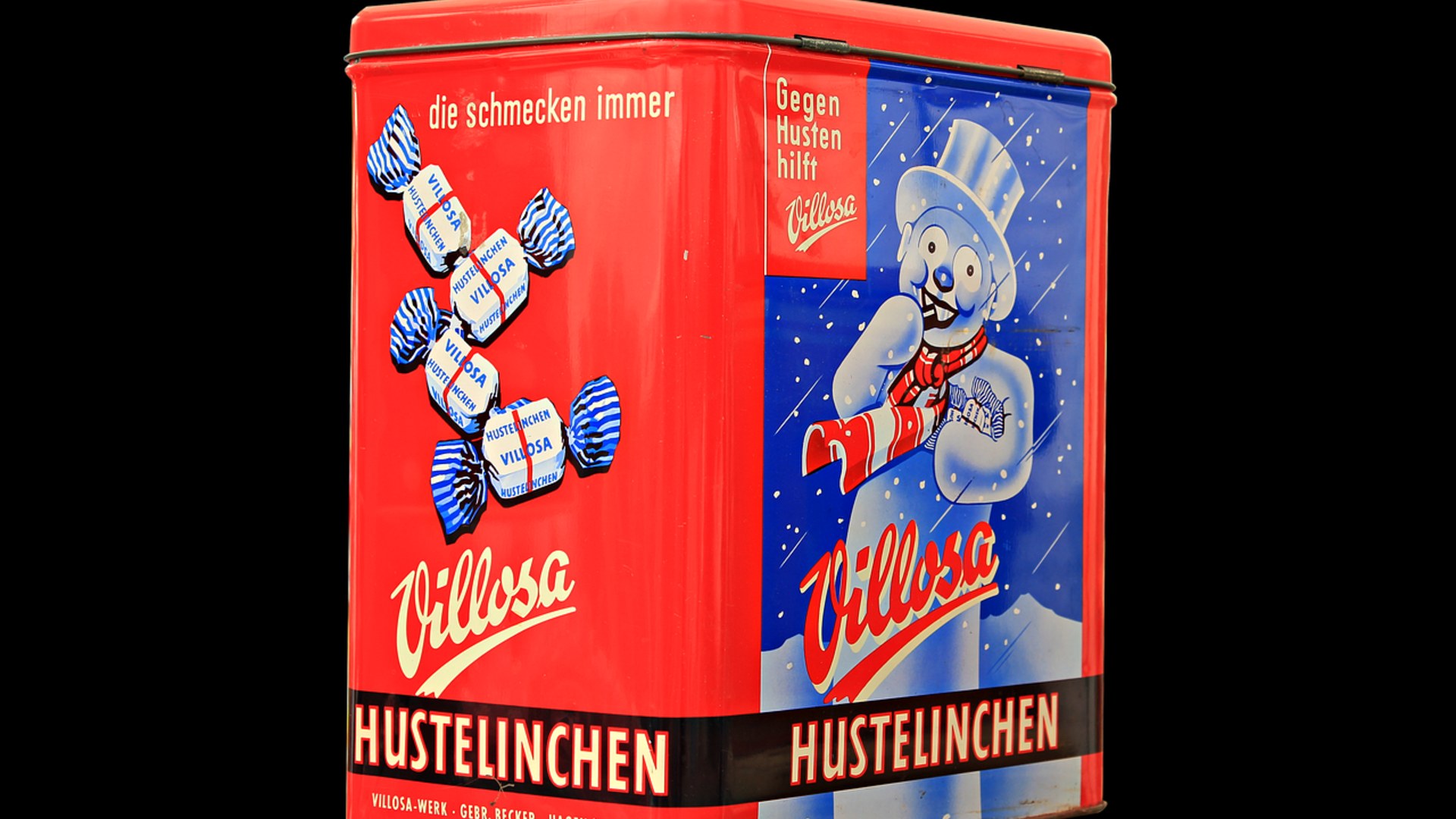
12. A Pack Of Cough Drops
Functional drugstore remedies were remarkably affordable in 1960. With pharmacies routinely advertising three boxes of medicated cough drops for 23 cents, a single dime easily covered a pocket box of Luden's wild cherry or Smith Brothers throat drops with change back.
©Pixabay / pixel2013
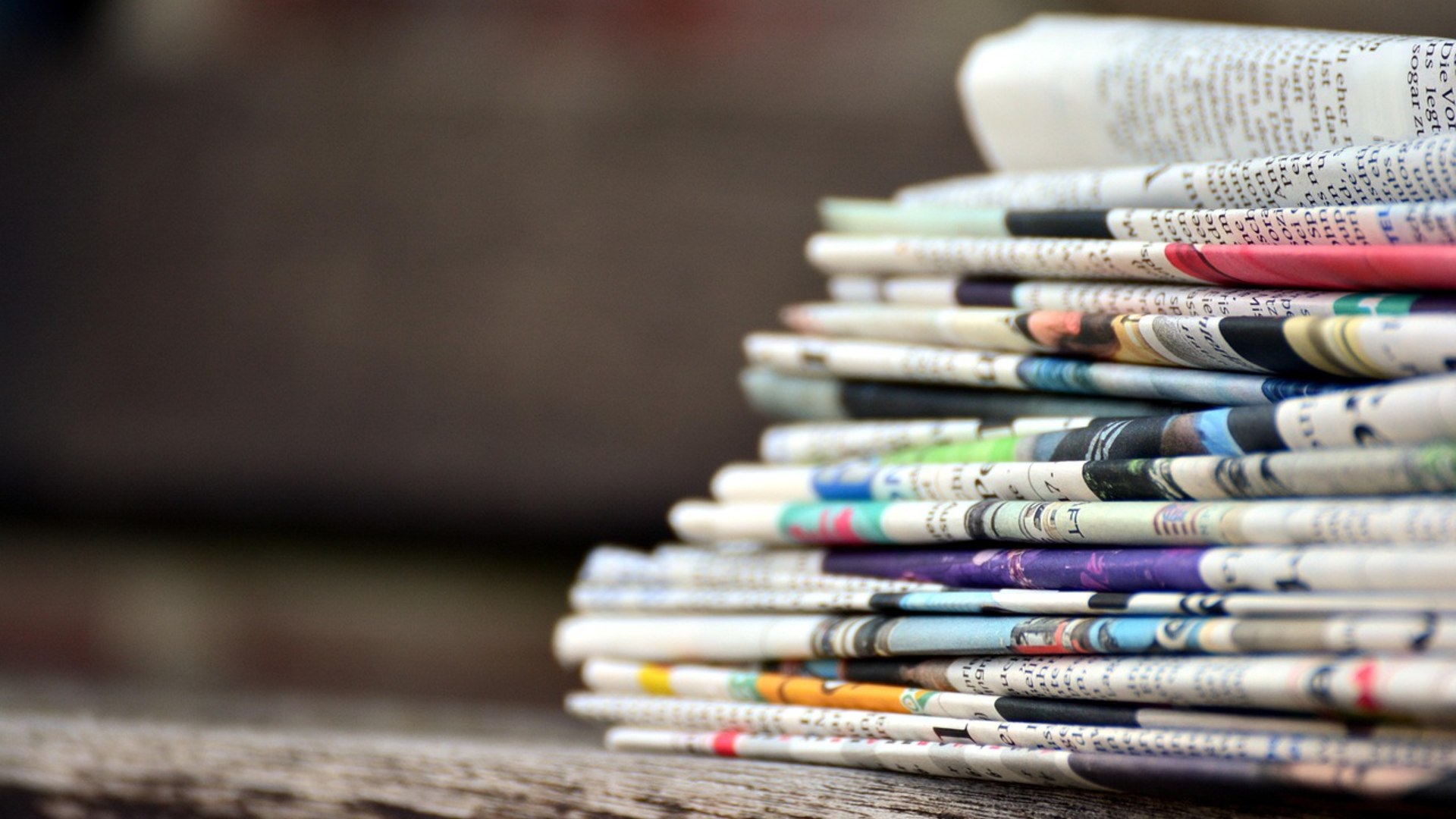
11. A Local Daily Newspaper
Before television news expanded beyond fifteen-minute evening broadcasts, Americans relied on thick daily broadsheets for national headlines, box scores, and classified ads. In 1960, a single dime unlocked the sidewalk newspaper rack for the morning or afternoon edition.
©Pixabay / congerdesign
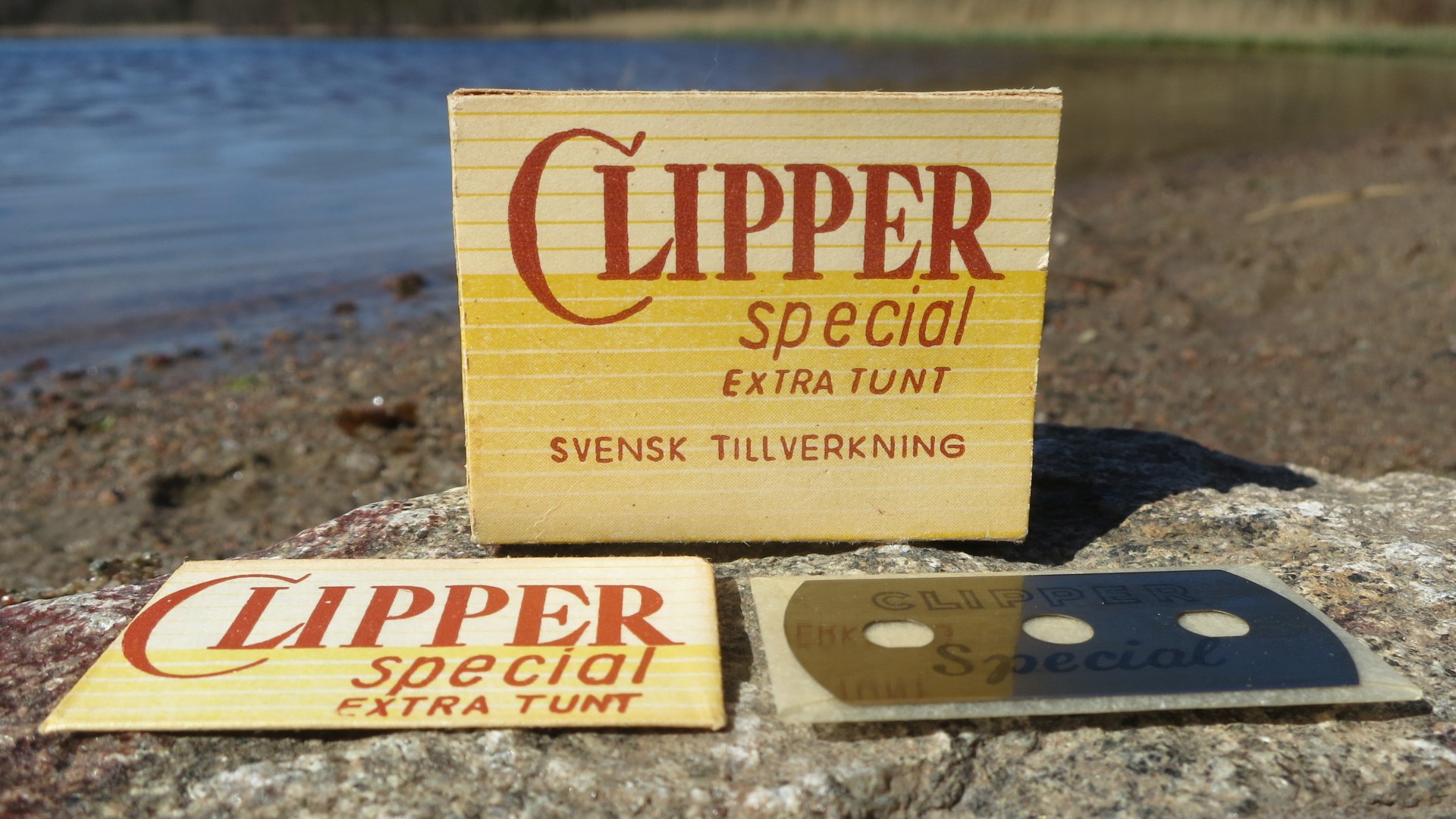
10. A Pack Of Loose Razor Blades
Double-edged safety razors were a daily grooming fixture in every 1960 bathroom cabinet. While a 10-blade dispenser of premium Gillette Blue Blades sold for 99 cents, economy carbon-steel multi-packs and individual specialty utility blades were sold on counter cards for 10 cents.
©Wikimedia / R. Henrik Nilsson
Advertisement
Swipe or tap ▶ to resume the countdown.
9. Pocket Matches Or Small Tissues
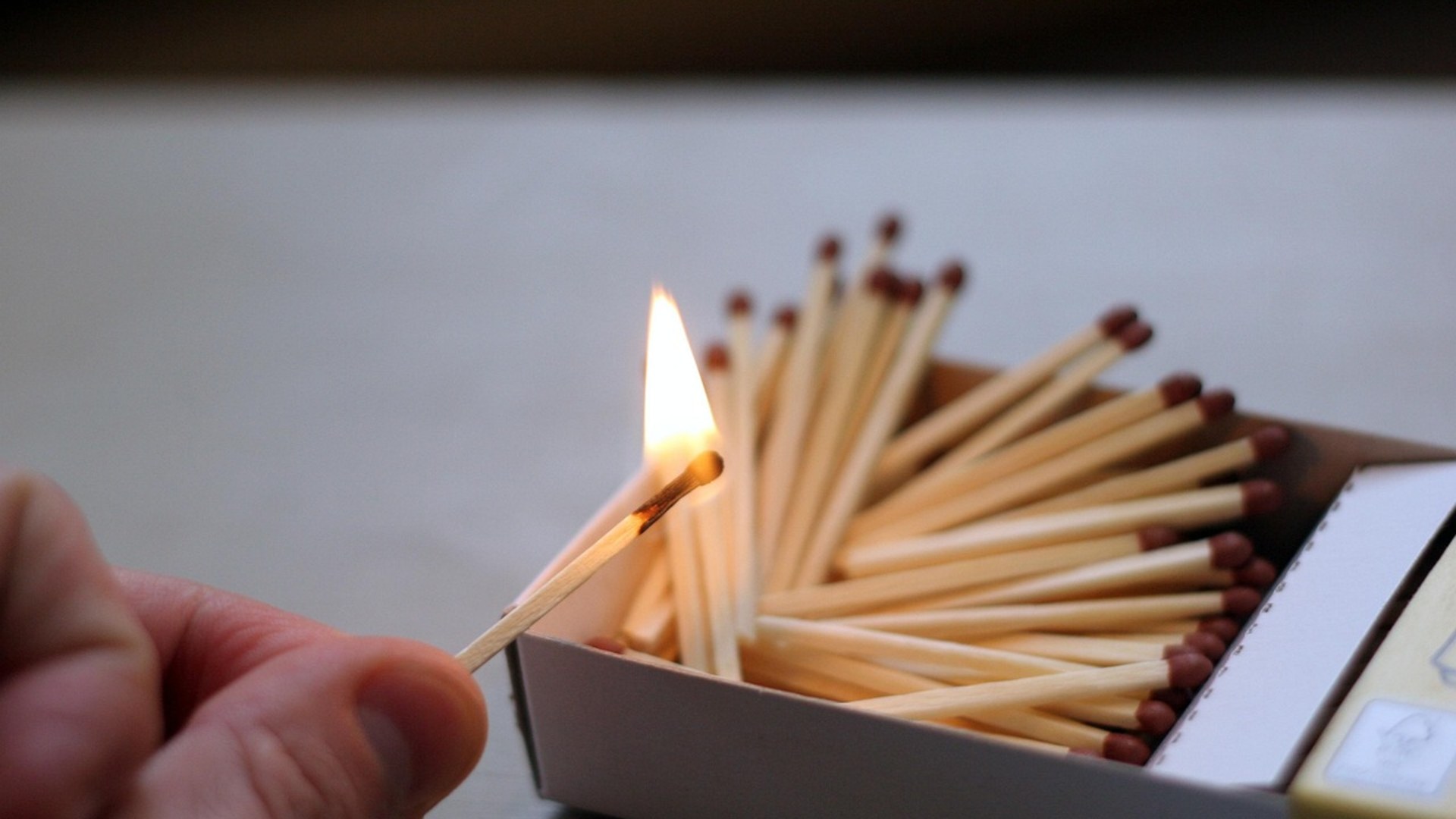
Grab-and-go checkout counter essentials delivered impressive utility for 10 cents in 1960. A dime bought a multi-box bundle of strike-on-box wooden pocket matches or a couple of 5-cent pocket packs of Kleenex facial tissues to keep in a coat pocket or handbag.
©Pixabay / kboyd
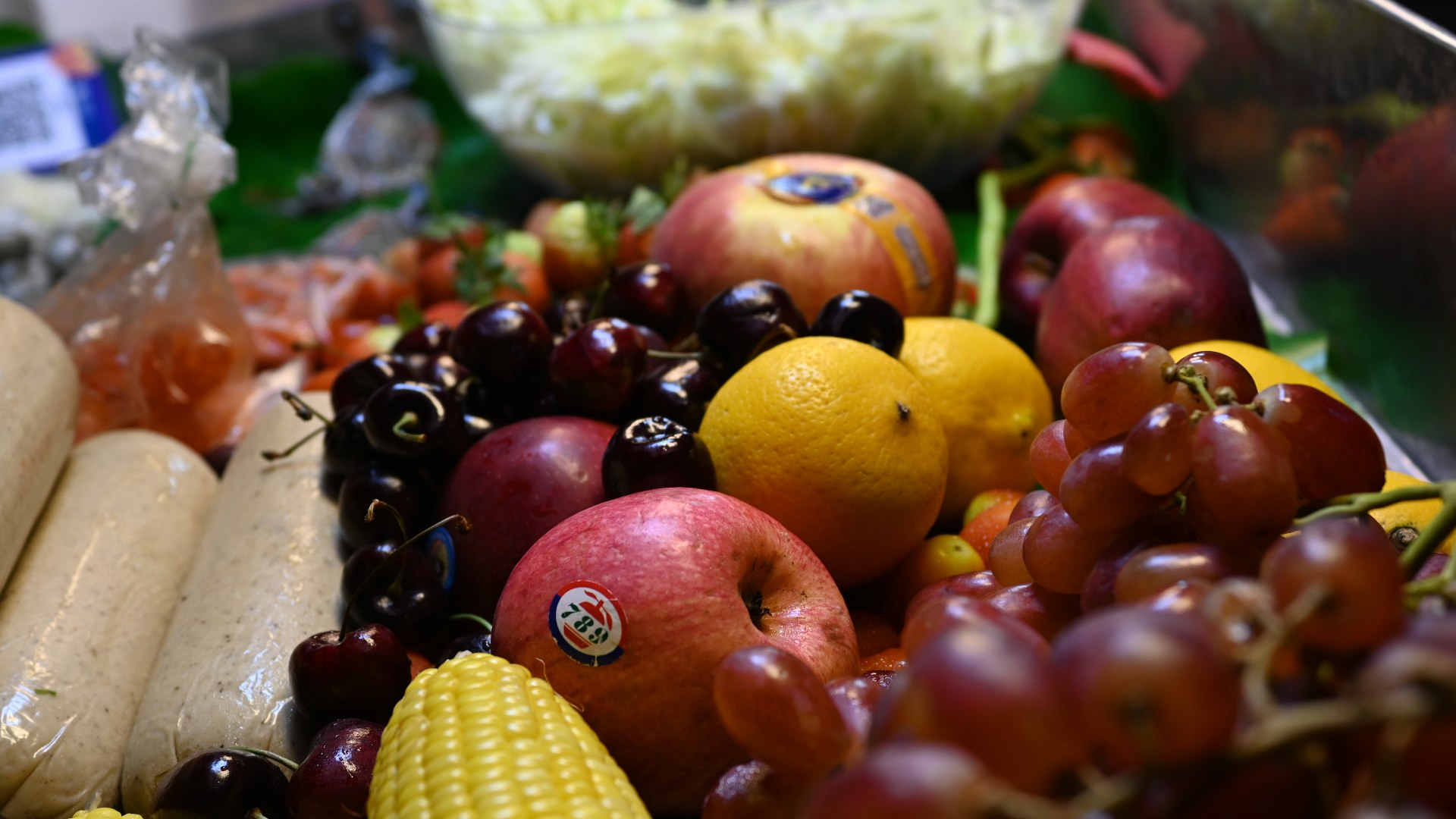
8. A Fresh Piece Of Fruit
In 1960 supermarket produce aisles and corner greengrocers, fresh Red Delicious apples and Florida oranges averaged under 20 cents a pound. Handing the grocer a single dime easily paid for a large, crisp apple or orange straight out of the wooden market crate.
©Wikimedia / PattayaPatrol
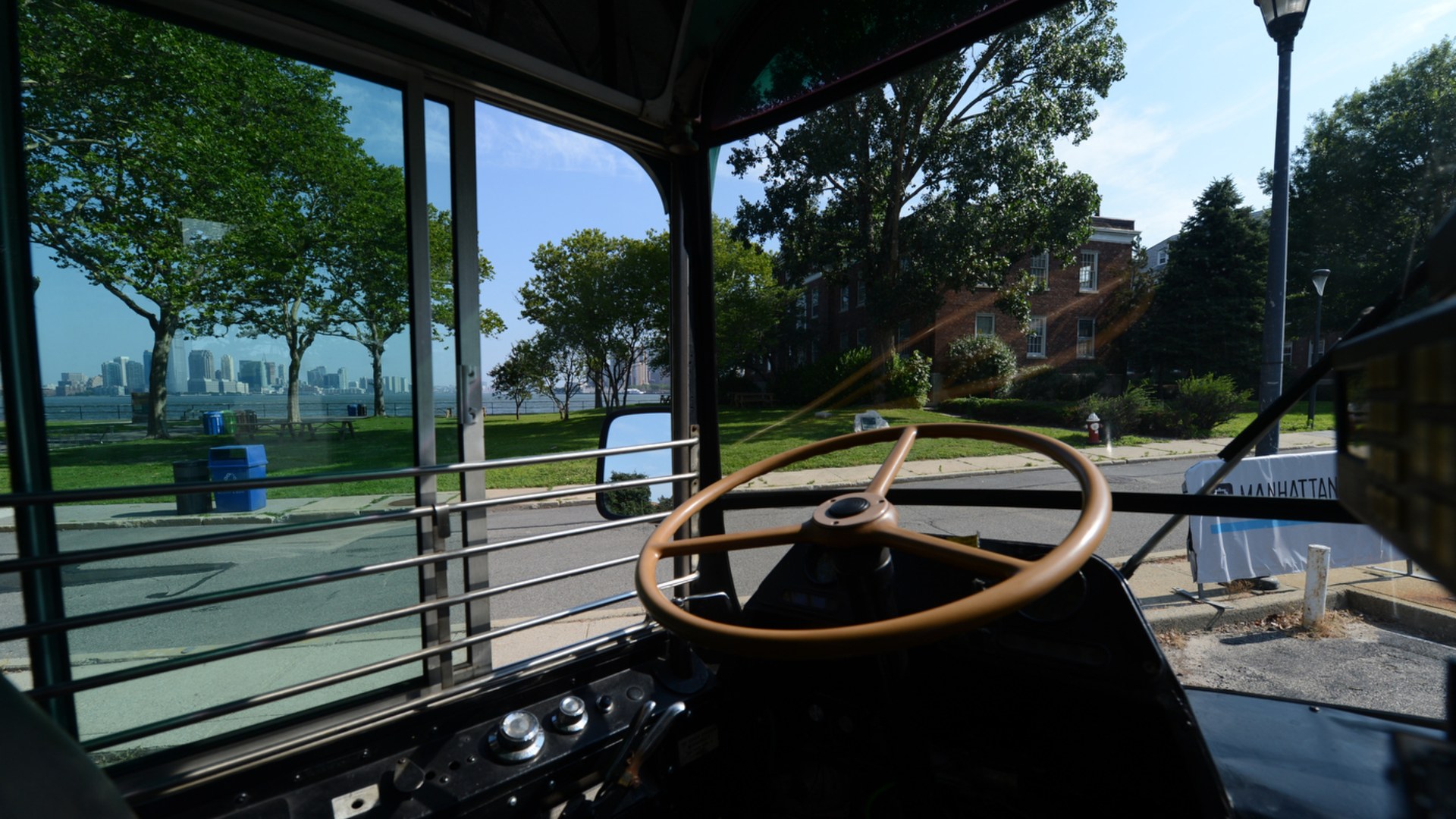
7. A Local City Bus Fare
As streamlined GM New Look transit buses rolled onto American streets in 1960, public transit remained an everyday bargain. Across dozens of U.S. cities and student fare zones, a single dime clinking into the metal farebox paid for a one-way ride across town.
©Wikimedia / Metropolitan Transportation Authority
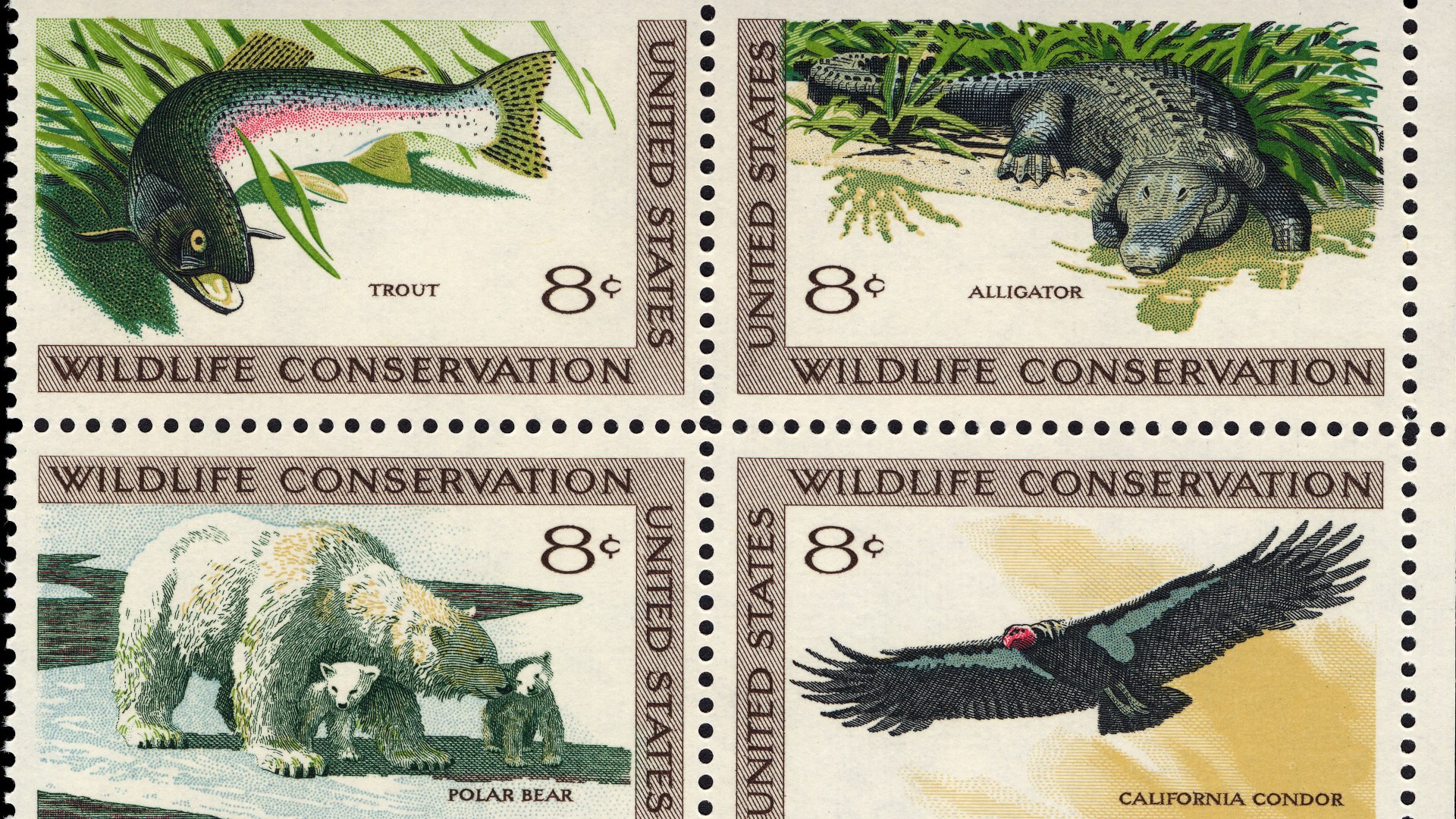
6. Two First-Class Postage Stamps
Throughout 1960, the United States Post Office Department charged 4 cents to send a standard one-ounce first-class letter anywhere in the nation, and 3 cents for a postcard. A single dime at the post office window bought two first-class stamps plus 2 cents back in change.
©Wikimedia / U.S. Bureau of Engraving and Printing
Advertisement
Swipe or tap ▶ to resume the countdown.
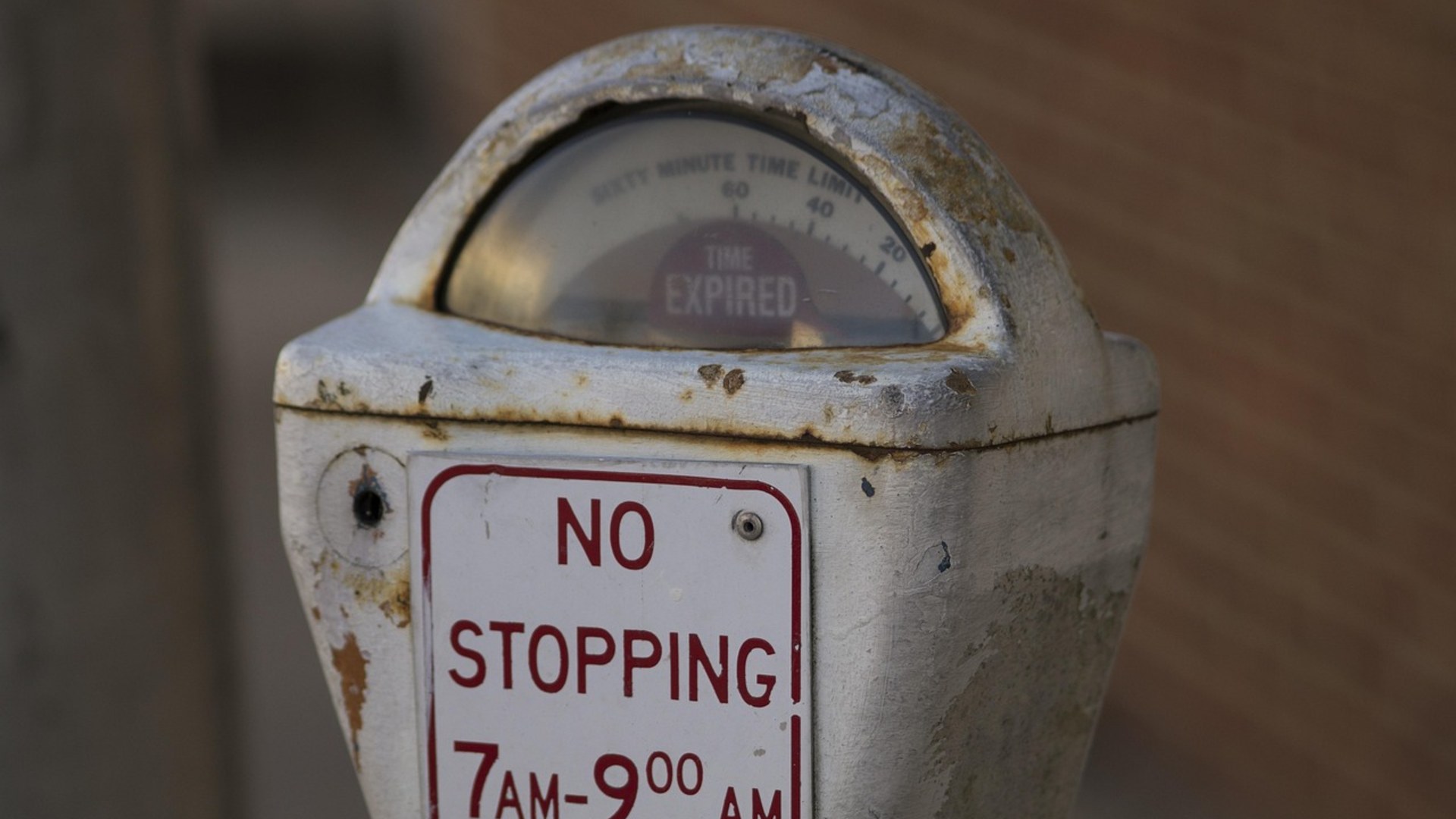
5. Ten Minutes On A Parking Meter
In downtown shopping districts in 1960, mechanical coin-operated parking meters lined Main Street curbs. Depending on the city zone, turning the handle after inserting a single dime bought anywhere from 10 minutes on a high-turnover block up to a full hour of parking.
©Pixabay / BruceEmmerling
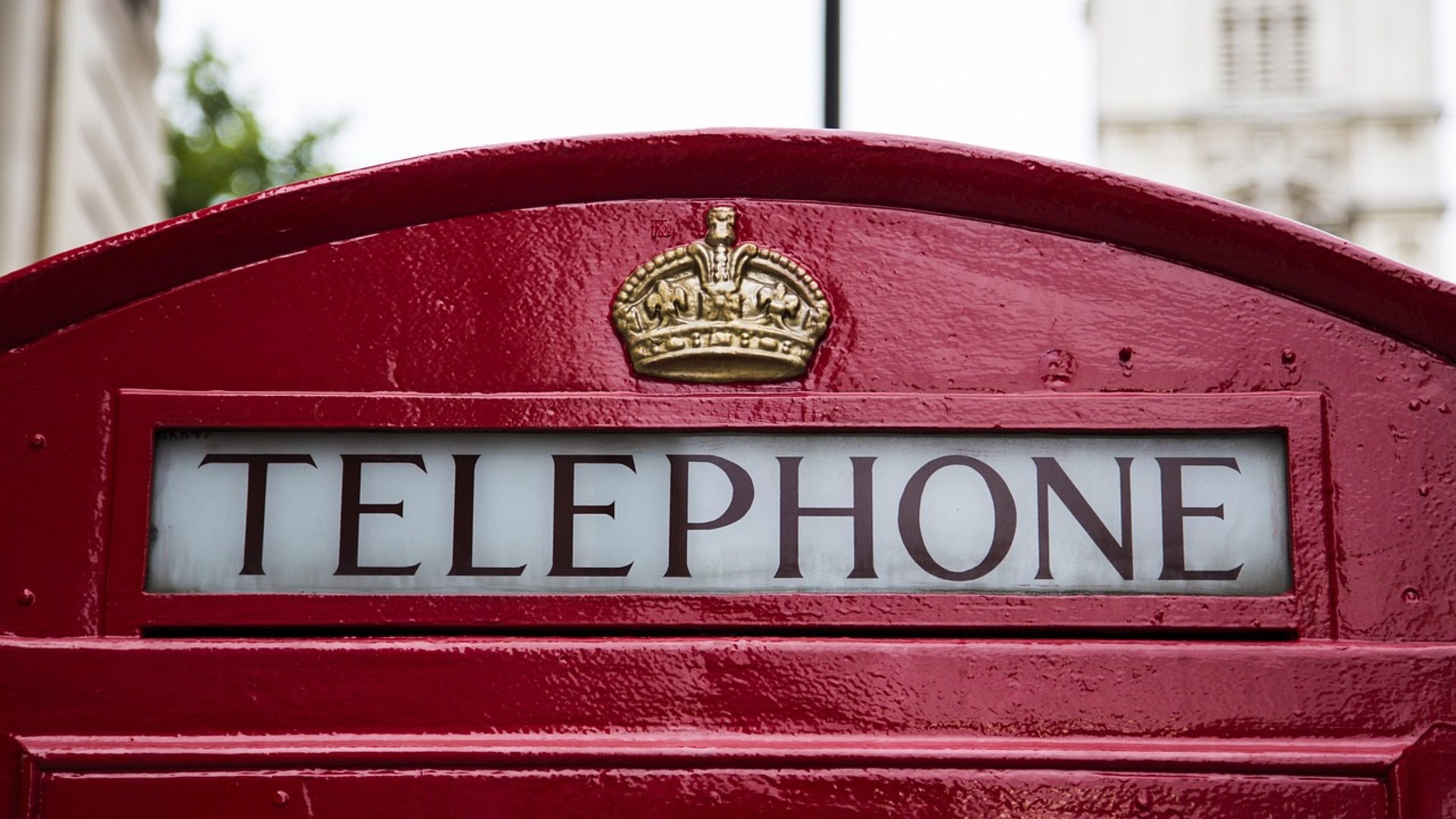
4. A Local Payphone Call
Long before mobile phones existed, glass-and-aluminum Bell System telephone booths stood on street corners, train platforms, and diner foyers across America. Dropping a dime into the slot and spinning the rotary dial connected you to any local number with no time limit.
©Pixabay / Ichigo121212
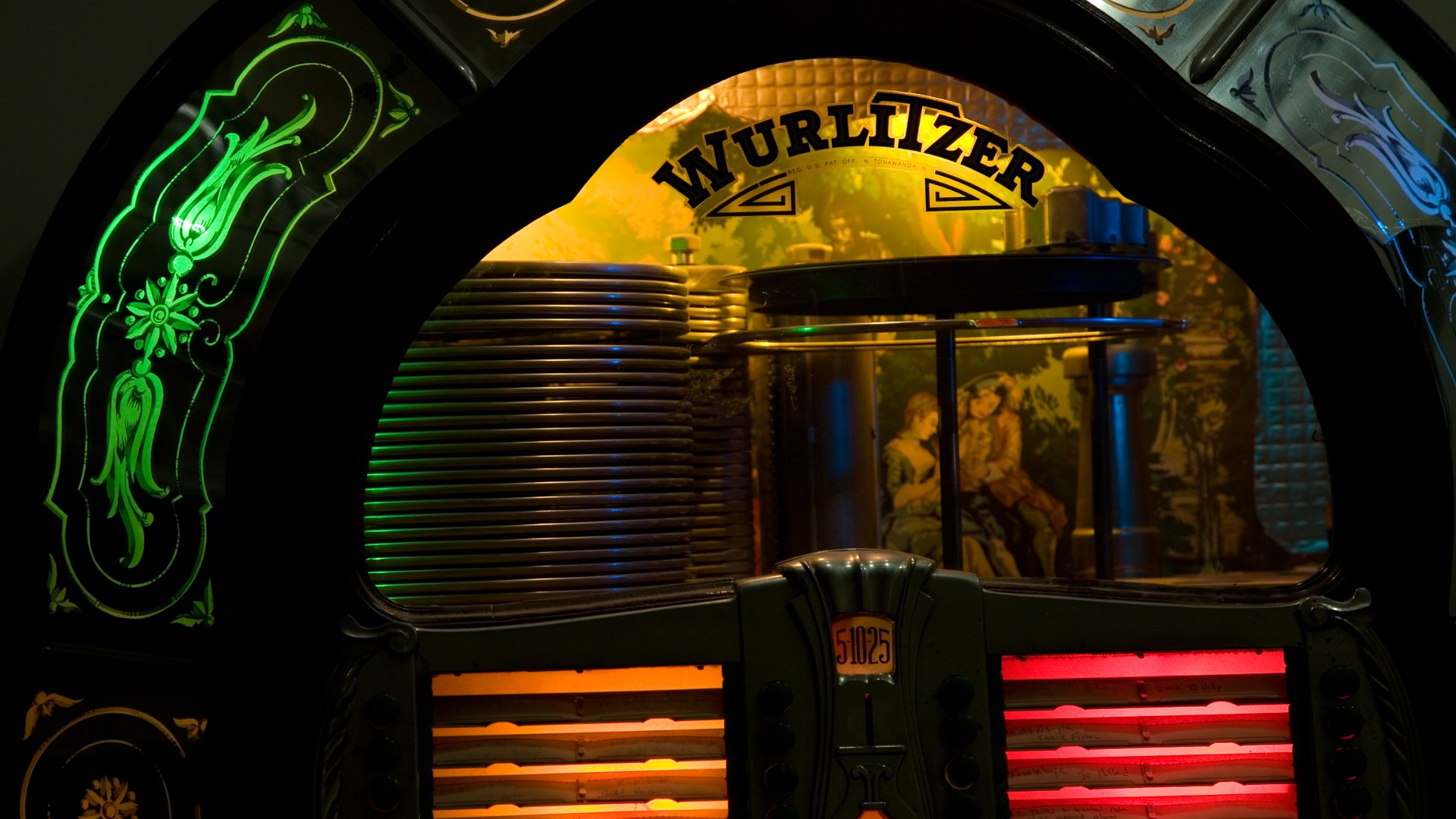
3. One Song On A Jukebox
In 1960, glowing chrome-and-neon Wurlitzer and Seeburg jukeboxes anchored every soda shop and diner in America. Sliding a dime into the coin slot and pressing a letter-number button flipped a 45-rpm vinyl record onto the turntable to play Elvis Presley, Ray Charles, or Roy Orbison.
©Wikimedia / Paulo Philippidis
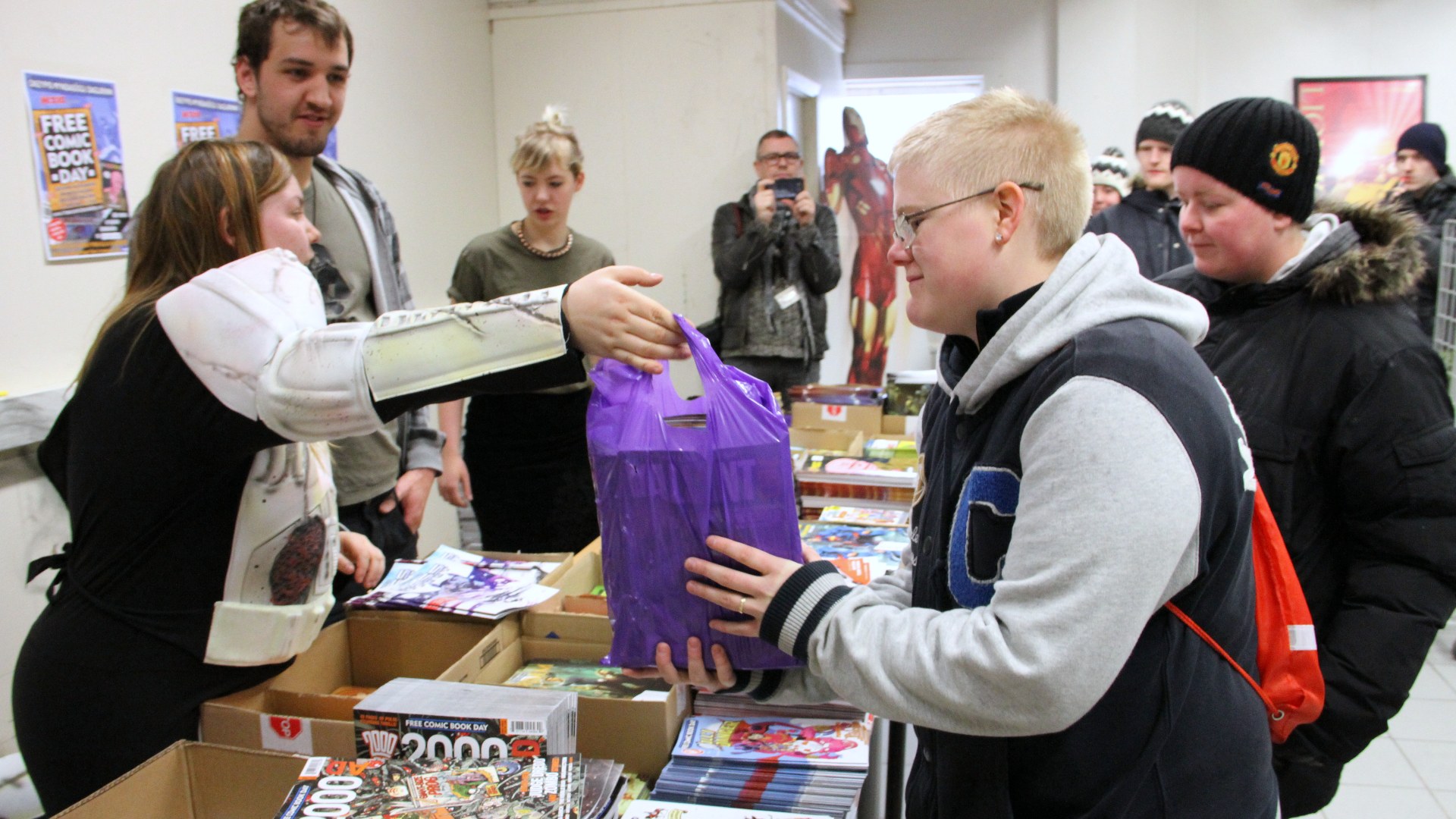
2. A Silver Age Comic Book
The year 1960 marked the height of the 10-cent Silver Age of comic books, including the debut of DC's Justice League of America. For one dime at a newsstand or drugstore spinner rack, readers bought a glossy 32-page issue that collectors now value at thousands of dollars.
©Wikimedia / Helgi Halldorsson
Advertisement
Swipe or tap ▶ to resume the countdown.
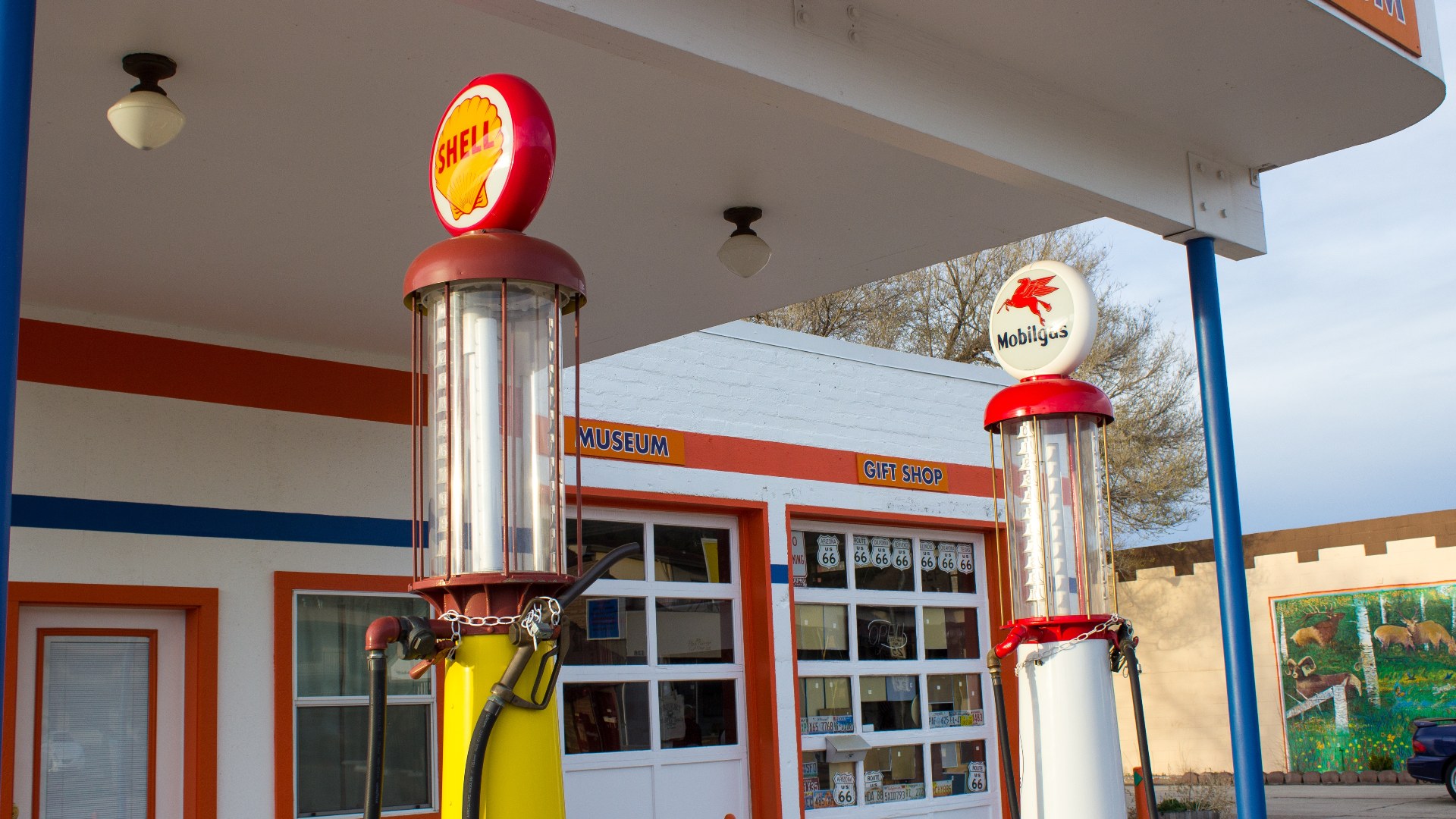
1. One-Third Of A Gallon Of Gasoline
Topping our value ranking is 1960 service station gasoline. With regular fuel averaging 31 cents per gallon nationwide, a single dime pumped roughly one-third of a gallon into the tank, enough to carry a typical American sedan four to five miles down the open highway.
©Wikimedia / Scottb211
Advertisement
You've reached the end of the story. Thanks for reading!

25 Most Photographed Figures in Human History Ranked
Which iconic faces have been captured on camera more than anyone else?
All 20 Entries in this Story
20. A Cup Of Coffee
Across America in 1960, sliding onto a vinyl stool at a neighborhood diner or drugstore lunch counter meant paying a single dime for a steaming ceramic mug of freshly brewed black coffee, often served with complimentary cream, sugar packets, and a friendly refill.

19. A Fountain Soda
Before canned soft drinks dominated grocery aisles, neighborhood pharmacies and five-and-dime stores featured chrome soda fountains where a soda jerk mixed flavored syrup and carbonated water to pour a cold glass of cola, cherry soda, or root beer for 10 cents.

18. An Order Of McDonald's French Fries
Under Ray Kroc's rapid national expansion in 1960, McDonald's drive-in stands advertised a menu built for pocket change. Alongside a 15-cent hamburger and a 20-cent milkshake, a small paper bag of crisp, golden-fried russet potato French fries cost a flat 10 cents.

17. A Can Of Coca-Cola
Right around 1960, Coca-Cola began rolling out its first 12-ounce flat-top steel cans alongside its classic glass contour bottles. Whether at a gas station, bowling alley, or corner store cooler, a single dime unlocked an ice-cold bottle or can from the vending machine.

16. A Pack Of Candy Bars
In 1960, standard candy bars sat right on the transition line between a nickel and a dime. Depending on the size, 10 cents at a corner candy store bought either a giant-sized Hershey's, Milky Way, or Snickers bar, or two standard 5-cent chocolate bars at once.

15. A Double-Scoop Thrifty Ice Cream Cone
Across California and the American West, Thrifty Drug Stores became legendary for their stainless-steel cylindrical ice cream scoopers. With a single scoop priced at 5 cents in 1960, handing a dime across the counter rewarded kids with a towering double-scoop cake cone.

14. Movie Theater Candy
Today a box of concession stand candy easily tops five dollars, but in 1960 the glass display case at a neighborhood movie palace was priced for a child's weekly allowance. A single dime bought a full theater box of chewy Jujubes, caramel Milk Duds, or Red Vines.

13. Movie Theater Popcorn
Nothing completed a 1960 Saturday afternoon double feature quite like the aroma of hot coconut oil and melted butter from the lobby kettle. For 10 cents, theatergoers received a freshly filled striped paper bag or carton of hot, salty popcorn to last through the show.

12. A Pack Of Cough Drops
Functional drugstore remedies were remarkably affordable in 1960. With pharmacies routinely advertising three boxes of medicated cough drops for 23 cents, a single dime easily covered a pocket box of Luden's wild cherry or Smith Brothers throat drops with change back.

11. A Local Daily Newspaper
Before television news expanded beyond fifteen-minute evening broadcasts, Americans relied on thick daily broadsheets for national headlines, box scores, and classified ads. In 1960, a single dime unlocked the sidewalk newspaper rack for the morning or afternoon edition.

10. A Pack Of Loose Razor Blades
Double-edged safety razors were a daily grooming fixture in every 1960 bathroom cabinet. While a 10-blade dispenser of premium Gillette Blue Blades sold for 99 cents, economy carbon-steel multi-packs and individual specialty utility blades were sold on counter cards for 10 cents.

9. Pocket Matches Or Small Tissues
Grab-and-go checkout counter essentials delivered impressive utility for 10 cents in 1960. A dime bought a multi-box bundle of strike-on-box wooden pocket matches or a couple of 5-cent pocket packs of Kleenex facial tissues to keep in a coat pocket or handbag.

8. A Fresh Piece Of Fruit
In 1960 supermarket produce aisles and corner greengrocers, fresh Red Delicious apples and Florida oranges averaged under 20 cents a pound. Handing the grocer a single dime easily paid for a large, crisp apple or orange straight out of the wooden market crate.

7. A Local City Bus Fare
As streamlined GM New Look transit buses rolled onto American streets in 1960, public transit remained an everyday bargain. Across dozens of U.S. cities and student fare zones, a single dime clinking into the metal farebox paid for a one-way ride across town.

6. Two First-Class Postage Stamps
Throughout 1960, the United States Post Office Department charged 4 cents to send a standard one-ounce first-class letter anywhere in the nation, and 3 cents for a postcard. A single dime at the post office window bought two first-class stamps plus 2 cents back in change.

5. Ten Minutes On A Parking Meter
In downtown shopping districts in 1960, mechanical coin-operated parking meters lined Main Street curbs. Depending on the city zone, turning the handle after inserting a single dime bought anywhere from 10 minutes on a high-turnover block up to a full hour of parking.

4. A Local Payphone Call
Long before mobile phones existed, glass-and-aluminum Bell System telephone booths stood on street corners, train platforms, and diner foyers across America. Dropping a dime into the slot and spinning the rotary dial connected you to any local number with no time limit.

3. One Song On A Jukebox
In 1960, glowing chrome-and-neon Wurlitzer and Seeburg jukeboxes anchored every soda shop and diner in America. Sliding a dime into the coin slot and pressing a letter-number button flipped a 45-rpm vinyl record onto the turntable to play Elvis Presley, Ray Charles, or Roy Orbison.

2. A Silver Age Comic Book
The year 1960 marked the height of the 10-cent Silver Age of comic books, including the debut of DC's Justice League of America. For one dime at a newsstand or drugstore spinner rack, readers bought a glossy 32-page issue that collectors now value at thousands of dollars.

1. One-Third Of A Gallon Of Gasoline
Topping our value ranking is 1960 service station gasoline. With regular fuel averaging 31 cents per gallon nationwide, a single dime pumped roughly one-third of a gallon into the tank, enough to carry a typical American sedan four to five miles down the open highway.