Slideshow · Lifestyle
20 Things That Made Shopping Malls a Social Destination
Before digital feeds and online retail, suburban shopping malls served as town squares where generations gathered to connect, dine, and explore. Based on reporting by Smithsonian Magazine, The New York Times, and the CDC, these twenty iconic features transformed shopping centers into community destinations.
By Most Viral Today
34 min ago

Why Suburban Malls Defined Weekend Social Life 
20. Center Court Holiday Castles 
19. Kay-Bee Toys 
18. Glass Atriums And Skylights - AdvertisementSwipe or tap ▶ to continue countdown

17. Chemical Strip Photo Booths 
16. Sunken Conversation Pits 
15. Sbarro And Slices By The Slice 
14. Sam Goody And Record Stores - AdvertisementSwipe or tap ▶ to continue countdown

13. Claire's Accessories 
12. Orange Julius Stands 
11. Waldenbooks And B. Dalton 
10. Glamour Shots Studios - AdvertisementSwipe or tap ▶ to continue countdown

9. The Sharper Image 
8. Multi-Screen Cineplex Theaters 
7. Senior Mall Walking Clubs 
6. Indoor Ice Skating Rinks - AdvertisementSwipe or tap ▶ to continue countdown

5. Spencer Gifts 
4. Cinnabon And Food Kiosks 
3. Indoor Fountains And Wishing Wells 
2. Video Arcades - AdvertisementSwipe or tap ▶ to continue countdown

1. The Central Food Court - Advertisement🔥 UP NEXT IN THIS SERIES◫ 26 Slides

25 Valuable Items Americans May Still Have in Their Attics
Old boxes stored in family attics often hold forgotten American heirlooms, vintage toys, and rare domestic goods that fetch high sums at modern auctions. Based on verified sales data from Heritage Auctions, Sotheby's, and the Antiques Roadshow archive, here are twenty-five valuable relics people still keep tucked away.
Before digital feeds and online retail, suburban shopping malls served as town squares where generations gathered to connect, dine, and explore. Based on reporting by Smithsonian Magazine, The New York Times, and the CDC, these twenty iconic features transformed shopping centers into community destinations.
Swipe or tap ▶ to begin the countdown
©Wikimedia / Javiertrad & Wikimedia / Lallint
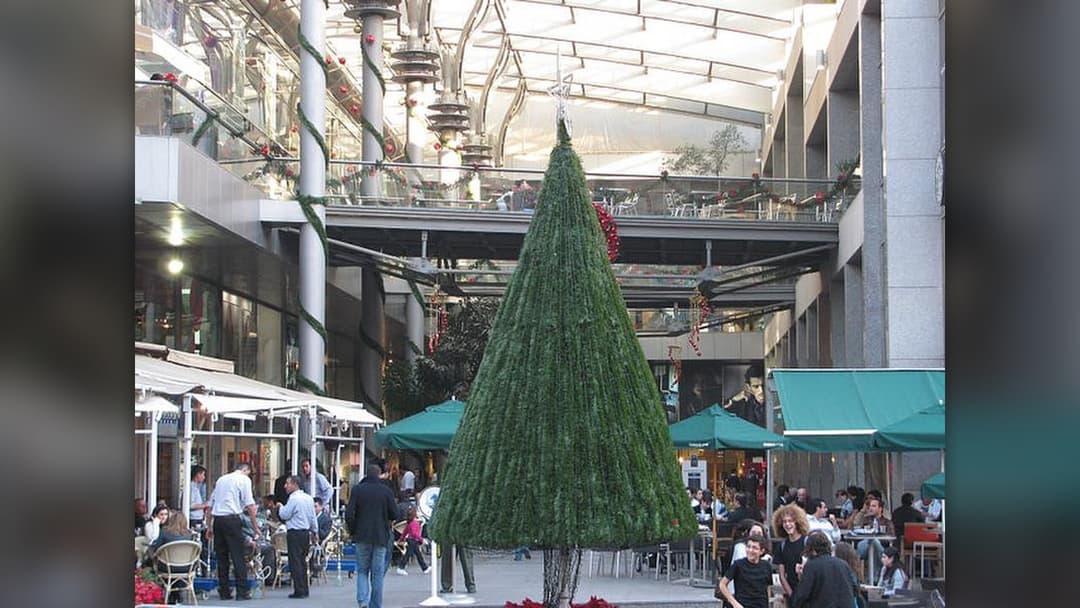
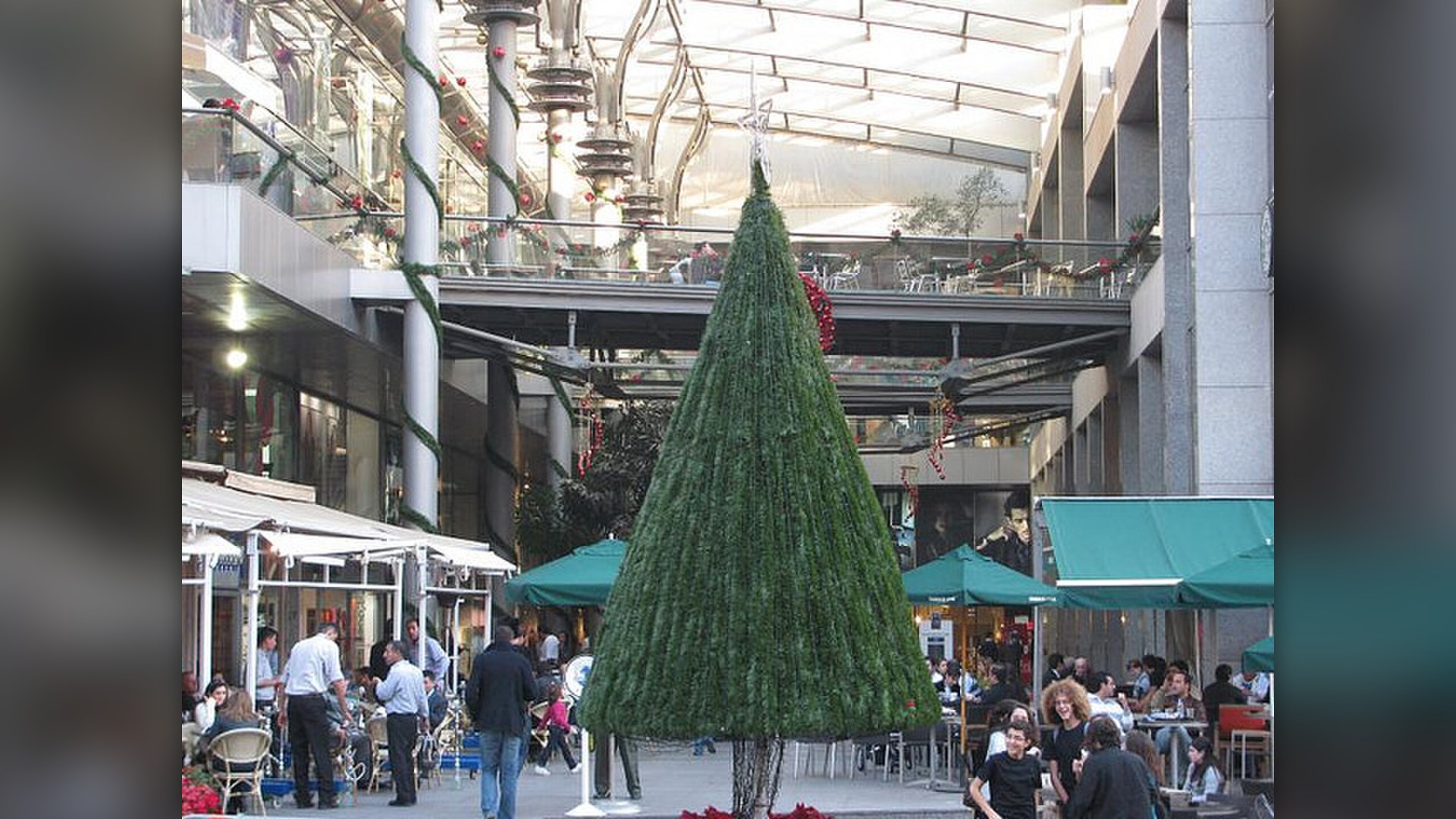
20. Center Court Holiday Castles
Regional malls transformed central courtyards into winter wonderlands and spring gardens each November and April. Professional photo vendors and costumed performers welcomed millions of families, turning annual holiday portrait sessions into a shared civic tradition across American towns.
©Wikimedia / Steven Damron from San Francisco
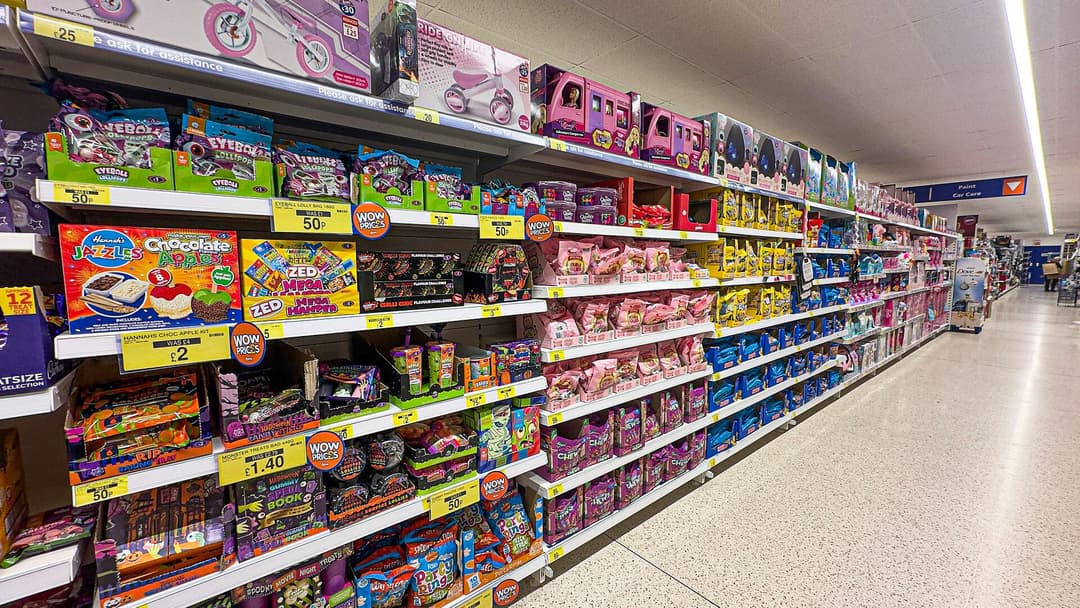
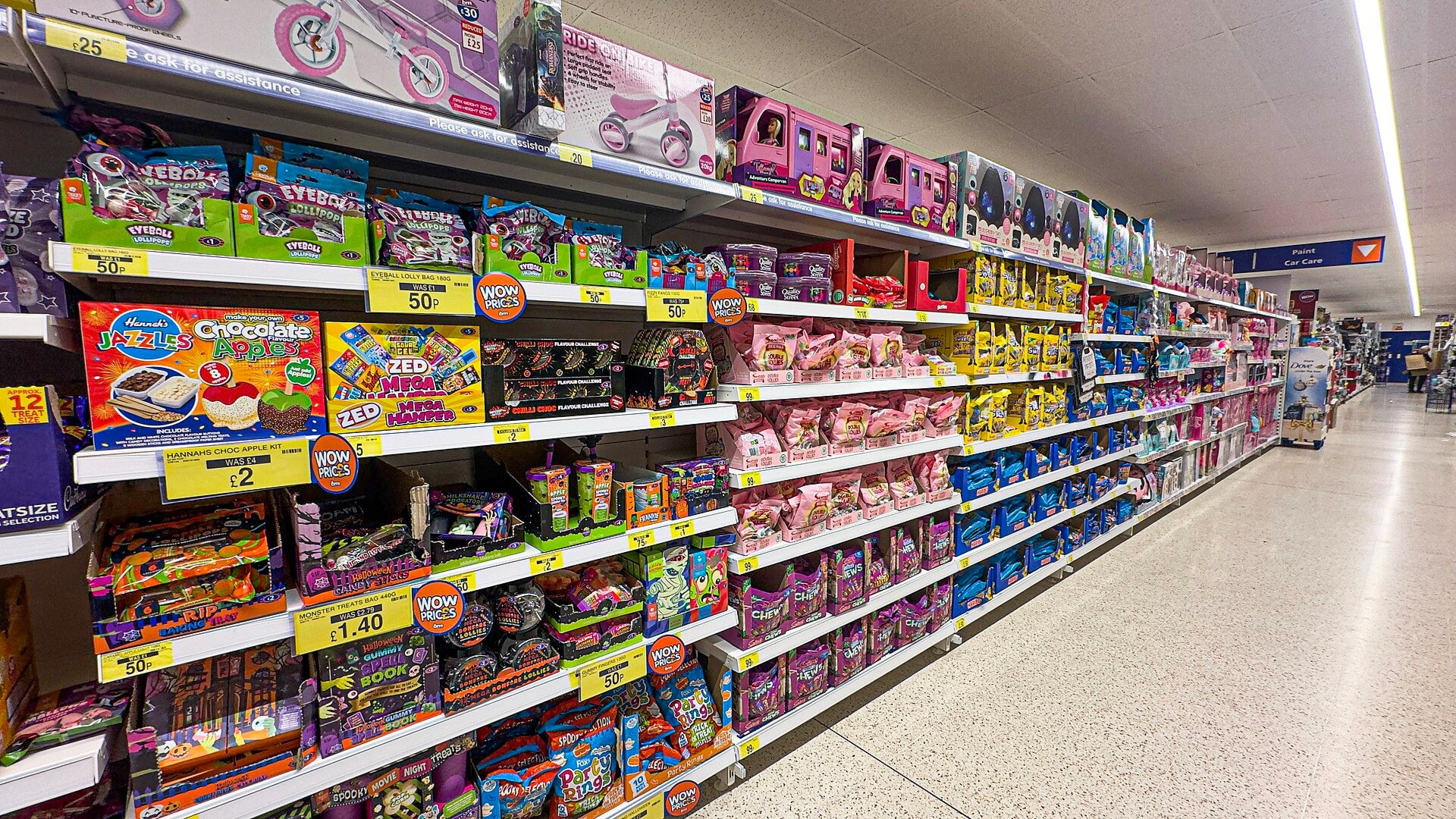
19. Kay-Bee Toys
Founded by the Kaufman brothers, Kay-Bee Toys operated over one thousand mall-based toy stores across the United States at its peak in the 1990s. Entrances featured waist-high display bins where mechanical puppies barked and wind-up cars rolled, pulling children and families inside.
©Wikimedia / OathOn
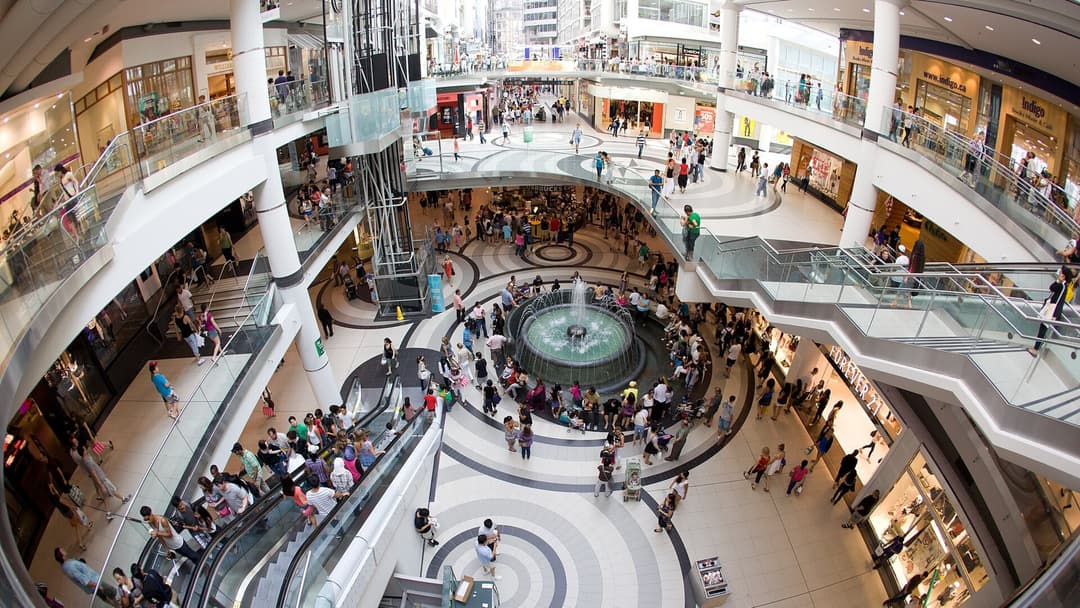
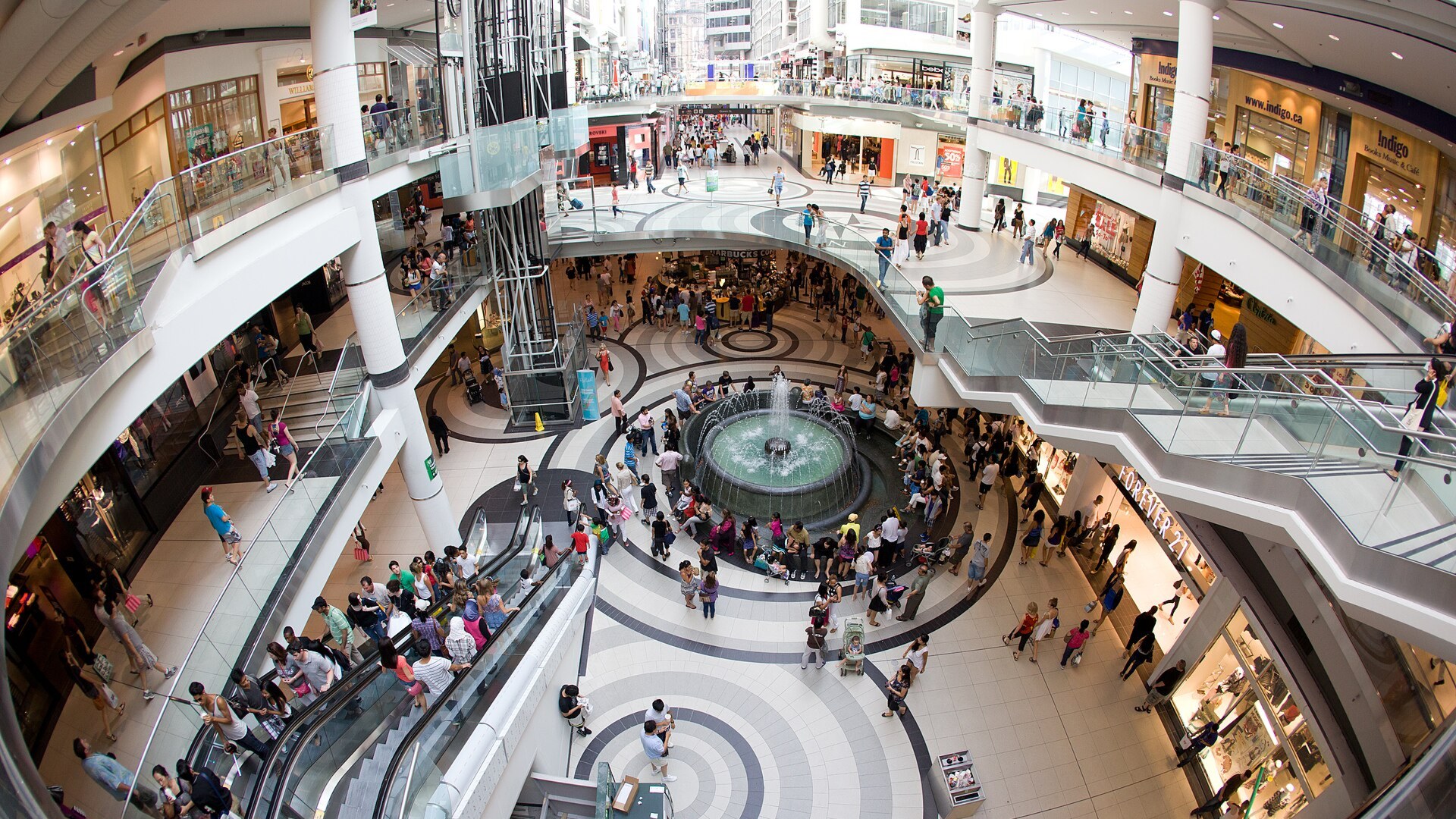
18. Glass Atriums And Skylights
Mall developers incorporated soaring barrel-vaulted glass skylights and panoramic glass elevators inspired by architect John Portman. The bright, climate-controlled interiors sheltered visitors from winter chill and summer heat while preserving the feel of an open-air city promenade.
©Wikimedia / Svetlana Grechkina from Moscow, Russia
Advertisement
Swipe or tap ▶ to resume the countdown.
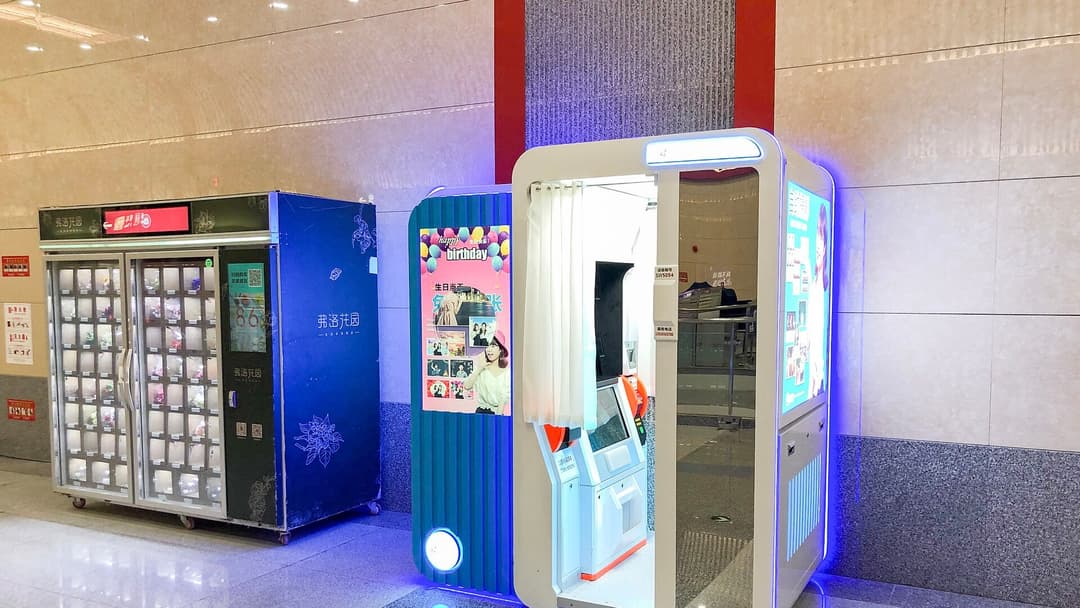
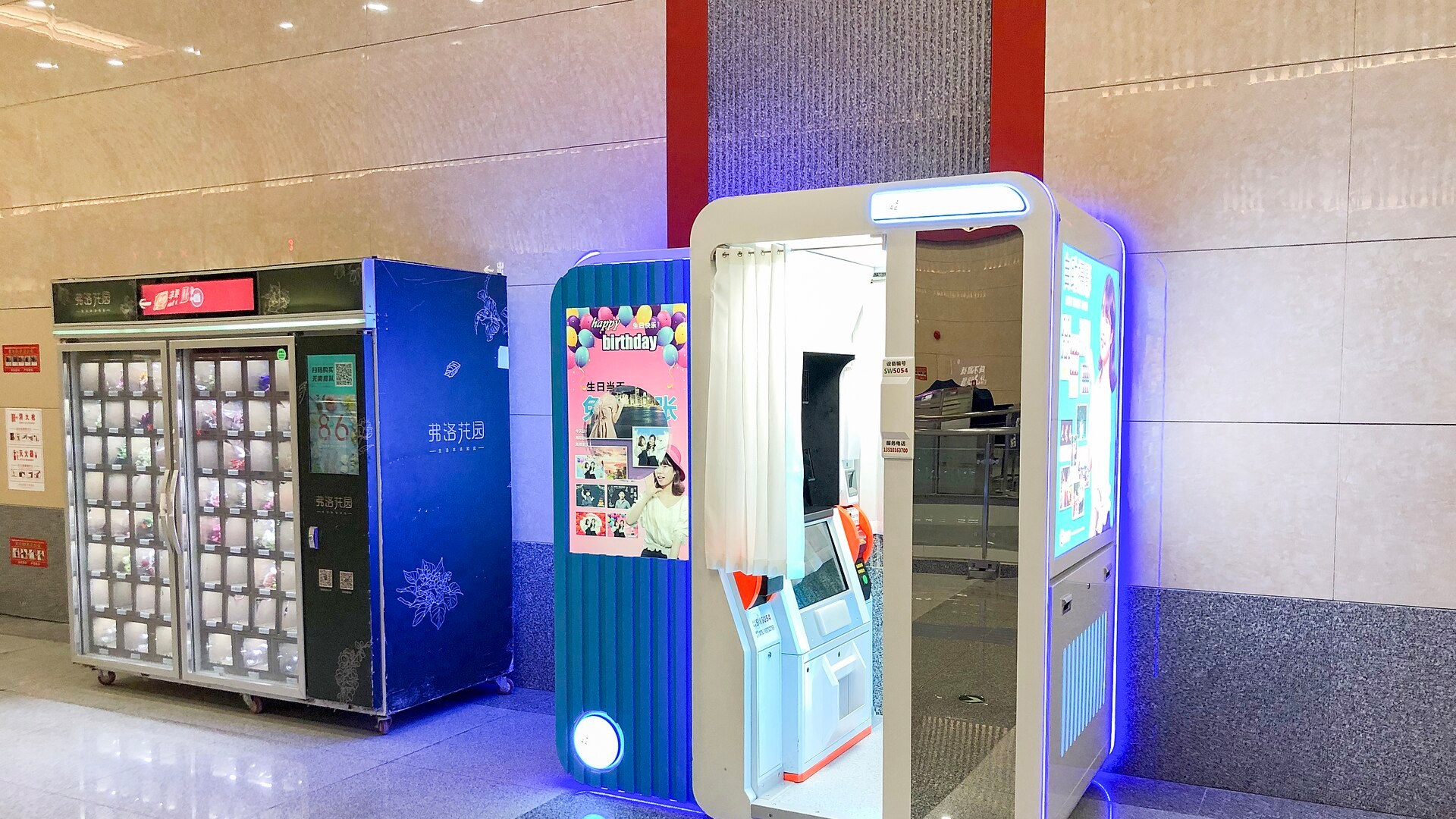
17. Chemical Strip Photo Booths
Photome and Auto-Photo booths positioned outside arcades and movie theaters gave friends an intimate space to pose behind black curtains. The automated chemical machines developed black-and-white or color photo strips in minutes, giving shoppers portable keepsakes from their afternoon.
©Wikimedia / N509FZ
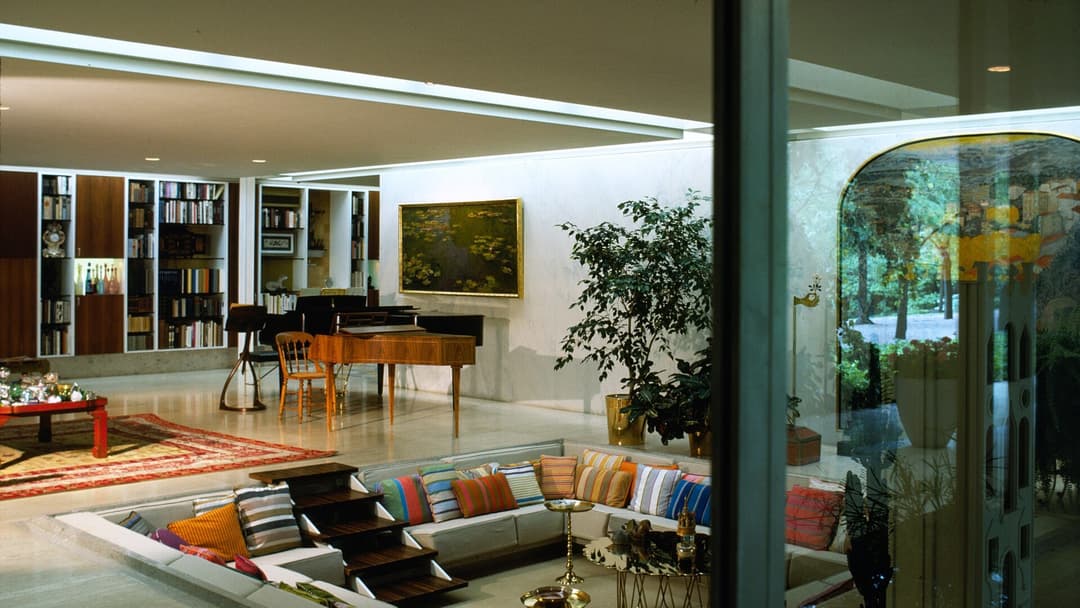
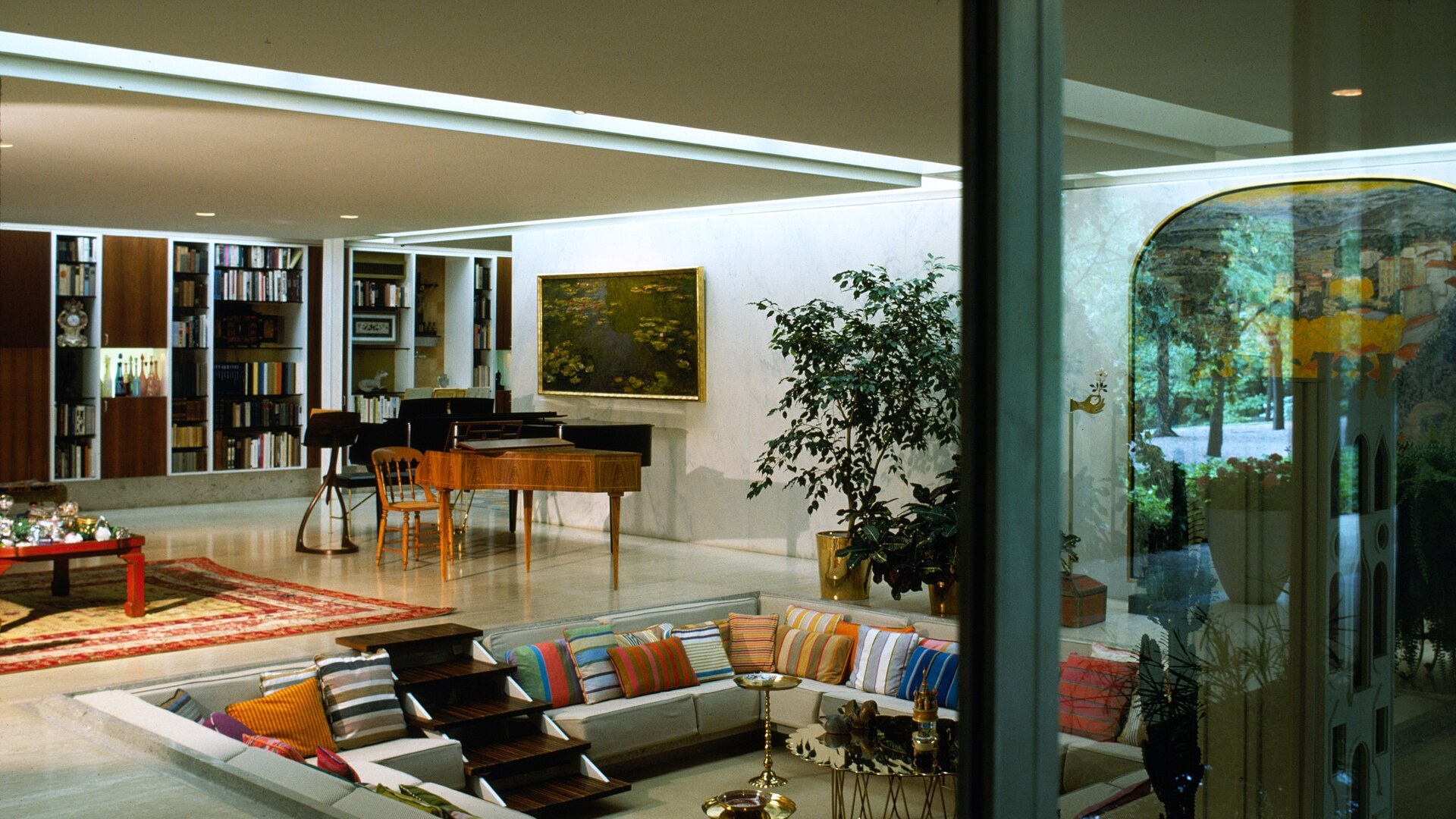
16. Sunken Conversation Pits
Architects in the 1960s and 1970s built stepped, carpeted conversation pits in central mall corridors to encourage informal public gatherings. Surrounded by planters and low brick walls, these sunken seating areas gave shoppers a relaxed, open space to rest between store visits.
©Wikimedia / Balthazar Korab
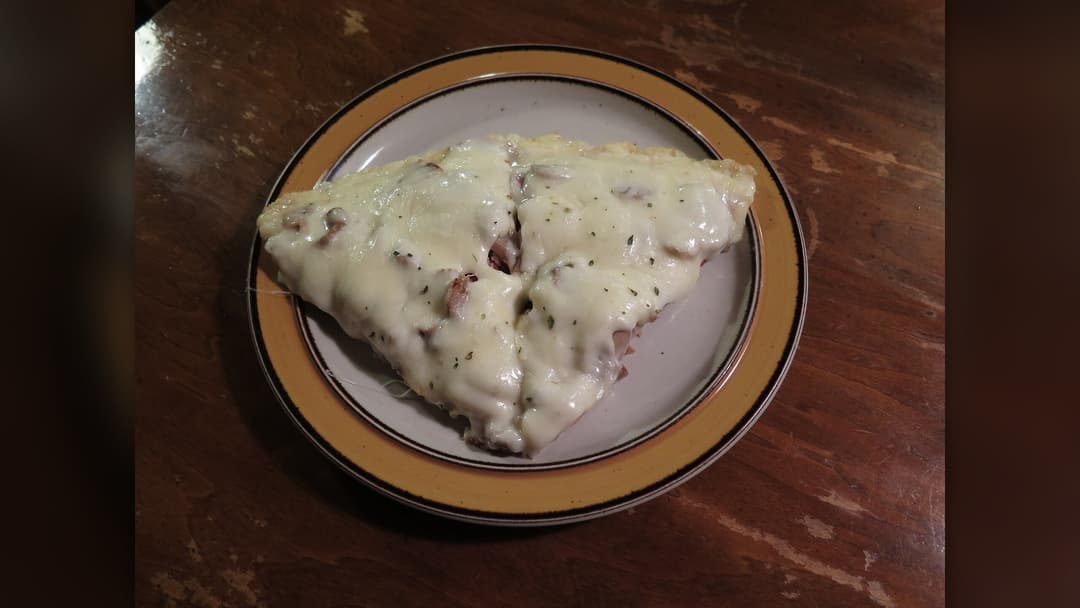
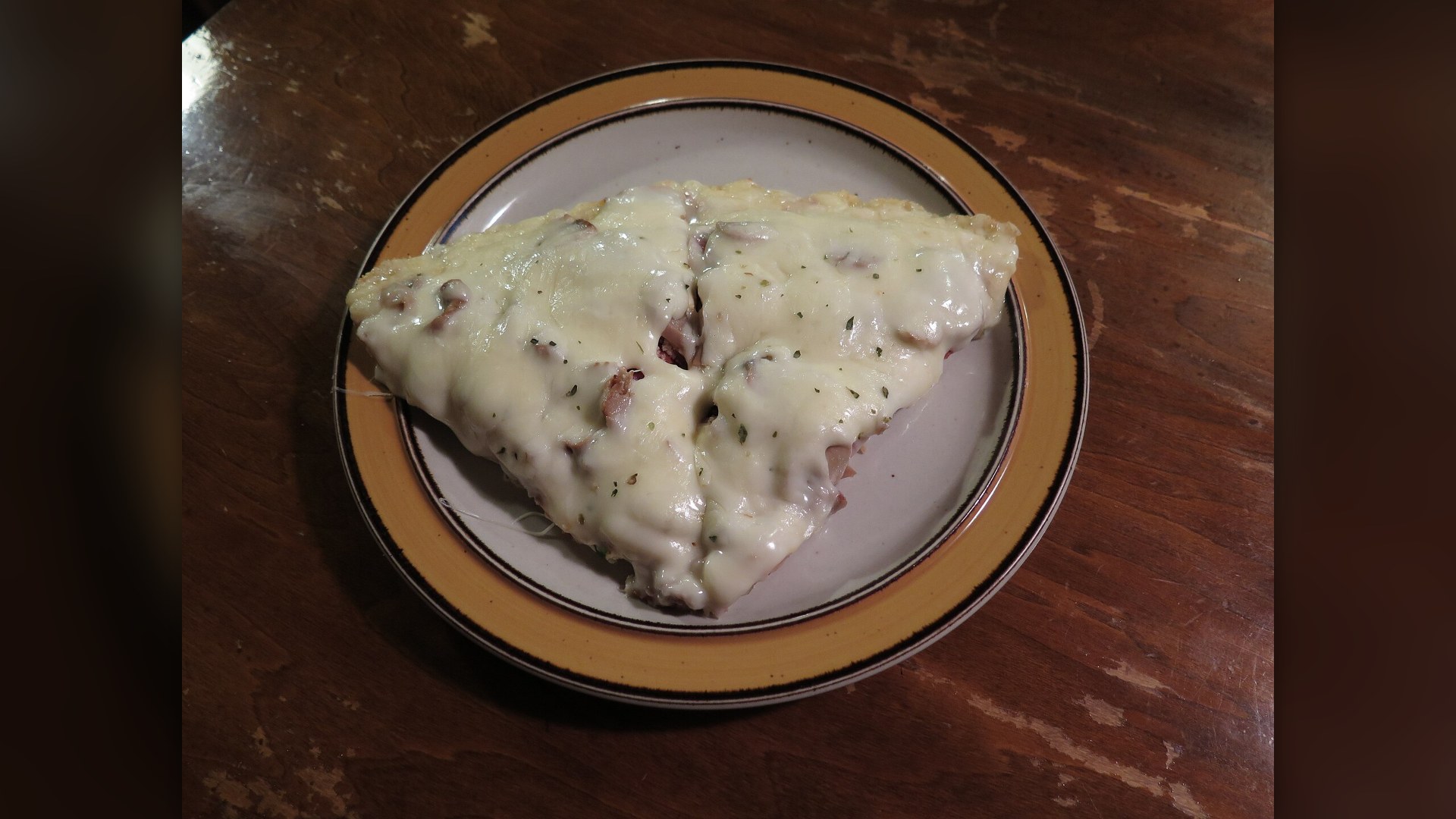
15. Sbarro And Slices By The Slice
Gennaro and Carmela Sbarro opened their first mall Italian eatery at the Kings Plaza Shopping Center in Brooklyn in 1970. The family chain expanded across hundreds of shopping malls, serving colossal New York style pizza slices, stuffed calzones, and pasta bowls to hungry visitors.
©Wikimedia / Douglas Perkins
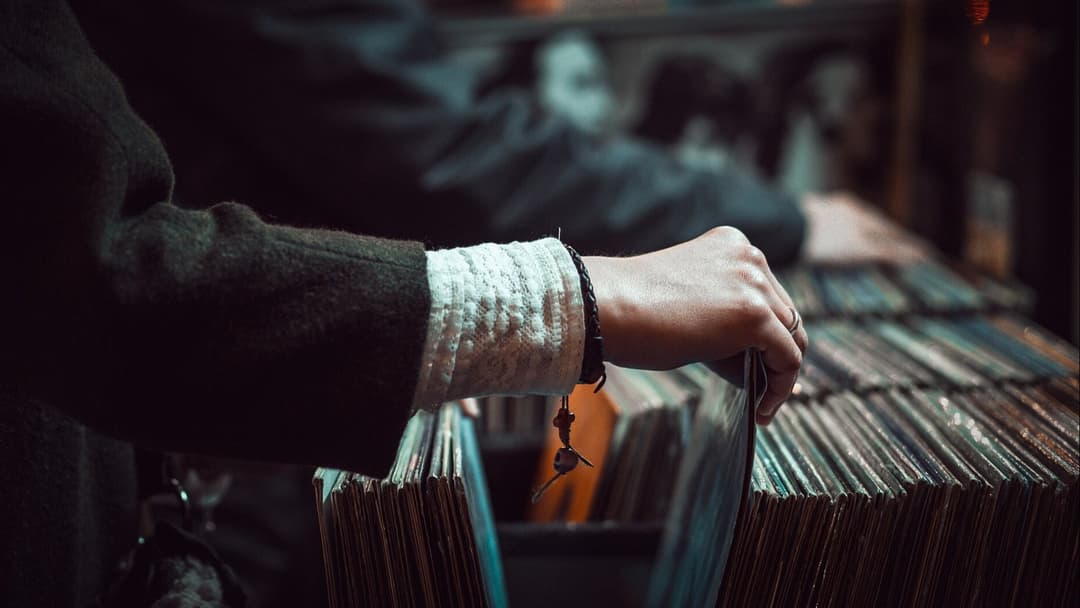
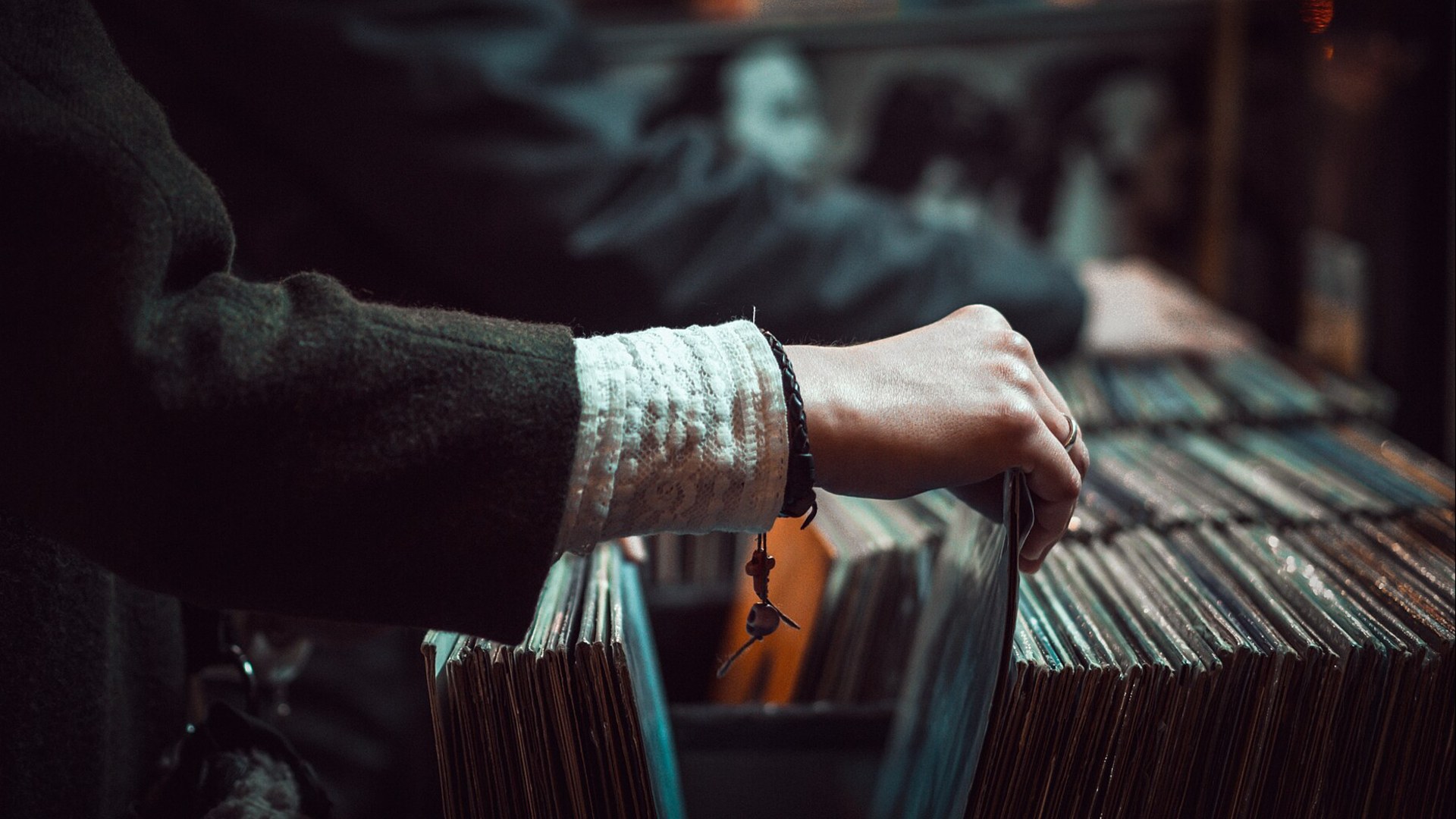
14. Sam Goody And Record Stores
Operating under the Musicland Group, Sam Goody ran hundreds of mall stores where music fans bought vinyl records, cassette tapes, and compact discs. Shoppers gathered around interactive headphone listening posts to preview top Billboard tracks before purchasing albums.
©Wikimedia / Edu Grande edgr
Advertisement
Swipe or tap ▶ to resume the countdown.
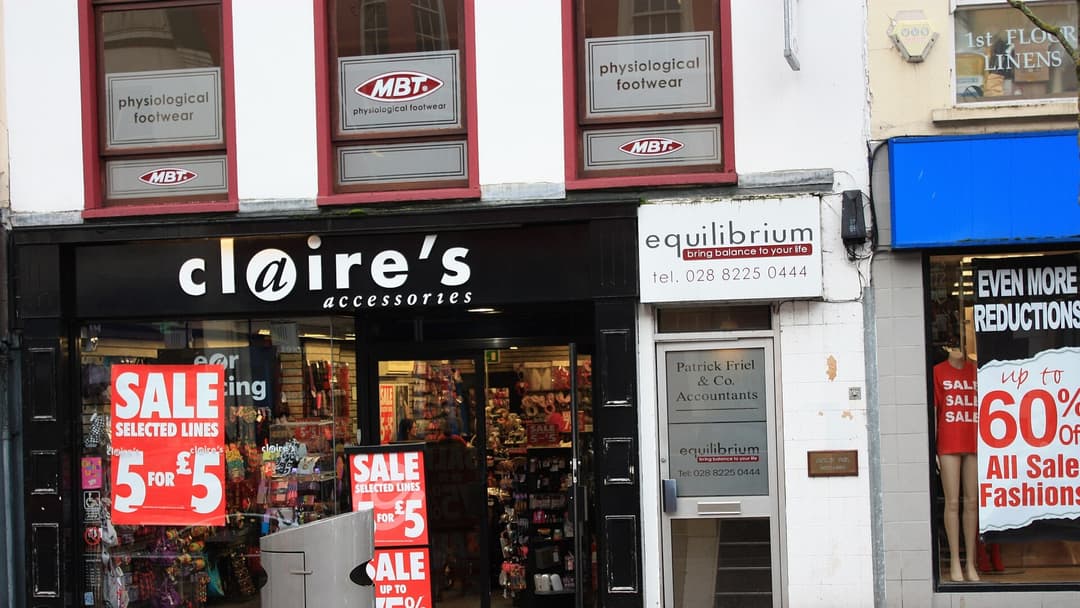
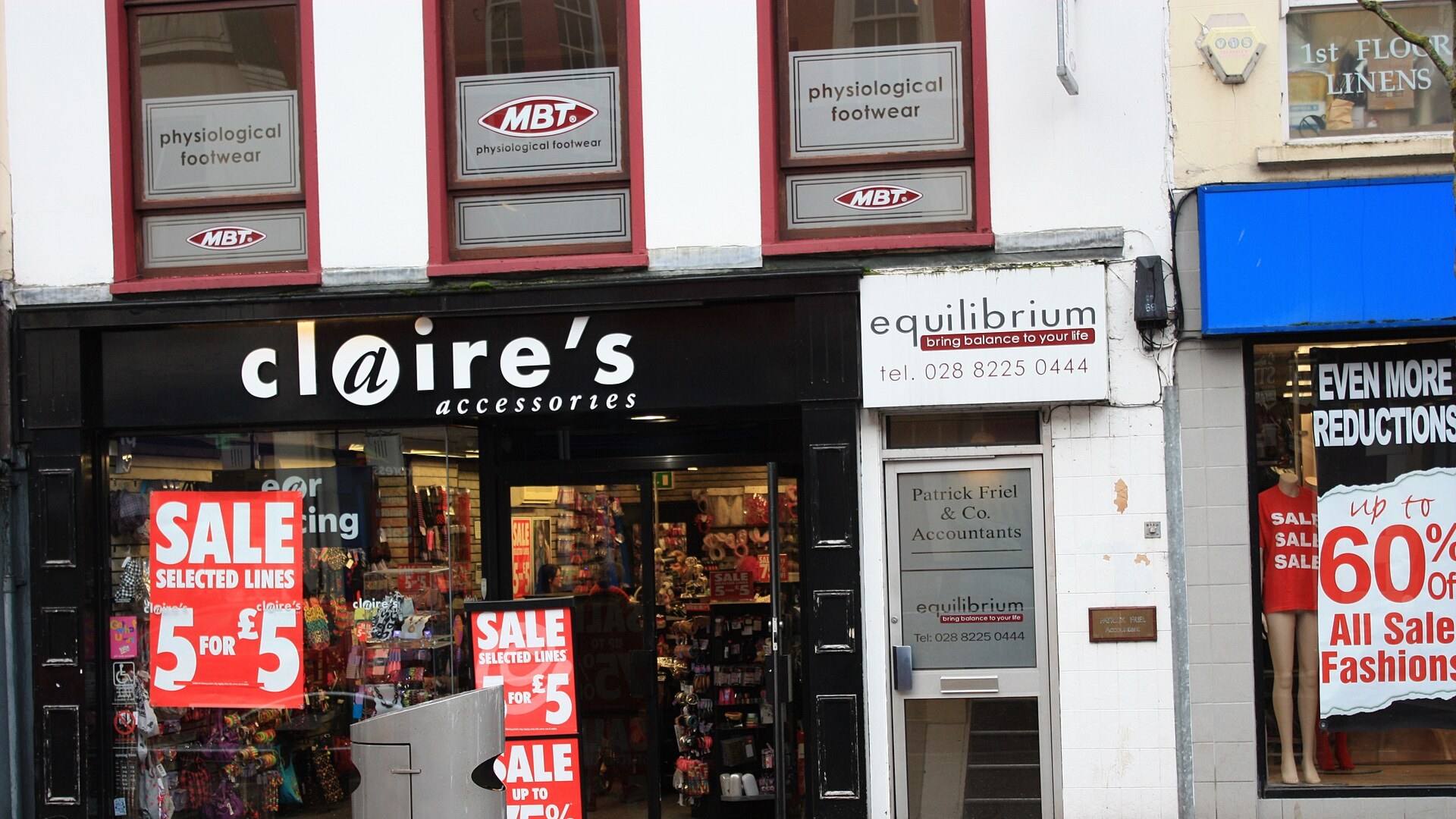
13. Claire's Accessories
Chicago businessman Rowland Schaefer expanded Claire's into a mall accessory powerhouse with thousands of retail storefronts by the 1980s. The chain performed over one hundred million ear piercings, making a visit to the storefront a generational rite of passage for young shoppers.
©Wikimedia / Ardfern
12. Orange Julius Stands
Started by Julius Freed in Los Angeles in 1926, Orange Julius became a fixture of suburban mall food courts through the 1970s and 1980s. The signature blended beverage combined orange juice, milk, sweetener, and egg powder into a creamy, frothy treat popular with afternoon crowds.

©Wikimedia / Pink Sherbet Photography from USA
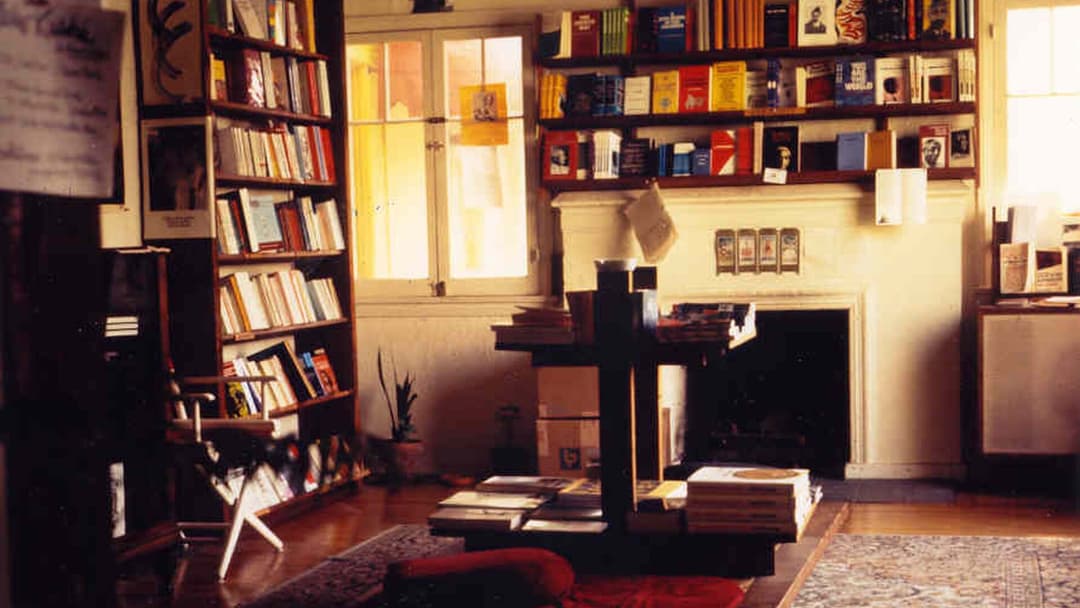
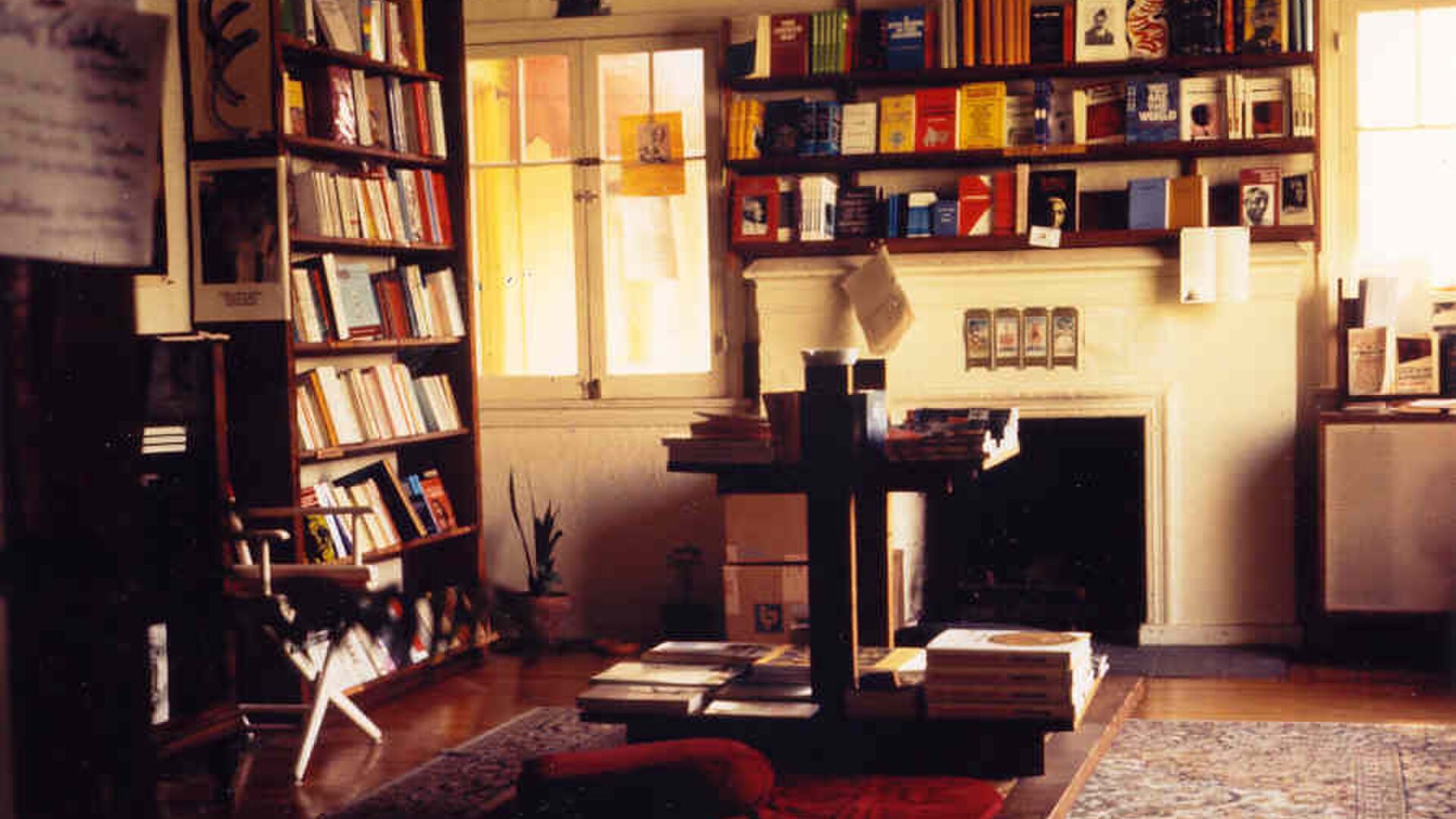
11. Waldenbooks And B. Dalton
Under chief executive Harry Hoffman, Waldenbooks expanded from 500 locations in 1979 to nearly 1,300 mall stores across all fifty states. Readers gathered in the aisles to browse paperback releases, comic collections, and specialty magazines before heading to nearby mall cafes.
©Wikimedia / Lavenderearlgrey
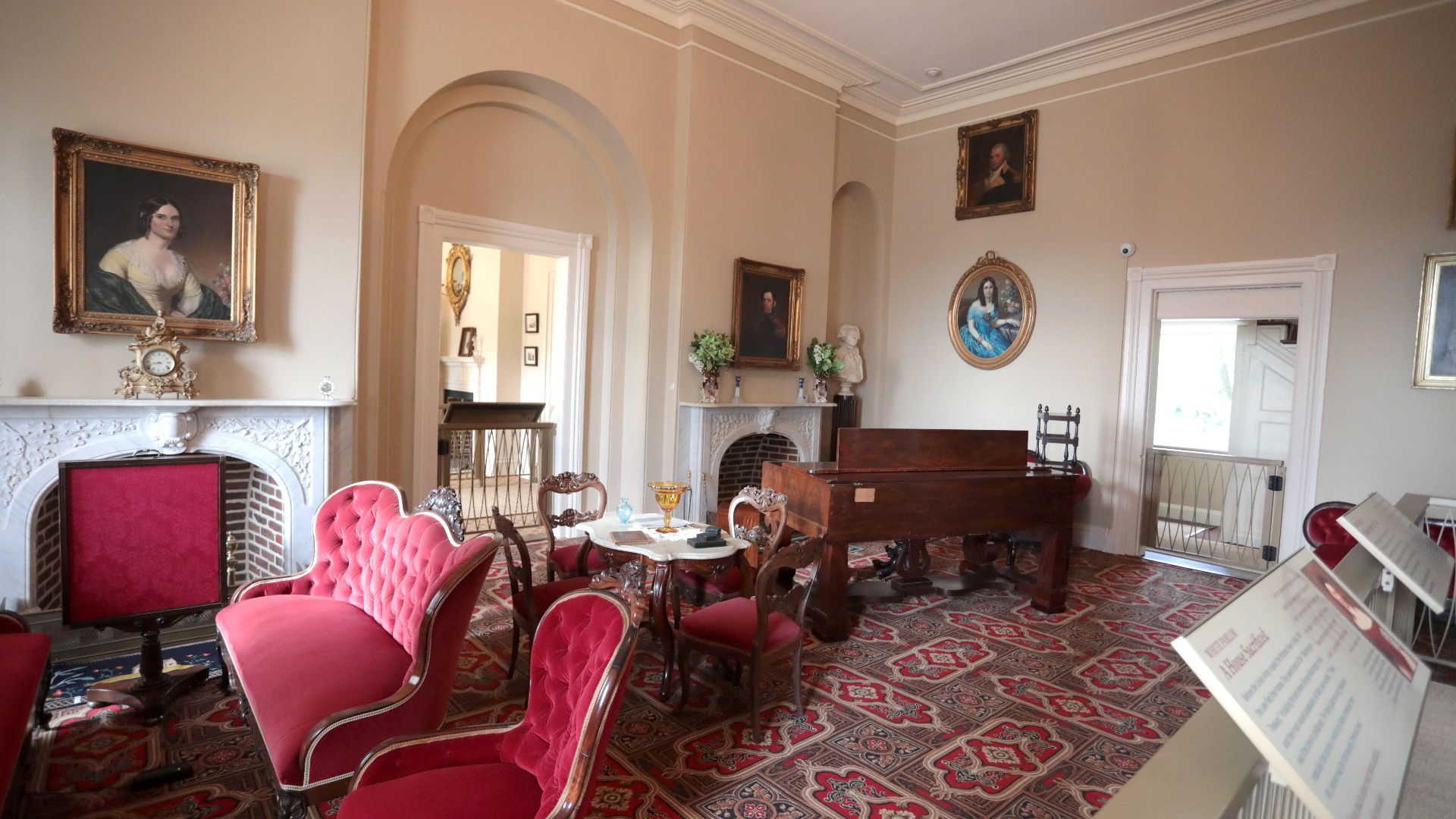
10. Glamour Shots Studios
Founded by Jack Counts Jr. in Texas in October 1988, Glamour Shots expanded to roughly 350 mall locations nationwide by the mid-1990s. Customers received professional hair blowouts, studio makeup, and sequined wardrobe accessories before posing under soft-focus photography lights.
©NPS / Liz Macro
Advertisement
Swipe or tap ▶ to resume the countdown.
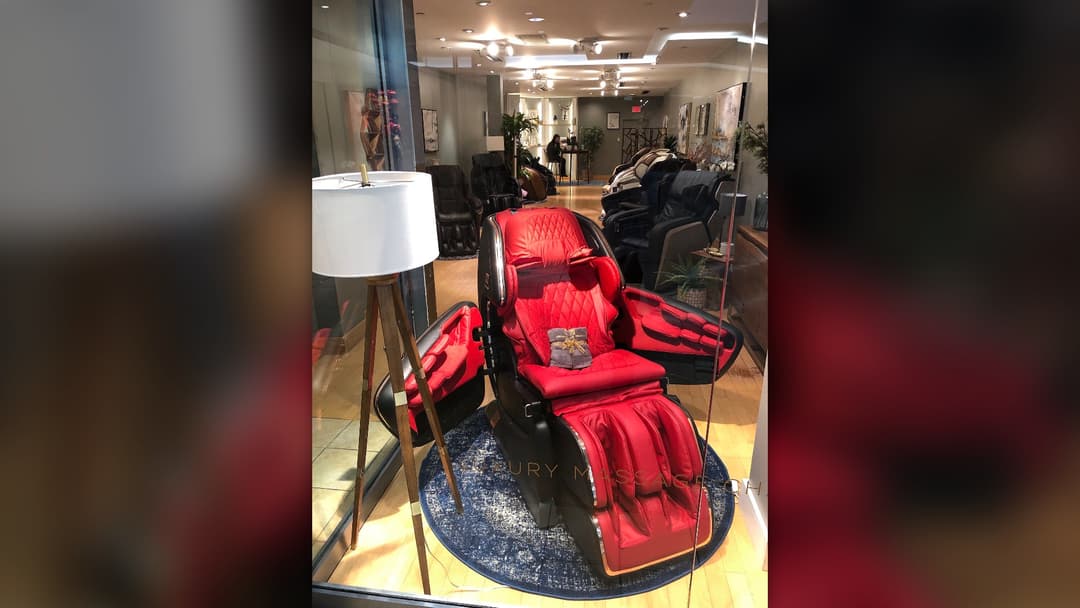
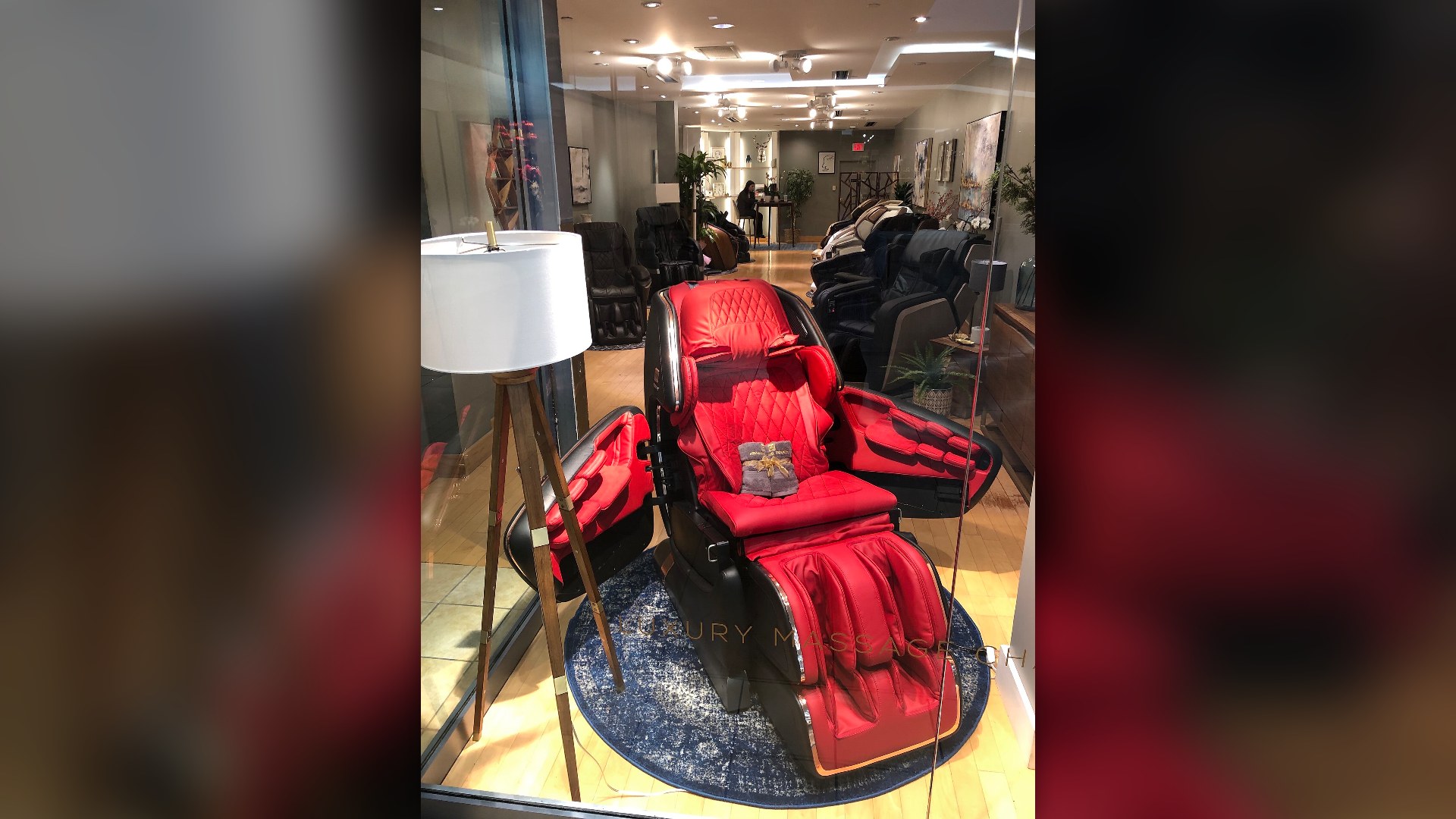
9. The Sharper Image
Attorney Richard Thalheimer founded The Sharper Image in 1977 and expanded the retail chain into upscale malls, operating nearly two hundred stores by the 1990s. Visitors routinely lined up to test high-end electronic massage chairs, motorized gadgets, and futuristic electronics.
©Wikimedia / Youngphotons
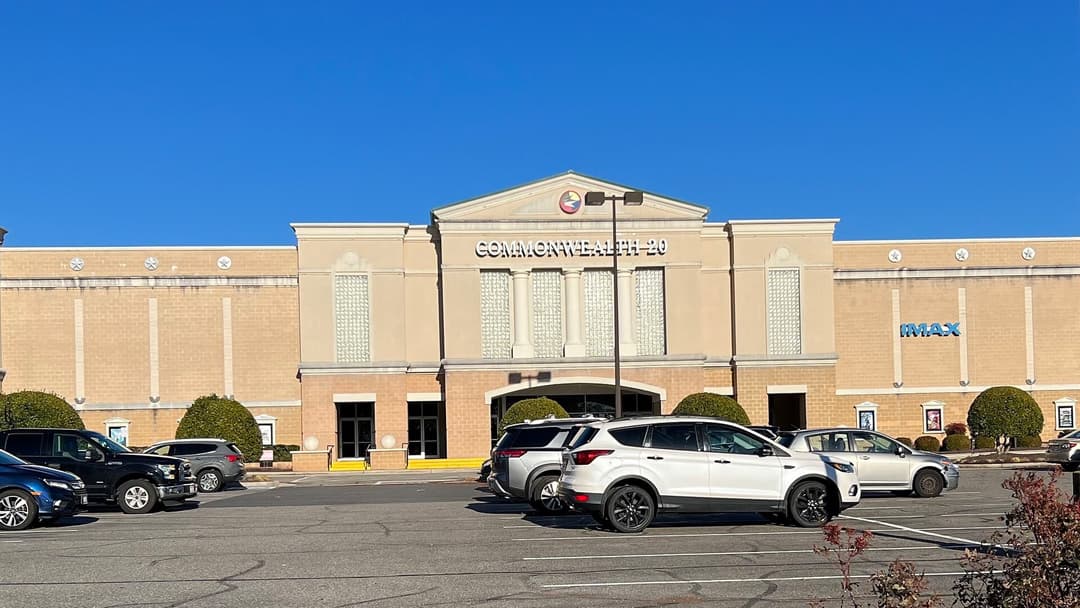
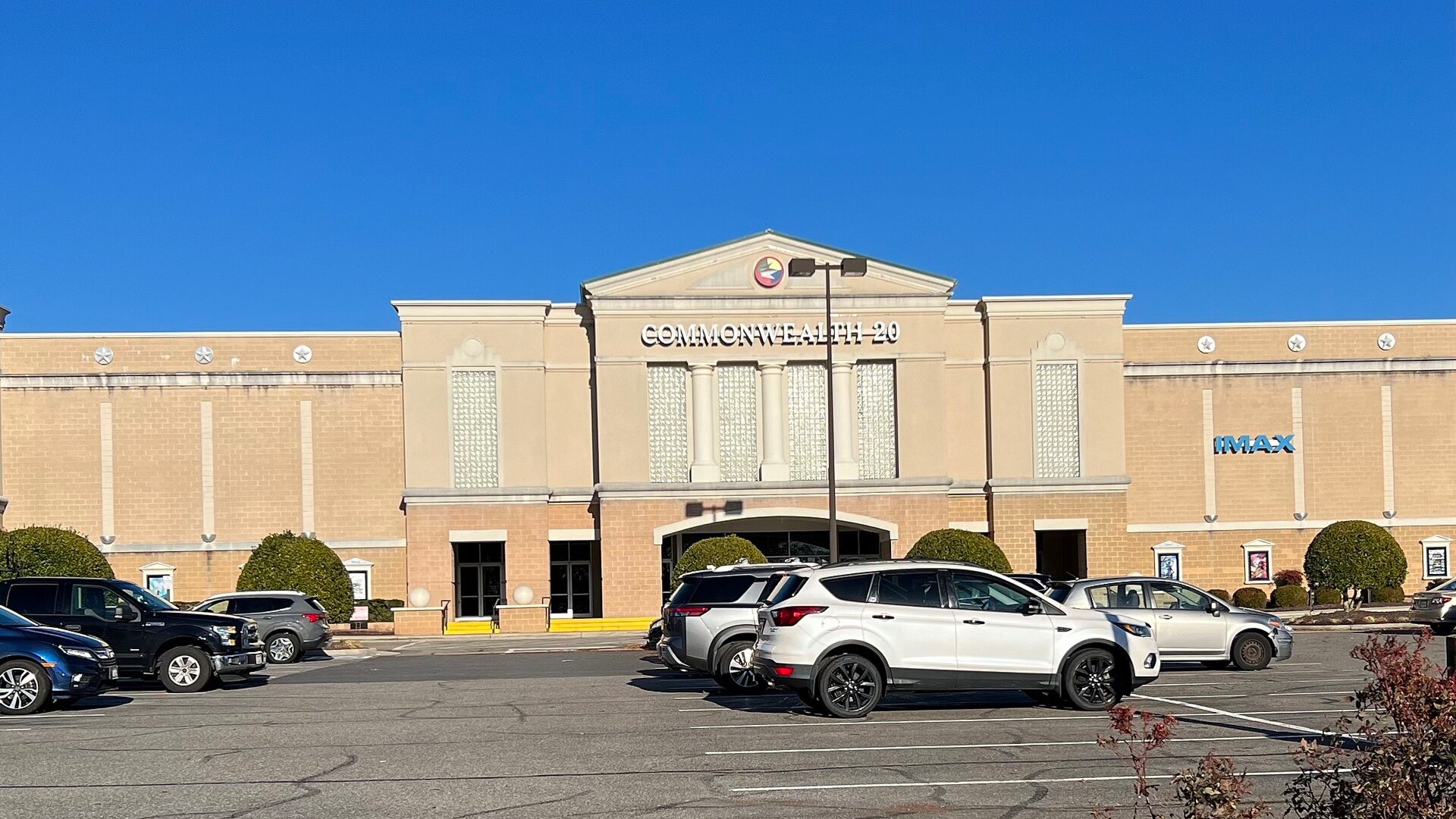
8. Multi-Screen Cineplex Theaters
Multiplex chains like Cineplex Odeon brought multi-screen movie theaters inside regional shopping centers starting in the late 1970s. Shoppers could combine dinner, shopping, and evening blockbuster screenings in one stop, keeping malls active well past retail closing hours.
©Wikimedia / Packer1028
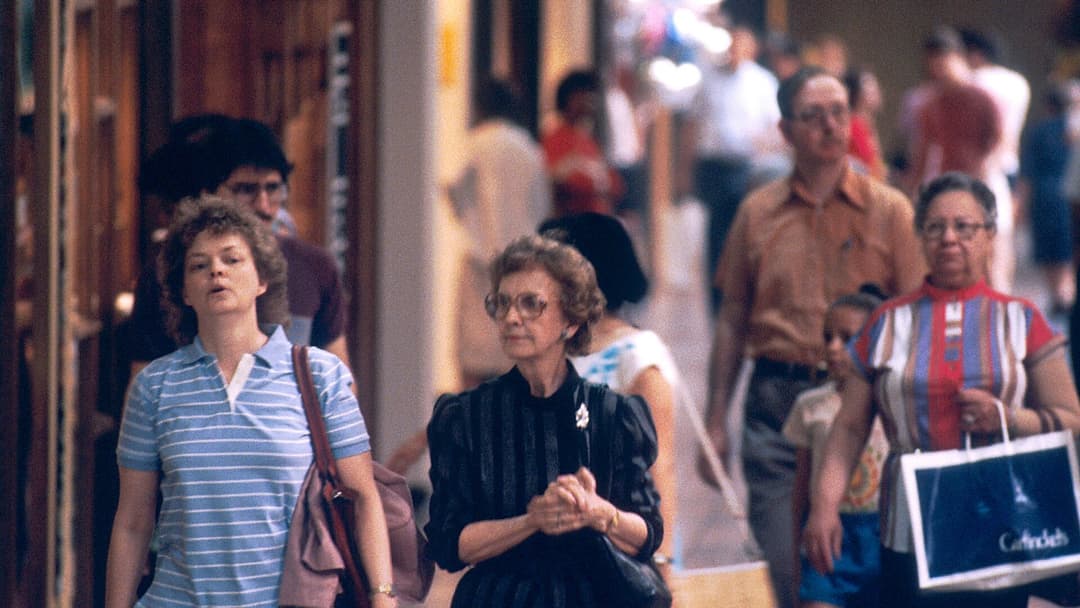
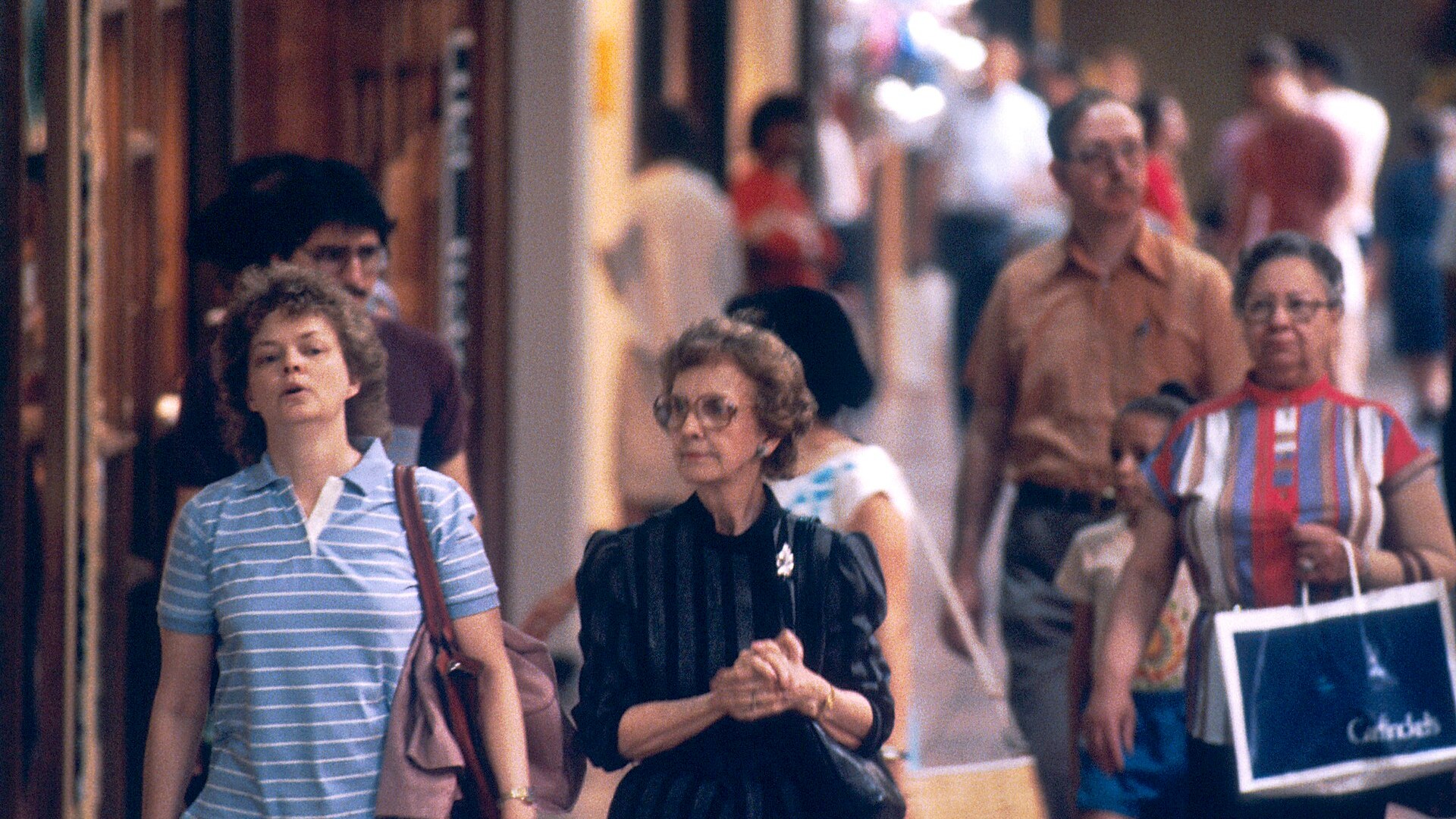
7. Senior Mall Walking Clubs
During the 1980s, older Americans began walking mall concourses before retail hours for exercise. The Centers for Disease Control and Prevention partnered with health systems to formalize mall walking programs, praising the flat, climate-controlled, secure indoor environment.
©Wikimedia / Michael Anderson (Photographer)
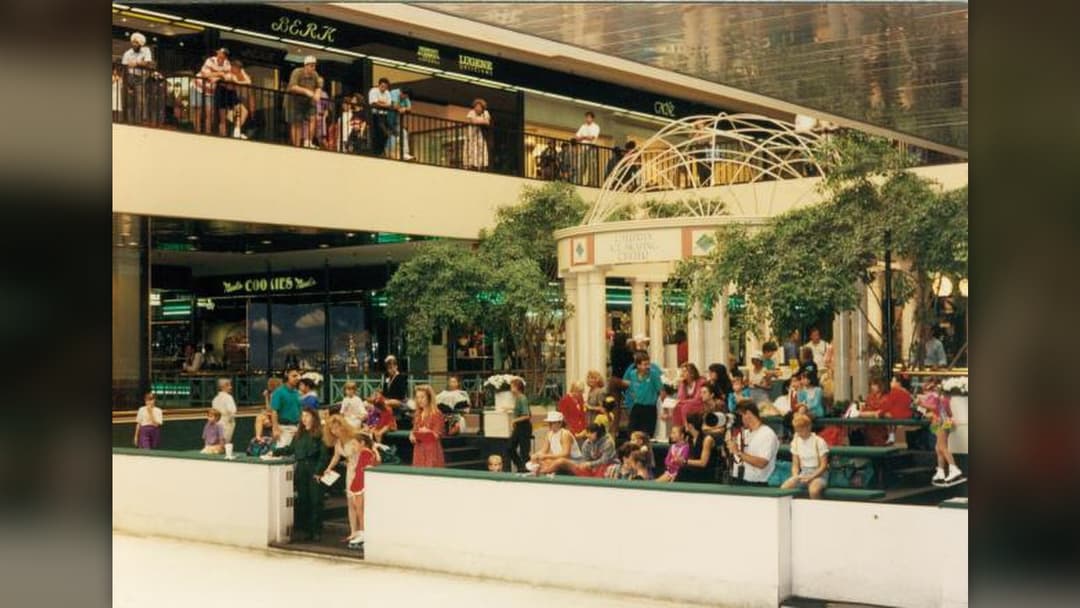
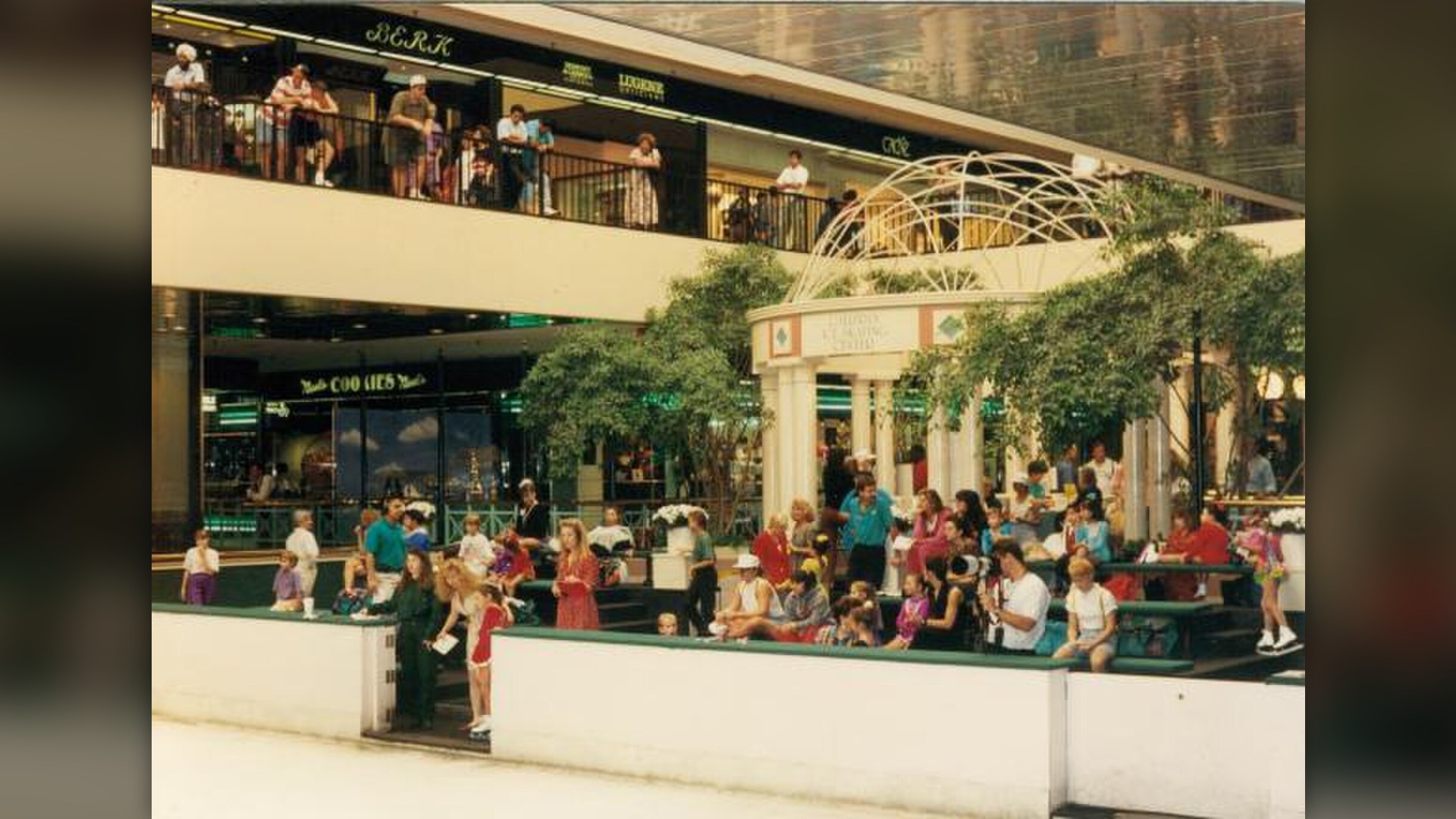
6. Indoor Ice Skating Rinks
Developer Gerald D. Hines introduced the first mall ice rink at the Houston Galleria in Texas on November 16, 1970. Architect Gyo Obata placed the Olympic-sized ice sheet beneath an arched glass vault so spectators on multiple retail levels could watch daily figure skaters.
©Wikimedia / Renji Shino
Advertisement
Swipe or tap ▶ to resume the countdown.
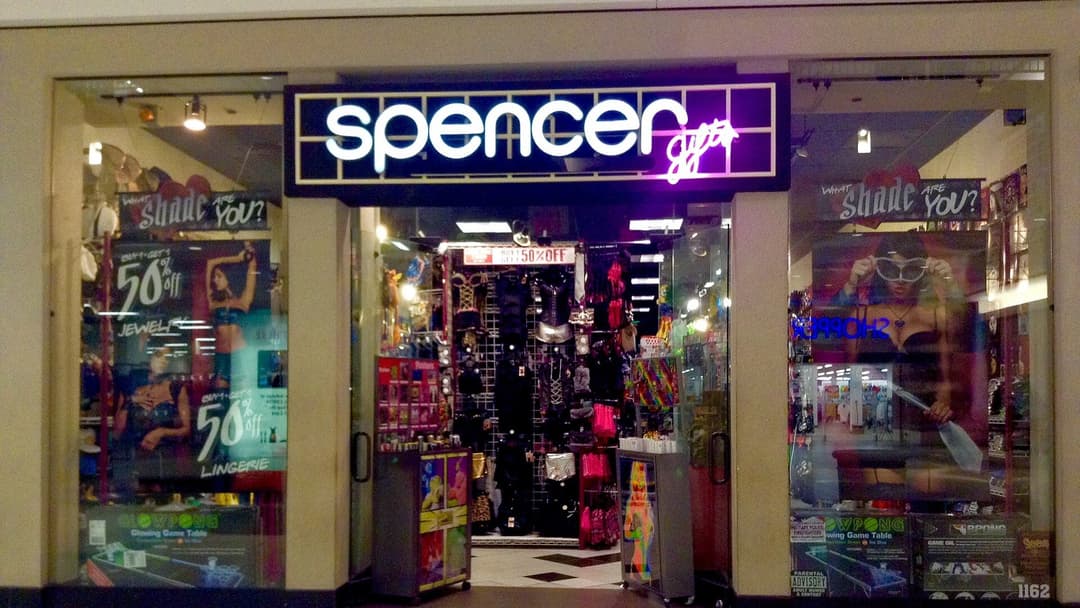
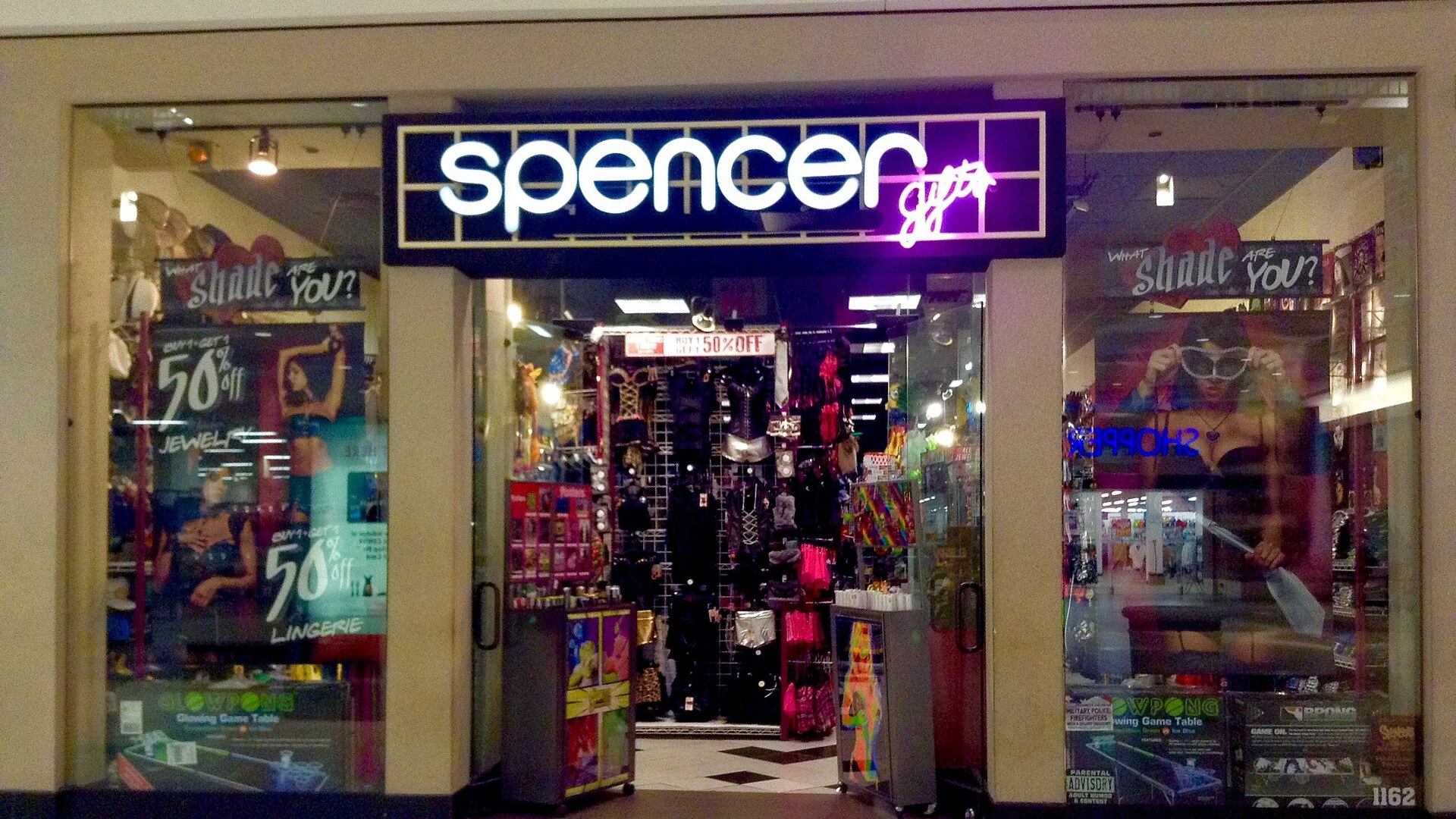
5. Spencer Gifts
Founded by Max Spencer Adler in 1947 as a catalog, Spencer Gifts opened its first mall storefront at New Jersey's Cherry Hill Mall in 1963. The dimly lit stores became a staple destination for teenagers browsing rock music posters, glowing lamps, and novelty humor.
©Wikimedia / Mike Mozart from Funny YouTube, USA
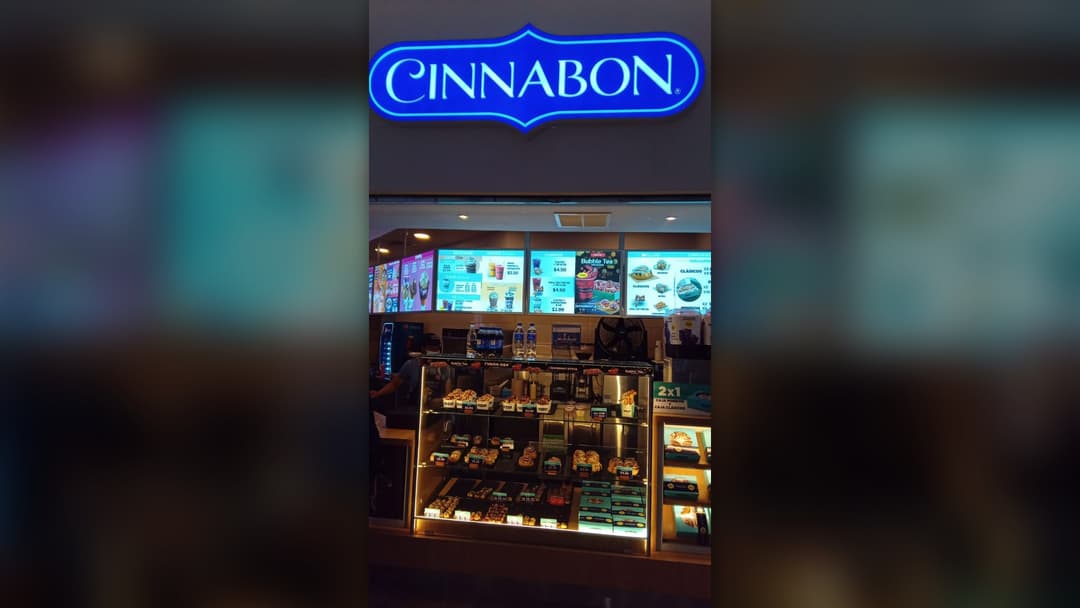
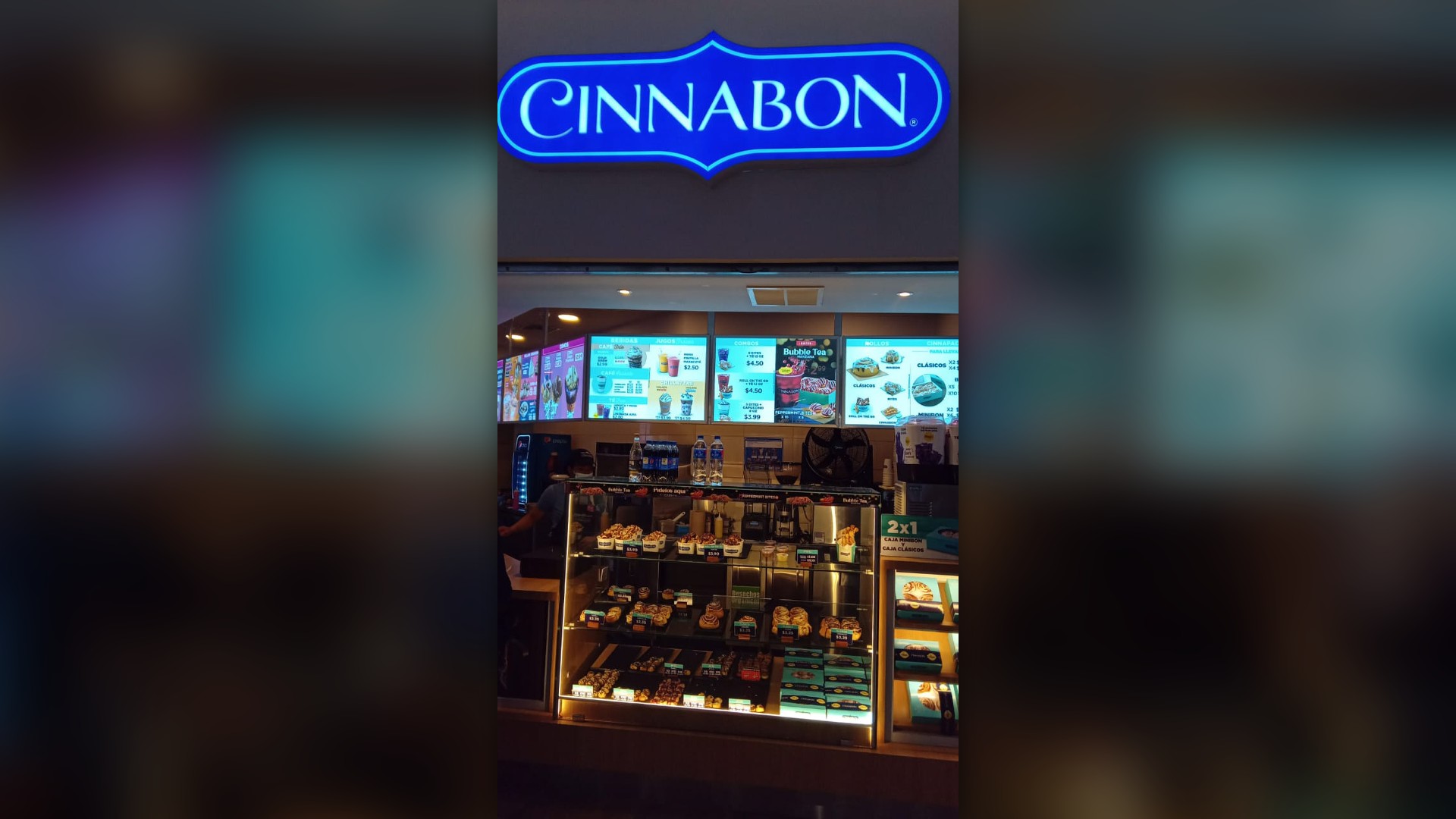
4. Cinnabon And Food Kiosks
Rich Komen and baker Jerilyn Brusseau opened the first Cinnabon bakery at the SeaTac Mall in Washington on December 4, 1985. The open-counter kitchen allowed passing shoppers to watch fresh dough roll out while the scent of Indonesian Makara cinnamon filled the air.
©Wikimedia / 2210777dak
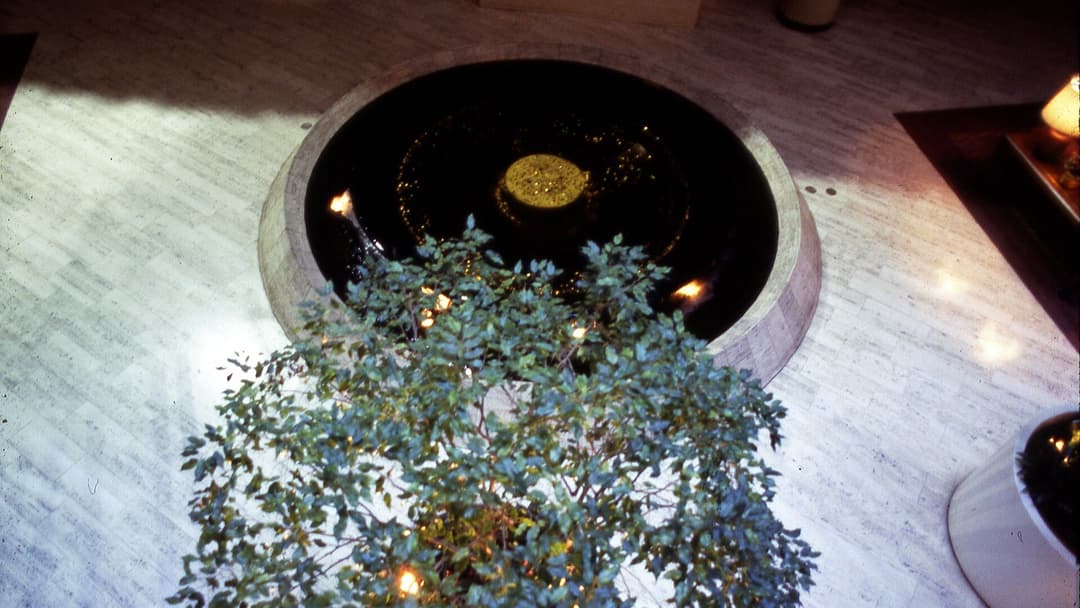
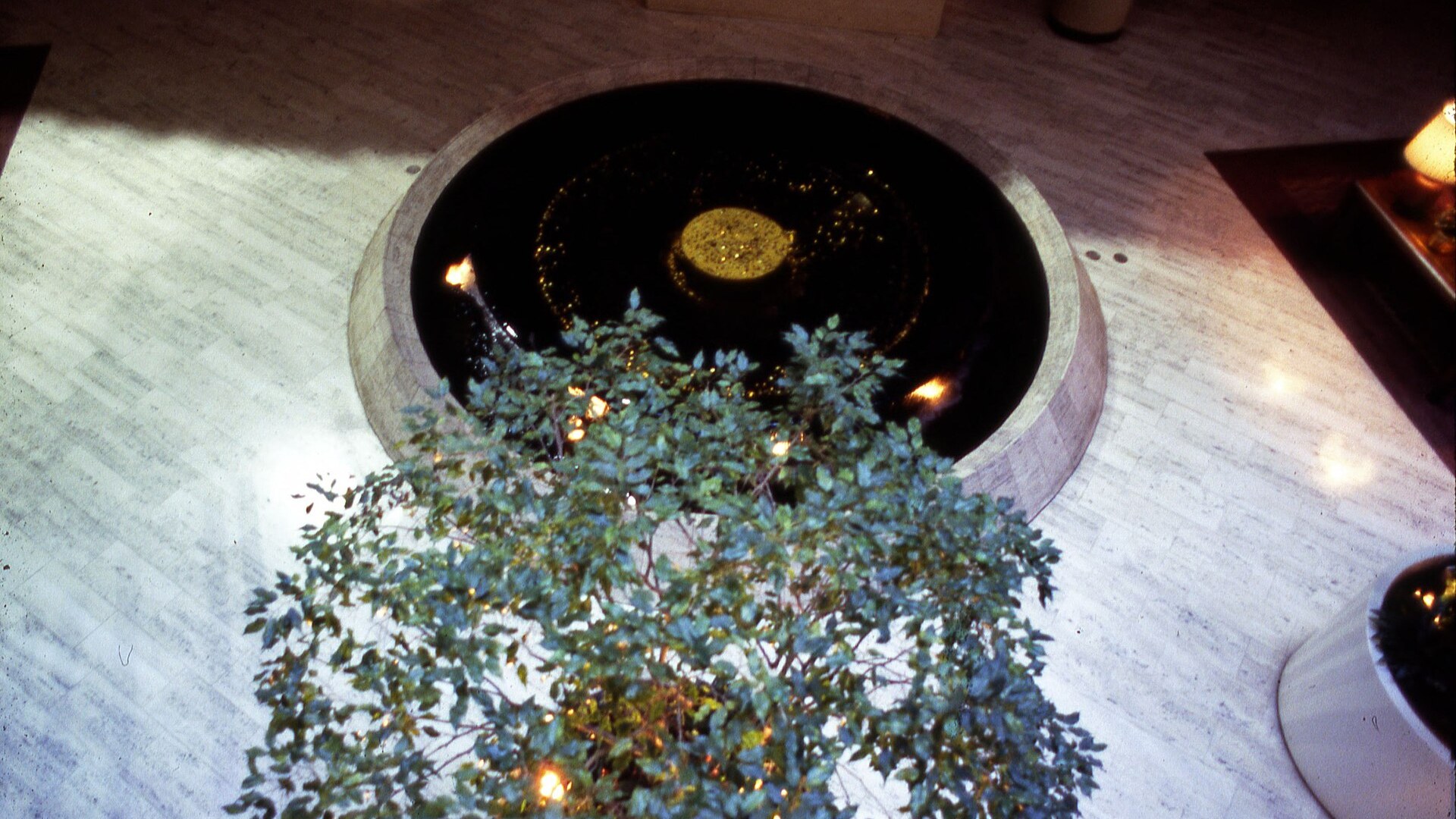
3. Indoor Fountains And Wishing Wells
Pioneering mall architect Victor Gruen placed large decorative fountains at central crossroads to emulate European civic plazas. Millions of shoppers tossed coins into the water basins each year, with mall management donating the gathered currency to regional charities.
©Wikimedia / David E. Lucas
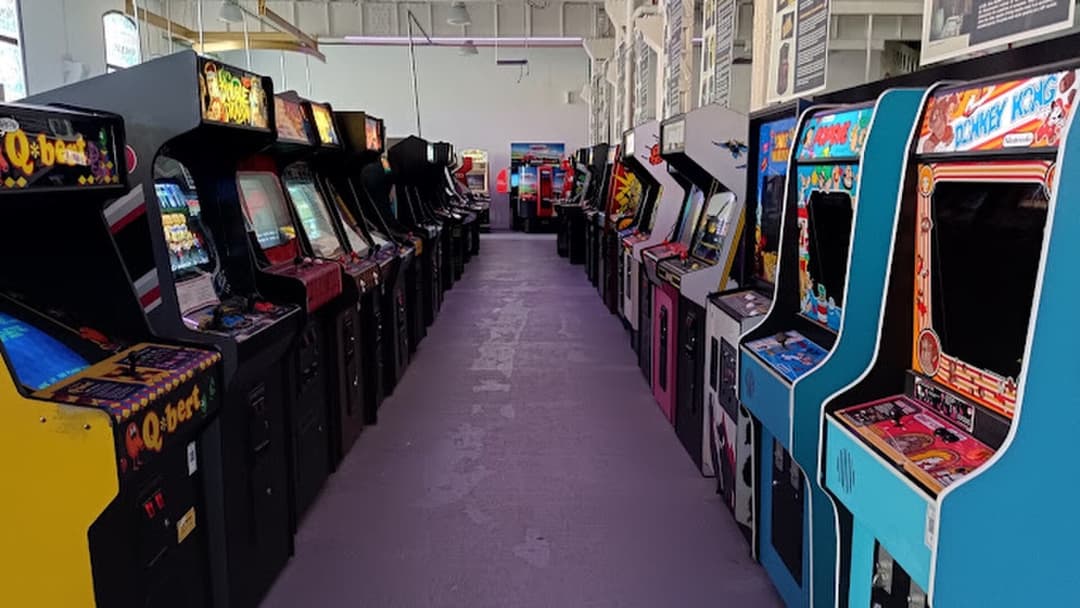
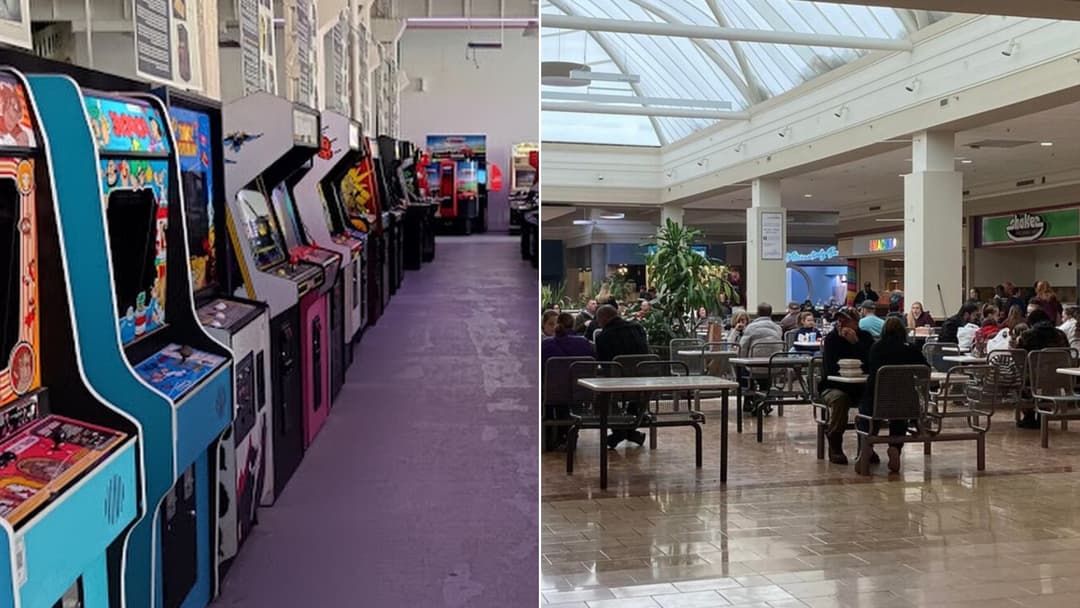
2. Video Arcades
Bally Manufacturing expanded Aladdin's Castle into shopping malls starting in 1974, growing to 450 locations across North America by the mid-1980s. Teenagers spent quarters on Pac-Man and Street Fighter II cabinets while watching rivals compete for high scores.
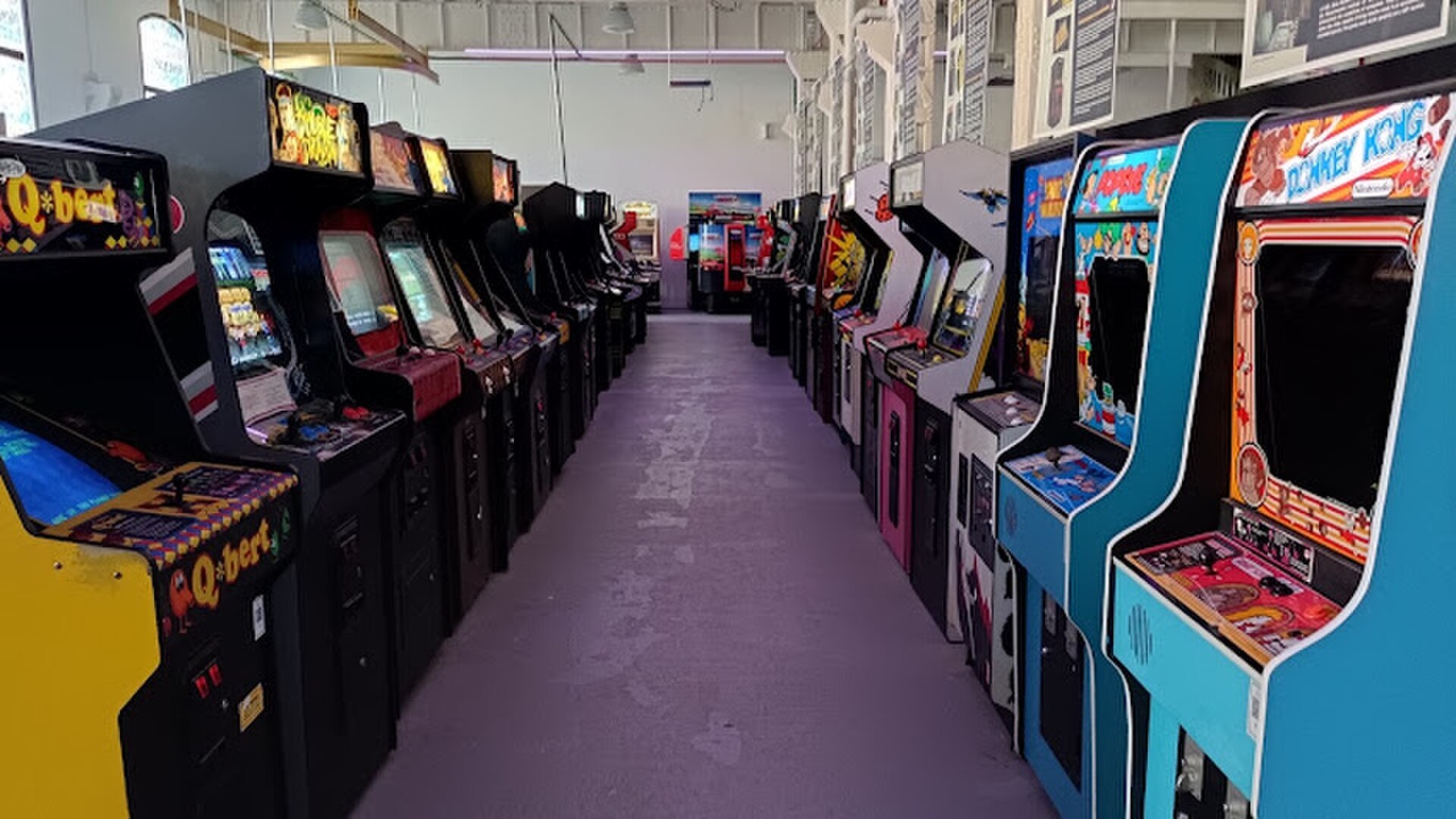
©Wikimedia / Javiertrad
Advertisement
Swipe or tap ▶ to resume the countdown.
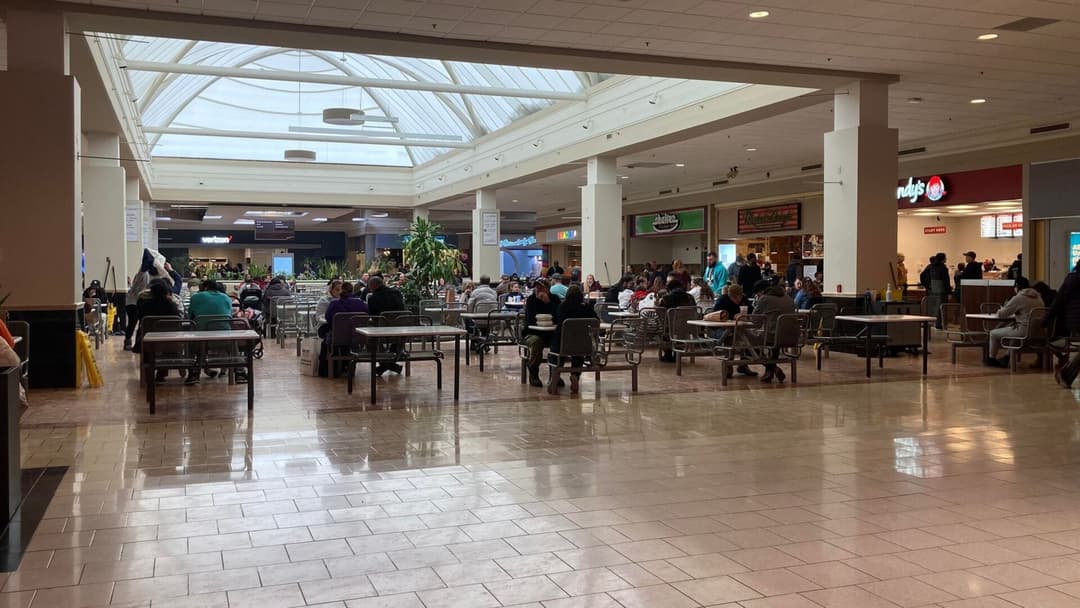
1. The Central Food Court
The modern mall food court debuted in March 1974 at Paramus Park in New Jersey under the name Pic-Nic in the Park. Designed by the Rouse Company, it grouped twenty-two vendors around shared tables so groups could eat varied cuisines together in one open space.
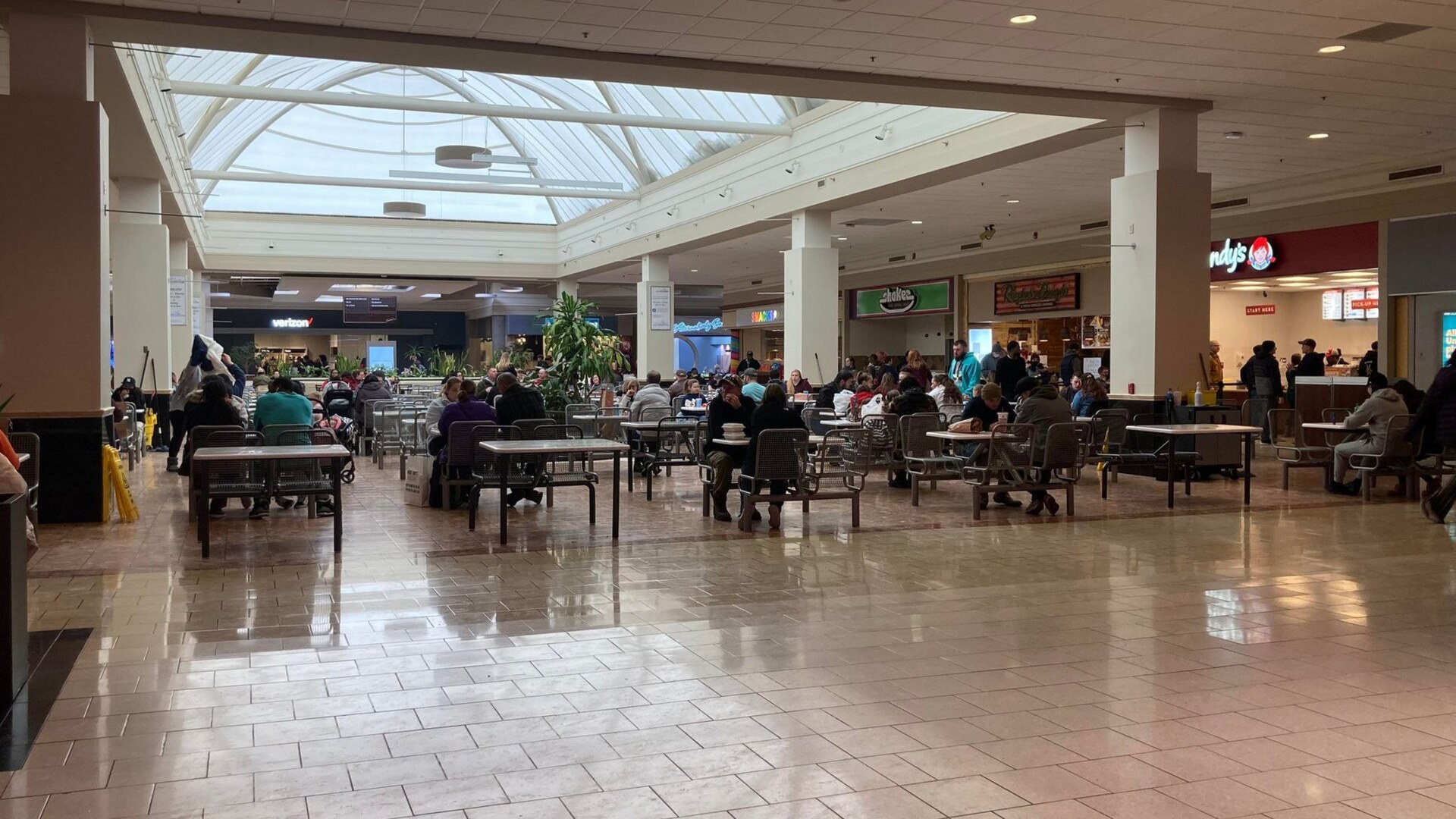
©Wikimedia / Lallint
Advertisement
You've reached the end of the story. Thanks for reading!

25 Valuable Items Americans May Still Have in Their Attics
Old boxes stored in family attics often hold forgotten American heirlooms, vintage toys, and rare domestic goods that fetch high sums at modern auctions. Based on verified sales data from Heritage Auctions, Sotheby's, and the Antiques Roadshow archive, here are twenty-five valuable relics people still keep tucked away.
All 20 Entries in this Story
20. Center Court Holiday Castles
Regional malls transformed central courtyards into winter wonderlands and spring gardens each November and April. Professional photo vendors and costumed performers welcomed millions of families, turning annual holiday portrait sessions into a shared civic tradition across American towns.

19. Kay-Bee Toys
Founded by the Kaufman brothers, Kay-Bee Toys operated over one thousand mall-based toy stores across the United States at its peak in the 1990s. Entrances featured waist-high display bins where mechanical puppies barked and wind-up cars rolled, pulling children and families inside.

18. Glass Atriums And Skylights
Mall developers incorporated soaring barrel-vaulted glass skylights and panoramic glass elevators inspired by architect John Portman. The bright, climate-controlled interiors sheltered visitors from winter chill and summer heat while preserving the feel of an open-air city promenade.

17. Chemical Strip Photo Booths
Photome and Auto-Photo booths positioned outside arcades and movie theaters gave friends an intimate space to pose behind black curtains. The automated chemical machines developed black-and-white or color photo strips in minutes, giving shoppers portable keepsakes from their afternoon.

16. Sunken Conversation Pits
Architects in the 1960s and 1970s built stepped, carpeted conversation pits in central mall corridors to encourage informal public gatherings. Surrounded by planters and low brick walls, these sunken seating areas gave shoppers a relaxed, open space to rest between store visits.

15. Sbarro And Slices By The Slice
Gennaro and Carmela Sbarro opened their first mall Italian eatery at the Kings Plaza Shopping Center in Brooklyn in 1970. The family chain expanded across hundreds of shopping malls, serving colossal New York style pizza slices, stuffed calzones, and pasta bowls to hungry visitors.

14. Sam Goody And Record Stores
Operating under the Musicland Group, Sam Goody ran hundreds of mall stores where music fans bought vinyl records, cassette tapes, and compact discs. Shoppers gathered around interactive headphone listening posts to preview top Billboard tracks before purchasing albums.

13. Claire's Accessories
Chicago businessman Rowland Schaefer expanded Claire's into a mall accessory powerhouse with thousands of retail storefronts by the 1980s. The chain performed over one hundred million ear piercings, making a visit to the storefront a generational rite of passage for young shoppers.

12. Orange Julius Stands
Started by Julius Freed in Los Angeles in 1926, Orange Julius became a fixture of suburban mall food courts through the 1970s and 1980s. The signature blended beverage combined orange juice, milk, sweetener, and egg powder into a creamy, frothy treat popular with afternoon crowds.

11. Waldenbooks And B. Dalton
Under chief executive Harry Hoffman, Waldenbooks expanded from 500 locations in 1979 to nearly 1,300 mall stores across all fifty states. Readers gathered in the aisles to browse paperback releases, comic collections, and specialty magazines before heading to nearby mall cafes.

10. Glamour Shots Studios
Founded by Jack Counts Jr. in Texas in October 1988, Glamour Shots expanded to roughly 350 mall locations nationwide by the mid-1990s. Customers received professional hair blowouts, studio makeup, and sequined wardrobe accessories before posing under soft-focus photography lights.

9. The Sharper Image
Attorney Richard Thalheimer founded The Sharper Image in 1977 and expanded the retail chain into upscale malls, operating nearly two hundred stores by the 1990s. Visitors routinely lined up to test high-end electronic massage chairs, motorized gadgets, and futuristic electronics.

8. Multi-Screen Cineplex Theaters
Multiplex chains like Cineplex Odeon brought multi-screen movie theaters inside regional shopping centers starting in the late 1970s. Shoppers could combine dinner, shopping, and evening blockbuster screenings in one stop, keeping malls active well past retail closing hours.

7. Senior Mall Walking Clubs
During the 1980s, older Americans began walking mall concourses before retail hours for exercise. The Centers for Disease Control and Prevention partnered with health systems to formalize mall walking programs, praising the flat, climate-controlled, secure indoor environment.

6. Indoor Ice Skating Rinks
Developer Gerald D. Hines introduced the first mall ice rink at the Houston Galleria in Texas on November 16, 1970. Architect Gyo Obata placed the Olympic-sized ice sheet beneath an arched glass vault so spectators on multiple retail levels could watch daily figure skaters.

5. Spencer Gifts
Founded by Max Spencer Adler in 1947 as a catalog, Spencer Gifts opened its first mall storefront at New Jersey's Cherry Hill Mall in 1963. The dimly lit stores became a staple destination for teenagers browsing rock music posters, glowing lamps, and novelty humor.

4. Cinnabon And Food Kiosks
Rich Komen and baker Jerilyn Brusseau opened the first Cinnabon bakery at the SeaTac Mall in Washington on December 4, 1985. The open-counter kitchen allowed passing shoppers to watch fresh dough roll out while the scent of Indonesian Makara cinnamon filled the air.

3. Indoor Fountains And Wishing Wells
Pioneering mall architect Victor Gruen placed large decorative fountains at central crossroads to emulate European civic plazas. Millions of shoppers tossed coins into the water basins each year, with mall management donating the gathered currency to regional charities.

2. Video Arcades
Bally Manufacturing expanded Aladdin's Castle into shopping malls starting in 1974, growing to 450 locations across North America by the mid-1980s. Teenagers spent quarters on Pac-Man and Street Fighter II cabinets while watching rivals compete for high scores.

1. The Central Food Court
The modern mall food court debuted in March 1974 at Paramus Park in New Jersey under the name Pic-Nic in the Park. Designed by the Rouse Company, it grouped twenty-two vendors around shared tables so groups could eat varied cuisines together in one open space.