Slideshow · Lifestyle
20 Simple Ways to Stay Warm at Home This Winter, Ranked
How Americans stay warm in freezing winters.
By Most Viral Today
15 min ago

Best Ways Americans Keep Warm 
20. Cold-Climate Heat Pumps 
19. High-Efficiency Gas Furnaces 
18. Ductwork Sealing And Wrap - AdvertisementSwipe or tap ▶ to continue countdown

17. Radiant In-Floor Heating 
16. Attic Blown-In Insulation 
15. Smart Wi-Fi Thermostats 
14. Hydronic Baseboard Heaters - AdvertisementSwipe or tap ▶ to continue countdown

13. Outlet And Switch Insulation 
12. Furnace Filter Replacement 
11. Caulk And Weatherstripping 
10. Heated Electric Blankets - AdvertisementSwipe or tap ▶ to continue countdown

9. Ceramic Space Heaters 
8. Fireplace Damper Plugs 
7. Radiator Heat Reflectors 
6. Area Rugs On Hardwood Floors - AdvertisementSwipe or tap ▶ to continue countdown

5. Magnetic Vent Covers 
4. Window Insulation Film 
3. Door Draft Stoppers 
2. Heavy Thermal Curtains - AdvertisementSwipe or tap ▶ to continue countdown

1. Reverse Ceiling Fan Direction - Advertisement🔥 UP NEXT IN THIS SERIES◫ 21 Slides

20 Classic Holiday Dinner Side Dishes Ranked by Calories
Planning a festive holiday feast requires balancing rich traditions with nutritional awareness. From decadent baked macaroni and creamy potato gratins down to crisp roasted vegetables and savory broths, holiday dinner side dishes vary wildly in energy density. Here is a definitive calorie ranking of holiday sides.
Based on home heating analysis and efficiency reports from Energy Star and the U.S. Department of Energy. Proper sealing, routine furnace maintenance, and modern heat pumps keep household temperatures stable while reducing overall utility bills throughout harsh winter seasons.
Swipe or tap ▶ to begin the countdown
©Pixabay / OleksandrPidvalnyi
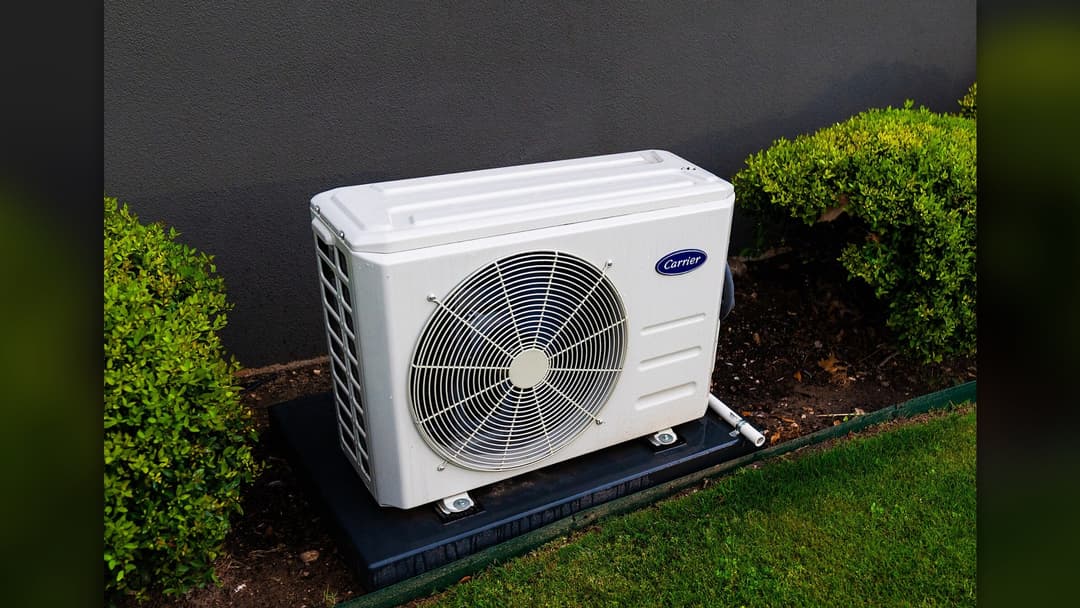
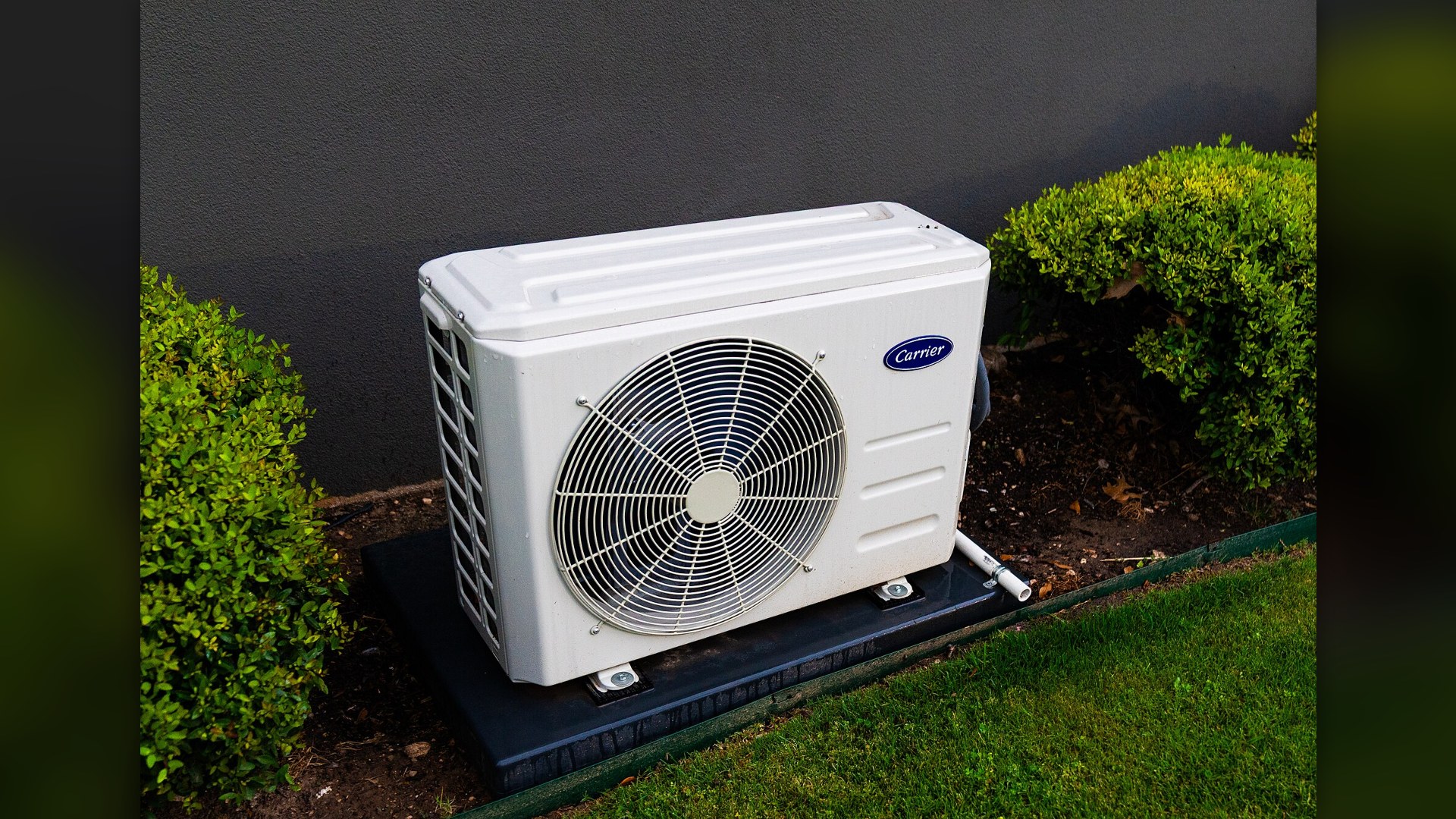
20. Cold-Climate Heat Pumps
Modern inverter-driven cold-climate heat pumps efficiently extract warmth from outdoor air even in temperatures down to fifteen degrees below zero. These all-electric systems provide top-tier energy efficiency and reliable warmth throughout harsh winters.
©Wikimedia / Tony Webster
19. High-Efficiency Gas Furnaces
Modern condensing natural gas furnaces achieve annual fuel utilization efficiency ratings exceeding ninety-six percent. Two-stage gas valves and variable-speed blower fans maintain constant indoor comfort while wasting virtually no fuel through the chimney.

©Pixabay / Tama66
18. Ductwork Sealing And Wrap
Unsealed HVAC ducts in unconditioned crawlspaces and attics lose up to twenty percent of heated air before reaching living rooms. Sealing joints with mastic paste and wrapping ducts in foil insulation ensures every BTU reaches family living areas.

©Pixabay / jennilauri
Advertisement
Swipe or tap ▶ to resume the countdown.
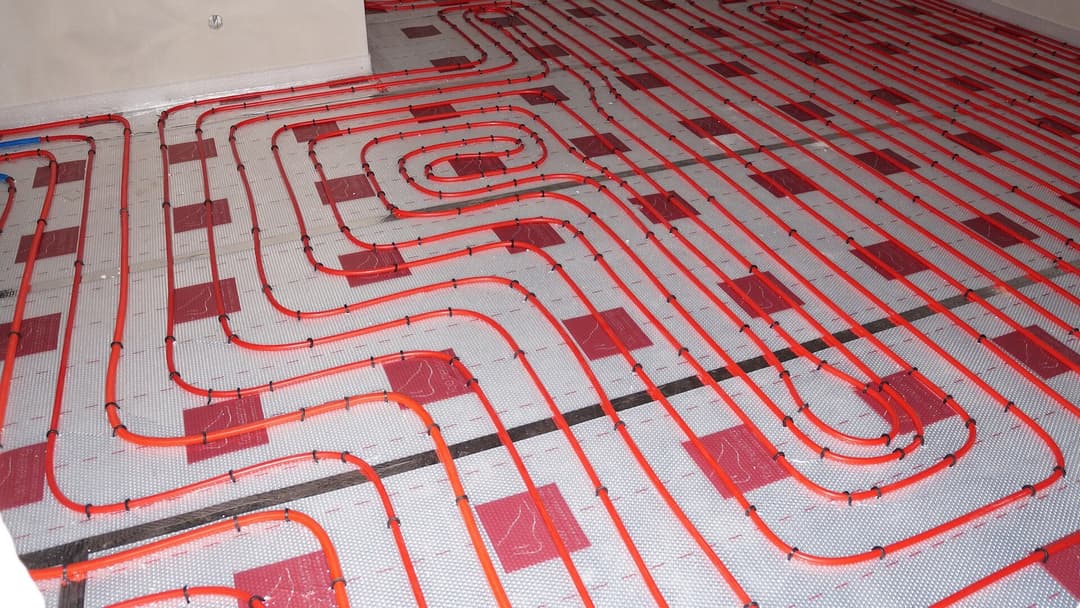
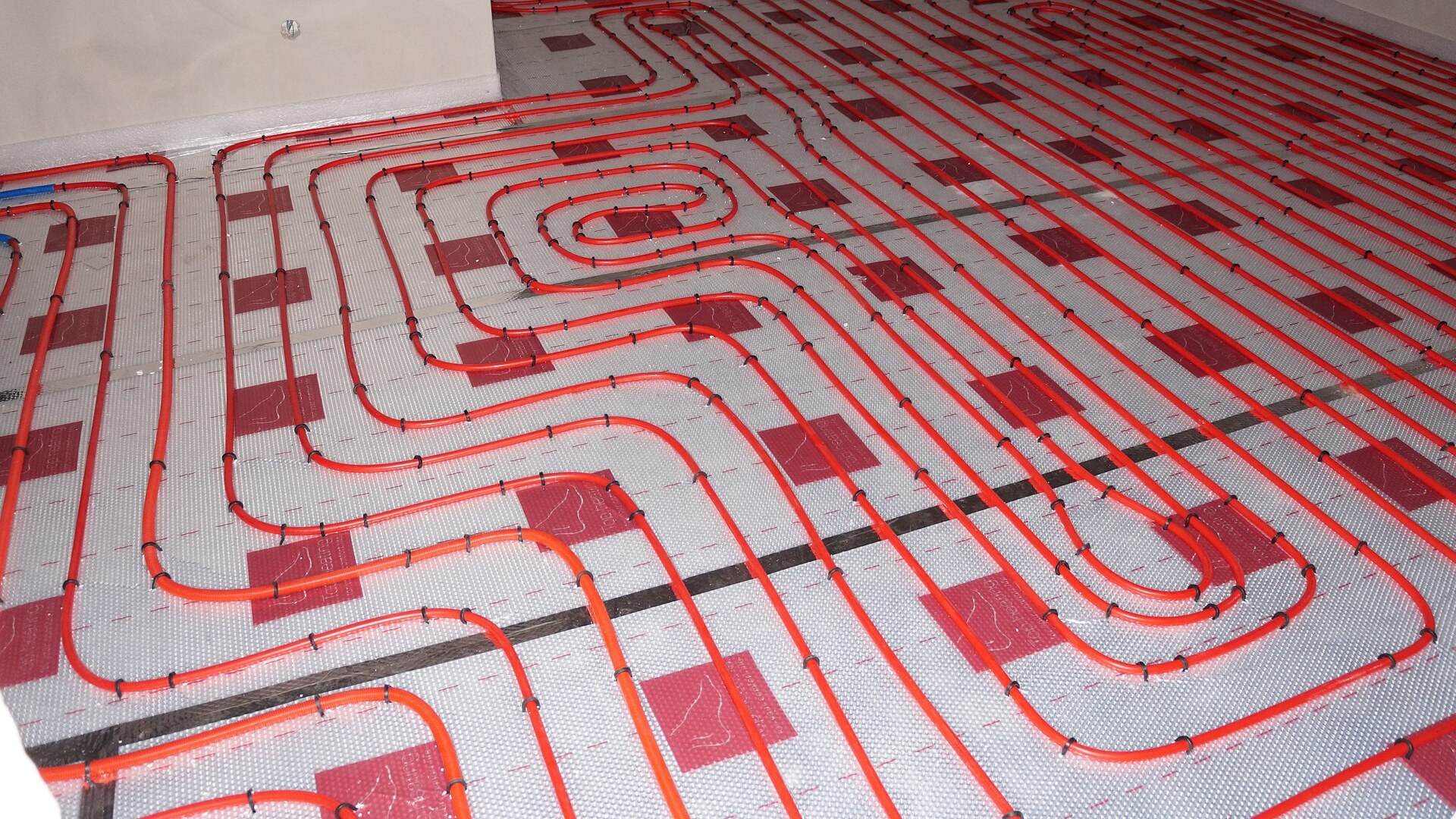
17. Radiant In-Floor Heating
Radiant floor heating systems pump warm water through subfloor tubing or use electric mats to radiate heat upward into living spaces. Because heat rises from feet to head, rooms feel exceptionally cozy at slightly lower overall thermostat settings.
©Wikimedia / Kiwiev
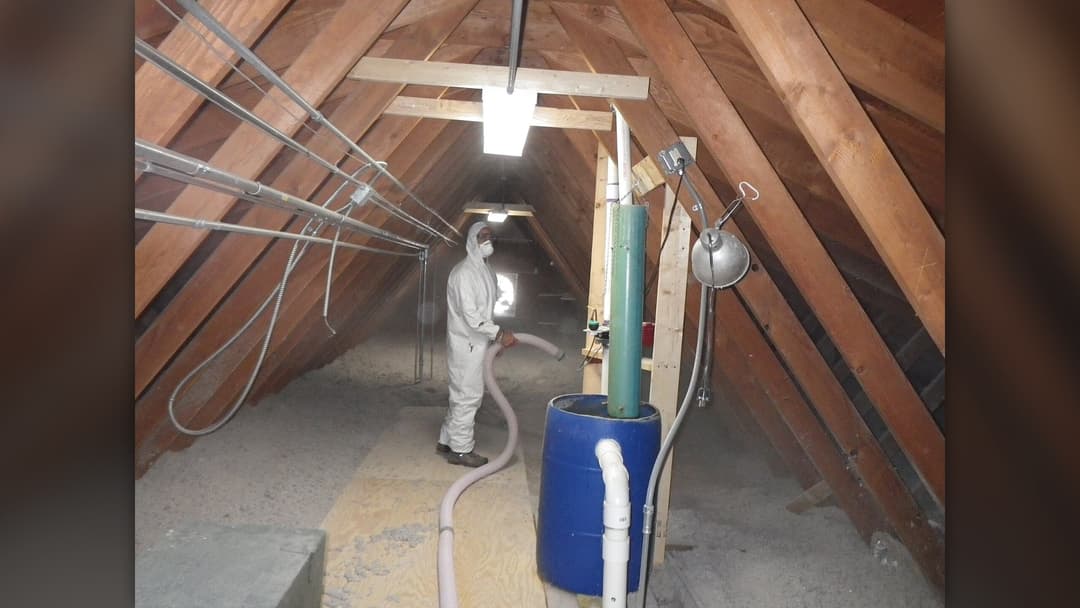
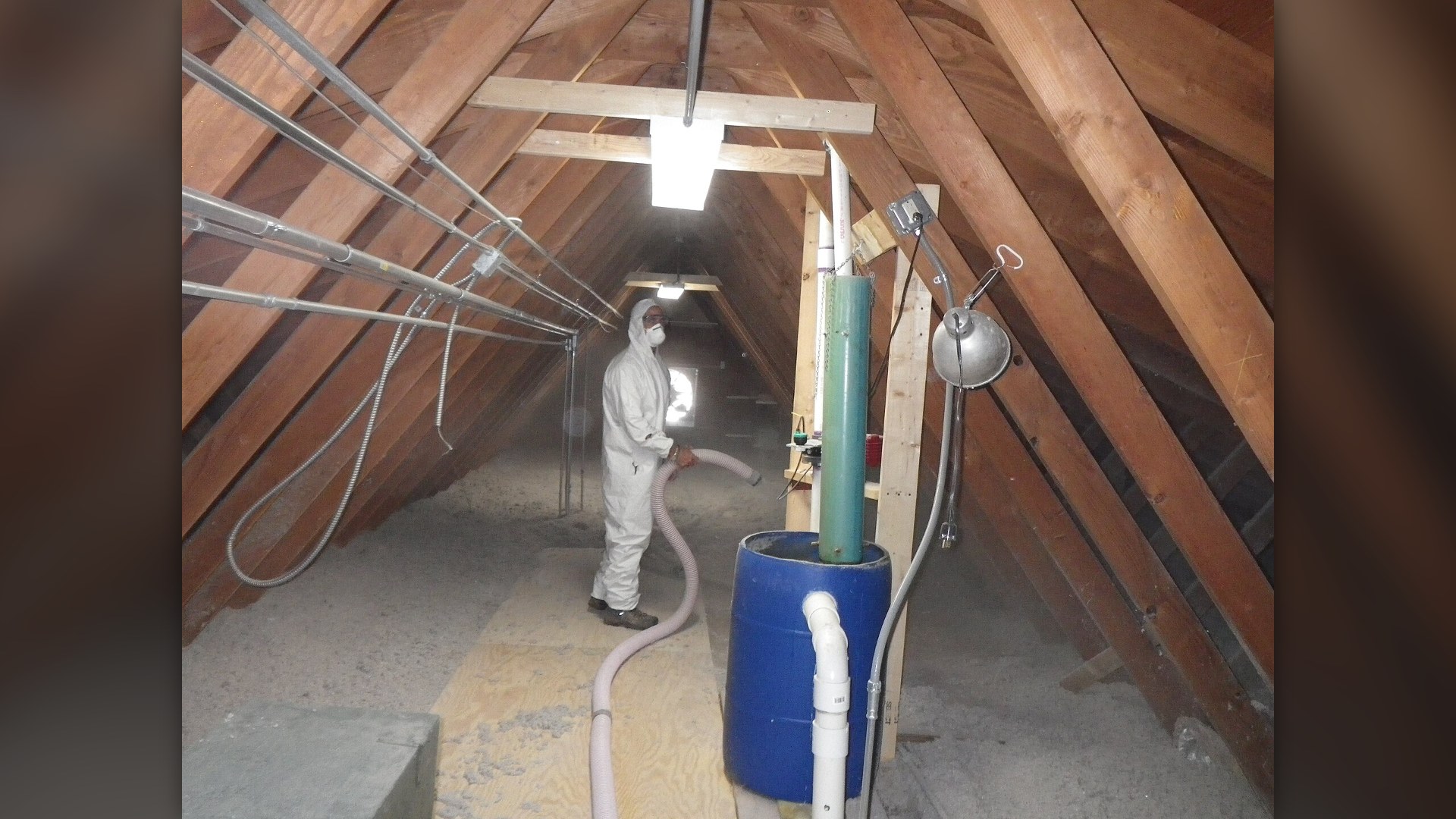
16. Attic Blown-In Insulation
Adding cellulose or fiberglass blown-in insulation to attics prevents rising warm indoor air from leaking out through roofs. Bringing attic thermal protection to modern recommended levels dramatically cuts heating runtime during sub-zero cold spells.
©Wikimedia / USFWS Mountain Prairie
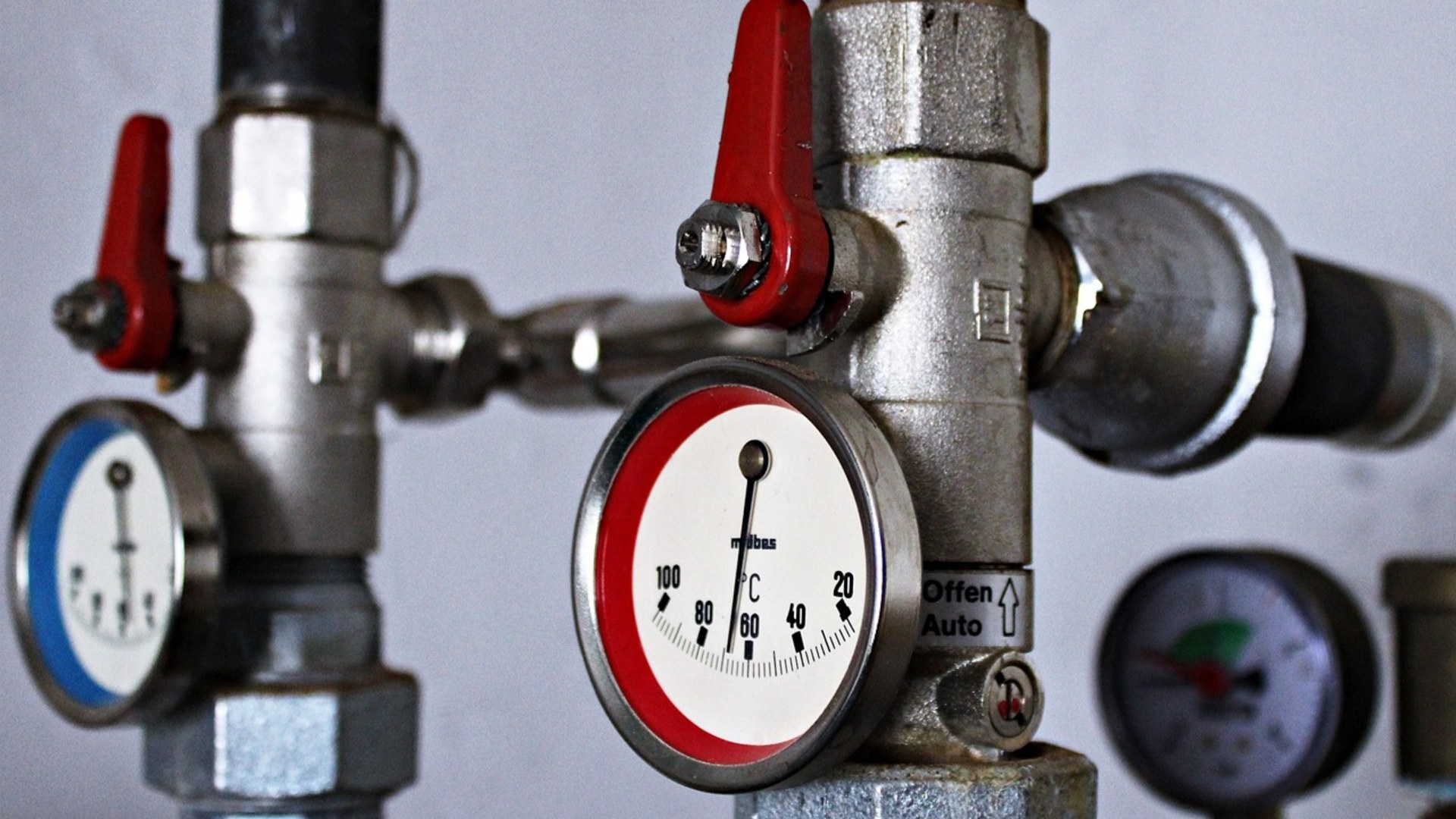
15. Smart Wi-Fi Thermostats
Smart thermostats automatically lower home temperatures during work hours and sleep cycles, ramping up warmth just before residents return. Digital temperature adjustments reduce winter heating expenses by up to twelve percent over the cold season.
©Pixabay / avantrend
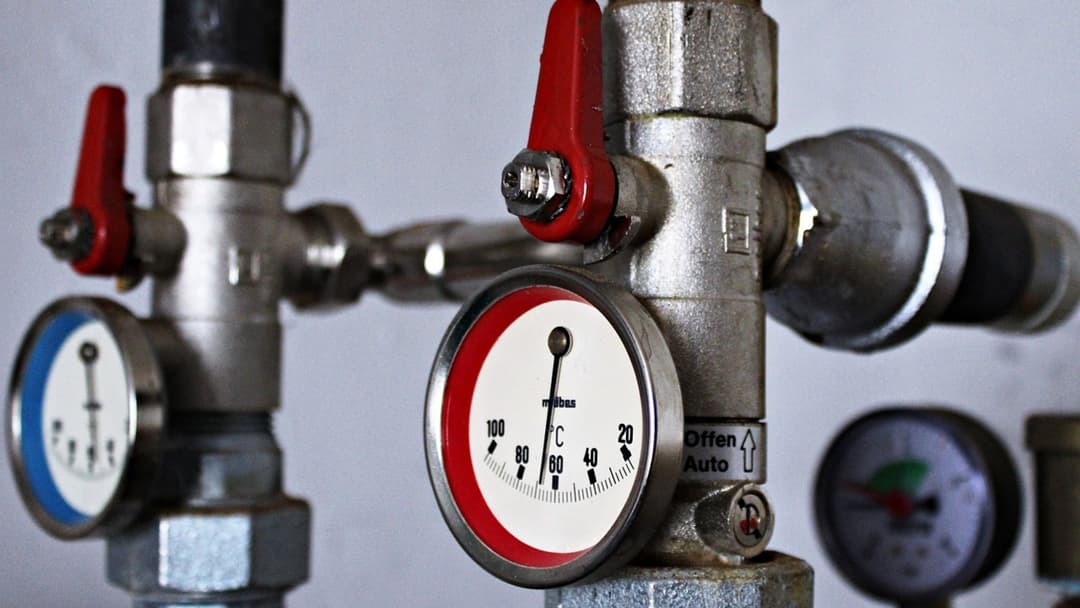
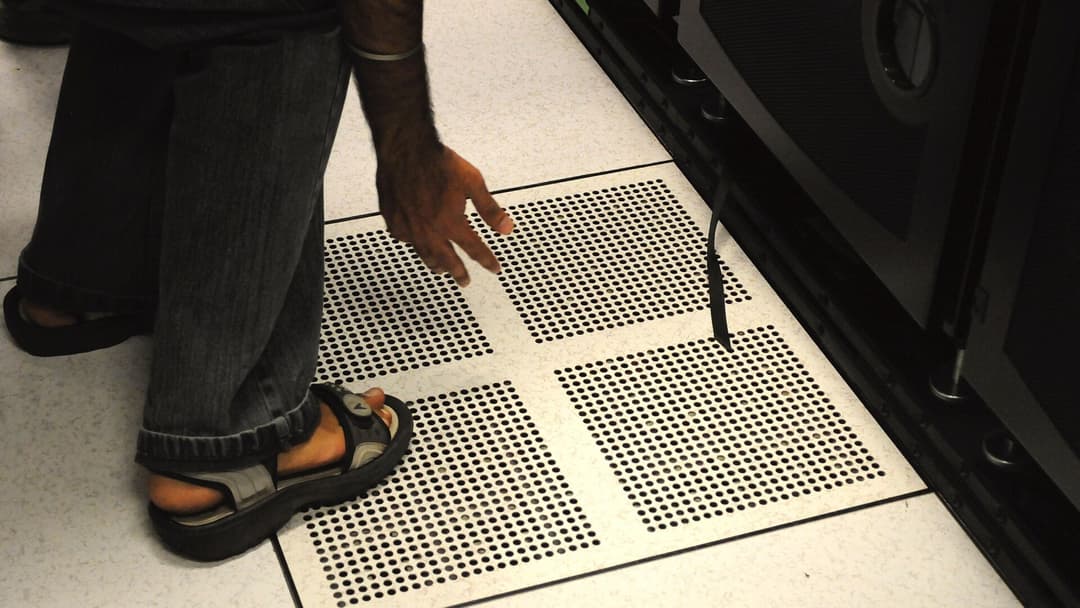
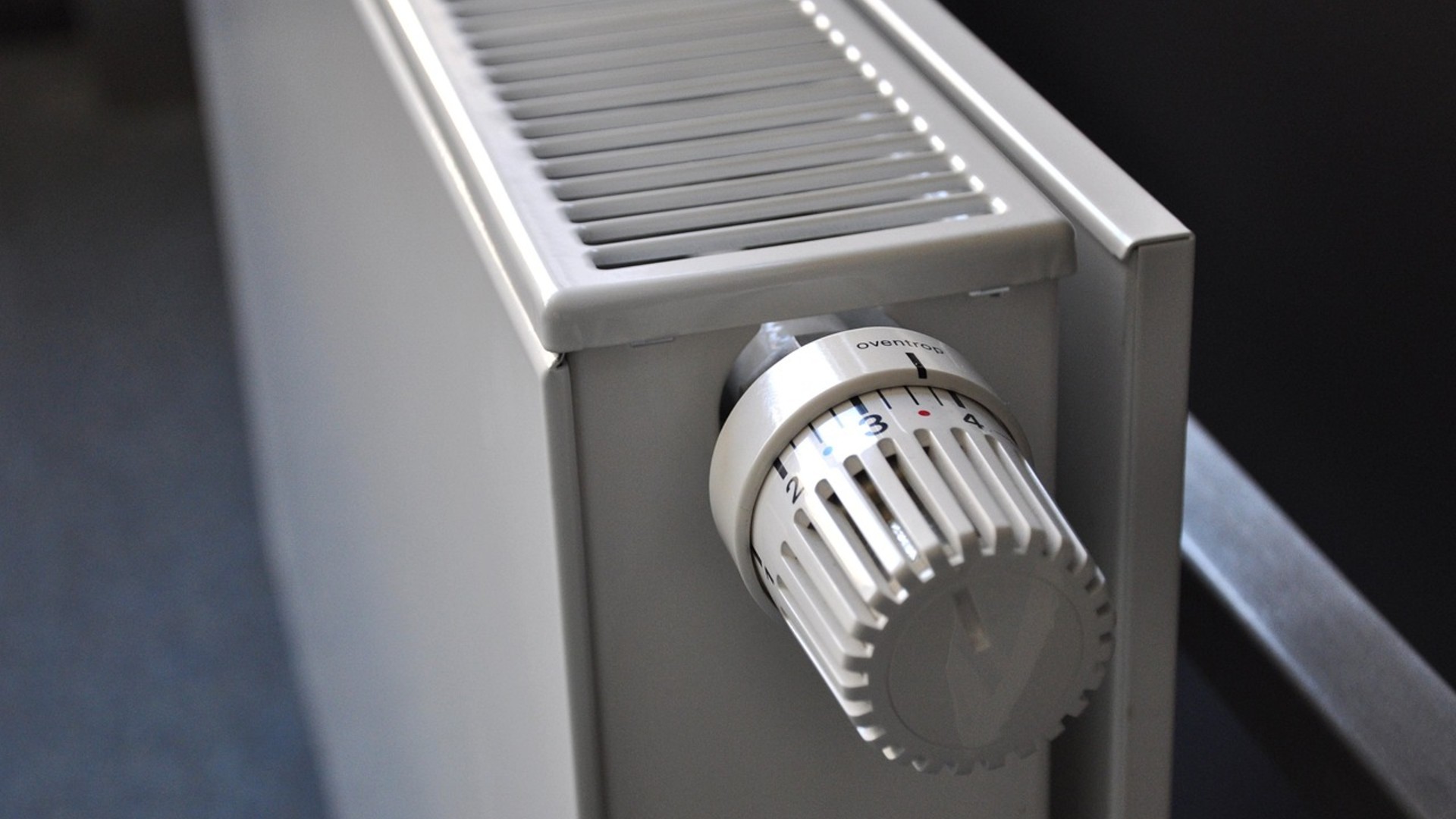
14. Hydronic Baseboard Heaters
Hydronic baseboard heating circulates boiler-heated water through finned copper pipes to create silent, draft-free convective warmth. These units provide gentle, persistent heat along floor perimeters, preventing cold air from pooling in living rooms.
©Pixabay / ri
Advertisement
Swipe or tap ▶ to resume the countdown.
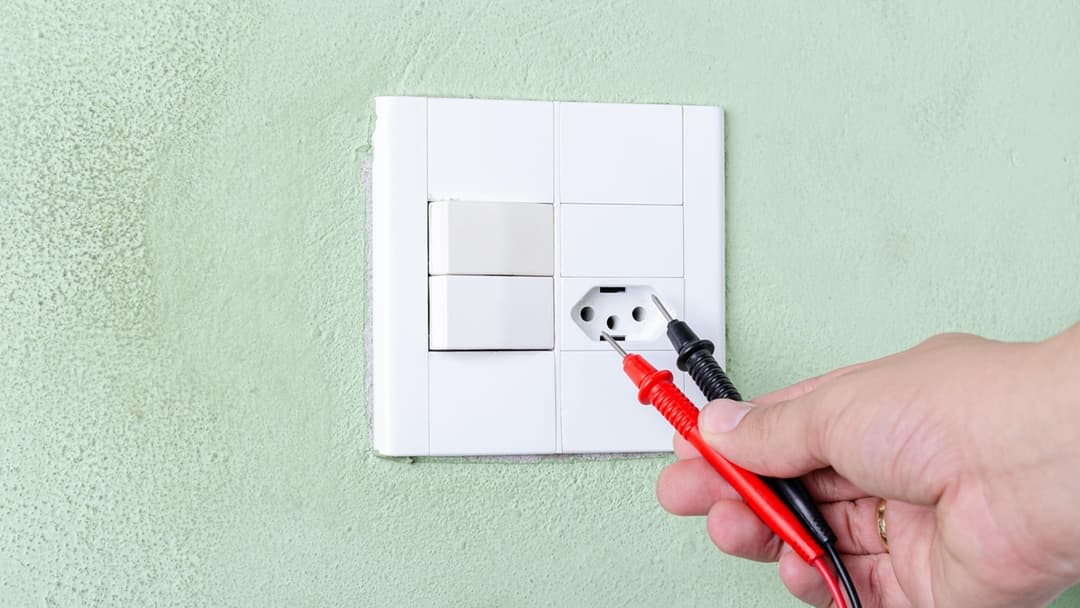
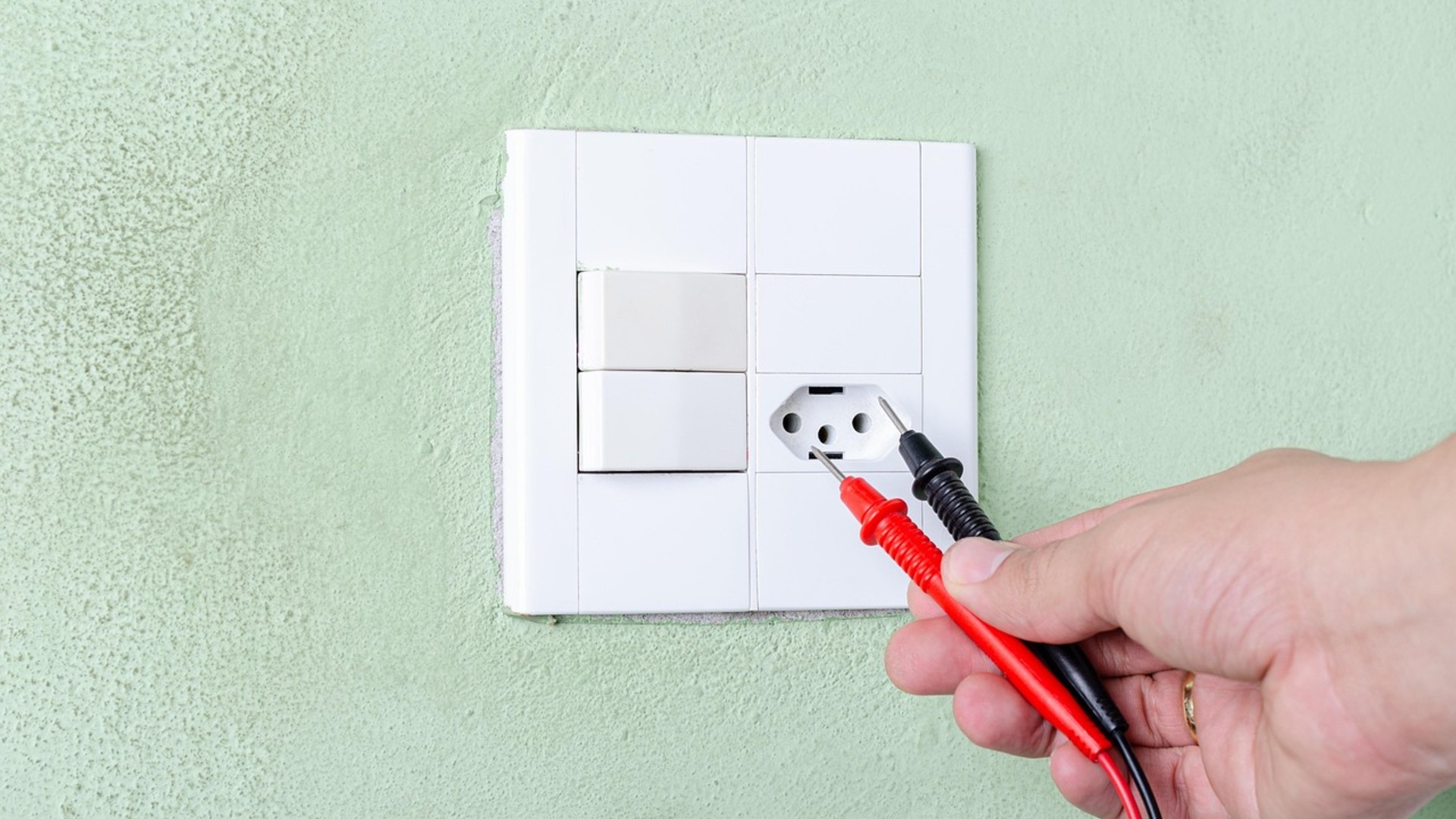
13. Outlet And Switch Insulation
Electrical switch plates and wall outlets on exterior walls often leak cold air straight into living spaces. Installing precut foam insulation gaskets behind switch faceplates seals hidden drywall penetrations and keeps wall cavities completely draft-free.
©Pixabay / rodrigokrz
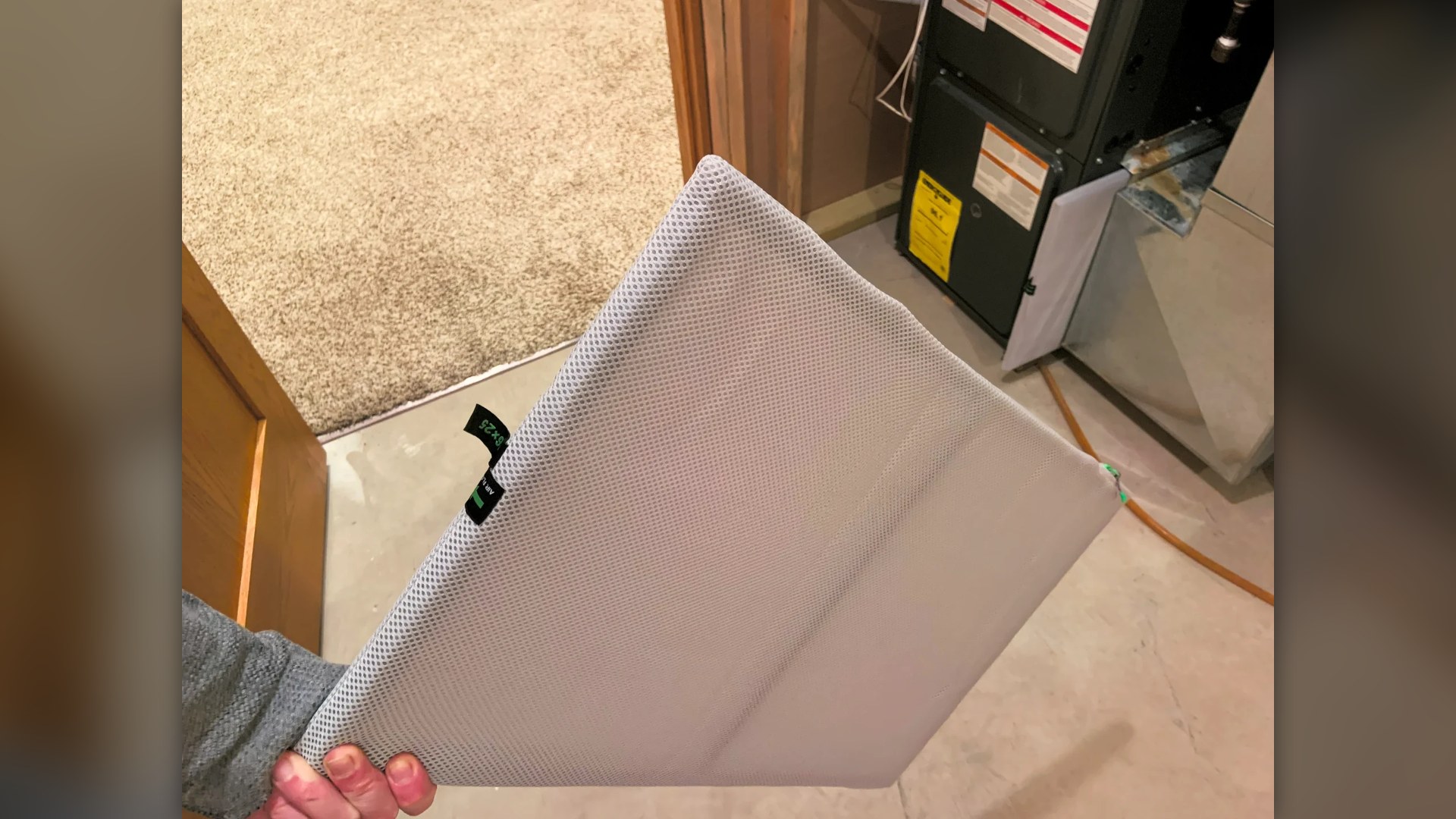
12. Furnace Filter Replacement
Clean furnace filters allow central blowers to push warm air freely throughout duct networks without straining heating motors. Replacing clogged filters monthly during peak winter keeps equipment running smoothly and lowers overall fuel consumption.
©Wikimedia / Wikideas1
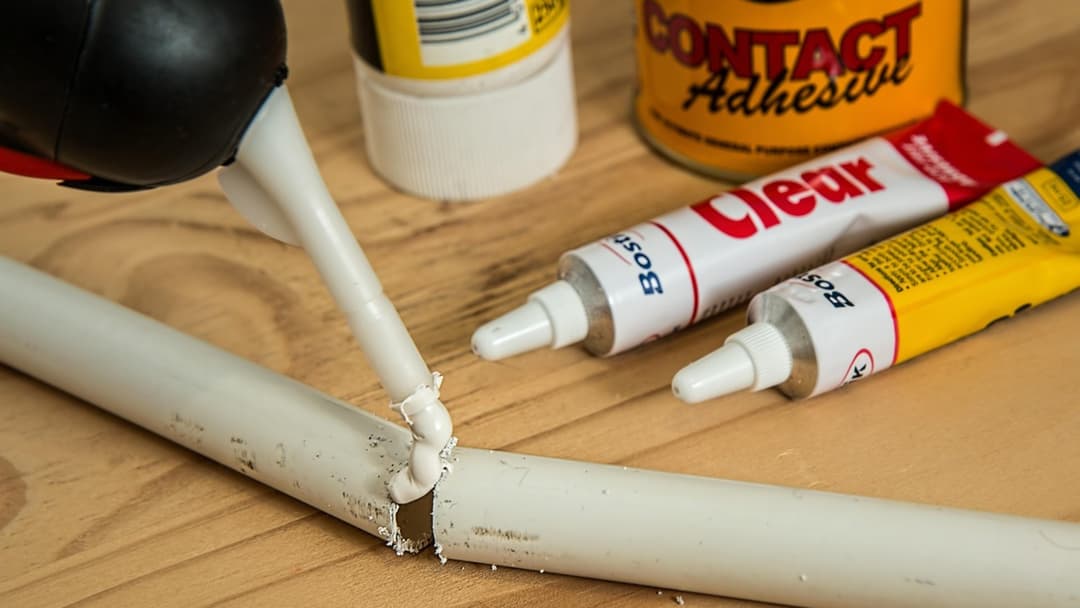
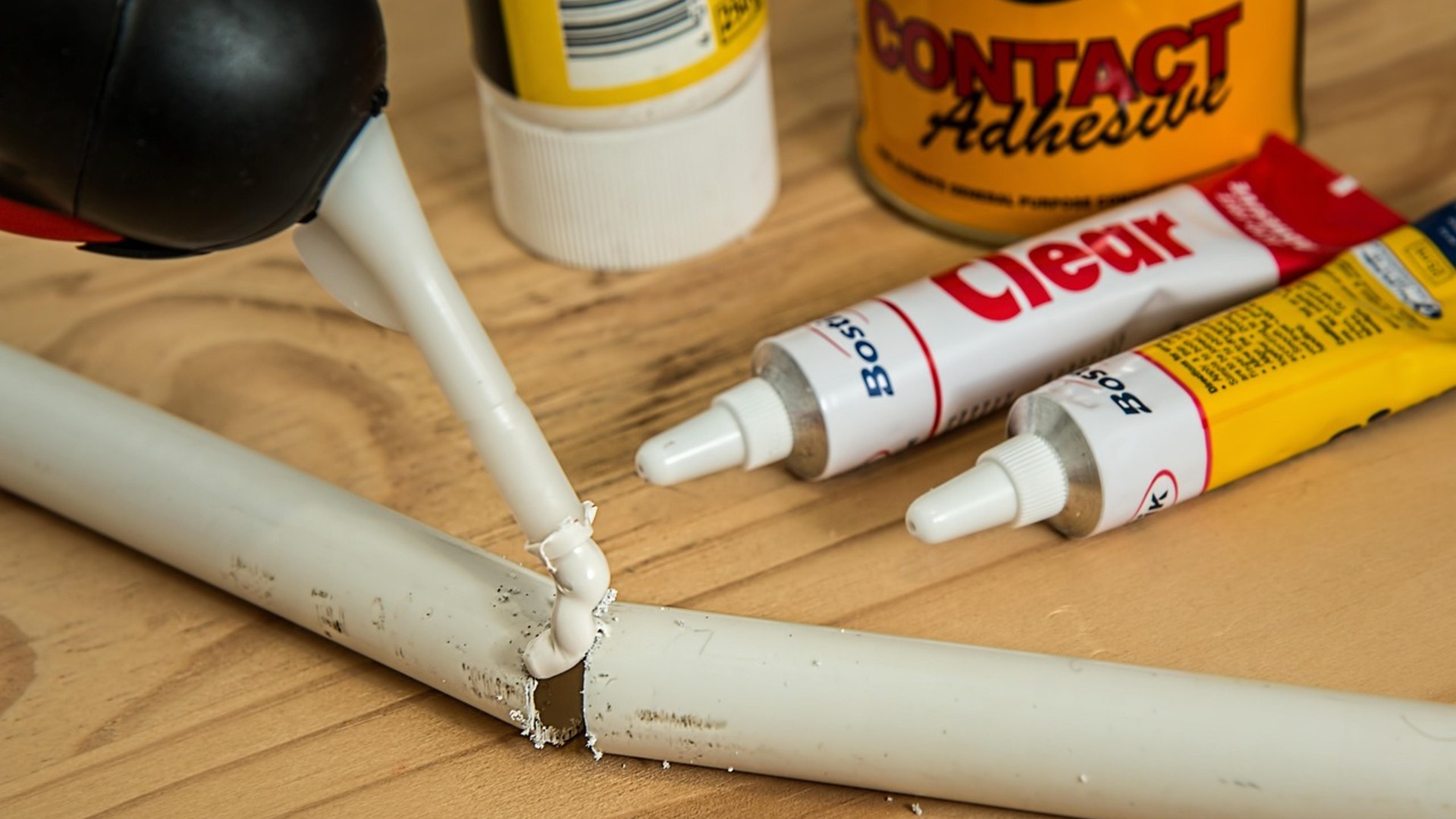
11. Caulk And Weatherstripping
Applying silicone caulk and foam weatherstripping along window jambs and exterior entry doors stops persistent winter drafts. Sealing these air leaks ranks as one of the most cost-effective DIY steps for keeping interior rooms consistently comfortable.
©Pixabay / stevepb
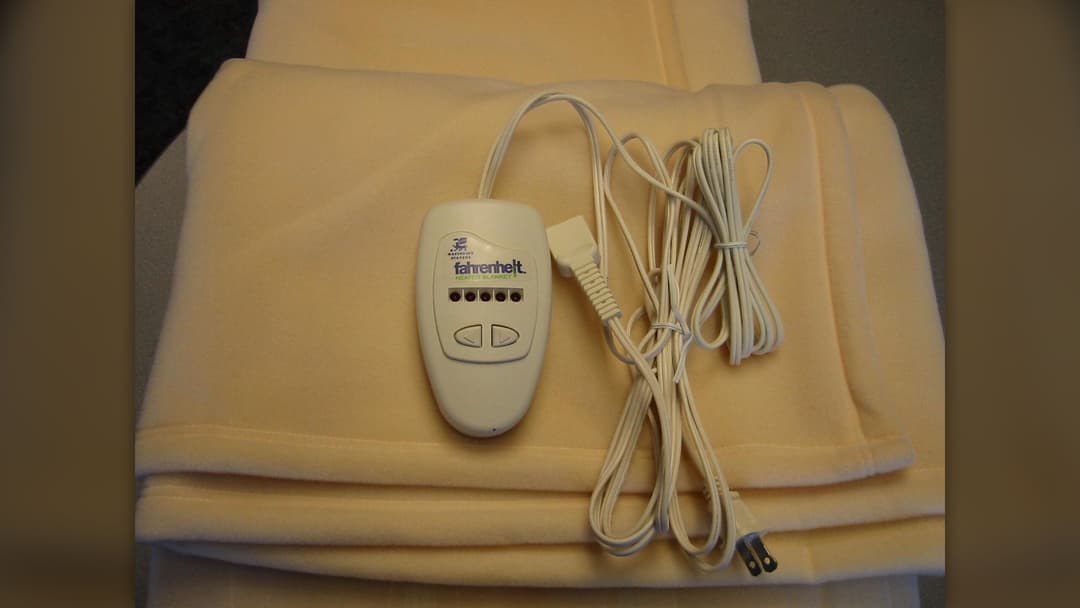
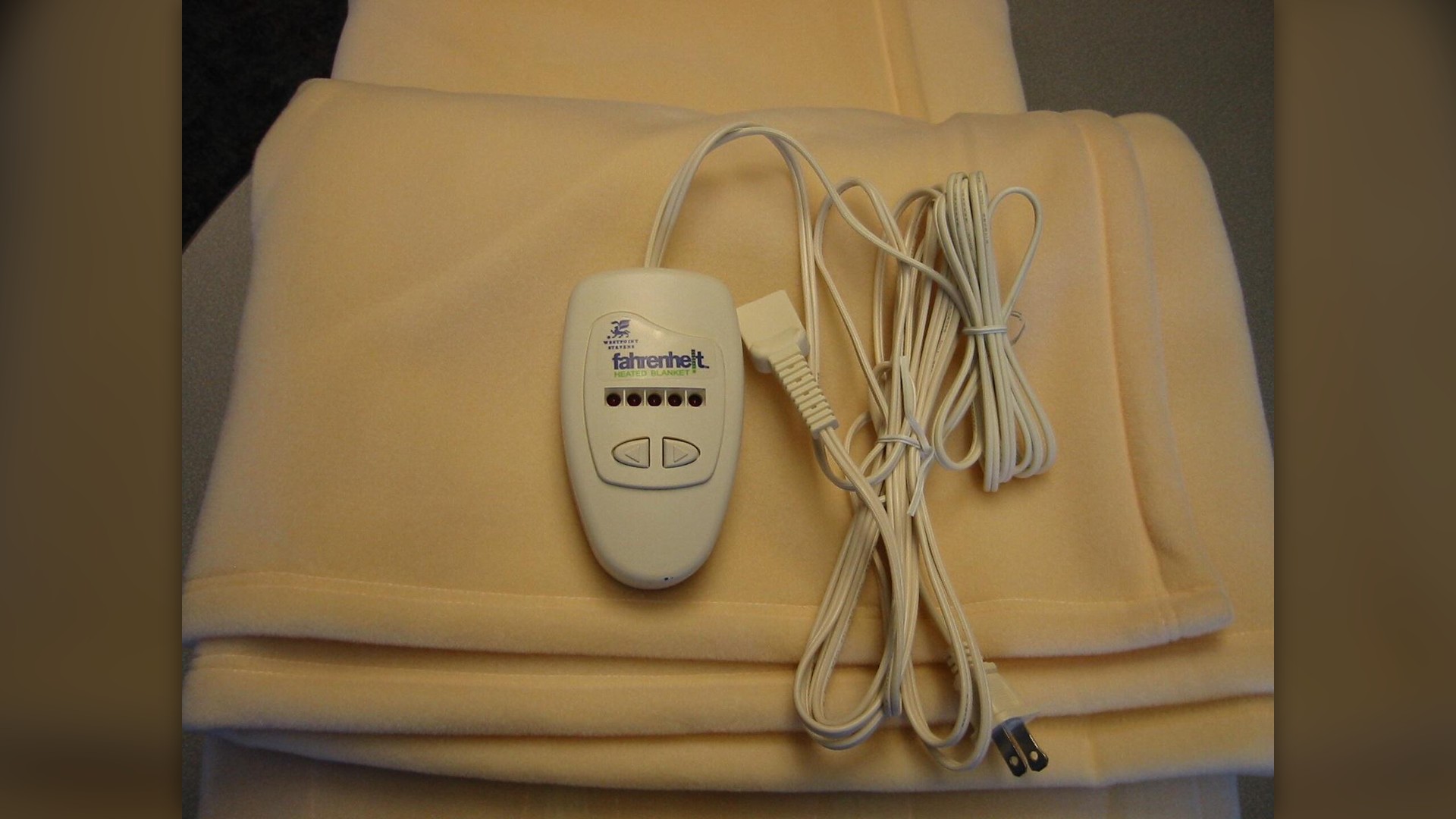
10. Heated Electric Blankets
Modern low-voltage electric blankets deliver direct warmth to beds and couches while consuming less than one hundred watts of electricity. Lowering bedroom thermostats overnight and relying on heated bedding saves money without compromising sleep comfort.
©Wikimedia / Limetolime at English Wikipedia
Advertisement
Swipe or tap ▶ to resume the countdown.
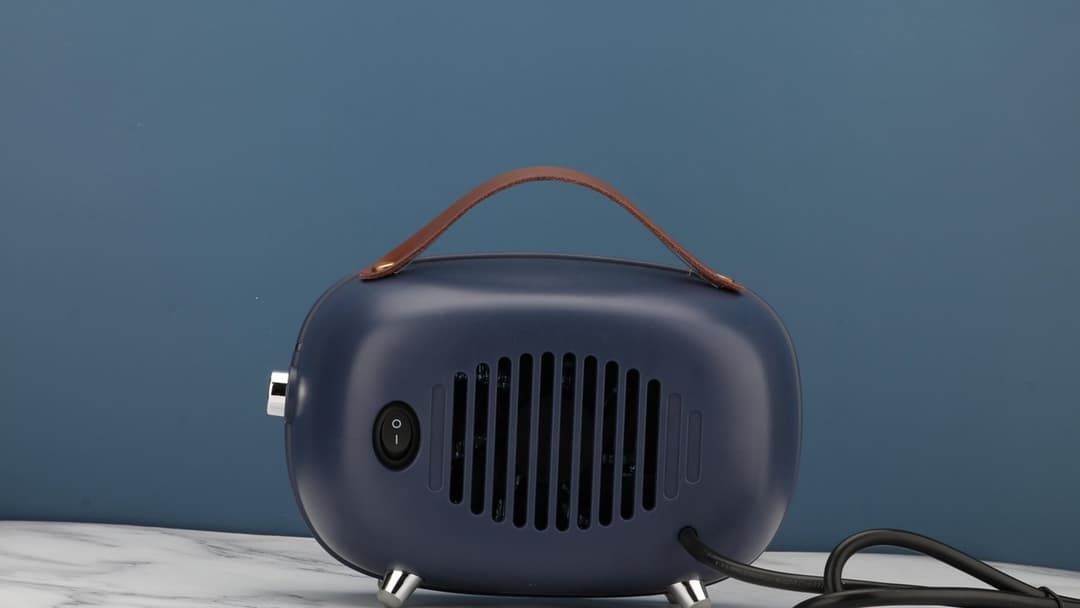
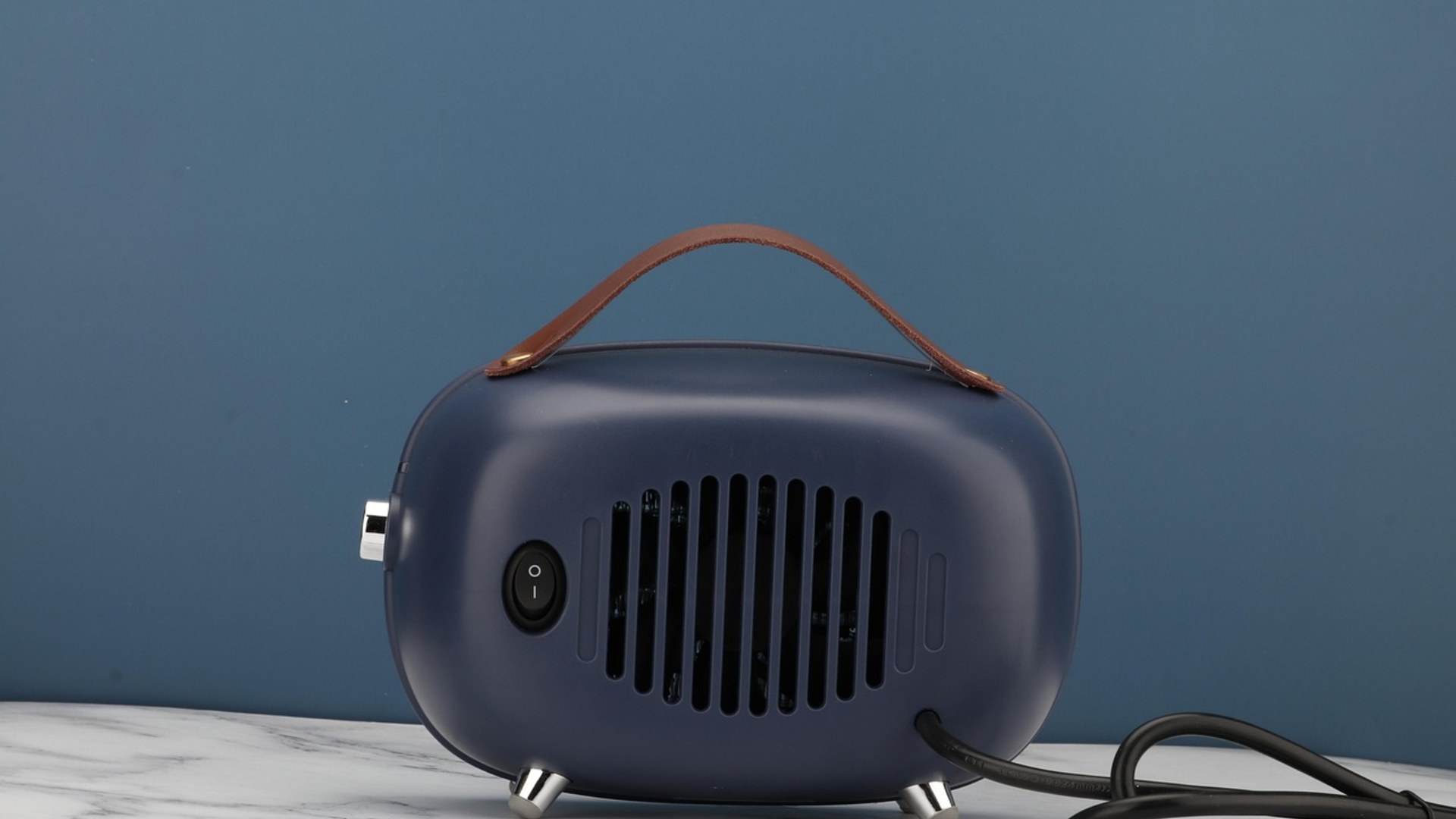
9. Ceramic Space Heaters
Modern ceramic space heaters allow households to practice zone heating, warming only home offices or living rooms while keeping central heat lower. Safety sensors automatically turn off units if tipped, offering safe and targeted supplementary warmth.
©Pixabay / yueban
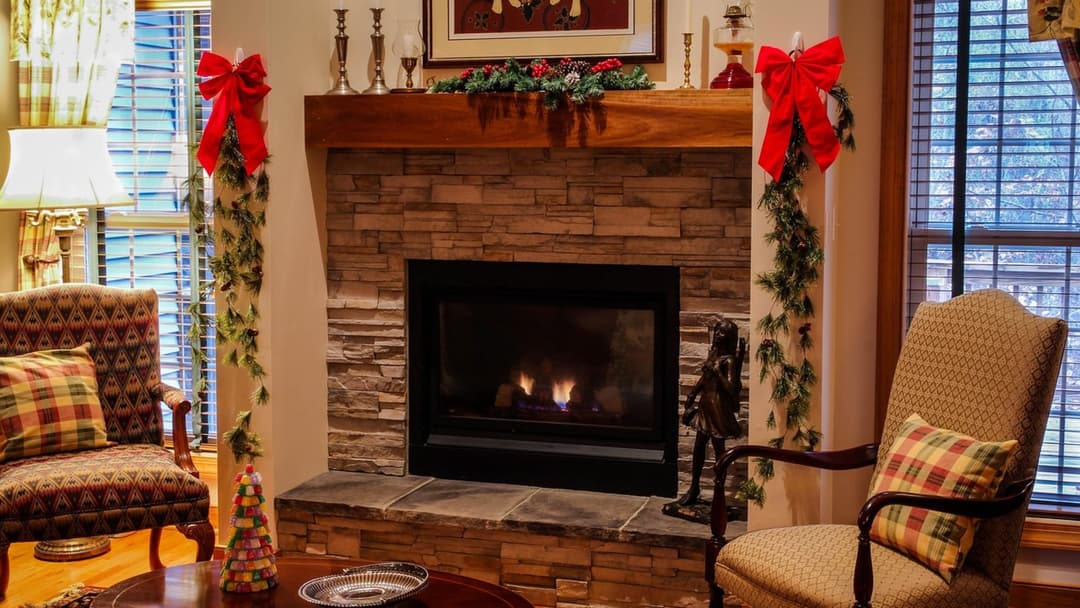
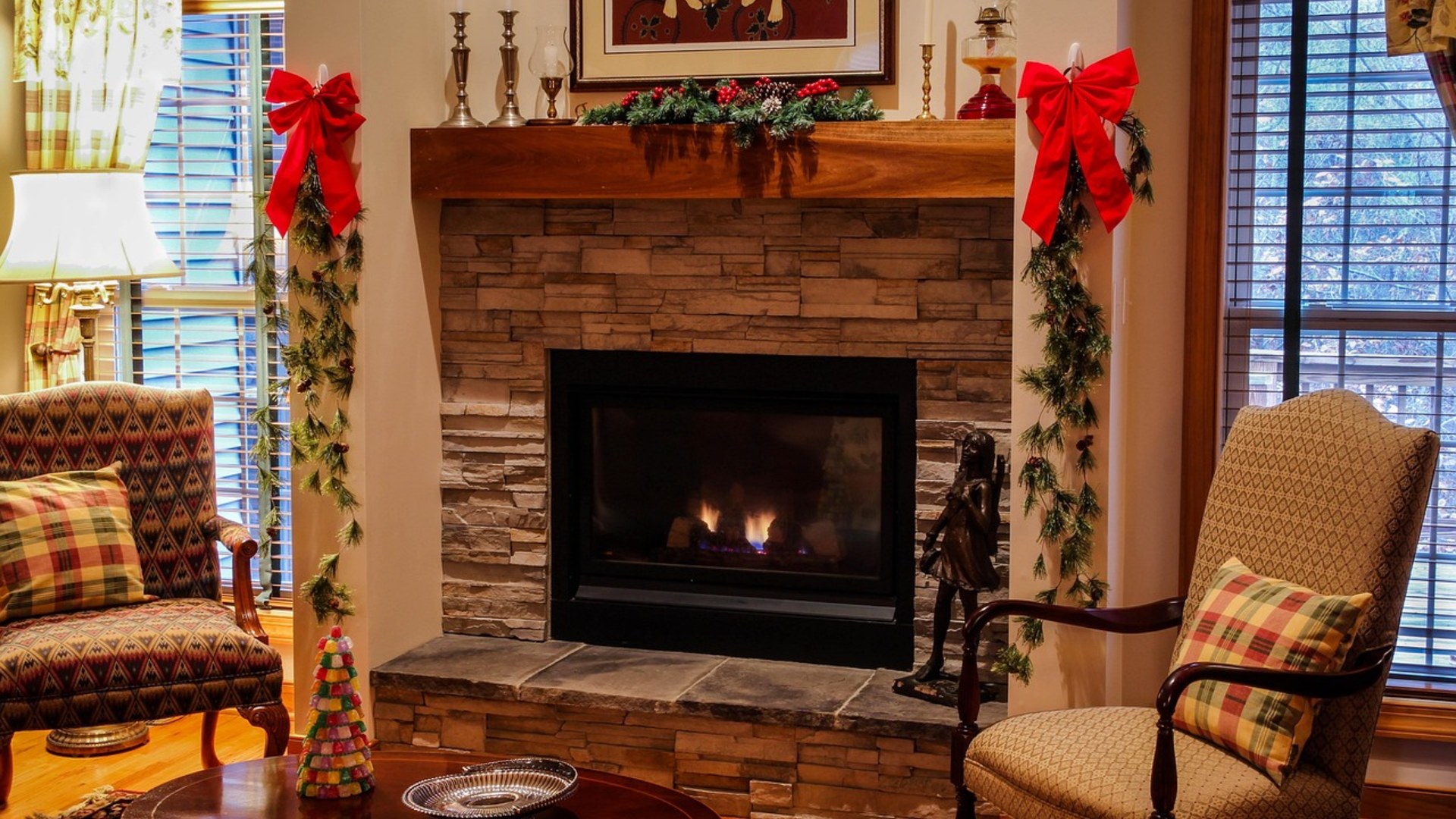
8. Fireplace Damper Plugs
Leaving open fireplace flues unsealed acts like an open window, sucking warm interior air straight out through the roof. Inserting inflatable chimney balloons or sealing tight damper doors when not in use stops massive volumes of heated air from escaping.
©Pixabay / JamesDeMers
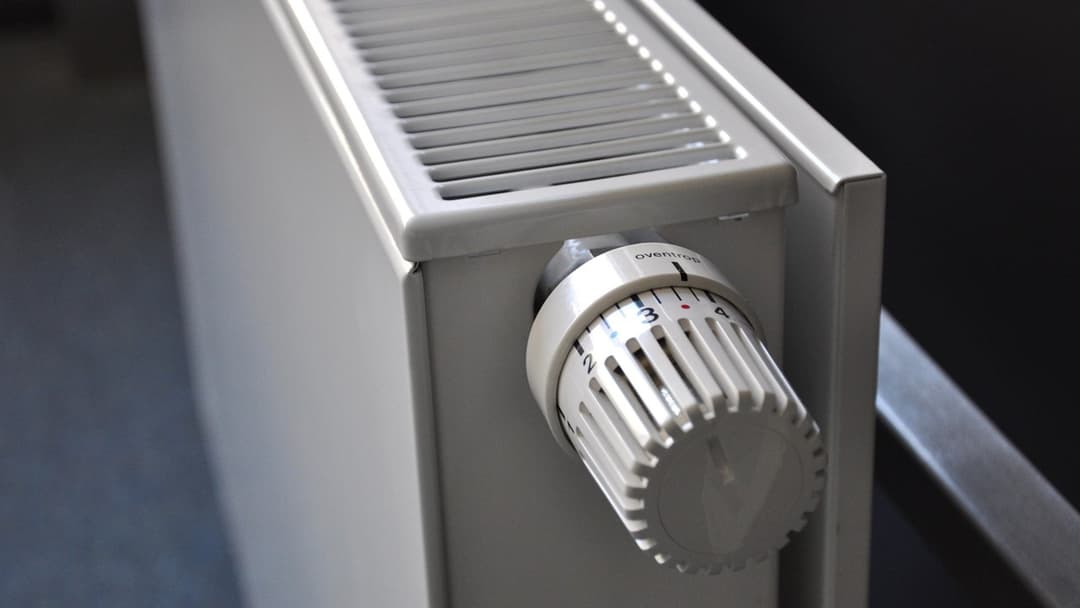
7. Radiator Heat Reflectors
Placing reflective foil panels directly behind wall-mounted radiators stops precious heat from escaping through exterior brick and drywall. The heat bounces forward into room interiors, ensuring hot water and steam systems warm the room much faster.

©Pixabay / Tama66
6. Area Rugs On Hardwood Floors
Uninsulated hardwood or tile floors quickly pull heat away from bare feet during cold snaps. Placing dense wool rugs with thick felt pads underneath traps ambient room heat and significantly reduces thermal loss through subfloors and crawlspaces.

©Pixabay / 23555986
Advertisement
Swipe or tap ▶ to resume the countdown.
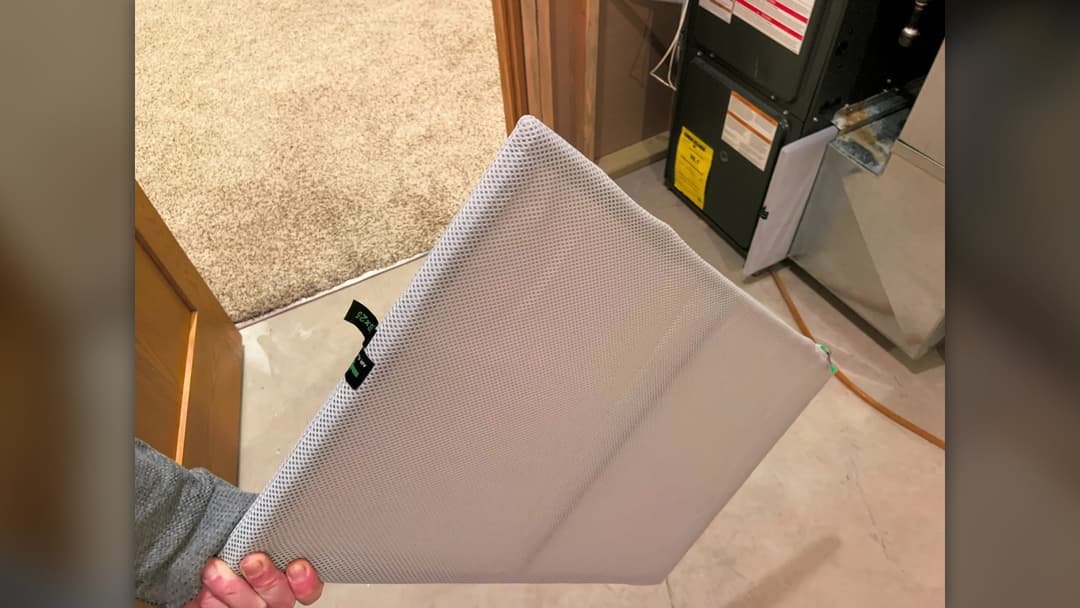
5. Magnetic Vent Covers
Magnetic vent covers let homeowners close off duct registers in rarely used guest rooms, forcing warm furnace air into busy living zones. Balancing home airflow properly helps central heating equipment warm occupied rooms with less wasted effort.
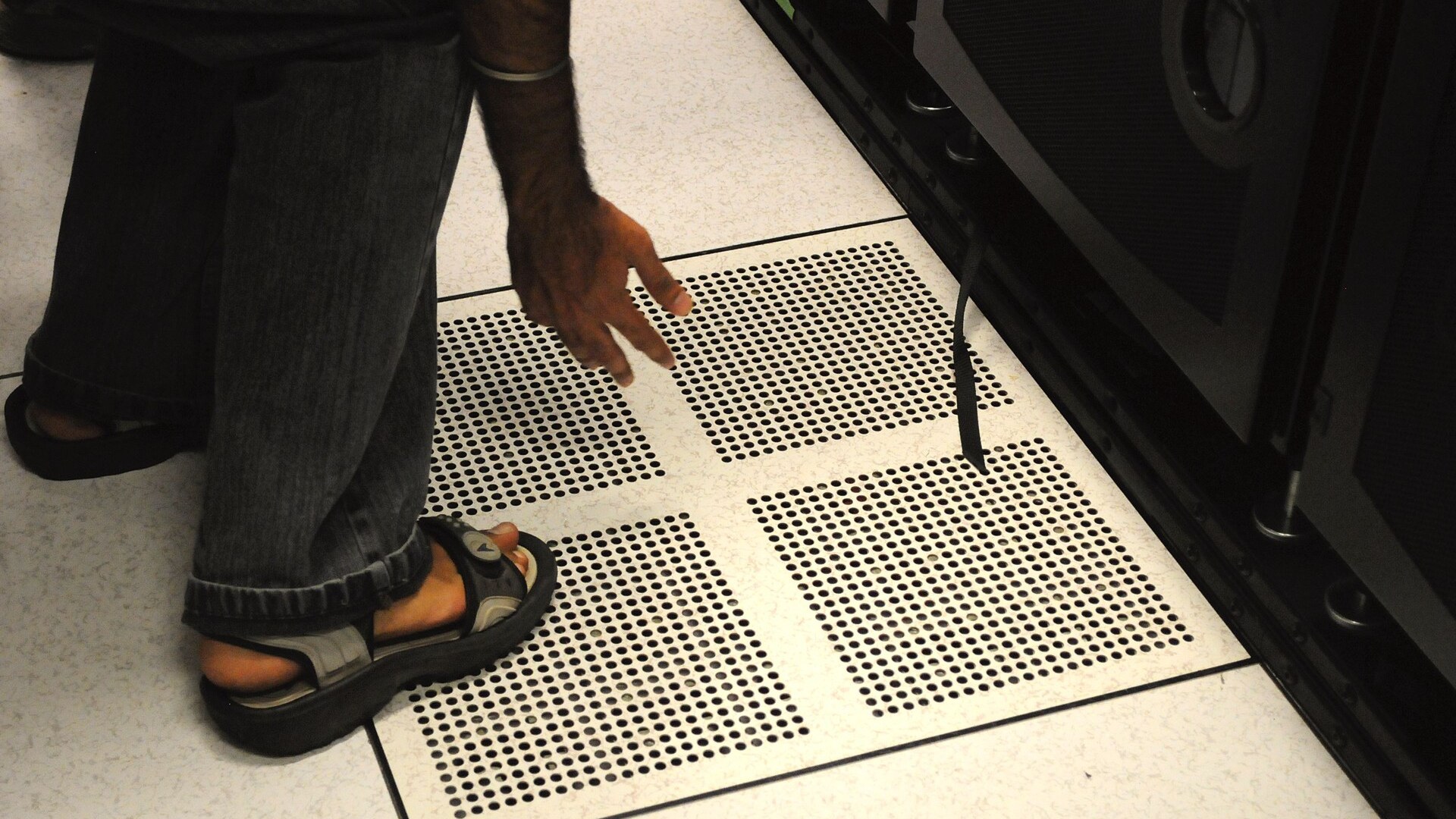
©Wikimedia / Derrick Coetzee from Berkeley, CA, USA
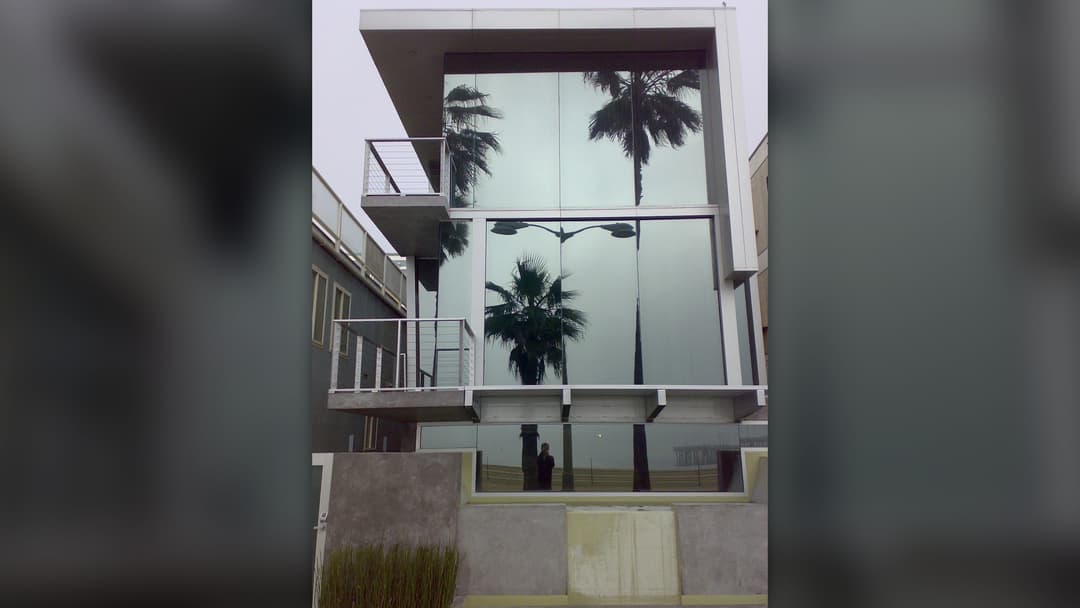
4. Window Insulation Film
Applying clear shrink film to window casings creates an airtight seal that acts like an extra layer of interior glazing during deep winter freezes. Kits reduce draftiness and condensation on single-pane windows while preserving daytime outdoor views.
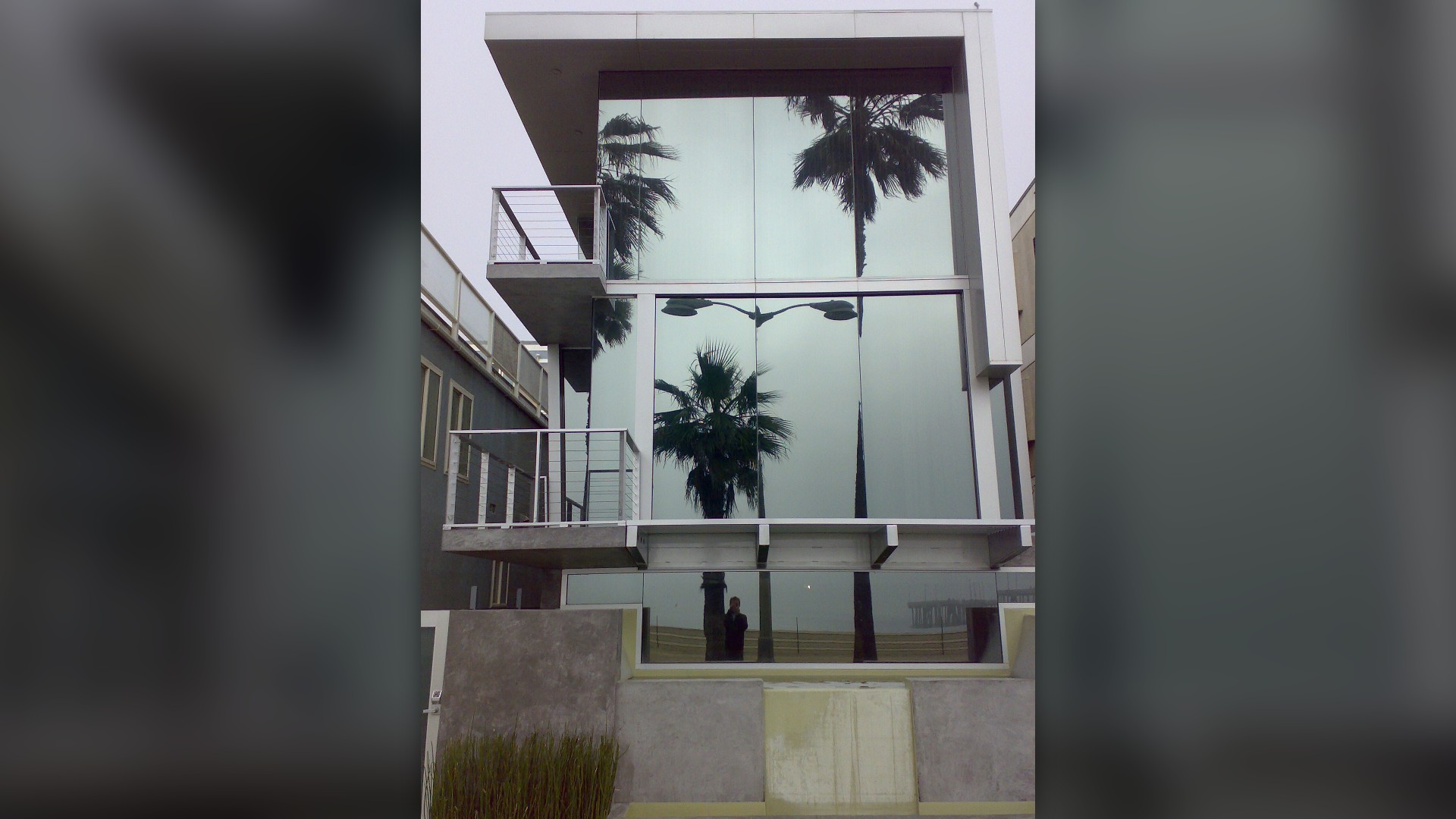
©Wikimedia / Jon Rawlinson
3. Door Draft Stoppers
Placing fabric draft stoppers along baseboards and beneath exterior doors prevents cold floor-level air from sneaking into hallways and bedrooms. This budget-friendly fix immediately eliminates cold spots without requiring permanent structural changes.

©Pixabay / ptrabattoni
2. Heavy Thermal Curtains
Thick thermal curtains add a protective barrier against cold window glass, cutting heat loss by up to ten percent when closed after dusk. Opening them on south-facing windows during sunny winter days allows free passive solar heating into main rooms.

©Pixabay / ahmetyuksek
Advertisement
Swipe or tap ▶ to resume the countdown.
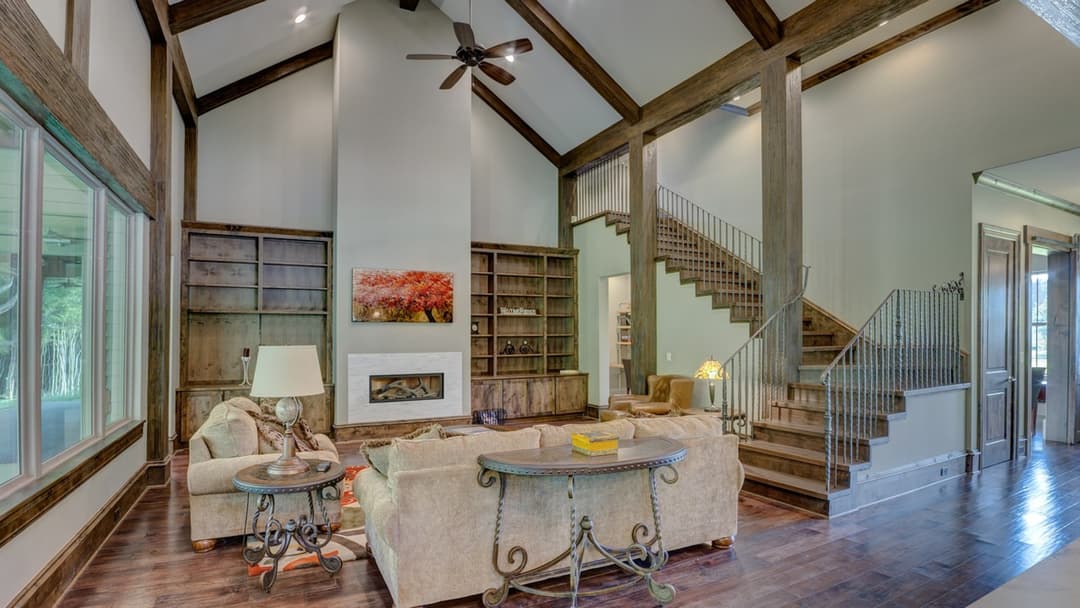
1. Reverse Ceiling Fan Direction
Setting ceiling fan blades to rotate clockwise at low speed creates a gentle updraft that pushes warm air trapped near ceilings back into living spaces. This simple adjustment improves comfort in high-ceiling rooms without increasing thermostat settings.
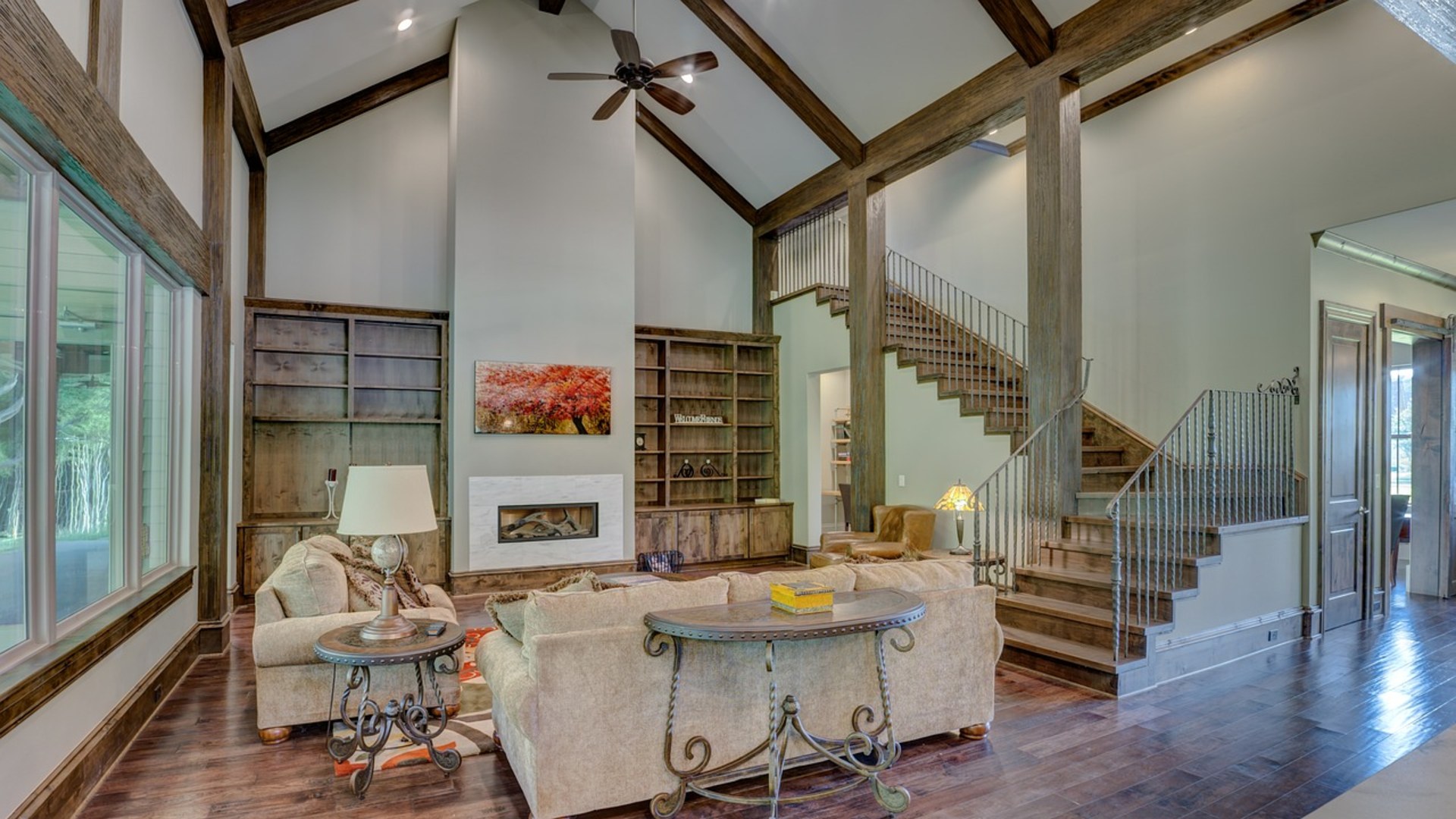
©Pixabay / shadowfirearts
Advertisement
You've reached the end of the story. Thanks for reading!

20 Classic Holiday Dinner Side Dishes Ranked by Calories
Planning a festive holiday feast requires balancing rich traditions with nutritional awareness. From decadent baked macaroni and creamy potato gratins down to crisp roasted vegetables and savory broths, holiday dinner side dishes vary wildly in energy density. Here is a definitive calorie ranking of holiday sides.
All 20 Entries in this Story
Cold-Climate Heat Pumps
Modern inverter-driven cold-climate heat pumps efficiently extract warmth from outdoor air even in temperatures down to fifteen degrees below zero. These all-electric systems provide top-tier energy efficiency and reliable warmth throughout harsh winters.

High-Efficiency Gas Furnaces
Modern condensing natural gas furnaces achieve annual fuel utilization efficiency ratings exceeding ninety-six percent. Two-stage gas valves and variable-speed blower fans maintain constant indoor comfort while wasting virtually no fuel through the chimney.

Ductwork Sealing And Wrap
Unsealed HVAC ducts in unconditioned crawlspaces and attics lose up to twenty percent of heated air before reaching living rooms. Sealing joints with mastic paste and wrapping ducts in foil insulation ensures every BTU reaches family living areas.

Radiant In-Floor Heating
Radiant floor heating systems pump warm water through subfloor tubing or use electric mats to radiate heat upward into living spaces. Because heat rises from feet to head, rooms feel exceptionally cozy at slightly lower overall thermostat settings.

Attic Blown-In Insulation
Adding cellulose or fiberglass blown-in insulation to attics prevents rising warm indoor air from leaking out through roofs. Bringing attic thermal protection to modern recommended levels dramatically cuts heating runtime during sub-zero cold spells.

Smart Wi-Fi Thermostats
Smart thermostats automatically lower home temperatures during work hours and sleep cycles, ramping up warmth just before residents return. Digital temperature adjustments reduce winter heating expenses by up to twelve percent over the cold season.

Hydronic Baseboard Heaters
Hydronic baseboard heating circulates boiler-heated water through finned copper pipes to create silent, draft-free convective warmth. These units provide gentle, persistent heat along floor perimeters, preventing cold air from pooling in living rooms.

Outlet And Switch Insulation
Electrical switch plates and wall outlets on exterior walls often leak cold air straight into living spaces. Installing precut foam insulation gaskets behind switch faceplates seals hidden drywall penetrations and keeps wall cavities completely draft-free.

Furnace Filter Replacement
Clean furnace filters allow central blowers to push warm air freely throughout duct networks without straining heating motors. Replacing clogged filters monthly during peak winter keeps equipment running smoothly and lowers overall fuel consumption.

Caulk And Weatherstripping
Applying silicone caulk and foam weatherstripping along window jambs and exterior entry doors stops persistent winter drafts. Sealing these air leaks ranks as one of the most cost-effective DIY steps for keeping interior rooms consistently comfortable.

Heated Electric Blankets
Modern low-voltage electric blankets deliver direct warmth to beds and couches while consuming less than one hundred watts of electricity. Lowering bedroom thermostats overnight and relying on heated bedding saves money without compromising sleep comfort.

Ceramic Space Heaters
Modern ceramic space heaters allow households to practice zone heating, warming only home offices or living rooms while keeping central heat lower. Safety sensors automatically turn off units if tipped, offering safe and targeted supplementary warmth.

Fireplace Damper Plugs
Leaving open fireplace flues unsealed acts like an open window, sucking warm interior air straight out through the roof. Inserting inflatable chimney balloons or sealing tight damper doors when not in use stops massive volumes of heated air from escaping.

Radiator Heat Reflectors
Placing reflective foil panels directly behind wall-mounted radiators stops precious heat from escaping through exterior brick and drywall. The heat bounces forward into room interiors, ensuring hot water and steam systems warm the room much faster.

Area Rugs On Hardwood Floors
Uninsulated hardwood or tile floors quickly pull heat away from bare feet during cold snaps. Placing dense wool rugs with thick felt pads underneath traps ambient room heat and significantly reduces thermal loss through subfloors and crawlspaces.

Magnetic Vent Covers
Magnetic vent covers let homeowners close off duct registers in rarely used guest rooms, forcing warm furnace air into busy living zones. Balancing home airflow properly helps central heating equipment warm occupied rooms with less wasted effort.

Window Insulation Film
Applying clear shrink film to window casings creates an airtight seal that acts like an extra layer of interior glazing during deep winter freezes. Kits reduce draftiness and condensation on single-pane windows while preserving daytime outdoor views.

Door Draft Stoppers
Placing fabric draft stoppers along baseboards and beneath exterior doors prevents cold floor-level air from sneaking into hallways and bedrooms. This budget-friendly fix immediately eliminates cold spots without requiring permanent structural changes.

Heavy Thermal Curtains
Thick thermal curtains add a protective barrier against cold window glass, cutting heat loss by up to ten percent when closed after dusk. Opening them on south-facing windows during sunny winter days allows free passive solar heating into main rooms.

Reverse Ceiling Fan Direction
Setting ceiling fan blades to rotate clockwise at low speed creates a gentle updraft that pushes warm air trapped near ceilings back into living spaces. This simple adjustment improves comfort in high-ceiling rooms without increasing thermostat settings.