Slideshow · Technology
20 Things That Will Be Obsolete by 2030, Ranked by Experts
From physical plastic cards to copper phone lines, rapid technological shifts and global regulations will consign these everyday staples to history by the decade end.

By Most Viral Today
13 min ago

Technological Shifts Set to Eliminate Daily Habits Before the Decade Ends 
20. Incandescent Light Bulbs 
19. Standalone USB Flash Drives 
18. Paper Store Receipts - AdvertisementSwipe or tap ▶ to continue countdown

17. Compact Discs And Optical Drives 
16. Traditional Cable TV Subscriptions 
15. Dedicated TV Remote Controls 
14. Physical Metal Car Keys - AdvertisementSwipe or tap ▶ to continue countdown

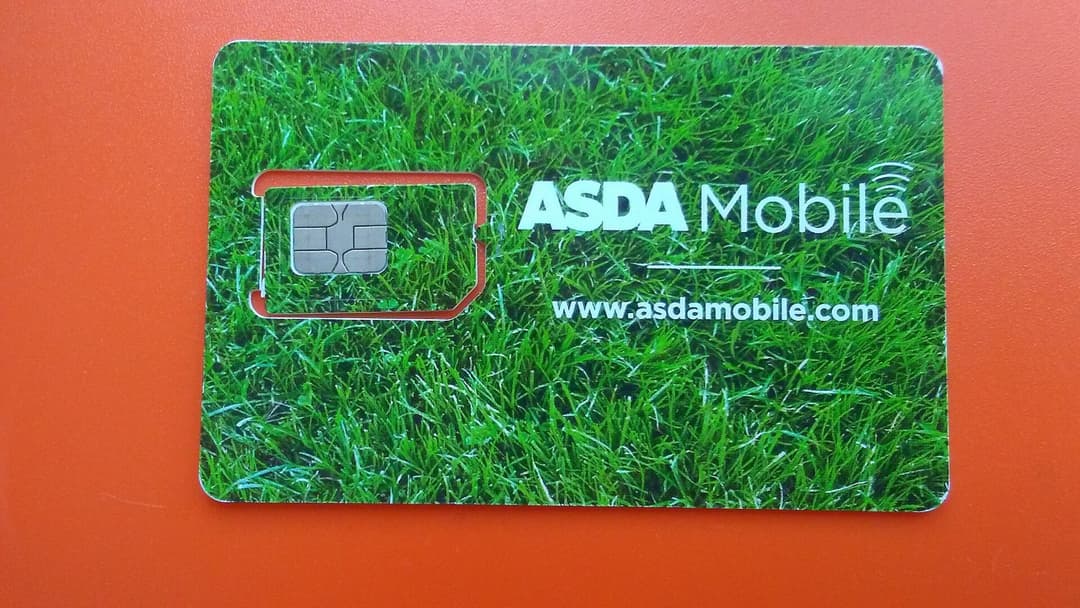
13. Plastic Mobile SIM Cards 
12. Gas-Powered Lawn Mowers 
11. Copper Telephone Wires 
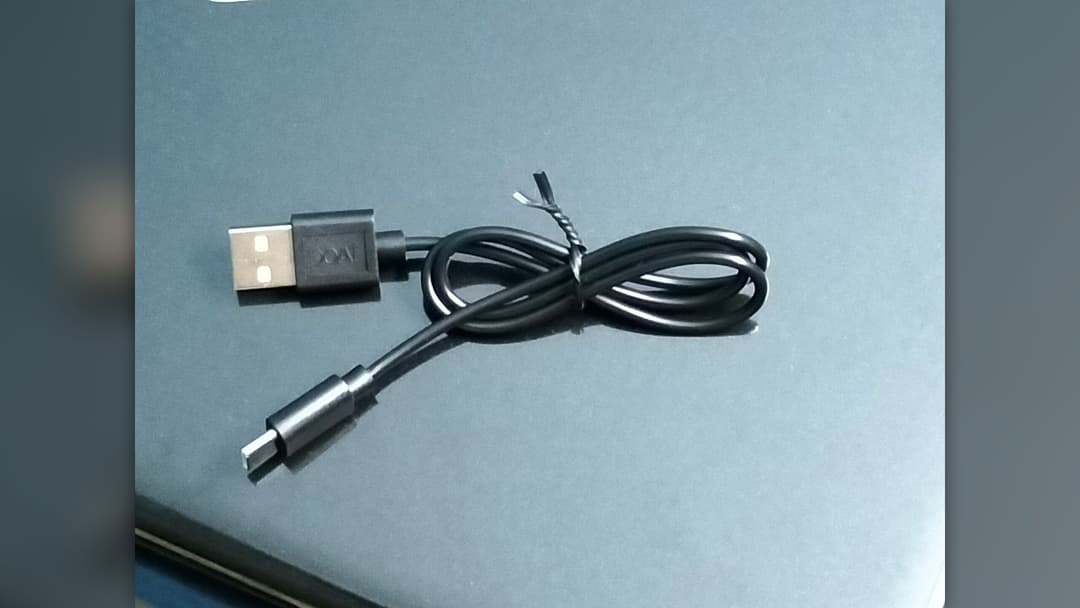
10. Wired Charging Cables - AdvertisementSwipe or tap ▶ to continue countdown

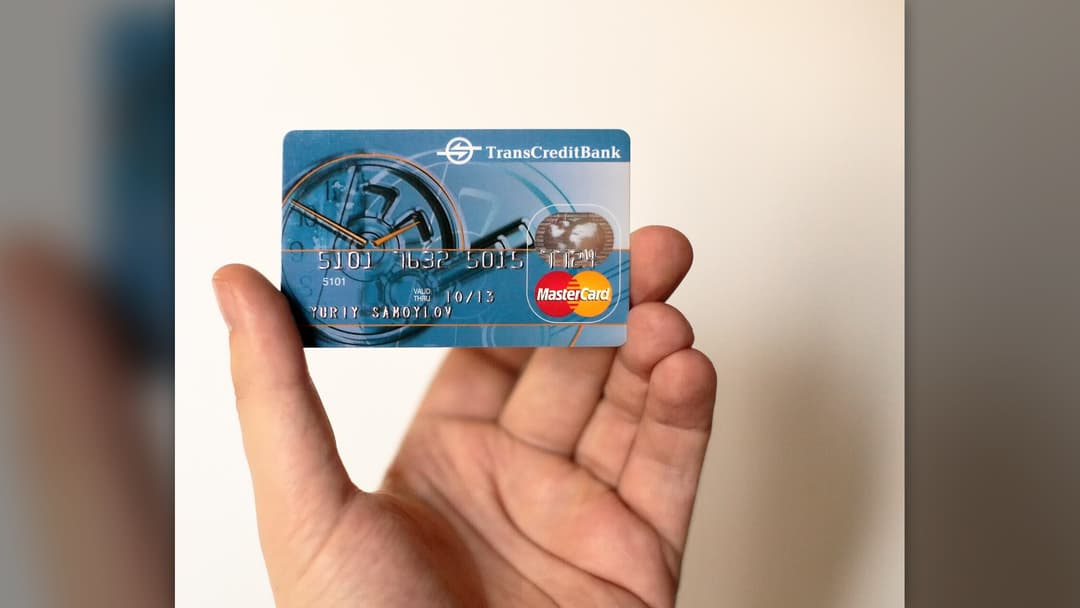
9. Physical Plastic Credit Cards 
8. Passwords And Alphanumeric PINs 
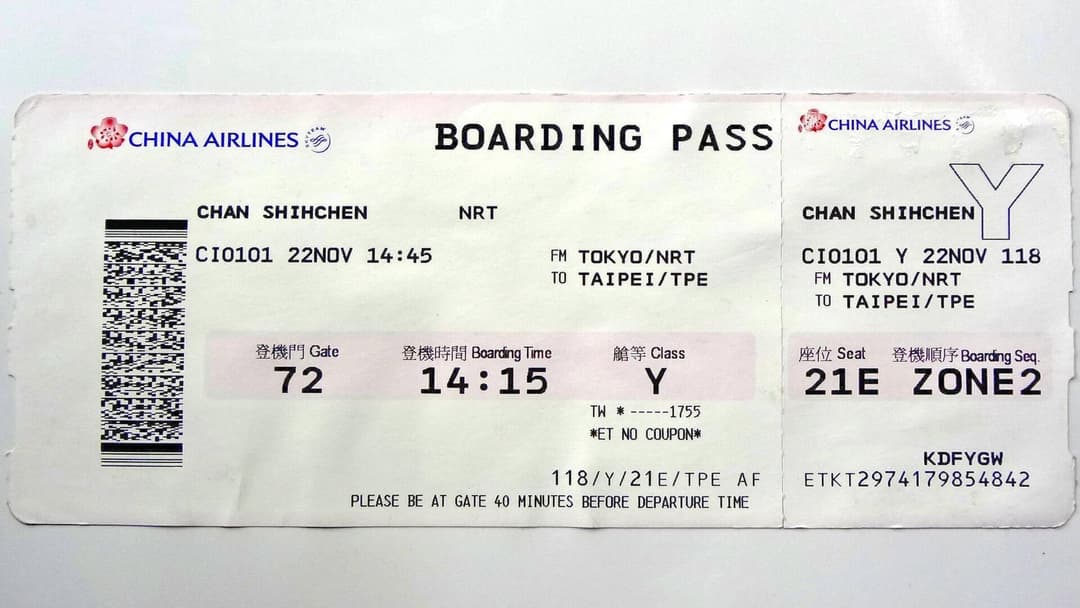
7. Paper Boarding Passes And Tickets 
6. Standalone GPS Navigation Units - AdvertisementSwipe or tap ▶ to continue countdown

5. Desktop Hard Disk Drives 
4. Manual Cashier Lanes 
3. Manual Car Transmissions 
2. Commuter Petrol Pumps - AdvertisementSwipe or tap ▶ to continue countdown

1. Physical Cash In Daily Commerce - Advertisement🔥 UP NEXT IN THIS SERIES◫ 21 Slides

20 Athletes Who Became Successful Businesspeople, Ranked
From sneaker empires and restaurant franchises to venture capital firms, these iconic sports stars built massive corporate fortunes off the field.
Rapid advances in artificial intelligence, solid-state electronics, and biometric interfaces are dismantling legacy systems. From plastic payment cards to internal combustion engines, here are twenty everyday fixtures experts predict will disappear by 2030.
Swipe or tap ▶ to begin the countdown
©NASA / Johnson Space Center
20. Incandescent Light Bulbs
Governments across North America and the European Union have implemented strict efficiency mandates that ban traditional incandescent and halogen lighting. Solid-state light-emitting diodes now provide over twenty times the lifespan while consuming a fraction of the electricity, ending a century of heated filaments.

©Wikimedia / Basile Morin
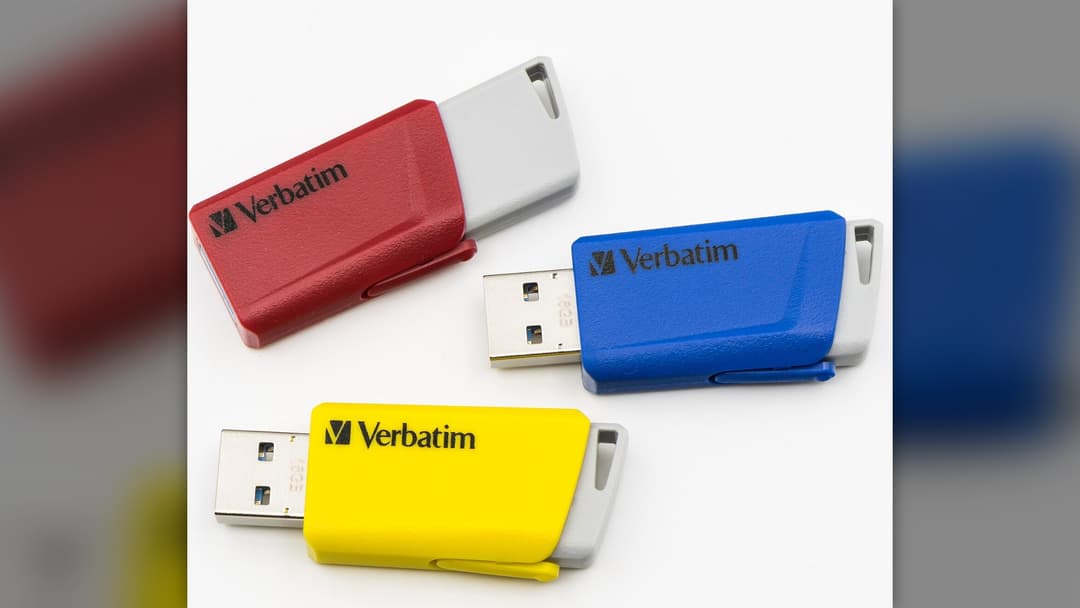
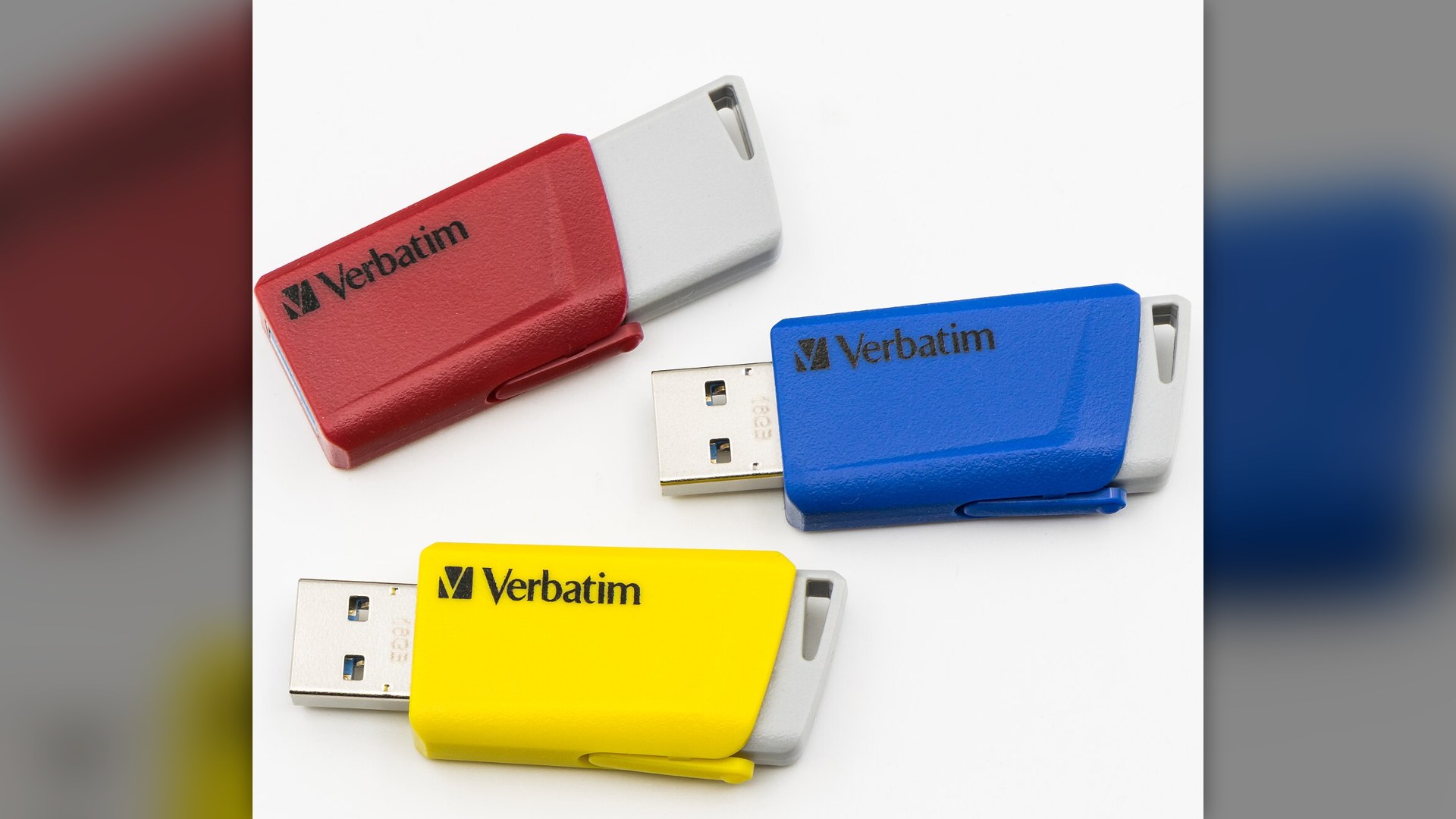
19. Standalone USB Flash Drives
Pocket-sized USB flash drives were once vital for shuttling documents between computers. Gigabit wireless connectivity, automated cloud sync, and encrypted peer-to-peer transfer protocols have rendered physical thumb drives an unnecessary security hazard for modern digital workflows.
©Wikimedia / Jacek Halicki
18. Paper Store Receipts
Thermal paper receipts coated with bisphenol chemicals create massive retail waste and pose health concerns. Modern point-of-sale terminals now transmit encrypted purchase records directly to banking apps, email accounts, and retail loyalty profiles, making physical paper slips obsolete for returns and tax tracking.

©Wikimedia / Donald Trung Quoc Don
Advertisement
Swipe or tap ▶ to resume the countdown.
17. Compact Discs And Optical Drives
Laptops, desktop motherboards, and modern gaming consoles have largely removed internal disc trays. Cloud libraries, streaming music servers, and direct digital game downloads offer immediate access without mechanical wear, relegating optical compact discs and DVD discs to niche retro collector status.

©Wikimedia / DiscoA340
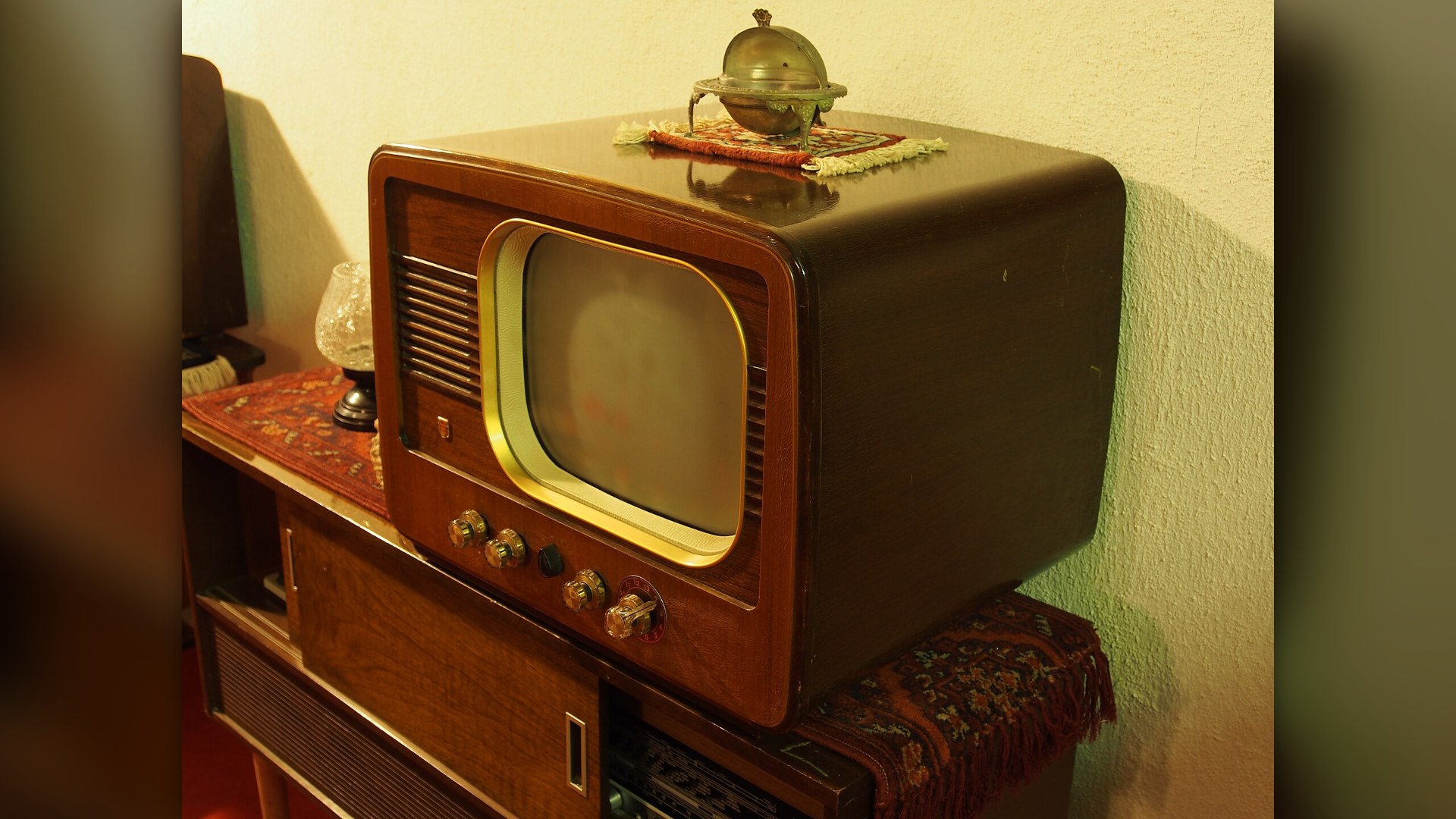
16. Traditional Cable TV Subscriptions
Expensive linear cable tiers requiring proprietary set-top coaxial boxes continue to hemorrhage millions of subscribers each year. On-demand streaming libraries and free ad-supported streaming television networks offer customizable viewing that makes bundled multi-hundred-dollar cable packages unviable.
©Wikimedia / Alf van Beem
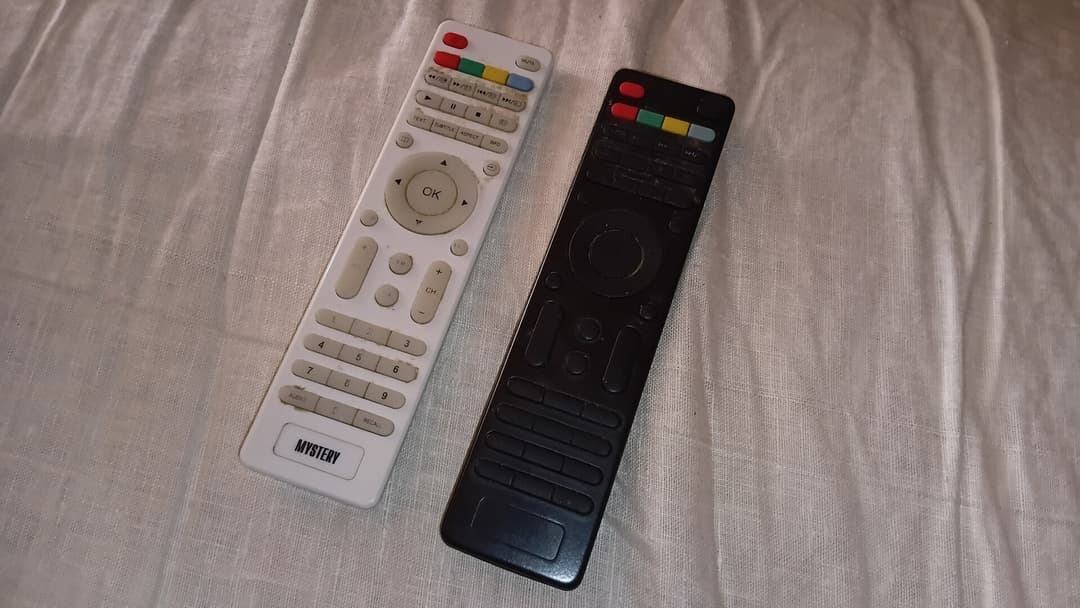
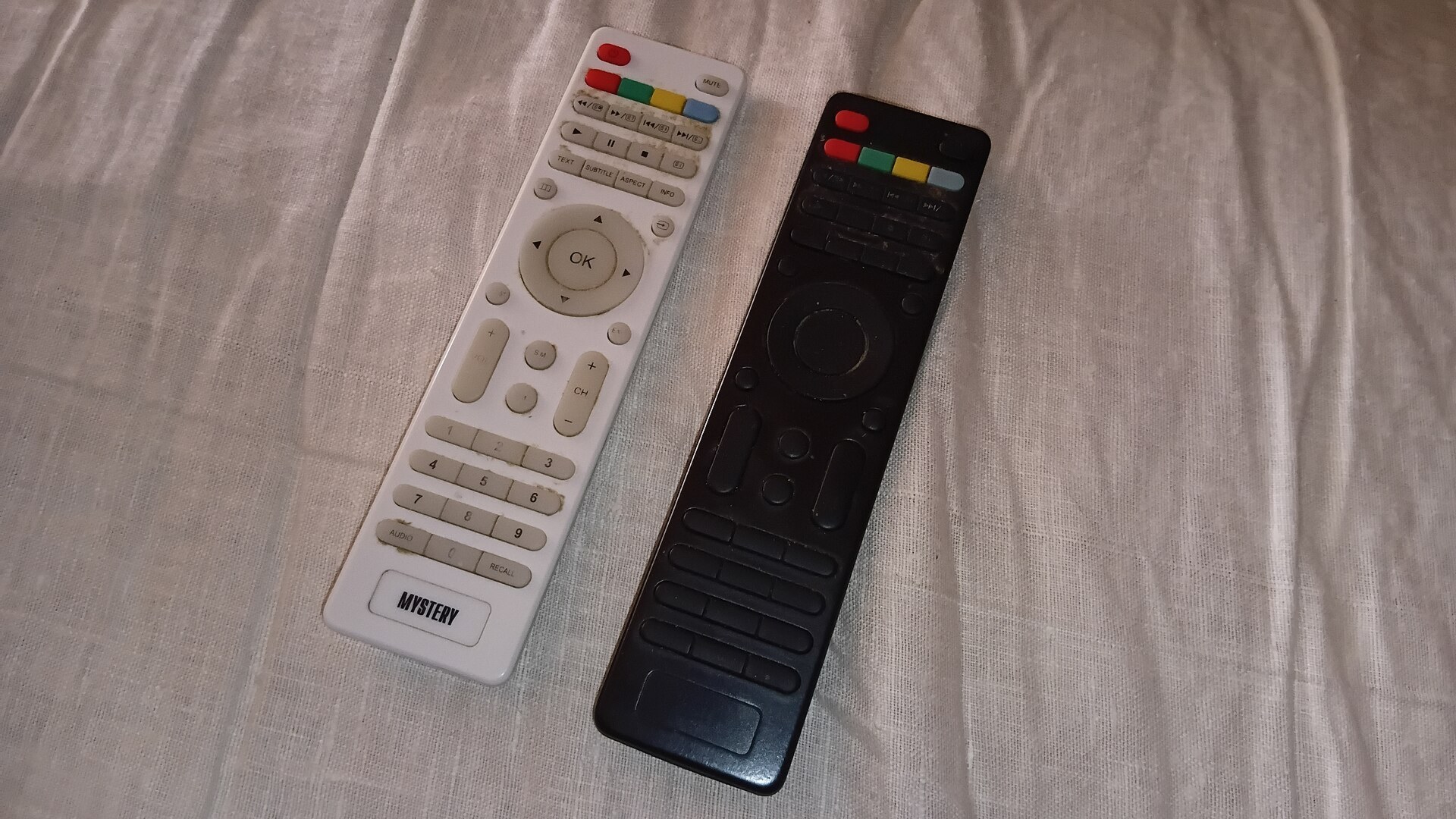
15. Dedicated TV Remote Controls
Cluttered plastic remotes stuffed with disposable alkaline batteries are rapidly vanishing from modern living rooms. Smart televisions now integrate universal mobile operating systems, low-latency mobile device pairing, and voice-command hardware that streamline entertainment navigation into single-word prompts.
©Wikimedia / Sergey Mikhel
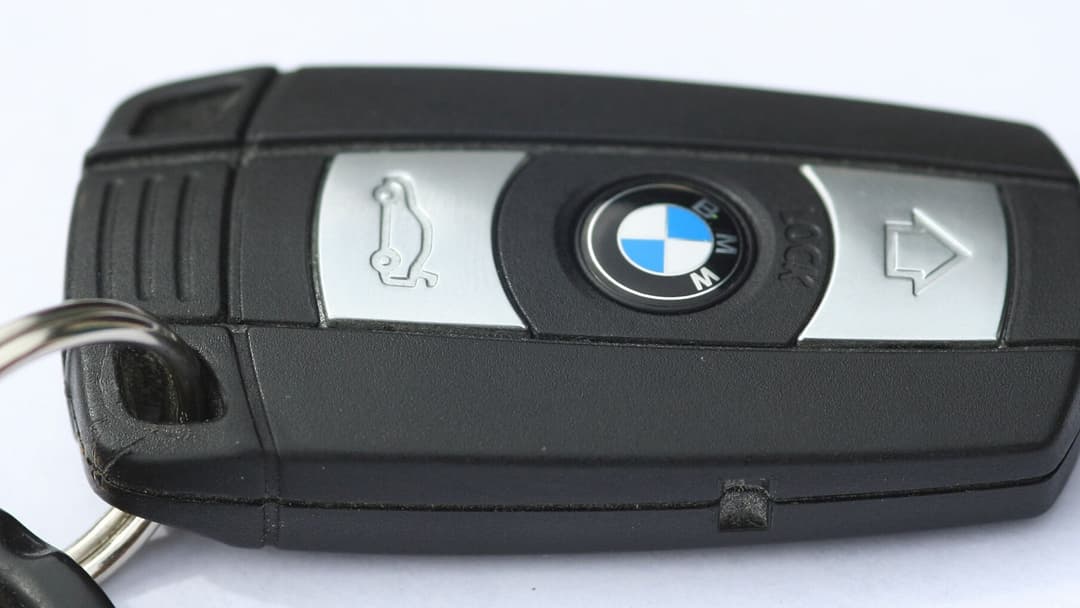
14. Physical Metal Car Keys
Automakers are transitioning vehicle fleets to ultra-wideband digital keys integrated into smartphone secure elements and smartwatches. Proximity sensors unlock vehicles as owners approach, while cloud credential sharing allows drivers to grant temporary vehicle access remotely without handing over a metal key.
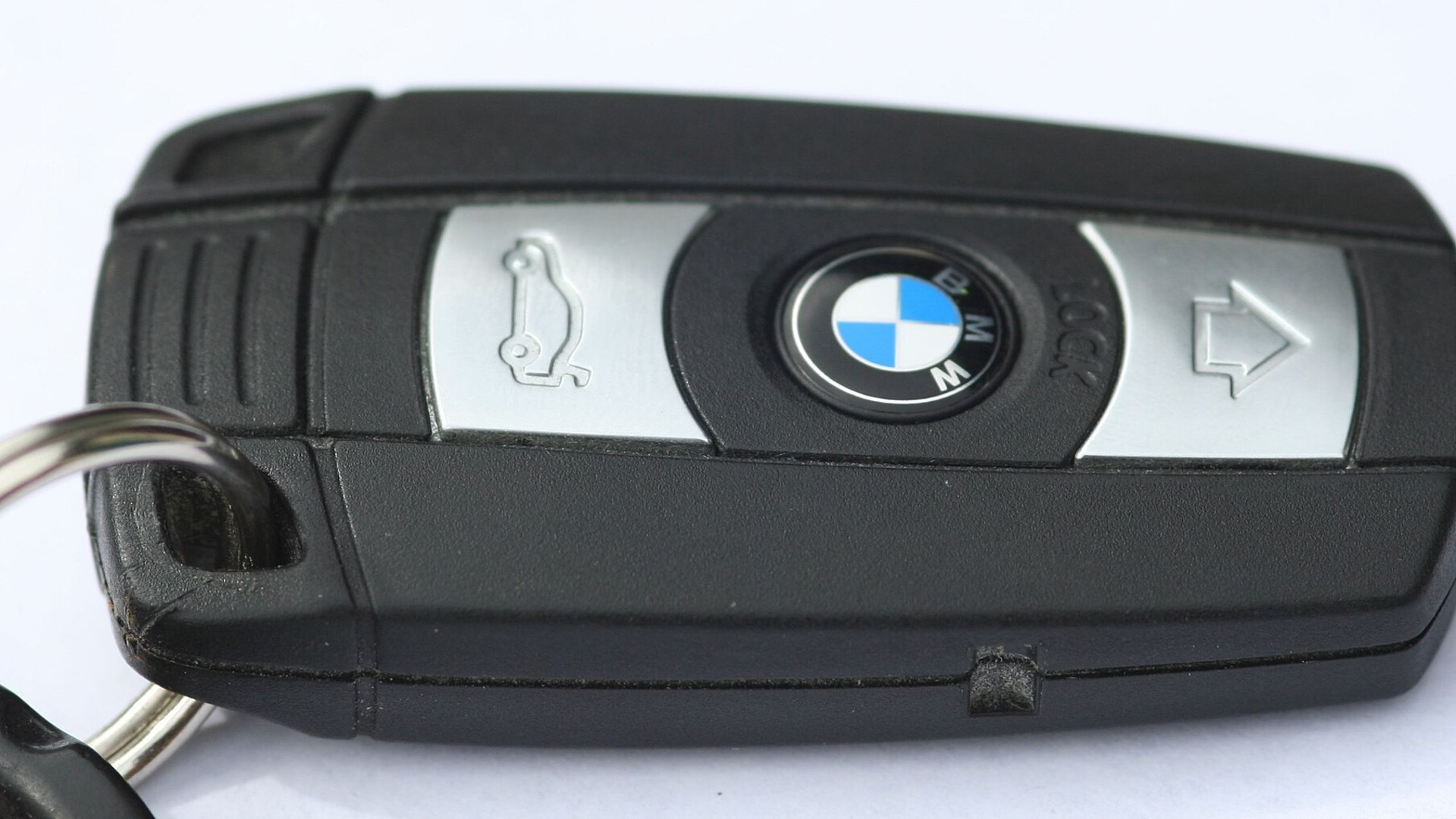
©Wikimedia / Andrew Fogg
Advertisement
Swipe or tap ▶ to resume the countdown.
13. Plastic Mobile SIM Cards
Smartphone manufacturers are aggressively removing physical SIM trays to reclaim internal device volume for larger batteries and improved water resistance. Embedded eSIM technology allows consumers to switch cellular carriers or download international data roaming profiles digitally in seconds.
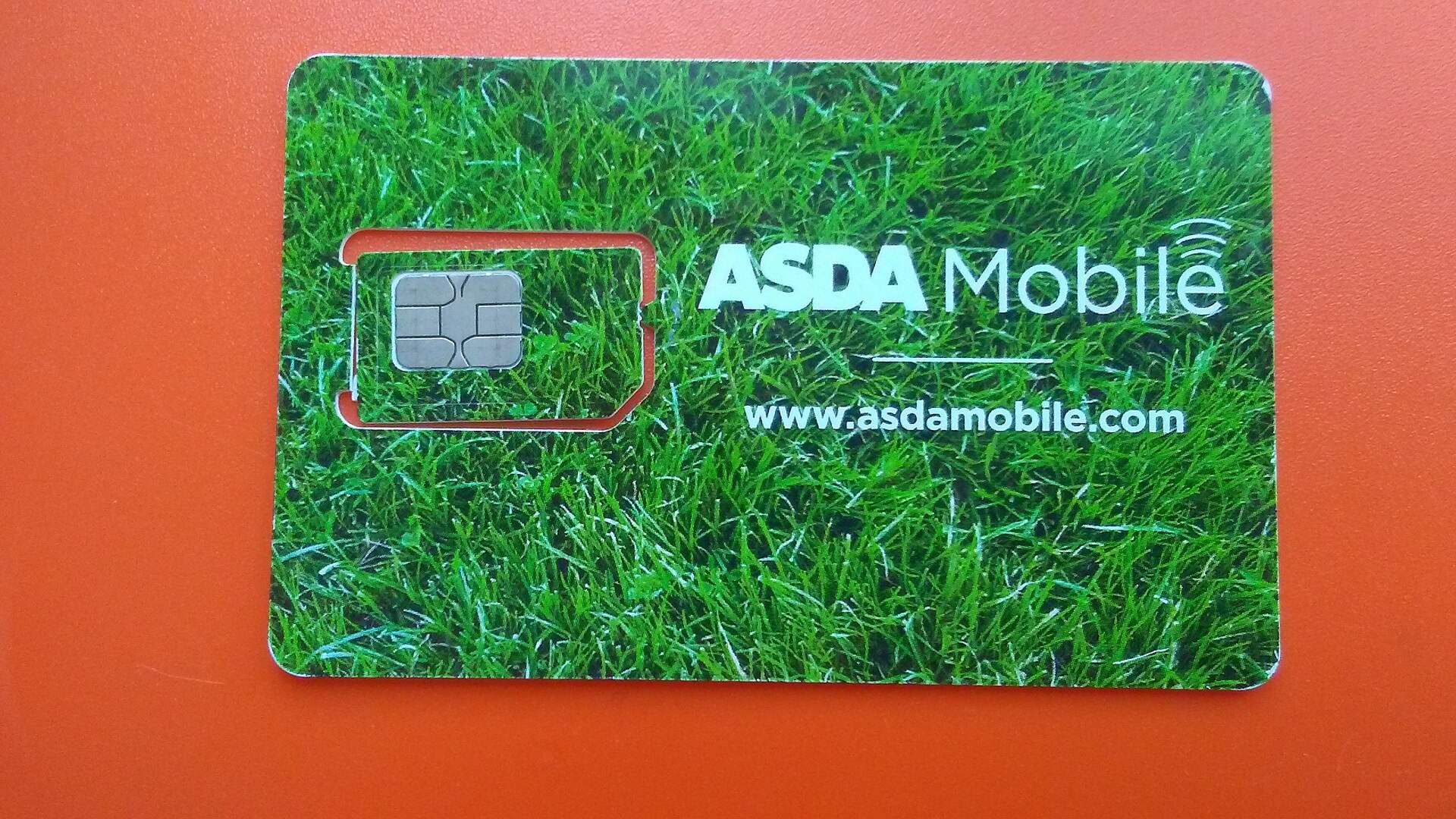
©Wikimedia / Warszawska
12. Gas-Powered Lawn Mowers
Small off-road gas engines generate disproportionately high levels of smog-forming emissions and noise pollution. Cities across California and Europe have enacted retail bans on new gas-powered lawn equipment, driving homeowners toward quiet lithium-battery push mowers and autonomous robotic mowers.

©Wikimedia / Shixart1985
11. Copper Telephone Wires
Twisted-pair copper telephone lines laid throughout the twentieth century are expensive to maintain and prone to environmental degradation. Major telecommunications carriers are systematically decommissioning legacy public telephone infrastructure in favor of glass optical fiber and 5G wireless links.
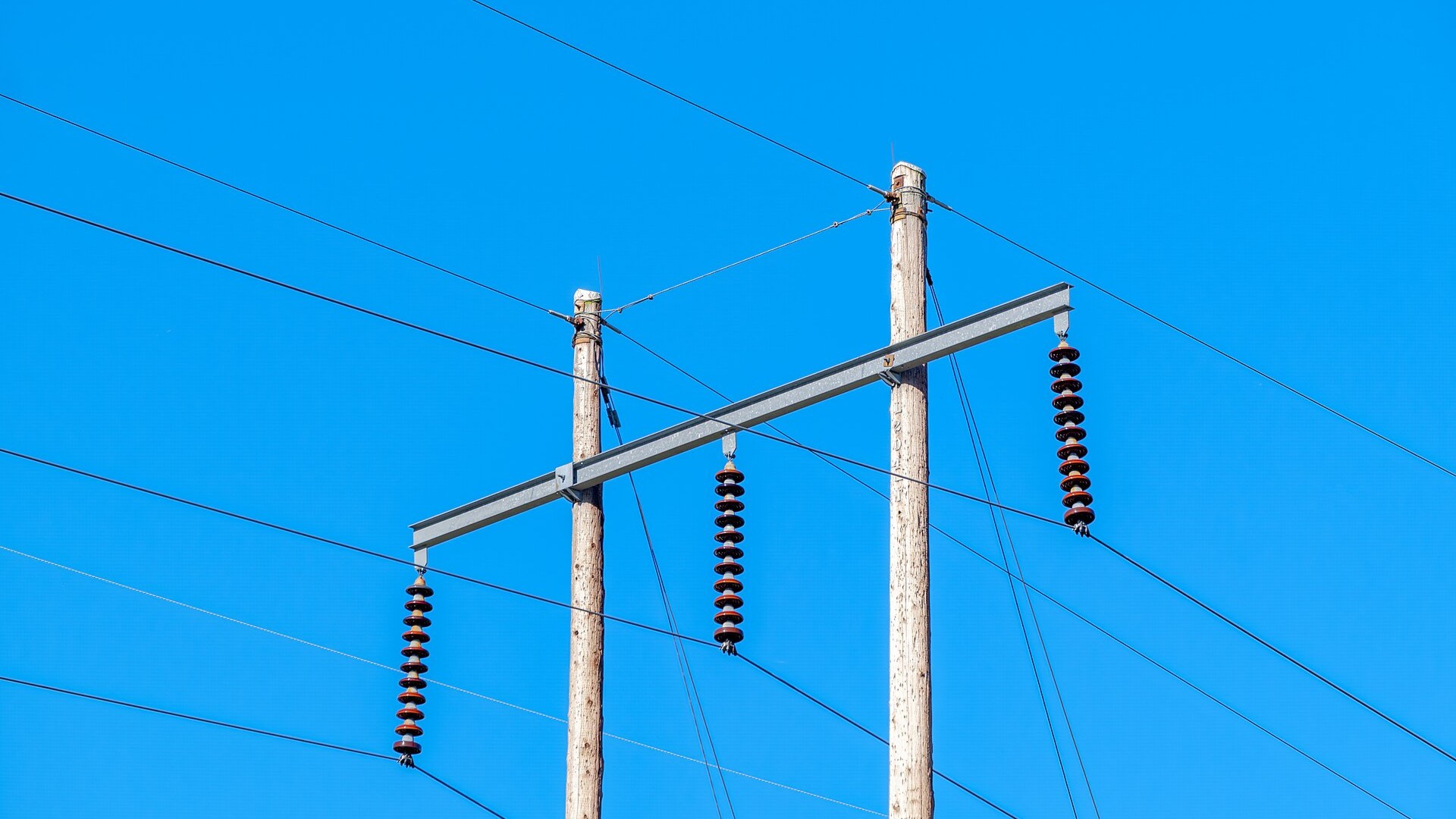
©Wikimedia / Lee Ann Ratledge
10. Wired Charging Cables
Frayed cords and bent port pins have plagued mobile technology since the early cellular era. The adoption of Qi2 magnetic wireless standards alongside long-range radio-frequency power harvesting is pushing consumer hardware toward fully sealed portless designs that power devices continuously without cords.
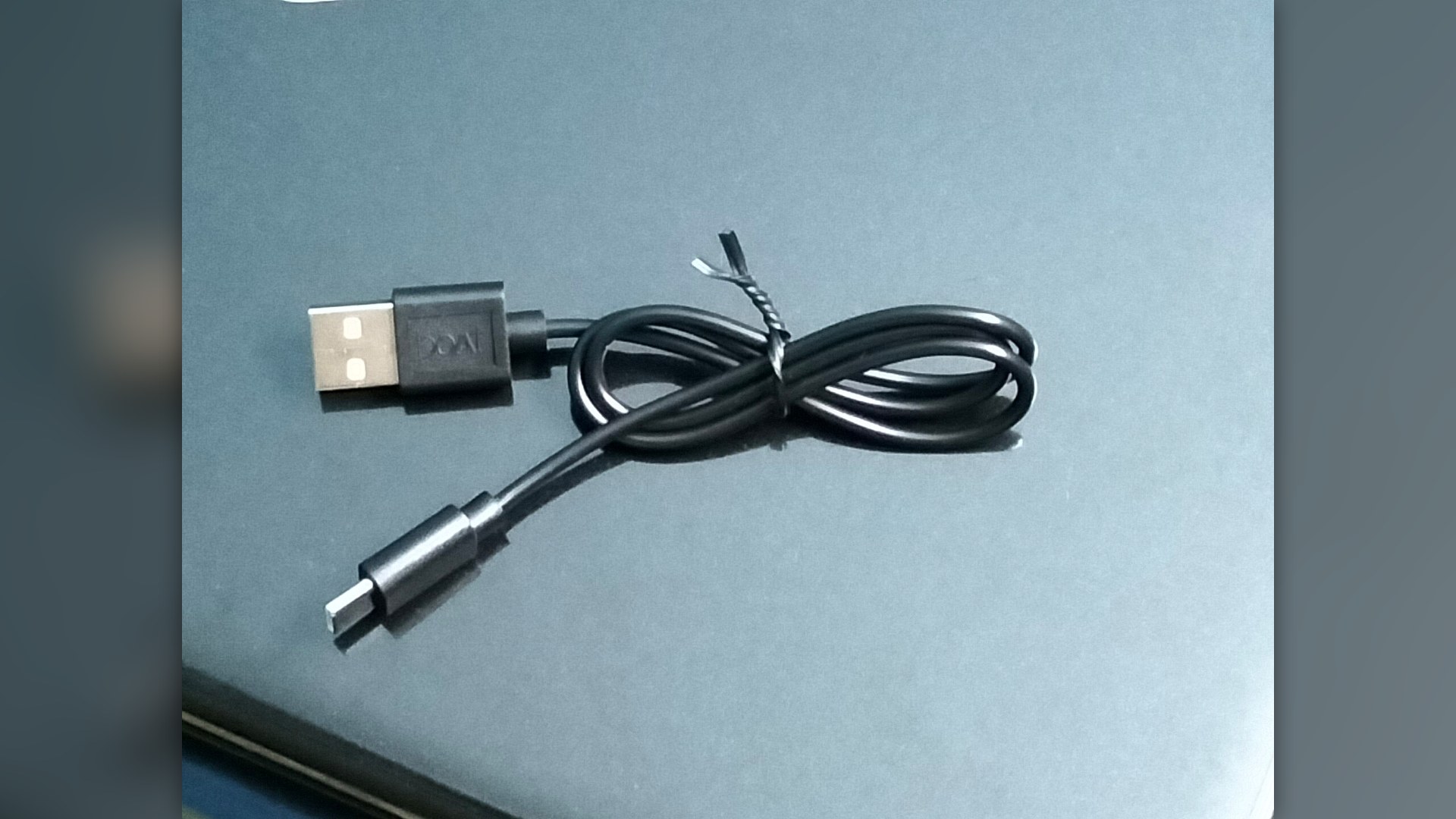
©Wikimedia / Shubjt
Advertisement
Swipe or tap ▶ to resume the countdown.
9. Physical Plastic Credit Cards
Carrying physical polyvinyl chloride payment cards with exposed sixteen-digit numbers is increasingly viewed as an unnecessary fraud risk. Contactless smartphone wallets, wearable biometric rings, and palm-vein scanners tokenize merchant payments, ensuring sensitive financial details are never exposed.
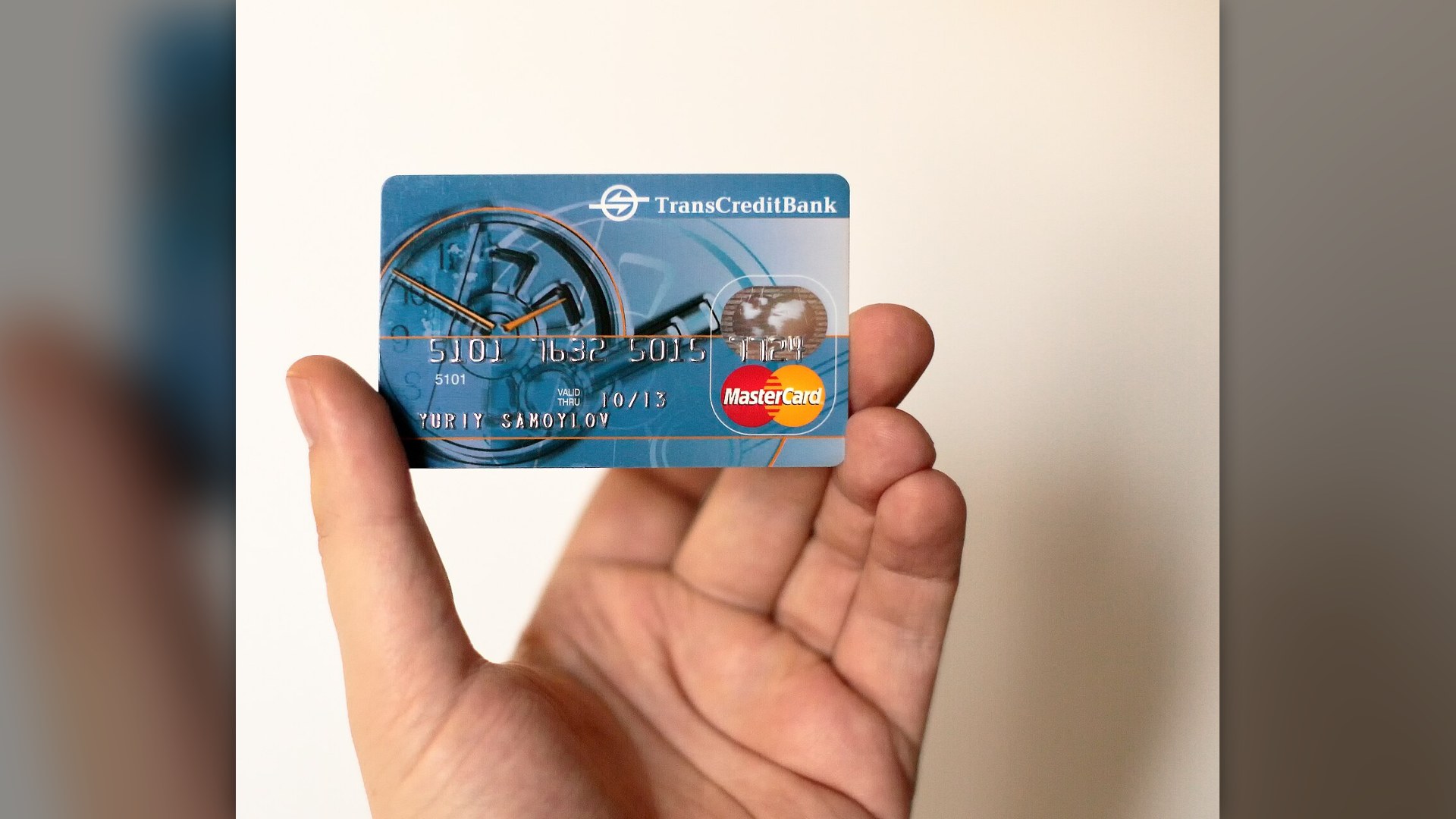
©Wikimedia / Yuri Samoilov
8. Passwords And Alphanumeric PINs
Memorized passwords remain the single greatest vulnerability across corporate and personal cybersecurity. Industry-wide deployment of FIDO2 passkey standards enables cryptographic authentication tied directly to device hardware, utilizing facial scans or fingerprint sensors that phishing attacks cannot steal.

©Wikimedia / Santeri Viinamaki
7. Paper Boarding Passes And Tickets
Aviation authorities and major event venues are accelerating the rollout of automated facial recognition lanes and encrypted digital ticket tokens. Travelers and concertgoers now move through terminals without presenting printed barcodes, cutting check-in delays while eliminating paper ticket fraud.
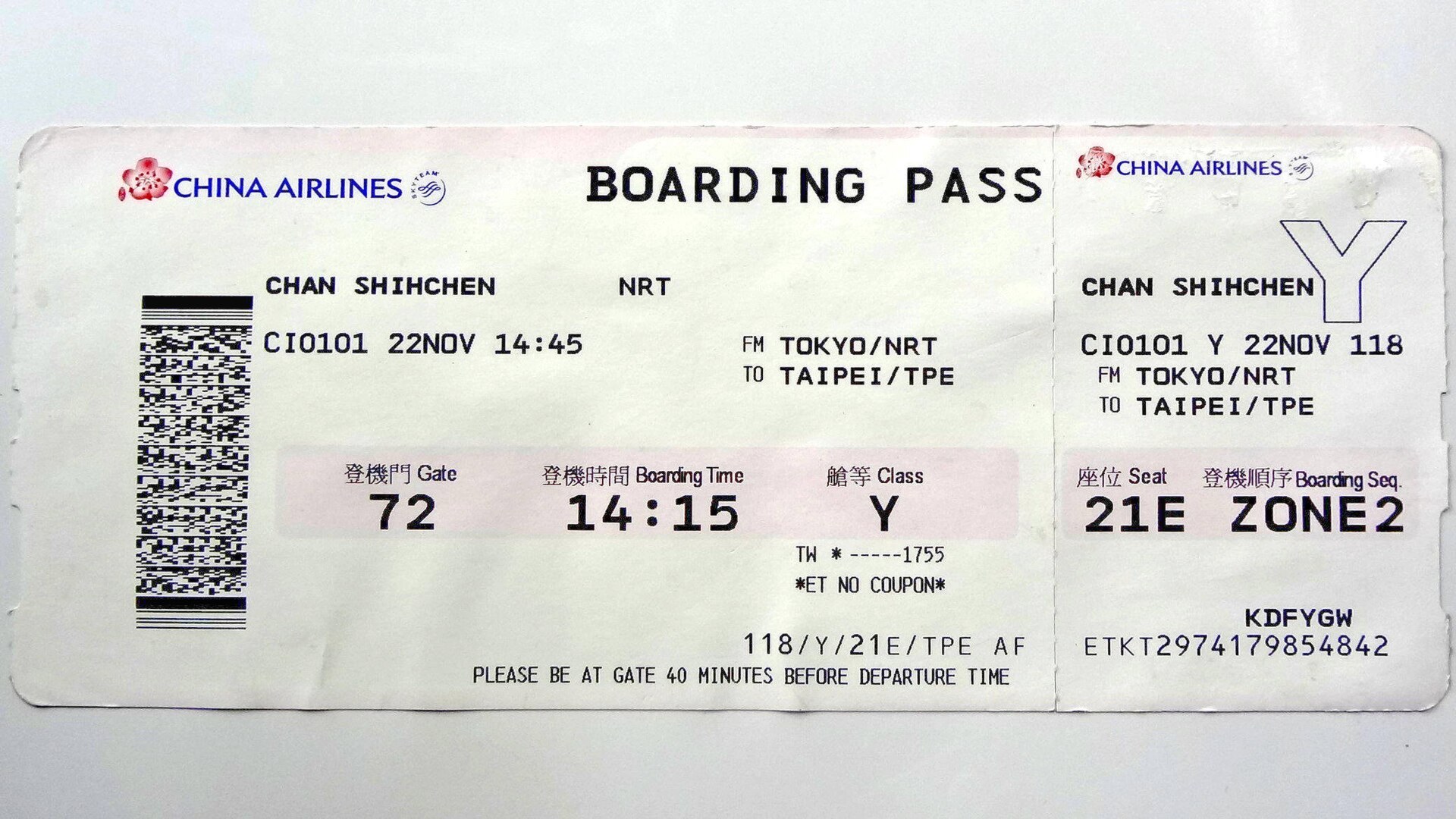
©Wikimedia / Solomon203
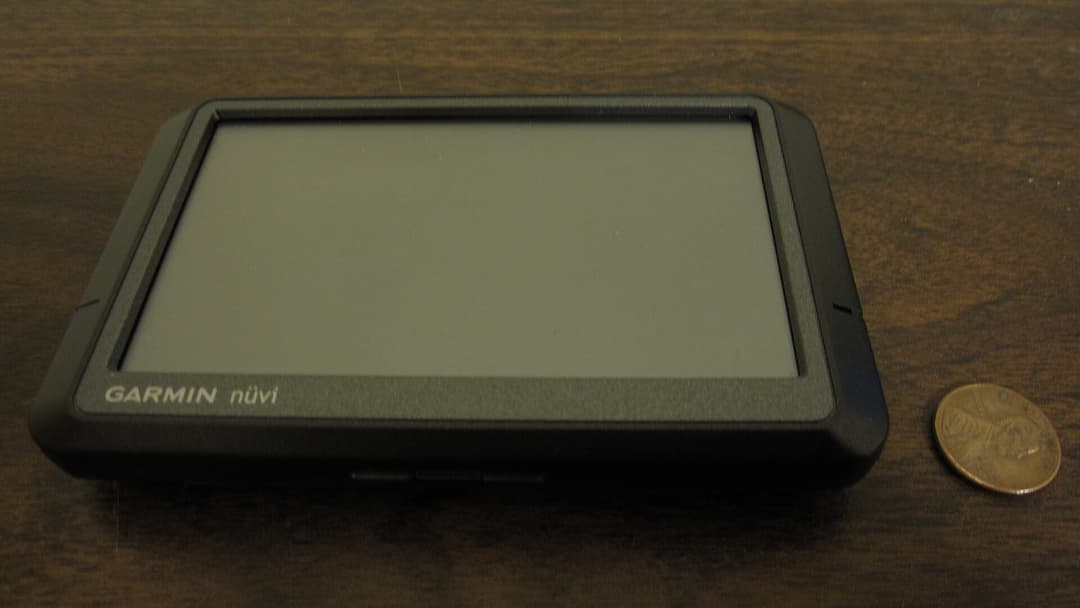
6. Standalone GPS Navigation Units
Window-mounted suction-cup navigation units that required manual map updates have disappeared from consumer retail shelves. Modern connected vehicles feature expansive factory touchscreens powered by real-time smartphone projection software, delivering up-to-the-minute traffic rerouting.
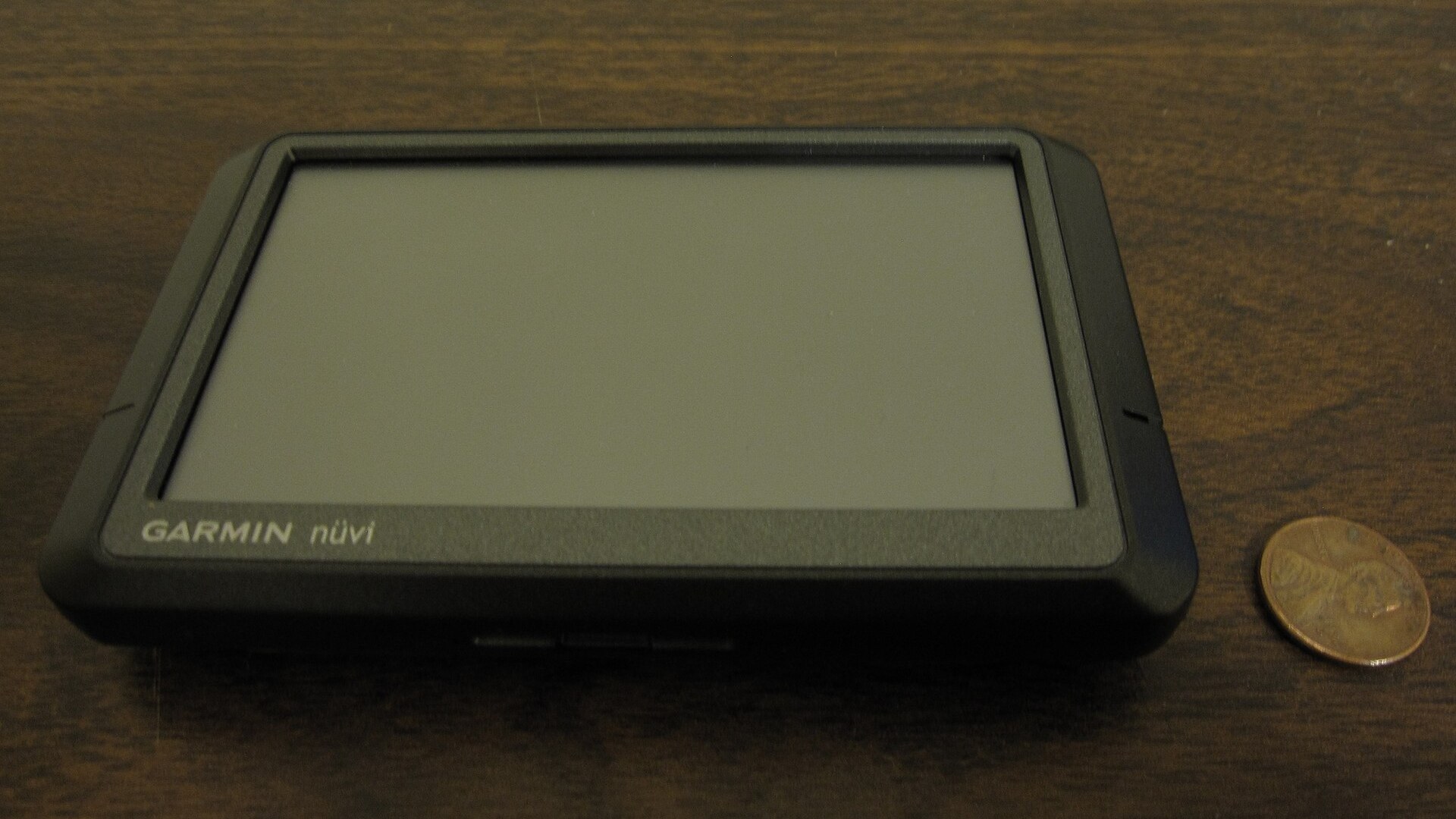
©Wikimedia / Mahanga
Advertisement
Swipe or tap ▶ to resume the countdown.
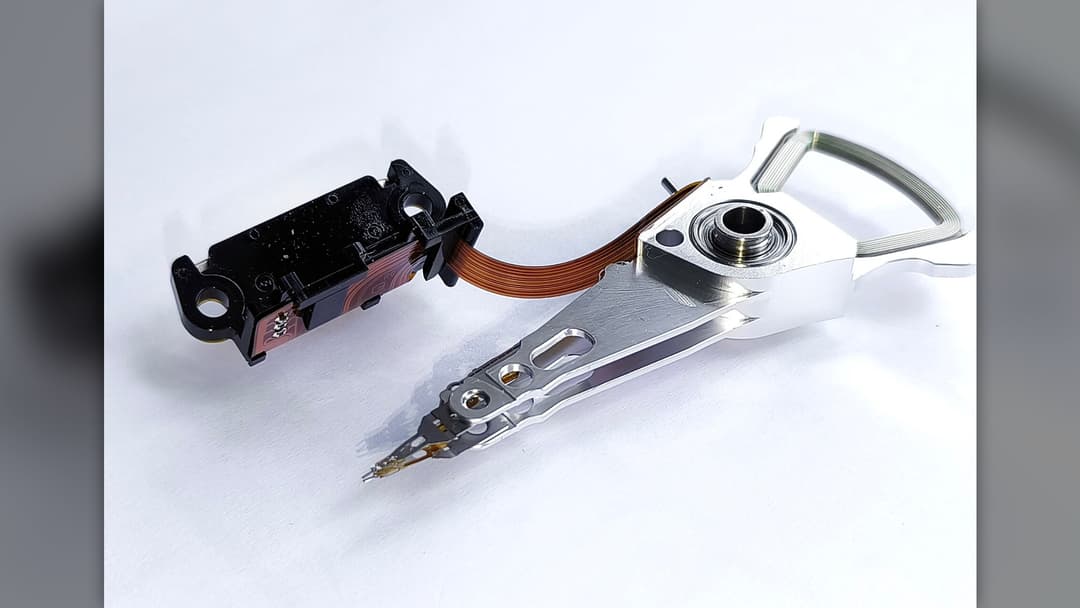
5. Desktop Hard Disk Drives
Mechanical hard disk drives with spinning magnetic platters and fragile moving actuator arms are being phased out of consumer computers. Solid-state drives deliver transfer speeds dozens of times faster, complete silent operation, and zero shock vulnerability as fabrication costs drop to parity.
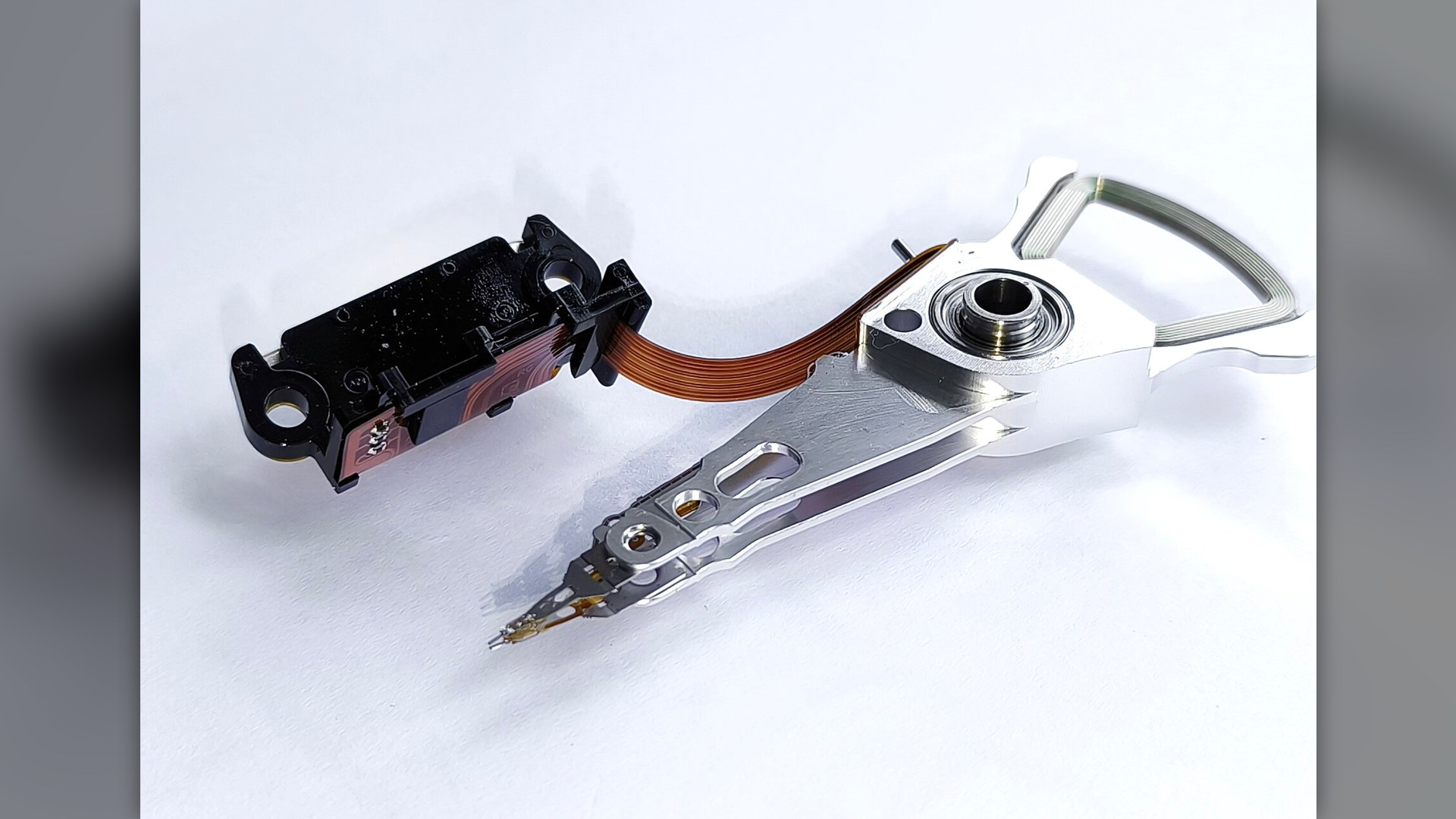
©Wikimedia / Mk2010
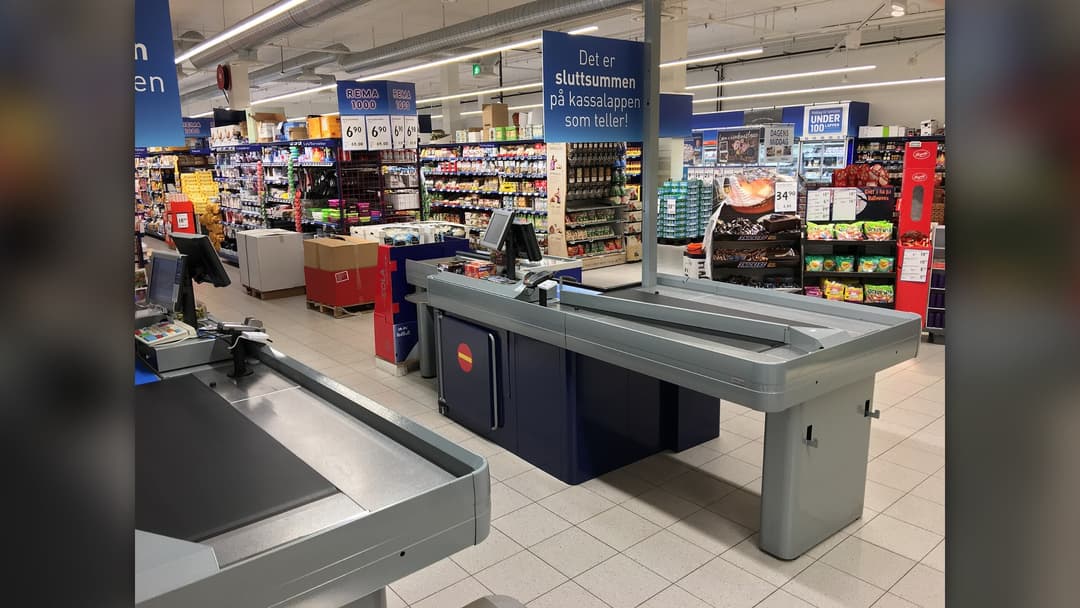
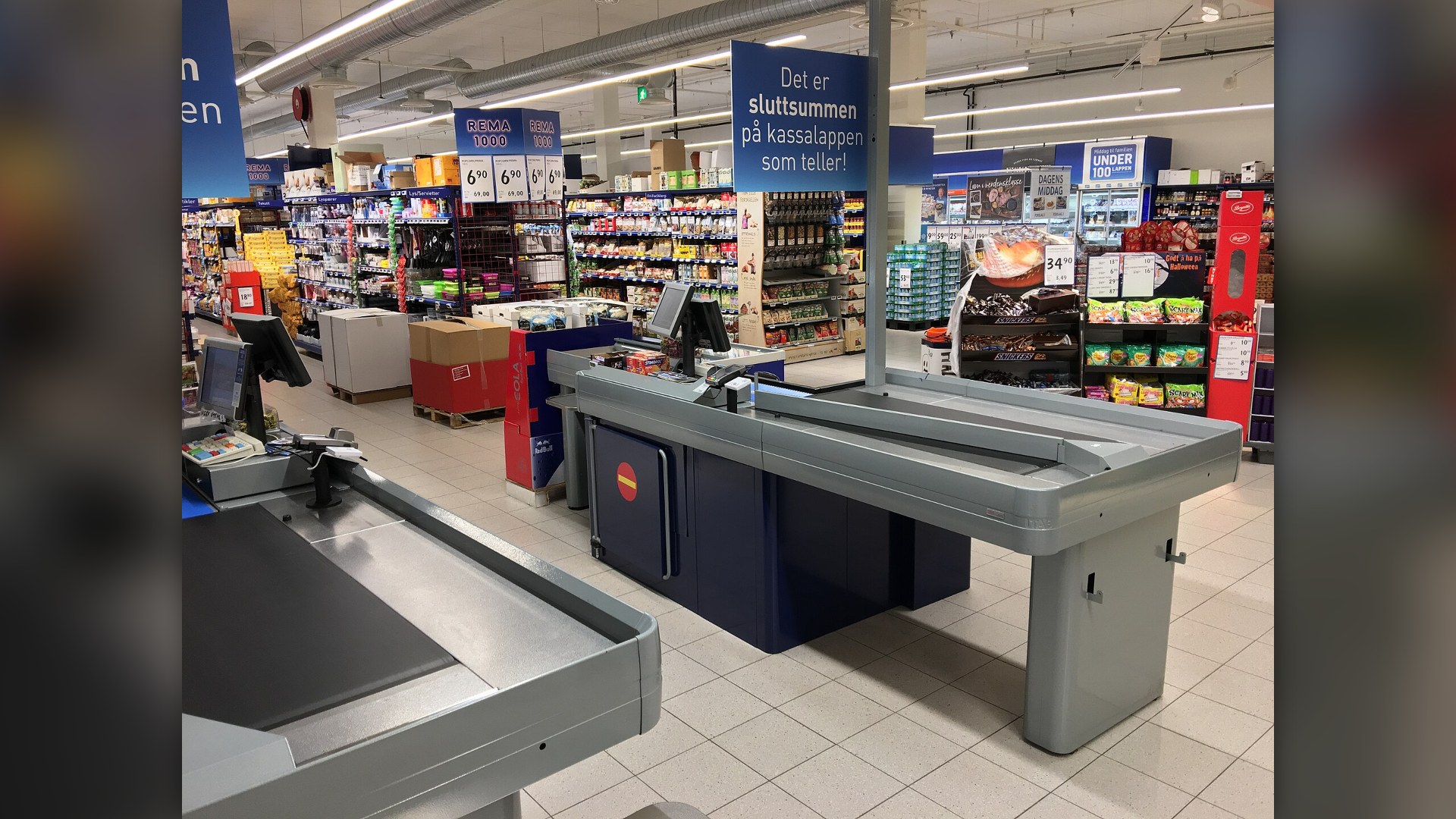
4. Manual Cashier Lanes
Traditional grocery checkout lanes where human cashiers manually scan individual barcodes are rapidly giving way to ambient retail computing. Ceiling-mounted sensor arrays and automated cart RFID readers calculate purchases as customers walk out the door, charging registered accounts with zero wait times.
©Wikimedia / Wolfmann
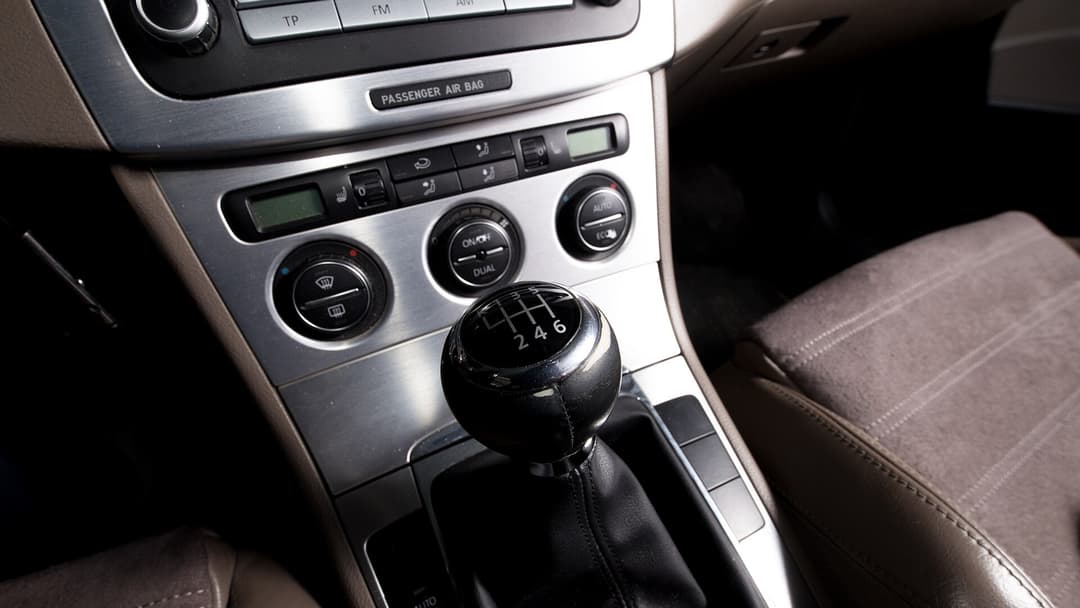
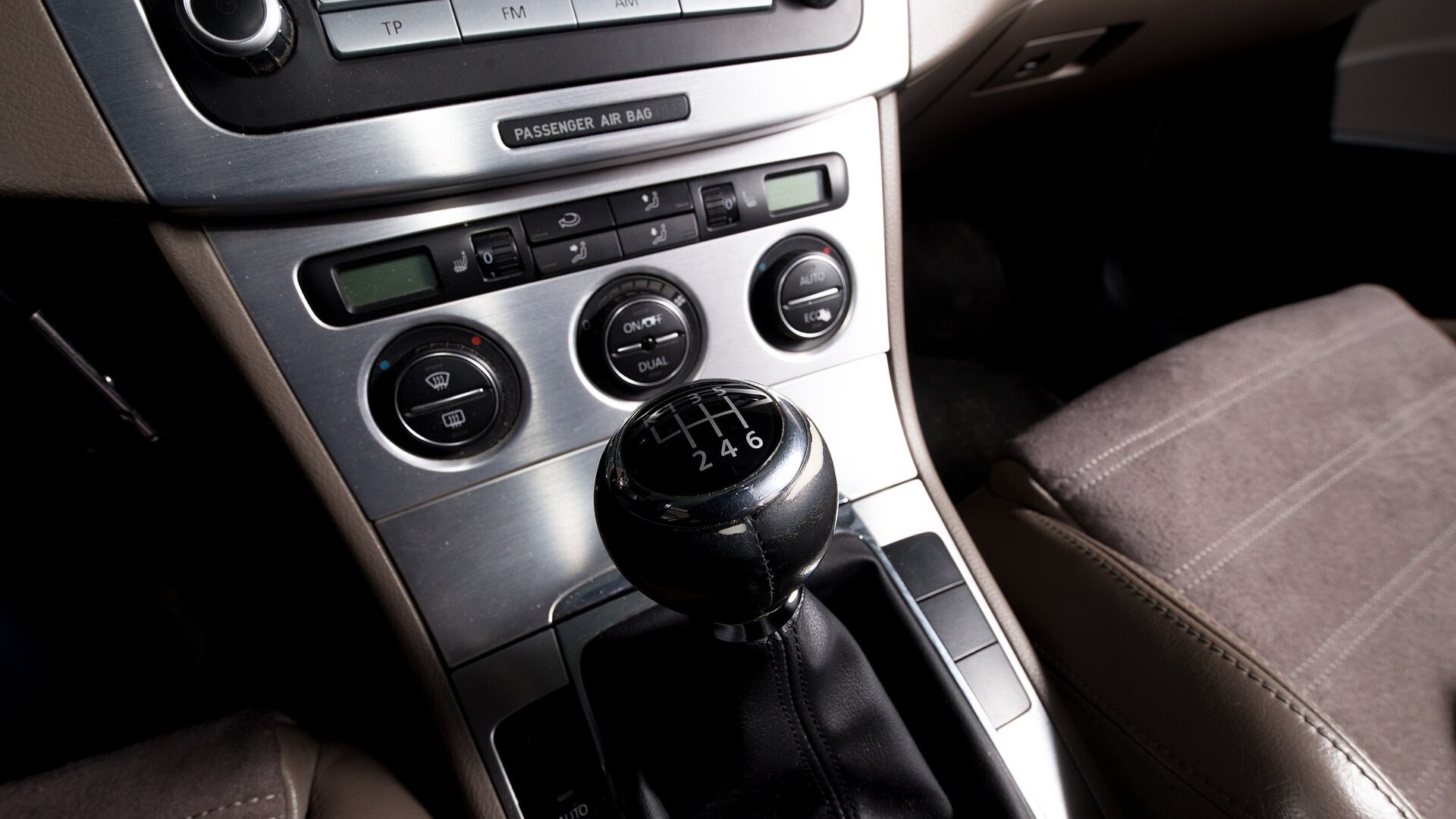
3. Manual Car Transmissions
Three-pedal manual transmissions with hand-shifted gear sticks have plunged to single-digit market shares across major automotive markets. With electric drivetrains utilizing single-speed direct reduction gears and computer-controlled dual-clutch systems shifting in milliseconds, the clutch pedal is retiring.
©Wikimedia / Shixart1985
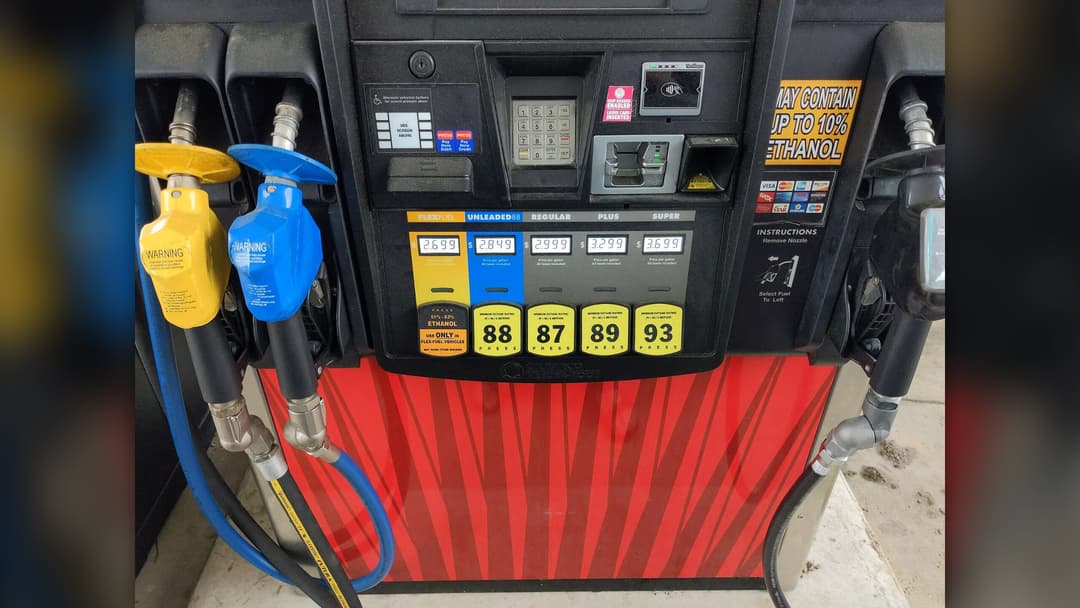
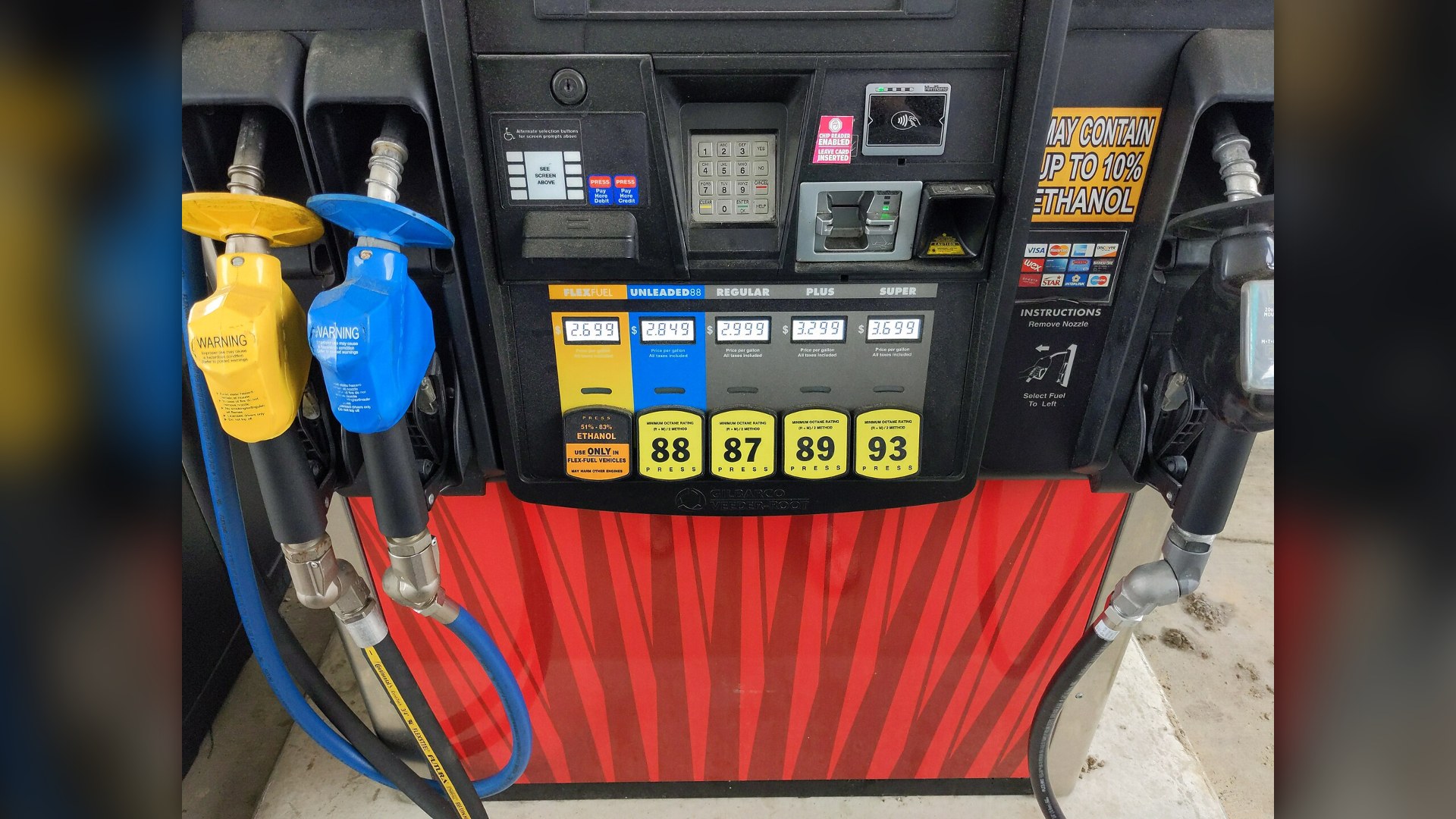
2. Commuter Petrol Pumps
The historical necessity of pulling into a dedicated fuel filling station every week is vanishing for everyday commuters. As electric passenger vehicle market shares surge, drivers charge overnight at home or during work hours, leaving standalone suburban petrol stations to consolidate or convert to charging plazas.
©Wikimedia / Jleedev
Advertisement
Swipe or tap ▶ to resume the countdown.
1. Physical Cash In Daily Commerce
Paper banknotes and metal coins are disappearing from everyday retail commerce across developed economies. In countries like Sweden and Norway, cash represents less than five percent of transactions, driven out by instant peer transfers, sovereign digital payment rails, and ubiquitous cashless merchant policies.

©U.S. Army / Sgt. Michael Selvage
Advertisement
You've reached the end of the story. Thanks for reading!

20 Athletes Who Became Successful Businesspeople, Ranked
From sneaker empires and restaurant franchises to venture capital firms, these iconic sports stars built massive corporate fortunes off the field.
All 20 Entries in this Story
20. Incandescent Light Bulbs
Governments across North America and the European Union have implemented strict efficiency mandates that ban traditional incandescent and halogen lighting. Solid-state light-emitting diodes now provide over twenty times the lifespan while consuming a fraction of the electricity, ending a century of heated filaments.

19. Standalone USB Flash Drives
Pocket-sized USB flash drives were once vital for shuttling documents between computers. Gigabit wireless connectivity, automated cloud sync, and encrypted peer-to-peer transfer protocols have rendered physical thumb drives an unnecessary security hazard for modern digital workflows.

18. Paper Store Receipts
Thermal paper receipts coated with bisphenol chemicals create massive retail waste and pose health concerns. Modern point-of-sale terminals now transmit encrypted purchase records directly to banking apps, email accounts, and retail loyalty profiles, making physical paper slips obsolete for returns and tax tracking.

17. Compact Discs And Optical Drives
Laptops, desktop motherboards, and modern gaming consoles have largely removed internal disc trays. Cloud libraries, streaming music servers, and direct digital game downloads offer immediate access without mechanical wear, relegating optical compact discs and DVD discs to niche retro collector status.

16. Traditional Cable TV Subscriptions
Expensive linear cable tiers requiring proprietary set-top coaxial boxes continue to hemorrhage millions of subscribers each year. On-demand streaming libraries and free ad-supported streaming television networks offer customizable viewing that makes bundled multi-hundred-dollar cable packages unviable.

15. Dedicated TV Remote Controls
Cluttered plastic remotes stuffed with disposable alkaline batteries are rapidly vanishing from modern living rooms. Smart televisions now integrate universal mobile operating systems, low-latency mobile device pairing, and voice-command hardware that streamline entertainment navigation into single-word prompts.

14. Physical Metal Car Keys
Automakers are transitioning vehicle fleets to ultra-wideband digital keys integrated into smartphone secure elements and smartwatches. Proximity sensors unlock vehicles as owners approach, while cloud credential sharing allows drivers to grant temporary vehicle access remotely without handing over a metal key.

13. Plastic Mobile SIM Cards
Smartphone manufacturers are aggressively removing physical SIM trays to reclaim internal device volume for larger batteries and improved water resistance. Embedded eSIM technology allows consumers to switch cellular carriers or download international data roaming profiles digitally in seconds.

12. Gas-Powered Lawn Mowers
Small off-road gas engines generate disproportionately high levels of smog-forming emissions and noise pollution. Cities across California and Europe have enacted retail bans on new gas-powered lawn equipment, driving homeowners toward quiet lithium-battery push mowers and autonomous robotic mowers.

11. Copper Telephone Wires
Twisted-pair copper telephone lines laid throughout the twentieth century are expensive to maintain and prone to environmental degradation. Major telecommunications carriers are systematically decommissioning legacy public telephone infrastructure in favor of glass optical fiber and 5G wireless links.

10. Wired Charging Cables
Frayed cords and bent port pins have plagued mobile technology since the early cellular era. The adoption of Qi2 magnetic wireless standards alongside long-range radio-frequency power harvesting is pushing consumer hardware toward fully sealed portless designs that power devices continuously without cords.

9. Physical Plastic Credit Cards
Carrying physical polyvinyl chloride payment cards with exposed sixteen-digit numbers is increasingly viewed as an unnecessary fraud risk. Contactless smartphone wallets, wearable biometric rings, and palm-vein scanners tokenize merchant payments, ensuring sensitive financial details are never exposed.

8. Passwords And Alphanumeric PINs
Memorized passwords remain the single greatest vulnerability across corporate and personal cybersecurity. Industry-wide deployment of FIDO2 passkey standards enables cryptographic authentication tied directly to device hardware, utilizing facial scans or fingerprint sensors that phishing attacks cannot steal.

7. Paper Boarding Passes And Tickets
Aviation authorities and major event venues are accelerating the rollout of automated facial recognition lanes and encrypted digital ticket tokens. Travelers and concertgoers now move through terminals without presenting printed barcodes, cutting check-in delays while eliminating paper ticket fraud.

6. Standalone GPS Navigation Units
Window-mounted suction-cup navigation units that required manual map updates have disappeared from consumer retail shelves. Modern connected vehicles feature expansive factory touchscreens powered by real-time smartphone projection software, delivering up-to-the-minute traffic rerouting.

5. Desktop Hard Disk Drives
Mechanical hard disk drives with spinning magnetic platters and fragile moving actuator arms are being phased out of consumer computers. Solid-state drives deliver transfer speeds dozens of times faster, complete silent operation, and zero shock vulnerability as fabrication costs drop to parity.

4. Manual Cashier Lanes
Traditional grocery checkout lanes where human cashiers manually scan individual barcodes are rapidly giving way to ambient retail computing. Ceiling-mounted sensor arrays and automated cart RFID readers calculate purchases as customers walk out the door, charging registered accounts with zero wait times.

3. Manual Car Transmissions
Three-pedal manual transmissions with hand-shifted gear sticks have plunged to single-digit market shares across major automotive markets. With electric drivetrains utilizing single-speed direct reduction gears and computer-controlled dual-clutch systems shifting in milliseconds, the clutch pedal is retiring.

2. Commuter Petrol Pumps
The historical necessity of pulling into a dedicated fuel filling station every week is vanishing for everyday commuters. As electric passenger vehicle market shares surge, drivers charge overnight at home or during work hours, leaving standalone suburban petrol stations to consolidate or convert to charging plazas.

1. Physical Cash In Daily Commerce
Paper banknotes and metal coins are disappearing from everyday retail commerce across developed economies. In countries like Sweden and Norway, cash represents less than five percent of transactions, driven out by instant peer transfers, sovereign digital payment rails, and ubiquitous cashless merchant policies.