Slideshow · Viral
20 US Airports Where Winter Weather Causes the Biggest Travel Disruptions
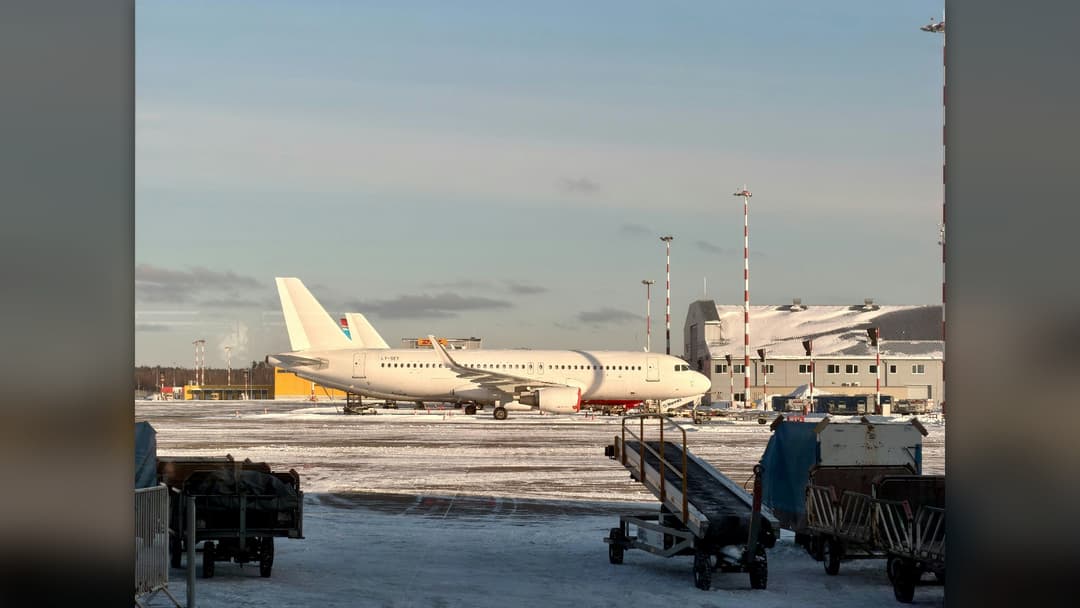
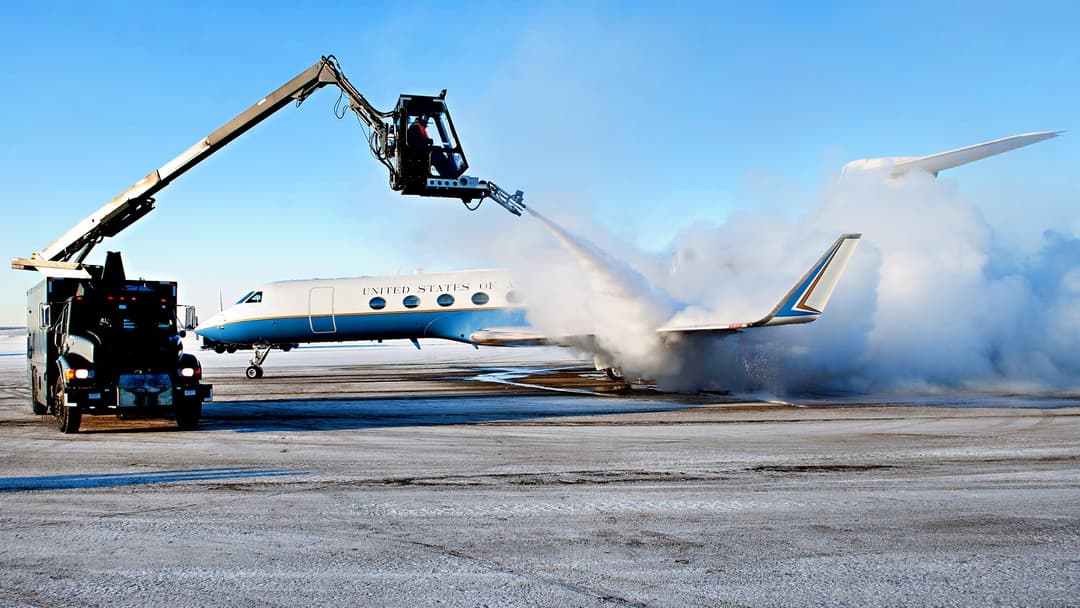
Winter storms, freezing fog, and subzero Arctic blasts create annual travel nightmares across American runways. Ranked from 20 to 1, these airports face the most grueling deicing lines, runaway cancellations, and weather ground stops when winter weather strikes.
By Most Viral Today
1 hour ago

Where Blizzards and Ice Freeze Runways Across America 
20. Seattle-Tacoma International (SEA) 
19. Salt Lake City International (SLC) 
18. Pittsburgh International (PIT) - AdvertisementSwipe or tap ▶ to continue countdown

17. Milwaukee Mitchell International (MKE) 
16. Gerald R. Ford International (GRR) 
15. Detroit Metropolitan Airport (DTW) 
14. Cleveland Hopkins International (CLE) - AdvertisementSwipe or tap ▶ to continue countdown

13. Philadelphia International (PHL) 
12. Syracuse Hancock International (SYR) 
11. Minneapolis-Saint Paul International (MSP) 
10. Newark Liberty International (EWR) - AdvertisementSwipe or tap ▶ to continue countdown

9. Boston Logan International (BOS) 
8. New York LaGuardia Airport (LGA) 
7. John F. Kennedy International (JFK) 
6. Aspen Pitkin County Airport (ASE) - AdvertisementSwipe or tap ▶ to continue countdown

5. Jackson Hole Airport (JAC) 
4. Buffalo Niagara International (BUF) 
3. Denver International Airport (DEN) 
2. Chicago Midway International (MDW) - AdvertisementSwipe or tap ▶ to continue countdown

1. Chicago O'Hare International (ORD) - Advertisement🔥 UP NEXT IN THIS SERIES◫ 31 Slides

The 30 Most-Searched Questions of 2026
Curious Minds: What the World Wondered Most in 2026
Winter storms, freezing fog, and subzero Arctic blasts create annual travel nightmares across American runways. Ranked from 20 to 1, these airports face the most grueling deicing lines, runaway cancellations, and weather ground stops when winter weather strikes.
Swipe or tap ▶ to begin the countdown
© Photo by Ray Freimanis on Unsplash
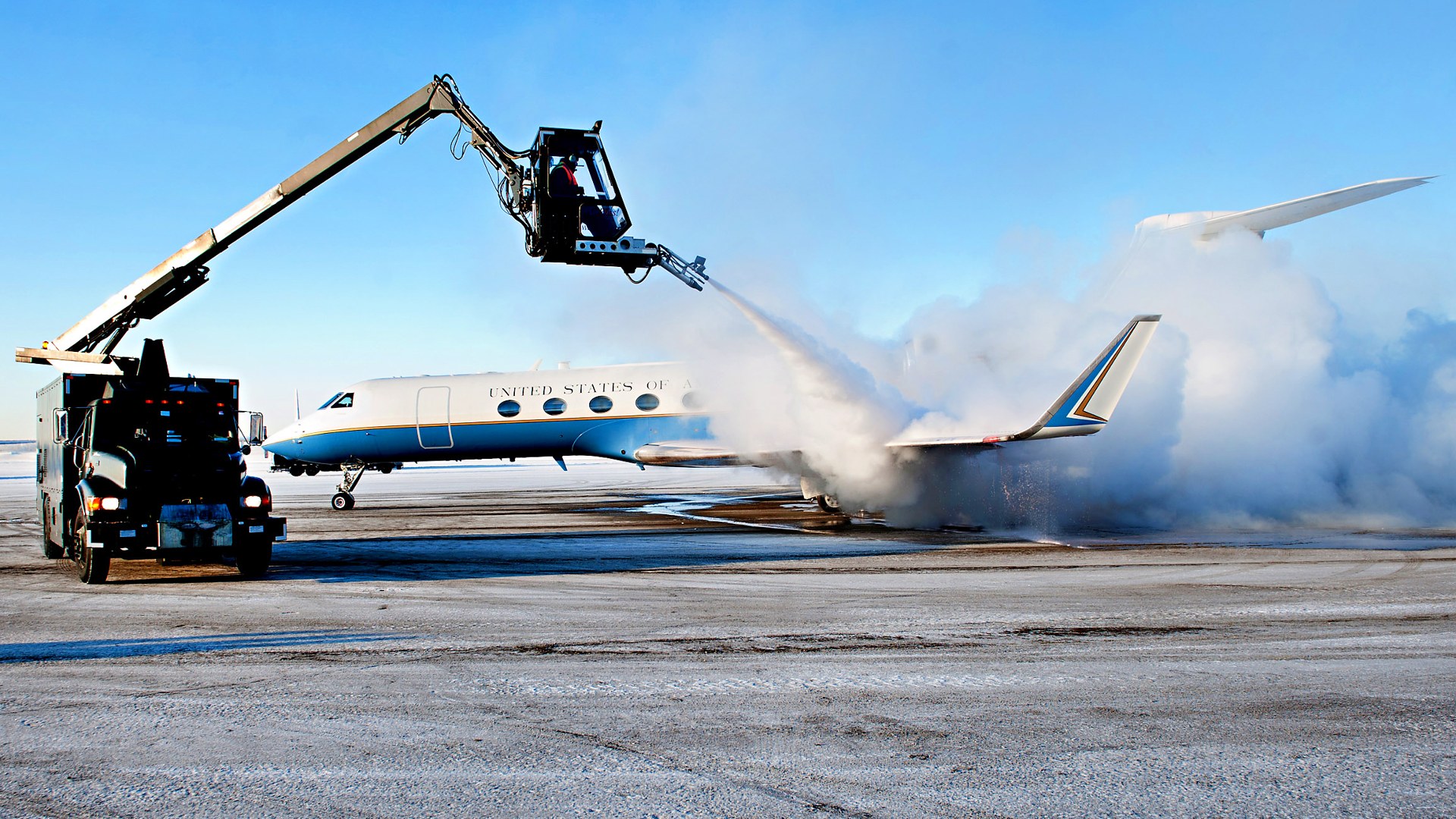
20. Seattle-Tacoma International (SEA)
Sea-Tac averages little yearly snowfall, but sudden Arctic cold snaps through the Cascades plunge runways into glaze ice. Because the airport lacks the massive snow fleet of northern hubs, modest icing events cause immediate cascade ground stops.
©Wikimedia / Sgt. Steve Cortez
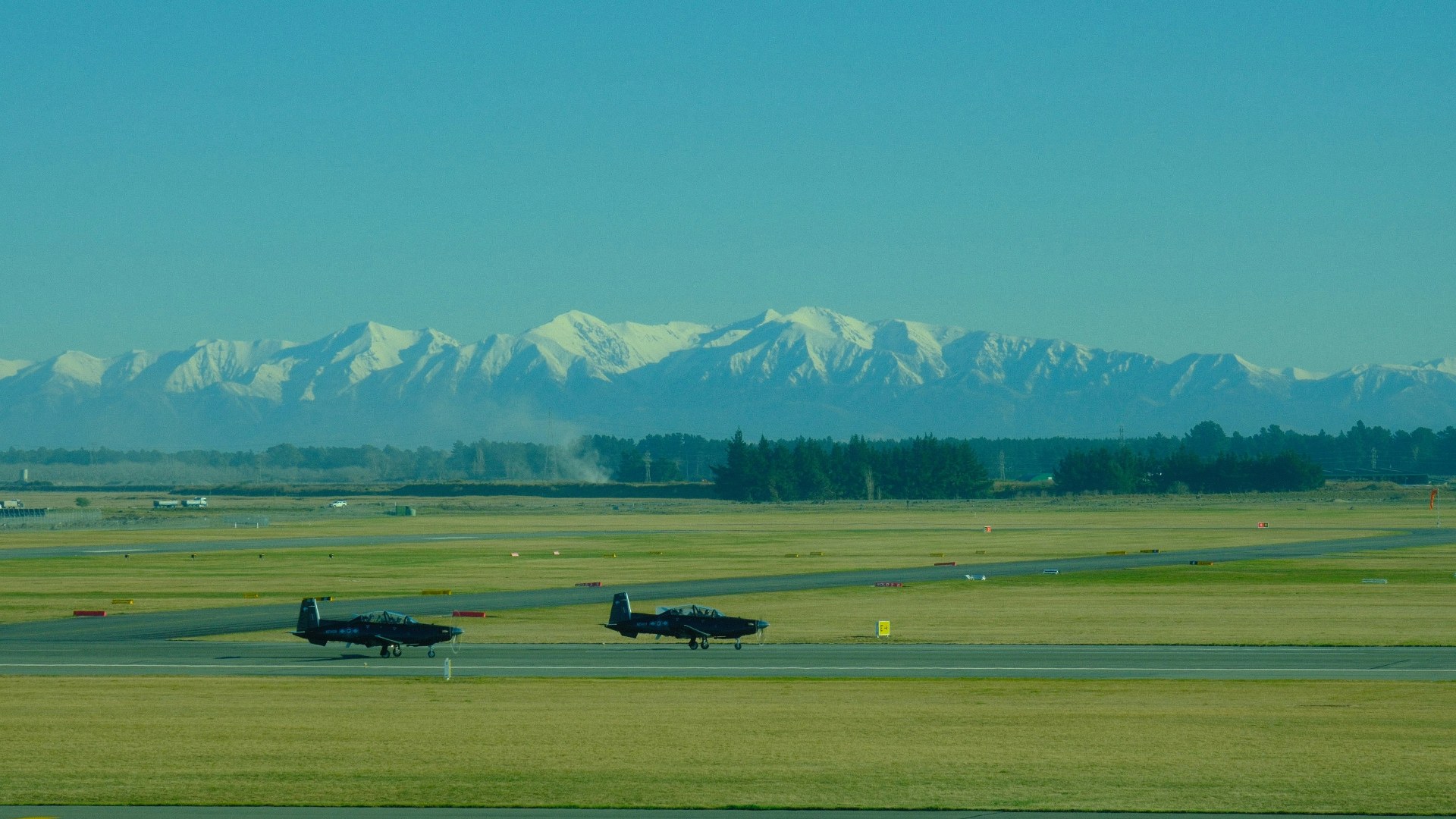
19. Salt Lake City International (SLC)
Lake-effect snow off the Great Salt Lake dumps intense localized squalls directly over runway approaches. Mountain canyon winds compound low visibility, forcing aircraft to circle in holding patterns while plows clear runway centerlines.
© Photo by Nensi Patel on Unsplash
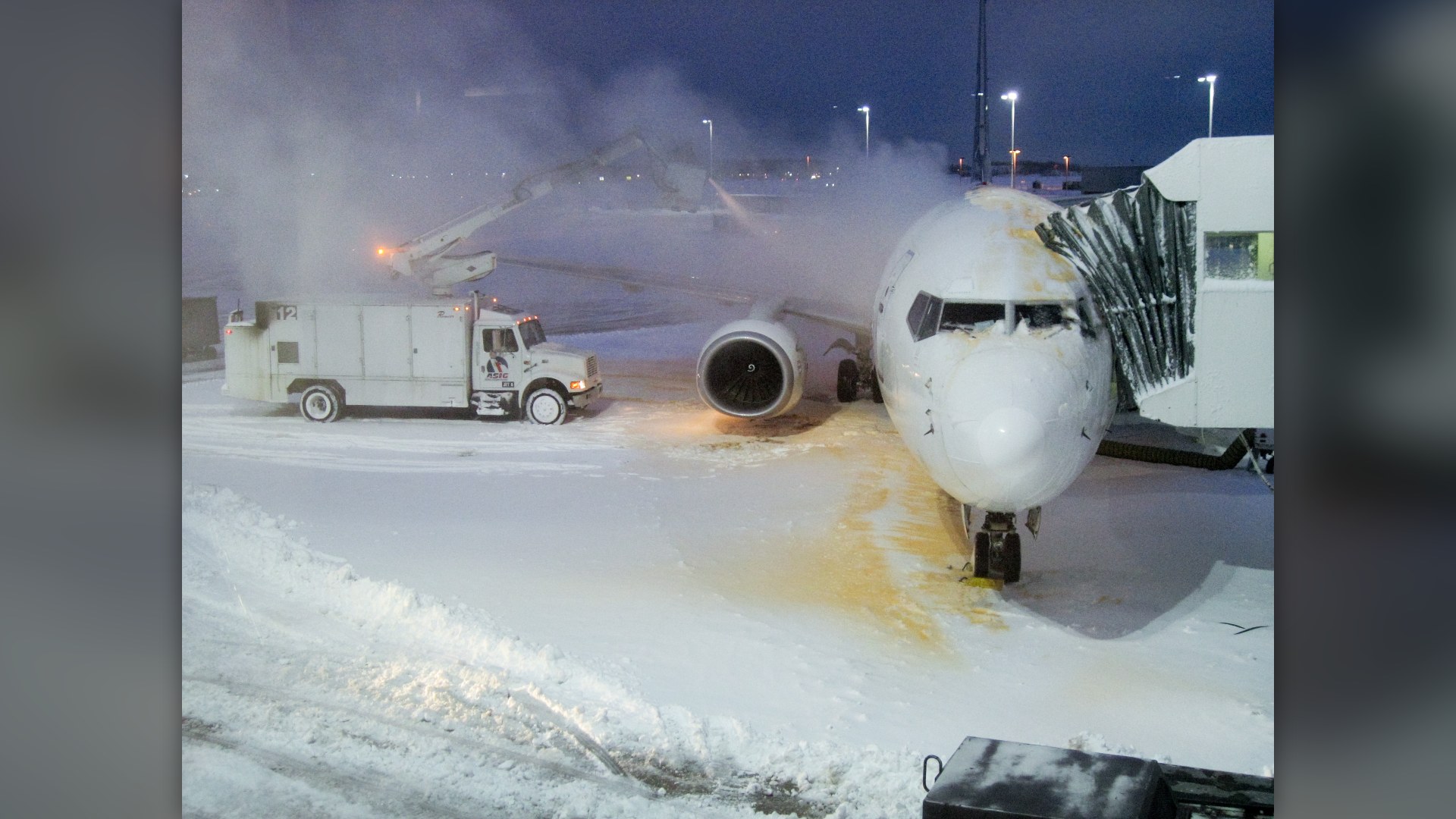
18. Pittsburgh International (PIT)
Pittsburgh sits in a volatile transition zone where warm southern moisture overrides freezing surface air trapped against the mountains. Thick glaze ice builds rapidly on wings, requiring double deicing treatments that stretch gate departures by hours.
©Wikimedia / Nicholas Hartmann
Advertisement
Swipe or tap ▶ to resume the countdown.
17. Milwaukee Mitchell International (MKE)
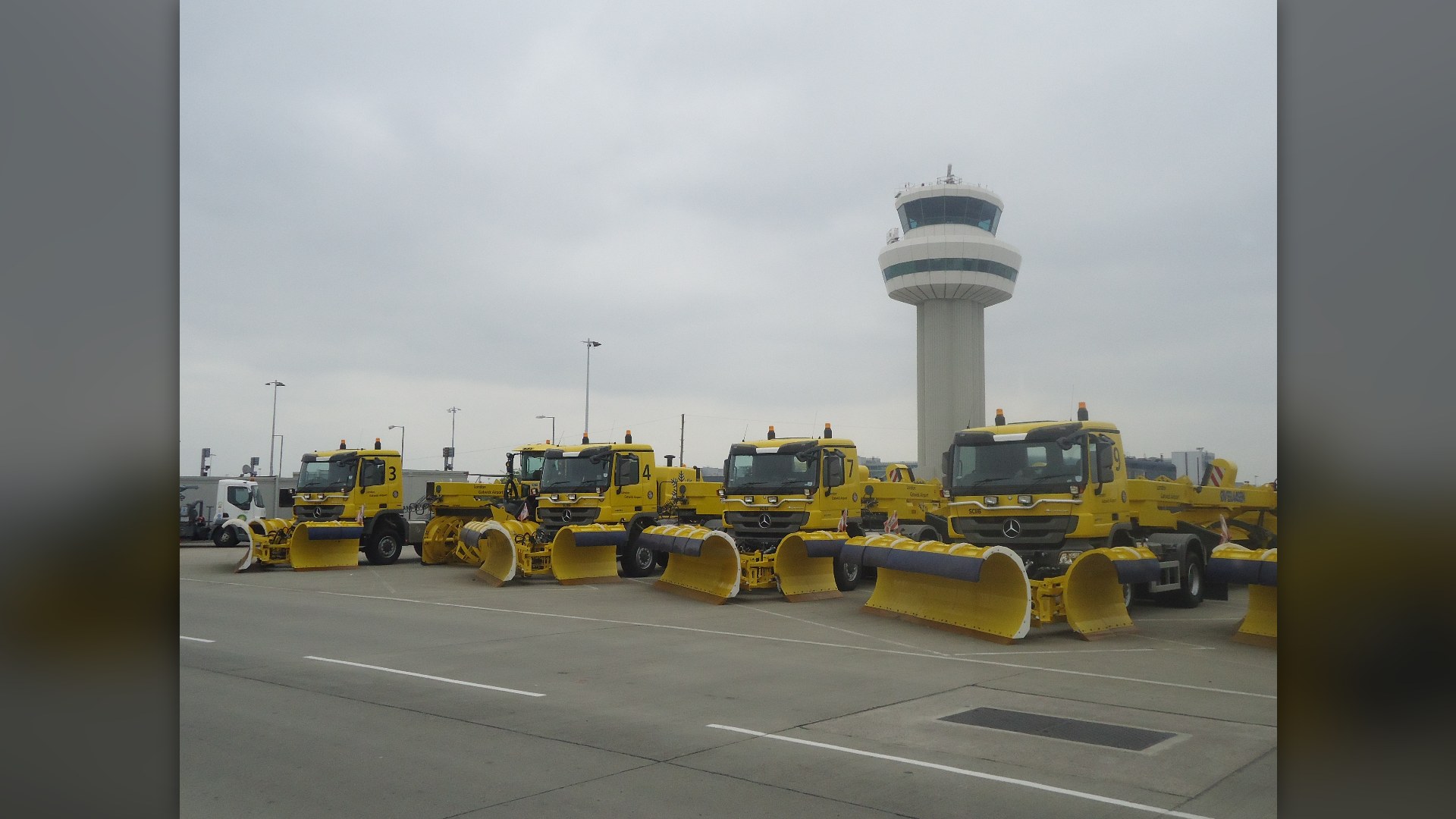
Lakeside winds whip early season snow into dense drifts across taxiways. When polar outbreaks plunge temperatures below zero, fuel lines and ground hydraulic hoses freeze, turning routine baggage loading and pushbacks into extended ordeals.
©Wikimedia / Oddbodz
16. Gerald R. Ford International (GRR)
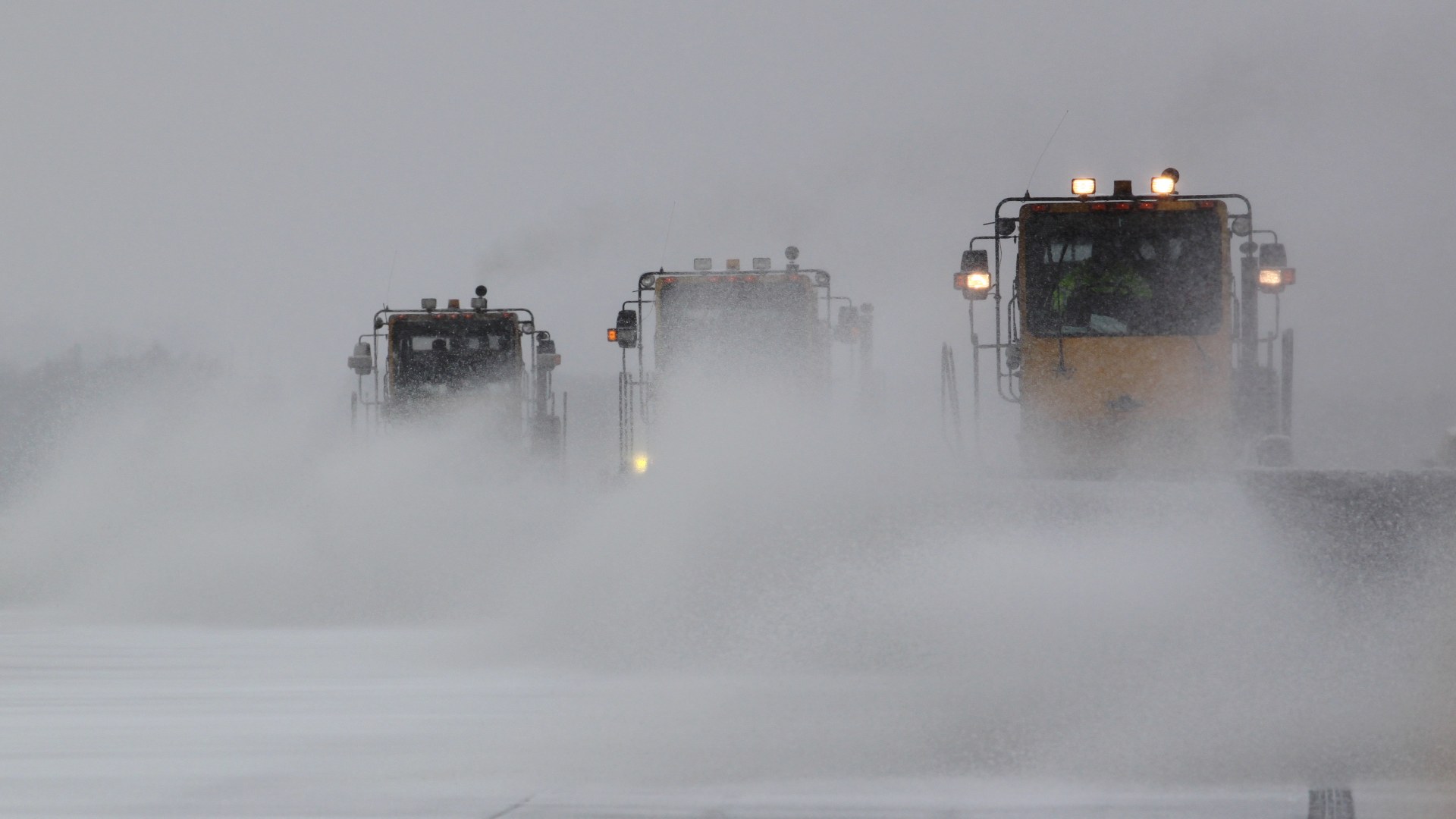
Grand Rapids catches the full brunt of moisture lifting off Lake Michigan. Intense snow squalls drop visibility to zero without notice, forcing regional commuter jets to divert to Detroit or Chicago when runways cannot be cleared in time.
©Wikimedia / John Murphy
15. Detroit Metropolitan Airport (DTW)
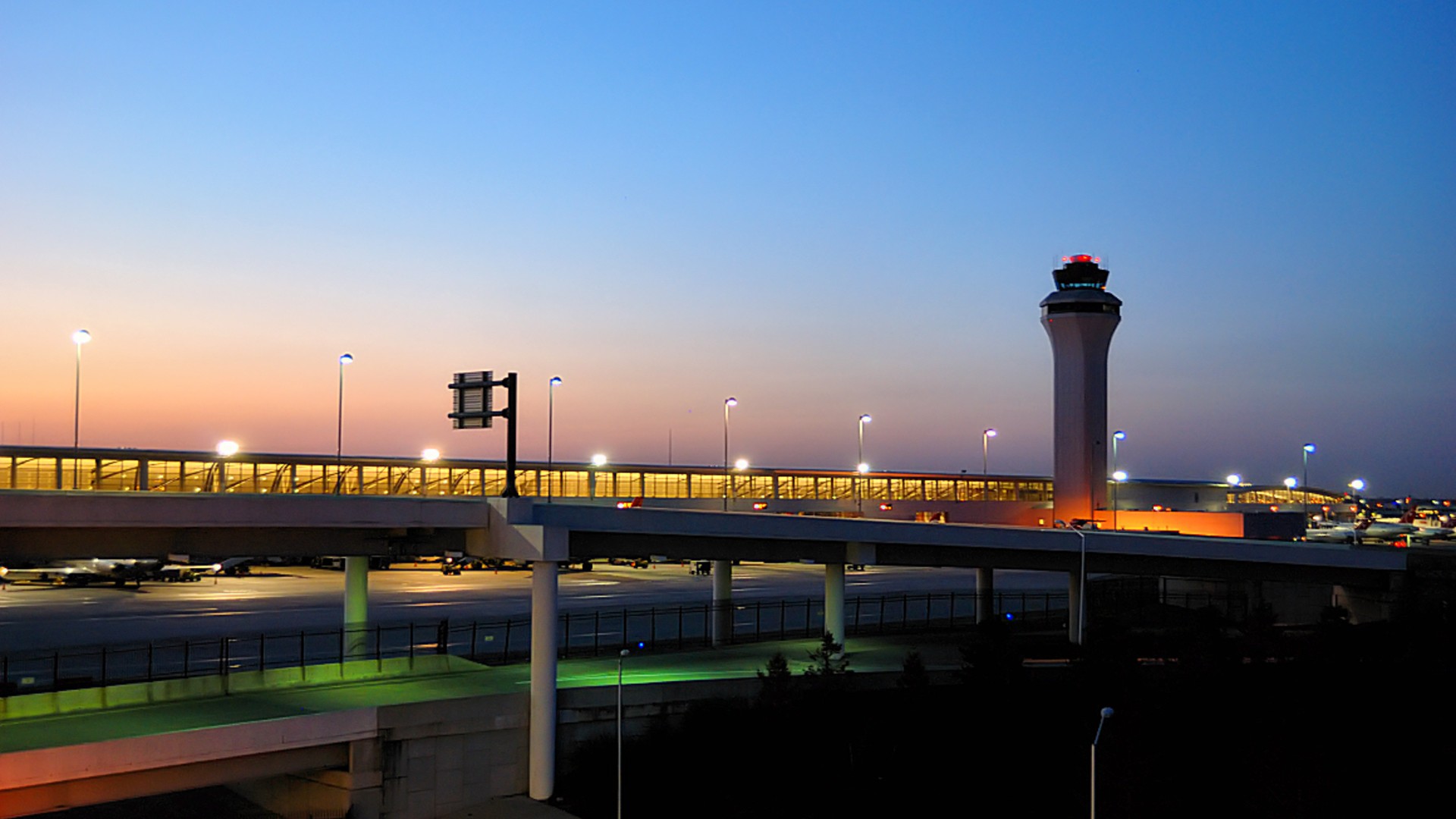
Detroit handles massive passenger volumes across six runways. When Alberta clippers drive subzero wind chills and blowing snow across open airfield ramps, deicing pads reach peak capacity, causing ripple delays through connecting networks.
©Wikimedia / en:User:Dehk deekster(at)gmail [dot] com
14. Cleveland Hopkins International (CLE)
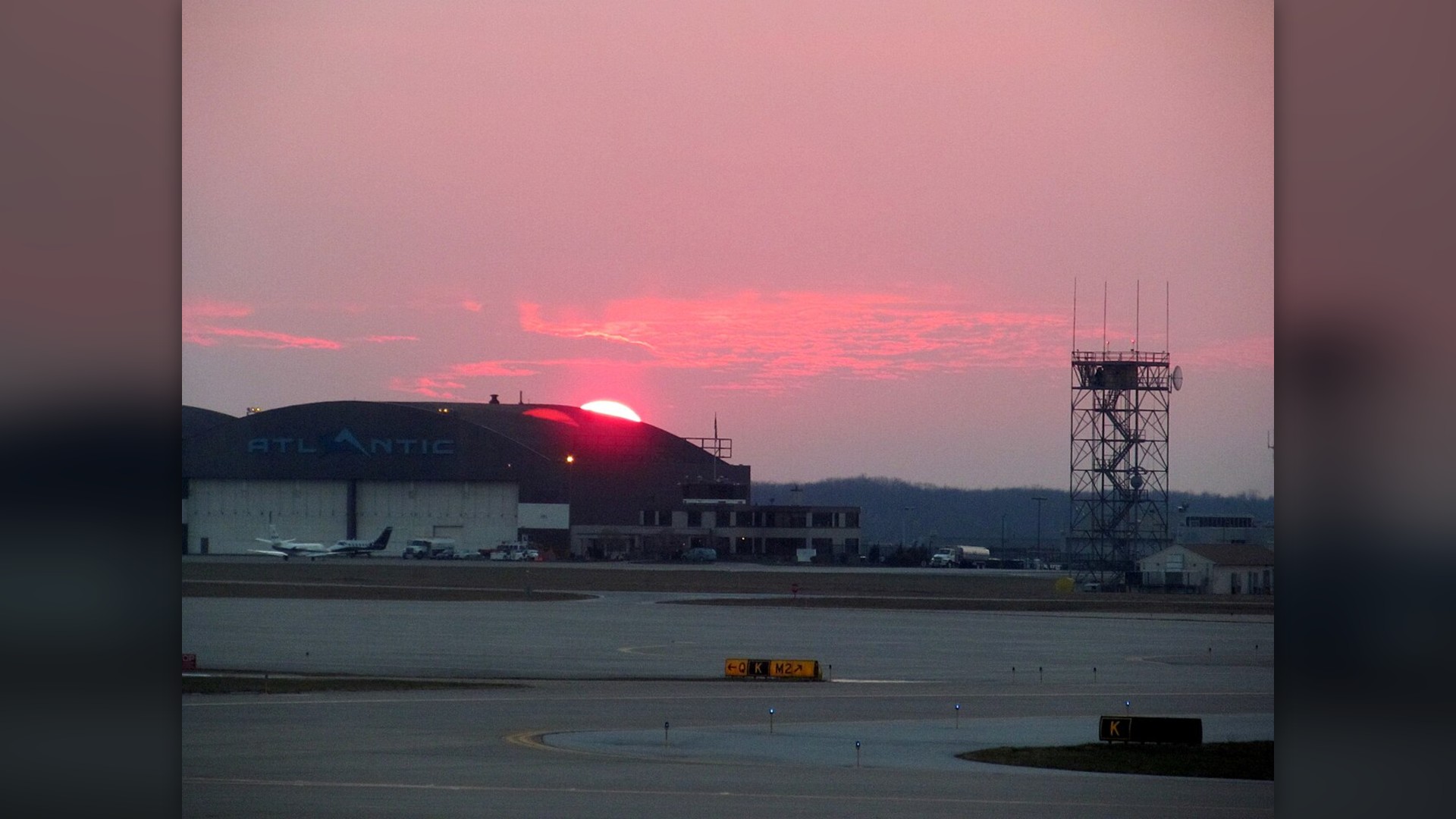
Cleveland sits directly downstream from Lake Erie's primary winter snow factory. Heavy, moisture-laden squalls coat tarmac asphalt faster than chemical treatments can melt it, requiring constant runway sweeping operations.
©Wikimedia / Pi.1415926535
Advertisement
Swipe or tap ▶ to resume the countdown.
13. Philadelphia International (PHL)
Philadelphia's airfield configuration is highly sensitive to crosswinds that accompany Atlantic winter nor'easters. Sleet and freezing rain force extensive ground stops, stranding thousands of travelers along the Northeast corridor.
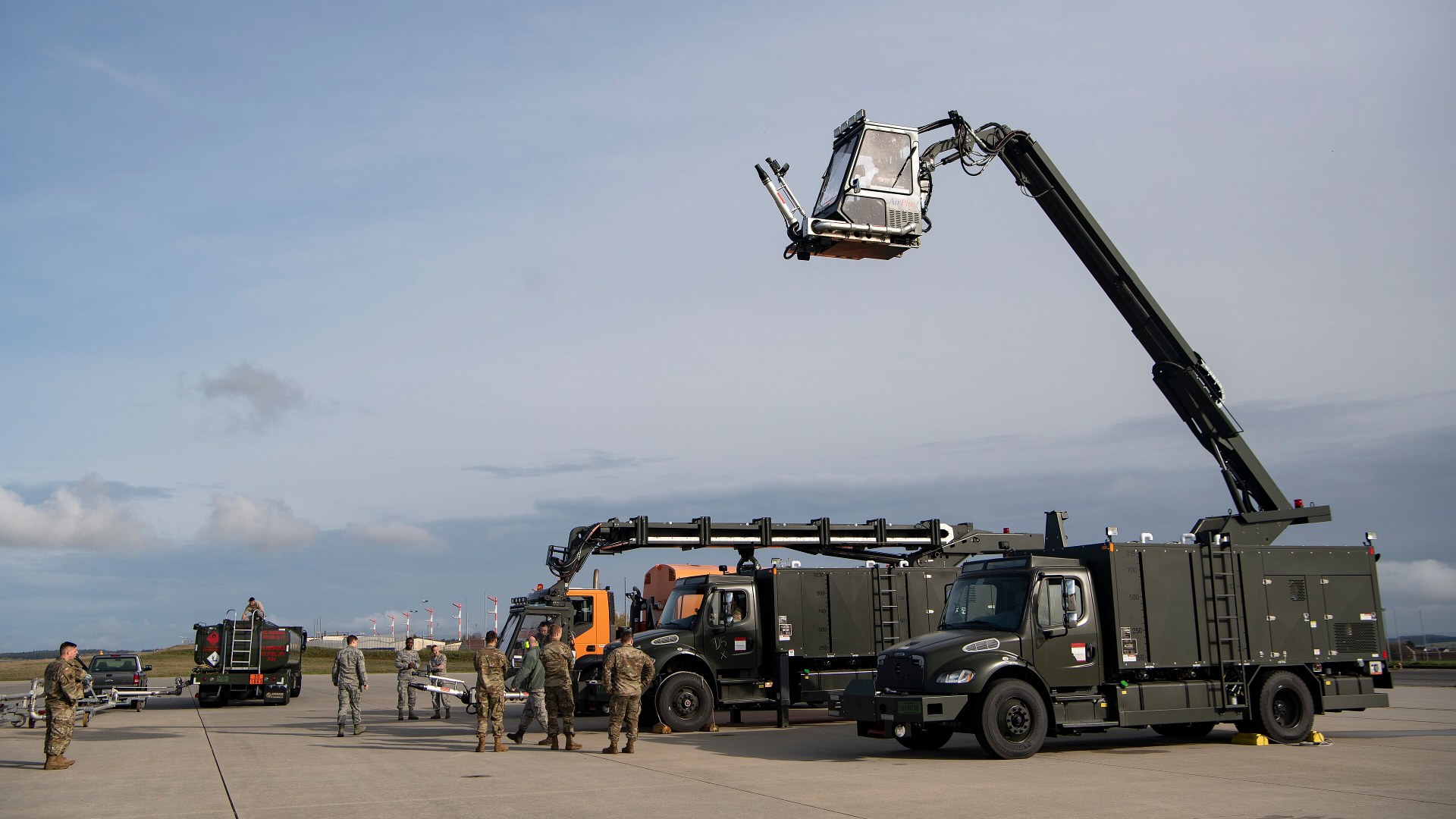
©Wikimedia / USAF / Staff Sgt. Preston Cherr
12. Syracuse Hancock International (SYR)
Syracuse is consistently ranked among the snowiest metropolitan areas in the nation. While its veteran snow removal teams are world class, relentless lake-effect squalls from Lake Ontario force continuous deicing delays throughout the winter.
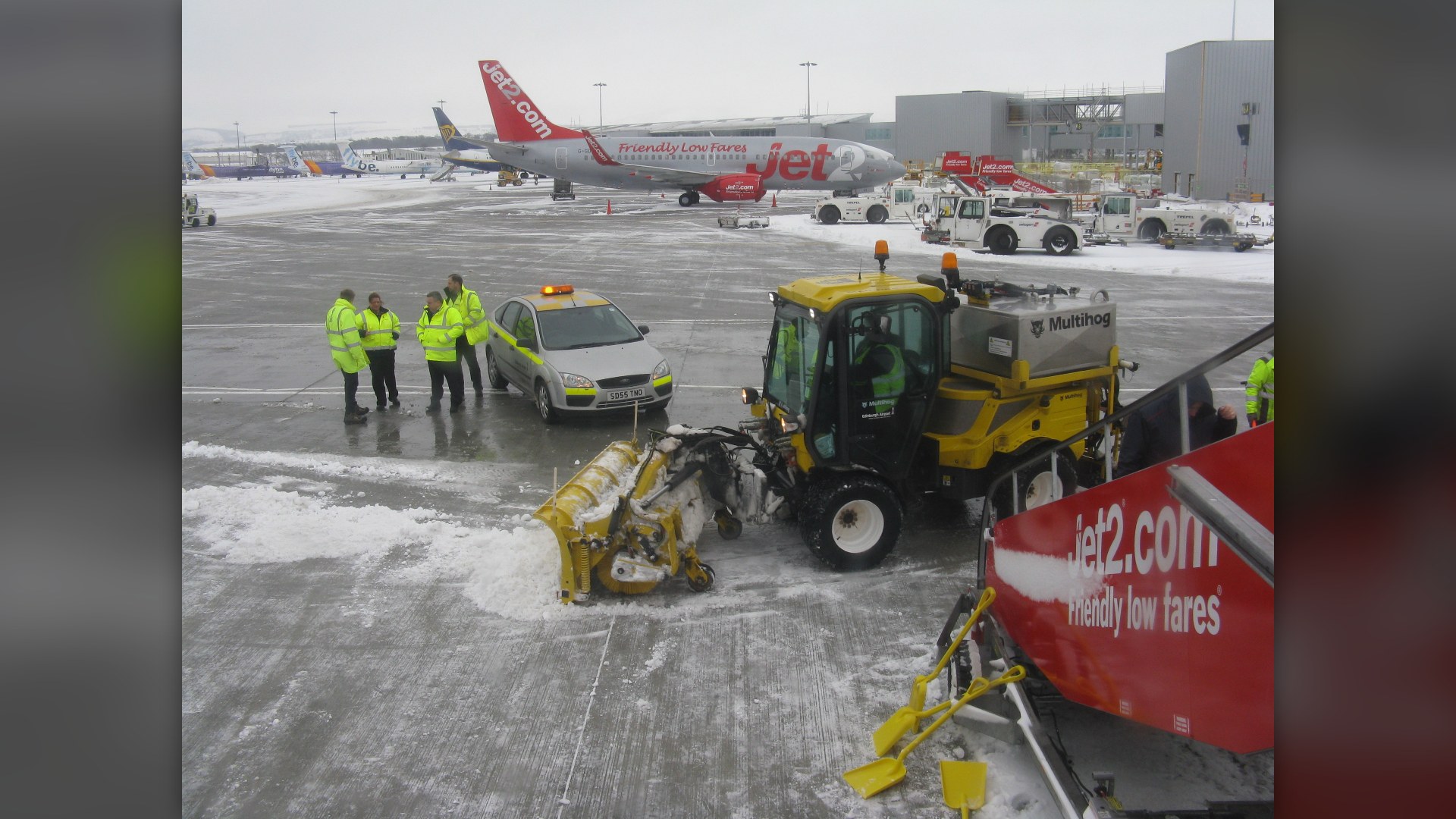
©Wikimedia / Thomas Nugent
11. Minneapolis-Saint Paul International (MSP)
Minneapolis handles extreme winter conditions with remarkable precision, but temperatures dropping past minus 15 degrees push deicing fluids to their chemical limits. Pilots must depart within minutes of spraying before frost reforms on wings.
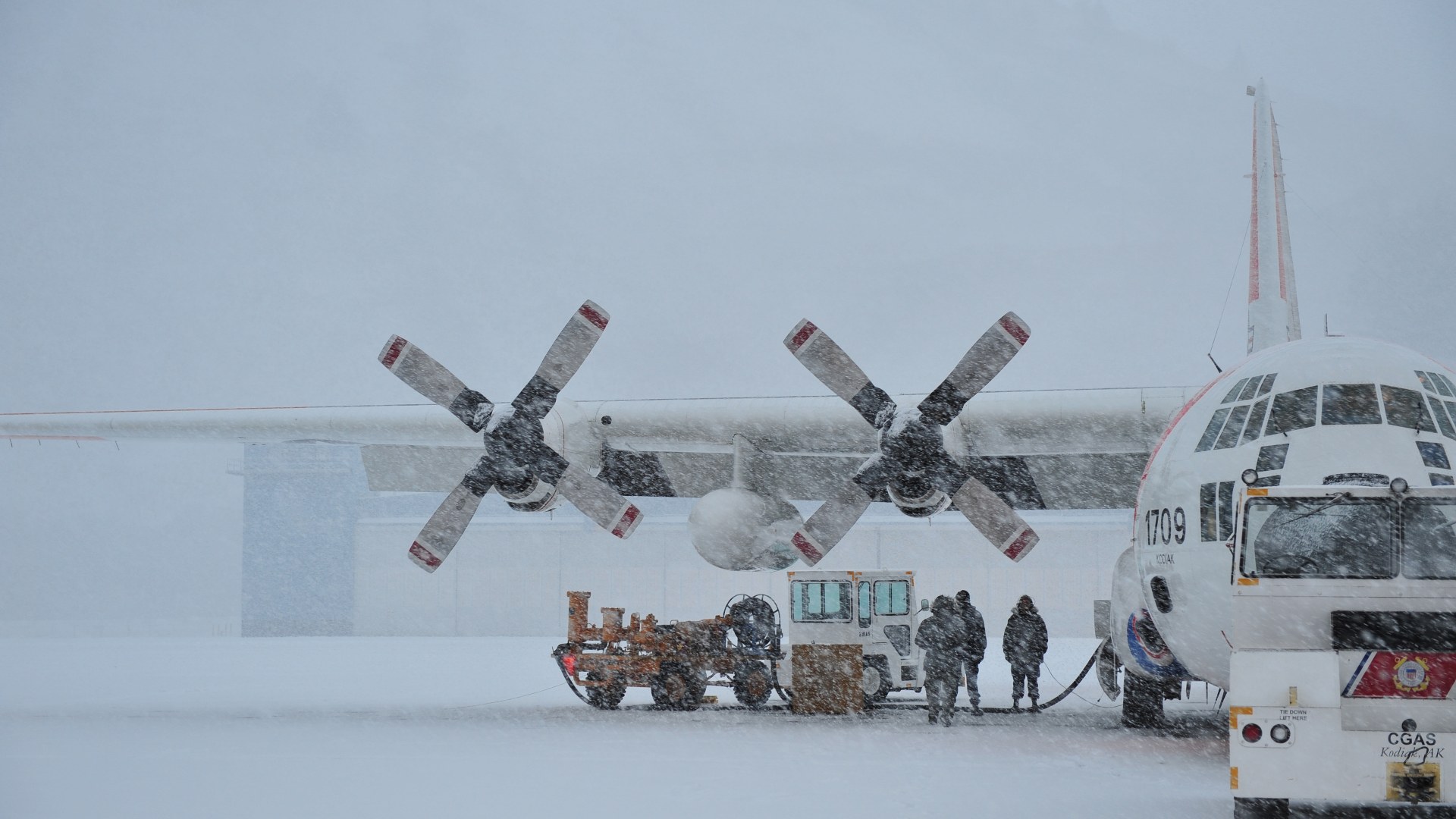
©Wikimedia / Petty Officer 3rd Class Charly Hengen
10. Newark Liberty International (EWR)
Newark operates in the crowded New York airspace with little spare runway margin. When winter storms reduce arrival rates, the Federal Aviation Administration implements holding patterns that quickly force hundreds of nationwide flight cancellations.
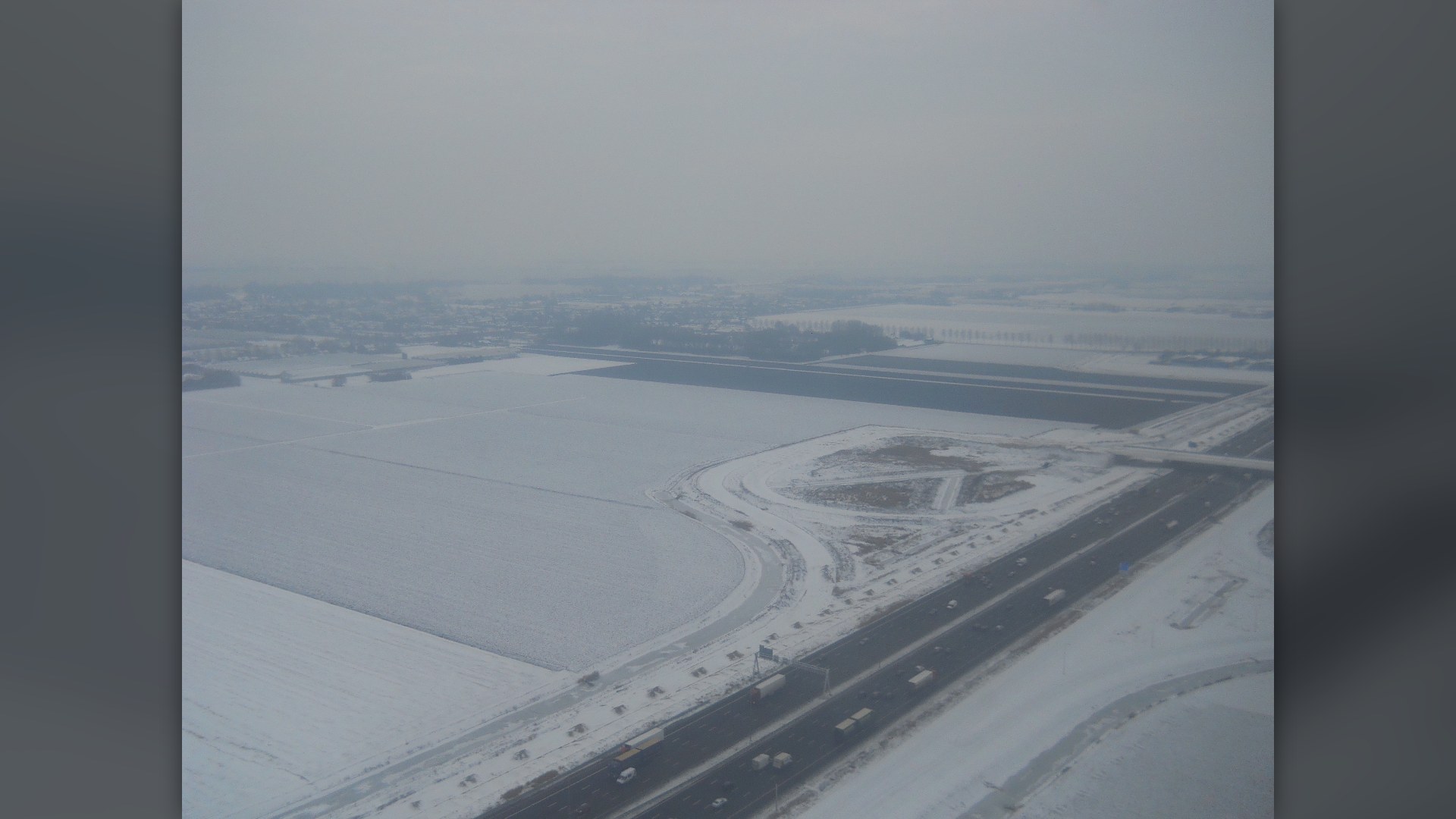
©Wikimedia / Karthik Nadar
Advertisement
Swipe or tap ▶ to resume the countdown.
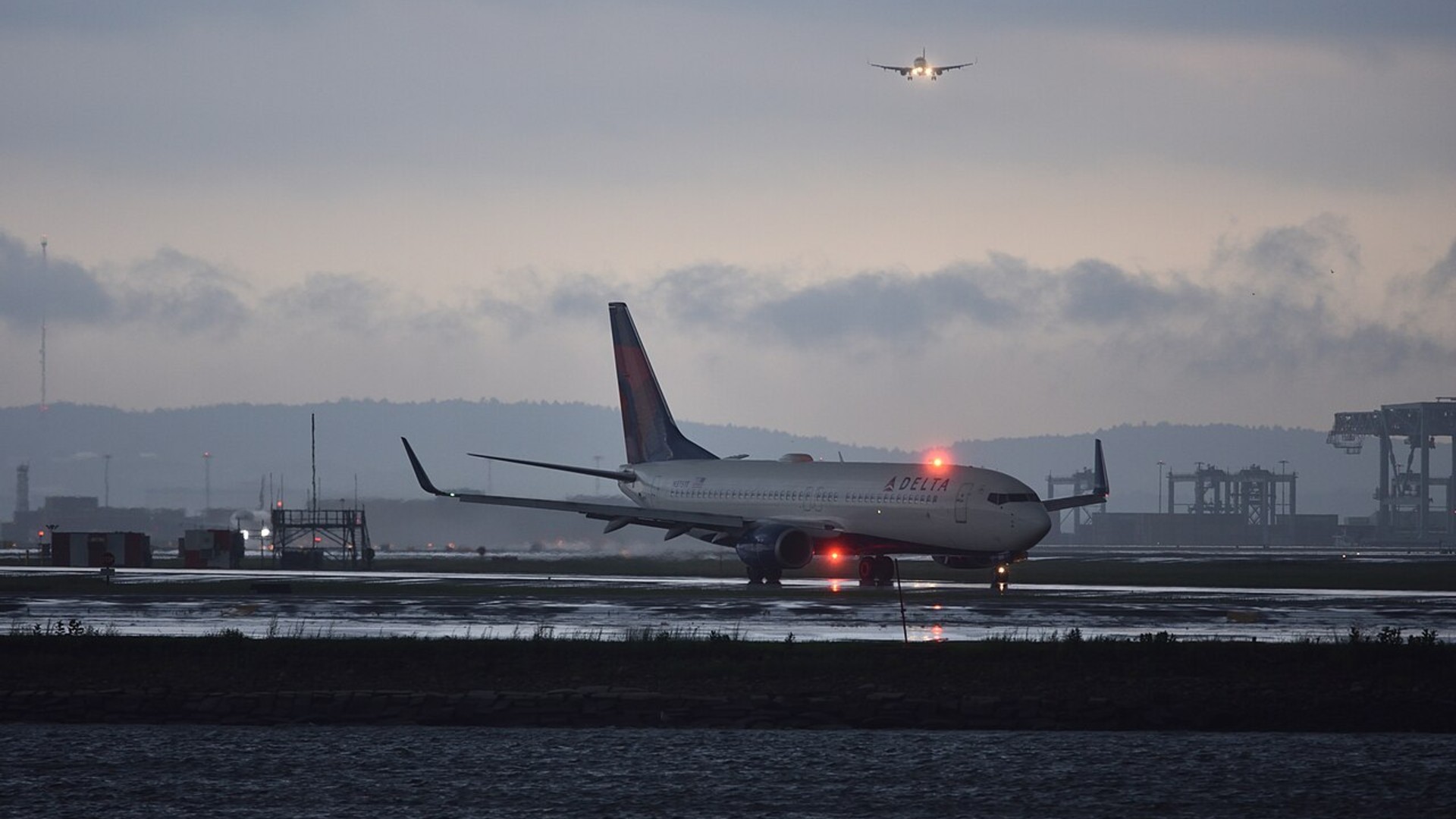
9. Boston Logan International (BOS)
Surrounded on three sides by Boston Harbor, Logan Airport faces intense maritime nor'easters that drive blinding snow and coastal storm surges. Extreme wind shears often force complete airport closures until gales subside.
©Wikimedia / 4300streetcar
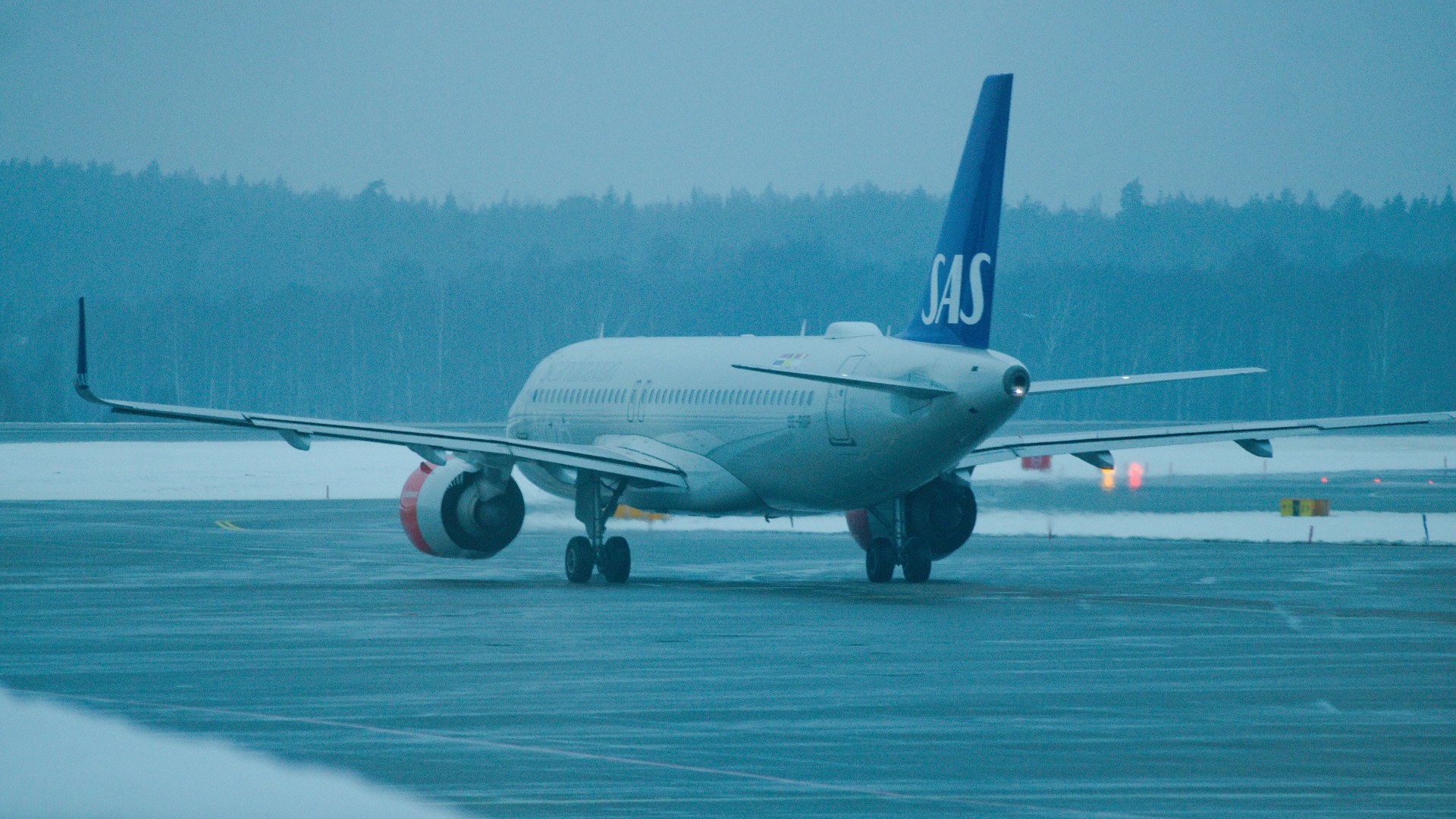
8. New York LaGuardia Airport (LGA)
LaGuardia's compact airfield leaves no room for error during snowstorms. Runways projecting into Flushing and Bowery Bays become treacherous when slush builds up, forcing airlines to pre-emptively cancel flights to avoid tarmac gridlock.
© Photo by Dorian Labbe on Unsplash
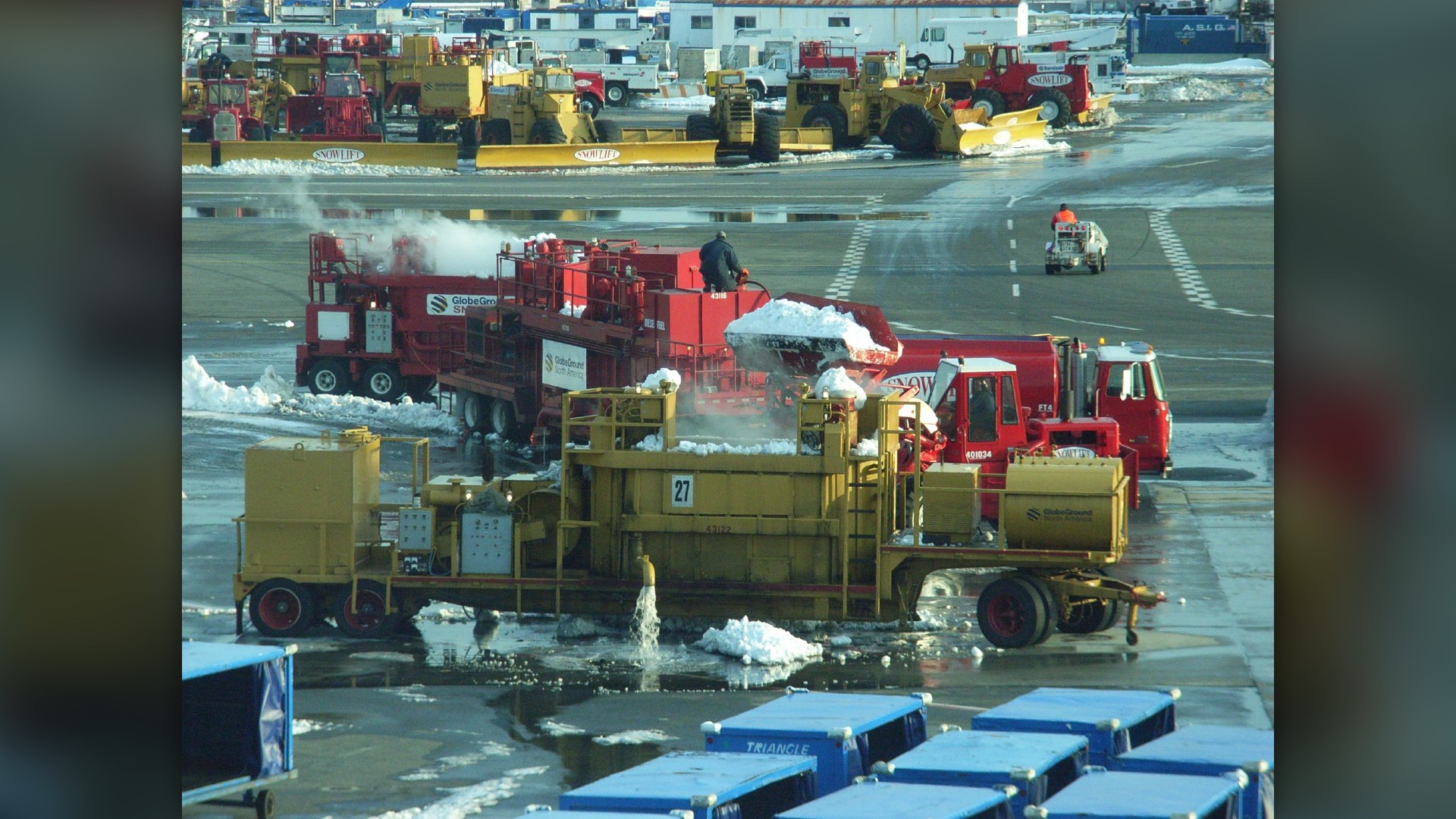
7. John F. Kennedy International (JFK)
When major winter storms slam coastal Queens, international widebody arrivals quickly overwhelm gate assignments. Crews battle freezing winds to deice jumbo jets, while delayed flights back up taxiways across Jamaica Bay.
©Wikimedia / JoSchmaltz
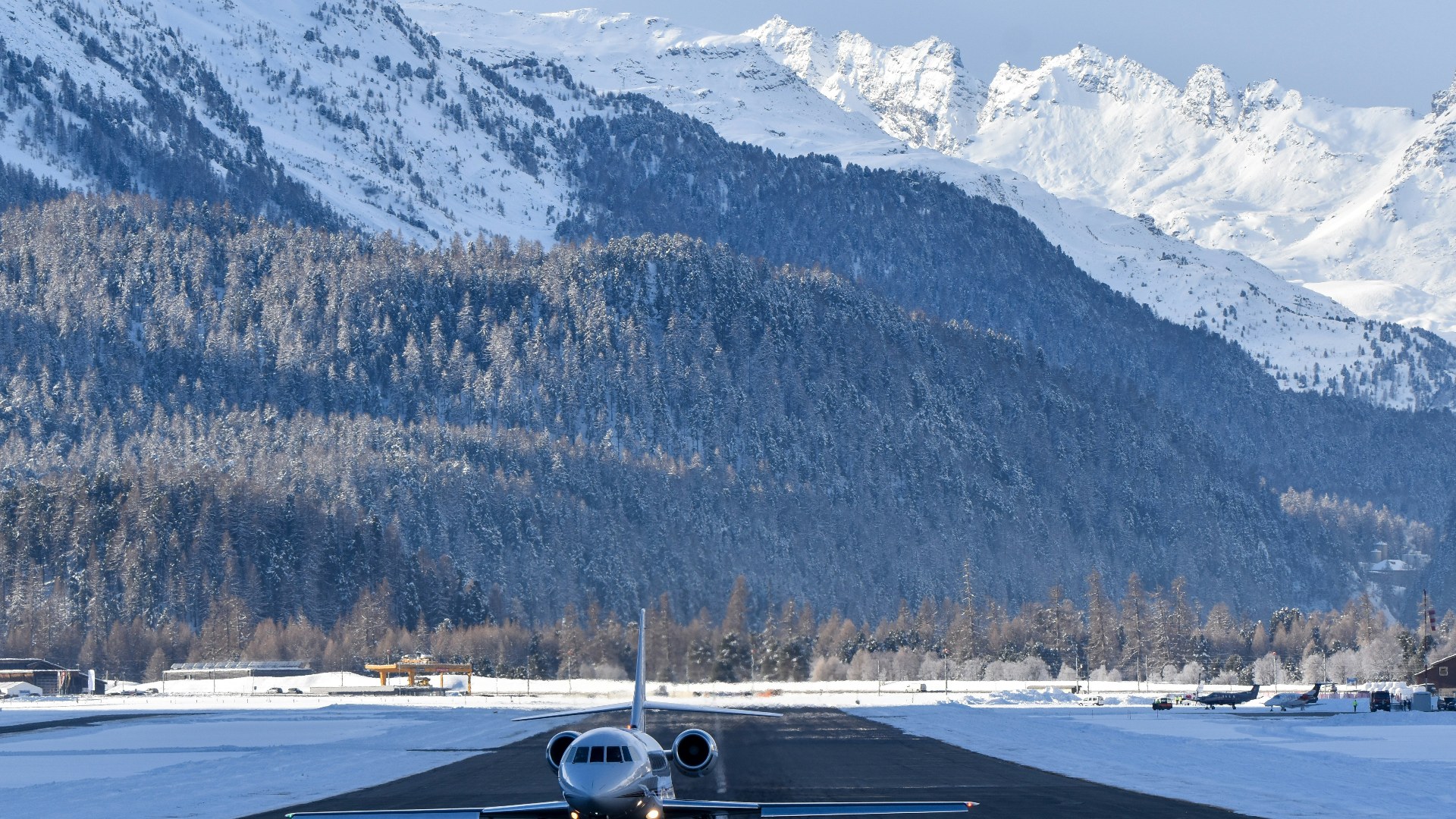
6. Aspen Pitkin County Airport (ASE)
Tucked into a narrow canyon at 7,820 feet elevation, Aspen requires visual navigation and strict ceiling minimums. Sudden mountain snow squalls and downdrafts lead to more than twenty percent of winter flights being diverted or canceled.
© Photo by David Syphers on Unsplash
Advertisement
Swipe or tap ▶ to resume the countdown.
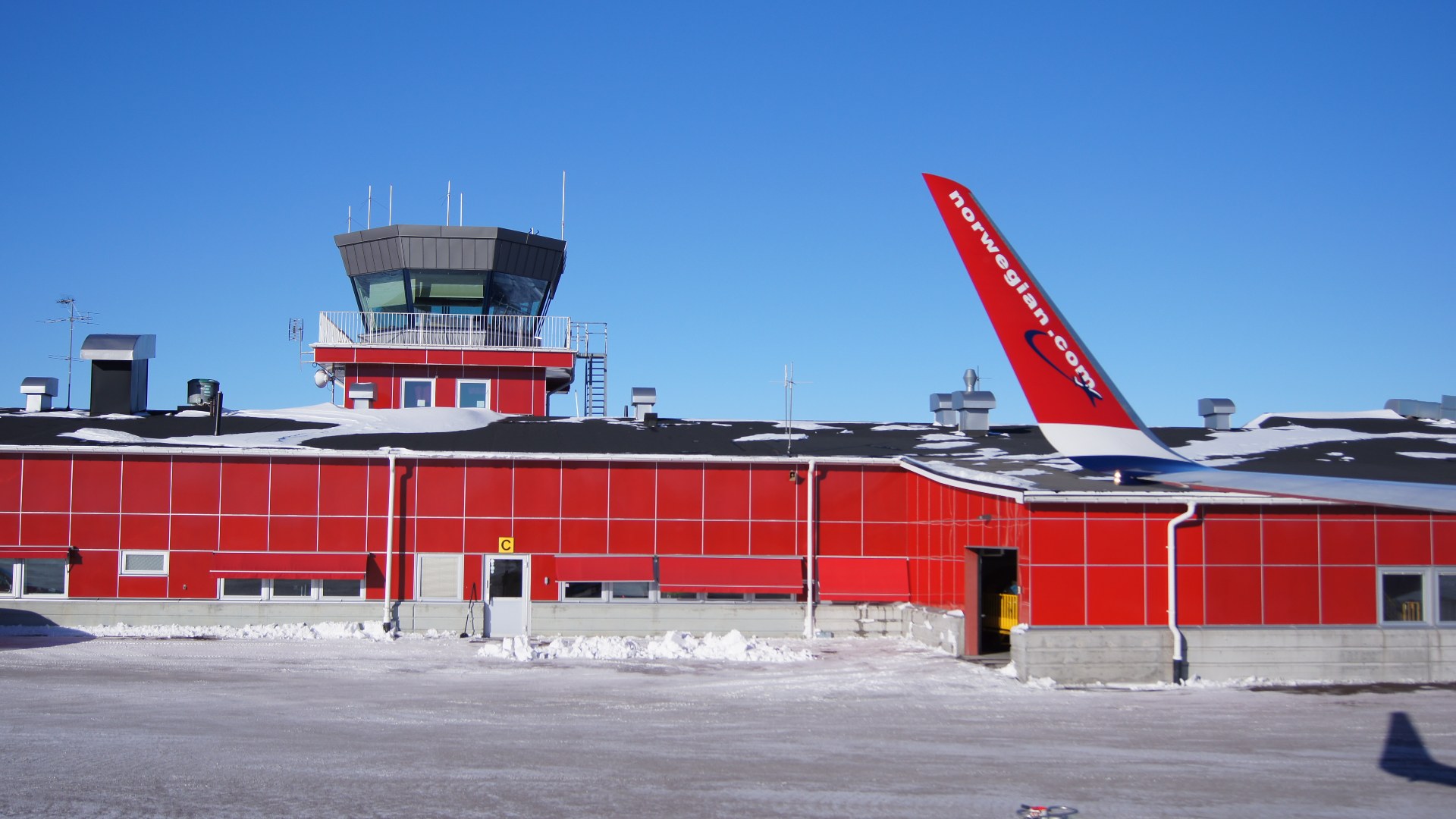
5. Jackson Hole Airport (JAC)
located at 6,451 feet against the Grand Teton range, Jackson Hole contends with blowing snow and subzero Arctic temperatures. Limited runway length and mountain obstacles make winter landings challenging, causing frequent winter delays.
©Wikimedia / Arjoopy
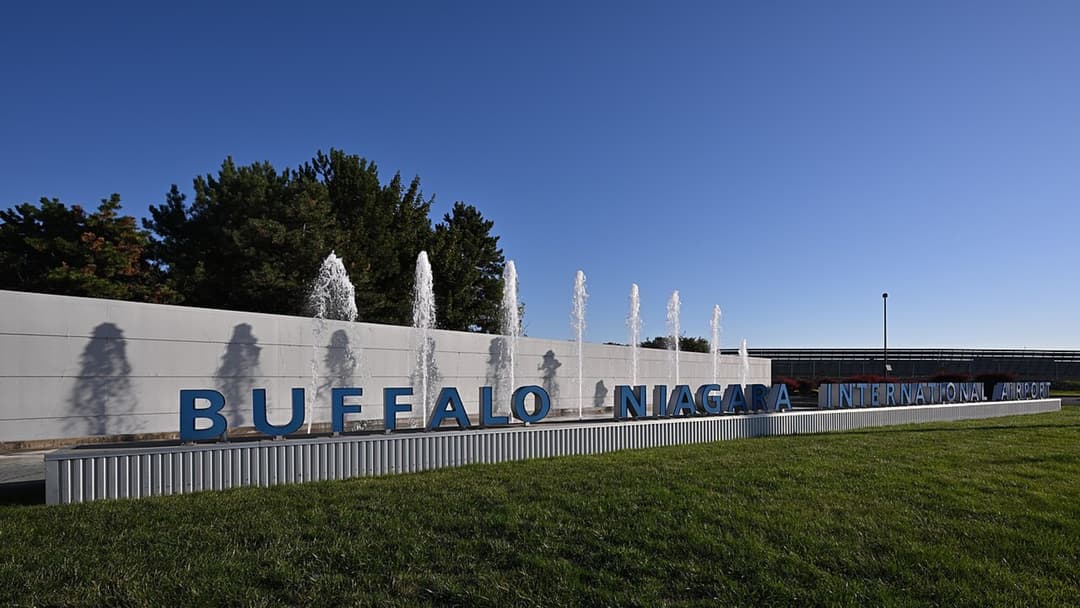
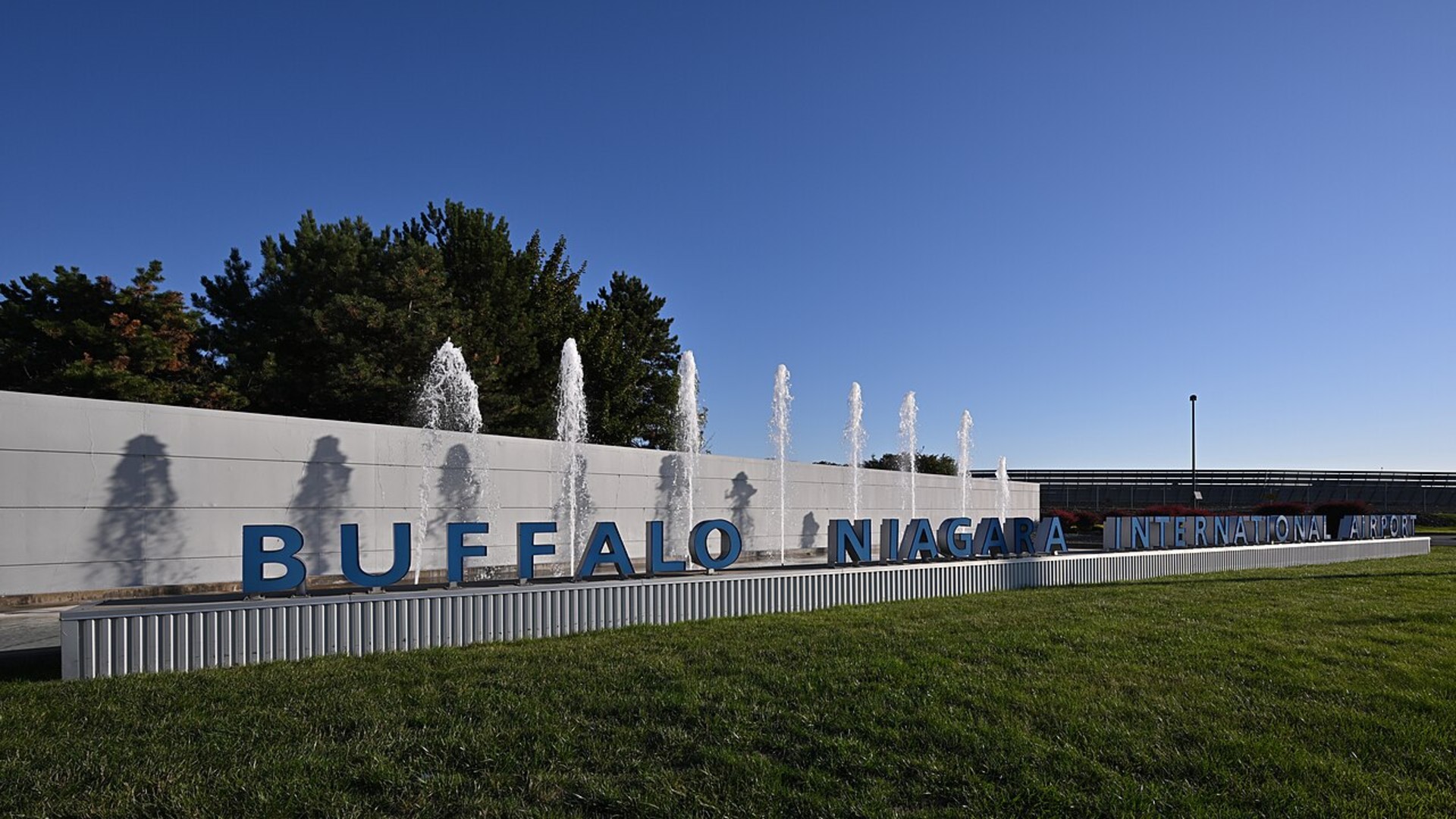
4. Buffalo Niagara International (BUF)
Buffalo sits directly in the crosshairs of Lake Erie's most potent snow bands. When winter squalls lock in place, snowfall rates reach four inches per hour, blinding ground crews and forcing full airport shutdowns until storms move.
©Wikimedia / G. Edward Johnson
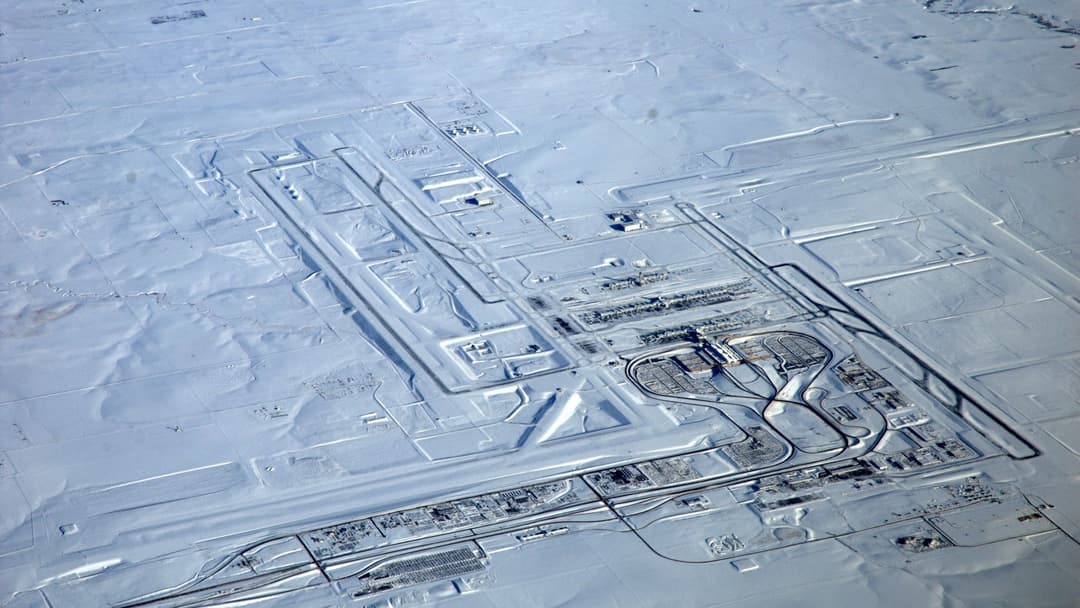
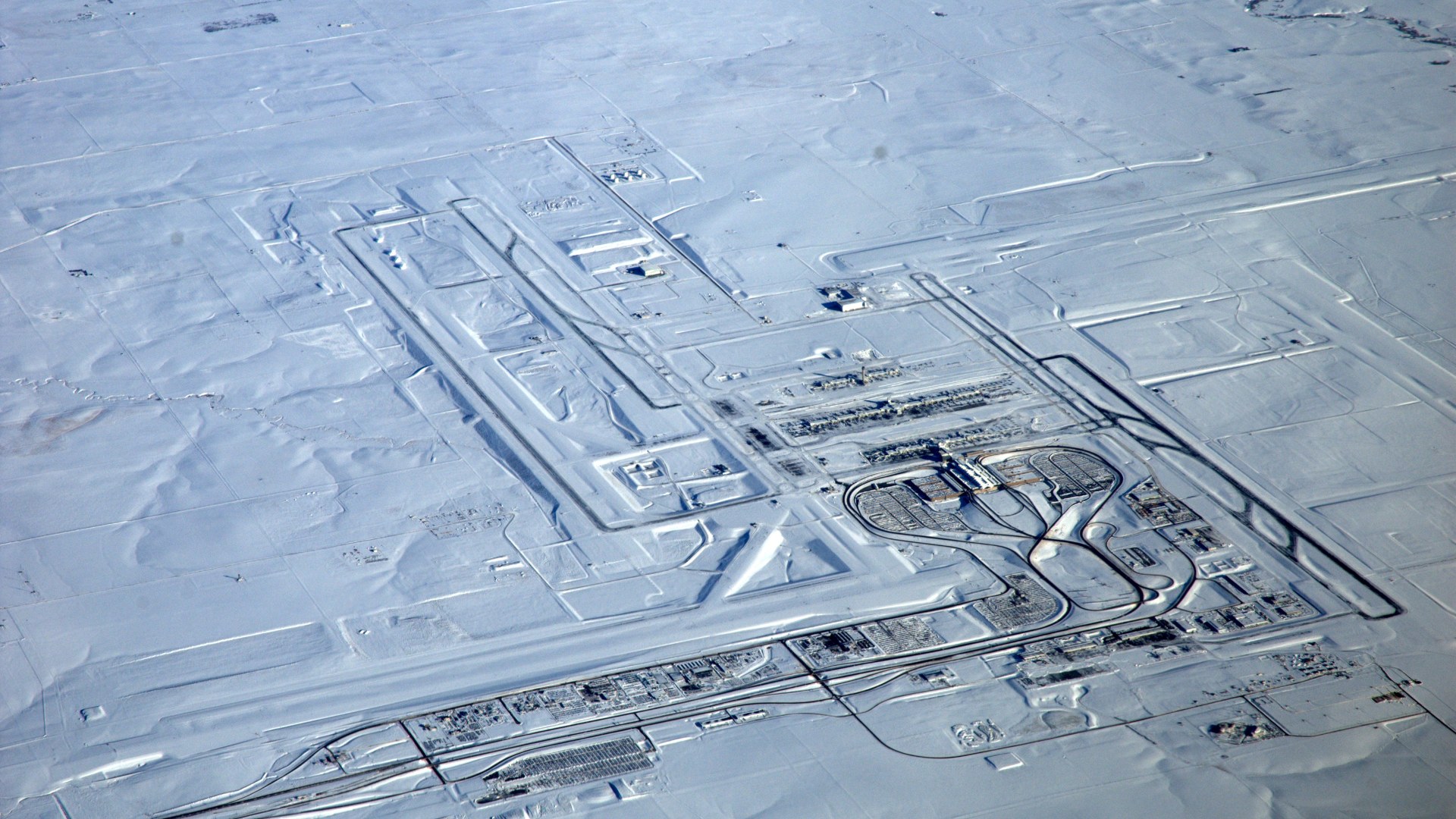
3. Denver International Airport (DEN)
Denver's sprawling 53-square-mile layout makes snow removal an epic logistical undertaking. High-elevation blizzards bring drifting snow that blocks runways, leaving thousands of connecting passengers stranded on the eastern Colorado plains.
©Wikimedia / ashleyniblock
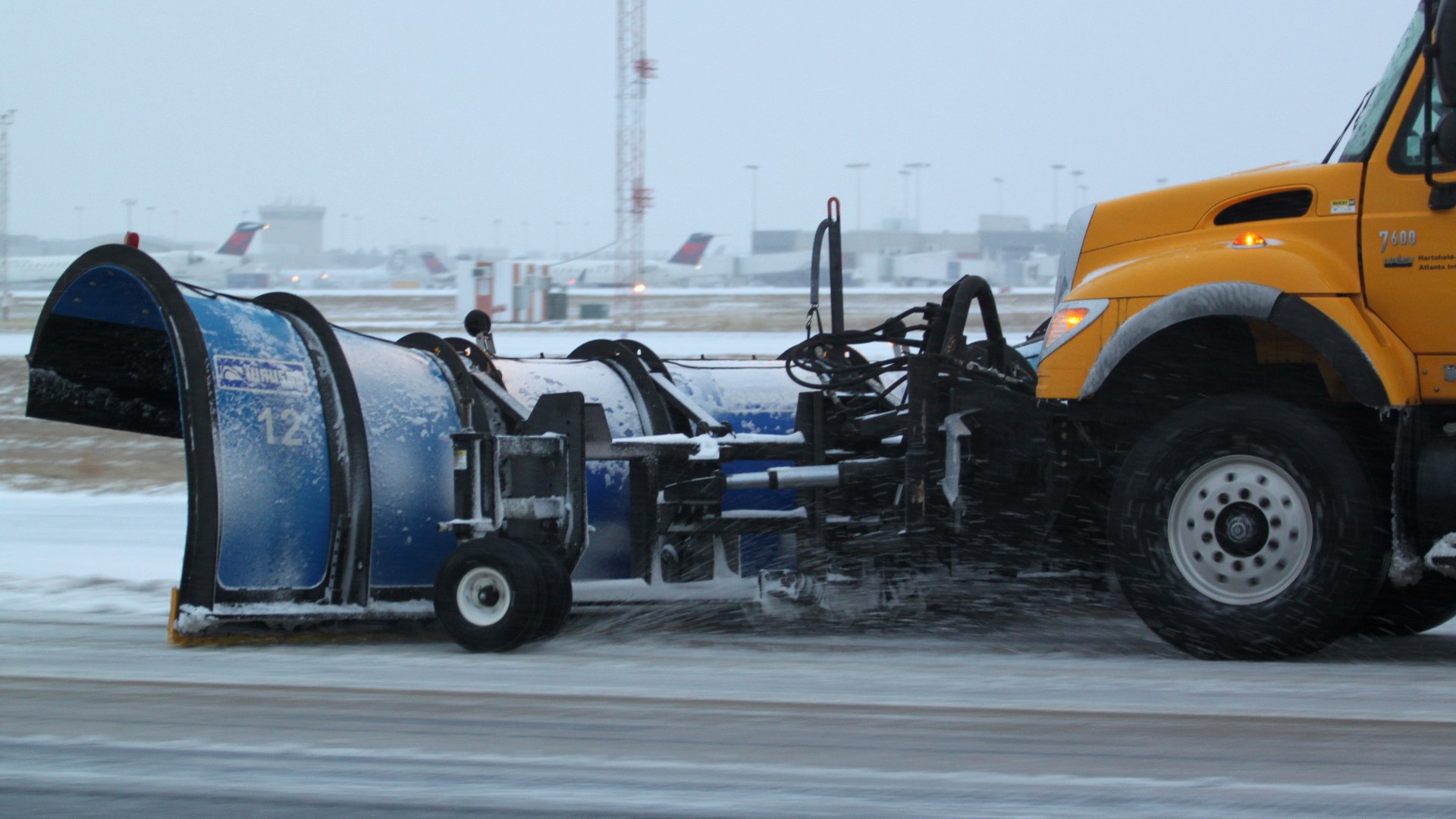
2. Chicago Midway International (MDW)
Midway is surrounded by residential Chicago neighborhoods, meaning its runways cannot be lengthened. When lake-effect snow slicks the tarmac, strict braking requirements force Southwest Airlines to cancel hundreds of flights in single storms.
©Wikimedia / John Murphy
Advertisement
Swipe or tap ▶ to resume the countdown.
1. Chicago O'Hare International (ORD)
As one of the world's busiest dual-hub airports, any slowdown at O'Hare destabilizes the entire national aviation system. Major winter storms overwhelm deicing pads and force ground stops that cascade delays to every corner of America.
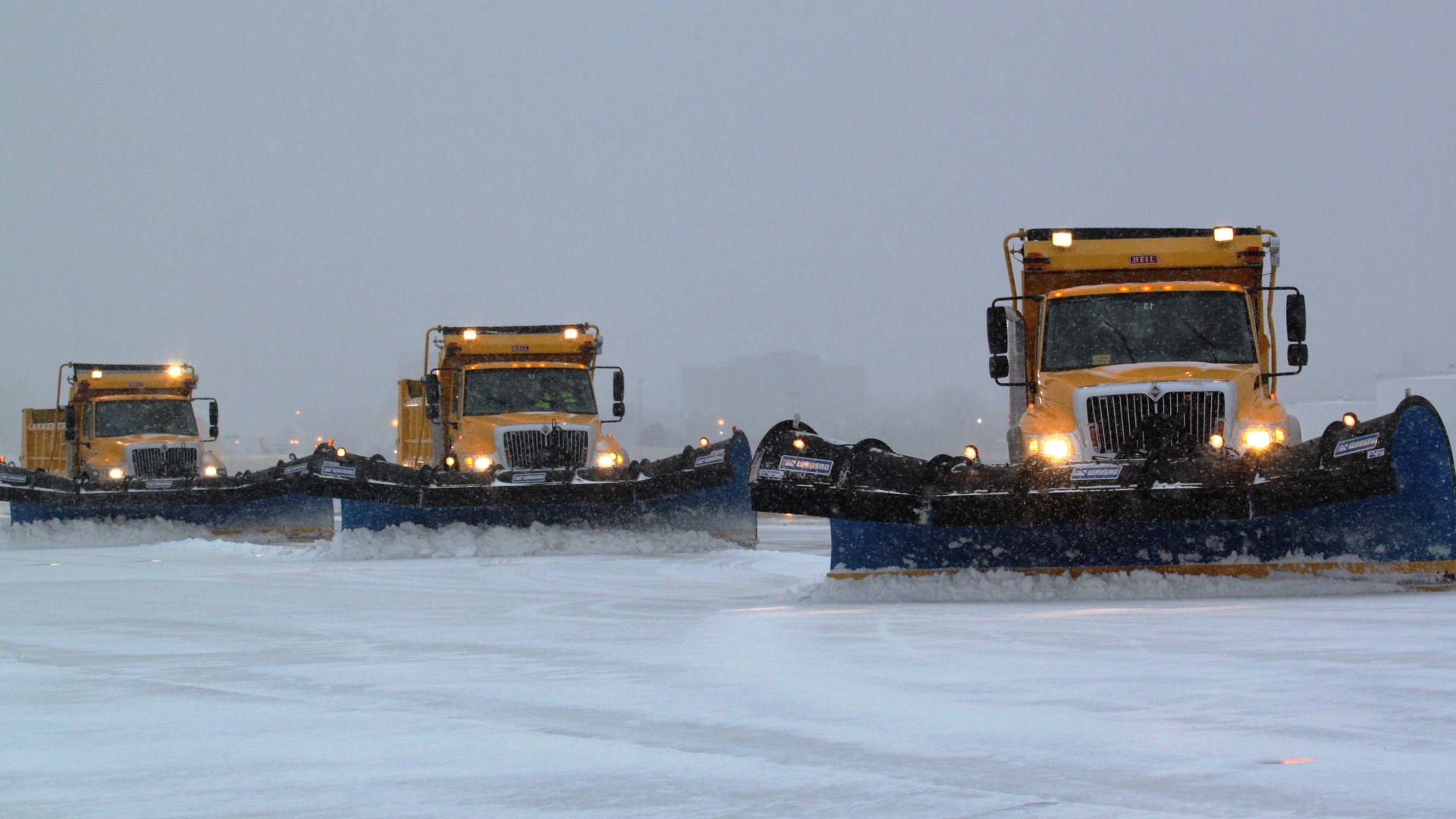
©Wikimedia / John Murphy
Advertisement
You've reached the end of the story. Thanks for reading!

The 30 Most-Searched Questions of 2026
Curious Minds: What the World Wondered Most in 2026
All 20 Entries in this Story
20. Seattle-Tacoma International (SEA)
Sea-Tac averages little yearly snowfall, but sudden Arctic cold snaps through the Cascades plunge runways into glaze ice. Because the airport lacks the massive snow fleet of northern hubs, modest icing events cause immediate cascade ground stops.

19. Salt Lake City International (SLC)
Lake-effect snow off the Great Salt Lake dumps intense localized squalls directly over runway approaches. Mountain canyon winds compound low visibility, forcing aircraft to circle in holding patterns while plows clear runway centerlines.

18. Pittsburgh International (PIT)
Pittsburgh sits in a volatile transition zone where warm southern moisture overrides freezing surface air trapped against the mountains. Thick glaze ice builds rapidly on wings, requiring double deicing treatments that stretch gate departures by hours.

17. Milwaukee Mitchell International (MKE)
Lakeside winds whip early season snow into dense drifts across taxiways. When polar outbreaks plunge temperatures below zero, fuel lines and ground hydraulic hoses freeze, turning routine baggage loading and pushbacks into extended ordeals.

16. Gerald R. Ford International (GRR)
Grand Rapids catches the full brunt of moisture lifting off Lake Michigan. Intense snow squalls drop visibility to zero without notice, forcing regional commuter jets to divert to Detroit or Chicago when runways cannot be cleared in time.

15. Detroit Metropolitan Airport (DTW)
Detroit handles massive passenger volumes across six runways. When Alberta clippers drive subzero wind chills and blowing snow across open airfield ramps, deicing pads reach peak capacity, causing ripple delays through connecting networks.

14. Cleveland Hopkins International (CLE)
Cleveland sits directly downstream from Lake Erie's primary winter snow factory. Heavy, moisture-laden squalls coat tarmac asphalt faster than chemical treatments can melt it, requiring constant runway sweeping operations.

13. Philadelphia International (PHL)
Philadelphia's airfield configuration is highly sensitive to crosswinds that accompany Atlantic winter nor'easters. Sleet and freezing rain force extensive ground stops, stranding thousands of travelers along the Northeast corridor.

12. Syracuse Hancock International (SYR)
Syracuse is consistently ranked among the snowiest metropolitan areas in the nation. While its veteran snow removal teams are world class, relentless lake-effect squalls from Lake Ontario force continuous deicing delays throughout the winter.

11. Minneapolis-Saint Paul International (MSP)
Minneapolis handles extreme winter conditions with remarkable precision, but temperatures dropping past minus 15 degrees push deicing fluids to their chemical limits. Pilots must depart within minutes of spraying before frost reforms on wings.

10. Newark Liberty International (EWR)
Newark operates in the crowded New York airspace with little spare runway margin. When winter storms reduce arrival rates, the Federal Aviation Administration implements holding patterns that quickly force hundreds of nationwide flight cancellations.

9. Boston Logan International (BOS)
Surrounded on three sides by Boston Harbor, Logan Airport faces intense maritime nor'easters that drive blinding snow and coastal storm surges. Extreme wind shears often force complete airport closures until gales subside.

8. New York LaGuardia Airport (LGA)
LaGuardia's compact airfield leaves no room for error during snowstorms. Runways projecting into Flushing and Bowery Bays become treacherous when slush builds up, forcing airlines to pre-emptively cancel flights to avoid tarmac gridlock.

7. John F. Kennedy International (JFK)
When major winter storms slam coastal Queens, international widebody arrivals quickly overwhelm gate assignments. Crews battle freezing winds to deice jumbo jets, while delayed flights back up taxiways across Jamaica Bay.

6. Aspen Pitkin County Airport (ASE)
Tucked into a narrow canyon at 7,820 feet elevation, Aspen requires visual navigation and strict ceiling minimums. Sudden mountain snow squalls and downdrafts lead to more than twenty percent of winter flights being diverted or canceled.

5. Jackson Hole Airport (JAC)
located at 6,451 feet against the Grand Teton range, Jackson Hole contends with blowing snow and subzero Arctic temperatures. Limited runway length and mountain obstacles make winter landings challenging, causing frequent winter delays.

4. Buffalo Niagara International (BUF)
Buffalo sits directly in the crosshairs of Lake Erie's most potent snow bands. When winter squalls lock in place, snowfall rates reach four inches per hour, blinding ground crews and forcing full airport shutdowns until storms move.

3. Denver International Airport (DEN)
Denver's sprawling 53-square-mile layout makes snow removal an epic logistical undertaking. High-elevation blizzards bring drifting snow that blocks runways, leaving thousands of connecting passengers stranded on the eastern Colorado plains.

2. Chicago Midway International (MDW)
Midway is surrounded by residential Chicago neighborhoods, meaning its runways cannot be lengthened. When lake-effect snow slicks the tarmac, strict braking requirements force Southwest Airlines to cancel hundreds of flights in single storms.

1. Chicago O'Hare International (ORD)
As one of the world's busiest dual-hub airports, any slowdown at O'Hare destabilizes the entire national aviation system. Major winter storms overwhelm deicing pads and force ground stops that cascade delays to every corner of America.