Slideshow · Viral
20 World Leaders Who Have Held Power the Longest, Ranked
From Cold War heads of state to modern presidents who have governed for over four decades, here are the 20 non-royal world leaders who have held power the longest, ranked.
By Most Viral Today
17 min ago

Four Decades at the Top of the State 
20. Emomali Rahmon 
19. Isaias Afwerki 
18. Josip Broz Tito - AdvertisementSwipe or tap ▶ to continue countdown

17. Todor Zhivkov 
16. Robert Mugabe 
15. Gnassingbe Eyadema 
14. Jose Eduardo Dos Santos - AdvertisementSwipe or tap ▶ to continue countdown

13. Hun Sen 
12. Francisco Franco 
11. Enver Hoxha 
10. Yoweri Museveni - AdvertisementSwipe or tap ▶ to continue countdown

9. Omar Bongo 
8. Muammar Gaddafi 
7. Denis Sassou Nguesso 
6. Paul Biya - AdvertisementSwipe or tap ▶ to continue countdown

5. Yumjaagiin Tsedenbal 
4. Kim Il Sung 
3. Chiang Kai Shek 
2. Teodoro Obiang Nguema Mbasogo - AdvertisementSwipe or tap ▶ to continue countdown

1. Fidel Castro - Advertisement🔥 UP NEXT IN THIS SERIES◫ 21 Slides

The 20 Most Patriotic Cities in America, Ranked
From Revolutionary War birthplaces to active-duty military strongholds, these 20 U.S. cities lead the nation in veteran populations, historic landmarks, and civic participation.
Most presidents and prime ministers leave office after one or two terms. A small group of non-royal heads of state rewrote constitutions, outlasted superpowers, and stayed in command for 34 to 52 years. Swipe through to see the 20 longest-ruling world leaders, ranked.
Swipe or tap ▶ to begin the countdown
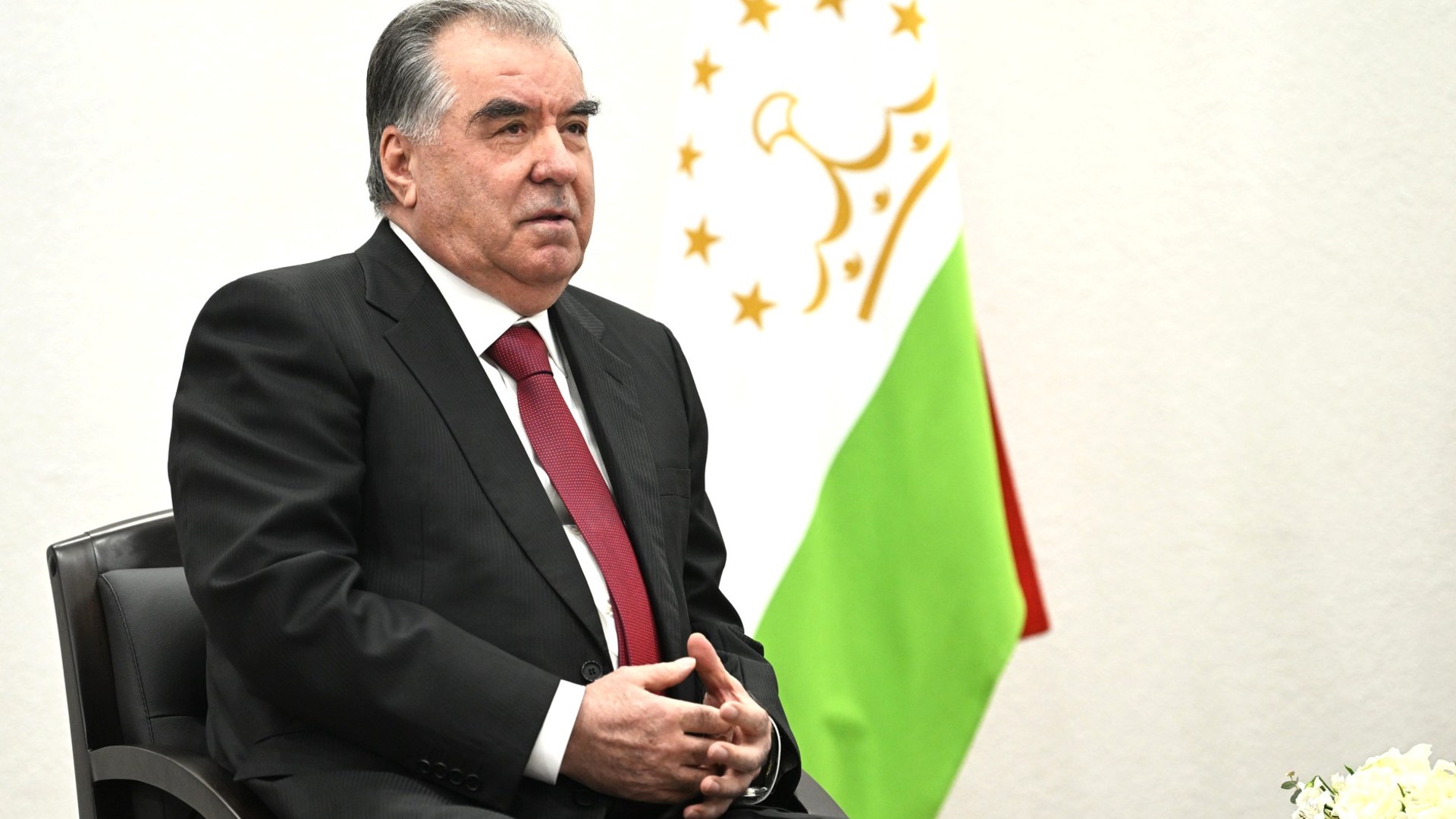
©Wikimedia / Presidential Press and Information Office
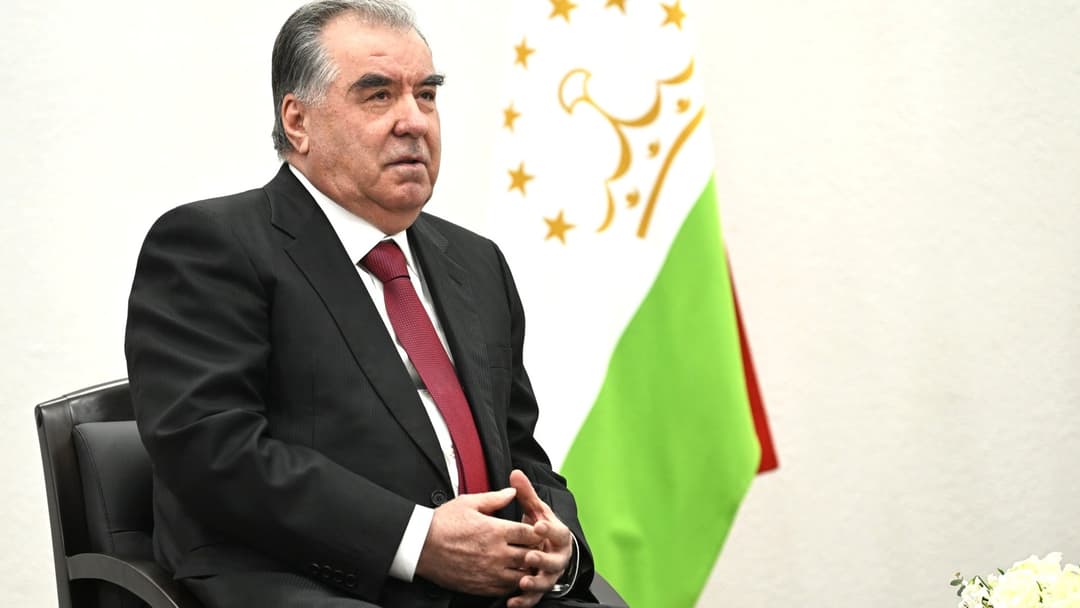
20. Emomali Rahmon
Emomali Rahmon became head of state in Tajikistan in November 1992 during the country's civil war and won the presidency in 1994. Constitutional referendums in 2003 and 2016 removed term limits for him, making him the longest-serving leader in the post-Soviet region.
©Wikimedia / Kristina Kormilitsyna
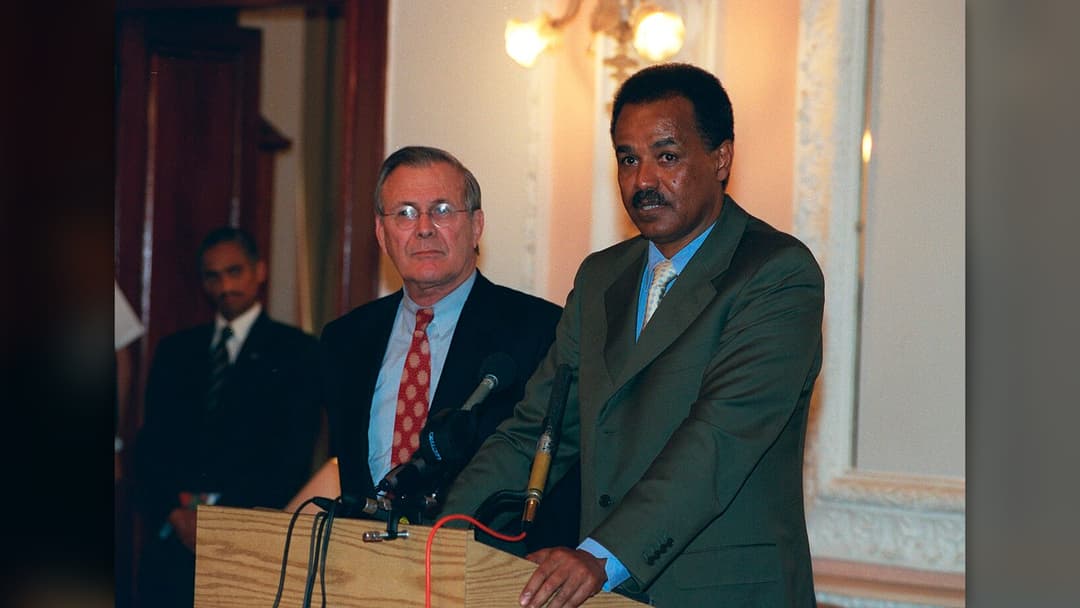
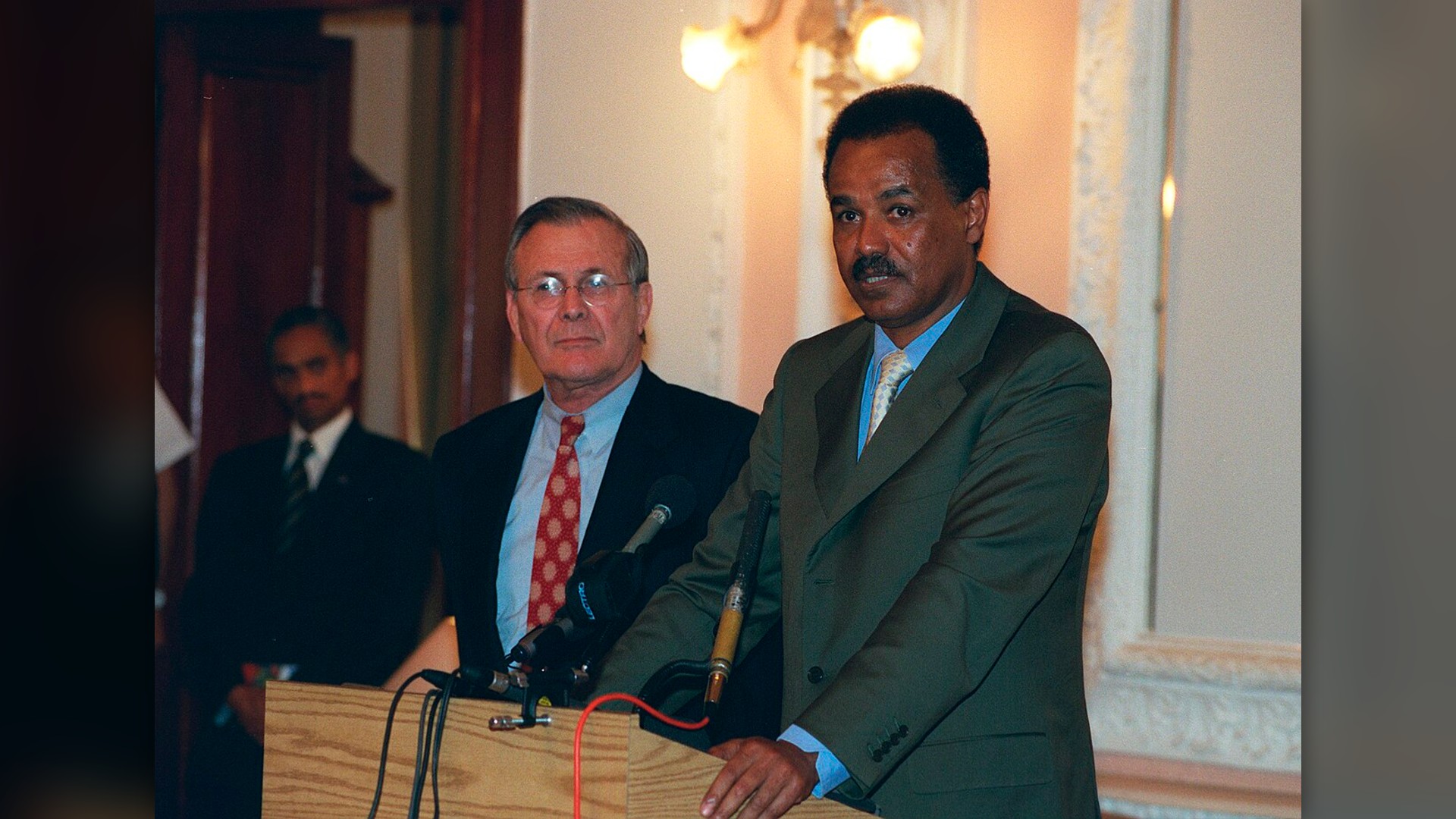
19. Isaias Afwerki
Isaias Afwerki led the Eritrean People's Liberation Front to victory in May 1991 and became Eritrea's first president upon formal independence in 1993. Over 35 years later, the country has never held a national presidential election.
©Wikimedia / Helene C. Stikkel
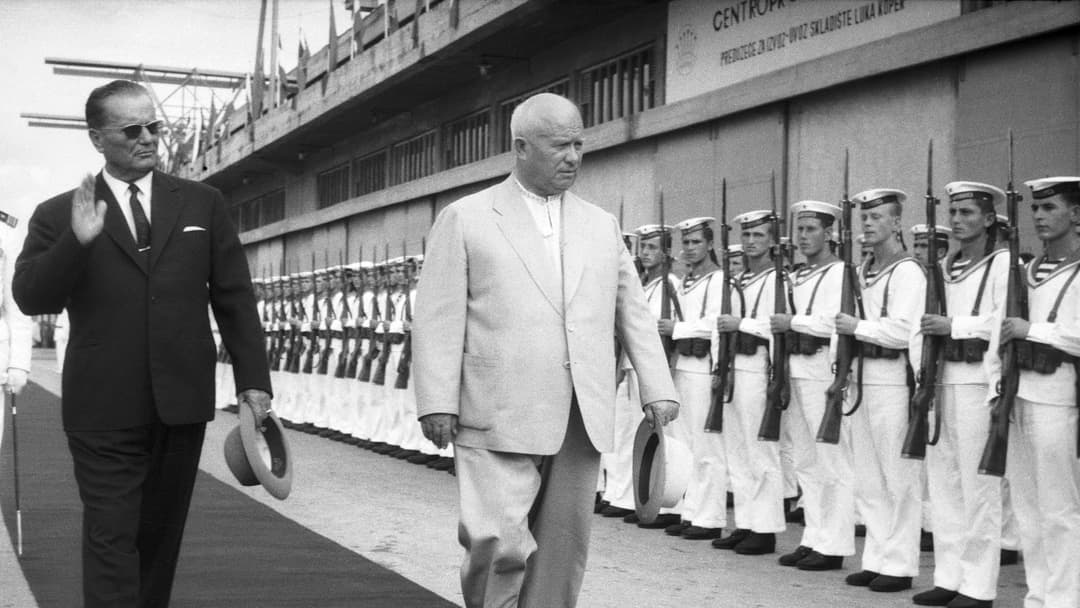
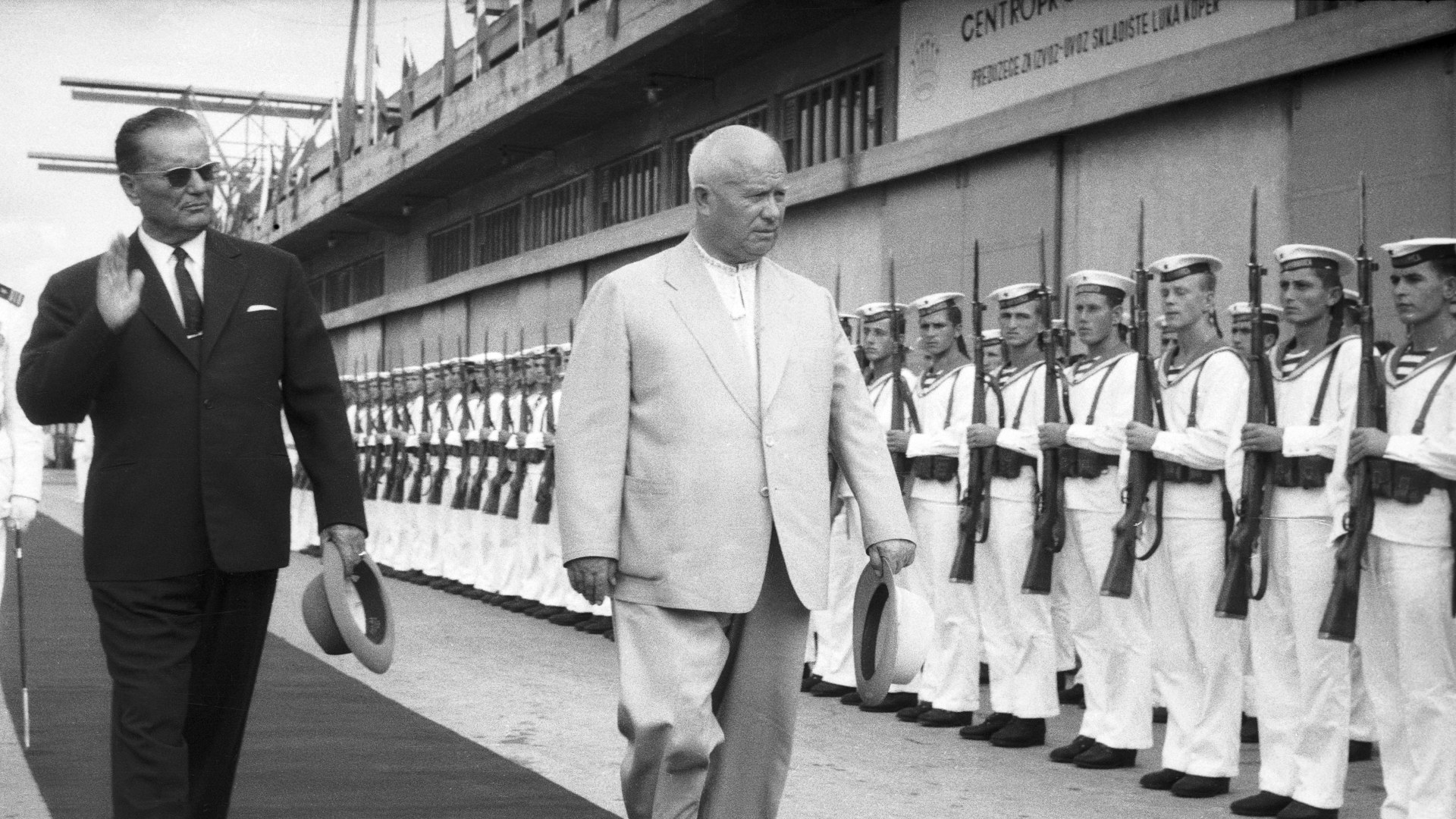
18. Josip Broz Tito
After leading the Yugoslav Partisans during World War II, Marshal Josip Broz Tito governed Yugoslavia as prime minister from 1945 and as president from 1953 until his death in May 1980. He broke with Joseph Stalin in 1948 and co-founded the Non-Aligned Movement.
©Wikimedia / Danilo Skofic
Advertisement
Swipe or tap ▶ to resume the countdown.
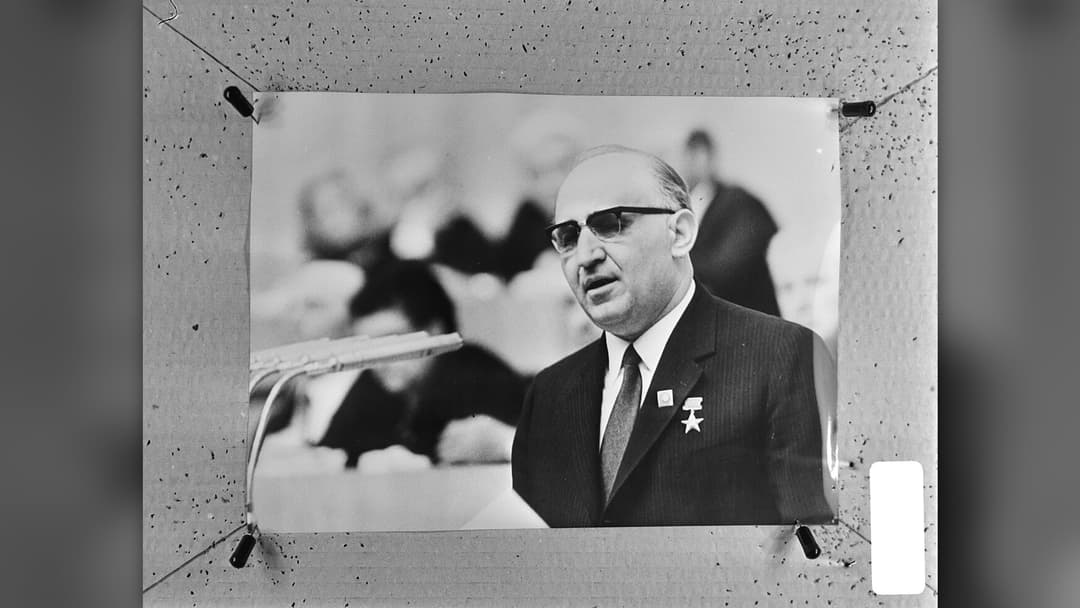
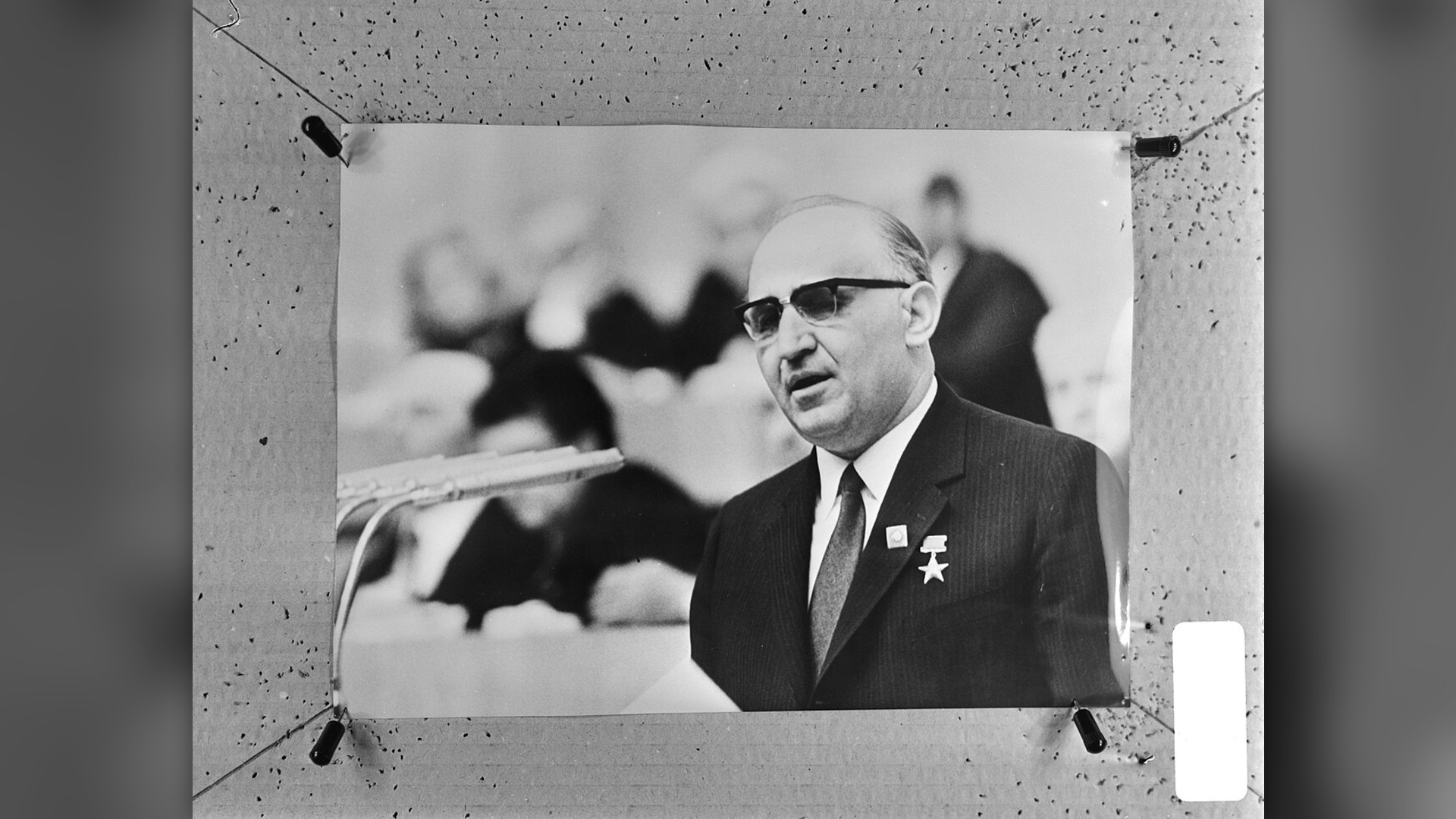
17. Todor Zhivkov
Todor Zhivkov became First Secretary of the Bulgarian Communist Party in March 1954 at age 42, making him the youngest party chief in the Eastern Bloc. He remained Moscow's most loyal ally in Eastern Europe until party colleagues removed him on November 10, 1989.
©Wikimedia / Anefo
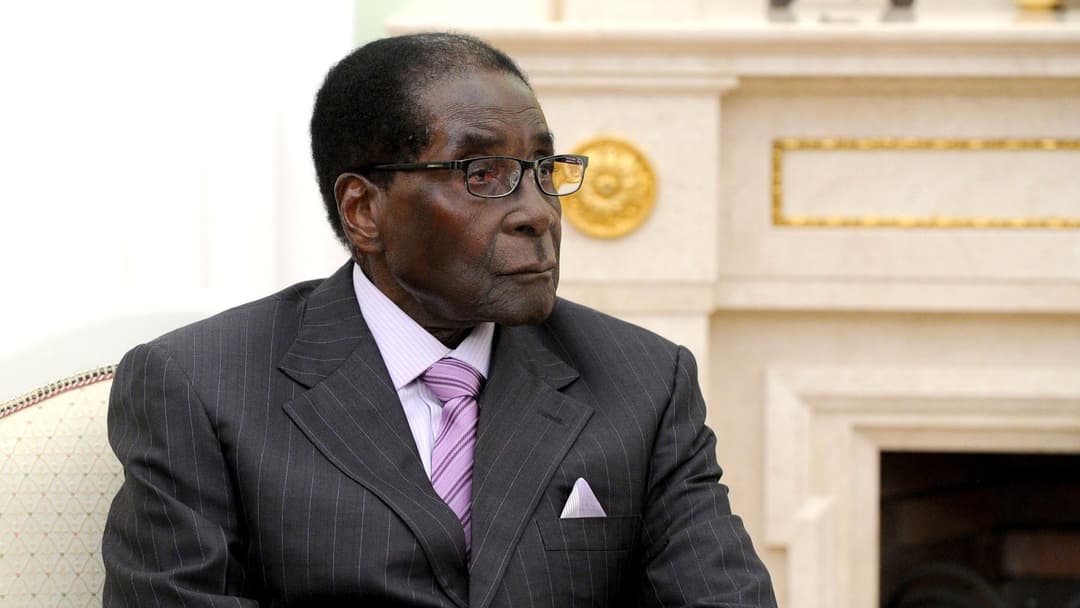
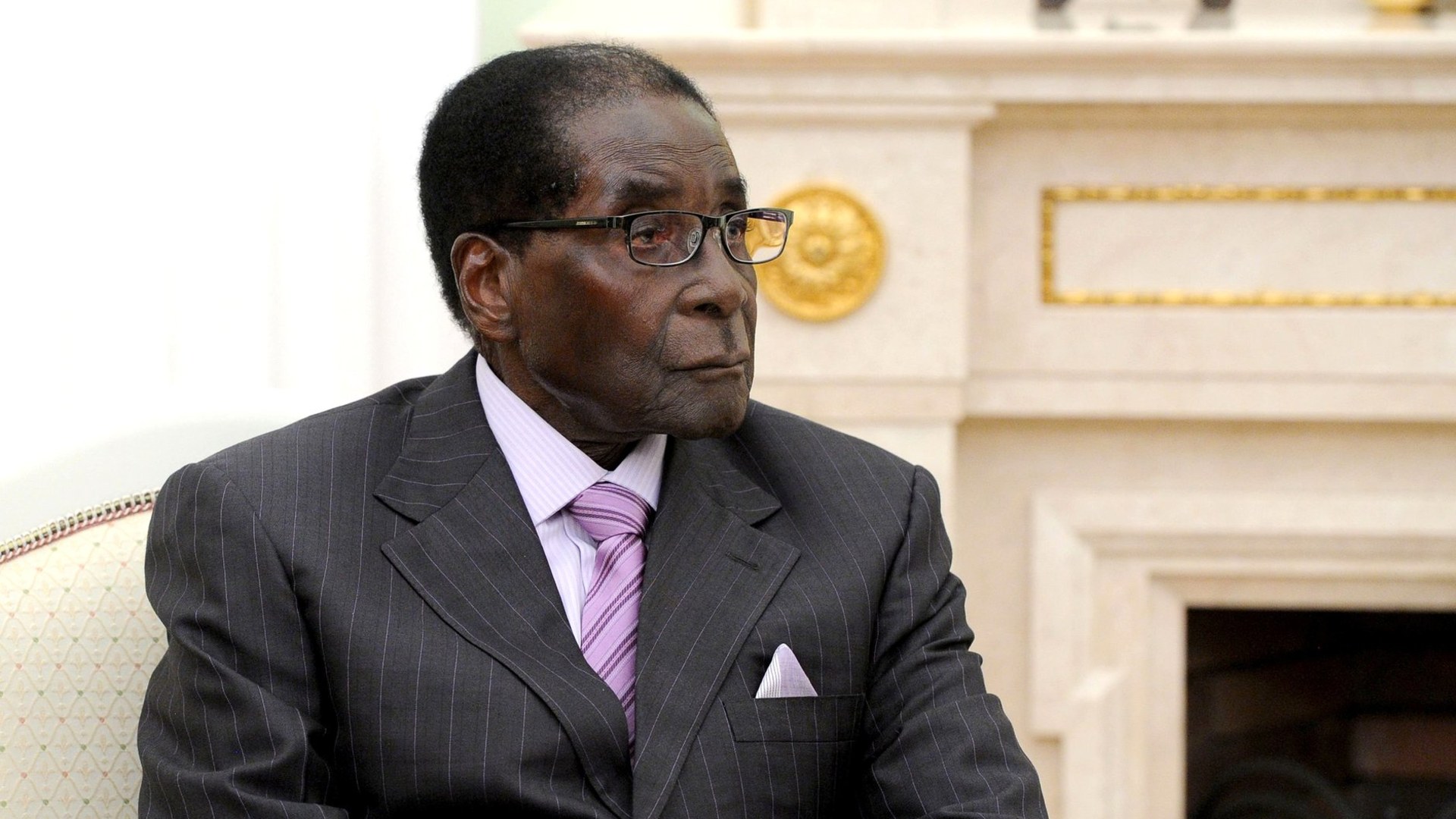
16. Robert Mugabe
Robert Mugabe took office as Prime Minister of newly independent Zimbabwe in April 1980 and became executive President in December 1987. He governed for 37 years until a military intervention and parliamentary impeachment proceedings forced his resignation in November 2017.
©Wikimedia / Presidential Press and Information Office
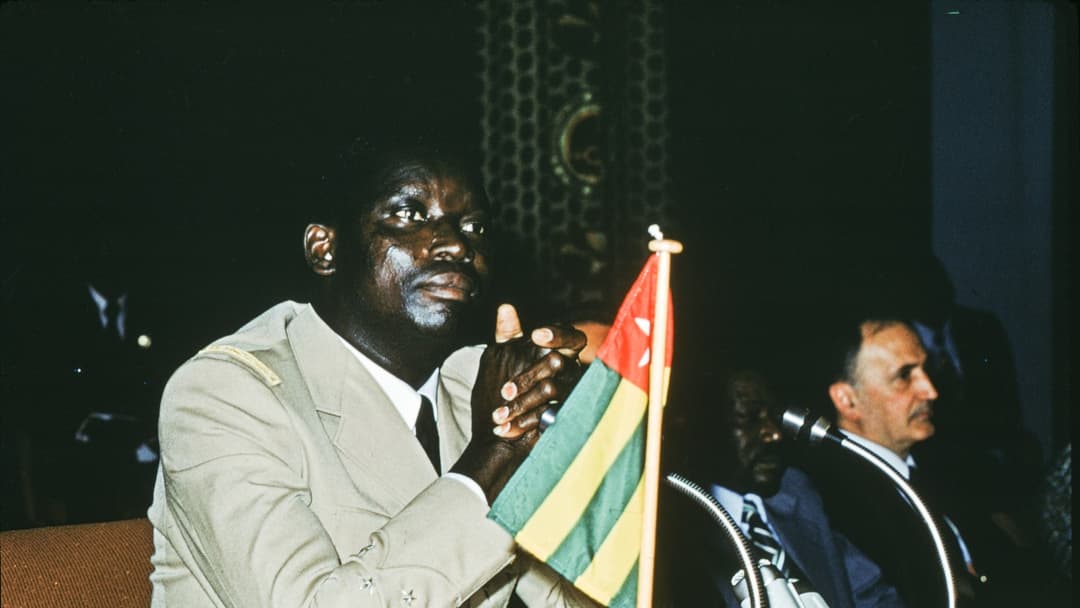
15. Gnassingbe Eyadema
General Gnassingbe Eyadema seized power in Togo in a bloodless military coup on January 13, 1967, and declared himself president three months later. He ruled for nearly 38 years until his death on February 5, 2005, when his son Faure Gnassingbe succeeded him.
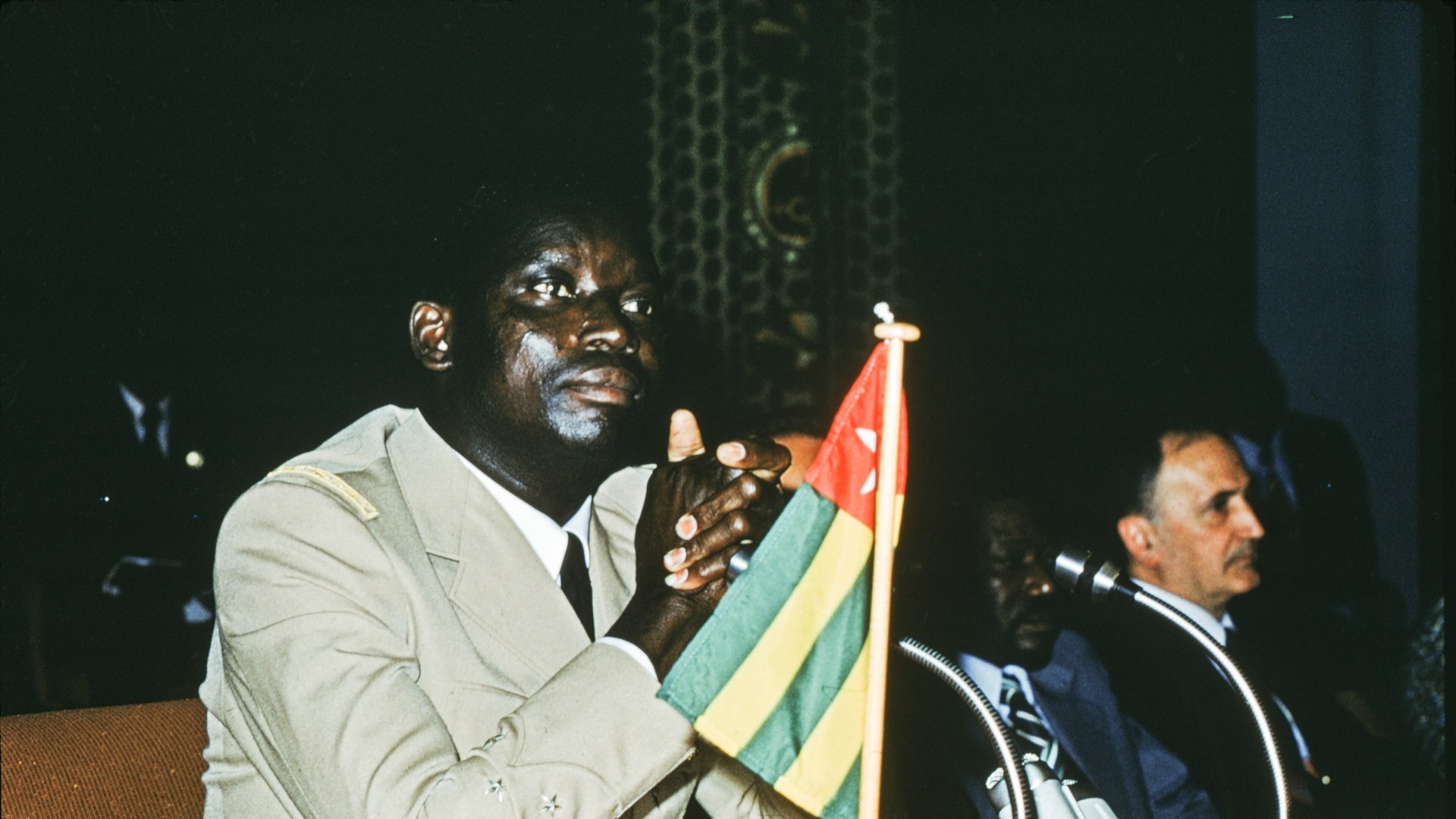
©Wikimedia / Francoise Foliot
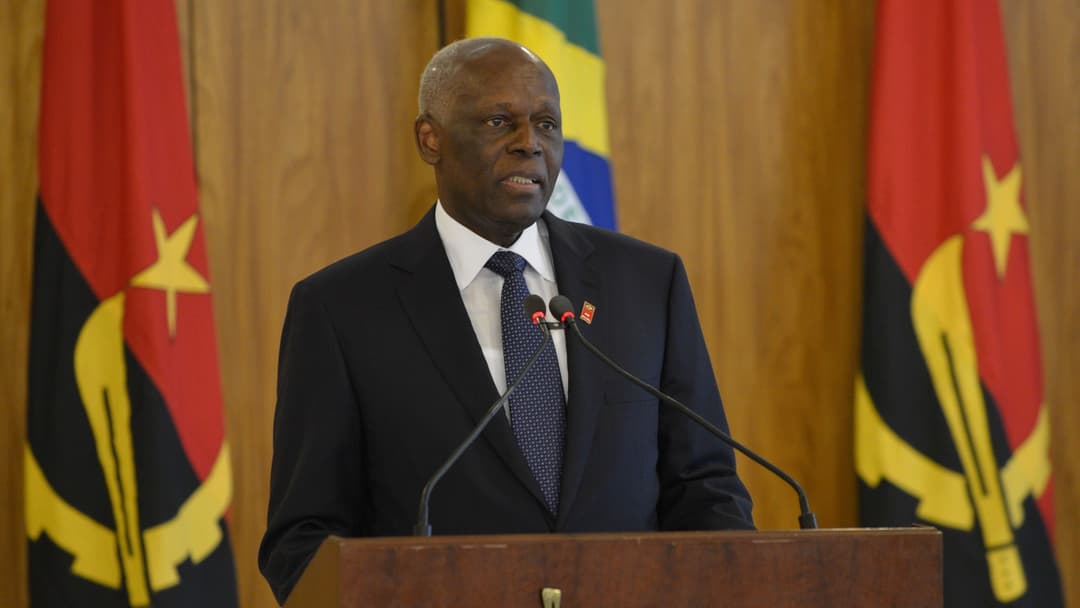
14. Jose Eduardo Dos Santos
Jose Eduardo dos Santos became Angola's second president in September 1979 at age 37 following the death of Agostinho Neto. He steered the nation through a 27-year civil war that ended in 2002 and oversaw an oil boom before stepping down in September 2017.
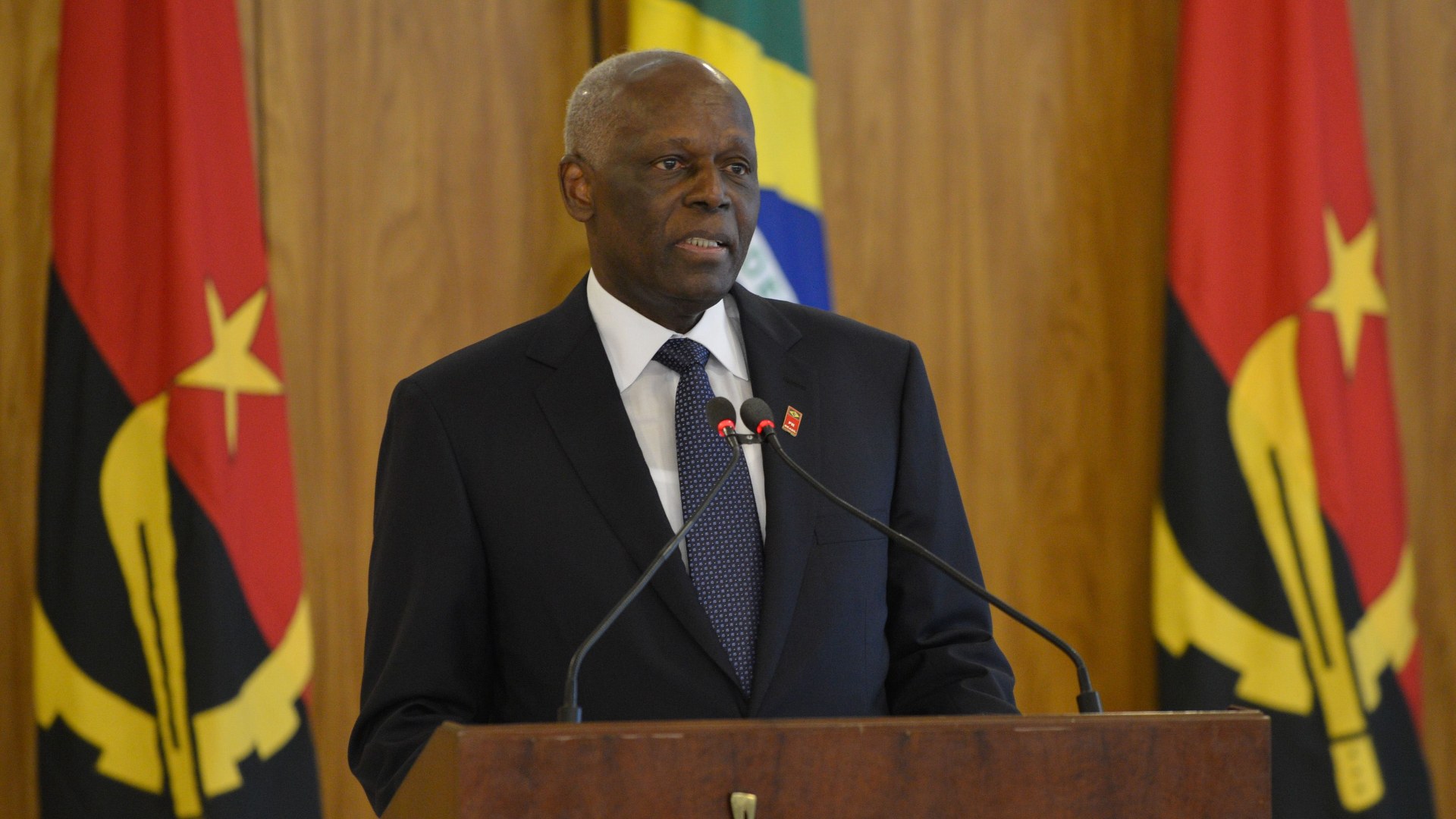
©Wikimedia / Fabio Rodrigues Pozzebom, Agencia Brasil
Advertisement
Swipe or tap ▶ to resume the countdown.
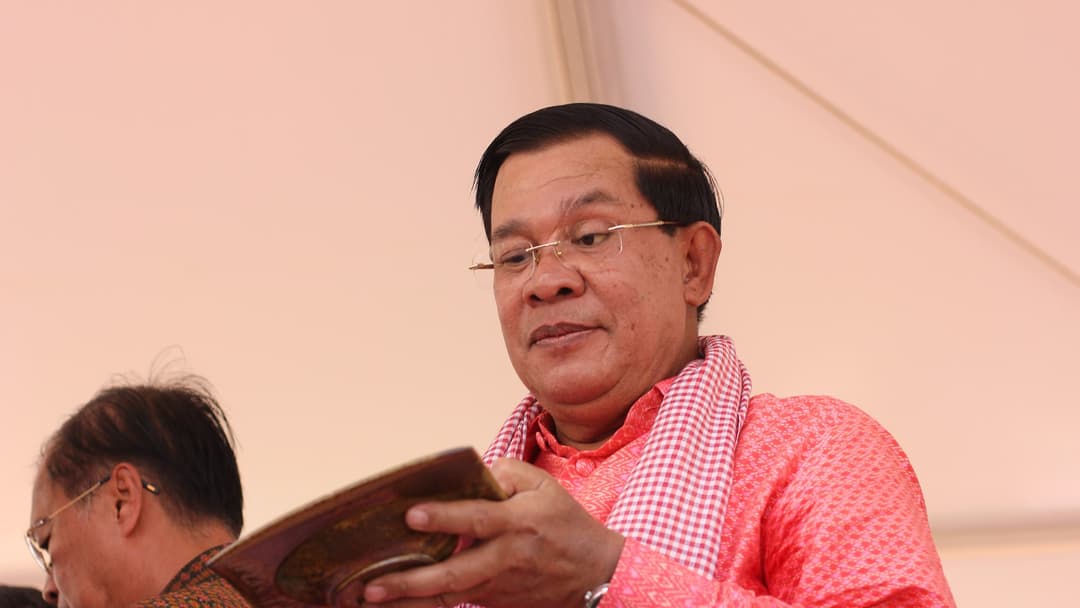
13. Hun Sen
Hun Sen became the world's youngest prime minister in January 1985 at age 32. Over 38 years in office, he outmaneuvered coalition rivals and dissolved the main opposition party before handing the premiership to his eldest son, Hun Manet, in August 2023.
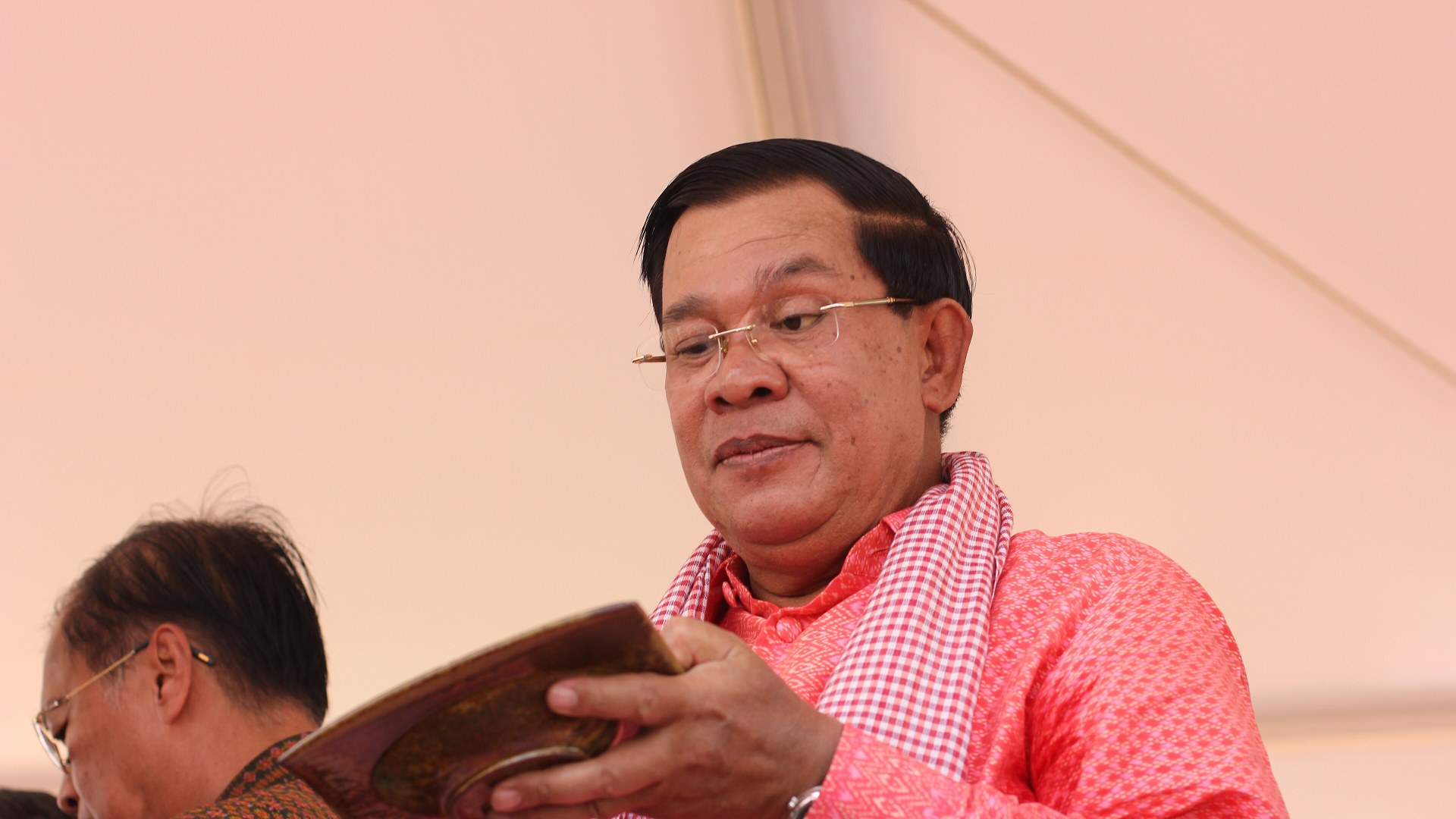
©Wikimedia / Alex Willemyns
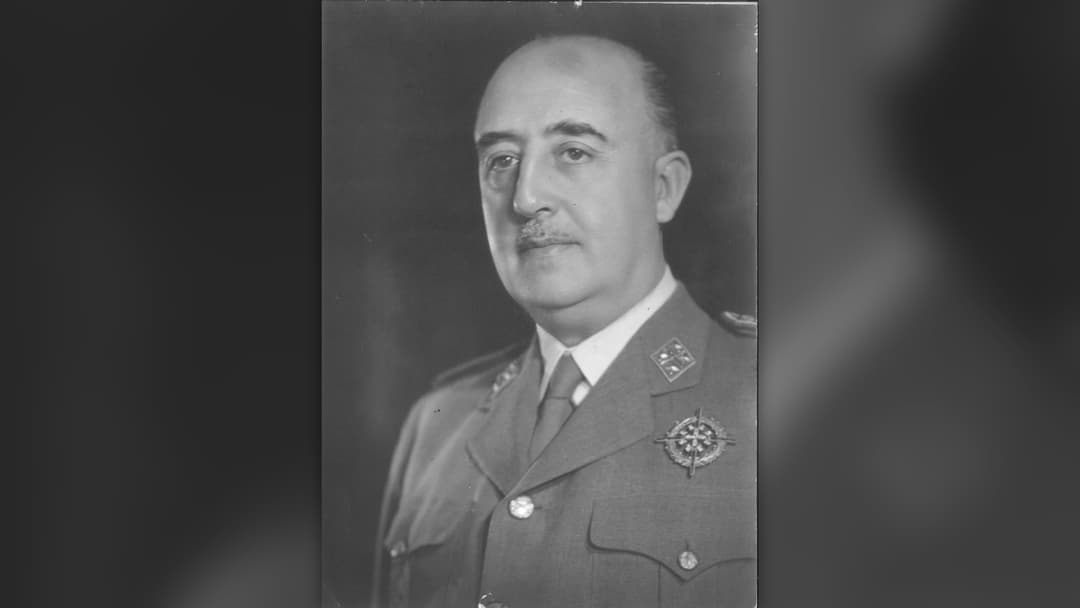
12. Francisco Franco
General Francisco Franco was proclaimed head of state by Nationalist forces in October 1936 during the Spanish Civil War and consolidated absolute rule after taking Madrid in 1939. He governed Spain as Caudillo for 39 years until his death in November 1975.
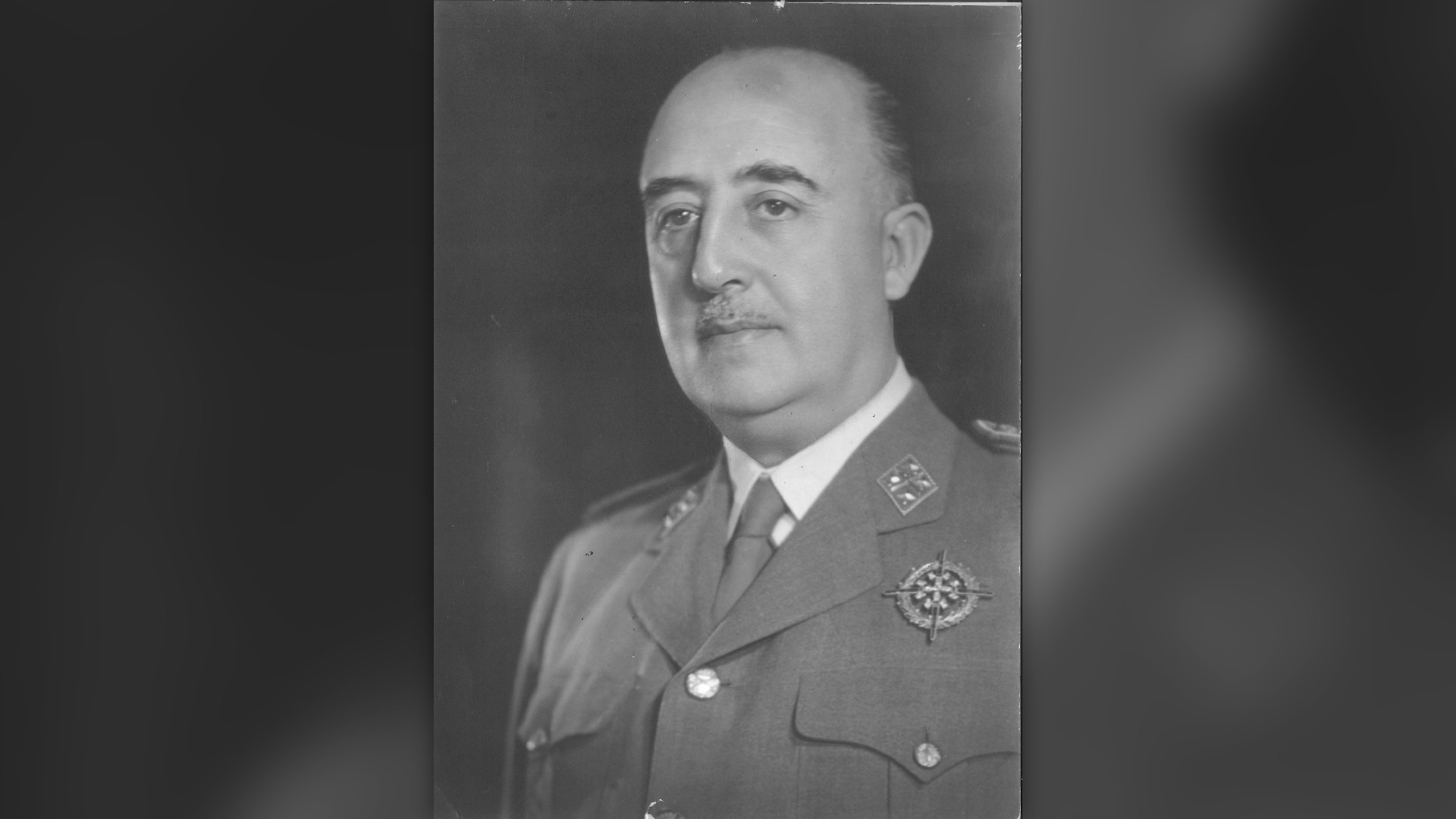
©Europeana / Archivo de la Diputación de Castellón
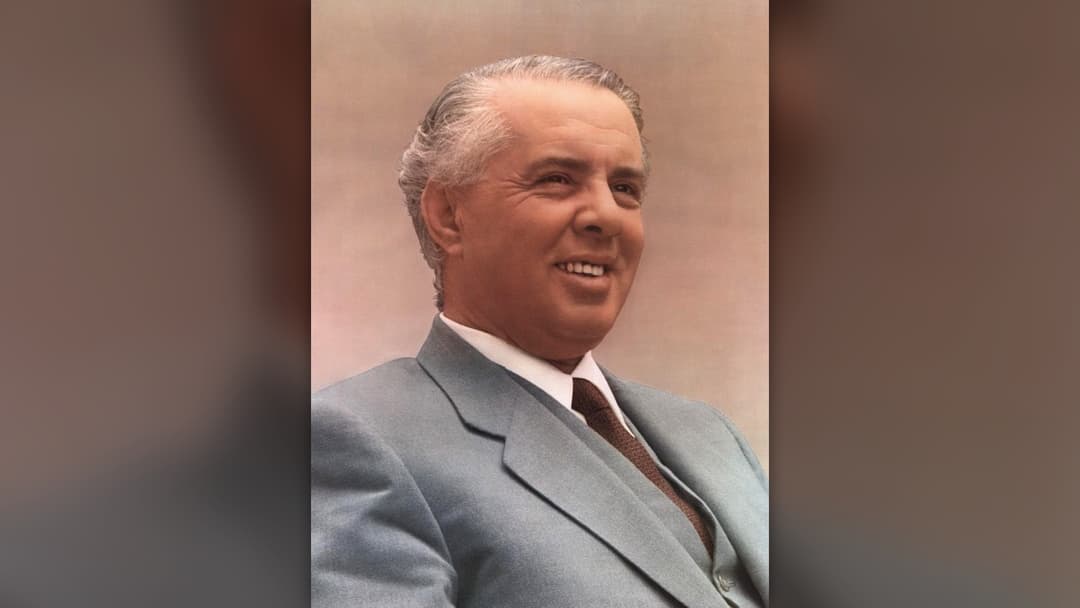
11. Enver Hoxha
Enver Hoxha led Albania's communist resistance out of World War II in November 1944 and ruled until his death in April 1985. He broke alliances with Yugoslavia, the Soviet Union, and China while building more than 173,000 concrete bunkers across the country.
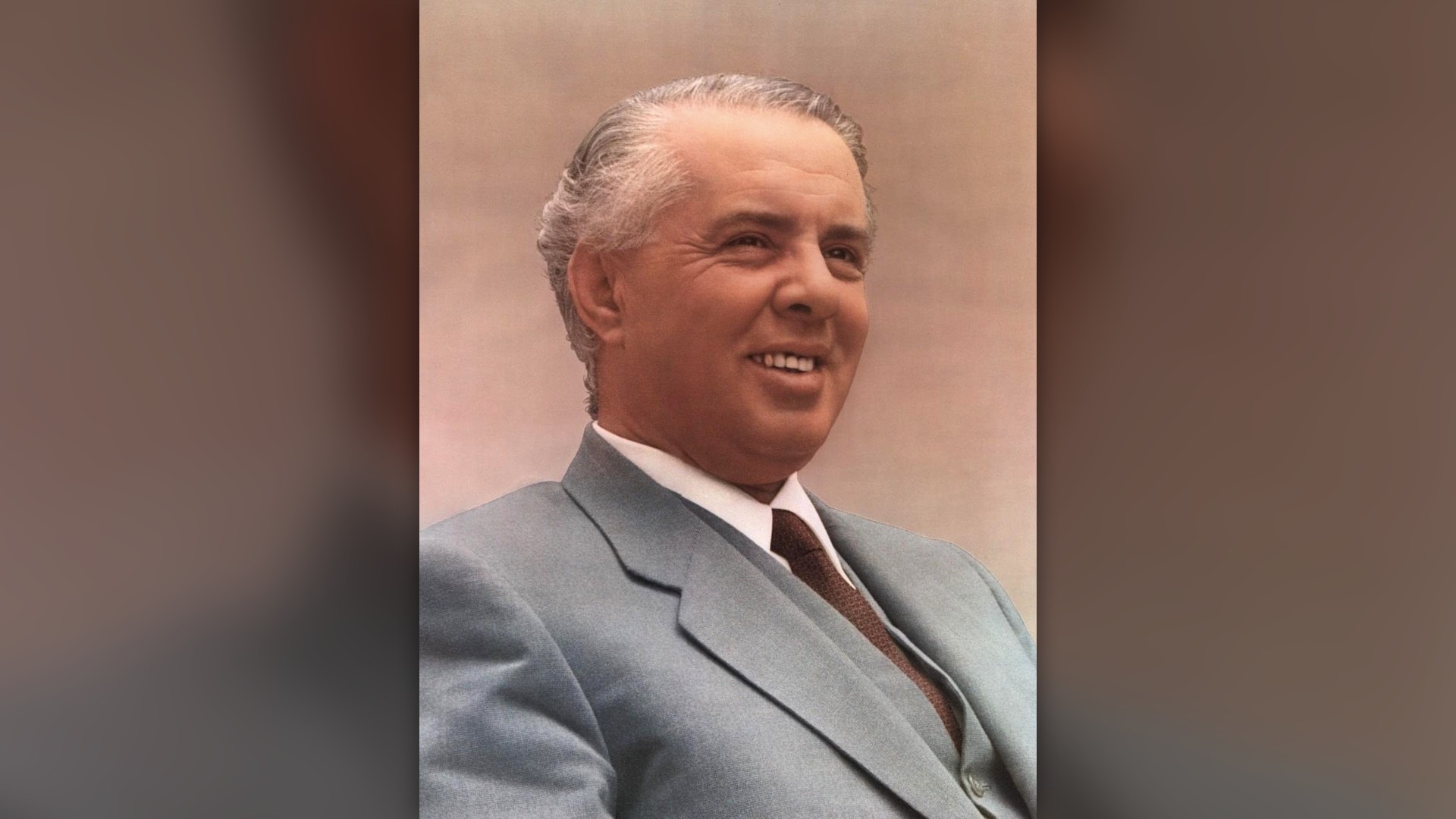
©Wikimedia / Enver Hoxha
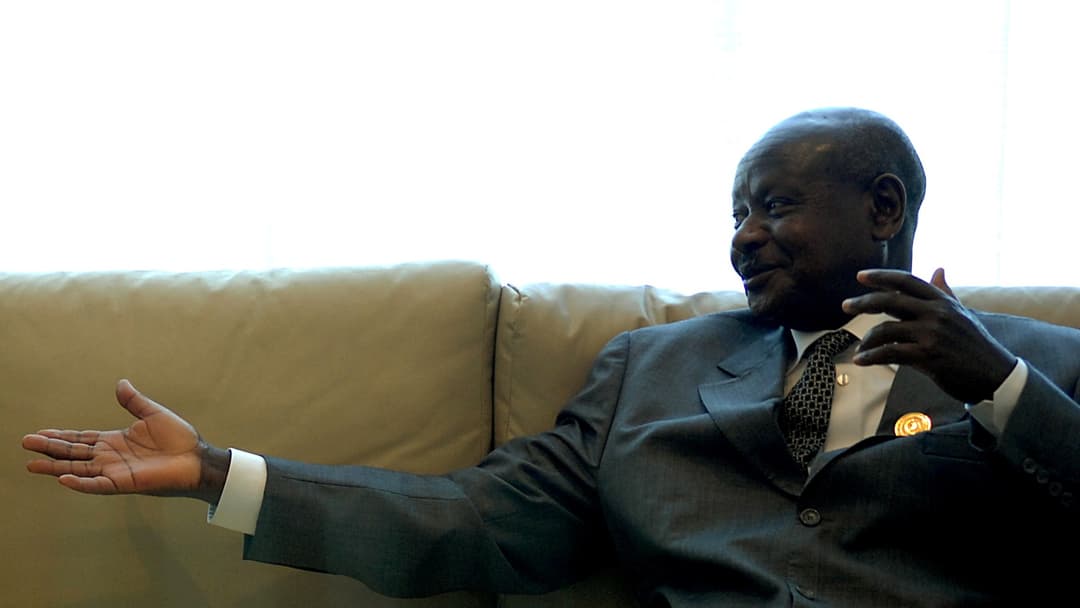
10. Yoweri Museveni
Yoweri Museveni took office as President of Uganda in January 1986 after his National Resistance Army captured Kampala. Constitutional amendments in 2005 and 2017 abolished presidential term limits and the 75-year age cap, allowing him to win a seventh term in 2026.
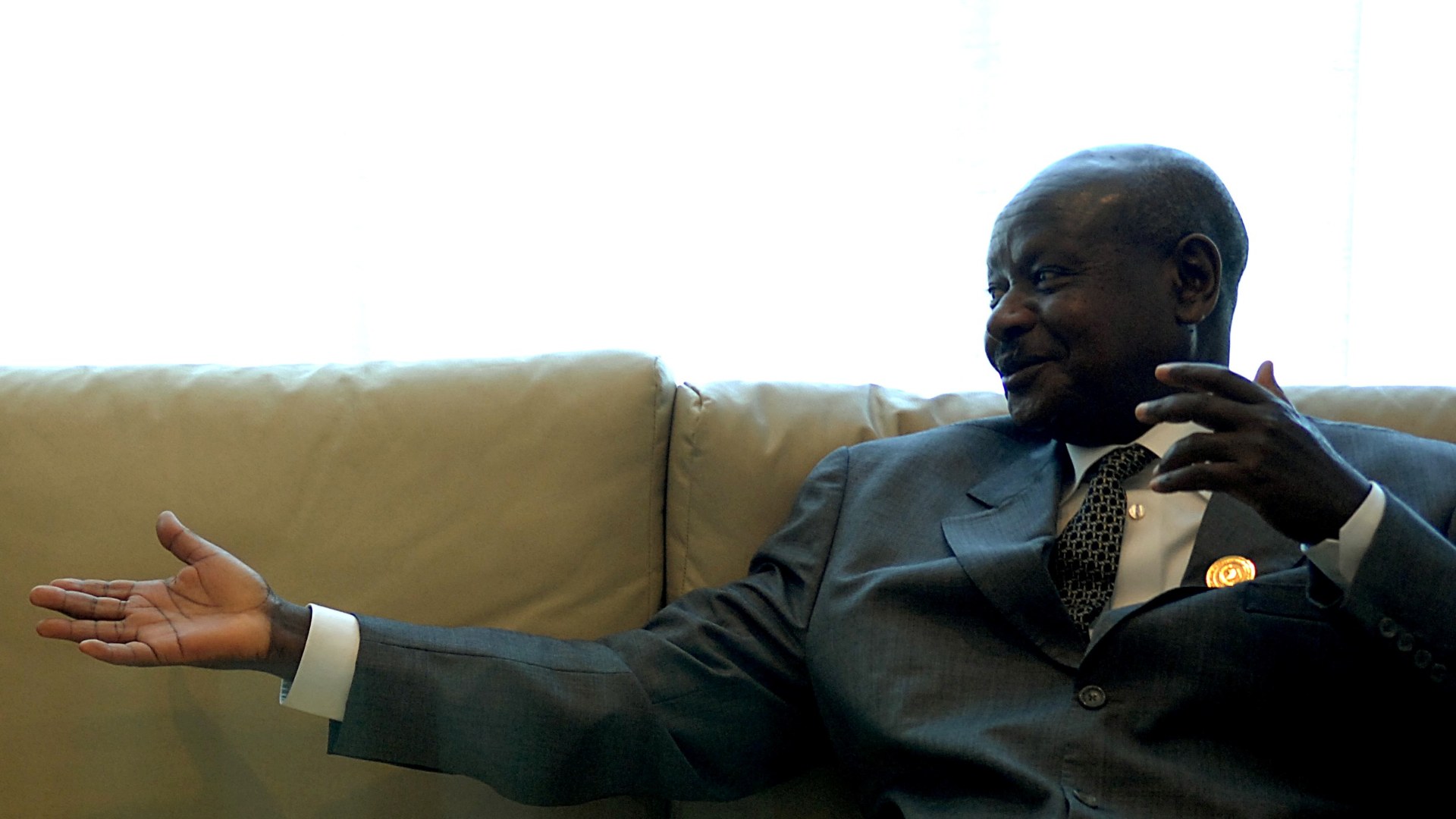
©Wikimedia / TSgt. Jeremy T. Lock
Advertisement
Swipe or tap ▶ to resume the countdown.
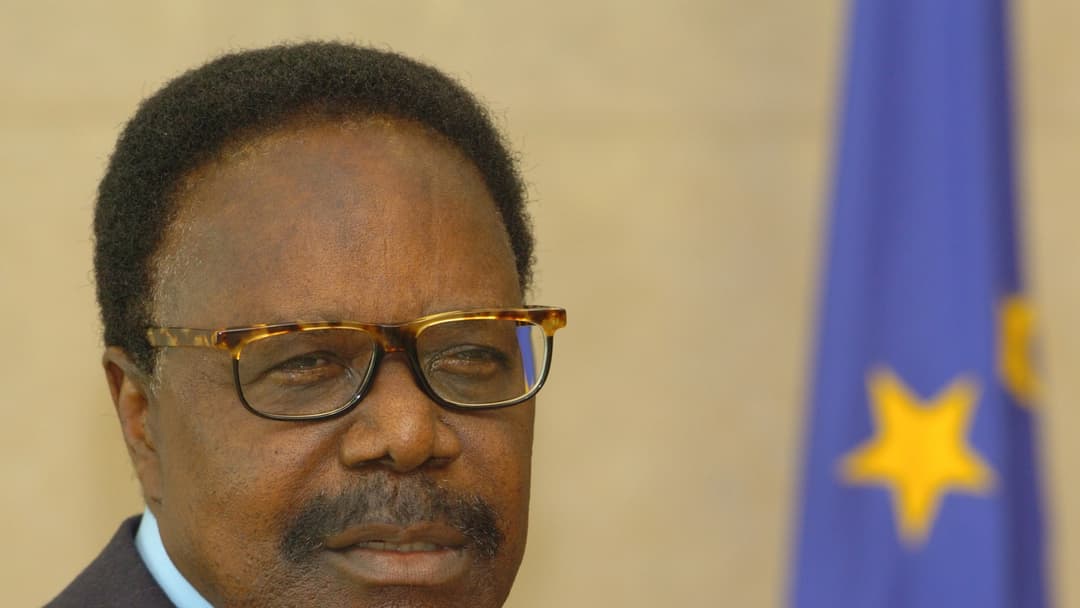
9. Omar Bongo
Omar Bongo became President of Gabon in November 1967 at age 31 after the death of Leon M'ba. Backed by Gabon's offshore oil revenues and close ties with Paris, he governed for 41 years and 191 days until his death in June 2009.
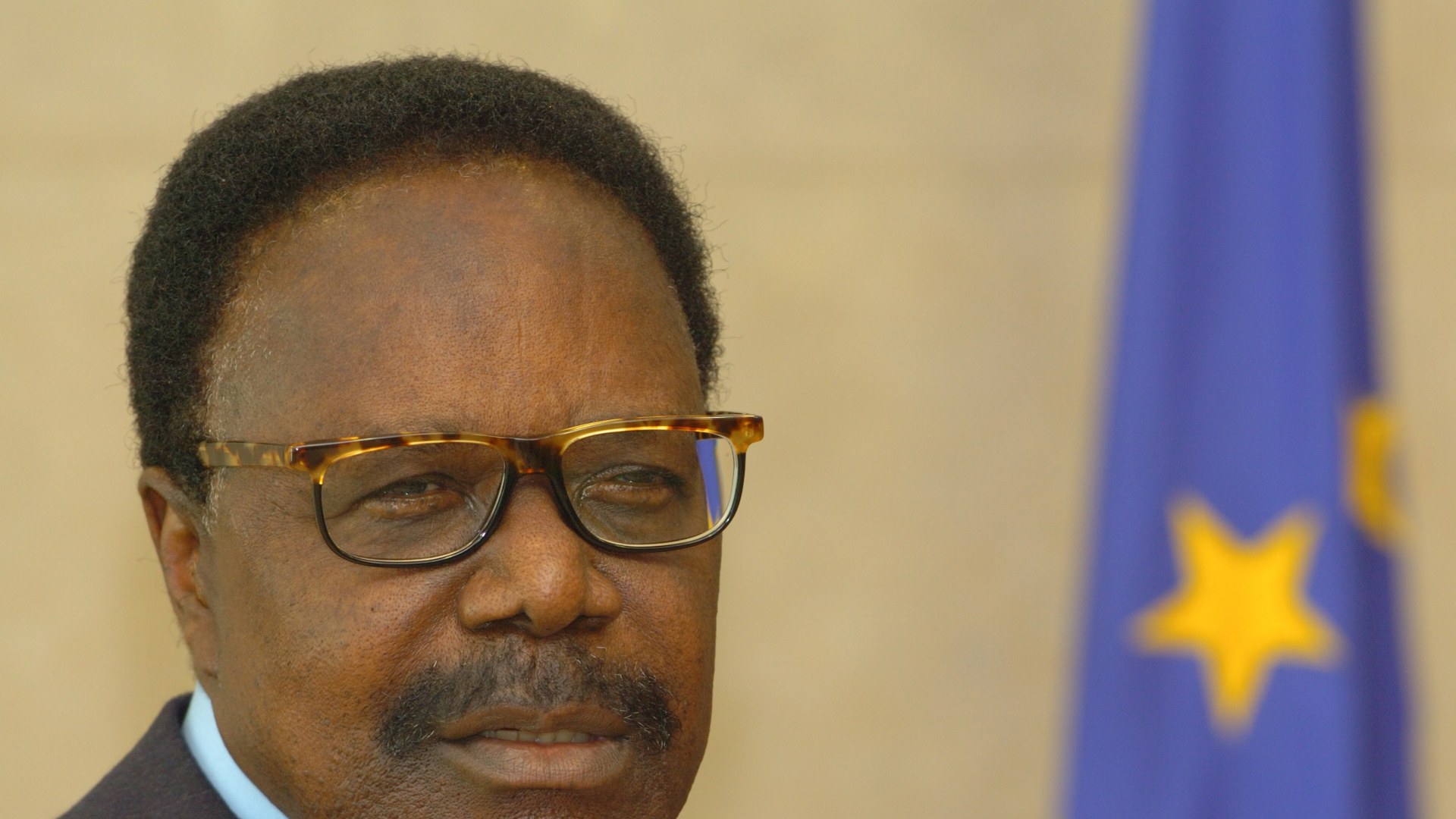
©Wikimedia / Georges Boulougouris
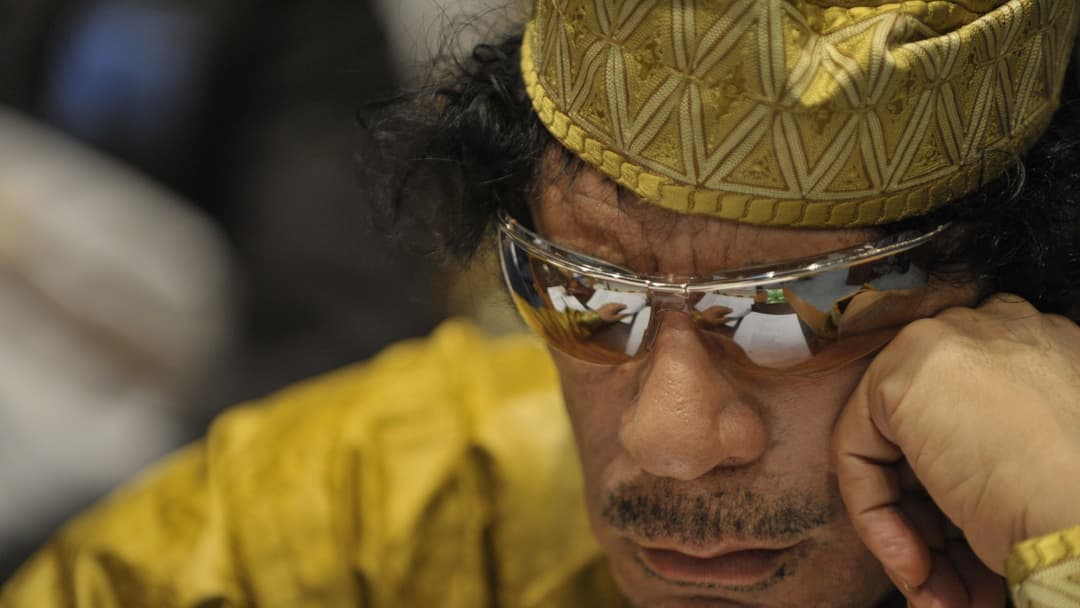
8. Muammar Gaddafi
At age 27, Captain Muammar Gaddafi led a group of junior military officers who deposed King Idris I of Libya on September 1, 1969. He ruled the North African oil state for nearly 42 years until rebel forces overthrew his government in August 2011.
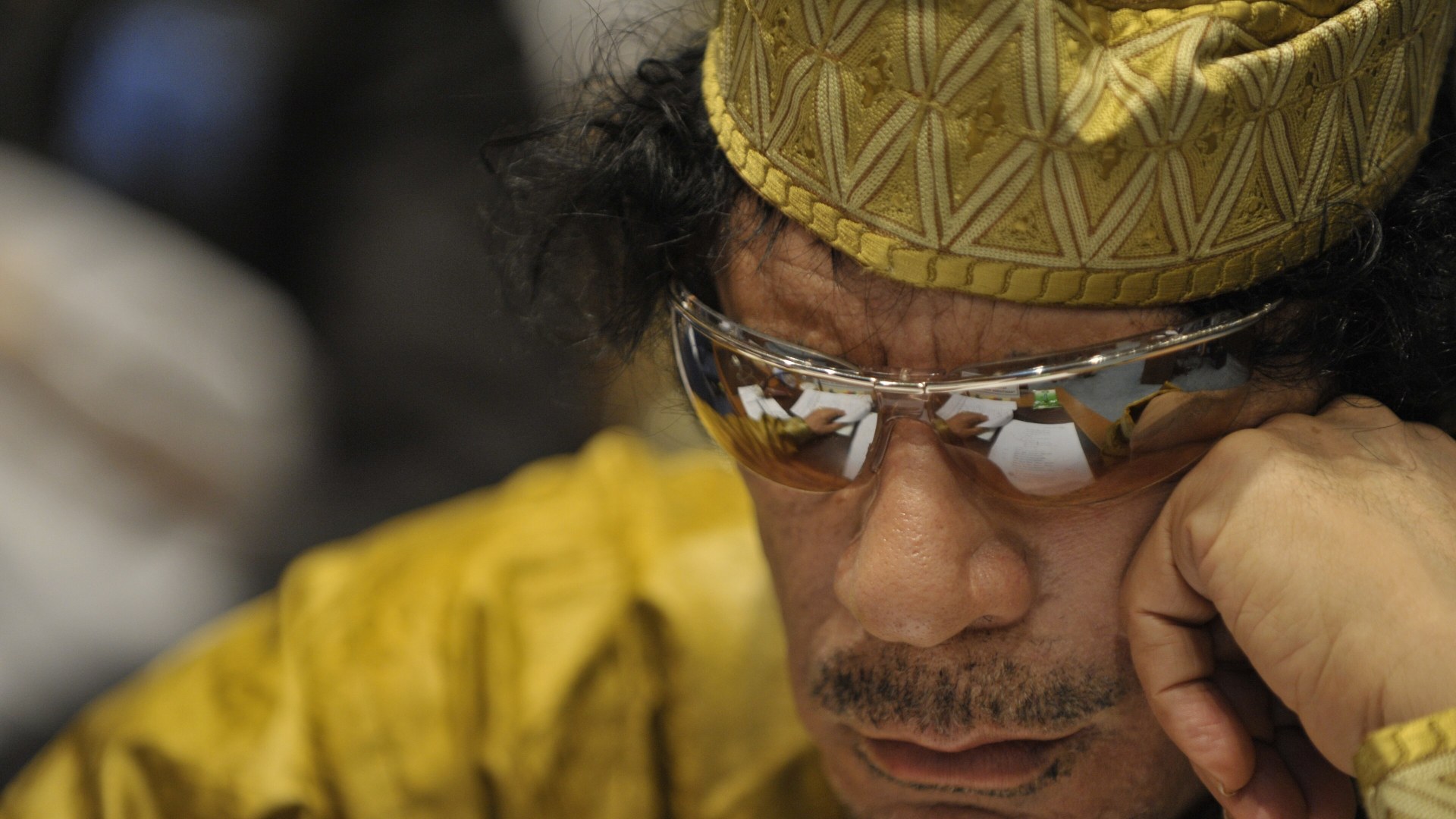
©Wikimedia / U.S. Navy, Jesse B. Awalt
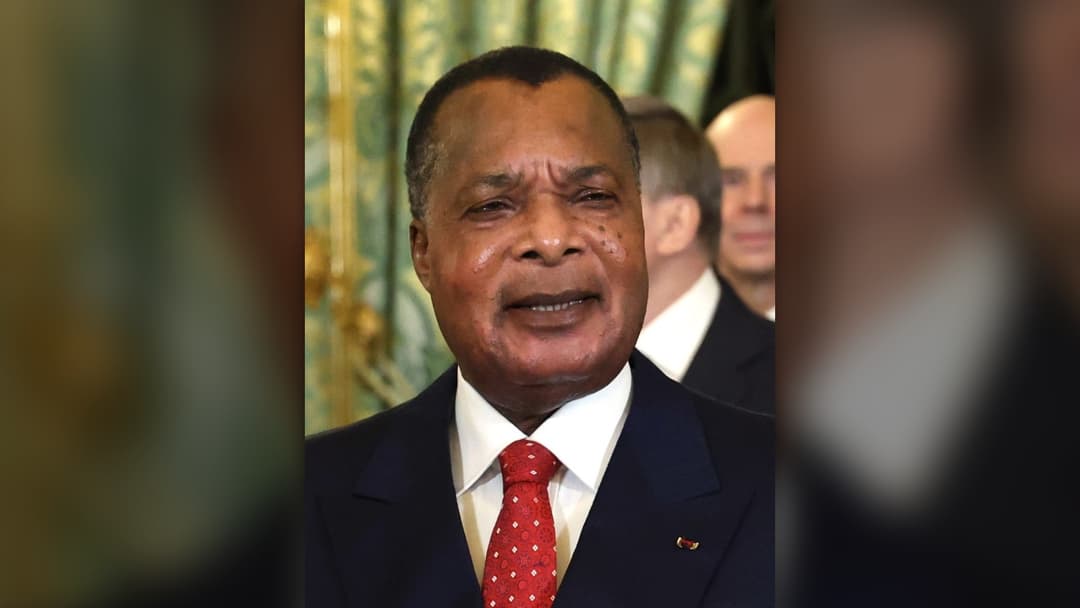
7. Denis Sassou Nguesso
Denis Sassou Nguesso first ruled the Republic of the Congo from 1979 until he lost a multiparty election in 1992. He returned to power during the 1997 civil war and has governed continuously since October 1997, reaching 42 total years in office.
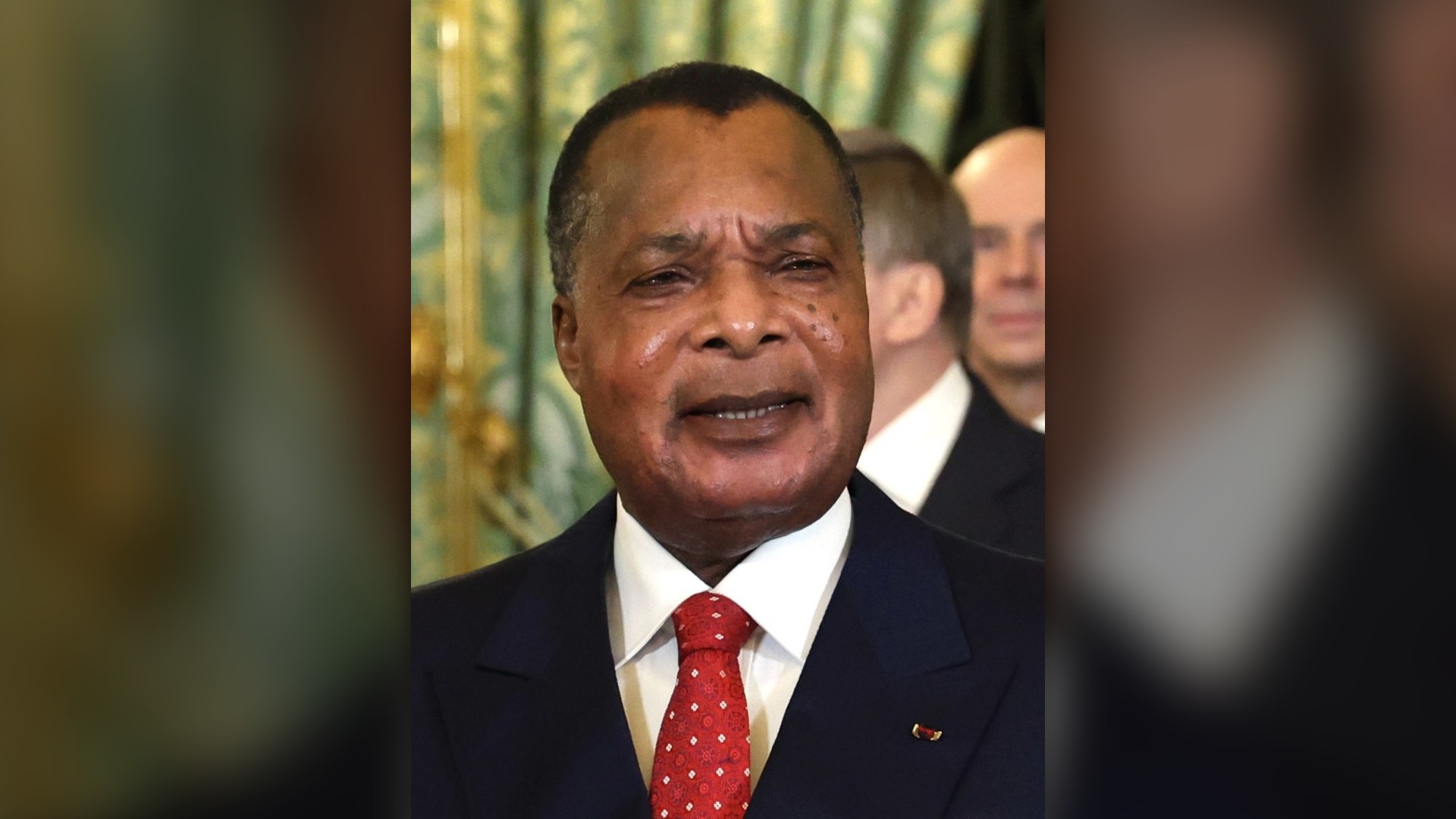
©Wikimedia / Denis Sassou Nguesso
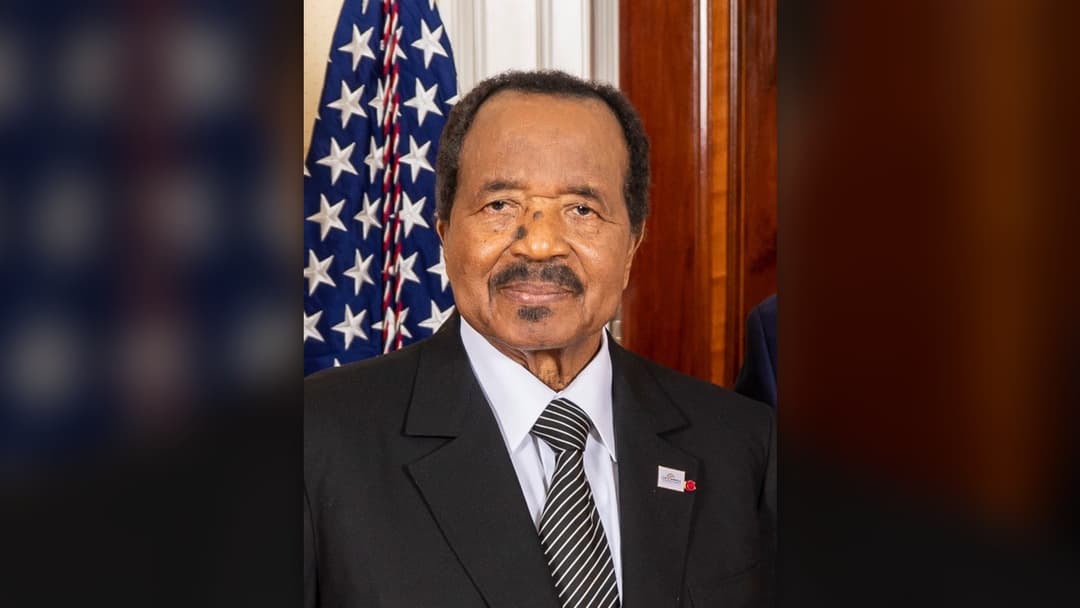
6. Paul Biya
Paul Biya served as Prime Minister of Cameroon for seven years before succeeding Ahmadou Ahidjo as President on November 6, 1982. Now in his nineties, Biya is the world's oldest sitting head of state and has held national executive office for 51 consecutive years.
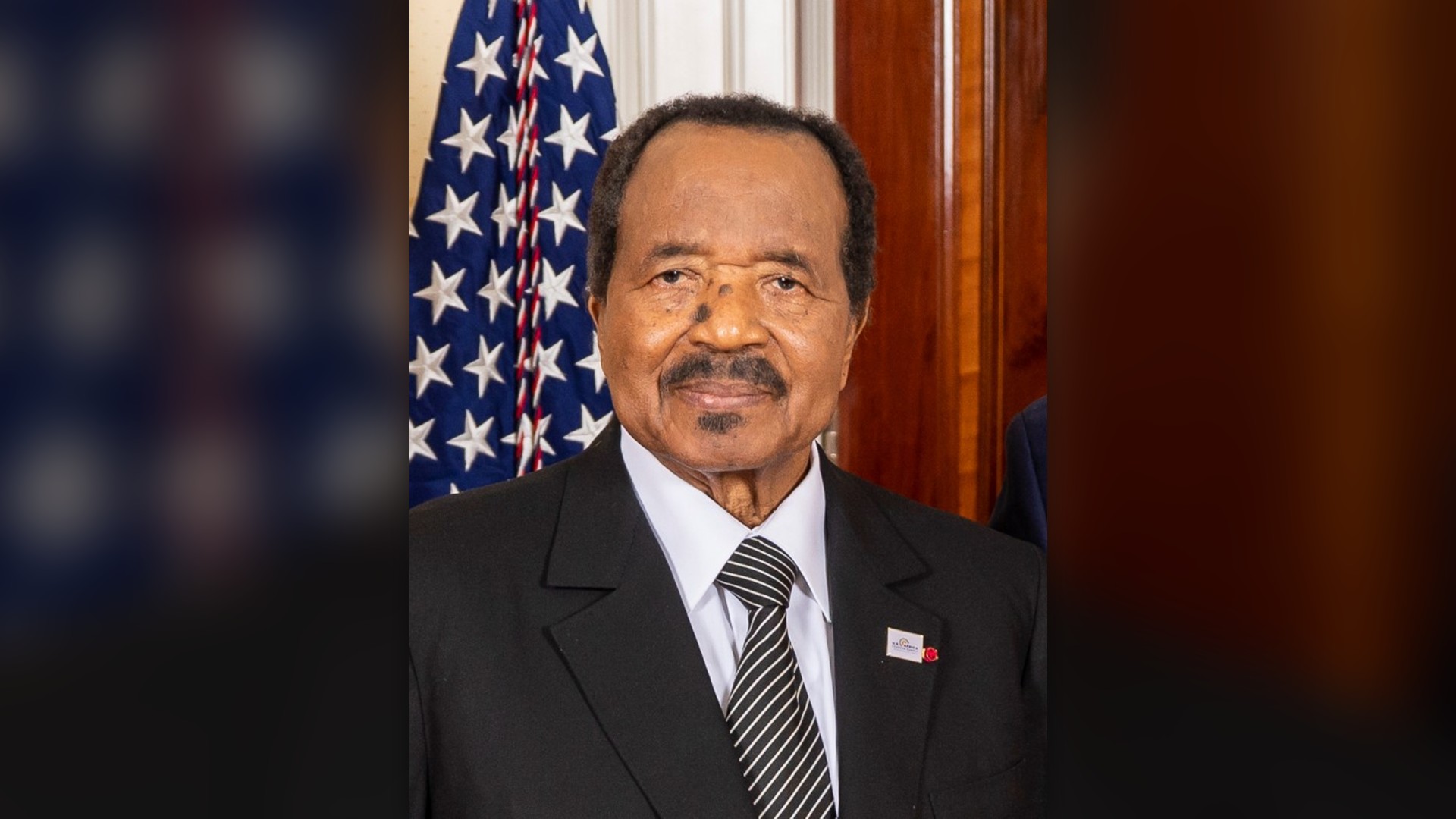
©Wikimedia / Paul Biya
Advertisement
Swipe or tap ▶ to resume the countdown.
5. Yumjaagiin Tsedenbal
Yumjaagiin Tsedenbal became General Secretary of the Mongolian People's Revolutionary Party in April 1940 at age 23 and later served as prime minister and head of state. He governed Mongolia for 44 years until Soviet pressure forced his retirement in August 1984.
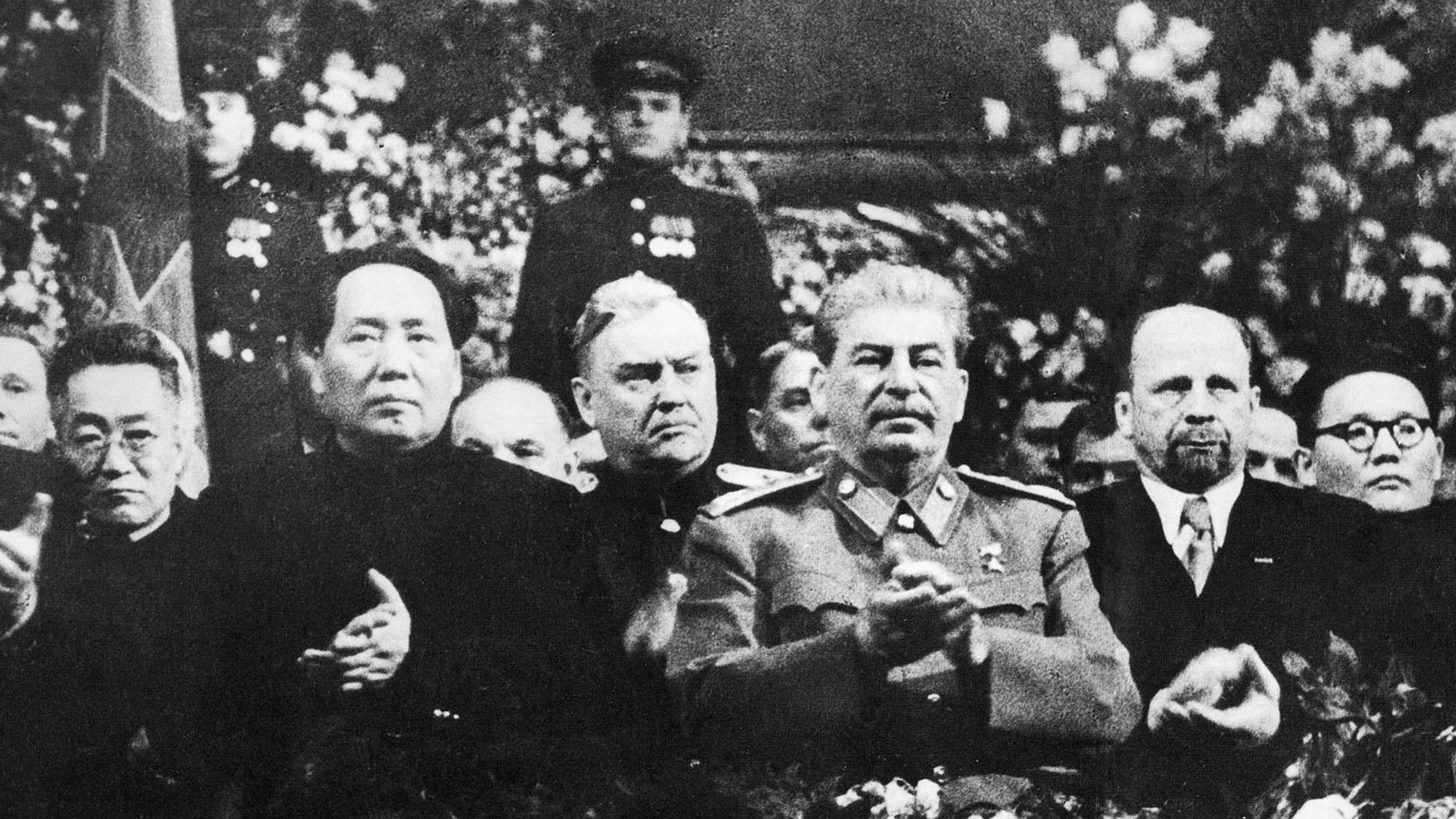
©Wikimedia / German Federal Archives
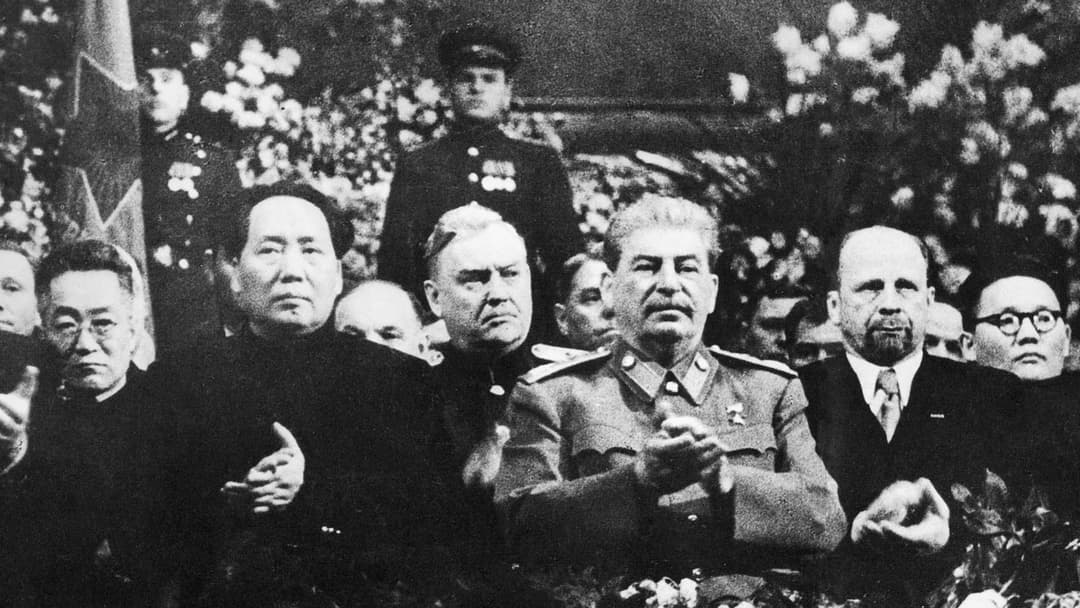
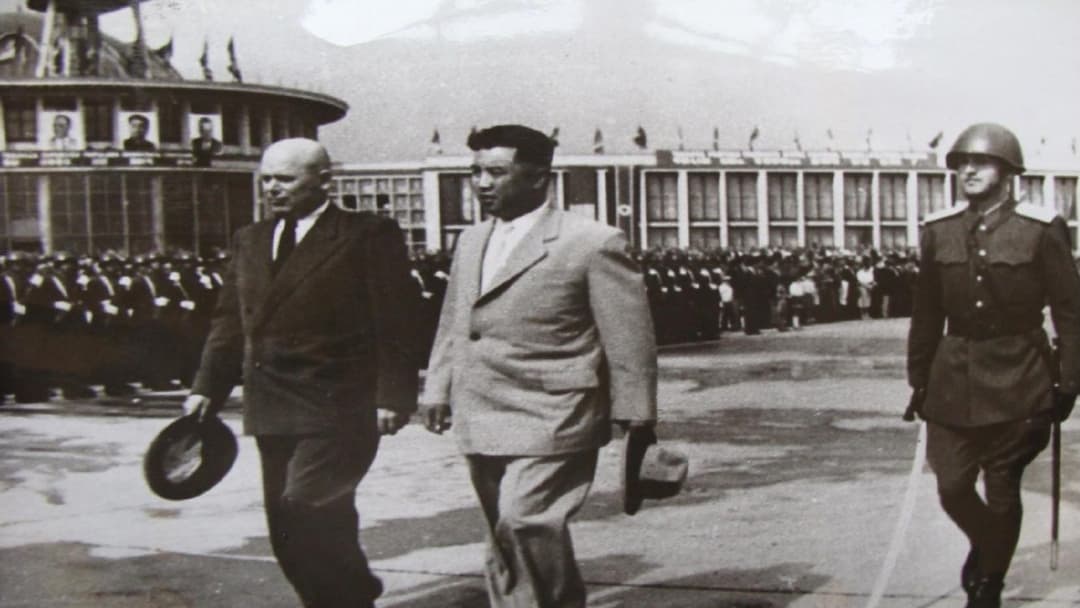
4. Kim Il Sung
Kim Il Sung founded the Democratic People's Republic of Korea in September 1948 and led the country through the Korean War and the Cold War until his death in July 1994. North Korea's 1998 constitution posthumously named him Eternal President of the Republic.
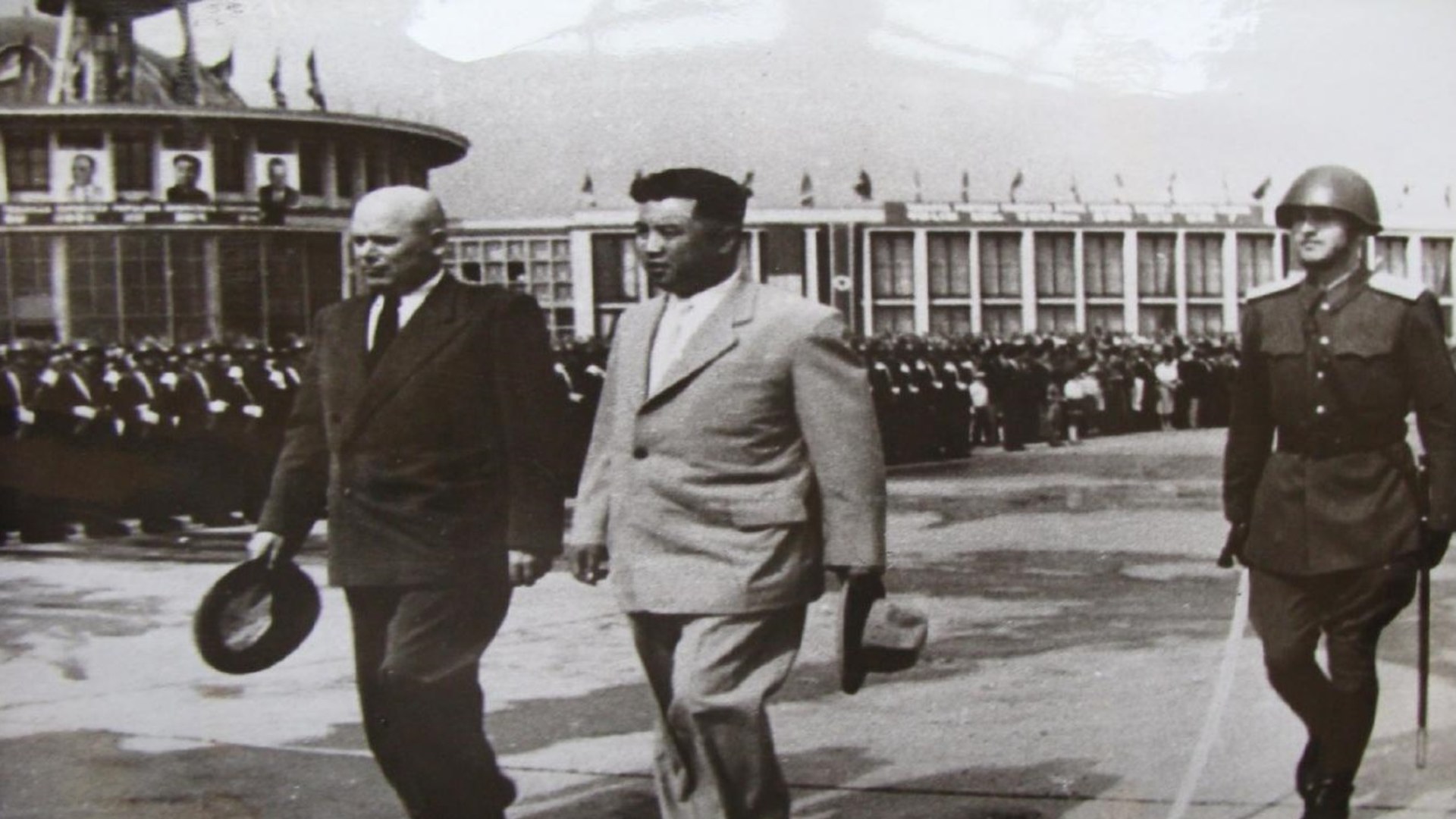
©Wikimedia / Fototeca Online a Comunismului Romanesc
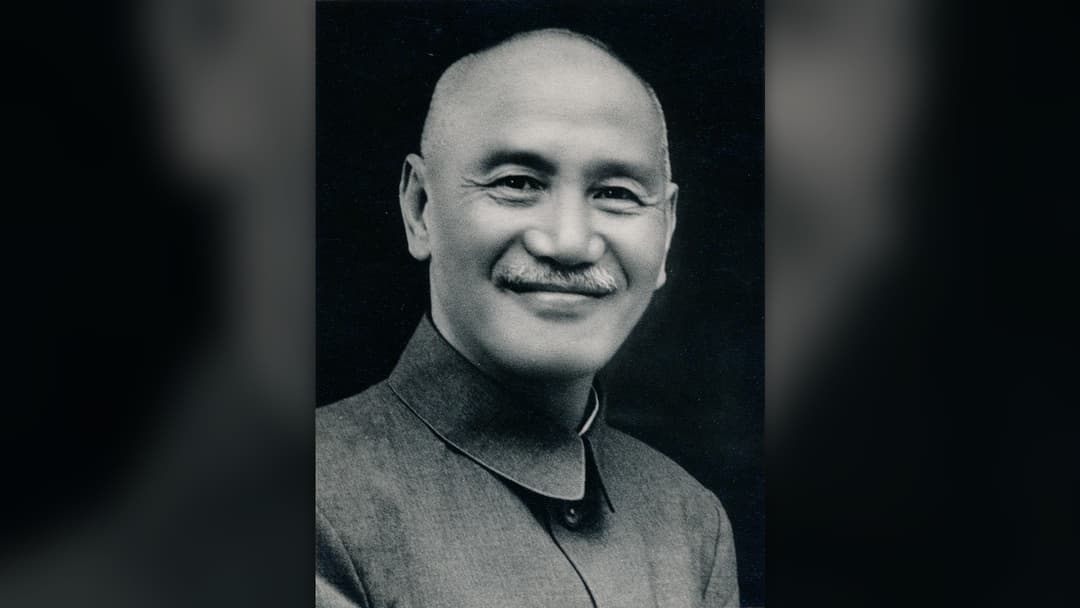
3. Chiang Kai Shek
Generalissimo Chiang Kai-shek led the Republic of China on the mainland from October 1928 through the Second Sino-Japanese War and Chinese Civil War, then governed from Taipei after 1949 until his death in April 1975, spanning 46 years at the helm.
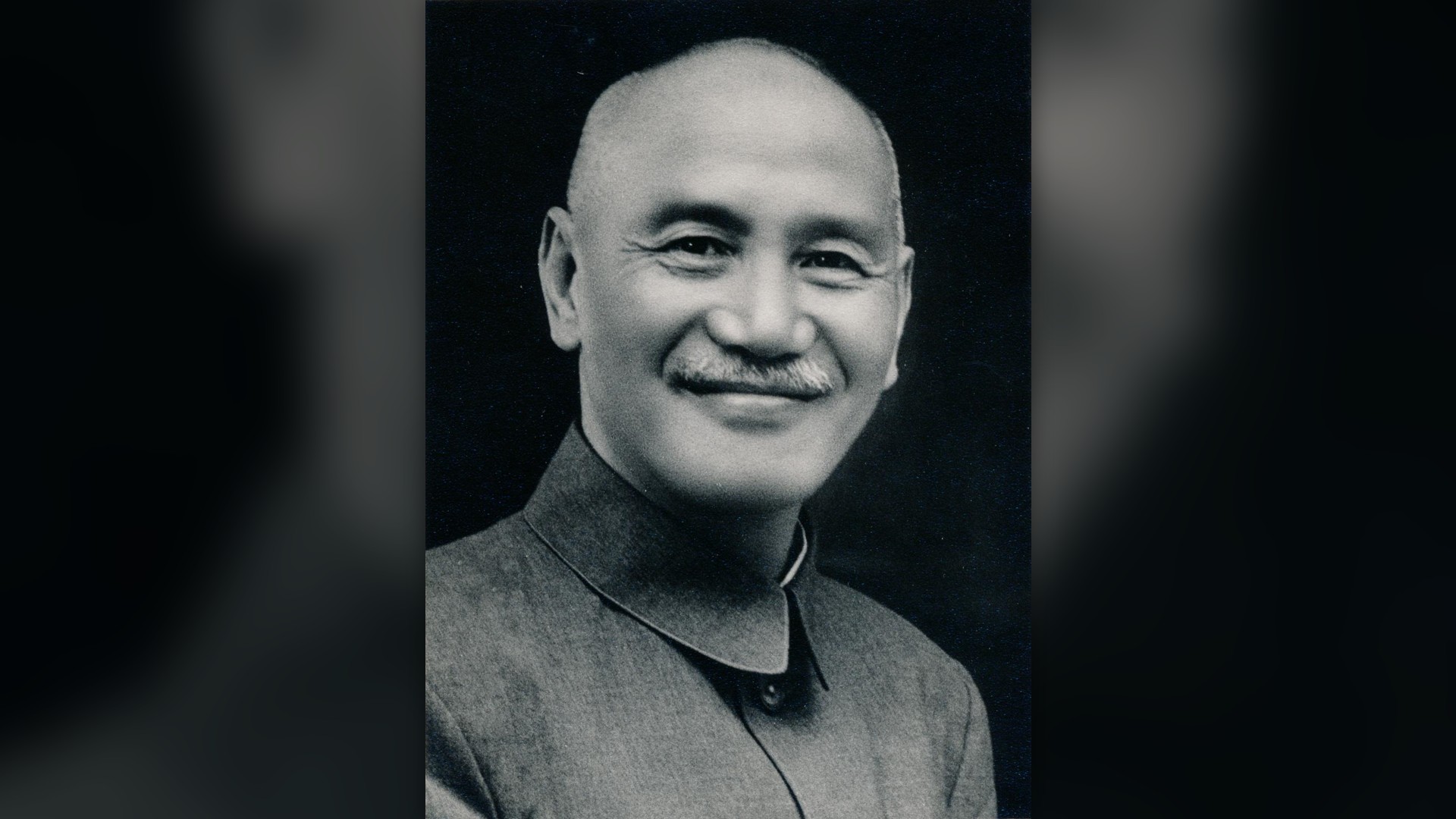
©Wikimedia / Chiang Kai-shek
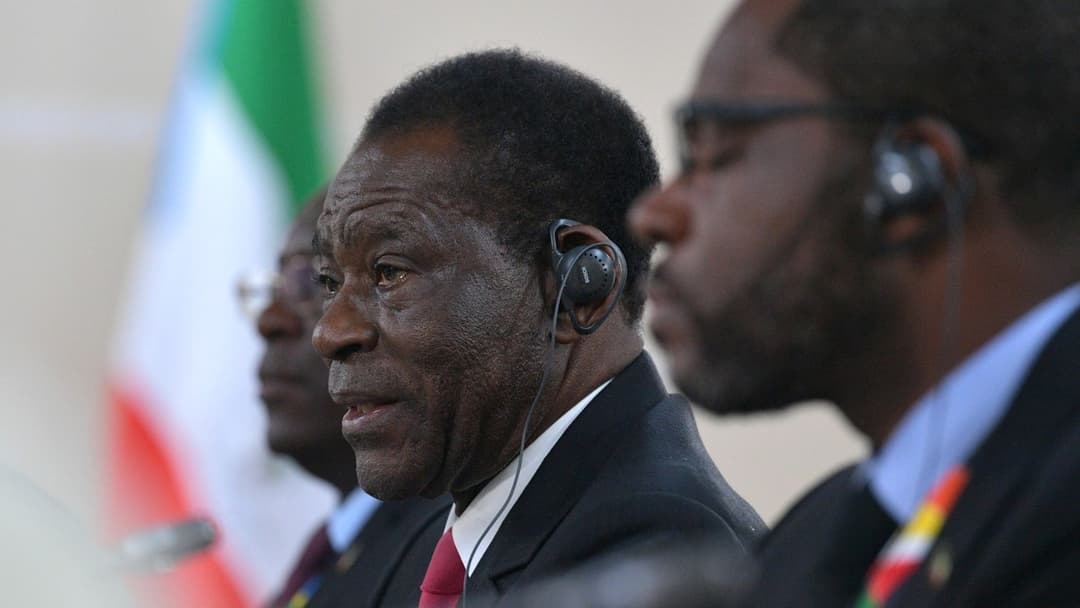
2. Teodoro Obiang Nguema Mbasogo
Teodoro Obiang Nguema Mbasogo ousted his uncle, Francisco Macias Nguema, in a military coup on August 3, 1979. Having governed oil-rich Equatorial Guinea for 47 consecutive years, he is the longest-serving living non-royal head of state in the world.
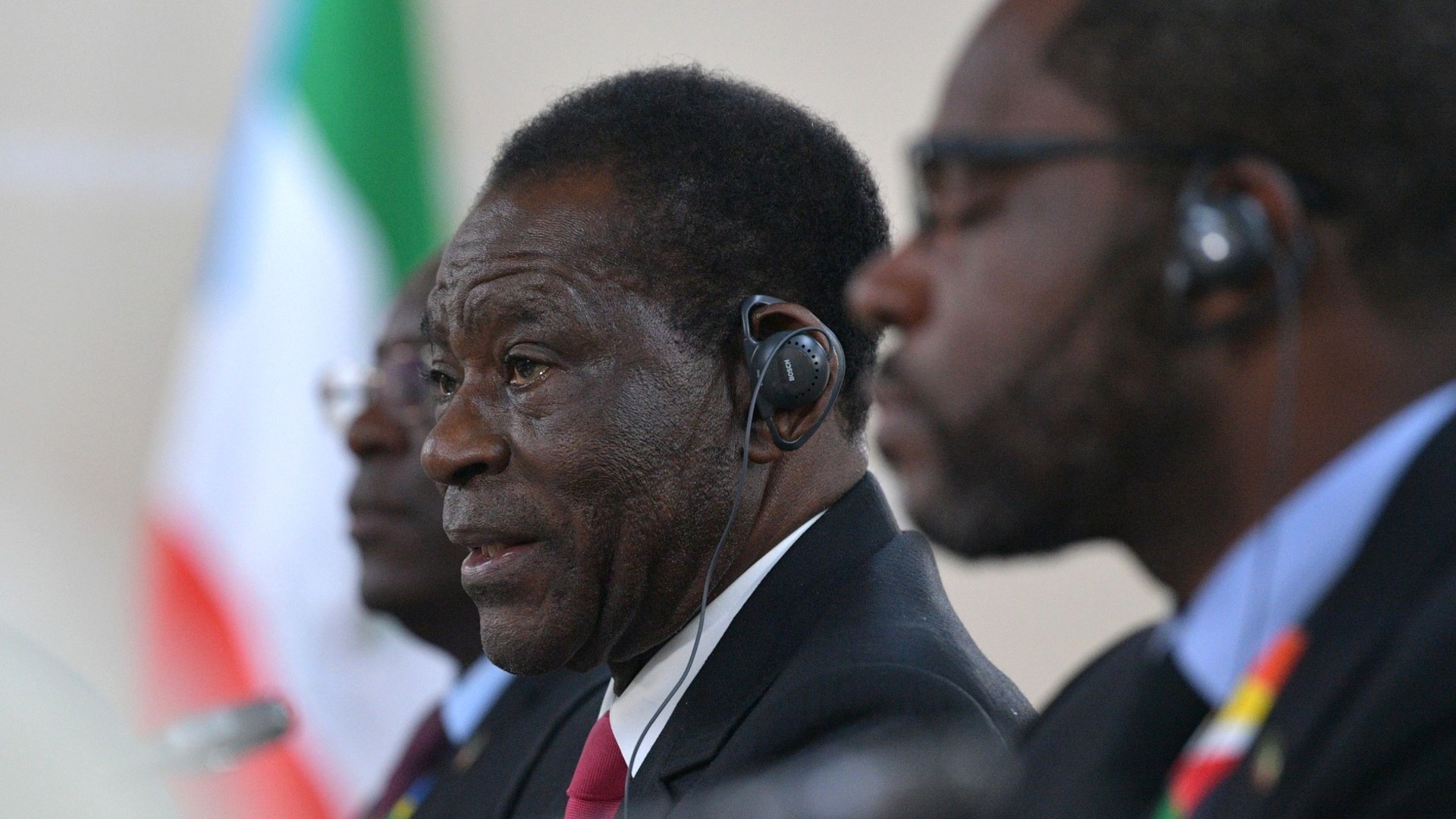
©Wikimedia / Presidential Press and Information Office
Advertisement
Swipe or tap ▶ to resume the countdown.
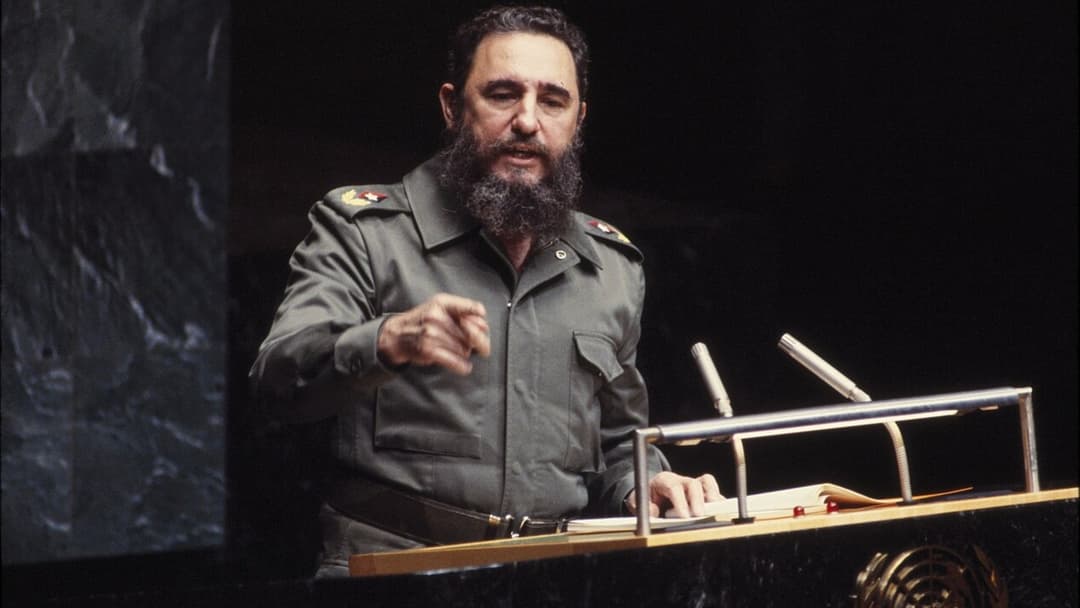
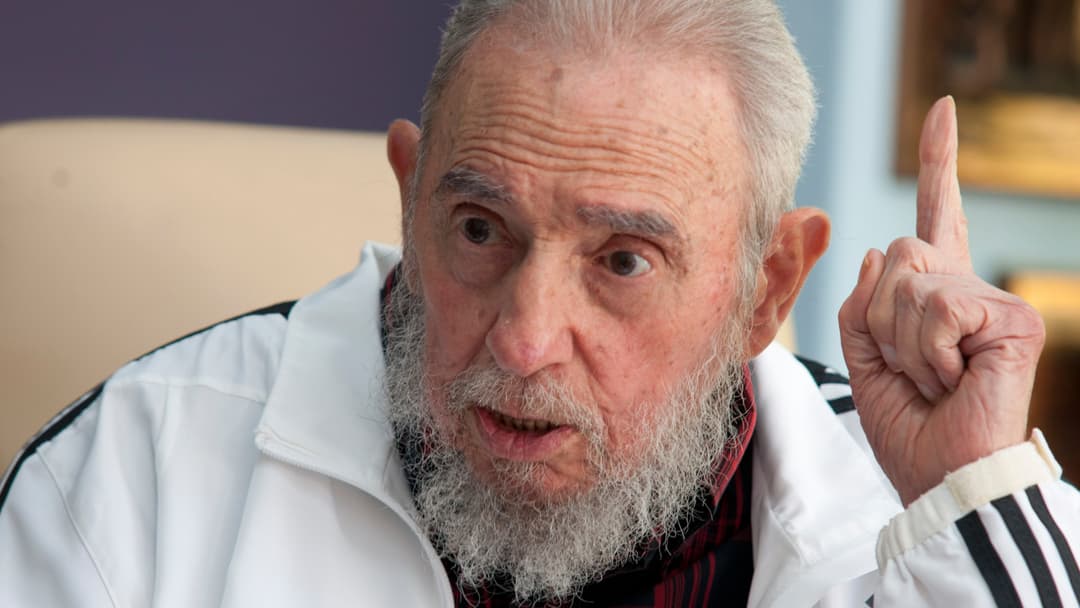
1. Fidel Castro
After overthrowing Fulgencio Batista in January 1959, Fidel Castro served as Prime Minister of Cuba until 1976 and President of the Council of State until February 2008. Including his tenure as First Secretary until April 2011, he held top power for 52 years.
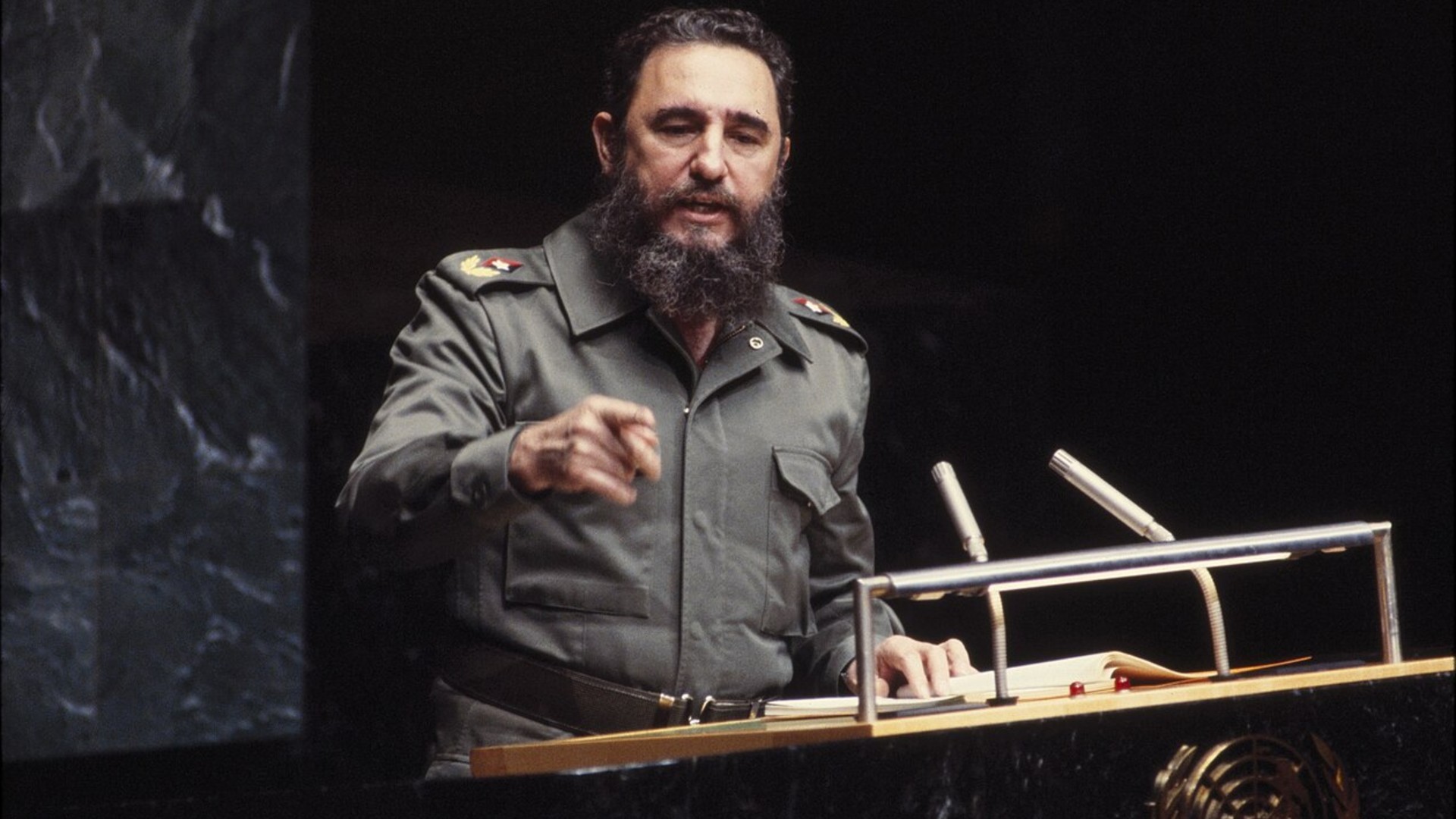
©Wikimedia / Bernard Gotfryd
Advertisement
You've reached the end of the story. Thanks for reading!

The 20 Most Patriotic Cities in America, Ranked
From Revolutionary War birthplaces to active-duty military strongholds, these 20 U.S. cities lead the nation in veteran populations, historic landmarks, and civic participation.
All 20 Entries in this Story
20. Emomali Rahmon
Emomali Rahmon became head of state in Tajikistan in November 1992 during the country's civil war and won the presidency in 1994. Constitutional referendums in 2003 and 2016 removed term limits for him, making him the longest-serving leader in the post-Soviet region.

19. Isaias Afwerki
Isaias Afwerki led the Eritrean People's Liberation Front to victory in May 1991 and became Eritrea's first president upon formal independence in 1993. Over 35 years later, the country has never held a national presidential election.

18. Josip Broz Tito
After leading the Yugoslav Partisans during World War II, Marshal Josip Broz Tito governed Yugoslavia as prime minister from 1945 and as president from 1953 until his death in May 1980. He broke with Joseph Stalin in 1948 and co-founded the Non-Aligned Movement.

17. Todor Zhivkov
Todor Zhivkov became First Secretary of the Bulgarian Communist Party in March 1954 at age 42, making him the youngest party chief in the Eastern Bloc. He remained Moscow's most loyal ally in Eastern Europe until party colleagues removed him on November 10, 1989.

16. Robert Mugabe
Robert Mugabe took office as Prime Minister of newly independent Zimbabwe in April 1980 and became executive President in December 1987. He governed for 37 years until a military intervention and parliamentary impeachment proceedings forced his resignation in November 2017.

15. Gnassingbe Eyadema
General Gnassingbe Eyadema seized power in Togo in a bloodless military coup on January 13, 1967, and declared himself president three months later. He ruled for nearly 38 years until his death on February 5, 2005, when his son Faure Gnassingbe succeeded him.

14. Jose Eduardo Dos Santos
Jose Eduardo dos Santos became Angola's second president in September 1979 at age 37 following the death of Agostinho Neto. He steered the nation through a 27-year civil war that ended in 2002 and oversaw an oil boom before stepping down in September 2017.

13. Hun Sen
Hun Sen became the world's youngest prime minister in January 1985 at age 32. Over 38 years in office, he outmaneuvered coalition rivals and dissolved the main opposition party before handing the premiership to his eldest son, Hun Manet, in August 2023.

12. Francisco Franco
General Francisco Franco was proclaimed head of state by Nationalist forces in October 1936 during the Spanish Civil War and consolidated absolute rule after taking Madrid in 1939. He governed Spain as Caudillo for 39 years until his death in November 1975.

11. Enver Hoxha
Enver Hoxha led Albania's communist resistance out of World War II in November 1944 and ruled until his death in April 1985. He broke alliances with Yugoslavia, the Soviet Union, and China while building more than 173,000 concrete bunkers across the country.

10. Yoweri Museveni
Yoweri Museveni took office as President of Uganda in January 1986 after his National Resistance Army captured Kampala. Constitutional amendments in 2005 and 2017 abolished presidential term limits and the 75-year age cap, allowing him to win a seventh term in 2026.

9. Omar Bongo
Omar Bongo became President of Gabon in November 1967 at age 31 after the death of Leon M'ba. Backed by Gabon's offshore oil revenues and close ties with Paris, he governed for 41 years and 191 days until his death in June 2009.

8. Muammar Gaddafi
At age 27, Captain Muammar Gaddafi led a group of junior military officers who deposed King Idris I of Libya on September 1, 1969. He ruled the North African oil state for nearly 42 years until rebel forces overthrew his government in August 2011.

7. Denis Sassou Nguesso
Denis Sassou Nguesso first ruled the Republic of the Congo from 1979 until he lost a multiparty election in 1992. He returned to power during the 1997 civil war and has governed continuously since October 1997, reaching 42 total years in office.

6. Paul Biya
Paul Biya served as Prime Minister of Cameroon for seven years before succeeding Ahmadou Ahidjo as President on November 6, 1982. Now in his nineties, Biya is the world's oldest sitting head of state and has held national executive office for 51 consecutive years.

5. Yumjaagiin Tsedenbal
Yumjaagiin Tsedenbal became General Secretary of the Mongolian People's Revolutionary Party in April 1940 at age 23 and later served as prime minister and head of state. He governed Mongolia for 44 years until Soviet pressure forced his retirement in August 1984.

4. Kim Il Sung
Kim Il Sung founded the Democratic People's Republic of Korea in September 1948 and led the country through the Korean War and the Cold War until his death in July 1994. North Korea's 1998 constitution posthumously named him Eternal President of the Republic.

3. Chiang Kai Shek
Generalissimo Chiang Kai-shek led the Republic of China on the mainland from October 1928 through the Second Sino-Japanese War and Chinese Civil War, then governed from Taipei after 1949 until his death in April 1975, spanning 46 years at the helm.

2. Teodoro Obiang Nguema Mbasogo
Teodoro Obiang Nguema Mbasogo ousted his uncle, Francisco Macias Nguema, in a military coup on August 3, 1979. Having governed oil-rich Equatorial Guinea for 47 consecutive years, he is the longest-serving living non-royal head of state in the world.

1. Fidel Castro
After overthrowing Fulgencio Batista in January 1959, Fidel Castro served as Prime Minister of Cuba until 1976 and President of the Council of State until February 2008. Including his tenure as First Secretary until April 2011, he held top power for 52 years.