Slideshow · News
21 Closest Elections in American History, Ranked by Vote Margin
From razor-thin state tallies to single votes, American elections run close.
By Most Viral Today
6 Nov 2026

The Closest Elections in American History Ranked by Deciding Vote Margins 
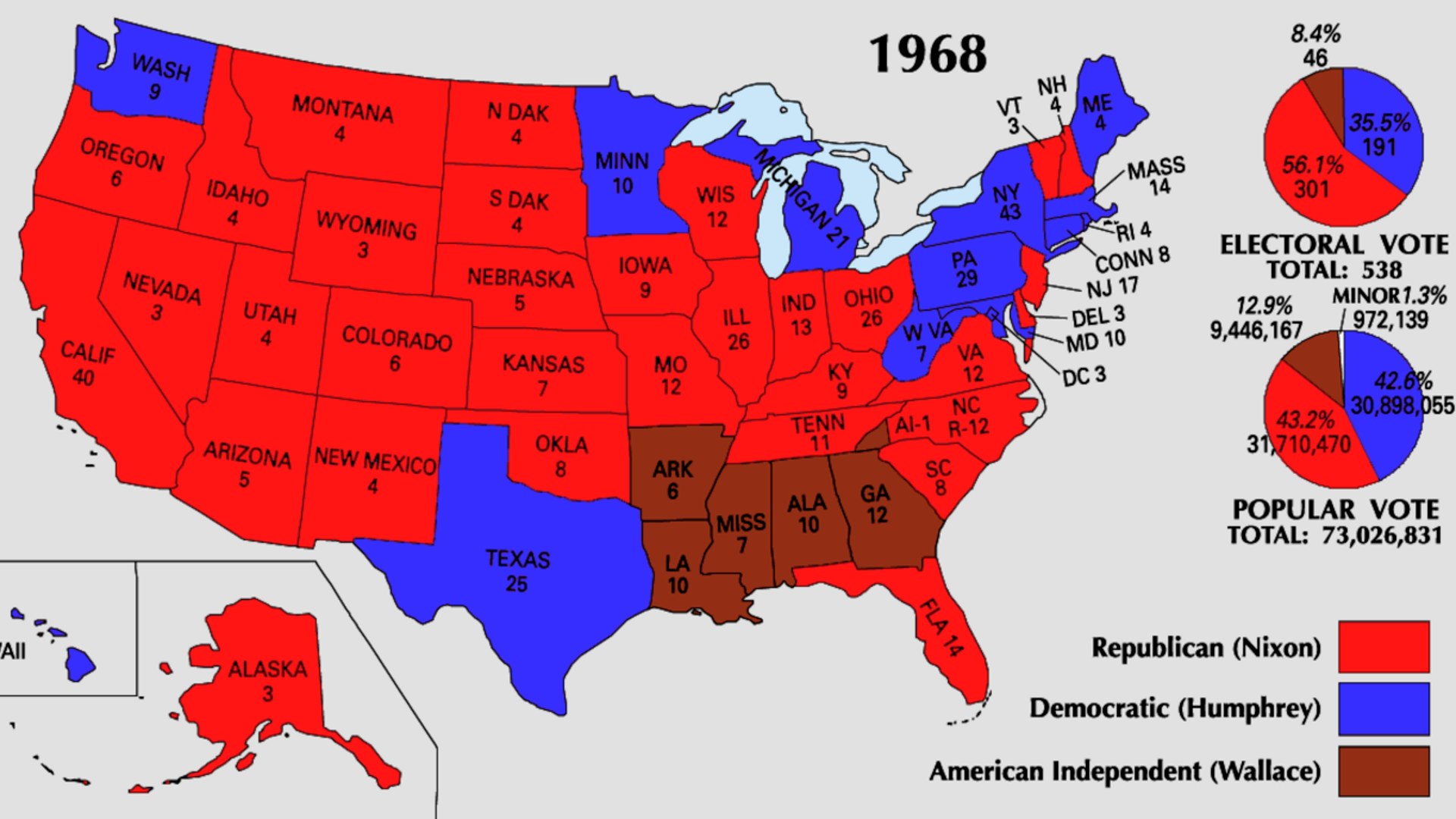
21. 1968 Presidential Election: Margin 511,944 Votes 
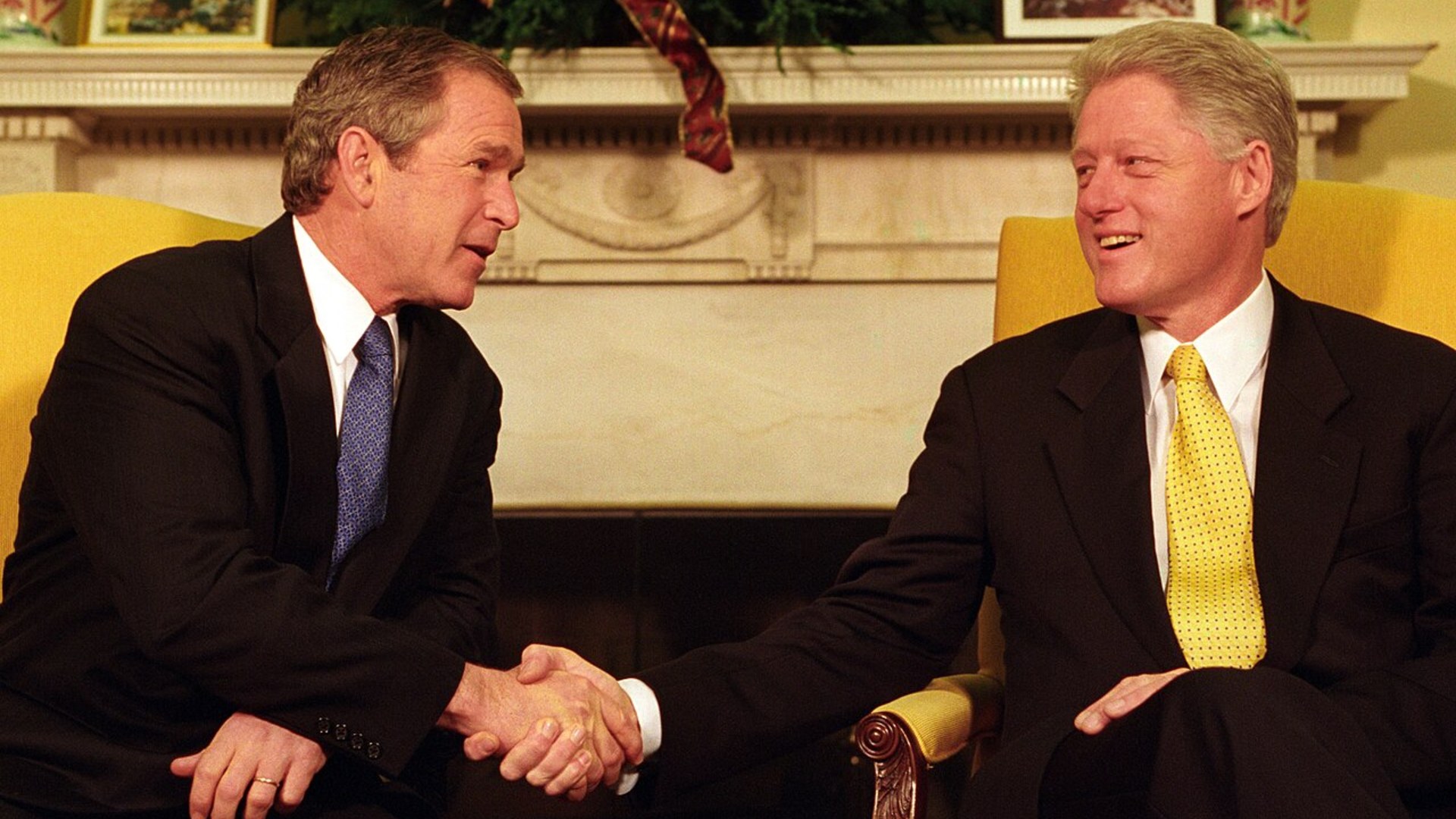
20. 2004 Presidential Election: Margin 118,599 Votes 
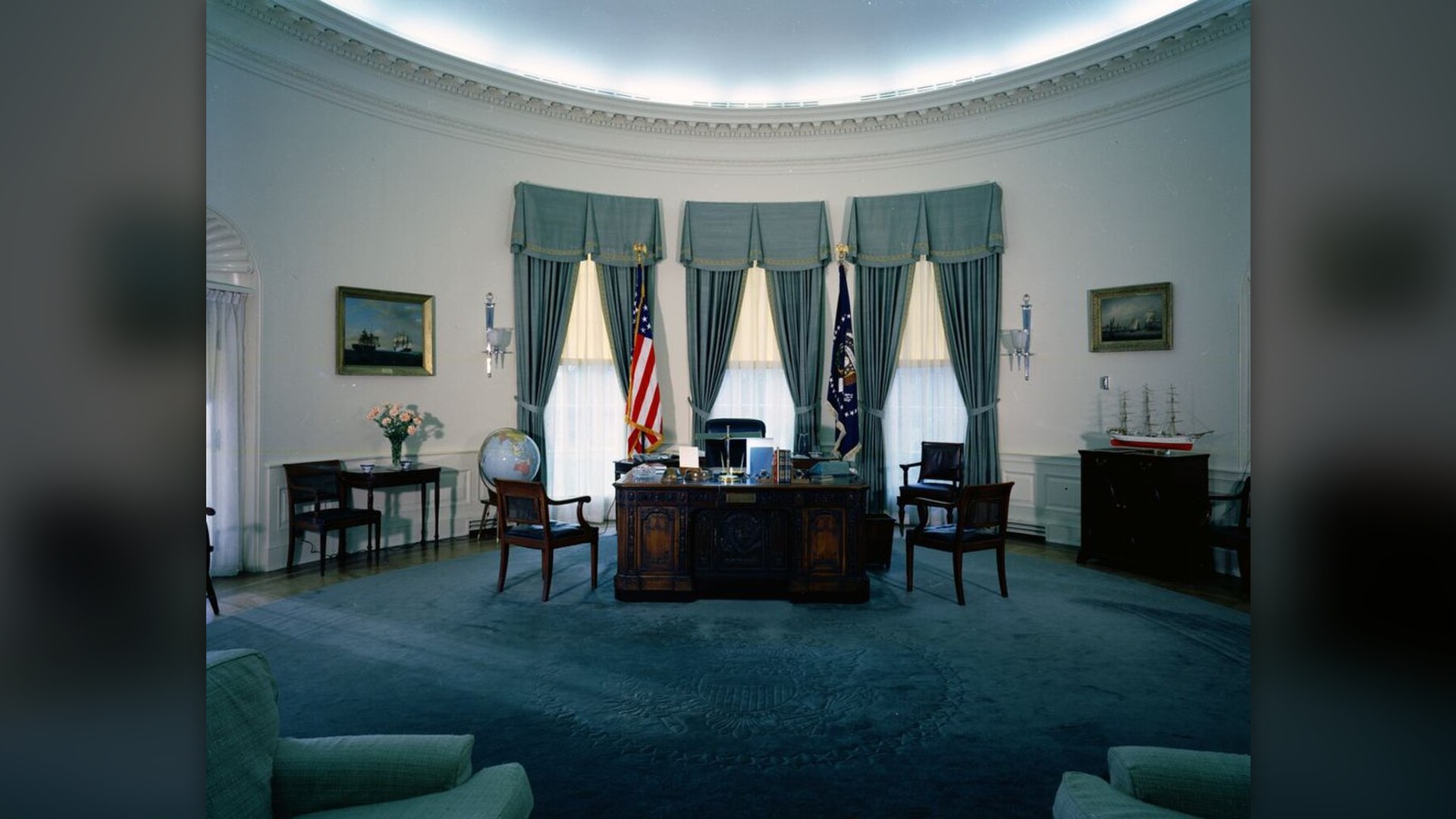
19. 1960 Presidential Election: Margin 112,827 Votes - AdvertisementSwipe or tap ▶ to continue countdown

18. 2016 Presidential Election: Margin 77,744 Votes 
17. 2020 Presidential Election: Margin 42,918 Votes 
16. 1888 Presidential Election: Margin 14,373 Votes 
15. 1976 Presidential Election: Margin 11,116 Votes - AdvertisementSwipe or tap ▶ to continue countdown

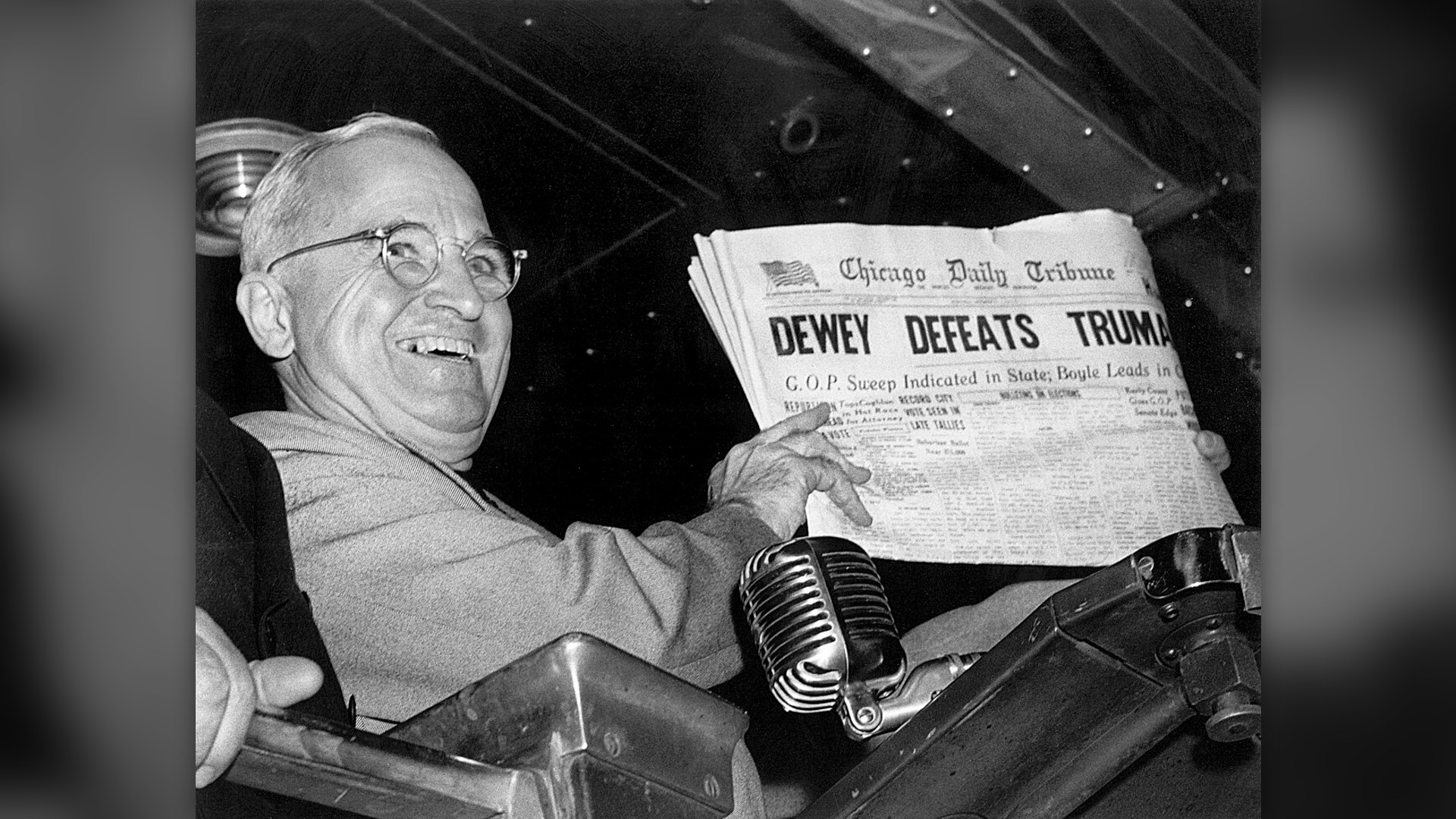
14. 1948 Presidential Election: Margin 7,107 Votes 
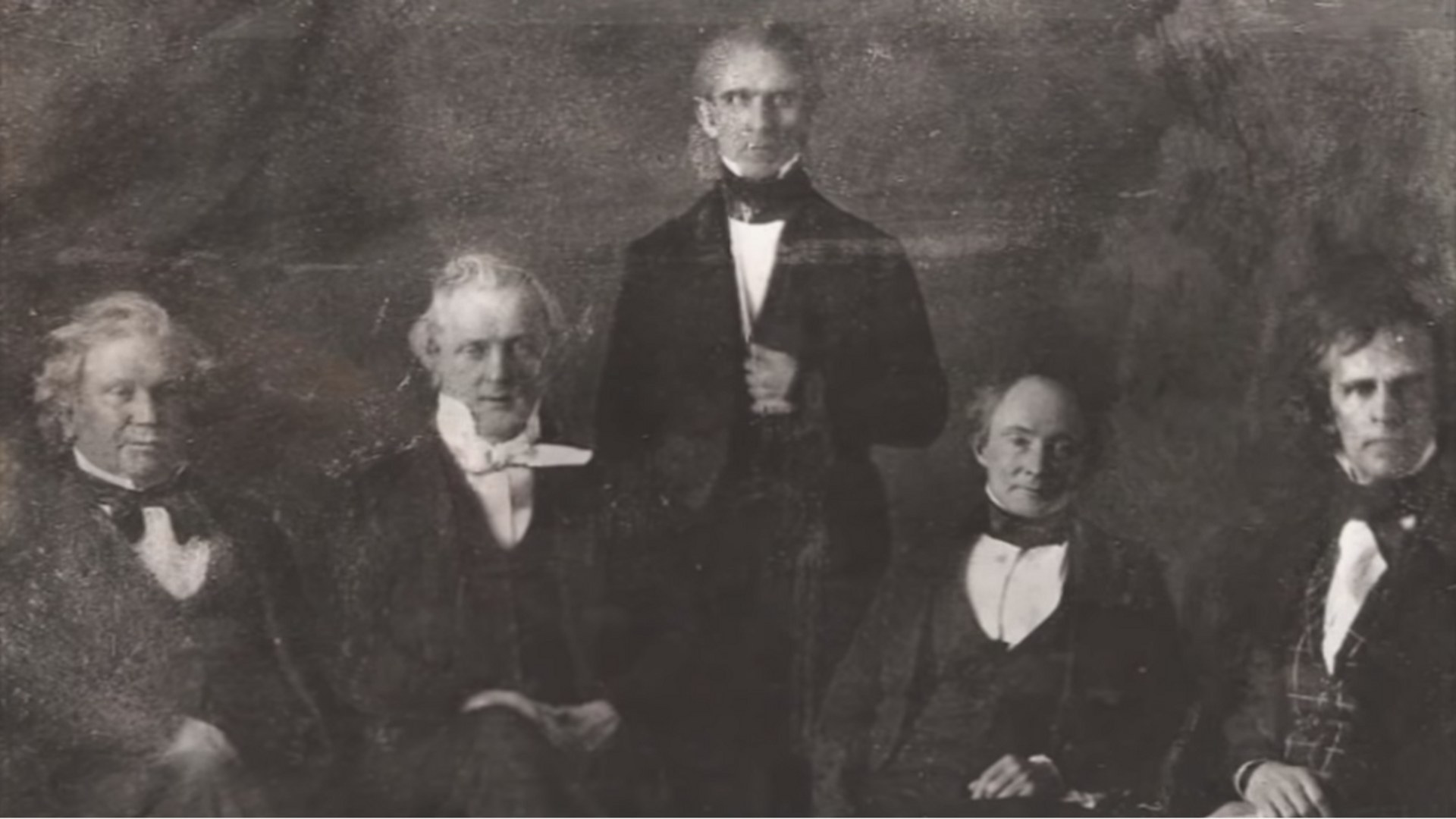
13. 1844 Presidential Election: Margin 5,106 Votes 
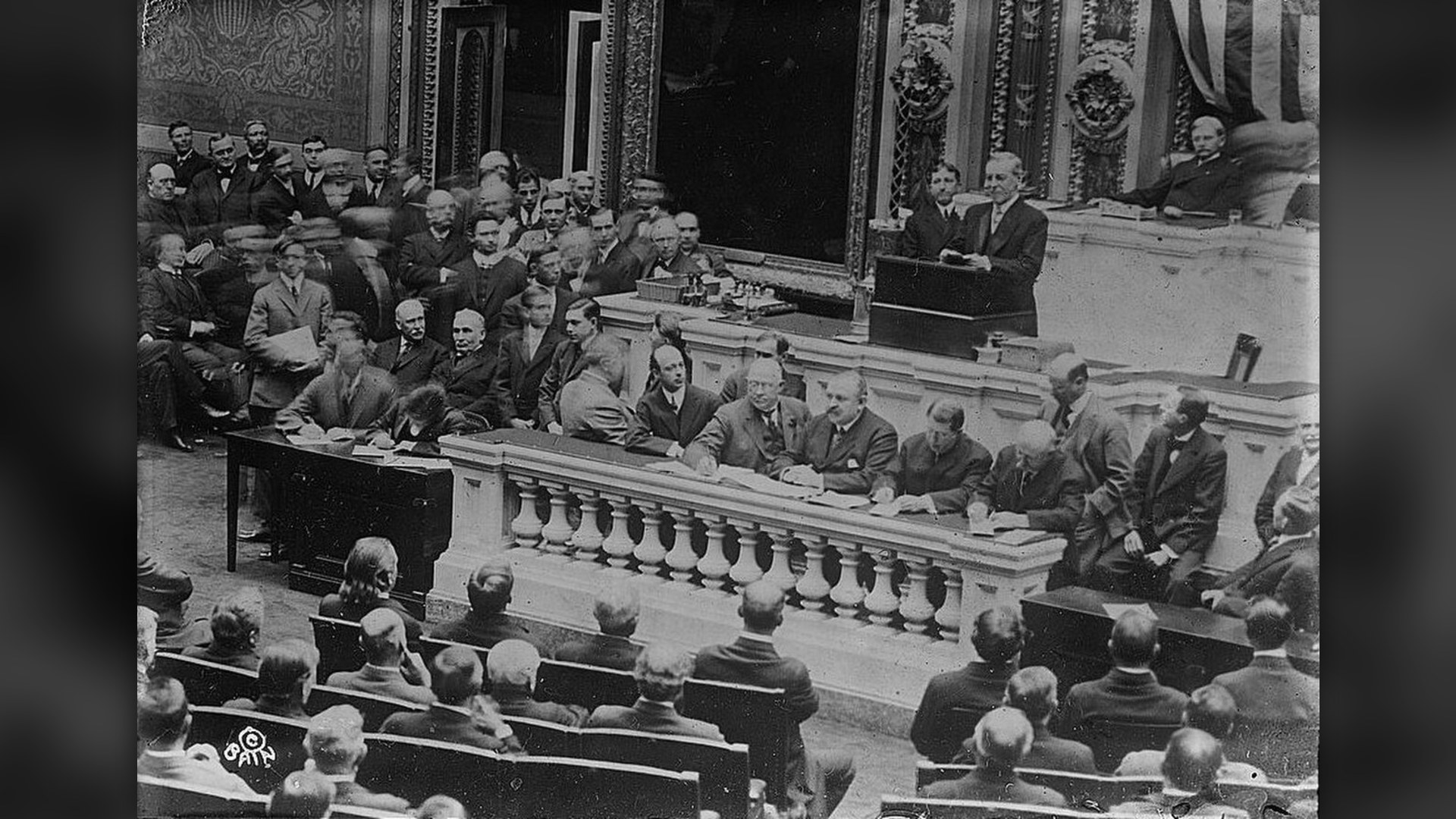
12. 1916 Presidential Election: Margin 3,773 Votes 
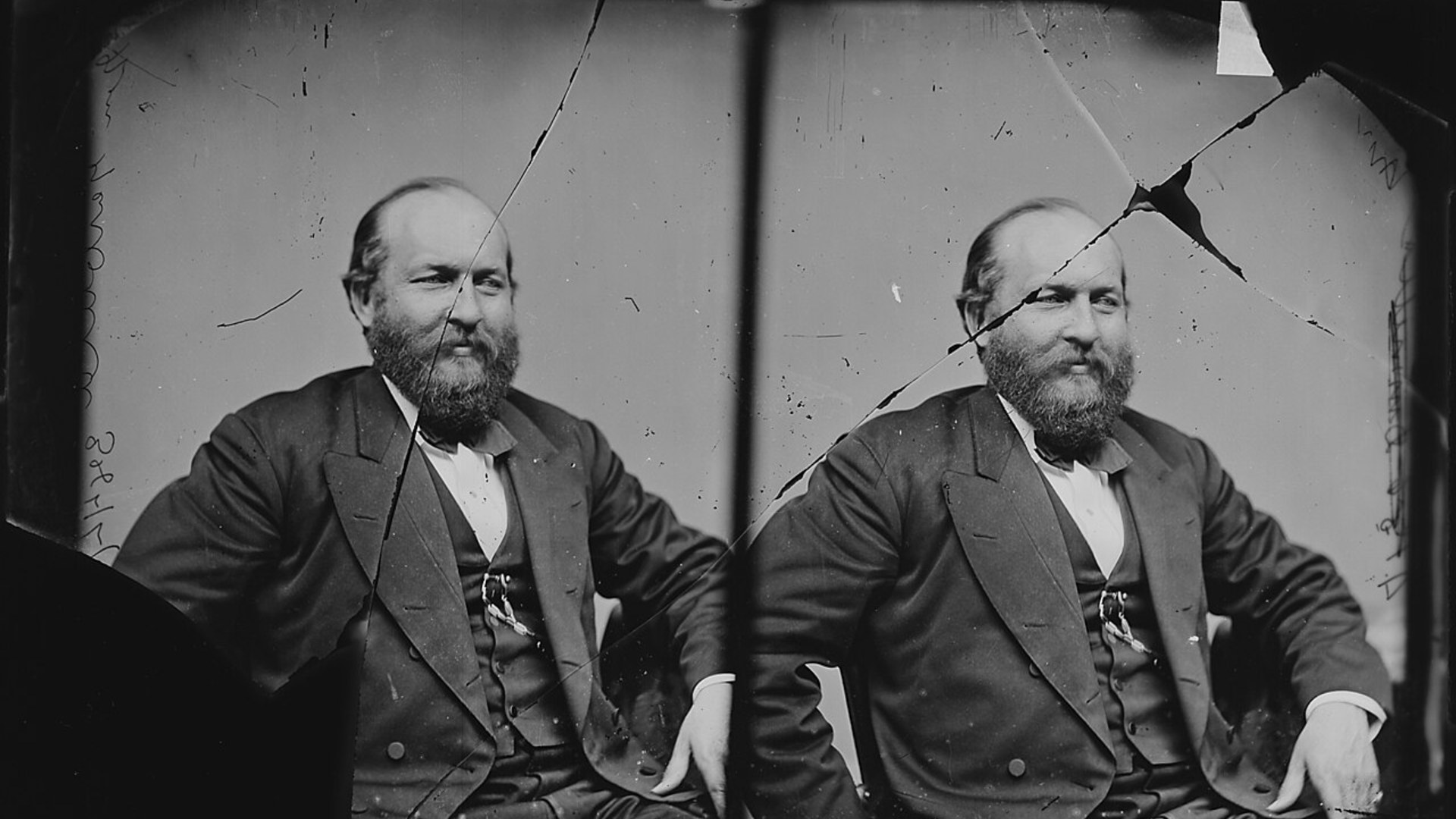
11. 1880 Presidential Election: Margin 1,898 Votes - AdvertisementSwipe or tap ▶ to continue countdown

10. 1884 Presidential Election: Margin 1,047 Votes 
9. 1876 Presidential Election: Margin 889 Votes 
8. 2000 Presidential Election: Margin 537 Votes 
7. 2008 Minnesota Senate Race: Margin 312 Votes - AdvertisementSwipe or tap ▶ to continue countdown

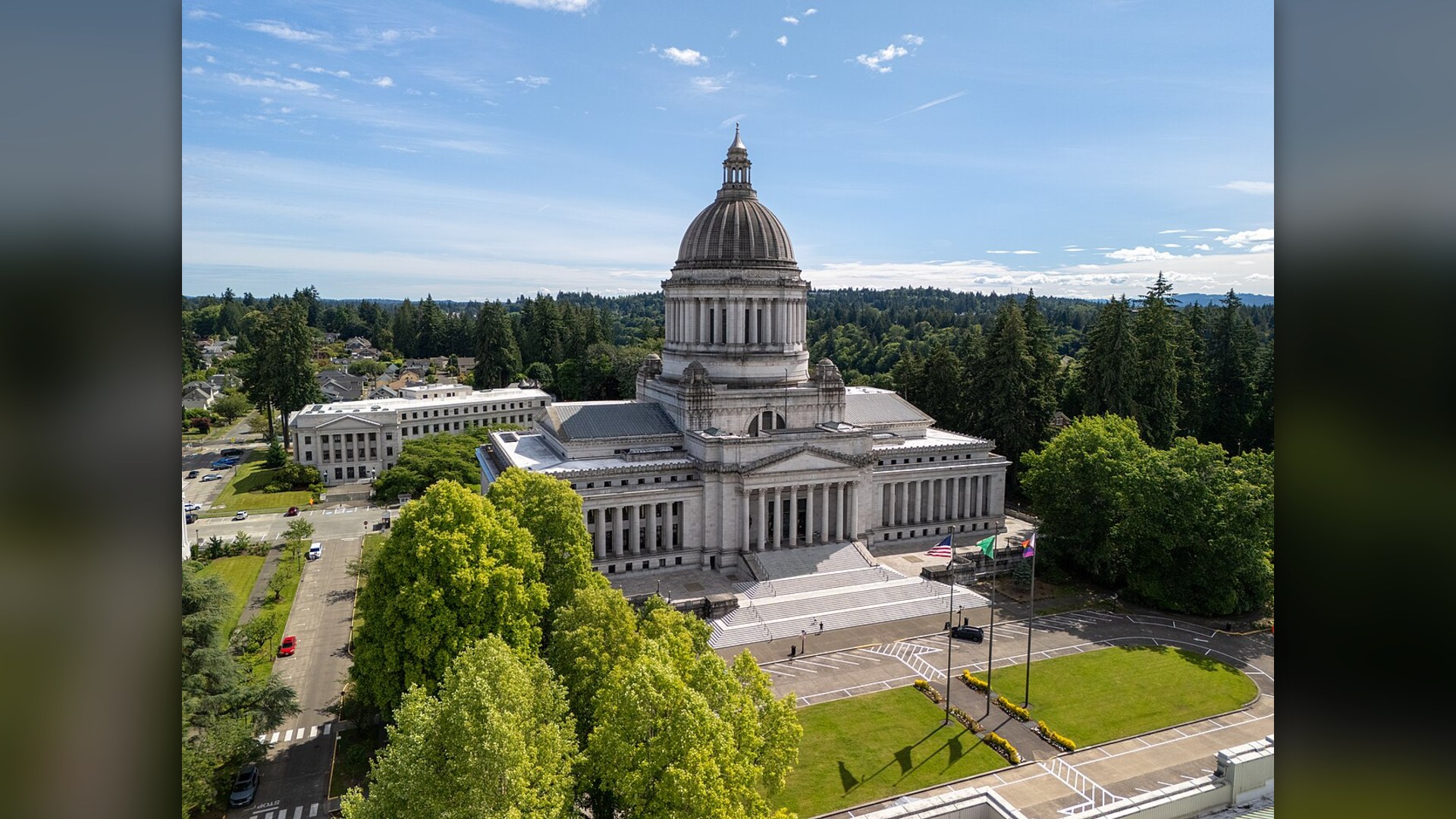
6. 2004 Washington Gubernatorial Race: Margin 129 Votes 
5. 1984 Indiana 8th Congressional Race: Margin 4 Votes 
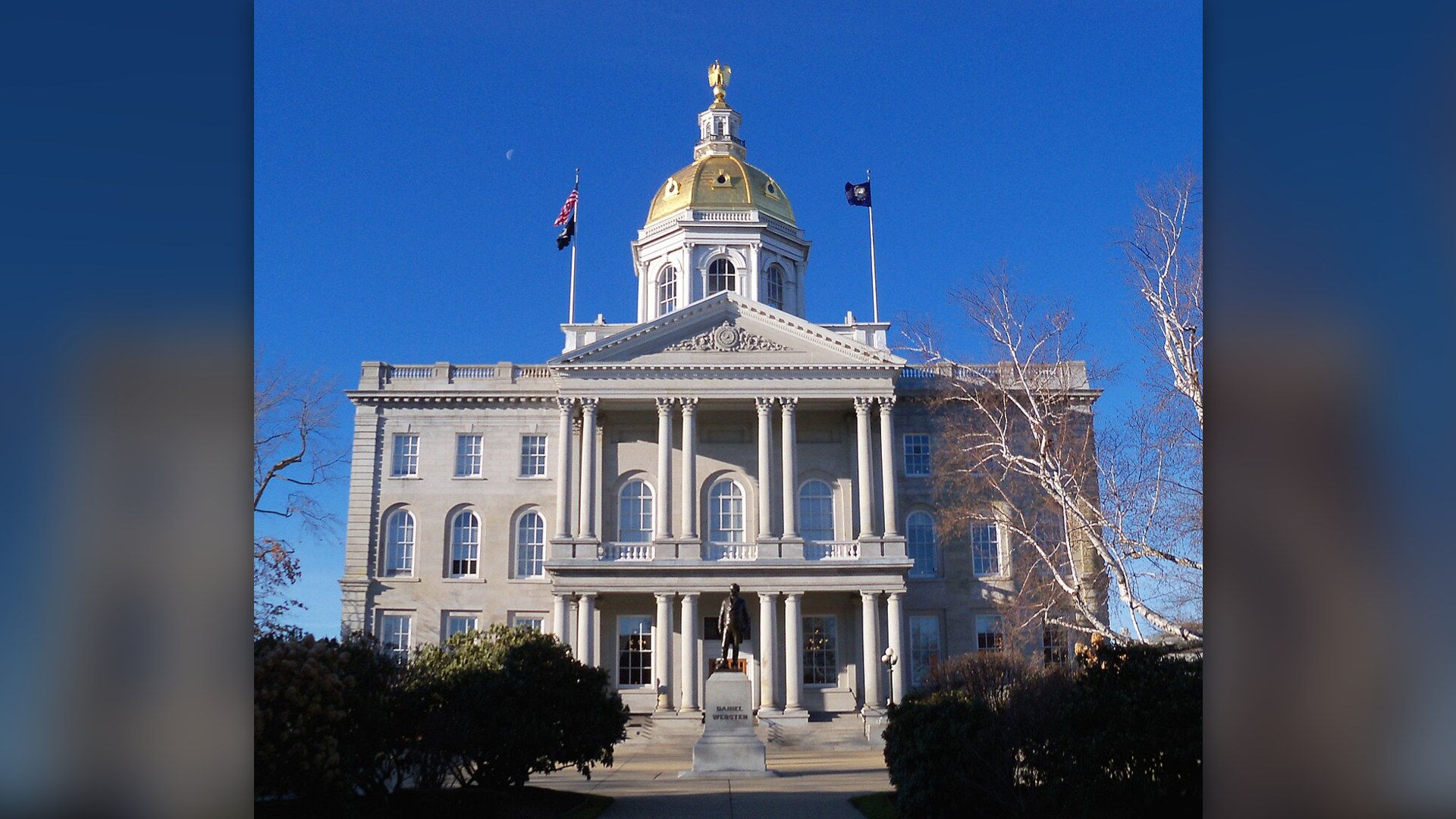
4. 1974 New Hampshire Senate Race: Margin 2 Votes 
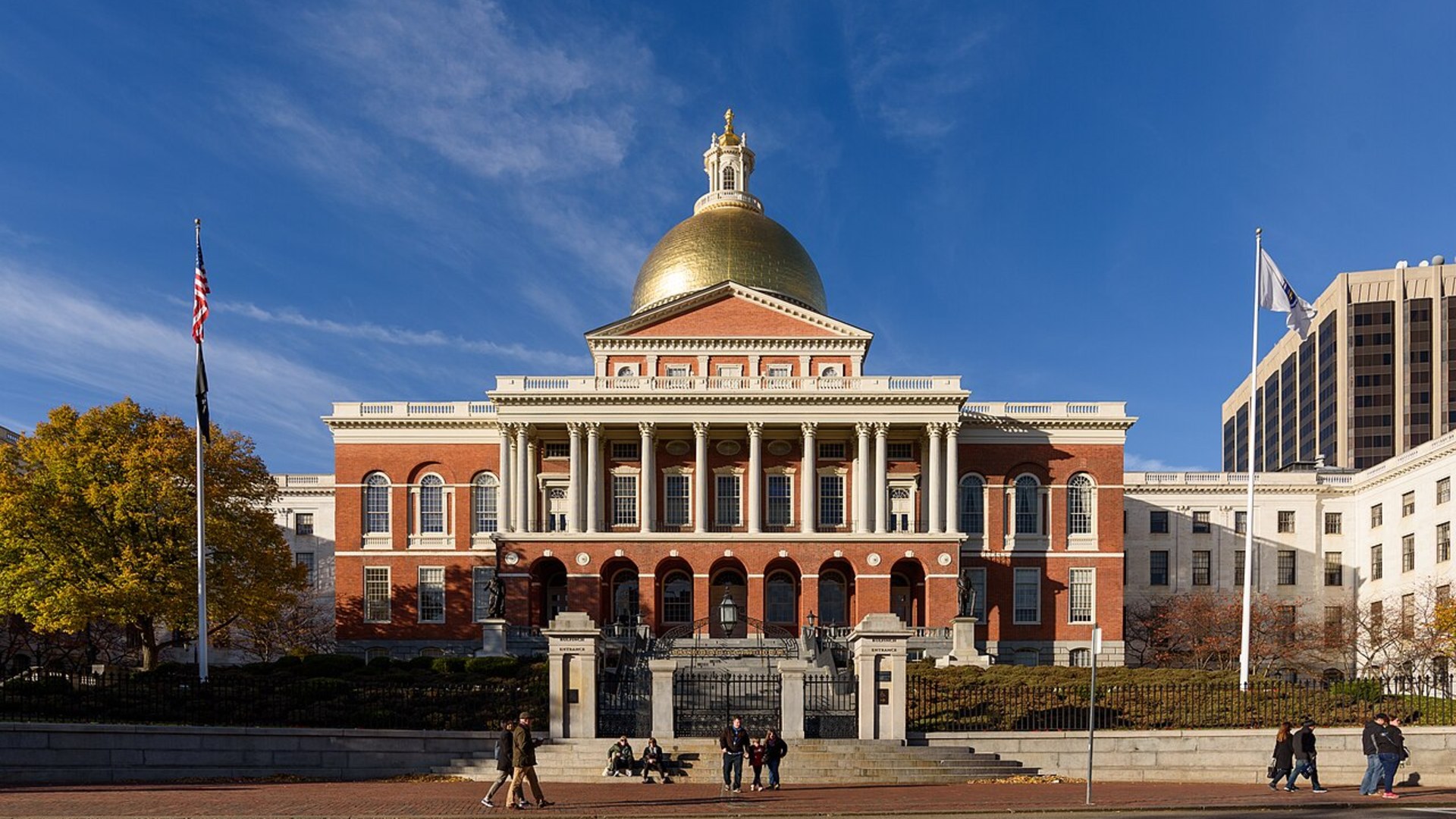
3. 1839 Massachusetts Gubernatorial Race: Margin 1 Vote - AdvertisementSwipe or tap ▶ to continue countdown

2. 1824 Presidential Election: Margin 0 Electoral Majority 
1. 1800 Presidential Election: Margin Dead Heat Tie - Advertisement🔥 UP NEXT IN THIS SERIES◫ 21 Slides

20 Famous Cars With Pop-Up Headlights That Shaped Car Design
From hand-cranked 1930s teardrops to wedge supercars of the 1980s, hidden headlights let stylists chase sleek aerodynamics until 2004 pedestrian rules closed the curtain. Here are 20 standout production cars that turned retractable lamps into an enduring automotive design feature across seven full decades.
American democratic history is filled with hard-fought contests that came down to razor-thin outcomes. From national presidential showdowns separated by a fraction of a percent to legendary state races decided by a single ballot, every single citizen vote holds immense power.
Swipe or tap ▶ to begin the countdown
©Wikimedia / Adam Schultz, Public & King of Hearts, CC BY-SA
21. 1968 Presidential Election: Margin 511,944 Votes
The turbulent 1968 election unfolded during national anti-war protests and civil rights unrest. Richard Nixon secured victory by capturing key swing states like Ohio and Missouri by narrow margins, finishing just seven-tenths of a percentage point ahead of Hubert Humphrey in the popular tally.
©Wikimedia / Gage Skidmore / CC BY-SA 3.0
20. 2004 Presidential Election: Margin 118,599 Votes
High voter turnout defined the contest between incumbent George W. Bush and challenger John Kerry. While Bush led the national popular vote, the entire presidency hinged on Ohio, where Bush captured the state by two percentage points to secure twenty decisive electoral votes.
©Wikimedia / White House / Public domain
19. 1960 Presidential Election: Margin 112,827 Votes
The historic 1960 presidential campaign featured the first televised debates in American politics. John F. Kennedy prevailed with a popular vote margin of just seventeen hundredths of one percent, securing crucial wins in Illinois and Texas through narrow vote margins.
©Wikimedia / White House / Public domain
Advertisement
Swipe or tap ▶ to resume the countdown.
18. 2016 Presidential Election: Margin 77,744 Votes
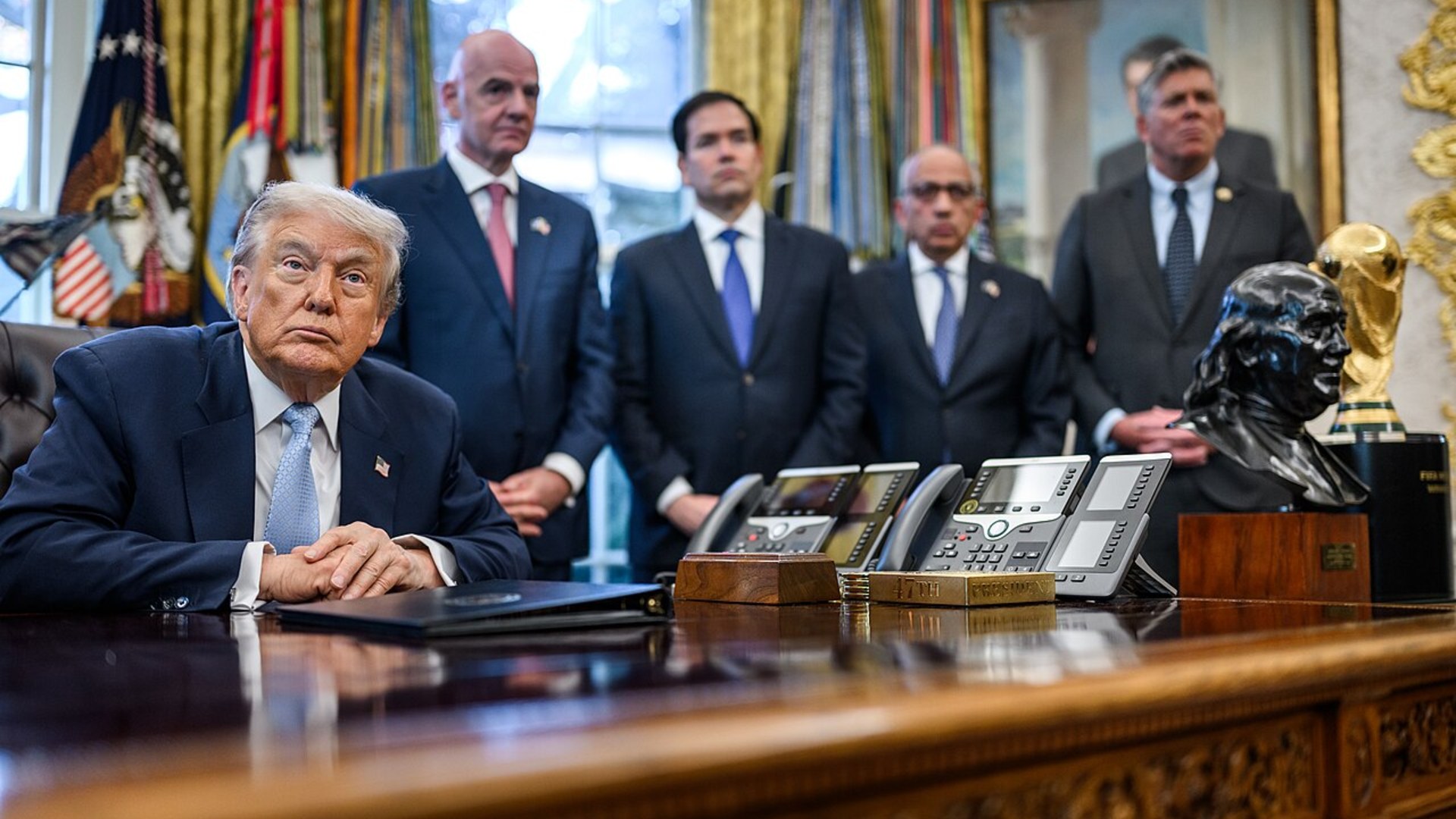
Despite Hillary Clinton winning the national popular vote by nearly three million ballots, Donald Trump claimed victory through the Electoral College. Tipping-point wins in Michigan, Pennsylvania, and Wisconsin by a combined seventy-seven thousand votes sealed the presidency.
©Wikimedia / White House / Public domain
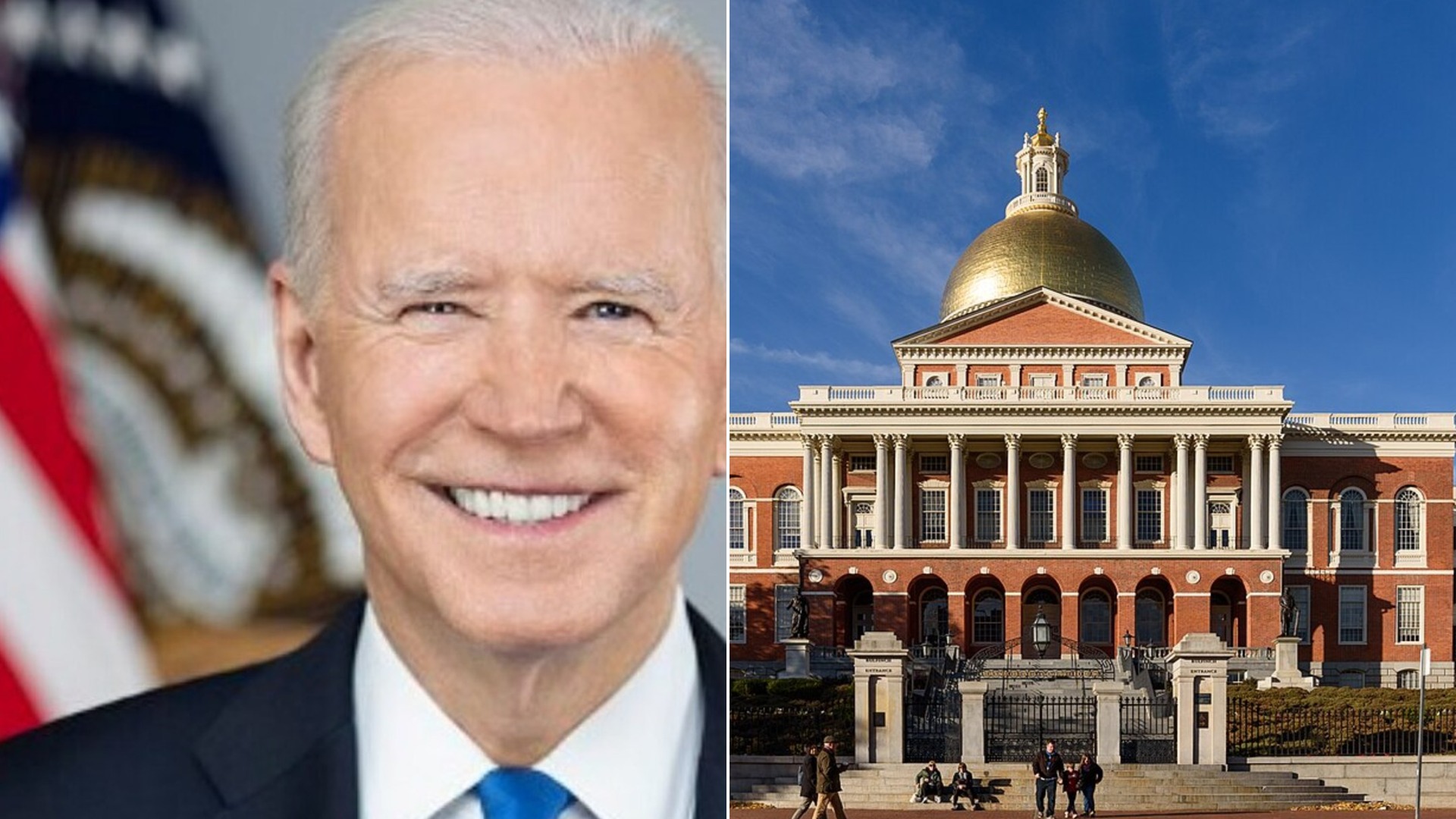
17. 2020 Presidential Election: Margin 42,918 Votes
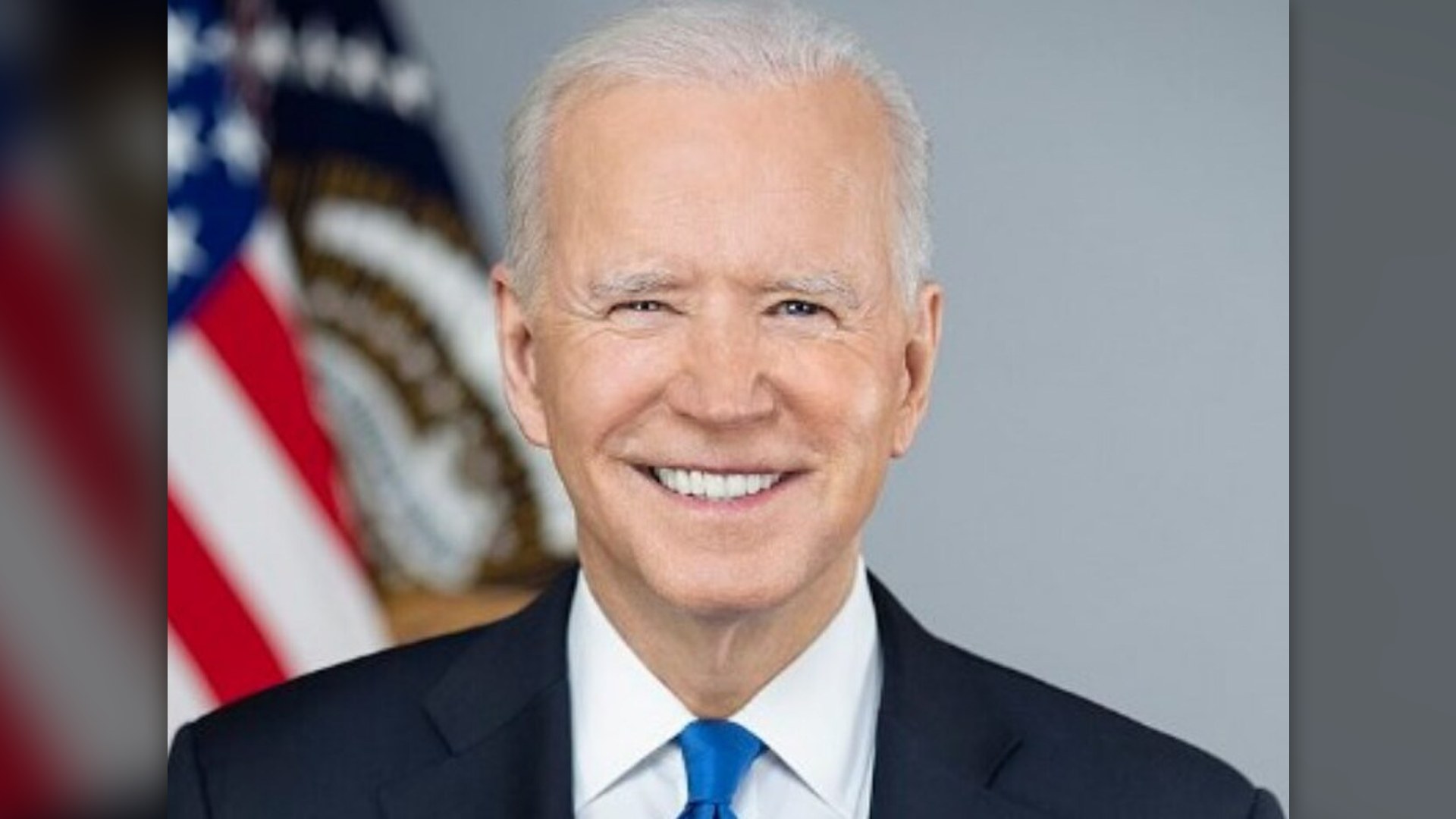
Voter turnout surged to historic highs during the 2020 presidential contest. While Joe Biden captured seven million more popular votes nationally, his electoral majority was secured by a collective margin of forty-two thousand ballots across Arizona, Georgia, and Wisconsin.
©Wikimedia / Adam Schultz / Public domain
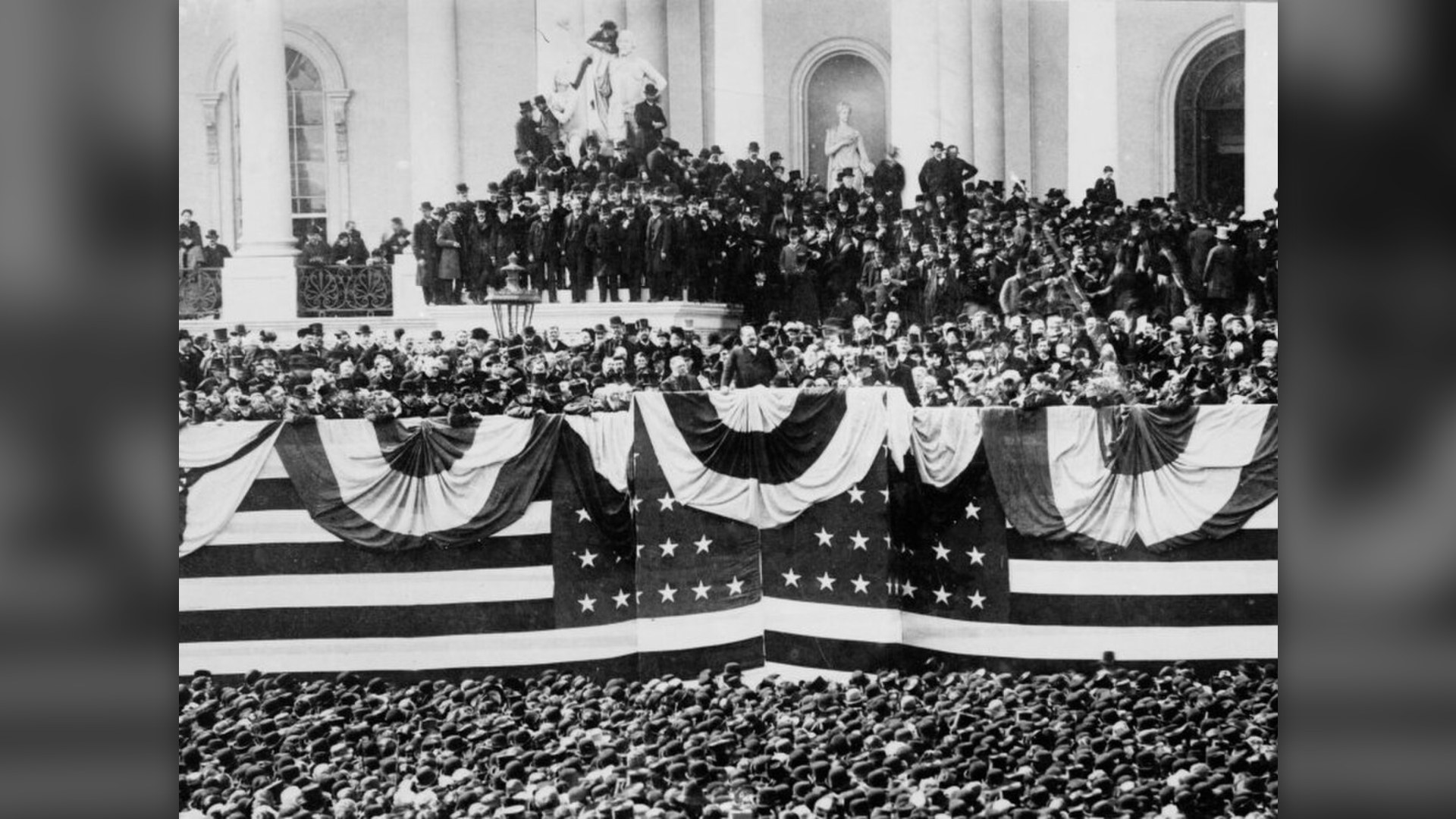
16. 1888 Presidential Election: Margin 14,373 Votes
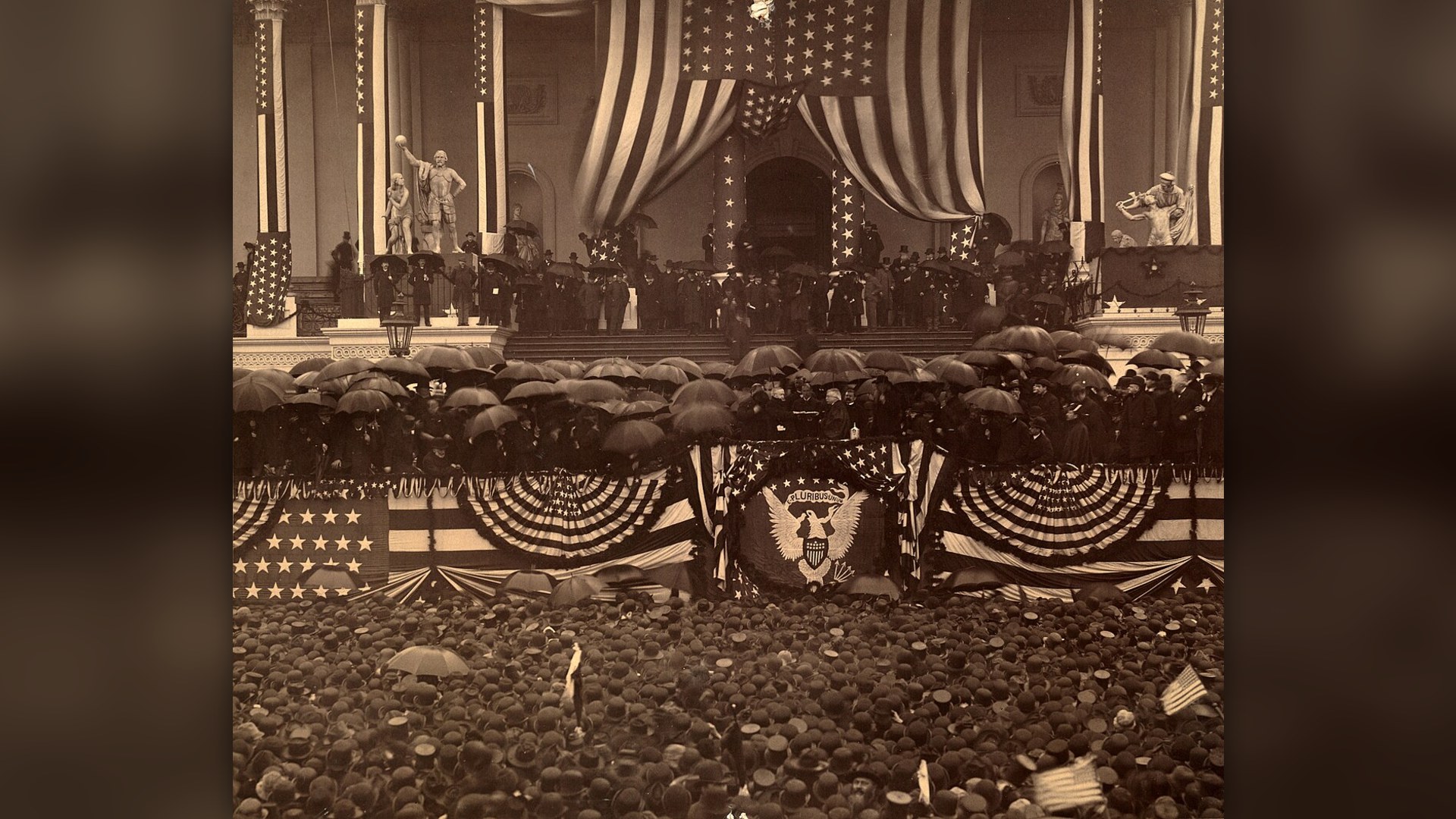
Grover Cleveland won ninety thousand more popular votes than Republican challenger Benjamin Harrison. However, Harrison captured New York by just fourteen thousand ballots, flipping its thirty-six electoral votes to win the presidency in the Electoral College.
©Wikimedia / Prints and Photographs / Public domain
15. 1976 Presidential Election: Margin 11,116 Votes
Post-Watergate politics culminated in a tense election between Jimmy Carter and incumbent Gerald Ford. Carter won the national tally, but his path to victory ran through Ohio, which he carried by eleven thousand votes out of four million ballots cast.
©Wikimedia / White House / Public domain
Advertisement
Swipe or tap ▶ to resume the countdown.
14. 1948 Presidential Election: Margin 7,107 Votes
Newspapers famously predicted Thomas Dewey would cruise to victory, yet Harry Truman produced one of the greatest upsets in American history. Truman held Ohio by seven thousand votes and Illinois by thirty-three thousand, completely upending election night expectations.
©Wikimedia / Frank Cancellare / Public domain
13. 1844 Presidential Election: Margin 5,106 Votes
Manifest Destiny defined the 1844 campaign between Democrat James K. Polk and Whig leader Henry Clay. Polk carried the crucial prize of New York by just over five thousand ballots, enough to deliver thirty-six electoral votes and the presidency.
©Wikimedia / Mathew Brady / Public domain
12. 1916 Presidential Election: Margin 3,773 Votes
During the height of World War I in Europe, Woodrow Wilson ran on keeping America at peace. Republican Charles Evans Hughes went to bed believing he won, but late returns from California showed Wilson carrying the state by thirty-seven hundred votes to secure reelection.
©Wikimedia / Harris & Ewing / Public domain
11. 1880 Presidential Election: Margin 1,898 Votes
The 1880 race between Republican James A. Garfield and Democrat Winfield Scott Hancock produced the smallest popular vote margin in American presidential history. Garfield took the national count by fewer than two thousand votes out of nine million total ballots cast.
©Wikimedia / Mathew Brady / Public domain
Advertisement
Swipe or tap ▶ to resume the countdown.
10. 1884 Presidential Election: Margin 1,047 Votes
Mudslinging reached unprecedented levels during the 1884 campaign between Grover Cleveland and James G. Blaine. The election came down to New York, where Cleveland secured the state by just over one thousand ballots out of more than one million cast.
©Wikimedia / Charles M. Bell / Public domain
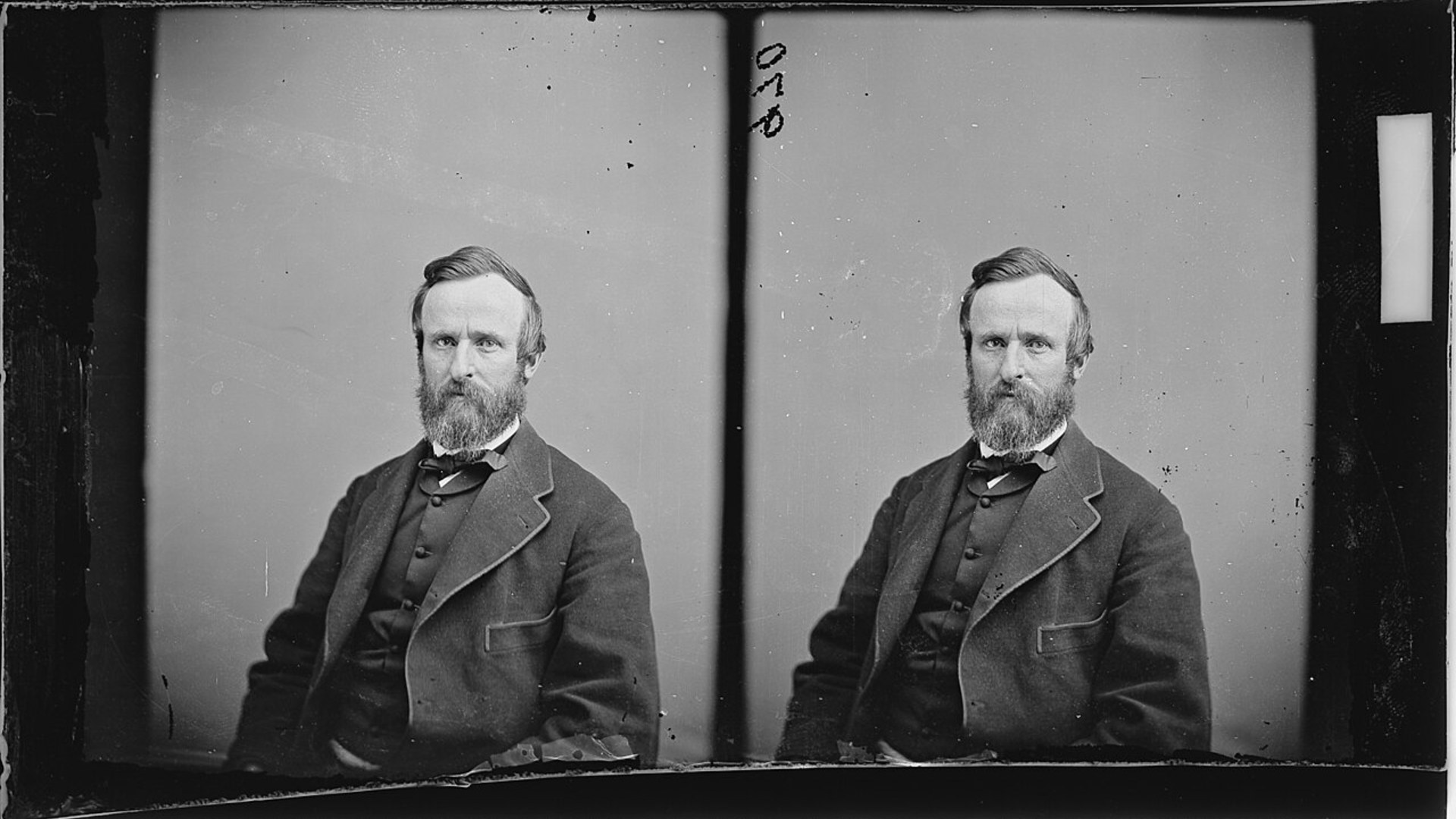
9. 1876 Presidential Election: Margin 889 Votes
The controversial 1876 contest between Rutherford B. Hayes and Samuel J. Tilden required an electoral commission to resolve twenty disputed ballots. A recount in South Carolina showed Hayes ahead by eight hundred eighty-nine votes, delivering a one-vote electoral majority.
©Wikimedia / Mathew Brady / Public domain
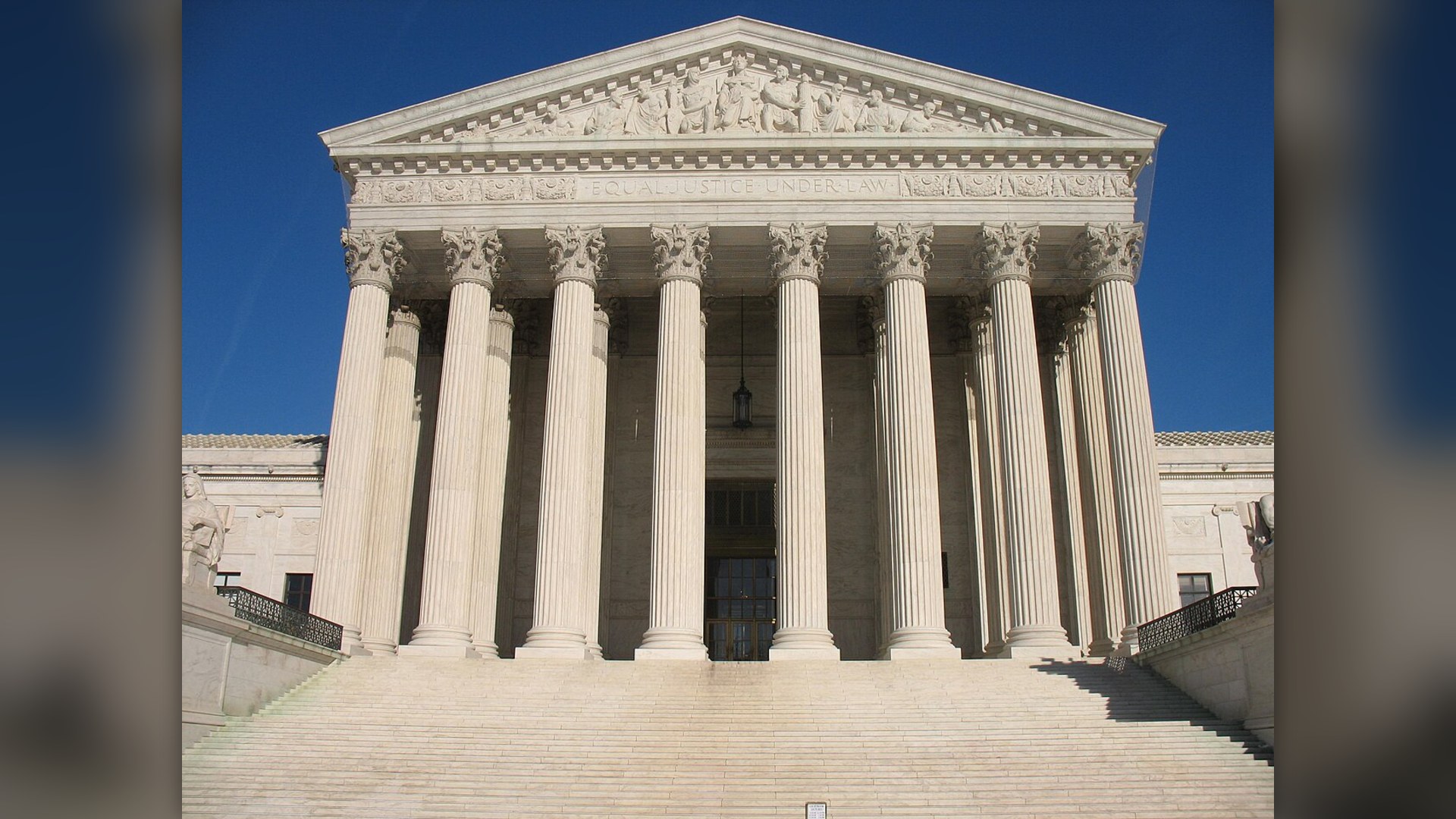
8. 2000 Presidential Election: Margin 537 Votes
The 2000 presidential contest between George W. Bush and Al Gore came down to five weeks of Florida recounts, hanging chads, and Supreme Court rulings. The final certified count awarded Florida to Bush by five hundred thirty-seven votes, deciding the national election.
©Wikimedia / Jarek Tuszynski / CC BY-SA 3.0
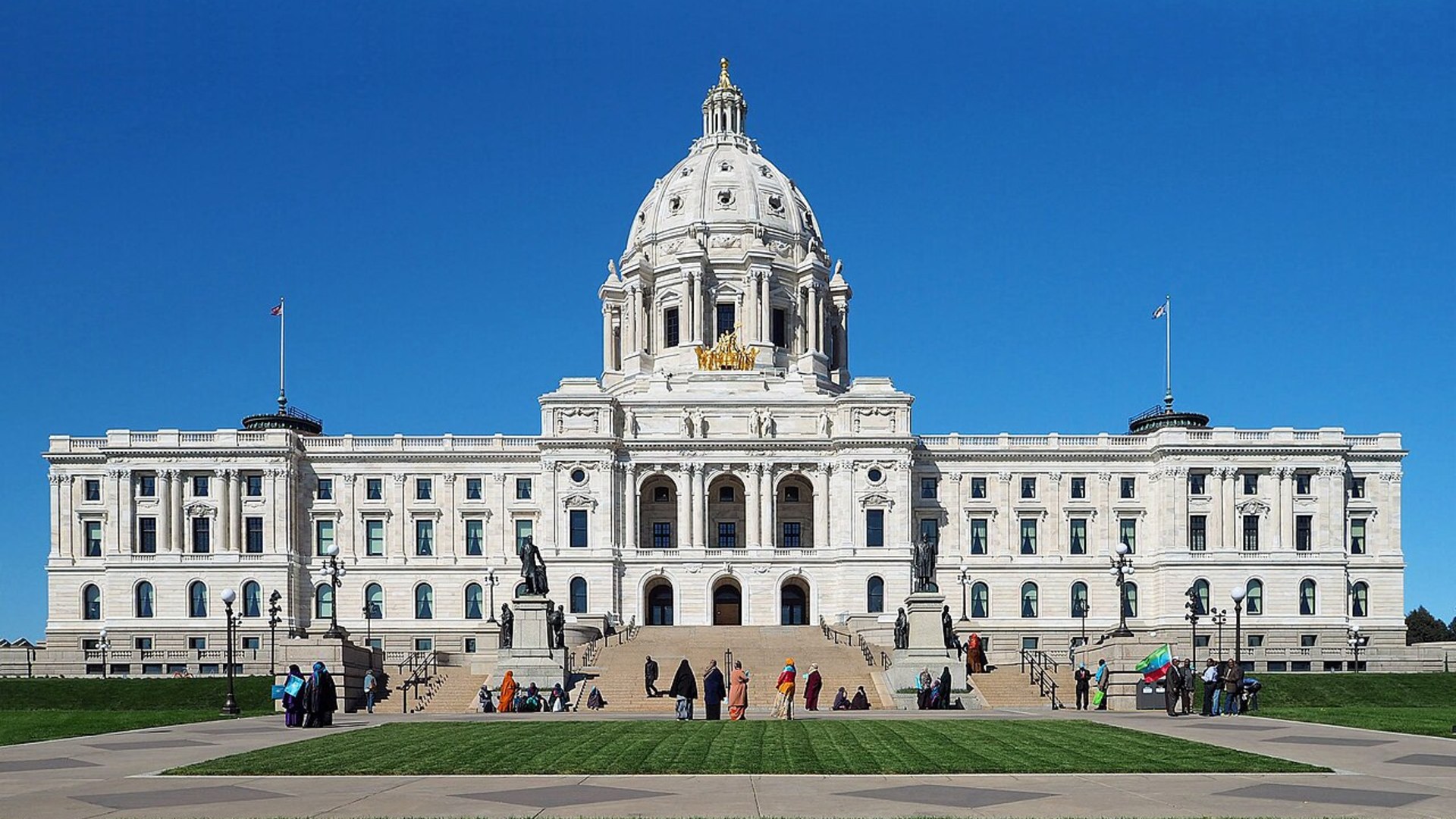
7. 2008 Minnesota Senate Race: Margin 312 Votes
Incumbent Republican Norm Coleman originally led Democrat Al Franken by two hundred fifteen votes on election night. Following months of ballot challenges, court appeals, and hand recounts of nearly three million ballots, Franken emerged victorious by three hundred twelve votes.
©Wikimedia / Tony Webster / CC BY 2.0
Advertisement
Swipe or tap ▶ to resume the countdown.
6. 2004 Washington Gubernatorial Race: Margin 129 Votes
Republican Dino Rossi led the initial election night count and first recount for Washington governor. A manual hand recount of 2.8 million votes reversed the outcome, certifying Democrat Christine Gregoire as governor by a final margin of one hundred twenty-nine votes.
©Wikimedia / SounderBruce / CC BY-SA 4.0
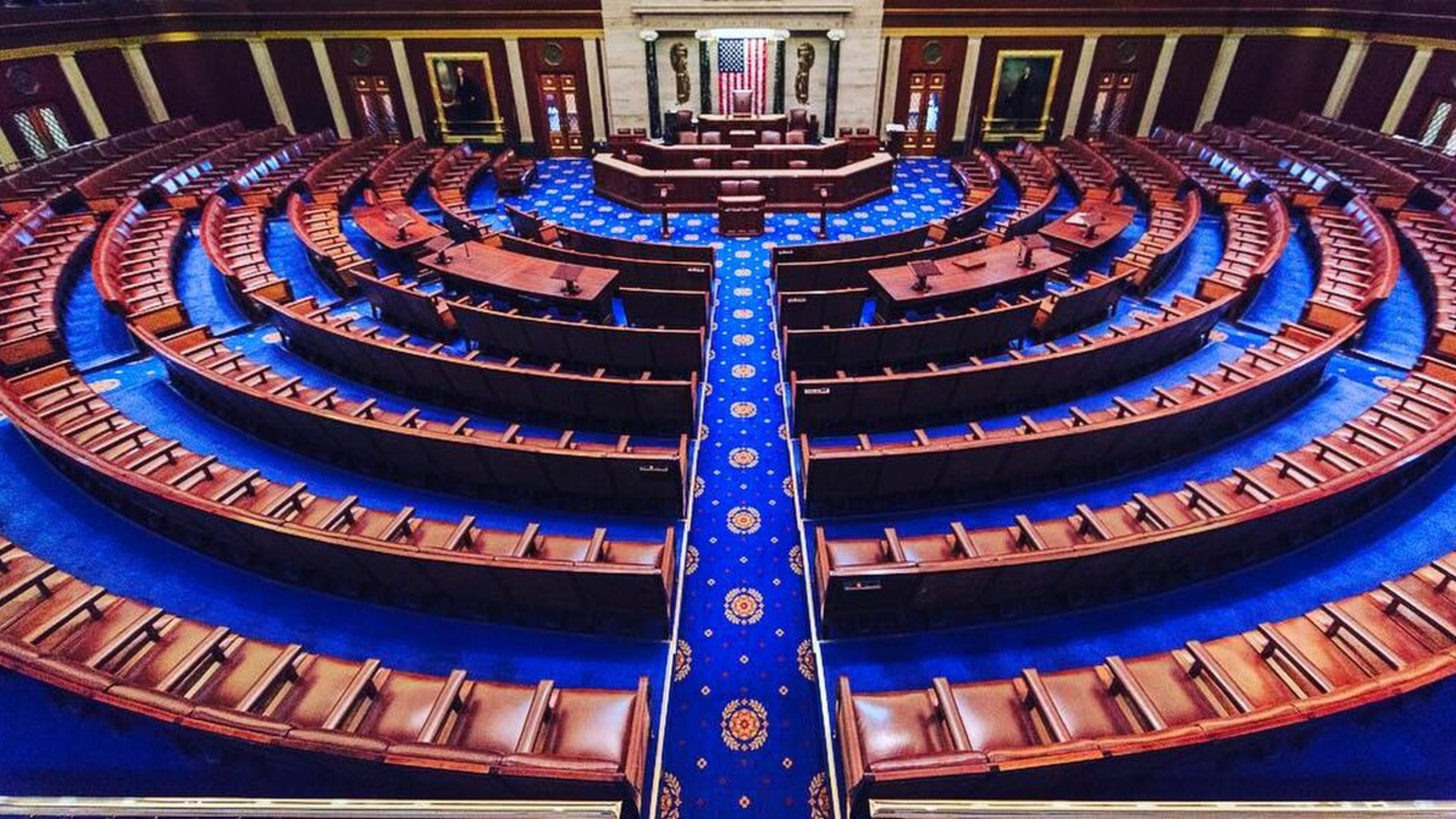
5. 1984 Indiana 8th Congressional Race: Margin 4 Votes
Dubbed the Bloody Eighth, the 1984 congressional race between Frank McCloskey and Richard McIntyre saw certified leads swap multiple times. A special congressional task force recount finally declared McCloskey the winner by exactly four votes out of two hundred thirty-three thousand.
©Wikimedia / Architect of the Capitol / Public domain
4. 1974 New Hampshire Senate Race: Margin 2 Votes
Republican Louis Wyman and Democrat John Durkin contested the closest Senate race in modern history. After initial counts separated them by two votes out of two hundred twenty-one thousand, the Senate could not agree on seating either candidate, prompting a 1975 rerun election.
©Wikimedia / Daderot / Public domain
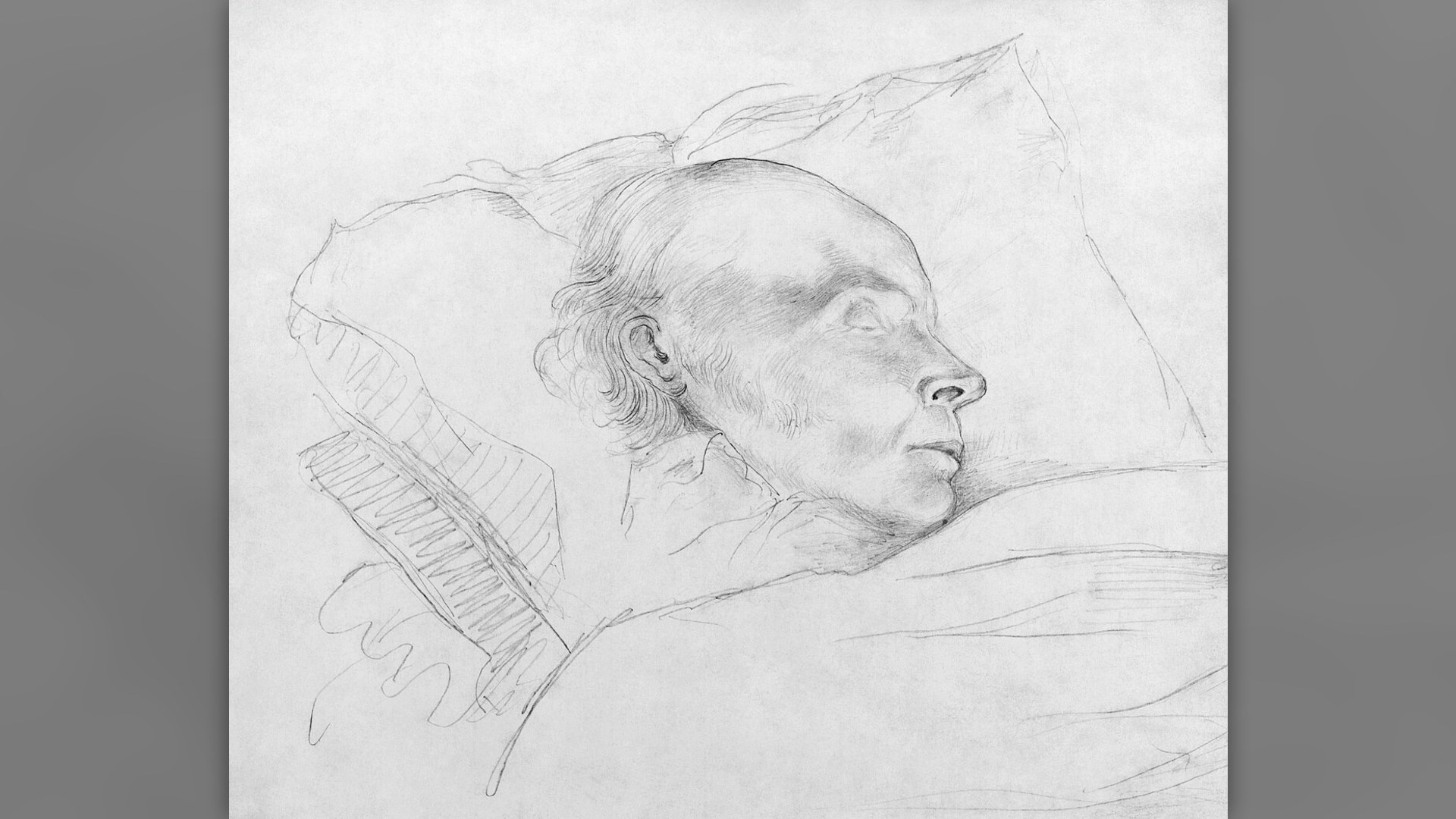
3. 1839 Massachusetts Gubernatorial Race: Margin 1 Vote
Democrat Marcus Morton challenged Whig incumbent Edward Everett in 1839. Under state law, a candidate required an absolute majority of all ballots. Morton received 51,034 votes out of 102,066 cast, surpassing the necessary threshold by a solitary ballot to become governor.
©Wikimedia / King of Hearts / CC BY-SA 4.0
Advertisement
Swipe or tap ▶ to resume the countdown.
2. 1824 Presidential Election: Margin 0 Electoral Majority
No candidate reached the required electoral threshold among four contenders in 1824. Andrew Jackson won the plurality of popular and electoral votes, but the House of Representatives elected John Quincy Adams in what became known as the Corrupt Bargain.
©Wikimedia / George Caleb Bingham / Public domain
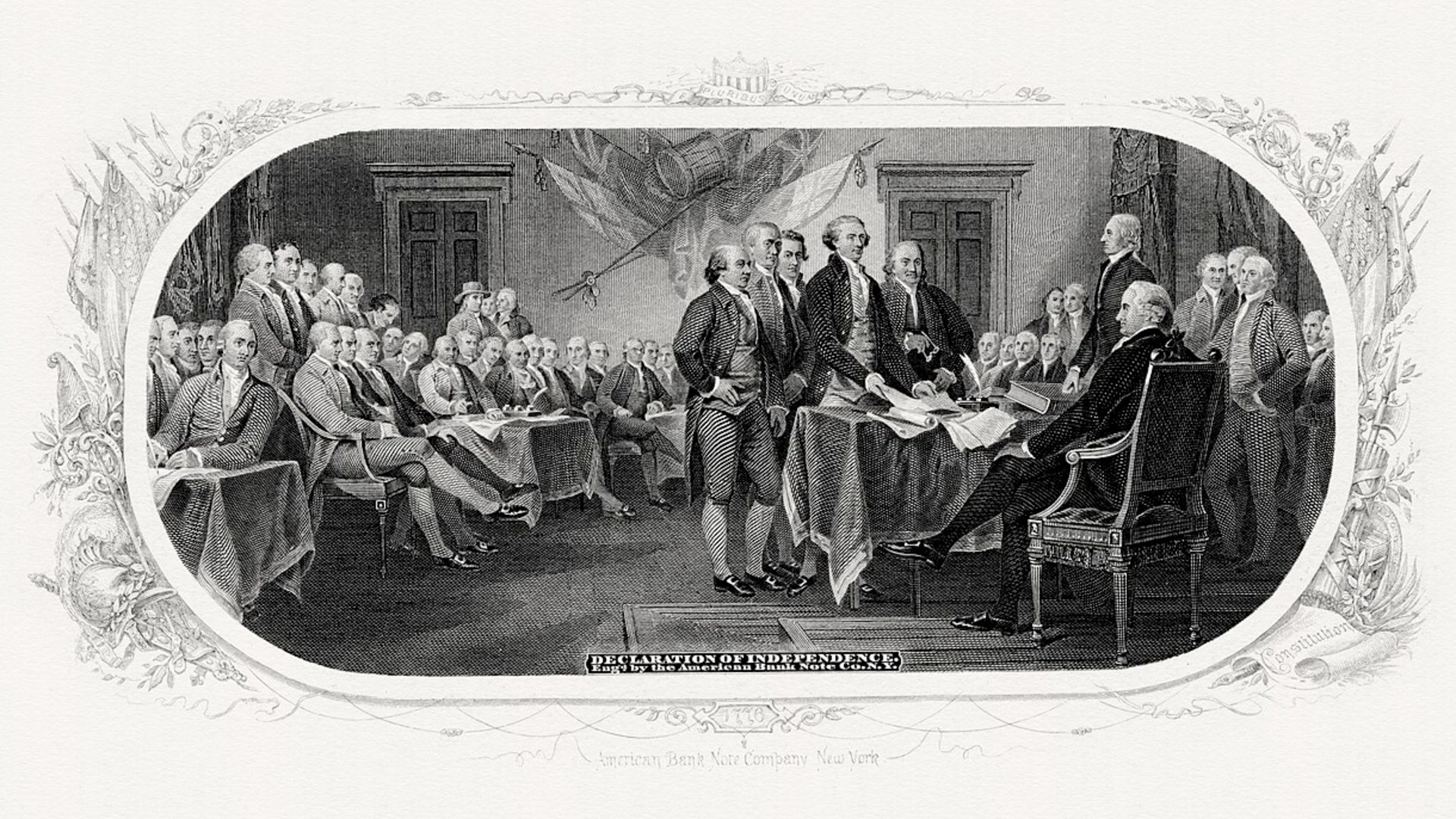
1. 1800 Presidential Election: Margin Dead Heat Tie
The historic 1800 election resulted in an exact dead heat tie between running mates Thomas Jefferson and Aaron Burr. The contest went to the House of Representatives, where lawmakers cast thirty-six consecutive ballots before Jefferson finally secured the presidency.

©Wikimedia / Bureau of Engraving and Printing / Public domain
Advertisement
You've reached the end of the story. Thanks for reading!

20 Famous Cars With Pop-Up Headlights That Shaped Car Design
From hand-cranked 1930s teardrops to wedge supercars of the 1980s, hidden headlights let stylists chase sleek aerodynamics until 2004 pedestrian rules closed the curtain. Here are 20 standout production cars that turned retractable lamps into an enduring automotive design feature across seven full decades.
All 21 Entries in this Story
21. 1968 Presidential Election: Margin 511,944 Votes
The turbulent 1968 election unfolded during national anti-war protests and civil rights unrest. Richard Nixon secured victory by capturing key swing states like Ohio and Missouri by narrow margins, finishing just seven-tenths of a percentage point ahead of Hubert Humphrey in the popular tally.

20. 2004 Presidential Election: Margin 118,599 Votes
High voter turnout defined the contest between incumbent George W. Bush and challenger John Kerry. While Bush led the national popular vote, the entire presidency hinged on Ohio, where Bush captured the state by two percentage points to secure twenty decisive electoral votes.

19. 1960 Presidential Election: Margin 112,827 Votes
The historic 1960 presidential campaign featured the first televised debates in American politics. John F. Kennedy prevailed with a popular vote margin of just seventeen hundredths of one percent, securing crucial wins in Illinois and Texas through narrow vote margins.

18. 2016 Presidential Election: Margin 77,744 Votes
Despite Hillary Clinton winning the national popular vote by nearly three million ballots, Donald Trump claimed victory through the Electoral College. Tipping-point wins in Michigan, Pennsylvania, and Wisconsin by a combined seventy-seven thousand votes sealed the presidency.

17. 2020 Presidential Election: Margin 42,918 Votes
Voter turnout surged to historic highs during the 2020 presidential contest. While Joe Biden captured seven million more popular votes nationally, his electoral majority was secured by a collective margin of forty-two thousand ballots across Arizona, Georgia, and Wisconsin.

16. 1888 Presidential Election: Margin 14,373 Votes
Grover Cleveland won ninety thousand more popular votes than Republican challenger Benjamin Harrison. However, Harrison captured New York by just fourteen thousand ballots, flipping its thirty-six electoral votes to win the presidency in the Electoral College.

15. 1976 Presidential Election: Margin 11,116 Votes
Post-Watergate politics culminated in a tense election between Jimmy Carter and incumbent Gerald Ford. Carter won the national tally, but his path to victory ran through Ohio, which he carried by eleven thousand votes out of four million ballots cast.

14. 1948 Presidential Election: Margin 7,107 Votes
Newspapers famously predicted Thomas Dewey would cruise to victory, yet Harry Truman produced one of the greatest upsets in American history. Truman held Ohio by seven thousand votes and Illinois by thirty-three thousand, completely upending election night expectations.

13. 1844 Presidential Election: Margin 5,106 Votes
Manifest Destiny defined the 1844 campaign between Democrat James K. Polk and Whig leader Henry Clay. Polk carried the crucial prize of New York by just over five thousand ballots, enough to deliver thirty-six electoral votes and the presidency.

12. 1916 Presidential Election: Margin 3,773 Votes
During the height of World War I in Europe, Woodrow Wilson ran on keeping America at peace. Republican Charles Evans Hughes went to bed believing he won, but late returns from California showed Wilson carrying the state by thirty-seven hundred votes to secure reelection.

11. 1880 Presidential Election: Margin 1,898 Votes
The 1880 race between Republican James A. Garfield and Democrat Winfield Scott Hancock produced the smallest popular vote margin in American presidential history. Garfield took the national count by fewer than two thousand votes out of nine million total ballots cast.

10. 1884 Presidential Election: Margin 1,047 Votes
Mudslinging reached unprecedented levels during the 1884 campaign between Grover Cleveland and James G. Blaine. The election came down to New York, where Cleveland secured the state by just over one thousand ballots out of more than one million cast.

9. 1876 Presidential Election: Margin 889 Votes
The controversial 1876 contest between Rutherford B. Hayes and Samuel J. Tilden required an electoral commission to resolve twenty disputed ballots. A recount in South Carolina showed Hayes ahead by eight hundred eighty-nine votes, delivering a one-vote electoral majority.

8. 2000 Presidential Election: Margin 537 Votes
The 2000 presidential contest between George W. Bush and Al Gore came down to five weeks of Florida recounts, hanging chads, and Supreme Court rulings. The final certified count awarded Florida to Bush by five hundred thirty-seven votes, deciding the national election.

7. 2008 Minnesota Senate Race: Margin 312 Votes
Incumbent Republican Norm Coleman originally led Democrat Al Franken by two hundred fifteen votes on election night. Following months of ballot challenges, court appeals, and hand recounts of nearly three million ballots, Franken emerged victorious by three hundred twelve votes.

6. 2004 Washington Gubernatorial Race: Margin 129 Votes
Republican Dino Rossi led the initial election night count and first recount for Washington governor. A manual hand recount of 2.8 million votes reversed the outcome, certifying Democrat Christine Gregoire as governor by a final margin of one hundred twenty-nine votes.

5. 1984 Indiana 8th Congressional Race: Margin 4 Votes
Dubbed the Bloody Eighth, the 1984 congressional race between Frank McCloskey and Richard McIntyre saw certified leads swap multiple times. A special congressional task force recount finally declared McCloskey the winner by exactly four votes out of two hundred thirty-three thousand.

4. 1974 New Hampshire Senate Race: Margin 2 Votes
Republican Louis Wyman and Democrat John Durkin contested the closest Senate race in modern history. After initial counts separated them by two votes out of two hundred twenty-one thousand, the Senate could not agree on seating either candidate, prompting a 1975 rerun election.

3. 1839 Massachusetts Gubernatorial Race: Margin 1 Vote
Democrat Marcus Morton challenged Whig incumbent Edward Everett in 1839. Under state law, a candidate required an absolute majority of all ballots. Morton received 51,034 votes out of 102,066 cast, surpassing the necessary threshold by a solitary ballot to become governor.

2. 1824 Presidential Election: Margin 0 Electoral Majority
No candidate reached the required electoral threshold among four contenders in 1824. Andrew Jackson won the plurality of popular and electoral votes, but the House of Representatives elected John Quincy Adams in what became known as the Corrupt Bargain.

1. 1800 Presidential Election: Margin Dead Heat Tie
The historic 1800 election resulted in an exact dead heat tie between running mates Thomas Jefferson and Aaron Burr. The contest went to the House of Representatives, where lawmakers cast thirty-six consecutive ballots before Jefferson finally secured the presidency.