Slideshow · News
21 Historic Aircraft of the US Presidential Air Fleet
From wartime flying boats and piston-driven propliners to supersonic-era jets and fortified flying command posts, presidential aviation transformed global diplomacy over eight decades. This collection traces 21 legendary aircraft in chronological ascending order, showcasing the evolution of executive flight.
By Most Viral Today
18 min ago

The Legendary Aircraft Carrying Commanders In Chief Across The Globe 
21. Sikorsky VH-92A Patriot 
20. Boeing C-40 Clipper 
19. Boeing C-32A - AdvertisementSwipe or tap ▶ to continue countdown

18. Boeing VC-25A 
17. Sikorsky VH-60N White Hawk 
16. Sikorsky VH-3D Sea King 
15. McDonnell Douglas VC-9C - AdvertisementSwipe or tap ▶ to continue countdown

14. Boeing VC-137C SAM 27000 
13. Beechcraft VC-6A 
12. Lockheed VC-140B JetStar 
11. Sikorsky VH-3A Sea King - AdvertisementSwipe or tap ▶ to continue countdown

10. Boeing VC-137C SAM 26000 
9. Boeing VC-137A Stratoliner 
8. Sikorsky VH-34 Choctaw 
7. Bell UH-13J Sioux - AdvertisementSwipe or tap ▶ to continue countdown

6. Aero Commander U-4B 
5. Lockheed VC-121E Super Constellation 
4. Lockheed VC-121A Constellation 
3. Douglas VC-118 Liftmaster - AdvertisementSwipe or tap ▶ to continue countdown

2. Douglas C-54 Skymaster 
1. Boeing 314 Clipper - Advertisement🔥 UP NEXT IN THIS SERIES◫ 22 Slides

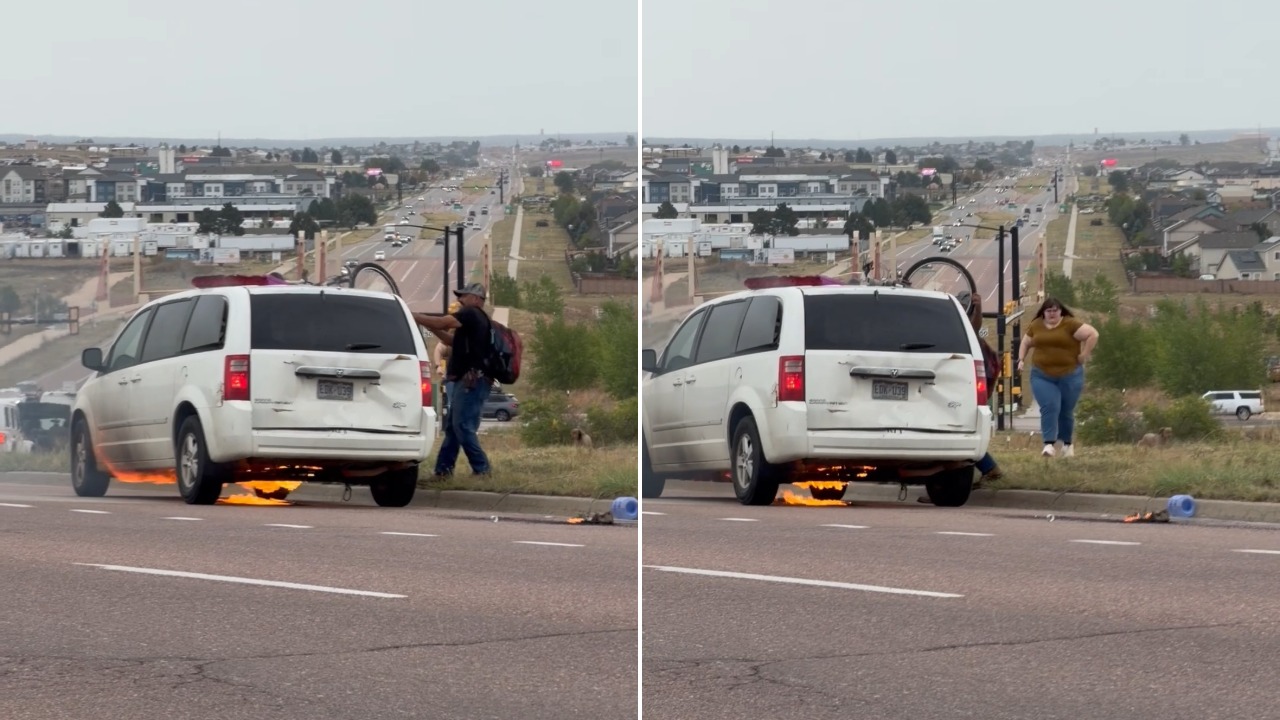
Couple races flames to save van contents
A vehicle in Colorado Springs burns on a busy road while two people pull items from the wreckage.
Presidential air transport evolved from early commercial charters into an elite military airlift fleet. This ranking traces 21 aircraft in ascending order of their service introduction. Based on historical archives from the National Museum of the US Air Force, the White House and the Smithsonian Institution.
Swipe or tap ▶ to begin the countdown
©Wikimedia / Series: Combined Military Service Digital Photog
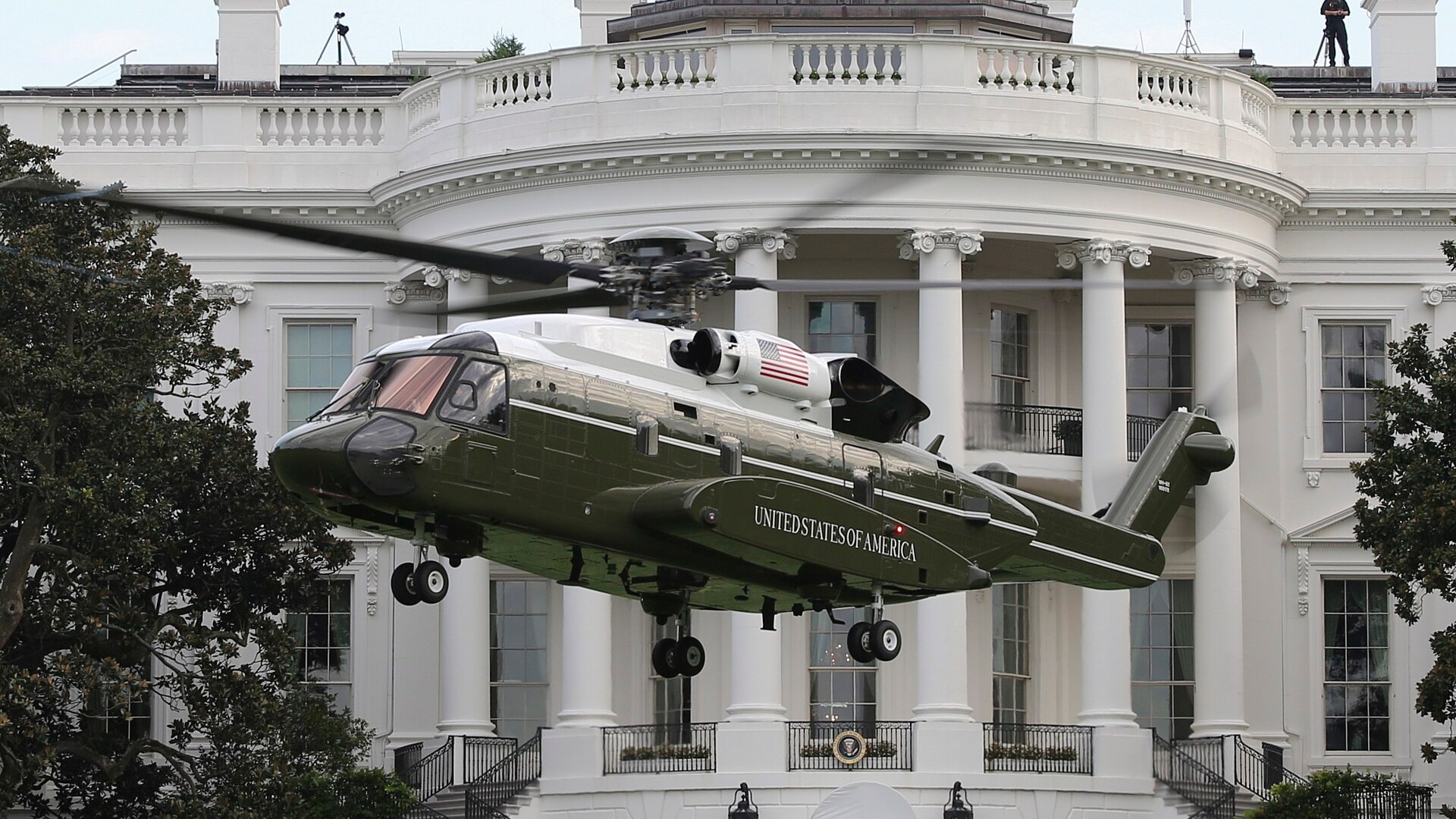
21. Sikorsky VH-92A Patriot
Developed under the Presidential Helicopter Replacement Program, the Sikorsky VH-92A Patriot completed extensive flight testing before flying its first official presidential mission in August 2024. Featuring increased cabin volume, enhanced payload and advanced avionics, it replaces the aging VH-3D fleet.
©Wikimedia / U.S. Marine Corps photo by Sgt. Hunter Helis
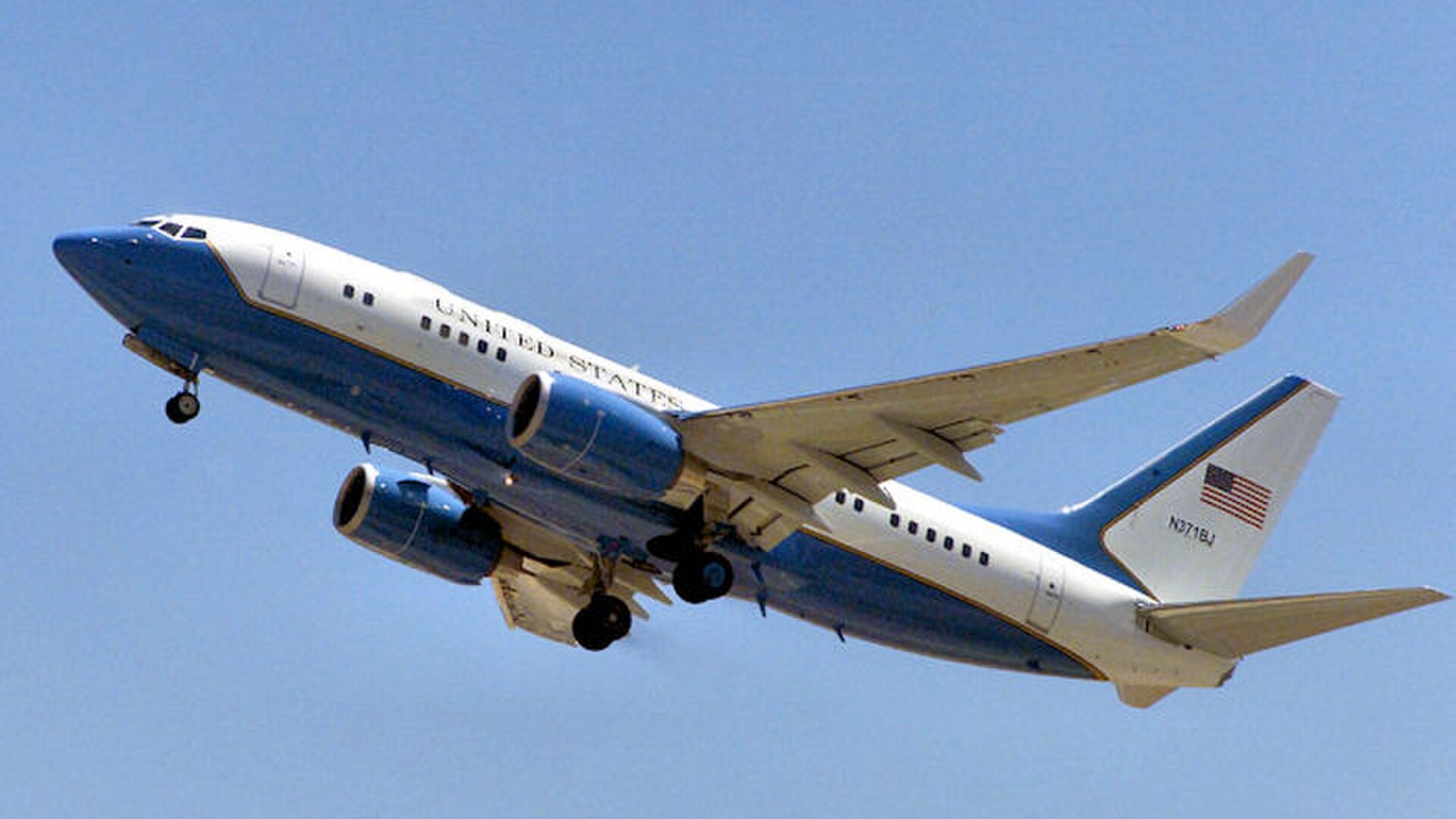
20. Boeing C-40 Clipper
Entering military service in 2001, the Boeing C-40 Clipper provides flexible passenger and cargo airlift for the executive branch. Derived from the commercial 737-700, the aircraft features advanced avionics and encrypted communication suites, supporting presidential motorcade advance teams and cabinet escorts.
©Wikimedia / USAF
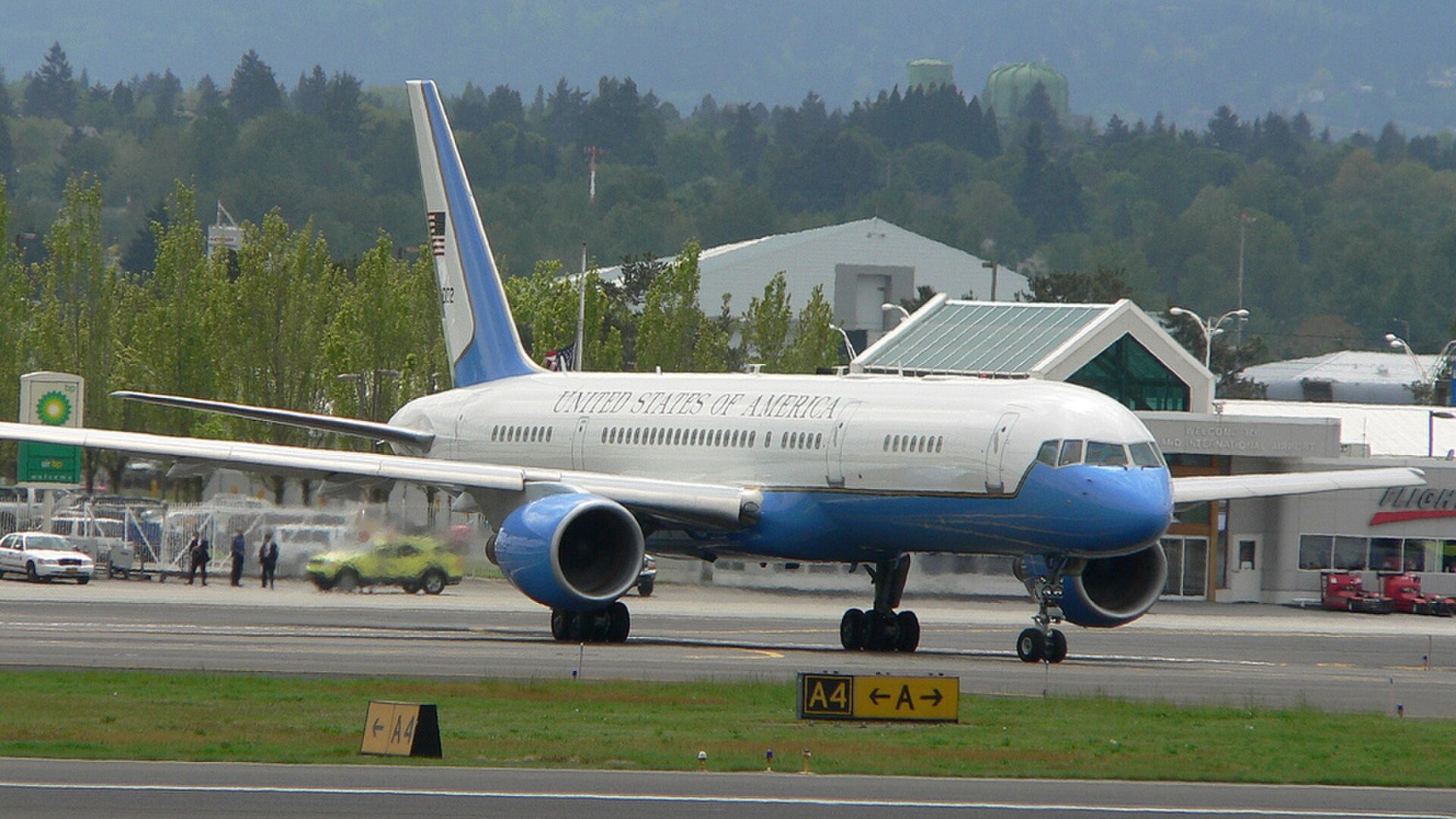
19. Boeing C-32A
Introduced in 1998, four Boeing C-32A transports serve in the 89th Airlift Wing. While commonly operating under the Air Force Two call sign for the Vice President, presidents routinely fly aboard the aircraft to access shorter airfields and tighter domestic runways where the large VC-25A cannot land.
©Wikimedia / planephotoman
Advertisement
Swipe or tap ▶ to resume the countdown.
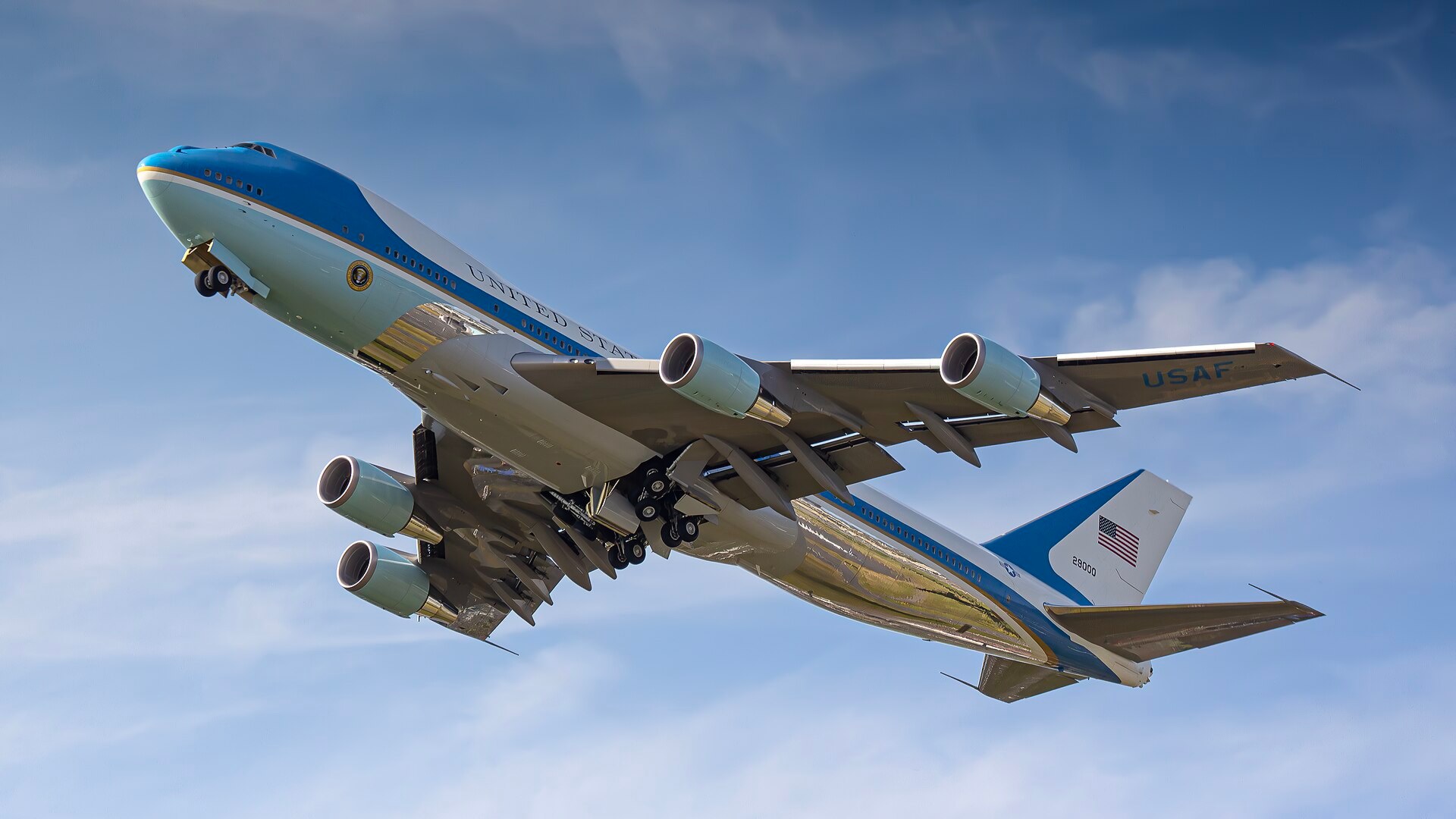
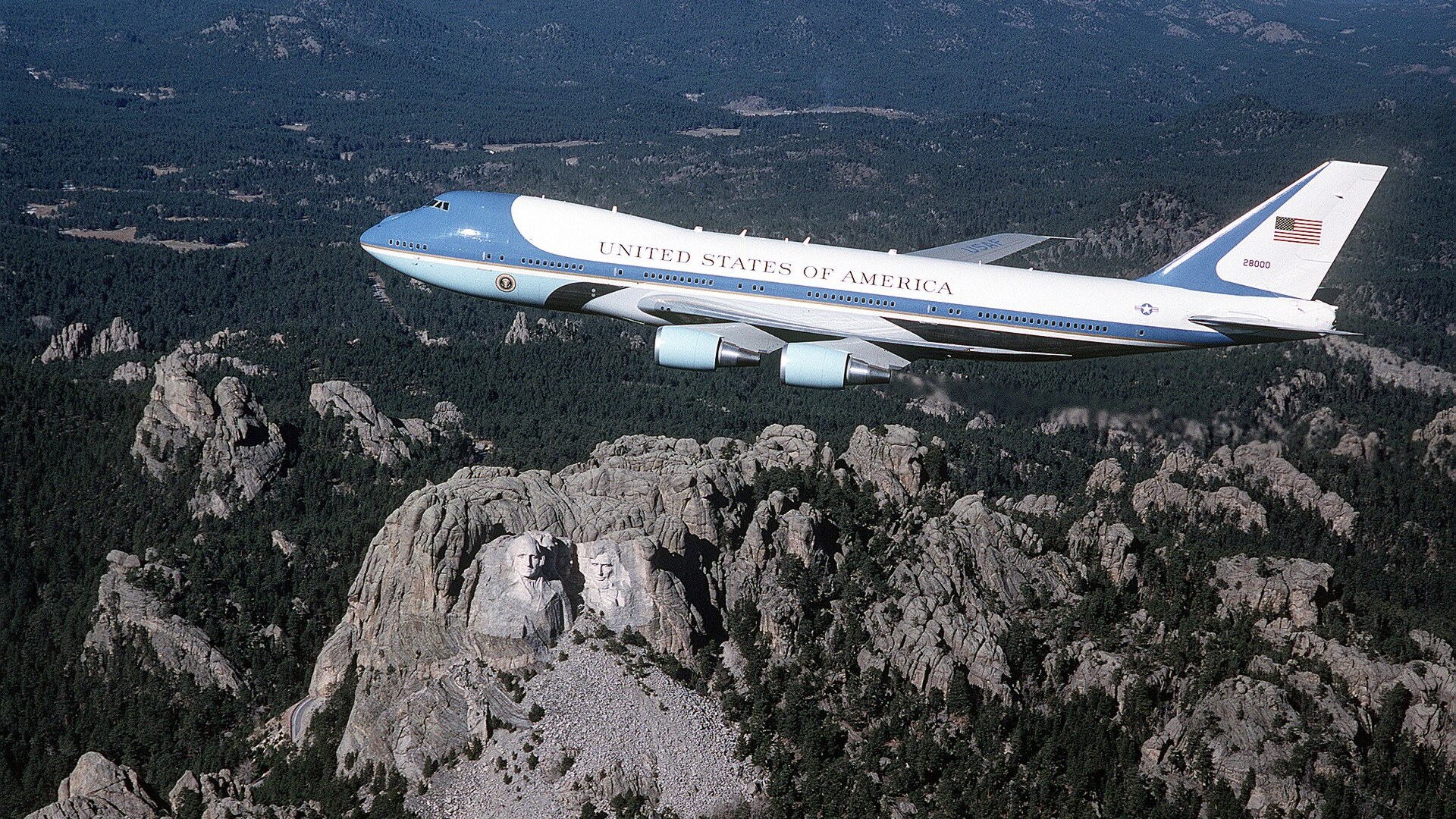
18. Boeing VC-25A
Entering service in 1990 under George H.W. Bush, tail numbers 28000 and 29000 feature 4,000 square feet of interior floor space, executive staterooms and medical operating rooms. Hardened against electromagnetic pulses and equipped with in-flight refueling receivers, they can remain airborne indefinitely.
©Wikimedia / Mees Jansen
17. Sikorsky VH-60N White Hawk
Entering squadron service in 1988, nine specialized Sikorsky VH-60N White Hawk helicopters augment the Marine One fleet. Designed to fold their rotor blades and fit inside Air Force C-5 and C-17 cargo transports, these helicopters deploy overseas ahead of the president to provide secure tactical transport.
©Wikimedia / Anna Zvereva
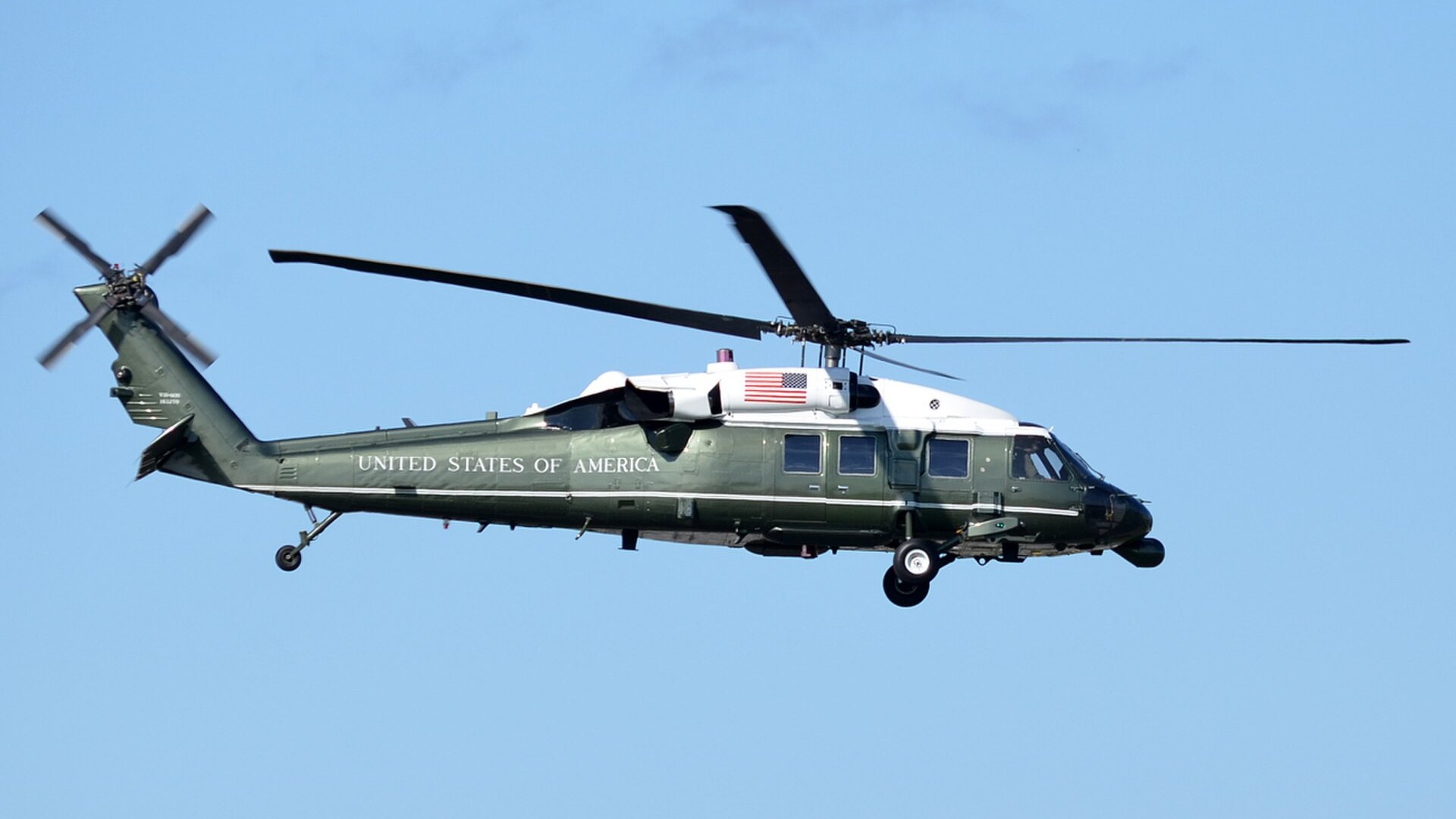
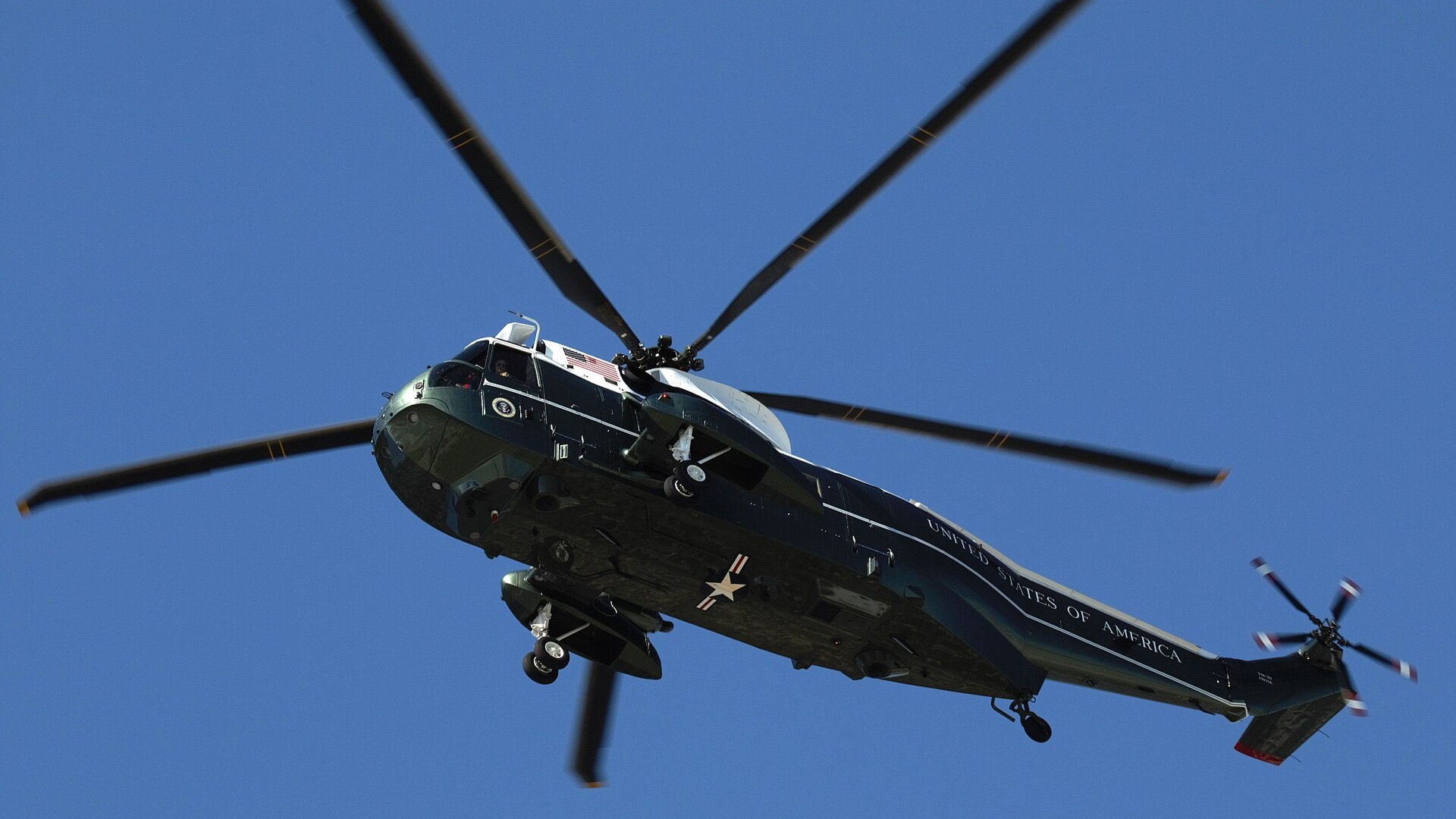
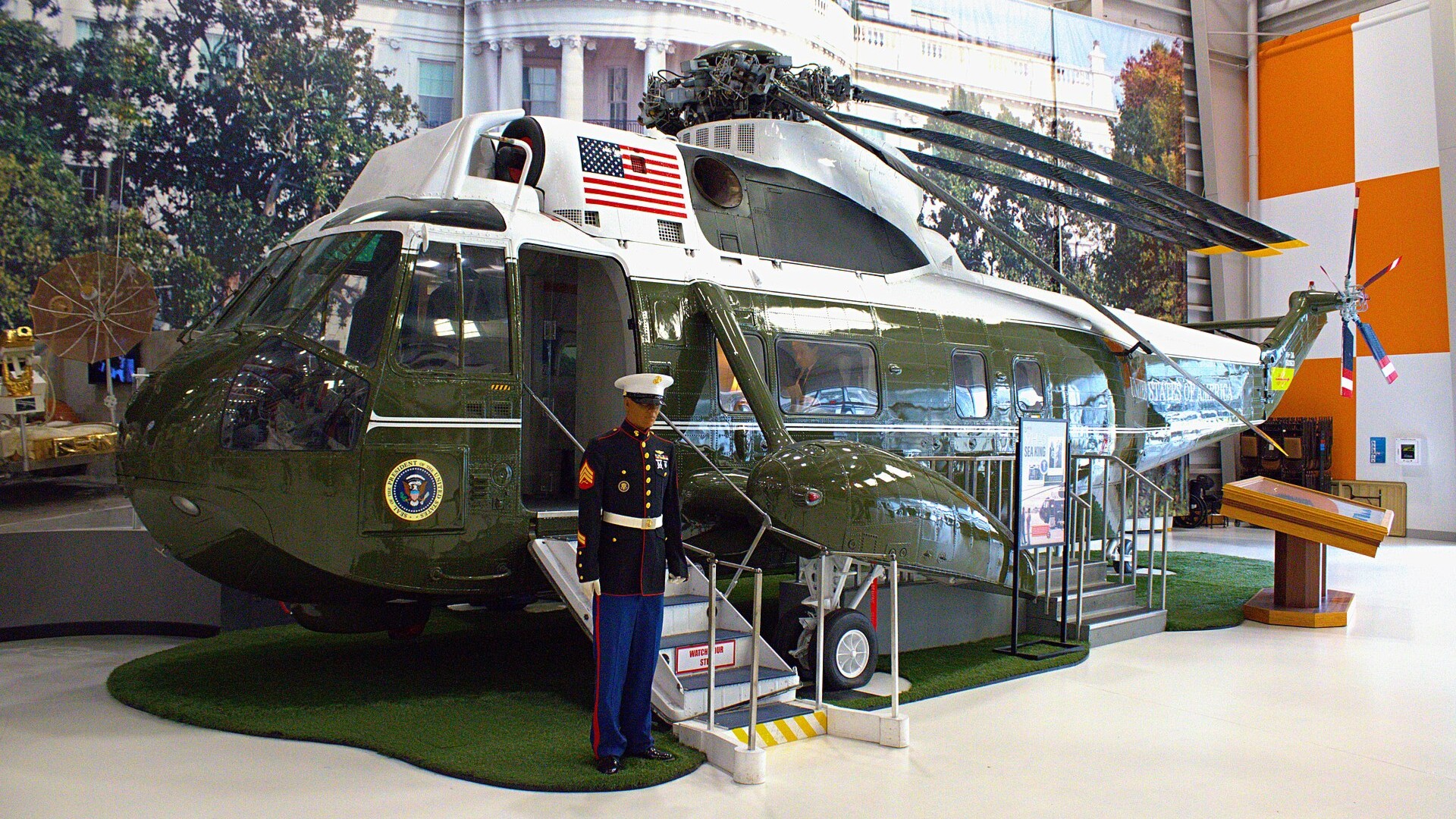
16. Sikorsky VH-3D Sea King
Operational since 1976, eleven Sikorsky VH-3D helicopters have served nine successive administrations from Gerald Ford to Joe Biden. Equipped with ballistic armor, missile defense jamming systems and sound-deadened conference cabins, the aircraft remains an instantly recognizable symbol on the South Lawn.
©Wikimedia / Liam Thompson
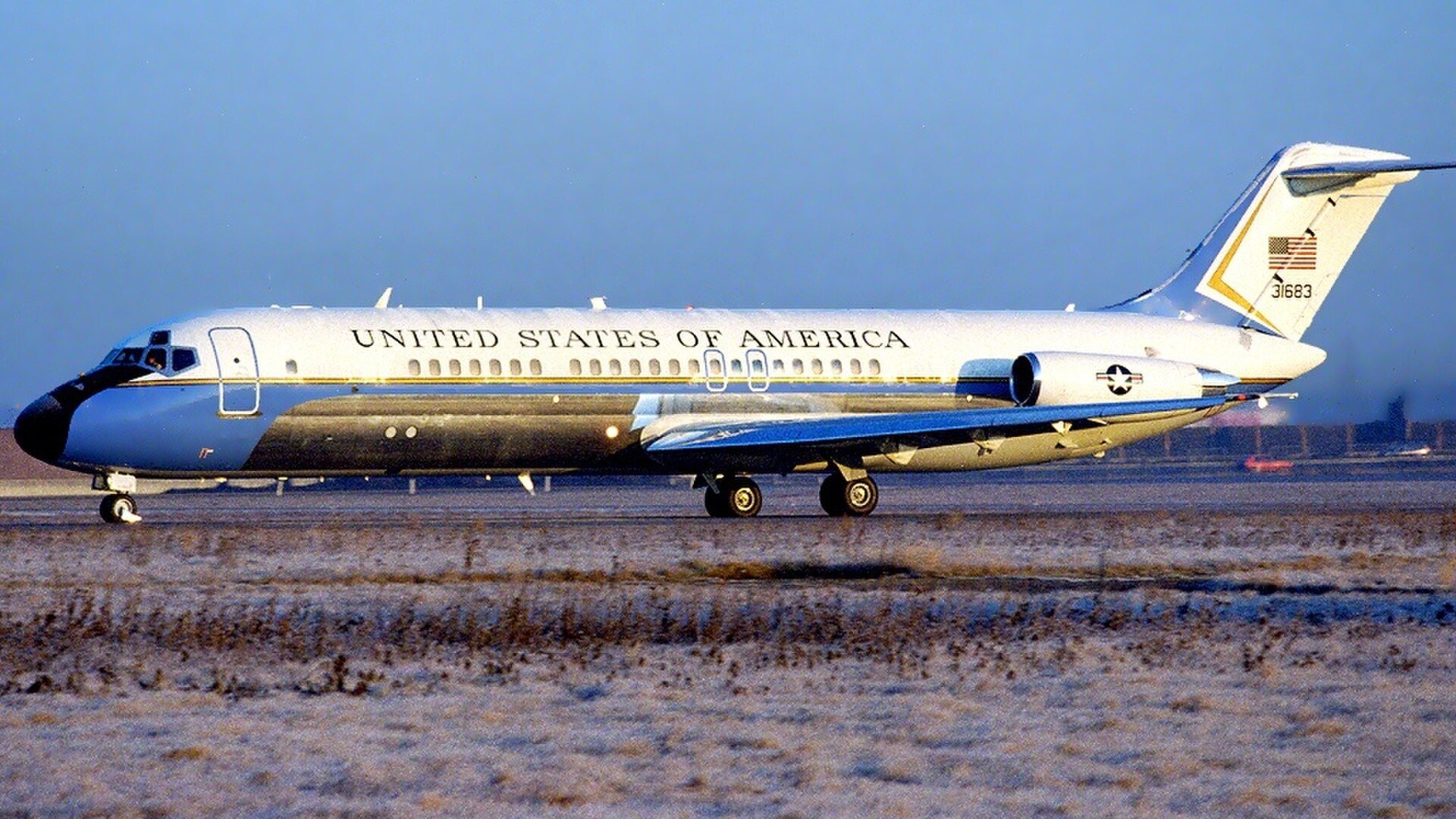
15. McDonnell Douglas VC-9C
Entering the 89th Airlift Wing in 1975, three custom McDonnell Douglas VC-9C aircraft provided short-haul VIP transportation for Presidents Carter, Reagan, George H.W. Bush and Clinton. The twin-engine jet easily accessed tight regional runways while providing encrypted satellite telephone communications.
©Wikimedia / JetPix
Advertisement
Swipe or tap ▶ to resume the countdown.
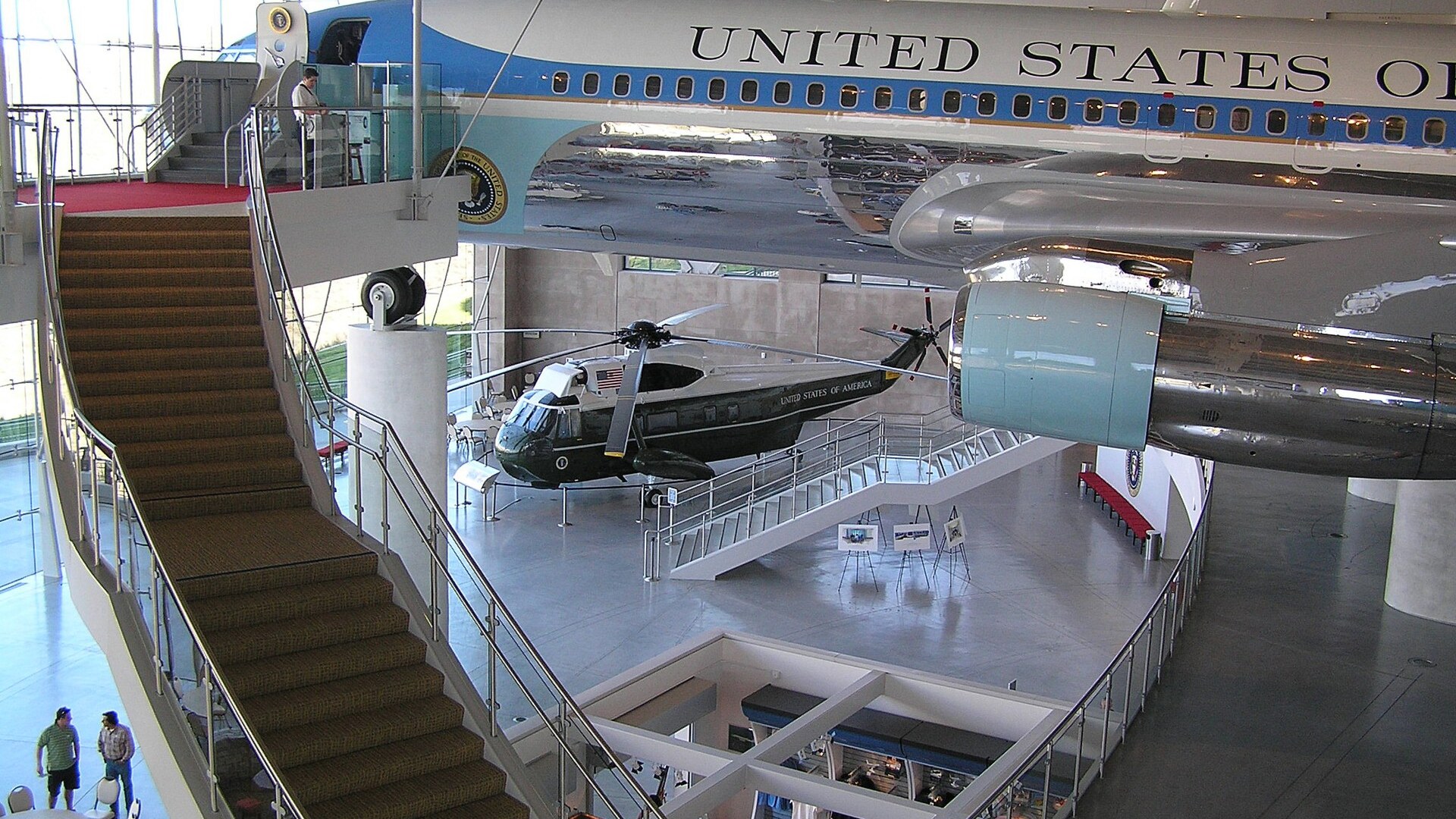
14. Boeing VC-137C SAM 27000
Delivered in 1972, SAM 27000 succeeded SAM 26000 as the primary presidential flagship. It flew Richard Nixon back to California following his 1974 resignation and served extensively throughout Ronald Reagan's two terms. The aircraft completed 444 presidential missions before retiring to the Reagan Library.
©Wikimedia / Lisa Barnum, photographer
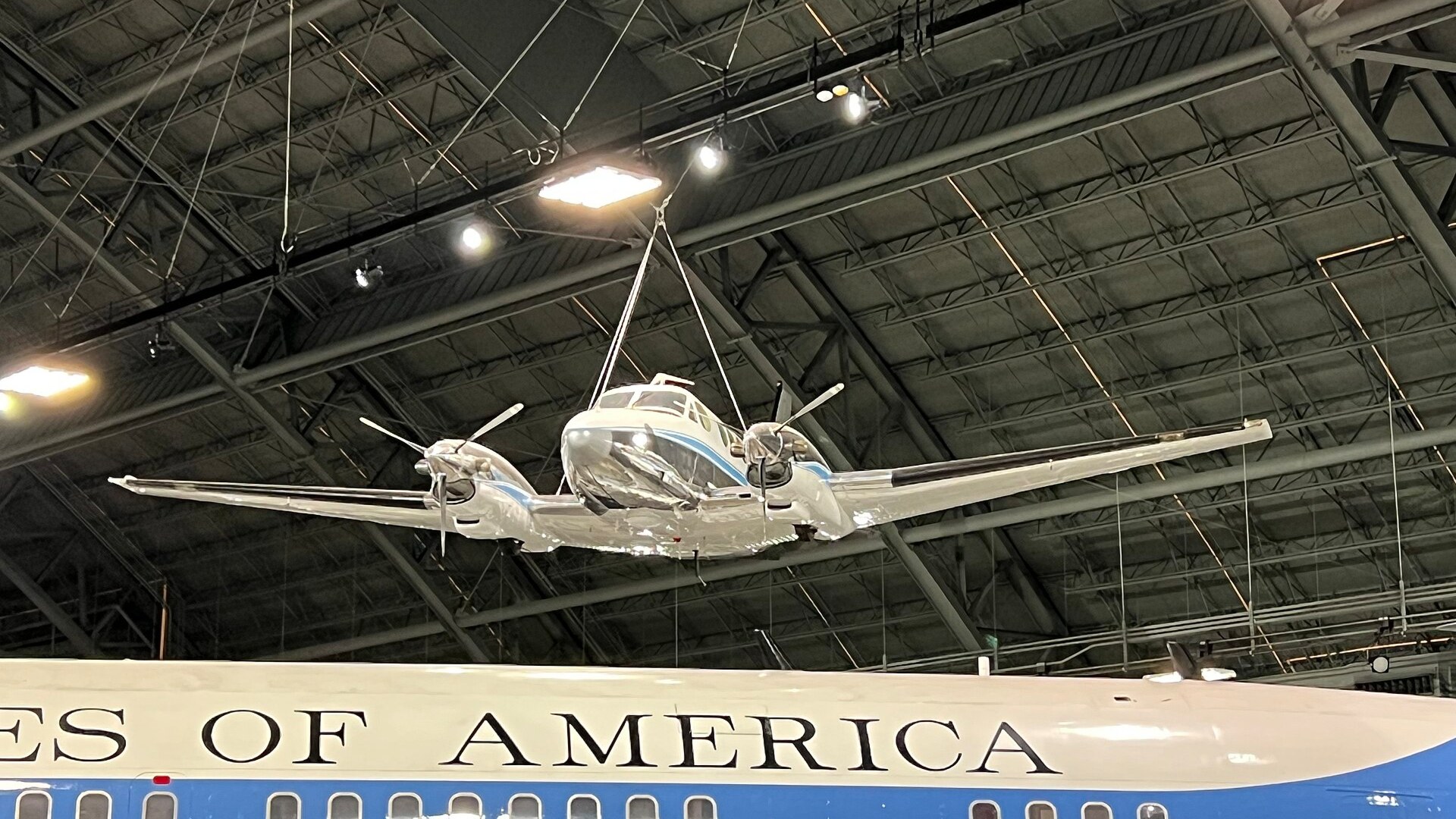
13. Beechcraft VC-6A
Acquired by the Air Force in 1965, this modified Beechcraft King Air B90 was designated the VC-6A. Used primarily by Lyndon B. Johnson, the aircraft ferried the president and small staff on quick twenty-minute hops between Bergstrom Air Force Base in Austin and his family ranch airstrip.
©Wikimedia / ZLEA
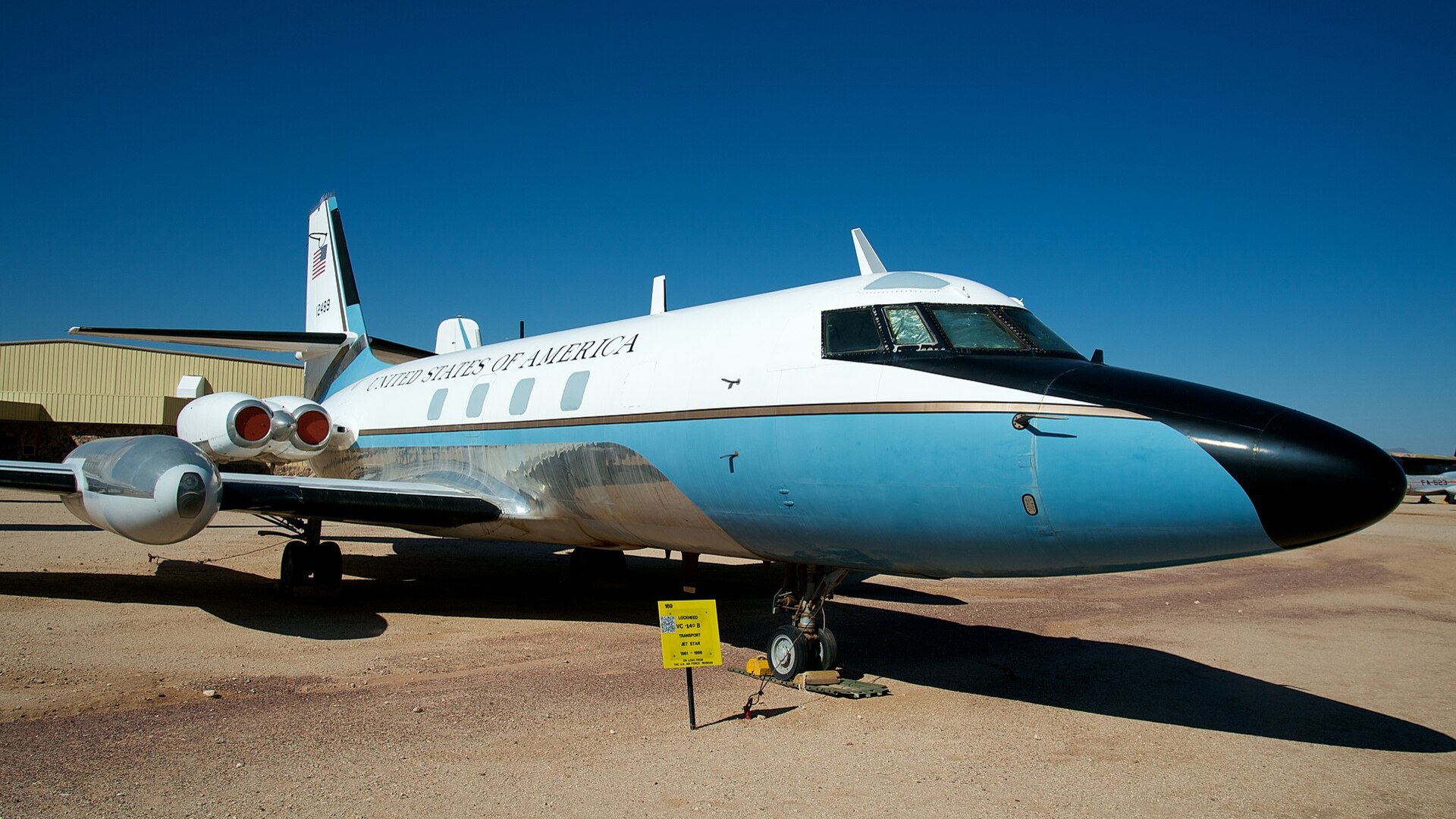
12. Lockheed VC-140B JetStar
Acquired in 1962, five Lockheed VC-140B JetStar aircraft provided executive transport into regional airfields with runways too short for Boeing 707 jets. President Lyndon B. Johnson frequently flew his JetStar directly into his private airstrip on the LBJ Ranch near Johnson City, Texas.
©Wikimedia / BriYYZ from Toronto, Canada
11. Sikorsky VH-3A Sea King
Introduced in 1962 during the Kennedy administration, the Sikorsky VH-3A Sea King replaced older piston helicopters with reliable twin turboshaft power. Featuring air conditioning, soundproofing and executive seating, it became the first helicopter permanently painted with the iconic white roof livery.
©Wikimedia / ZLEA
Advertisement
Swipe or tap ▶ to resume the countdown.
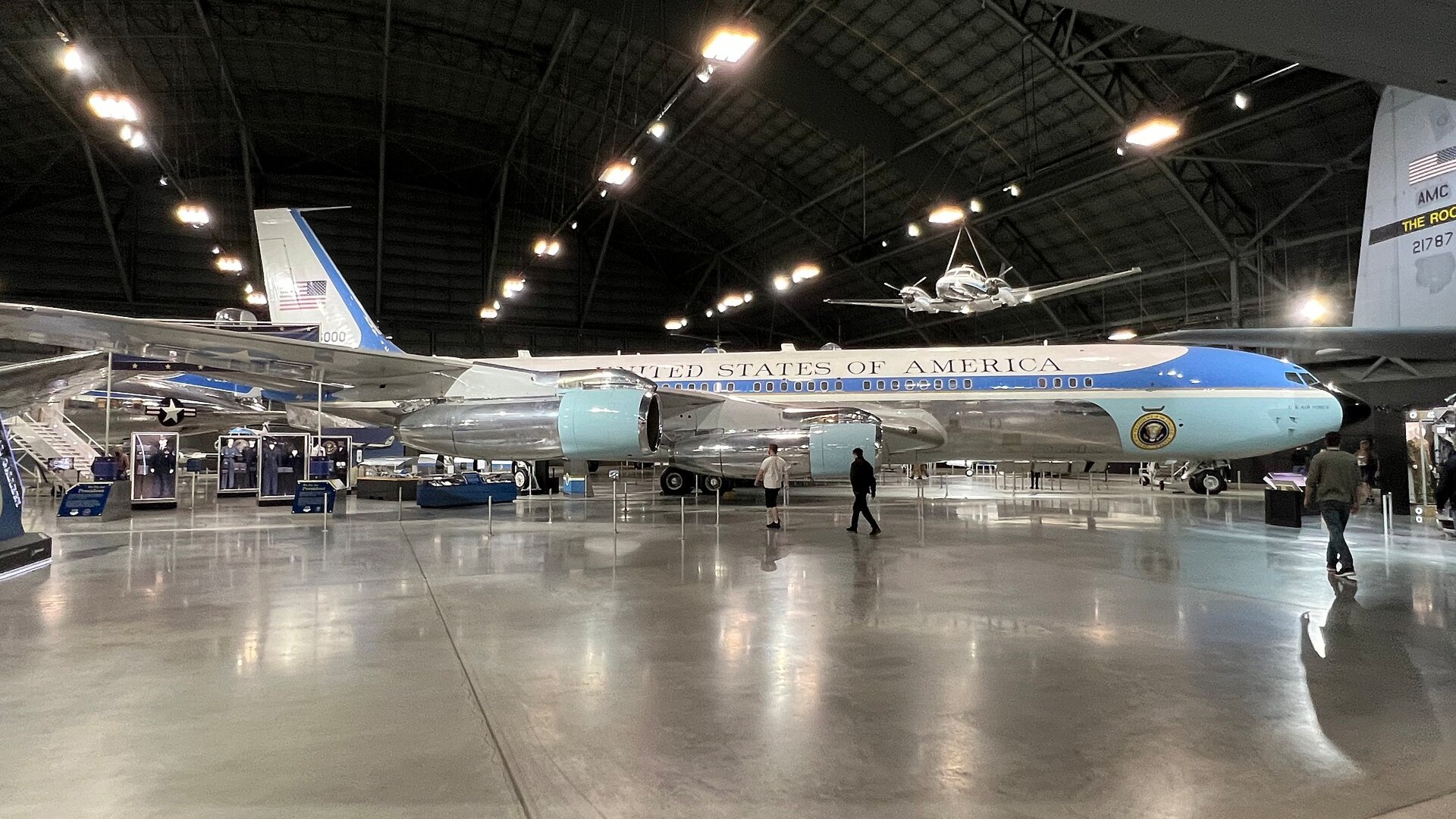
10. Boeing VC-137C SAM 26000
Entering service in October 1962, SAM 26000 wore a timeless blue-and-white livery designed by industrial artist Raymond Loewy. It transported Kennedy to Berlin in 1963 and returned his body to Washington following his Dallas assassination. Lyndon B. Johnson took the presidential oath of office in its cabin.
©Wikimedia / ZLEA
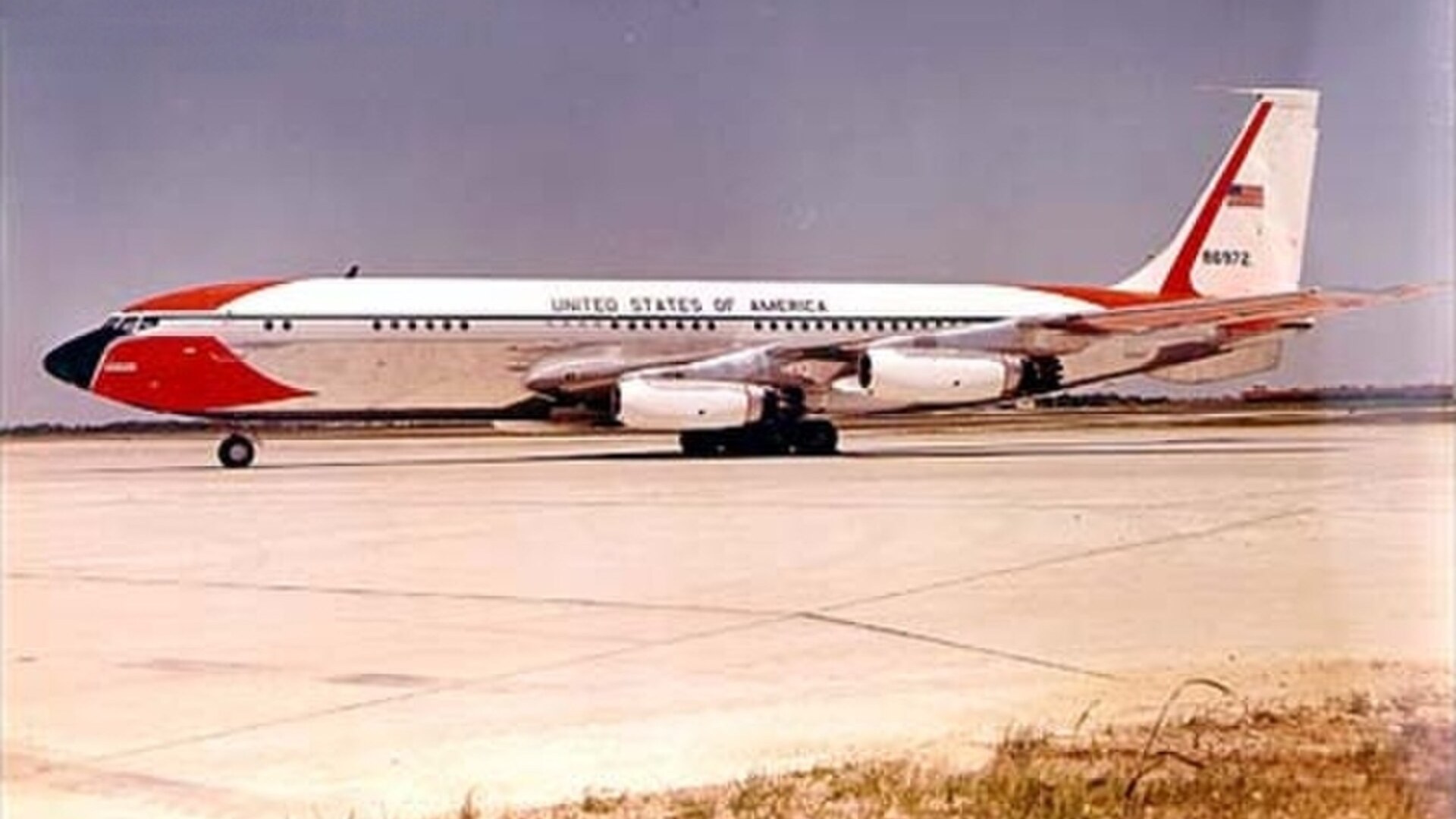
9. Boeing VC-137A Stratoliner
Delivered in 1959, three modified commercial Boeing 707 airliners were acquired by the Air Force to usher in jet-age presidential travel. Flying as SAM 970, this aircraft reduced flight times across the Atlantic by half. Eisenhower utilized it extensively during his historic goodwill tours of eleven nations.
©Wikimedia / US Air Force
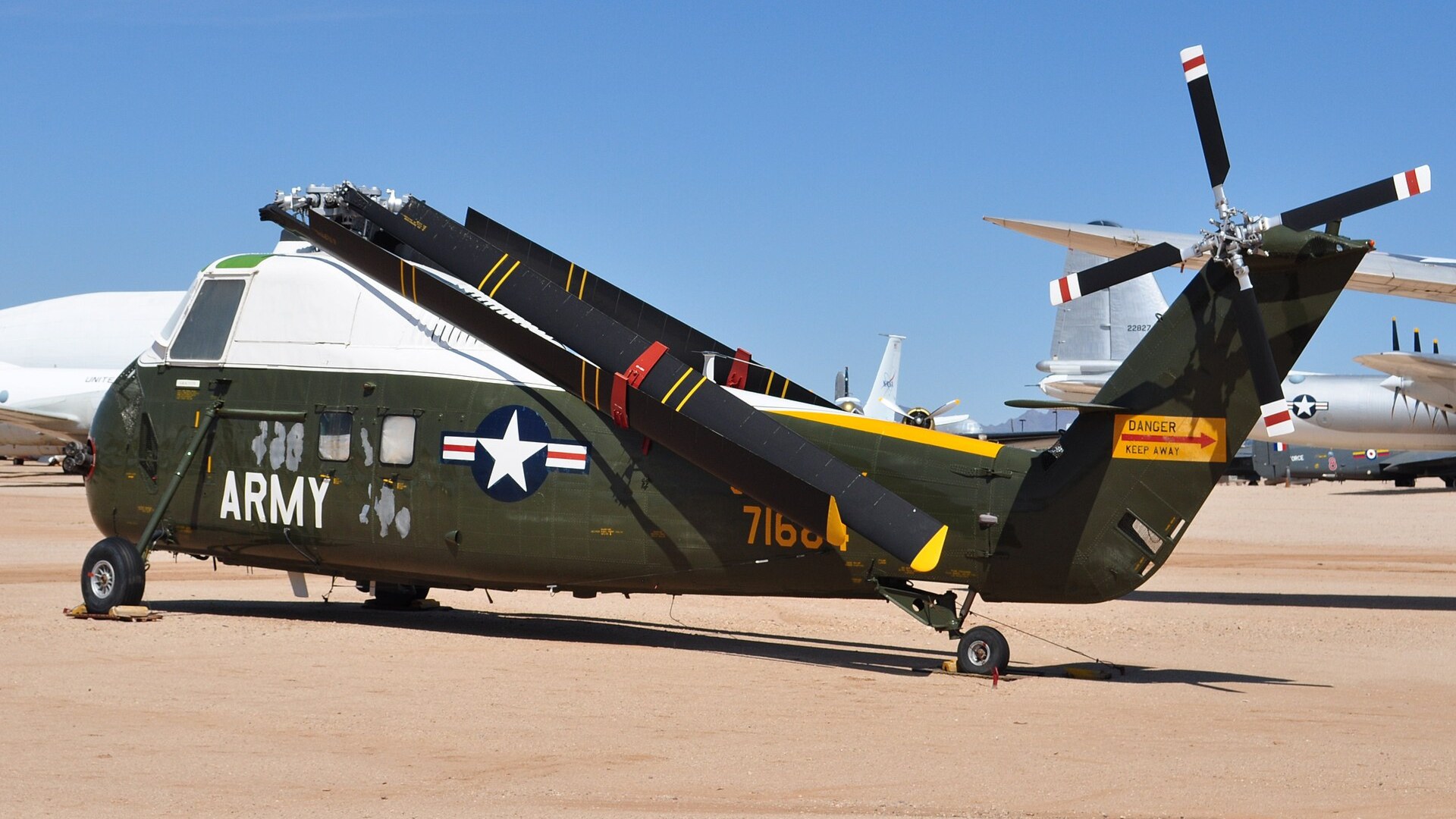
8. Sikorsky VH-34 Choctaw
Entering presidential service in 1958, the Sikorsky VH-34 Choctaw carried both Eisenhower and John F. Kennedy on executive hops. Marine Helicopter Squadron One (HMX-1) and the US Army shared flight duties, establishing the enduring call sign convention of Marine One or Army One depending on the service pilot.
©Wikimedia / Eric Salard
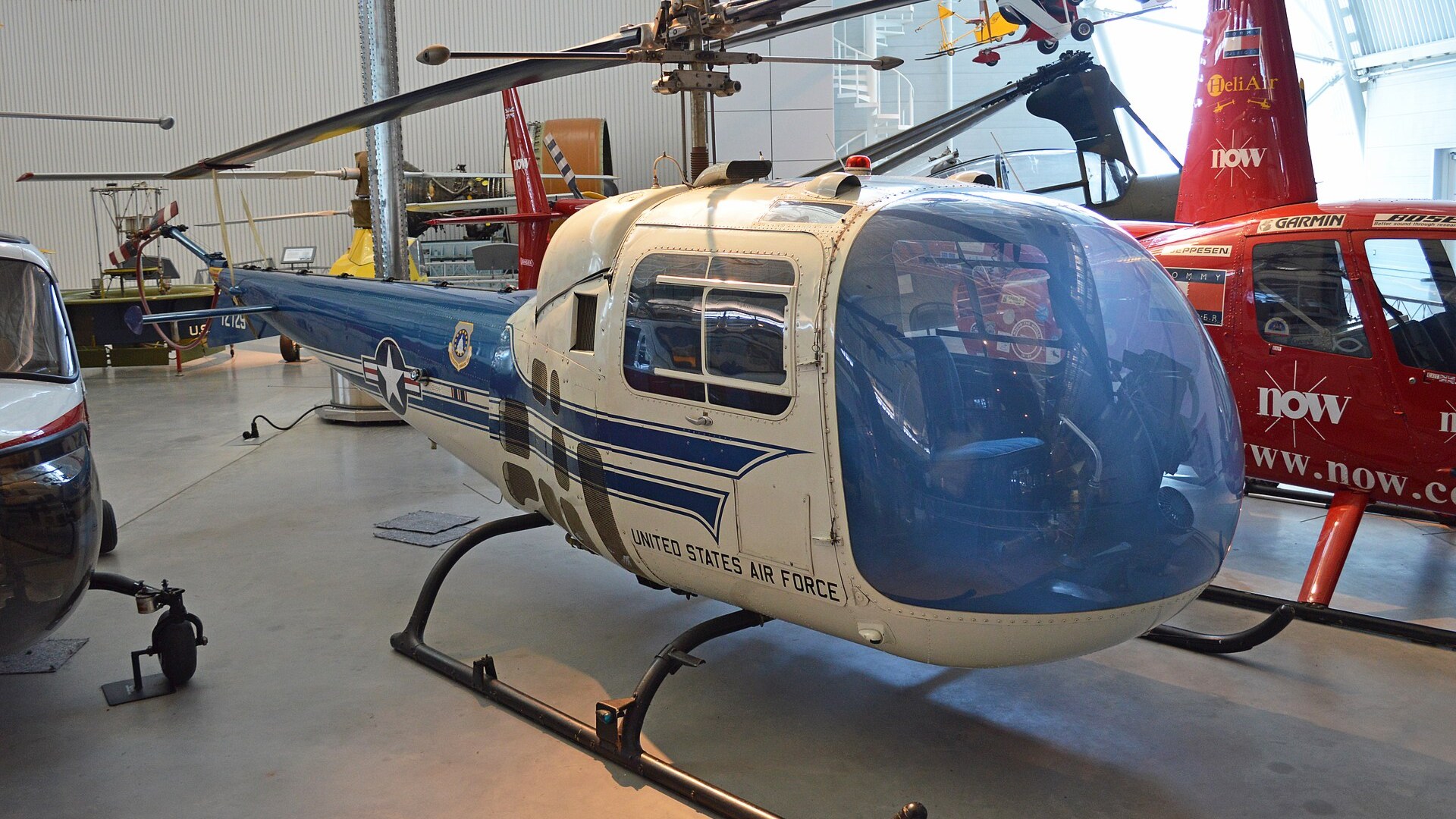
7. Bell UH-13J Sioux
In July 1957, Dwight D. Eisenhower became the first president to fly in a helicopter when he boarded a military Bell UH-13J Sioux for an emergency evacuation drill. The tiny two-blade rotorcraft landed directly on the White House South Lawn, demonstrating the strategic utility of presidential rotary flight.
©Wikimedia / Alan Wilson from Peterborough, Cambs, UK
Advertisement
Swipe or tap ▶ to resume the countdown.
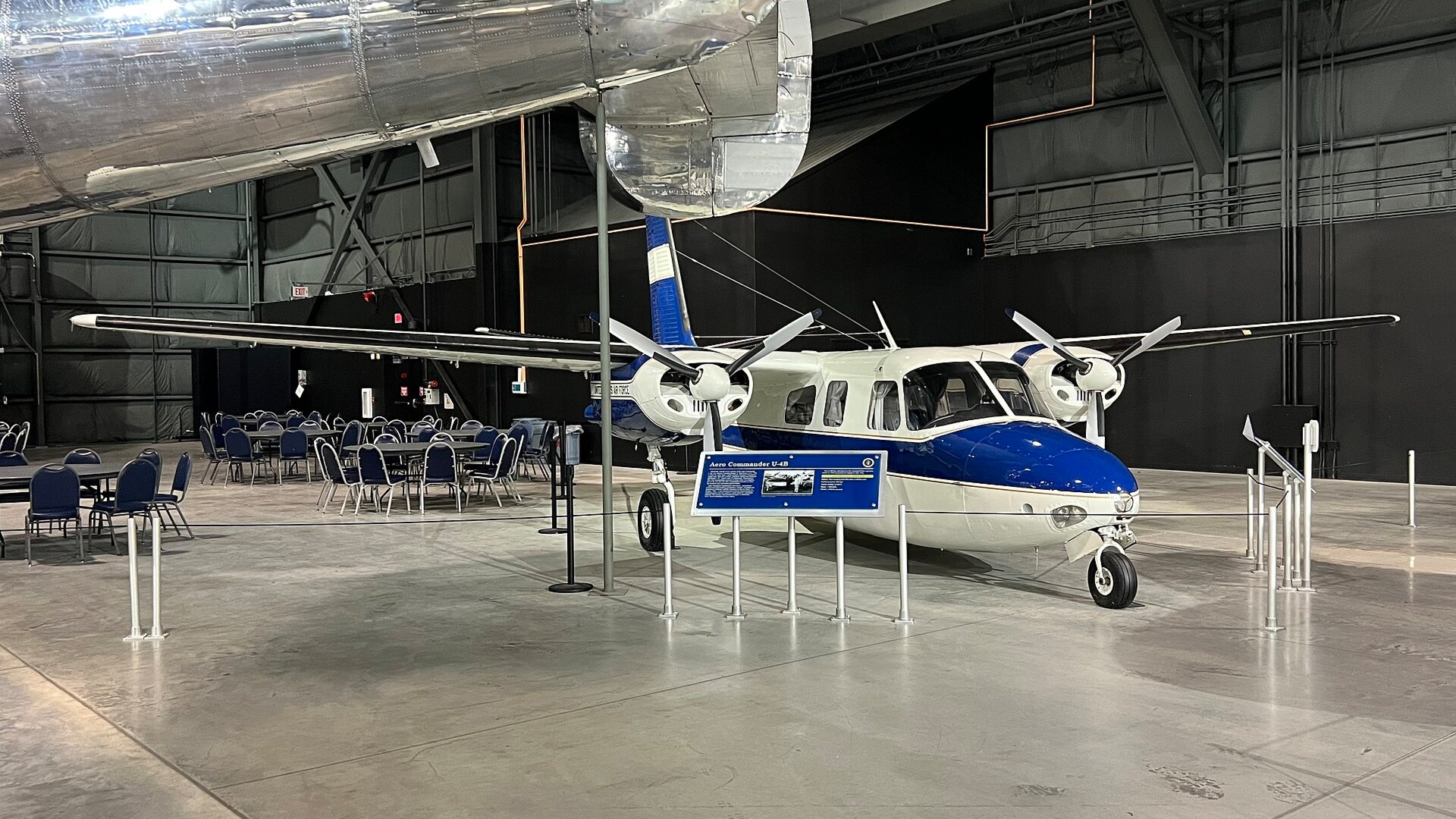
6. Aero Commander U-4B
Acquired in 1955, the twin-engine Aero Commander 680 was designated the U-4B by the Air Force. Eisenhower used the light transport for quick trips between Washington and his private farm in Gettysburg, Pennsylvania, making it the first twin-engine light aircraft to carry the president.
©Wikimedia / ZLEA
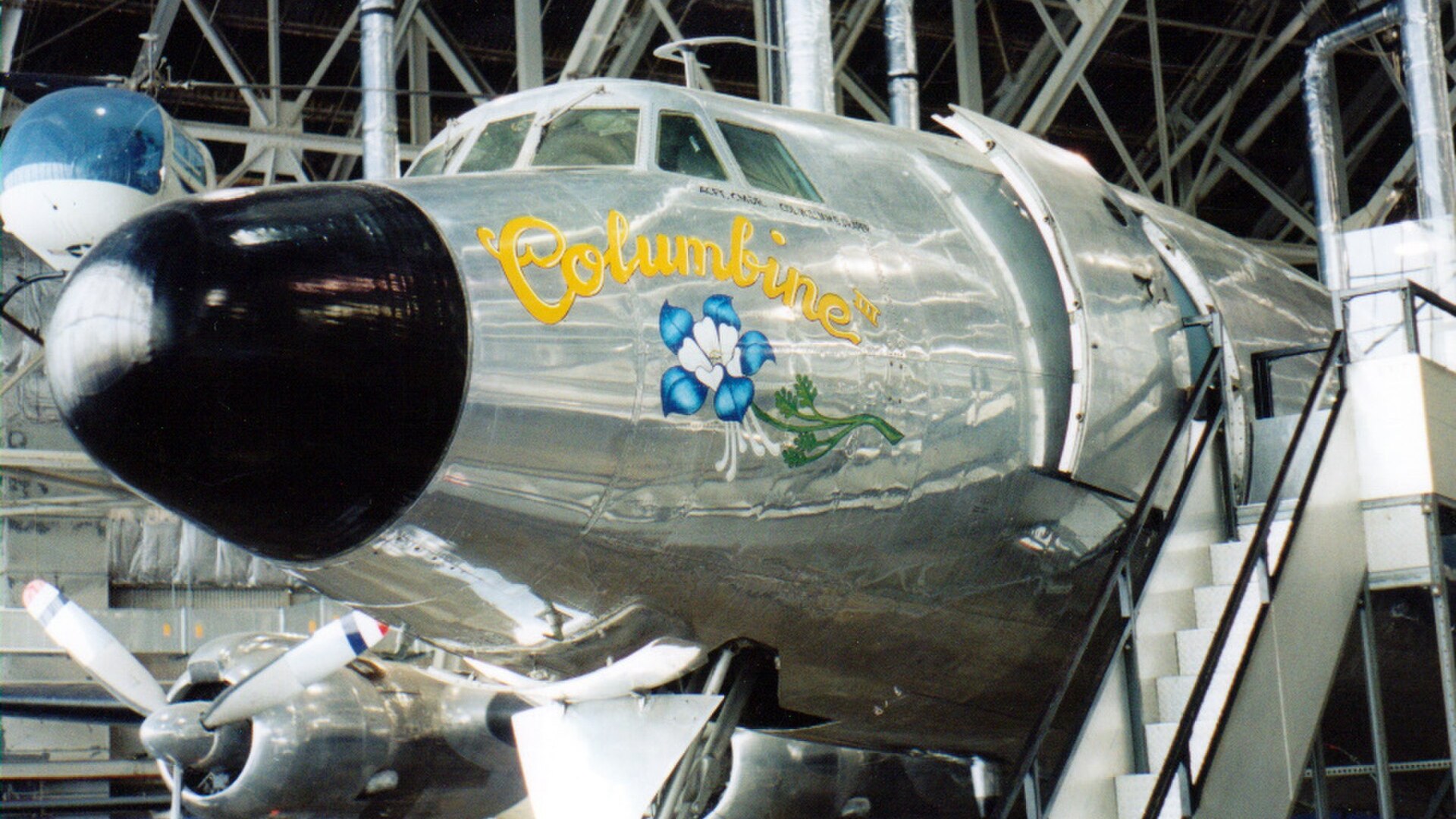
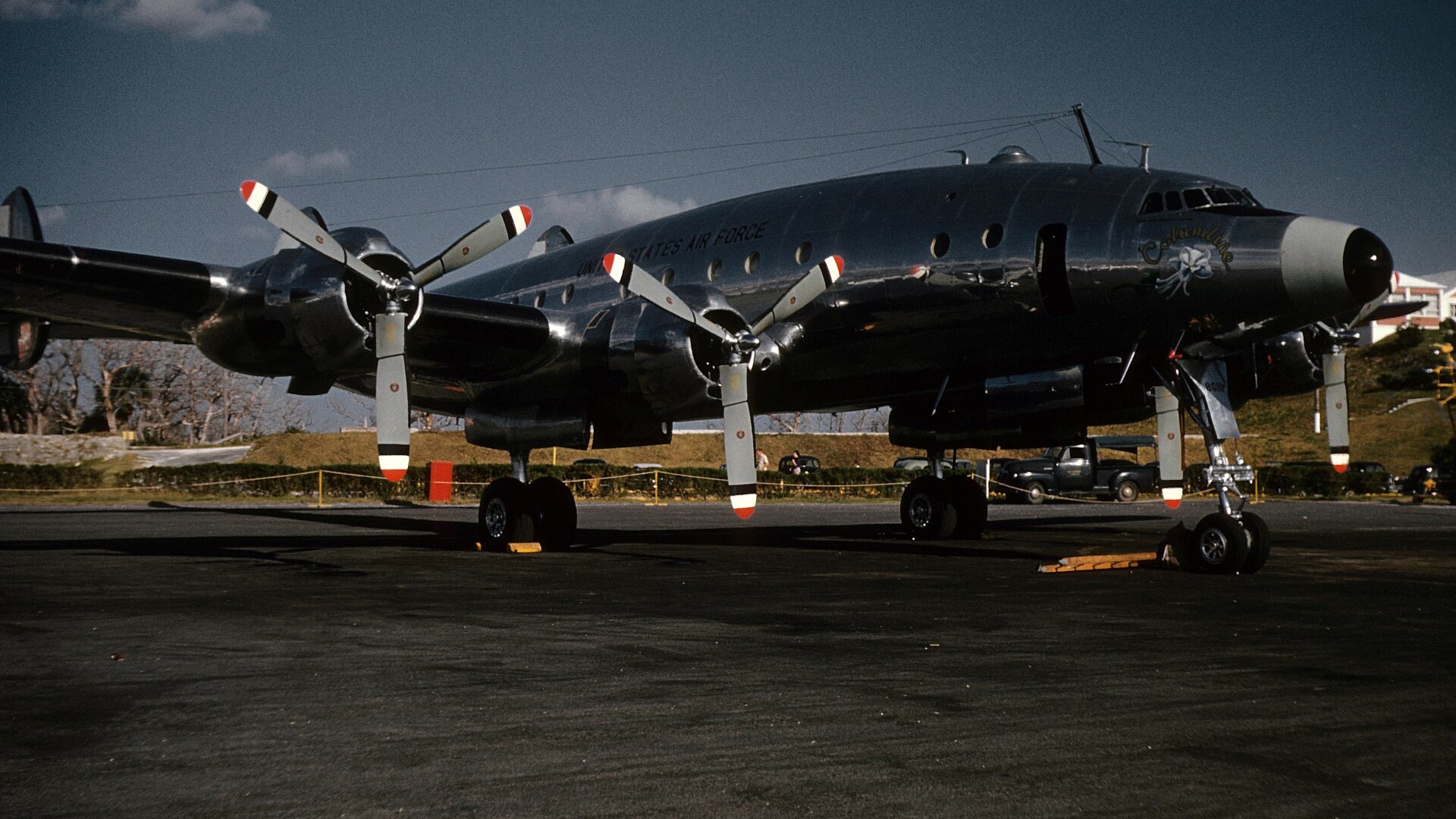
5. Lockheed VC-121E Super Constellation
Christened by Mamie Eisenhower in November 1954, Columbine III served as the primary presidential flagship until 1961. The elongated Super Constellation featured weather-mapping radar in its elongated nose and powerful turbo-compound engines, enabling non-stop diplomatic missions across Europe and Asia.
©Wikimedia / Roland Turner from Birmingham, Great Britain
4. Lockheed VC-121A Constellation
Dwight D. Eisenhower used this triple-tailed Constellation starting in 1953, naming it after the state flower of Colorado. In 1954, when an Eastern Air Lines commercial flight shared the same airspace call sign, military controllers officially established the unique designation Air Force One.
©Wikimedia / Tupelo the typo fixer
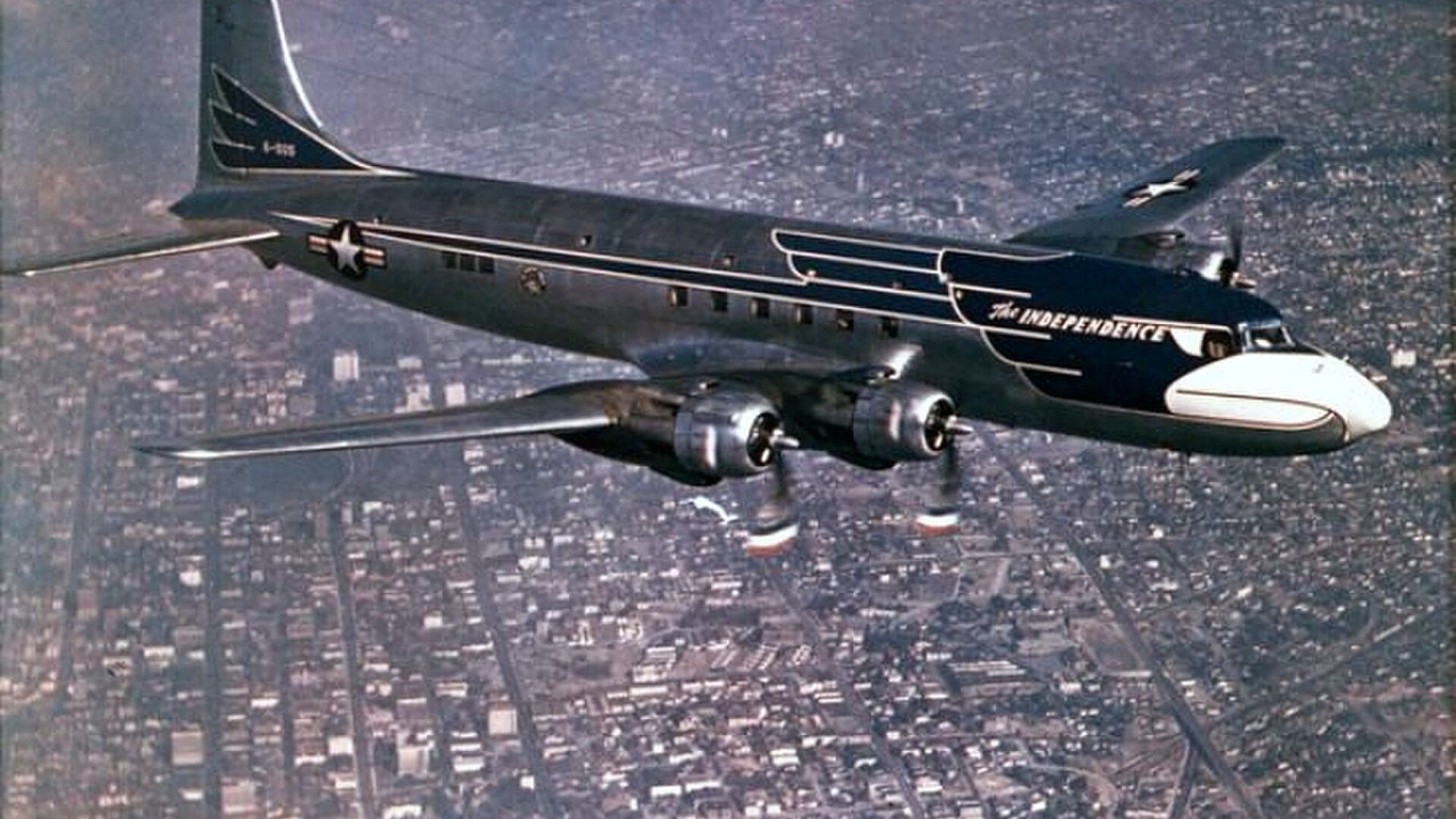
3. Douglas VC-118 Liftmaster
Entering service in 1947, this modified Douglas DC-6 military transport was named after Truman's Missouri hometown. The aircraft featured an aft stateroom, twelve sleeper berths and advanced radar. It carried Truman to Wake Island in October 1950 for his historic meeting with General Douglas MacArthur.
©Wikimedia / Harry S. Truman Library photo 2003-103
Advertisement
Swipe or tap ▶ to resume the countdown.
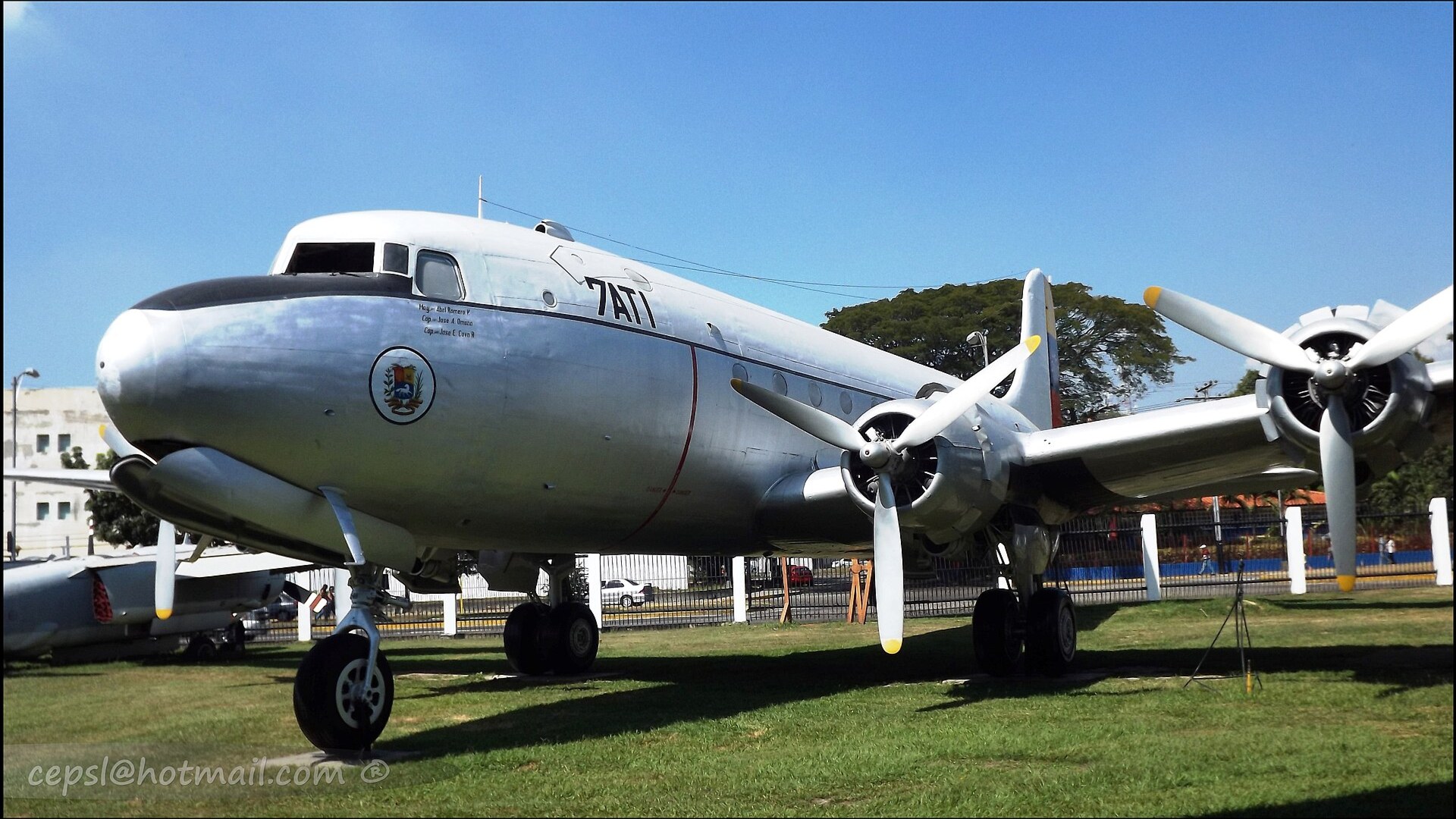
2. Douglas C-54 Skymaster
Delivered in 1944, the modified Douglas C-54 Skymaster featured a battery-powered elevator to hoist Roosevelt in his wheelchair. The aircraft carried him to the 1945 Yalta Conference. In July 1947, President Harry S. Truman signed the National Security Act aboard the plane, formally creating the US Air Force.
©Wikimedia / Carlos E. Perez S.L
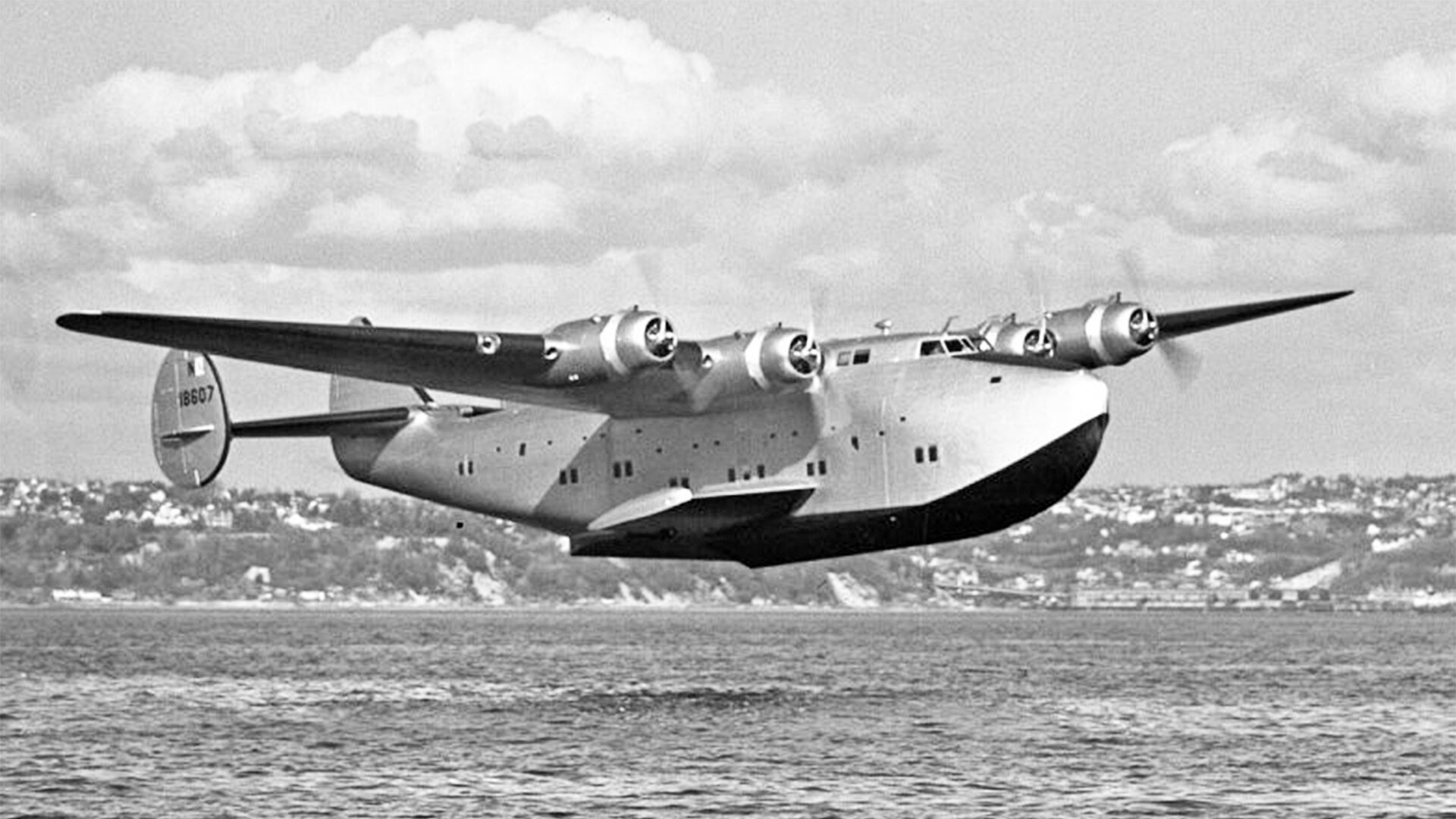
1. Boeing 314 Clipper
In January 1943, Franklin D. Roosevelt flew aboard a commercial Boeing 314 Clipper flying boat to meet Winston Churchill in Morocco. The historic journey made him the first sitting president to travel by air. The three-engine flying boat navigated secretive ocean routes to avoid German submarine detection.
©Wikimedia / Boeing Aircraft
Advertisement
You've reached the end of the story. Thanks for reading!
Couple races flames to save van contents
A vehicle in Colorado Springs burns on a busy road while two people pull items from the wreckage.
All 21 Entries in this Story
21. Sikorsky VH-92A Patriot
Developed under the Presidential Helicopter Replacement Program, the Sikorsky VH-92A Patriot completed extensive flight testing before flying its first official presidential mission in August 2024. Featuring increased cabin volume, enhanced payload and advanced avionics, it replaces the aging VH-3D fleet.

20. Boeing C-40 Clipper
Entering military service in 2001, the Boeing C-40 Clipper provides flexible passenger and cargo airlift for the executive branch. Derived from the commercial 737-700, the aircraft features advanced avionics and encrypted communication suites, supporting presidential motorcade advance teams and cabinet escorts.

19. Boeing C-32A
Introduced in 1998, four Boeing C-32A transports serve in the 89th Airlift Wing. While commonly operating under the Air Force Two call sign for the Vice President, presidents routinely fly aboard the aircraft to access shorter airfields and tighter domestic runways where the large VC-25A cannot land.

18. Boeing VC-25A
Entering service in 1990 under George H.W. Bush, tail numbers 28000 and 29000 feature 4,000 square feet of interior floor space, executive staterooms and medical operating rooms. Hardened against electromagnetic pulses and equipped with in-flight refueling receivers, they can remain airborne indefinitely.

17. Sikorsky VH-60N White Hawk
Entering squadron service in 1988, nine specialized Sikorsky VH-60N White Hawk helicopters augment the Marine One fleet. Designed to fold their rotor blades and fit inside Air Force C-5 and C-17 cargo transports, these helicopters deploy overseas ahead of the president to provide secure tactical transport.

16. Sikorsky VH-3D Sea King
Operational since 1976, eleven Sikorsky VH-3D helicopters have served nine successive administrations from Gerald Ford to Joe Biden. Equipped with ballistic armor, missile defense jamming systems and sound-deadened conference cabins, the aircraft remains an instantly recognizable symbol on the South Lawn.

15. McDonnell Douglas VC-9C
Entering the 89th Airlift Wing in 1975, three custom McDonnell Douglas VC-9C aircraft provided short-haul VIP transportation for Presidents Carter, Reagan, George H.W. Bush and Clinton. The twin-engine jet easily accessed tight regional runways while providing encrypted satellite telephone communications.

14. Boeing VC-137C SAM 27000
Delivered in 1972, SAM 27000 succeeded SAM 26000 as the primary presidential flagship. It flew Richard Nixon back to California following his 1974 resignation and served extensively throughout Ronald Reagan's two terms. The aircraft completed 444 presidential missions before retiring to the Reagan Library.

13. Beechcraft VC-6A
Acquired by the Air Force in 1965, this modified Beechcraft King Air B90 was designated the VC-6A. Used primarily by Lyndon B. Johnson, the aircraft ferried the president and small staff on quick twenty-minute hops between Bergstrom Air Force Base in Austin and his family ranch airstrip.

12. Lockheed VC-140B JetStar
Acquired in 1962, five Lockheed VC-140B JetStar aircraft provided executive transport into regional airfields with runways too short for Boeing 707 jets. President Lyndon B. Johnson frequently flew his JetStar directly into his private airstrip on the LBJ Ranch near Johnson City, Texas.

11. Sikorsky VH-3A Sea King
Introduced in 1962 during the Kennedy administration, the Sikorsky VH-3A Sea King replaced older piston helicopters with reliable twin turboshaft power. Featuring air conditioning, soundproofing and executive seating, it became the first helicopter permanently painted with the iconic white roof livery.

10. Boeing VC-137C SAM 26000
Entering service in October 1962, SAM 26000 wore a timeless blue-and-white livery designed by industrial artist Raymond Loewy. It transported Kennedy to Berlin in 1963 and returned his body to Washington following his Dallas assassination. Lyndon B. Johnson took the presidential oath of office in its cabin.

9. Boeing VC-137A Stratoliner
Delivered in 1959, three modified commercial Boeing 707 airliners were acquired by the Air Force to usher in jet-age presidential travel. Flying as SAM 970, this aircraft reduced flight times across the Atlantic by half. Eisenhower utilized it extensively during his historic goodwill tours of eleven nations.

8. Sikorsky VH-34 Choctaw
Entering presidential service in 1958, the Sikorsky VH-34 Choctaw carried both Eisenhower and John F. Kennedy on executive hops. Marine Helicopter Squadron One (HMX-1) and the US Army shared flight duties, establishing the enduring call sign convention of Marine One or Army One depending on the service pilot.

7. Bell UH-13J Sioux
In July 1957, Dwight D. Eisenhower became the first president to fly in a helicopter when he boarded a military Bell UH-13J Sioux for an emergency evacuation drill. The tiny two-blade rotorcraft landed directly on the White House South Lawn, demonstrating the strategic utility of presidential rotary flight.

6. Aero Commander U-4B
Acquired in 1955, the twin-engine Aero Commander 680 was designated the U-4B by the Air Force. Eisenhower used the light transport for quick trips between Washington and his private farm in Gettysburg, Pennsylvania, making it the first twin-engine light aircraft to carry the president.

5. Lockheed VC-121E Super Constellation
Christened by Mamie Eisenhower in November 1954, Columbine III served as the primary presidential flagship until 1961. The elongated Super Constellation featured weather-mapping radar in its elongated nose and powerful turbo-compound engines, enabling non-stop diplomatic missions across Europe and Asia.

4. Lockheed VC-121A Constellation
Dwight D. Eisenhower used this triple-tailed Constellation starting in 1953, naming it after the state flower of Colorado. In 1954, when an Eastern Air Lines commercial flight shared the same airspace call sign, military controllers officially established the unique designation Air Force One.

3. Douglas VC-118 Liftmaster
Entering service in 1947, this modified Douglas DC-6 military transport was named after Truman's Missouri hometown. The aircraft featured an aft stateroom, twelve sleeper berths and advanced radar. It carried Truman to Wake Island in October 1950 for his historic meeting with General Douglas MacArthur.

2. Douglas C-54 Skymaster
Delivered in 1944, the modified Douglas C-54 Skymaster featured a battery-powered elevator to hoist Roosevelt in his wheelchair. The aircraft carried him to the 1945 Yalta Conference. In July 1947, President Harry S. Truman signed the National Security Act aboard the plane, formally creating the US Air Force.

1. Boeing 314 Clipper
In January 1943, Franklin D. Roosevelt flew aboard a commercial Boeing 314 Clipper flying boat to meet Winston Churchill in Morocco. The historic journey made him the first sitting president to travel by air. The three-engine flying boat navigated secretive ocean routes to avoid German submarine detection.