Slideshow · Viral
21 Key Figures Who Shaped the Story of the Bible
From early patriarchal covenants in Mesopotamia to apostolic leadership in the Roman Empire, biblical history spans thousands of years. This curated collection explores the major figures whose decisions shaped ancient theology, law, and literature, tracing their historical contexts and recorded scriptural milestones.
By Most Viral Today
1 hour ago

Foundational Figures of the Scriptures 
21. Abraham And The Covenant Of Faith 
20. Sarah And The Matriarchal Lineage 
19. Jacob And The Twelve Tribes Of Israel - AdvertisementSwipe or tap ▶ to continue countdown

18. Joseph And The Granaries Of Egypt 
17. Moses And The Delivery From Egypt 
16. Aaron And The Levitical Priesthood 
15. Miriam And The Song Of Deliverance - AdvertisementSwipe or tap ▶ to continue countdown

14. Joshua And The Jordan River Crossing 
13. Deborah And The Defeat Of Sisera 
12. Samuel And The Anointing Of Kings 
11. David And The United Kingdom Of Israel - AdvertisementSwipe or tap ▶ to continue countdown

10. Solomon And The Temple In Jerusalem 
9. Elijah And The Prophets Of Baal 
8. Isaiah And The Royal Court Of Judah 
7. Jeremiah And The Fall Of Jerusalem - AdvertisementSwipe or tap ▶ to continue countdown

6. Daniel And The Imperial Court Of Babylon 
5. Mary Of Nazareth And The Nativity 
4. John The Baptist And The Jordan River Ministry 
3. Peter And The Early Apostolic Church - AdvertisementSwipe or tap ▶ to continue countdown

2. Mary Magdalene And The Empty Tomb 
1. Paul And The Expansion Across The Mediterranean - Advertisement🔥 UP NEXT IN THIS SERIES◫ 25 Slides

24 Famous Auction Items That Sold For Far More Than Expected
Auction rooms regularly stun experts when rare art, fossils, classic cars, and historic documents spark fierce bidding wars. Ranked from $905,000 to $450.3 million, these 24 verified sales far outpaced pre-sale estimates, based on records from Christie's, Sotheby's, Heritage Auctions, and RM Sotheby's.
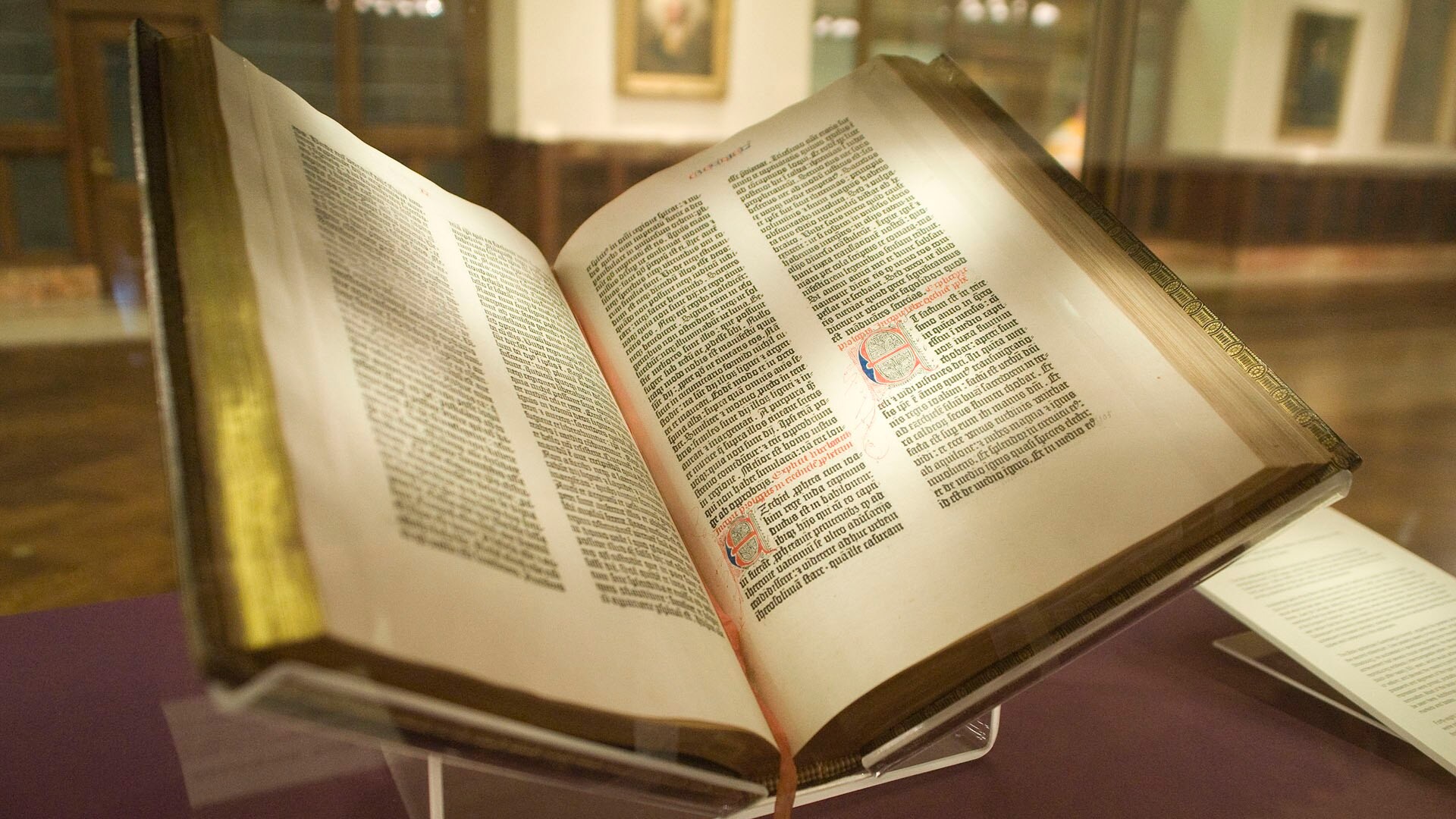
Scriptural narratives preserve the biographies of leaders, prophets, and apostles whose writings defined ancient religious history. Drawing on the Hebrew Bible, the New Testament texts, the Dead Sea Scrolls, and historical archaeological research from the British Museum, this guide traces twenty-one key figures.
Swipe or tap ▶ to begin the countdown
©Wikimedia / Bible
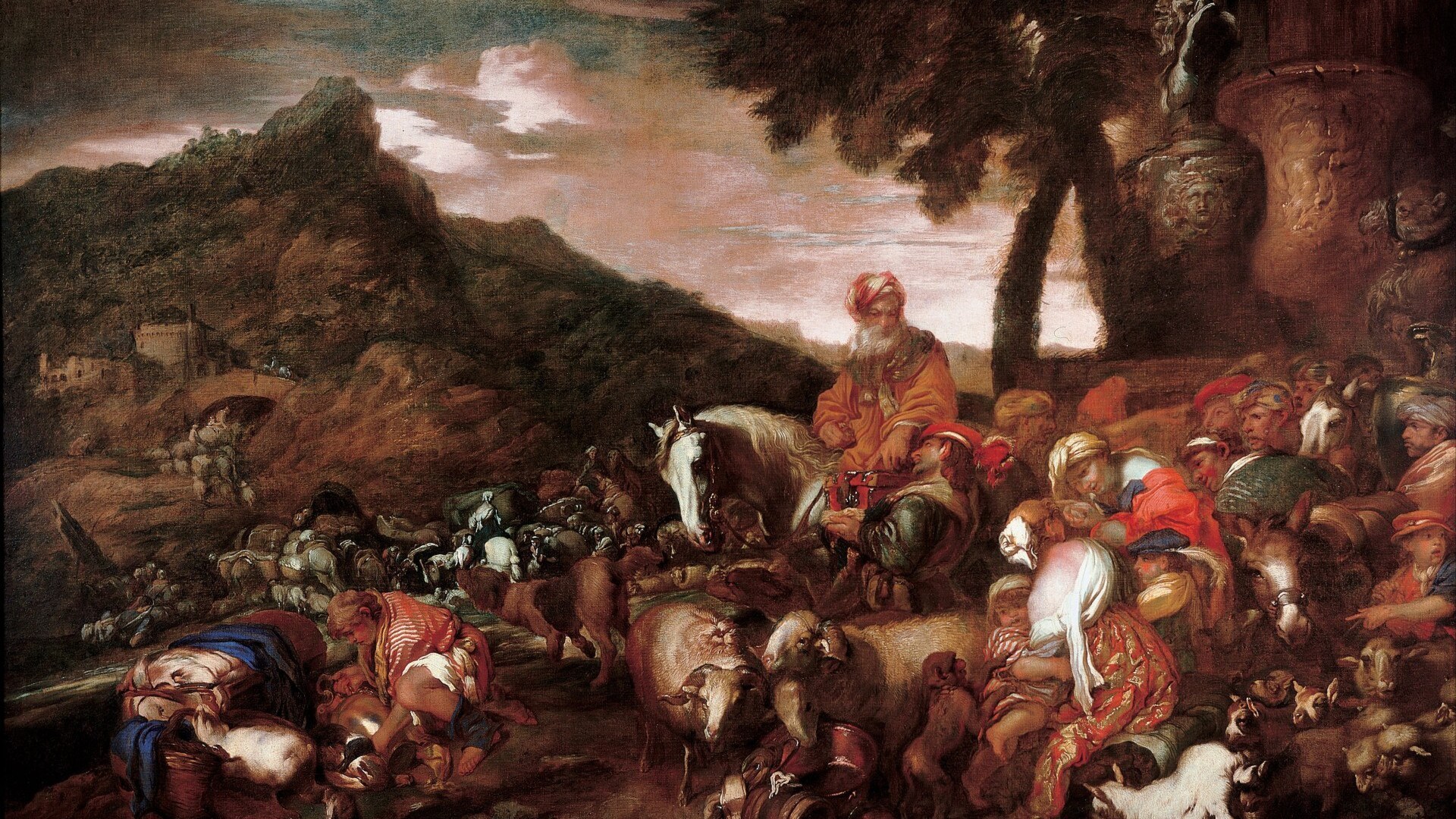
21. Abraham And The Covenant Of Faith
Genesis records Abraham leaving Ur of the Chaldees around 2000 BCE to settle in Canaan. Regarded as the founding patriarch of the Israelites, his covenant promised numerous descendants and a lasting homeland. Historical traditions across Judaism, Christianity, and Islam trace their theological roots to his journey.
©Wikimedia / Giovanni Benedetto Castiglione
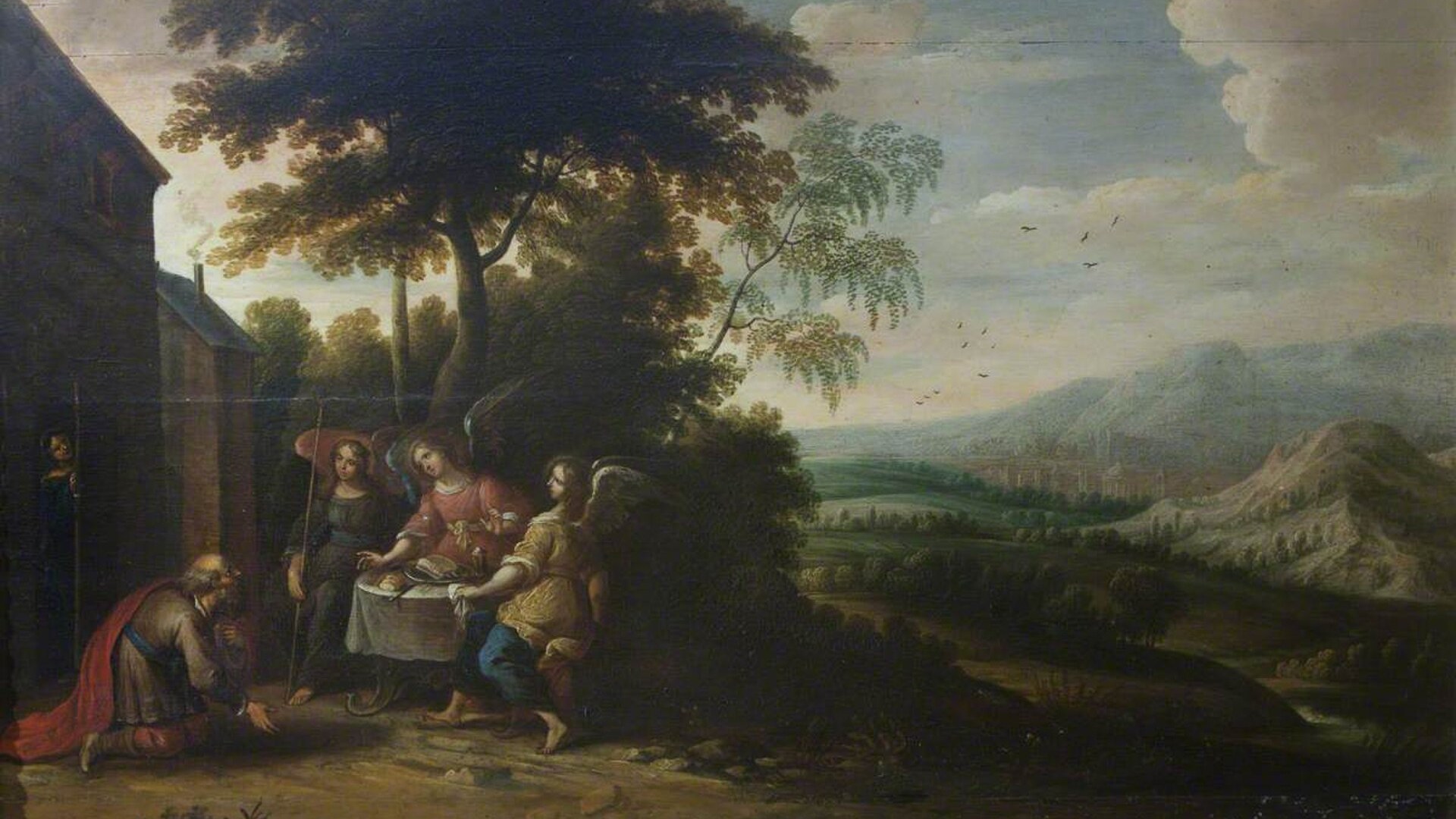
20. Sarah And The Matriarchal Lineage
Sarah traveled alongside Abraham from Haran to Canaan and later spent time in Egypt. At age ninety, she gave birth to Isaac in Beersheba, establishing the matrilineal line of the Hebrew covenant. The Genesis narrative records her death at age 127 and burial in the Cave of Machpelah near Hebron.
©Wikimedia / Art UK
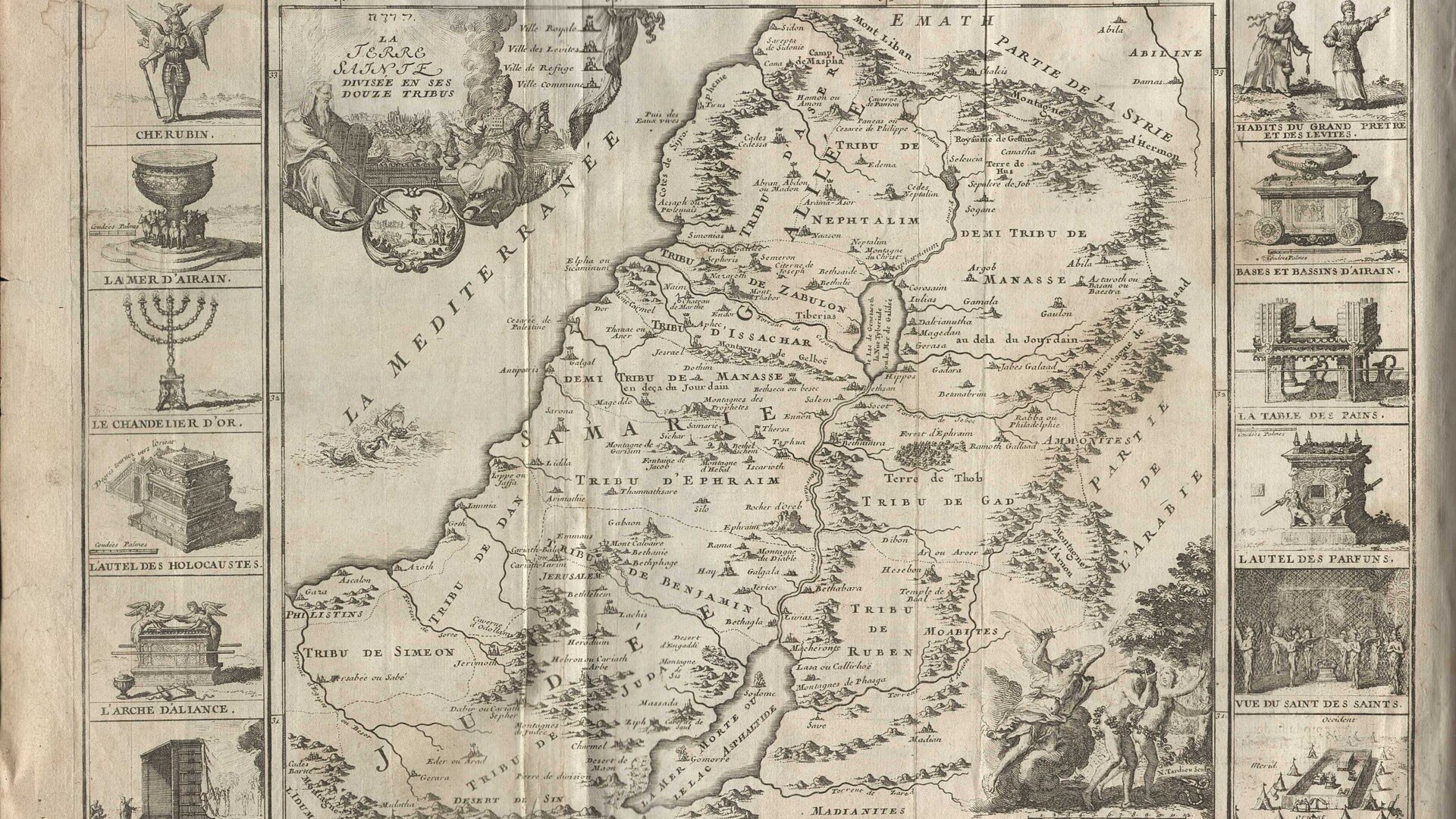
19. Jacob And The Twelve Tribes Of Israel
Jacob was the son of Isaac and Rebekah who secured the patriarchal birthright through his father's blessing. His twelve sons became the ancestral founders of the twelve tribes of Israel. Biblical texts place his final years in the Goshen region of Egypt during a widespread regional drought.
©Wikimedia / Louis-Isaac Lemaistre de Sacy
Advertisement
Swipe or tap ▶ to resume the countdown.
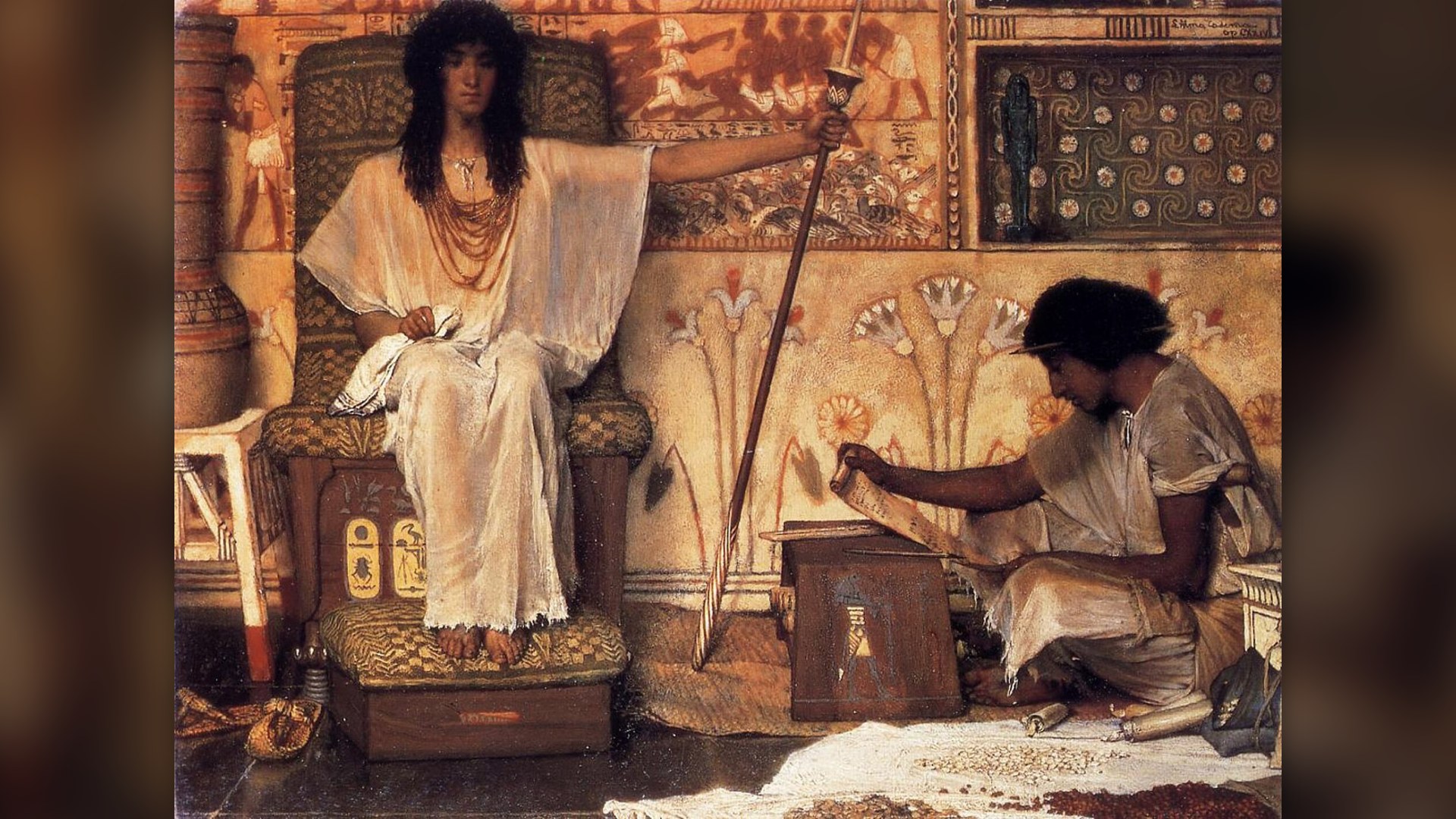
18. Joseph And The Granaries Of Egypt
Sold into Egyptian servitude by his brothers, Joseph gained administrative authority after interpreting Pharaoh's dreams. As chief administrator, he stored grain across seven harvest years to survive a severe famine. His settlement of his extended family in the Nile delta preserved the early Israelite clan.
©Wikimedia / Lawrence Alma-Tadema
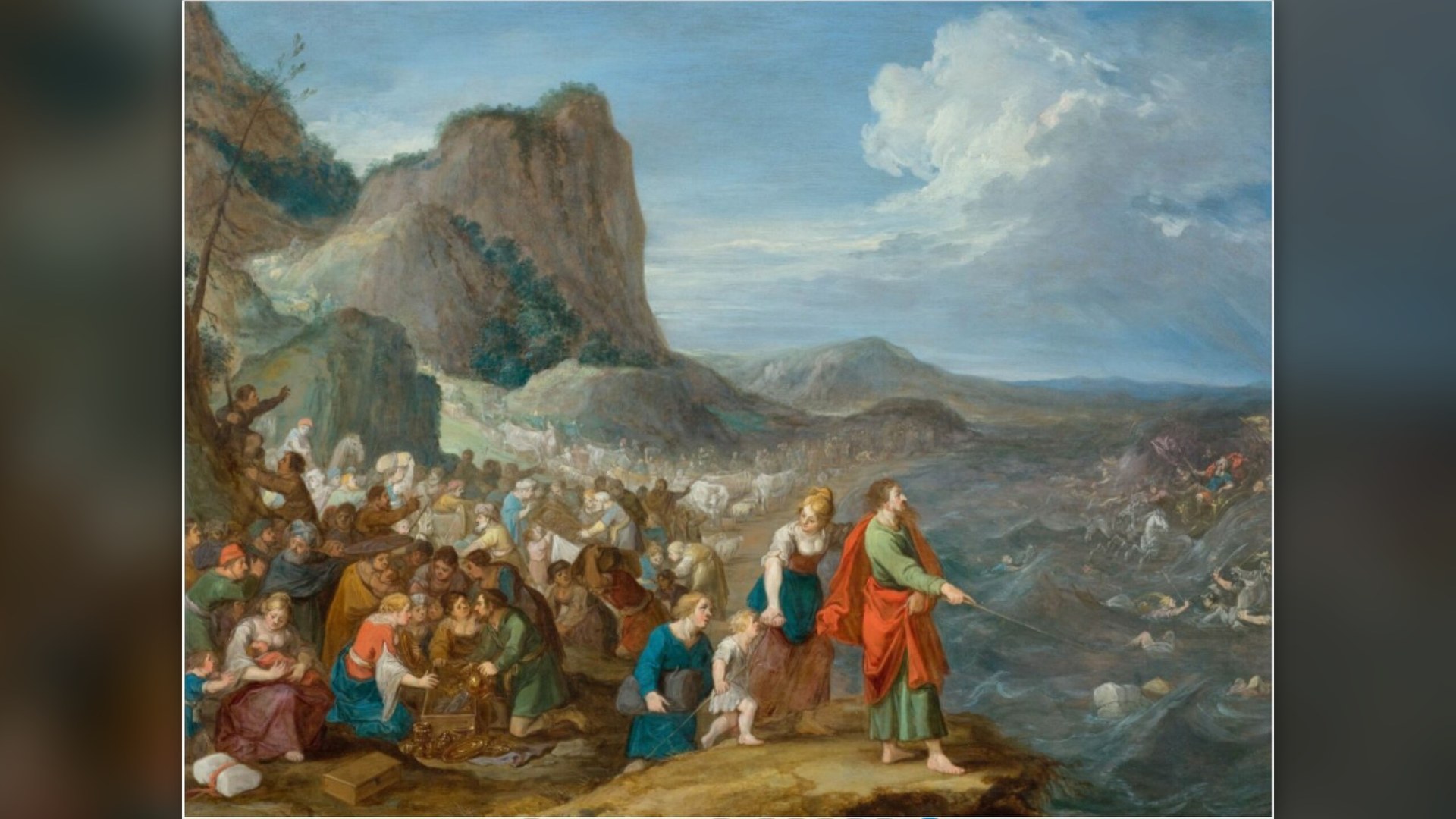
17. Moses And The Delivery From Egypt
Raised in Pharaoh's court, Moses led approximately 600,000 Israelites out of Egyptian bondage around the thirteenth century BCE. At Mount Sinai, he received the Decalogue and the core civil and ceremonial laws of the Torah. He directed Israel through forty wilderness years before dying atop Mount Nebo.
©Wikimedia / Hans Jordaens III
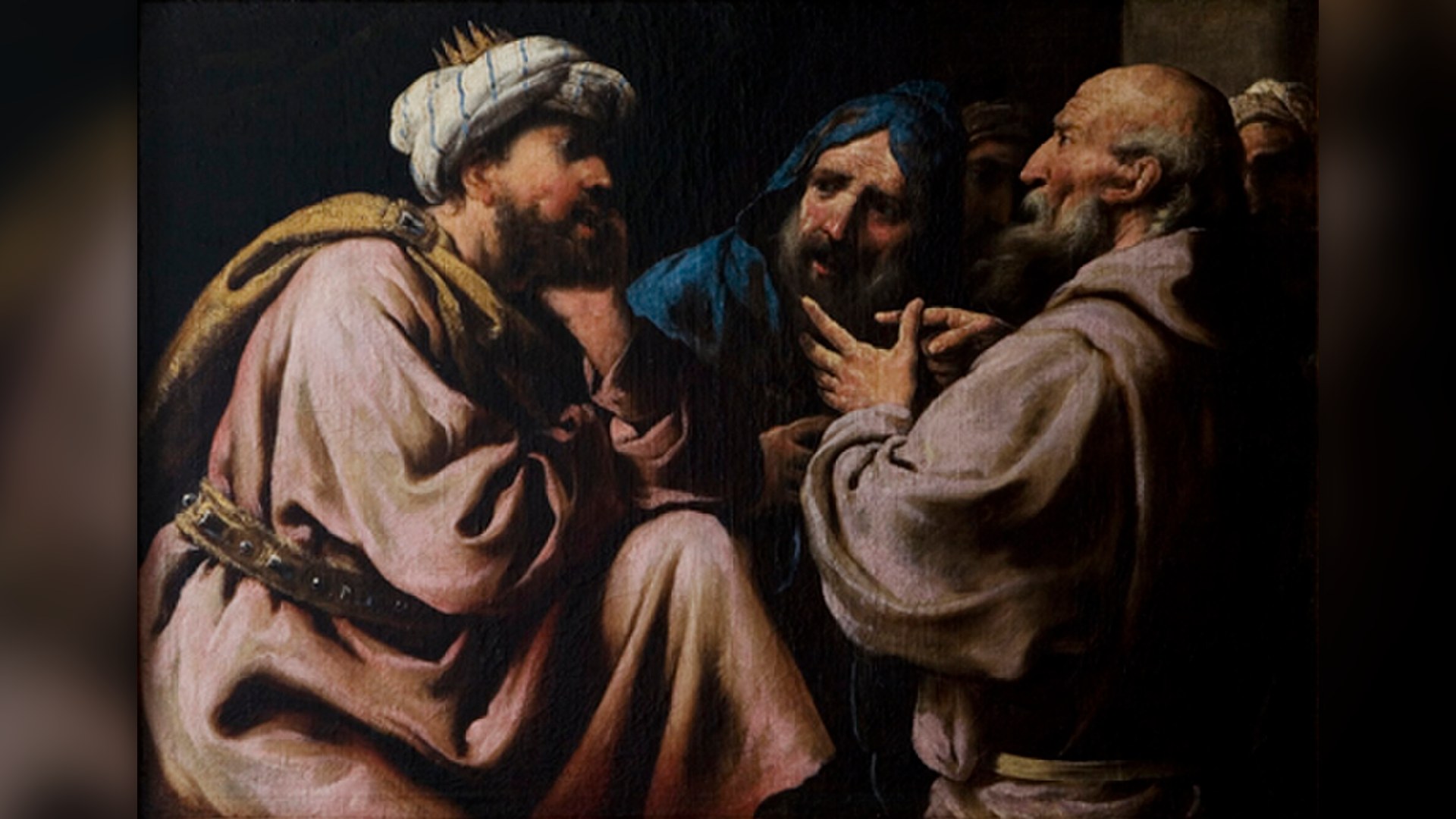
16. Aaron And The Levitical Priesthood
The elder brother of Moses, Aaron spoke on behalf of Israel before the royal Egyptian court. The Book of Exodus records his consecration as the first hereditary high priest, presiding over Tabernacle rituals and the Ark of the Covenant. His descendants formed the formal Jewish priesthood for generations.
©Wikimedia / Pietro della Vecchia
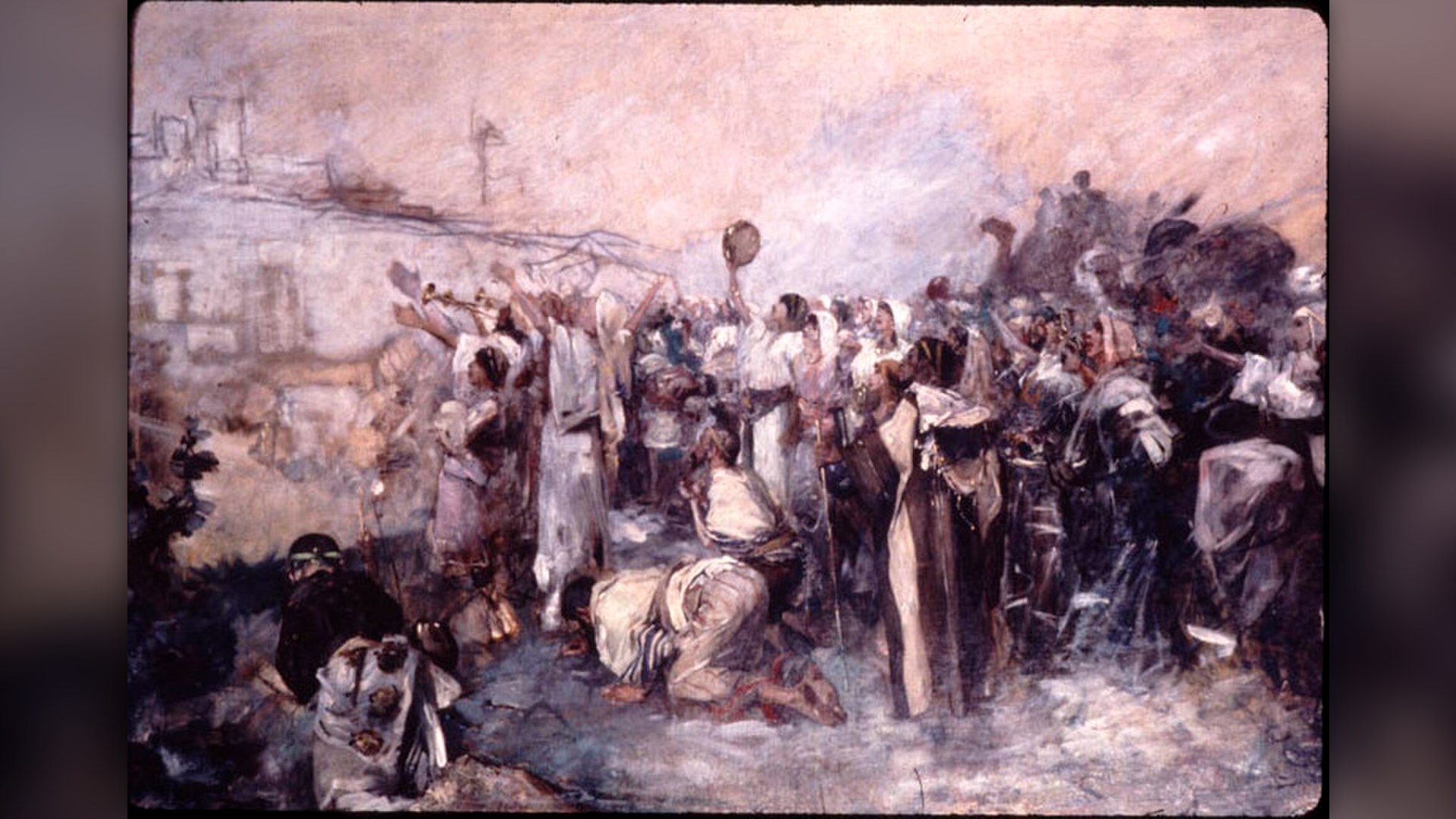
15. Miriam And The Song Of Deliverance
Miriam protected her infant brother Moses on the banks of the Nile River until Pharaoh's daughter retrieved him. Exodus 15 identifies her as a prophetess who led musical celebrations following the Red Sea crossing. Her leadership alongside Moses and Aaron is acknowledged in Micah 6:4.
©Wikimedia / Samuel Hirszenberg
Advertisement
Swipe or tap ▶ to resume the countdown.
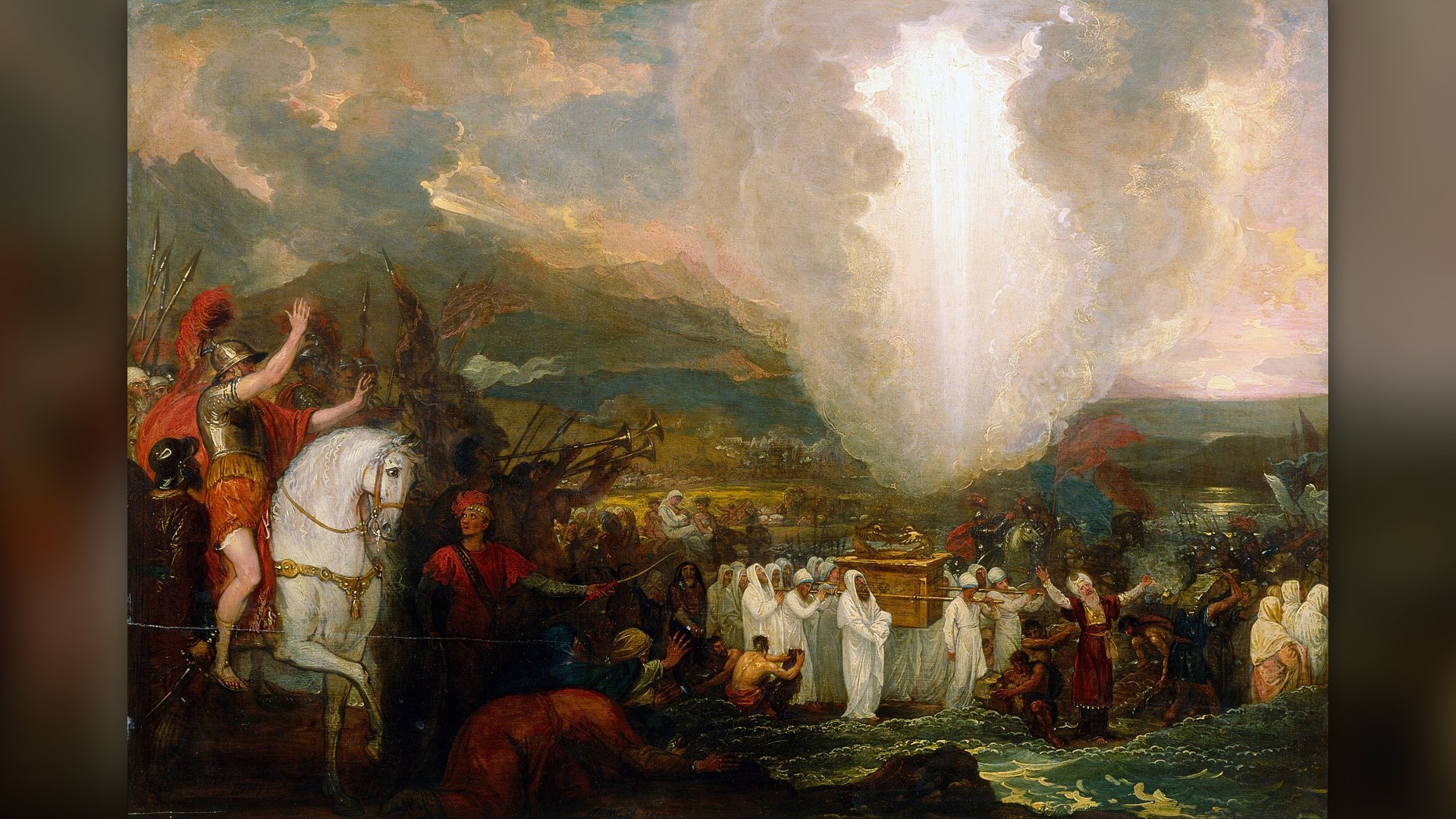
14. Joshua And The Jordan River Crossing
Chosen by Moses as military commander, Joshua led Israel across the Jordan River into the promised land. He orchestrated strategic military campaigns, starting with the fall of Jericho and the conquest of Ai. The Book of Joshua credits him with dividing territorial allotments among the twelve tribes.
©Wikimedia / Benjamin West
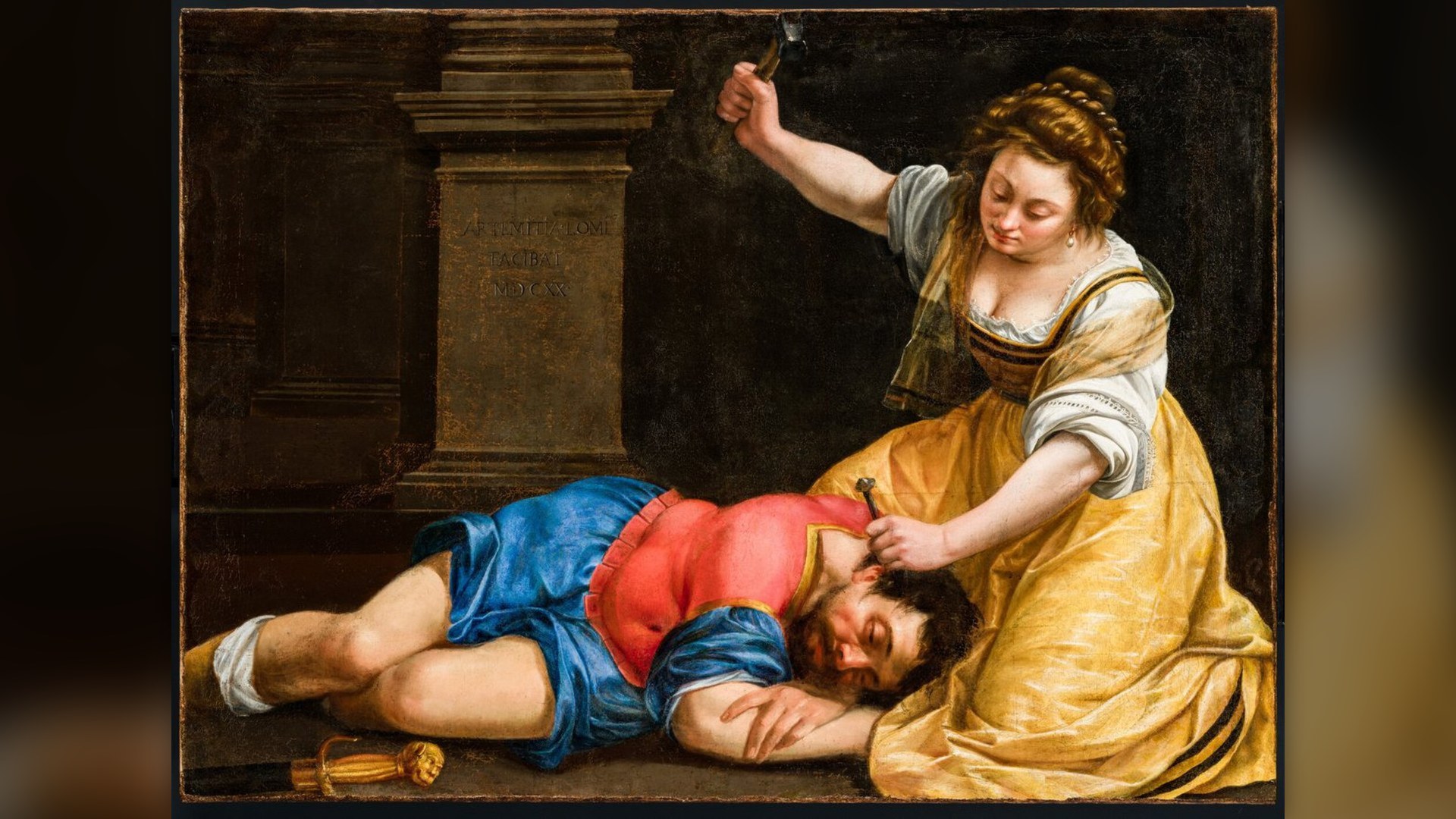
13. Deborah And The Defeat Of Sisera
Under a palm tree between Ramah and Bethel, Deborah judged legal matters and issued national military directives. She summoned General Barak to confront the Canaanite army of Sisera near Mount Tabor. The Song of Deborah in Judges 5 is recognized by historians as one of the oldest Hebrew poetic compositions.
©Wikimedia / Artemisia Gentileschi
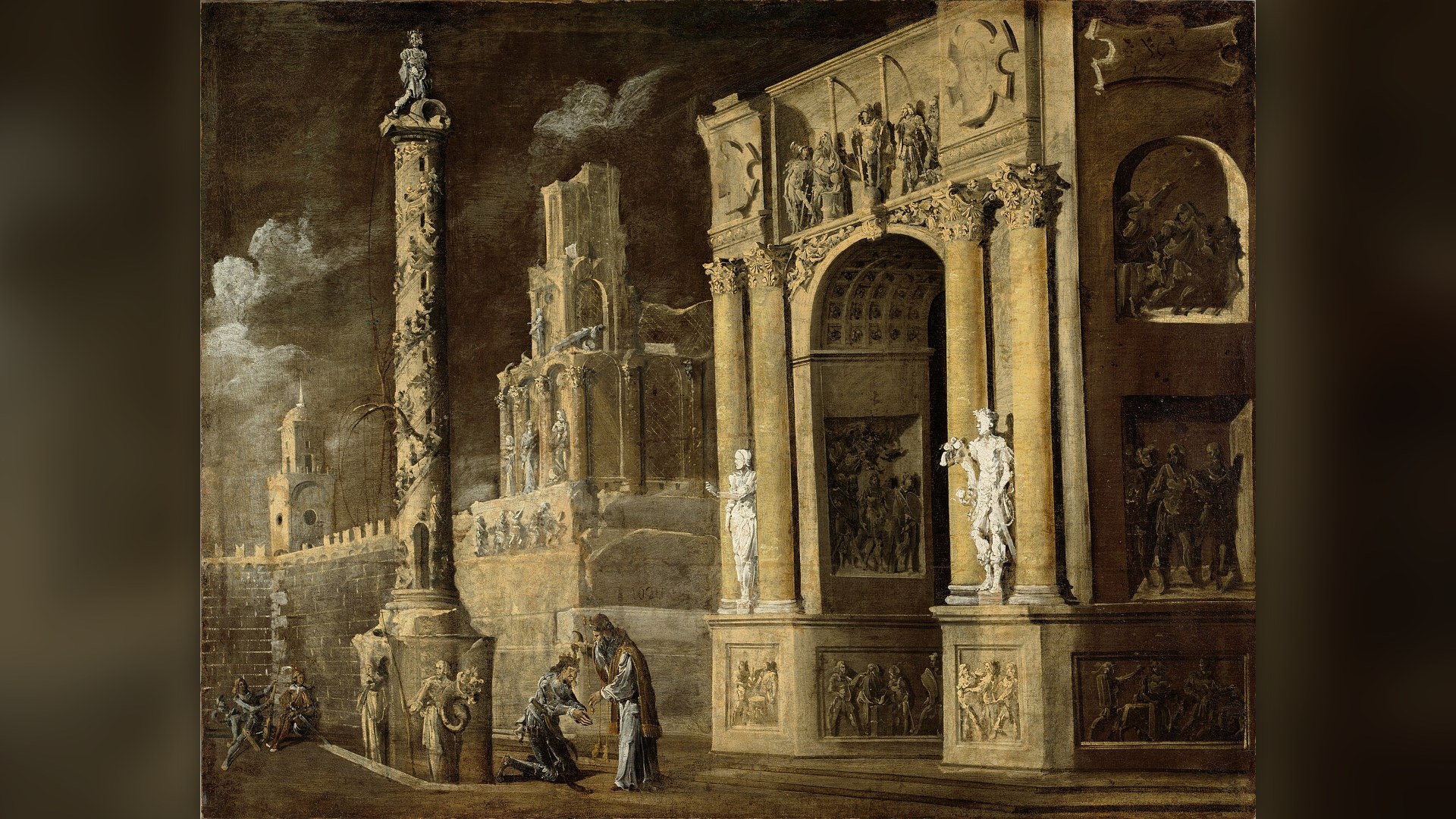
12. Samuel And The Anointing Of Kings
Dedicated to Temple service at Shiloh as a child, Samuel served as the final governing judge of the tribal confederacy. Facing Philistine military pressure, he anointed Saul as Israel's first monarch and later anointed David in Bethlehem. He established prophetic schools that influenced royal court policy.
©Wikimedia / François de Nomé
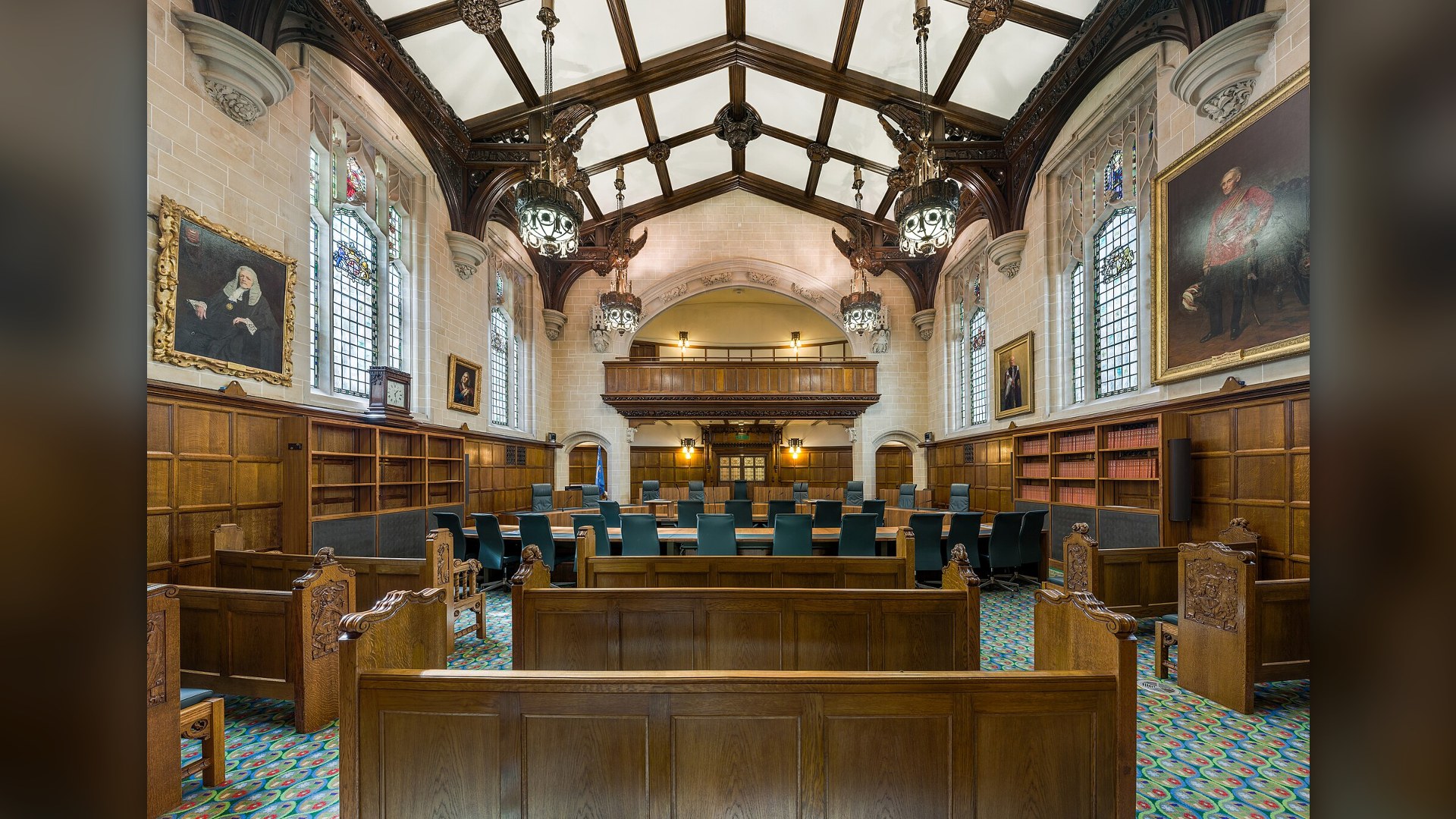
11. David And The United Kingdom Of Israel
David ascended to the throne around 1010 BCE after serving as a military warrior and court musician for Saul. He conquered the Jebusite fortress of Jerusalem, making it the national political and religious capital. The Hebrew Scriptures attribute dozens of lyrical compositions in the Book of Psalms to him.
©Wikimedia / Diliff
Advertisement
Swipe or tap ▶ to resume the countdown.
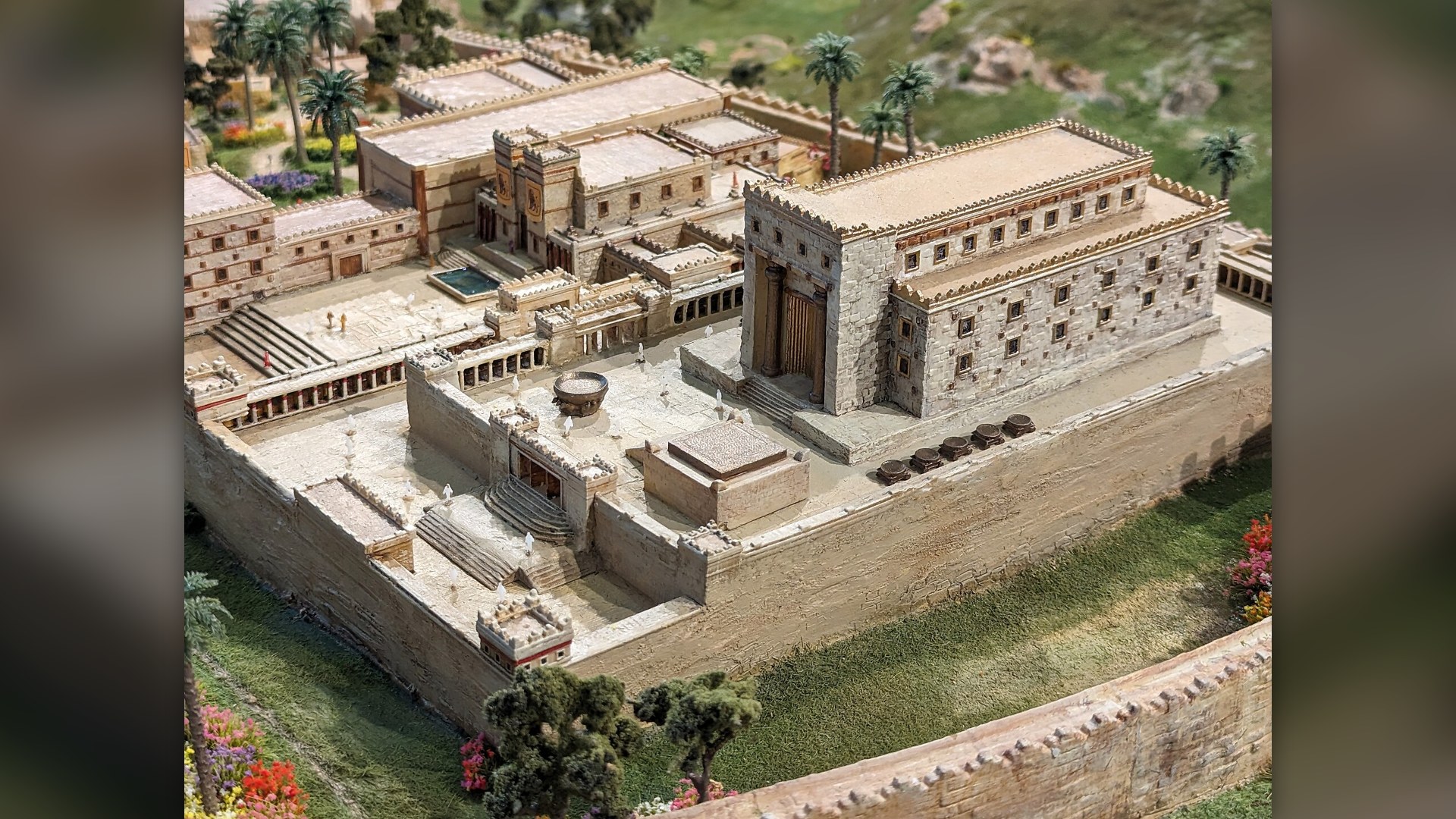
10. Solomon And The Temple In Jerusalem
Reigning from approximately 970 to 931 BCE, Solomon constructed the First Temple on Mount Moriah with Lebanese cedar and Phoenician stonework. Known for judicial wisdom, his administration expanded trade routes through the Red Sea. Biblical tradition associates him with Proverbs, Ecclesiastes, and Song of Songs.
©Wikimedia / SalemOptix
9. Elijah And The Prophets Of Baal
Operating in the northern kingdom of Israel during the ninth century BCE, Elijah confronted royal corruption and Baal worship. His public confrontation on Mount Carmel resulted in the restoration of traditional Hebrew worship. Second Kings describes his dramatic ascent into the heavens in a whirlwind.
©Wikimedia / Scott Nevins Memorial
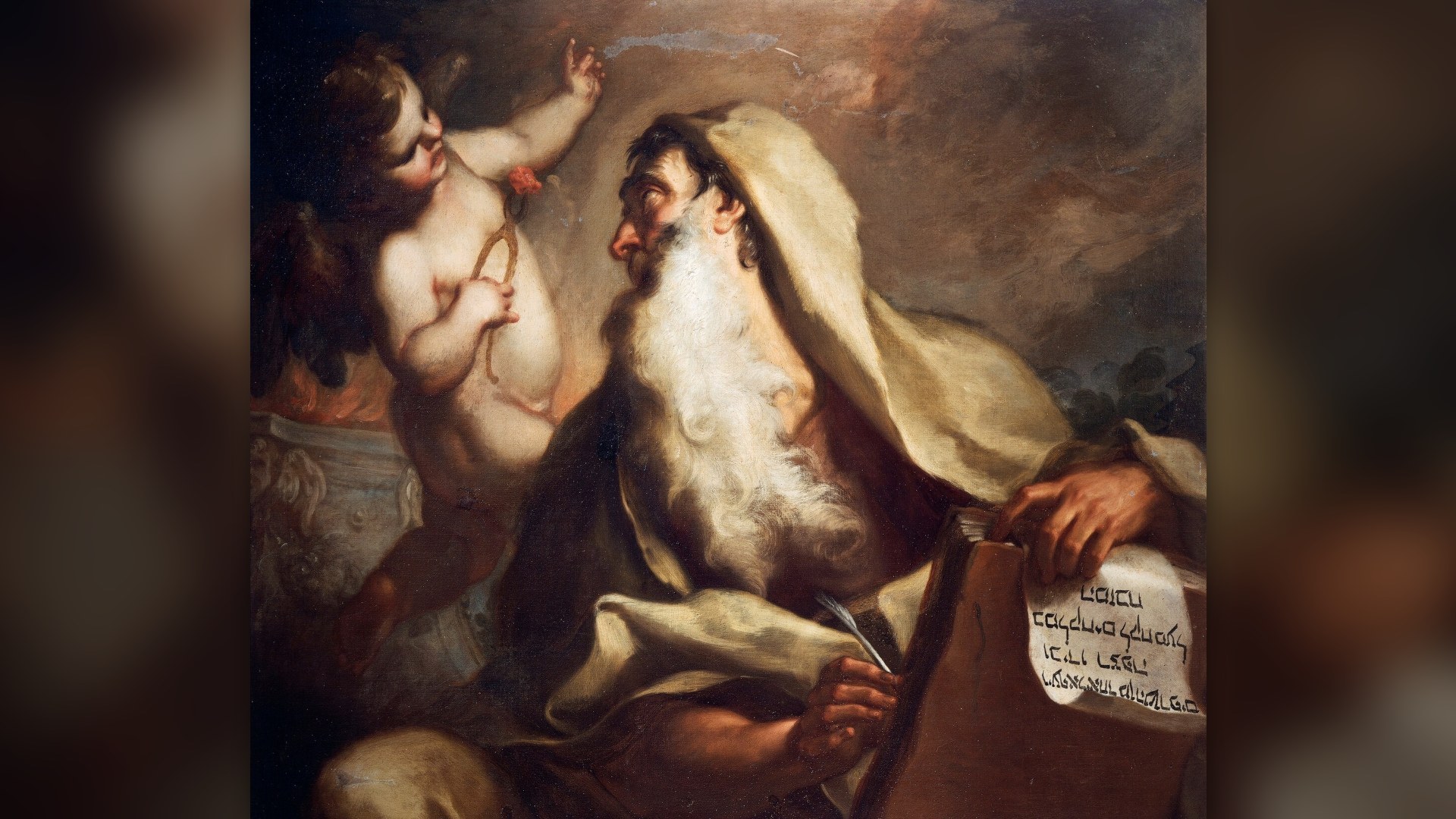
8. Isaiah And The Royal Court Of Judah
Active in Jerusalem between 740 and 686 BCE, Isaiah advised kings Uzziah, Jotham, Ahaz, and Hezekiah through the Assyrian invasion. His sixty-six chapter book contains extensive poetic warnings and descriptions of future restoration. Dead Sea Scroll copies from Qumran confirm the ancient preservation of his text.
©Wikimedia / Antonio Balestra
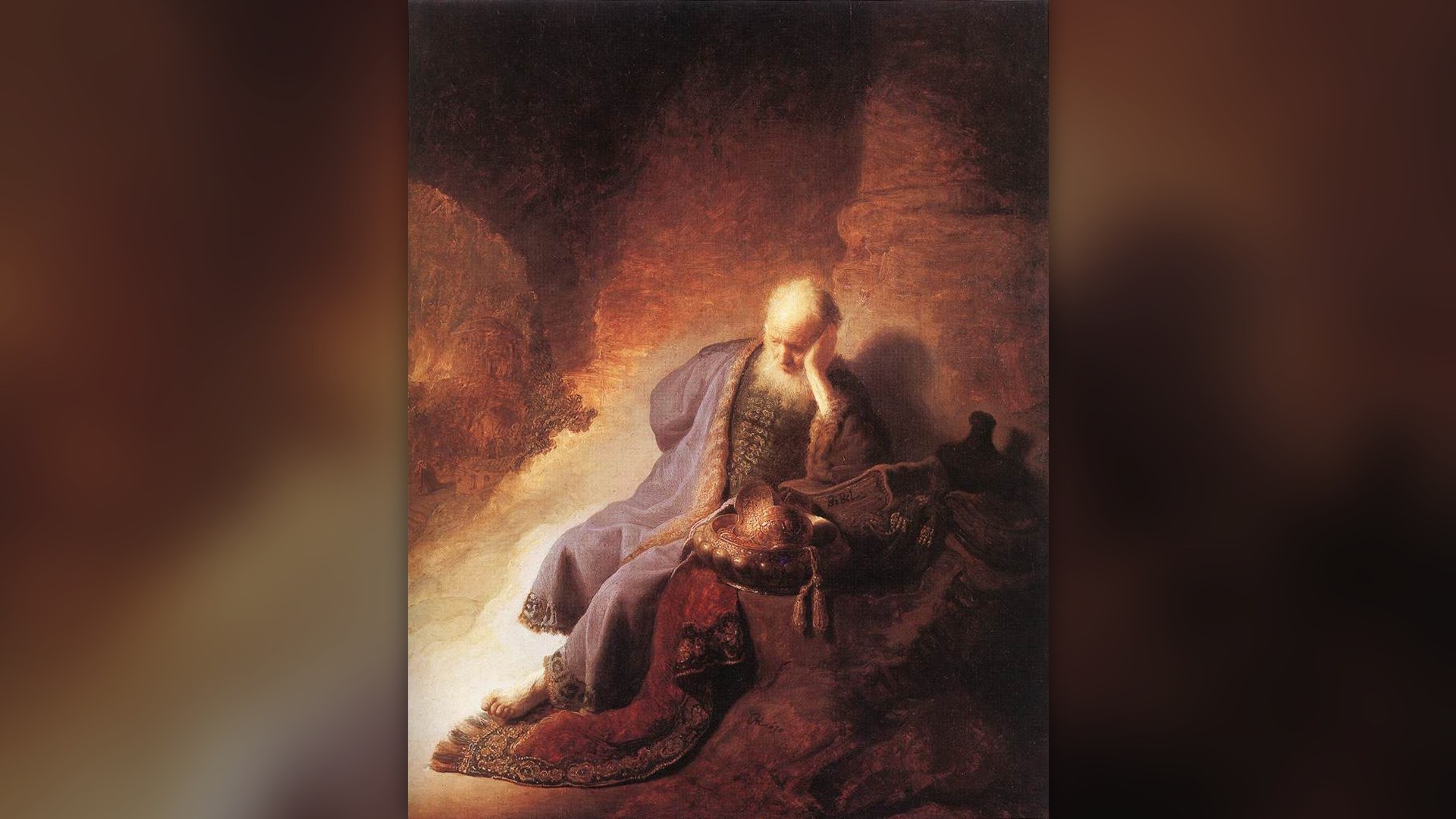
7. Jeremiah And The Fall Of Jerusalem
Known as the weeping prophet, Jeremiah ministered in Jerusalem for four decades leading up to its destruction in 586 BCE. King Nebuchadnezzar II of Babylon breached the city walls and burned the First Temple, validating Jeremiah's prophecies. He later went to Egypt, where he completed his prophetic records.
©Wikimedia / Rembrandt
Advertisement
Swipe or tap ▶ to resume the countdown.
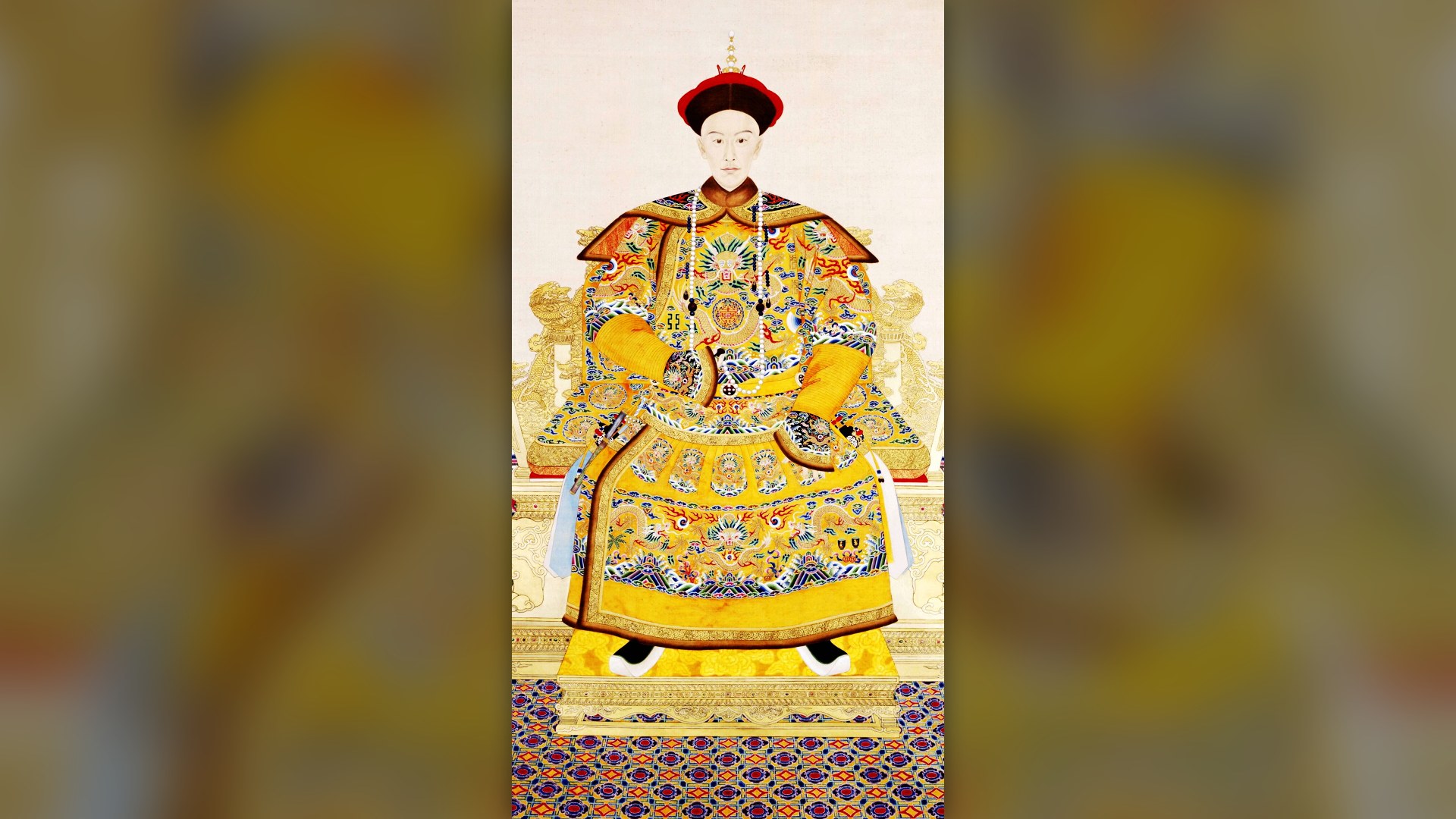
6. Daniel And The Imperial Court Of Babylon
Taken captive to Babylon as a youth in 605 BCE, Daniel served in the imperial courts of Nebuchadnezzar, Belshazzar, and Darius the Mede. His apocalyptic visions outlined the rise and fall of four successive ancient empires. The narrative of his survival in the lions' den remains an enduring story of conviction.
©Wikimedia / Qing Dynasty Court Painter
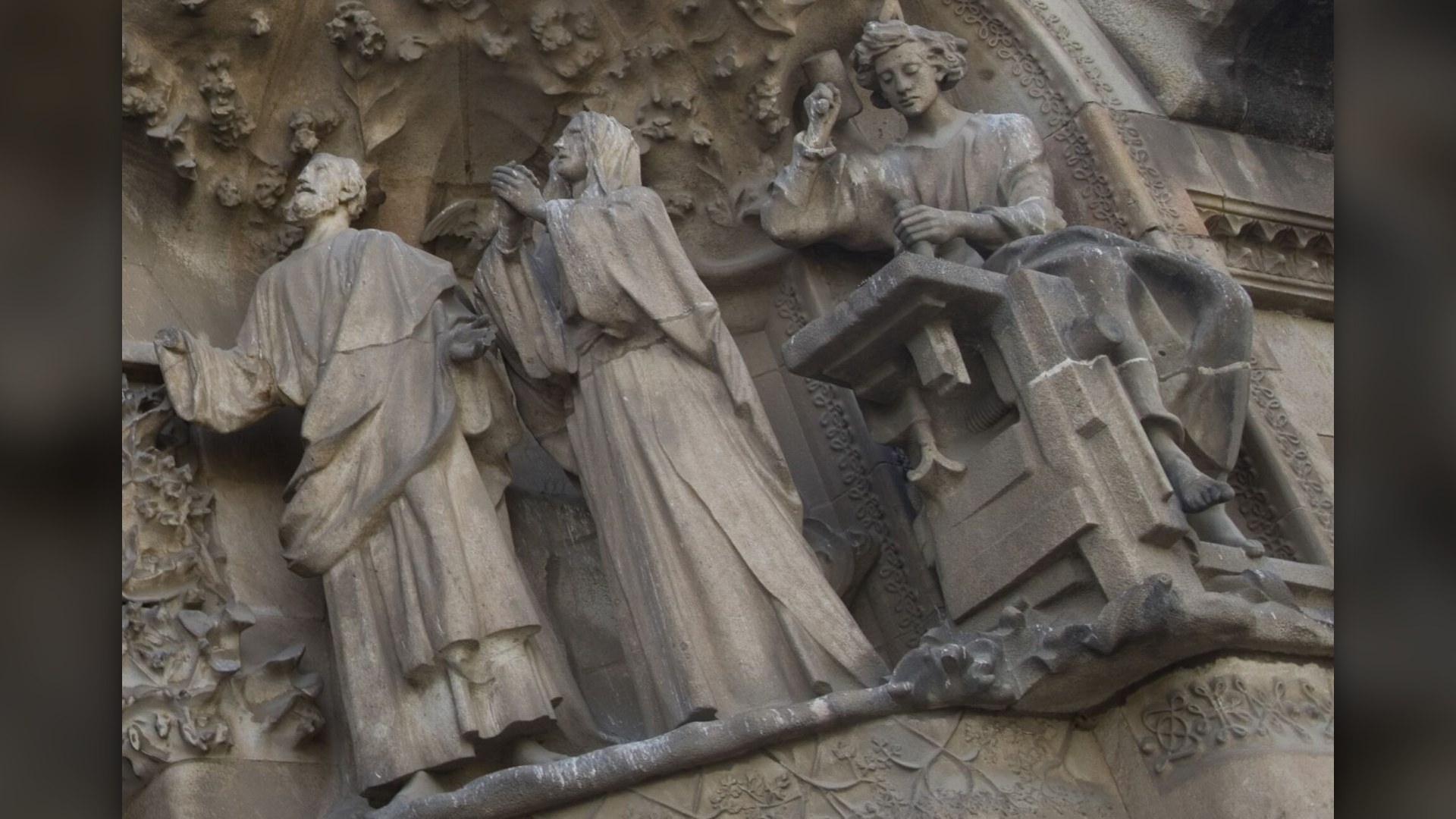
5. Mary Of Nazareth And The Nativity
A young Jewish woman from Nazareth in Galilee, Mary became the central female figure of the New Testament Gospels. The Gospel of Luke records her poetic canticle, the Magnificat, praising divine justice and social reversal. She was present at the crucifixion in Jerusalem and joined the early apostolic community.
©Wikimedia / Txllxt
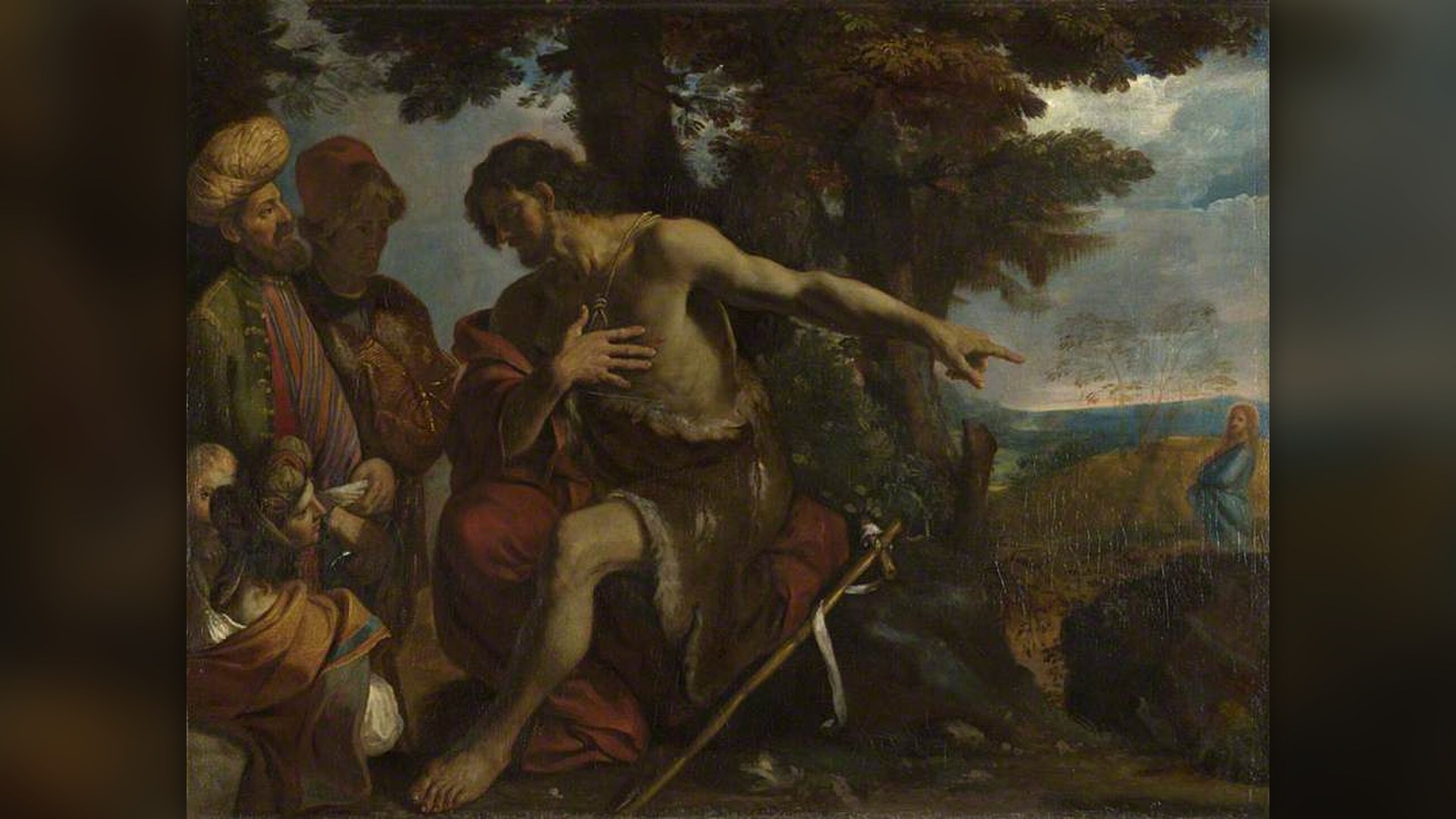
4. John The Baptist And The Jordan River Ministry
Preaching an austere desert message in Judea, John urged ethical reform and immersion in water for the forgiveness of sins. His public baptism of Jesus marked the beginning of Christ's public ministry. Jewish historian Flavius Josephus recorded John's imprisonment and execution by Herod Antipas at Machaerus.
©Wikimedia / Pier Francesco Mola
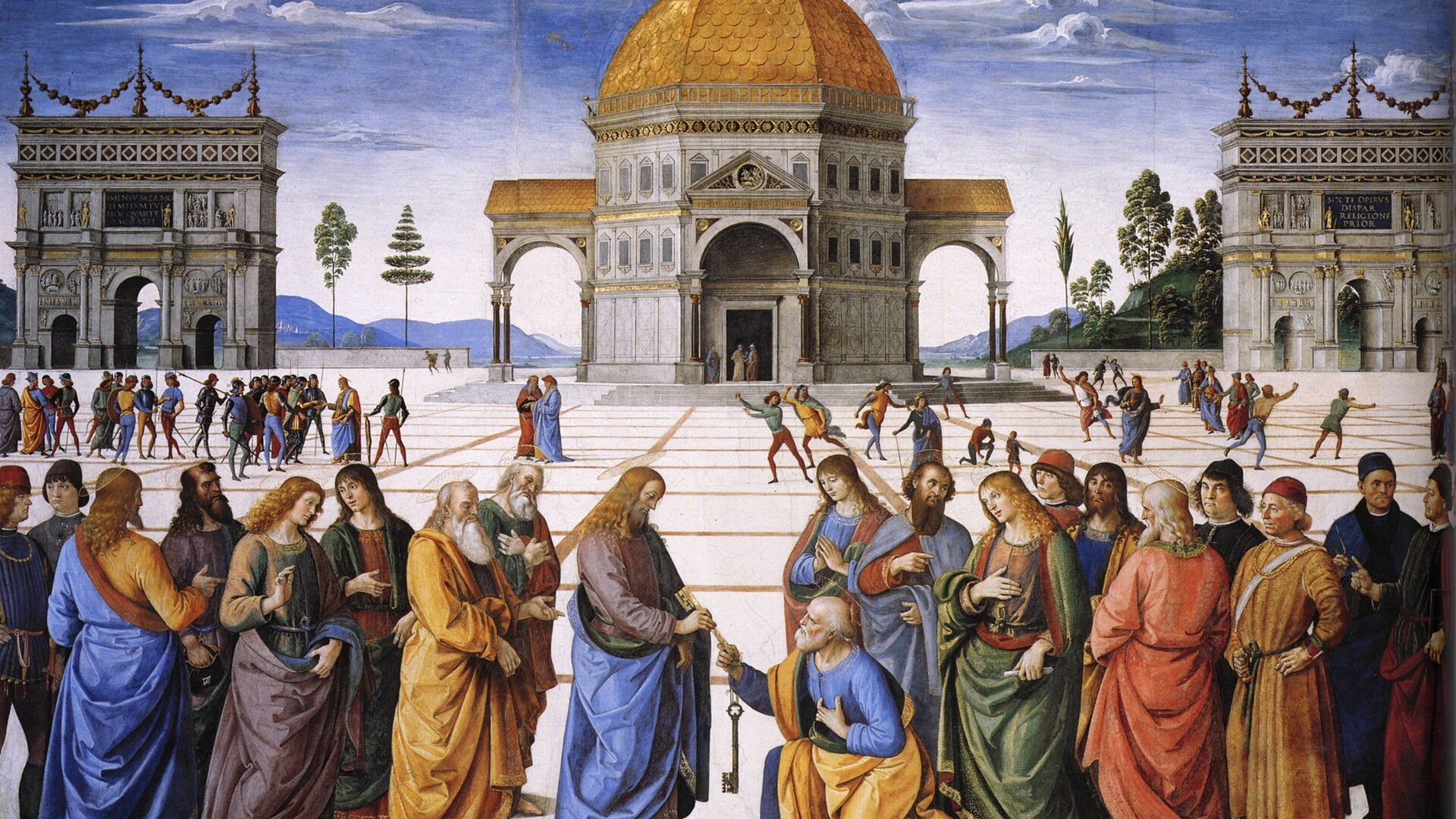
3. Peter And The Early Apostolic Church
Originally a Galilean fisherman named Simon, Peter became the primary spokesman for the twelve disciples during Jesus's ministry. He preached the Pentecost sermon recorded in Acts 2, gathering thousands of early converts in Jerusalem. Early church records indicate he traveled widely before his martyrdom in Rome.
©Wikimedia / Pietro Perugino
Advertisement
Swipe or tap ▶ to resume the countdown.
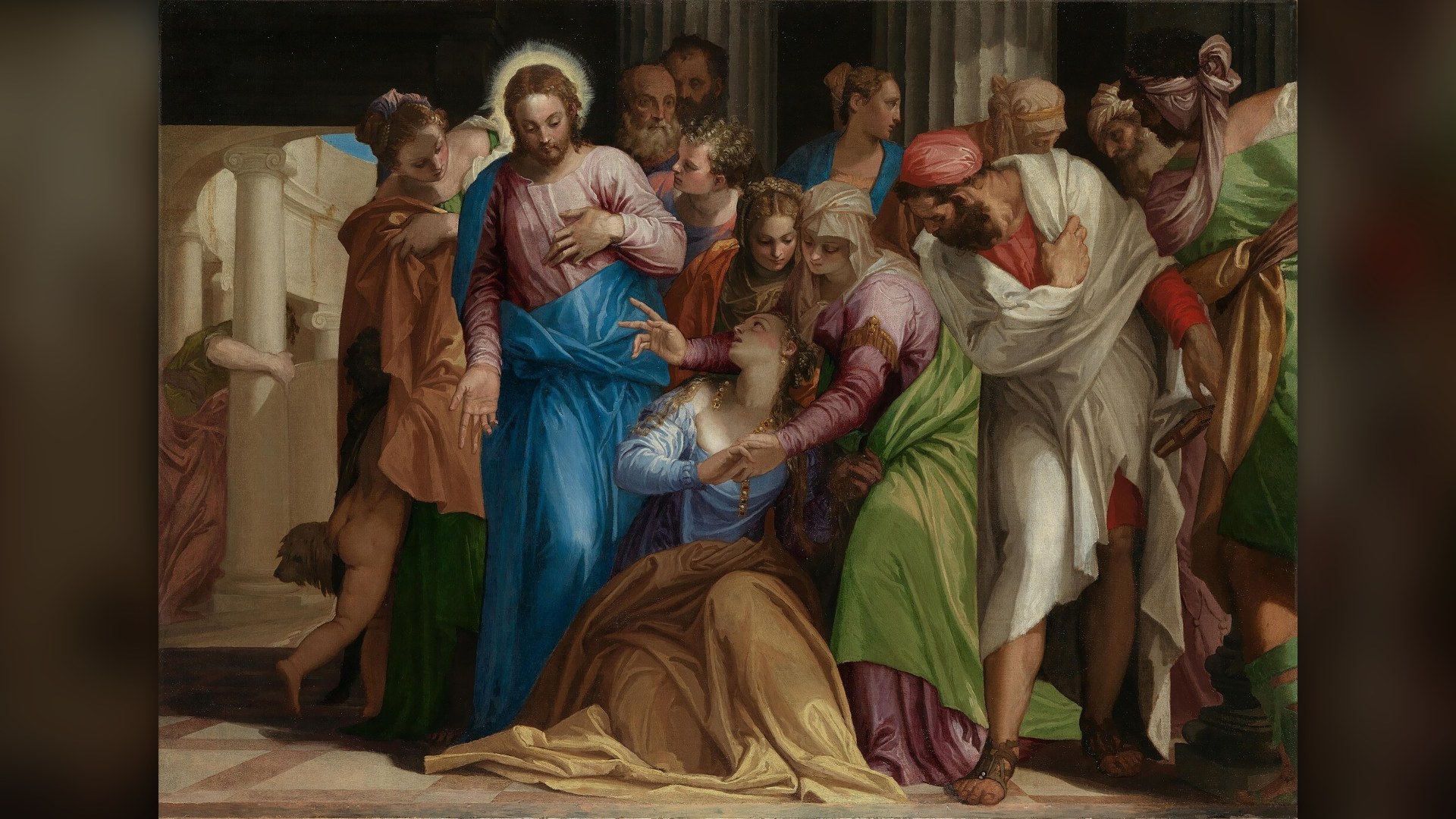
2. Mary Magdalene And The Empty Tomb
Hailing from the fishing town of Magdala, Mary accompanied Jesus and helped finance his Galilean travels. All four canonical Gospels record that she stood near the cross during the crucifixion and discovered the open tomb on Sunday morning. Early church fathers honored her with the title apostle to the apostles.
©Wikimedia / Paolo Veronese
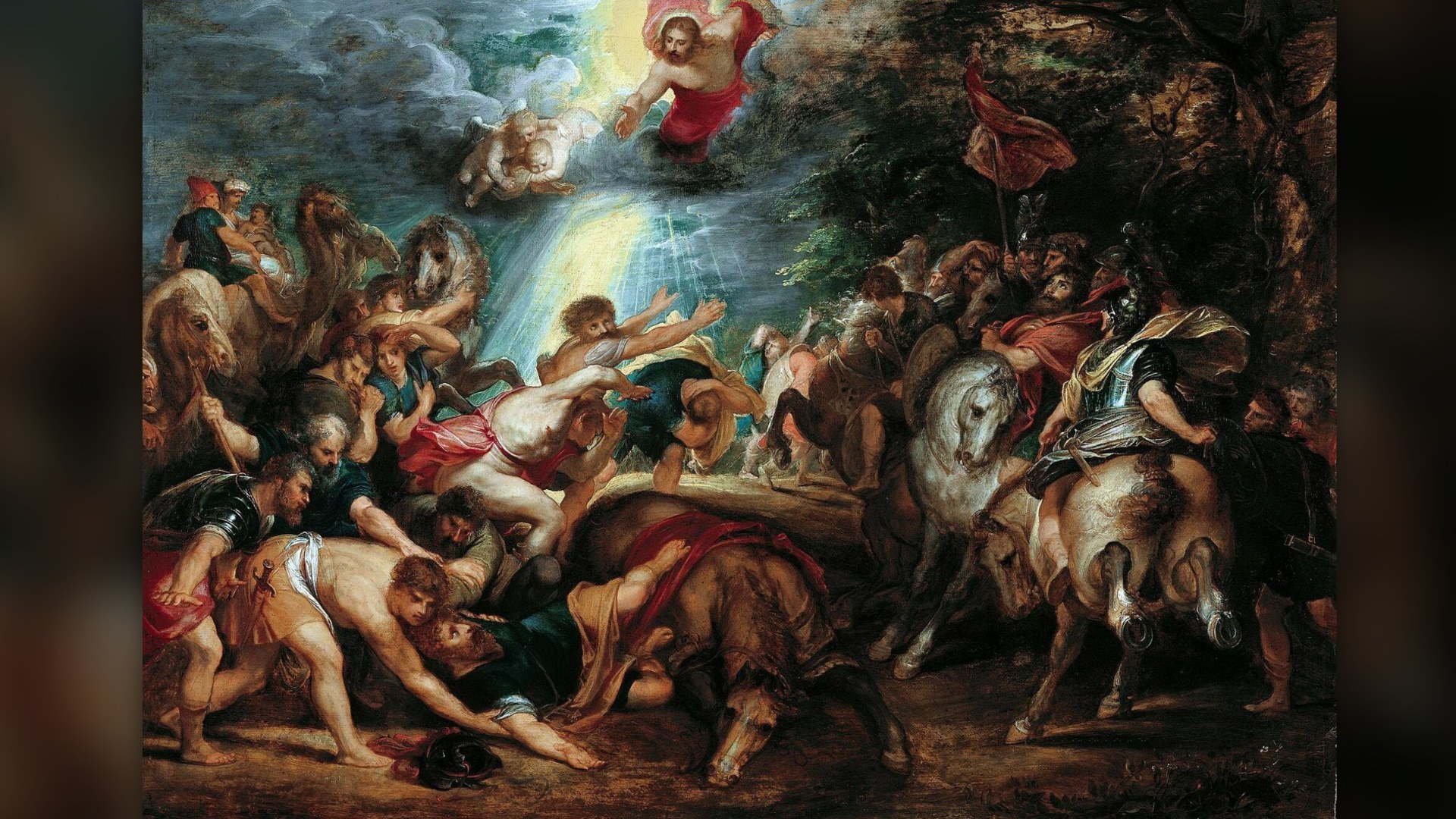
1. Paul And The Expansion Across The Mediterranean
A Roman citizen and Pharisee from Tarsus, Paul experienced conversion on the road to Damascus around 34 CE. Over three decades, he completed four extensive missionary journeys across Asia Minor, Greece, and Italy. His thirteen pastoral epistles form a foundational component of early Christian theological literature.
©Wikimedia / Peter Paul Rubens
Advertisement
You've reached the end of the story. Thanks for reading!

24 Famous Auction Items That Sold For Far More Than Expected
Auction rooms regularly stun experts when rare art, fossils, classic cars, and historic documents spark fierce bidding wars. Ranked from $905,000 to $450.3 million, these 24 verified sales far outpaced pre-sale estimates, based on records from Christie's, Sotheby's, Heritage Auctions, and RM Sotheby's.
All 21 Entries in this Story
1. Abraham And The Covenant Of Faith
Genesis records Abraham leaving Ur of the Chaldees around 2000 BCE to settle in Canaan. Regarded as the founding patriarch of the Israelites, his covenant promised numerous descendants and a lasting homeland. Historical traditions across Judaism, Christianity, and Islam trace their theological roots to his journey.

2. Sarah And The Matriarchal Lineage
Sarah traveled alongside Abraham from Haran to Canaan and later spent time in Egypt. At age ninety, she gave birth to Isaac in Beersheba, establishing the matrilineal line of the Hebrew covenant. The Genesis narrative records her death at age 127 and burial in the Cave of Machpelah near Hebron.

3. Jacob And The Twelve Tribes Of Israel
Jacob was the son of Isaac and Rebekah who secured the patriarchal birthright through his father's blessing. His twelve sons became the ancestral founders of the twelve tribes of Israel. Biblical texts place his final years in the Goshen region of Egypt during a widespread regional drought.

4. Joseph And The Granaries Of Egypt
Sold into Egyptian servitude by his brothers, Joseph gained administrative authority after interpreting Pharaoh's dreams. As chief administrator, he stored grain across seven harvest years to survive a severe famine. His settlement of his extended family in the Nile delta preserved the early Israelite clan.

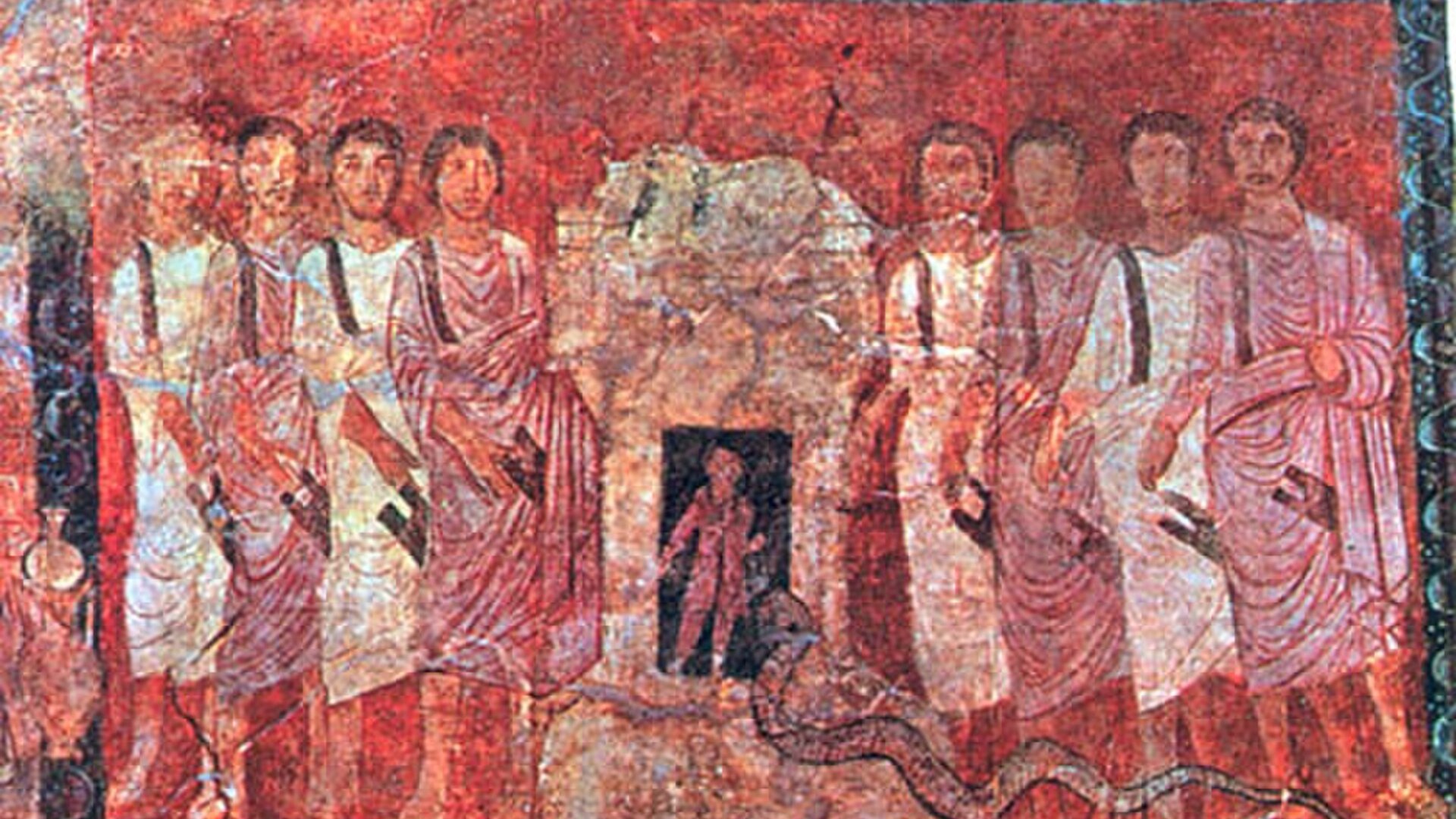
5. Moses And The Delivery From Egypt
Raised in Pharaoh's court, Moses led approximately 600,000 Israelites out of Egyptian bondage around the thirteenth century BCE. At Mount Sinai, he received the Decalogue and the core civil and ceremonial laws of the Torah. He directed Israel through forty wilderness years before dying atop Mount Nebo.

6. Aaron And The Levitical Priesthood
The elder brother of Moses, Aaron spoke on behalf of Israel before the royal Egyptian court. The Book of Exodus records his consecration as the first hereditary high priest, presiding over Tabernacle rituals and the Ark of the Covenant. His descendants formed the formal Jewish priesthood for generations.

7. Miriam And The Song Of Deliverance
Miriam protected her infant brother Moses on the banks of the Nile River until Pharaoh's daughter retrieved him. Exodus 15 identifies her as a prophetess who led musical celebrations following the Red Sea crossing. Her leadership alongside Moses and Aaron is acknowledged in Micah 6:4.

8. Joshua And The Jordan River Crossing
Chosen by Moses as military commander, Joshua led Israel across the Jordan River into the promised land. He orchestrated strategic military campaigns, starting with the fall of Jericho and the conquest of Ai. The Book of Joshua credits him with dividing territorial allotments among the twelve tribes.

9. Deborah And The Defeat Of Sisera
Under a palm tree between Ramah and Bethel, Deborah judged legal matters and issued national military directives. She summoned General Barak to confront the Canaanite army of Sisera near Mount Tabor. The Song of Deborah in Judges 5 is recognized by historians as one of the oldest Hebrew poetic compositions.

10. Samuel And The Anointing Of Kings
Dedicated to Temple service at Shiloh as a child, Samuel served as the final governing judge of the tribal confederacy. Facing Philistine military pressure, he anointed Saul as Israel's first monarch and later anointed David in Bethlehem. He established prophetic schools that influenced royal court policy.

11. David And The United Kingdom Of Israel
David ascended to the throne around 1010 BCE after serving as a military warrior and court musician for Saul. He conquered the Jebusite fortress of Jerusalem, making it the national political and religious capital. The Hebrew Scriptures attribute dozens of lyrical compositions in the Book of Psalms to him.

12. Solomon And The Temple In Jerusalem
Reigning from approximately 970 to 931 BCE, Solomon constructed the First Temple on Mount Moriah with Lebanese cedar and Phoenician stonework. Known for judicial wisdom, his administration expanded trade routes through the Red Sea. Biblical tradition associates him with Proverbs, Ecclesiastes, and Song of Songs.

13. Elijah And The Prophets Of Baal
Operating in the northern kingdom of Israel during the ninth century BCE, Elijah confronted royal corruption and Baal worship. His public confrontation on Mount Carmel resulted in the restoration of traditional Hebrew worship. Second Kings describes his dramatic ascent into the heavens in a whirlwind.

14. Isaiah And The Royal Court Of Judah
Active in Jerusalem between 740 and 686 BCE, Isaiah advised kings Uzziah, Jotham, Ahaz, and Hezekiah through the Assyrian invasion. His sixty-six chapter book contains extensive poetic warnings and descriptions of future restoration. Dead Sea Scroll copies from Qumran confirm the ancient preservation of his text.

15. Jeremiah And The Fall Of Jerusalem
Known as the weeping prophet, Jeremiah ministered in Jerusalem for four decades leading up to its destruction in 586 BCE. King Nebuchadnezzar II of Babylon breached the city walls and burned the First Temple, validating Jeremiah's prophecies. He later went to Egypt, where he completed his prophetic records.

16. Daniel And The Imperial Court Of Babylon
Taken captive to Babylon as a youth in 605 BCE, Daniel served in the imperial courts of Nebuchadnezzar, Belshazzar, and Darius the Mede. His apocalyptic visions outlined the rise and fall of four successive ancient empires. The narrative of his survival in the lions' den remains an enduring story of conviction.

17. Mary Of Nazareth And The Nativity
A young Jewish woman from Nazareth in Galilee, Mary became the central female figure of the New Testament Gospels. The Gospel of Luke records her poetic canticle, the Magnificat, praising divine justice and social reversal. She was present at the crucifixion in Jerusalem and joined the early apostolic community.

18. John The Baptist And The Jordan River Ministry
Preaching an austere desert message in Judea, John urged ethical reform and immersion in water for the forgiveness of sins. His public baptism of Jesus marked the beginning of Christ's public ministry. Jewish historian Flavius Josephus recorded John's imprisonment and execution by Herod Antipas at Machaerus.

19. Peter And The Early Apostolic Church
Originally a Galilean fisherman named Simon, Peter became the primary spokesman for the twelve disciples during Jesus's ministry. He preached the Pentecost sermon recorded in Acts 2, gathering thousands of early converts in Jerusalem. Early church records indicate he traveled widely before his martyrdom in Rome.

20. Mary Magdalene And The Empty Tomb
Hailing from the fishing town of Magdala, Mary accompanied Jesus and helped finance his Galilean travels. All four canonical Gospels record that she stood near the cross during the crucifixion and discovered the open tomb on Sunday morning. Early church fathers honored her with the title apostle to the apostles.

21. Paul And The Expansion Across The Mediterranean
A Roman citizen and Pharisee from Tarsus, Paul experienced conversion on the road to Damascus around 34 CE. Over three decades, he completed four extensive missionary journeys across Asia Minor, Greece, and Italy. His thirteen pastoral epistles form a foundational component of early Christian theological literature.