Slideshow · Sports
23 Stadium Features That Give Professional Sports Venues Their Identity
Explore 23 architectural features that define famous sports stadiums worldwide. From historic ballpark walls and soaring exterior arches to kinetic roofs and outfield swimming pools, this visual countdown reveals the engineering marvels and local traditions that give modern professional sports venues their identity.



All 23 Entries in this Story
#1 Indianapolis Motor Speedway Yard Of Bricks
In 1909, track builders paved the entire 2.5-mile oval with 3.2 million paving bricks. As asphalt modernised the speedway, officials preserved a single three-foot strip at the start-finish line. Winning drivers and crew members uphold the sacred racing tradition of kissing the bricks.
#2 Busch Stadium Gateway Arch Vista
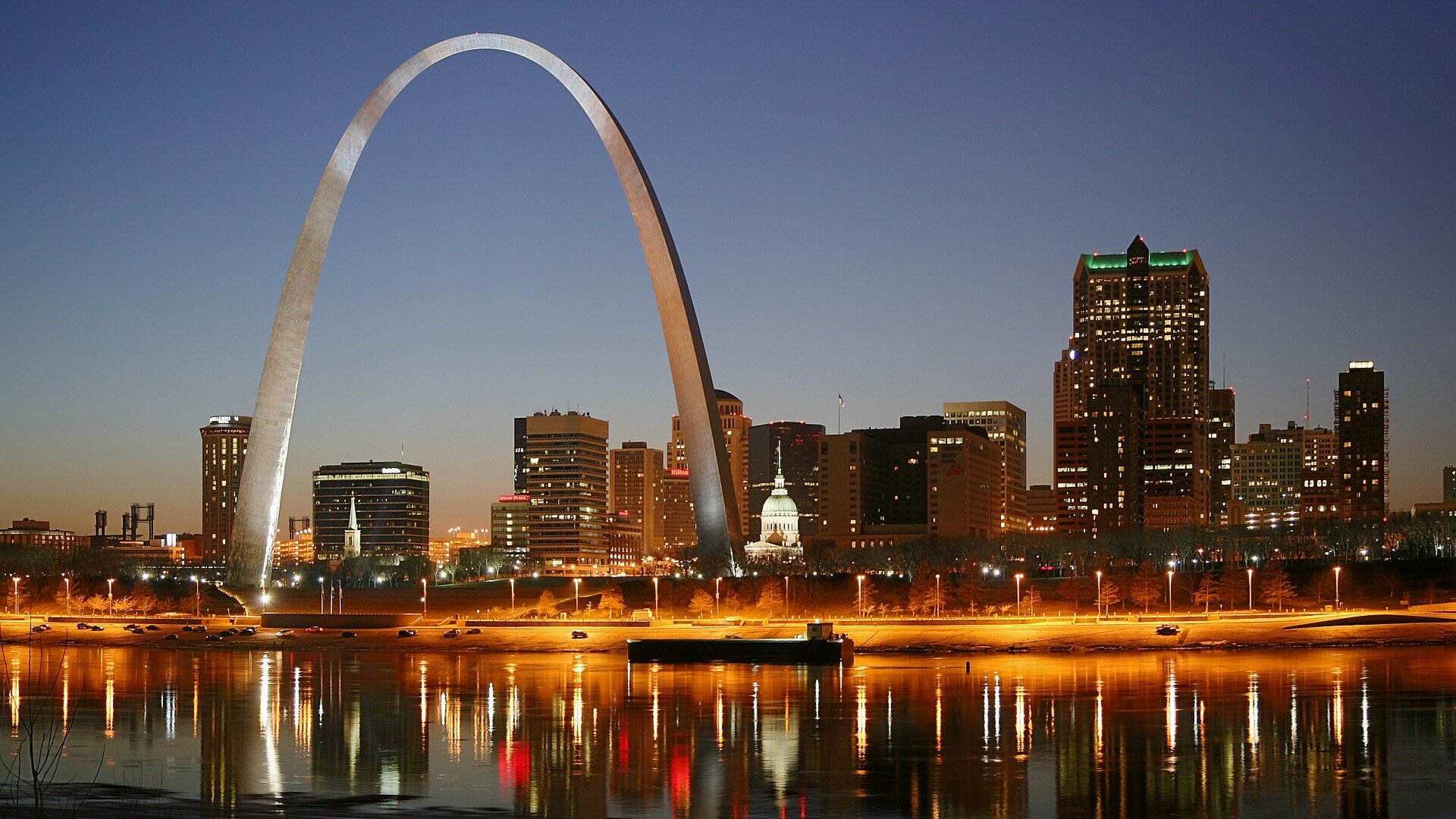
Cardinals owners and architects oriented Busch Stadium specifically to center the 630-foot Gateway Arch directly beyond the center field scoreboards. The open outfield design connects downtown St. Louis architecture directly into the ballpark, framing an iconic American civic vista.
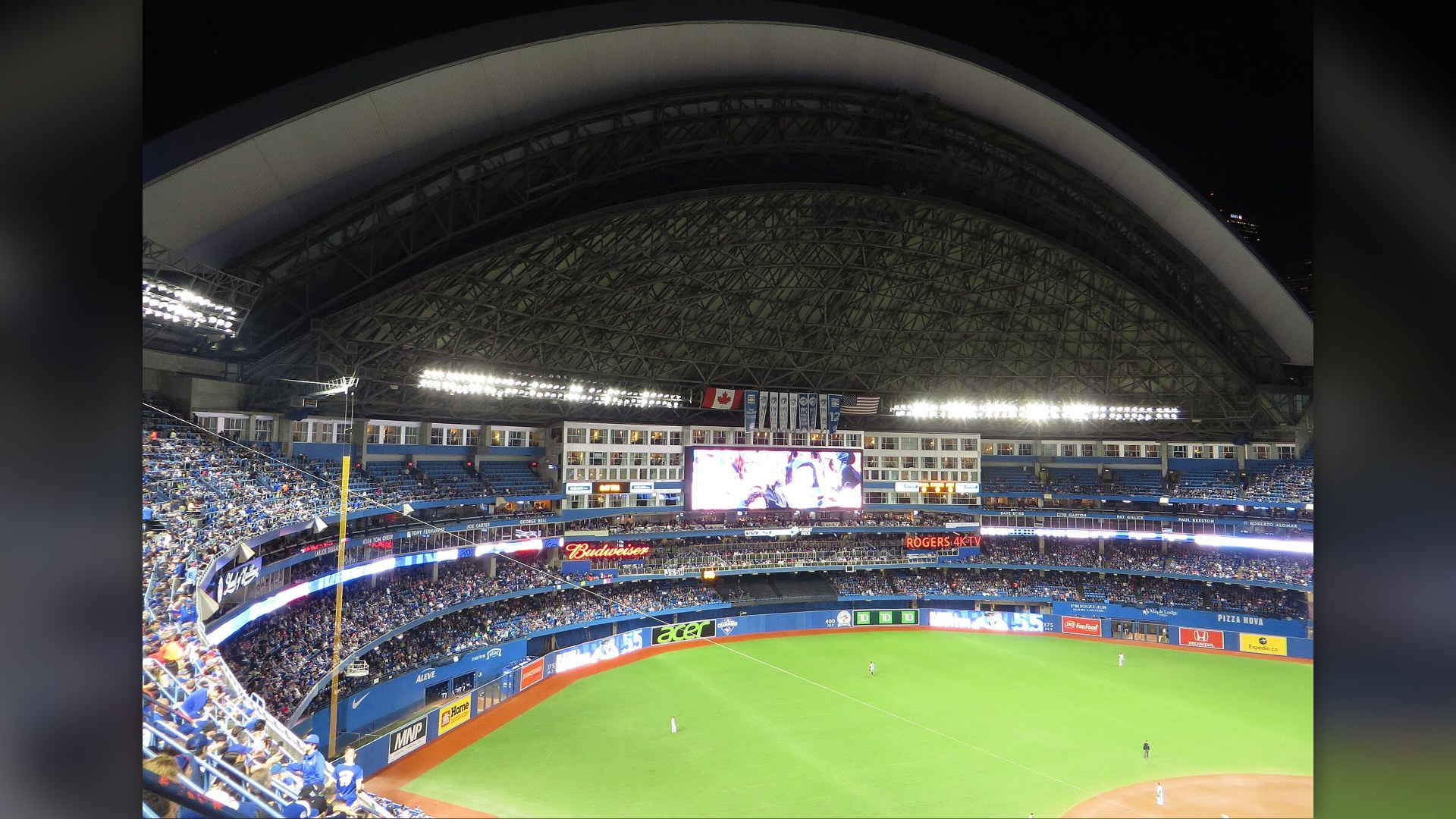
#3 Rogers Centre Retractable Dome
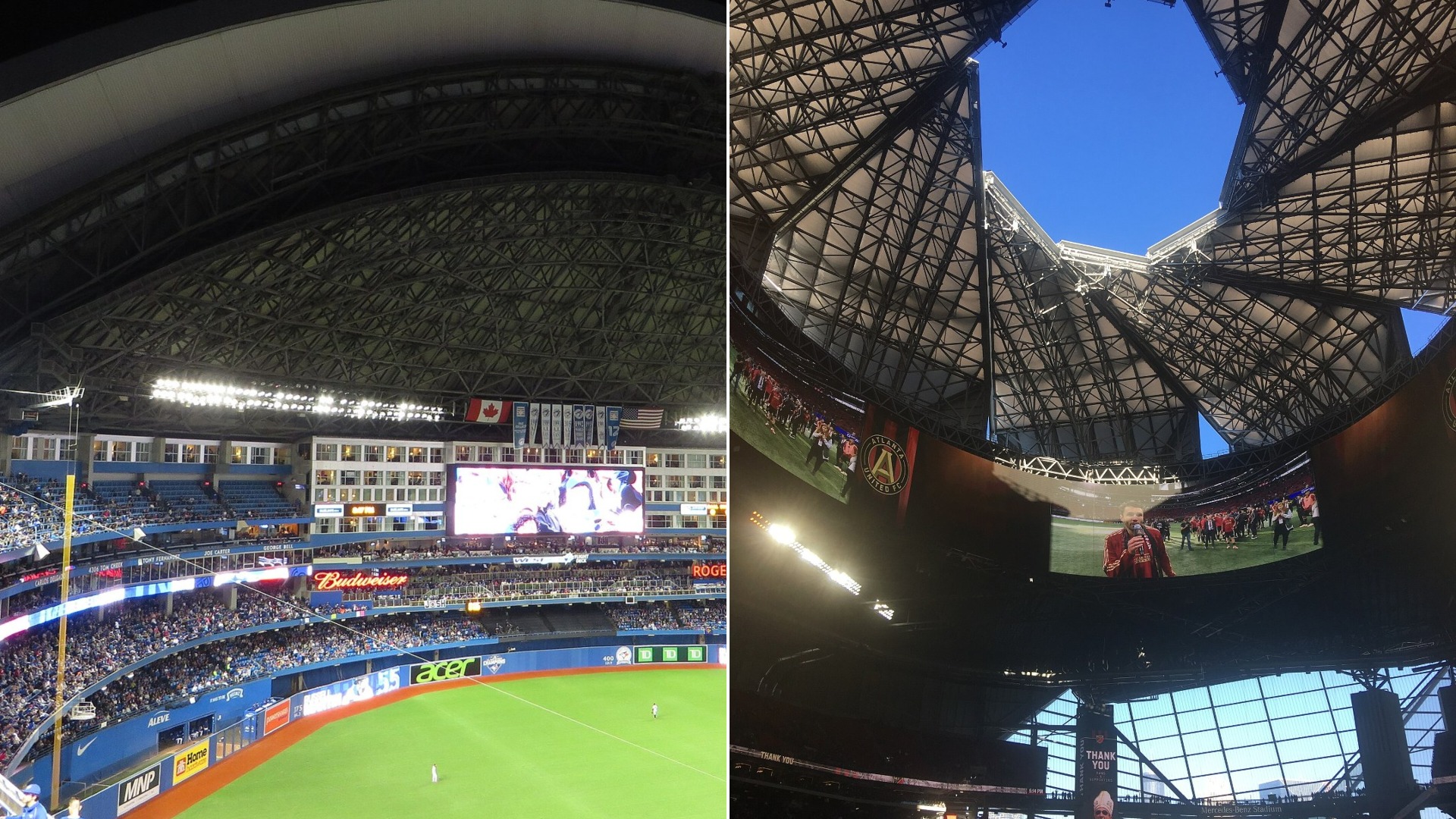
Opened in 1989 as SkyDome, Rogers Centre introduced the first functional fully retractable multi-panel roof in sports. Powered by 76 DC motors, three movable panels slide and rotate to reveal the CN Tower and Toronto skyline, shifting indoor games outdoors in 20 minutes.
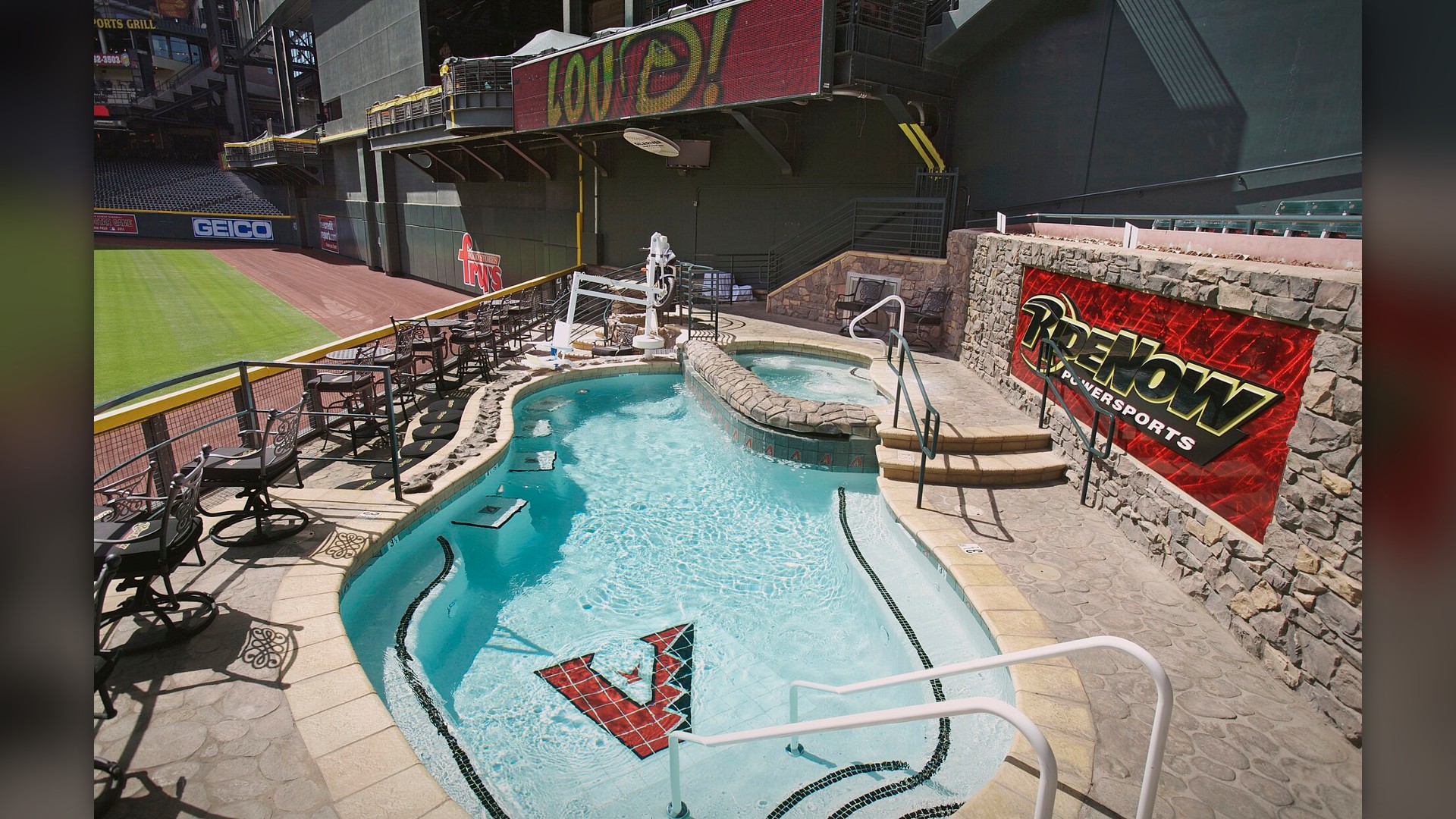
#4 Chase Field Swimming Pool Suite
When Chase Field debuted in 1998, it became the first major league ballpark with a functioning swimming pool. Situated 415 feet from the plate behind the right-center fence, the 8,500-gallon pool suite allows party guests to watch live games while floating in heated water.
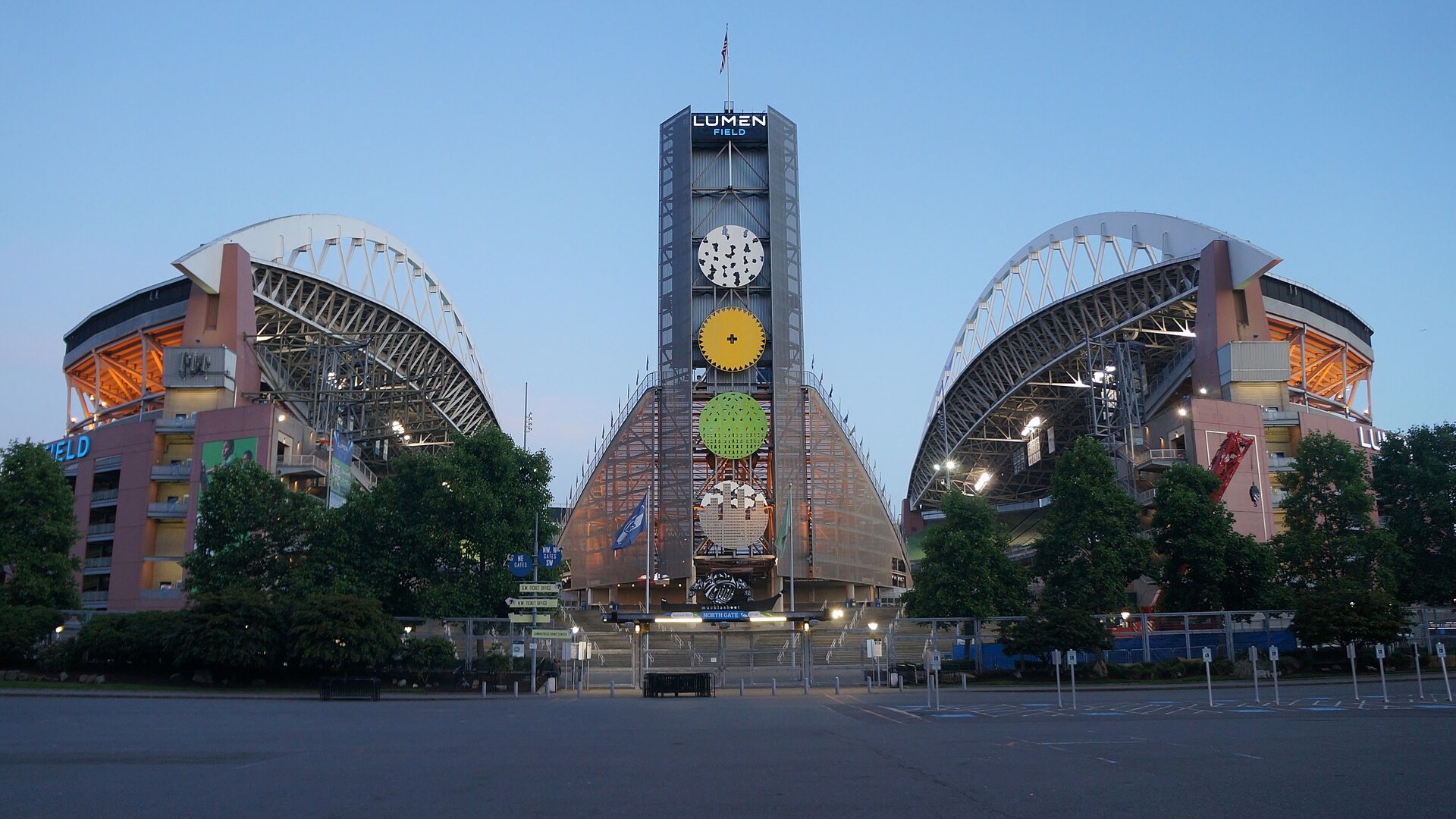
#5 Lumen Field Parabolic Roof Canopies
Engineered with dual cantilevered arches, Lumen Field roof covers 70 percent of seats while intentionally reflecting sound waves back toward the turf. The acoustic design helped Seattle Seahawks fans produce a Guinness World Record crowd roar measuring 137.6 decibels in 2013.
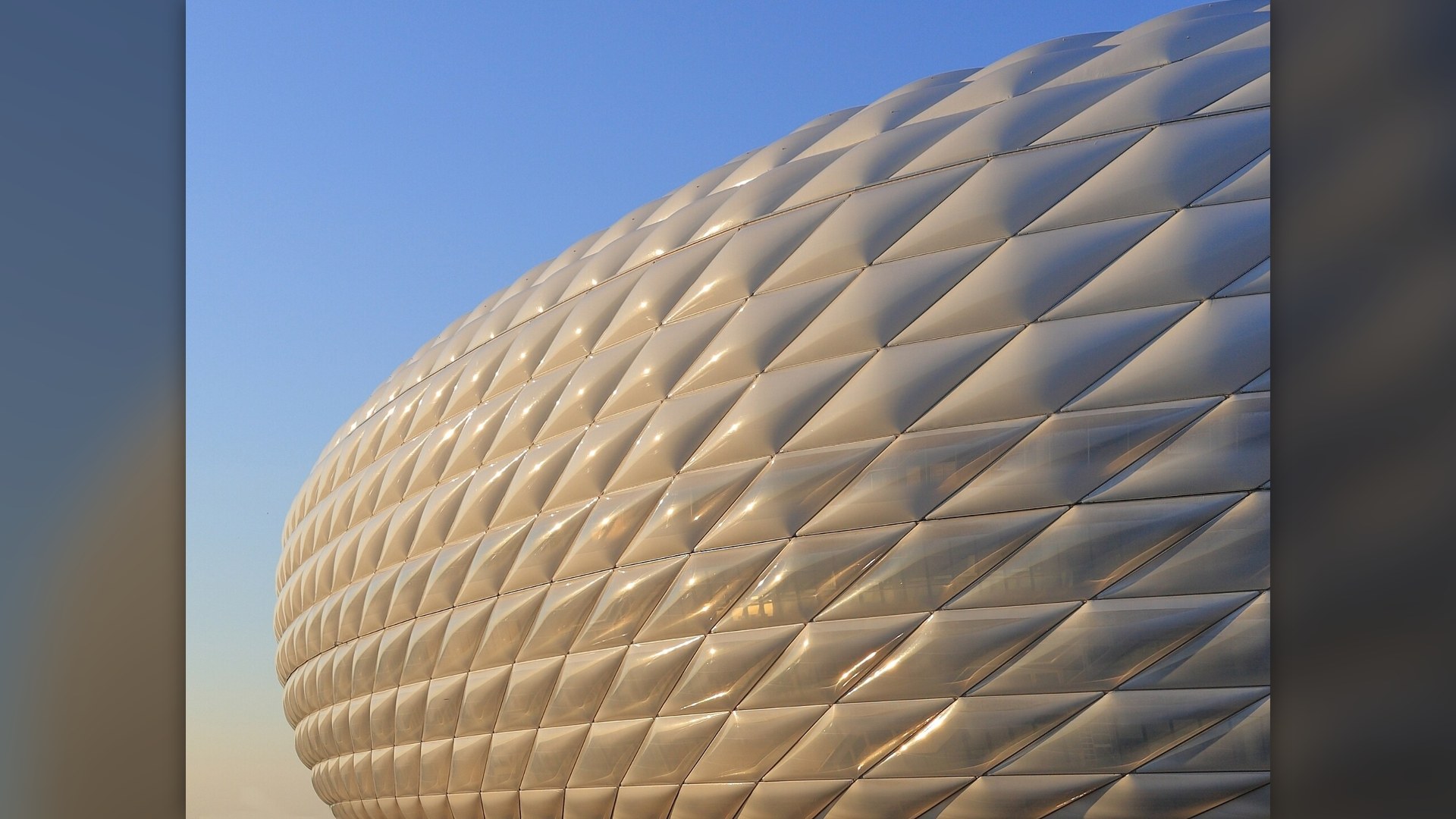
#6 Allianz Arena Color Changing Facade
Architects Herzog and de Meuron wrapped Bayern Munich home with 2,874 diamond-shaped ETFE foil pillows. Each translucent panel can be illuminated in red, white, or blue through internal LED arrays, creating the world's first fully color-shifting stadium exterior skin.
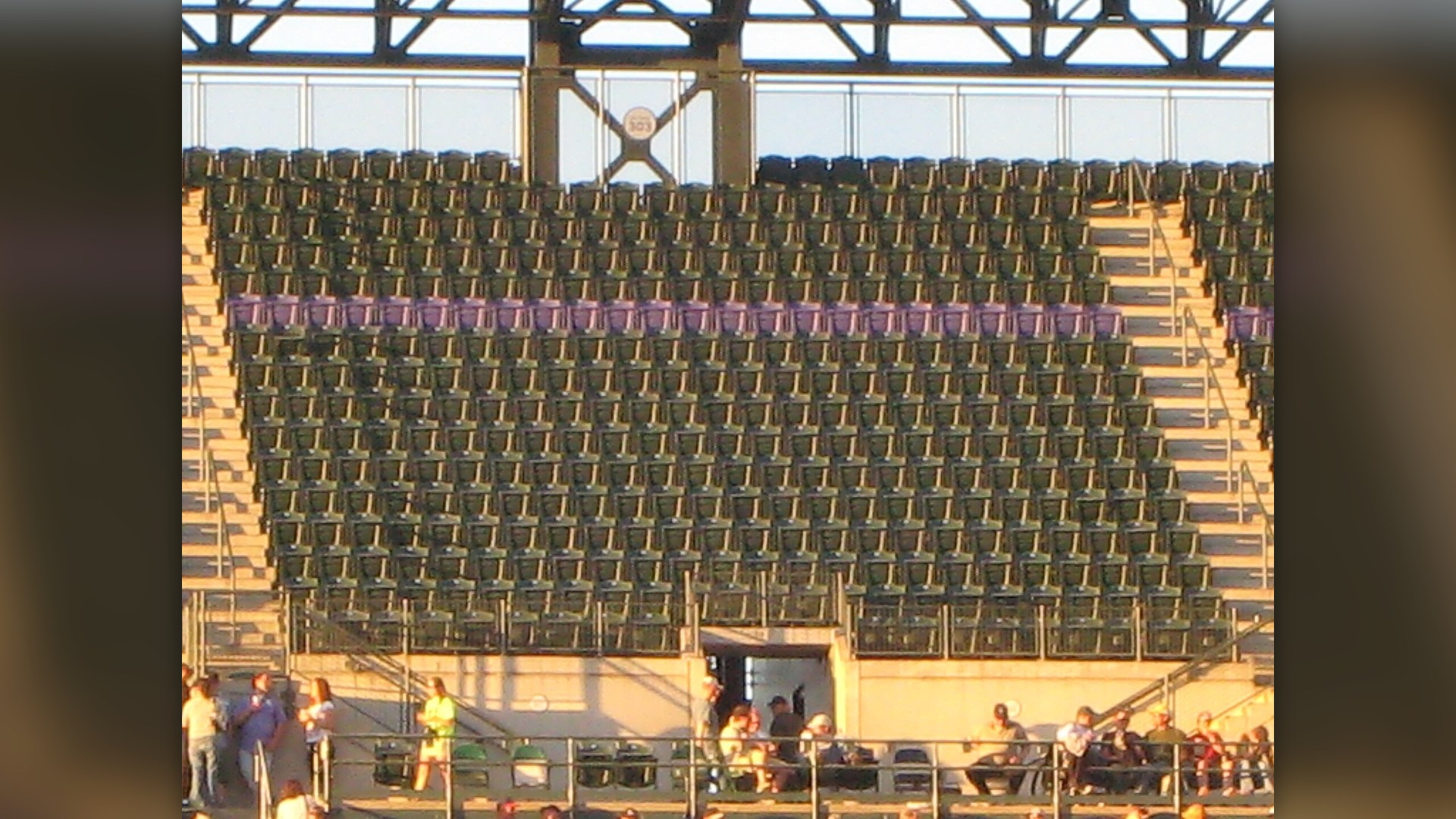
#7 Coors Field Purple Mile High Row
At Coors Field in Denver, the twentieth row of the upper deck is painted bright purple against green plastic seats. The marker stands at exactly 5,280 feet above sea level, reminding fans how thin mountain air allows batted baseballs to travel extra distance.
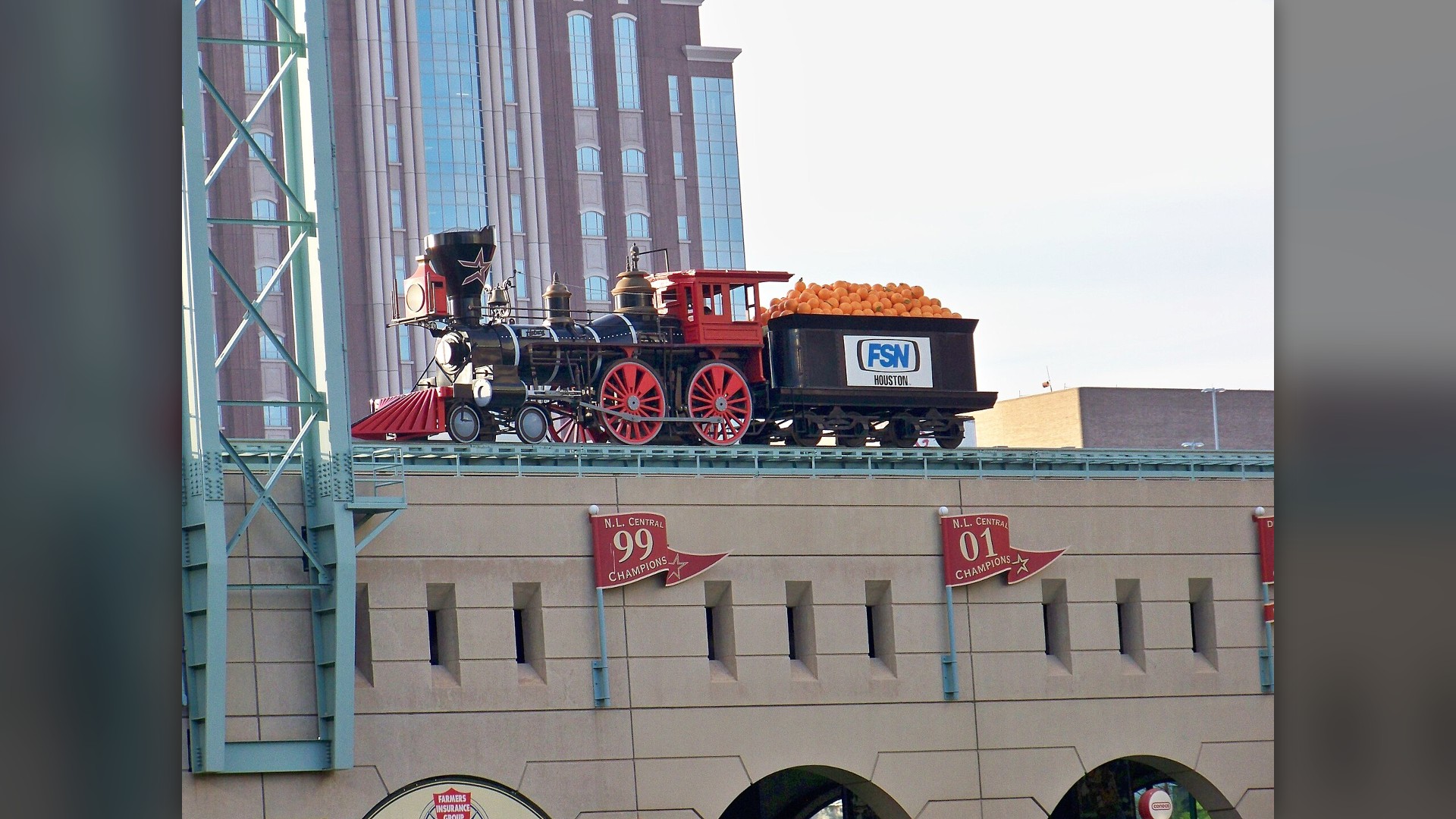
#8 Minute Maid Park Home Run Train
Paying homage to Houston Union Station, an 1862 steam engine replica travels along 800 feet of track 90 feet above left field. The 24-ton train rolls back and forth carrying giant oranges whenever an Astros player hits a home run, blowing authentic steam whistles.
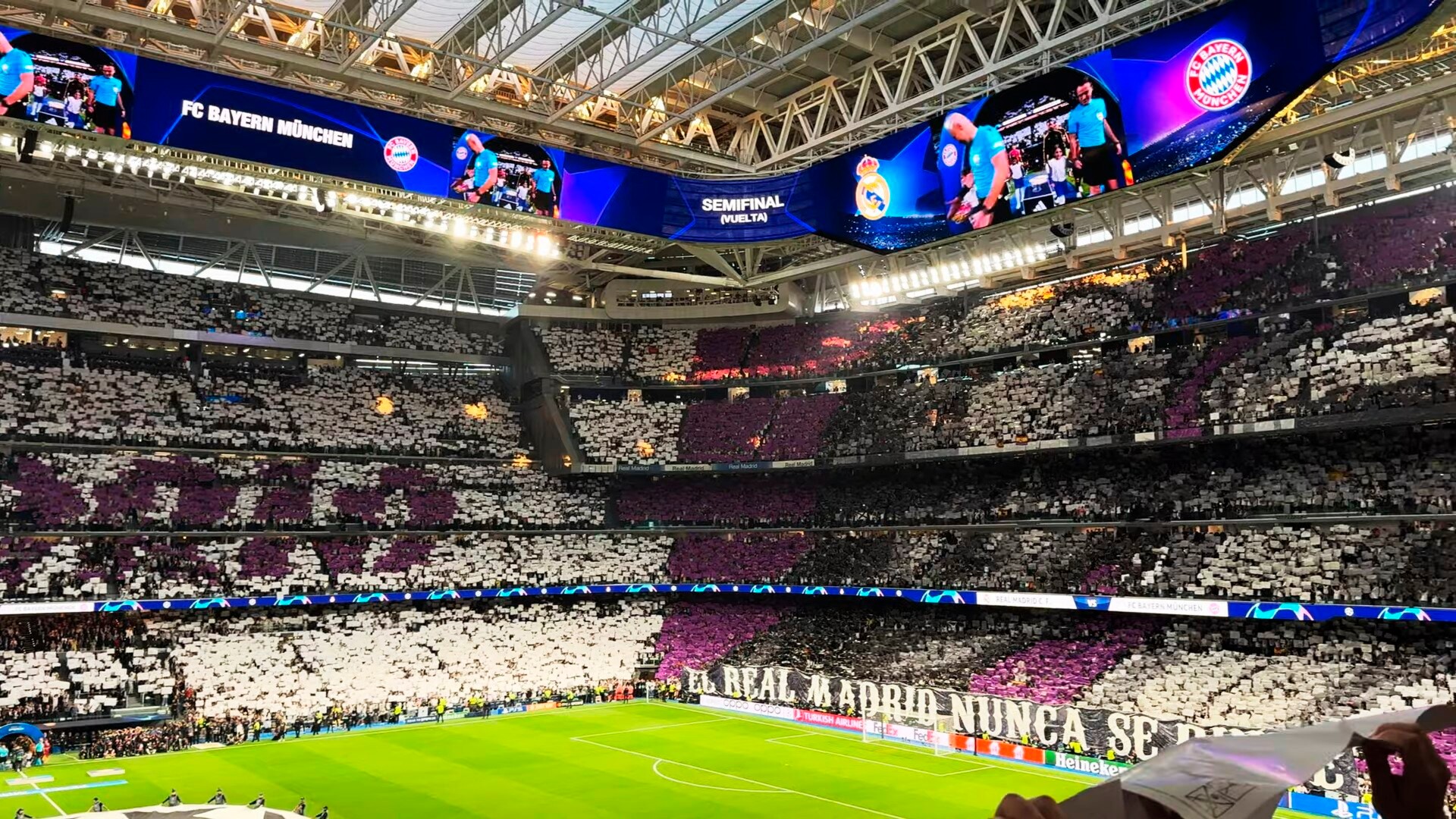
#9 Santiago Bernabéu Hypogeum
Real Madrid completed a 30-meter-deep subterranean greenhouse directly beneath the pitch in 2023. The grass retracts in six segmented trays into an underground cave equipped with hydroponics, LED growth lighting, and irrigation, freeing the stadium floor for indoor arena events.
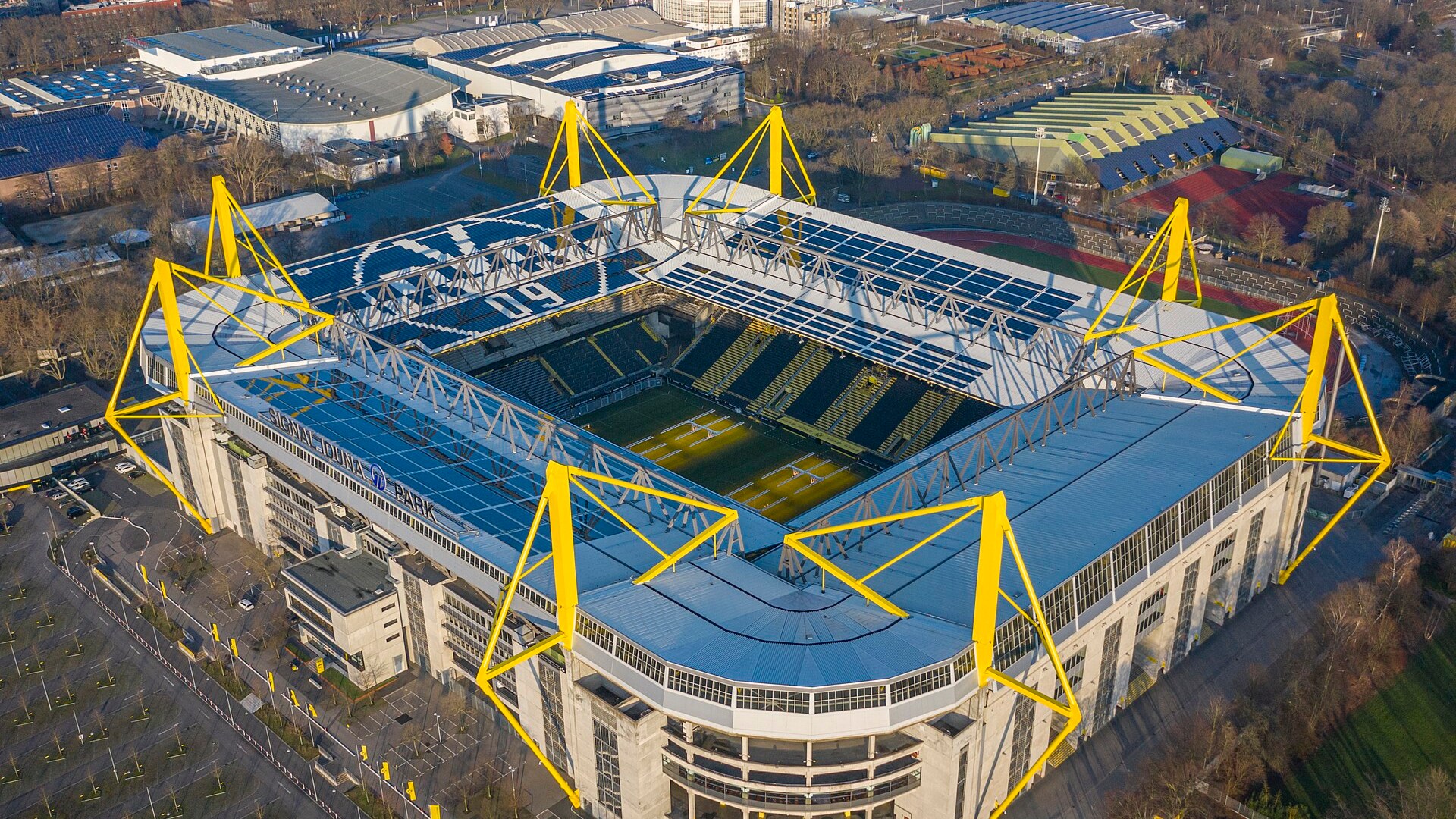
#10 Signal Iduna Park Yellow Wall
Known in Germany as Die Gelbe Wand, the South Terrace of Westfalenstadion holds 24,454 standing supporters in a single continuous tier. Rising at a 37-degree angle over 330 feet wide, the terrace generates unmatched acoustic resonance during Borussia Dortmund home matches.
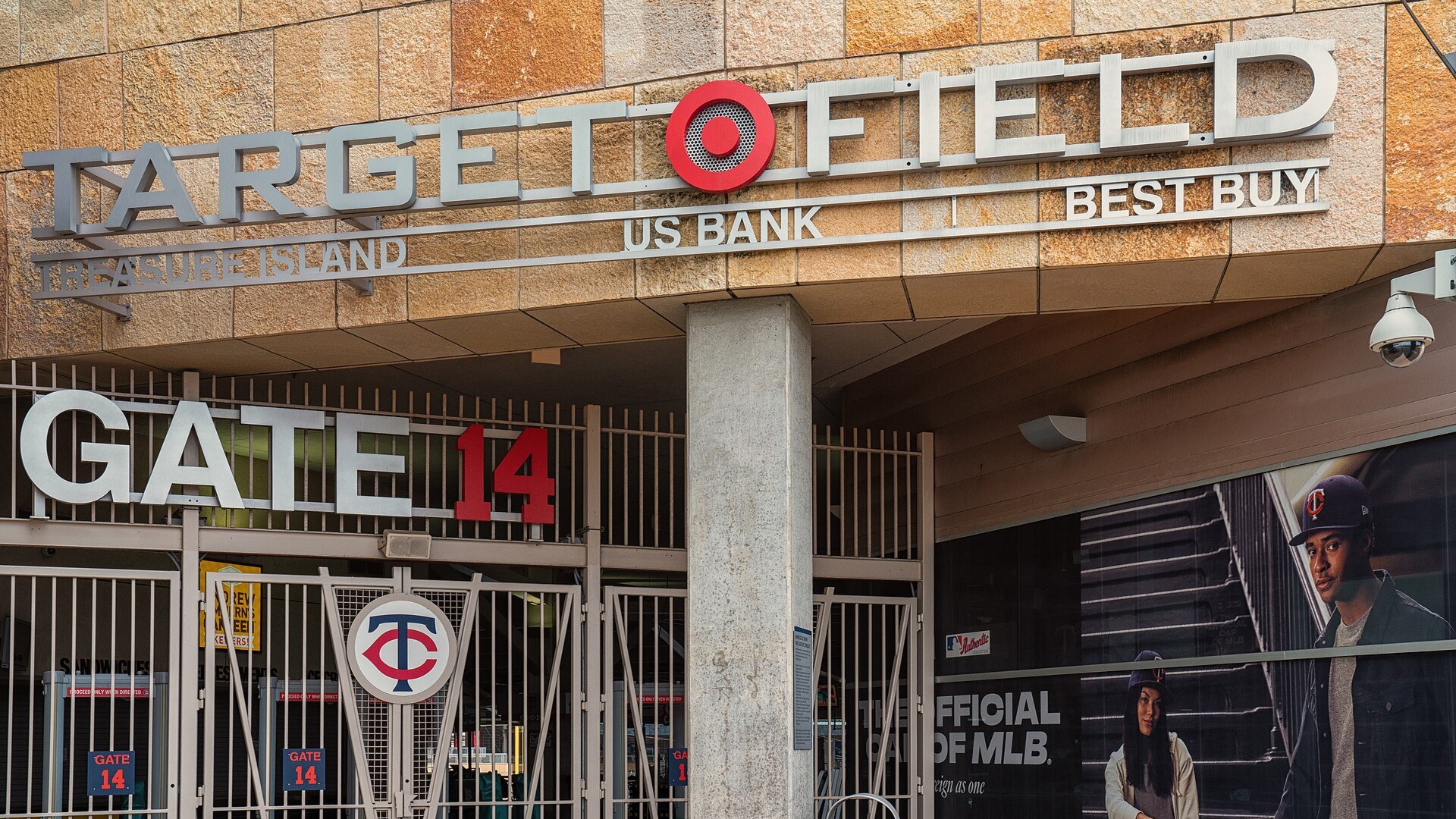
#11 Target Field Minnie And Paul Sign
Positioned in center field in Minneapolis, this mechanical sign depicts cartoon ballplayers Minnie and Paul shaking hands across the Mississippi River. The 46-foot structure illuminates with animated lights and ringing bells whenever a Twins hitter belts a home run.
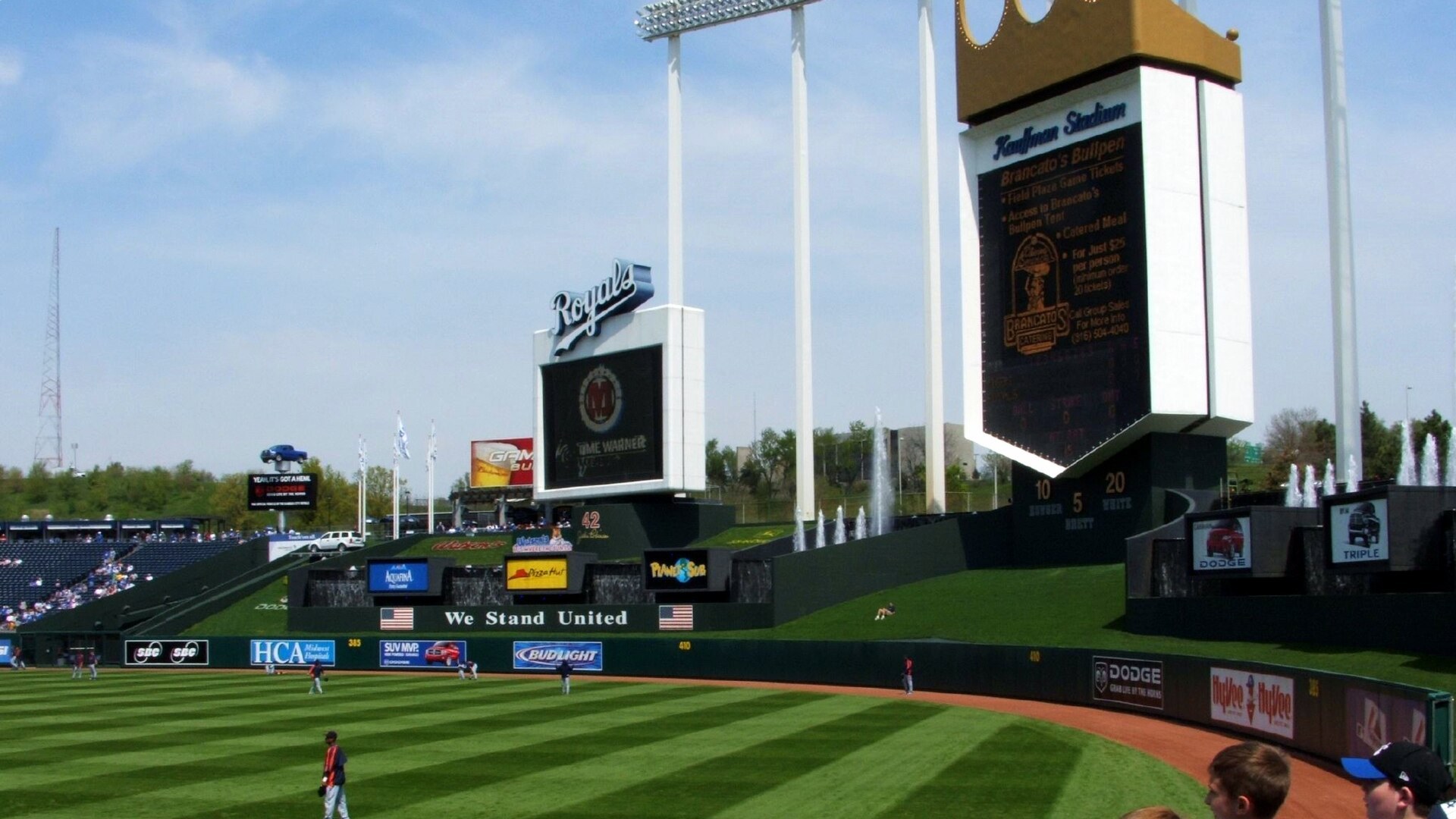
#12 Kauffman Stadium Water Spectacular
Stretching 322 feet across the outfield concourse, Kauffman Stadium hosts the largest privately funded fountain system in the world. Engineered in 1973 and updated in 2009, the 10-foot waterfall cascades continuously, erupting with high-pressure shooting geysers between innings.
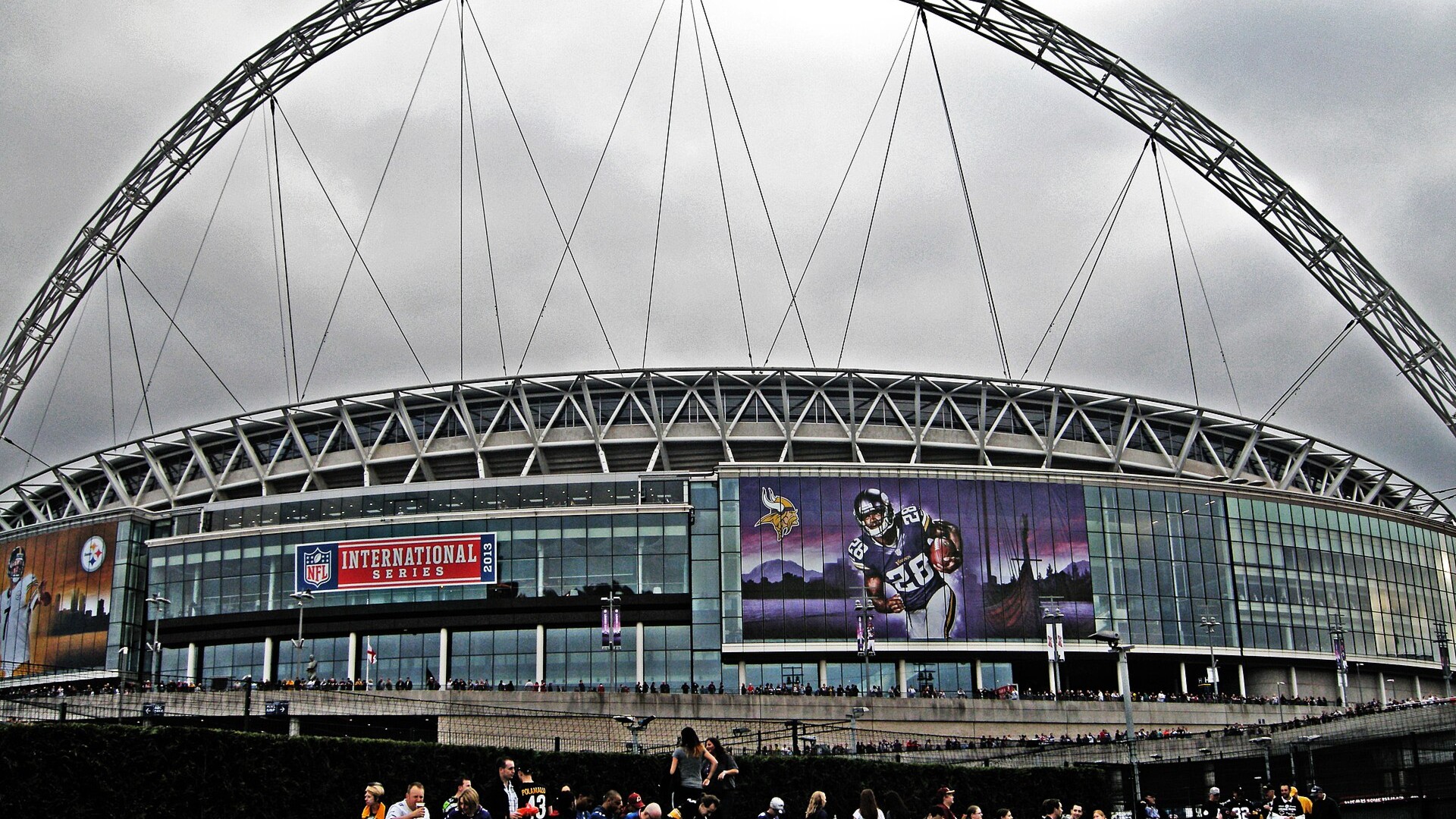
#13 Wembley Stadium Steel Arch
Soaring 440 feet into the London skyline, the Wembley Arch spans 1,033 feet with a steel lattice structure weighing 1,750 tons. Designed by Foster and Partners, the arch supports the stadium sliding roof weight without requiring interior pillars that block spectator sightlines.
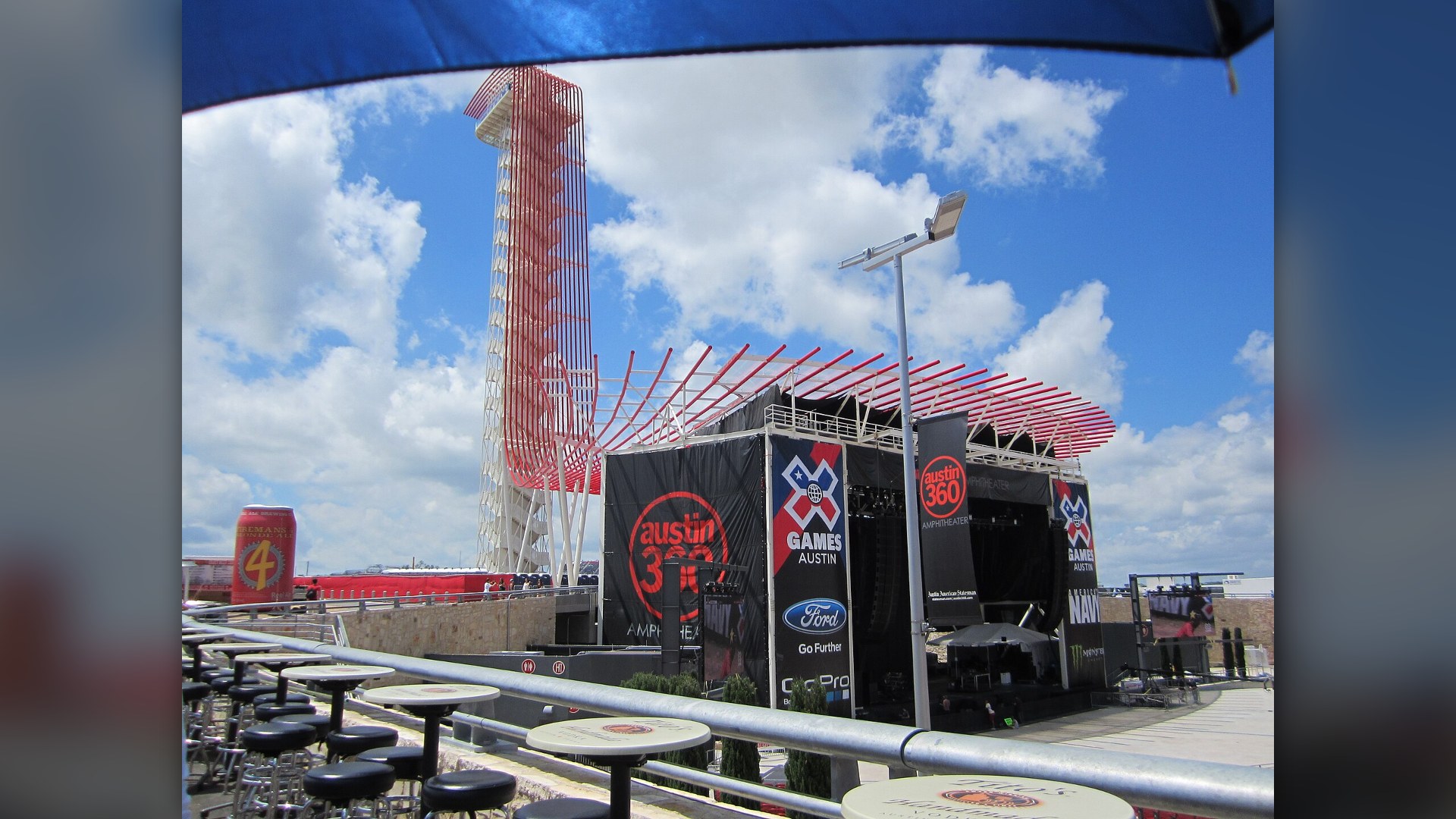
#14 Circuit Of The Americas Tower
Designed by Miro Rivera Architects, this spiraling observation tower dominates the Austin Formula 1 circuit. A dramatic veil of 18 bright red steel pipes descends from the 251-foot summit, offering panoramic 360-degree views of the 3.4-mile racetrack and downtown Austin skyline.
#15 Raymond James Stadium Pirate Ship
Constructed by a Disney prop builder in 1998, this 43-ton pirate ship anchors the north end zone in Tampa Bay. The ship fires operational air cannons each time the Buccaneers score, enter the red zone, or win, showering celebrating fans with plastic beads and confetti.
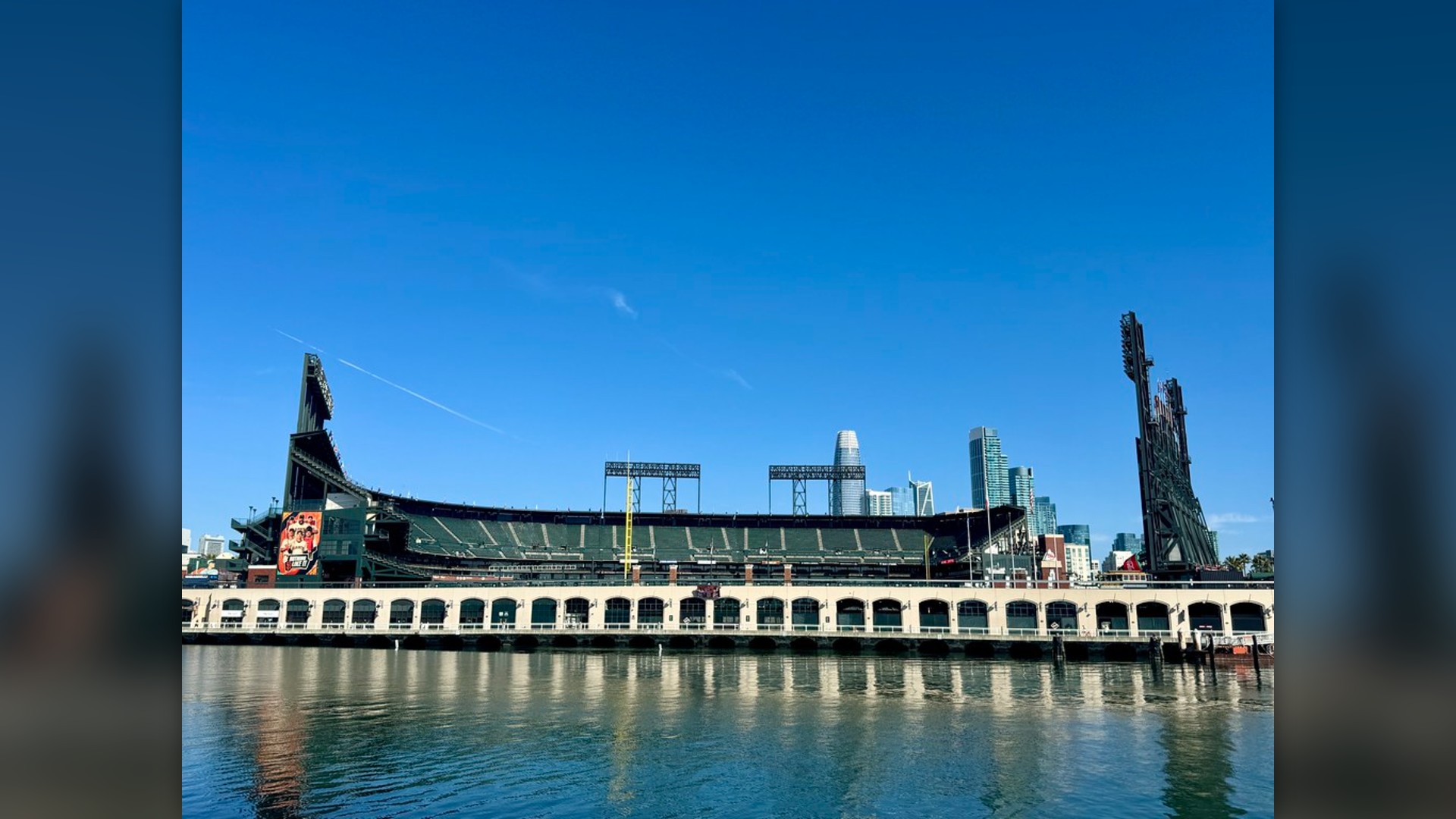
#16 Oracle Park McCovey Cove
Named after Hall of Famer Willie McCovey, this saltwater inlet beyond right field attracts flotillas of kayakers during Giants games. Home runs that clear the 24-foot brick wall on the fly are officially tallied as splash hits, creating a famous tailgate floating culture.
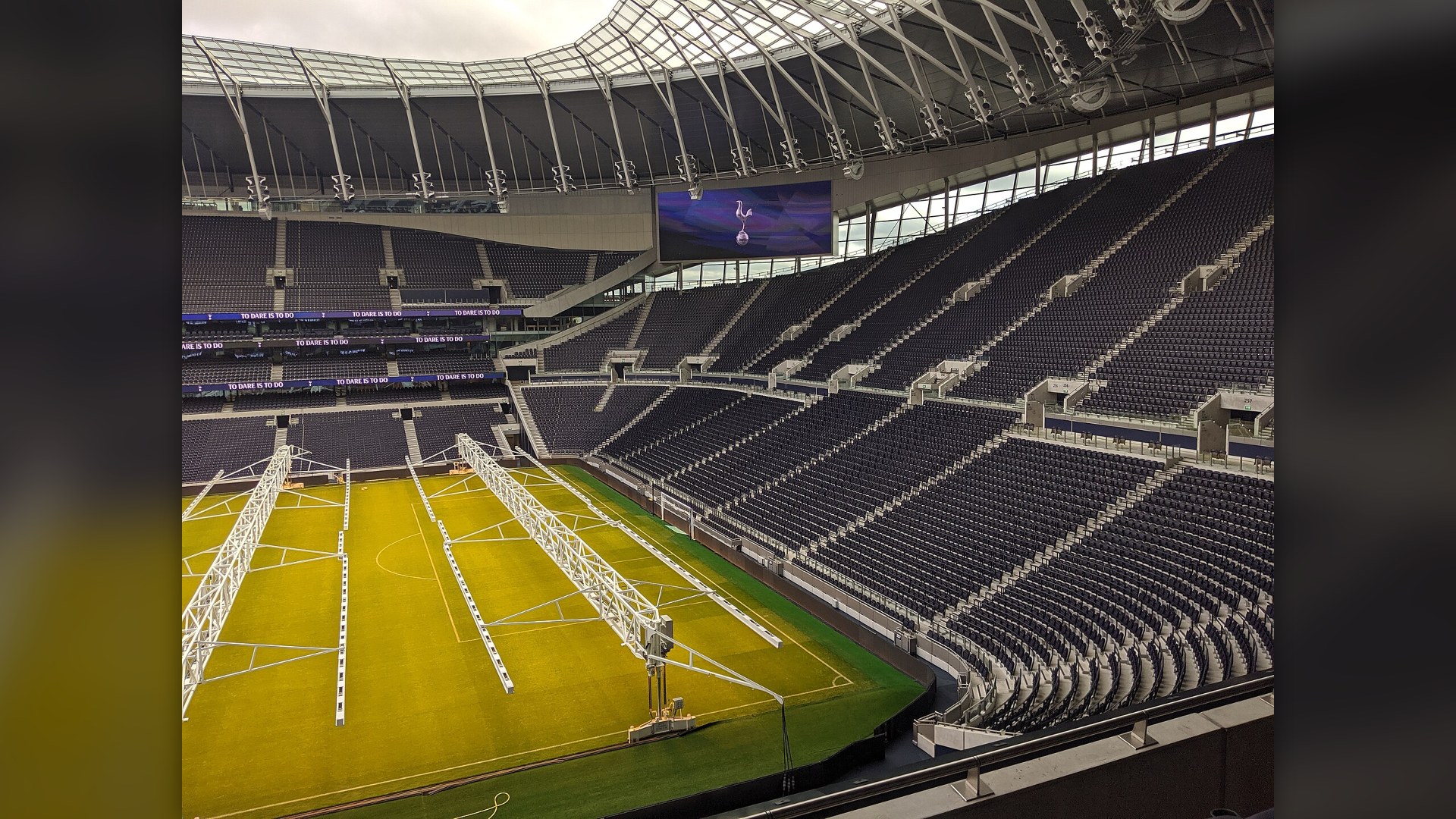
#17 Tottenham Hotspur Retractable Pitch
Tottenham Hotspur Stadium features the world's first dividing retractable grass field. Weighing over 9,000 metric tons, the turf splits into three electric trays that roll into underground storage in 25 minutes, exposing an artificial turf surface tailored for NFL games and concerts.
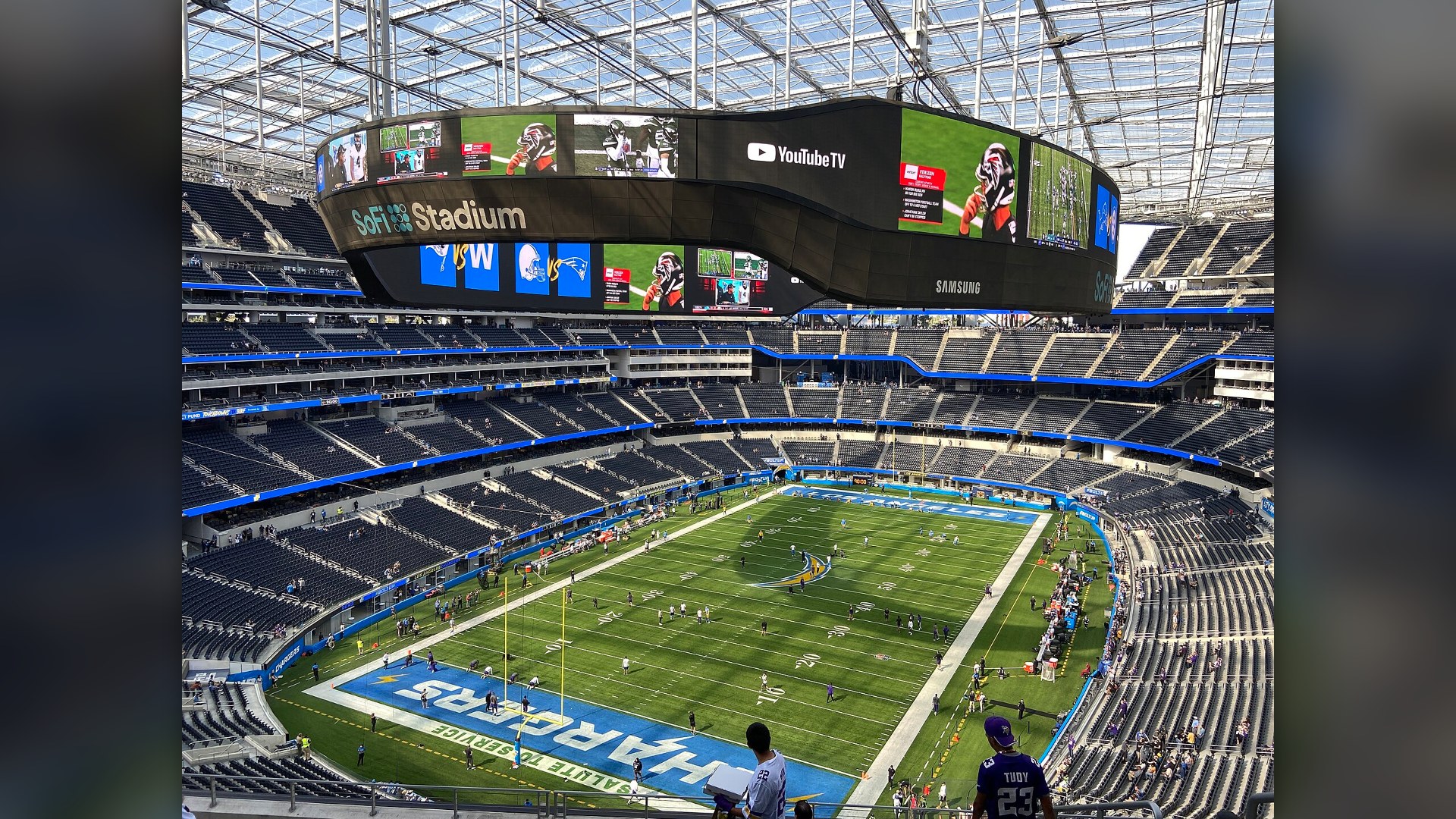
#18 SoFi Stadium Infinity Screen
Suspended 122 feet above the turf in Inglewood, this Samsung video board features 70,000 square feet of digital canvas with 80 million pixels. The dual-sided oval design lets every fan inside the 70,000-seat bowl see full 4K replays regardless of viewing angle.
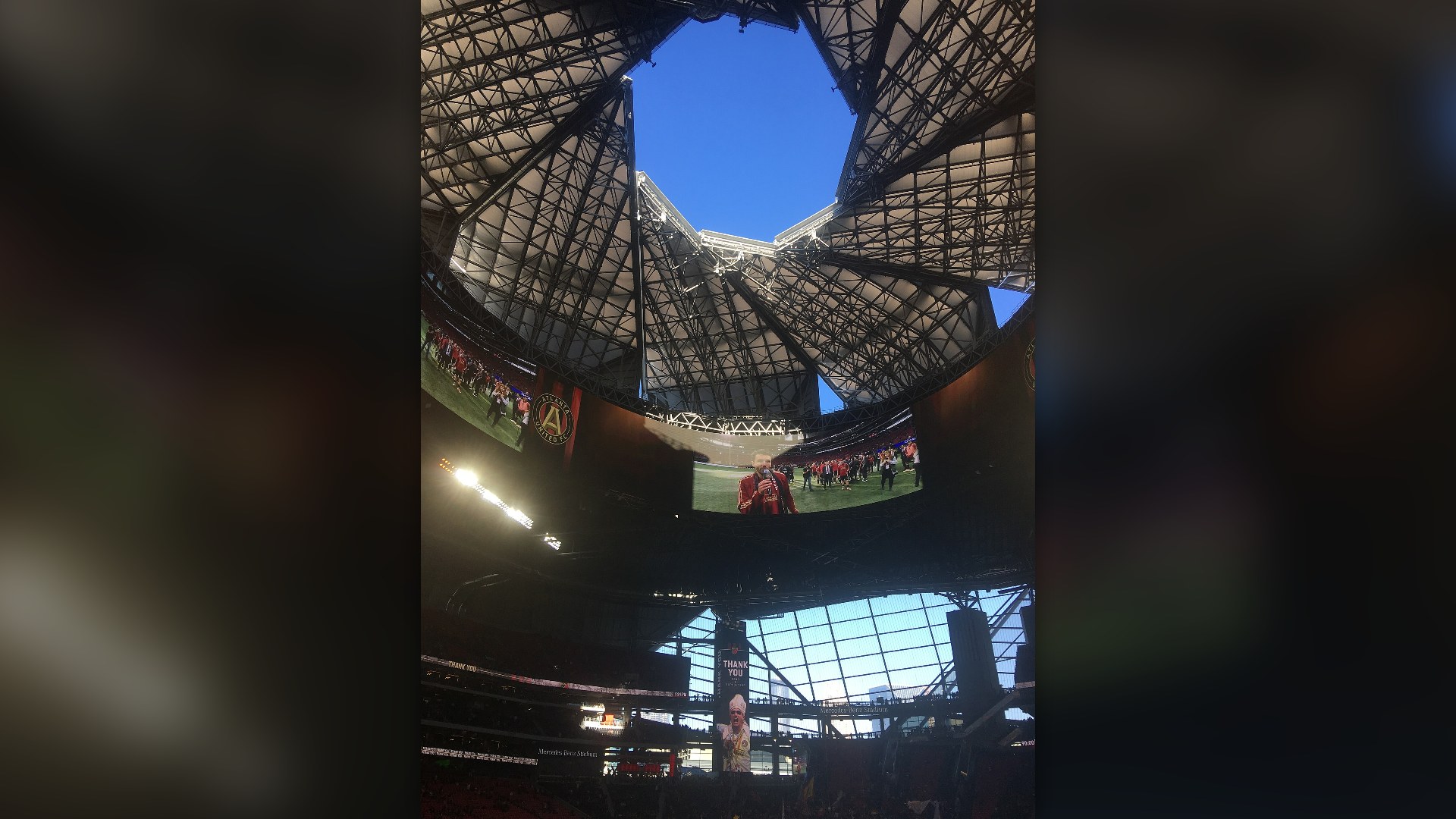
#19 Mercedes-Benz Stadium Oculus Roof
Designed by HOK, the Atlanta stadium features eight triangular ETFE polymer petals that slide along individual rails like a camera aperture. The 14.5-acre kinetic roof opens or closes in under eight minutes, framed by a continuous 58-foot-tall halo video board suspended below.
#20 Camden Yards B&O Warehouse
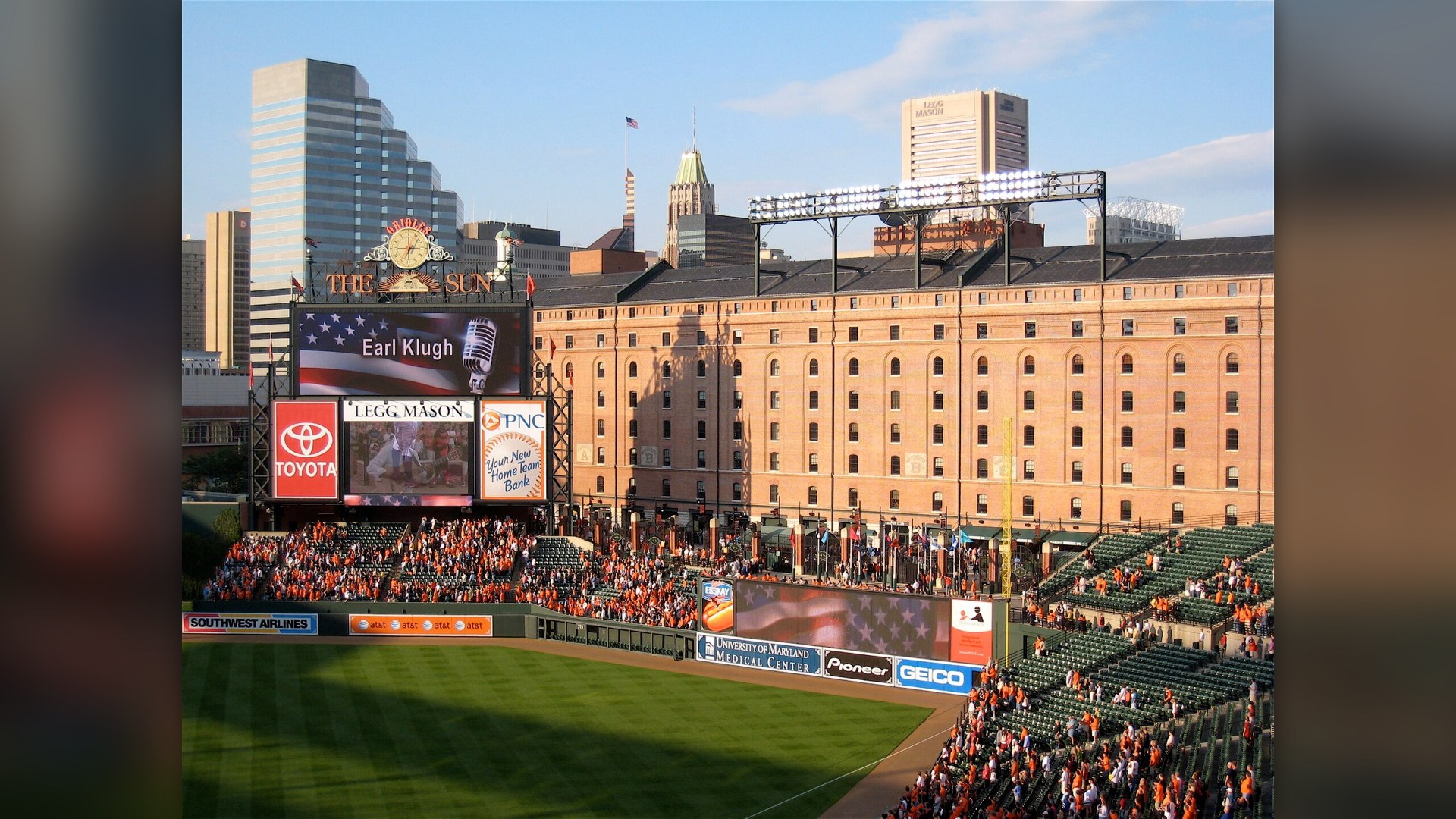
Built between 1898 and 1905 by the Baltimore and Ohio Railroad, this 1,116-foot-long brick structure spans the entire length of right field. When Oriole Park opened in 1992, architect HOK Sport integrated the historic freight depot, sparking the modern retro ballpark movement.
#21 Lambeau Field Lambeau Leap Wall
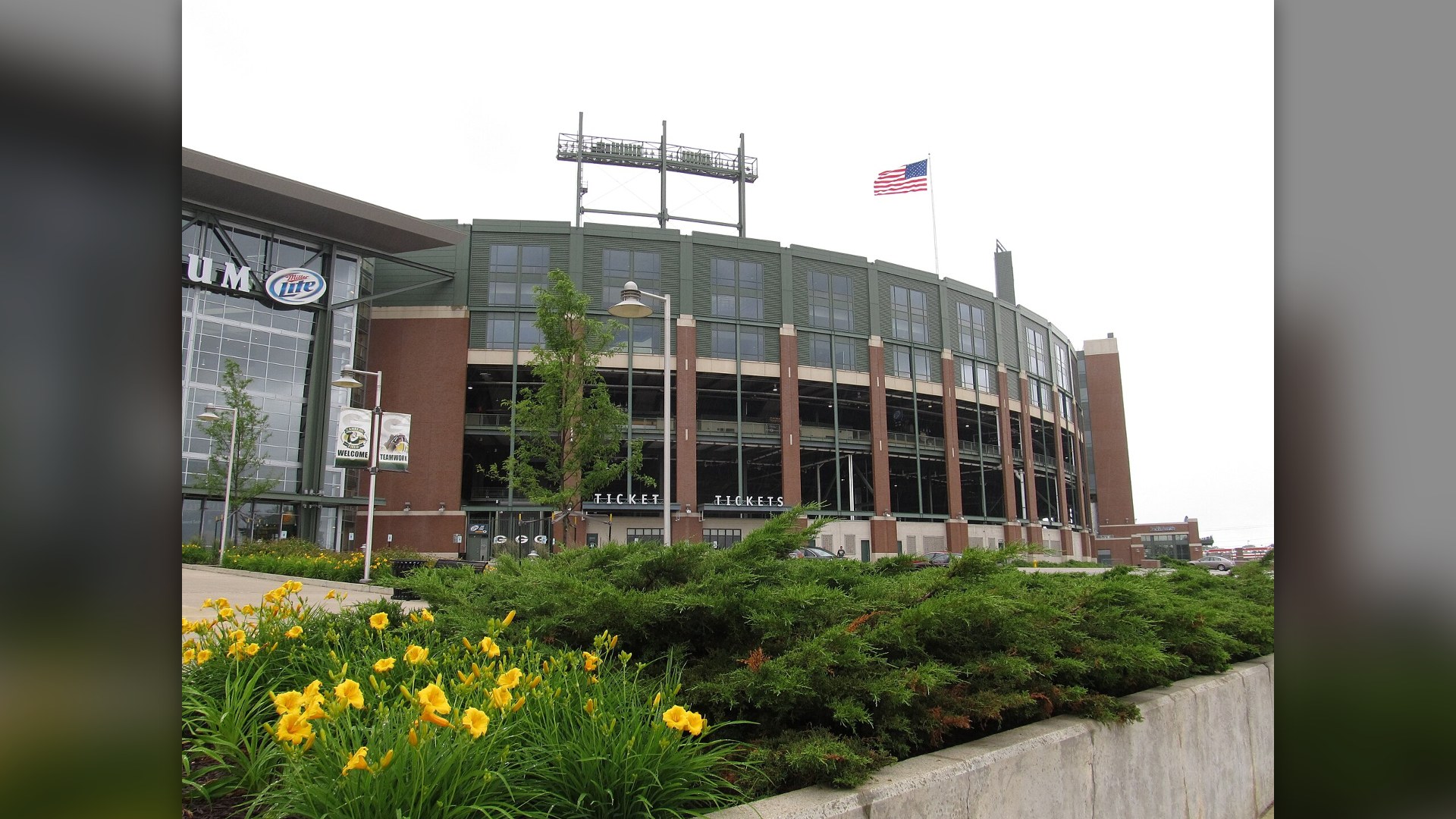
Safety LeRoy Butler invented the leap on December 26, 1993, after recovering a fumble against the Raiders. The tradition requires scoring players to jump into the six-foot-tall end zone wall into the arms of freezing Green Bay fans, becoming an iconic NFL cultural touchstone.
#22 Wrigley Field Ivy Outfield Wall
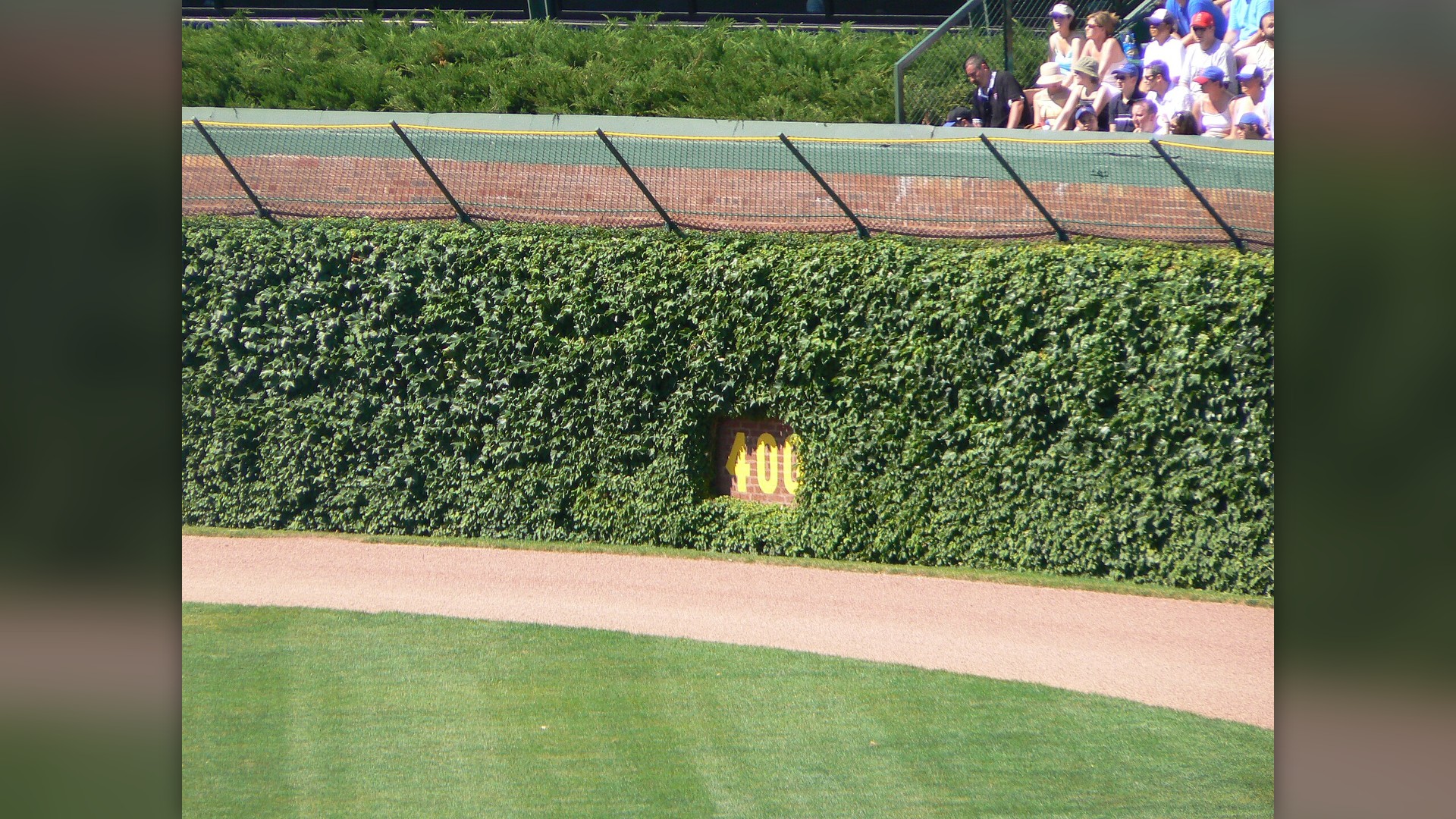
Chicago Cubs general manager Bill Veeck planted Boston ivy and Japanese bittersweet against the brick bleachers in 1937. The vine transforms from bright green to deep autumn red over the season. Baseballs lost in the clinging leaves are ruled automatic ground rule doubles by ground rules.
#23 Fenway Park Green Monster
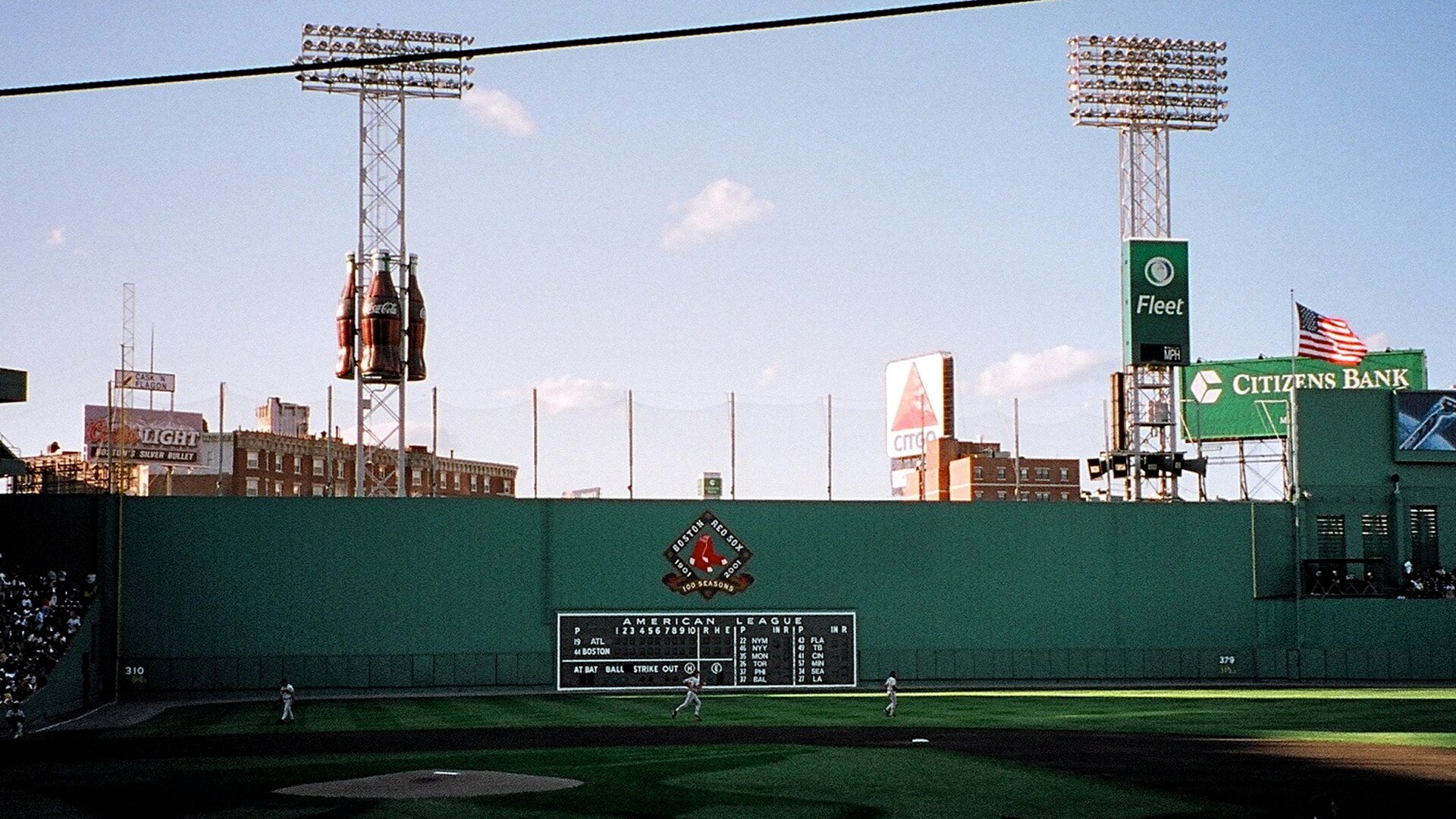
Standing 37 feet and two inches tall just 310 feet from home plate, the Green Monster was originally built from wood in 1912 and resurfaced with tin in 1934. Operators still change scores by hand from behind the wall, where fans and fly balls contend with the shortest left field in pro baseball.