Slideshow · Animals
22 Birds Whose Babies Respond to Parental Alarm Calls
Young birds face constant danger from predators, but many survive by decoding their parents' urgent alarm calls. From cavity nesters freezing in darkness to precocial chicks diving into grass, parent birds give distinct vocal cues that tell offspring when to go silent, crouch low, or flee to safety.
By Most Viral Today
1 day ago

How Young Birds Obey Parental Alarm Calls to Survive Danger 
22. Common Redshank 
21. Northern Bobwhite 
20. Killdeer - AdvertisementSwipe or tap ▶ to continue countdown

19. Mallard Duckling 
18. House Wren 
17. Western Bluebird 
16. European Starling - AdvertisementSwipe or tap ▶ to continue countdown

15. Yellow Warbler 
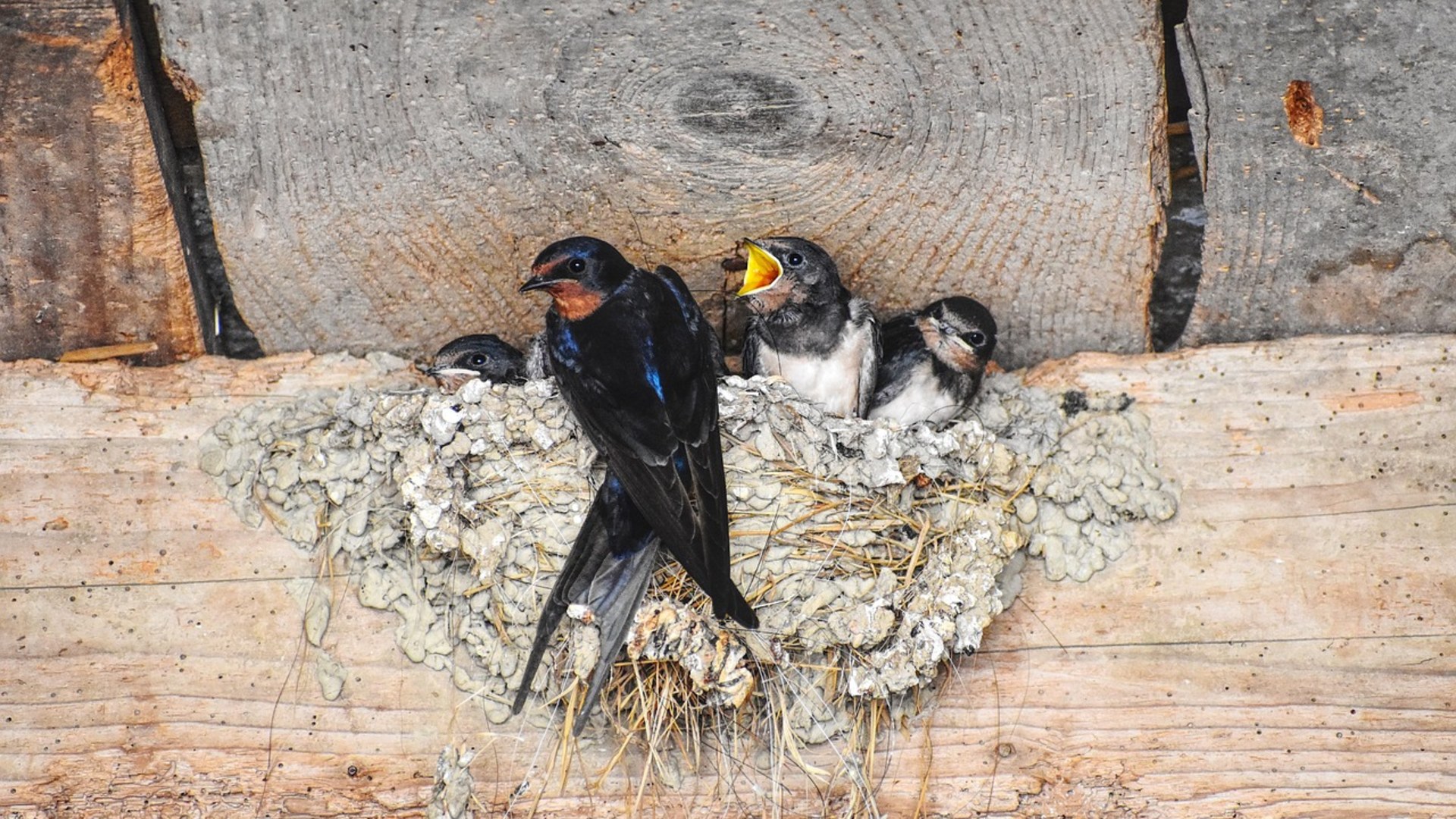
14. Barn Swallow 
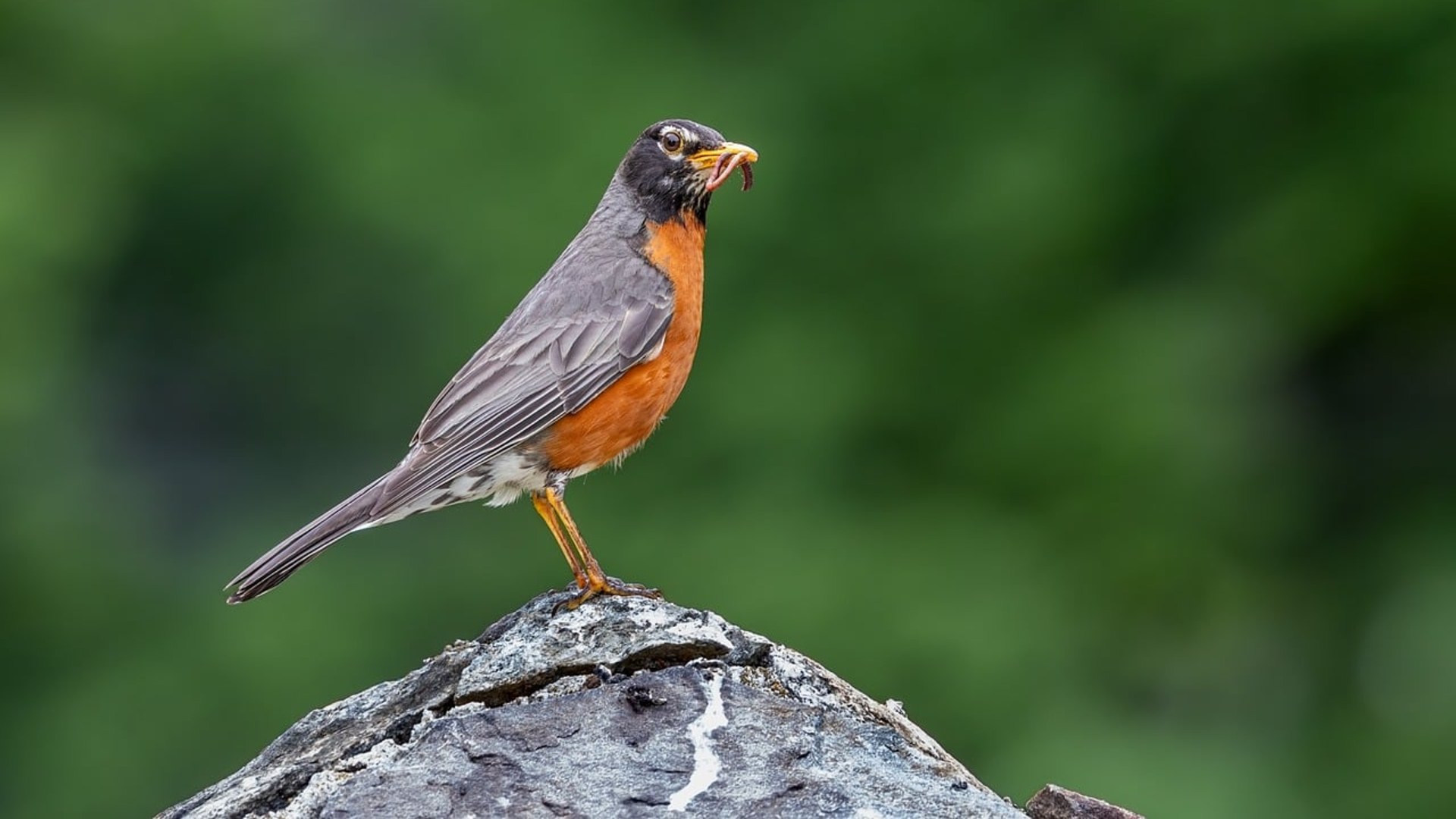
13. American Robin 
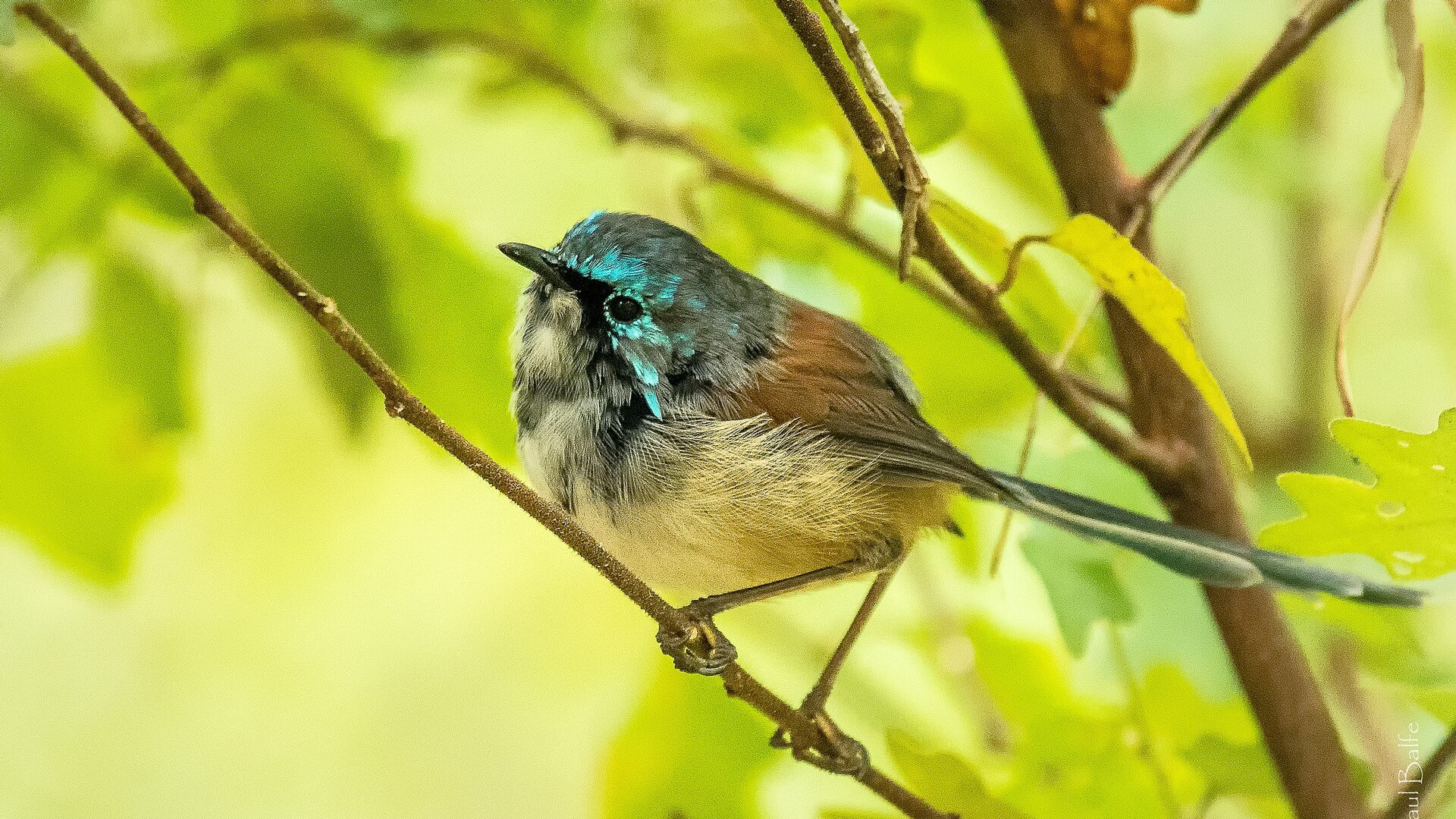
12. Red Winged Fairy Wren - AdvertisementSwipe or tap ▶ to continue countdown

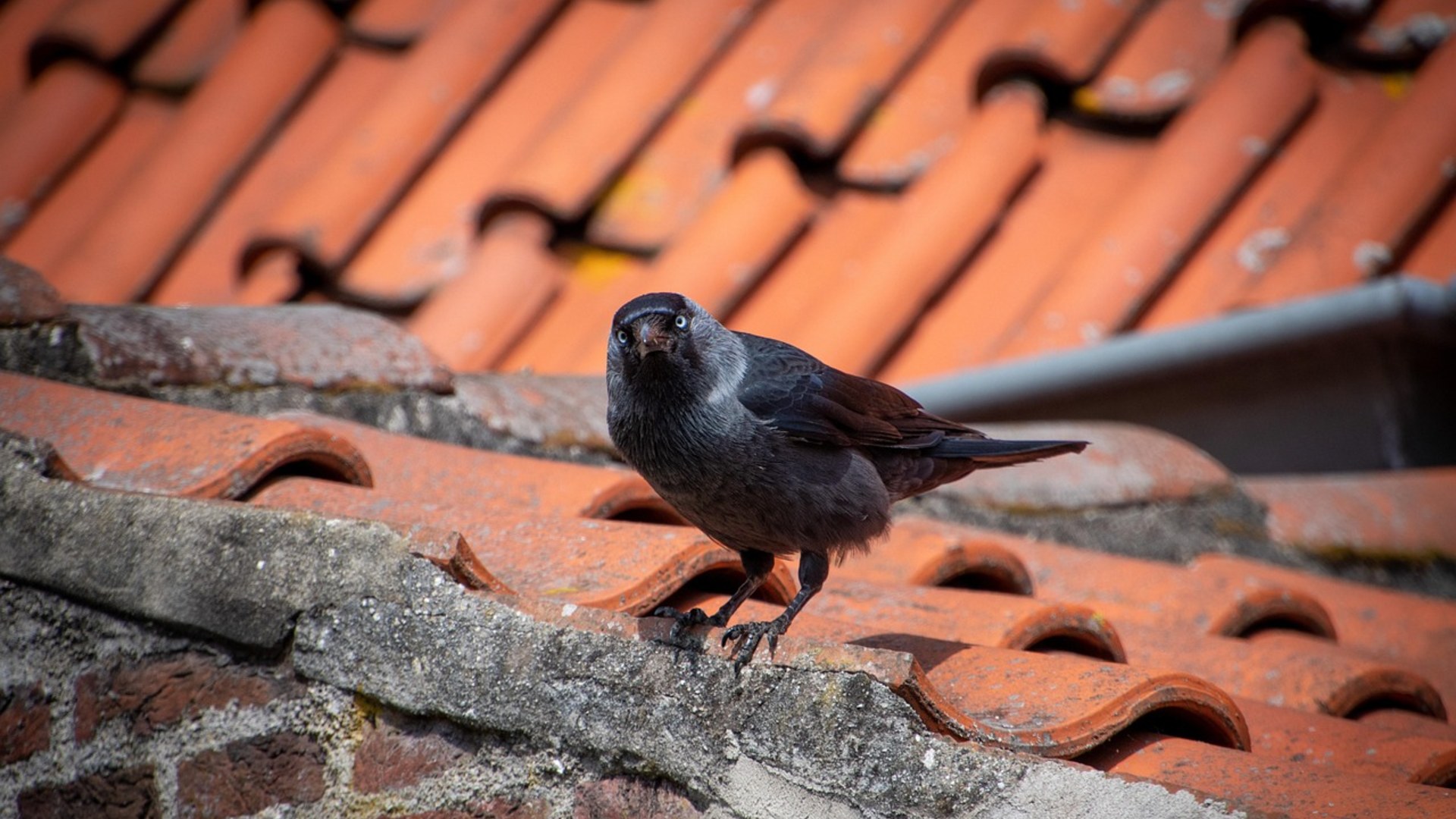
11. Western Jackdaw 
10. Siberian Jay 
9. Pied Babbler 
8. Eurasian Reed Warbler - AdvertisementSwipe or tap ▶ to continue countdown

7. Tree Swallow 
6. Eurasian Blue Tit 
5. Black Capped Chickadee 
4. Great Tit - AdvertisementSwipe or tap ▶ to continue countdown

3. Japanese Tit 
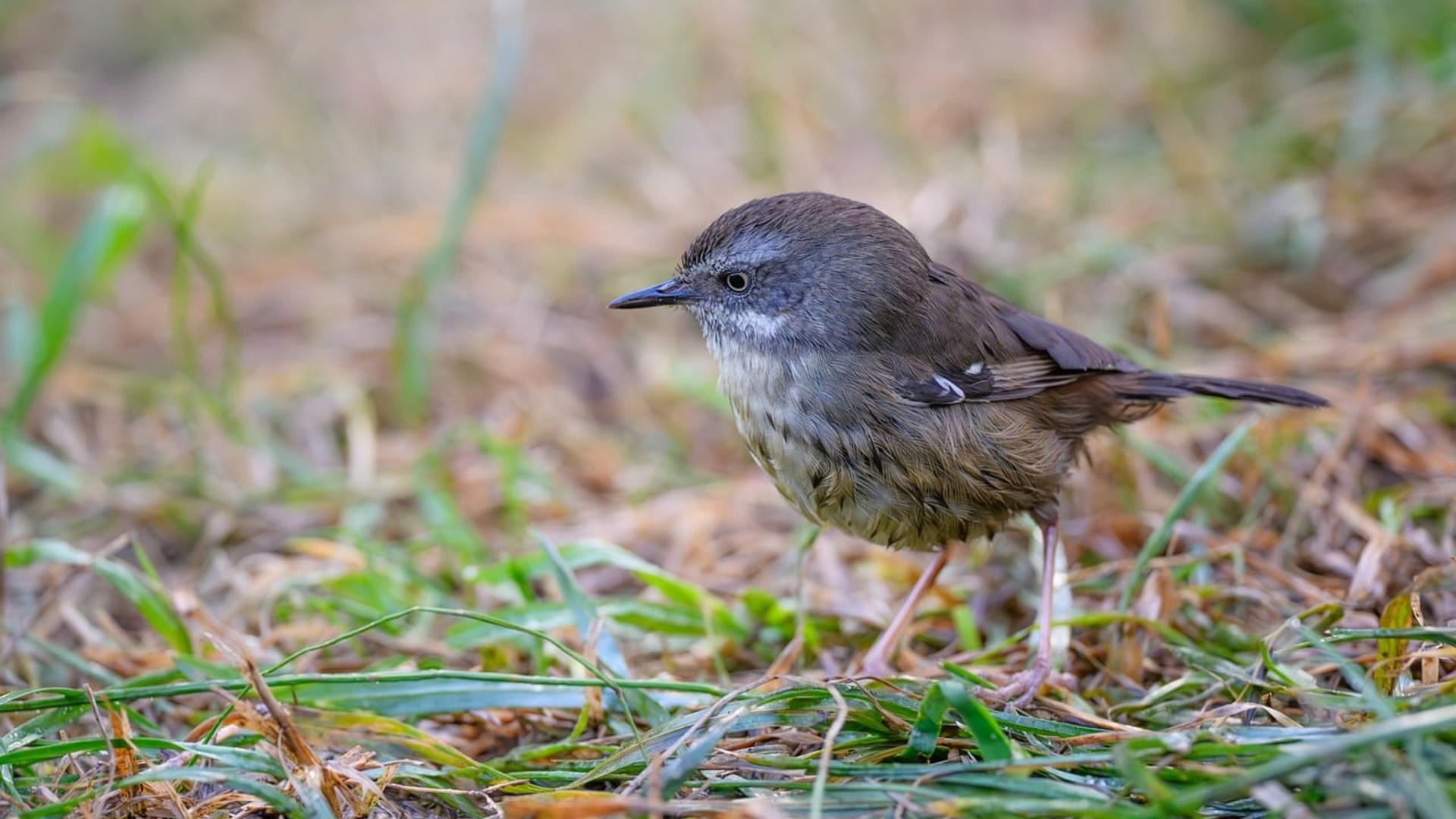
2. White Browed Scrubwren 
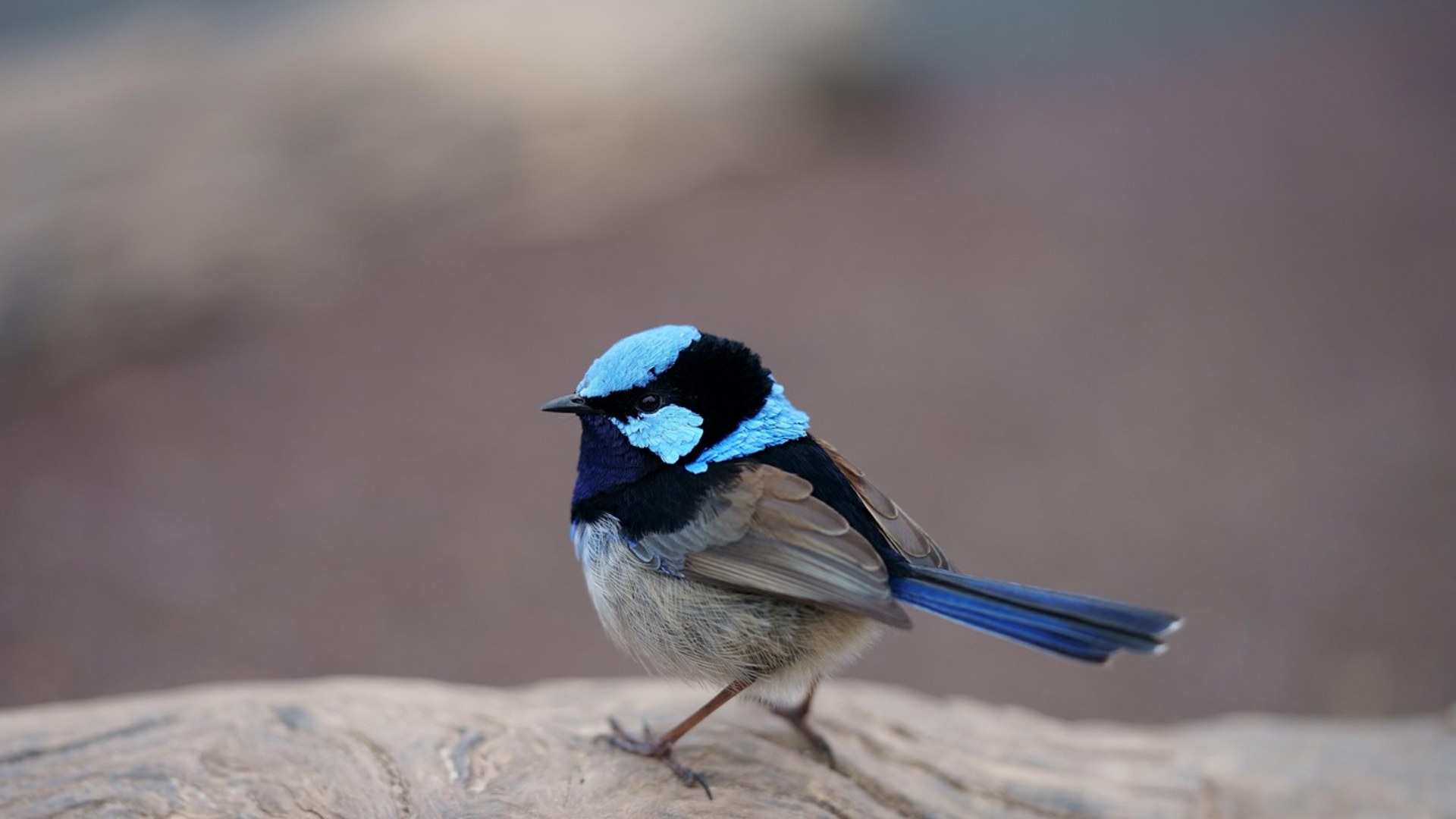
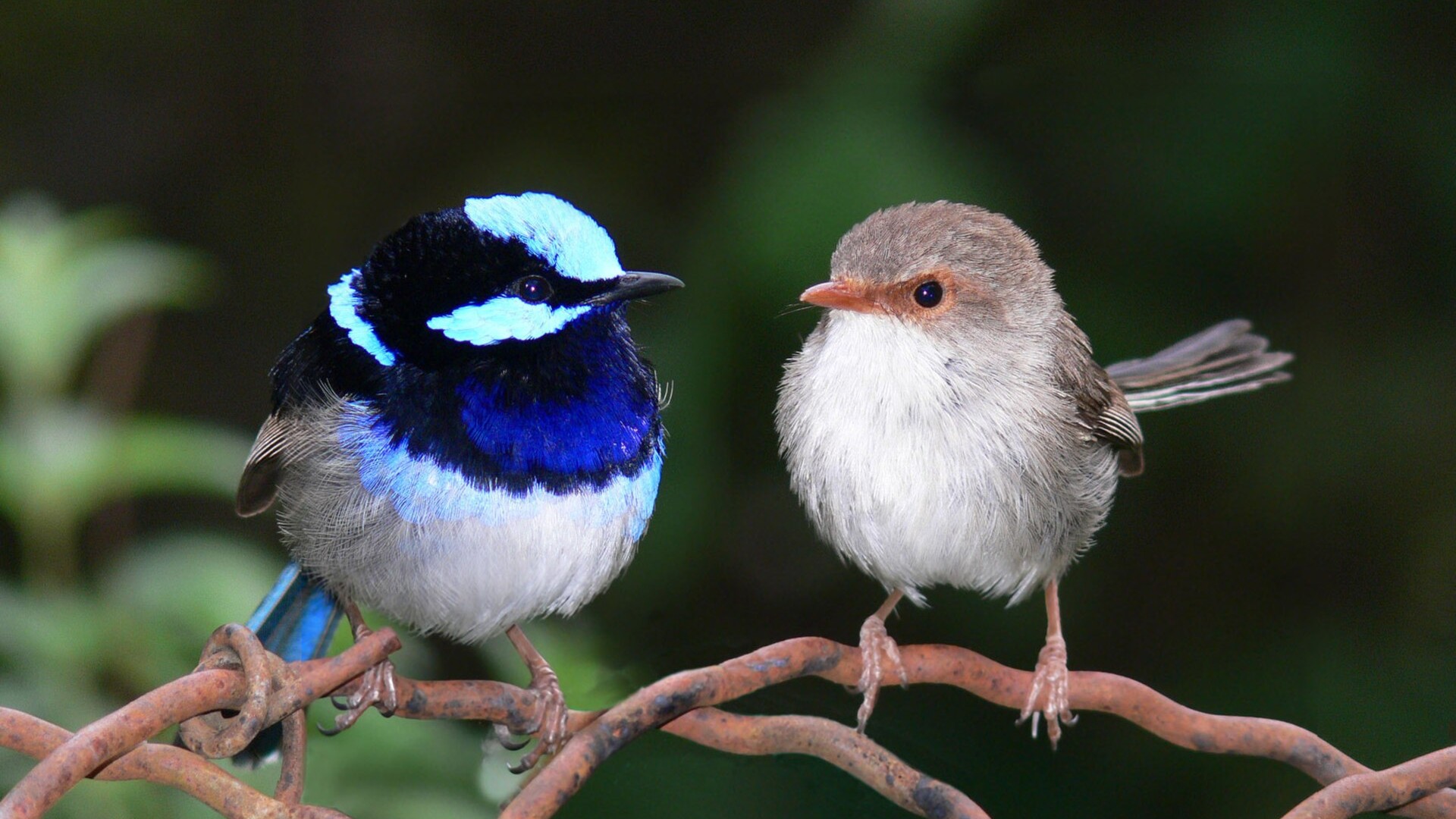
1. Superb Fairy Wren - Advertisement🔥 UP NEXT IN THIS SERIES◫ 23 Slides

22 Historic Working Dog Breeds Featured at the National Dog Show
From sled pullers to mountain guardians, 22 breeds from the American Kennel Club Working Group bring centuries of utility to the 2026 National Dog Show ring. Based on official AKC breed standards and NBC Sports broadcast coverage, this countdown explores each dog's origins, size and traditional working role.
Avian parents use tailored vocal warnings to protect chicks from predators. Studies in Current Biology, Animal Behaviour, and Royal Society journals show nestlings suppress begging and freeze upon hearing adult alarms. This gallery tracks twenty-two bird species whose survival depends on obeying parental cues.
Swipe or tap ▶ to begin the countdown
©Wikimedia / User:benjamint444
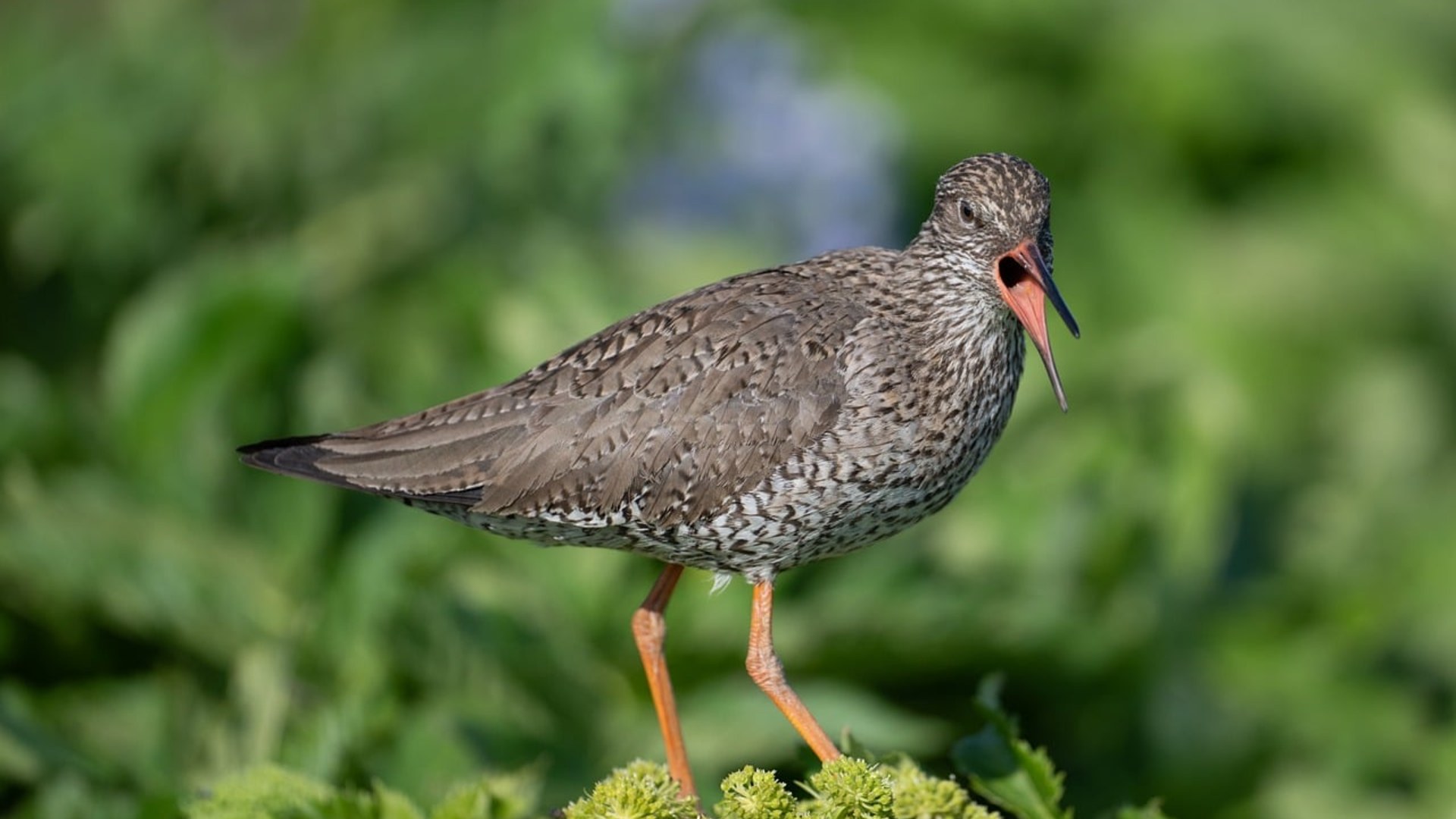
22. Common Redshank
Common redshanks nest on European saltmarshes exposed to gulls, foxes, and raptors. When adults circle overhead piping sharp alarm whistles, downy chicks drop into wet saltmarsh gullies. Remaining completely motionless allows their brown down to blend invisibly with marsh mud and roots.
©Pixabay / xiSerge
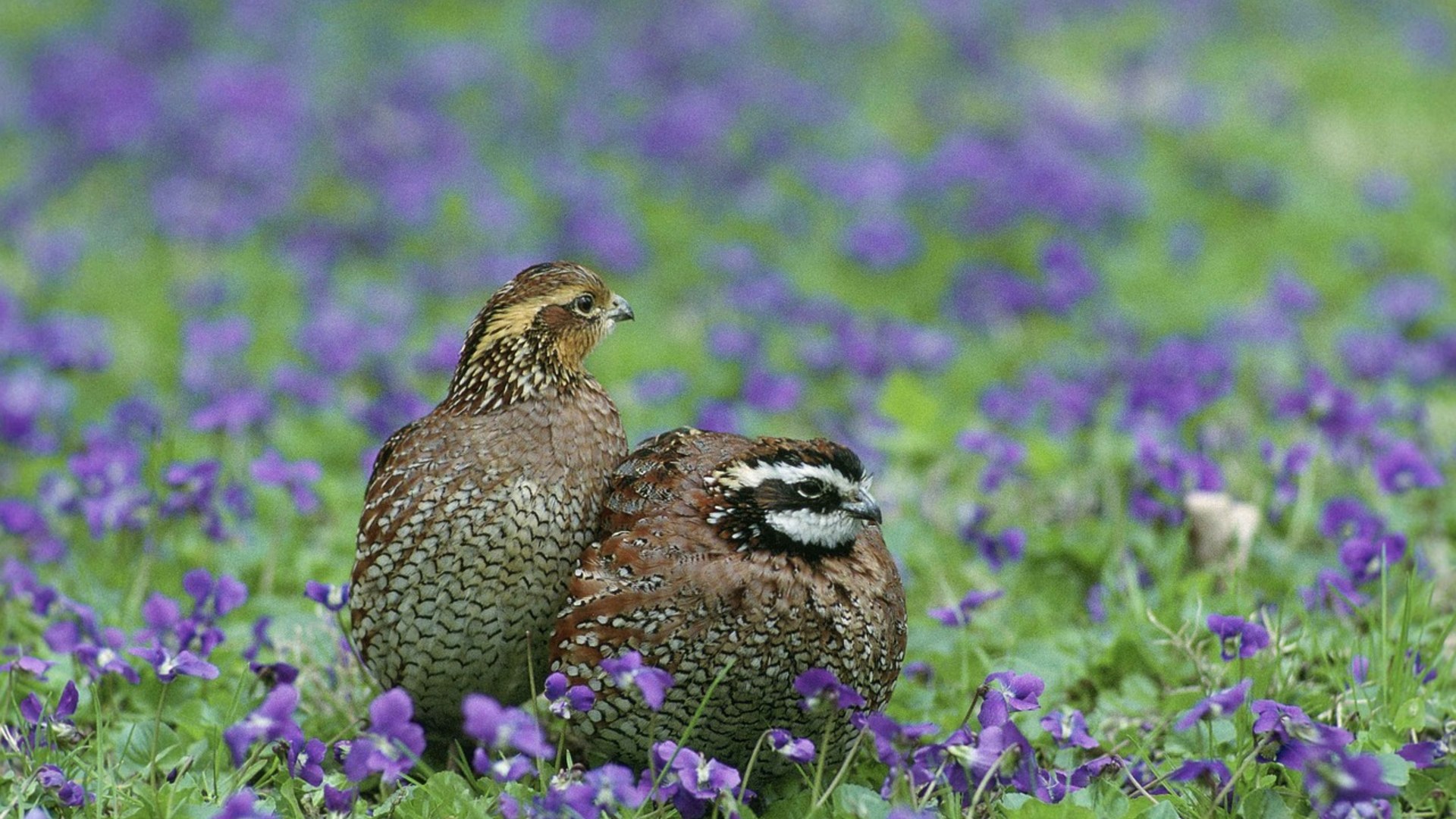
21. Northern Bobwhite
Bobwhite coveys raise precocial broods in open grasslands where coyotes and harriers hunt. When the sentry adult detects motion, it delivers a sharp warning putt. The tiny chicks instantly scatter into thick bluestem grass and freeze, holding their breath until given a rallying call.
©Pixabay / PublicDomainImages
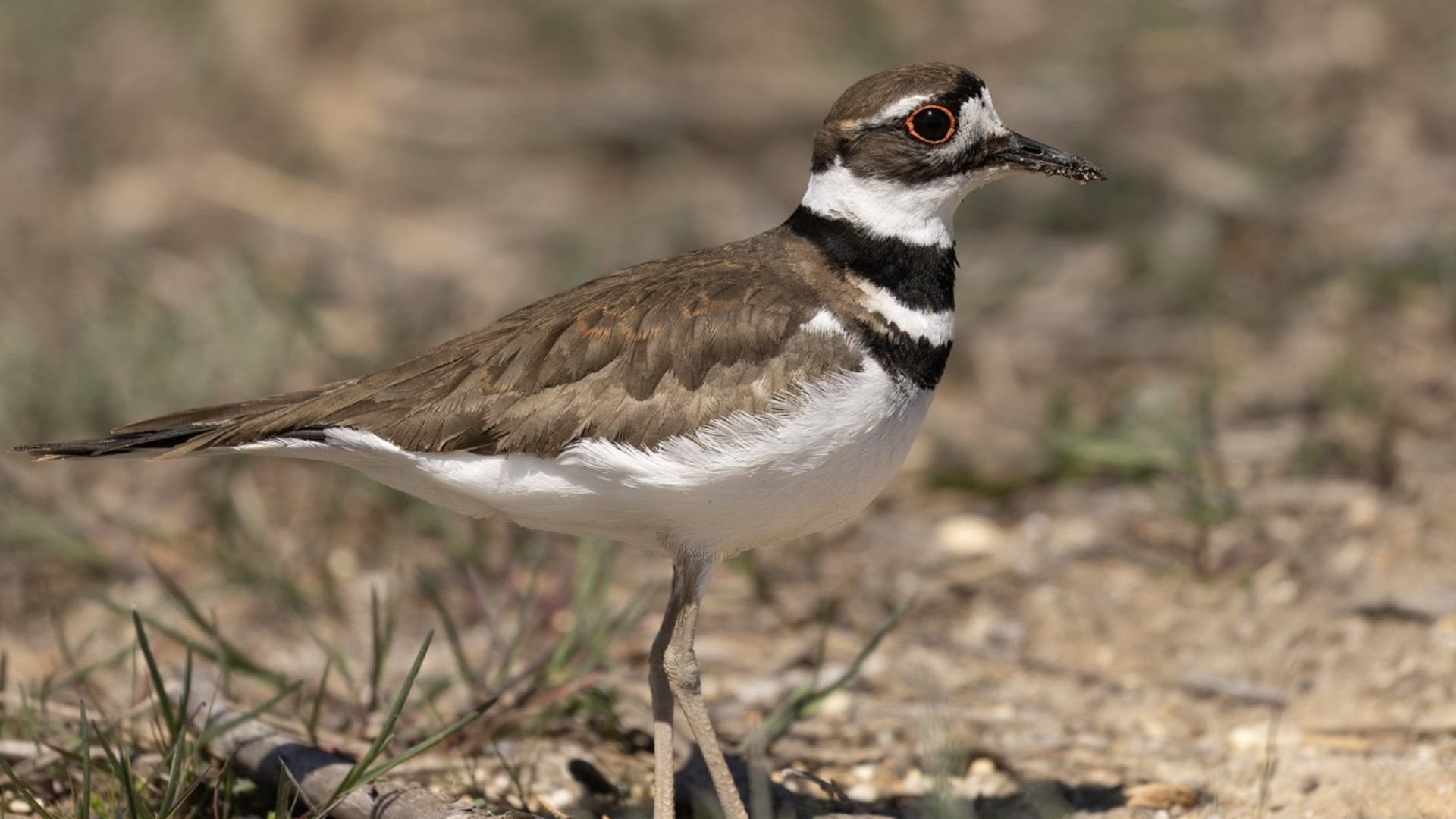
20. Killdeer
Killdeer nest on open gravel bars where chicks rely heavily on mottled camouflage. When parents spot red-tailed hawks, they emit piercing alarm shrieks while performing broken-wing displays. Chicks instantly drop flat against gravel, looking like river pebbles until danger clears.
©Wikimedia / Killdeer
Advertisement
Swipe or tap ▶ to resume the countdown.
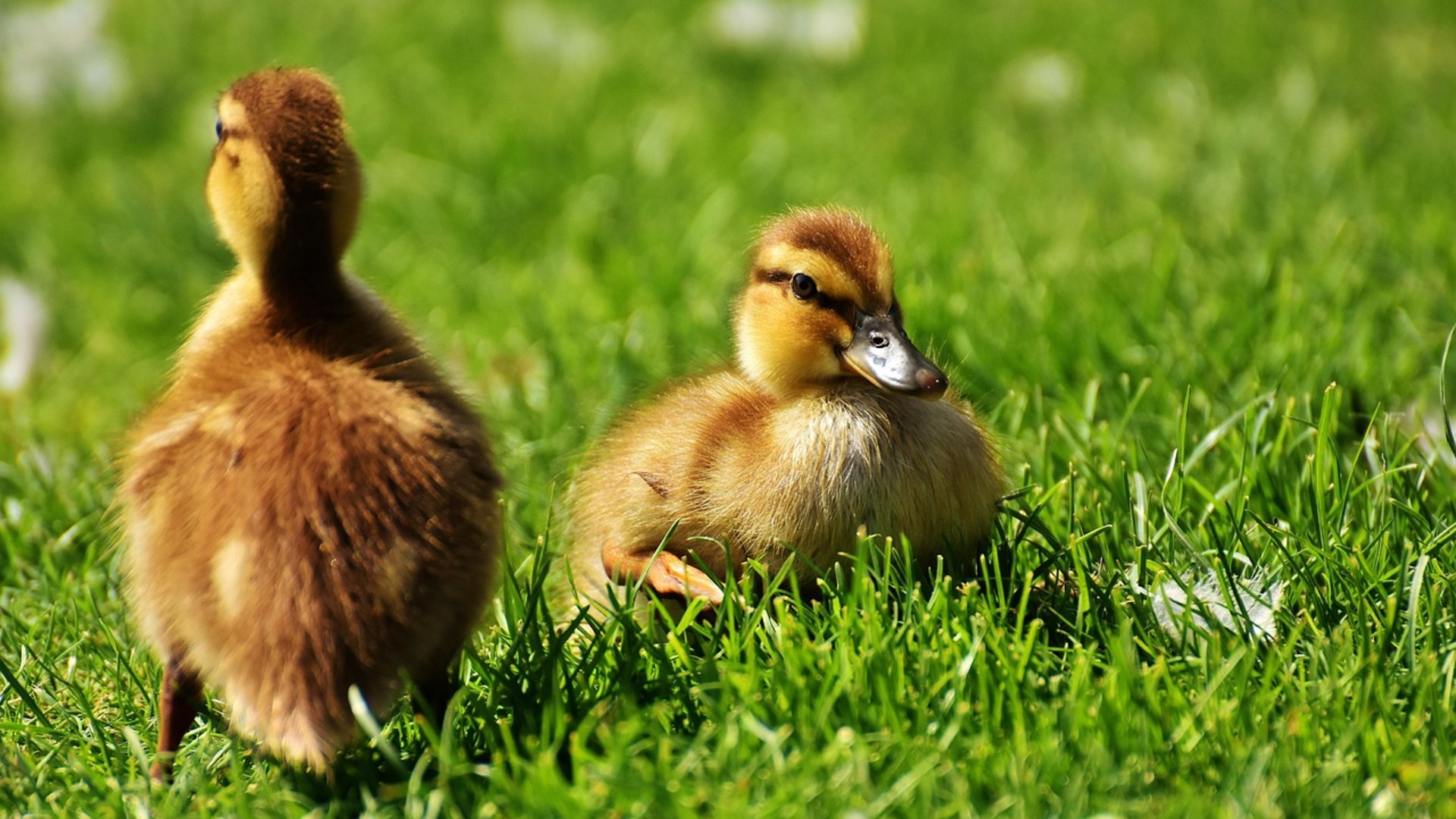
19. Mallard Duckling
Mallard ducklings leave the nest shortly after hatching to follow the hen across wetlands. When herons or northern pike approach, the mother produces a low, sharp alarm quack. Ducklings respond by freezing motionless among cattails or diving beneath weed cover to escape visual detection.
©Pixabay / Alexas_Fotos
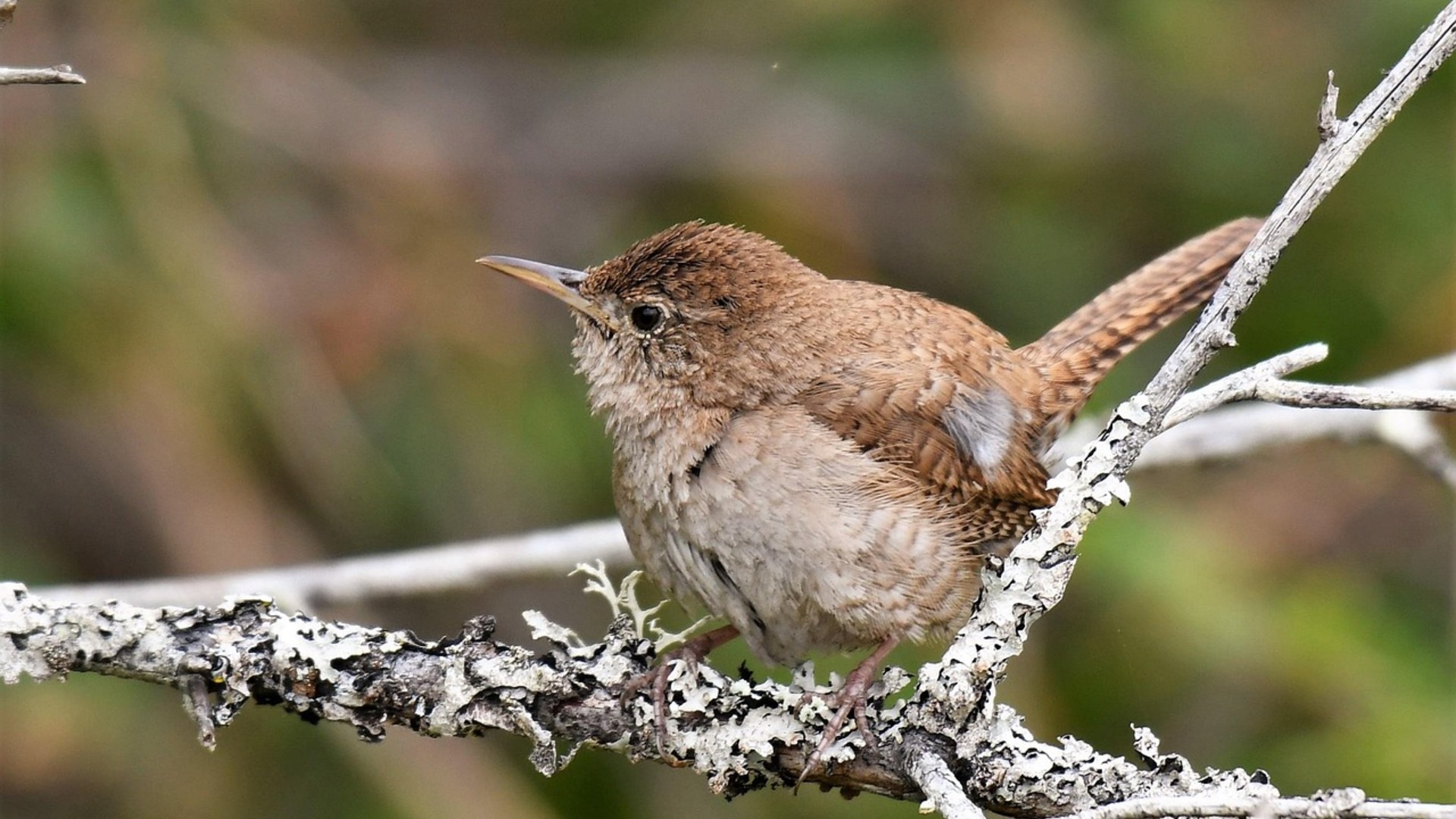
18. House Wren
House wrens defend nesting boxes against rat snakes and feral cats across North America. When parents deliver intense chattering scolds outside, nestlings flatten their bellies against the wooden base. Staying silent reduces vibrational and auditory signals that guide predators inward.
©Pixabay / Nature-Pix
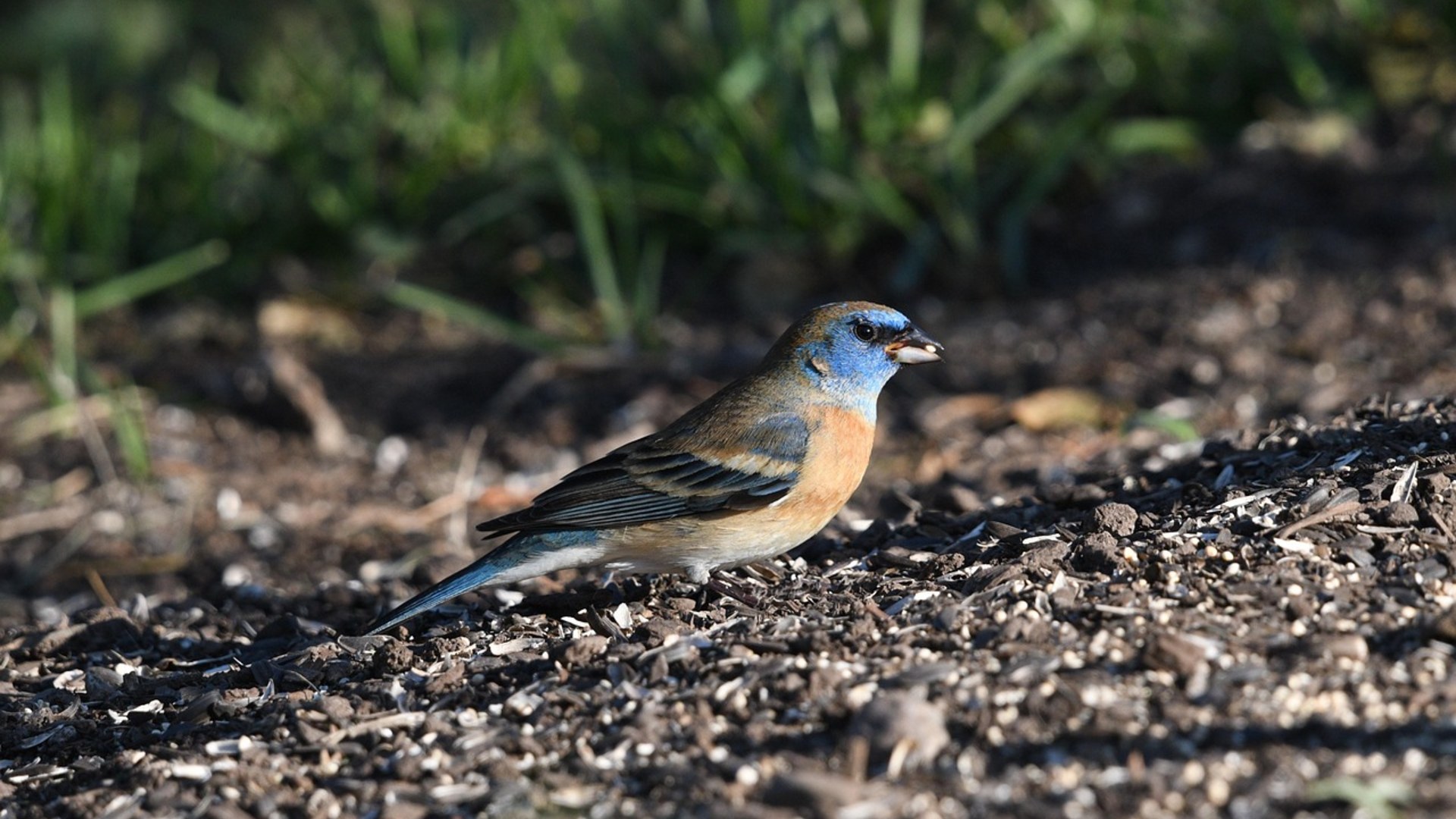
17. Western Bluebird
Western bluebirds nest in tree holes where snakes and chipmunks hunt active nests. When foraging parents notice a predator near the entrance hole, they deliver staccato warning chips. Nestlings immediately tuck their heads into nesting grasses, remaining quiet until parents return.
©Pixabay / Veronika_Andrews
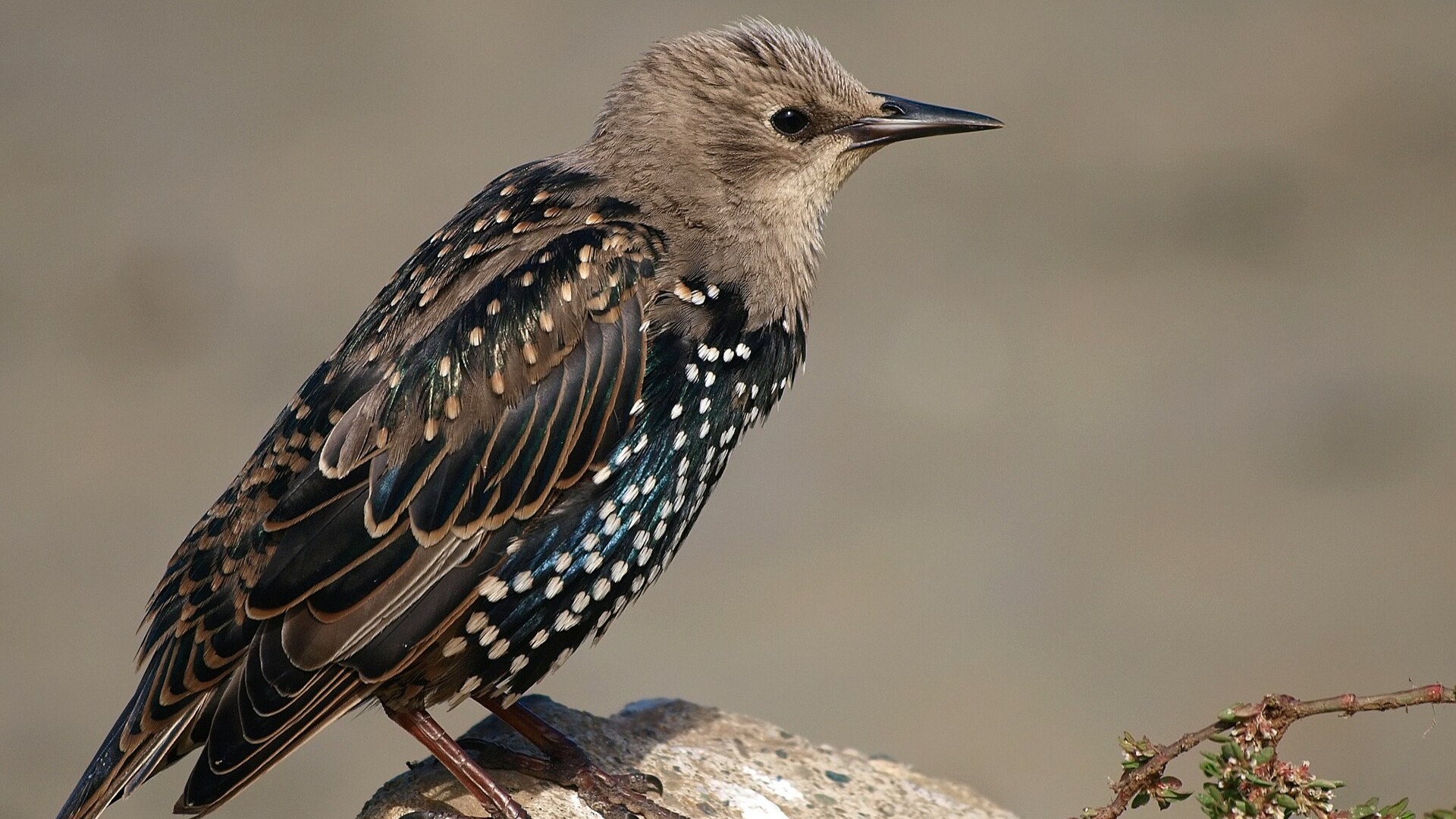
16. European Starling
European starlings raise noisy broods inside hollow trees and building crevices. Field experiments demonstrate that parental alarm snarls cause chicks to drop to the bottom of the cavity. Begging calls cease immediately, removing auditory cues that attract prowling raccoons and corvids.
©Wikimedia / Ingrid Taylar
Advertisement
Swipe or tap ▶ to resume the countdown.
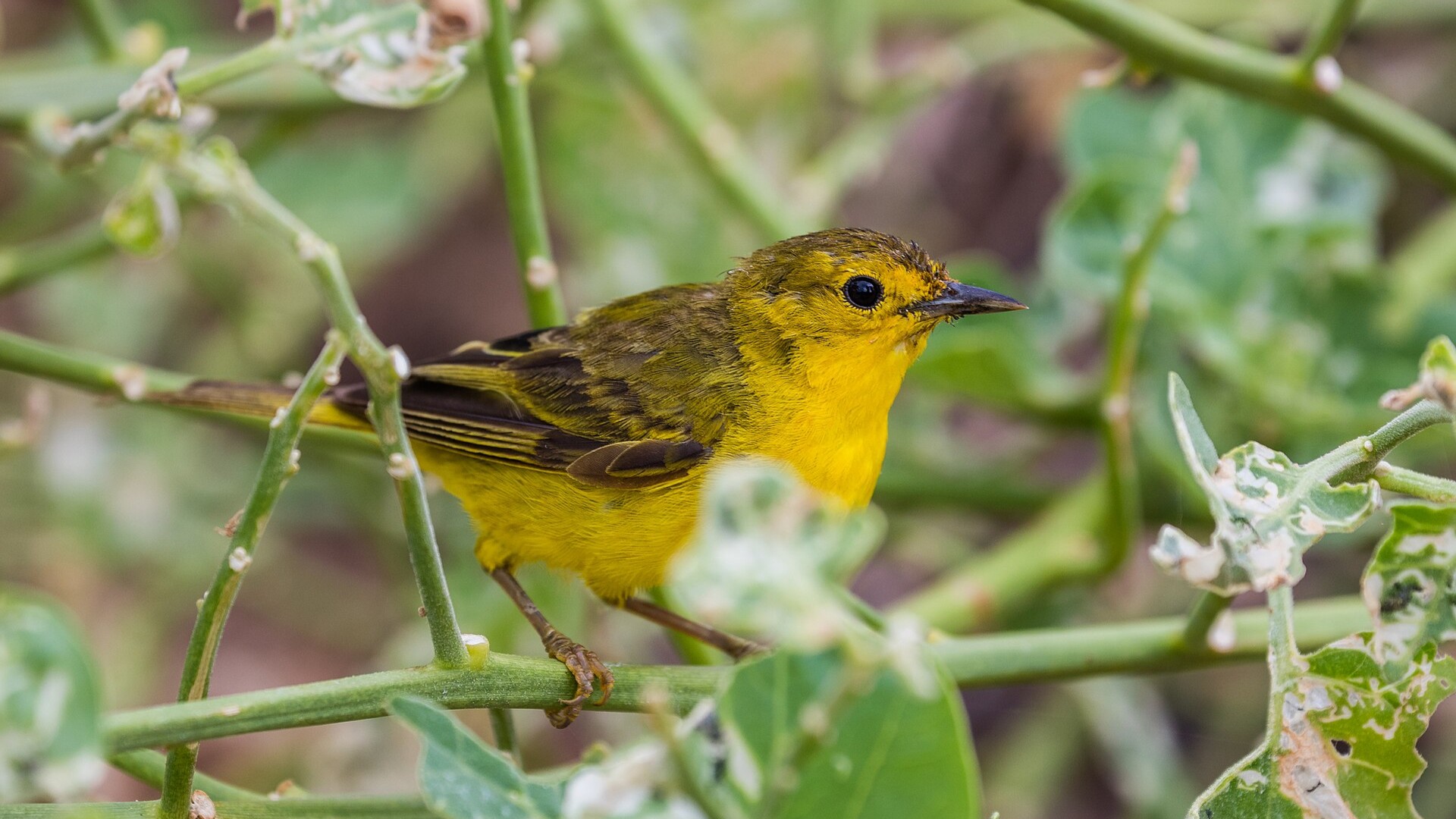
15. Yellow Warbler
Yellow warblers recognize brown-headed cowbirds as brood parasites that destroy clutches. University of Manitoba researchers showed that warblers emit unique seet calls for cowbirds. Brood chicks recognize these calls and crouch low in shrub nests to evade detection by parasitic females.
©Wikimedia / Diego Delso
14. Barn Swallow
Barn swallow colonies nest under bridges and rafters where raptors and snakes search for easy meals. Parent swallows utter sharp, rapid alarm clicks when an owl or cat approaches. Brood chicks respond by sinking low into mud cups, keeping their heads below the protective rim.
©Pixabay / SusanneEdele
13. American Robin
American robins nest in suburban shrubs where domestic cats and Cooper hawks prowl. When an adult gives a high, thin teep call, fledglings flatten their bodies against tree branches and close their gapes. This silence prevents roaming predators from tracking vulnerable young by ear.
©Pixabay / MOHANN
12. Red Winged Fairy Wren
Living in dense forests of Western Australia, red-winged fairy-wrens forage in family parties. When adults detect grey butcherbirds, they whistle sharp aerial alarms. Dependent young immediately drop from outer branches into deep sword grass and remain motionless until danger passes.
©Wikimedia / Paul Balfe
Advertisement
Swipe or tap ▶ to resume the countdown.
11. Western Jackdaw
Jackdaw juveniles acquire threat recognition by associating parental scolding calls with specific intruders. University of Exeter experiments demonstrated that fledglings hearing adult rattle alarms near an unfamiliar human or predator avoid that entity during subsequent encounters.
©Pixabay / dendoktoor
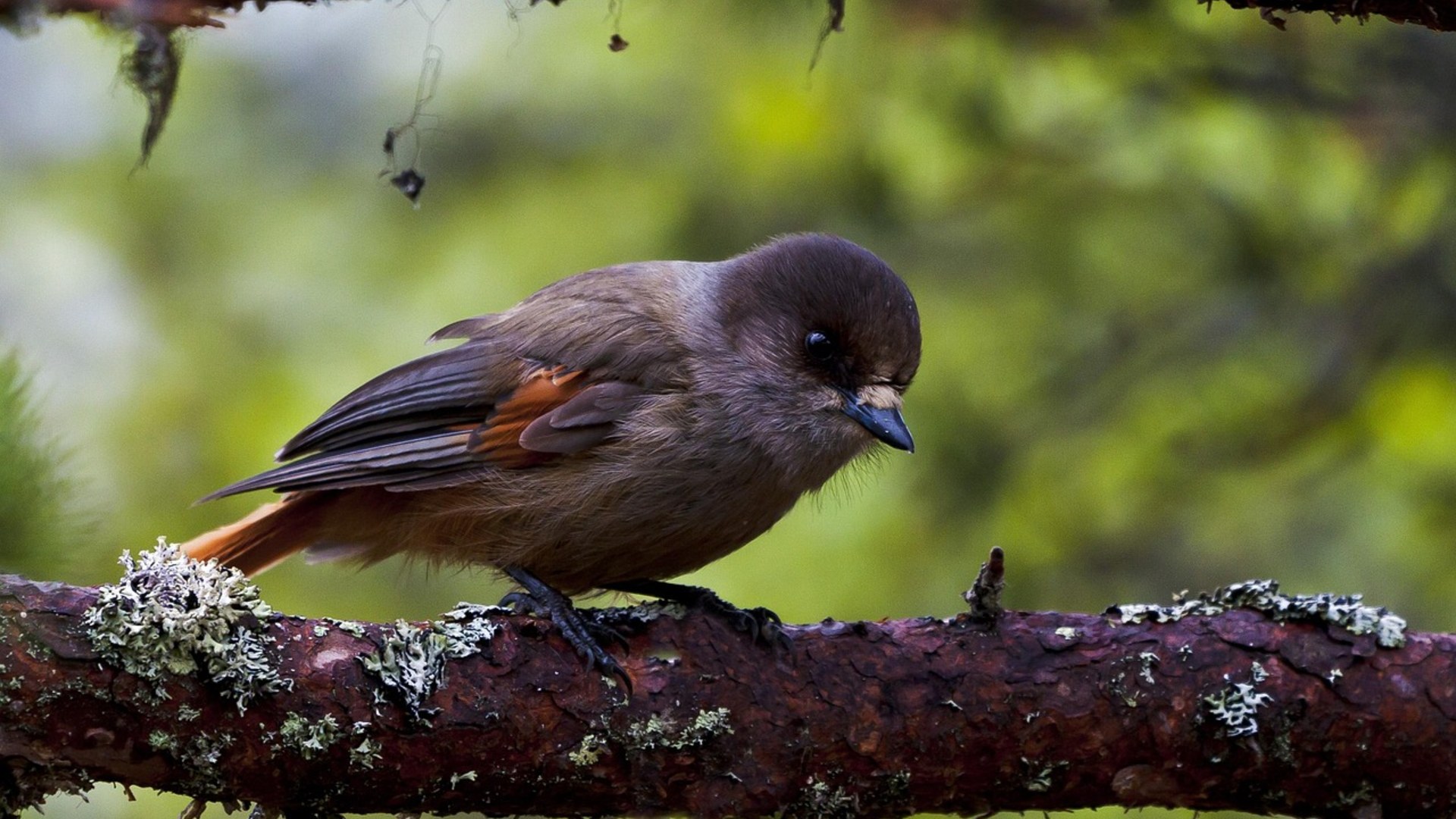
10. Siberian Jay
Siberian jays live in family groups across northern coniferous forests. Field research in Current Biology showed that parents produce distinct alarms for resting versus hunting hawks. Offspring evaluate these calls and take protective cover in dense pine foliage to evade ambushes.
©Pixabay / trondmyhre4
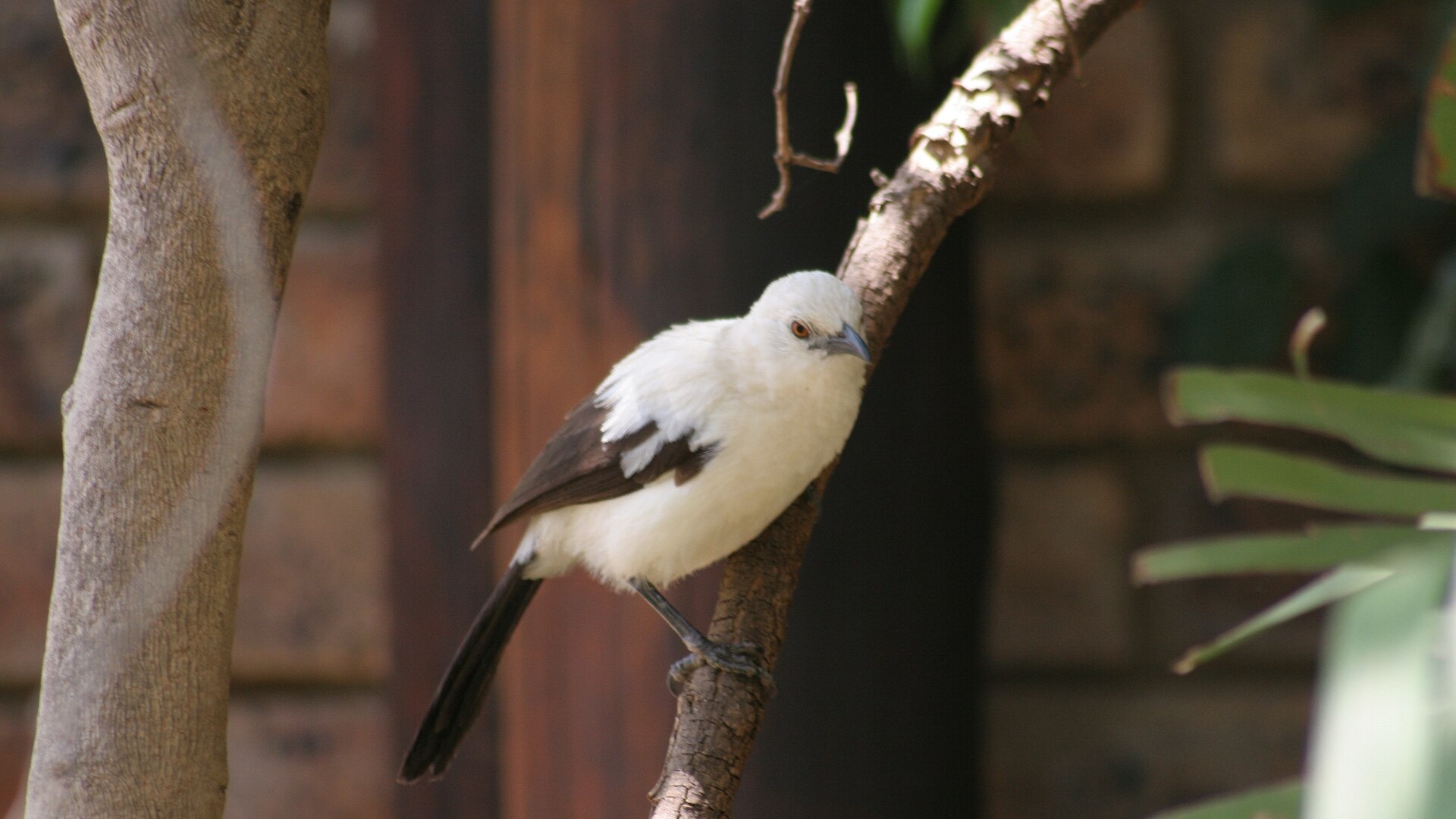
9. Pied Babbler
In the Kalahari Desert, pied babbler groups assign sentinel sentries to watch for pygmy falcons. University of Cape Town research reveals that young fledglings promptly heed sentinel alarm calls by diving into thick acacia thorns, remaining concealed until sentries sound an all-clear song.
©Wikimedia / Monkey Boy from Johannesburg, South Africa
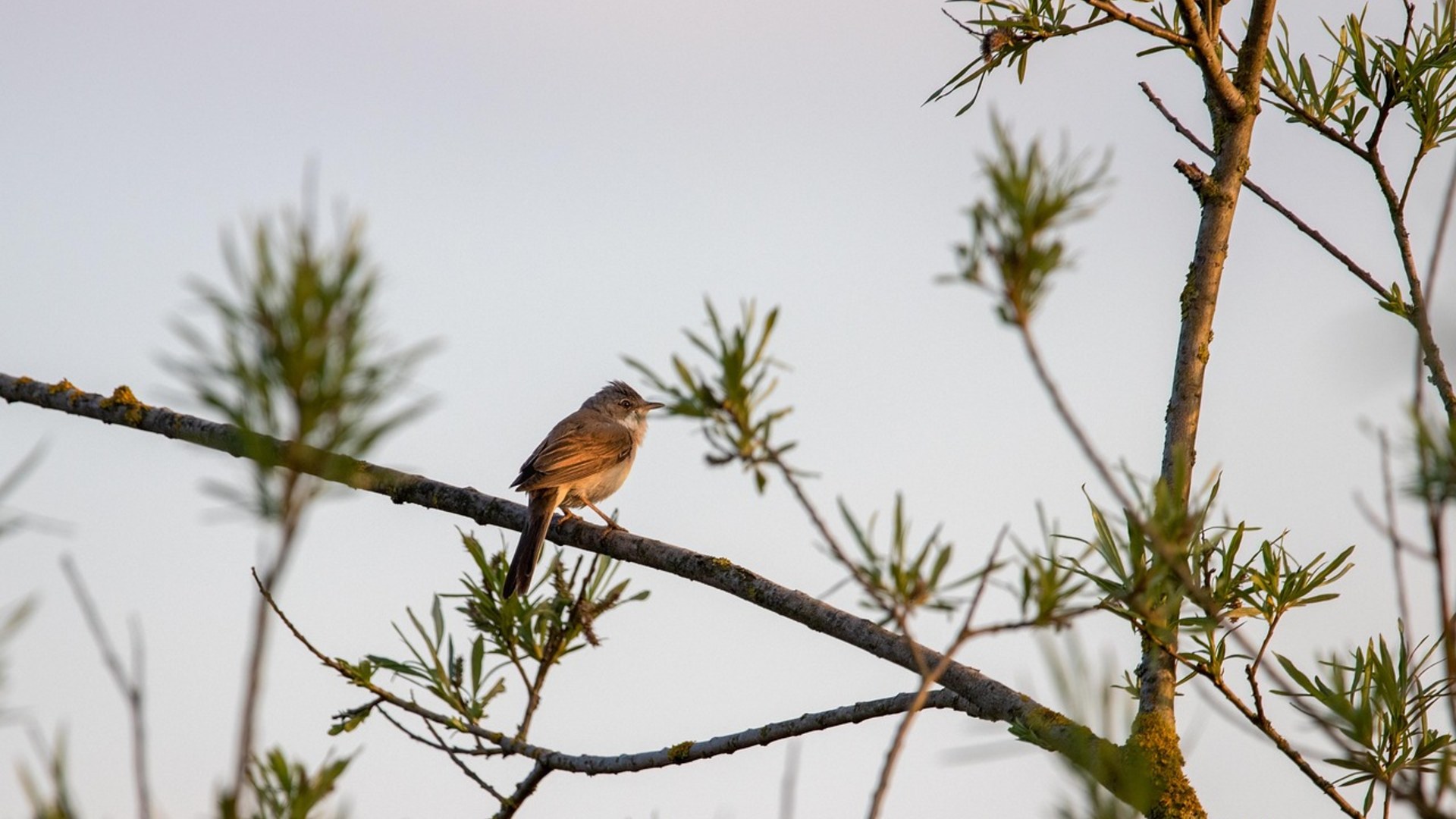
8. Eurasian Reed Warbler
Reed warblers nest in exposed wetland reeds where common cuckoos and marsh harriers hunt. Cambridge University field studies prove that parents emit sharp churr alarms when predators linger near. Nestlings instantly drop silent, preventing predators from pinpointing their swaying nests.
©Pixabay / hapr80
Advertisement
Swipe or tap ▶ to resume the countdown.
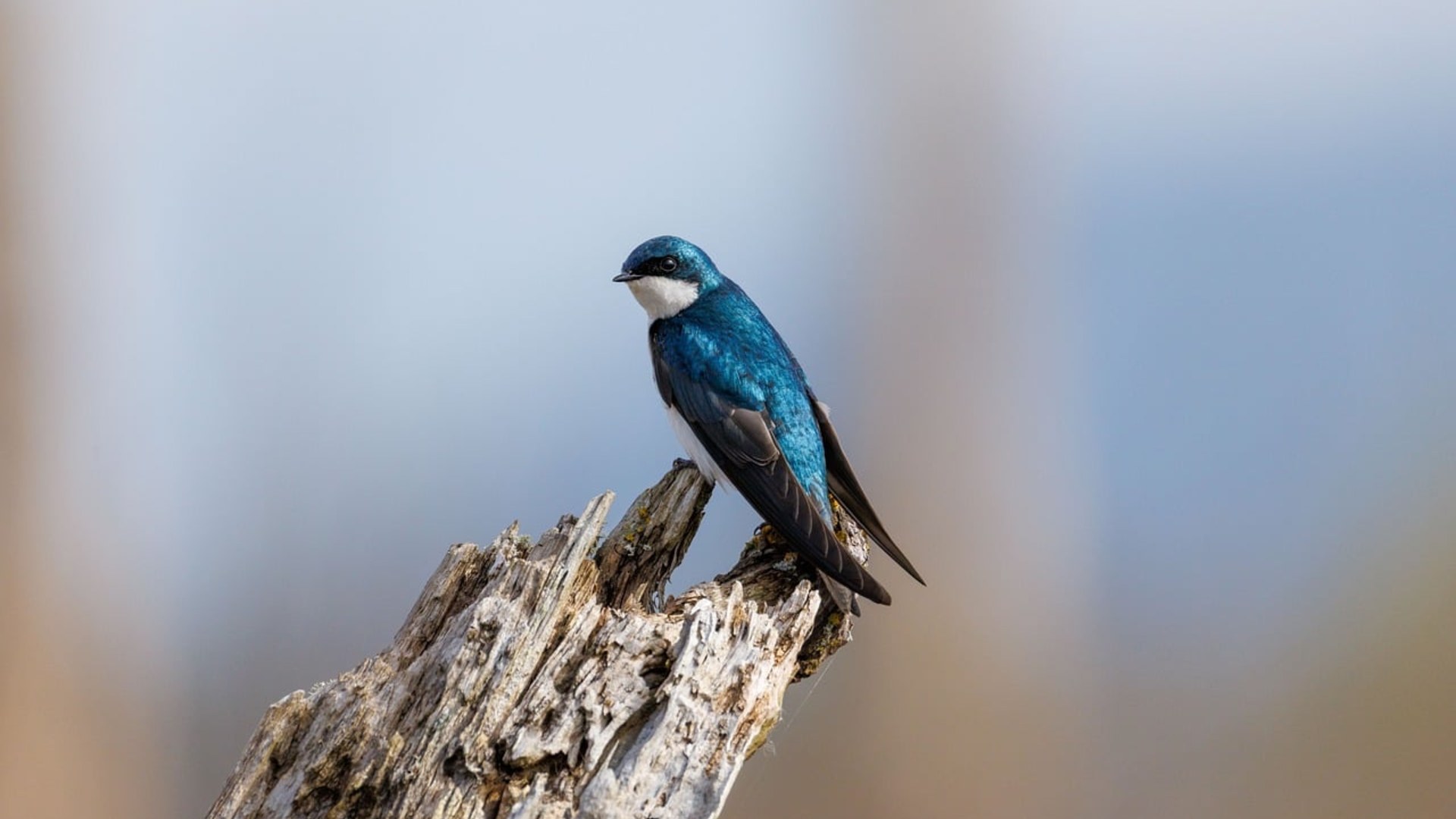
7. Tree Swallow
In North American open fields, tree swallows face attacks from falcons and accipiters. Biologists at Dalhousie University found that adult alarm calls cause nestlings to duck below the nest box rim. The chicks suppress begging calls even when food is visible until parents chirp safe signals.
©Pixabay / Veronika_Andrews
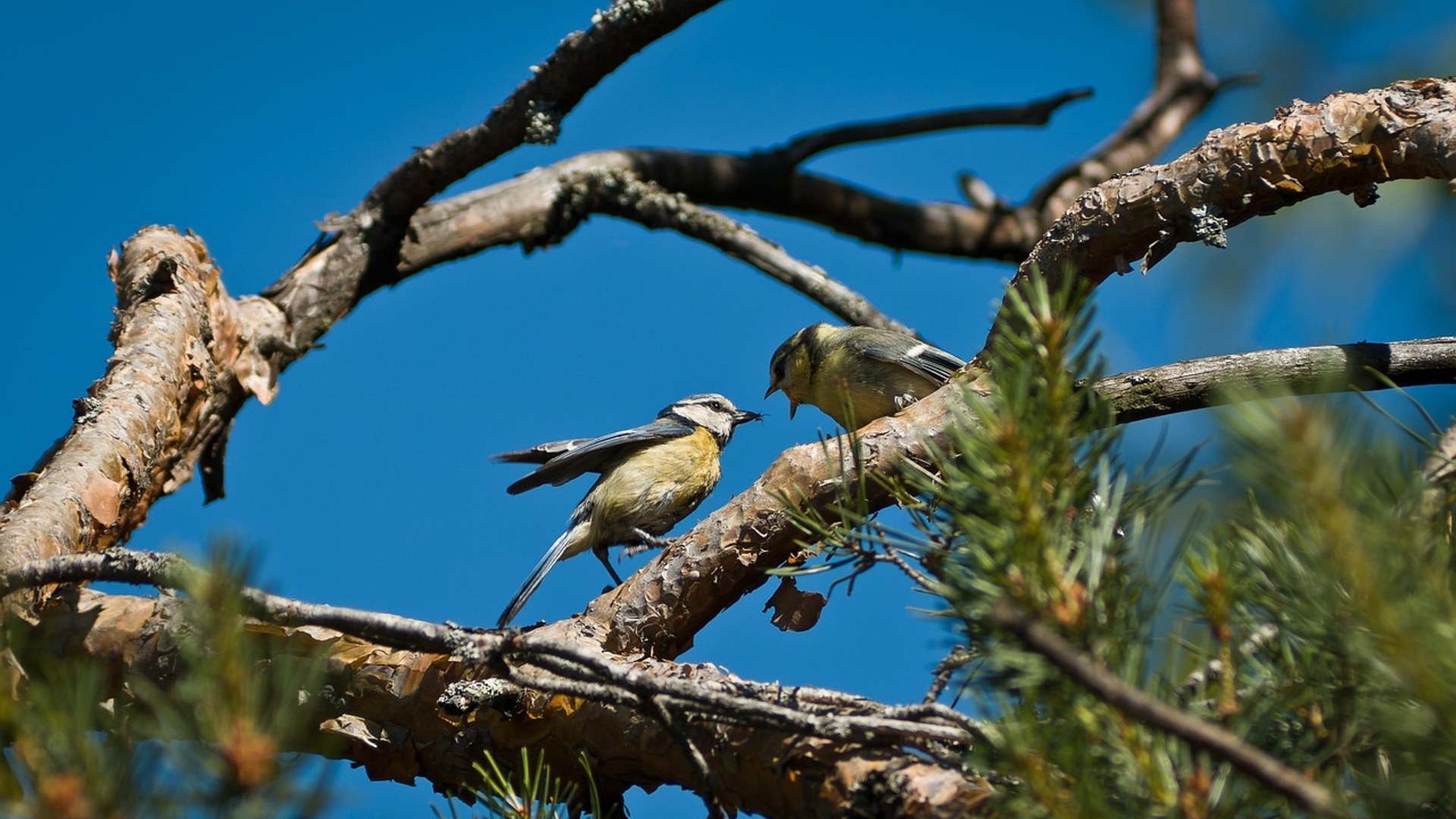
6. Eurasian Blue Tit
Blue tit parents produce harsh scolding alarms when weasels or corvids approach nest cavities. Studies show newly emerged fledglings freeze in place along lichen-covered branches for over ten minutes. Staying immobile allows their greenish-yellow plumage to blend into tree canopies.
©Pixabay / valentinhintikka
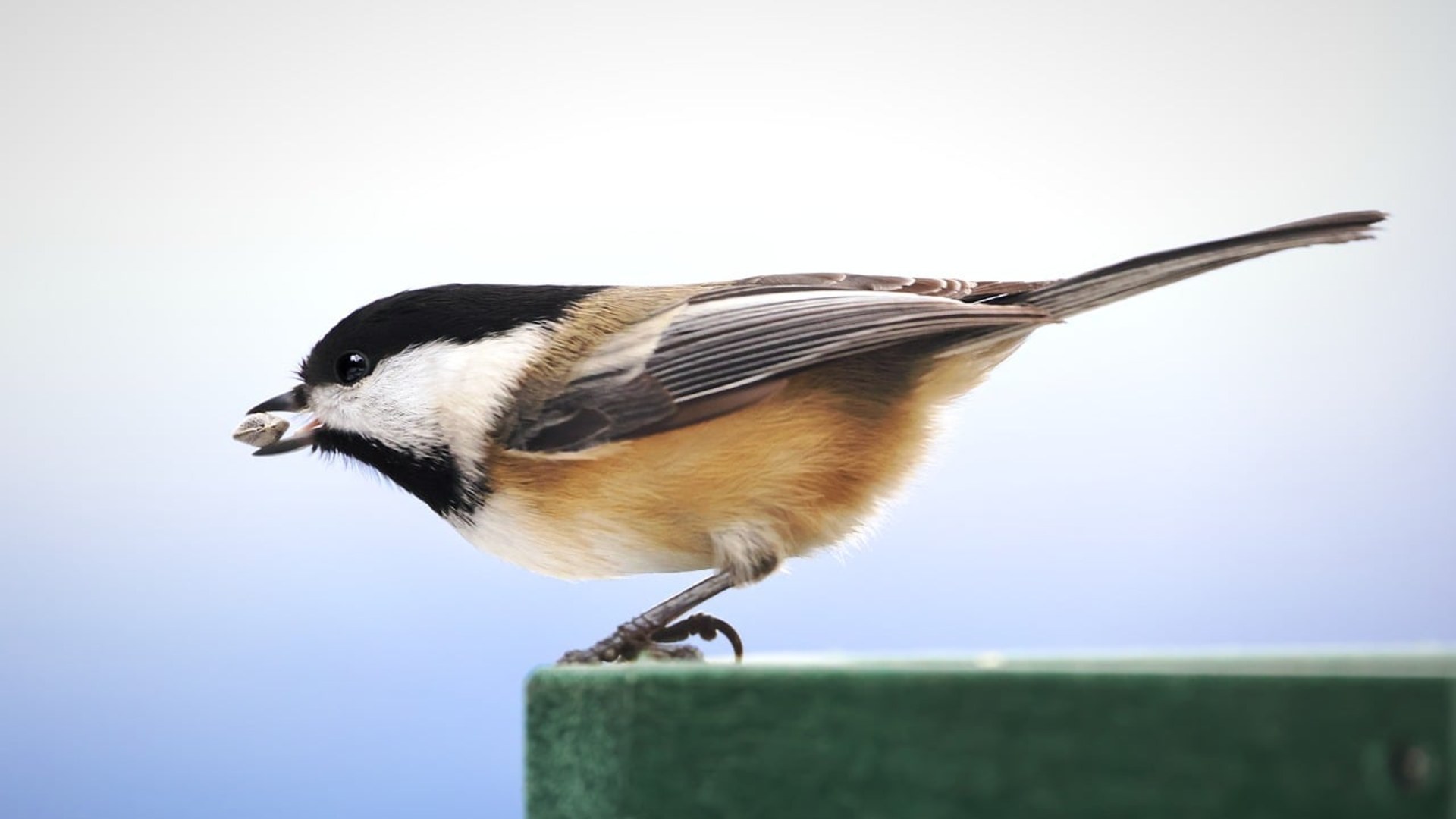
5. Black Capped Chickadee
Chickadees encode threat levels by varying the D notes in their alarm calls. When adults encounter small, agile screech owls, they produce rapid alarm chatter that signals high danger. Brood chicks respond by pressing against tree cavity floors and ceasing hunger calls completely.
©Pixabay / BlenderTimer
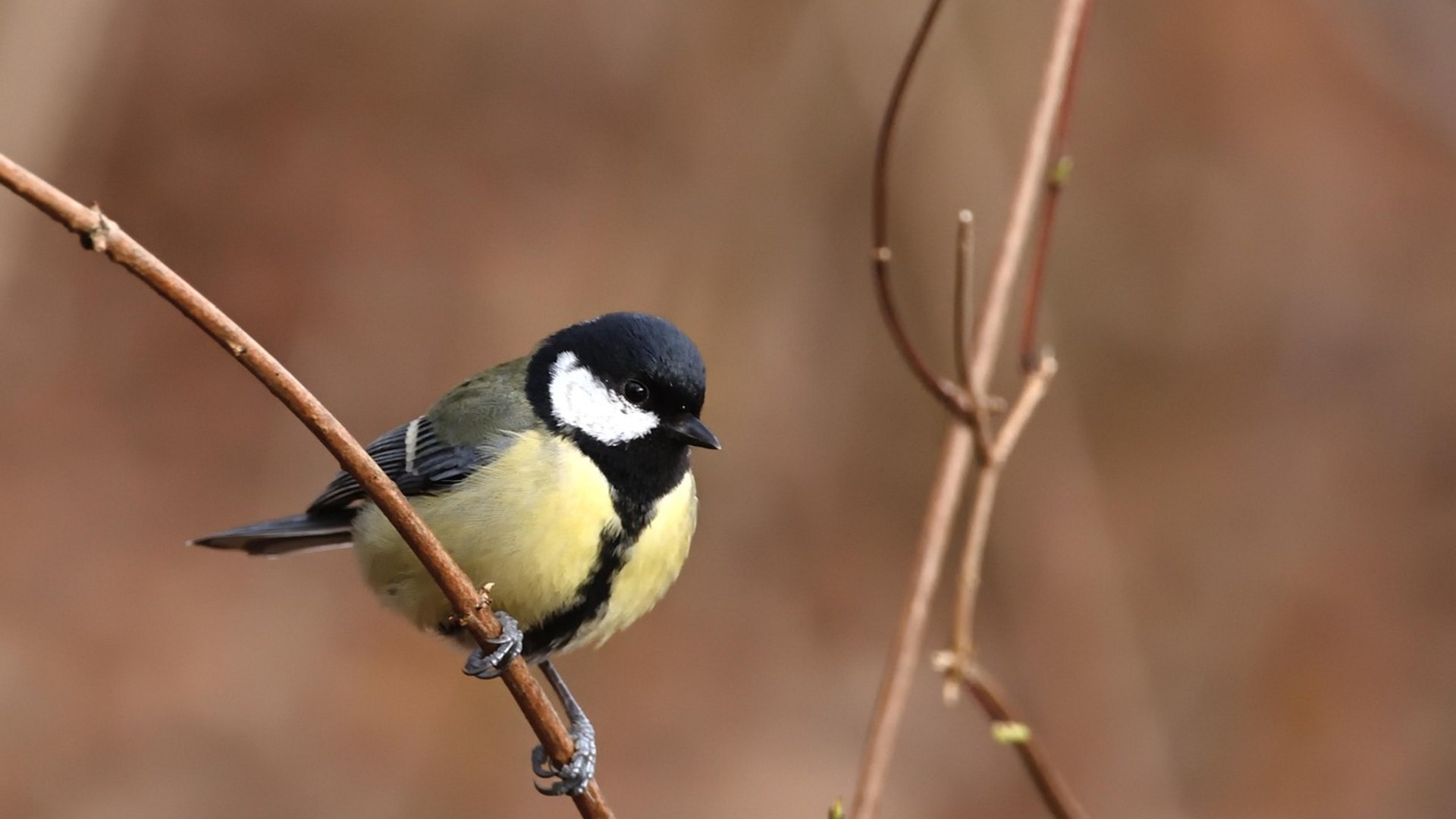
4. Great Tit
Eurasian sparrowhawks hunt songbird nests by eavesdropping on noisy broods. When adult great tits detect a raptor overhead, they sound a faint, high-pitched seet whistle. Nestlings heed the warning immediately by crouching motionless, reducing acoustic cues that guide hunting hawks.
©Pixabay / jggrz
Advertisement
Swipe or tap ▶ to resume the countdown.
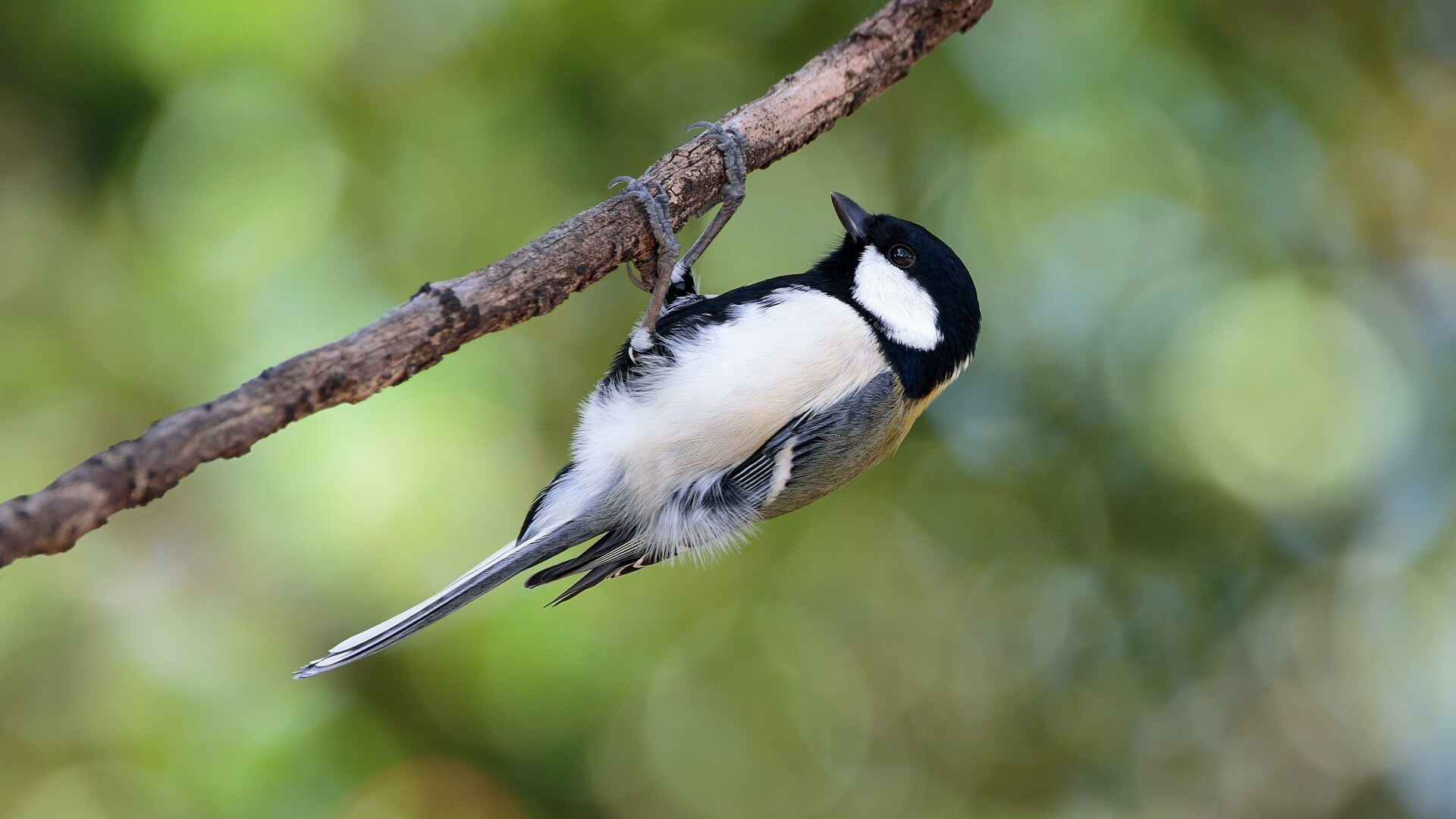
3. Japanese Tit
Research from Kyoto University demonstrates that Japanese tits produce predator-specific warning notes. When parents emit jar calls for climbing rat snakes, chicks crouch deep in the nest cup. When hearing crow alarms, older fledglings jump clear of the cavity to scatter into foliage.
©Wikimedia / Laitche
2. White Browed Scrubwren
Ground nests in Australian scrub are vulnerable to pied currawongs. Australian National University researchers found that adult buzz alarms cause scrubwren nestlings to cease all vocal begging within milliseconds. The young remain completely silent until parents offer provisioning chirps.
©Pixabay / pen_ash
1. Superb Fairy Wren
Female fairy-wrens sing a unique acoustic password to unhatched eggs in Australia. After hatching, nestlings must incorporate this specific note into their begging calls. Cuckoo chicks cannot learn the tune in time, which prevents parasitism and alerts parents to abandon invaded nests.

©Pixabay / yjchua
Advertisement
You've reached the end of the story. Thanks for reading!

22 Historic Working Dog Breeds Featured at the National Dog Show
From sled pullers to mountain guardians, 22 breeds from the American Kennel Club Working Group bring centuries of utility to the 2026 National Dog Show ring. Based on official AKC breed standards and NBC Sports broadcast coverage, this countdown explores each dog's origins, size and traditional working role.
All 22 Entries in this Story
22. Common Redshank
Common redshanks nest on European saltmarshes exposed to gulls, foxes, and raptors. When adults circle overhead piping sharp alarm whistles, downy chicks drop into wet saltmarsh gullies. Remaining completely motionless allows their brown down to blend invisibly with marsh mud and roots.

21. Northern Bobwhite
Bobwhite coveys raise precocial broods in open grasslands where coyotes and harriers hunt. When the sentry adult detects motion, it delivers a sharp warning putt. The tiny chicks instantly scatter into thick bluestem grass and freeze, holding their breath until given a rallying call.

20. Killdeer
Killdeer nest on open gravel bars where chicks rely heavily on mottled camouflage. When parents spot red-tailed hawks, they emit piercing alarm shrieks while performing broken-wing displays. Chicks instantly drop flat against gravel, looking like river pebbles until danger clears.

19. Mallard Duckling
Mallard ducklings leave the nest shortly after hatching to follow the hen across wetlands. When herons or northern pike approach, the mother produces a low, sharp alarm quack. Ducklings respond by freezing motionless among cattails or diving beneath weed cover to escape visual detection.

18. House Wren
House wrens defend nesting boxes against rat snakes and feral cats across North America. When parents deliver intense chattering scolds outside, nestlings flatten their bellies against the wooden base. Staying silent reduces vibrational and auditory signals that guide predators inward.

17. Western Bluebird
Western bluebirds nest in tree holes where snakes and chipmunks hunt active nests. When foraging parents notice a predator near the entrance hole, they deliver staccato warning chips. Nestlings immediately tuck their heads into nesting grasses, remaining quiet until parents return.

16. European Starling
European starlings raise noisy broods inside hollow trees and building crevices. Field experiments demonstrate that parental alarm snarls cause chicks to drop to the bottom of the cavity. Begging calls cease immediately, removing auditory cues that attract prowling raccoons and corvids.

15. Yellow Warbler
Yellow warblers recognize brown-headed cowbirds as brood parasites that destroy clutches. University of Manitoba researchers showed that warblers emit unique seet calls for cowbirds. Brood chicks recognize these calls and crouch low in shrub nests to evade detection by parasitic females.

14. Barn Swallow
Barn swallow colonies nest under bridges and rafters where raptors and snakes search for easy meals. Parent swallows utter sharp, rapid alarm clicks when an owl or cat approaches. Brood chicks respond by sinking low into mud cups, keeping their heads below the protective rim.

13. American Robin
American robins nest in suburban shrubs where domestic cats and Cooper hawks prowl. When an adult gives a high, thin teep call, fledglings flatten their bodies against tree branches and close their gapes. This silence prevents roaming predators from tracking vulnerable young by ear.

12. Red Winged Fairy Wren
Living in dense forests of Western Australia, red-winged fairy-wrens forage in family parties. When adults detect grey butcherbirds, they whistle sharp aerial alarms. Dependent young immediately drop from outer branches into deep sword grass and remain motionless until danger passes.

11. Western Jackdaw
Jackdaw juveniles acquire threat recognition by associating parental scolding calls with specific intruders. University of Exeter experiments demonstrated that fledglings hearing adult rattle alarms near an unfamiliar human or predator avoid that entity during subsequent encounters.

10. Siberian Jay
Siberian jays live in family groups across northern coniferous forests. Field research in Current Biology showed that parents produce distinct alarms for resting versus hunting hawks. Offspring evaluate these calls and take protective cover in dense pine foliage to evade ambushes.

9. Pied Babbler
In the Kalahari Desert, pied babbler groups assign sentinel sentries to watch for pygmy falcons. University of Cape Town research reveals that young fledglings promptly heed sentinel alarm calls by diving into thick acacia thorns, remaining concealed until sentries sound an all-clear song.

8. Eurasian Reed Warbler
Reed warblers nest in exposed wetland reeds where common cuckoos and marsh harriers hunt. Cambridge University field studies prove that parents emit sharp churr alarms when predators linger near. Nestlings instantly drop silent, preventing predators from pinpointing their swaying nests.

7. Tree Swallow
In North American open fields, tree swallows face attacks from falcons and accipiters. Biologists at Dalhousie University found that adult alarm calls cause nestlings to duck below the nest box rim. The chicks suppress begging calls even when food is visible until parents chirp safe signals.

6. Eurasian Blue Tit
Blue tit parents produce harsh scolding alarms when weasels or corvids approach nest cavities. Studies show newly emerged fledglings freeze in place along lichen-covered branches for over ten minutes. Staying immobile allows their greenish-yellow plumage to blend into tree canopies.

5. Black Capped Chickadee
Chickadees encode threat levels by varying the D notes in their alarm calls. When adults encounter small, agile screech owls, they produce rapid alarm chatter that signals high danger. Brood chicks respond by pressing against tree cavity floors and ceasing hunger calls completely.

4. Great Tit
Eurasian sparrowhawks hunt songbird nests by eavesdropping on noisy broods. When adult great tits detect a raptor overhead, they sound a faint, high-pitched seet whistle. Nestlings heed the warning immediately by crouching motionless, reducing acoustic cues that guide hunting hawks.

3. Japanese Tit
Research from Kyoto University demonstrates that Japanese tits produce predator-specific warning notes. When parents emit jar calls for climbing rat snakes, chicks crouch deep in the nest cup. When hearing crow alarms, older fledglings jump clear of the cavity to scatter into foliage.

2. White Browed Scrubwren
Ground nests in Australian scrub are vulnerable to pied currawongs. Australian National University researchers found that adult buzz alarms cause scrubwren nestlings to cease all vocal begging within milliseconds. The young remain completely silent until parents offer provisioning chirps.

1. Superb Fairy Wren
Female fairy-wrens sing a unique acoustic password to unhatched eggs in Australia. After hatching, nestlings must incorporate this specific note into their begging calls. Cuckoo chicks cannot learn the tune in time, which prevents parasitism and alerts parents to abandon invaded nests.