Slideshow · Health
22 Everyday Foods and Drinks That Can Keep You Awake at Night
Caffeine is only one reason evening snacks disrupt rest. Drawing on USDA nutrient figures, FDA guidance and National Library of Medicine sleep studies, this gallery counts down 22 everyday foods and drinks whose stimulants, acids, tyramine or fluids trigger nighttime heartburn, alertness or bathroom trips.
By Most Viral Today
20 min ago

From espresso to aged cheese, these evening foods and drinks trigger waking. 
22. Watermelon 
21. Celery 
20. Raw Broccoli - AdvertisementSwipe or tap ▶ to continue countdown

19. Dried Fruit 
18. Raw Garlic And Onions 
17. Grapefruit Juice 
16. Tomato Marinara Sauce - AdvertisementSwipe or tap ▶ to continue countdown

15. Peppermint Tea 
14. Ice Cream 
13. Fried Chicken 
12. Spicy Chili Peppers - AdvertisementSwipe or tap ▶ to continue countdown

11. Kombucha 
10. Soy Sauce 
9. Cured Salami 
8. Aged Cheddar Cheese - AdvertisementSwipe or tap ▶ to continue countdown

7. Red Wine 
6. Cola Soda 
5. Dark Chocolate 
4. Matcha Green Tea - AdvertisementSwipe or tap ▶ to continue countdown

3. Yerba Mate 
2. Energy Drinks 
1. Espresso - Advertisement🔥 UP NEXT IN THIS SERIES◫ 21 Slides

20 Science-Backed Strategies That May Help Ease Migraines
Migraines represent a neurological disorder affecting tens of millions of adults nationwide, causing severe throbbing pain, sensory sensitivity, and nausea. While prescription medication plays a vital clinical role, nonpharmaceutical strategies can significantly decrease attack frequency and shorten painful episodes.
Caffeine is only one reason evening snacks disrupt rest. Drawing on USDA nutrient figures, FDA guidance and National Library of Medicine sleep studies, this gallery counts down 22 everyday foods and drinks whose stimulants, acids, tyramine or fluids trigger nighttime heartburn, alertness or bathroom trips.
Swipe or tap ▶ to begin the countdown
©Pixabay / sharonang & Wikimedia / Jessica Lewis
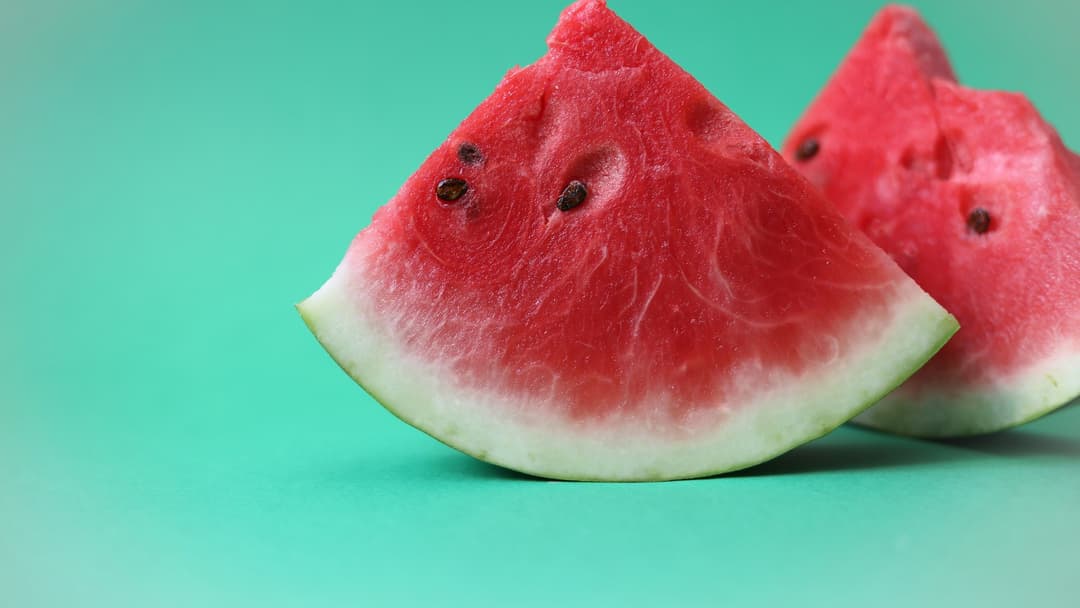
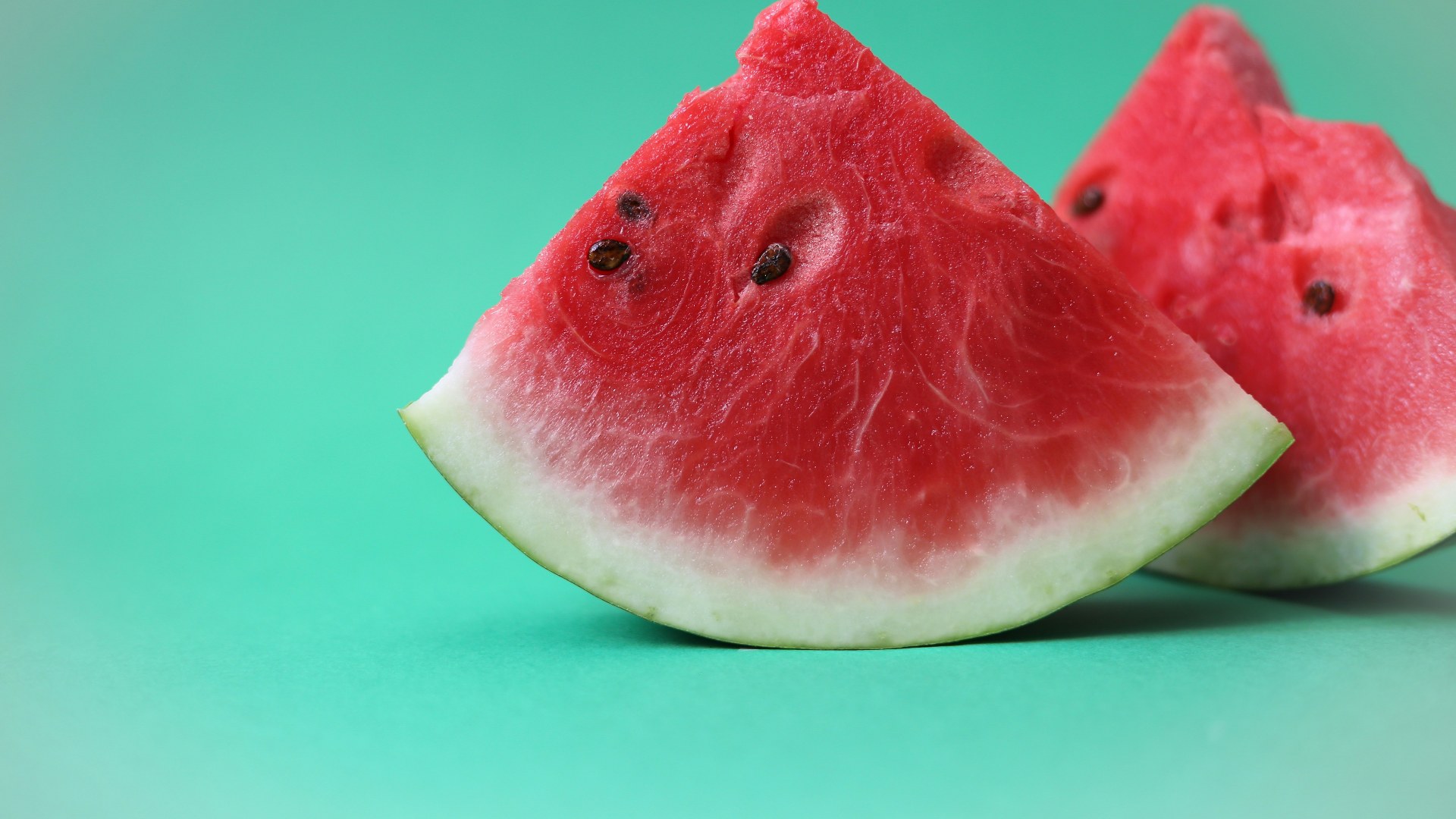
22. Watermelon
Watermelon delivers high fluid volume alongside natural potassium and mild diuretic activity. Eating several slices within two hours of bedtime fills the bladder quickly after you lie down. Sleep clinicians note that even one nocturnal bathroom trip breaks deep slow-wave sleep.
© Photo by Sahand Babali on Unsplash
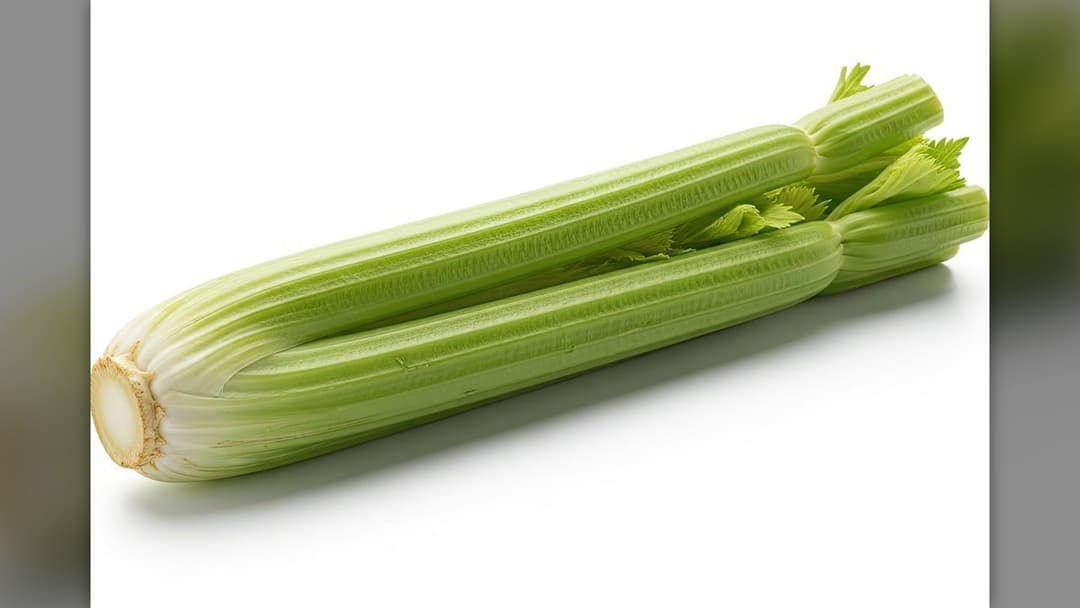
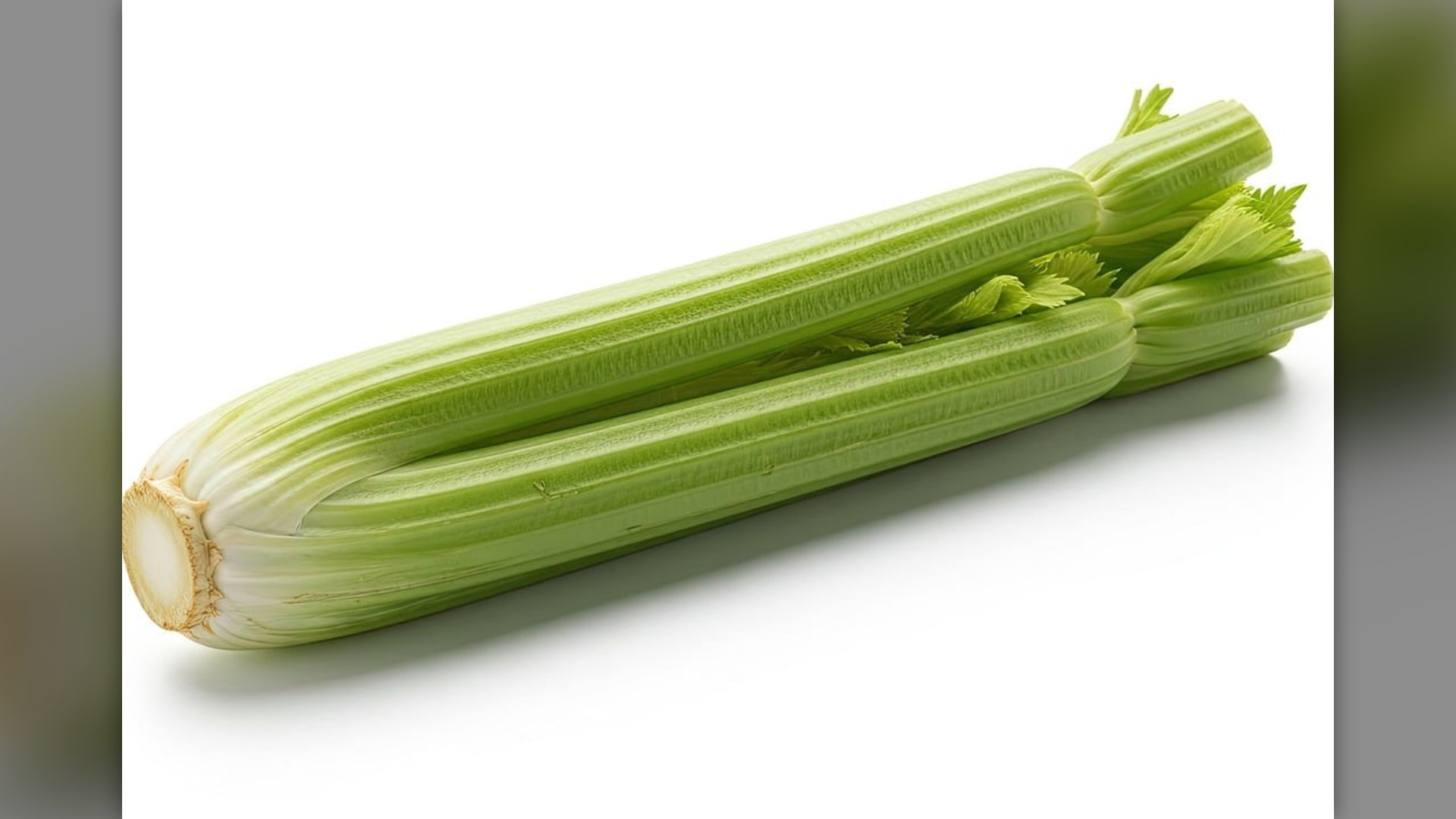
21. Celery
USDA nutrition tables list raw celery at roughly 95 percent water by weight, with small amounts of phthalides that increase urine output. Snacking on stalks late at night adds extra fluid right before sleep. Nocturia interrupts circadian sleep cycles and makes falling back asleep harder.
©Pixabay / MuhammadHammad7788
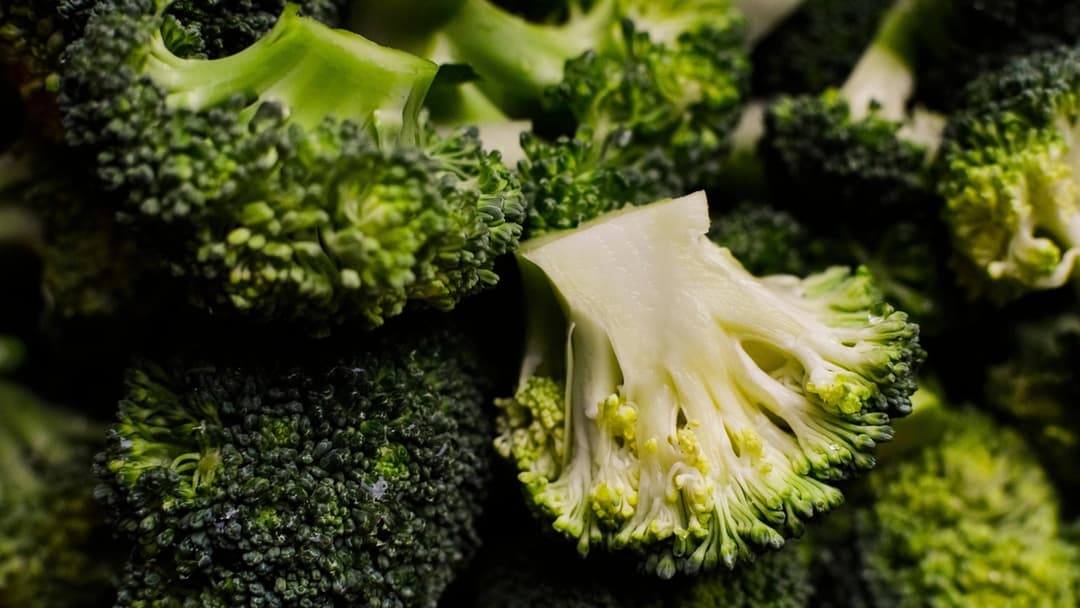
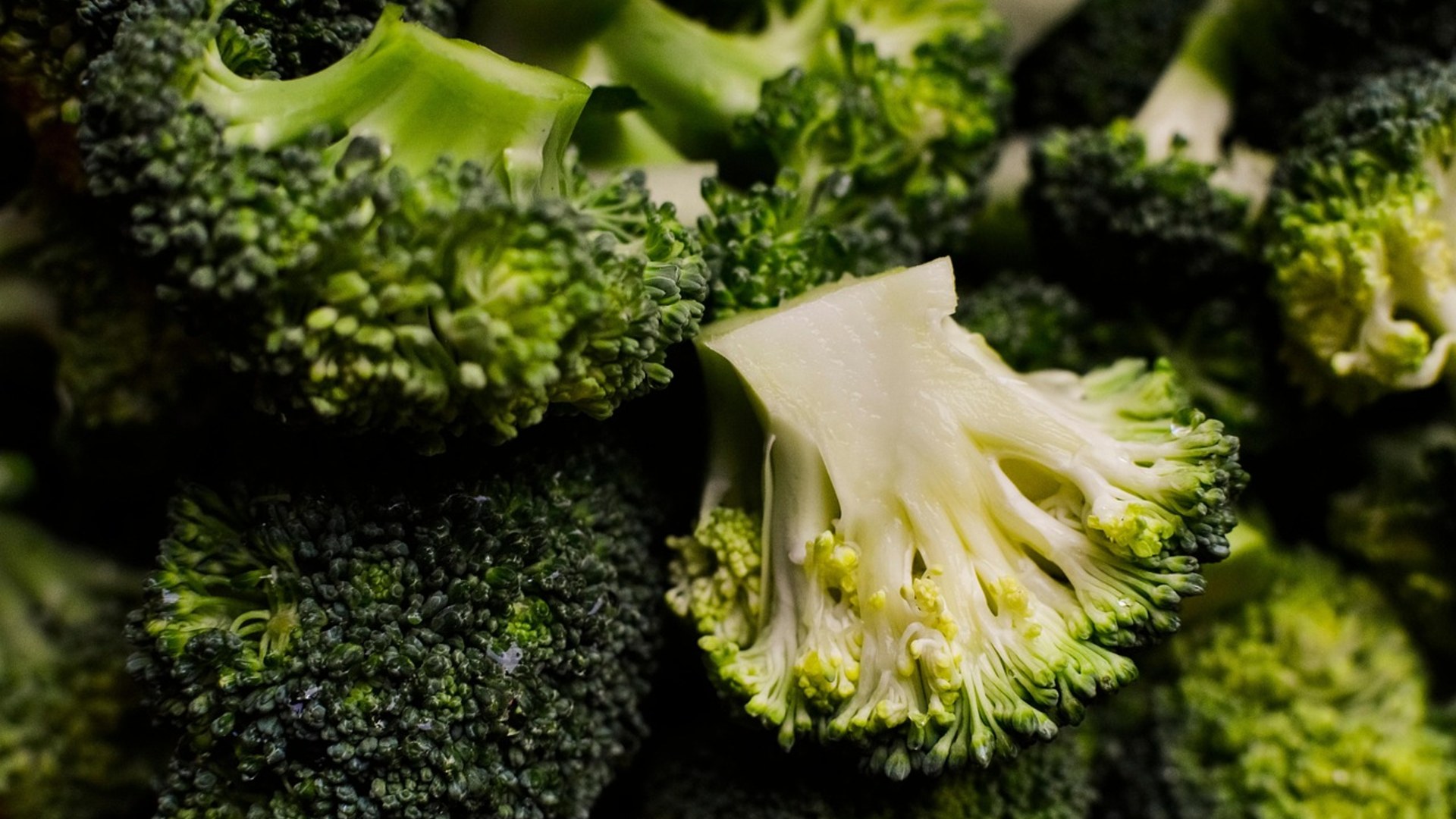
20. Raw Broccoli
Raw cruciferous vegetables contain tough insoluble fiber and sulfur compounds that take hours to break down. When eaten at dinner or as a late snack, gut bacteria ferment those sugars and produce gas. Lying flat traps abdominal pressure and causes discomfort that disrupts early sleep.
©Pixabay / GeriArt
Advertisement
Swipe or tap ▶ to resume the countdown.
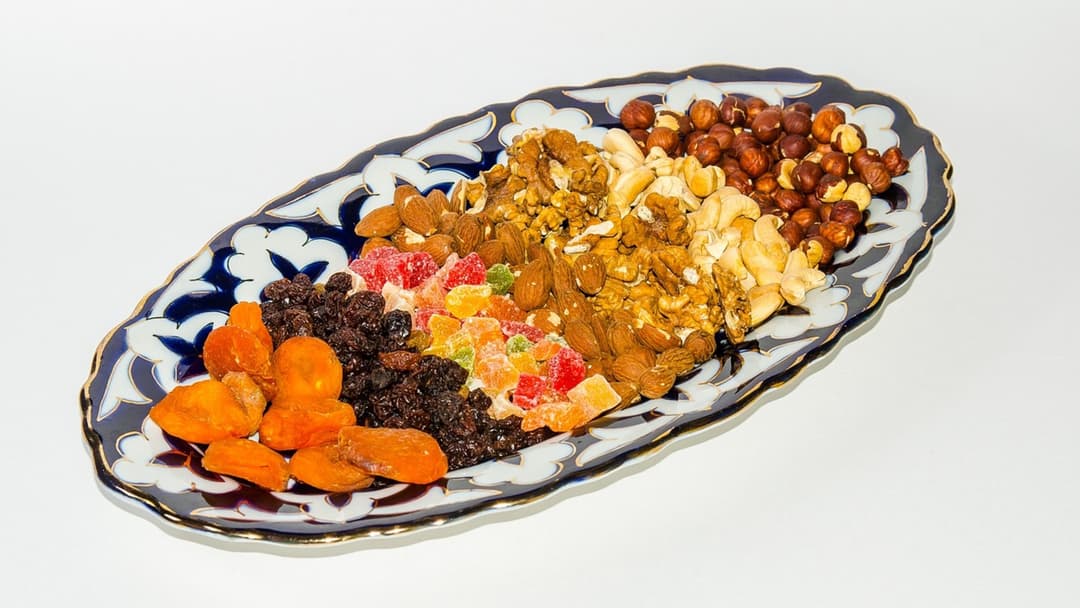
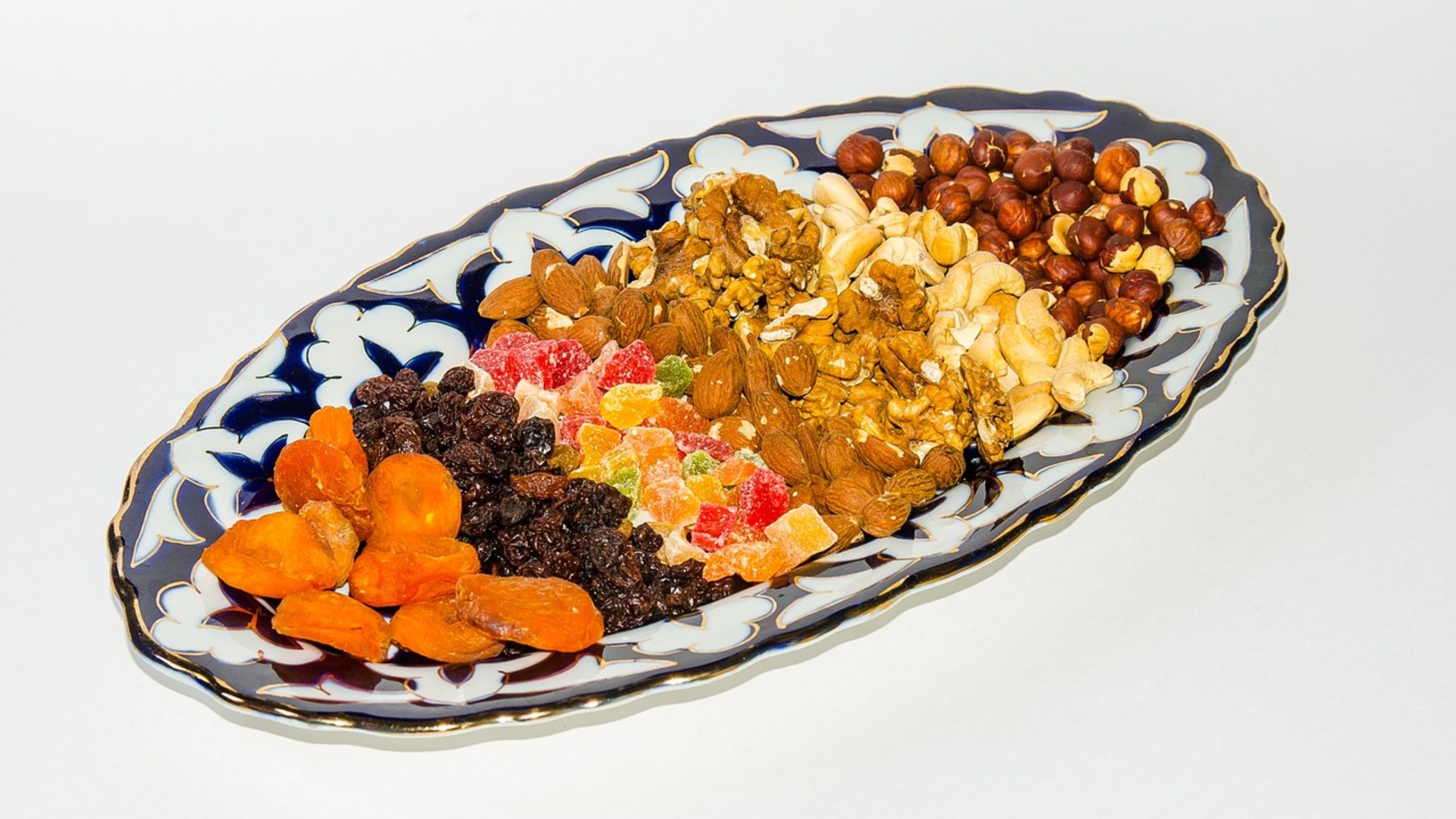
19. Dried Fruit
Removing water concentrates both fructose and insoluble fiber into a small handful of dried fruit. In sensitive stomachs, poorly absorbed sorbitol and fiber draw water into the gut and ferment overnight. High-sugar servings can also trigger a sharp blood glucose rise before bed.
©Pixabay / webar4i
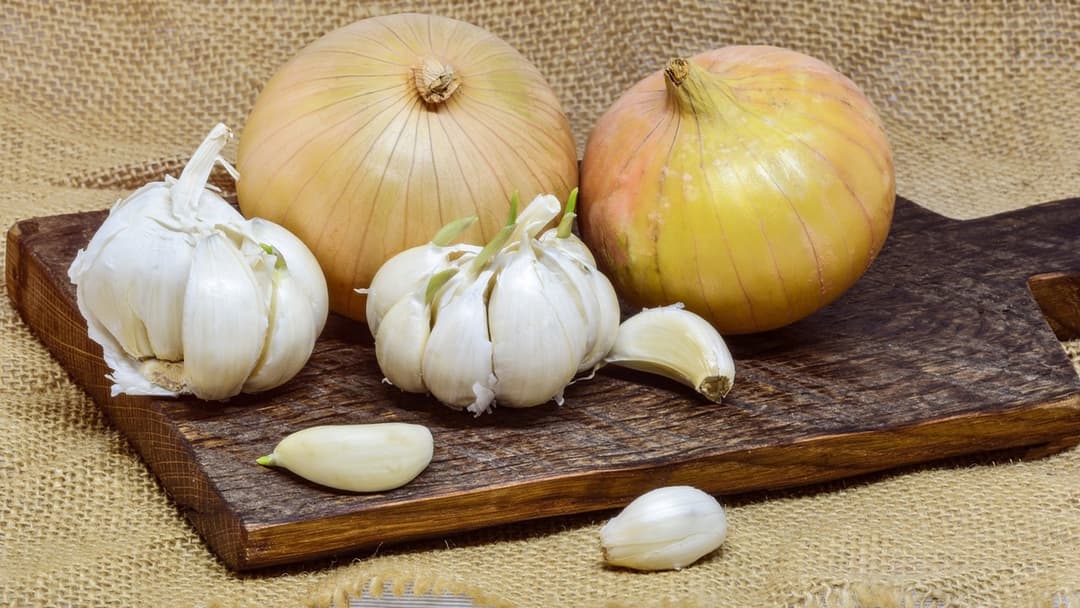
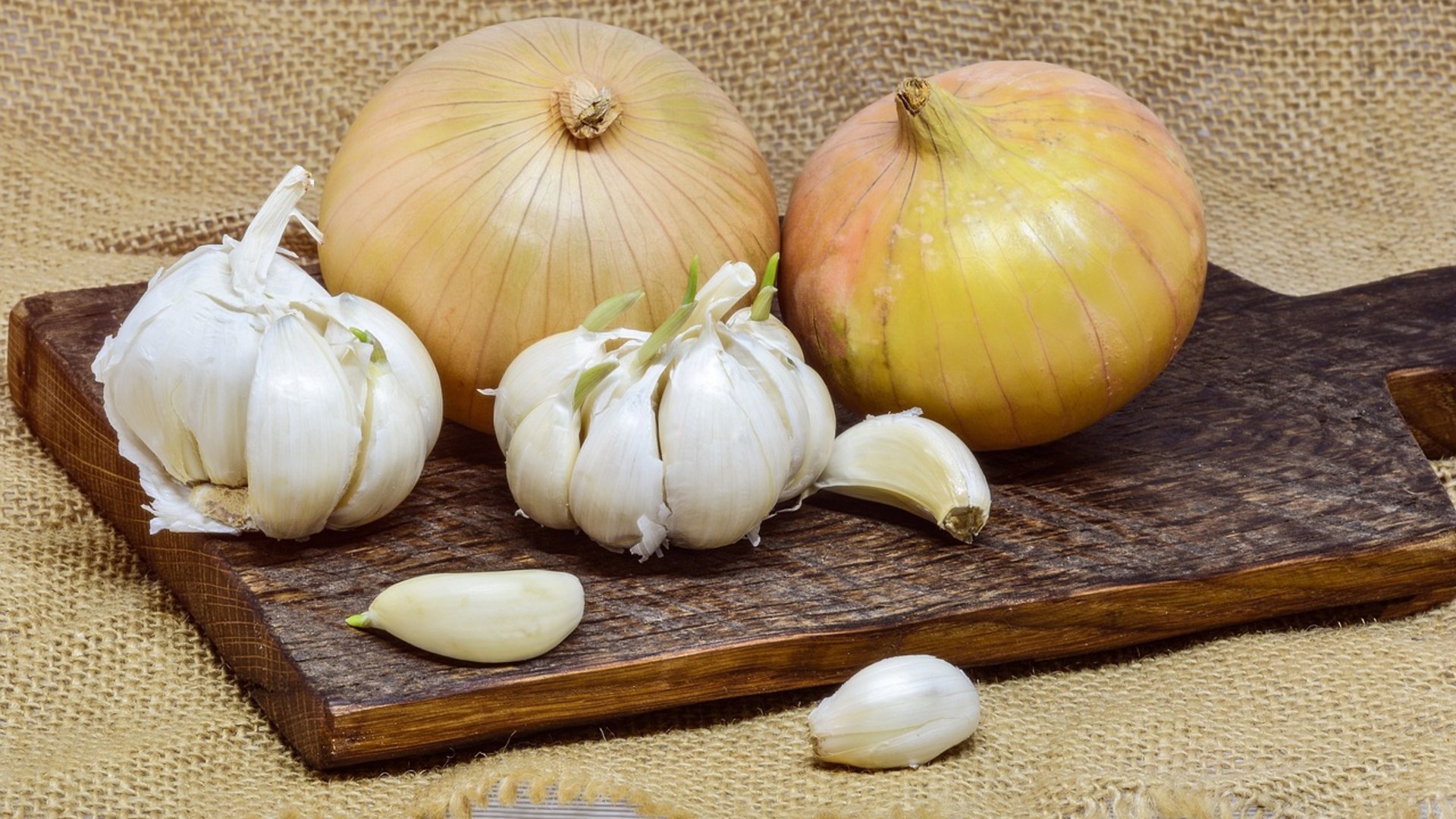
18. Raw Garlic And Onions
Raw garlic and onions relax the lower esophageal sphincter, the muscular valve that keeps stomach acid down. They also supply fermentable fructans that can trigger gas and upper abdominal pressure. Gastroenterologists warn that raw alliums eaten at night often worsen reflux once horizontal.
©Pixabay / monicore
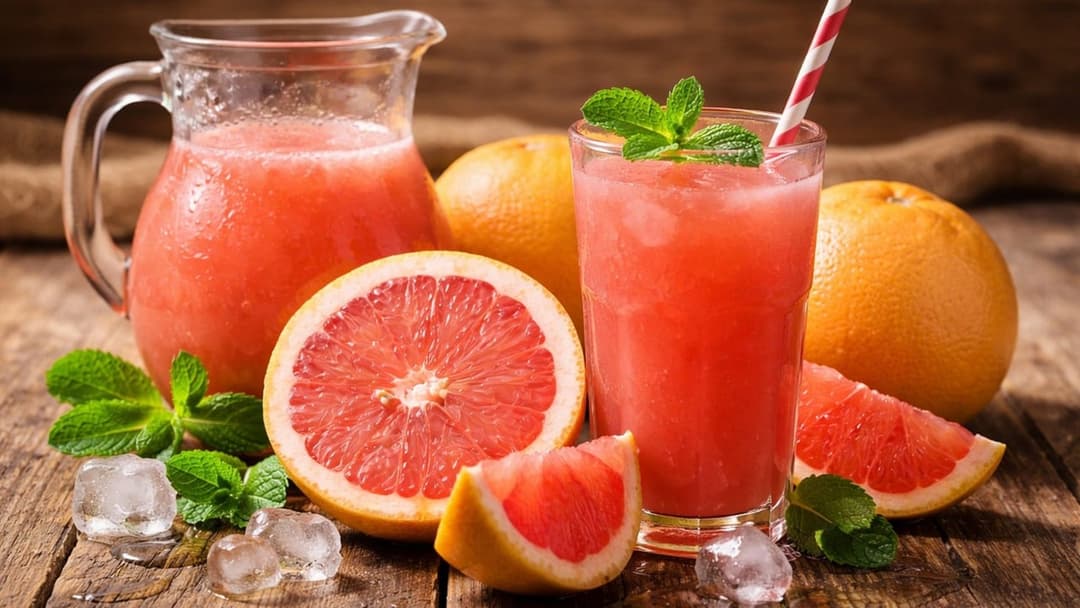
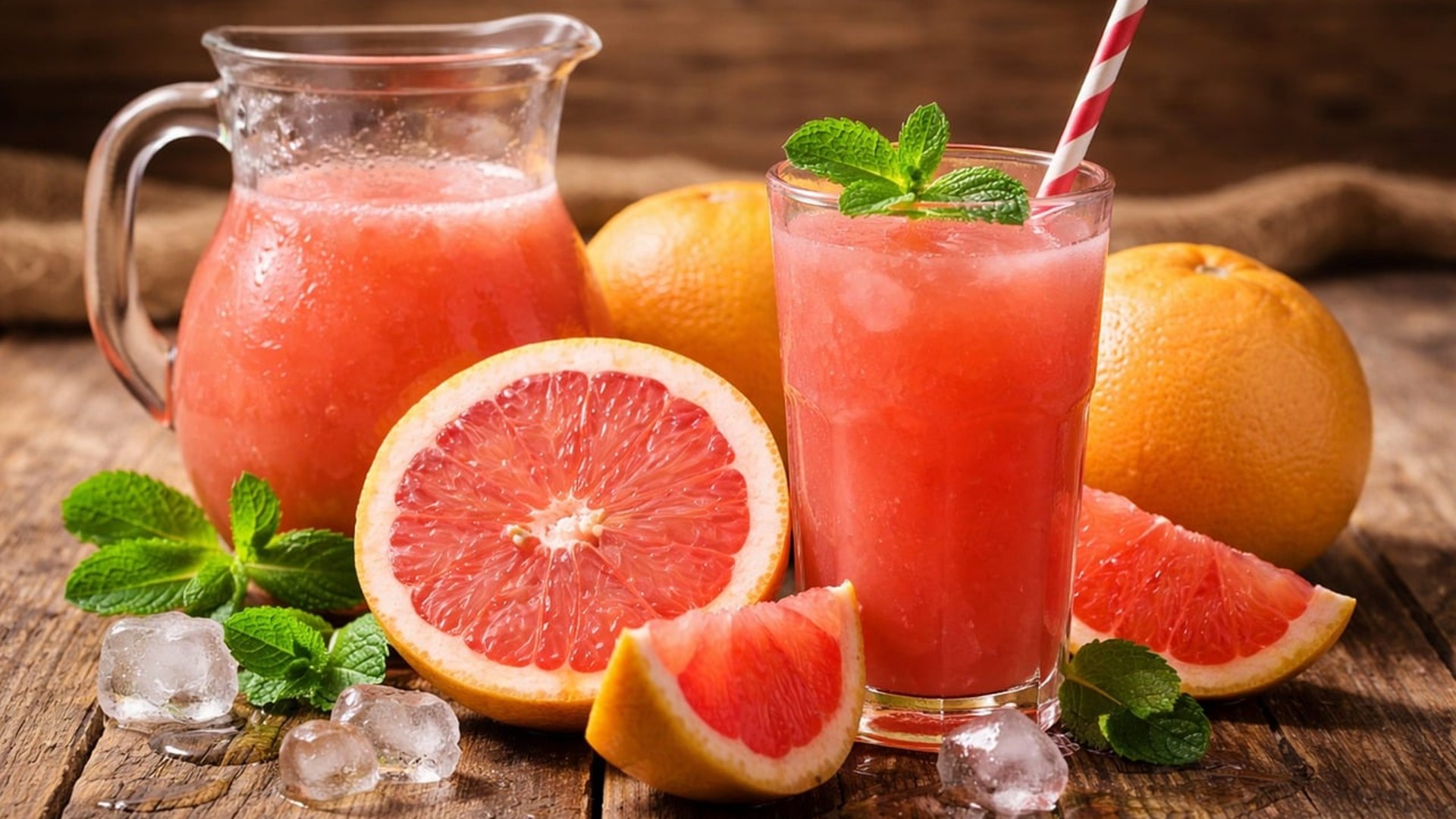
17. Grapefruit Juice
Citrus juices have a low pH that directly irritates esophageal tissue and stimulates stomach acid secretion. Drinking a glass late in the evening removes gravity's help in keeping acid inside the stomach. Even mild silent reflux causes micro-arousals that leave sleepers tired.
©Pixabay / alyerika
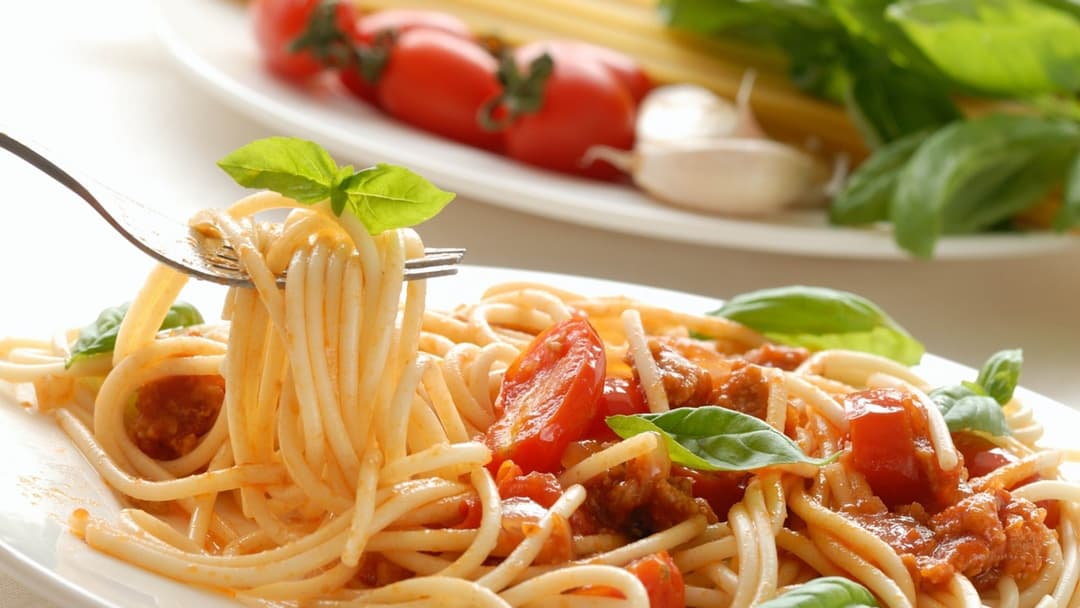
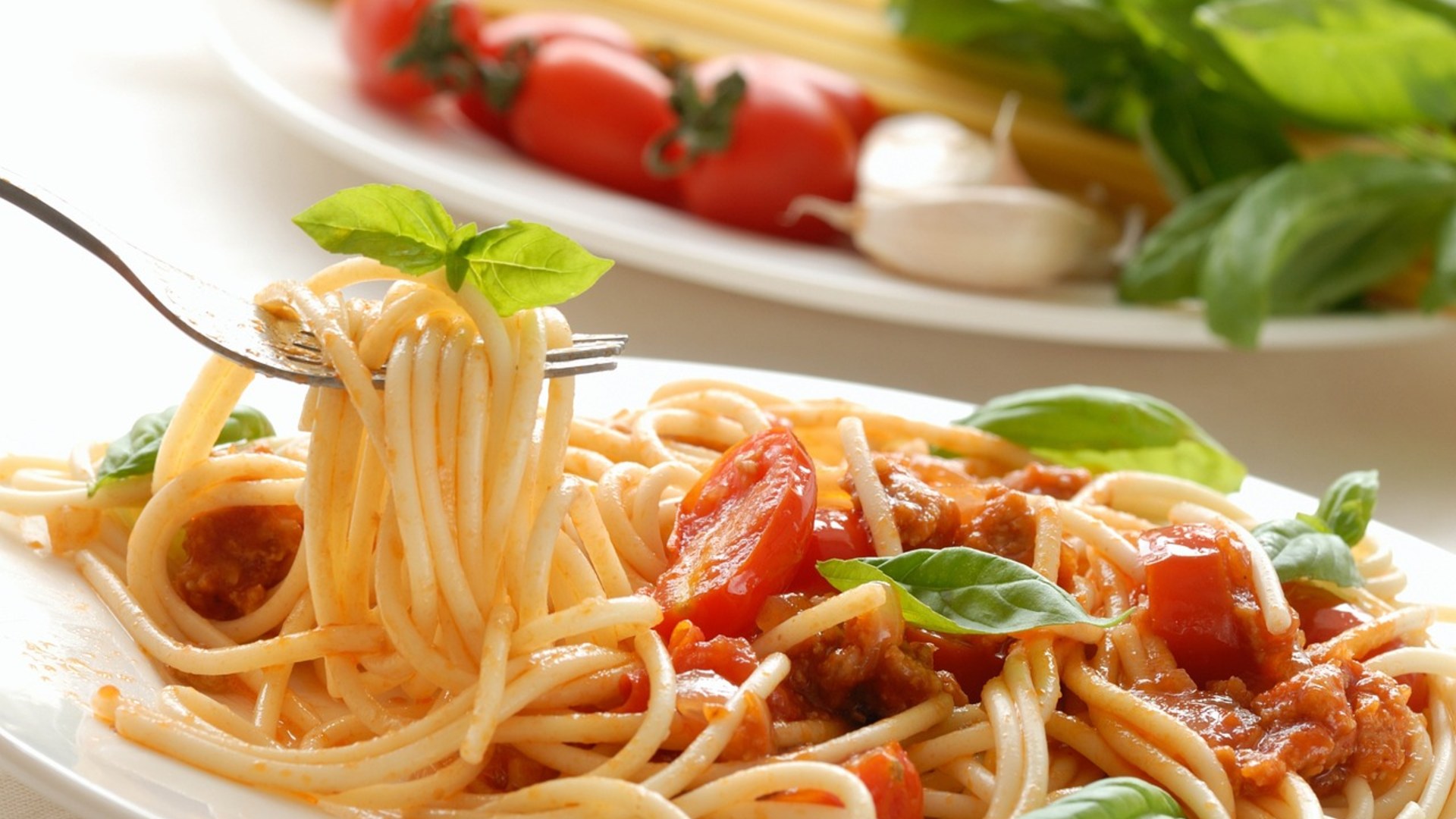
16. Tomato Marinara Sauce
Tomatoes pack both malic and citric acids, making rich marinara a frequent trigger for gastroesophageal reflux. When paired with heavy cheese or meat late at night, gastric emptying slows down for hours. Acid creeping upward triggers coughing, chest burning and repeated waking.
©Pixabay / salahgraphic
Advertisement
Swipe or tap ▶ to resume the countdown.
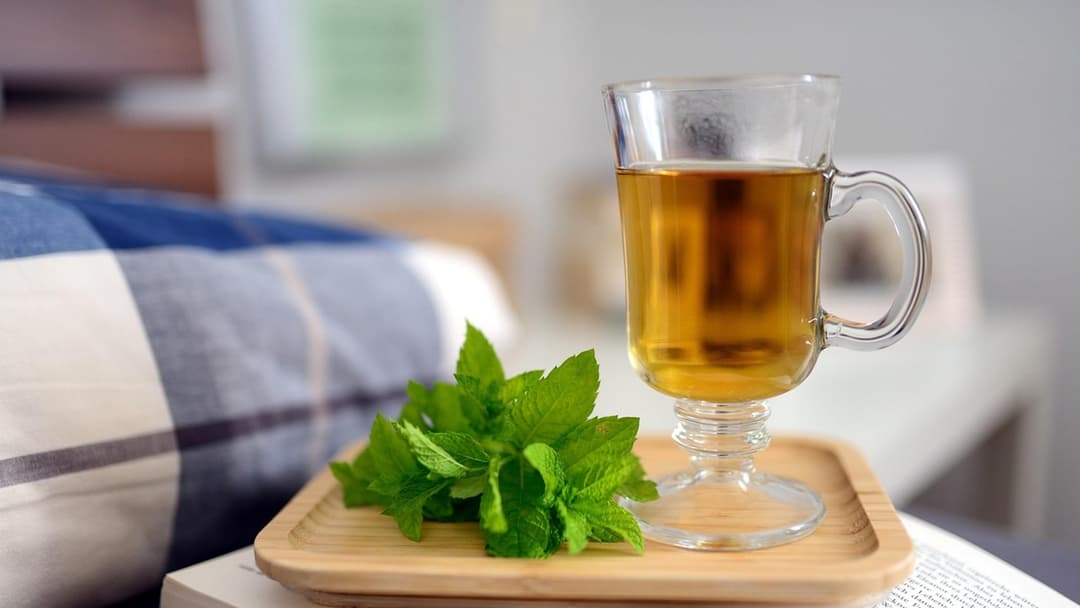
15. Peppermint Tea
Many people brew peppermint tea as a soothing nightcap because it contains zero caffeine. However, natural menthol relaxes smooth muscle in the lower esophageal sphincter. For anyone prone to heartburn, a bedtime mug can let stomach acid rise and interrupt sleep within an hour.
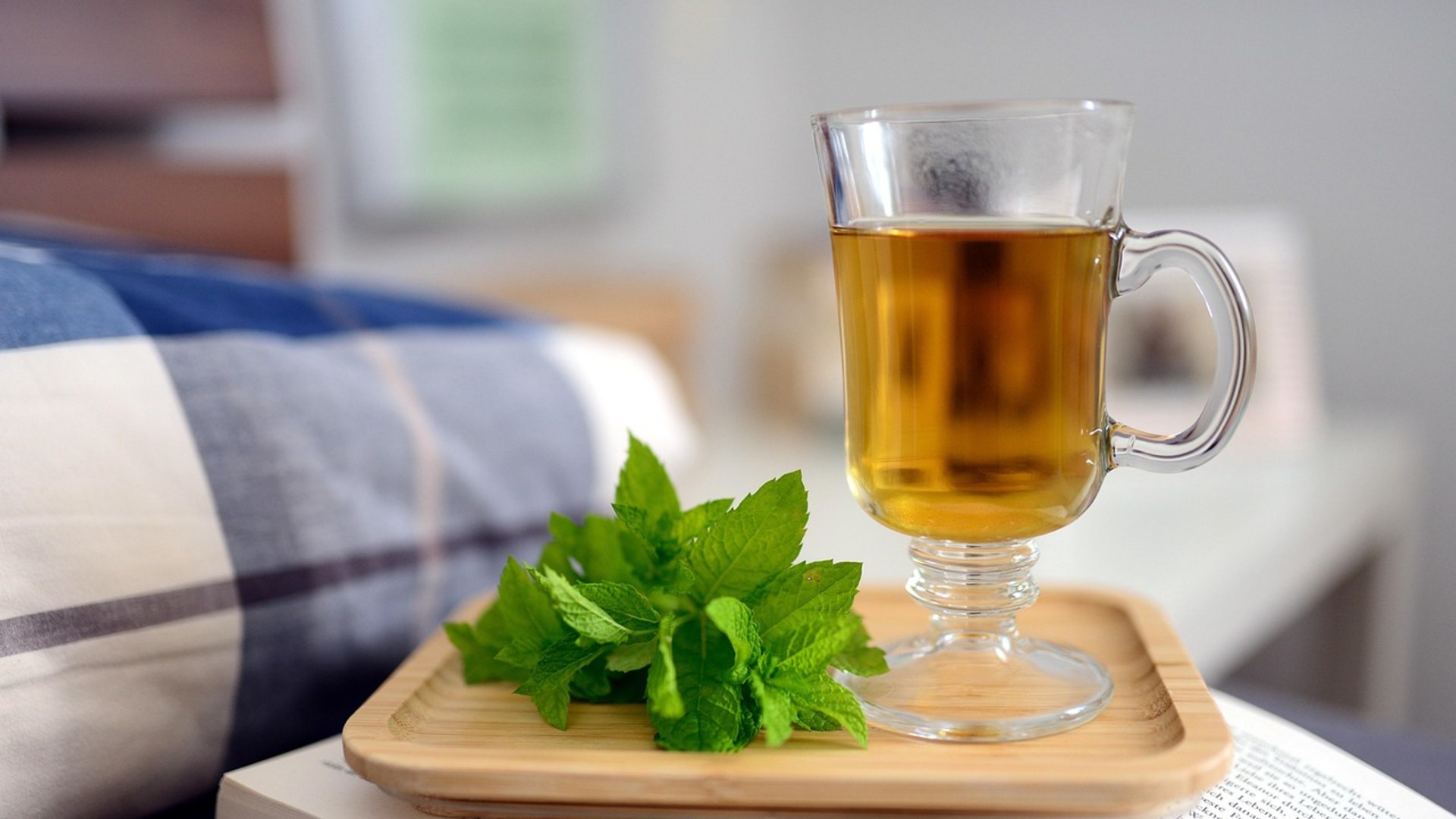
©Pixabay / congerdesign
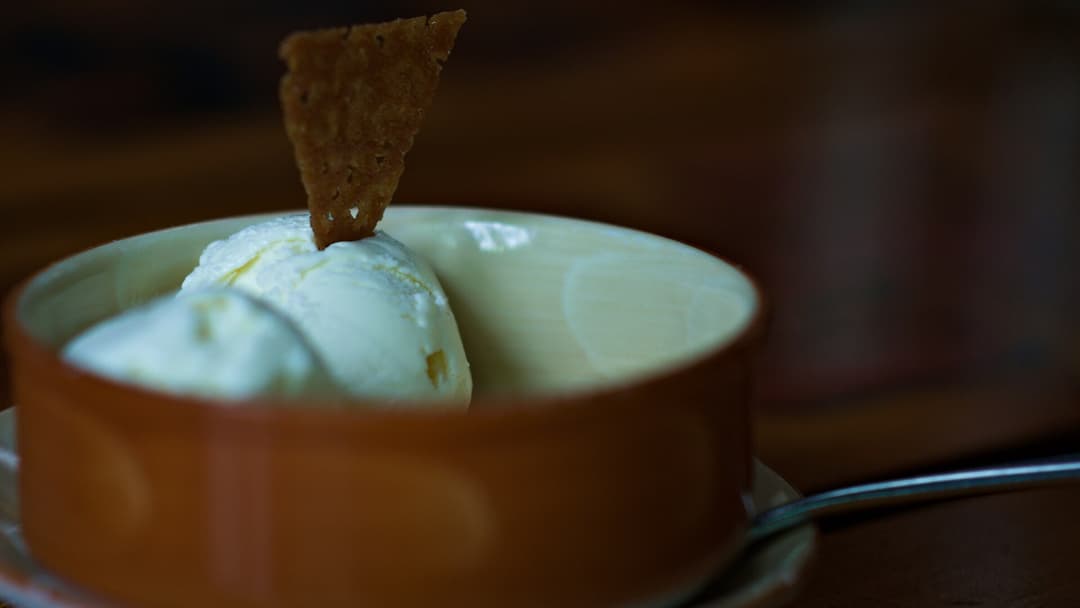
14. Ice Cream
A late bowl of ice cream delivers heavy milkfat alongside fast-absorbing added sugar. Fat slows gastric emptying while blood sugar climbs and later dips, prompting stress hormones like cortisol to surge. Studies link high saturated fat intake near bedtime with lighter, less restorative sleep.
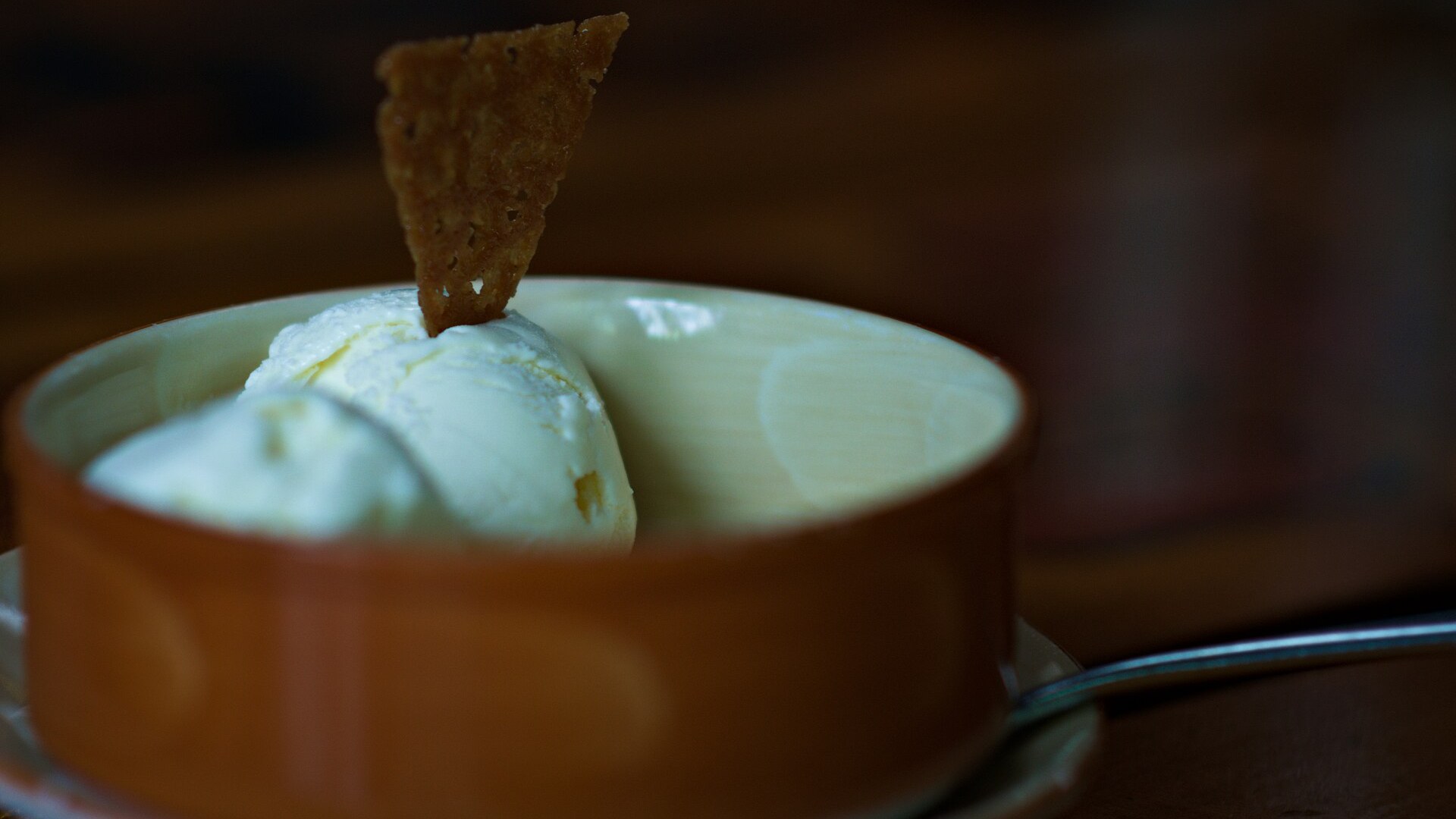
©Wikimedia / Izak.50
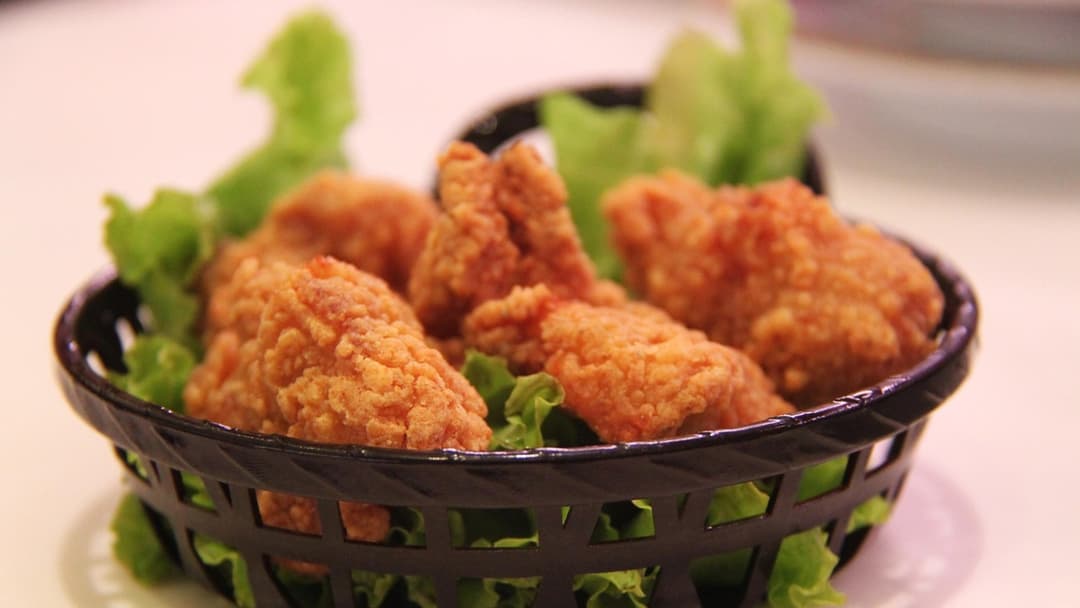
13. Fried Chicken
High-fat fried foods demand extended digestive work and stimulate cholecystokinin, a hormone that relaxes the esophageal sphincter. Lying down with a heavy meal still in the stomach forces digestion to compete with rest. Sleep surveys tie greasy late dinners to fragmented sleep.
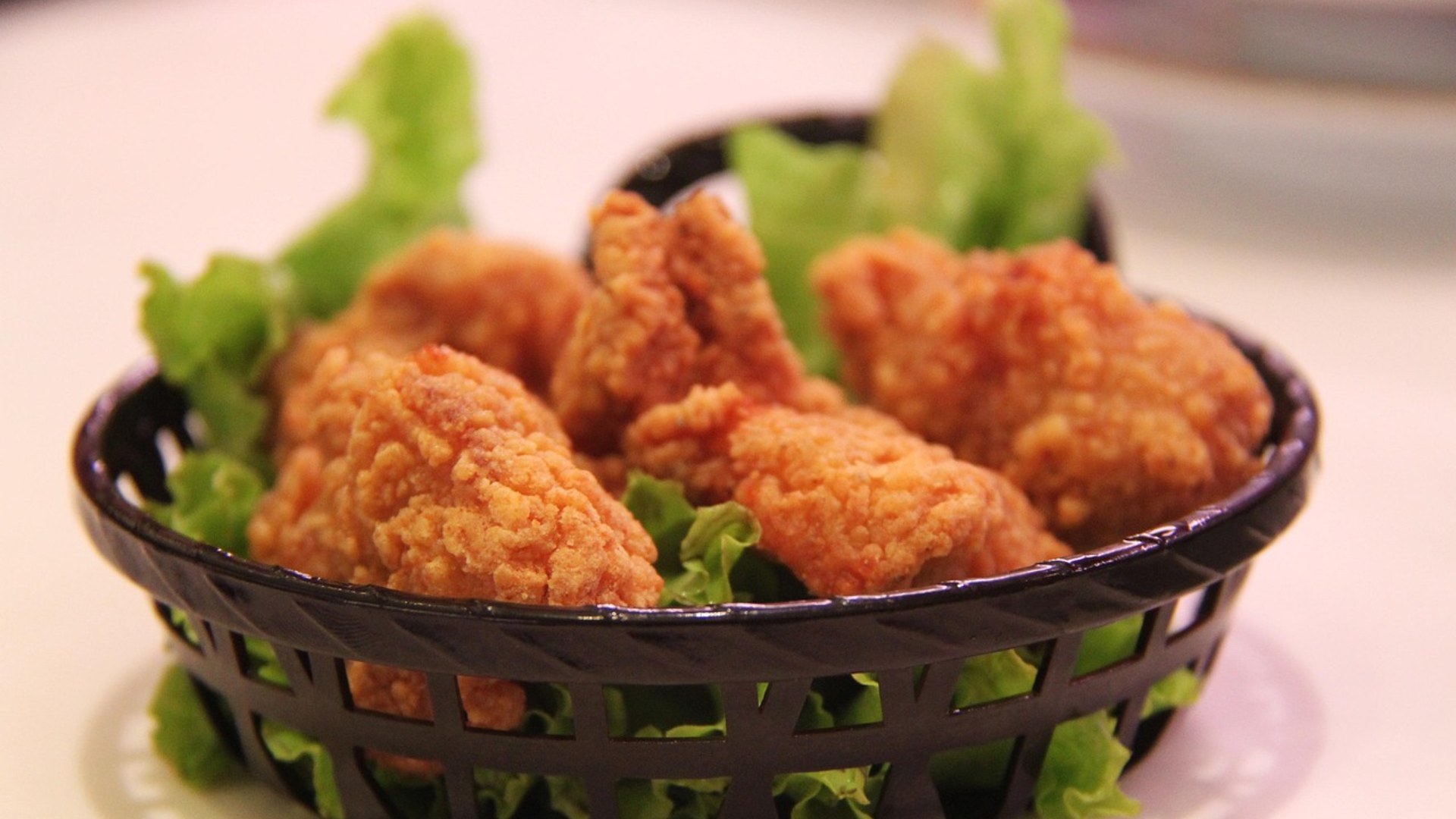
©Pixabay / sharonang
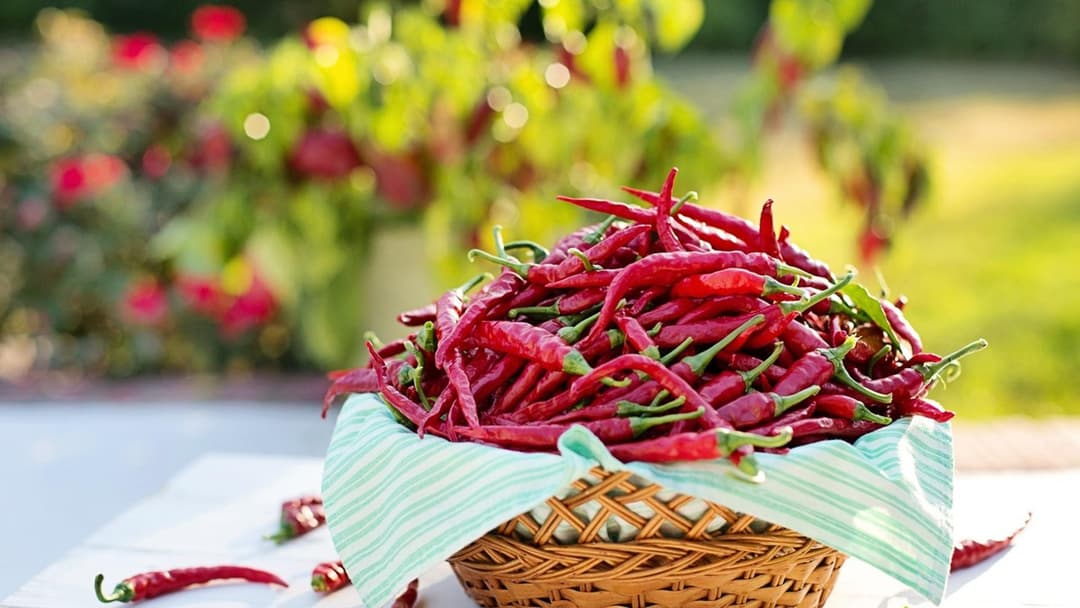
12. Spicy Chili Peppers
Core body temperature normally drops by roughly 1 degree Celsius to initiate and sustain deep sleep. Capsaicin triggers heat receptors and sweating, briefly elevating body temperature while irritating the stomach lining. Clinical trials show spicy evening meals increase awake time.
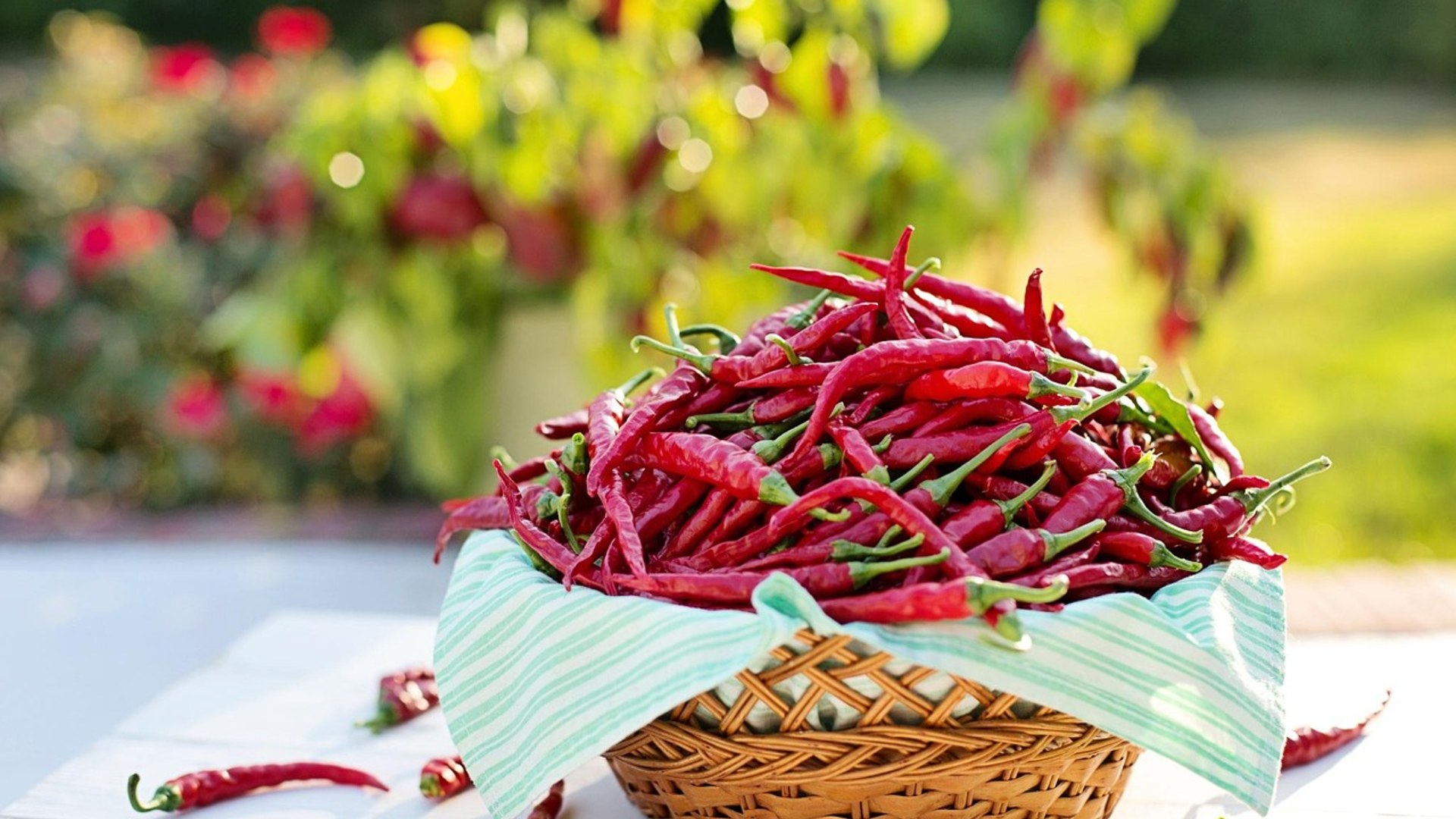
©Pixabay / JillWellington
Advertisement
Swipe or tap ▶ to resume the countdown.
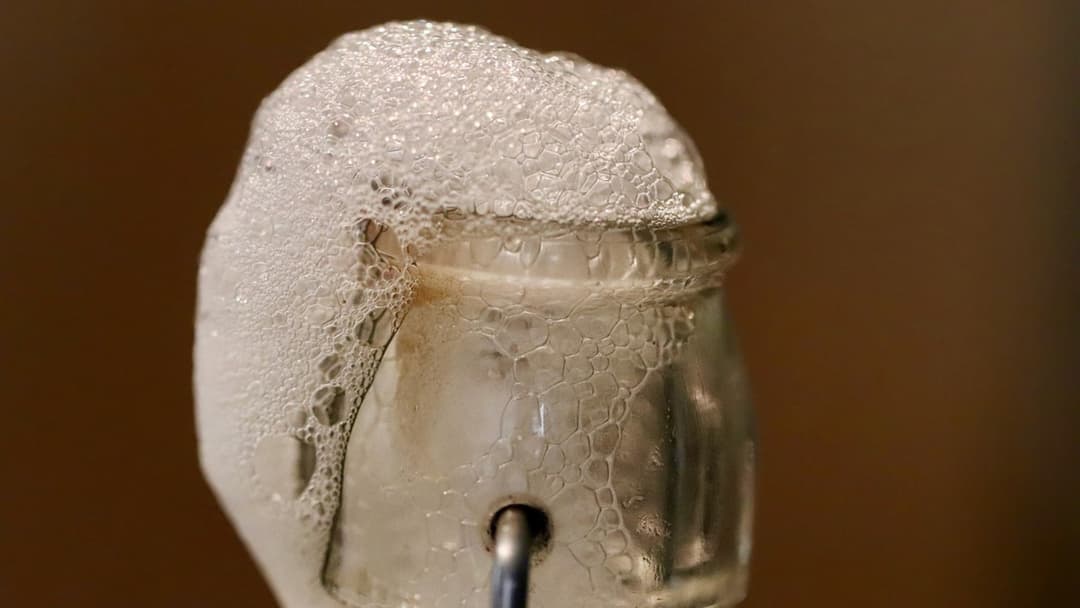
11. Kombucha
Commercial kombucha is fermented from black or green tea, leaving behind roughly 8 to 15 mg of caffeine per bottle. It also contains organic acids that can aggravate reflux and around 0.5 percent alcohol by volume. Sensitive drinkers often notice lighter sleep after an evening bottle.
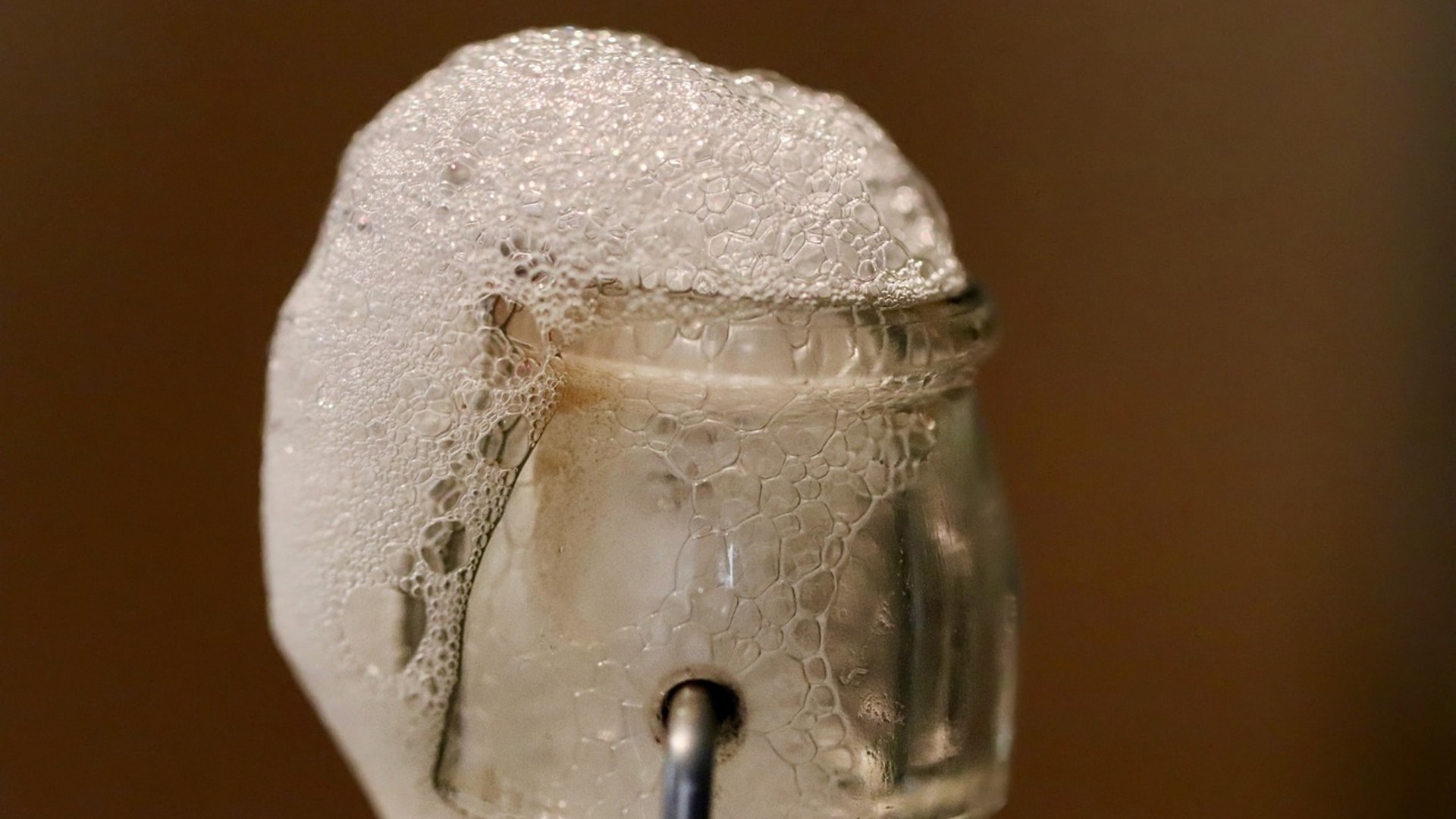
©Pixabay / Nennieinszweidrei
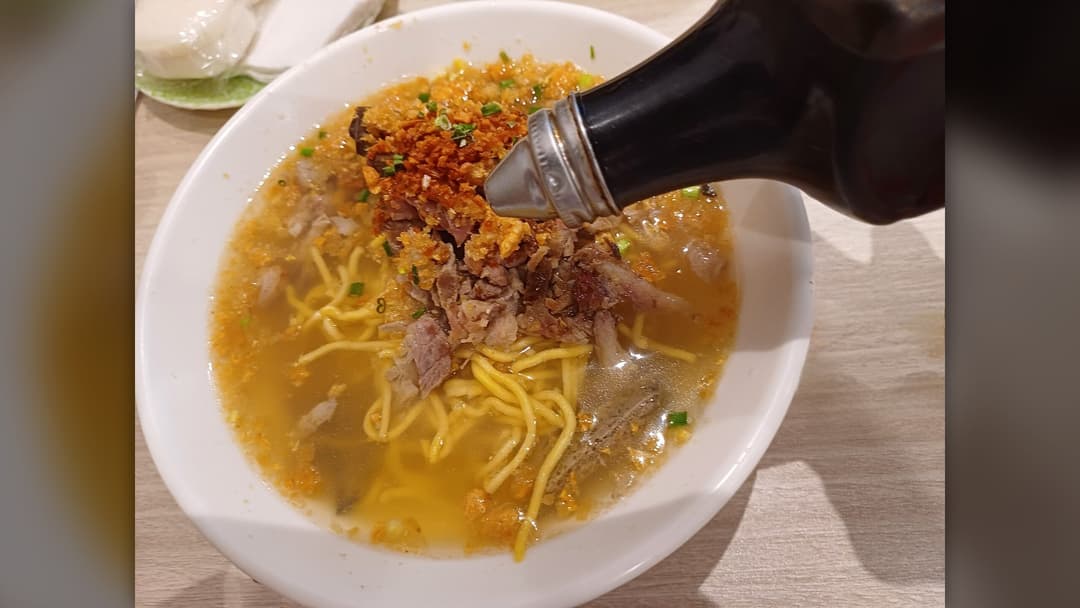
10. Soy Sauce
Fermented soy sauce concentrates both sodium and tyramine, a compound linked to alertness. One tablespoon provides nearly 40 percent of a full day's sodium limit, driving thirst and water retention. Studies on high-sodium dinners link elevated blood pressure at night to restless sleep.
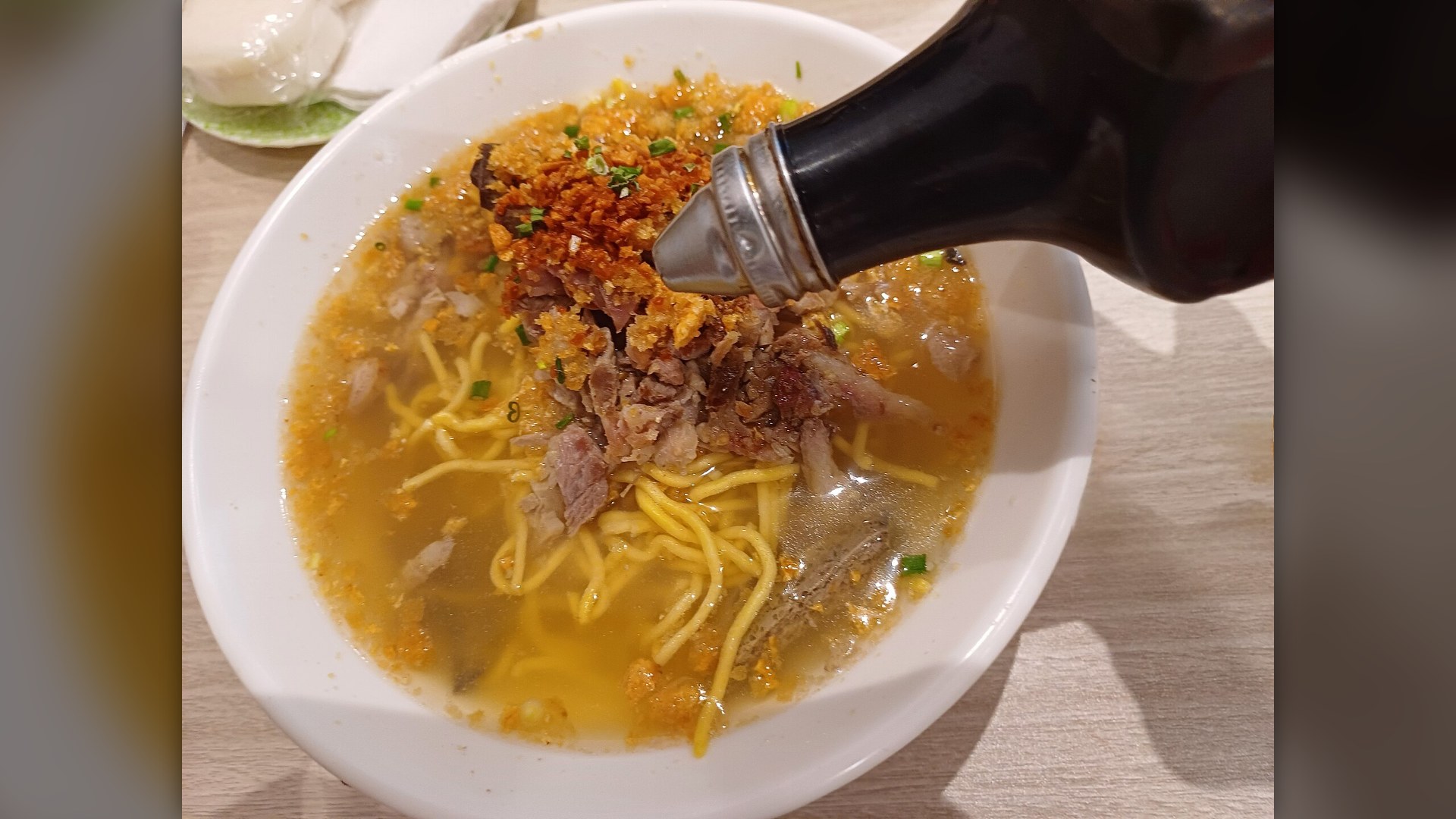
©Wikimedia / Curpharar
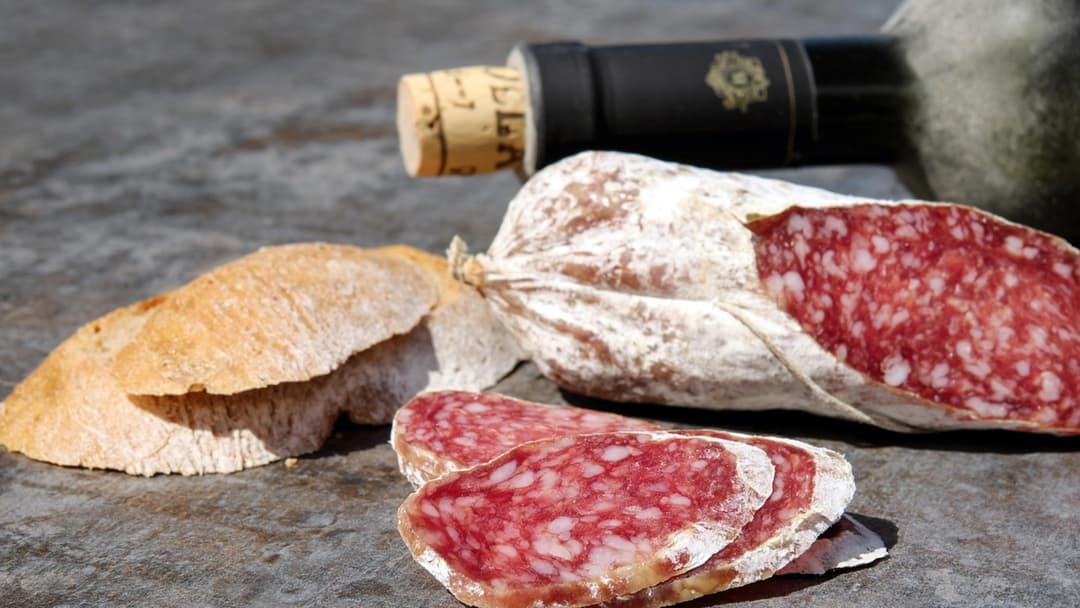
9. Cured Salami
Dry-cured salami builds up tyramine during fermentation, prompting the brain to release norepinephrine, an alerting neurotransmitter. Each serving also loads the stomach with saturated fat and sodium. A late charcuterie plate can leave you thirsty, heartburn-prone and wide awake.
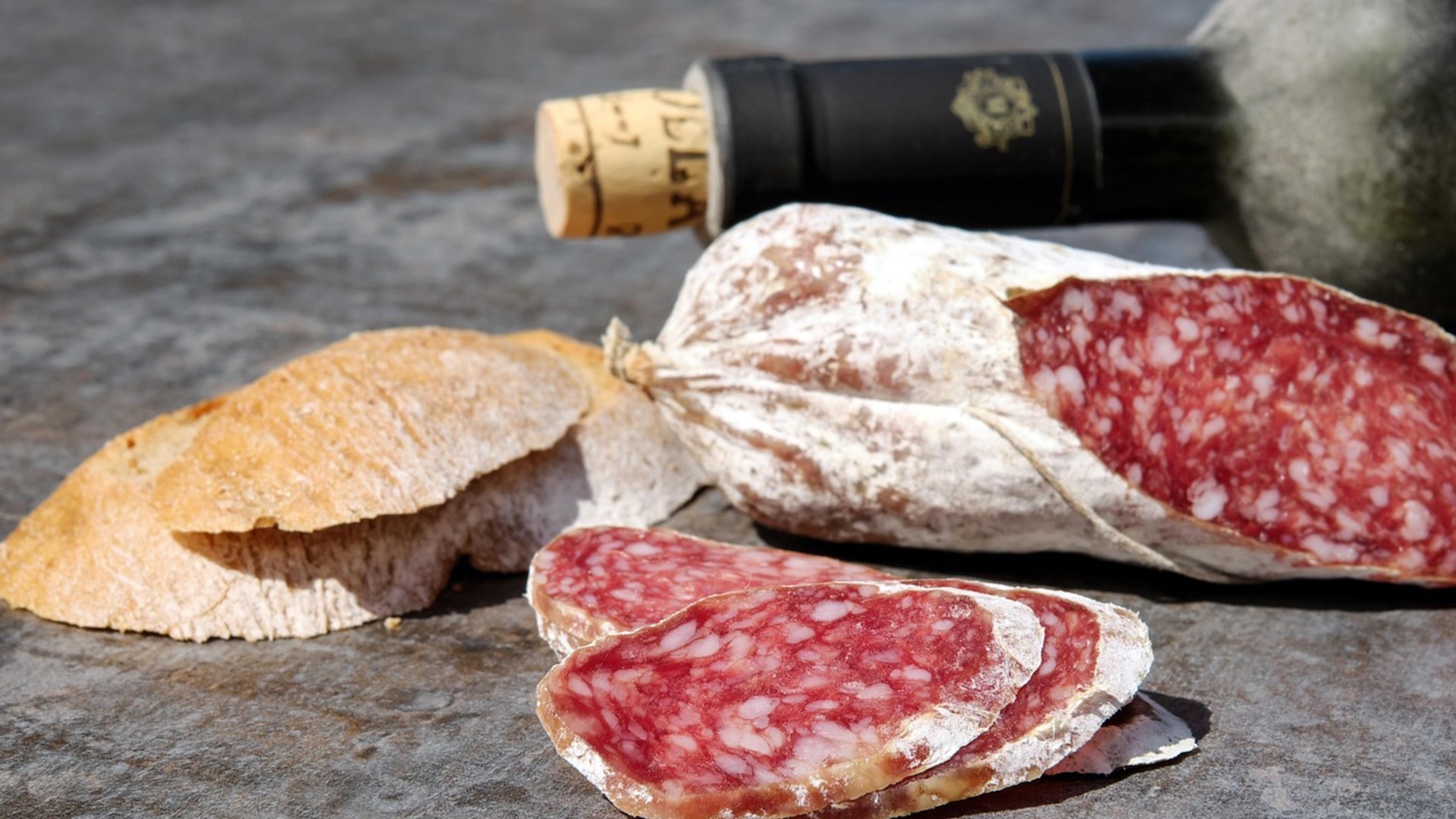
©Pixabay / Couleur
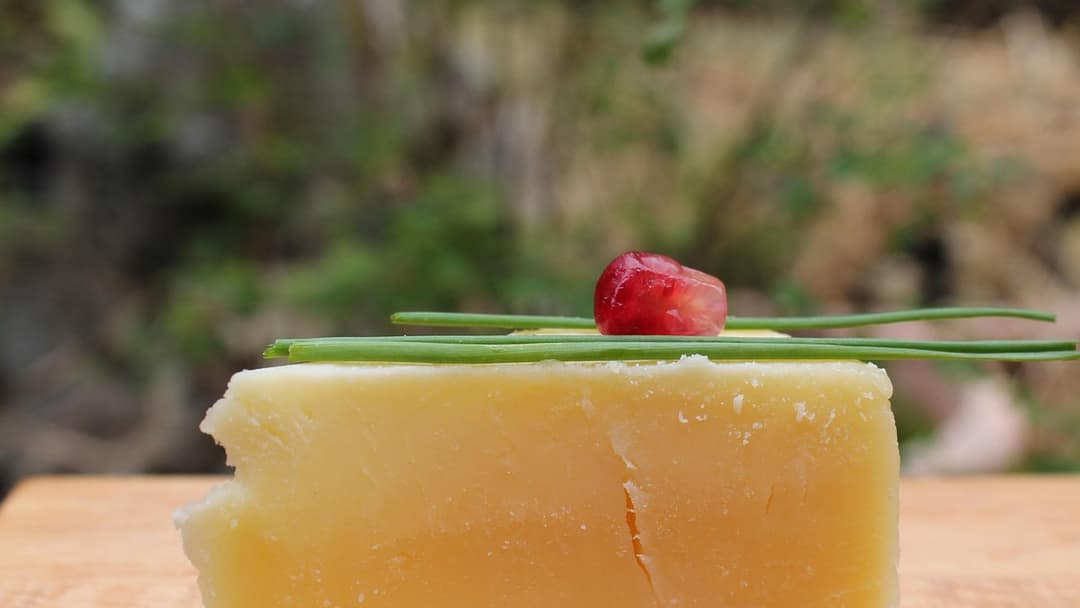
8. Aged Cheddar Cheese
Unlike fresh mozzarella or ricotta, cheddar aged for months develops high levels of tyramine as proteins break down. Tyramine stimulates the adrenal glands and increases norepinephrine output, nudging heart rate upward. Pairing aged cheese with crackers late at night can delay sleep onset.
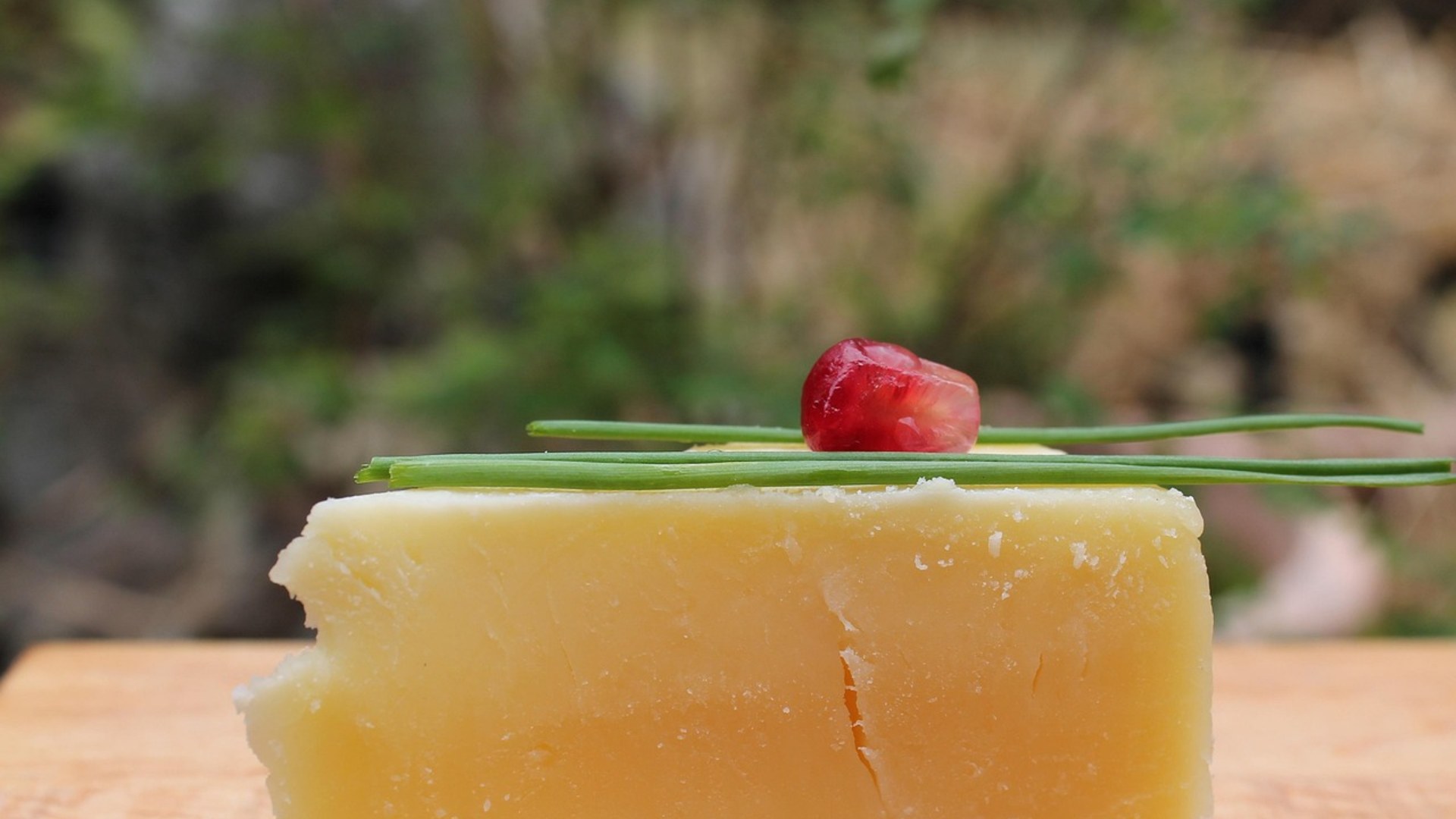
©Pixabay / AlbanyColley
Advertisement
Swipe or tap ▶ to resume the countdown.
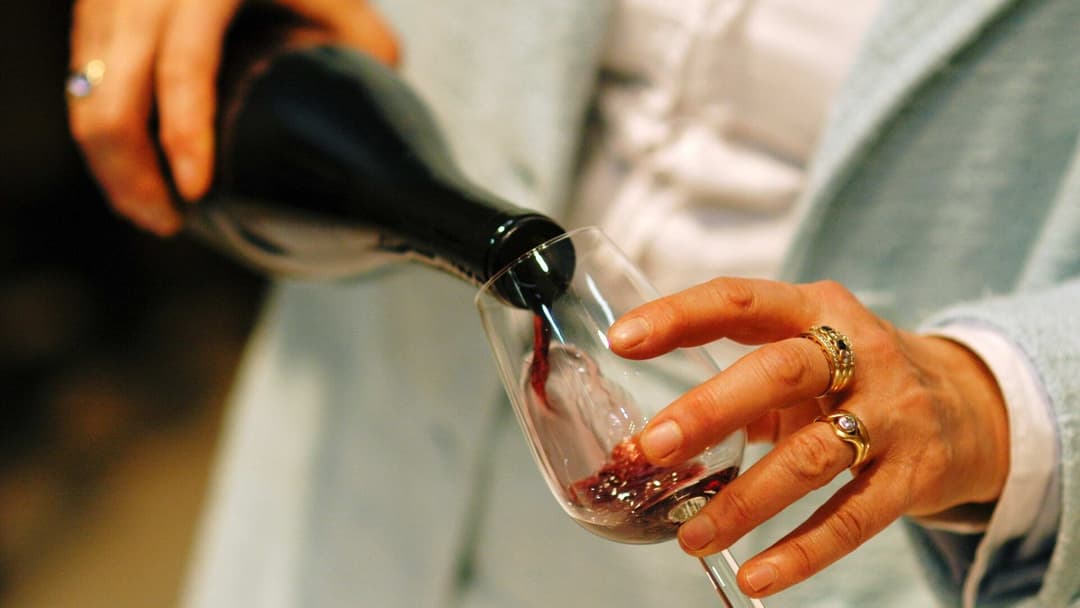
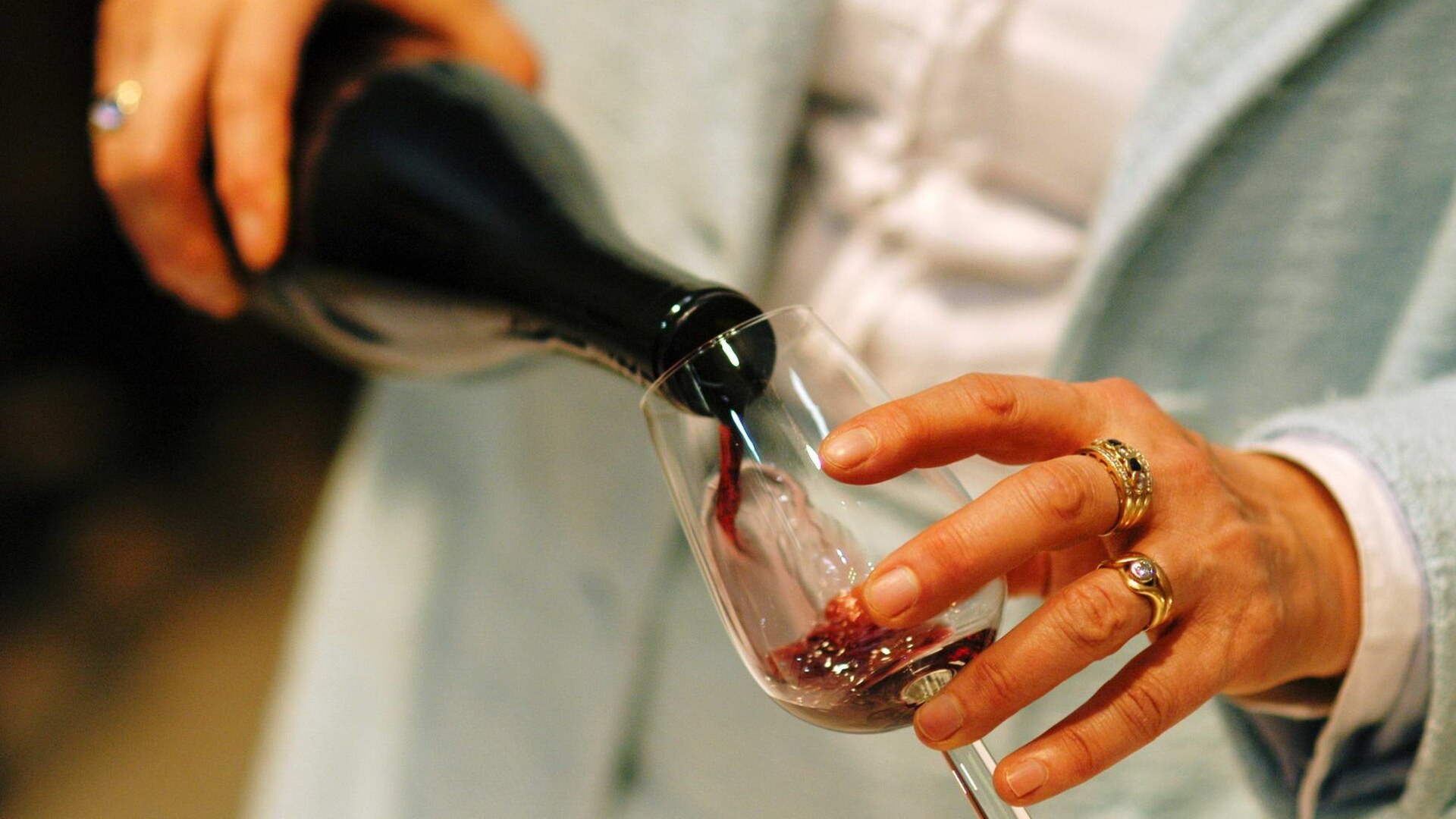
7. Red Wine
A glass of red wine speeds initial drowsiness, yet liver metabolism clears the sedative effect within three to four hours. Sleep researchers document a sharp rebound in light sleep, vivid dreams and early-morning waking. Alcohol also relaxes airway muscles, worsening snoring.
©Wikimedia / Fabio Ingrosso
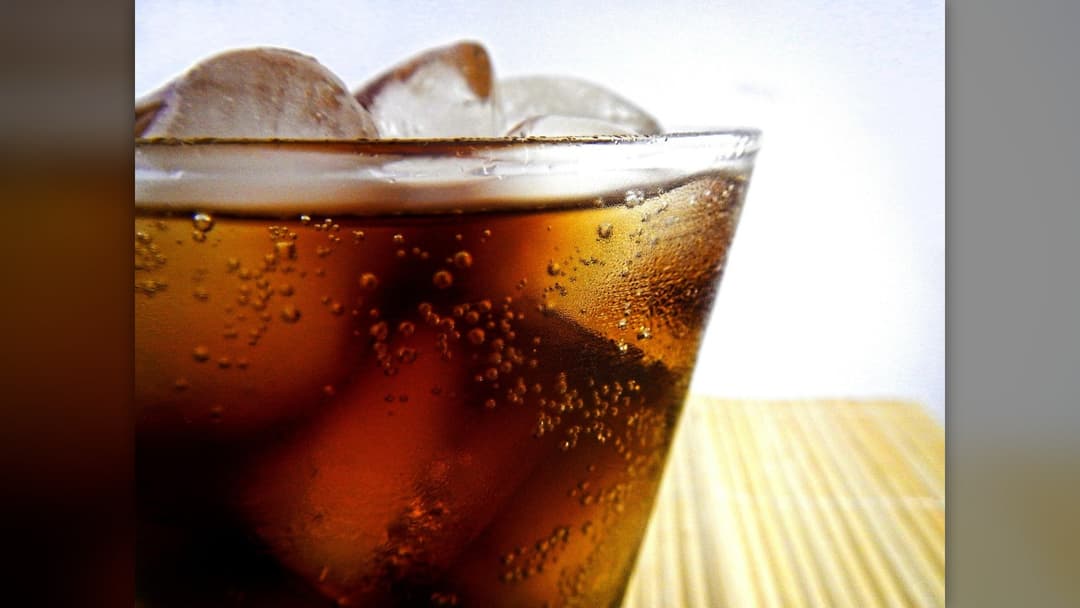
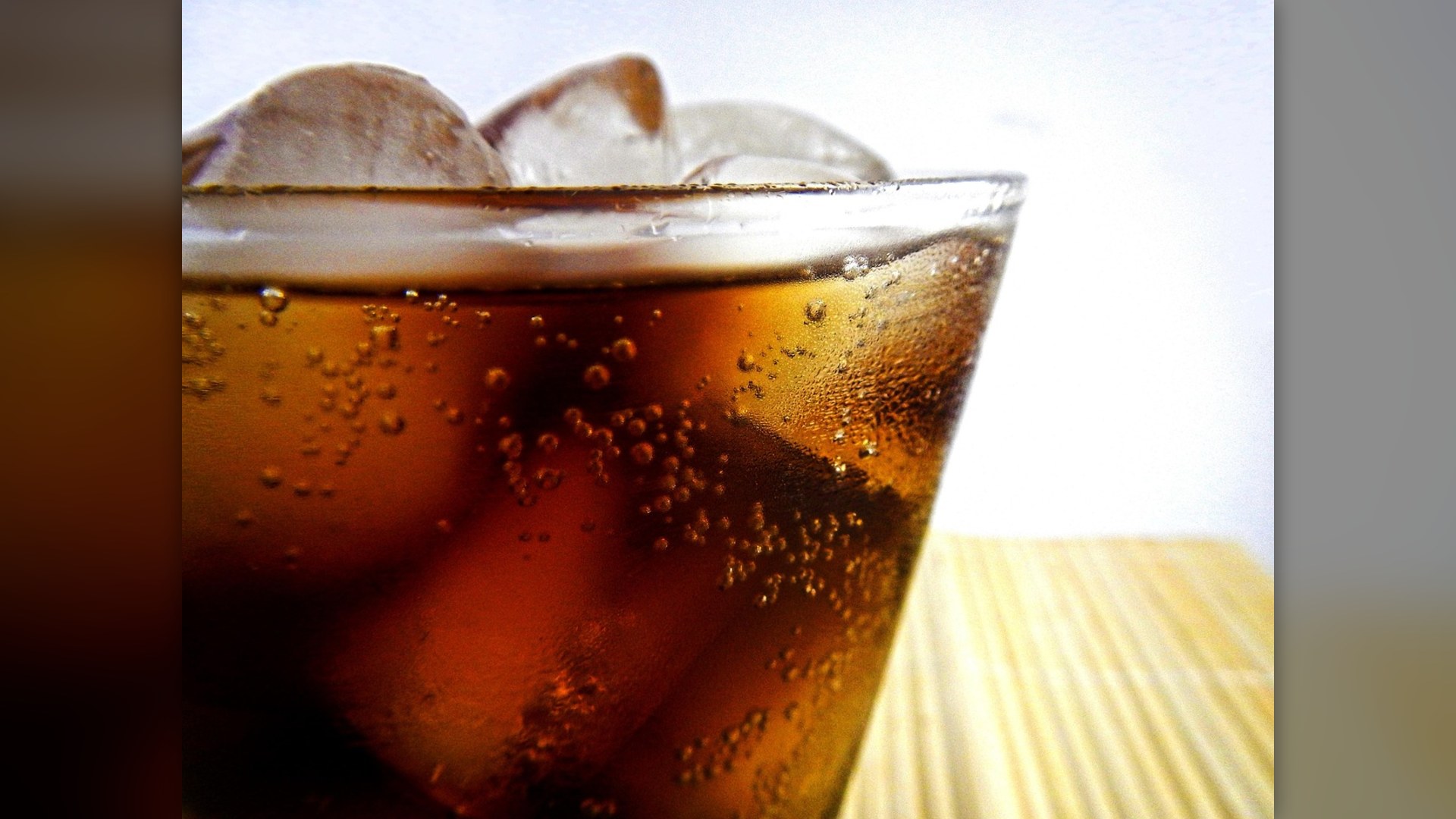
6. Cola Soda
Standard cola sodas pair roughly 34 mg of caffeine per can with about 39 grams of sugar and phosphoric acid. Carbonation expands inside the stomach when lying down, raising reflux risk while sugar swings disrupt rest. Diet colas swap sugar out, yet still pack up to 46 mg of caffeine.
©Pixabay / Lernestorod
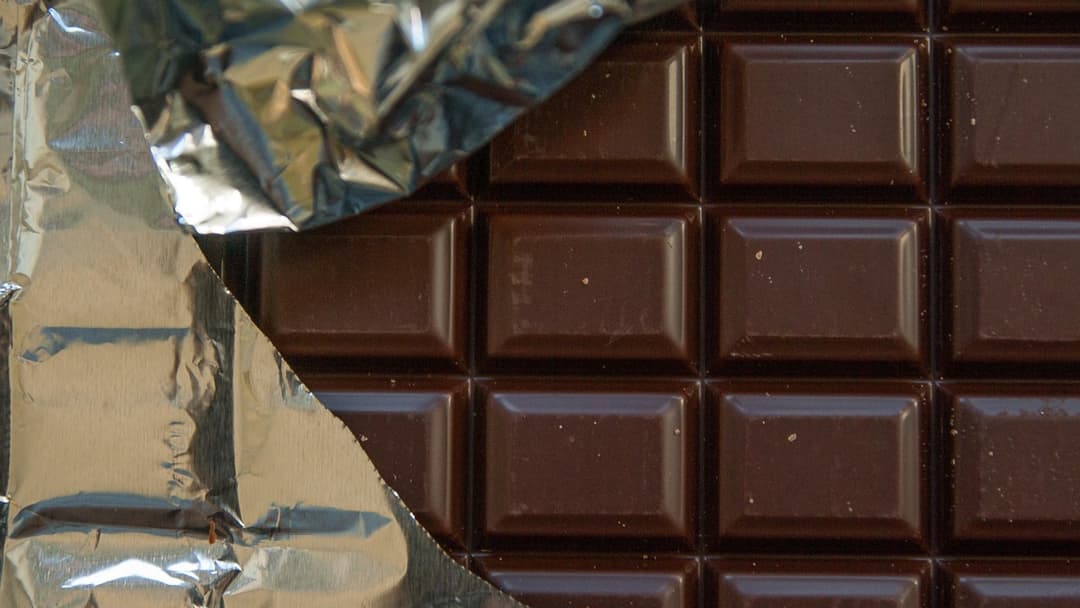
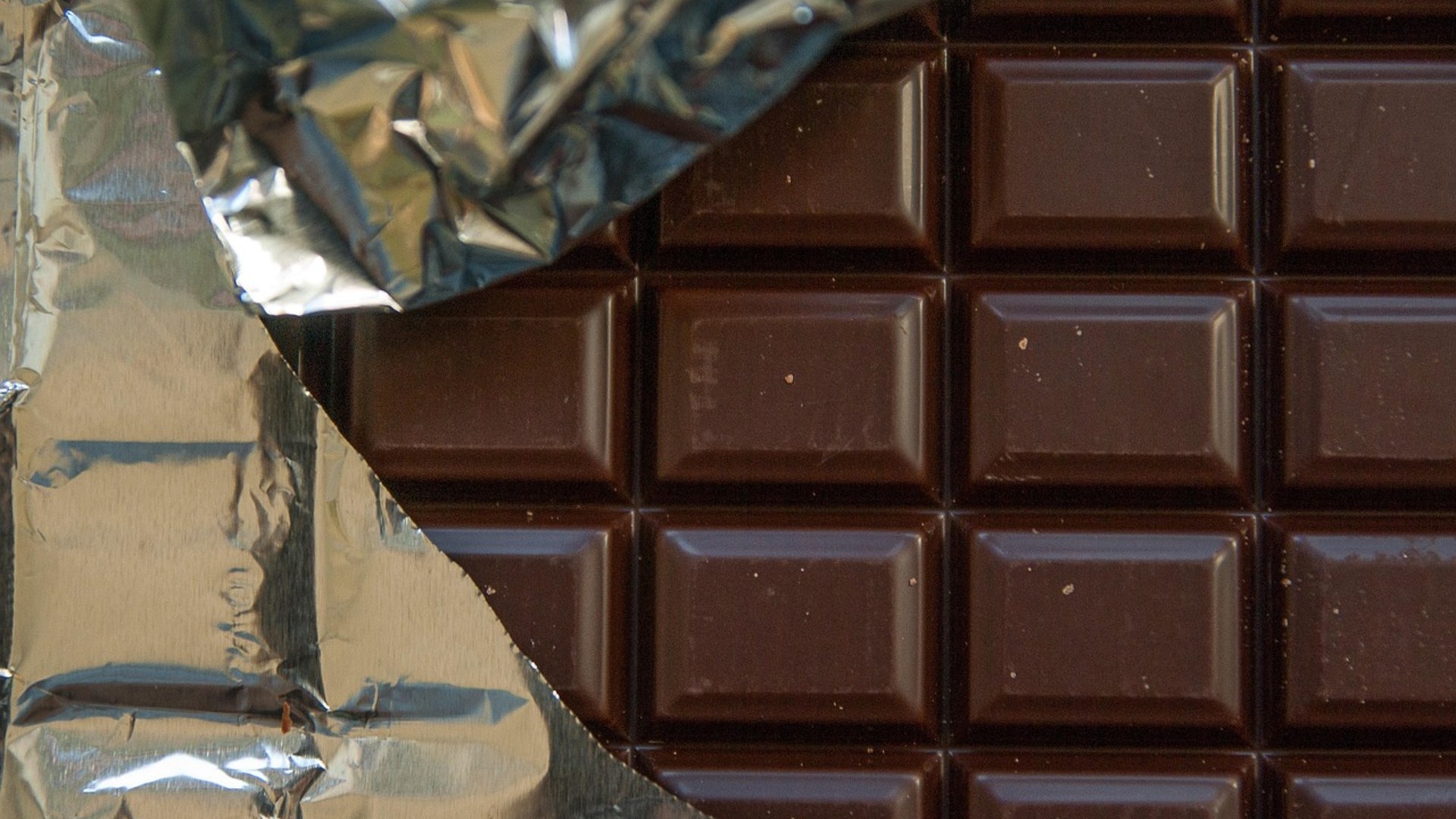
5. Dark Chocolate
A 1-ounce square of 70 to 85 percent dark chocolate carries roughly 23 mg of caffeine, close to a weak cup of tea. It also supplies about 220 mg of theobromine, a related alkaloid that elevates heart rate and lingers longer in the bloodstream. Evening nibbling can delay deep sleep.
©Pixabay / jackmac34
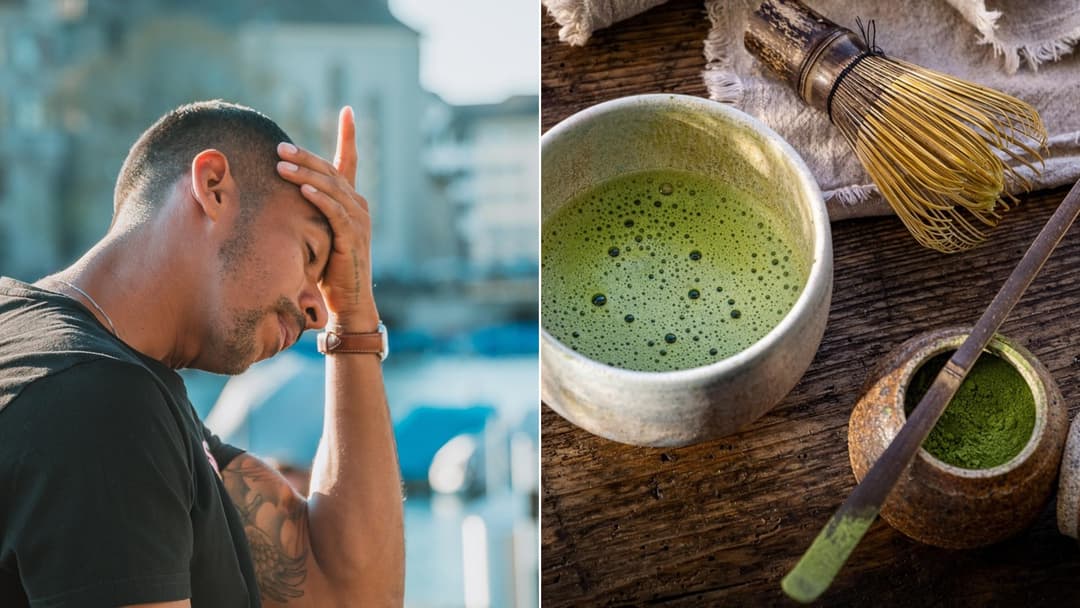
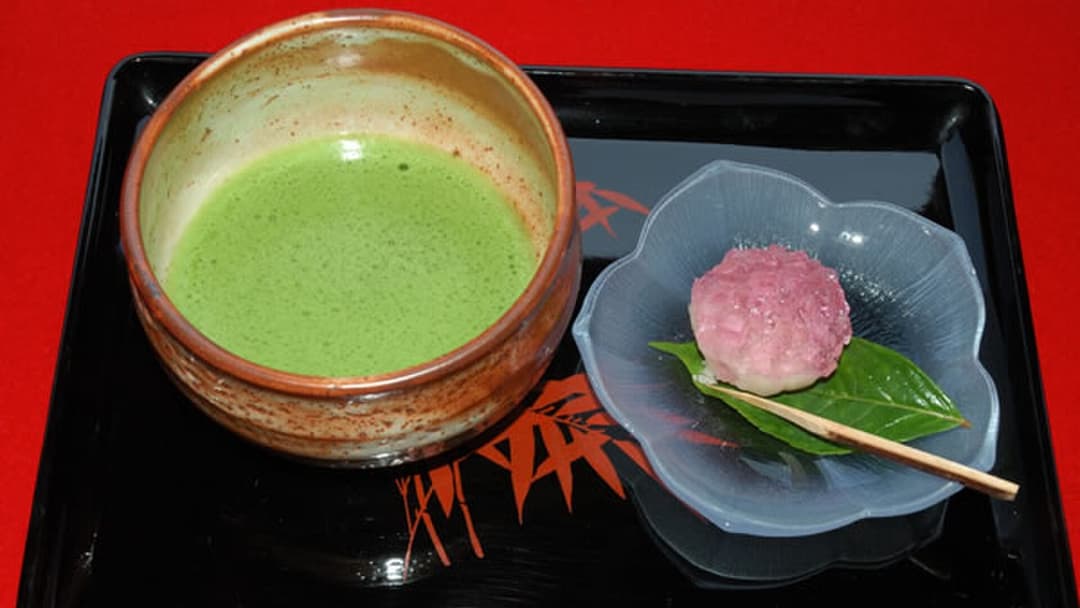
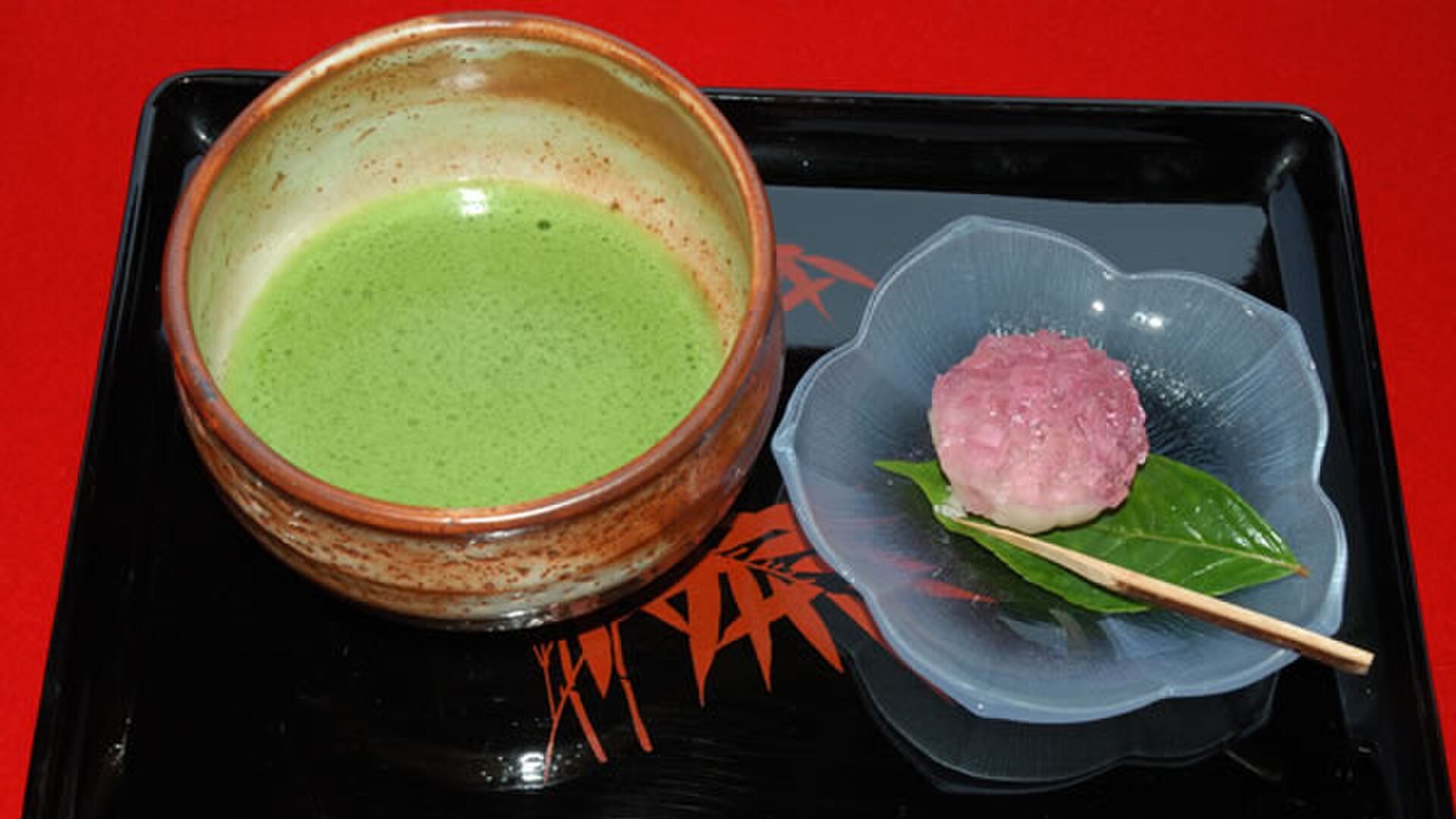
4. Matcha Green Tea
Unlike steeped tea bags, matcha whisks shade-grown green tea leaves directly into water so you consume the entire leaf. A typical 8-ounce serving supplies about 60 to 70 mg of caffeine, roughly double standard green tea. Drinking matcha lattes after midafternoon can push back sleep.
©Wikimedia / Uploader Miketsukunibito~commonswiki
Advertisement
Swipe or tap ▶ to resume the countdown.
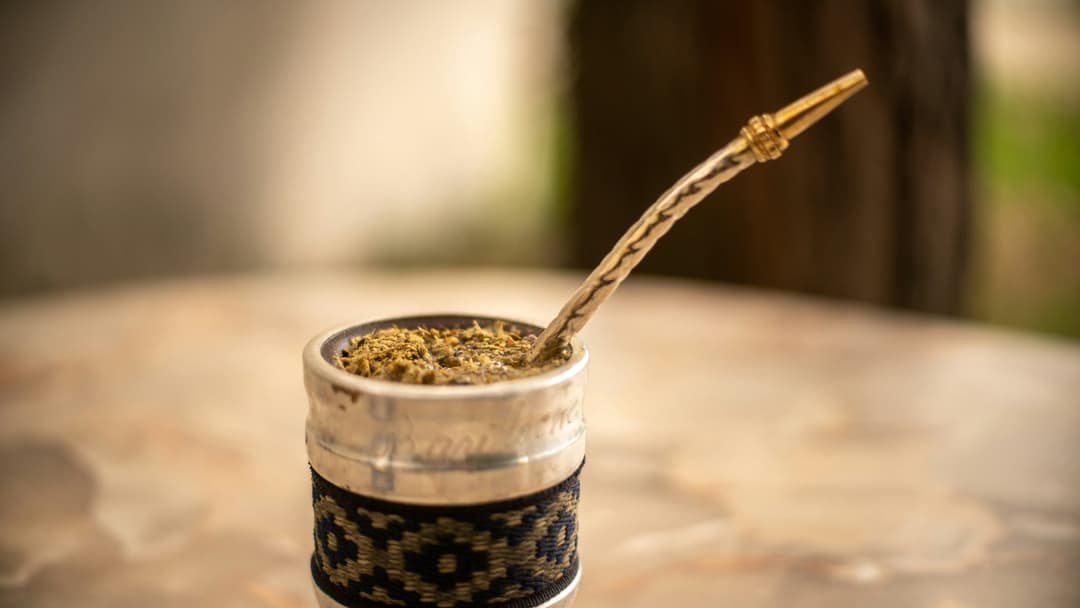
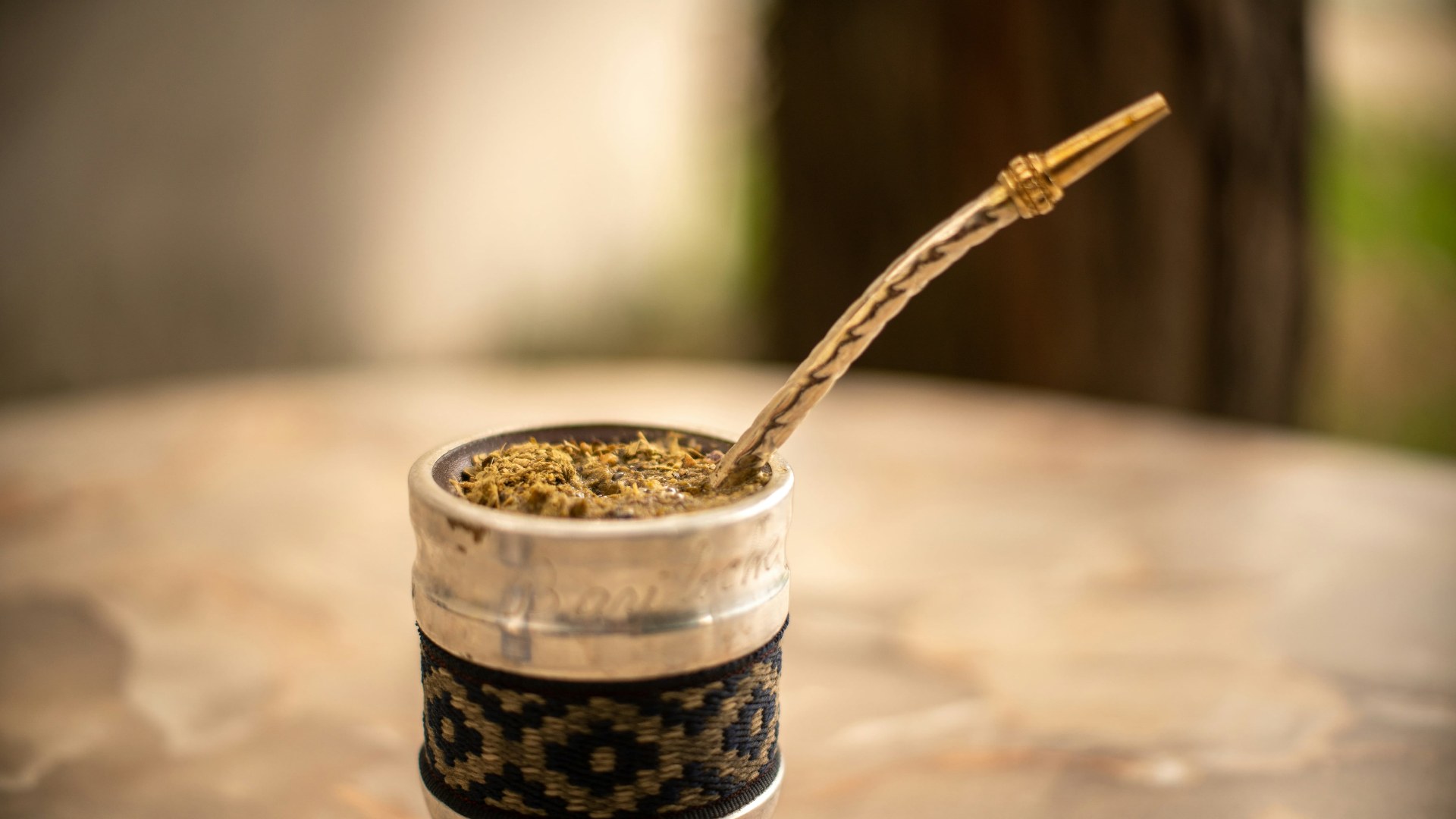
3. Yerba Mate
Steeped from dried Ilex paraguariensis leaves, yerba mate carries roughly 70 to 85 mg of caffeine per cup, rivaling brewed coffee. Traditional gourds refilled with hot water can add far more over an afternoon. Mate also contains theobromine, compounding stimulation well past sunset.
© Photo by Matias Luge on Unsplash
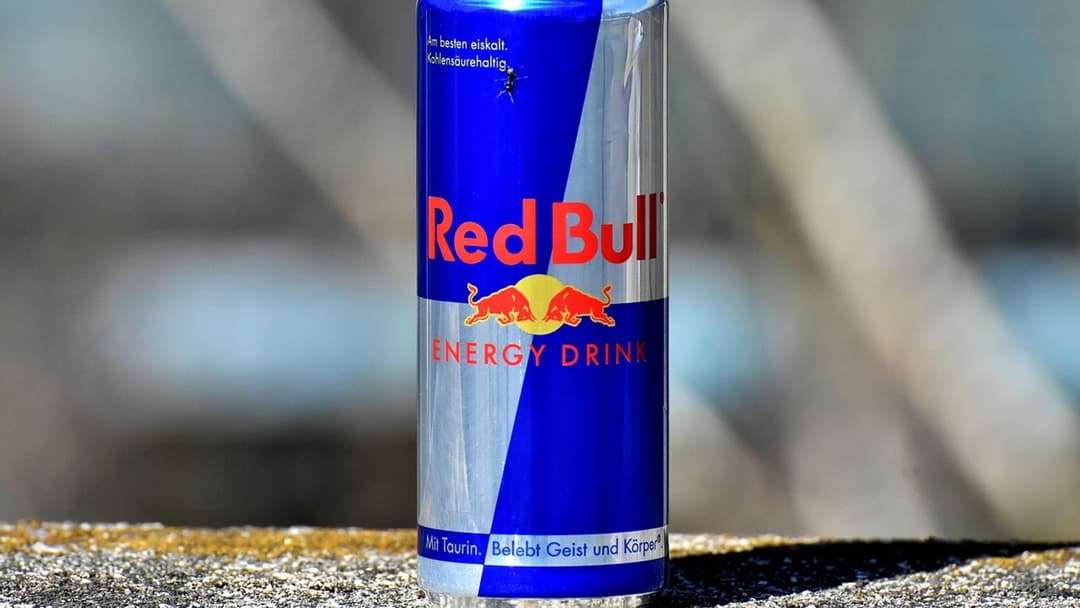
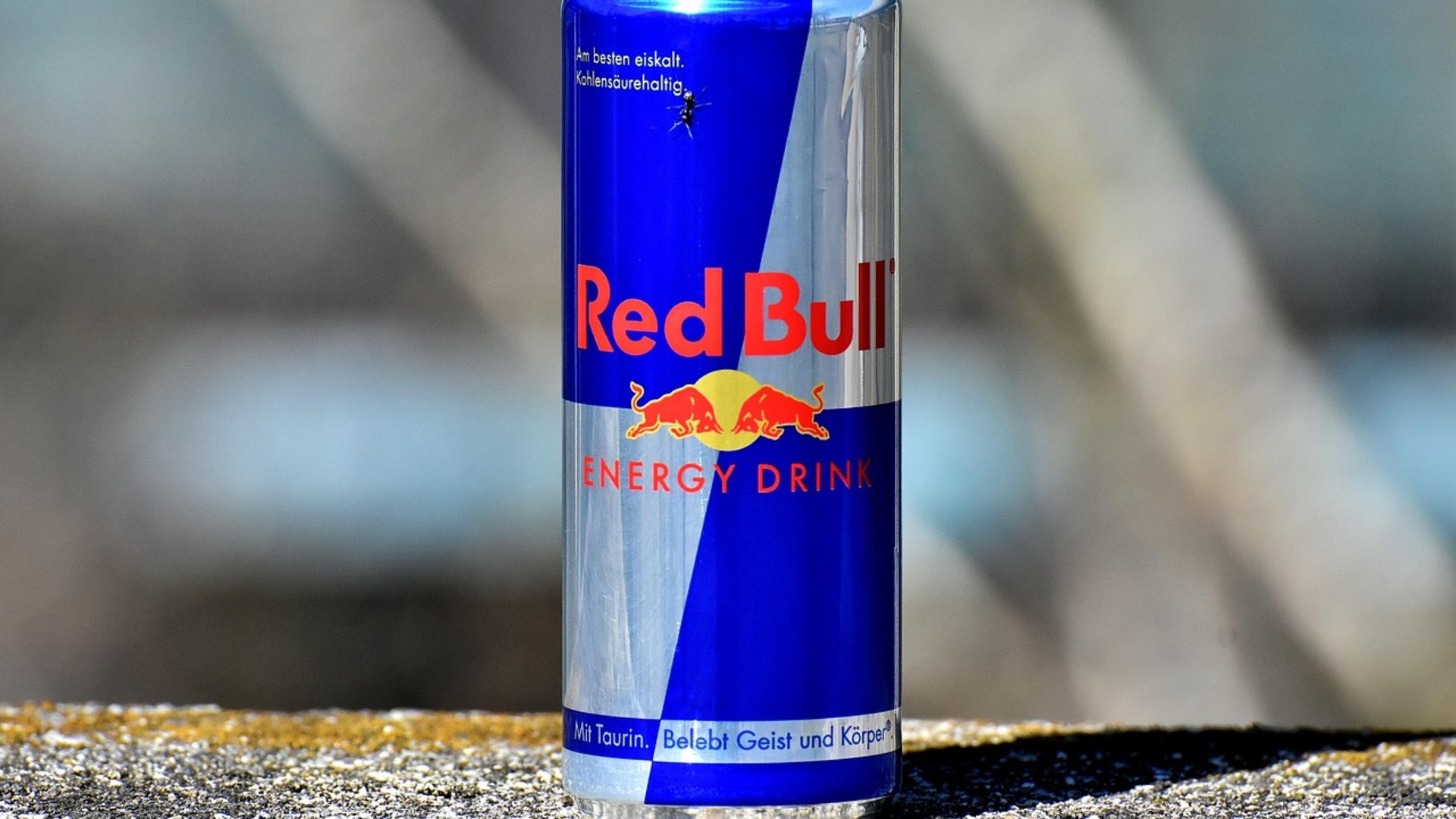
2. Energy Drinks
Depending on the brand and can size, an energy drink delivers anywhere from 80 to 300 mg of caffeine, near the FDA's 400 mg daily adult limit. Caffeine blocks brain adenosine receptors for hours, masking fatigue signals. Late-afternoon cans sharply cut total sleep duration.
©Pixabay / Alexas_Fotos
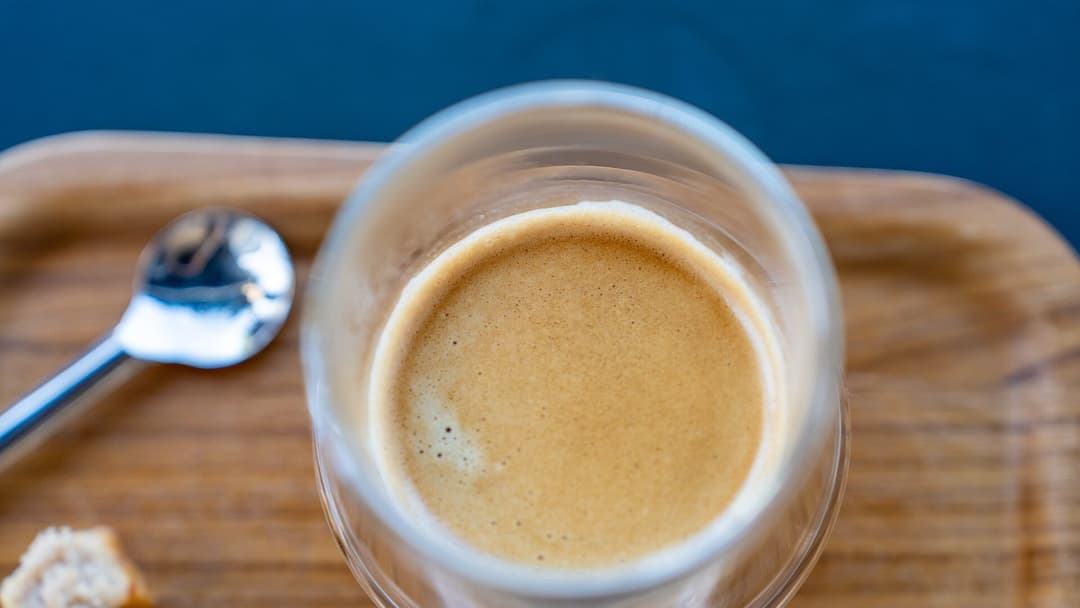
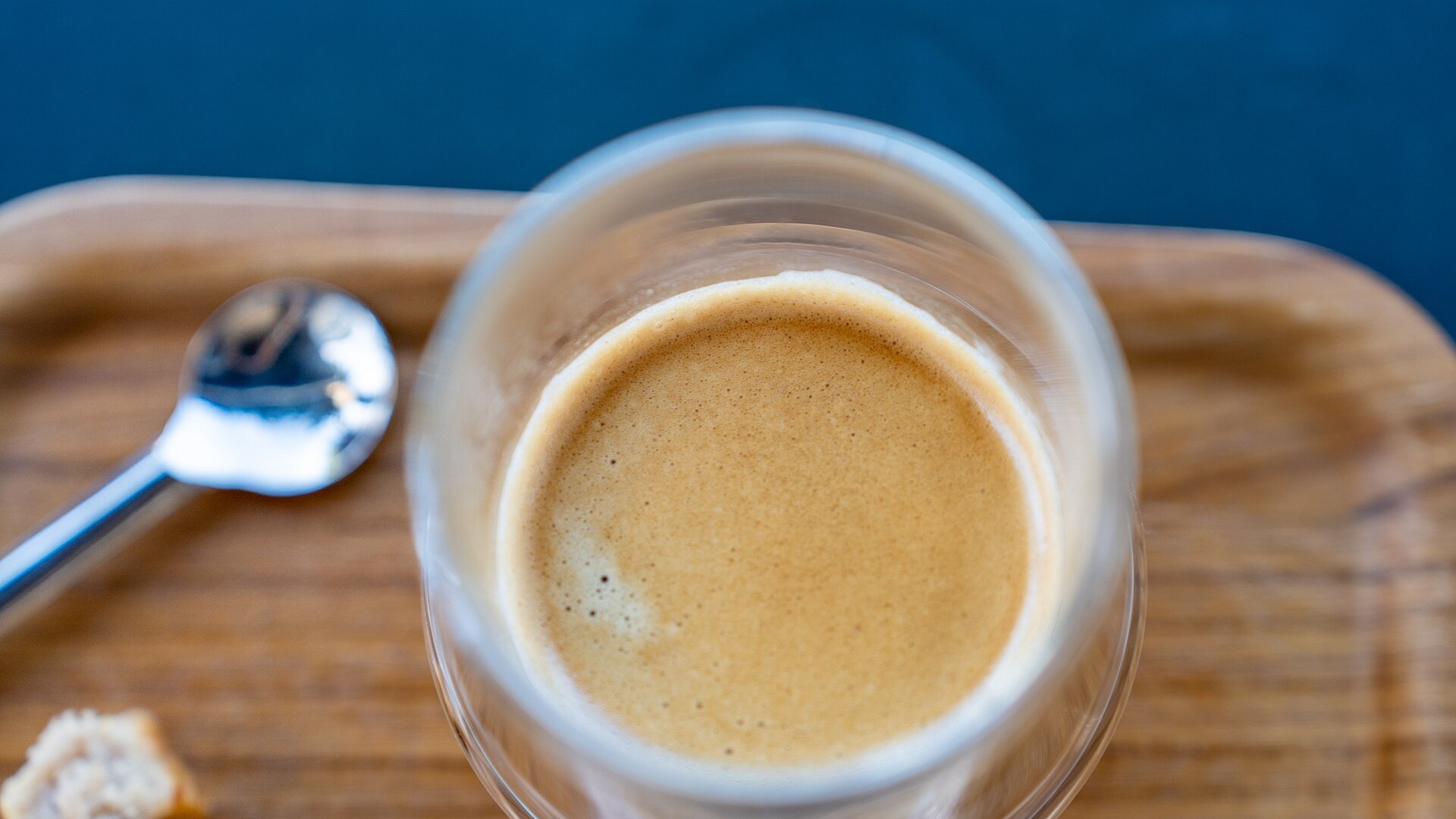
1. Espresso
Per USDA data, a single 1-ounce shot of espresso holds roughly 63 mg of caffeine, and a double shot tops 125 mg. Because caffeine's average half-life is about five hours in healthy adults, an after-dinner shot leaves half that stimulant active at midnight, blocking deep sleep.
©Wikimedia / Deerpeter
Advertisement
You've reached the end of the story. Thanks for reading!

20 Science-Backed Strategies That May Help Ease Migraines
Migraines represent a neurological disorder affecting tens of millions of adults nationwide, causing severe throbbing pain, sensory sensitivity, and nausea. While prescription medication plays a vital clinical role, nonpharmaceutical strategies can significantly decrease attack frequency and shorten painful episodes.
All 22 Entries in this Story
#22 Watermelon
Watermelon delivers high fluid volume alongside natural potassium and mild diuretic activity. Eating several slices within two hours of bedtime fills the bladder quickly after you lie down. Sleep clinicians note that even one nocturnal bathroom trip breaks deep slow-wave sleep.

#21 Celery
USDA nutrition tables list raw celery at roughly 95 percent water by weight, with small amounts of phthalides that increase urine output. Snacking on stalks late at night adds extra fluid right before sleep. Nocturia interrupts circadian sleep cycles and makes falling back asleep harder.

#20 Raw Broccoli
Raw cruciferous vegetables contain tough insoluble fiber and sulfur compounds that take hours to break down. When eaten at dinner or as a late snack, gut bacteria ferment those sugars and produce gas. Lying flat traps abdominal pressure and causes discomfort that disrupts early sleep.

#19 Dried Fruit
Removing water concentrates both fructose and insoluble fiber into a small handful of dried fruit. In sensitive stomachs, poorly absorbed sorbitol and fiber draw water into the gut and ferment overnight. High-sugar servings can also trigger a sharp blood glucose rise before bed.

#18 Raw Garlic And Onions
Raw garlic and onions relax the lower esophageal sphincter, the muscular valve that keeps stomach acid down. They also supply fermentable fructans that can trigger gas and upper abdominal pressure. Gastroenterologists warn that raw alliums eaten at night often worsen reflux once horizontal.

#17 Grapefruit Juice
Citrus juices have a low pH that directly irritates esophageal tissue and stimulates stomach acid secretion. Drinking a glass late in the evening removes gravity's help in keeping acid inside the stomach. Even mild silent reflux causes micro-arousals that leave sleepers tired.

#16 Tomato Marinara Sauce
Tomatoes pack both malic and citric acids, making rich marinara a frequent trigger for gastroesophageal reflux. When paired with heavy cheese or meat late at night, gastric emptying slows down for hours. Acid creeping upward triggers coughing, chest burning and repeated waking.

#15 Peppermint Tea
Many people brew peppermint tea as a soothing nightcap because it contains zero caffeine. However, natural menthol relaxes smooth muscle in the lower esophageal sphincter. For anyone prone to heartburn, a bedtime mug can let stomach acid rise and interrupt sleep within an hour.

#14 Ice Cream
A late bowl of ice cream delivers heavy milkfat alongside fast-absorbing added sugar. Fat slows gastric emptying while blood sugar climbs and later dips, prompting stress hormones like cortisol to surge. Studies link high saturated fat intake near bedtime with lighter, less restorative sleep.

#13 Fried Chicken
High-fat fried foods demand extended digestive work and stimulate cholecystokinin, a hormone that relaxes the esophageal sphincter. Lying down with a heavy meal still in the stomach forces digestion to compete with rest. Sleep surveys tie greasy late dinners to fragmented sleep.

#12 Spicy Chili Peppers
Core body temperature normally drops by roughly 1 degree Celsius to initiate and sustain deep sleep. Capsaicin triggers heat receptors and sweating, briefly elevating body temperature while irritating the stomach lining. Clinical trials show spicy evening meals increase awake time.

#11 Kombucha
Commercial kombucha is fermented from black or green tea, leaving behind roughly 8 to 15 mg of caffeine per bottle. It also contains organic acids that can aggravate reflux and around 0.5 percent alcohol by volume. Sensitive drinkers often notice lighter sleep after an evening bottle.

#10 Soy Sauce
Fermented soy sauce concentrates both sodium and tyramine, a compound linked to alertness. One tablespoon provides nearly 40 percent of a full day's sodium limit, driving thirst and water retention. Studies on high-sodium dinners link elevated blood pressure at night to restless sleep.

#9 Cured Salami
Dry-cured salami builds up tyramine during fermentation, prompting the brain to release norepinephrine, an alerting neurotransmitter. Each serving also loads the stomach with saturated fat and sodium. A late charcuterie plate can leave you thirsty, heartburn-prone and wide awake.

#8 Aged Cheddar Cheese
Unlike fresh mozzarella or ricotta, cheddar aged for months develops high levels of tyramine as proteins break down. Tyramine stimulates the adrenal glands and increases norepinephrine output, nudging heart rate upward. Pairing aged cheese with crackers late at night can delay sleep onset.

#7 Red Wine
A glass of red wine speeds initial drowsiness, yet liver metabolism clears the sedative effect within three to four hours. Sleep researchers document a sharp rebound in light sleep, vivid dreams and early-morning waking. Alcohol also relaxes airway muscles, worsening snoring.

#6 Cola Soda
Standard cola sodas pair roughly 34 mg of caffeine per can with about 39 grams of sugar and phosphoric acid. Carbonation expands inside the stomach when lying down, raising reflux risk while sugar swings disrupt rest. Diet colas swap sugar out, yet still pack up to 46 mg of caffeine.

#5 Dark Chocolate
A 1-ounce square of 70 to 85 percent dark chocolate carries roughly 23 mg of caffeine, close to a weak cup of tea. It also supplies about 220 mg of theobromine, a related alkaloid that elevates heart rate and lingers longer in the bloodstream. Evening nibbling can delay deep sleep.

#4 Matcha Green Tea
Unlike steeped tea bags, matcha whisks shade-grown green tea leaves directly into water so you consume the entire leaf. A typical 8-ounce serving supplies about 60 to 70 mg of caffeine, roughly double standard green tea. Drinking matcha lattes after midafternoon can push back sleep.

#3 Yerba Mate
Steeped from dried Ilex paraguariensis leaves, yerba mate carries roughly 70 to 85 mg of caffeine per cup, rivaling brewed coffee. Traditional gourds refilled with hot water can add far more over an afternoon. Mate also contains theobromine, compounding stimulation well past sunset.

#2 Energy Drinks
Depending on the brand and can size, an energy drink delivers anywhere from 80 to 300 mg of caffeine, near the FDA's 400 mg daily adult limit. Caffeine blocks brain adenosine receptors for hours, masking fatigue signals. Late-afternoon cans sharply cut total sleep duration.

#1 Espresso
Per USDA data, a single 1-ounce shot of espresso holds roughly 63 mg of caffeine, and a double shot tops 125 mg. Because caffeine's average half-life is about five hours in healthy adults, an after-dinner shot leaves half that stimulant active at midnight, blocking deep sleep.