Slideshow · Health
How Your Sleeping Position Affects Body Health and Shape
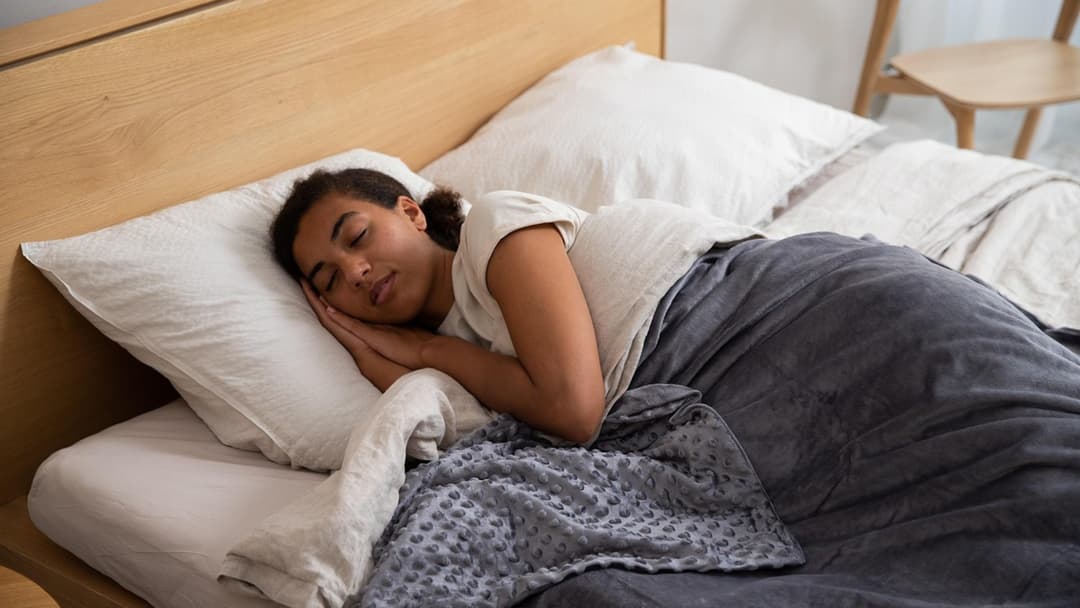
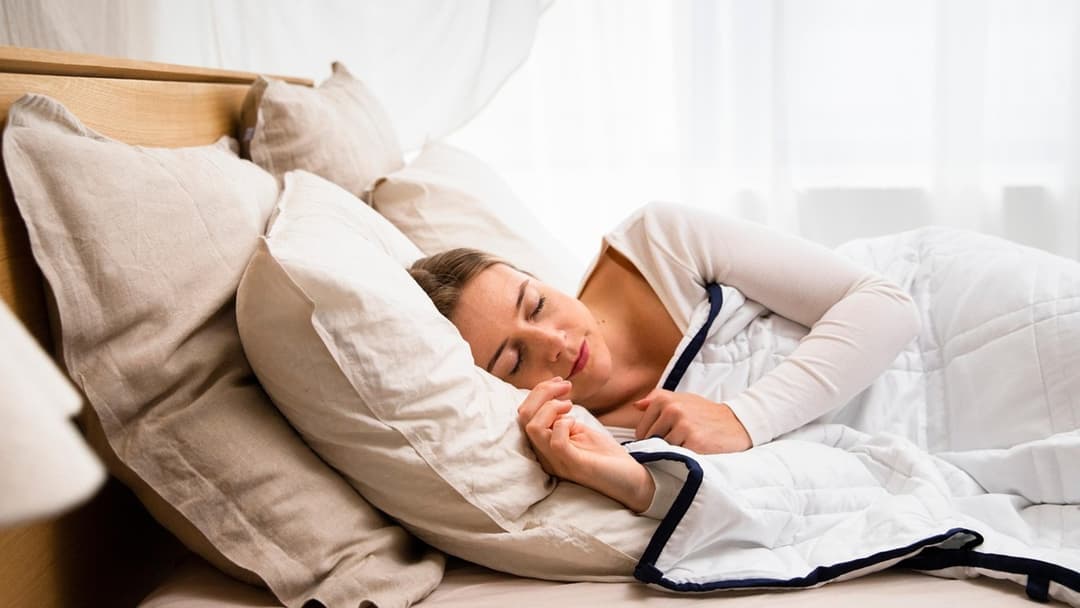
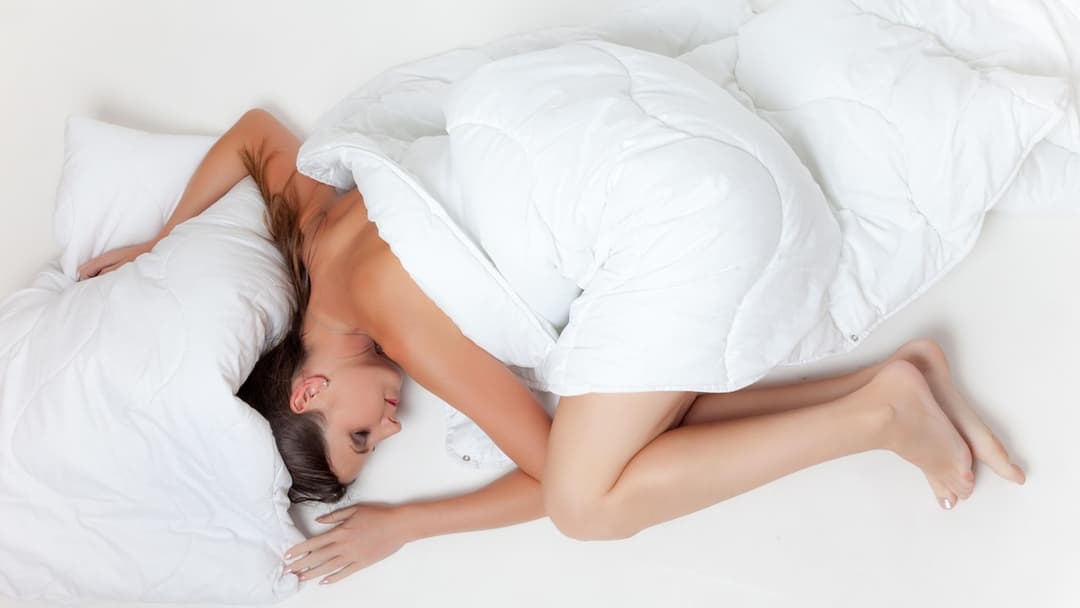
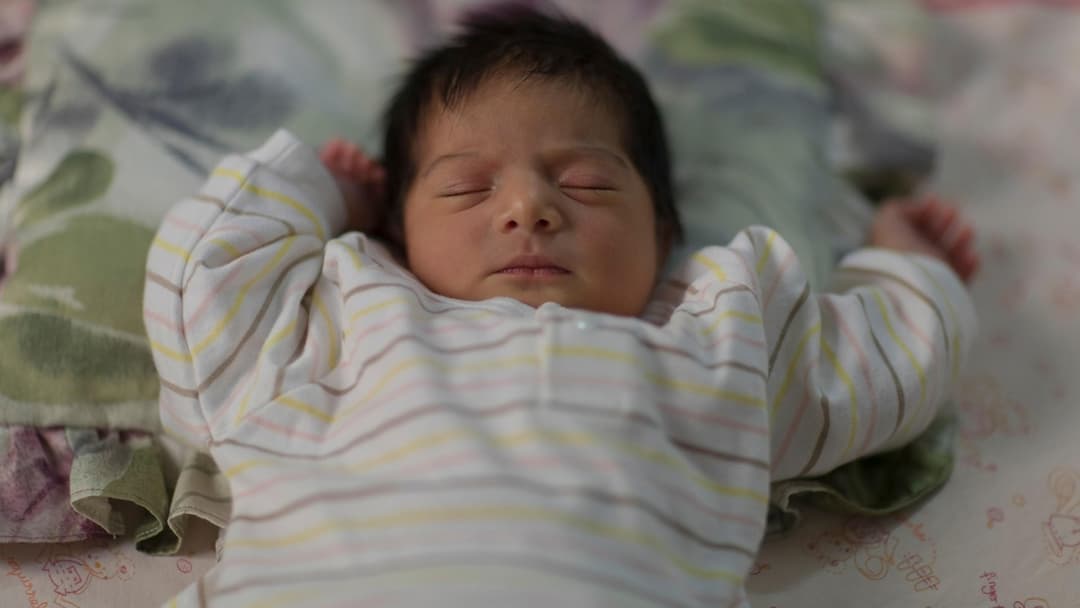
Nightly sleep posture directly influences musculoskeletal alignment, airway resistance, digestive efficiency, and circulatory flow. Biomechanical evidence shows each sleeping configuration shapes long term spinal health, facial skin tension, and organ pressure during nocturnal rest across your entire lifespan.
By Most Viral Today
11 min ago

Biomechanics of Rest 
20. Nocturnal Posture Shifts Promote Tissue Reperfusion 
19. Mattress Firmness Dictates Shoulder And Hip Relief 
18. Knee Pillow Biomechanics Stabilize Pelvic Rotation - AdvertisementSwipe or tap ▶ to continue countdown

17. Incorrect Pillow Height Alters Cervical Spine Curvature 
16. Side Sleeping Increases Jaw Joint Pressure And Bruxism 
15. Side And Stomach Sleeping Accelerate Facial Wrinkles 
14. Stomach Sleeping Hinders Thoracic Cage Expansion - AdvertisementSwipe or tap ▶ to continue countdown

13. Stomach Sleeping Exaggerates Lumbar Spine Lordosis 
12. Stomach Sleeping Forces Severe Cervical Spine Rotation 
11. Yearner Position Decompresses Forearm Nerves 
10. Log Position Maintains Straight Spine And Pelvic Balance - AdvertisementSwipe or tap ▶ to continue countdown

9. Extreme Fetal Curvature Restricts Diaphragmatic Expansion 
8. Curled Fetal Position Unloads Lumbar Disc Compression 
7. Right Side Sleeping Worsens Gastroesophageal Heartburn 
6. Right Side Sleeping Alleviates Cardiac Wall Pressure - AdvertisementSwipe or tap ▶ to continue countdown

5. Left Side Sleeping Relieves Inferior Vena Cava Pressure 
4. Left Side Sleeping Optimizes Gastric Digestion 
3. Elevated Back Sleeping Reduces Acid Reflux And Congestion 
2. Supine Position Triggers Airway Collapse And Snoring - AdvertisementSwipe or tap ▶ to continue countdown

1. Supine Back Sleeping Distributes Body Mass Evenly - Advertisement🔥 UP NEXT IN THIS SERIES◫ 21 Slides

20 Brain Tricks and Foods That Boost Memory
Sharpening your mental focus and recalling key details faster
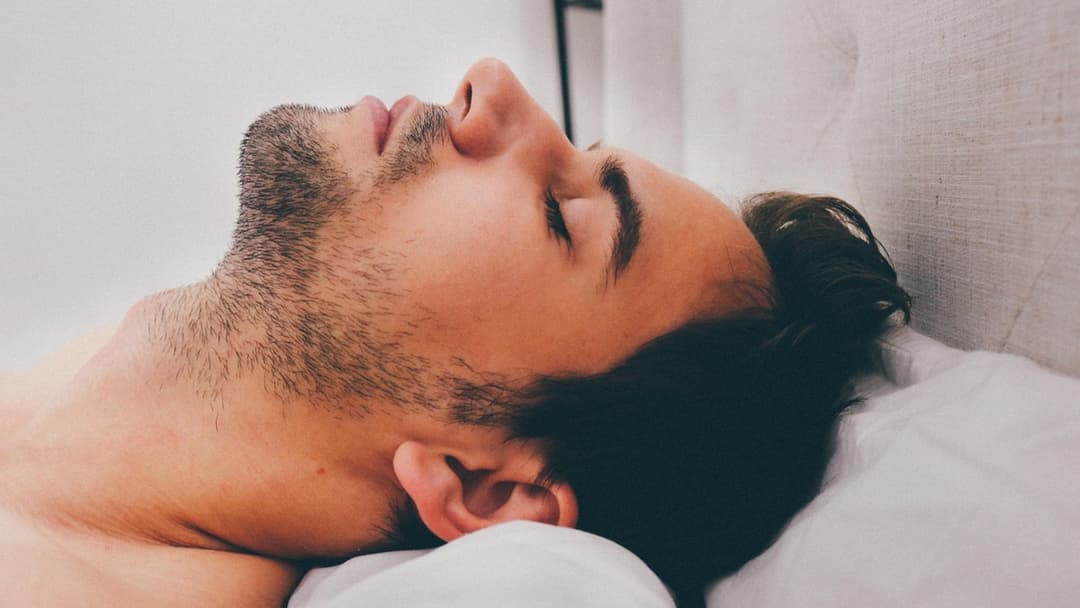
Sleep postures exert continuous physical forces across the musculoskeletal system and internal organs. Whether resting on your back, side, or stomach, your alignment directly influences intervertebral disc pressure, airway patency, gastric acid reflux, and tissue blood flow throughout eight hours of nightly rest.
Swipe or tap ▶ to begin the countdown
©Pixabay / DieterRobbins & Pixabay / Warintr
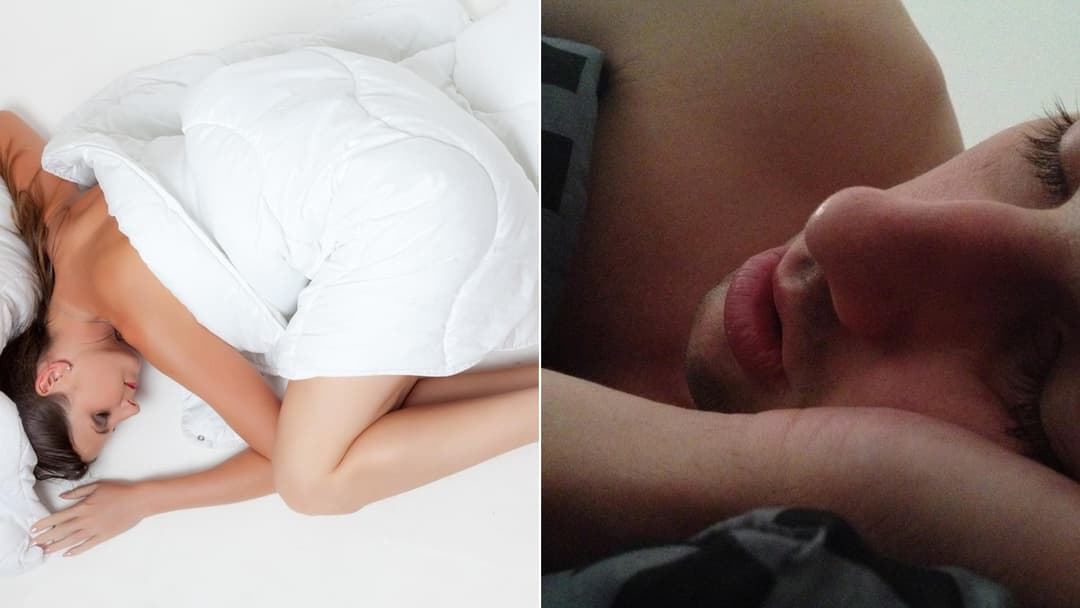
20. Nocturnal Posture Shifts Promote Tissue Reperfusion
Healthy humans shift sleep postures ten to thirty times each night via subconscious motor reflexes. These automatic posture adjustments redistribute focal body weight, relieve compressed capillary beds to reperfuse soft tissues, and prevent prolonged focal ischemia across the skin, nerves, and muscles.

©Pixabay / sasint
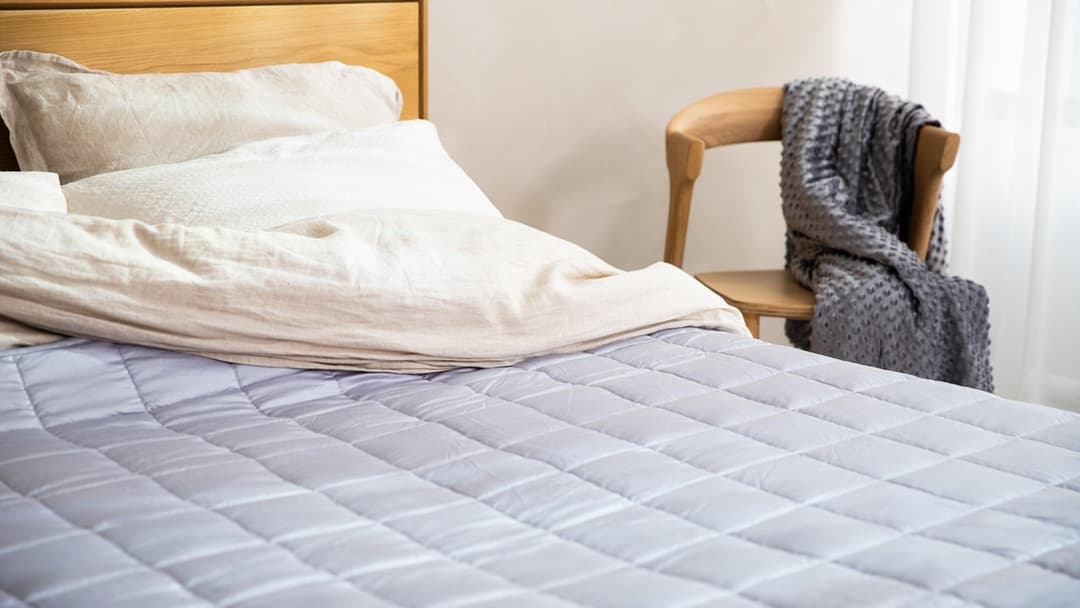
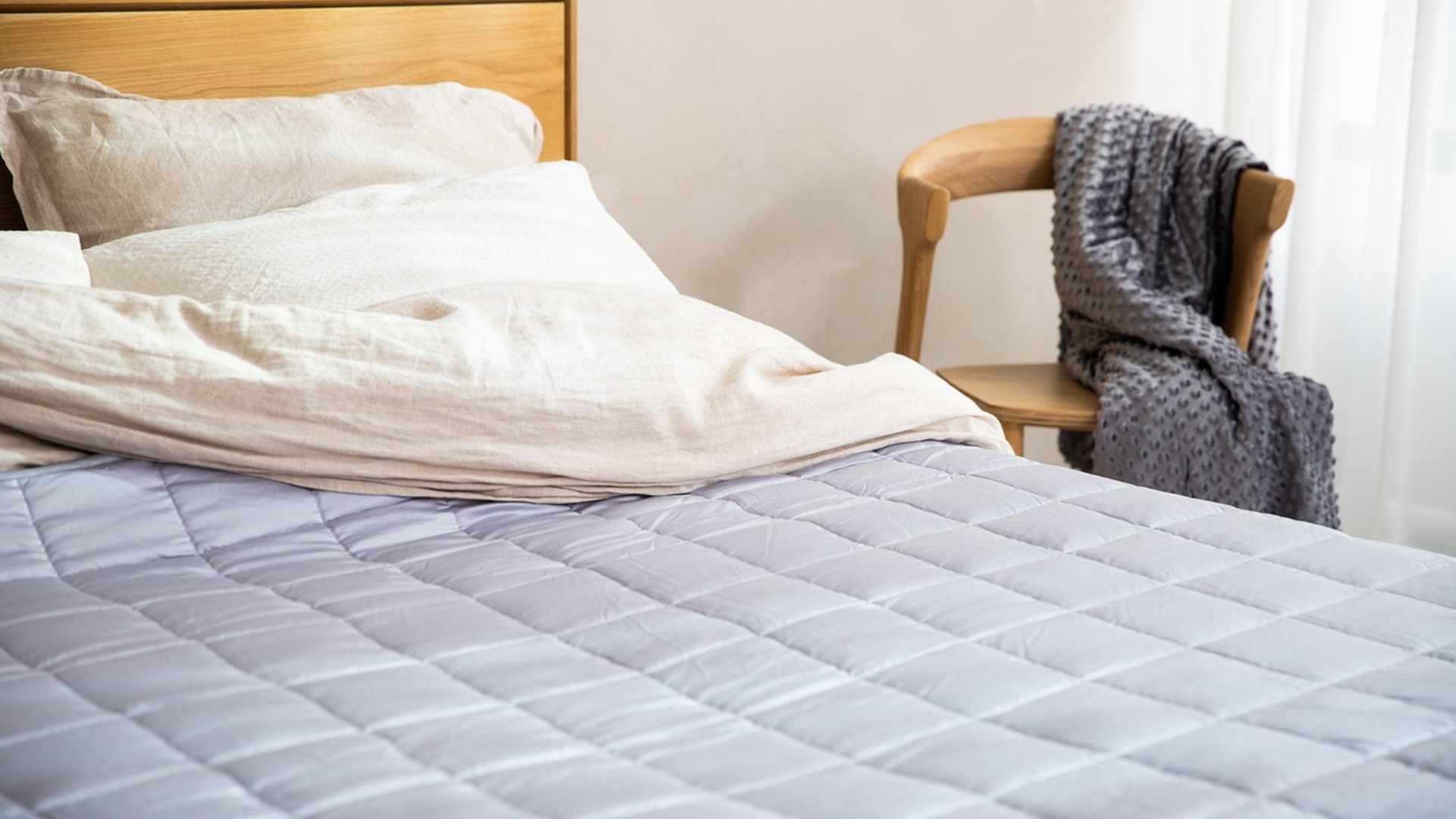
19. Mattress Firmness Dictates Shoulder And Hip Relief
A mattress must balance core support with surface cushioning to adapt to personal sleep posture. Excessively firm mattresses fail to cushion broad shoulders and hips, causing painful pressure points, while overly soft mattresses allow the pelvis to sag, exaggerating lordotic curvature and muscular fatigue.
©Pixabay / slaapwijsheid
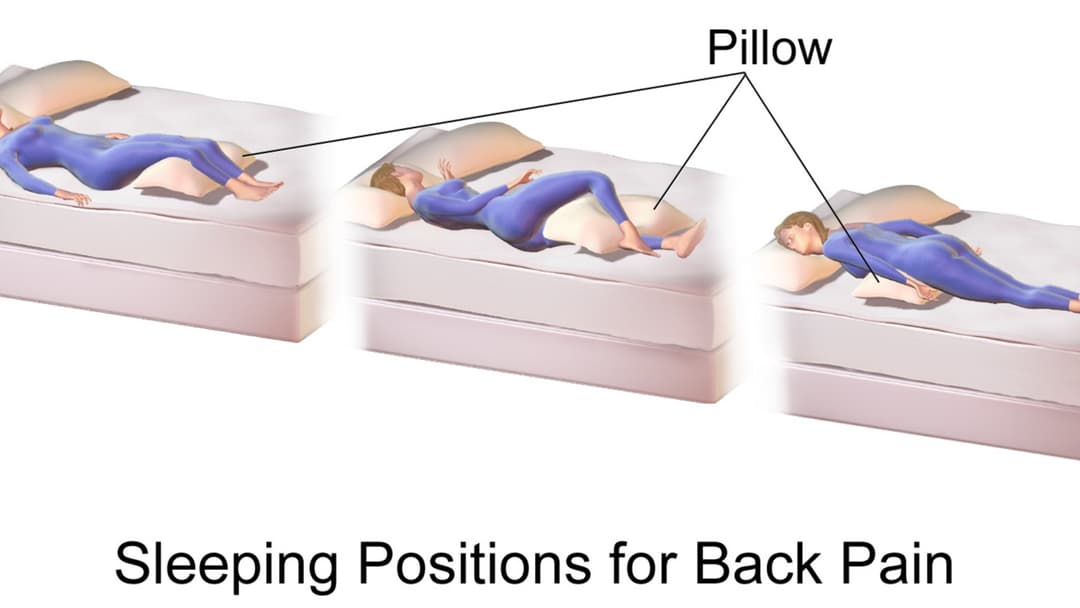
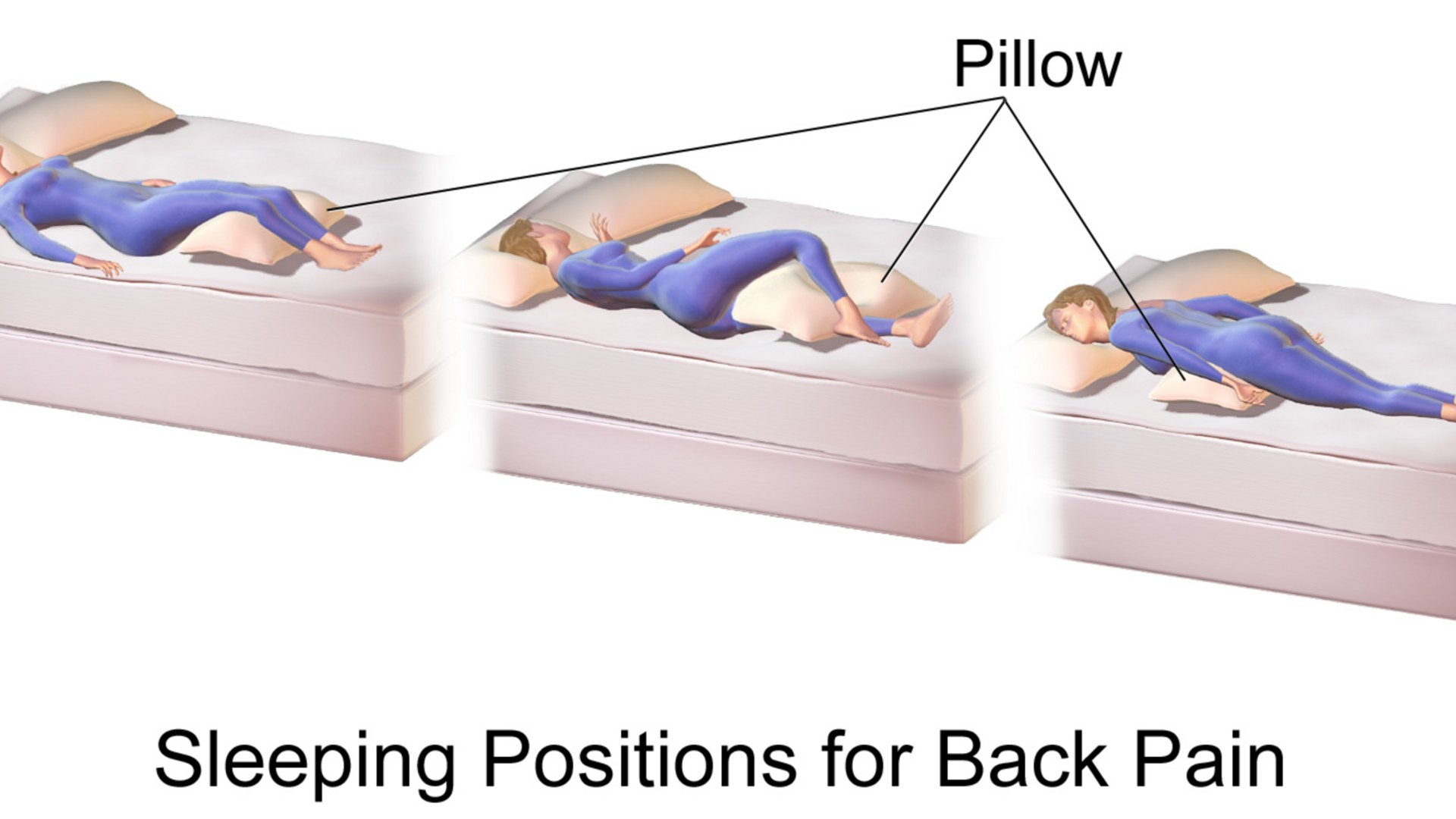
18. Knee Pillow Biomechanics Stabilize Pelvic Rotation
When side sleepers rest without leg support, the top leg drops forward, rotating the pelvis and twisting the lower lumbar spine. Placing a contour pillow between both knees aligns hips, keeps knees stacked evenly, and relieves asymmetrical rotational tension across the sacroiliac joint and sciatic nerve.

©Pixabay / niekverlaan
Advertisement
Swipe or tap ▶ to resume the countdown.
17. Incorrect Pillow Height Alters Cervical Spine Curvature
A pillow that is too thick or flat bends the seven cervical vertebrae outside their natural neutral line. Biomechanical studies indicate an optimal pillow fills the exact gap between earlobe and shoulder edge, maintaining horizontal cervical balance to prevent muscle stiffness and nerve entrapment.
©Wikimedia / BruceBlaus
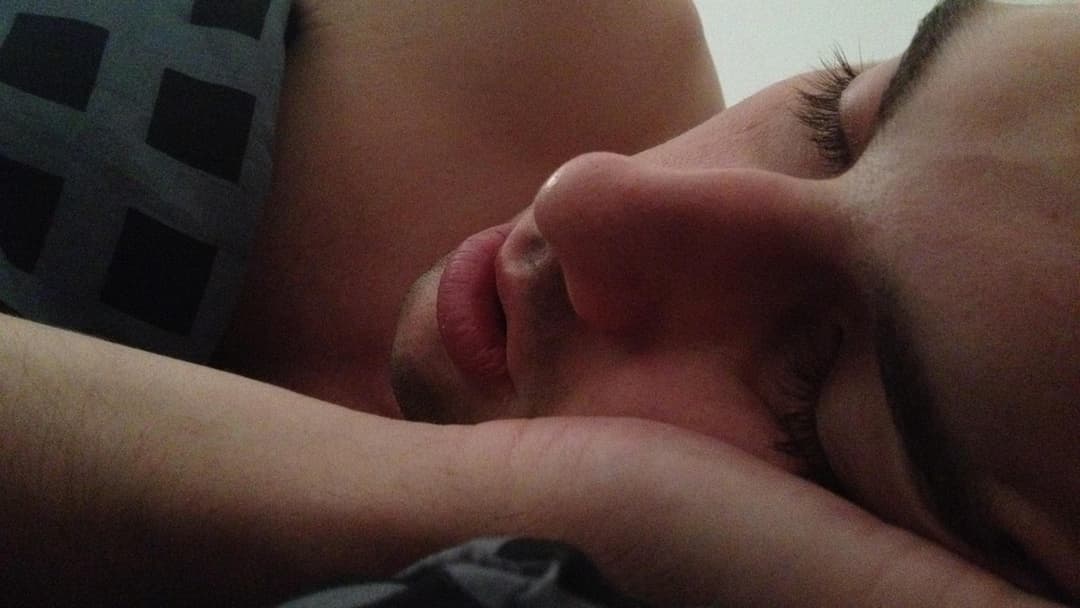
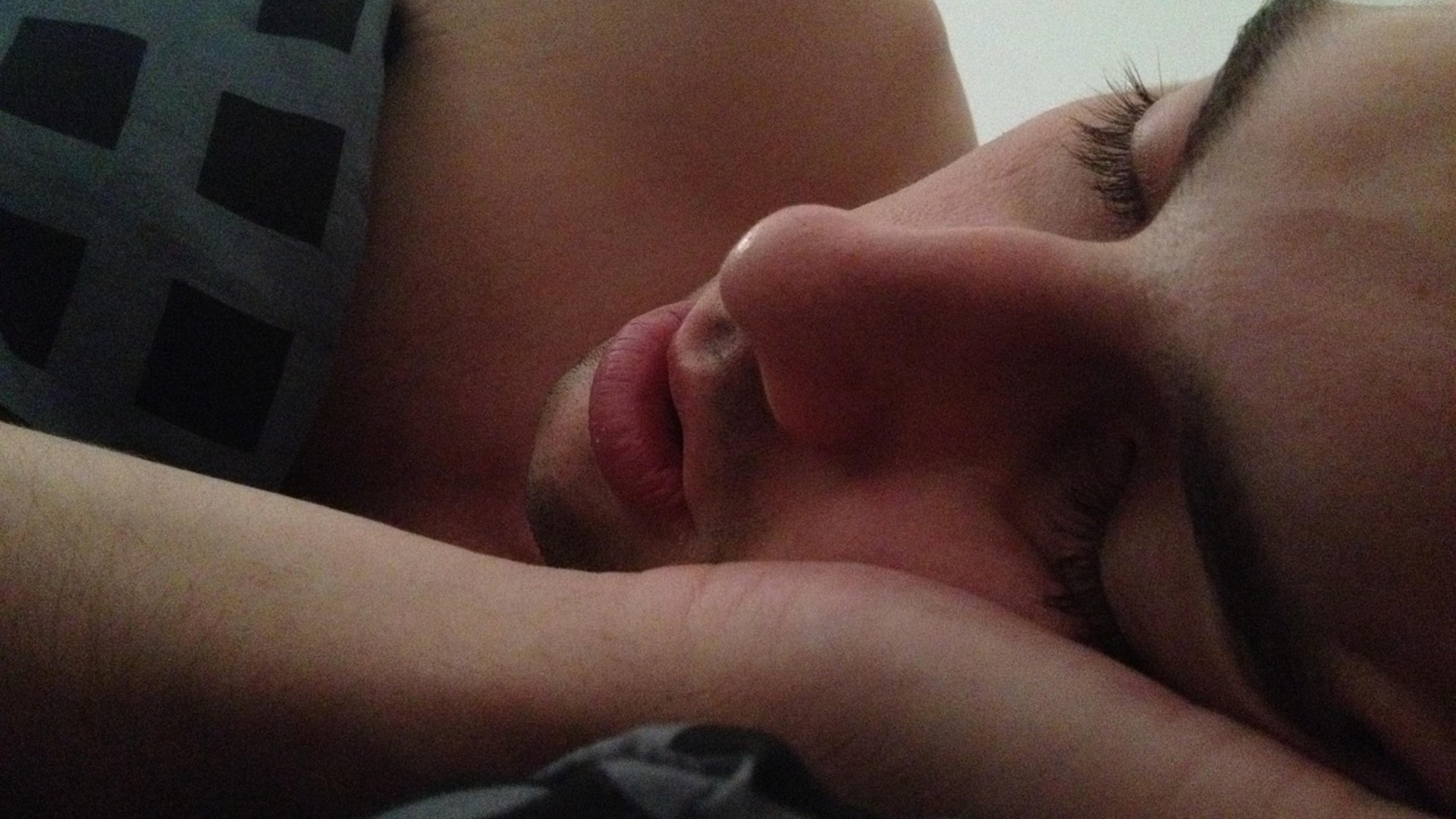
16. Side Sleeping Increases Jaw Joint Pressure And Bruxism
Resting the lower face on a firm pillow delivers continuous lateral force against the mandible. Orthodontic researchers note this unbalanced pressure displaces the temporomandibular joint disc, exacerbating nocturnal teeth grinding bruxism and causing persistent jaw joint clicking or morning facial pain.
©Pixabay / Warintr
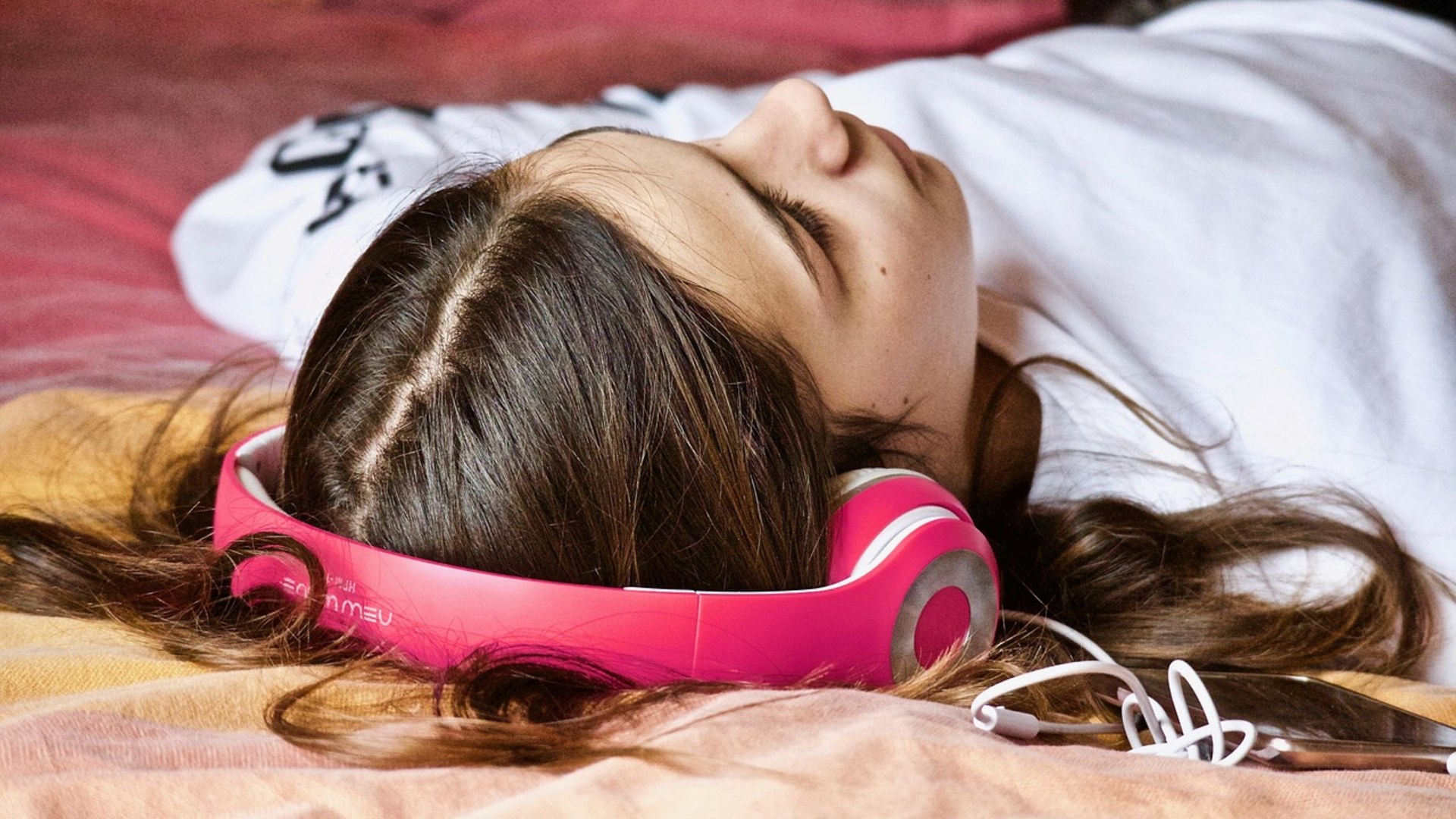
15. Side And Stomach Sleeping Accelerate Facial Wrinkles
Pressing delicate facial skin firmly against pillow fabric generates sustained shear and compressive mechanical strain. Over years of nocturnal sleep, this repeated physical friction breaks down structural collagen and elastin fibers, forming permanent vertical sleep wrinkles across cheeks and forehead.
©Pixabay / sweetlouise
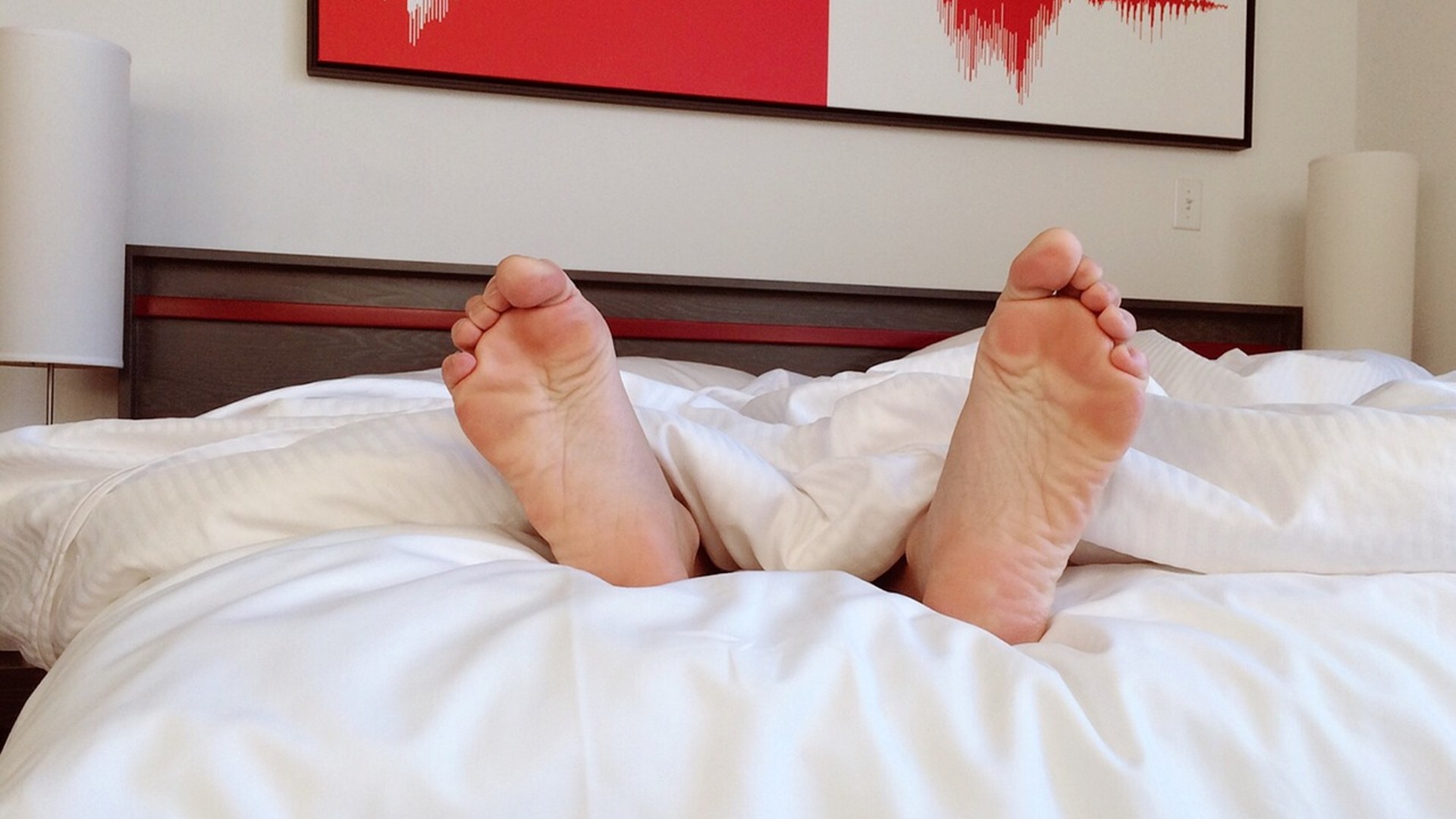
14. Stomach Sleeping Hinders Thoracic Cage Expansion
Resting prone pins the entire ribcage and anterior sternum beneath the sleeper's torso mass. This mechanical restriction requires intercostal muscles to exert additional physical effort to lift the upper body during every breath, increasing nighttime metabolic energy expenditure and disrupting deep sleep.
©Pixabay / WOKANDAPIX
Advertisement
Swipe or tap ▶ to resume the countdown.
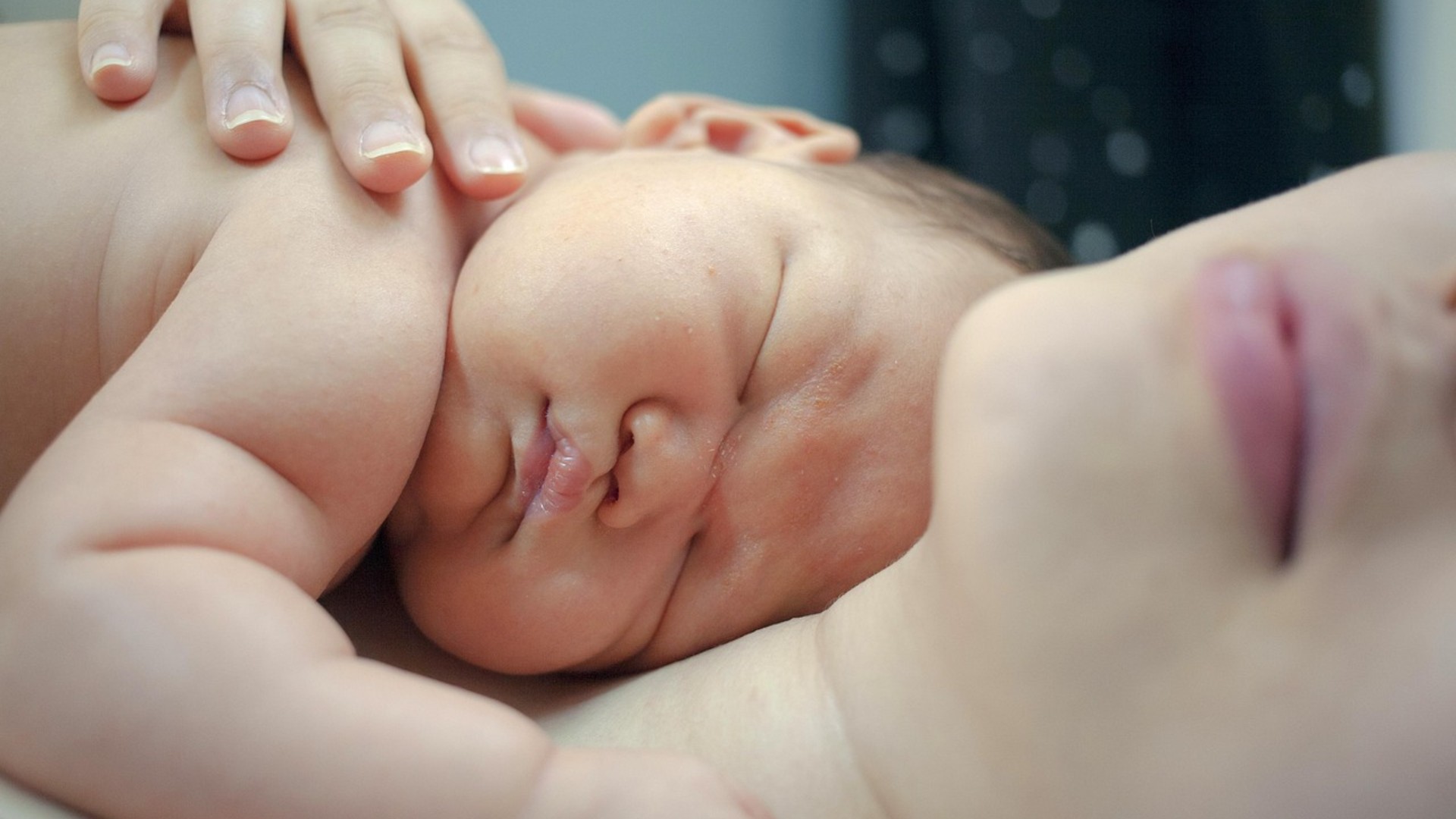
13. Stomach Sleeping Exaggerates Lumbar Spine Lordosis
When lying flat on the stomach, the heavier abdominal core sinks deeply into the mattress. This sagging pulls the lower spine into hyperextended lumbar lordosis, pinching posterior facet joints and overstretching the anterior longitudinal ligament to trigger persistent morning lower back pain.
©Pixabay / angel4leon
12. Stomach Sleeping Forces Severe Cervical Spine Rotation
Prone stomach sleeping forces the head to rotate nearly ninety degrees for hours to keep airways open. This prolonged axial torsion strains the atlantoaxial and facet joints, creating unilateral muscular spasms, cervical disc shearing, and chronic morning tension headaches that radiate into shoulders.

©Pixabay / Sunriseforever
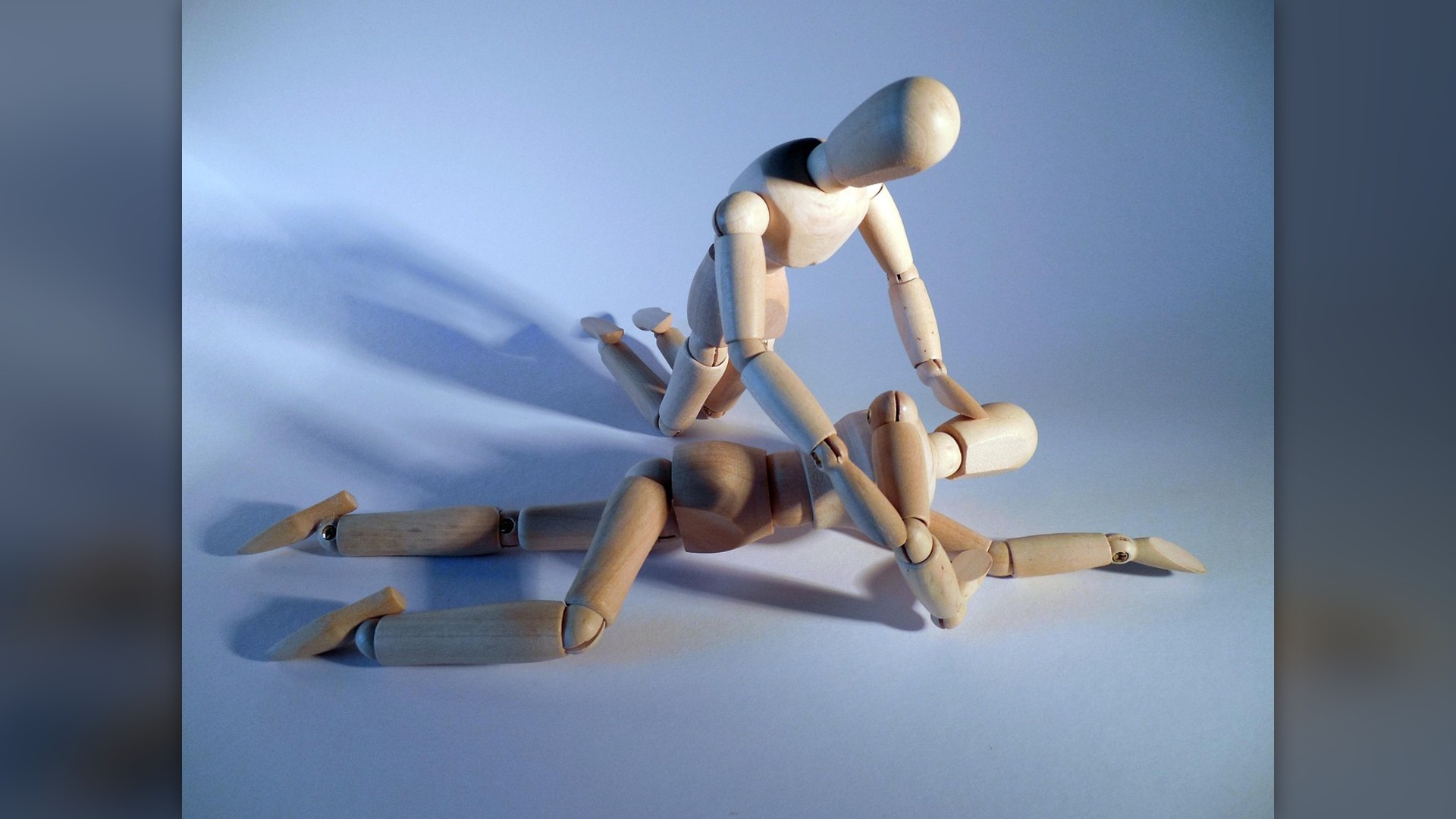
11. Yearner Position Decompresses Forearm Nerves
Extending both arms outward perpendicular to the chest prevents sharp nocturnal elbow flexion. Biomechanical nerve conduction tests show this unbent posture keeps the cubital tunnel open, protecting the ulnar nerve from sustained compression that otherwise causes waking numbness in the outer fingers.
©Pixabay / succo
10. Log Position Maintains Straight Spine And Pelvic Balance
The log position features lateral sleep with both arms resting straight along the torso and legs extended together. Orthopedic surgeons consider this posture biomechanically superior for preserving the natural sagittal spinal alignment while preventing asymmetrical pelvic torquing throughout the night.

©Pixabay / 705326
Advertisement
Swipe or tap ▶ to resume the countdown.
9. Extreme Fetal Curvature Restricts Diaphragmatic Expansion
Tightly tucking the knees to the chest severely flexes the thoracic spine and compresses abdominal organs against the diaphragm. This exaggerated curvature limits downward lung expansion during respiration, reducing tidal air volume and causing severe morning musculoskeletal soreness across hip flexors.

©Pixabay / HolgersFotografie
8. Curled Fetal Position Unloads Lumbar Disc Compression
Curling into a gentle fetal posture opens the posterior spaces between lumbar vertebrae, decompressing spinal nerves. Clinical physical therapists recommend this configuration for adults suffering from spinal canal stenosis or acute herniated disc flare-ups by widening the neuroforaminal exit pathways.

©Pixabay / VirgoStudio
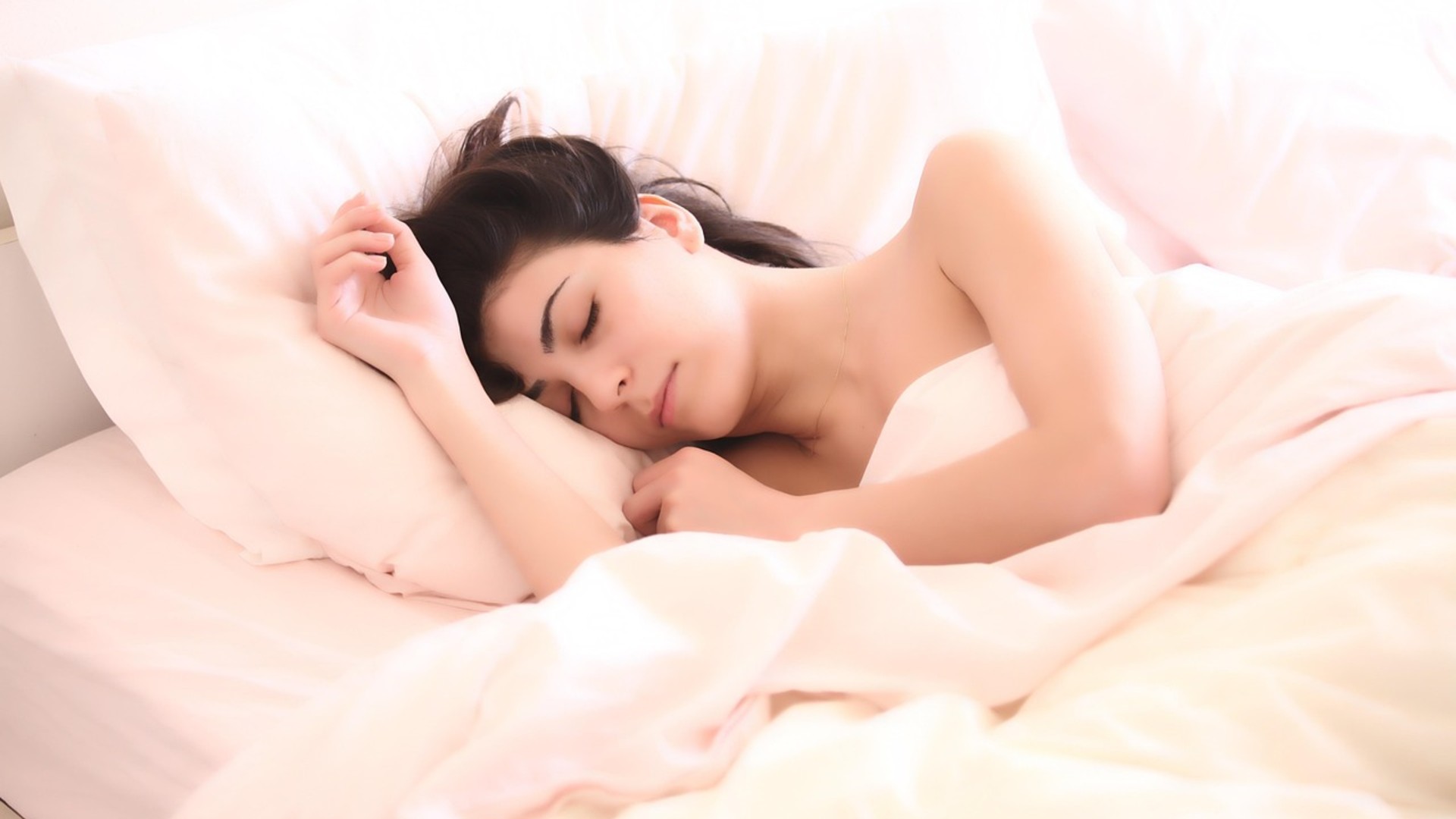
7. Right Side Sleeping Worsens Gastroesophageal Heartburn
While the right lateral posture benefits specific heart mechanics, it places the lower esophageal sphincter directly beneath pooling stomach acid. Clinical gastrointestinal pH telemetry shows this position increases acid exposure duration, triggering severe nighttime reflux symptoms and mucosal inflammation.
©Pixabay / Claudio_Scott
6. Right Side Sleeping Alleviates Cardiac Wall Pressure
Lying on the right side stabilizes the heart within the mediastinum by resting it naturally against the rigid chest wall. Electrocardiographic studies confirm this lateral posture reduces myocardial rotational tension and prevents uncomfortable cardiac sensations in patients with congestive failure.

©Pixabay / slaapwijsheid
Advertisement
Swipe or tap ▶ to resume the countdown.
5. Left Side Sleeping Relieves Inferior Vena Cava Pressure
The inferior vena cava runs along the right posterior abdominal wall, carrying deoxygenated blood to the heart. Turning onto your left side removes heavy visceral pressure from this vascular highway, enhancing systemic venous return, lower limb lymphatic drainage, and placental uterine perfusion.

©Pixabay / slaapwijsheid
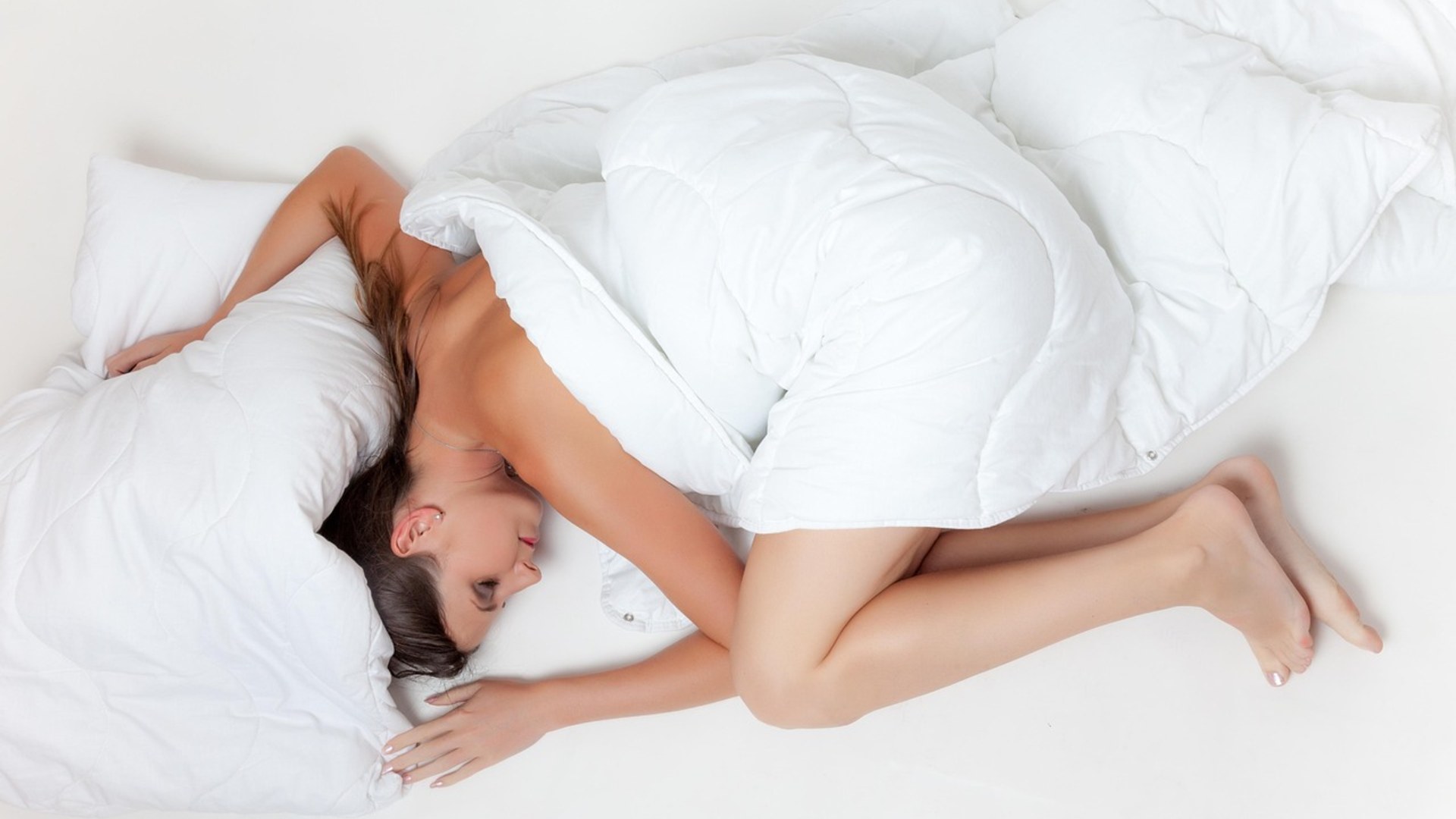
4. Left Side Sleeping Optimizes Gastric Digestion
Resting on the left side positions the gastroesophageal junction higher than the gastric acid reservoir. This anatomical orientation creates a physical barrier that prevents digestive enzymes from entering the esophagus, speeding pancreatic enzyme transit and reducing painful heartburn during rest.
©Pixabay / DieterRobbins
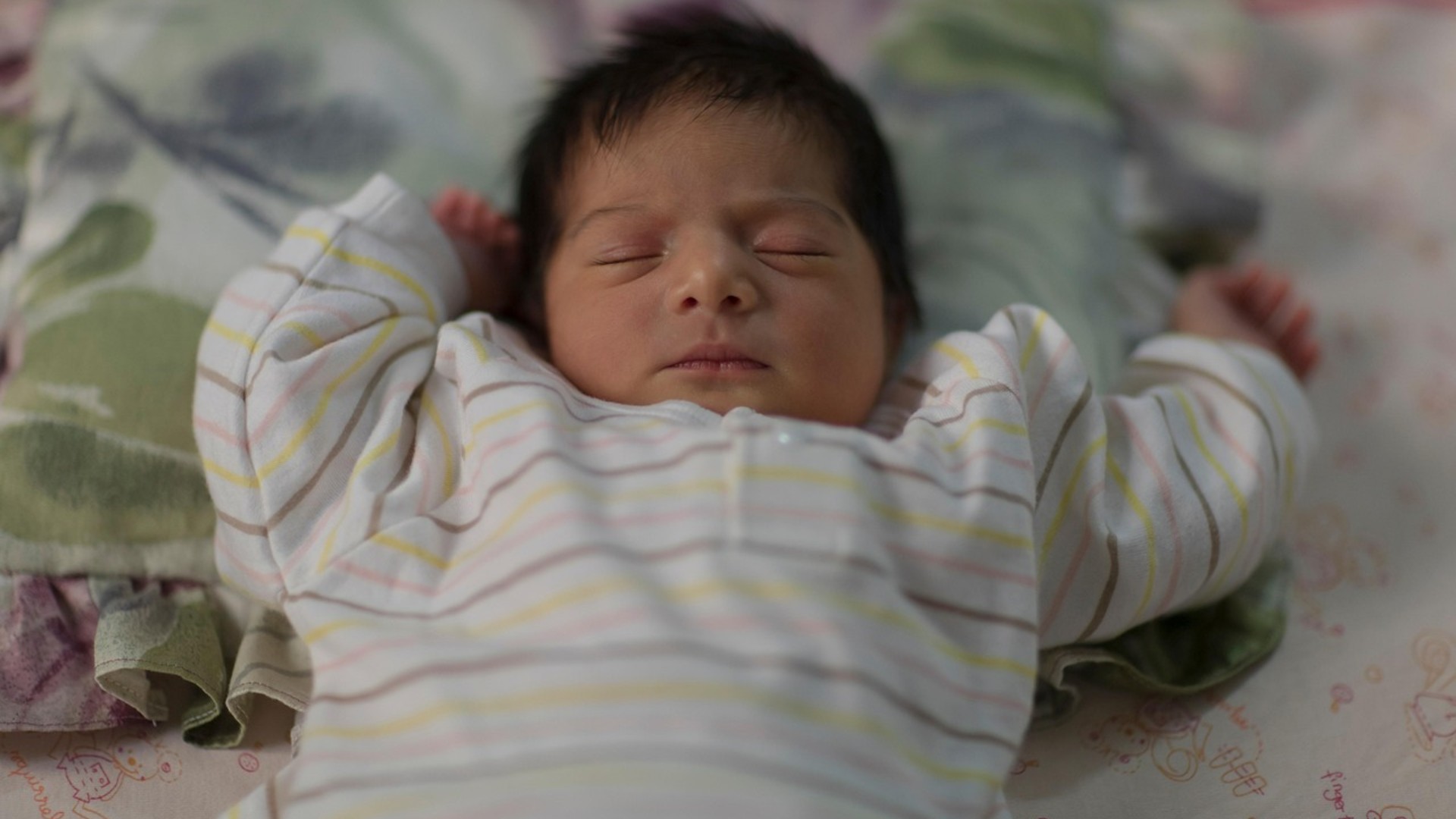
3. Elevated Back Sleeping Reduces Acid Reflux And Congestion
Propping the head and torso up by twenty to thirty degrees uses natural gravity to keep corrosive gastric acids within the stomach cavity. This inclined posture also improves venous drainage from the cranial sinuses, alleviating nasal congestion and reducing nighttime intracranial vascular pressure.
©Pixabay / mostafa_meraji
2. Supine Position Triggers Airway Collapse And Snoring
While the back position benefits spinal alignment, gravity pulls the tongue and soft palate backward against the posterior pharyngeal wall. This narrowing of the upper respiratory tract accelerates turbulent airflow vibrations that cause chronic snoring and exacerbate obstructive sleep apnea episodes.

©Pixabay / cuncon
Advertisement
Swipe or tap ▶ to resume the countdown.
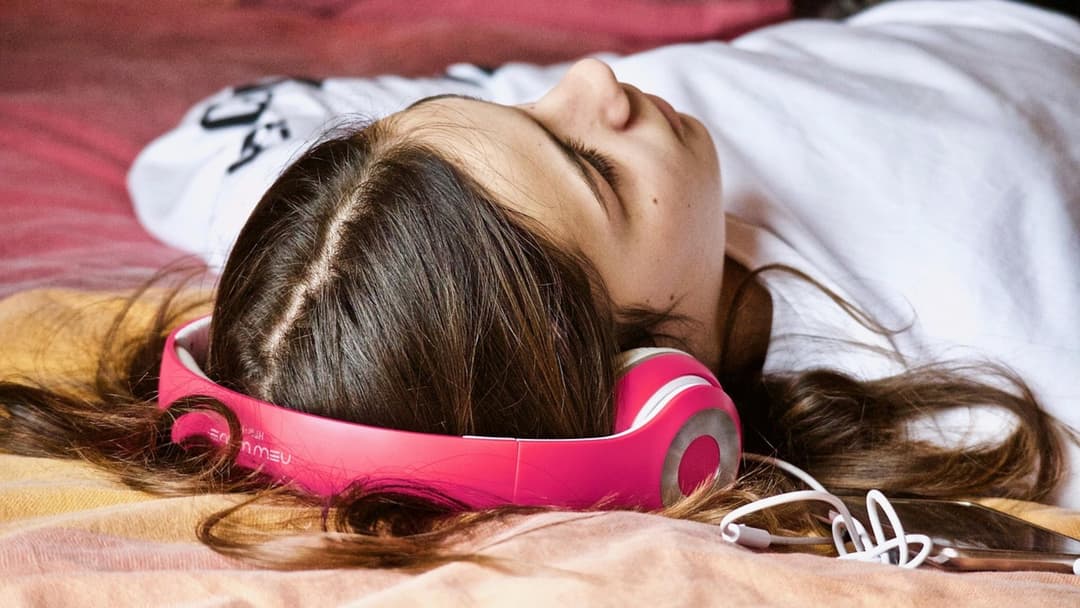
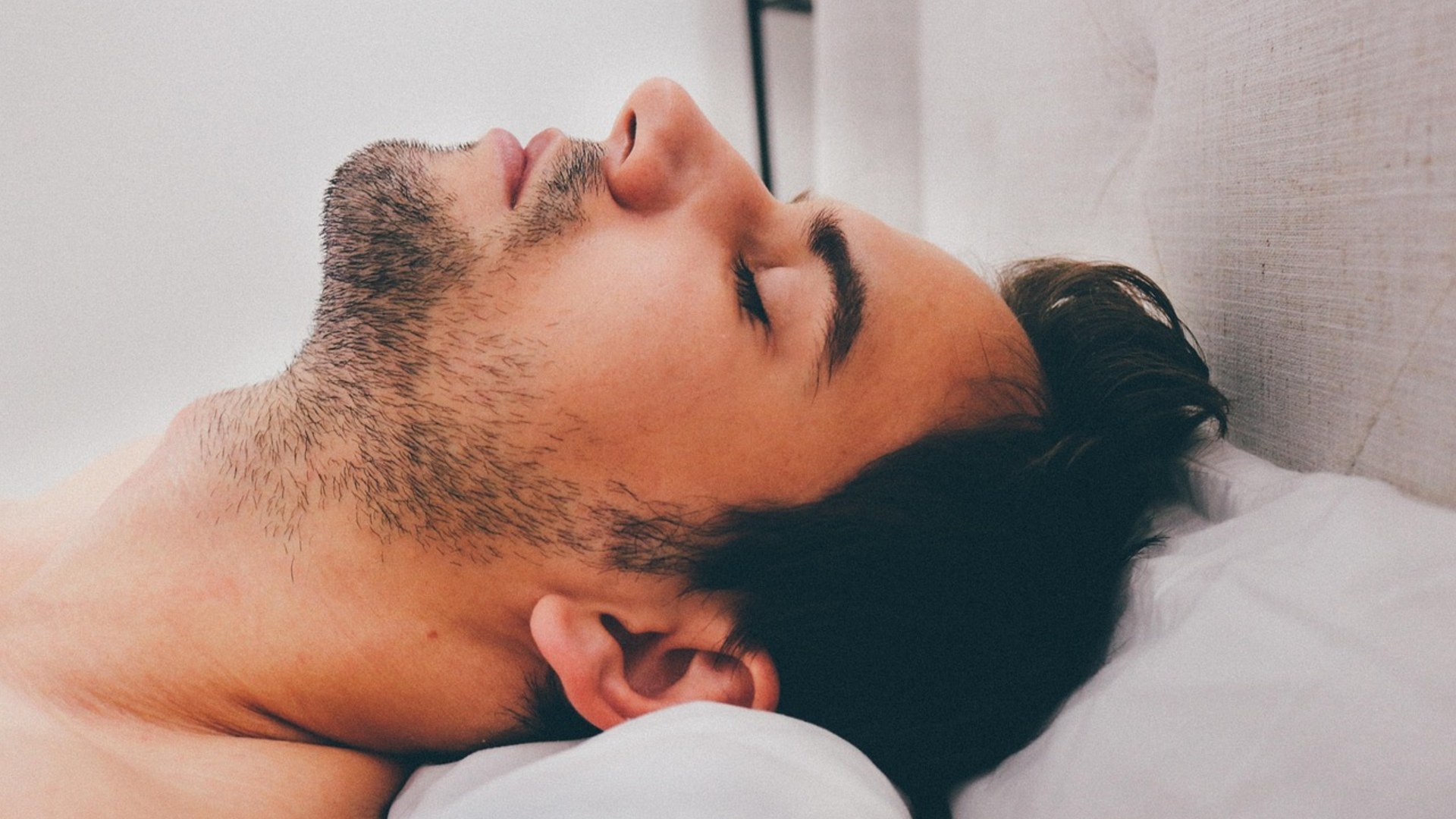
1. Supine Back Sleeping Distributes Body Mass Evenly
Lying flat on the back distributes gravitational weight uniformly across the spine, neck, and pelvic girdles. This neutral posture prevents unnatural localized lumbar compression, preserves neutral spinal lordosis, and eliminates uneven pressure points against soft tissues and major joints during sleep.
©Pixabay / Olichel
Advertisement
You've reached the end of the story. Thanks for reading!

20 Brain Tricks and Foods That Boost Memory
Sharpening your mental focus and recalling key details faster
All 20 Entries in this Story
#20: Nocturnal Posture Shifts Promote Tissue Reperfusion
Healthy humans shift sleep postures ten to thirty times each night via subconscious motor reflexes. These automatic posture adjustments redistribute focal body weight, relieve compressed capillary beds to reperfuse soft tissues, and prevent prolonged focal ischemia across the skin, nerves, and muscles.

#19: Mattress Firmness Dictates Shoulder And Hip Relief
A mattress must balance core support with surface cushioning to adapt to personal sleep posture. Excessively firm mattresses fail to cushion broad shoulders and hips, causing painful pressure points, while overly soft mattresses allow the pelvis to sag, exaggerating lordotic curvature and muscular fatigue.

#18: Knee Pillow Biomechanics Stabilize Pelvic Rotation
When side sleepers rest without leg support, the top leg drops forward, rotating the pelvis and twisting the lower lumbar spine. Placing a contour pillow between both knees aligns hips, keeps knees stacked evenly, and relieves asymmetrical rotational tension across the sacroiliac joint and sciatic nerve.

#17: Incorrect Pillow Height Alters Cervical Spine Curvature
A pillow that is too thick or flat bends the seven cervical vertebrae outside their natural neutral line. Biomechanical studies indicate an optimal pillow fills the exact gap between earlobe and shoulder edge, maintaining horizontal cervical balance to prevent muscle stiffness and nerve entrapment.

#16: Side Sleeping Increases Jaw Joint Pressure And Bruxism
Resting the lower face on a firm pillow delivers continuous lateral force against the mandible. Orthodontic researchers note this unbalanced pressure displaces the temporomandibular joint disc, exacerbating nocturnal teeth grinding bruxism and causing persistent jaw joint clicking or morning facial pain.

#15: Side And Stomach Sleeping Accelerate Facial Wrinkles
Pressing delicate facial skin firmly against pillow fabric generates sustained shear and compressive mechanical strain. Over years of nocturnal sleep, this repeated physical friction breaks down structural collagen and elastin fibers, forming permanent vertical sleep wrinkles across cheeks and forehead.

#14: Stomach Sleeping Hinders Thoracic Cage Expansion
Resting prone pins the entire ribcage and anterior sternum beneath the sleeper's torso mass. This mechanical restriction requires intercostal muscles to exert additional physical effort to lift the upper body during every breath, increasing nighttime metabolic energy expenditure and disrupting deep sleep.

#13: Stomach Sleeping Exaggerates Lumbar Spine Lordosis
When lying flat on the stomach, the heavier abdominal core sinks deeply into the mattress. This sagging pulls the lower spine into hyperextended lumbar lordosis, pinching posterior facet joints and overstretching the anterior longitudinal ligament to trigger persistent morning lower back pain.

#12: Stomach Sleeping Forces Severe Cervical Spine Rotation
Prone stomach sleeping forces the head to rotate nearly ninety degrees for hours to keep airways open. This prolonged axial torsion strains the atlantoaxial and facet joints, creating unilateral muscular spasms, cervical disc shearing, and chronic morning tension headaches that radiate into shoulders.

#11: Yearner Position Decompresses Forearm Nerves
Extending both arms outward perpendicular to the chest prevents sharp nocturnal elbow flexion. Biomechanical nerve conduction tests show this unbent posture keeps the cubital tunnel open, protecting the ulnar nerve from sustained compression that otherwise causes waking numbness in the outer fingers.

#10: Log Position Maintains Straight Spine And Pelvic Balance
The log position features lateral sleep with both arms resting straight along the torso and legs extended together. Orthopedic surgeons consider this posture biomechanically superior for preserving the natural sagittal spinal alignment while preventing asymmetrical pelvic torquing throughout the night.

#9: Extreme Fetal Curvature Restricts Diaphragmatic Expansion
Tightly tucking the knees to the chest severely flexes the thoracic spine and compresses abdominal organs against the diaphragm. This exaggerated curvature limits downward lung expansion during respiration, reducing tidal air volume and causing severe morning musculoskeletal soreness across hip flexors.

#8: Curled Fetal Position Unloads Lumbar Disc Compression
Curling into a gentle fetal posture opens the posterior spaces between lumbar vertebrae, decompressing spinal nerves. Clinical physical therapists recommend this configuration for adults suffering from spinal canal stenosis or acute herniated disc flare-ups by widening the neuroforaminal exit pathways.

#7: Right Side Sleeping Worsens Gastroesophageal Heartburn
While the right lateral posture benefits specific heart mechanics, it places the lower esophageal sphincter directly beneath pooling stomach acid. Clinical gastrointestinal pH telemetry shows this position increases acid exposure duration, triggering severe nighttime reflux symptoms and mucosal inflammation.

#6: Right Side Sleeping Alleviates Cardiac Wall Pressure
Lying on the right side stabilizes the heart within the mediastinum by resting it naturally against the rigid chest wall. Electrocardiographic studies confirm this lateral posture reduces myocardial rotational tension and prevents uncomfortable cardiac sensations in patients with congestive failure.

#5: Left Side Sleeping Relieves Inferior Vena Cava Pressure
The inferior vena cava runs along the right posterior abdominal wall, carrying deoxygenated blood to the heart. Turning onto your left side removes heavy visceral pressure from this vascular highway, enhancing systemic venous return, lower limb lymphatic drainage, and placental uterine perfusion.

#4: Left Side Sleeping Optimizes Gastric Digestion
Resting on the left side positions the gastroesophageal junction higher than the gastric acid reservoir. This anatomical orientation creates a physical barrier that prevents digestive enzymes from entering the esophagus, speeding pancreatic enzyme transit and reducing painful heartburn during rest.

#3: Elevated Back Sleeping Reduces Acid Reflux And Congestion
Propping the head and torso up by twenty to thirty degrees uses natural gravity to keep corrosive gastric acids within the stomach cavity. This inclined posture also improves venous drainage from the cranial sinuses, alleviating nasal congestion and reducing nighttime intracranial vascular pressure.

#2: Supine Position Triggers Airway Collapse And Snoring
While the back position benefits spinal alignment, gravity pulls the tongue and soft palate backward against the posterior pharyngeal wall. This narrowing of the upper respiratory tract accelerates turbulent airflow vibrations that cause chronic snoring and exacerbate obstructive sleep apnea episodes.

#1: Supine Back Sleeping Distributes Body Mass Evenly
Lying flat on the back distributes gravitational weight uniformly across the spine, neck, and pelvic girdles. This neutral posture prevents unnatural localized lumbar compression, preserves neutral spinal lordosis, and eliminates uneven pressure points against soft tissues and major joints during sleep.