Slideshow · News
22 Historic German Locations Connected to World War II
Across Germany, preserved landmarks, ruined structures, and somber memorials trace the trajectory of the Second World War. From the early political assembly grounds of the 1920s to the military bunkers and post-war trial courtrooms of 1945, these twenty-two historic sites document wartime history for visitors today.
All 22 Entries in this Story
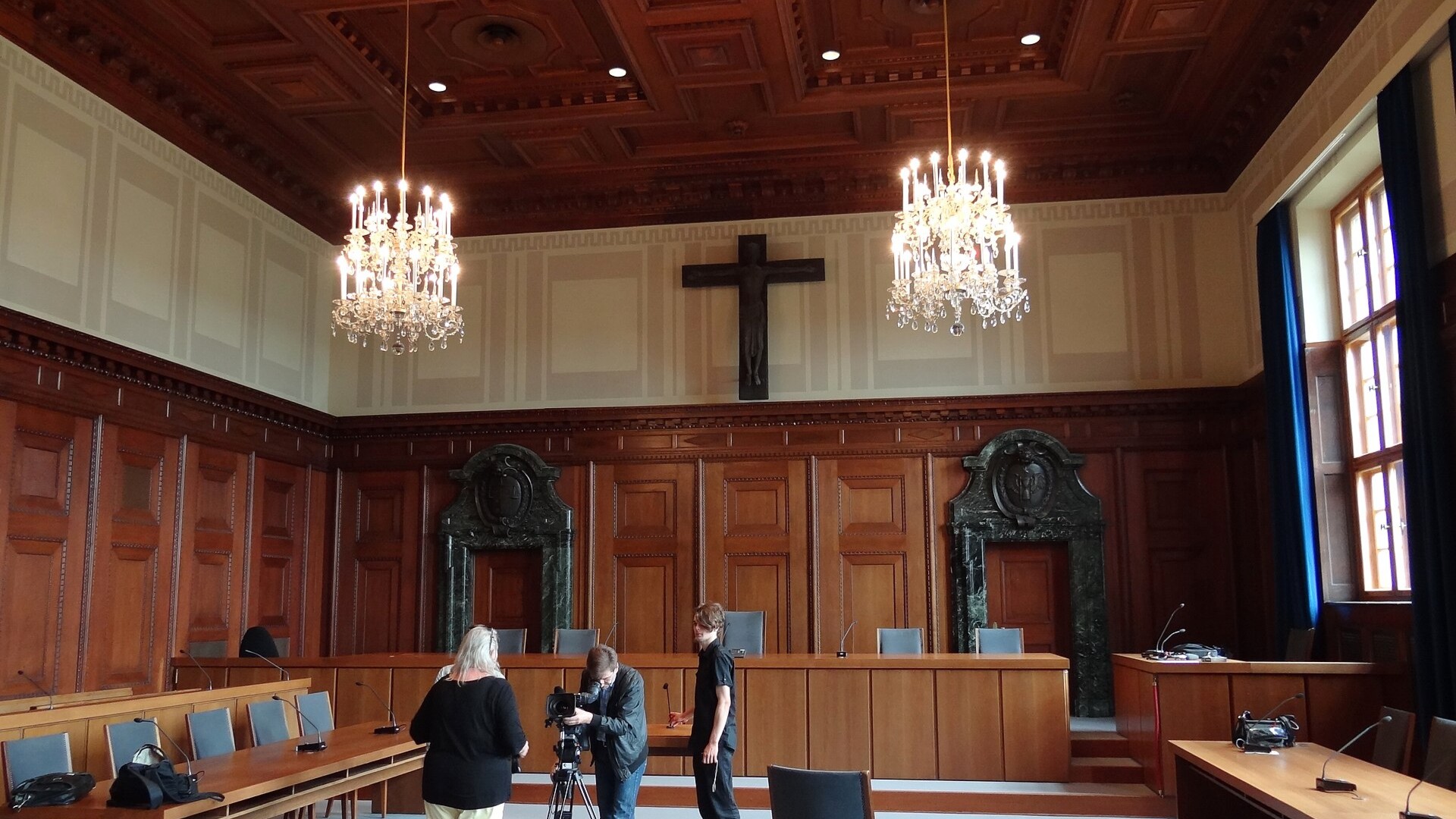
22. Courtroom 600, Nuremberg Palace Of Justice
Selected because its surrounding Palace of Justice survived wartime bombing intact, Courtroom 600 hosted the historic International Military Tribunal starting in November 1945. Allied prosecutors tried prominent political and military leaders here, establishing modern principles of international humanitarian law.
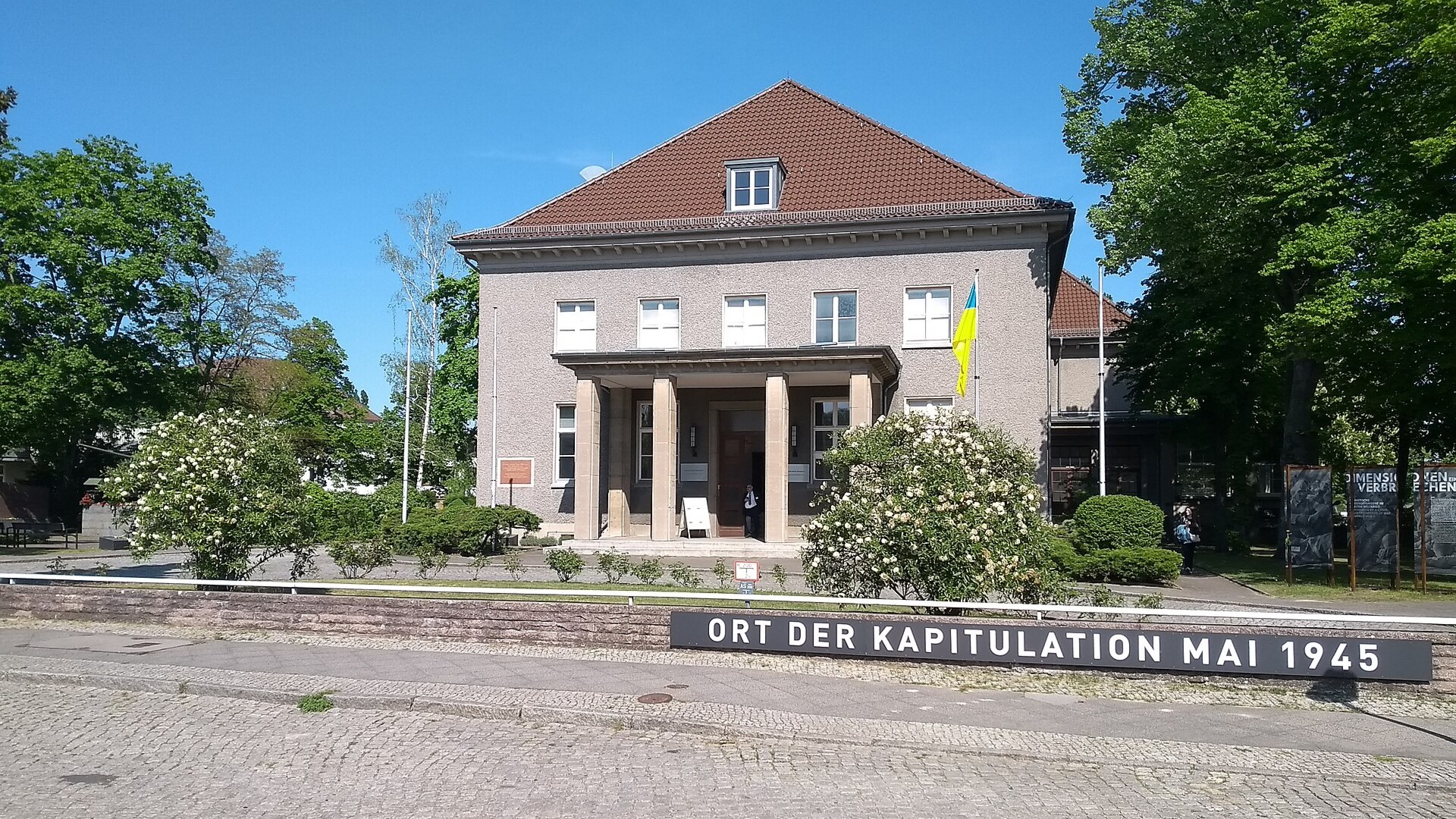
21. Museum Berlin-Karlshorst, Berlin
Housed inside a former officer mess hall in eastern Berlin, this building witnessed the signing of the unconditional surrender document late on May 8, 1945. Representatives of the Allied powers and the German High Command concluded the European war inside its wood-paneled hall, which is preserved as a museum.
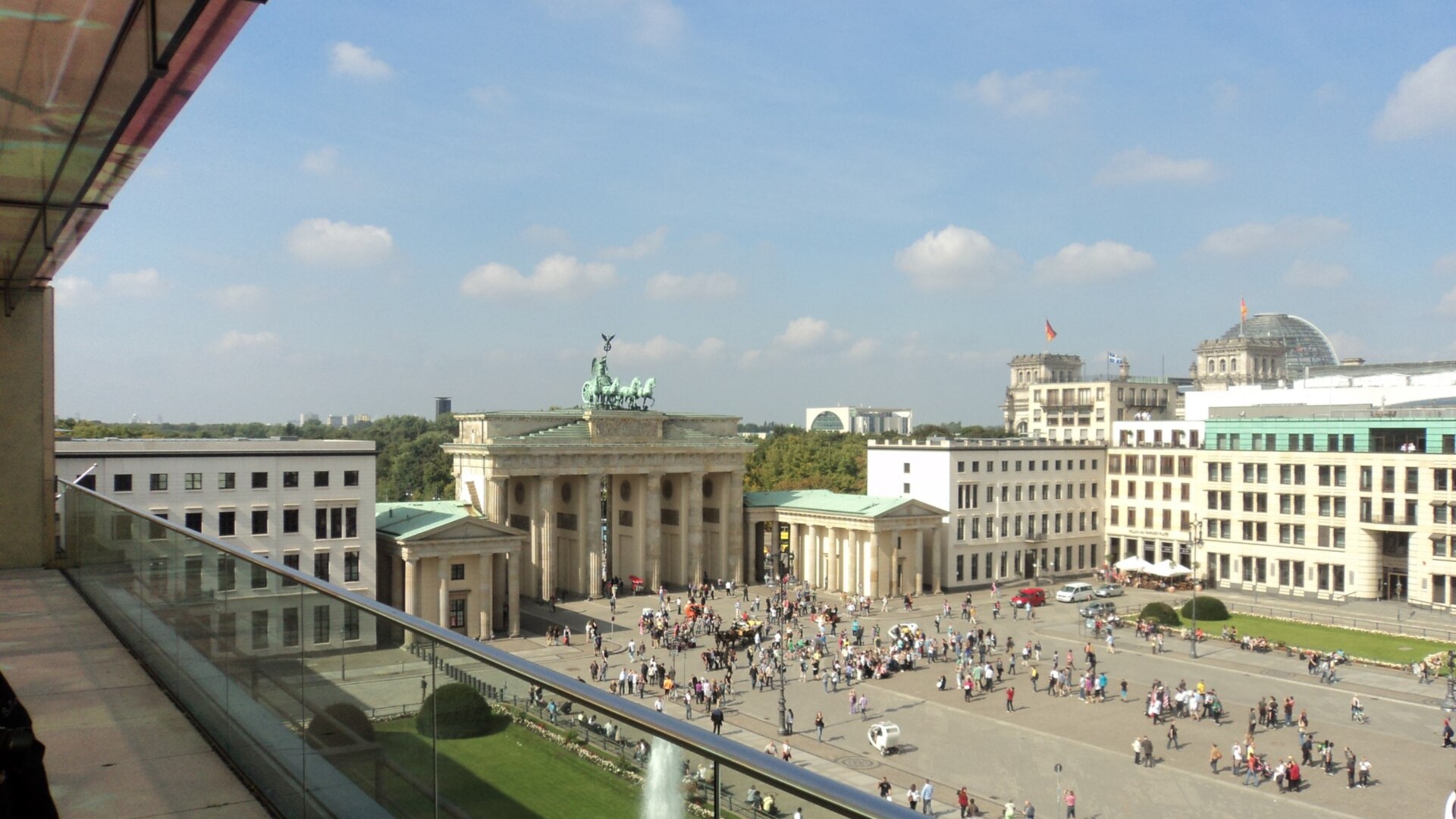
20. Brandenburg Gate, Berlin
Erected in 1791 at Pariser Platz, this neoclassical gate endured severe artillery fire during the Battle of Berlin in May 1945. Soviet soldiers raised victory banners across its bullet-riddled pillars. Carefully restored in subsequent decades, the gate remains Germany most recognized national symbol of peace.
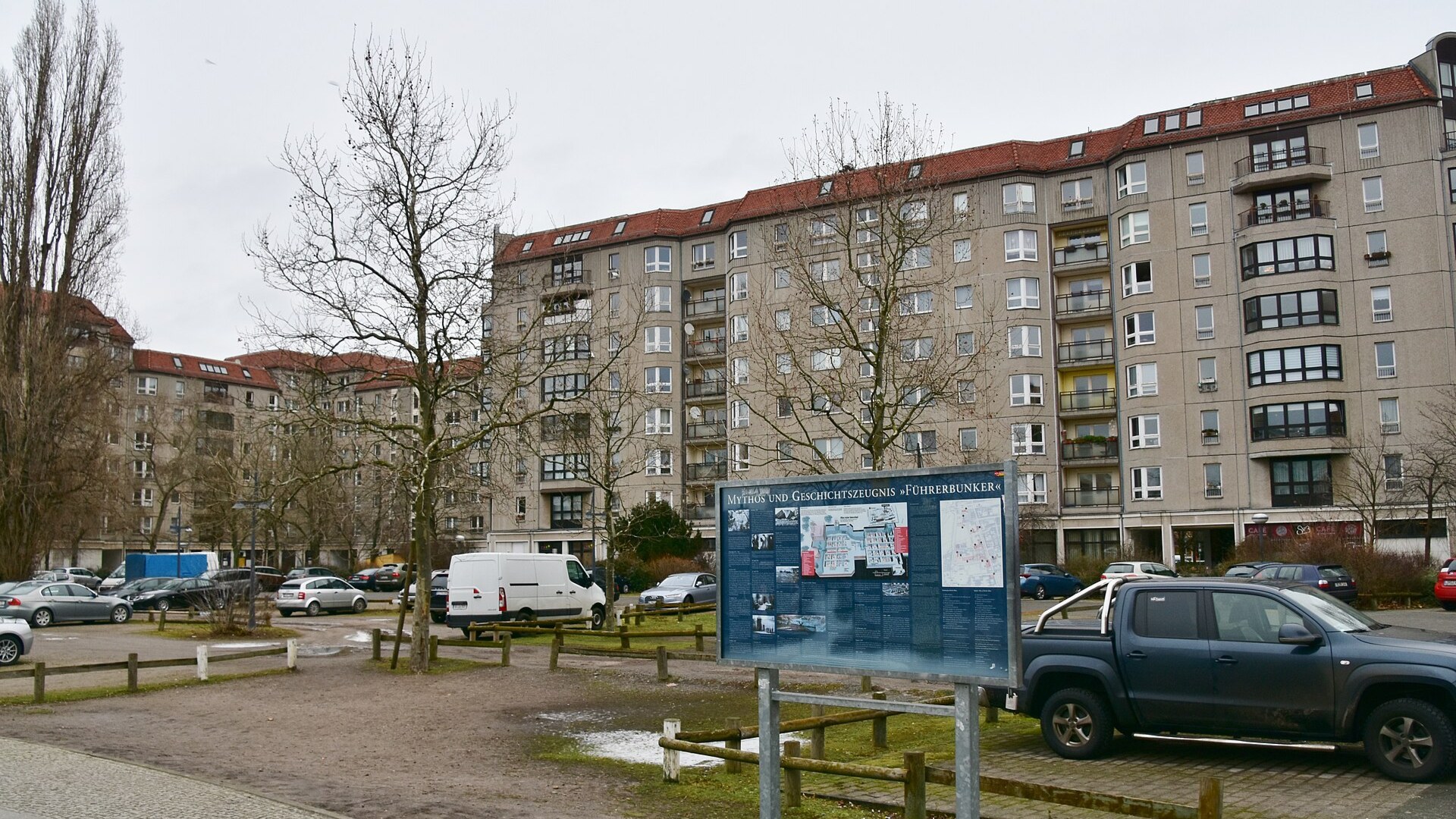
19. Führerbunker Site, Berlin
Buried five meters beneath the Reich Chancellery gardens near Wilhelmstrasse, this reinforced subterranean bunker served as the final command station for German leadership. Hitler died here on April 30, 1945. The bunker rooms were demolished after the war, and an informative outdoor panel marks the modern parking lot.
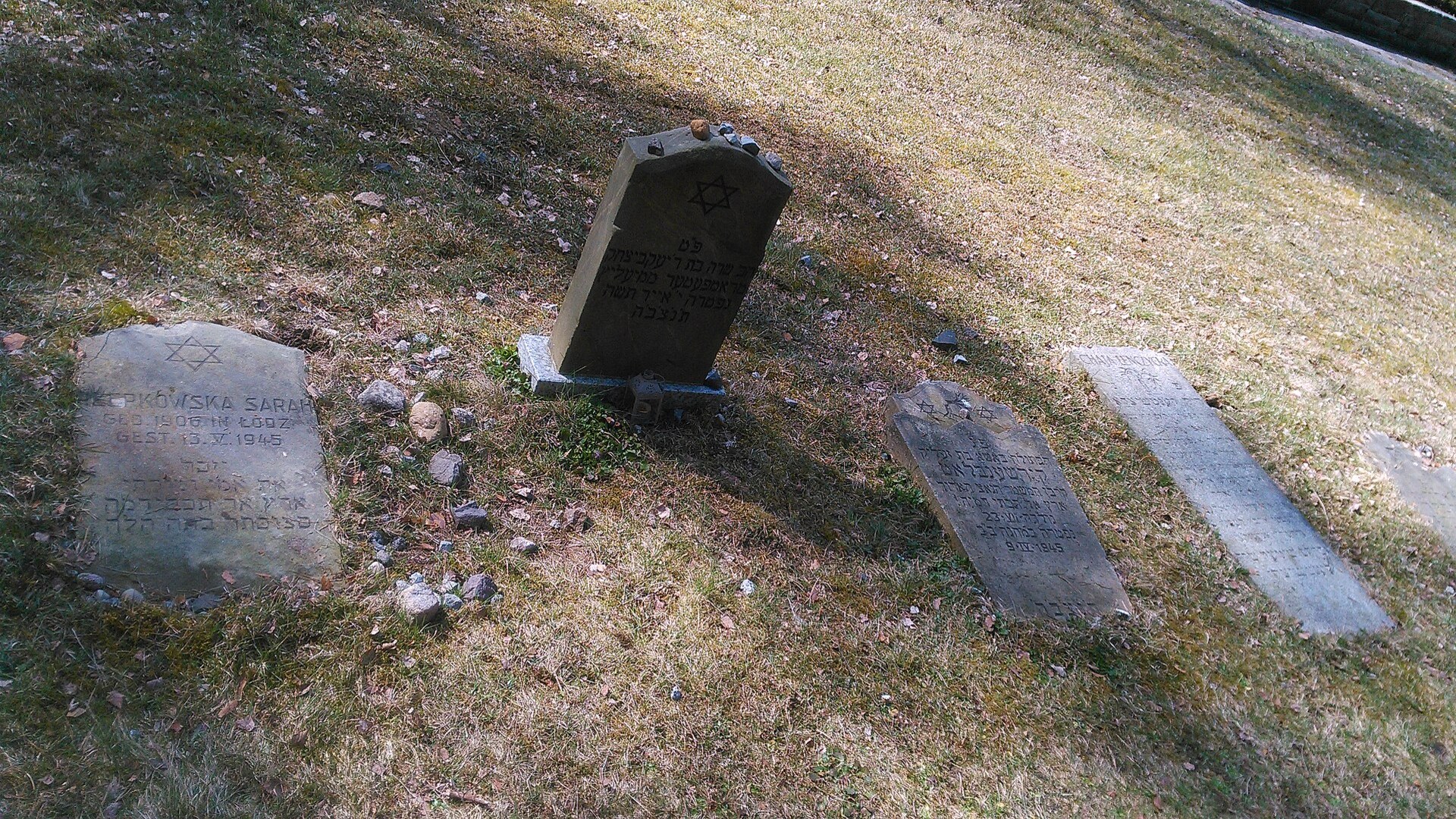
18. Bergen-Belsen Memorial, Lower Saxony
Initially established near Celle as a prisoner of war camp, Bergen-Belsen became a dumping ground for evacuated camp inmates in late 1944. British troops liberated the camp in April 1945, encountering catastrophic conditions. The grounds now feature earth mounds and a documentation center commemorating victims.
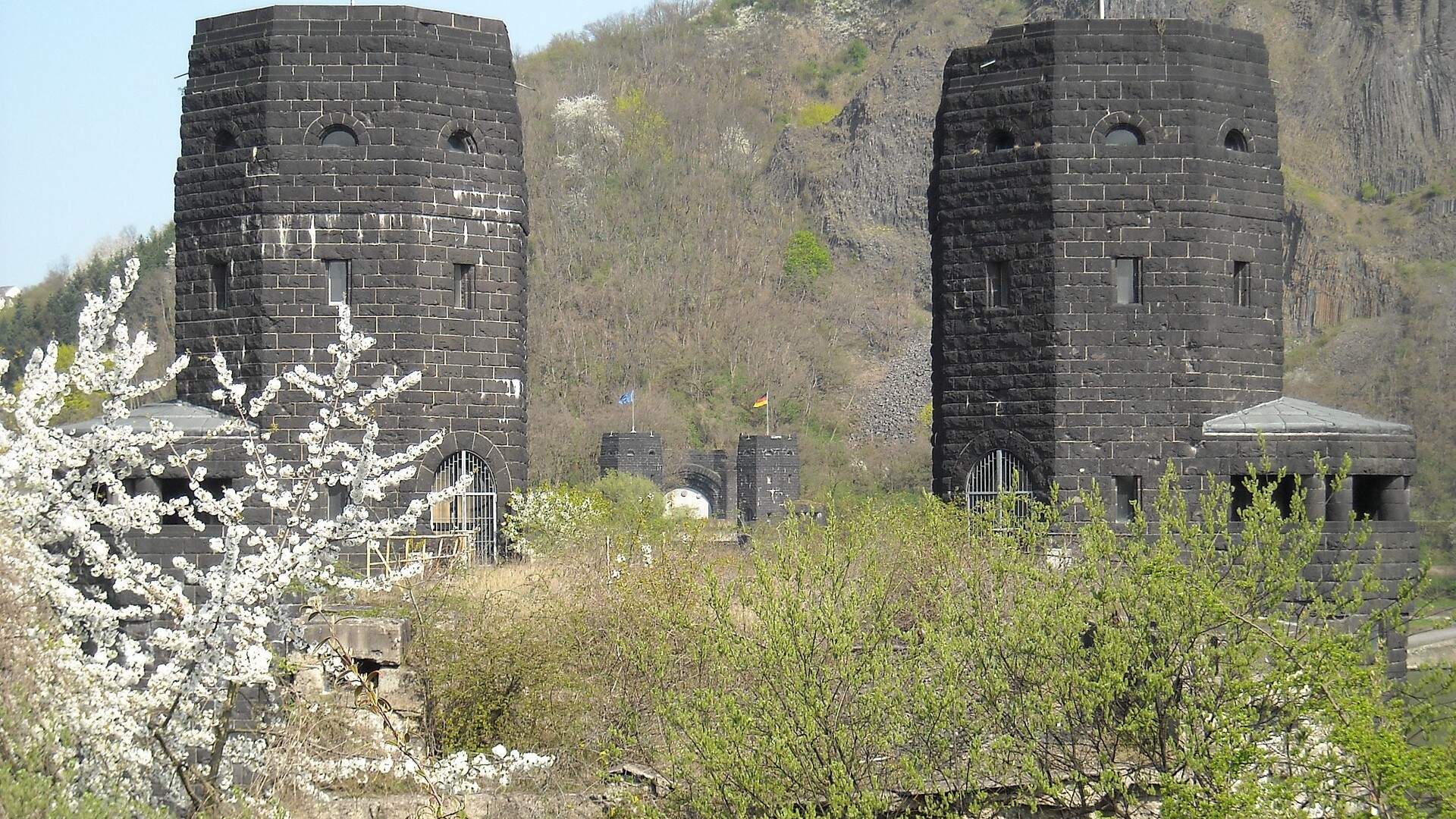
17. Ludendorff Bridge Towers, Remagen
Spanning the Rhine River between Remagen and Erpel, this railway bridge was captured intact by American armored troops on March 7, 1945. The daring crossing provided the Western Allies with their first bridgehead into the German heartland. The surviving black stone towers now house the Remagen Peace Museum.
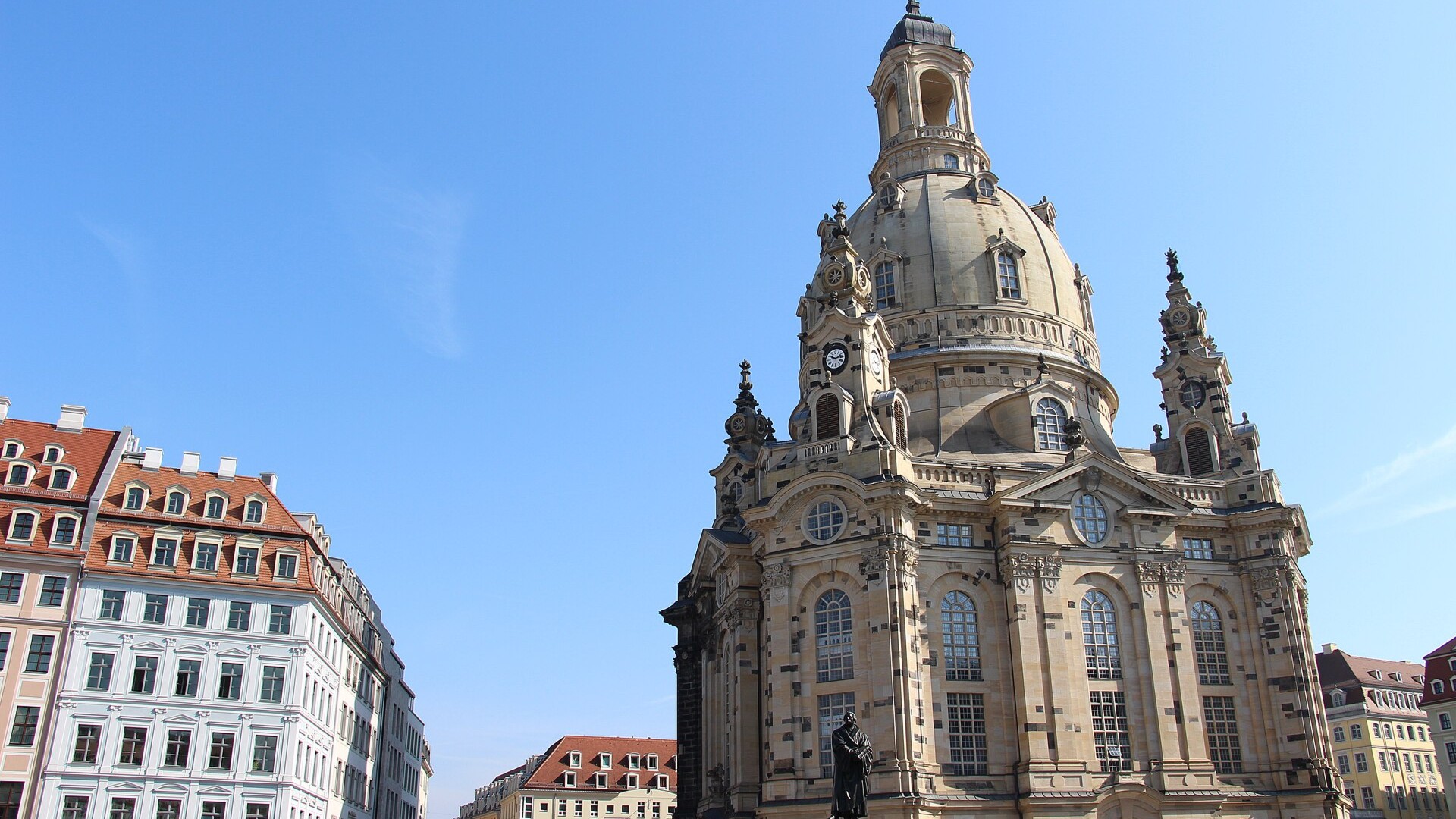
16. Frauenkirche Memorial, Dresden
Completed in 1743, this iconic Baroque church collapsed following the devastating Allied air raids on Dresden in February 1945. The blackened pile of rubble was preserved as an anti-war monument for decades before international donations funded a meticulous reconstruction completed in 2005 using salvaged stone.
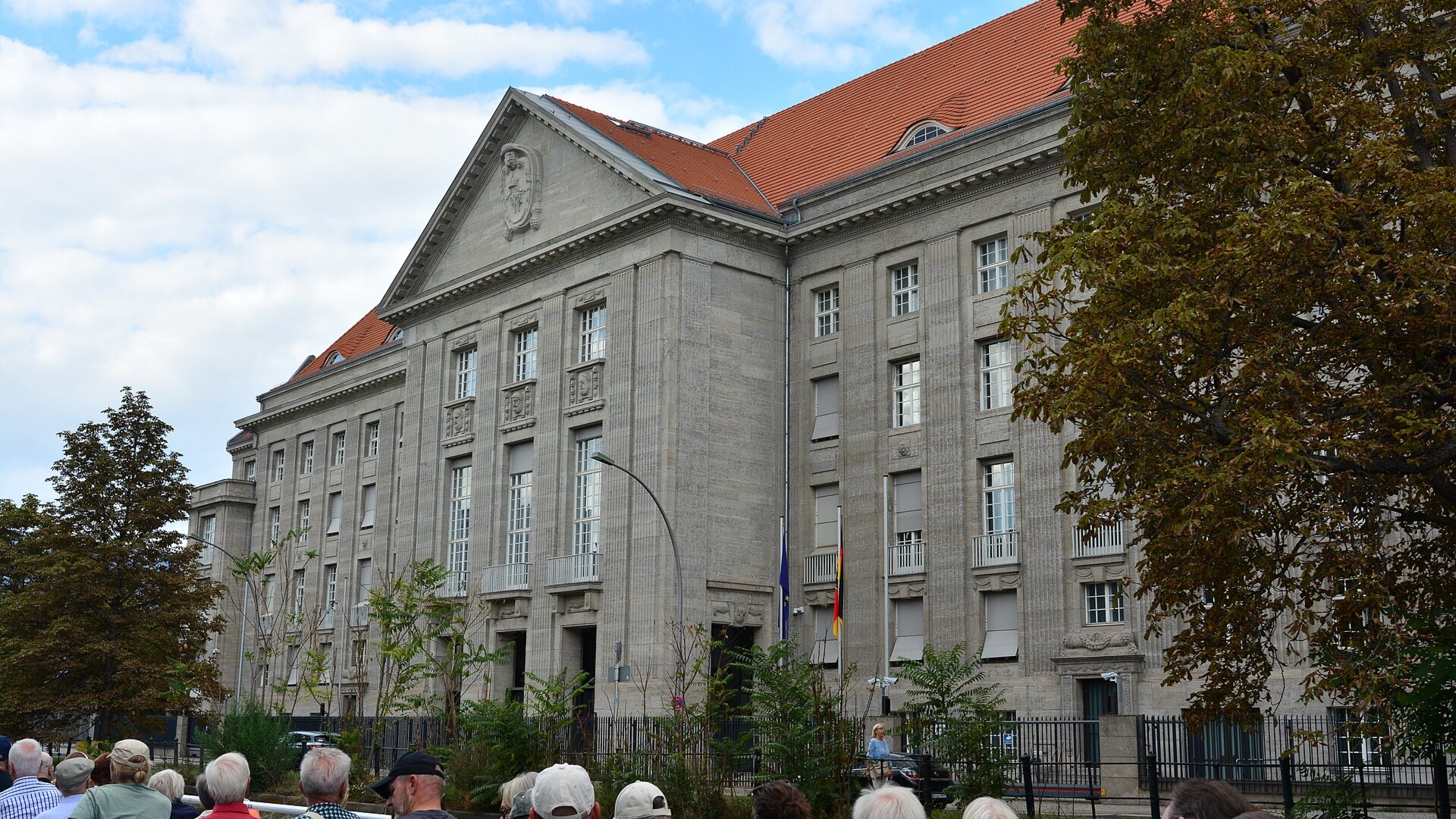
15. Bendlerblock, Berlin
Serving as the administrative headquarters of the General Army Office, this Berlin military complex became the command center for the July 20, 1944 assassination plot against Hitler. Colonel Claus von Stauffenberg and fellow resistance conspirators were executed in the courtyard following the failure of the coup.
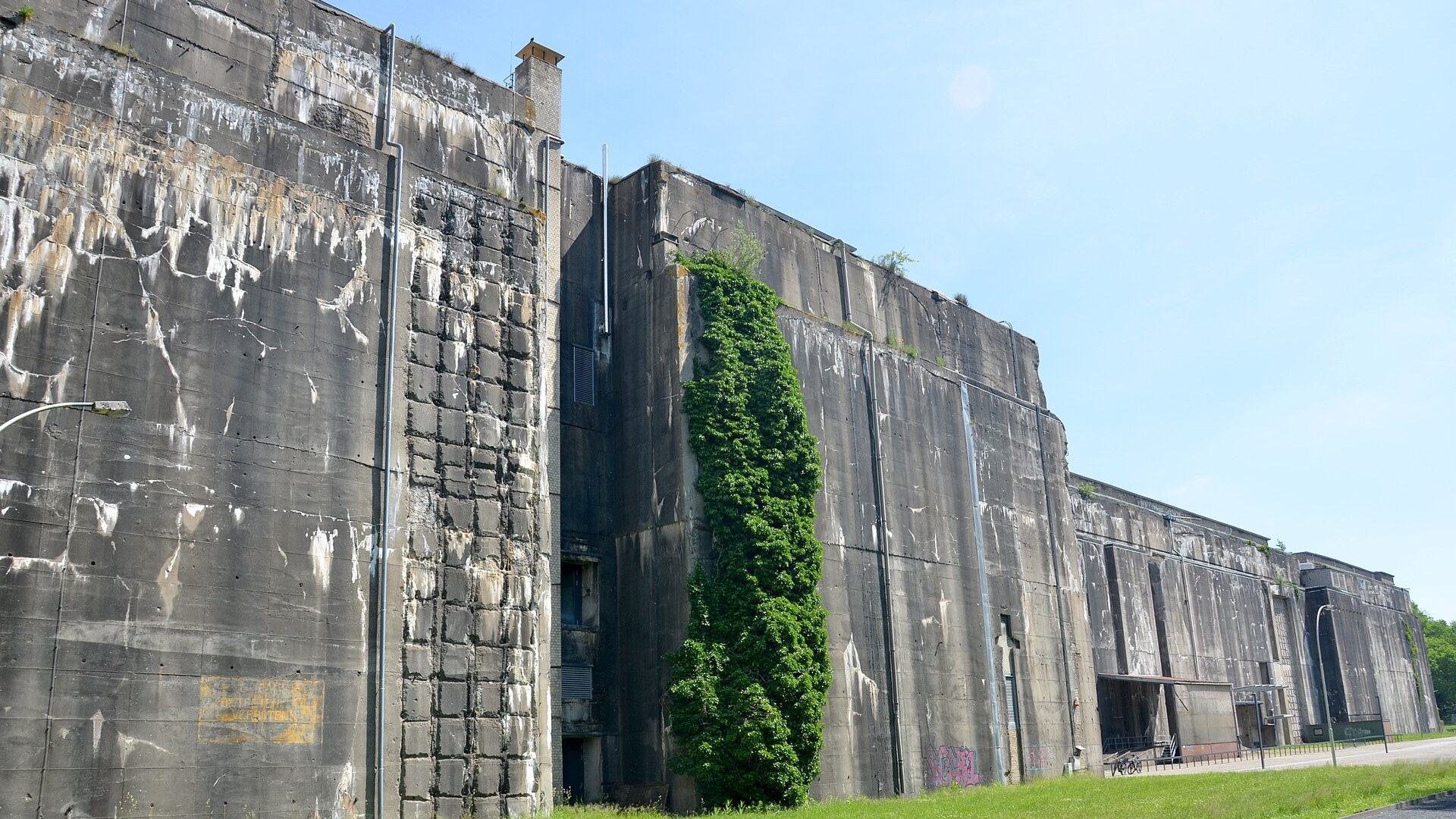
14. Bunker Valentin, Bremen
Situated along the Weser River near Bremen, this colossal reinforced concrete shelter ranks among the largest military bunkers in Europe. Built by forced laborers to assemble modern Type XXI submarines away from Allied airstrikes, the unfinished facility was heavily damaged by Grand Slam bombs in March 1945.
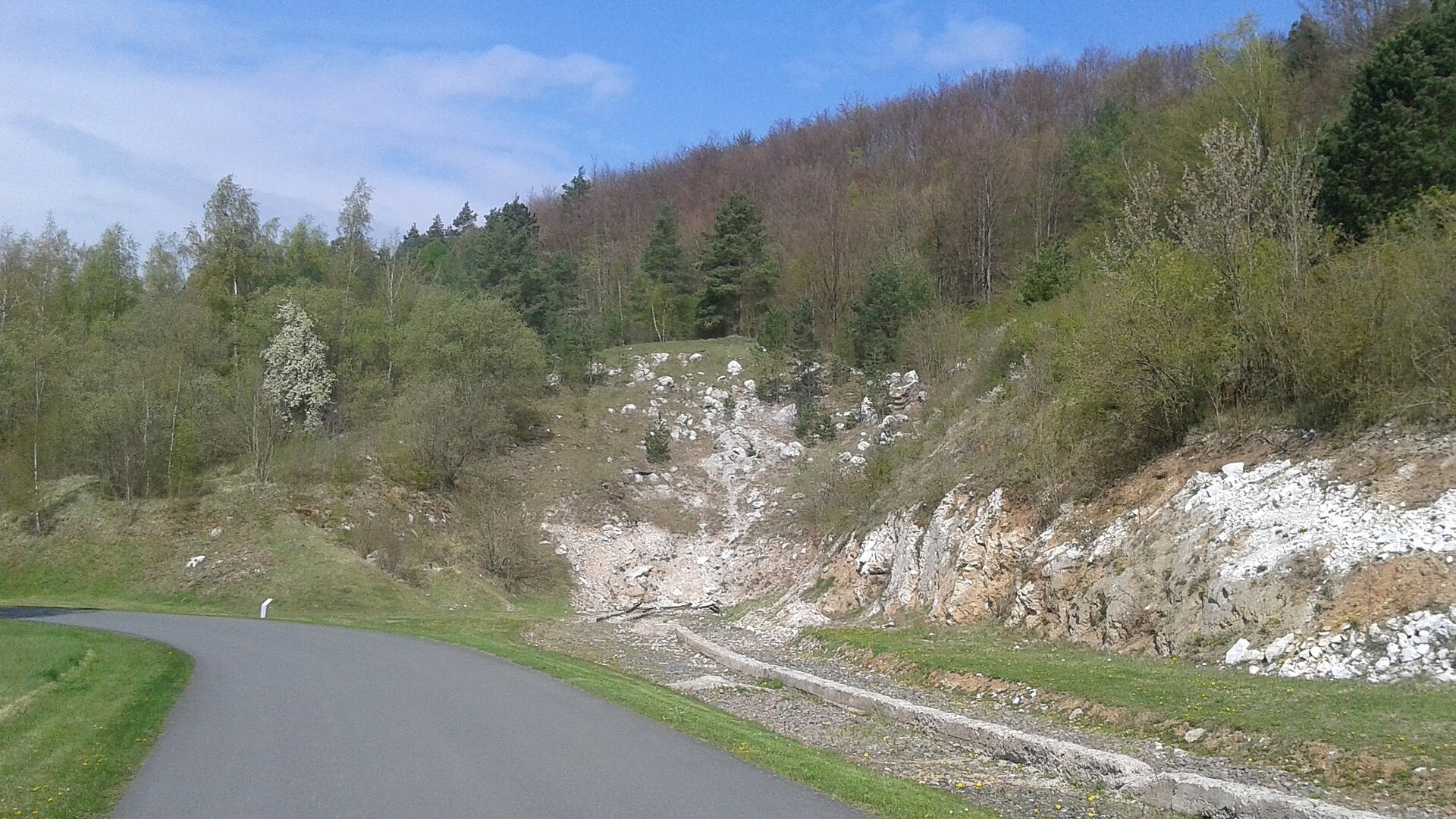
13. Mittelbau-Dora Underground Factory, Nordhausen
Located in the Harz Mountains, this subterranean factory complex was excavated following the Allied bombing of Peenemünde in 1943. Thousands of concentration camp prisoners laboured under lethal conditions inside deep limestone tunnels to assemble V-2 rockets, creating one of the deadliest industrial labor sites.
12. St. Nikolai Memorial, Hamburg
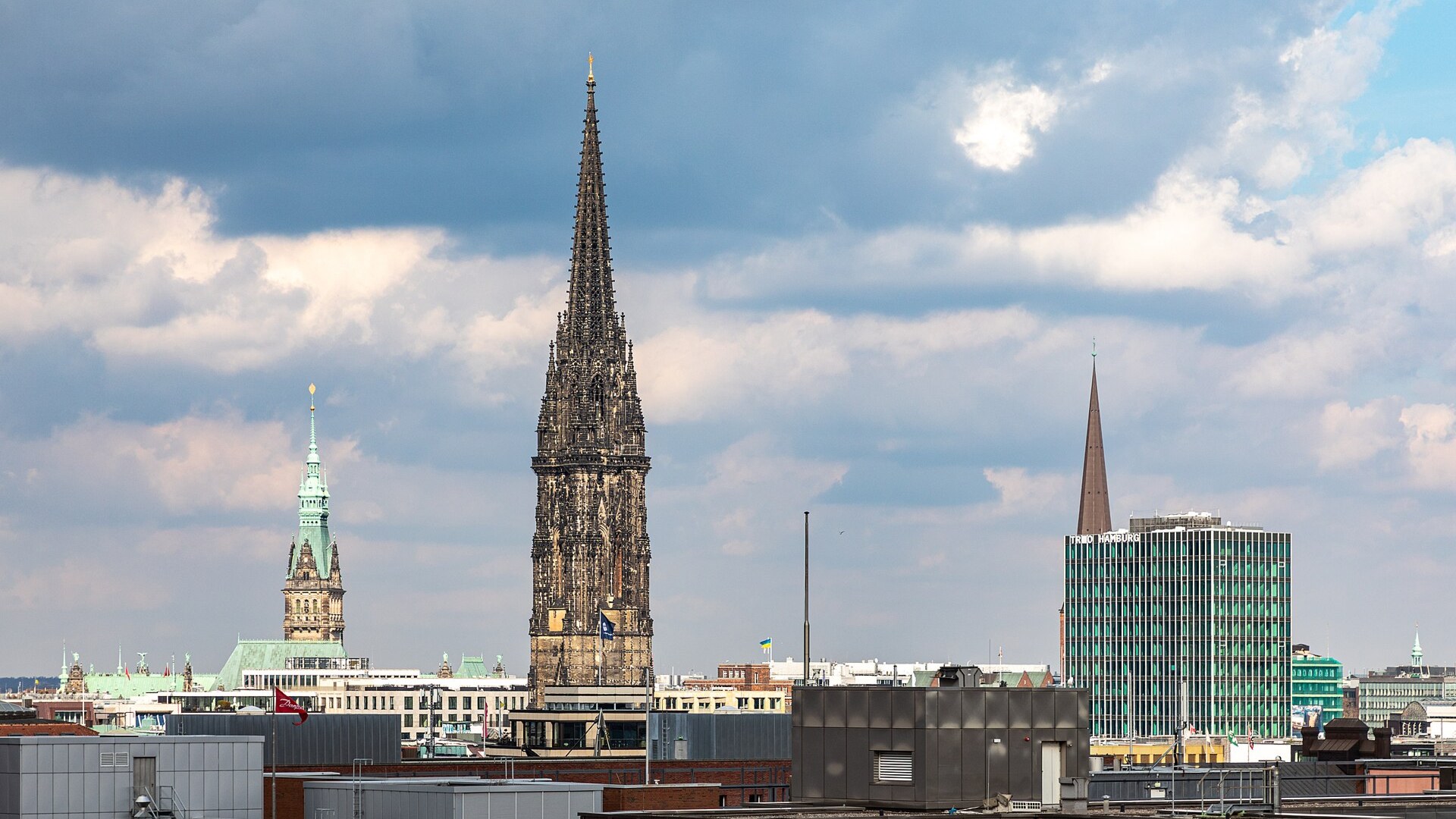
Once among the tallest churches in Europe, this Gothic Revival landmark was shattered during Allied bombing in July 1943 during Operation Gomorrah. The soaring blackened spire was intentionally left standing in central Hamburg as an architectural ruin, housing an underground museum dedicated to civilian victims.
11. Humboldthain Flak Tower, Berlin
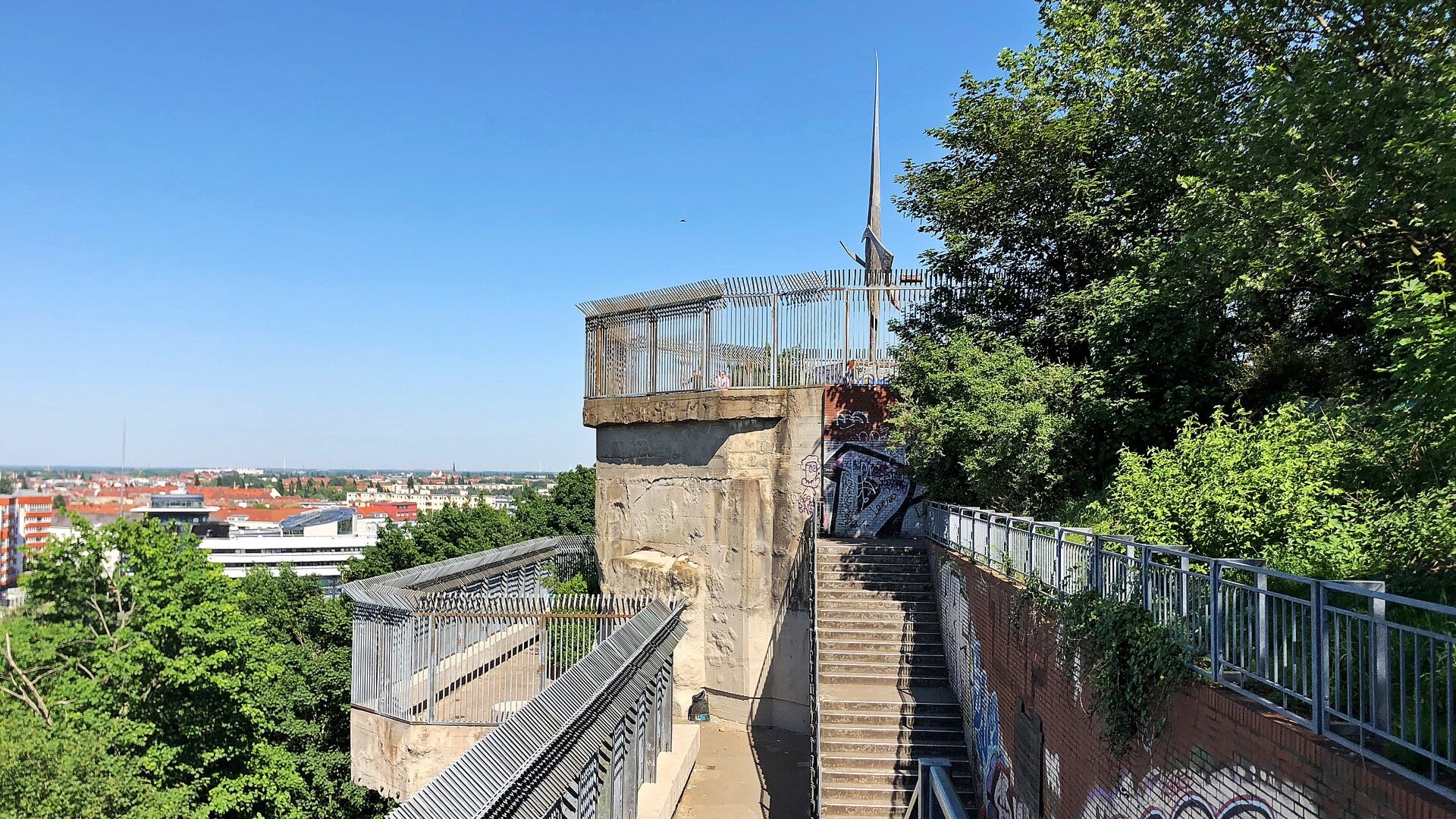
Constructed in north Berlin between 1941 and 1942, this reinforced concrete fortress housed heavy anti-aircraft artillery batteries and civilian shelters. Engineered with walls several meters thick, partial sections survived post-war demolition efforts and now offer educational tours through Berlin Underworlds.
10. Haus Der Wannsee-Konferenz, Berlin
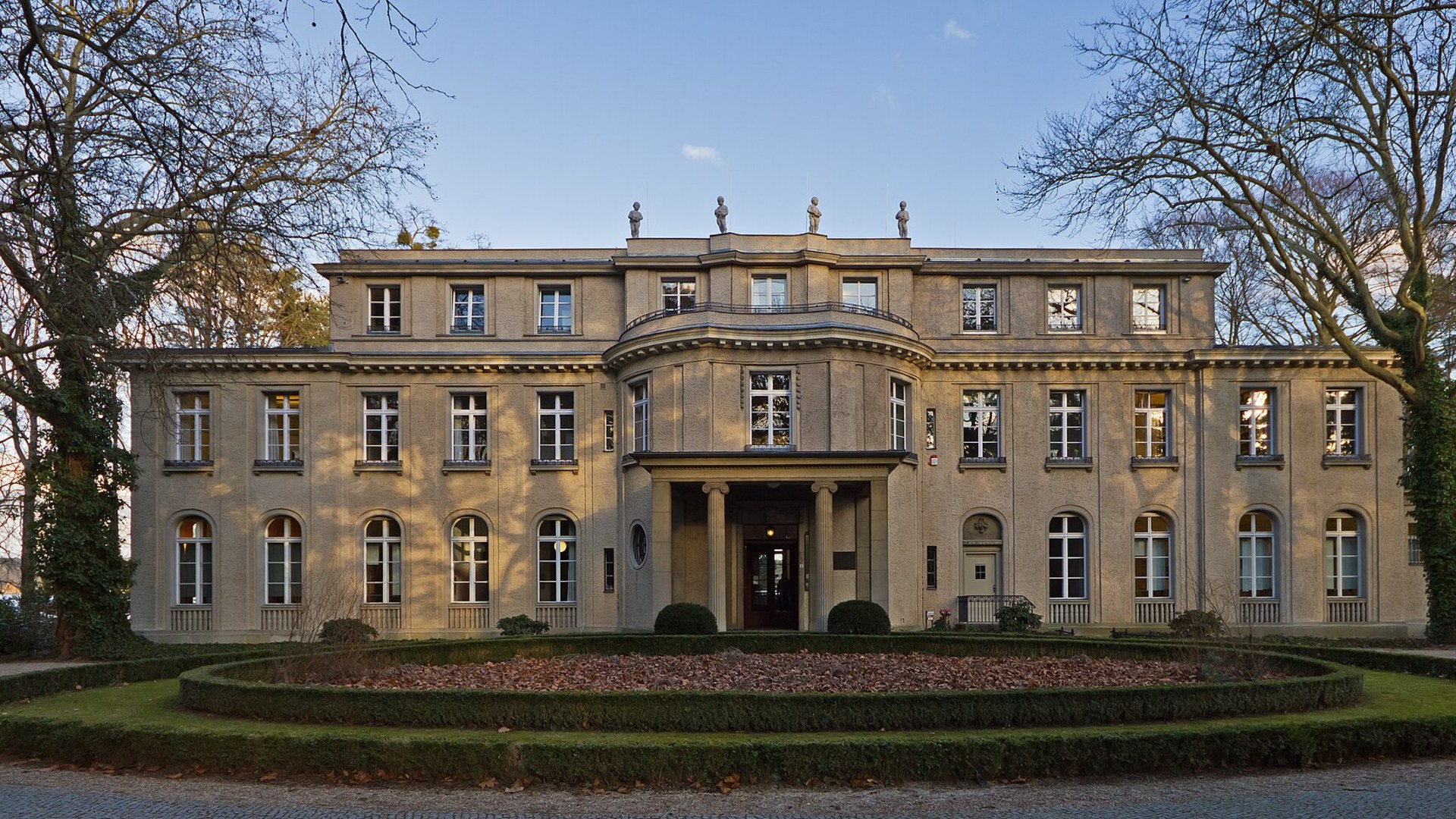
Overlooking Lake Wannsee in southwestern Berlin, this lakeside villa hosted senior administrative officials on January 20, 1942. Chaired by Reinhard Heydrich, the meeting coordinated bureaucratic execution of the Final Solution. Today, the villa serves as a permanent memorial and documentation center.
9. Peenemünde Army Research Center, Usedom
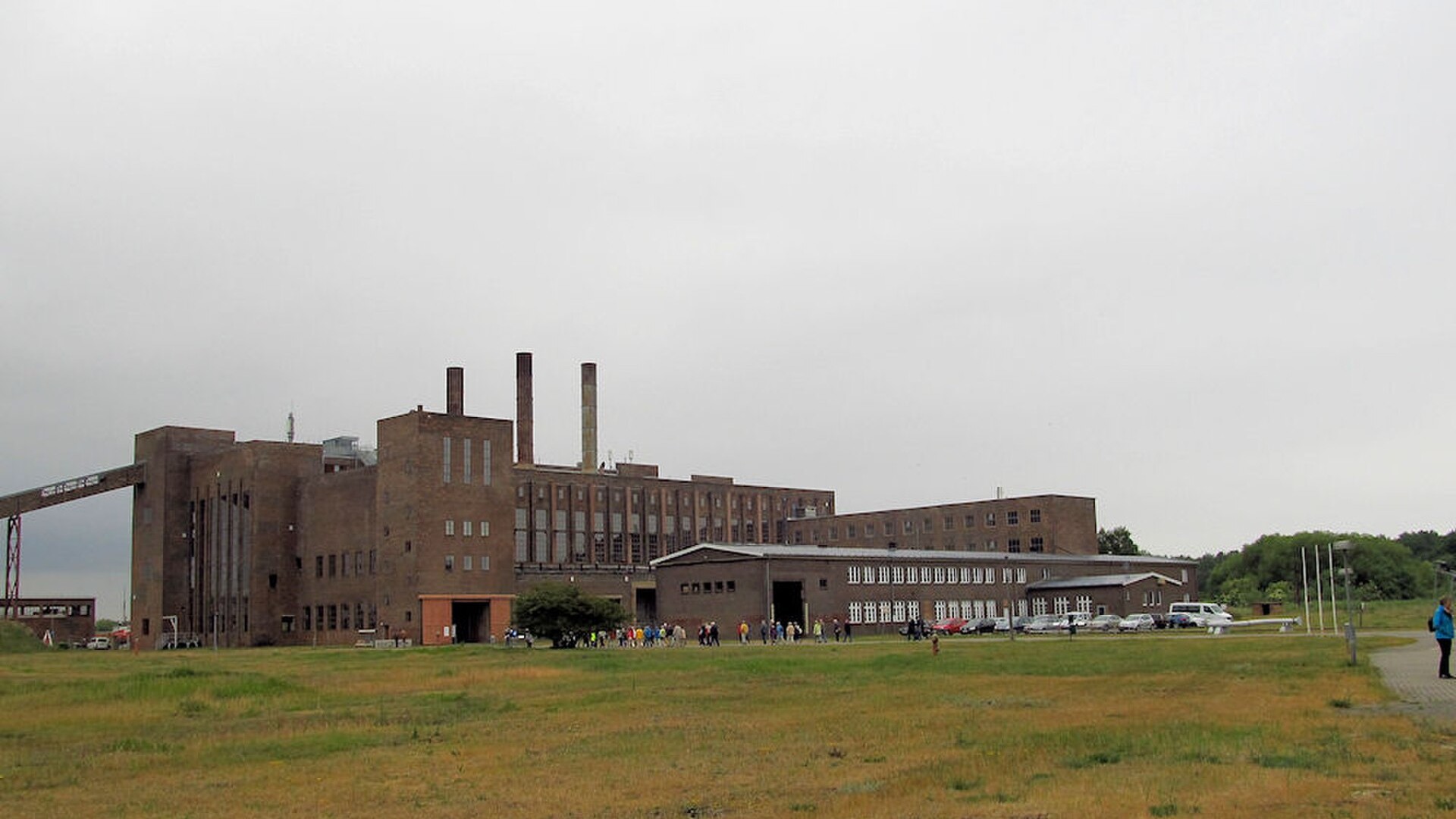
Located on the Baltic island of Usedom, this secret testing station pioneered aerospace engineering under military director Walter Dornberger and scientist Wernher von Braun. The facility launched the first successful human-made object into space in 1942, paving the way for military rocketry and post-war spaceflight.
8. Kehlsteinhaus, Berchtesgaden
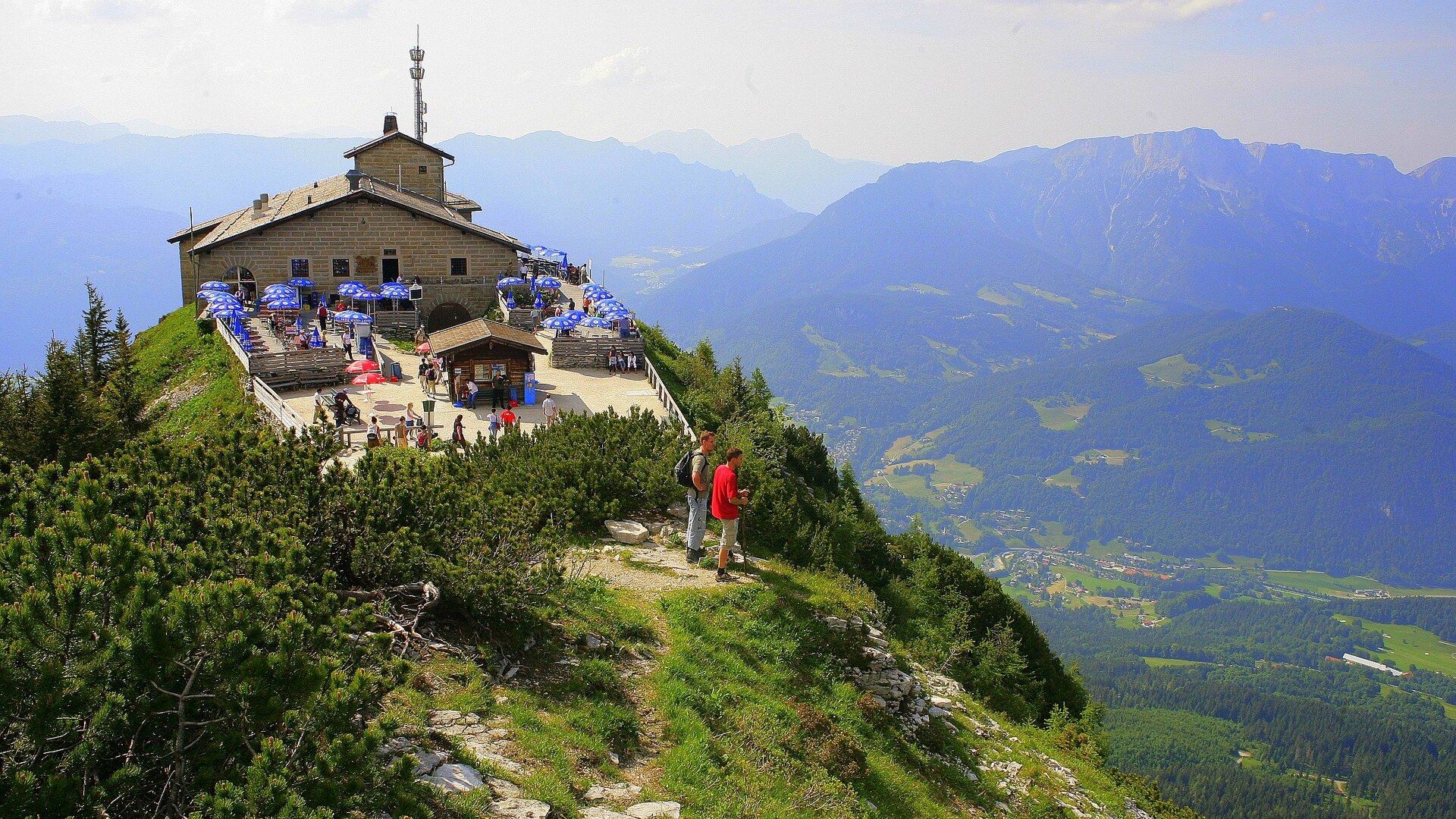
Perched at an elevation of over six thousand feet atop Mount Kehlstein in the Bavarian Alps, this stone chalet was completed in 1938 for diplomatic meetings. Accessible through a four-hundred-foot tunnel and solid brass elevator, the building survived post-war demolitions and operates today as a panoramic restaurant.
7. Buchenwald Memorial, Weimar
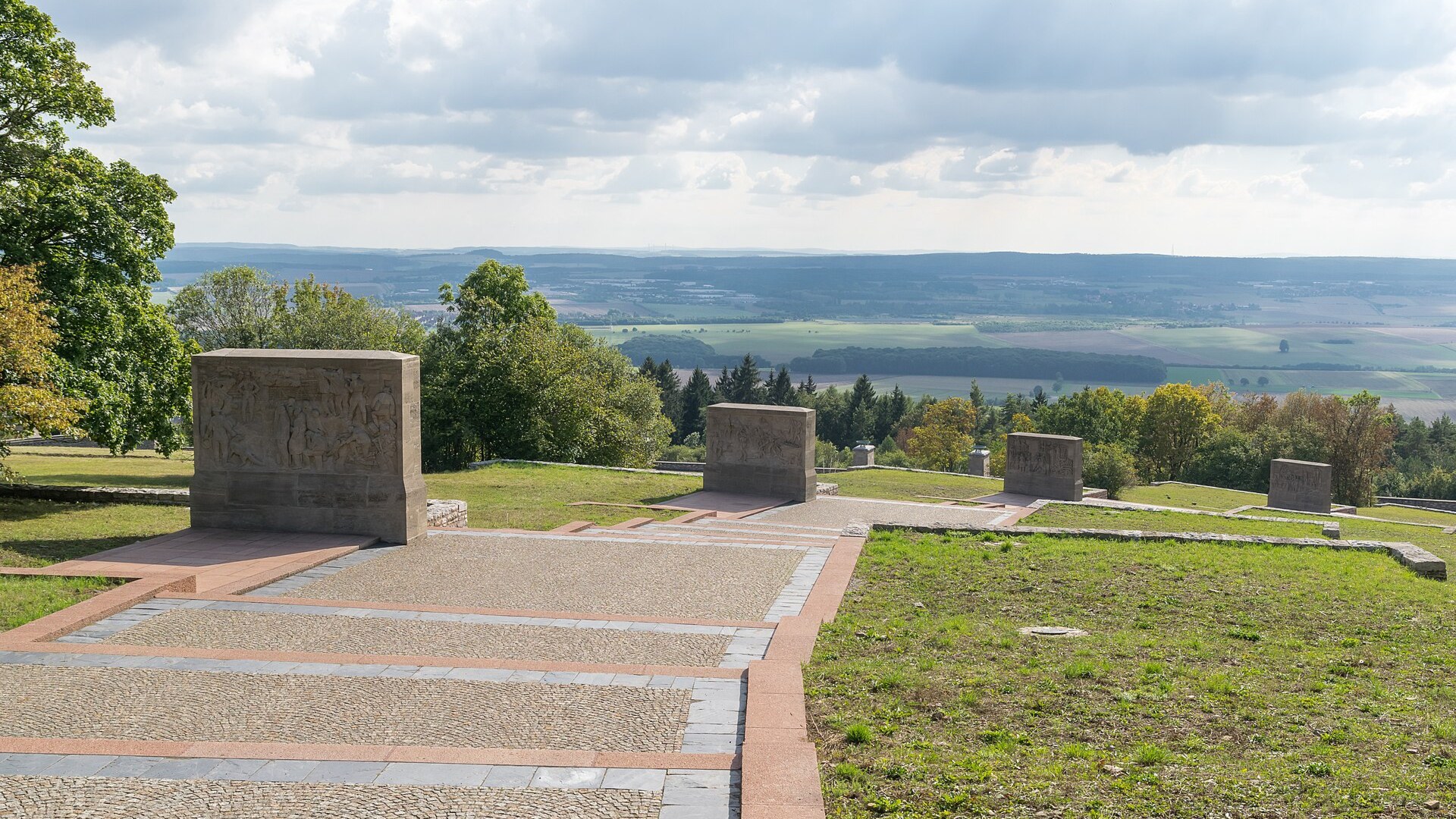
Constructed in 1937 on the forested slopes of the Ettersberg near cultural capital Weimar, Buchenwald held over two hundred eighty thousand inmates from across Europe. Inmates carried out forced labor for nearby armaments factories until survivors organized an internal uprising just before liberation in April 1945.
6. Sachsenhausen Memorial, Oranienburg
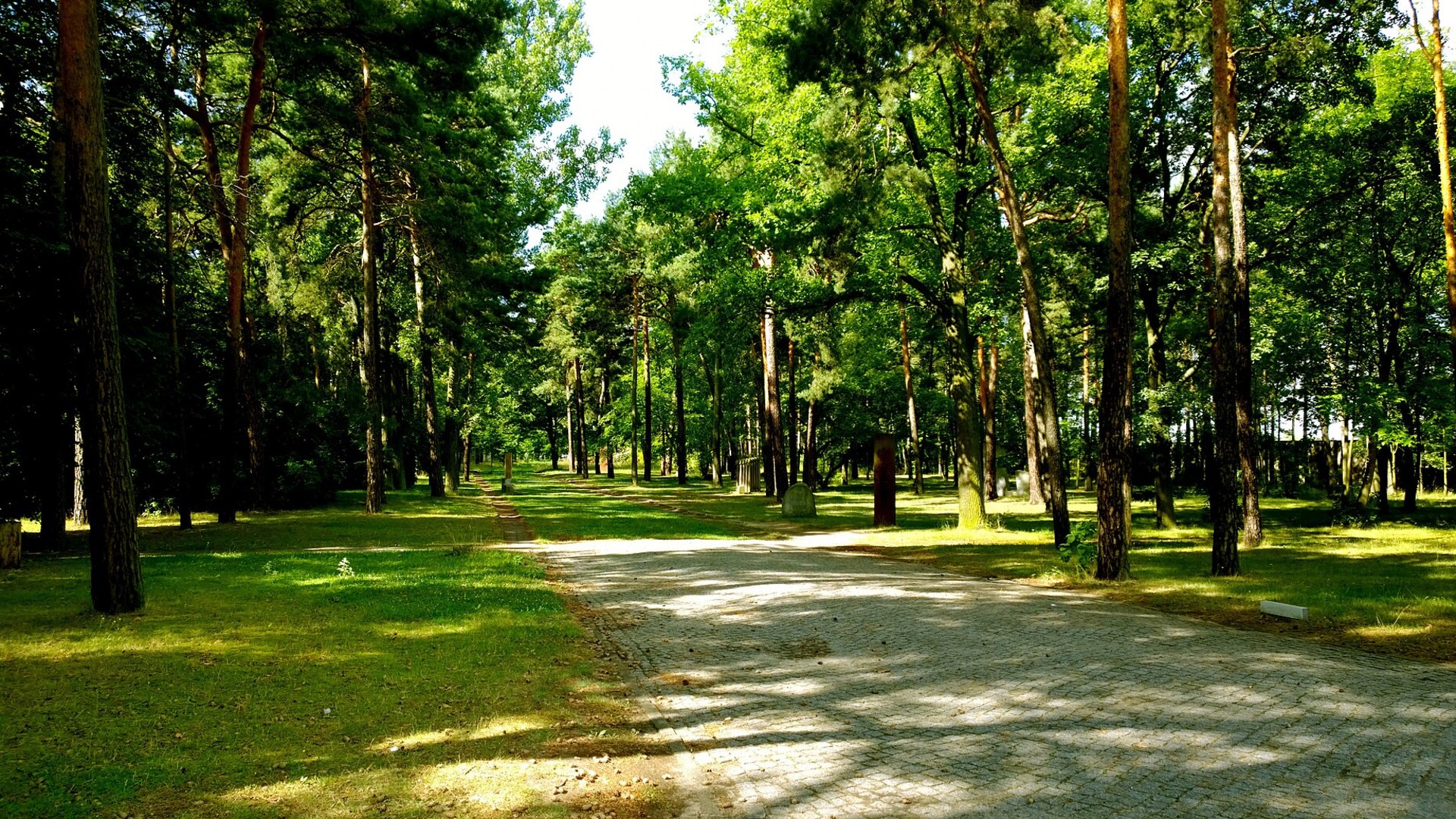
Positioned thirty-five kilometers north of Berlin, Sachsenhausen was engineered as a model facility by camp architect Bernhard Kuiper. It functioned as an administrative training center and contained extensive counterfeiting workshops during Operation Bernhard before its liberation by Soviet forces in 1945.
5. Berlin Olympic Stadium, Berlin
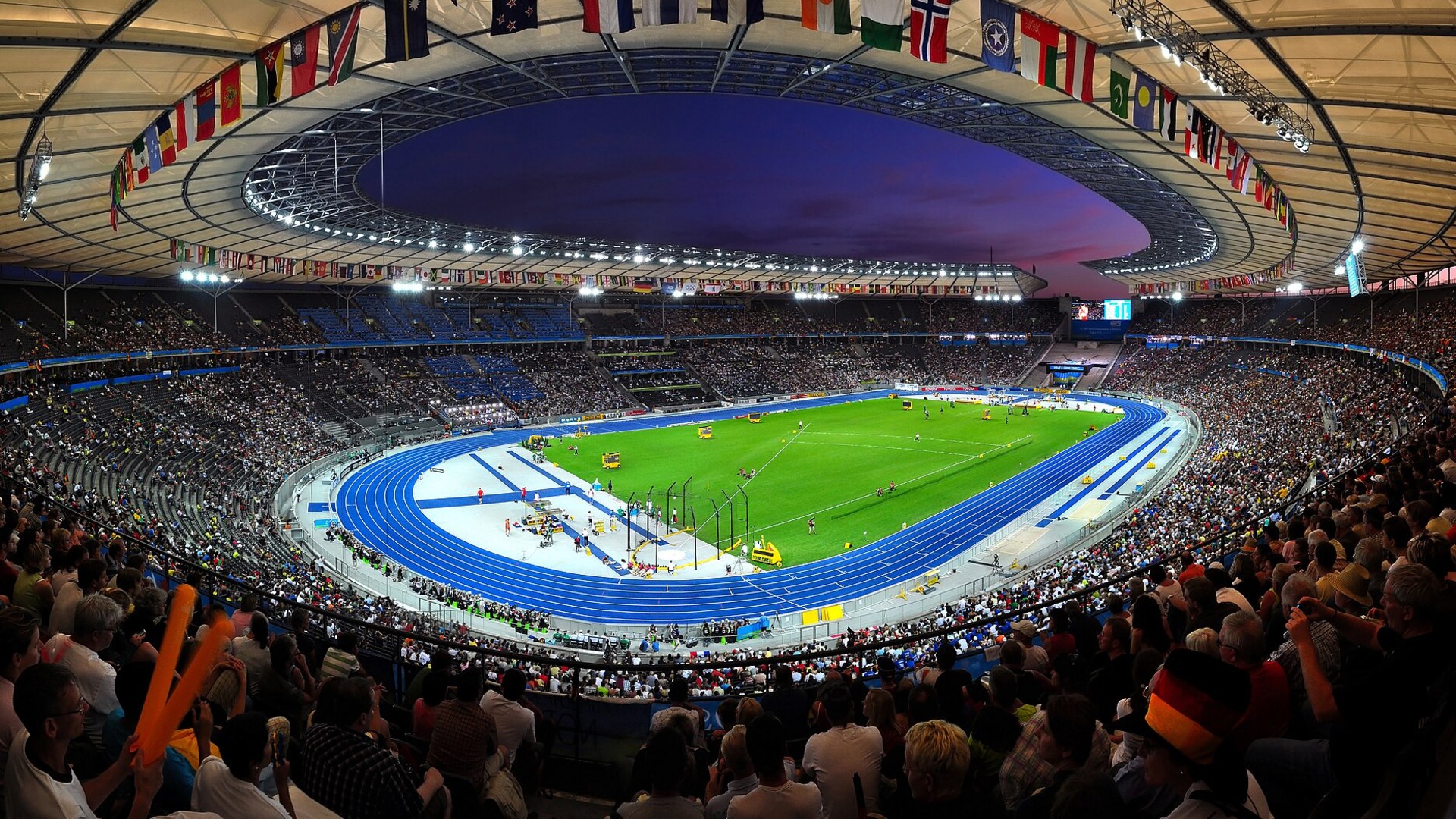
Erected for the 1936 Summer Olympic Games, this monumental stone arena in western Berlin was engineered to project national strength and technological prowess. Despite extensive propaganda efforts, African American sprinter Jesse Owens famously captured four gold medals on its track before packed international crowds.
4. Nazi Party Rally Grounds, Nuremberg
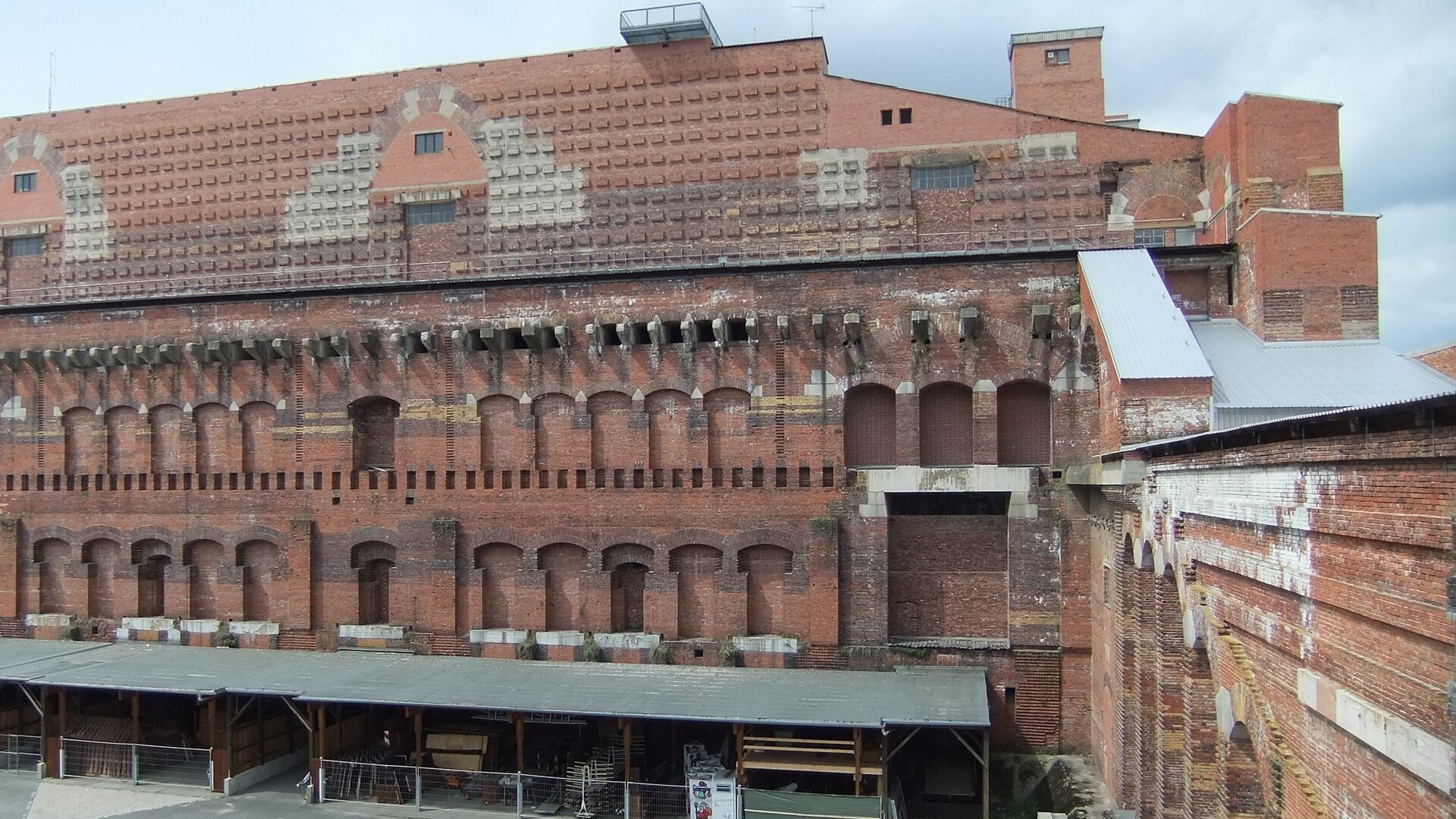
Covering eleven square kilometers southeast of Nuremberg, this massive architectural complex hosted annual mass propaganda rallies from 1933 to 1938. Designed by Albert Speer, surviving structures including the Congress Hall and the Zeppelin Grandstand now house educational centers documenting propaganda.
3. Dachau Concentration Camp Memorial, Bavaria
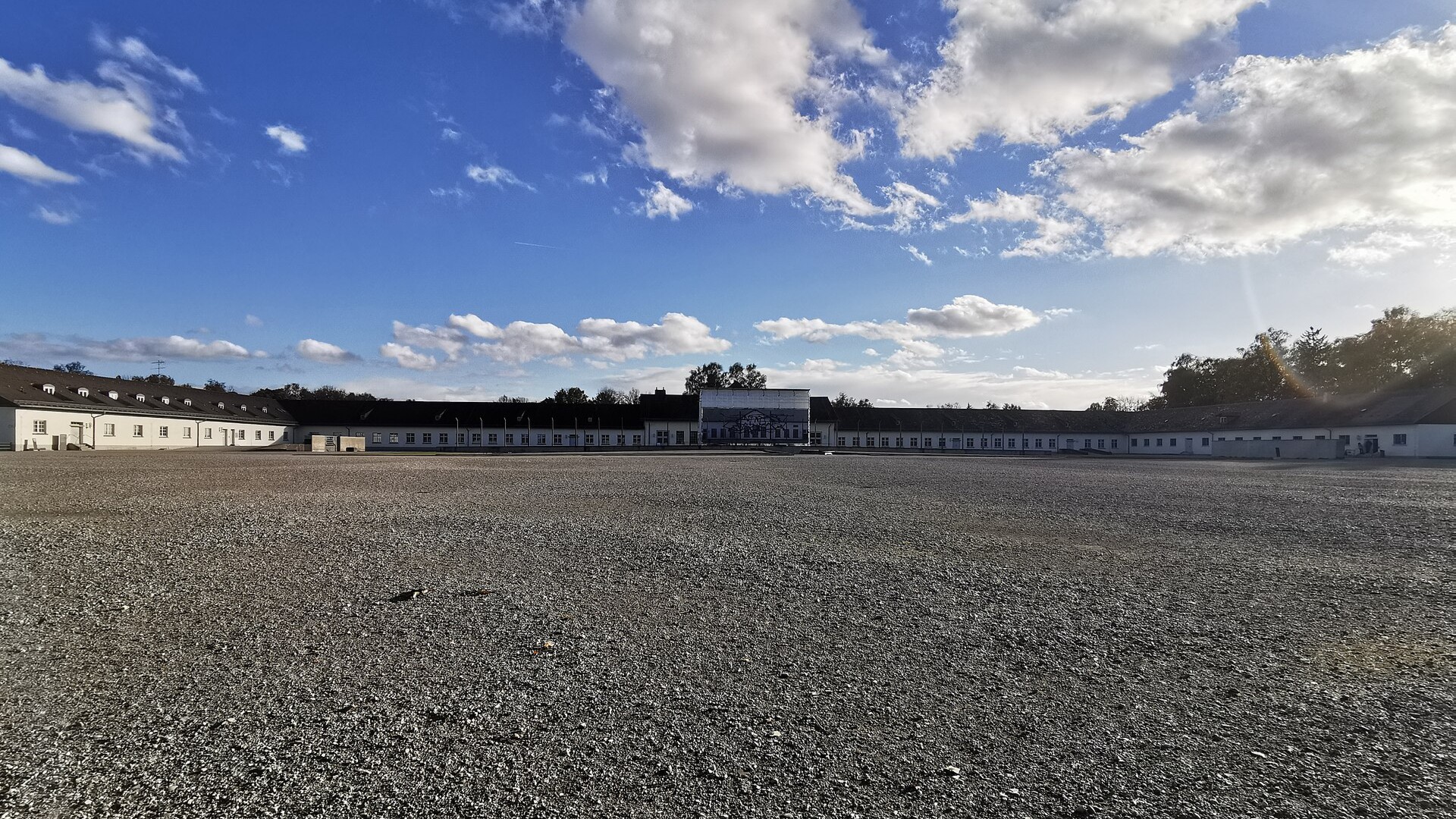
Established in March 1933 on the grounds of an abandoned munitions factory, Dachau served as the prototype for the entire concentration camp system. Over two hundred thousand prisoners passed through its gates before American forces liberated the compound in April 1945, preserving it as an enduring memorial.
2. Reichstag Building, Berlin
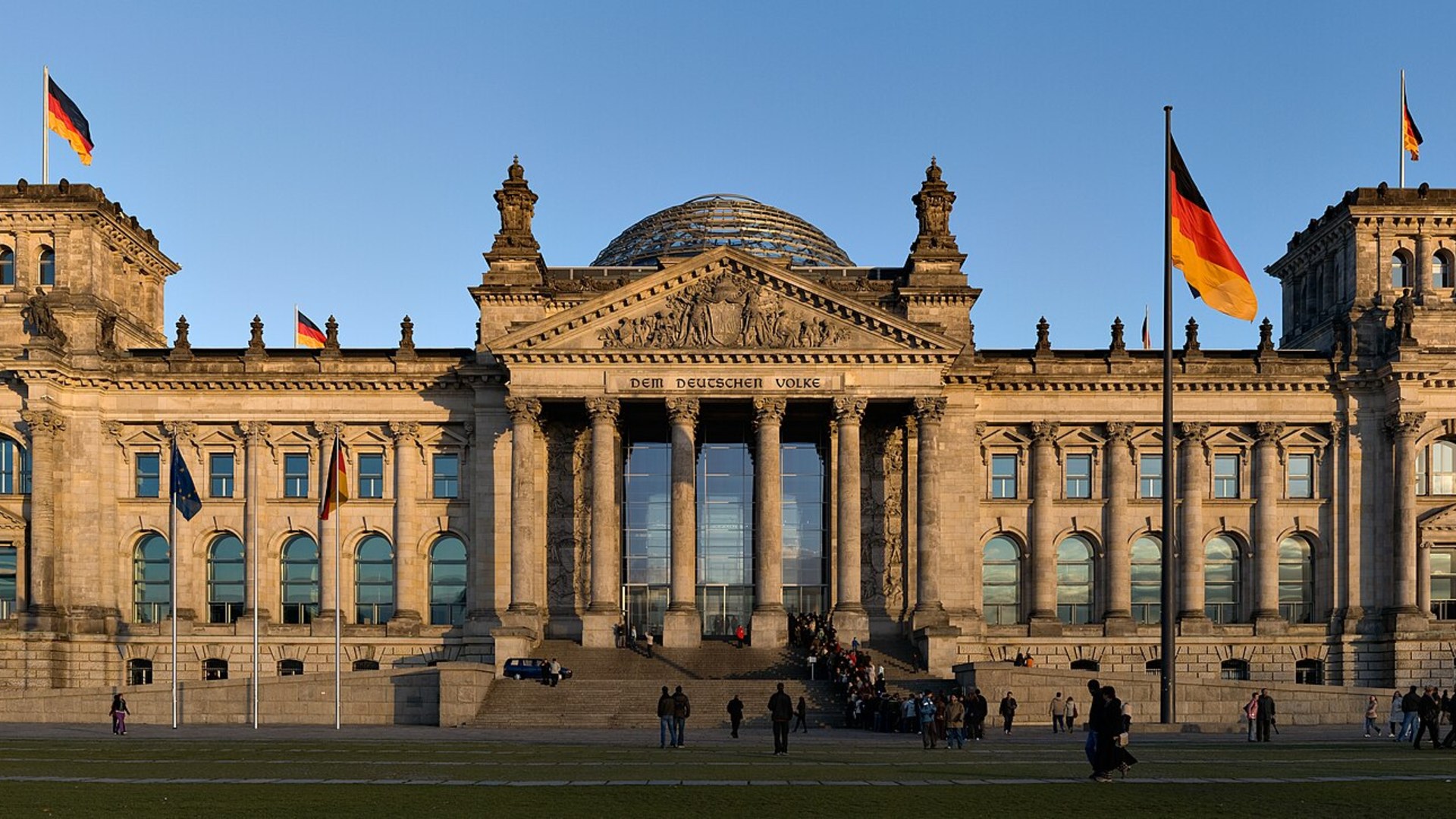
Originally opened in 1894 to house the imperial parliament, the Reichstag suffered catastrophic fire damage in February 1933, triggering emergency decrees that dismantled German democracy. Twelve years later in May 1945, the battered structure stood as the final objective during the climactic Battle of Berlin.
1. Feldherrnhalle, Munich
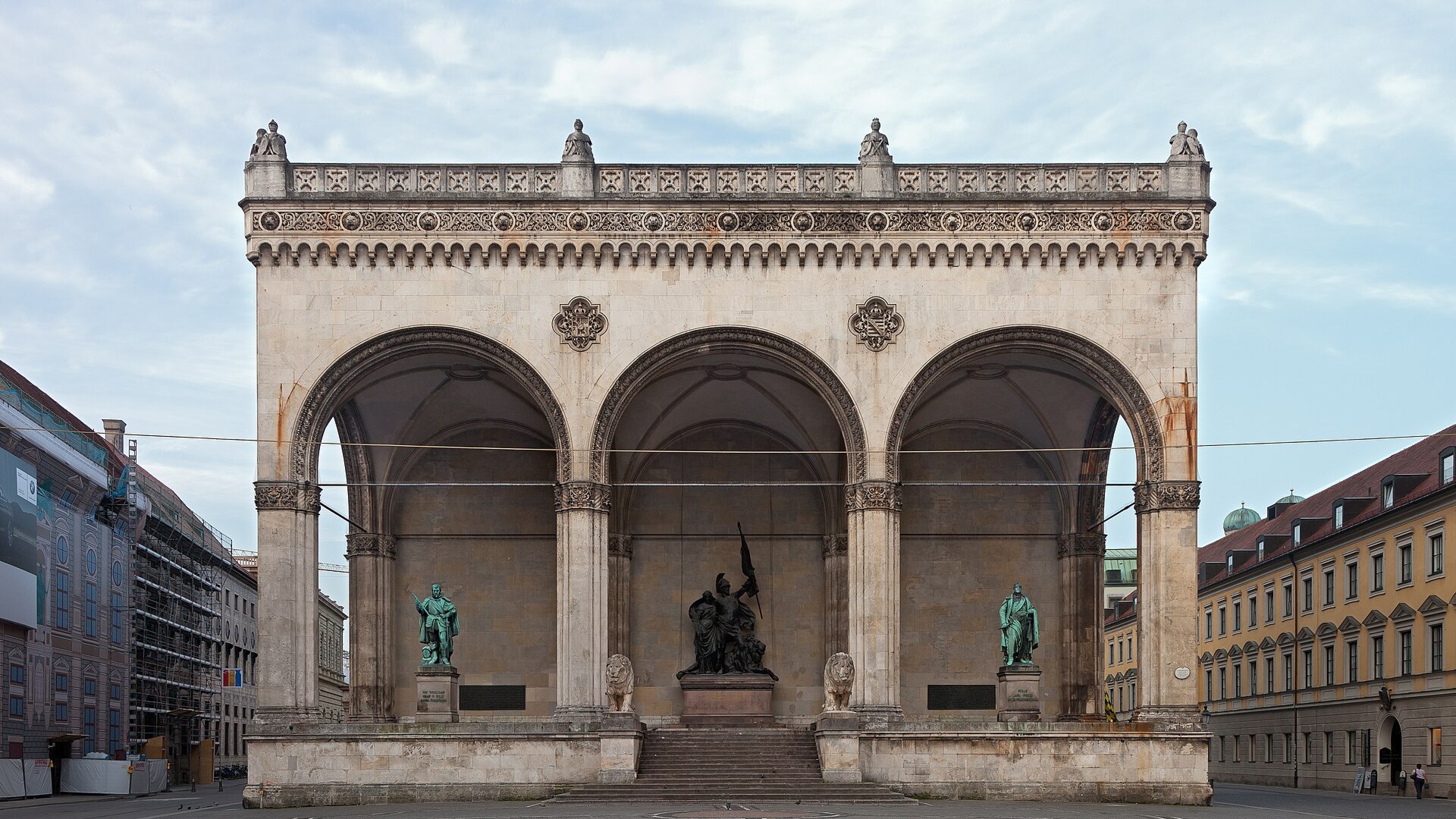
Constructed in the 1840s along Munich Odeonsplatz, this Italian-style loggia became the dramatic flashpoint of the 1923 Beer Hall Putsch. Following the failed coup attempt, the monument was converted into a central propaganda shrine by the regime, complete with mandatory armed guards and public rituals.