Slideshow · Travel
20 American National Parks With the Most Unusual Geological Formations
Which American national parks feature Earth's most bizarre rock formations?


All 20 Entries in this Story
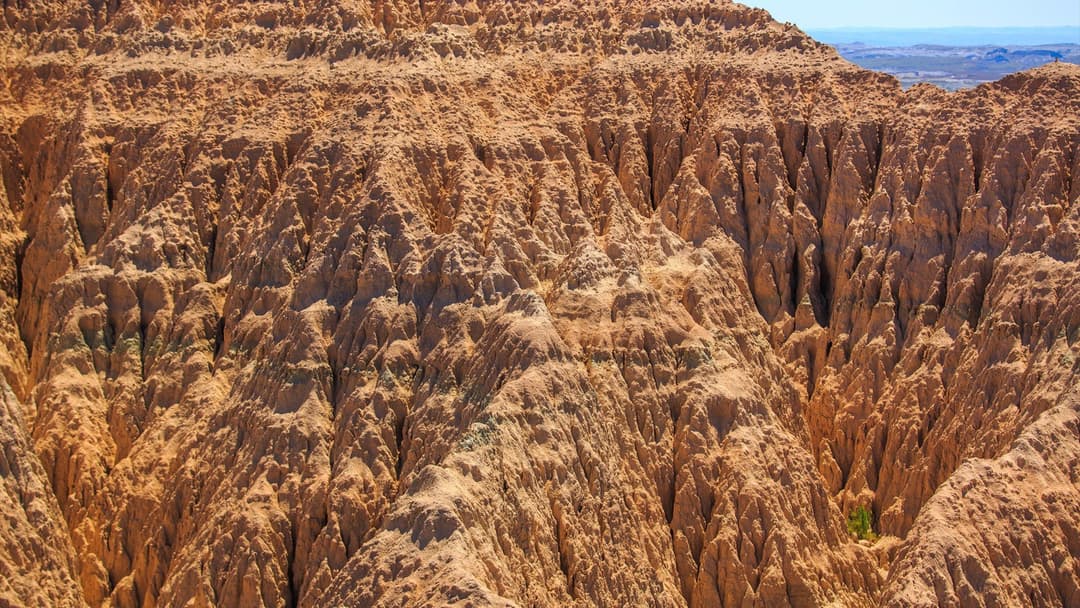
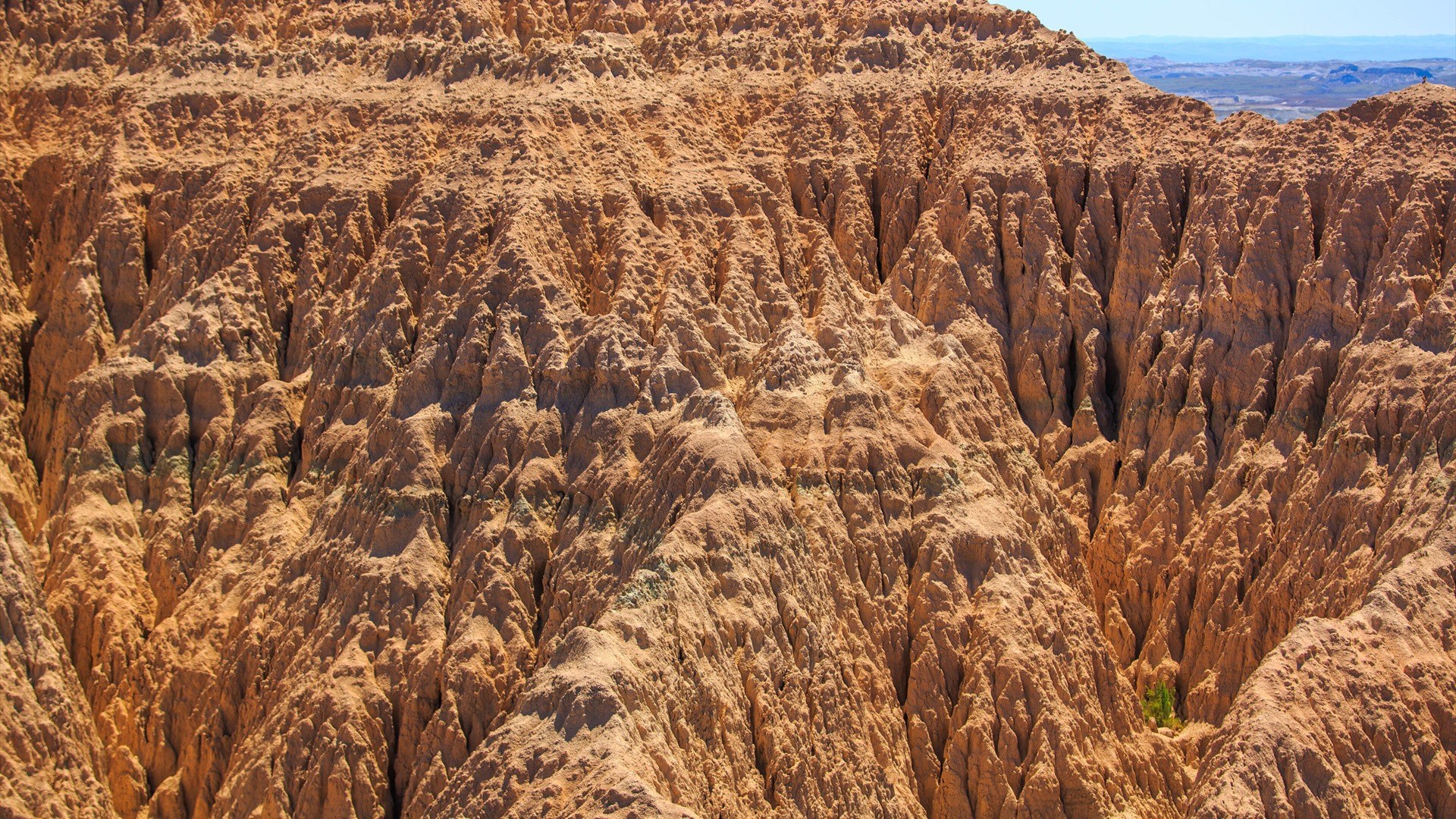
20. Badlands National Park
Over millions of years, water carved through layers of sedimentary rock and volcanic ash in southwestern South Dakota. The resulting buttresses and jagged ridges reveal distinct horizontal bands of color that document nearly seventy five million years of ancient subtropical environments.
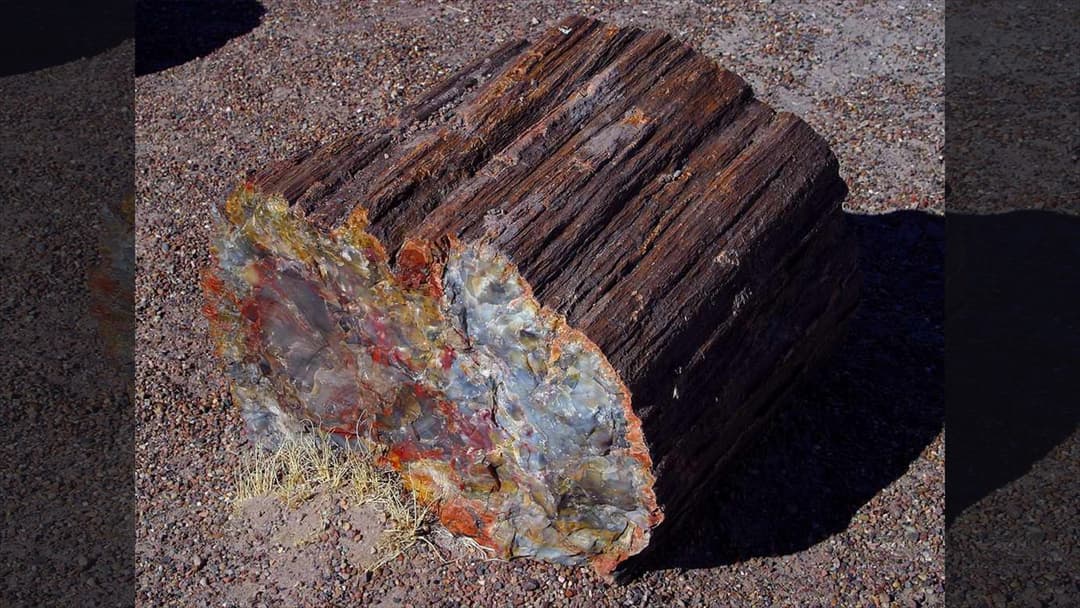
19. Petrified Forest National Park
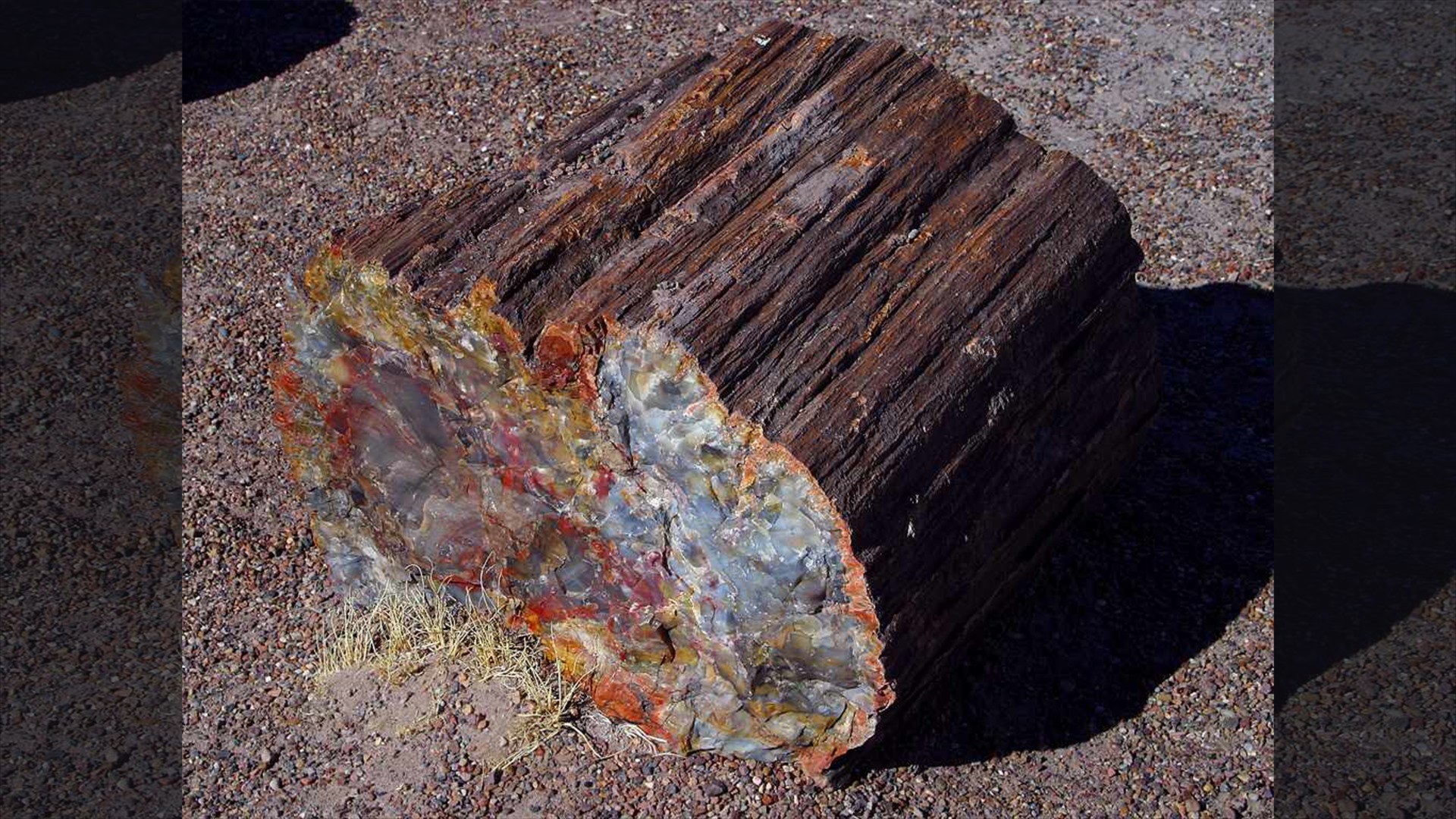
More than two hundred million years ago, fallen conifers were buried under silica-rich volcanic ash across northern Arizona. Groundwater dissolved the wood, replacing organic fibers with quartz, jasper, and amethyst to create colorful stone logs strewn across the Painted Desert.
18. Great Sand Dunes National Park
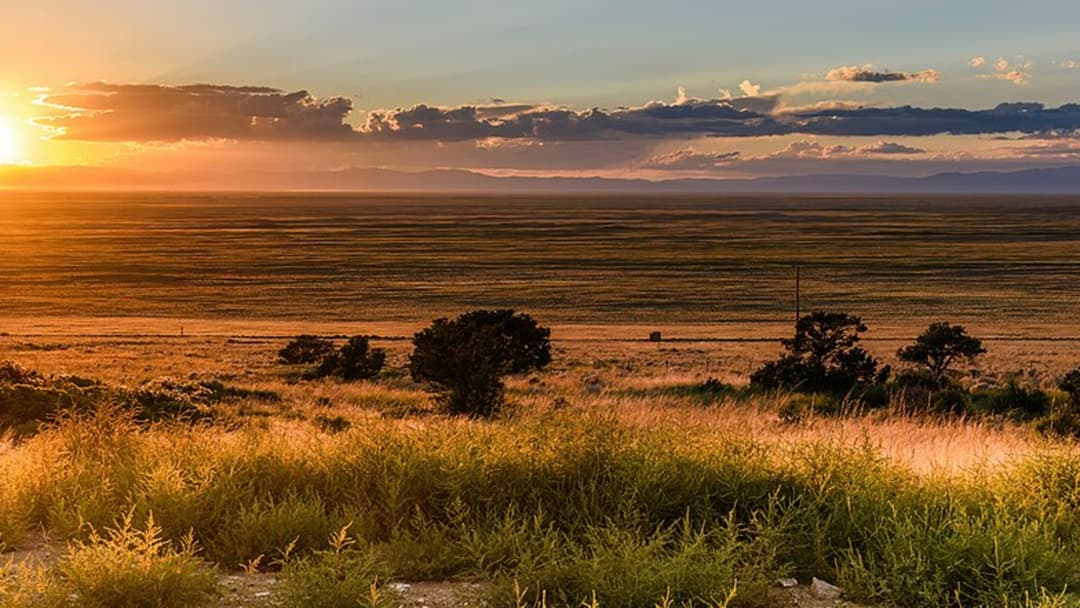
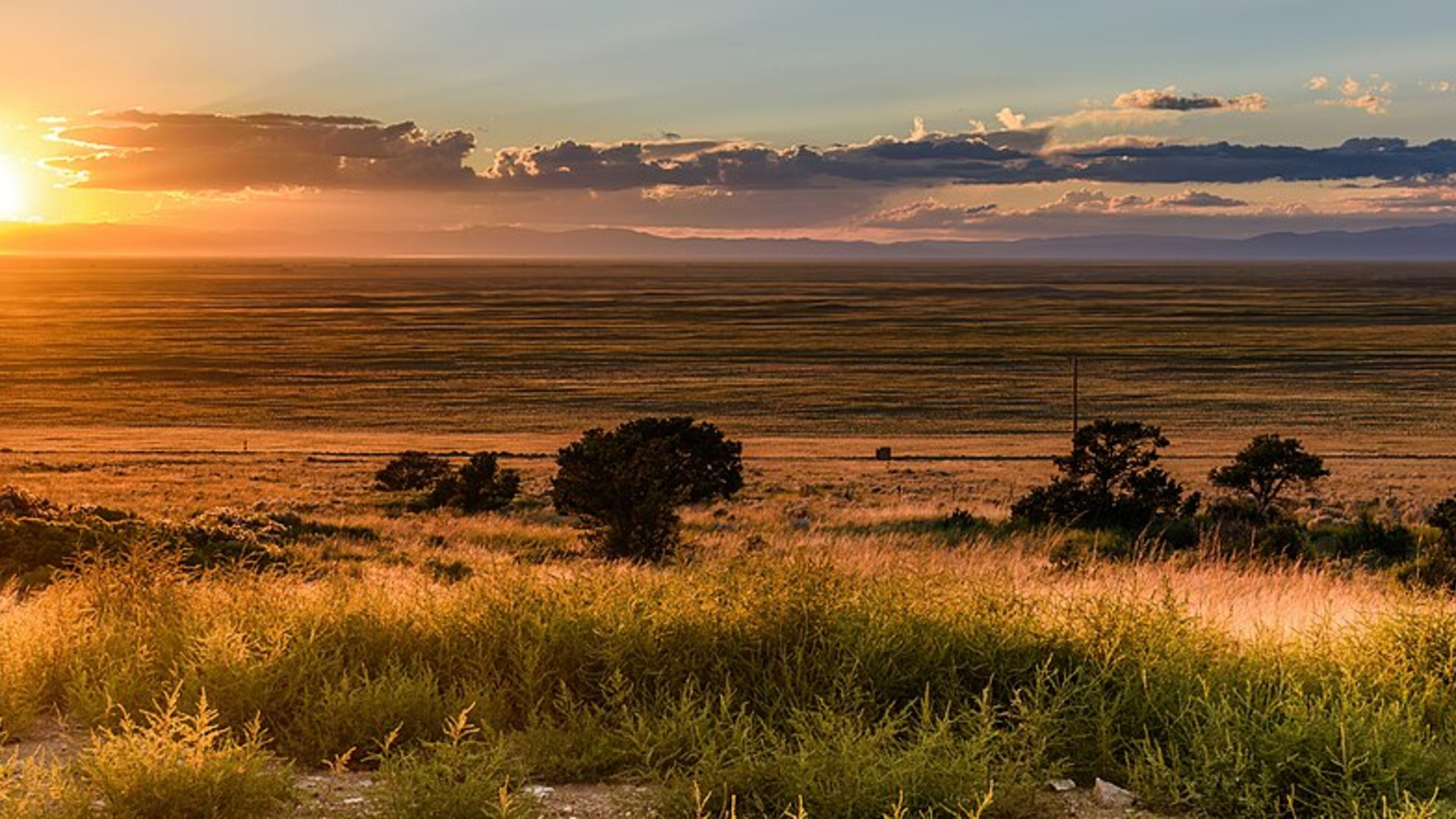
Trapped against the Sangre de Cristo Mountains in Colorado, these massive dunes rise up to seven hundred fifty feet. Opposing wind patterns constantly push Rio Grande sediment back upon itself, maintaining vertical dune crests that sing when sands shift down steep slopes.
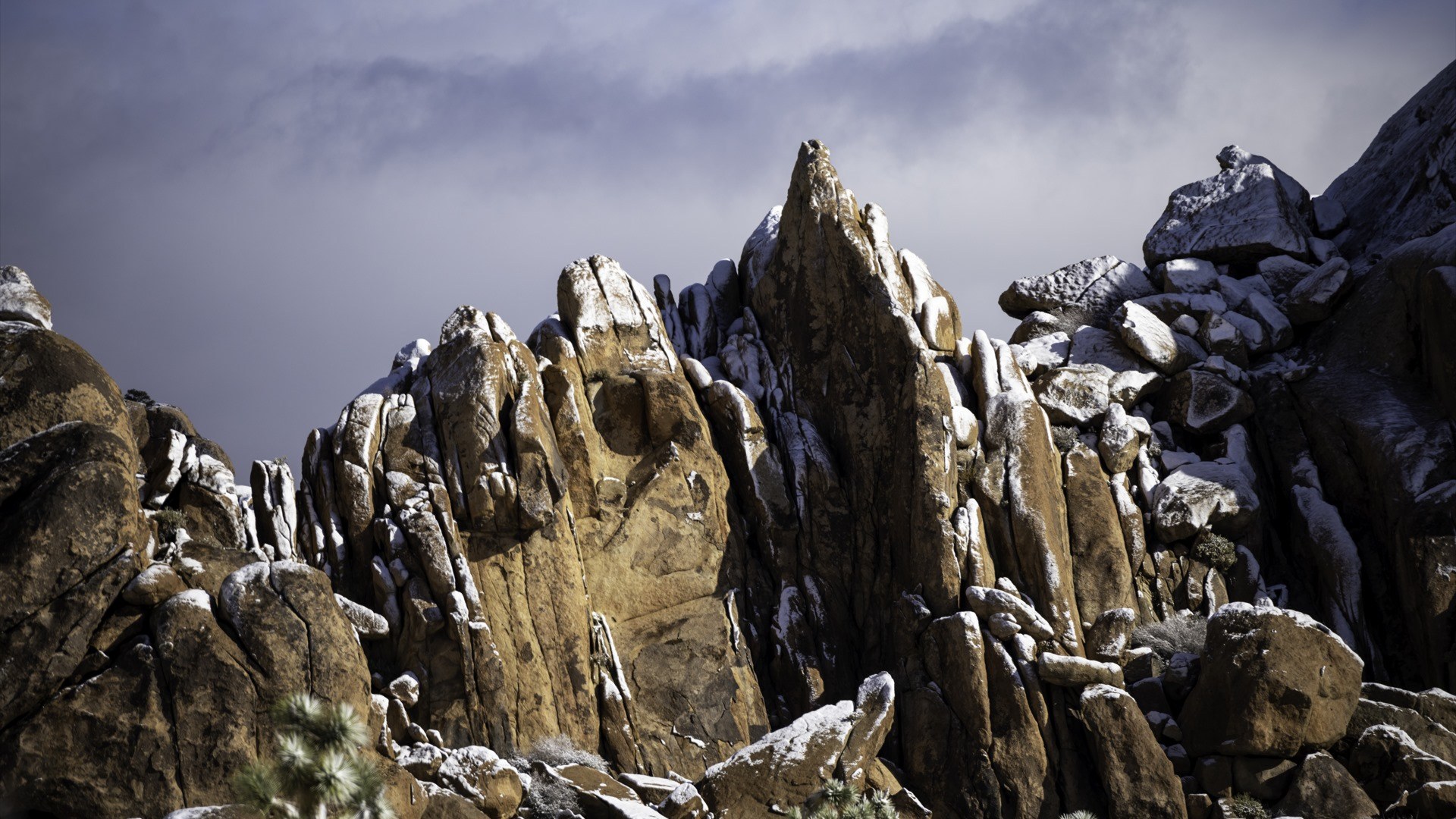
17. Joshua Tree National Park
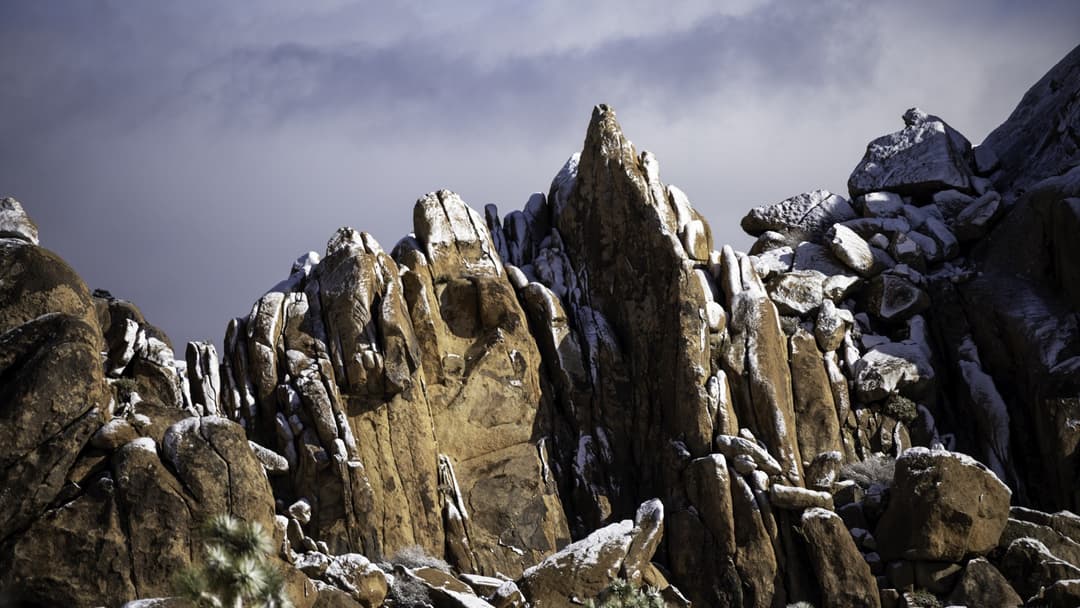
Over one hundred million years ago, molten monzogranite pushed up into Earth's crust beneath southern California. Acidic groundwater dissolved the rectangular joints underground, rounding the blocks before surface flash floods stripped away the topsoil to reveal massive boulder piles.
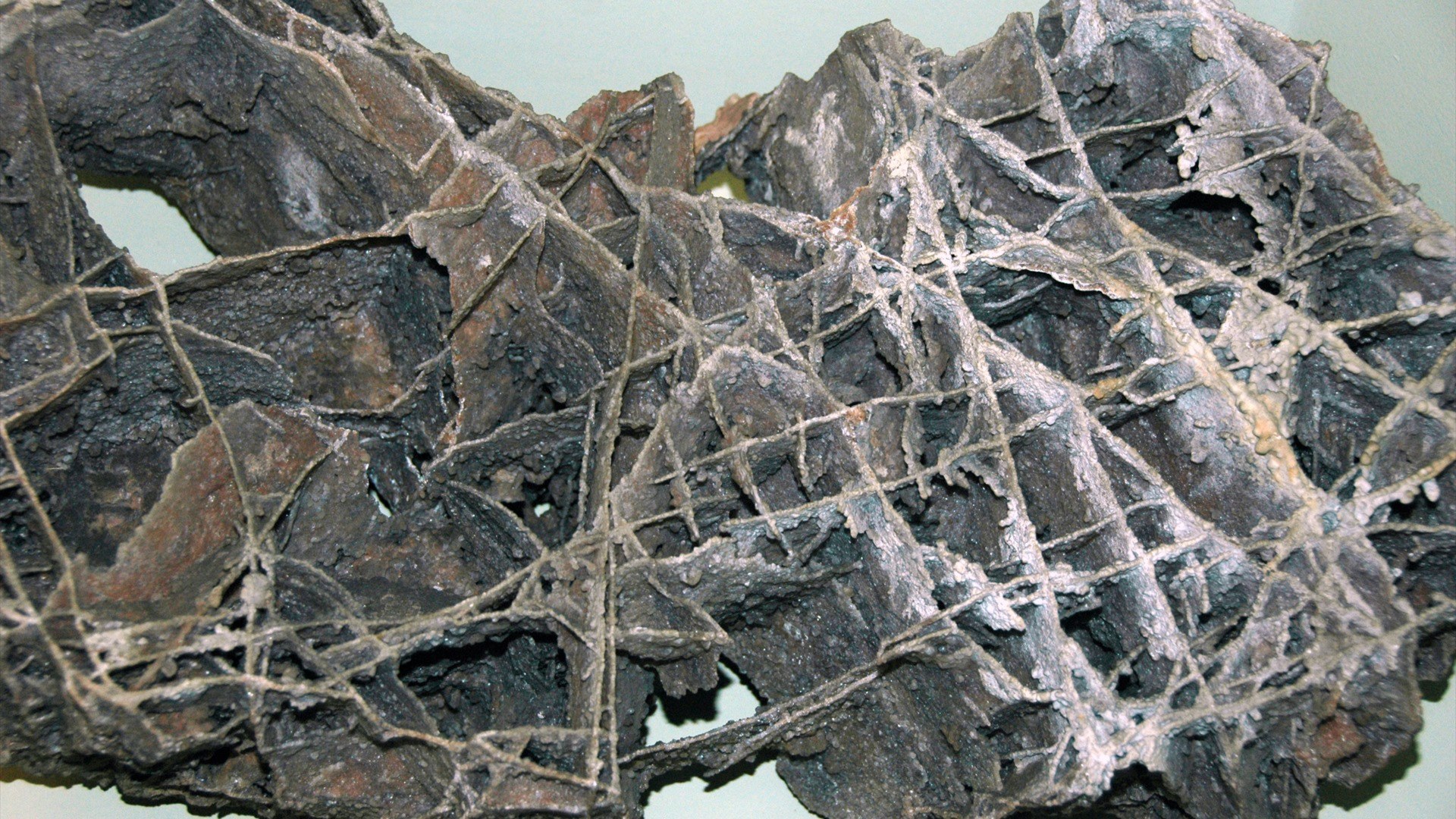
16. Wind Cave National Park
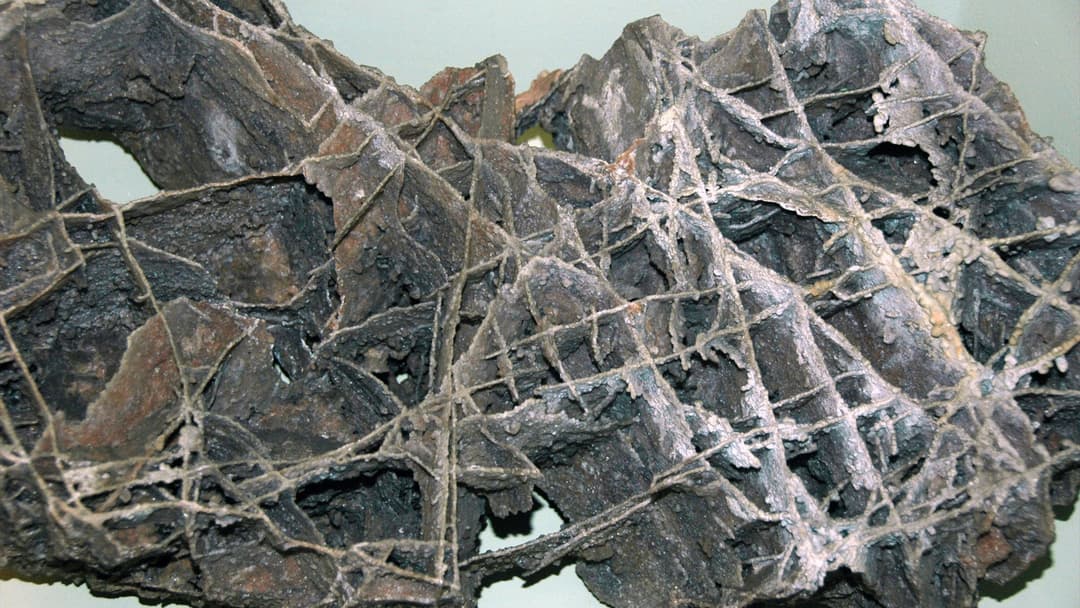
Wind Cave protects ninety five percent of the world's discovered boxwork formations. When limestone dissolved away over eons, resilient calcite veins that had filled ancient bedrock fractures were left projecting outward, forming delicate intersecting honeycomb ridges.
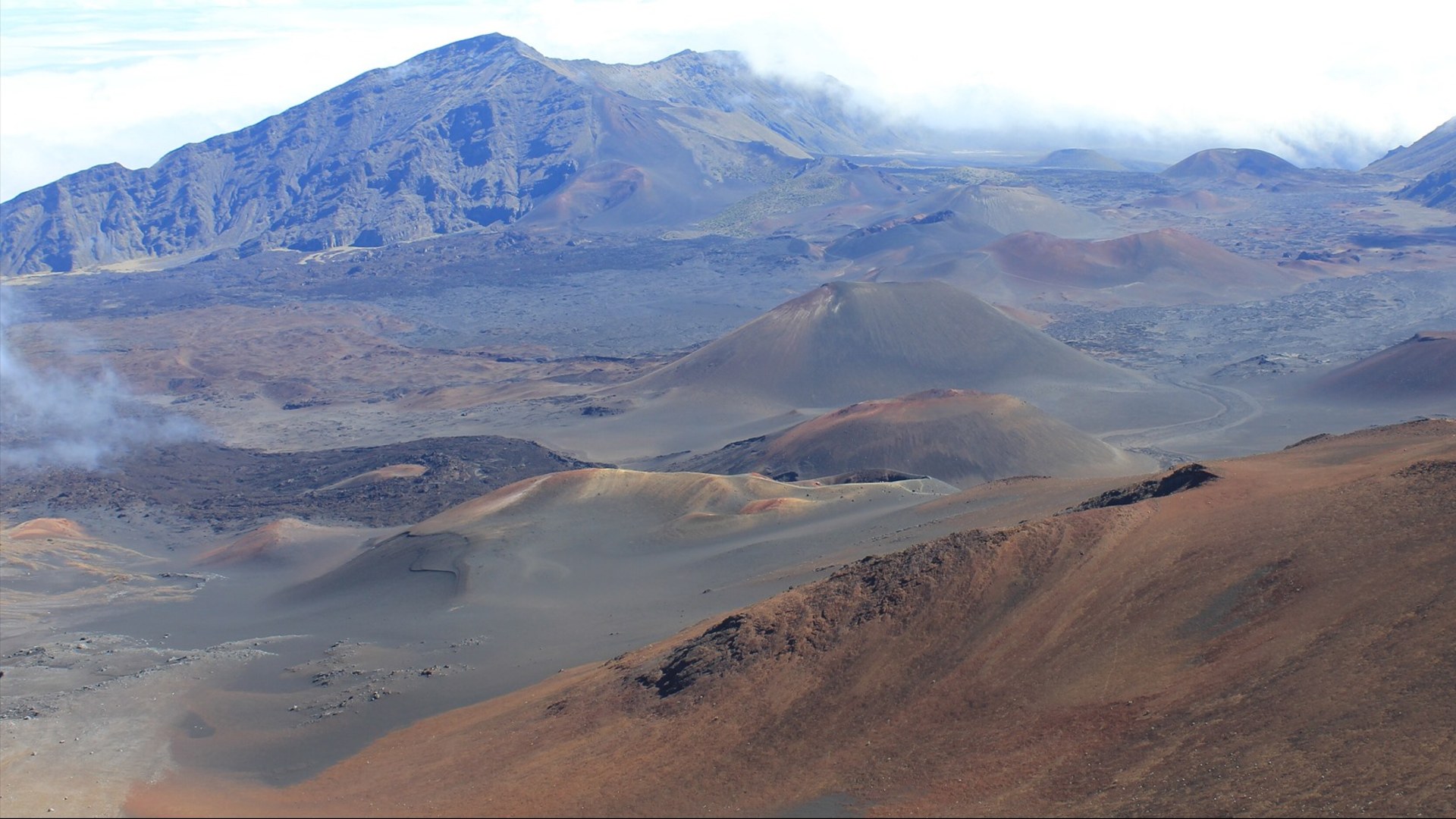
15. Haleakala National Park
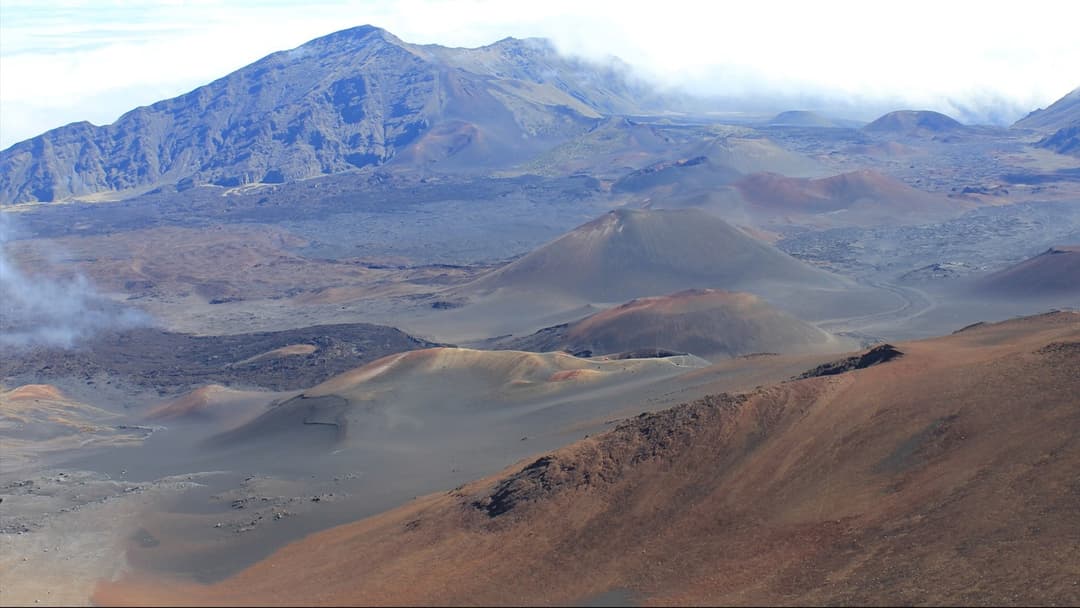
The summit depression of Maui's highest shield volcano was not formed by explosive collapse, but by erosion from two opposing valleys meeting at the ridge. Subsequent minor eruptions built miniature cinder cones that glow in shades of ochre, copper, and charcoal across the ash floor.
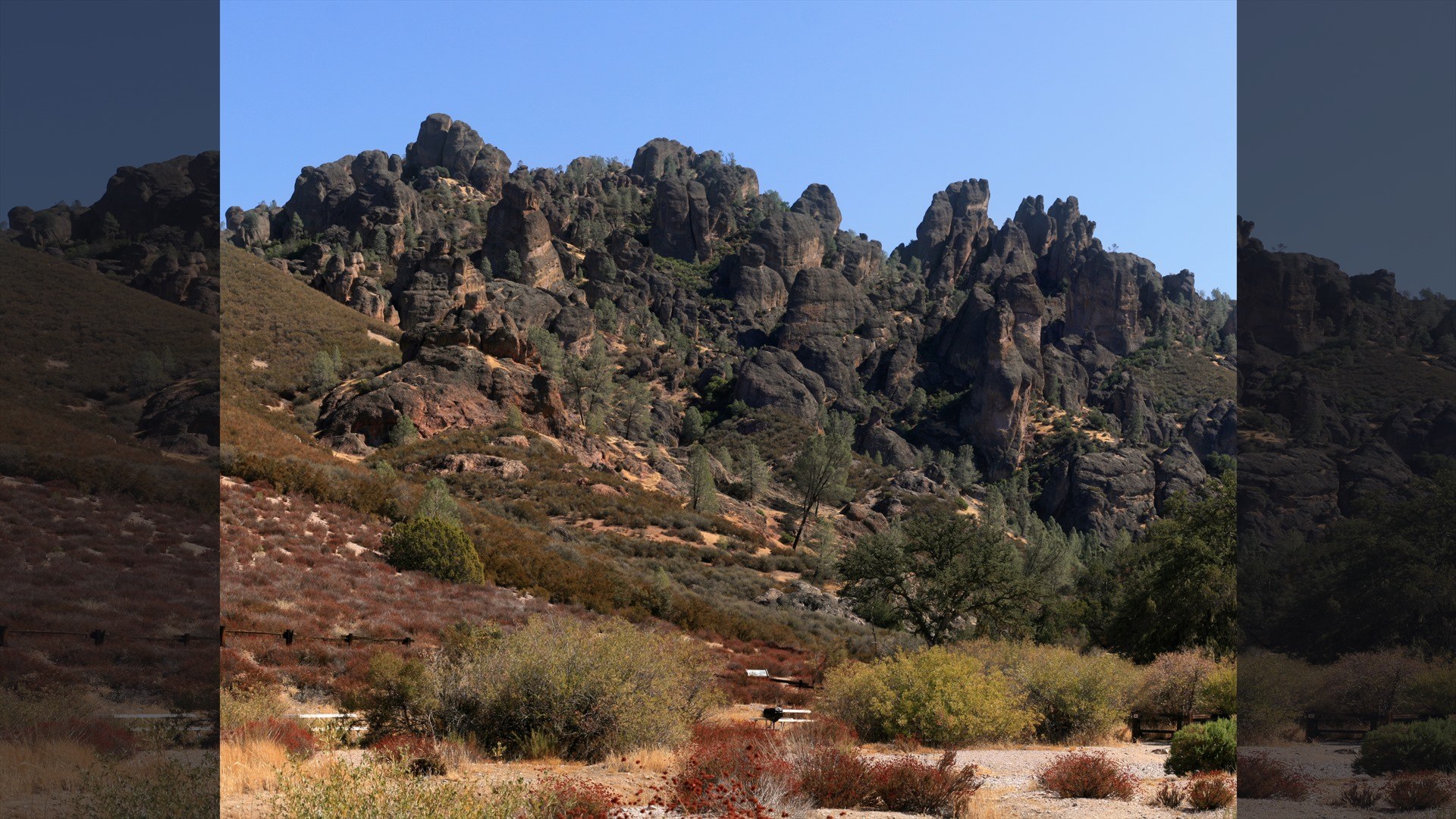
14. Pinnacles National Park
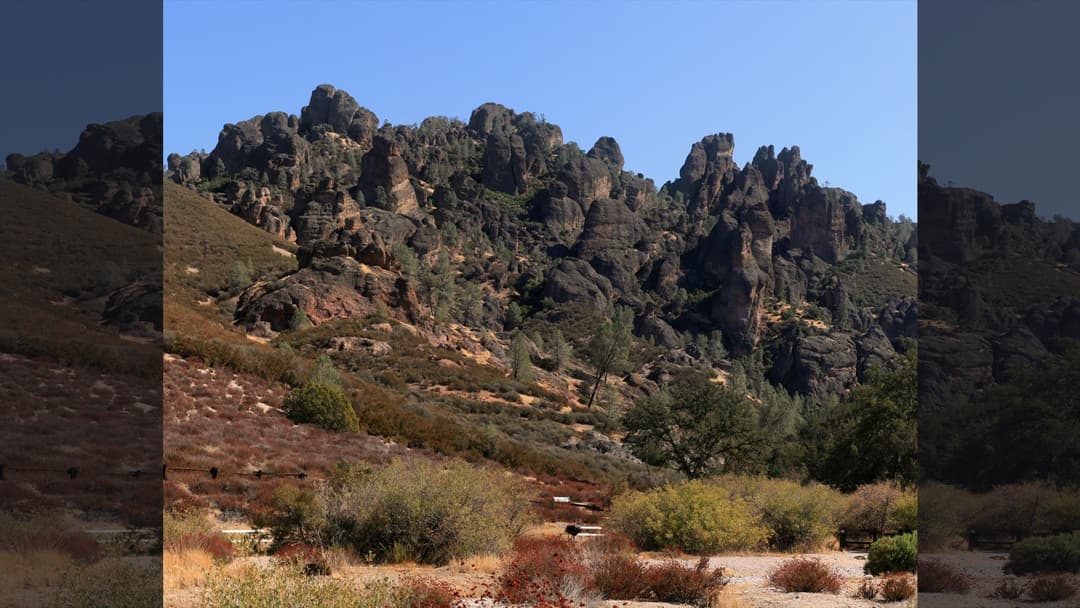
Roughly twenty three million years ago, an explosive volcano erupted near Los Angeles. Tectonic friction along the San Andreas Fault sheared the formation in half, moving these jagged volcanic breccia pinnacles and talus caves hundreds of miles north to central California.
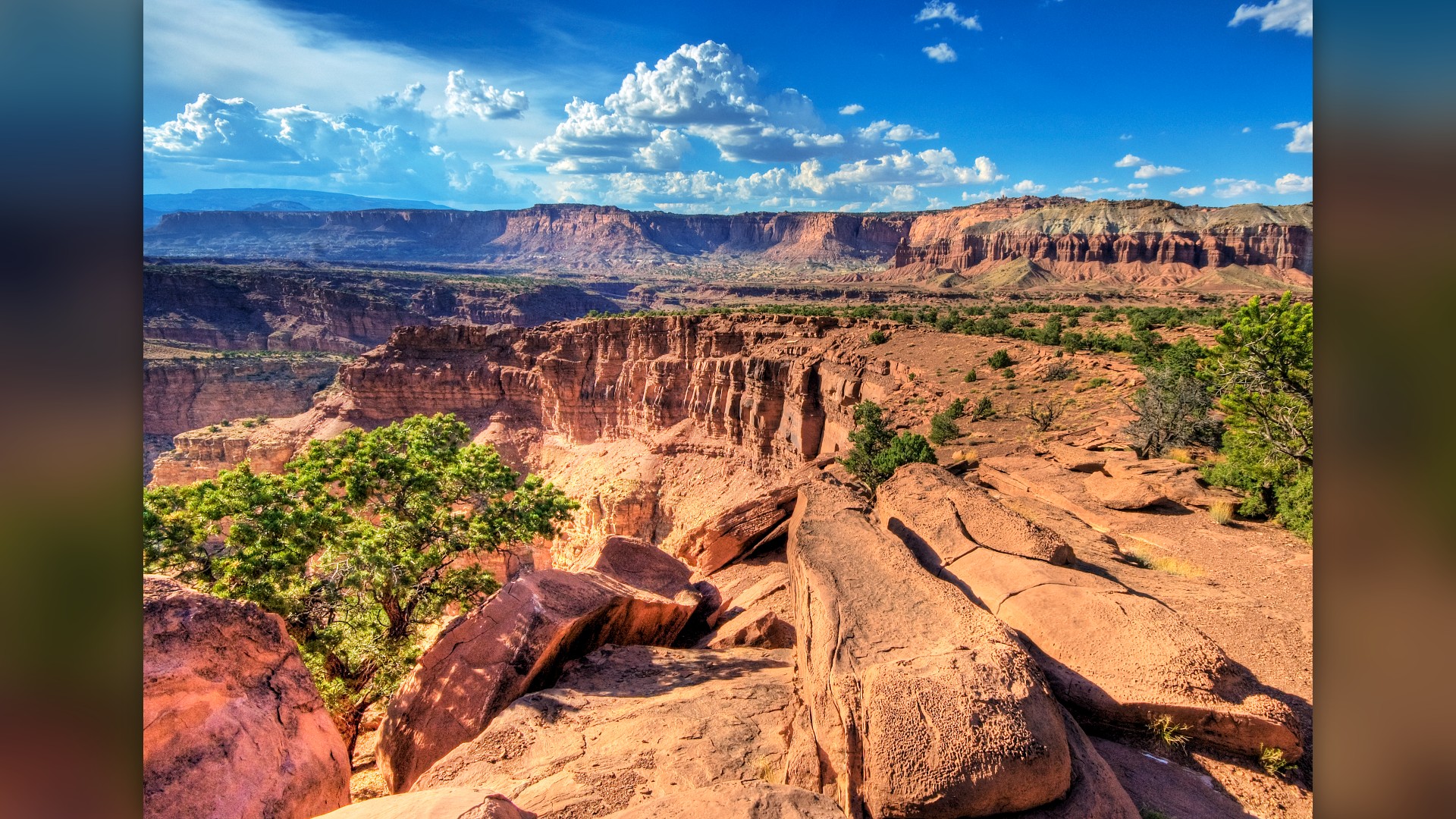
13. Capitol Reef National Park
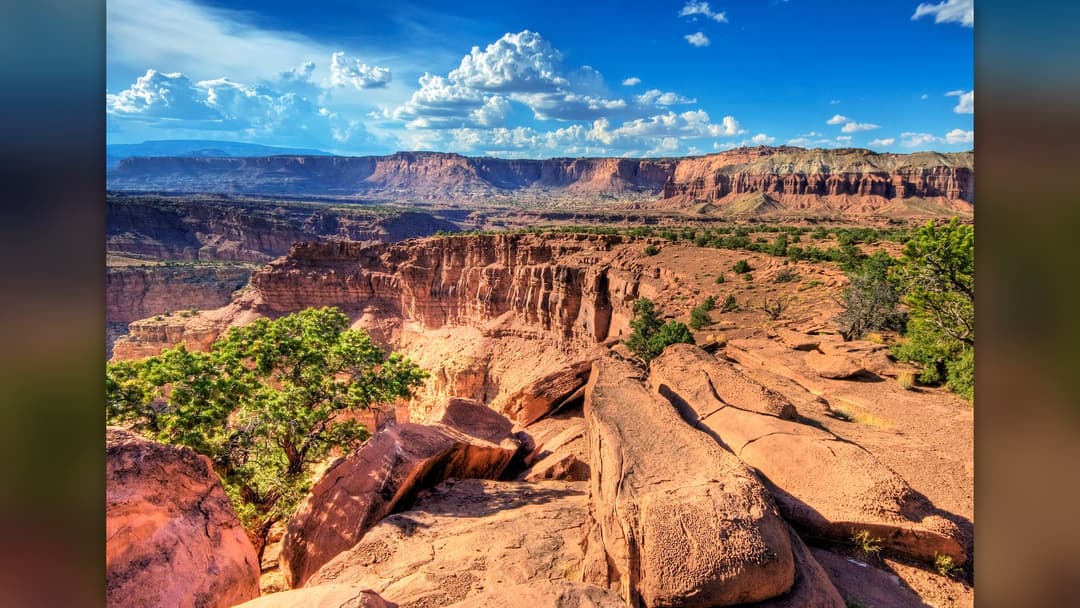
The Waterpocket Fold is a classic monocline formed sixty five million years ago when ancient faulting lifted underlying rock layers without breaking them. Subsequent erosion exposed a steep ridge of tilted sandstone domes, deep slot canyons, and natural rock bridges.
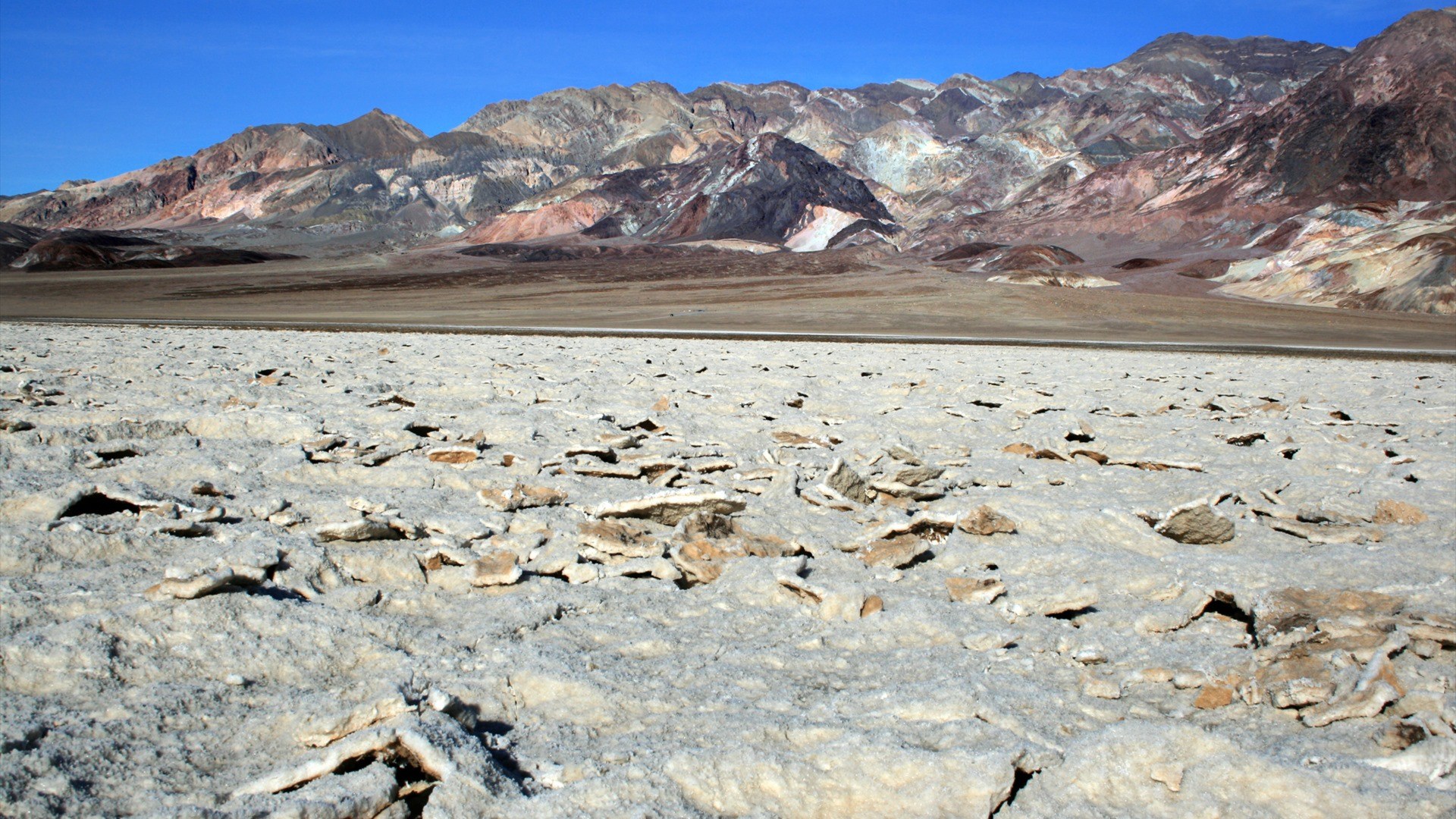
12. Death Valley National Park
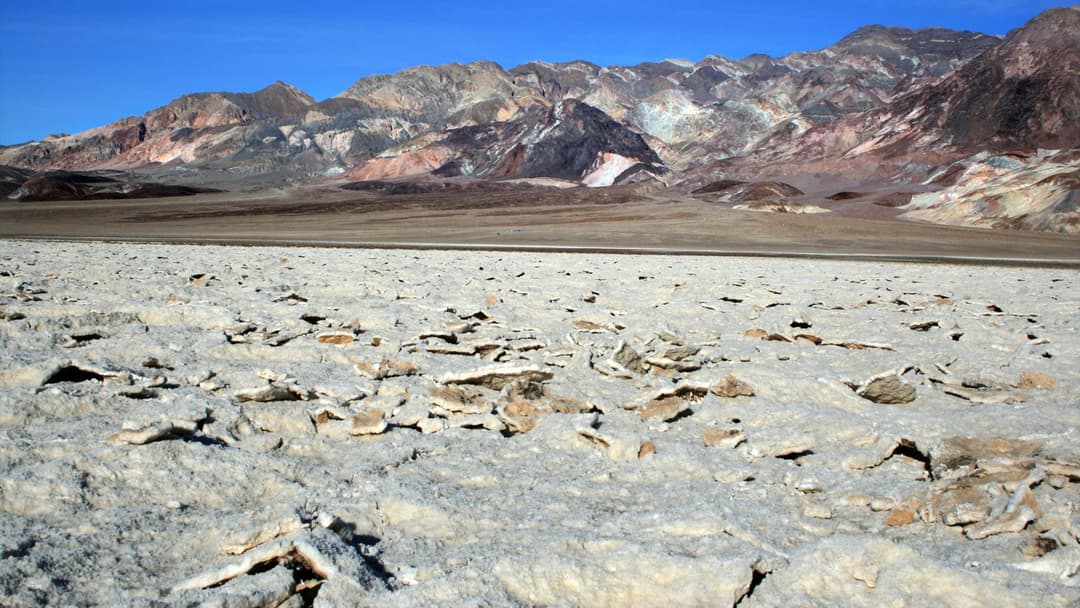
At the Devil's Golf Course, evaporated lake water left behind salt and gravel beds up to nine thousand feet thick. Capillary action draws saline water upward where desert heat evaporates the moisture, growing jagged halite crystals that crack audibly under scorching midday temperatures.
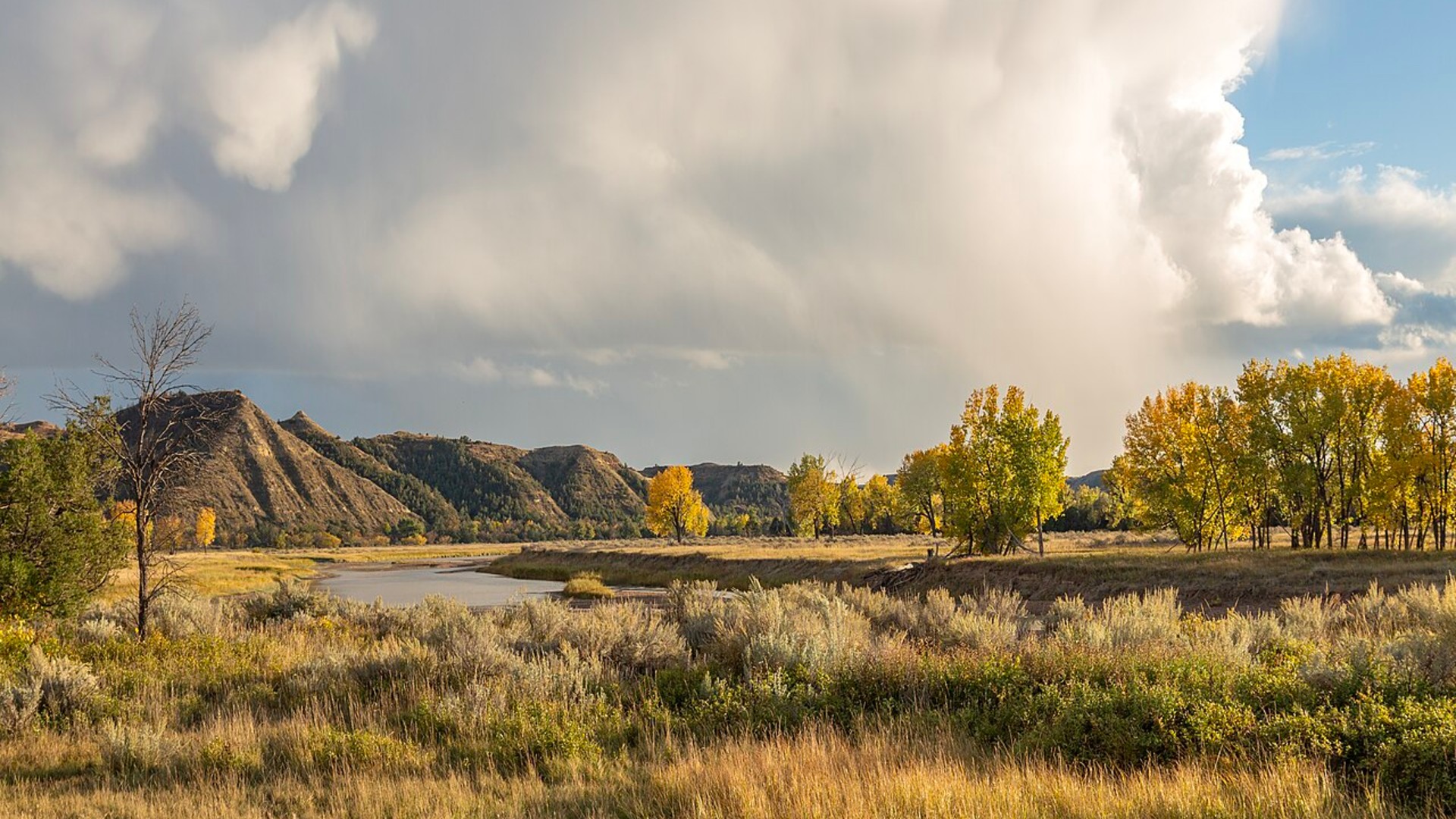
11. Theodore Roosevelt National Park
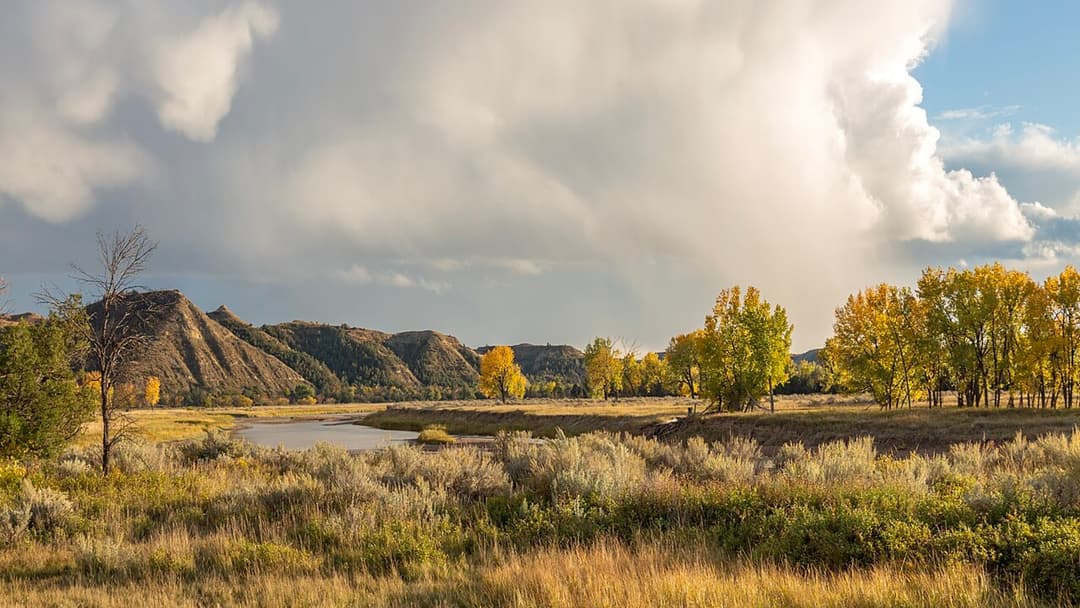
Across North Dakota's badlands, spherical cannonball concretions weather out of soft sandstone cliffs. These round stone boulders formed when calcite mineral deposits cemented sand grains around ancient fossil fragments, creating hard spherical nodules that resist prairie erosion.
10. Canyonlands National Park
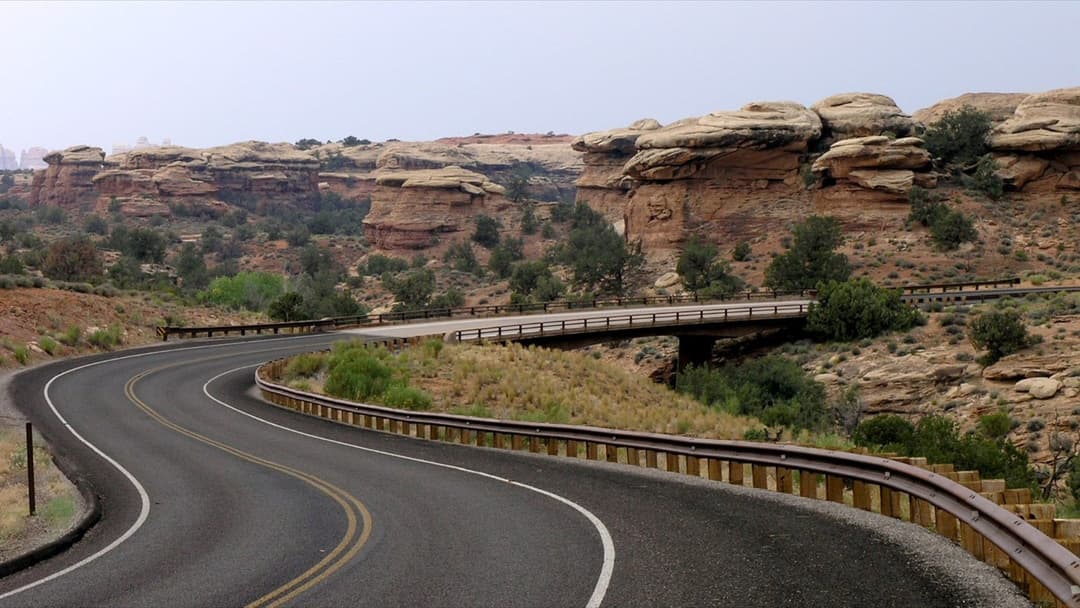
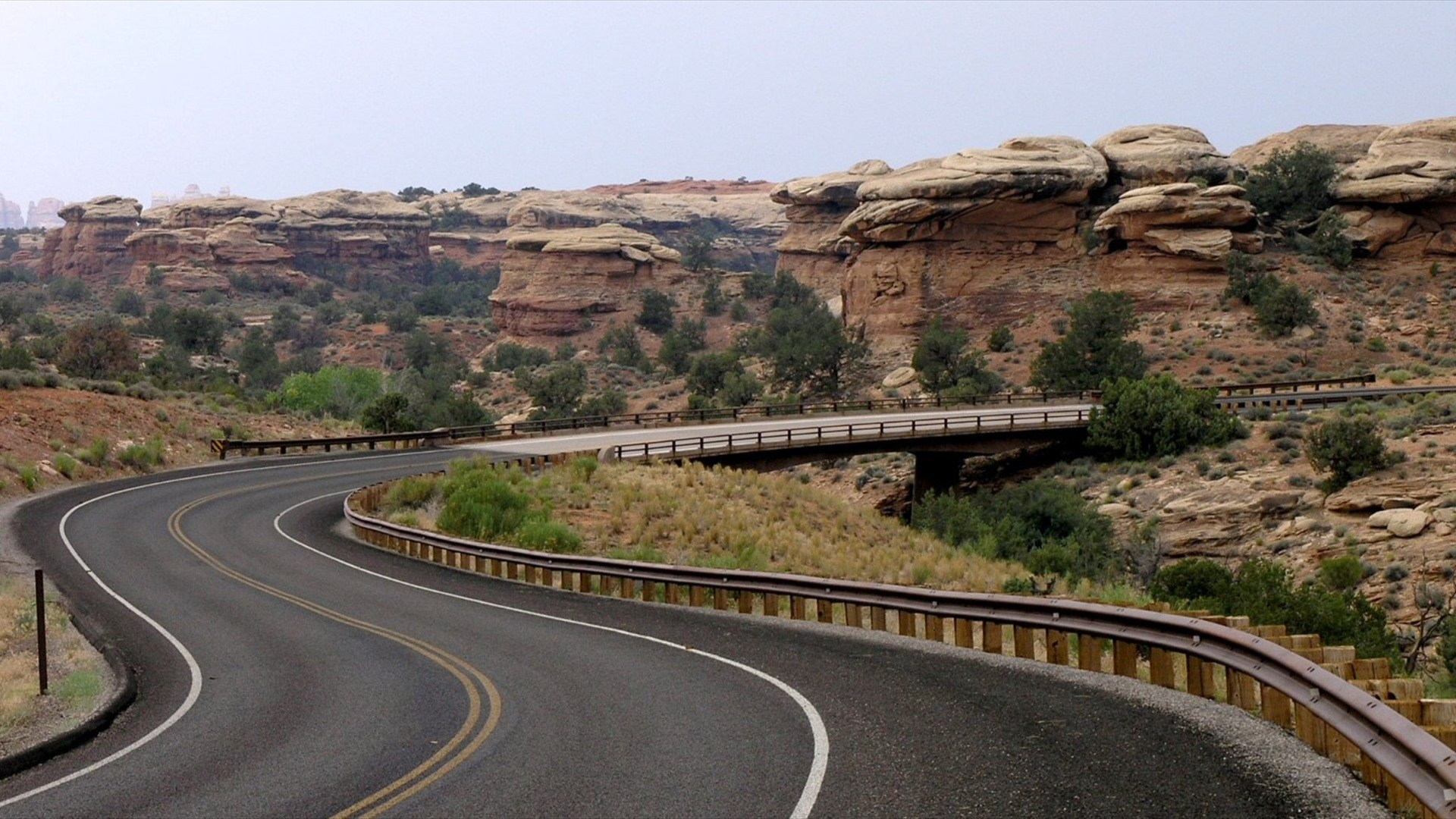
The Needles District of Canyonlands showcases vertical sandstone pillars banded in bold red and white stripes. Deep intersecting joint systems widened into parallel corridors called grabens, leaving behind slender rock fingers that rise hundreds of feet above the desert floor.
9. Mammoth Cave National Park
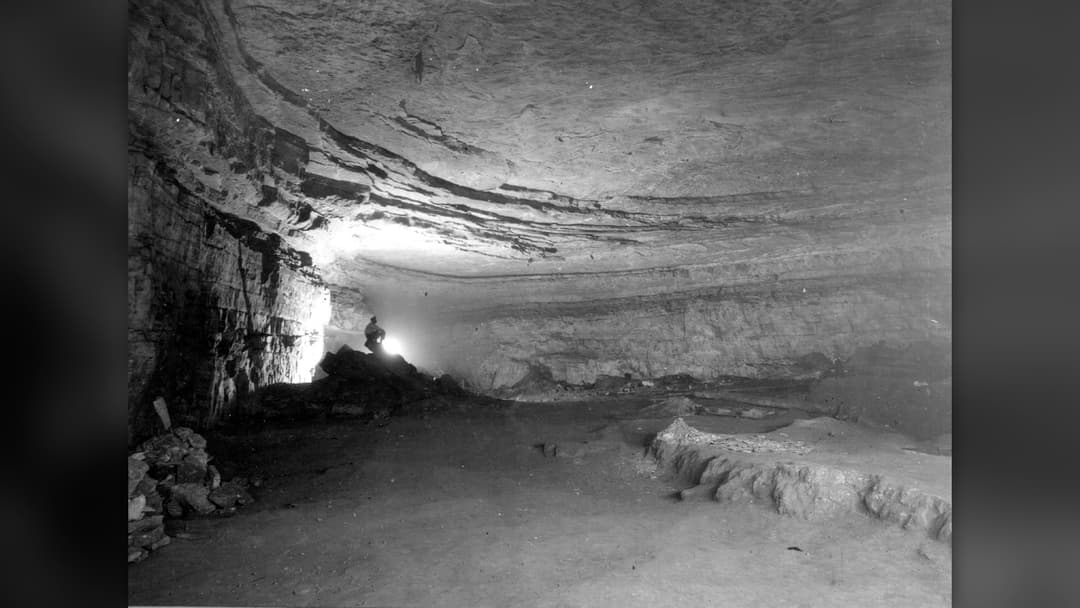
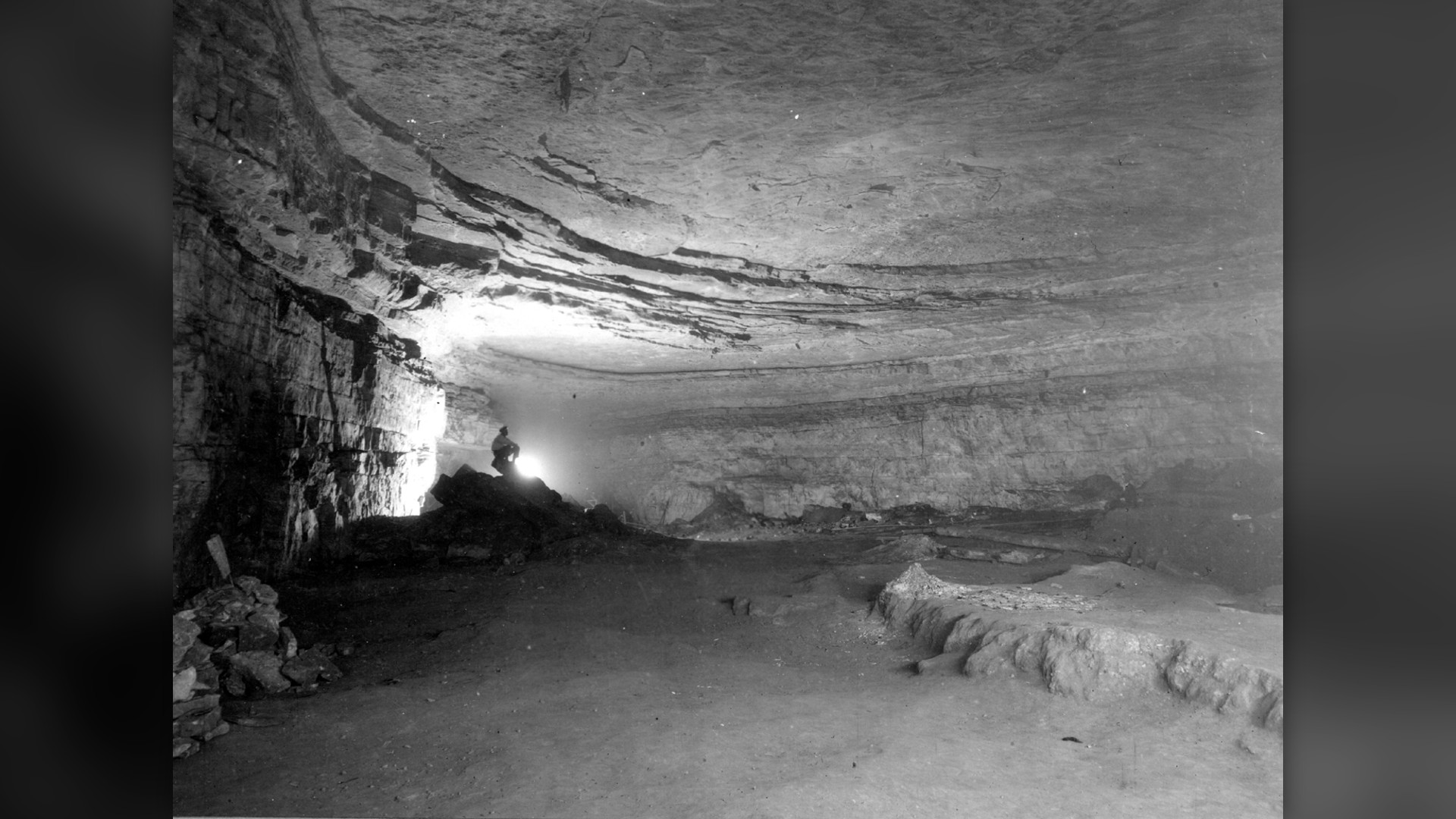
Beneath the sandstone caprock of central Kentucky lies over four hundred miles of surveyed limestone passageways. Acidic groundwater dissolved multi-level galleries, sculpting vast canyon rooms, vertical sinkholes, and dripping flowstone draperies over millions of years.
8. Crater Lake National Park
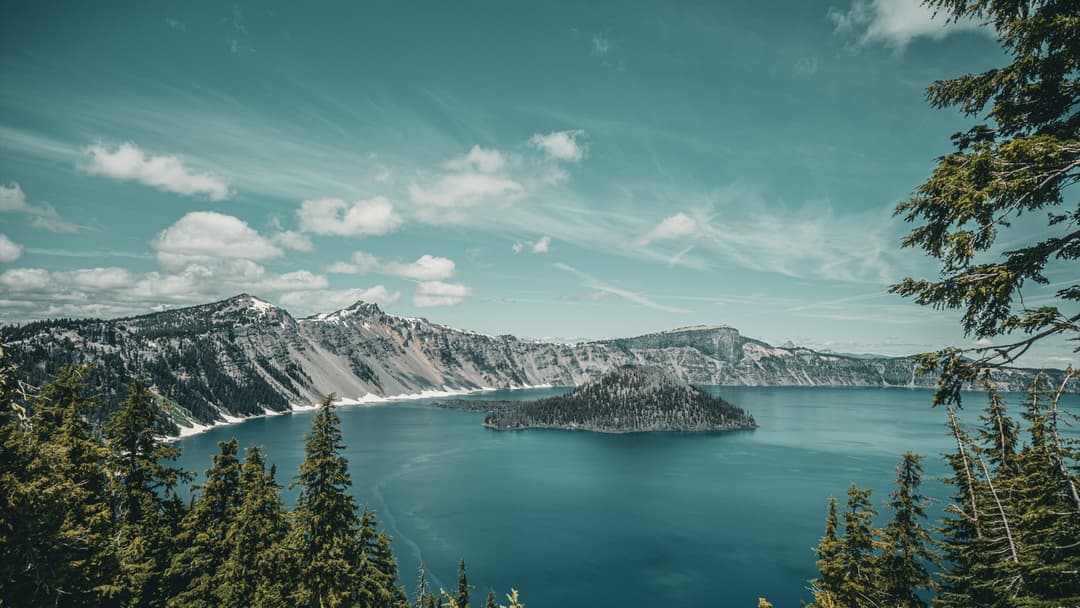
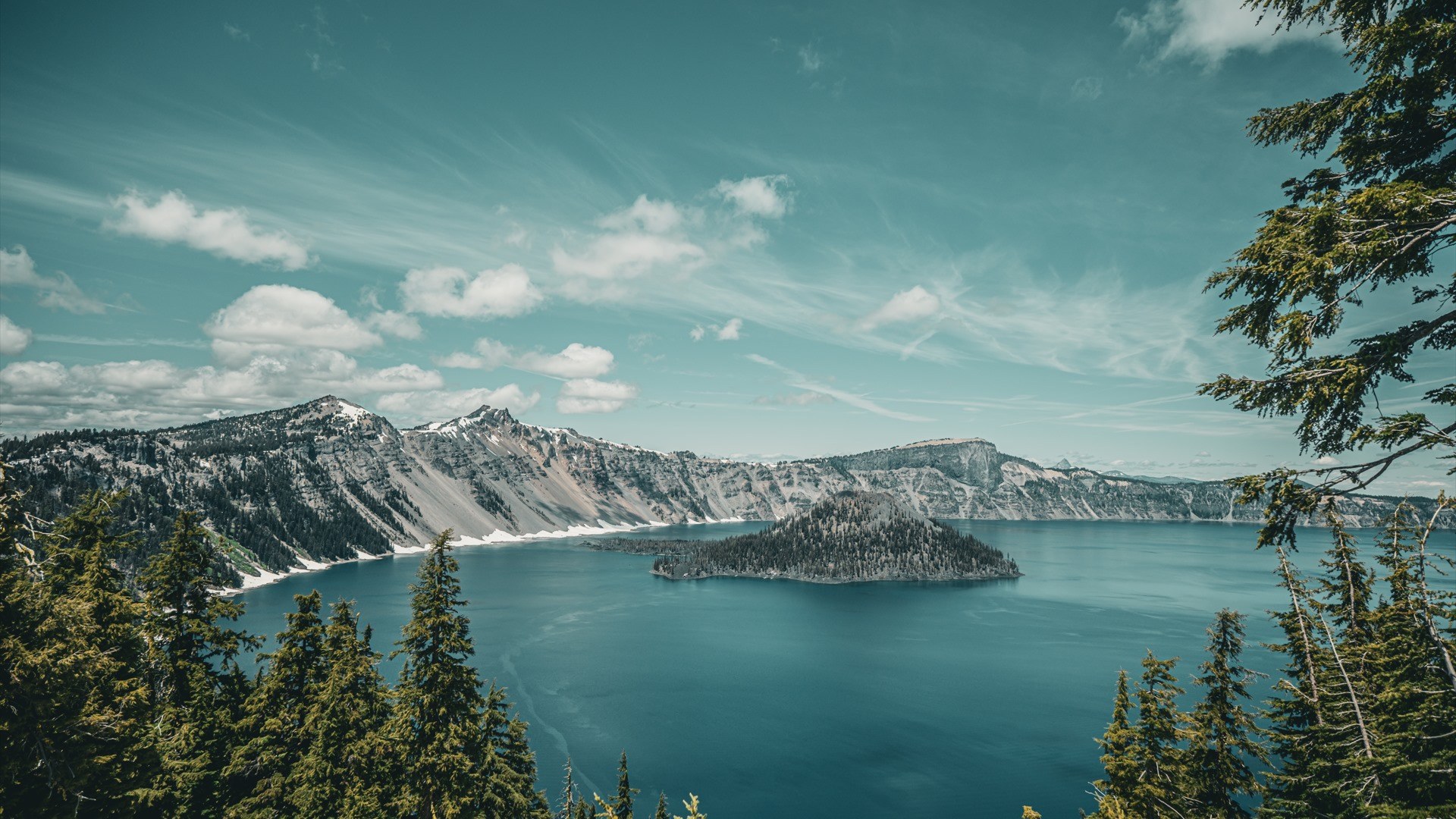
Roughly seven thousand seven hundred years ago, a catastrophic volcanic eruption emptied the magma chamber of Mount Mazama, causing the peak to collapse inward. The resulting four thousand foot deep caldera filled with snowmelt to form the deepest lake in the United States.
7. Hawaii Volcanoes National Park
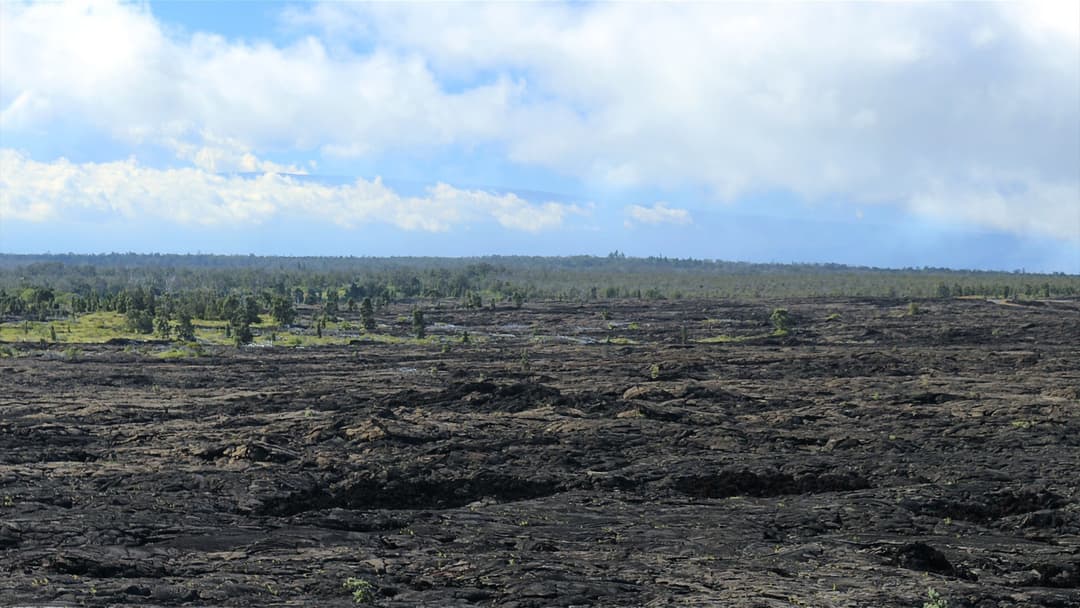
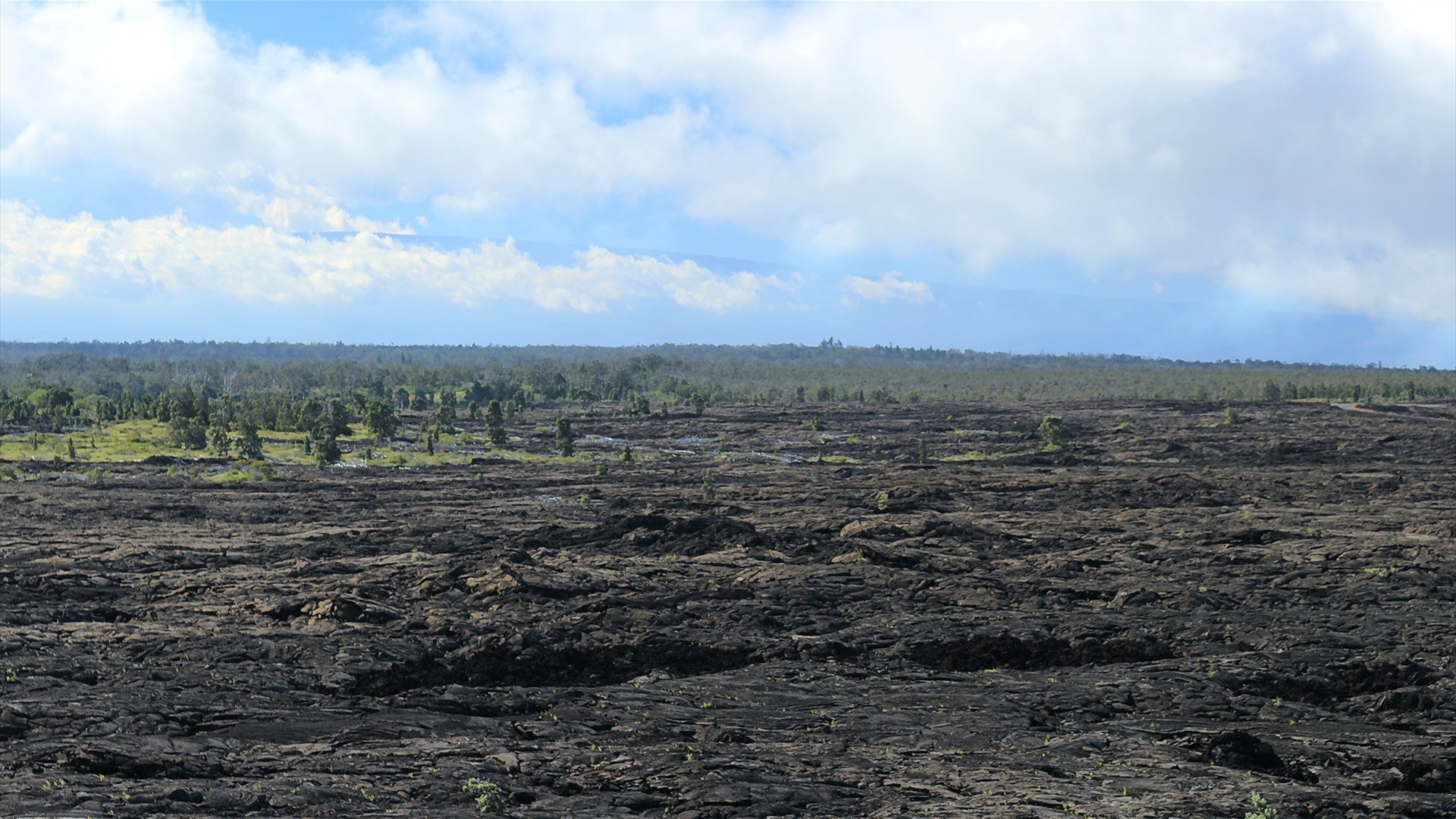
Kilauea and Mauna Loa produce continuous flows of low-viscosity basalt that build broad shield volcanoes. As surface lava cools into smooth, ropy crusts, molten rivers flow underneath within hollow tubes, continually remodeling Hawaii's coastline with fresh volcanic rock.
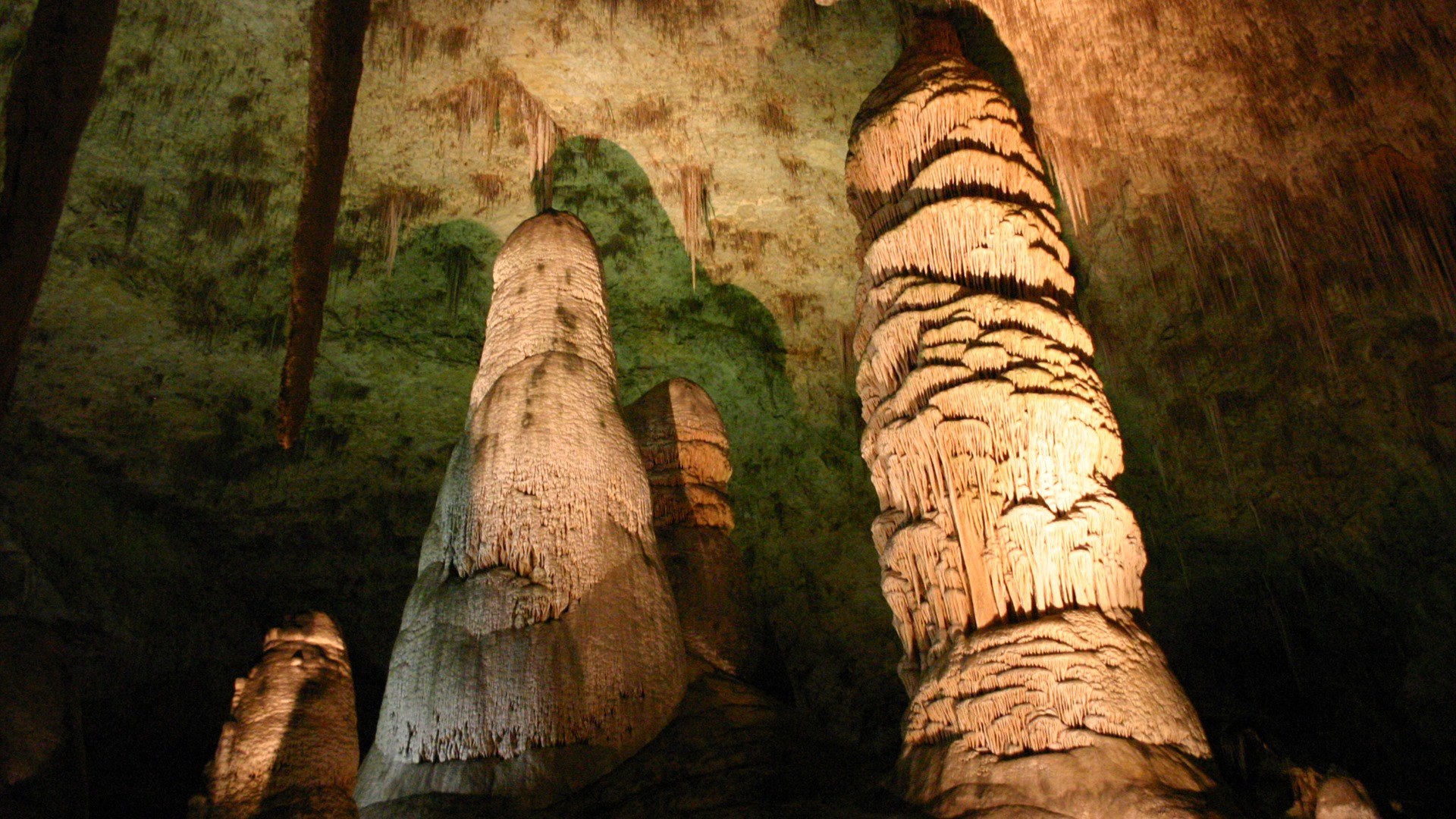
6. Carlsbad Caverns National Park
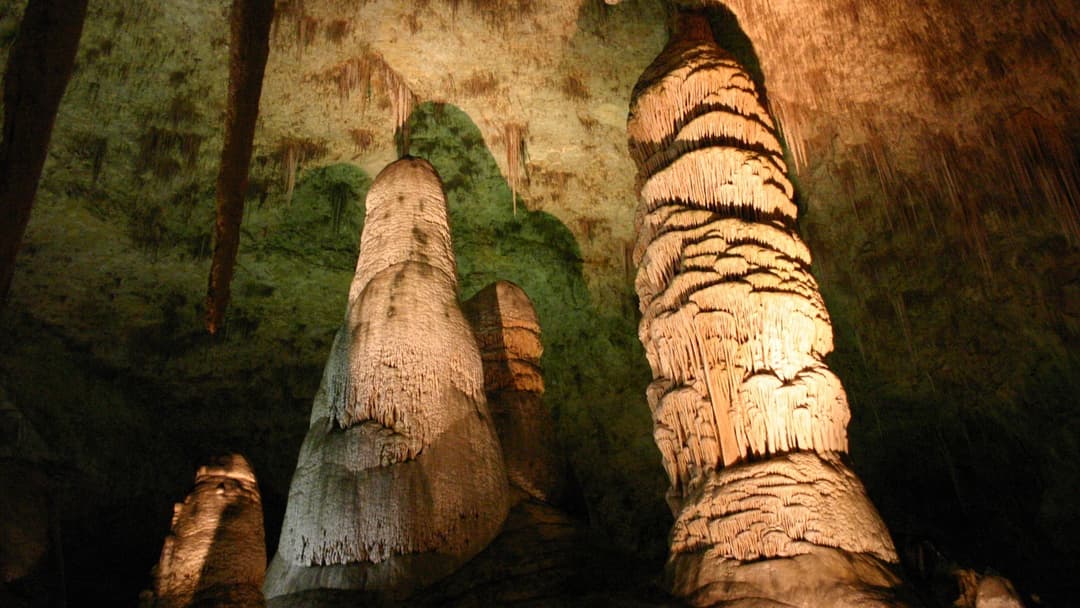
Unlike caves formed by surface carbonic acid, Carlsbad Caverns formed from sulfuric acid rising from deep oil reservoirs. The acid dissolved enormous rooms out of an ancient Permian reef, creating the Big Room along with colossal stalagmites and delicate cave popcorn.
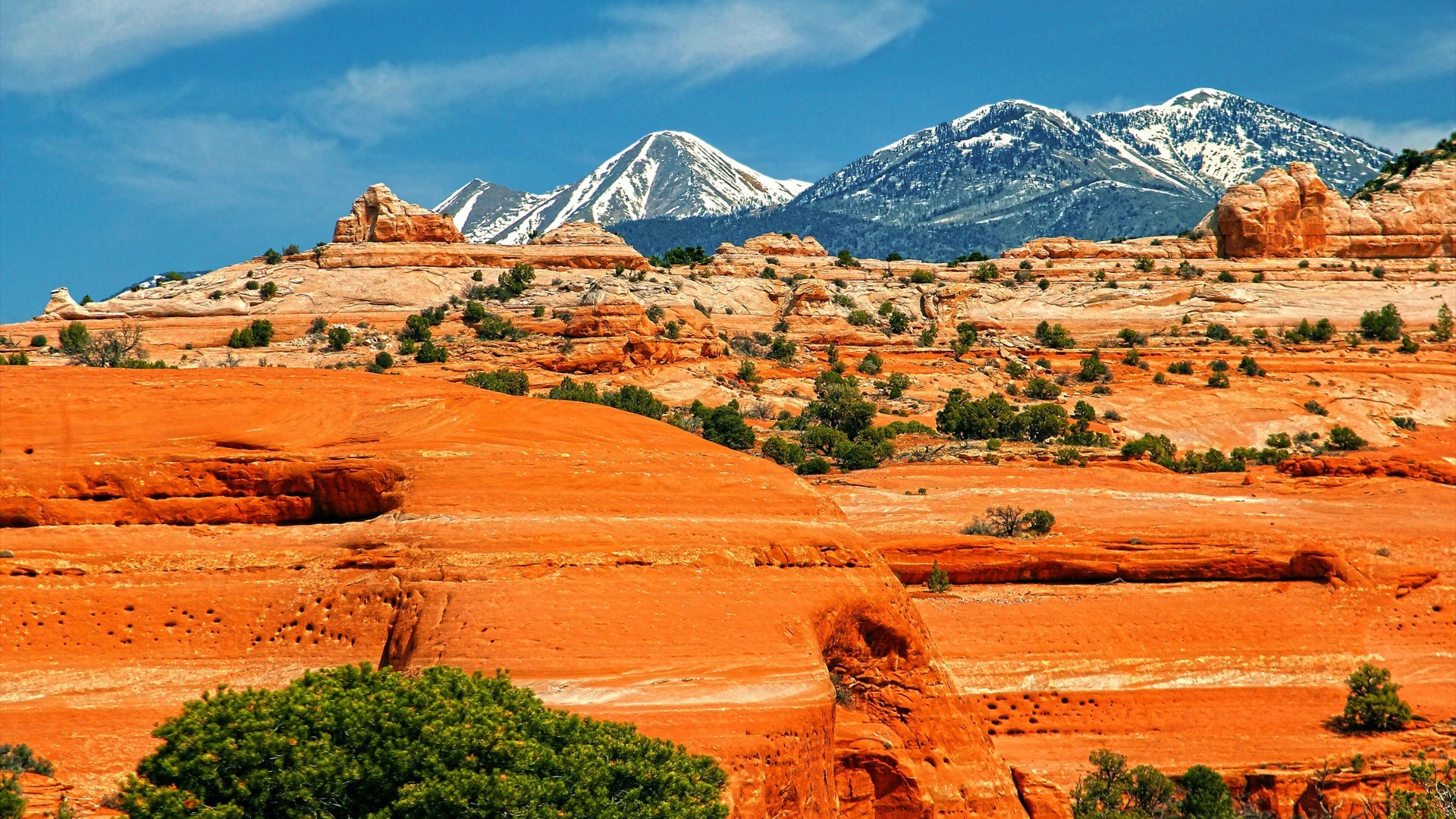
5. Arches National Park
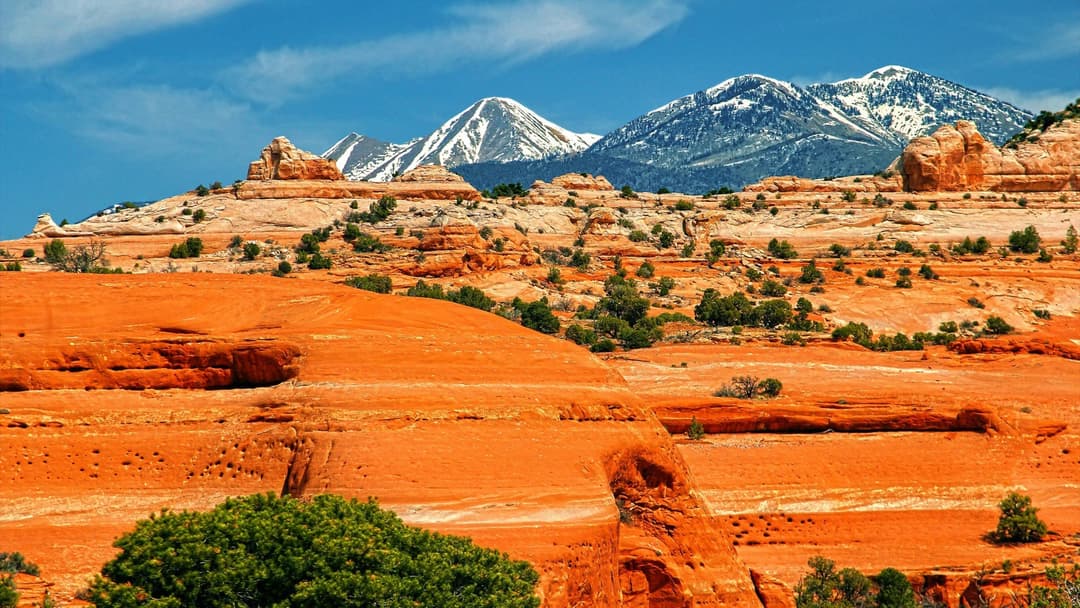
More than two thousand natural sandstone arches punctuate the high desert of eastern Utah. Underlying salt deposits flowed under heavy sediment, causing overlying rock to fracture into parallel vertical fins that frost and wind slowly hollowed into sweeping stone spans.
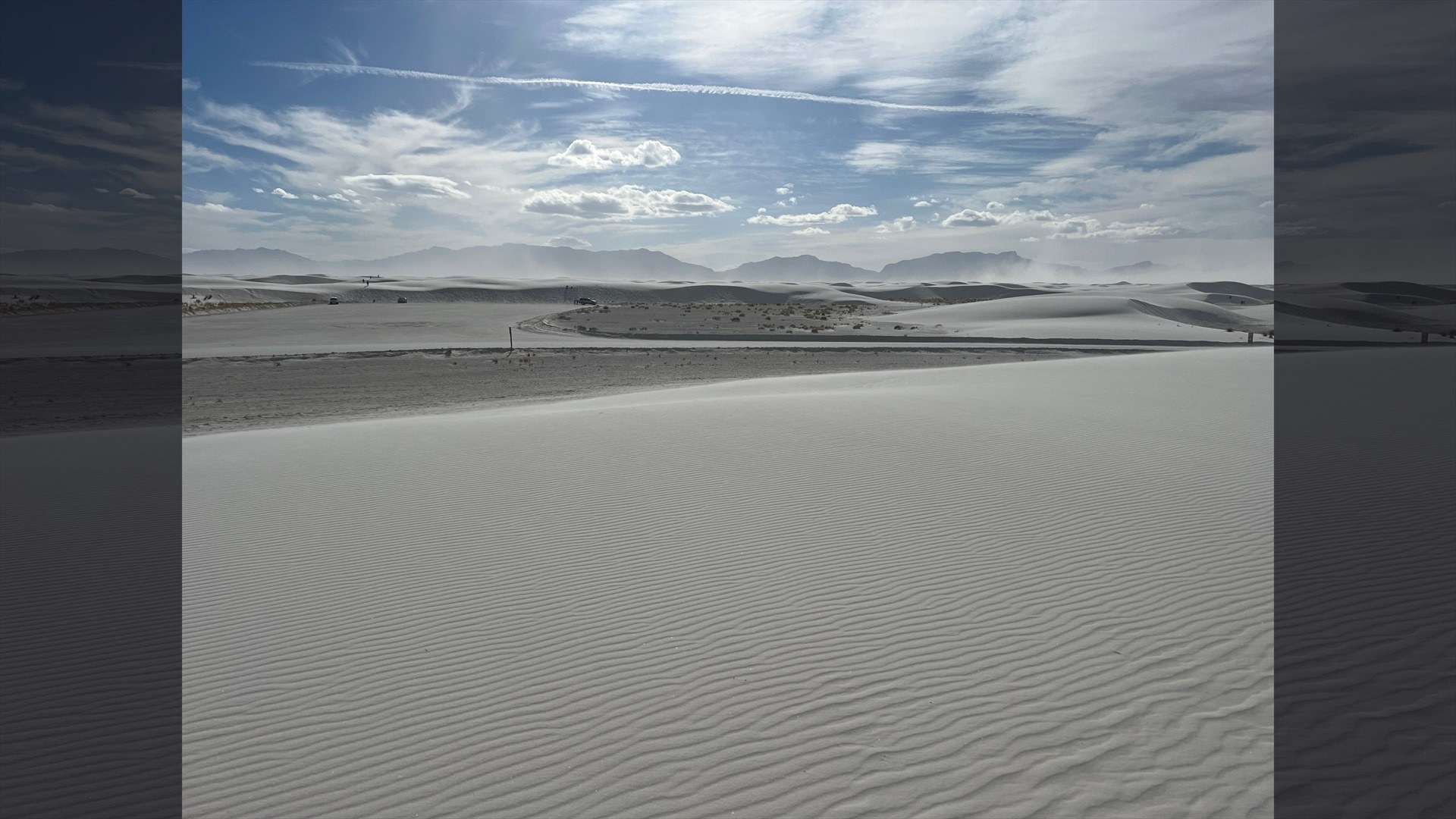
4. White Sands National Park
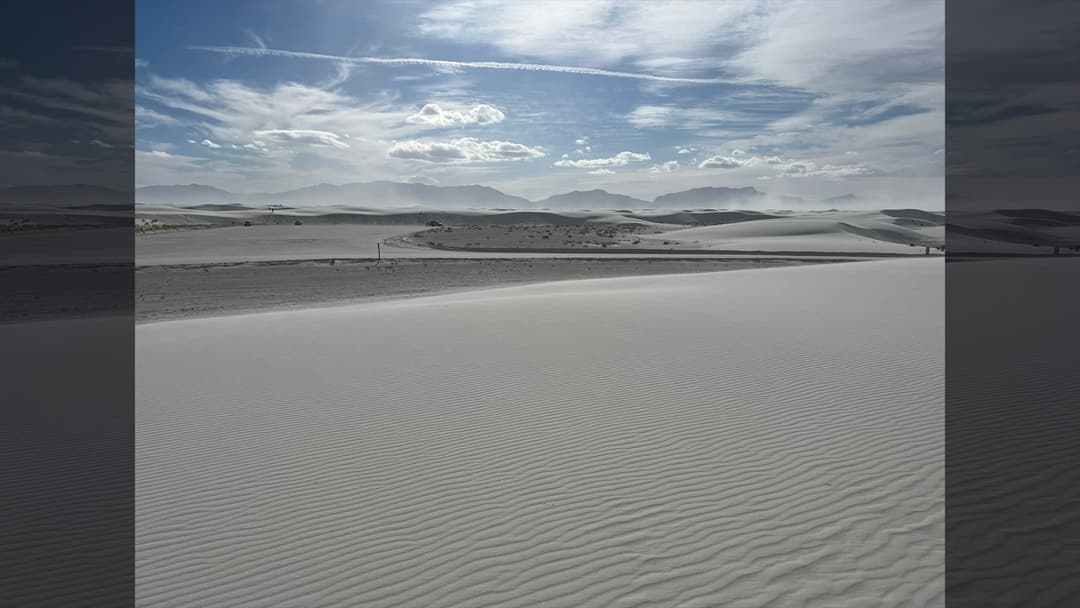
Gypsum rarely forms dunes because rain easily dissolves the soft mineral. In the Tularosa Basin of New Mexico, trapped mineral runoff continuously evaporates on dry playa lake beds, allowing steady desert winds to blow glittering white selenite crystals into shifting waves.
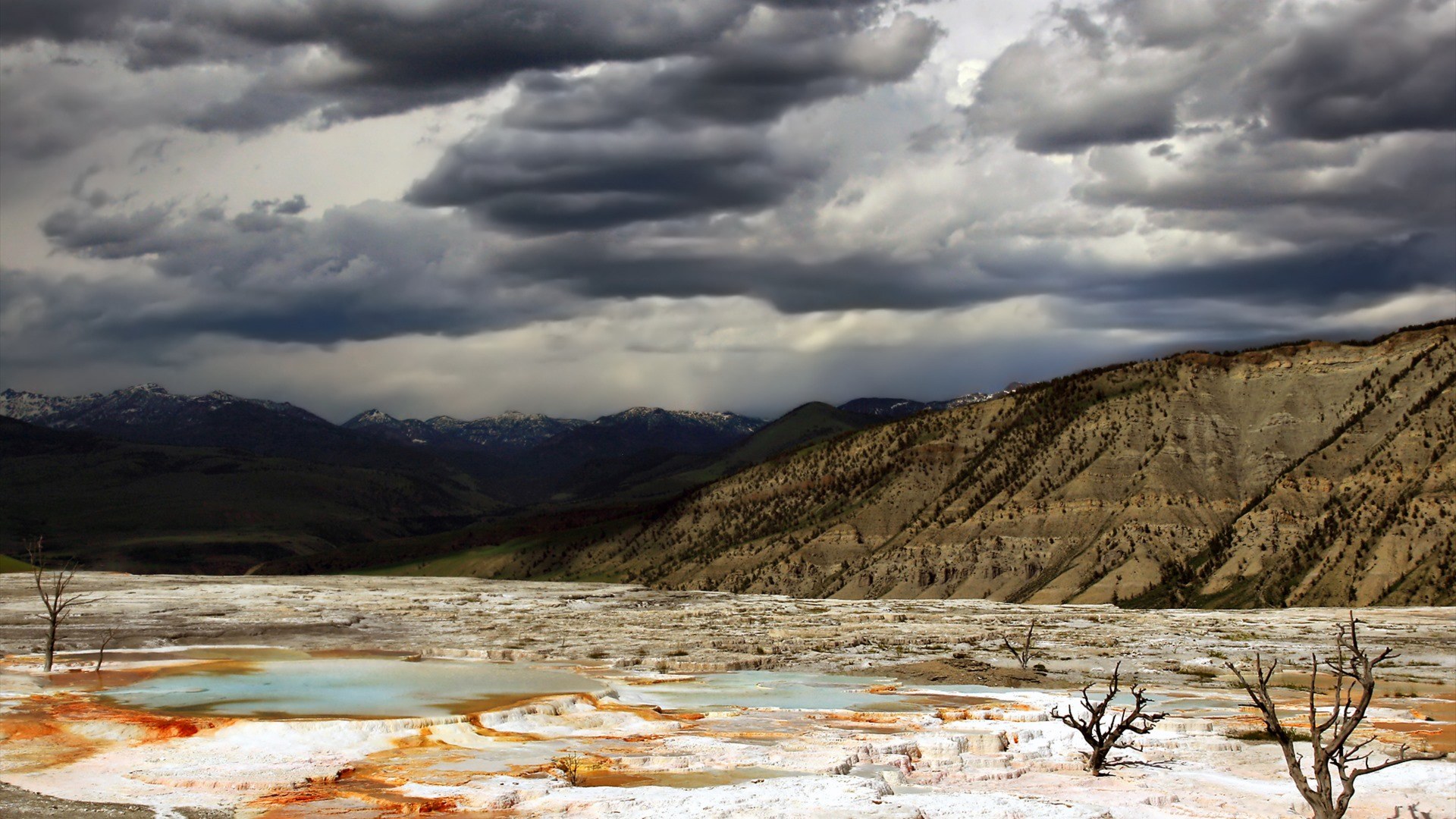
3. Yellowstone National Park
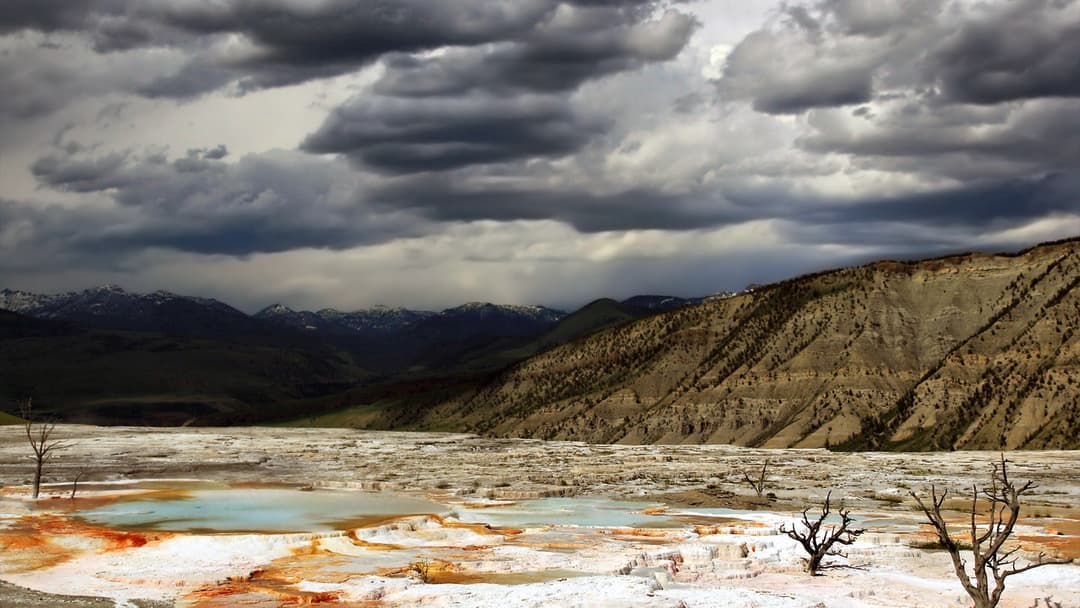
Mammoth Hot Springs deposits tons of calcium carbonate every year onto hillside terraces. Geothermal water dissolves underground limestone before emerging at the surface, where dissolved carbon dioxide escapes into the atmosphere and leaves behind glistening stone staircases.
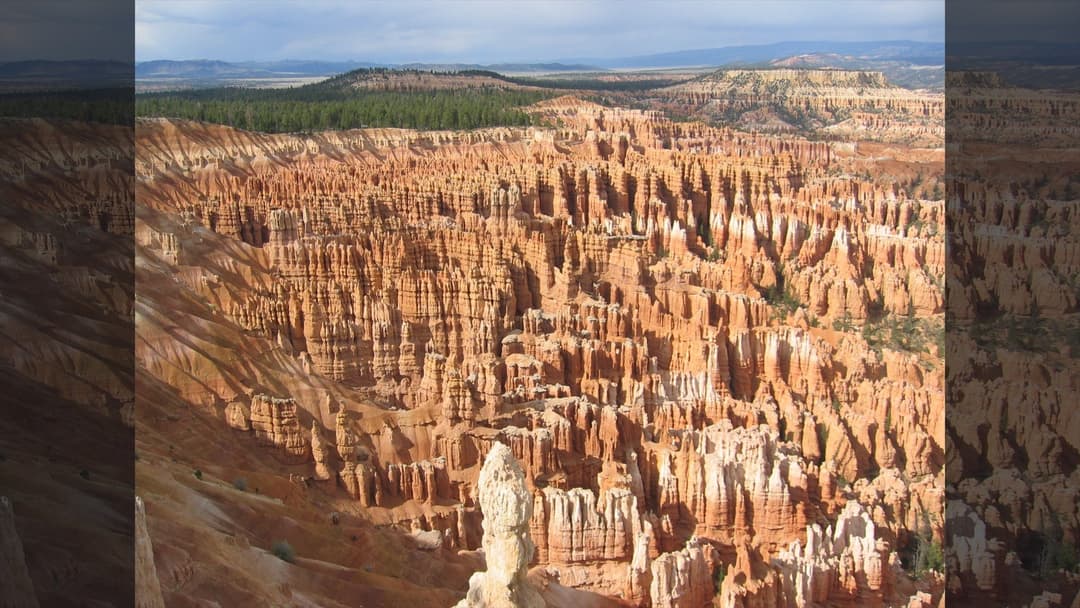
2. Bryce Canyon National Park
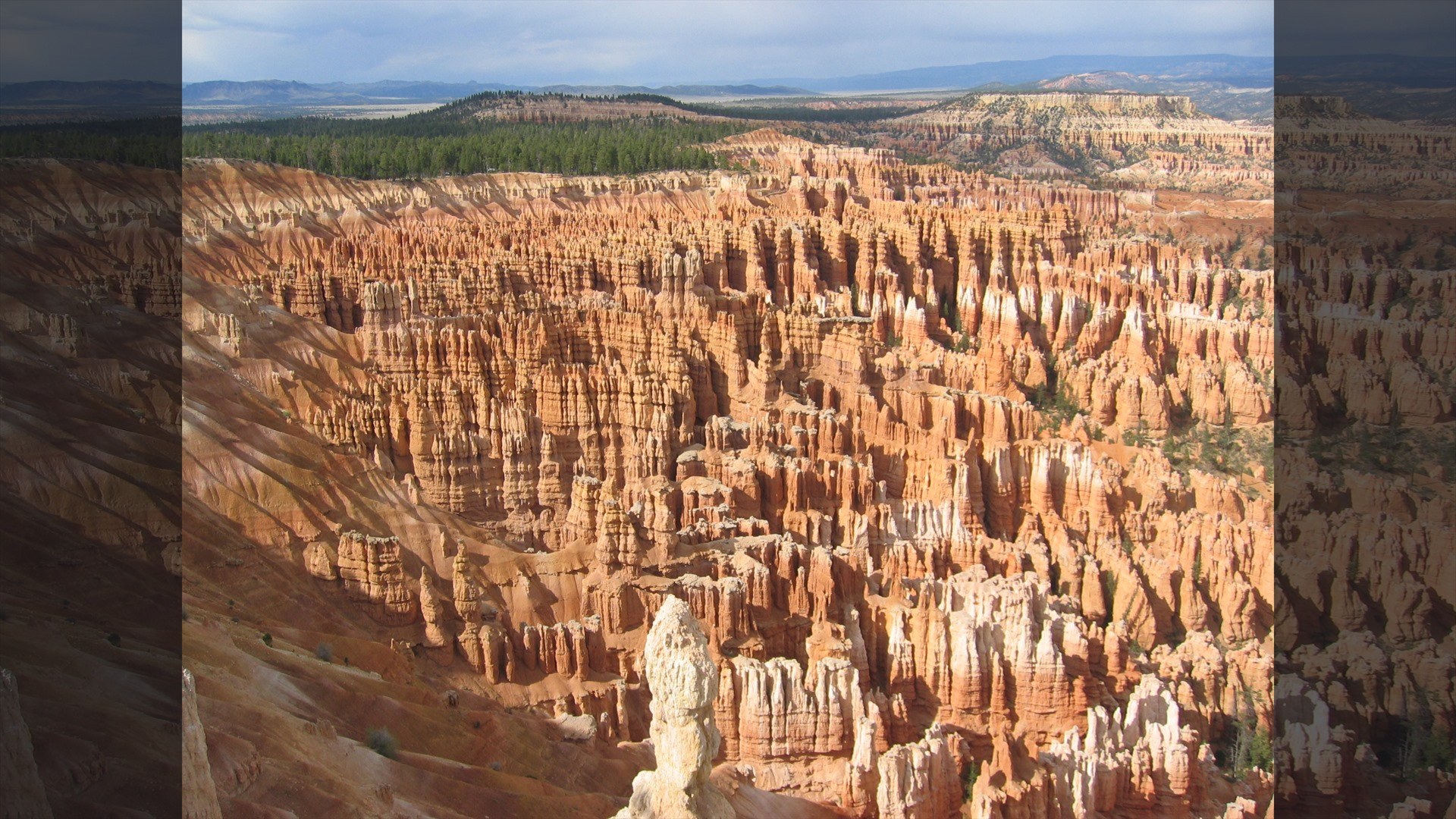
Bryce Canyon is not a canyon carved by a central river, but a series of natural amphitheaters along the Paunsaugunt Plateau. Over two hundred freeze-thaw cycles per year pry open vertical rock fractures, sculpting colorful limestone fins into forests of freestanding pillars.
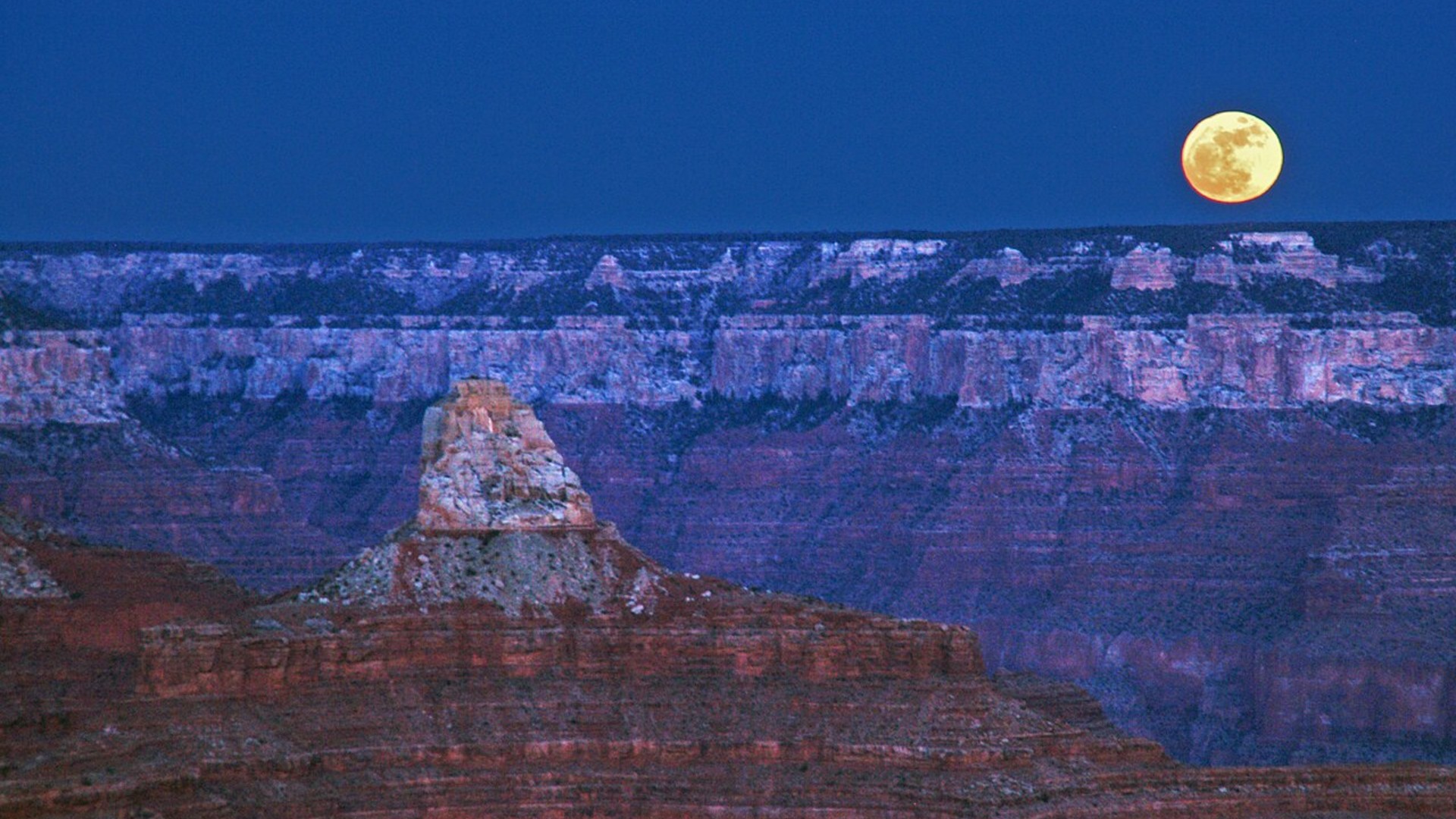
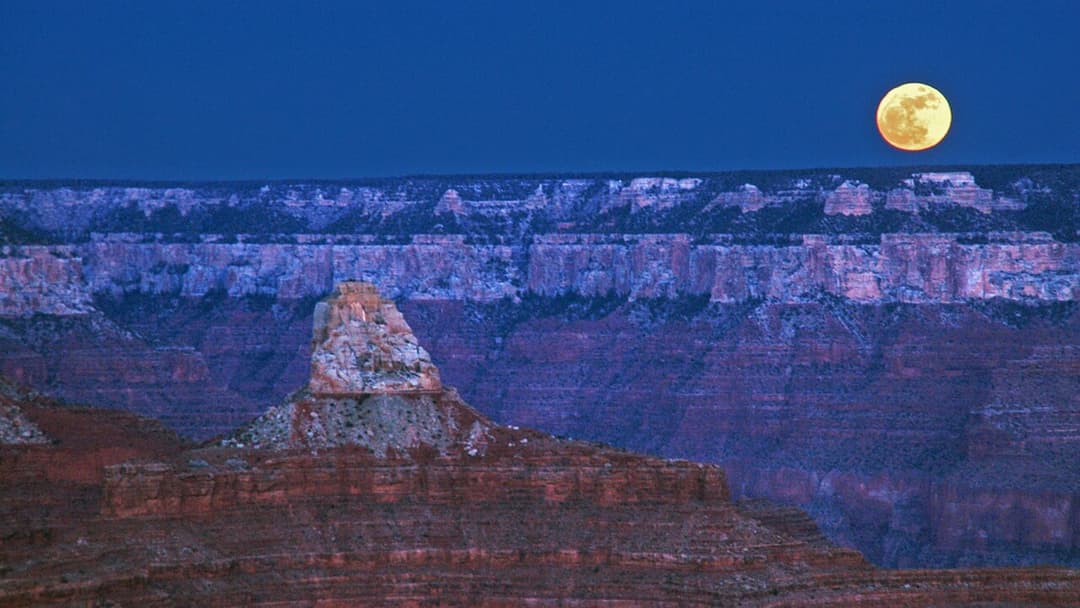
1. Grand Canyon National Park
The Colorado River sliced through the Colorado Plateau to expose forty distinct rock layers spanning nearly half of Earth's history. At the bottom of the gorge, the Great Unconformity reveals billion-year gaps in the geological record where ancient mountains were wiped flat.