Slideshow · Viral
22 Milestones That Turned Lego From Wooden Toys Into a Global Brand
Tracing Lego's rise from Ole Kirk Christiansen's 1932 Billund carpentry shop to global Legoland theme parks and engineering feats. Based on Encyclopaedia Britannica records, Lego Group historical archives, and museum collections, these 22 milestones track how a simple wooden toy line became a brick empire.
By Most Viral Today
2 hours agoradar-lead:signal:81ac9d00-d4a3-42cc-91ed-a339042bf805

How a 1932 Carpentry Workshop Built the World's Most Recognizable Brick 
22. Ole Kirk Christiansen's Billund Workshop (1932) 
21. Handcrafted Wooden Ducks And Trucks (1935) 
20. Automatic Binding Bricks Debut (1949) - AdvertisementSwipe or tap ▶ to continue countdown

19. The Interlocking Brick Patent (1958) 
18. First Legoland Park Opens In Billund (1968) 
17. Larger Duplo Bricks Arrive For Toddlers (1969) 
16. Lego Technic Introduces Gears And Axles (1977) - AdvertisementSwipe or tap ▶ to continue countdown

15. The Classic Smiling Minifigure Launches (1978) 
14. Classic Lego Space Explores Orbit (1978) 
13. Lego Castle Builds Medieval Worlds (1978) 
12. Electric Lego Trains Hit The Tracks - AdvertisementSwipe or tap ▶ to continue countdown

11. Legoland Expands Beyond Denmark In Windsor (1996) 
10. Lego Mindstorms Brings Robotics (1998) 
9. Lego Star Wars Launches Licensed Themes (1999) 
8. Legoland California Opens In Carlsbad (1999) - AdvertisementSwipe or tap ▶ to continue countdown

7. Modular Buildings Create Collector Streets (2007) 
6. Lego Architecture Models Famous Landmarks (2008) 
5. Legoland Florida Opens In Winter Haven (2011) 
4. Lego Ideas NASA Apollo Saturn V (2017) - AdvertisementSwipe or tap ▶ to continue countdown

3. Lego House Opens In Billund (2017) 
2. Life-Size Drivable Lego Bugatti Chiron (2018) 
1. Legoland New York Opens In Goshen (2021) - Advertisement🔥 UP NEXT IN THIS SERIES◫ 25 Slides

24 Famous Auction Items That Sold For Far More Than Expected
Auction rooms regularly stun experts when rare art, fossils, classic cars, and historic documents spark fierce bidding wars. Ranked from $905,000 to $450.3 million, these 24 verified sales far outpaced pre-sale estimates, based on records from Christie's, Sotheby's, Heritage Auctions, and RM Sotheby's.
Tracing Lego's rise from Ole Kirk Christiansen's 1932 Billund carpentry shop to global Legoland theme parks and engineering feats. Based on Encyclopaedia Britannica records, Lego Group historical archives, and museum collections, these 22 milestones track how a simple wooden toy line became a brick empire.
Swipe or tap ▶ to begin the countdown
©Wikimedia / Mohd Fazlin Mohd Effendy Ooi from Kuala
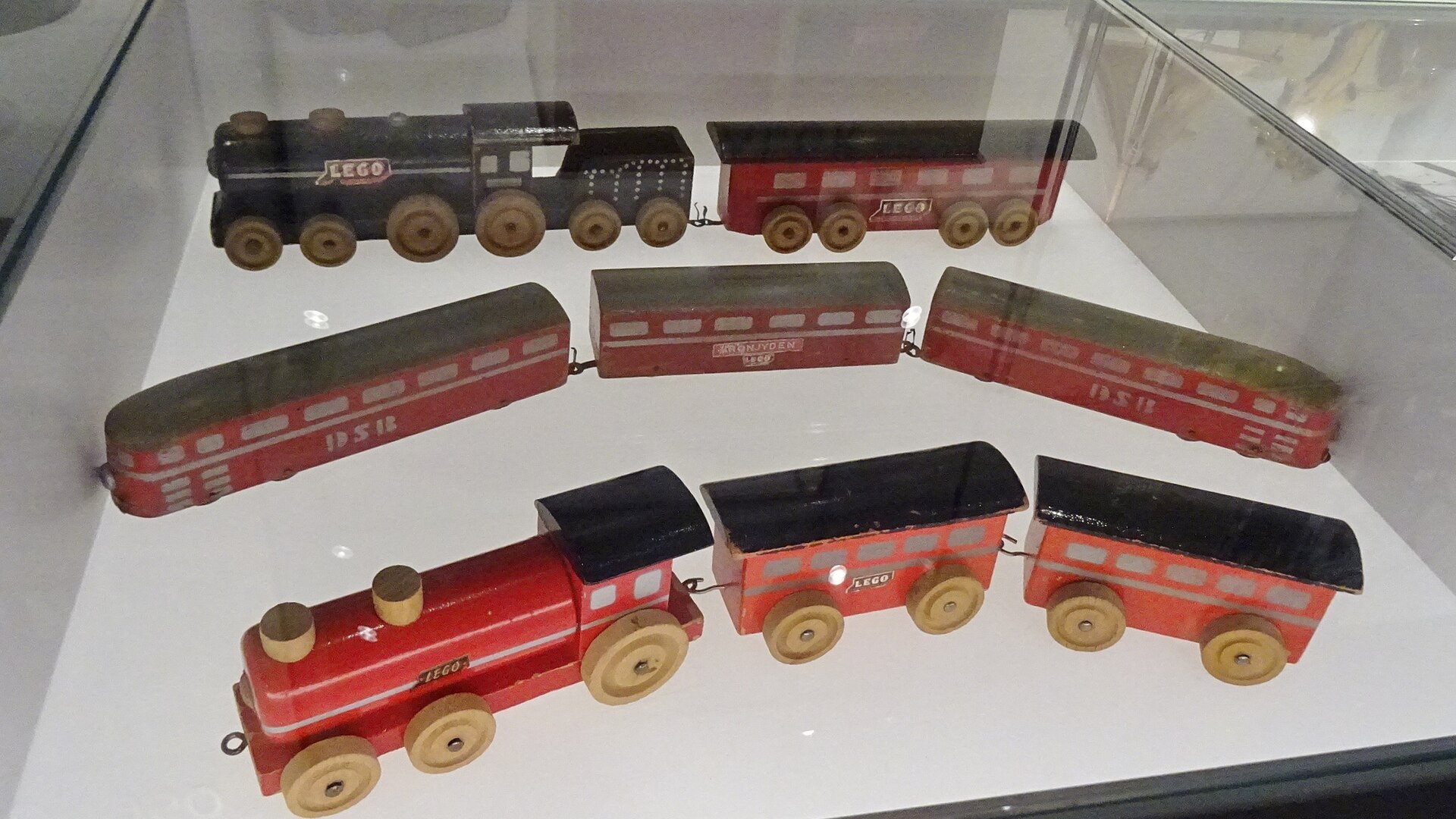
22. Ole Kirk Christiansen's Billund Workshop (1932)
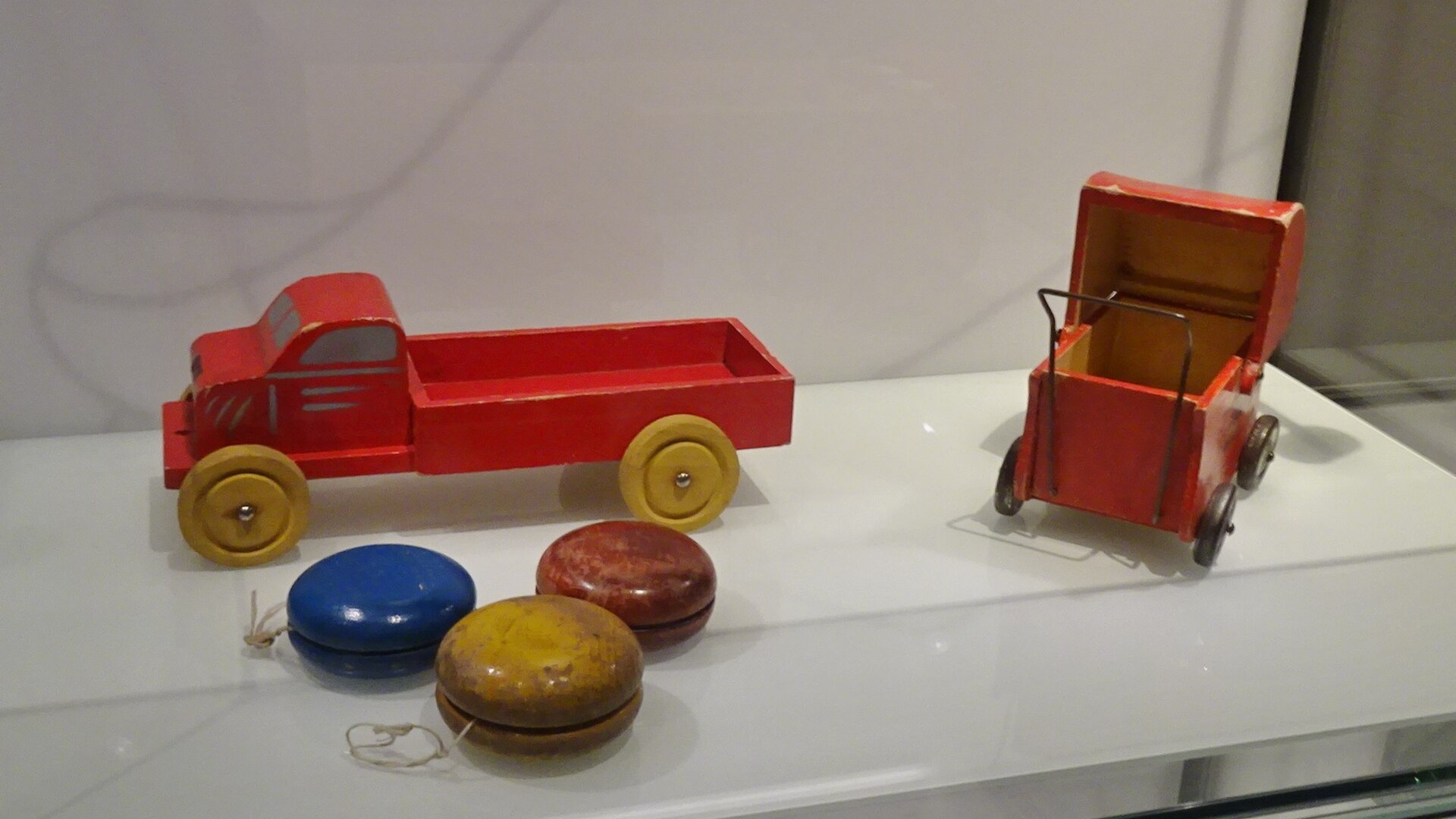
Ole Kirk Christiansen began making wooden toys in Billund, Denmark, in 1932 after construction work slowed down. Two years later, in 1934, he named his workshop Lego from the Danish words 'leg godt,' meaning 'play well.' Early products included wooden trains, yo-yos, and pull-along animals.
©Wikimedia / Leif Jørgensen
21. Handcrafted Wooden Ducks And Trucks (1935)
Before plastic molding arrived, Lego earned its reputation for durability with painted wooden trucks, fire engines, and pull-along ducks. Christiansen insisted on multiple coats of lacquer so toys lasted through rough play. Surviving 1930s and 1940s models are preserved today at Lego House in Billund.
©Wikimedia / Leif Jørgensen
20. Automatic Binding Bricks Debut (1949)
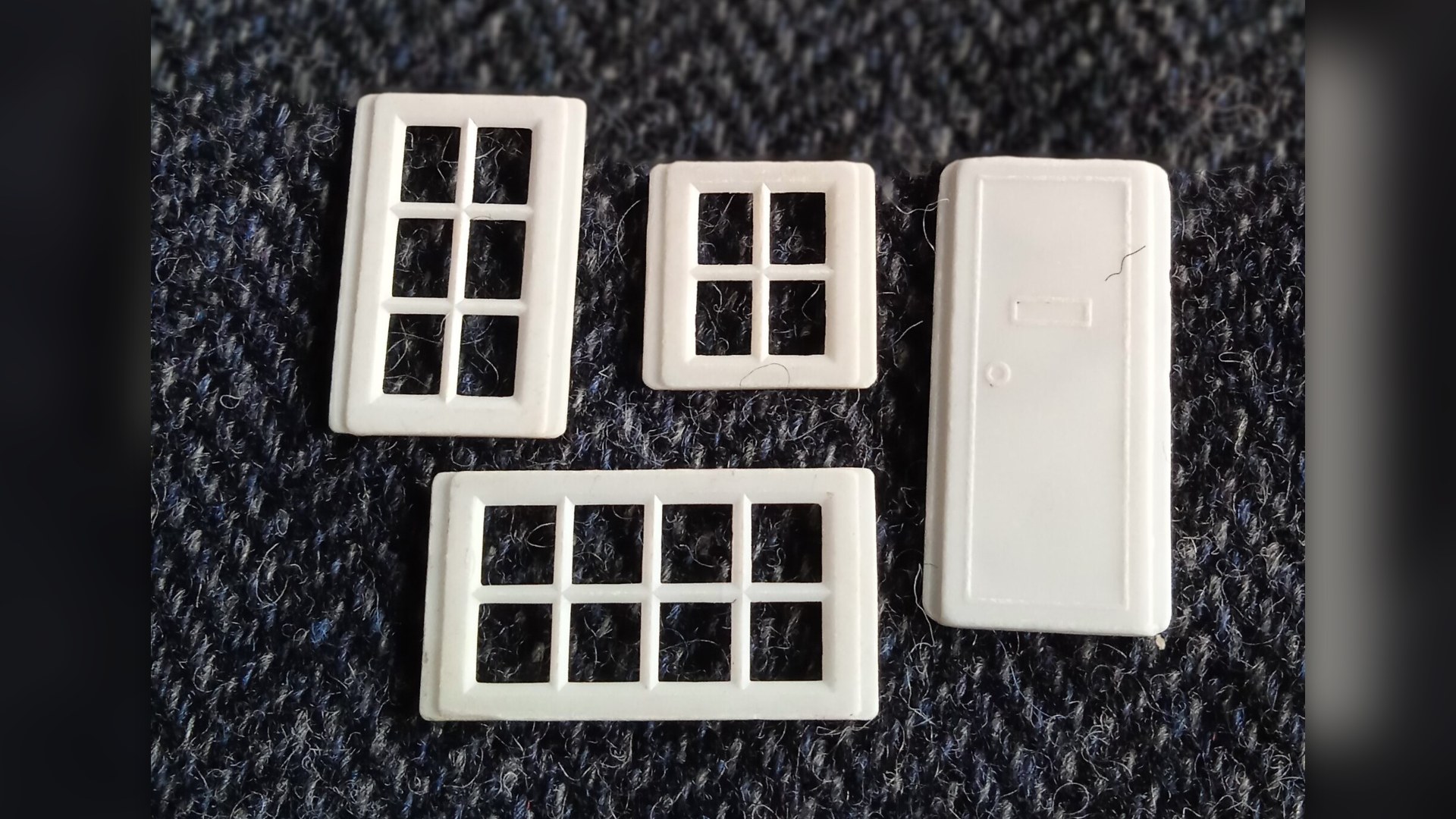
After buying a plastic injection-molding machine in the late 1940s, Lego launched Automatic Binding Bricks in 1949. Inspired by Kiddicraft blocks from British inventor Hilary Fisher Page, these early bricks had hollow undersides and slotted window frames, though stacked towers still toppled easily.
©Wikimedia / Chartep
Advertisement
Swipe or tap ▶ to resume the countdown.
19. The Interlocking Brick Patent (1958)
Godtfred Kirk Christiansen filed the patent for the modern Lego brick design on January 28, 1958. Hollow cylindrical tubes inside the underside locked securely onto studs below, creating the System in Play. Bricks molded in 1958 still snap firmly together with standard Lego bricks manufactured today.
©Pixabay / stevepb
18. First Legoland Park Opens In Billund (1968)
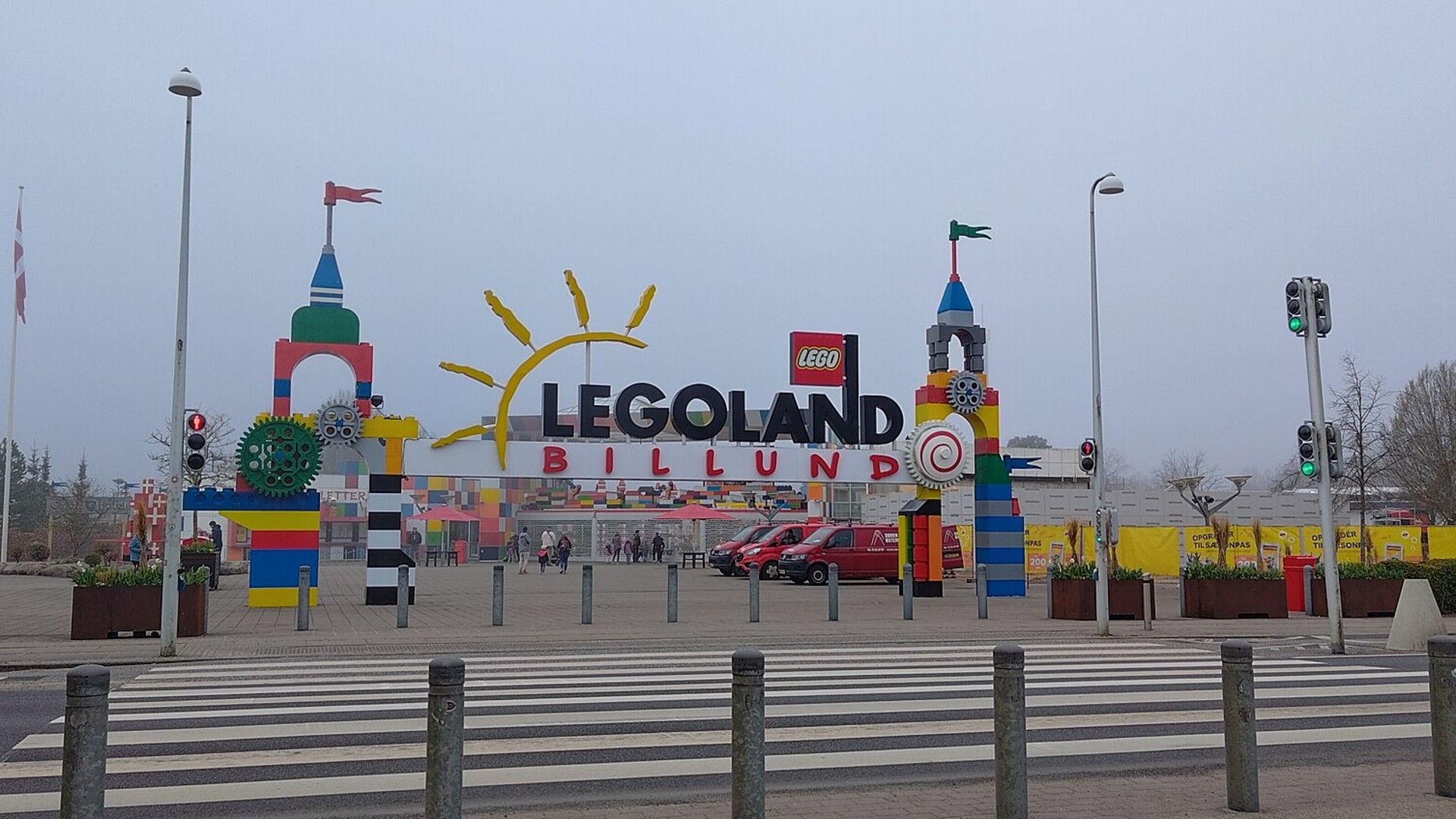
So many tourists came to see Lego's model displays in Billund that the company opened Legoland beside its headquarters in June 1968. Its centerpiece, Miniland, recreated famous Danish and European landmarks using millions of bricks. That first park remains the flagship destination in Billund today.
©Wikimedia / Alex234
17. Larger Duplo Bricks Arrive For Toddlers (1969)
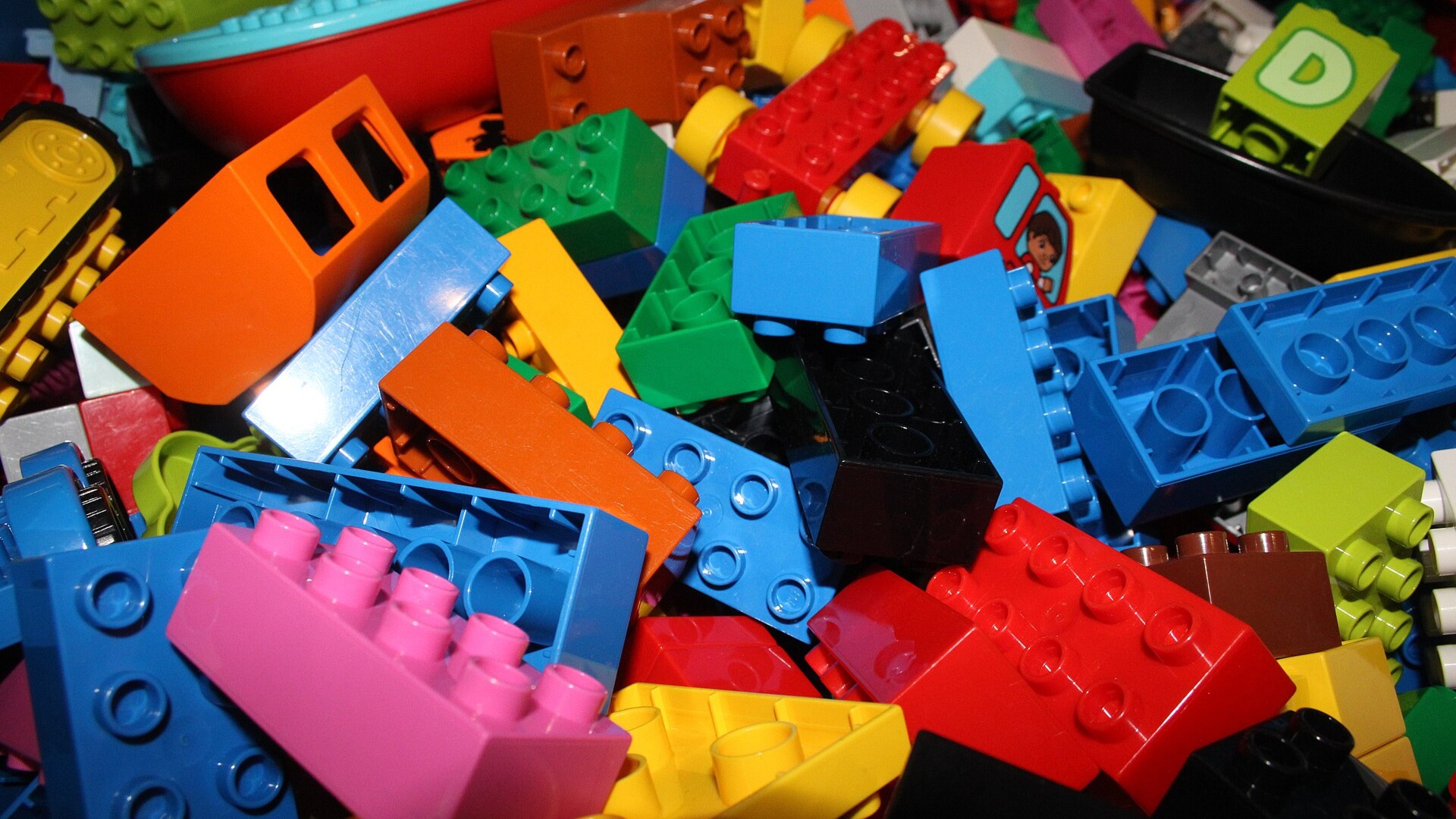
Named after the Latin word for double, Lego Duplo debuted in 1969 for younger children who needed bigger pieces that were safe to handle. Because every Duplo dimension scales at a two-to-one ratio, classic standard Lego bricks still snap directly onto Duplo studs as builders grow older.
©Wikimedia / Christian Ursilva from København, Danmark
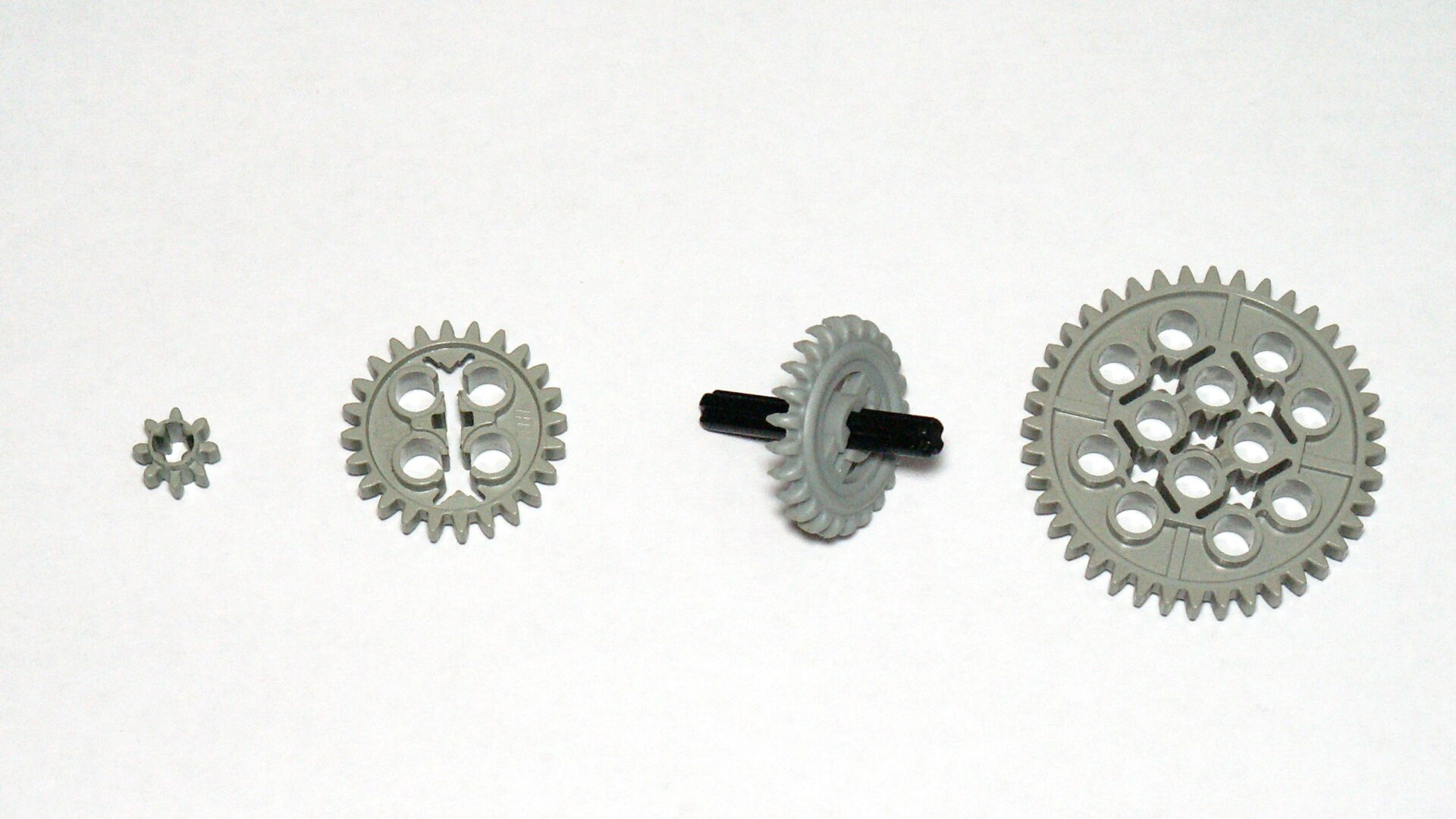
16. Lego Technic Introduces Gears And Axles (1977)
Lego expanded beyond static buildings in 1977 with Expert Builder, later renamed Lego Technic. Instead of relying solely on studded bricks, Technic sets used pins, axles, beams, and toothed gears to build functional steering, suspensions, and gearboxes for older builders.
©Wikimedia / Oz1sej ( talk )
Advertisement
Swipe or tap ▶ to resume the countdown.
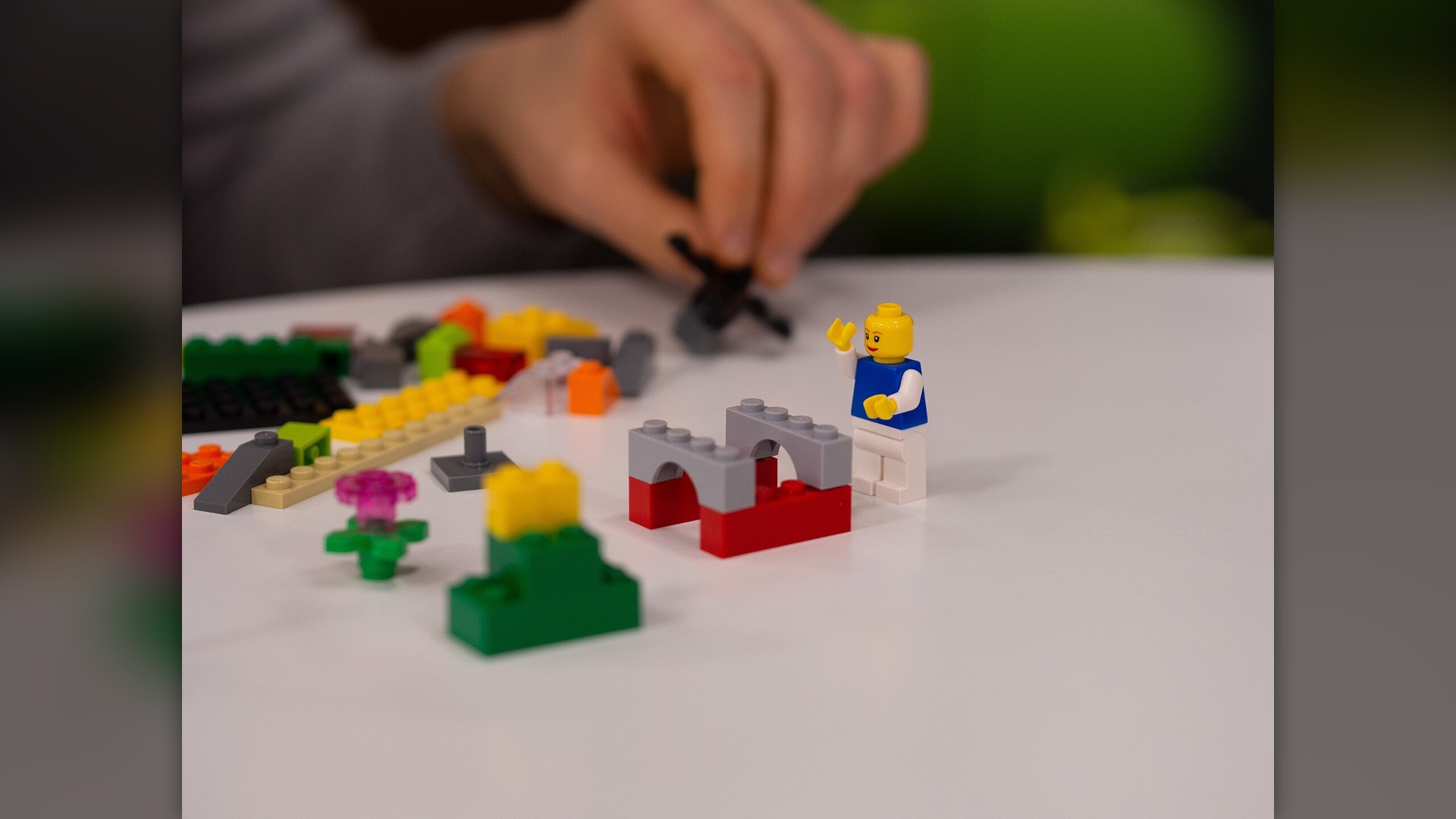
15. The Classic Smiling Minifigure Launches (1978)
Before 1978, Lego figures had rigid torsos and no movable limbs. The 1978 minifigure introduced articulated legs, rotating arms, C-shaped gripping hands, and a simple smiling face. Standing four bricks tall, the design became the universal scale for cities, spaceships, and movie sets worldwide.
©Wikimedia / Watty62
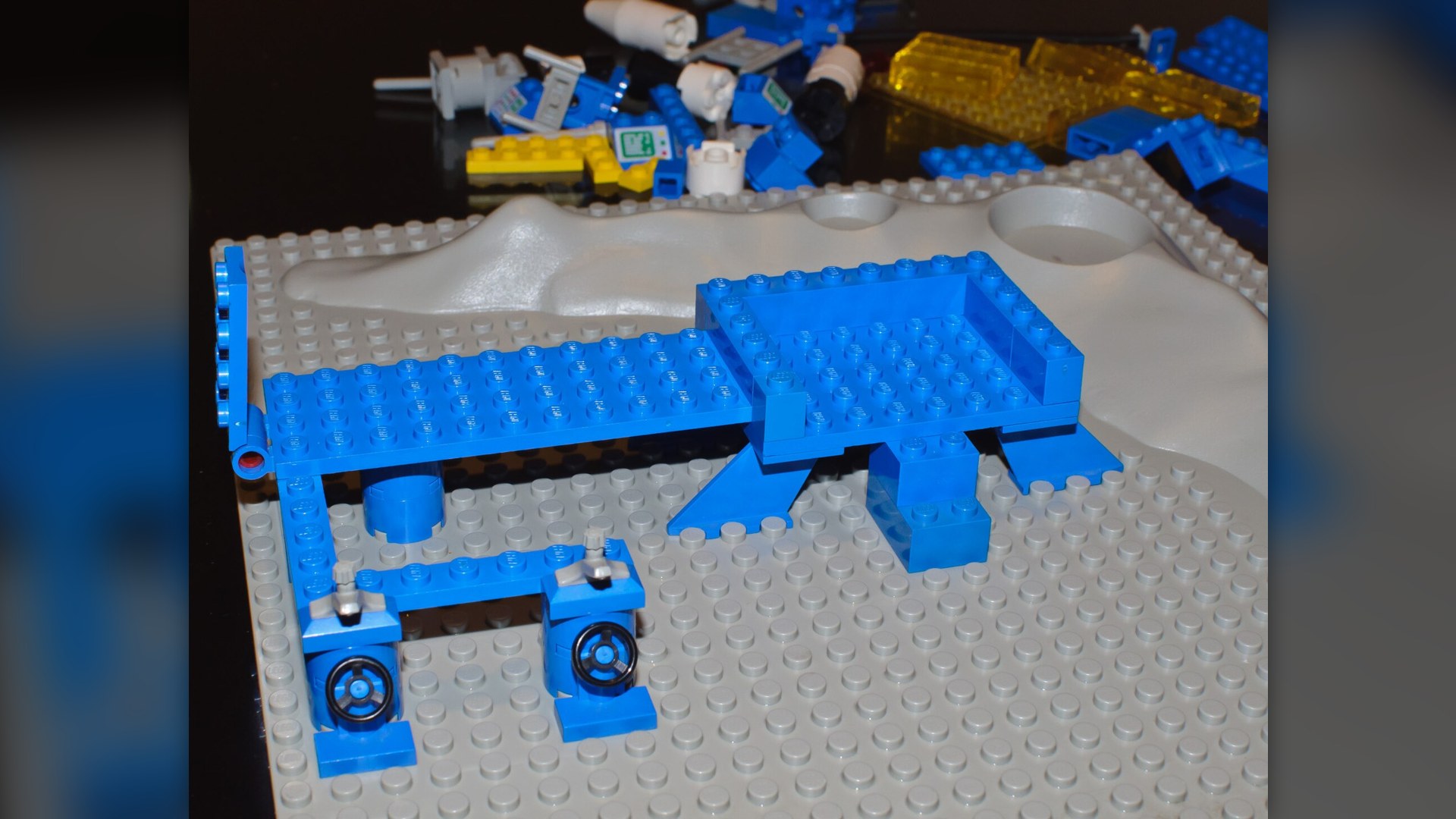
14. Classic Lego Space Explores Orbit (1978)
In 1978, Lego reorganized its catalog around three core themes: Town, Castle, and Space. Classic Space kits like the 187-piece Alpha-1 Rocket Base paired gray craters and blue hulls with red and white astronauts, turning Moon rovers and launchpads into a staple of 1980s playrooms.
©Wikimedia / InSapphoWeTrust from Los Angeles, California, US
13. Lego Castle Builds Medieval Worlds (1978)
Starting with a bright yellow castle in 1978, the medieval theme evolved into gray fortresses, knights, and detailed townscapes over the following decades. Later collector models such as Set 10193 Medieval Market Village, released in 2009, added half-timbered shops and brick-built livestock.
©Wikimedia / InSapphoWeTrust from Los Angeles, California, US
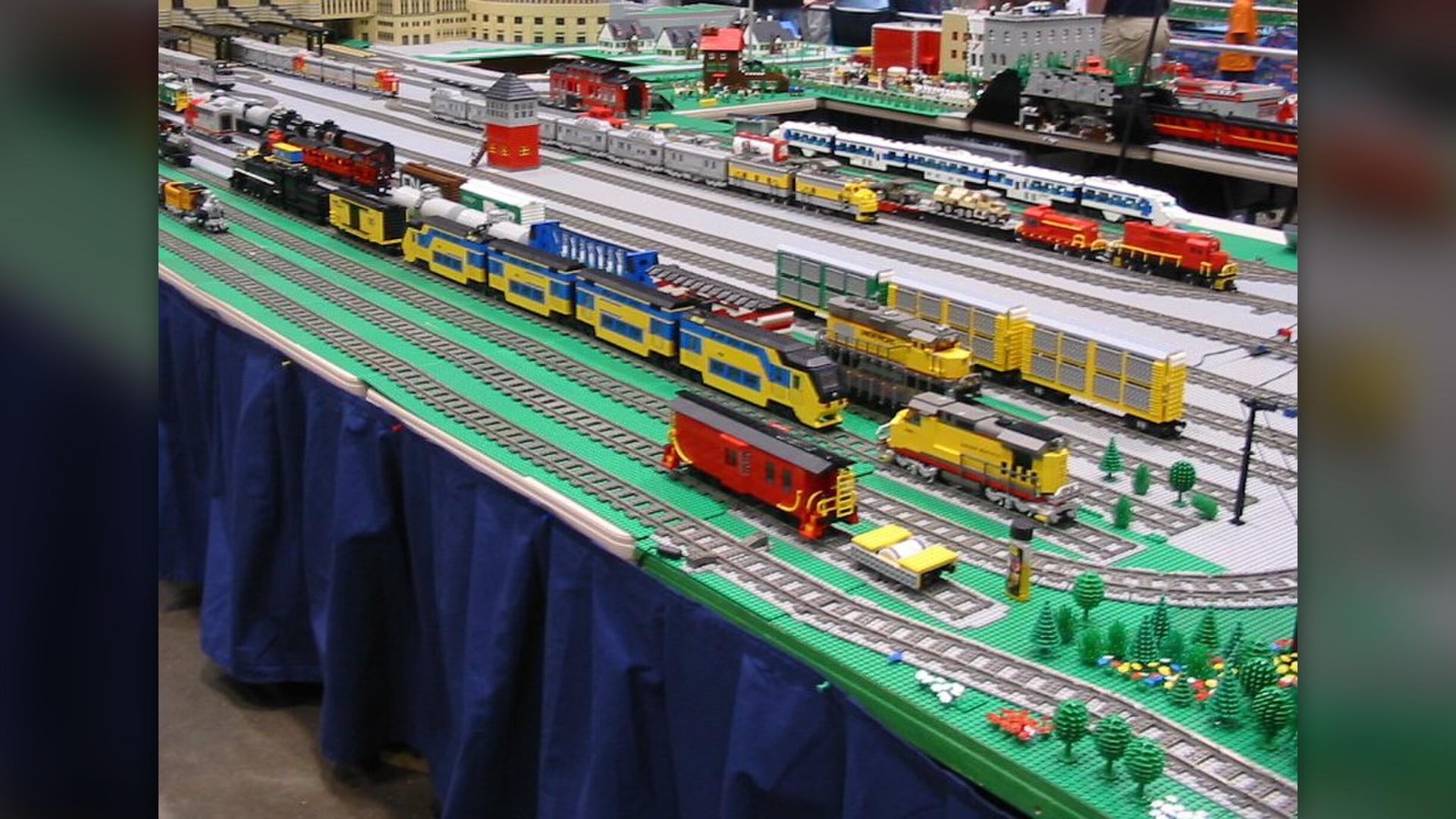
12. Electric Lego Trains Hit The Tracks
Lego introduced its first dedicated train sets in 1966 on blue plastic rails before upgrading to gray 12-volt tracks in 1980 with working switches and signals. Classic engines like the red Set 7720 locomotive helped build an enduring community of adult railway modelers around the world.
©Wikimedia / Lego trains
Advertisement
Swipe or tap ▶ to resume the countdown.
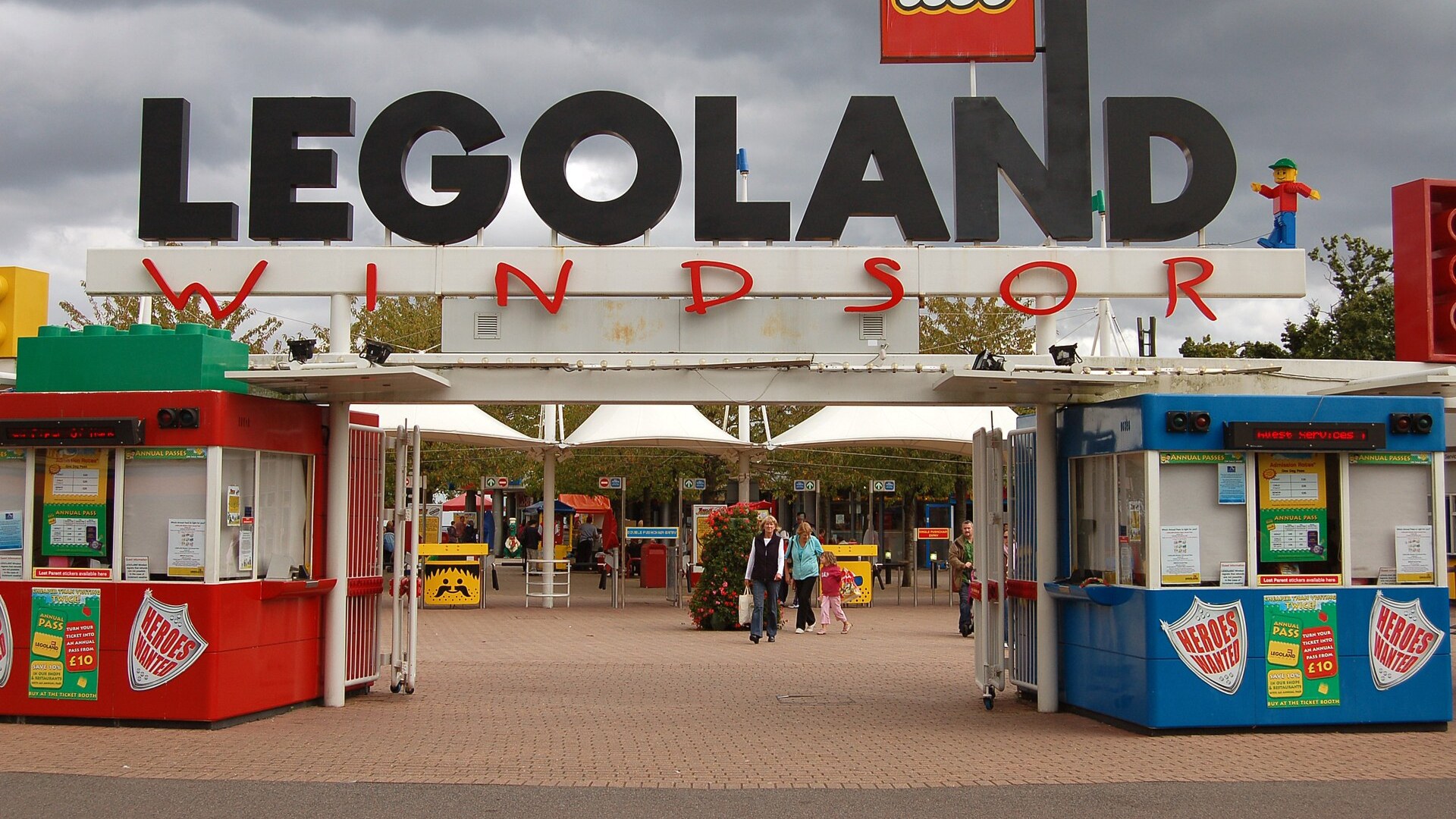
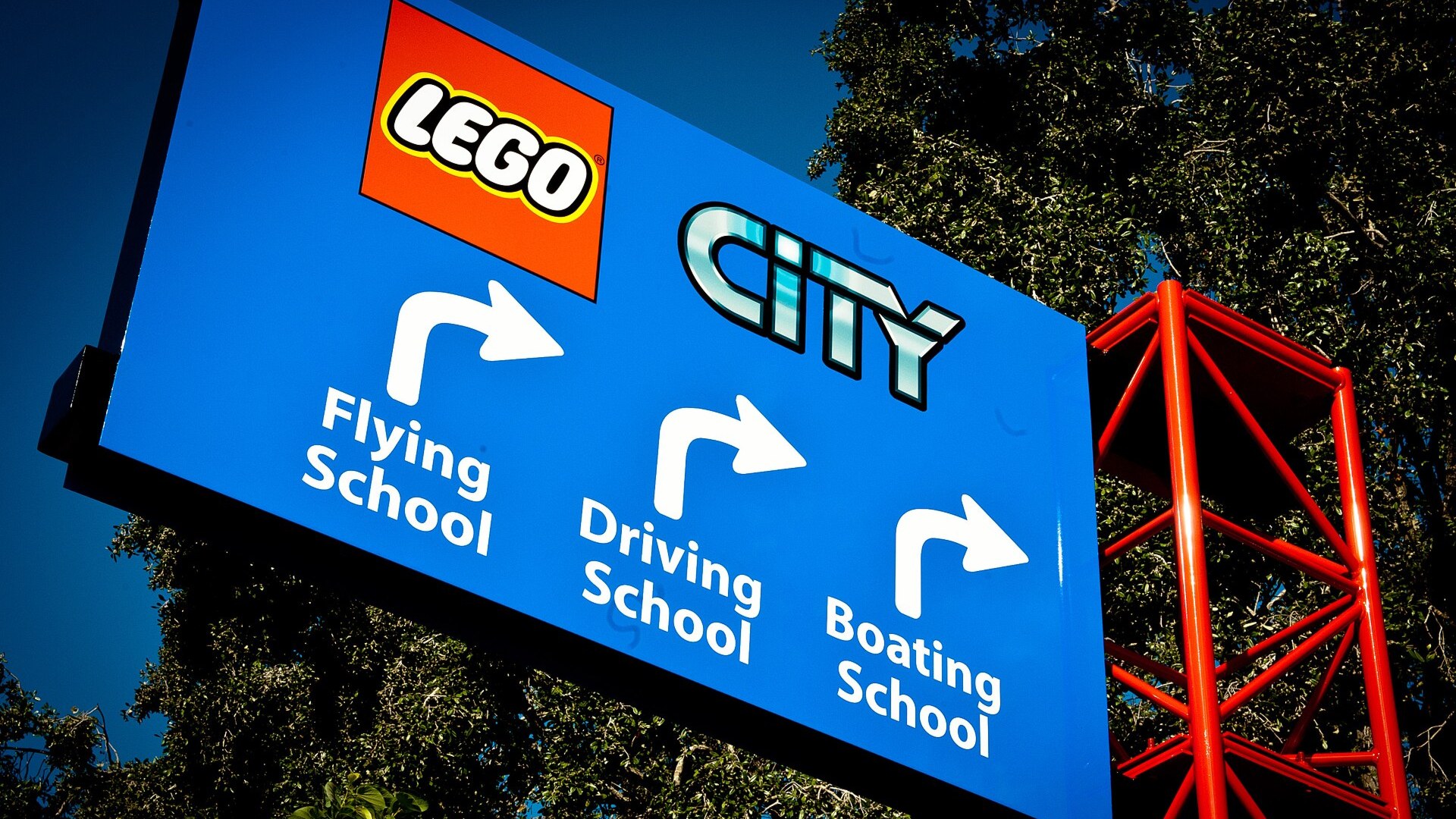
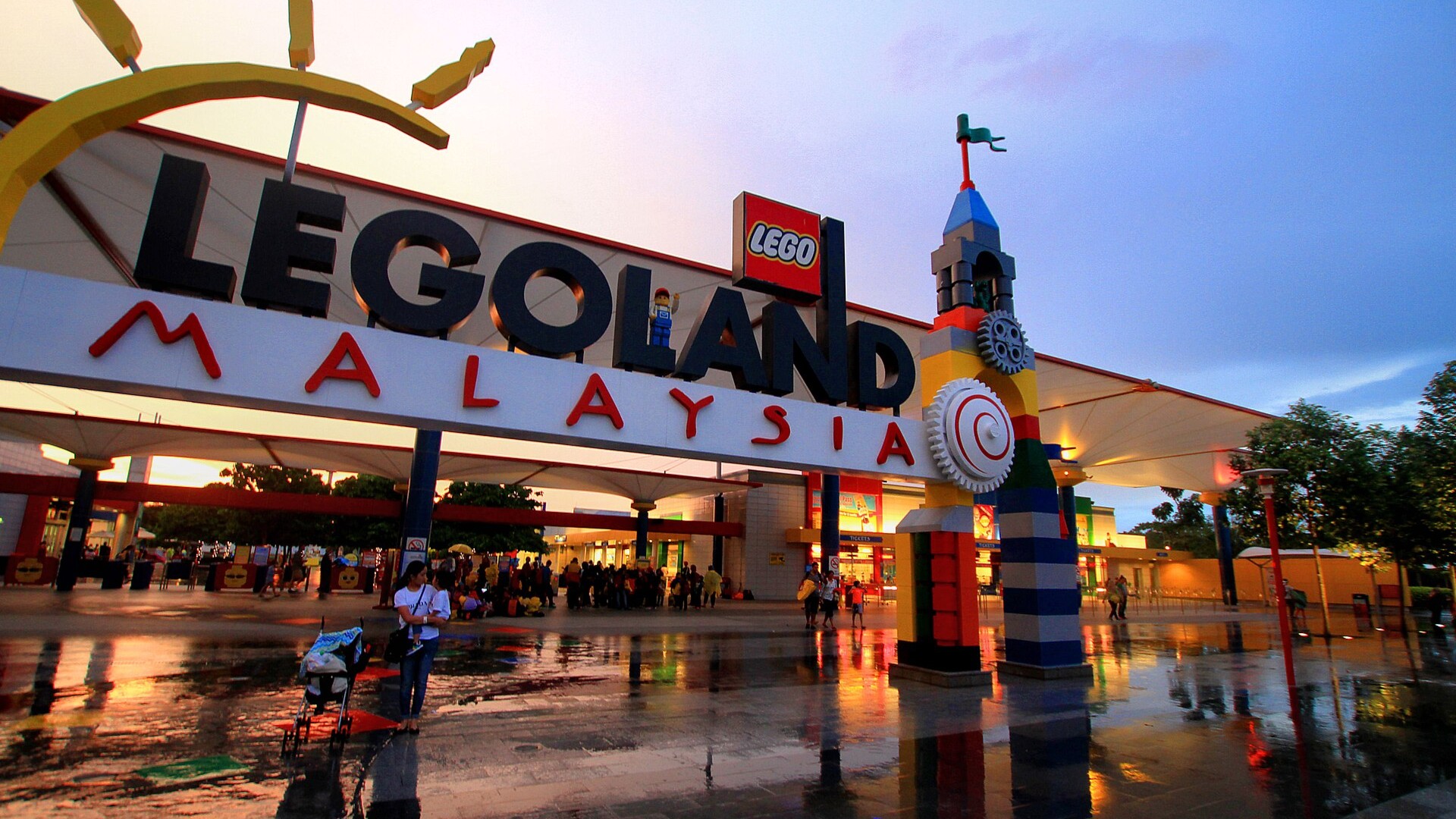
11. Legoland Expands Beyond Denmark In Windsor (1996)
Nearly 28 years after Billund opened, Lego launched its second theme park in Windsor, England, in March 1996. Built on the former grounds of Windsor Safari Park, the resort featured a British Miniland showcasing London landmarks, driving schools for kids, and brick-themed roller coasters.
©Wikimedia / Rob Young profile
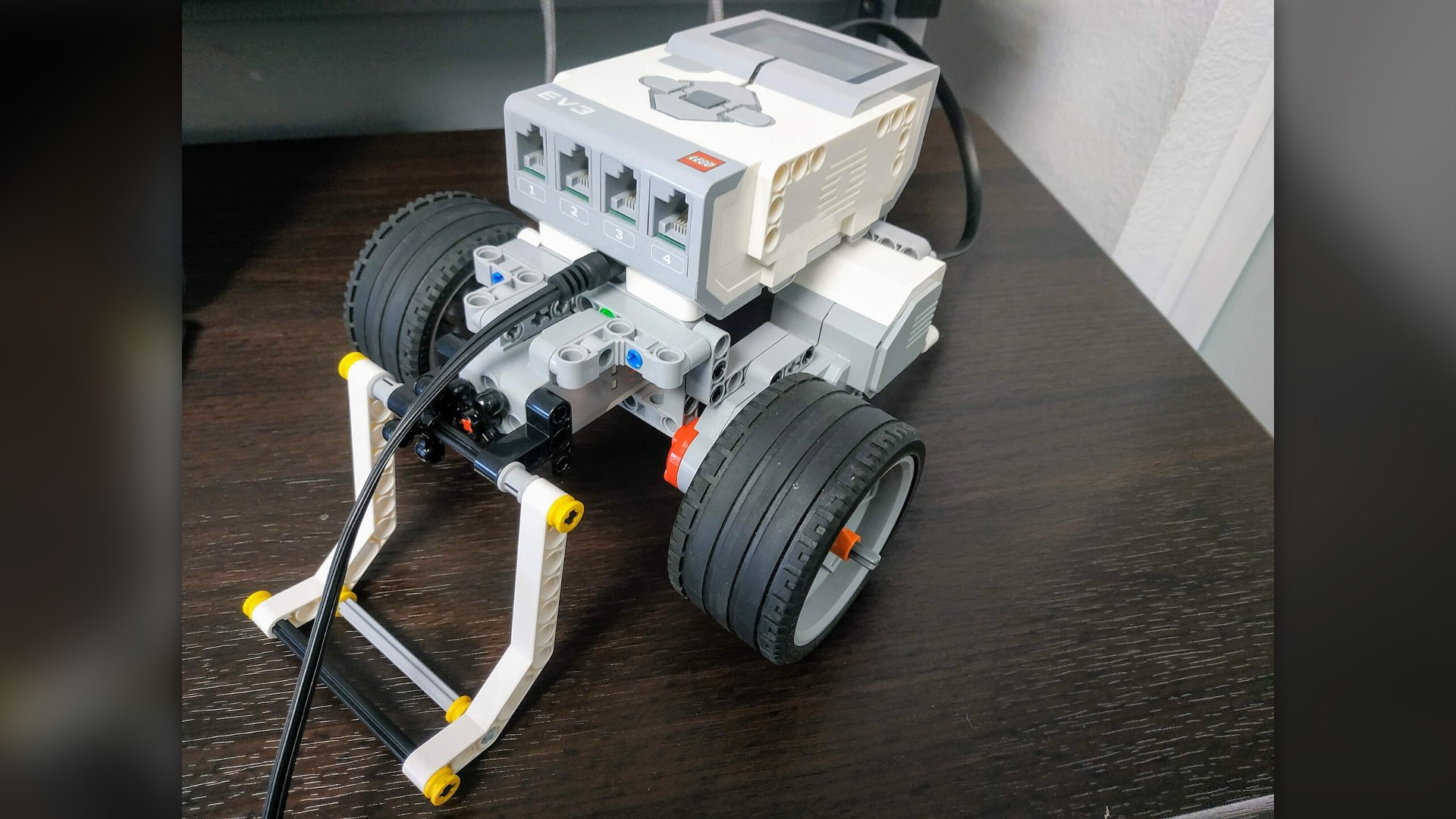
10. Lego Mindstorms Brings Robotics (1998)
Launched in 1998, Lego Mindstorms paired Technic motors and light sensors with a programmable brick called the RCX. Later generations like NXT and EV3 powered FIRST Lego League competitions globally, teaching students how to code autonomous robots out of plastic parts.
©Wikimedia / Javier Leiva
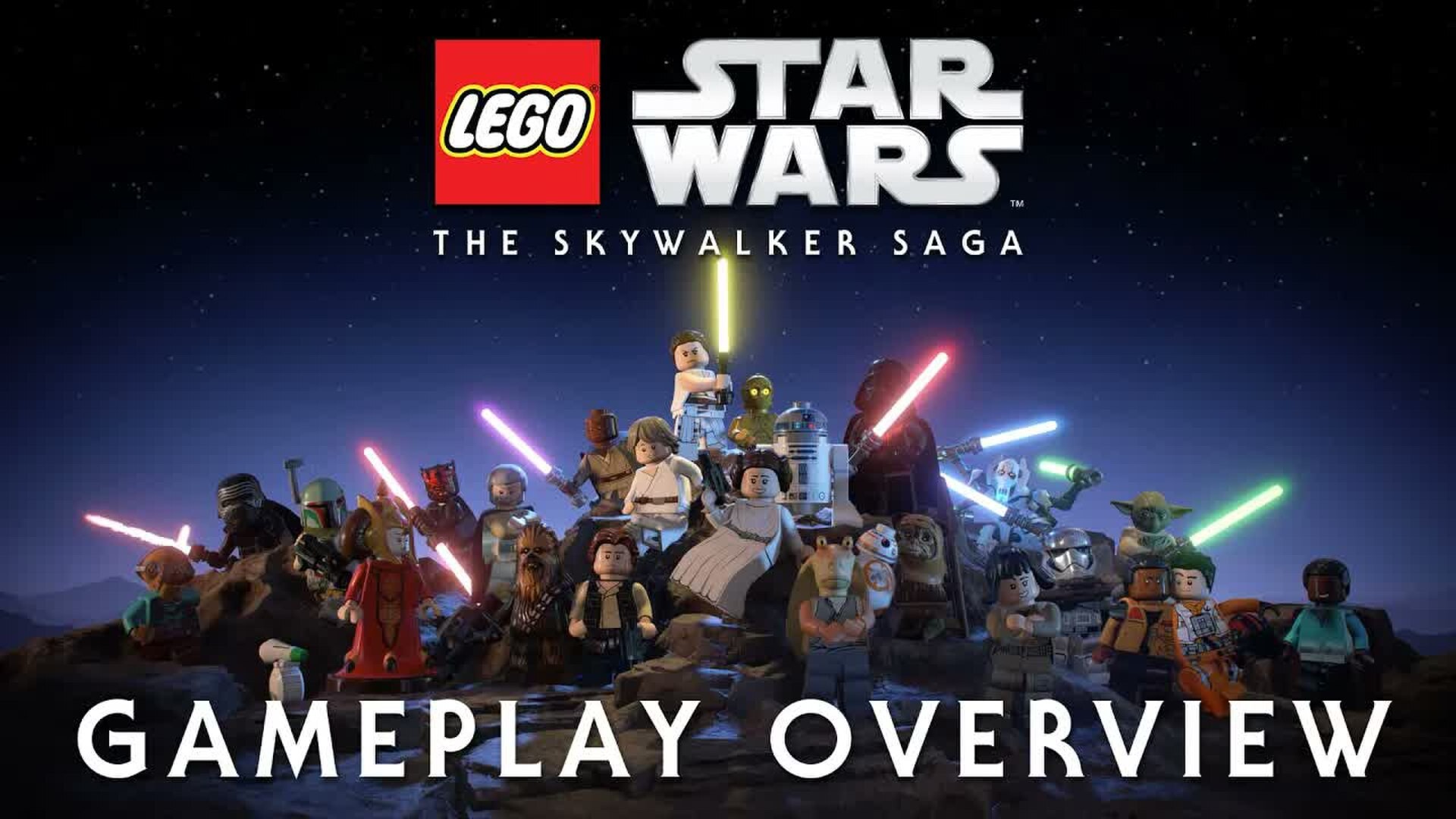
9. Lego Star Wars Launches Licensed Themes (1999)
For decades, Lego avoided outside entertainment brands. That changed in 1999 when Lego Star Wars launched alongside The Phantom Menace, proving fans wanted brick-built X-wings and Millennium Falcons. The partnership helped pull the company out of financial trouble in the early 2000s.
©Wikimedia / Warner Bros. Games
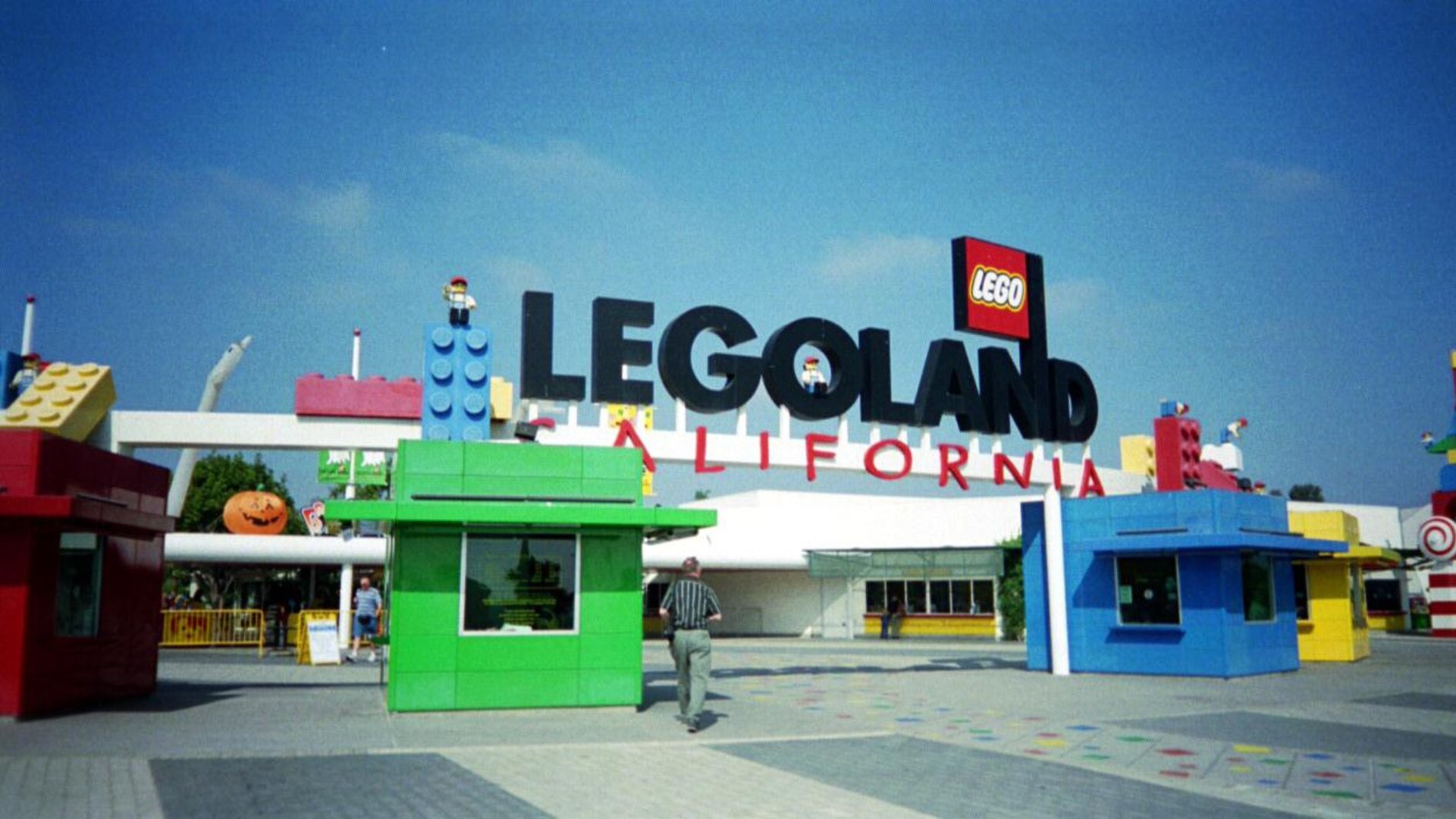
8. Legoland California Opens In Carlsbad (1999)
Opening in Carlsbad, California, in March 1999, Legoland California became the first Legoland resort in the United States. Its Miniland USA display used tens of millions of bricks to replicate New York, Washington, D.C., and San Francisco alongside family rides and water attractions.
©Wikimedia / Uploader Vrysxy
Advertisement
Swipe or tap ▶ to resume the countdown.
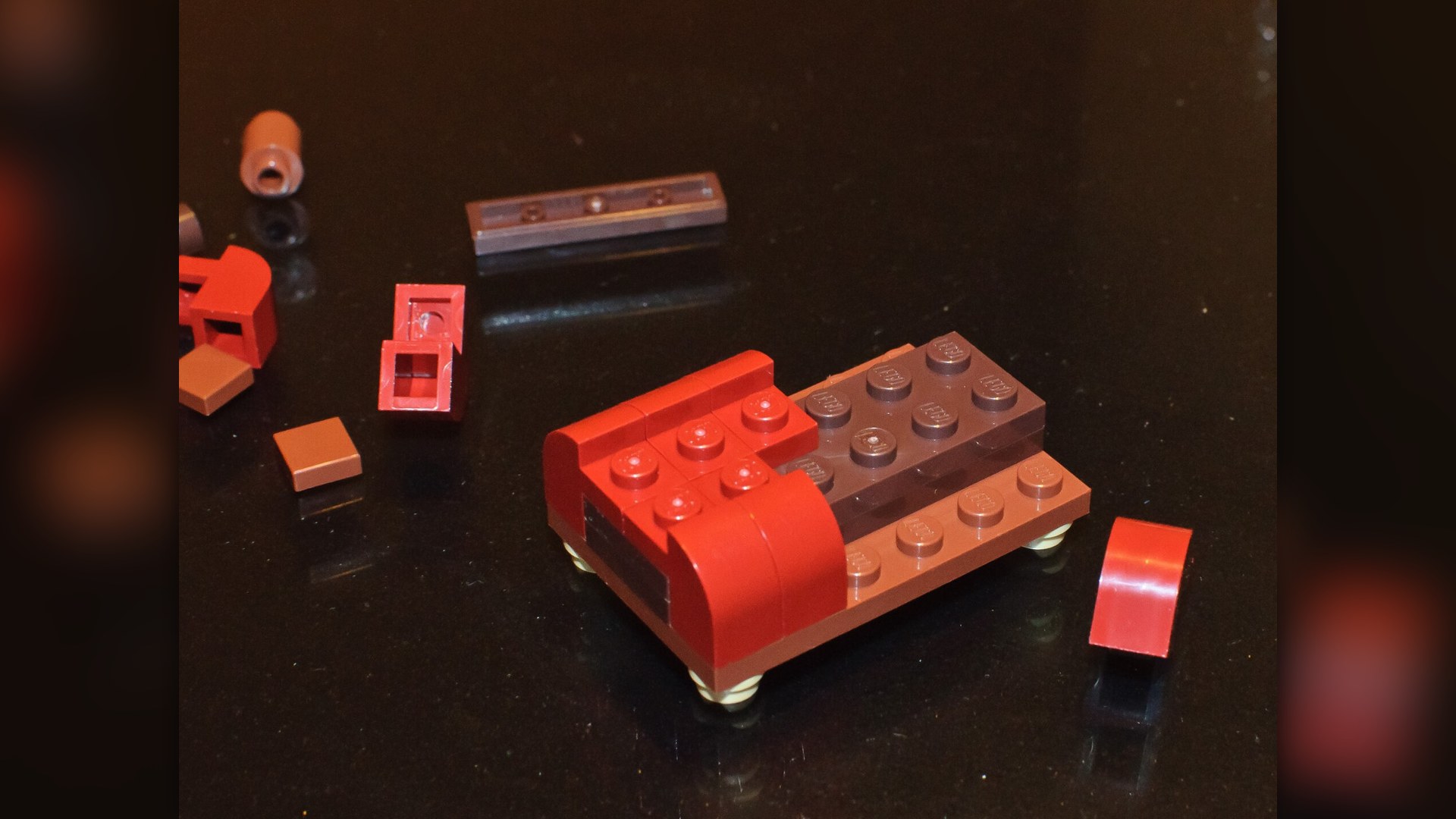
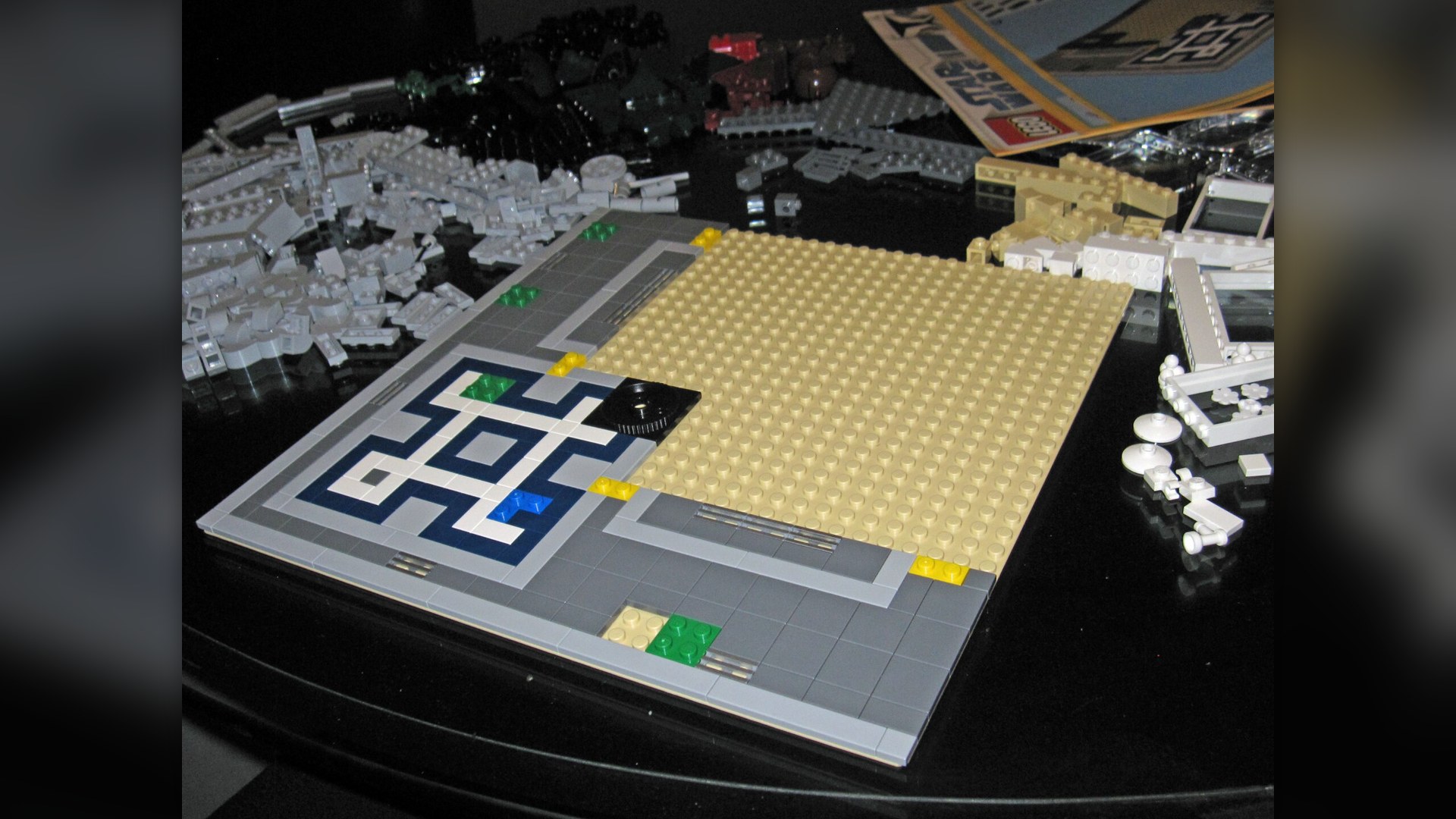
7. Modular Buildings Create Collector Streets (2007)
Starting with Cafe Corner in 2007, the Modular Buildings line targeted dedicated builders with removable floors, tiled sidewalks, and furnished interiors. Early releases like the 2,182-piece Grand Emporium connected side by side via Technic pins to form full city blocks.
©Wikimedia / InSapphoWeTrust from Los Angeles, California, US
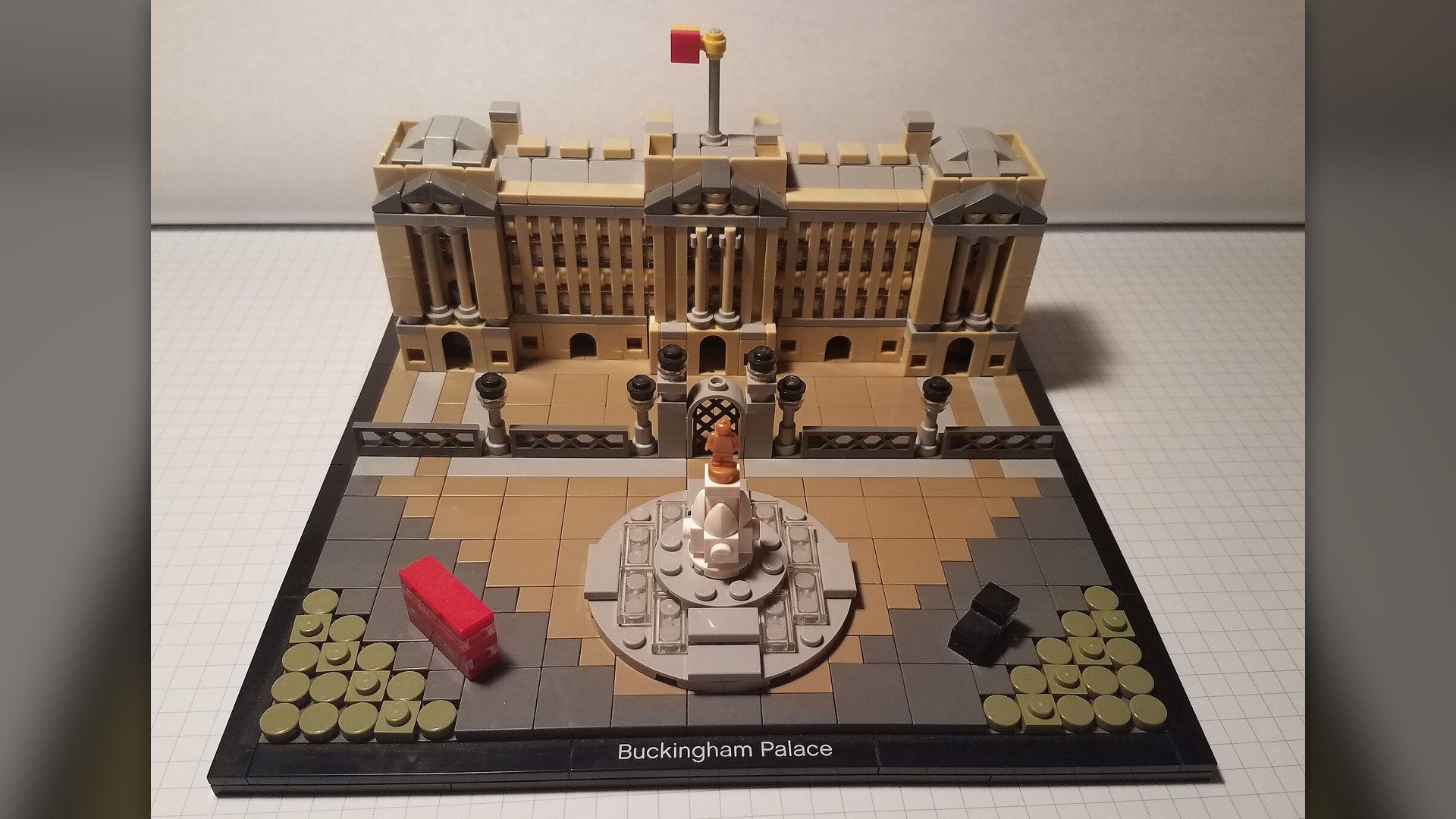
6. Lego Architecture Models Famous Landmarks (2008)
Chicago architect Adam Reed Tucker helped spark the Lego Architecture theme in 2008 with sleek scale models of famous skyscrapers and monuments. Later releases recreated Buckingham Palace, Fallingwater, and city skylines, helping Lego win over adult buyers looking for displayable design sets.
©Wikimedia / Blipken
5. Legoland Florida Opens In Winter Haven (2011)
In October 2011, Legoland Florida opened in Winter Haven as the second Legoland resort in the United States. Developers preserved the historic botanical gardens from the former Cypress Gardens attraction while adding themed rides, water parks, and brick replicas of Florida landmarks.
©Wikimedia / Josh Hallett from Winter Haven, FL, USA
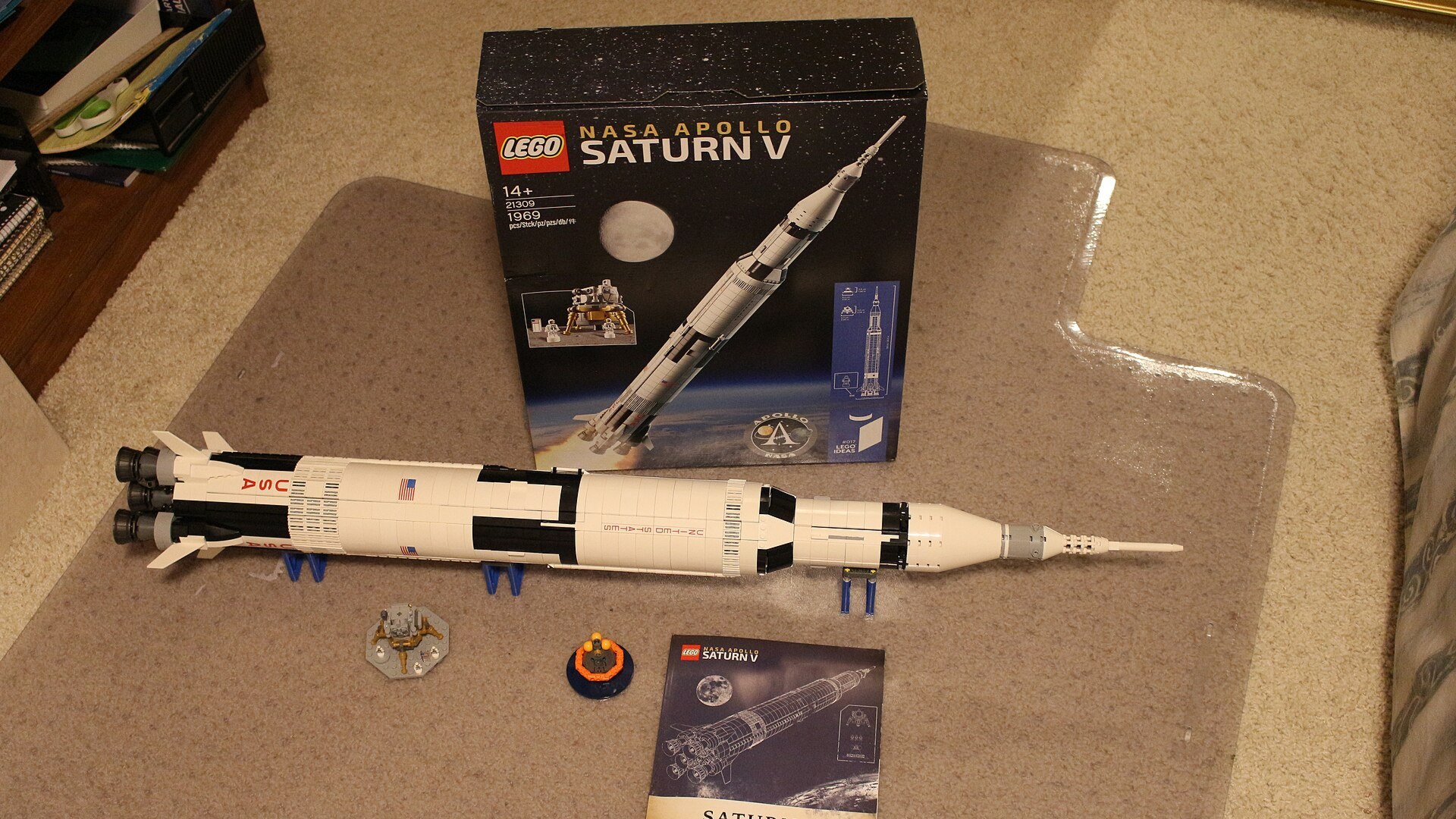
4. Lego Ideas NASA Apollo Saturn V (2017)
Through its Lego Ideas platform, where fans pitch designs that receive 10,000 community votes, Lego released the NASA Apollo Saturn V in 2017. Standing roughly one meter tall with detachable stages and a tiny lunar lander, its 1,969-piece count paid tribute to the year of the Apollo 11 landing.
©Wikimedia / Legoktm
Advertisement
Swipe or tap ▶ to resume the countdown.
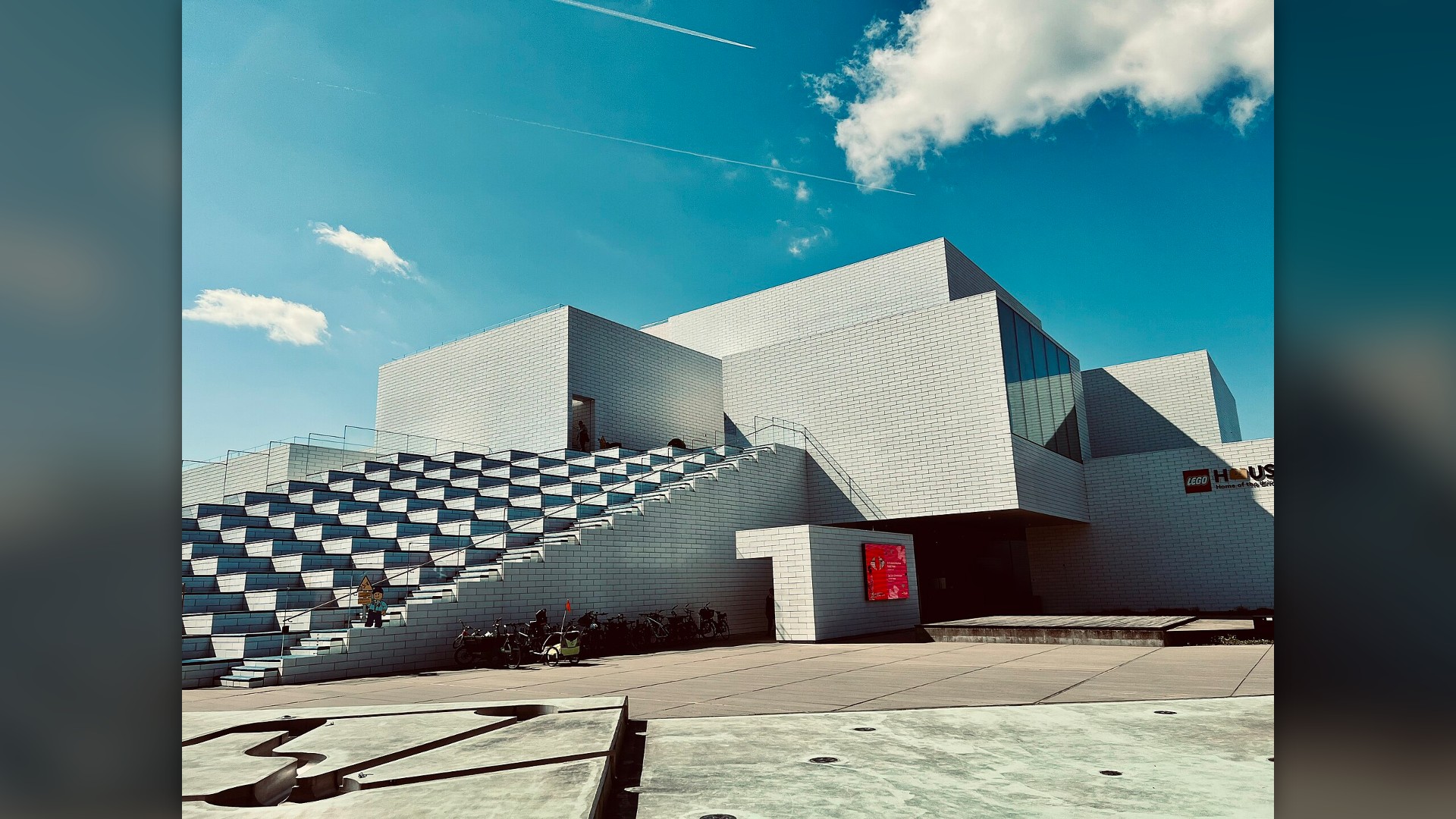
3. Lego House Opens In Billund (2017)
In September 2017, Lego opened Lego House in the center of Billund, Denmark. The 12,000-square-meter experience center features 21 white stacked volumes topped by colored rooftop terraces, a basement museum of historic wooden toys, and giant brick-built dinosaurs.
©Wikimedia / HartOve
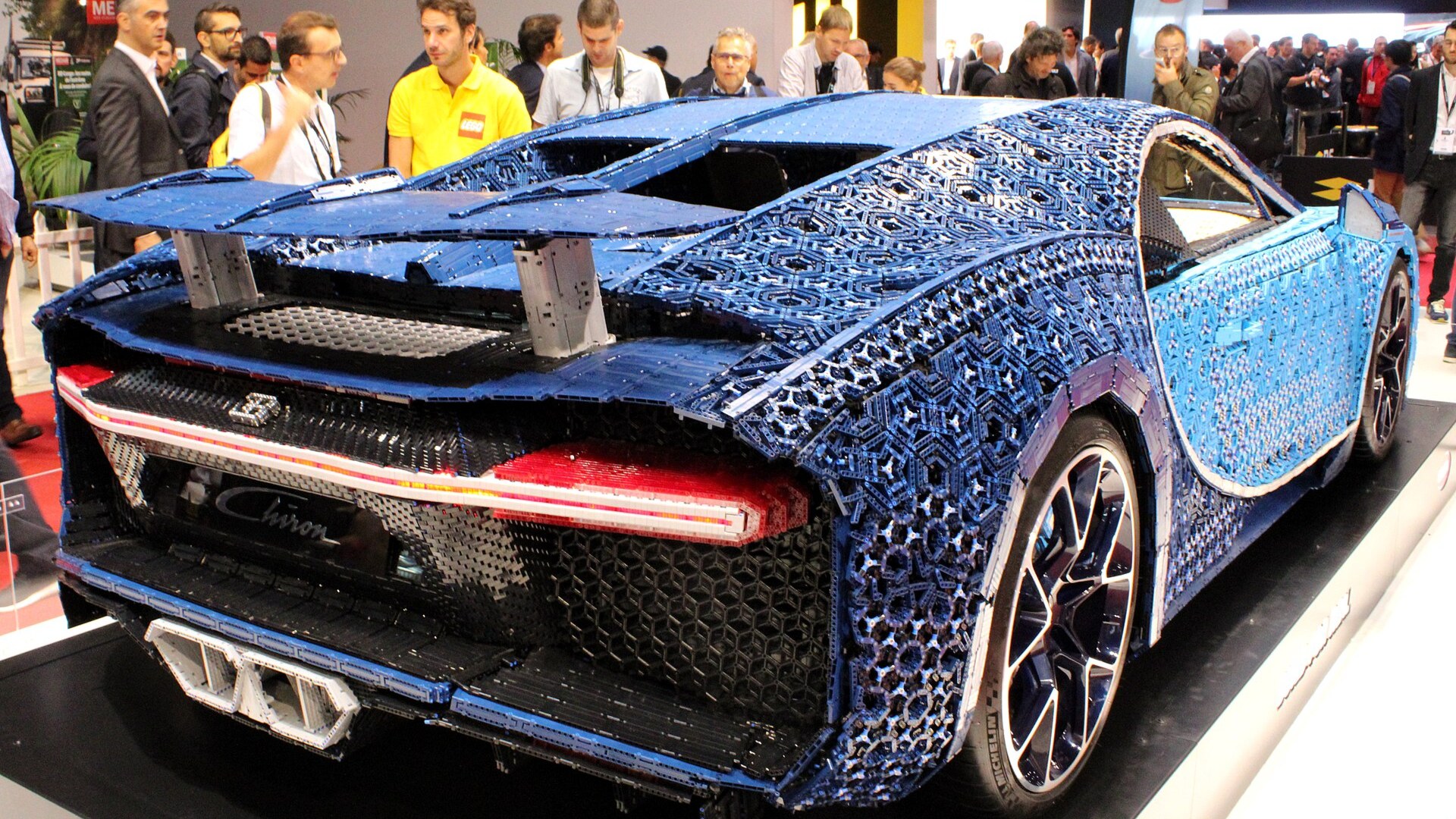
2. Life-Size Drivable Lego Bugatti Chiron (2018)
Unveiled in 2018, the full-scale Lego Technic Bugatti Chiron used over one million pieces held together without glue. Powered by 2,304 Lego Power Functions motors and 4,032 gear wheels, the 1.5-tonne car produced 5.3 horsepower and reached over 20 km/h with test driver Andy Wallace at the wheel.
©Wikimedia / Alexander Migl
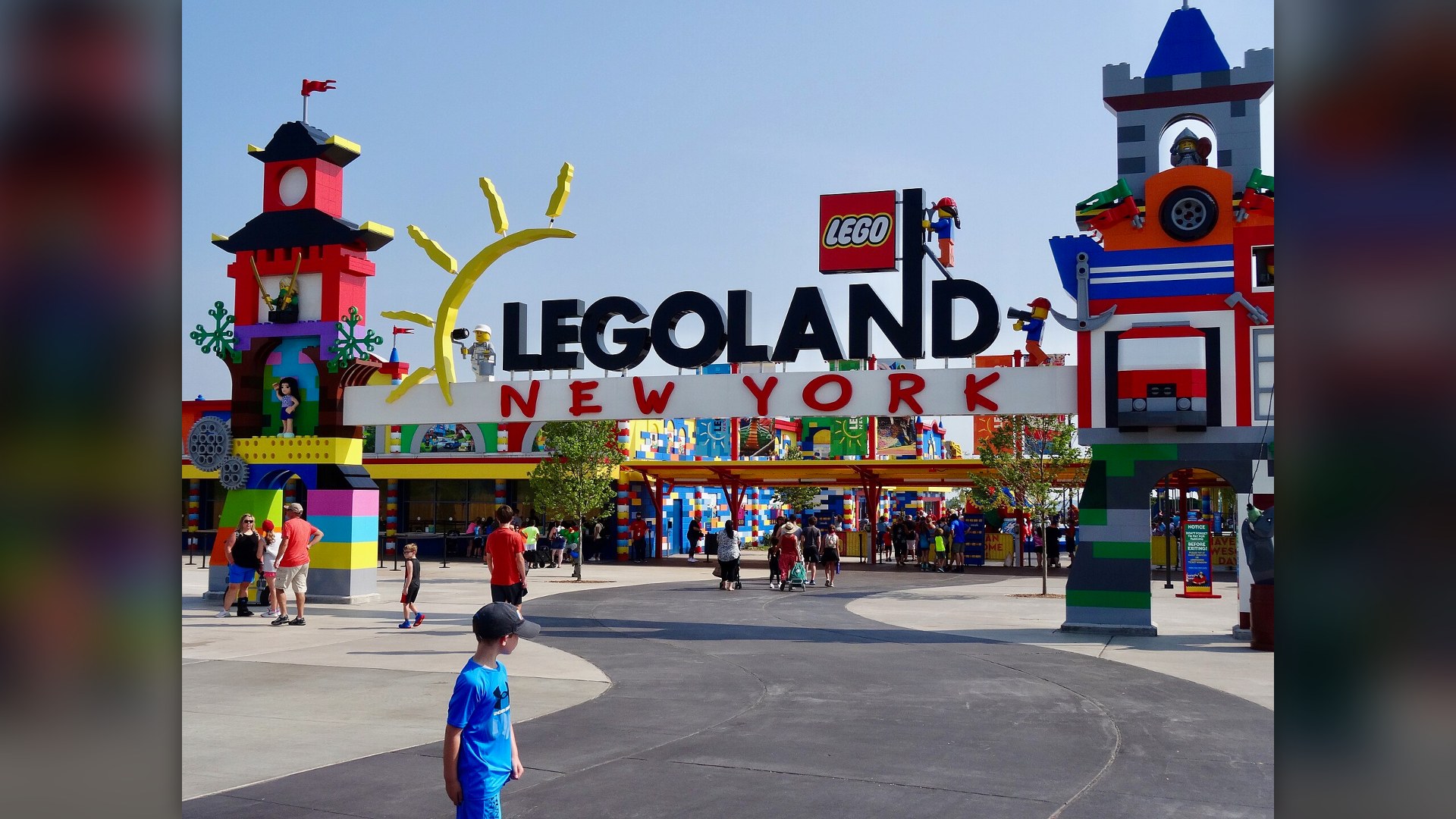
1. Legoland New York Opens In Goshen (2021)
Opening in Goshen, New York, in 2021 after pandemic delays, Legoland New York became the third Legoland resort in the United States. Its signature Lego Factory Adventure Ride uses motion tracking to transform riders onscreen into animated Lego minifigures as they tour the brick-making process.
©Wikimedia / MattCC716
Advertisement
You've reached the end of the story. Thanks for reading!

24 Famous Auction Items That Sold For Far More Than Expected
Auction rooms regularly stun experts when rare art, fossils, classic cars, and historic documents spark fierce bidding wars. Ranked from $905,000 to $450.3 million, these 24 verified sales far outpaced pre-sale estimates, based on records from Christie's, Sotheby's, Heritage Auctions, and RM Sotheby's.
All 22 Entries in this Story
1. Ole Kirk Christiansen's Billund Workshop (1932)
Ole Kirk Christiansen began making wooden toys in Billund, Denmark, in 1932 after construction work slowed down. Two years later, in 1934, he named his workshop Lego from the Danish words 'leg godt,' meaning 'play well.' Early products included wooden trains, yo-yos, and pull-along animals.

2. Handcrafted Wooden Ducks And Trucks (1935)
Before plastic molding arrived, Lego earned its reputation for durability with painted wooden trucks, fire engines, and pull-along ducks. Christiansen insisted on multiple coats of lacquer so toys lasted through rough play. Surviving 1930s and 1940s models are preserved today at Lego House in Billund.

3. Automatic Binding Bricks Debut (1949)
After buying a plastic injection-molding machine in the late 1940s, Lego launched Automatic Binding Bricks in 1949. Inspired by Kiddicraft blocks from British inventor Hilary Fisher Page, these early bricks had hollow undersides and slotted window frames, though stacked towers still toppled easily.

4. The Interlocking Brick Patent (1958)
Godtfred Kirk Christiansen filed the patent for the modern Lego brick design on January 28, 1958. Hollow cylindrical tubes inside the underside locked securely onto studs below, creating the System in Play. Bricks molded in 1958 still snap firmly together with standard Lego bricks manufactured today.

5. First Legoland Park Opens In Billund (1968)
So many tourists came to see Lego's model displays in Billund that the company opened Legoland beside its headquarters in June 1968. Its centerpiece, Miniland, recreated famous Danish and European landmarks using millions of bricks. That first park remains the flagship destination in Billund today.

6. Larger Duplo Bricks Arrive For Toddlers (1969)
Named after the Latin word for double, Lego Duplo debuted in 1969 for younger children who needed bigger pieces that were safe to handle. Because every Duplo dimension scales at a two-to-one ratio, classic standard Lego bricks still snap directly onto Duplo studs as builders grow older.

7. Lego Technic Introduces Gears And Axles (1977)
Lego expanded beyond static buildings in 1977 with Expert Builder, later renamed Lego Technic. Instead of relying solely on studded bricks, Technic sets used pins, axles, beams, and toothed gears to build functional steering, suspensions, and gearboxes for older builders.

8. The Classic Smiling Minifigure Launches (1978)
Before 1978, Lego figures had rigid torsos and no movable limbs. The 1978 minifigure introduced articulated legs, rotating arms, C-shaped gripping hands, and a simple smiling face. Standing four bricks tall, the design became the universal scale for cities, spaceships, and movie sets worldwide.

9. Classic Lego Space Explores Orbit (1978)
In 1978, Lego reorganized its catalog around three core themes: Town, Castle, and Space. Classic Space kits like the 187-piece Alpha-1 Rocket Base paired gray craters and blue hulls with red and white astronauts, turning Moon rovers and launchpads into a staple of 1980s playrooms.

10. Lego Castle Builds Medieval Worlds (1978)
Starting with a bright yellow castle in 1978, the medieval theme evolved into gray fortresses, knights, and detailed townscapes over the following decades. Later collector models such as Set 10193 Medieval Market Village, released in 2009, added half-timbered shops and brick-built livestock.

11. Electric Lego Trains Hit The Tracks
Lego introduced its first dedicated train sets in 1966 on blue plastic rails before upgrading to gray 12-volt tracks in 1980 with working switches and signals. Classic engines like the red Set 7720 locomotive helped build an enduring community of adult railway modelers around the world.

12. Legoland Expands Beyond Denmark In Windsor (1996)
Nearly 28 years after Billund opened, Lego launched its second theme park in Windsor, England, in March 1996. Built on the former grounds of Windsor Safari Park, the resort featured a British Miniland showcasing London landmarks, driving schools for kids, and brick-themed roller coasters.

13. Lego Mindstorms Brings Robotics (1998)
Launched in 1998, Lego Mindstorms paired Technic motors and light sensors with a programmable brick called the RCX. Later generations like NXT and EV3 powered FIRST Lego League competitions globally, teaching students how to code autonomous robots out of plastic parts.

14. Lego Star Wars Launches Licensed Themes (1999)
For decades, Lego avoided outside entertainment brands. That changed in 1999 when Lego Star Wars launched alongside The Phantom Menace, proving fans wanted brick-built X-wings and Millennium Falcons. The partnership helped pull the company out of financial trouble in the early 2000s.

15. Legoland California Opens In Carlsbad (1999)
Opening in Carlsbad, California, in March 1999, Legoland California became the first Legoland resort in the United States. Its Miniland USA display used tens of millions of bricks to replicate New York, Washington, D.C., and San Francisco alongside family rides and water attractions.

16. Modular Buildings Create Collector Streets (2007)
Starting with Cafe Corner in 2007, the Modular Buildings line targeted dedicated builders with removable floors, tiled sidewalks, and furnished interiors. Early releases like the 2,182-piece Grand Emporium connected side by side via Technic pins to form full city blocks.

17. Lego Architecture Models Famous Landmarks (2008)
Chicago architect Adam Reed Tucker helped spark the Lego Architecture theme in 2008 with sleek scale models of famous skyscrapers and monuments. Later releases recreated Buckingham Palace, Fallingwater, and city skylines, helping Lego win over adult buyers looking for displayable design sets.

18. Legoland Florida Opens In Winter Haven (2011)
In October 2011, Legoland Florida opened in Winter Haven as the second Legoland resort in the United States. Developers preserved the historic botanical gardens from the former Cypress Gardens attraction while adding themed rides, water parks, and brick replicas of Florida landmarks.

19. Lego Ideas NASA Apollo Saturn V (2017)
Through its Lego Ideas platform, where fans pitch designs that receive 10,000 community votes, Lego released the NASA Apollo Saturn V in 2017. Standing roughly one meter tall with detachable stages and a tiny lunar lander, its 1,969-piece count paid tribute to the year of the Apollo 11 landing.

20. Lego House Opens In Billund (2017)
In September 2017, Lego opened Lego House in the center of Billund, Denmark. The 12,000-square-meter experience center features 21 white stacked volumes topped by colored rooftop terraces, a basement museum of historic wooden toys, and giant brick-built dinosaurs.

21. Life-Size Drivable Lego Bugatti Chiron (2018)
Unveiled in 2018, the full-scale Lego Technic Bugatti Chiron used over one million pieces held together without glue. Powered by 2,304 Lego Power Functions motors and 4,032 gear wheels, the 1.5-tonne car produced 5.3 horsepower and reached over 20 km/h with test driver Andy Wallace at the wheel.

22. Legoland New York Opens In Goshen (2021)
Opening in Goshen, New York, in 2021 after pandemic delays, Legoland New York became the third Legoland resort in the United States. Its signature Lego Factory Adventure Ride uses motion tracking to transform riders onscreen into animated Lego minifigures as they tour the brick-making process.